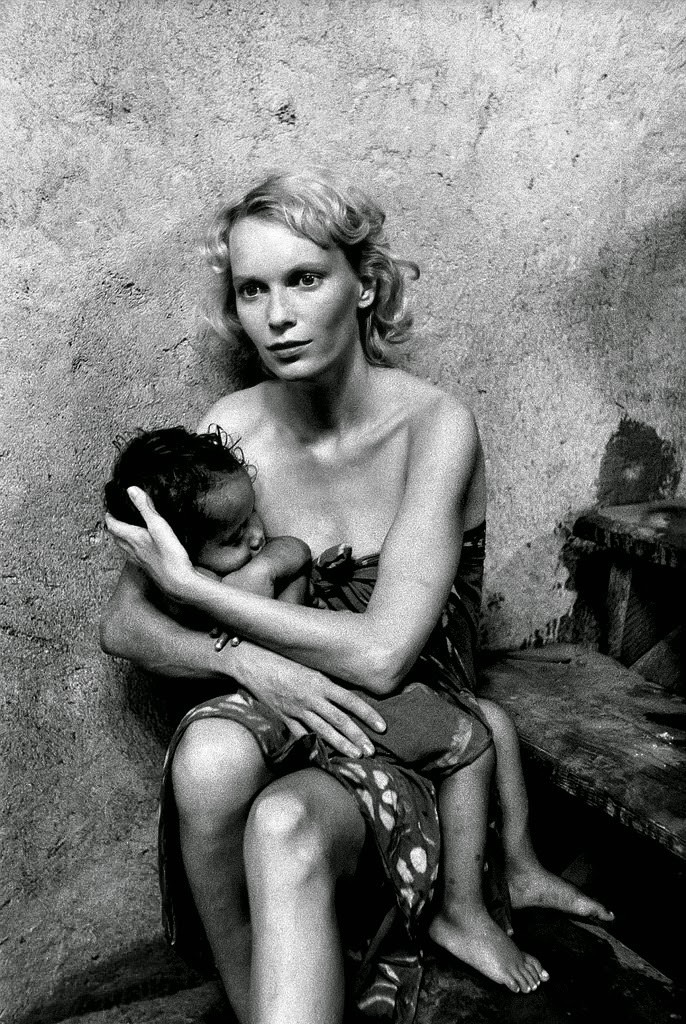
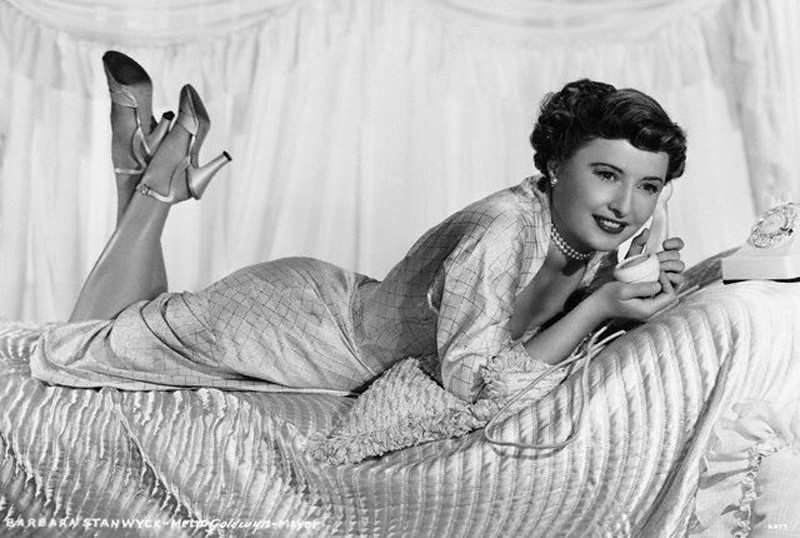
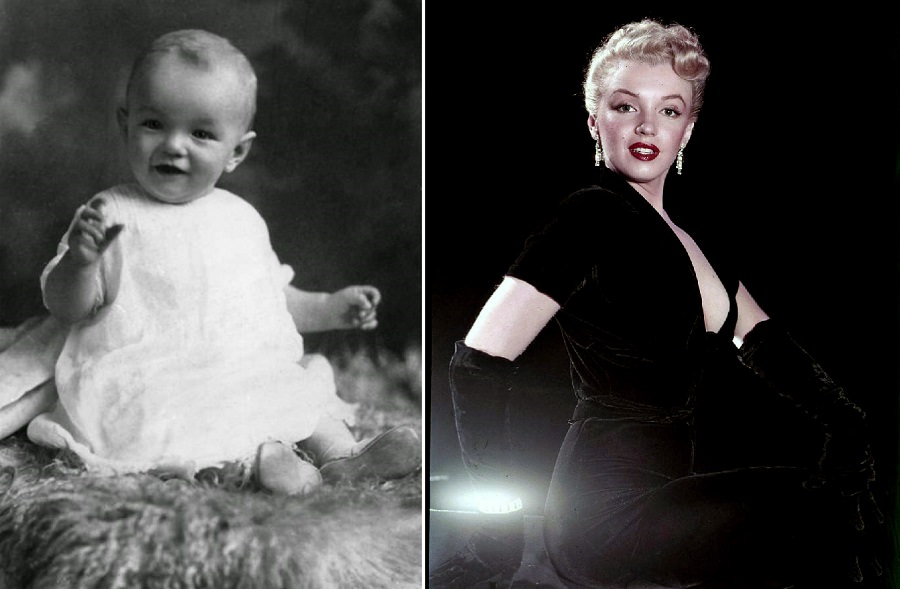
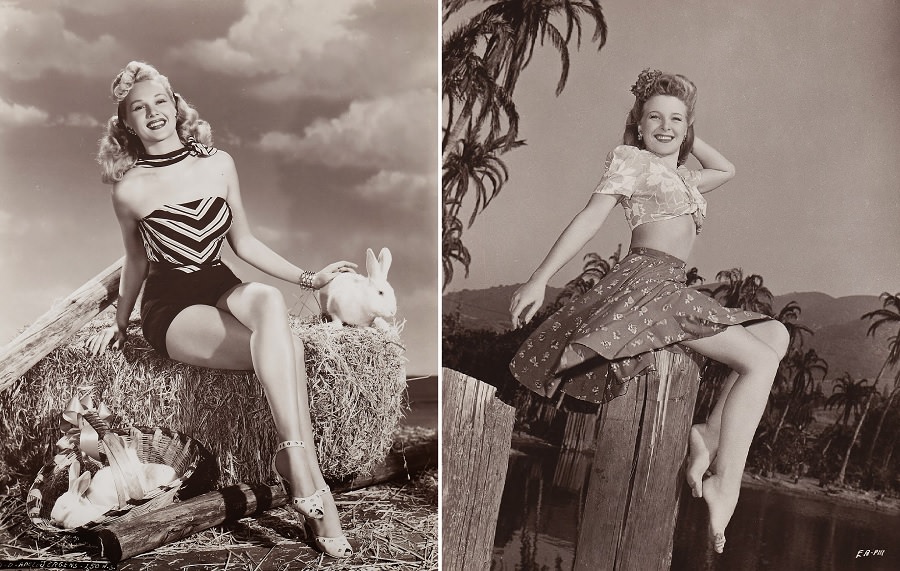
Photographer Steve Schapiro started his professional career in the early 1960s. He shot assignments for major American magazines like Life, Look, and Sports Illustrated. Armed with a 35mm Leica camera, he walked onto movie sets, political rallies, and recording studios with minimal equipment. He waited quietly for unposed moments, capturing the raw humanity of mid-century cultural figures without using artificial studio lighting or staging.
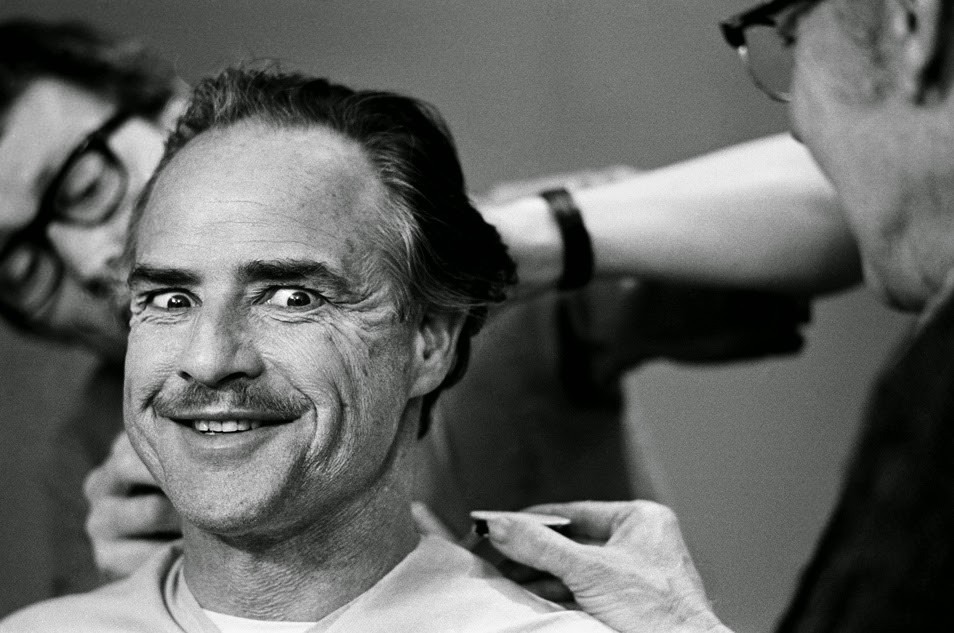
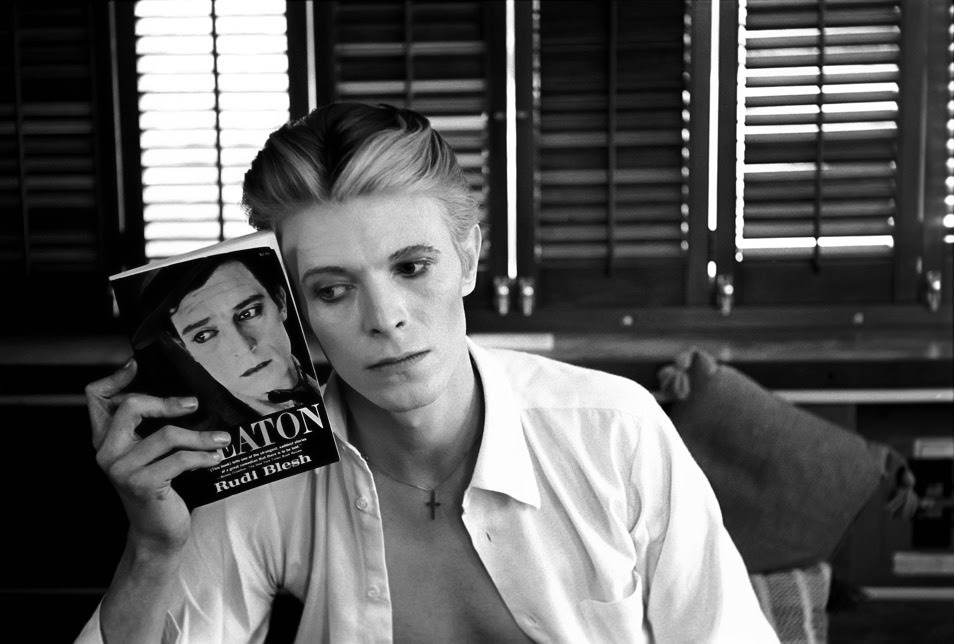
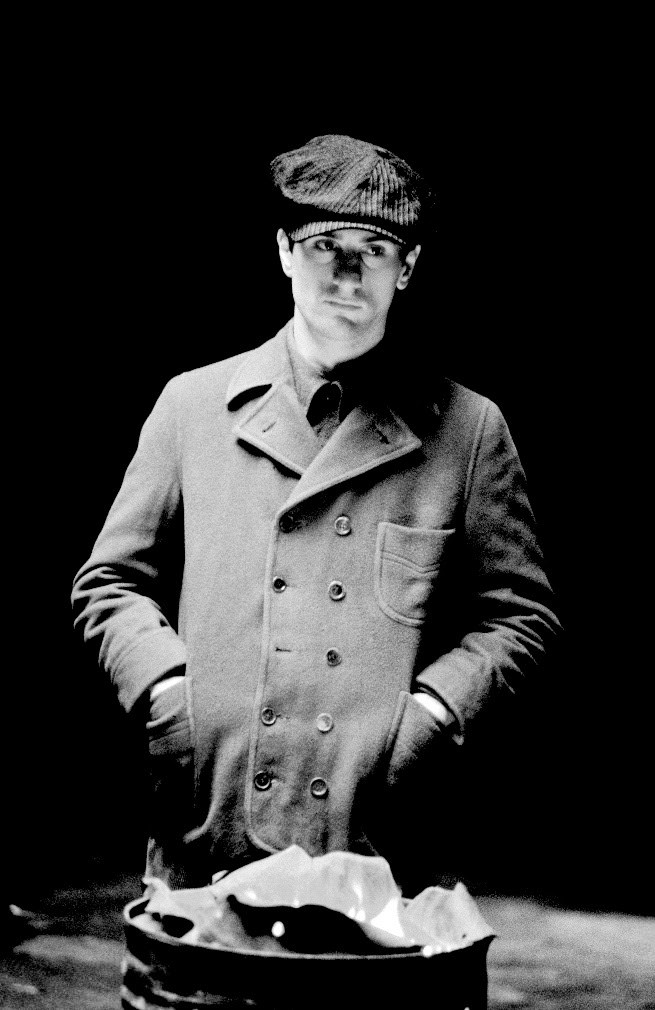
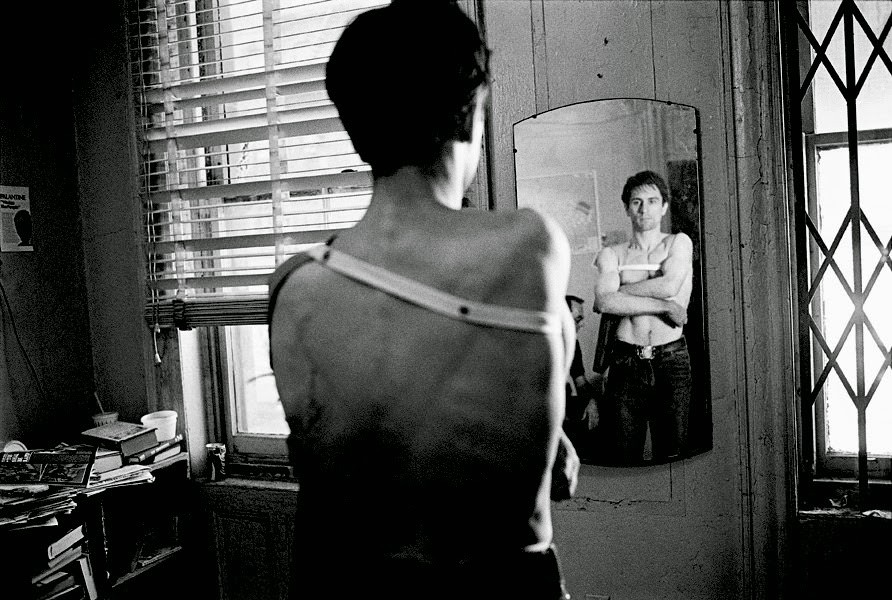
On Hollywood movie sets, Schapiro sat in the shadows while actors prepared for emotionally taxing roles. He documented gritty New York street locations during the golden age of American cinema just as easily as he photographed pop stars in quiet hotel rooms. Directors trusted his quiet presence because he rarely interrupted rehearsals or distracted the crew during long shooting days.
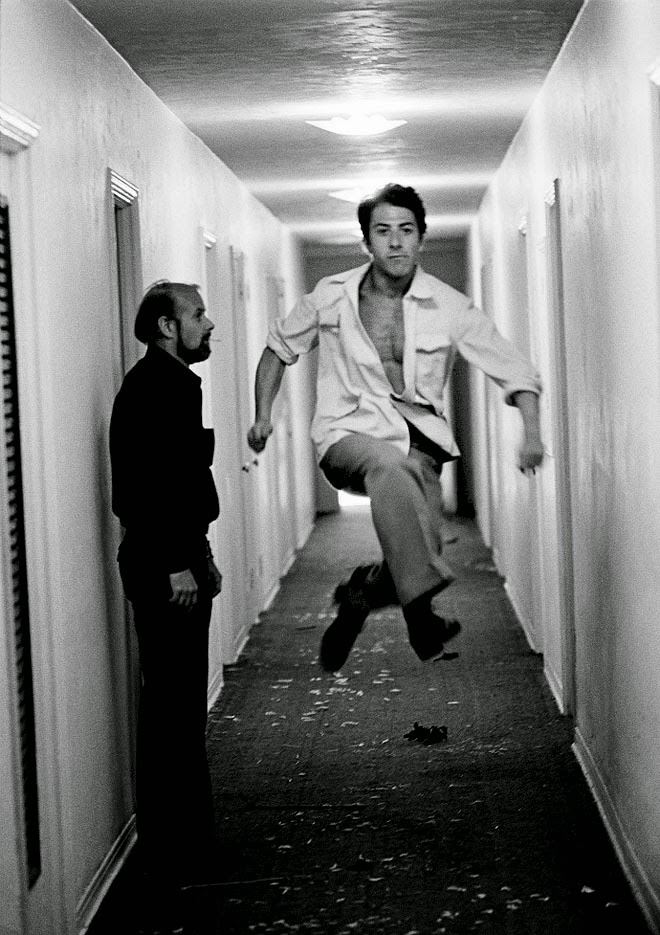
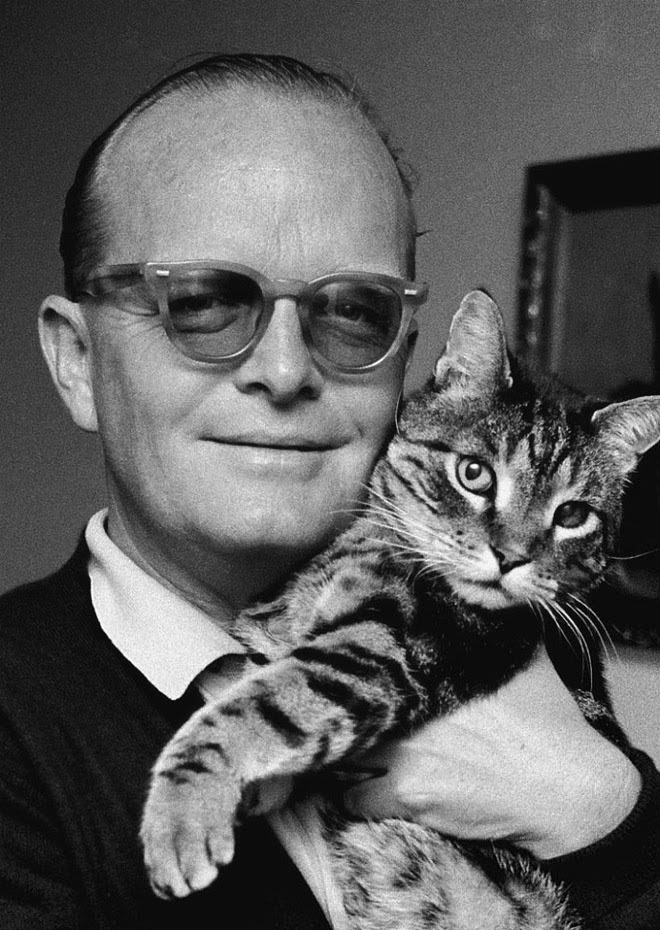
He shot thousands of rolls of black and white film that recorded the gritty reality of film production. Movie extras smoked cigarettes between takes, and directors argued with studio executives over budgets. These photographs showed the exhausted human beings behind the polished movie posters hanging outside neighborhood theaters across the country.
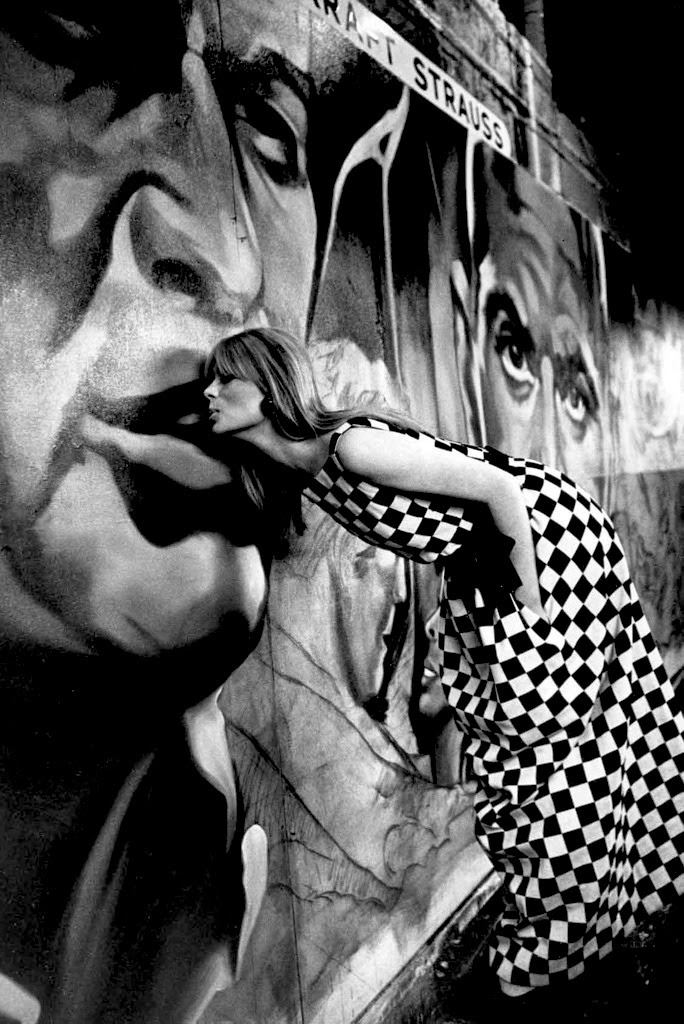
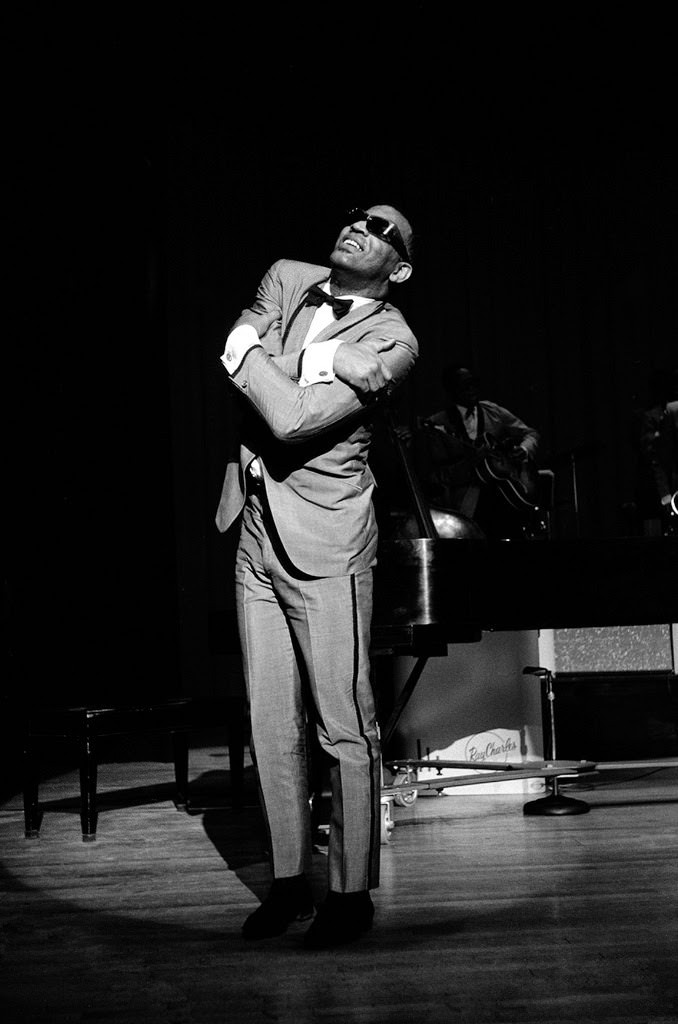
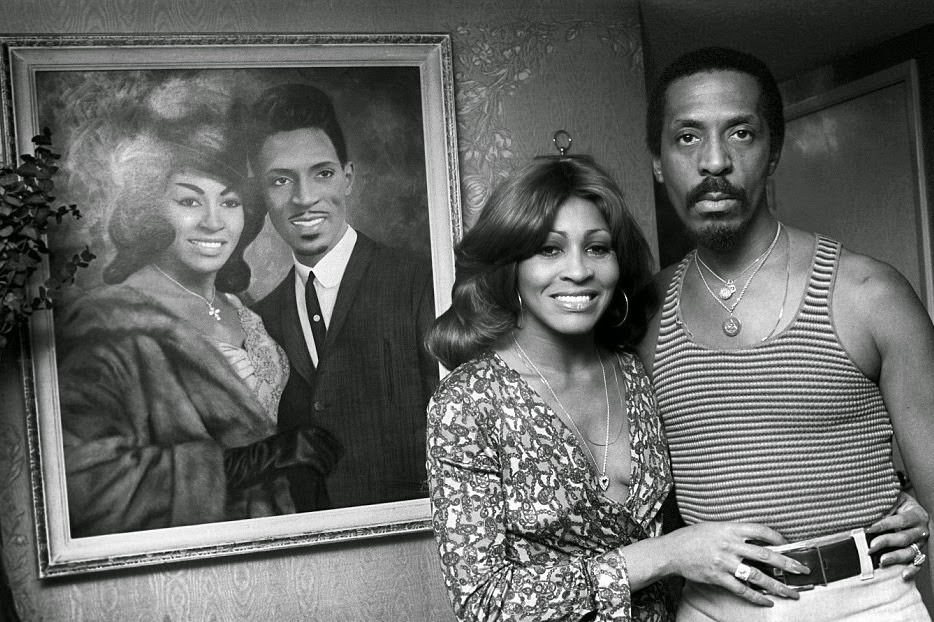
Music icons and counterculture leaders routinely let him into their private homes and dressing rooms. He captured singers resting backstage before sold-out concerts and actors eating fast food on curbsides between grueling takes. The resulting frames stripped away the glossy mythmaking of modern publicity machines and preserved real human expressions.
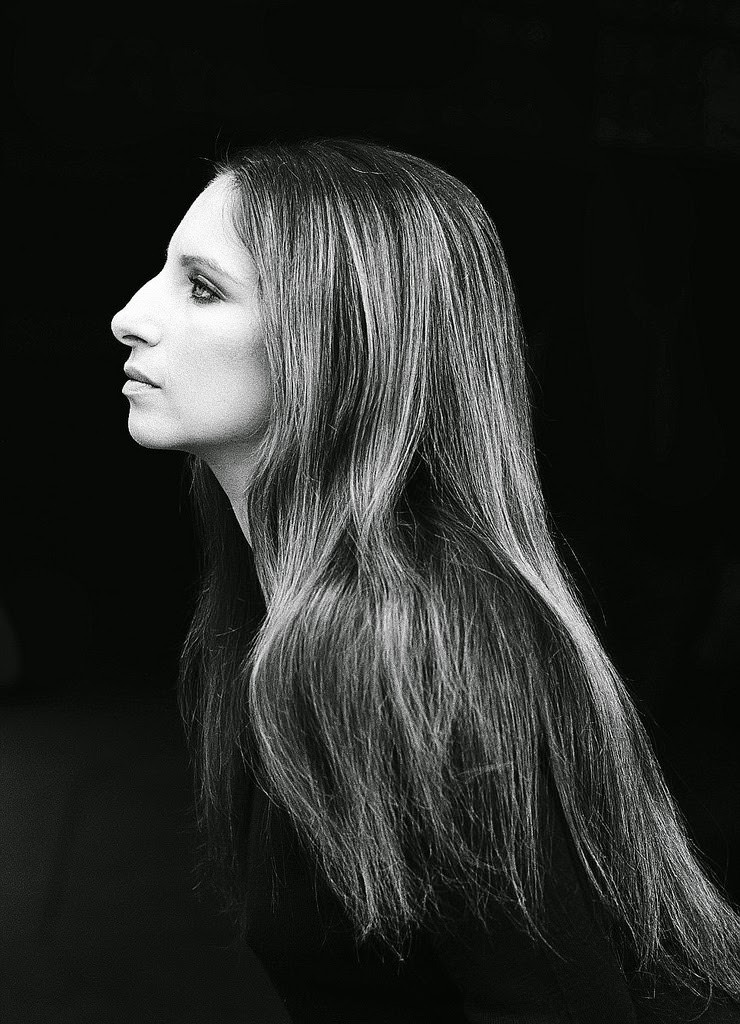
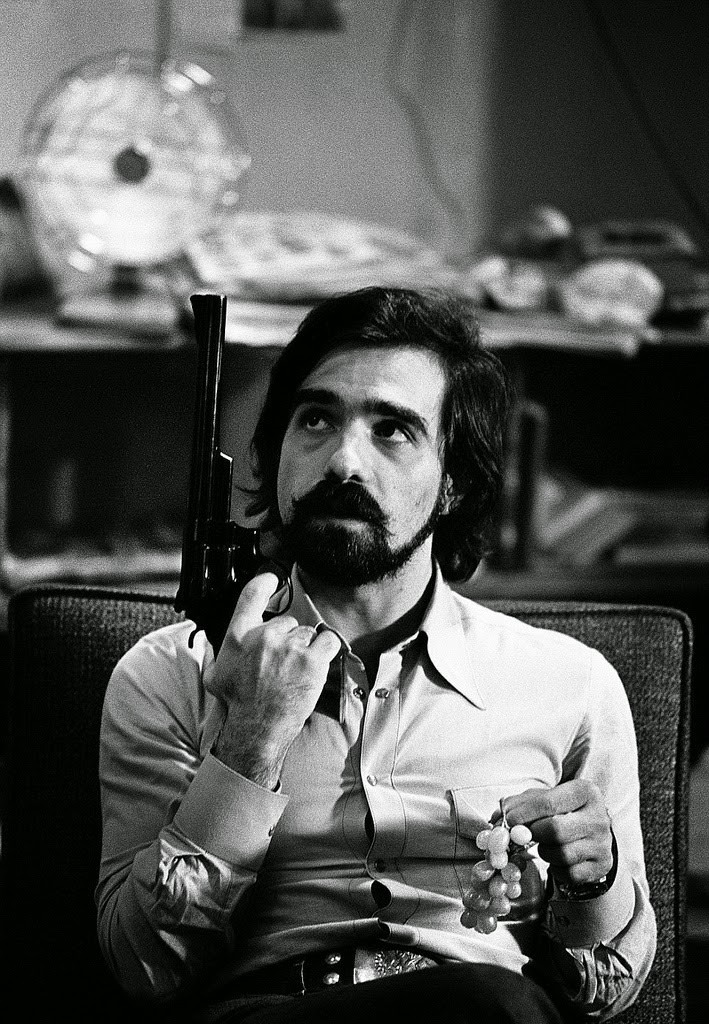
Older generations of entertainers also crossed his path during his travels. He photographed veteran comedians and silent film stars who spent decades building the American entertainment industry long before the youth revolutions of the 1960s changed popular culture forever.
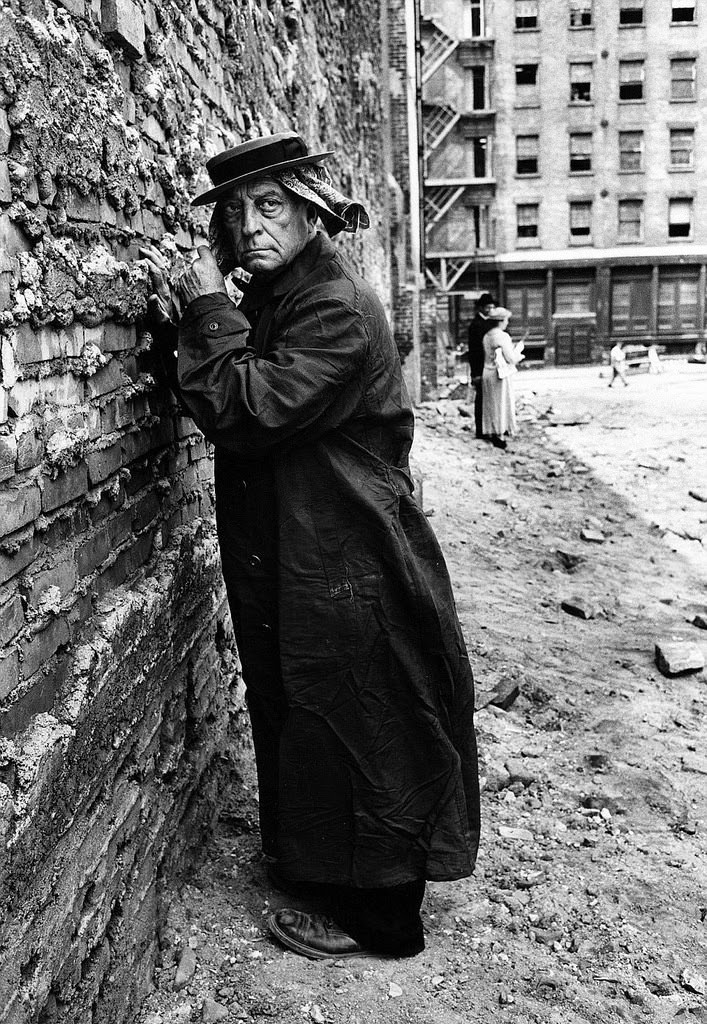
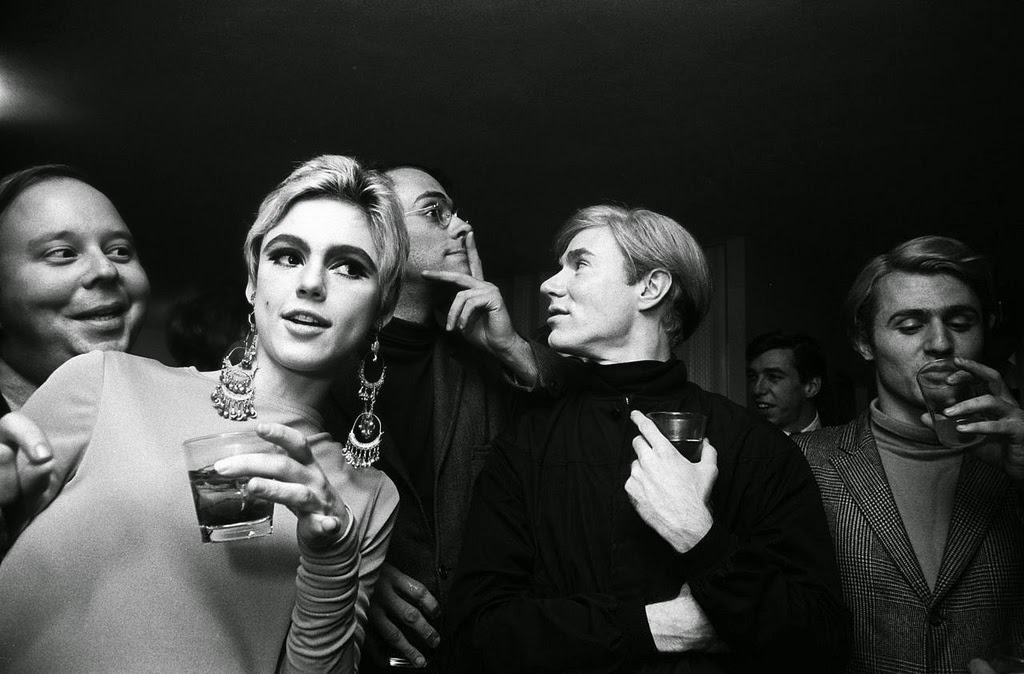
European art house actors and American television personalities shared space in his expansive archive. He traveled to foreign film festivals and captured directors shouting instructions across noisy soundstages in Rome, Paris, and London. Every frame captured the specific texture of clothing, cigarette smoke, and weathered brick walls.
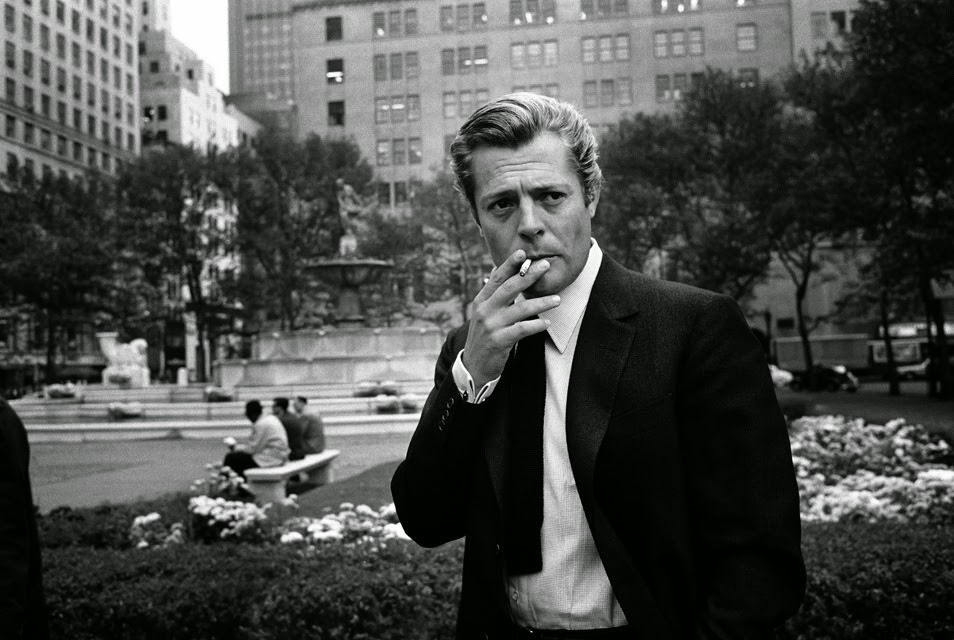
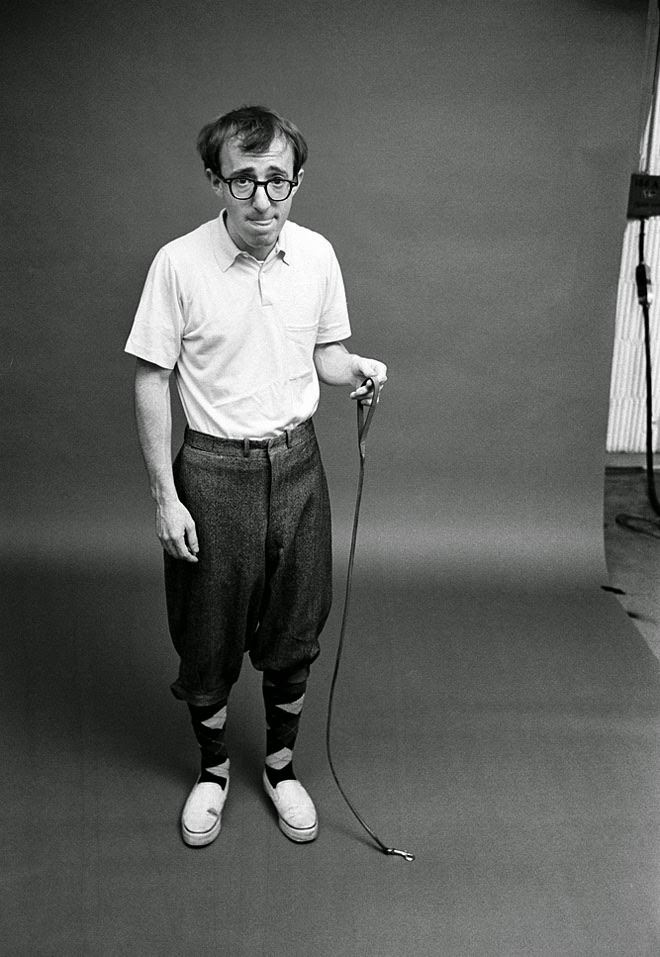
Independent film productions hired him to document working conditions on remote outdoor locations. Cast members ate lunch out of cardboard boxes on dusty rural roads while technical crews moved heavy lighting equipment through thick mud. These images documented the physical labor required to make a single motion picture.
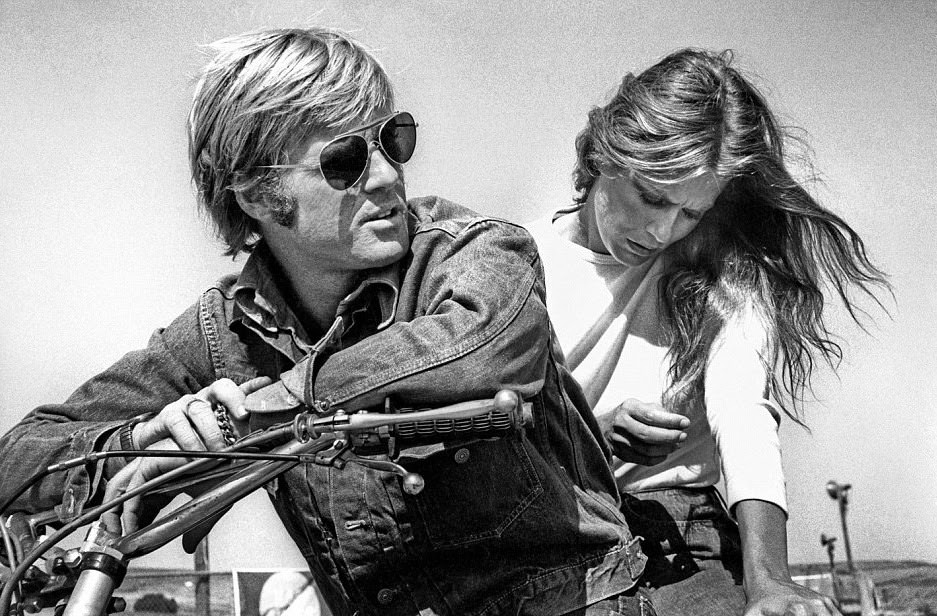
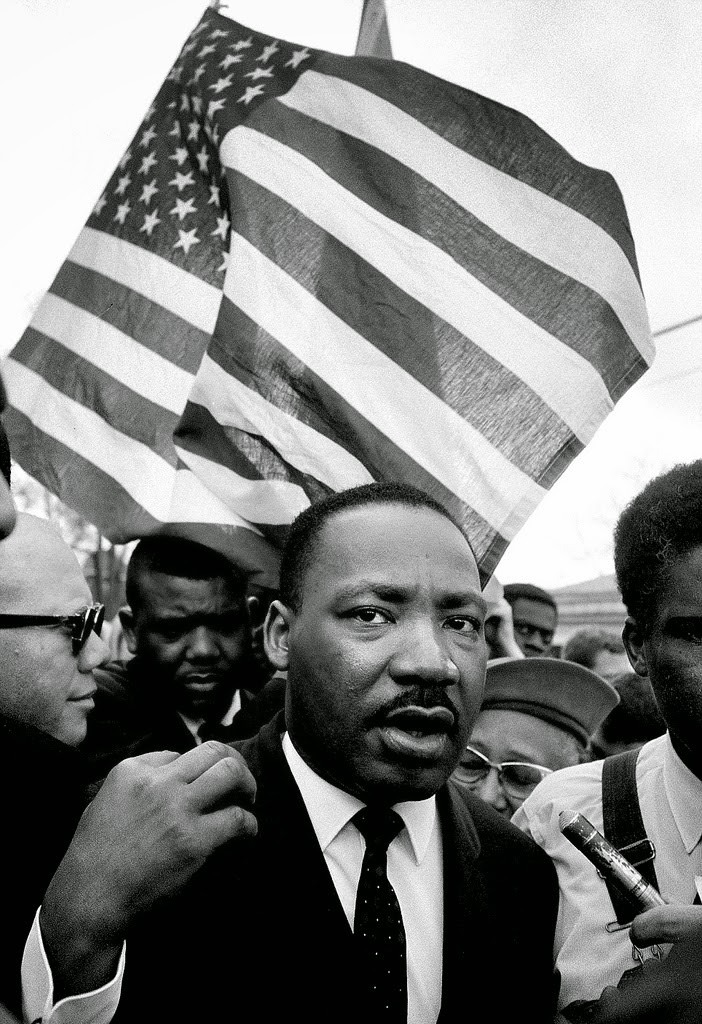
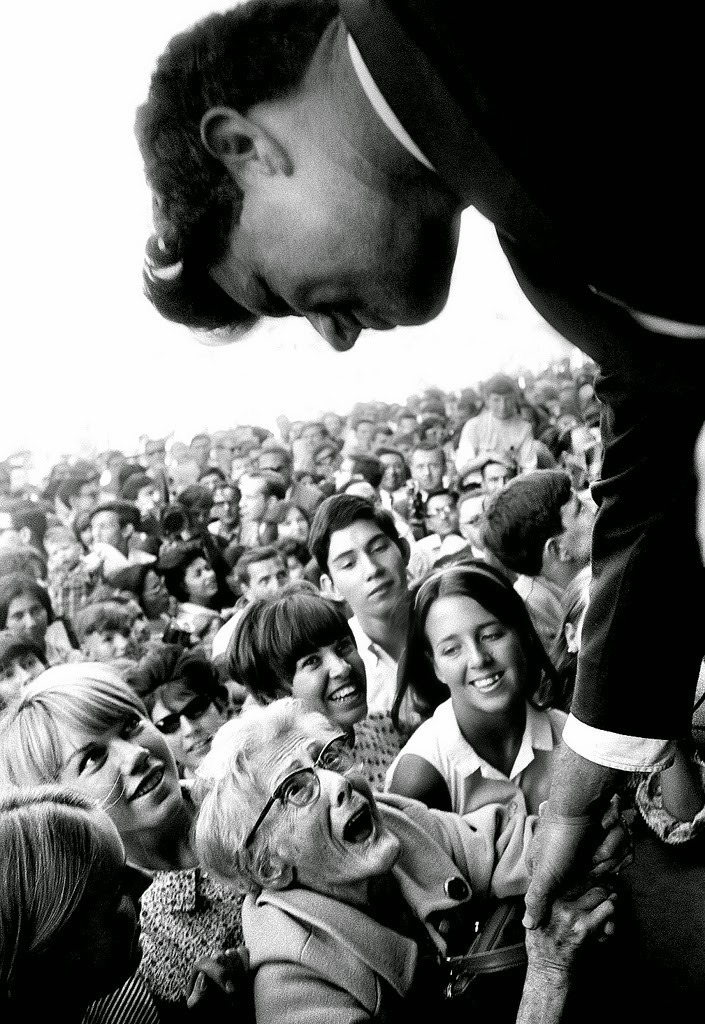
Civil rights marches and high-stakes political campaigns occupied months of his working schedule. He marched alongside activists in the American South, dodging police batons, and followed presidential candidates through crowded airport terminals during the turbulent 1968 election cycle. His camera recorded history as it unfolded on public streets.
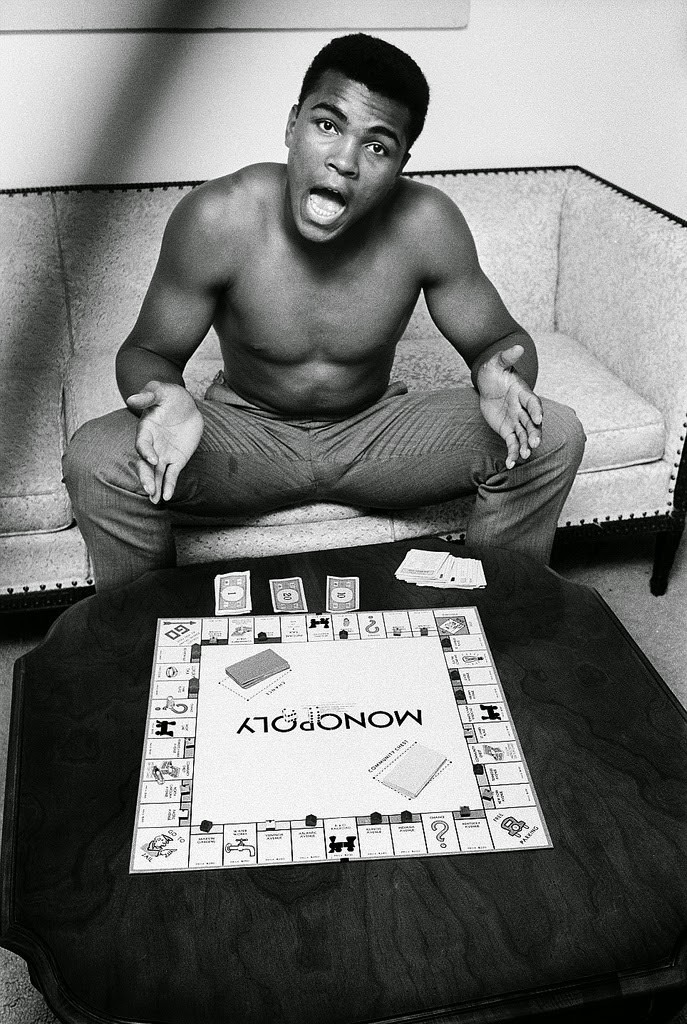
Professional athletes and jazz musicians relaxed in front of his lens after winning championships or recording landmark albums. He shot sports heroes playing board games in cramped hotel suites and musicians tuning their instruments before midnight club shows. These candid frames revealed quiet vulnerabilities hidden behind public triumphs.