In January 1968, Alexander Dubcek took power as the First Secretary of the Communist Party of Czechoslovakia. He launched a political reform program that he called "socialism with a human face." Dubcek lifted state censorship, allowed citizens to form independent political clubs, relaxed travel restrictions to Western countries, and granted more freedom to newspapers, television stations, and universities. For seven months, people in Prague spoke openly about politics in public cafes and printed critical articles in national newspapers.
Leaders in Moscow viewed these changes as a direct threat to Soviet control over Eastern Europe. Leonid Brezhnev, the leader of the Soviet Union, warned Dubcek to stop the political reforms and restore strict censorship. Dubcek refused to reverse the laws passed by his government. On the night of August 20, 1968, Moscow launched Operation Danube. Troops from five Warsaw Pact nations, the Soviet Union, Poland, Bulgaria, Hungary, and East Germany, crossed the borders into Czechoslovakia.
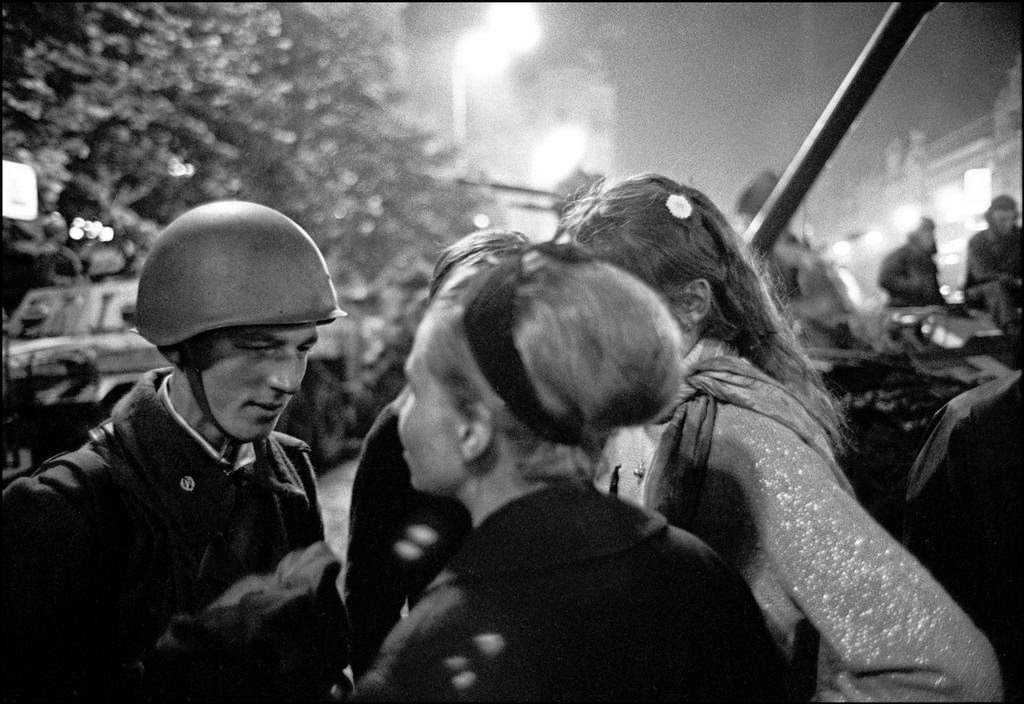
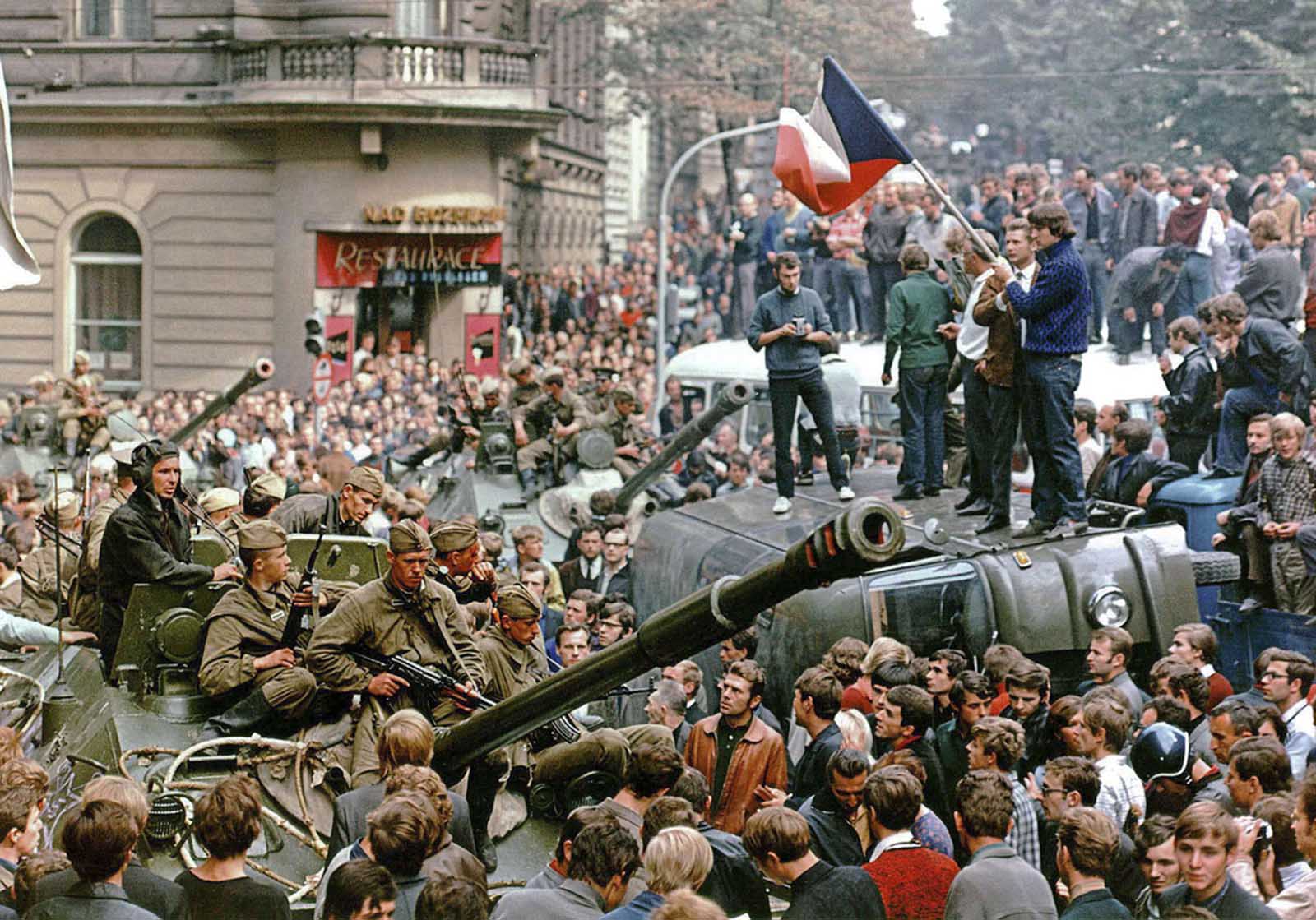
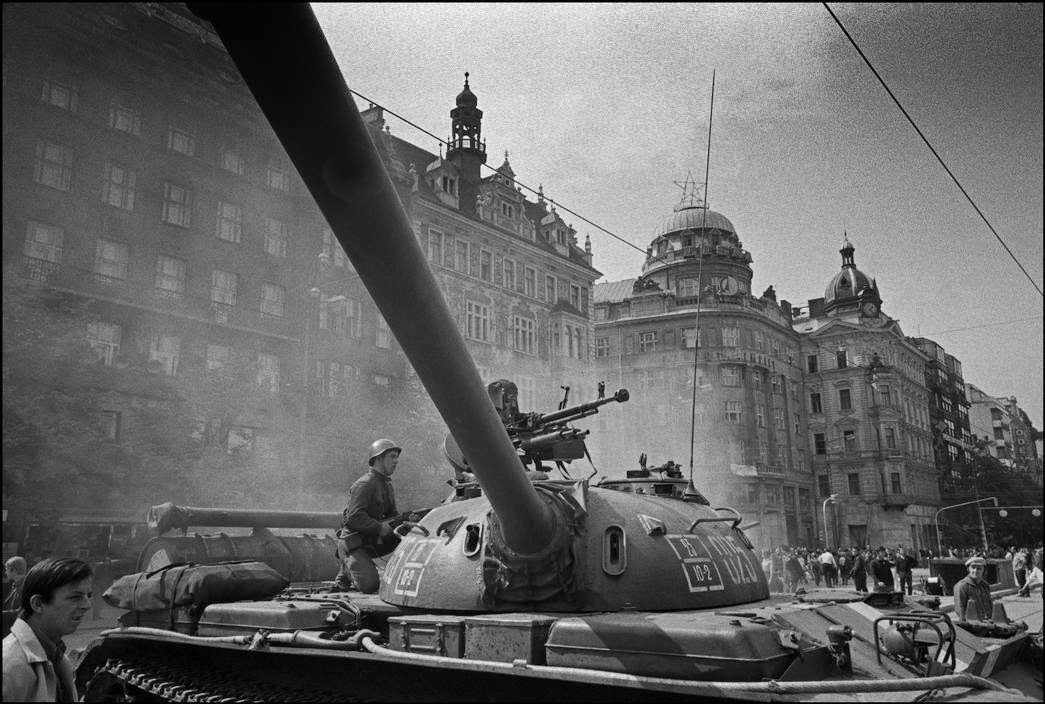
Roughly 500,000 soldiers and 2,000 tanks moved across the border overnight. Paratroopers landed at Prague’s Ruzyne Airport, secured the runways, and guided in military transport planes loaded with armor and heavy weaponry. Soviet troops drove their vehicles straight into central Prague, parking heavy tanks outside government buildings, radio stations, and major intersections. By daybreak on August 21, citizens woke up to military engine noise and armed soldiers standing on street corners.
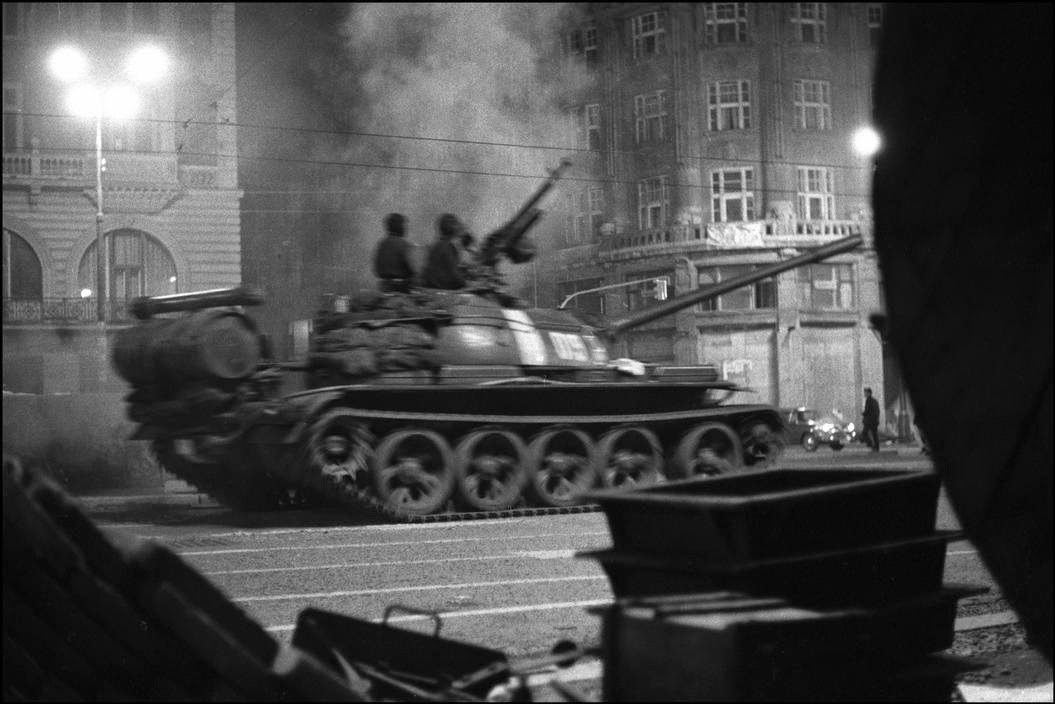
Czech President Ludvik Svoboda and First Secretary Dubcek instructed the 200,000-man Czechoslovak People's Army not to fire on the incoming foreign troops. They wanted to prevent a massive bloody war with the Soviet Union. Because their own military stood down, local residents took to the streets to protest the occupation using nonviolent resistance.
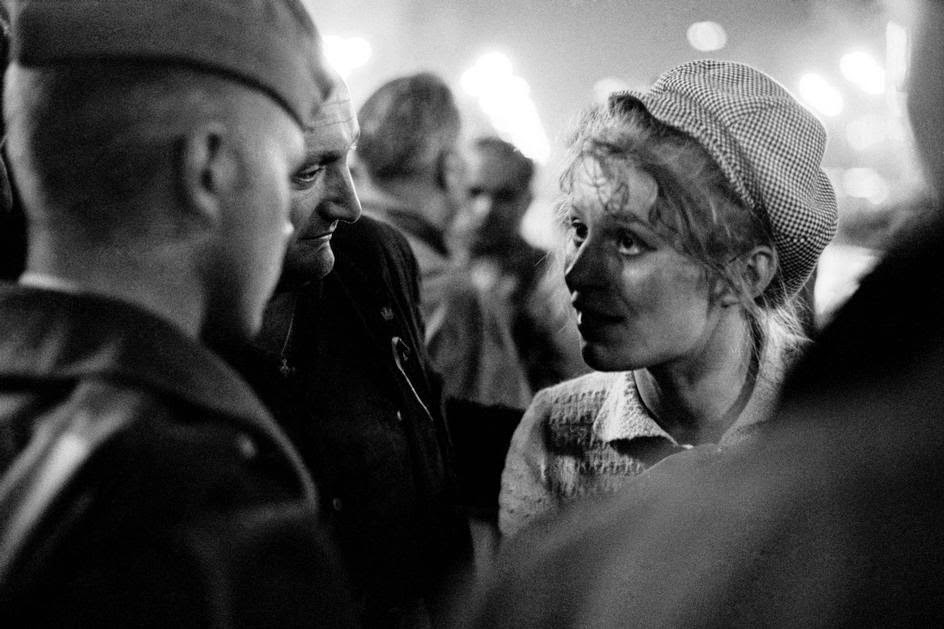
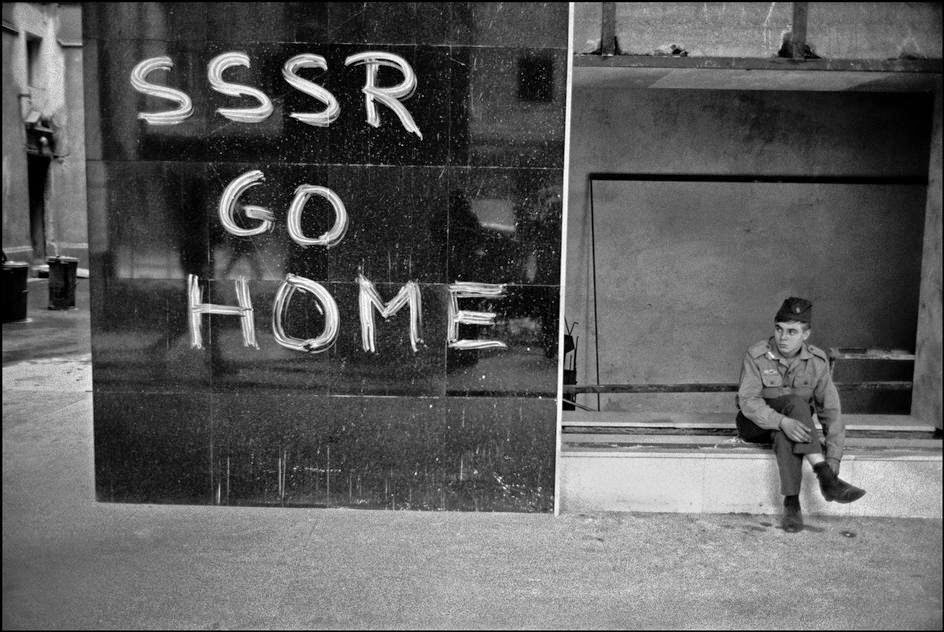
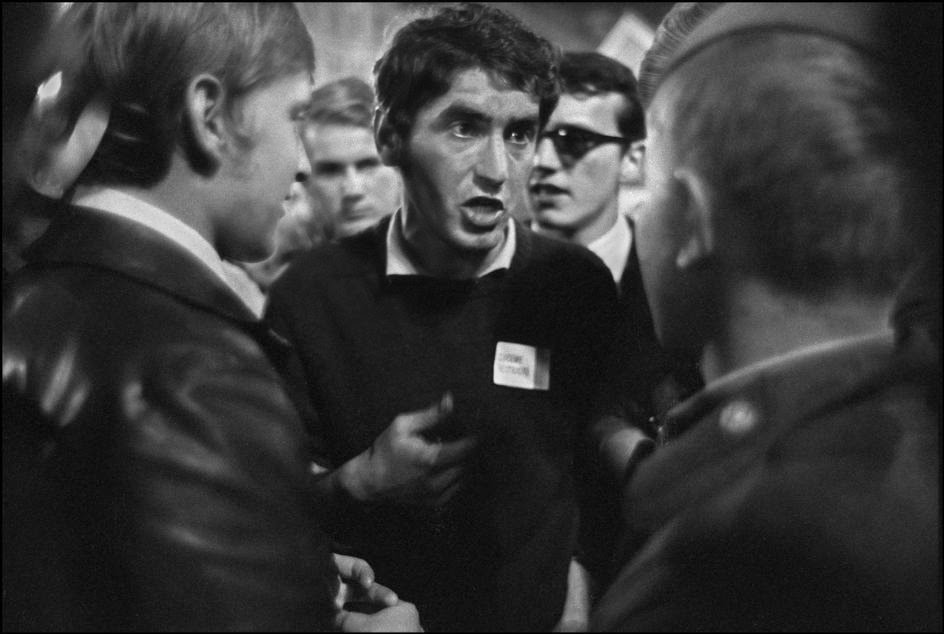
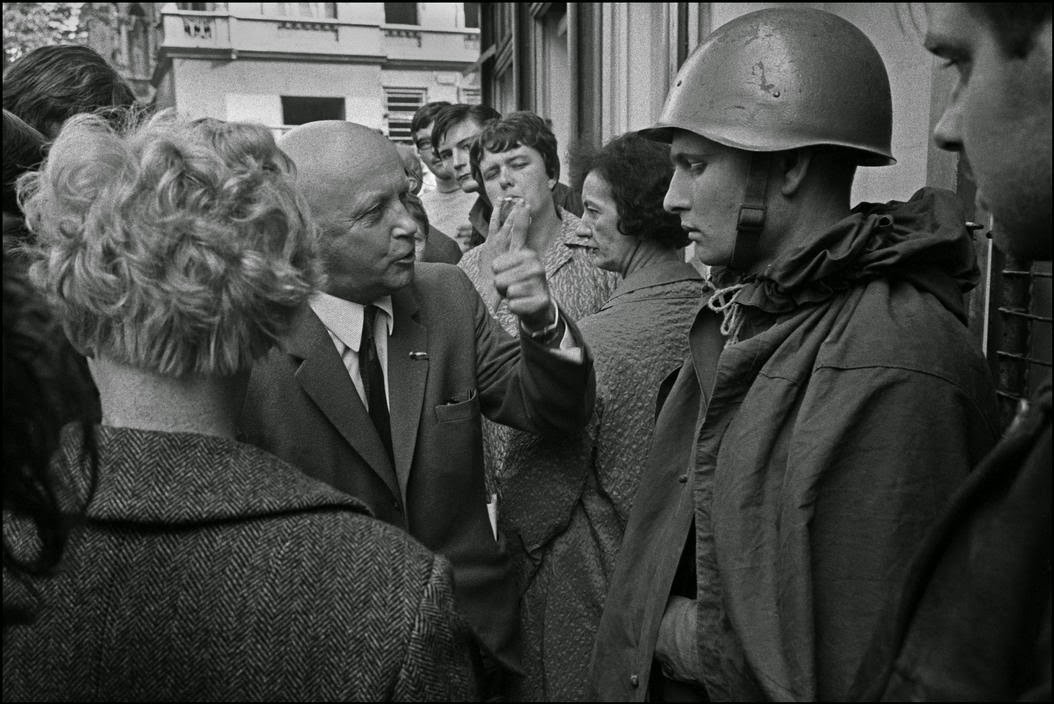
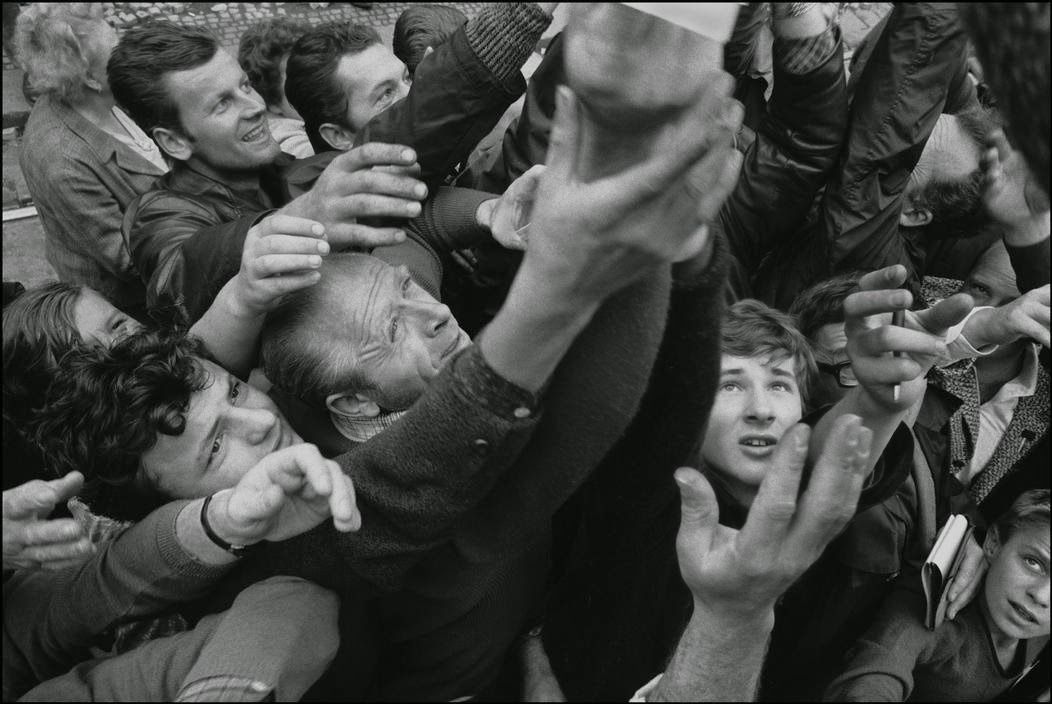
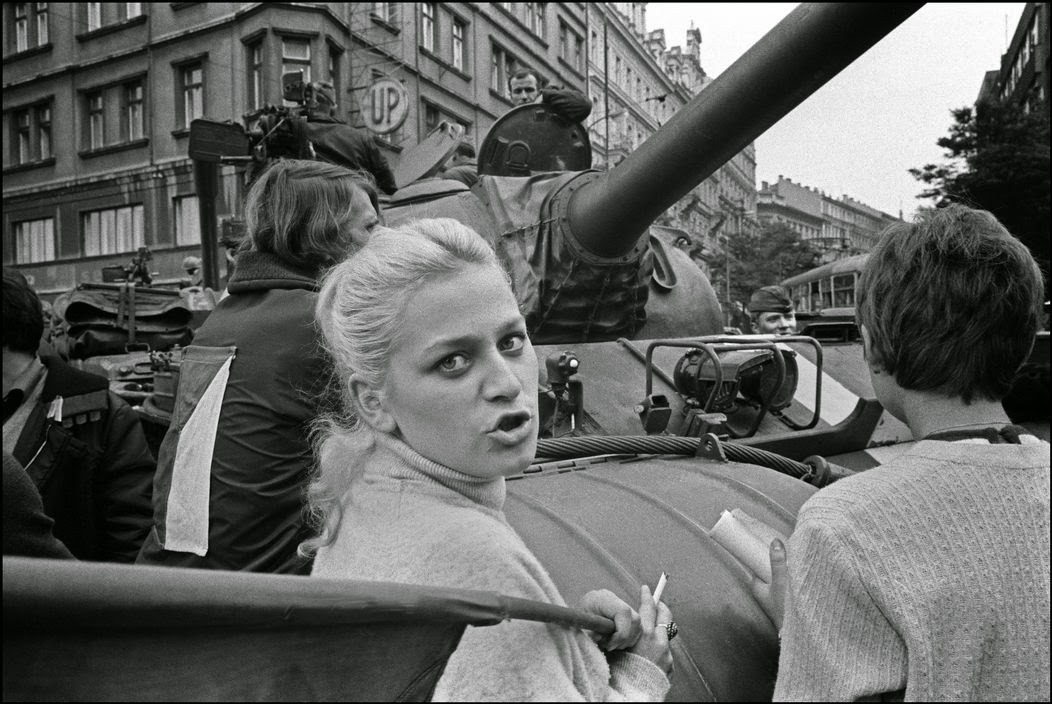
Thousands of citizens gathered around the tanks parked in Wenceslas Square. Young men and women stood right under the gun barrels of the Soviet vehicles to debate with the soldiers inside. Protesters shouted in Russian, asking the young conscripts why they had come to invade a peaceful allied nation. Many Soviet soldiers had been told by their officers that they were coming to defend Czechoslovakia against a capitalist coup, leaving them confused when unarmed locals confronted them with angry questions.
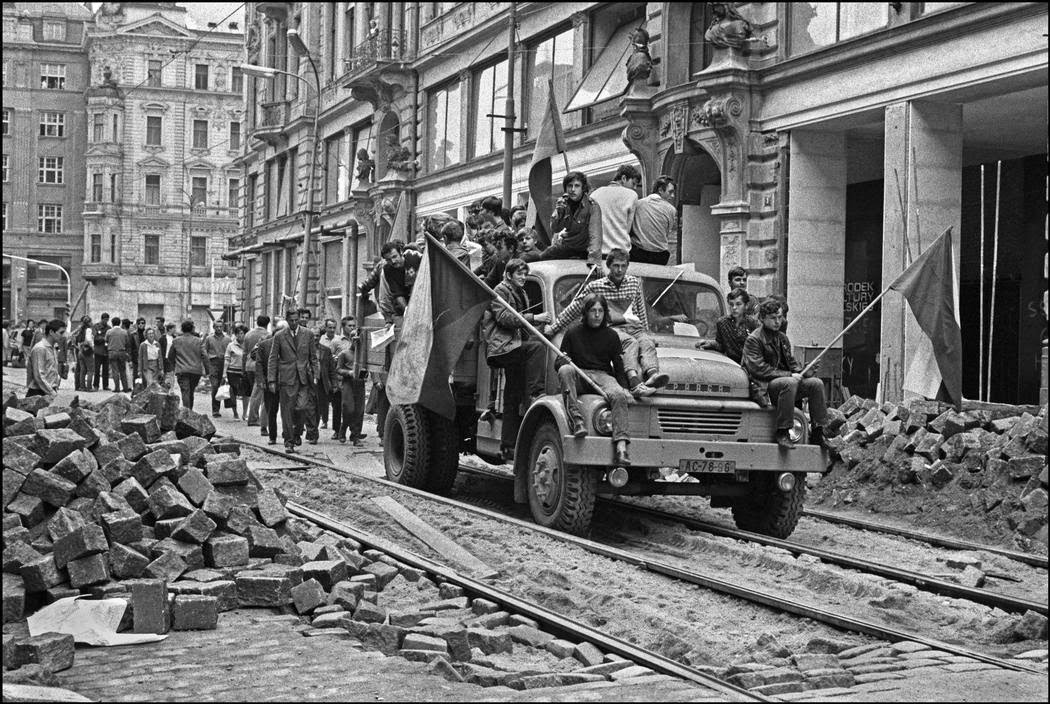
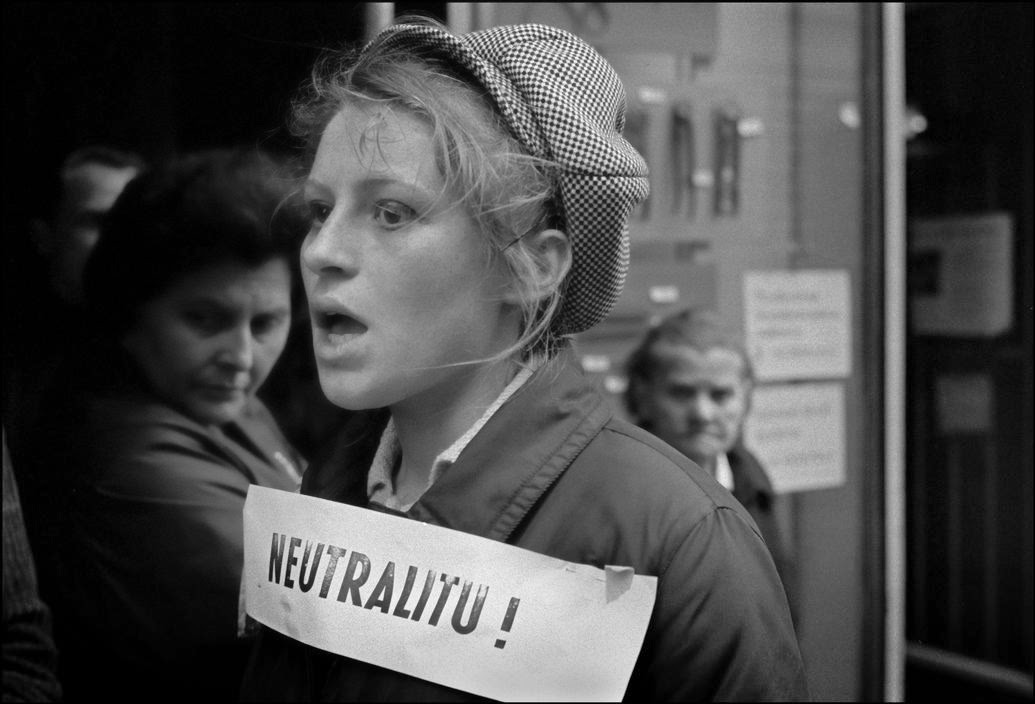
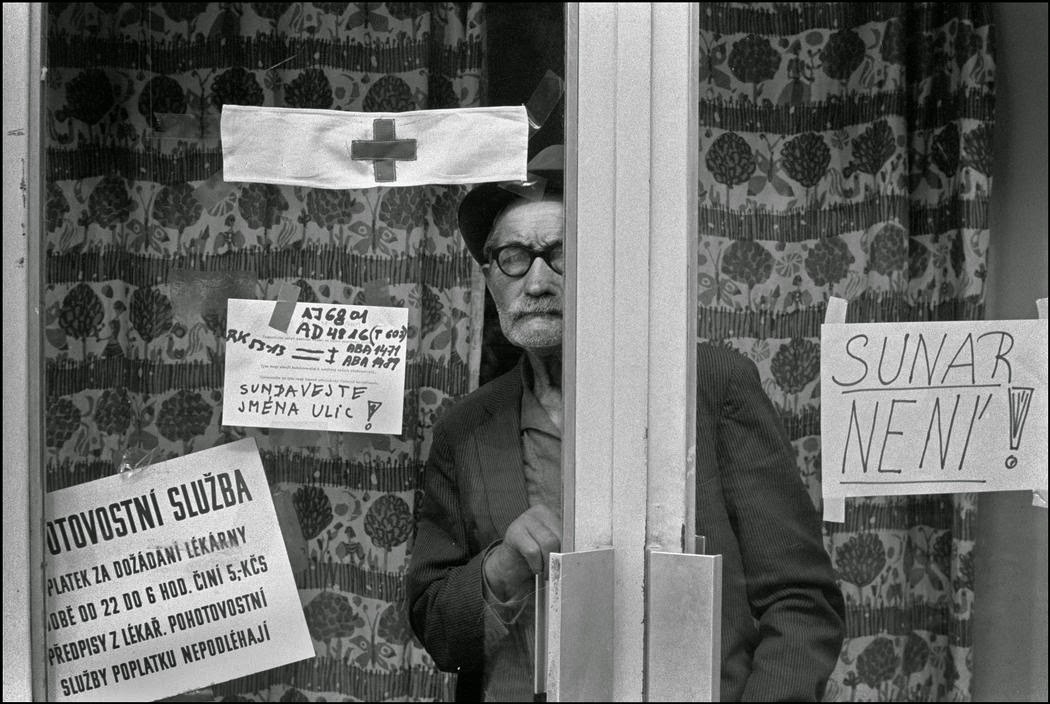
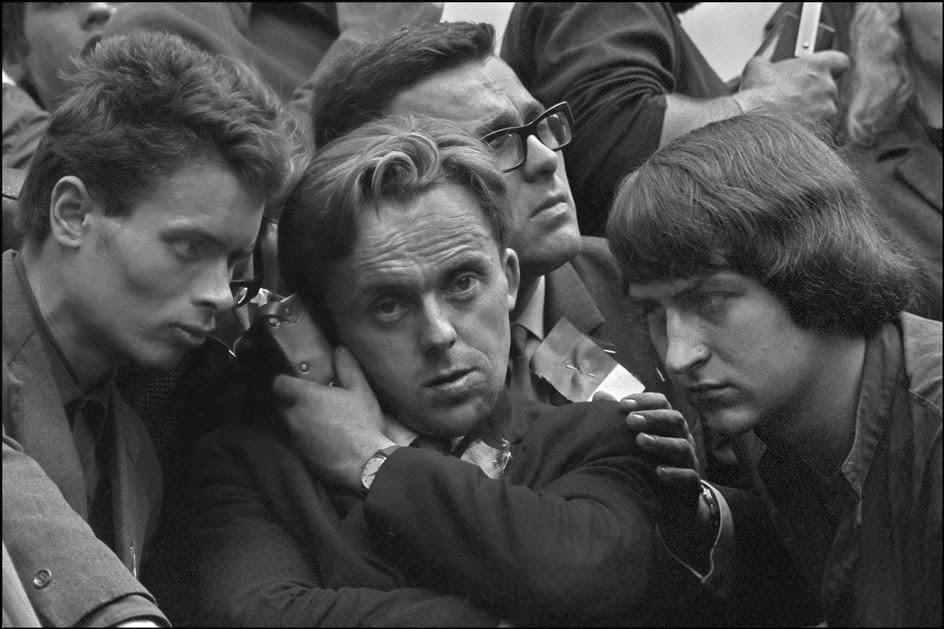
Everyday life in Prague quickly broke down into chaos. People gathered around small portable radios to catch news broadcasts from underground stations that moved location every few hours to dodge Soviet patrols. Protesters painted over street signs, replaced street names with arrows pointing back toward Moscow, and pulled down house numbers to confuse the invading troops.
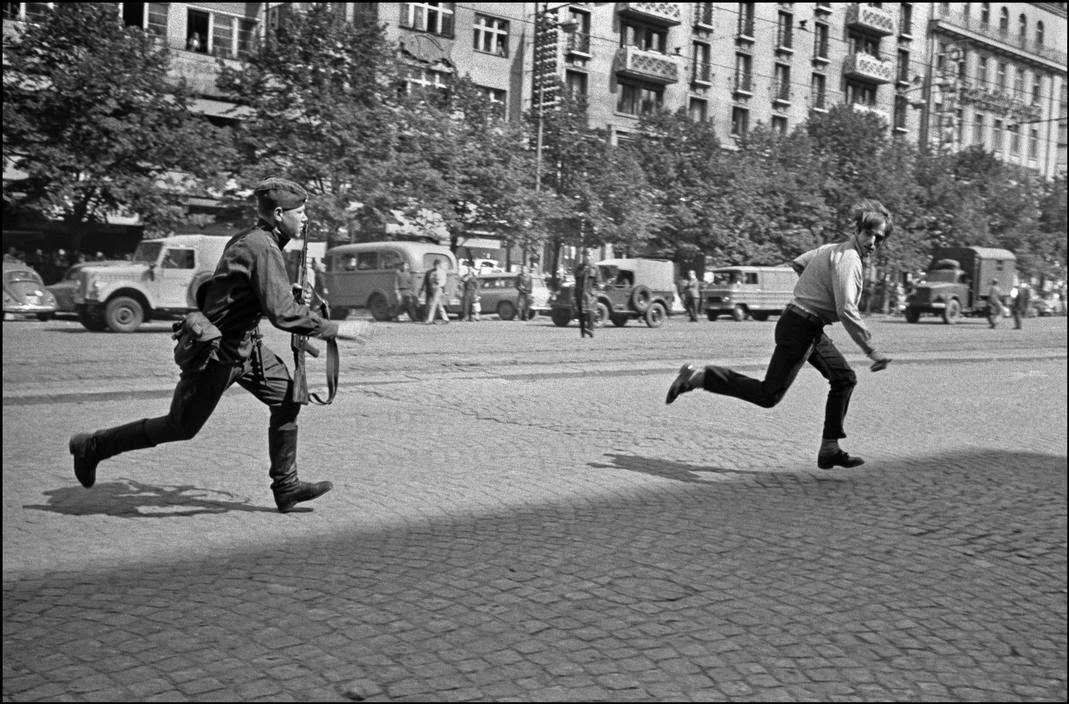
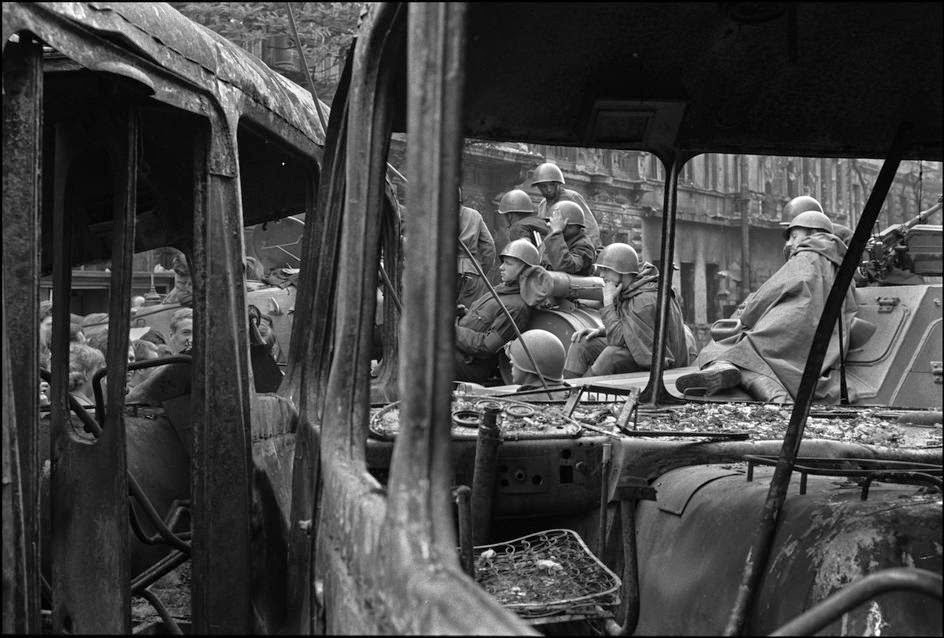
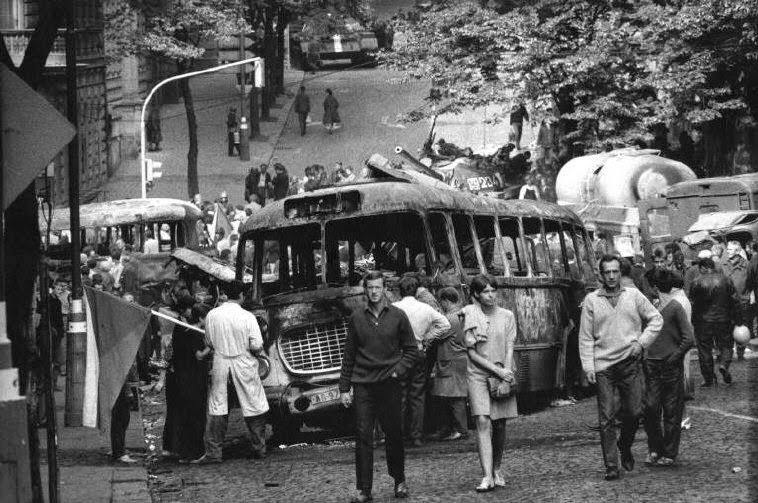
Protesters threw bricks, cobblestones, and crude firebombs at military trucks. Near the Czech Radio building on Vinohradska Street, Soviet troops fired automatic weapons into crowds of unarmed civilians who tried to protect the broadcast studio. The troops set fire to nearby city buses to clear barricades from the road. Artillery shells and heavy machine-gun fire shattered windows, left holes in stone building facades, and filled the city streets with fallen masonry and glass.
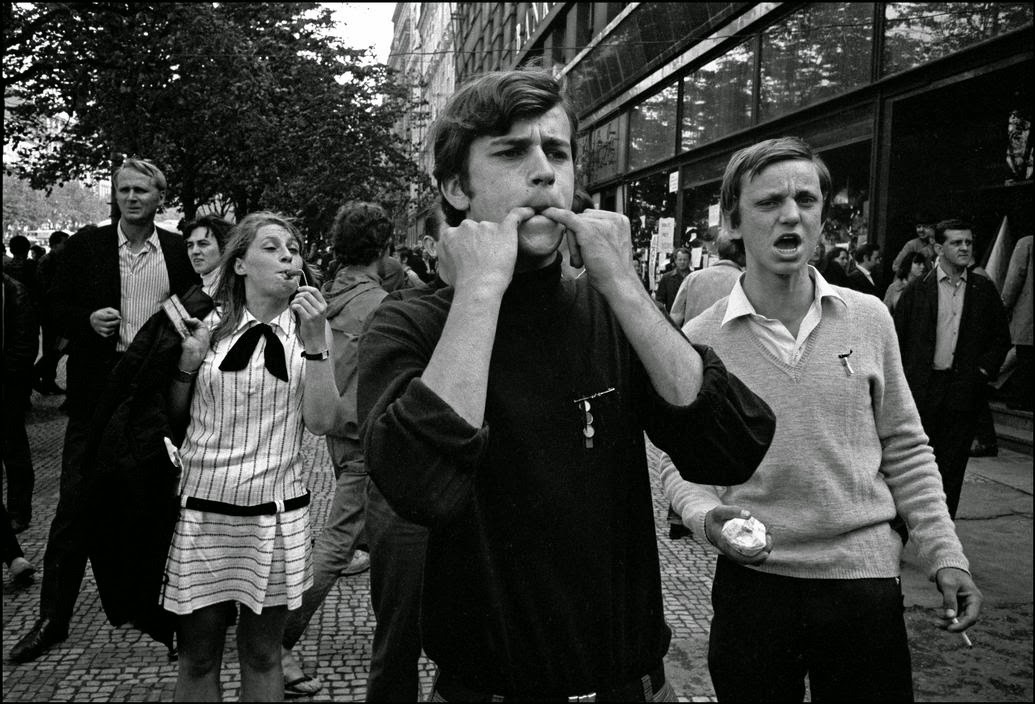
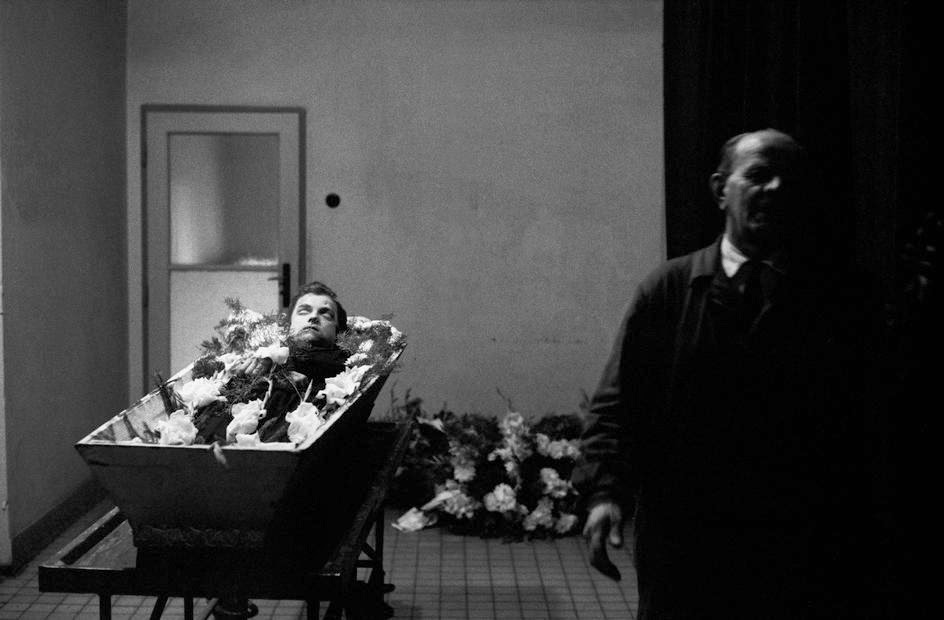
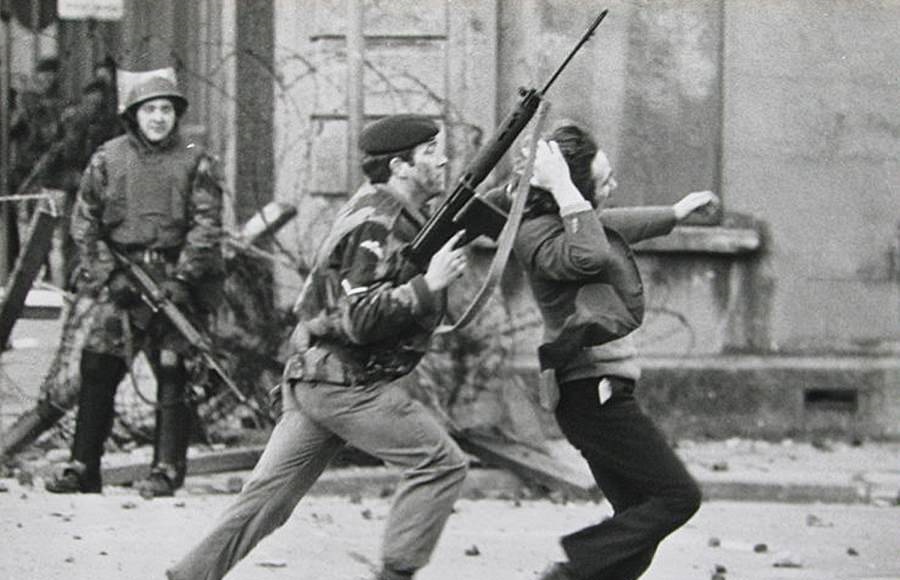
Despite the order for nonviolence, violent clashes broke out across the nation. Soviet troops opened fire on civilians who threw objects, climbed onto tanks, or refused to follow curfew orders. During the initial weeks of the invasion, Soviet forces killed 137 Czechoslovak civilians and wounded more than 500 others. Families held quiet wakes and public funerals for brothers, sons, and friends who were shot on the first days of the invasion.
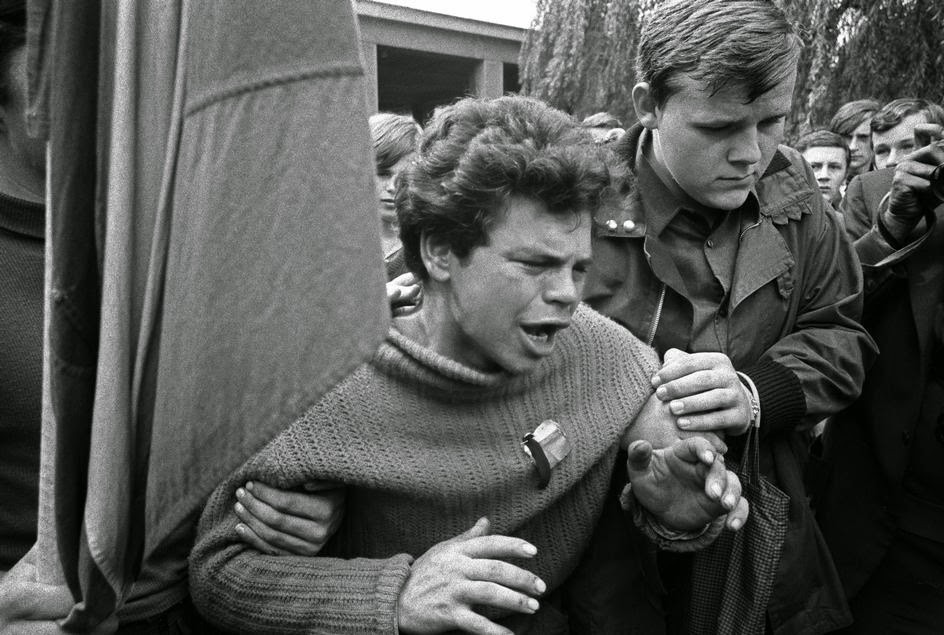
On August 21, Soviet commandos arrested Alexander Dubcek and several of his ministers right inside their government offices. The commandos tied their hands behind their backs, flew them to Moscow, and forced them to sign the Moscow Protocol under intense pressure. This agreement canceled the freedom of the press laws, restored state control over public life, and authorized a permanent garrison of Soviet troops within Czechoslovakia.
Dubcek returned to Prague on August 27 and gave a tearful radio address telling his people that the reform movement was over. Moscow systematically purged the Czechoslovak Communist Party over the following months, removing more than 300,000 members who supported the reforms. Dubcek was stripped of his leadership role in April 1969 and sent to work as a low-level forestry official in Slovakia. Soviet army divisions remained stationed inside Czechoslovakia for the next twenty-three years, until the last Russian troops finally pulled out of the country on June 21, 1991.