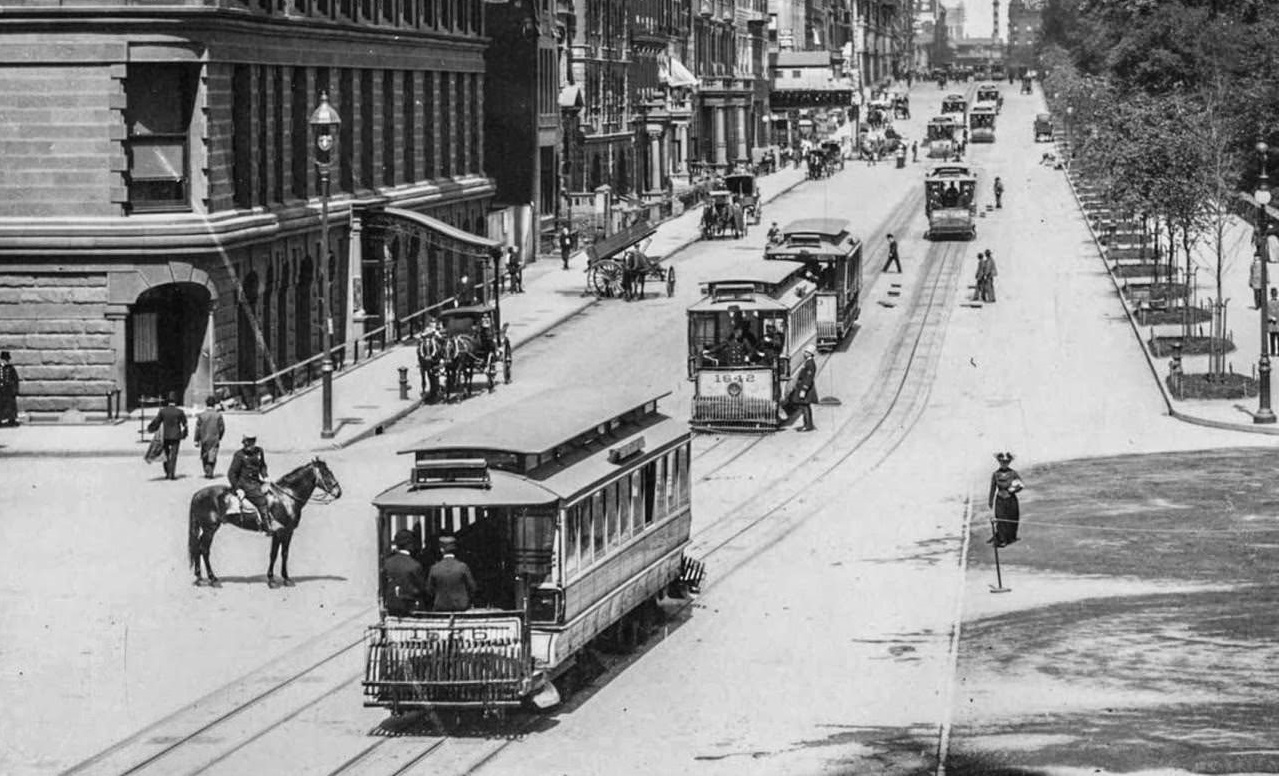
In the summer months of the 1950s, families across England packed their heavy leather suitcases and boarded coal-fired steam trains heading east. They traveled to the sandy Norfolk coast for their annual seaside holidays after years of strict wartime rationing. Towns like Cromer, Great Yarmouth, and Hunstanton filled up with working parents and excited children escaping crowded industrial cities.
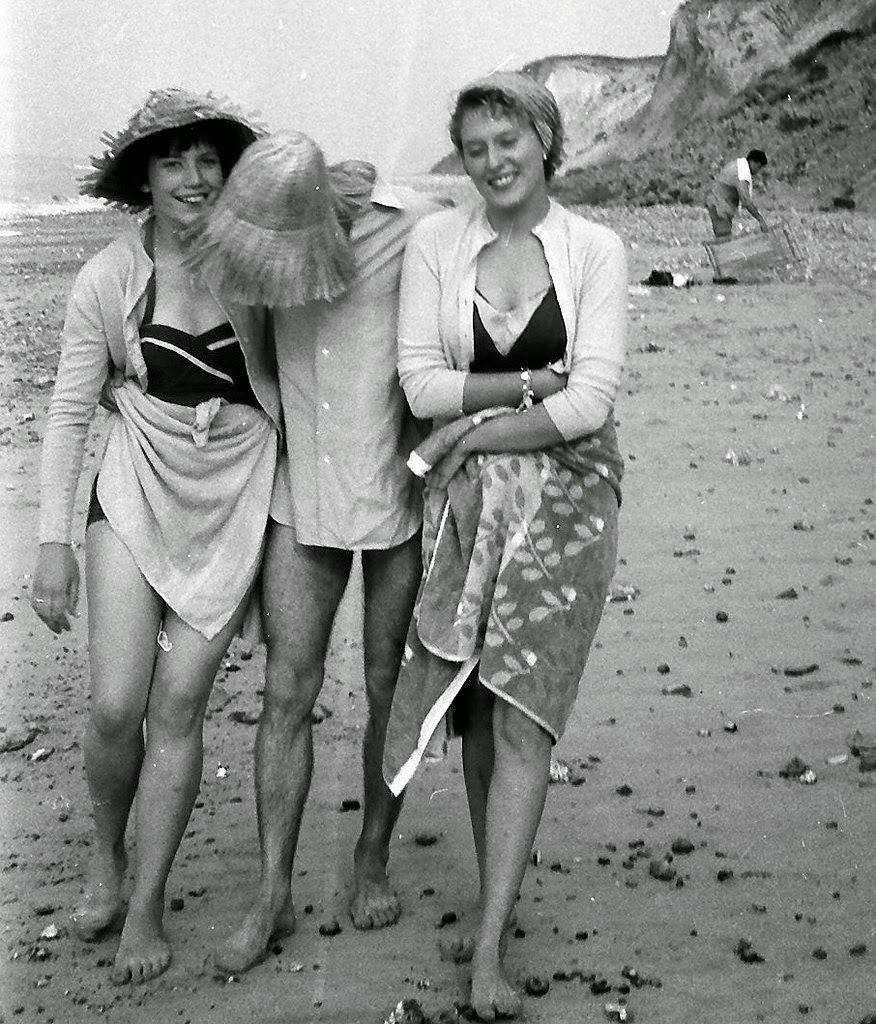
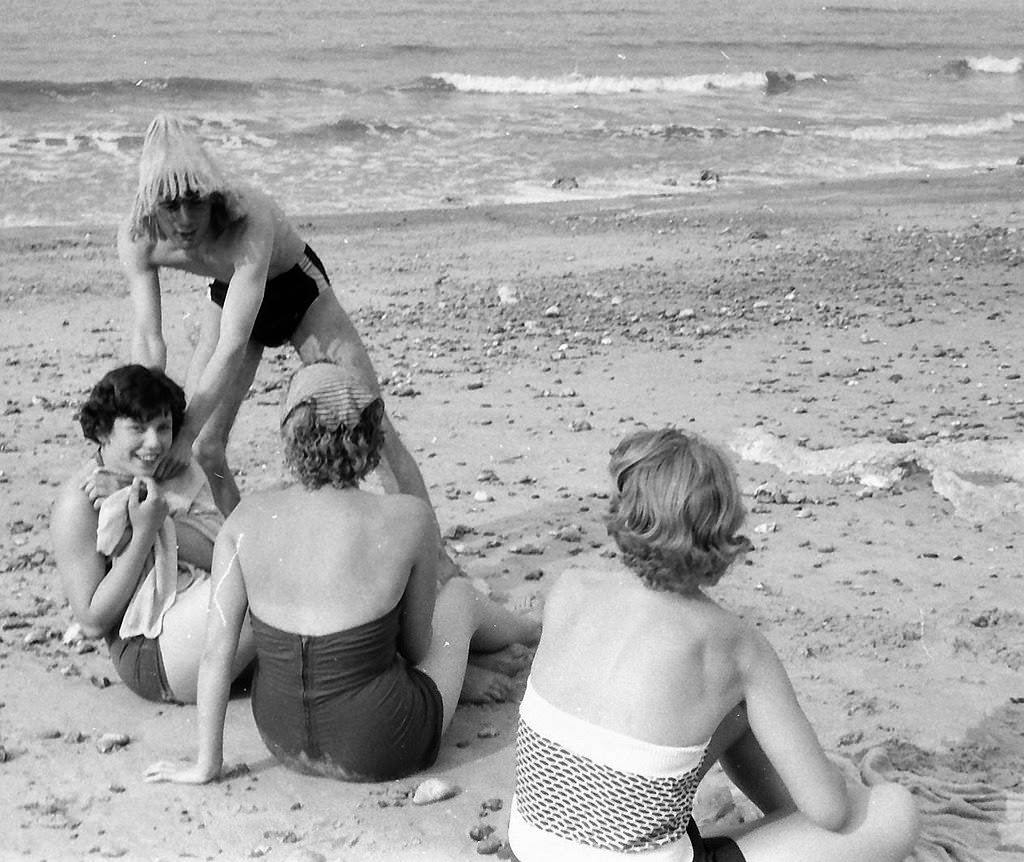
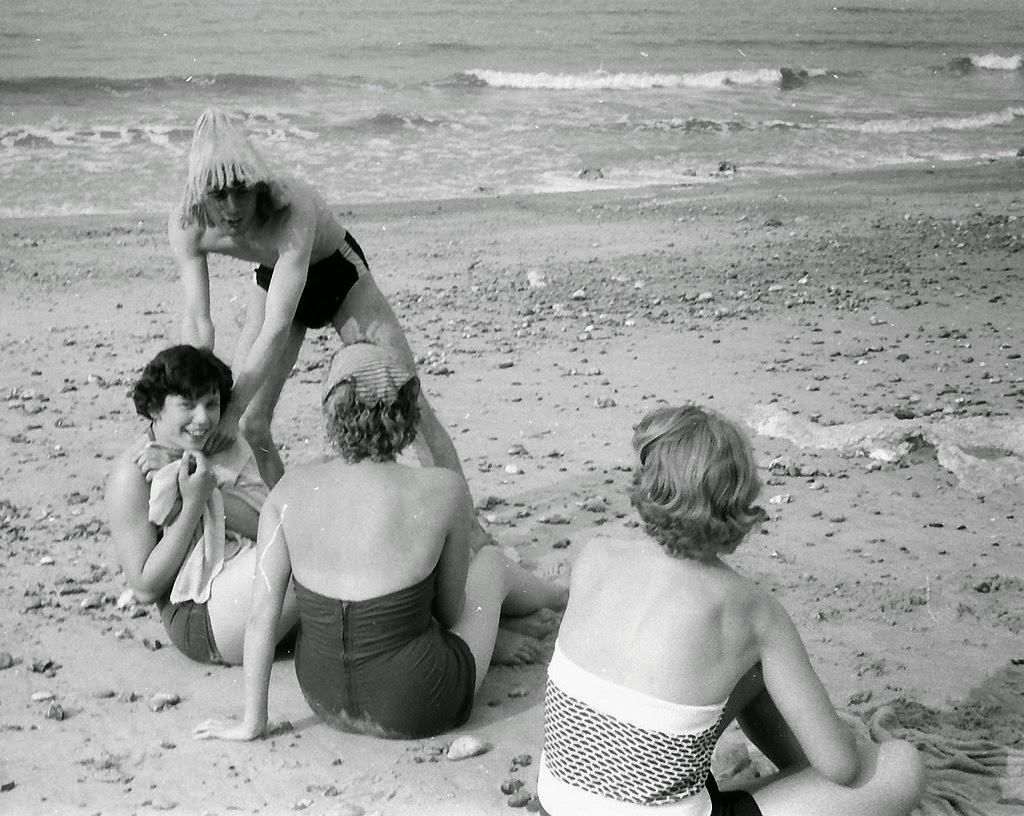
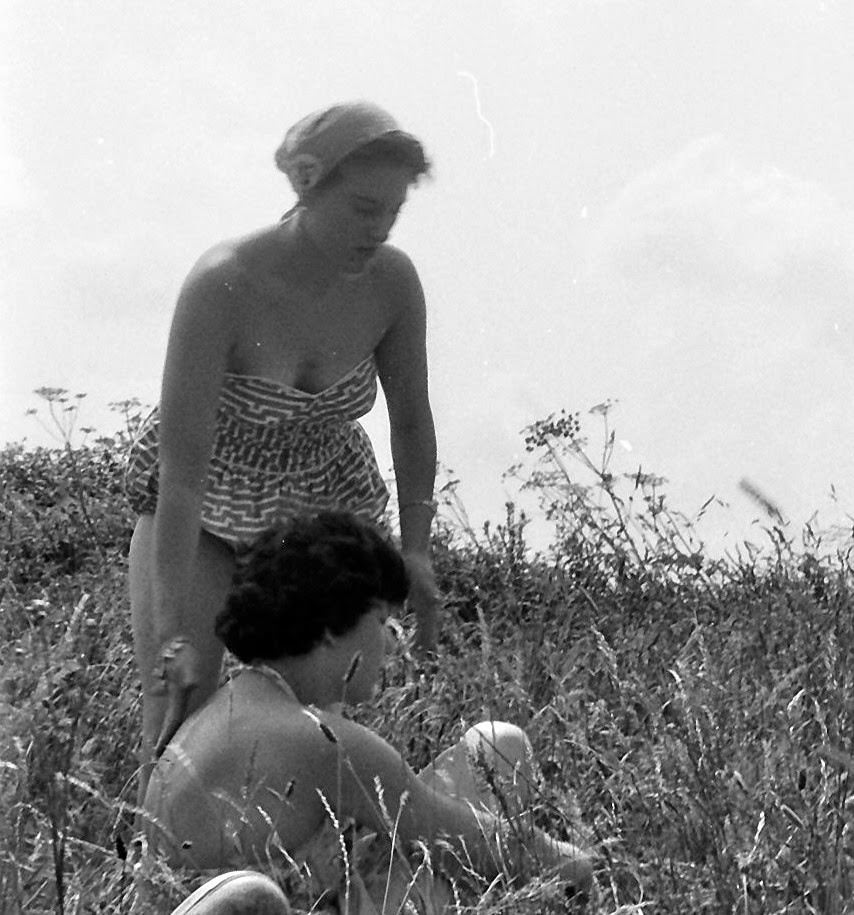
Children ran across wide stretches of hard-packed sand as soon as they reached the shore. Boys wore dark woolen swimming trunks that sagged heavily when wet. Girls wore patterned cotton bathing suits with attached skirts. They carried bright red plastic buckets and wooden spades bought from small kiosks on the wooden promenade. Shells and seaweed littered the damp shoreline after the morning tide.
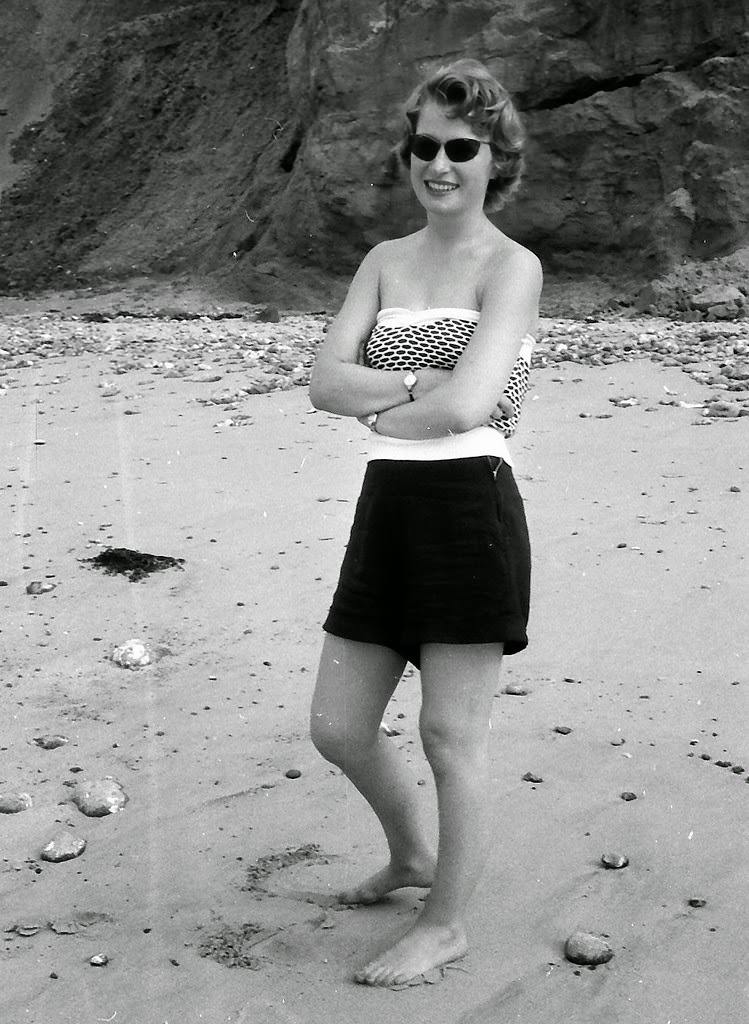
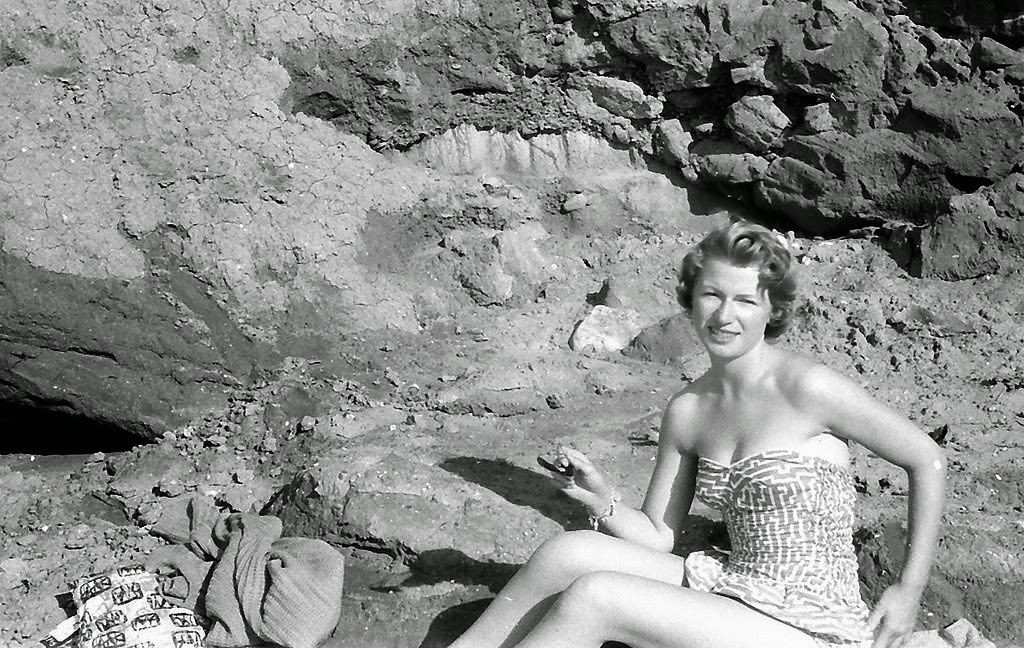
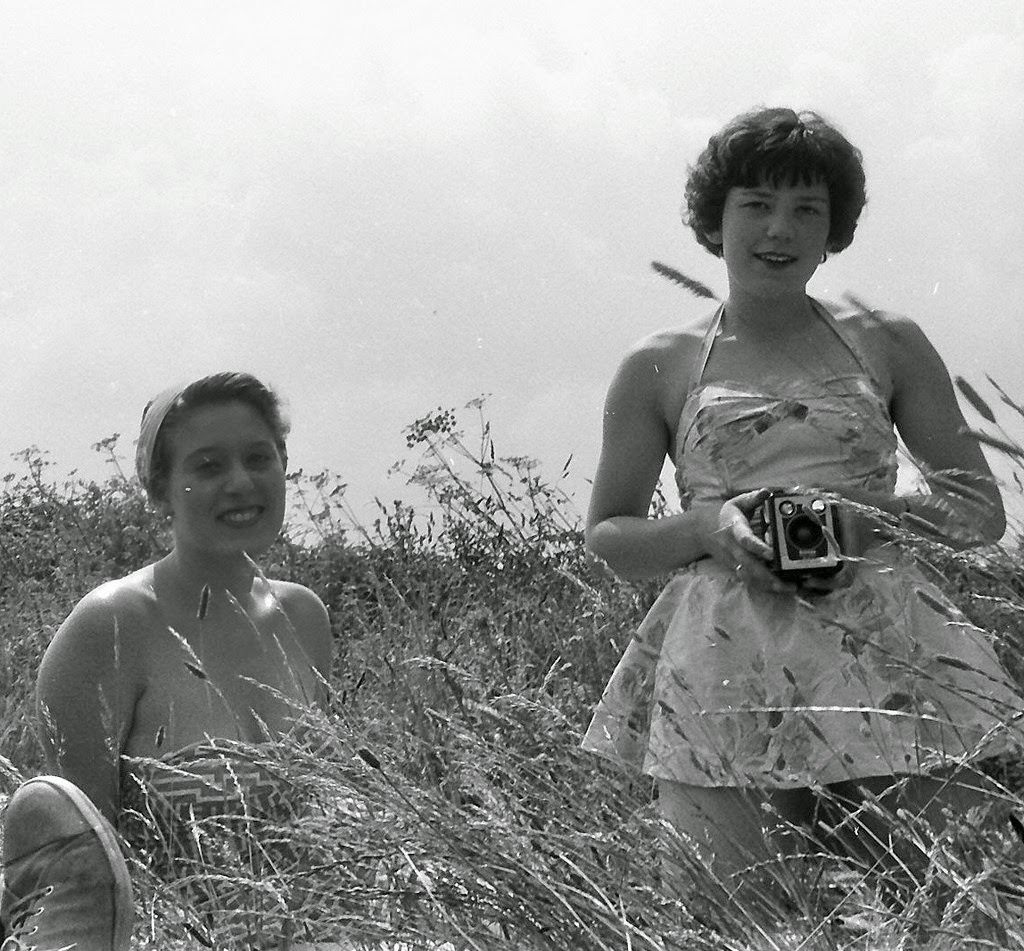
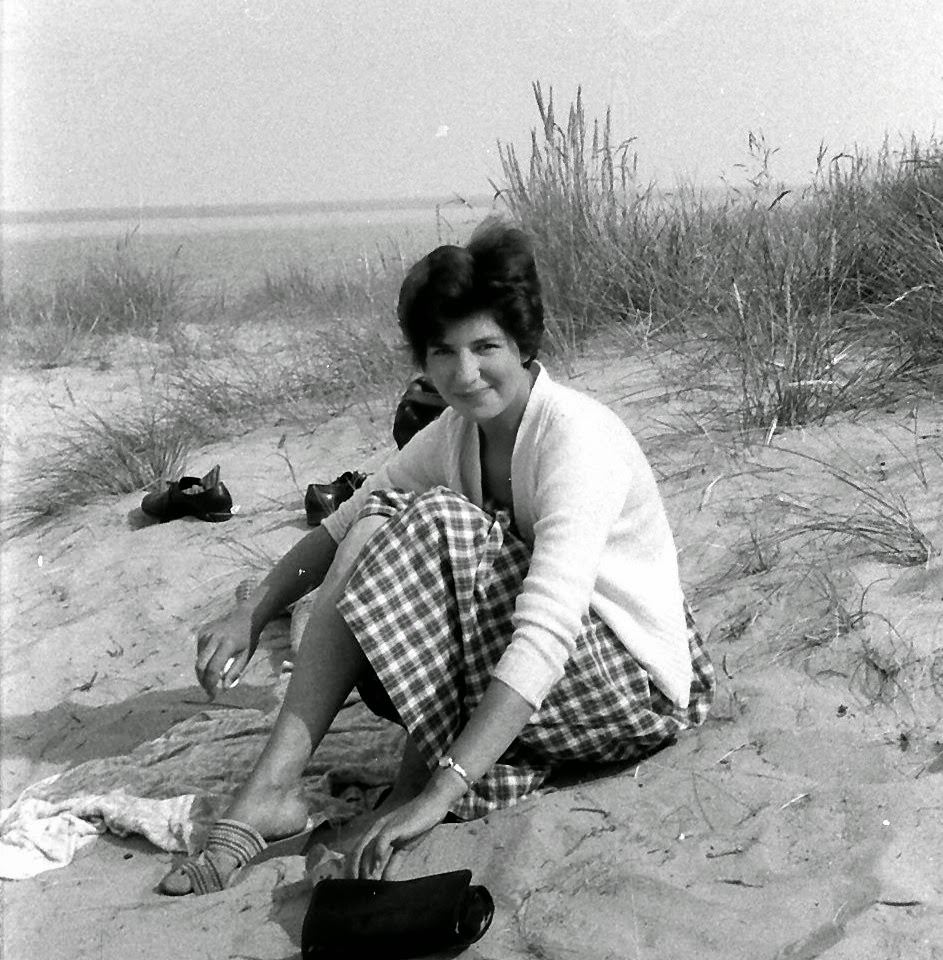
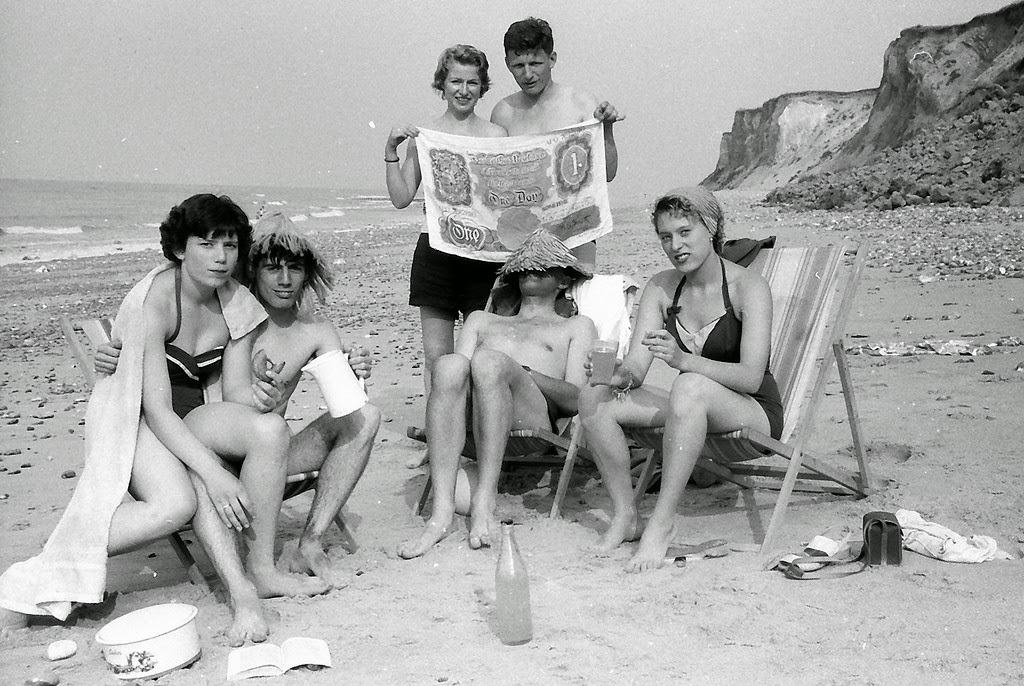
The North Sea water stayed freezing cold even in the middle of July. Young swimmers waded into the gray surf and shivered while shouting to their friends. Parents sat wrapped in thick wool blankets on wooden deckchairs. They set up striped canvas windbreaks to block the stiff, salty gusts blowing straight off the water.
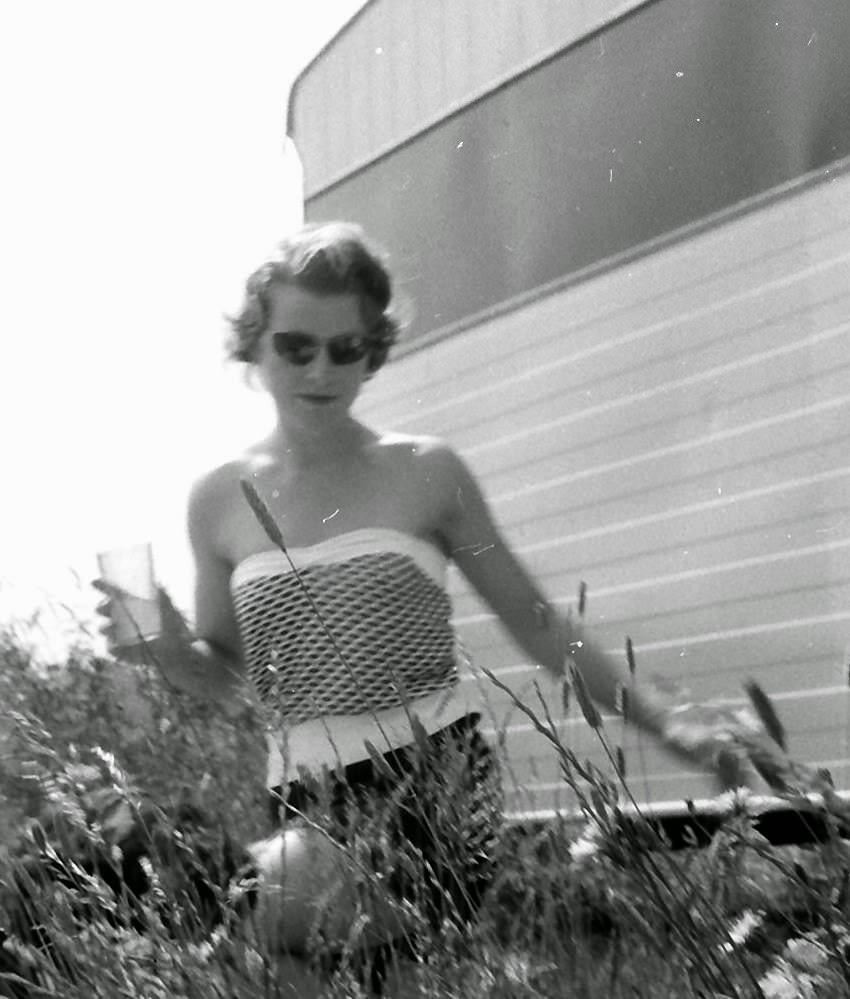
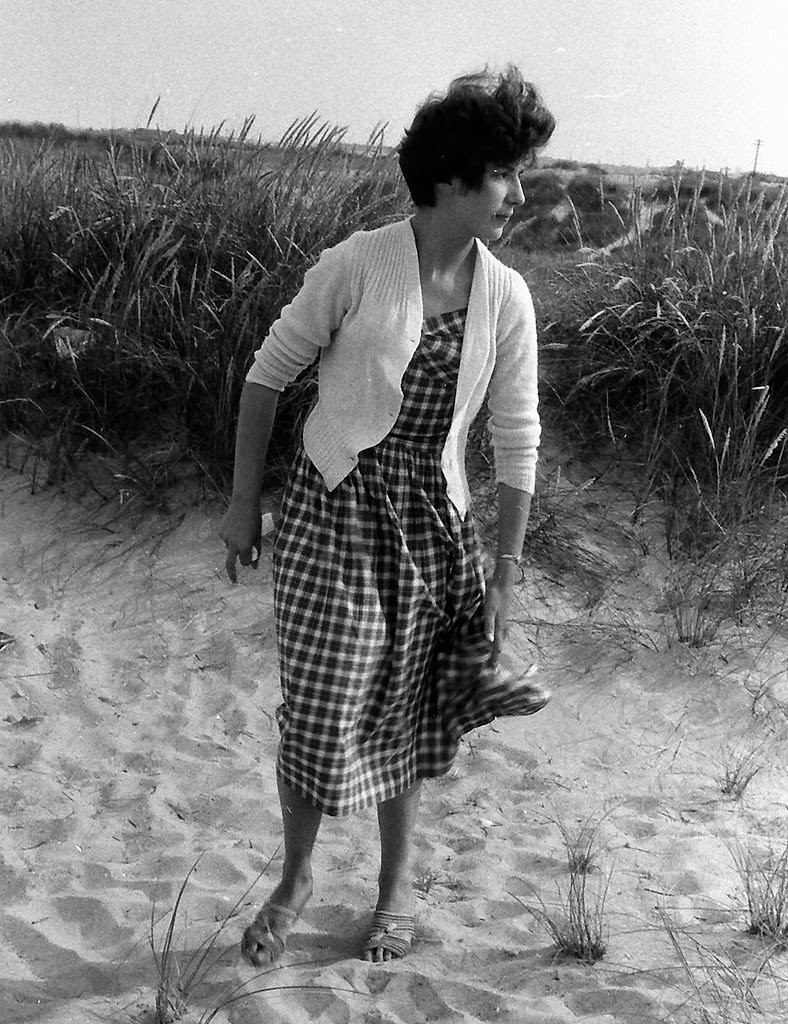
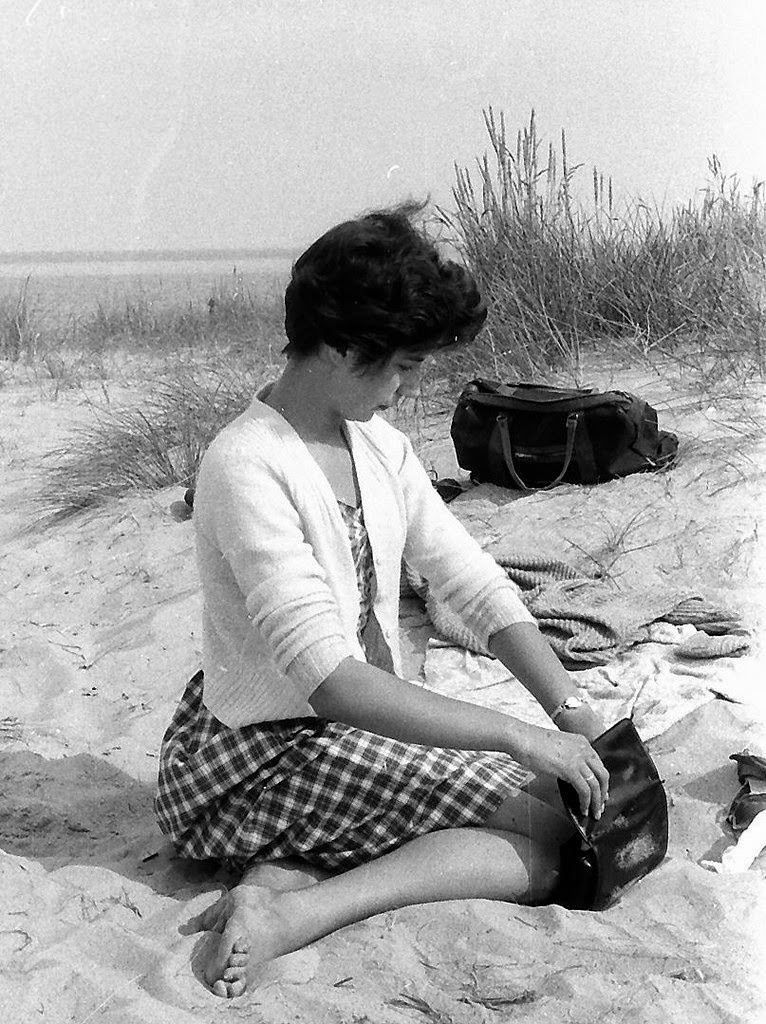
Entertainment on the beach included traditional Punch and Judy puppet shows. Crowds of children sat on the damp sand and laughed at the loud wooden puppets. Nearby, operators led tired donkeys along the wet shoreline. Kids paid sixpence for a slow ride up and down the beach.
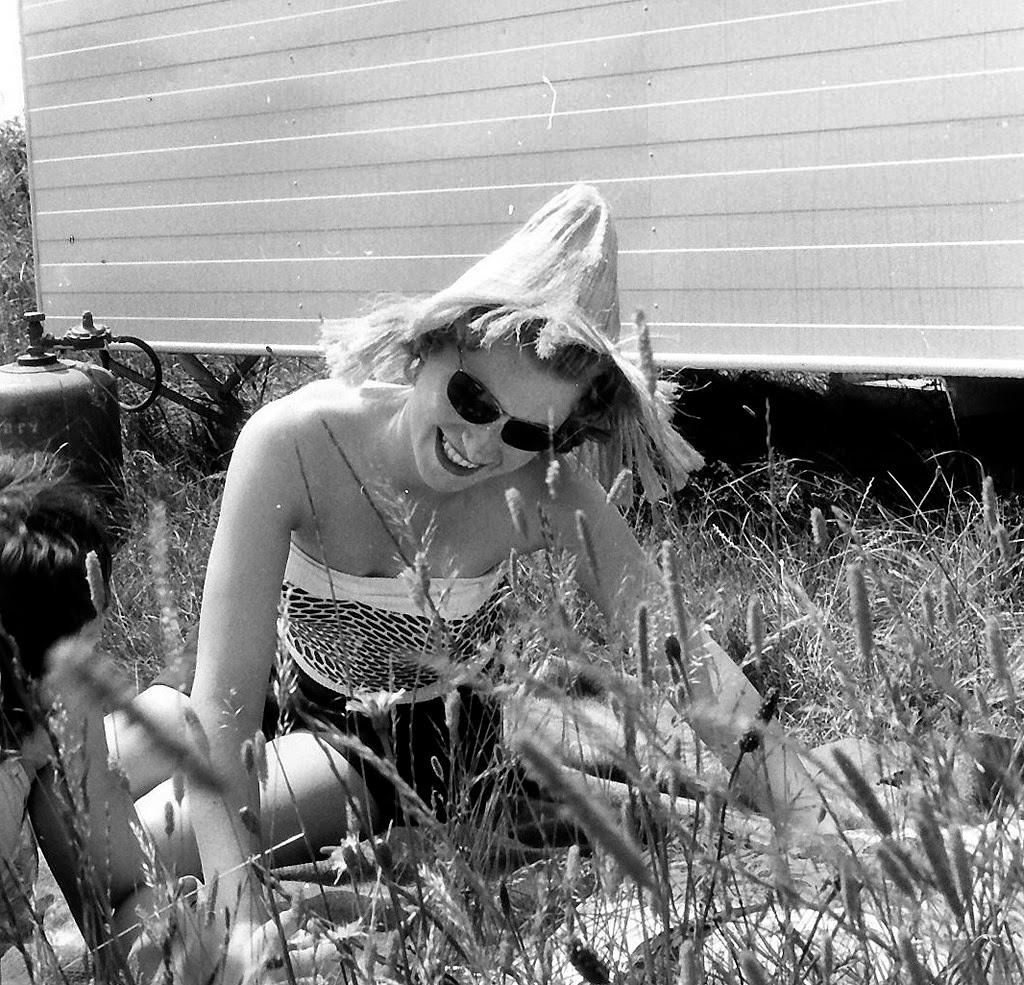
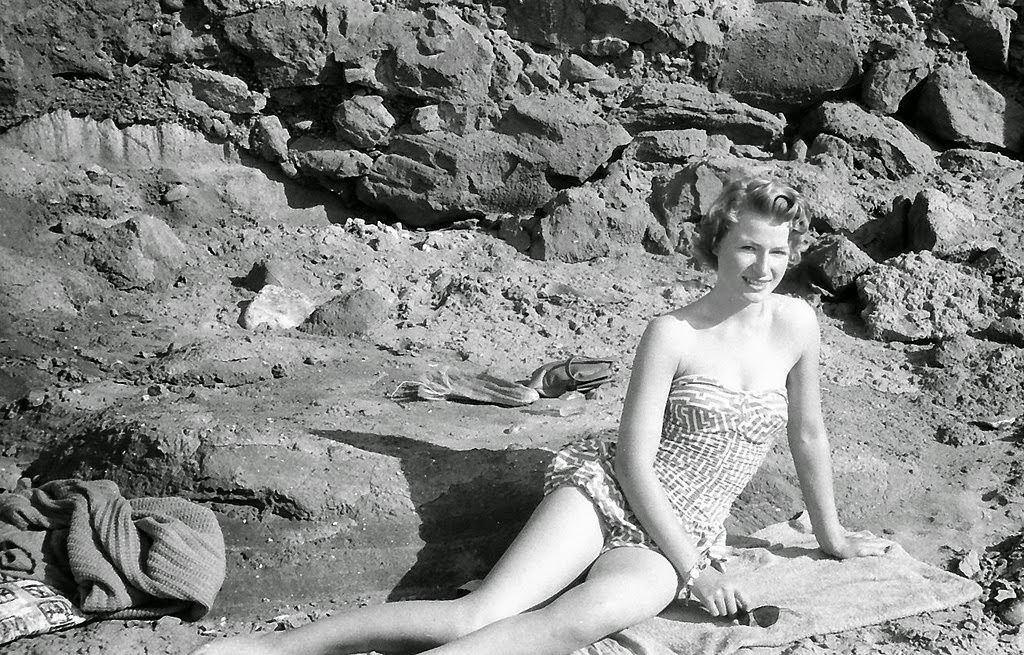
Afternoons brought long walks down Victorian wooden piers stretching far out into the sea. Vendors sold paper cones filled with melting vanilla ice cream and warm cinnamon donuts. Gulls circled overhead and swooped down to steal dropped crusts of bread. Children pointed at fishing boats chugging past the red brick lighthouses along the harbor entrance.
Low tide exposed rocky pools filled with sea anemones and small crabs. Kids spent hours crouched over these pools with wool sleeves rolled up to their elbows. They caught tiny fish in glass jars before releasing them safely back into the salt water pools.
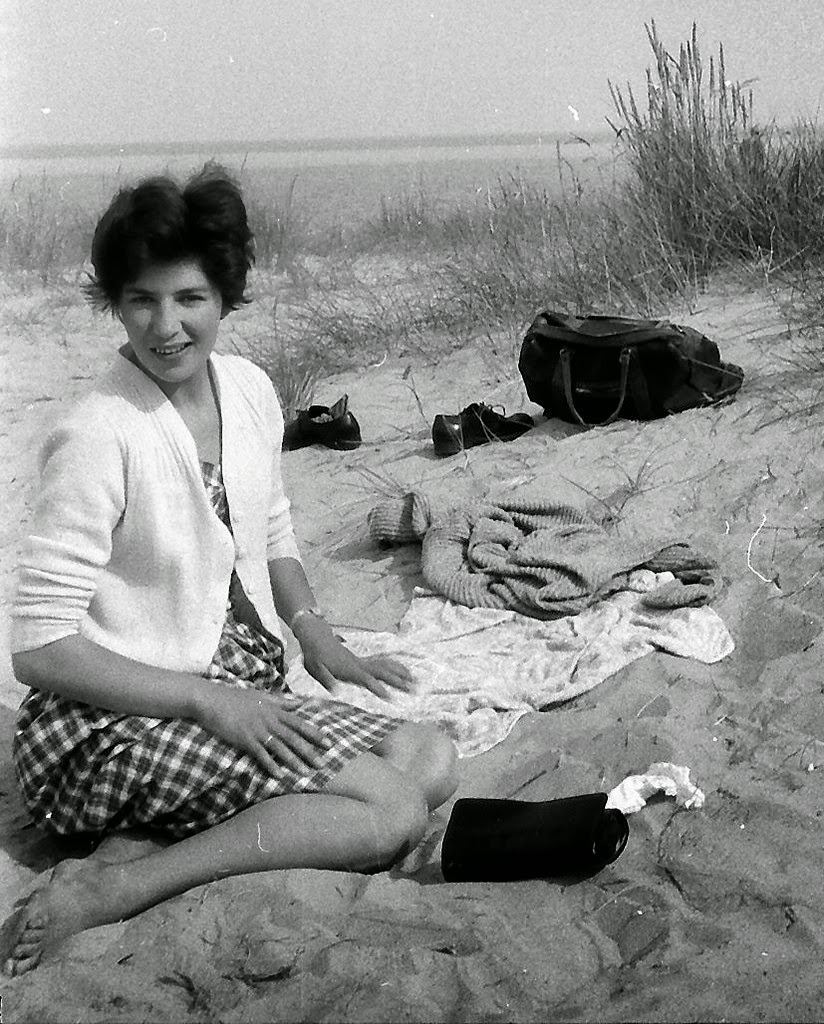
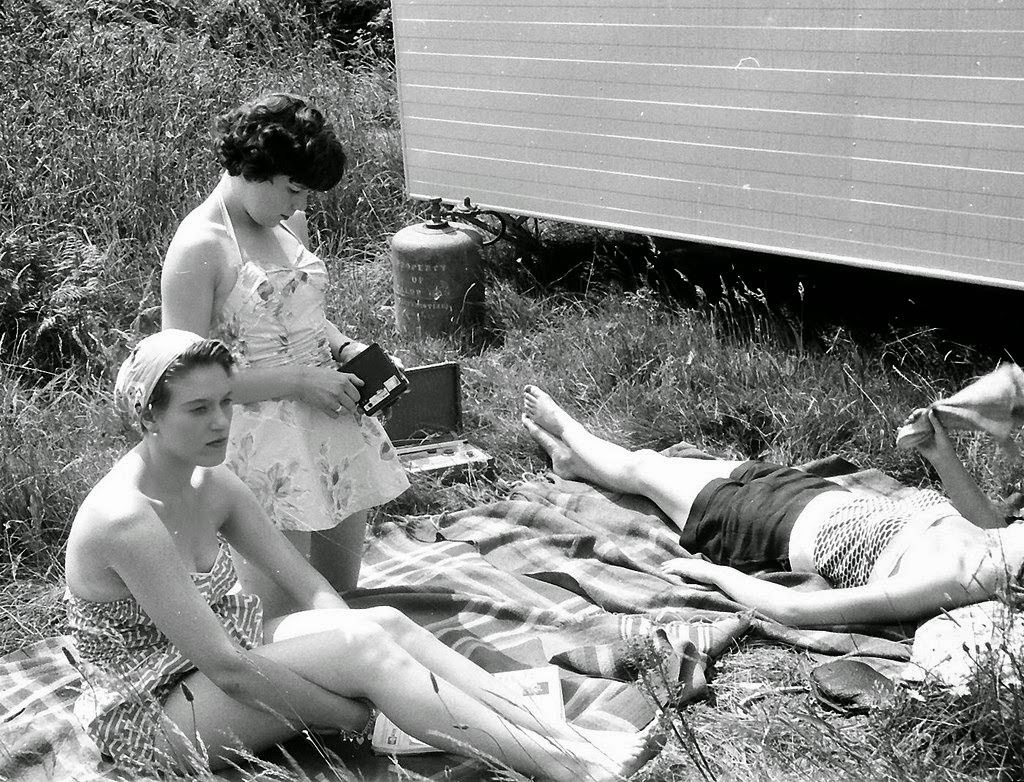
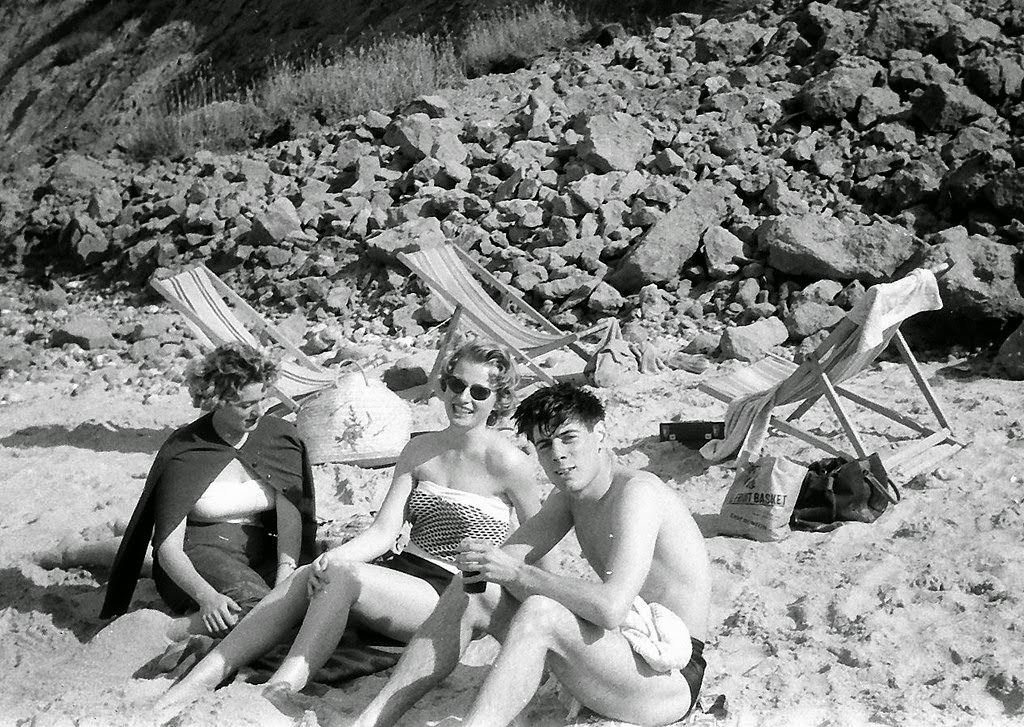
Evenings meant visits to crowded local amusement arcades packed with mechanical pinball machines and fortune-telling boxes. Families bought paper bags of hot potato chips covered in malt vinegar and coarse salt. They ate dinner on wooden benches while watching the sun drop below the flat marshlands.
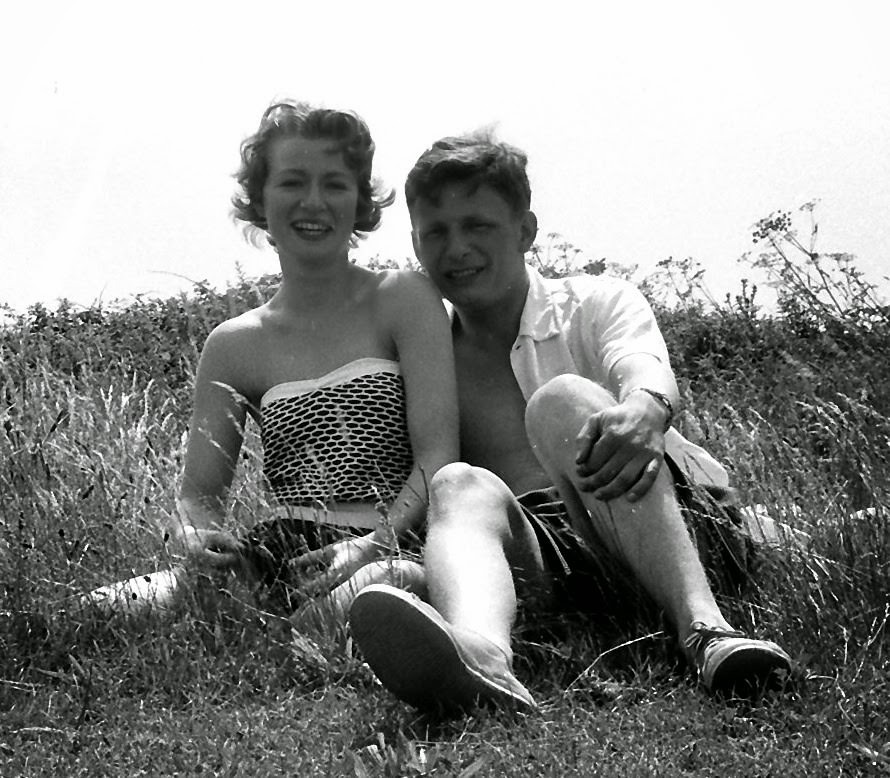
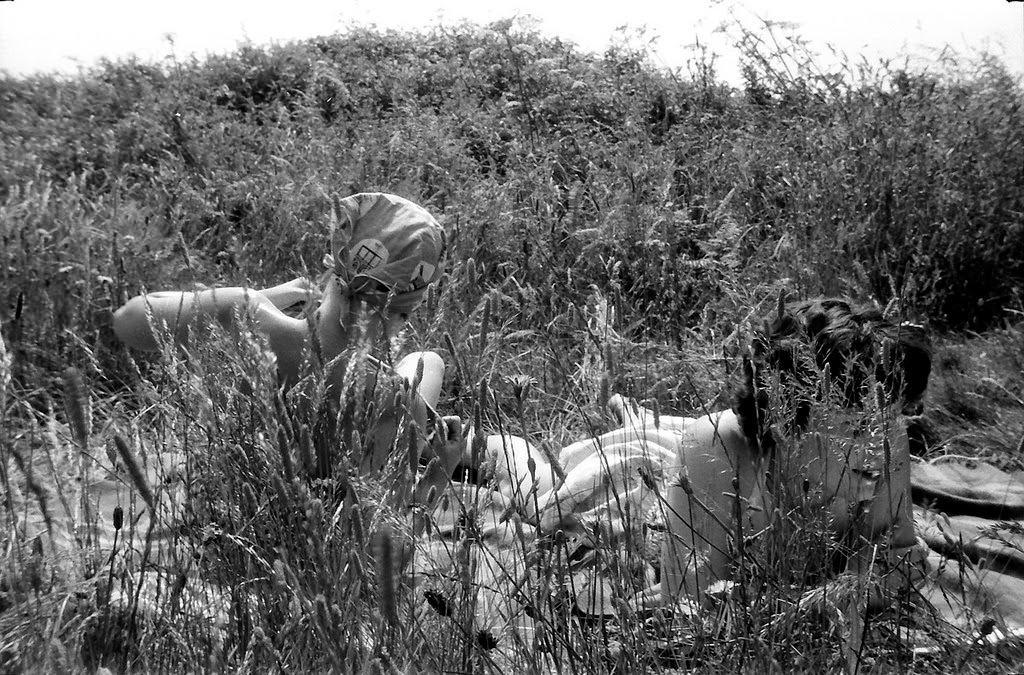
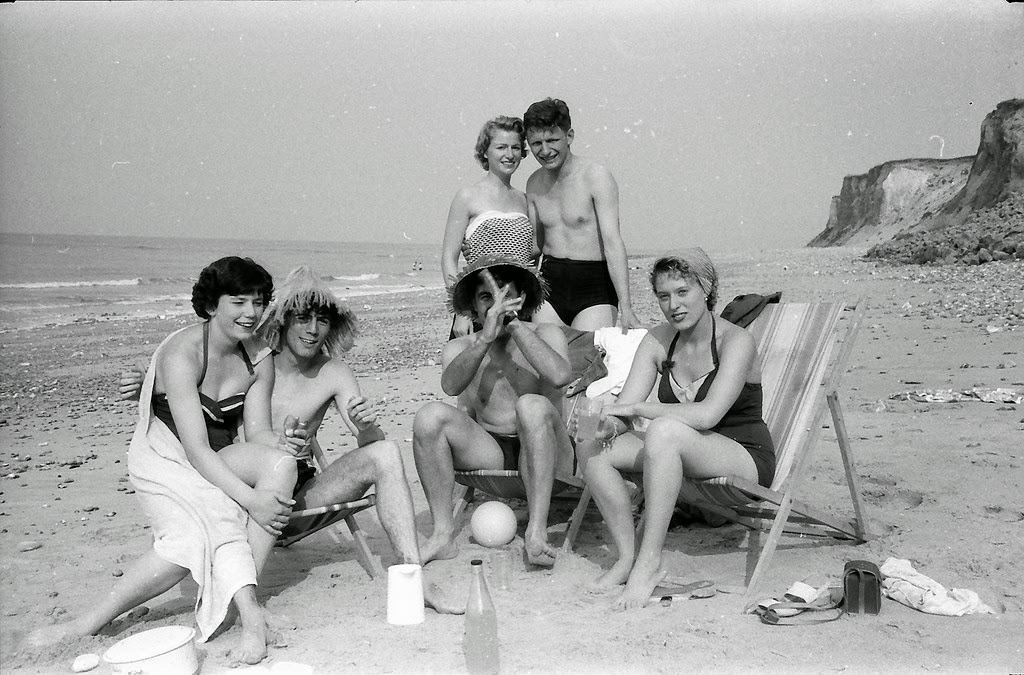
Holiday camps built right behind the sand dunes offered organized sports and evening talent shows. Camp leaders blew metal whistles to line children up for running races and sack hops. Winners received small paper ribbons stamped with the camp logo.
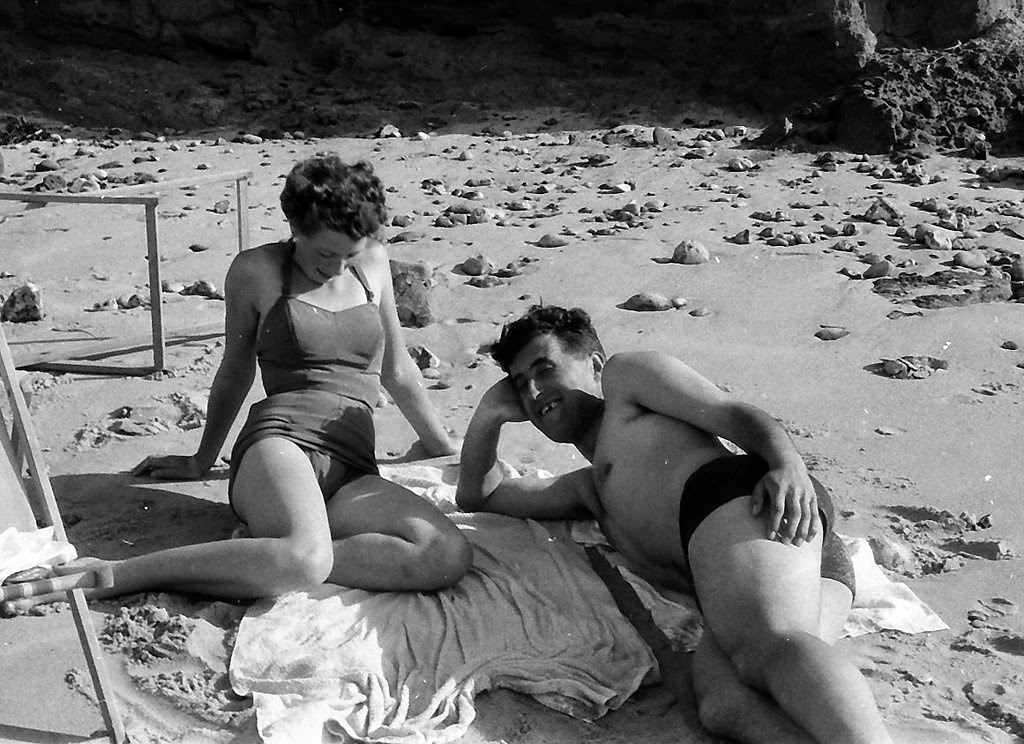
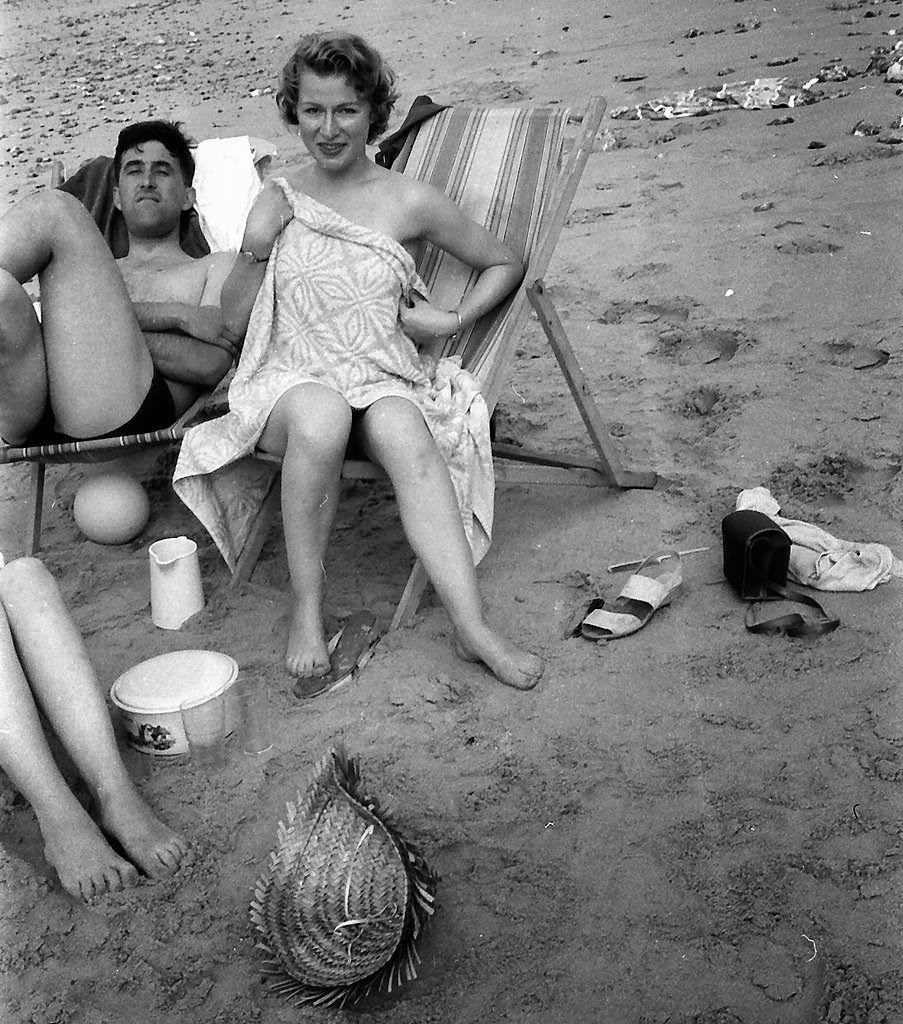
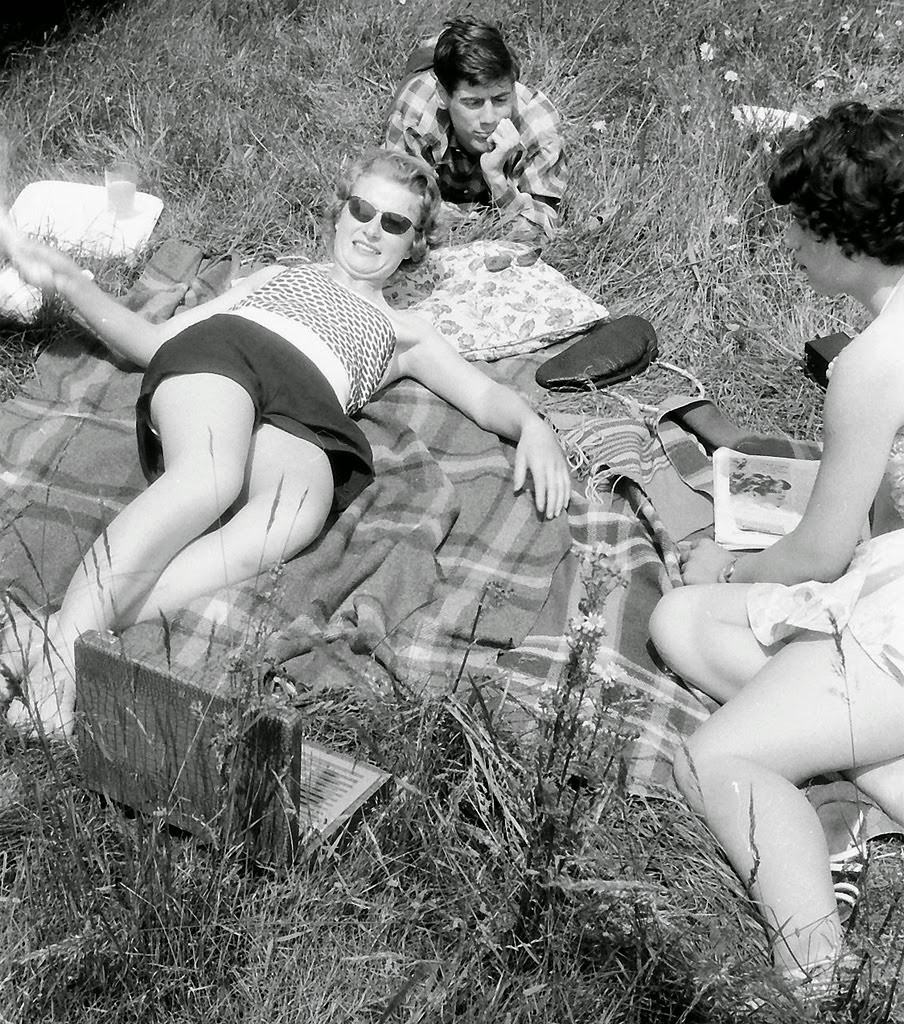
When heavy rain arrived, families crowded into small boarding houses along the seafront. They played board games by dim gas lamps while water streaked the window glass. Storm clouds usually passed by morning, leaving clear blue skies over the flat Norfolk horizon.
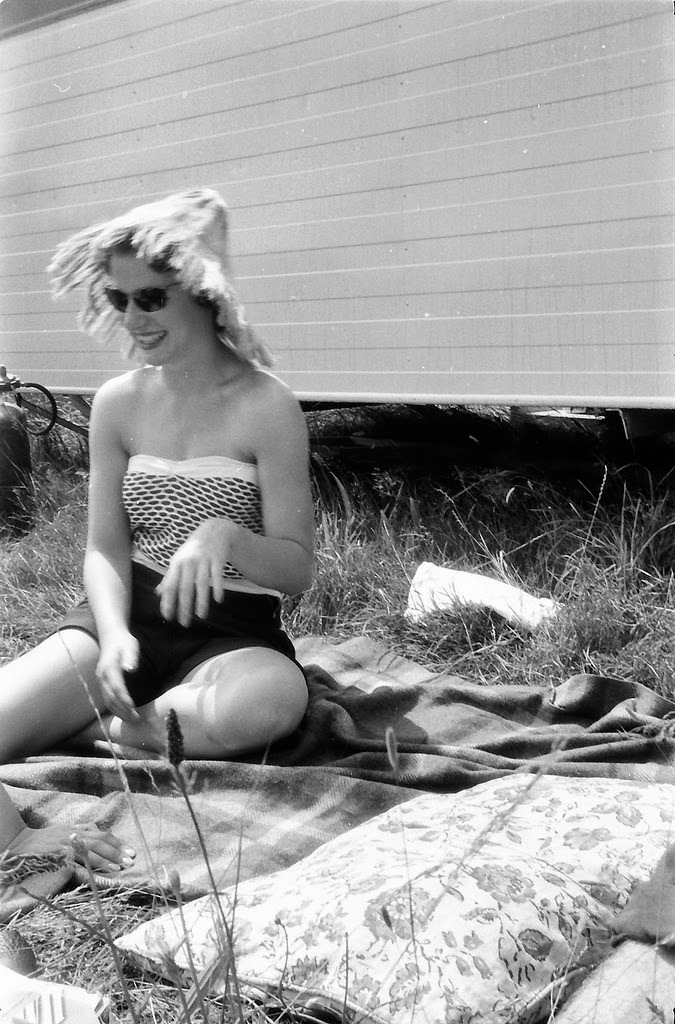
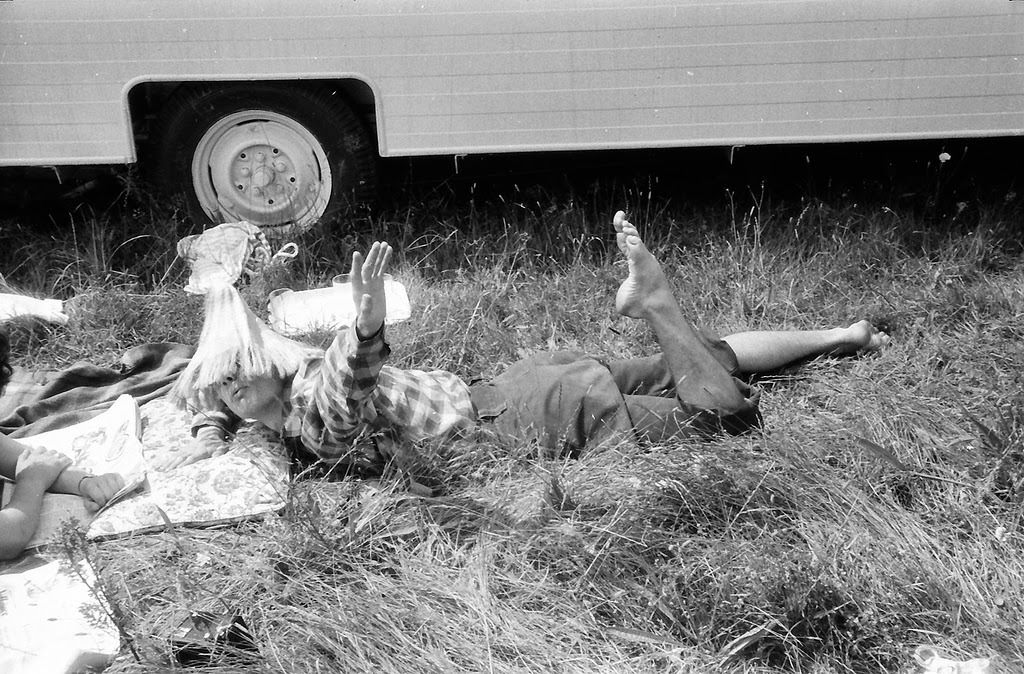
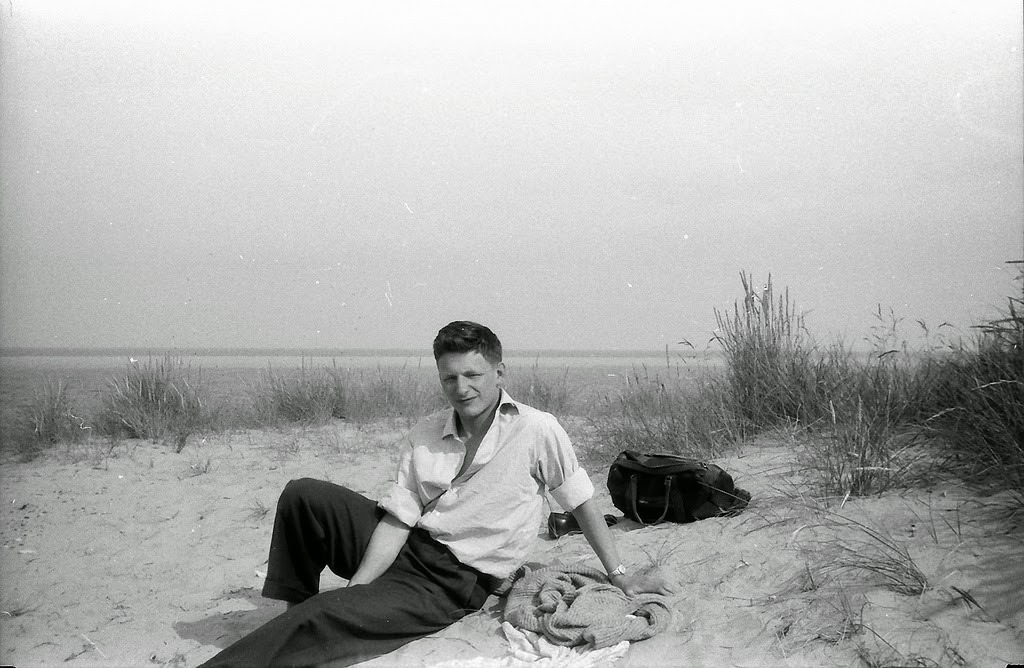
August ended with crowded steam trains carrying tired children back to inland industrial towns for the start of the September school term.