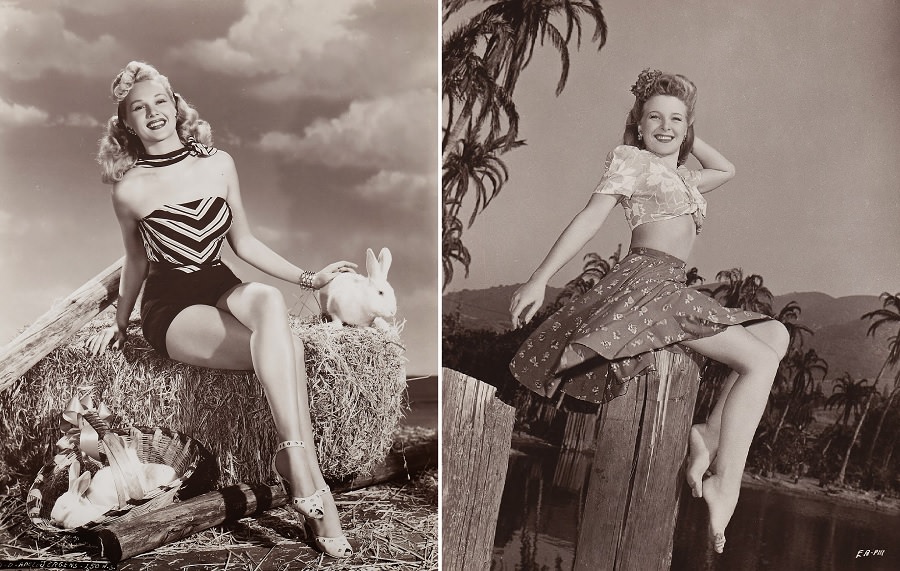
Phil Stern picked up a camera during the Great Depression and moved to Los Angeles. When World War II started, he enlisted in the Coast Guard and joined the 16th Combat Camera Unit. Shrapnel hit him during fighting at Kasserine Pass. A military hospital sent him home with a Purple Heart.
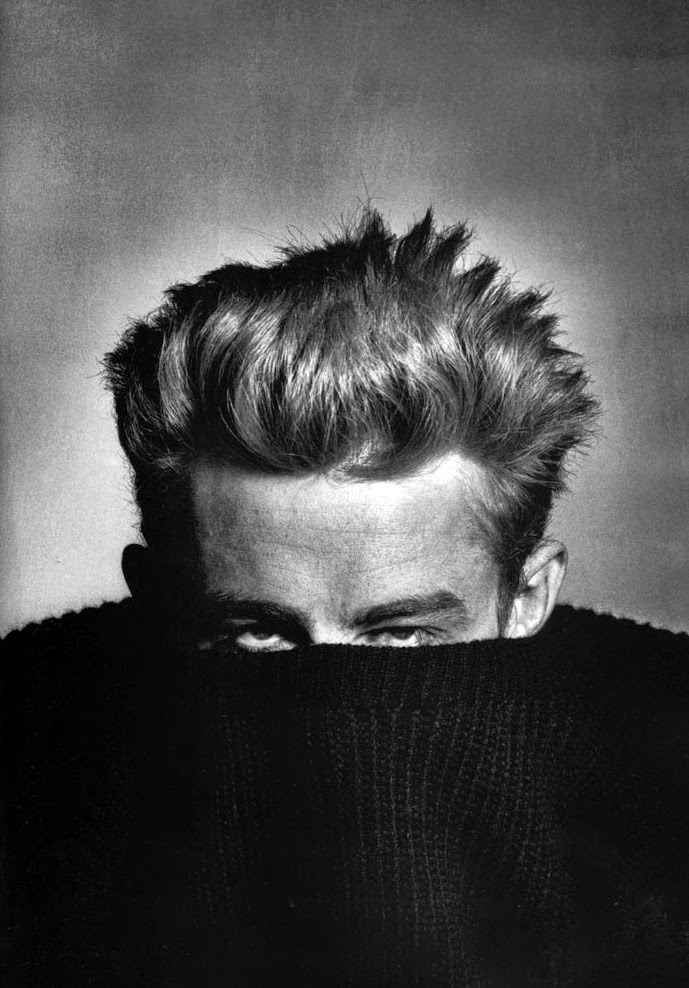
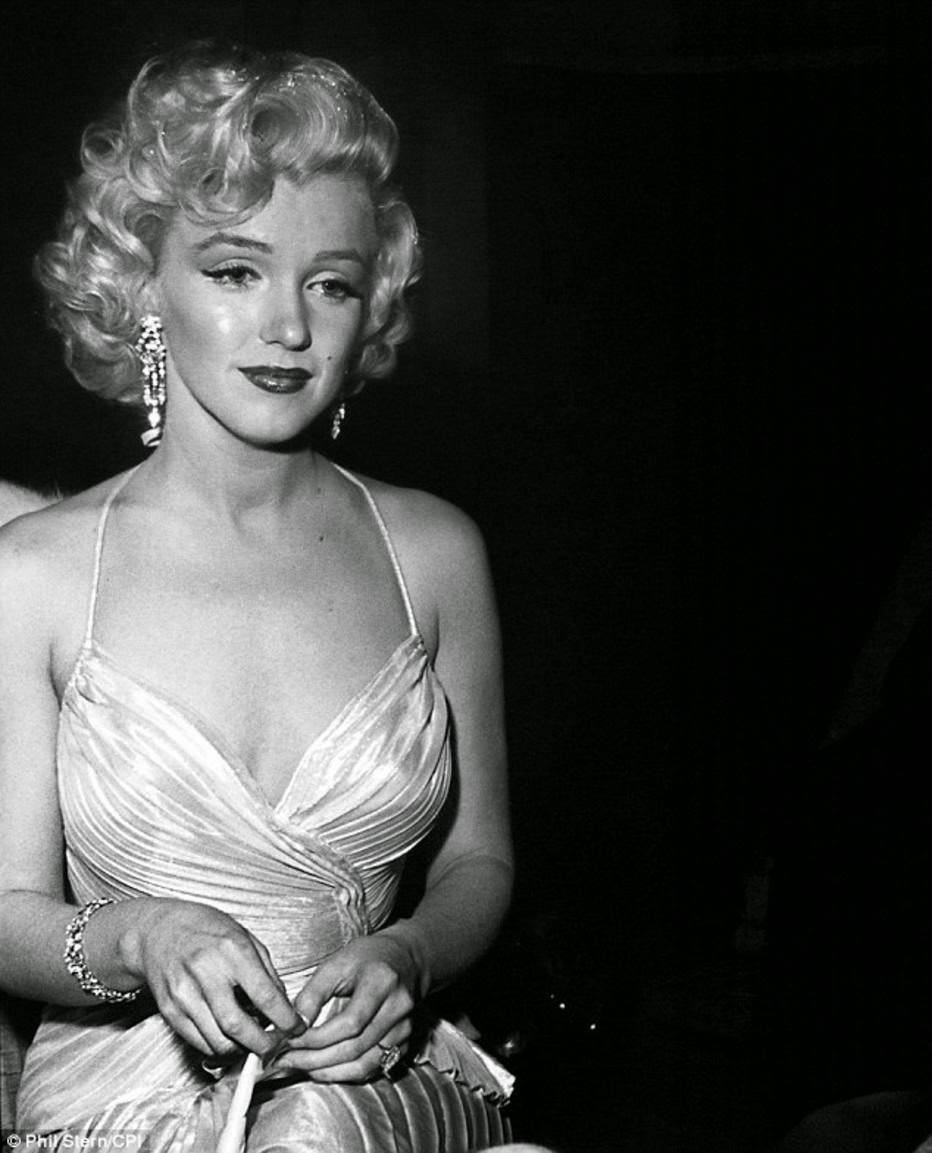
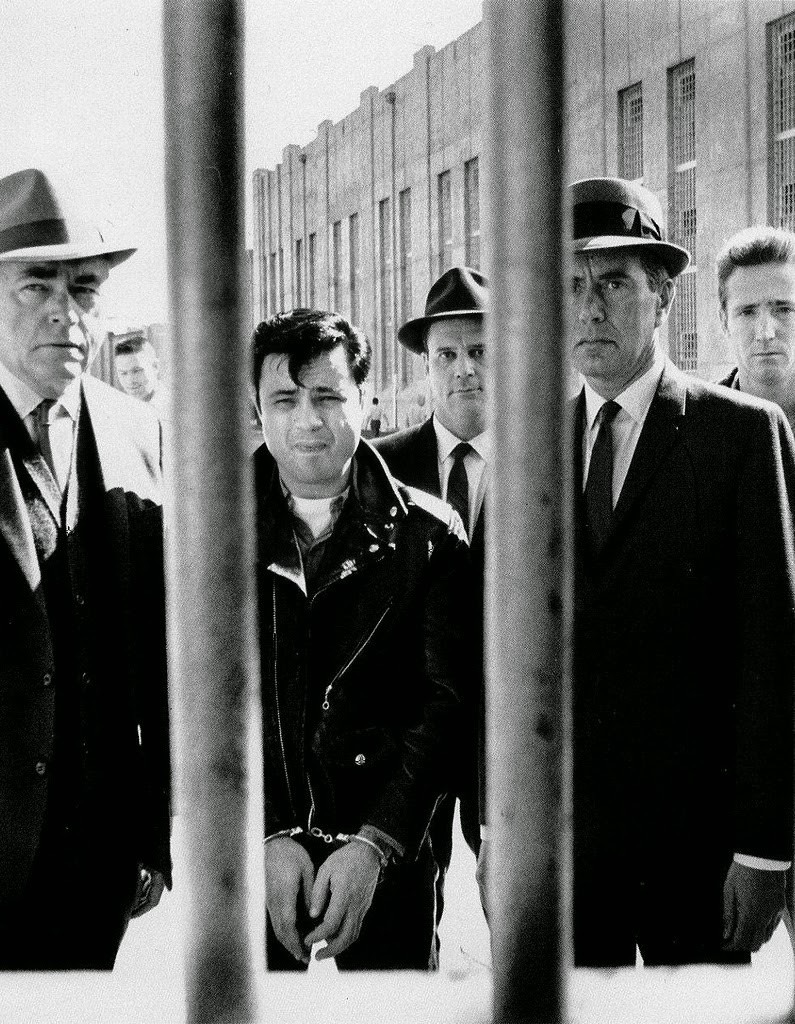
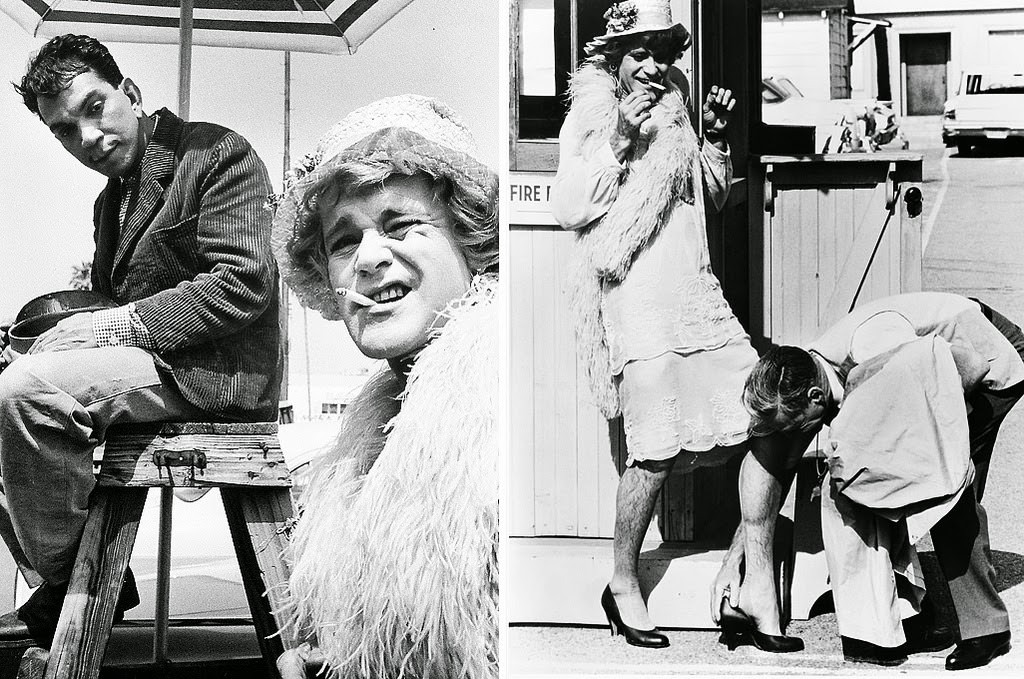
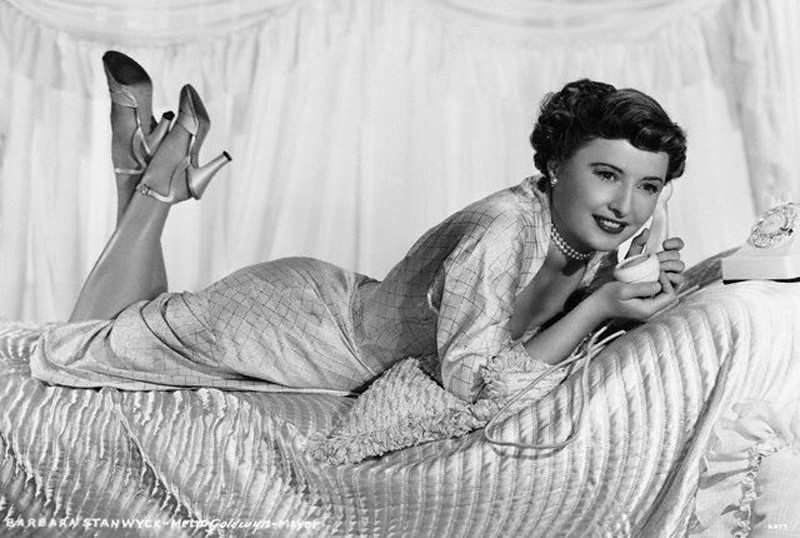
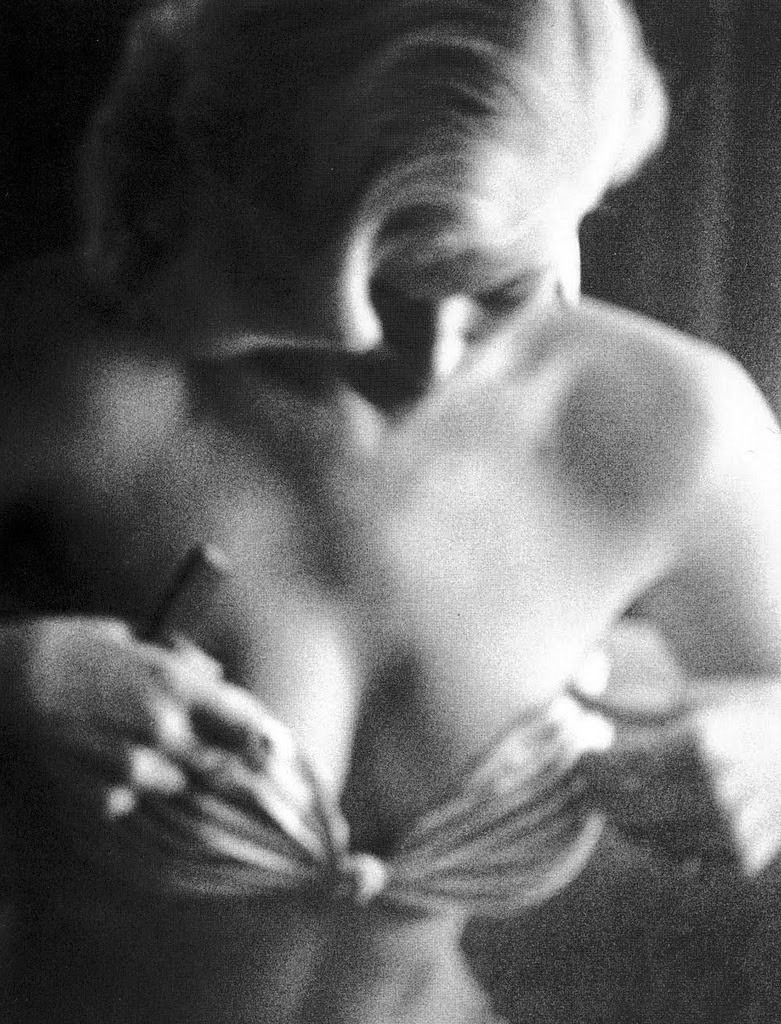
Stern turned his lens toward Hollywood studios after the war. Film magazines paid top dollar for candid shots away from rigid publicity departments. He used a lightweight Leica camera to move quickly on movie sets. Actors trusted him because he kept their secrets.
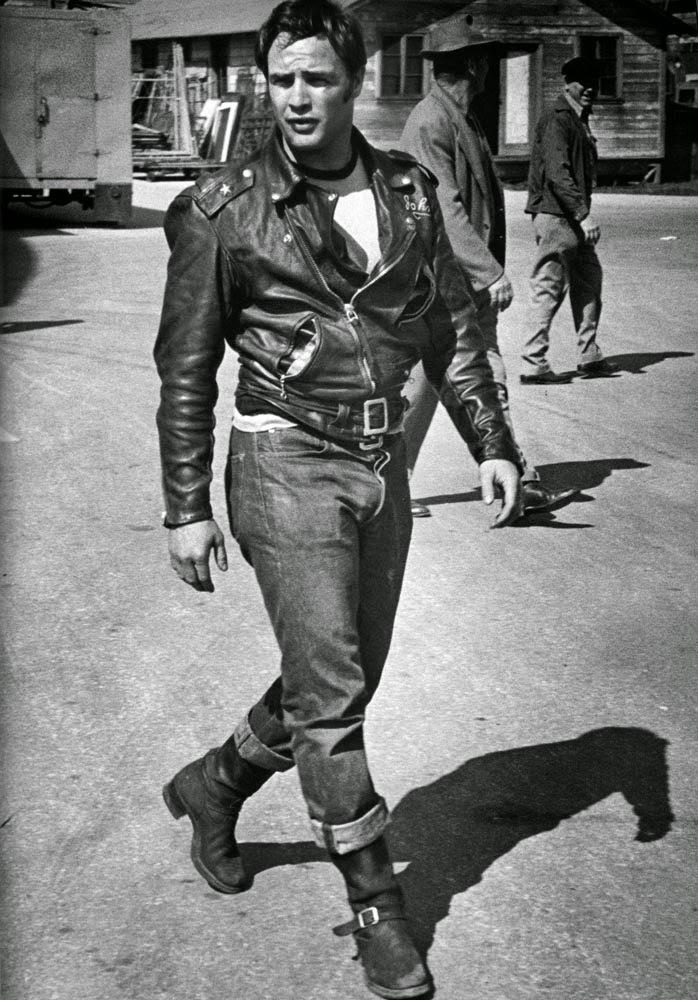
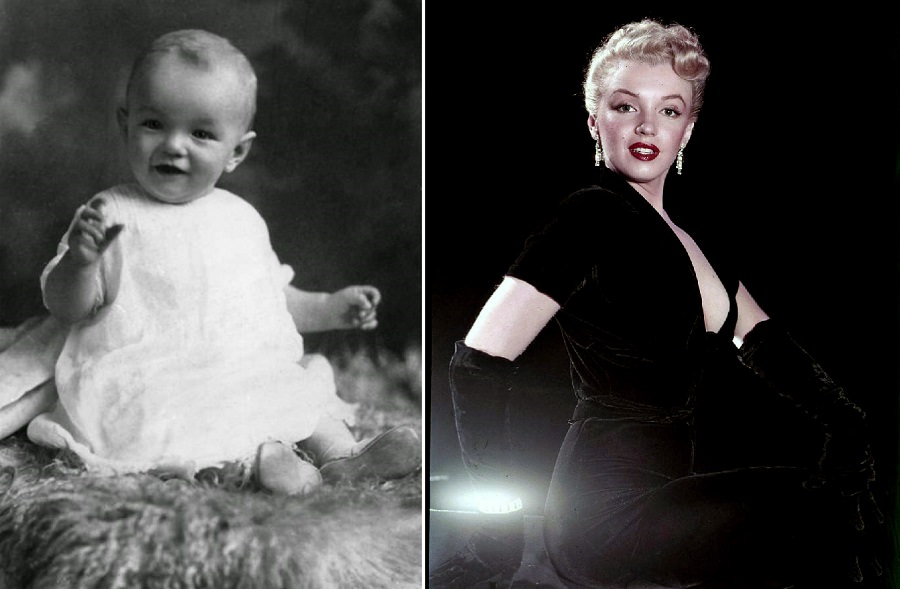
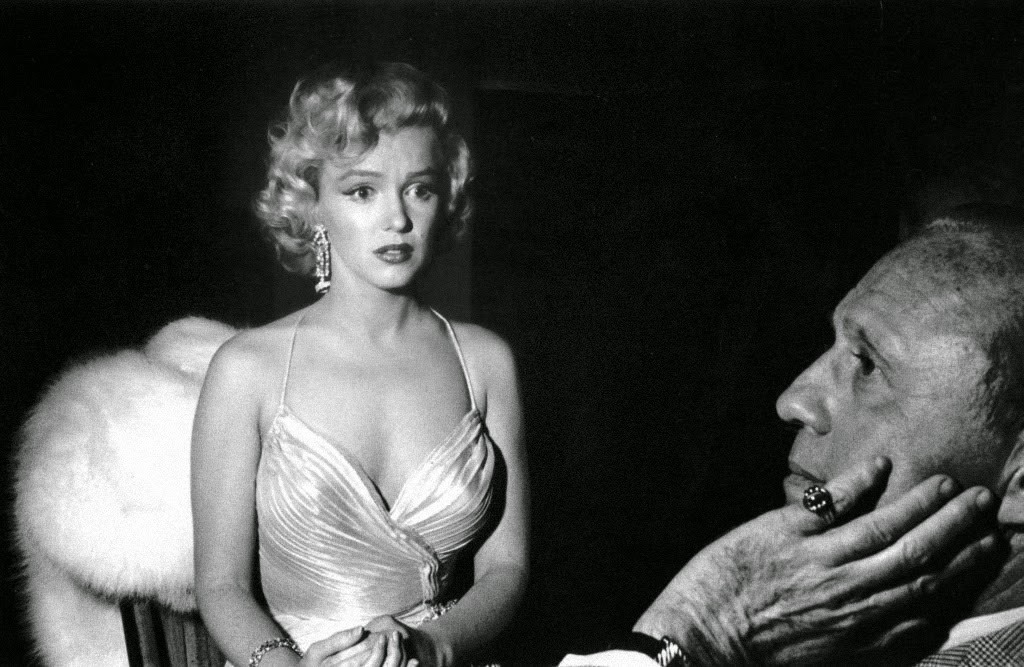
Director Nicholas Ray hired Stern on the set of Rebel Without a Cause in 1955. Stern spent weeks following James Dean around the Warner Brothers lot. Another assignment sent him to photograph Marilyn Monroe filming The Seven Year Itch in New York City.
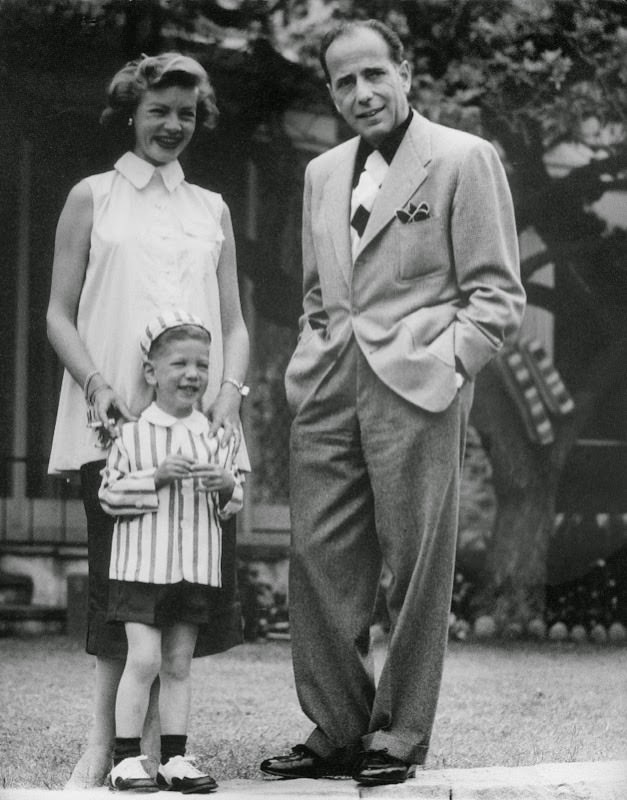
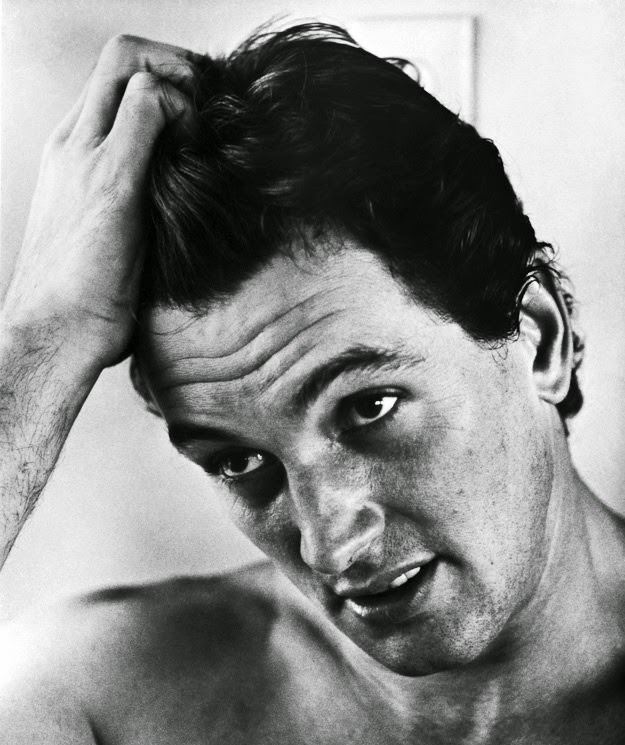
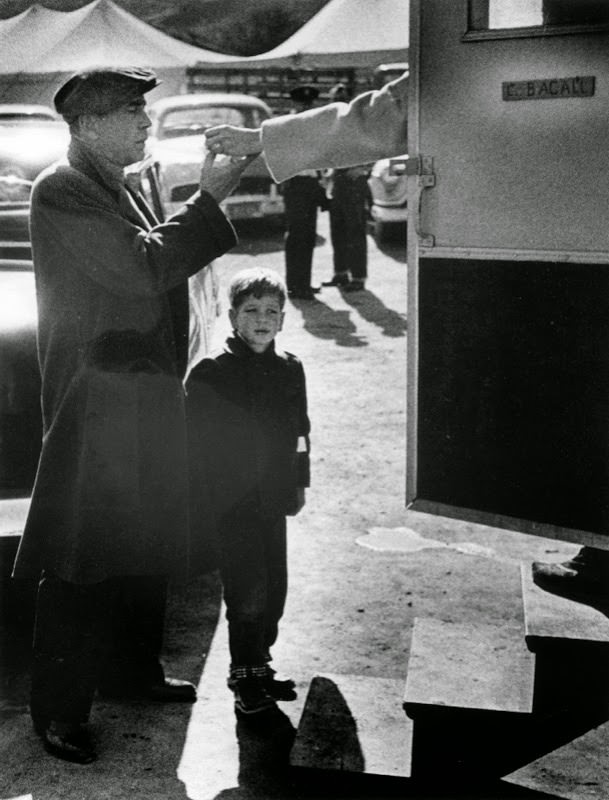
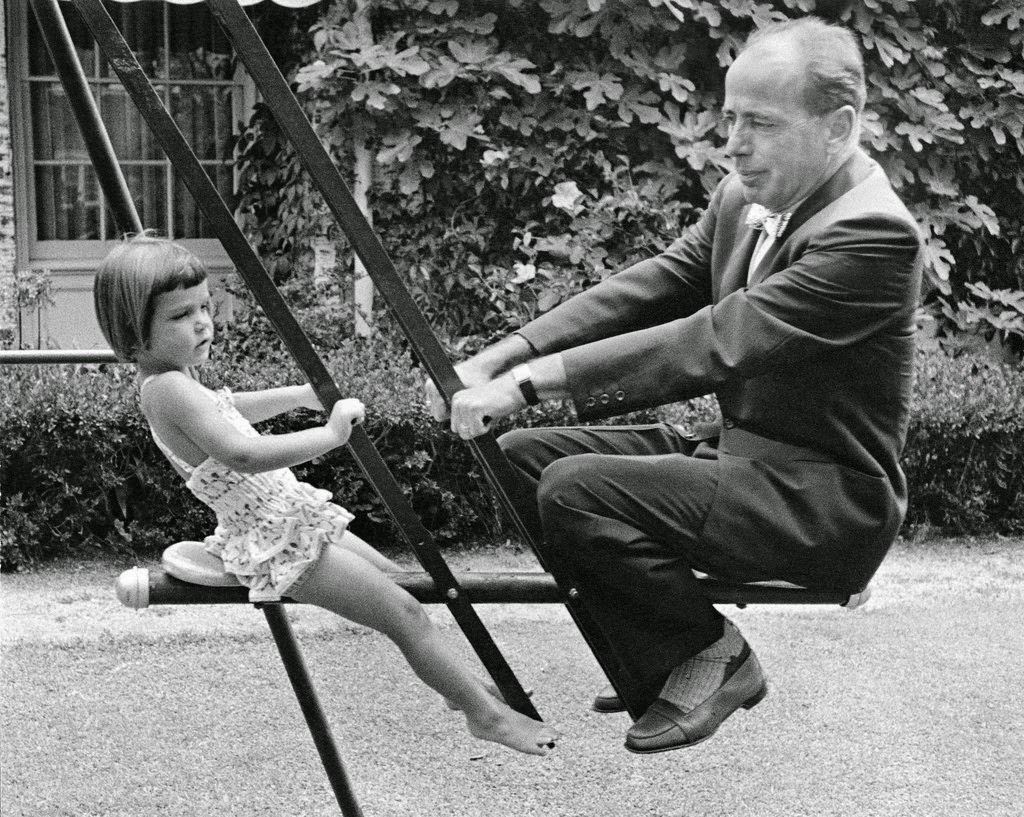
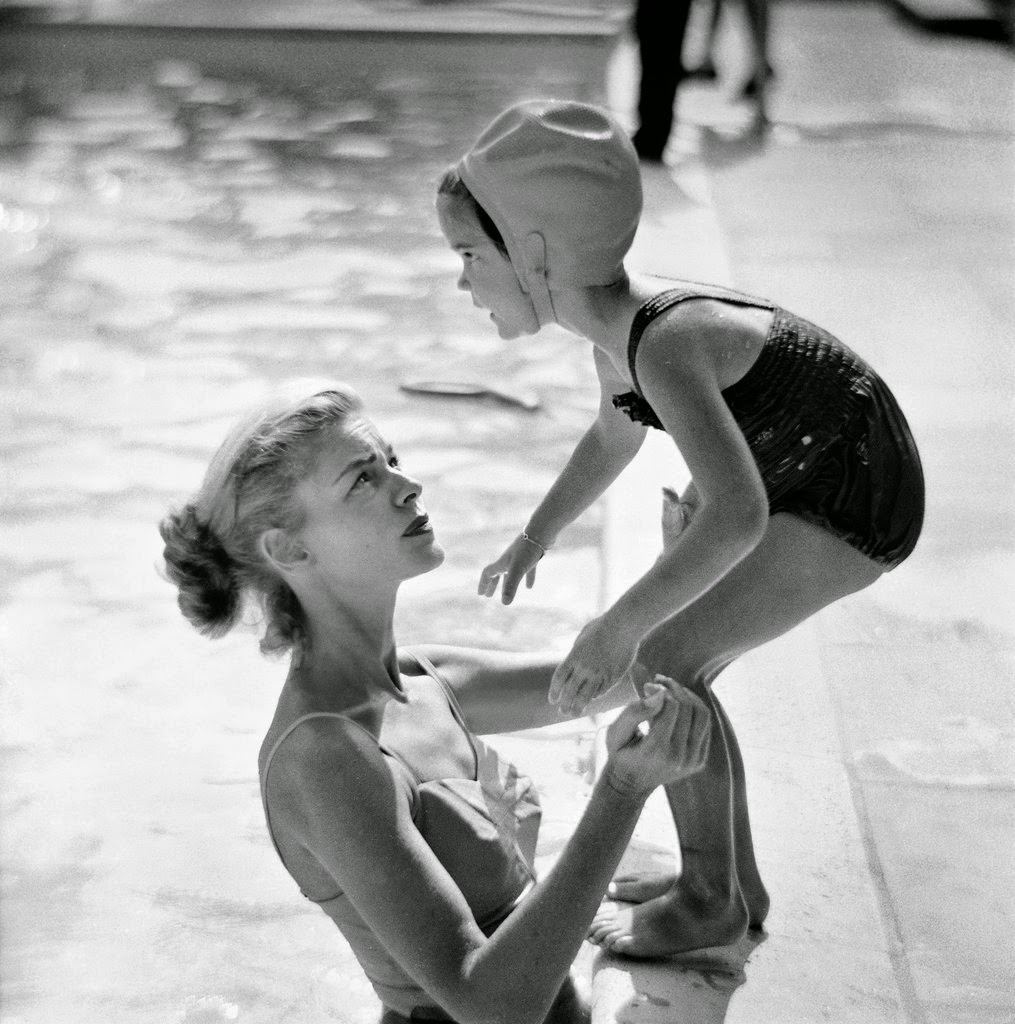
Stern spent hours with Humphrey Bogart and Lauren Bacall at their home in Holmby Hills. He photographed Bogart sailing his yacht and playing chess in his dressing room. Bogart died of cancer in January 1957. Stern attended the funeral and kept photographing the grieving family.
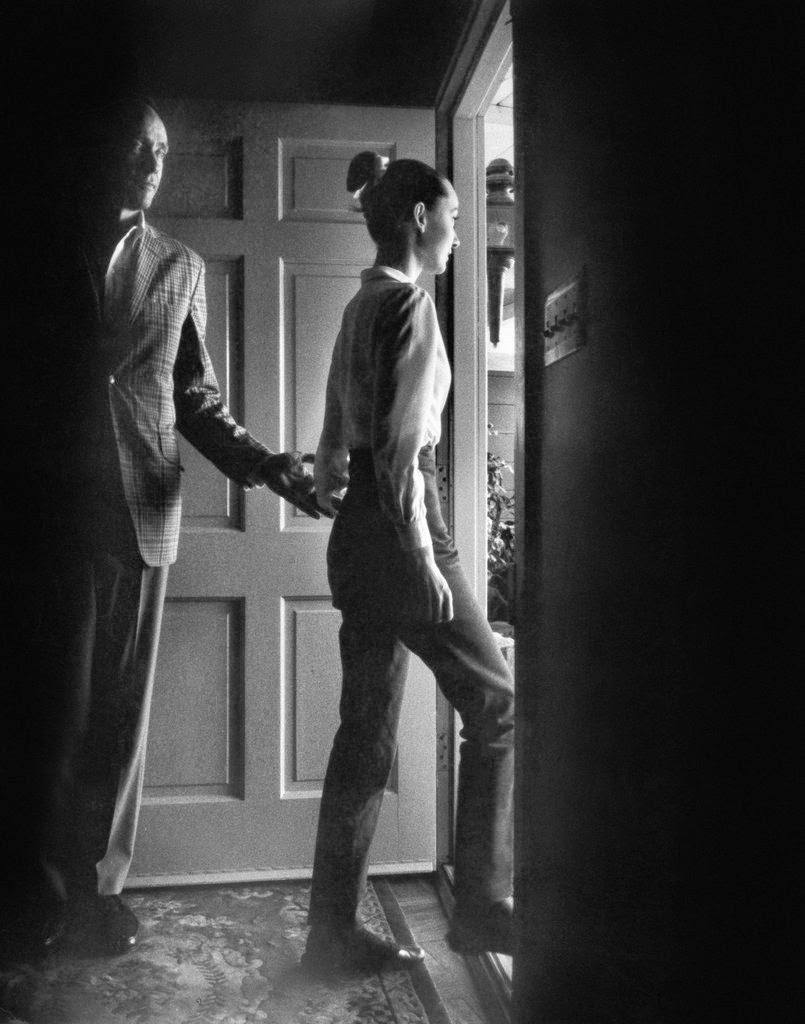
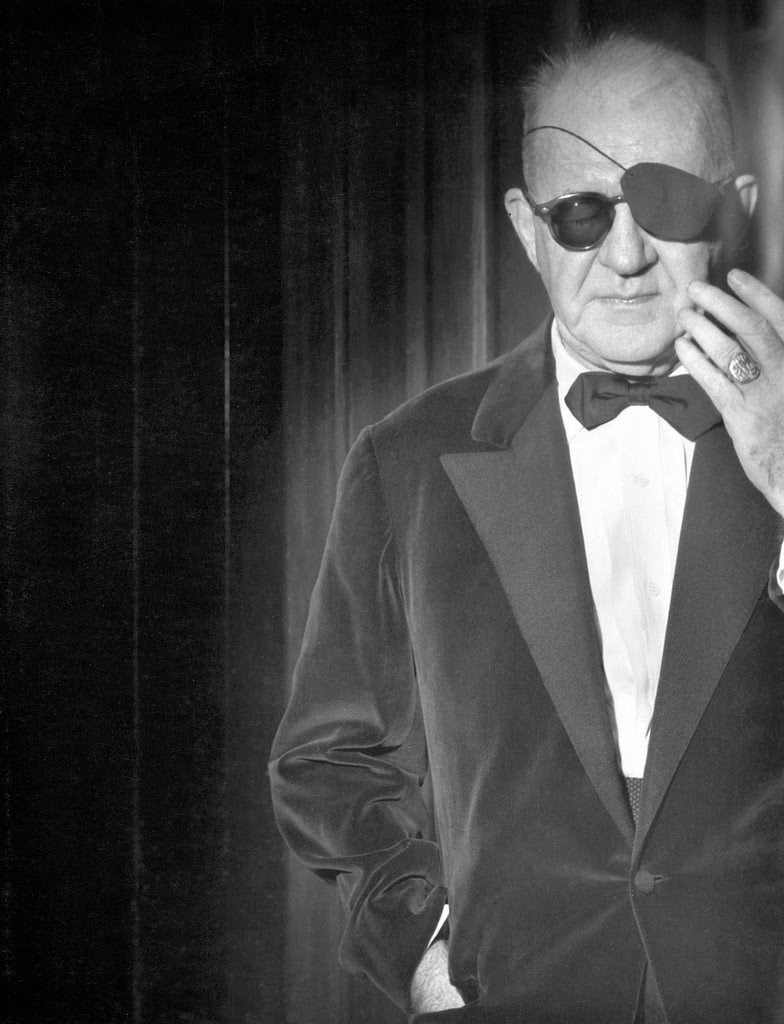
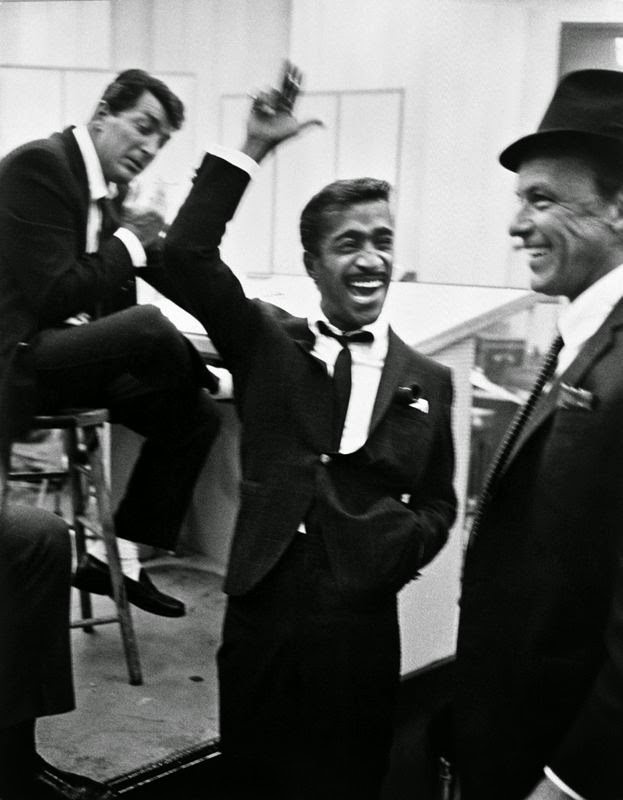
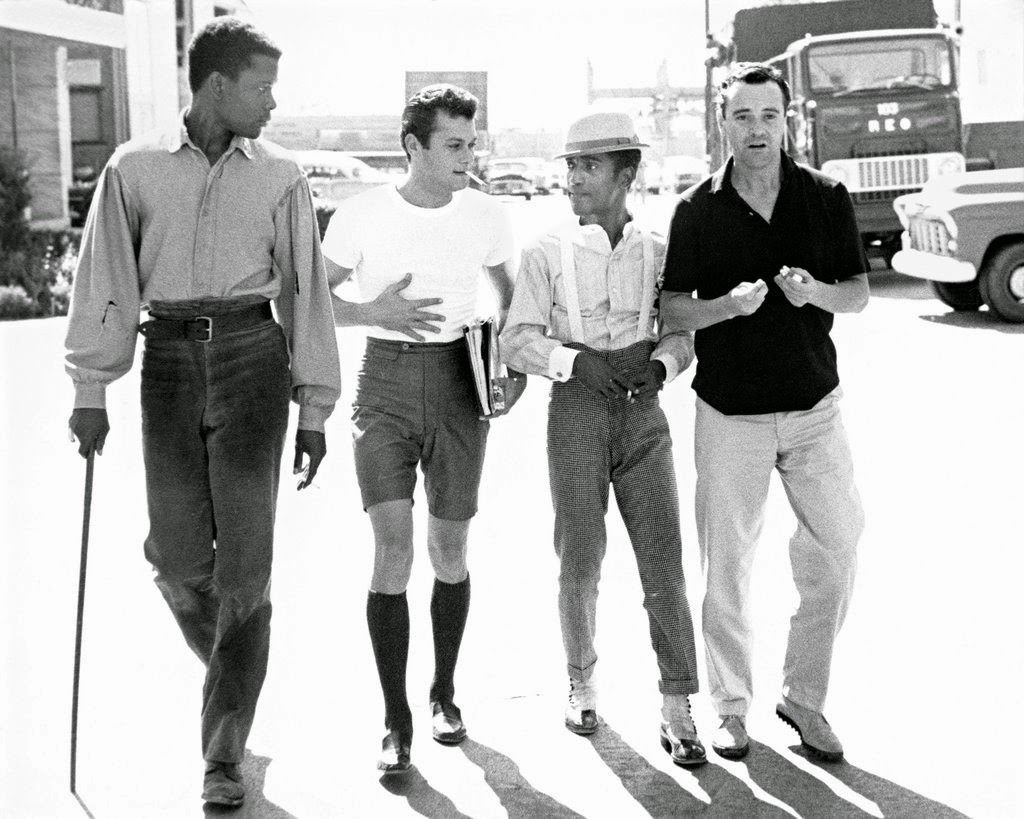
Frank Sinatra hired Stern as his personal photographer for concert tours and film sets. Sinatra introduced him to the inner circle of the Rat Pack in Las Vegas. Stern documented late nights at the Sands Hotel with Sammy Davis Junior and Dean Martin.
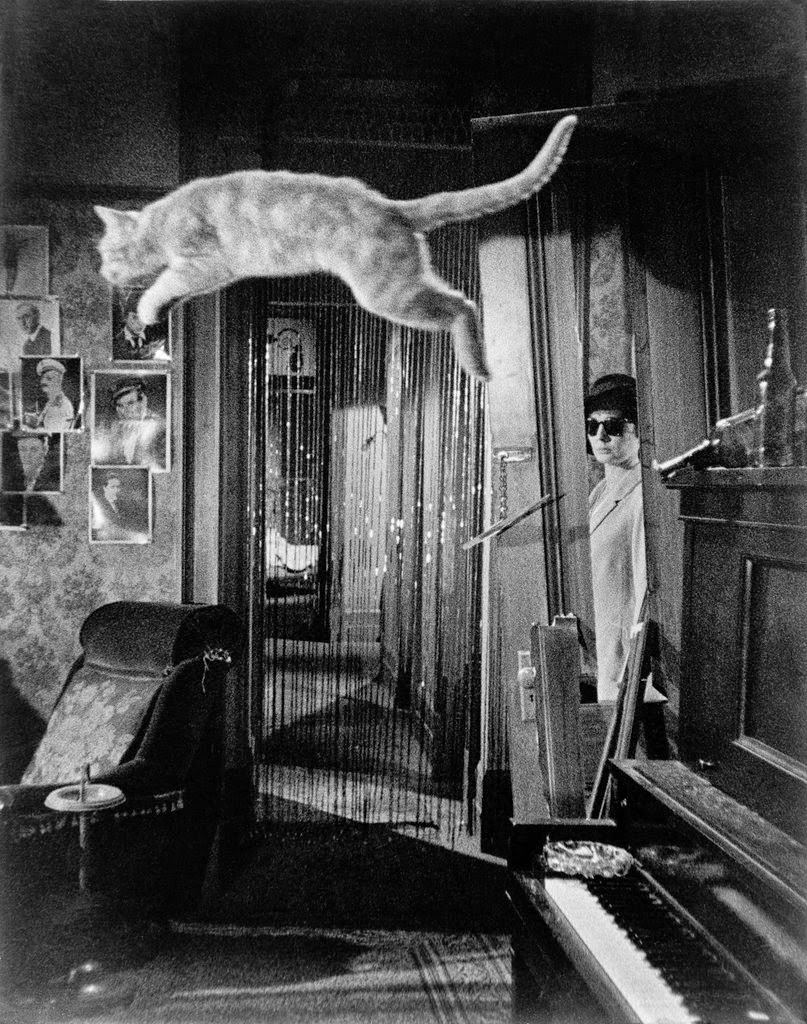
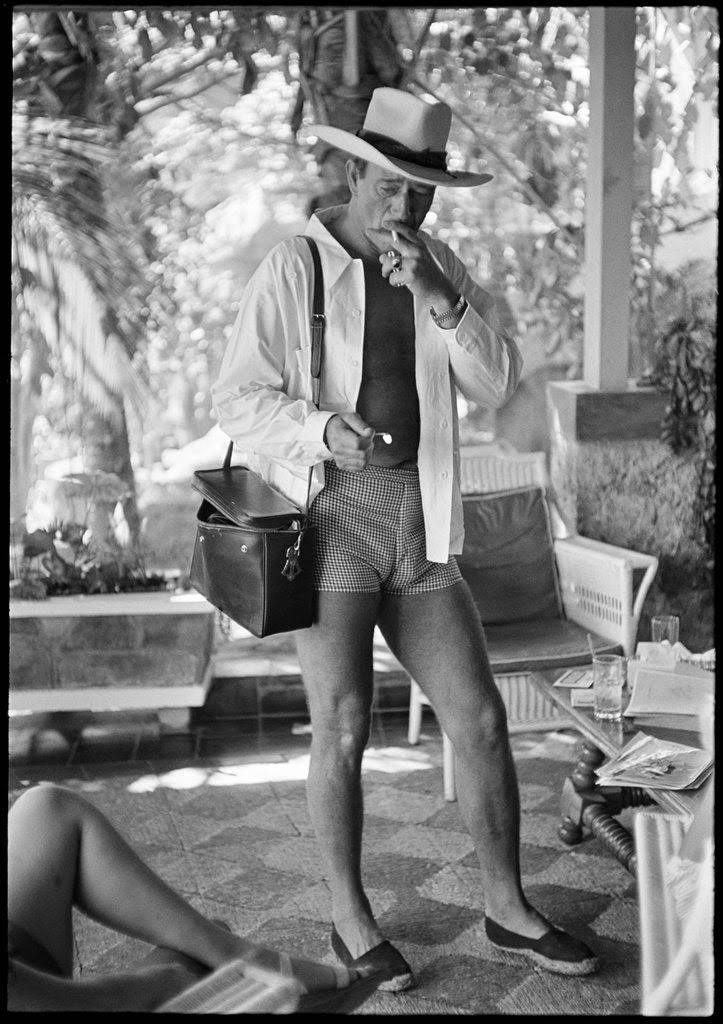
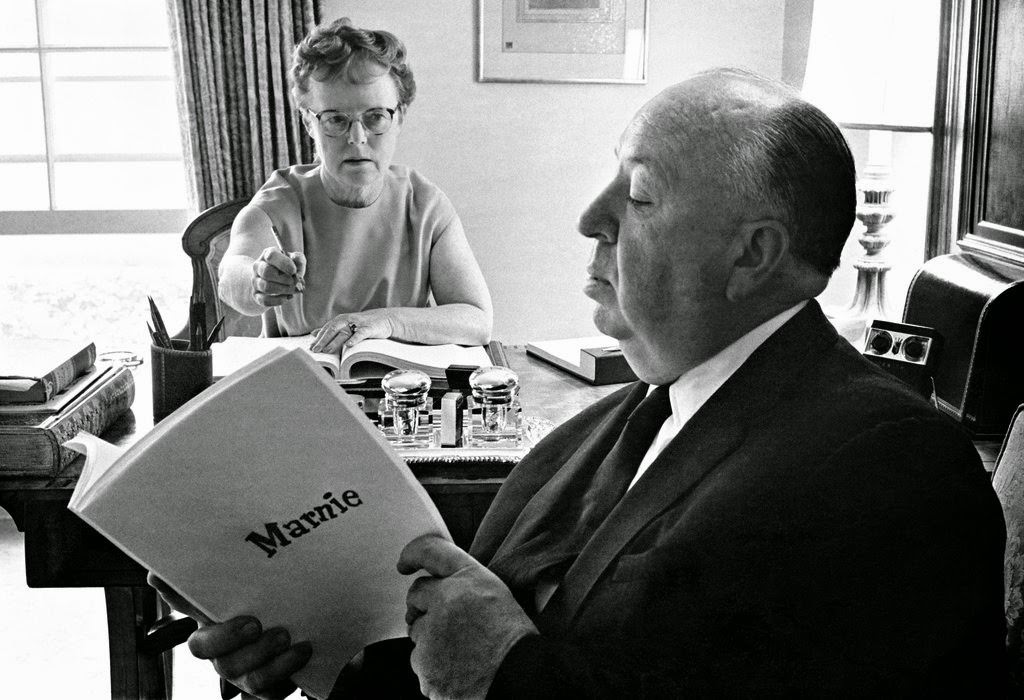
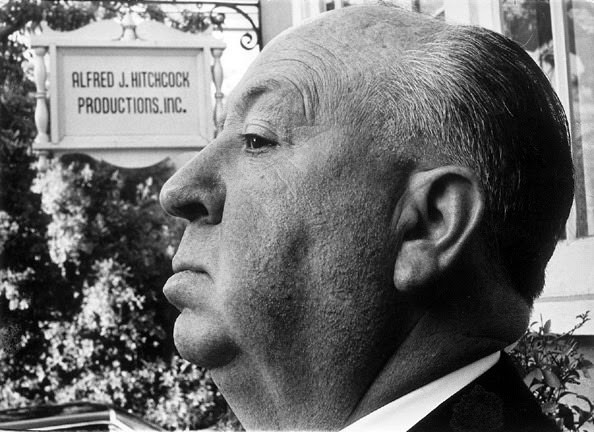
John Wayne posed for Stern on dusty western backlots in Monument Valley during Ford productions. Alfred Hitchcock sat calmly on soundstages while planning camera angles with precise movements and very few spoken words.
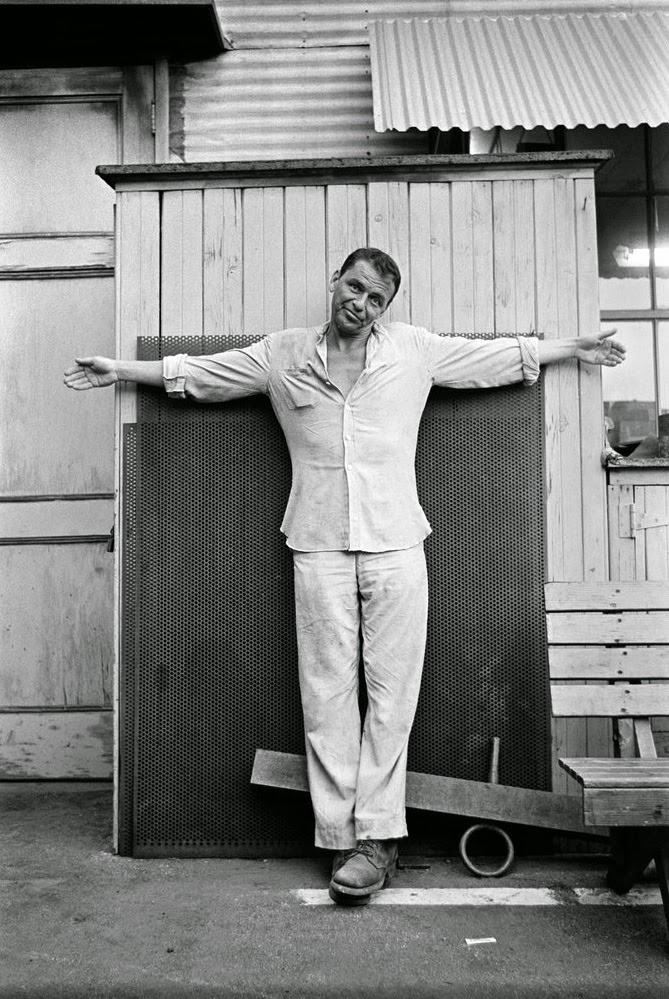
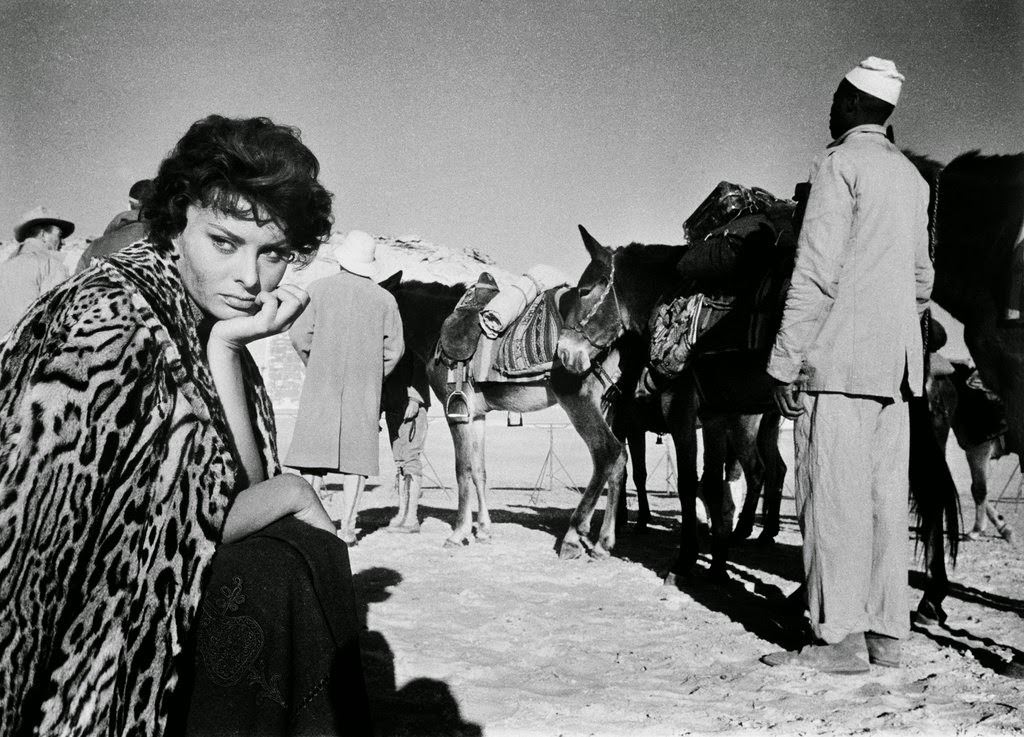
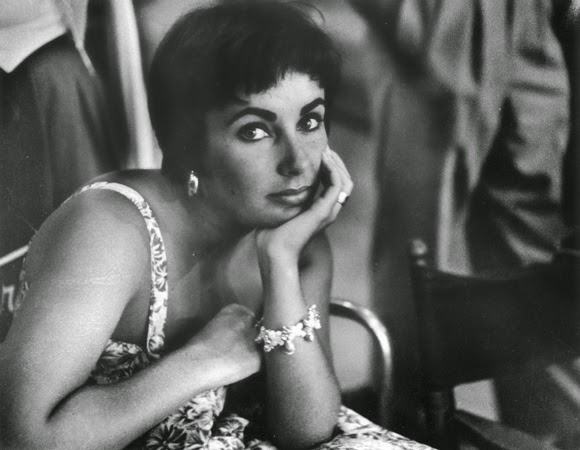
Audrey Hepburn worked with Stern during the production of films like The Nun's Story. Elizabeth Taylor also posed for his camera during breaks from epic historical dramas filmed on giant Los Angeles soundstages.
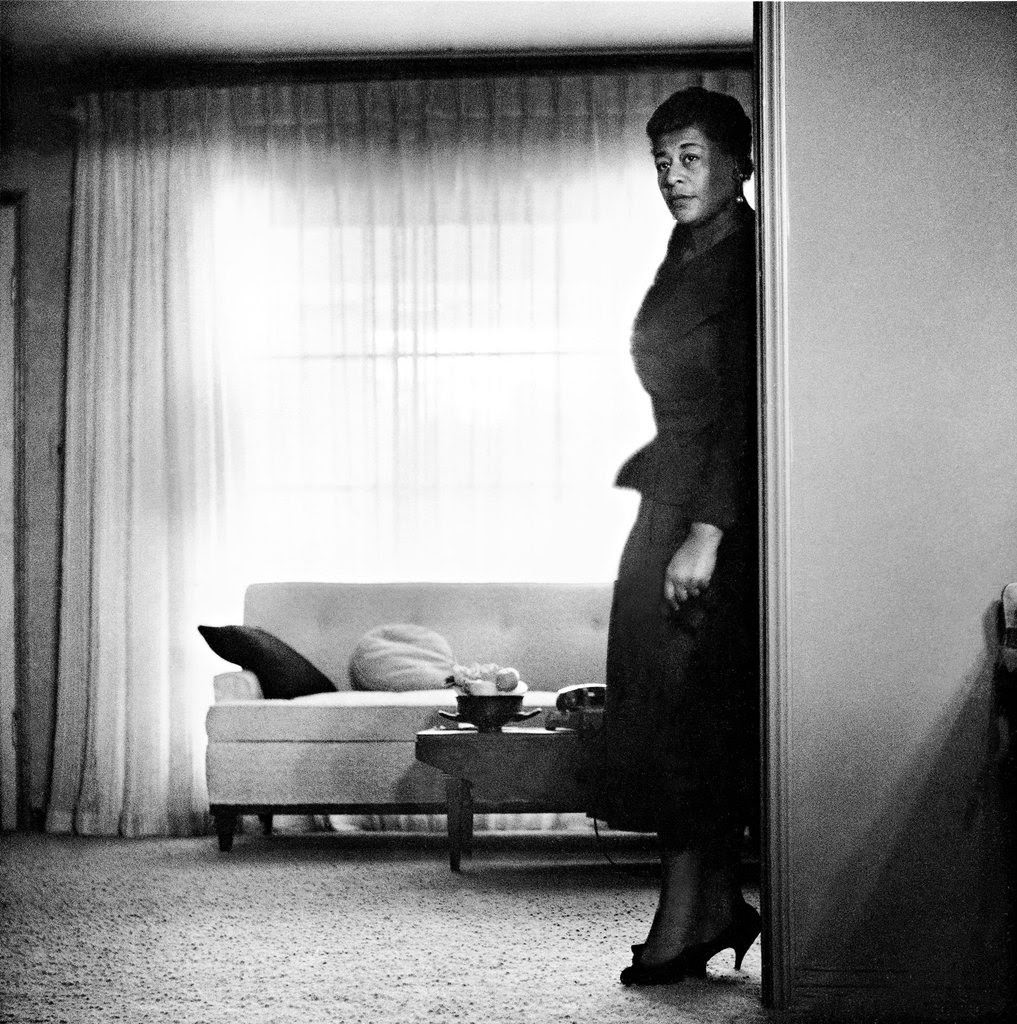
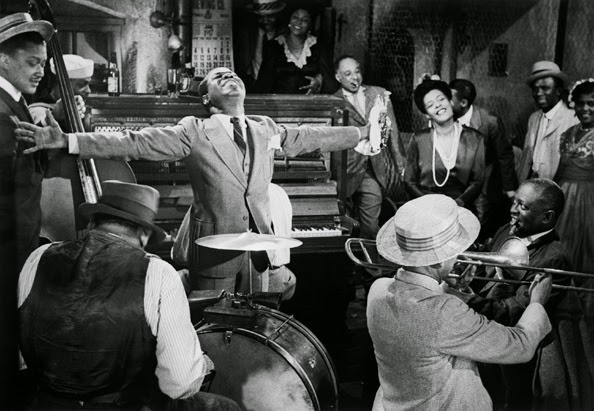
Louis Armstrong and Billie Holiday performed in smoky jazz clubs where Stern captured their passionate performances on grainy film. Ella Fitzgerald smiled for his camera backstage after sold-out concerts in downtown Los Angeles auditoriums.
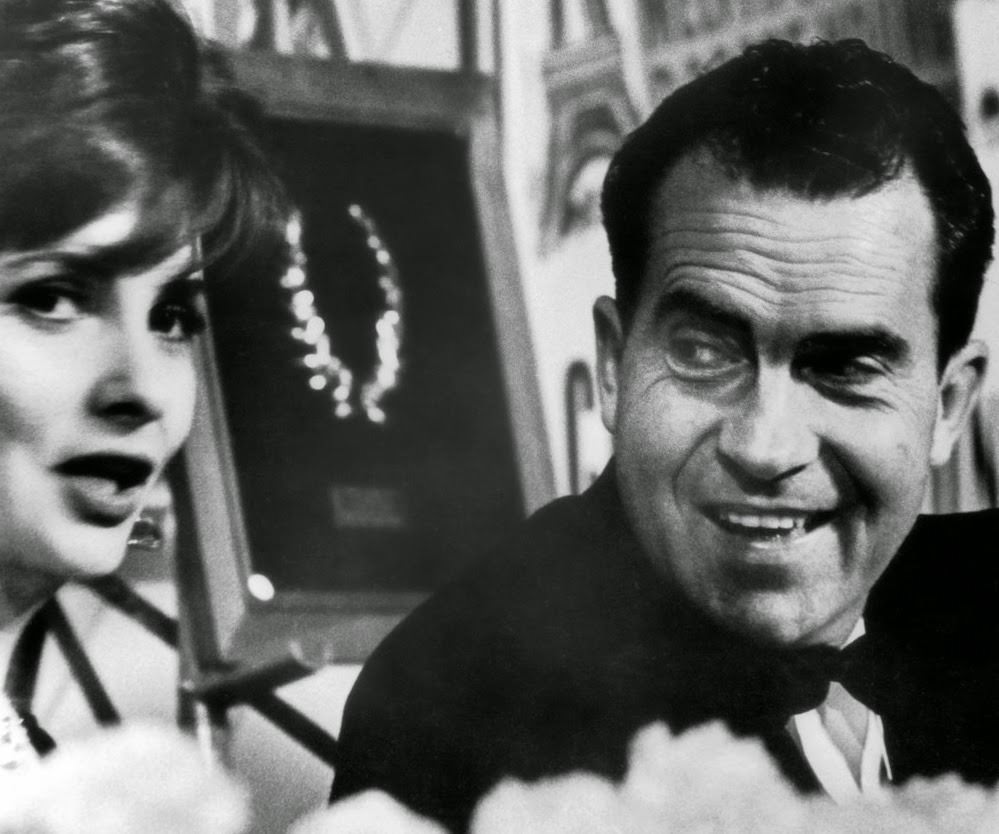
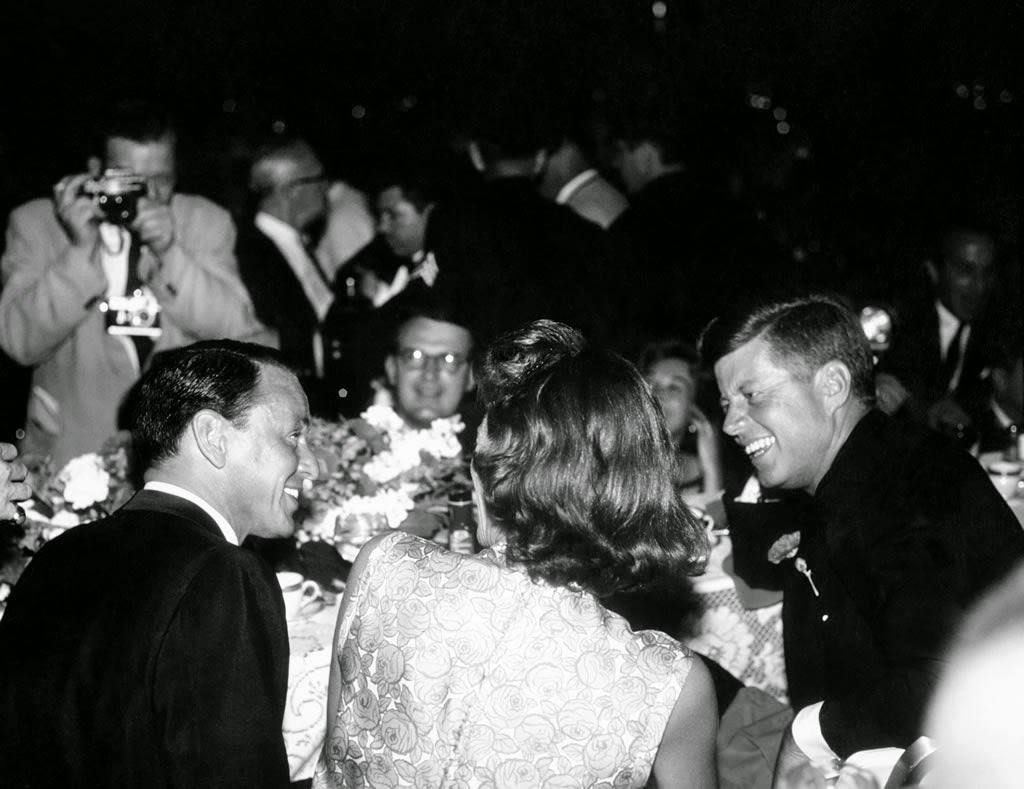
Politicians mingled with movie stars at charity events and high-priced campaign fundraisers. Stern photographed Senator John F. Kennedy alongside Frank Sinatra during the 1960 presidential campaign. Richard Nixon posed for Stern during political banquets in Beverly Hills.
Television actors joined the rotation of celebrity portraits in the 1960s. Stern photographed casts of crime dramas and Western television shows on outdoor backlots under the hot California sun.
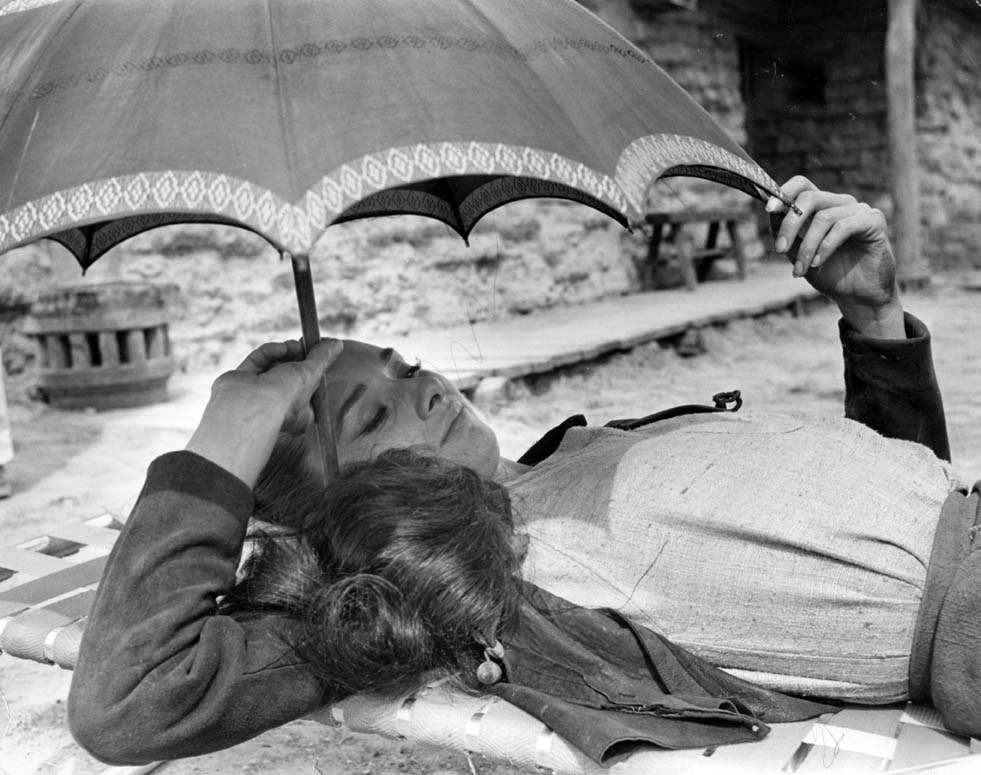
Stern covered the civil rights movement and political rallies when he was not working on studio lots. He photographed protests in the South and union strikes in California alongside his glamorous movie portraits.
Studio heads eventually retired as the golden age of Hollywood faded. Stern stored his vast collection of negatives in a rented garage in Hollywood and forgot about many of the boxes for decades.
Stern lived to see the revival of his career in his nineties. He moved to an assisted living facility in Hollywood where he shared stories of movie sets with visiting journalists. Phil Stern died on December 13, 2014, at the age of 95 in Los Angeles.