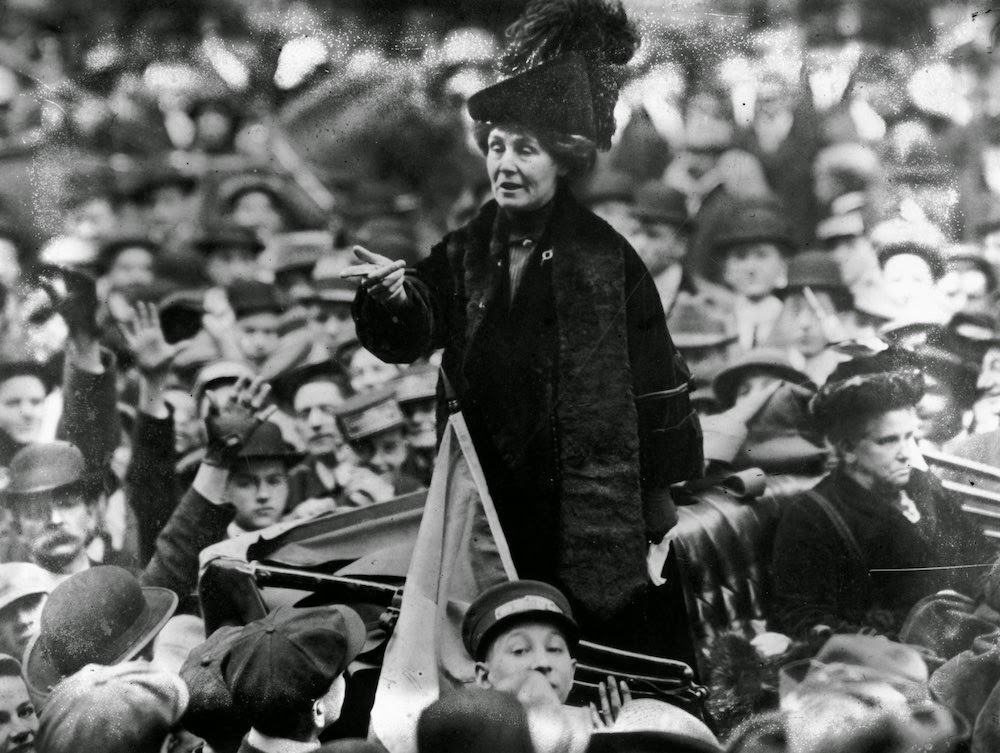
For decades, British women petitioned Parliament for the right to vote using peaceful methods. Lawmakers ignored these requests, filing away petitions and refusing to debate reform bills in the House of Commons. Frustrated by inaction, Emmeline Pankhurst and her daughters founded the Women's Social and Political Union in 1903 at their Manchester home. Members adopted a new slogan, deeds not words, turning away from polite lobbying in favor of direct action that forced the government to notice them. Activists disrupted cabinet meetings, chained themselves to railings, and marched on government offices.
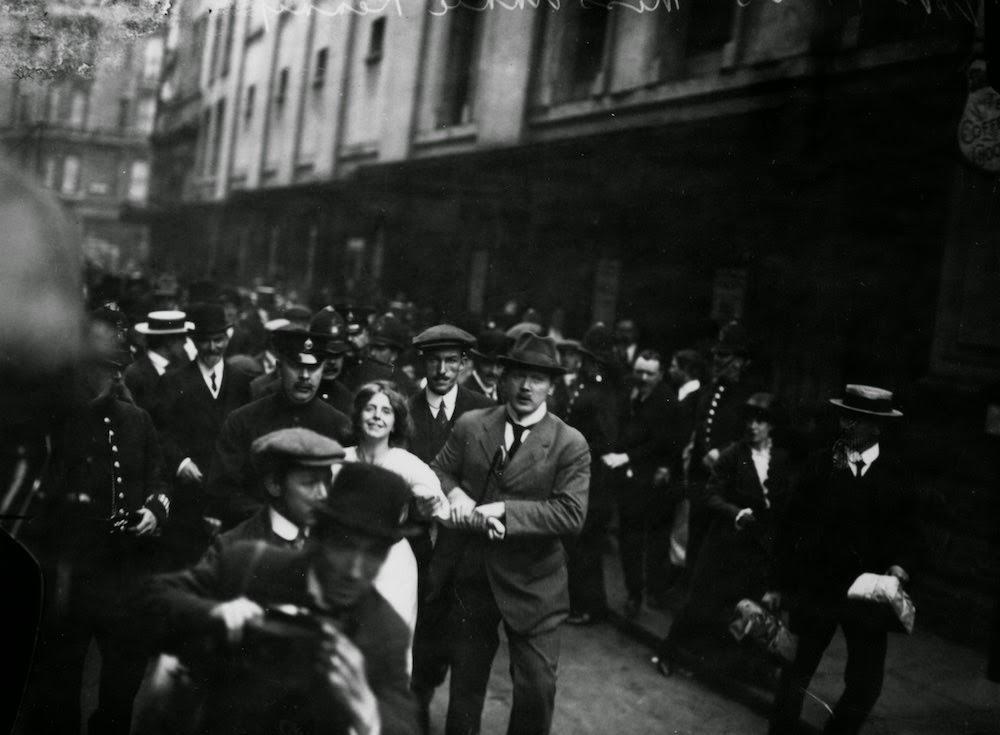
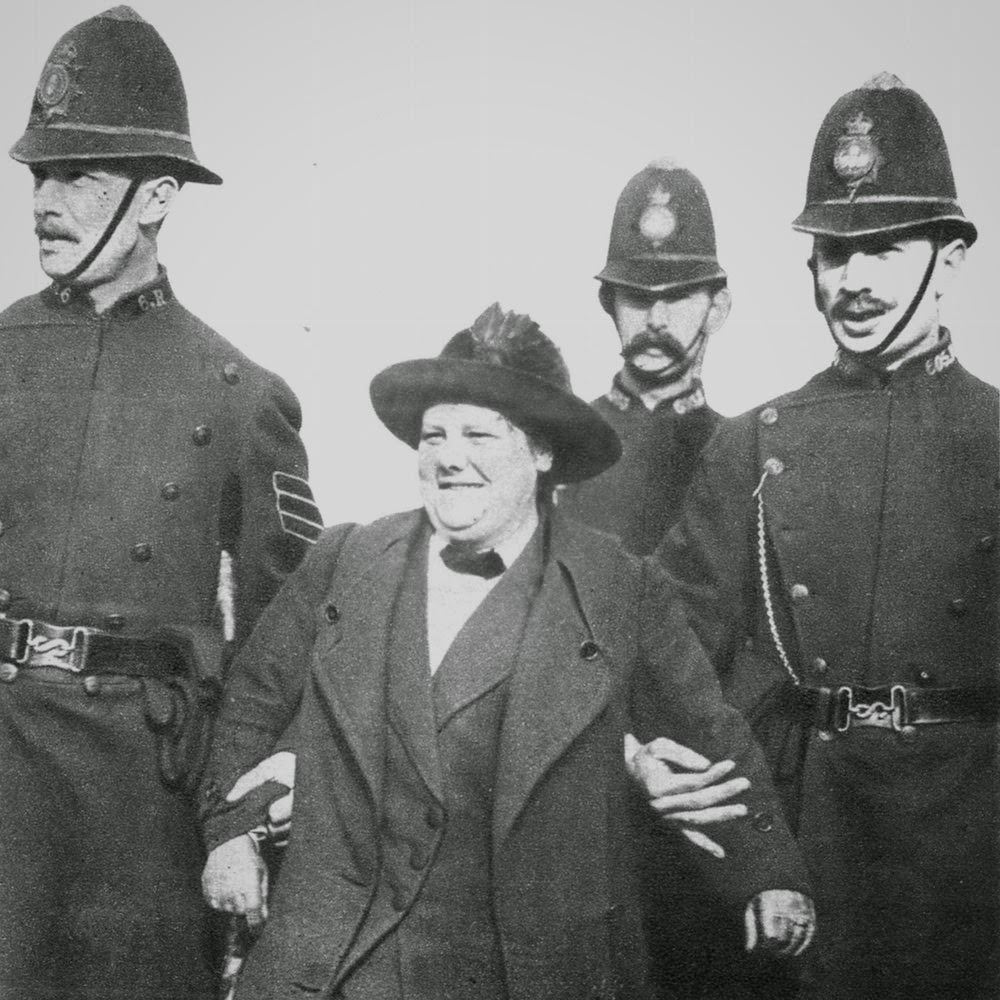
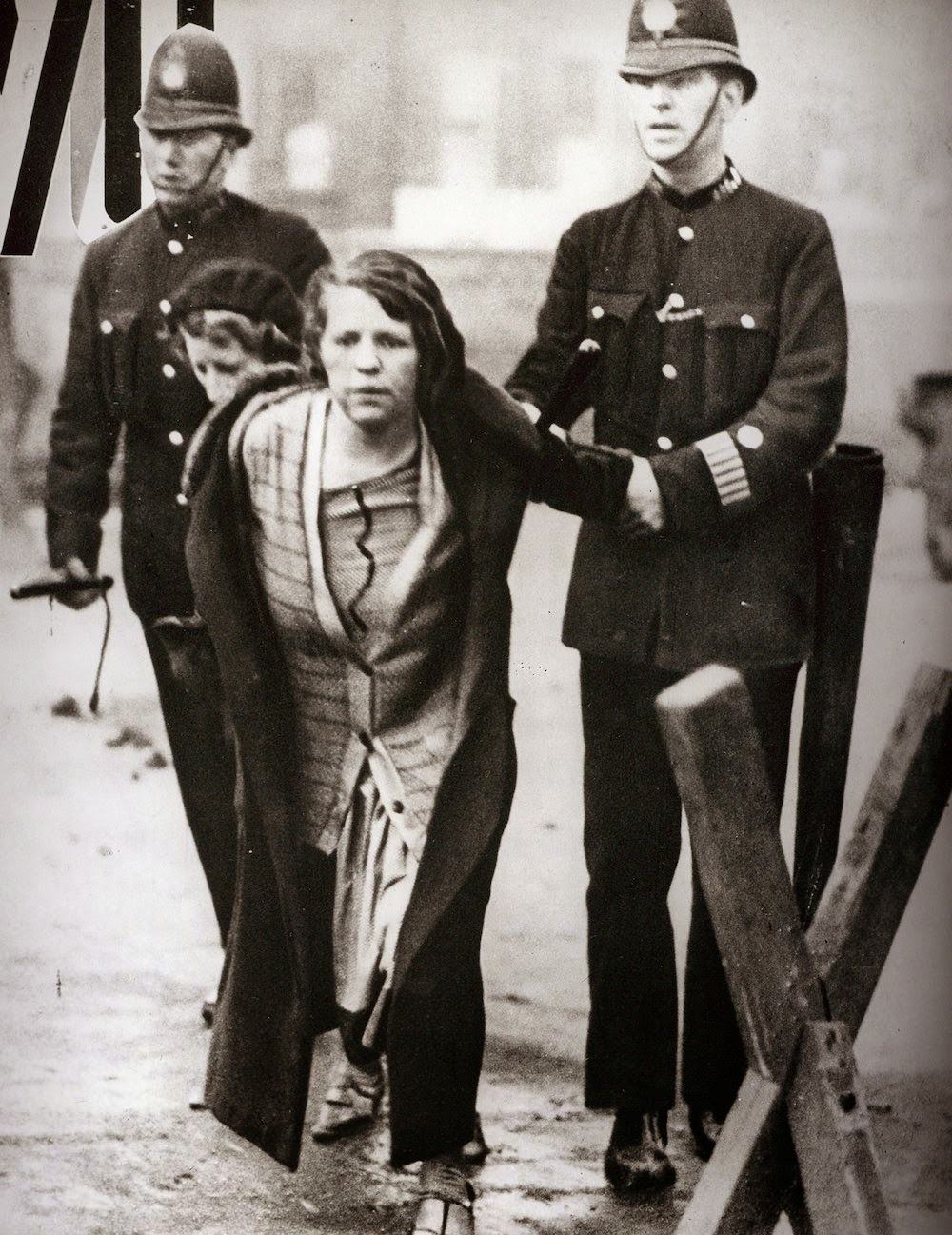
Streets in London quickly became battlegrounds as women marched toward government buildings in coordinated waves. Police officers received strict orders to block protesters, leading to physical scuffles on public sidewalks. Officers grabbed women by their arms, dragging them away from cordoned areas while hostile crowds jeered. Protesters pushed back hard, refusing to yield ground and linking arms to make removal difficult. Bystanders watched from omnibus tops as mounted police officers charged into crowds.
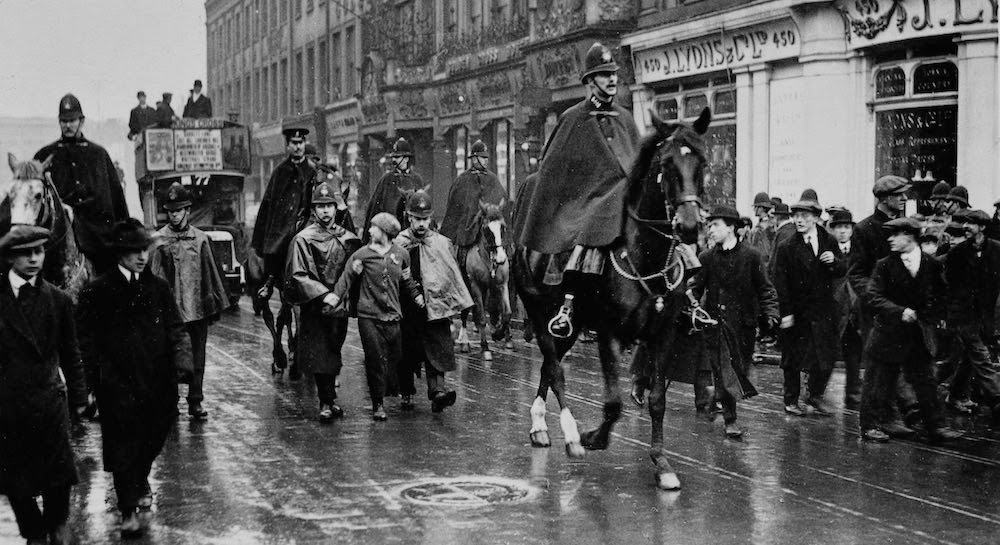
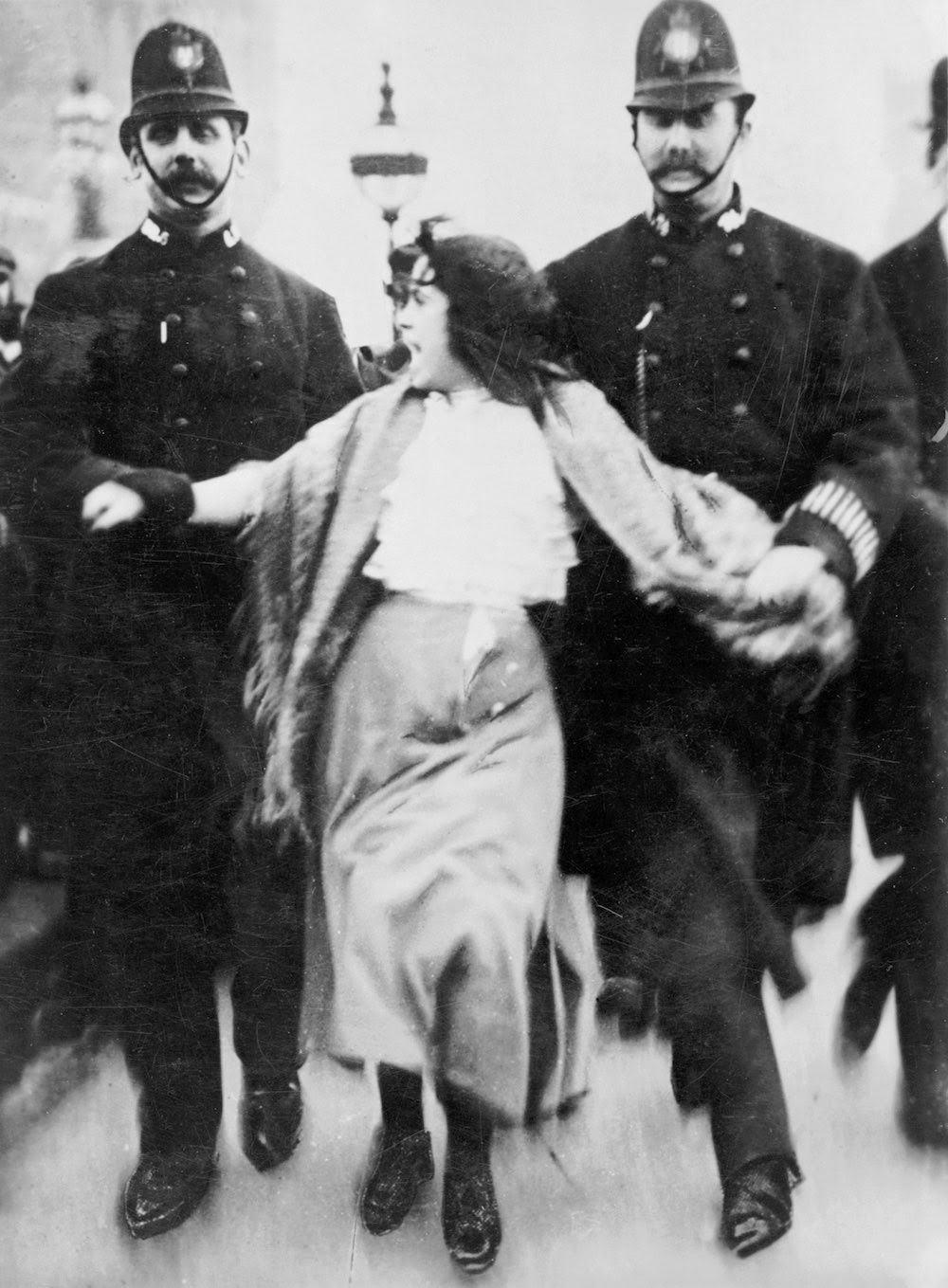
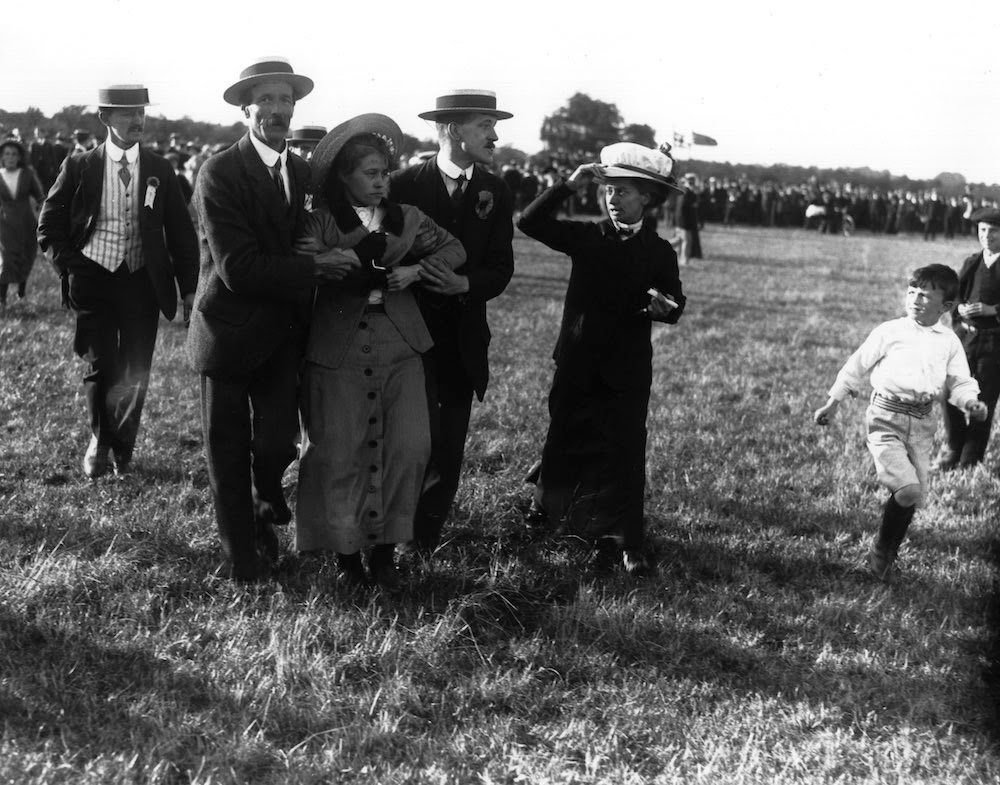
Violence flared at political rallies outside London as well. Cabinet ministers spoke at public events in rural towns, and suffragettes disrupted speeches by shouting questions about voting rights. Ushers and police officers hauled hecklers out of packed halls, sometimes leaving women bruised in the crush of angry audiences. Local magistrates handed down swift fines and jail sentences to deter further disruptions.
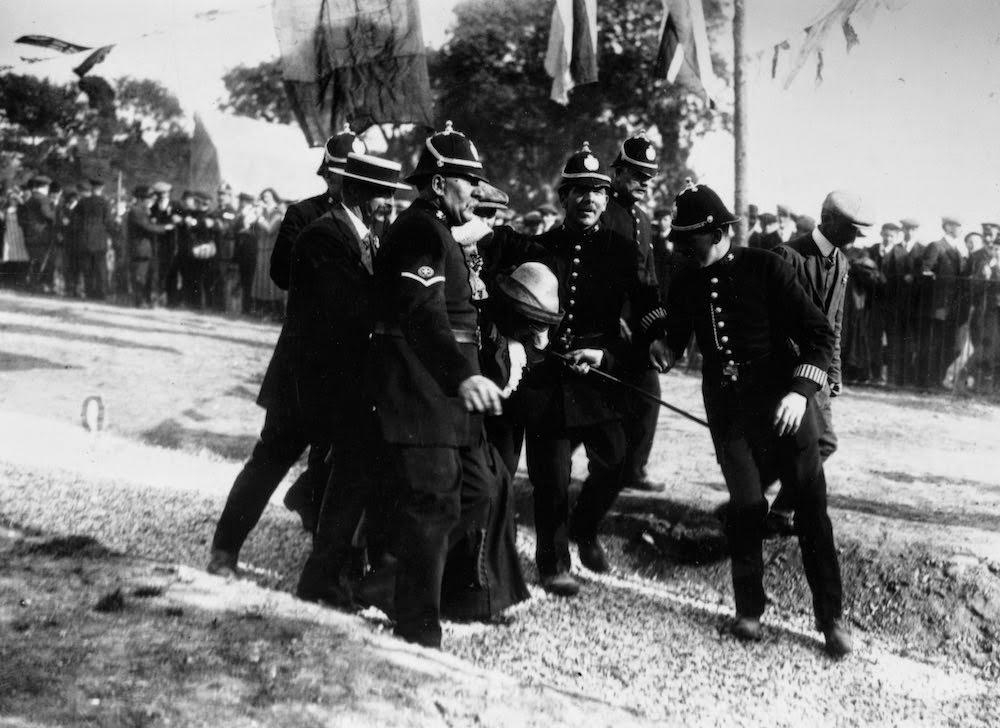
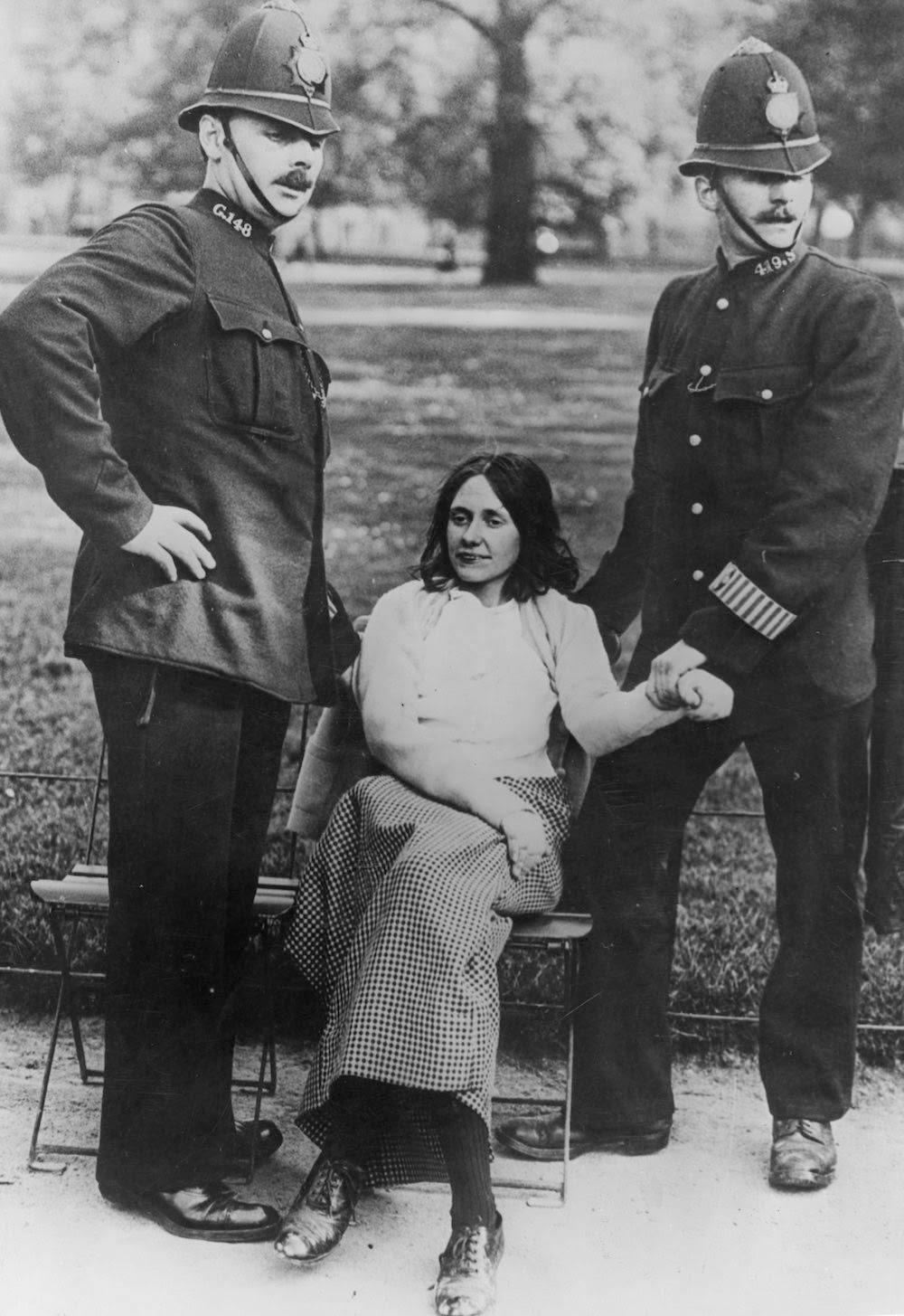
Scottish cities saw similar scenes of public unrest. Protesters gathered outside municipal buildings in Dundee and Edinburgh, demanding audiences with local magistrates to state grievances regarding property laws. Police arrested women on charges of disturbing the peace and blocking thoroughfares, hauling them off to local holding cells in horse-drawn vans while crowds shouted support from cobblestone streets.
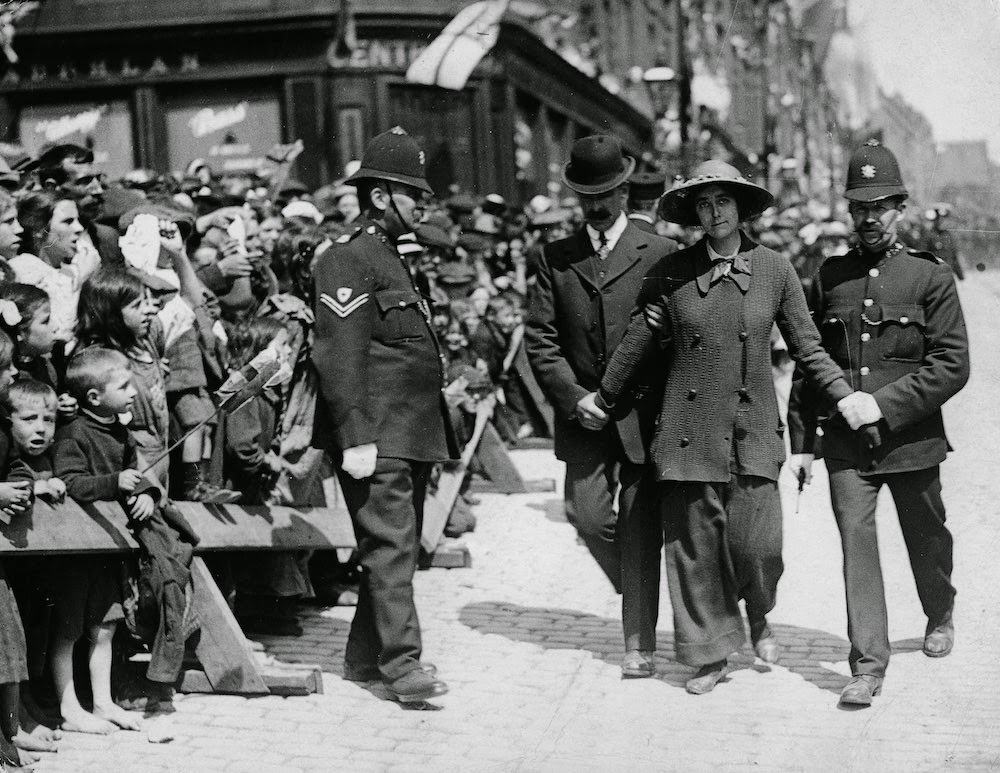
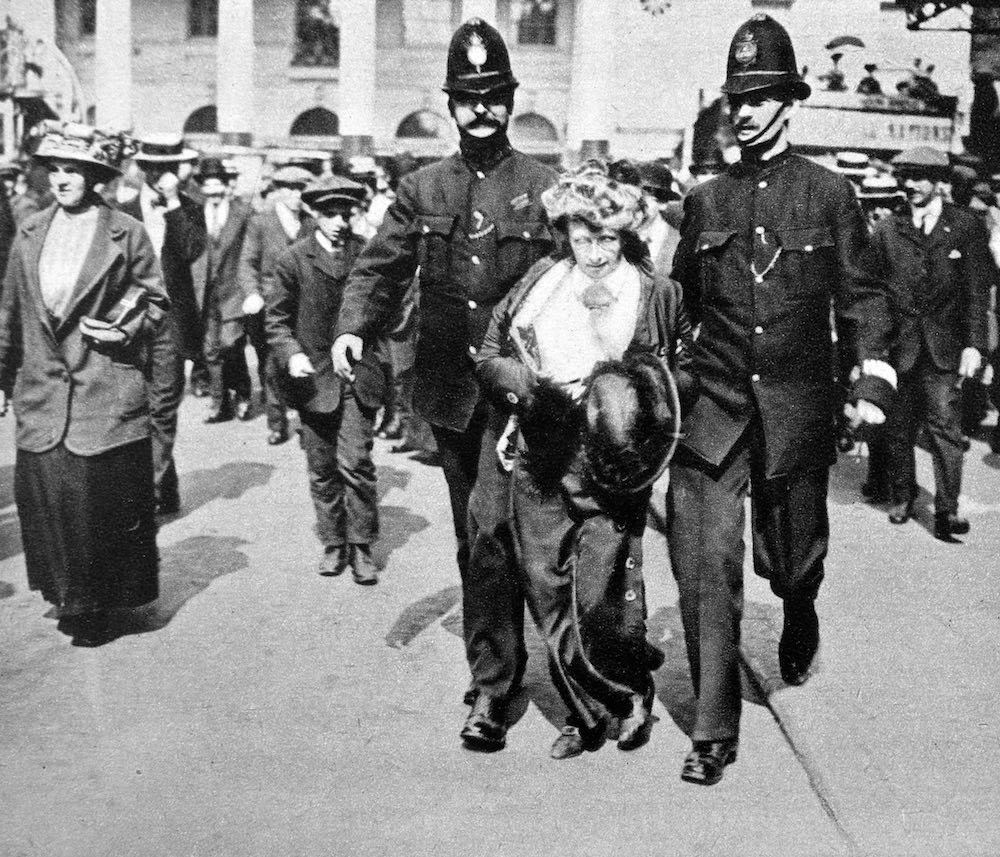
Militant tactics soon shifted toward high-profile national targets. Activists targeted Buckingham Palace, throwing petitions at the gates and chaining themselves to iron railings to draw attention from the press. Police responded with wire cutters, bolt cutters, and brute force to pry women loose from the heavy gates. Officers struggled with furious protesters who refused to budge until dragged bodily across courtyards.
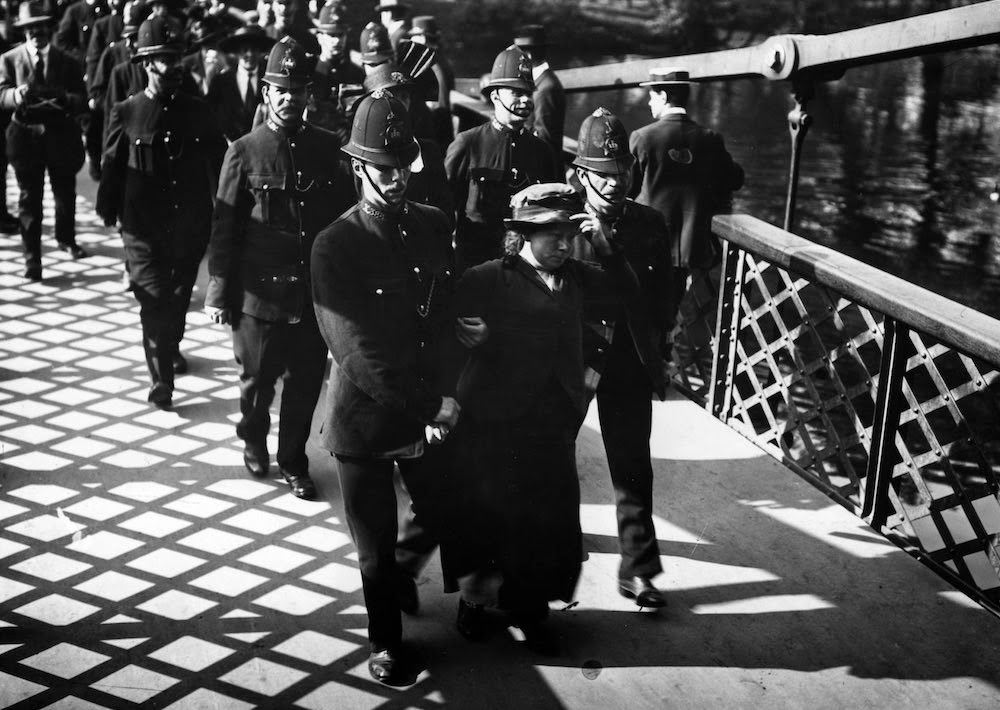
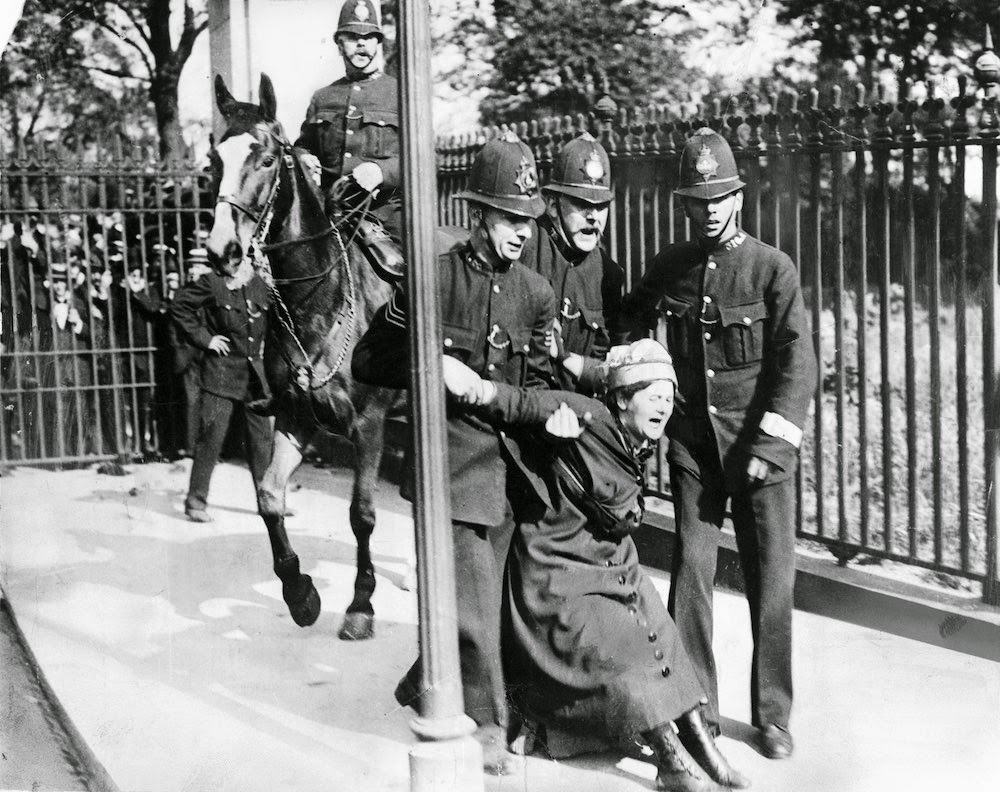
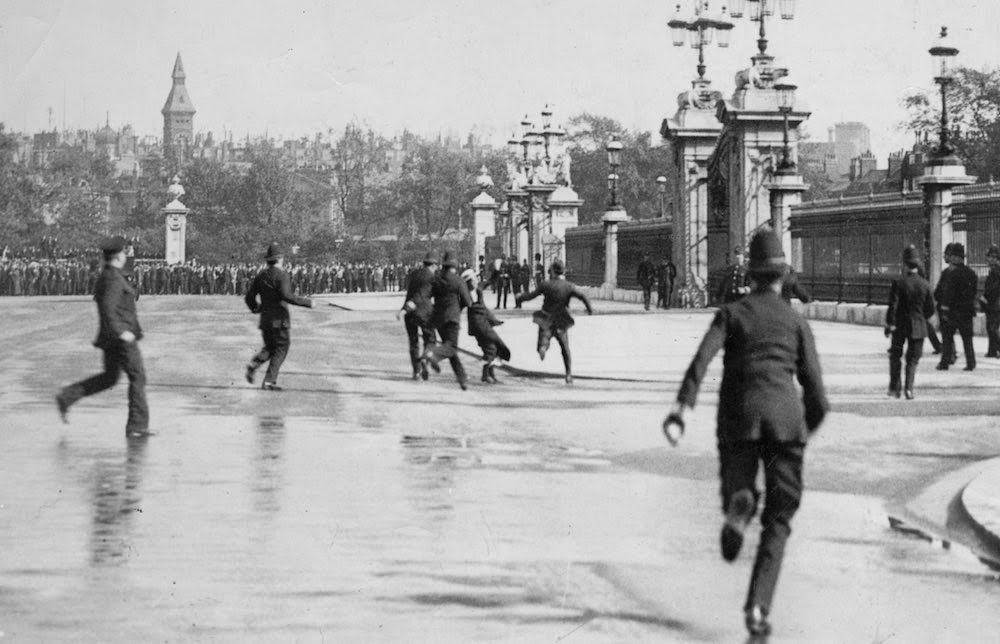
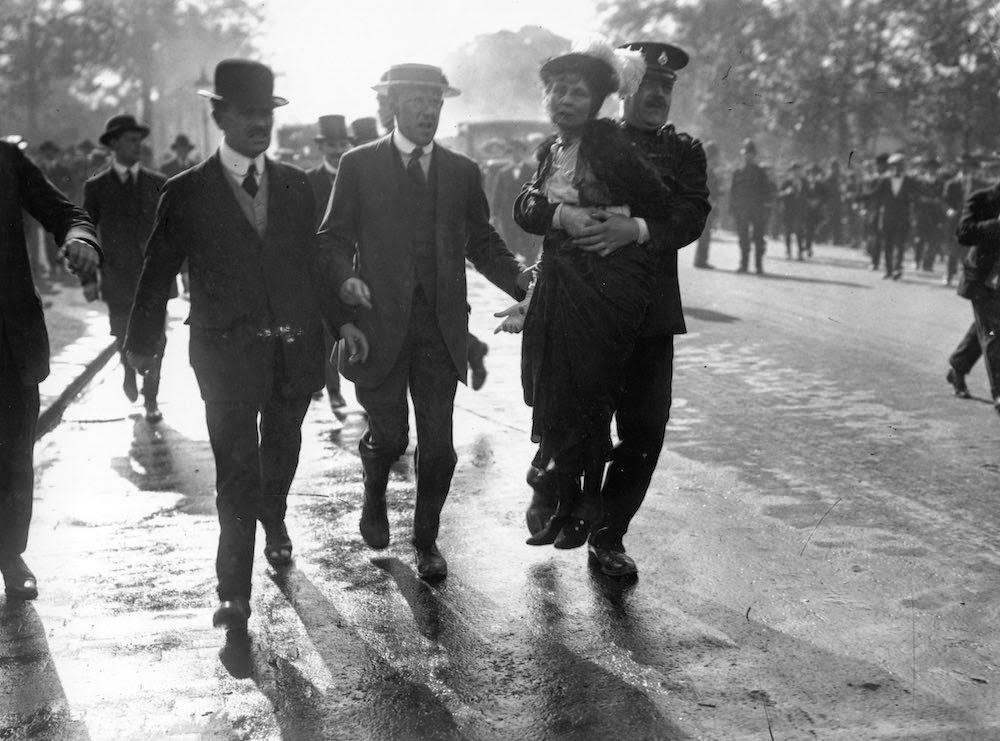
November 1910 brought one of the worst clashes of the entire campaign. Prime Minister Herbert Asquith shelved a conciliation bill that would have granted limited suffrage, sparking a massive march to Westminster. Police officers assaulted protesters for six hours during a brutal confrontation known as Black Friday. Women suffered severe beatings on the pavement, and many required emergency medical treatment for broken bones and concussions.
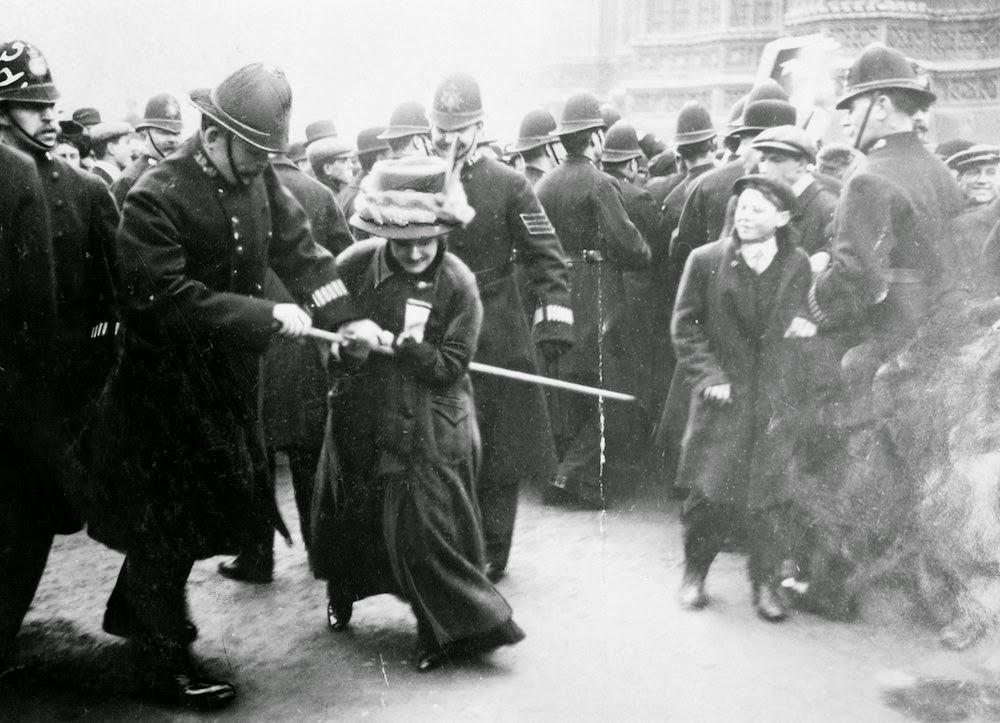
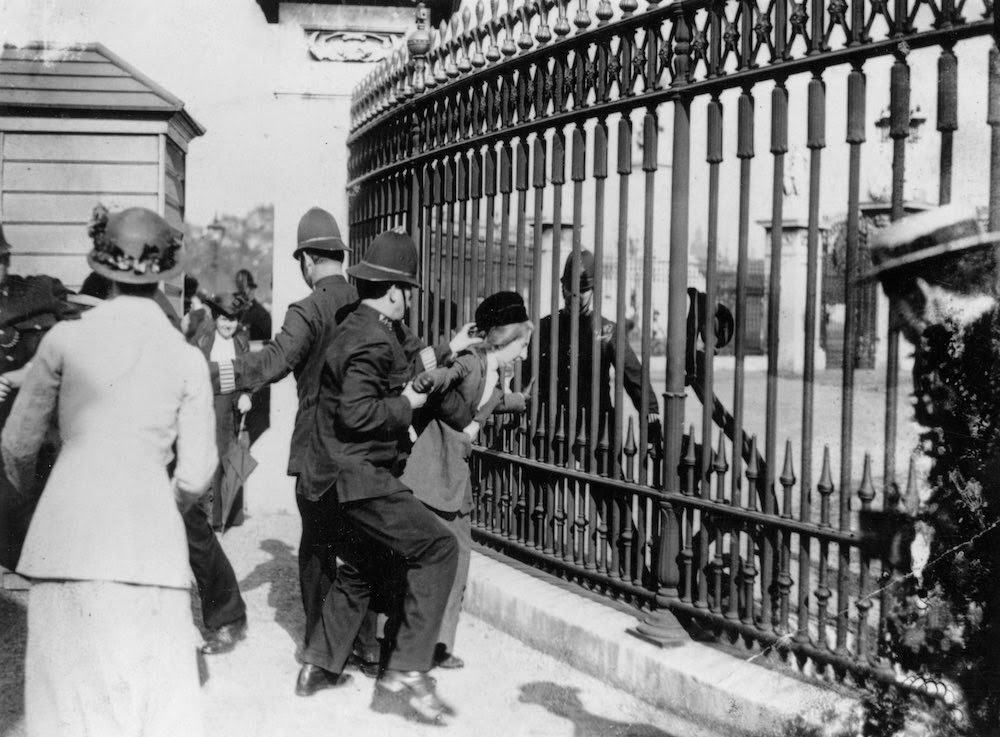
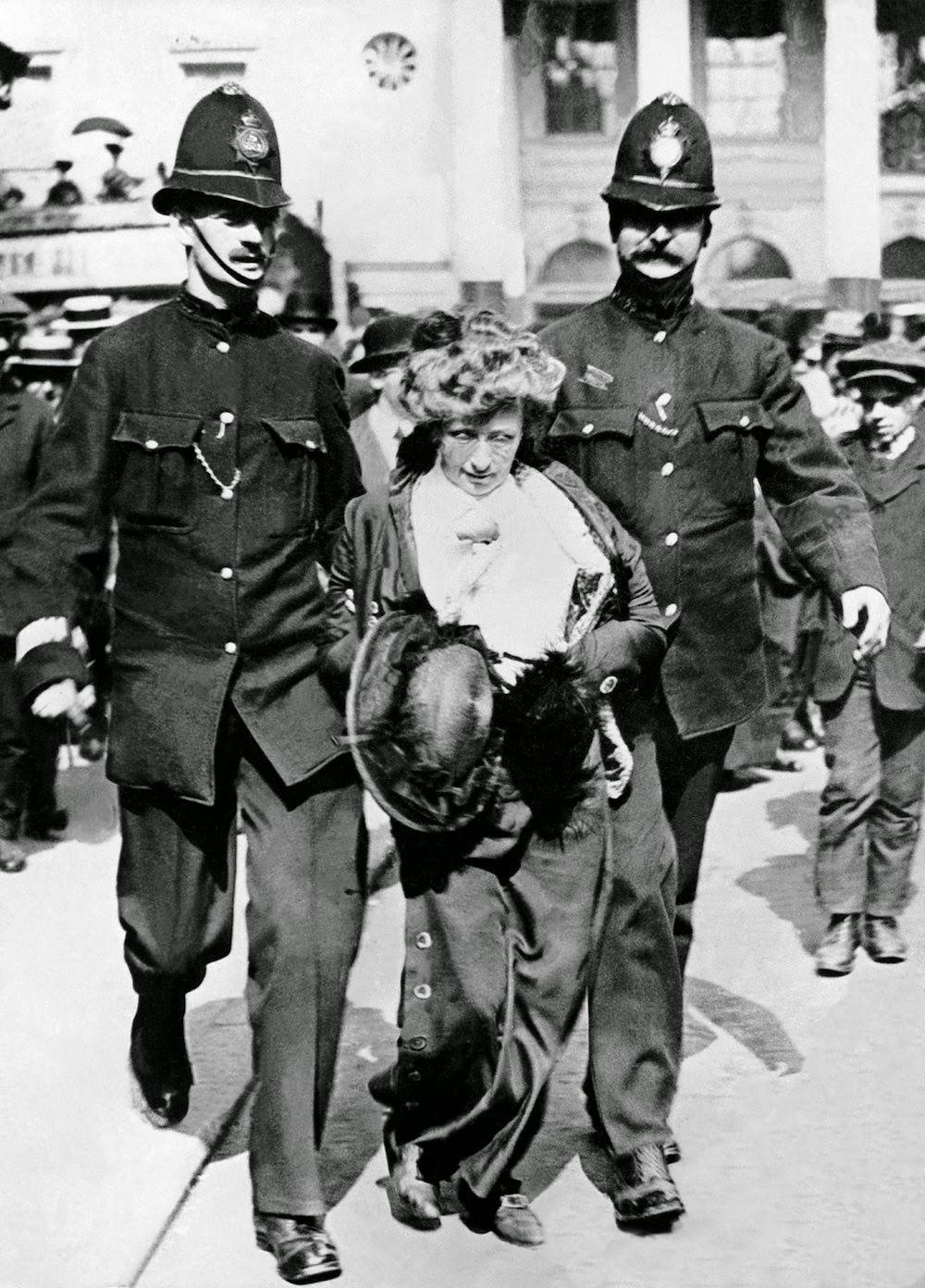
Following the violence of Black Friday, the movement went underground. Leaders directed members to smash store windows on Oxford Street, cut telegraph wires, and plant small incendiary devices in empty buildings. Police counterattacks intensified, resulting in thousands of arrests across England and Wales. Jails filled quickly, and prison administrators struggled to maintain order as inmates launched coordinated hunger strikes.
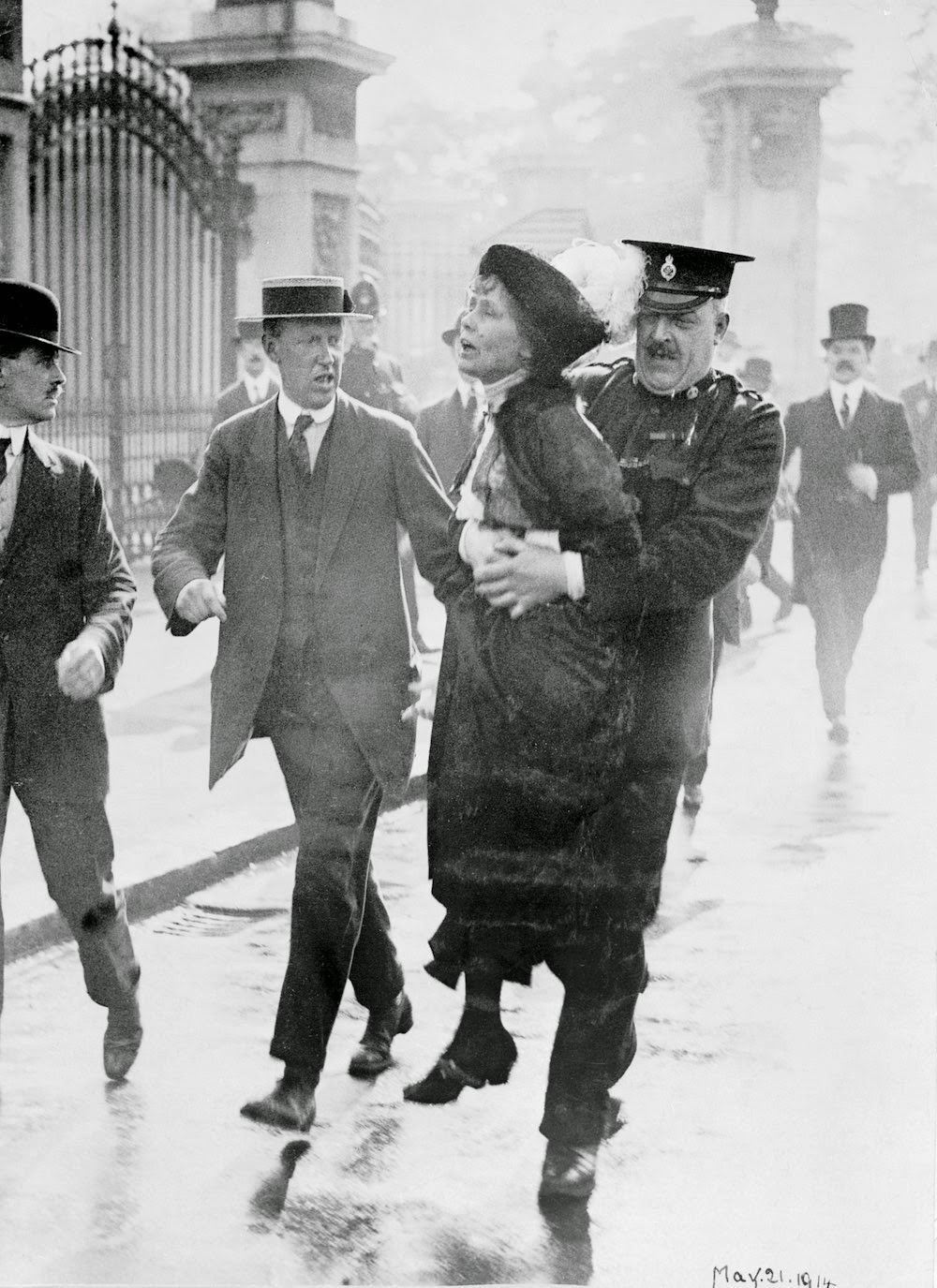
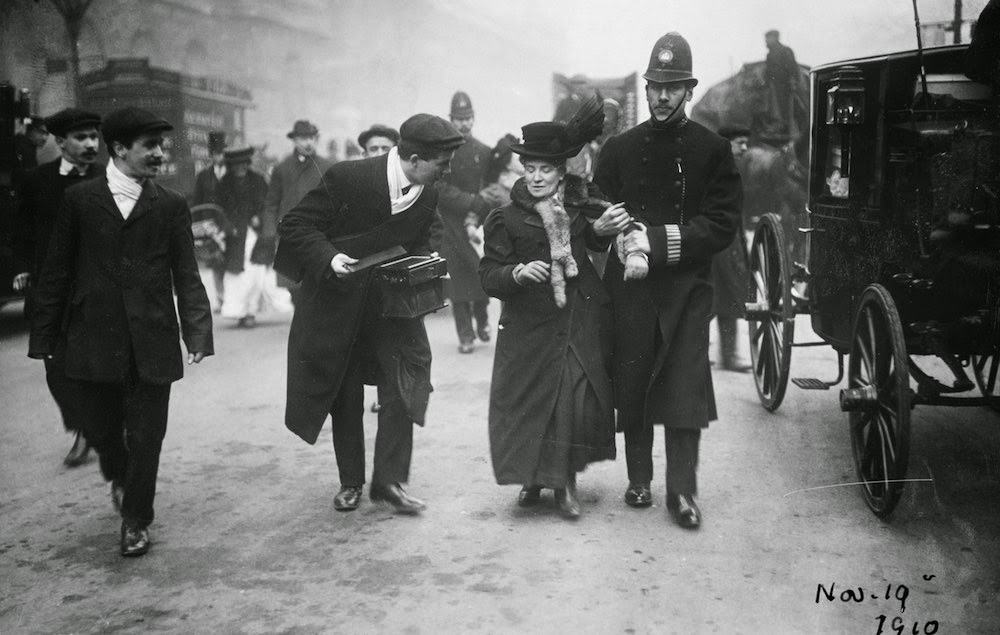
Emmeline Pankhurst found herself arrested repeatedly during these aggressive police raids. Superintendent Rolfe detained her outside the gates of Buckingham Palace as she tried to present a petition directly to King George V. Prison sentences in Holloway Gaol followed, where authorities subjected hunger-striking inmates to brutal force-feeding procedures using rubber tubes and funnels. Doctors pinned women to chairs and forced liquid nourishment down their throats, causing severe physical trauma.
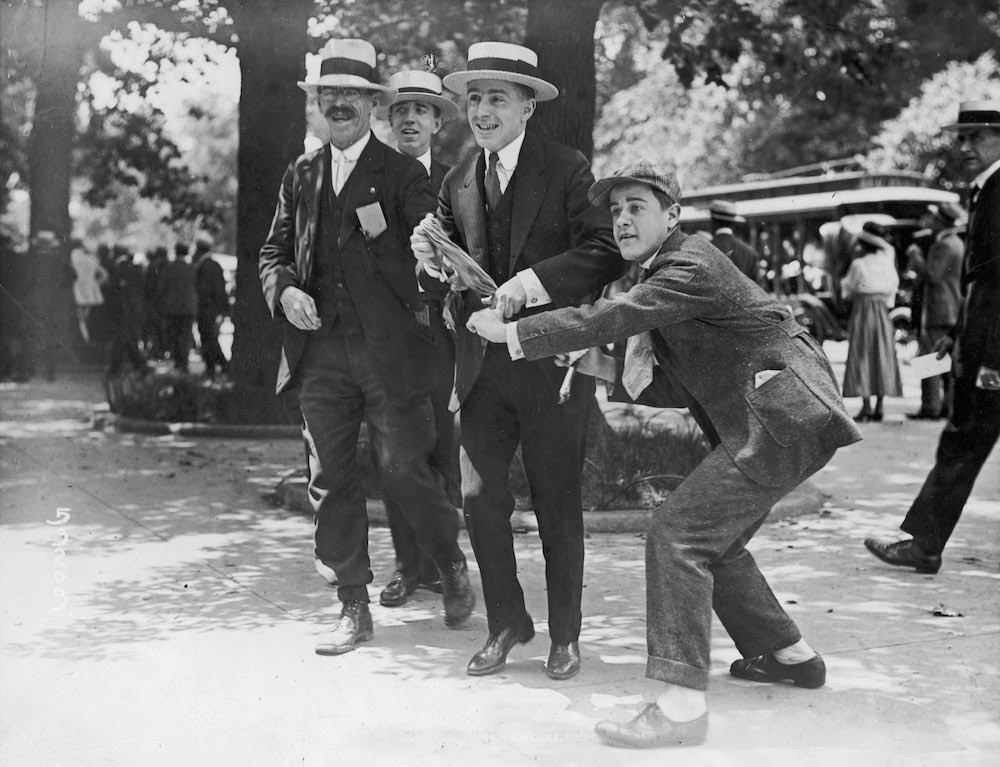
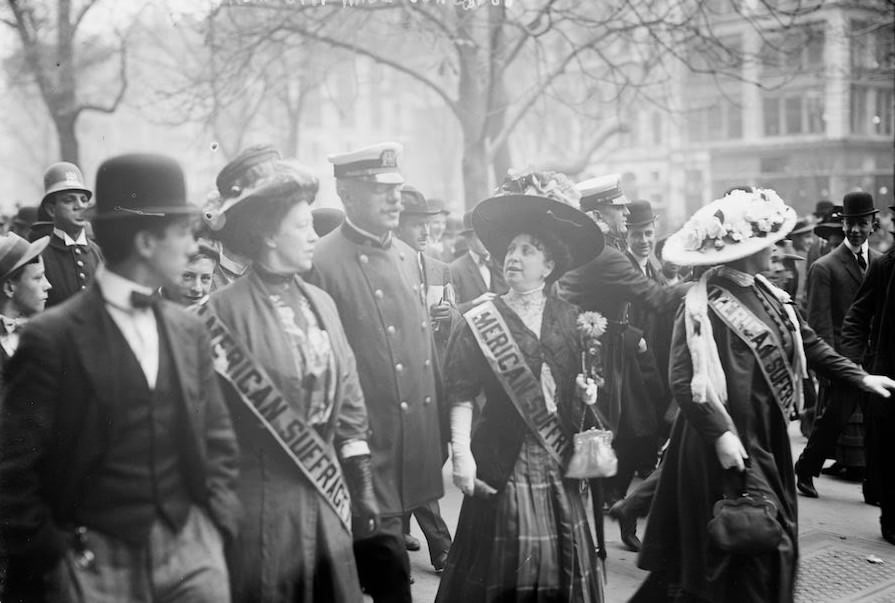
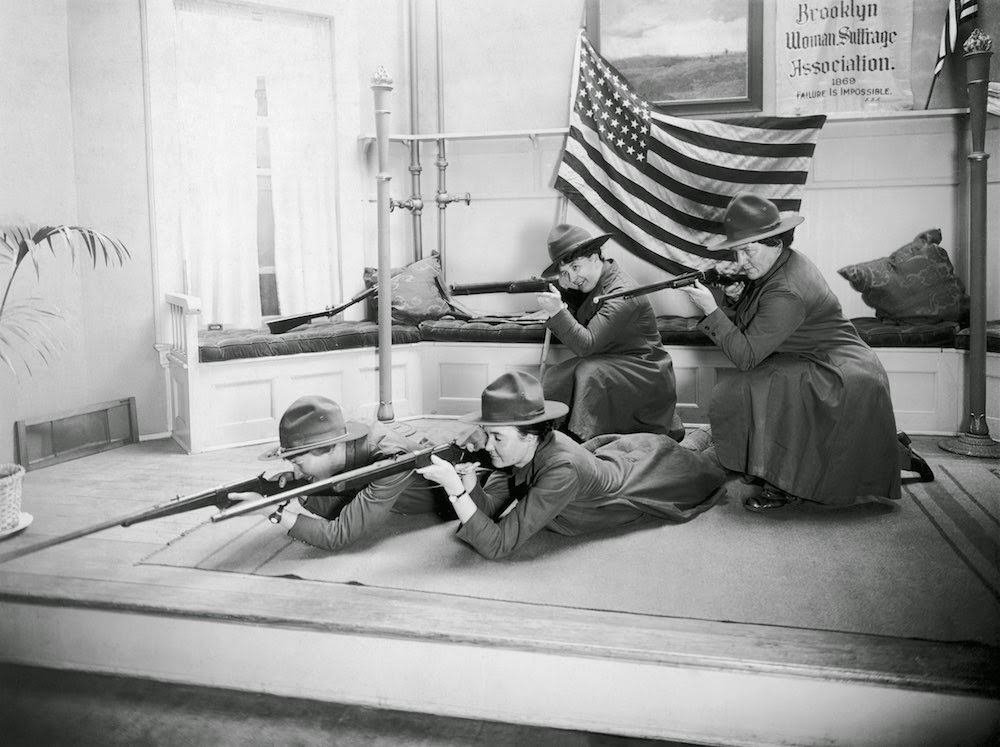
The suffrage struggle eventually crossed the Atlantic Ocean. American women adopted British tactics, marching outside the White House and clashing with police in New York City. Anti-suffrage mobs tore down banners on public streets, while police captains escorted protesters away from city halls. By 1918, some American groups even posed with rifles and flags to show their fierce determination. British women finally won full voting rights in 1928, ten years after partial suffrage was granted to women over thirty.