The Philippines in the 1970s was a country pulled in many directions at once. Cities were growing, American military bases hummed with activity, and ordinary Filipinos went about their daily lives — selling goods, riding jeepneys, and celebrating religious festivals. But beneath all of it ran a deep current of political tension. President Ferdinand Marcos had declared Martial Law on September 21, 1972, through Proclamation 1081, and the Philippines would never quite be the same. These 48 photographs capture that decade in sharp, unfiltered detail.
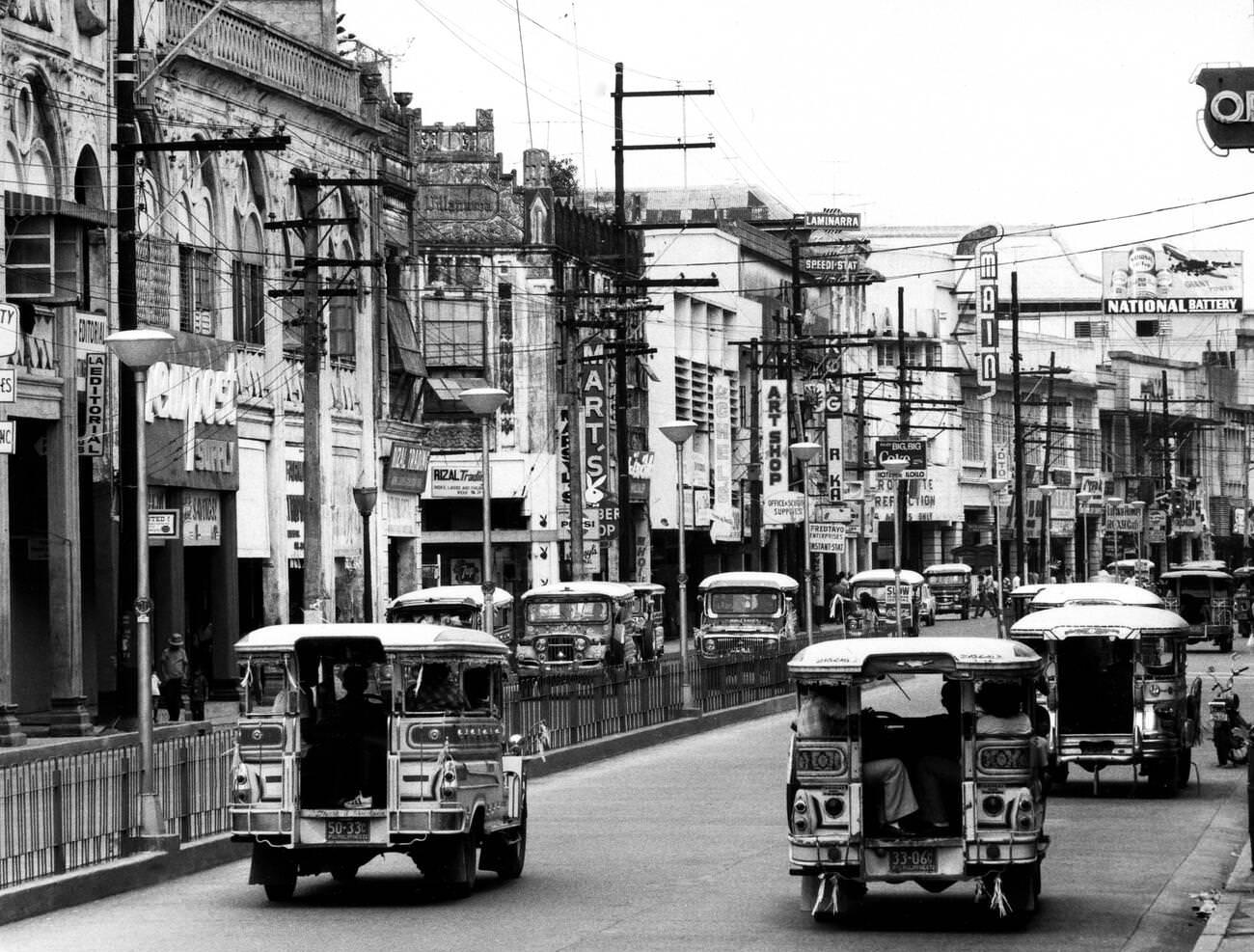
Before Martial Law took hold, Philippine cities like Iloilo were already busy commercial centers with active street life. Iznart Street in Iloilo City was one of the main arteries of commerce on Panay Island, lined with shops and foot traffic. Meanwhile, in Manila — the nation’s political and cultural heart — the skyline and boulevards told a story of rapid urban development mixed with growing social friction.
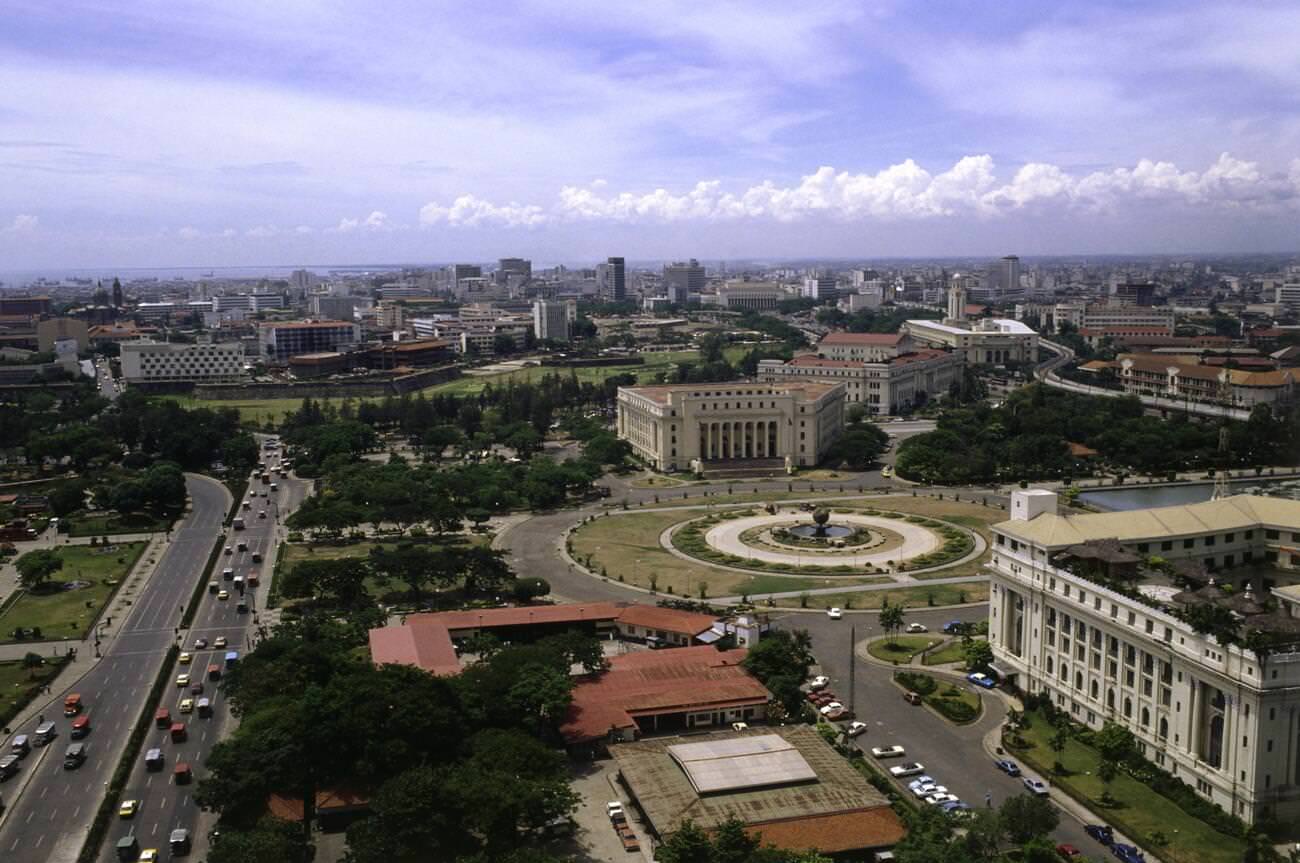
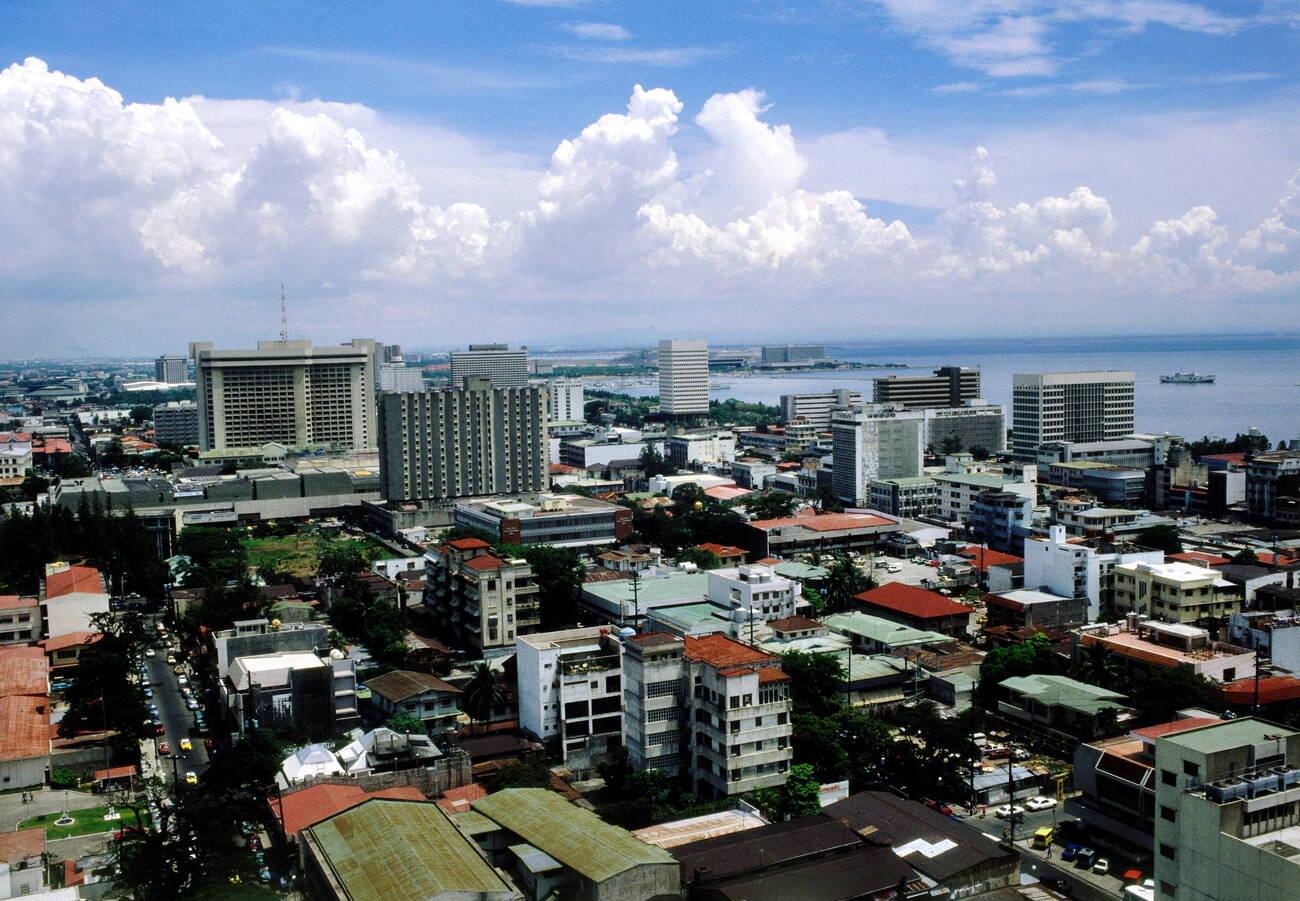
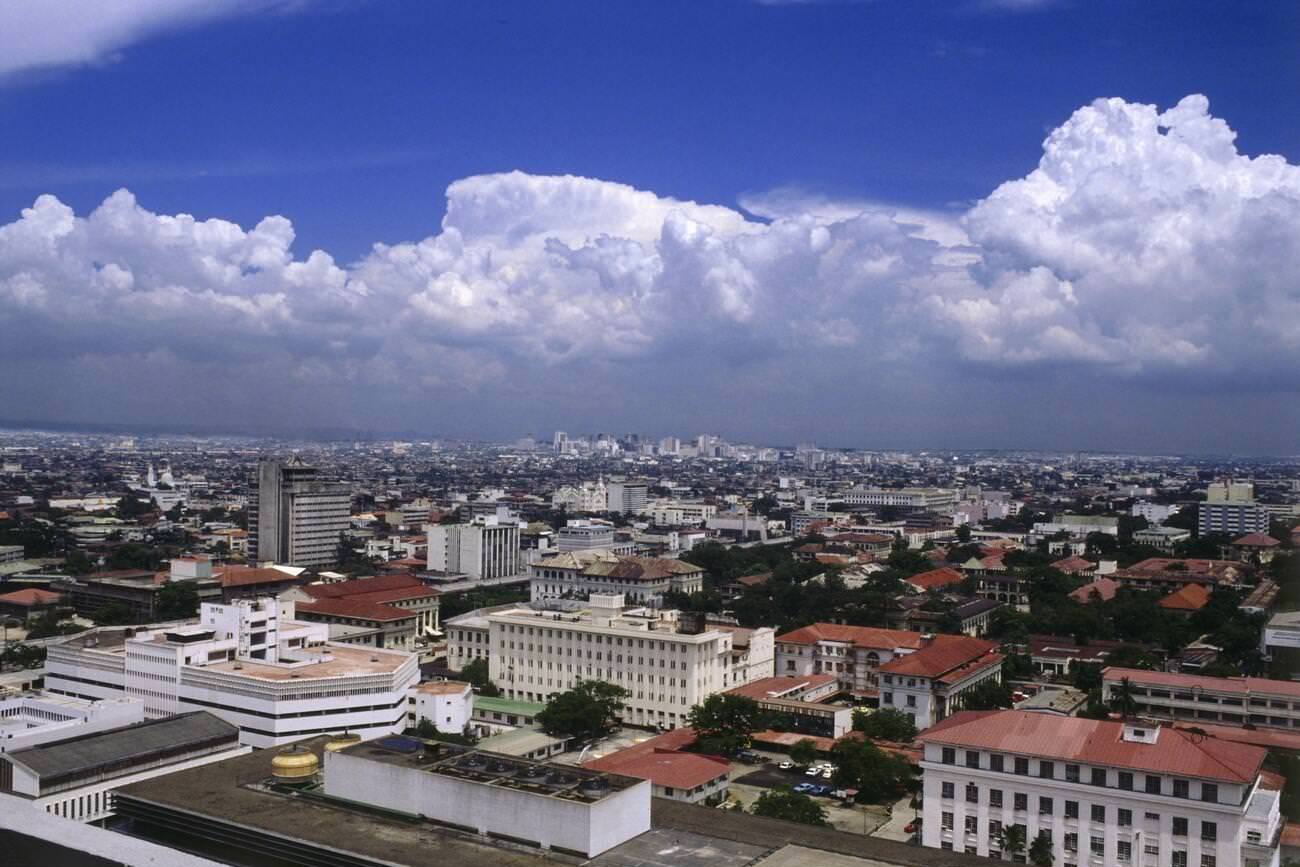
Manila’s streets in the early 1970s carried the energy of a city on edge. Traffic moved along broad boulevards past colonial-era buildings, and the historic walls of Intramuros — built by Spanish colonizers in the 16th century — still stood as a reminder of a much older Philippines. But the political climate was shifting fast. Marcos had won re-election in 1969 amid widespread accusations of fraud, and opposition voices were growing louder by the year.
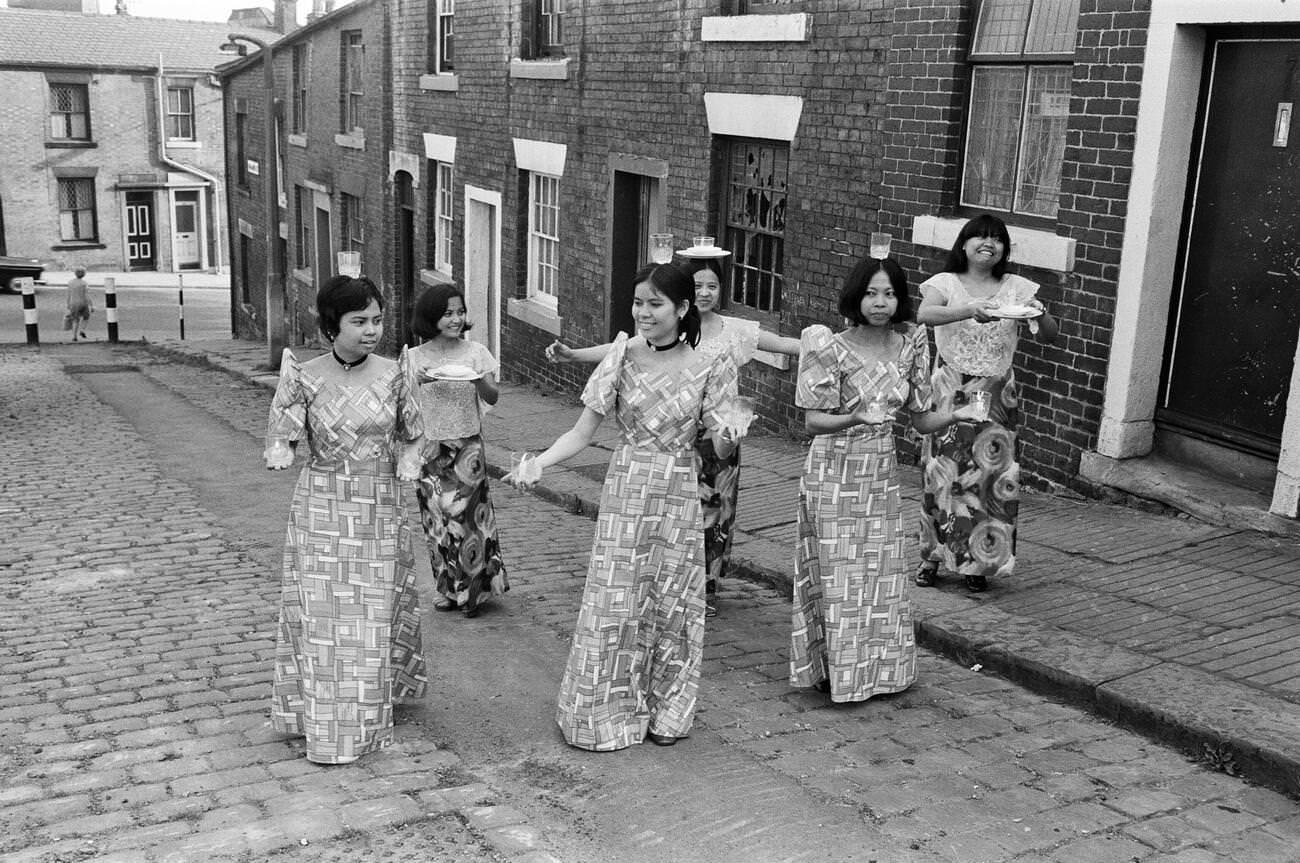
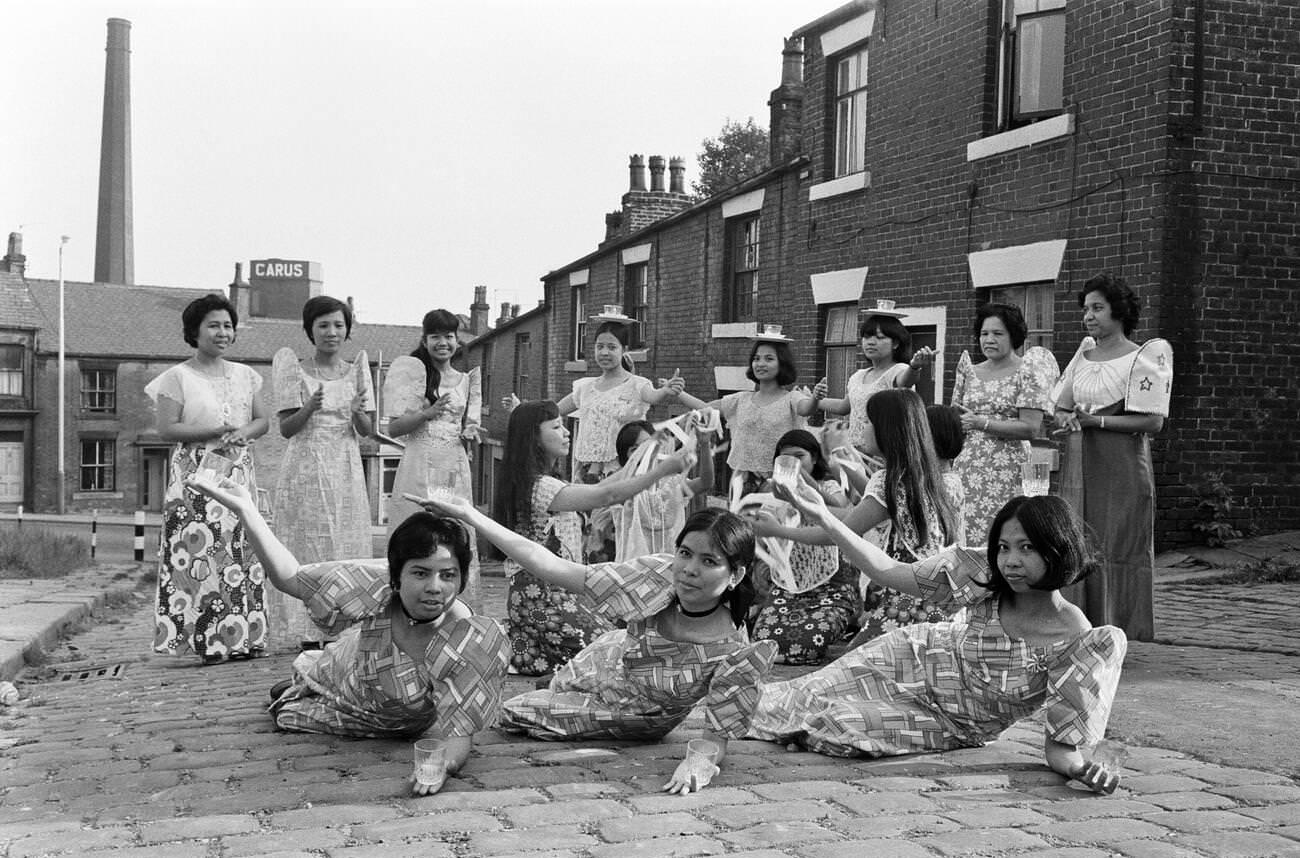
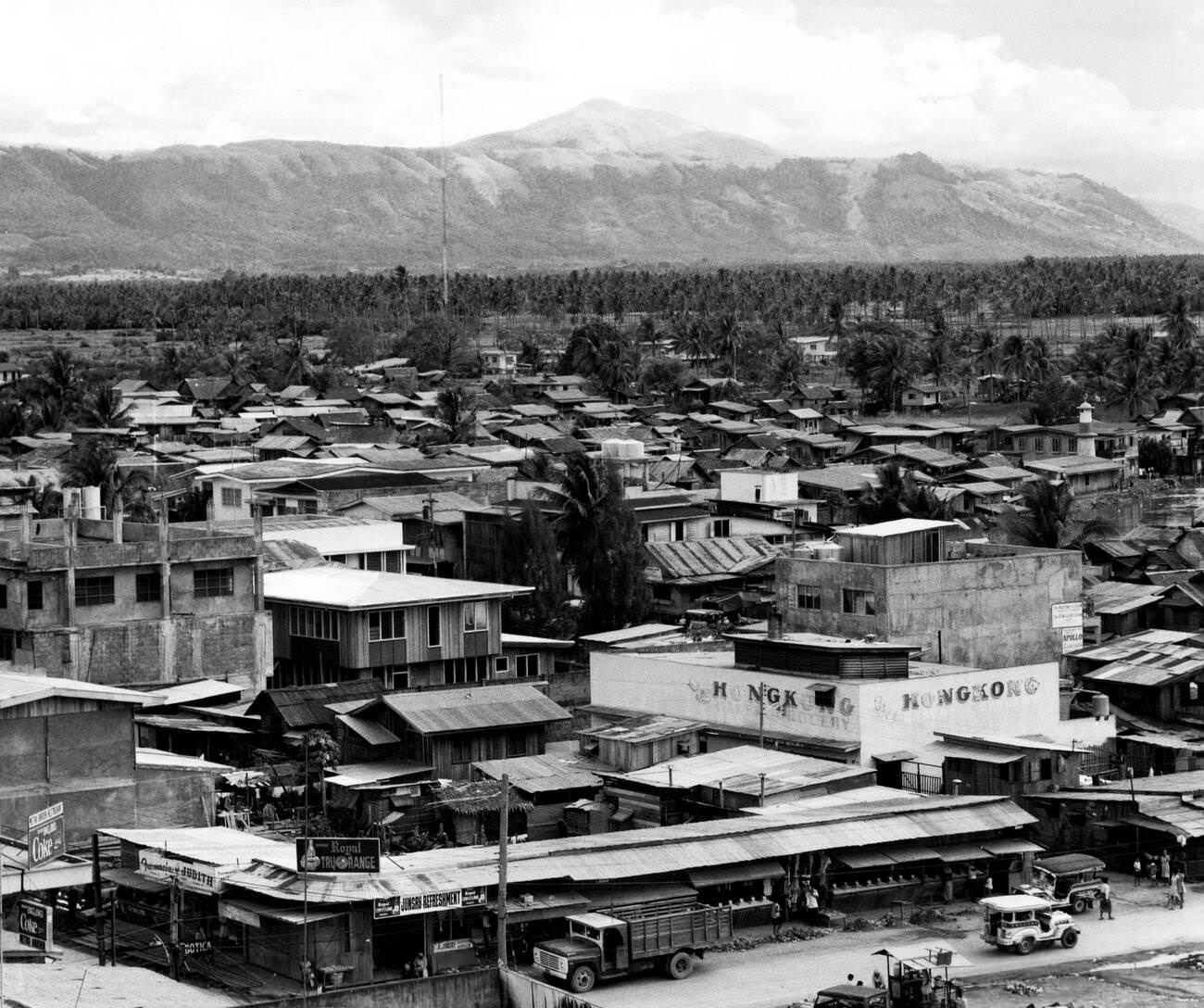
Filipino workers and performers were found far beyond the islands during this era. Women from Manila working in a textile mill in Rochdale, England, brought Philippine culture with them, performing traditional dances for local audiences in July 1972. Back home, cities like Davao on the island of Mindanao were expanding, with the university district offering a vantage point over a skyline that mixed low-rise buildings with open land.
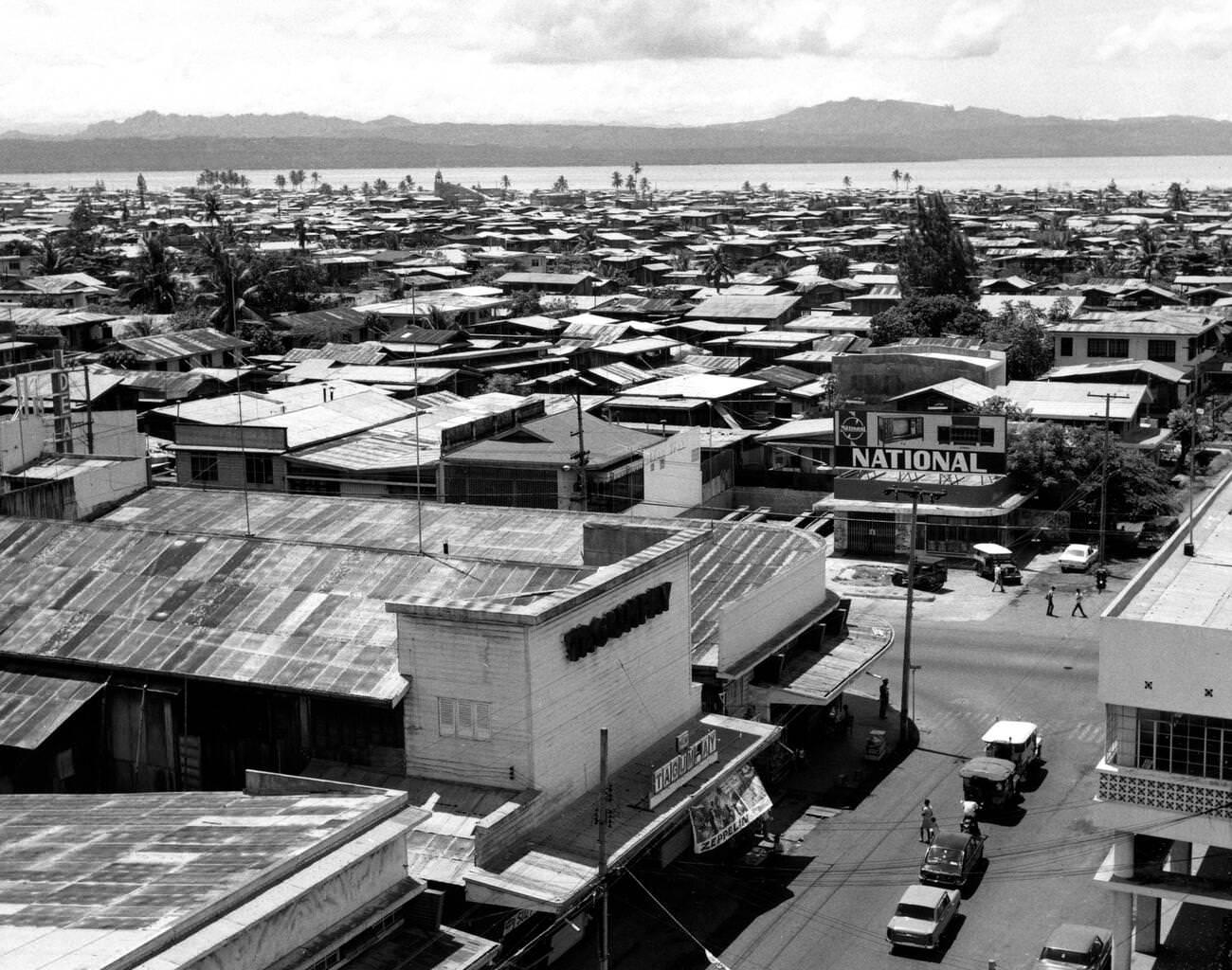
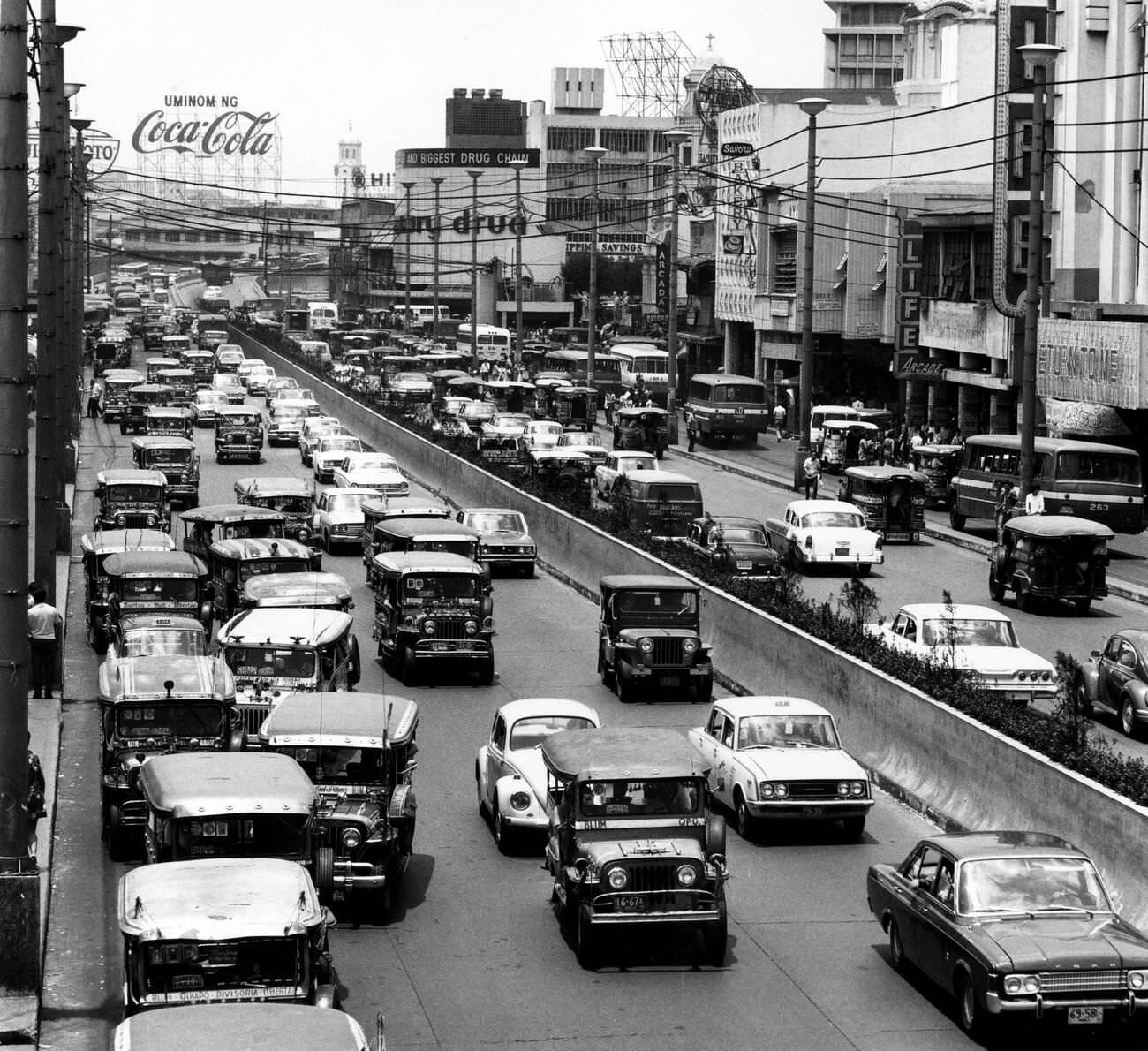
Quiapo Boulevard in Manila was one of the city’s busiest stretches in 1972, packed with vendors, pedestrians, and vehicles. It was also the kind of place where political discontent surfaced openly — at least before September of that year. When Marcos declared Martial Law, Congress was dissolved, the constitution was suspended, and the writ of habeas corpus was revoked. The press was censored, political opponents were arrested, and the government ruled by decree. Dissent didn’t disappear, but it went underground.
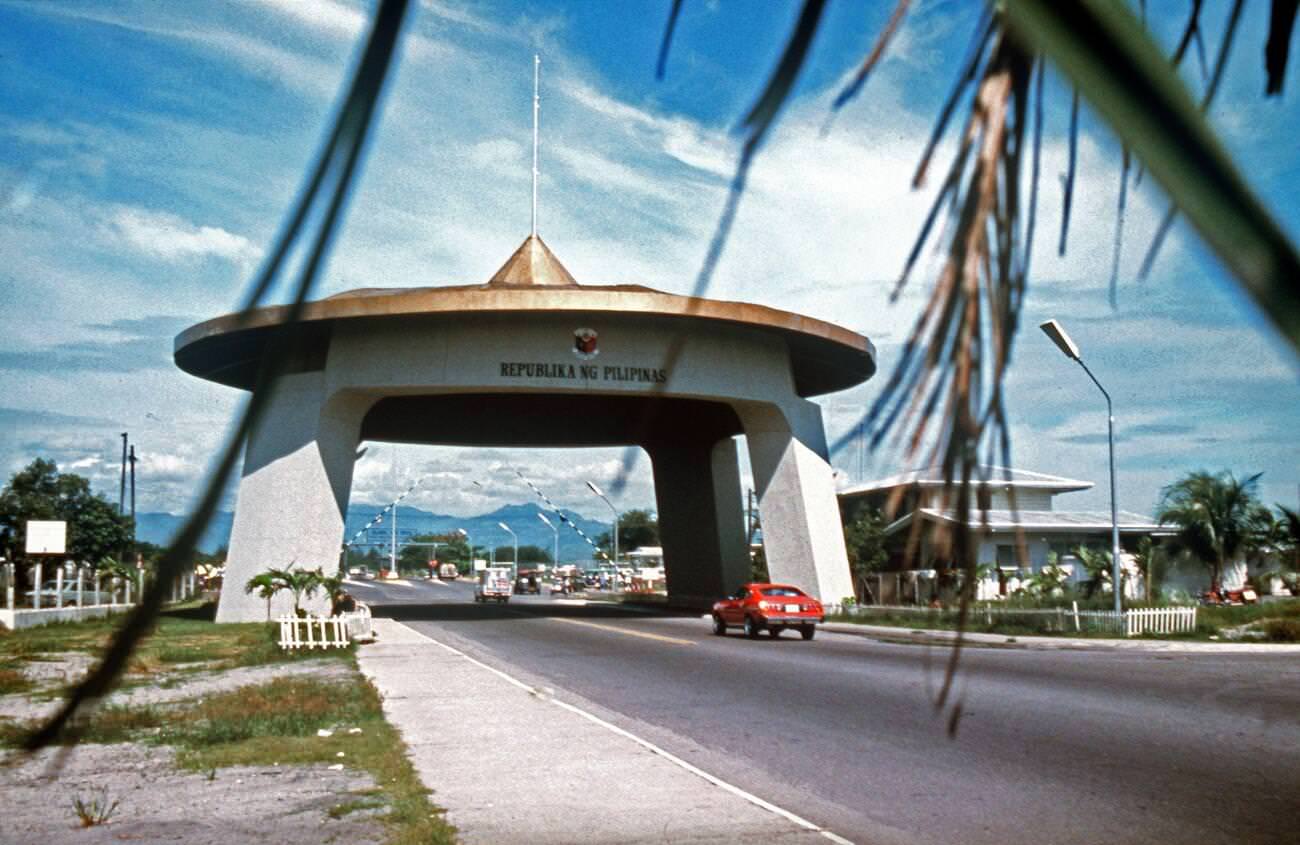
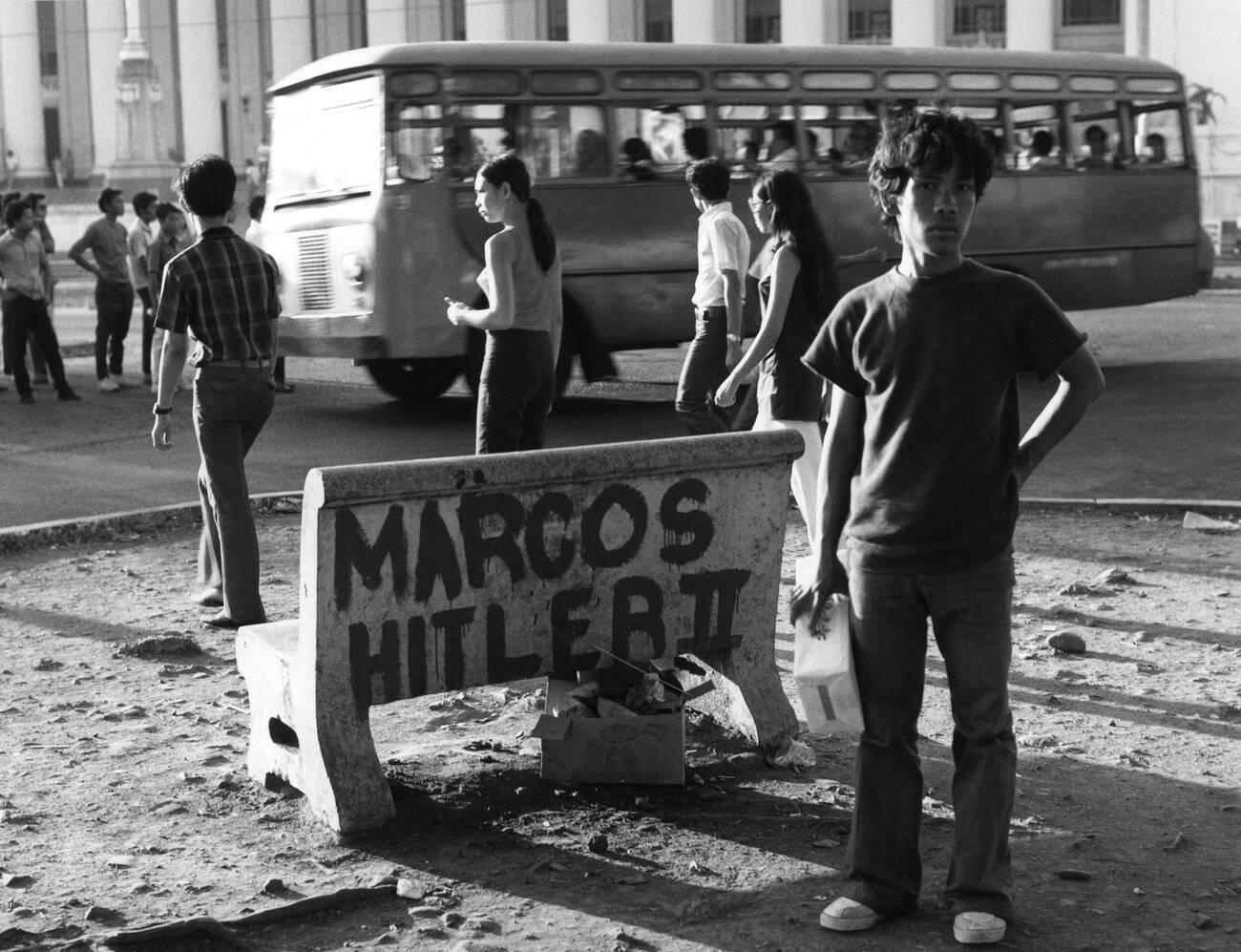
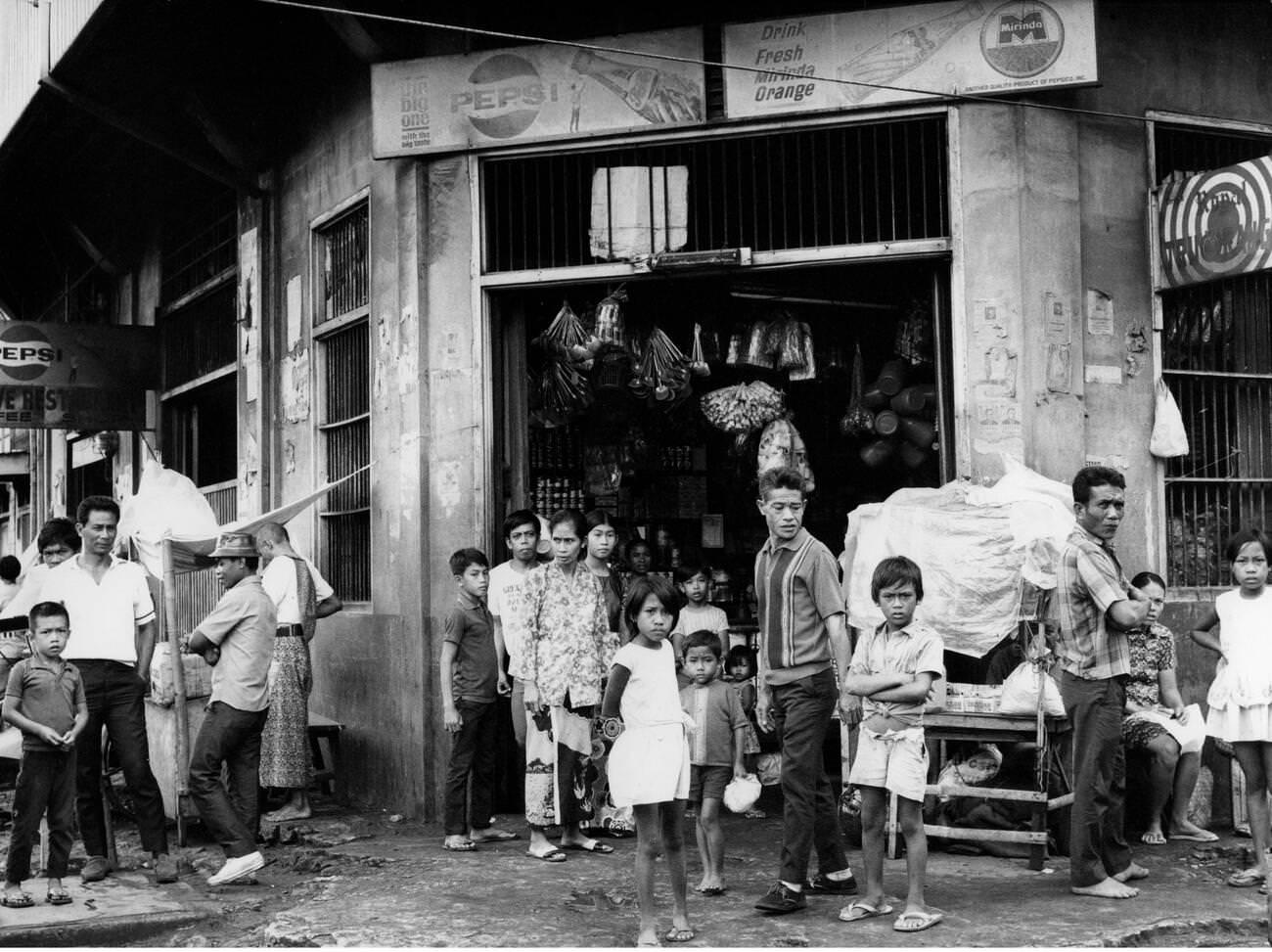
The graffiti on a Manila bench — reading “Marcos Hitler II” — was a raw expression of public anger in 1972, captured just as Martial Law was being imposed. Such open displays of opposition would soon become far more dangerous. In other parts of the country, daily life continued with less political charge. Street scenes in Jolo in the southern Philippines showed people going about their routines in front of small shops, while the Marcos administration justified its crackdown as a necessary response to communist insurgency.
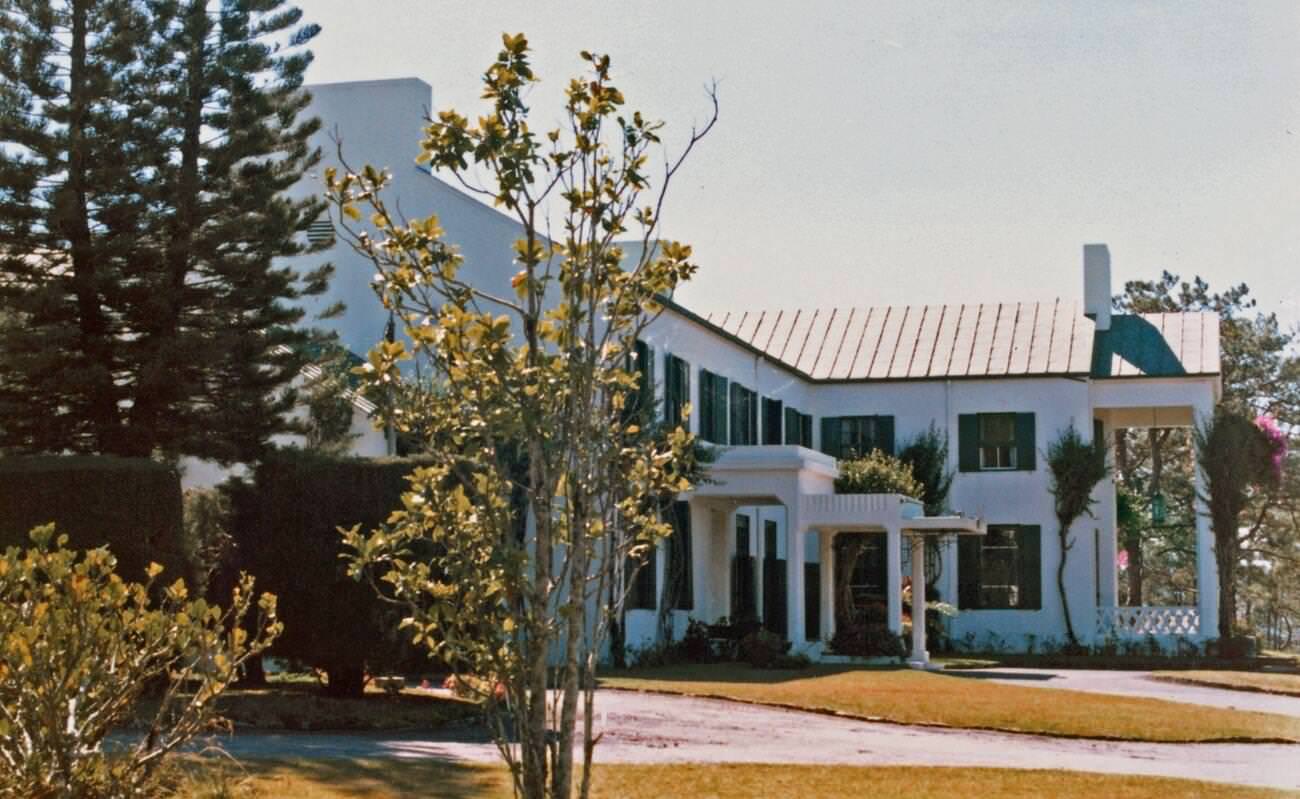
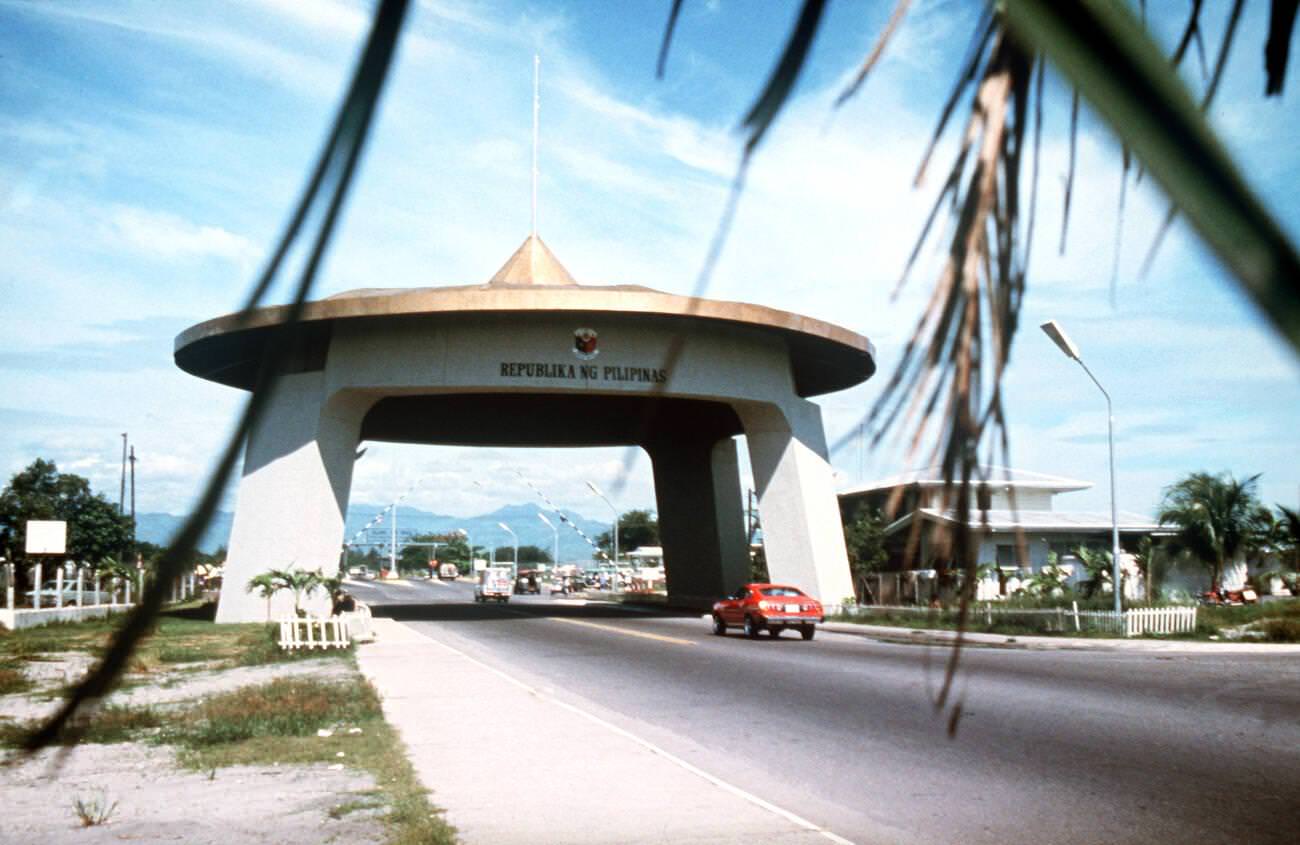
Diplomatic life in Manila continued through the 1970s as foreign governments maintained their presence in the Philippine capital. The Ambassador’s Residence, photographed in 1975, represented the formal face of international relations during a period when Marcos courted foreign investment and loans to fund his modernization programs. Roads, hospitals, and schools were built, and the Masagana 99 program pushed for rice self-sufficiency. But these projects came loaded with debt and crony deals that enriched Marcos allies at public expense.
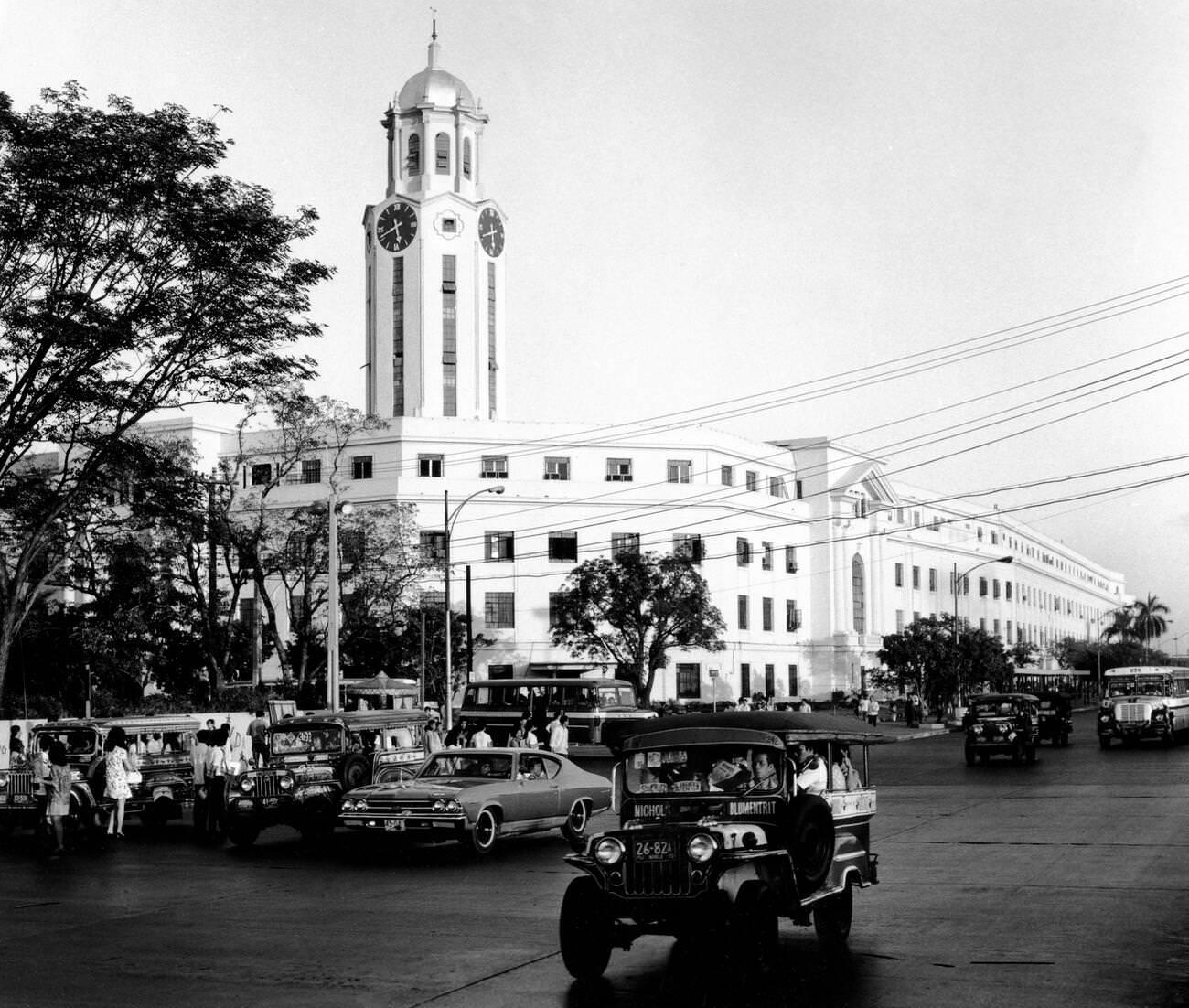
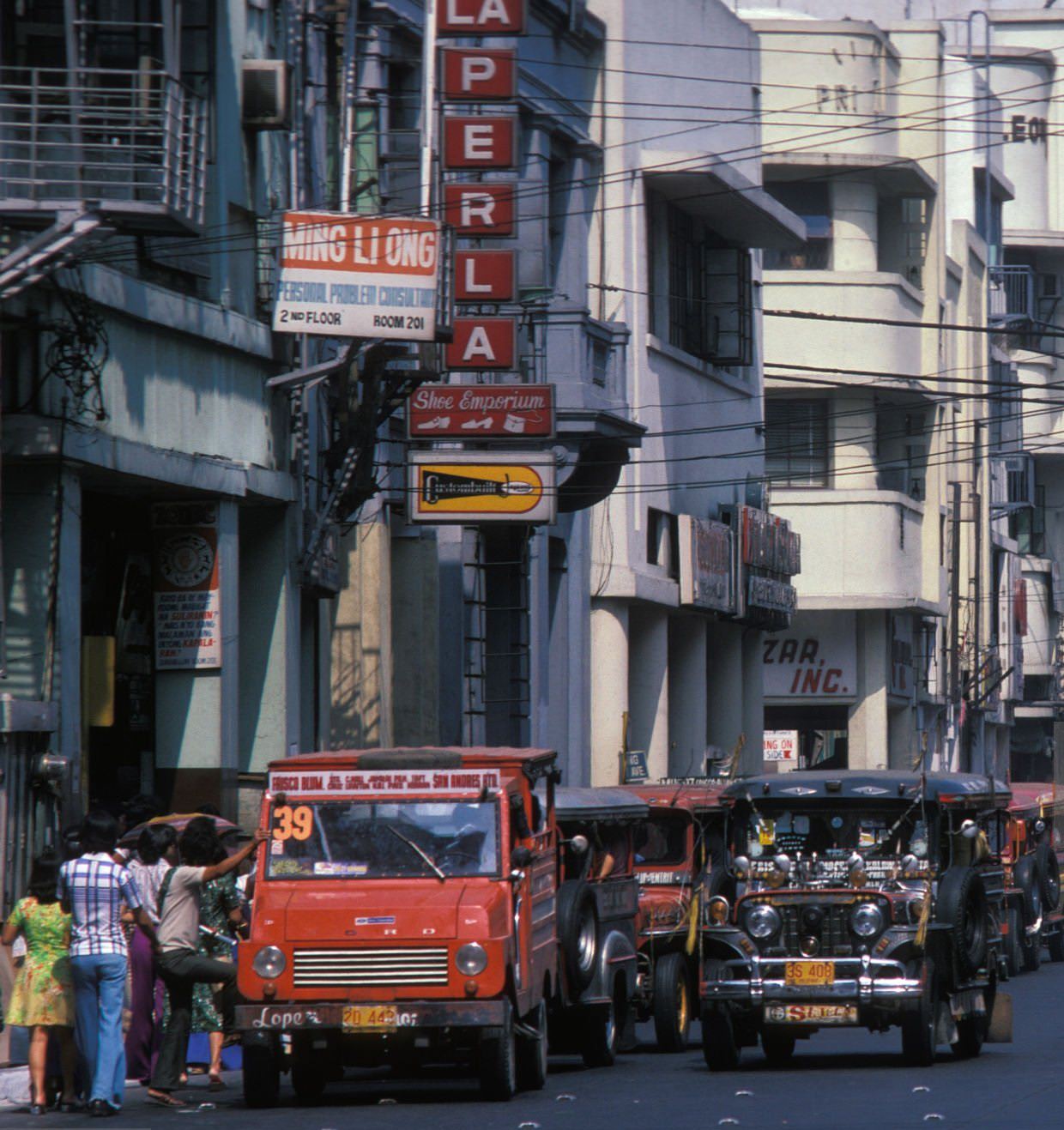
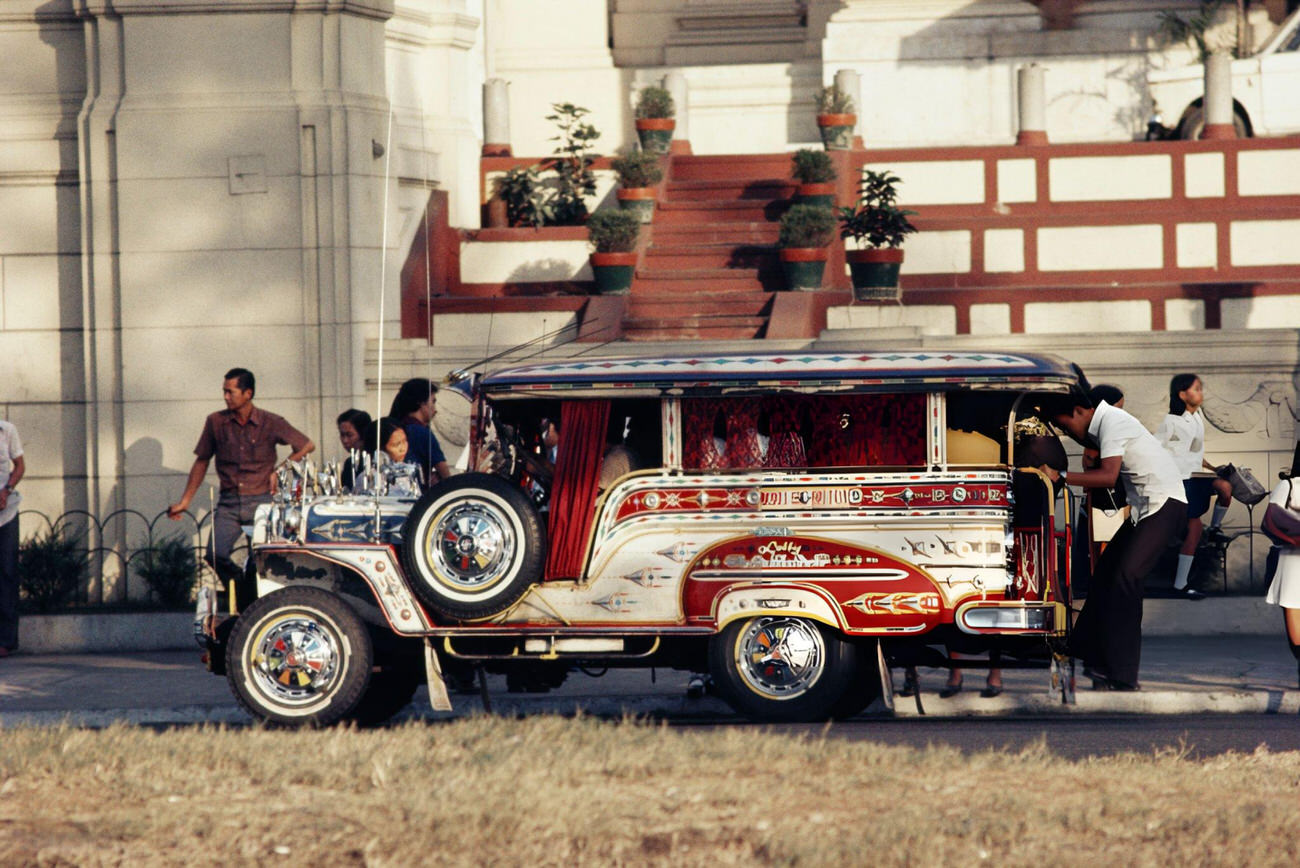
The jeepney became one of the most recognizable symbols of Filipino urban life during this decade. Originally built from surplus American military jeeps left after World War II, they were extended, painted in bright colors, and converted into shared public transport. On Taft Boulevard in front of Manila’s City Hall, they moved in a constant, colorful stream. For most Filipinos, the jeepney was how you got to work, to market, and everywhere in between.
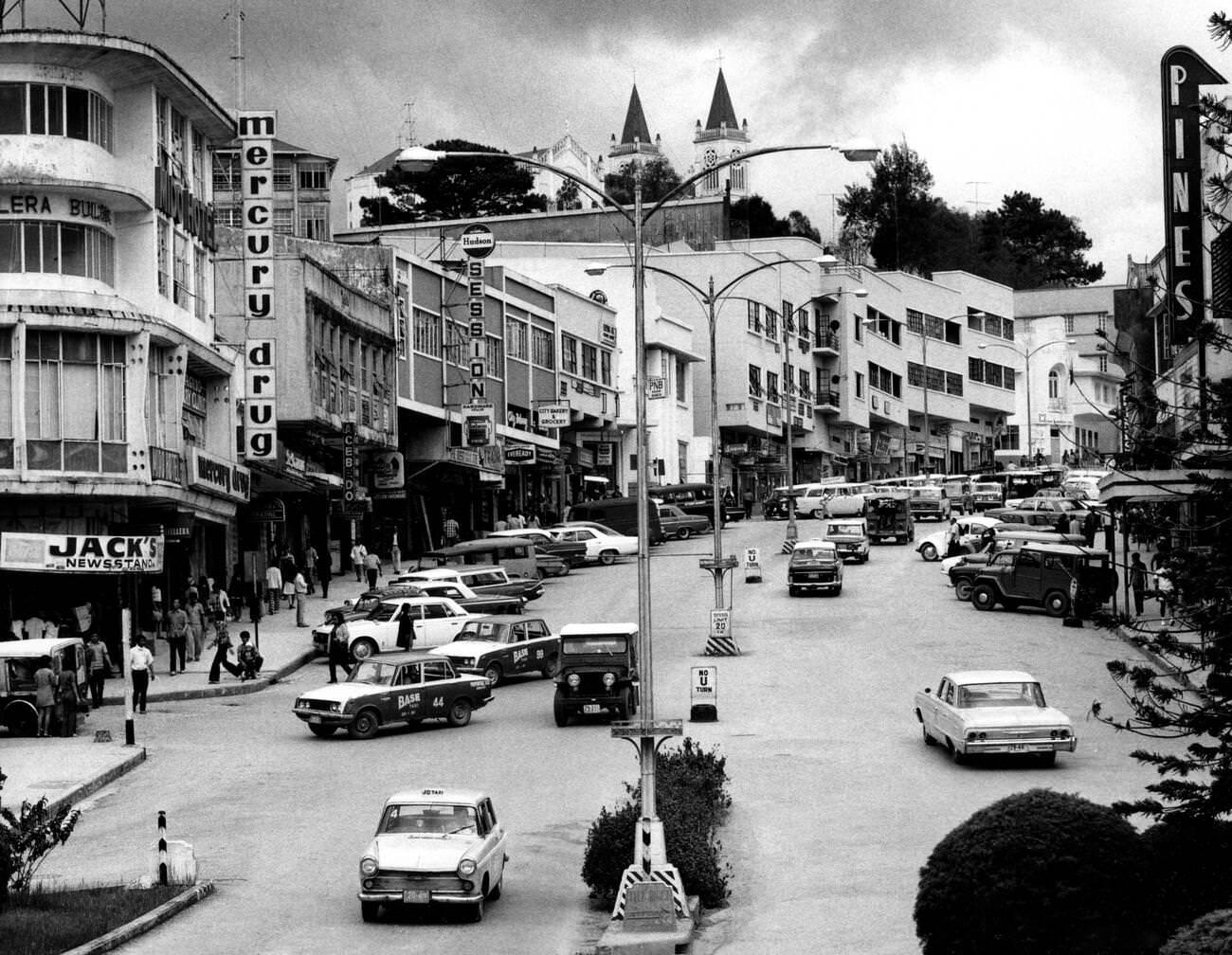
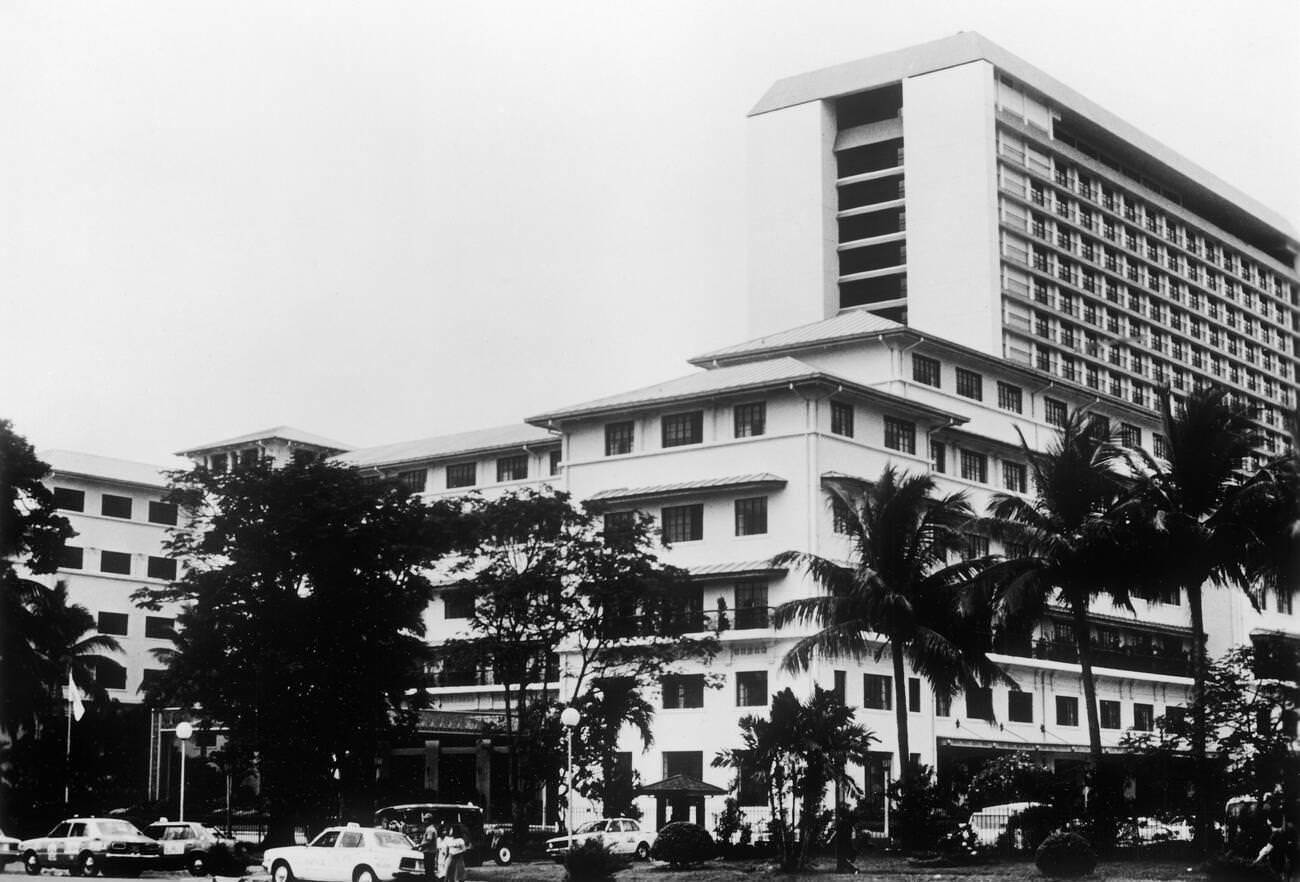
Session Road in Baguio City was — and still is — the main commercial street of the highland city in the Cordillera mountains. At nearly 5,000 feet above sea level, Baguio offered a cool escape from Manila’s heat and served as the summer capital of the Philippines. In 1972, its streets were busy with shoppers and pedestrians, while the political storms gathering to the south had not yet fully arrived. The Manila Hotel, built in 1912 and photographed around 1975, embodied a different kind of history — the colonial grandeur of an earlier era, still standing through decades of upheaval.
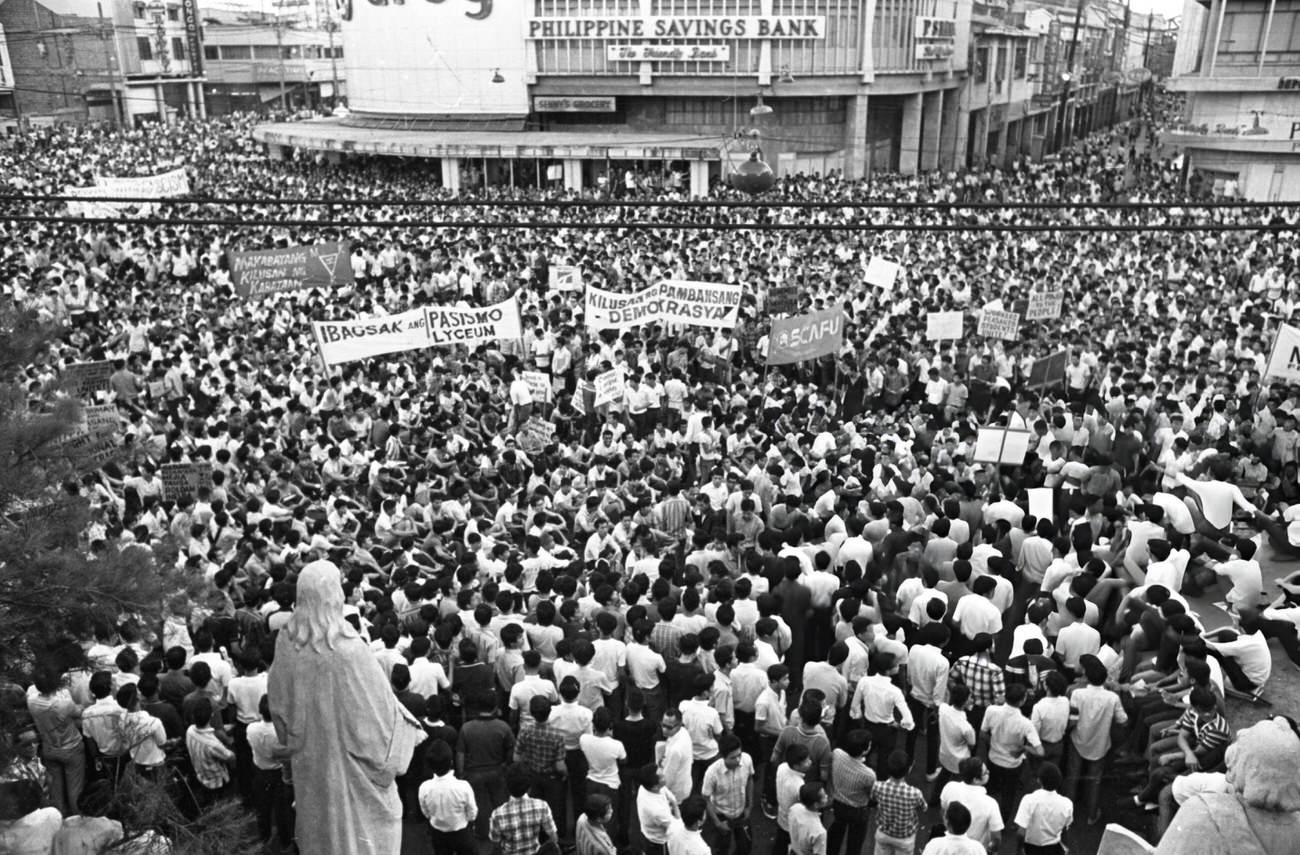
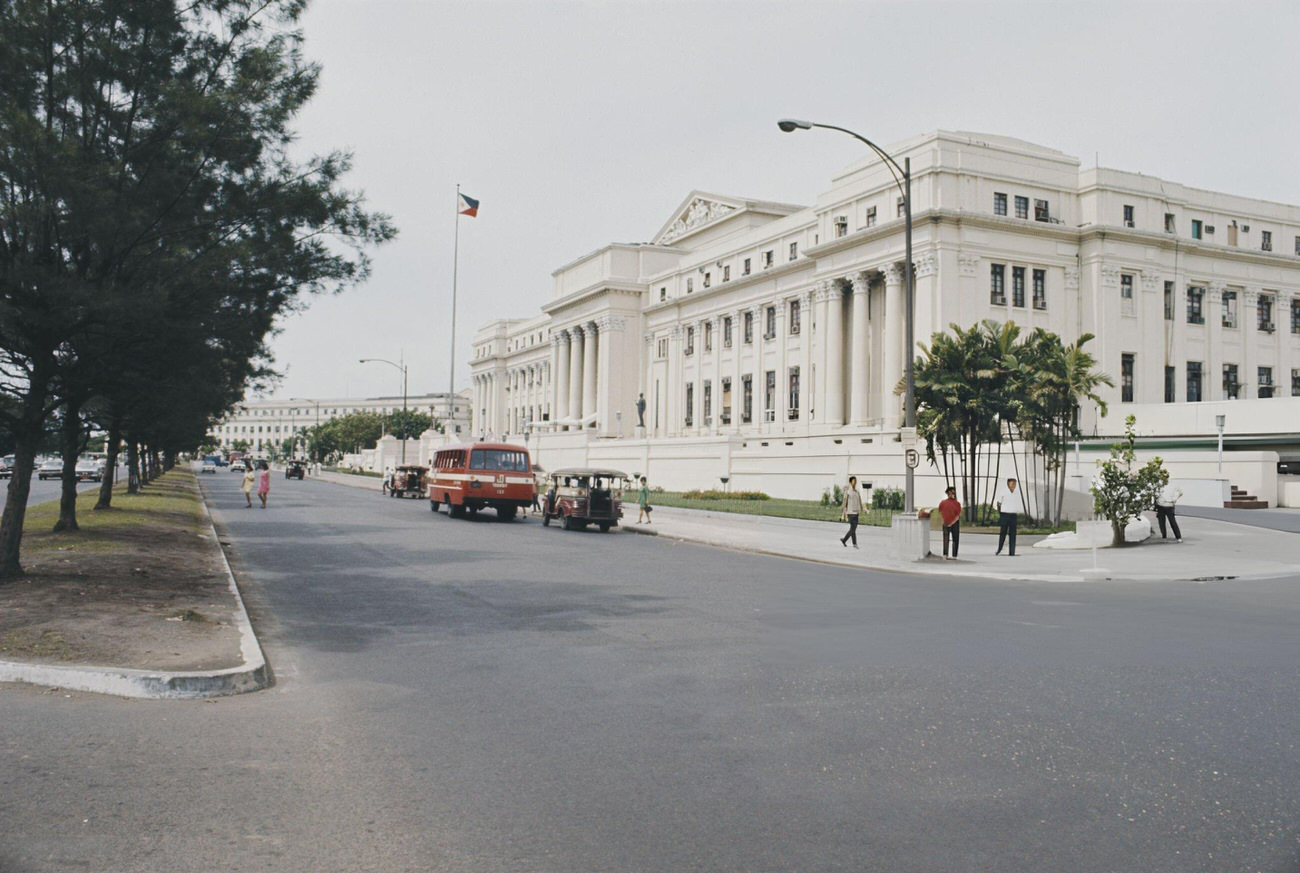
Mass protest was a defining feature of the early 1970s in the Philippines. Tens of thousands of people filled Manila’s streets to denounce Marcos, with crowds of 10,000 or more gathering around the city’s landmarks. University students were at the front of the movement, demanding the restoration of habeas corpus after Marcos suspended it. The Congress of the Philippines, photographed in July 1970, was still sitting at that point — but it would be dissolved entirely when Martial Law was declared two years later.
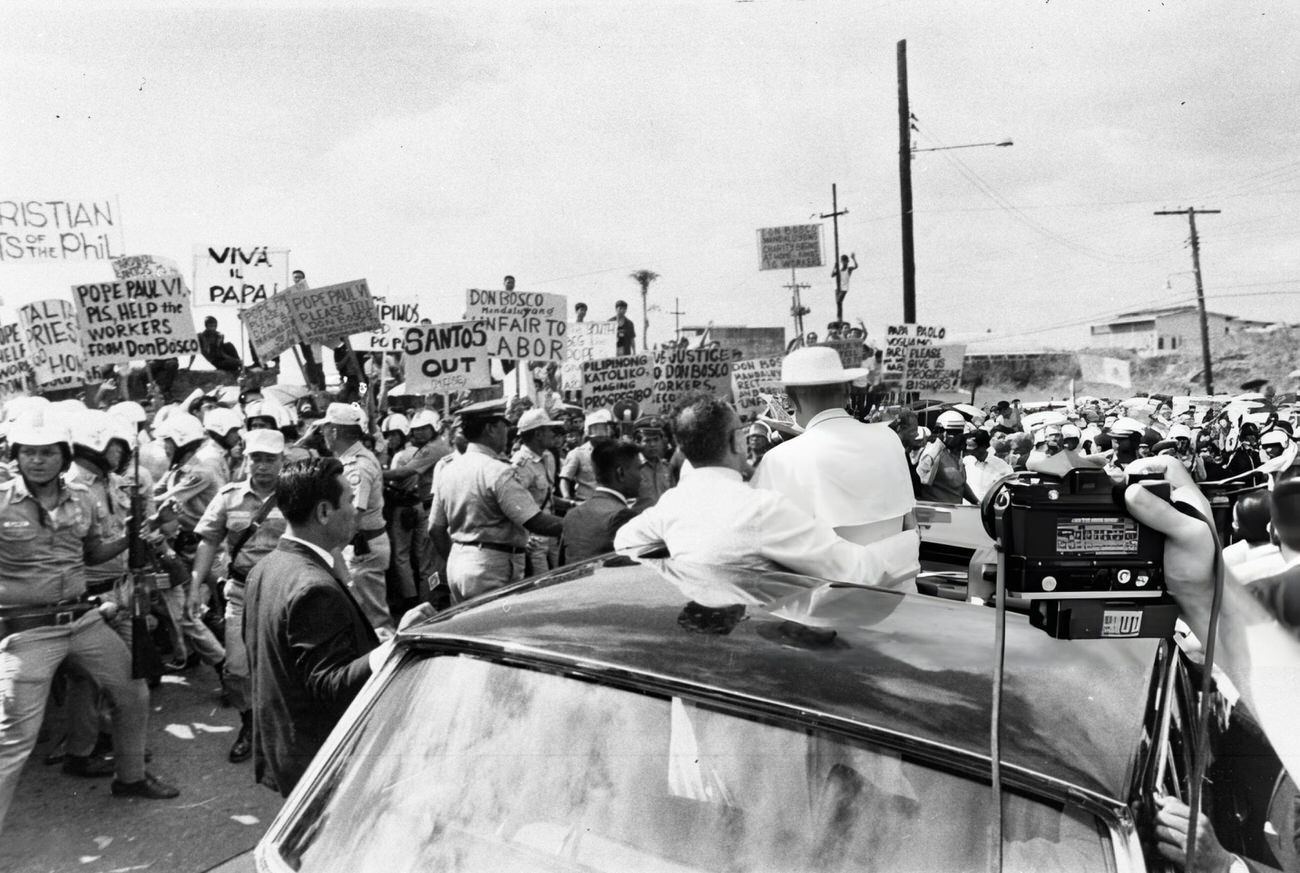
Pope Paul VI’s visit to the Philippines brought both massive crowds and significant security concerns, with riot police deployed to manage the throngs and any potential unrest. The presence of Cardinal Santos added a layer of controversy to the occasion. Around the same time, the city of Olongapo — located just outside the U.S. Naval Base Subic Bay — offered a very different kind of scene. The base made Olongapo a hub for American sailors, and the streets around it reflected the economic and social dynamics that came with a major foreign military presence.
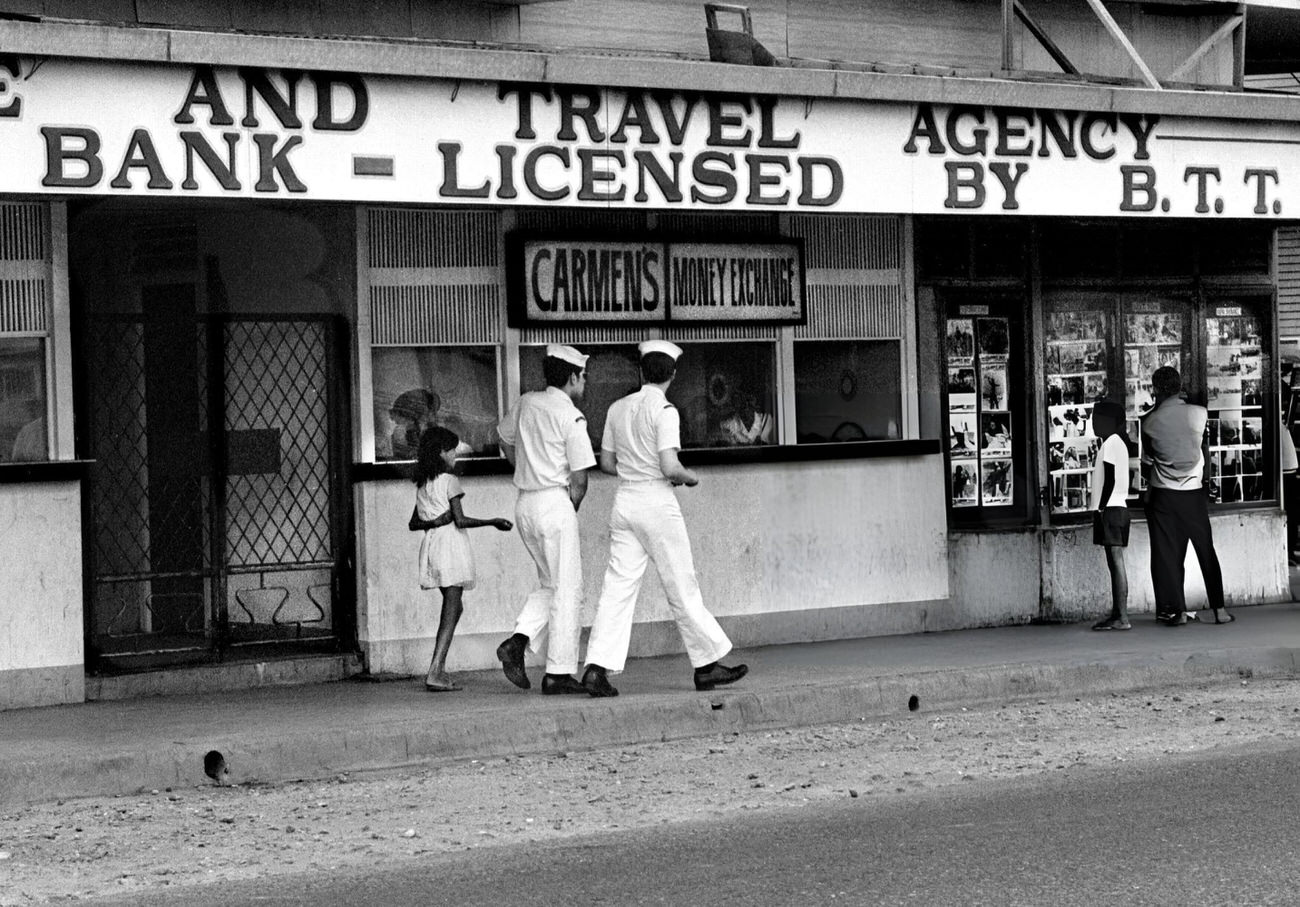
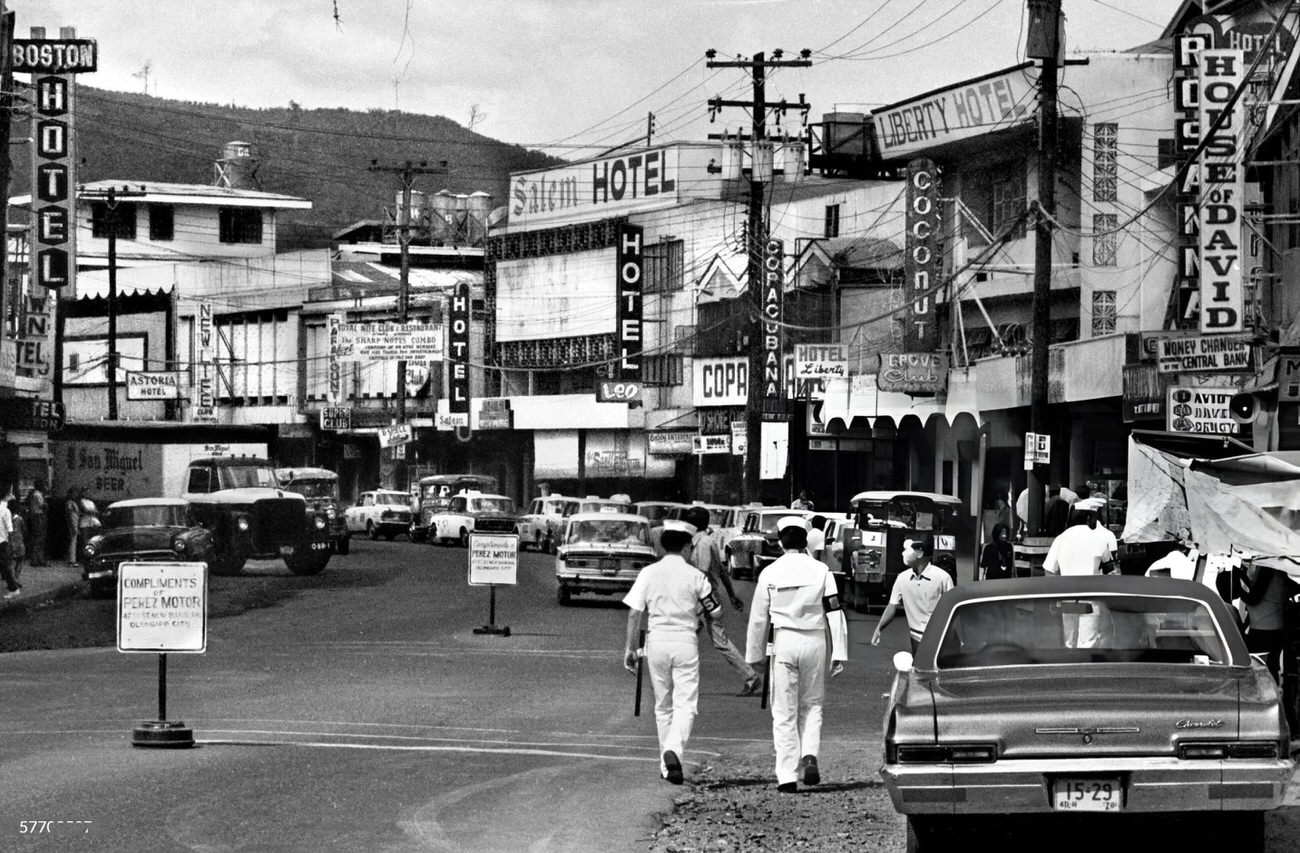
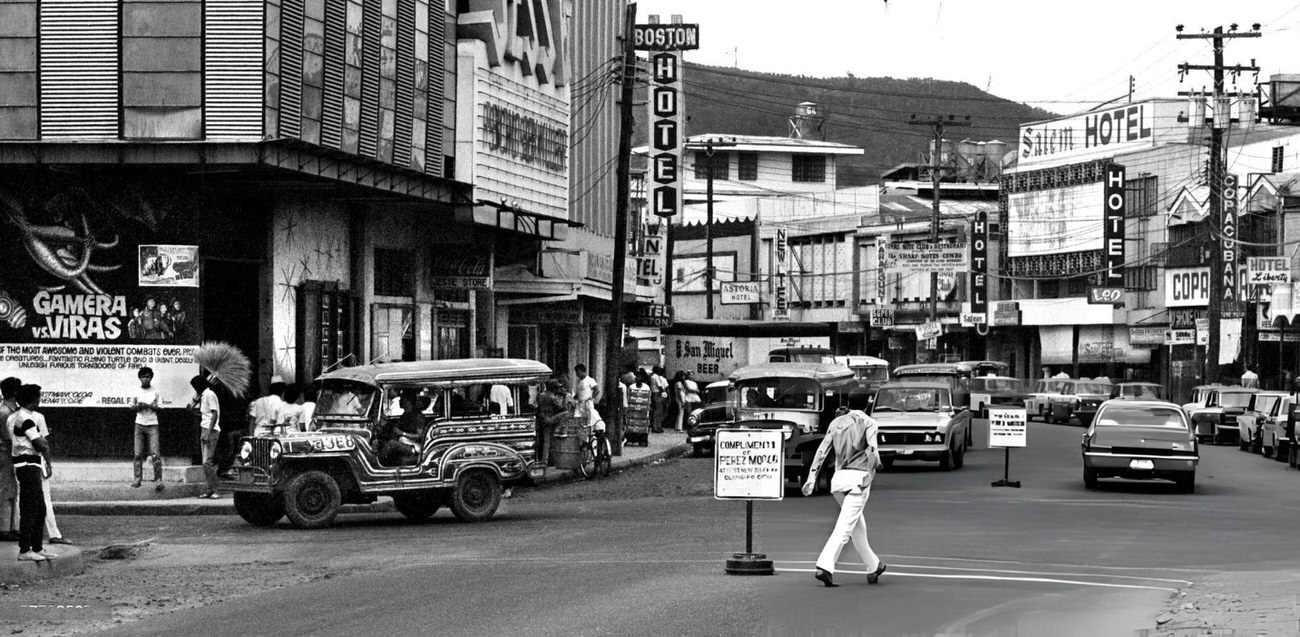
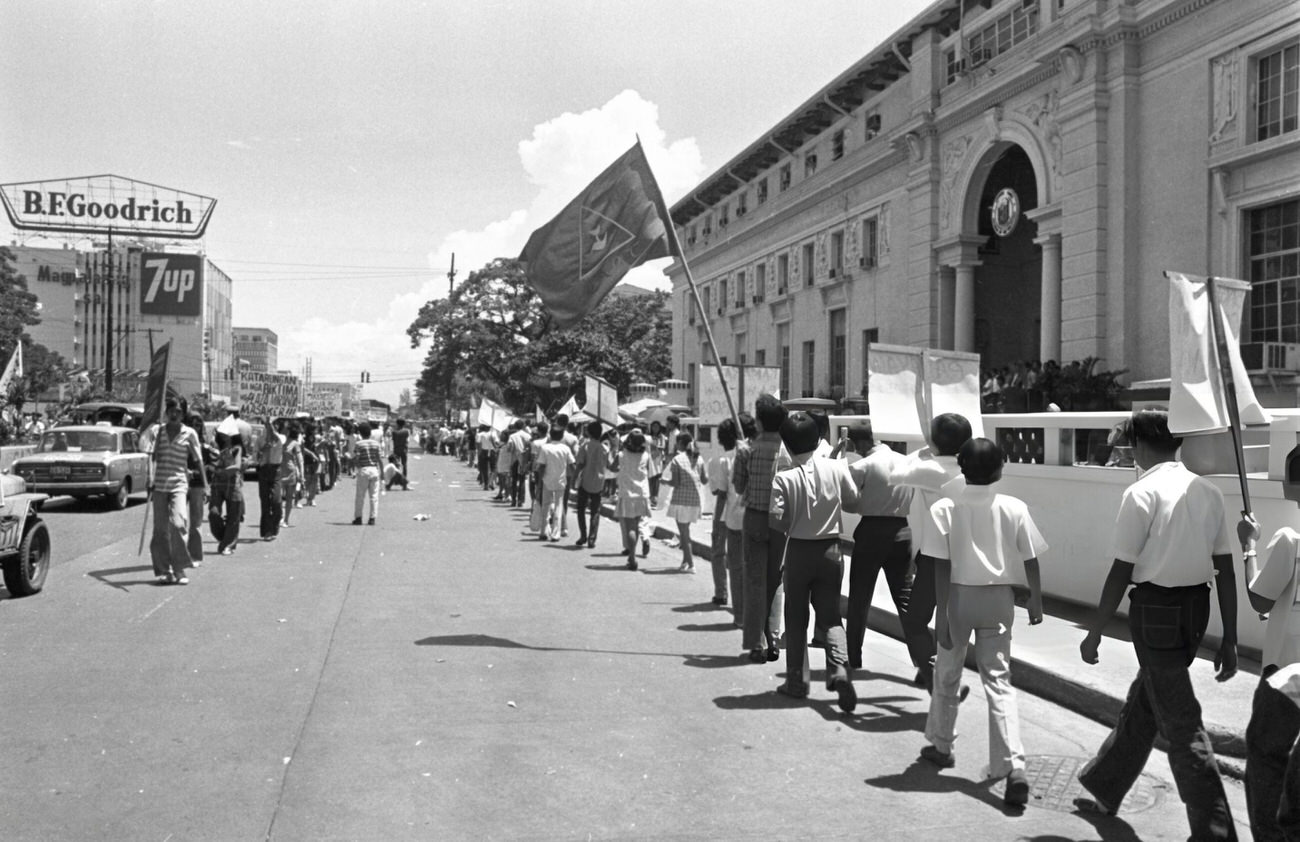
U.S. Navy shore patrol officers walked the streets of Olongapo in 1972, keeping order among the sailors who flooded in from Subic Bay during leave. The base was one of the largest American naval installations in the world at the time, and it pumped money into the local economy while also creating social pressures the photos document plainly. Back in Manila, student protesters continued to push back against the Marcos government, specifically targeting the suspension of habeas corpus.
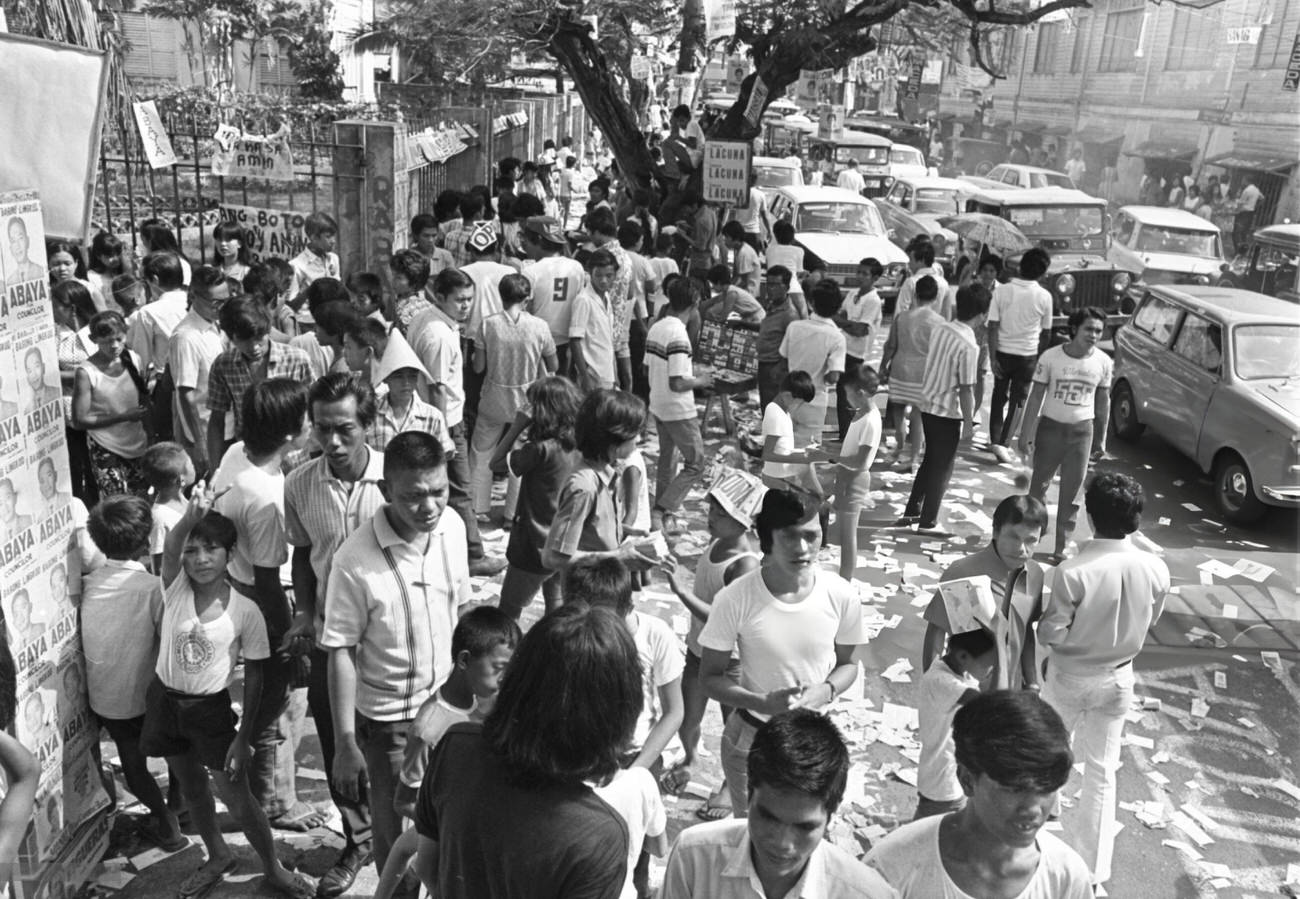
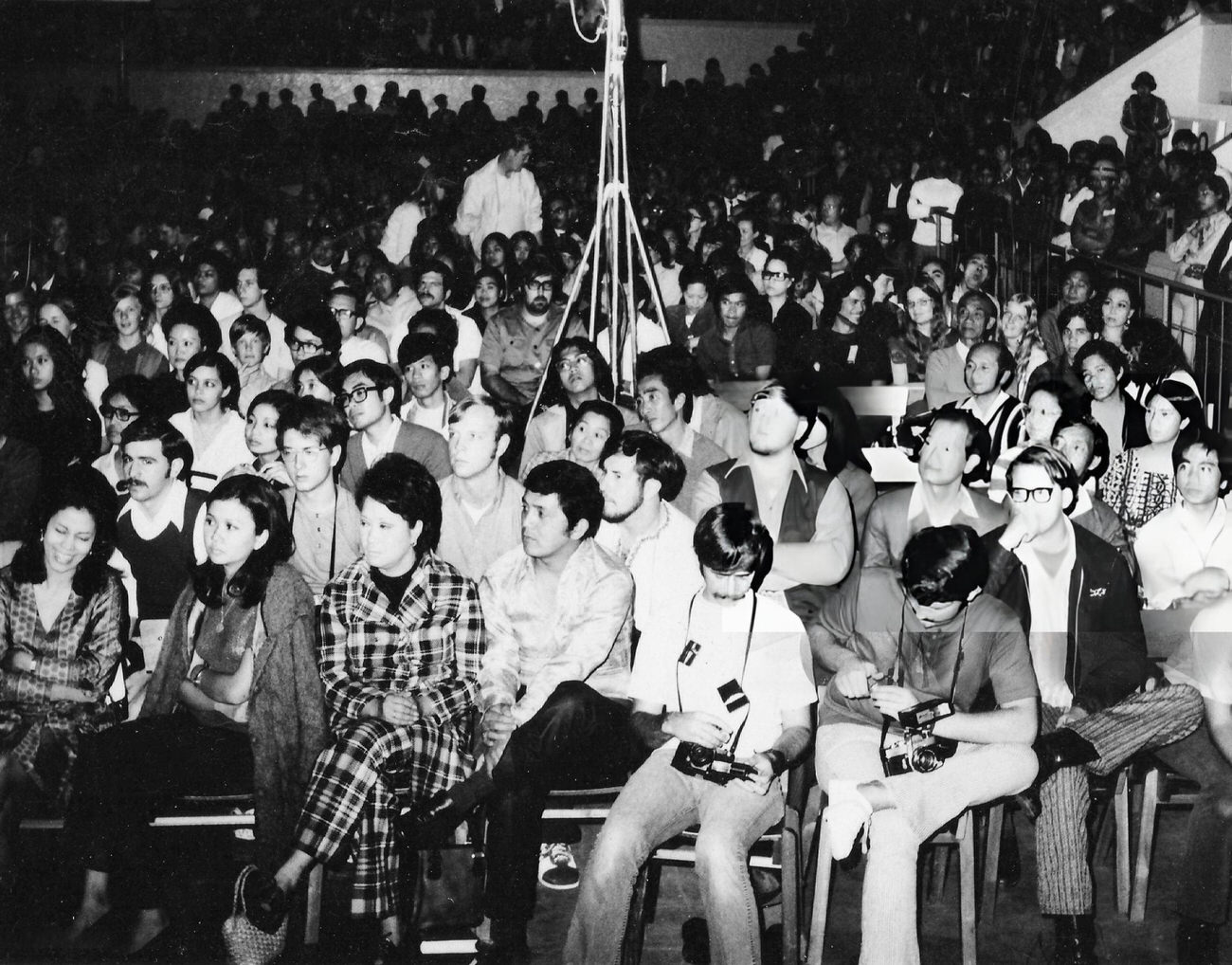
One of the most striking images from this era shows a packed polling location during what was described as the bloodiest election campaign in the Philippines’ 25-year history, with a potential death toll of around 200. Political violence was not new to Filipino elections, but the scale of it in the early 1970s reflected how severely trust in institutions had broken down. At Saint Louis University in Baguio City, students took a different approach, attending an anti-Vietnam War FTA Show in December 1971 — a traveling anti-war variety show aimed at American military personnel.
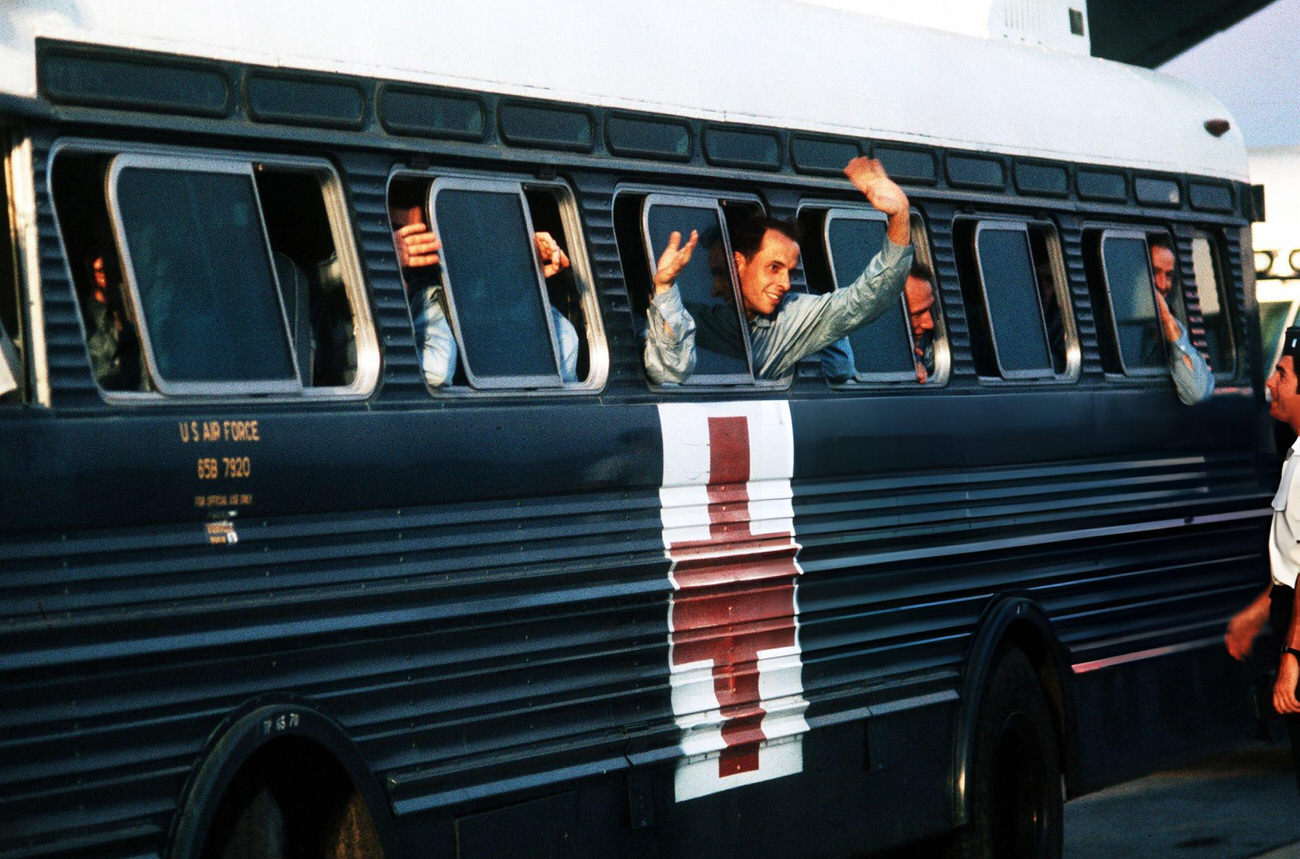
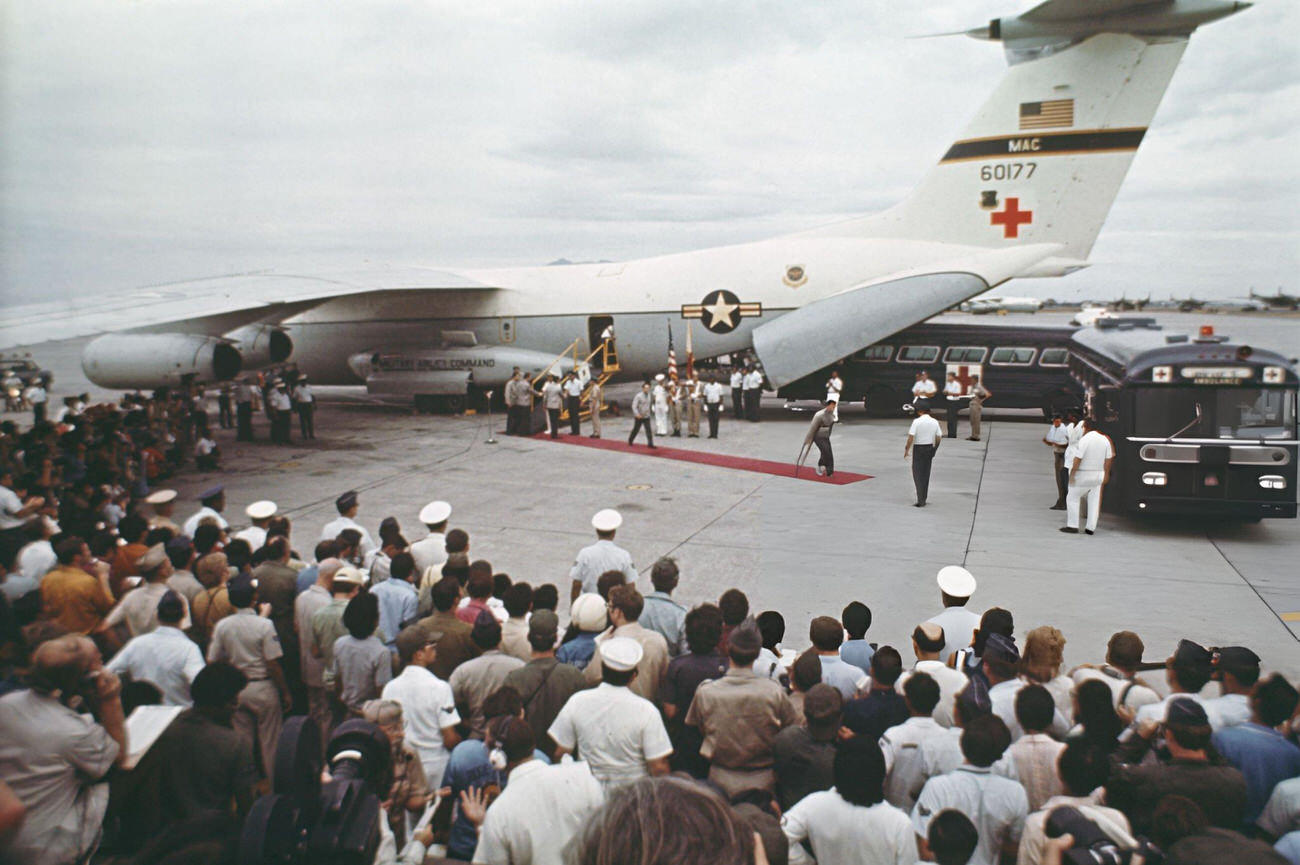
Clark Air Base in Luzon became a critical transit point for American prisoners of war returning from North Vietnam in January 1973. Photographs show POWs waving from hospital buses and walking from a Lockheed C-141 Starlifter to waiting ambulances — a moment of relief at the end of years of captivity. The Philippines, with its major U.S. military infrastructure, served as the first stop on the long journey home for many of these men.
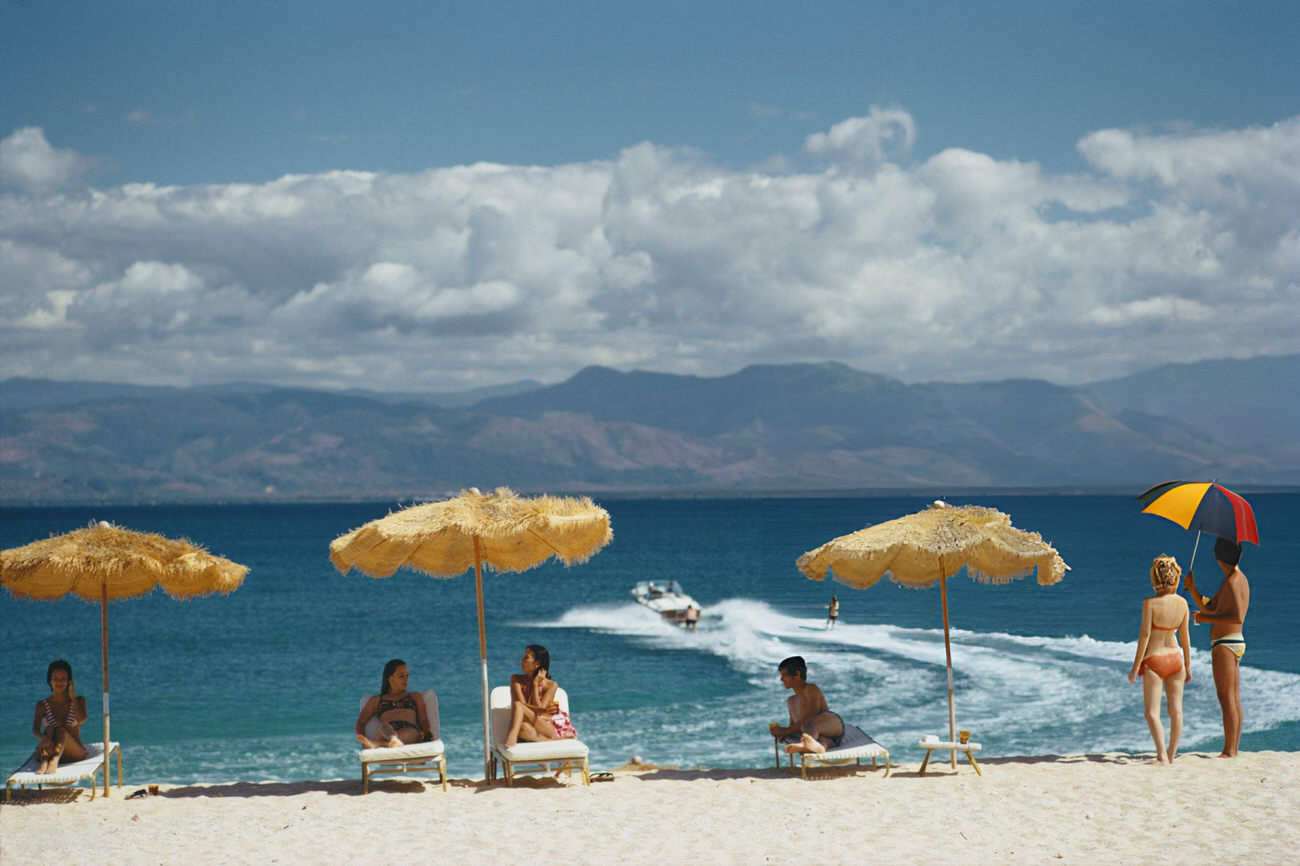
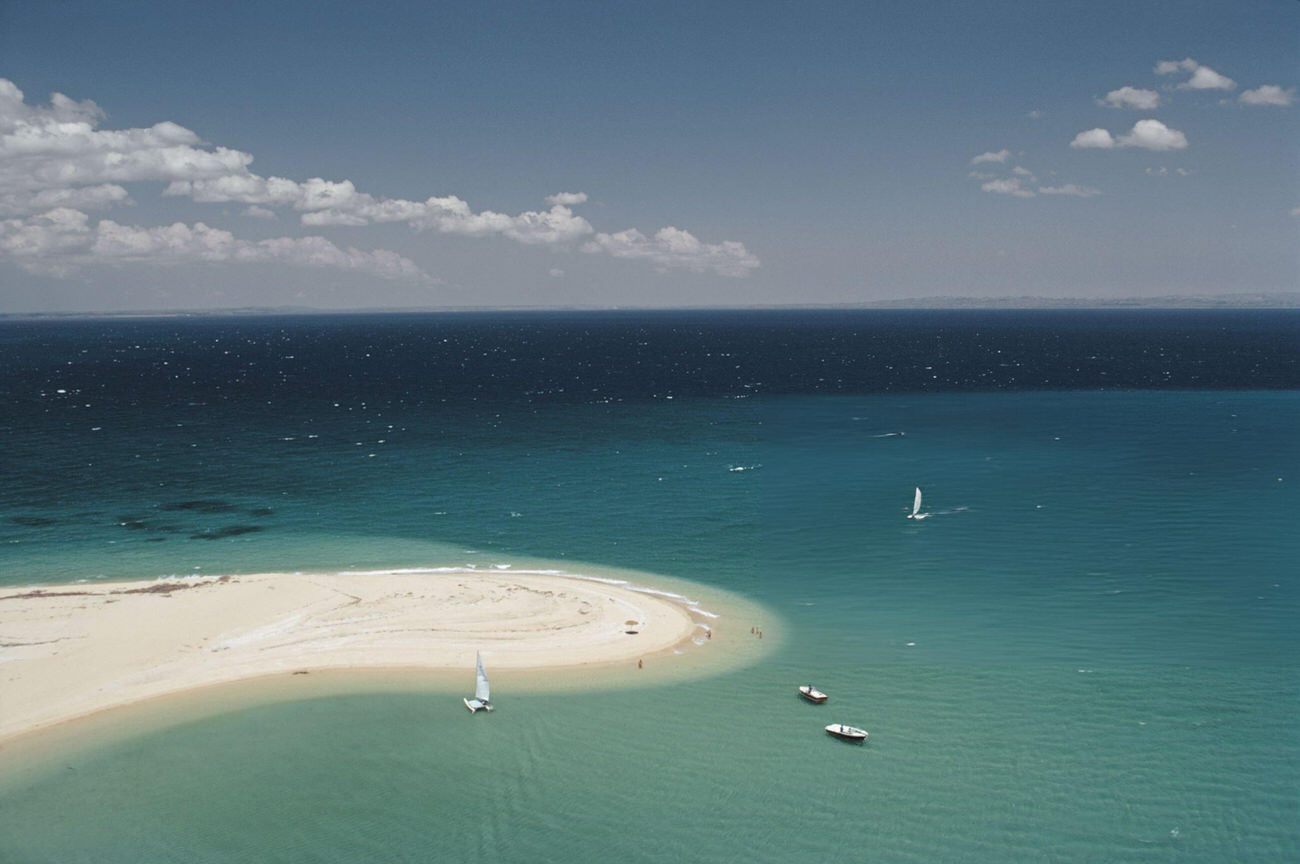
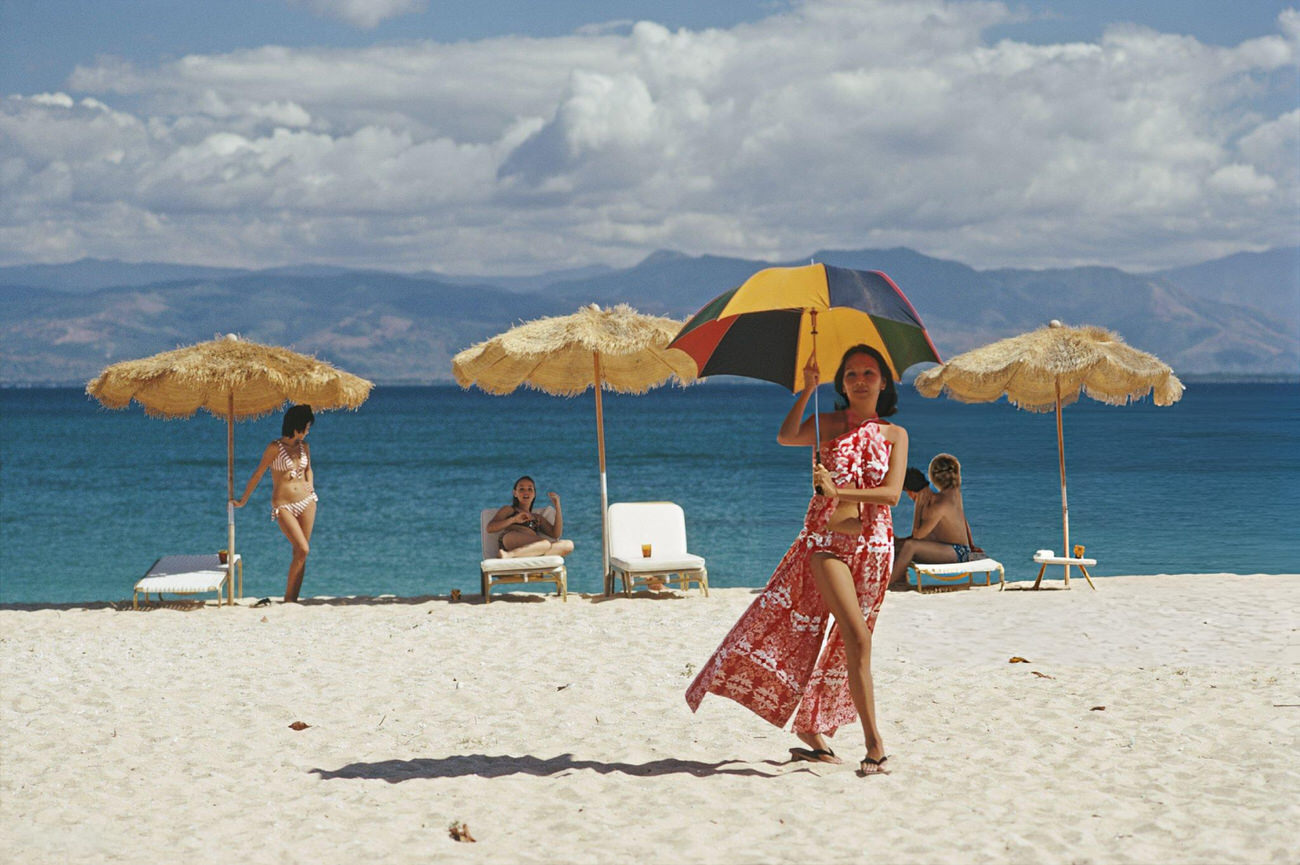
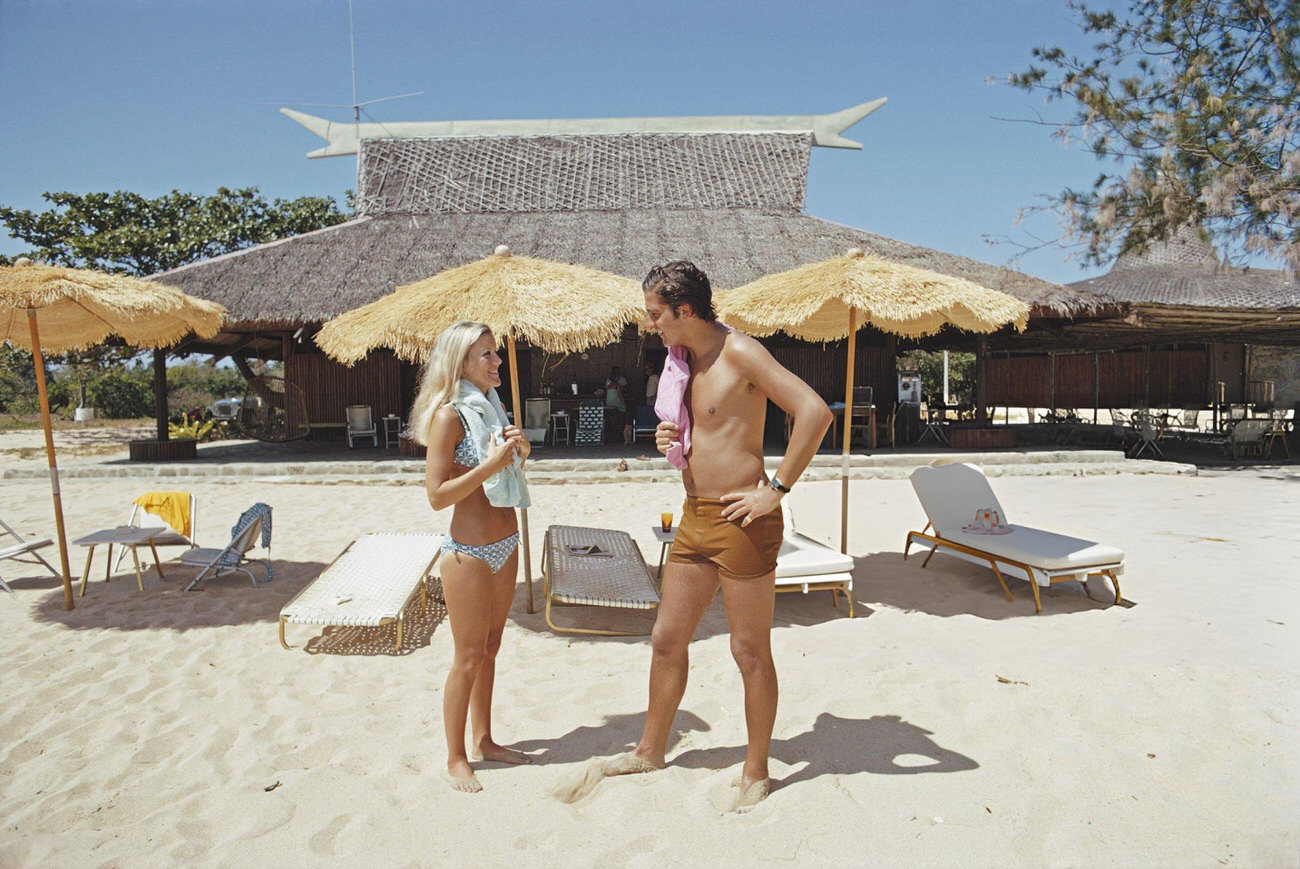
While political repression tightened across the Philippines, the elite lived a starkly different existence. Philippine Airlines President Benigno Toda Jr. owned a private island where guests relaxed on the beach and aerial photographs showed the lush, isolated beauty of his holdings. This gap between the privileged class and ordinary Filipinos was one of the core grievances driving the resistance movements that Marcos was trying — often brutally — to suppress.
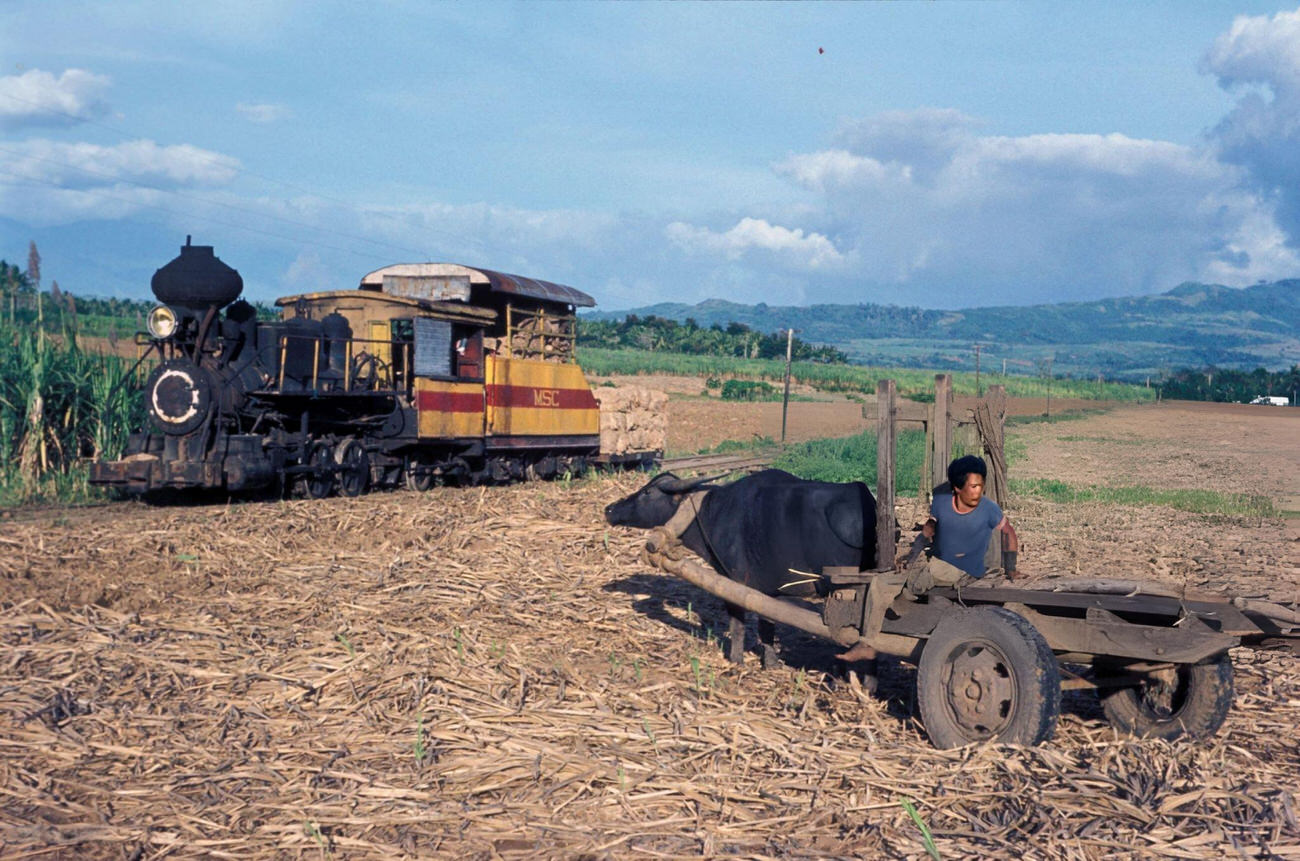
By the mid-1970s, the Philippines was visibly changing. On Negros Island, a water buffalo hauled sugarcane to the Ma Ao Sugar Central in November 1974 — a scene of agricultural labor that had changed little in generations, even as Manila was modernizing. The sugar industry was central to the Philippine economy, and Negros was its heart. The contrast between that rural economy and the jeepneys of Manila told the story of a country developing at uneven speeds.
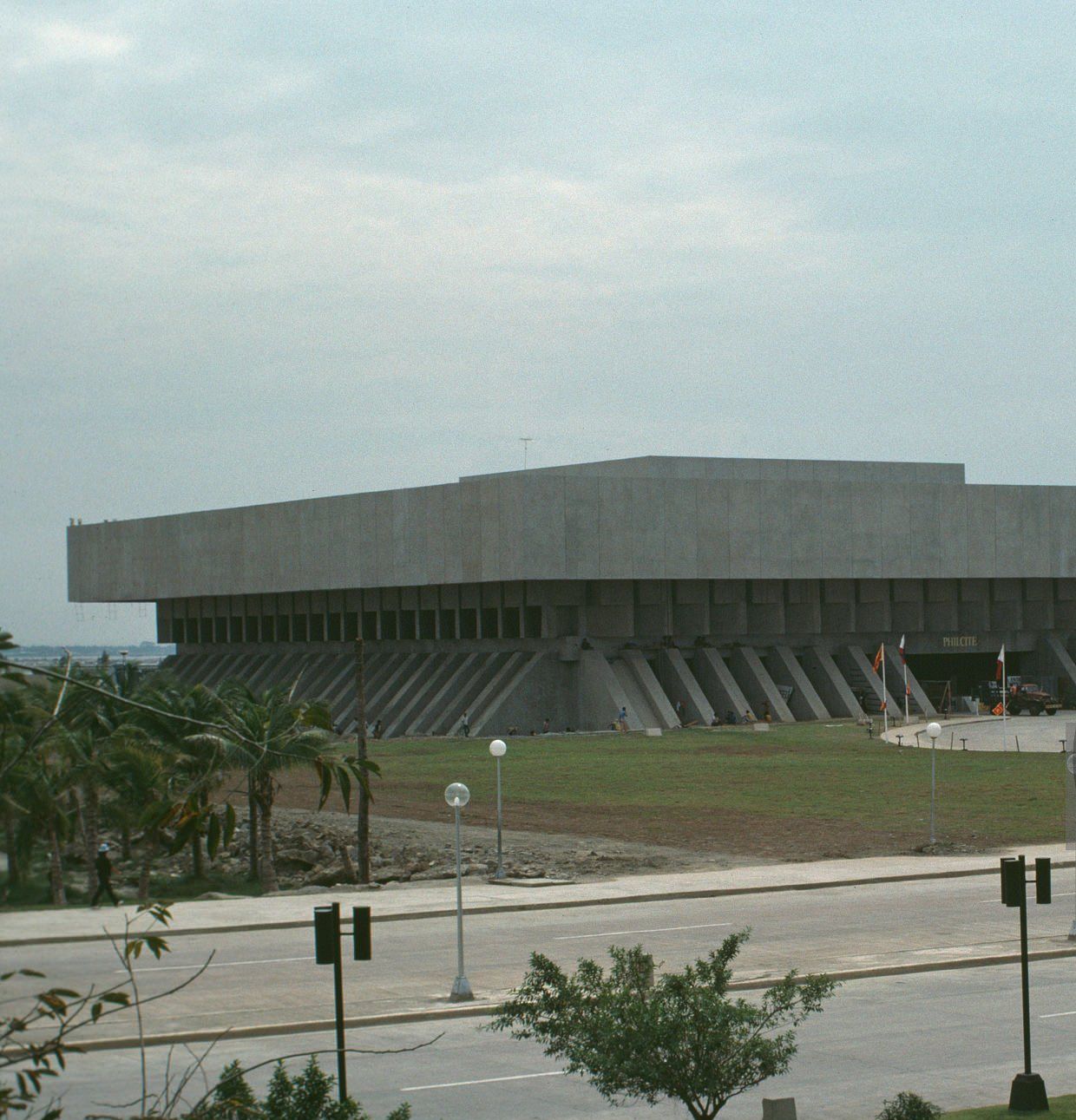
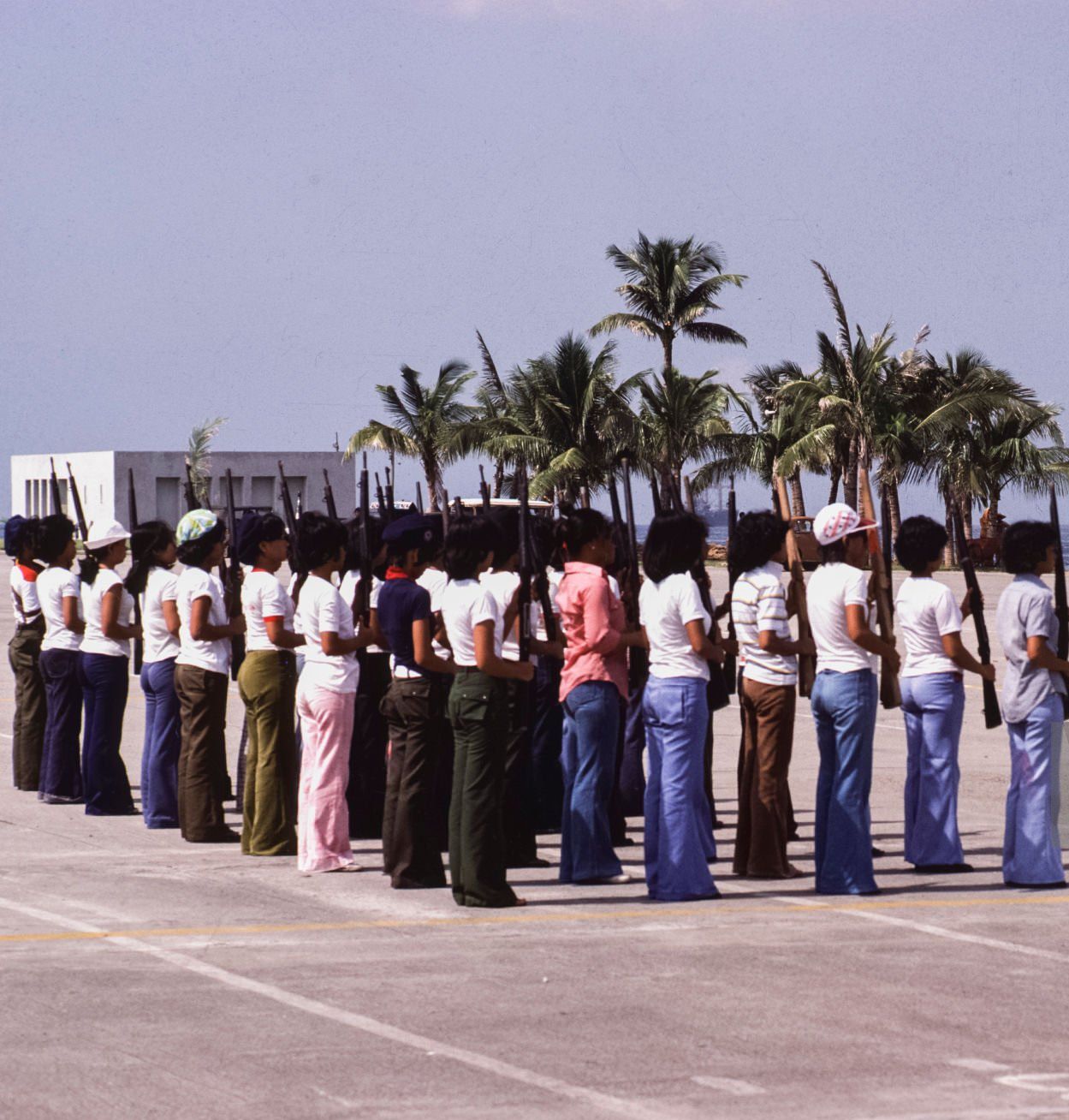
The Cultural Center of the Philippines, photographed in November 1976, was one of the flagship projects of Imelda Marcos, Ferdinand’s wife, who oversaw an ambitious building program in Manila. The center was part of a broader effort to project an image of a cultured, modern Philippines to the outside world — even as underground newspapers and opposition movements continued to resist the regime from within. By 1977, the government organized women’s militia training in Manila, another sign of how deeply militarized Philippine society had become under Martial Law.
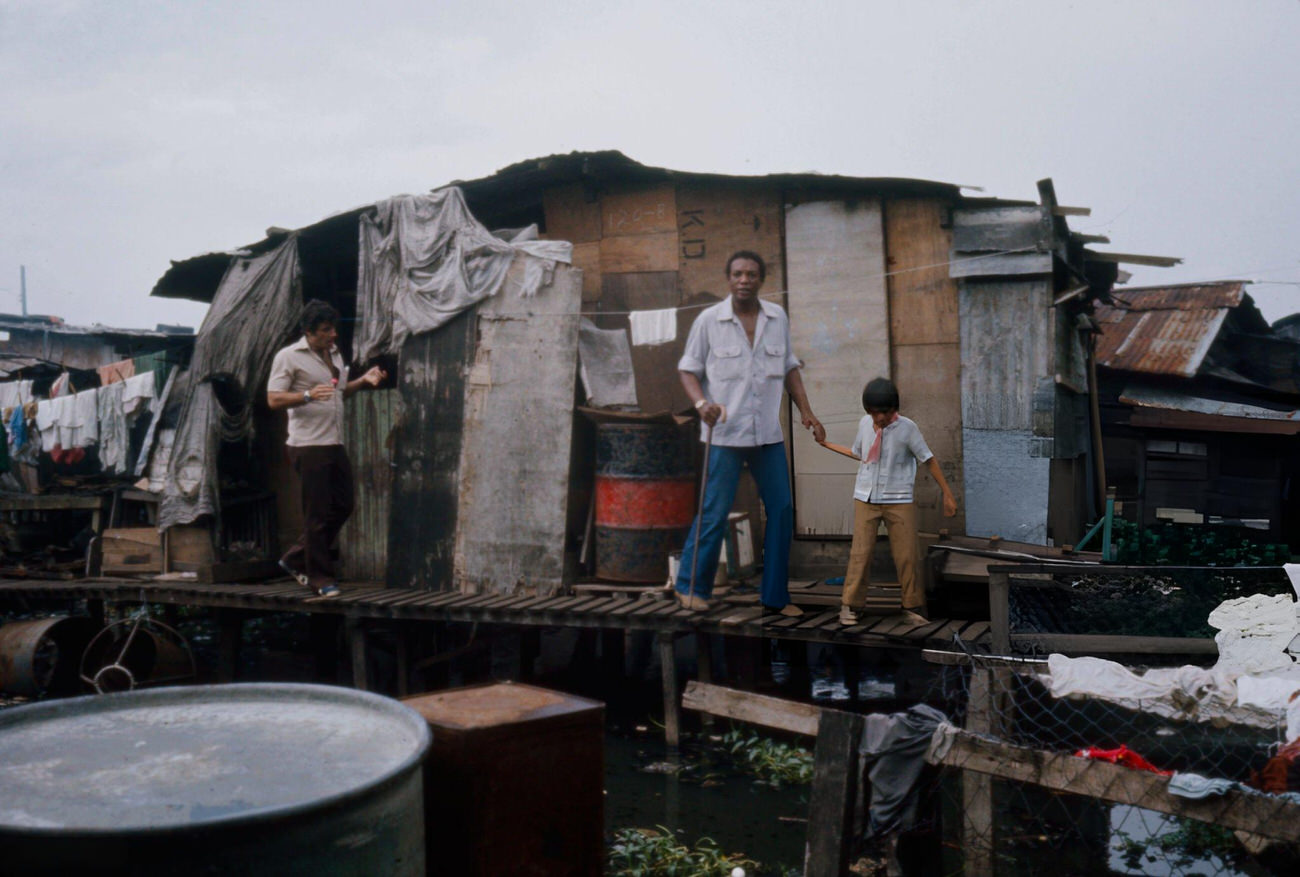
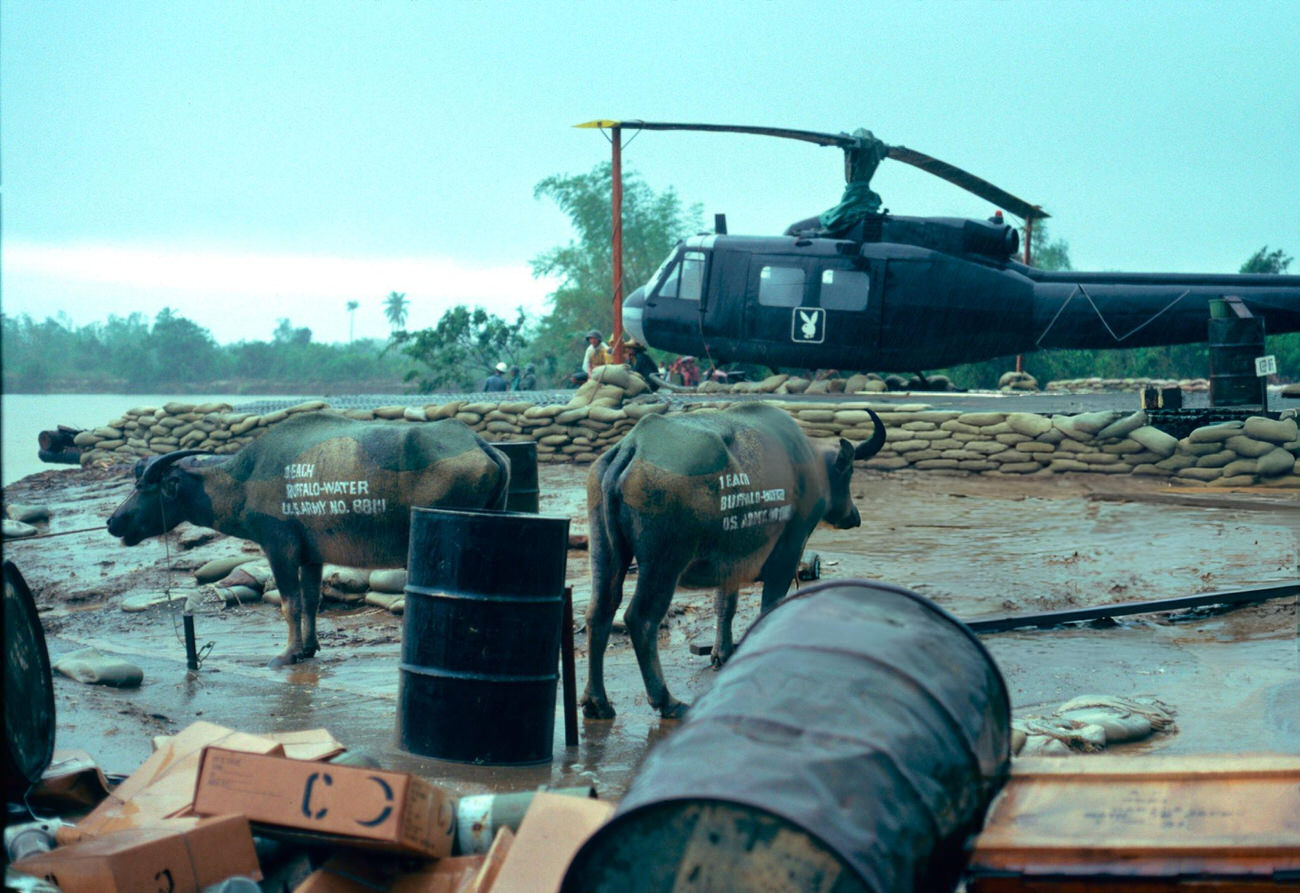
The Philippines also served as a filming location for international productions during this period. The ABC TV movie “Green Eyes” shot on location in 1977, with actors Jonathan Goldsmith and Paul Winfield working alongside Filipino extras. A year later, Francis Ford Coppola chose the Philippines for the production of “Apocalypse Now,” using the country’s jungles, rivers, and military equipment — including a helicopter painted with the Playboy logo — to recreate the look of wartime Vietnam.
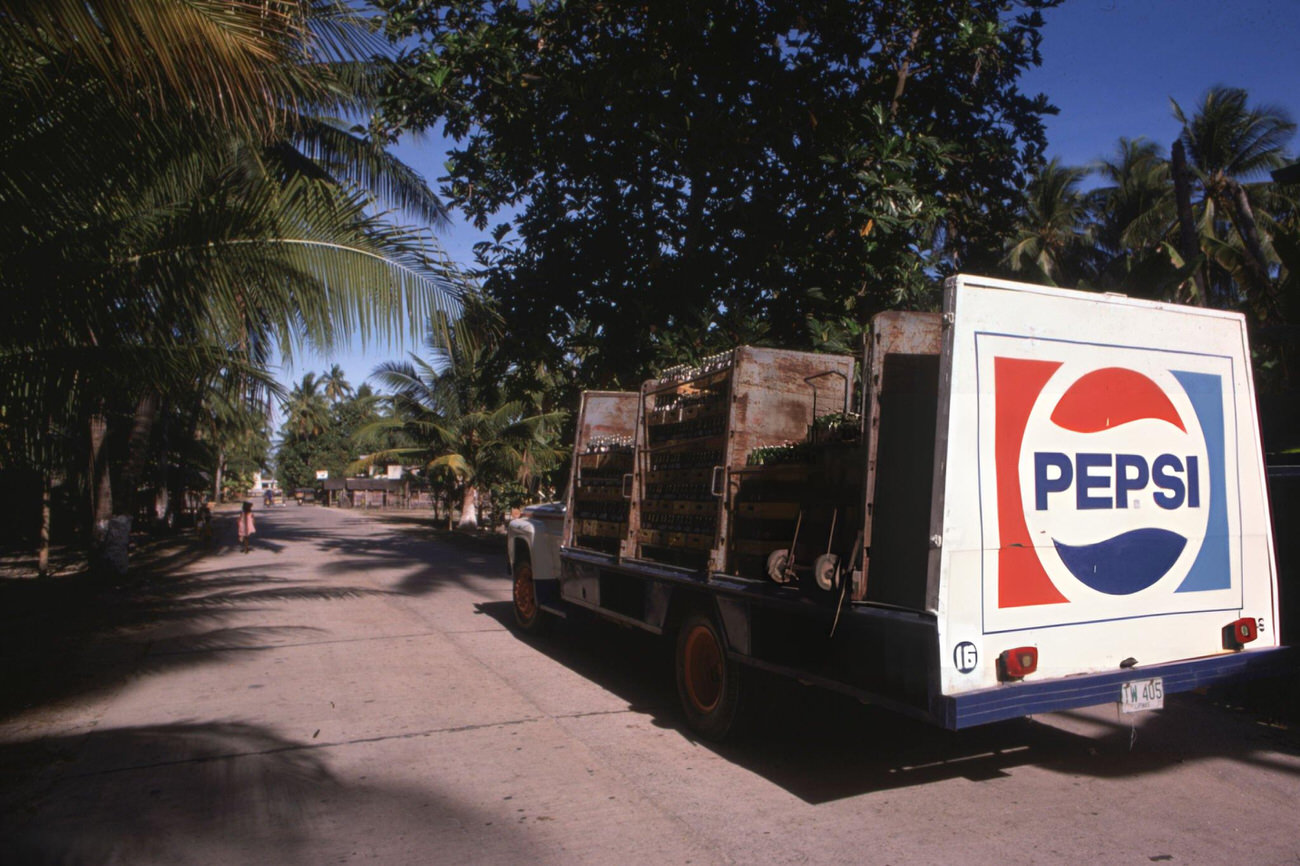
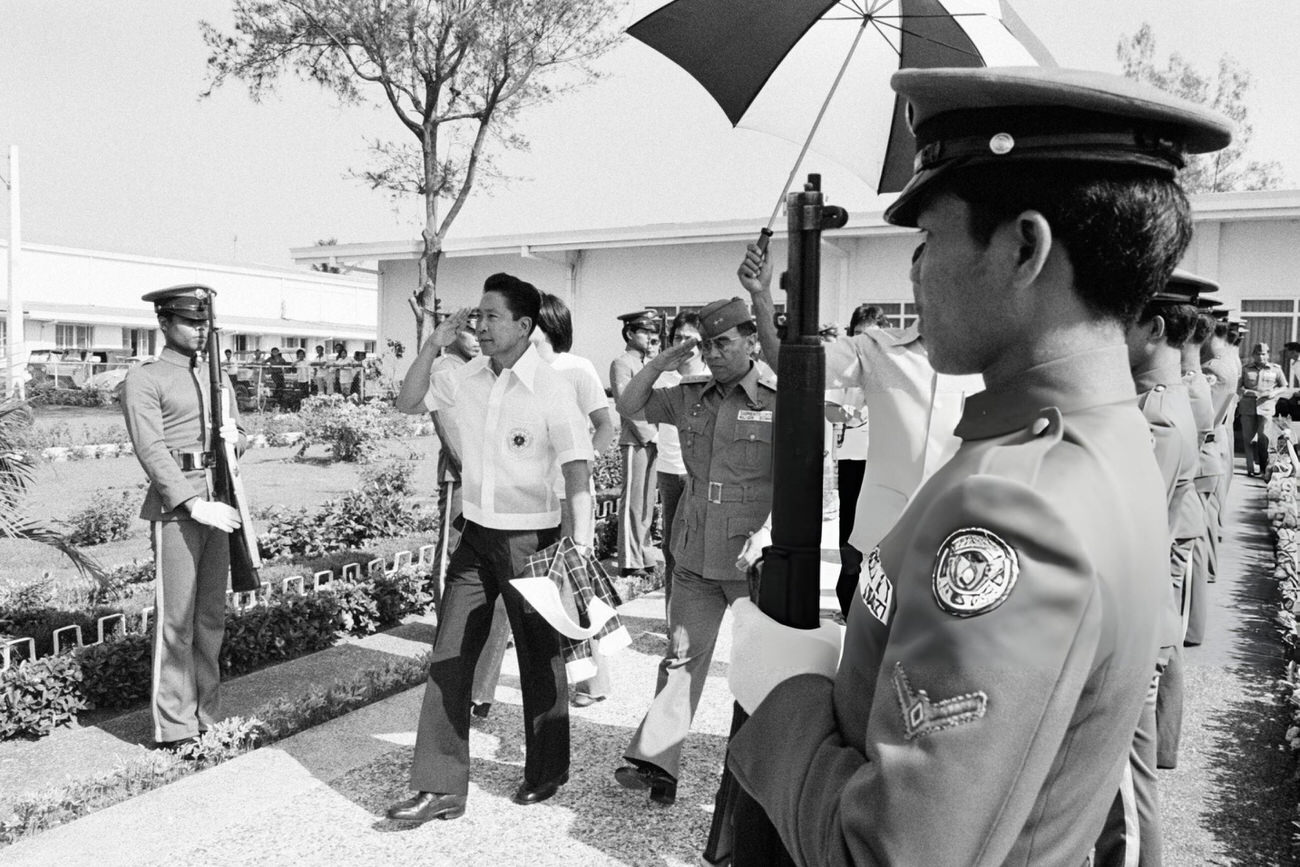
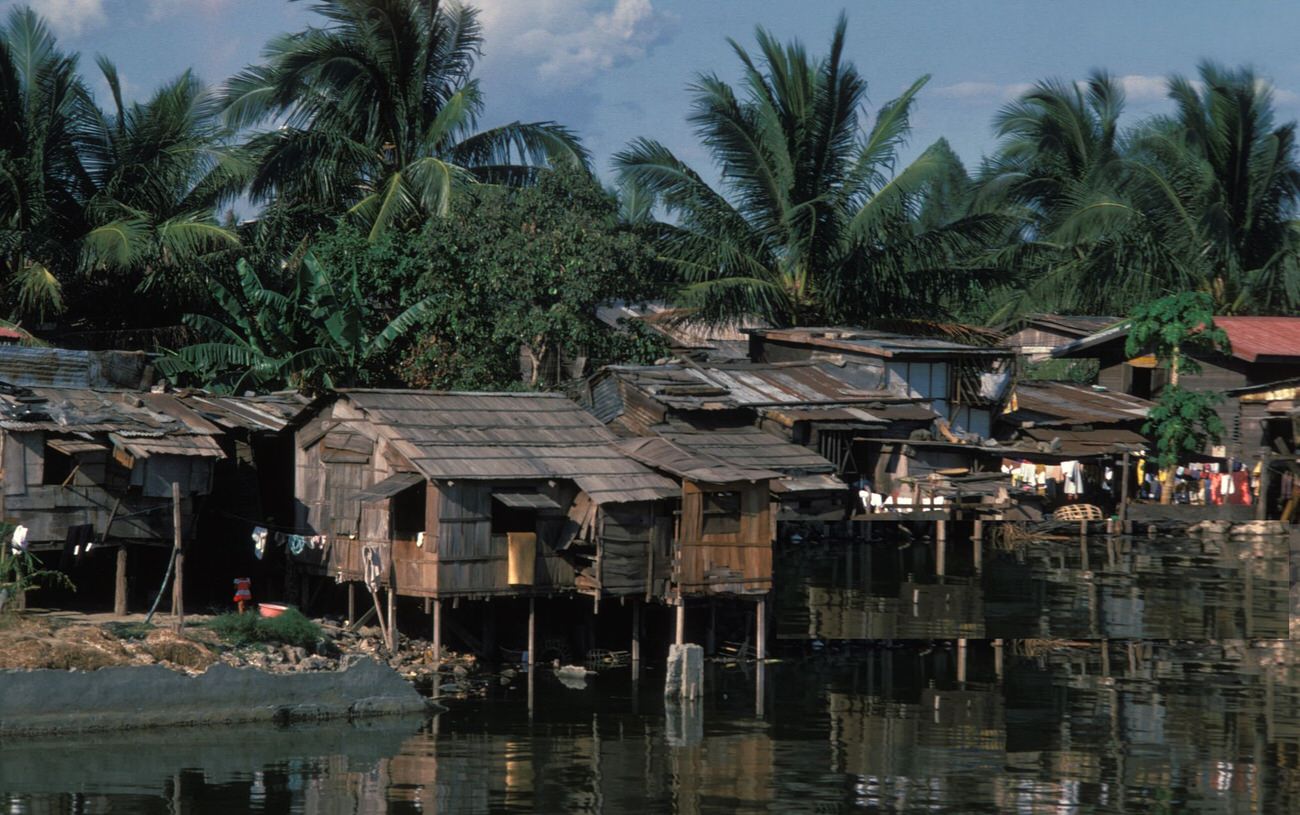
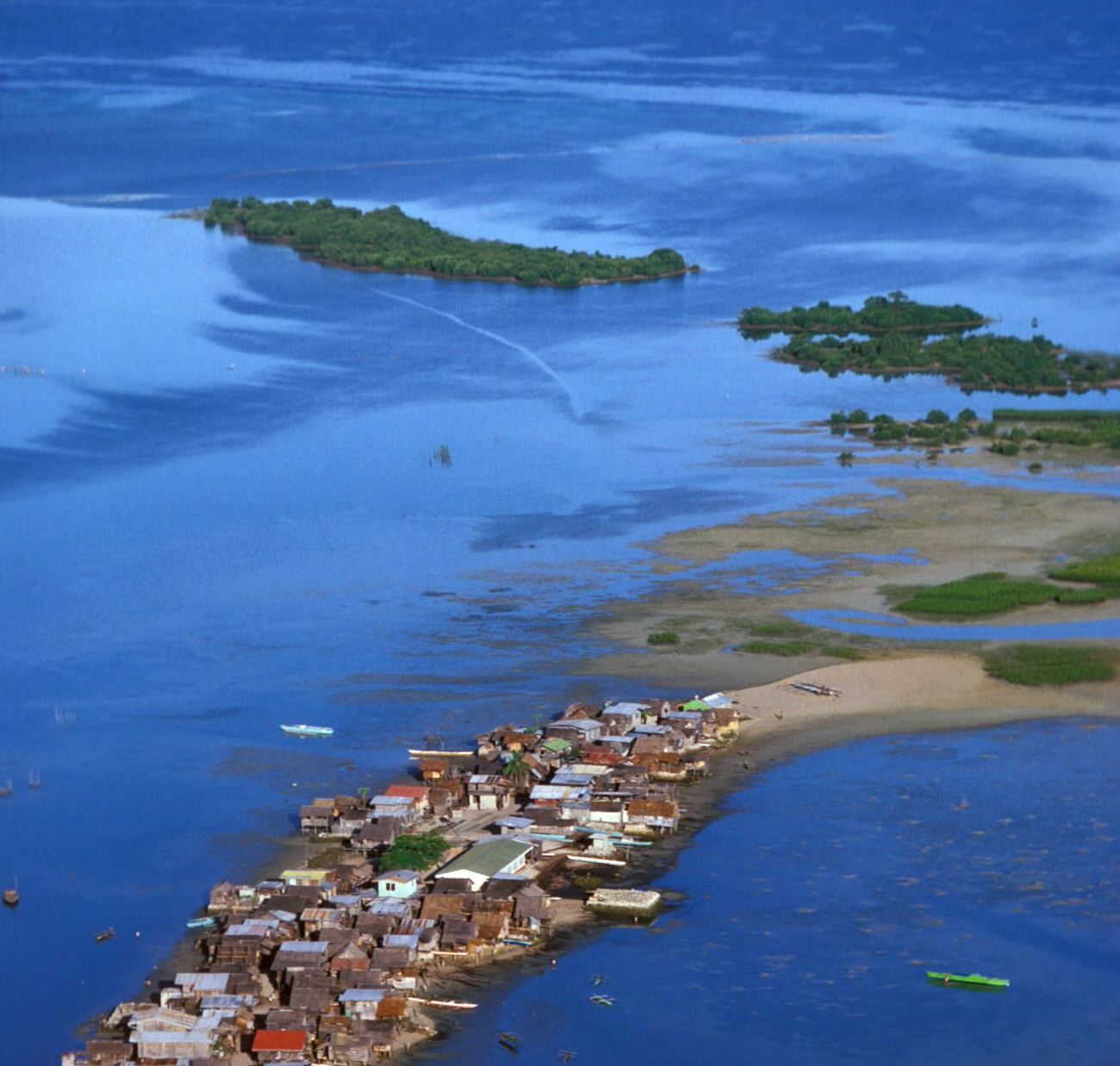
A Pepsi truck rolling through Cebu Island in 1978 and stilt houses reflected over calm water in April of that year show the Philippines as a place where modern commercial life and traditional ways of living existed side by side. Stilt house villages — built over water along coasts and rivers — were common throughout the archipelago, home to fishing communities that had lived this way for centuries. Ferdinand Marcos, meanwhile, voted in a referendum in his hometown of Batac in December 1977, using the referendum system to maintain a veneer of democratic process while governing by decree.
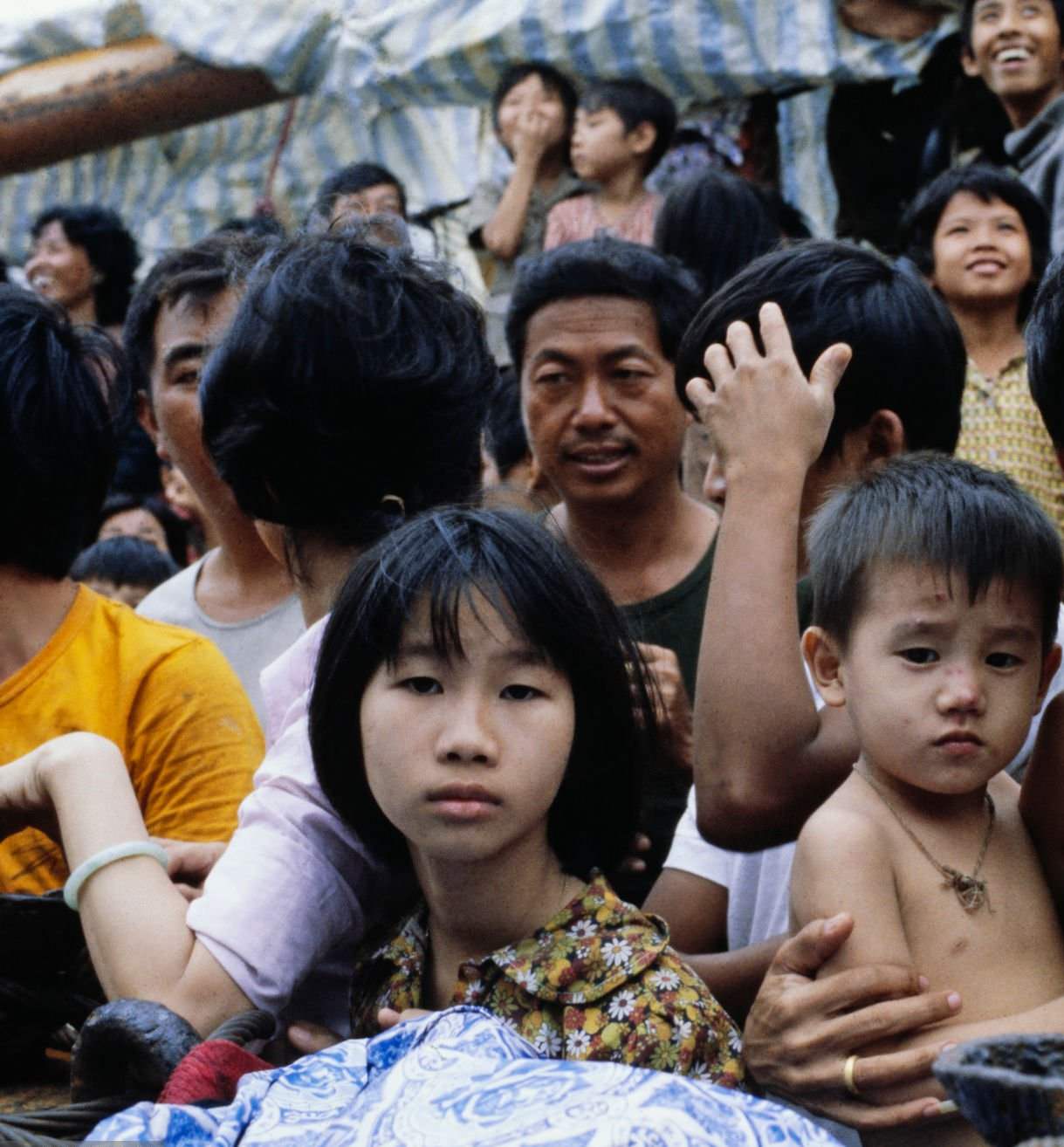
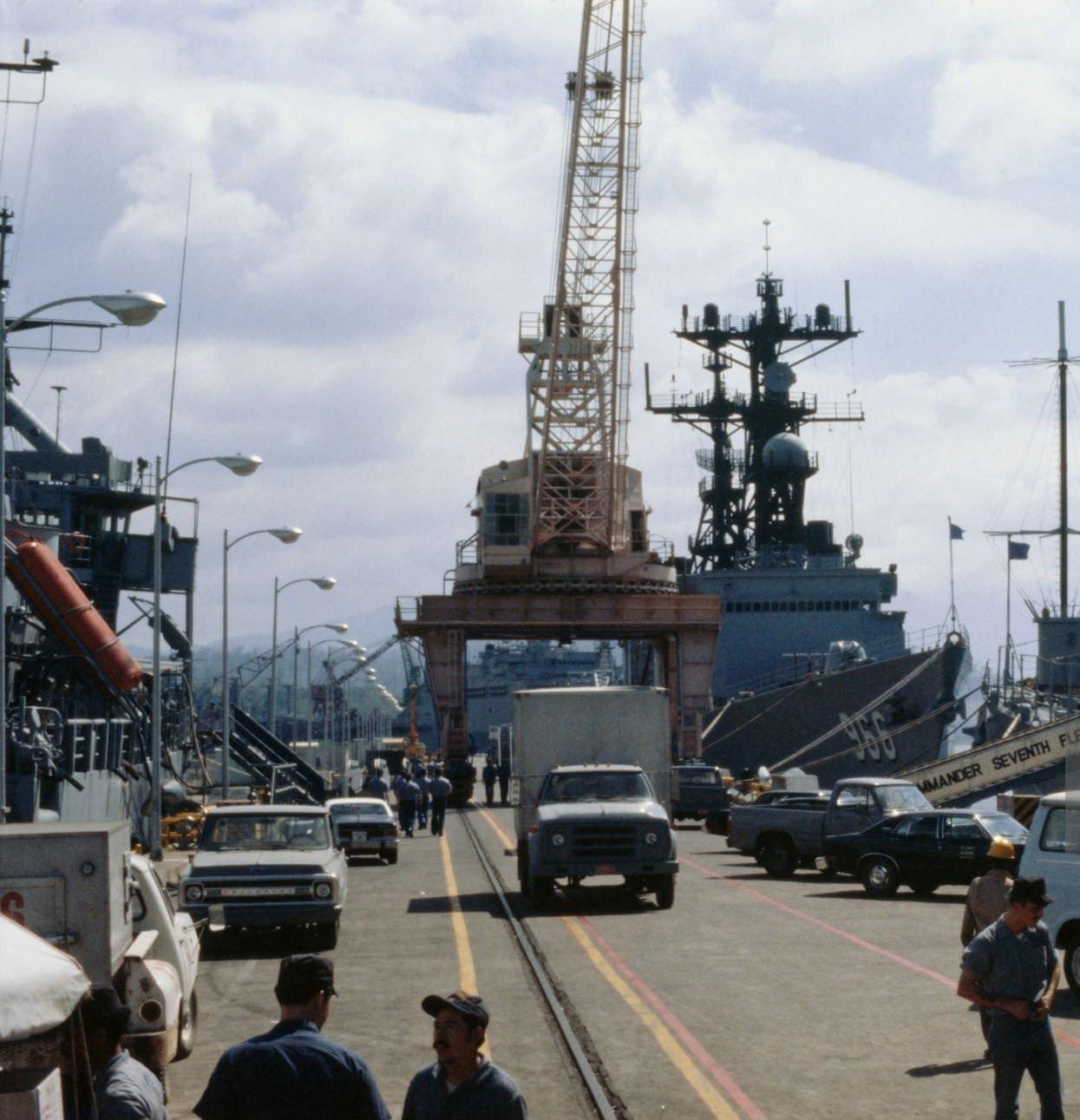
By January 1979, Manila Bay held the ship Tung An, carrying Vietnamese refugees fleeing the chaos that followed the fall of Saigon in 1975. The Philippines became a temporary haven for thousands of these refugees, processing them before resettlement elsewhere. At the same time, the U.S. Naval Ship Repair Facility at Subic Bay remained fully operational, its docks and workshops servicing the American Pacific Fleet — a relationship that defined much of the Philippines’ strategic importance during the Cold War.
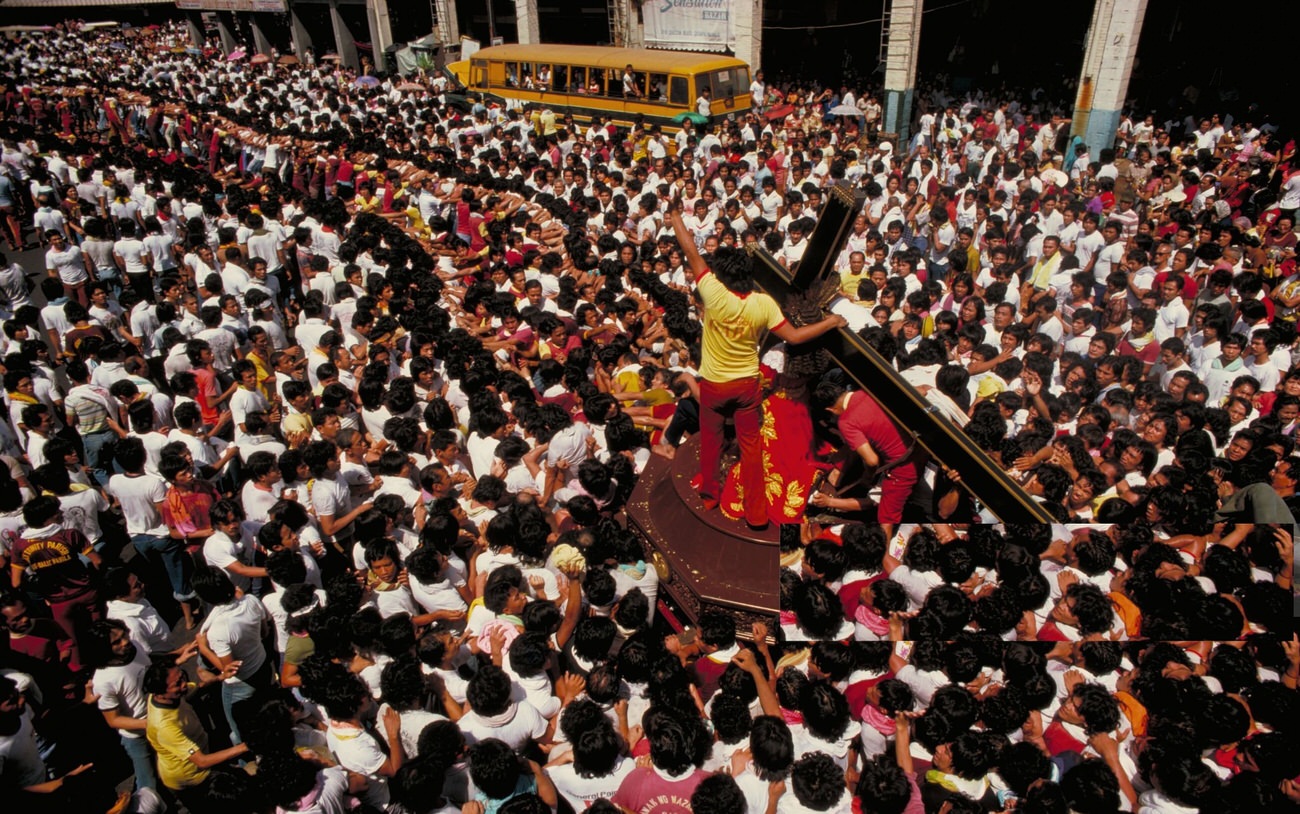
Easter celebrations in Manila in 1978 drew large crowds into the streets, a reminder that religious life remained a powerful anchor for Filipino communities even through political turbulence. The Catholic Church held enormous sway over the population, and religious festivals like Easter were among the few public gatherings that continued openly throughout the Martial Law years. Village life across the archipelago, captured in April 1978, showed a Philippines that extended far beyond the capital’s politics — fishing communities, rural farms, and small towns going about their lives.
By December 1977, the jeepney remained as central to Manila’s streets as ever — a fixture of Filipino identity that no amount of political change had displaced. These modified American military vehicles, covered in chrome decorations and religious imagery, carried millions of Filipinos every day. They were loud, crowded, and essential. In many ways, the jeepney was the perfect symbol for a decade defined by adaptation: a country taking what it had been given by history and making something distinctly its own out of it.