in

Historical Photos of Women Voting Through the Years: A Fight for the Ballot

The struggle for women’s suffrage in the United States formally began in July 1848 at a convention in Seneca Falls, New York. Elizabeth Cady Stanton and Lucretia Mott organized this gathering to discuss the social, civil, and religious rights of women. During this meeting, Stanton drafted the Declaration of Sentiments, which was modeled after the Declaration of Independence. The most controversial part of the document was the demand for the right to vote. Many attendees thought this demand was too radical for the time, but Frederick Douglass, a famous abolitionist, spoke in support of it. He argued that the world would never be just until women participated in making the laws. This convention established the foundation for a movement that lasted for the next seventy-two years.

In the years following the Seneca Falls Convention, activists like Susan B. Anthony joined the cause. Anthony and Stanton formed a partnership that defined the movement for decades. While Stanton was the primary writer and theorist, Anthony was the strategist who traveled across the country to deliver speeches and organize local chapters. They faced intense public ridicule and physical threats. Newspapers often published cartoons that mocked them as unfeminine or dangerous to the traditional family structure. Despite this opposition, they continued to build a network of reformers who believed that true democracy required the participation of all citizens regardless of gender.

Read more..

The Civil War temporarily halted the suffrage movement as activists shifted their focus to the abolition of slavery. Women worked as nurses, spies, and organizers to support the war effort. After the war ended, the passage of the 14th and 15th Amendments created a major rift in the movement. These amendments defined citizens and voters as “male” for the first time in the Constitution. The movement split into two main organizations in 1869. The National Woman Suffrage Association, led by Stanton and Anthony, refused to support the 15th Amendment because it did not include women. They focused on a federal amendment to the Constitution. The American Woman Suffrage Association, led by Lucy Stone and Julia Ward Howe, supported the 15th Amendment and argued that winning the vote for Black men was a necessary step toward universal suffrage. They focused on a state-by-state strategy.

The legal battle for the vote reached the Supreme Court in the 1870s. In 1872, Susan B. Anthony and several other women were arrested for attempting to vote in the presidential election in Rochester, New York. Anthony was found guilty and ordered to pay a one-hundred-dollar fine, which she refused to pay. Another activist, Virginia Minor, sued a registrar in Missouri who refused to let her register to vote. Her case, Minor v. Happersett, went to the Supreme Court in 1875. The court ruled that while women were citizens, the Constitution did not grant them the right to vote. This ruling made it clear that women would have to win the vote through legislative changes at either the state or federal level.

Progress began in the Western territories where the social structure was less rigid than in the East. In 1869, the territory of Wyoming granted women the right to vote. Utah followed in 1870, though the right was briefly taken away by the federal government before being restored when Utah became a state. These Western states realized that granting women the vote helped attract female settlers to the region. By the turn of the century, Colorado and Idaho had also enfranchised women. These early successes proved that allowing women to vote did not lead to the social collapse that many opponents predicted. The Western states served as a testing ground for the national movement.

In 1890, the two rival suffrage organizations merged to form the National American Woman Suffrage Association (NAWSA). Elizabeth Cady Stanton served as the first president, followed by Susan B. Anthony. The movement entered a more professional phase as a new generation of leaders took over. Carrie Chapman Catt emerged as a key figure during this time. She developed what she called the “Winning Plan,” which coordinated the efforts of state and local branches toward a single goal. She recognized that the movement needed to lobby politicians directly and build a massive base of support among middle-class women. Under her leadership, the organization grew to have millions of members.

The early 20th century saw the rise of more radical tactics. Alice Paul and Lucy Burns, who had studied with militant suffragettes in England, returned to the United States with new ideas. They formed the Congressional Union, which later became the National Woman’s Party. In 1913, they organized a massive suffrage parade in Washington, D.C., on the day before President Woodrow Wilson’s inauguration. Over five thousand women marched down Pennsylvania Avenue, where they were met by angry mobs. The police failed to protect the marchers, and many women were injured. This event brought national attention to the cause and forced the President to address the issue of women’s rights.

Starting in 1917, the National Woman’s Party began picketing the White House. These women, known as the “Silent Sentinels,” stood at the gates every day with banners that asked, “Mr. President, how long must women wait for liberty?” When the United States entered World War I, the picketers continued their protests. Many people viewed this as unpatriotic, and the police began arresting the women for “obstructing traffic.” The protesters were sent to the Occoquan Workhouse, where they were subjected to brutal conditions. To protest their treatment, Alice Paul and others went on hunger strikes. The prison guards responded by force-feeding them through tubes. When the public learned of this mistreatment, it created a wave of sympathy for the movement.
Black women played a vital role in the struggle, even though they often faced discrimination within the suffrage organizations. Ida B. Wells-Barnett, a famous journalist and anti-lynching activist, founded the Alpha Suffrage Club in Chicago. She insisted on marching with the Illinois delegation during the 1913 parade, even when white leaders told her to walk at the back. Mary Church Terrell, the first president of the National Association of Colored Women, worked to ensure that the movement addressed the specific needs of Black women. These activists recognized that the right to vote was essential for protecting their communities from violence and legal injustice.

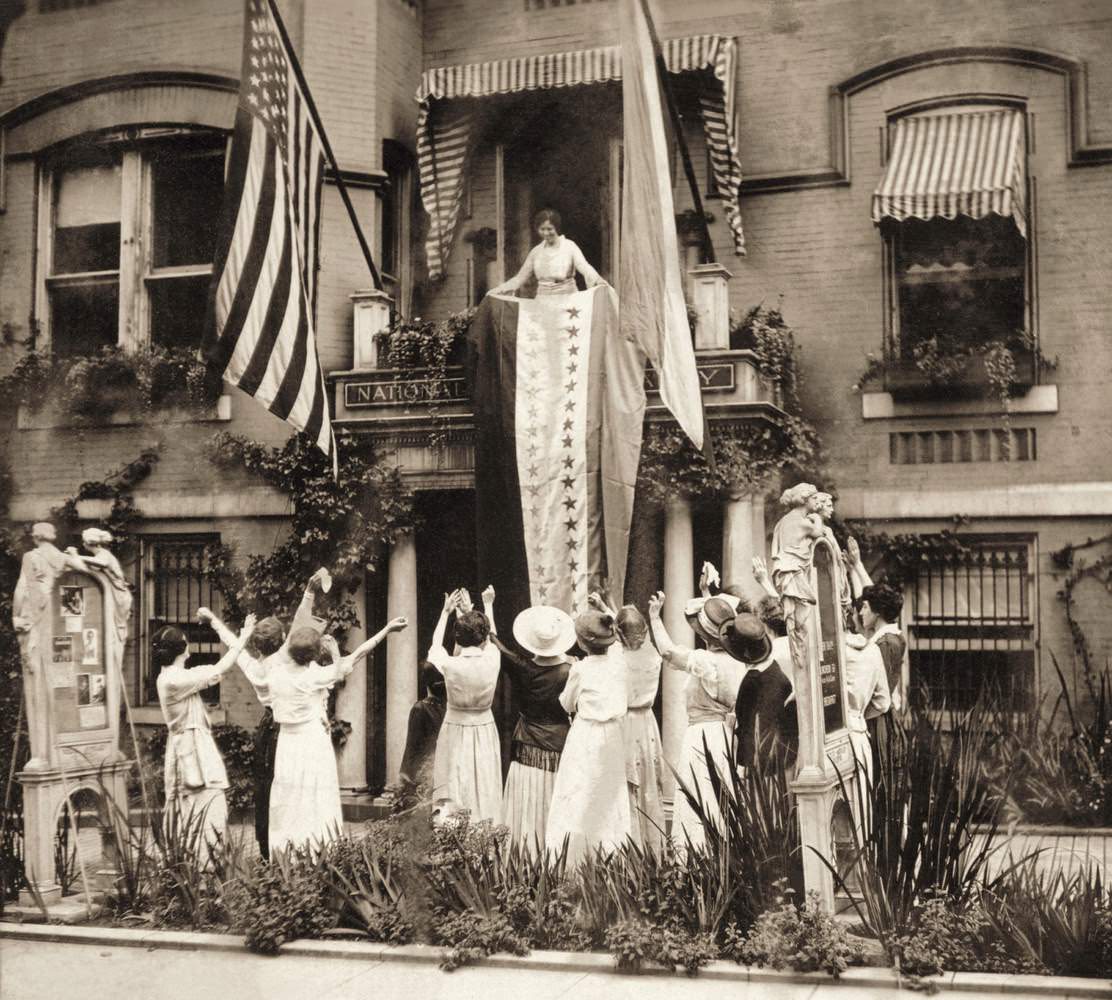
By 1919, the pressure on the government reached a breaking point. President Woodrow Wilson finally announced his support for a federal amendment as a “war measure.” He acknowledged that women’s contributions to the war effort had earned them the right to participate in the government. The House of Representatives passed the amendment in May 1919, and the Senate followed in June. The 19th Amendment then went to the states for ratification. It required thirty-six states to approve it to become law.

The final battle took place in Tennessee in August 1920. The state legislature was evenly divided between the “Suffs,” who wore yellow roses, and the “Antis,” who wore red roses. On the day of the vote, a young representative named Harry Burn wore a red rose. However, he had a letter in his pocket from his mother, Phoebe Ensminger Burn. In the letter, she told him to “be a good boy” and vote for suffrage. When his name was called, Harry Burn voted “aye.” His single vote broke the tie and ratified the amendment. On August 26, 1920, the 19th Amendment was officially added to the United States Constitution. This victory ended the seventy-two-year campaign and gave twenty-six million American women the right to vote.

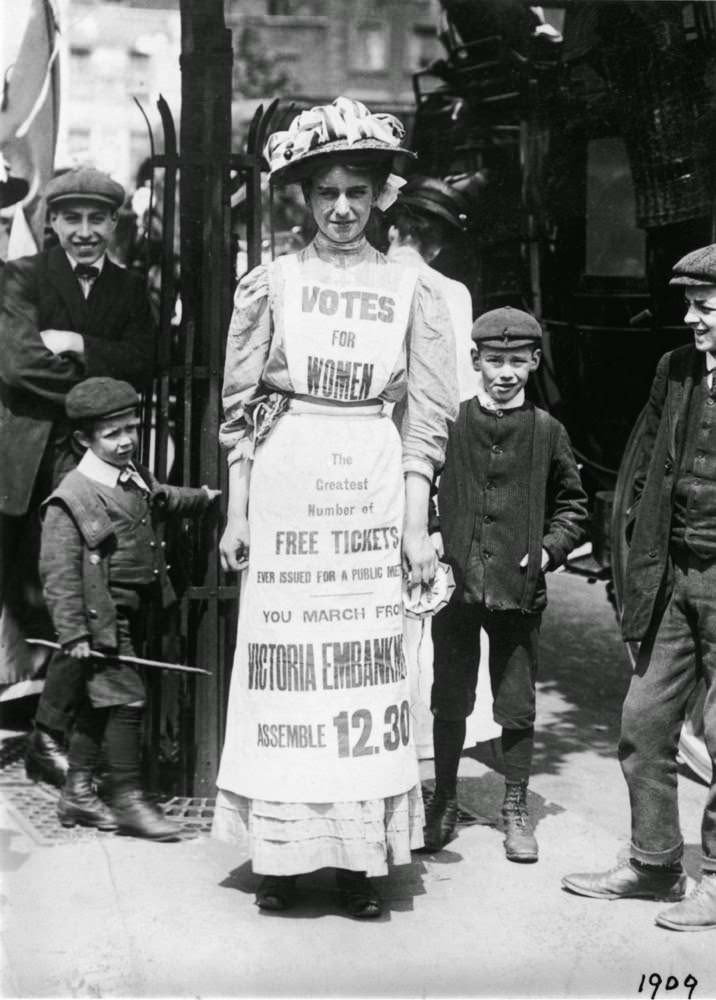
#2 Emmeline Pankhurst advertising a march for women’s suffrage, 1909

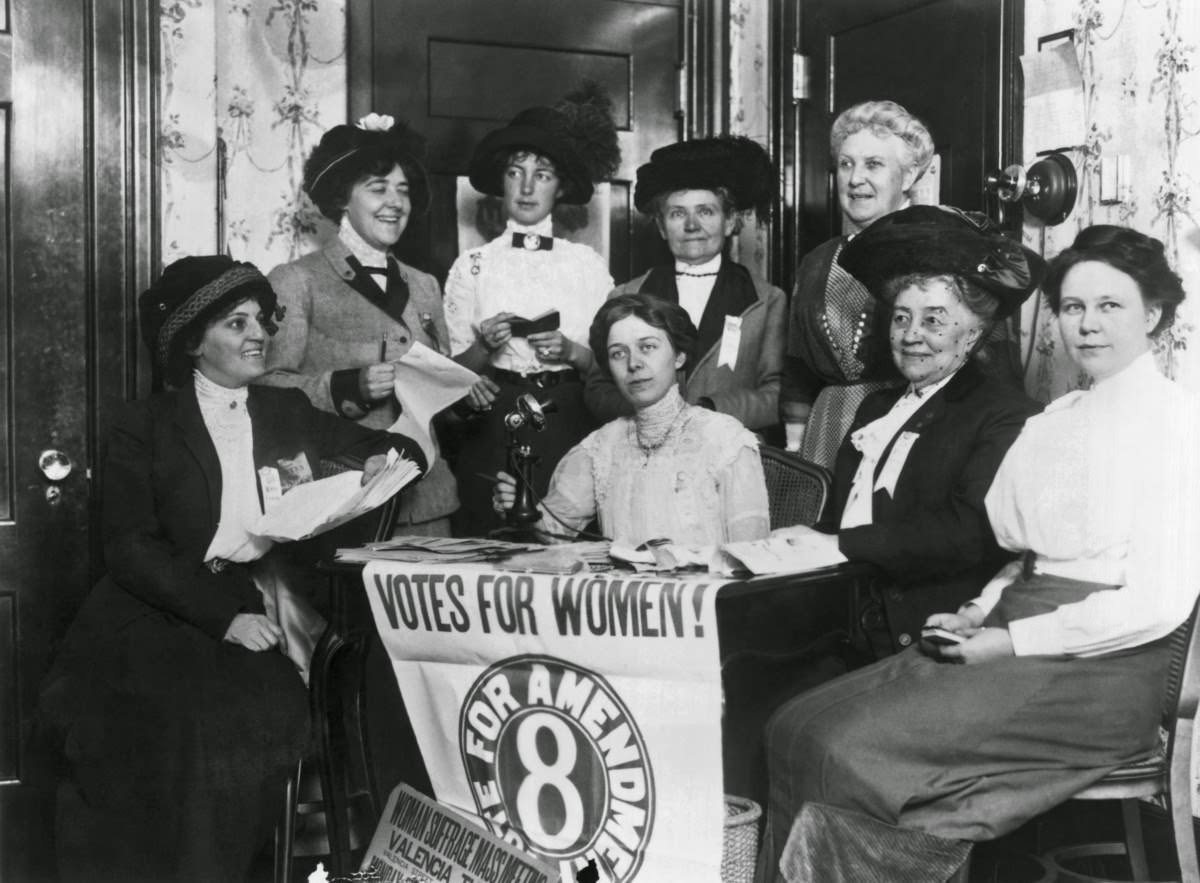
#3 Women assembling in San Francisco to secure passage of a California state amendment for women’s suffrage.

#5 Alice Paul leading a celebration of Tennessee’s ratification of the 19th Amendment.

Alice Paul leading a celebration of Tennessee's ratification of the 19th Amendment.

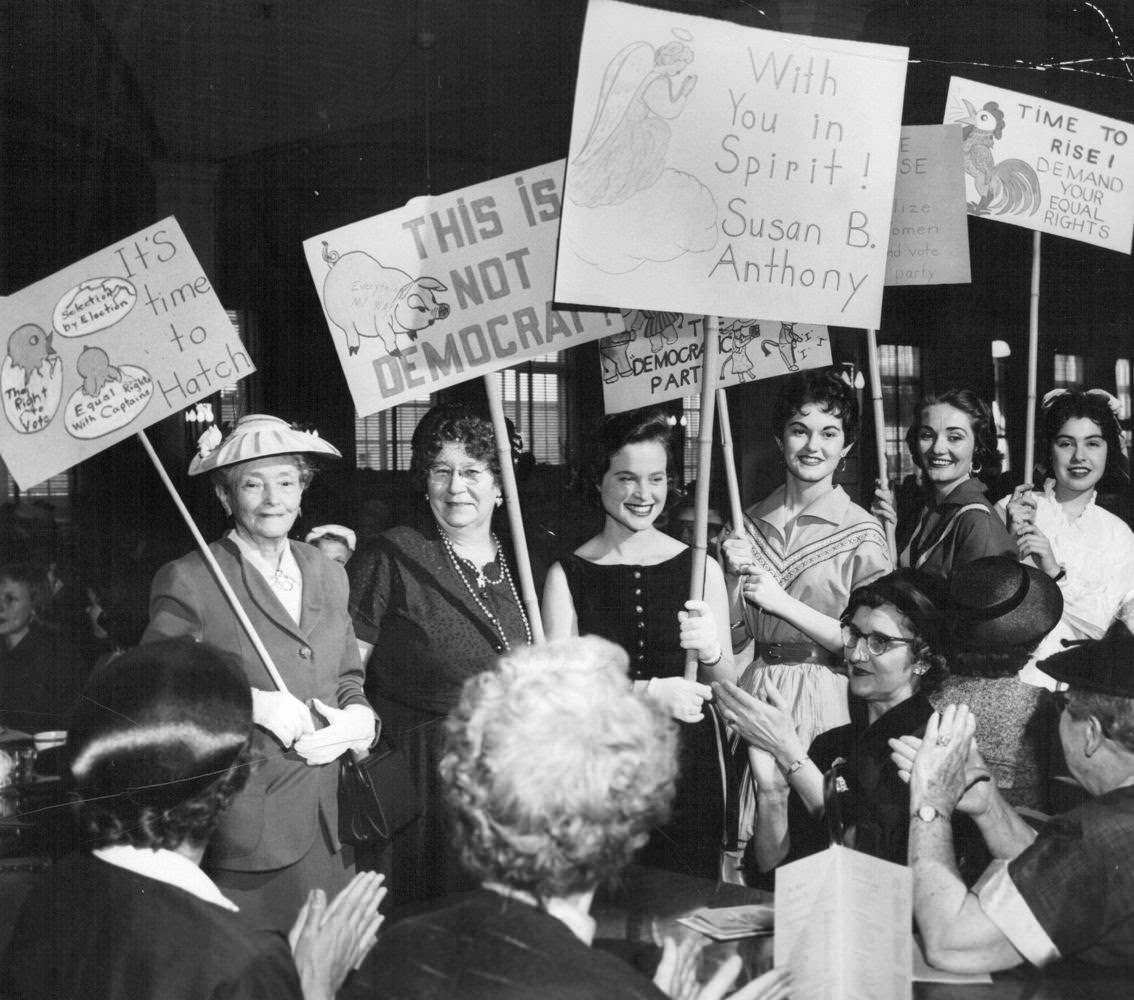
#7 Colorado women protesting local political groups that did not allow women to vote on committee issues, 1957

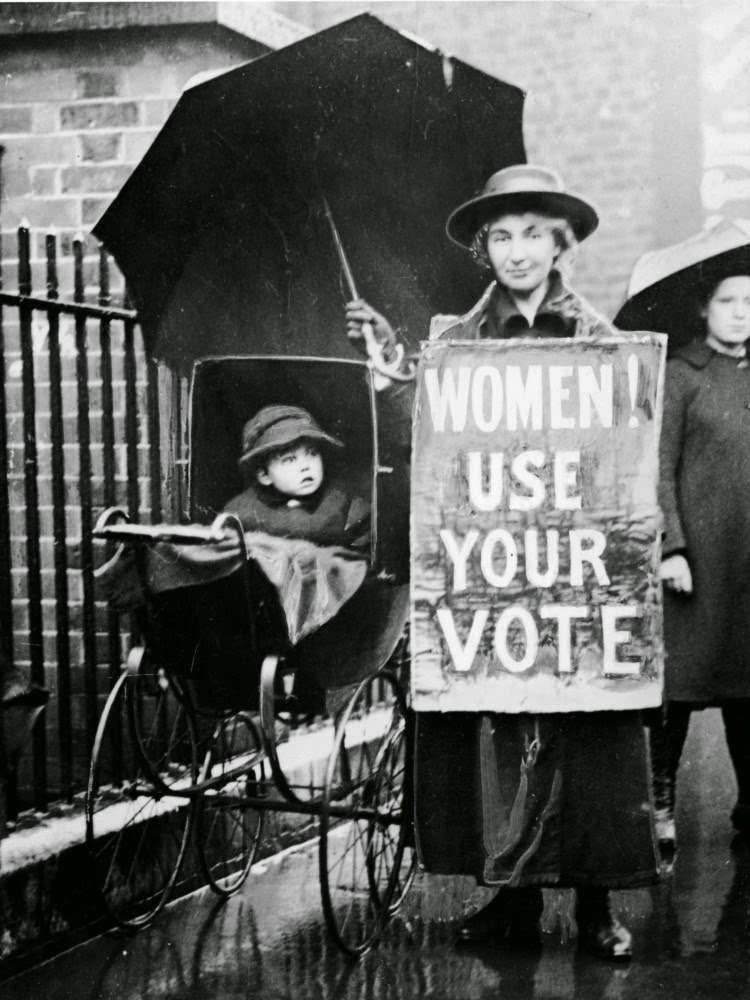
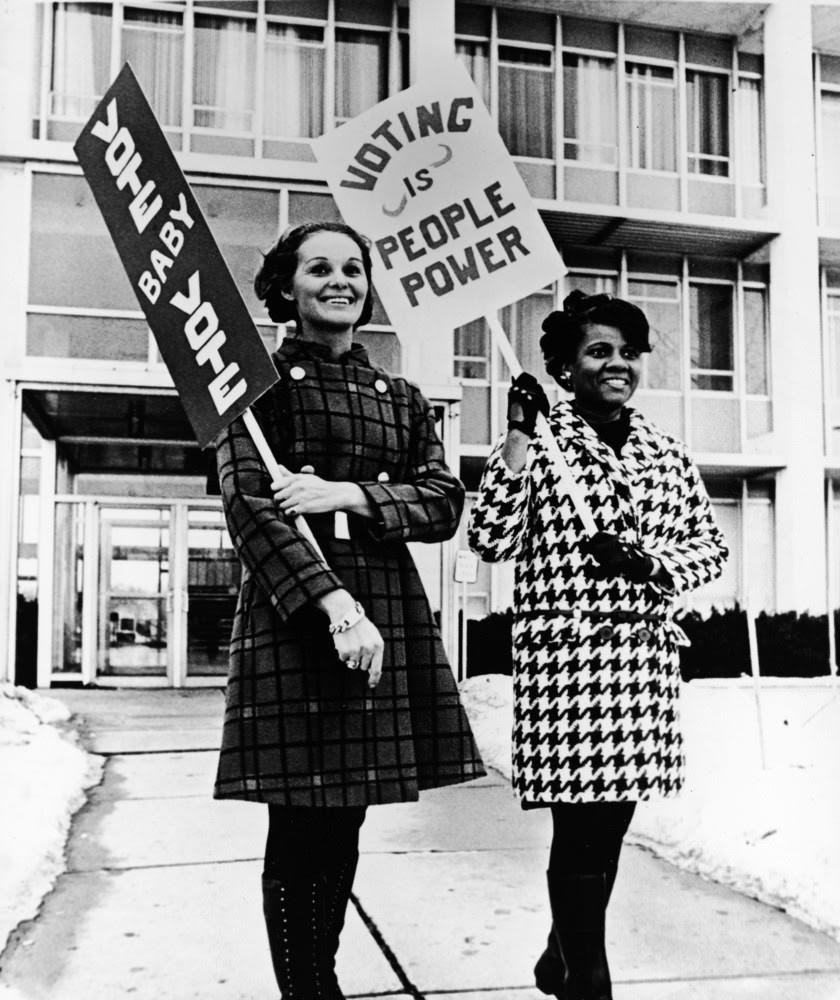
#10 Vote baby vote.

Vote baby vote.

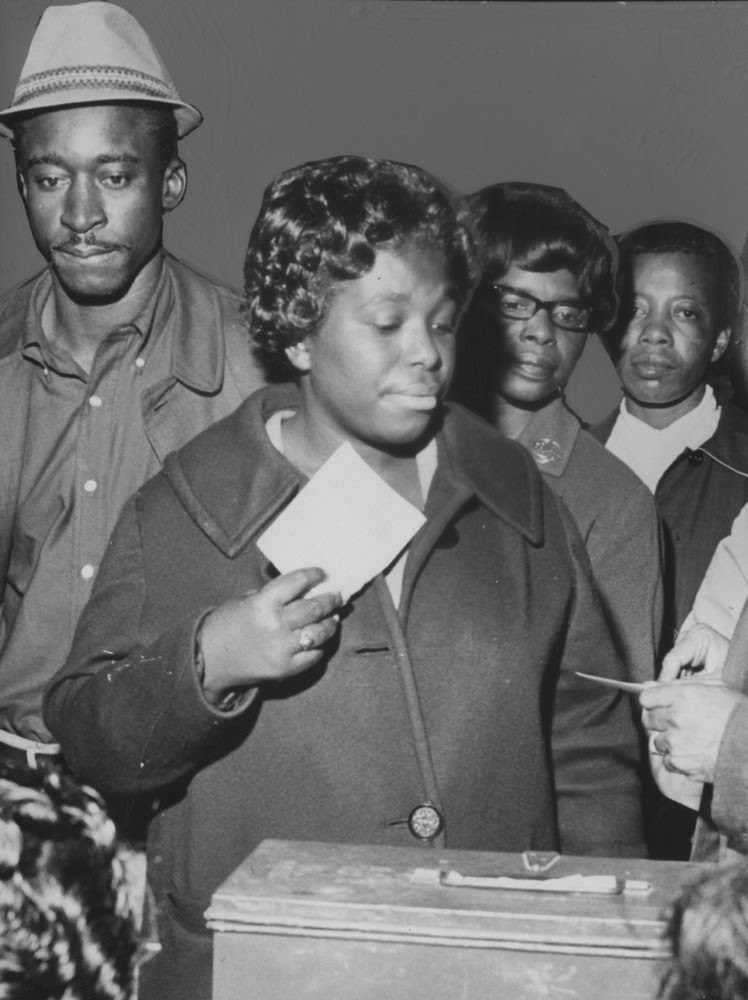
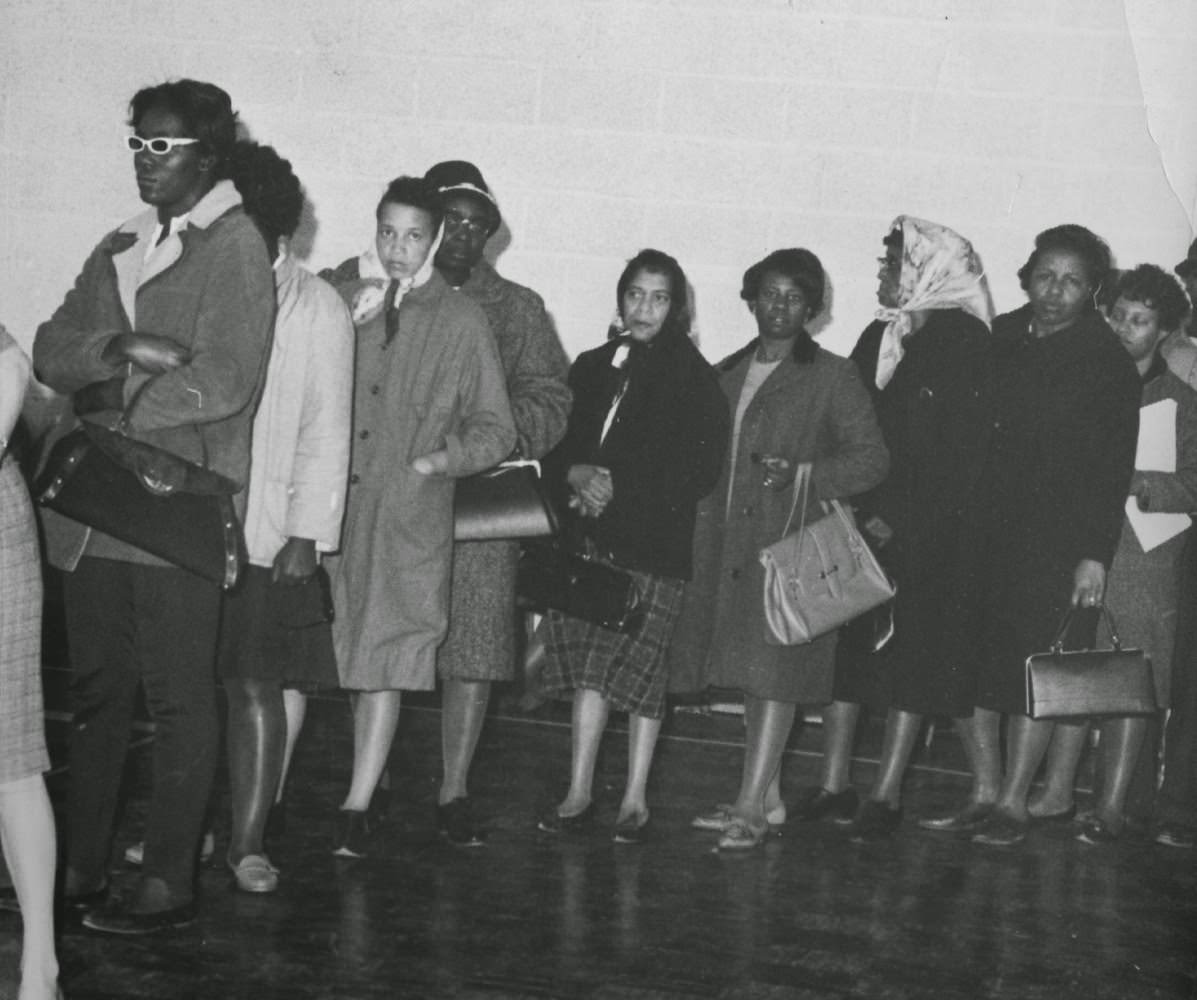
#11 Women lining up in Baltimore to vote in the general election, 1964

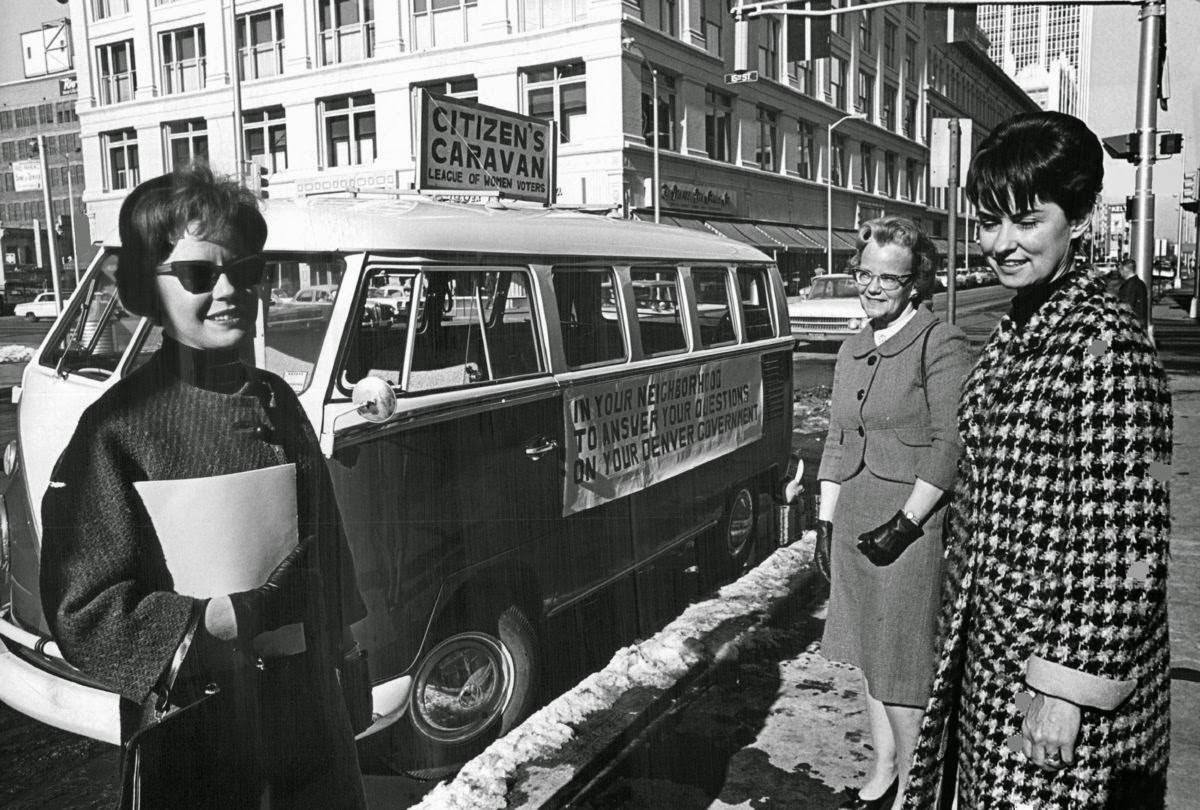
#12 Women Voters League officials offering rides to voters, 1965

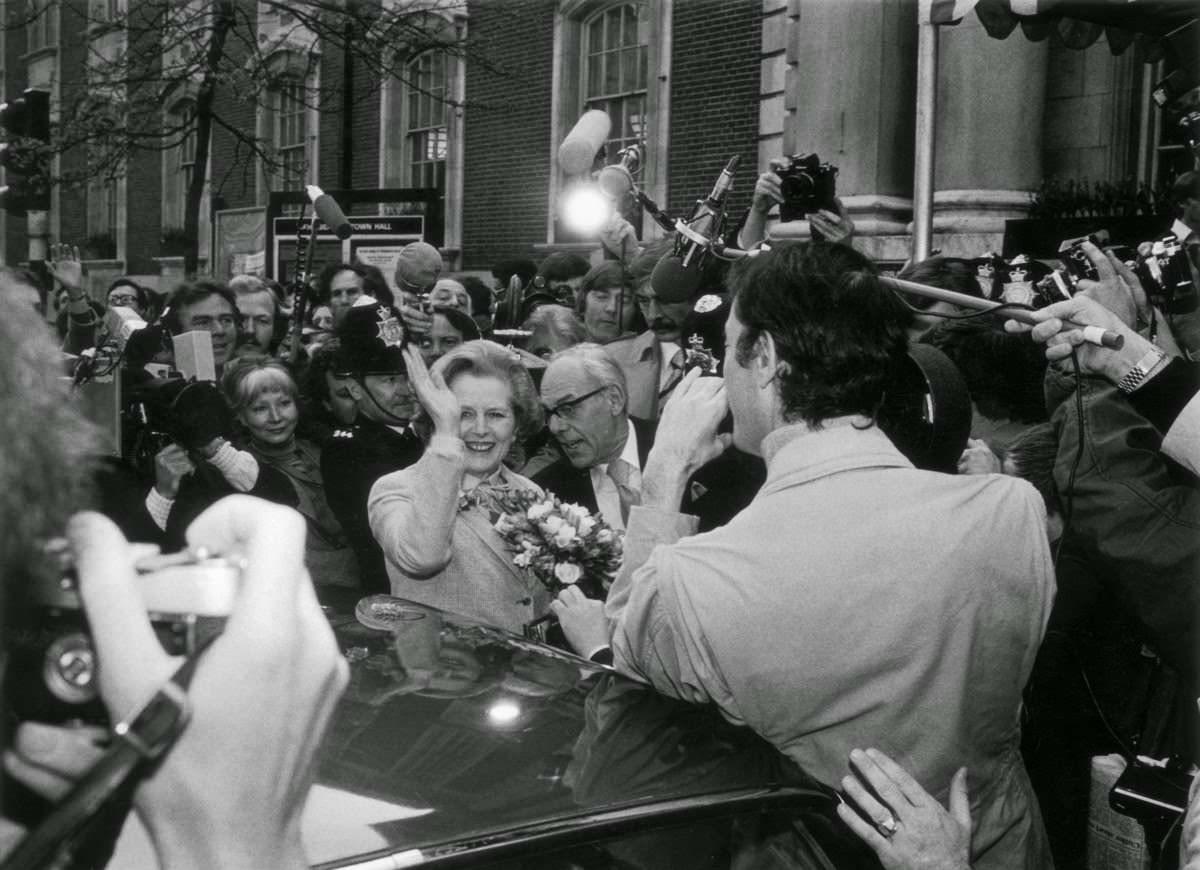
#15 Margaret Thatcher arriving to cast her vote in the general election, 1979

Margaret Thatcher arriving to cast her vote in the general election, 1979

Enjoyed this post? Get new ones in your inbox.
Avatar of Heather Brown

Written by Heather Brown

Heather Brown is a writer and historian with a passion for all things vintage. She shares her knowledge of the past through her blog, with a particular focus on historical photos and the stories they tell.

Leave a Reply

Your email address will not be published. Required fields are marked *