in

Rare Photos of Woodrow Wilson at the Paris Peace Conference, 1919

In December 1918, President Woodrow Wilson became the first sitting United States president to travel to Europe while in office. He boarded the USS George Washington to sail across the Atlantic Ocean toward France. The voyage lasted nine days. Wilson spent much of his time on the ship reviewing maps and documents prepared by a team of experts known as “The Inquiry.” This group included historians, geographers, and economists who were hired to help him plan the future of Europe. Wilson believed that he could use his influence to create a new world order based on justice rather than military power.

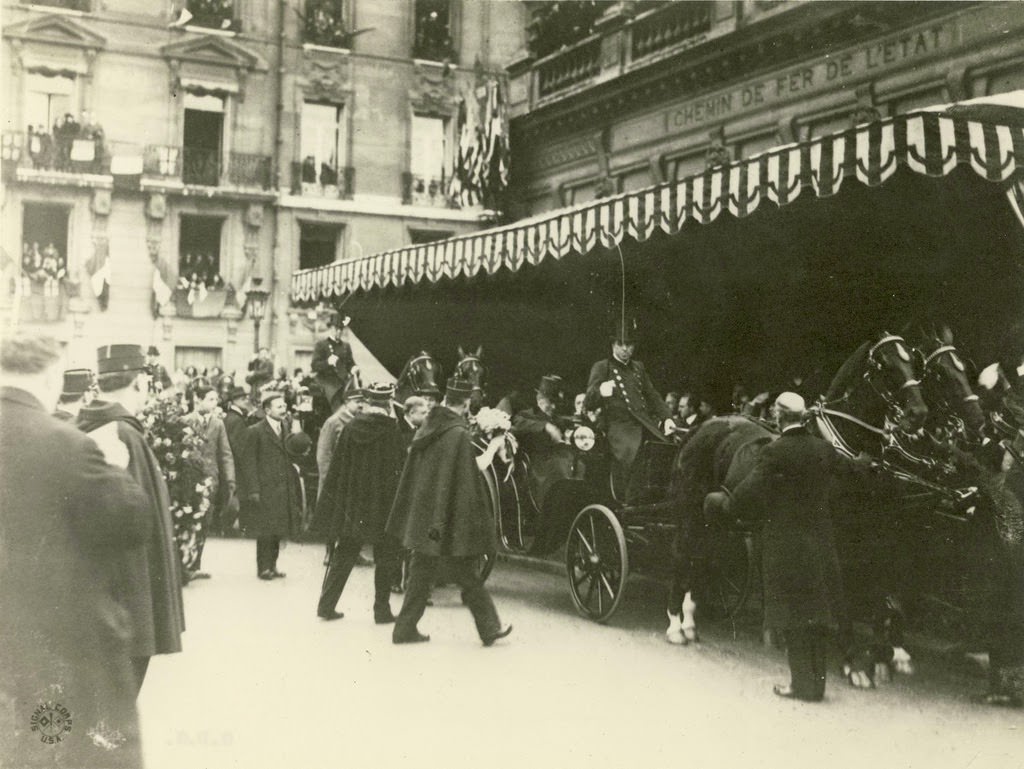
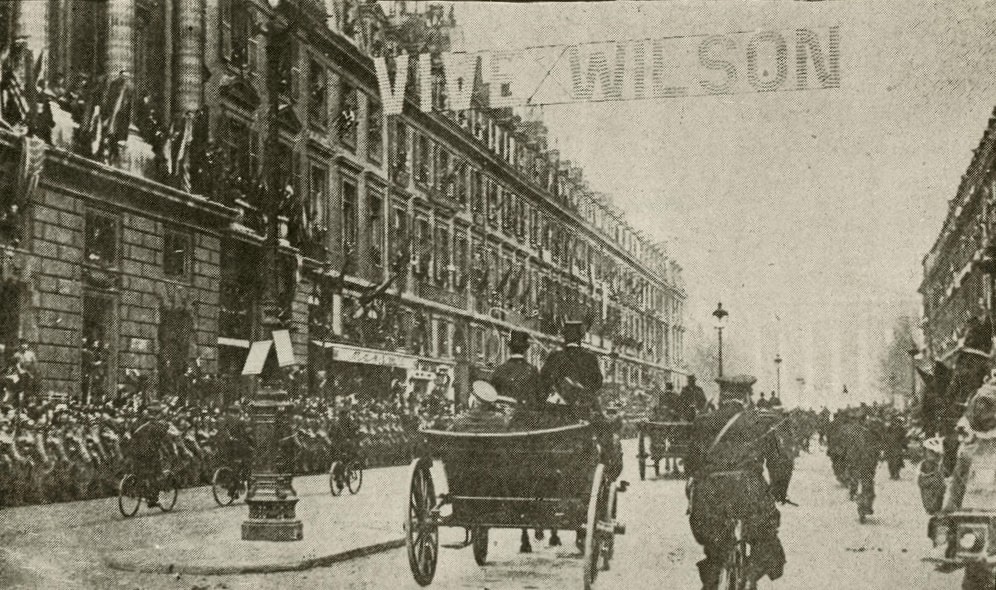
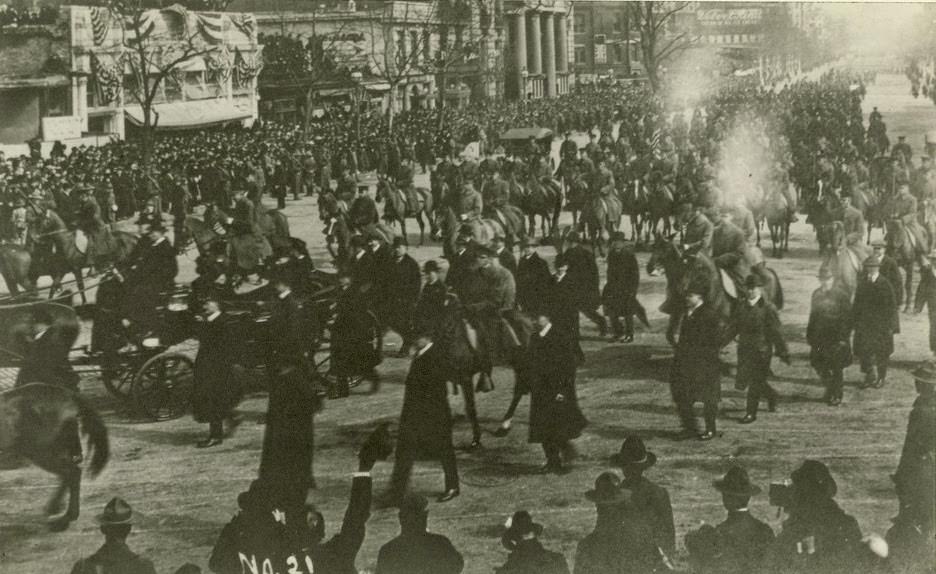
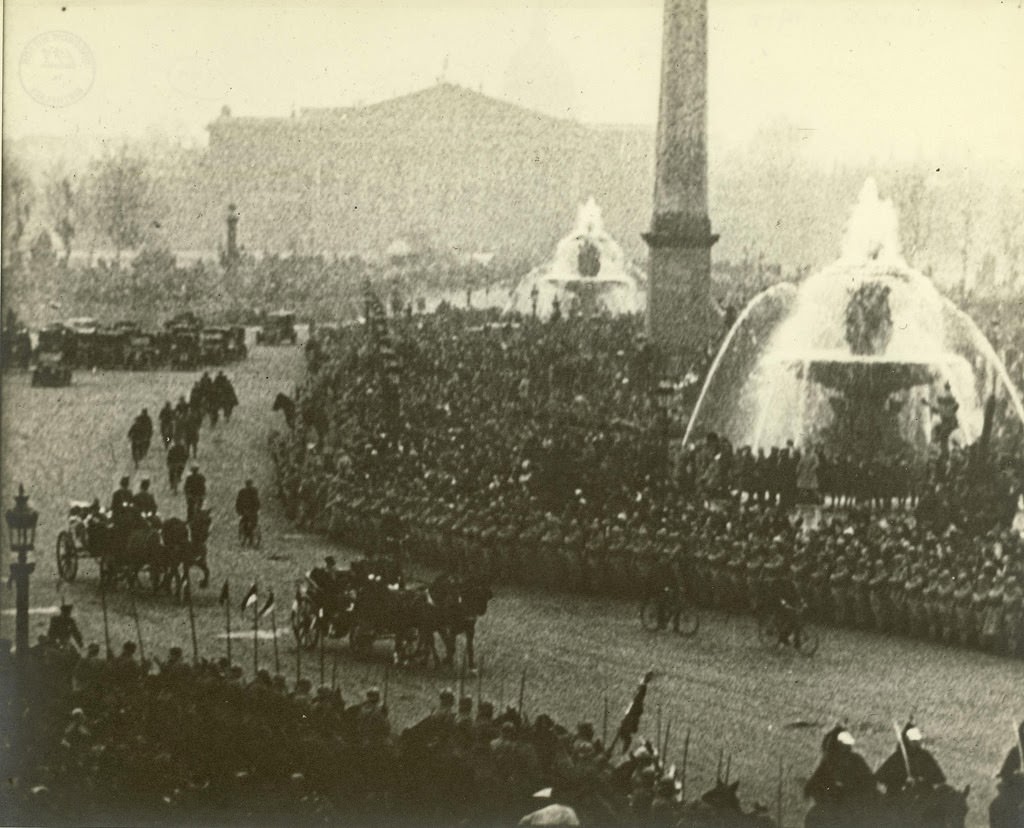
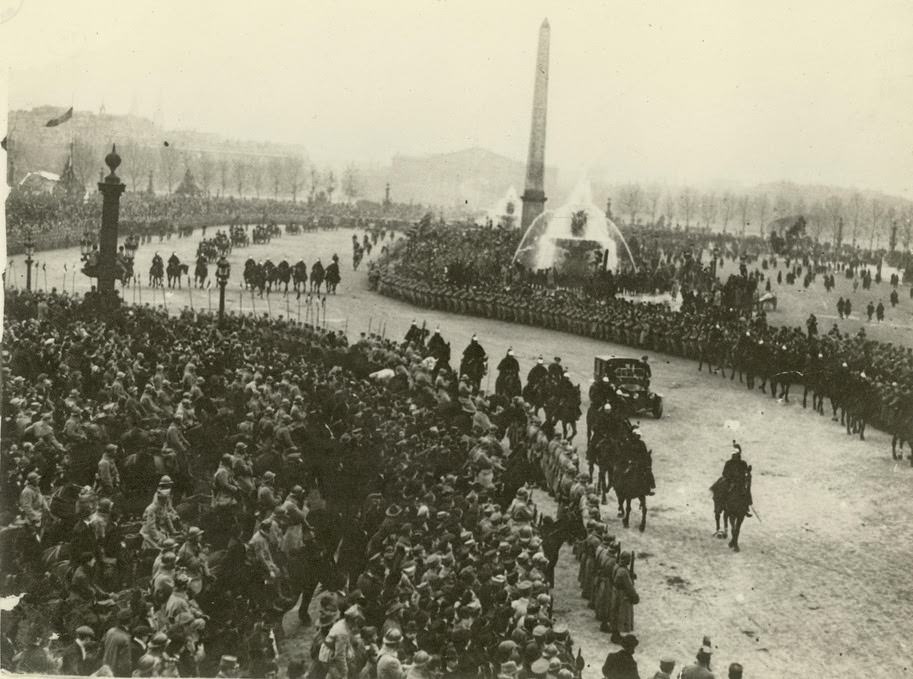
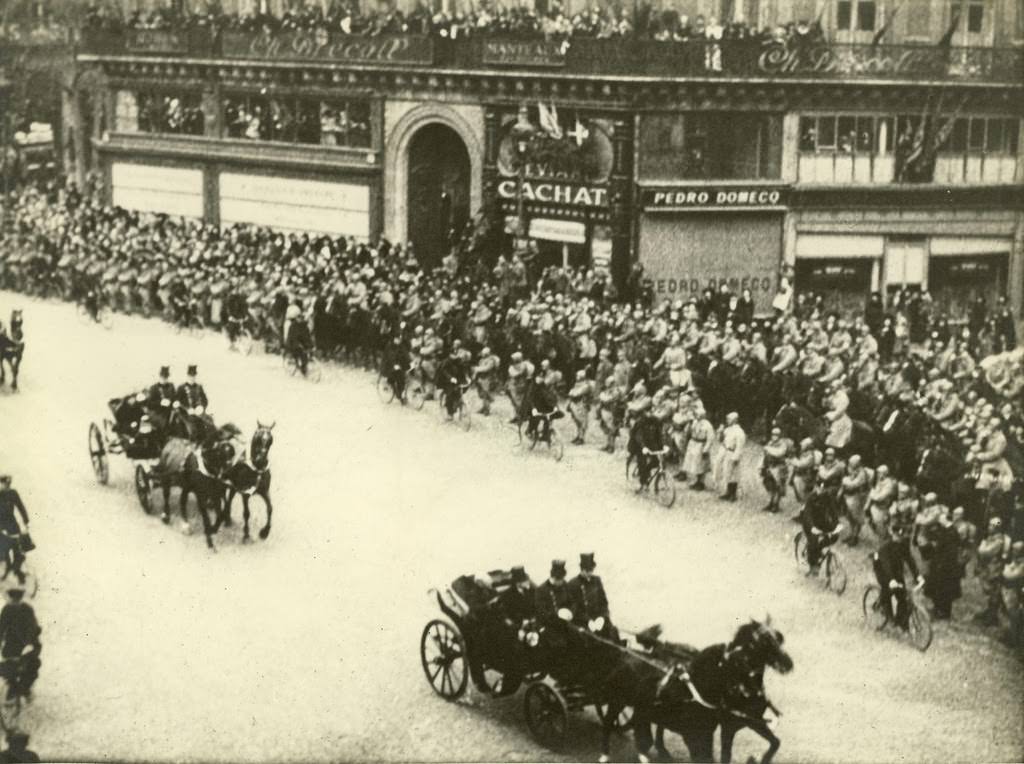
The ship arrived at the port of Brest on December 13, 1918. Thousands of French citizens lined the docks to catch a glimpse of the American leader. When Wilson reached Paris, the reception was even larger. Approximately two million people gathered on the Champs-Élysées to cheer for him. They threw flowers at his carriage and displayed banners that called him the “God of Peace.” To the people of Europe, Wilson represented the hope of ending all wars forever. He stayed at the Palais Murat, a lavish mansion in Paris, where he prepared for the start of the official negotiations.

The Fourteen Points and Peace Without Victory

Wilson entered the conference with a specific plan called the Fourteen Points. He had first presented this plan to the U.S. Congress in early 1918. The main goal of the Fourteen Points was to address the underlying causes of the war to prevent another conflict. He called for “freedom of the seas,” which meant that all nations should be allowed to travel the oceans safely during both peace and war. He also demanded an end to secret treaties between countries. Wilson believed that secret alliances had been a major reason why a small conflict in the Balkans turned into a global war.

Read more..

Another central theme of Wilson’s plan was the “self-determination” of peoples. This meant that ethnic groups in Europe should have the right to form their own independent countries. He wanted to break up the old empires, such as the Austro-Hungarian Empire and the Ottoman Empire, and replace them with new nations. Wilson argued for “peace without victory.” He believed that if Germany were punished too severely, the German people would eventually seek revenge. He wanted a fair settlement that would allow all nations to recover from the destruction of the war.

The Big Four and the Clashes at the Table

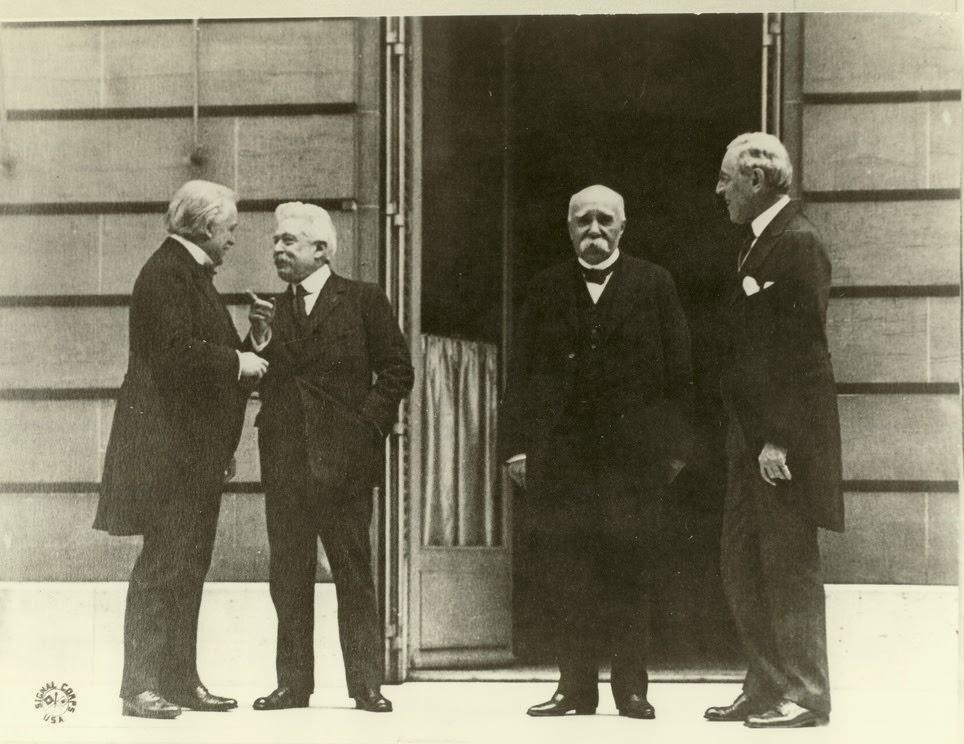
The Paris Peace Conference officially opened on January 18, 1919. The most important decisions were made by a small group known as the “Big Four.” This group included Woodrow Wilson, Prime Minister David Lloyd George of Great Britain, Premier Georges Clemenceau of France, and Prime Minister Vittorio Orlando of Italy. The meetings took place at the French Ministry of Foreign Affairs on the Quai d’Orsay. The four men sat in a large, ornate room decorated with gold leaf and red velvet.
The negotiations were difficult because each leader had different goals. Georges Clemenceau was known as “The Tiger.” He had seen the German army invade France twice in his lifetime. He wanted to crush Germany so that it could never threaten France again. He demanded that Germany pay massive amounts of money for damages, known as reparations. David Lloyd George wanted to maintain the strength of the British Navy and protect the British Empire. Vittorio Orlando wanted the Allies to give Italy specific territories that had been promised to them in secret deals during the war.

Wilson found himself in constant conflict with Clemenceau. While Wilson talked about world peace, Clemenceau focused on French security. The French leader famously remarked that God had only ten commandments, while Wilson had fourteen. Wilson often became frustrated during these long sessions. He spent hours leaning over large maps spread out on the floor of his office. He tried to draw new borders for countries like Poland, Czechoslovakia, and Yugoslavia. This process was complicated because many different ethnic groups lived close together in the same regions.
The League of Nations

The most important part of the peace treaty for Woodrow Wilson was the creation of the League of Nations. He believed this international organization would solve future disputes through talk rather than fighting. Wilson insisted that the “Covenant,” or the rules of the League, be included in the final peace treaty. He spent weeks chairing the committee that wrote these rules. He argued that if a member of the League were attacked, the other members should work together to stop the aggressor.

Article 10 was the most controversial part of the League’s rules. it stated that members would preserve the independence of all other members. Wilson saw this as a moral obligation. During the negotiations in April 1919, Wilson fell seriously ill with a high fever. Some historians believe he suffered from the 1918 influenza virus. This illness weakened him physically and may have affected his ability to argue against the demands of the other leaders. Despite his fatigue, he continued to attend the daily sessions.

Compromises and the Polish Corridor

To get the other leaders to agree to the League of Nations, Wilson had to make several compromises. He agreed to allow France to occupy the Saar Basin, a coal-rich region of Germany, for fifteen years. He also accepted a plan to demilitarize the Rhineland, which meant Germany could not keep soldiers in that area near the French border. One of the most difficult issues was the “Polish Corridor.” This was a strip of land that gave the new country of Poland access to the Baltic Sea. Creating this corridor meant that the German city of Danzig became a free city and was separated from the rest of Germany.

Wilson also agreed to a “war guilt clause” in the treaty. This clause forced Germany to accept total responsibility for starting the war. This was a direct contradiction to his earlier goal of “peace without victory.” The treaty also required Germany to pay $33 billion in reparations to the Allies. Wilson hoped that the League of Nations would eventually be able to fix the unfair parts of the treaty. He believed that once the emotions of the war cooled down, the League could adjust the borders and the payment schedules.

The Signing of the Treaty of Versailles

The final document was called the Treaty of Versailles. The signing ceremony took place on June 28, 1919. This date was exactly five years after the assassination of Archduke Franz Ferdinand. The event was held in the Hall of Mirrors at the Palace of Versailles. This was the same room where the German Empire had been proclaimed in 1871. The French government chose this location to emphasize their victory over Germany.

The Hall of Mirrors was filled with hundreds of officials and journalists. The German delegates were led into the room last. They were forced to sit at a small table to sign the document. Woodrow Wilson was the first of the Big Four to sign. He used a special gold pen for the occasion. Outside the palace, the gardens were filled with thousands of people who waited to hear that the treaty was official. When the announcement was made, the fountains were turned on and the crowds cheered.

Woodrow Wilson left Paris on the same day the treaty was signed. He traveled by train back to the port of Brest to board the George Washington for his return to the United States. He felt a mix of relief and anxiety. While he had successfully created the League of Nations, he knew that the treaty was not perfect. He had compromised on many of his Fourteen Points to secure the one thing he believed mattered most. As the ship pulled away from the French coast, Wilson prepared for the next battle, which would be convincing the U.S. Senate to approve the treaty.

#1 The Council of Four at the Paris Peace Conference. Left to right: Lloyd George of Great Britain, Orlando of Italy, Clemenceau of France, and President Wilson.

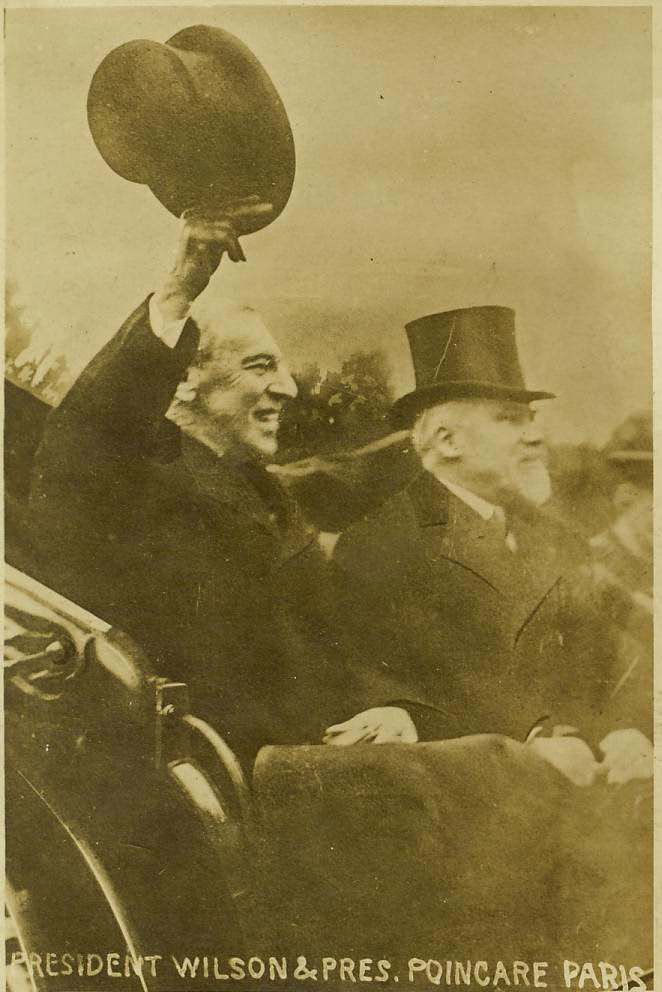
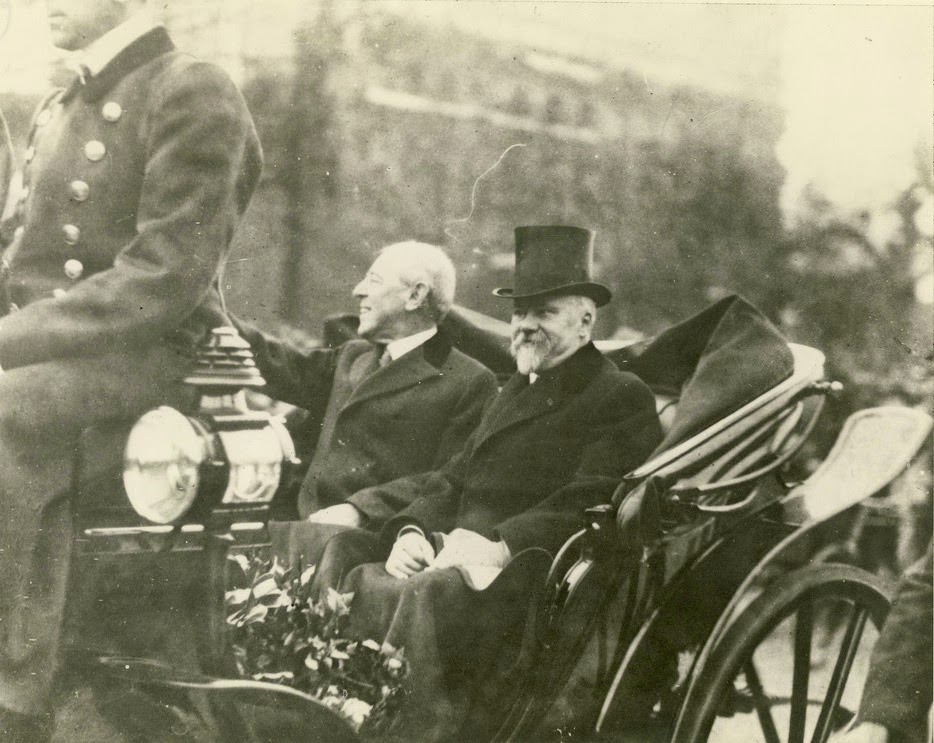
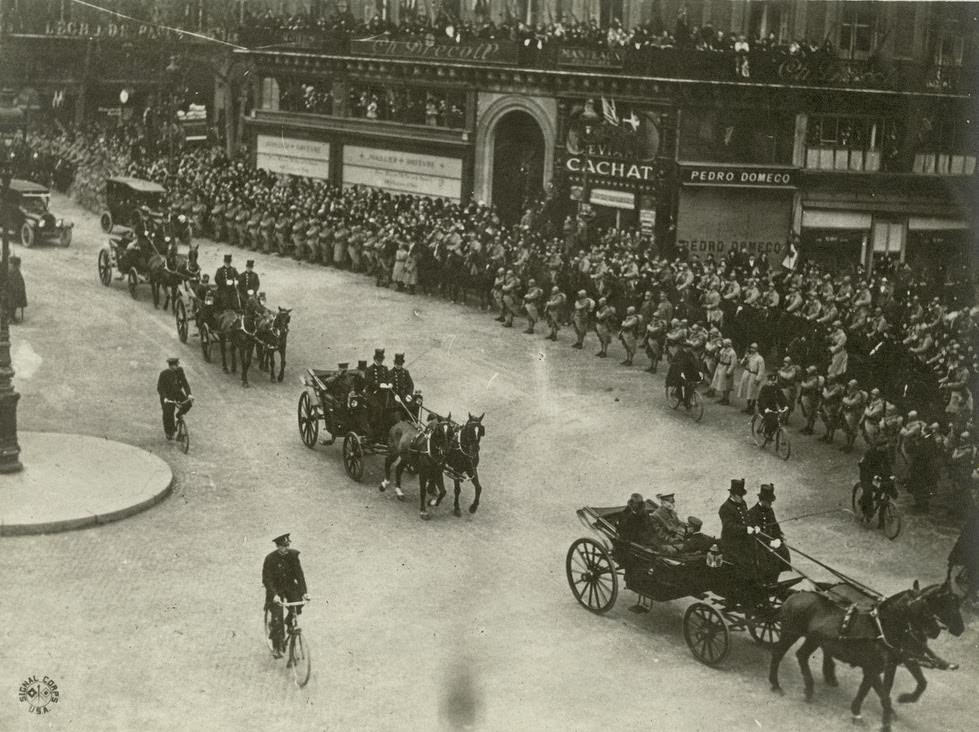
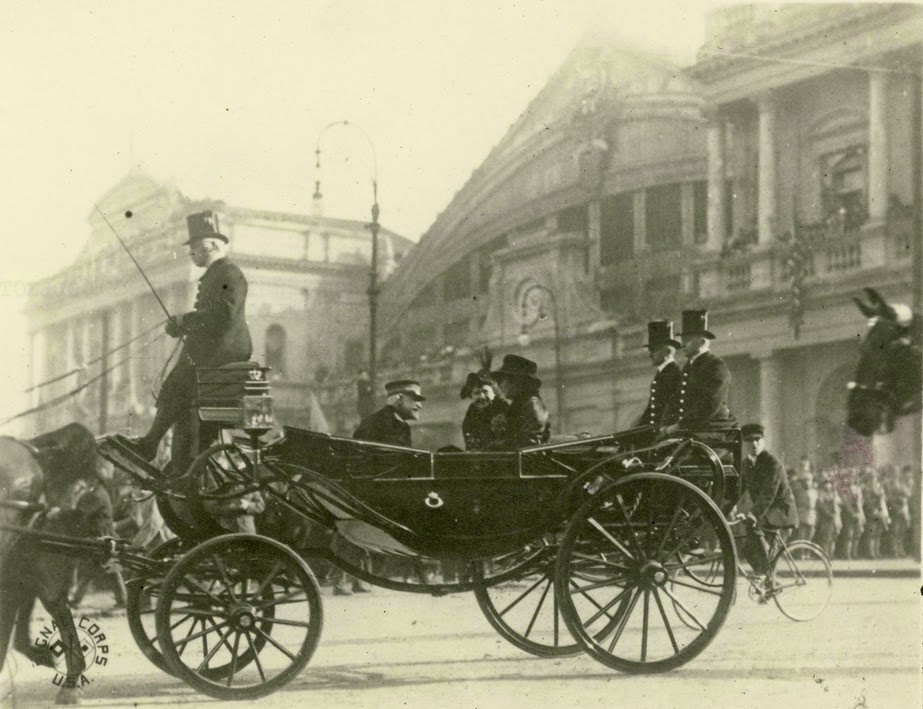
#2 Wilson and President Poincare on parade in Paris, France. Wilson became the first president to leave the United States while in office when he traveled to France in December, 1918.

#3 Wilson and President Poincare on parade in Paris, France.

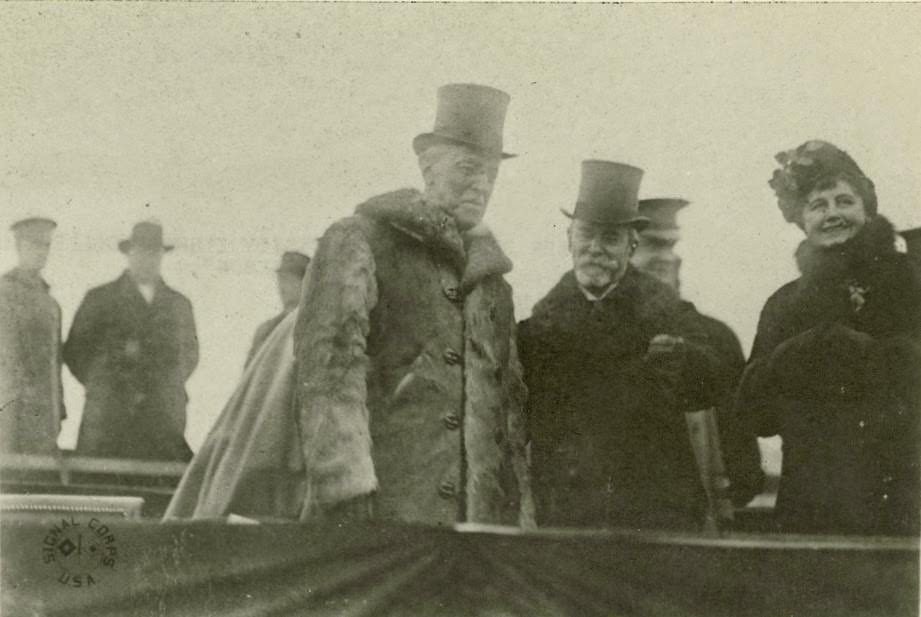
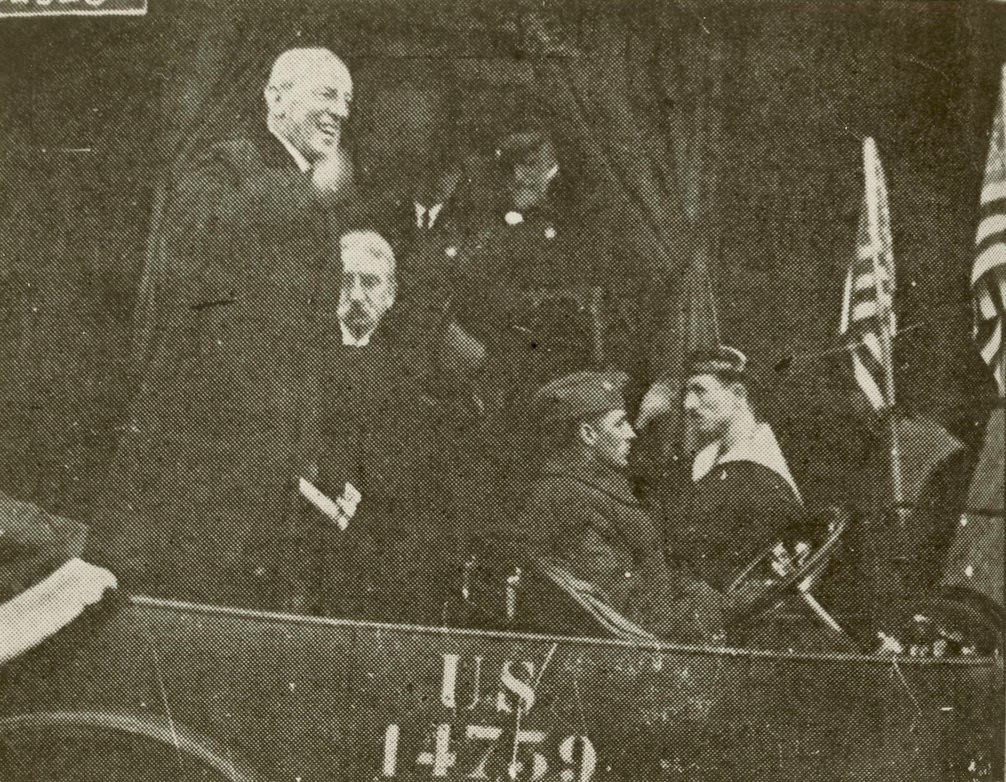
#4 President and Mrs. Woodrow Wilson in Paris, France, pictured with French President Raymond Poincare.

#5 President Wilson and his coterie parade through Paris.

President Wilson and his coterie parade through Paris.

#6 Wilson traveling with his party through Paris, France.

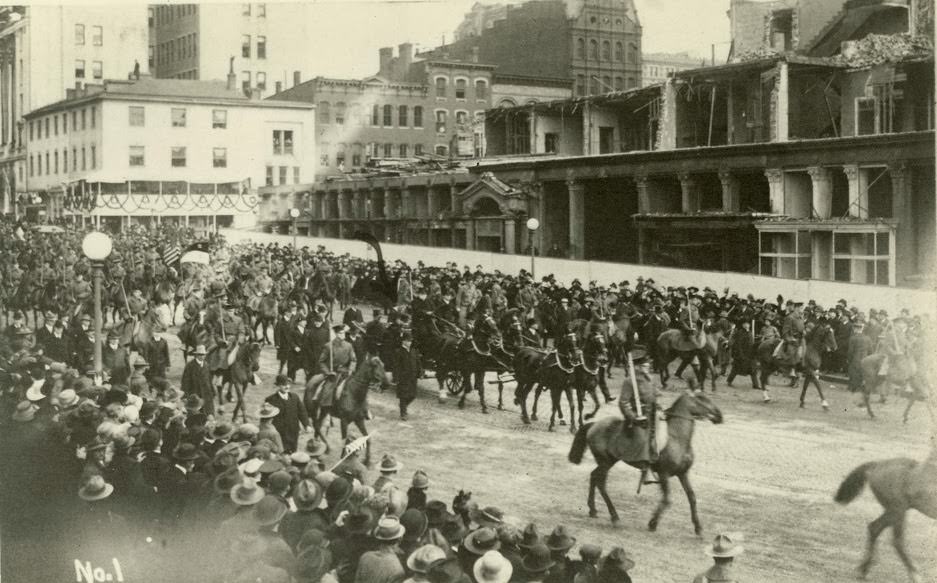
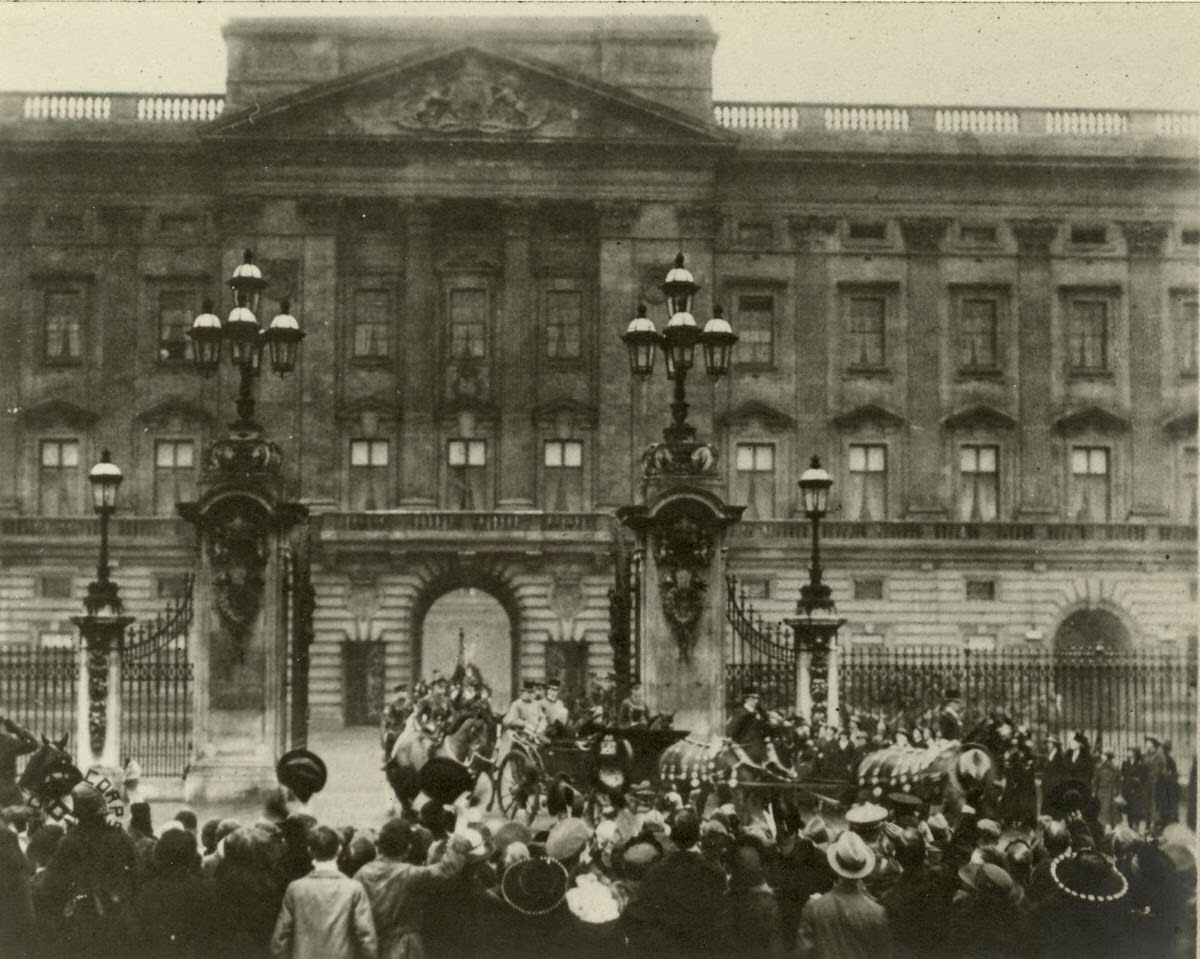
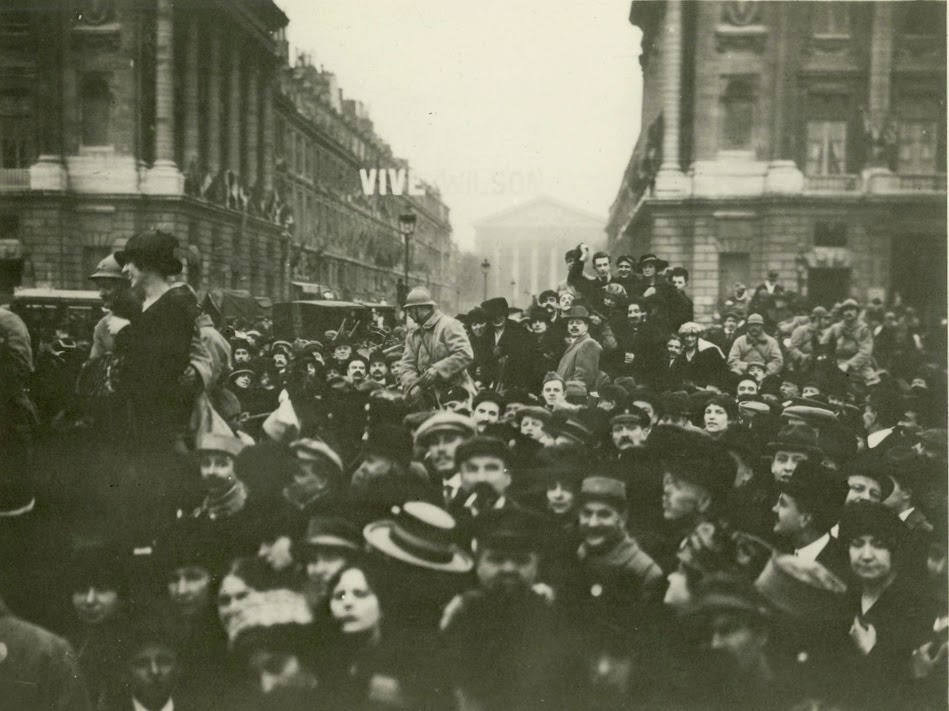
#8 Parisians greet President Wilson on the Rue Royal.

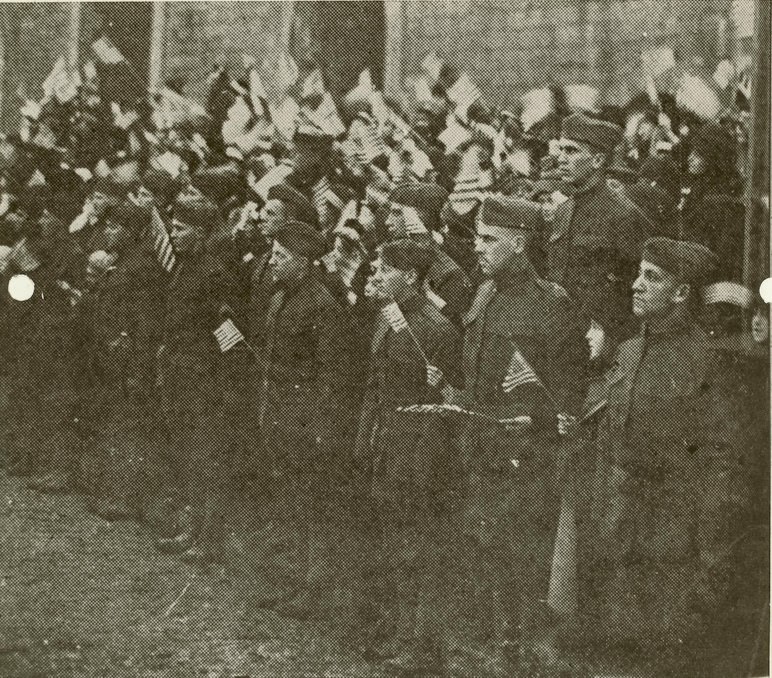
#9 Parisians and Americans greet Woodrow Wilson in France.

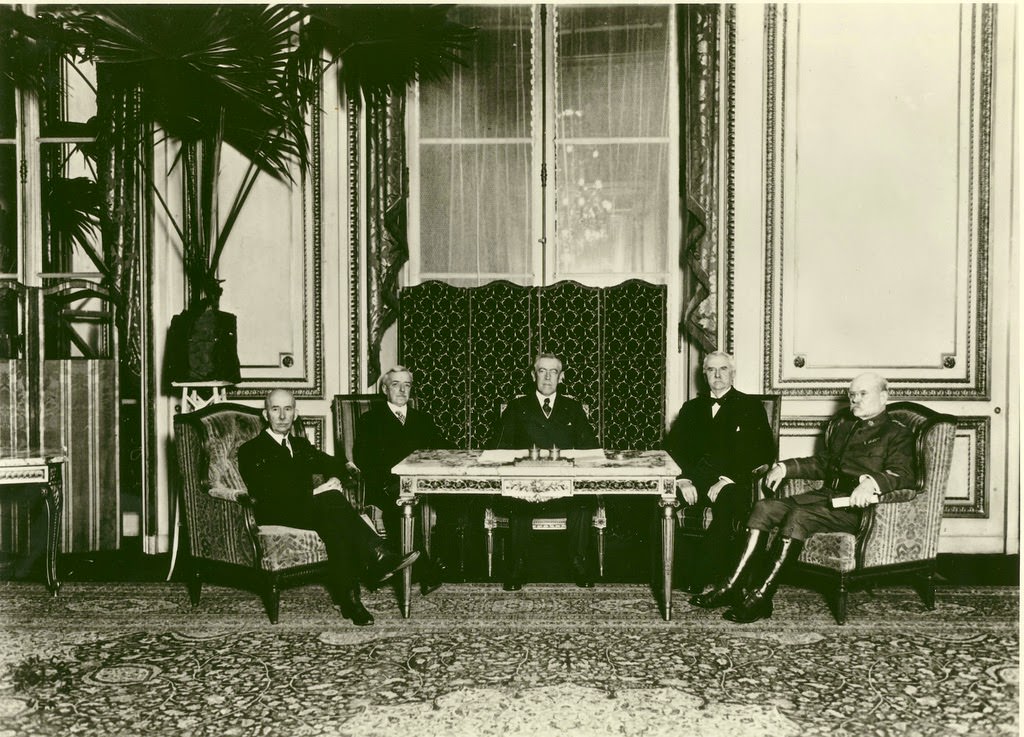
#10 Pictured left to right: Colonel Edward House, Secretary of State Robert Lansing, President Wilson, Diplomat Henry White, General Tasker Bliss.

Pictured left to right: Colonel Edward House, Secretary of State Robert Lansing, President Wilson, Diplomat Henry White, General Tasker Bliss.

#15

Rare Photos of Woodrow Wilson at the Paris Peace Conference, 1919

Enjoyed this post? Get new ones in your inbox.
Avatar of Kevin Clark

Written by Kevin Clark

Kevin Clark is a historian and writer who is passionate about sharing the stories and significance behind historical photos. He loves to explore hidden histories and cultural contexts behind the images, providing a unique insight into the past.

Leave a Reply

Your email address will not be published. Required fields are marked *