In the 1910s, Wales was the industrial engine of the British Empire. The South Wales Valleys sat at the center of the global coal trade, with the Rhondda Valley producing the steam coal that powered the world’s navies. Tens of thousands of men worked underground in dark, narrow tunnels, breaking coal with pickaxes and loading it into iron trams pulled by ponies. Rows of stone terrace houses lined the hillsides, built to house the workers who kept the mines running.
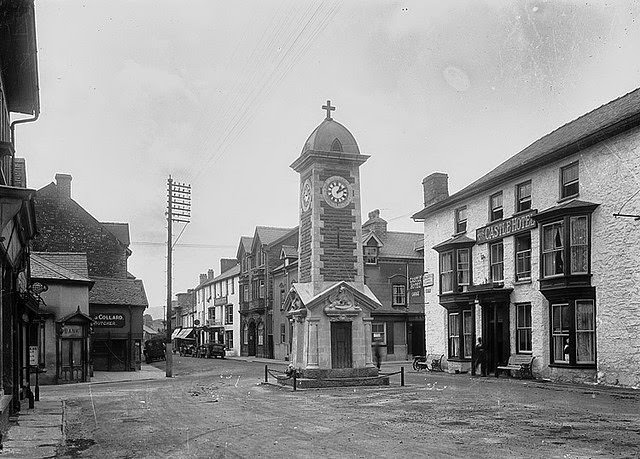
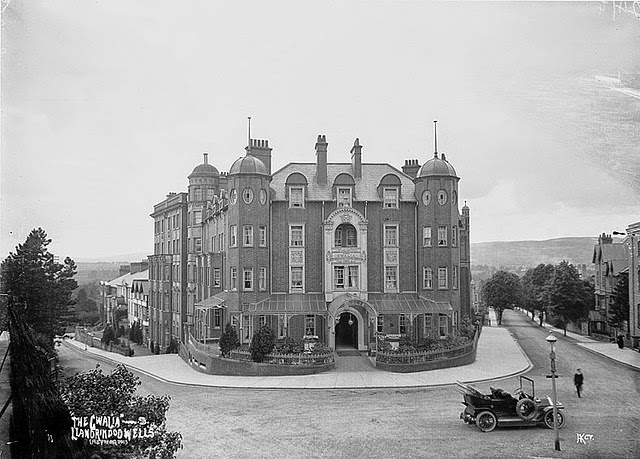
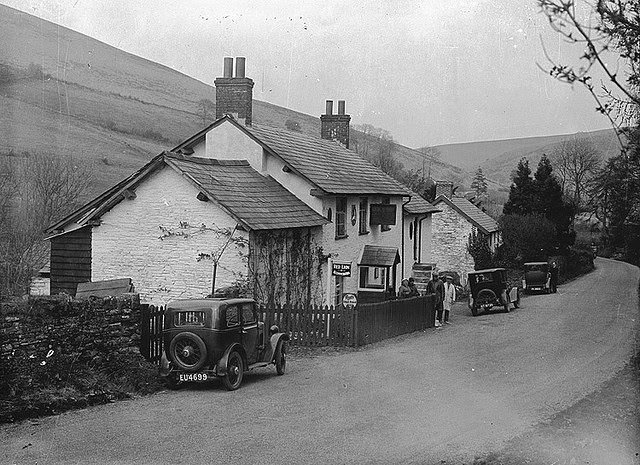
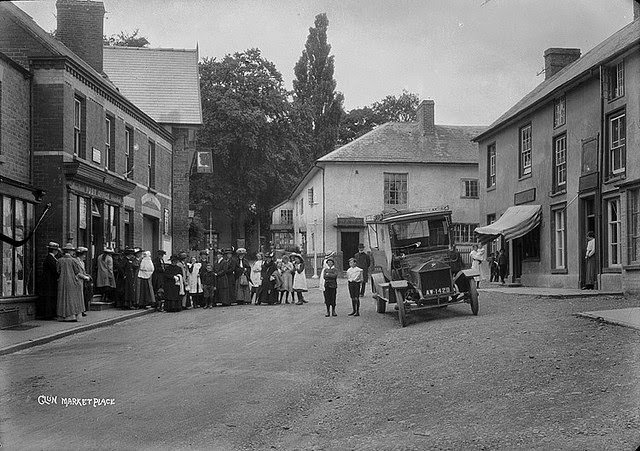
Small market towns across Wales maintained their own quiet rhythms. Hotels, inns, and local shops formed the heart of rural communities far removed from the industrial valleys.
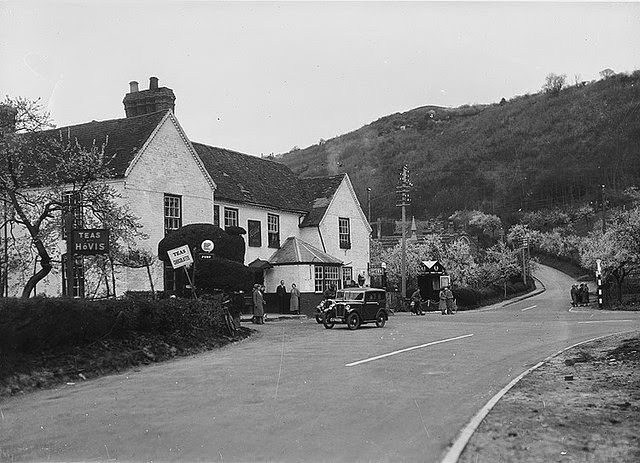
Labor tensions exploded early in the decade. Between 1910 and 1911, the Tonypandy Riots broke out when miners struck for better wages and safer conditions. The British government sent hundreds of police and soldiers into the valleys. Violence erupted in the streets, shops were damaged, and many men were arrested. Workers joined unions in record numbers, demanding collective bargaining power against the wealthy mine owners.
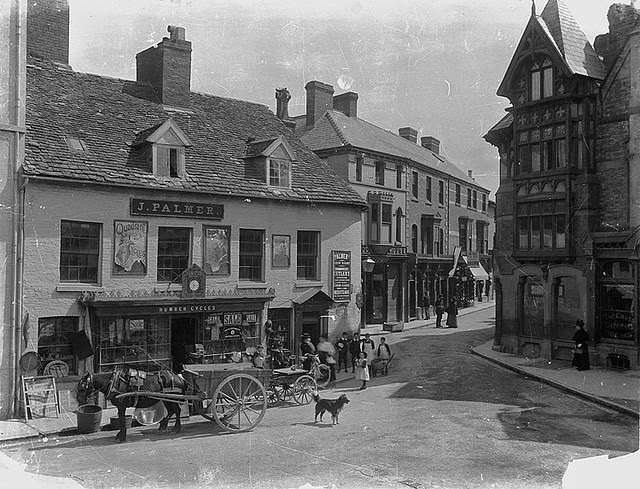
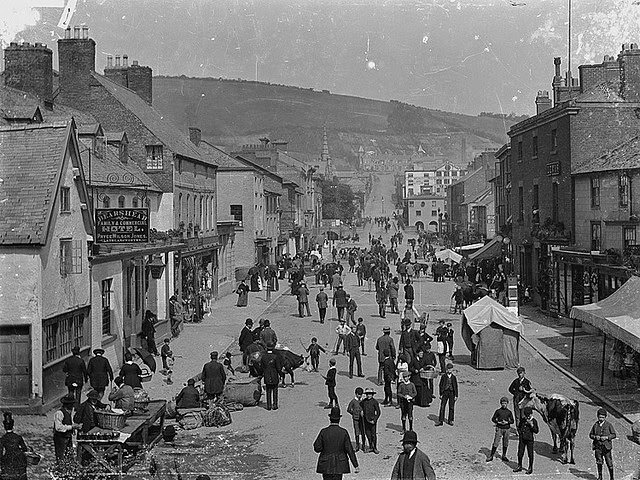
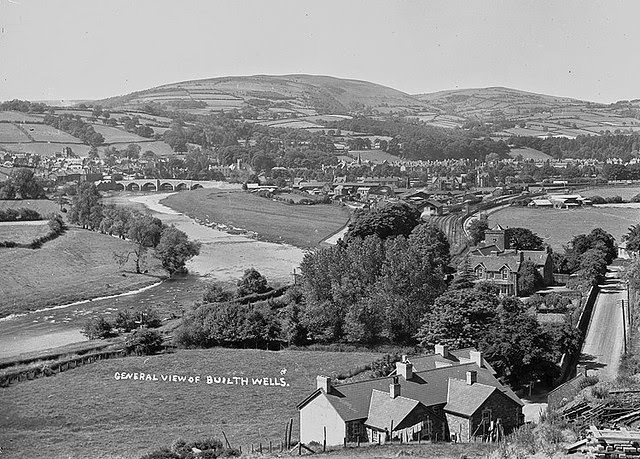
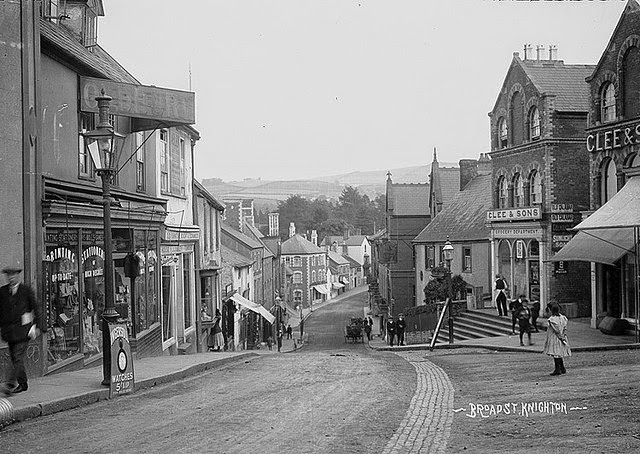
Everyday commerce carried on across Welsh towns. Streets like Broad Street in Builth Wells buzzed with shoppers, traders, and passersby going about their daily lives.
Industrial danger was a constant reality. In 1913, an underground explosion at the Senghenydd Colliery killed 439 men and boys — the deadliest mining disaster in British history. It left hundreds of women widowed and forced many children into the workforce early. The tragedy pushed the government to pass new safety laws covering ventilation and coal dust management.
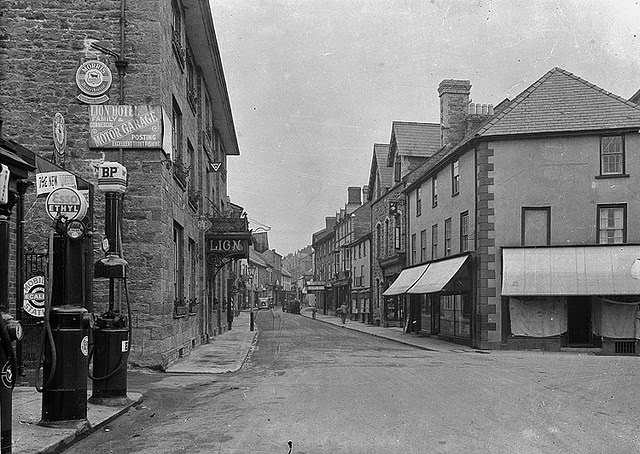
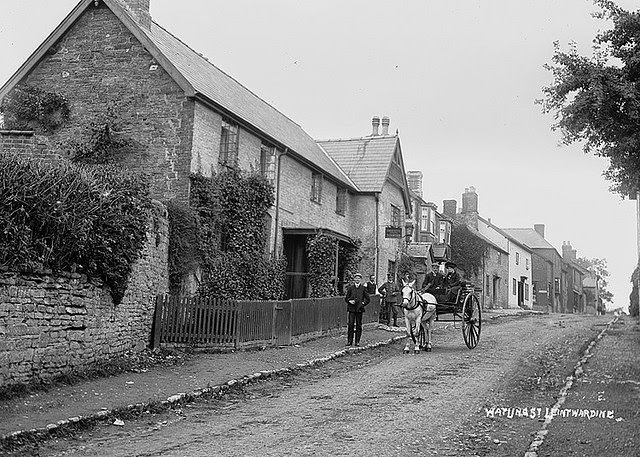
Rural Welsh towns like Knighton and Presteigne preserved a slower pace of life, their broad high streets lined with stone-fronted buildings and local businesses serving surrounding communities.
![Presteign [i.e. Presteigne] Scottleton St A](https://www.bygonely.com/wp-content/uploads/2026/05/Wales_UK_1910s_11.jpg)
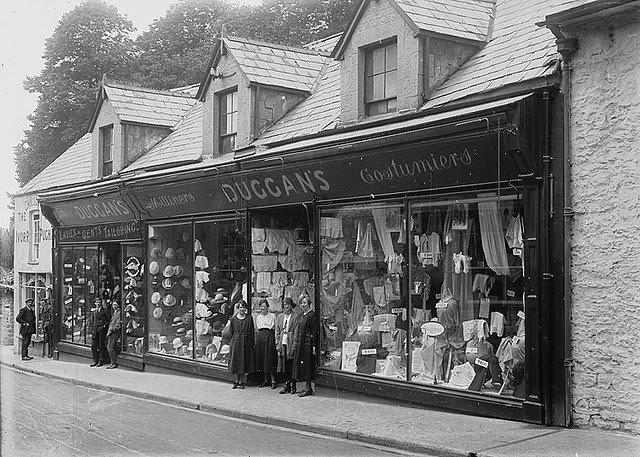
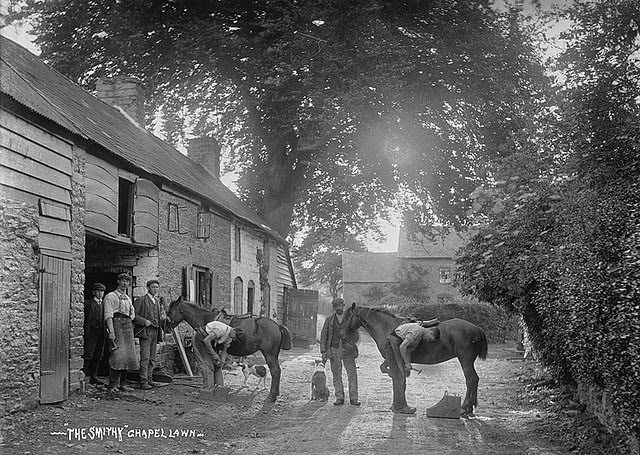
Local shops were the backbone of Welsh town life. Clothiers, smithies, and general stores served communities across the country, from the valleys to the border towns.
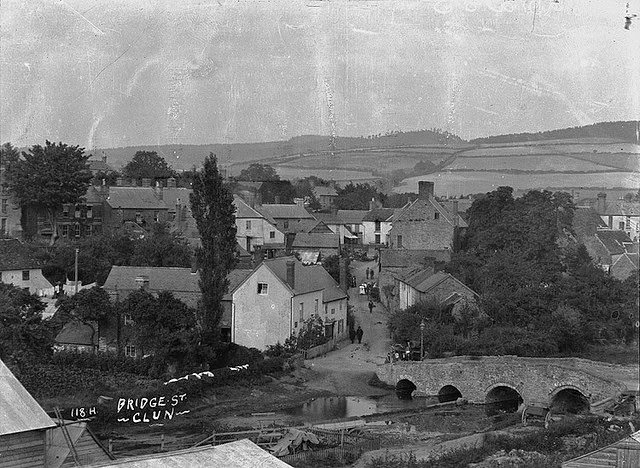
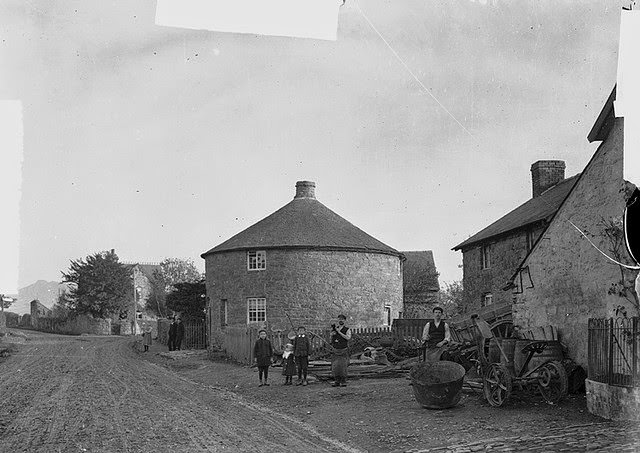
Distinctive architecture marked Welsh villages. Unusual structures like the round house at Aston-on-Clun stood alongside traditional market places, reflecting the variety of building styles found throughout the region.
![High St Presteign [i.e. Presteigne]](https://www.bygonely.com/wp-content/uploads/2026/05/Wales_UK_1910s_16.jpg)
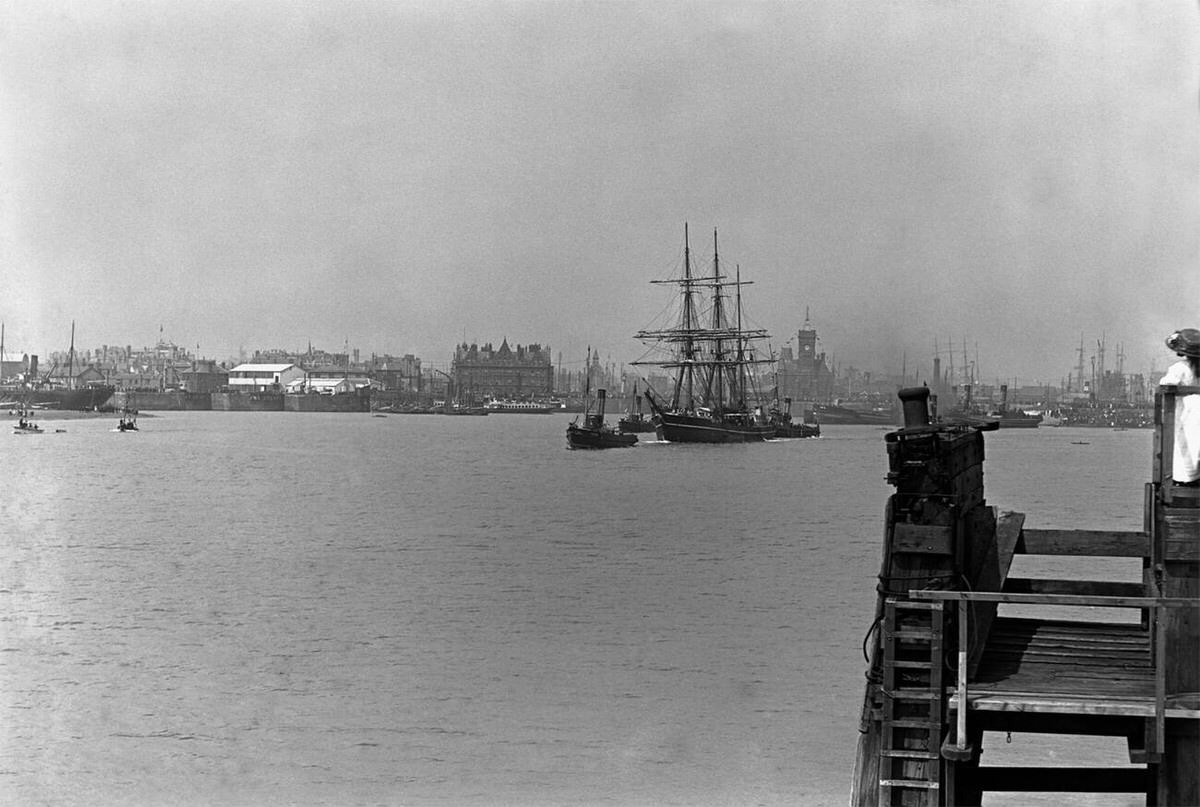
In 1910, Cardiff’s docks saw Captain Scott’s Antarctic expedition depart aboard the Terra Nova — a moment that drew national attention to Wales’s role as a major port nation.
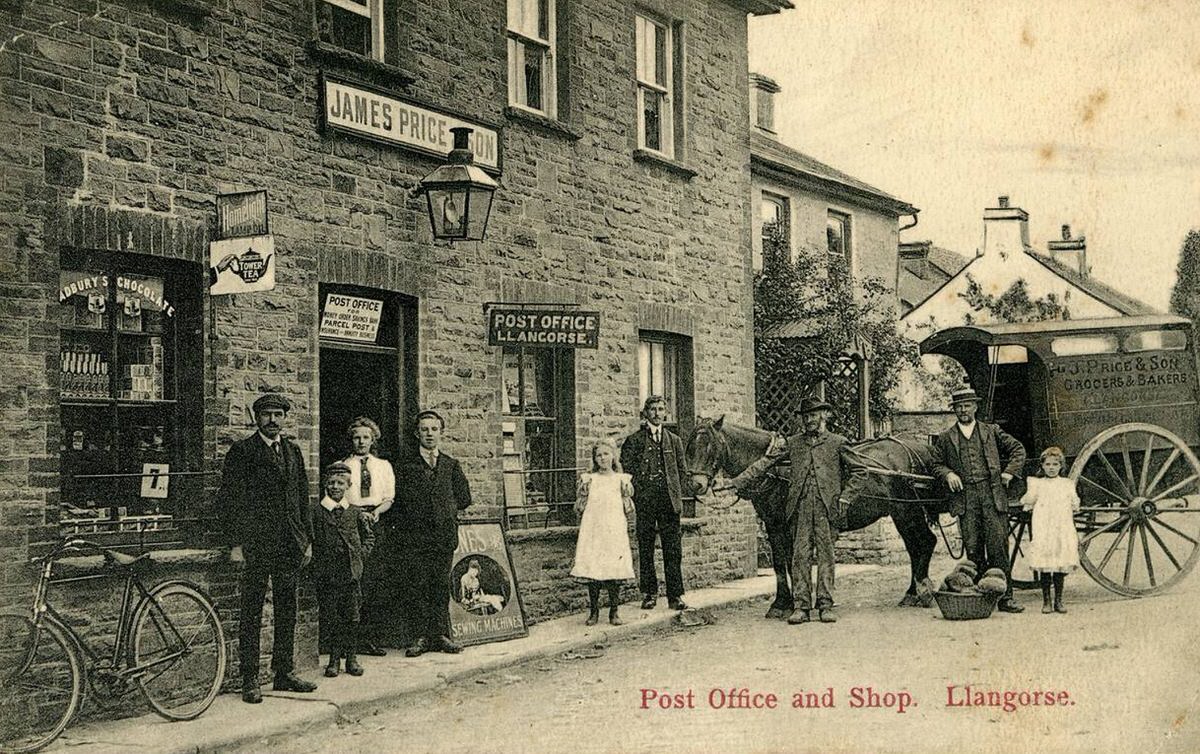
Post offices and village shops like the one owned by James Price in Llangorse served as vital community hubs, connecting rural Welsh families to the wider world through mail, goods, and news.
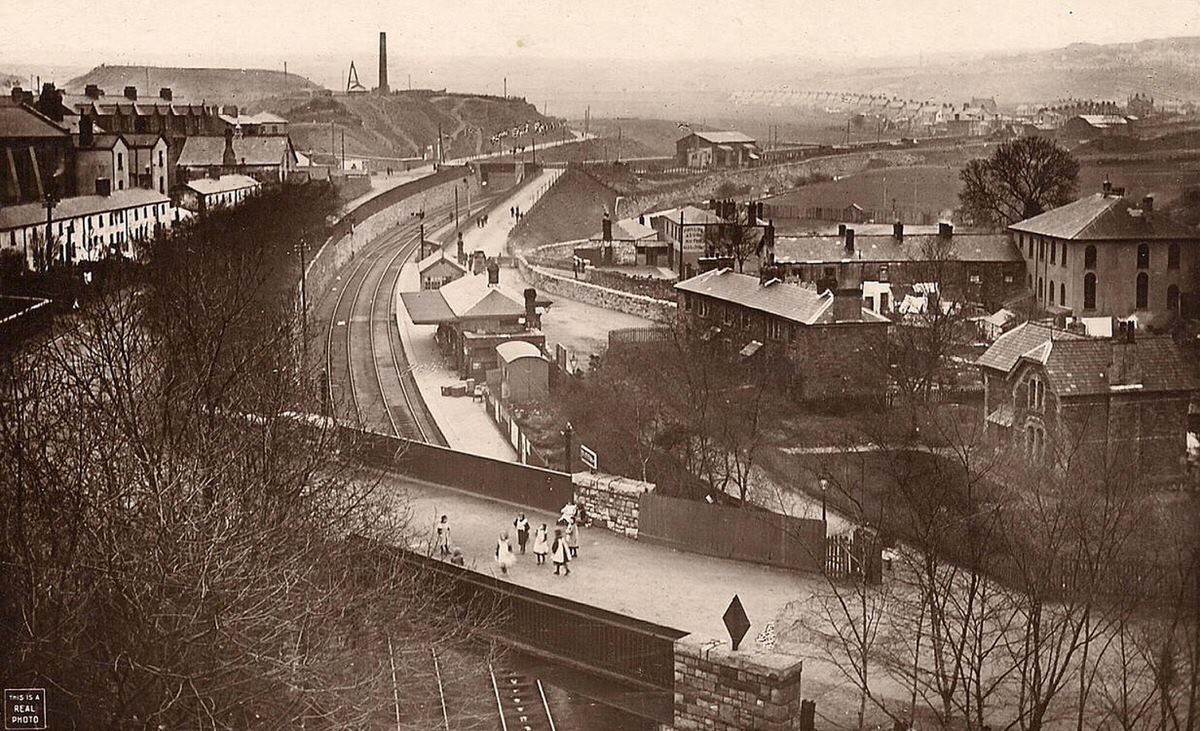
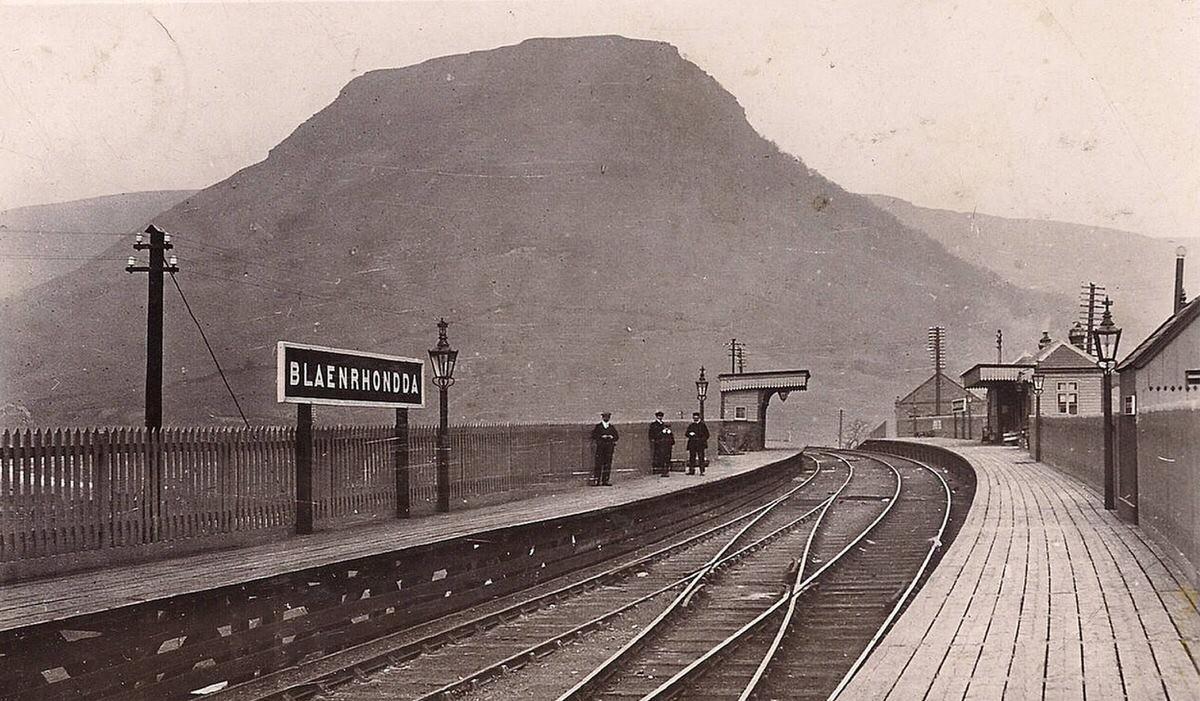
Wales had a growing railway network that linked its industrial valleys and market towns. Stations like Ebbw Vale Low Level and Blaenrhondda moved both workers and goods across the rugged landscape.
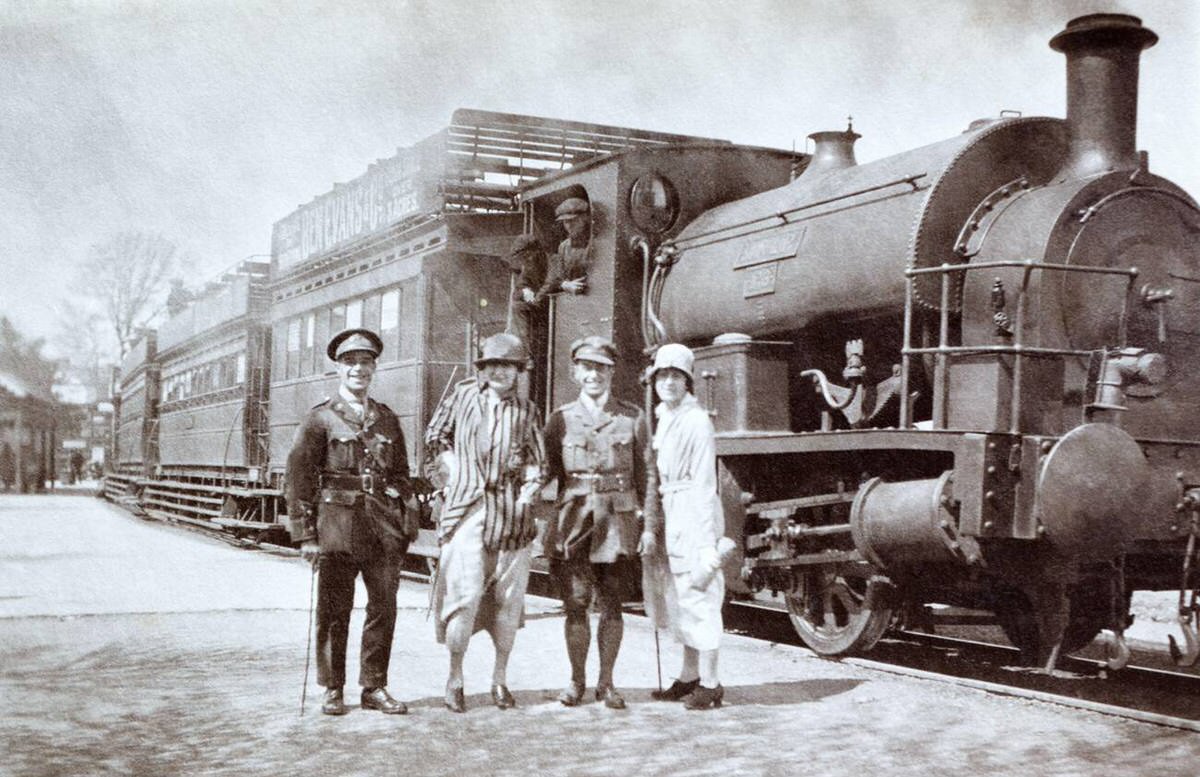
The Mumbles Railway near Swansea was one of the world’s first passenger railways. By 1910, British army officers and their companions were among those riding its coastal route along Swansea Bay.
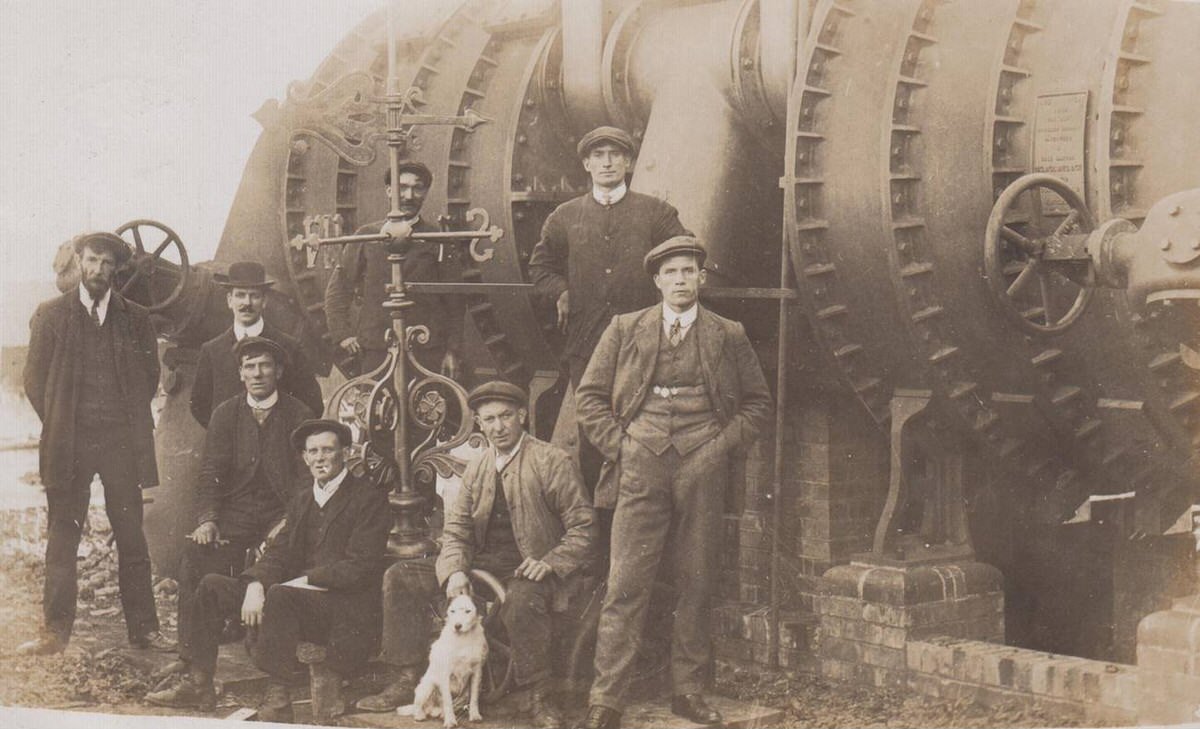
The coal industry’s grip on Welsh life was visible everywhere. Workers at the Powell Duffryn coke ovens in Bargoed posed beside heavy machinery that ran day and night to feed Britain’s demand for fuel.
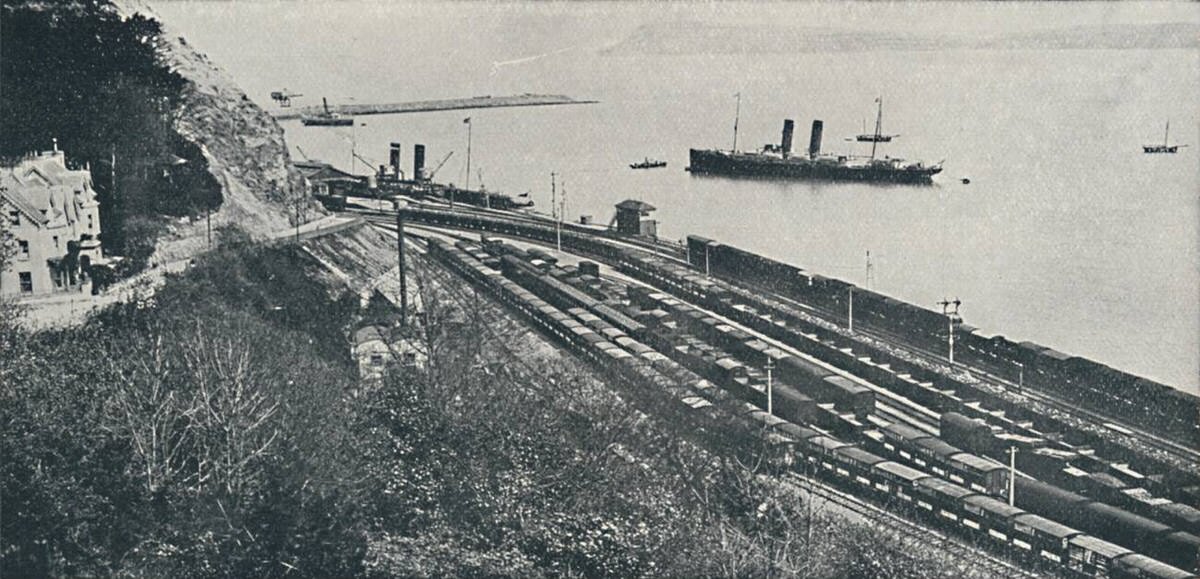
Fishguard Harbour on the southwest Welsh coast served as a key transatlantic port. The Cunard Line briefly used it as a stopping point for ocean liners travelling between Britain and North America.
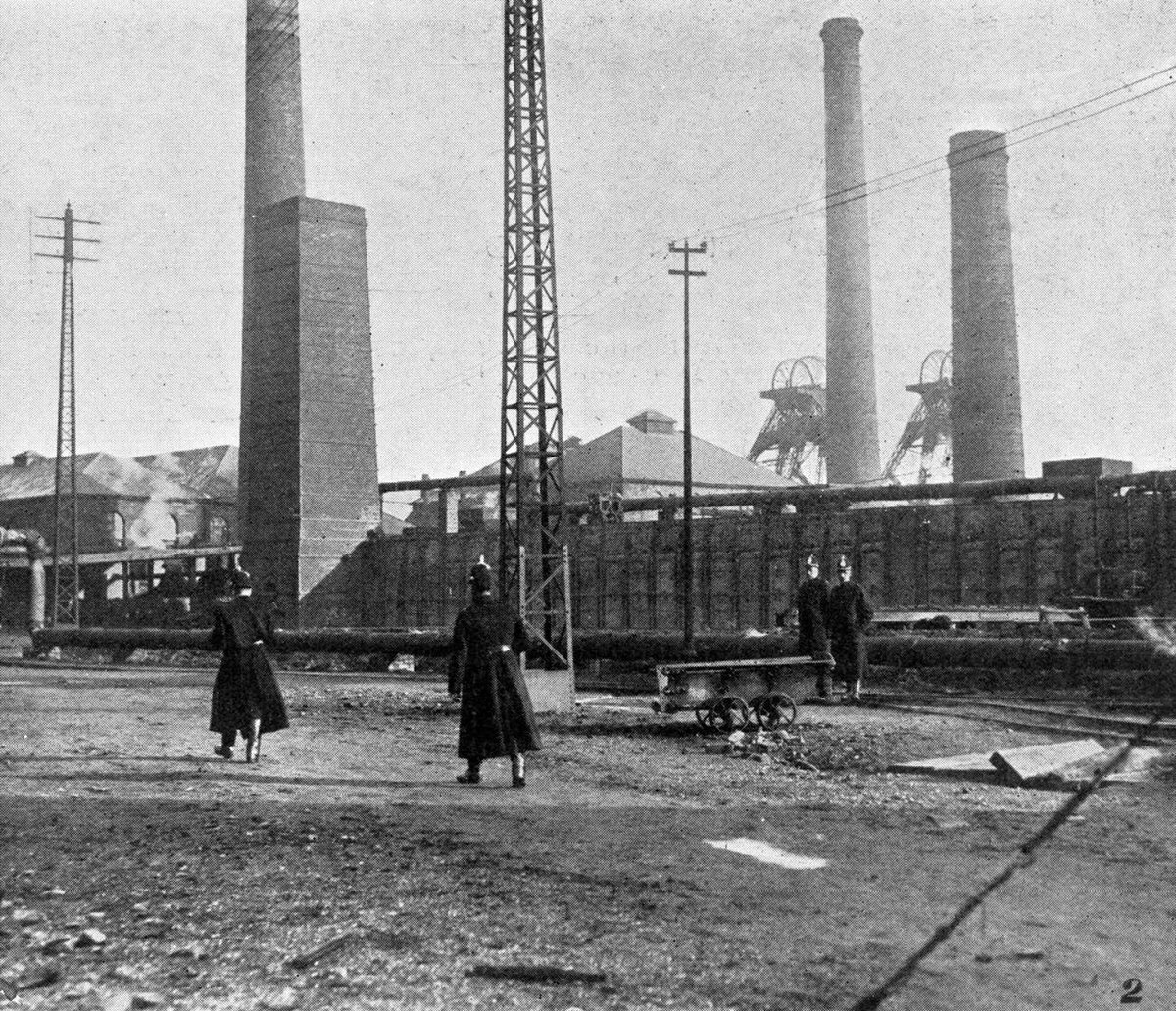
During the 1910 Great Colliery Strike, police stood guard at the entrance to the Glamorgan Colliery. The standoff between miners and mine owners — and the state forces backing them — defined the decade’s most volatile years.
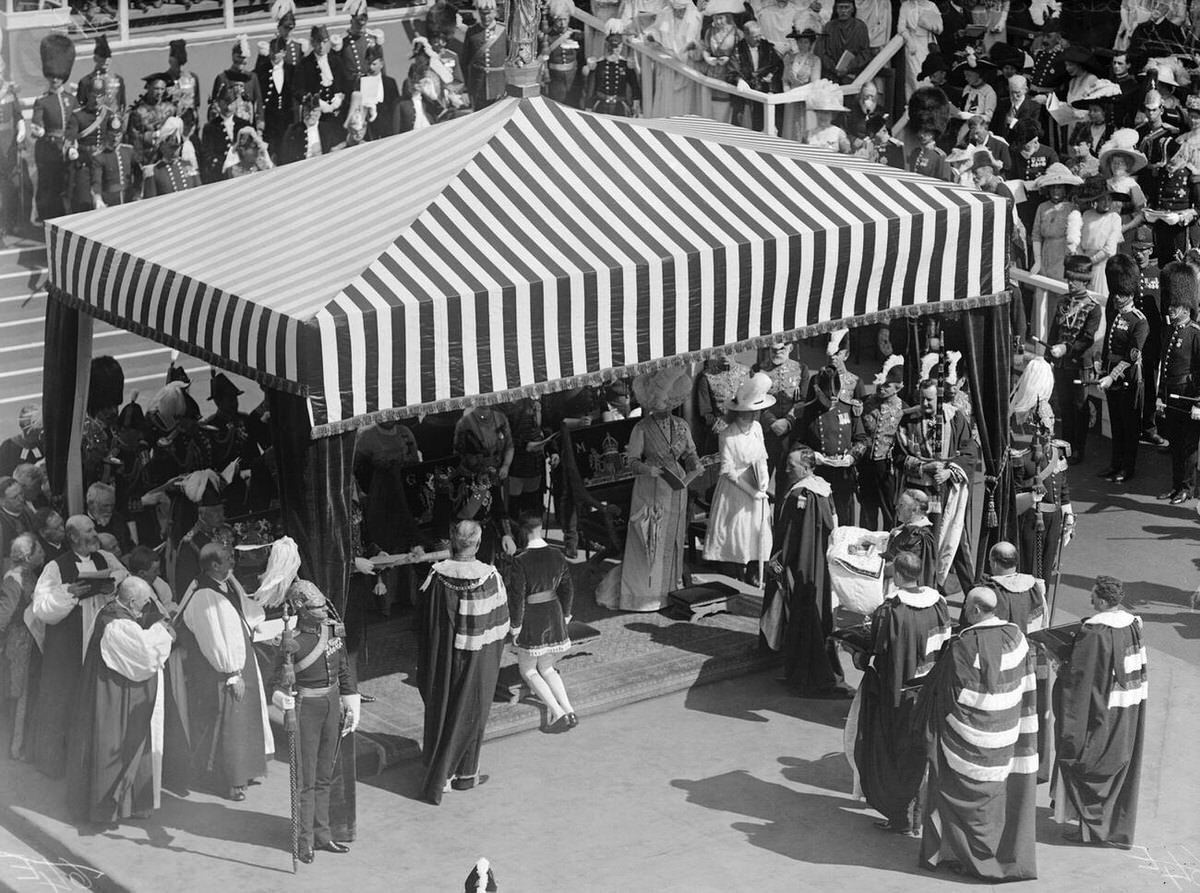
In 1911, a historic ceremony took place at Caernarfon Castle. Prince Edward paid homage to his father King George V at the Investiture of the Prince of Wales, reinforcing the deep ties between the Welsh nation and the British Crown.
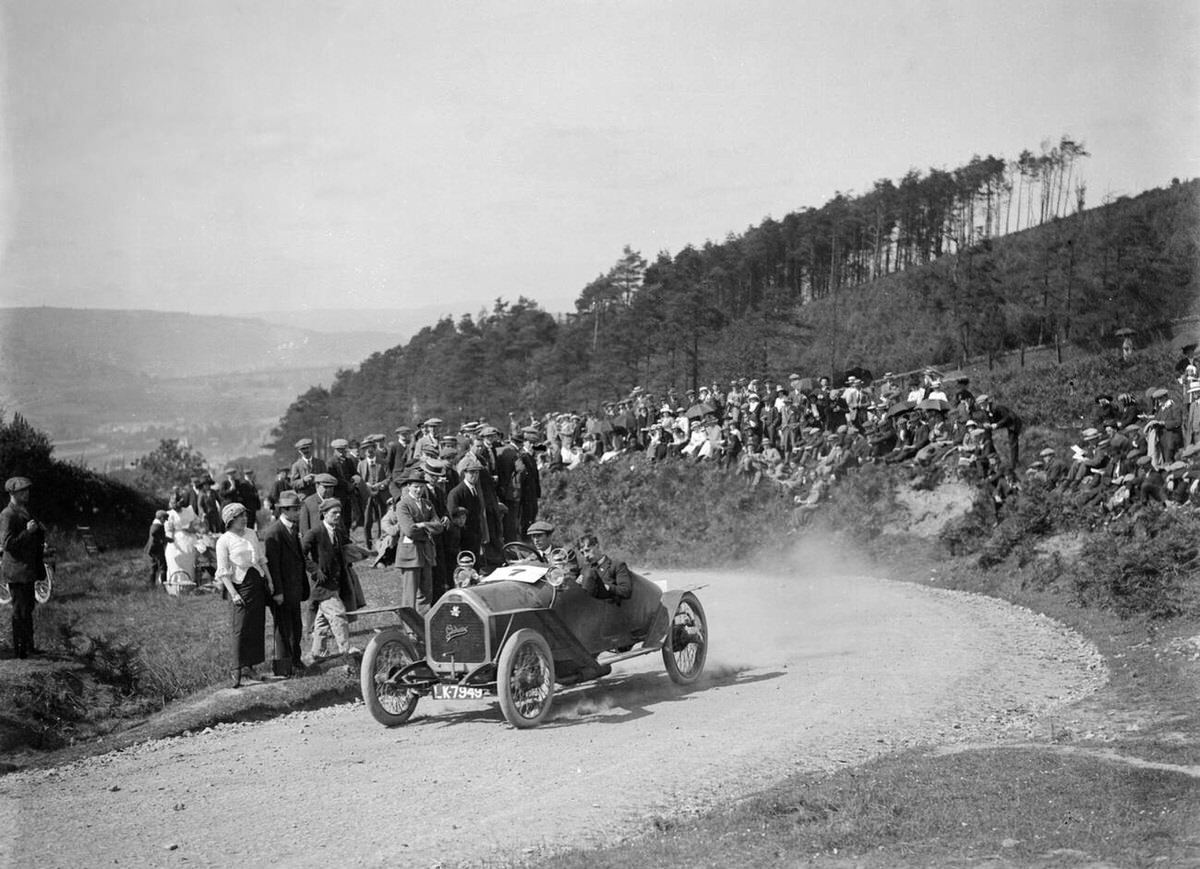
Even as heavy industry dominated the era, new technologies were capturing public interest. In 1913, a Gladiator 12hp car competed in the South Wales Automobile Club’s Caerphilly Hillclimb, signaling the slow arrival of the motor age in Wales.