On December 12, 1972, Marie-Hélène de Rothschild hosted one of the most talked-about private parties of the 20th century. Known as the Surrealist Ball, the event took place at the Château de Ferrières — a grand Rothschild-owned mansion outside Paris built in the mid-1800s to showcase the family’s enormous fortune. By 1972, the château had become a symbol of deep, long-standing European power. The ball brought that history together with the radical imagery of surrealist art, producing an evening that has been dissected and debated ever since.
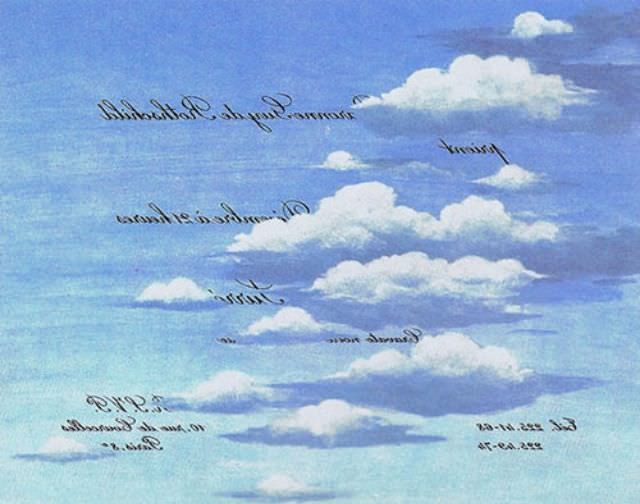
The invitations alone set the tone for the night. Each card was printed with text written in reverse. Guests had to hold the card up to a mirror just to read the date and location.
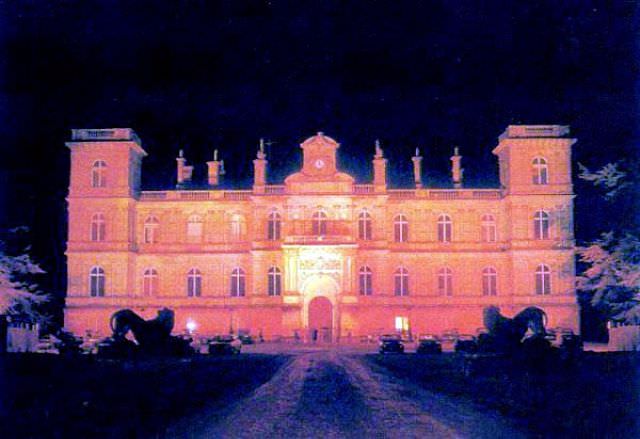
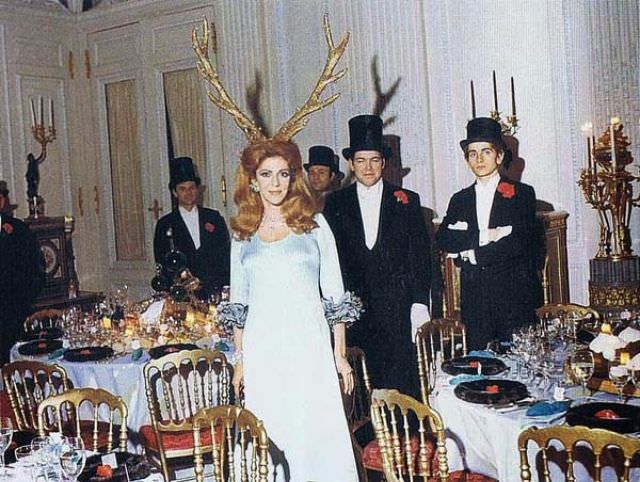
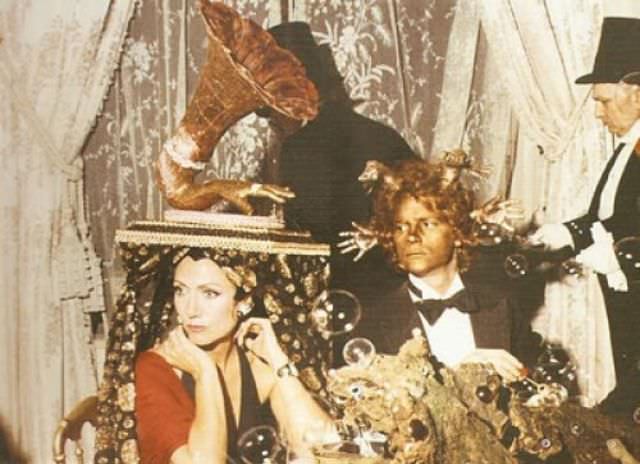
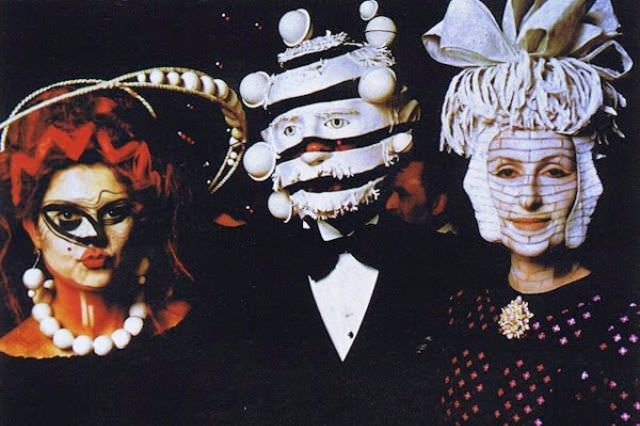
The dress code stated “black tie, long dresses, and surrealist heads.” Guests were required to replace or transform their heads with costumes — flowers, clocks, animal skulls, or cages. The instruction stripped away personal identity before guests even arrived. When they did arrive, the Château de Ferrières was bathed in bright orange-red light, designed to make the building look as though it were burning.
Inside, the mansion was draped in thick silk cobwebs. Guests walked through them to reach the dining hall, where dissonant, unsettling music played throughout the night. Every element of the environment was curated to feel like a dream collapsing into a nightmare. The hosts, Guy de Rothschild and Marie-Hélène de Rothschild, greeted their guests in costumes that made a statement of their own.
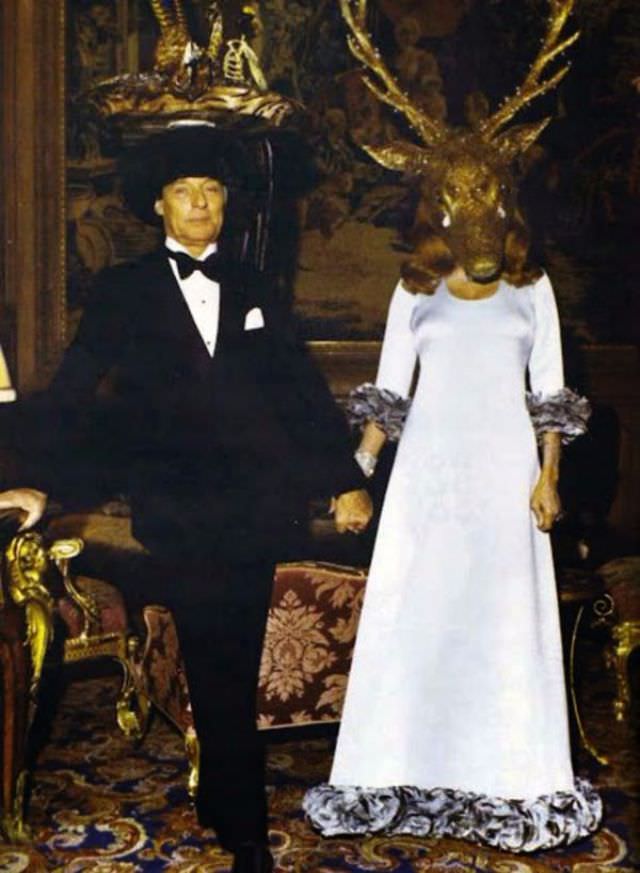
Marie-Hélène’s costume was the most striking of the night. She wore a giant beast’s head fitted with real deer antlers. Hanging from the eyes of the beast were tears made from actual diamonds. The combination of animal imagery and precious stones made her instantly recognizable as the evening’s central figure.
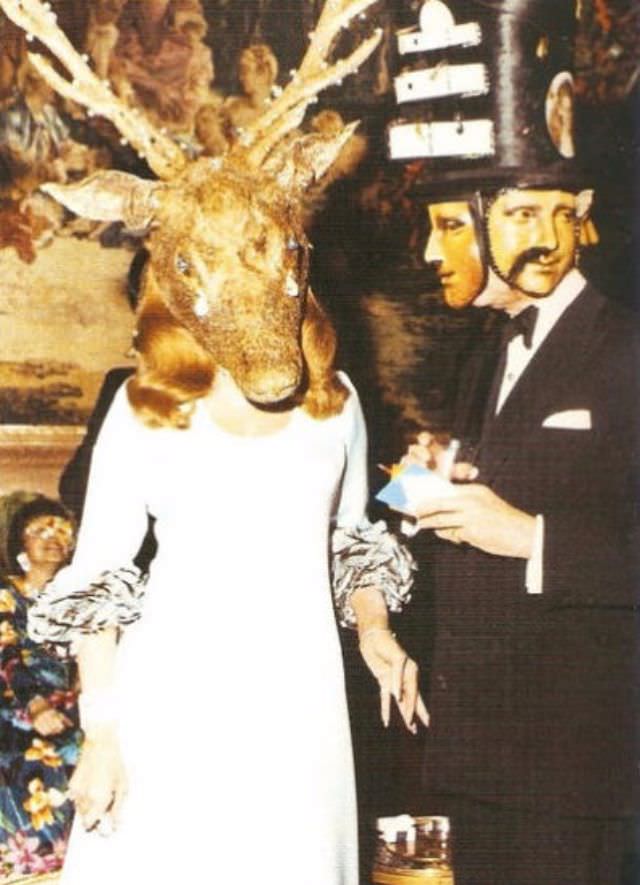
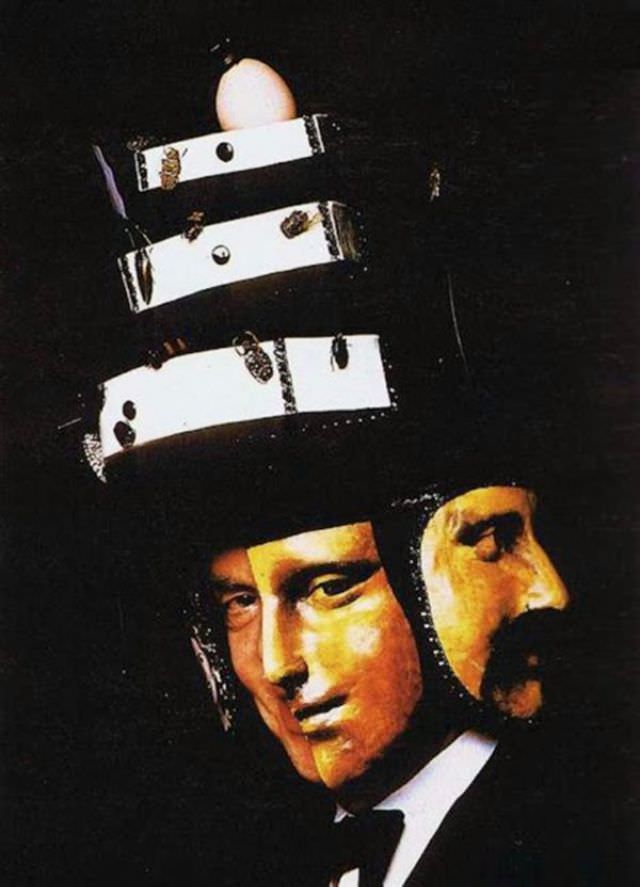
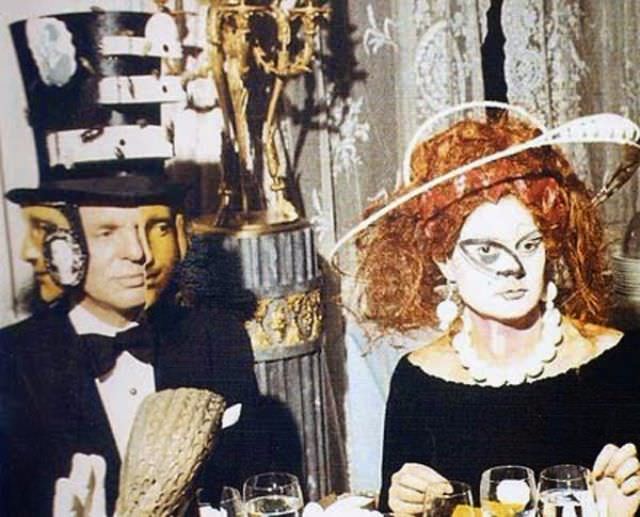
Baron Alexis de Redé was another standout among the guests. He wore a multi-faced mask — a design that has since been compared to masks that appear in Stanley Kubrick’s film Eyes Wide Shut. Later photographs show him in a hat reportedly designed by Salvador Dalí himself.
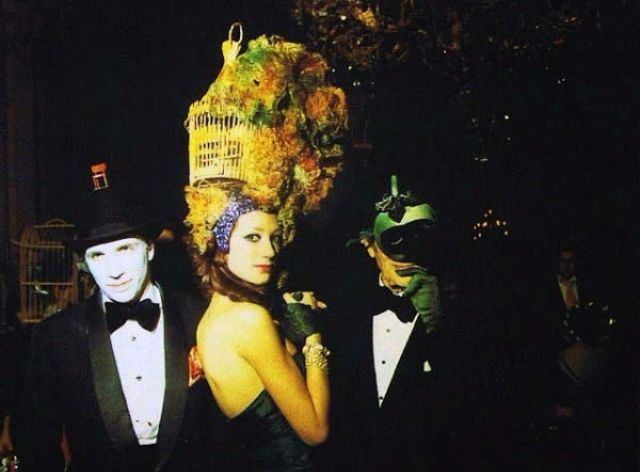
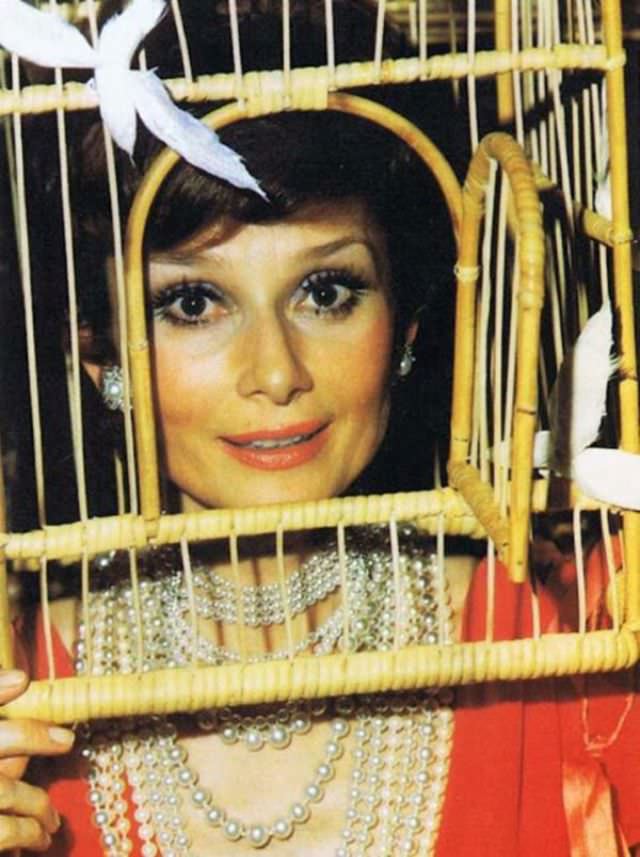
Birdcage headpieces appeared on multiple guests throughout the night, making them one of the evening’s recurring visual motifs. Audrey Hepburn was photographed wearing one — a structured cage of thin metal bars with artificial birds placed inside. The look was elaborate, theatrical, and entirely consistent with the ball’s surrealist demands.
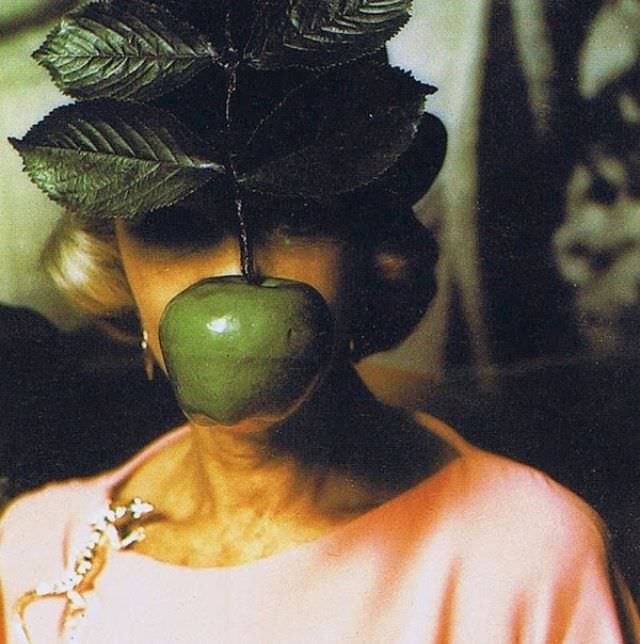
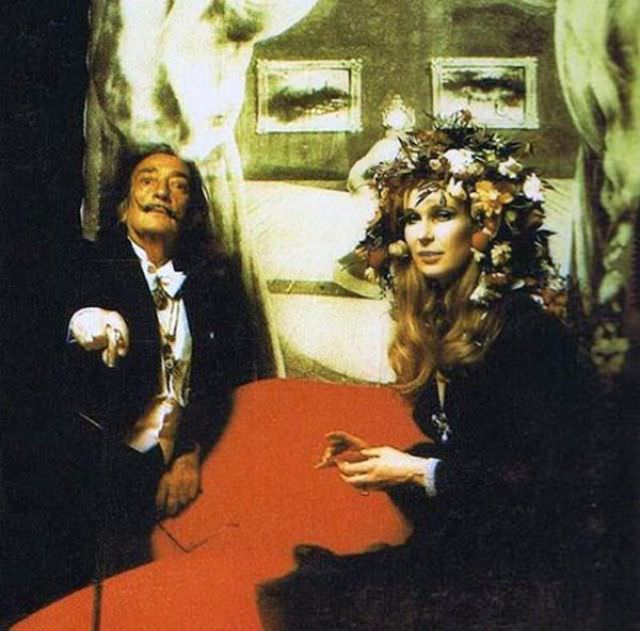
Other costumes drew directly from art history and religious imagery. One guest wore a costume referencing René Magritte’s painting The Son of Man, incorporating the apple as a direct biblical nod to Eve in the Garden of Eden. Salvador Dalí attended the ball without any special costume at all — his famous waxed mustache and theatrical personality were considered surrealist enough on their own.
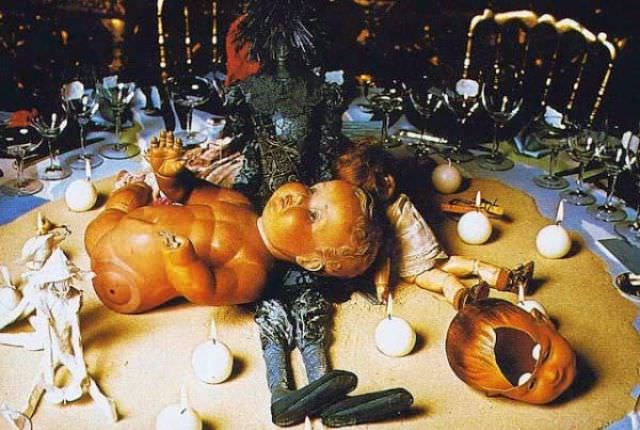
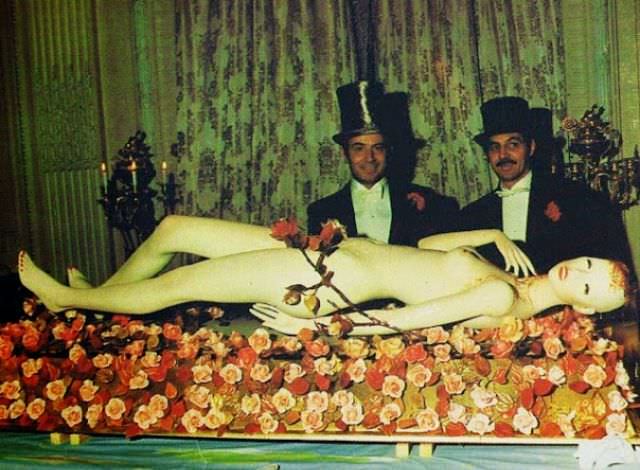
The dining tables were far from conventional. Centerpieces included dismembered dolls, cracked skulls, and animal parts arranged as decoration. One table featured a figure made entirely of roses shaped like a woman. Another displayed what appeared to be a human corpse resting on a bed of fur. Plates were shaped like human body parts, and napkins were embroidered with symbols tied to secret societies. Taxidermy animals and strange sculptures filled the room.
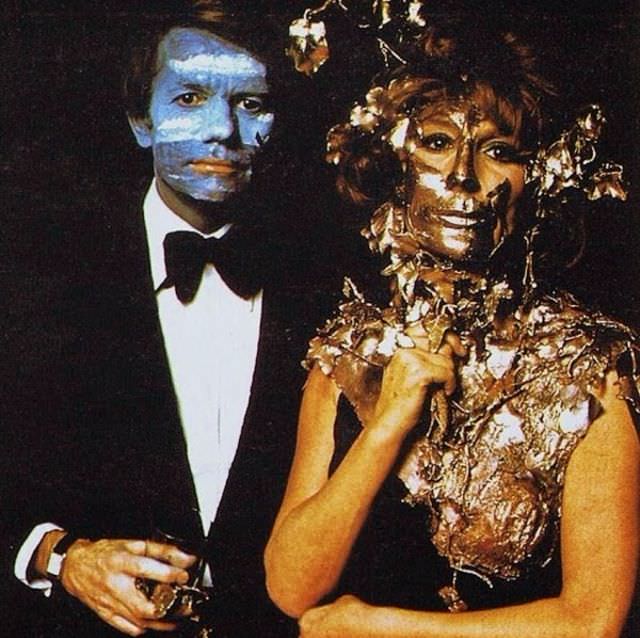
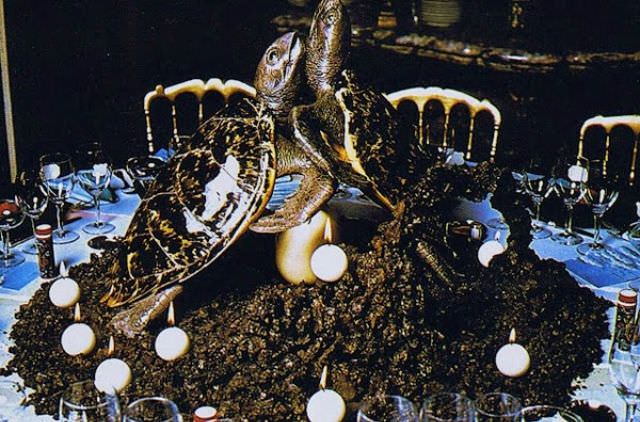
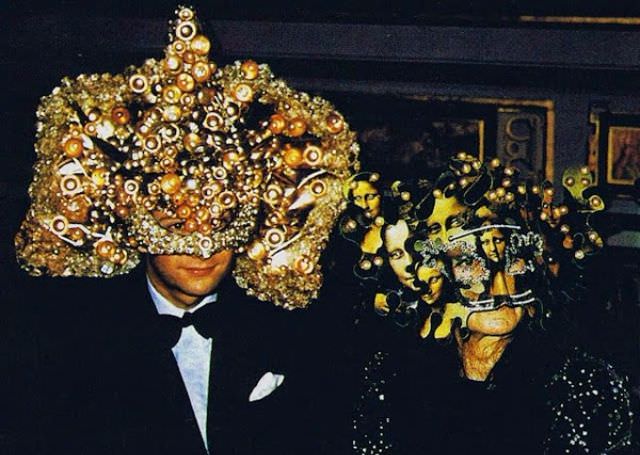
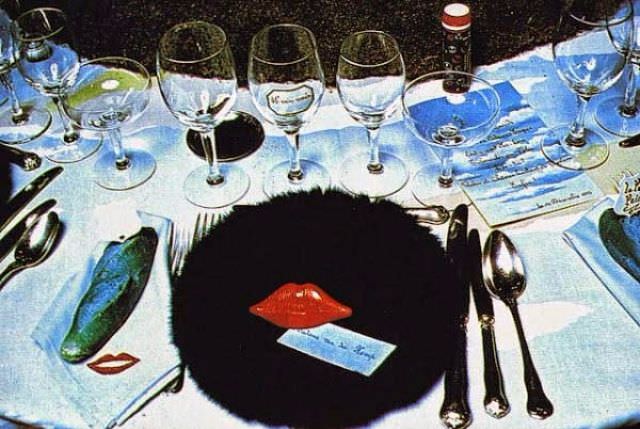
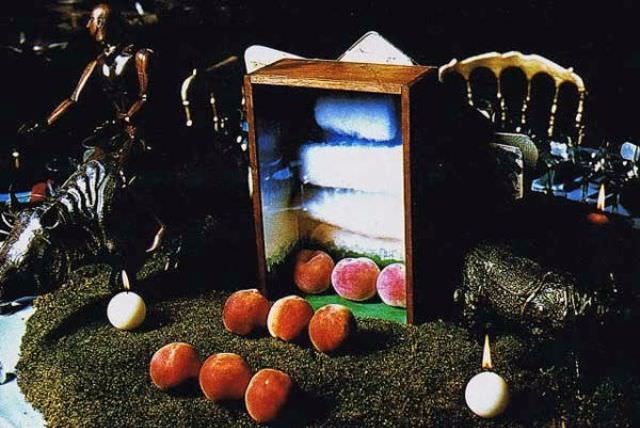
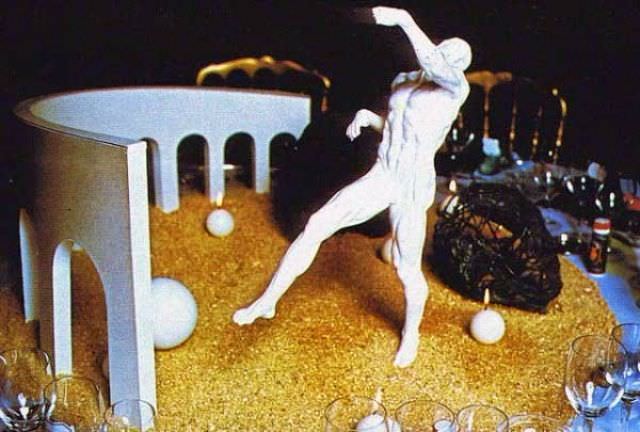
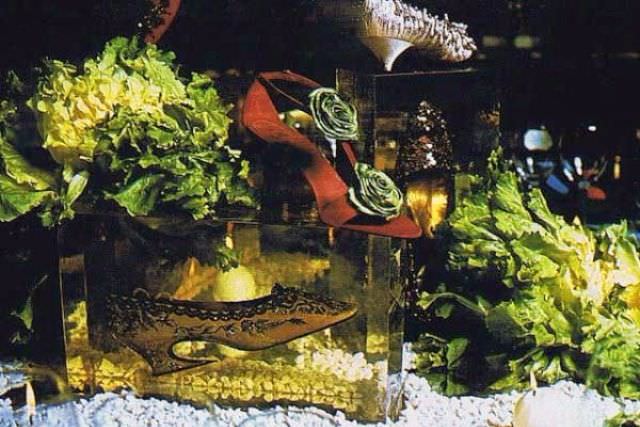
The Rothschild Surrealist Ball was a fully controlled spectacle, designed from the invitations outward to disorient and impress. The themes — masks that erased individual identity, beast imagery, diamond tears, and macabre table settings — were not accidental. They were deliberate choices made by one of the world’s most powerful families to frame an evening on their own terms. The photos that leaked from the event offer a rare window into a world that was never meant for public consumption. What those images show is a gathering of the global elite behaving not as bankers or aristocrats, but as architects of a private theater — one where the rules of ordinary society had no place at the table.