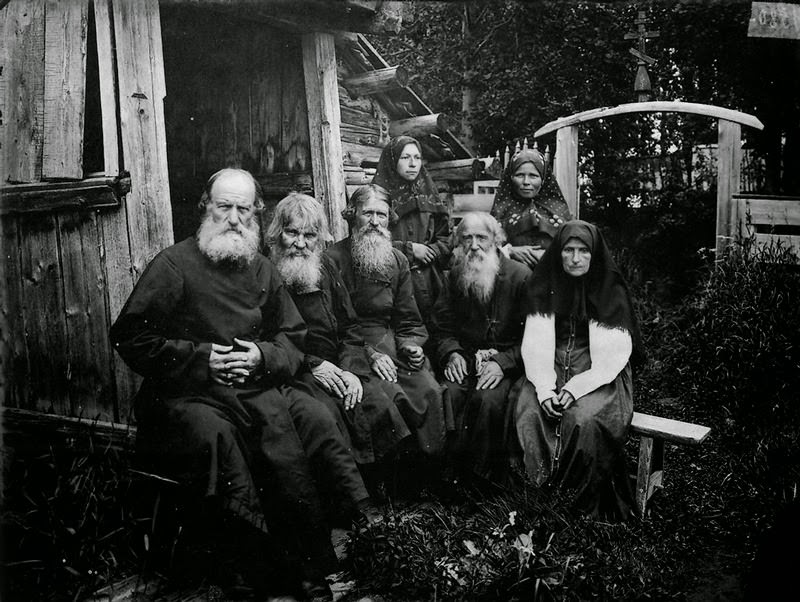
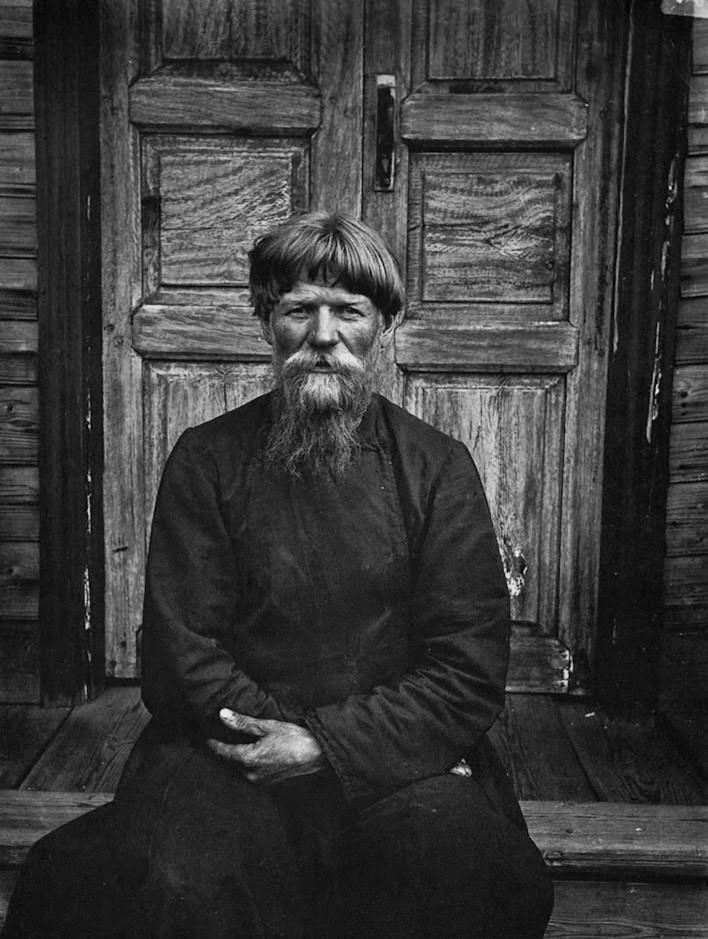
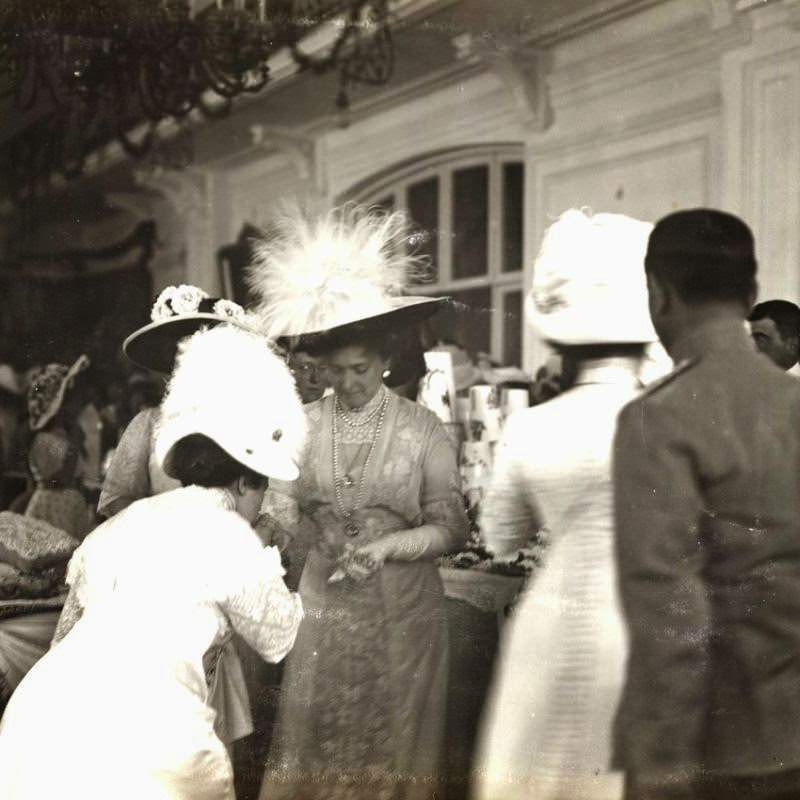
Imperial Russia in the early 1900s was a world of sharp contrasts. At the top, the Romanov family and the nobility lived in extraordinary luxury — grand estates, European fashions, and evenings filled with balls and opera in St. Petersburg. Most Russians, however, were peasants scraping by in small wooden huts called izbas, often sharing the space with livestock through brutal winters. Their diet centered on rye bread, cabbage soup, and porridge. Work ran from sunrise to sunset for men, women, and children alike.
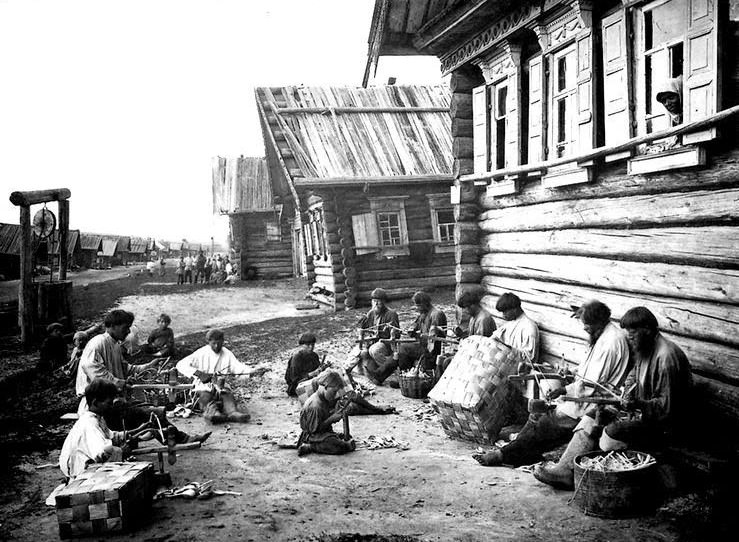
Village life revolved around community and craft. Families produced what they needed by hand, and local trade kept rural economies moving.
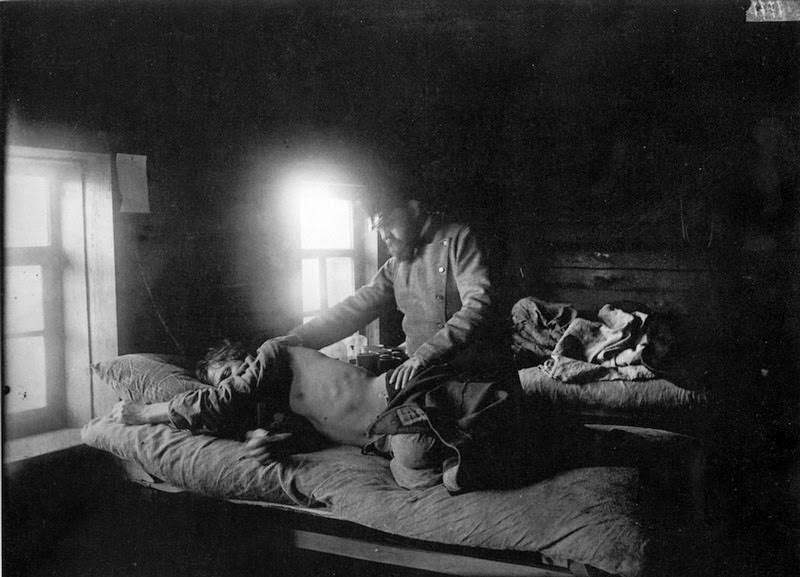
Medical care in the countryside was scarce. When a doctor did appear in a village, it was a rare event. Schools were equally uncommon — most peasants could not read or write.
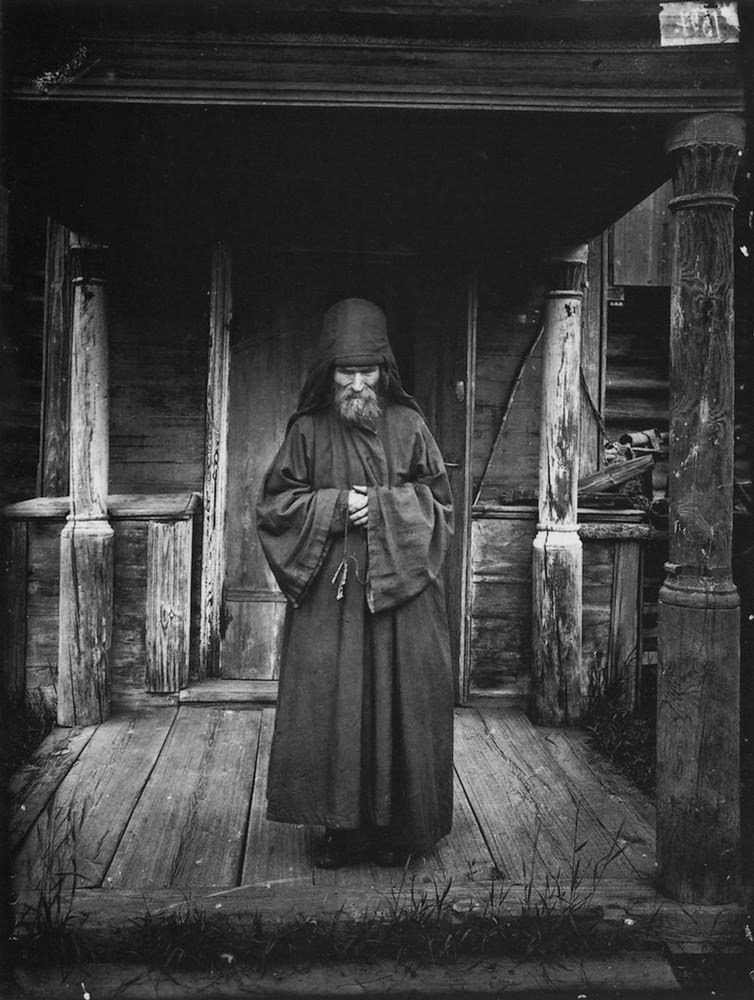
The Russian Orthodox Church anchored daily life across the empire. Every village had a church with golden domes. Priests were central figures, and many Russians believed the Tsar was divinely chosen to rule over them.
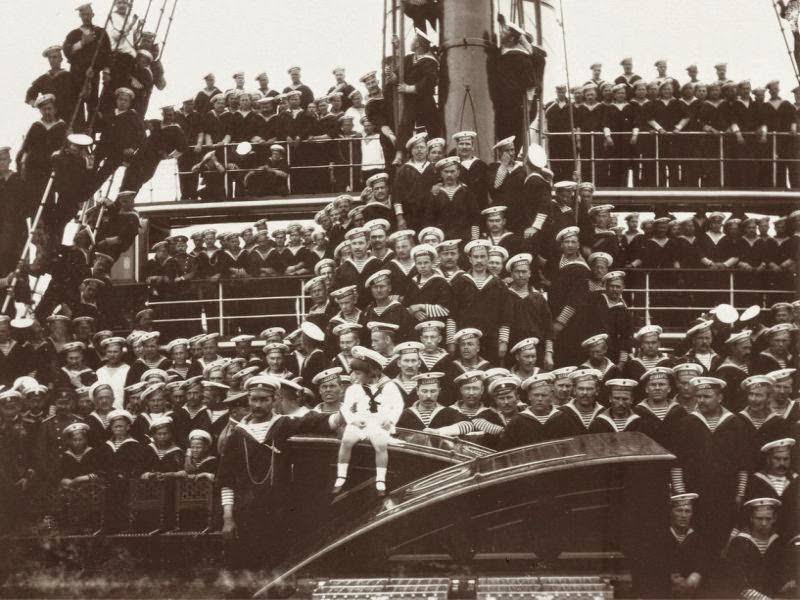
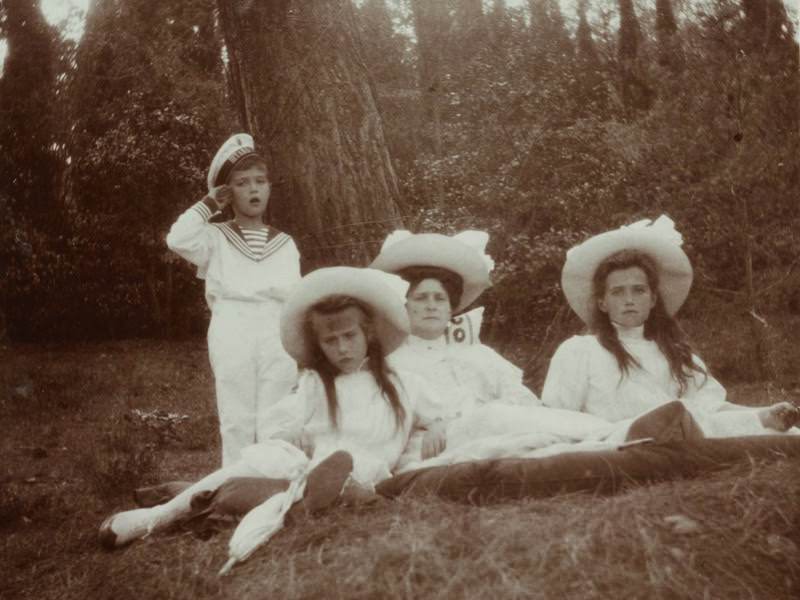
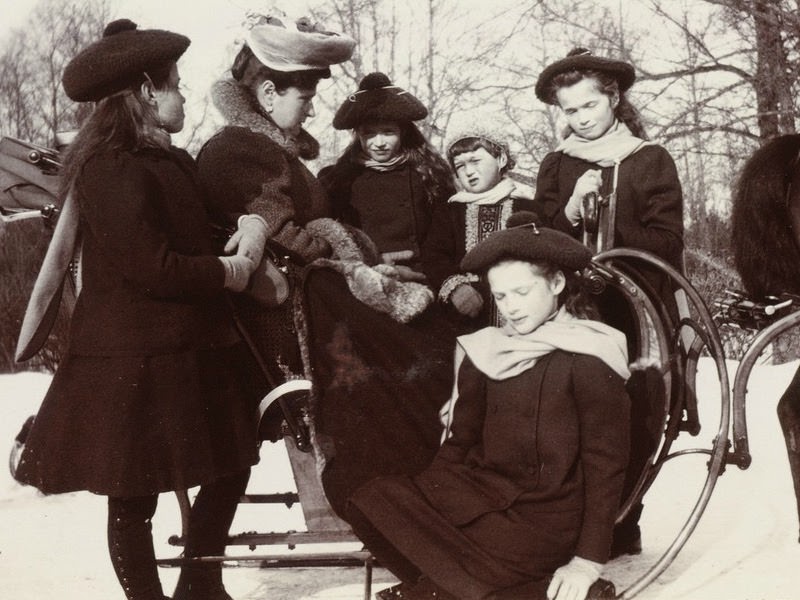
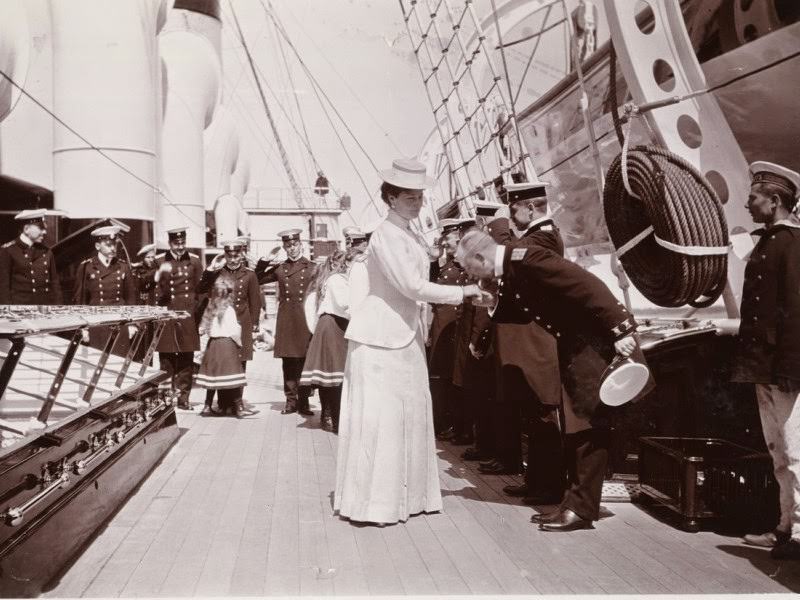
While peasants labored in fields and factories, the Romanov family enjoyed a world apart. Tsar Nicholas II and his family spent time aboard the imperial yacht Standart, surrounded by officers and the comforts of imperial privilege.
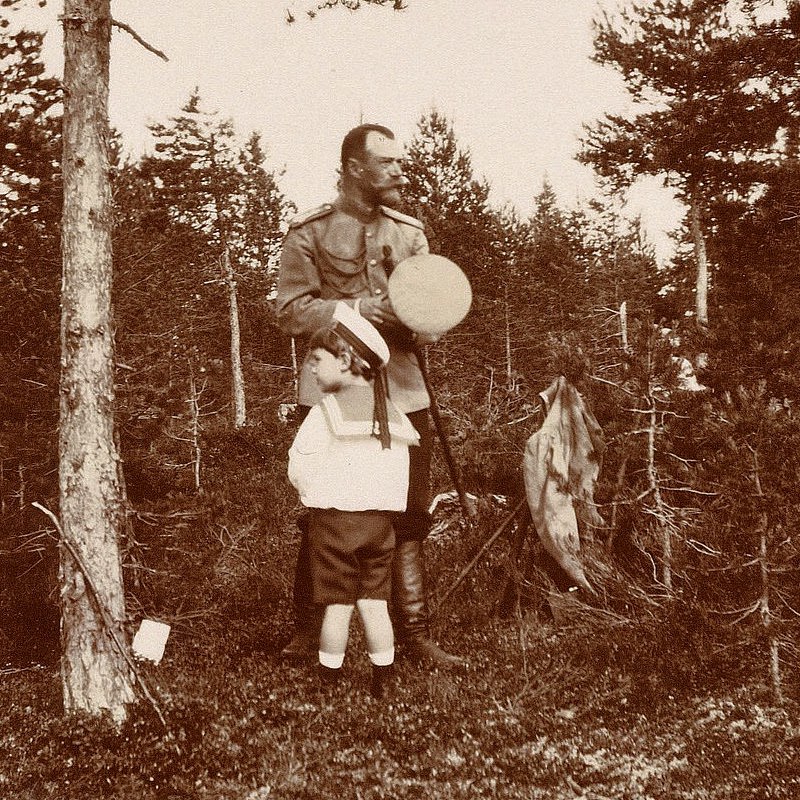
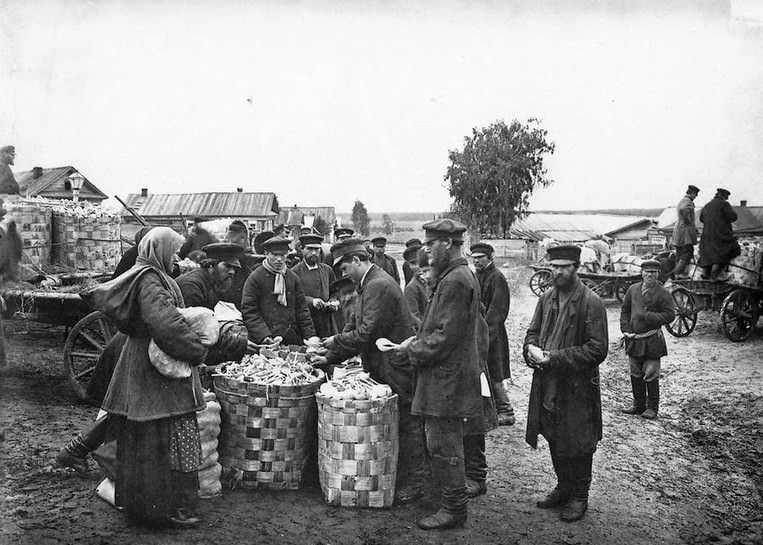
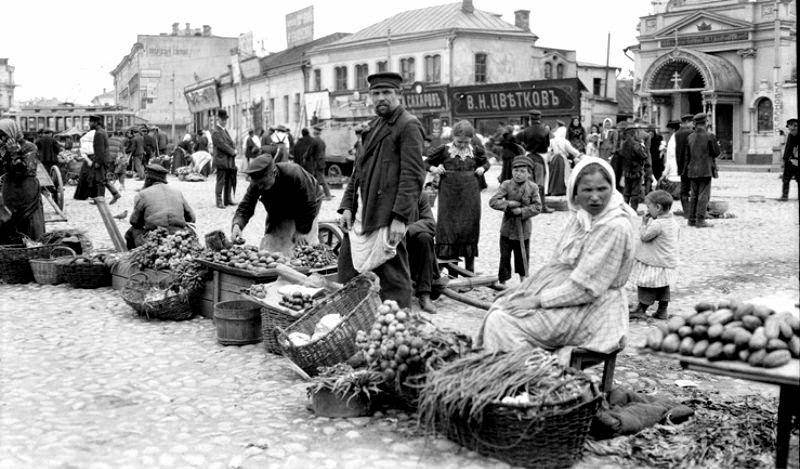
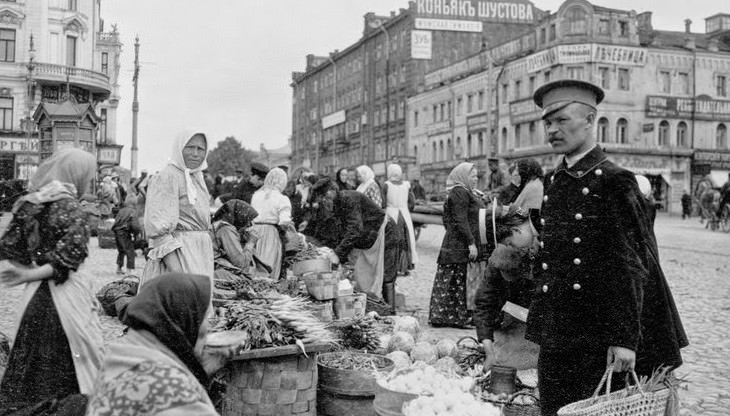
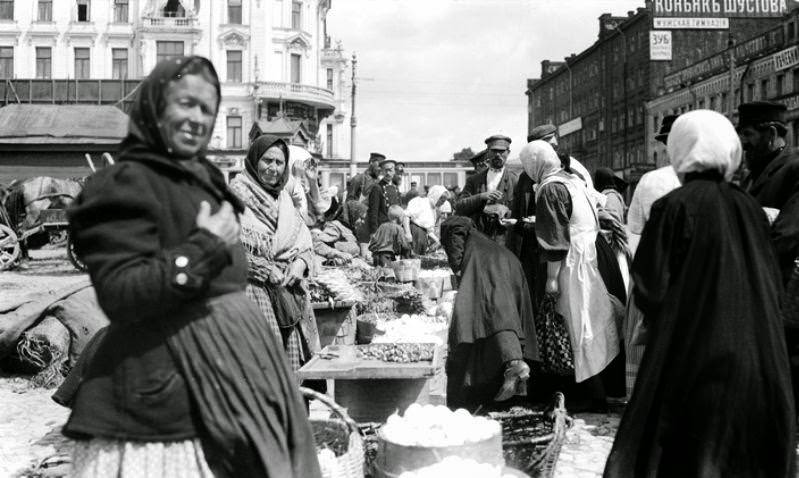
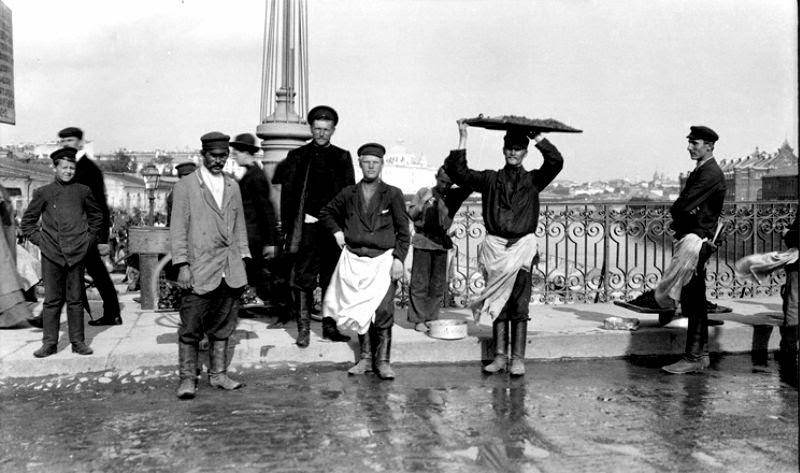
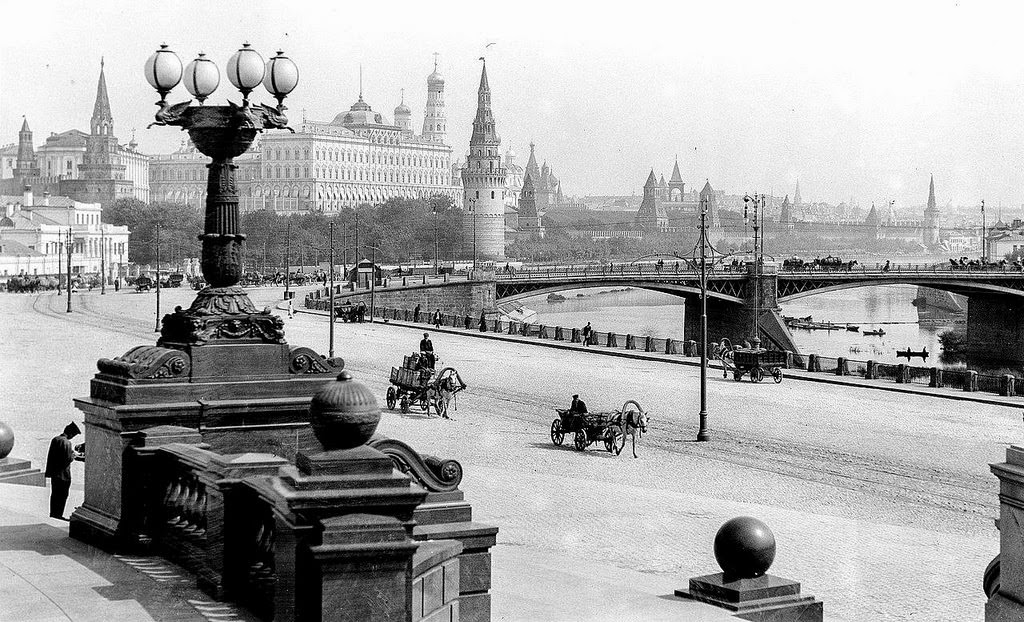
Moscow’s streets told a different story — one of a changing Russia. Peasants who had left the countryside flooded into the city looking for factory work. Markets buzzed with vendors selling vegetables and fruit, while pedestrians filled the busy streets.
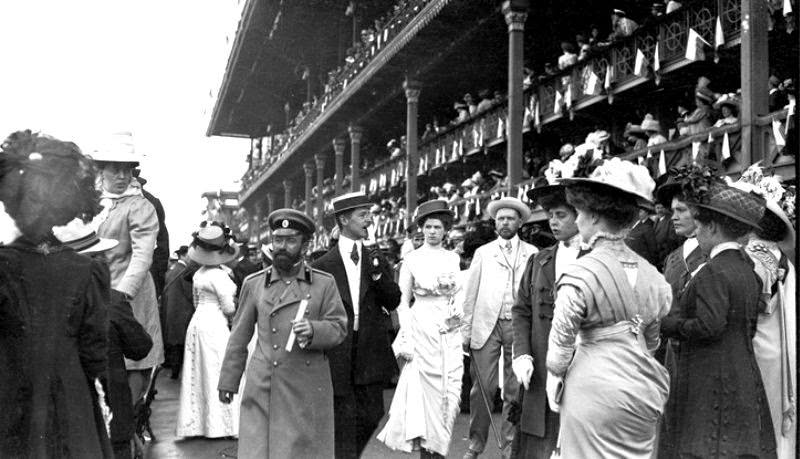
Political tension ran beneath the surface throughout this period. The 1905 uprising forced the creation of a parliament called the Duma, but conditions for ordinary people changed little. The Tsar remained under heavy guard as unrest continued to simmer.
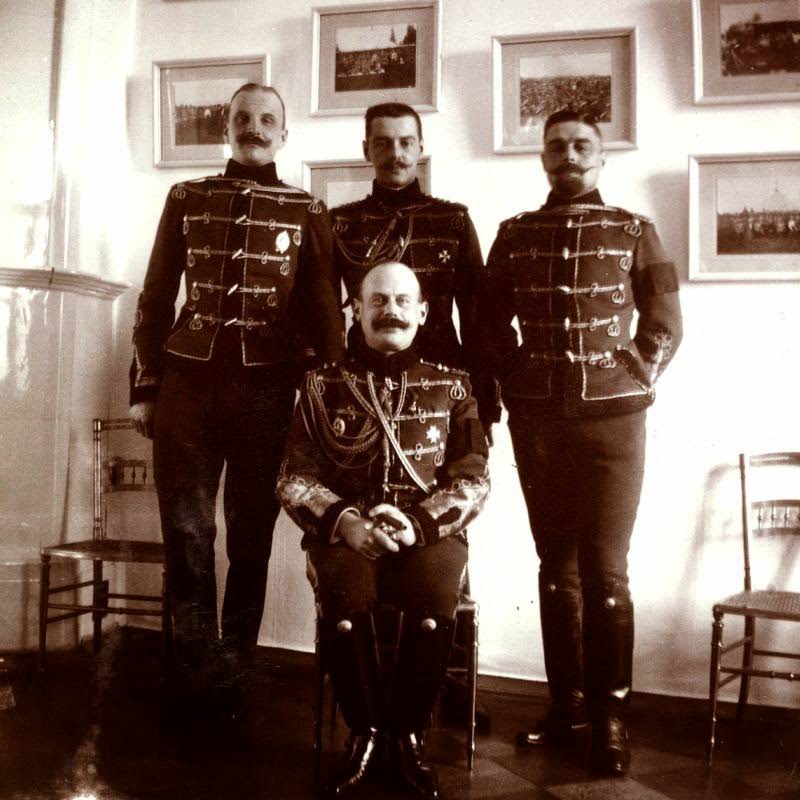
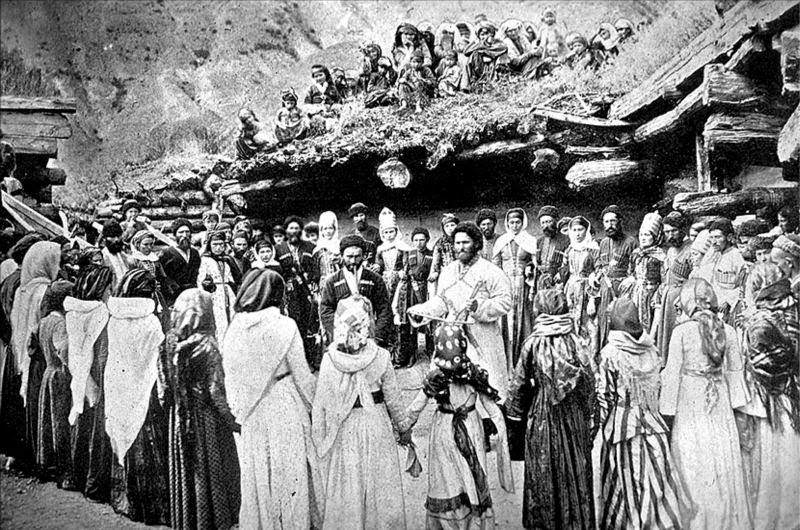
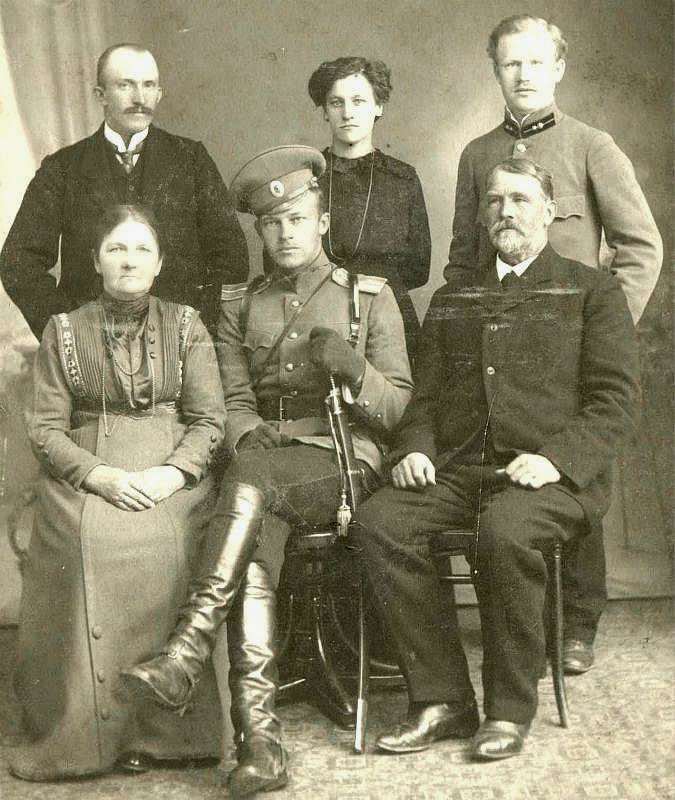
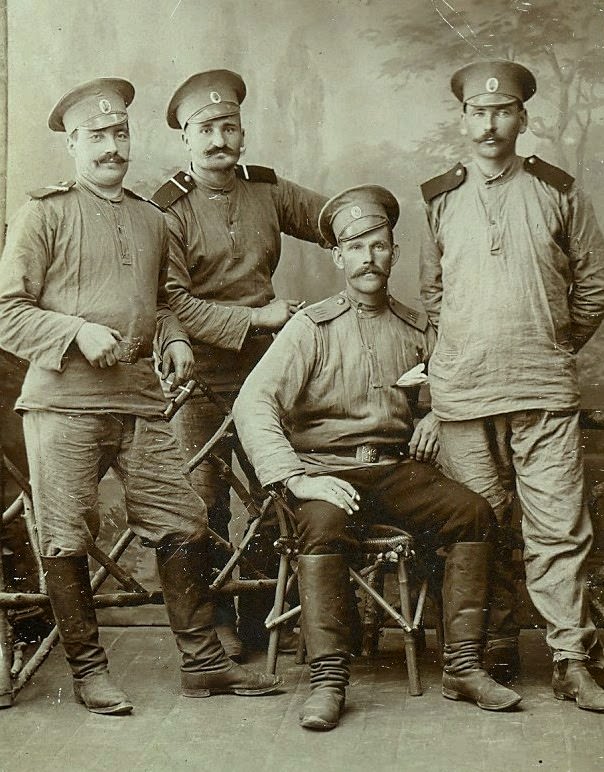
Military life was a visible part of Russian society. Officers held social status and appeared publicly with their families. By the 1910s, Russia’s army was a massive institution drawn from all corners of the empire.
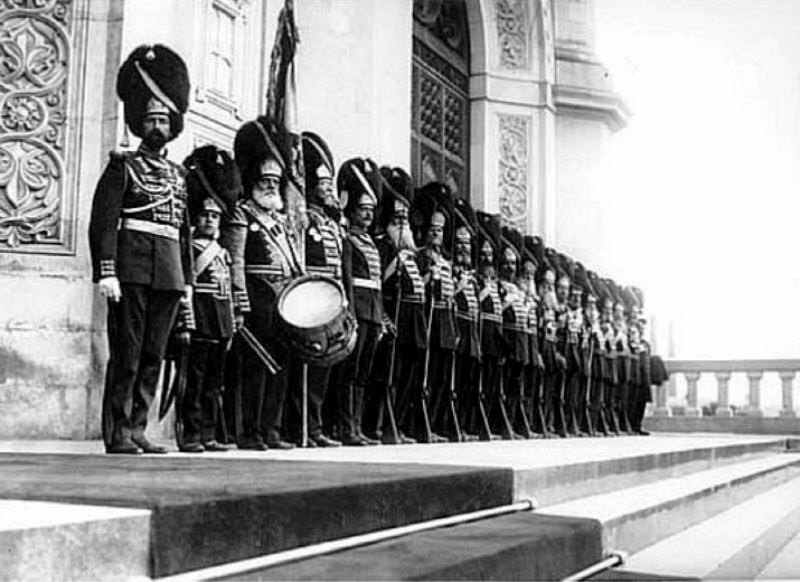
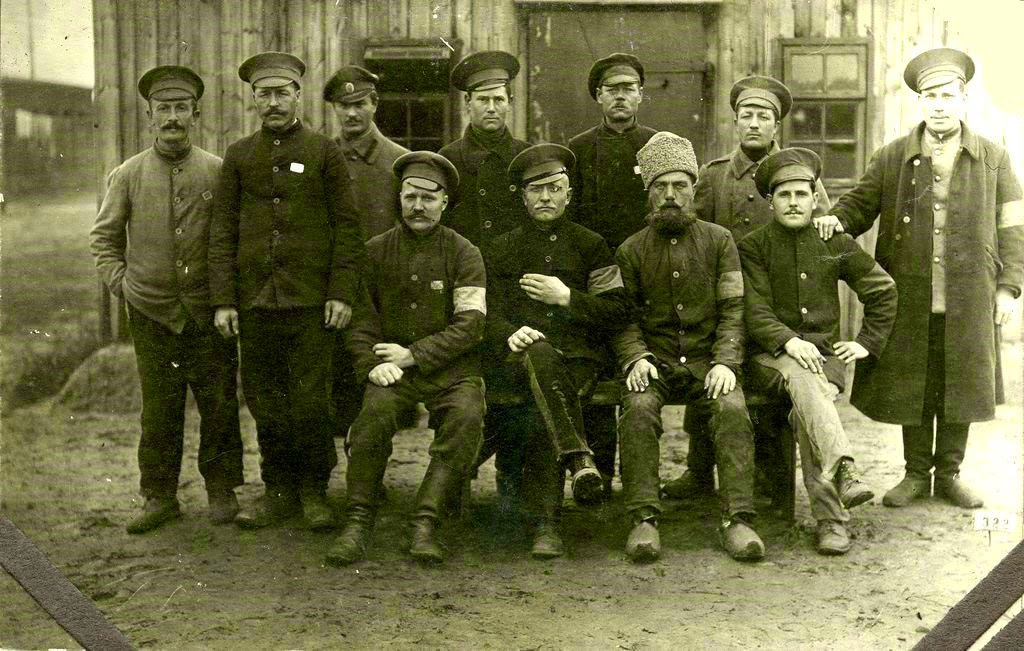
Public ceremonies reinforced the empire’s power and traditions. In 1912, grenadiers gathered at the Cathedral of Christ the Savior to mark the centennial of the Patriotic War against Napoleon. Within a few years, those same soldiers would face a far deadlier conflict — and many would end up in German prisoner-of-war camps before the decade was out.