
in

Street Safety Images from Los Angeles Warned Drivers to Watch for Children in the 1930s

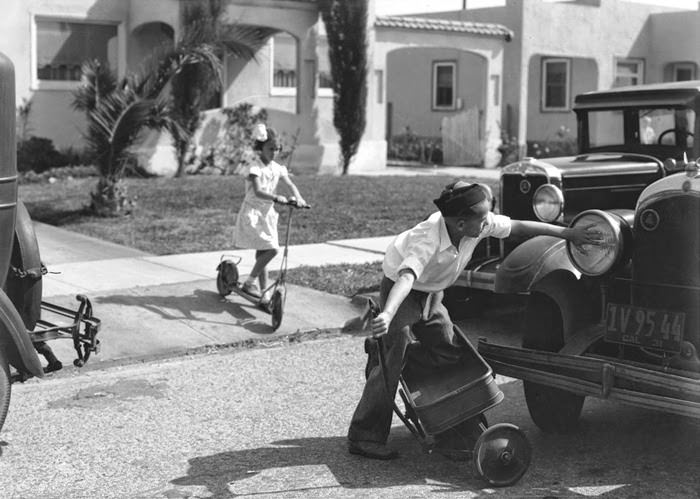
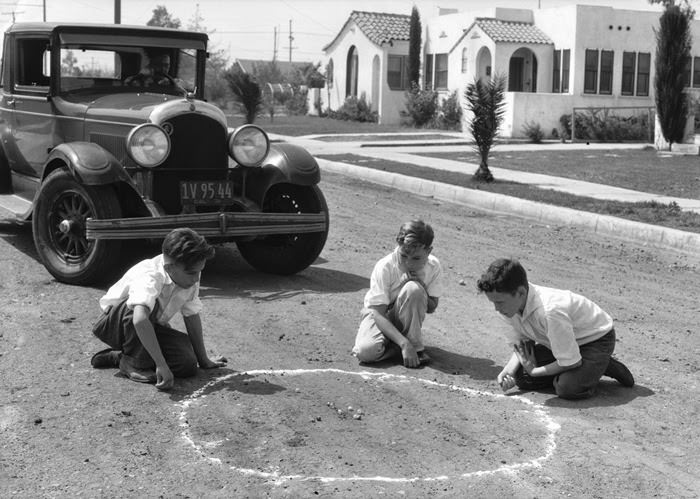
In 1931, the intersection of Wilshire Boulevard and McCadden Place in Los Angeles became a strange sort of film set. However, the production wasn’t for a Hollywood feature; it was for a life-saving mission. The Automobile Club of Southern California (ACSC) was embarking on a pioneering visual campaign to address a mounting crisis: the deadly conflict between the growing number of automobiles and children playing in the streets.

The Context of a Car-Crazy City

By the early 1930s, Los Angeles was rapidly cementing its identity as a city built for the car. Infrastructure was evolving, but social habits were lagging behind. Streets that had once been the domain of pedestrians, horse-drawn carriages, and neighborhood games were now thoroughfares for increasingly fast and heavy machinery.

The data was sobering. Pediatric traffic fatalities were a significant portion of road deaths, often occurring because drivers—unaccustomed to the speed of their own vehicles—simply didn’t see children until it was too late.

Read more..

The Art of the “Fake” Hazard

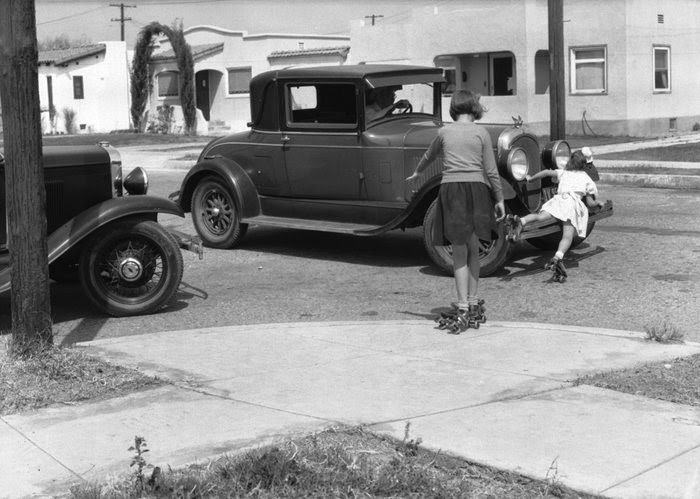
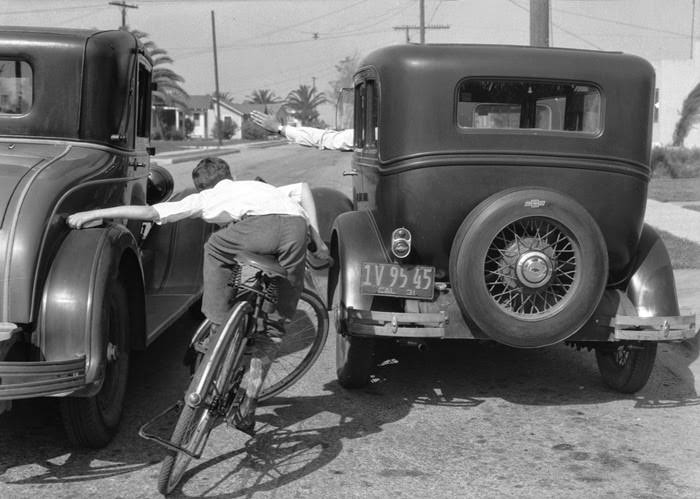
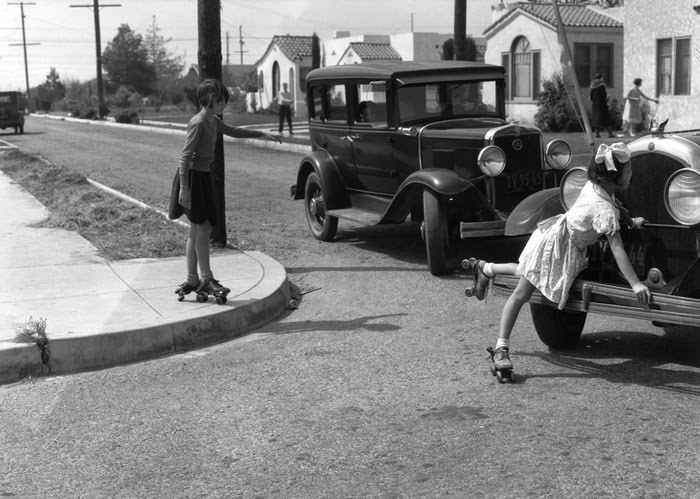
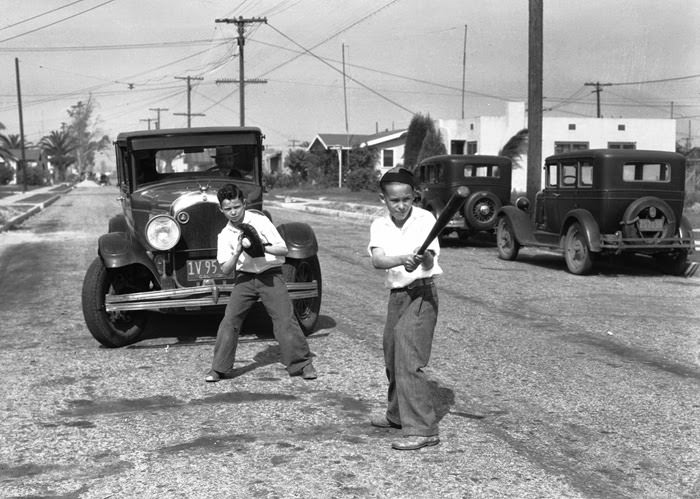
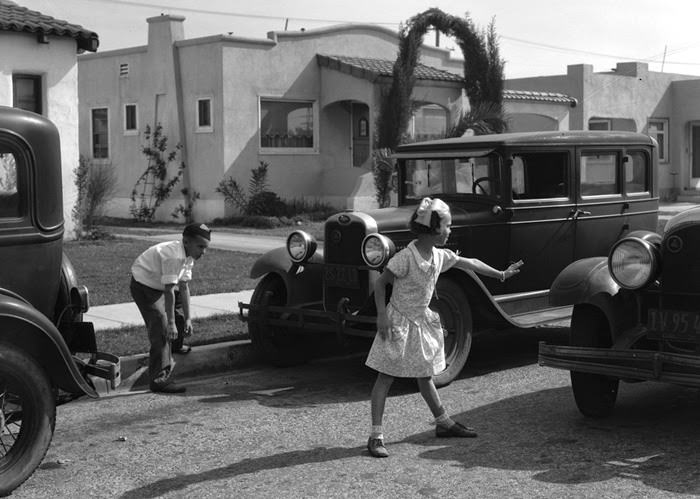
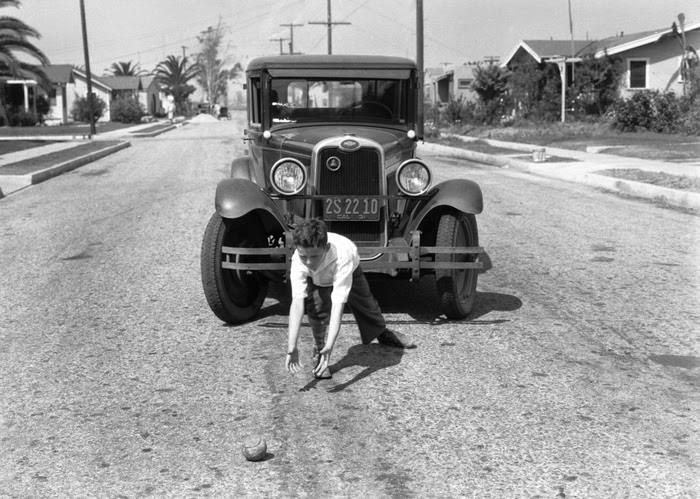
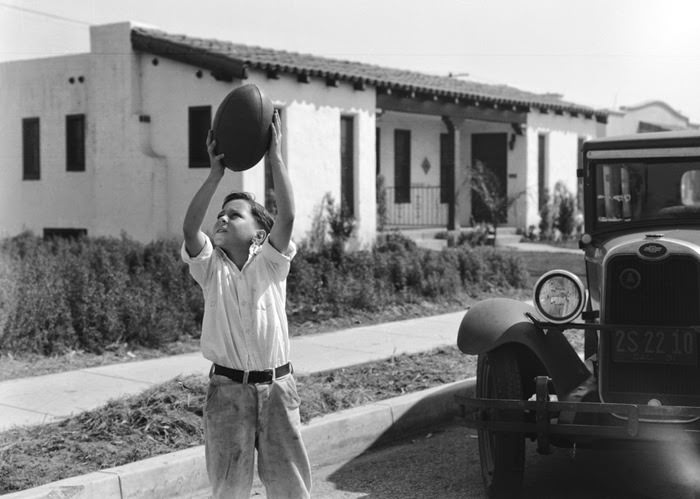
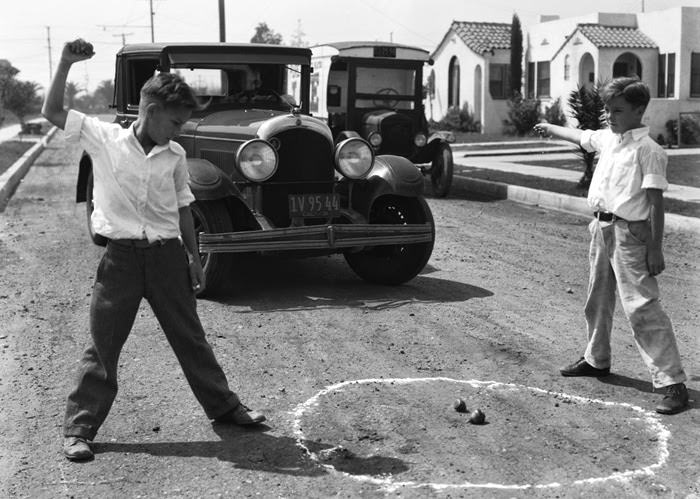
Rather than relying solely on dry statistics or gruesome accident reports, the ACSC decided to show drivers exactly what they were missing. They produced a series of photographs that “faked” street hazards to illustrate the split-second nature of traffic dangers.

  • These weren’t just random snapshots. The images were meticulously staged to simulate the driver’s perspective. Key scenarios included:
  • The Chasing Ball: A child darting between parked cars to retrieve a stray ball—perhaps the most iconic and persistent trope in traffic safety.
  • The Blind Corner: Children playing near intersections where visibility was obscured by the bulky, upright architecture of 1930s sedans.
  • The “Hitch-on”: Kids attempting to catch a ride on the back of slow-moving trucks, a common but lethal pastime of the era.

By using real children in real Los Angeles neighborhoods like Hancock Park (near McCadden Place), the photos carried a visceral weight that a simple drawing could never achieve.

Why Wilshire and McCadden?

The choice of the Wilshire Boulevard and McCadden Place area was intentional. At the time, this was a prestigious, developing part of the city. By staging these “accidents” in a middle-class, affluent neighborhood, the ACSC sent a clear message: traffic danger wasn’t just a problem for the crowded tenement districts of the inner city; it was a universal threat that required vigilance from every driver, regardless of their social standing or the quality of their car.

The Birth of Modern Driver Education

This 1931 series represents a pivotal moment in the history of driver education. It was one of the first times a major organization used high-quality, staged photography specifically designed to train the “driver’s eye.” It acknowledged that driving was not just a mechanical skill of steering and braking, but a psychological one involving constant hazard perception.

The manuals that featured these photos urged drivers to “Stay Alert” and “Expect the Unexpected.” These slogans, which we take for granted today, were radical concepts in a world that was still getting used to the idea of a car in every driveway.

#5

Street Safety Images from Los Angeles Warned Drivers to Watch for Children in the 1930s

#10

Street Safety Images from Los Angeles Warned Drivers to Watch for Children in the 1930s

Enjoyed this post? Get new ones in your inbox.
Avatar of Michael Rodriguez

Written by Michael Rodriguez

Michael Rodriguez is a content creator and historian who specializes in creating viral listicles and other engaging content about historical photos and events. He has a passion for history in a fun and accessible way, curating interesting and informative lists that showcase the lesser-known stories and significance behind famous historical events and figures.

Leave a Reply

Your email address will not be published. Required fields are marked *