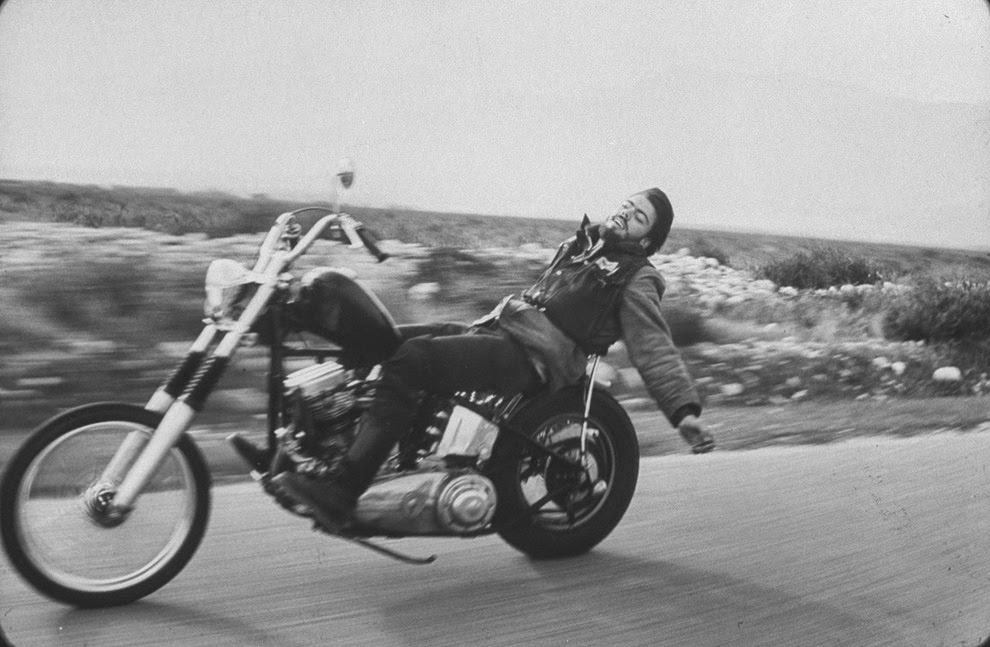
In 1965, photographer Bill Ray spent several weeks embedded with the San Bernardino chapter of the Hells Angels. He followed the group across the dry highways of Southern California, documenting their daily routines up close.
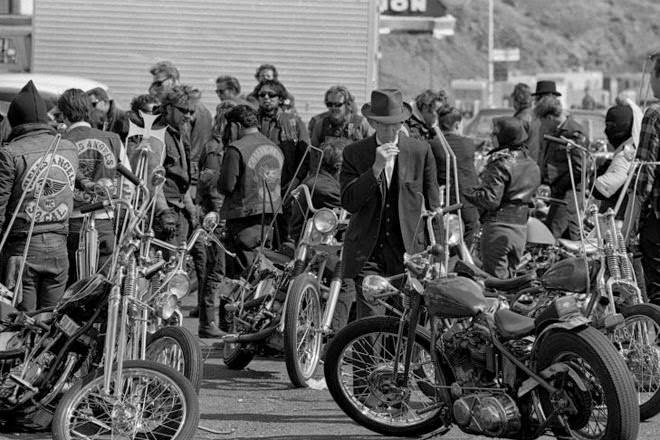
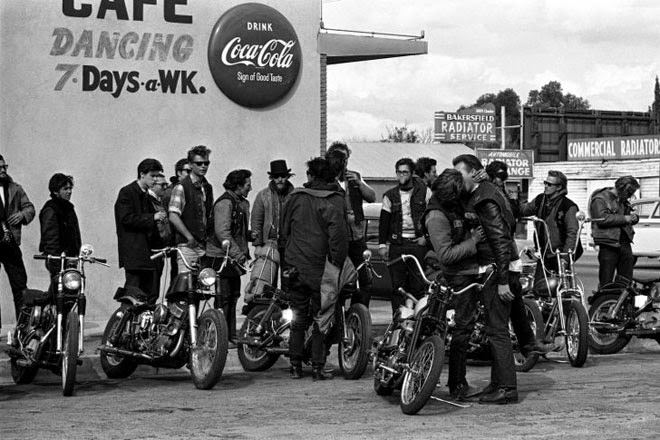
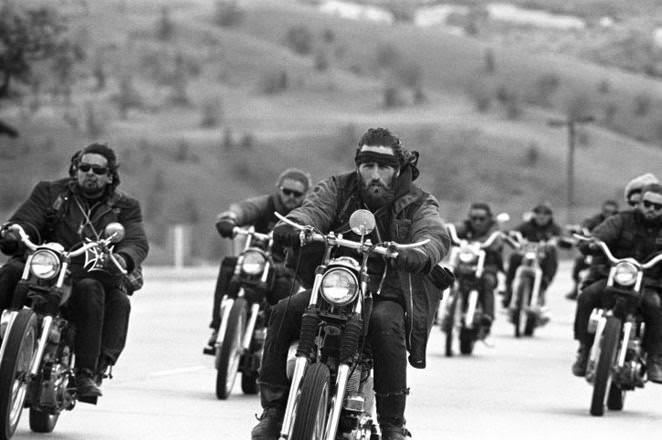
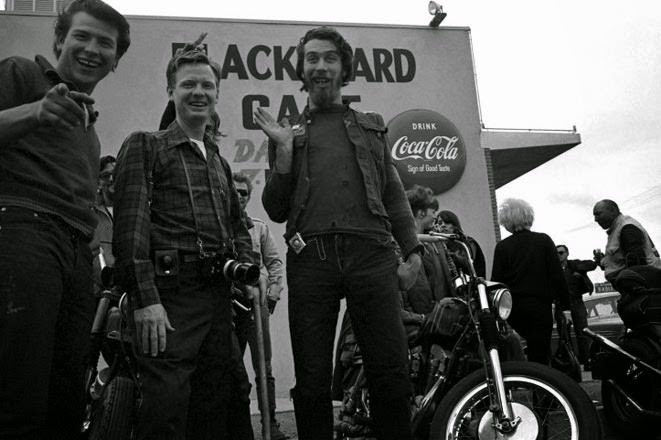
The members rode heavily modified Harley-Davidson motorcycles fitted with tall handlebars and stretched front forks. These bikes were loud, temperamental, and required constant attention. It was common to see riders pulled over on the roadside, fixing mechanical problems with basic hand tools. For these men, their motorcycles ranked above everything else they owned.
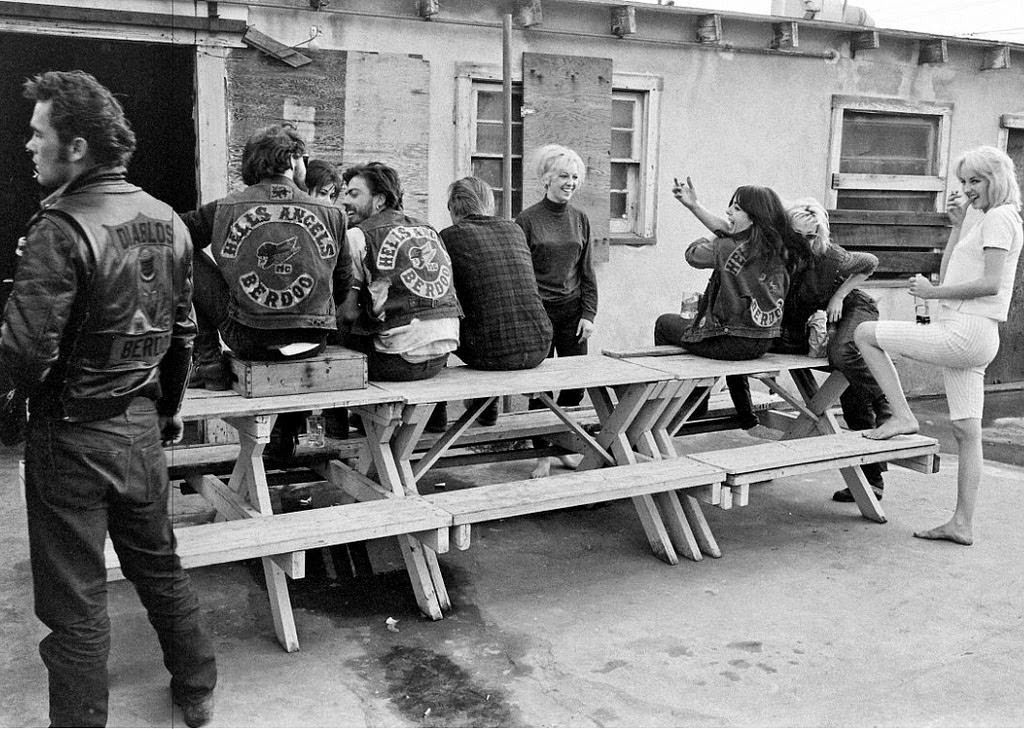
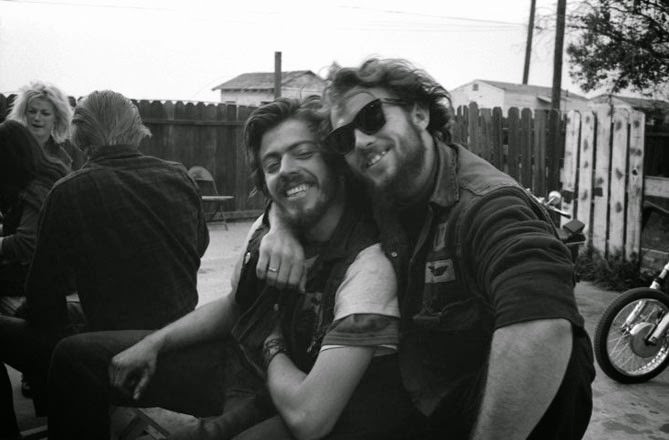
Their look was immediately recognizable. Members wore denim or leather vests called “cuts,” each bearing the club’s “Death Head” logo on the back — a winged skull in a motorcycle helmet. Patches marking them as “one-percenters” were worn with pride, a direct reference to the claim that 99% of riders were law-abiding. The Hells Angels wore the label to signal they lived entirely outside mainstream society. Long, unkempt hair and beards set them apart sharply from the clean-cut styles of the mid-1960s.
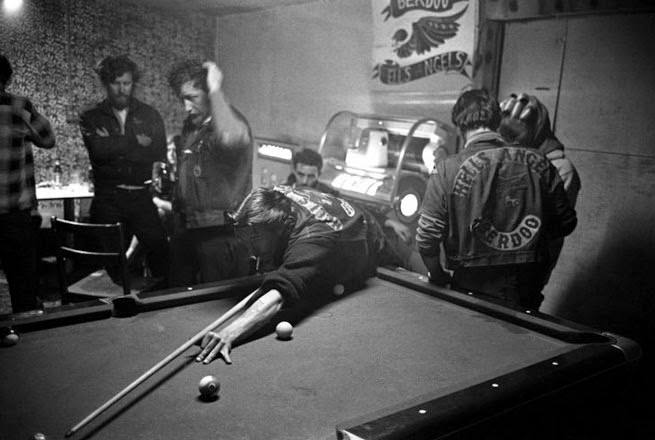
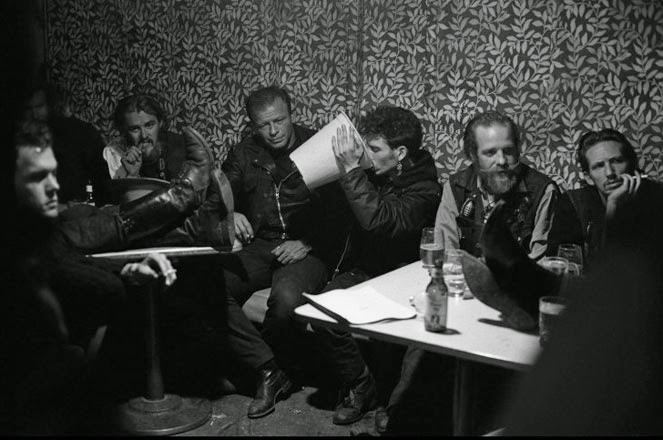
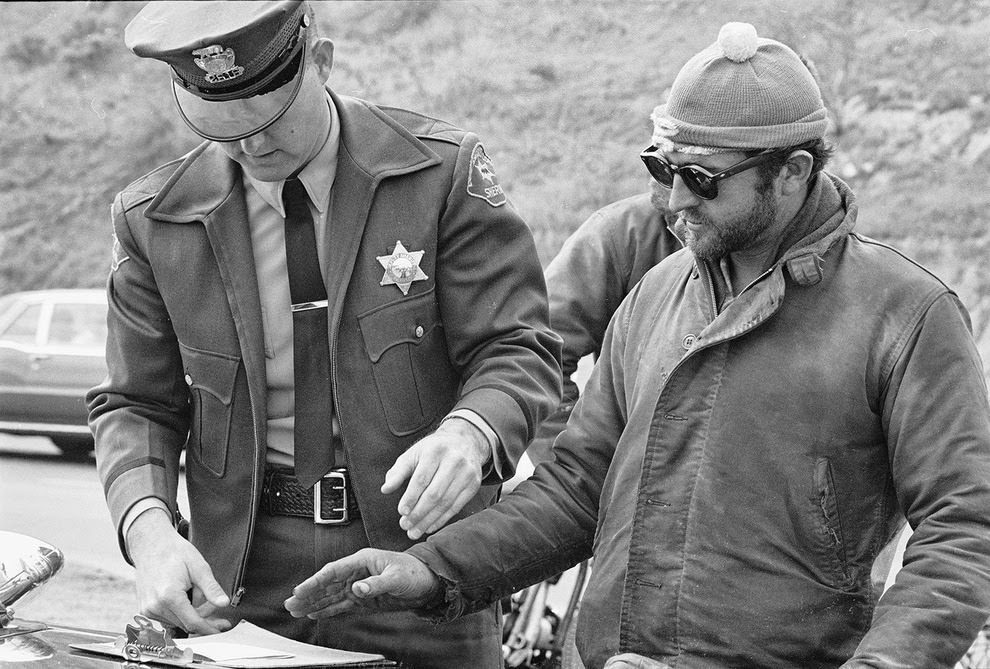
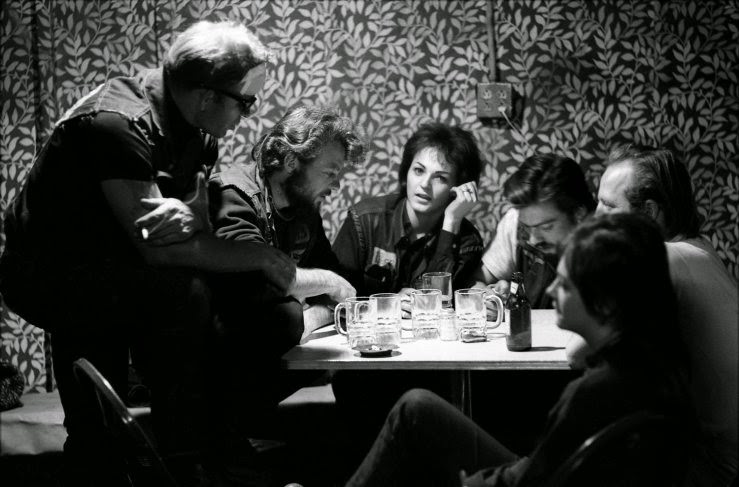
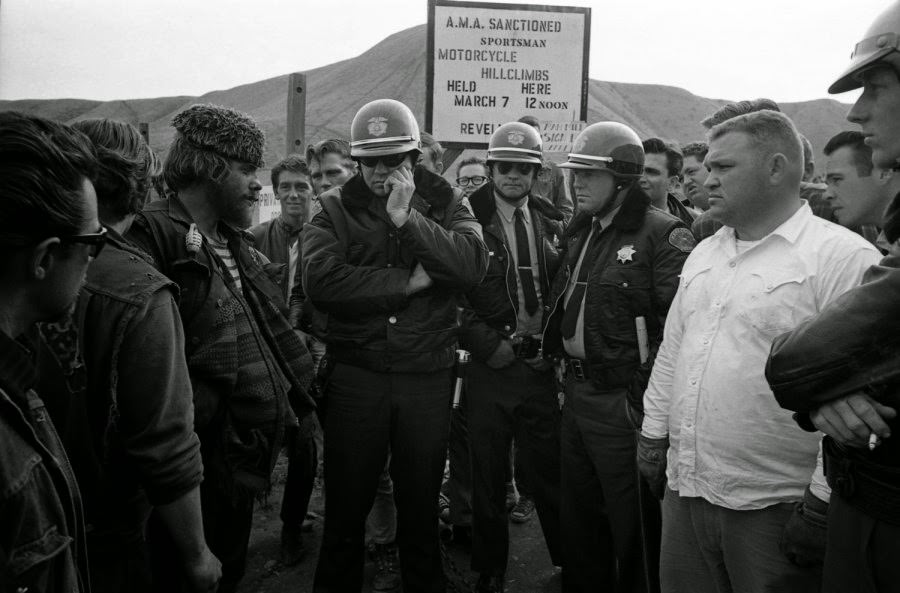
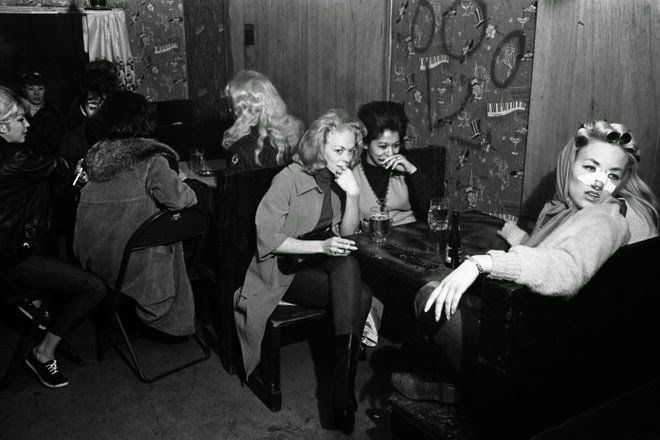
Ray captured the group drinking Coors beer and shooting pool in dim bars in towns like Fontana. When the club arrived in numbers, the atmosphere in these places turned tense. Local police trailed the group between cities, monitoring their movements.
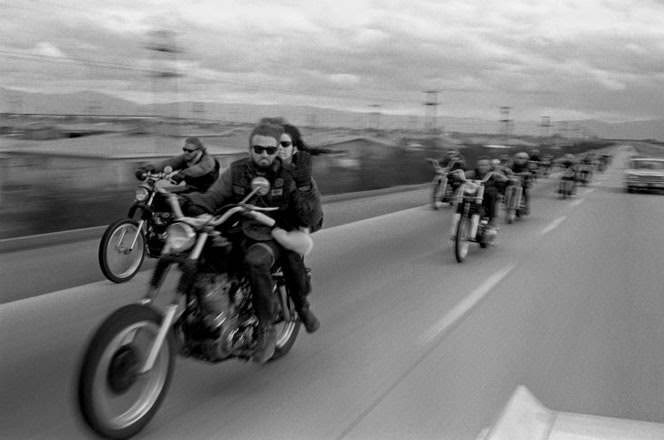
On the road, the club rode in tight formations that filled an entire highway lane. The lead rider set the pace, and members followed in an order determined by their rank within the chapter.
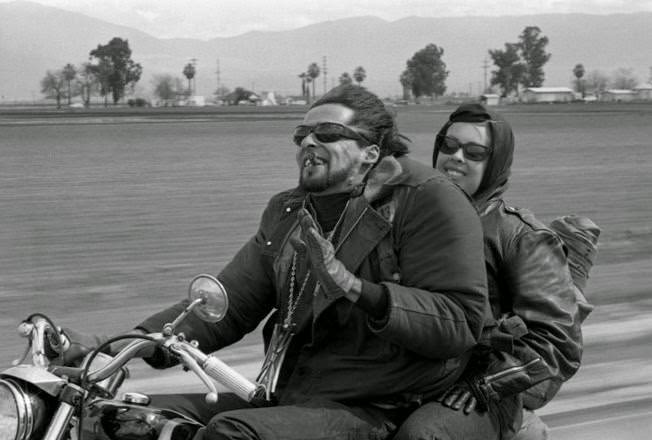
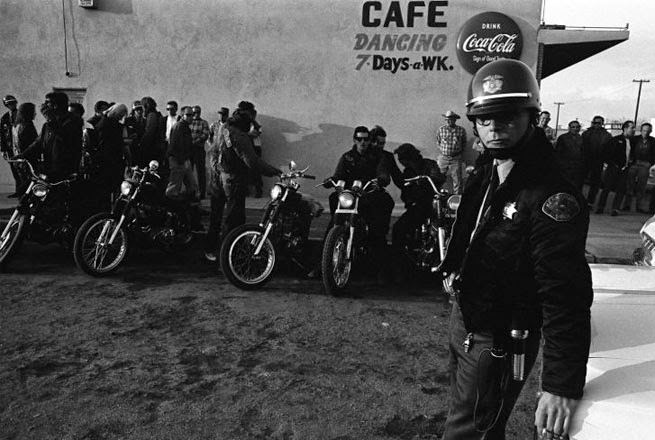
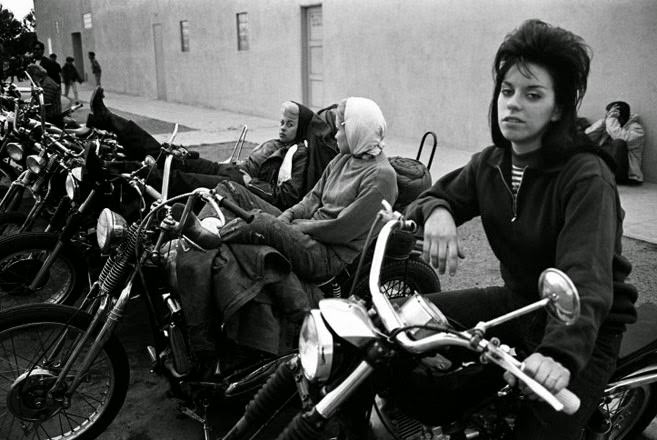
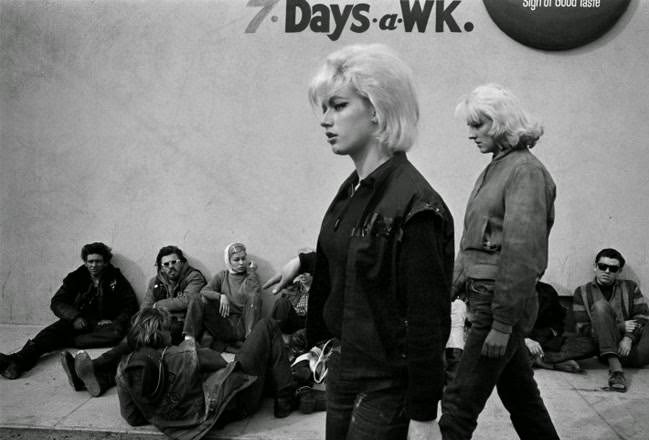
Women in the club, known as “Old Ladies,” rode on the backs of motorcycles during long runs. They wore denim jackets styled like the men’s, often with their partner’s name embroidered on them.
Overnight stops were stripped down. The group slept on the ground in open fields or on bare wooden floors inside their clubhouses. There were no tents, no sleeping bags — just the road life they had chosen.