Before airplanes took over the skies, two very different flying machines ruled the air: the hot air balloon and the Zeppelin. In the first two decades of the twentieth century, these aircraft carried passengers, scouted battlefields, raced across continents, and changed how people thought about travel. The photographs from this era capture a world where the sky was still new territory — and the machines conquering it were unlike anything seen before.
The story of the Zeppelin begins with Count Ferdinand von Zeppelin, a retired German army officer who spent years drawing up plans for a new kind of airship. In 1900, he launched the LZ 1, a craft over 400 feet long with a rigid aluminum frame covered in varnished fabric. That first flight lasted just 18 minutes, but it proved the design worked. The rigid frame was the key innovation. It held the ship’s cigar shape even in strong winds and protected the gas cells inside. Those cells — about seventeen in total — were filled with hydrogen, the lightest gas available. Dividing the hydrogen into separate bags meant a single leak would not bring the whole ship down.
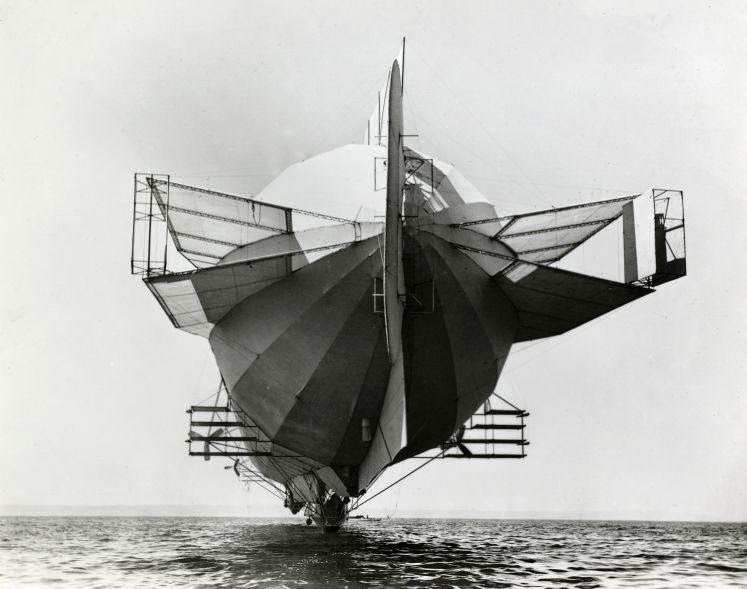
Unlike a balloon, a Zeppelin could be steered. Large internal combustion engines turned propellers mounted on the sides of the ship. Rudders and elevators at the tail let the crew change direction and altitude. The pilots worked from a gondola — a small cabin attached to the bottom of the frame. Inside, mechanics walked along narrow wooden catwalks to reach the engines and inspect the gas cells. It was loud, cramped work at high altitude, but it kept the ship flying.
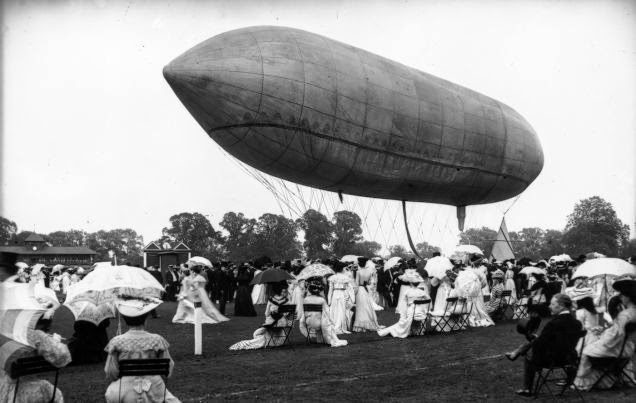
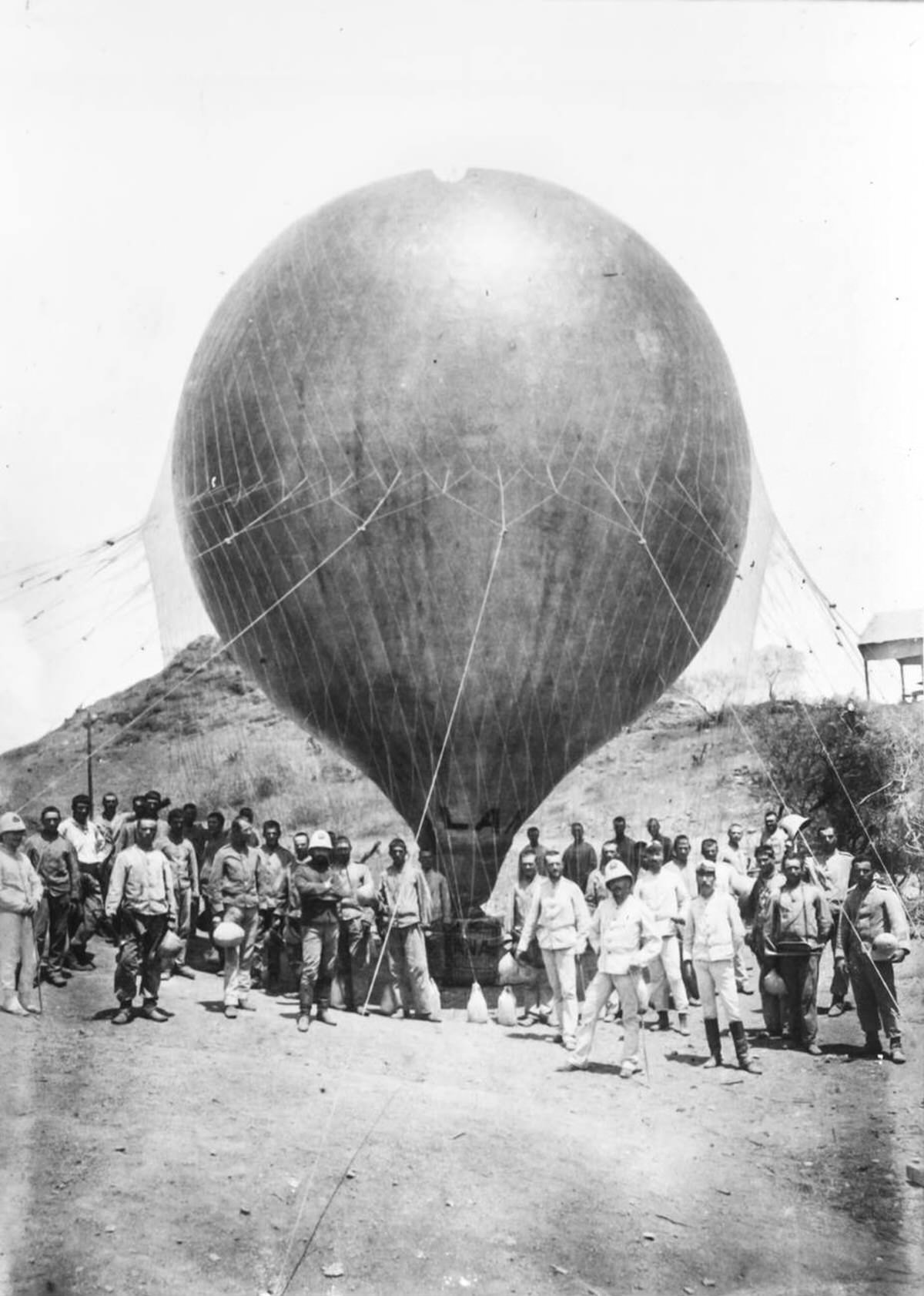
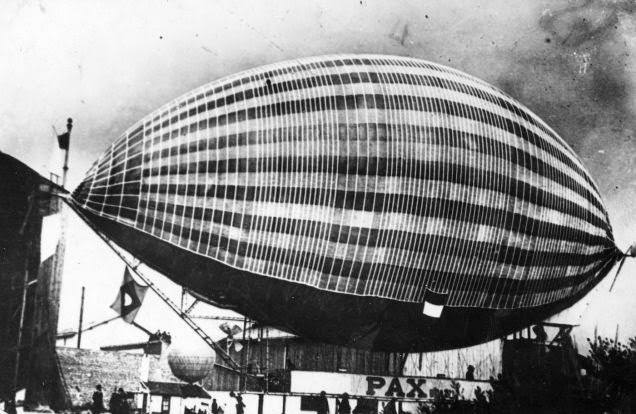
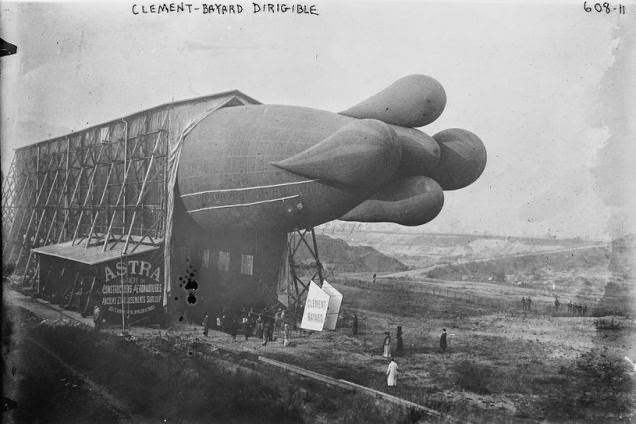
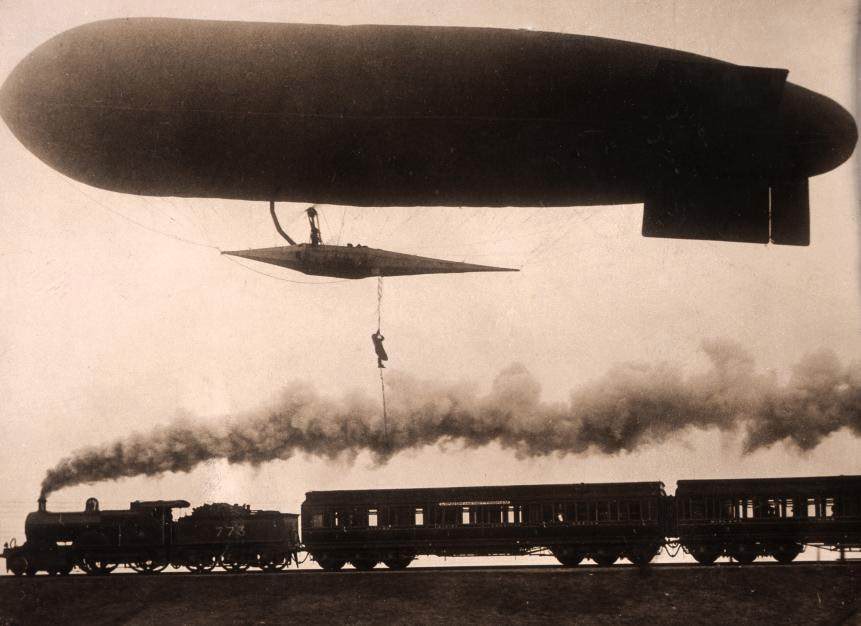
Early airship designs weren’t limited to Germany. Inventors across the world were experimenting with powered flight before the airplane became the dominant technology. Brazil, Britain, and France all produced their own versions of the steerable airship, each with different frames, envelopes, and propulsion systems.
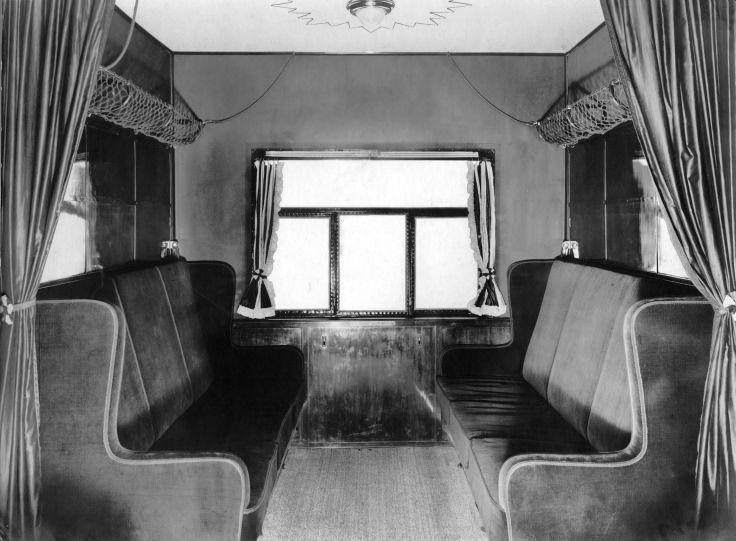
In 1909, Count Zeppelin helped found the DELAG, the world’s first commercial airline. Between 1910 and 1914, seven airships carried more than 34,000 passengers between German cities including Frankfurt and Berlin. The cabin was nothing like the cramped seats of modern air travel. Passengers sat in wicker chairs on carpeted floors, looked out large windows at the landscape below, and were served meals during the flight. The ships cruised at around 50 miles per hour — faster than a train — and the ride was remarkably smooth. Because the ship was lighter than air, it didn’t need speed to stay aloft, so there was almost no vibration. The only constant sound was the hum of the engines.
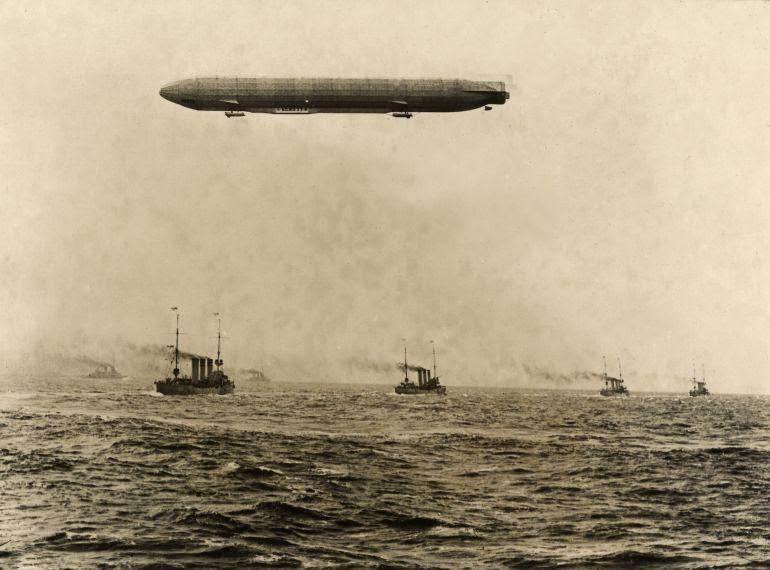
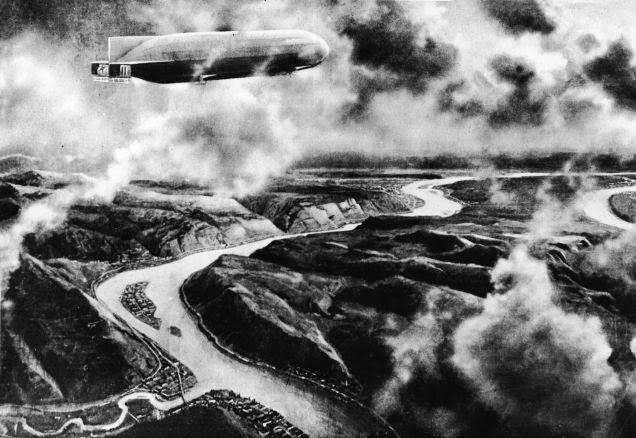
When World War I began in 1914, the German military immediately took control of all Zeppelins. Their size made them useful for two purposes: scouting and bombing. The German Navy deployed them over the North Sea to track British warships. The Army sent them over cities like London and Paris to drop bombs — the first aerial bombardment of civilian targets in history. Military Zeppelins were larger and faster than their commercial counterparts, fitted with bomb loads and machine guns. But hydrogen was dangerously flammable. The British developed incendiary bullets that could ignite a gas cell on contact. One hit was enough to turn an entire airship into a fireball.
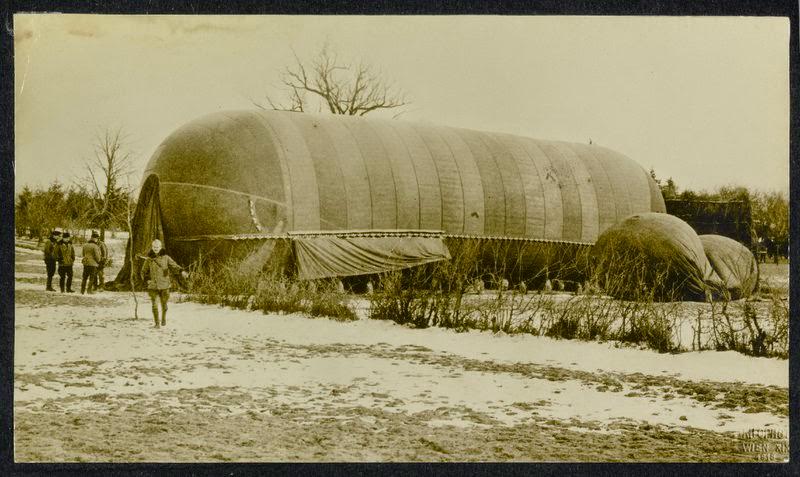
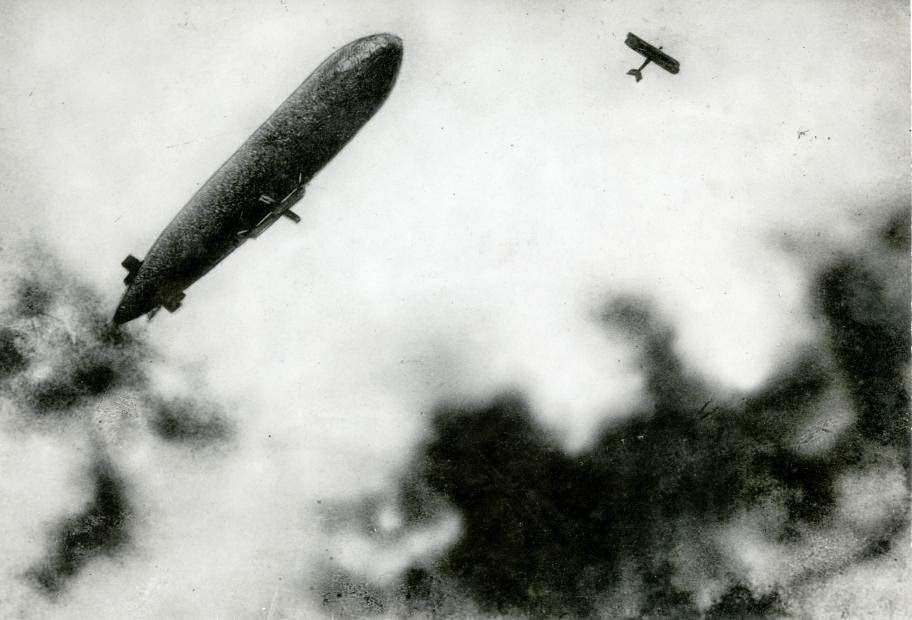
French and British airships were also active during the war, and they too came under fire. Enemy aircraft hunted them aggressively, targeting the vulnerable gas envelopes with whatever weapons they had available.
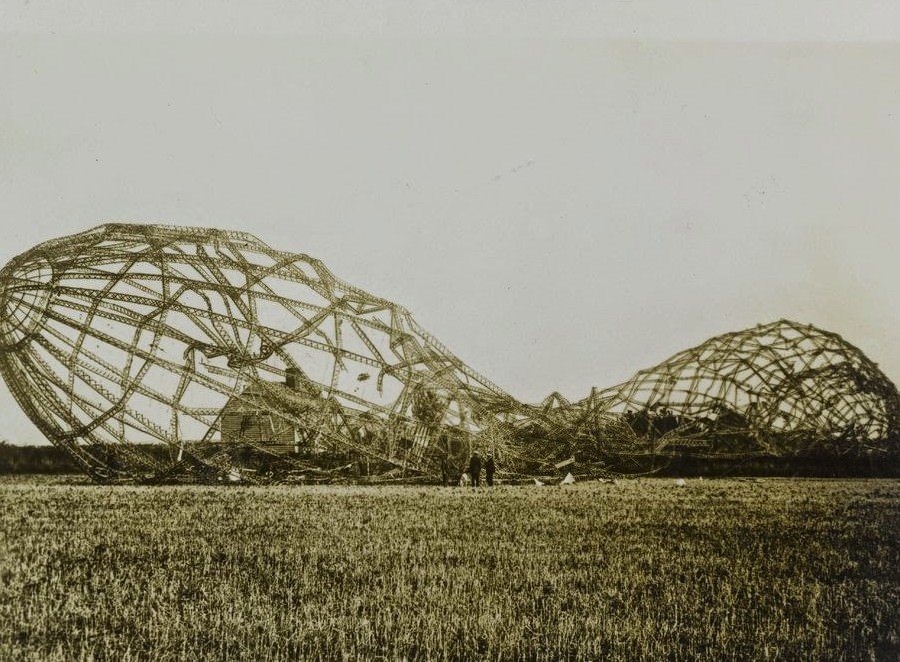
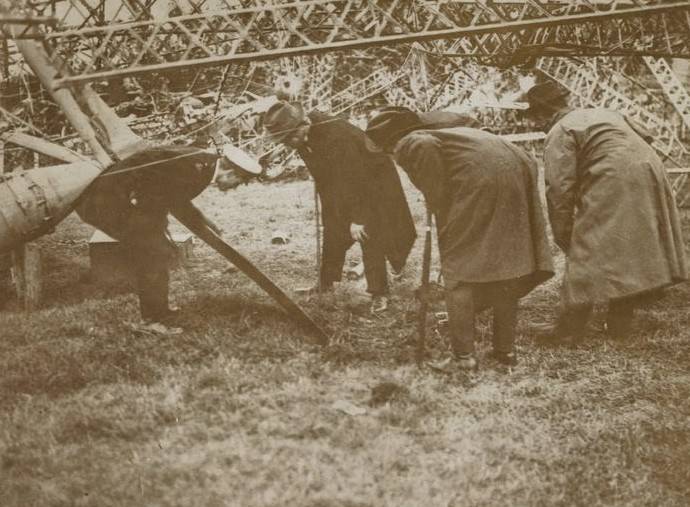
When a Zeppelin was shot down, it became a spectacle. British officials, including senior political figures, went to examine the wreckage, studying the German engineering up close and looking for intelligence on how the ships were built and operated.
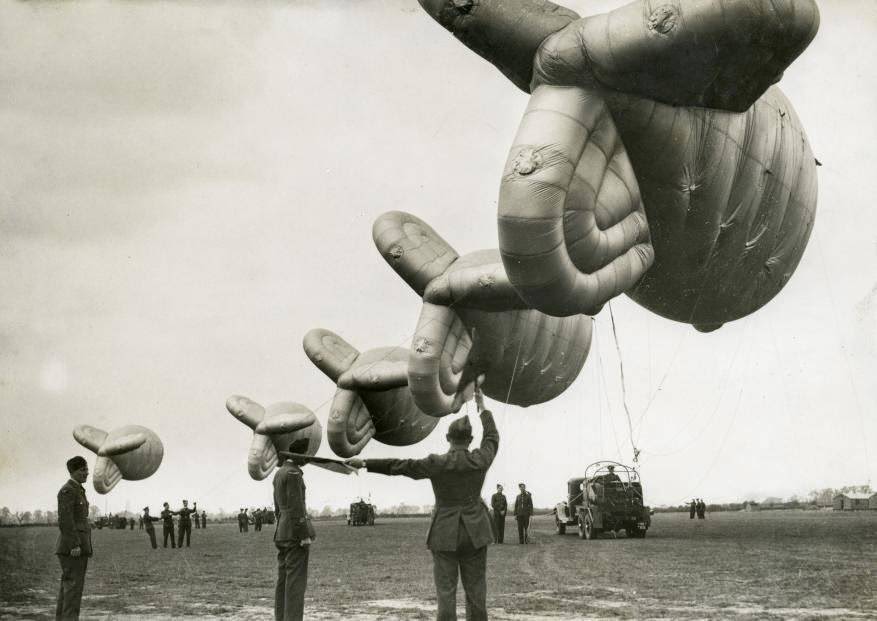
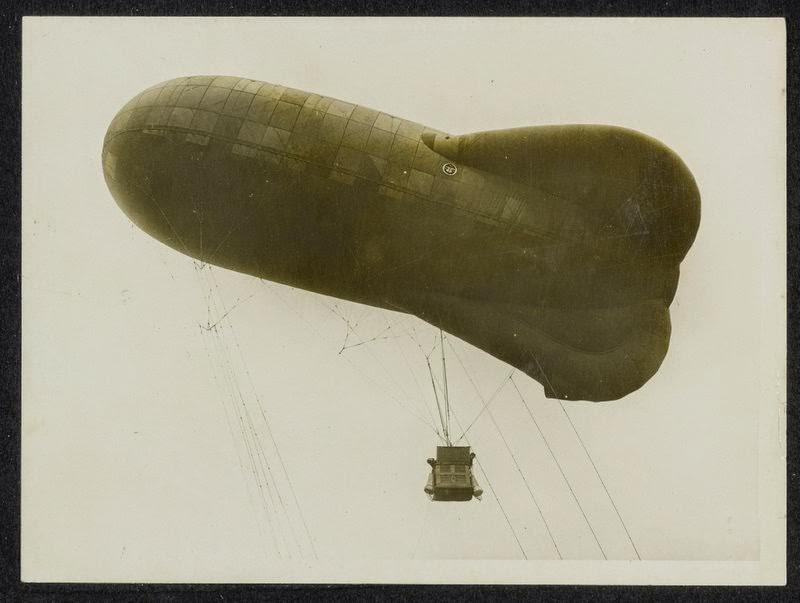
While Zeppelins drew the most attention, hot air balloons remained a serious military tool throughout the war. Tethered to the ground by steel cables, observation balloons were pulled into position by horses or trucks. An observer sat in a wicker basket beneath the balloon and used a telephone to relay the positions of enemy troops and artillery to commanders on the ground. It was one of the most dangerous jobs in the war. The balloons were slow, stationary targets for enemy aircraft and snipers. If the balloon was hit, the observer had to jump with a parachute — and early parachutes were far from reliable.
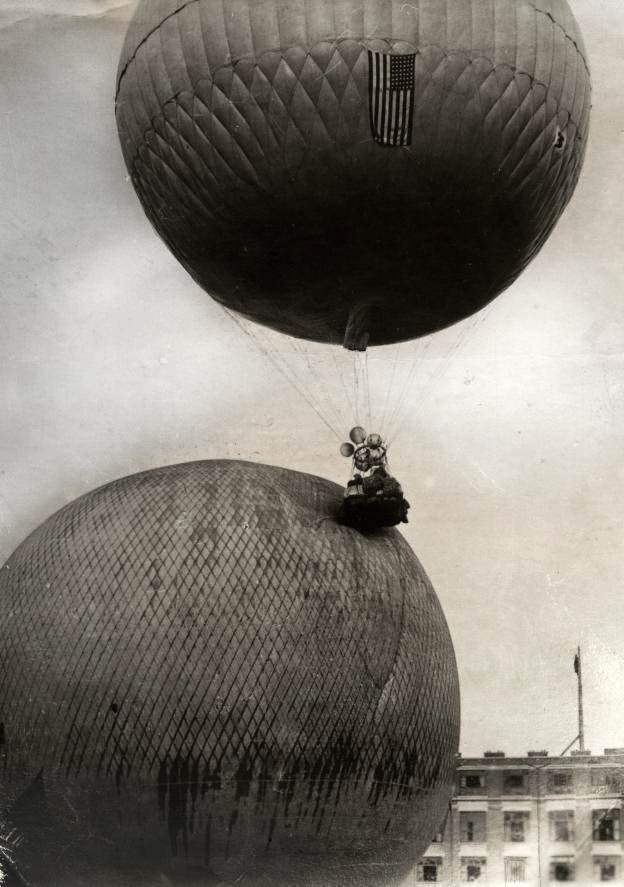
Outside of warfare, ballooning had a strong following among wealthy sportsmen. The Gordon Bennett Cup, launched in 1906, was an international race where pilots competed to travel the greatest distance in a single flight. With no engines, they depended entirely on their understanding of wind patterns. Pilots dumped sandbag ballast to climb and opened gas valves to descend. Races lasted several days, crossing mountains and open water. Pilots carried food, water, and heavy clothing to survive the freezing temperatures at altitude. They navigated with maps and a compass.
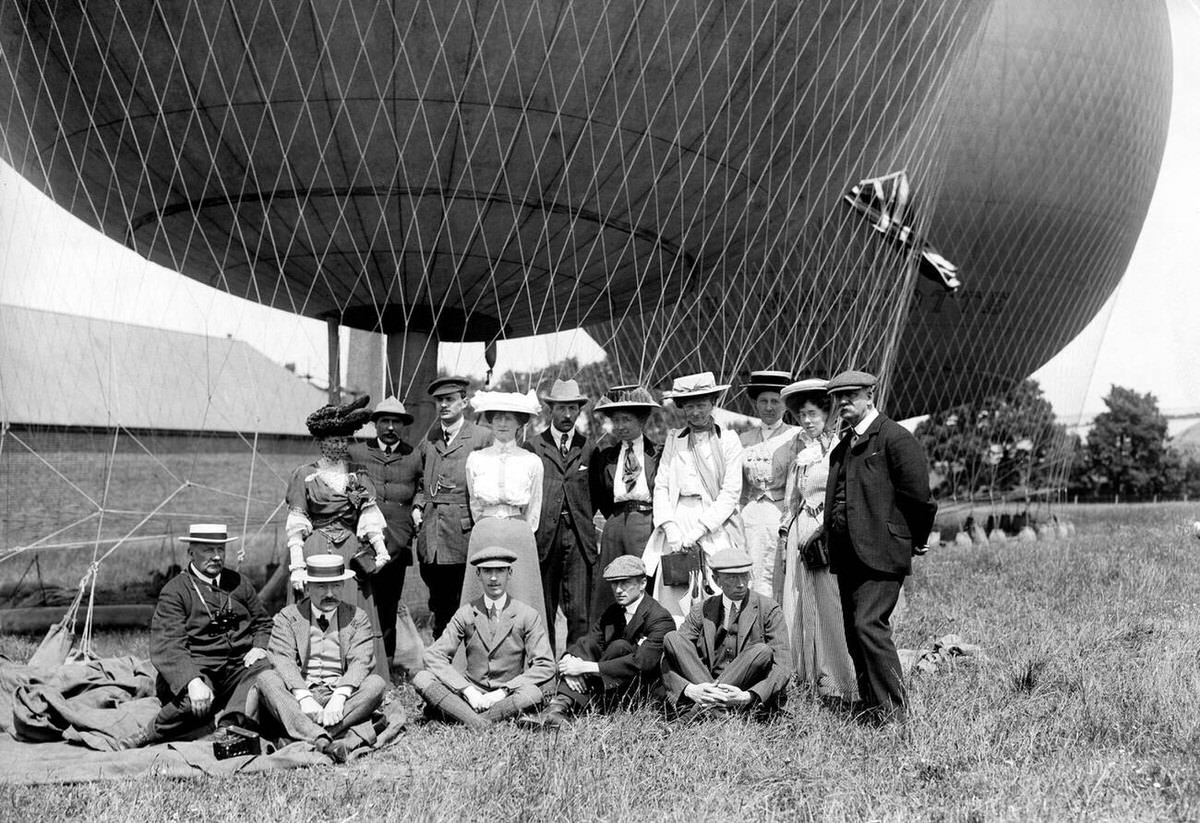
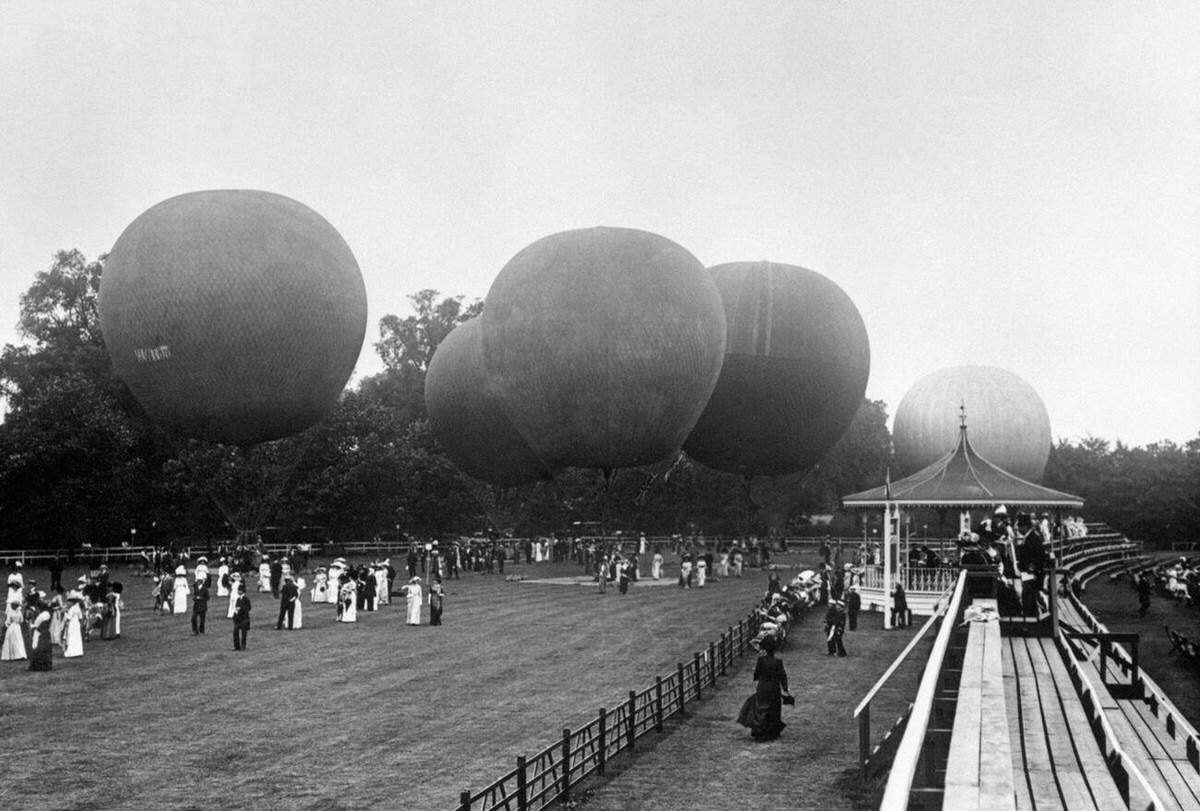
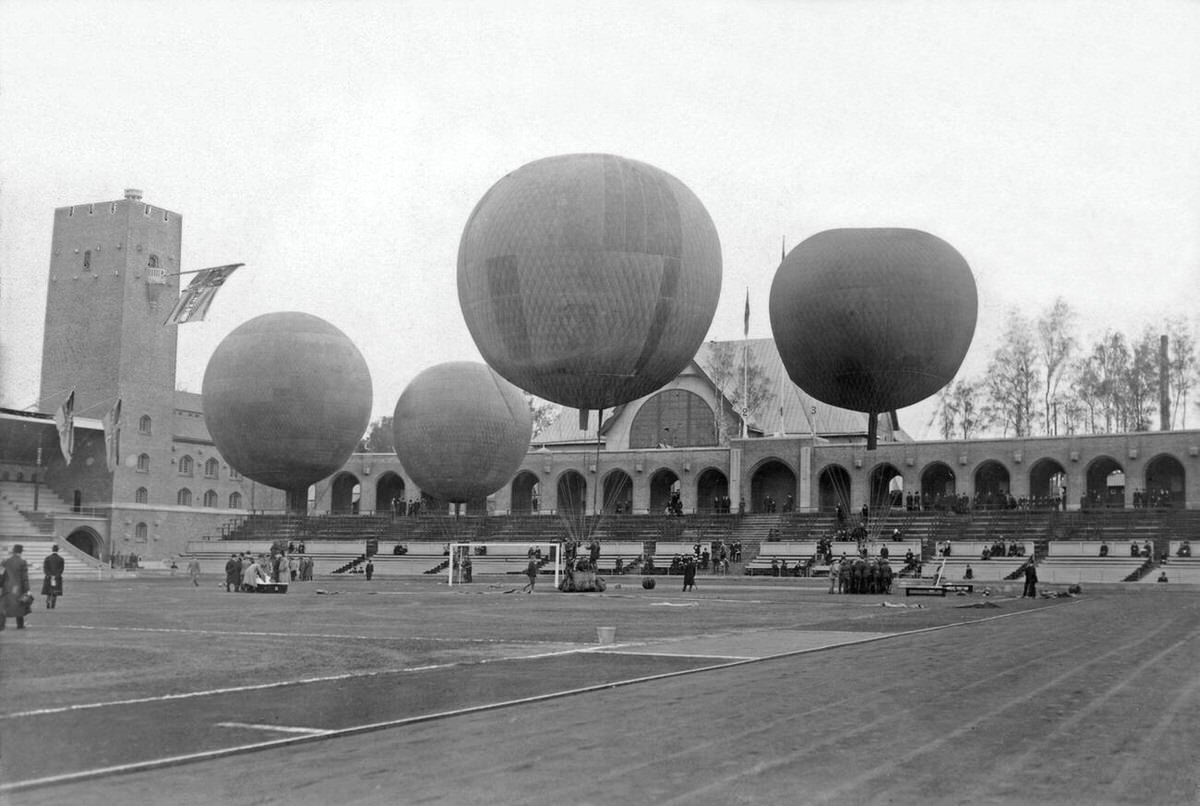
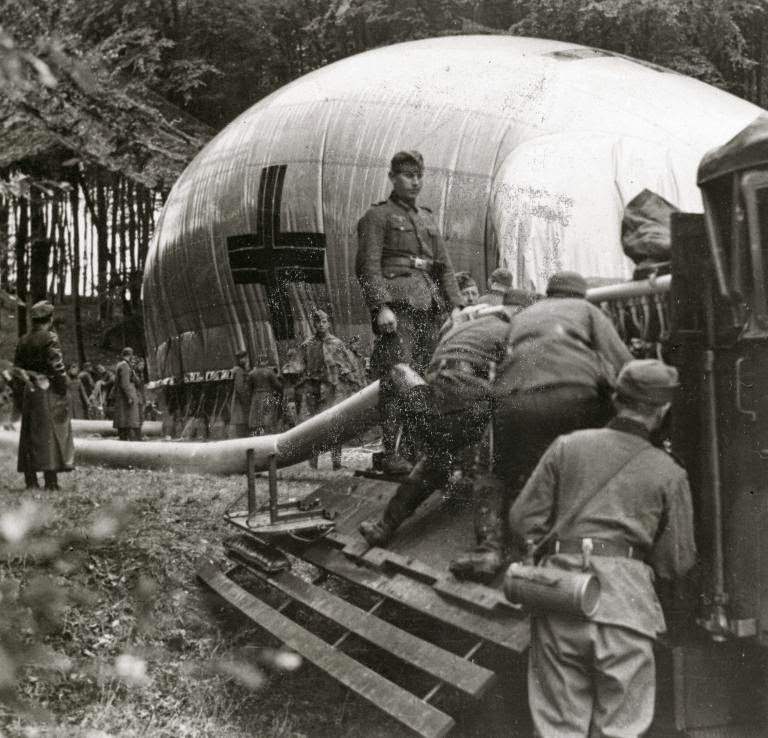
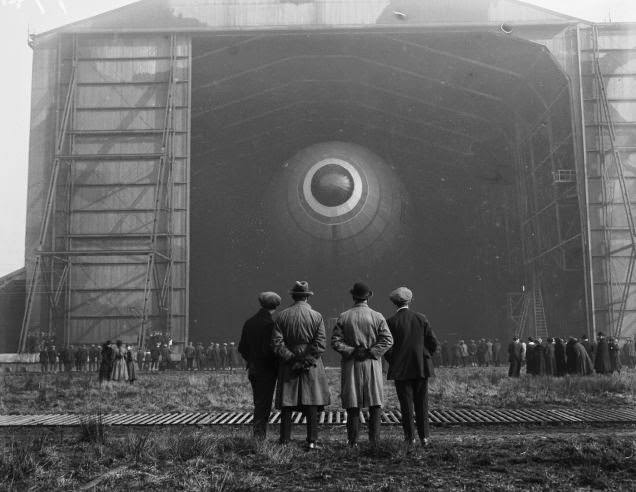
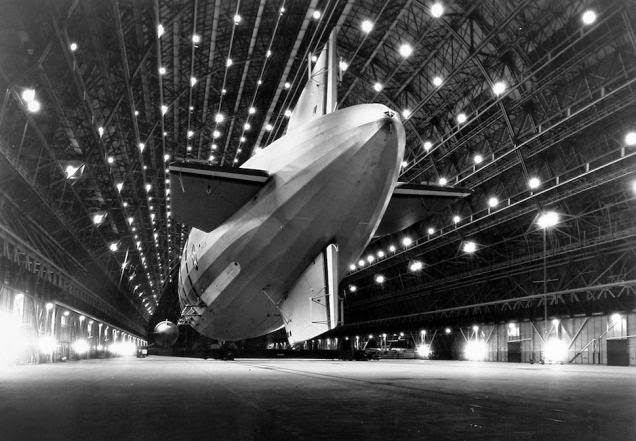
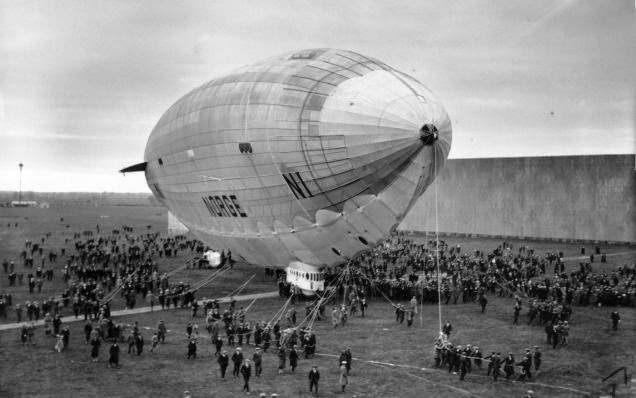
Launching and landing these giant airships required enormous teams. A single Zeppelin needed more than 200 ground crew members. When a ship returned to base, men on the ground caught long ropes dropped from the craft and hauled it into a hangar — buildings that ranked among the largest structures in the world at the time. Their massive doors shielded the airships from crosswinds. Weather was the defining factor in every operation. A sudden gust could smash a Zeppelin against a hangar wall or push a balloon miles off course. Ground crews watched barometers and weather vanes constantly, and no ship left its hangar unless conditions were right.
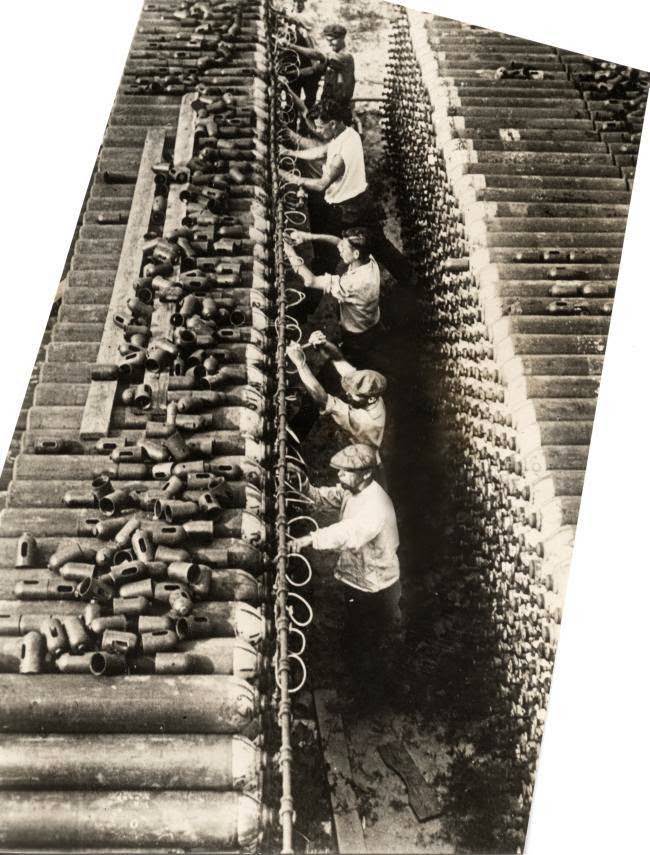
Hydrogen, the gas that gave these ships their lift, required careful handling. Enormous quantities were needed to fill a single airship, stored in pressurized bottles and transferred to the gas cells before each flight. The logistics of fueling alone demanded specialized equipment and trained crews.
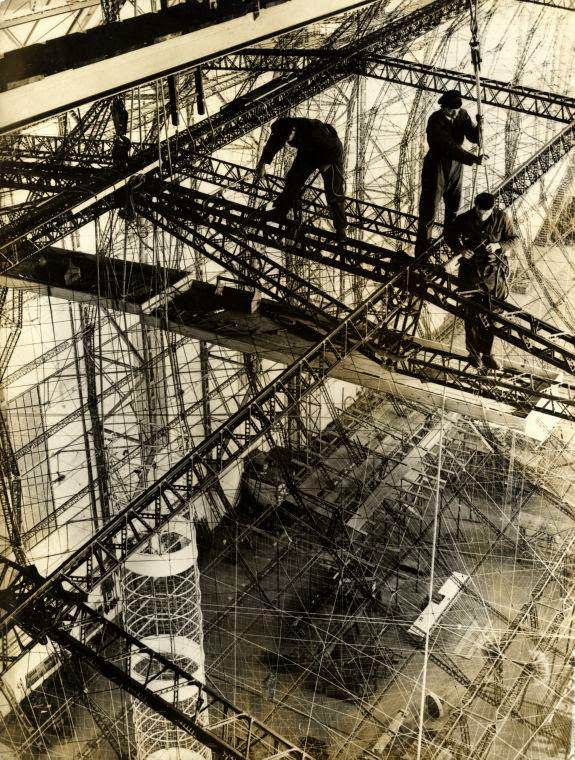
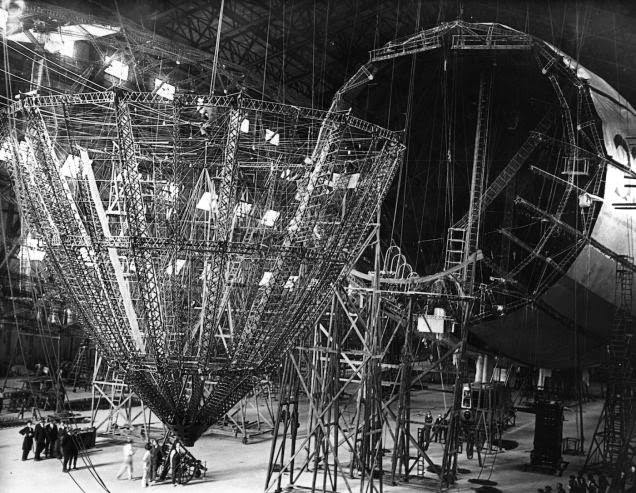
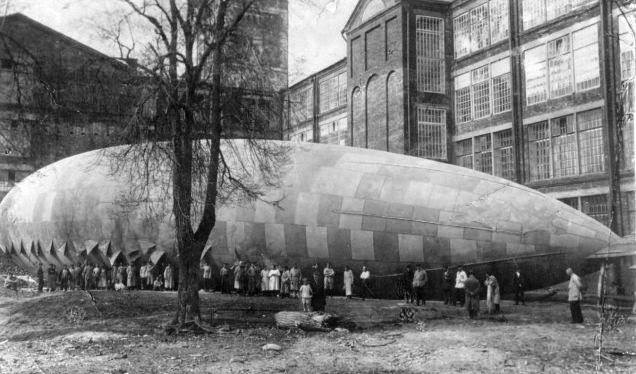
Construction of the great airships was itself a massive industrial effort. Hundreds of workers assembled aluminum frames, stretched fabric skins, and fitted engines inside cavernous factory buildings. Building a single ship took months and required precision engineering at a scale that few industries of the era had ever attempted.
The interwar years saw airships push into entirely new roles. The LZ 127 Graf Zeppelin completed a round-the-world voyage in 1929 and made regular passenger runs between Germany and South America. The USS Los Angeles, operated by the U.S. Navy, was photographed near the Empire State Building as that skyscraper rose from the Manhattan skyline. Airships were becoming a symbol of modernity.

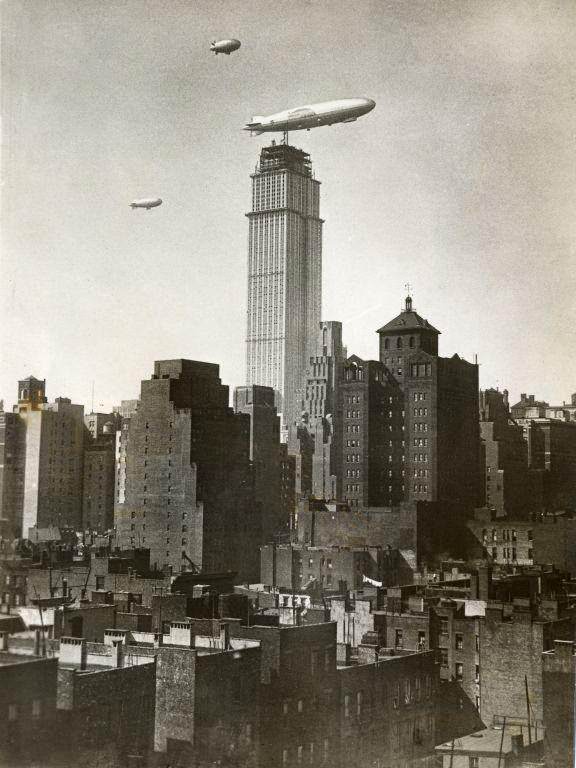
The U.S. Navy invested heavily in airships during the 1920s and 1930s, operating some of the largest flying machines ever built. The USS Akron and USS Macon were flying aircraft carriers — each capable of launching and recovering fighter planes in mid-air. These ships dwarfed nearly everything else in the sky.
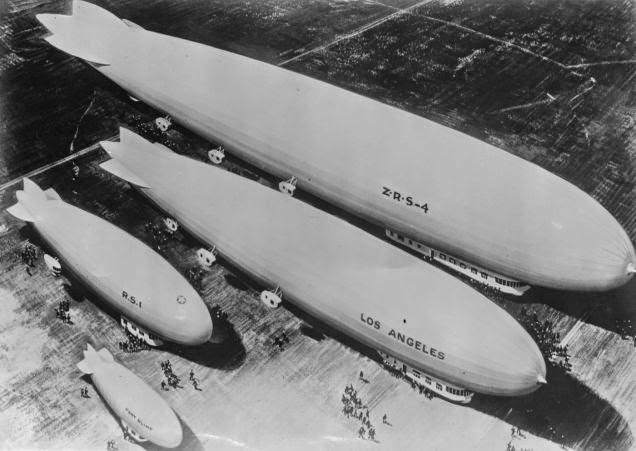
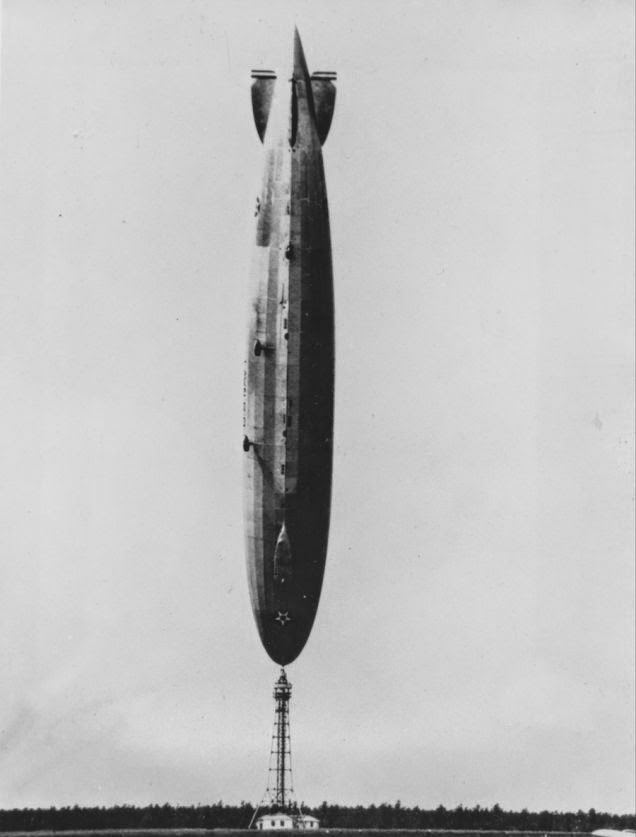
Wind remained a constant threat even at the mooring mast. In 1926, the USS Los Angeles was caught by a sudden updraft at Lakehurst, New Jersey, and tilted vertically — its tail pointing straight into the sky — before settling back down. No one was killed, but the incident demonstrated just how vulnerable these massive ships were to the forces of nature.
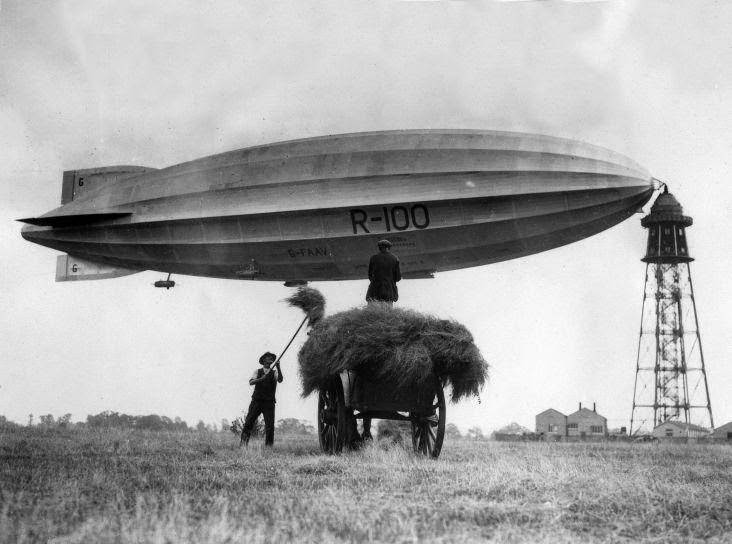
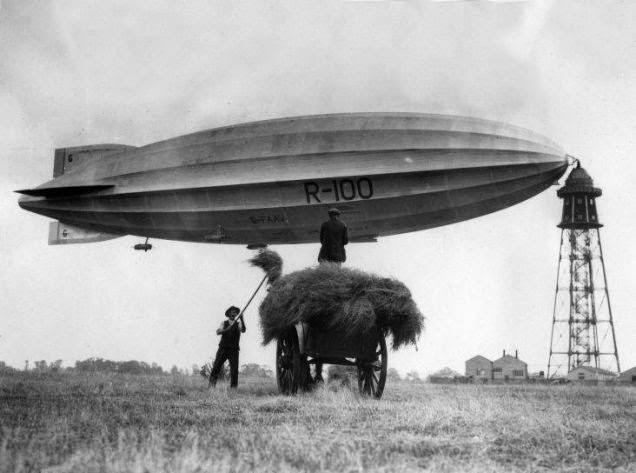
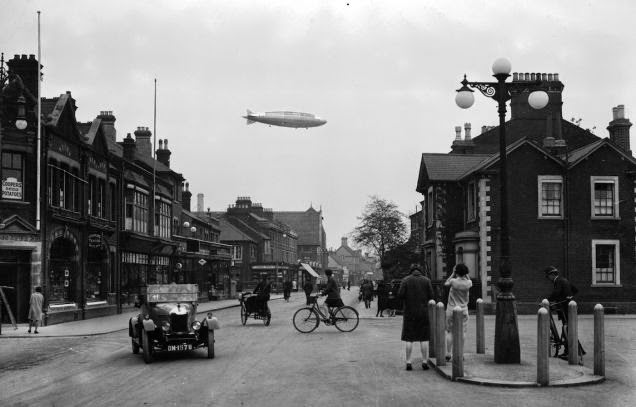
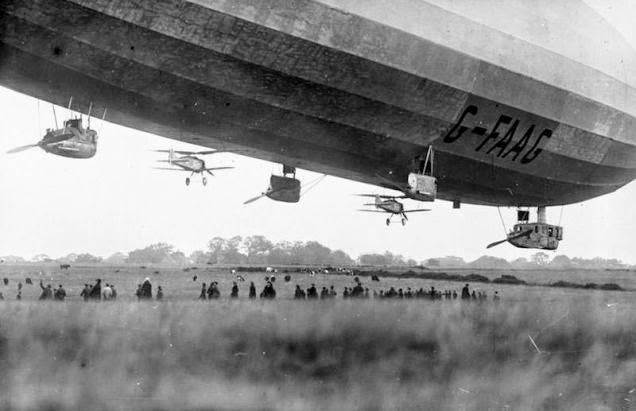
Britain developed its own large airships in the late 1920s, with the R100 and R101 representing the peak of British airship engineering. Engineers even experimented with attaching fighter planes directly to airship frames, testing whether a rigid airship could serve as an aerial mothership in combat.
Innovators also experimented with entirely new materials and structural approaches. The all-metal dirigible was one such attempt — a rigid airship built with a metal outer shell rather than fabric. Nations outside Western Europe, including the Soviet Union, developed their own programs, putting factory workers and engineers to work building homegrown airships.
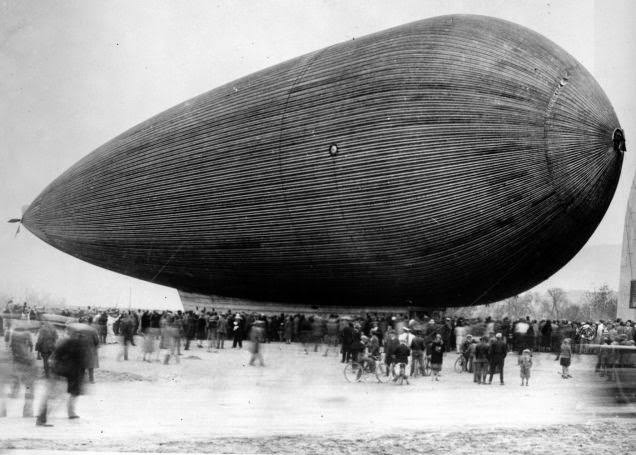
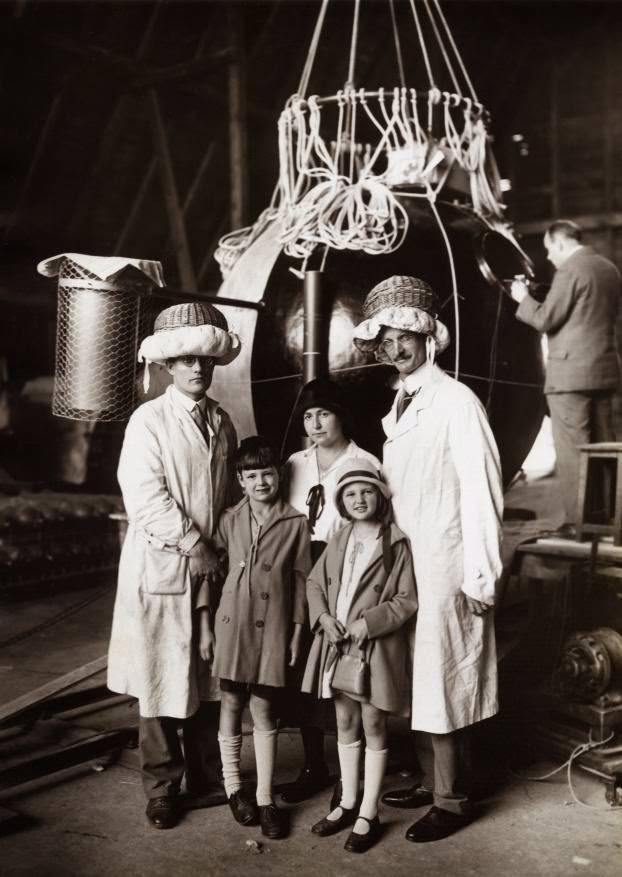
The spirit of exploration pushed balloons toward the stratosphere. Scientists and pilots began building specialized pressurized capsules and prototype space suits to survive the extreme altitudes where the air is too thin to breathe. Professor Auguste Piccard made headlines in 1931 when he ascended to the stratosphere in a sealed capsule, reaching altitudes no human had ever survived before.
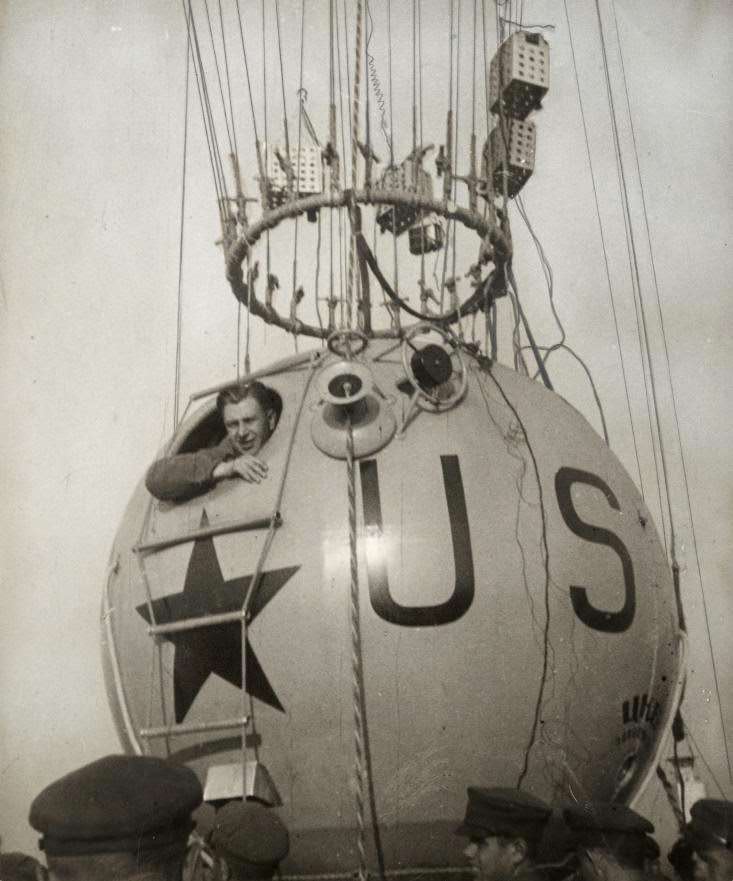
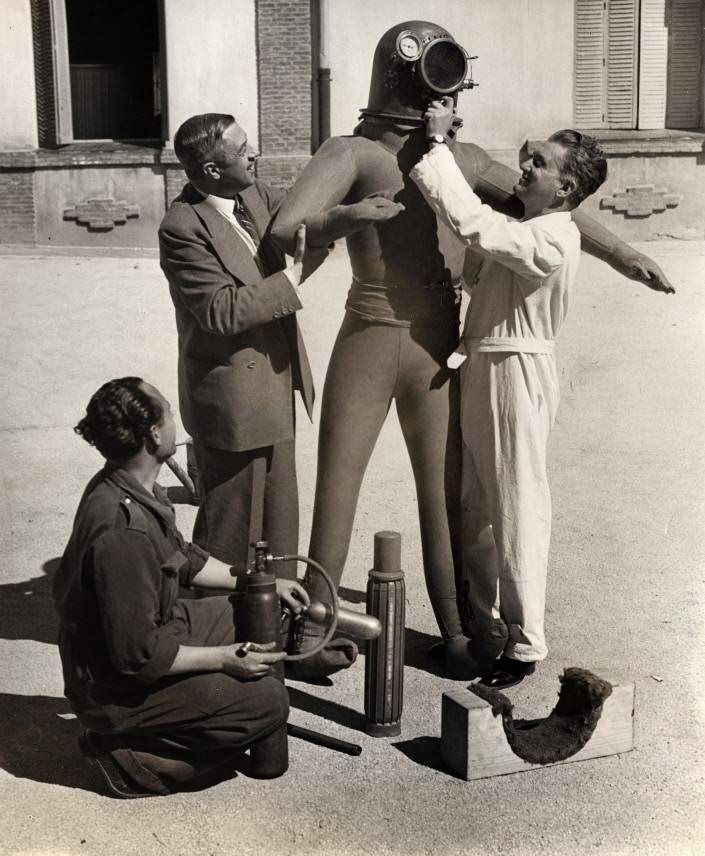
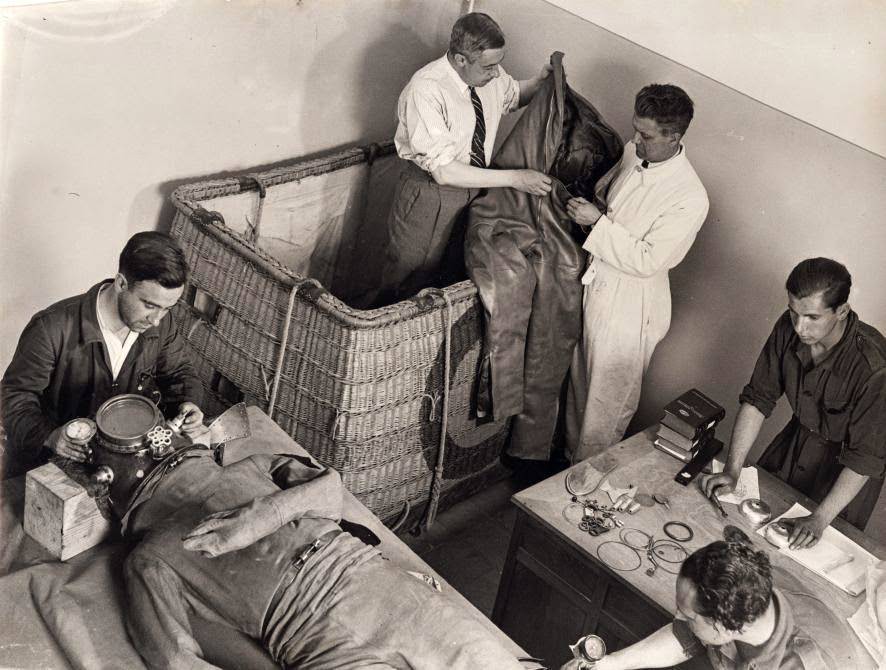
The Hindenburg stood as the largest airship ever built when it entered service in 1936. At 804 feet long, it dwarfed every other flying machine of its time. It crossed the Atlantic in under three days and carried passengers in a level of comfort that commercial aviation wouldn’t match for decades. Spacious dining rooms, a lounge, and private cabins were standard. The ship made ten round trips to North America in 1936 alone.
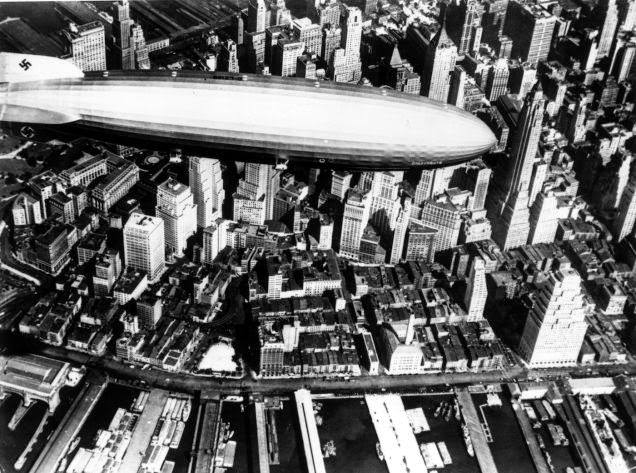
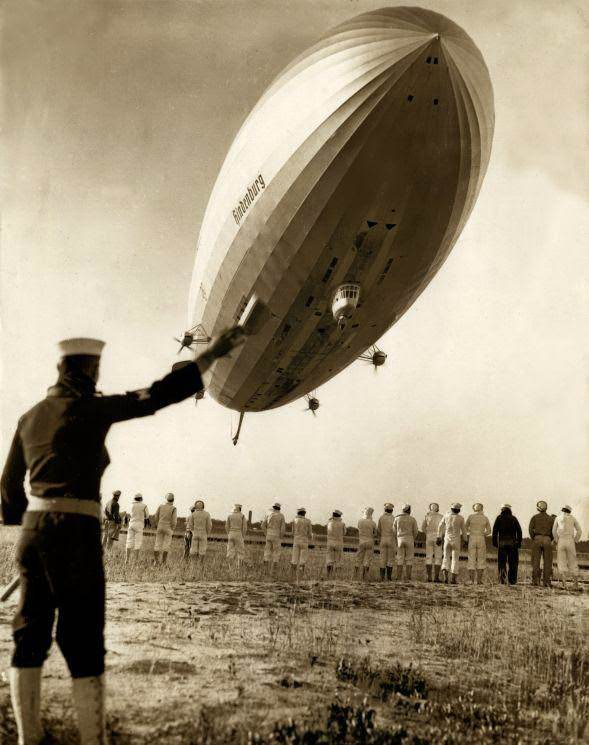
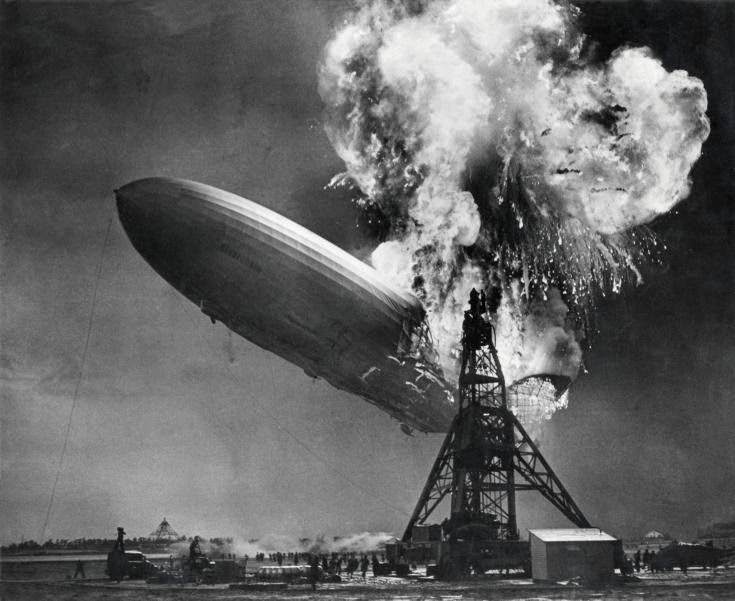
On May 6, 1937, the Hindenburg approached its mooring mast at Lakehurst, New Jersey, at the end of a transatlantic crossing. As it descended, hydrogen ignited near the tail. The fire consumed the entire 804-foot ship in just 34 seconds. Of the 97 people on board, 36 died. The disaster was captured on film and broadcast on radio, reaching a global audience almost immediately. The era of the passenger Zeppelin ended that evening.
Military balloons continued to serve a purpose even as rigid airships faded. Observation balloons remained in use through the late 1930s, with armies including those of Britain and Germany still deploying them for artillery spotting and surveillance. The technology was old, but it was reliable, cheap, and effective in ways that newer aircraft couldn’t always replicate.