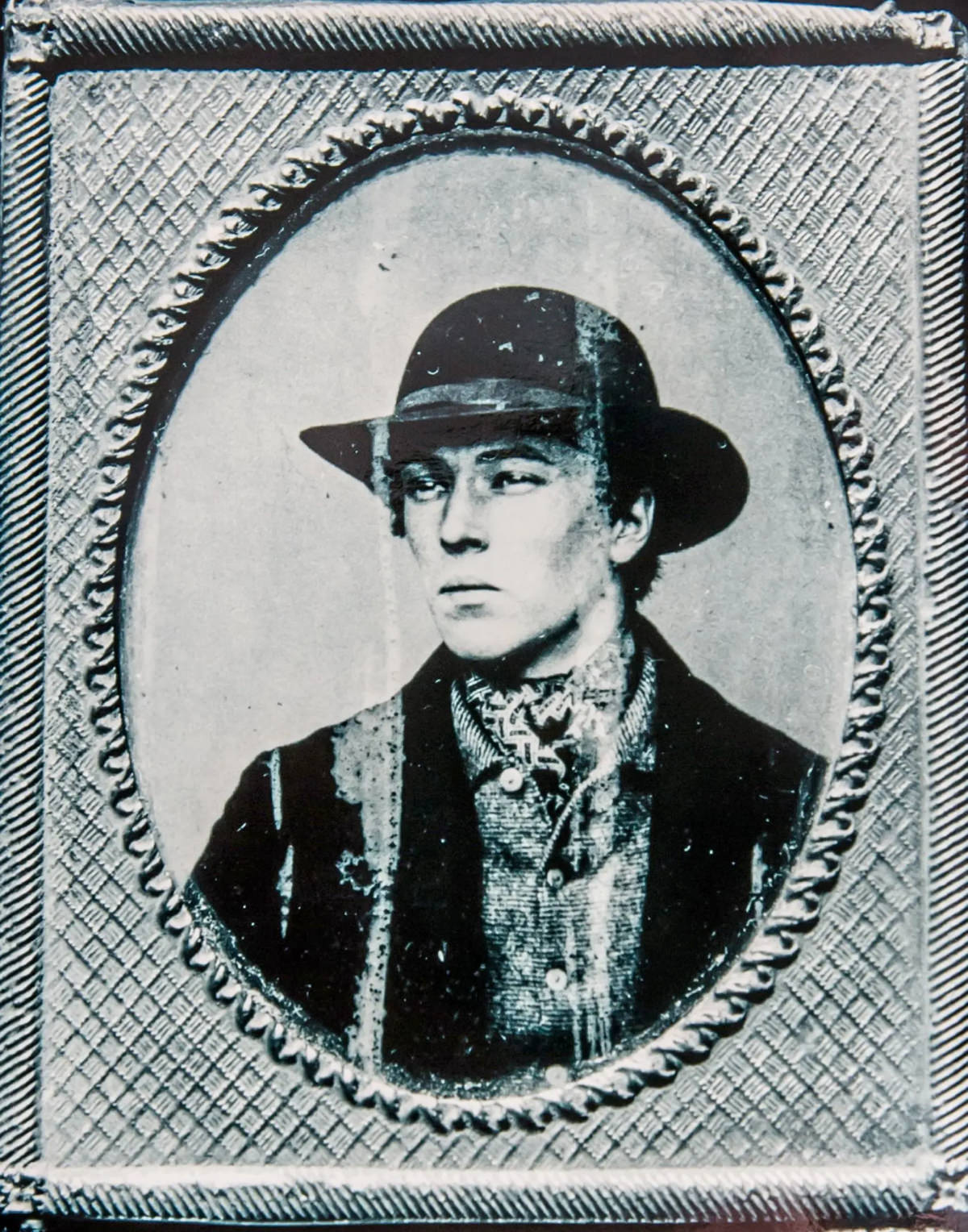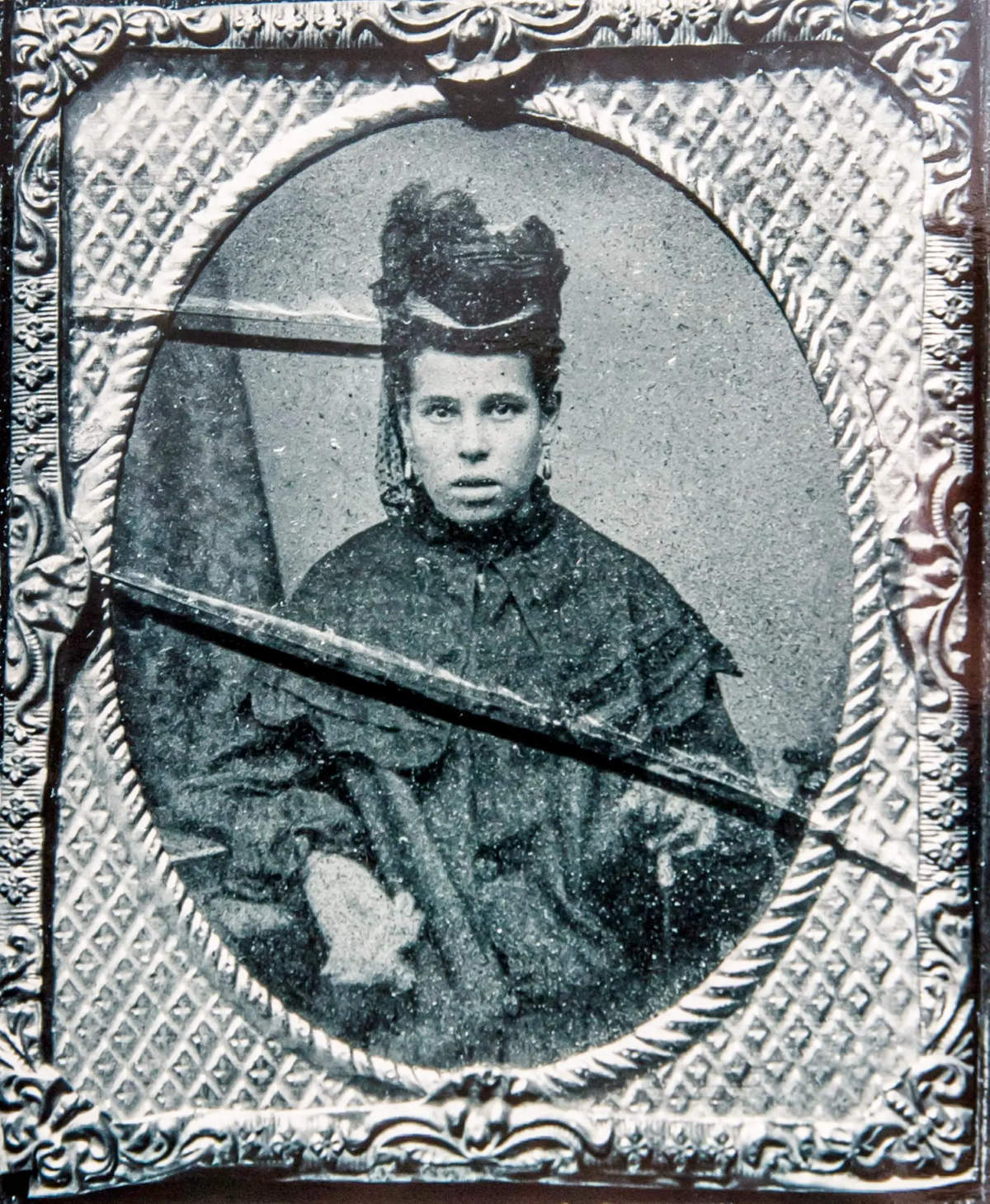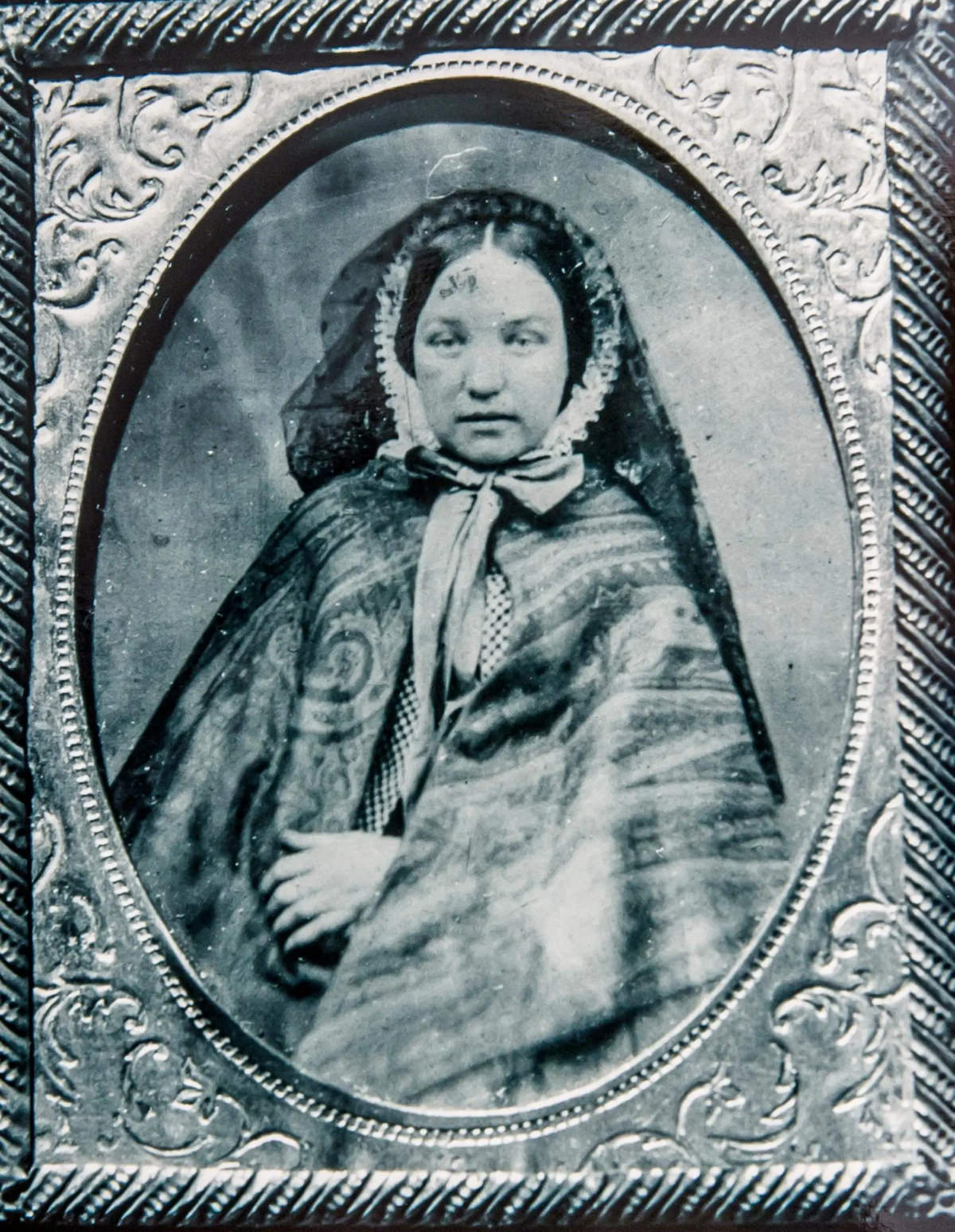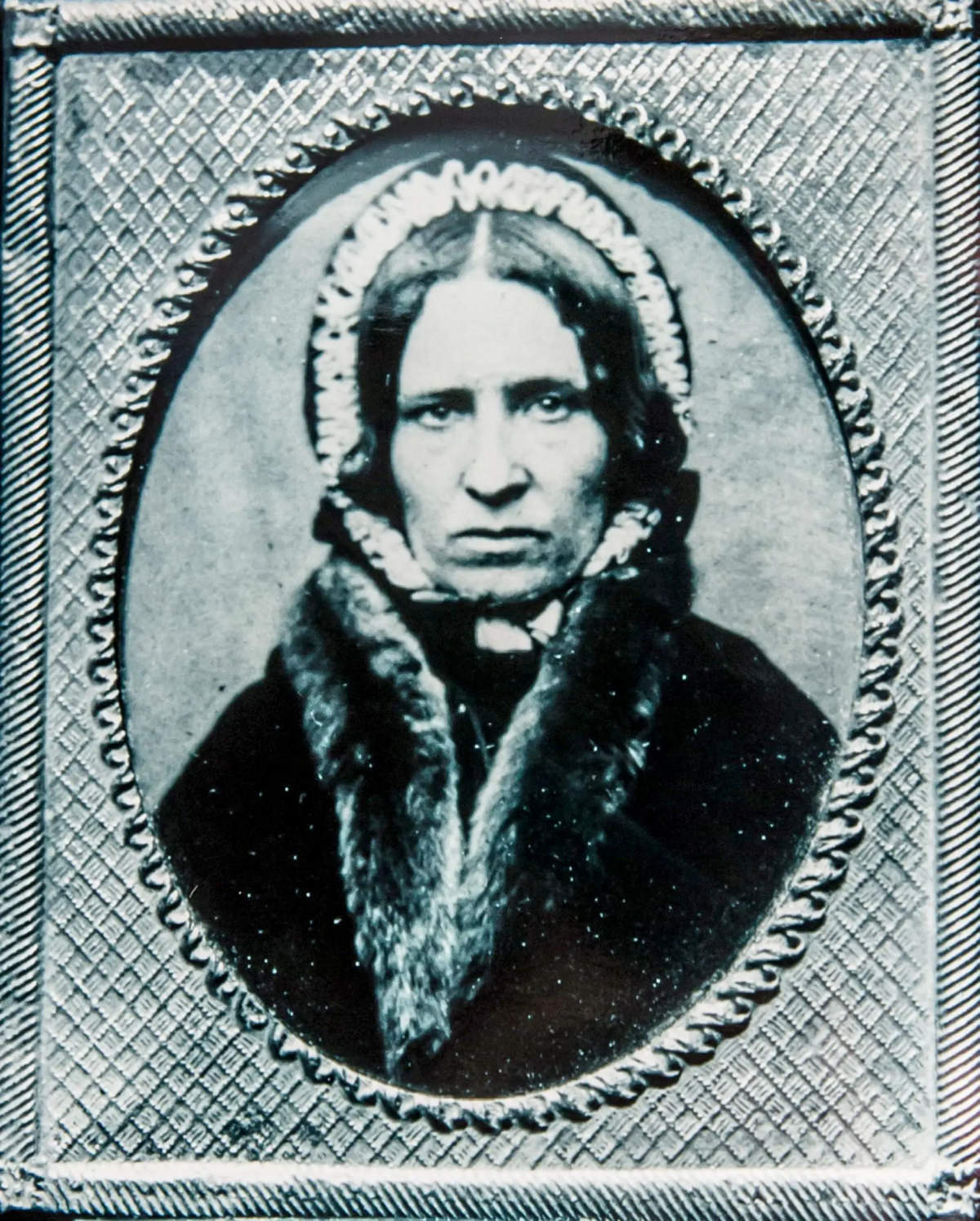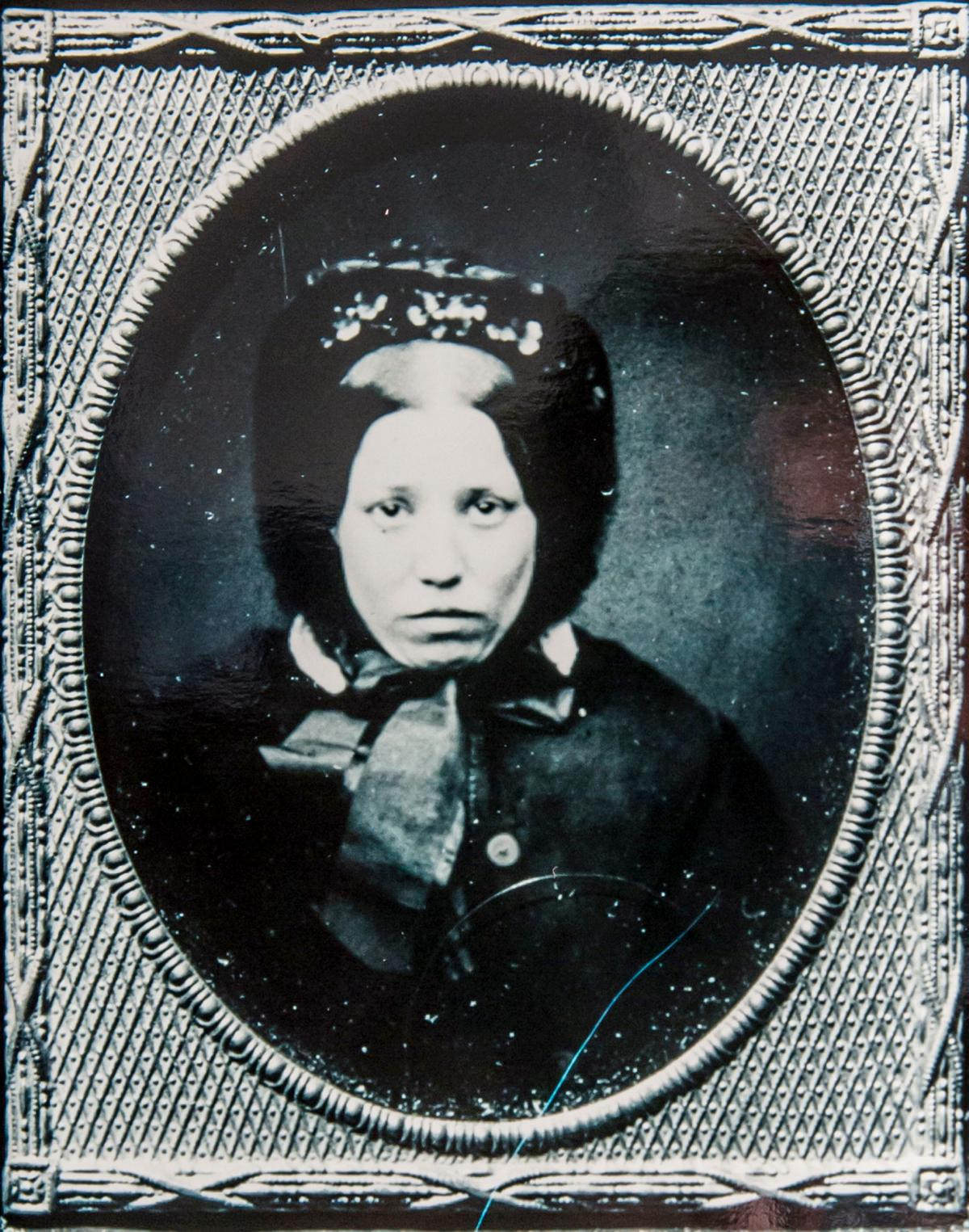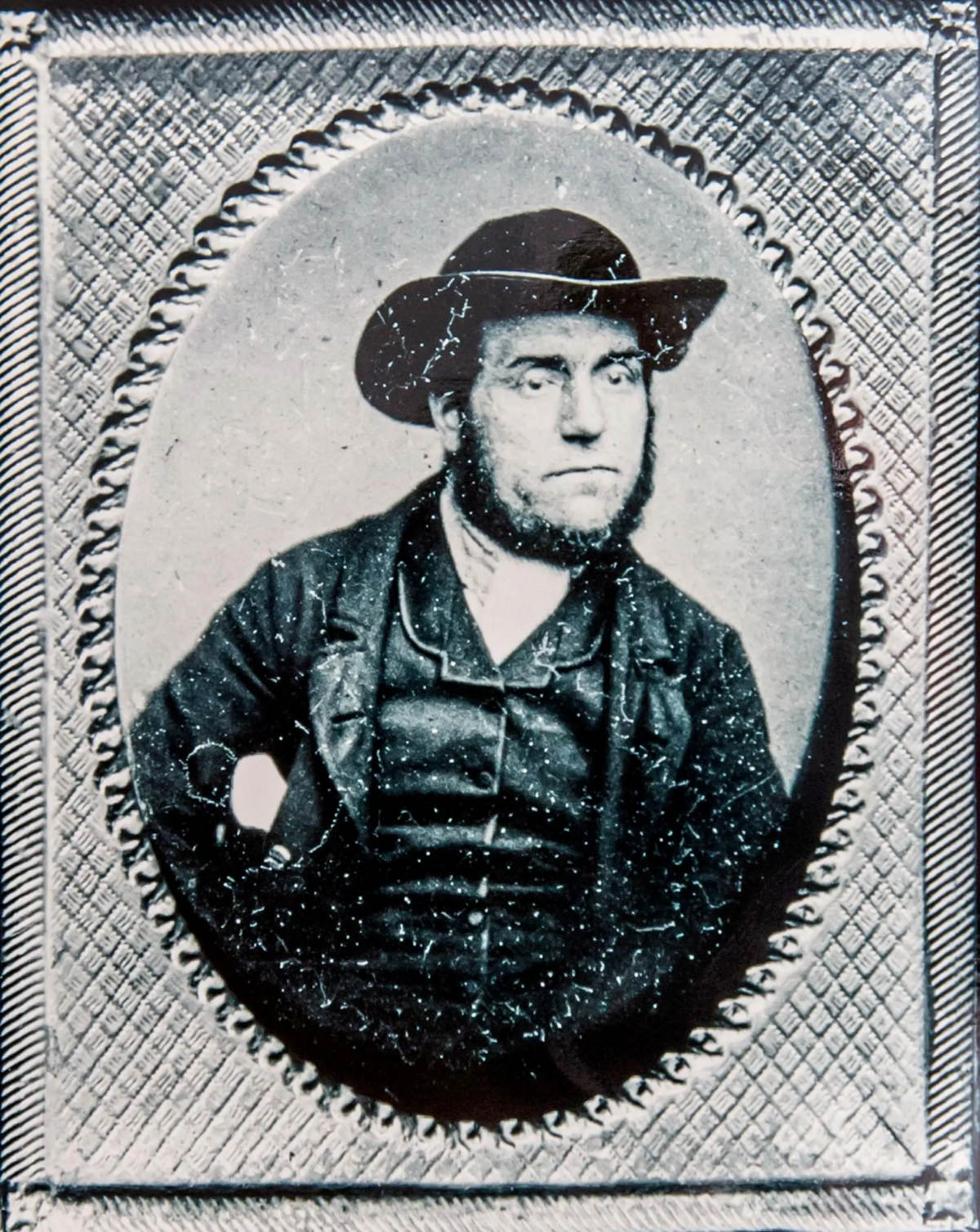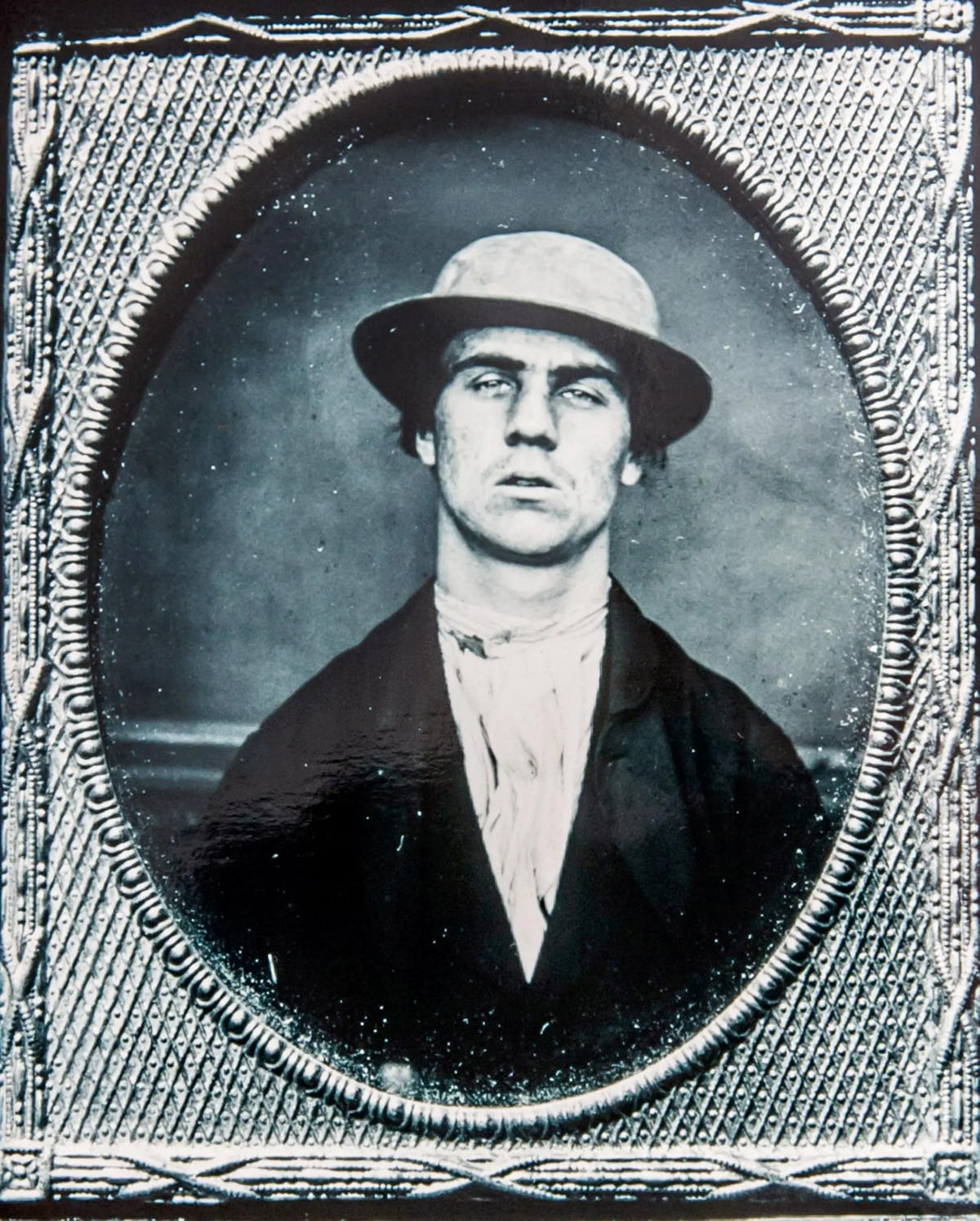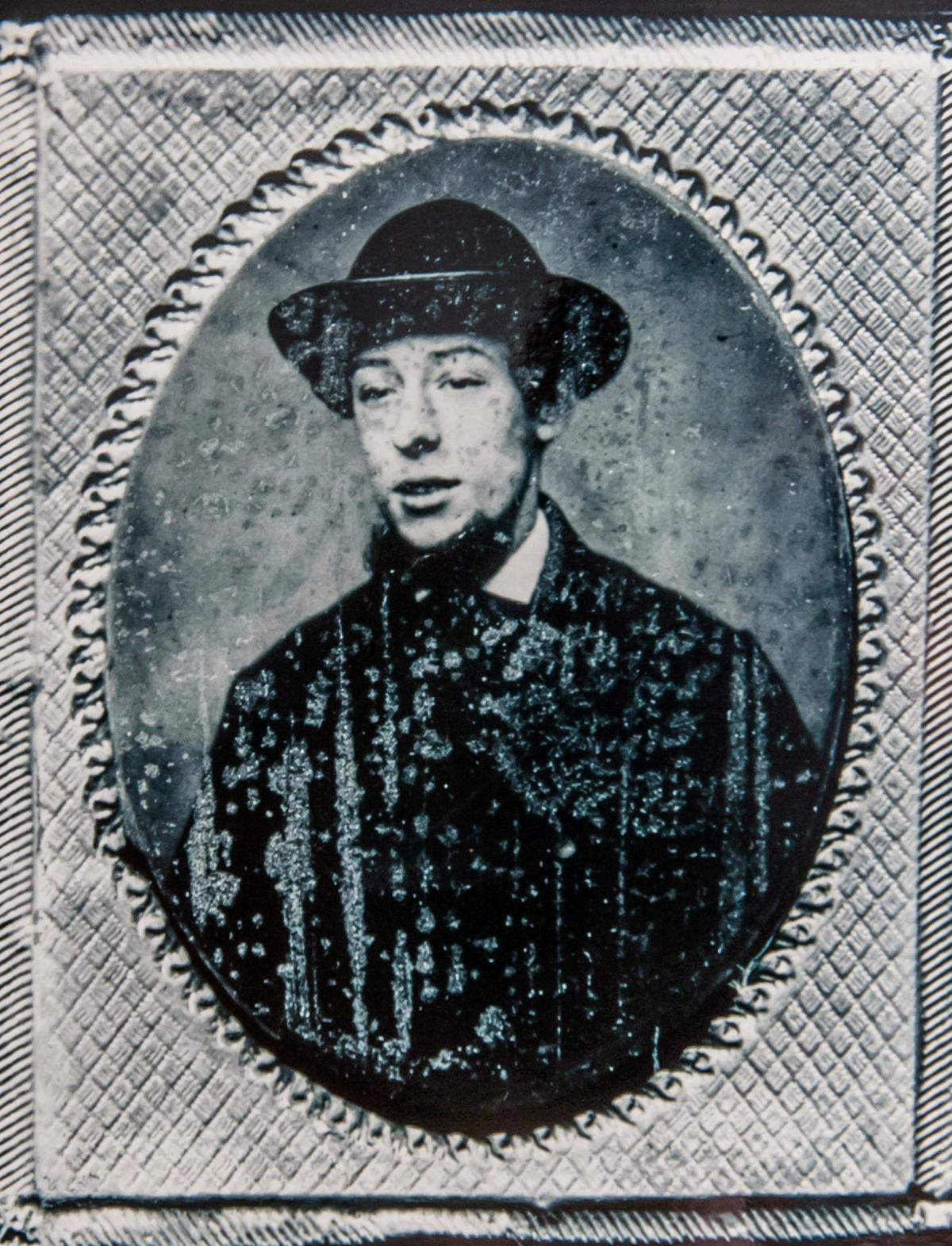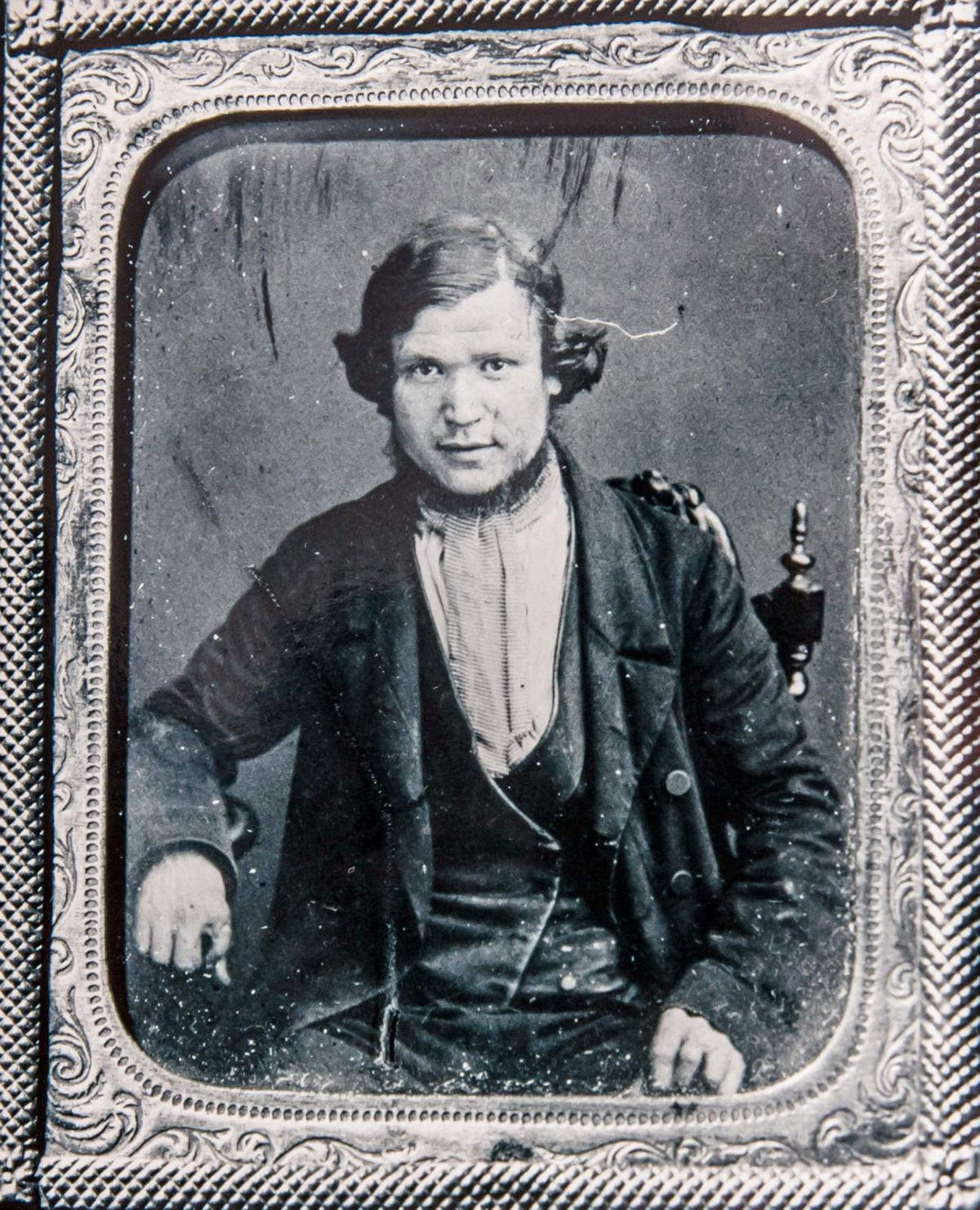
Long before mugshots became standard police practice across the world, one English city was already pointing a camera at its criminals. Birmingham’s police force began photographing those in custody as early as 1853, making it the first police force anywhere in the world to do so. The location was the Moor Street public office, and the results were a remarkable visual record of crime in Victorian England.
The photographs were taken between the 1850s and 1870s. Each image was paired with handwritten notes describing the subject’s crime. Many of the subjects also held a chalkboard displaying a reference number that linked them to their record and indicated the year the image was taken. It was a simple but effective system for tracking offenders at a time when formal record-keeping was still developing.
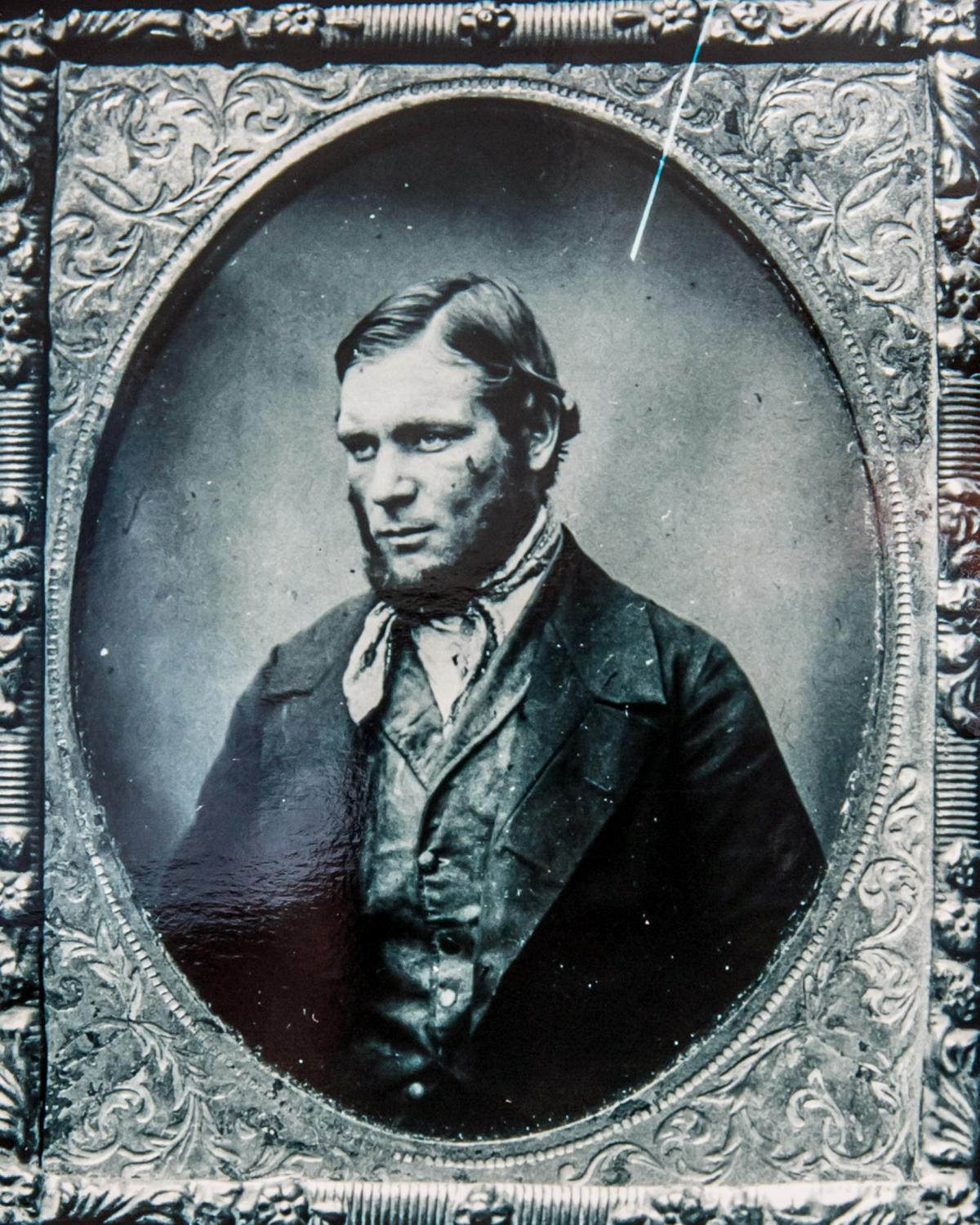
Isaac Ellery, arrested on March 7, 1853, is among the earliest known subjects in the collection. He received a seven-year prison sentence — a harsh outcome that reflected how seriously Victorian courts treated even relatively minor property offences. His photograph stands as one of the oldest surviving police mugshots on record.
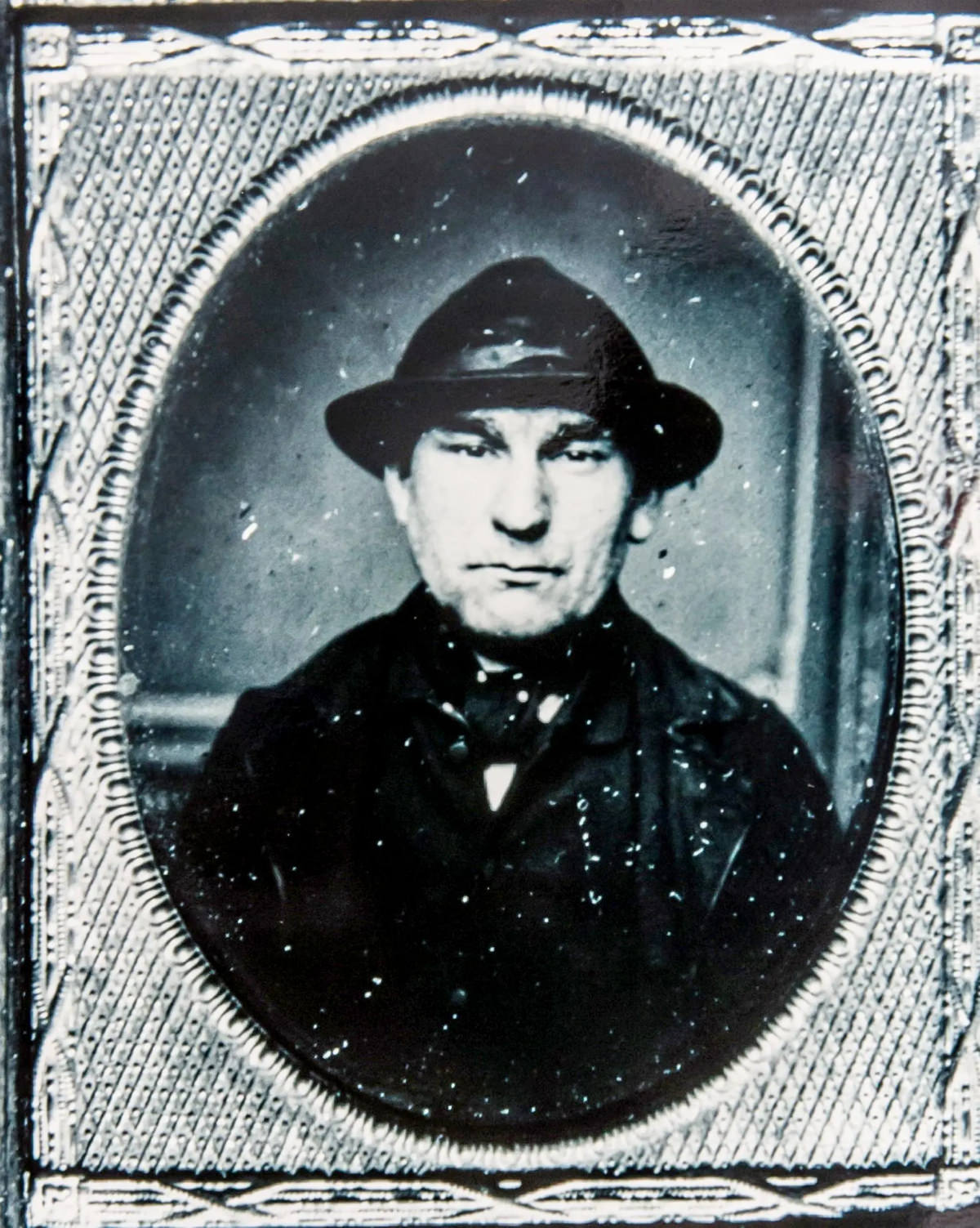
Not every crime in the collection was violent. John Dale, photographed in 1862 after stealing a horse and cart, is one of the earliest recorded examples of what would today be called joyriding. His case is a reminder that opportunistic theft of vehicles — even horse-drawn ones — was a real problem for Victorian police. Around the same time, Ann Vickers was photographed in May 1862 after stealing a watch from a person on the street.
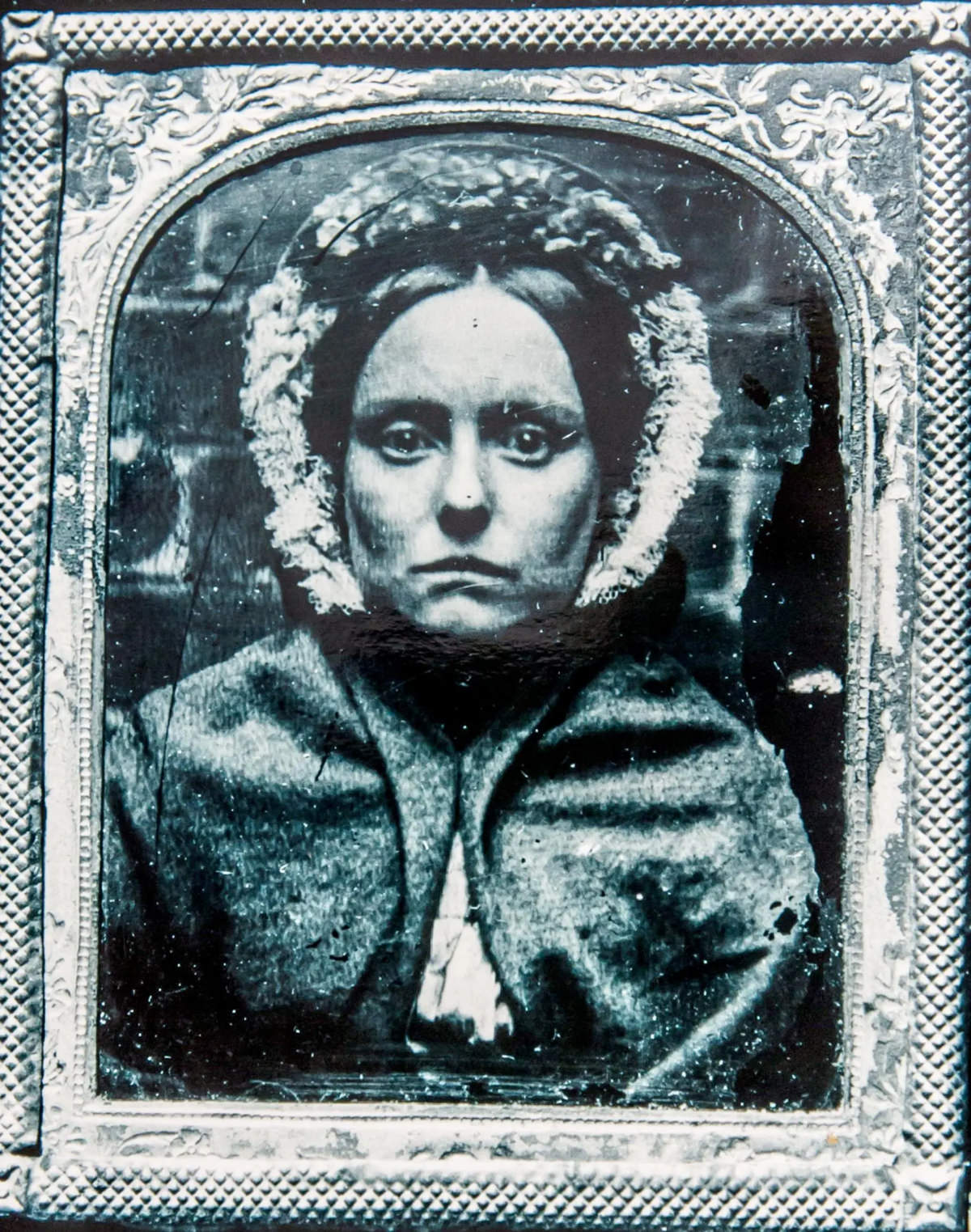
Some offences were more calculated. Samuel Crowley was charged in October 1862 with possession of skeleton keys — tools used to pick locks and break into buildings. The charge alone was enough to land a person before the courts. His appearance in two separate images in the collection suggests the police were thorough in documenting those they considered persistent or serious threats.
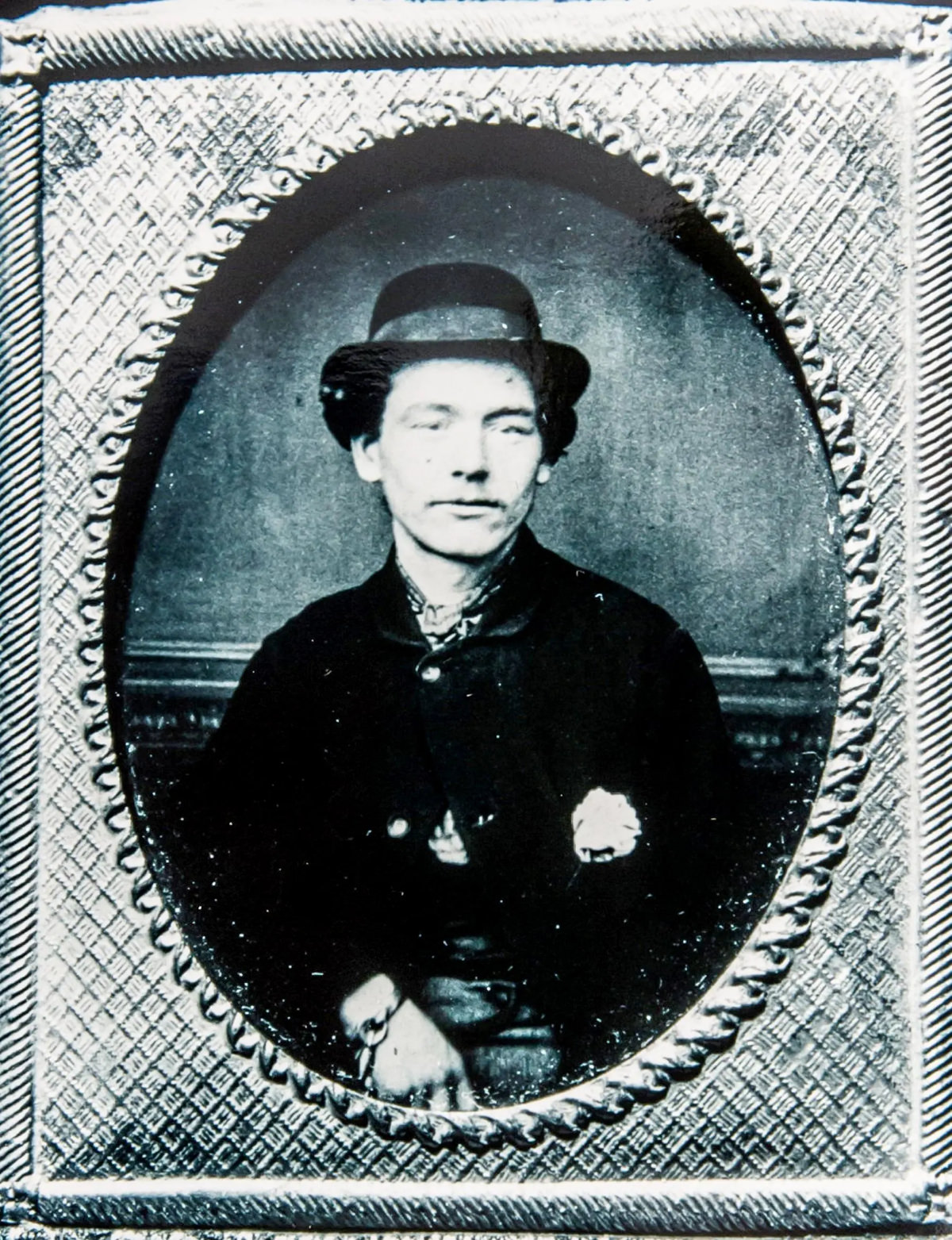
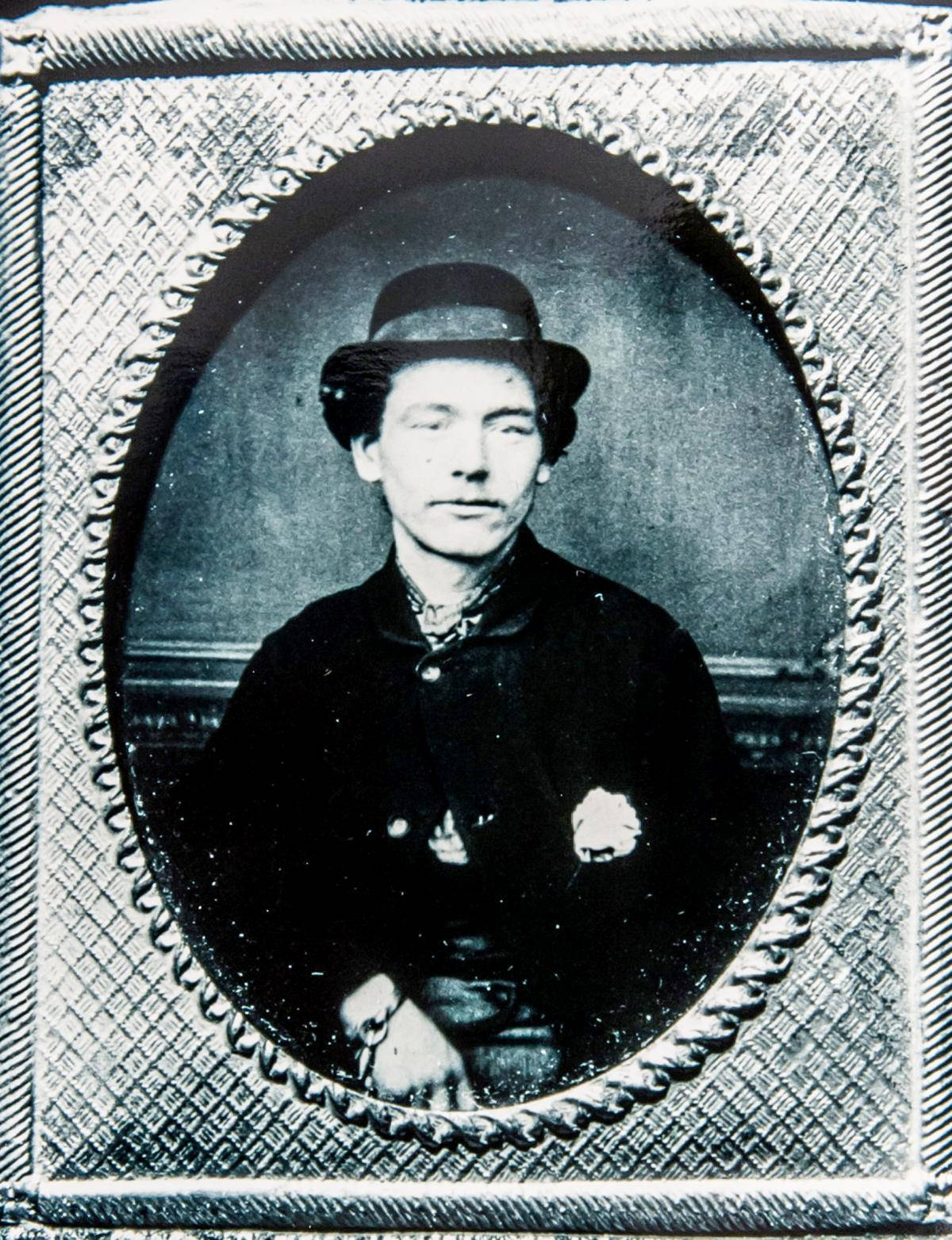
The most chilling entry in the collection belongs to William Smith, photographed after being charged with murdering his wife in August 1866. His image is a stark contrast to the comparatively minor offences surrounding it in the archive. Murder cases were rare in the collection, but their inclusion underlines that the Birmingham police used photography across the full range of criminal charges.
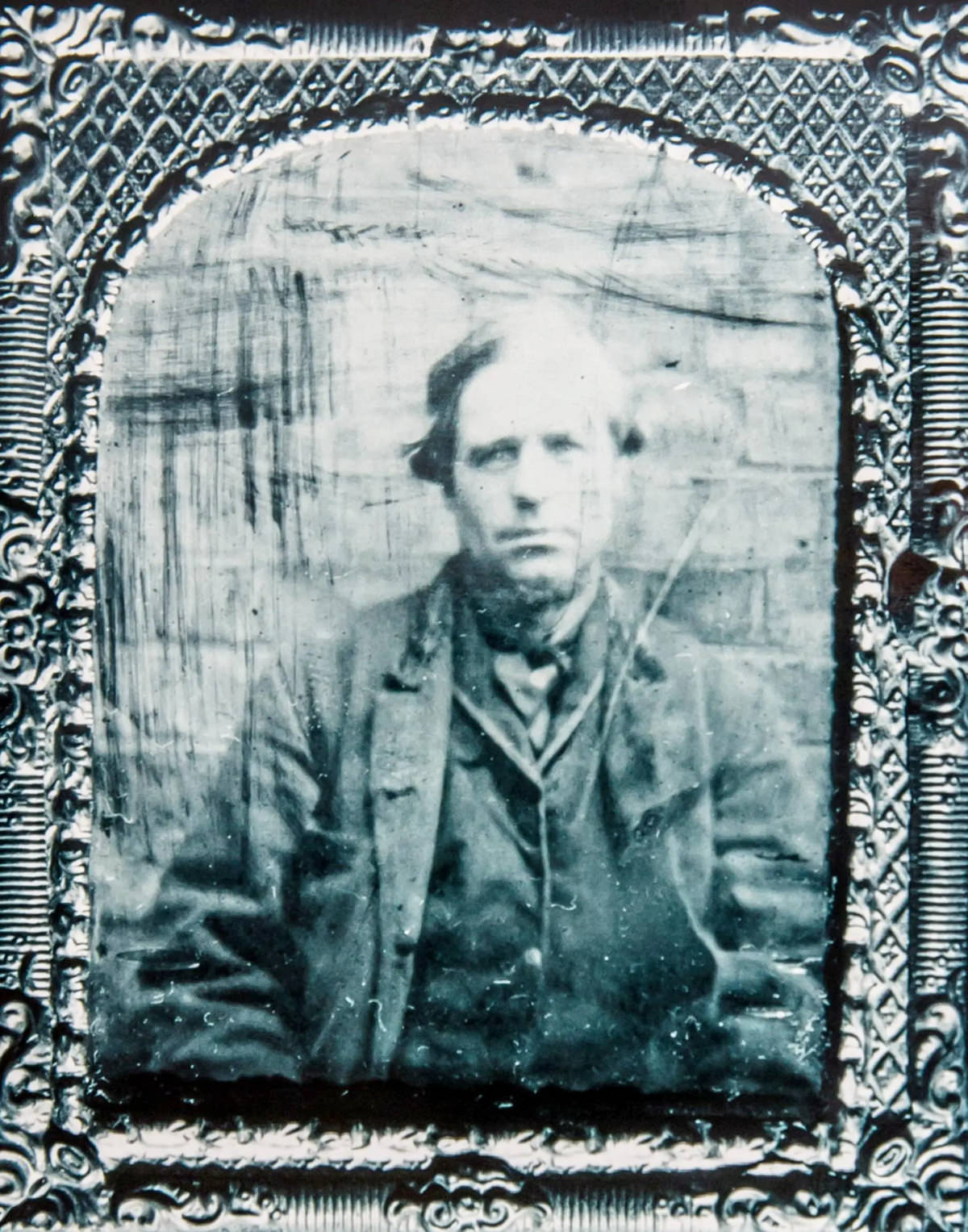
The clothing visible across these photographs tells its own story. While many subjects appear in worn, dark, and dishevelled garments, others arrived at the camera in expensive top hats and well-made coats. Crime in Victorian Birmingham cut across class lines. Catherine Legg, arrested at a fair in Dudley in May 1858, and John Williams, sentenced to four months of hard labour for warehouse breaking in 1864, represent the wide variety of people who passed through the Moor Street office.
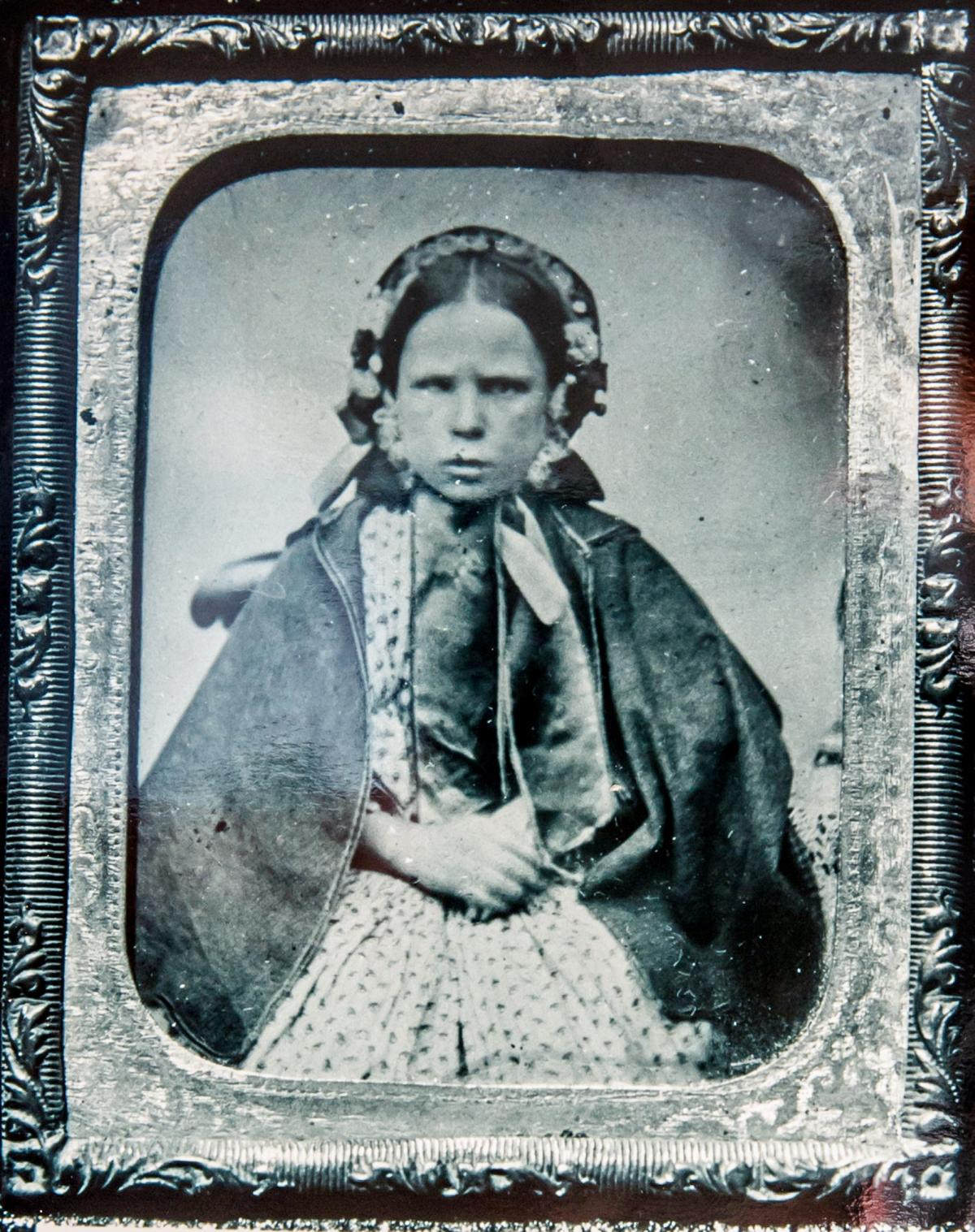
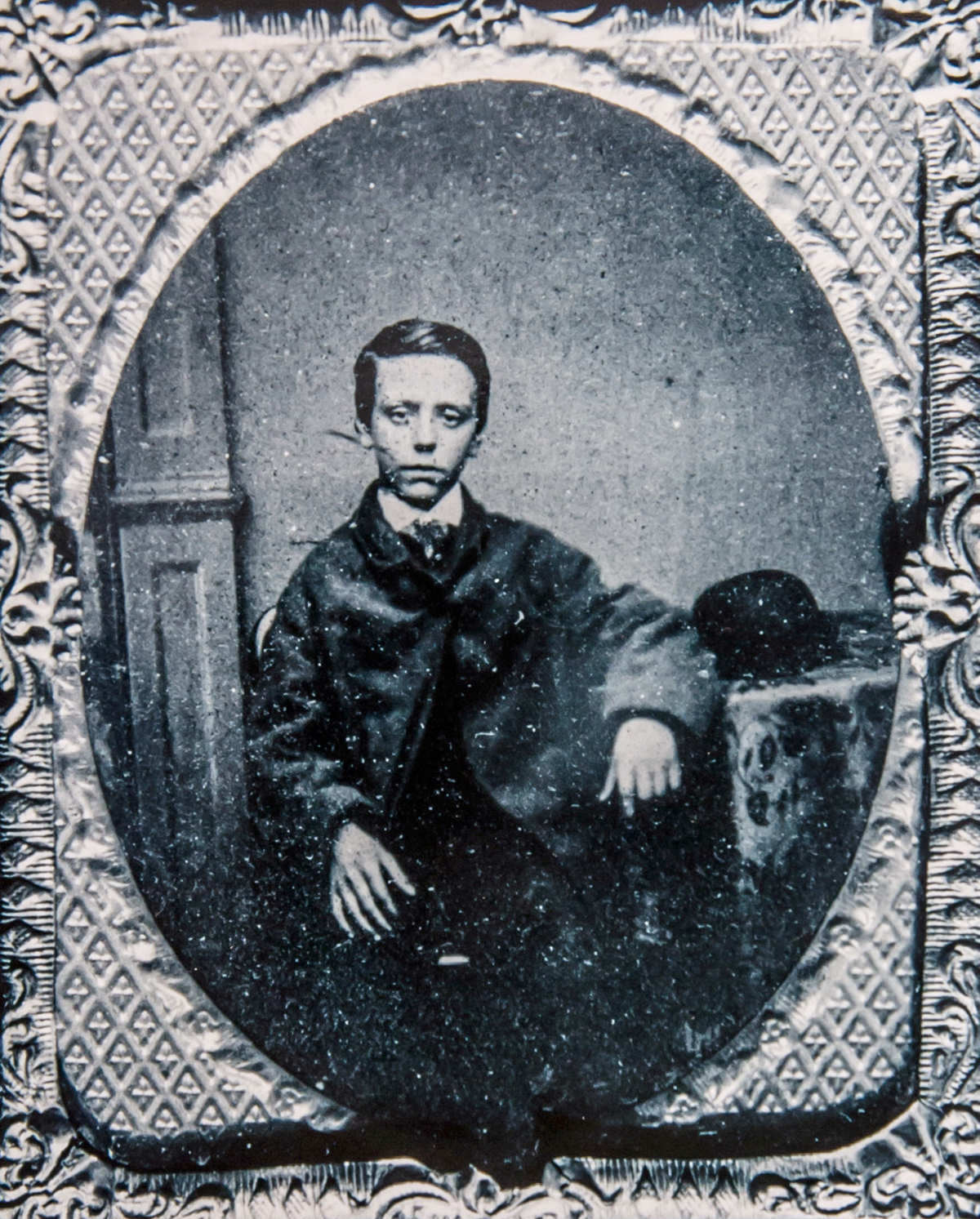
By the 1870s, photographing people in custody was no longer just a Birmingham practice. A formal mandate required all police forces in England to take mugshots of those they held. Birmingham’s first official ledger dates to this period, formalising what the city’s officers had already been doing for nearly two decades. The collection from Moor Street predates that mandate by roughly twenty years.
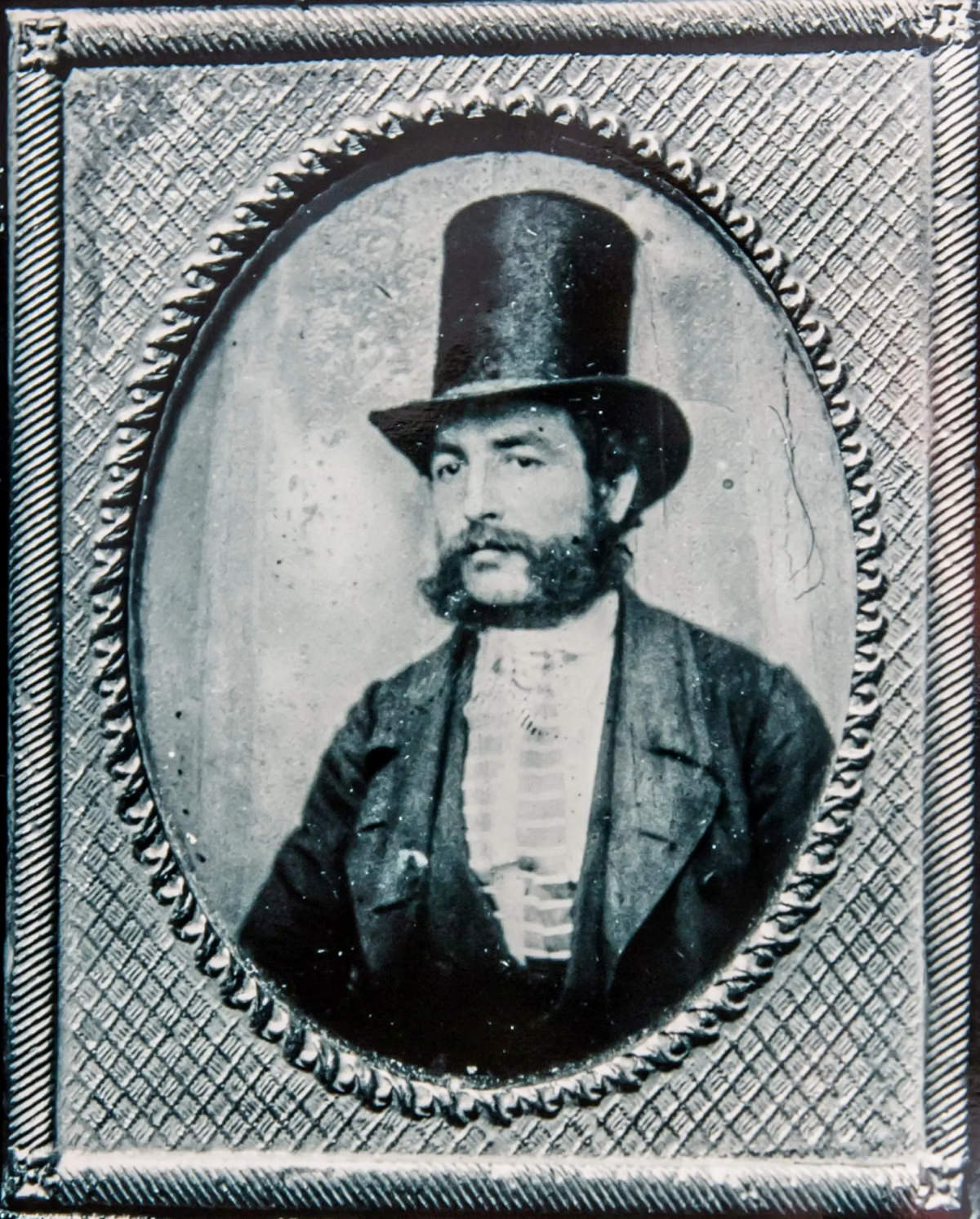
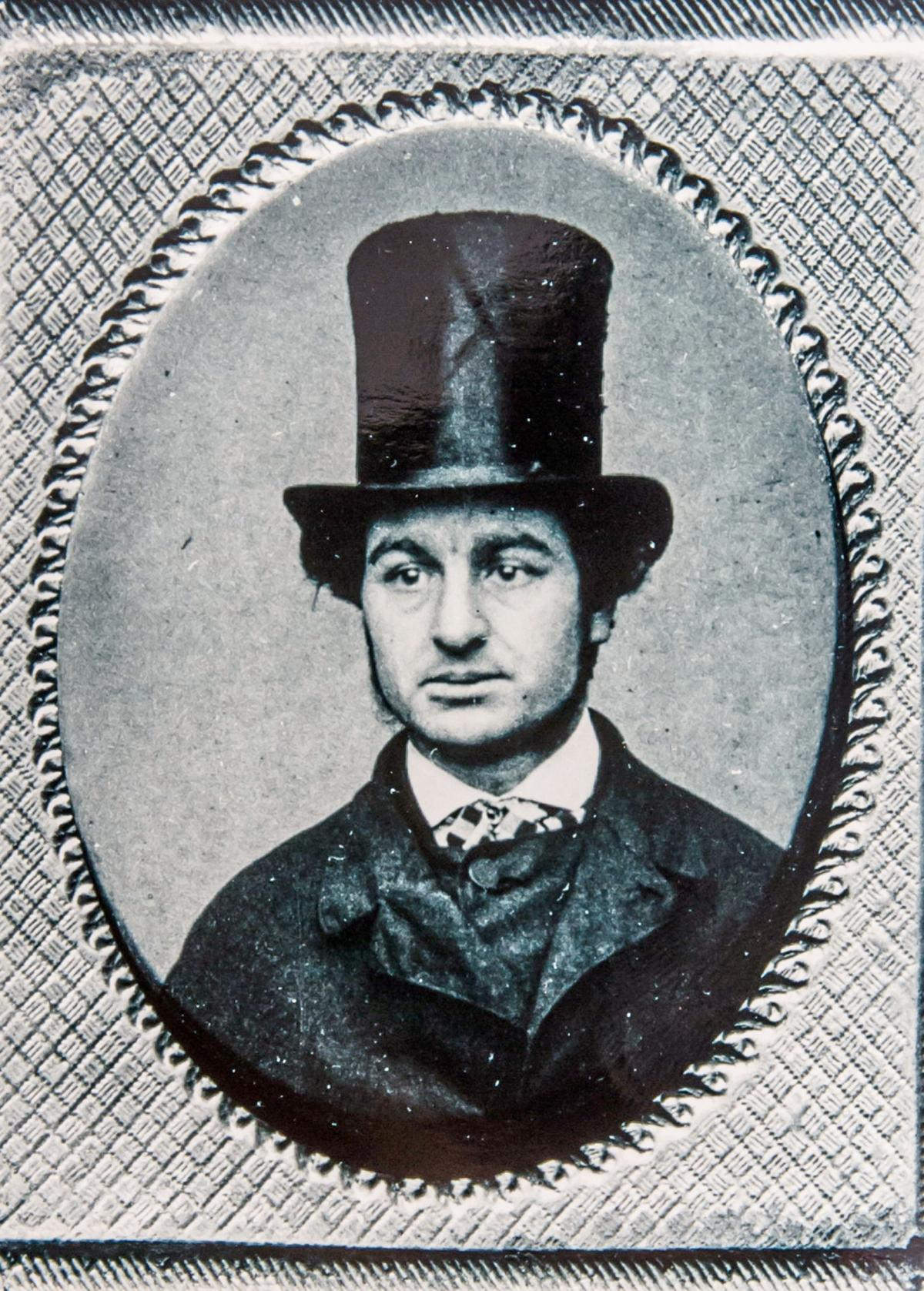
Many of the faces in the archive remain unidentified. Names, crimes, and dates have been lost for a number of the subjects, leaving only the photograph itself. James Freeth, pictured in February 1861, has no known crime attached to his record. Others, including several women, are entirely anonymous. Their identities, and whatever brought them to Moor Street, are gone.