
Brownsville sits in the eastern section of Brooklyn, New York City. Today it is known as one of the city’s most historically significant neighborhoods, shaped by decades of migration, poverty, and resilience. But to understand Brownsville in the 1970s, you have to go back to its very beginning.
The neighborhood was founded in 1858 and grew into a Jewish factory town. In 1887, businessman Elias Kaplan brought the first wave of Jewish immigrants to Brownsville. He promoted it as a better alternative to the crowded Lower East Side, arguing that workers there were too constrained by labor unions. Kaplan built a factory, housing for his employees, and even a synagogue inside the Ohev Sholom factory. Brownsville became a tight-knit working-class community built around Jewish immigrant life.
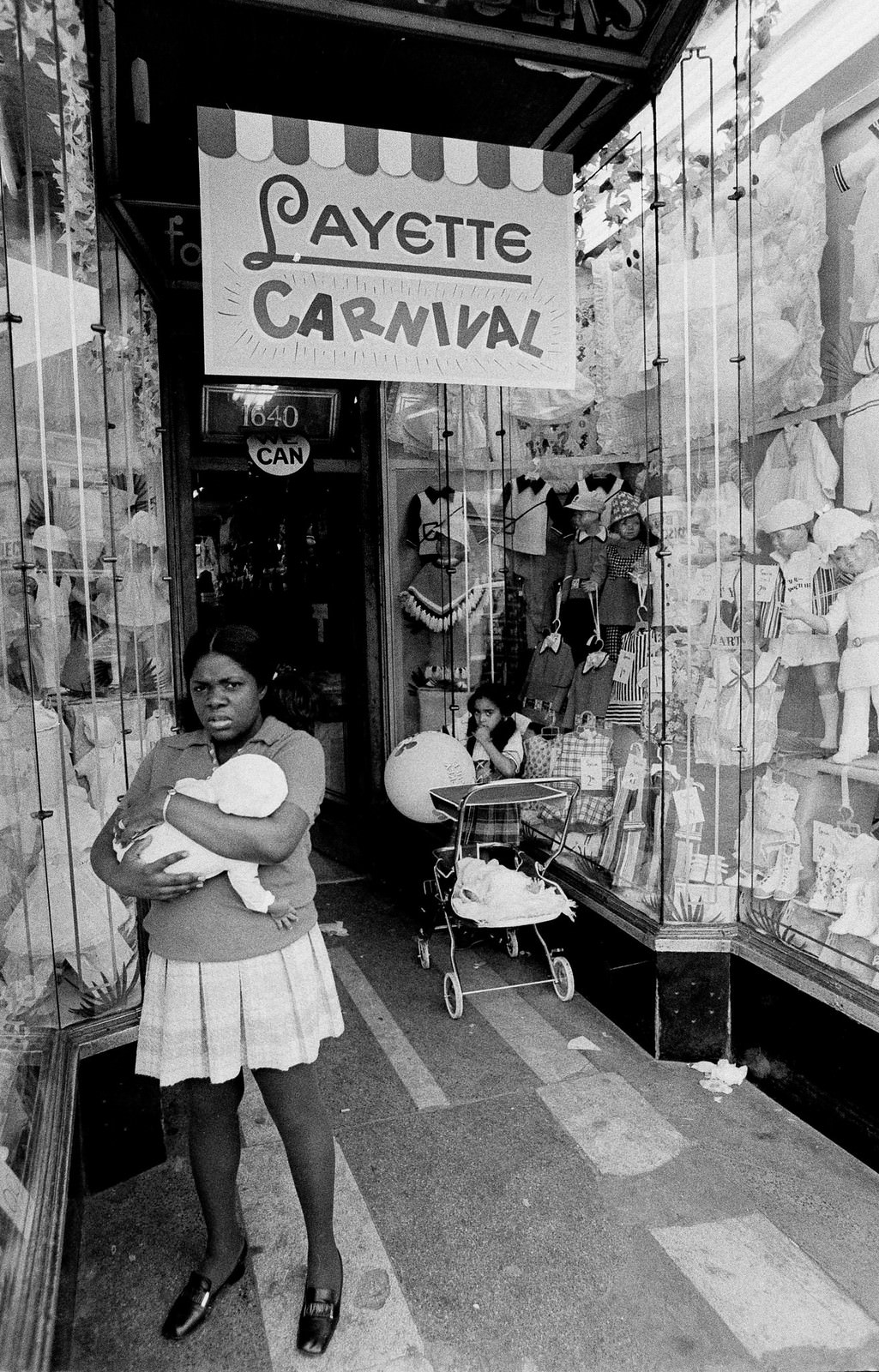
That identity began to shift in the early 20th century. African Americans started arriving in Brooklyn in growing numbers, first settling in Bedford-Stuyvesant, which became Brooklyn’s first major Black neighborhood. From the 1930s onward, Brownsville began absorbing more and more of these new residents. Many were poor families who had fled the Jim Crow South in search of better opportunities in the North.
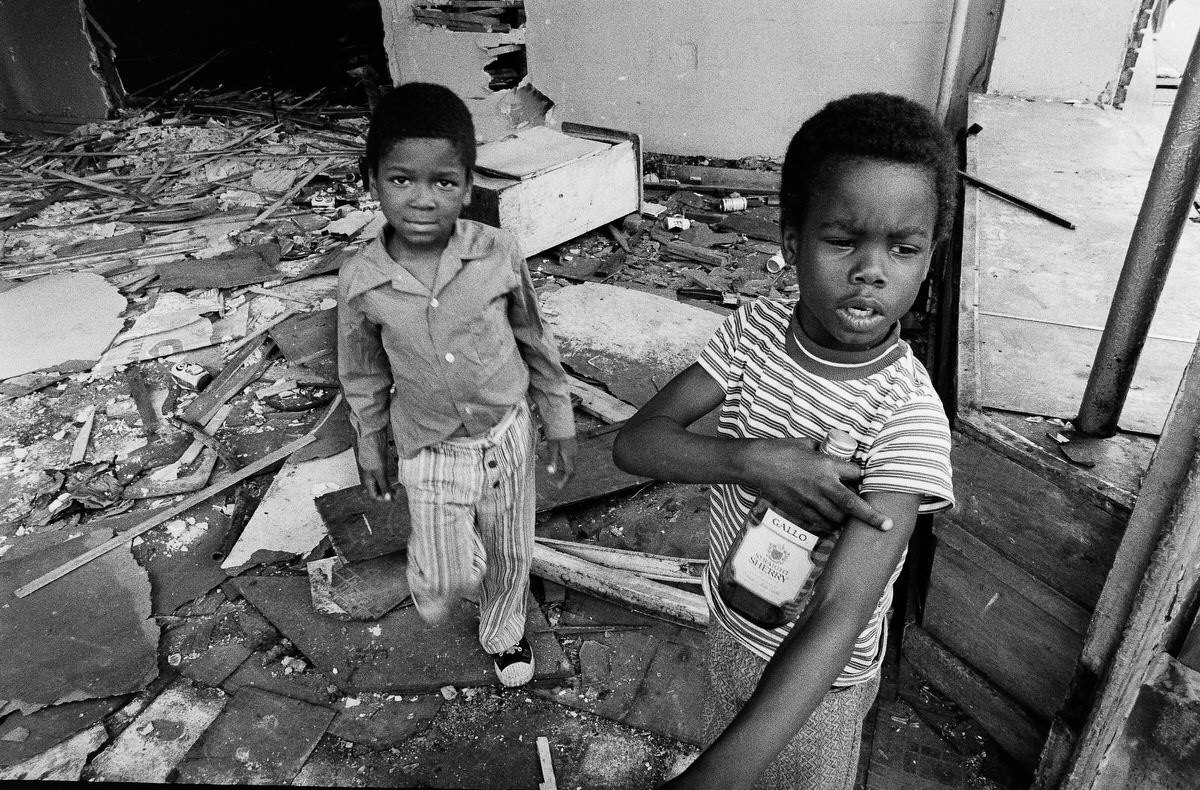
The demographic shift accelerated quickly. Between 1940 and 1950, Brownsville’s Black population doubled. By 1957, Black residents made up 22 percent of the neighborhood. Racial tensions rose alongside new progressive movements pushing back against injustice. The neighborhood was changing faster than its infrastructure could handle.
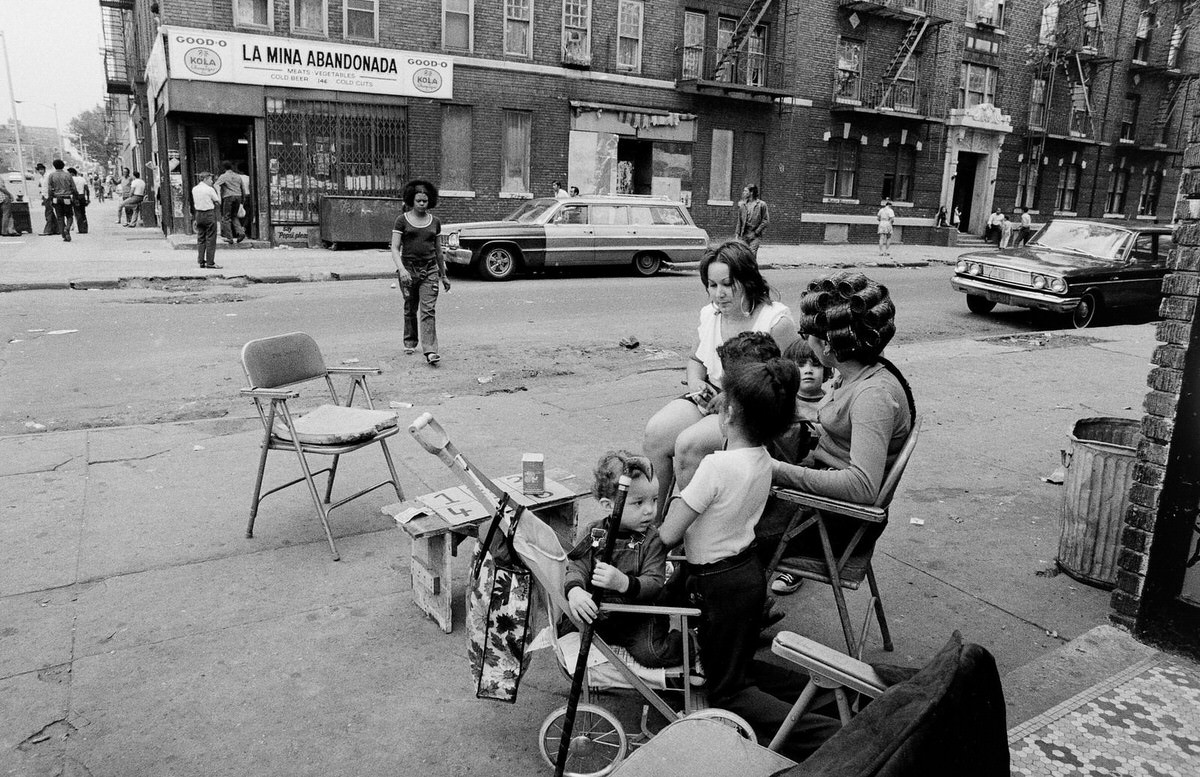
By 1970, Brownsville had roughly 130,000 residents. Seventy-seven percent were Black, and 19 percent were Puerto Rican. The Jewish population that had defined the neighborhood for decades had largely moved out. What remained was a densely packed, predominantly minority community with very little political power and even fewer economic resources.
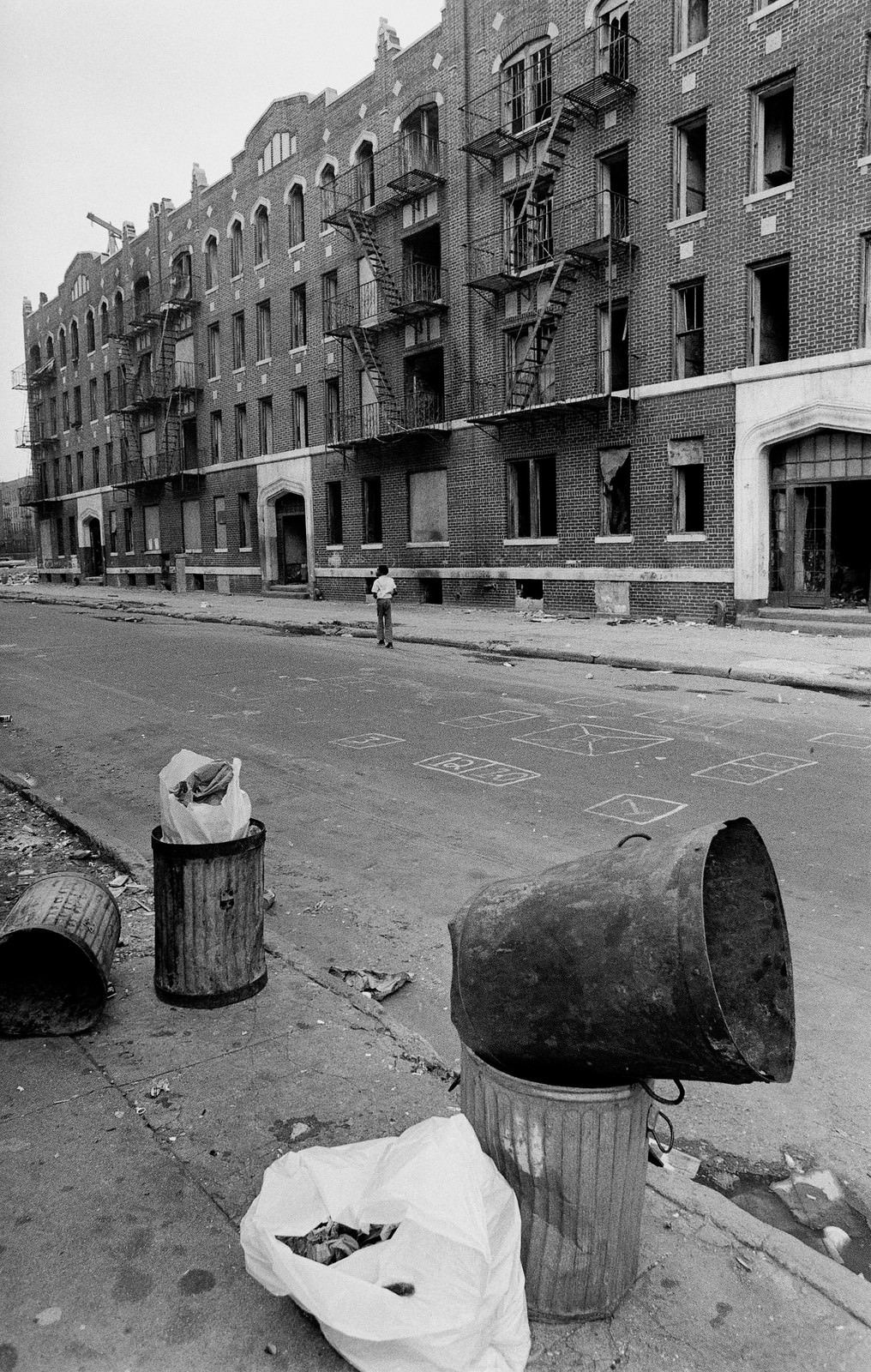
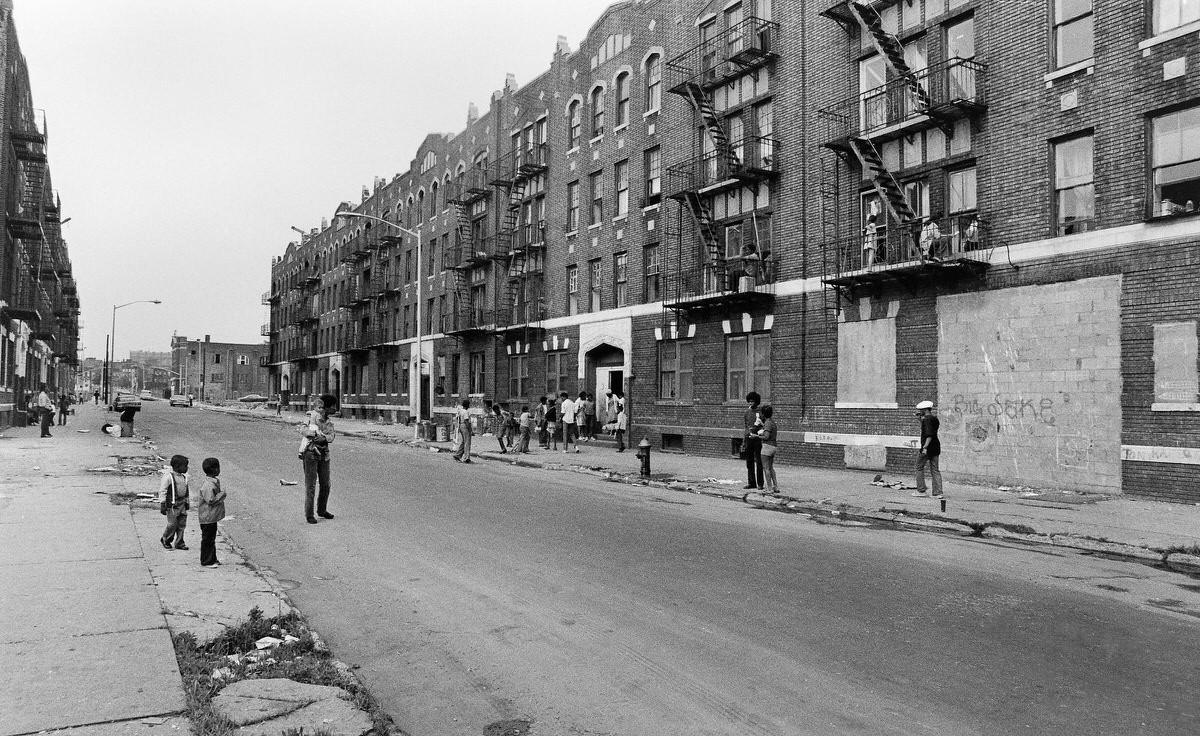
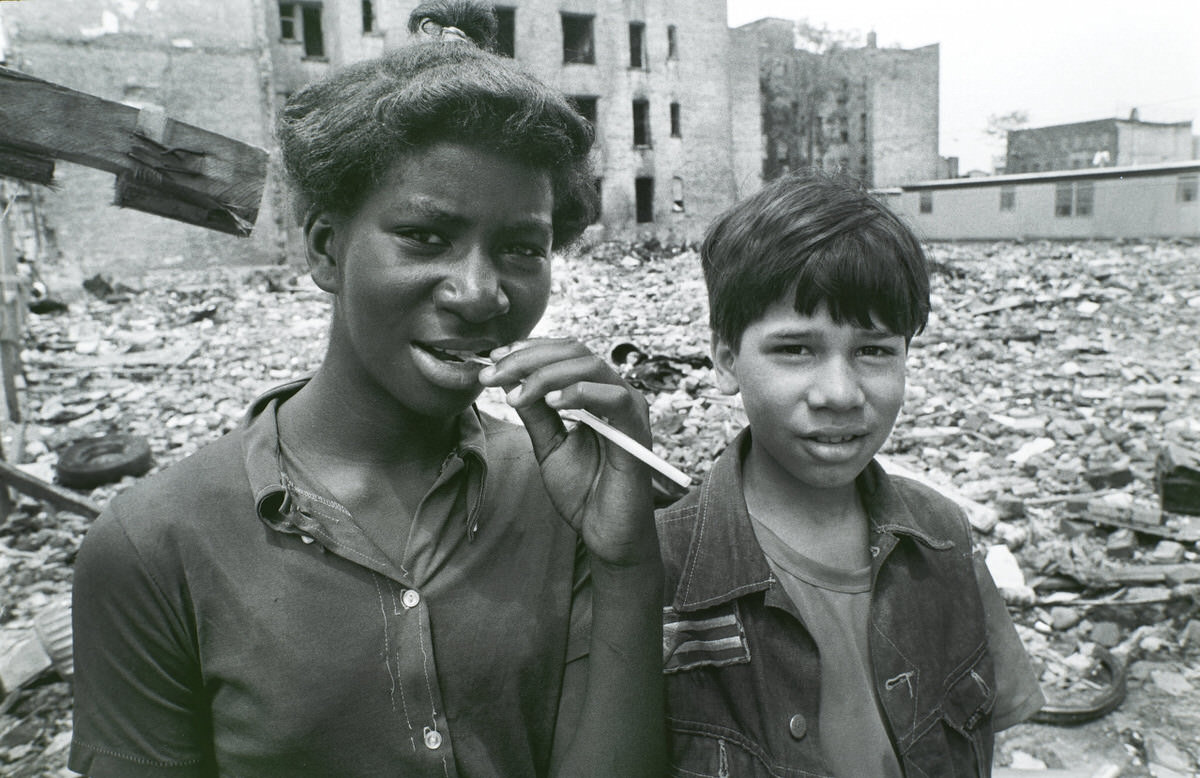
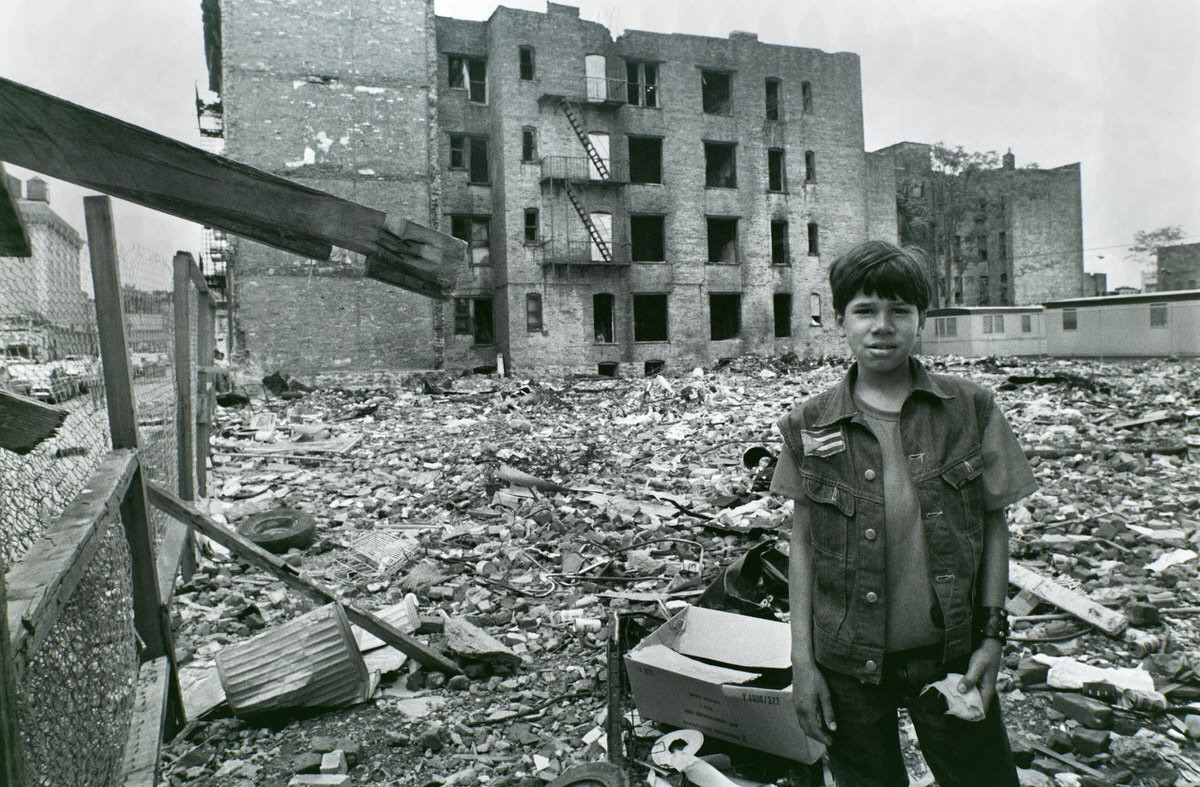
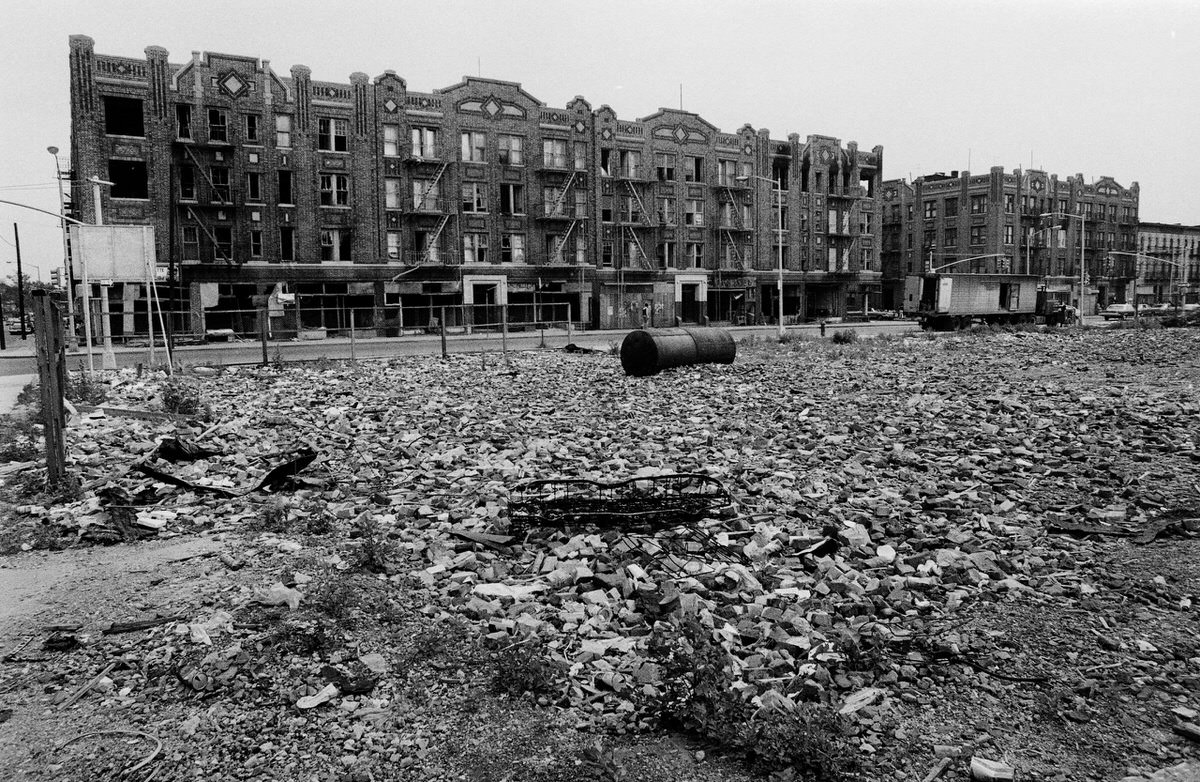
The 1970s were brutal for Brownsville. A wave of arson swept through the neighborhood and other low-income communities across New York City during that decade. Landlords, unable to profit from their properties in depressed markets, burned buildings down to collect insurance money. Residents lost their homes. Entire blocks were reduced to rubble and vacant lots.
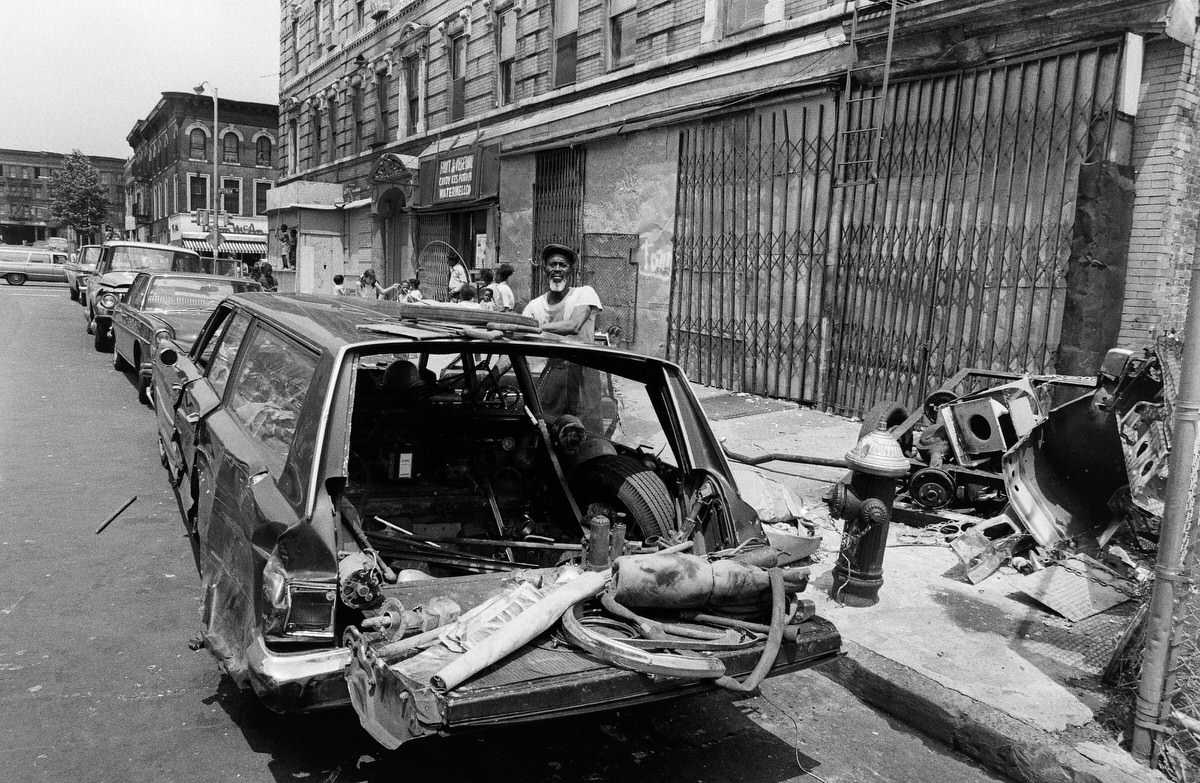
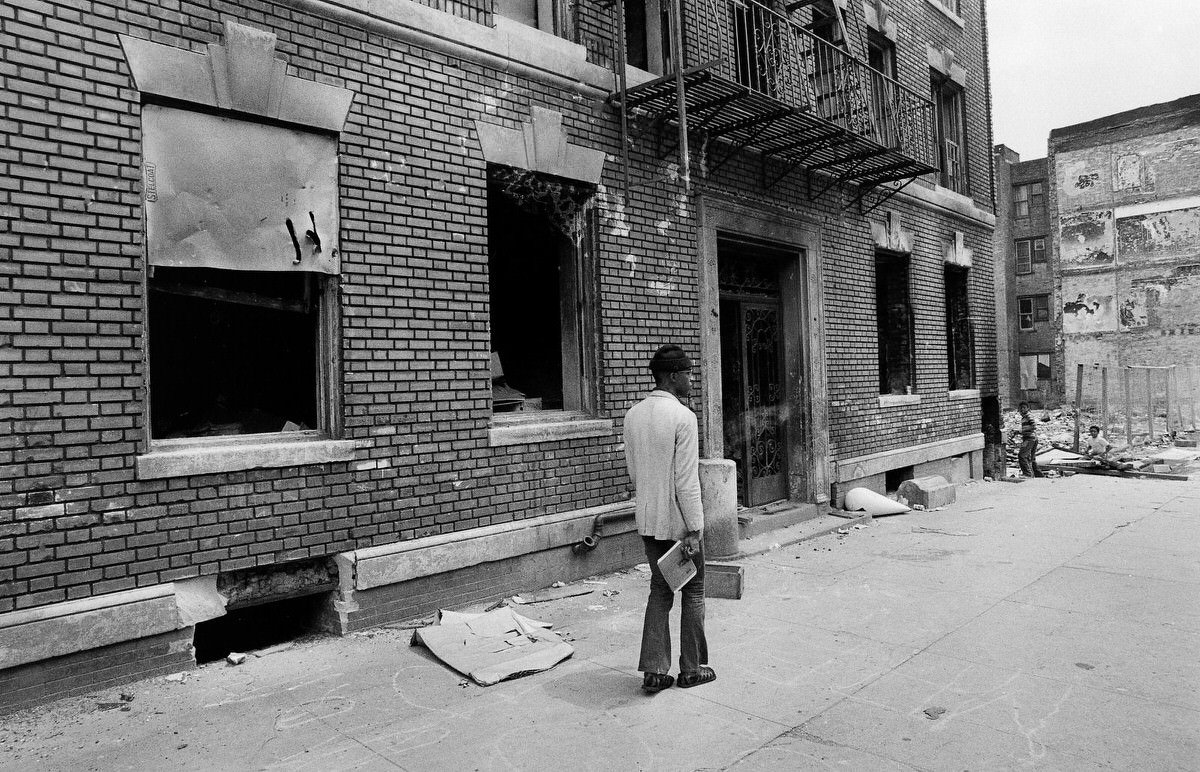
The destruction left deep scars. Streets that had once been lined with apartment buildings and local shops were hollowed out. Brownsville became a symbol of urban decay across New York City. Poverty and crime rates climbed, and city services were stretched thin or pulled back entirely.
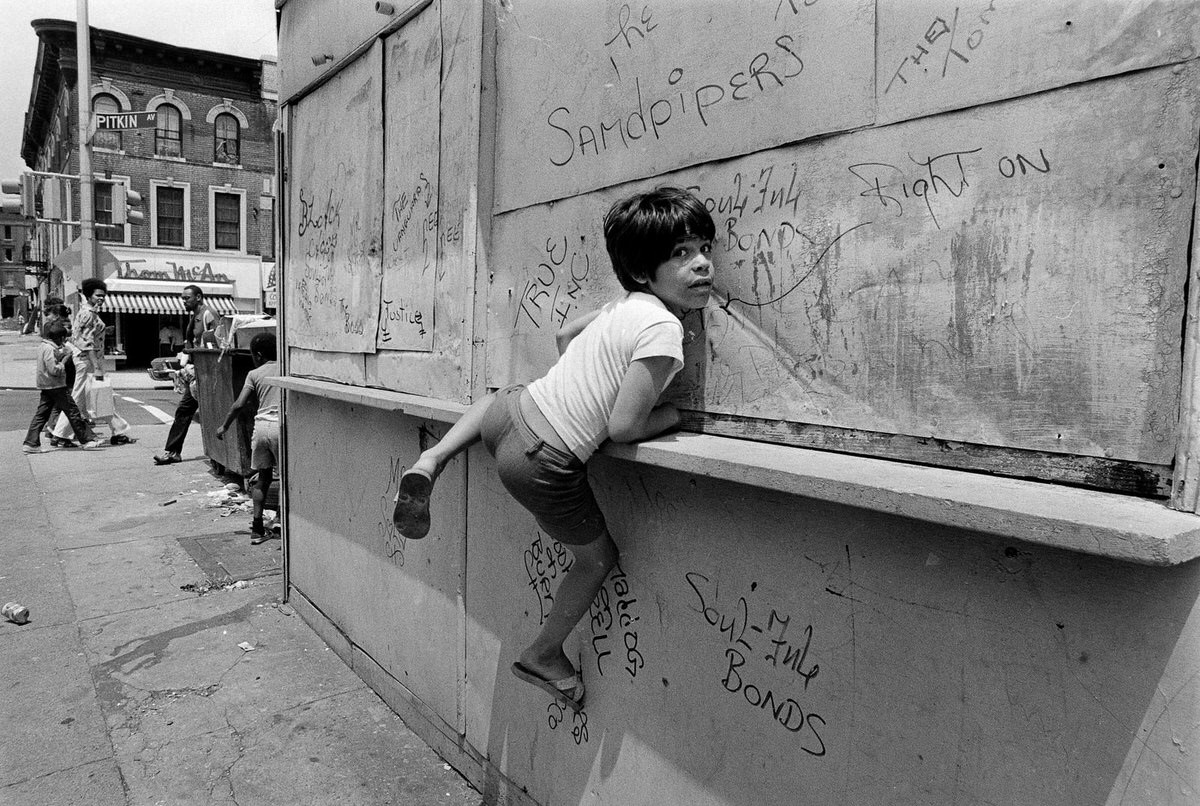
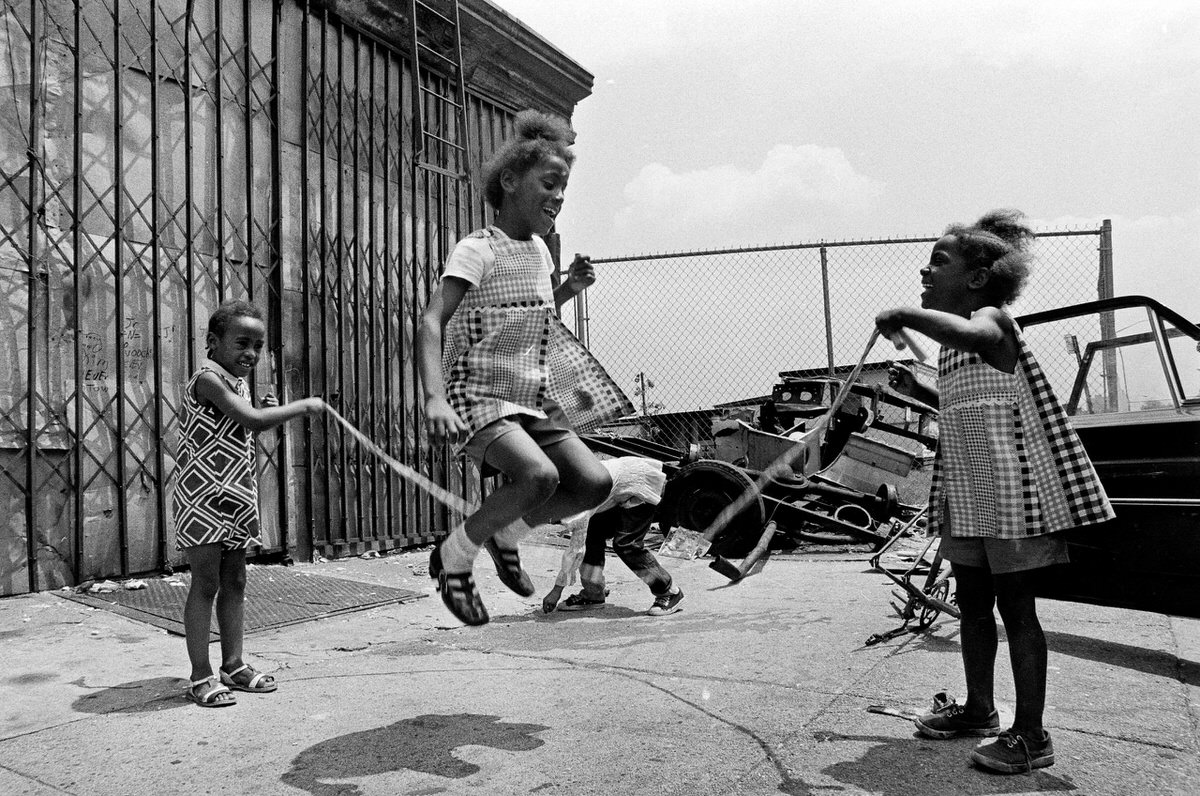
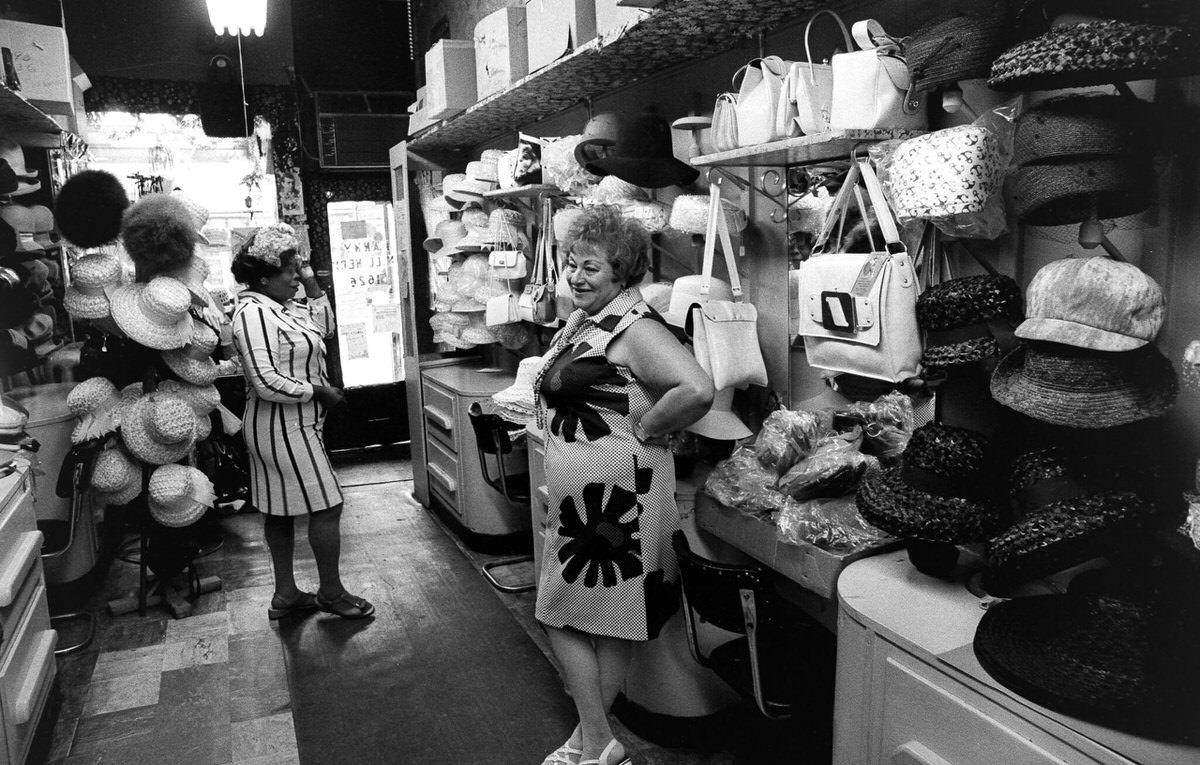
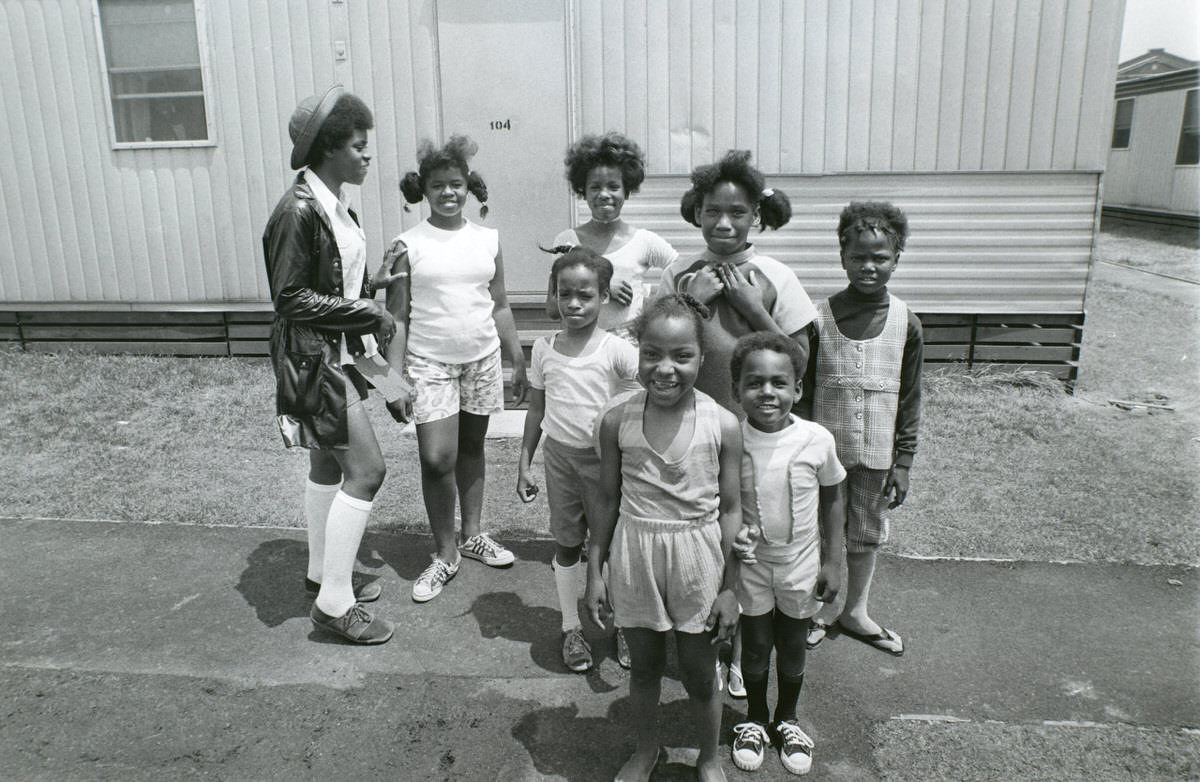
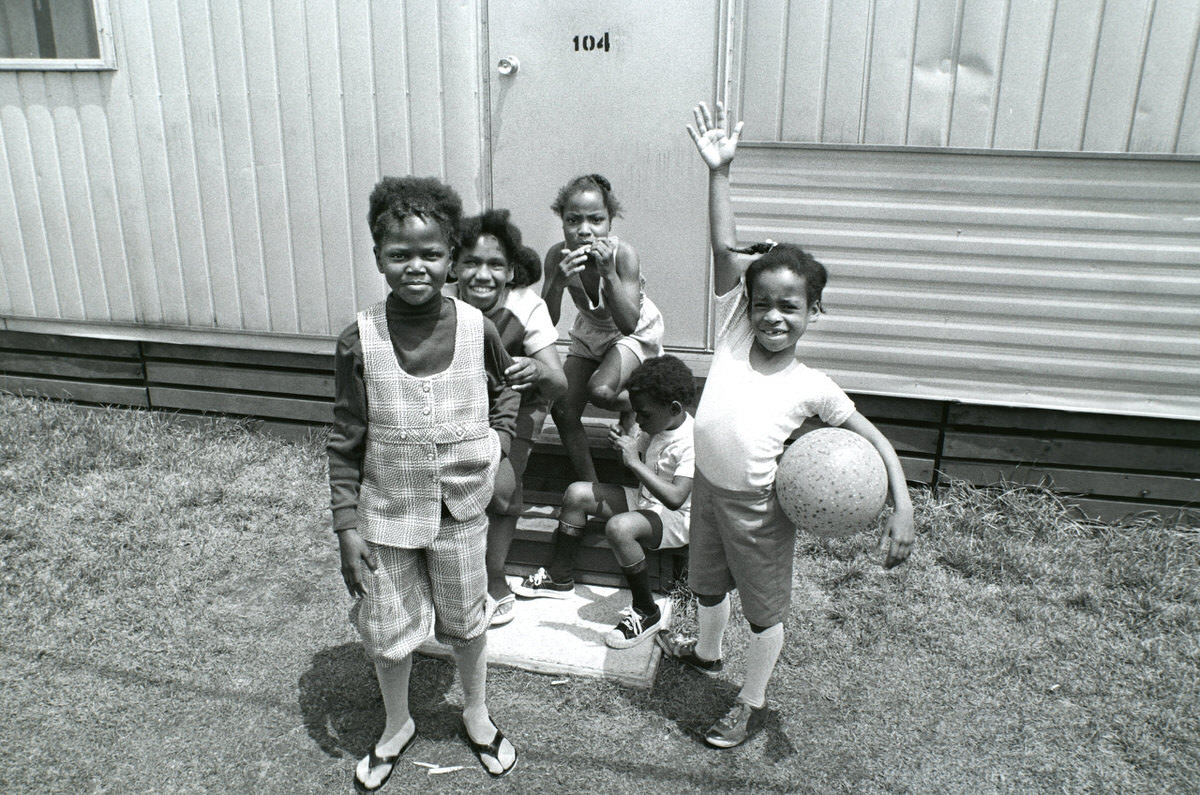
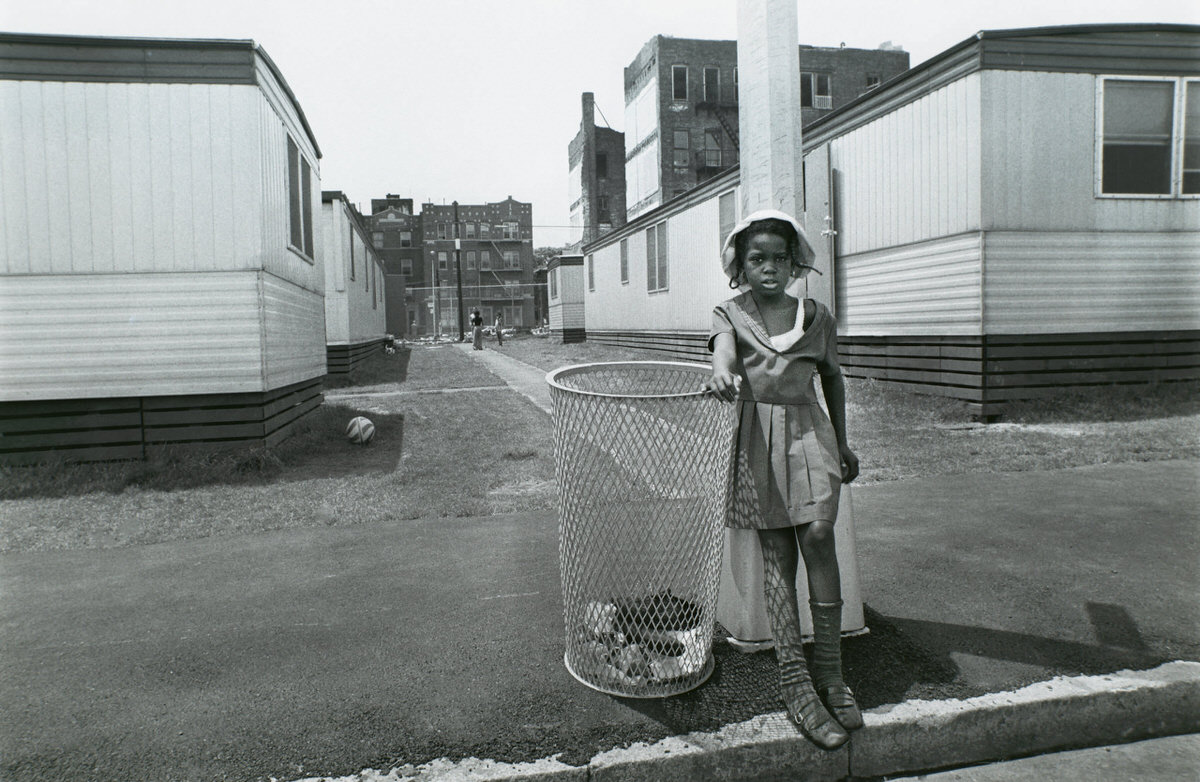
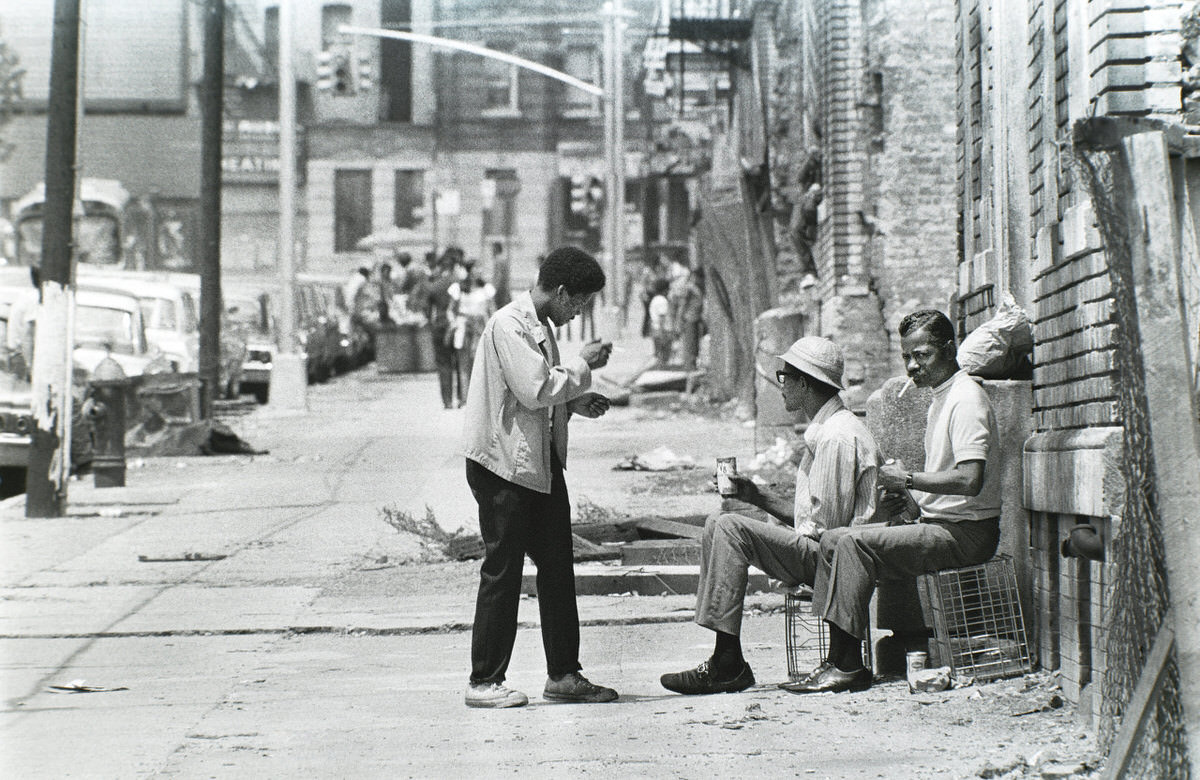
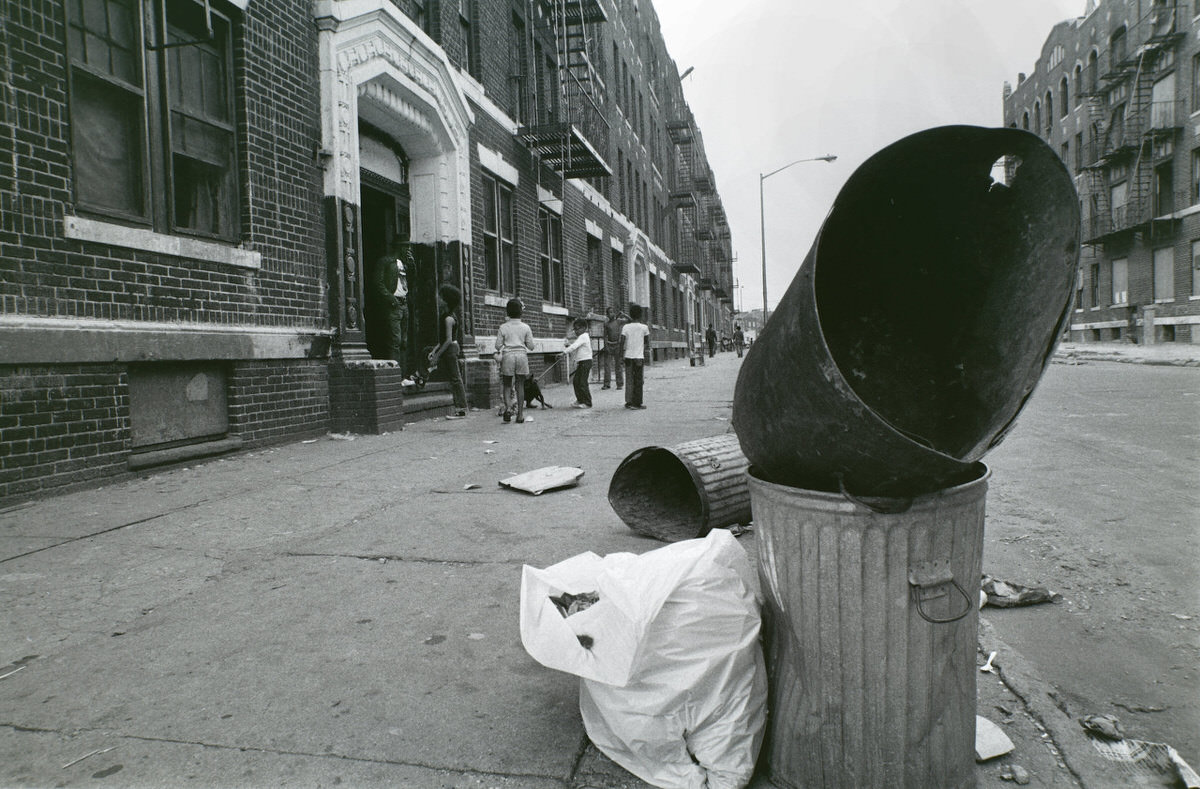
Still, daily life went on. People raised families, ran small businesses, and built community ties even as the physical landscape around them deteriorated. The street scenes from Brownsville in this era capture both the hardship and the ordinary rhythms of life that continued despite everything.
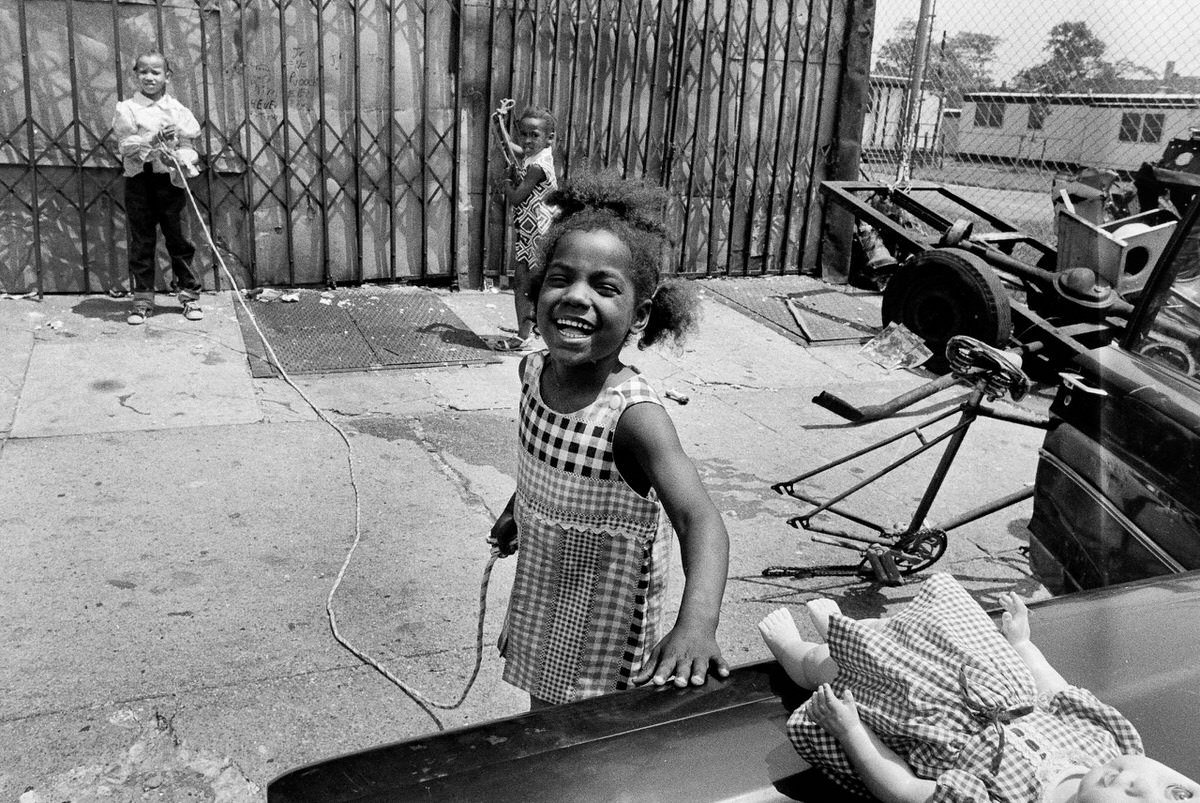
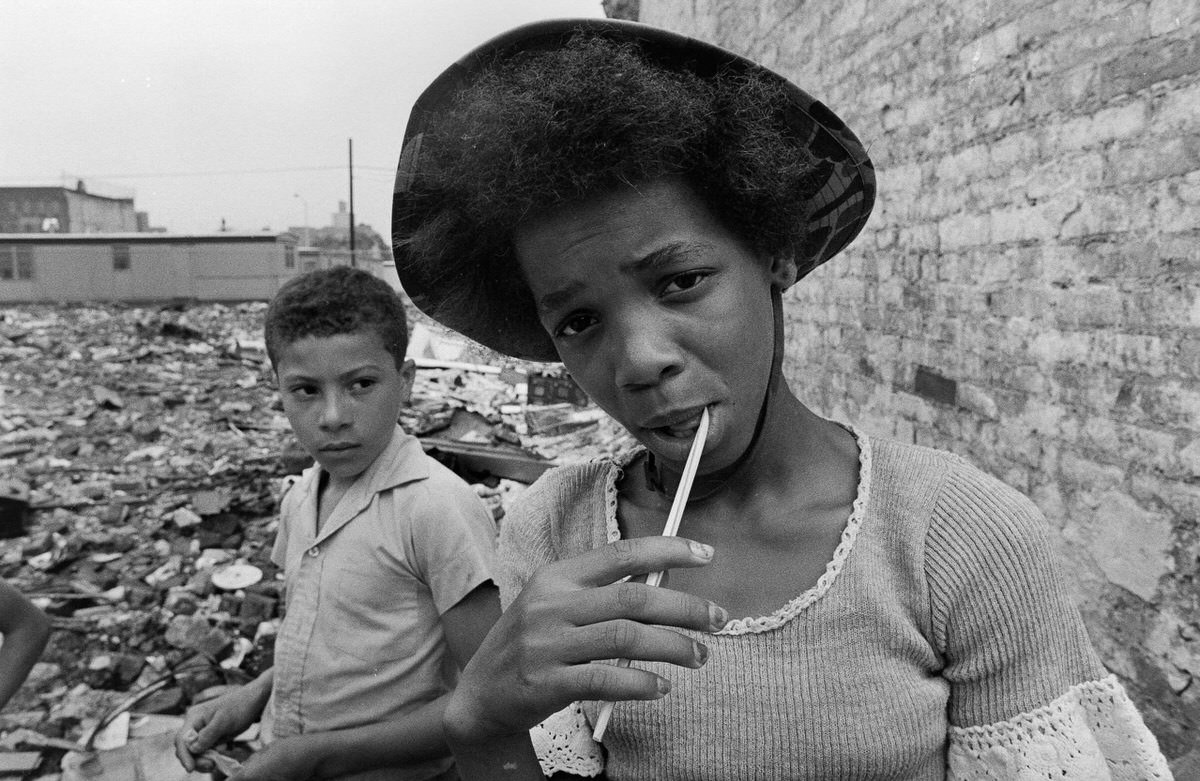
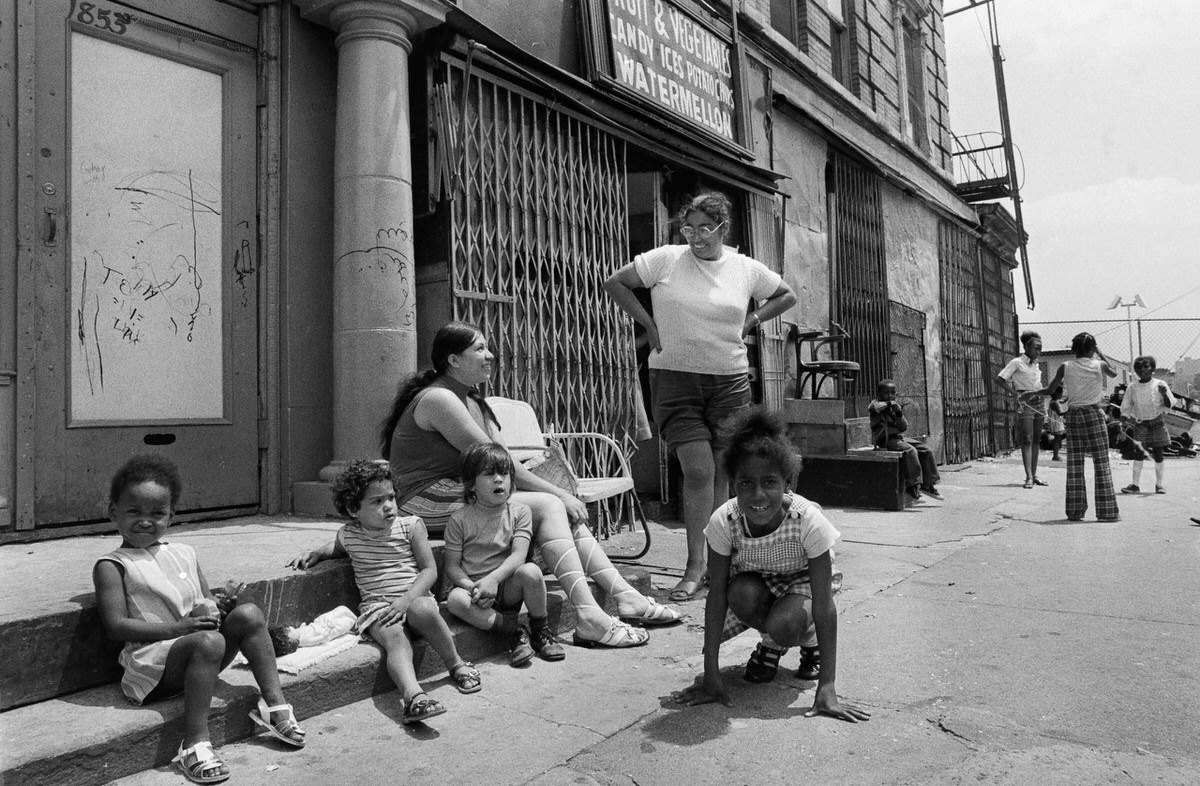
Corner stores, schoolyards, and sidewalks were social hubs. Children played in the streets. Neighbors gathered on stoops. The community’s density meant that even in hard times, people were rarely alone. These photos document that world — the one that existed between the headlines about crime and arson.
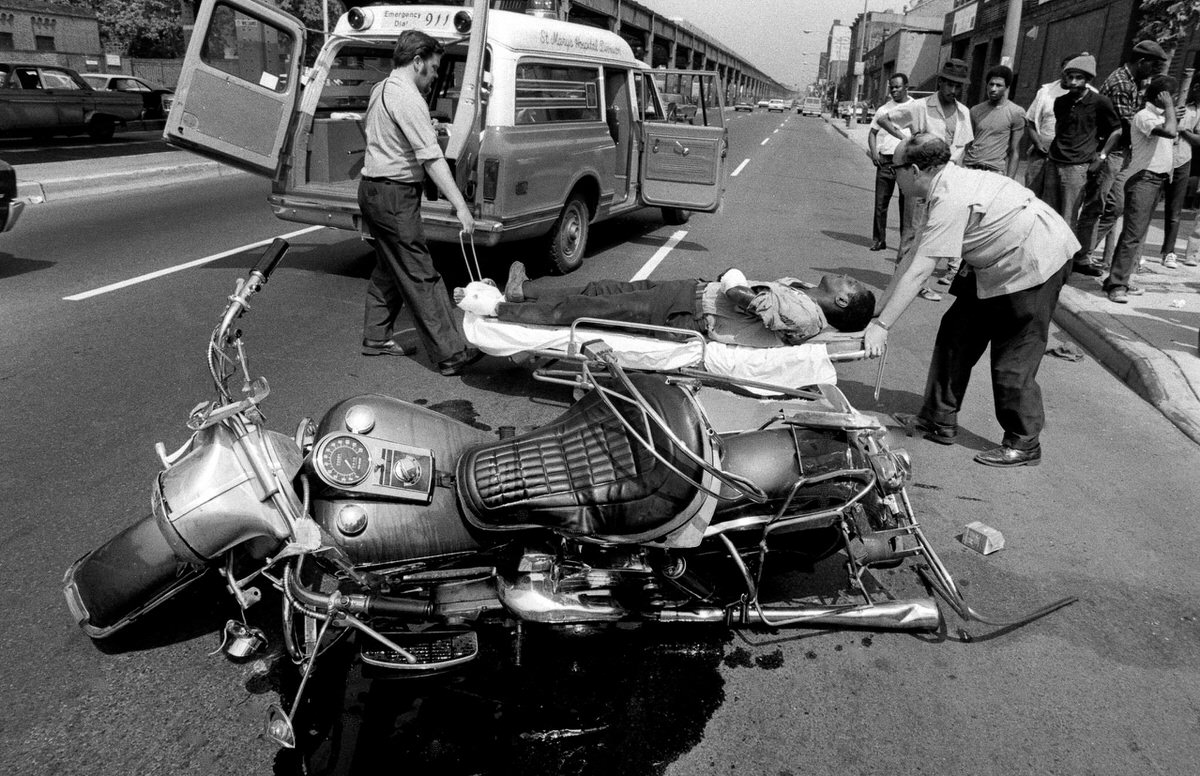
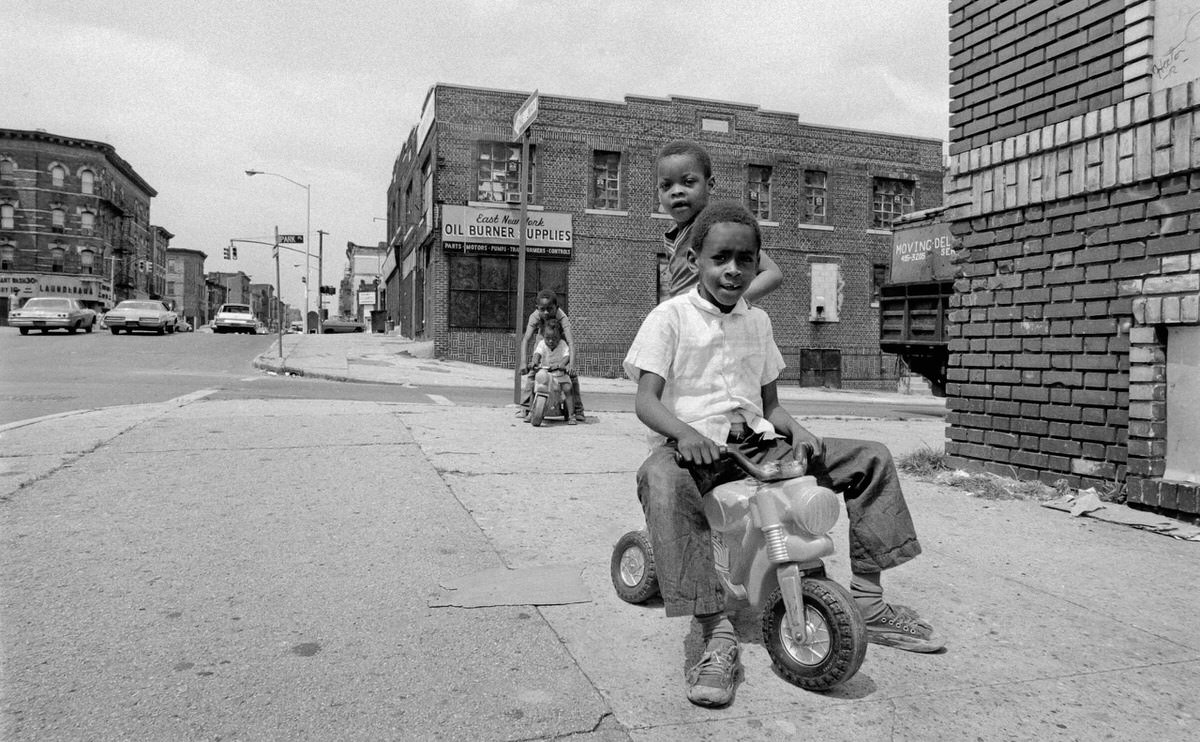
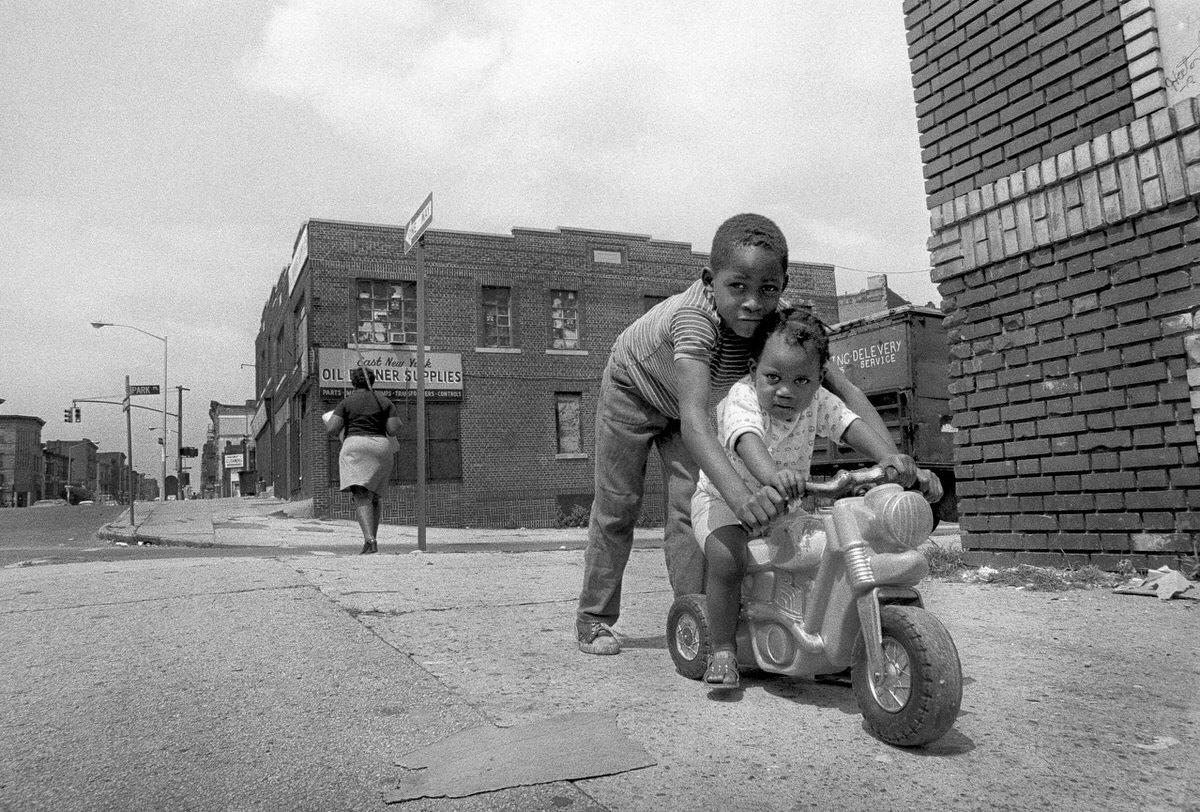
Brownsville’s high crime and poverty rates during this period were not accidents of character. They were the direct result of systemic disinvestment, discriminatory housing policies, and the loss of manufacturing jobs that had once sustained working-class neighborhoods like this one across New York City.
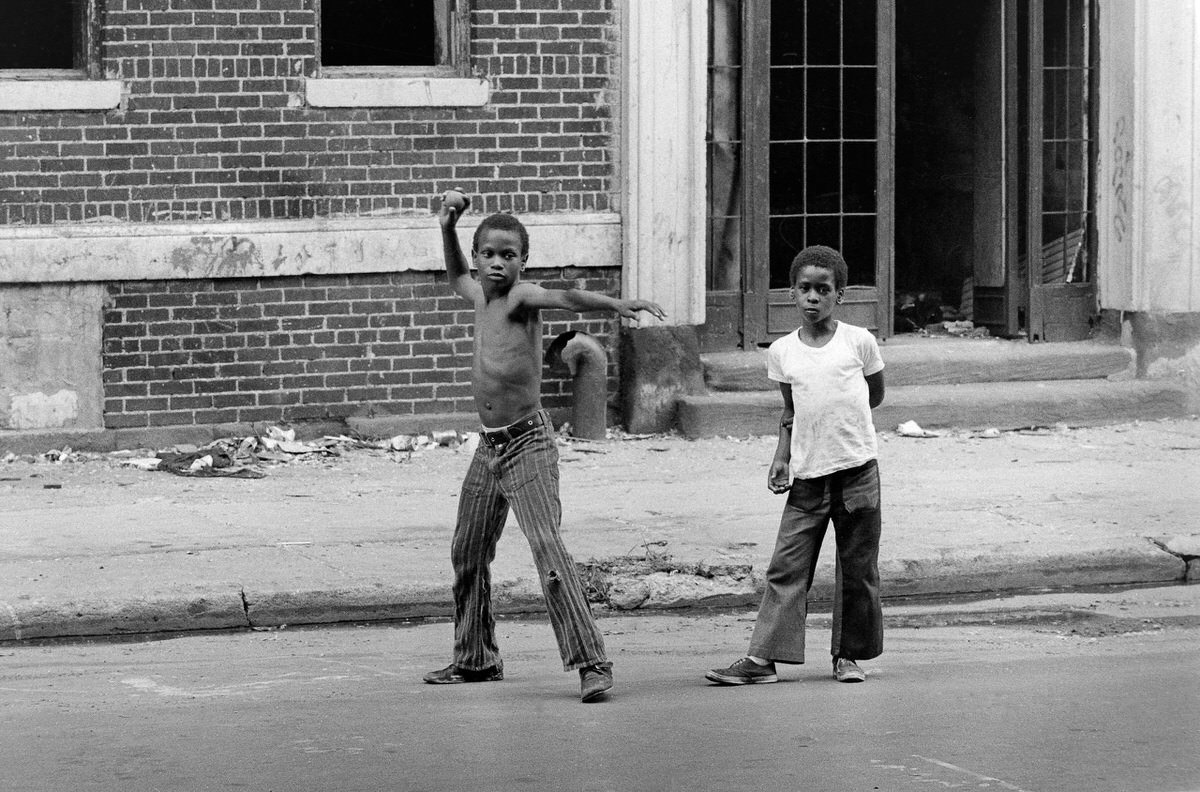
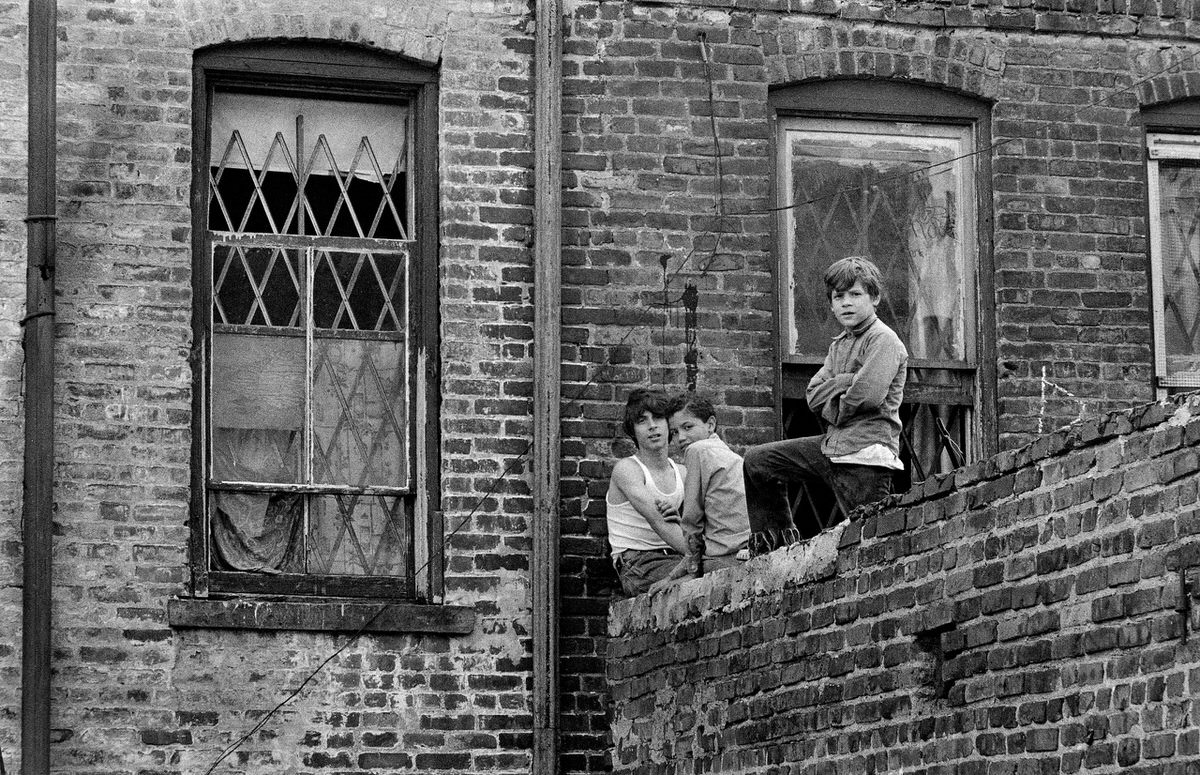
The arson crisis of the 1970s left Brownsville with one of the highest concentrations of vacant land in all of New York City. Whole sections of the neighborhood looked like a war zone. Photographers who walked these streets documented crumbling buildings, gutted lots, and the stubborn persistence of the people who stayed.
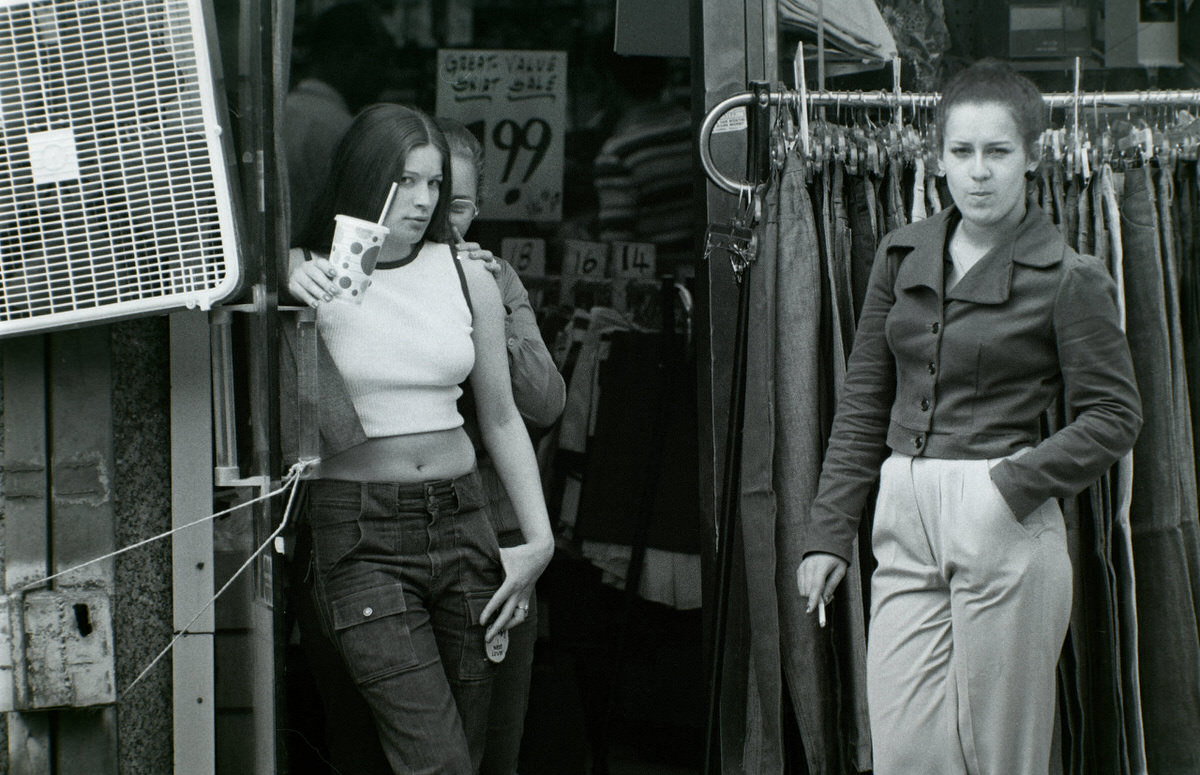
Local businesses operated out of storefronts that showed the wear of neglect. Metal grates, hand-painted signs, and makeshift repairs were common sights. Despite the conditions, commerce continued. Barbershops, bodegas, and churches remained open and active throughout the decade.
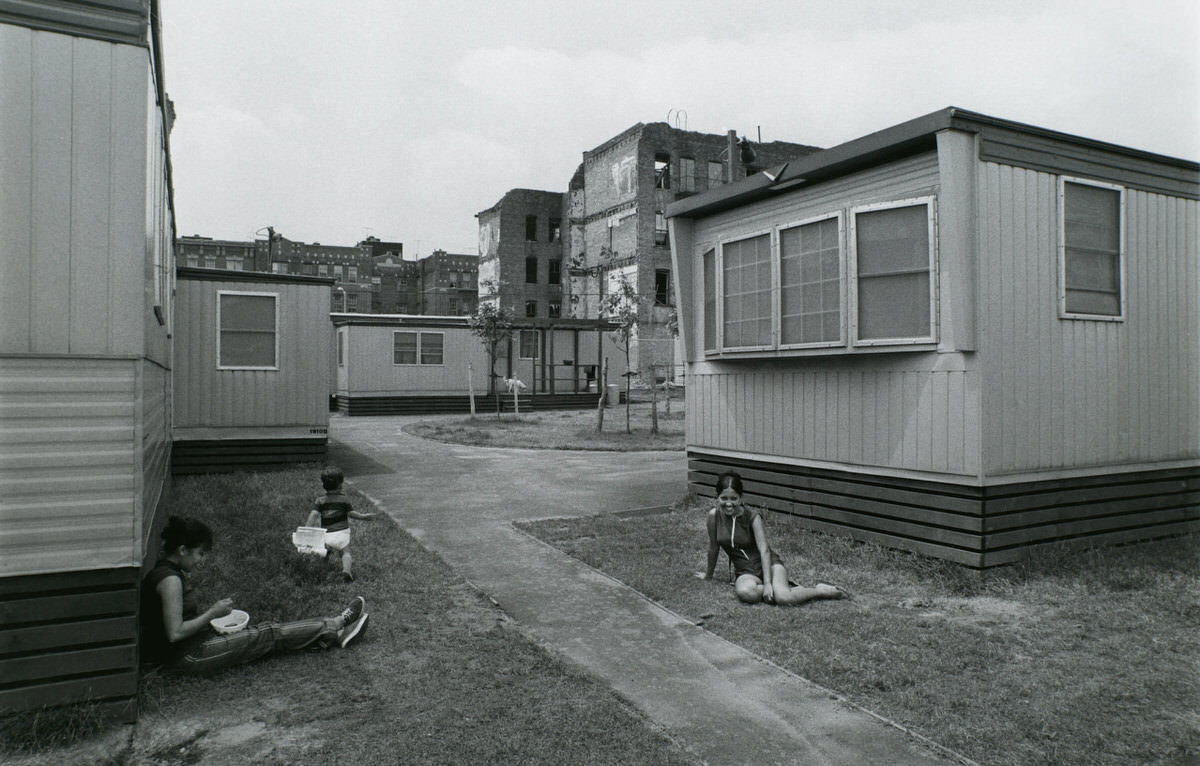
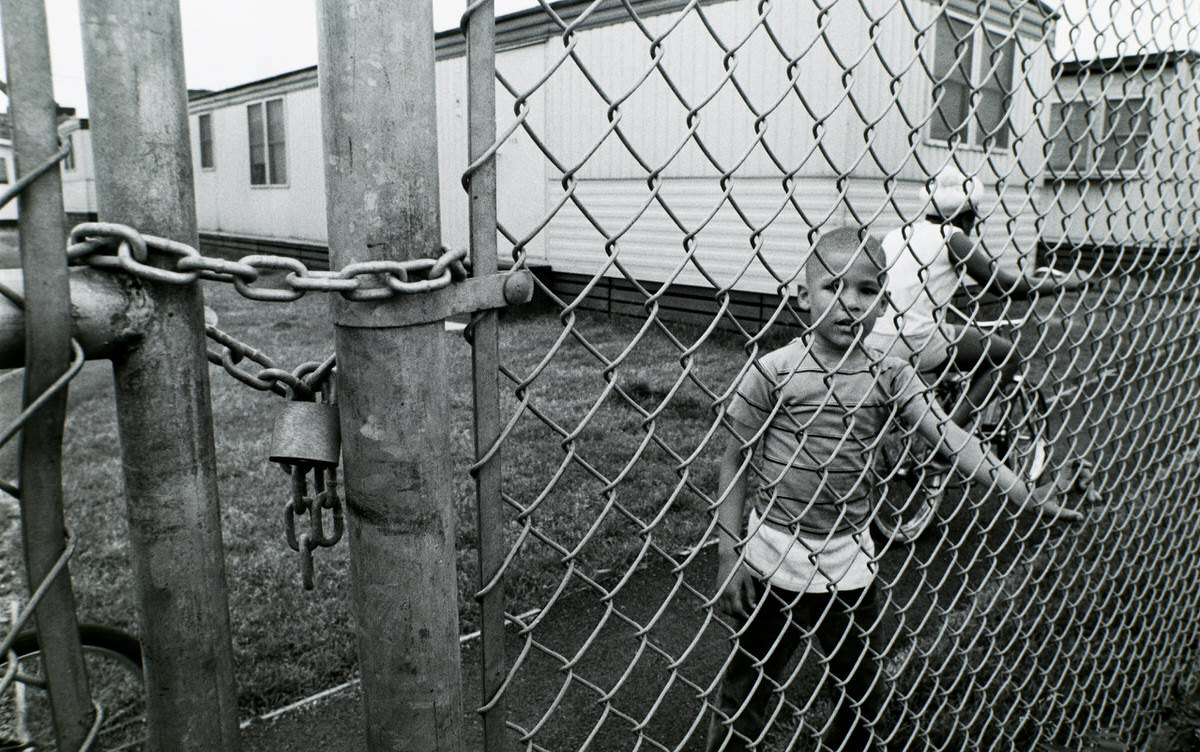
The public housing projects that had been built across Brownsville in earlier decades were now severely overcrowded and underfunded. Buildings that were meant to provide modern housing for working families had become concentrated pockets of poverty with little maintenance and minimal city attention.
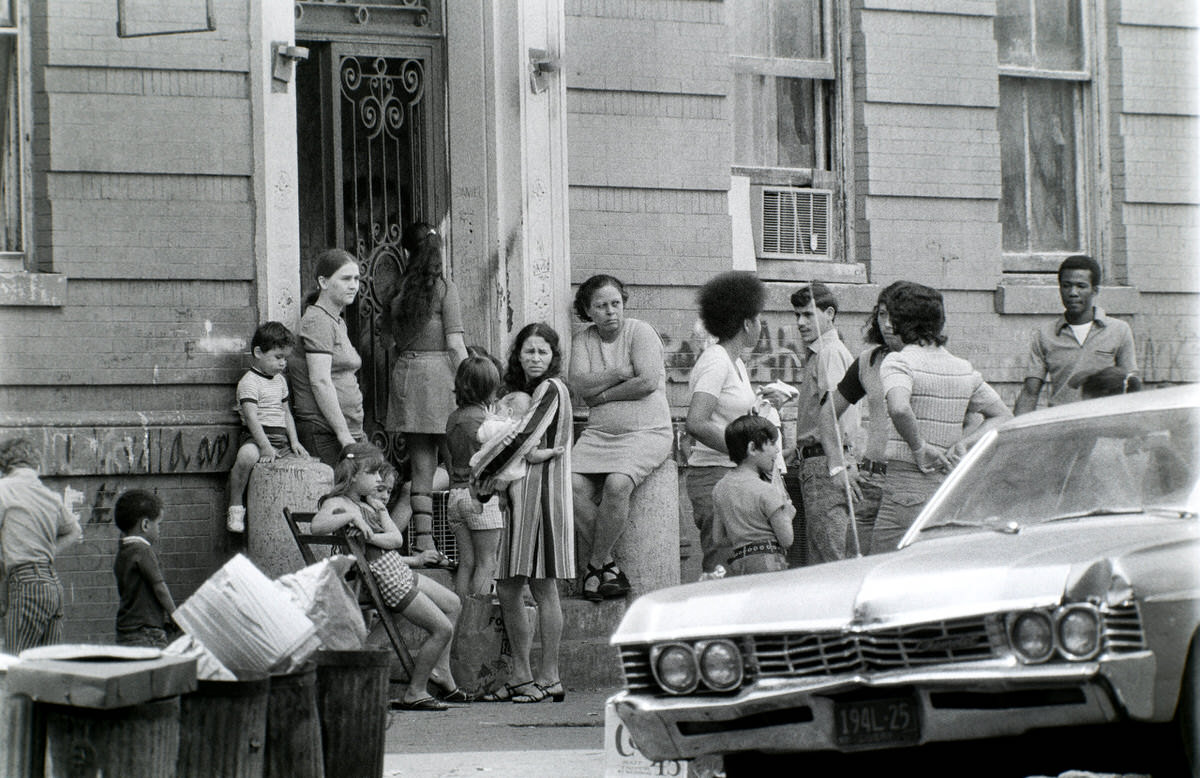
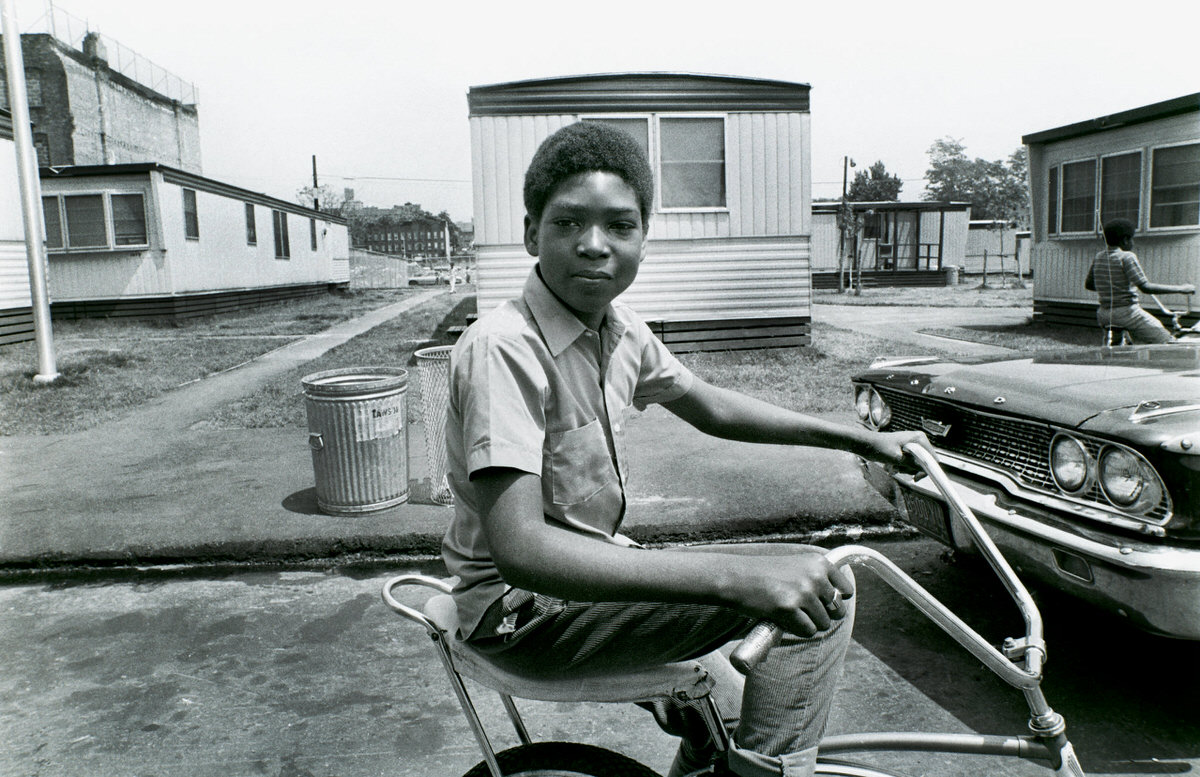
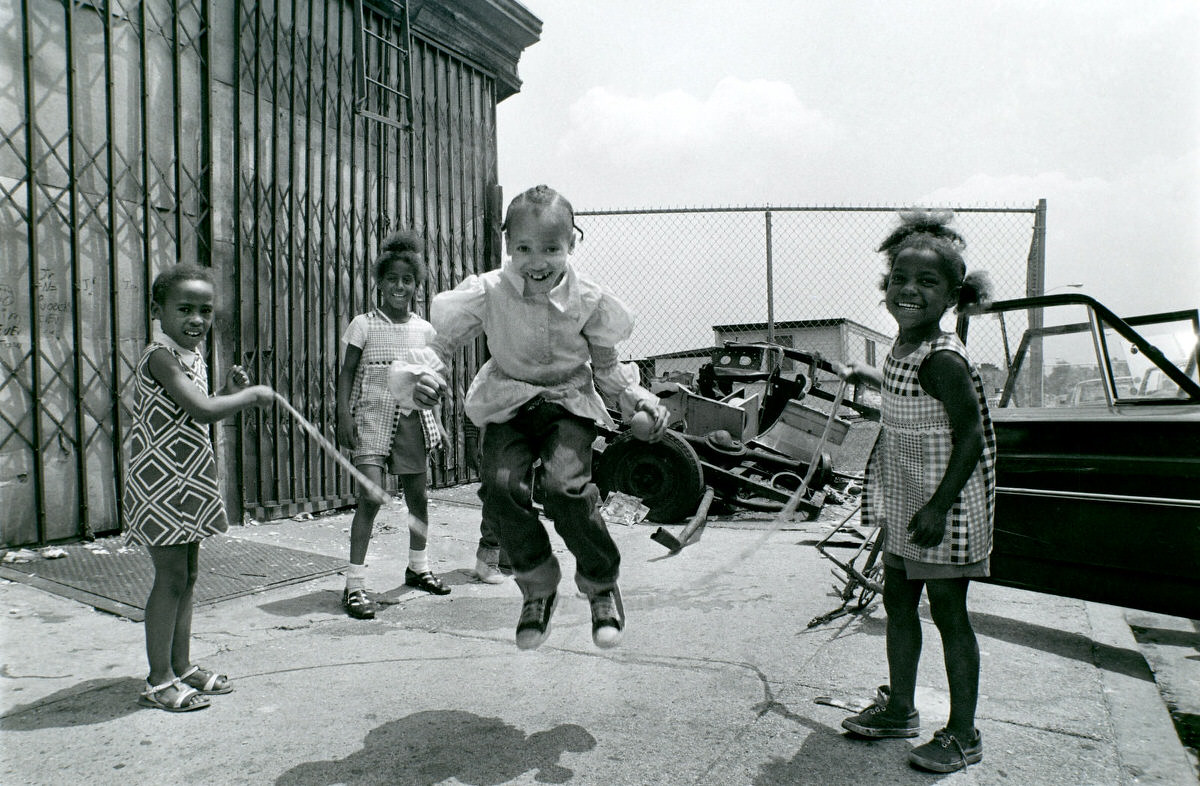
These photographs offer a ground-level view of a neighborhood that national media often reduced to a single story about crime and decline. The reality on the streets was far more textured. Brownsville in the 1970s was a place of real people living real lives under extraordinarily difficult circumstances.



What makes them so fascinating?
I enjoy looking at old photos.
It makes me feel like I’m at home — ahh! I have fond memories!
I can vividly remember the smell of the wind as it breezes past an abandon building or the shift of the unstable brick and debris as we tread across it. This was all in part of our daily adventures on the way home, my siblings and I. We swore we were going to find a treasure somewhere. What vibrant imaginations we had then.
You described well 👍
Hi!! You don’t happen to know where picture #6 was taken do you? Or where I could find out? Thank you for sharing these!