
Brooklyn in the 1970s was a borough in flux. Its manufacturing base, which had kept the local economy steady through the 1940s and 1950s, had largely collapsed by the mid-1970s, replaced by a service-based economy that left many neighborhoods struggling. Organized crime had a firm grip on parts of the borough, and crime rates were high across the board. Yet despite all of this, Brooklyn remained deeply alive — a dense, layered place where Russian, Chinese, and Puerto Rican immigrants shared blocks with long-established communities of African-Americans, Italians, and Jews.
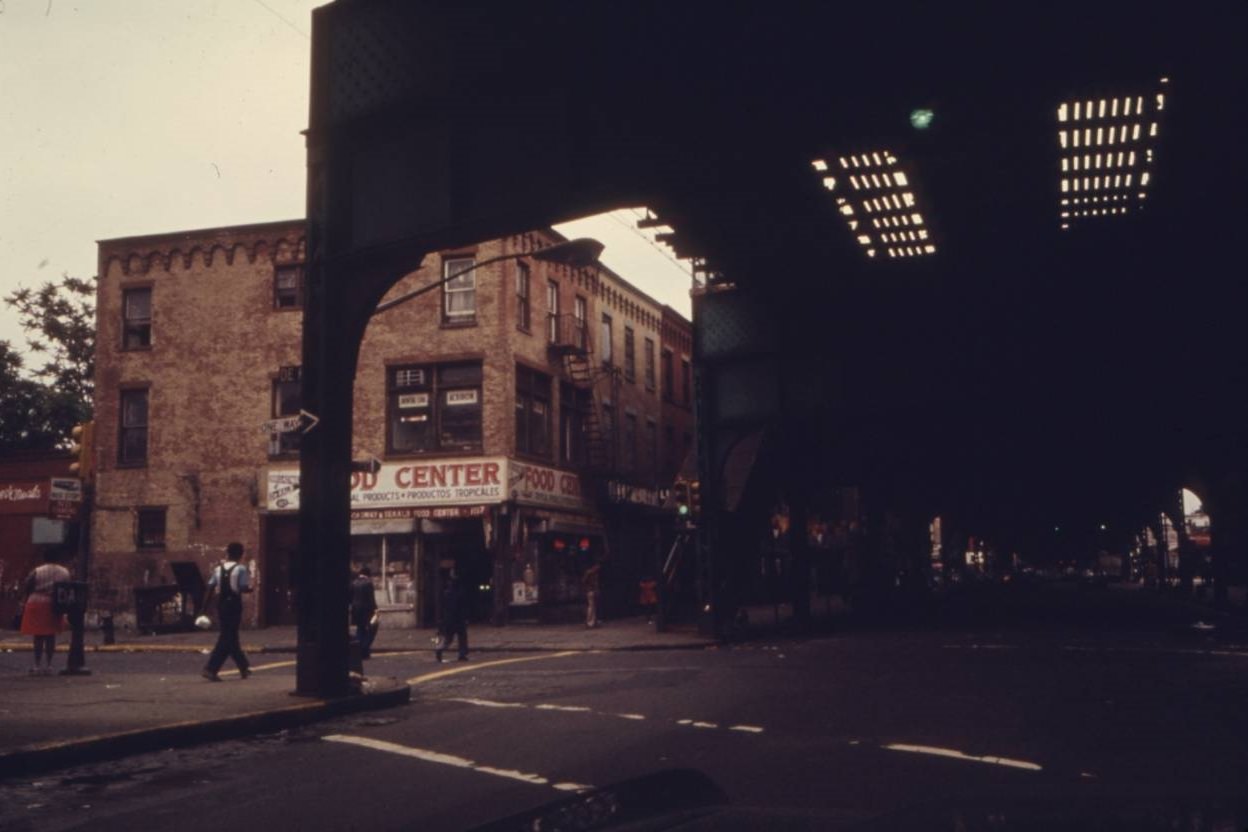
The physical landscape reflected the economic strain. Few tall buildings broke the skyline. Storefronts were modest, parking was rarely a problem, and many buildings wore decades of hard use on their facades. Some blocks showed early signs of renovation; others were simply holding on. The photos from this era capture all of it — the grit and the rhythm, the empty streets and the packed parks, the moments of celebration sitting right next to signs of decay.
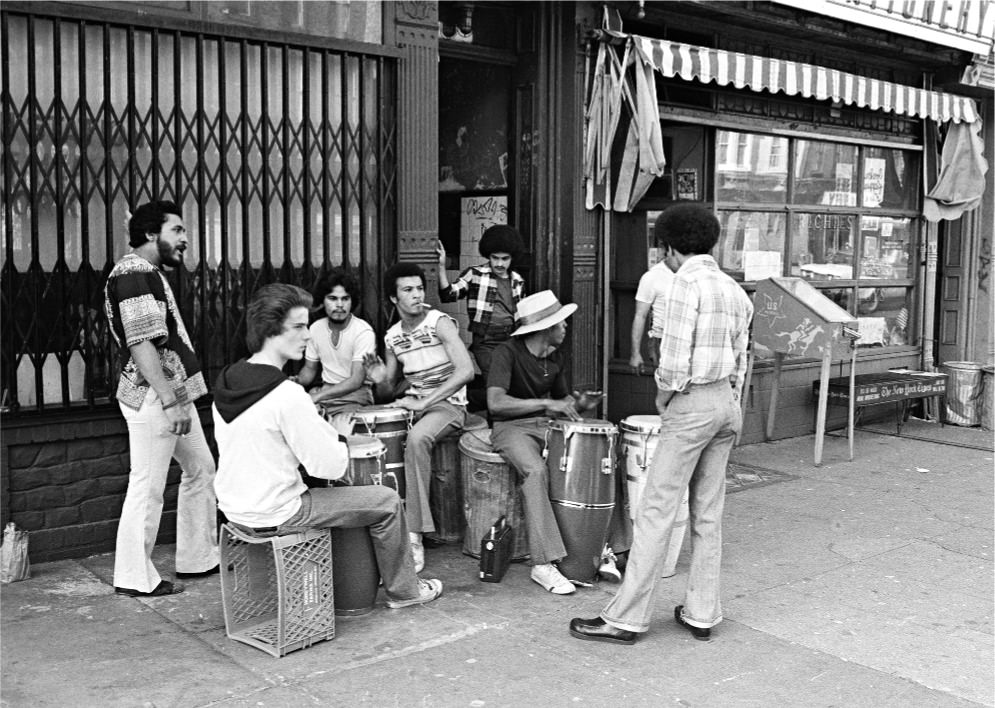
Music was a constant on Brooklyn’s streets. On 7th Avenue in 1977, conga players gathered and performed in the open air — the kind of spontaneous street culture that defined many Brooklyn neighborhoods in that era. Caribbean and Latin musical traditions were woven into daily life, especially in areas with large Puerto Rican and West Indian populations.
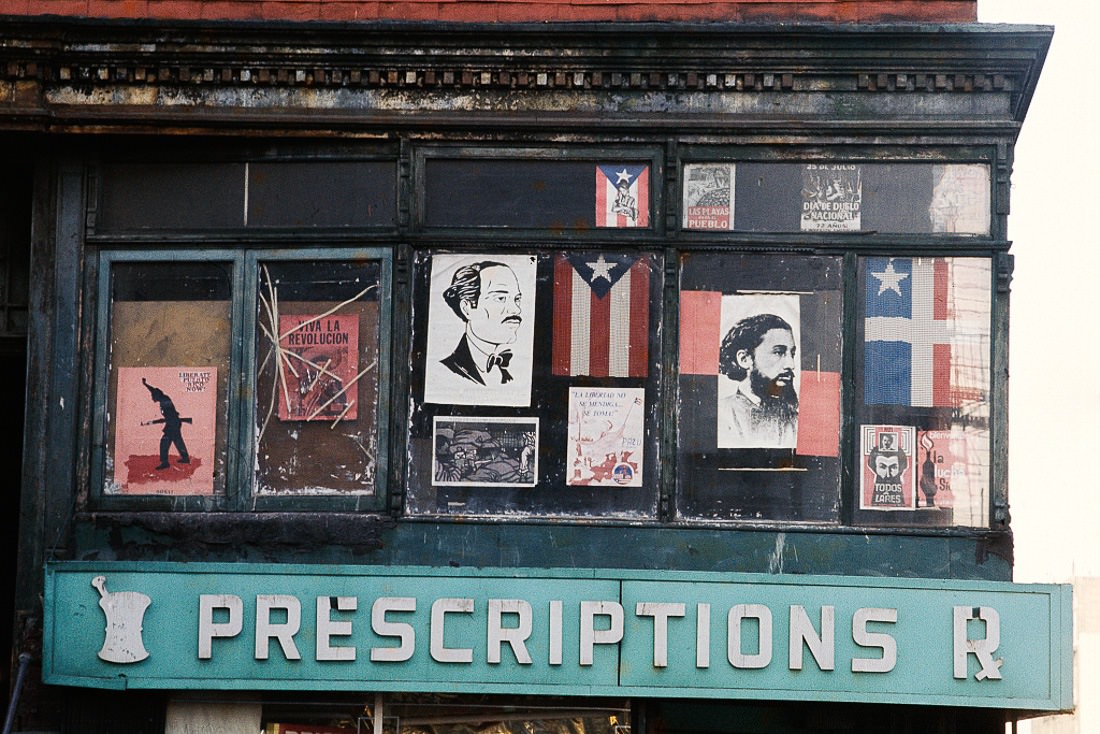
Bushwick in 1970 carried a charged political atmosphere. Militant displays in storefront windows were a visible part of the neighborhood’s landscape, reflecting the broader tensions of the era — the civil rights movement, the rise of Black Power, and deep frustration with poverty and neglect in urban communities. Bushwick at this time was one of Brooklyn’s most densely populated and economically stressed neighborhoods.
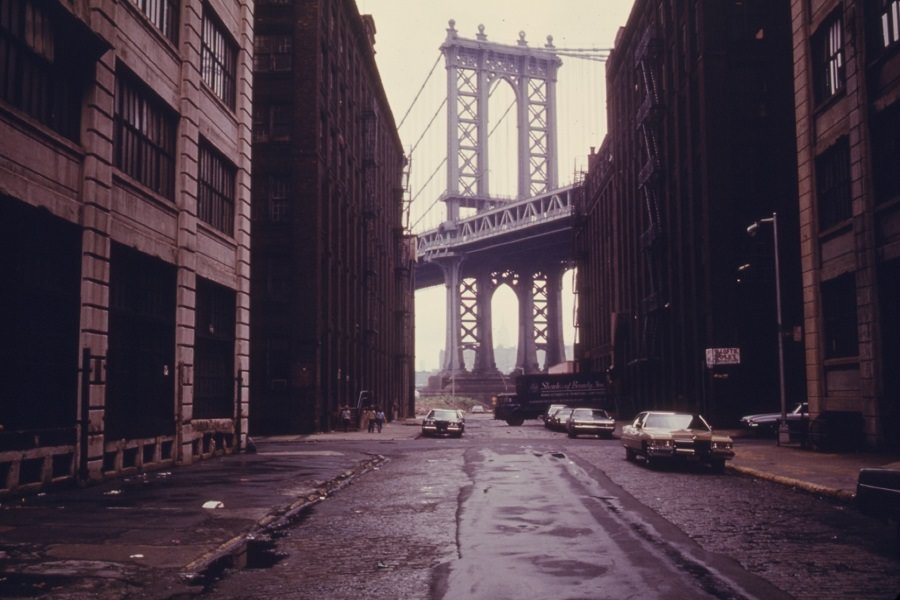
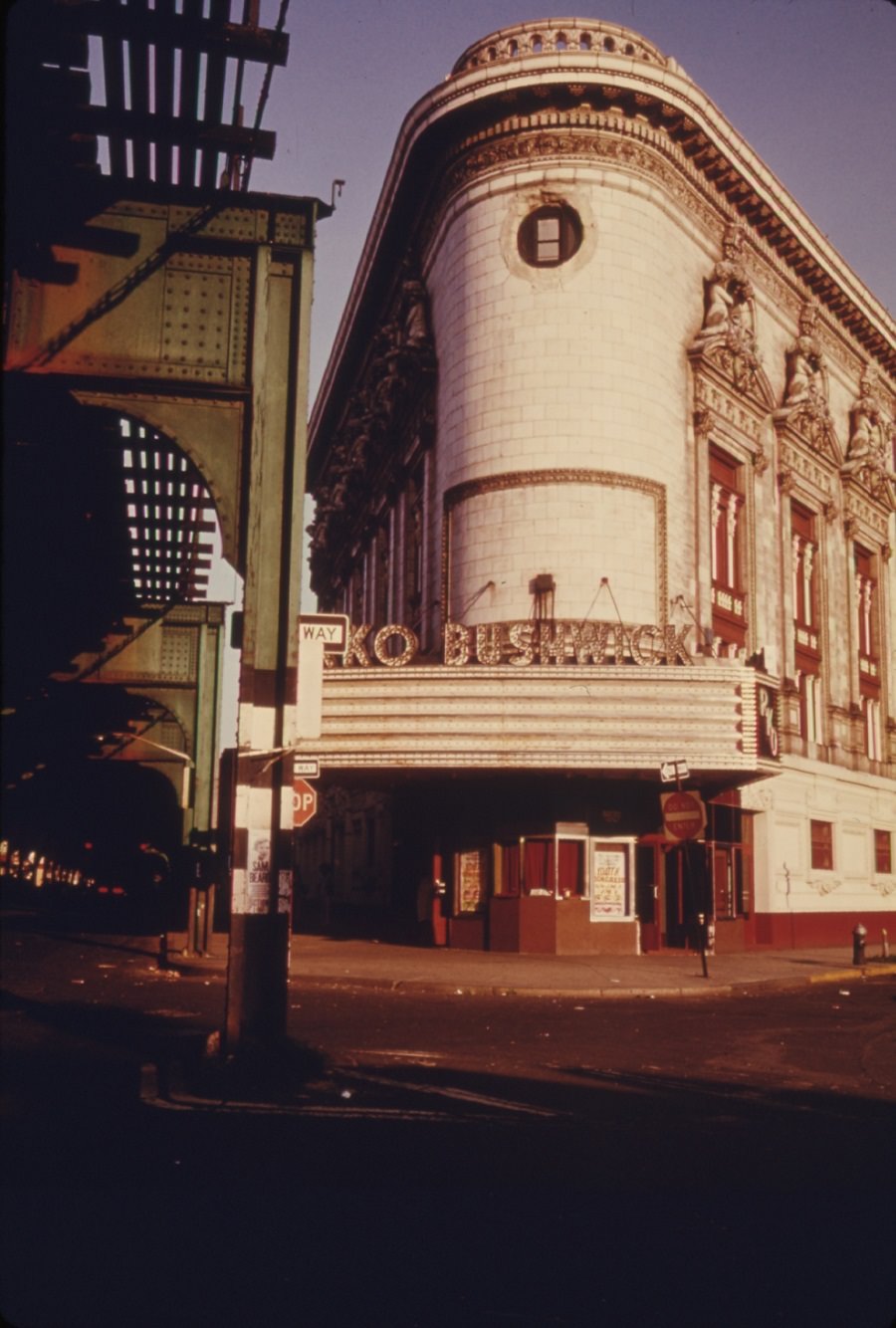
The RKO Bushwick Theater stood at the border of Bushwick and Bed-Stuy as a relic of an earlier, more prosperous era. Movie palaces like this one had thrived in the 1930s and 1940s when the neighborhoods around them were booming. By 1974, many had fallen into disrepair or were operating in a diminished capacity as the communities around them changed. The theater’s presence on this corner was both a landmark and a reminder of what had been lost.
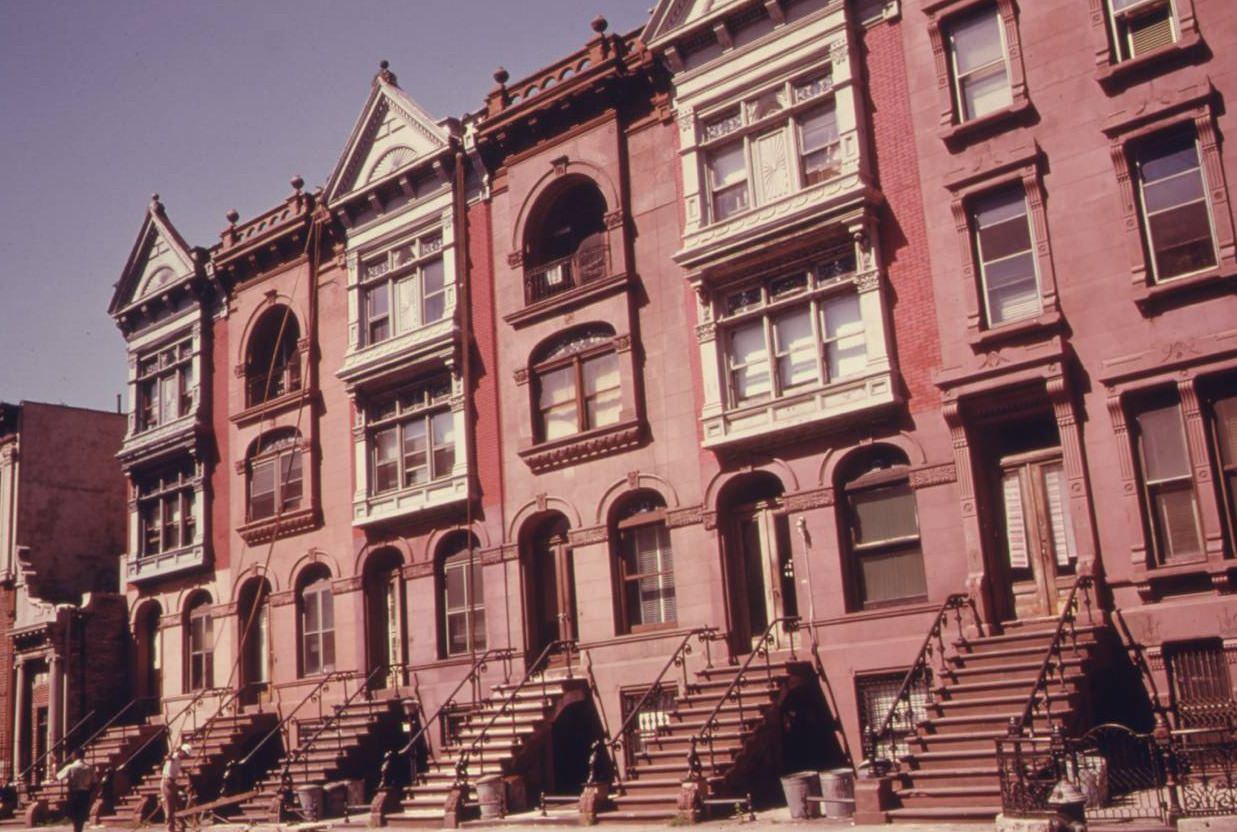
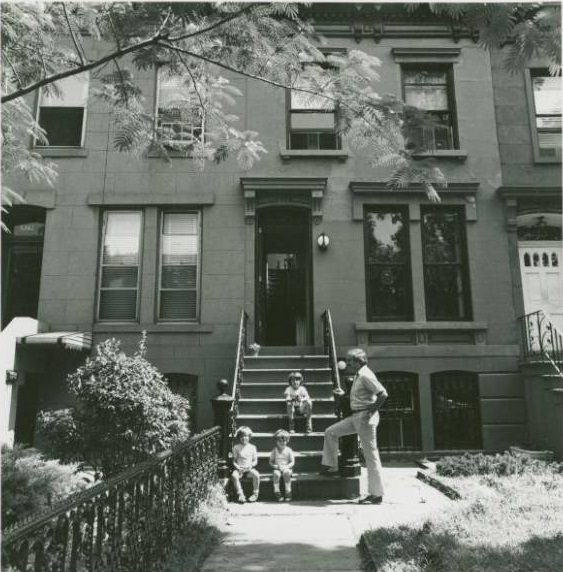
While much of Brooklyn was deteriorating in the mid-1970s, some neighborhoods were already seeing the early stages of reinvestment. Turn-of-the-century brownstones — buildings that had been divided into apartments or left to decline — were being bought up and renovated. This process, already underway by July 1974, would accelerate significantly in the decades that followed.
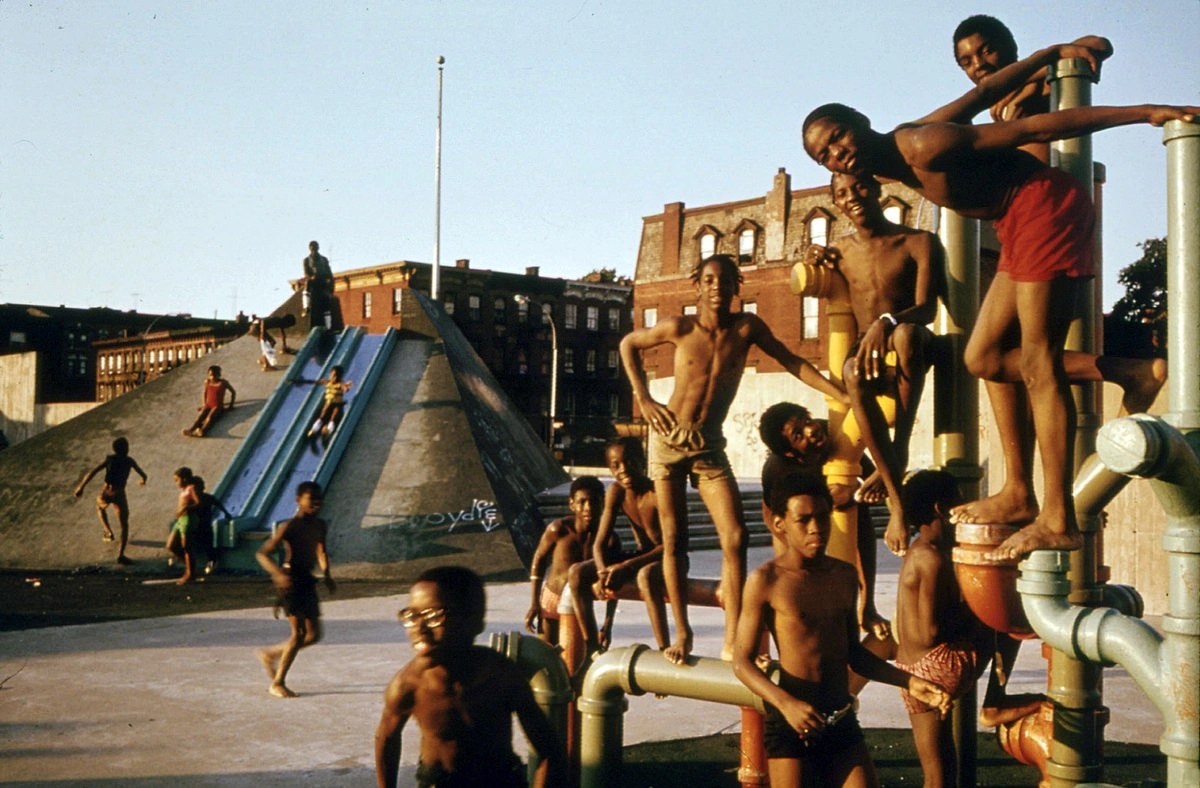
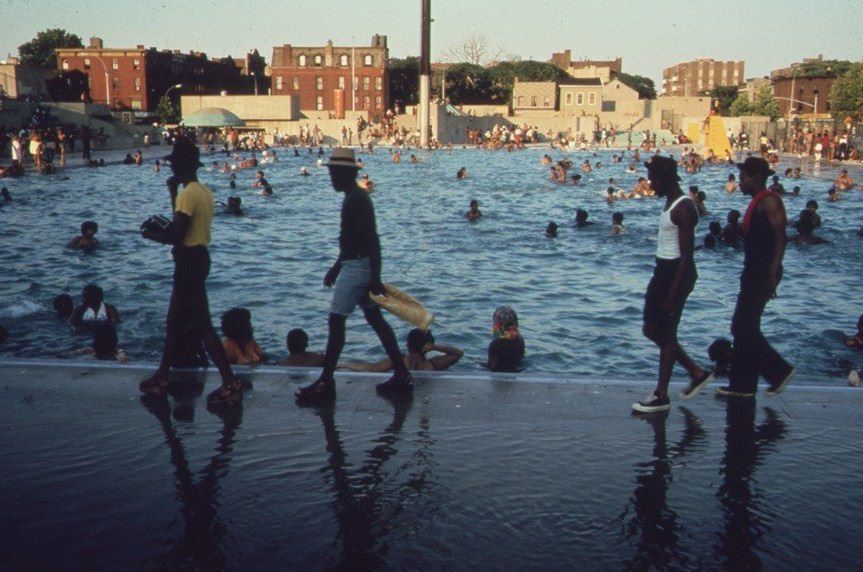
On the Fourth of July 1974, the Kosciusko Pool in Bedford-Stuyvesant was packed. Public pools like this one were lifelines in summer for residents of neighborhoods where air conditioning was a luxury. Bed-Stuy at this time was one of Brooklyn’s largest and most densely populated districts, home to a predominantly African-American community navigating poverty, overcrowding, and a city government that was stretched thin.
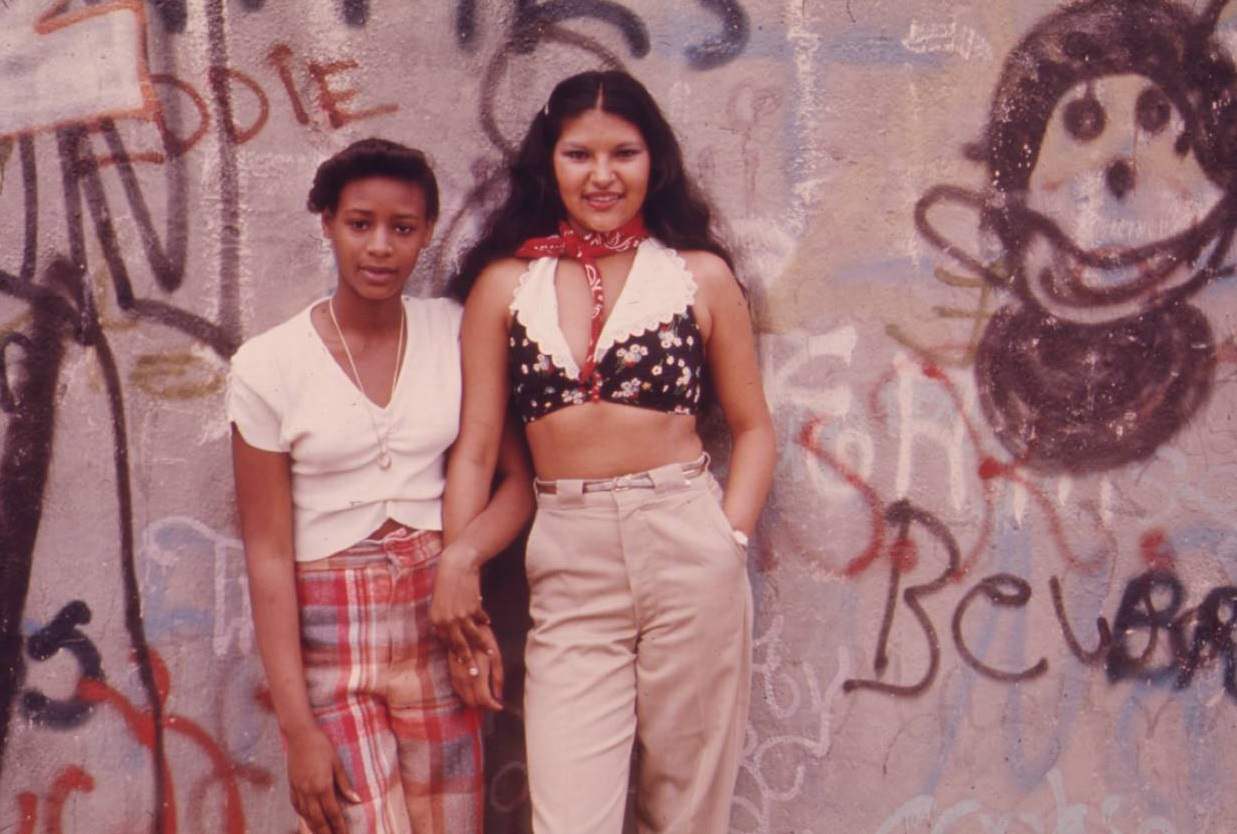
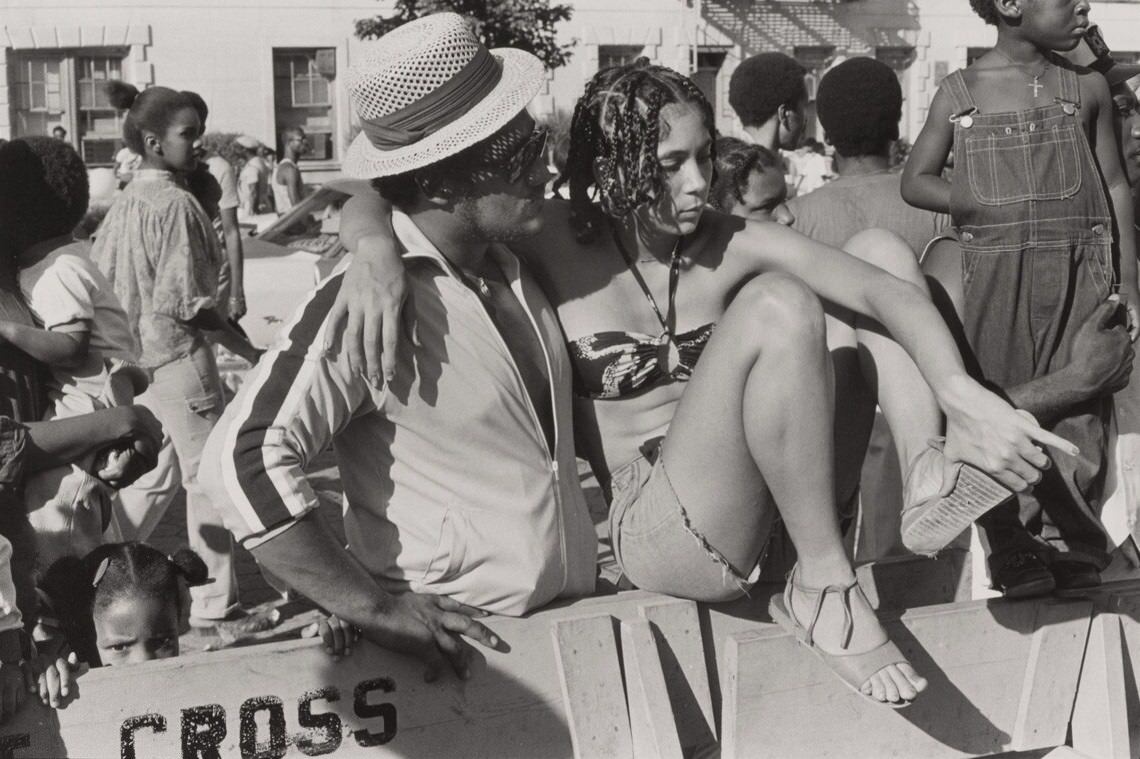
Every September, Eastern Parkway transformed into the route for the West Indian American Day Parade, one of the largest street celebrations in the entire United States. By 1978, the parade had become a massive fixture of Brooklyn’s cultural calendar, drawing enormous crowds and showcasing the Caribbean communities that had made Crown Heights and surrounding neighborhoods their home. The floats, costumes, and music reflected cultures rooted in Trinidad, Jamaica, Barbados, Haiti, and beyond.
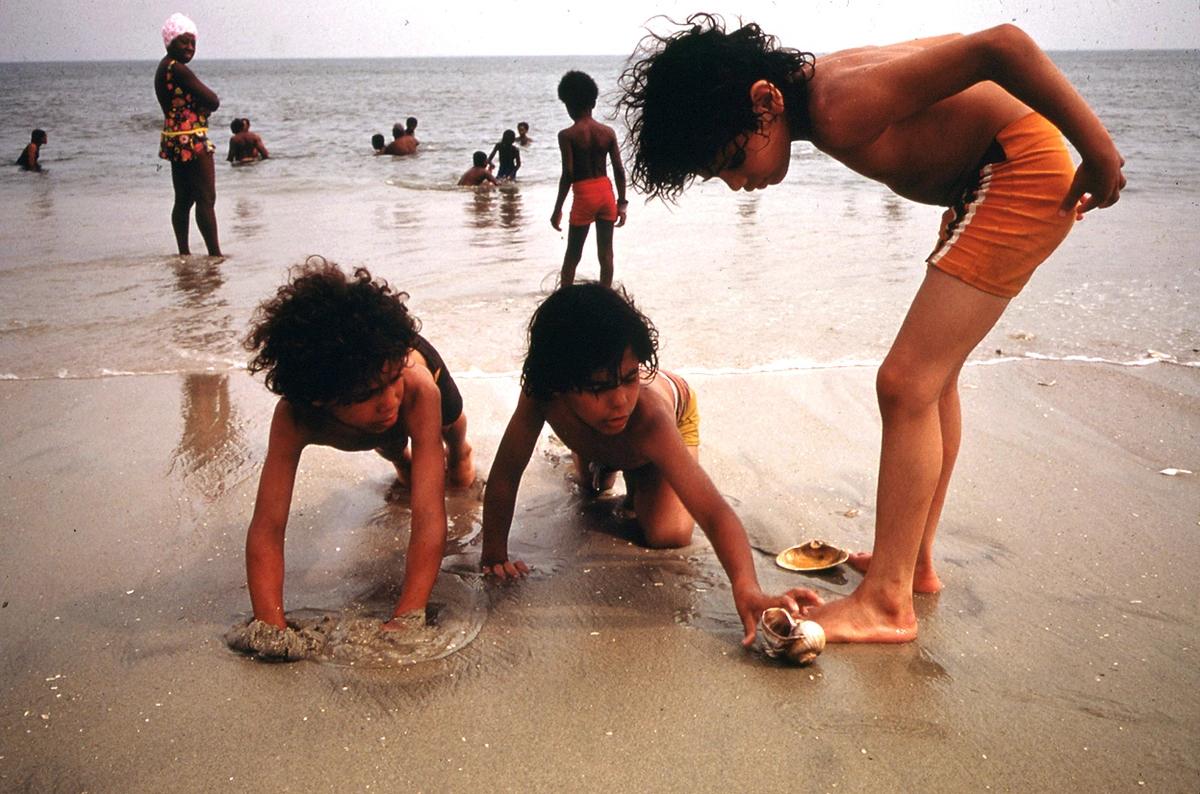
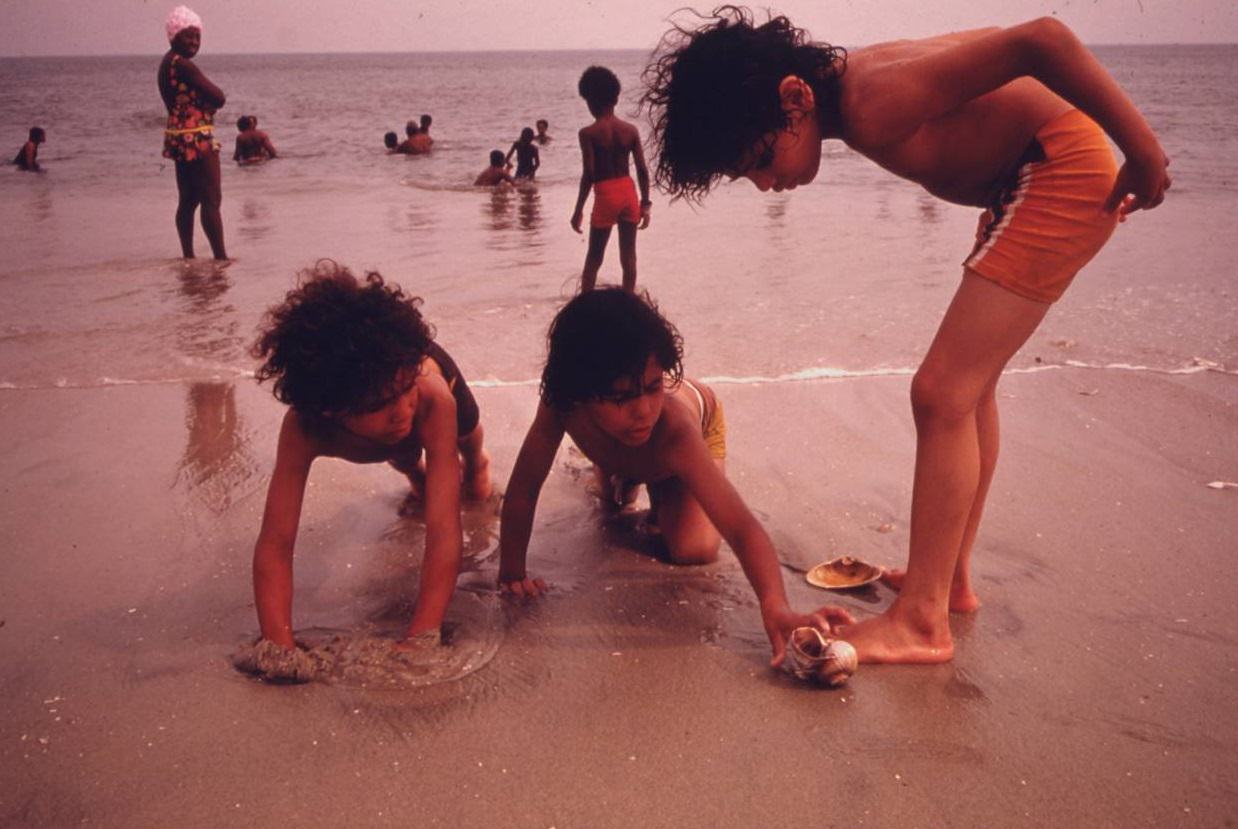
Summer brought Brooklyn’s children to any available water. Riis Park, the public beach at the western tip of the Rockaway Peninsula — accessible from Brooklyn — drew families every July. For many kids in the borough, it was the closest thing to a vacation. The beach was free, the subway could get you there, and on hot days, the crowds were enormous.
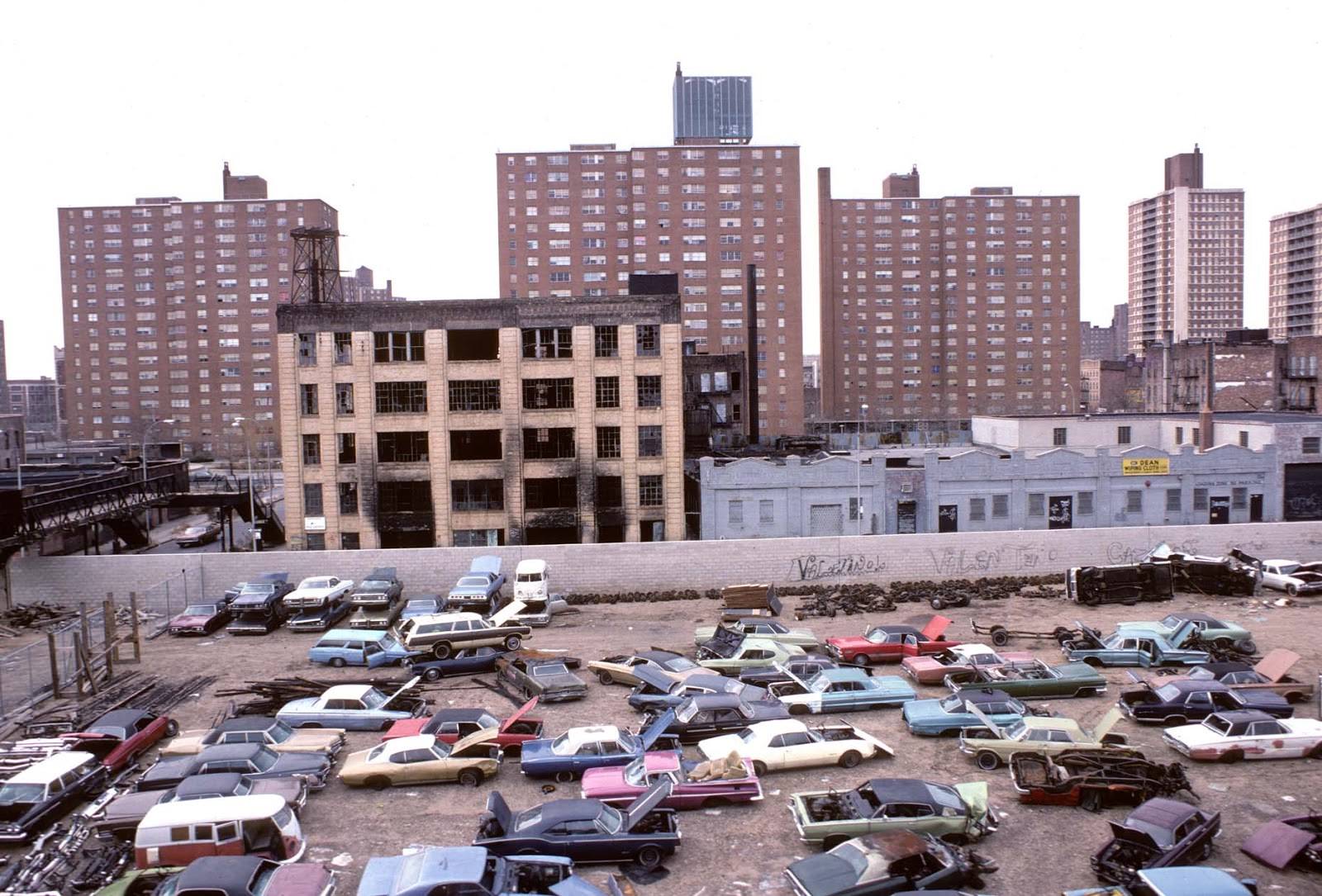
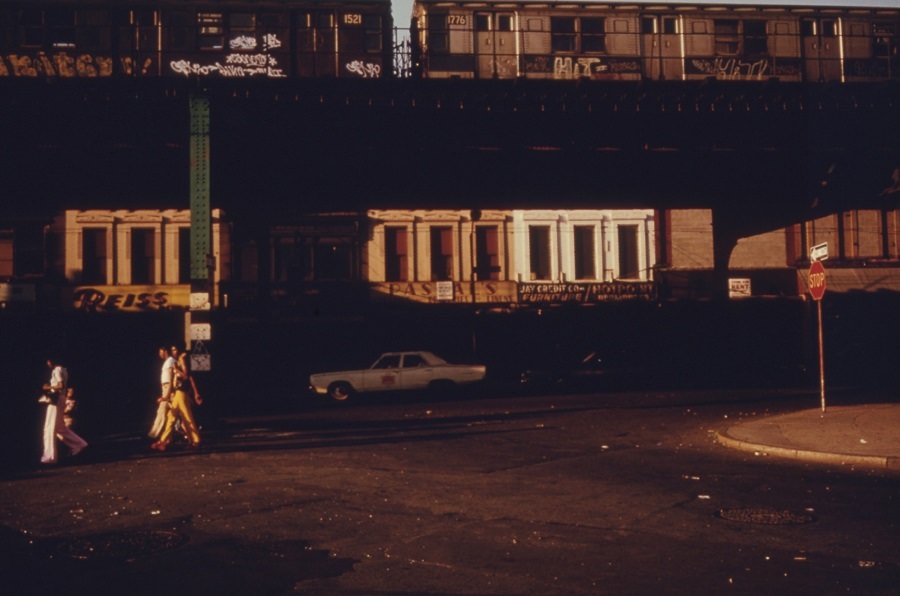
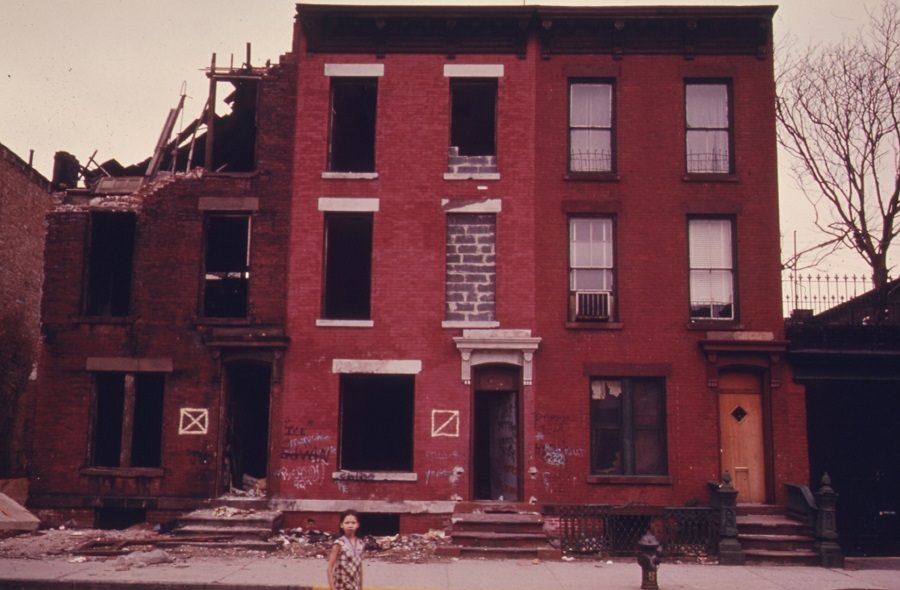
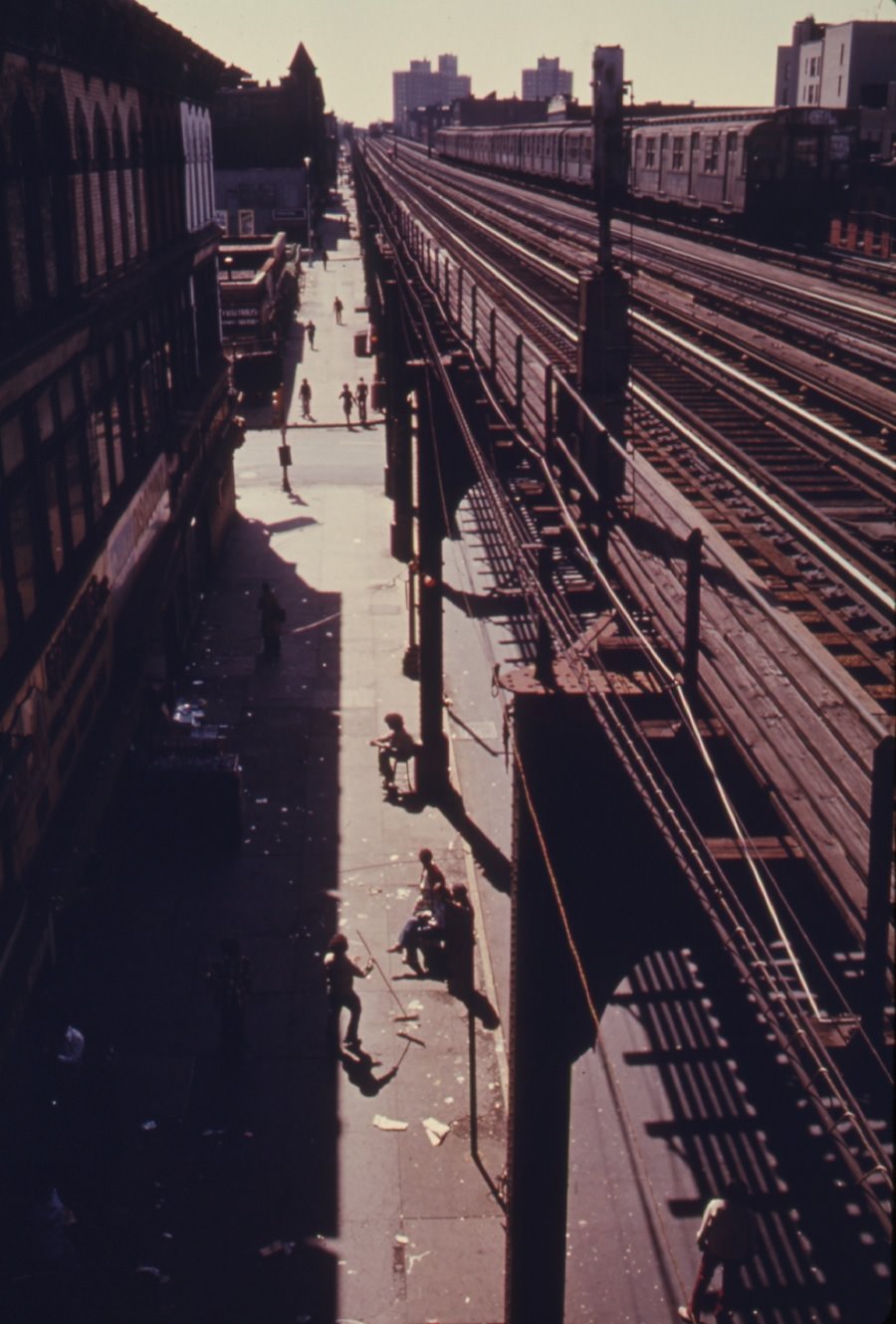
From the elevated Sutter Avenue station on the L line, Brownsville spread out in every direction in 1978. The neighborhood had been one of Brooklyn’s most densely populated immigrant communities earlier in the century, but by the late 1970s it was suffering from severe disinvestment, arson, and abandonment. Empty lots where buildings once stood were common. The view from the elevated train told the story plainly.
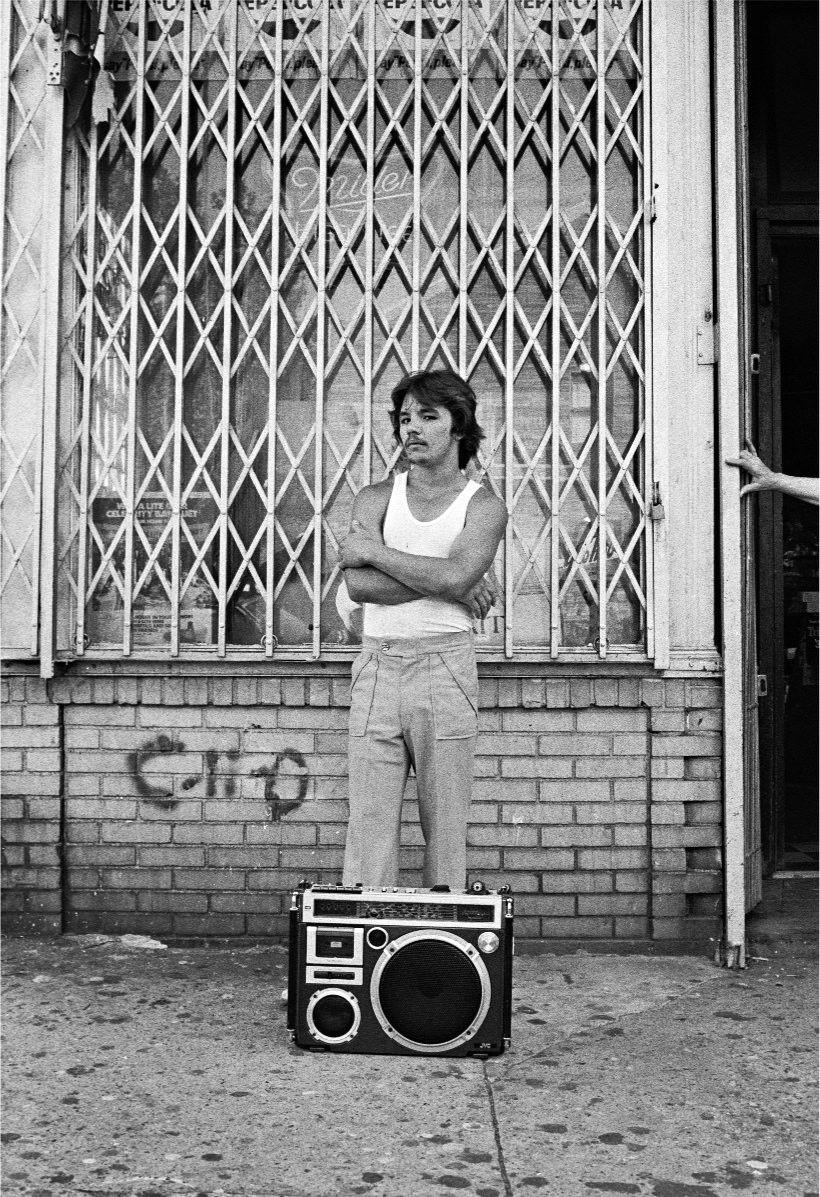
The boombox was one of the defining objects of 1970s Brooklyn street culture. Large, battery-powered, and loud, it let people carry music with them anywhere — to the park, the corner, the stoop. On 18th Street, a young man with one on his shoulder was a completely ordinary sight. These portable stereos were also central to the emerging hip-hop scene that was taking shape in New York’s outer boroughs during this same period.
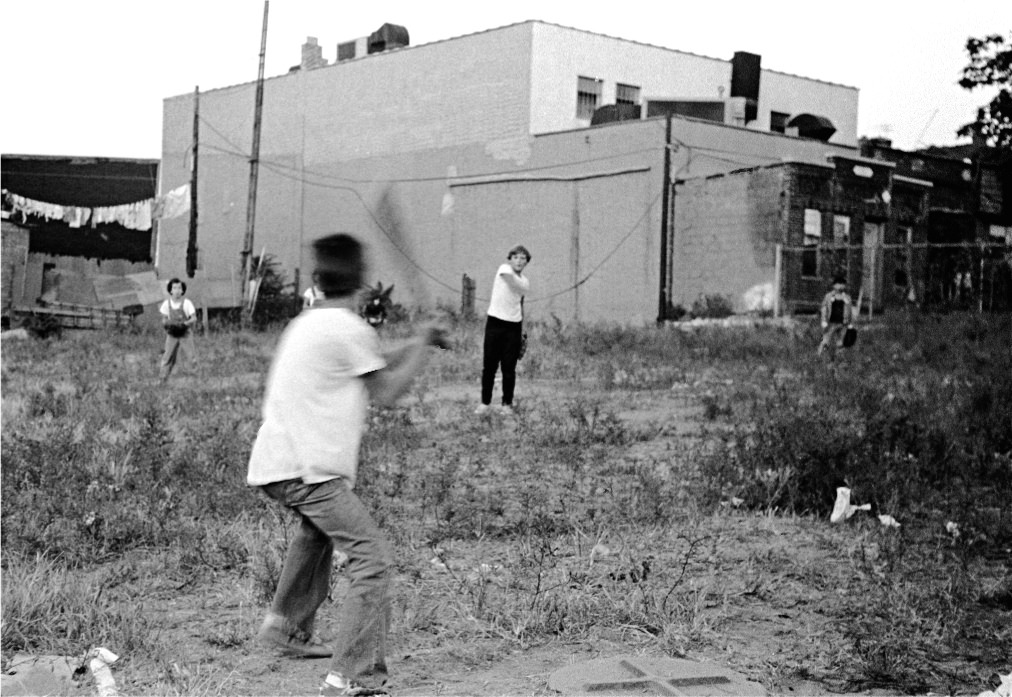
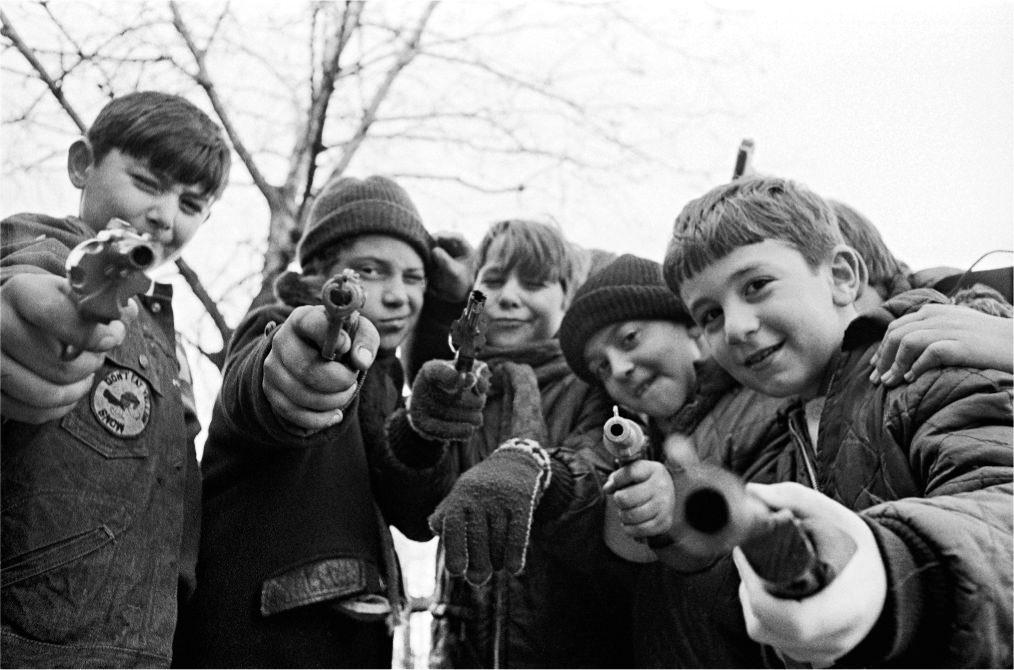
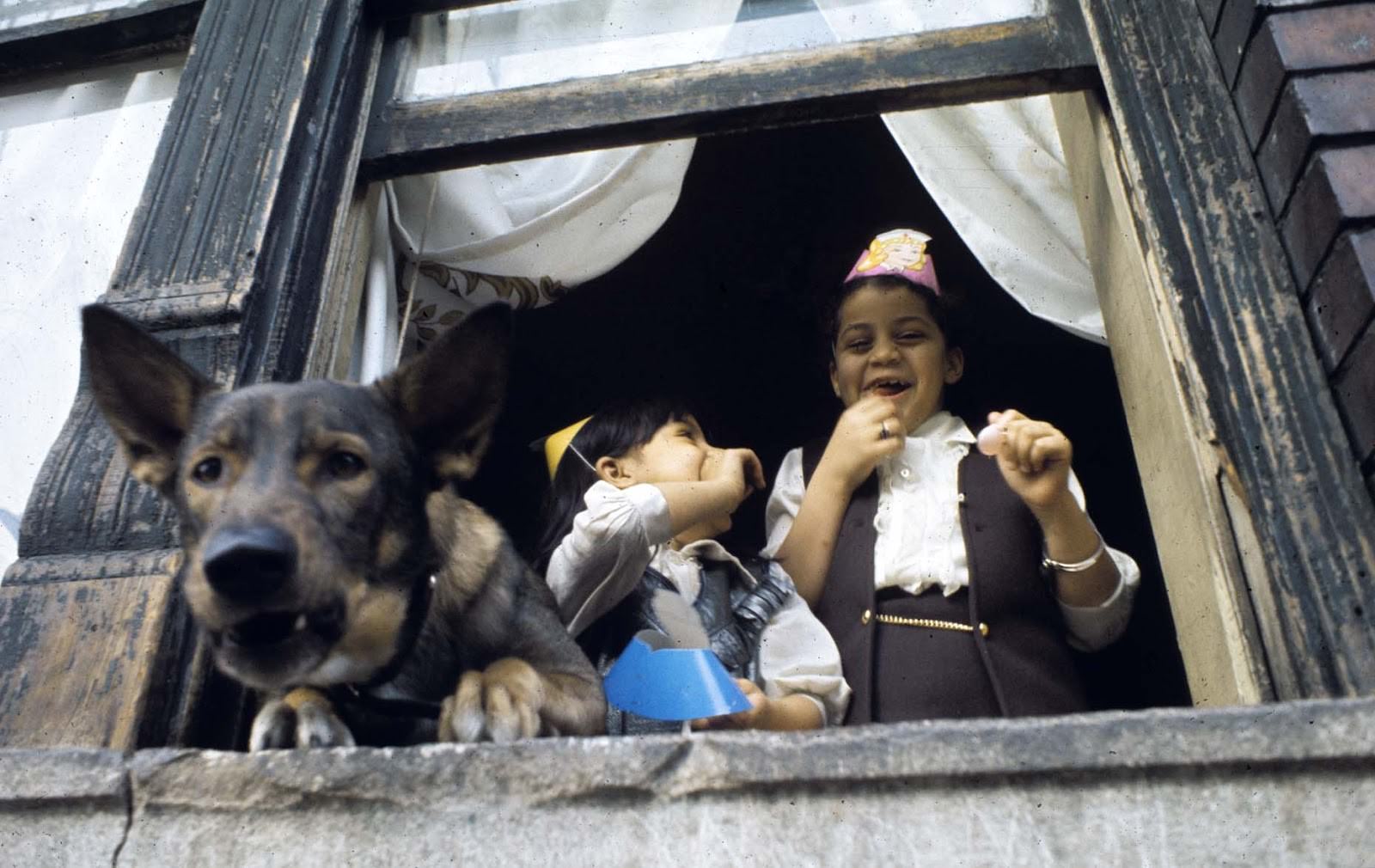
Children in 1970s Brooklyn made playgrounds out of whatever space was available. Vacant lots, cleared after buildings were torn down or burned out, became baseball diamonds. Sidewalks and stoops served as stages for every kind of game. There were few organized activities for kids in many neighborhoods, and unsupervised play on the street was simply how childhood worked.
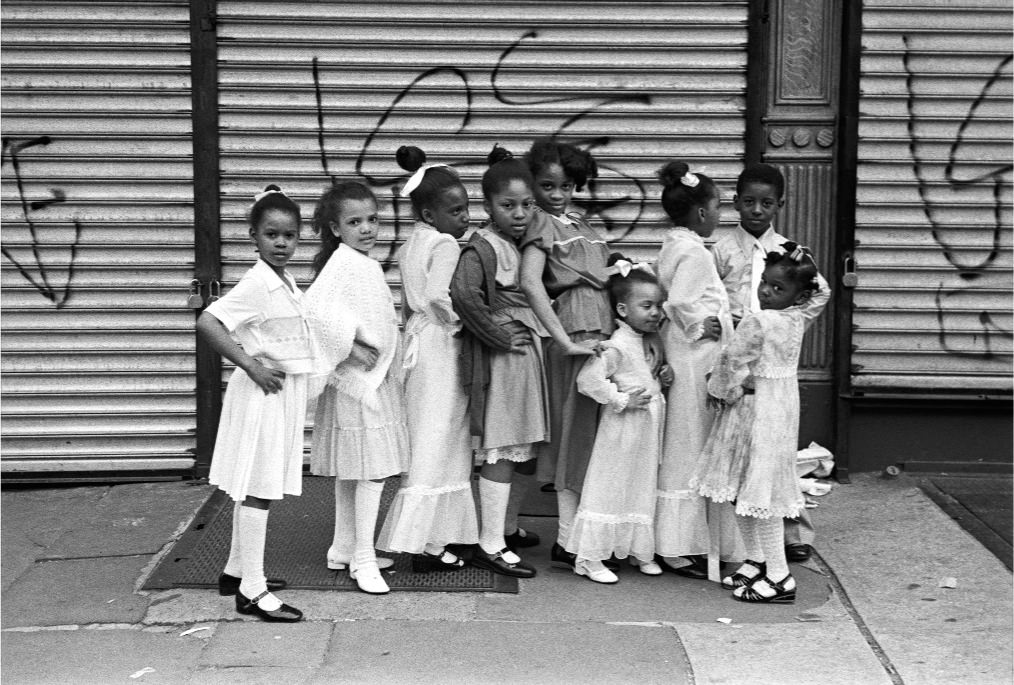
Churches were anchors of daily life throughout Brooklyn’s neighborhoods. Pentecostal congregations, many of them serving Puerto Rican and Caribbean communities, held services that could run for hours. On 7th Avenue in 1979, children spilling out onto the sidewalk during a break from services was an ordinary Sunday scene — a small glimpse into the religious life that structured the week for thousands of Brooklyn families.
The Brooklyn Navy Yard, which had been one of the most productive shipbuilding facilities in the world during World War II, was decommissioned by the U.S. Navy in 1966. By the 1970s, the surrounding area was dealing with the economic fallout of that closure. The streets near the Navy Yard showed the impact — reduced commercial activity, older housing stock, and a neighborhood searching for a new identity.
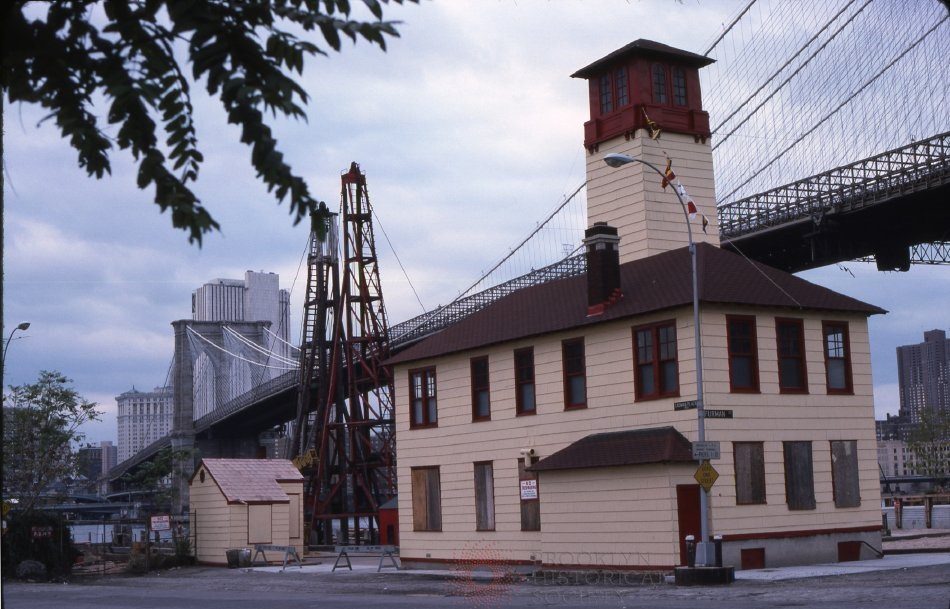
The Fulton Ferry area in 1975 was far from the polished waterfront destination it would later become. The old ferry landing, once one of the busiest river crossings in America before the Brooklyn Bridge was built, had long since faded from relevance. The buildings along the waterfront were industrial and weathered. The area now known as Dumbo was, at this point, simply a working-class industrial zone with little foot traffic and few residents.
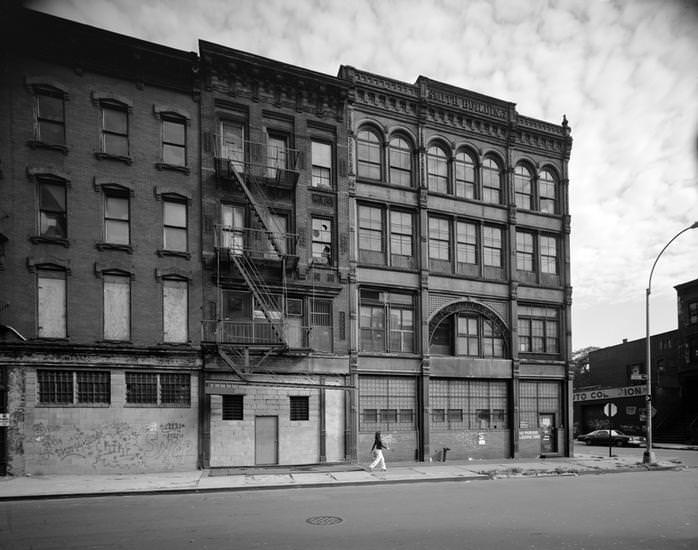
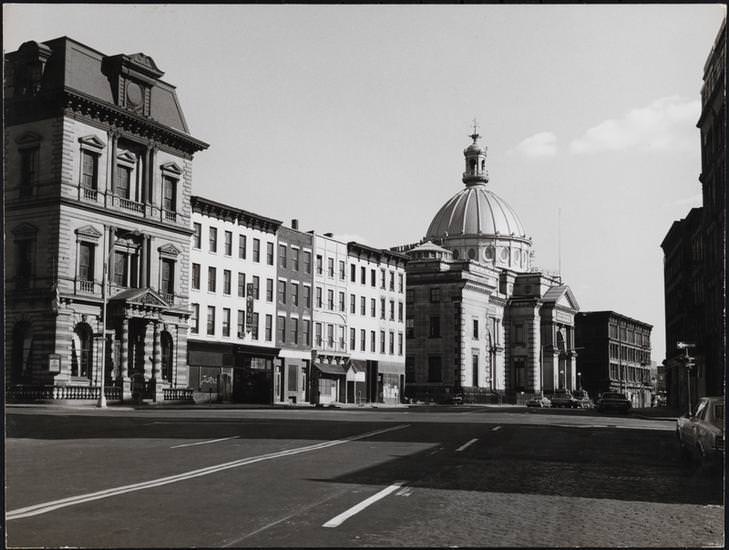
Williamsburg in the 1970s was a working-class neighborhood with a heavy concentration of Hasidic Jewish and Puerto Rican residents, separated in part by Broadway. Looking east on Broadway from Bedford Avenue, the street showed the mix of bodegas, small shops, and aging tenement buildings that characterized the neighborhood. Boarded-up storefronts were common. The Williamsburg of art galleries and expensive coffee was decades away.
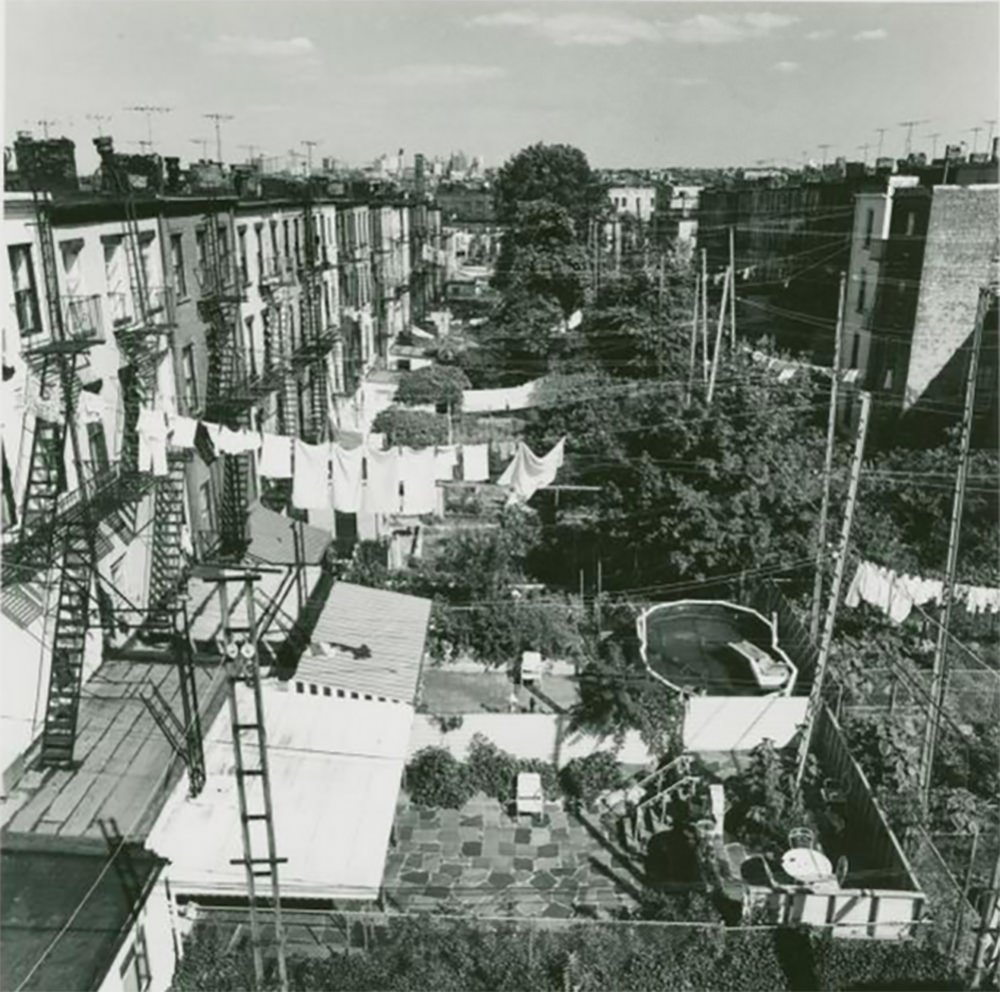
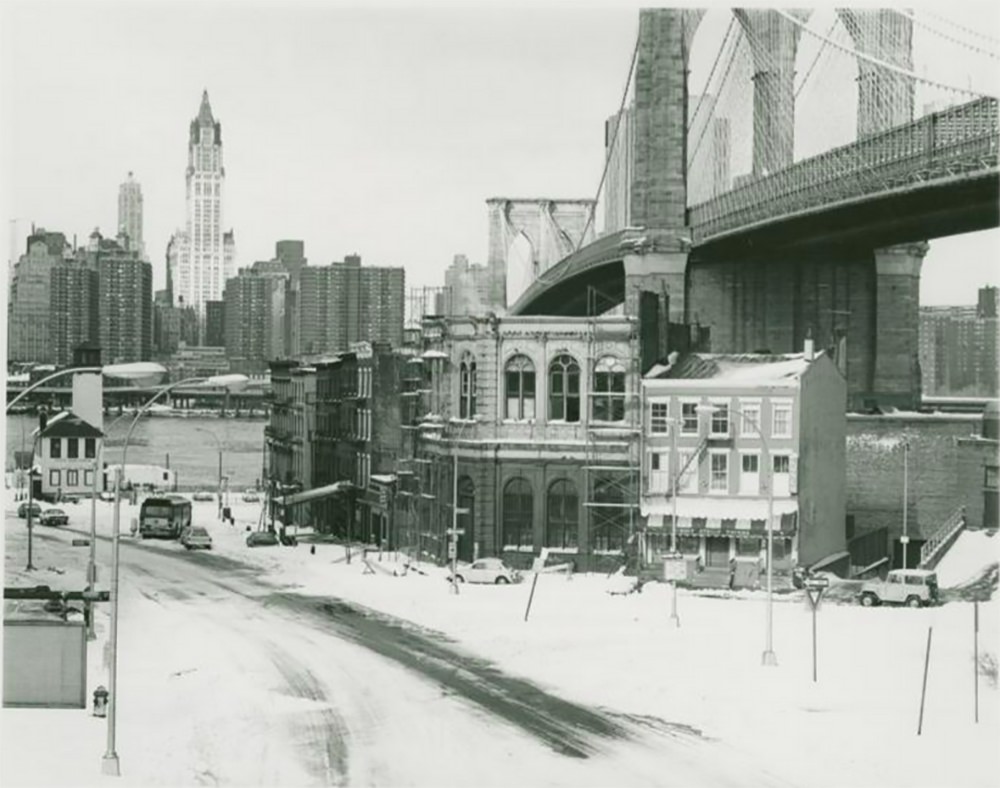
Old Fulton Street in January 1978 was quiet and industrial. The cobblestone blocks and low brick warehouses that lined the street near the base of the Manhattan Bridge had been built for commerce and manufacturing in an earlier era. On a winter day in 1978, there was little sign of the dramatic transformation this district would undergo. The area’s striking architecture — the very thing that made it desirable later — was simply backdrop to an ordinary, forgotten part of Brooklyn.
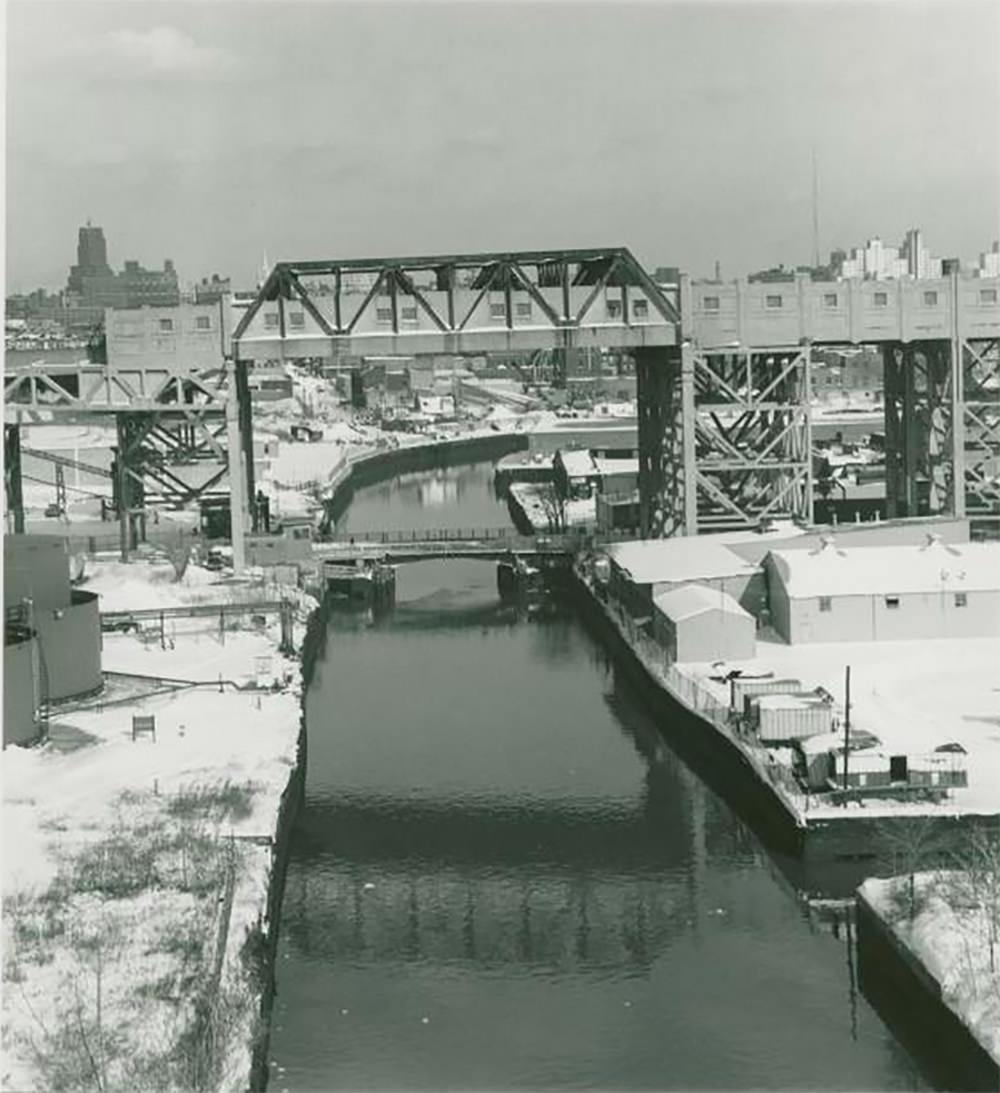
The Gowanus Canal in January 1978 was one of the most polluted bodies of water in New York City. Decades of industrial discharge from factories along its banks had left the water thick with contaminants. The elevated F and G train station at Smith and 9th Streets overlooked this scene, giving riders a clear view of the canal below. Despite the pollution, the surrounding neighborhoods of Gowanus, Carroll Gardens, and Park Slope were home to thousands of working-class families.
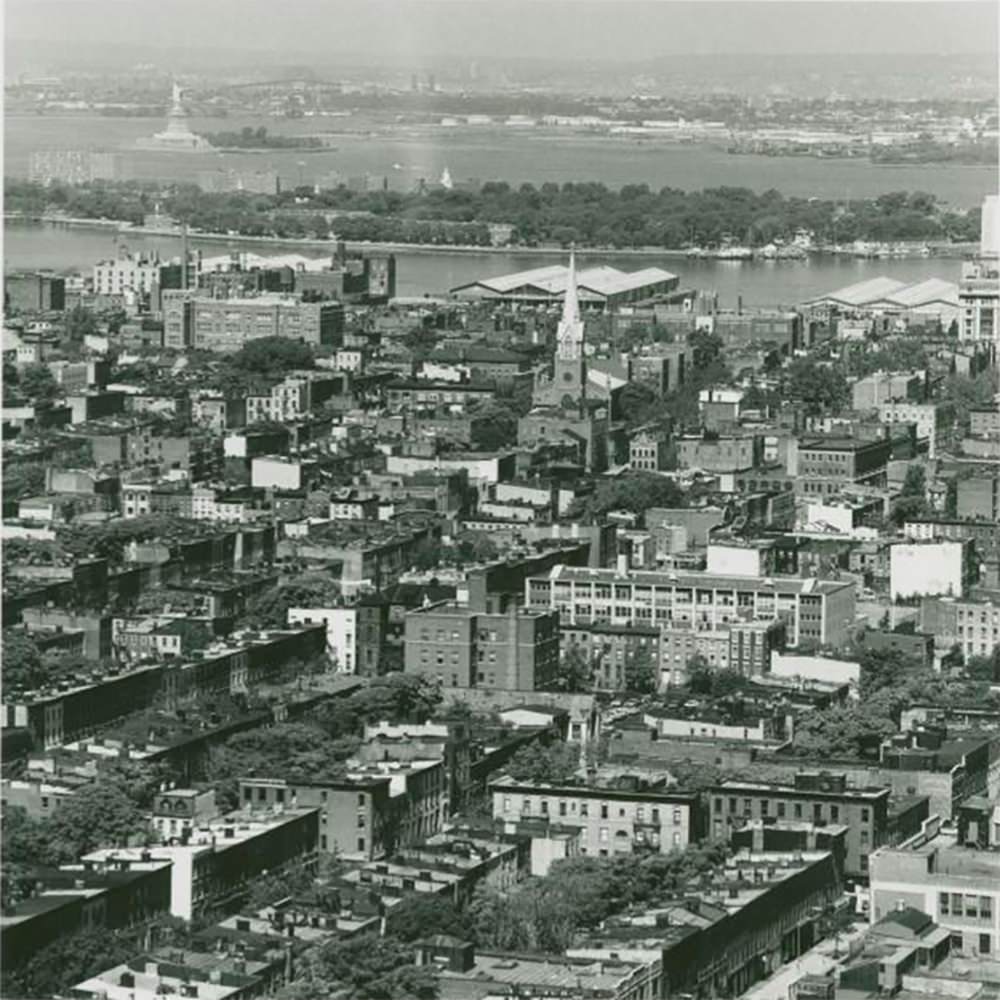
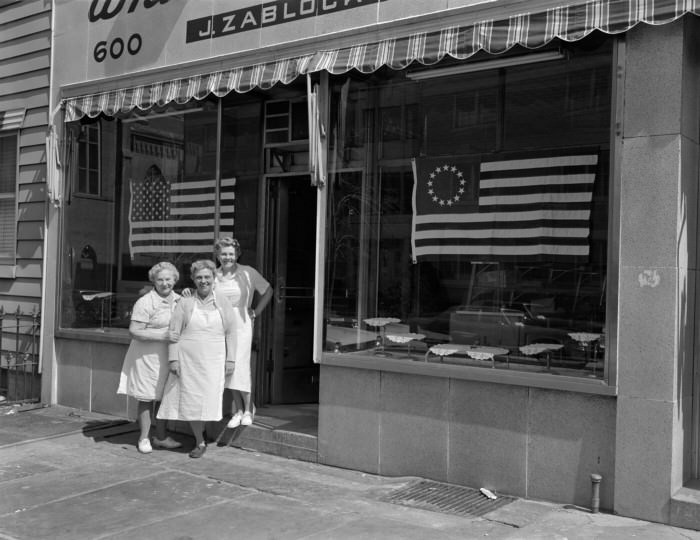
Greenpoint in the 1970s was a predominantly Polish-American neighborhood at the northern tip of Brooklyn. Its streets were lined with modest row houses, Catholic churches, and small businesses catering to a tight-knit immigrant community. Unlike some other Brooklyn neighborhoods that were experiencing high crime and abandonment, Greenpoint maintained a relatively stable, working-class character throughout the decade.
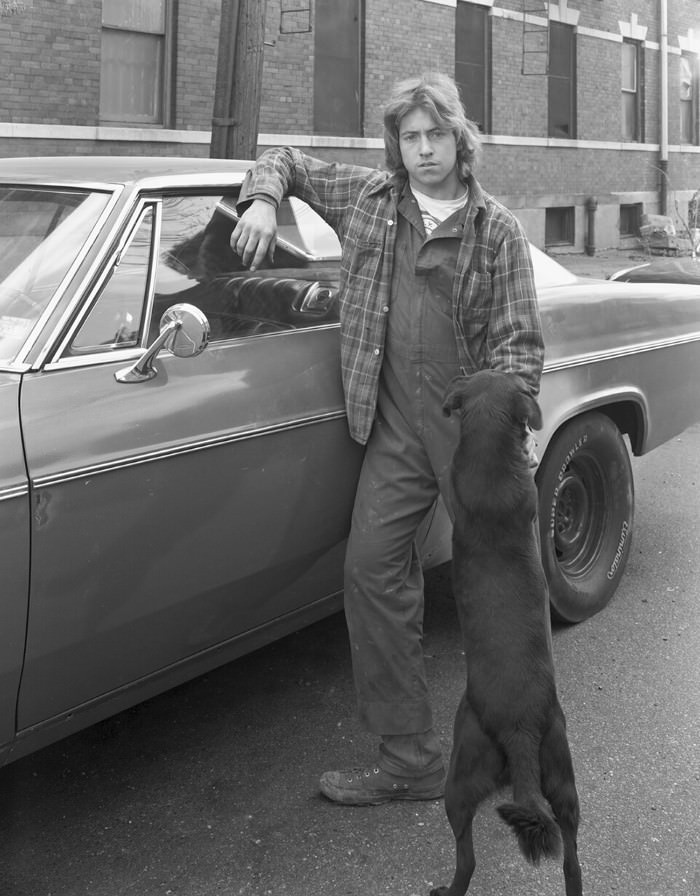
Flatbush was one of Brooklyn’s larger and more diverse neighborhoods, stretching across a wide swath of central Brooklyn. Auto repair shops, like the one where this mechanic was photographed, were common small businesses throughout the borough. Cars needed constant attention on New York’s hard streets, and neighborhood mechanics provided an essential service. In an era before chain franchises dominated, these small, independently owned shops were fixtures of the local economy.
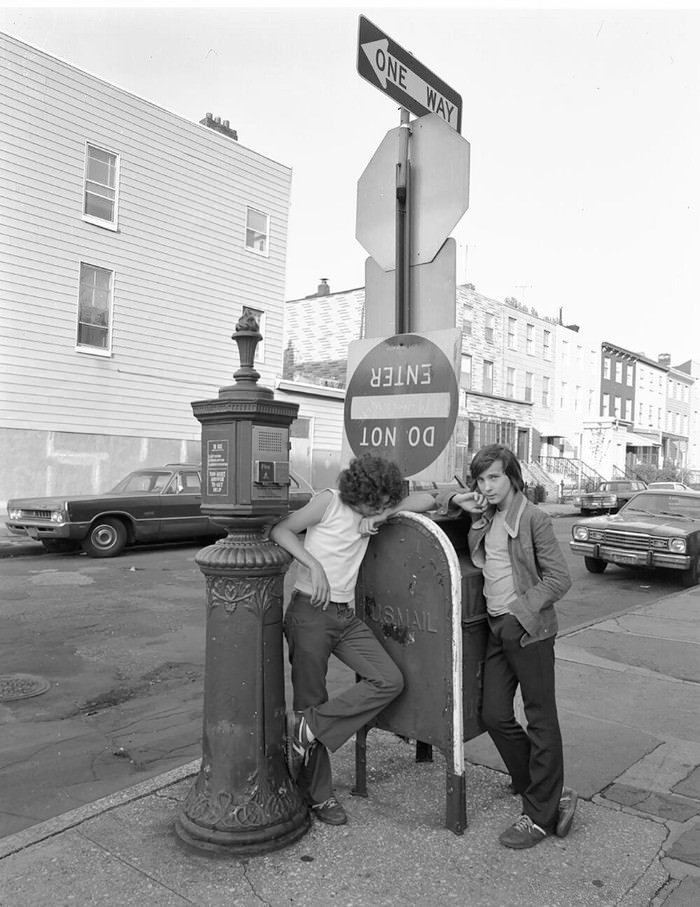
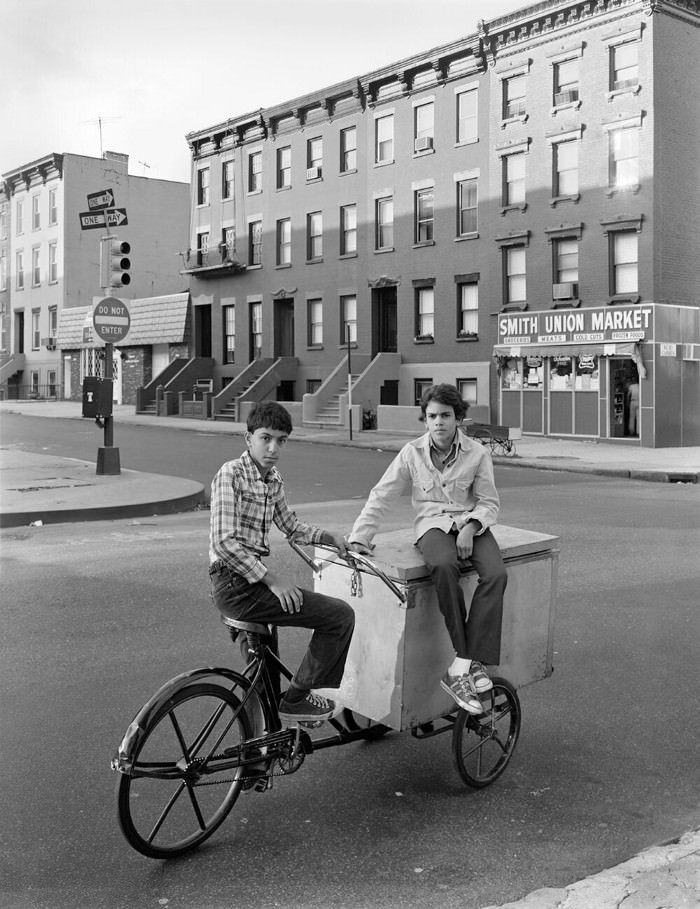
Carroll Gardens was a stable, predominantly Italian-American neighborhood in the 1970s. Its namesake gardens — the deep front yards unique to its blocks, set aside in an 1846 street plan — gave it a distinct character. Ice cream vendors working the neighborhood’s blocks in summer were part of the rhythms that defined the area’s domestic calm, even as other parts of Brooklyn were in visible decline.
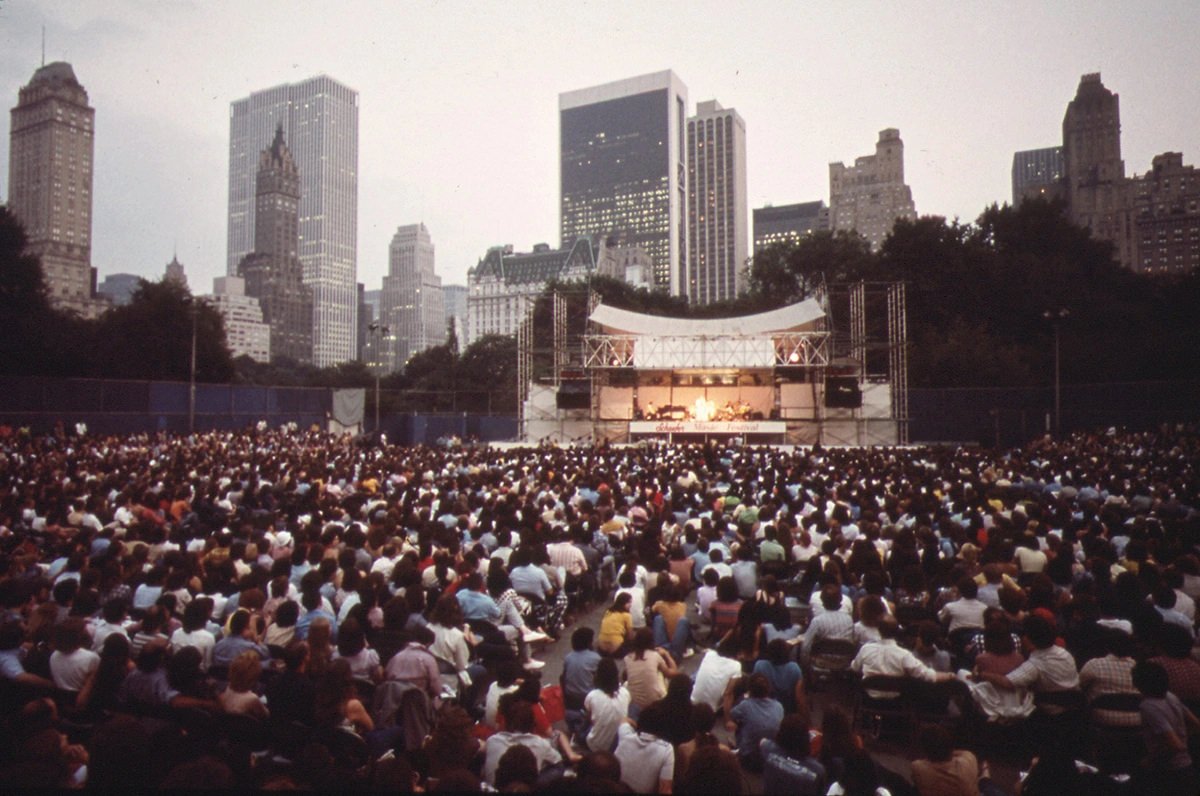
Free outdoor concerts drew enormous crowds in the 1970s. The Schaefer Music Festival, held at the bandstand in Central Park, was a hugely popular summer institution. In June 1973, singer Judy Collins performed there to a packed crowd, with the midtown Manhattan skyline rising behind the stage. Events like this were accessible to working-class New Yorkers in a way that ticketed venues were not — you showed up, found a patch of grass, and listened.
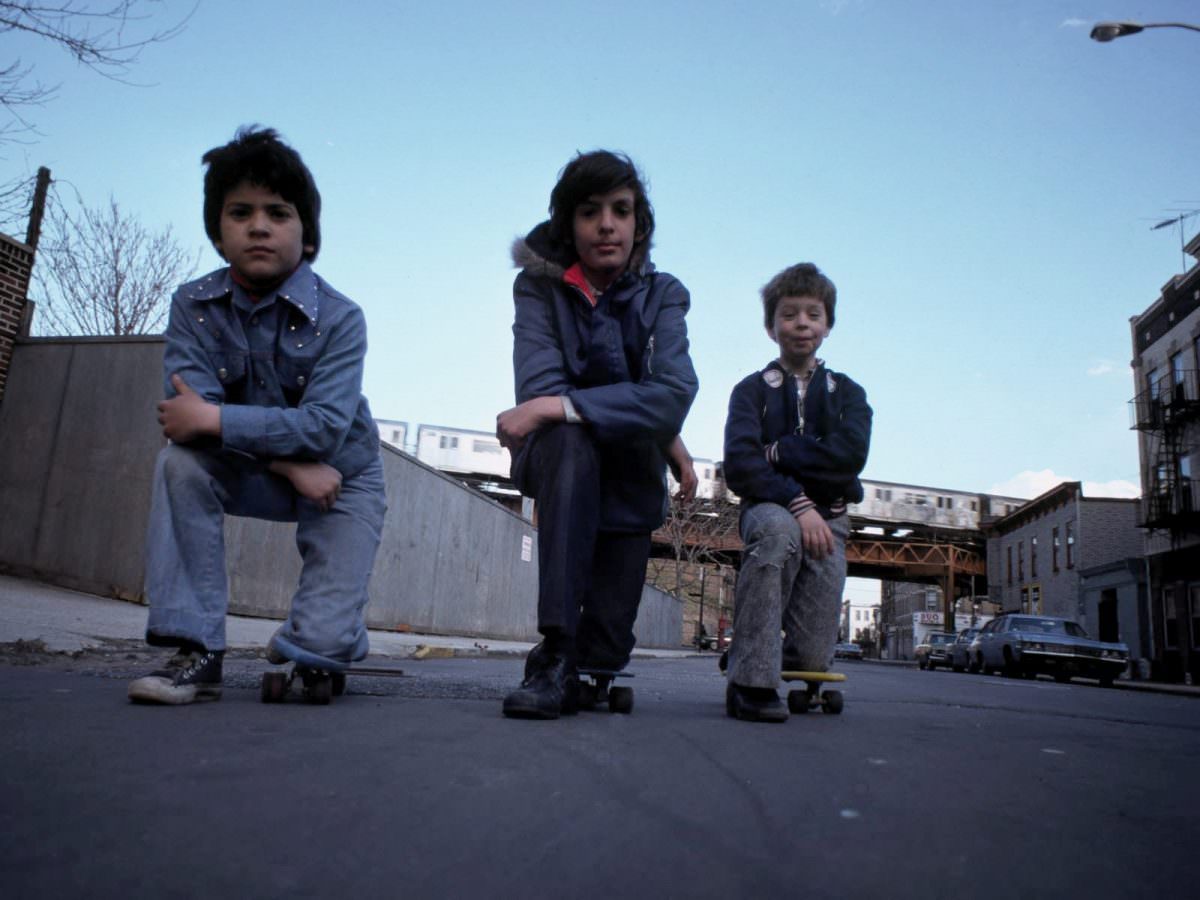
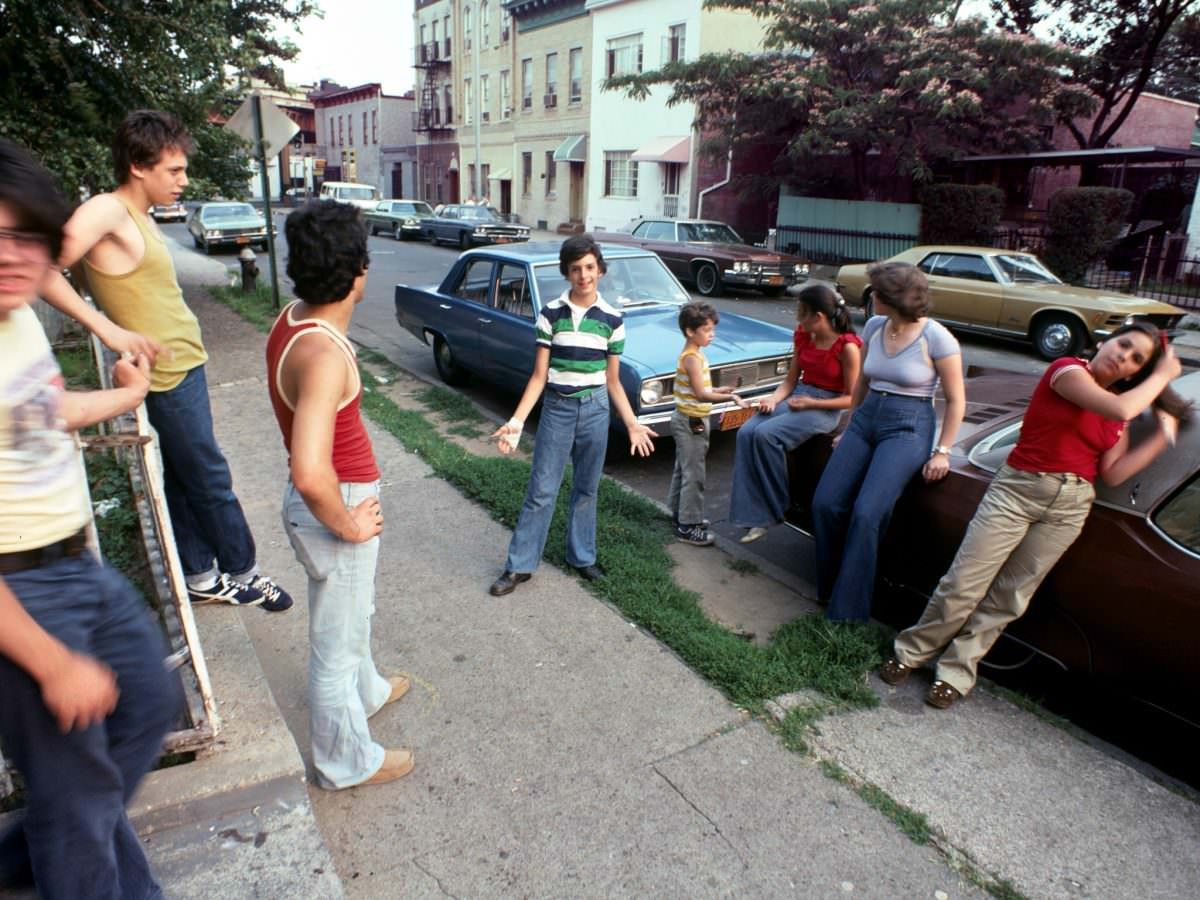
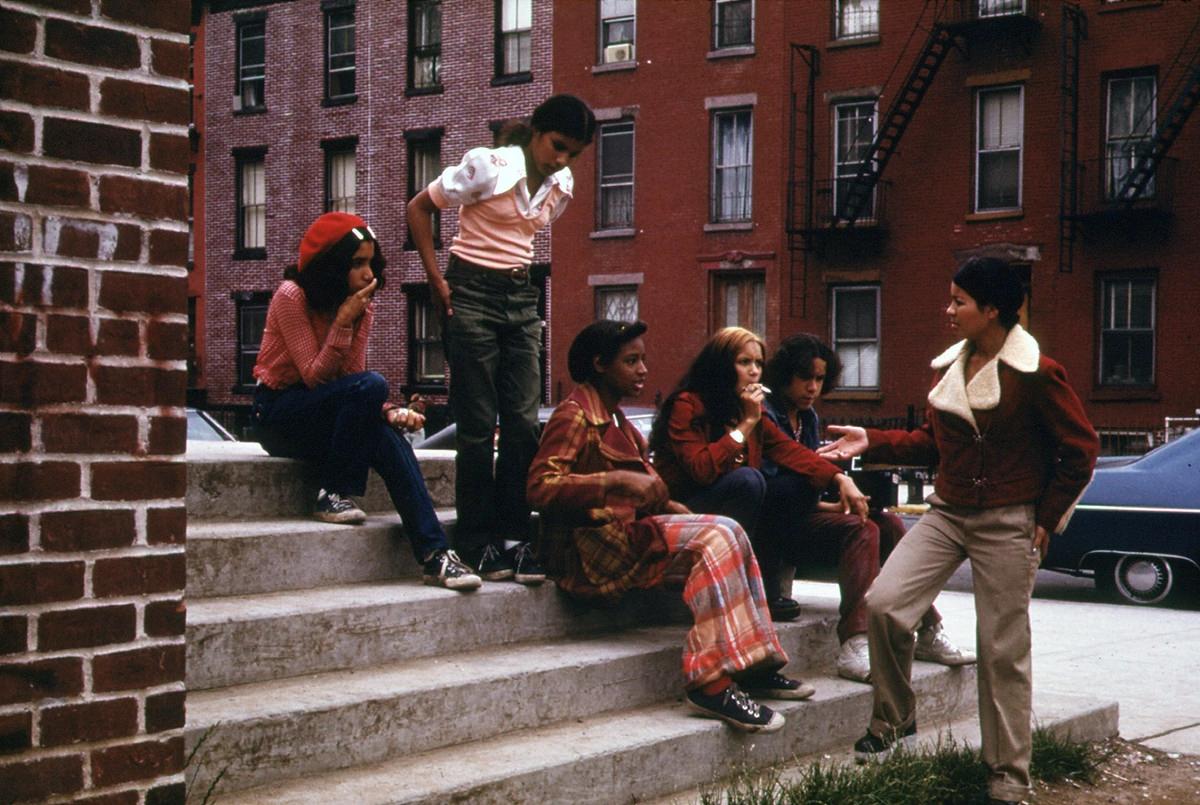
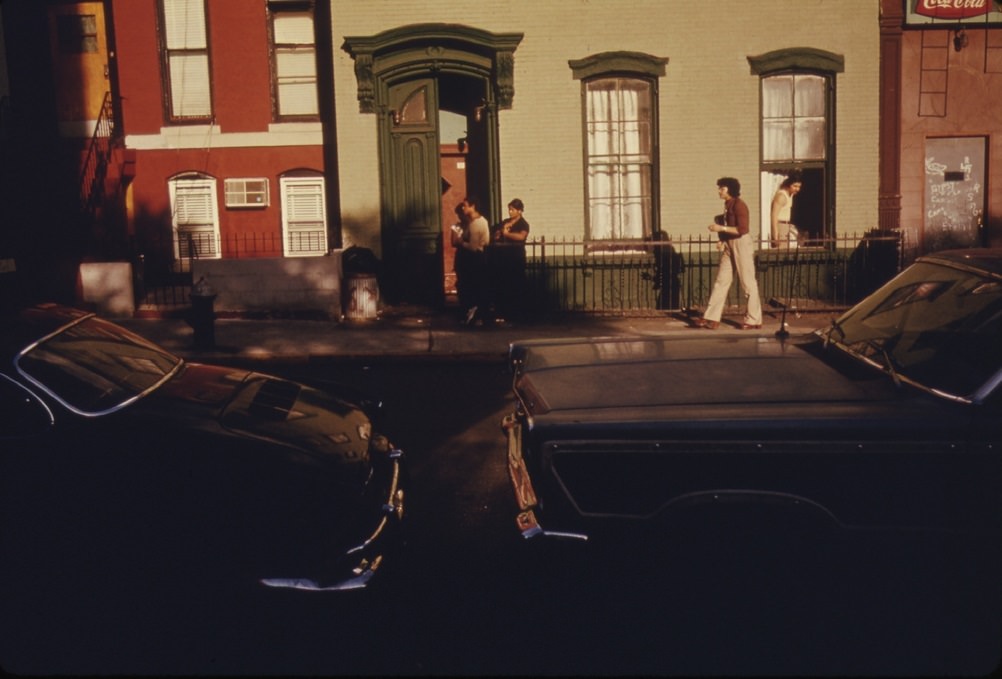
The stoop was the social center of Brooklyn street life. Sitting on the front steps of a brownstone or apartment building — watching neighbors pass, talking, doing nothing in particular — was not a sign of idleness. It was simply how people in dense urban neighborhoods spent time together. In 1977, as in every other decade, the stoop held its place as one of Brooklyn’s most important social institutions.
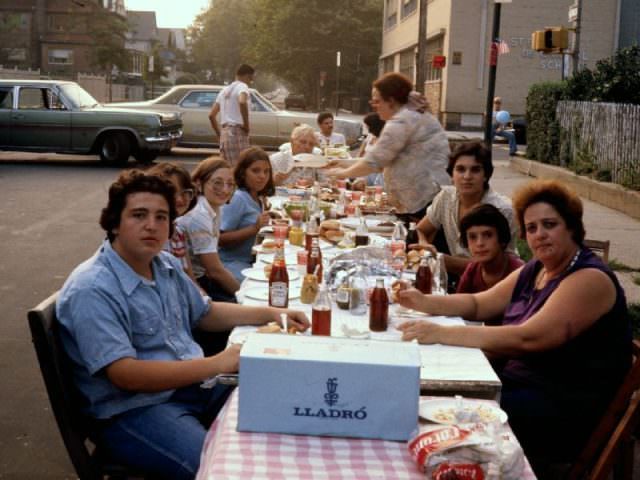
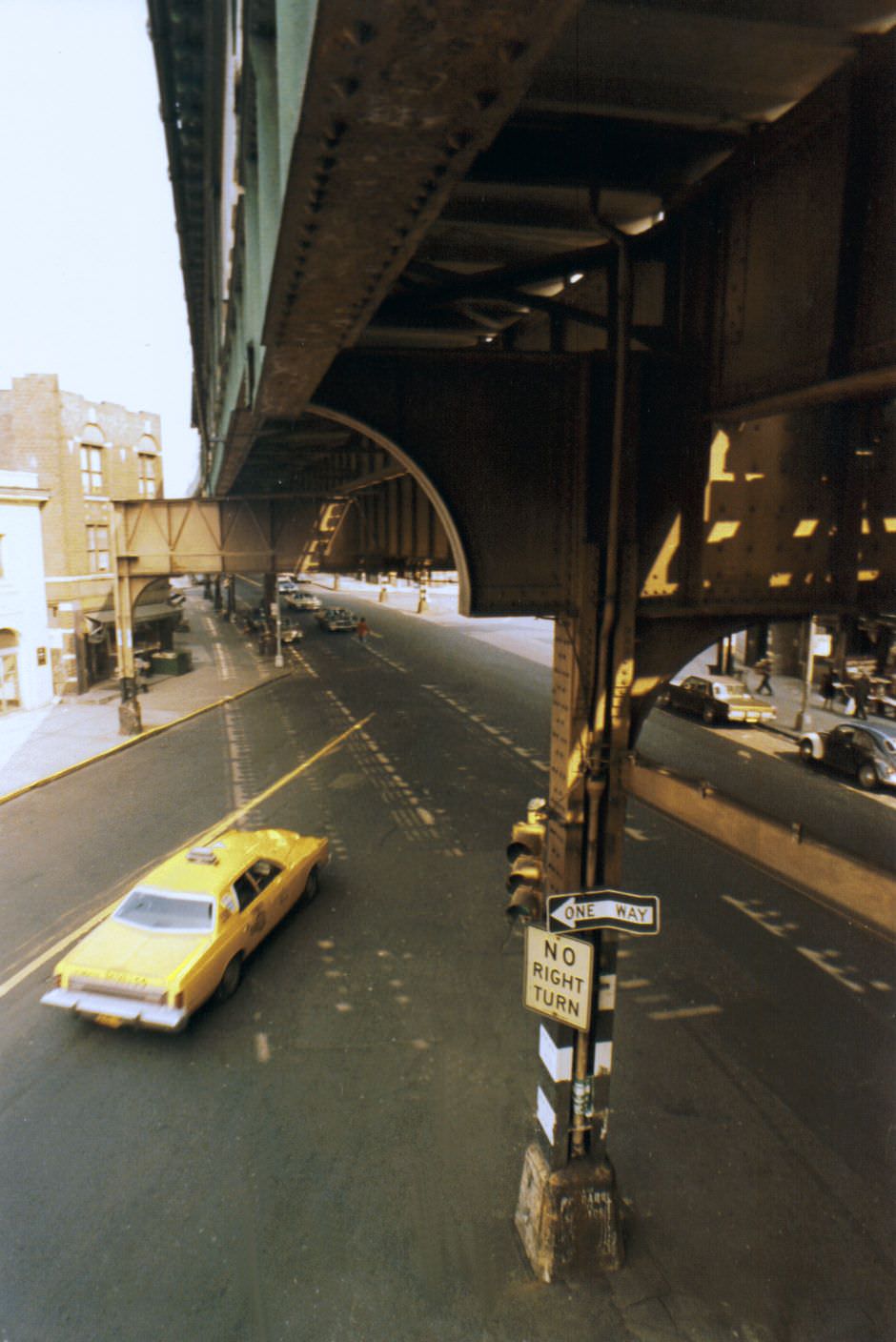
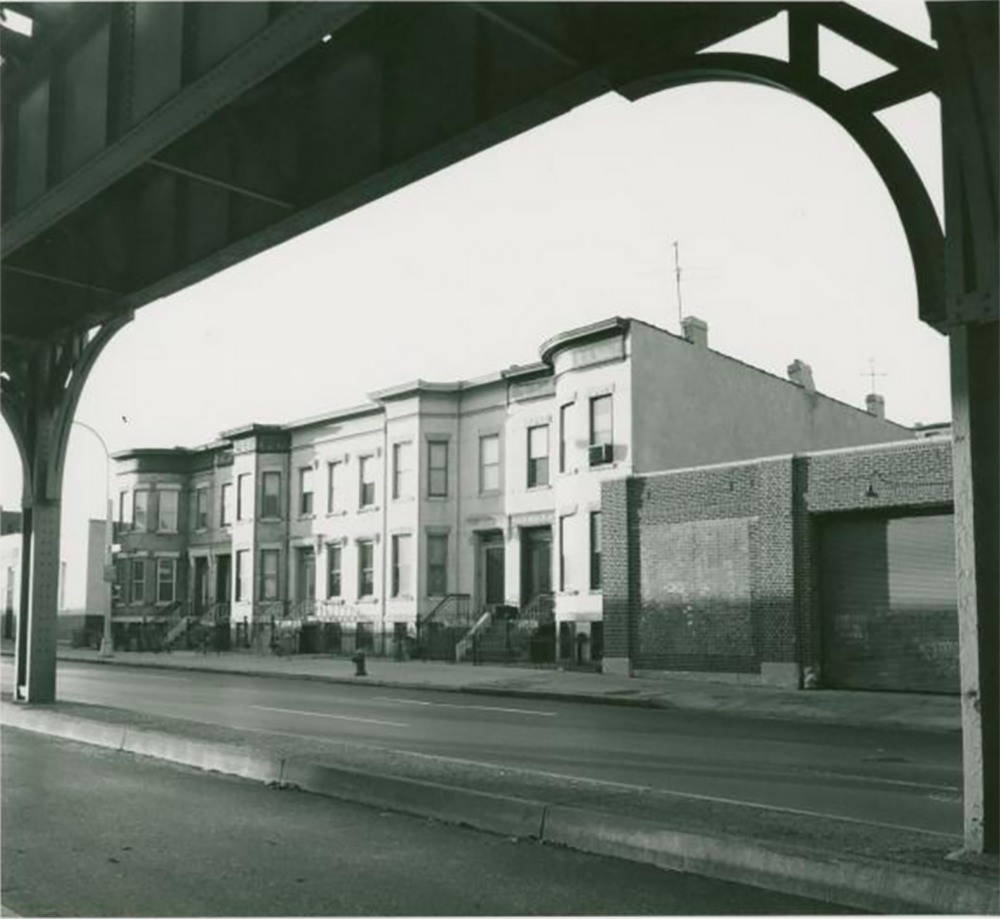
Brooklyn’s elevated subway stations were functional and unglamorous. The B train stop at New Utrecht Avenue and 55th Street in 1977 served the Borough Park neighborhood, a densely populated area with a large Orthodox Jewish community. The elevated lines that ran through Brooklyn were aging infrastructure by the 1970s — loud, drafty, and in constant need of maintenance — but they were essential to daily life for residents who depended on public transit.
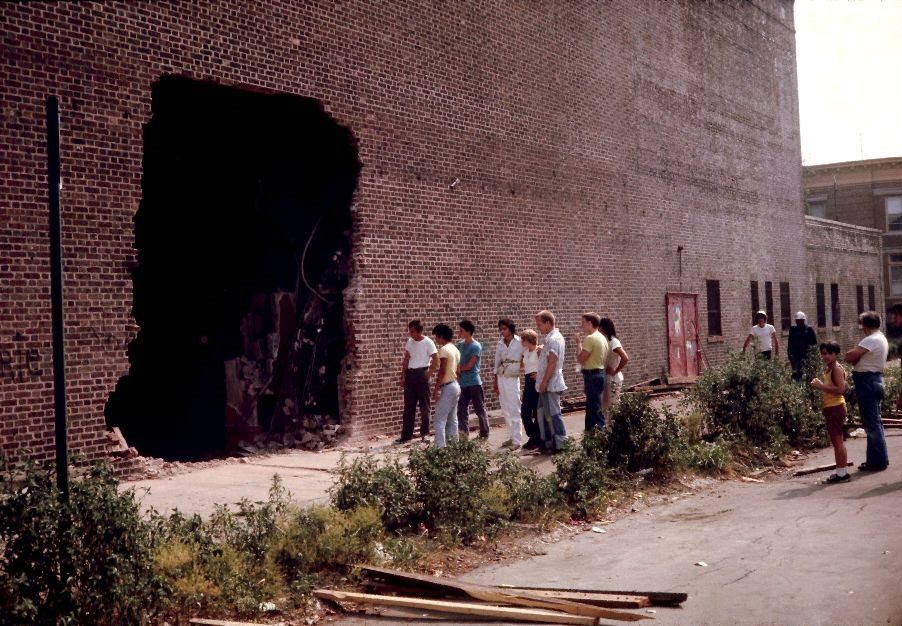
The demolition of the Boro Park Theater in 1975 was part of a broader pattern across Brooklyn and New York City. Movie houses that had served as neighborhood anchors for decades were being torn down as audiences shrank, maintenance costs rose, and the economics of large single-screen theaters collapsed. What replaced them — parking lots, discount stores, or simply empty lots — rarely matched what had been lost.
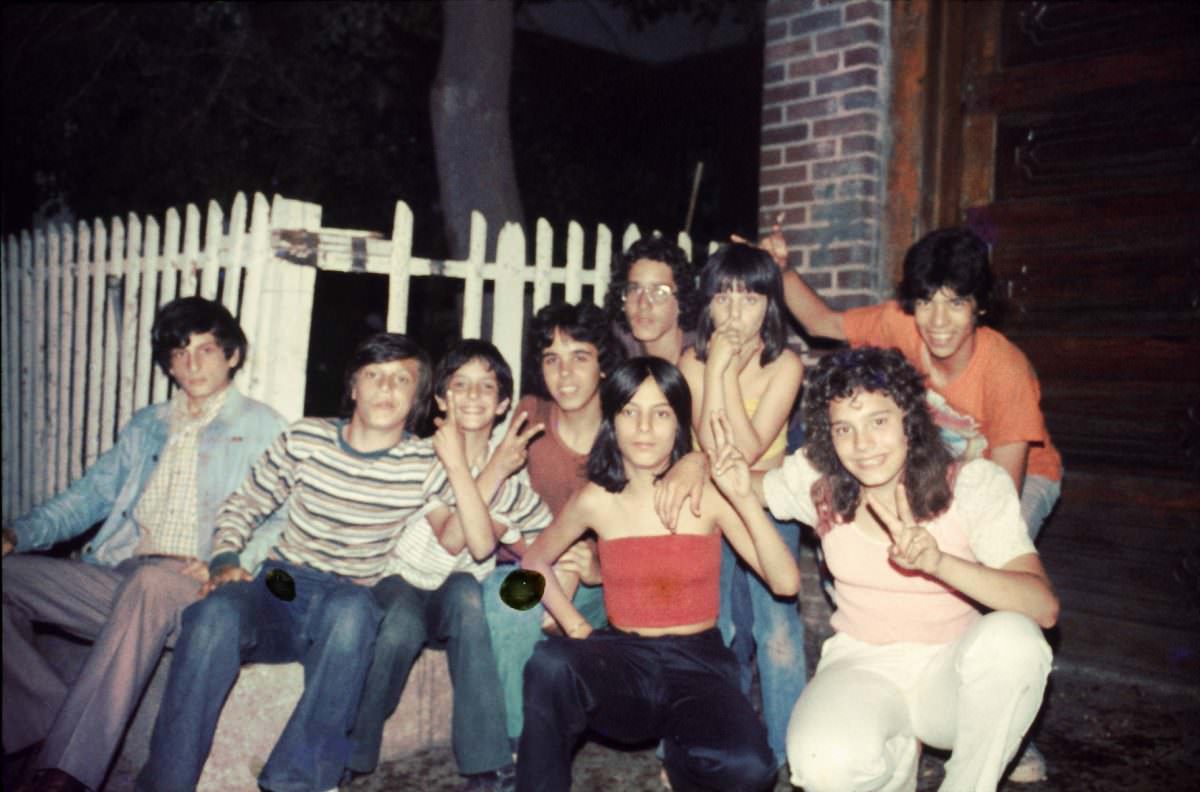
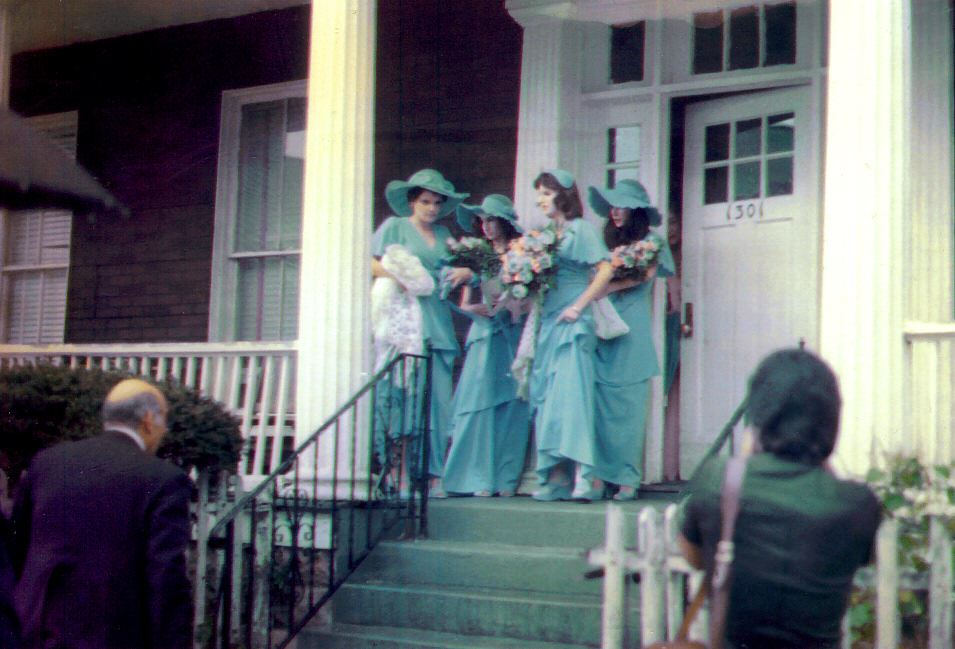
Even in a decade marked by economic hardship, Brooklyn families marked their milestones. Weddings were community events that brought out neighbors, relatives, and friends. A 1976 wedding at 57th Street was both a personal celebration and a public one — in Brooklyn’s close-knit neighborhoods, the boundary between private life and street life was always thin.
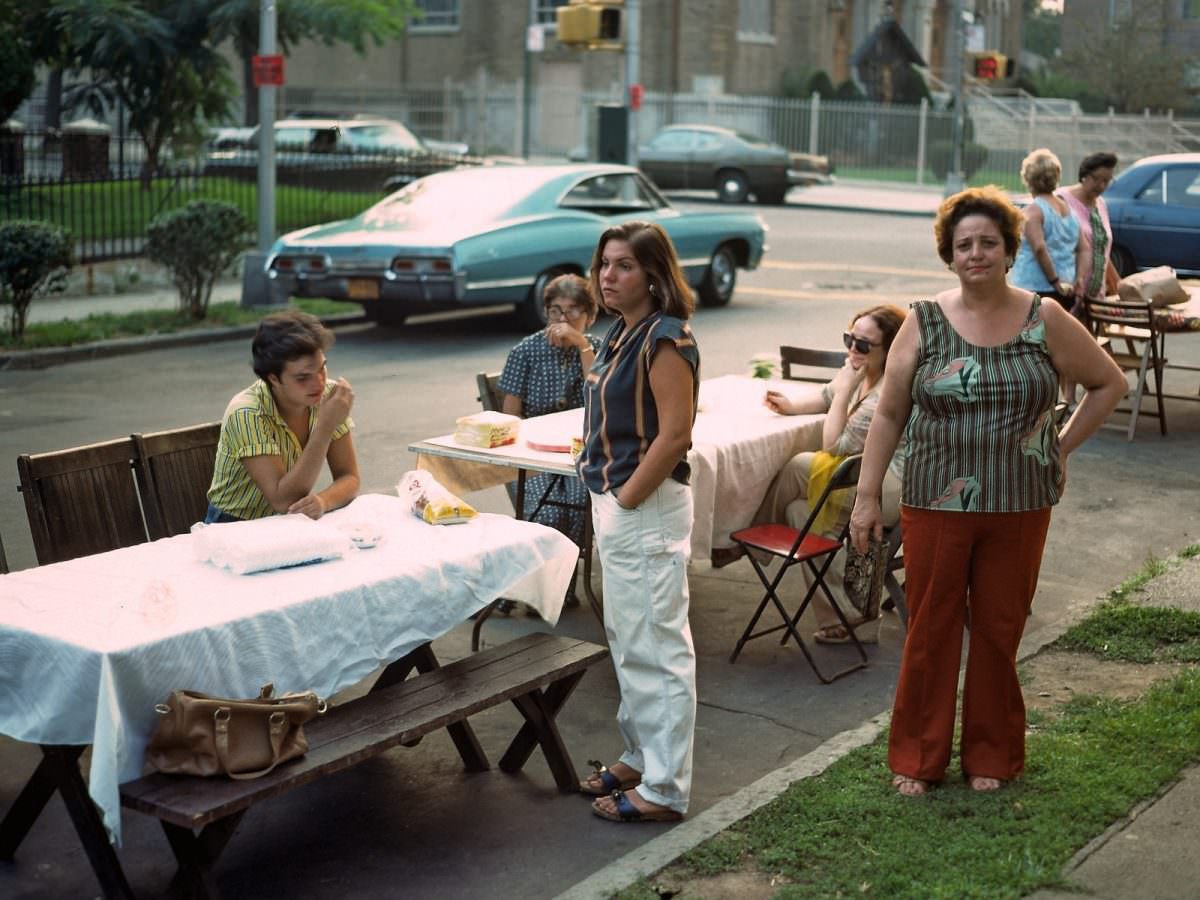
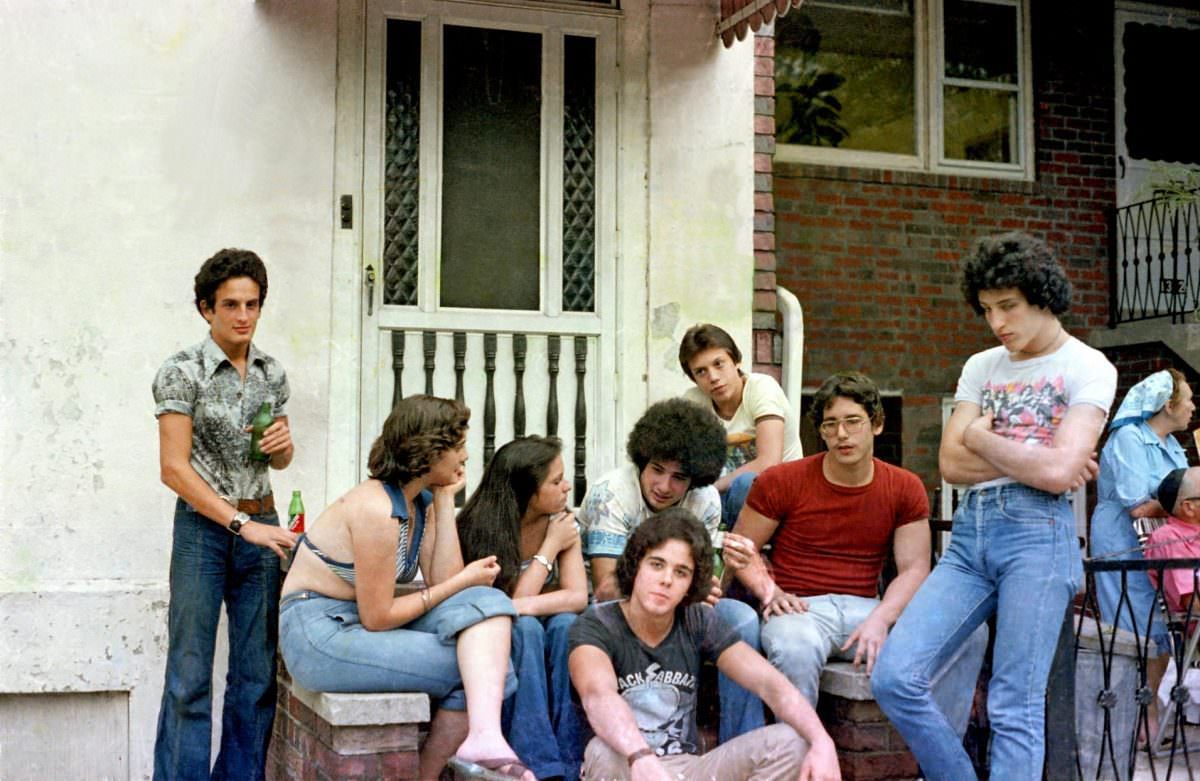
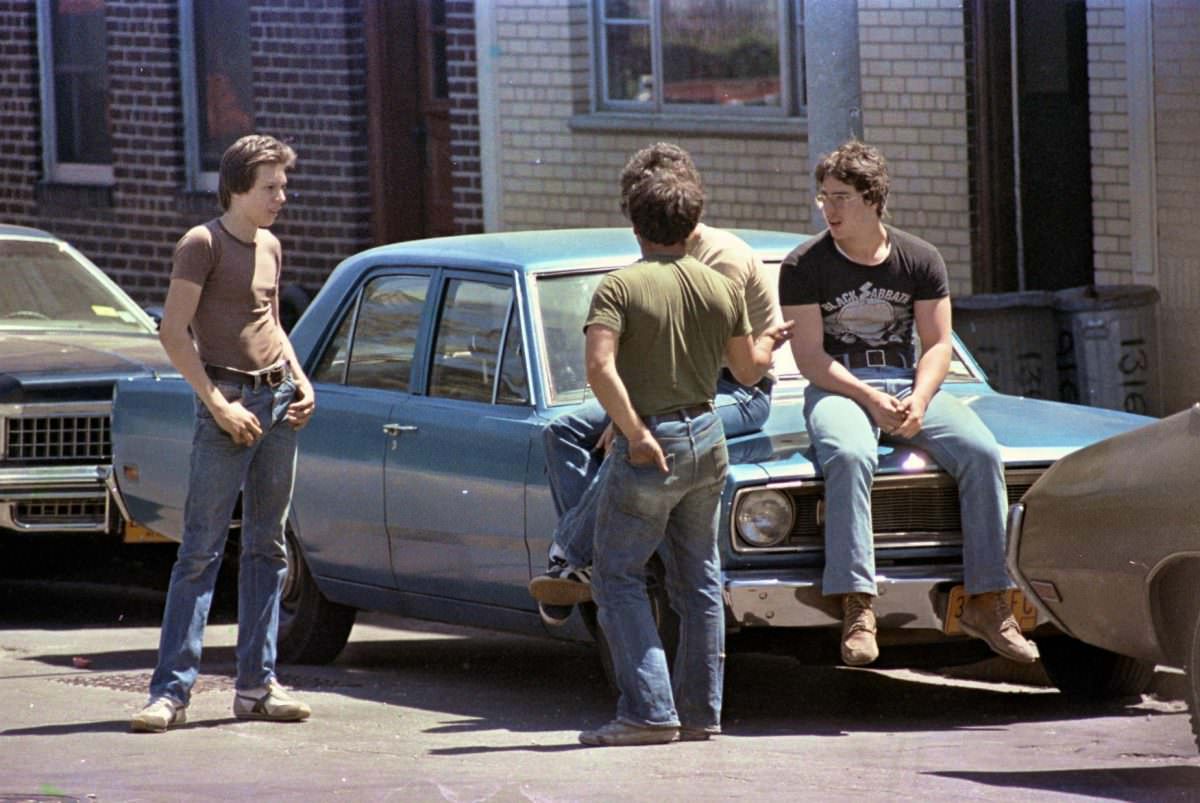
Borough Park — often written as Boro Park — was by the 1970s the center of Brooklyn’s Orthodox Jewish community, and one of the most densely populated neighborhoods in the entire United States. Its commercial streets were busy with kosher butchers, Jewish bookstores, and religious goods shops. The neighborhood maintained a strong internal cohesion that set it apart from much of the turmoil affecting other parts of the borough.
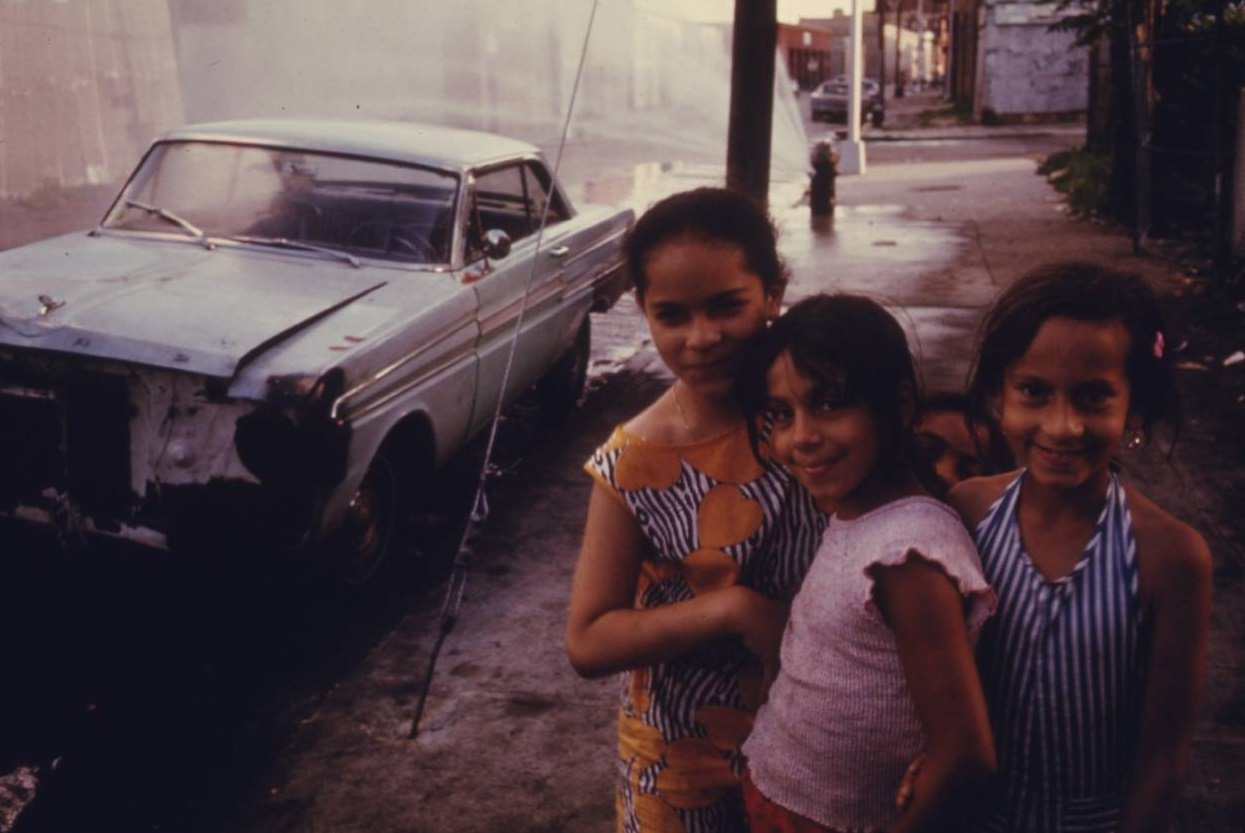
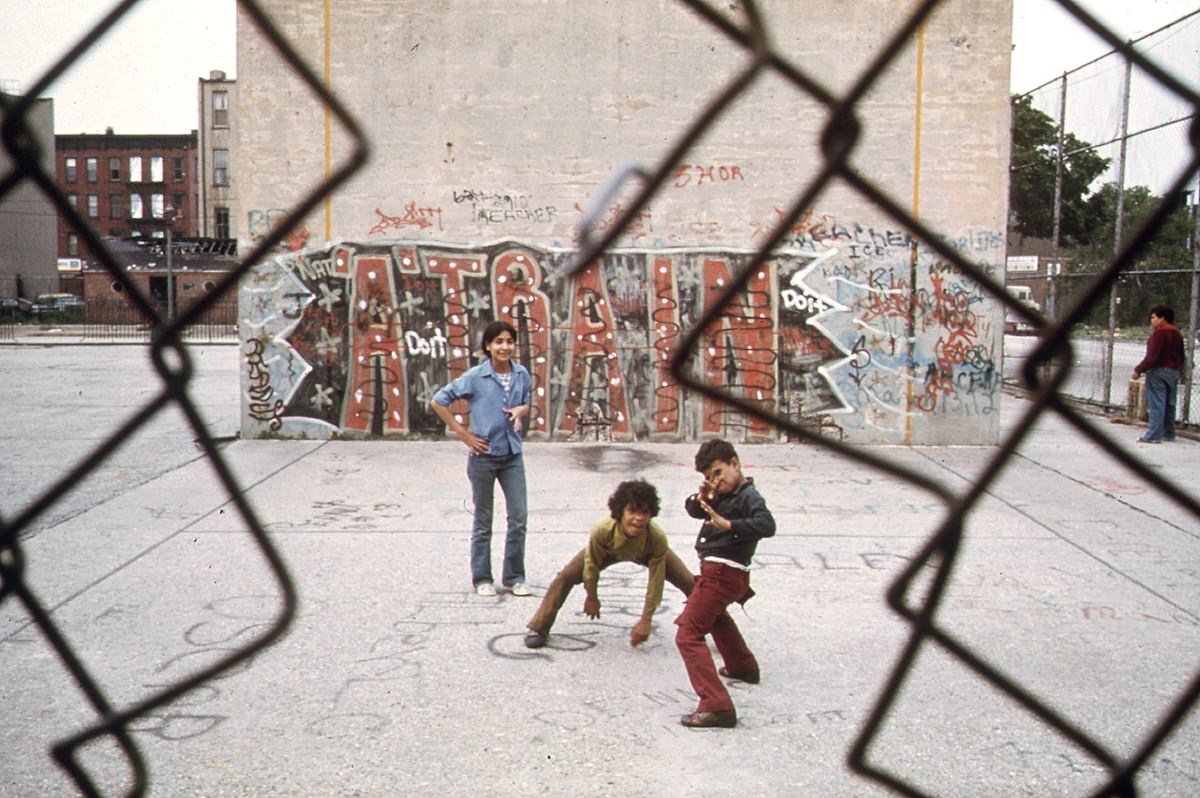
Graffiti was everywhere in 1970s Brooklyn — on trains, walls, park structures, and underpasses. By 1974, it had become an unavoidable part of the visual landscape of the borough. At Lynch Park, children played in front of block-letter graffiti without a second glance. For the kids growing up in Brooklyn at this time, spray-painted walls were simply part of the scenery.
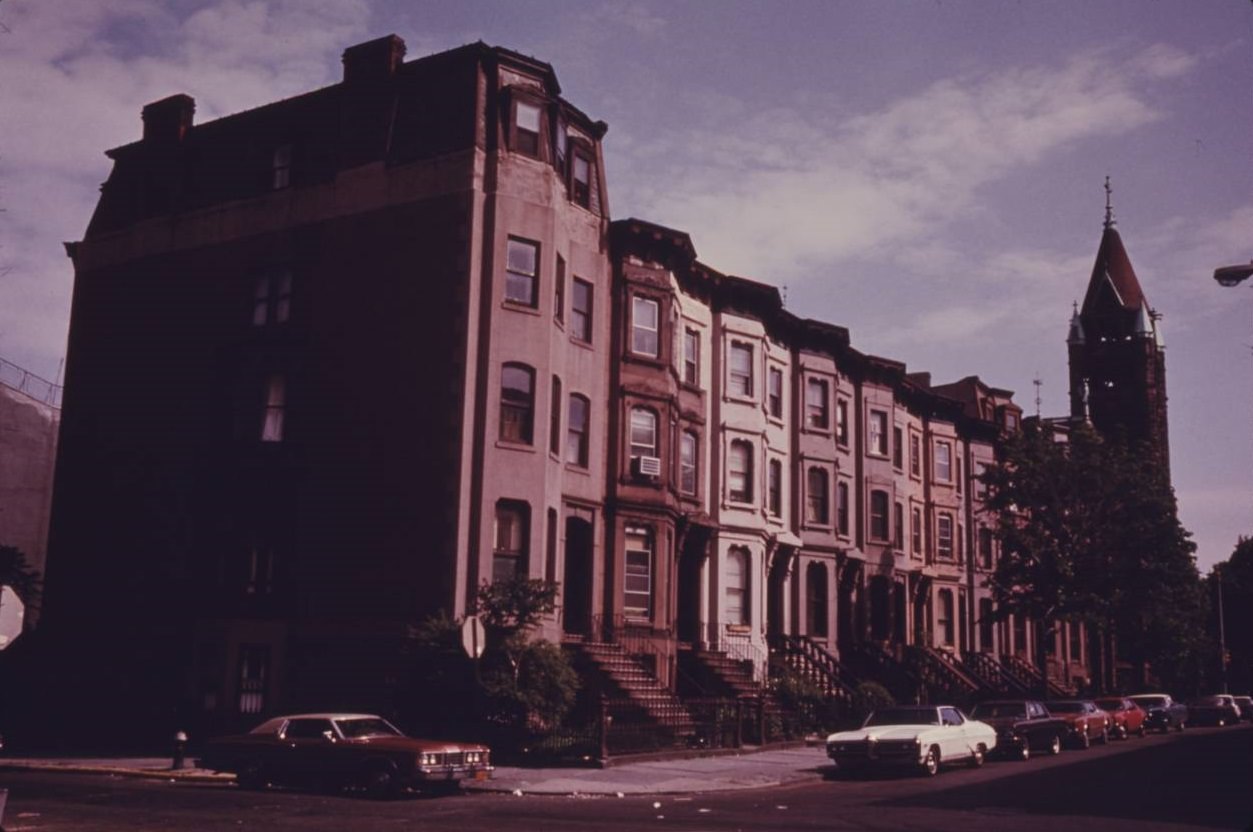
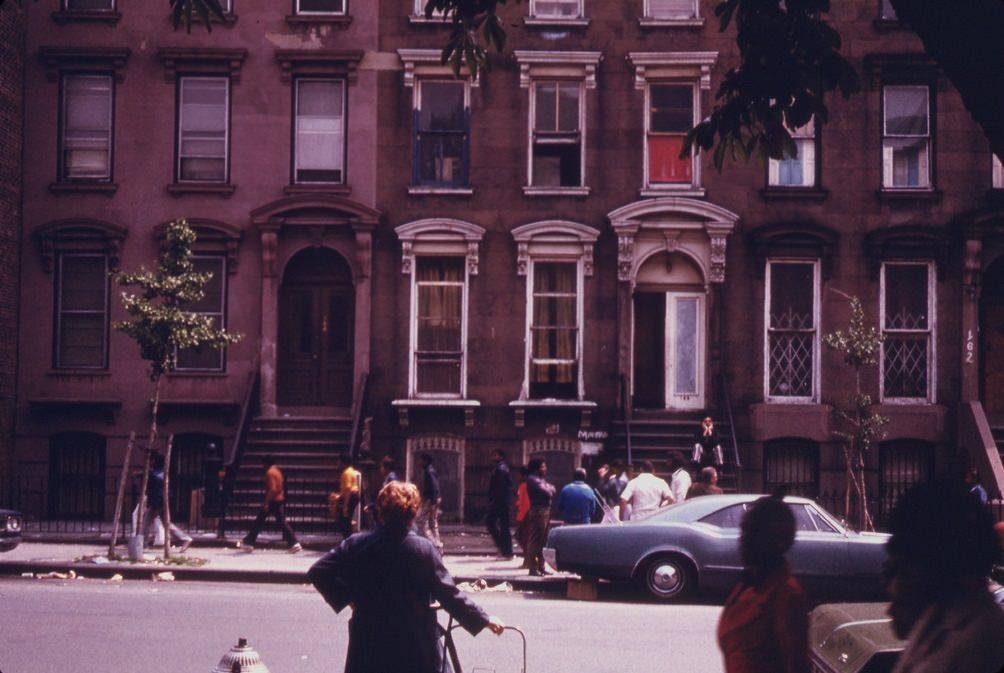
Park Slope’s brownstone blocks in 1974 were at the beginning of a long period of change. The neighborhood’s Victorian-era rowhouses, built in the late 1800s, had been subdivided into apartments over the decades. By the mid-1970s, some blocks were beginning to attract buyers who saw value in the historic architecture. The process was gradual, but the bones of what would become one of Brooklyn’s most sought-after neighborhoods were already there.
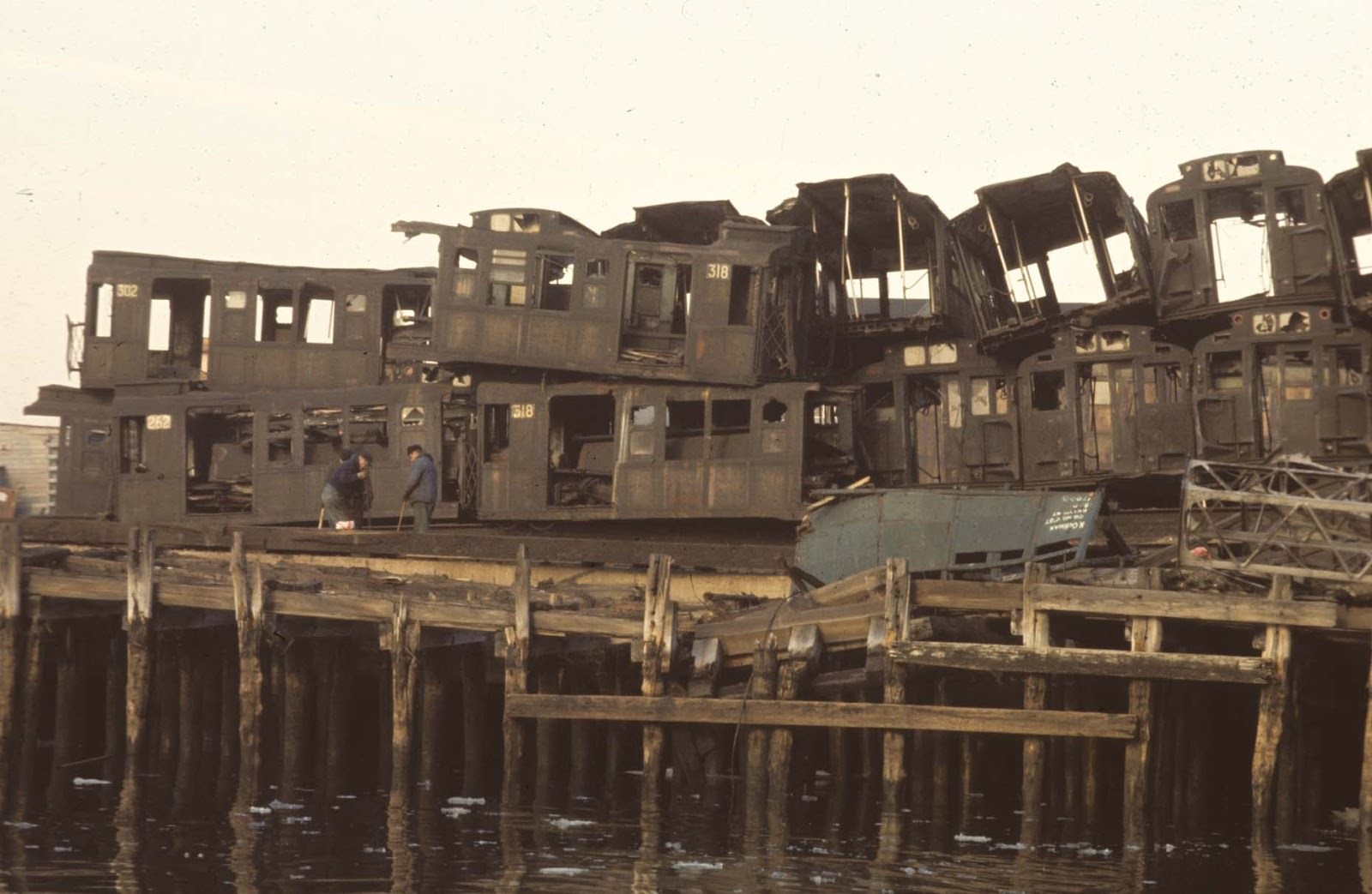
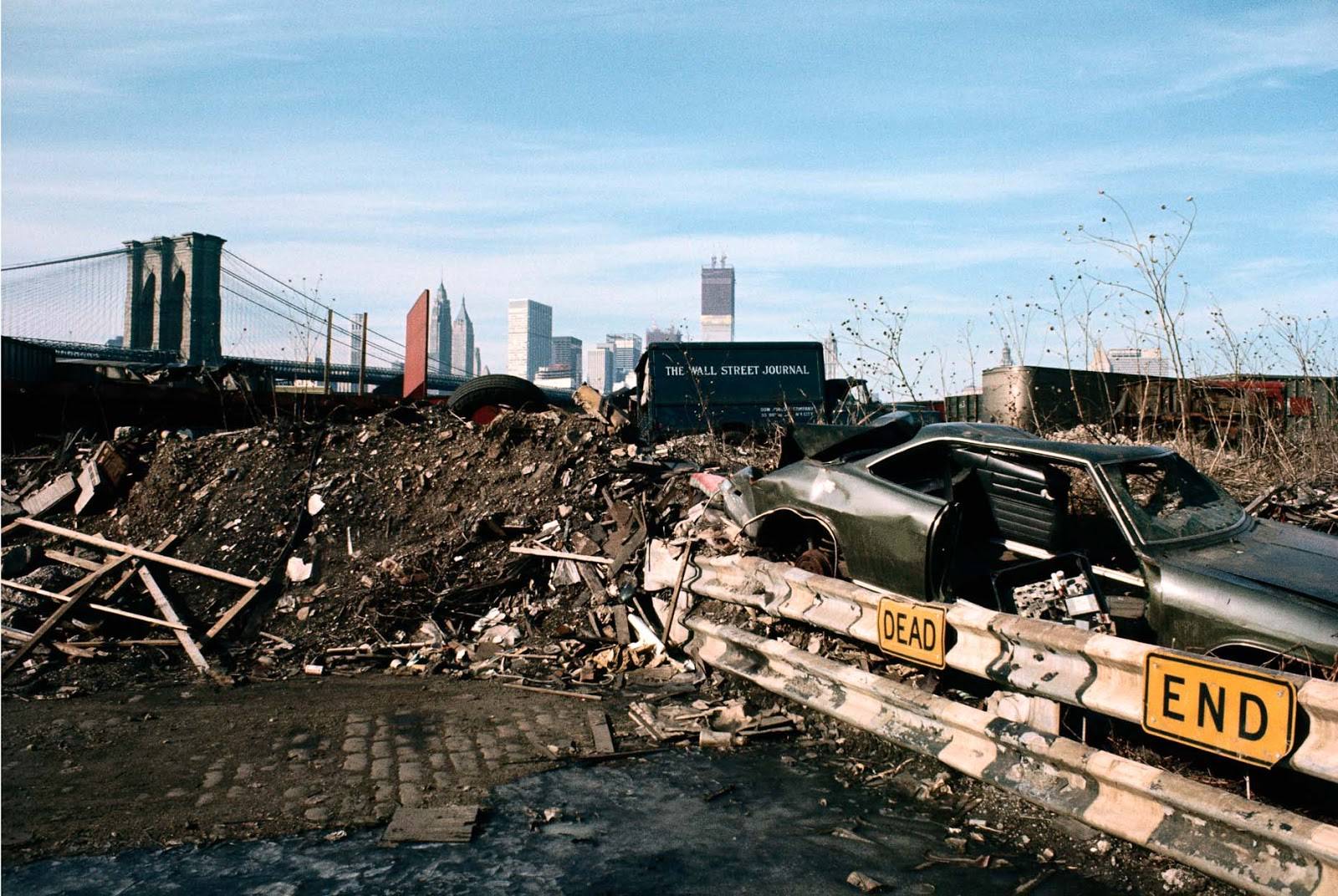
Retired subway cars were sometimes pushed off piers into the water in South Brooklyn in the 1970s — a practice used to create artificial reefs. Seeing old cars stacked on a pier before disposal was an unusual sight that few outsiders would associate with the borough. It was a reminder of how New York City managed — and sometimes disposed of — its aging infrastructure during a period when the city was effectively broke.
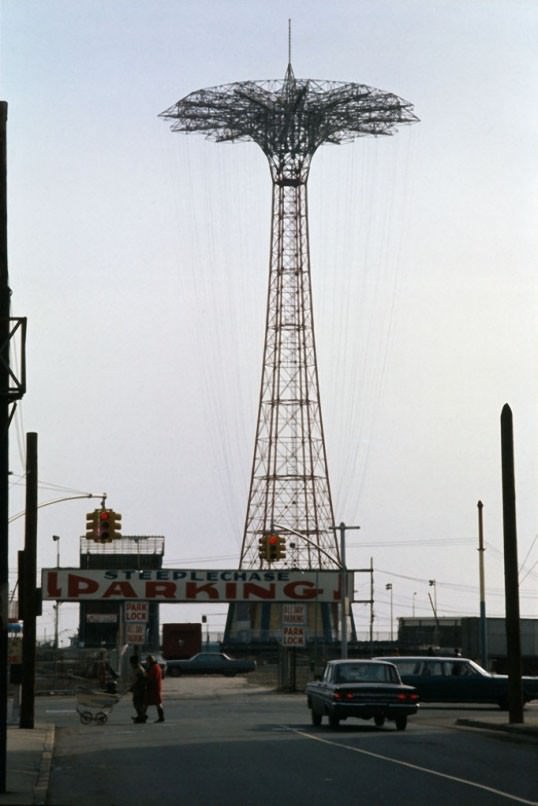
The Parachute Jump at Coney Island had not been operational as a ride since 1964, but it still stood in 1970 as one of Brooklyn’s most recognizable structures. At 262 feet tall, the steel tower loomed over the Coney Island boardwalk and beach. Coney Island itself was in a difficult period by 1970 — the amusement parks were declining, the neighborhood around them was deteriorating, and the crowds that had made it the “Playground of the World” decades earlier were shrinking. The Parachute Jump stood as a kind of monument to what had been.





I have always been a fan of the cars of the ’60s and ’70s. These days, they’re flawed in every way, but they look great and sound great. Art in motion and at rest. Back then, a lot more people cared about growing their hair
I think Smith Union market is still there.
It’s great how the article notes that parking was so easy in the 1970s, that “you could find it almost anywhere.” Then you see Park Slope, with its solid cars. It was No Park Slope even then. 😉
Good Catch
I love the hair and fashion
Grew up in Williamsburg, Bed Stuy and Bensonhurst. Looks right, thanks for the memories !