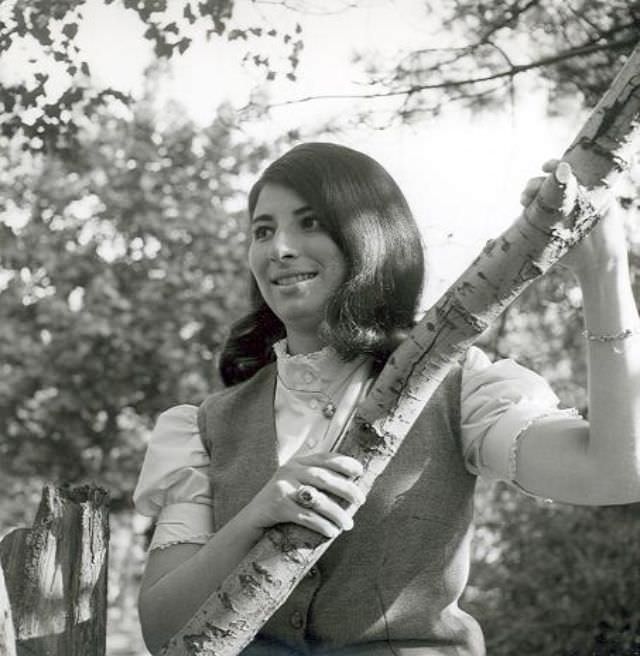
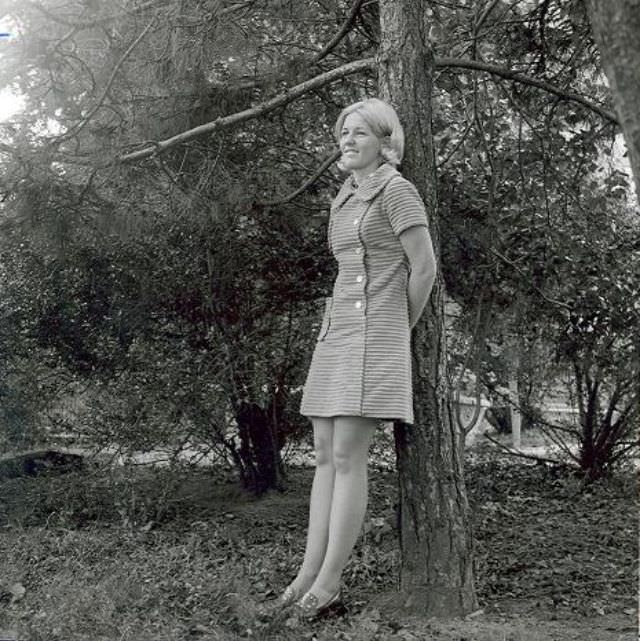
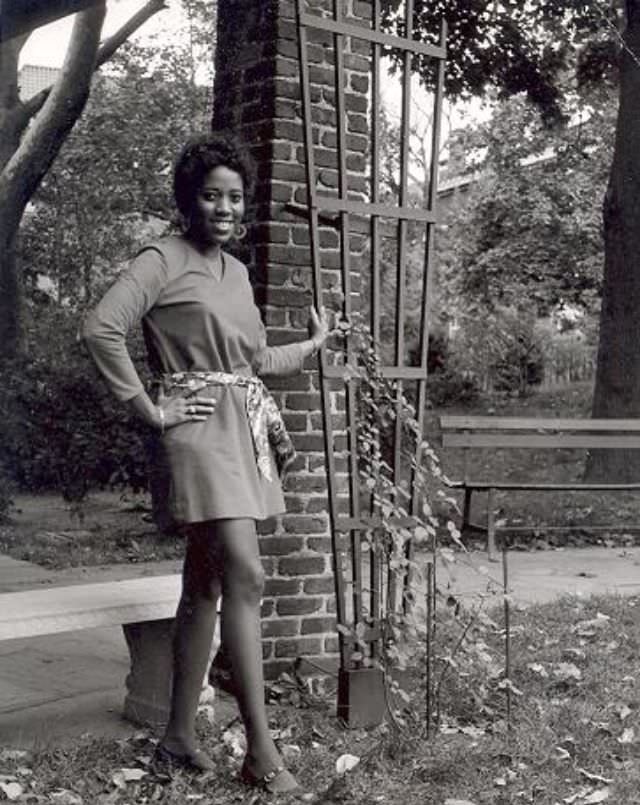
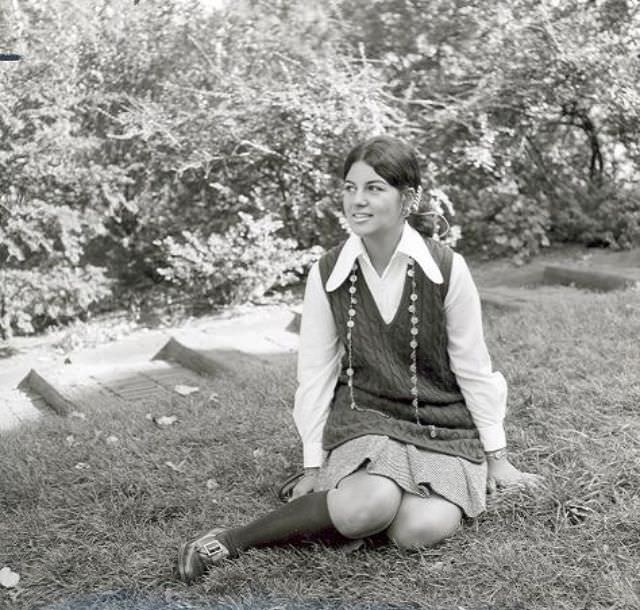
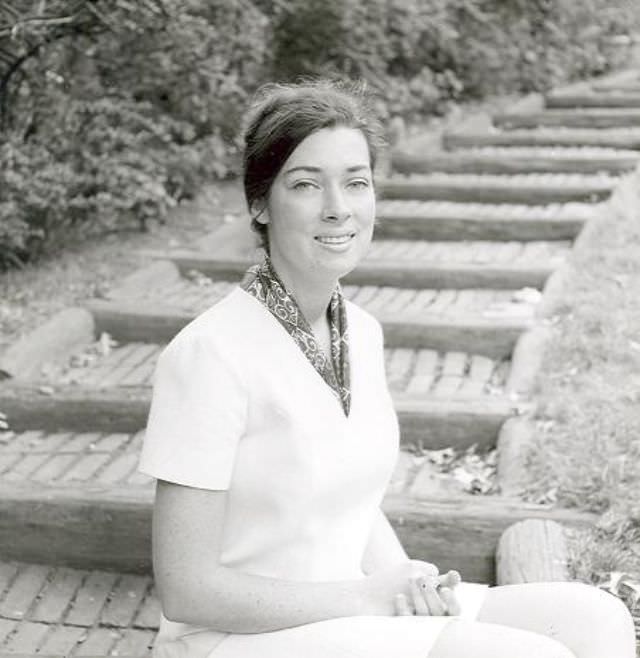
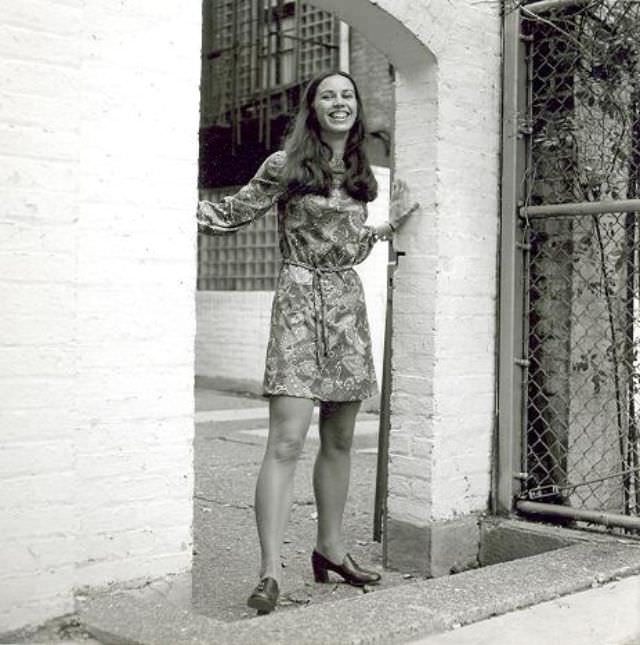
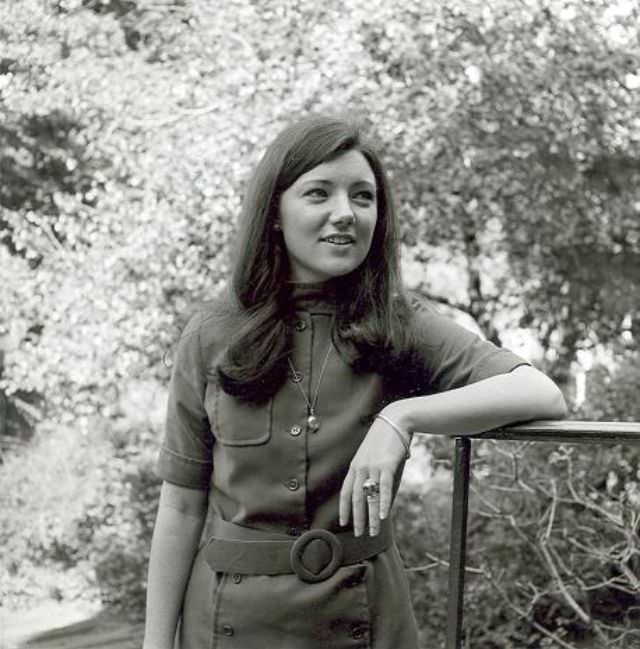
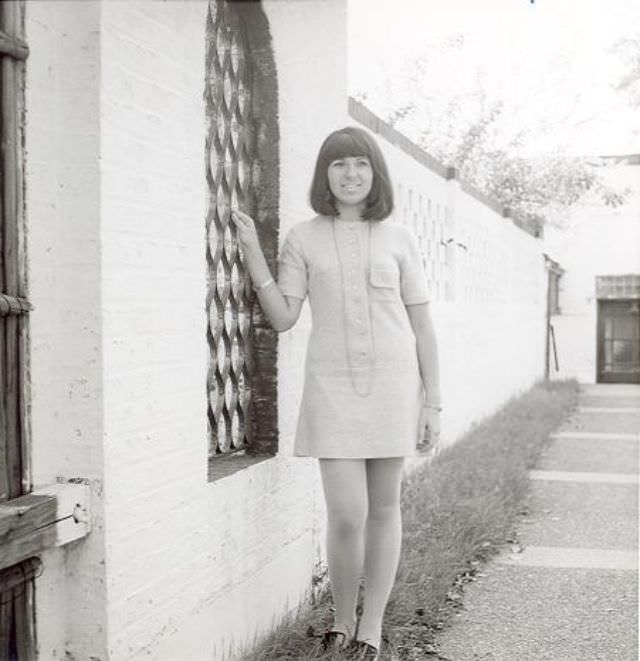
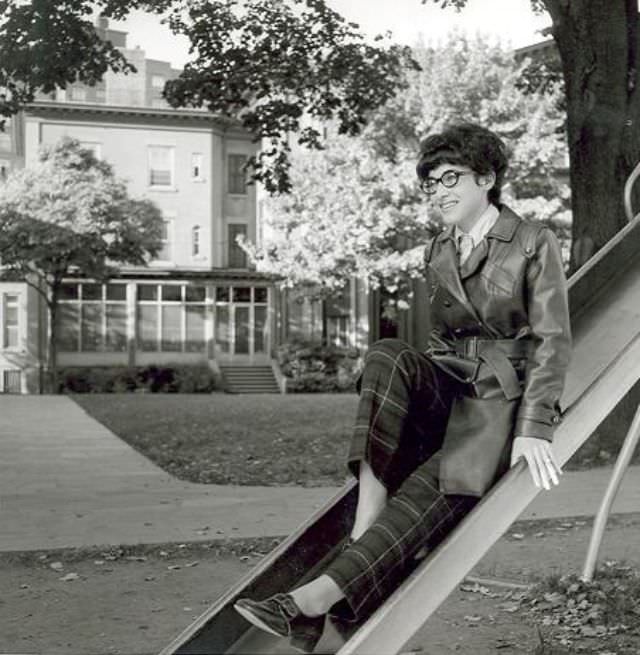
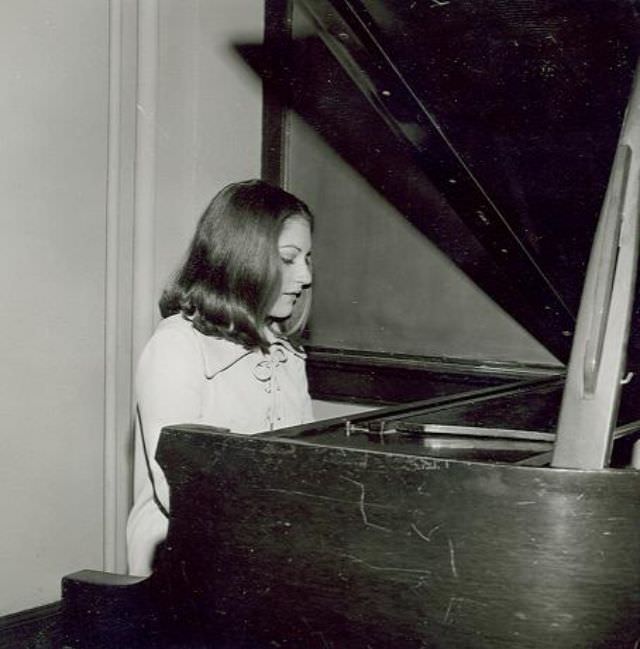
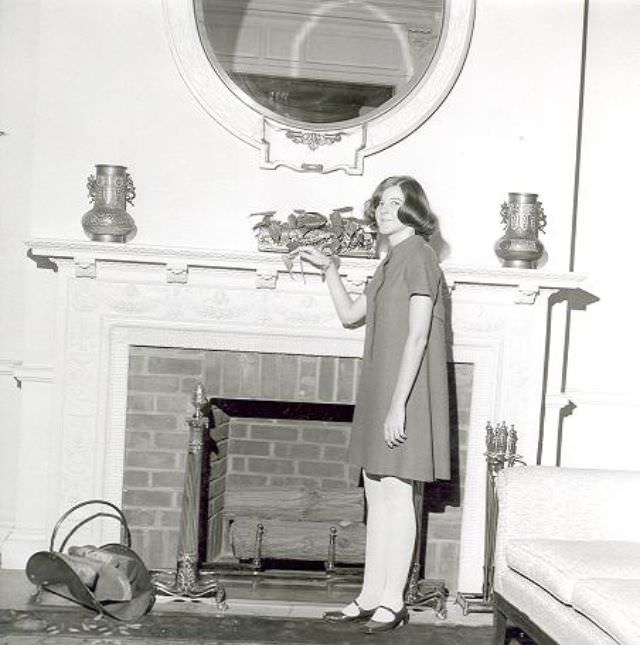
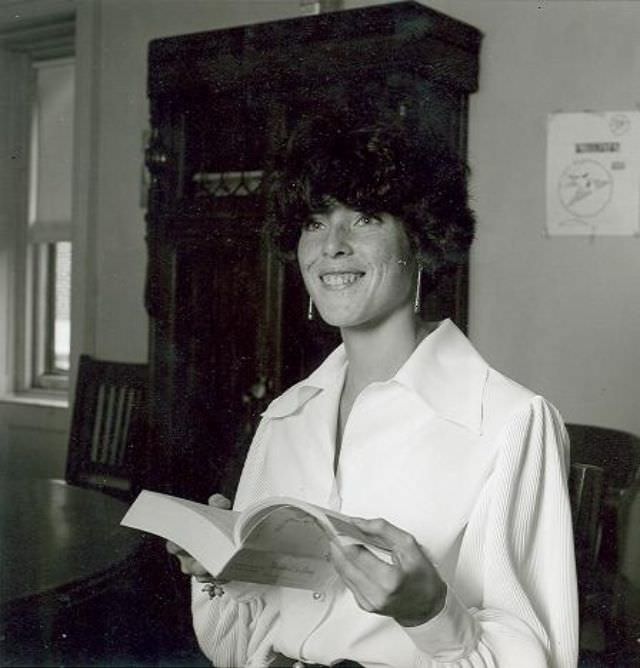
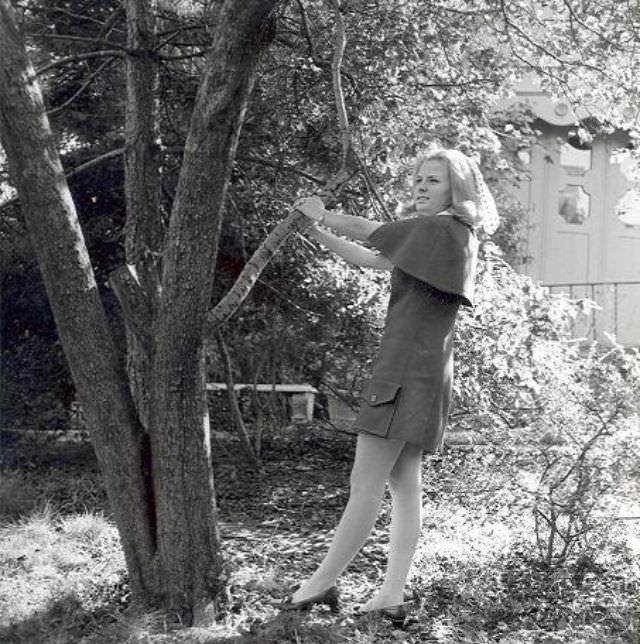
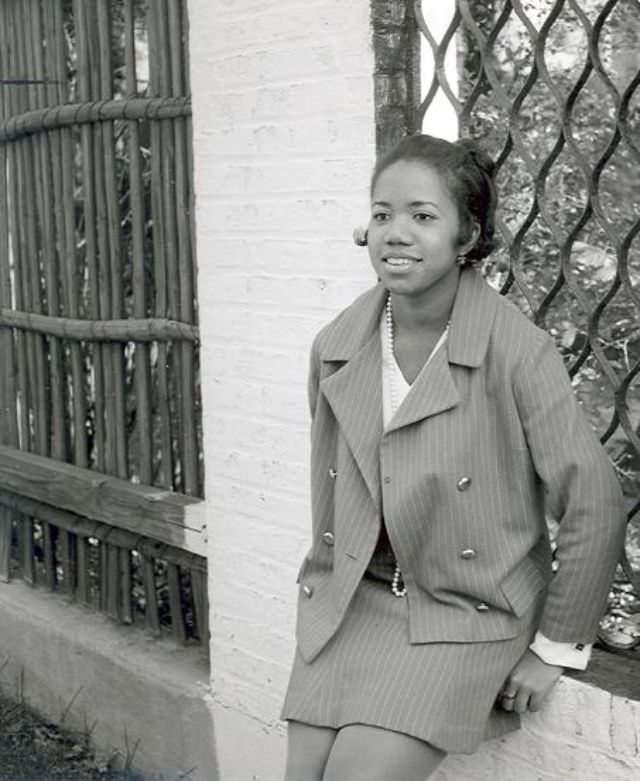
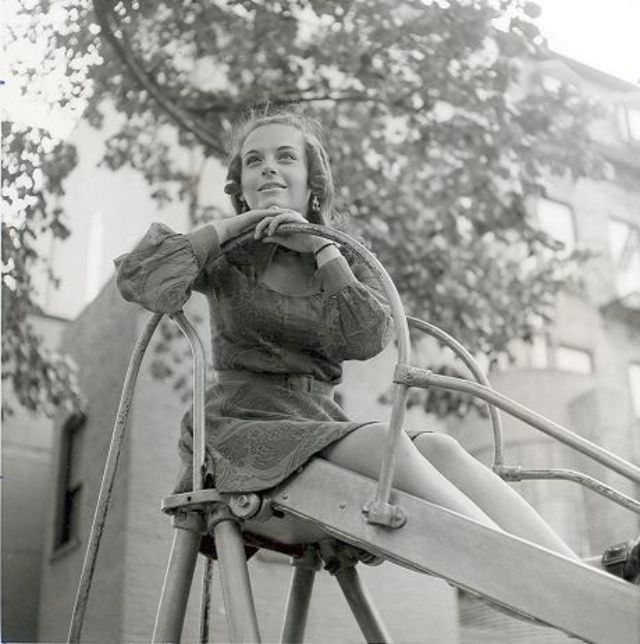
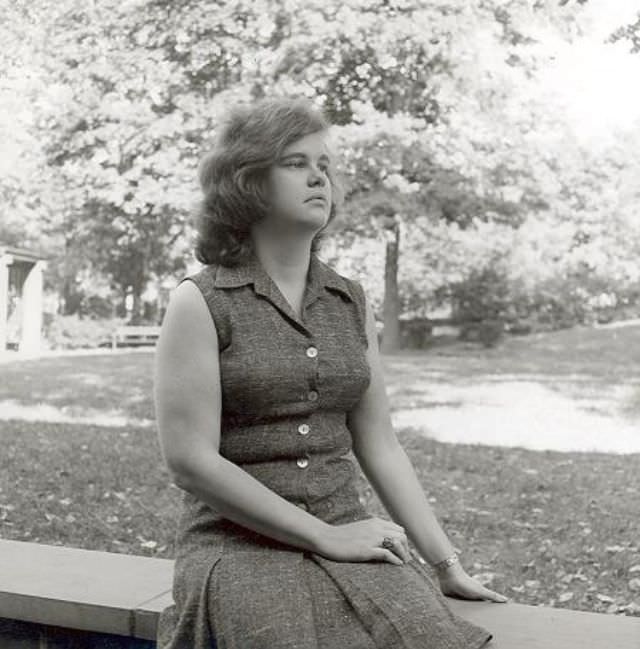
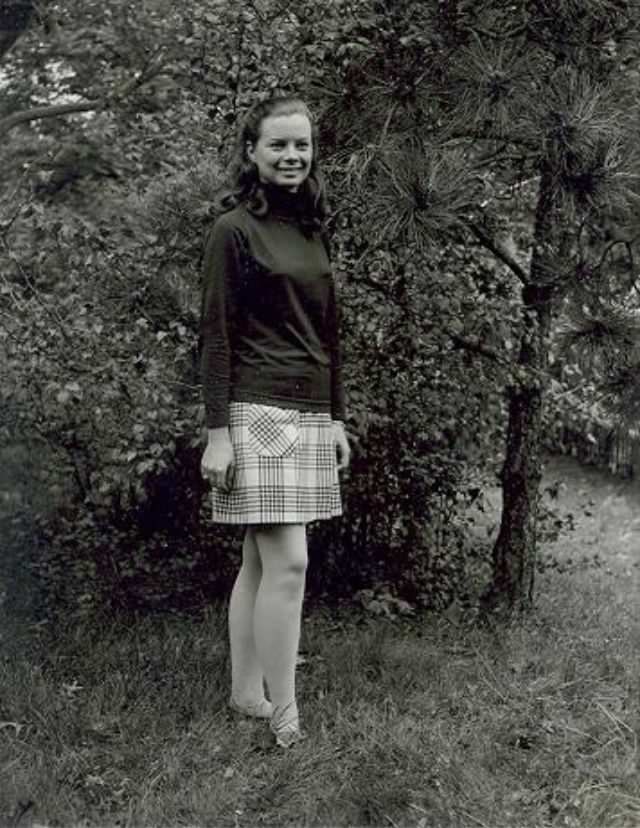
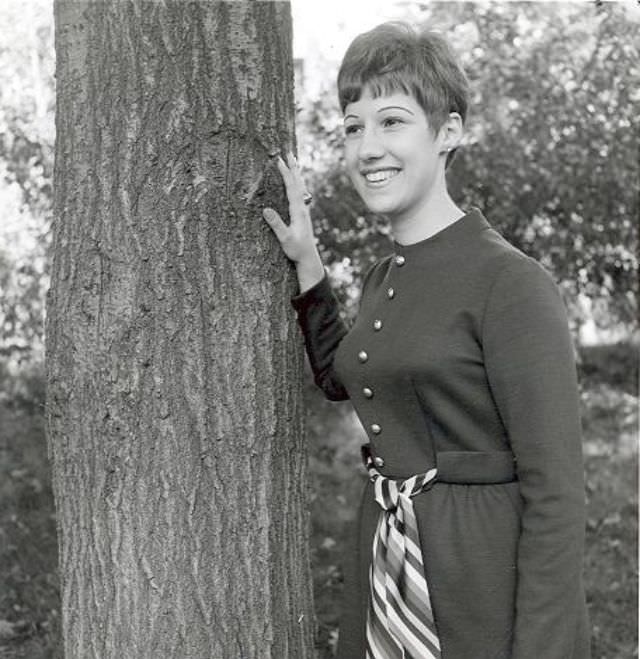
On February 20, 1970, cameras clicked across the Brooklyn campus of St. Joseph’s College, capturing a generation of young women in a single frozen moment. These were yearbook photo days — a college tradition that turned ordinary afternoons into permanent records. The women in these photographs were students at one of New York City’s well-established Catholic liberal arts institutions, a college that had been serving the Brooklyn community for decades by the time these pictures were taken.
St. Joseph’s College in Brooklyn has roots going back to 1916, founded by the Sisters of St. Joseph. By 1970, the campus was a busy, all-women environment where students balanced academics, social life, and the cultural shifts happening all around them. The late 1960s and early 1970s were a time of significant change in America — in fashion, in politics, in what women expected from their education and careers. These photos sit right at that crossroads.
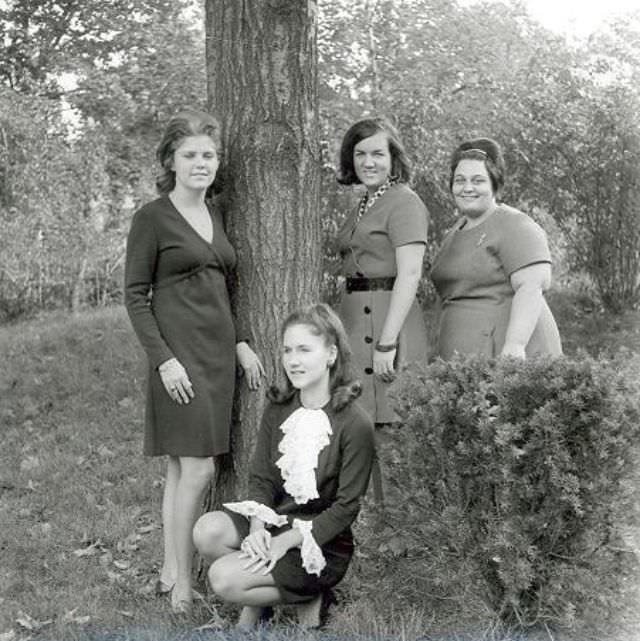
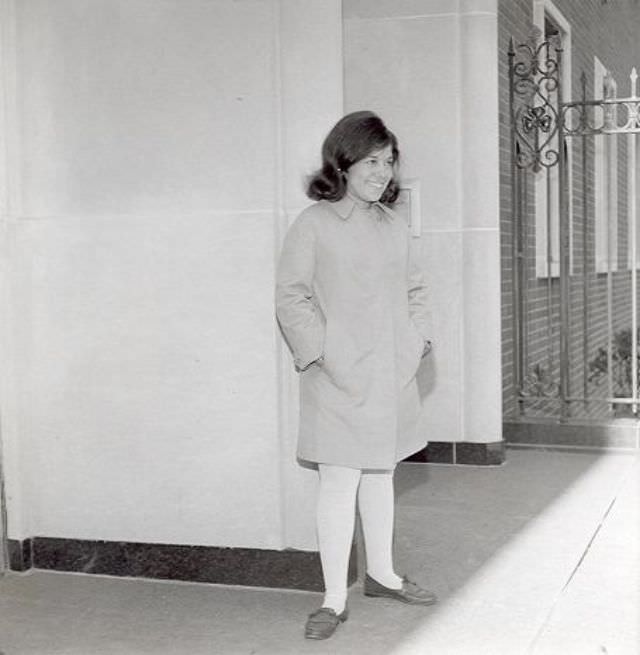
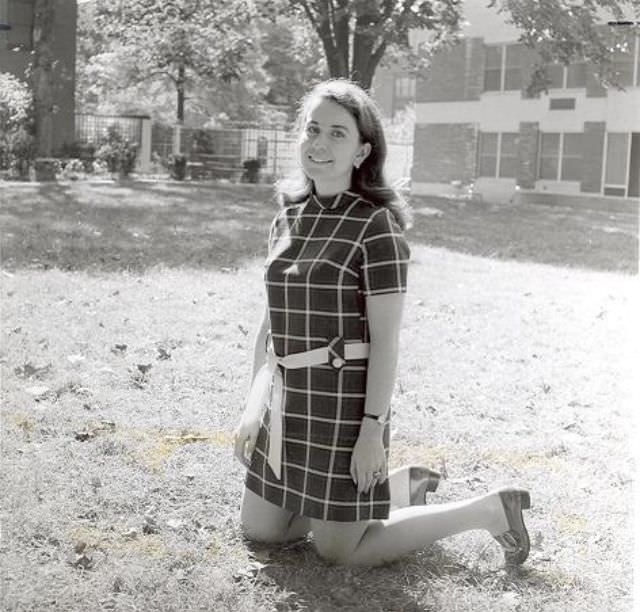
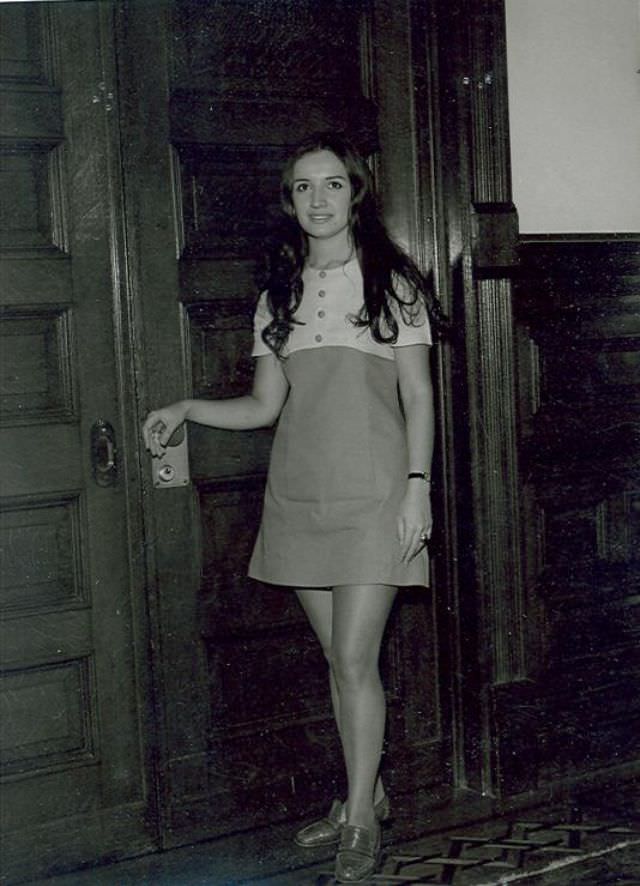
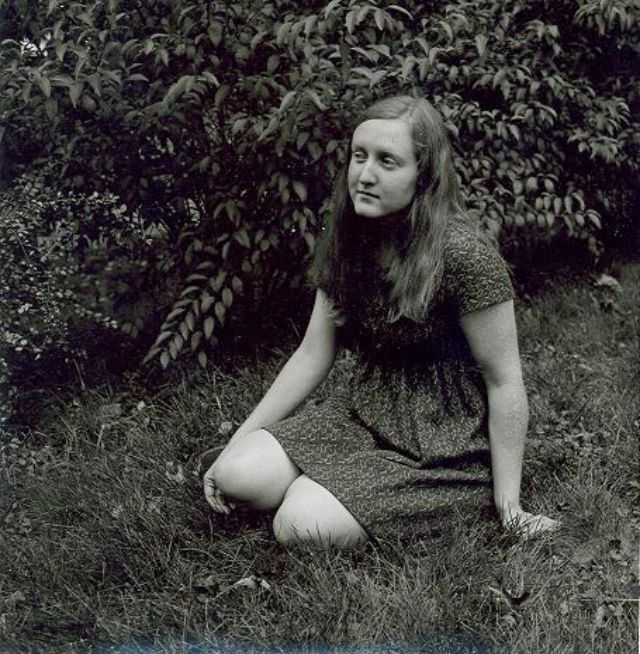
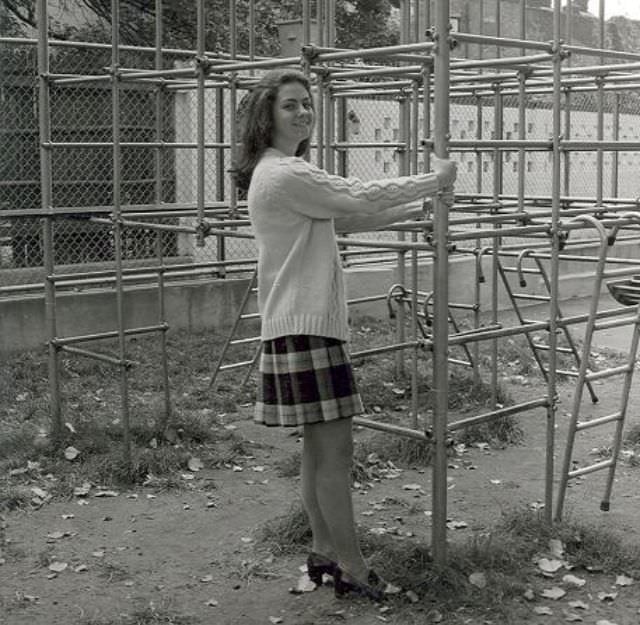
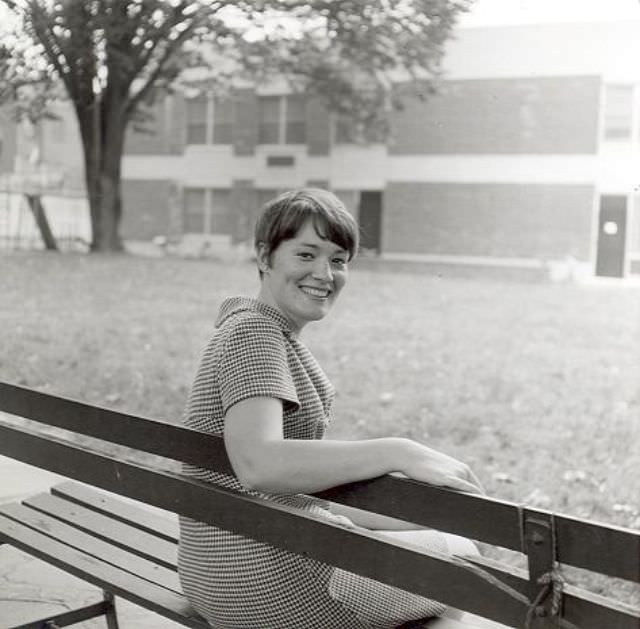
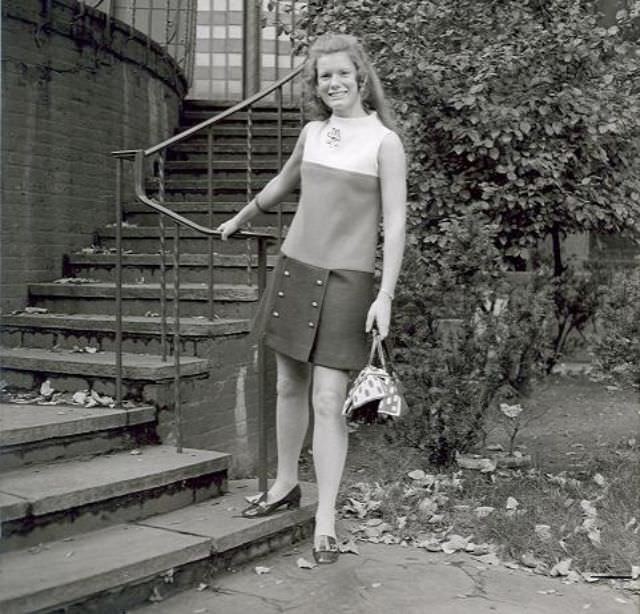
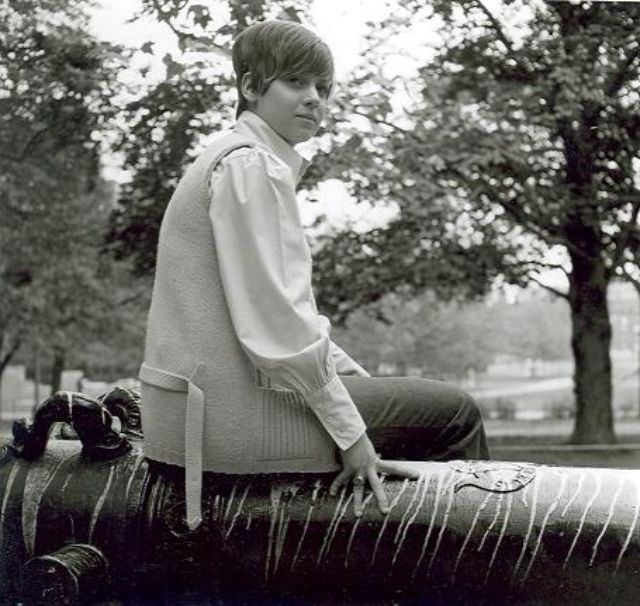
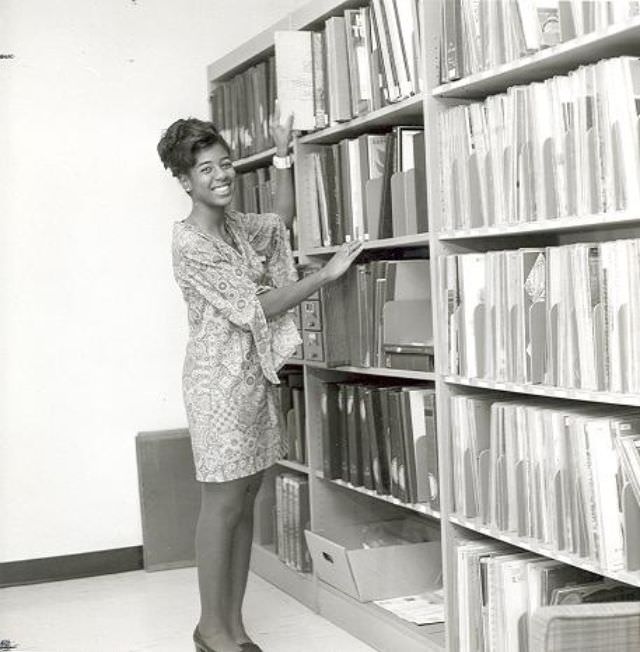
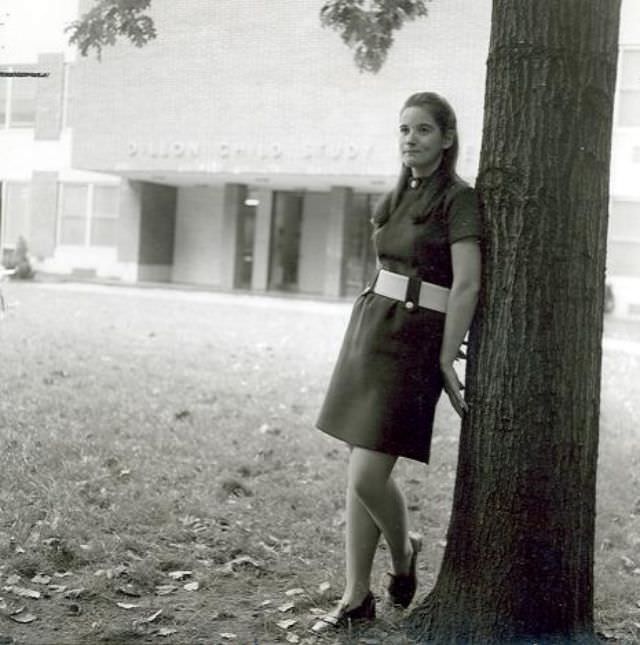
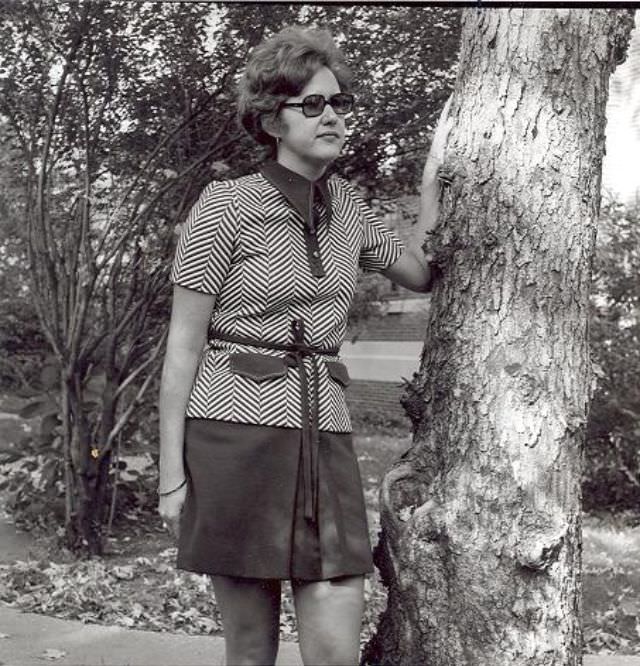
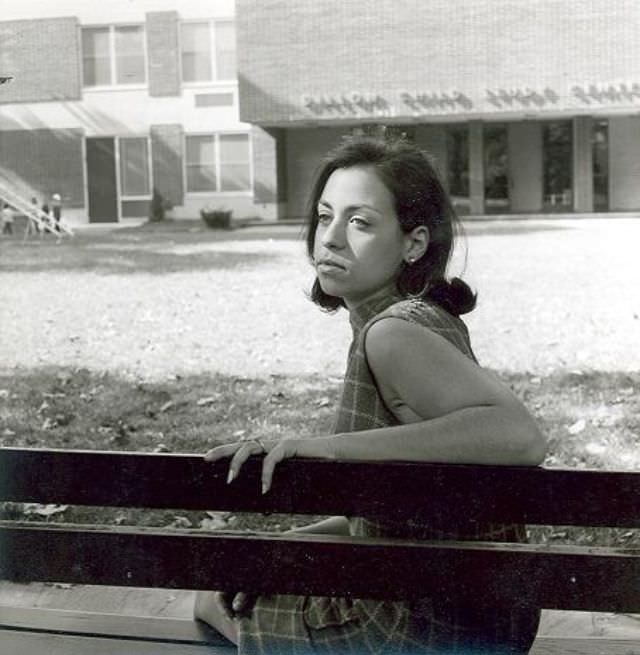
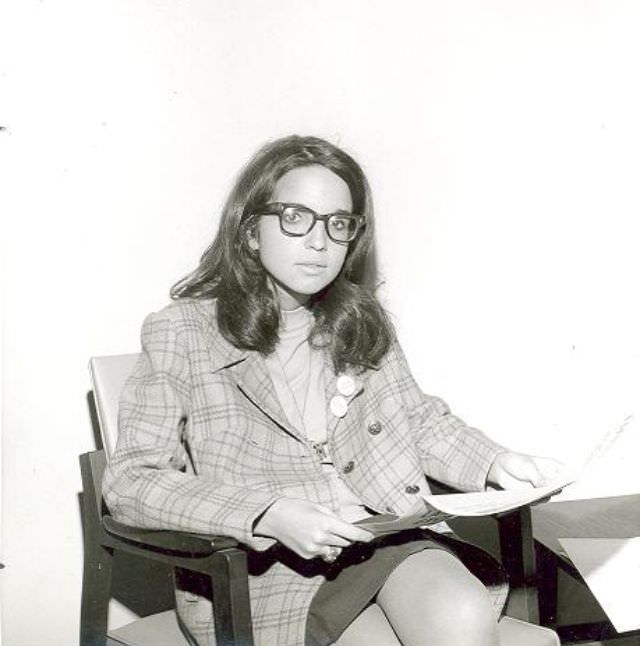
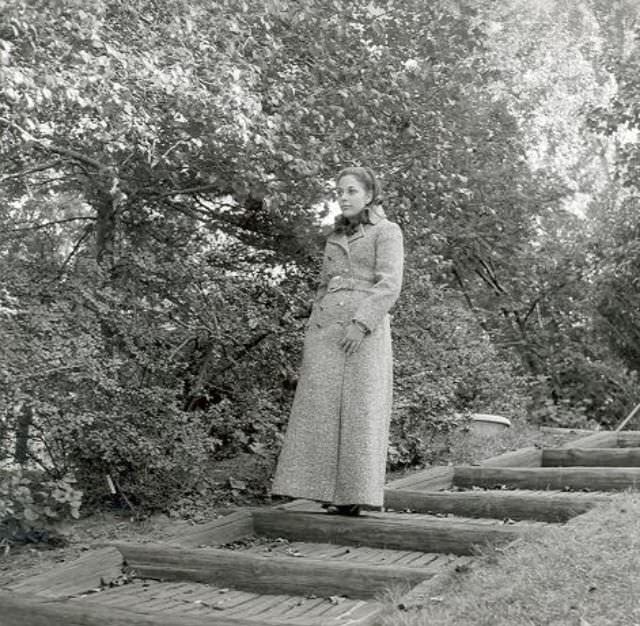
Look at the clothing, the hairstyles, the way each woman chose to present herself for a photo that would live in the college’s official record. Some wore their hair long and straight, a style that defined the era. Others went for more structured looks. The fashions reflect the moment perfectly — 1970 sat right between the mod styles of the mid-sixties and the relaxed, natural aesthetic that would fully take hold as the decade moved forward.
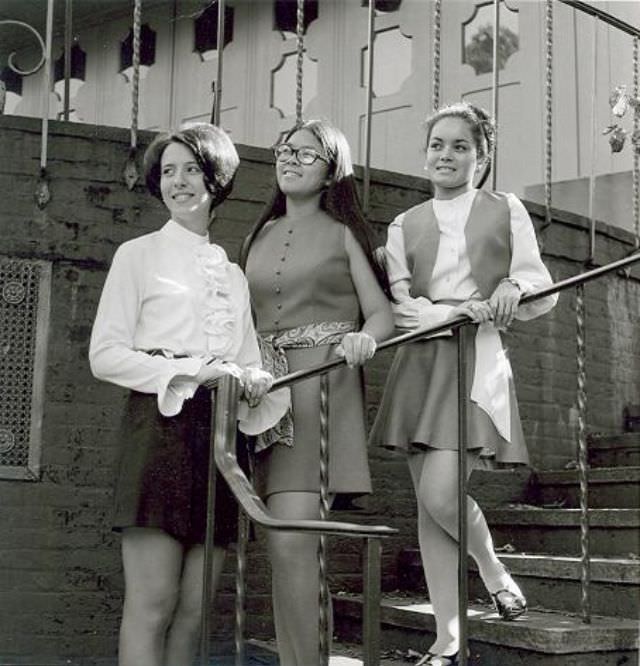
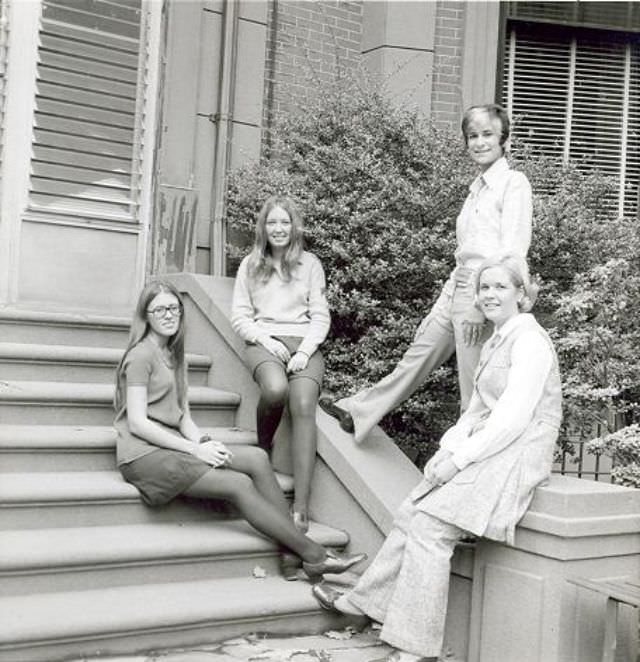
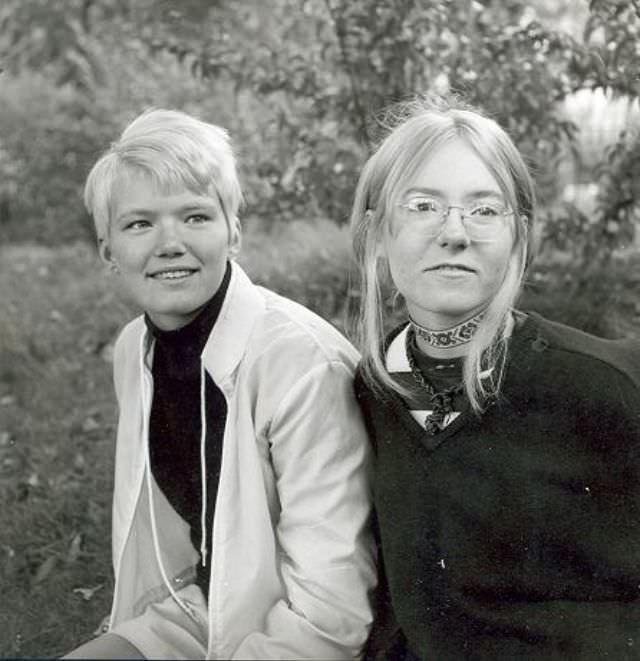
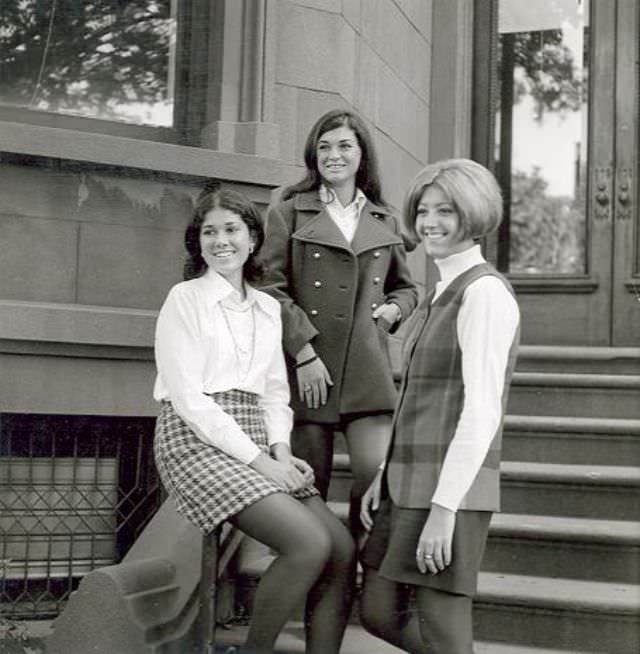
Not every photo was a solo portrait. Several of these images show students together — pairs and small groups caught laughing, posing side by side, or simply standing close in the way that college friends do. Those group shots carry an easy, unguarded energy that solo portraits sometimes miss. You can see real friendships in those frames.
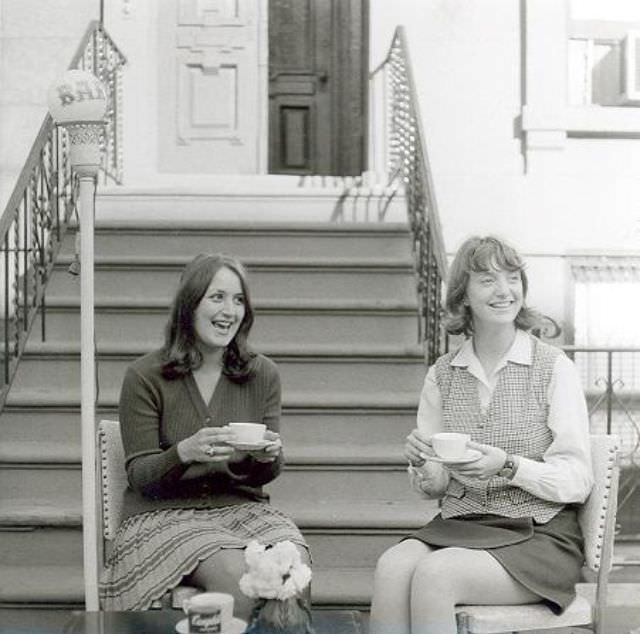
The names themselves tell a story about Brooklyn in 1970. Irish surnames like O’Dwyer, Delaney, and McNamara appear alongside Italian names like Merola, Marcigliano, and Indelicato. There are Polish, Spanish, and Greek family names in the mix too. The student body reflected the borough’s dense, immigrant-rooted neighborhoods — Bensonhurst, Bay Ridge, Carroll Gardens, and beyond. St. Joseph’s drew from all of them.
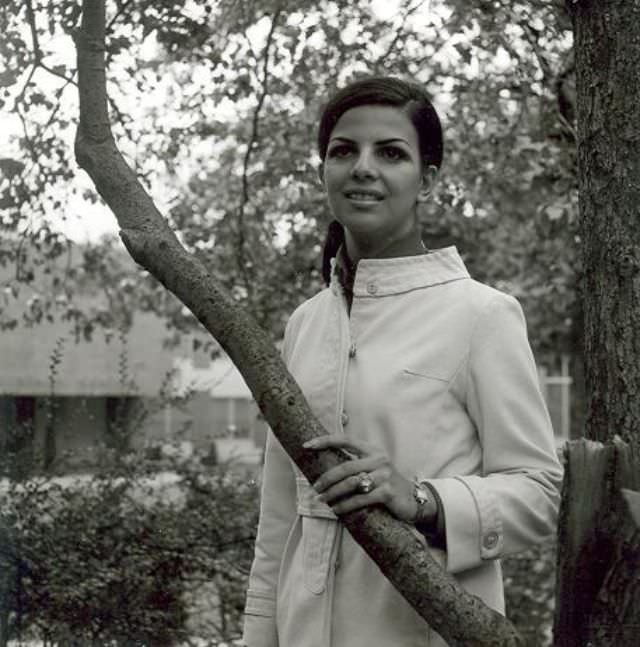
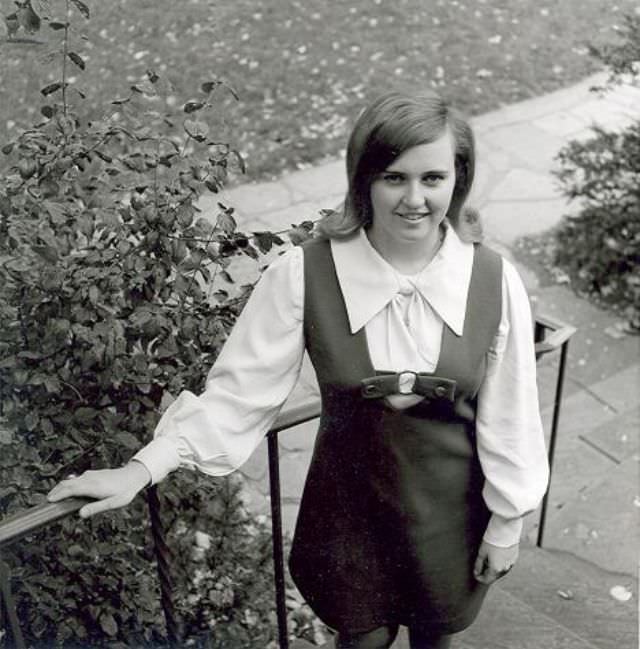
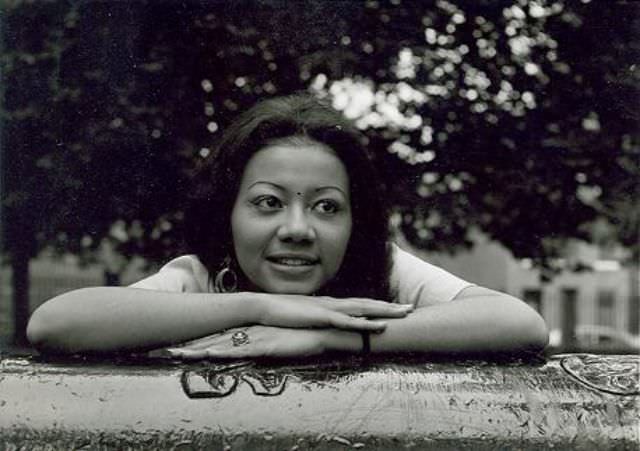
For many of these women, St. Joseph’s was a local college — close to home, affordable, and academically respected. In 1970, a college degree for a woman was still something that set you apart. The cultural conversation about women in the workforce and in higher education was loud and ongoing. These students were part of a generation pushing that conversation forward simply by showing up, studying, and earning their degrees.
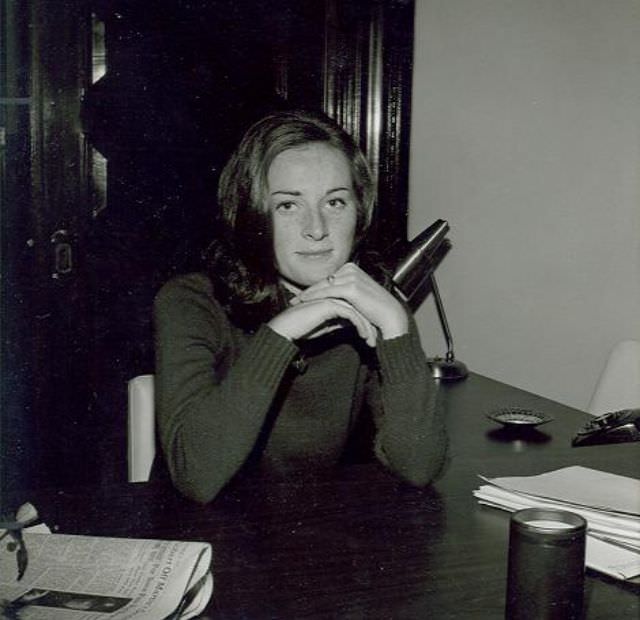
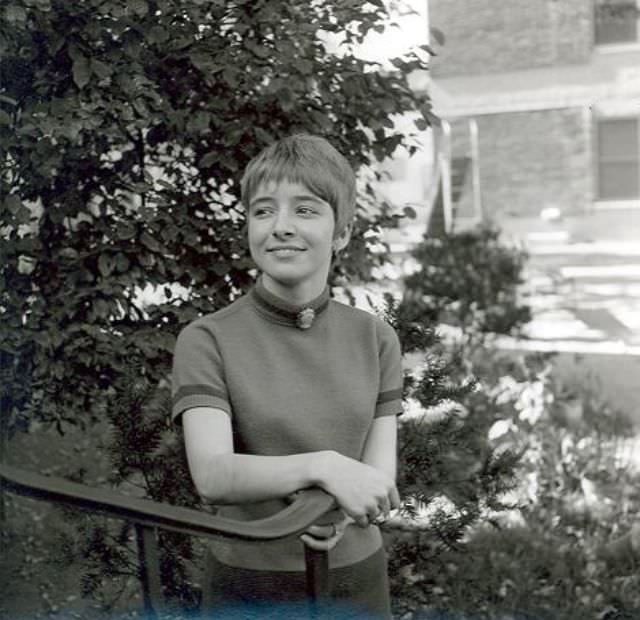
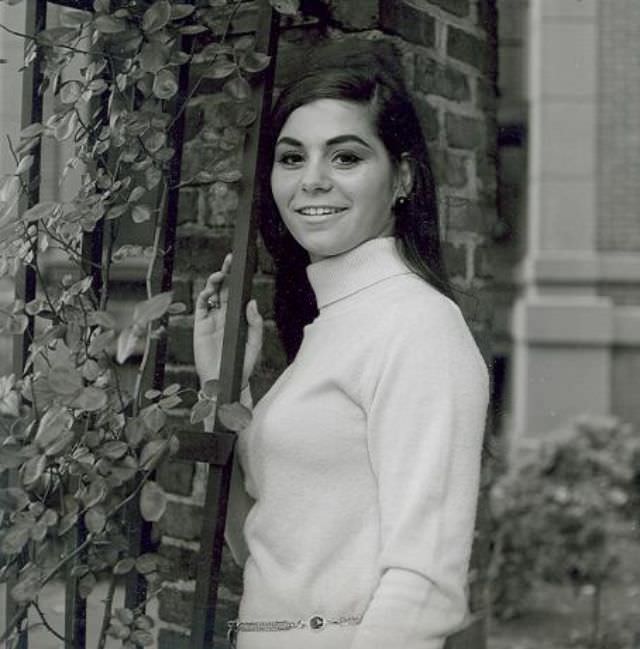
Yearbook photography in 1970 was a straightforward, no-frills process. There were no digital previews, no instant retakes based on how you looked on a screen. You sat down, the photographer set the shot, and that was it. The result was something honest — expressions that were real rather than rehearsed through a dozen attempts. That authenticity is part of what makes these images so compelling decades later.
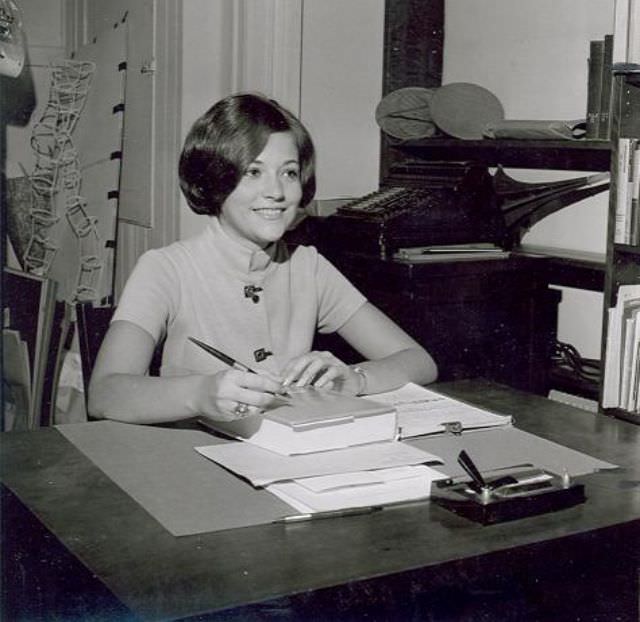
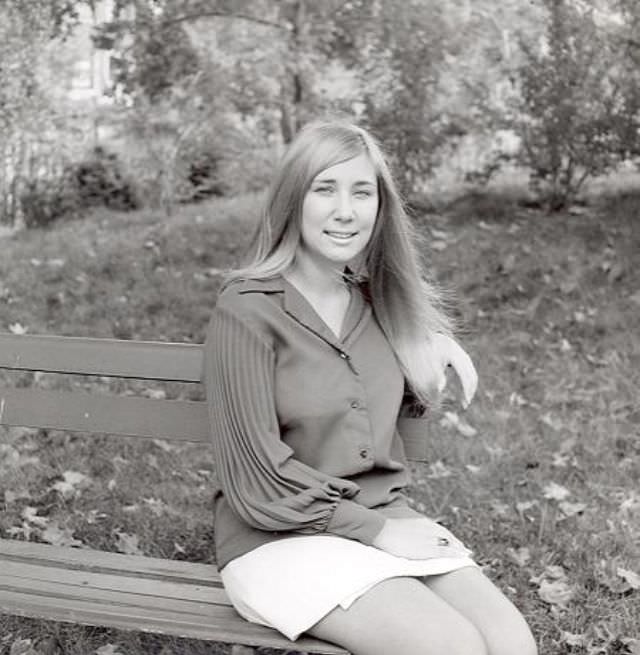
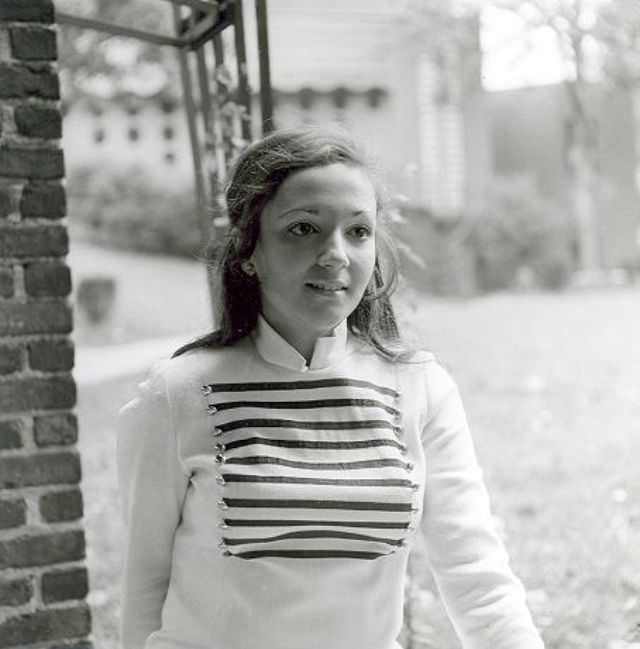
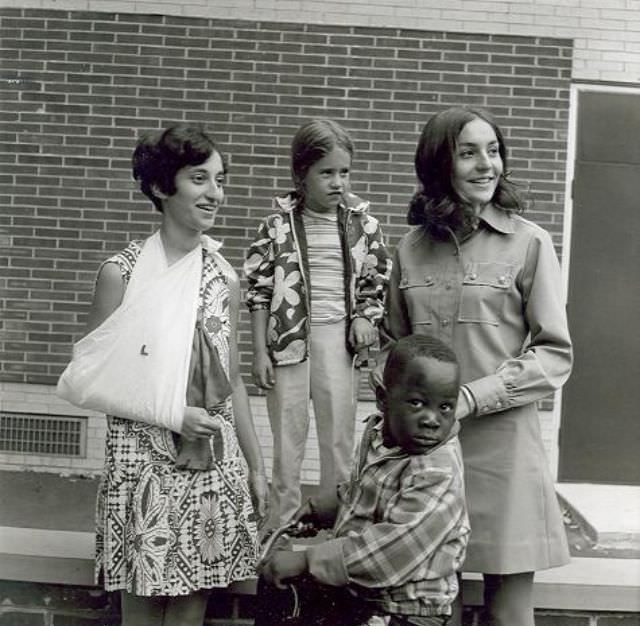
Some photos in this collection show students in more casual, candid settings rather than formal portrait poses. One image features two students alongside two young children, a snapshot that steps outside the standard yearbook format entirely and feels more like a personal memory than an official school record.
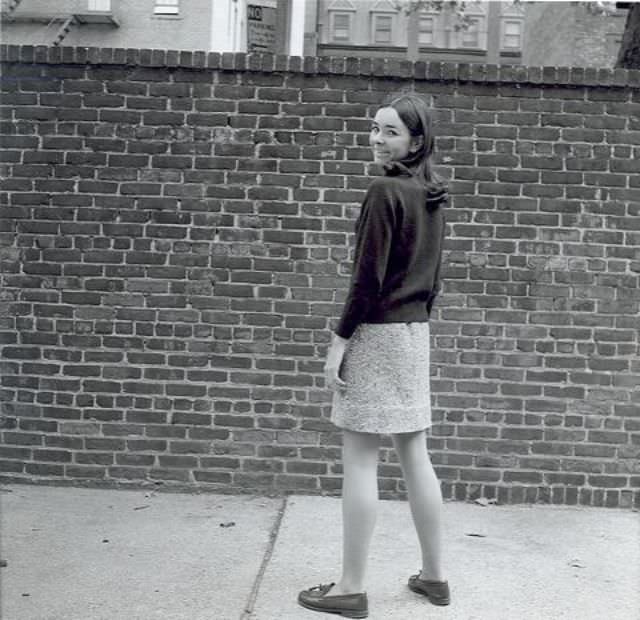
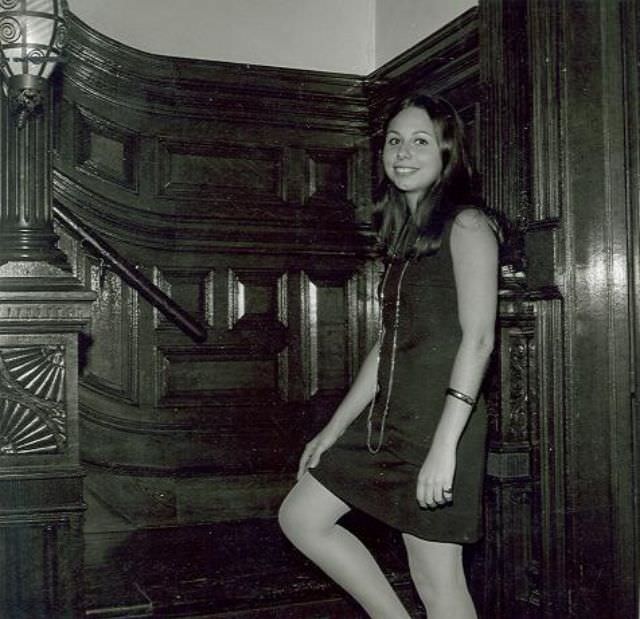
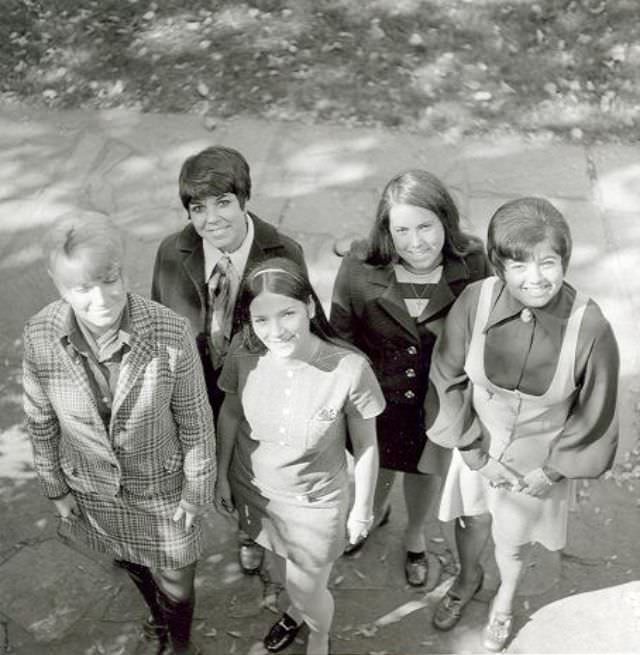
The larger group shots — some featuring four or five women together — give a sense of the social atmosphere on campus. These weren’t strangers posed together for convenience. The body language is relaxed and familiar. Shoulders touch, smiles are shared, and the whole frame communicates a sense of belonging to something together.
Brooklyn in February 1970 was cold, and the campus would have been moving at its mid-year pace — midterms either recently passed or approaching, the academic year settled into its rhythm. Photo day cut through that routine. It was one of those scheduled events that the whole school knew about and everyone participated in, whether they were thrilled about it or simply going through the motions.
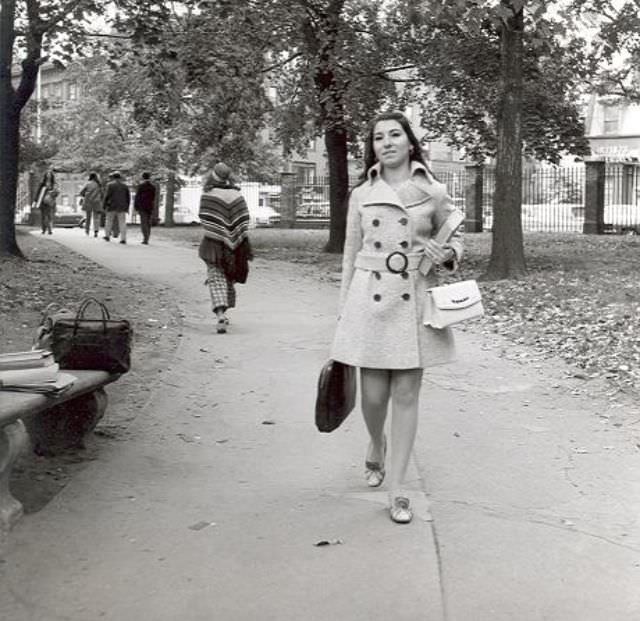
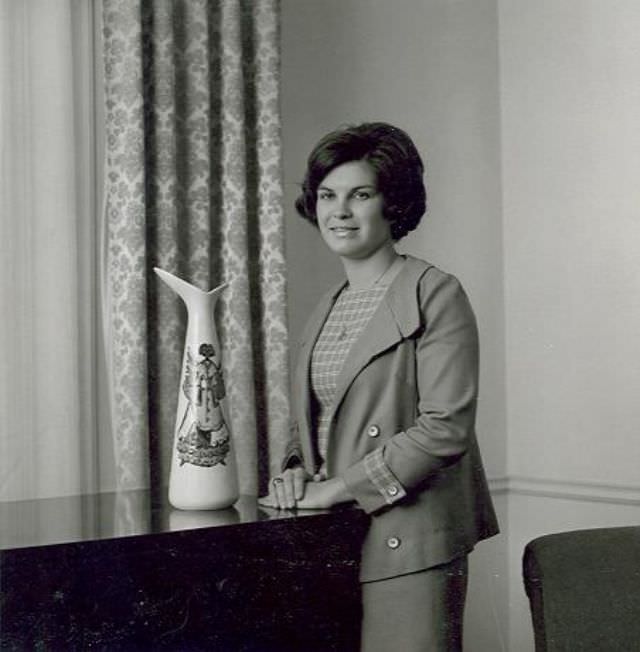
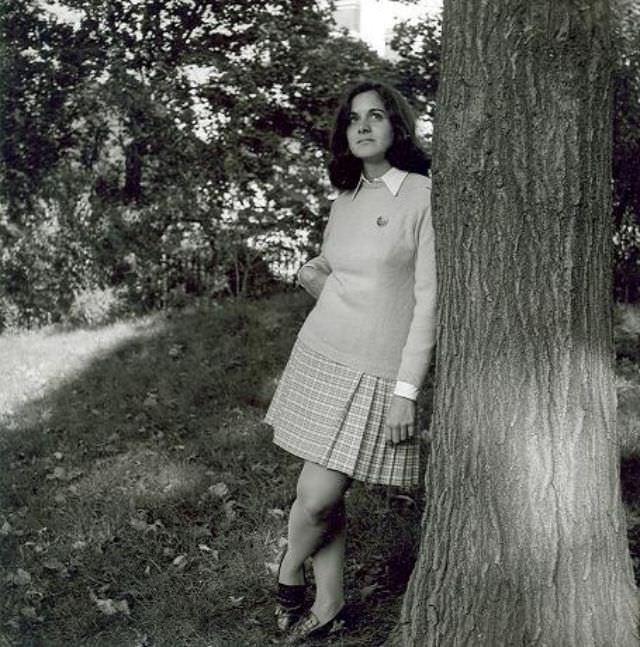
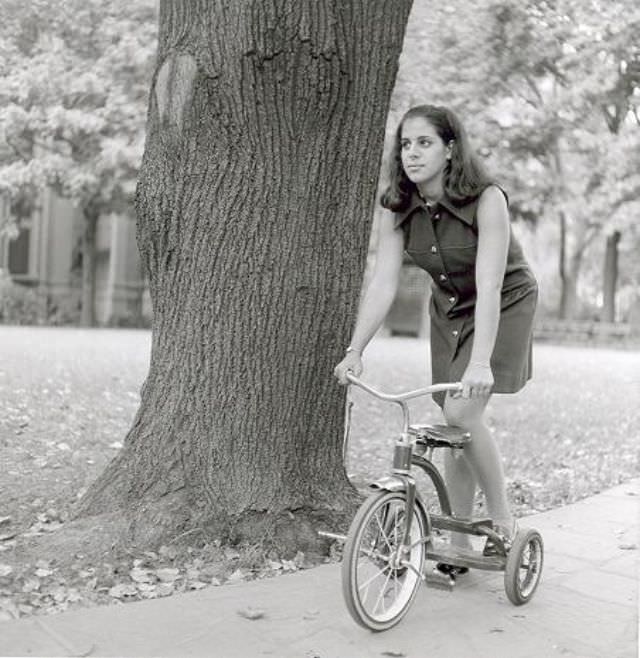
What stands out across all these photographs is the sheer variety of individuals. No two women look the same. Each portrait carries its own personality — some direct and self-assured, others more reserved. The diversity of expression across dozens of faces is a reminder that a college class is never a single story. It’s dozens of separate lives moving through the same building at the same time.
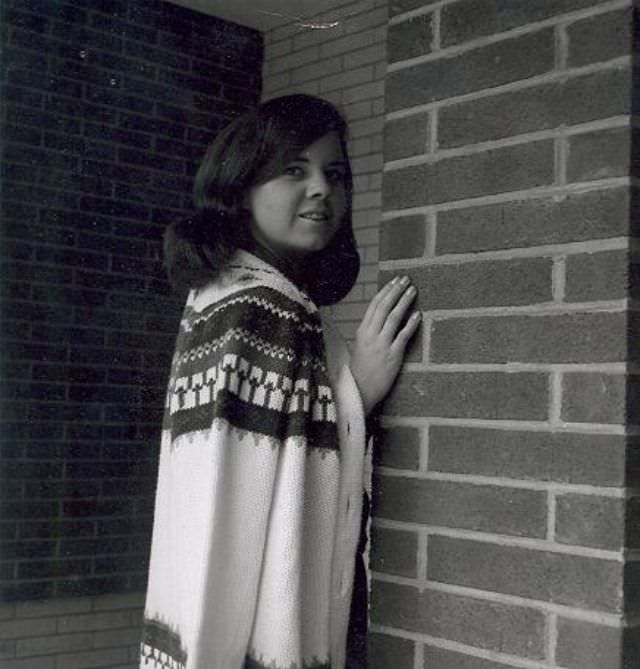
Several photos capture small groups in what appear to be campus spaces rather than a formal studio setup. The shot of Ellen Farrel, Debbie Ambrose, and Pat Piacente — one seated, two standing — has the feel of a candid moment between classes rather than a posed session. These less formal images add texture to the collection, showing the campus as a lived-in place rather than just a backdrop.
The college’s Clinton Hill neighborhood in Brooklyn was — and still is — a dense urban environment. Students commuted in from across the borough and the wider city. For many, St. Joseph’s was their daily destination by subway or bus, a routine woven into the fabric of New York City life. The campus itself was a small, contained world within that larger, constantly moving city.
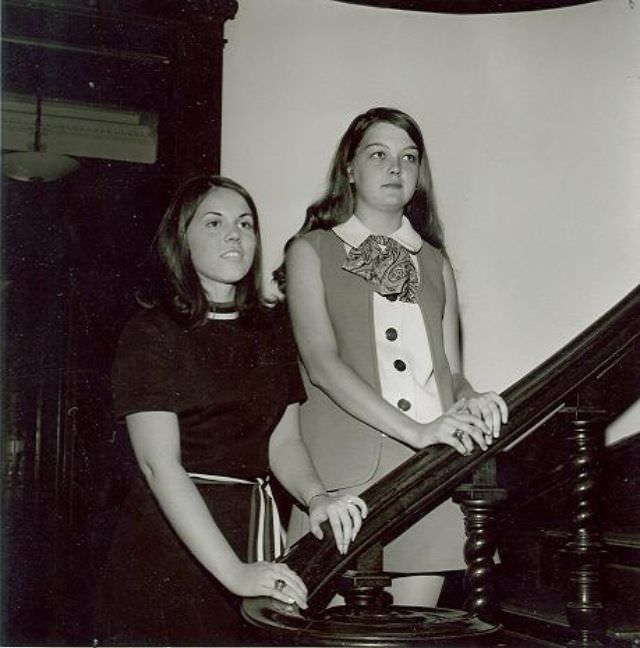
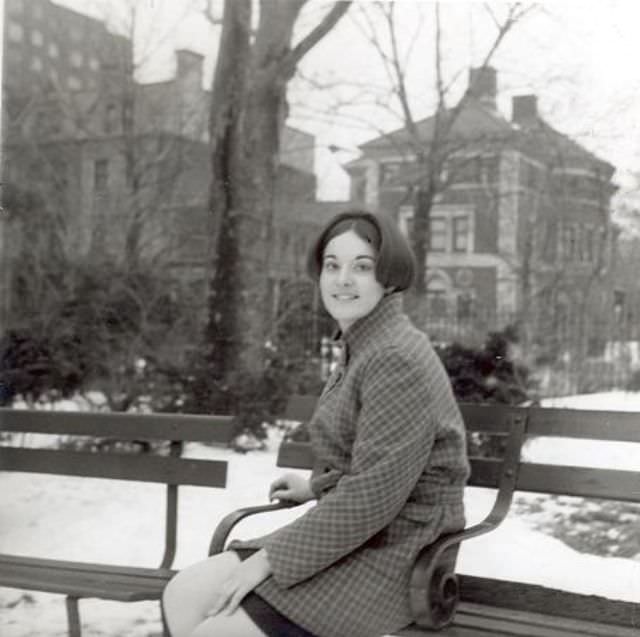
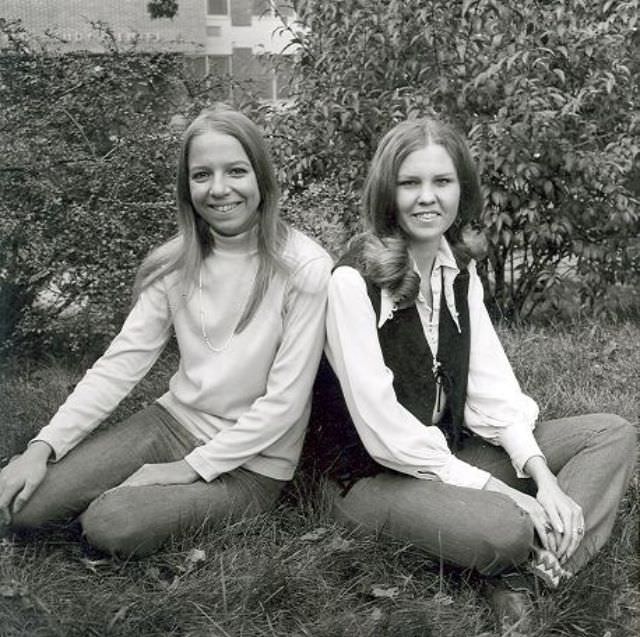
The larger group photos in this collection — like the one featuring Juliana Uvino, Pat Sullivan, Fran Musumeci, and Carol McGlenn, and another showing five students including Kathy Ott, Cookie Mancuso, Maria Parascandola, Mary Ellen Cunningham, and Amelia Abagnalo — capture the kind of easy camaraderie that builds over semesters of shared classes, study sessions, and campus routines.