
On August 24, 1991, Ukraine declared independence from the Soviet Union. More than 90% of Ukrainians voted for it in a national referendum — a near-unanimous verdict that ended centuries of foreign rule. What followed was one of the most dramatic transformations any European country had seen in modern times. These photographs, taken across Ukraine from 1990 to 1998, capture that transformation as it was happening — in markets, factories, churches, fields, and streets.
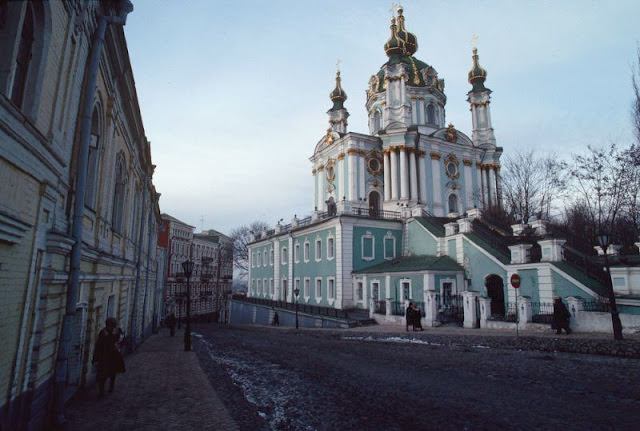
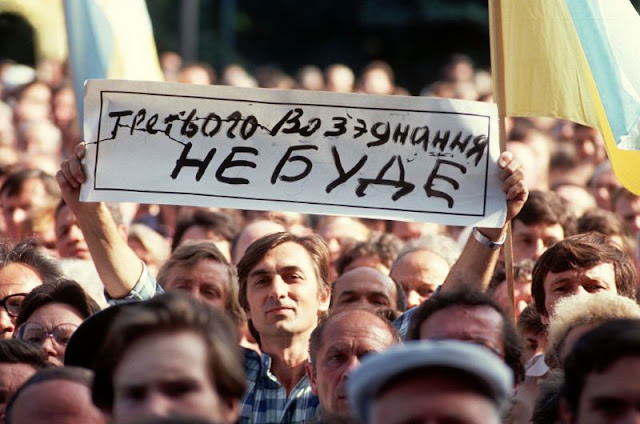
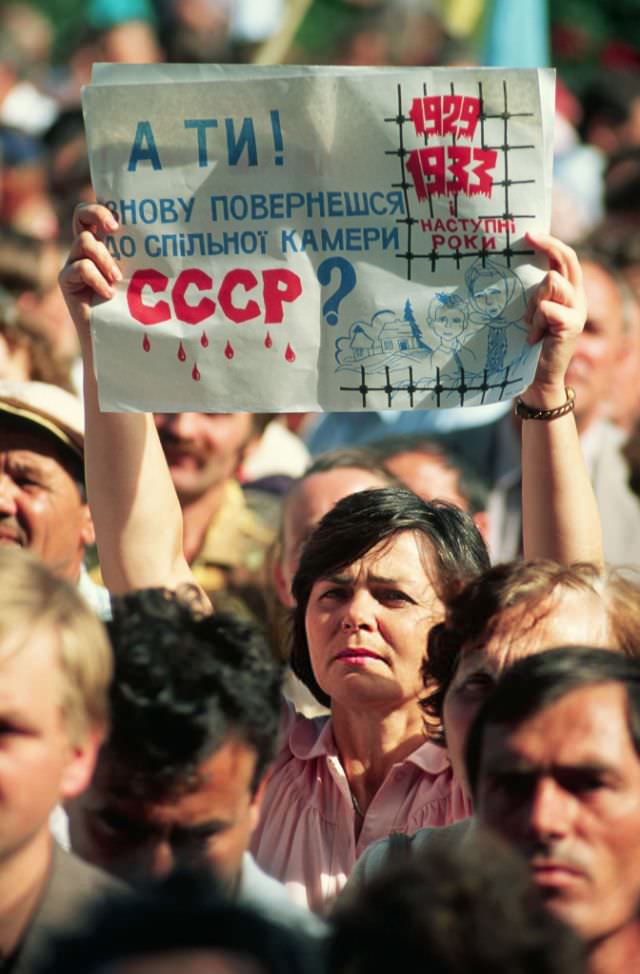
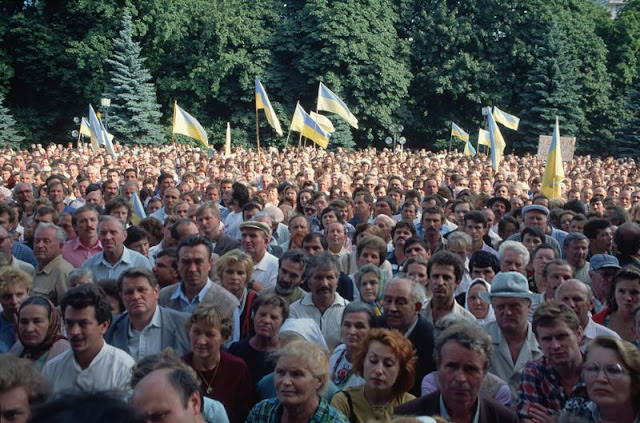
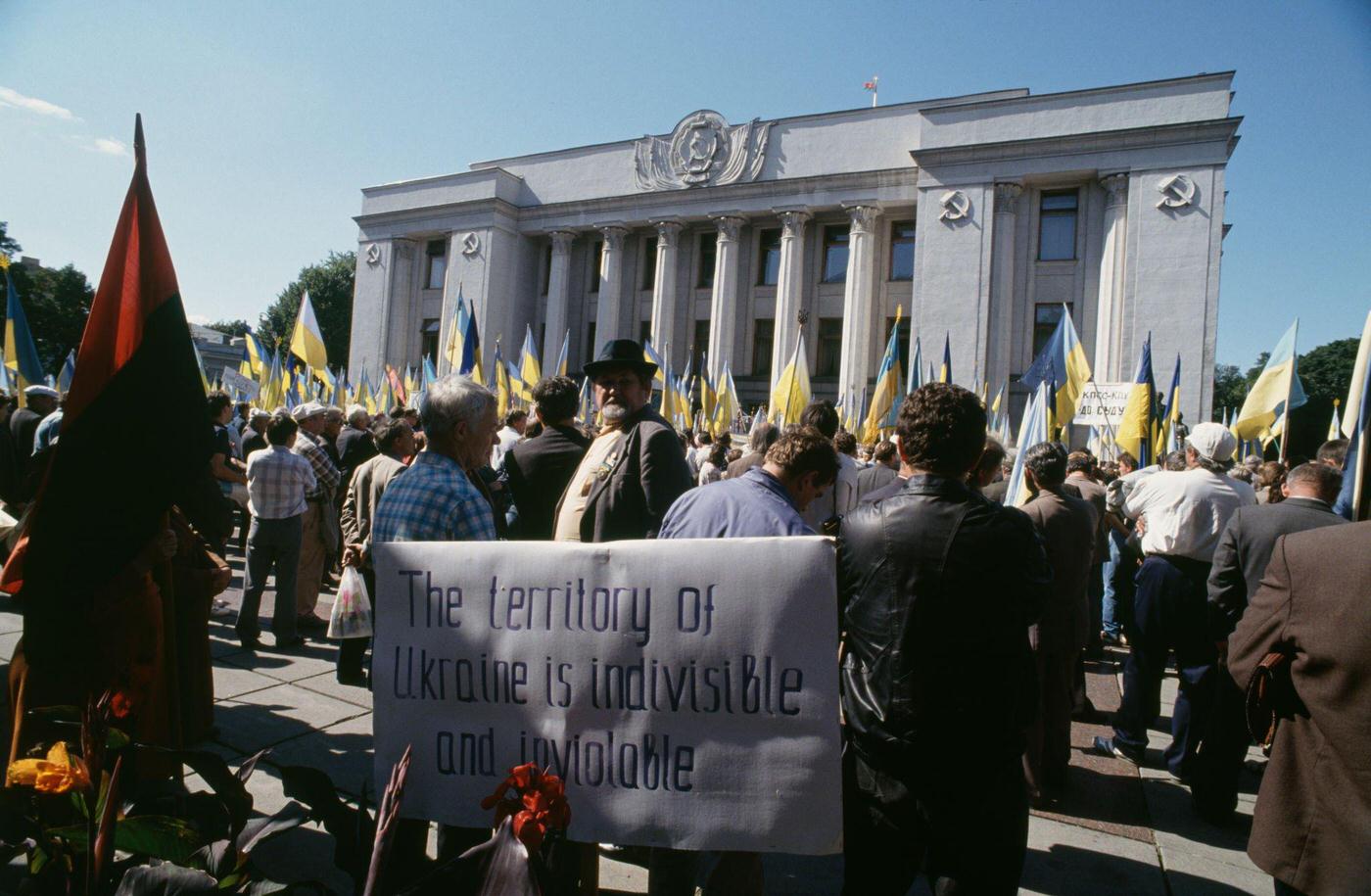
Even before the formal declaration of independence, the push for Ukrainian sovereignty had been building for years. By 1991, that pressure had spilled into the streets. Rallies drew enormous crowds, with ordinary citizens holding hand-painted signs demanding freedom from Soviet control.
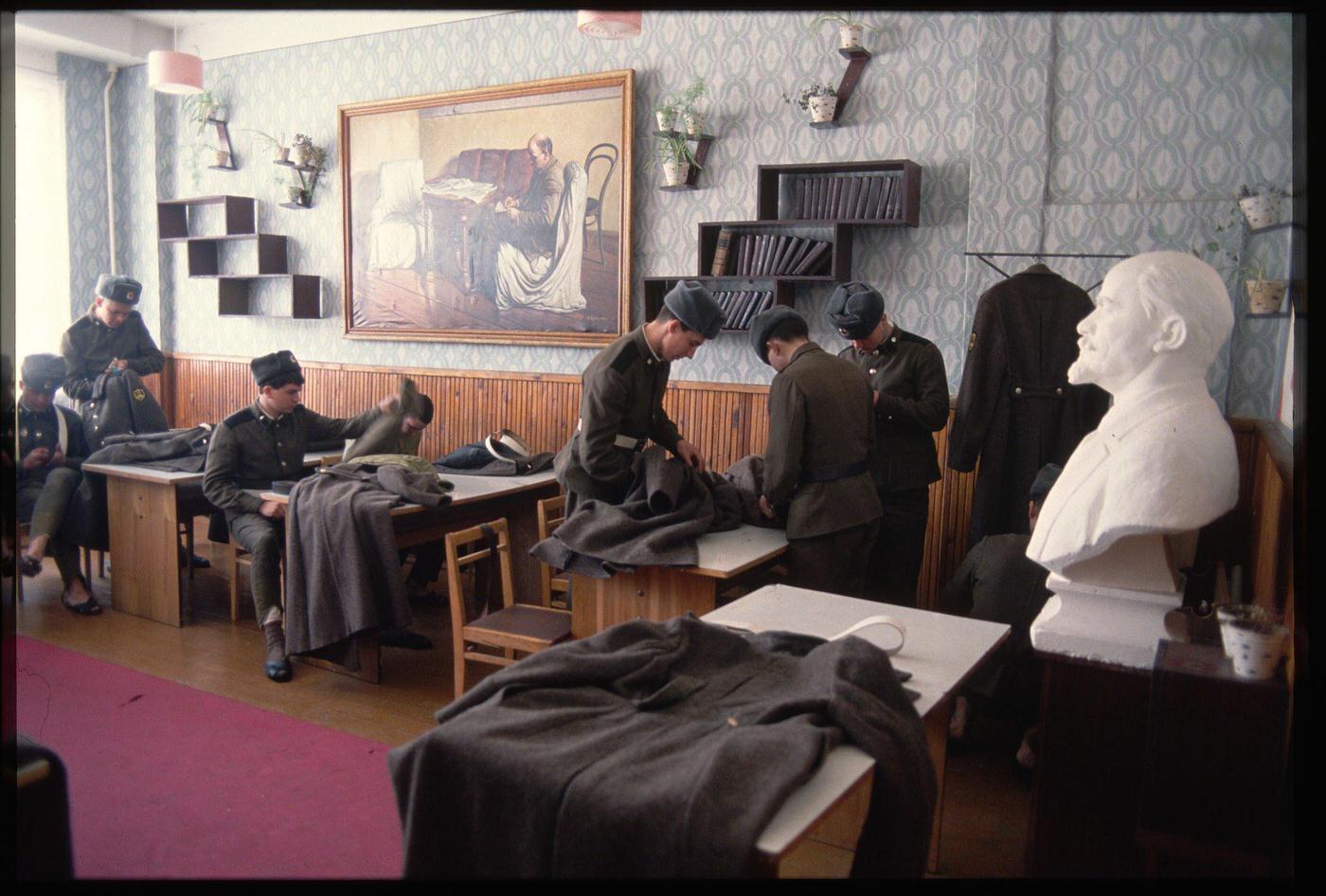
Statues of Lenin — once untouchable symbols of Soviet power — became targets of public defiance. Protesters covered them in graffiti, and young people climbed their bases to wave the Ukrainian national flag. These were not just acts of rebellion; they were declarations of a new identity.
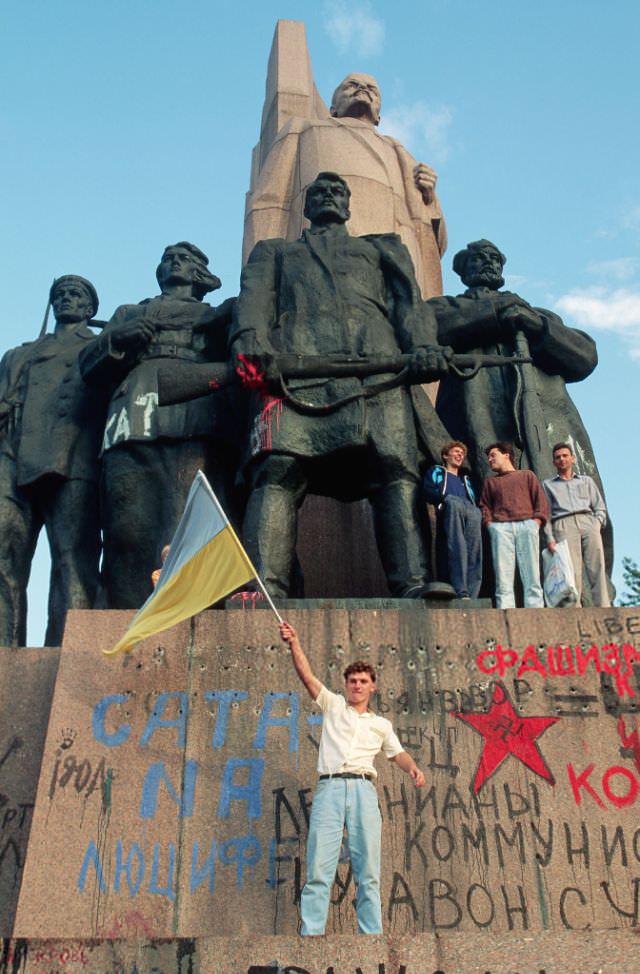
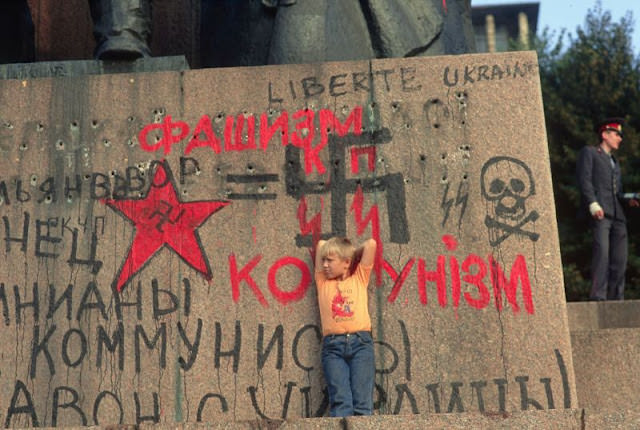
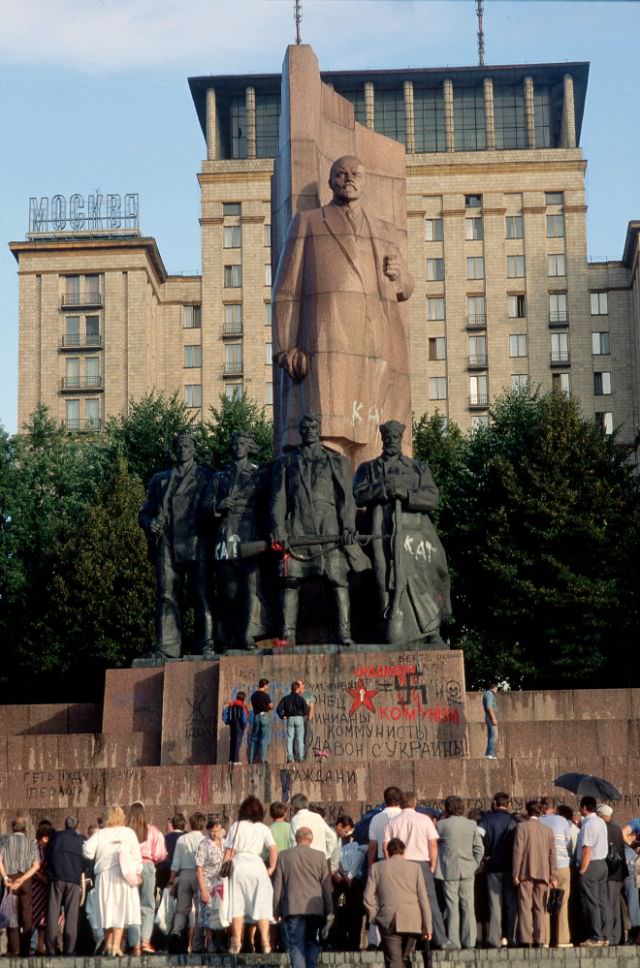
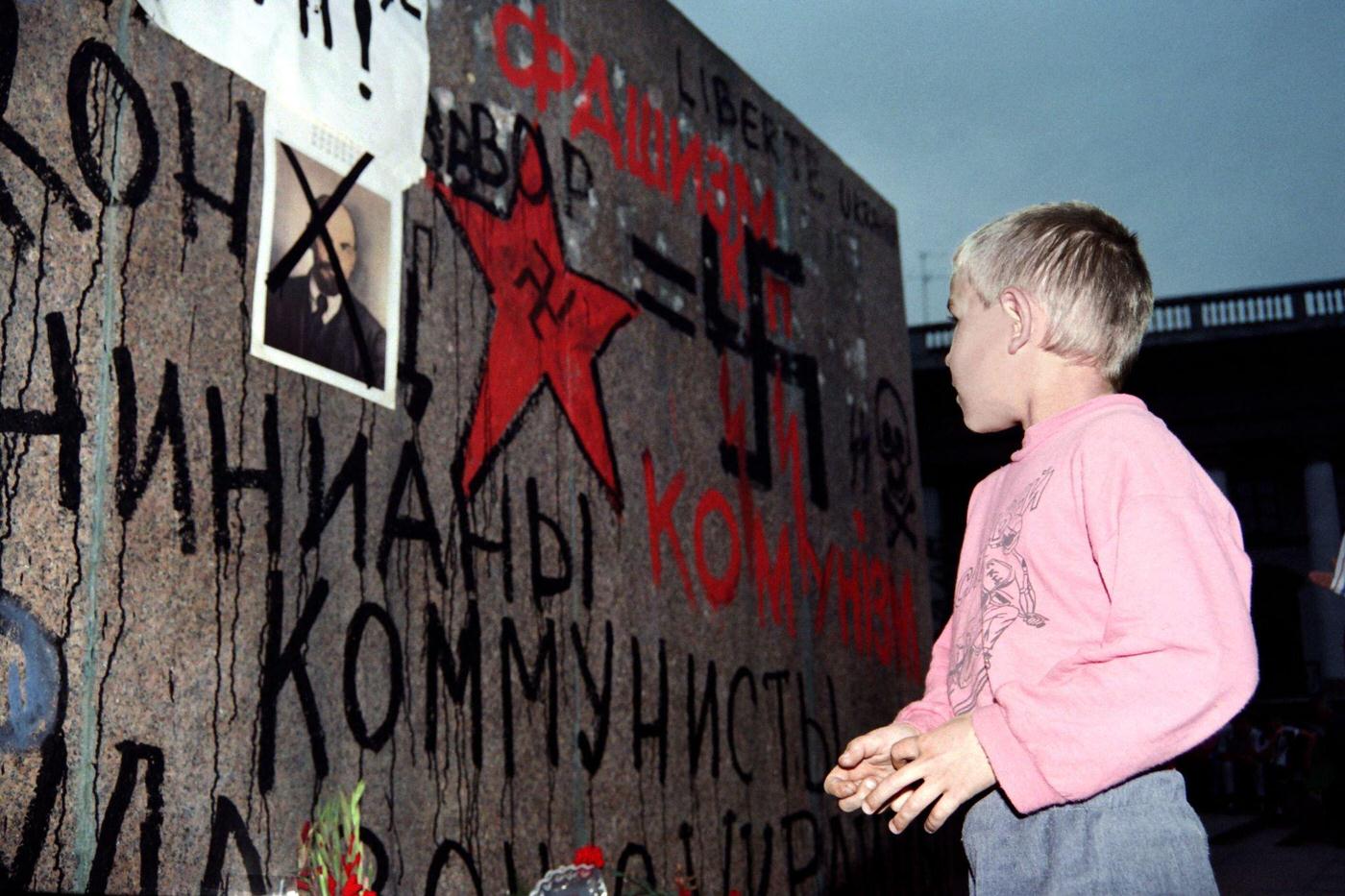
After independence was secured, demonstrations continued outside Soviet-era government buildings. Citizens showed up to make clear that the political shift was real and that the old order was finished.
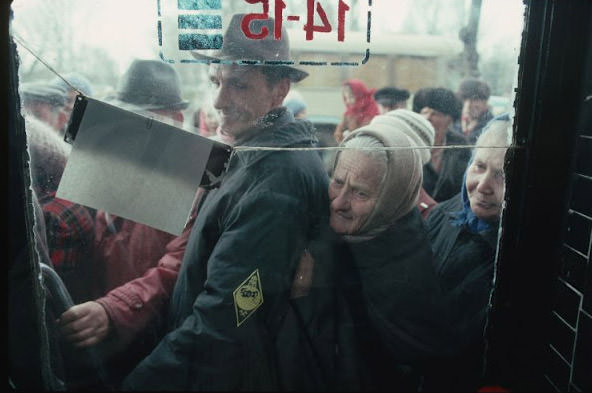
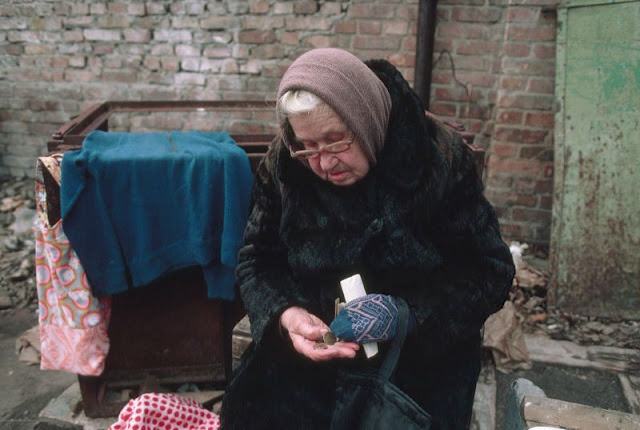
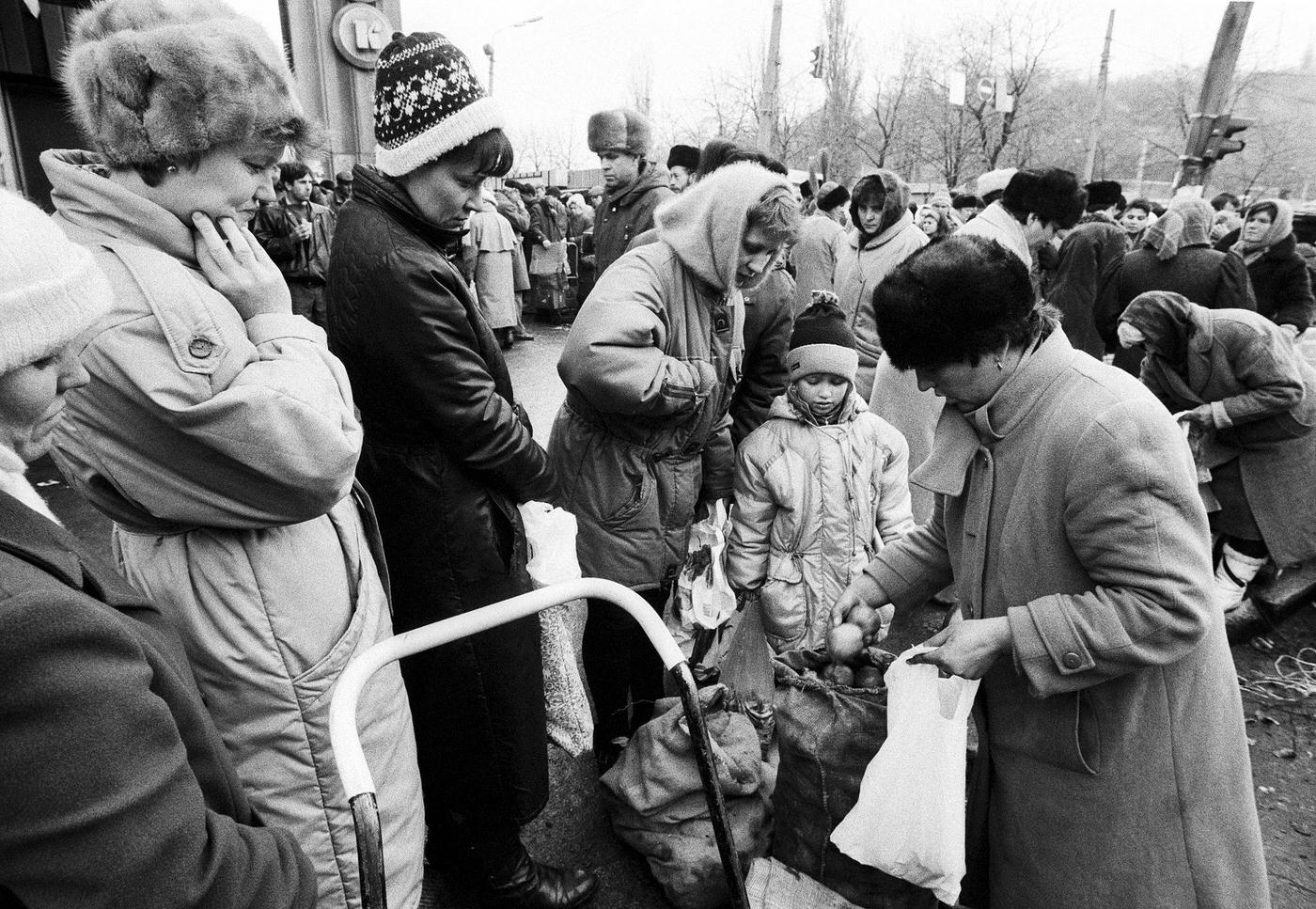
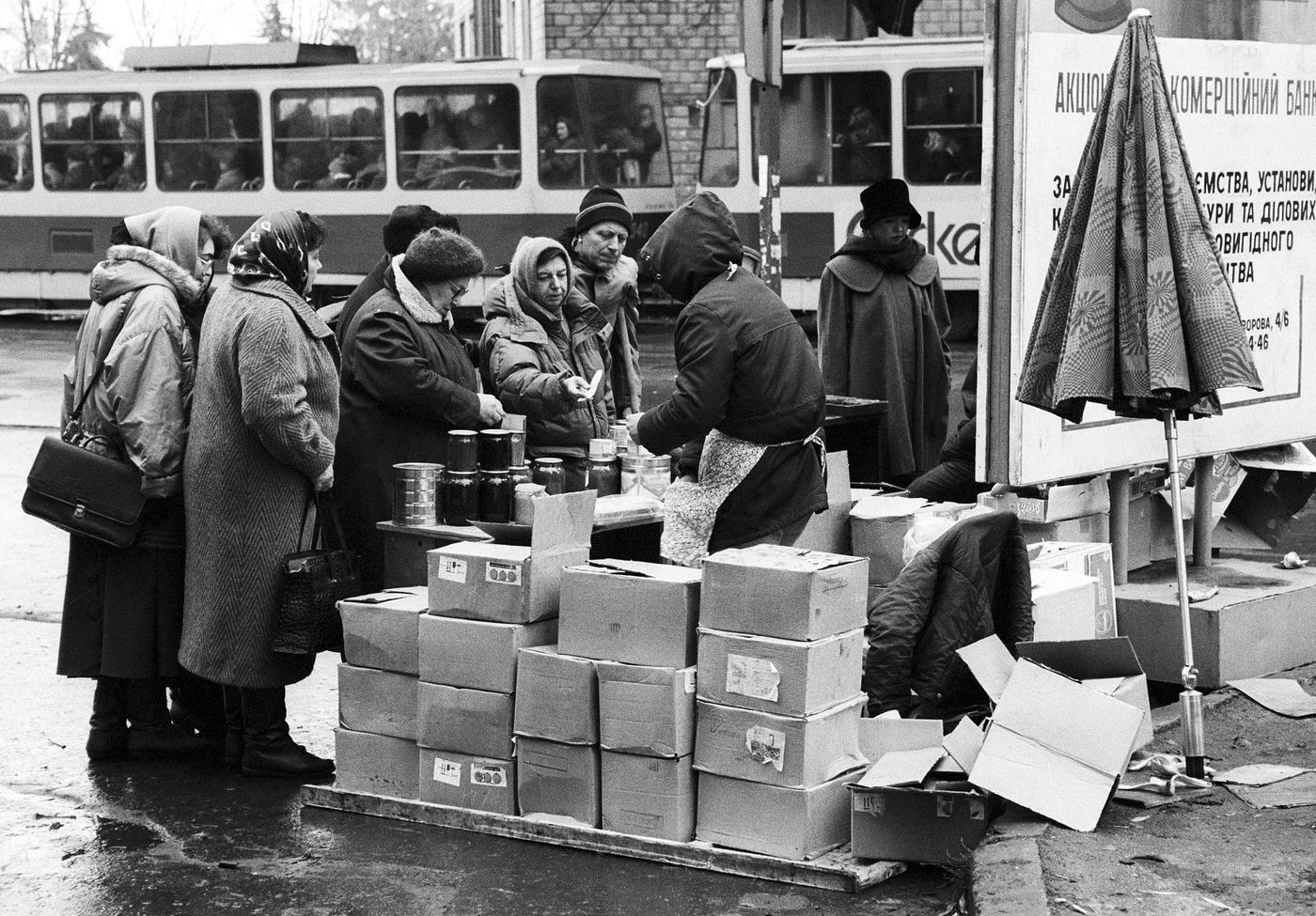
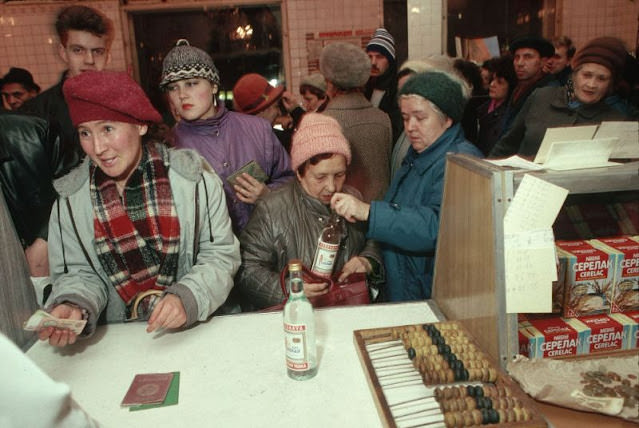
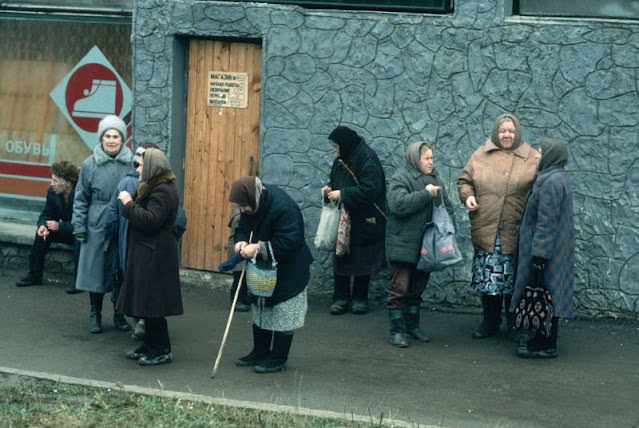
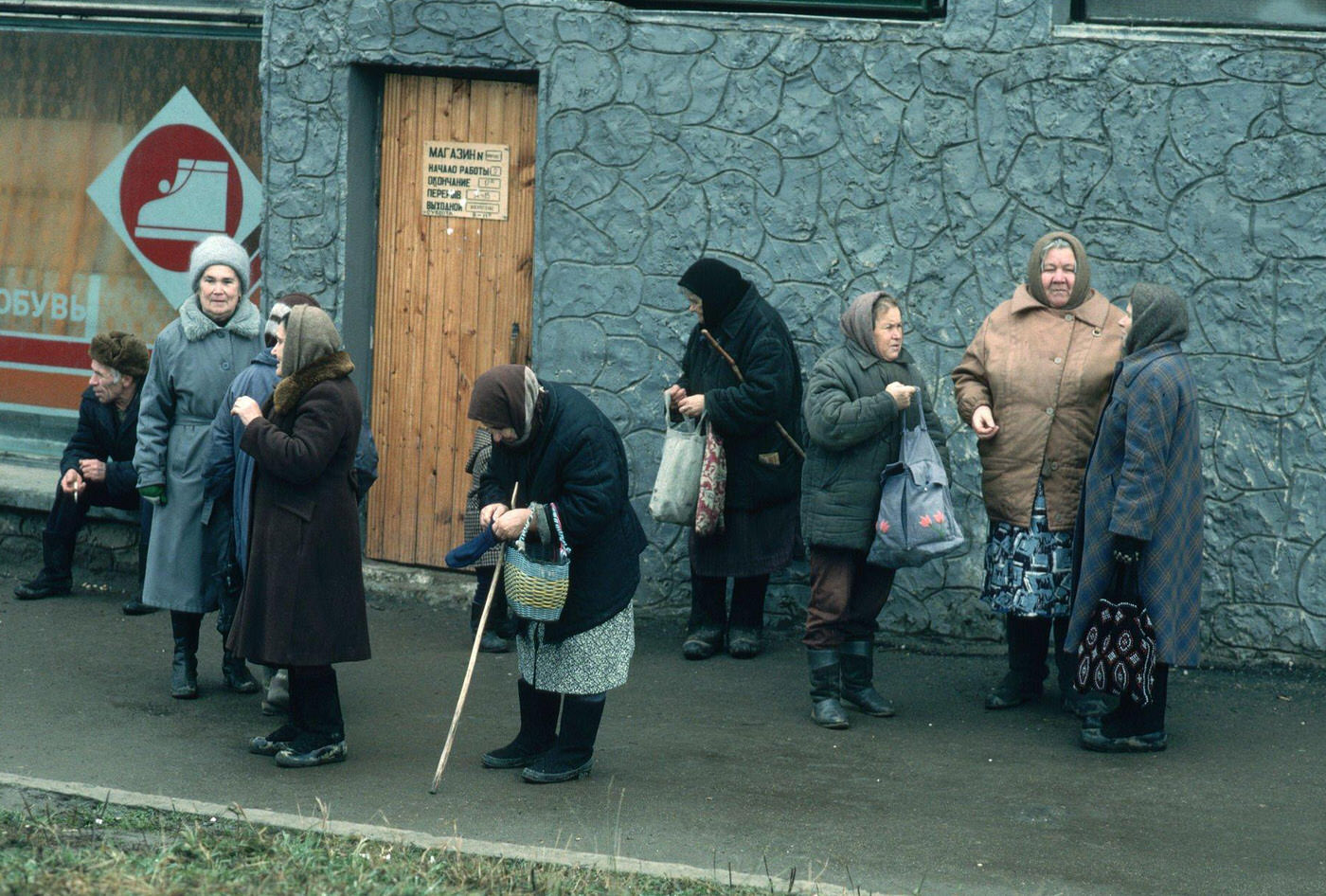
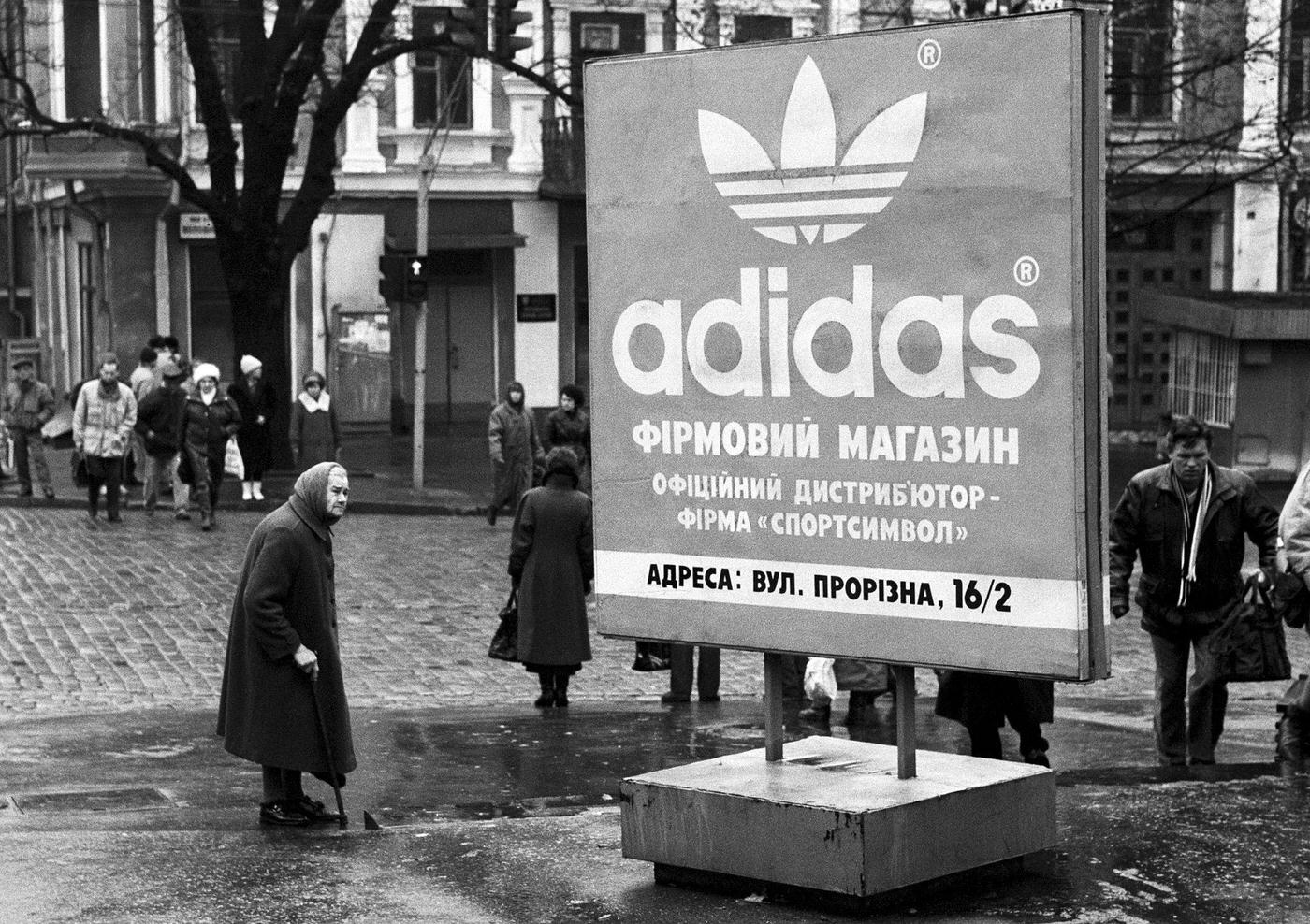
Independence brought freedom, but it also brought economic collapse. The shift from a Soviet-planned economy to a free market was brutal. Industrial output fell sharply, and inflation made everyday goods unaffordable for many families. In Kiev, crowds lined up outside bakeries just to buy bread. In markets, elderly women carefully counted coins before making a purchase.
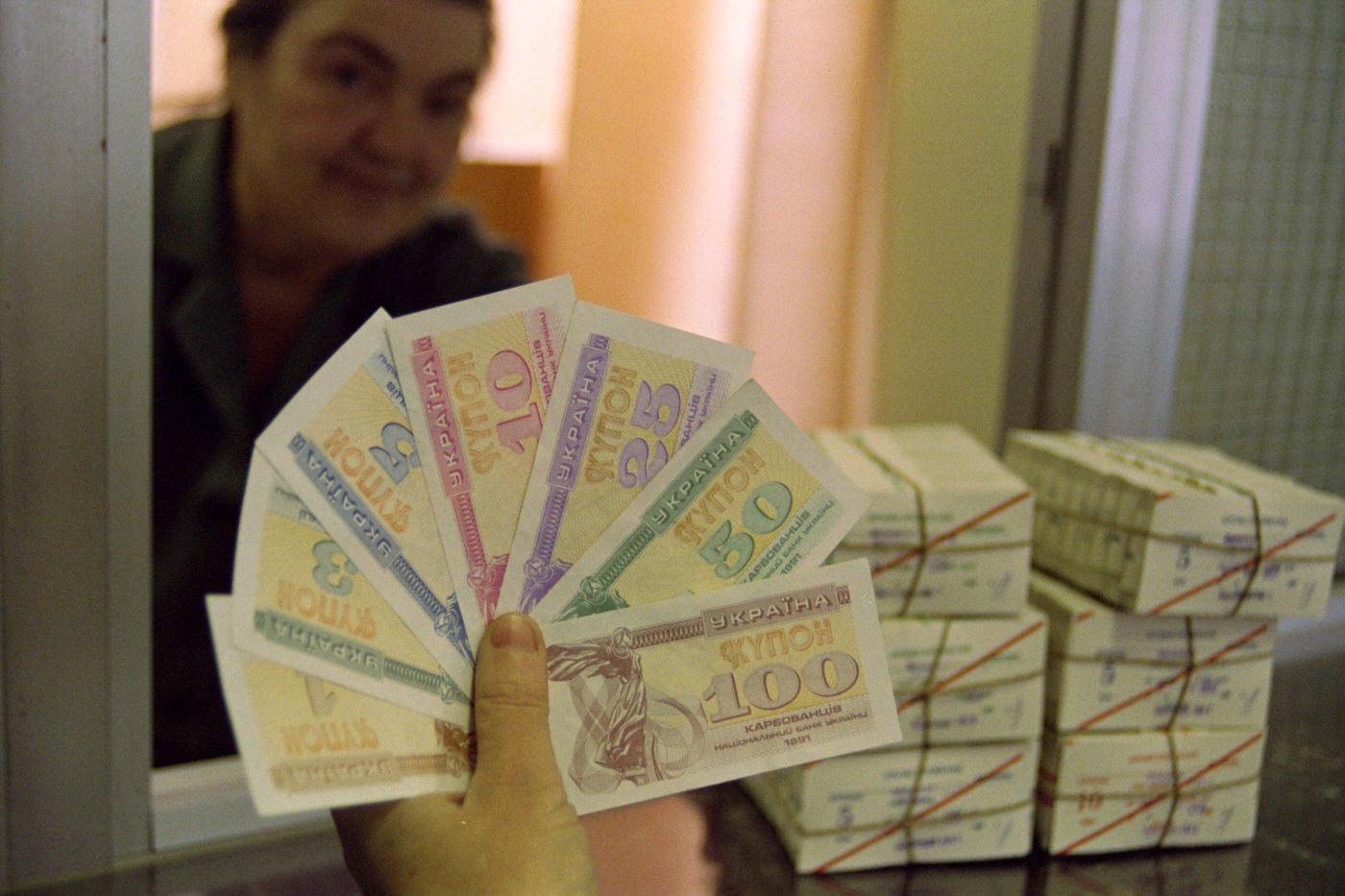
Currency itself became unstable. By 1992, Kiev banks were displaying coupons — temporary monetary instruments issued as the country struggled to build its own financial system. Supermarket workers updated price tags constantly as prices changed week to week.
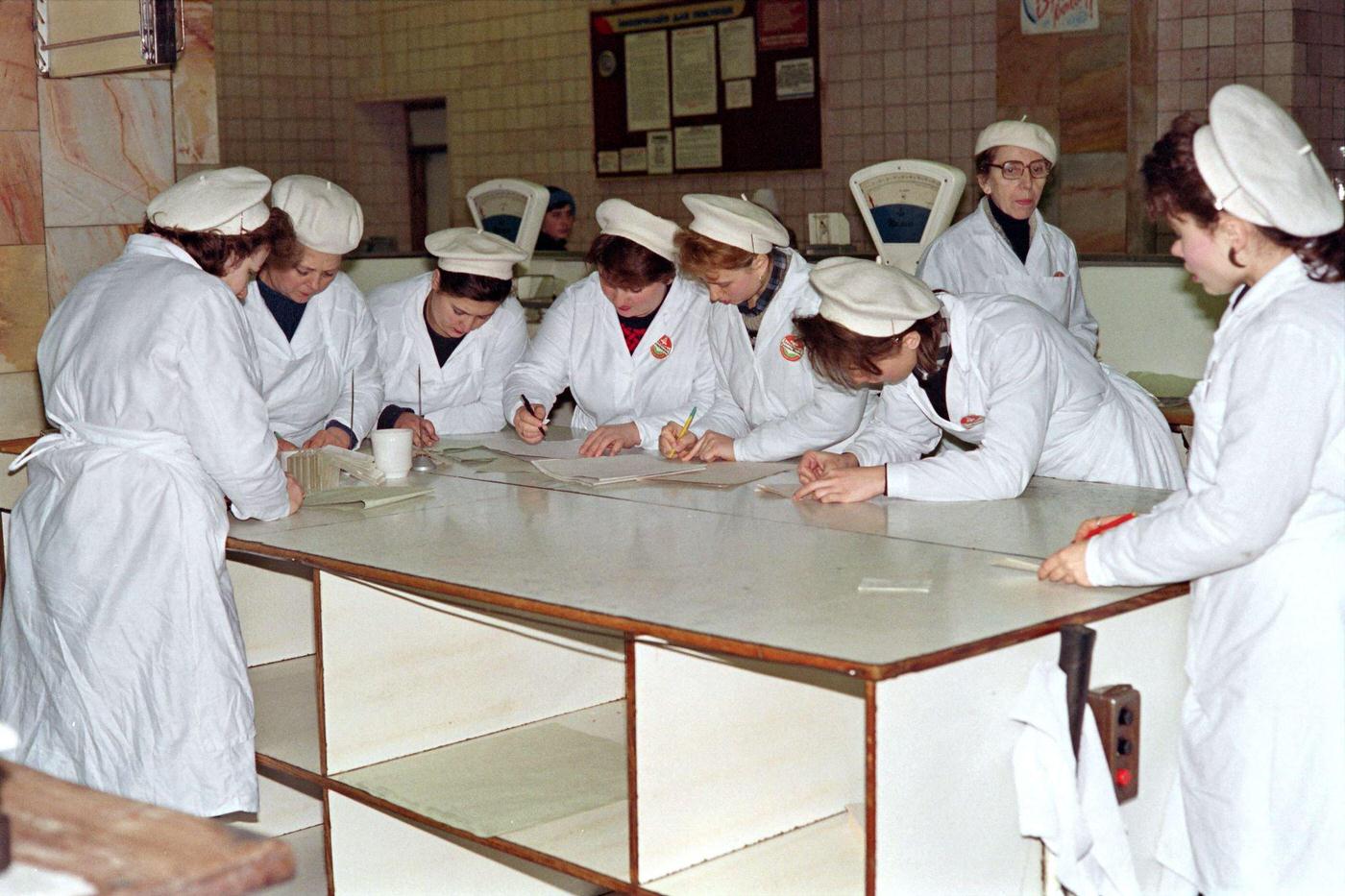
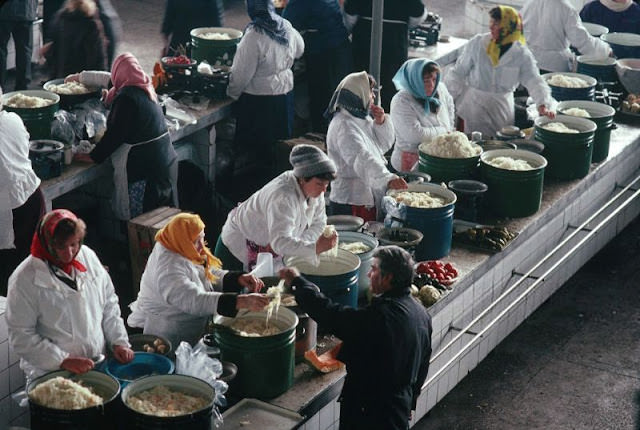
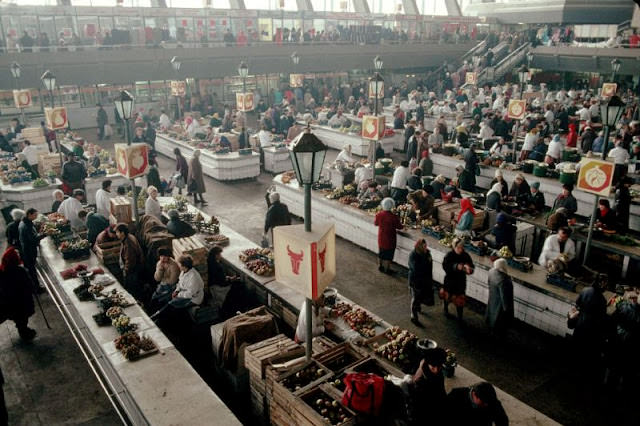
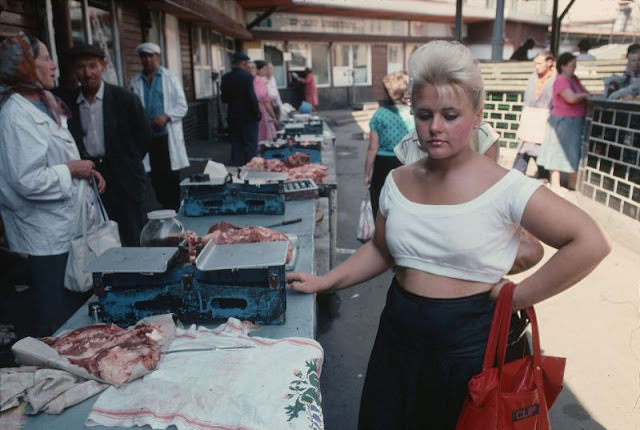
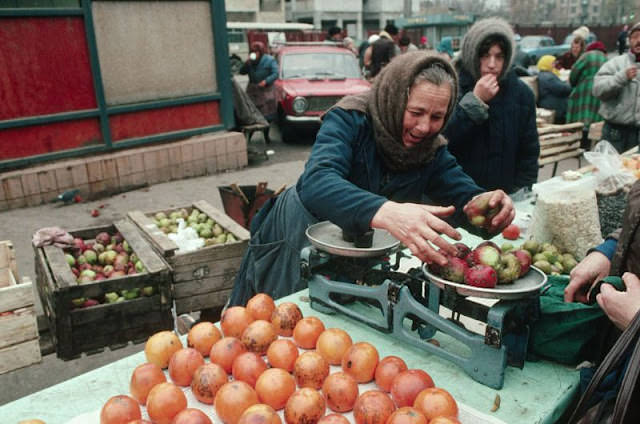
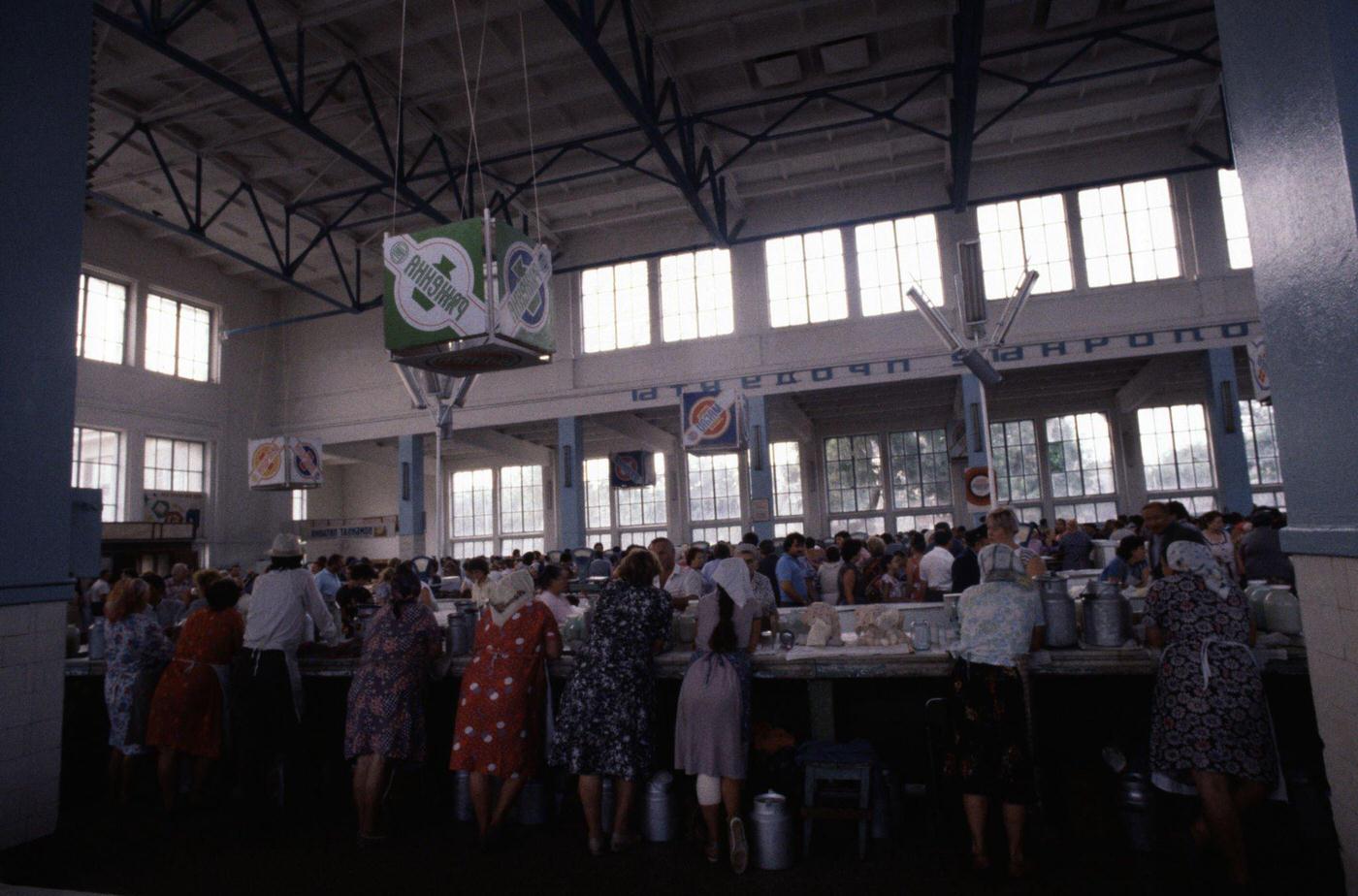
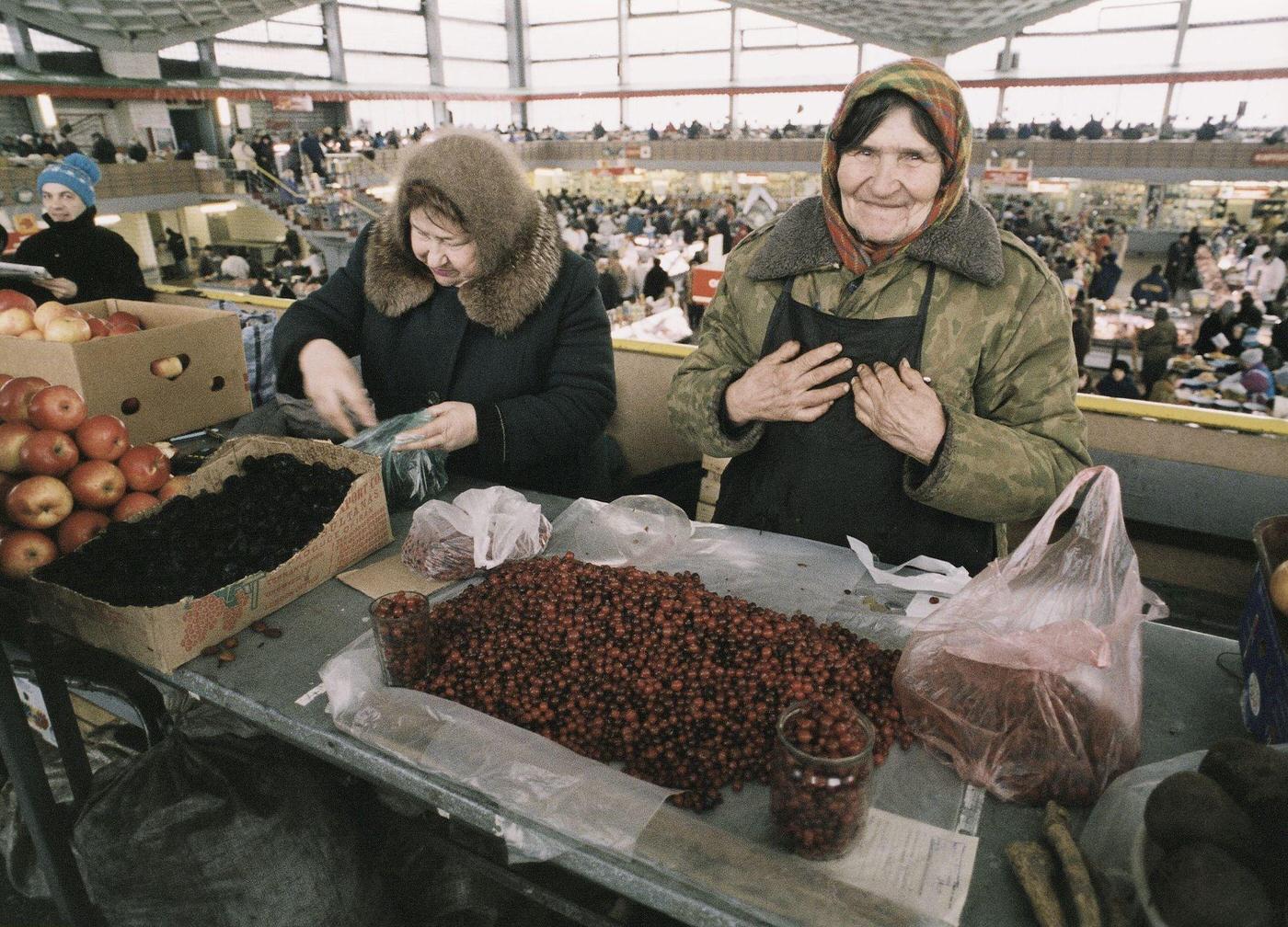
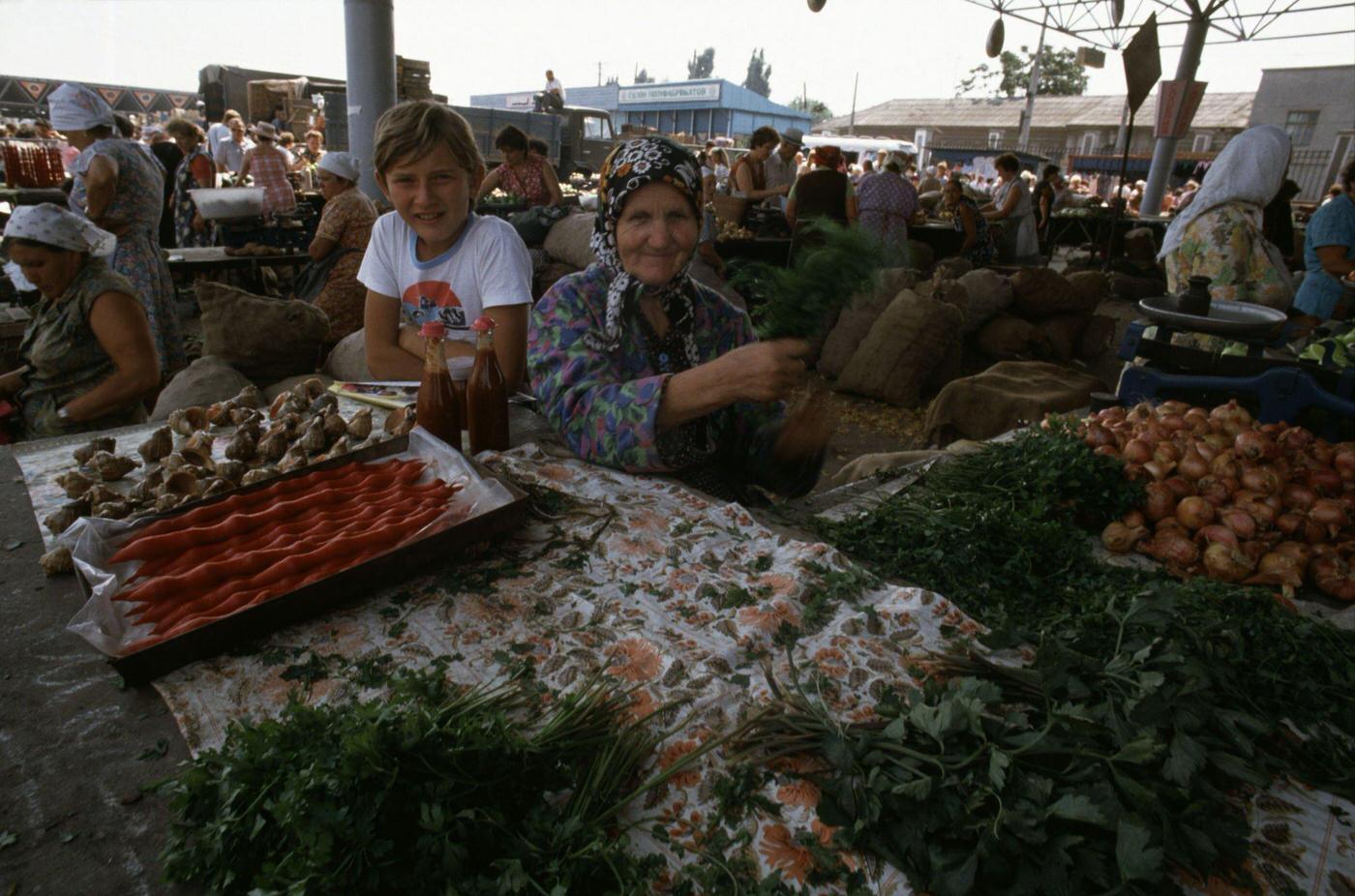
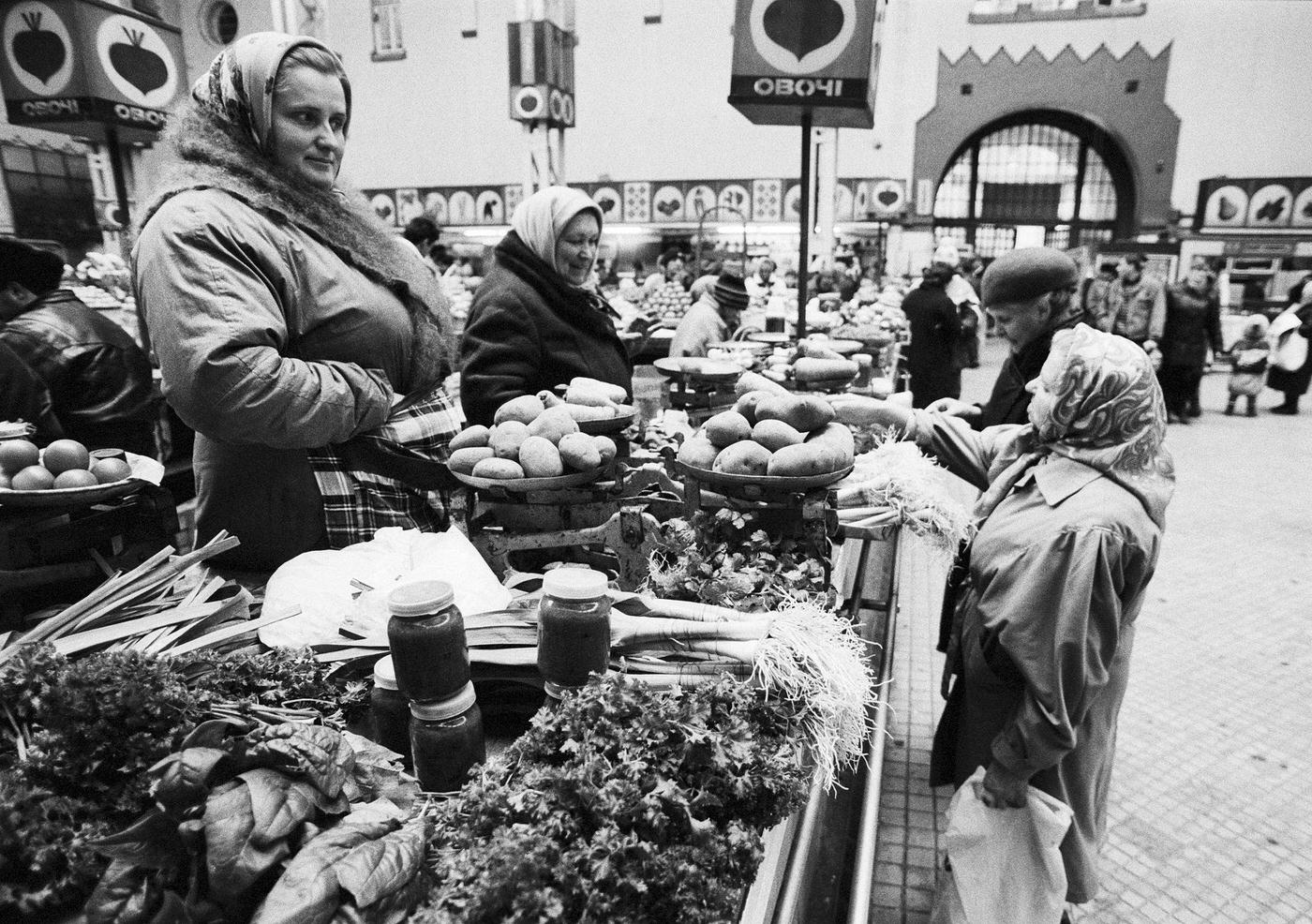
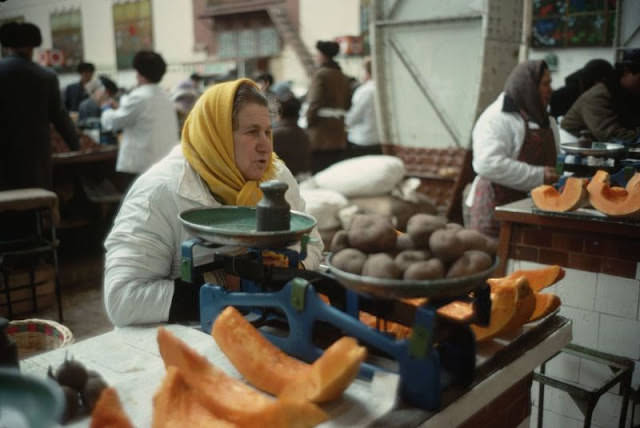
Markets became the center of daily survival. In Kiev, Odessa, and Lviv, vendors sold fruit, vegetables, and meat from stalls and covered halls. Some sellers were professionals; others were ordinary people trying to make ends meet. The scene at these markets told the full story of the economy — vibrant but strained.
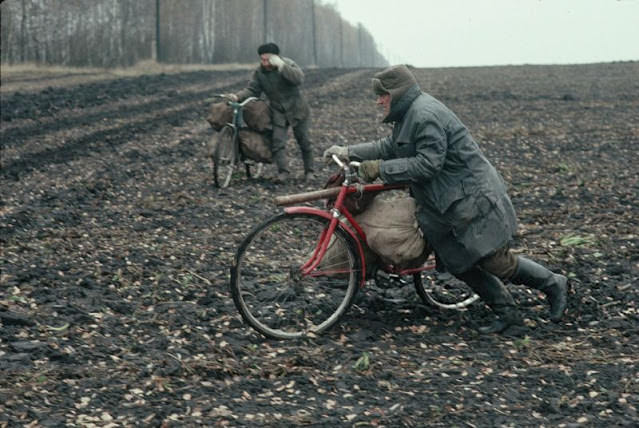
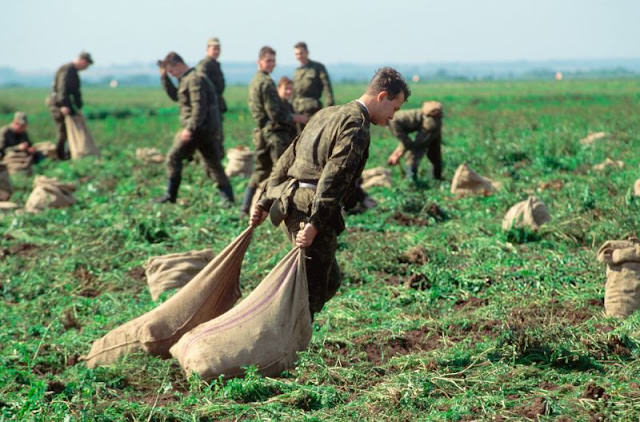
Food shortages pushed some to desperate measures. In rural areas, people were caught stealing potatoes — a staple crop — from fields. It was a sign of how severe the hardship had become for ordinary families.
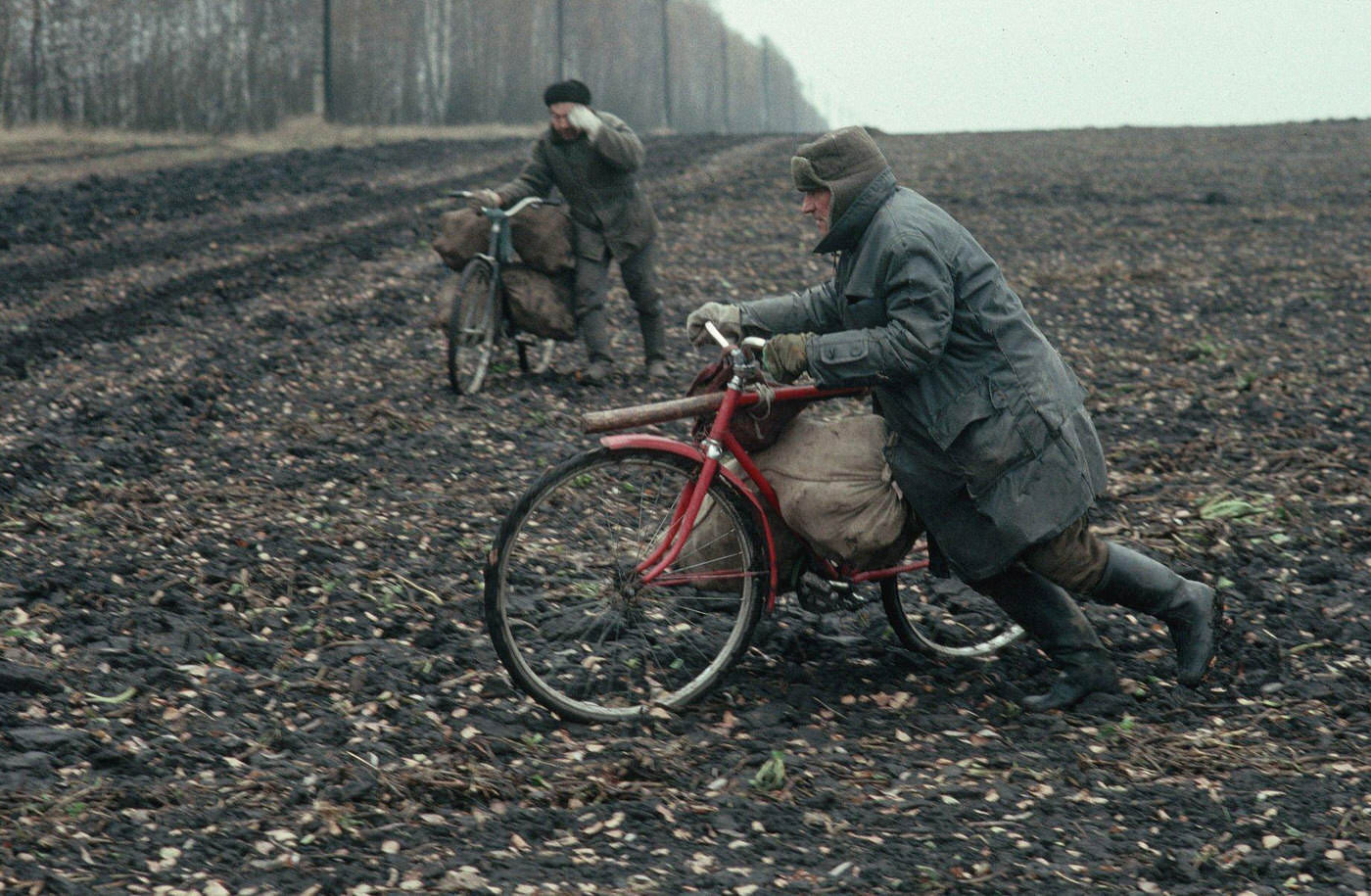
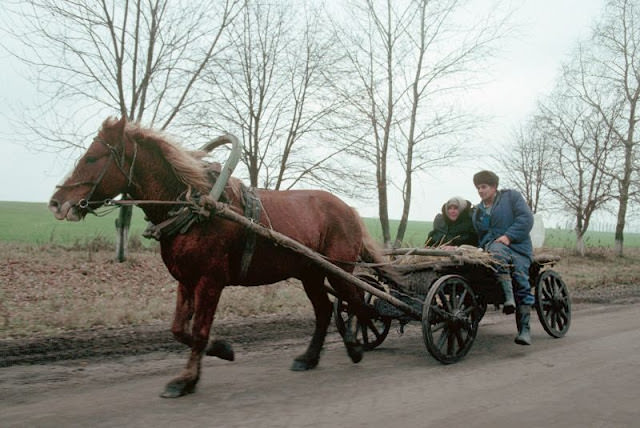
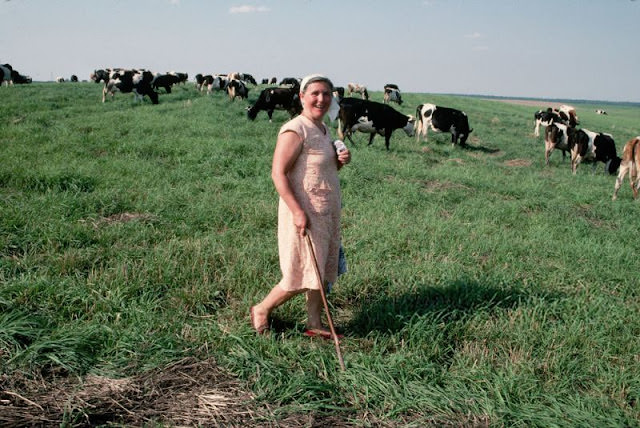
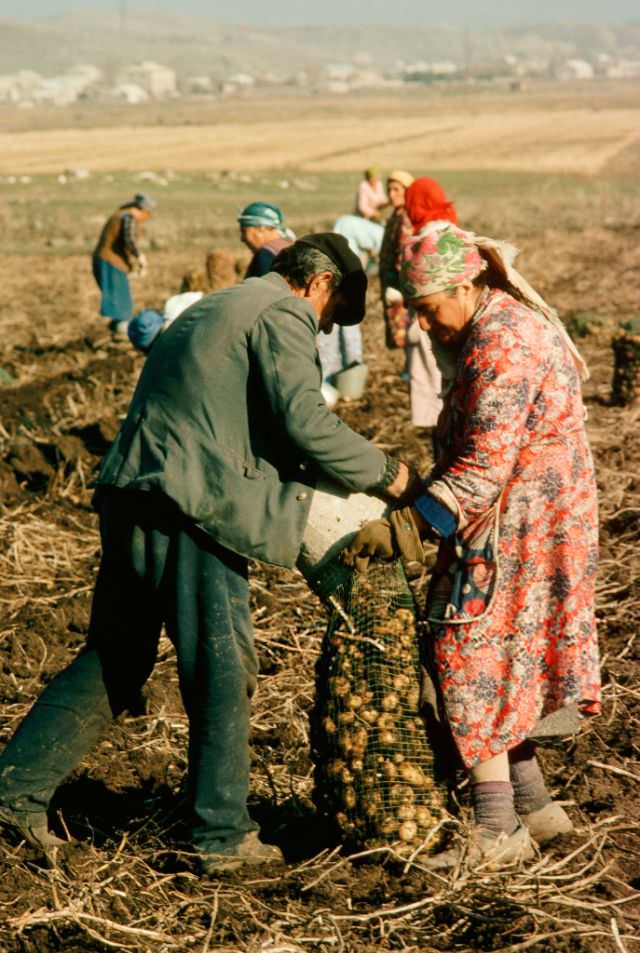
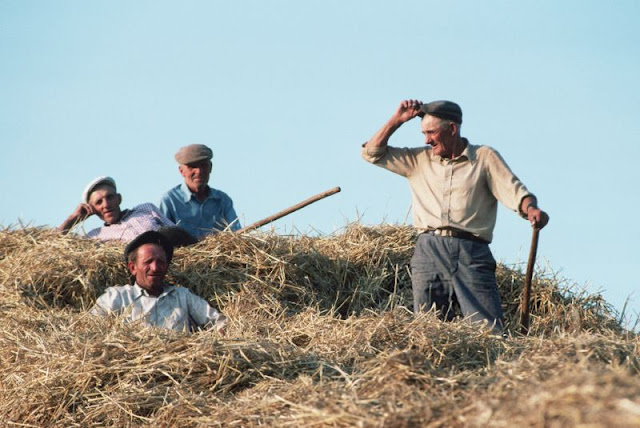
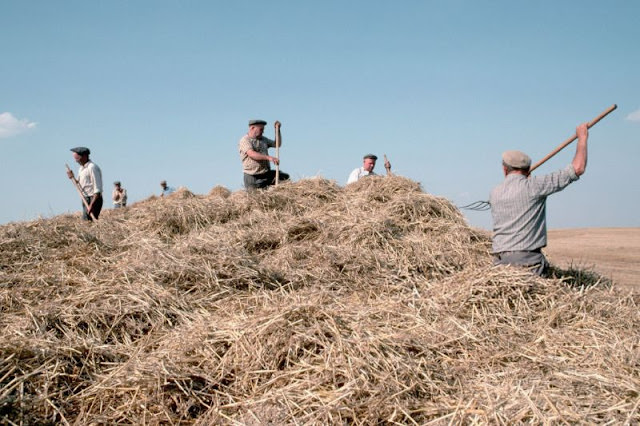
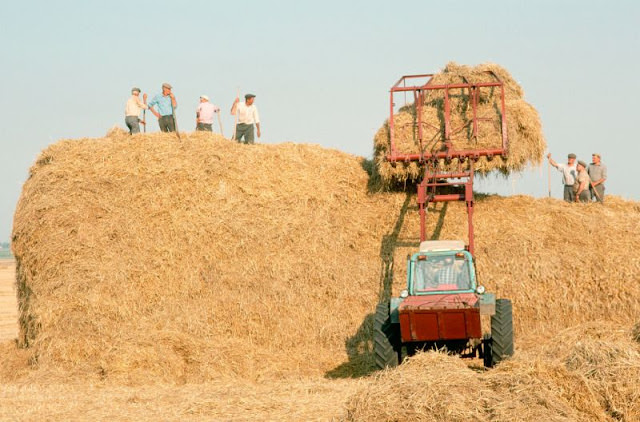
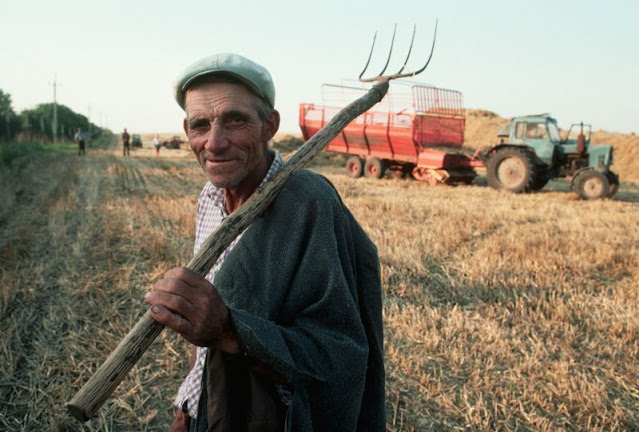
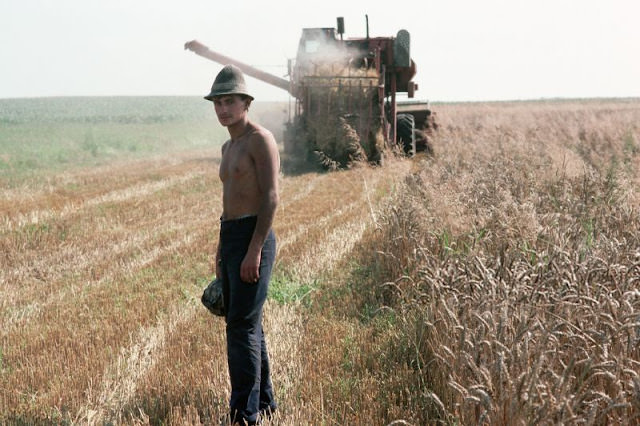
Ukraine’s economy was deeply tied to agriculture. Collective farms — inherited from the Soviet system — were still operating across the country, with workers harvesting wheat and potatoes using both machinery and hand labor. The harvest scenes from Lviv in 1991 show how central farming remained to Ukrainian life even as the political system around it was changing fast.
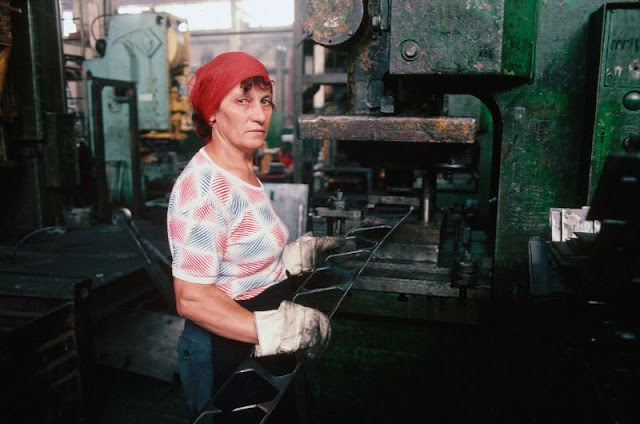
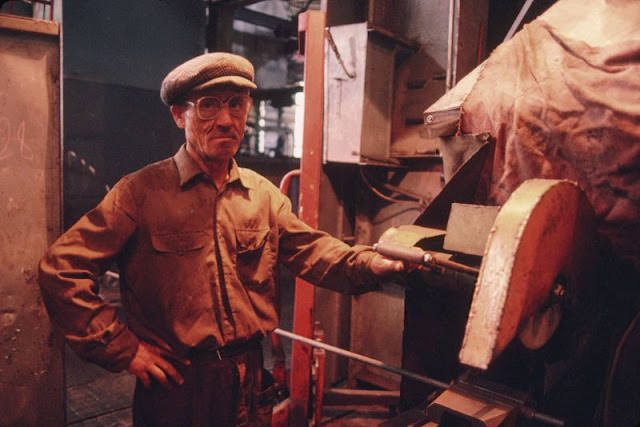
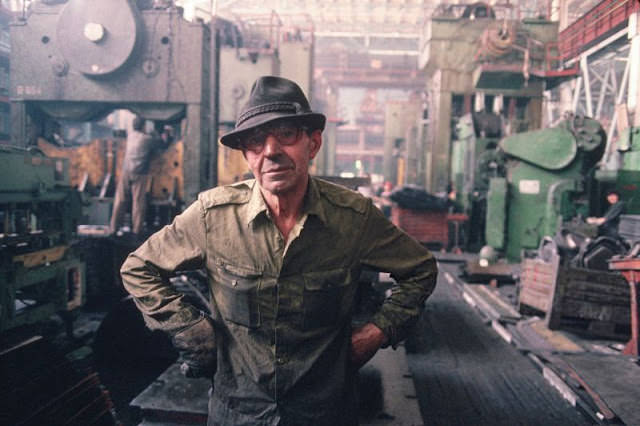
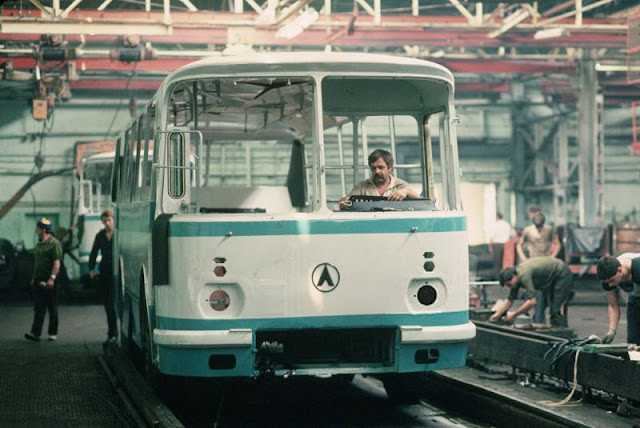
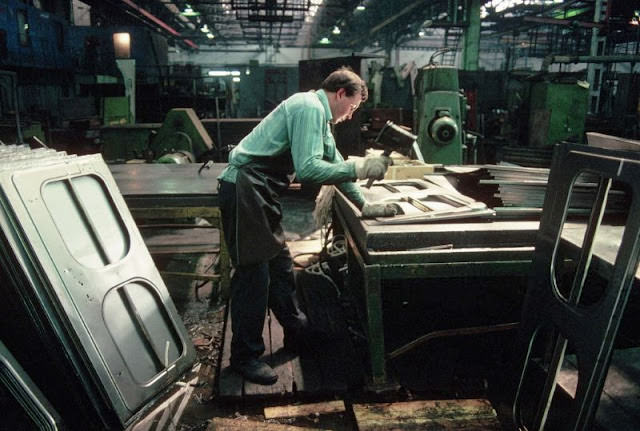
Industry was equally important. The Lviv Bus Plant — known as LAZ, or Lvivsky Avtobusny Zavod — was Ukraine’s only bus manufacturer and the largest factory in Lviv. Workers there operated presses, forged metal bars, and assembled axles. The factory was a symbol of Soviet-era industrial ambition, and in 1991, it was still running at full force.
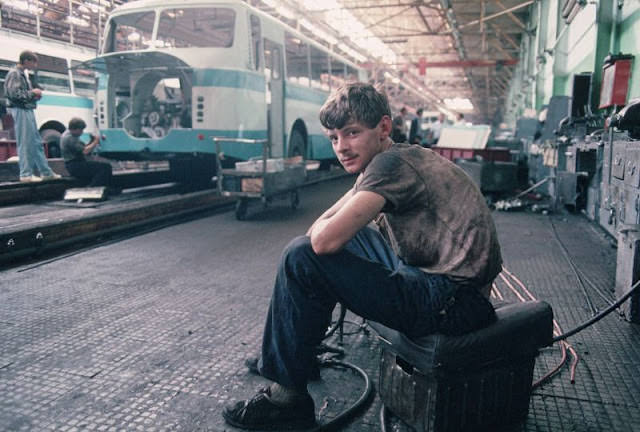
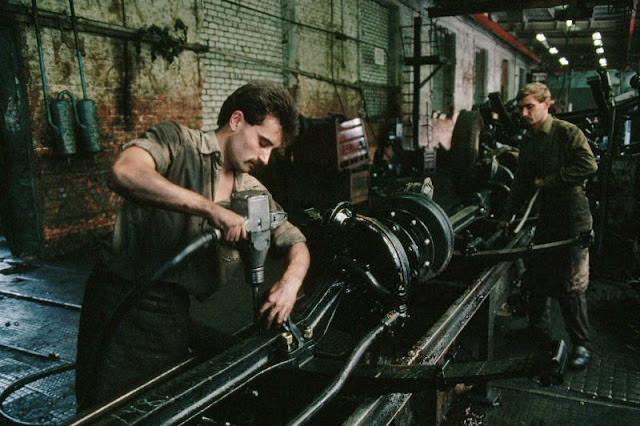
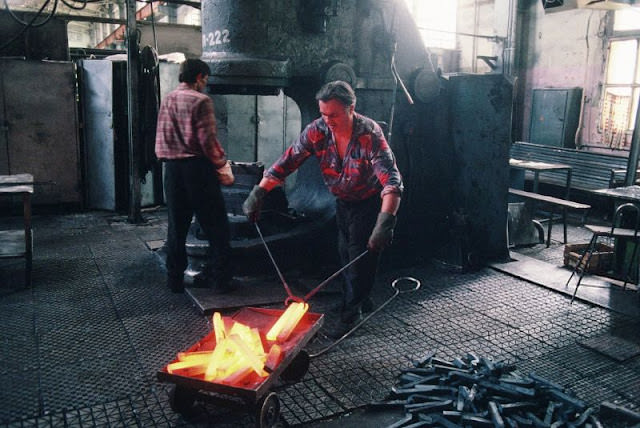
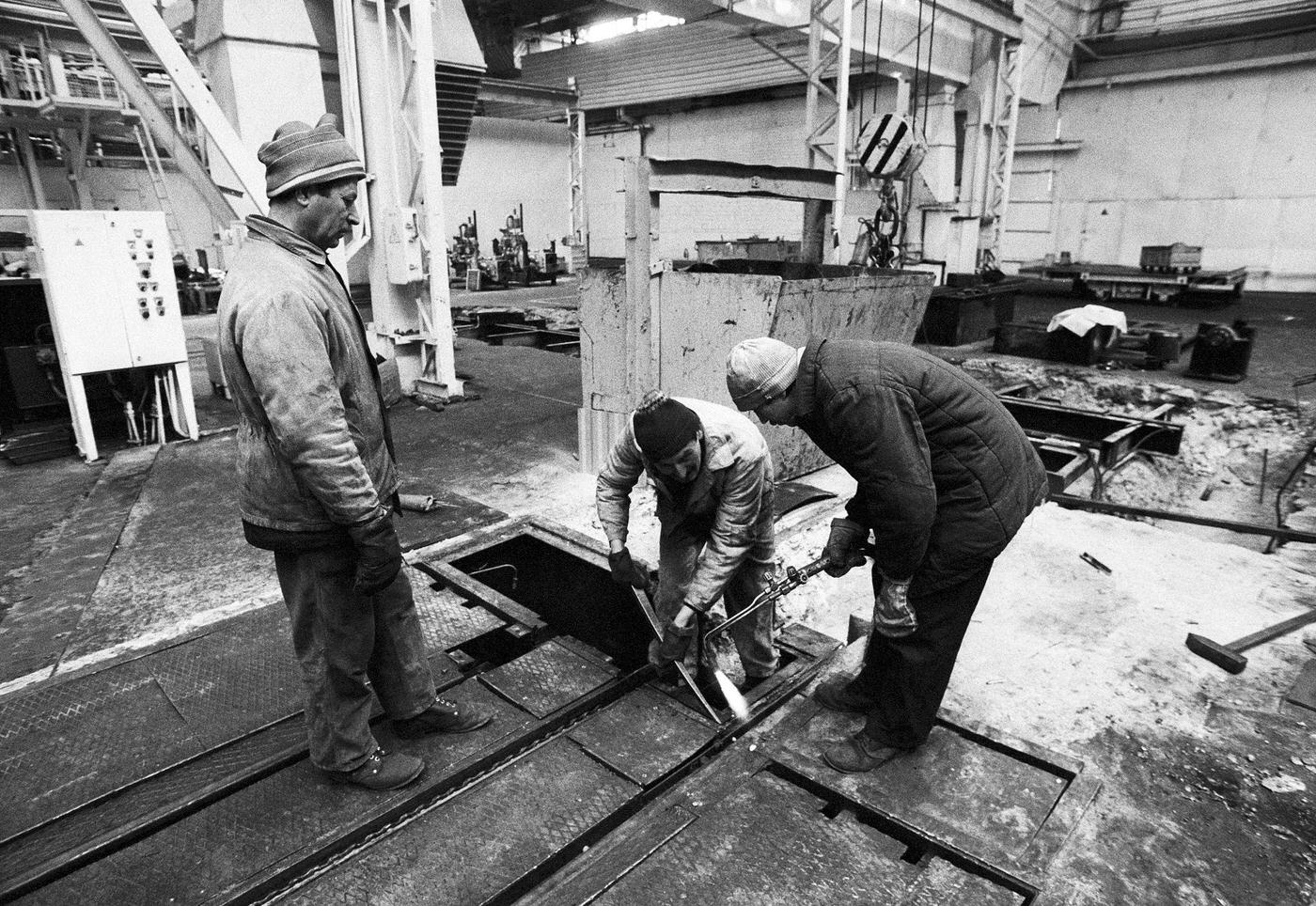
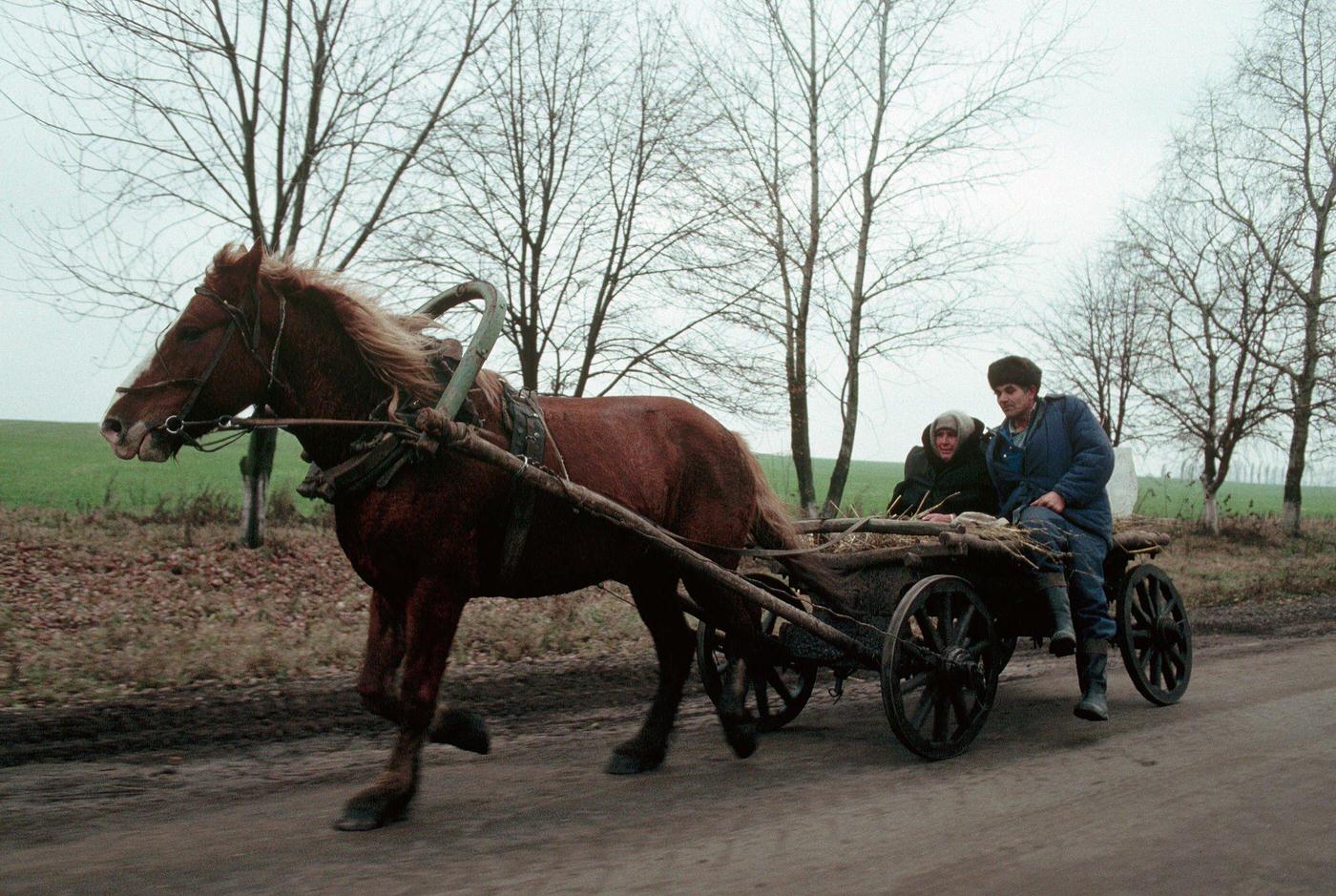
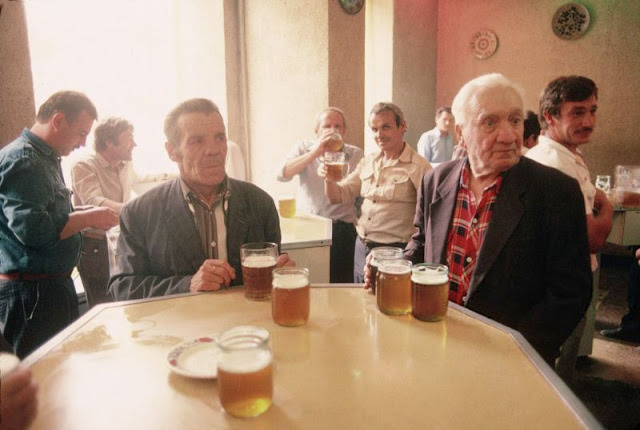
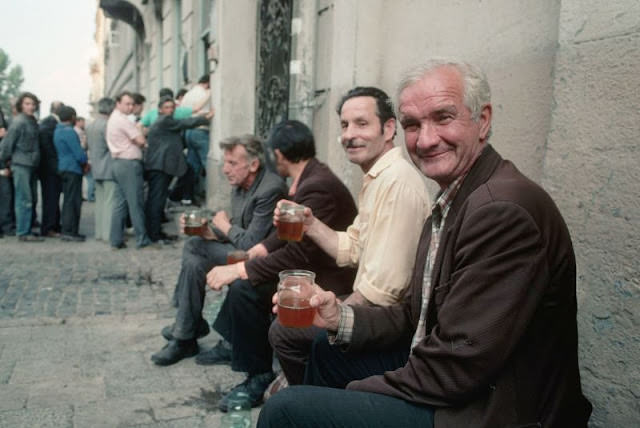
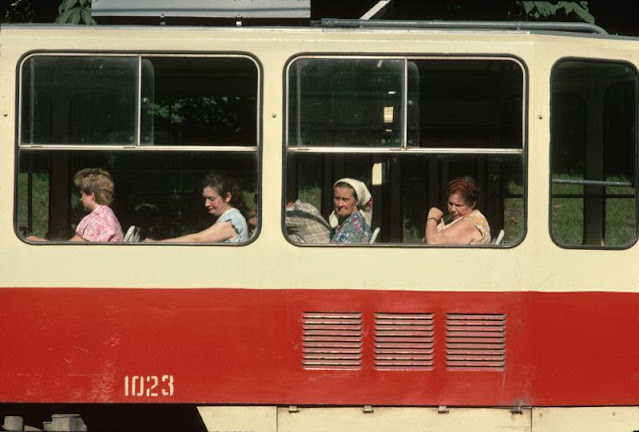
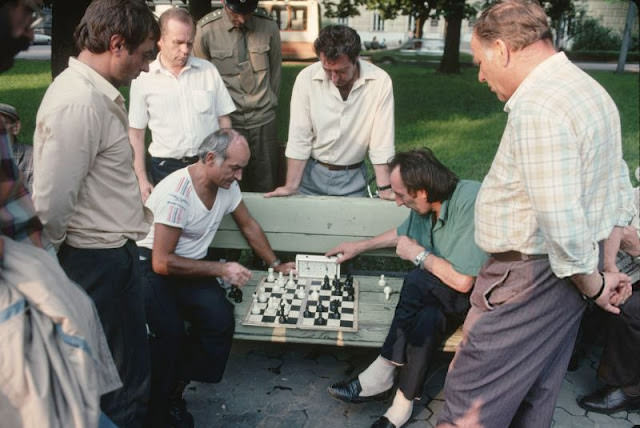
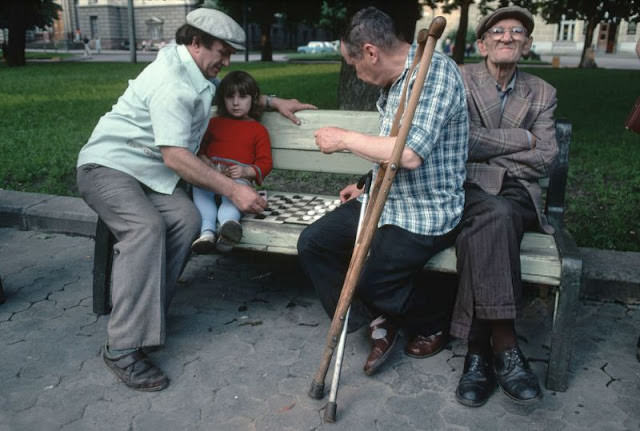
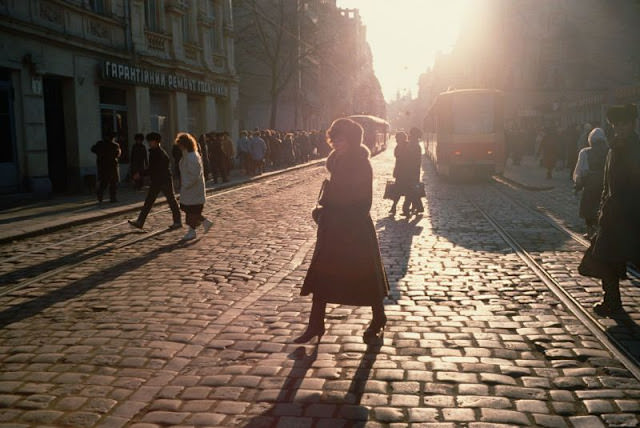
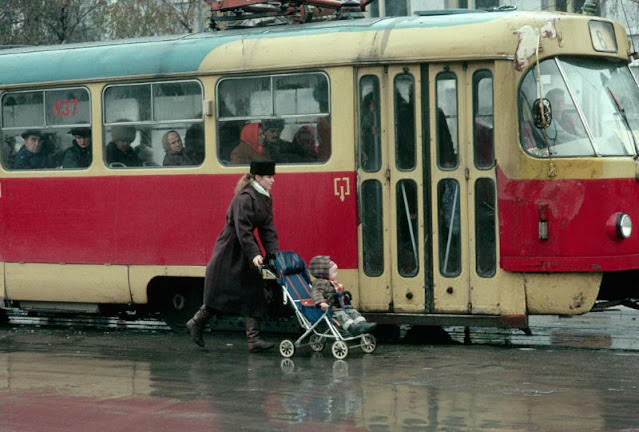
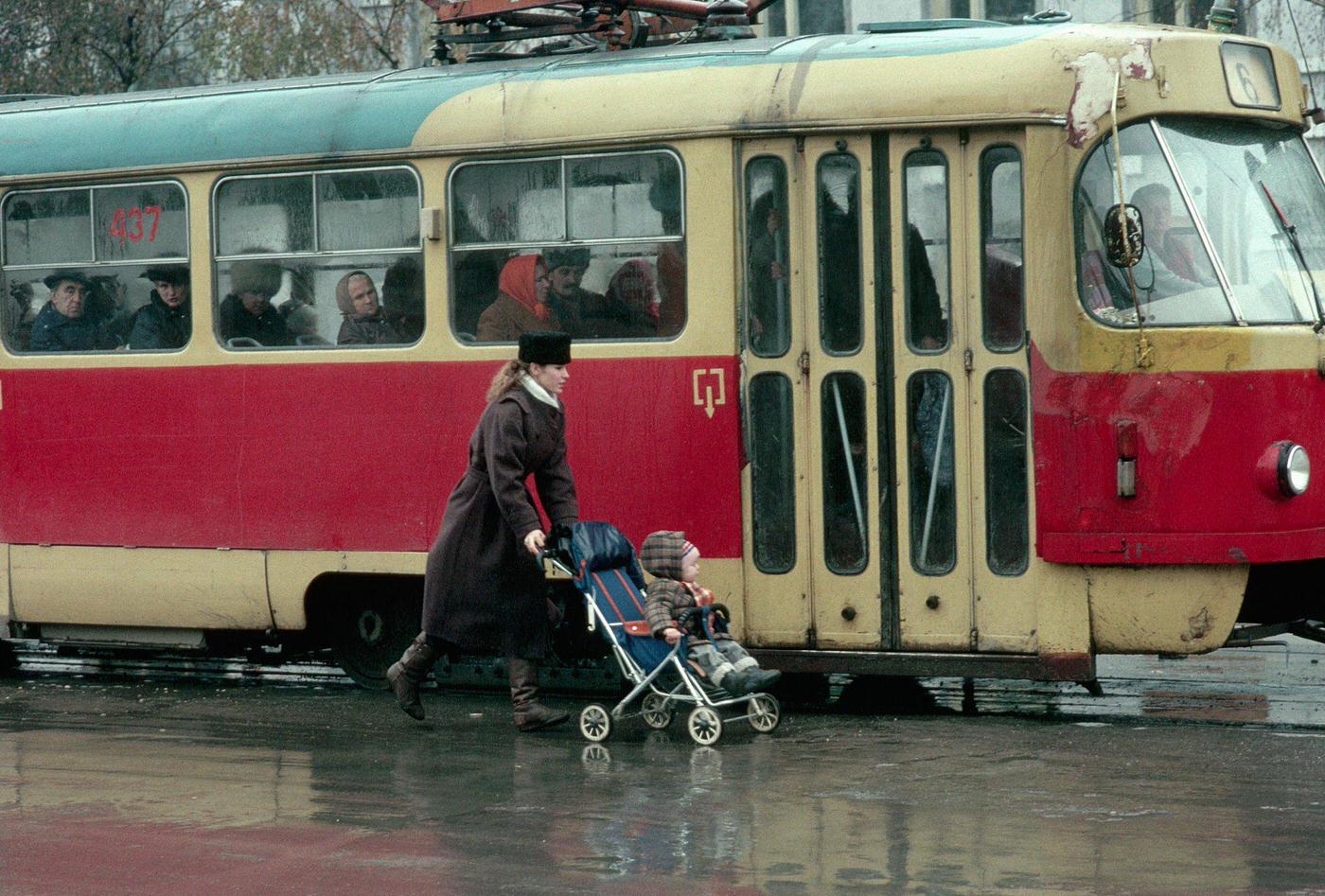
Beyond the factories and fields, daily life in Ukraine carried on in its own rhythms. People rode trams through Lviv’s cobblestone streets, gathered at bars for beer, played chess in public parks, and chatted in apartment hallways. These quiet moments give a fuller picture of what life actually felt like during such an uncertain time.
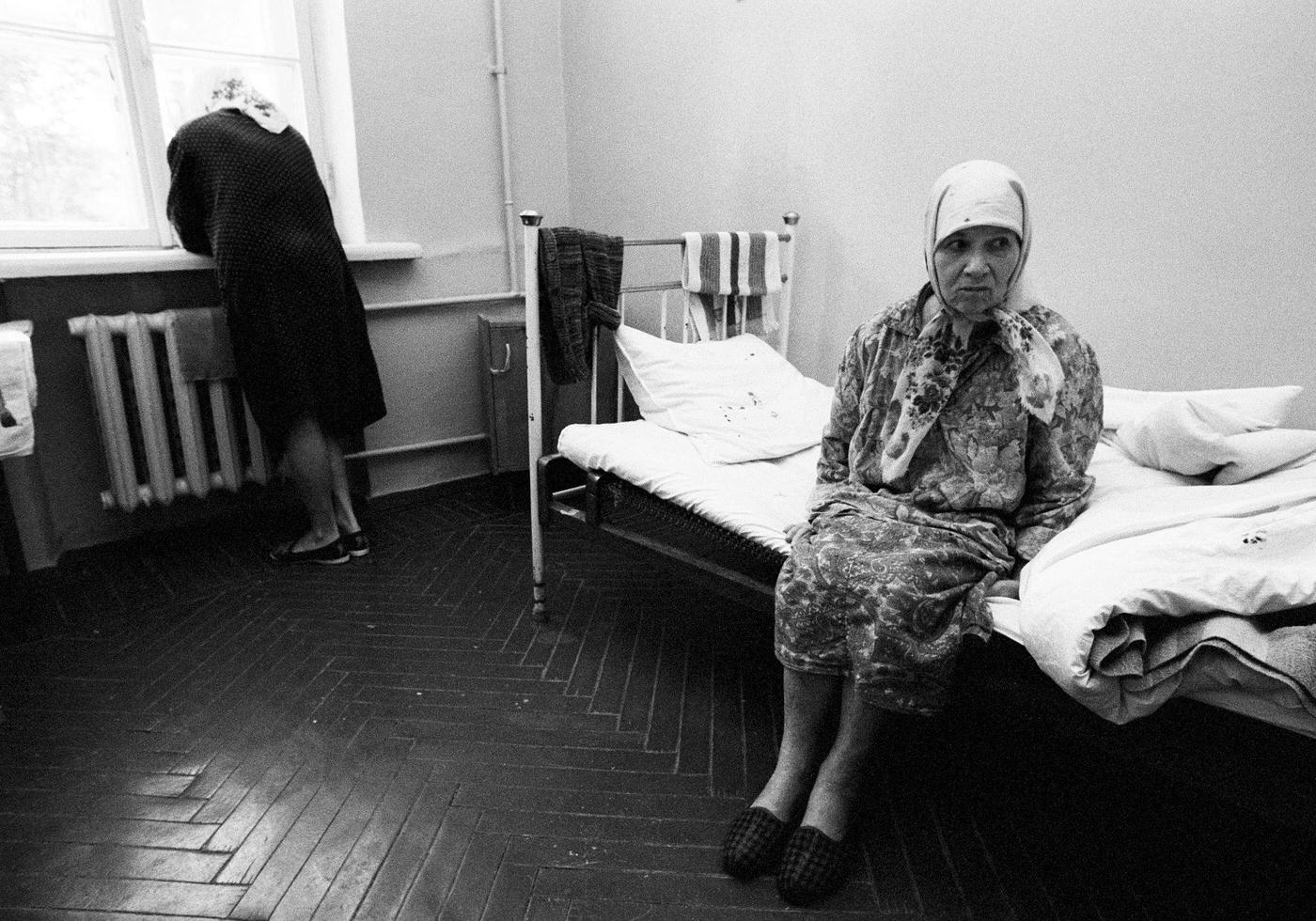
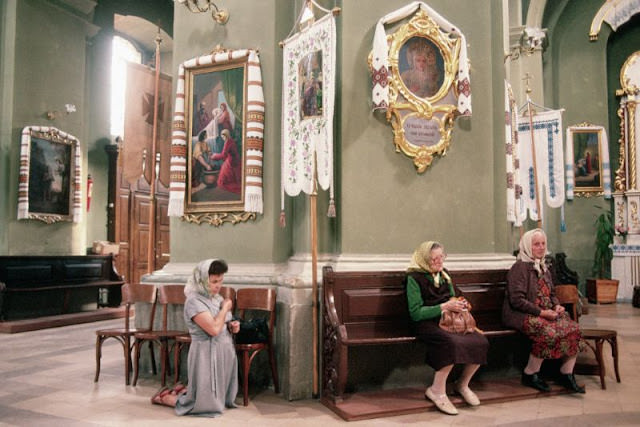
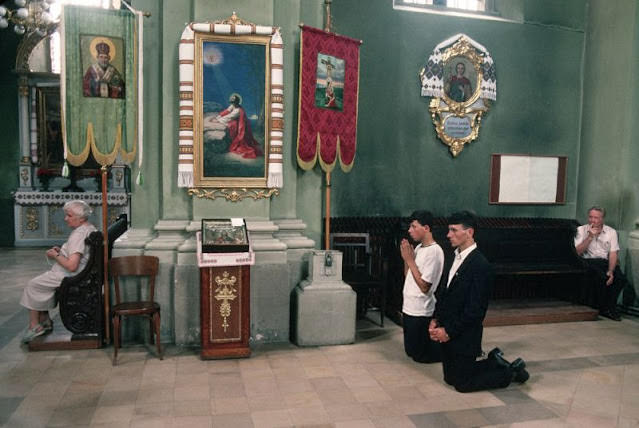
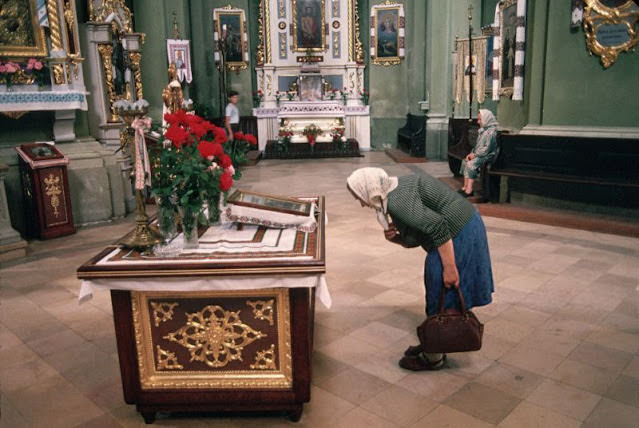
Religion returned openly to public life after decades of Soviet suppression. Ukrainian Orthodox and Greek Catholic churches filled with worshippers. Faith had survived underground through the Soviet years, and now it was practiced freely and visibly again.
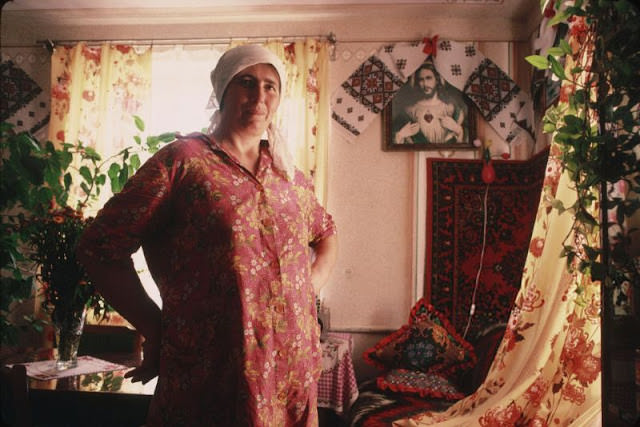
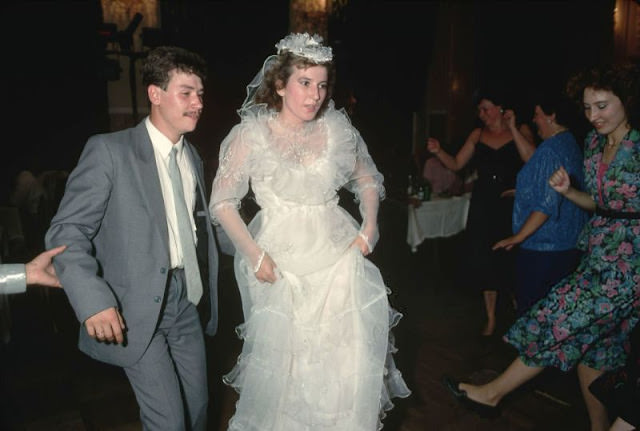
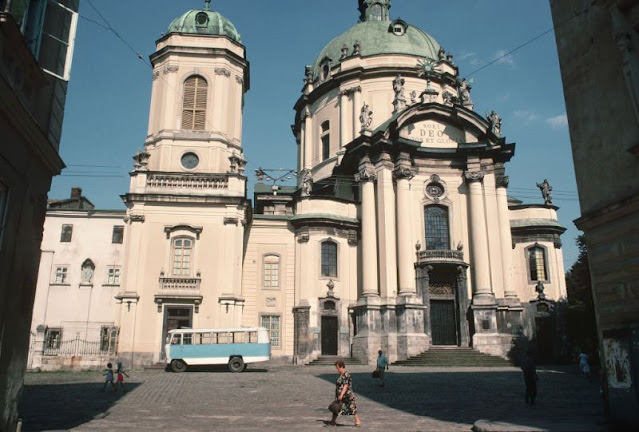
Social life also had its celebrations. In Lviv, weddings were held with full ceremony, and the city’s stunning architecture — a mix of Gothic, Renaissance, and Baroque styles — provided a striking backdrop to it all. Rynok Square, the heart of Lviv’s old town, looked much as it had for centuries.
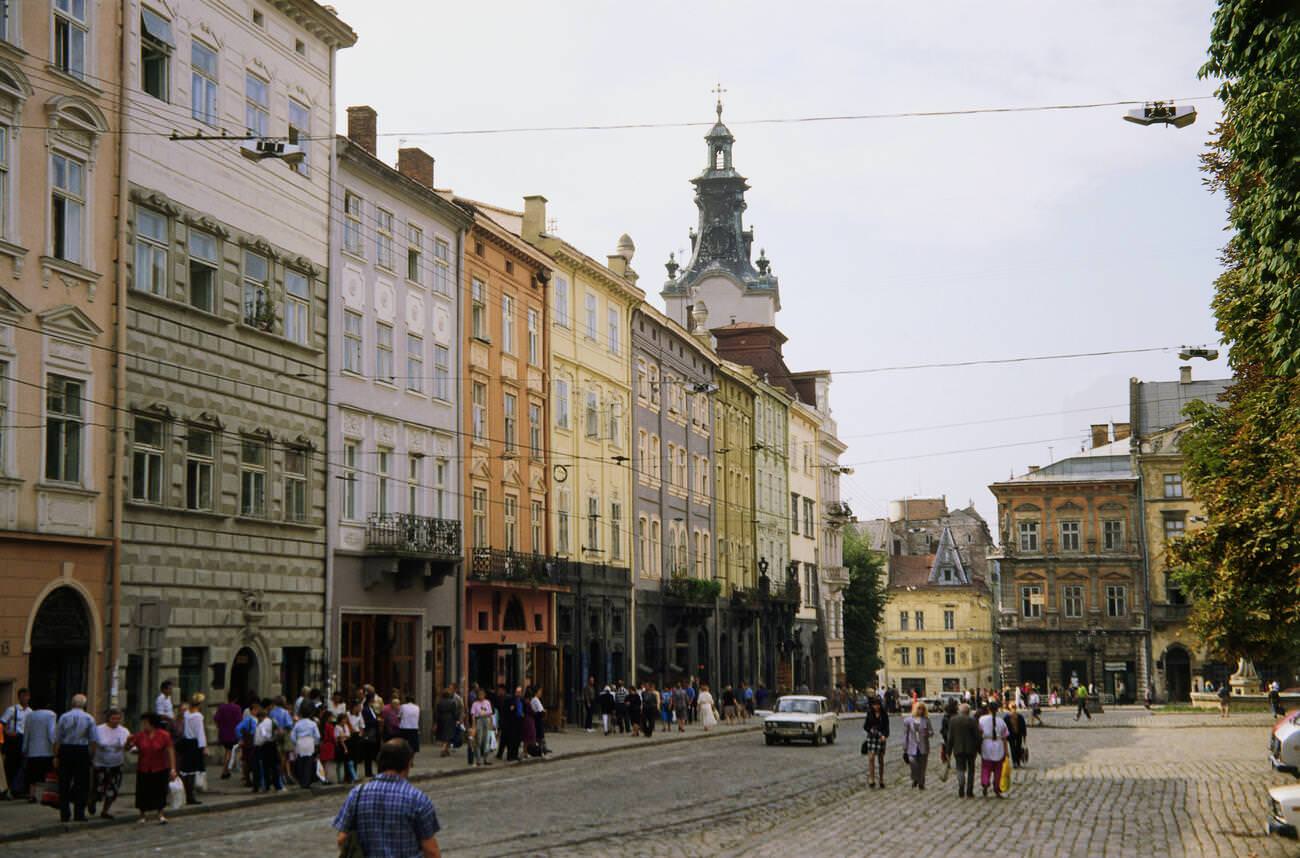
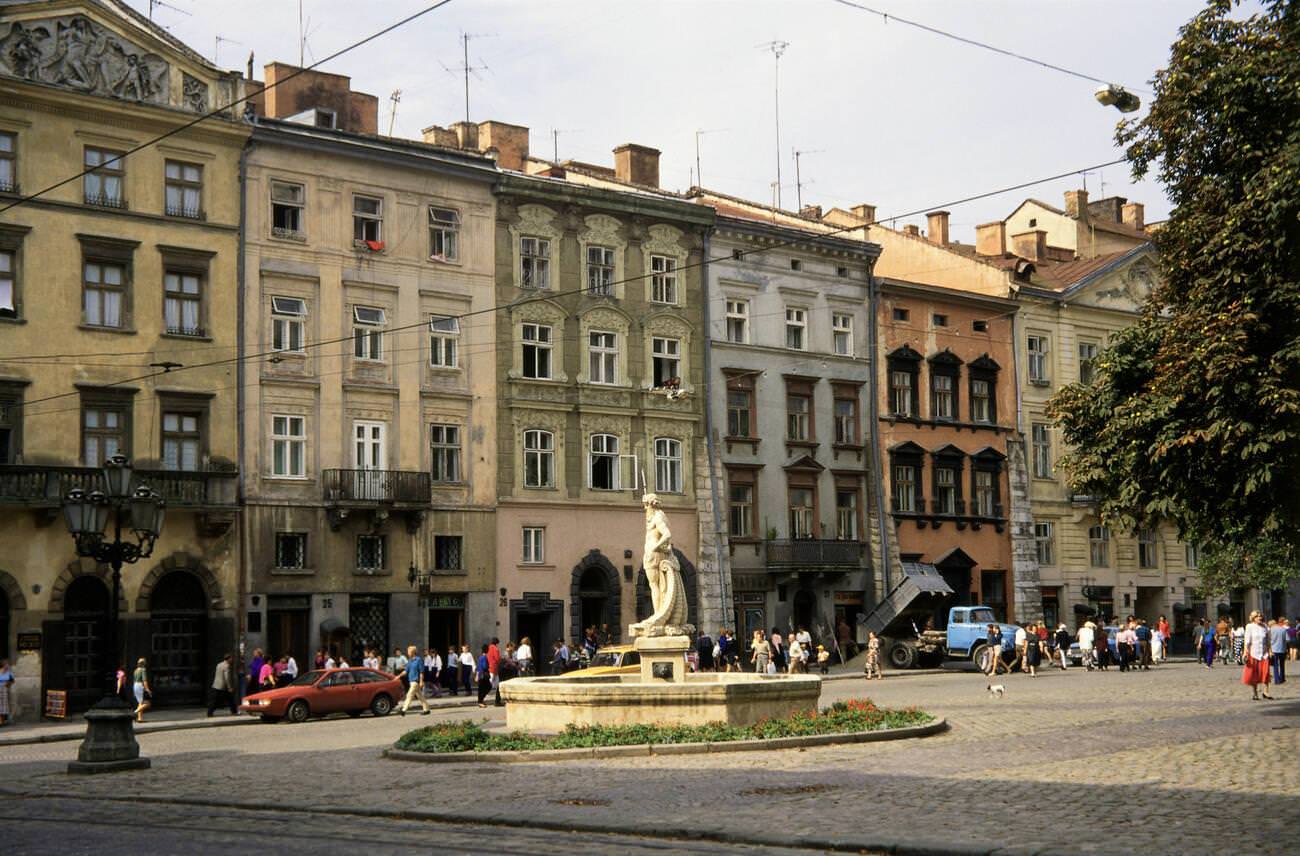
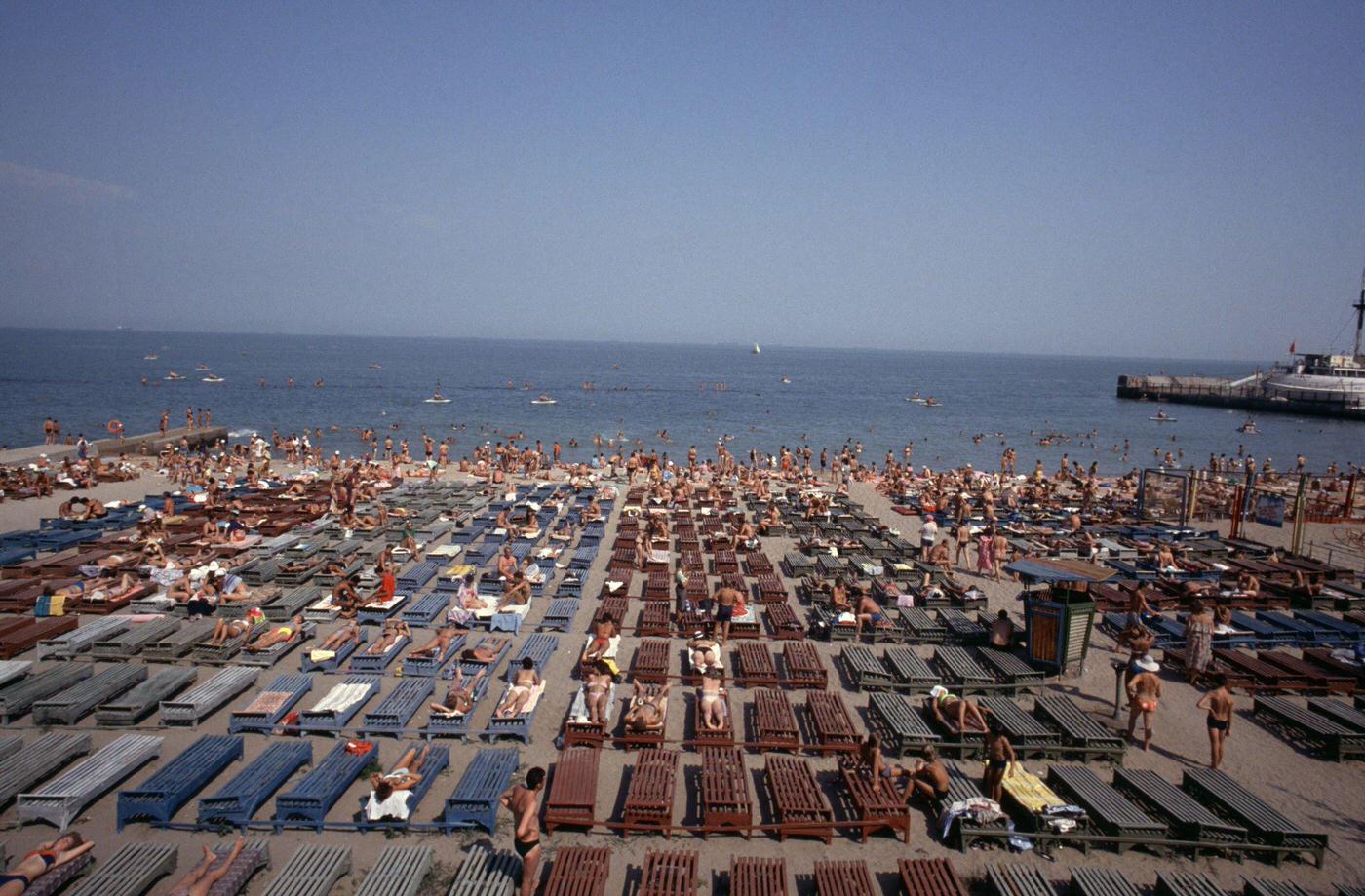
On Ukraine’s southern coast, Odessa offered a contrast to the economic tension inland. In 1990, people relaxed on sun loungers along the Black Sea beach — a reminder that even in a country in transition, ordinary pleasures endured.
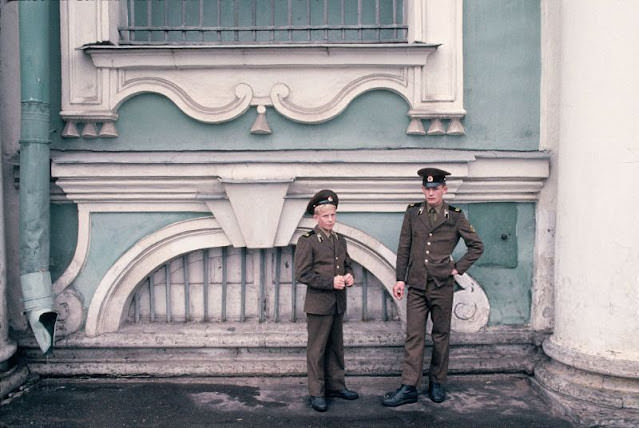
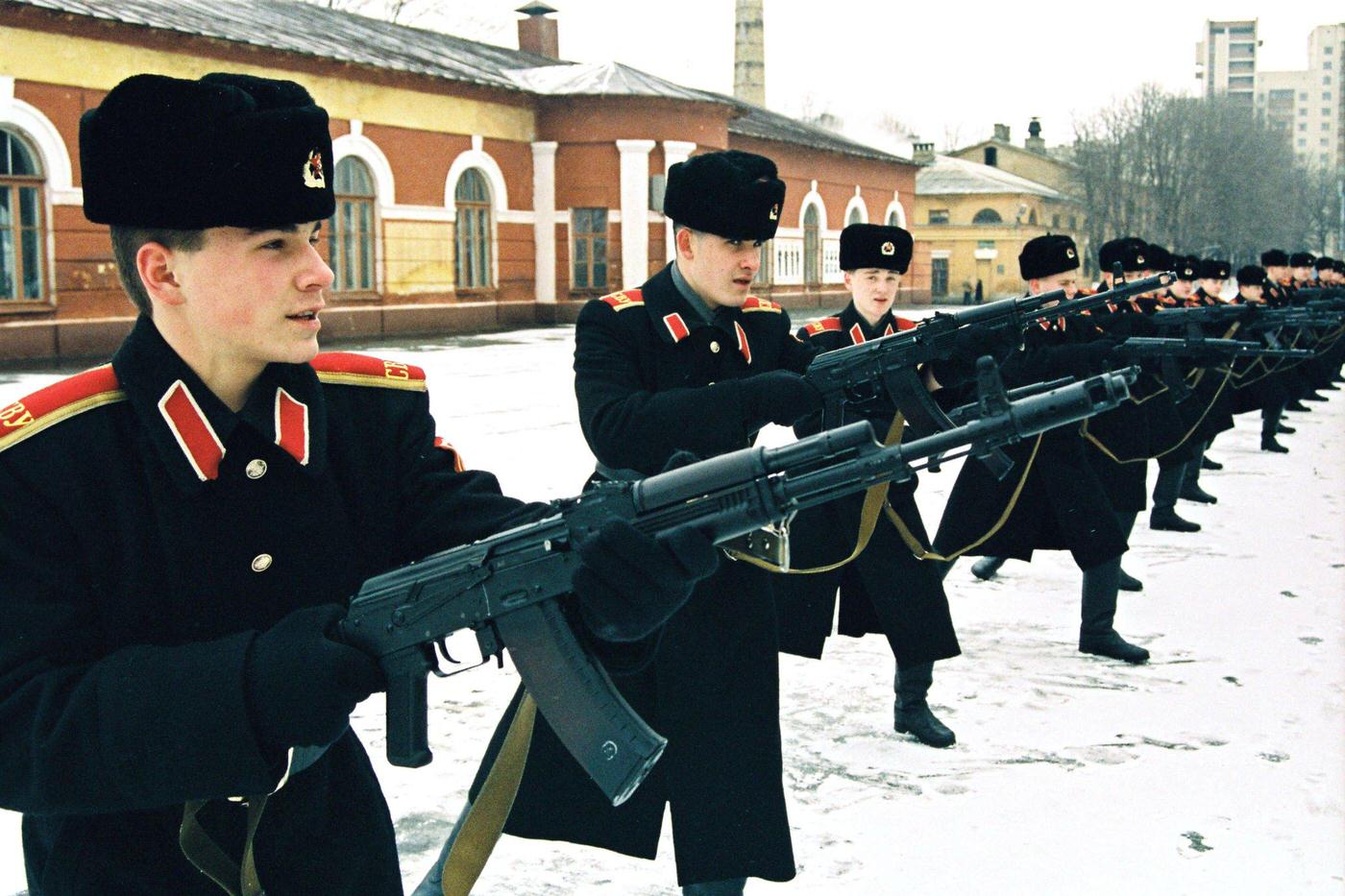
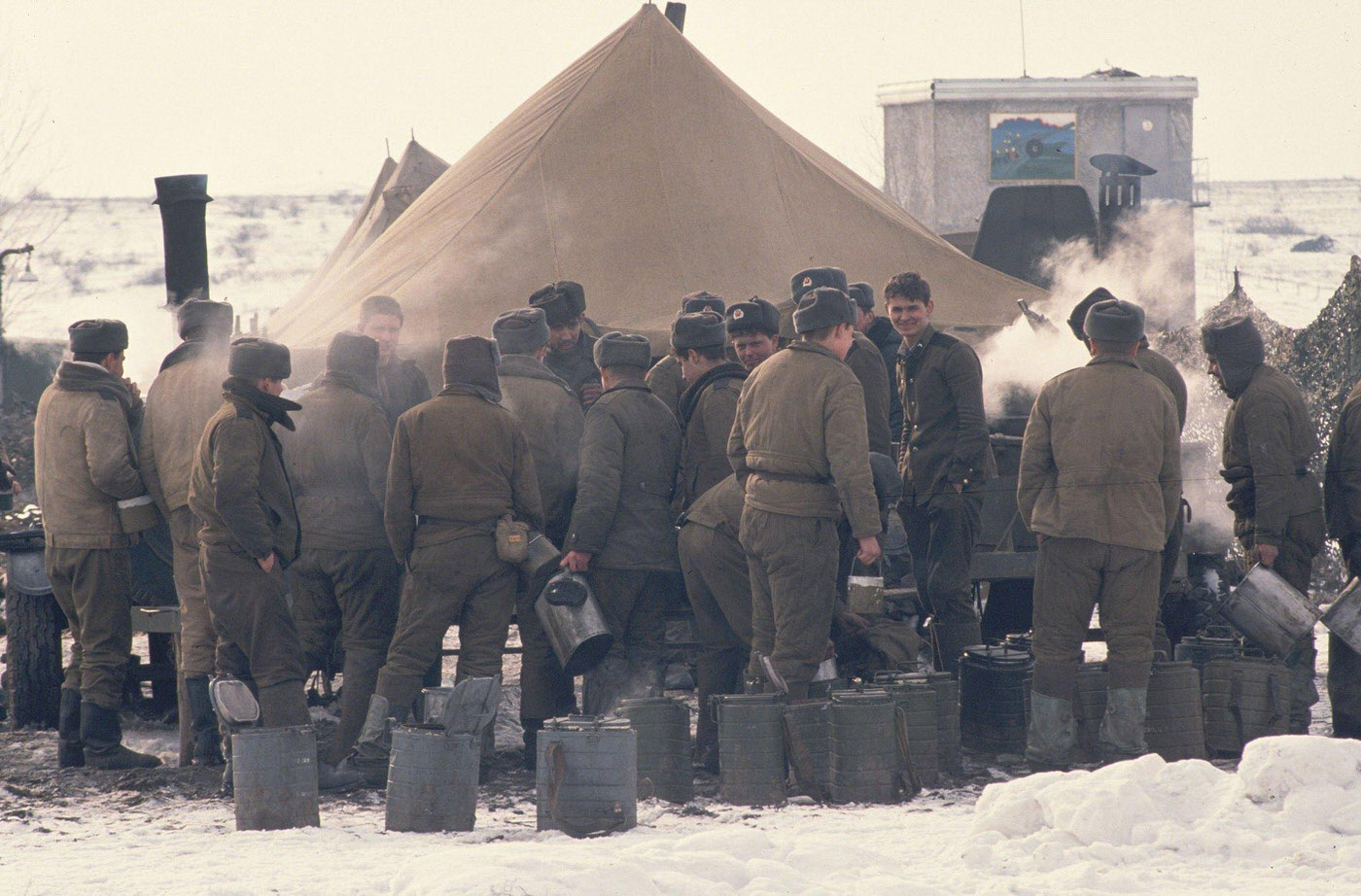
The military was also reshaping itself. After the Soviet collapse, Ukraine inherited a massive army and a large arsenal. By 1992, the country was building its own independent military structure. The Kiev Suvorov Military School trained the next generation of Ukrainian officers, with students drilling on its grounds.
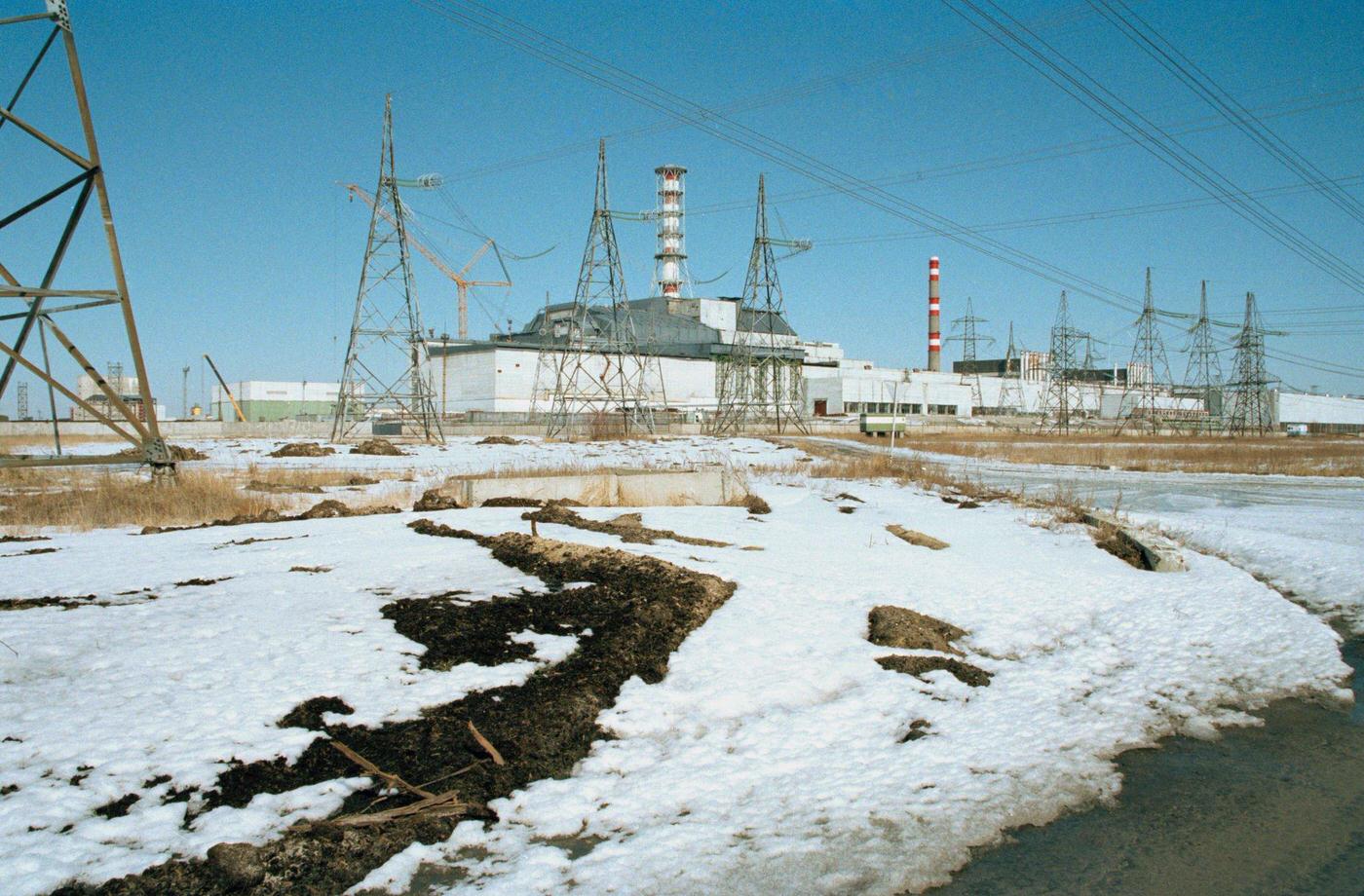
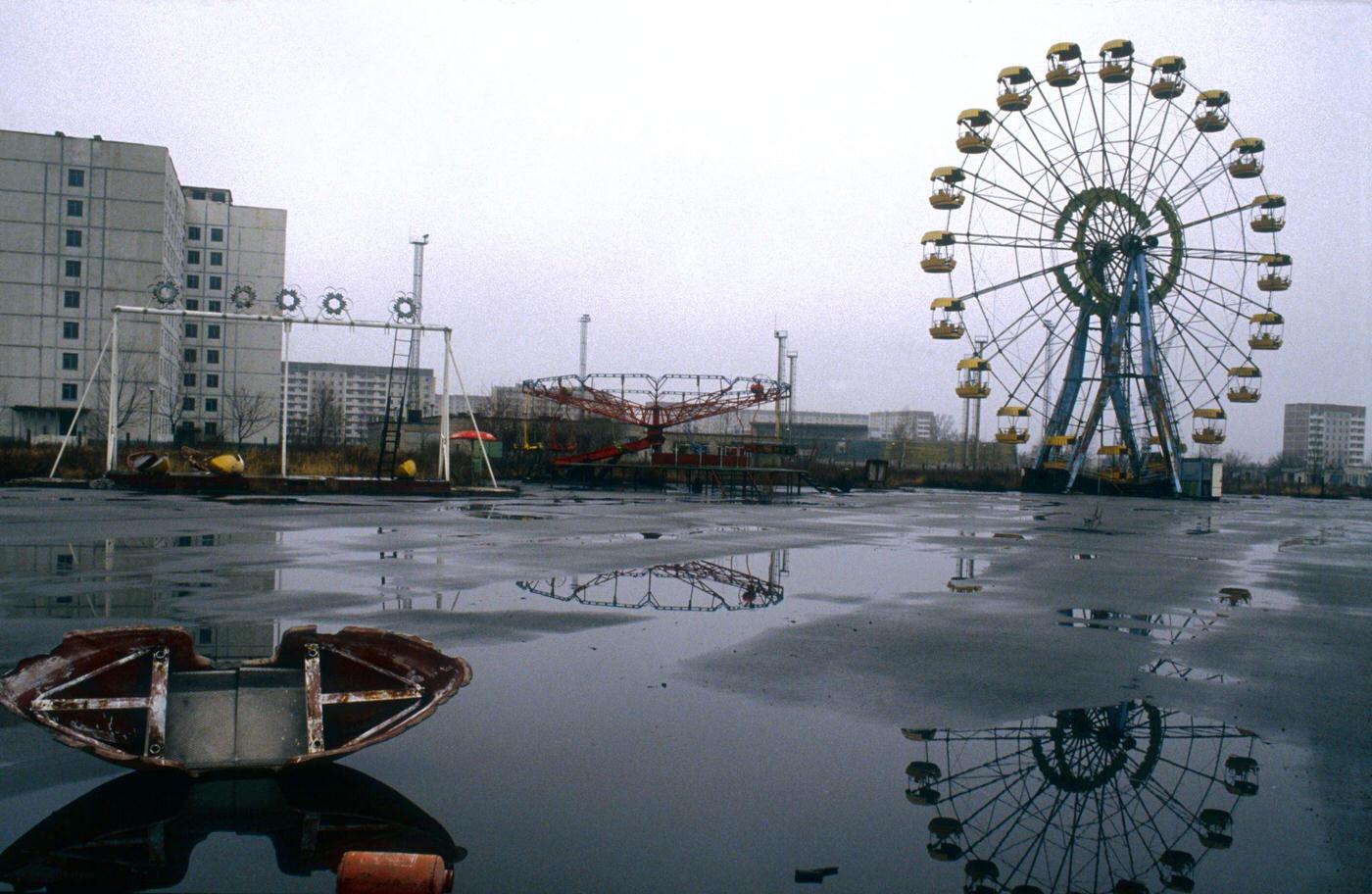
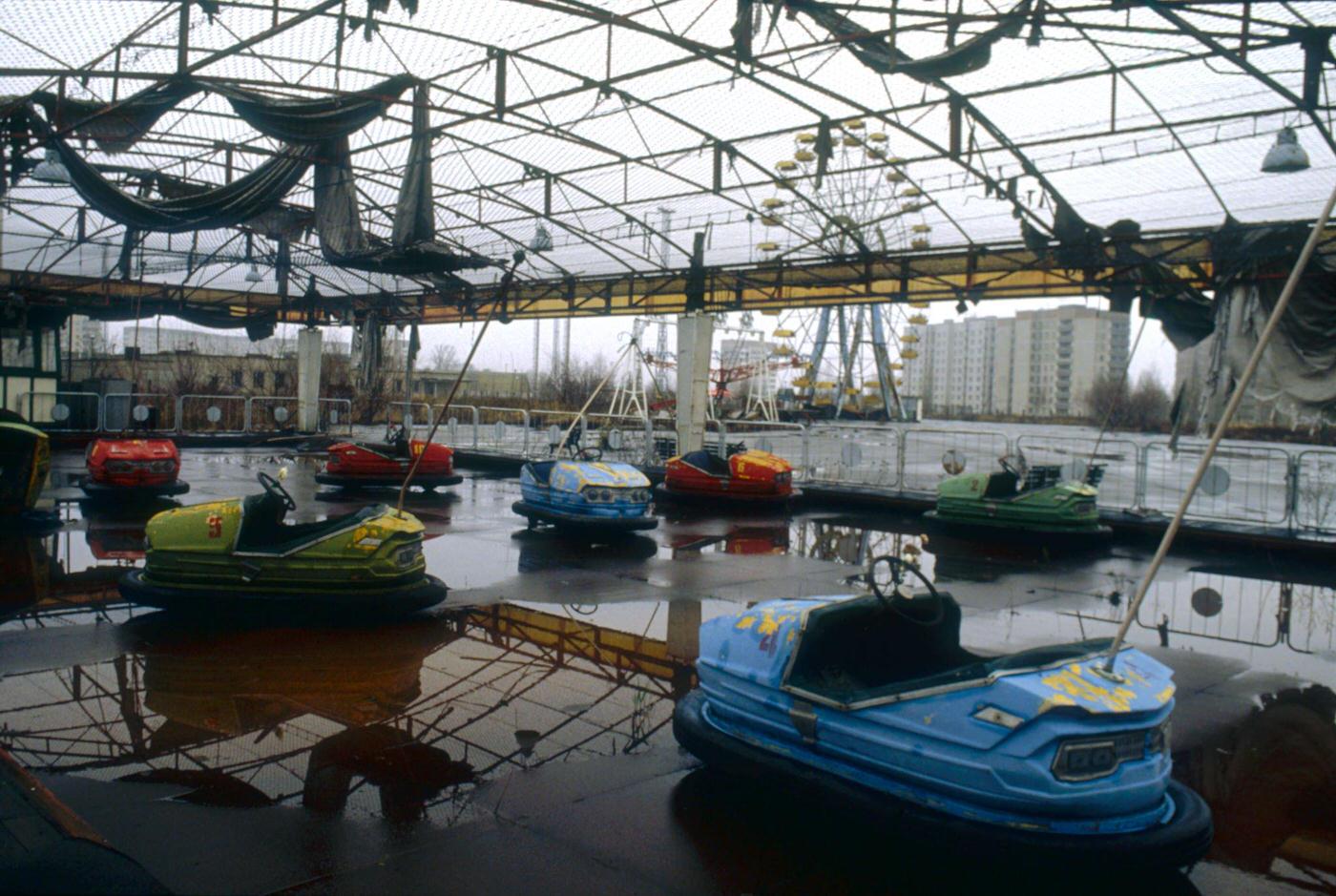
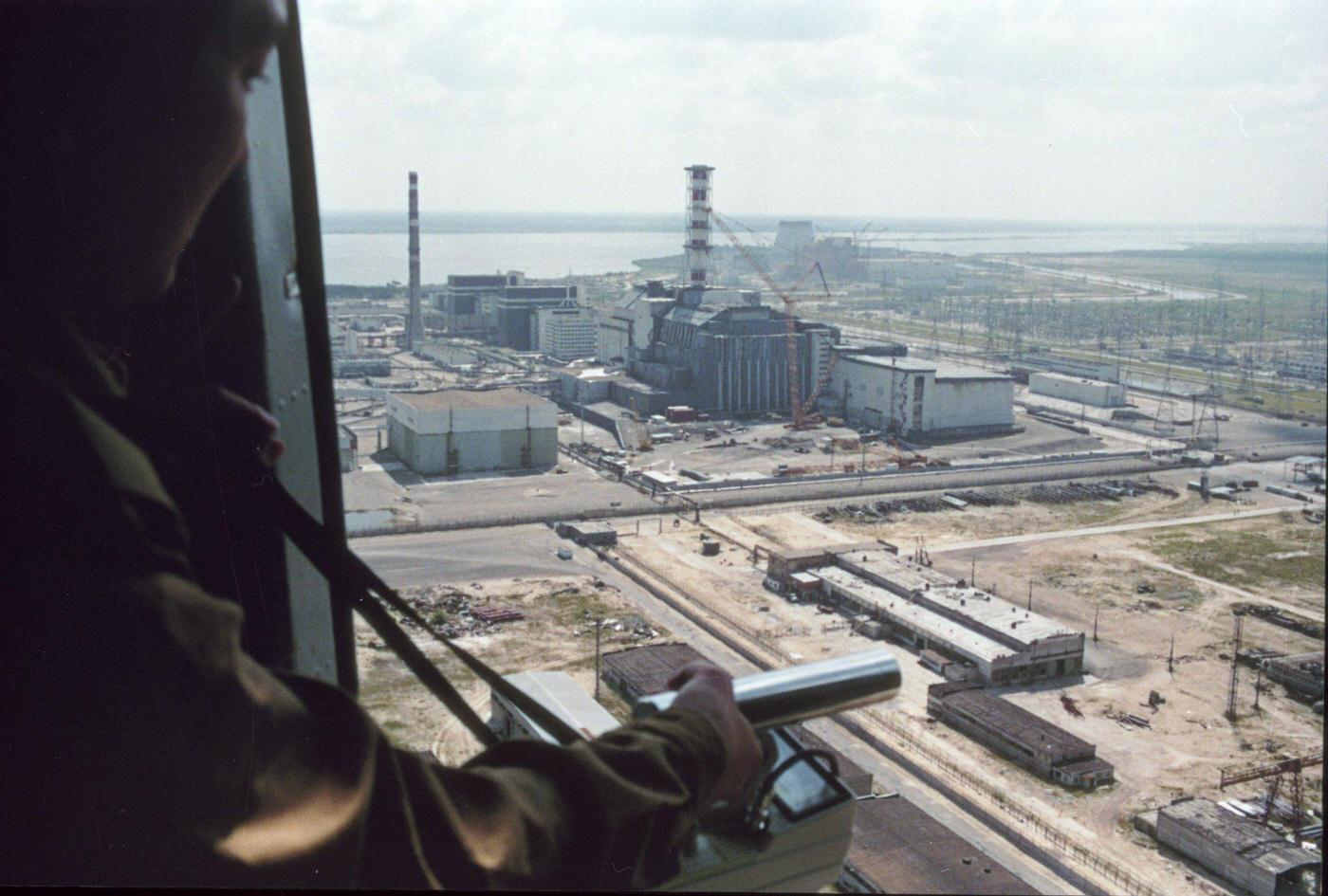
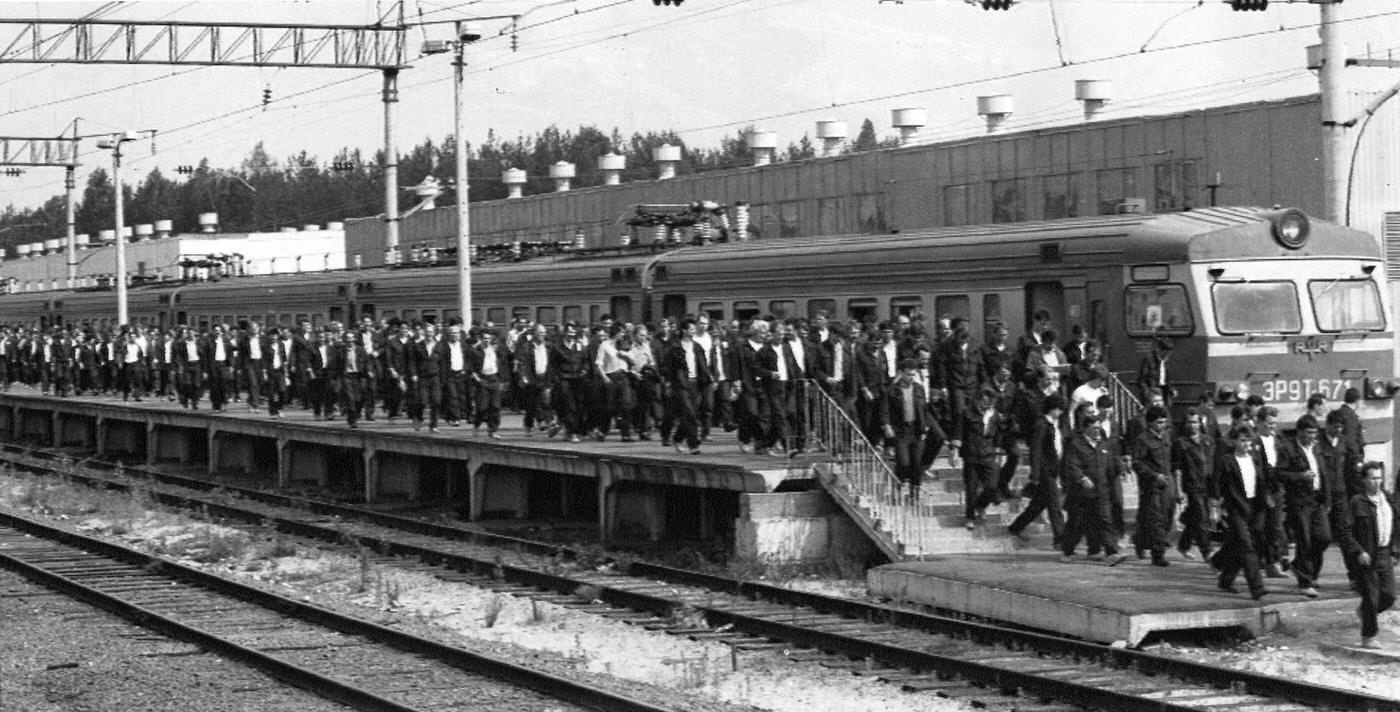
The shadow of Chernobyl hung over all of it. The 1986 nuclear disaster at the Chernobyl plant — located in northern Ukraine — had poisoned land, displaced hundreds of thousands of people, and left a lasting mark on the country’s identity. By the mid-1990s, the exclusion zone was still off-limits to residents. The city of Pripyat, built to house plant workers, sat completely abandoned. Its amusement park — ferris wheel, bumper cars and all — had never opened. It was constructed just before the disaster and never saw a single paying visitor. Workers who continued operating the still-active reactor commuted from the purpose-built city of Slavutich, arriving by train each morning.
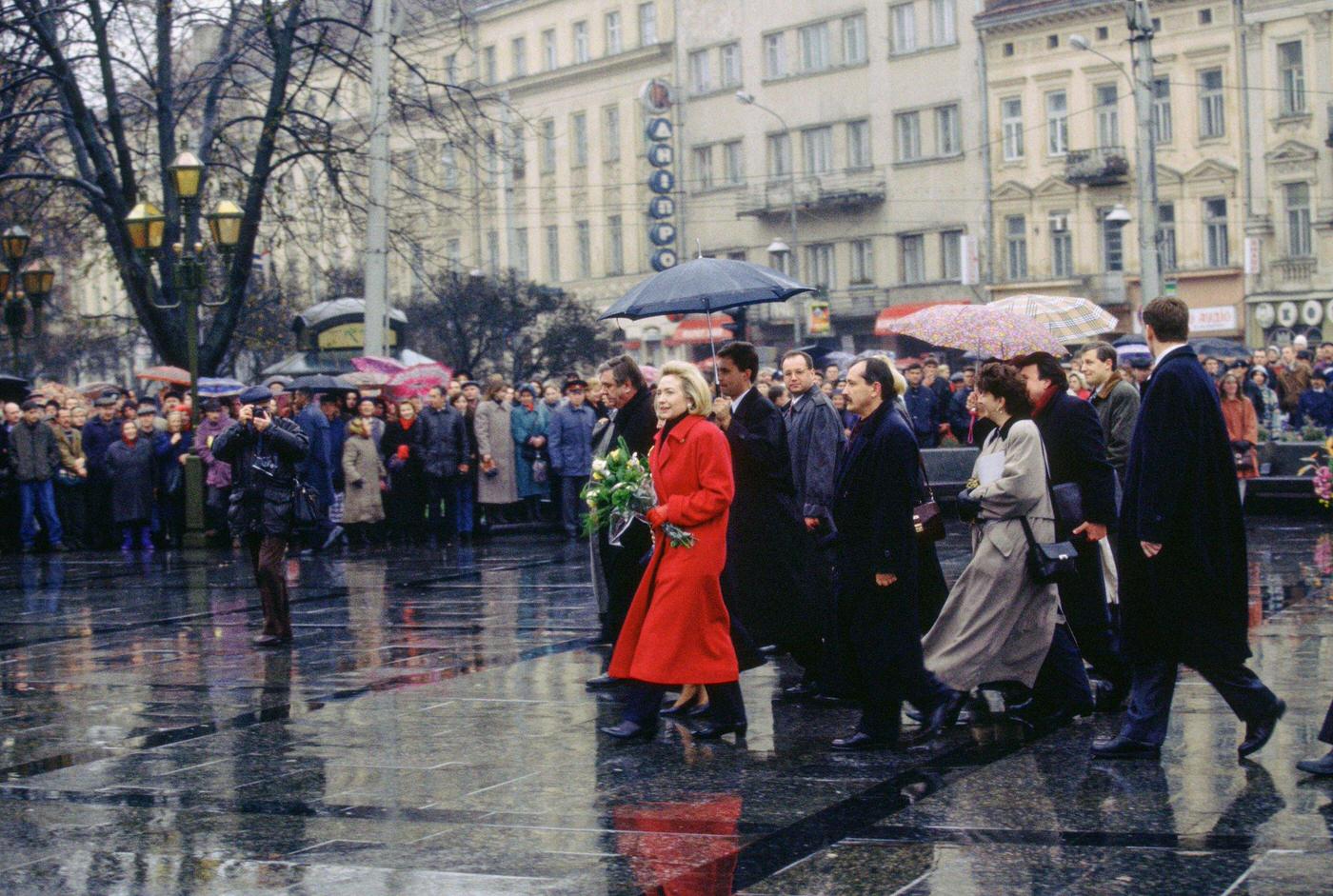
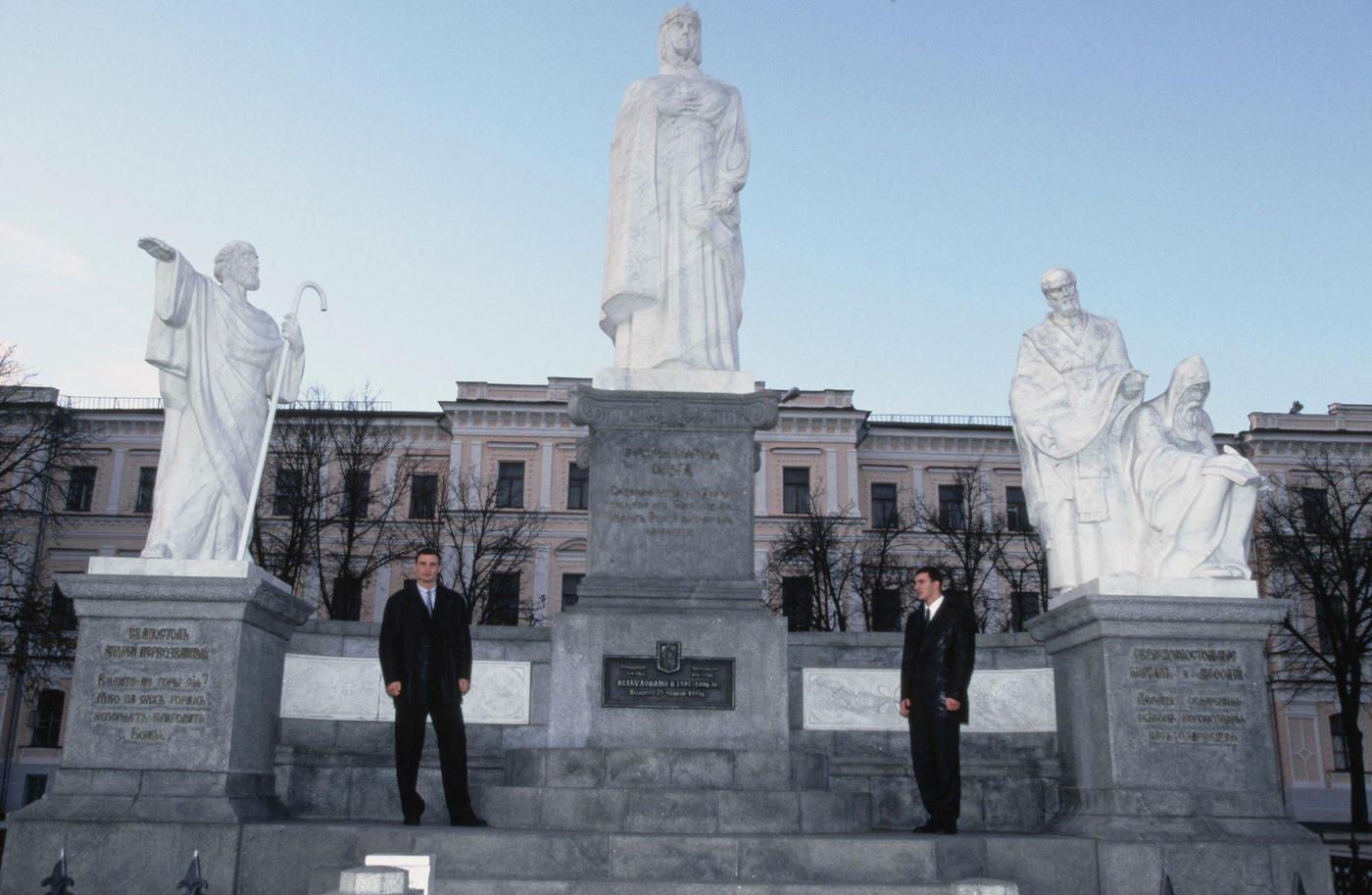
By the late 1990s, international attention was turning toward Ukraine. In 1997, U.S. First Lady Hillary Clinton visited Lviv as part of broader American engagement with newly independent Eastern European nations. That same year in Kyiv, a young Vitali and Wladimir Klitschko — then rising boxing stars — posed for a photo beside the monument to Olga of Kiev, a medieval ruler who became one of the most celebrated figures in Ukrainian history. The decade had reshaped everything: borders, economies, identities, and futures.




Interesting photos, amazing to see the extreme changes between then and now. The names, the spelling, the heroes are all pretty much different.
Not sure what do you mean. The photos show mainly buildings, and most of them are still very recognizable. The names of streets have changed already in 1960-1980 years after de-stalinization. Thus I don’t quite get what you have intended to say.
All the Soviet Union propaganda in the early photos, still statues of Soviet generals and presidents. Most, if not all, gone now. You can tell a lot about people by who they revere.
tramways mostly still look the same!
I visited in ‘92 and boy does this bring back memories. Thanks!
Ah, the iconic Czech Tatra T3 trams.
Right about the time they started pushing for independence – much of the country was effectively still Russian.
Astounding how far they’ve come since then.
Awesome pictures! But one small gripe of mine. The city name is Kyiv not that colonial Russian one.
Ukraine, and all the former Soviet republics, was forced to transition from a command economy to a market one without all the institutions (corporate governance and contract laws, clear property rights, accounting standards, and a judiciary able to enforce it all) needed. The mafia began competing with the government for legitimacy. Not doing some kind of Marshall plan for the Eastern Bloc was a big mistake.
That was a good decade before my first trip to Ukraine, Great photos.