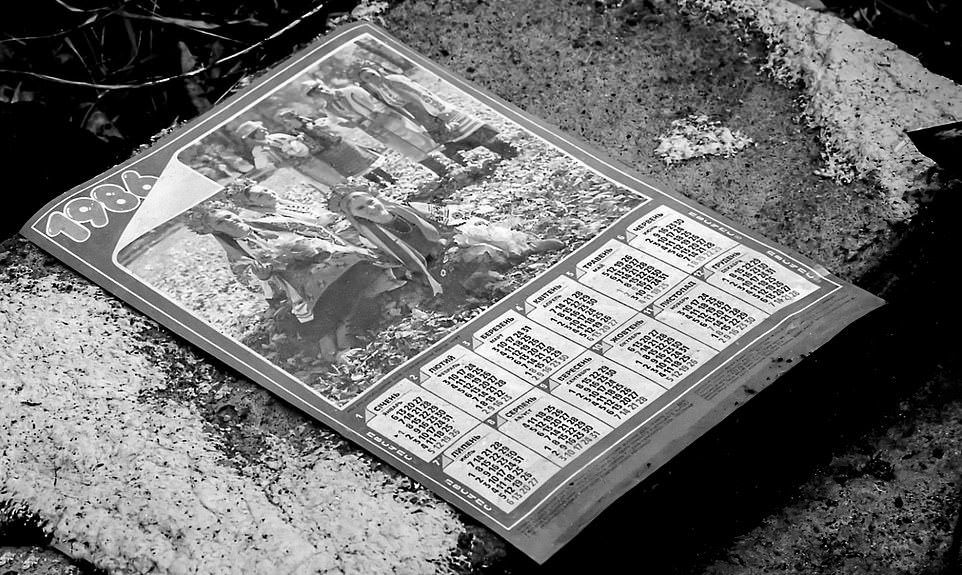
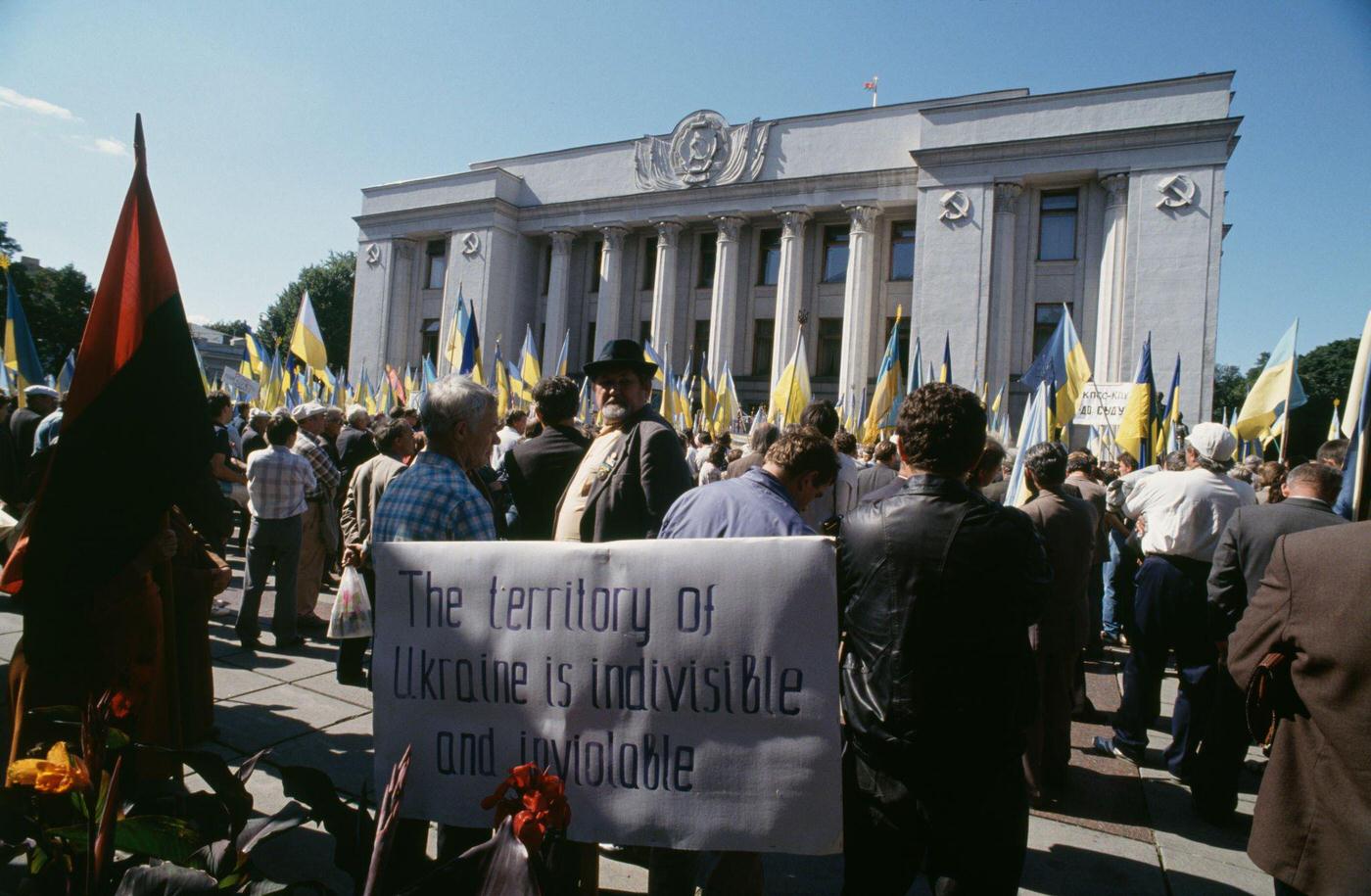
When Ukraine declared independence on August 24, 1991, no city felt the shift more immediately than Kyiv. Overnight, the capital of a Soviet republic became the capital of a sovereign nation. Streets buzzed with both celebration and anxiety. People who had lived their entire lives under one system now faced a completely different one, and nobody was entirely sure what came next.
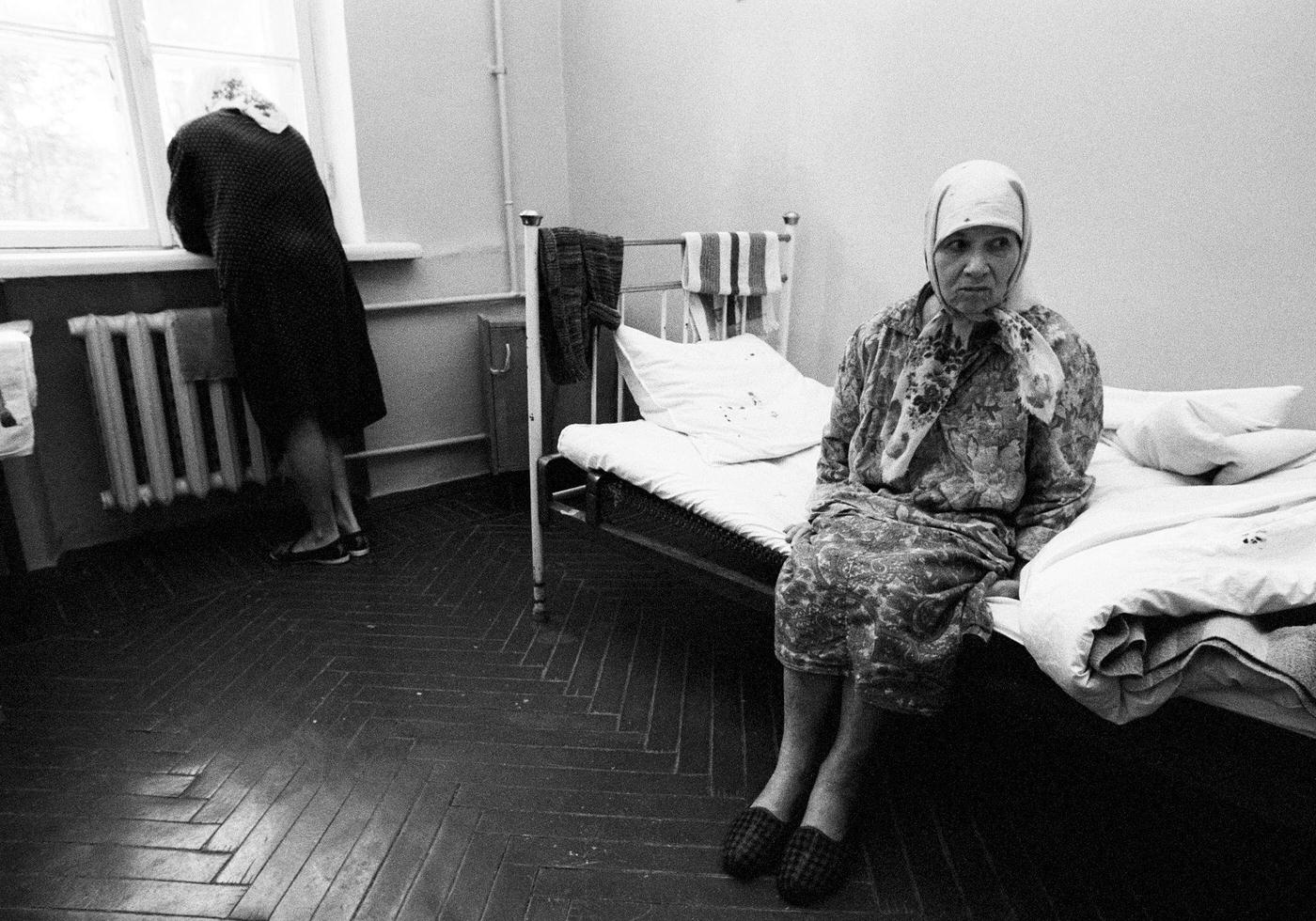
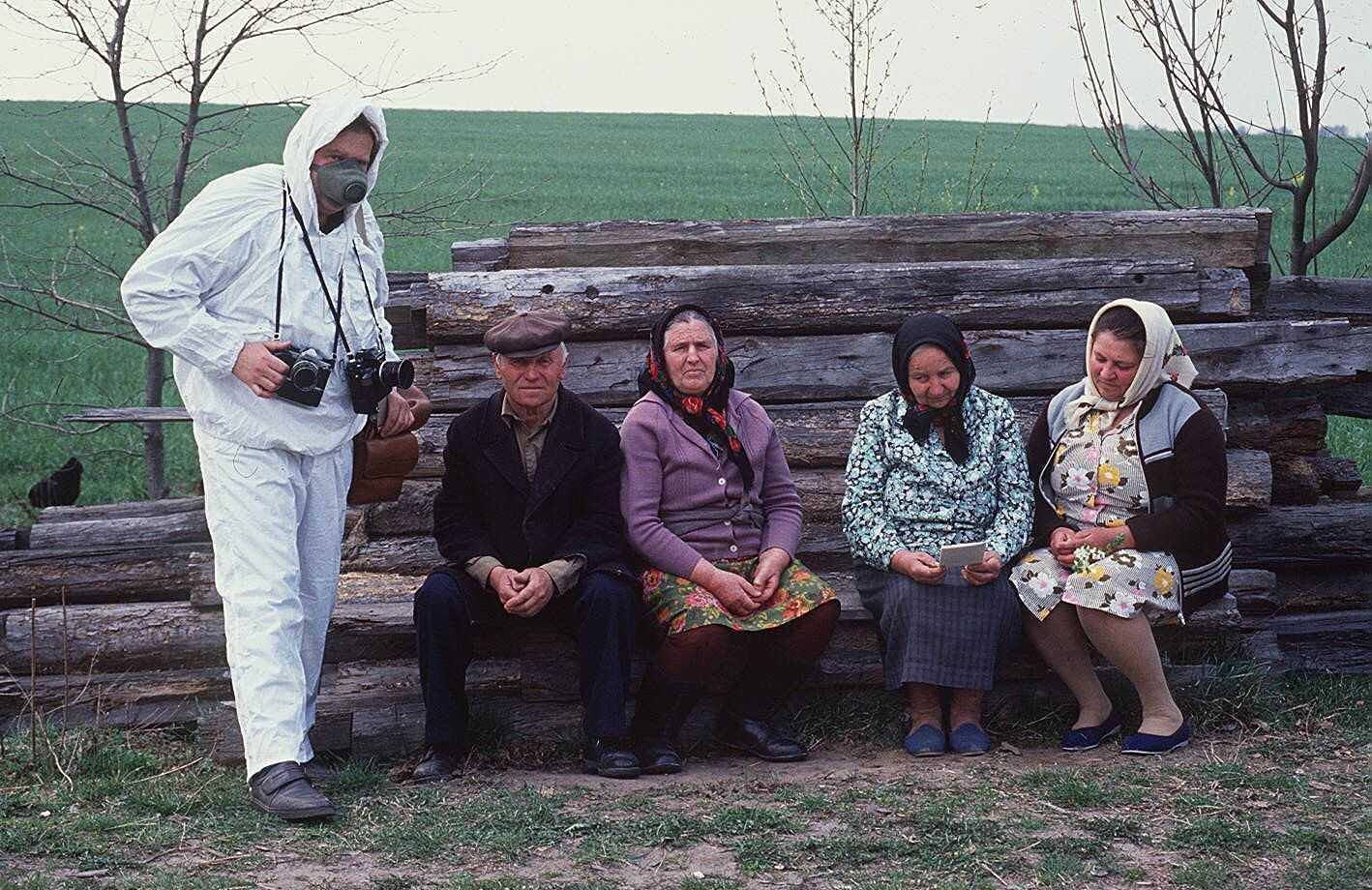
The shadow of the Soviet era didn’t disappear quickly. Just the year before independence, villagers near Kyiv were still dealing with the long fallout from the 1986 Chernobyl disaster. Some had evacuated their homes years earlier and were only beginning to return to contaminated areas, a stark reminder of the risks that had defined life under Soviet industrial policy.
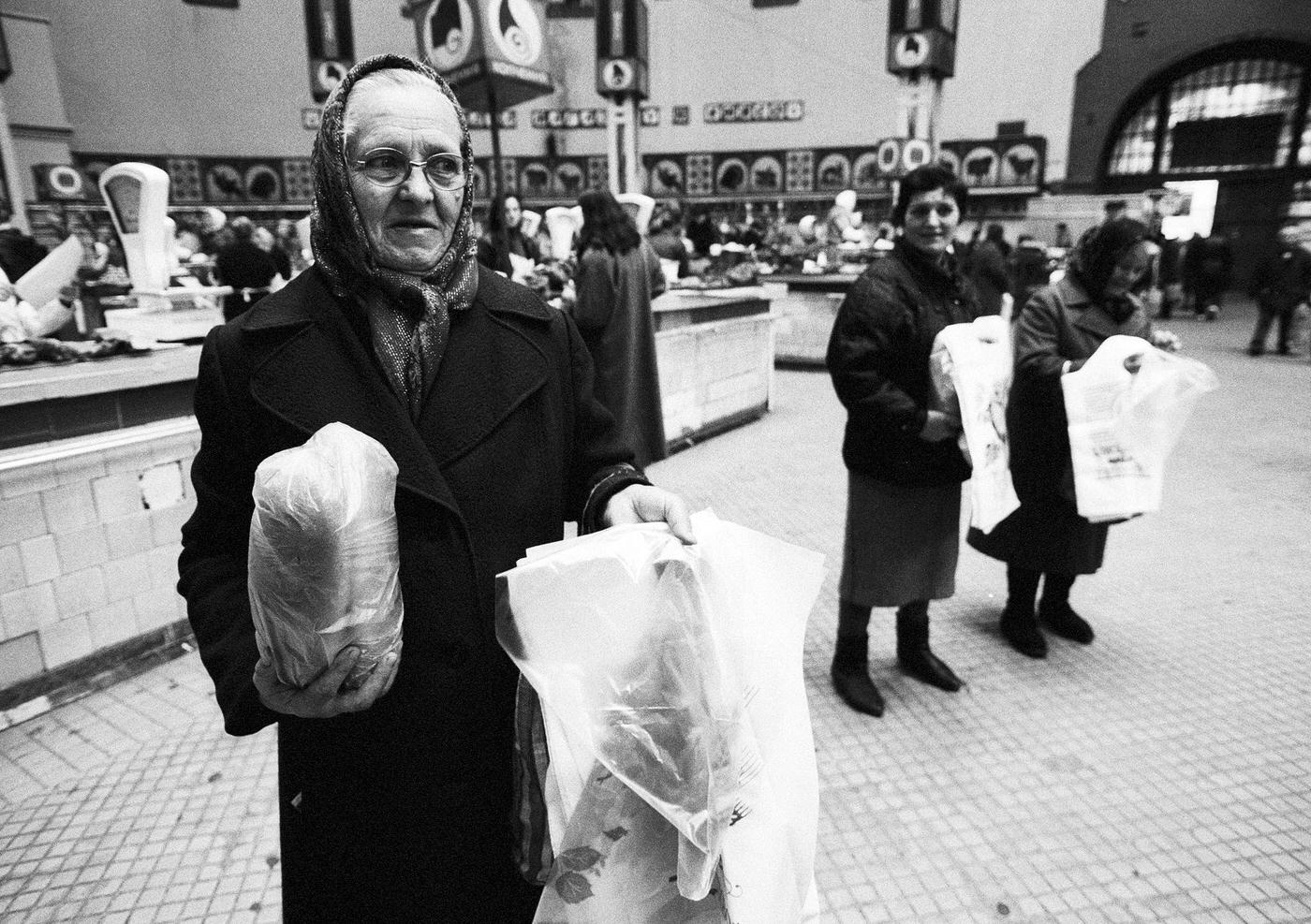
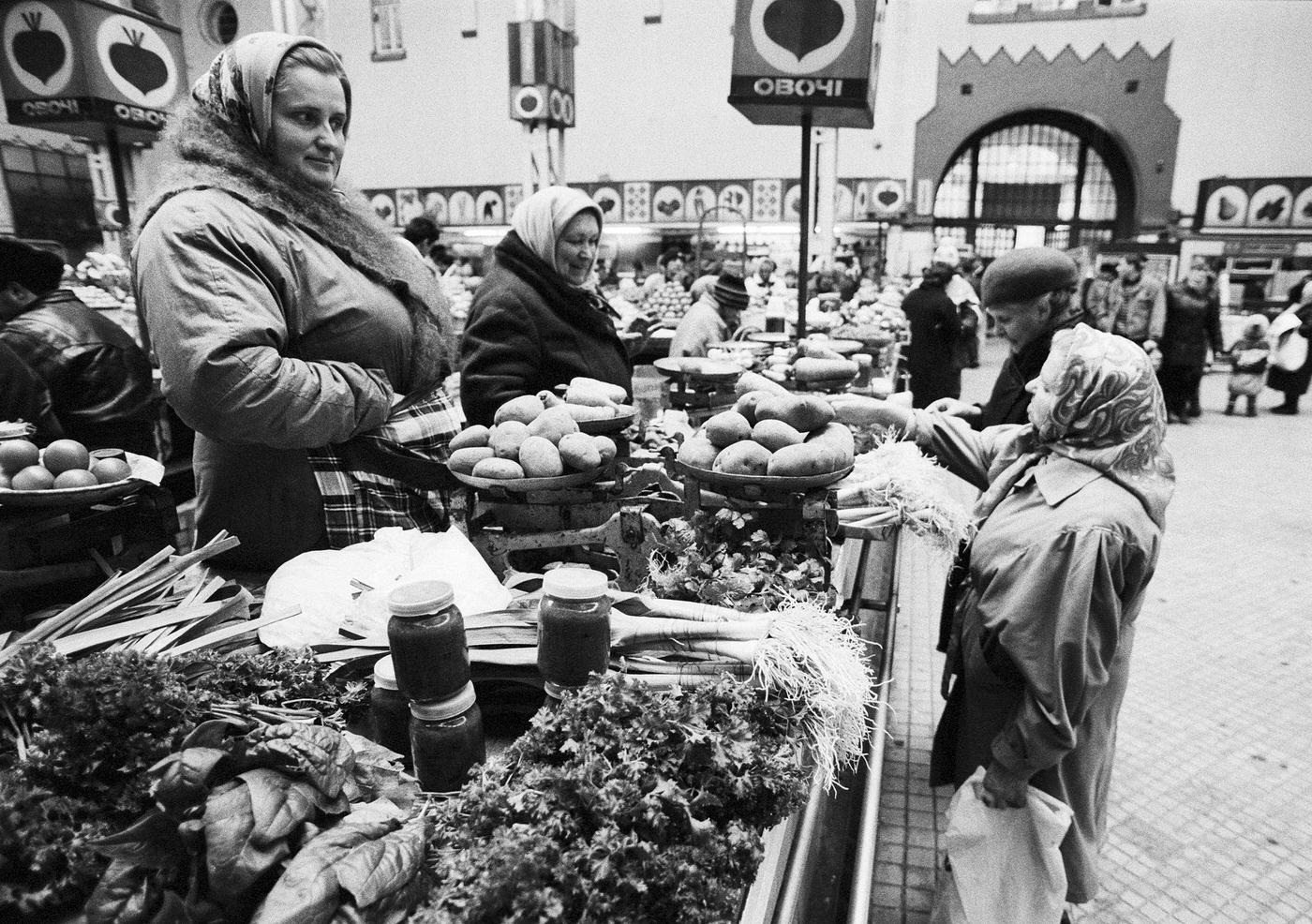
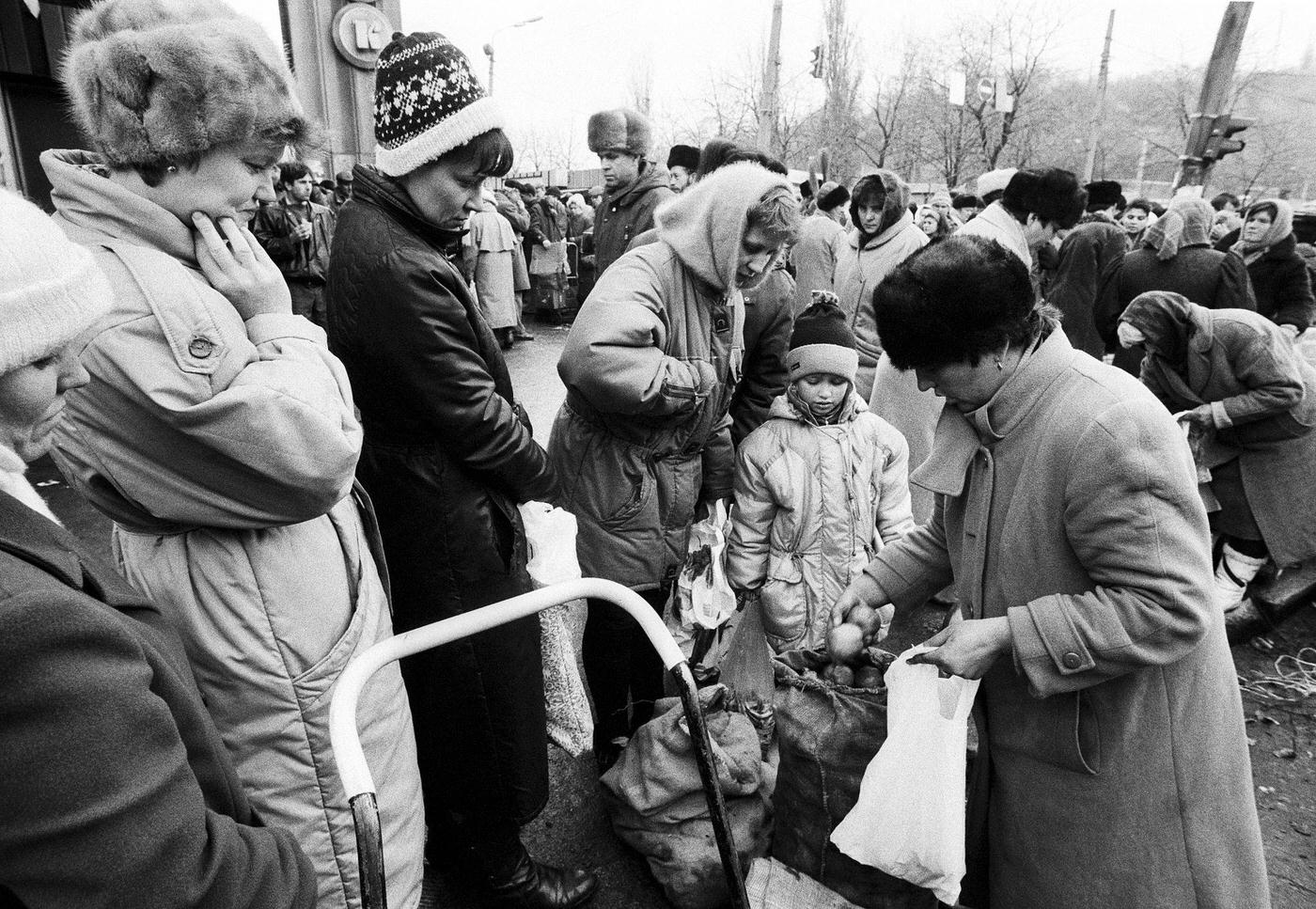
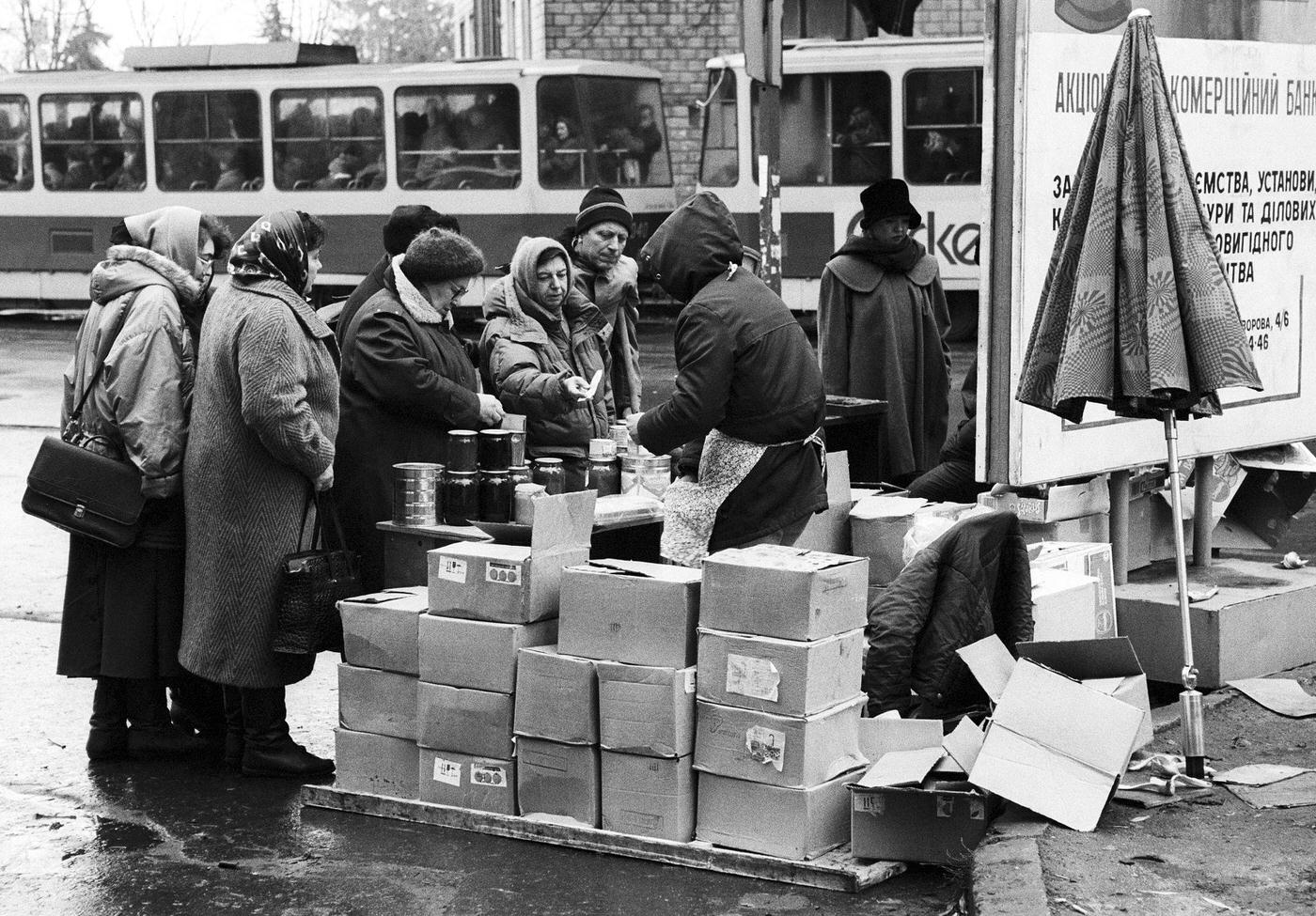
The economic transition hit ordinary people hard. The collapse of the Soviet command economy brought hyperinflation, factory closures, and widespread job losses. Markets sprang up across the city as people found new ways to earn money. Vendors sold everything from plastic bags to fresh produce, turning sidewalks and market halls into the economic backbone of daily life.
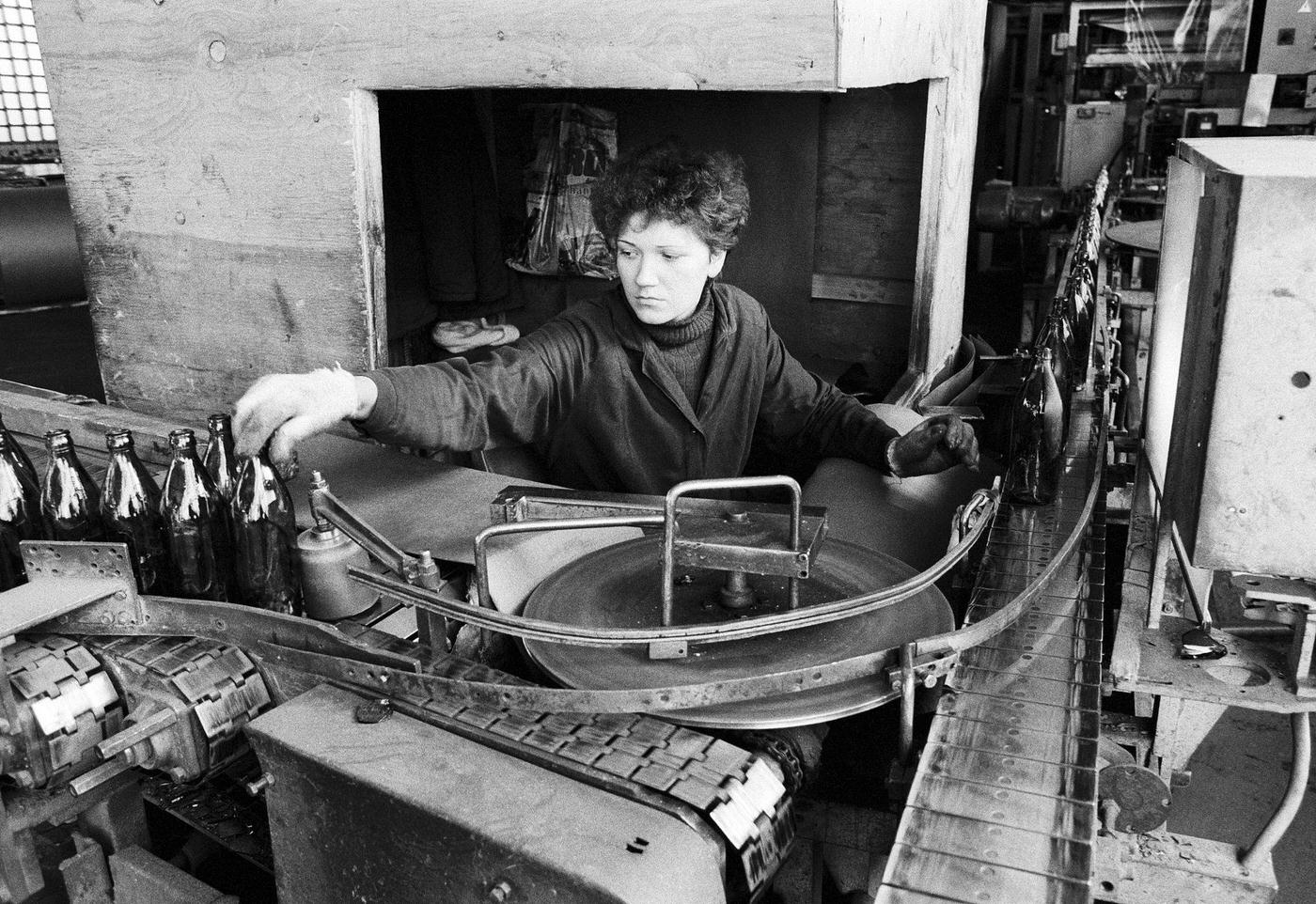
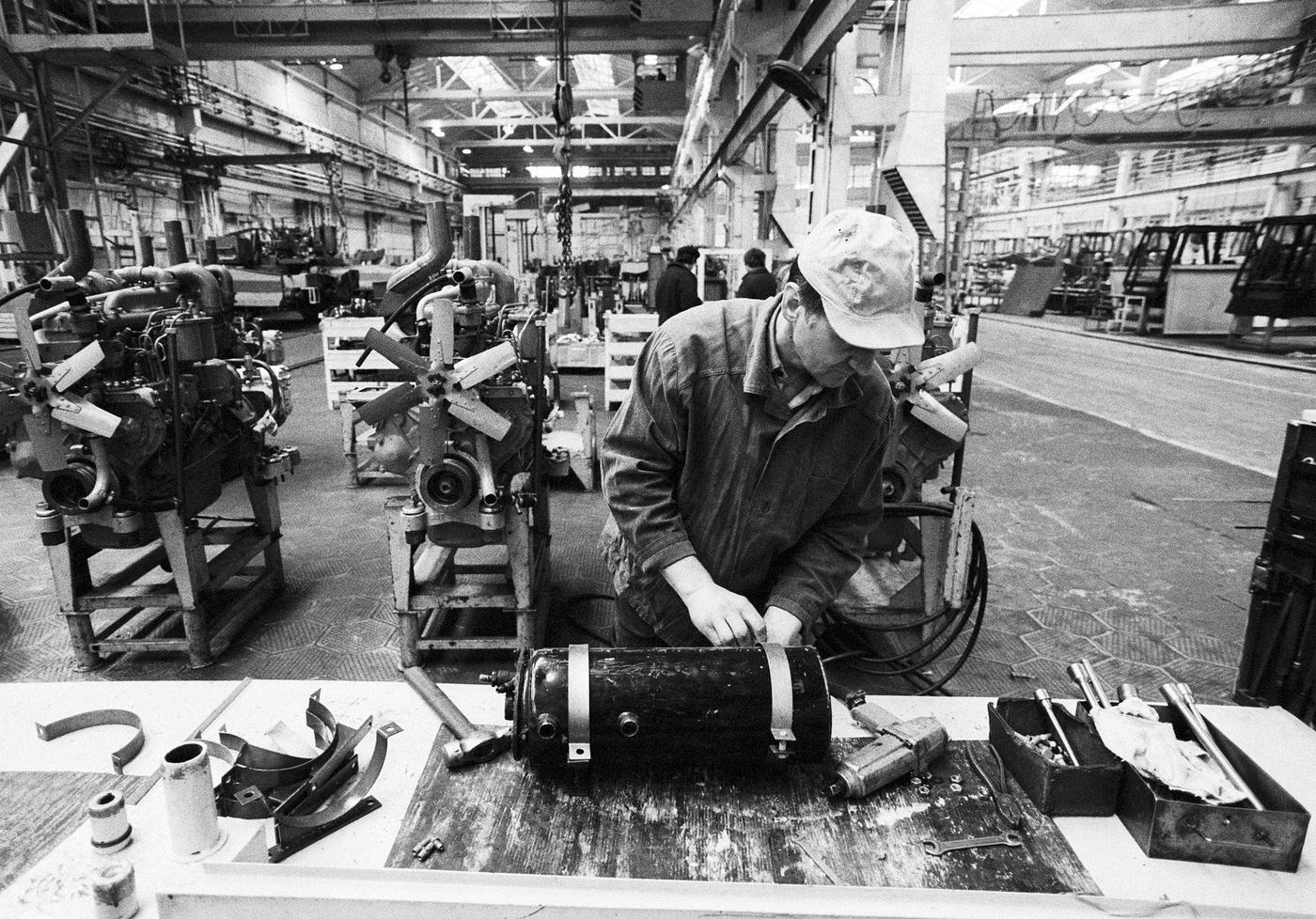
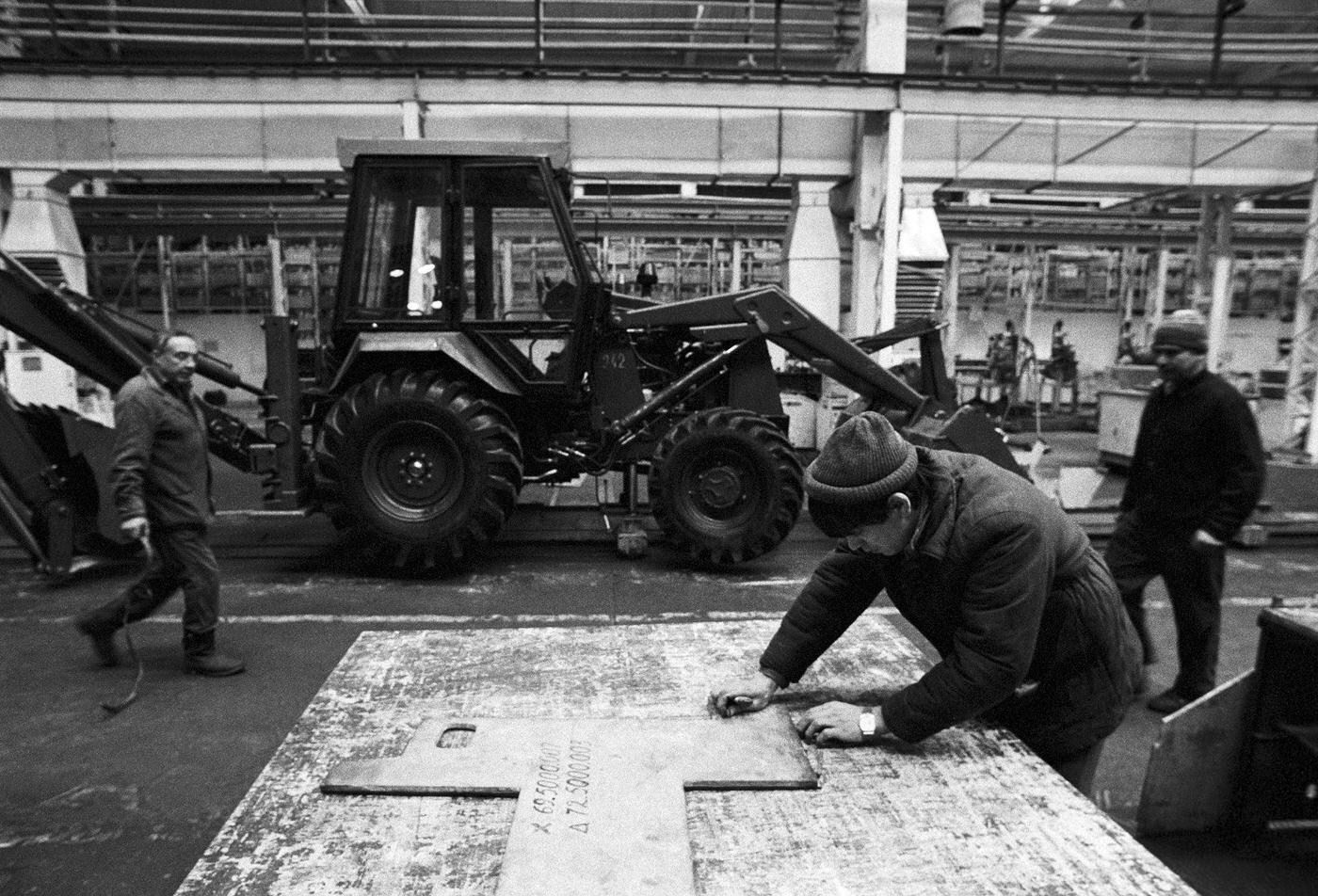
Factories that had operated for decades under Soviet planning struggled to survive in the new market environment. Workers at places like the Atek Tractor Factory and the Gostomel Bottle Factory kept showing up, but the future of these facilities was uncertain. Their continued operation was a sign of both resilience and the sheer inertia of Soviet-era industry.
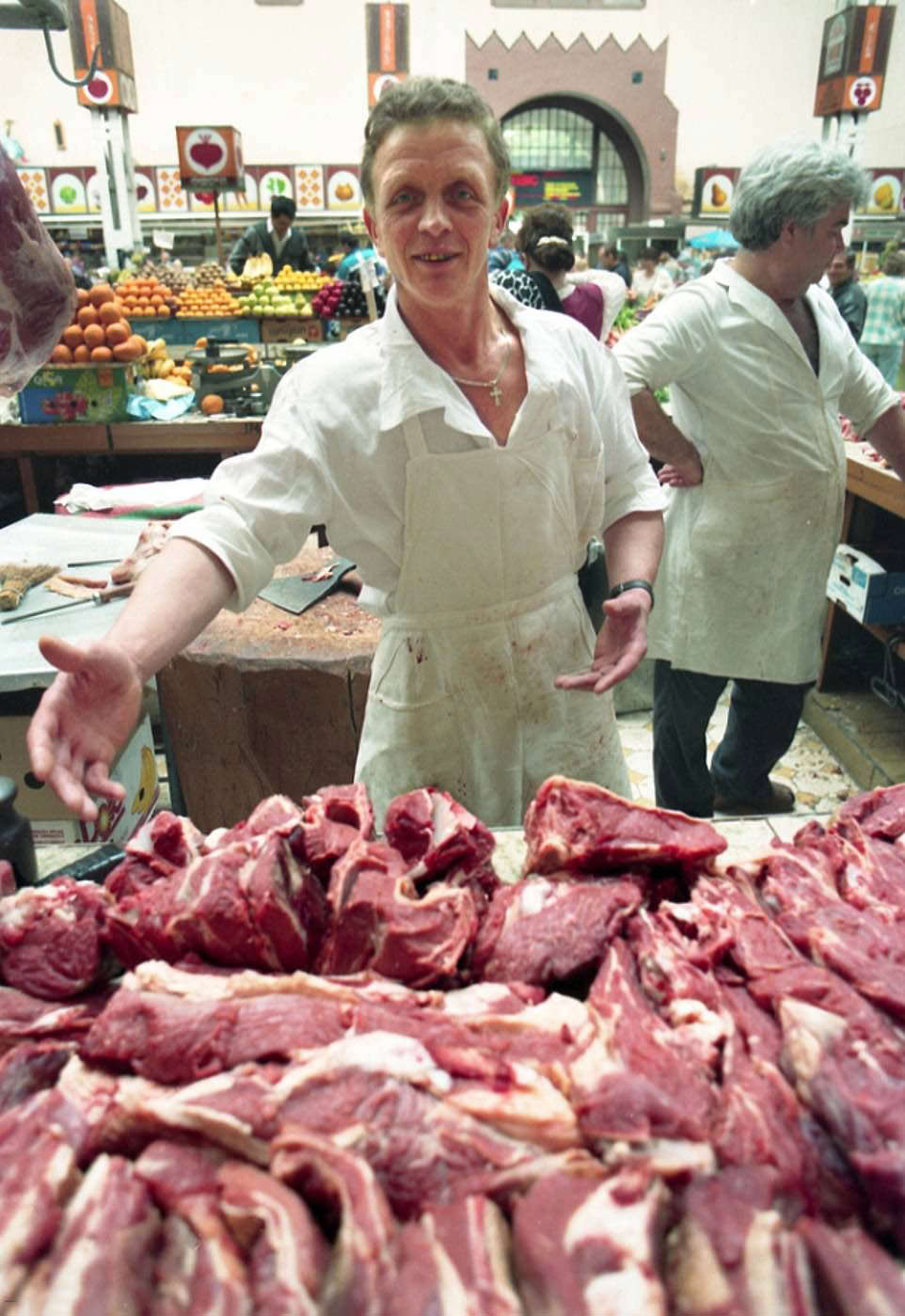
While factories struggled, street markets thrived. They became social hubs as much as commercial ones. Vendors displayed dried fish, fresh cuts of meat, and seasonal produce, drawing crowds of shoppers who had abandoned state-run stores for these open-air alternatives.
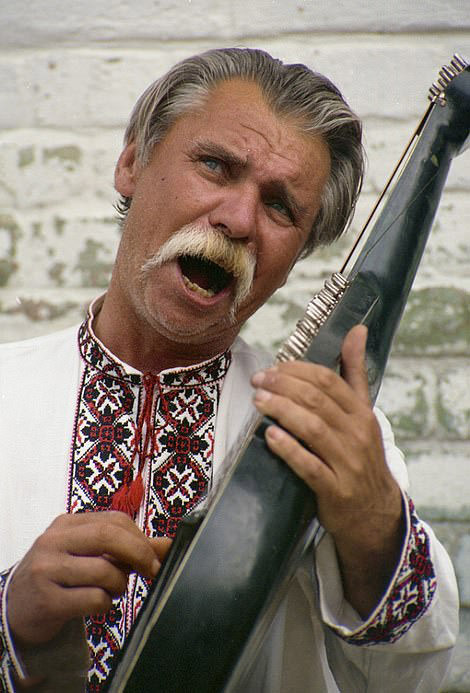
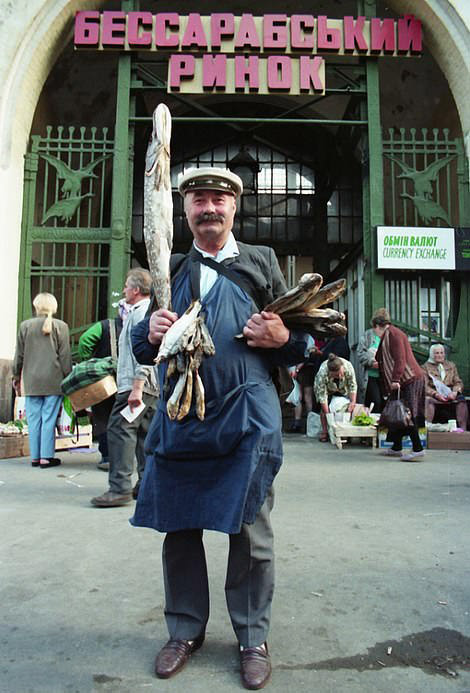
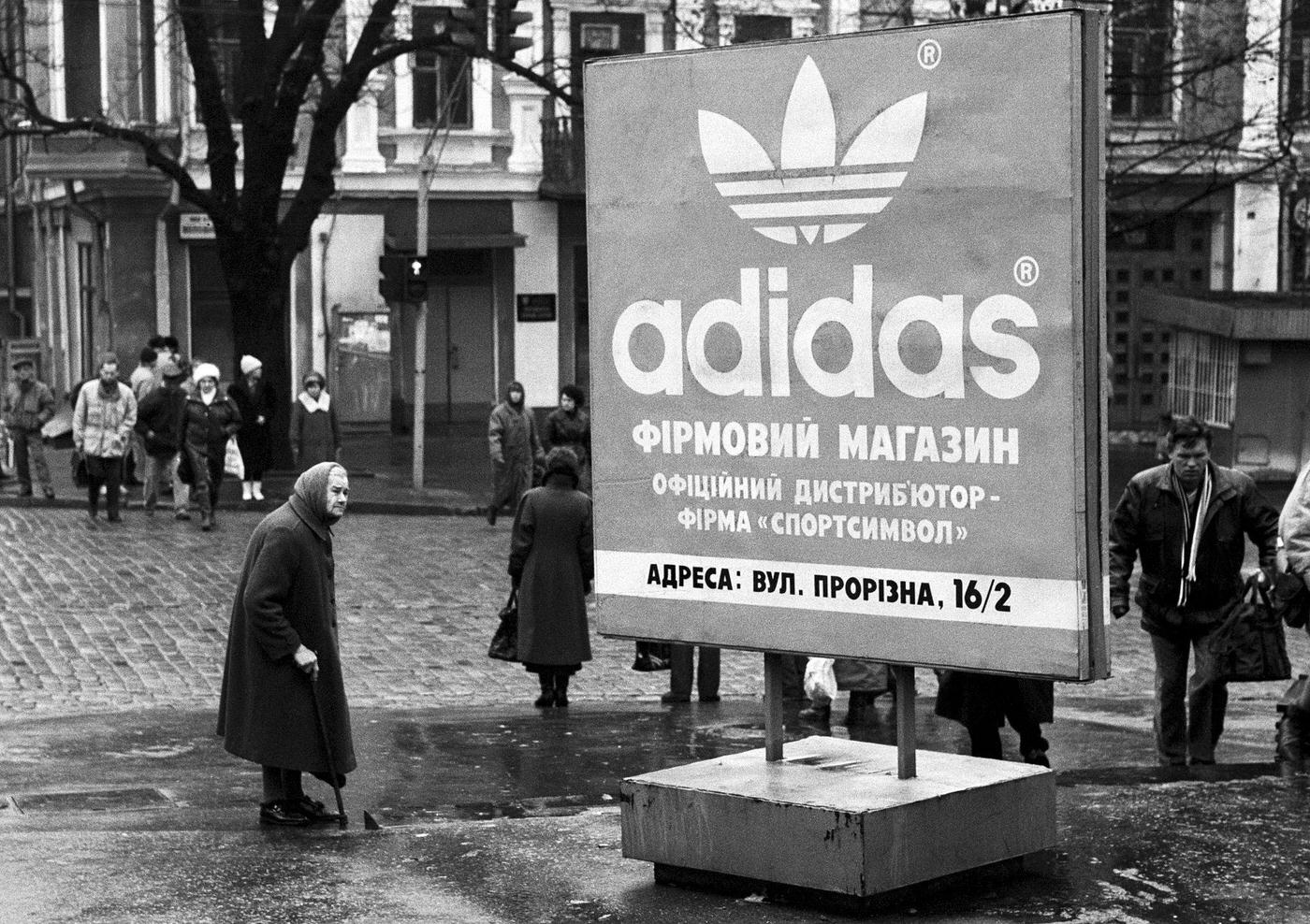
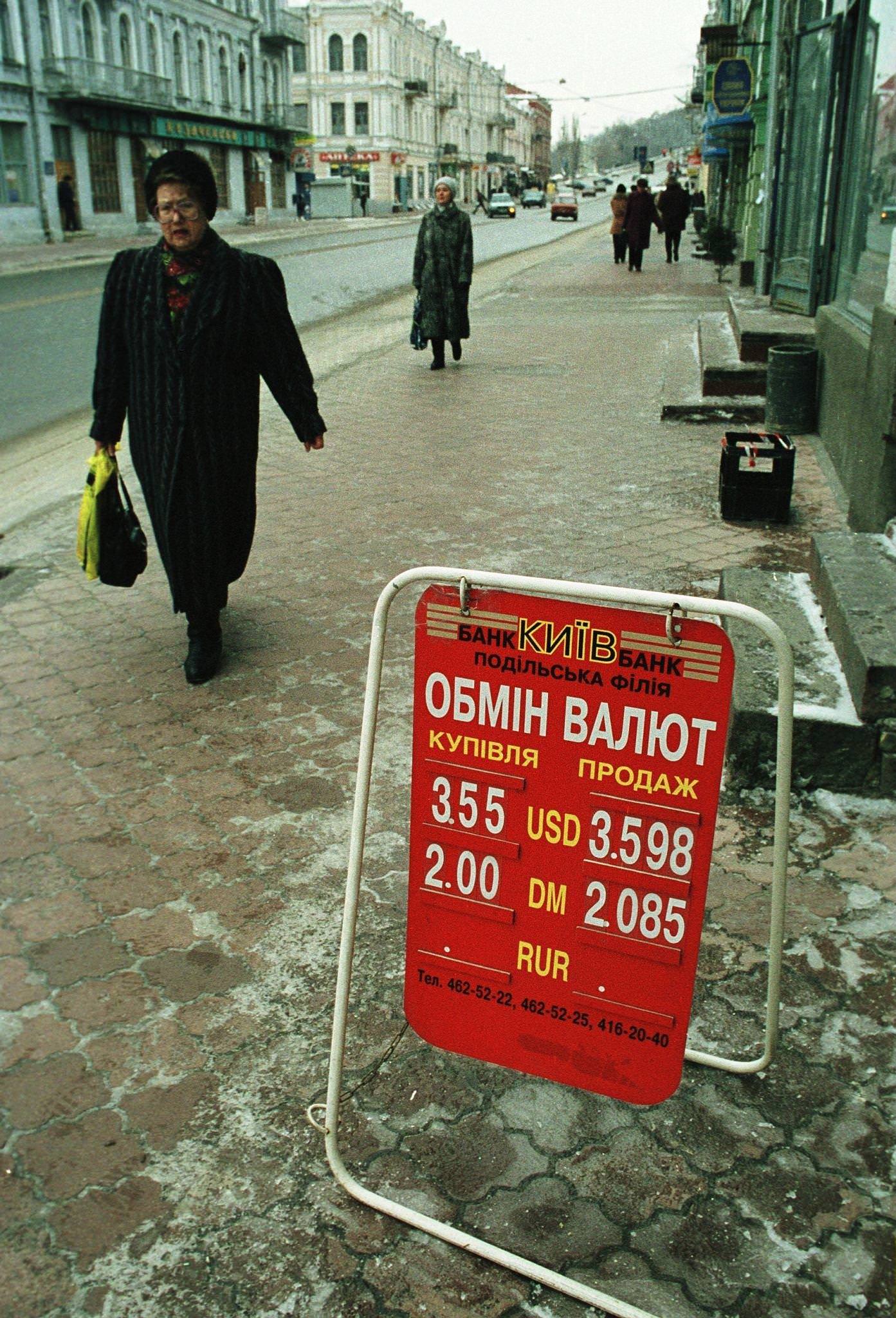
The contrast between old and new was visible everywhere. An elderly woman walking past an Adidas billboard captured in a single frame what the 1990s meant for Kyiv — Soviet-era life brushing up against Western consumer culture. Currency exchange signs appeared in downtown storefronts, and a new class of Kyivans began displaying wealth that would have been unthinkable a decade earlier.
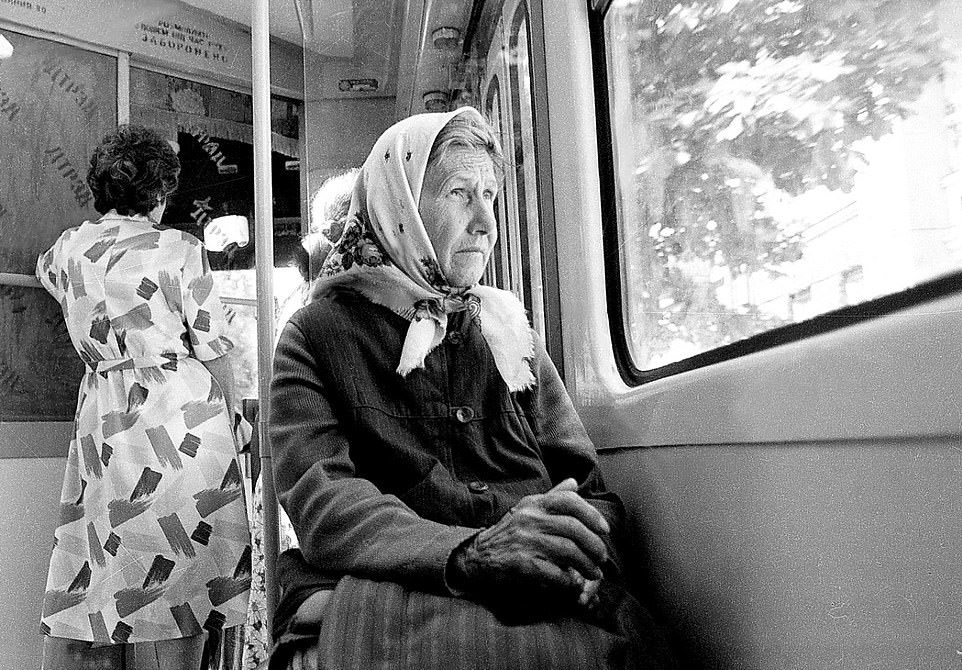
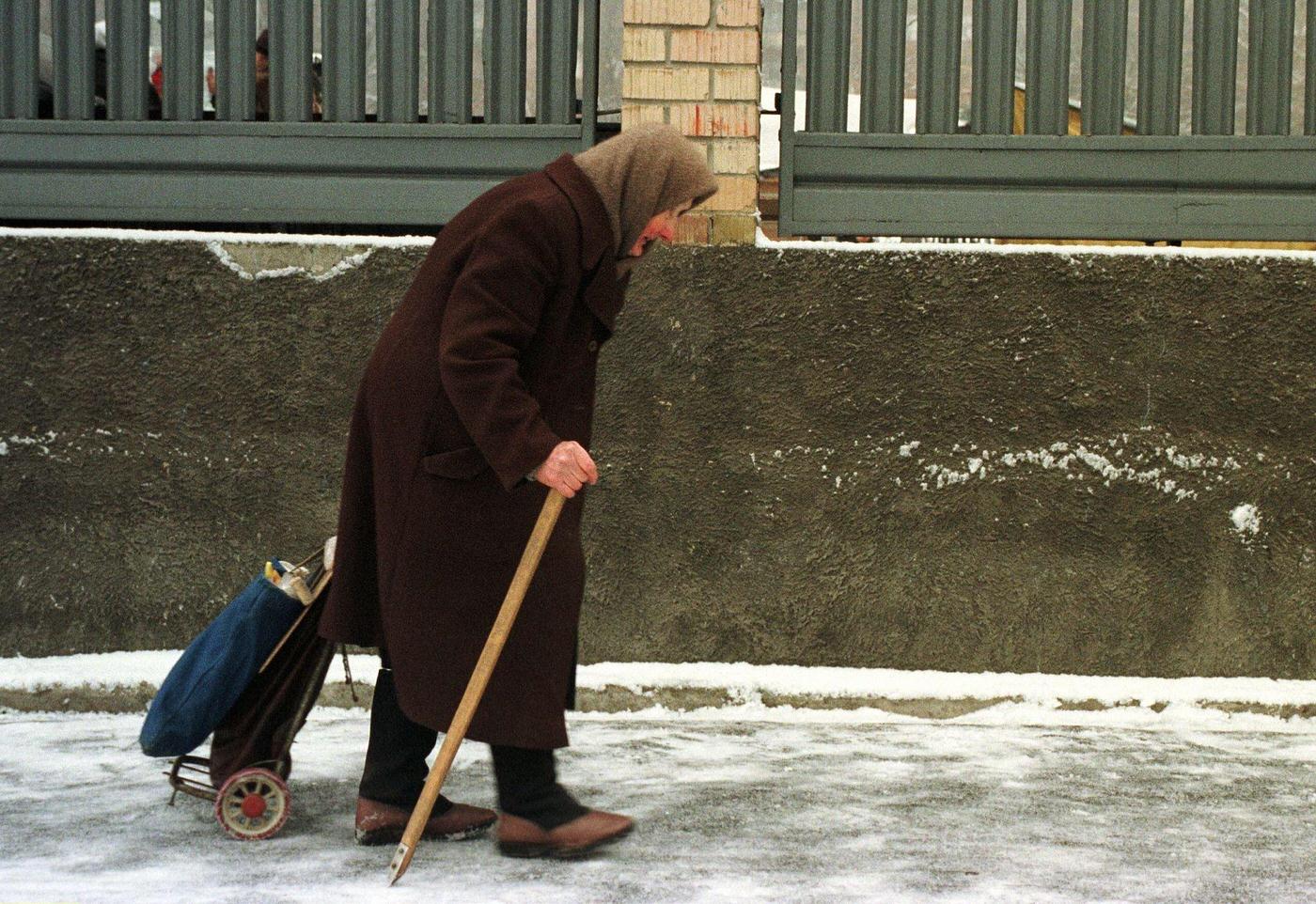
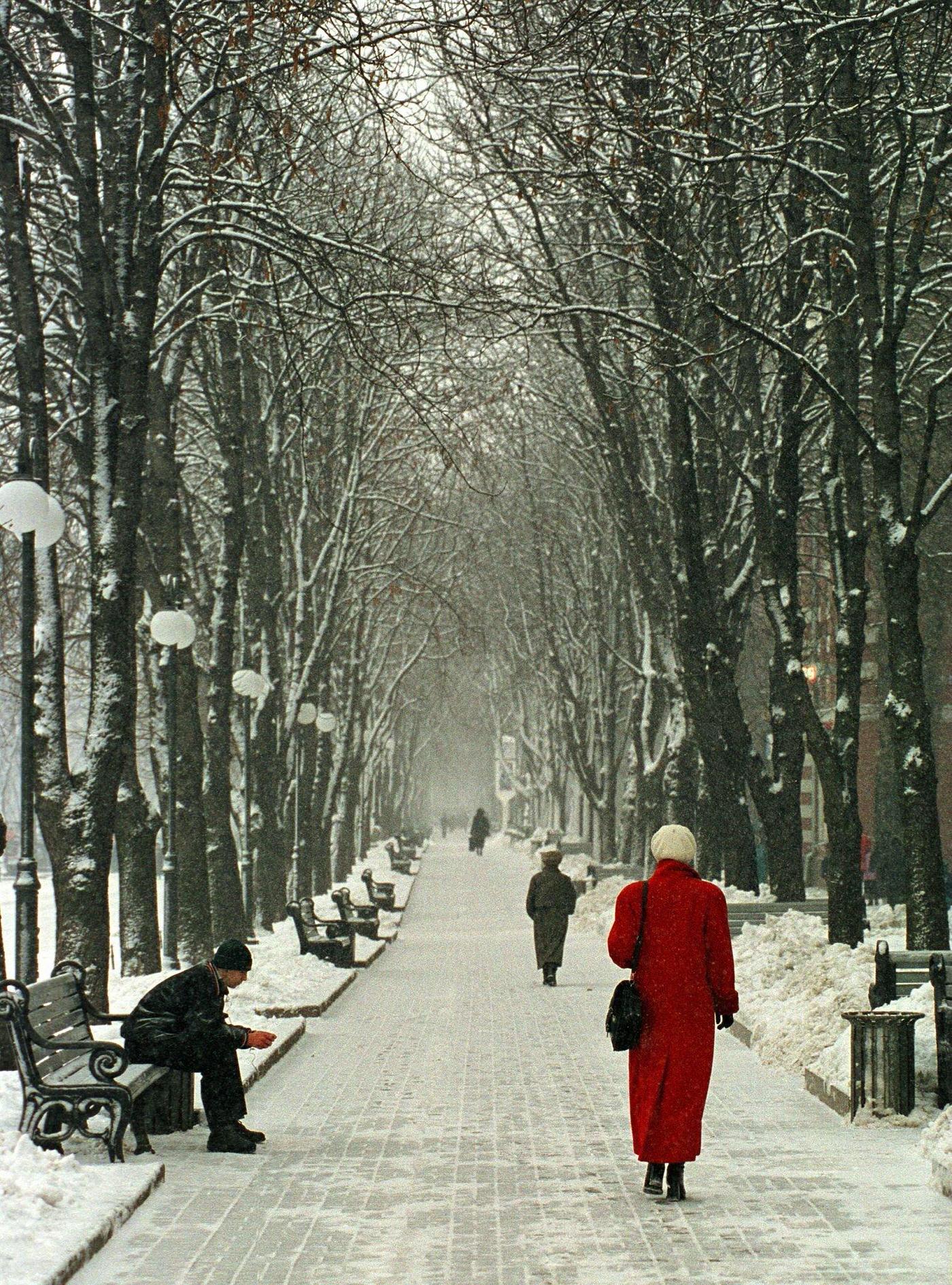
Winters in Kyiv were brutal, and they spared no one. Elderly women navigated icy sidewalks carrying groceries, while parks blanketed in snow drew families and couples. Cold weather was simply part of life, and Kyivans faced it without complaint.
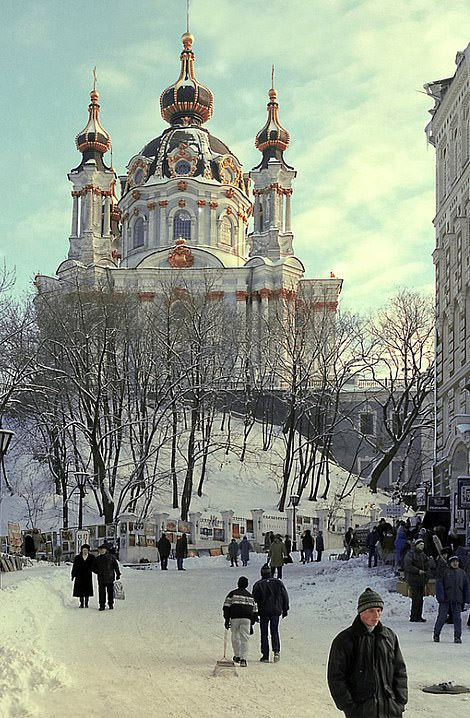
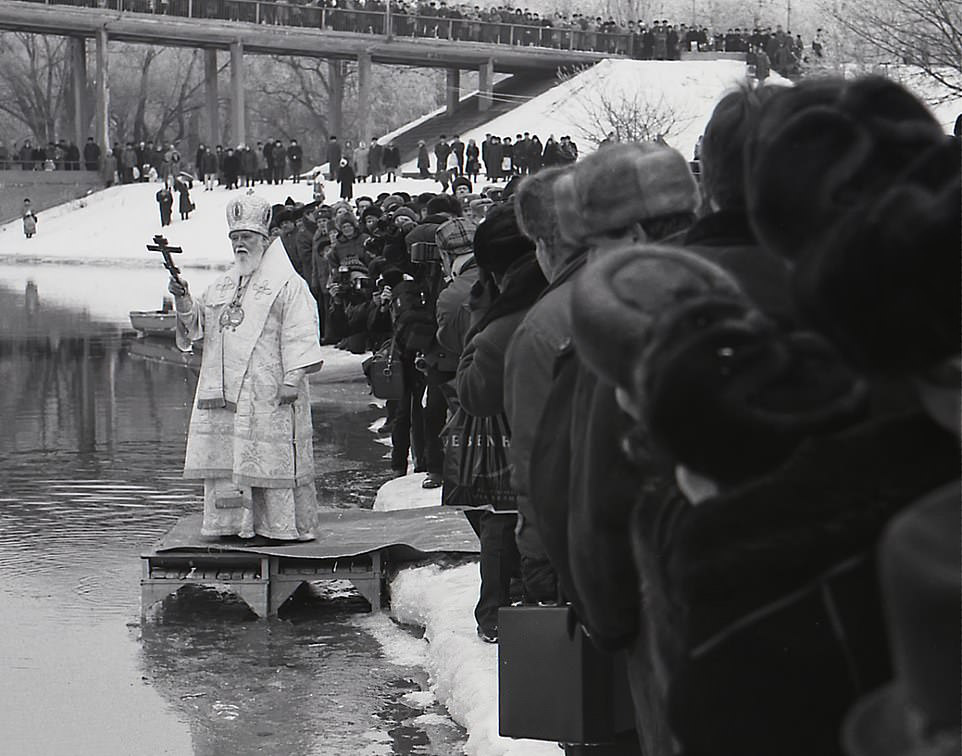
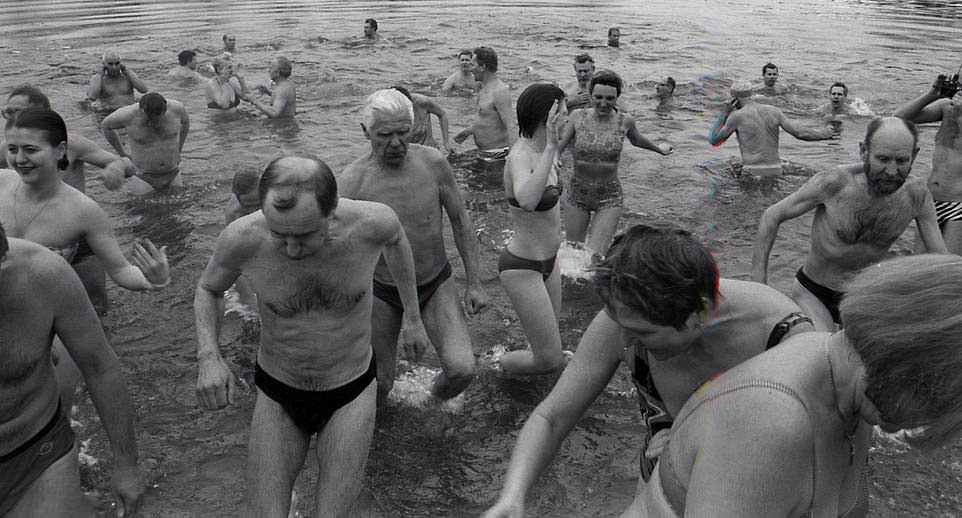
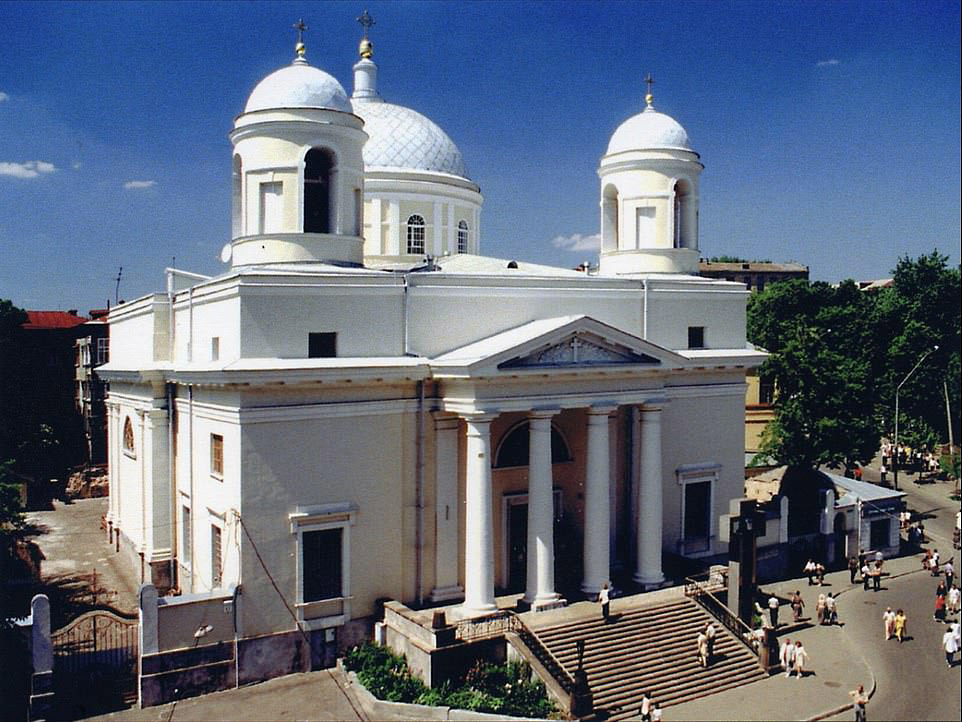
Religion returned openly to public life after decades of Soviet suppression. Orthodox traditions like the New Year’s blessing of the Dnipro River — followed by a mass cold plunge — drew large crowds. The Church of St. Alexander and St. Cyril’s Monastery stood as reminders that Kyiv’s religious heritage had survived the Soviet era.
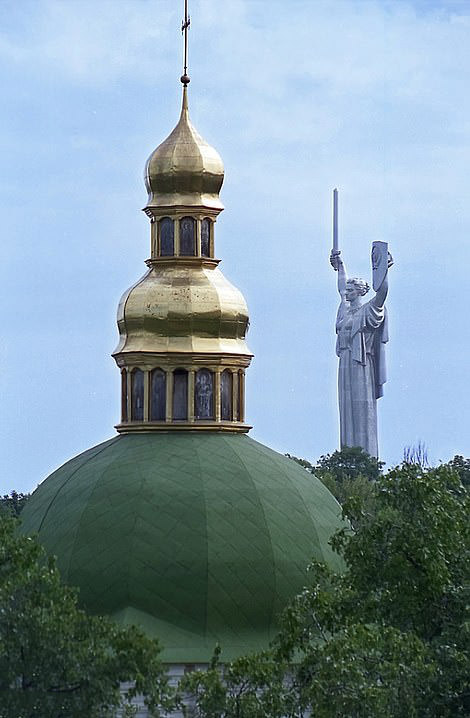
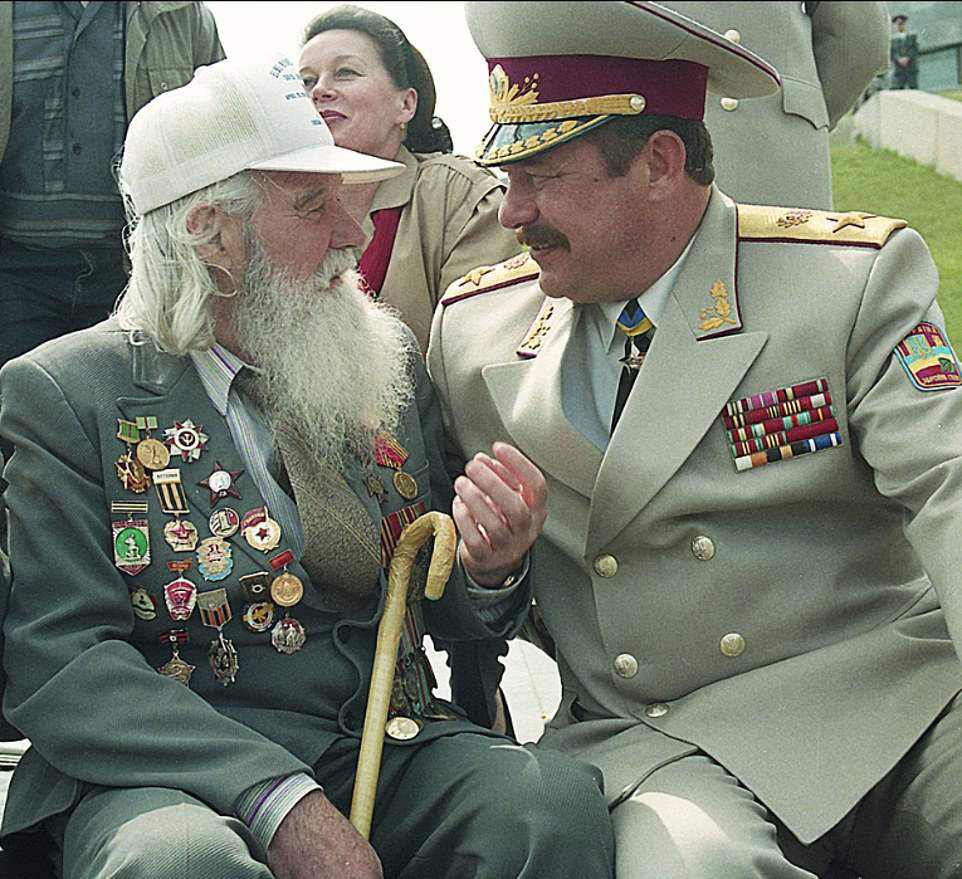
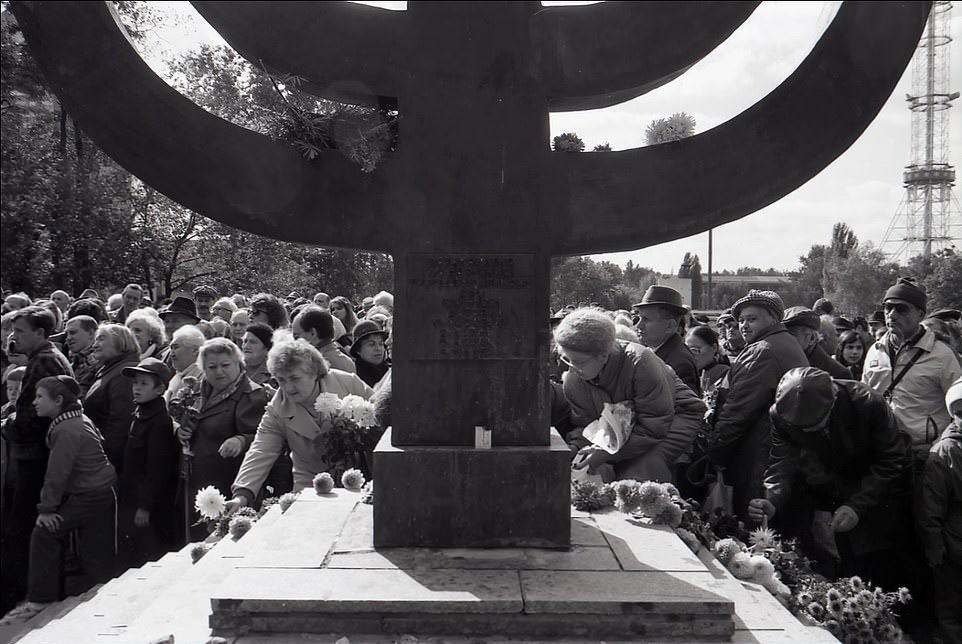
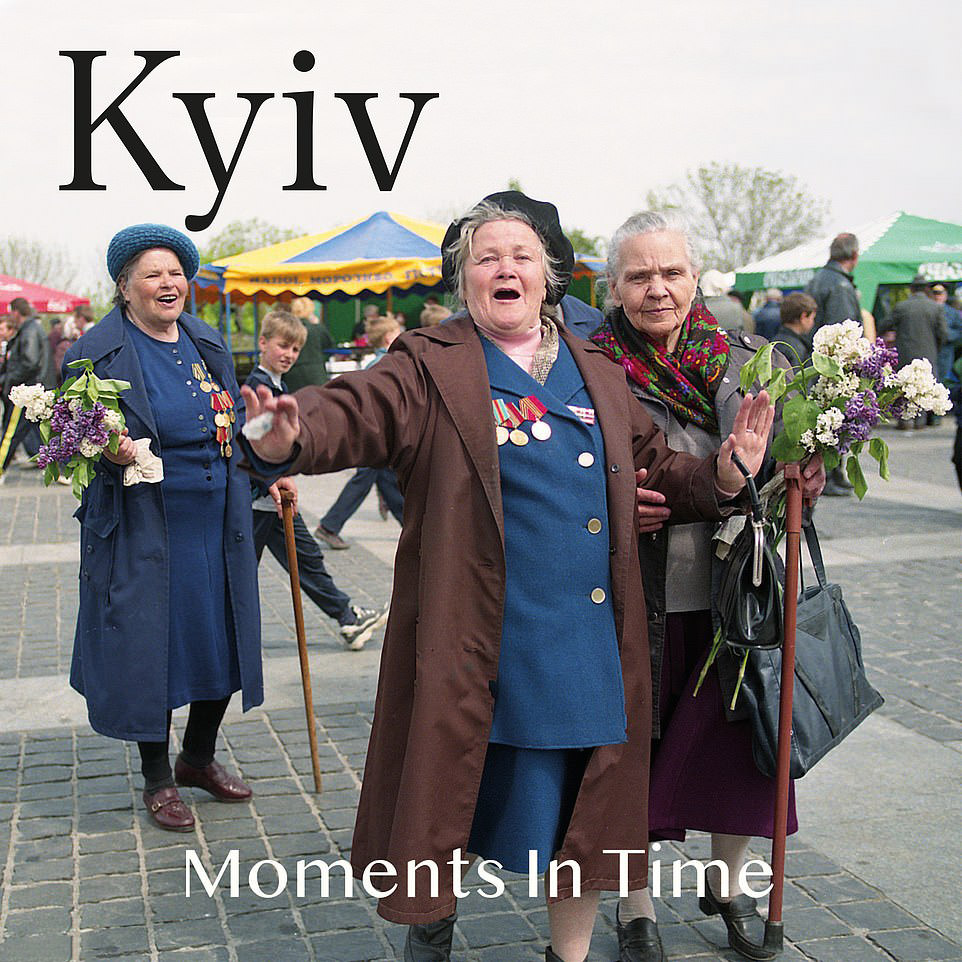
History was honored even as the city moved forward. Veterans gathered wearing their medals to mark the end of World War II, and the Babyn Yar memorial stood as a solemn reminder of the tens of thousands of Jews massacred there during the war. These events grounded a city that was racing to reinvent itself.
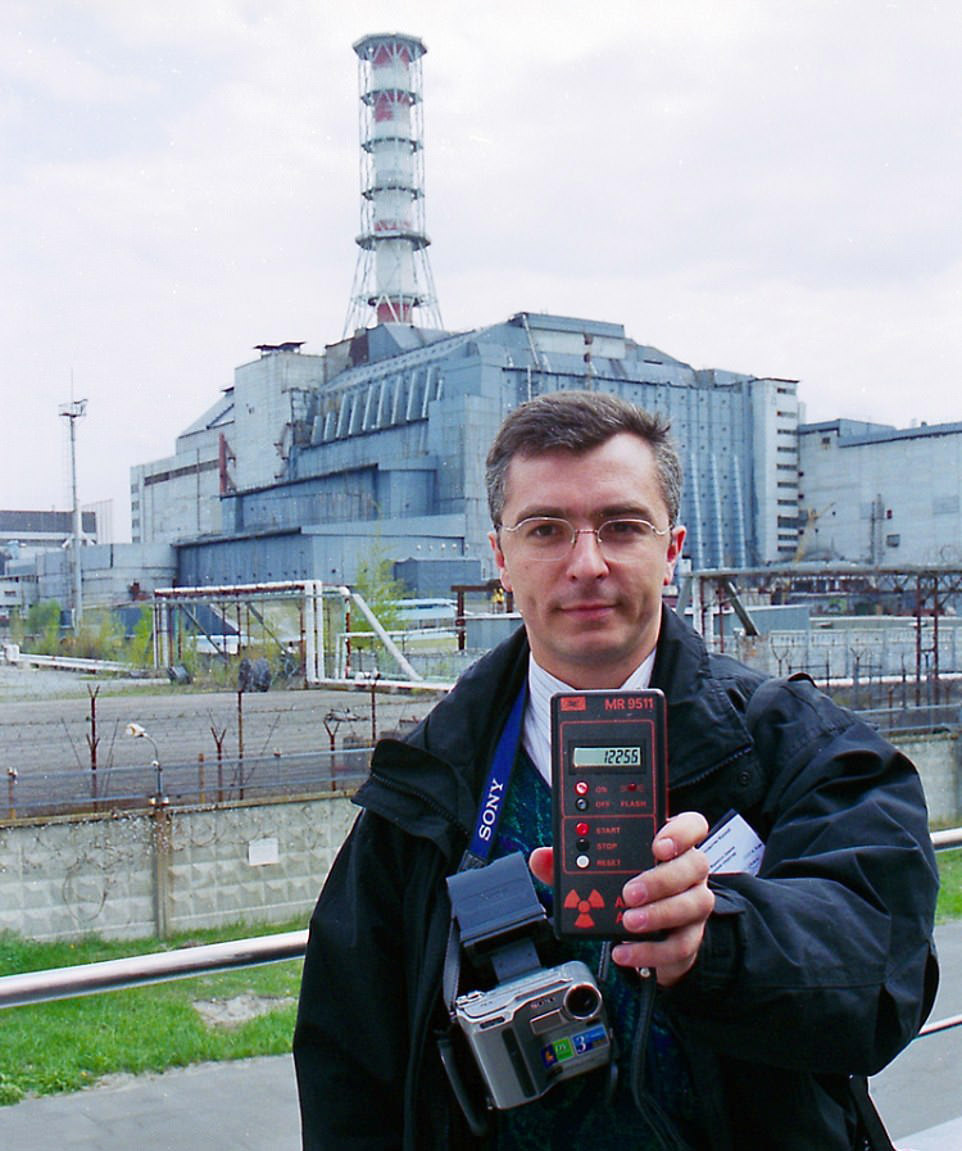
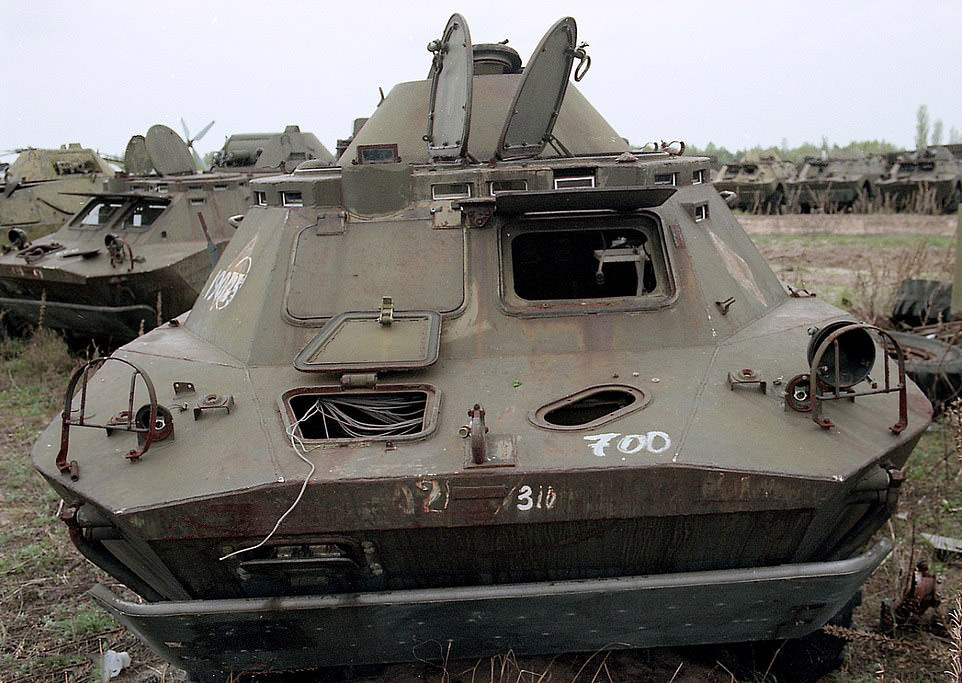
Chernobyl remained a raw subject throughout the decade. On the 13th anniversary of the disaster in 1999, journalists and visitors were granted access to the plant and its surrounding restricted zones, including a graveyard of decommissioned helicopters used in the cleanup effort.
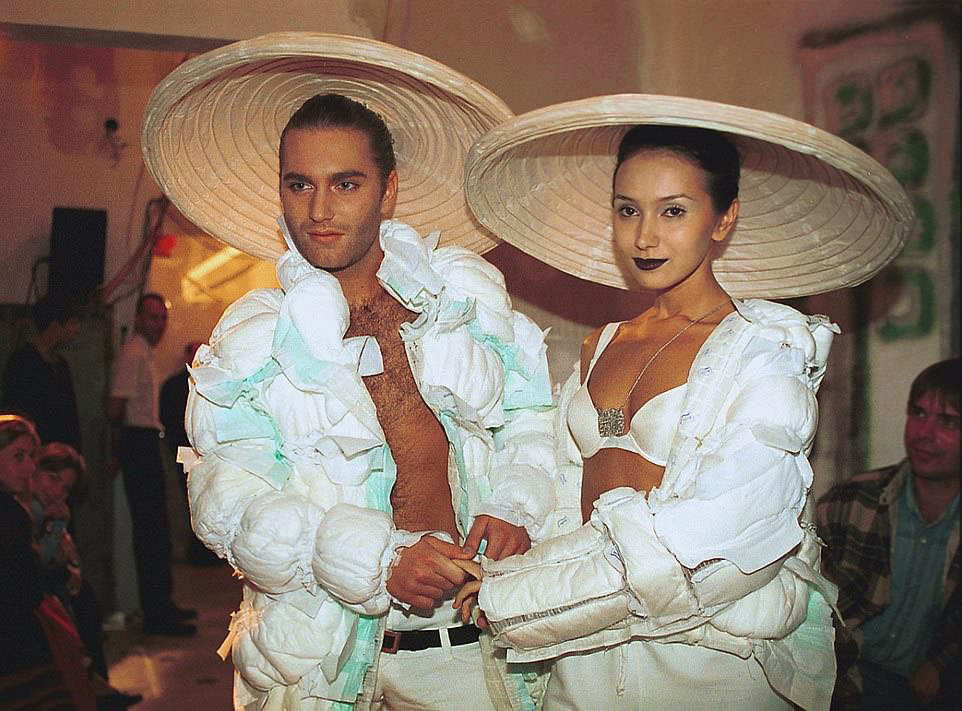
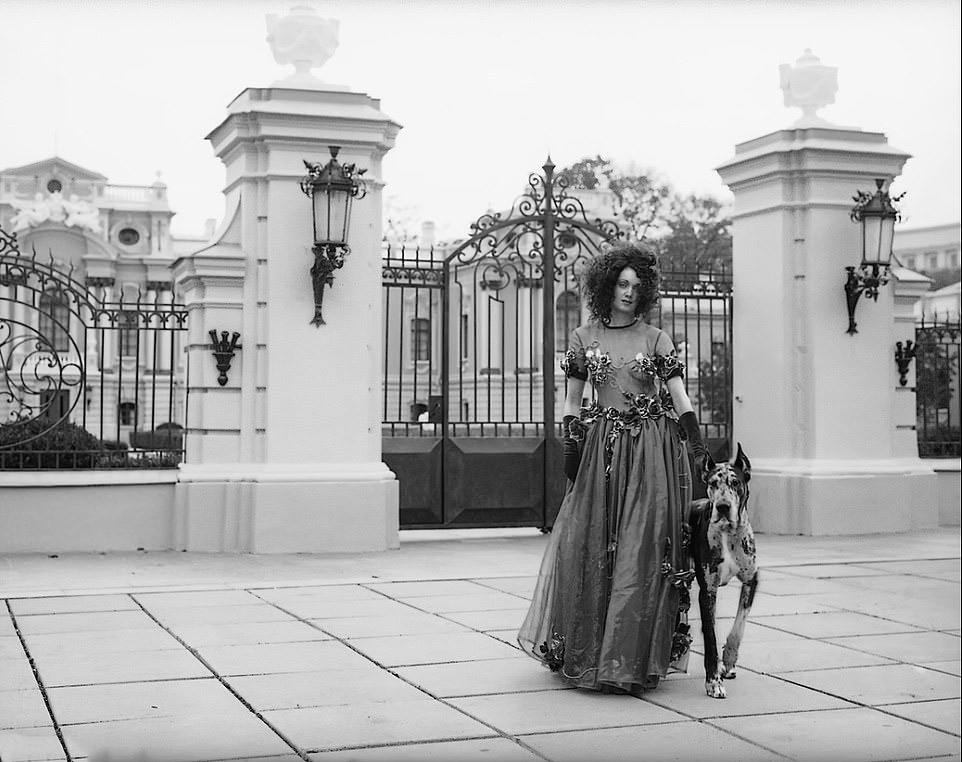
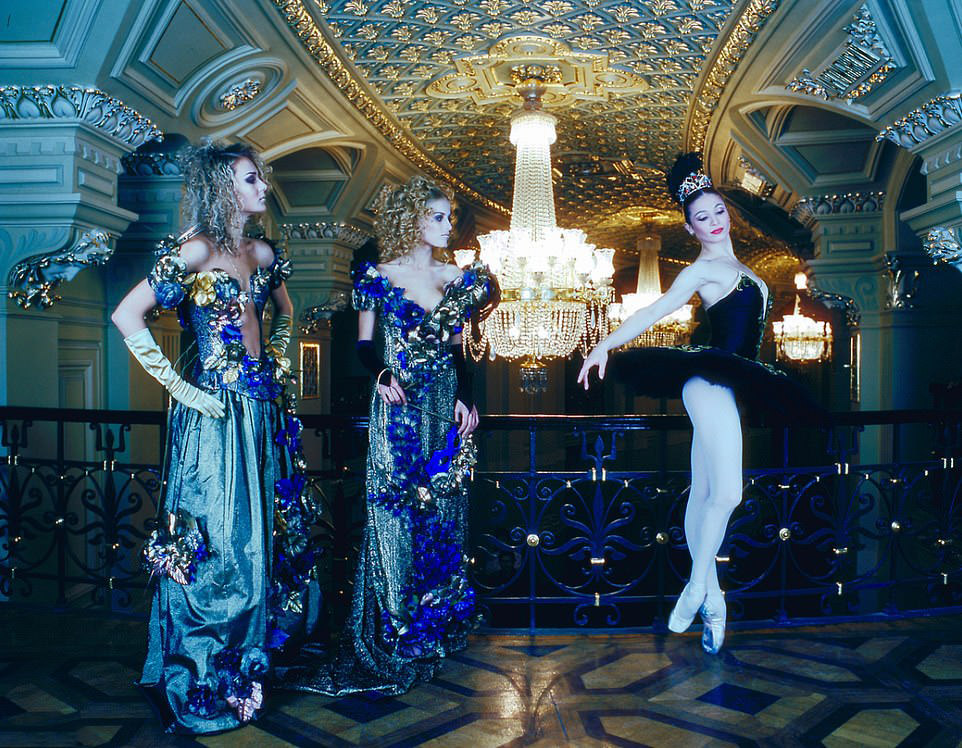
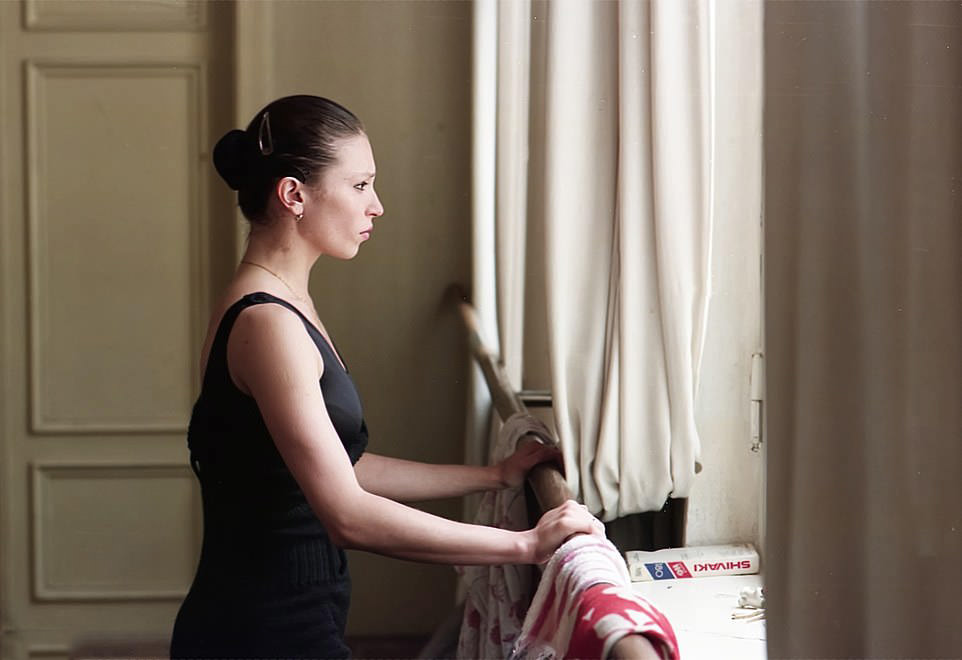
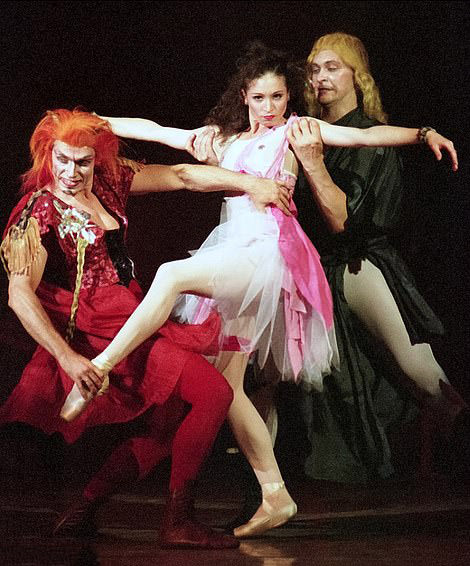
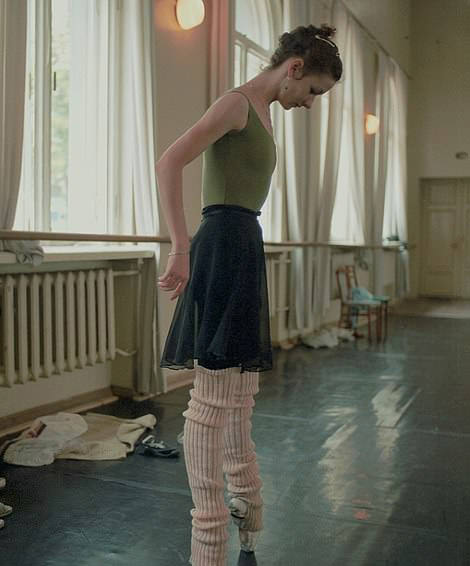
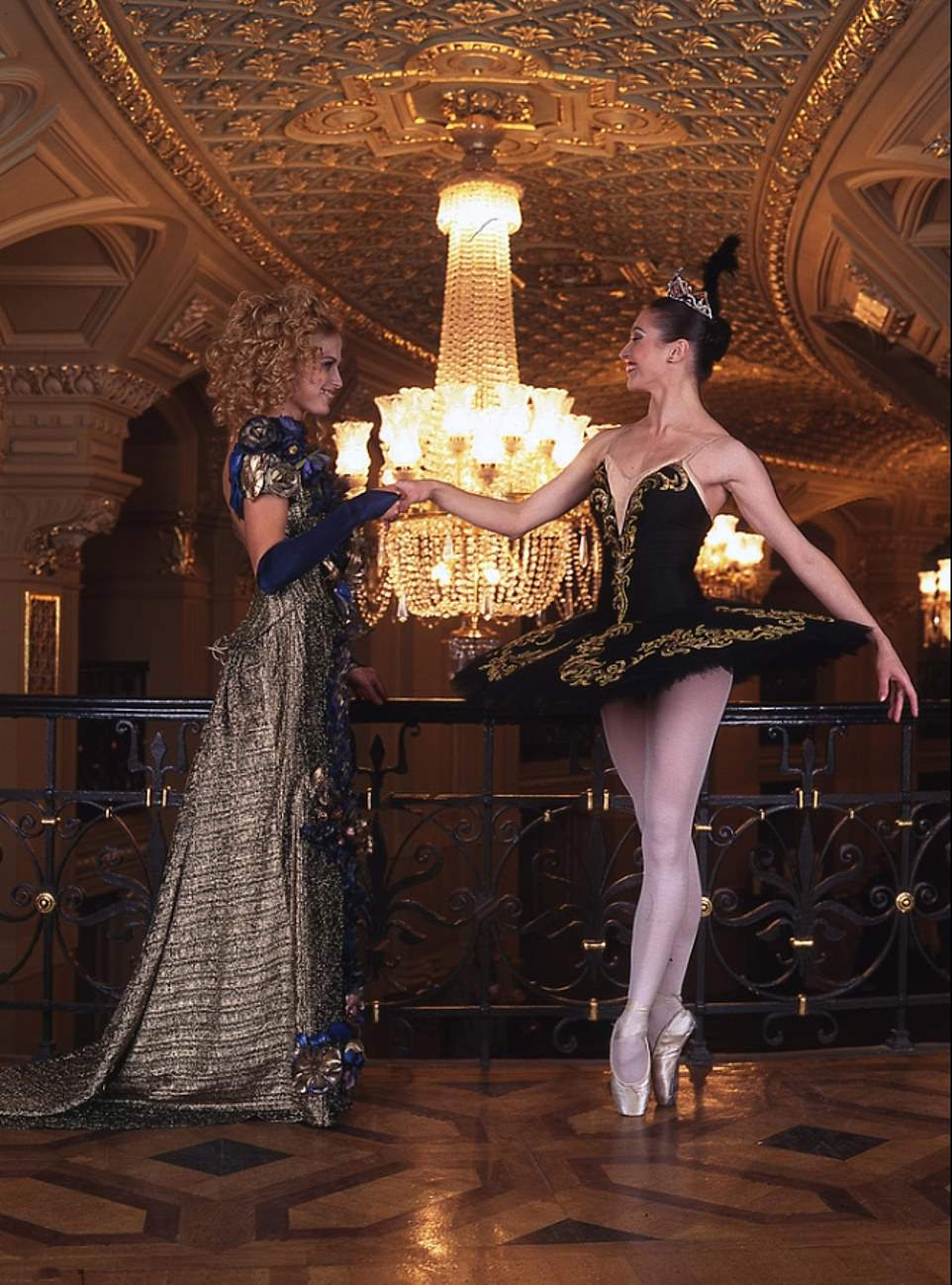
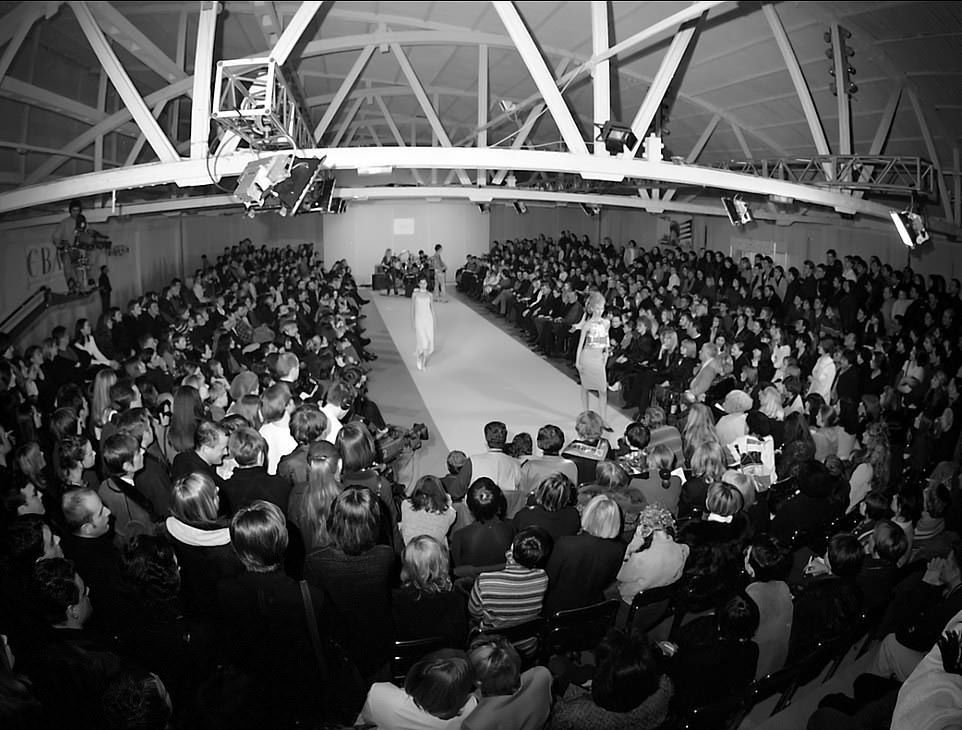
The arts flourished in this new climate of freedom. The Kyiv Opera Theatre hosted performances and fashion events side by side. Designers like Roksolana Bogutska dressed models for shows while ballet dancers rehearsed in nearby studios, creating a scene that mixed high culture with fresh creative ambition.
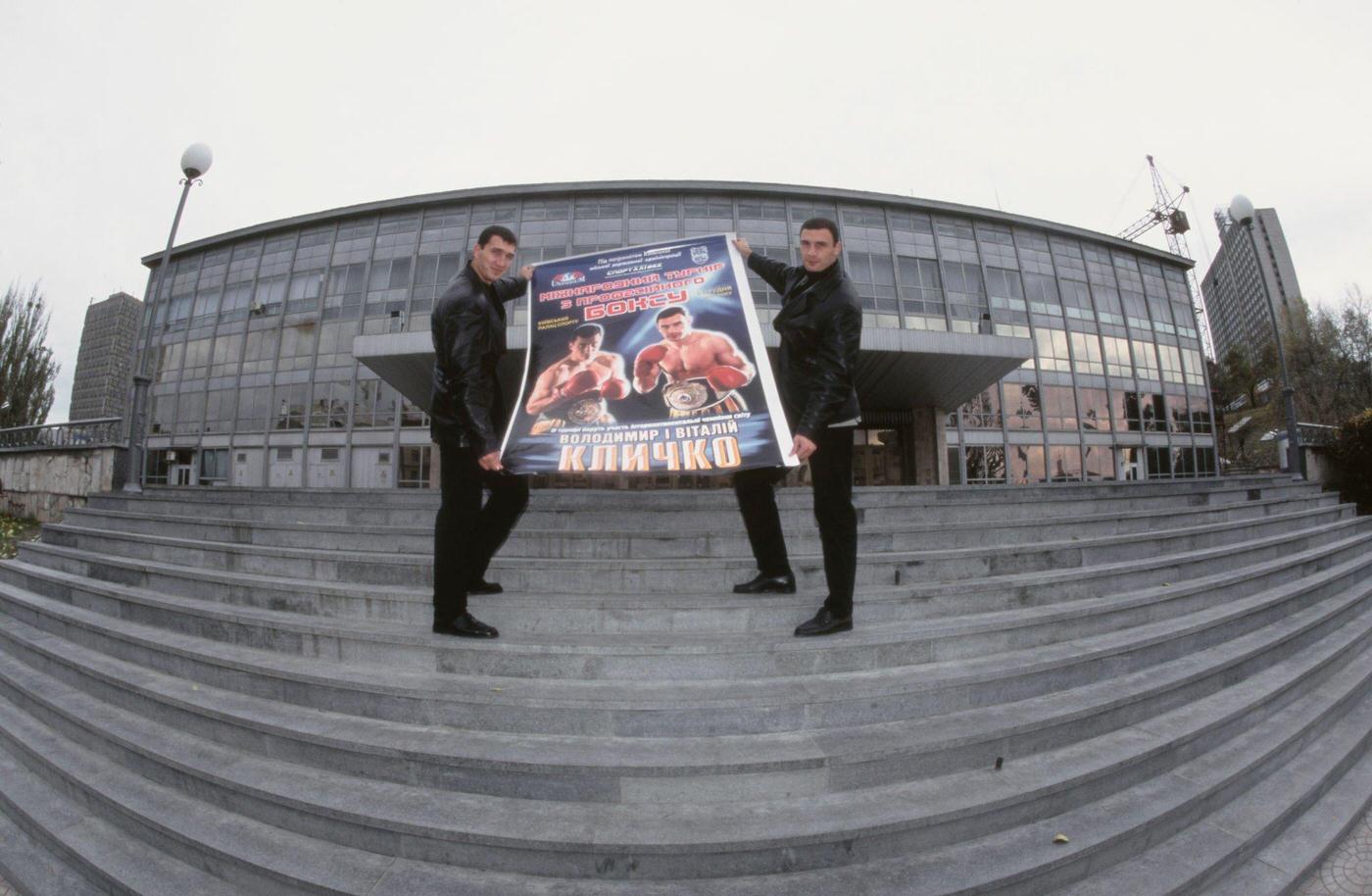
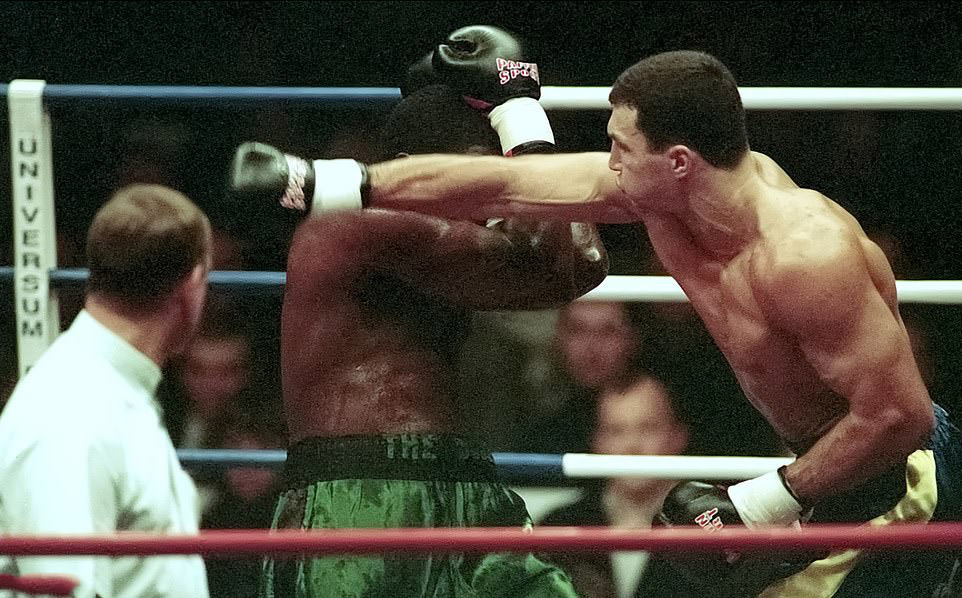
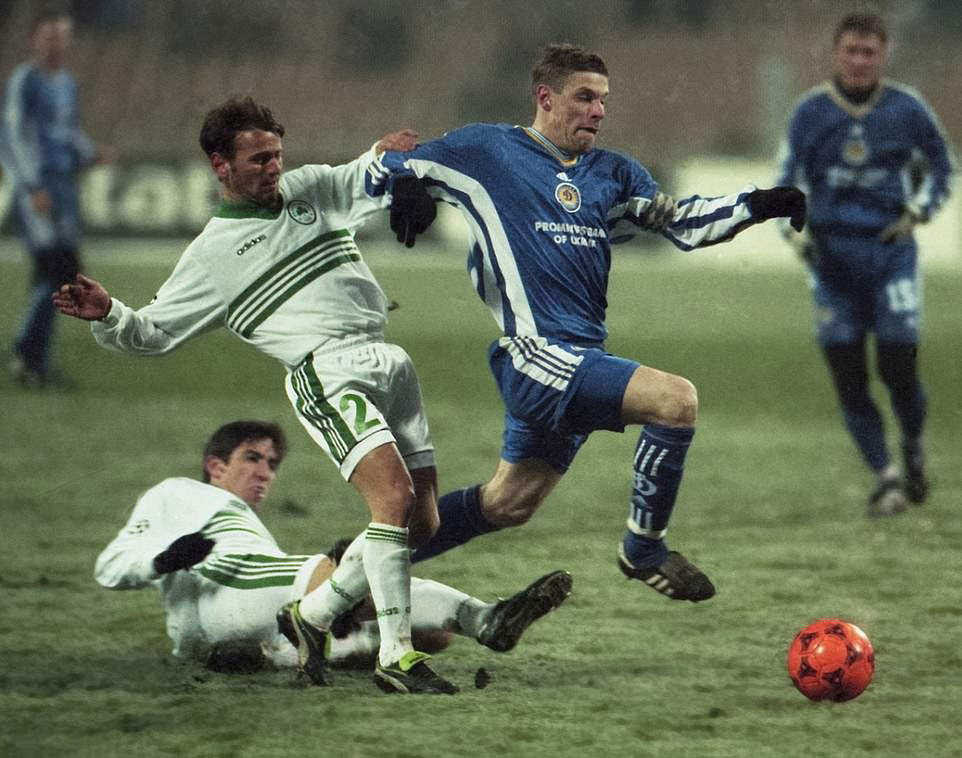
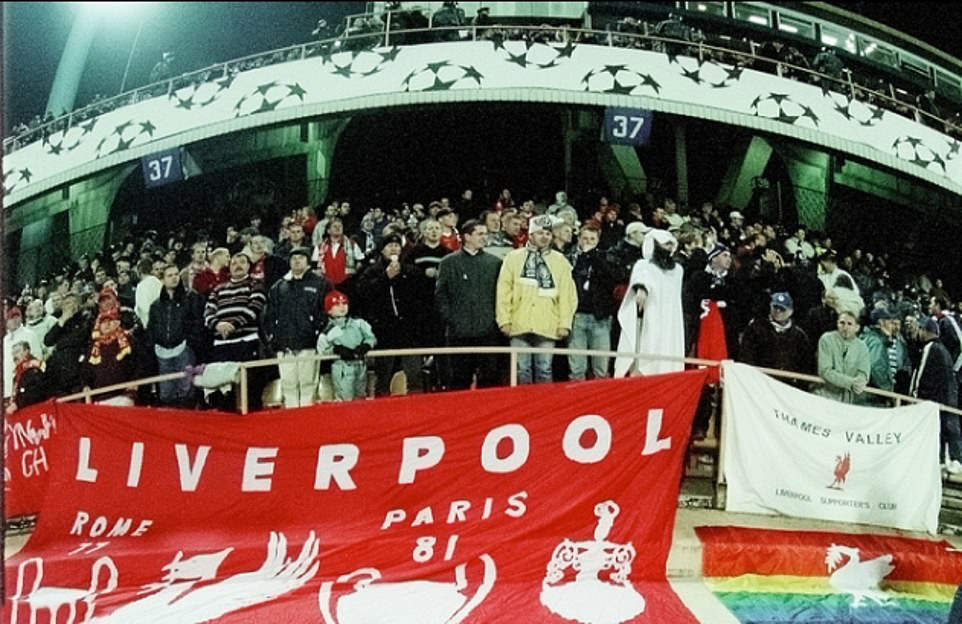
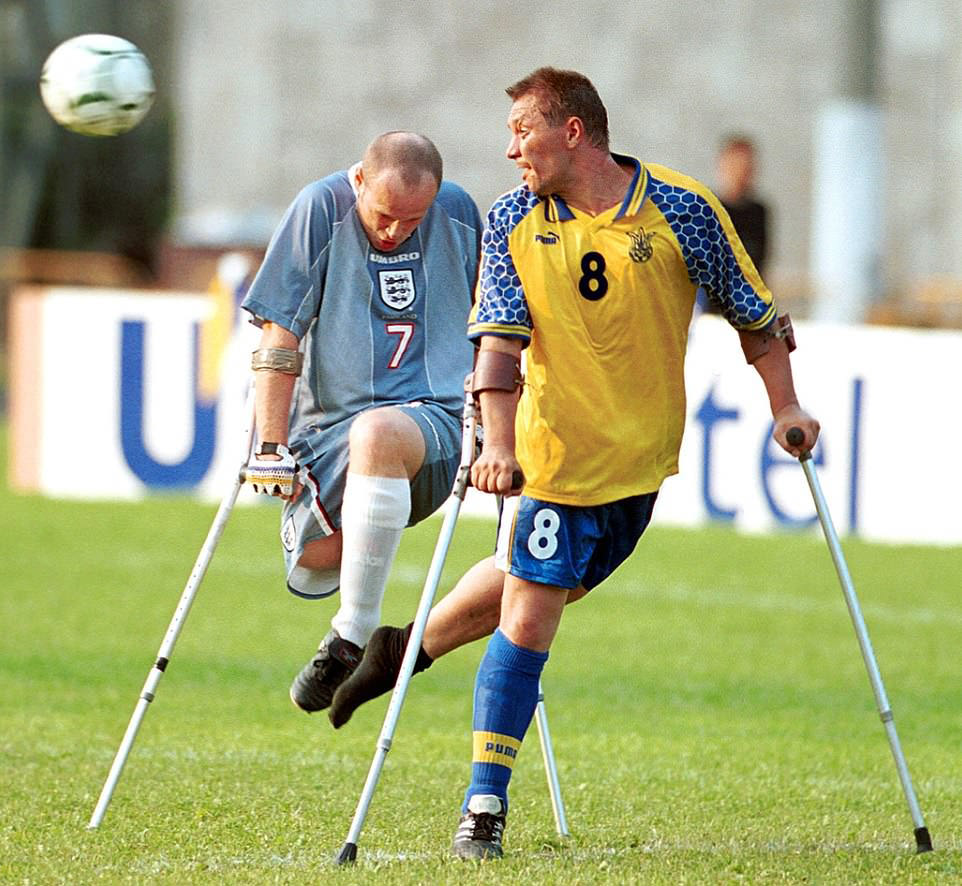
Sport was a major part of Kyiv’s identity. Dynamo Kyiv competed at the highest levels of European football throughout the decade, taking on clubs like Liverpool in Champions League competition. Boxing was equally prominent — brothers Vitali and Wladimir Klitschko were already building their careers, with Wladimir competing in intense bouts in the city by 1998.
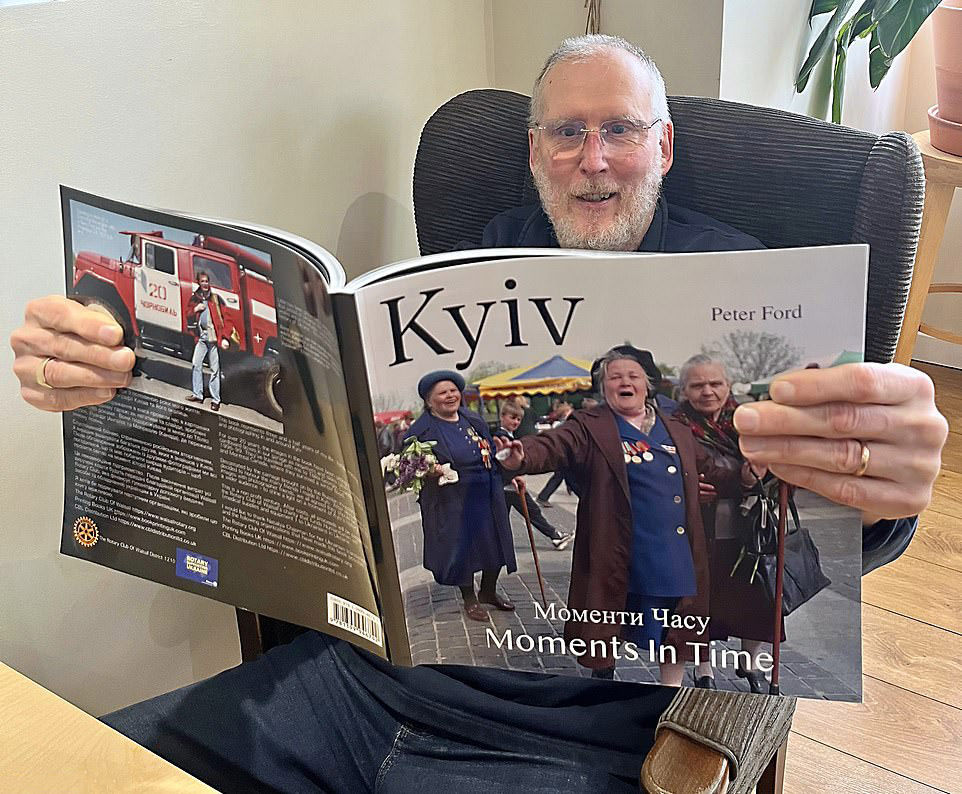
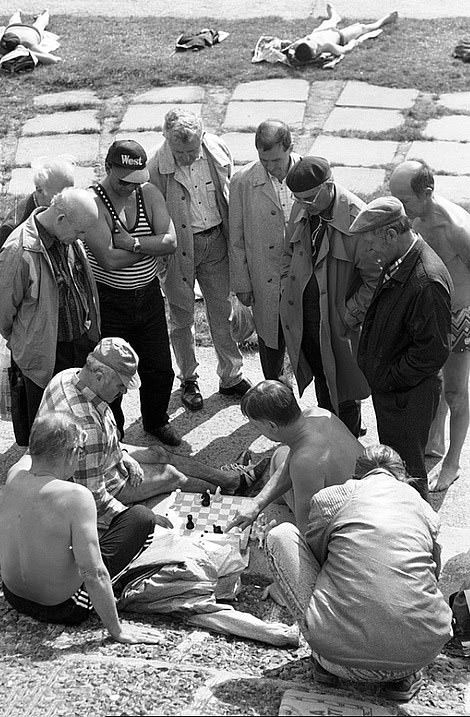
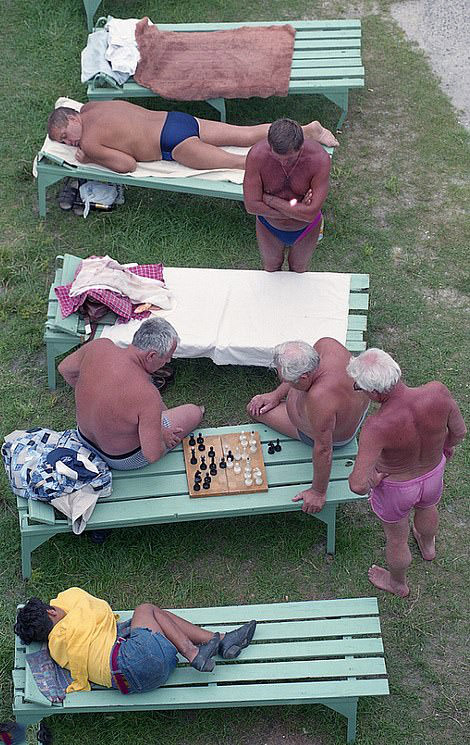
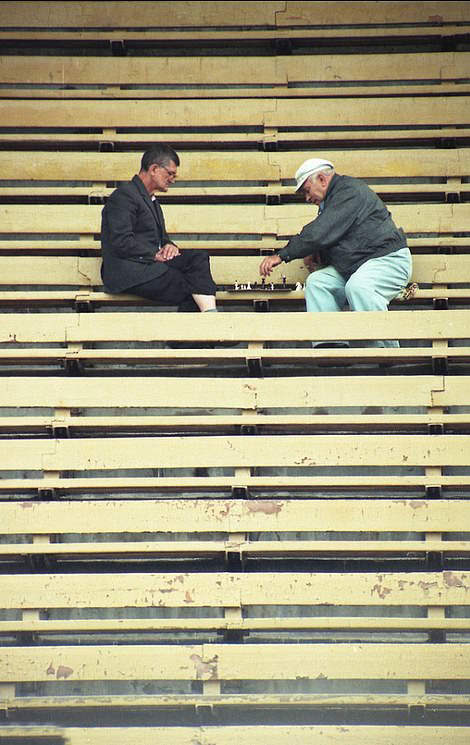
Chess was woven into everyday life in a way that surprised many visitors. Men played games at the poolside, in empty football stadiums after matches ended, and in parks. Photographer Peter Ford, who documented Kyiv between 1996 and 1999, noted it as one of the city’s defining characteristics.
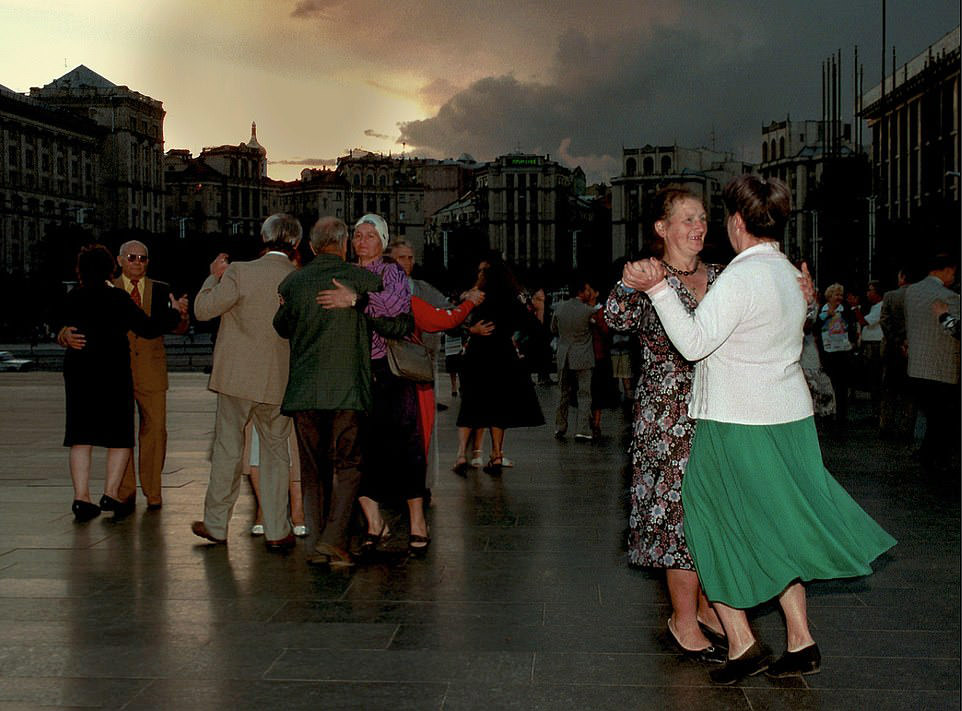
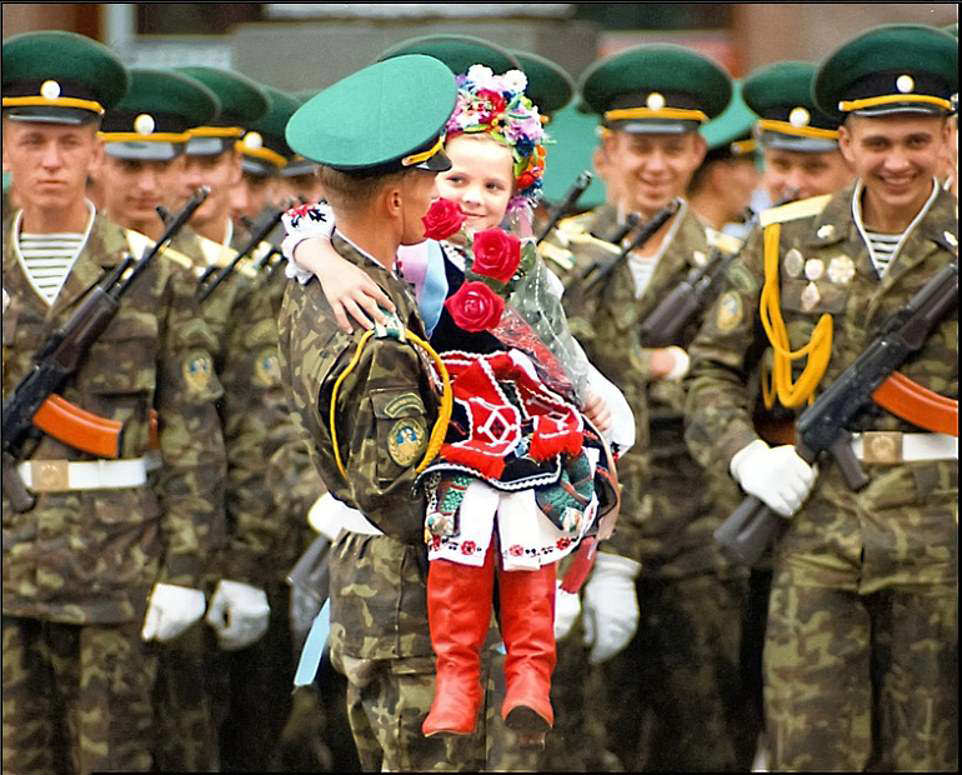
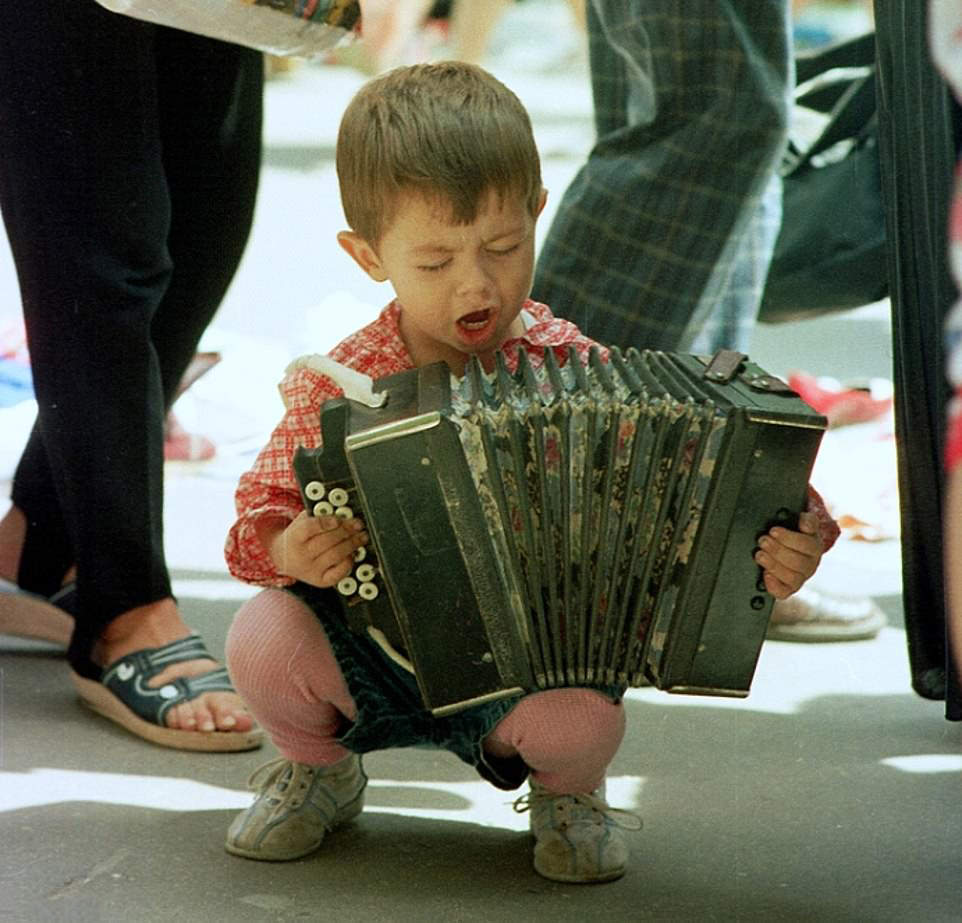
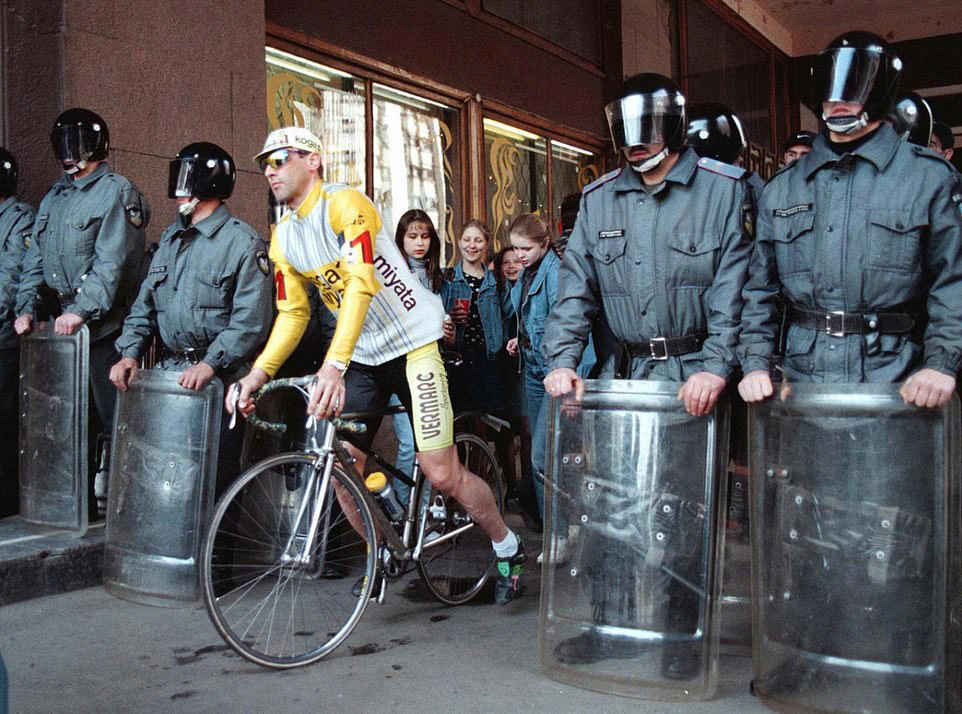
Public space in Kyiv held a particular energy. Independence Square filled with elderly couples dancing to live music in the evenings. Children in national costumes appeared at May Day parades. Street musicians, including a young boy playing accordion, performed for passersby. A cyclist who accidentally rode into a parade became one of the decade’s more memorable candid moments.
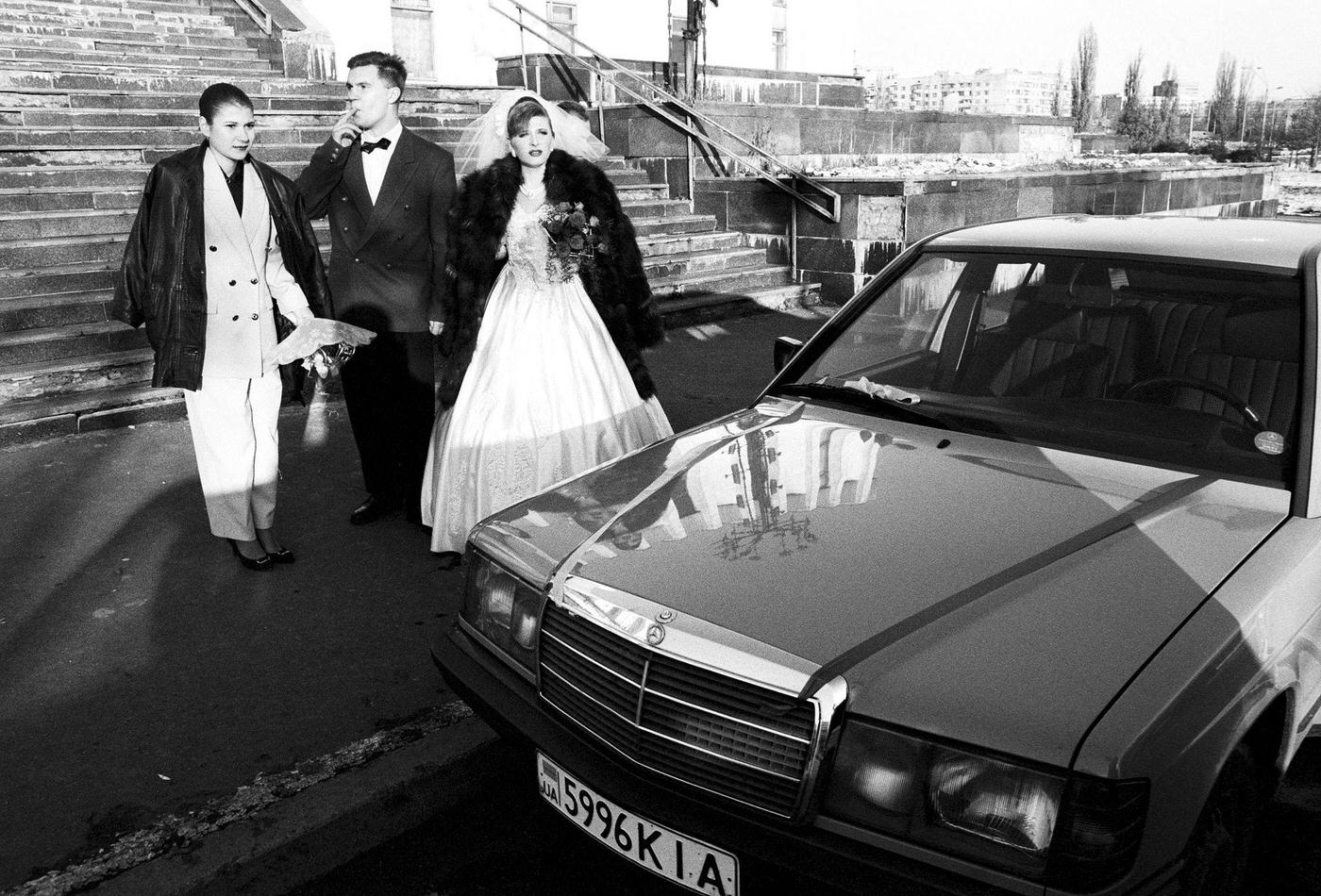
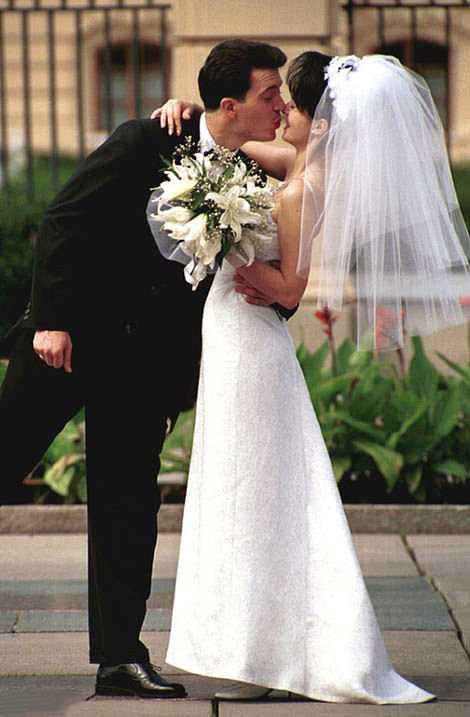
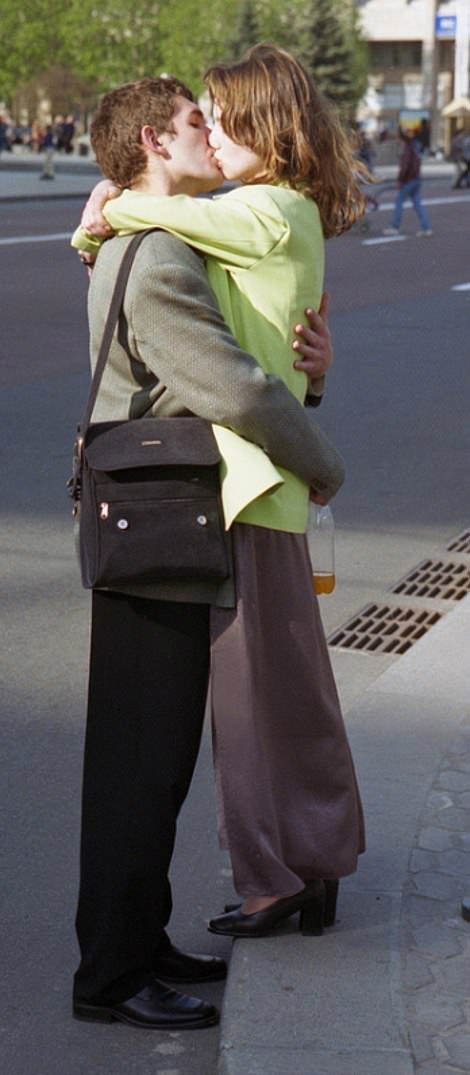
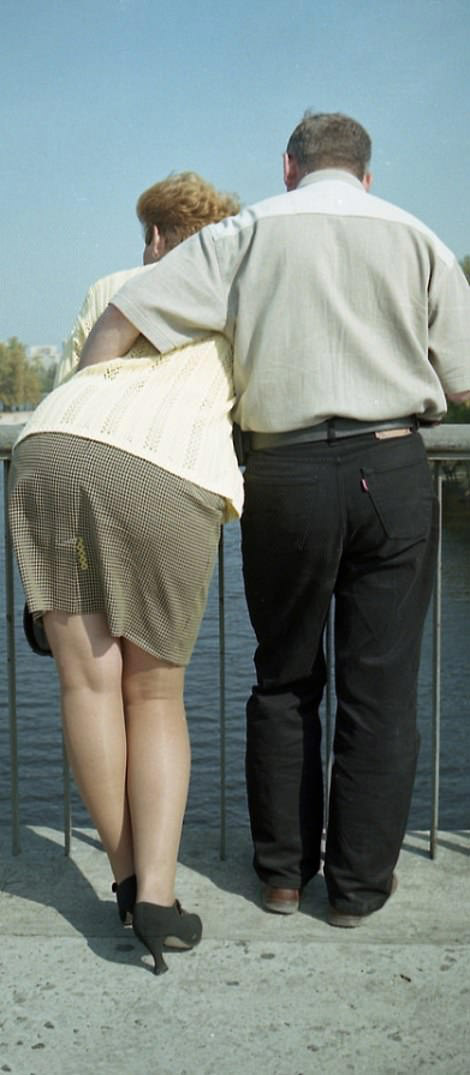
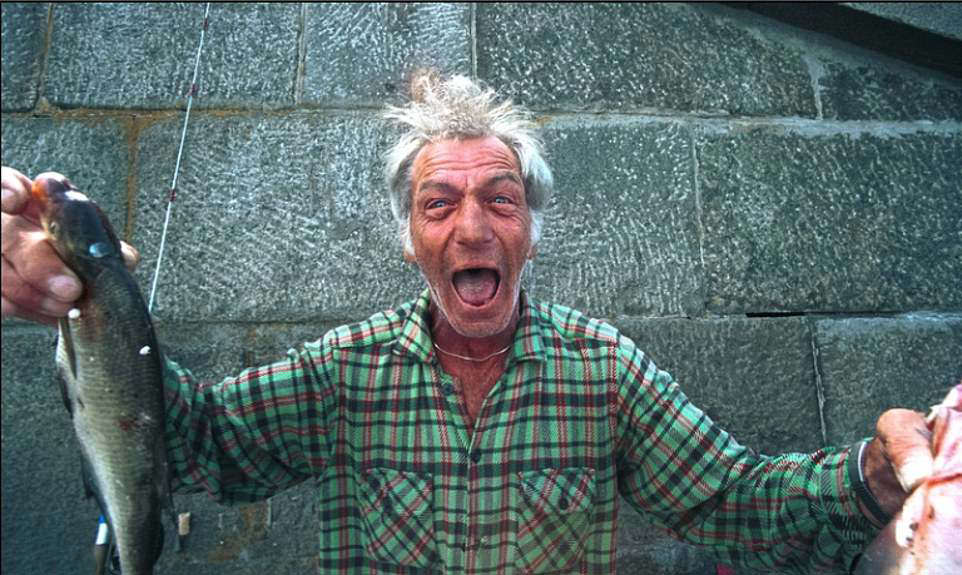
Romance and daily life played out in full view across the city. Couples kissed by roadsides, embraced along the Dnipro riverbank, and celebrated weddings with laughter and joy. A fisherman showed off his catch from the Dnipro. Flowers changed hands at a busy market. Kyiv in the 1990s was a city of real, unguarded moments.
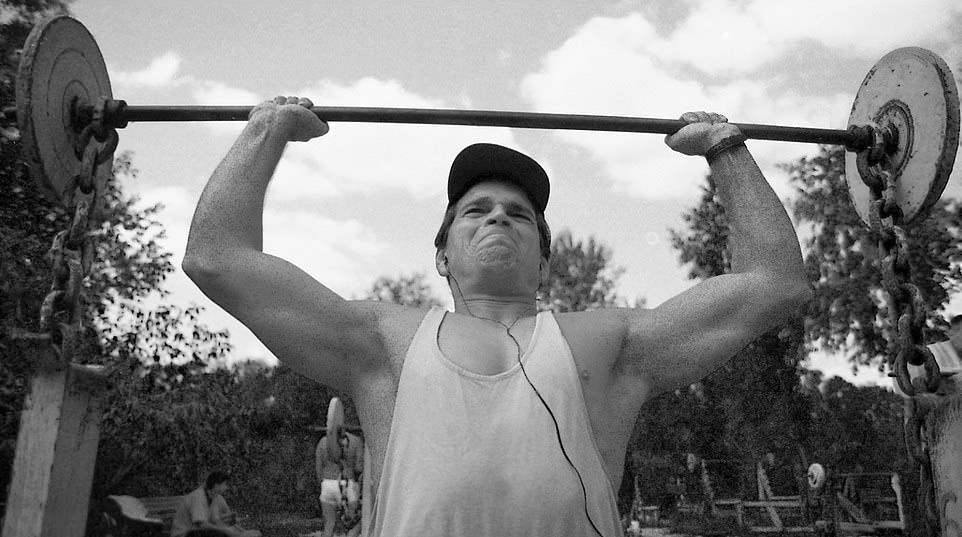
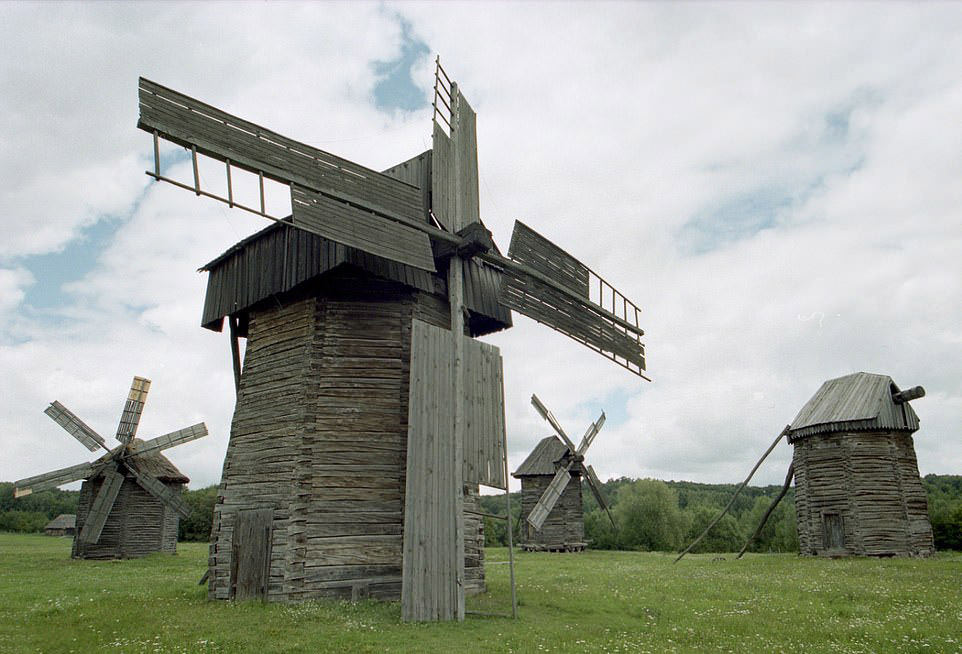
The Hydro Park area offered its own slice of Kyiv life. Locals had fashioned a makeshift gym from repurposed locomotive parts, turning industrial scrap into weight-training equipment. Nearby, wooden windmills and riverside scenery painted a quieter picture of a city that held both industrial grit and natural calm.
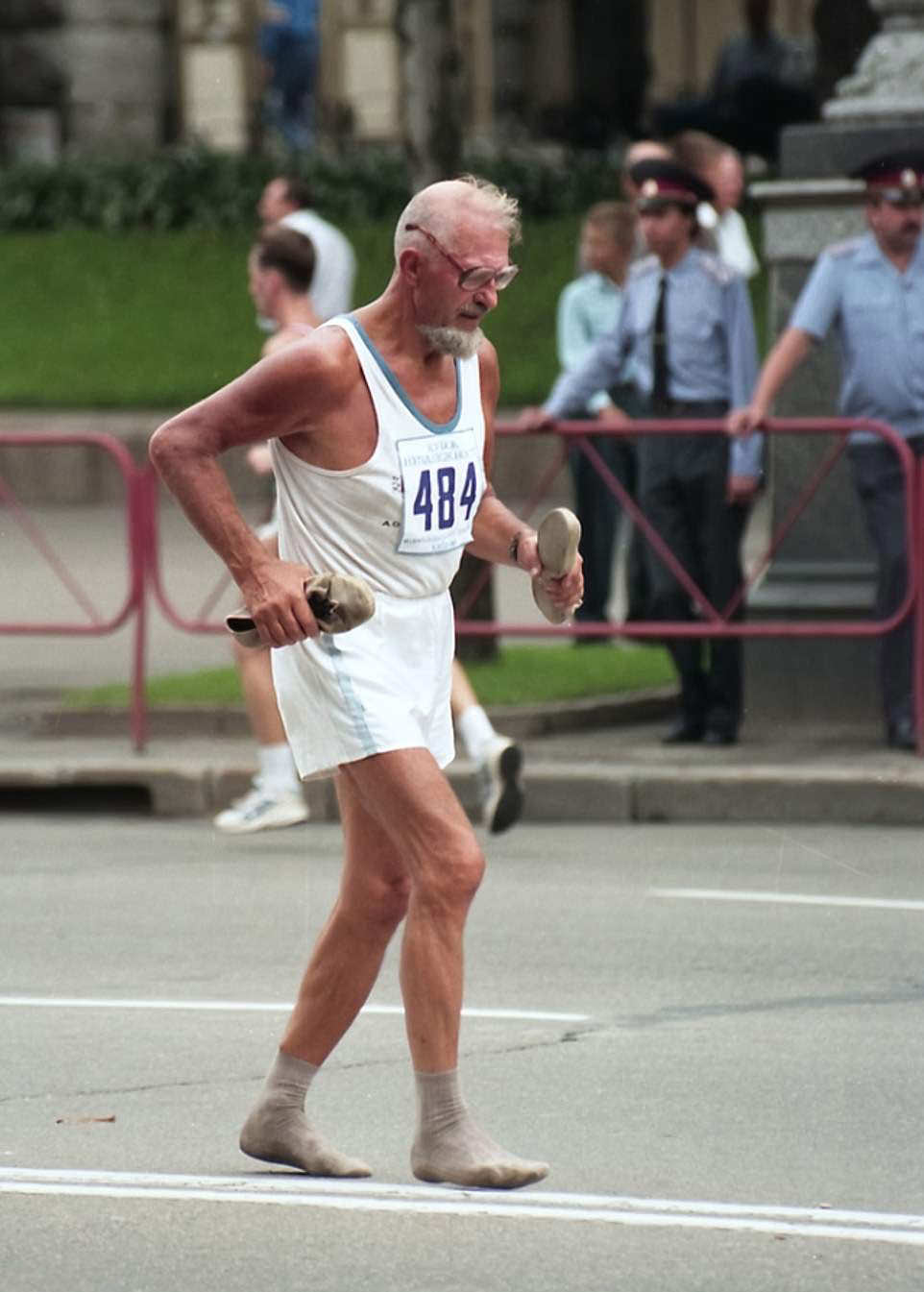
Peter Ford spent three years photographing Kyiv from 1996 to 1999, capturing this transitional moment in extraordinary detail. His images — from a woman in golden gloves speaking on a phone to a man finishing a barefoot race — document a city that was simultaneously shedding its past and constructing something entirely new.