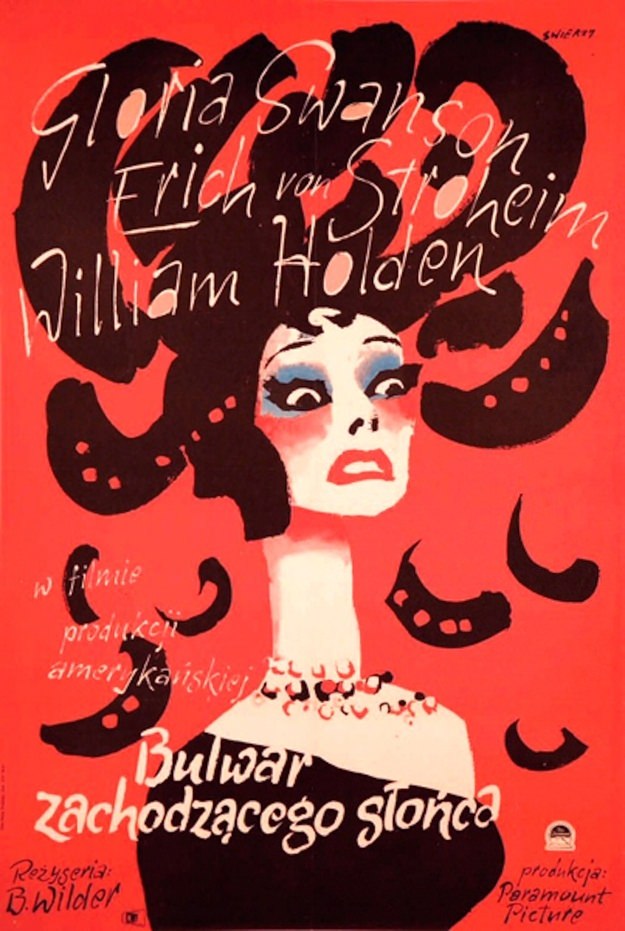
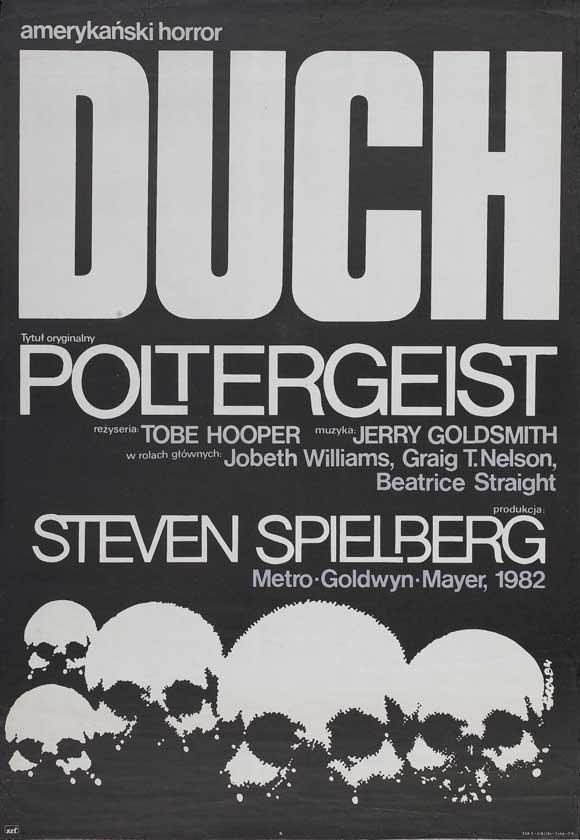
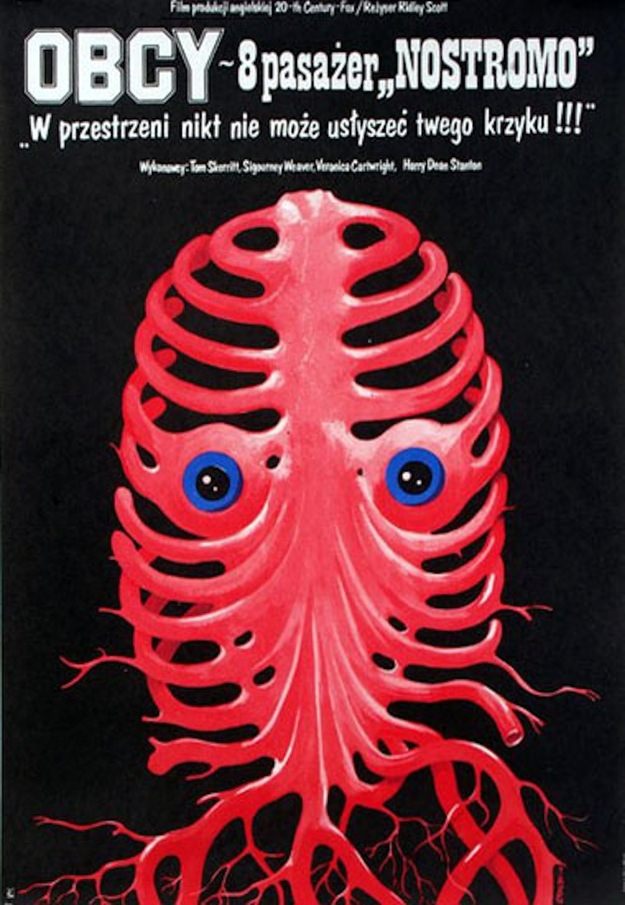
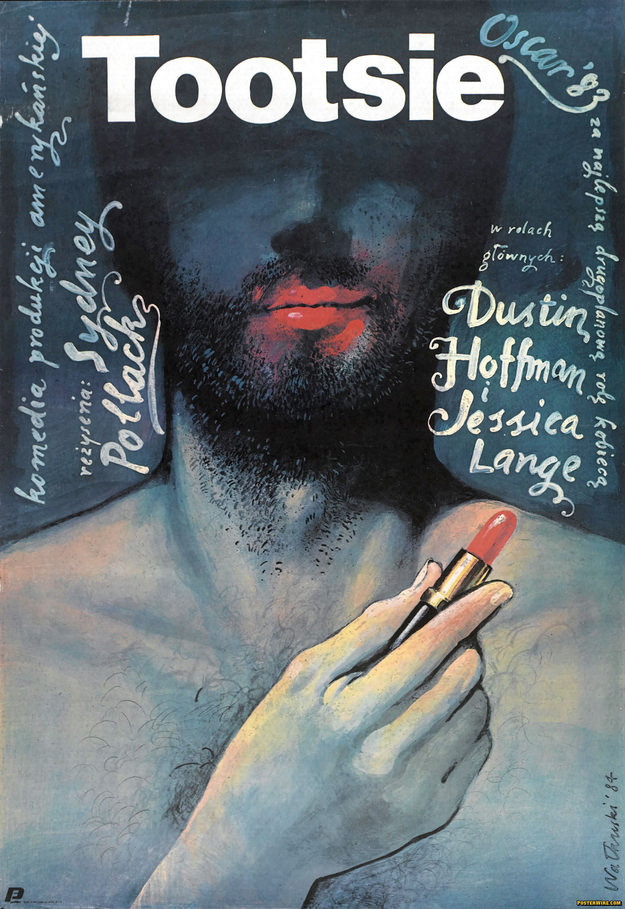
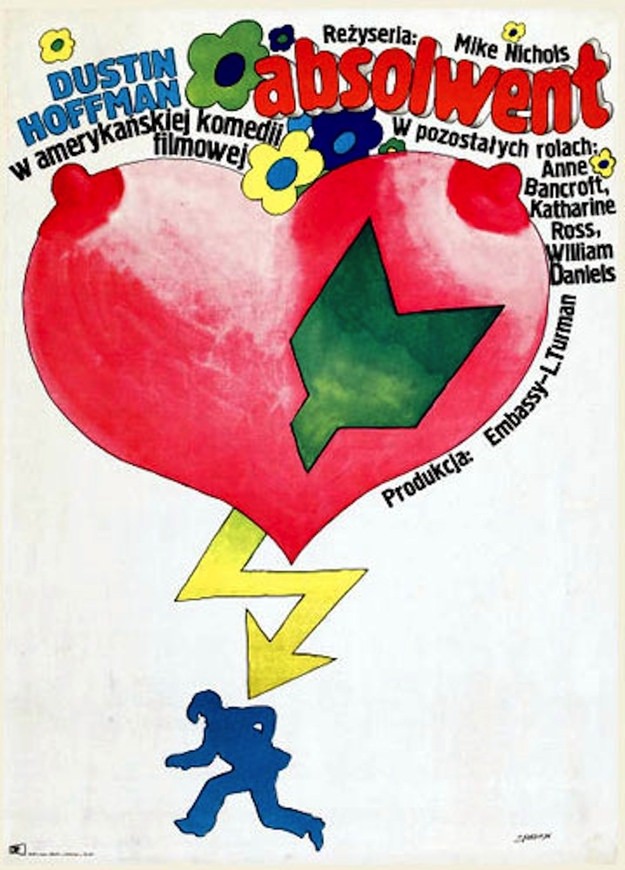
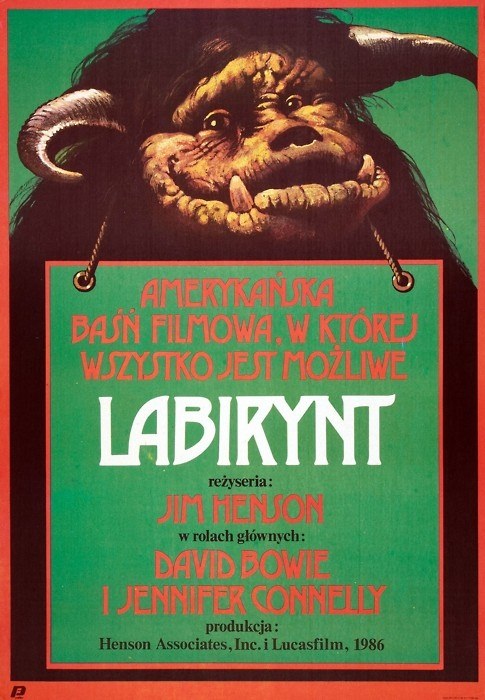
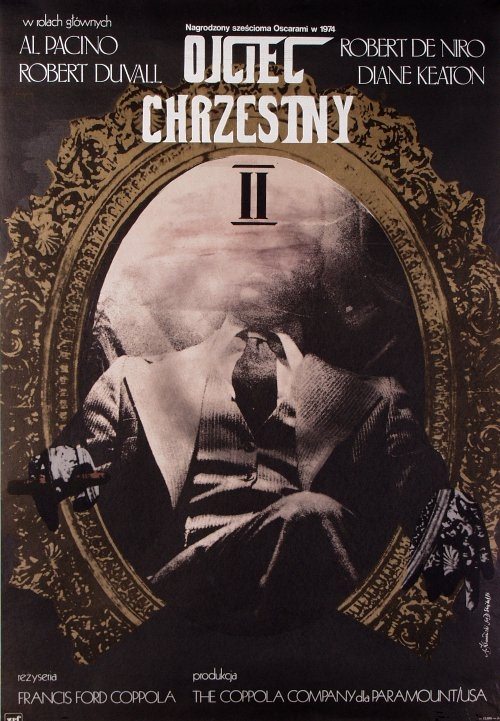
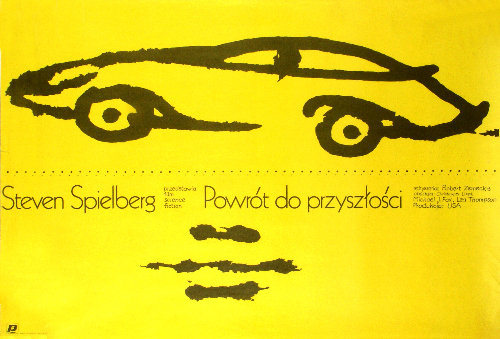
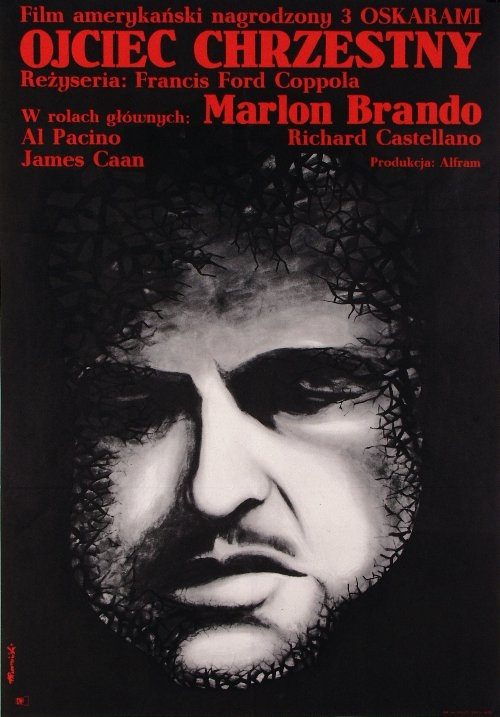
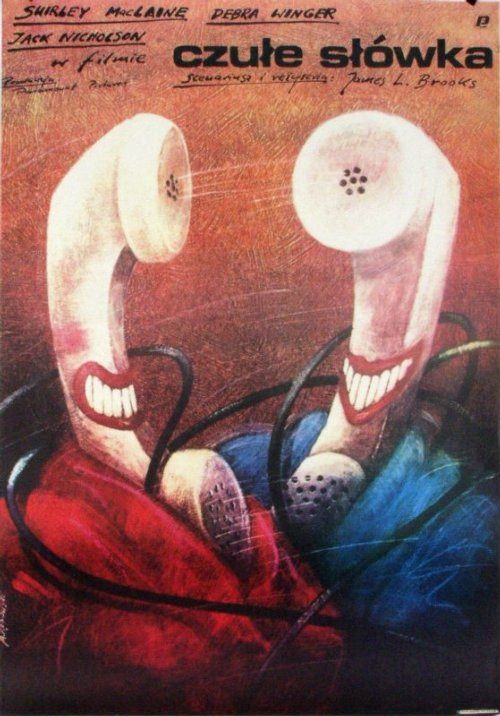
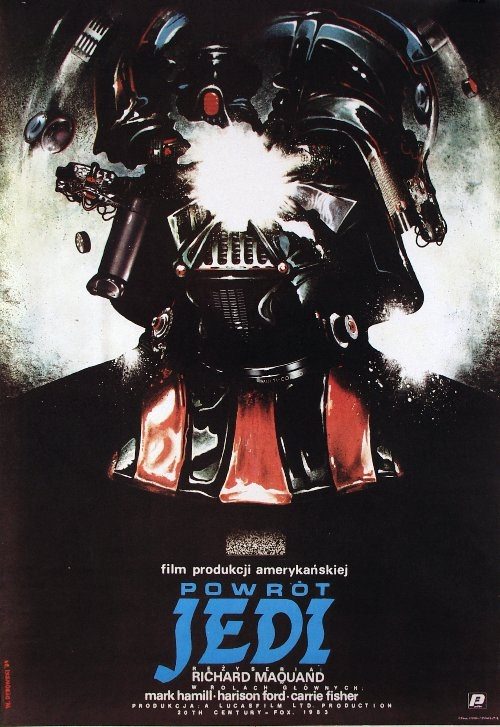
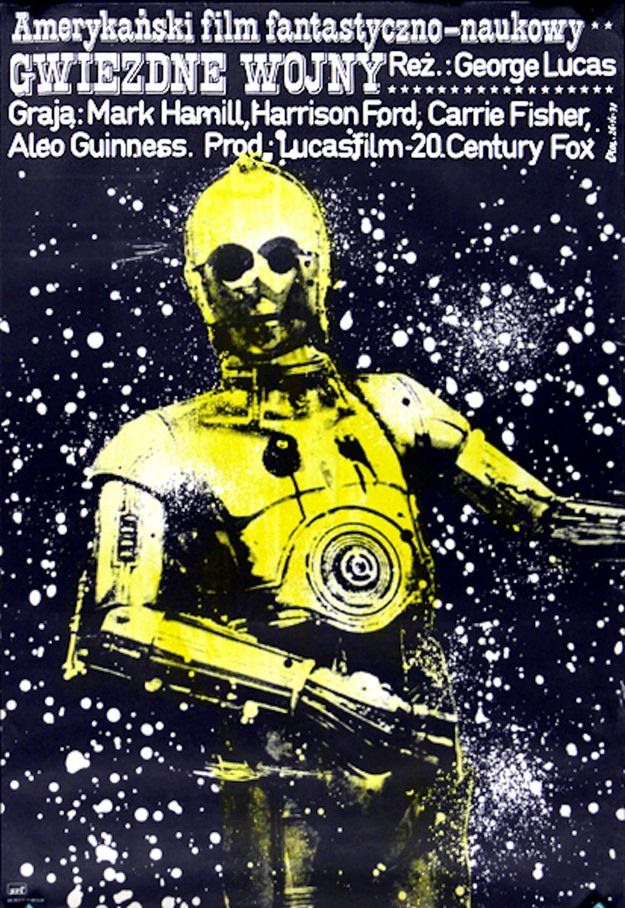
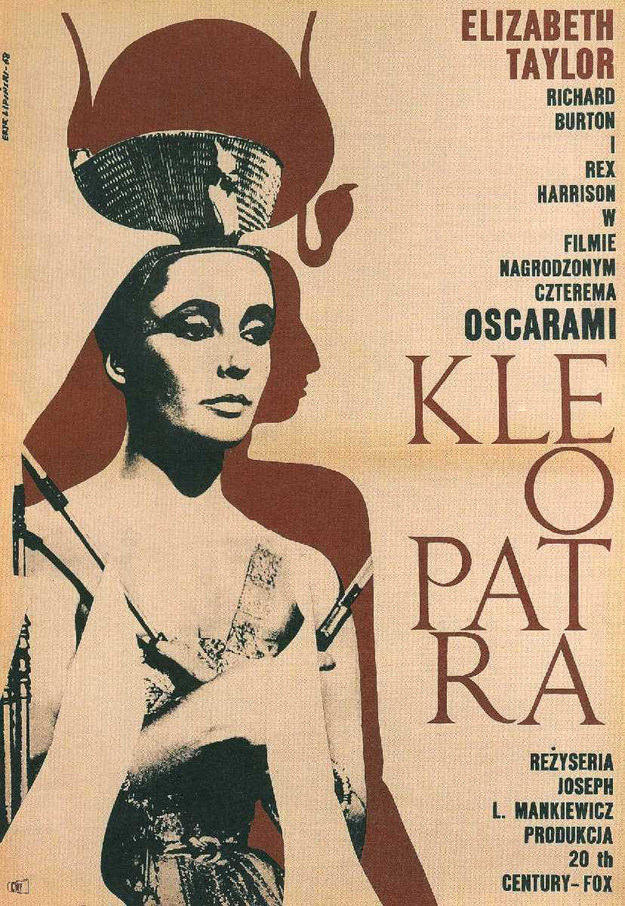
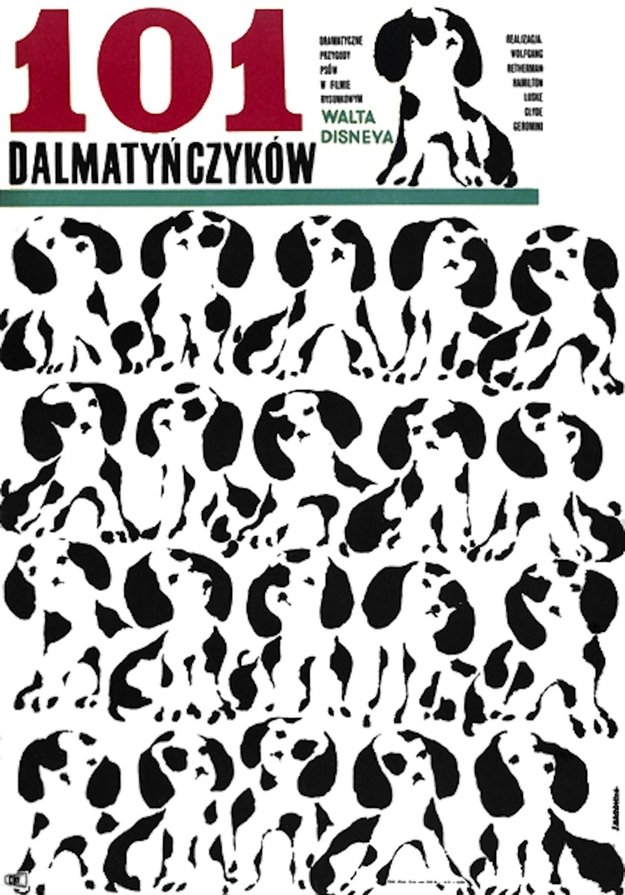
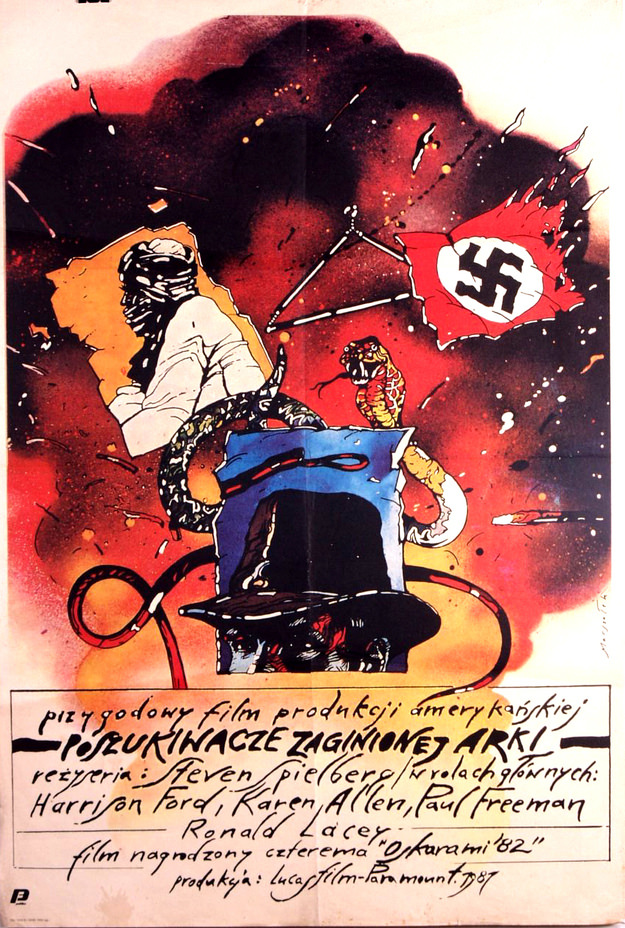
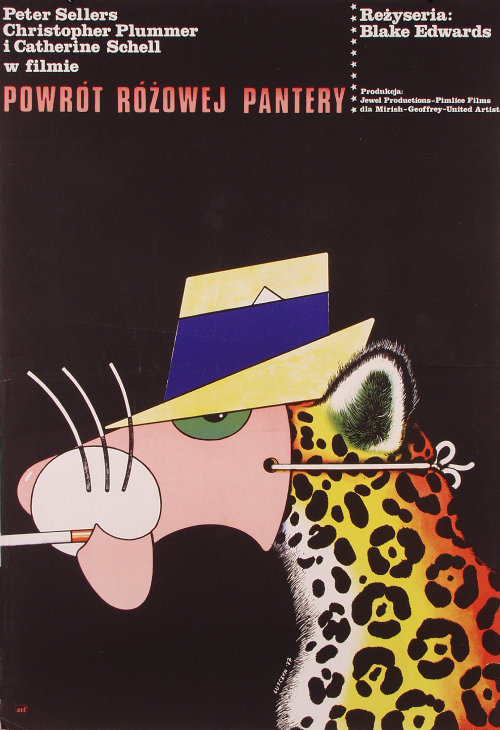
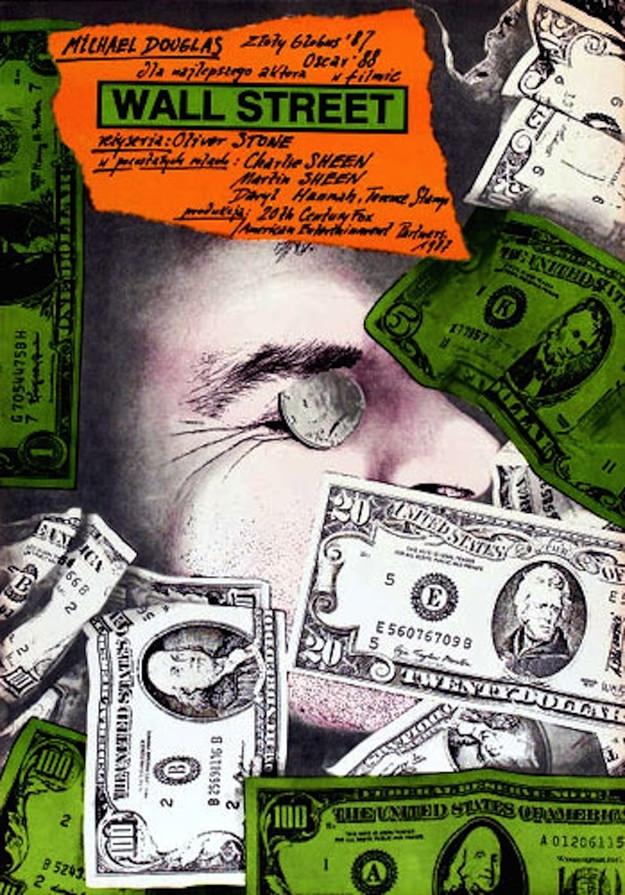
Most Hollywood movie posters follow a familiar formula — big star faces, bold titles, and action-packed scenes. Polish posters for those same films looked almost nothing like that. Created during the Communist era, they are some of the most visually striking and unusual movie advertisements ever made.
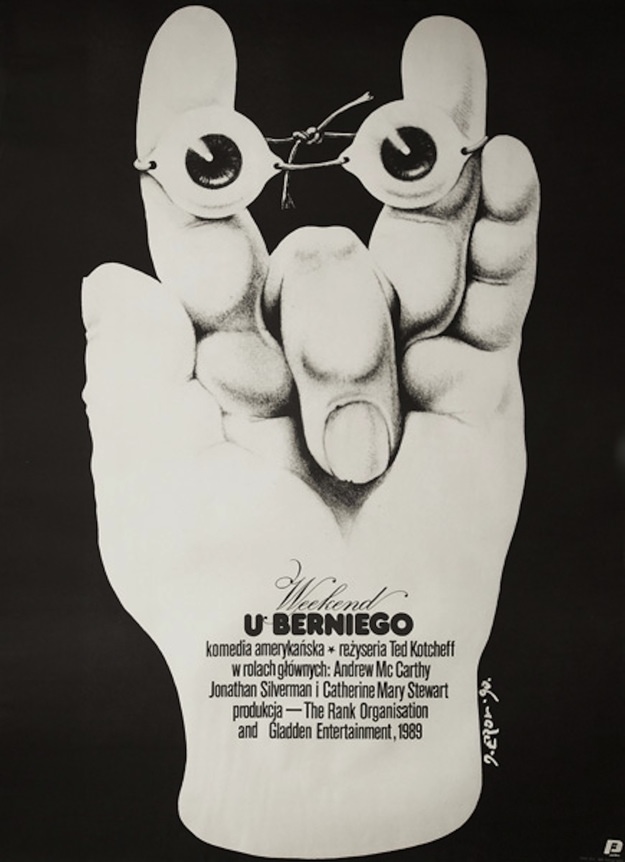
Weekend at Bernie’s. Artist: Jakub Erol. Year: 1990
When Poland was under Communist government, the state-run film industry had no interest in adopting Western marketing styles. Glossy, celebrity-driven posters were seen as products of a capitalist culture Poland was actively rejecting. Rather than import Hollywood’s promotional materials, the state film distributor commissioned its own artists to create original posters for foreign films showing in Polish cinemas.
These artists were trained specifically in poster design and were given remarkable creative freedom. They didn’t rely on photographs of actors or recreations of famous scenes. In many cases, the artist had never even seen the film — working only from a short written description or sometimes just the title.
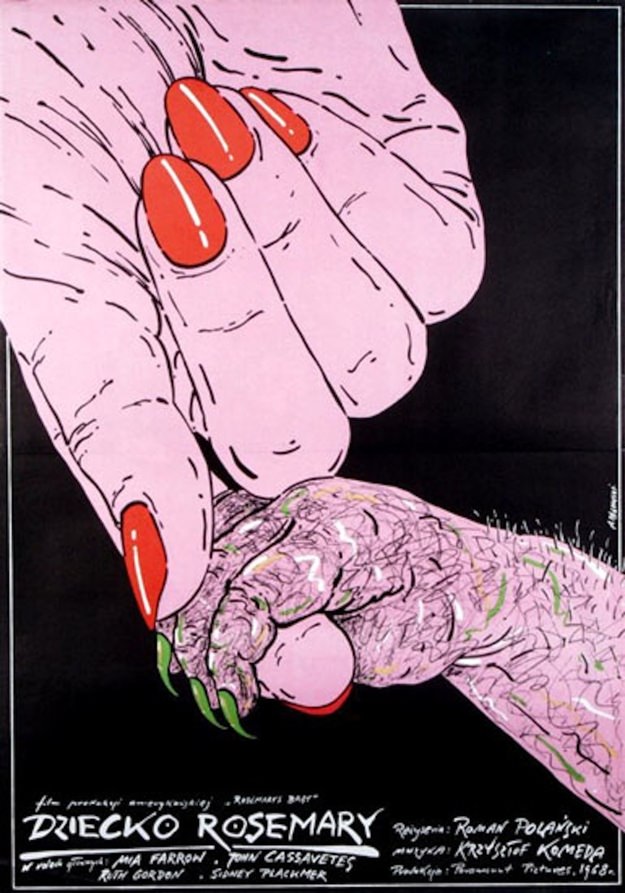
Rosemary’s Baby. Artist: Andrzej Pagowski. Year: 1984
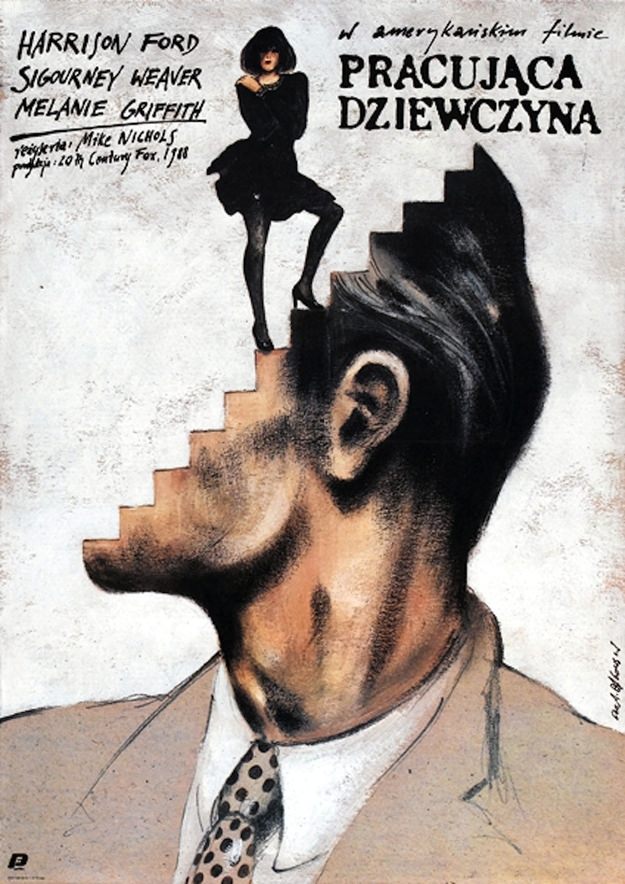
Working Girl. Artist: Andrzej Pagowski. Year: 1990
The results were deeply personal interpretations. Each artist translated their understanding of a film’s theme into bold imagery, often surreal or symbolic. Leading actors were frequently left unnamed. The posters sold an idea or a feeling rather than a cast.
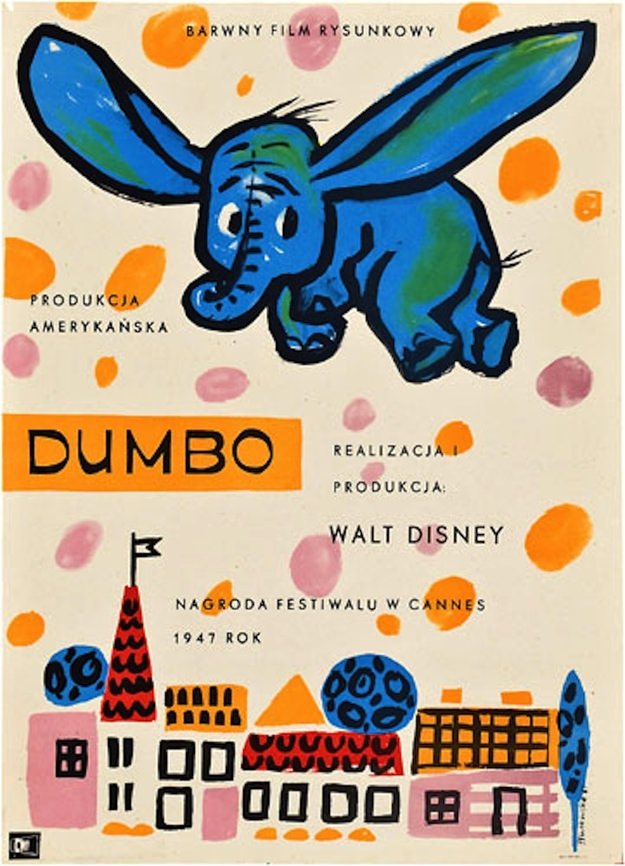
Dumbo. Artist: Anna Huskowska. Year: 1961
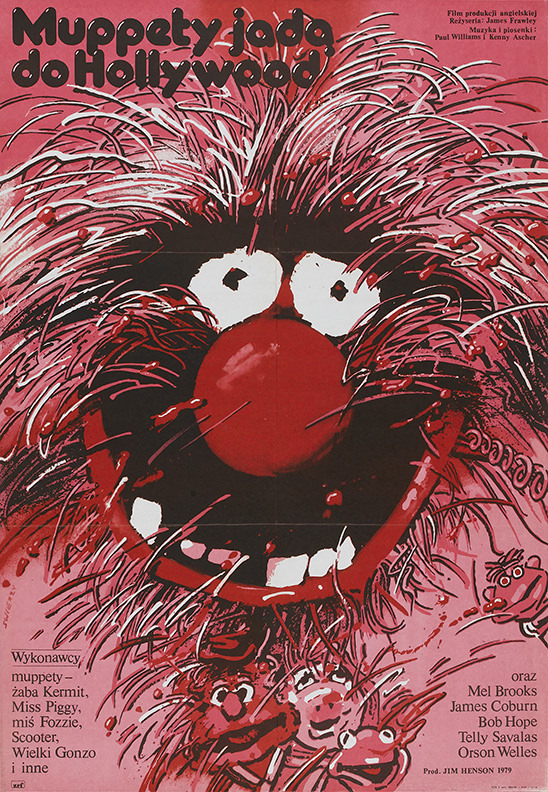
The Muppet Movie. Artist: Waldemar Swierzy. Year: 1982
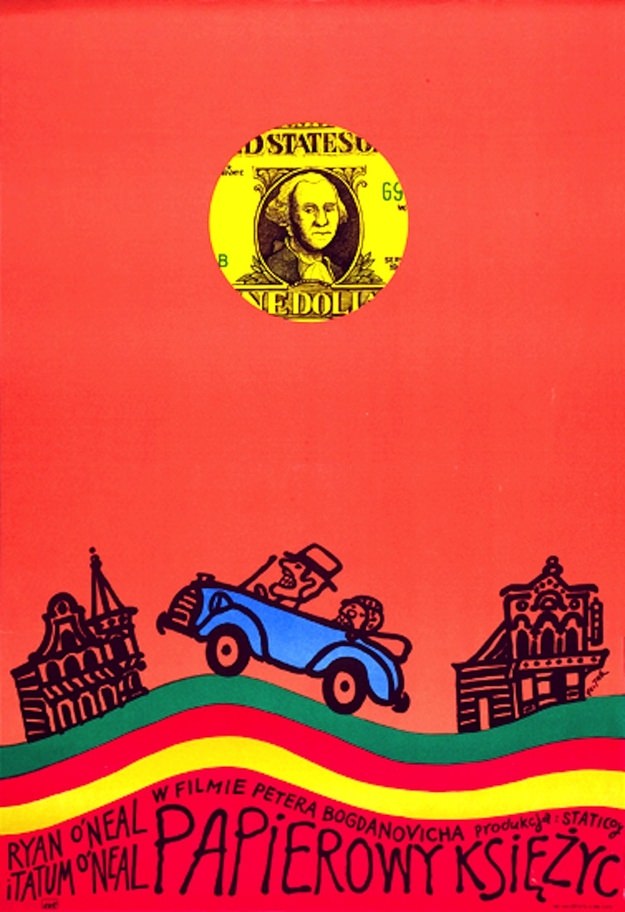
Paper Moon. Artist: Jerzy Flisak. Year: 1975
This approach produced wildly different results depending on the artist and film. A horror movie might be represented by a single disturbing symbol. A comedy could appear abstract or dreamlike. No two posters shared the same visual language.
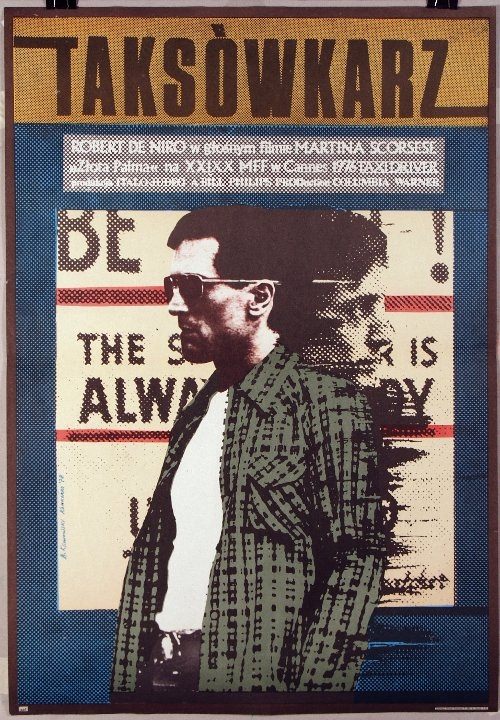
Taxi Driver. Artist: Andrzej Klimowski. Year: 1978
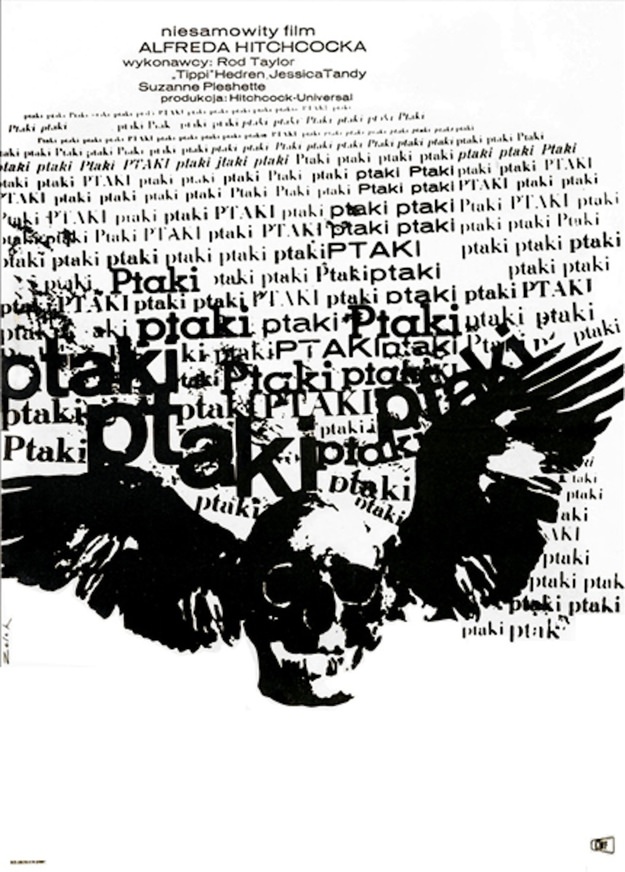
The Birds. Artist: Bronislaw Zelek. Year: 1965
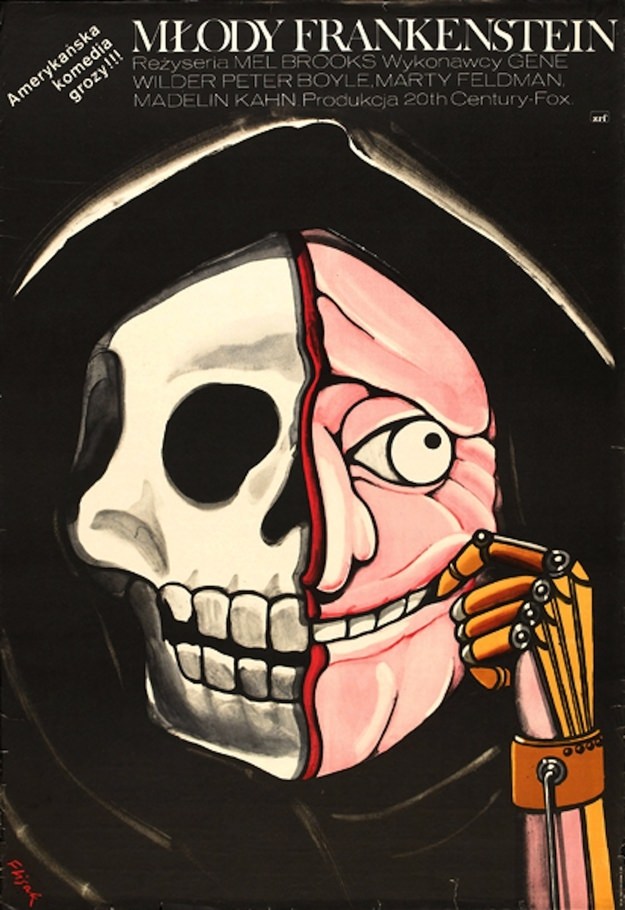
Young Frankenstein. Artist: Jerzy Flisak. Year: 1979
Artists like Andrzej Pagowski, Jakub Erol, and Mieczyslaw Wasilewski became central figures in what grew into a recognized movement — the Polish School of Posters. Their work spanned decades and covered films ranging from Disney animations to Hollywood blockbusters.
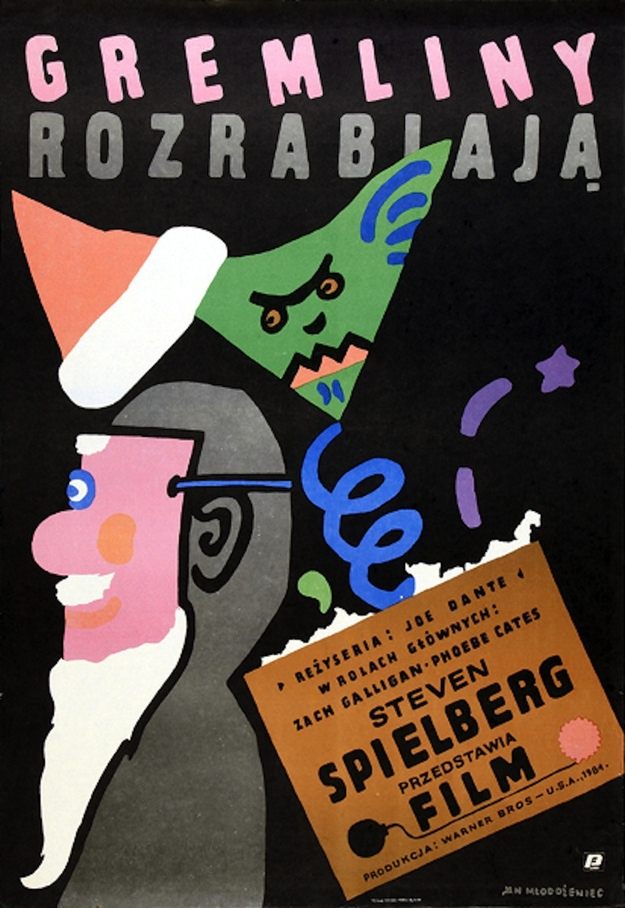
Gremlins. Artist: Jan Mlodozeniec. Year: 1985
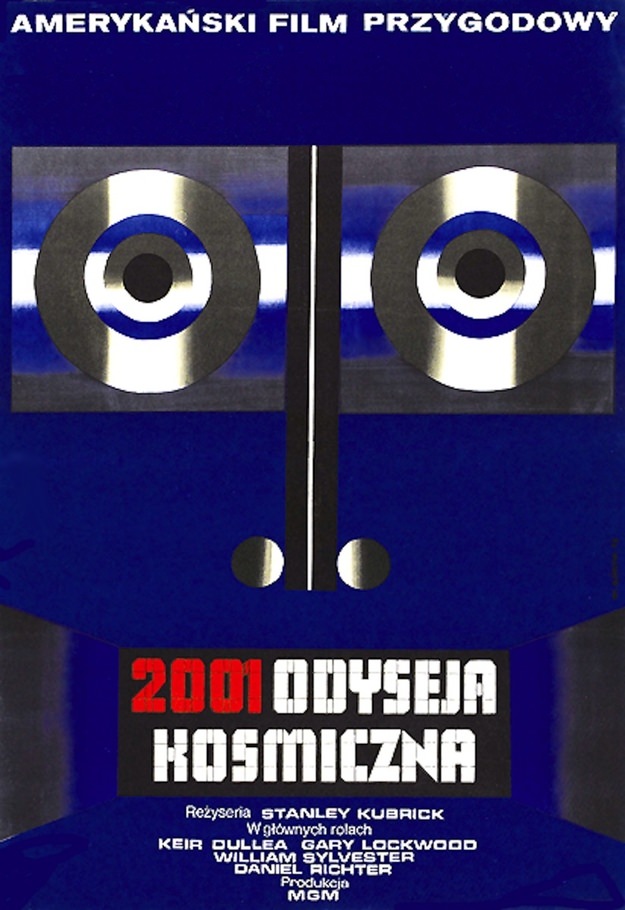
2001 : A Space Odyssey. Artist: Wiktor Gorka. Year: 1973
Sleeping Beauty. Artist: Hanna Bodnar. Year: 1962
The posters weren’t meant to replicate the film’s marketing — they were meant to be art. A poster for a Star Wars film or a Hitchcock thriller became as much a reflection of the Polish artist’s mind as it was of the film itself.
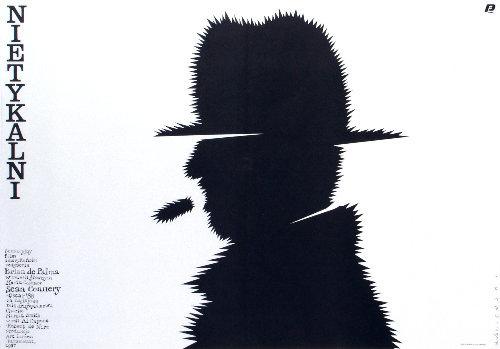
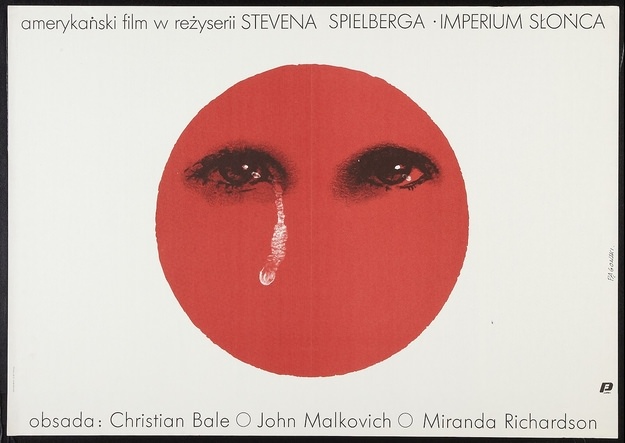
The Untouchables. Artist: Mieczyslaw Wasilewski. Year: 1987Empire of the Sun. Artist: Andrzej Pagowski. Year: 1989
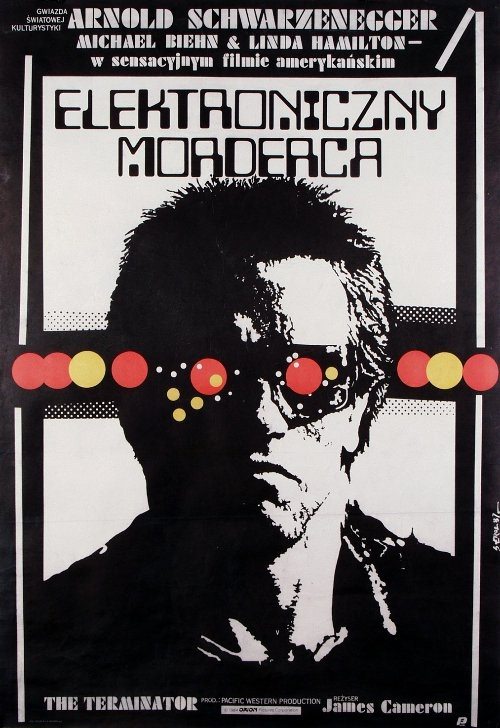
The Terminator. Artist: Jakub Erol. Year: 1987
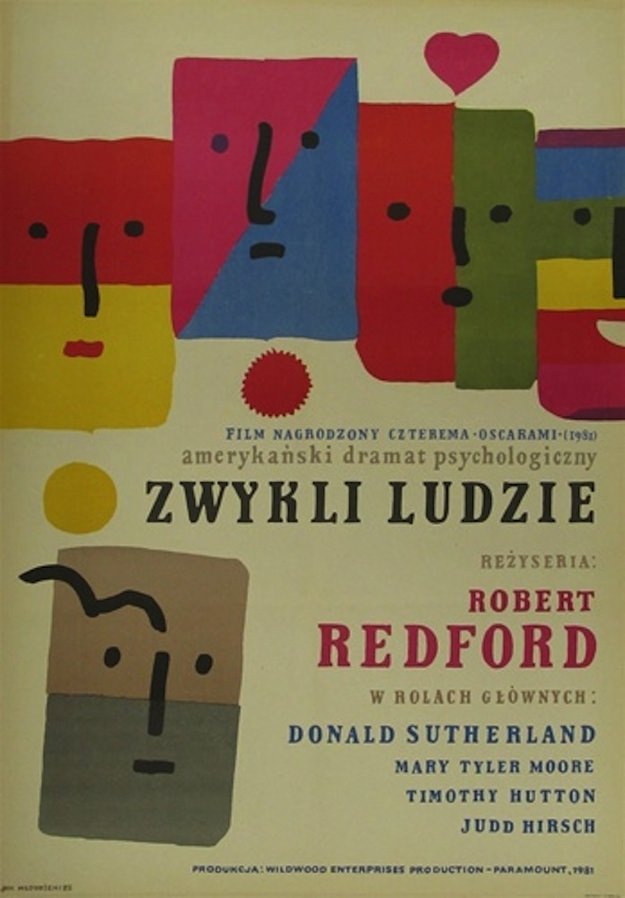
Ordinary People. Artist: Jan Mlodozeniec. Year: 1983
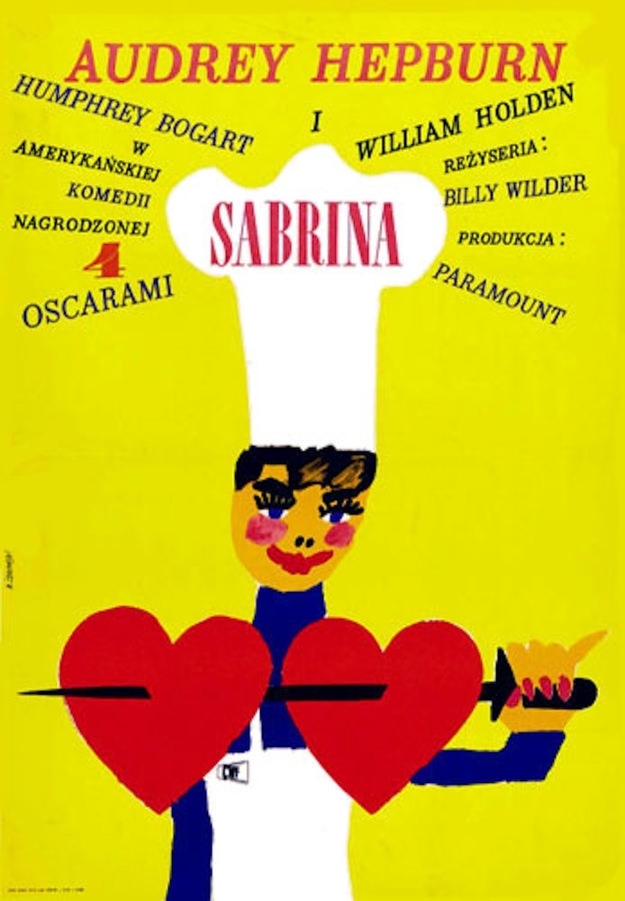
Sabrina. Artist: Maciej Zbikowski. Year: 1967
Fatal Attraction. Artist: Maciej Kalkus. Year: 1988
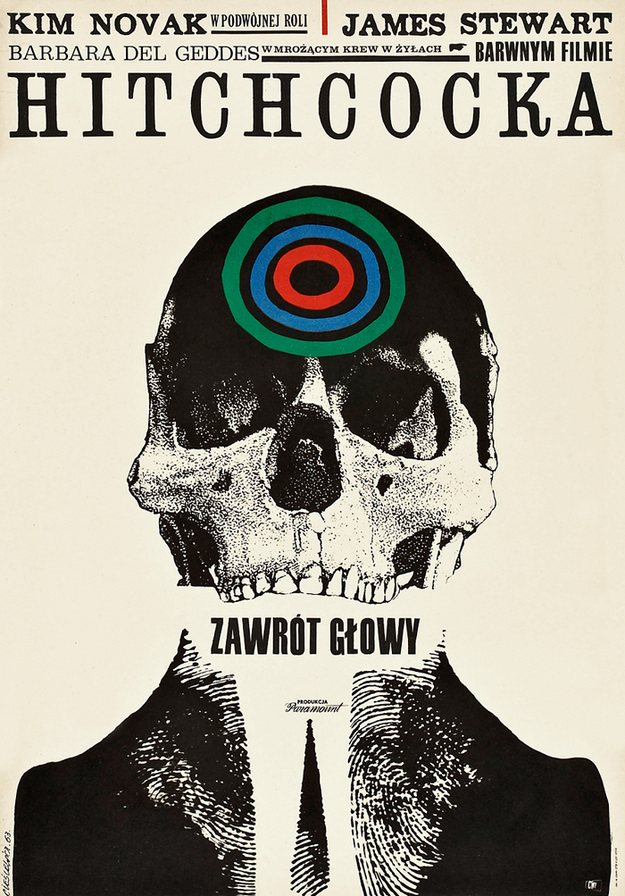
Vertigo. Artist: Roman Cieslewicz. Year: 1963
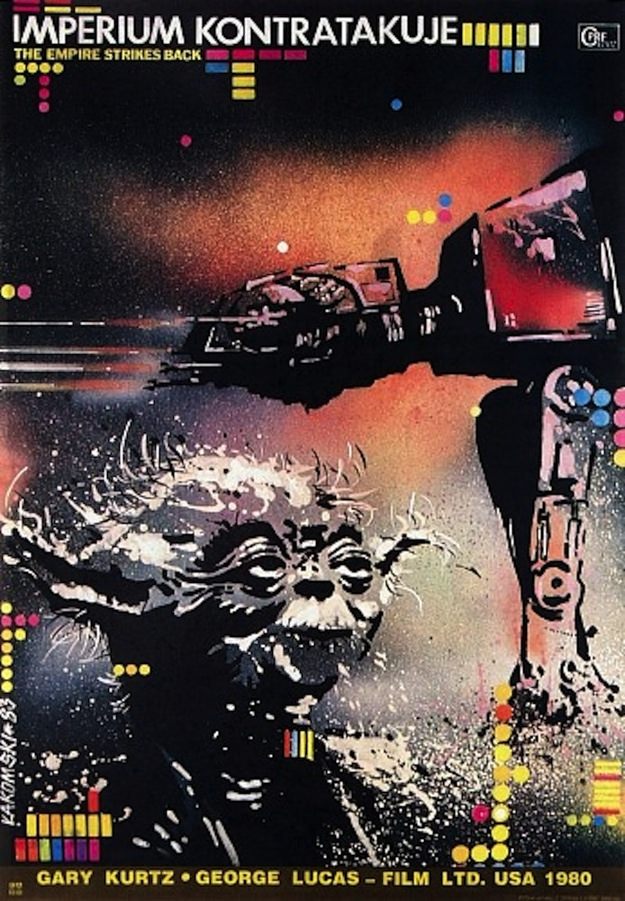
The Empire Strikes Back. Artist: Miroslaw Lakomski. Year: 1983
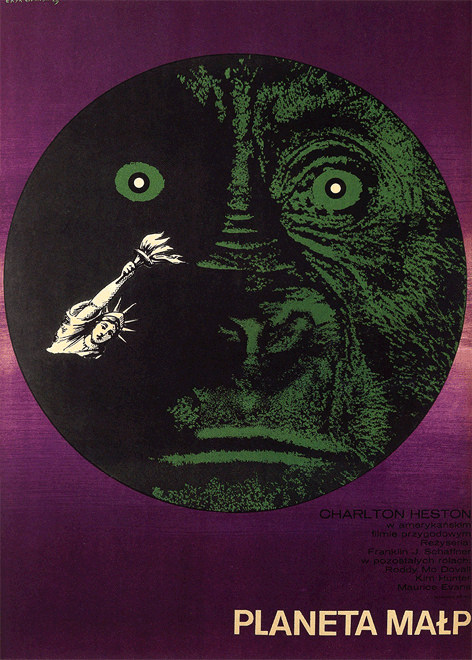
Planet of the Apes. Artist: Eryk Lipinski. Year: 1969
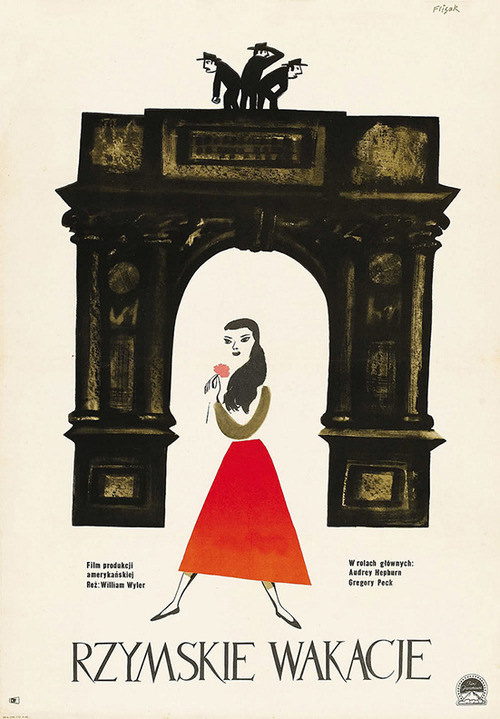
Roman Holiday. Artist: Jerzy. Flisak Year: 1959
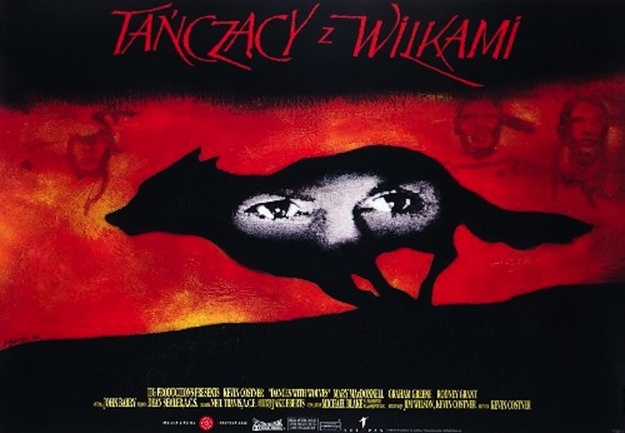
Dances with Wolves. Artist: Andrzej Pagowski. Year: 1991
Michael Rodriguez is a content creator and historian who specializes in creating viral listicles and other engaging content about historical photos and events. He has a passion for history in a fun and accessible way, curating interesting and informative lists that showcase the lesser-known stories and significance behind famous historical events and figures.