The Queenslander was a weekly newspaper published in Brisbane, Queensland, Australia. It was founded on 3 February 1866 by Thomas Blacket Stephens under the Brisbane Newspaper Company. The paper ran for over seven decades before printing its final edition on 22 February 1939. At its core, it served as a weekly summary and literary edition of the Brisbane Courier, one of Queensland’s leading newspapers since the 1850s.
Australia’s vast size made weekly editions essential. The bush and outlying districts were simply too far from Brisbane to receive daily papers in any practical way. A weekly edition could reach farmers, station workers, and remote families who would otherwise have no access to current news or broader reading material. The Queenslander filled that role directly.
Under the managing editorship of Gresley Lukin, who held the role from November 1873 until December 1880, The Queenslander took on a stronger literary character. It became more than a news digest — it was a journal that published essays, fiction, and cultural commentary alongside the week’s events. This shift gave the paper a distinct identity that set it apart from standard colonial newspapers of the era.
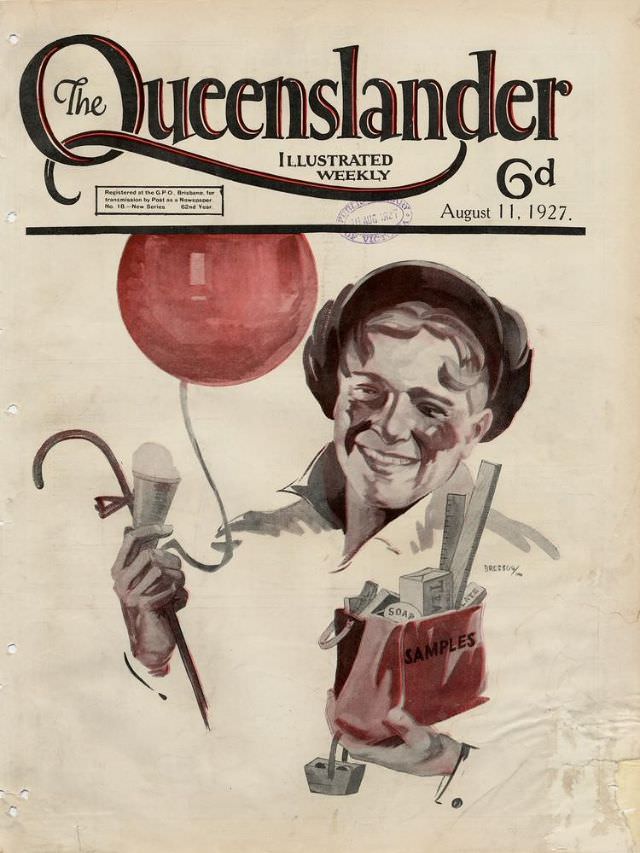
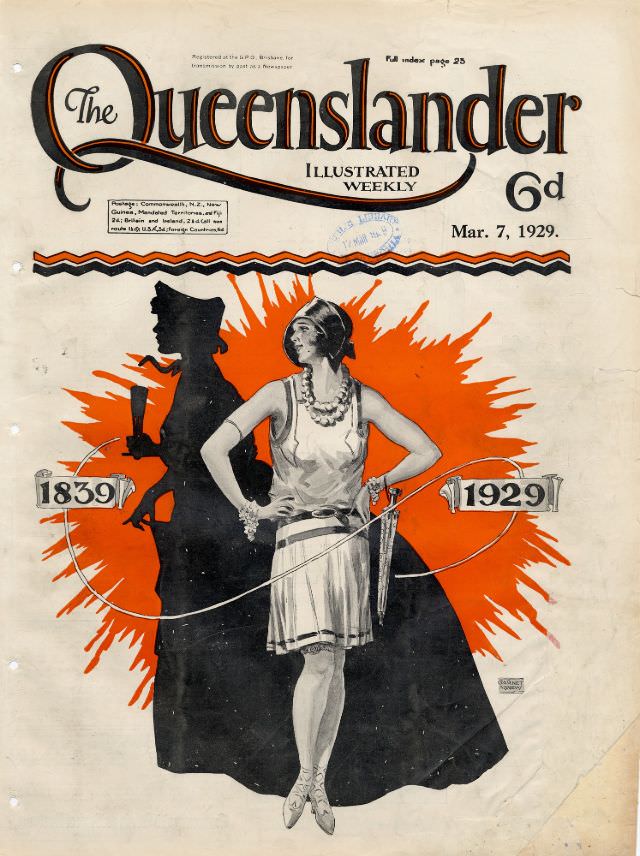
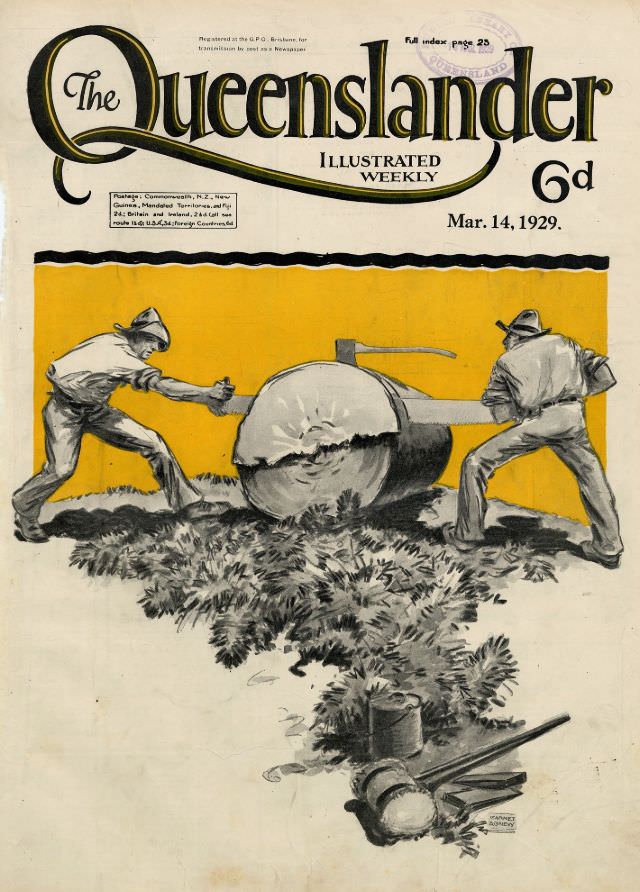
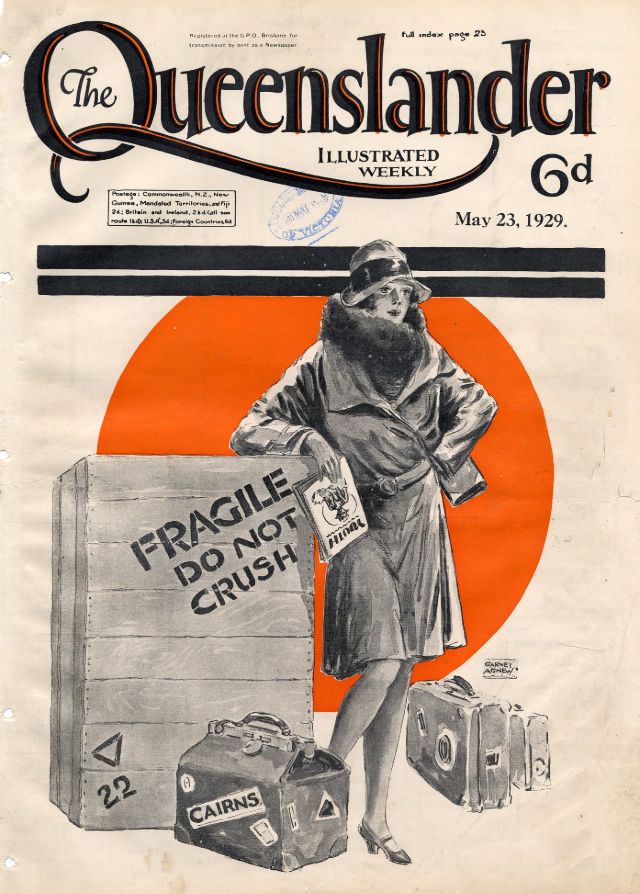
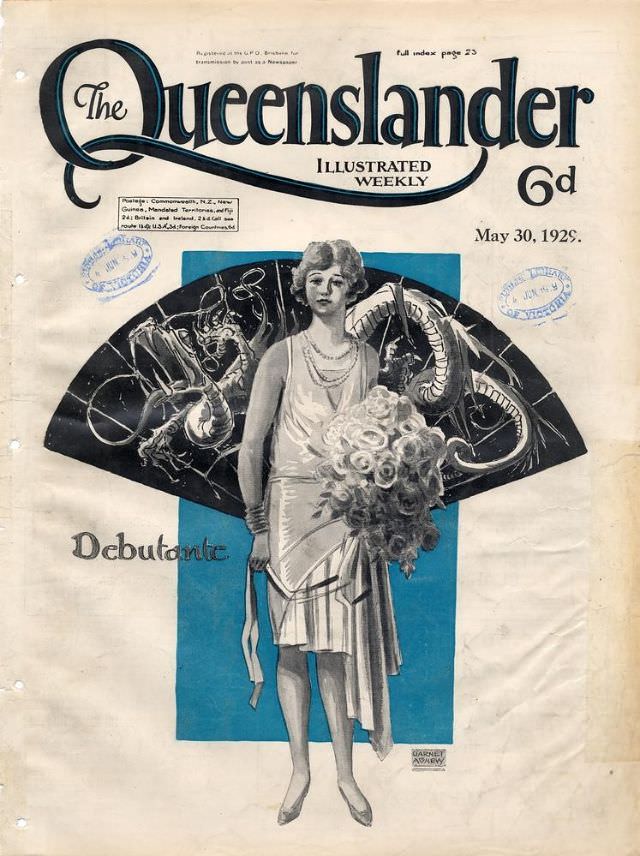
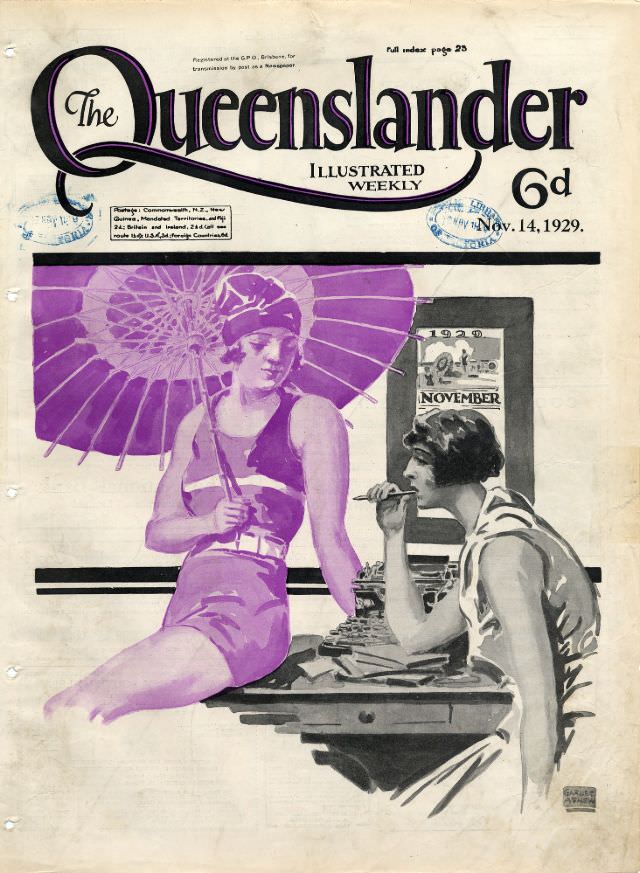
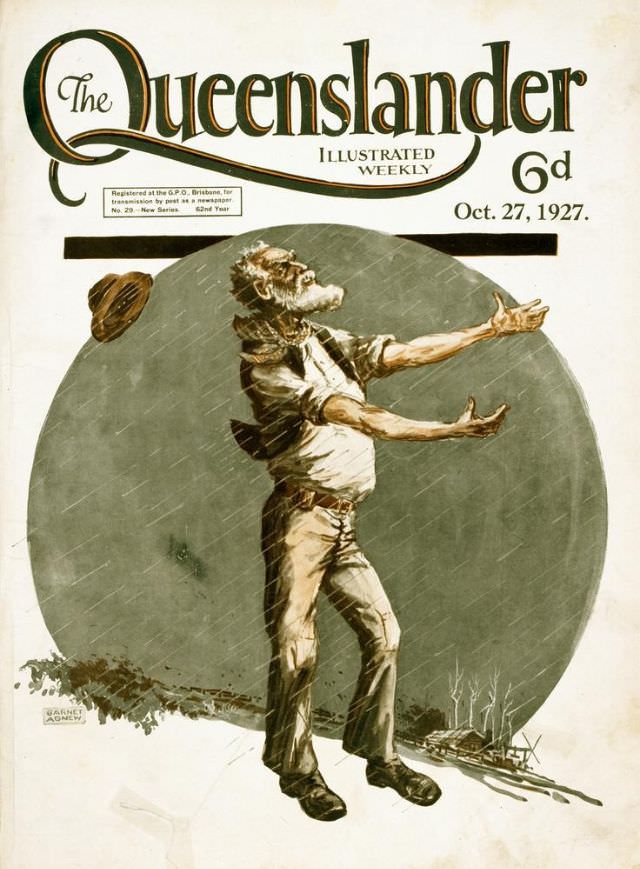
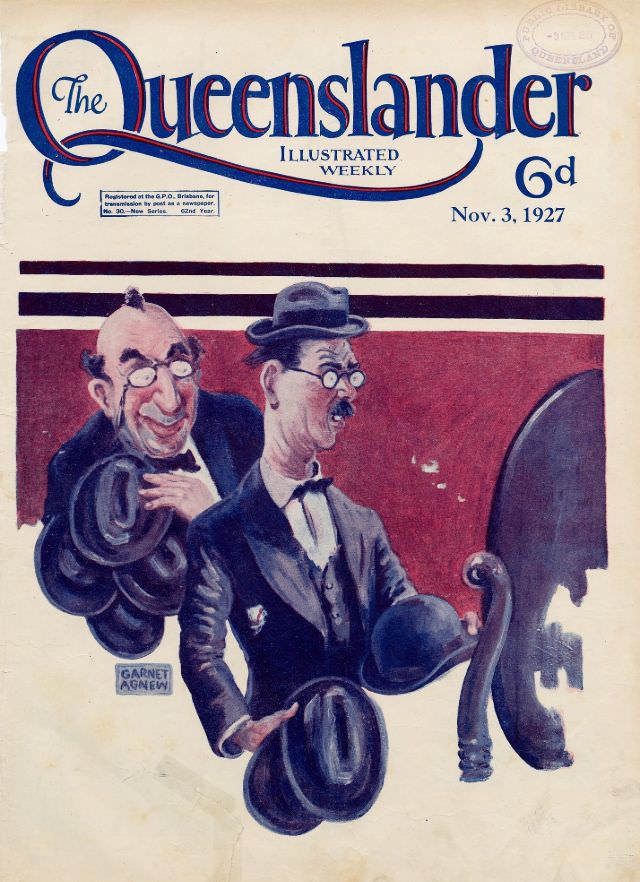
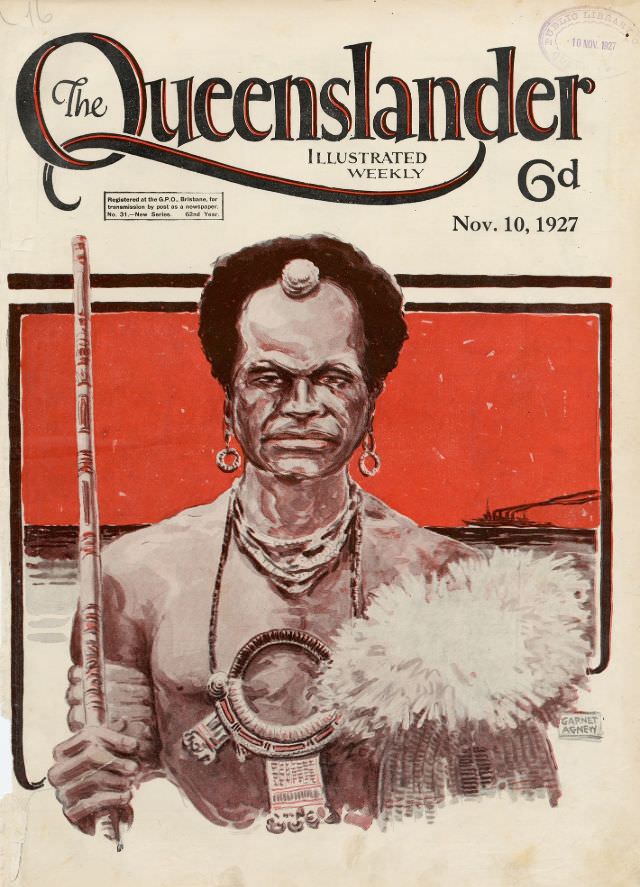
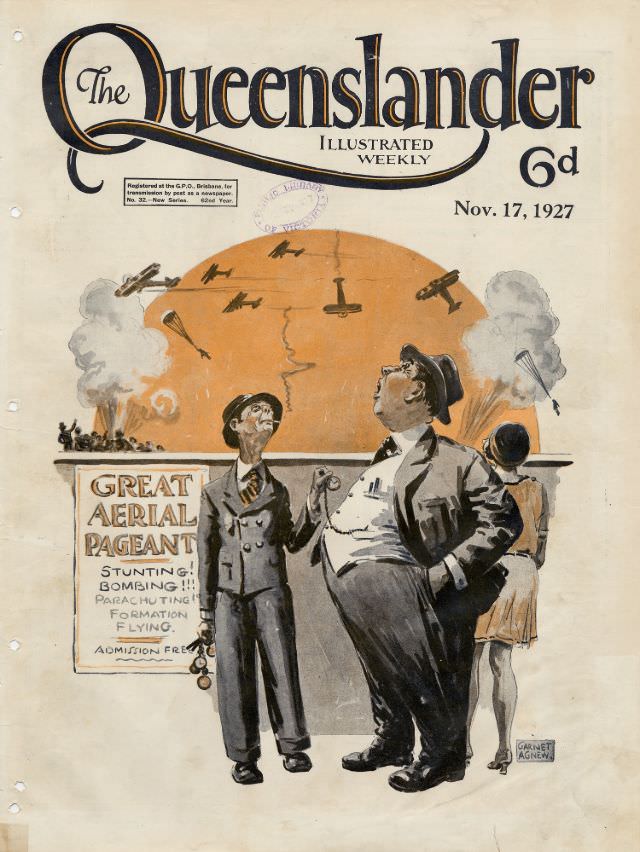
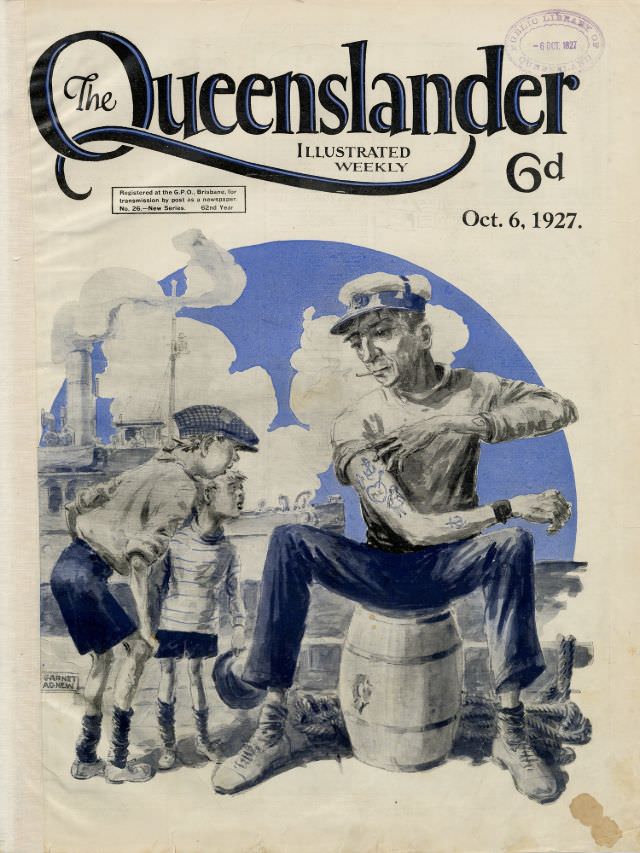
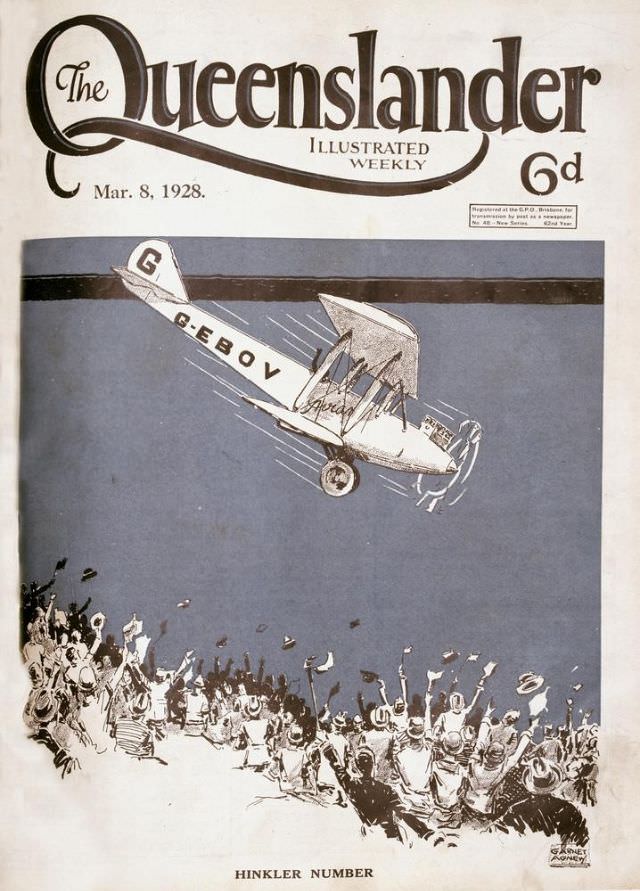
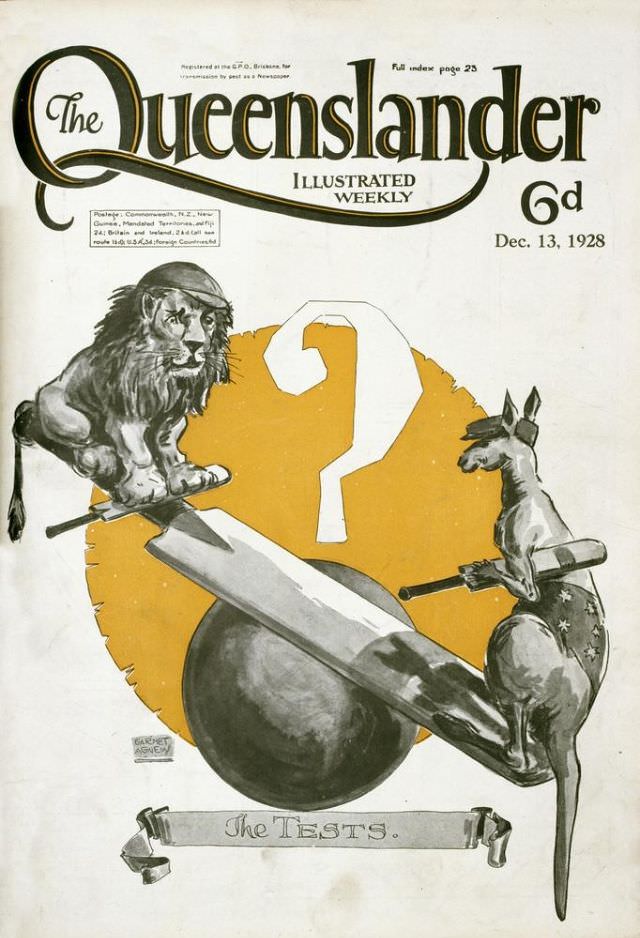
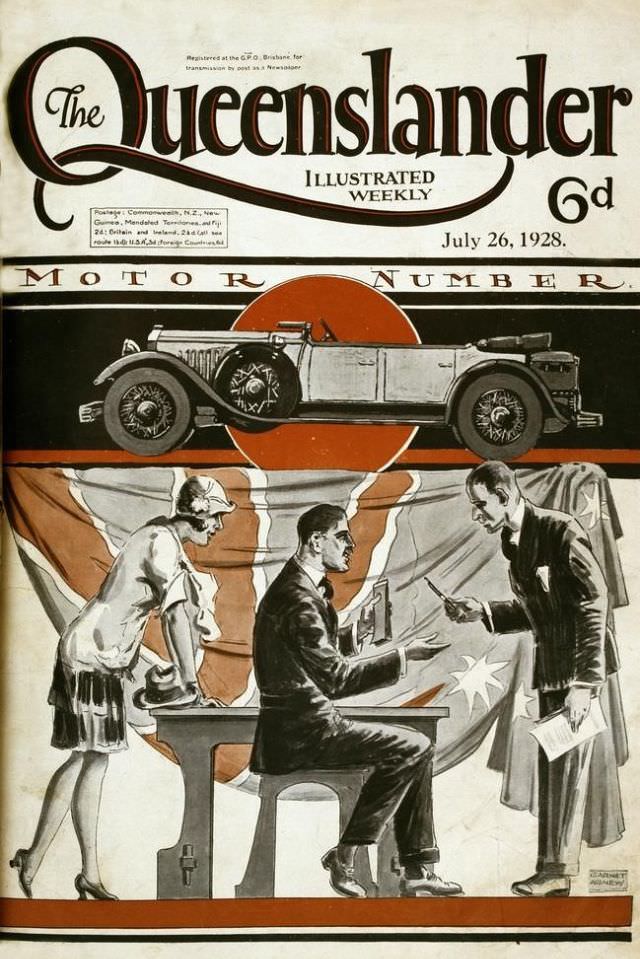
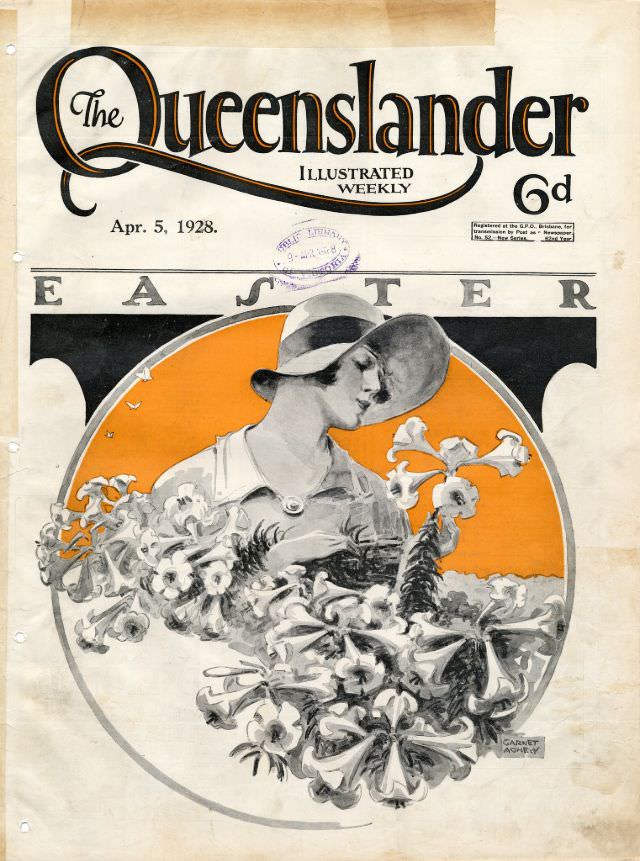
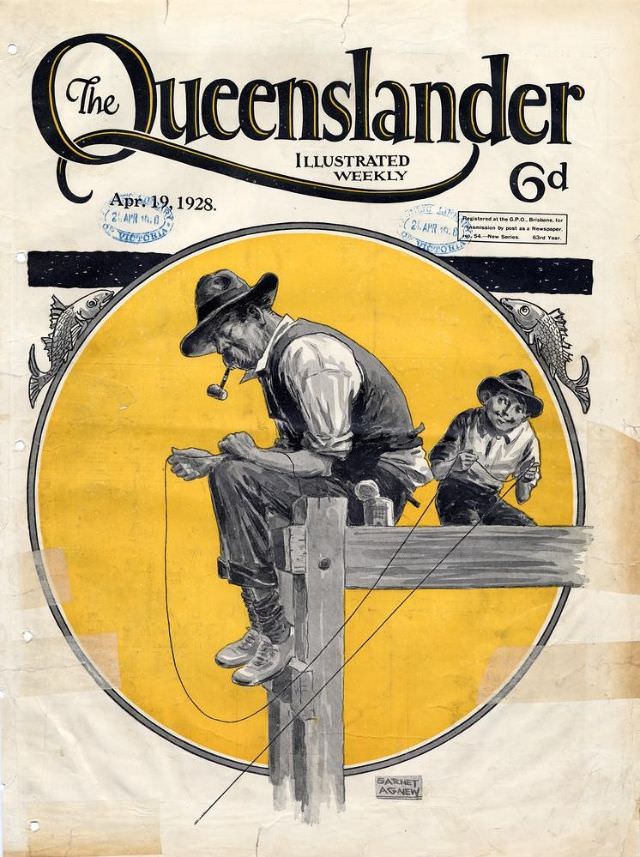
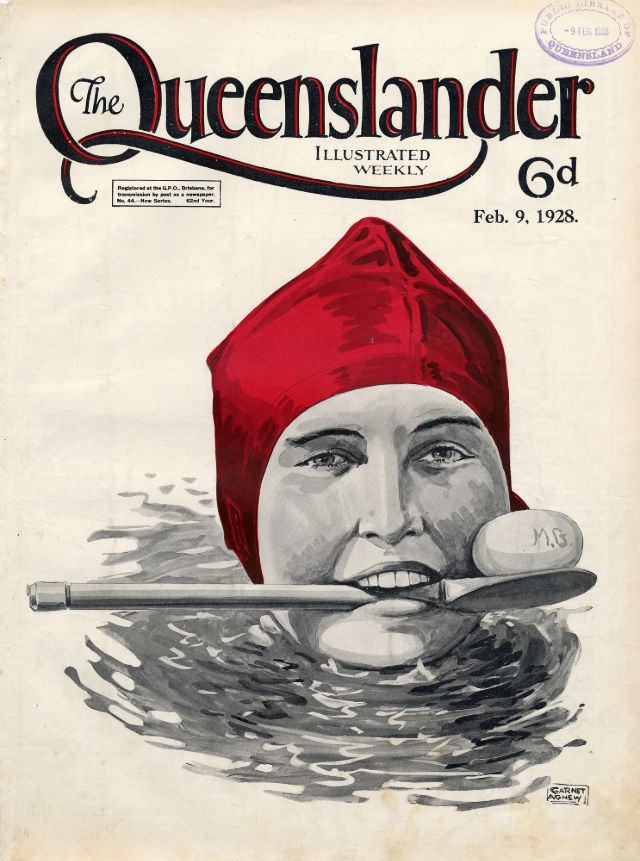
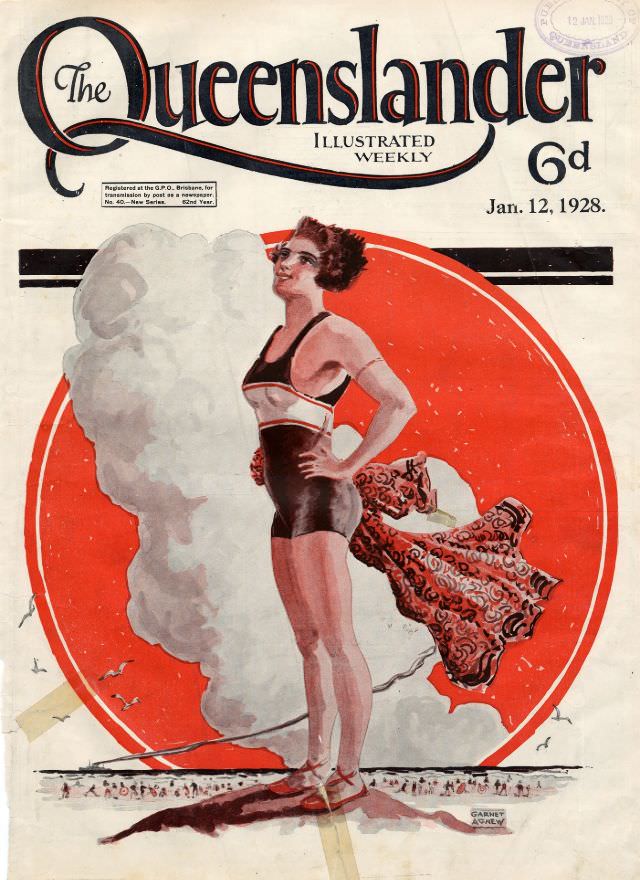
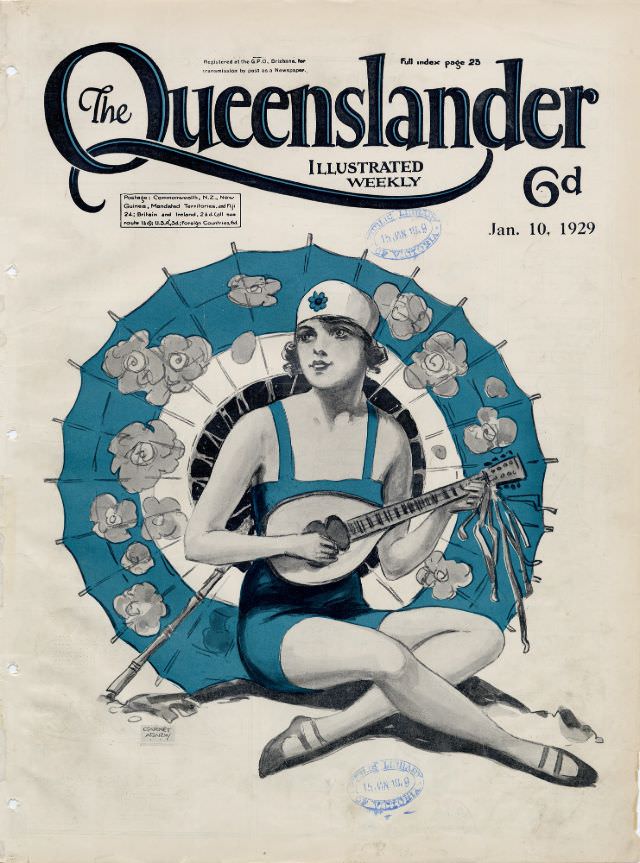
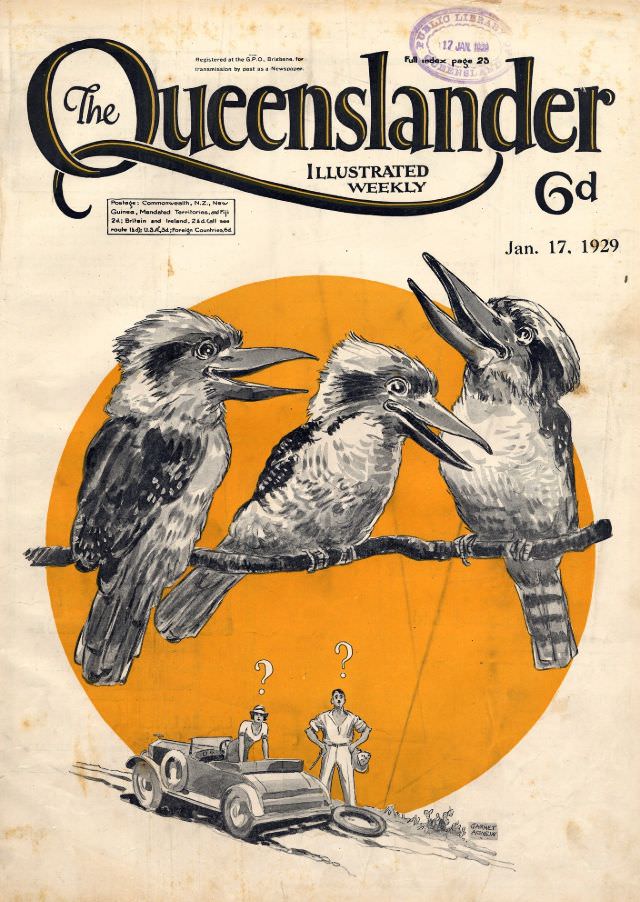
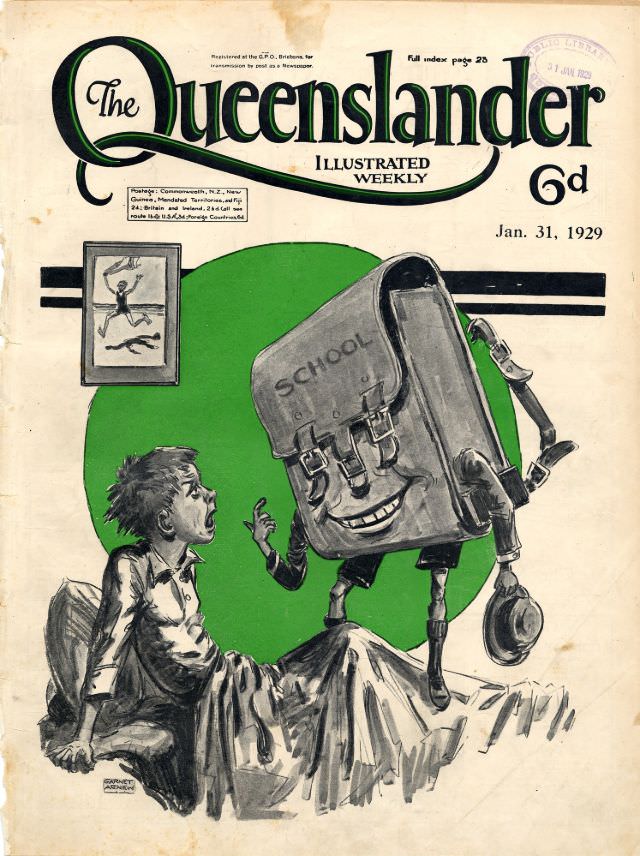
By the late 1920s, the paper’s illustrated front covers had become one of its most recognizable features. Each week, a new full-color or detailed illustrated image graced the cover, often depicting Australian landscapes, wildlife, domestic scenes, or seasonal subjects. These covers were carefully produced and reflected both artistic trends of the time and the interests of Queensland readers.
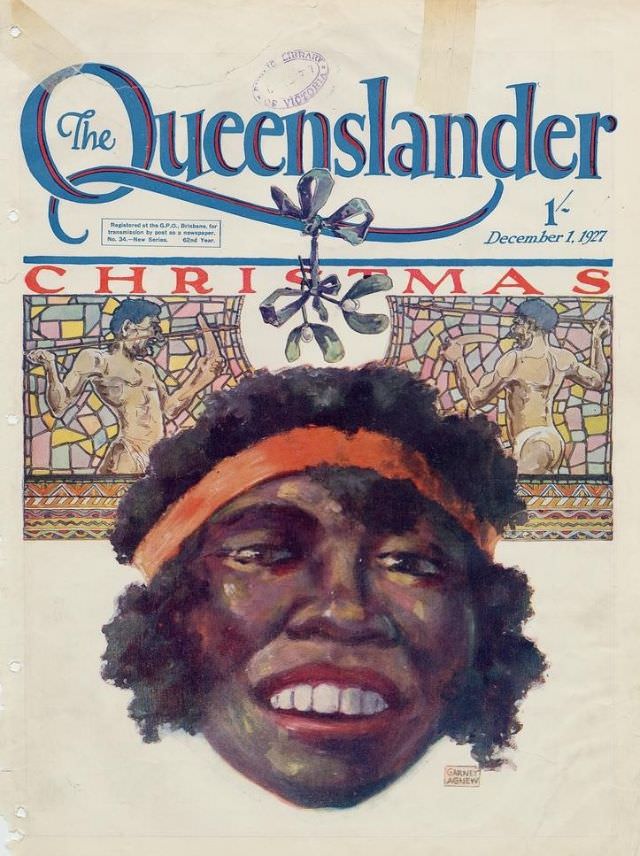
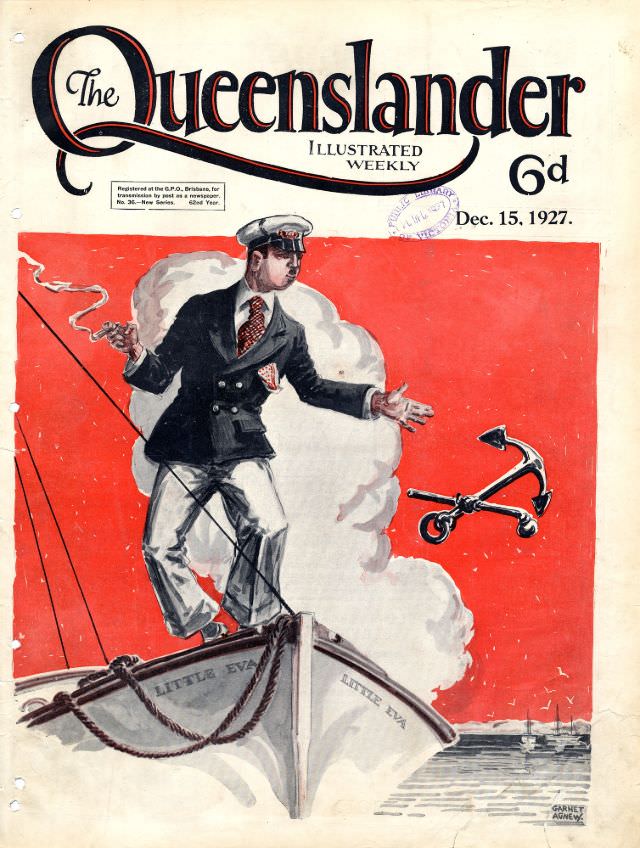
The Christmas and end-of-year editions from December 1927 are particularly notable. Publishers gave extra attention to the covers during the holiday season, and the editions from late December show this clearly. The artwork on these covers was tailored to mark the time of year while still carrying the distinct Australian setting that readers expected.
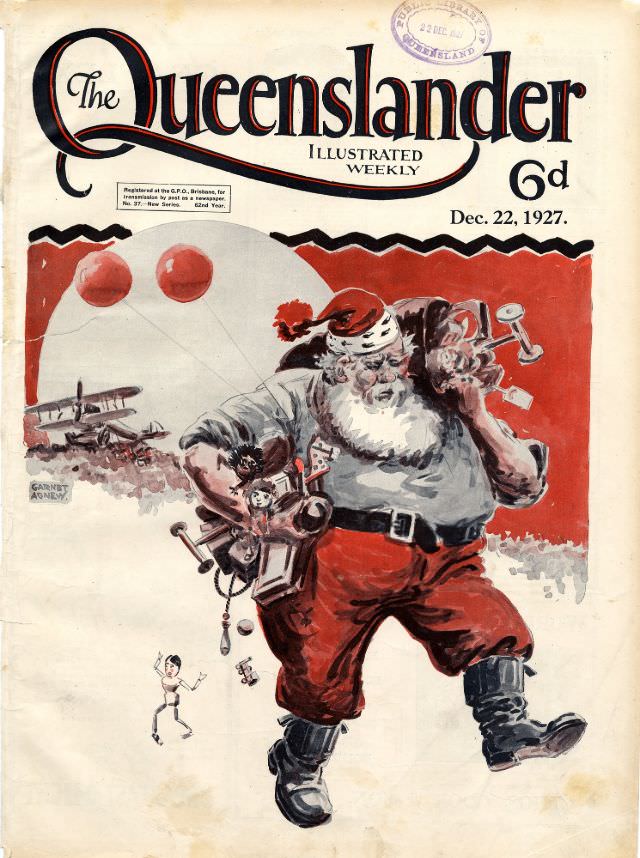
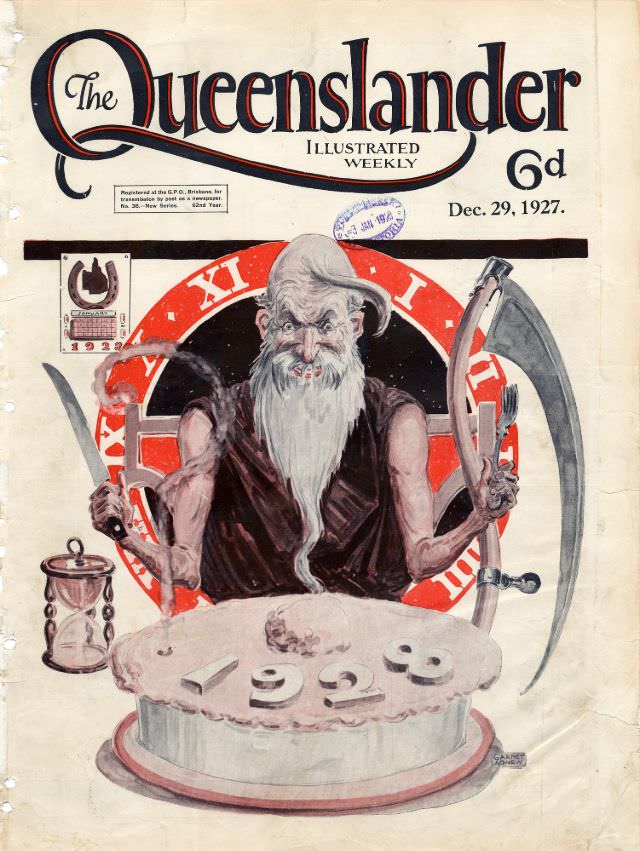
The mid-year 1927 covers span several months and show the consistency of the paper’s production schedule. Week after week, a new illustrated cover was delivered to readers across the state — a significant undertaking for a print operation of that period.
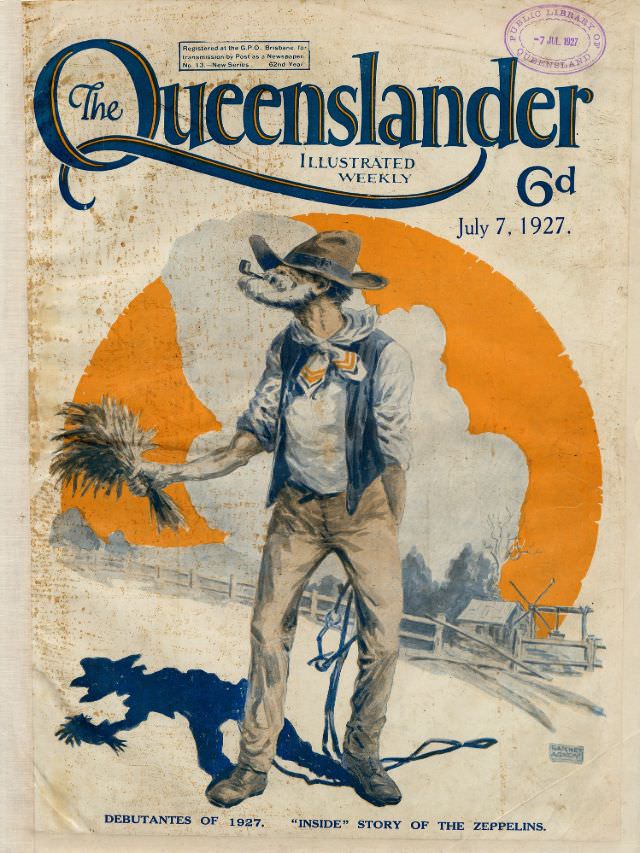
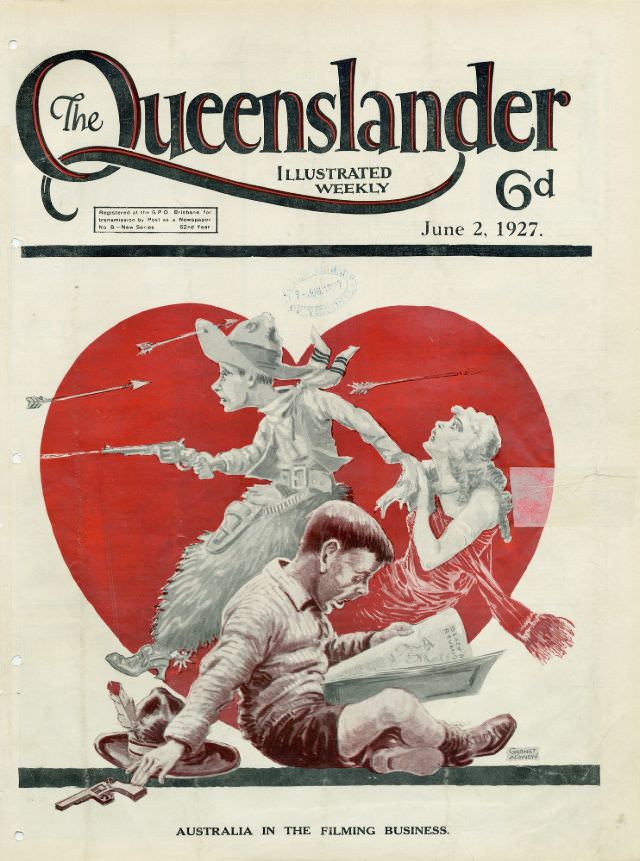
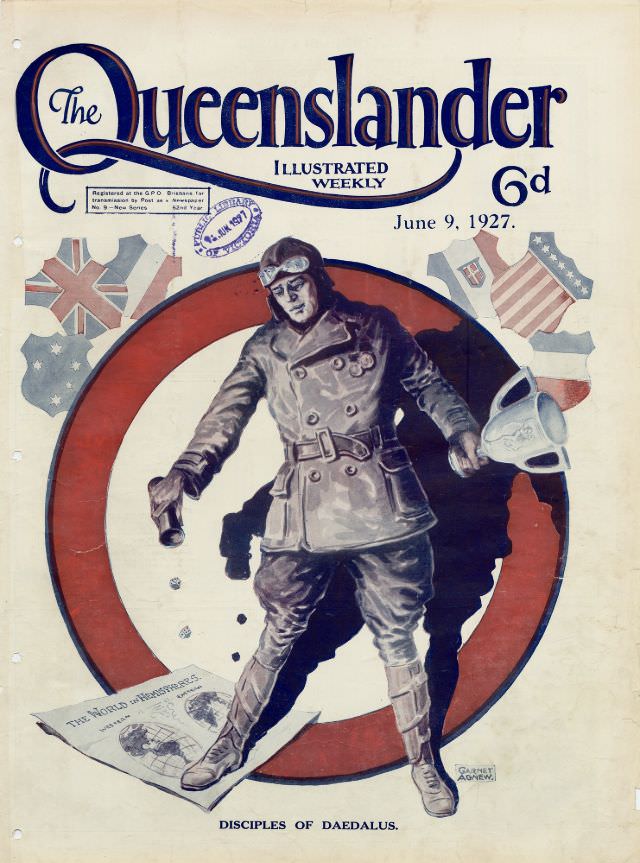
The June 1927 editions appeared across four consecutive weeks, each with its own distinct cover illustration. This level of output required a steady pipeline of artists and illustrators working in coordination with the editorial team in Brisbane.
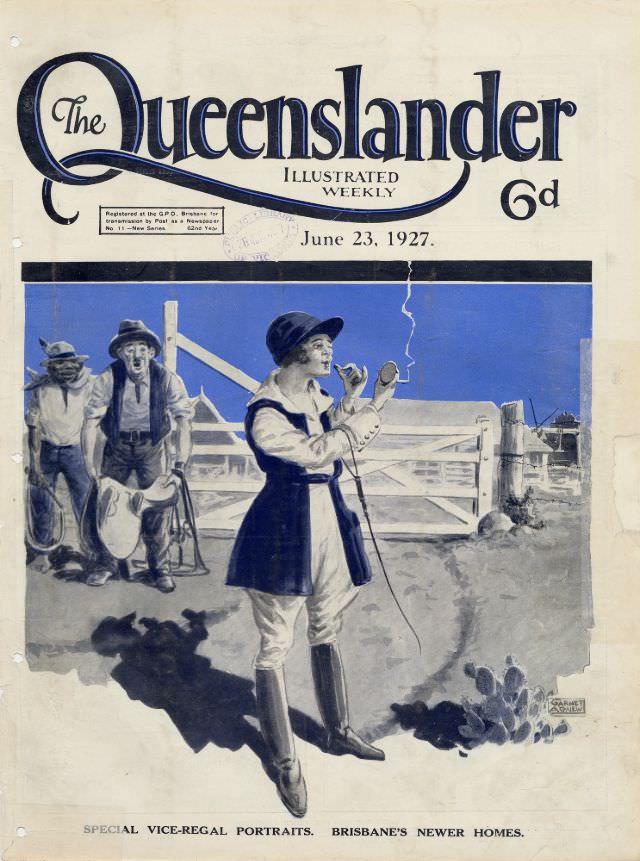
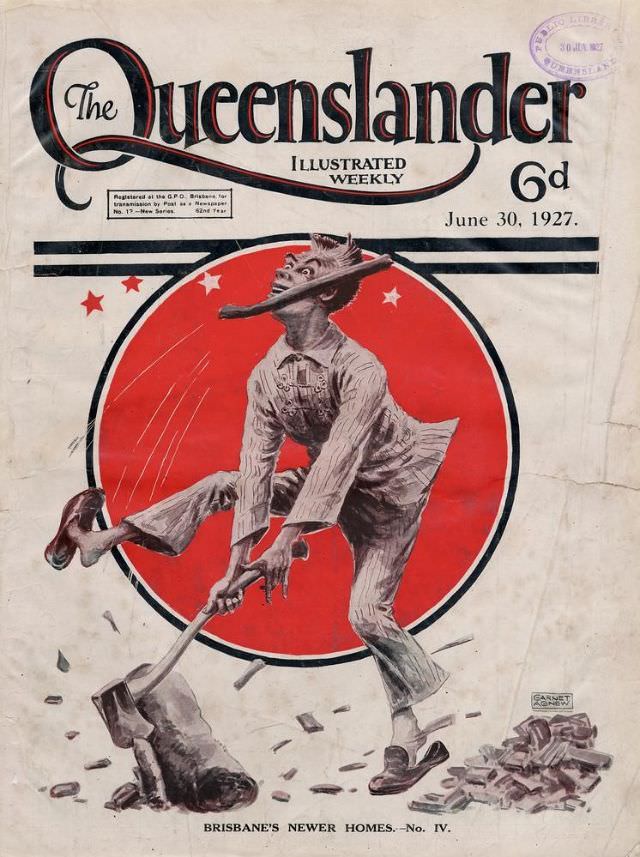
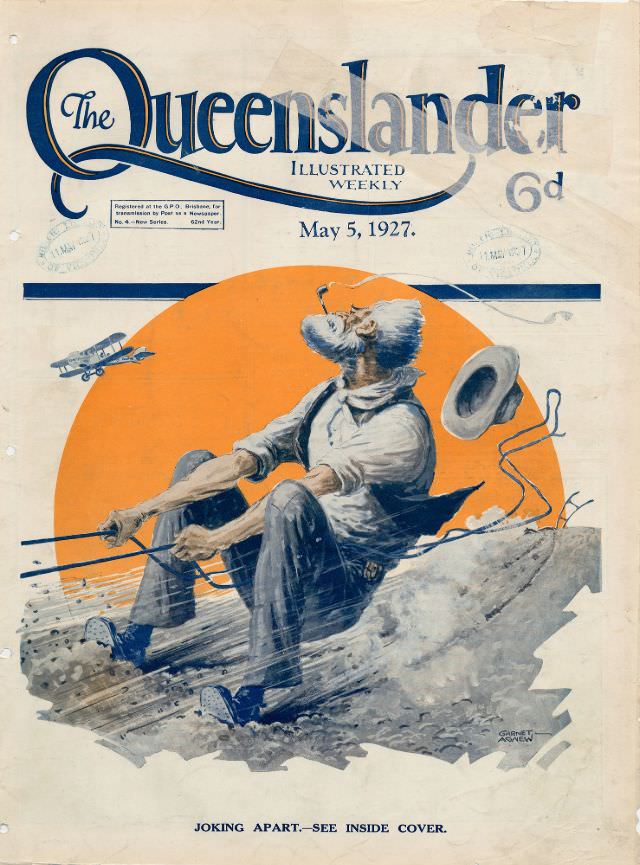
The autumn and spring editions from 1927 round out the year’s collection, stretching from May through November. Each cover from this period is now held by the State Library of Queensland, preserving a detailed visual record of how the paper presented itself to readers across more than a decade of weekly publication.
Moving into 1928, the covers continued at the same pace and quality. The early months of that year — January through March — produced some of the most varied illustrated covers in the collection. Subjects ranged widely, keeping the paper visually fresh each week.
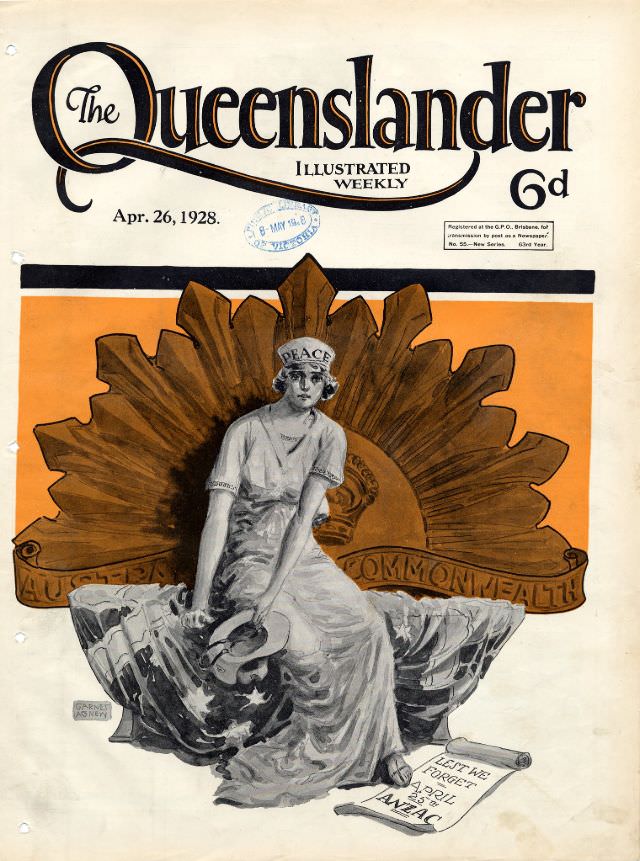
The April 1928 editions show three separate covers produced within the same month. This reflects the paper’s strict weekly schedule — no gaps, no repeats — maintained year-round regardless of season or public holidays.
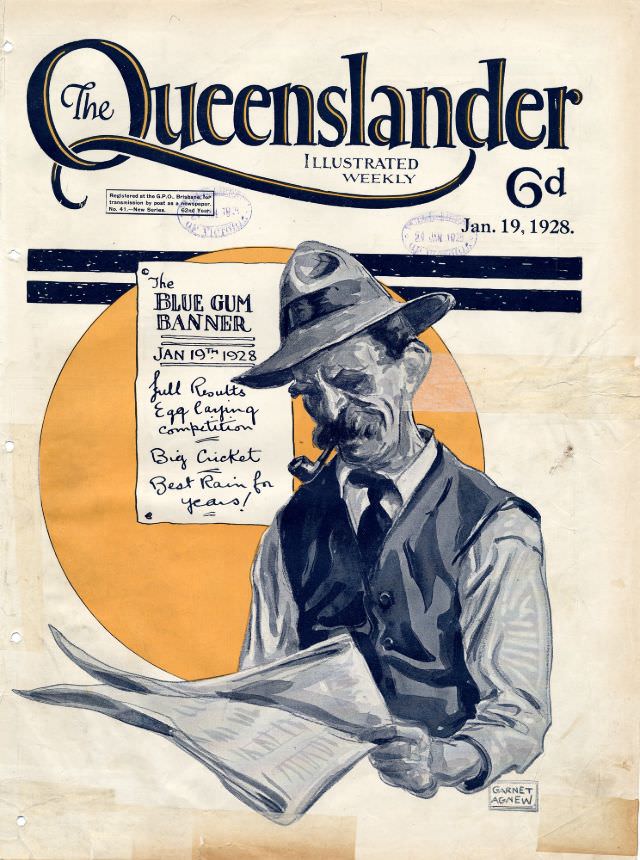
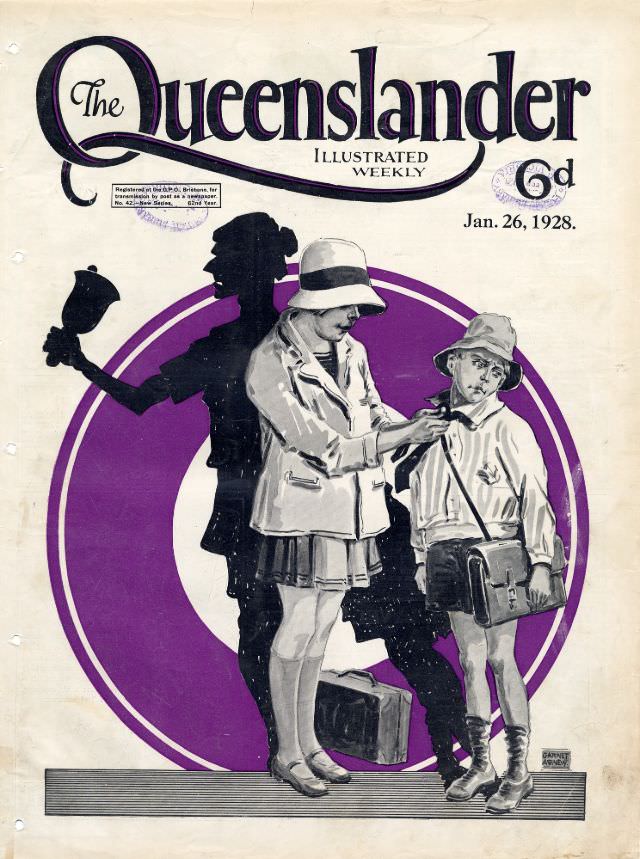
The mid-year covers from 1928 carry the same craftsmanship seen throughout the collection. June and May editions from that year add further depth to what is now a substantial archive of Queensland press history preserved in illustrated form.
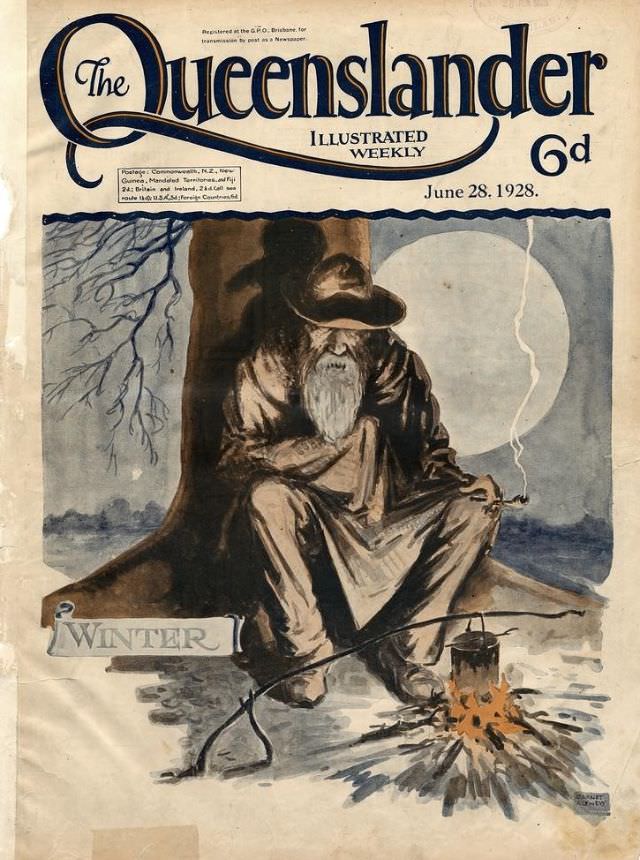
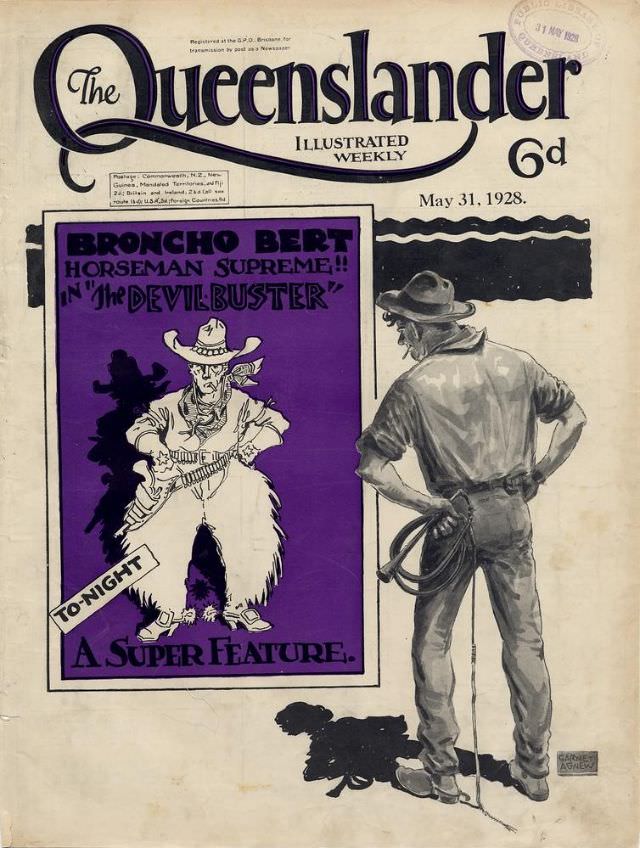
By 1929, the paper was entering its final decade of publication. The covers from that year — spanning January through December — show no drop in quality or ambition. The illustrated front cover remained a defining feature of The Queenslander right up to its final years.
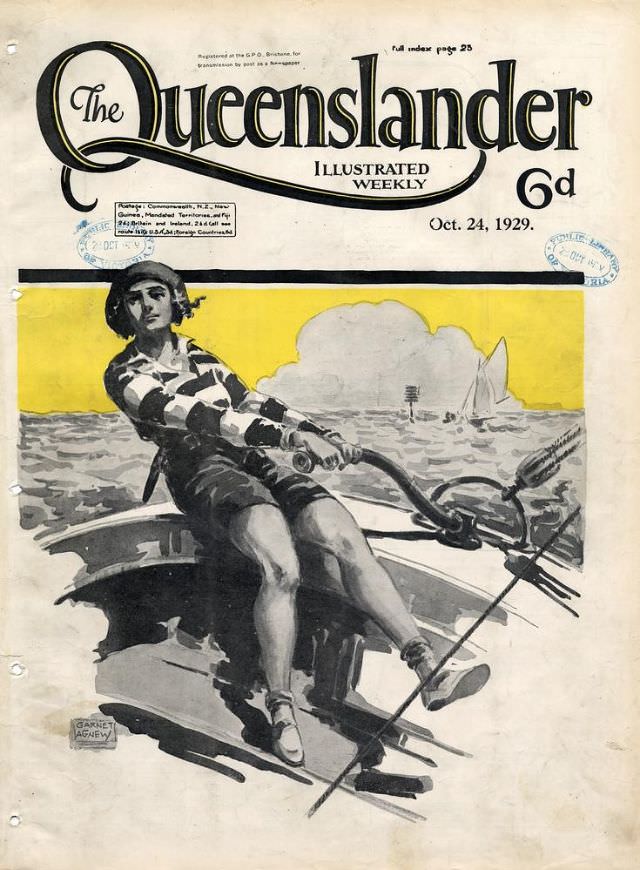
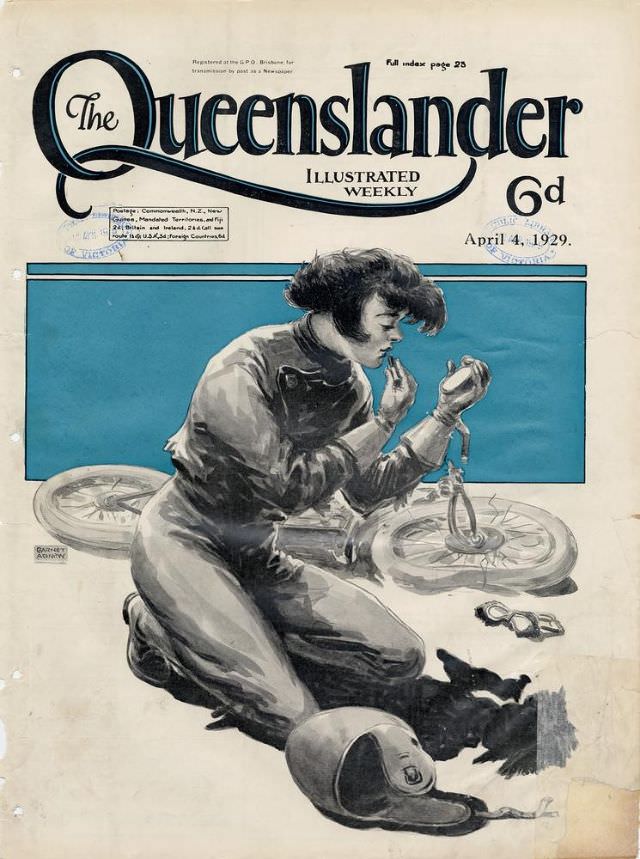
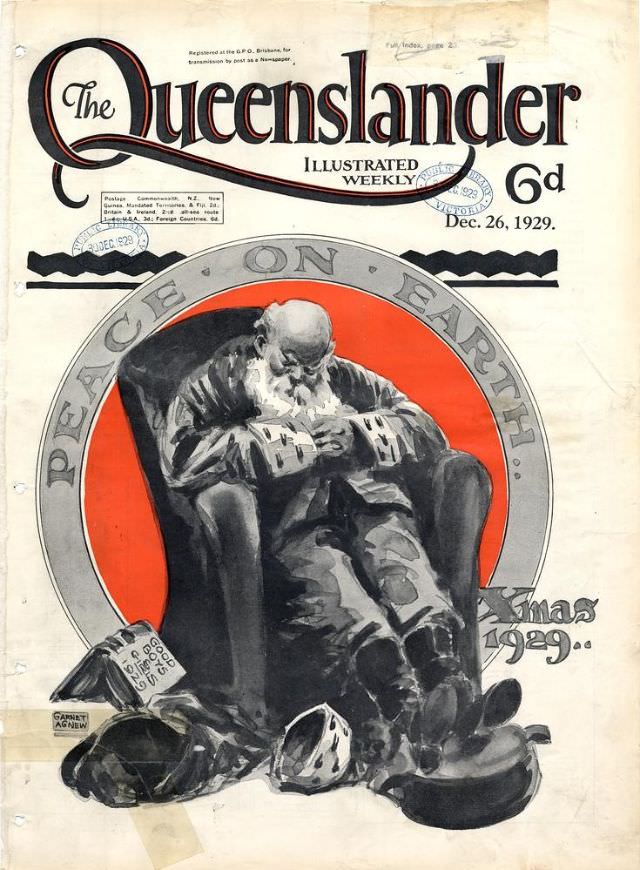
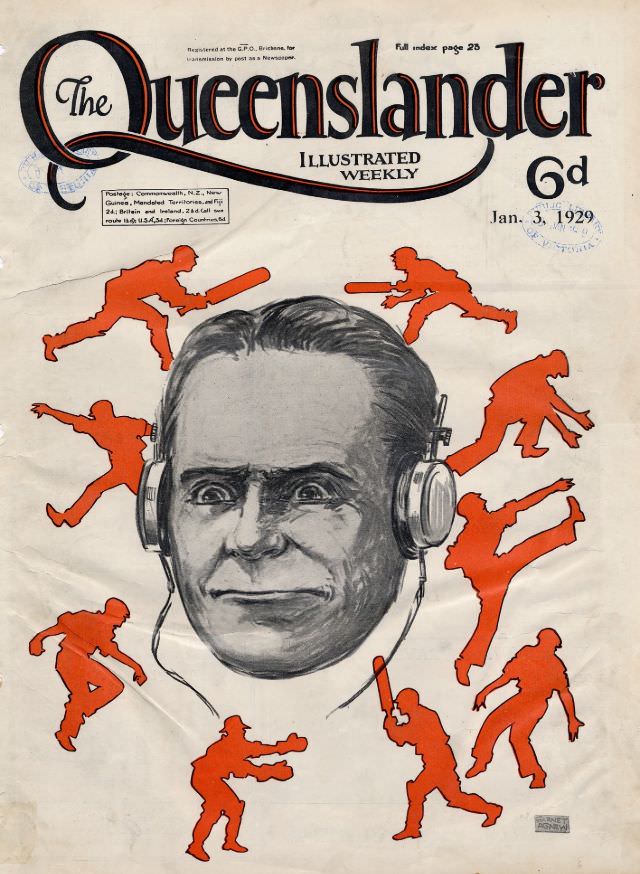
The January 1929 editions open the year with four covers produced across the month. Each one represents a single week of publication and a single illustration delivered to households and stations spread across one of Australia’s largest states.
The March and May 1929 covers bring the collection toward its midpoint for that year. These editions are drawn from the State Library of Queensland’s holdings and represent some of the most complete runs of illustrated newspaper covers surviving from 1920s Australian press history.