Most people are familiar with the eye-catching covers of magazines like Easy Rider, Hot Rod, and Lowrider. Those publications made a habit of pairing beautiful women with roaring engines, and it worked. Newsstands in the 1970s and 1980s were packed with them. What fewer people know is that a very different kind of magazine adopted the same strategy — one dedicated not to muscle cars or motorcycles, but to radio-controlled airplanes.
Radio-controlled aircraft, commonly called RC planes, are flying machines operated from the ground using a handheld radio transmitter. The pilot moves joysticks on the transmitter, which sends signals to a receiver mounted inside the aircraft. That receiver then activates small motors called servomechanisms, or servos, which move the plane’s control surfaces. Those surfaces — things like the rudder, elevator, and ailerons — determine how the plane turns, climbs, and descends.
The technology behind RC flight goes back further than most people expect. The first radio-controlled model aircraft were built in 1936, though no one flew them in competition that year. The first official RC flying contest took place in 1937. For the next several decades, the hobby stayed relatively niche — expensive equipment and limited availability kept it out of reach for most hobbyists.
That changed in the 1970s. As components became cheaper and more reliable, the hobby exploded in popularity. Clubs formed across the country. Kit manufacturers expanded their catalogs. And magazines dedicated to the RC hobby began fighting for shelf space alongside far more mainstream publications.
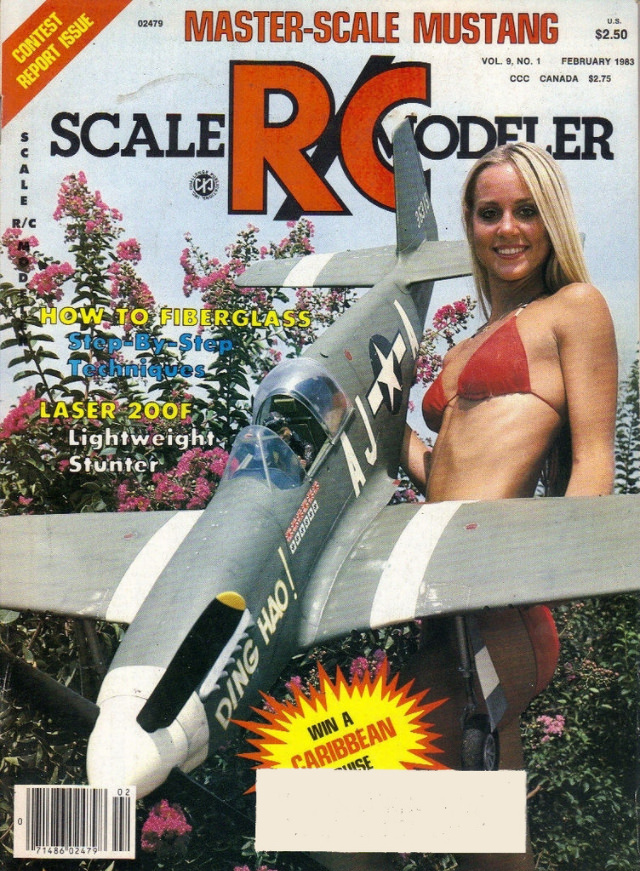
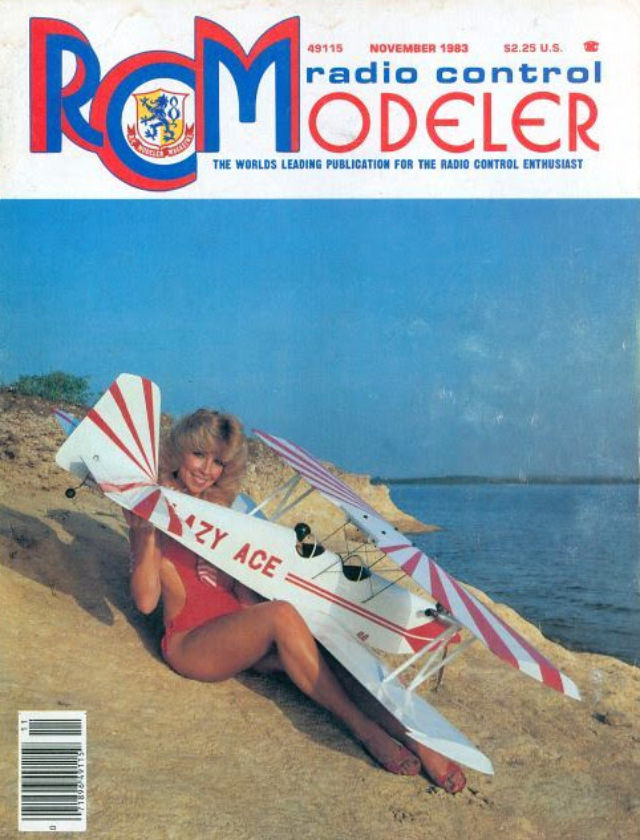
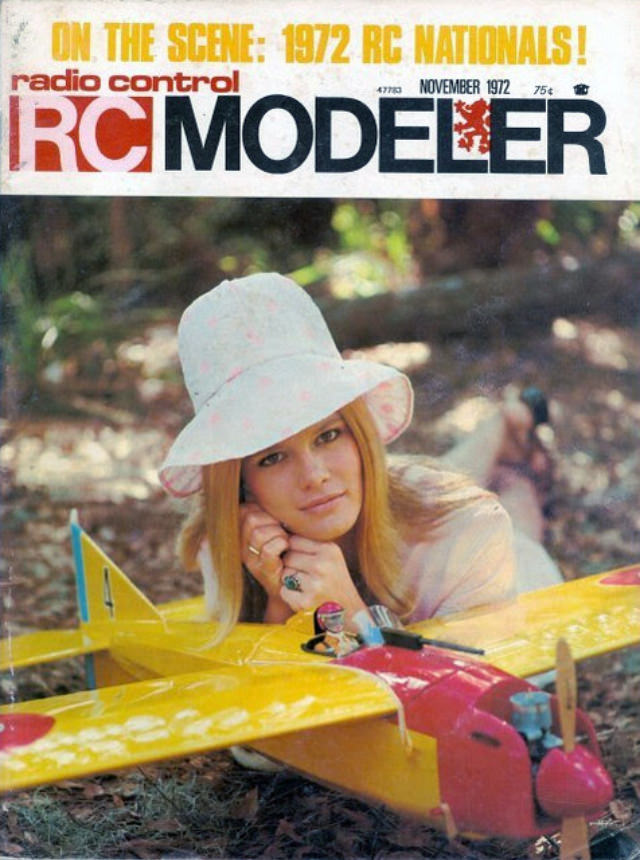
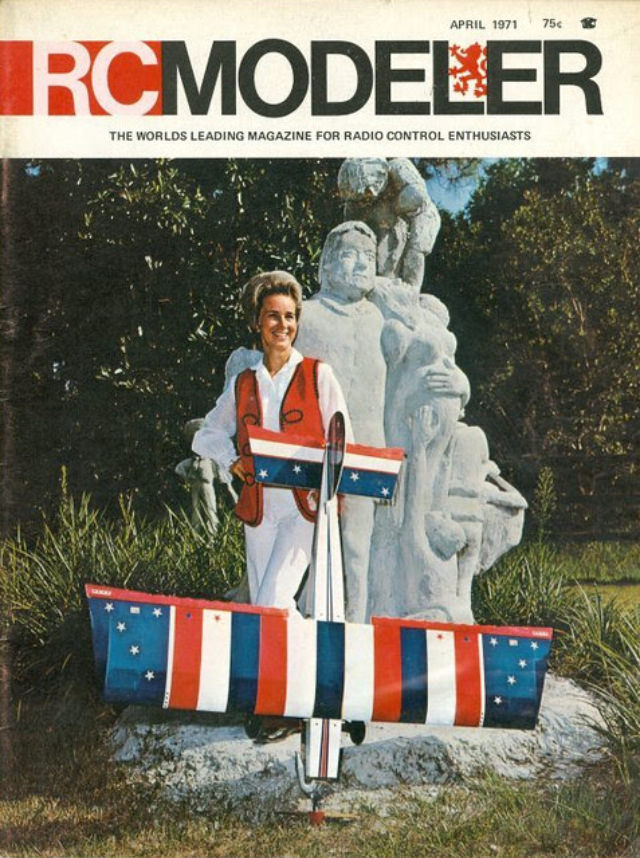
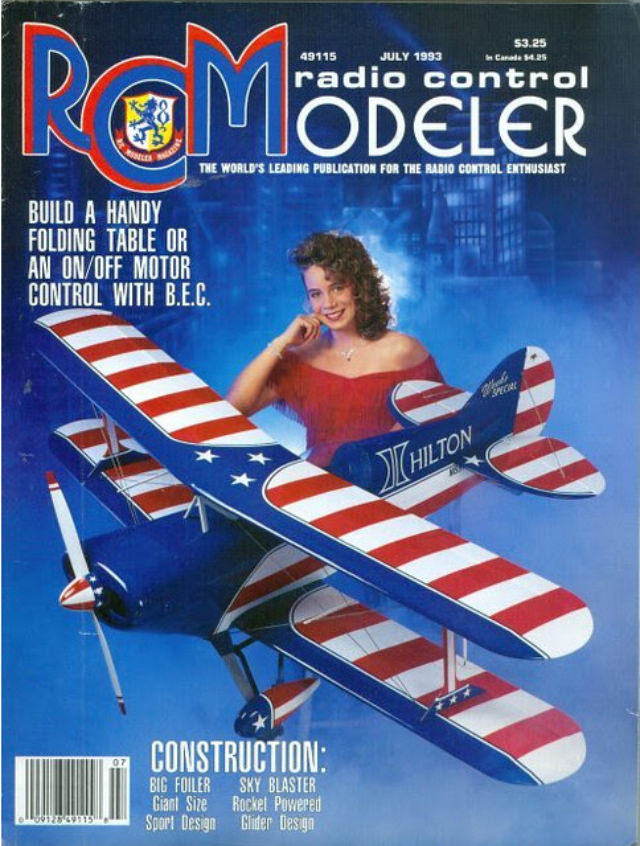
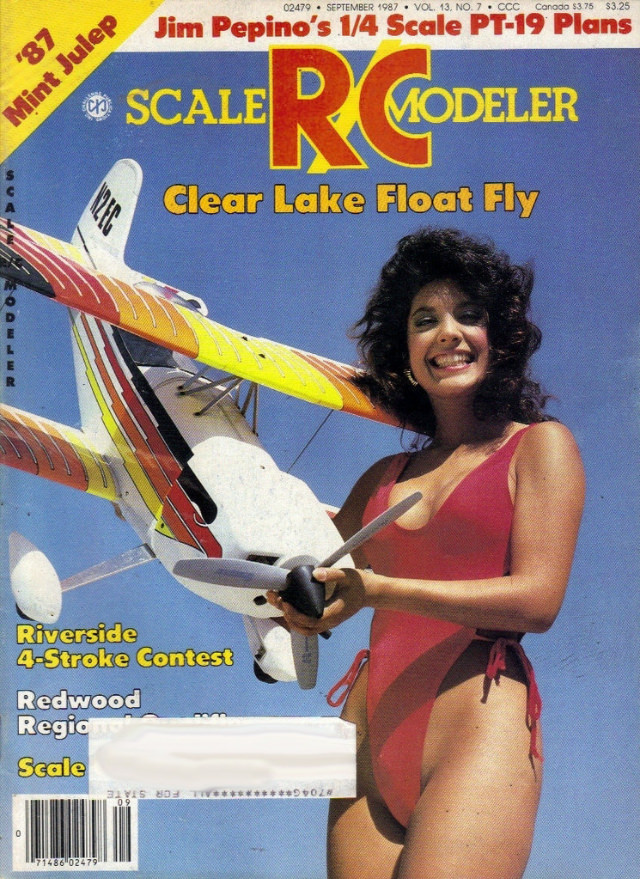
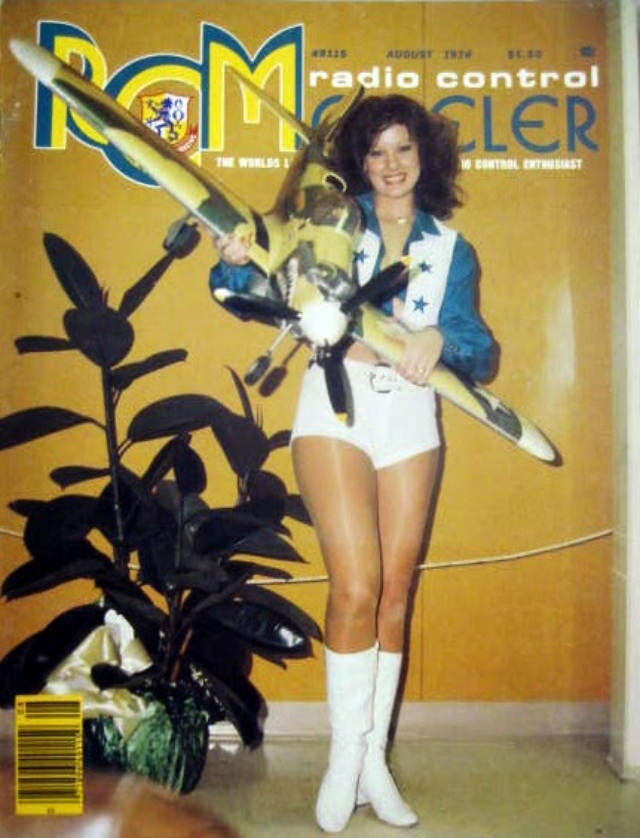
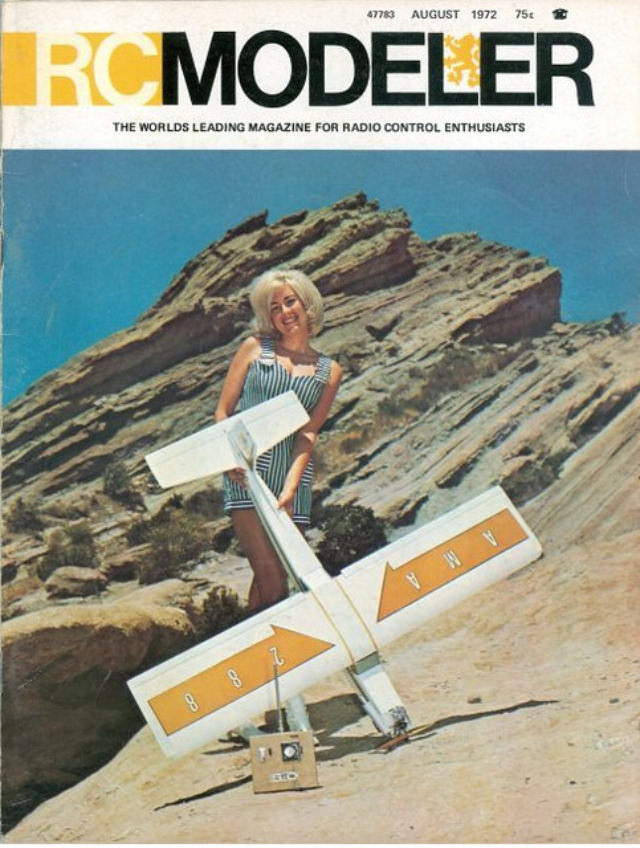
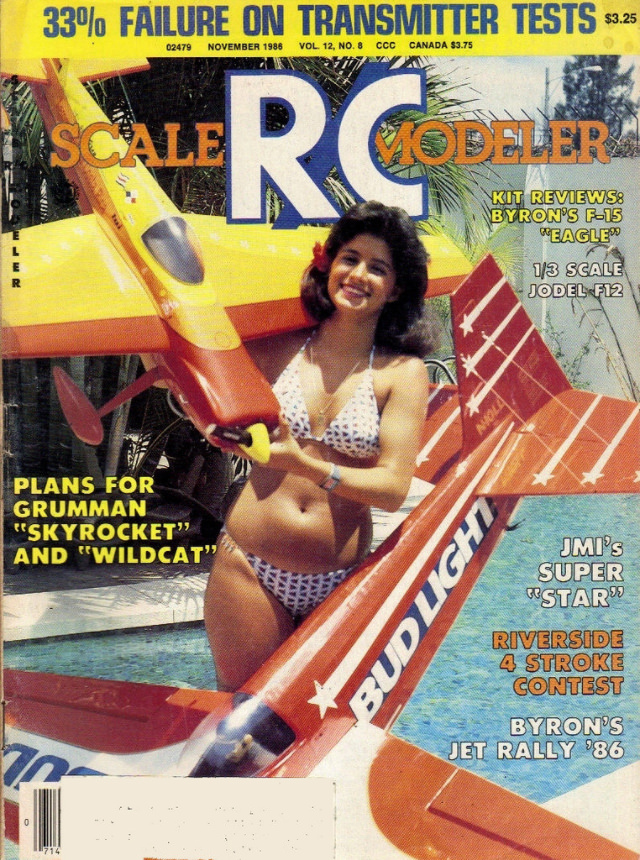
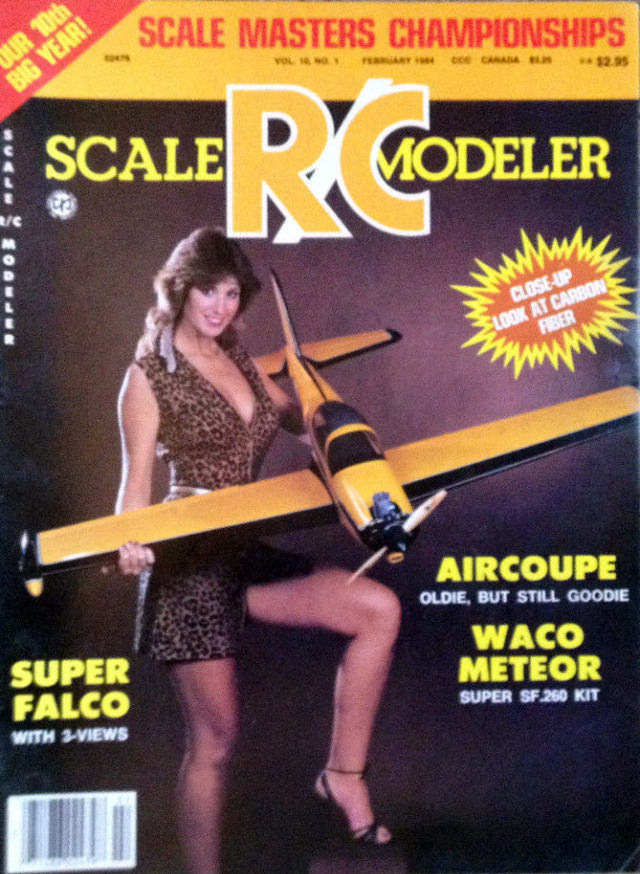
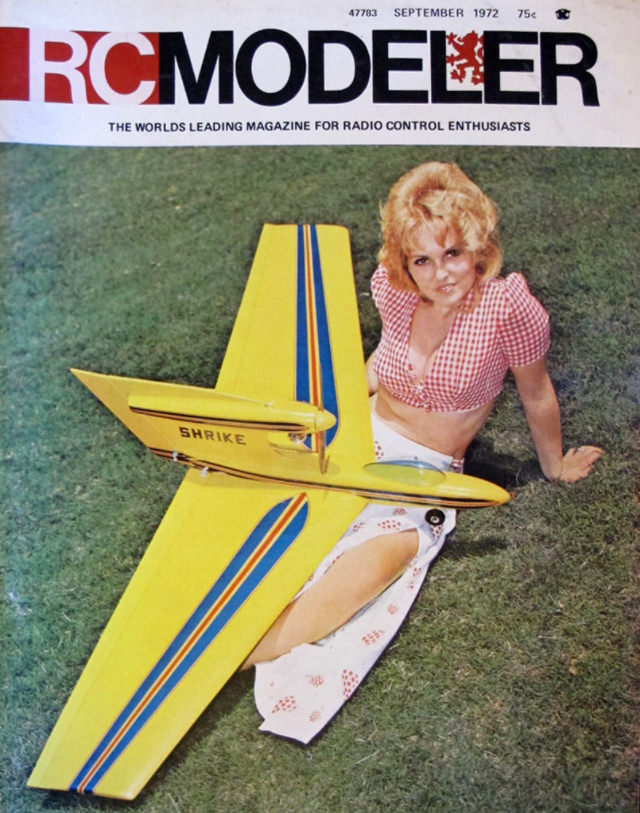
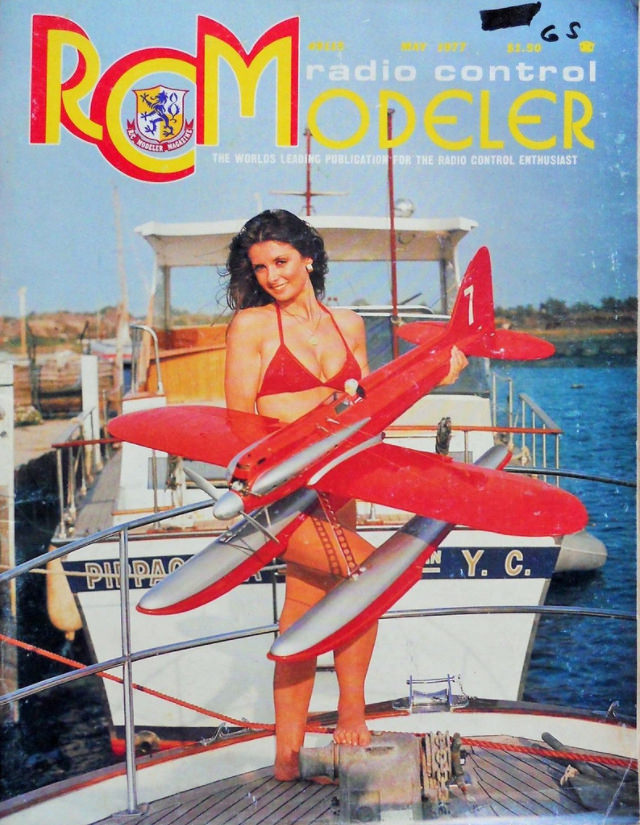
To stand out on crowded newsstands, Radio Control Modeler magazine took a page — quite literally — from the playbook of car and bike publications. The magazine began featuring attractive women on its covers, often posed alongside model aircraft or transmitters. It was a bold move for a hobby magazine aimed at a very technical audience.
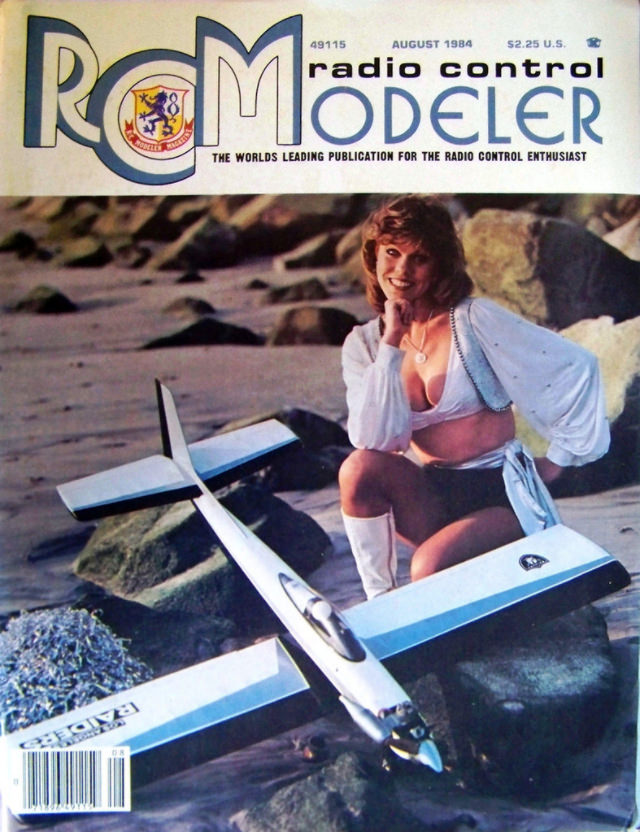
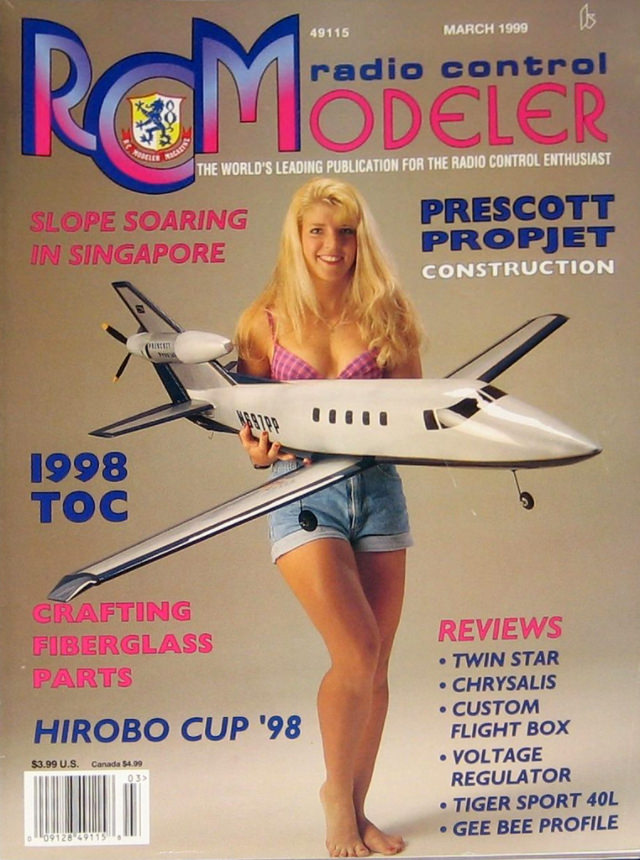
The covers followed a familiar formula. A model would pose at an airfield or open field, often with a finished RC plane nearby or a transmitter in hand. The settings gave the images an outdoor, action-oriented feel. The women weren’t just decorative — they were framed as part of the hobby’s world, even if their role was clearly about drawing attention at the point of sale.
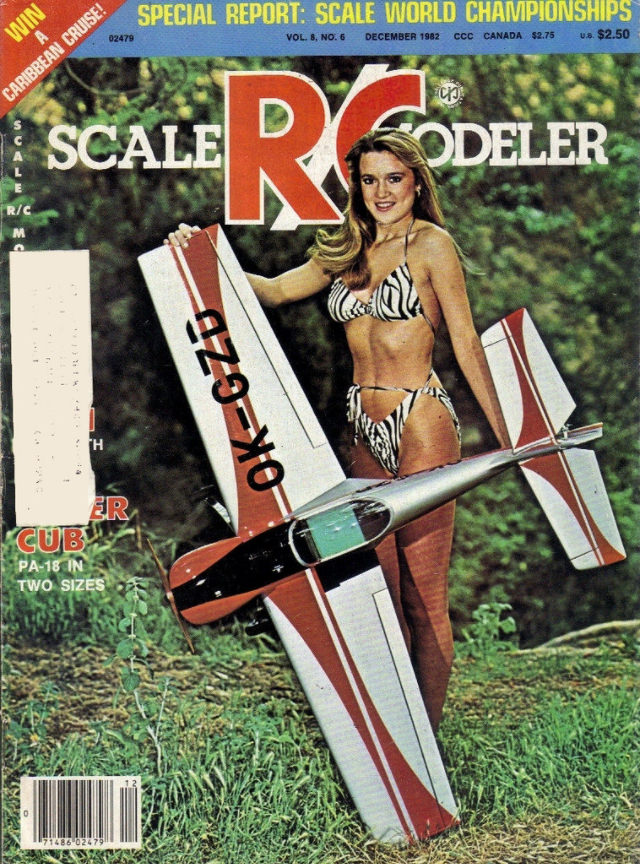
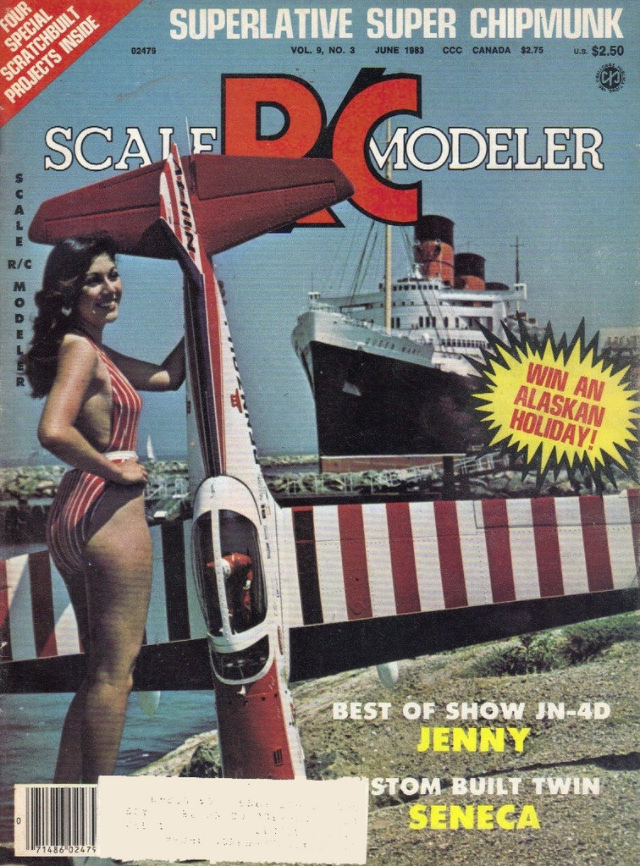
Throughout the late 1970s and into the 1980s, these covers became a consistent feature of the magazine. Each issue brought a new look — different models, different planes, different poses. Some covers leaned into glamour. Others kept things sportier. But the goal was always the same: make someone walking past a magazine rack stop and pick it up.
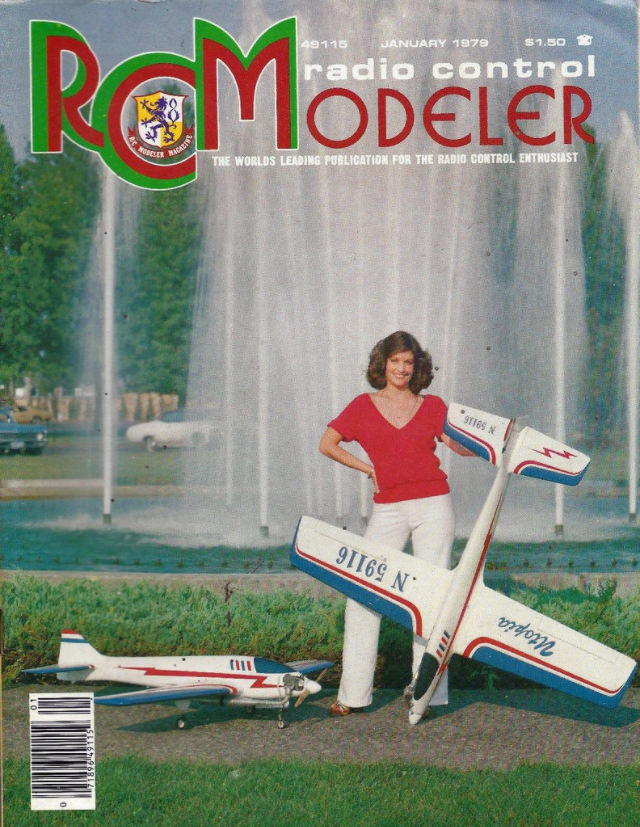
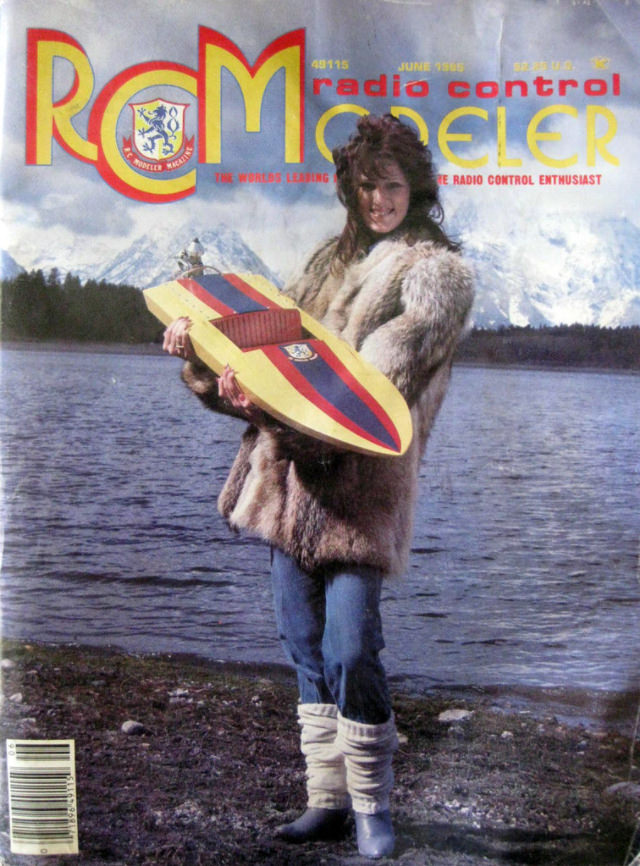
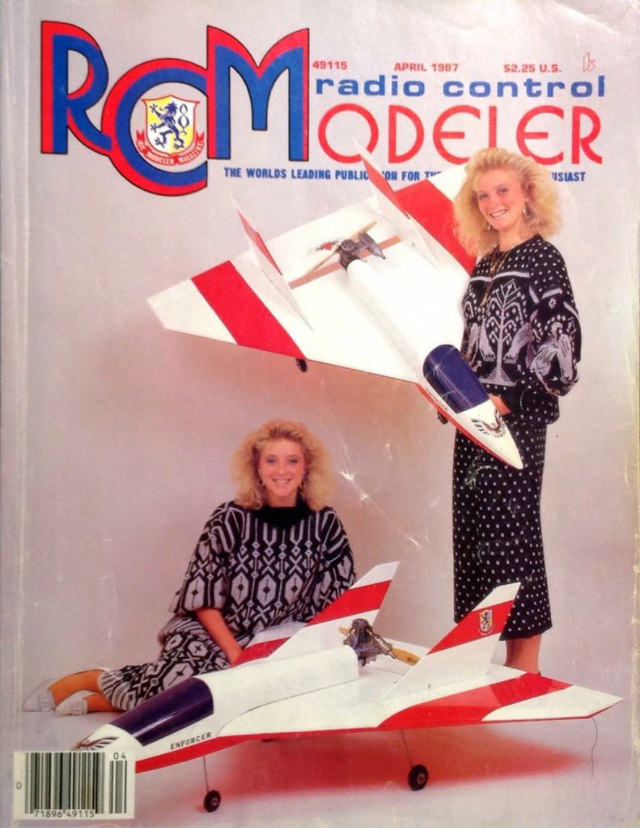
It’s worth noting just how competitive the newsstand was during this era. Specialty magazines of all kinds were fighting for limited shelf space, and the hobby market was no exception. RC flying had real competition from model trains, model cars, and slot car racing, each with their own dedicated publications. Standing out required more than just good technical content.
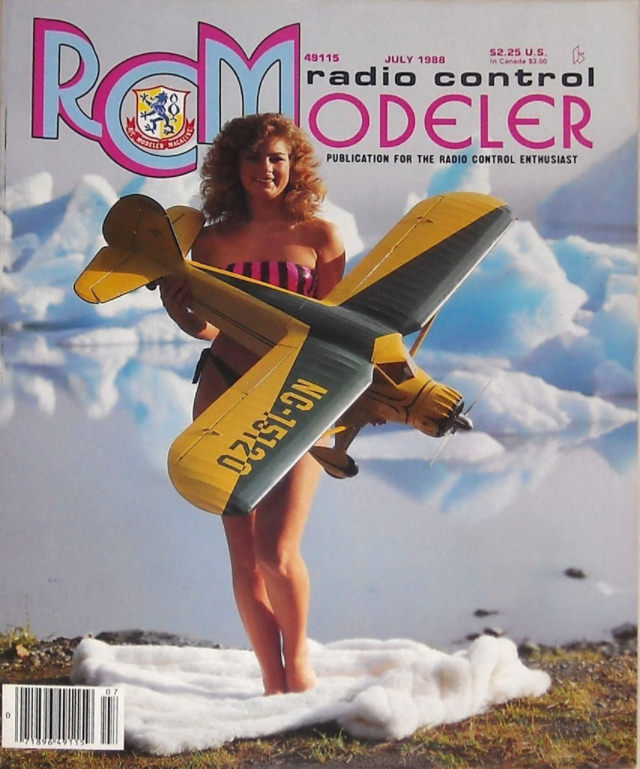
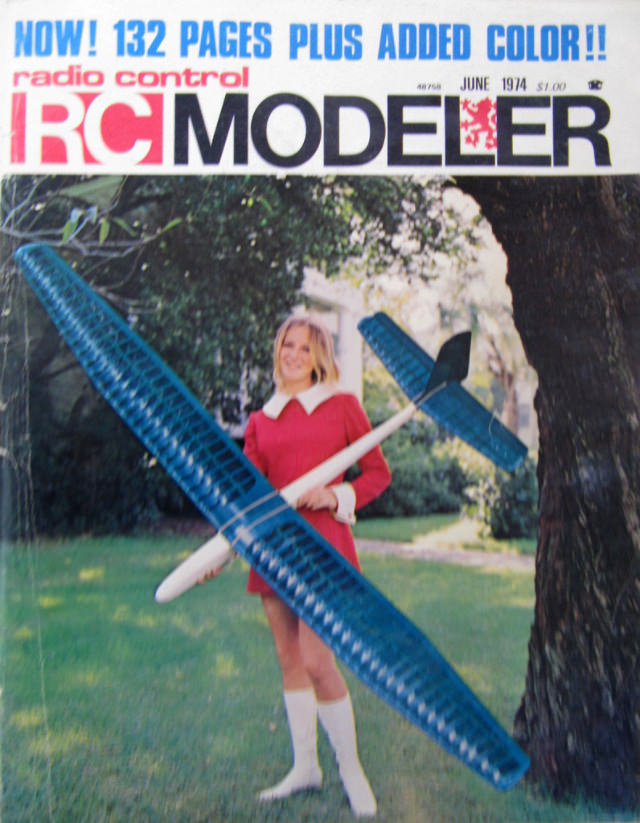
Radio Control Modeler balanced its cover appeal with serious content inside. The magazine ran detailed construction articles, product reviews, contest reports, and technical guides for pilots of all skill levels. The covers brought readers in; the content kept them subscribed.
Looking back, these covers are a clear snapshot of how hobby magazines marketed themselves during that period. The approach mirrored what was working in automotive publishing — and it worked in the RC world too. The magazine built a loyal readership through the 1970s and 1980s, reaching hobbyists who were deeply passionate about every technical detail of their aircraft.
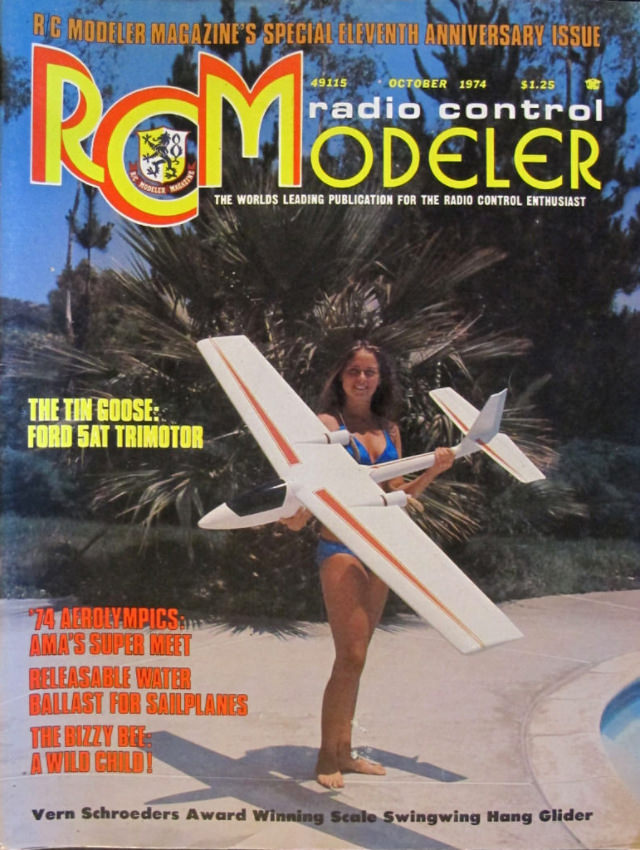
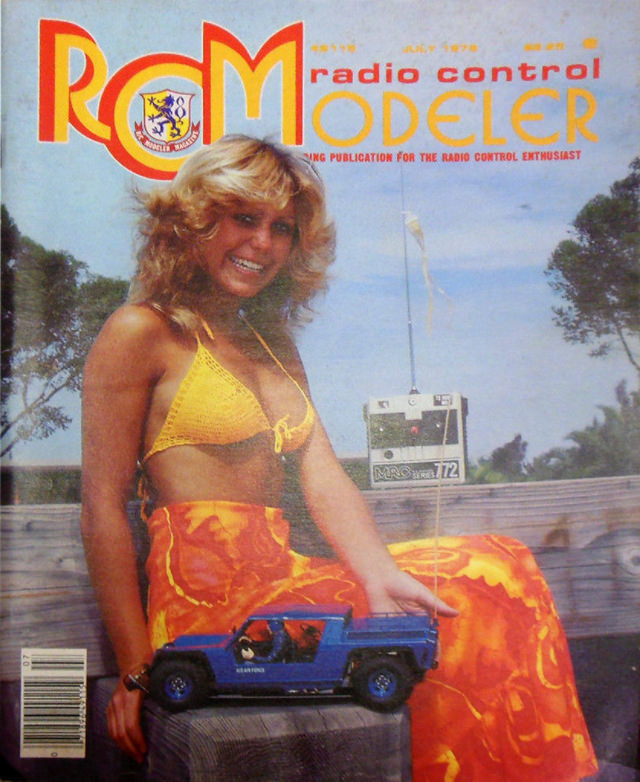
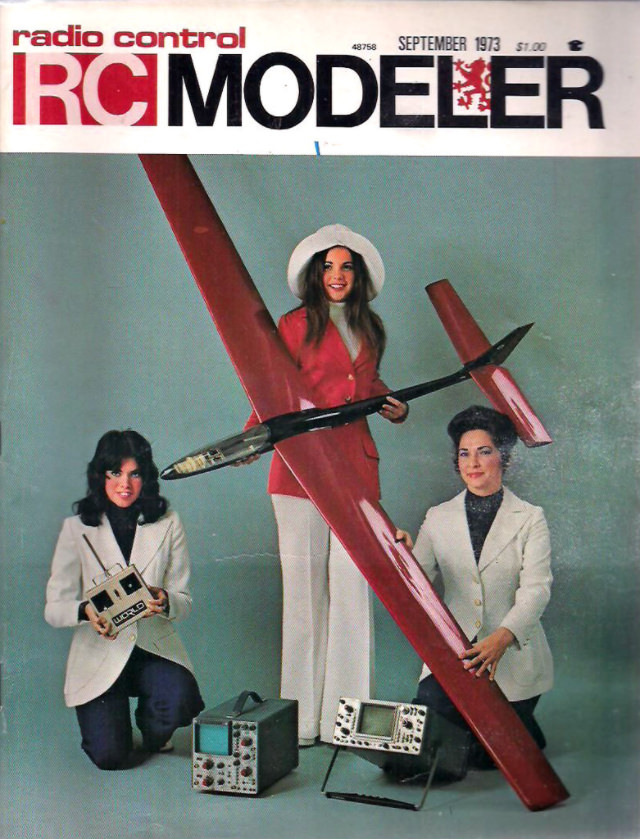
The contrast between the covers and the content inside was striking. Flip past the glamour shot on the front page, and you’d find diagrams, engine specs, and flight test data. It was a magazine written by enthusiasts for enthusiasts — it just happened to have a very attention-grabbing front door.
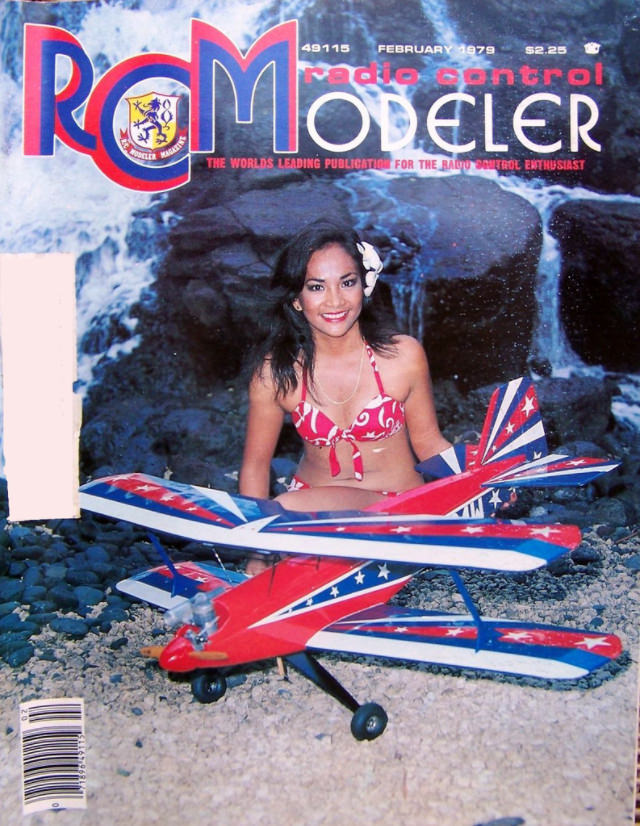
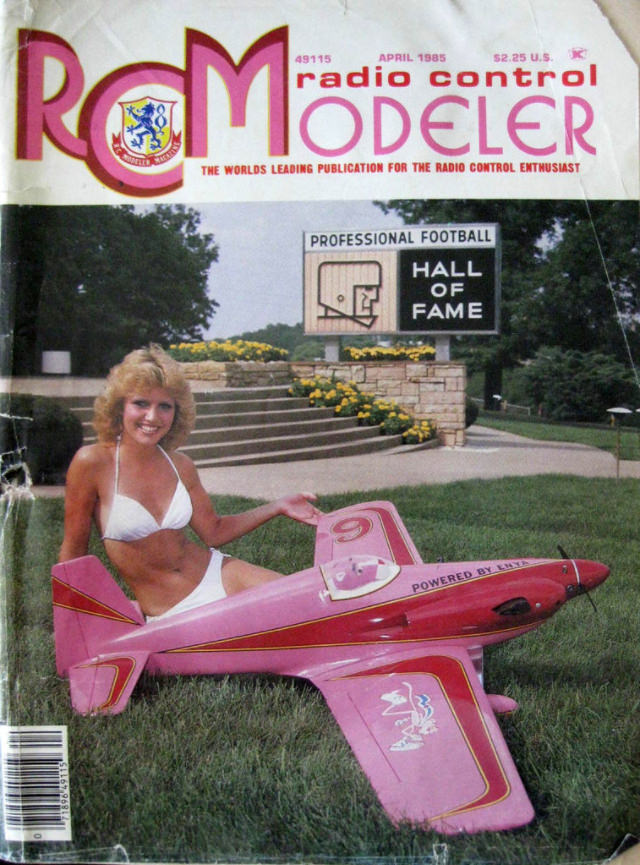
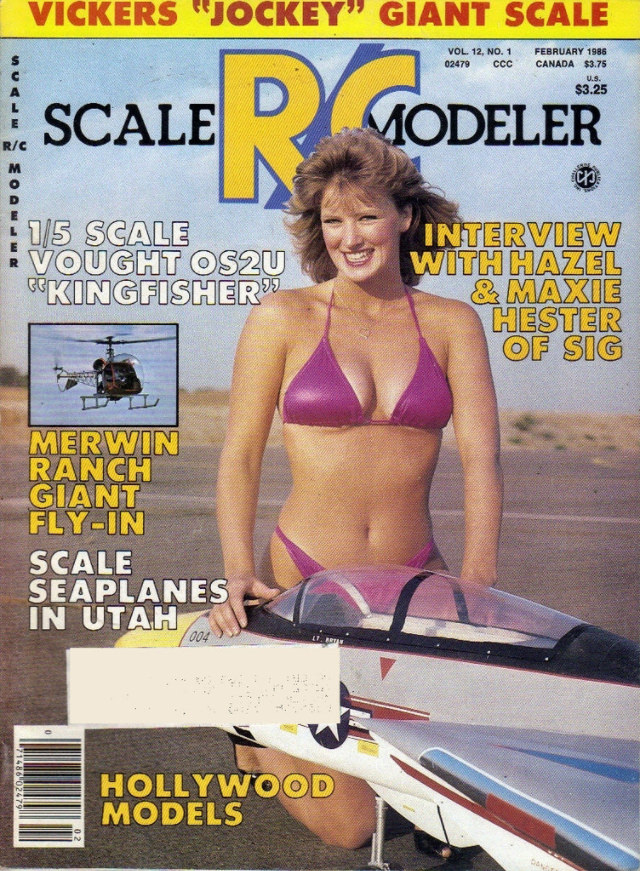
The women featured on these covers were part of a broader advertising and marketing culture of the era. Across industries — from automotive to outdoors to electronics — attractive models were regularly used to sell products and publications aimed at male consumers. Radio Control Modeler was operating squarely within that cultural norm.
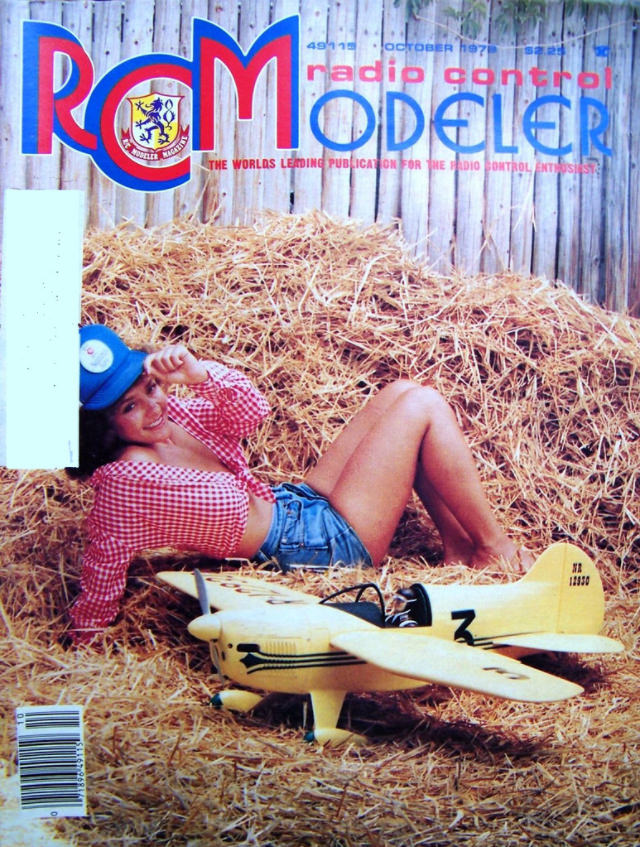
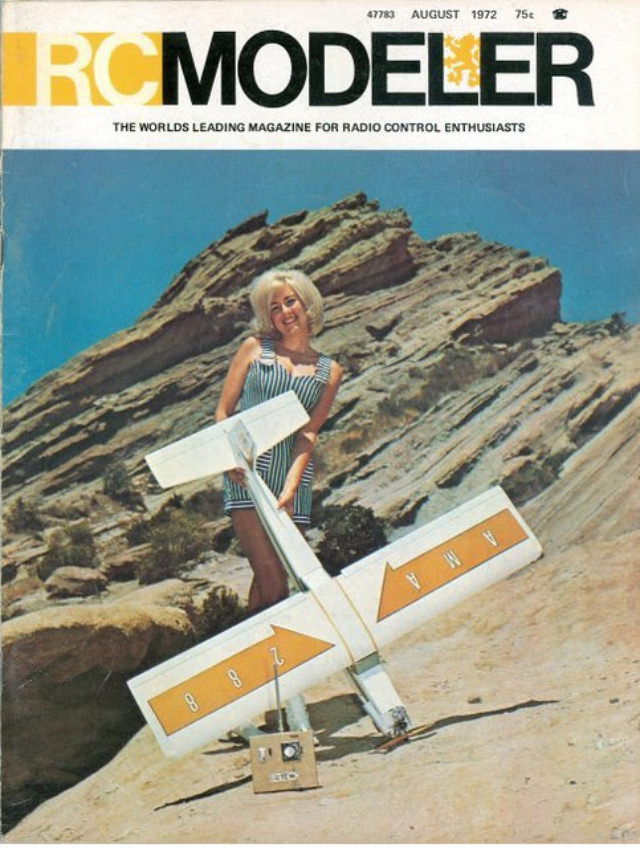
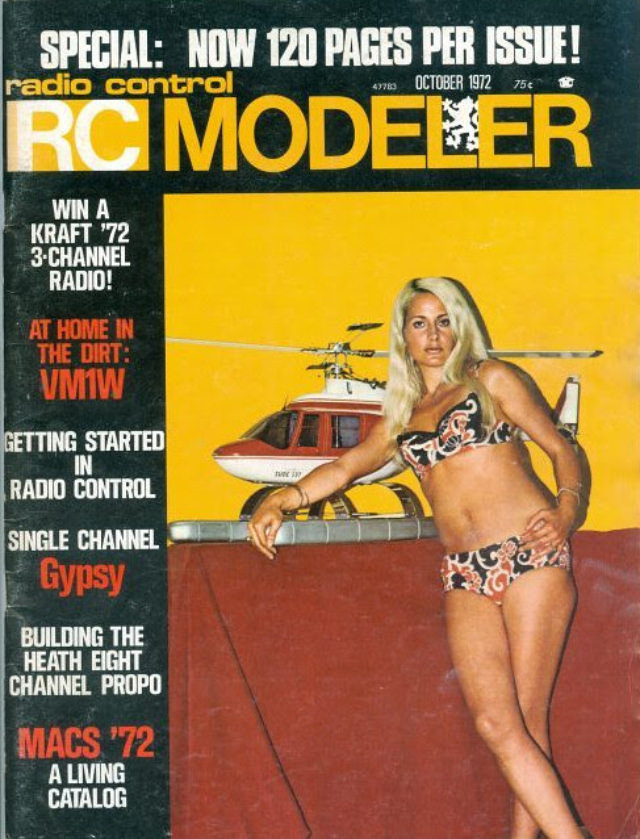
Today, these covers serve as colorful artifacts of the RC hobby’s golden age. They document a time when the hobby was rapidly growing, when magazines were the primary source of information for enthusiasts, and when newsstand competition pushed publishers to get creative with their presentation. The planes on those covers were real, the hobby was serious, and the marketing was very much of its time.