
Yugoslavia had its own thriving tech press long before the internet made computer news instant. At the center of it was Računari, a Belgrade-based magazine that covered hardware, software, and the fast-moving world of personal computing through the 1980s and into the 1990s. It was serious about technology — but its covers told a very different story.

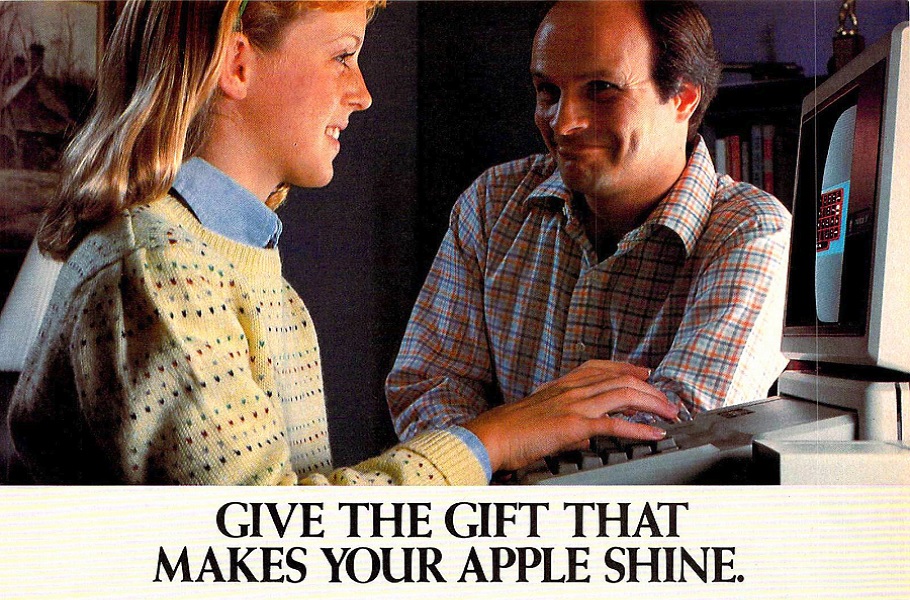
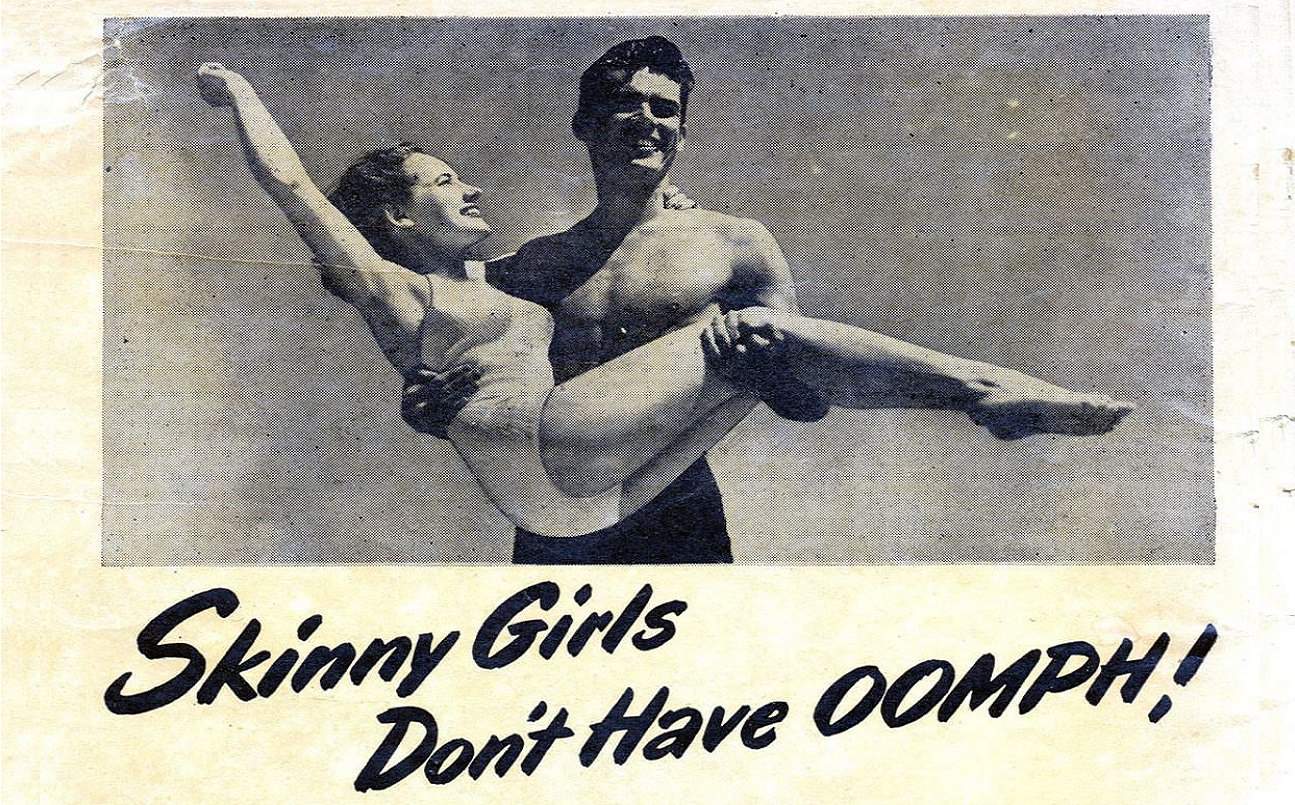
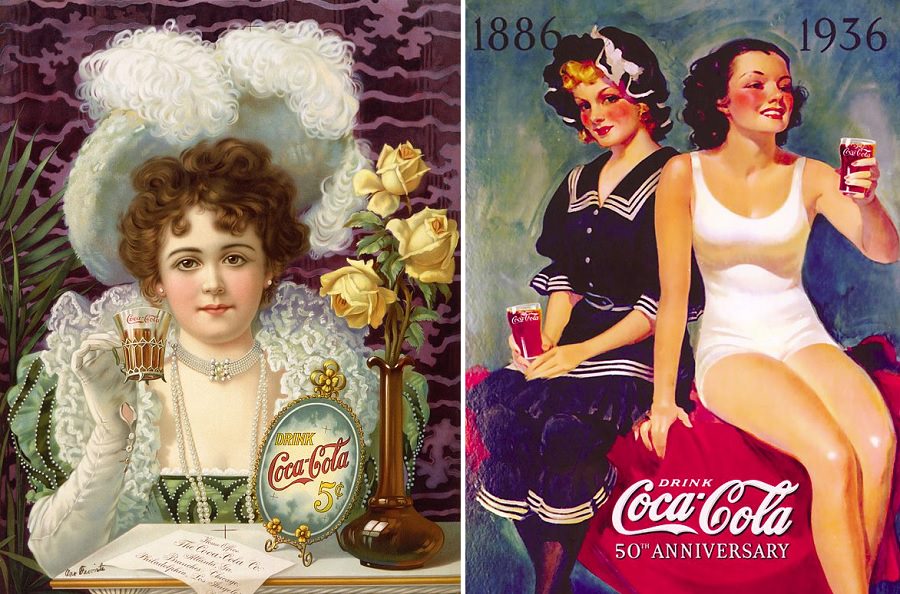
From early in its run, Računari leaned on a marketing formula that was common in Western consumer magazines but still surprising to see on a tech publication: glamorous women posed alongside the featured hardware. The covers featured models in fashionable, often revealing outfits, draped across keyboards or gazing at monitors with the kind of attention most readers were giving the spec sheets inside.


The logic behind the approach was straightforward, if blunt. Personal computers in this era were expensive, technical, and — to many consumers — intimidating. Pairing them with attractive models was a way to make the product feel aspirational rather than purely functional. The message was less about processing speed and more about lifestyle.


Yugoslavia in the 1980s occupied a unique position in the Cold War world. It was a socialist state, but one that kept its borders relatively open and maintained cultural and trade ties with Western Europe. That openness showed up in Računari’s visual style. The covers looked more like something you’d find on a Western European newsstand than a publication from a communist bloc country.


The hardware featured on these covers was a mix of domestic products and imported Western machines. Commodore, Sinclair Spectrum clones, and early IBM-compatible PCs all made appearances. Yugoslavia had its own computer industry too, and homegrown machines occasionally shared the spotlight with the models.


The styling of the photo shoots changed noticeably across the decade. Early 1980s covers tended toward bold colors, big hair, and a somewhat playful aesthetic. By the late 1980s and into the 1990s, the shoots became more polished and deliberately provocative, with some covers featuring models in clothing — or near absence of it — that pushed well past what most mainstream tech publications anywhere in the world were doing at the time.


For readers who grew up with Računari, the covers are a vivid time capsule. They capture a specific moment in Yugoslav popular culture — optimistic, style-conscious, and eager to participate in the global tech boom — before the country’s political collapse in the early 1990s brought that era to an abrupt end.


The magazine’s editorial content was genuinely substantive. Reviews, programming tutorials, and hardware comparisons filled the pages. The covers, then, were almost a separate statement — designed to get the magazine noticed on a newsstand crowded with other publications, using the same visual shorthand that advertisers across the Western world had been using for decades.


Računari was not alone in this approach. Tech and hobbyist magazines across Europe and North America used similar cover strategies during the same period. But few were as consistent or as bold about it as this Yugoslav publication, which maintained the formula year after year even as computing itself became more mainstream and less of a novelty product.


Looking at the full run of covers, a pattern emerges in how the computers themselves are positioned. In the earlier issues, the hardware is central — the model interacts with it, types on it, points to the screen. In later covers, the computer sometimes becomes almost secondary, a prop in a fashion shoot that happens to be about technology.


The photographers and art directors behind these covers were working within a very specific commercial brief, but the results had a distinct visual identity. The lighting, the set design, and the styling all reflect Yugoslav aesthetics of the period — not quite Western, not quite Eastern bloc, but something in between that was entirely its own.


As Yugoslavia began to fracture in the early 1990s, the magazine continued publishing. The covers from that transitional period carry a strange weight in hindsight — glossy and confident on the surface, produced during a time of deepening political crisis that would soon tear the country apart entirely.


Today, the covers of Računari are collected and shared by vintage computing enthusiasts and design historians alike. They document not just the hardware of an era, but the advertising culture, the gender norms, and the visual language that publishers used to sell technology to a mass audience in socialist Yugoslavia.


Each cover is a small document of its moment — the machine, the model, the typography, and the color palette all anchoring it to a specific point in time. Taken together, the full archive of Računari covers offers one of the more unusual windows into everyday life and commercial culture in late-socialist Yugoslavia.



Mom says it’s my turn to repost this next week.
Why is #18 tied up lol
nice racunari
Back when marketing actually understood where the target demographic was…
Silicone Siren is trying to bring this aesthetic back.
With a hint of black and orange…
Perhaps you meant Silicon Siren?
Back before people realized how sexist it was, and how it created a hostile environment for women, making them reluctant to enter the field of computer technology.
It’s systemic and endemic. I still remember when Violet Blue (Wendy Sullivan) tweeted a pic of a woman sitting in a booth at a trade show and snarked “World’s Saddest Booth Babe.” The woman in the picture turned out to be the software developer, it was HER booth. The public backlash against VB was intense.
This is how we got a business full of sexist assholes like Richard Stallman defending Jeffrey Epstein’s “funding” of the MIT Media Lab.
These covers were considered sexist (or at least not in good taste) even back in the 80s. This was the least popular of several Yu computer mags, cheap cover tricks didn’t help much. Especially since back then pretty much every magazine had women on covers. So having ever more women wouldn’t help the visibility one bit.
OTOH, put an Amiga 2000 on the cover, and now we’re talking sexy…
Well, actually… women are people, and people recognized it was sexist.
Was it MaximumPC who did similar in the late ’90s, early ’00s? I seem to recall it being Maxim for nerds. Had hot chicks and game and hardware reviews and over clocking experiments and ads for thinkgeek products and BAWLS.
It also had a lot of easier to digest information about PC performance. I used it to research the purchase my very first PC- a Gateway G6-400. But there was a reason I chose it off the rack as opposed to another magazine.
And now all together: “The internet is for…!” ^^
God bless Yugoslavia!
NGL, this is making me consider buying a computer.
I half-expected to see Melania in there.
She was busy at the back room.
Looks like they anticipated the late 90s/early 00s, when the internet went mainstream and 95% of internet traffic was porn related?
No 386DX/20?
Challenge accepted.
A lot of 4’s painted up as 9’s.
Don’t worry, most of still couldn’t land them either.
Wow, that depressing Slavic stare on almost every featured girl.
Since nowadays a high level of programming skill, Arch Linux usage, and proficiency at the command line is associated with trans women, modern computer ads (especially ThinkPad ads) could feature hot trans women wearing Programming Socks in the trans flag colors and geek glasses while coding in C in vim, the display set to green monochrome text of course. The ads would be targeted at cishet men, cis lesbians, transbians, and pansexuals and would have a cyberpunk aesthetic.