

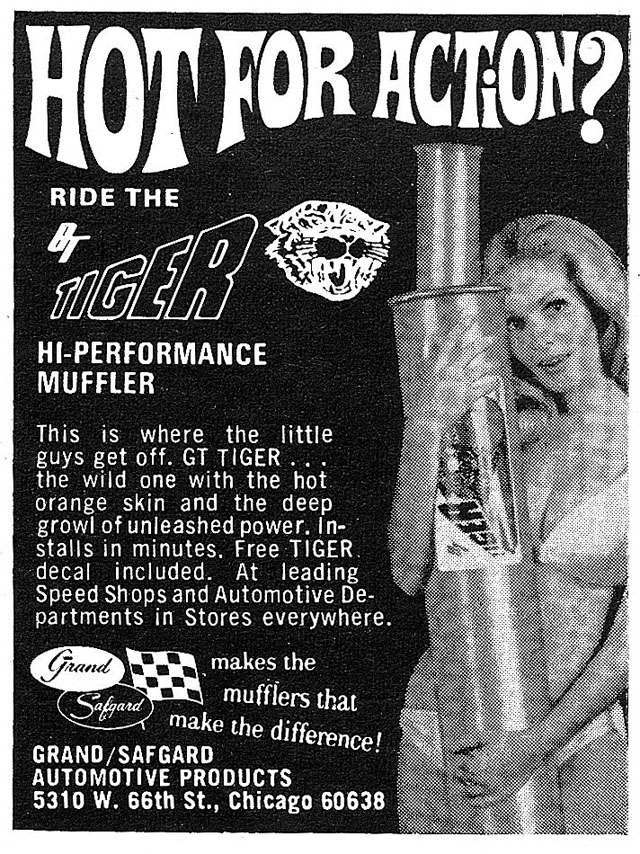
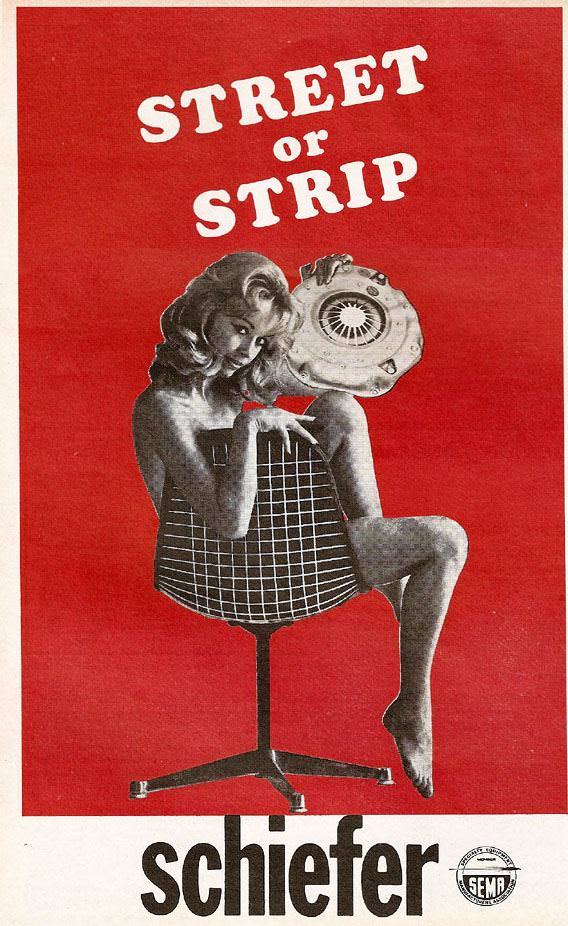
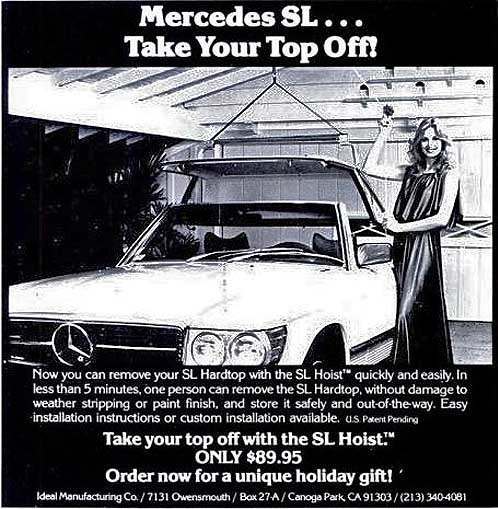
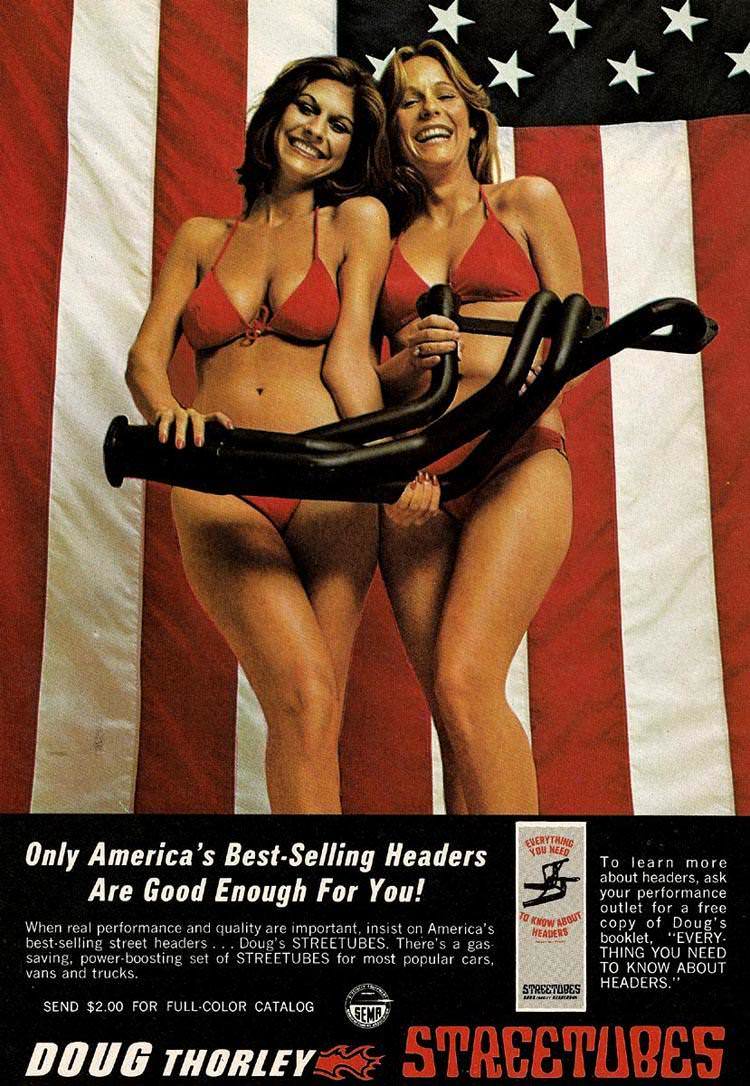
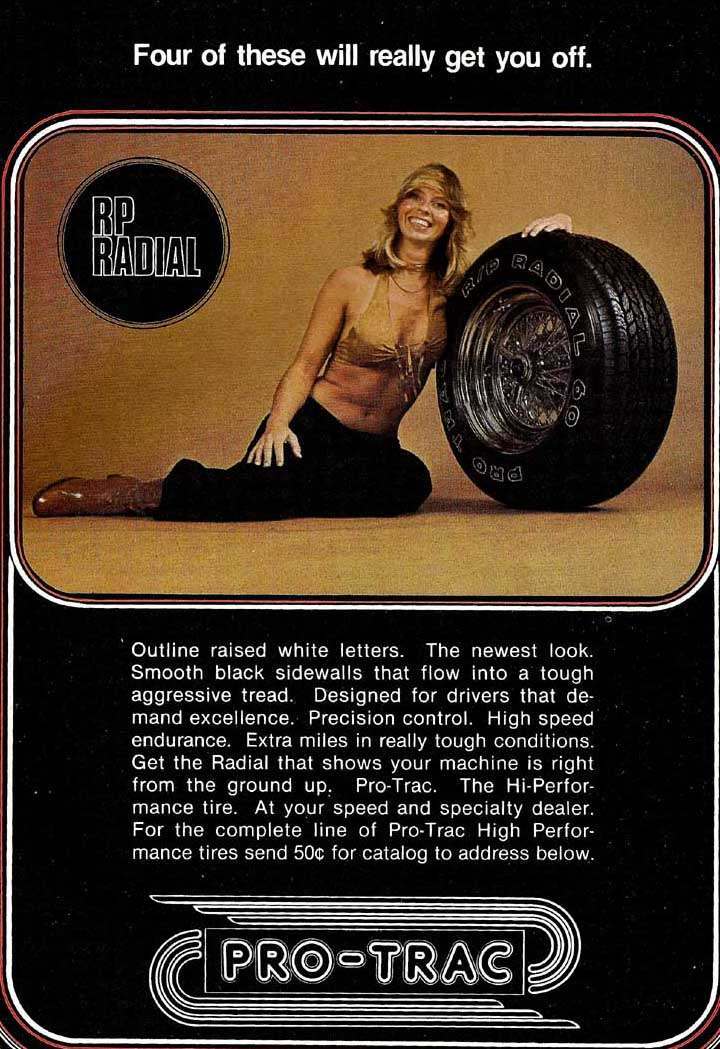
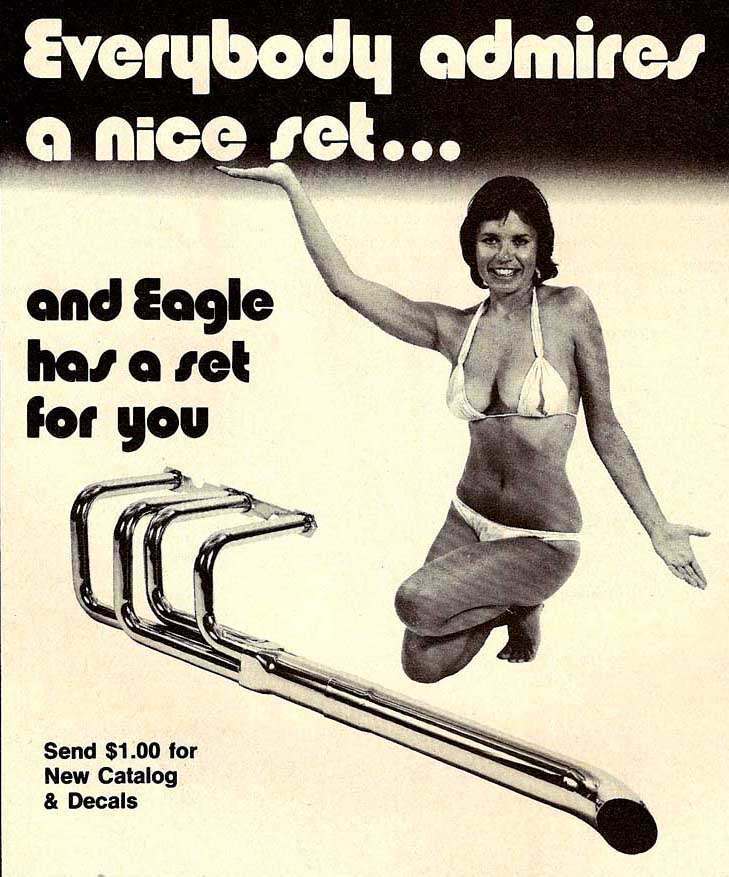
Car culture dominated American life in the 1970s and 1980s, and advertisers knew exactly how to cash in on it. Marketing teams selling automotive equipment made a calculated choice: don’t just show the product — surround it with an image the target buyer won’t skip past. The result was a flood of ads built around women in bikinis, skimpy outfits, and seductive poses, all plastered across the pages of car magazines aimed at male readers.
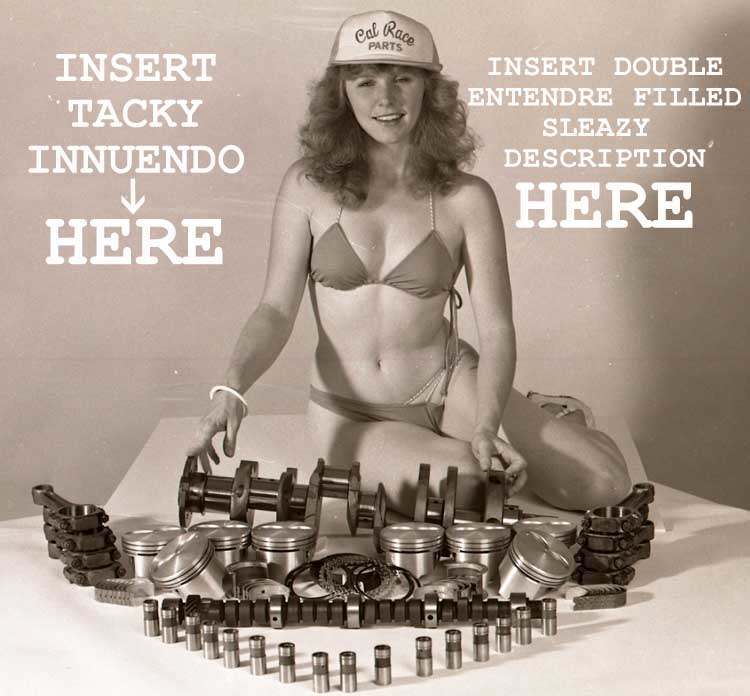
The formula was consistent. A new set of tires or a gleaming chrome wheel might appear somewhere in the frame, but a woman leaning across a hood or perched on a bumper was the real subject. The logic was straightforward: stop the reader from flipping the page. Auto products competed for attention in thick magazines full of similar items, and a model in high heels draped over an engine guaranteed a second look.
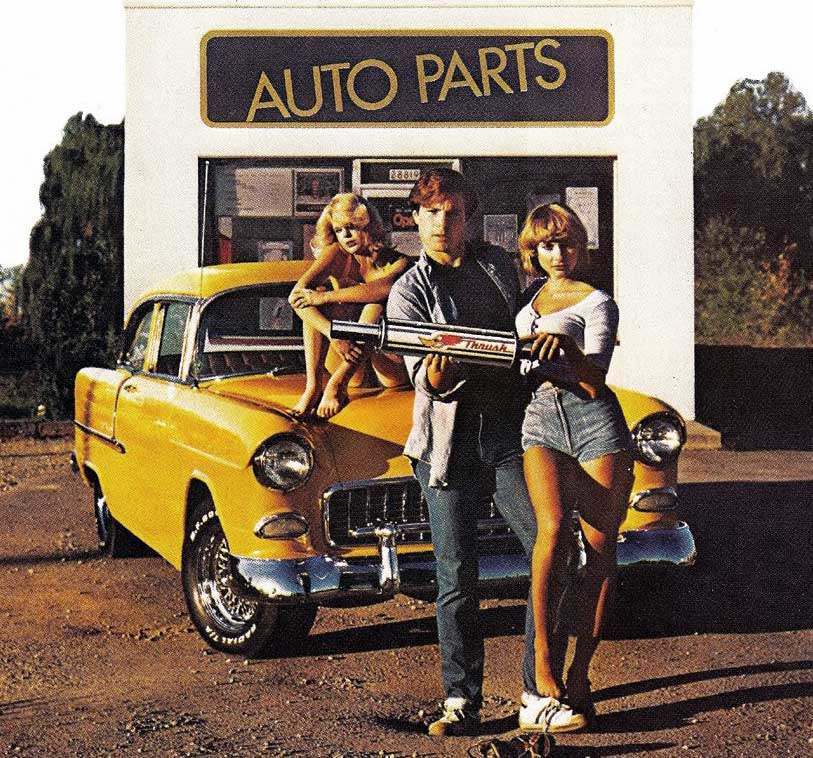
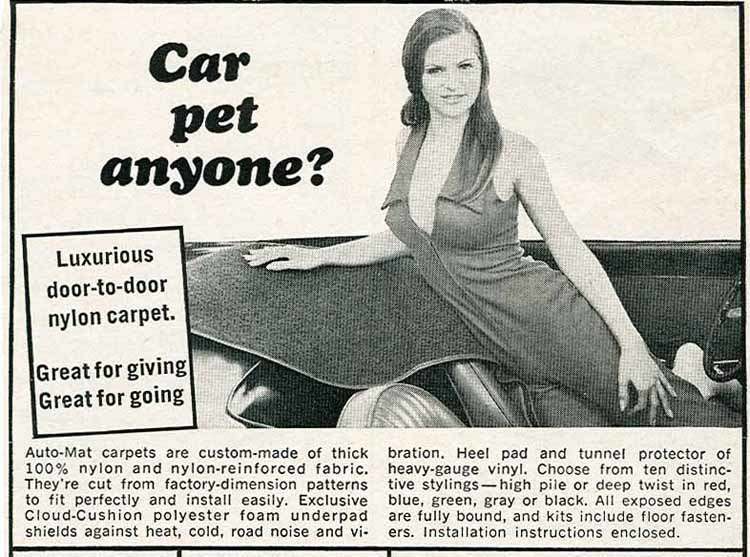
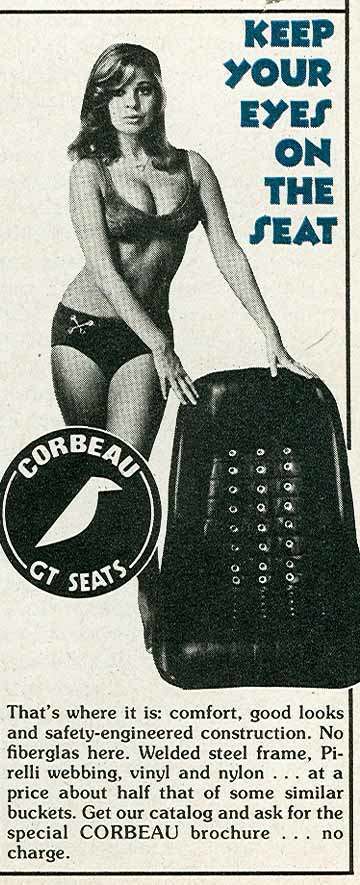
This tactic wasn’t reserved for high-performance parts. Everyday products got the same treatment. Ads for seat covers, floor mats, and wax polish all used suggestive imagery. One battery charger ad featured a model arching her back in a pose that had nothing to do with the product. A steering wheel cover ad showed a woman in tight shorts holding the cover like a trophy.
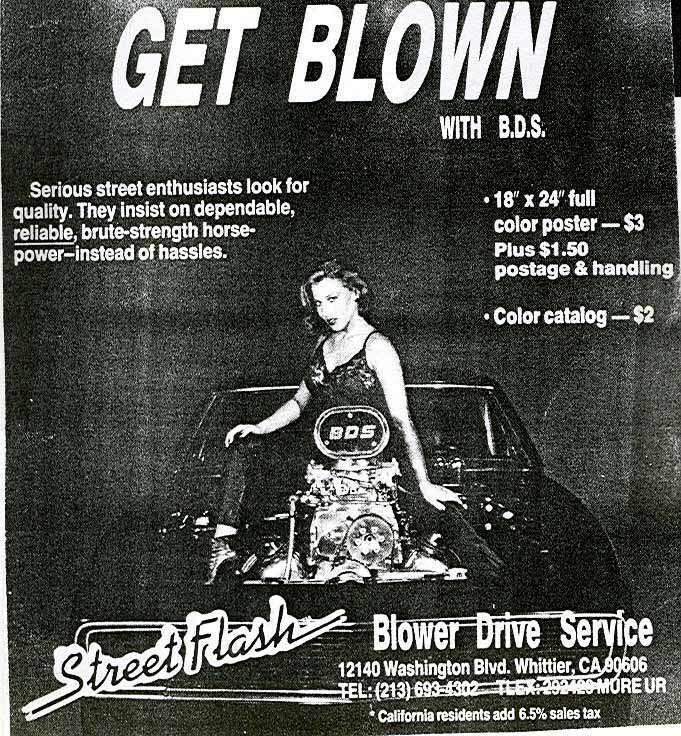
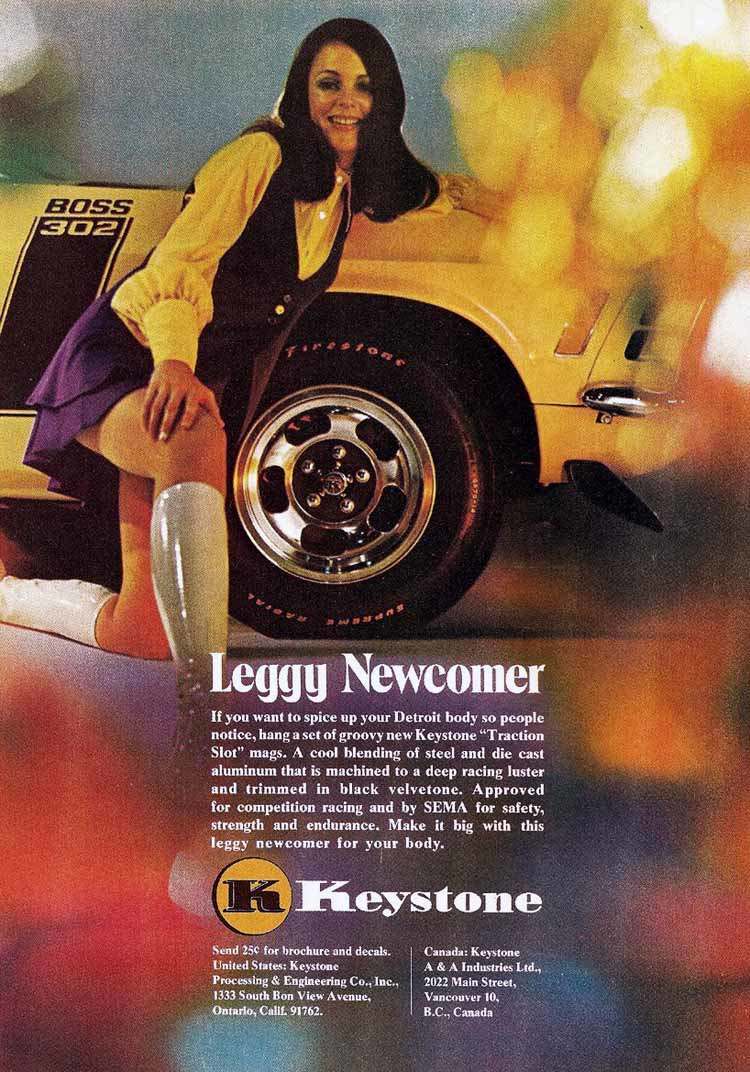
The same strategy played out in person at car shows. Companies staffed their booths with hired models — commonly called “booth babes” — whose job was to smile for photos, hand out flyers, and keep a crowd gathered around products that might otherwise be overlooked. Their presence was treated as standard as the cars on display.
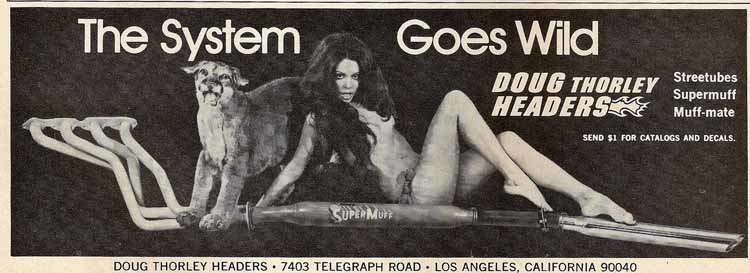
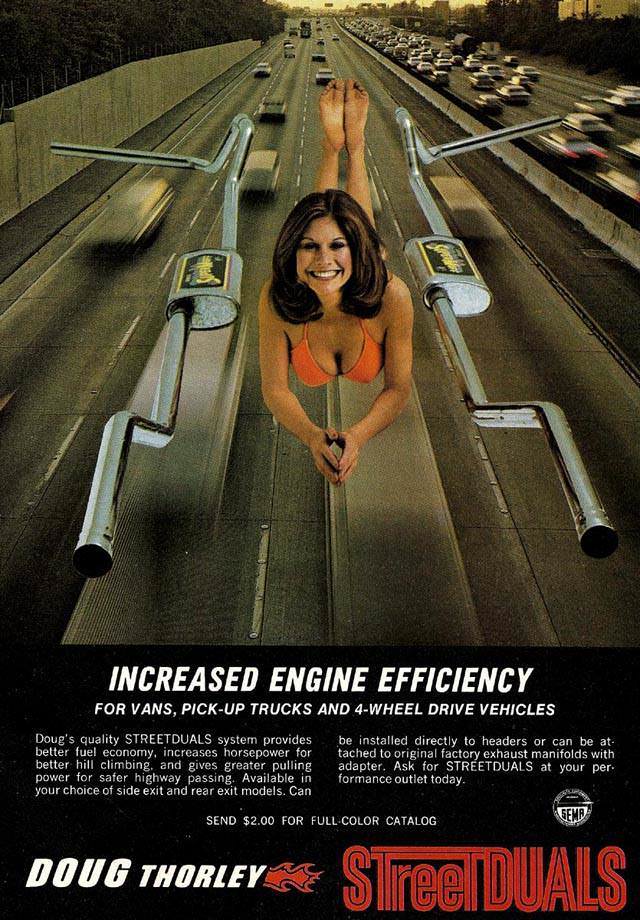
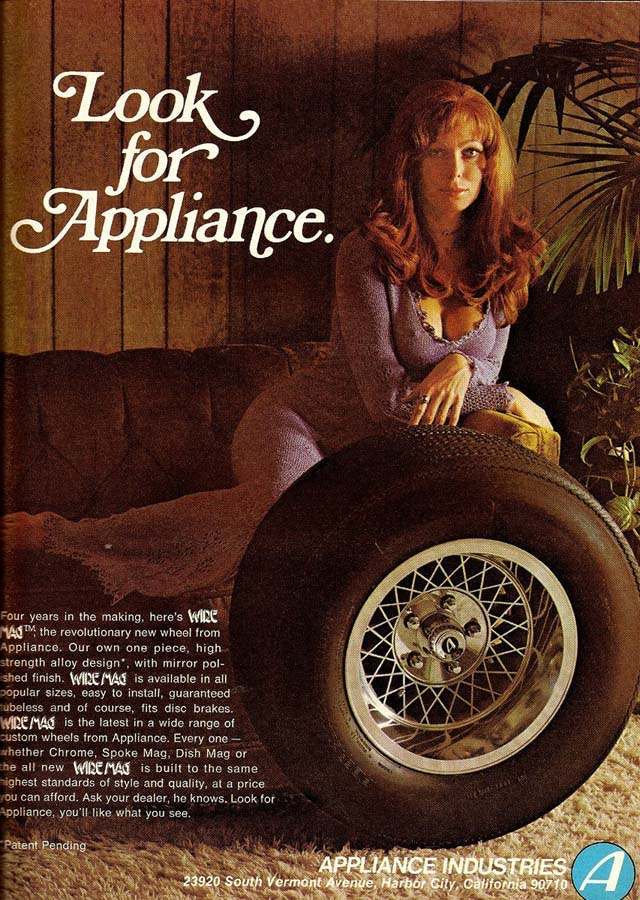
Posters extended the marketing well beyond the magazine page or trade show floor. Auto shops and garages hung them on walls — images of models lying across racecars or holding tools with minimal clothing. Brands distributed these posters free with purchases or bundled them into promotional packs.
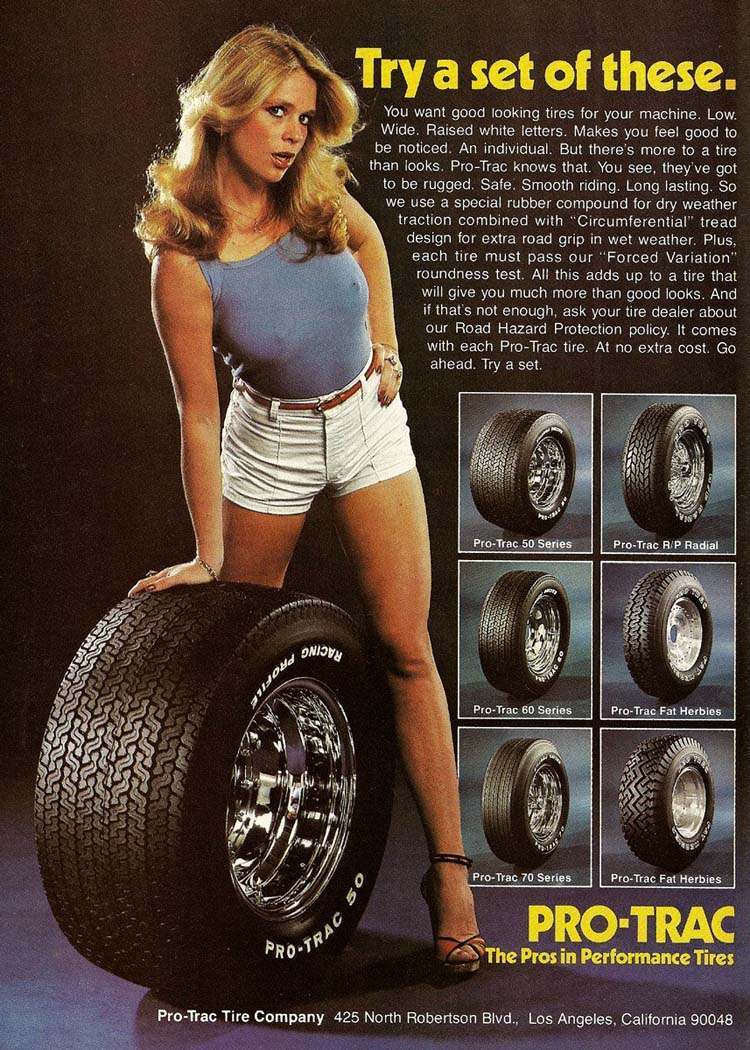
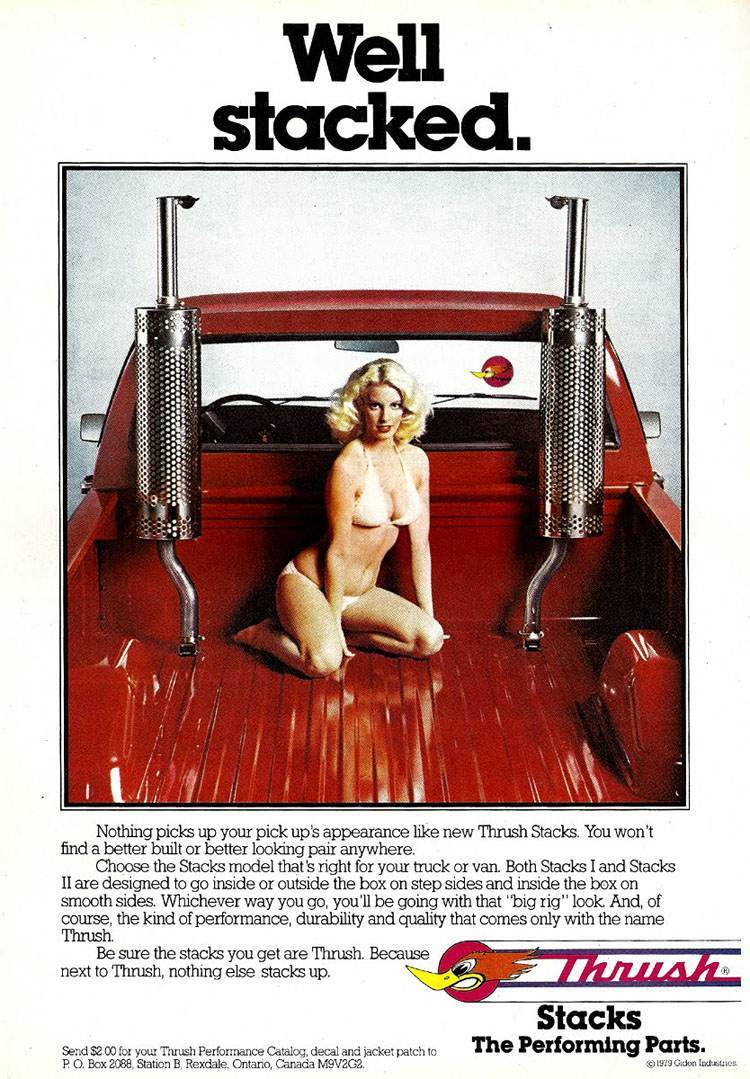
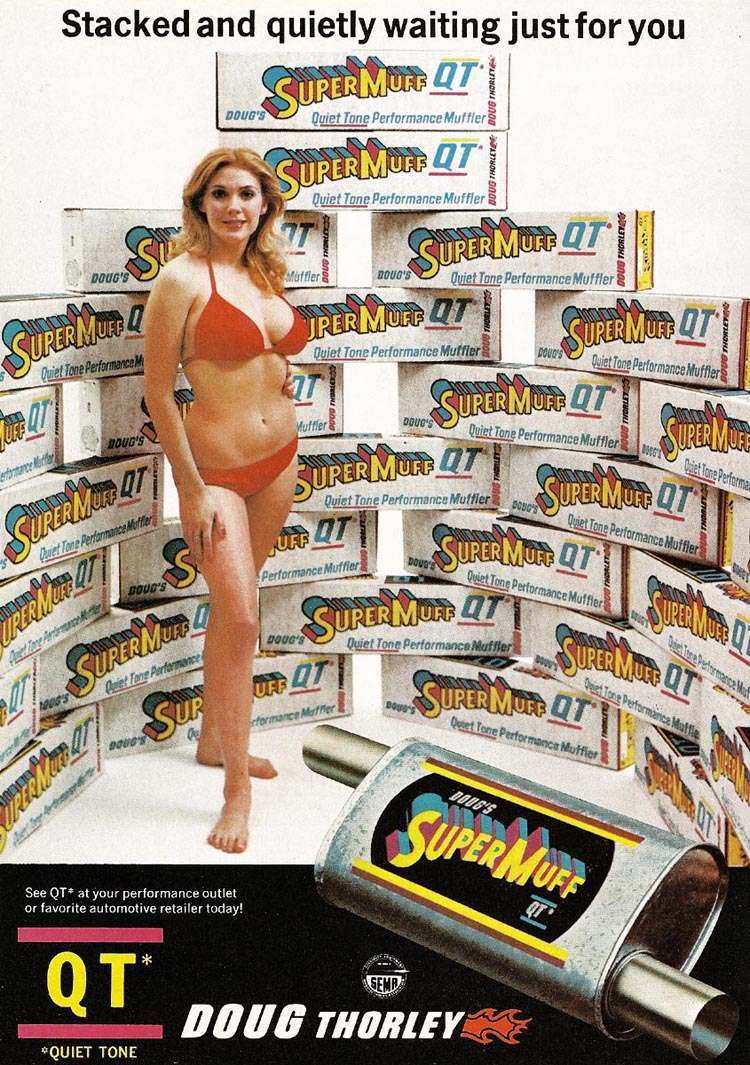
The free poster was a smart move. A customer who took one home kept the brand visible on their wall for months or years. It cost the company little and turned a one-time buyer into a walking advertisement. The product itself barely needed to be good — the image did the selling.

Yes, girls still feature heavily in some publications. It’s just not a big deal.
Eh, there was a real push in the early oughts to get rid of a lot of that stuff. I remember so many goddamn articles about racequeens. Now I only tend to see it still on foreign publications and media, mostly asian.
Number 16 the way the girl on the right is holding the exhaust pipe reminds me of the shake weight commercial