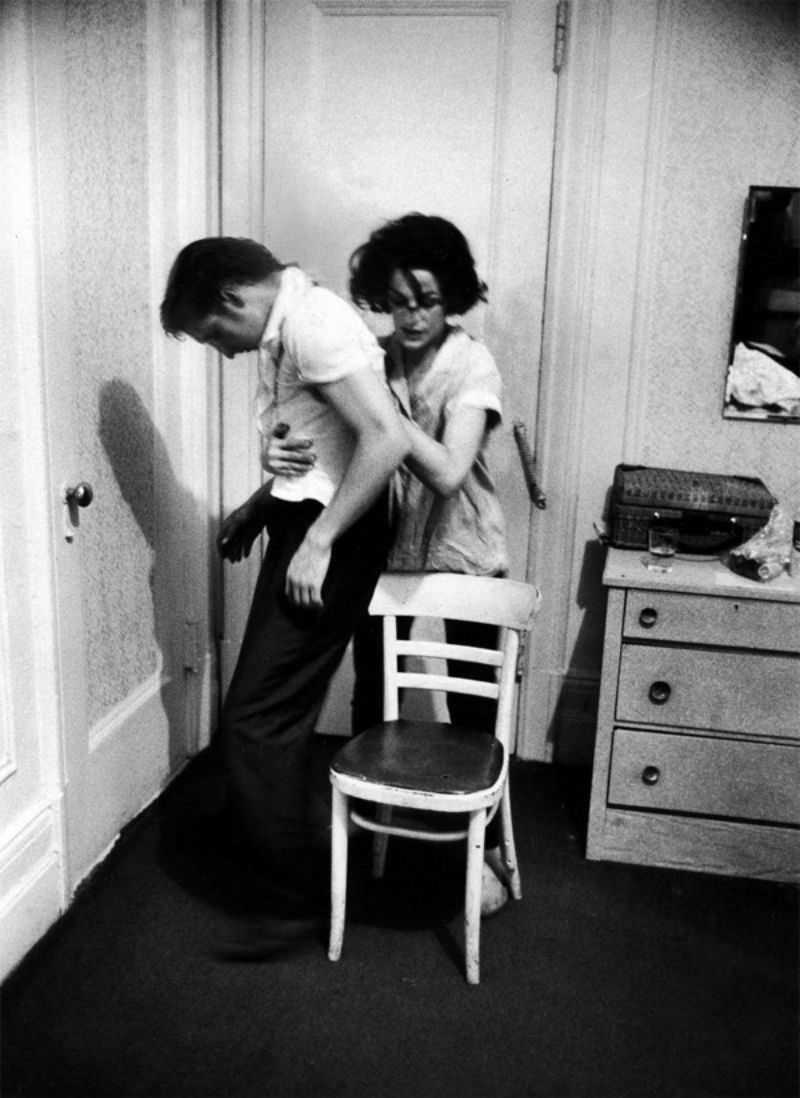
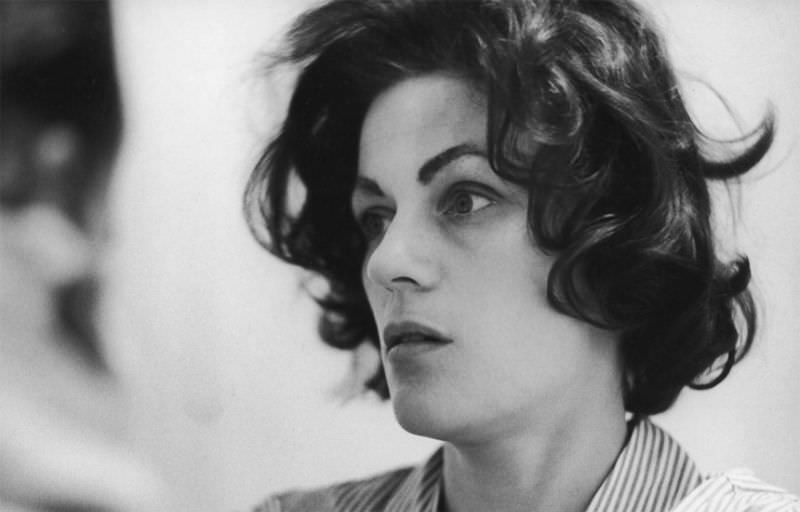
In February 1965, LIFE magazine published a photo essay that put the raw reality of heroin addiction directly in front of millions of American readers. The feature was part of a broader LIFE series on narcotics across the United States, but its most powerful element was deeply personal: the documented lives of two New York City heroin addicts, a couple named John and Karen.
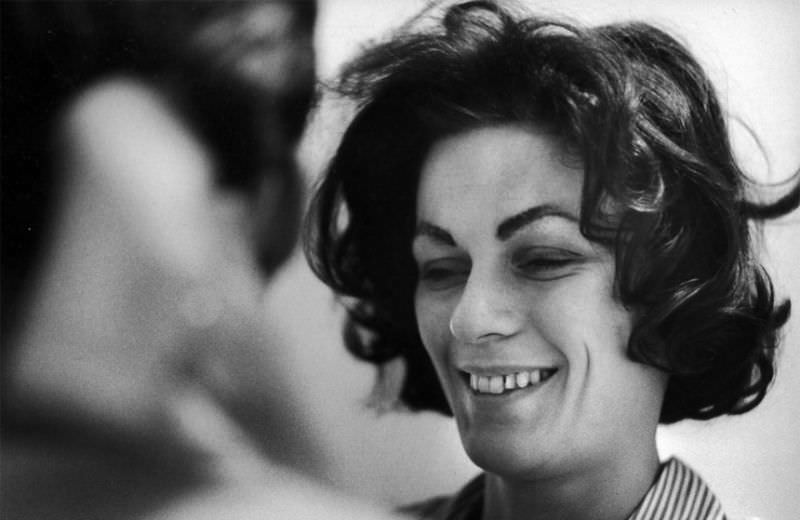
Photographer Bill Eppridge shot the images, while LIFE associate editor James Mills reported and wrote the accompanying text. Together, they produced what the magazine itself described as a “harrowing chronicle” of “two lives lost to heroin.” The tone was sensitive and clear-eyed — treating John and Karen as human beings while refusing to look away from the sordid, grim conditions their addiction created.
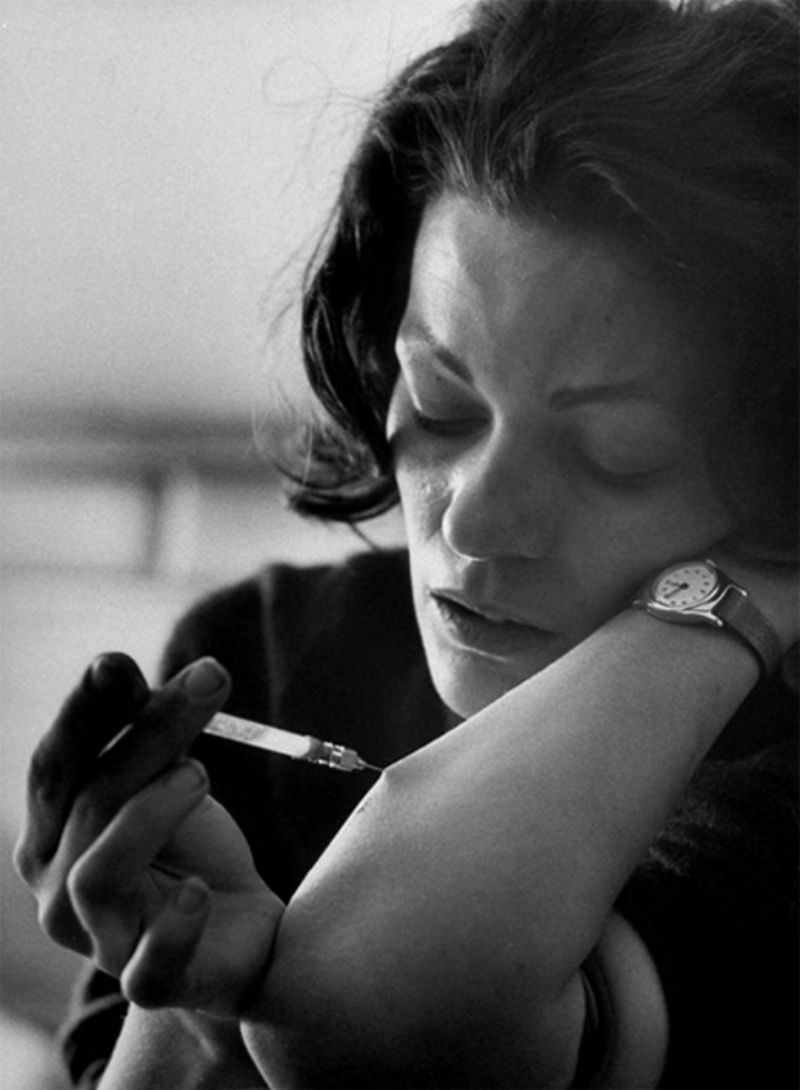
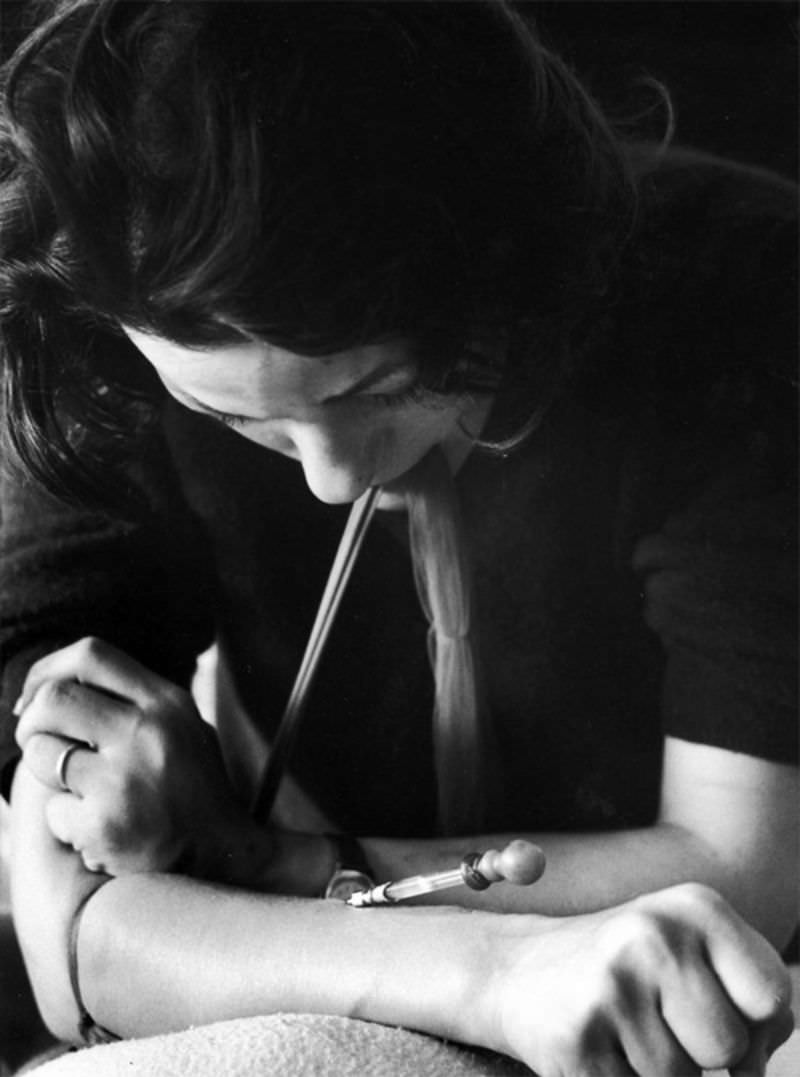
Eppridge’s camera captured moments that most Americans had never seen. Karen shooting heroin into her arm with a makeshift eyedropper spike. Karen frantically working to revive a fellow addict who had overdosed. These were not staged scenes — they were the daily rhythms of addiction in New York City.
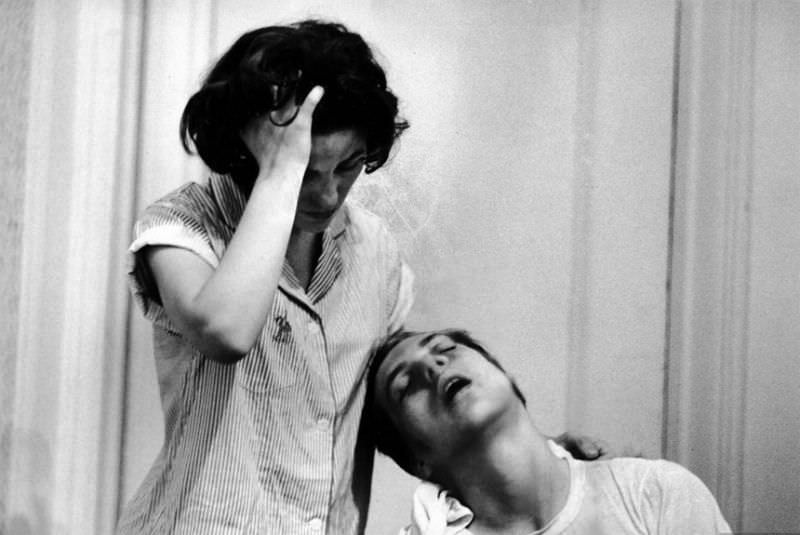
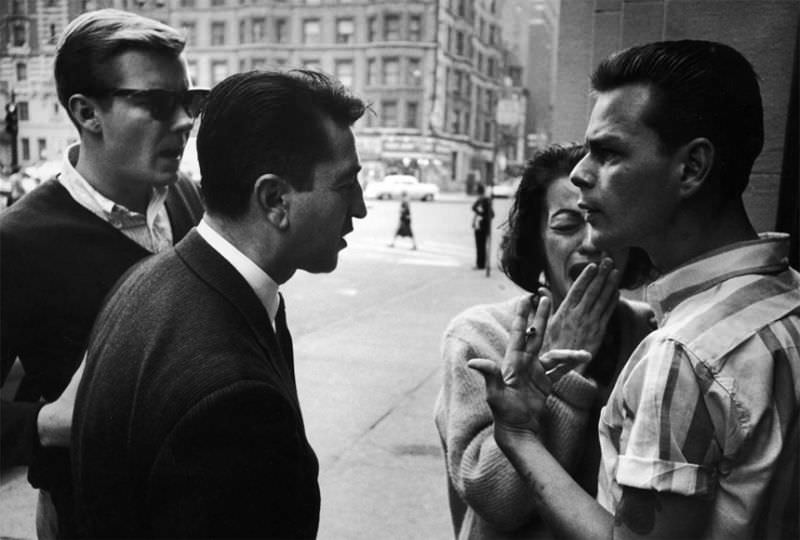
The essay showed the full texture of John and Karen’s existence — the desperation, the legal run-ins, and the physical collapse. Karen worked as a prostitute and street-level drug peddler to fund her habit. John cycled in and out of jail, suffering withdrawal in his cell and shooting up again within minutes of release.
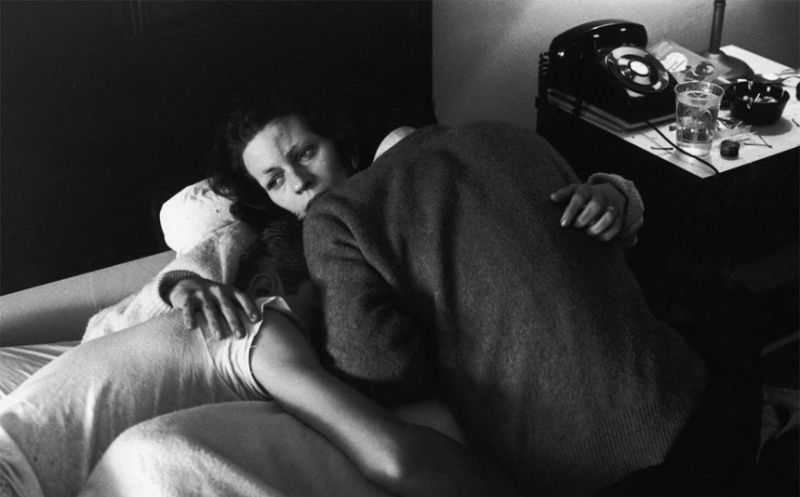
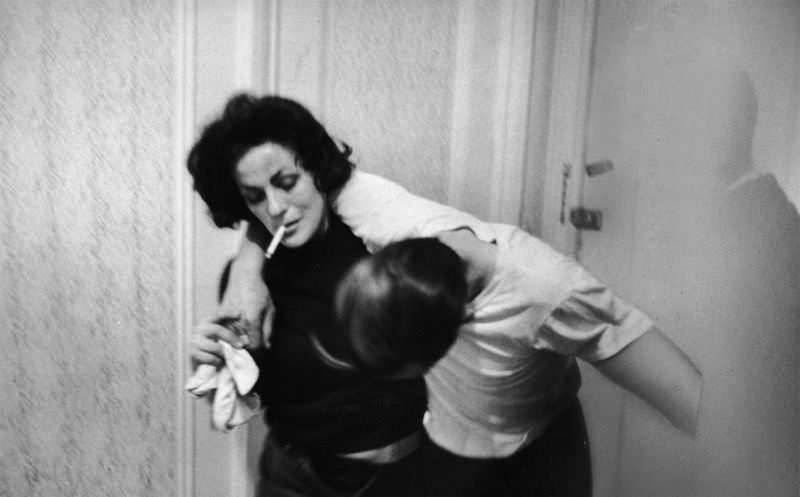
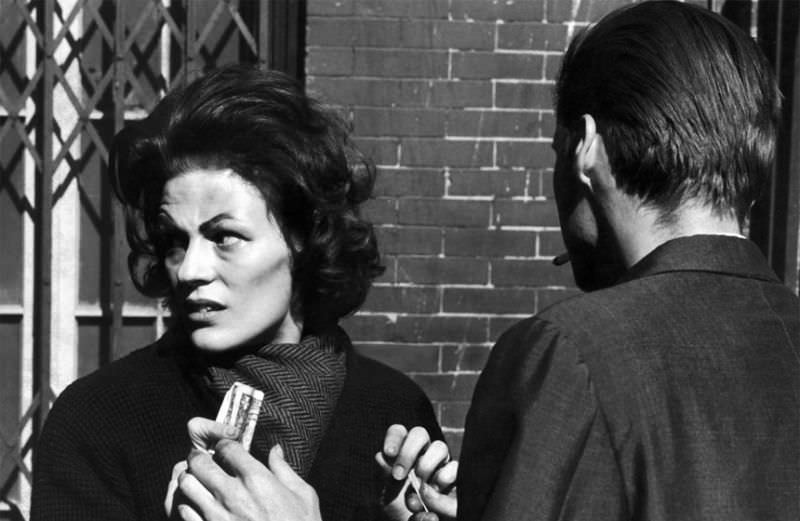
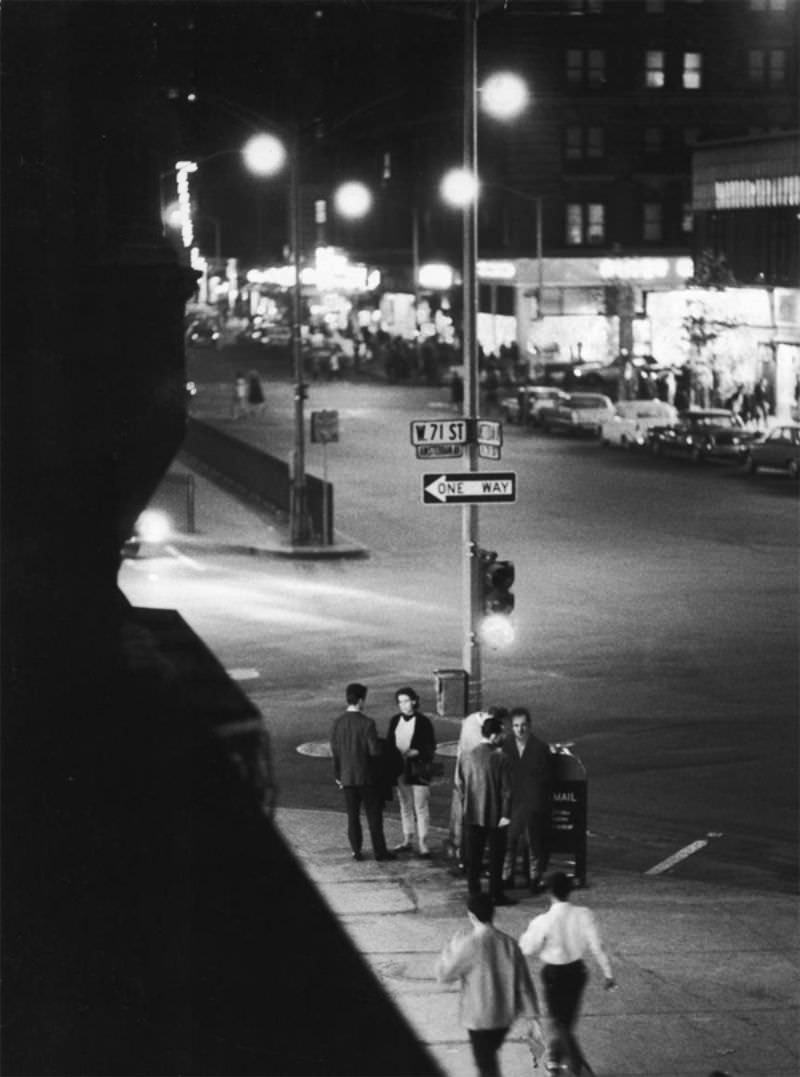
Eppridge documented Karen’s street dealings on Broadway near West 71st Street, where she both peddled drugs and kept watch for plainclothes detectives. The photographs laid out, without softening, exactly how addiction structured every hour of her day.
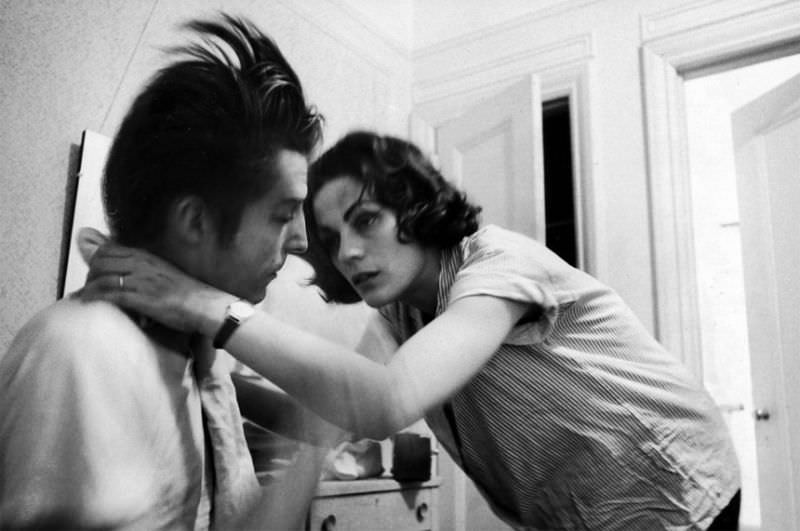
The overdose sequences — recurring throughout Eppridge’s work — showed Karen exhausting herself trying to keep another addict alive. These images were among the most viscerally disturbing in the essay, placing viewers directly inside a world where death was a constant, ordinary threat.
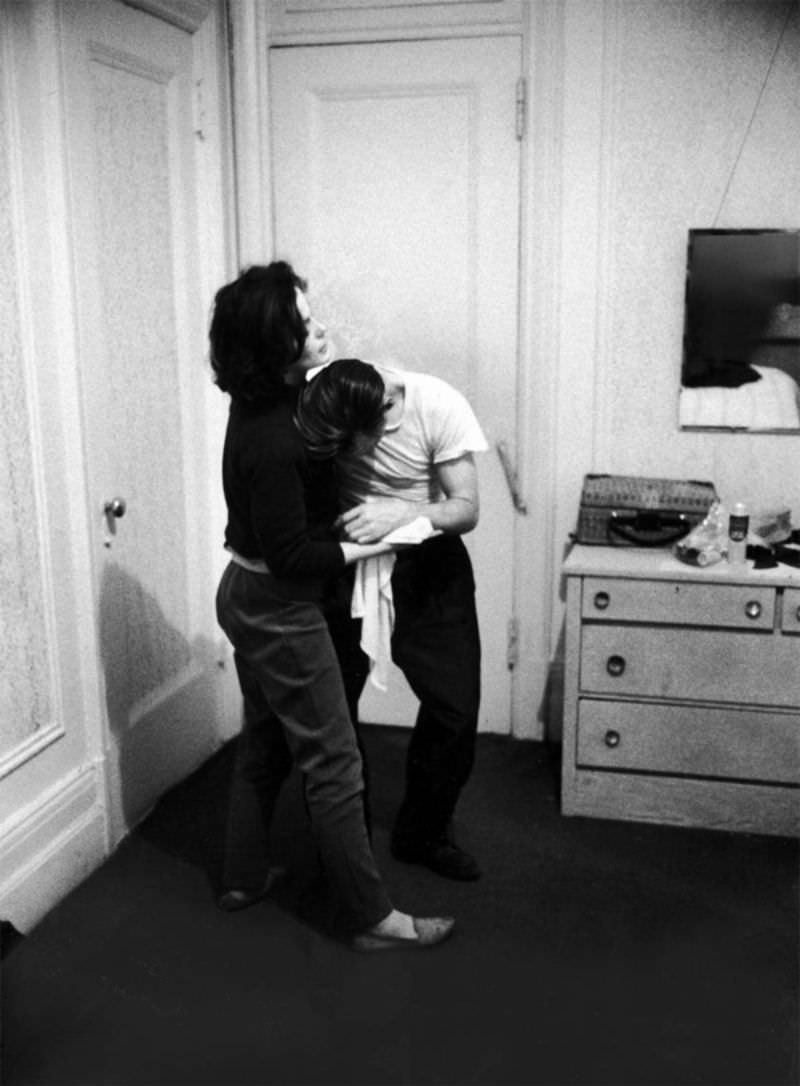
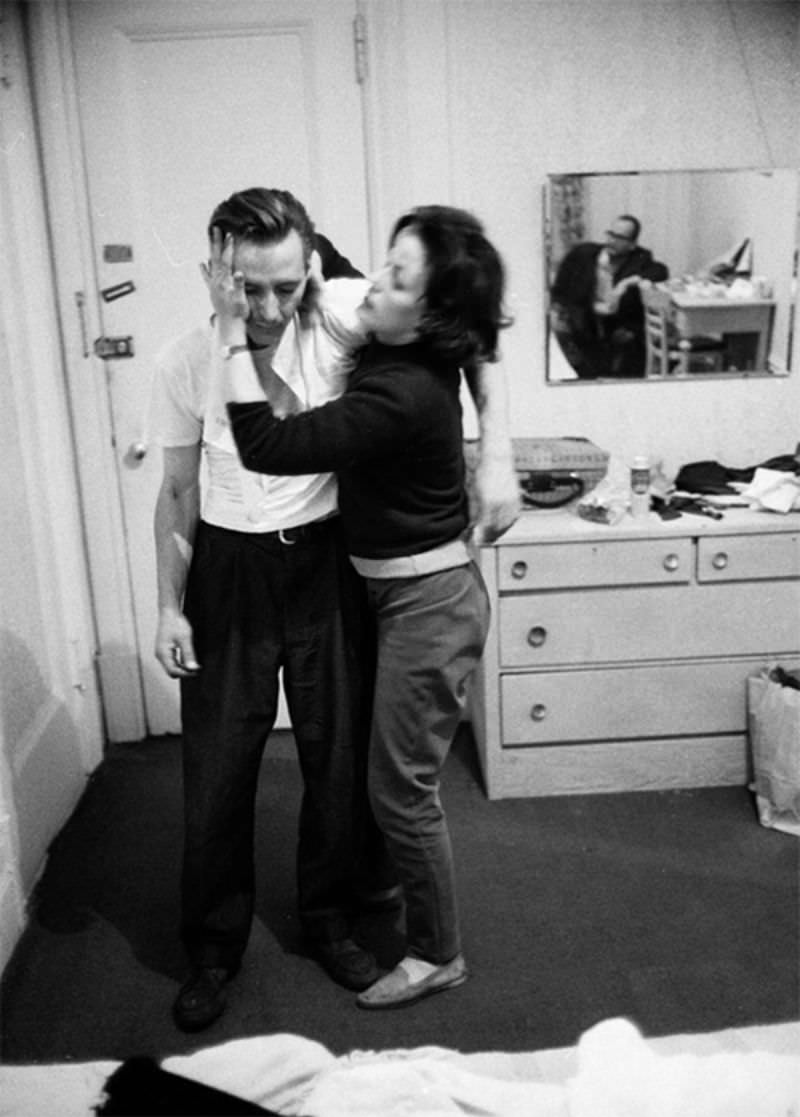
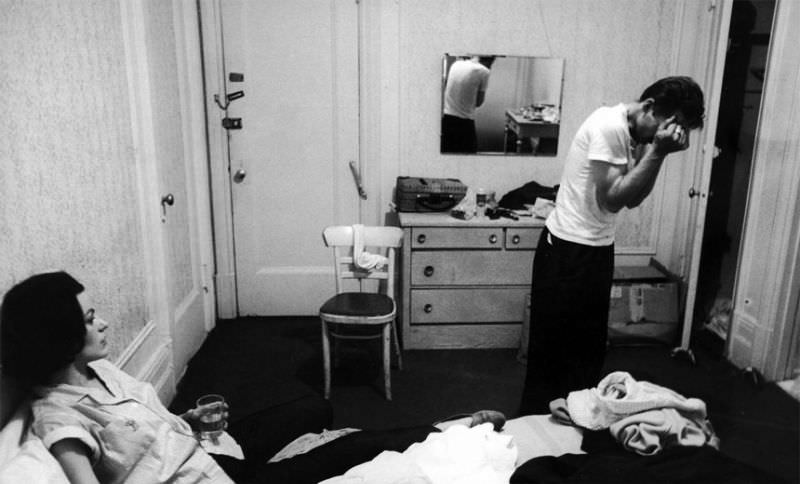
John’s story ran parallel. Eppridge photographed him behind bars, gripped by withdrawal, and then shooting up again in a hotel room the moment he was free. His brother, also an addict, appeared in the images as well — the addiction cutting across family lines.
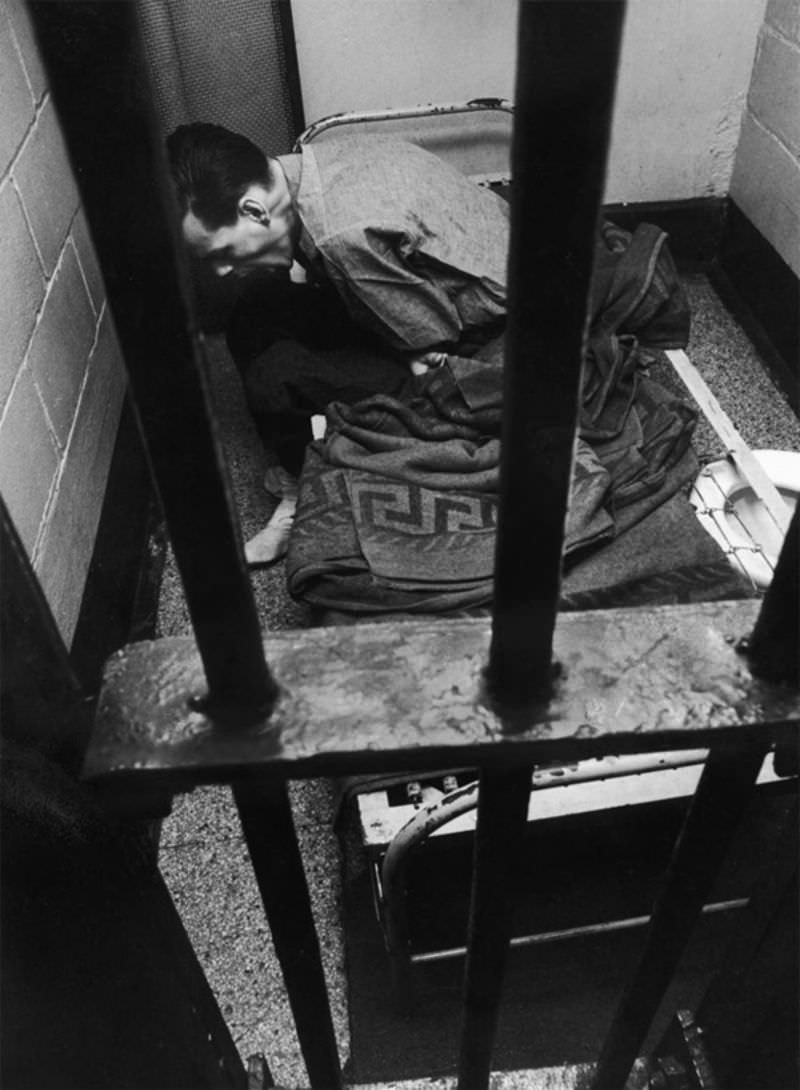
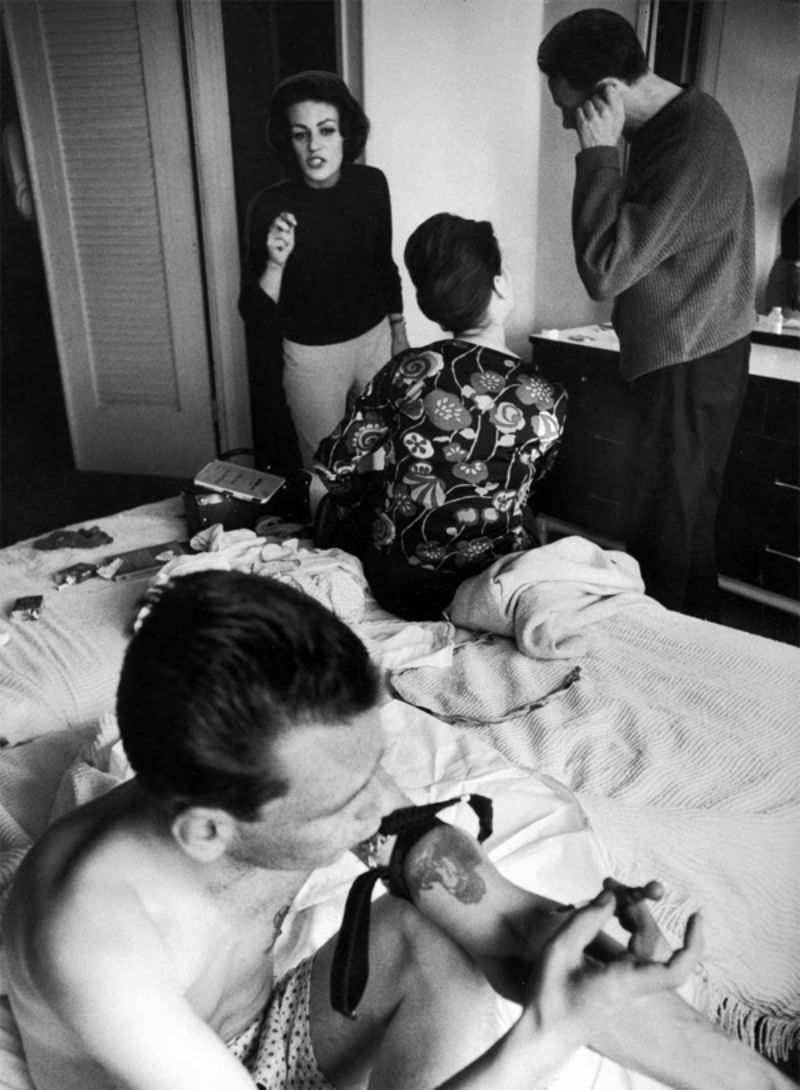
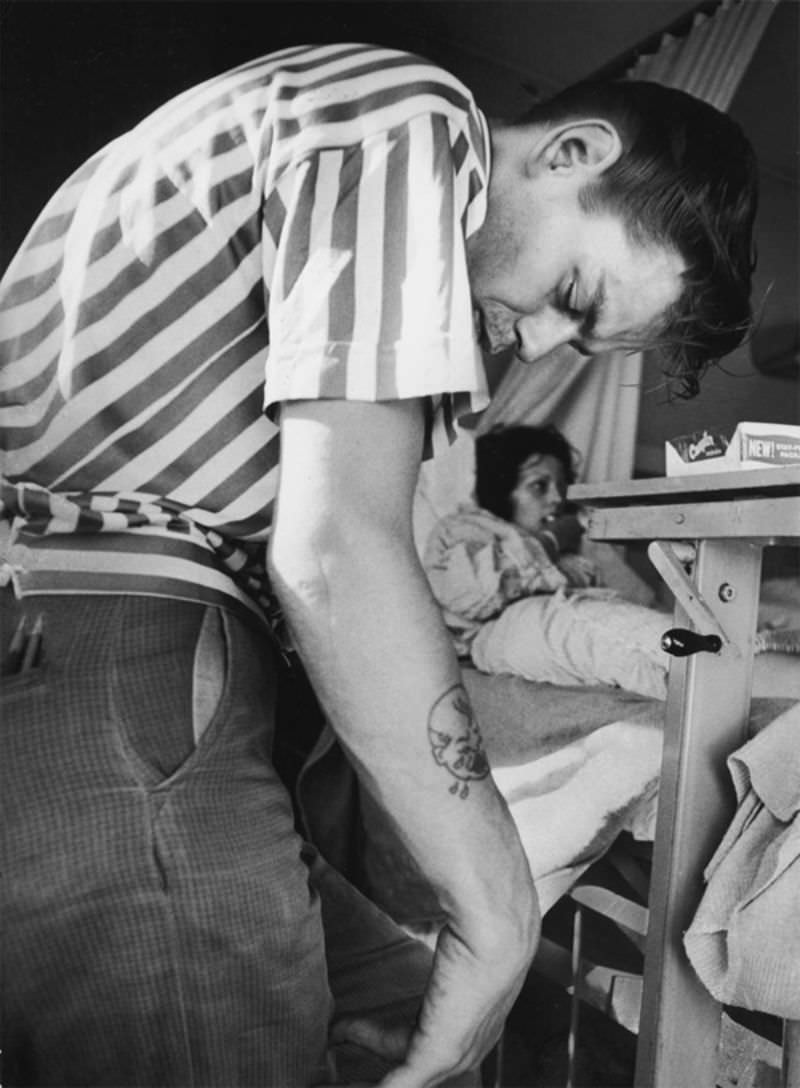
The photo essay gave American readers an unfiltered look at the physical and emotional destruction of heroin addiction in 1960s New York City. Through Eppridge’s lens and Mills’ reporting, John and Karen were not statistics — they were two specific people whose lives had been entirely consumed by the drug.