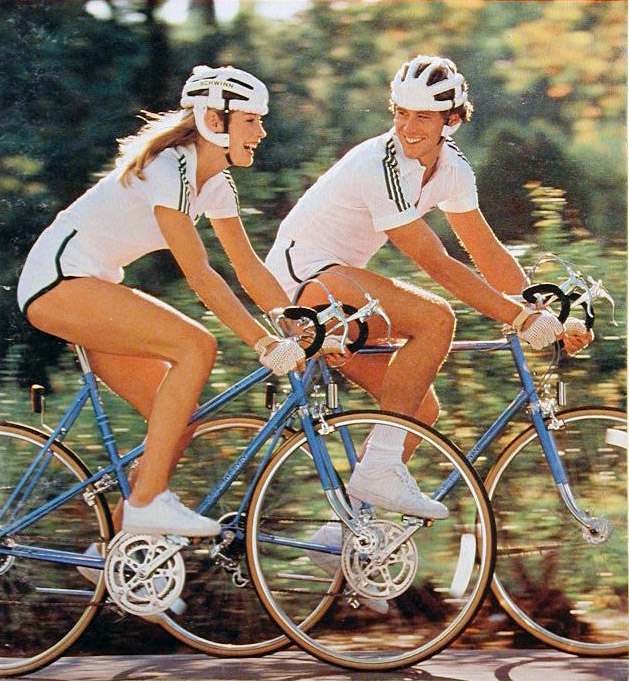
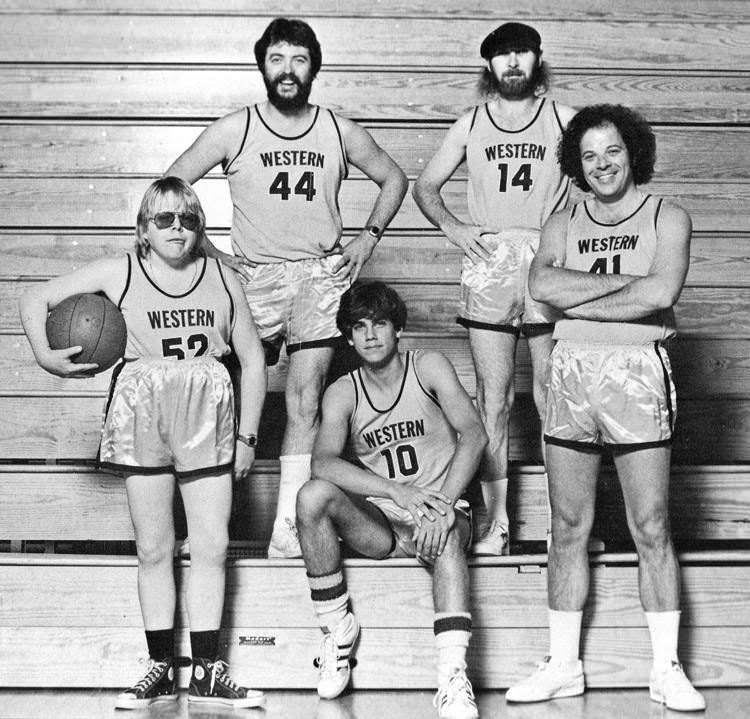
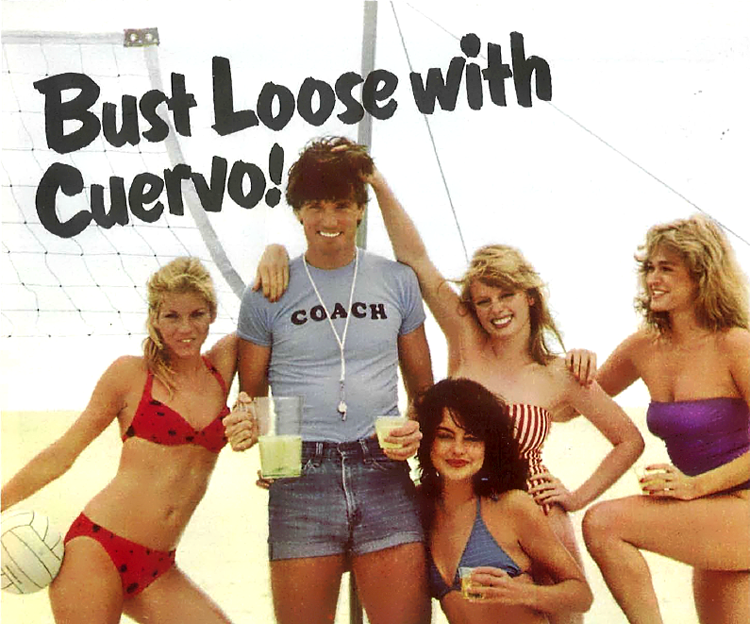
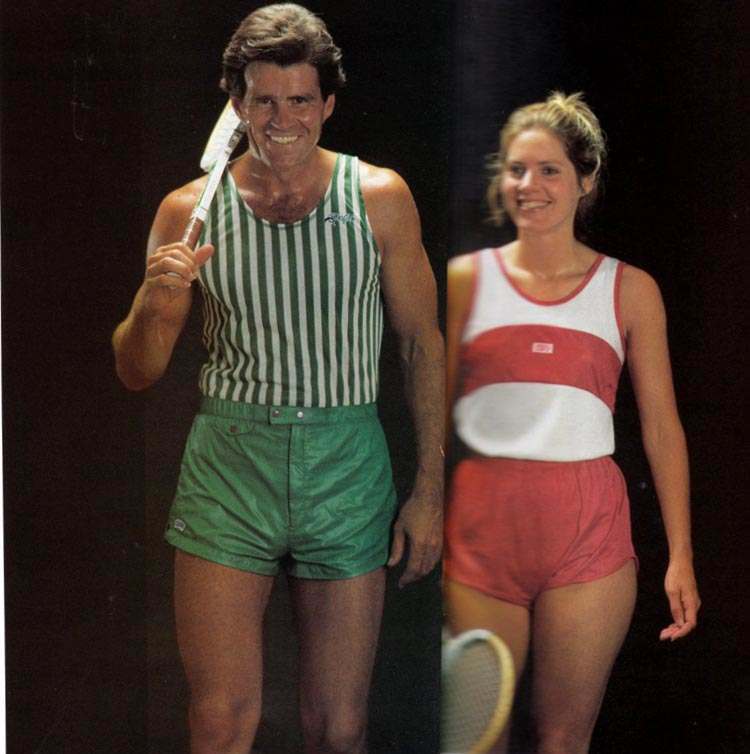
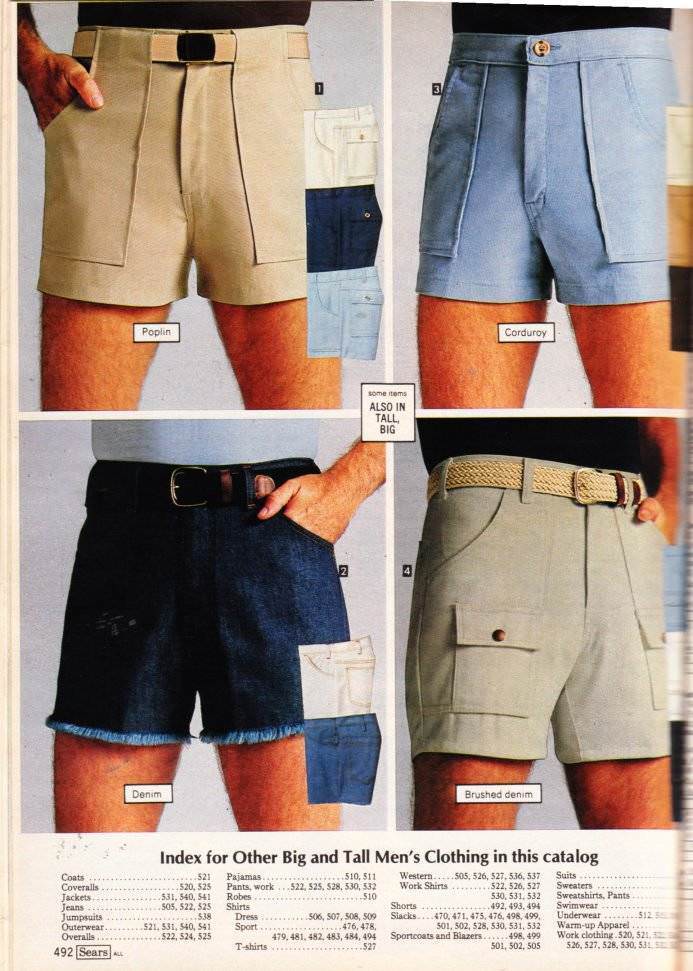
Men’s shorts in the 1970s were genuinely short. Cut high on the thigh, they showed far more leg than the longer styles that took over in later decades. This wasn’t a niche look — it was the standard across casual, athletic, and everyday wear throughout the decade.
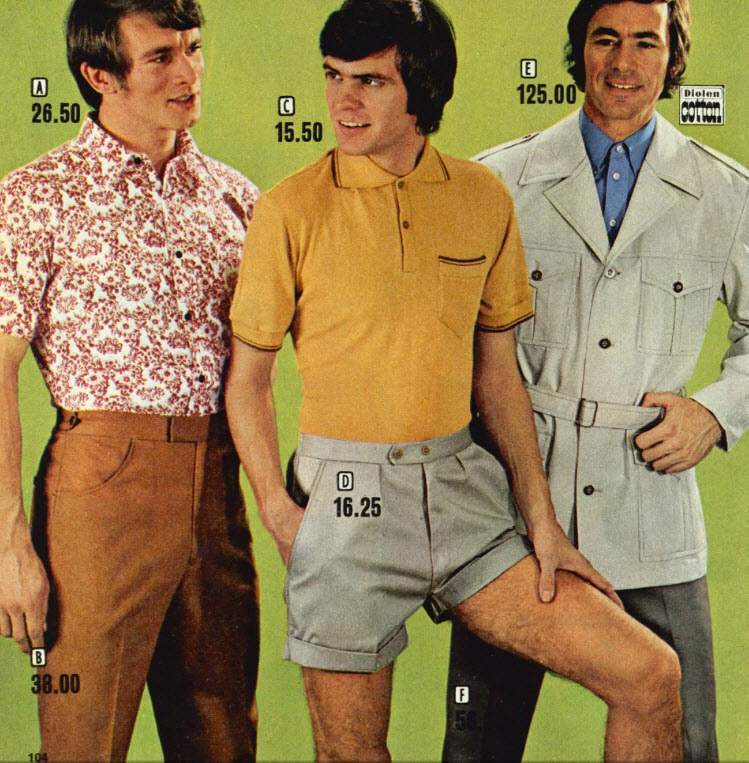
The fabrics varied depending on the purpose. Cotton was the go-to for everyday comfort, while polyester blends brought a slight sheen and durability to athletic styles. Terrycloth also appeared frequently, especially for beach and sporty shorts, thanks to its soft, towel-like texture.
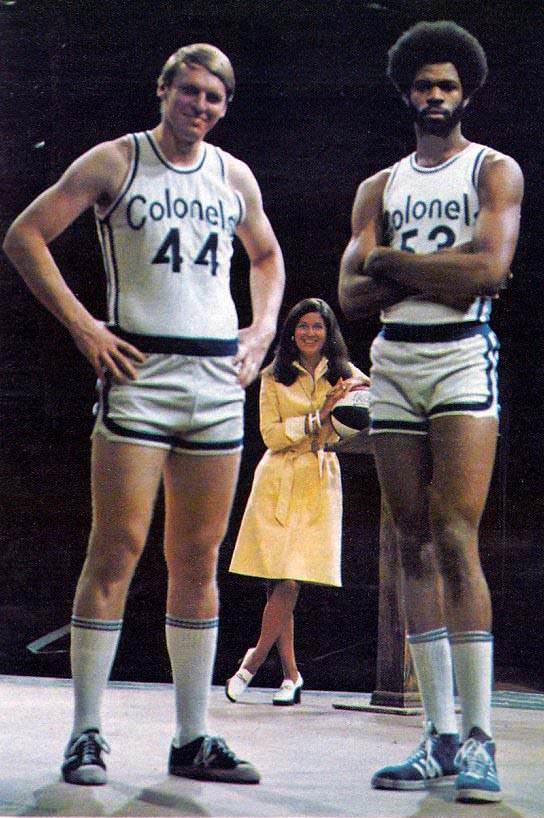
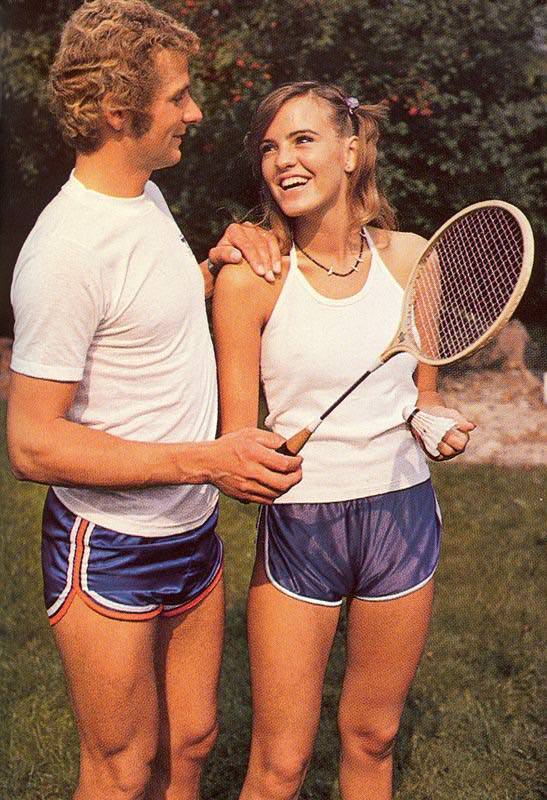
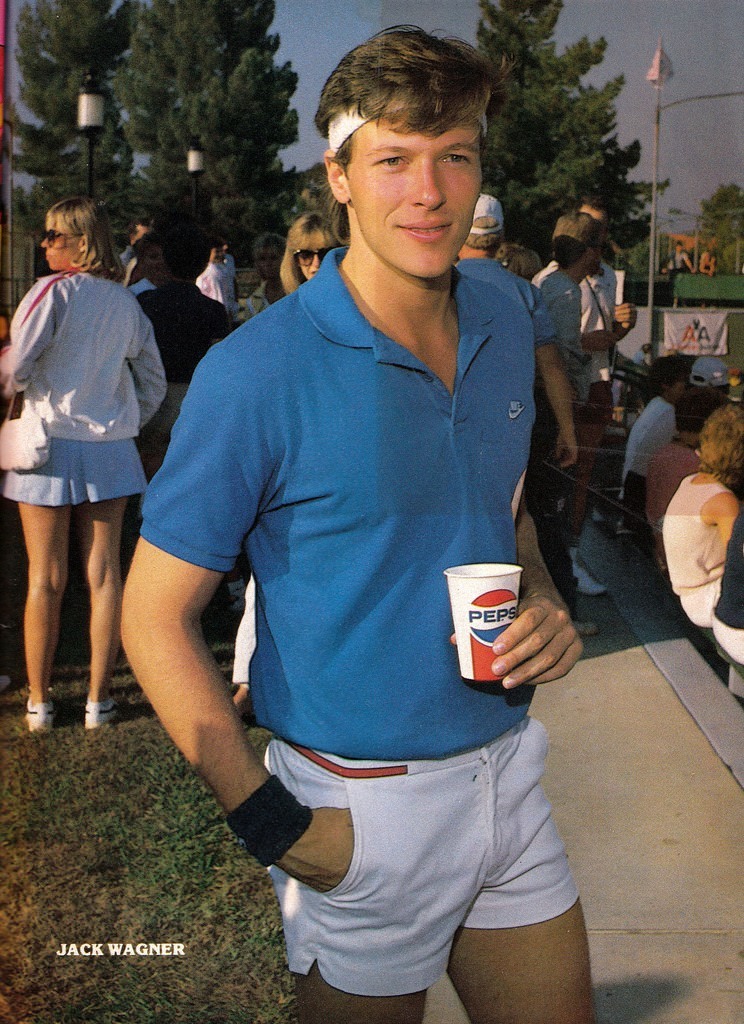
Design was kept simple and functional. Elastic waistbands were common, making the shorts easy to pull on without a fuss. Athletic versions often featured a small side split at the leg opening to allow a full range of movement during running or tennis.
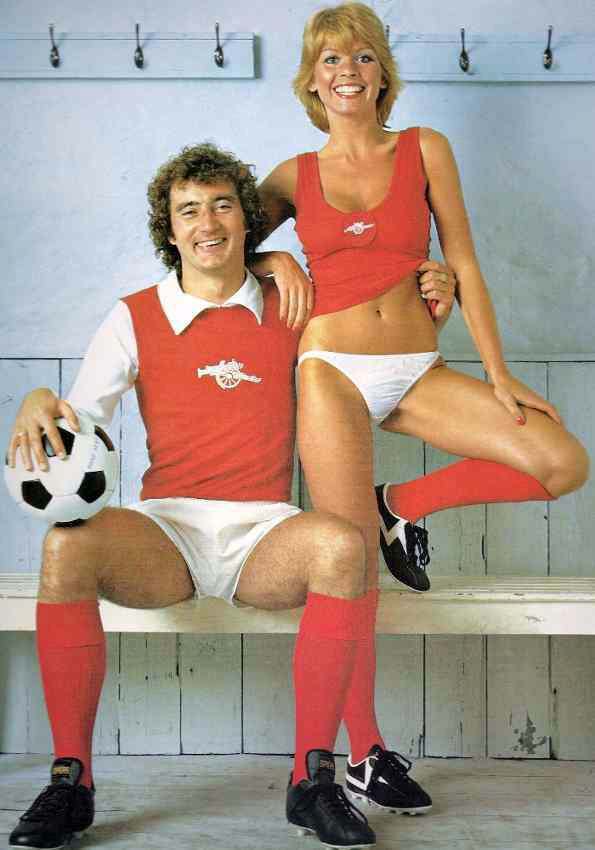
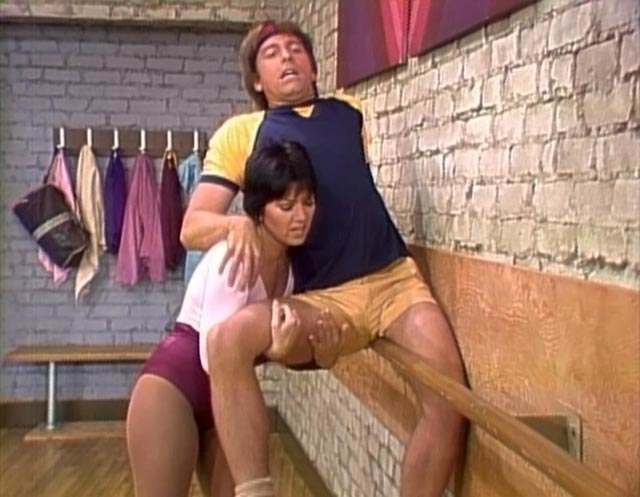
Pockets were minimal or shallow — sometimes absent altogether. The design priority was the cut and the fabric, not added features. The shorts were built to move freely and stay cool, not to carry things.
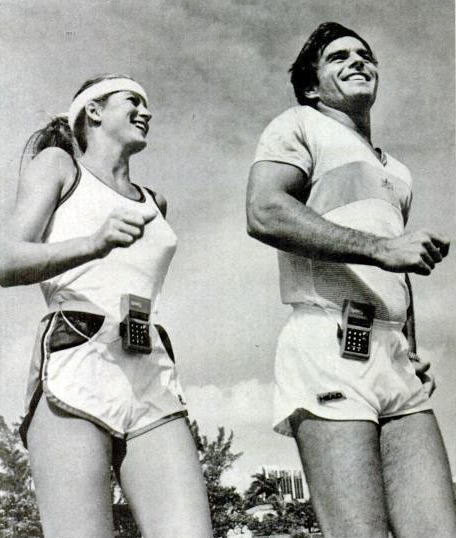
Running shorts leaned heavily on synthetic blends for their lightweight feel. Tennis players wore the same brief cut on the court. The style crossed sport and leisure without much distinction between the two.
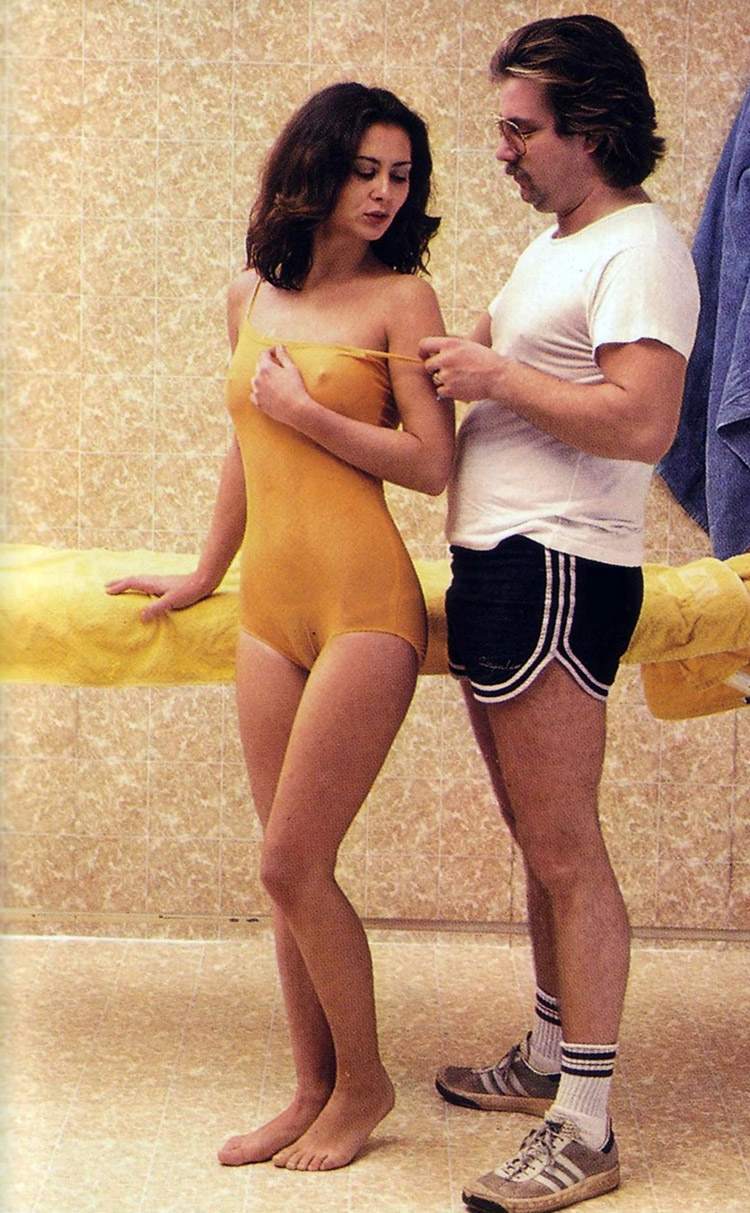
The 1970s shorts silhouette reflected the decade’s broader fashion shift toward expressive, body-conscious clothing for men. Showing more of the leg was simply what shorts meant during those years.