
Yugoslavia in the 1970s existed in a space that no other country in Europe could claim. It was neither fully Western nor part of the Soviet bloc. Under Marshal Tito’s brand of socialism, citizens enjoyed a degree of personal and economic freedom that their neighbors in Hungary or Czechoslovakia simply did not have. The red Yugoslav passport was the most powerful symbol of this. Yugoslavs did not need special exit visas to cross borders. They drove to West Germany for work, vacationed in Greece and Turkey, and moved freely between two rival political worlds — all without asking permission.
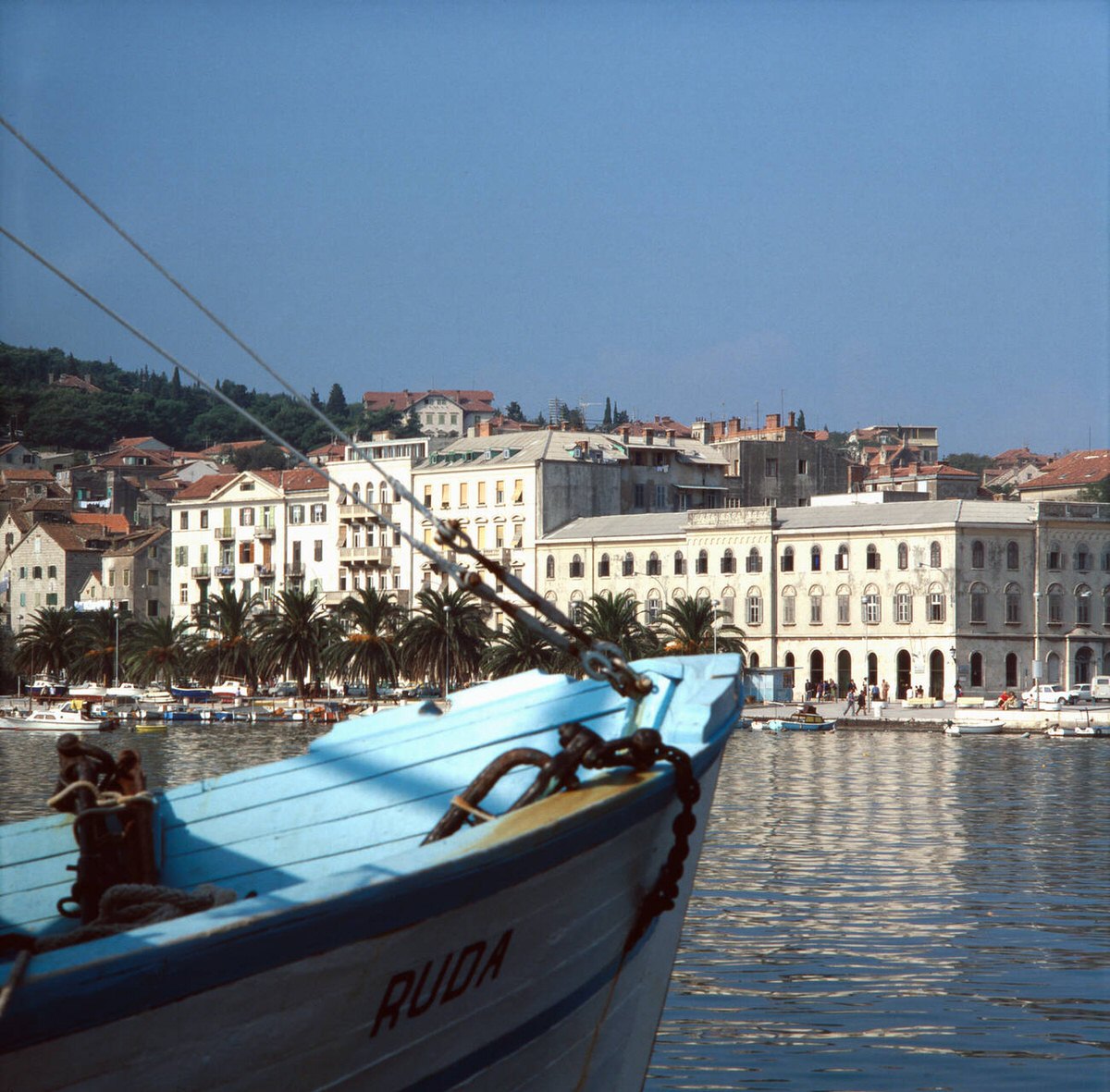
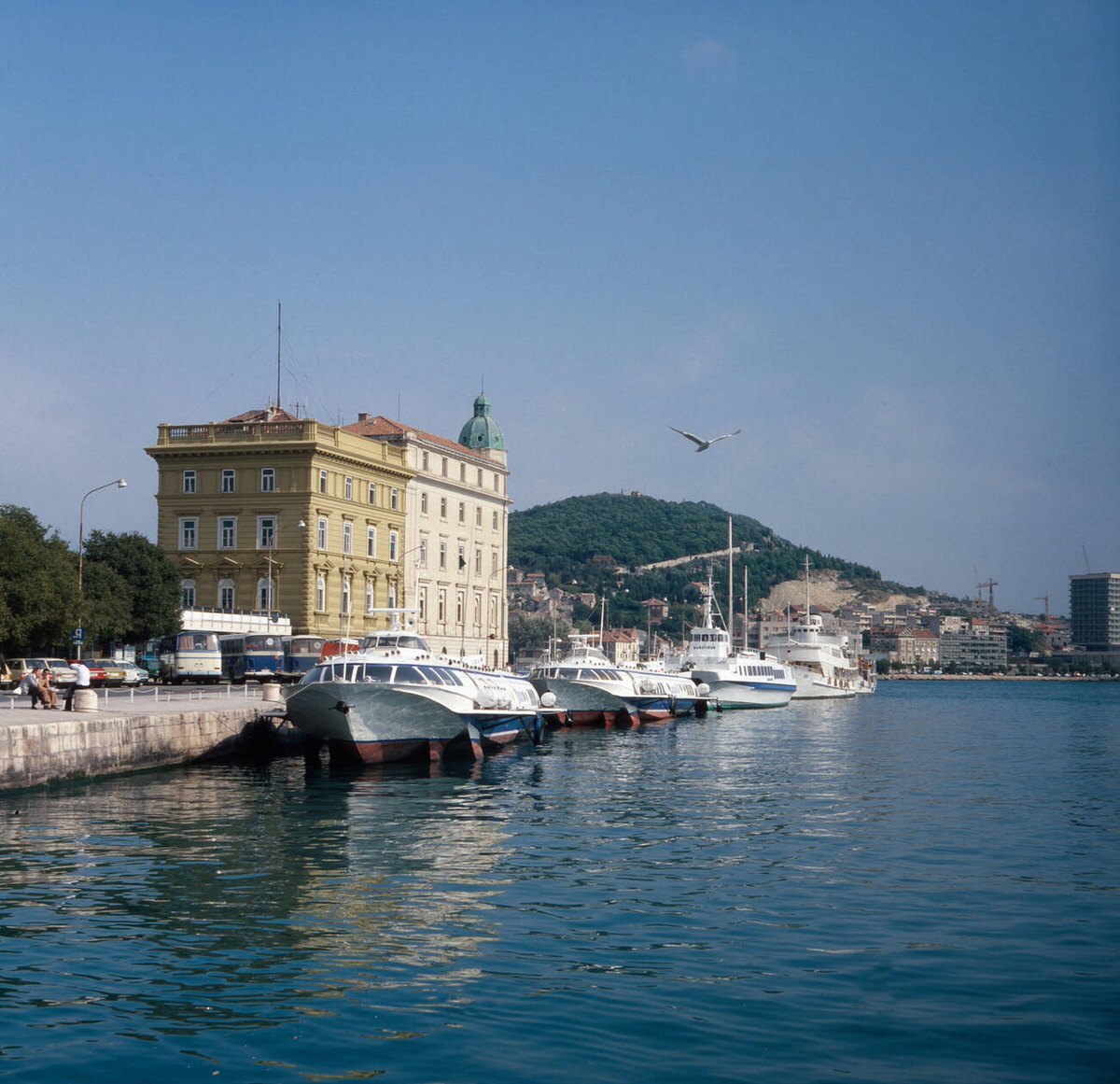
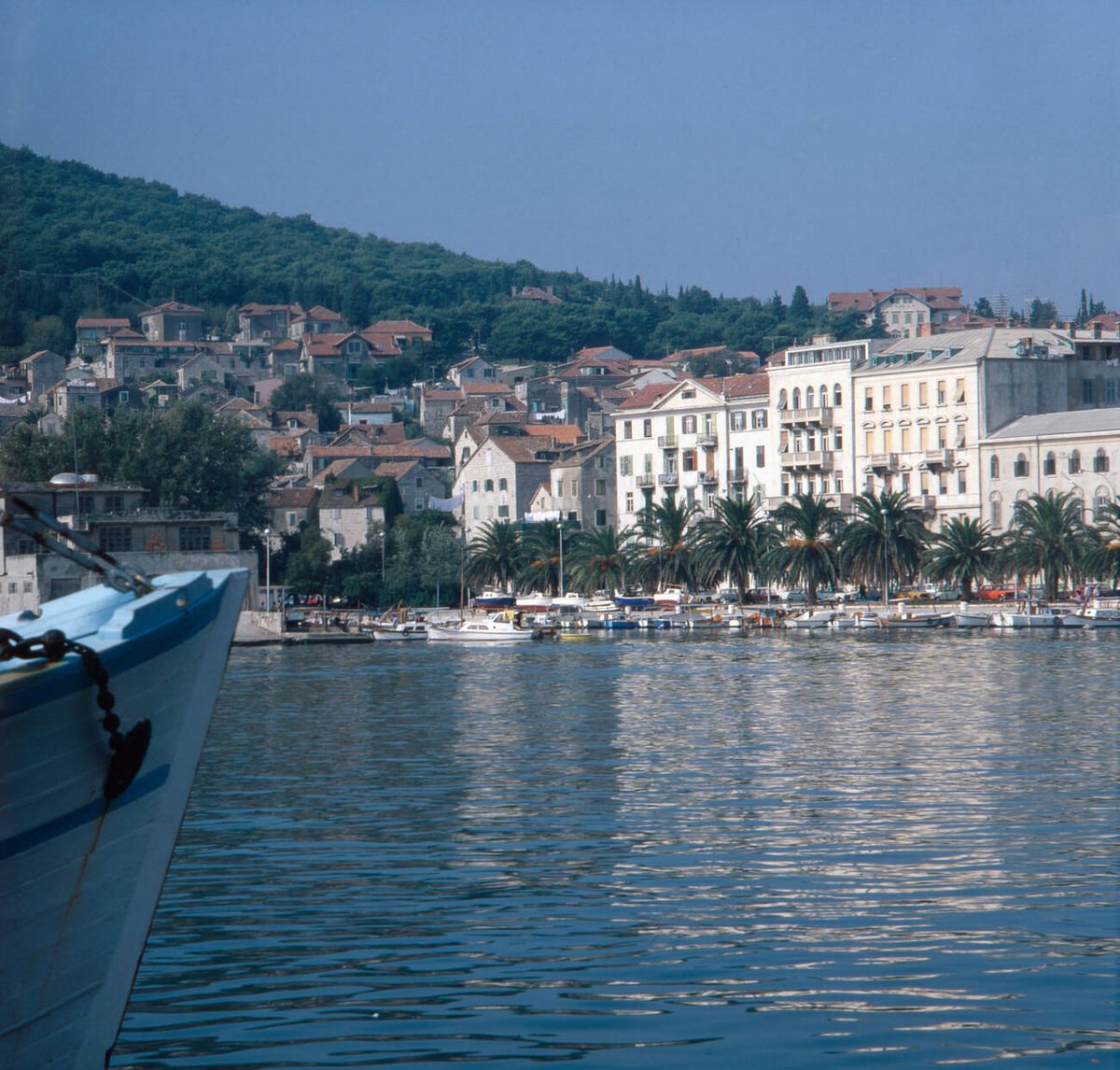
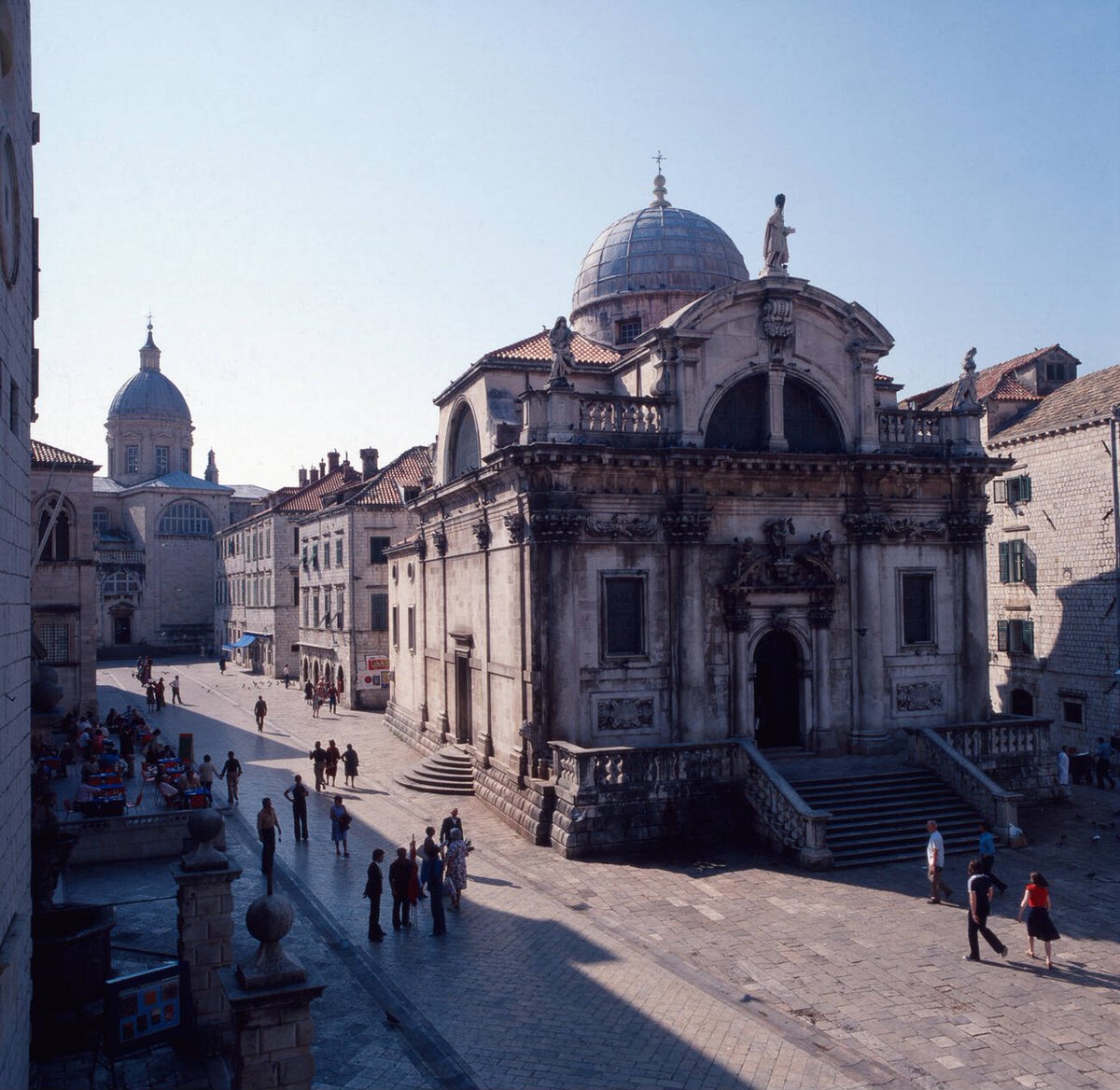
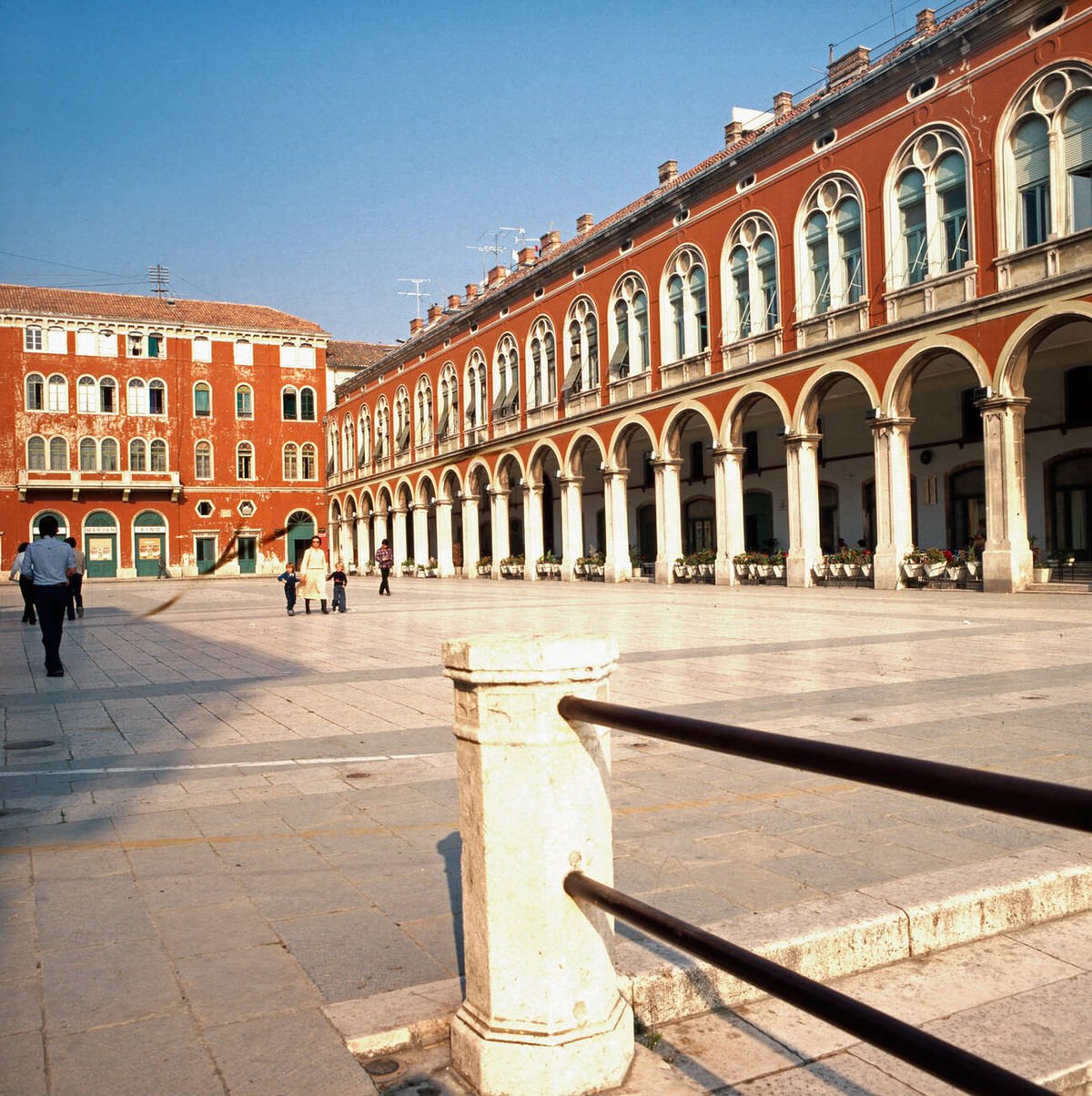
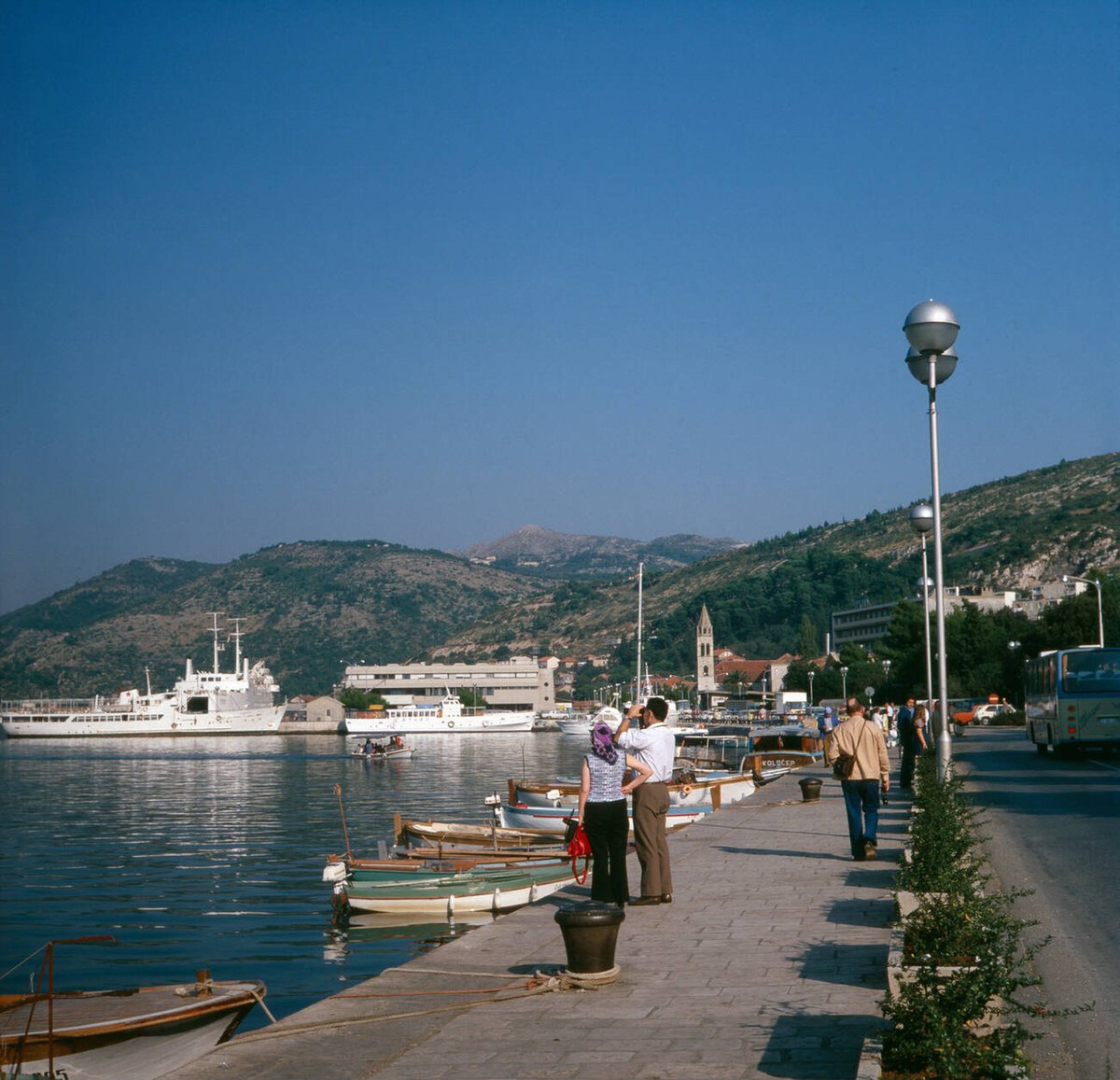
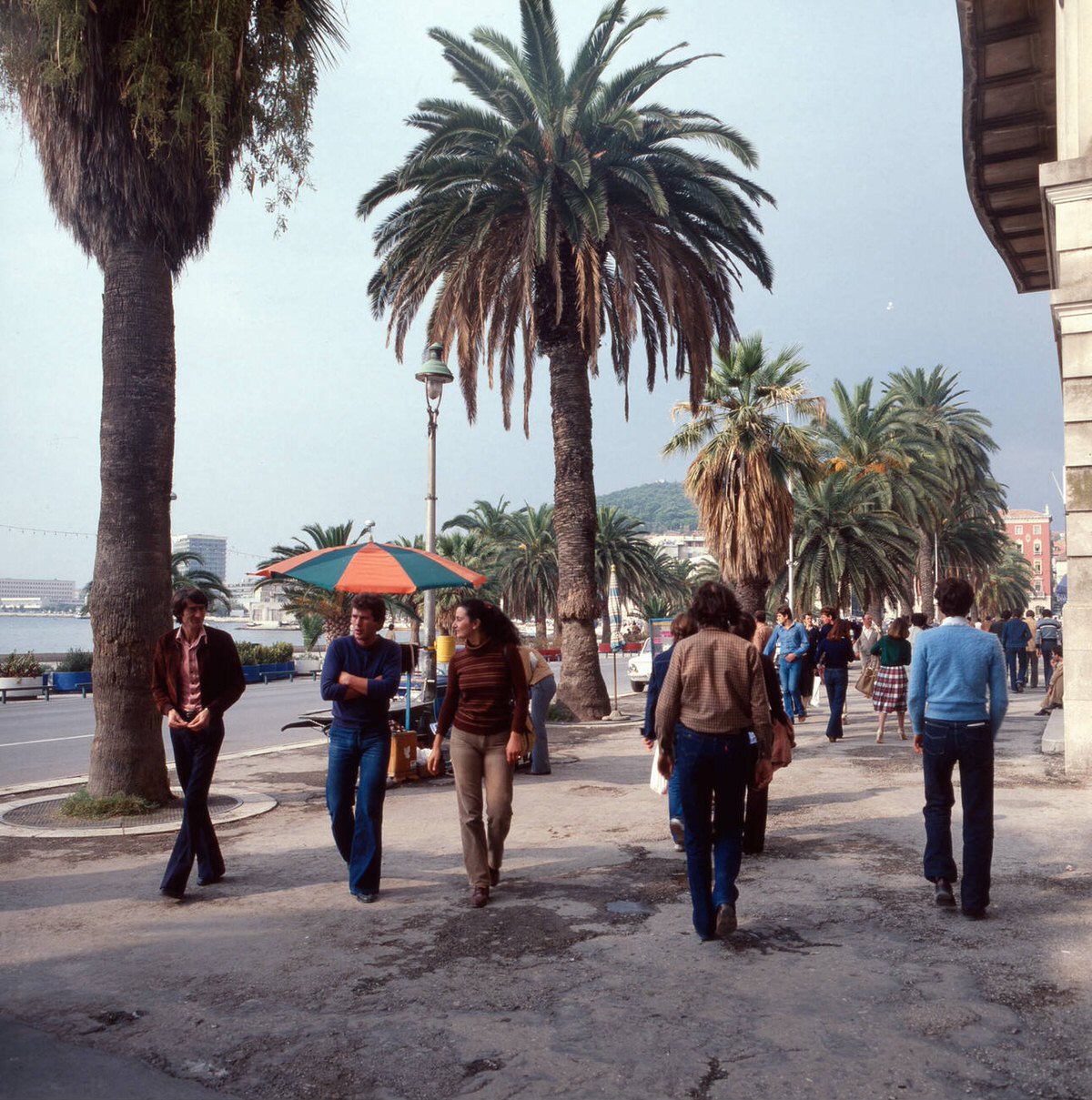
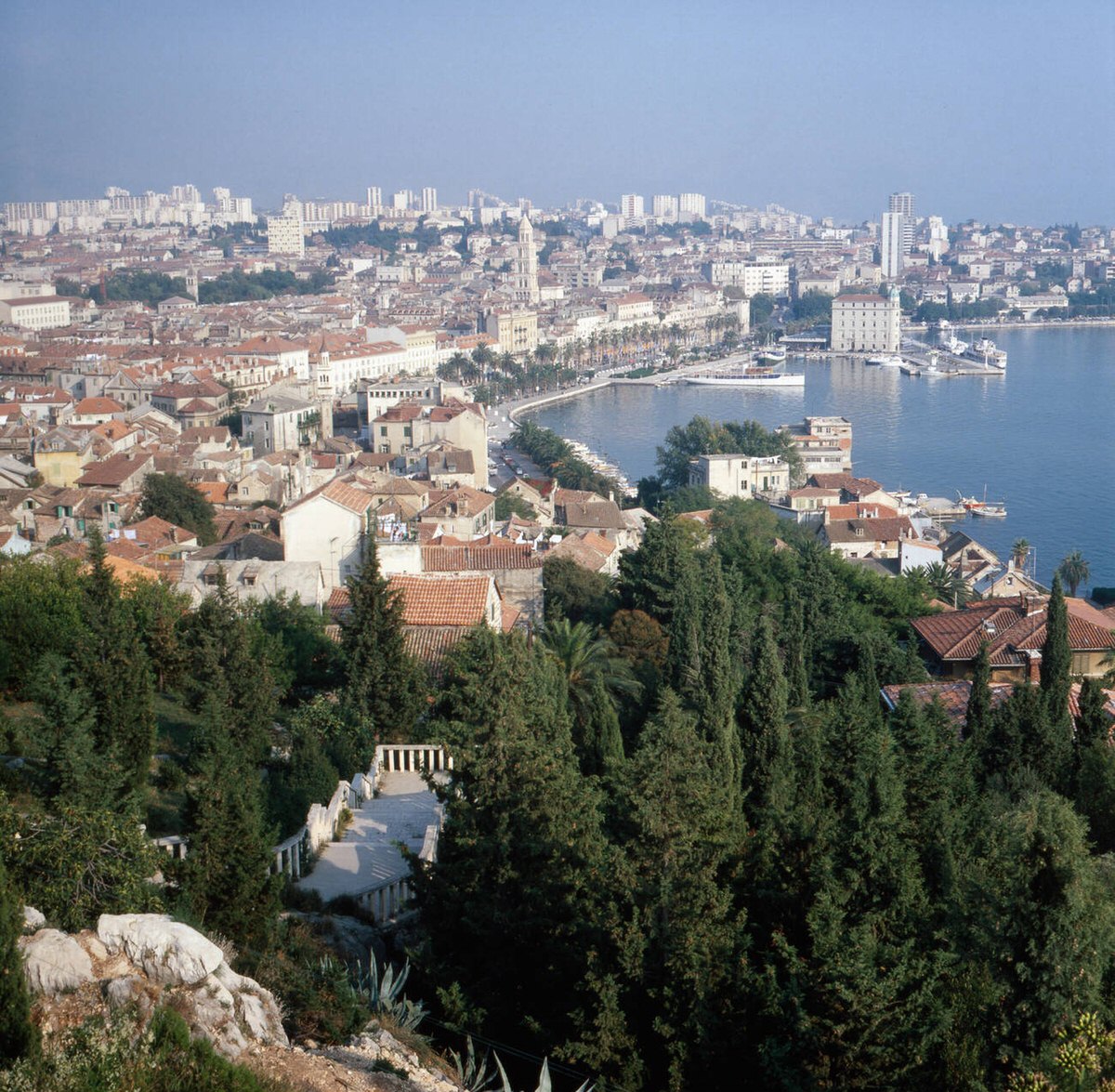
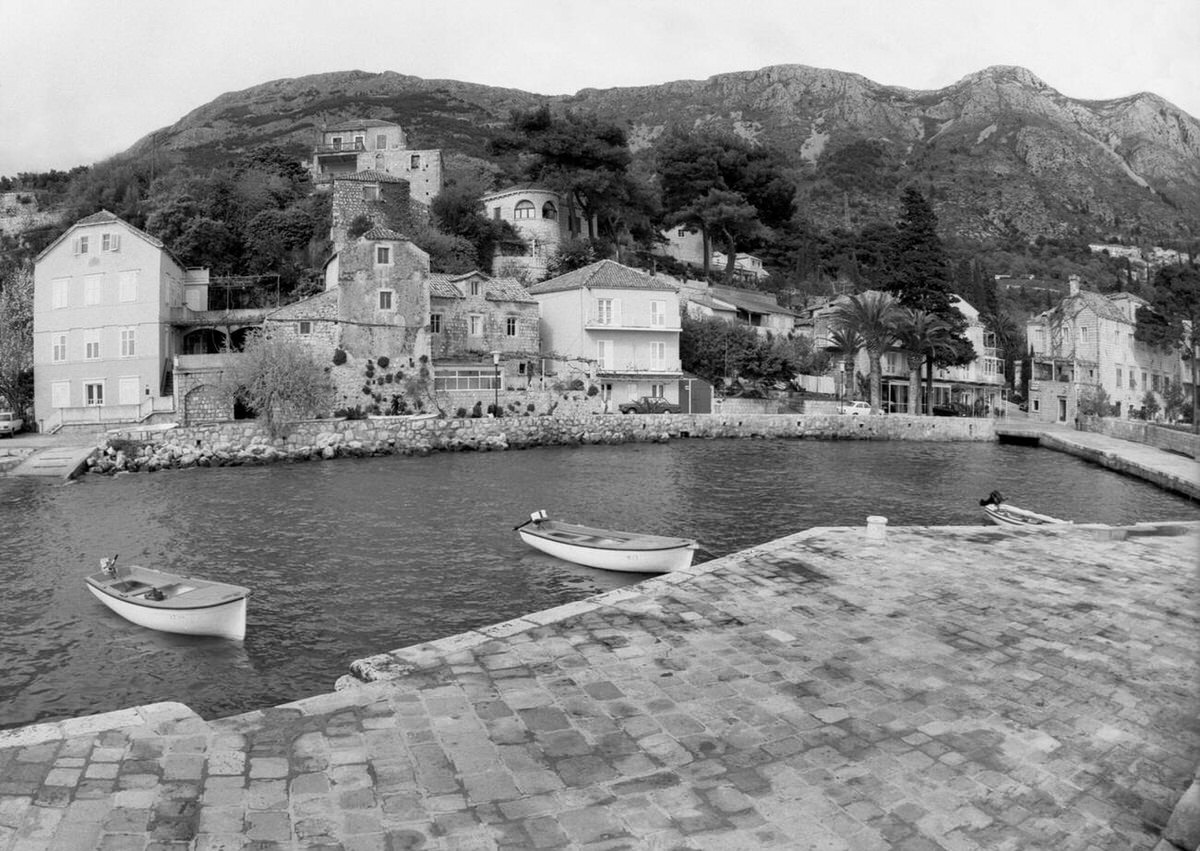
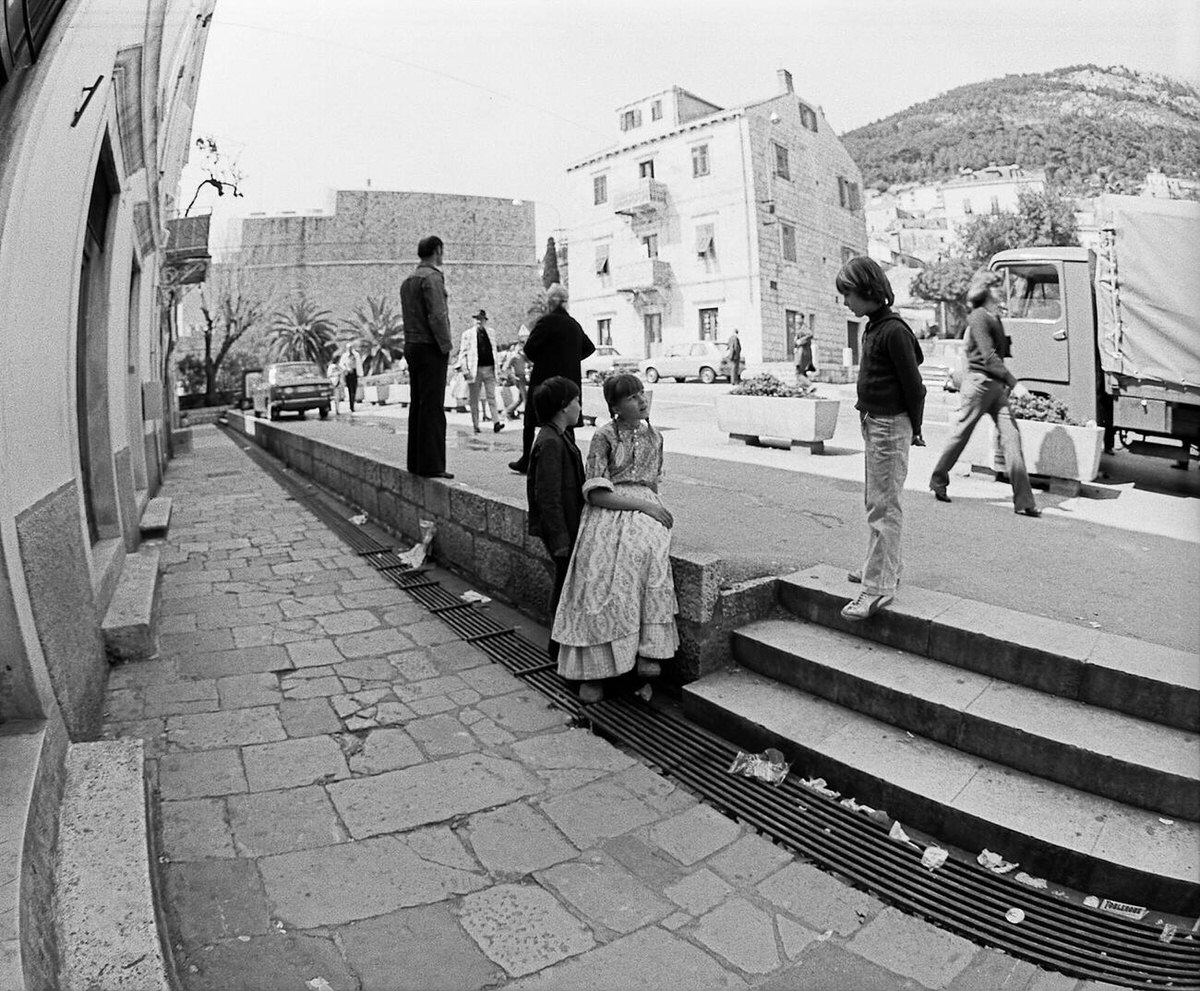
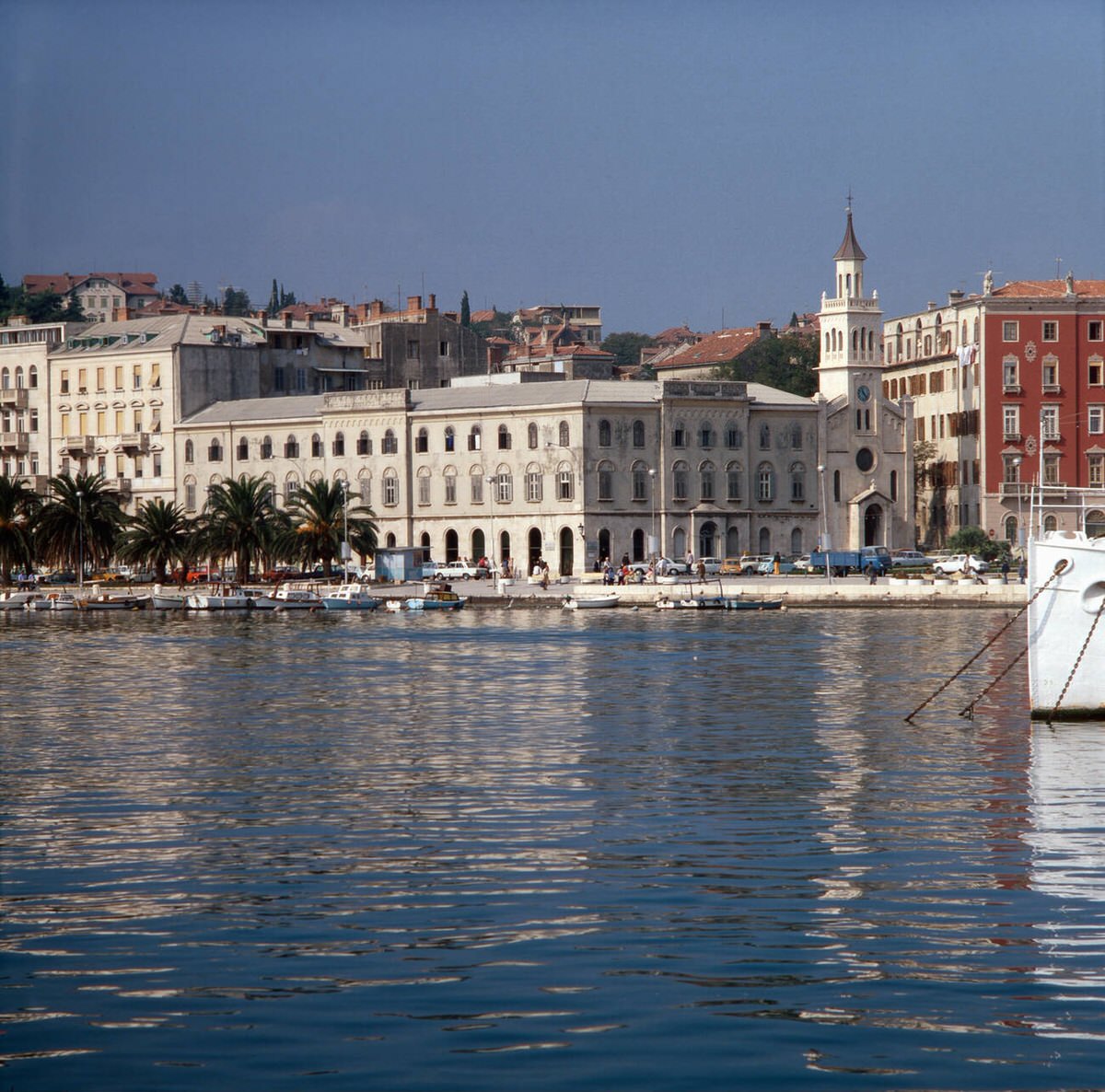
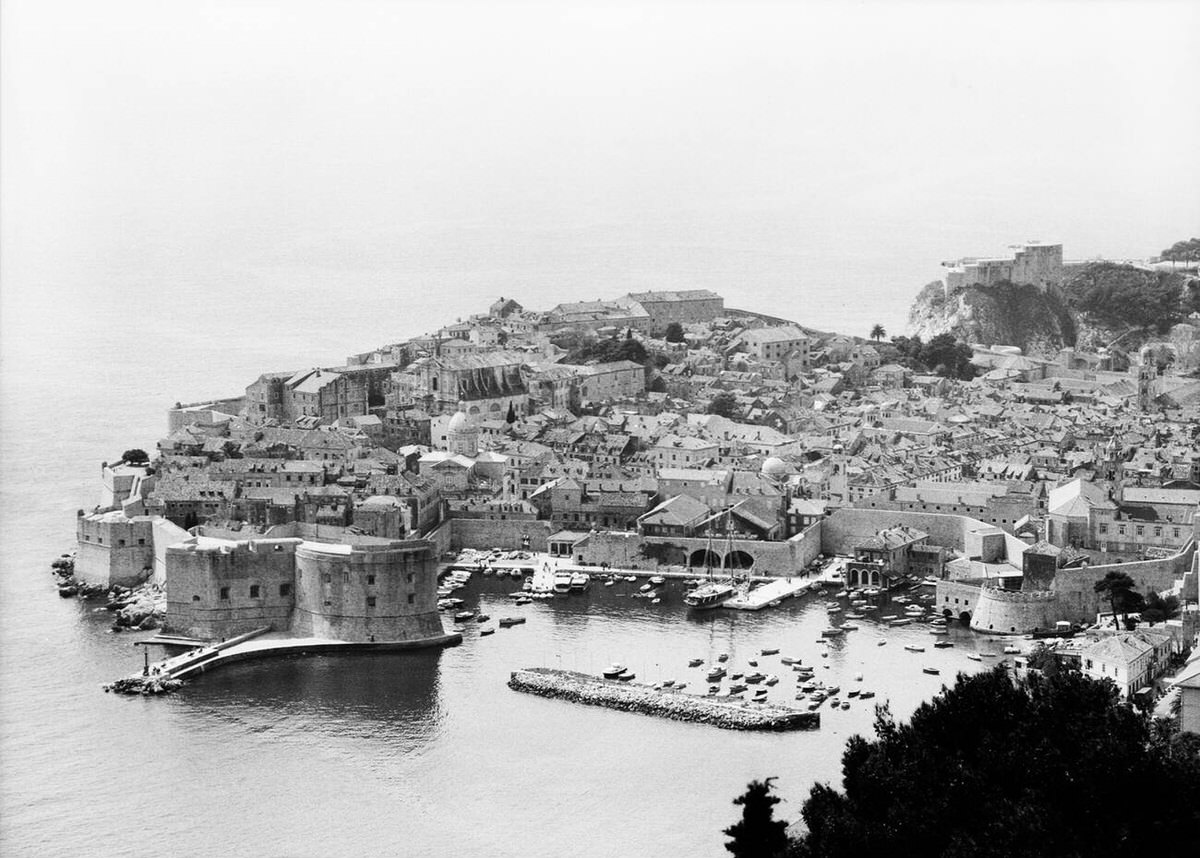
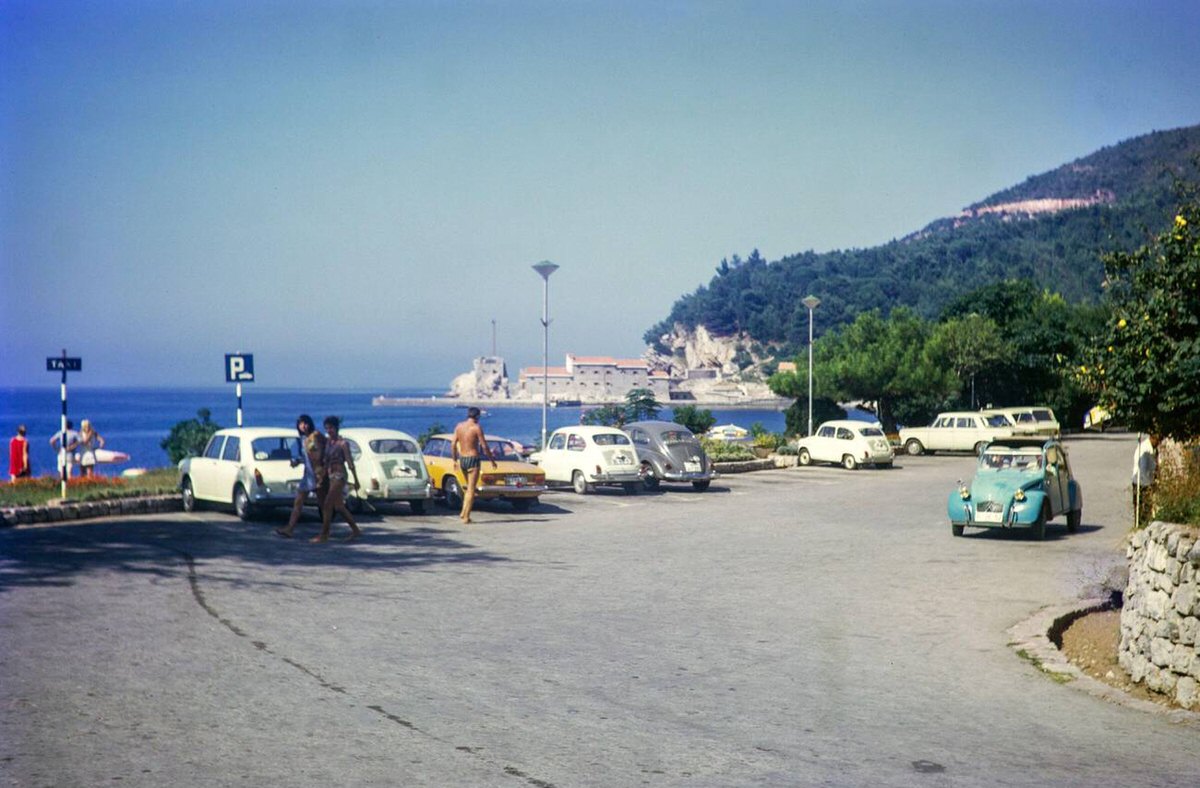
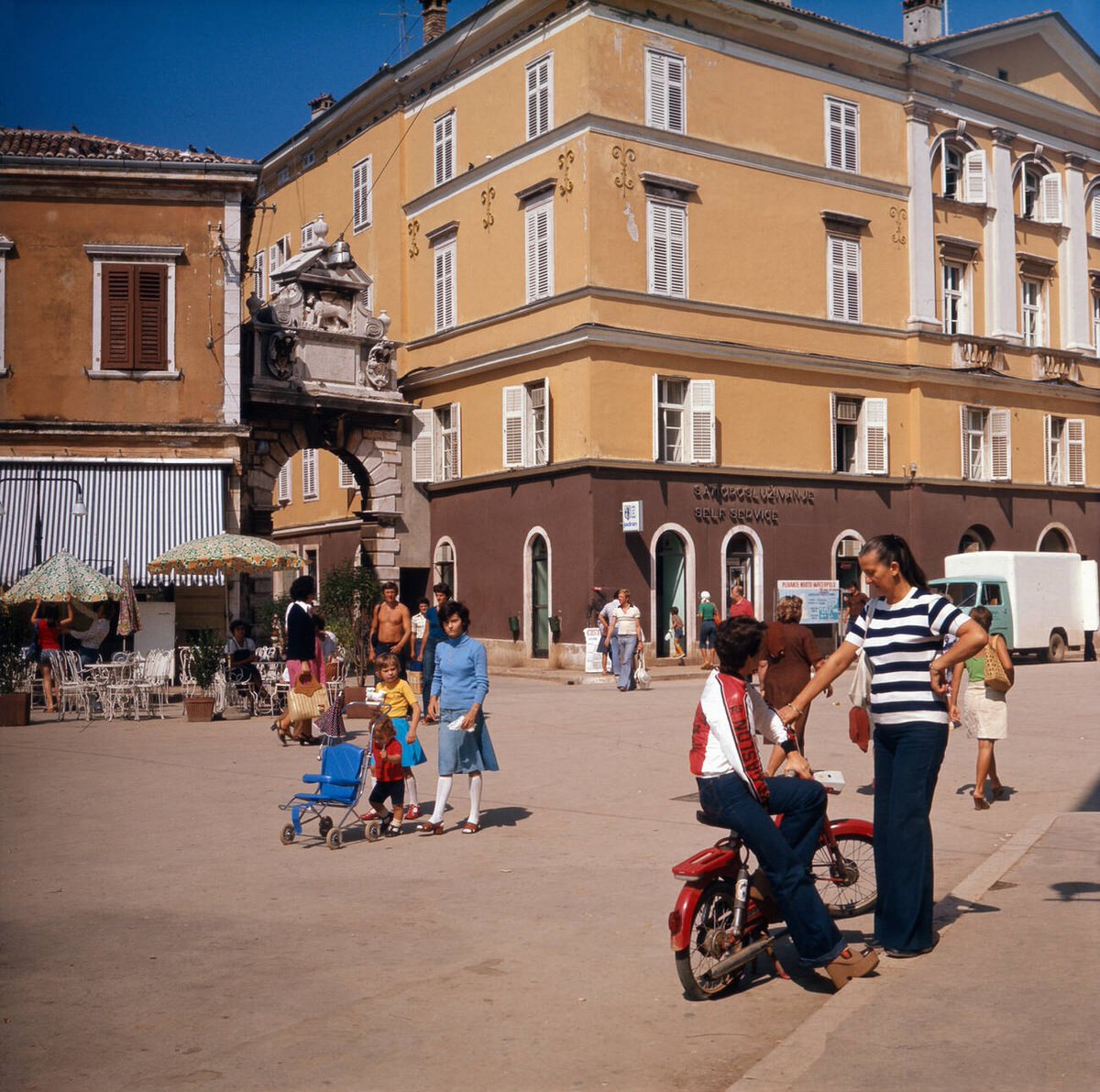
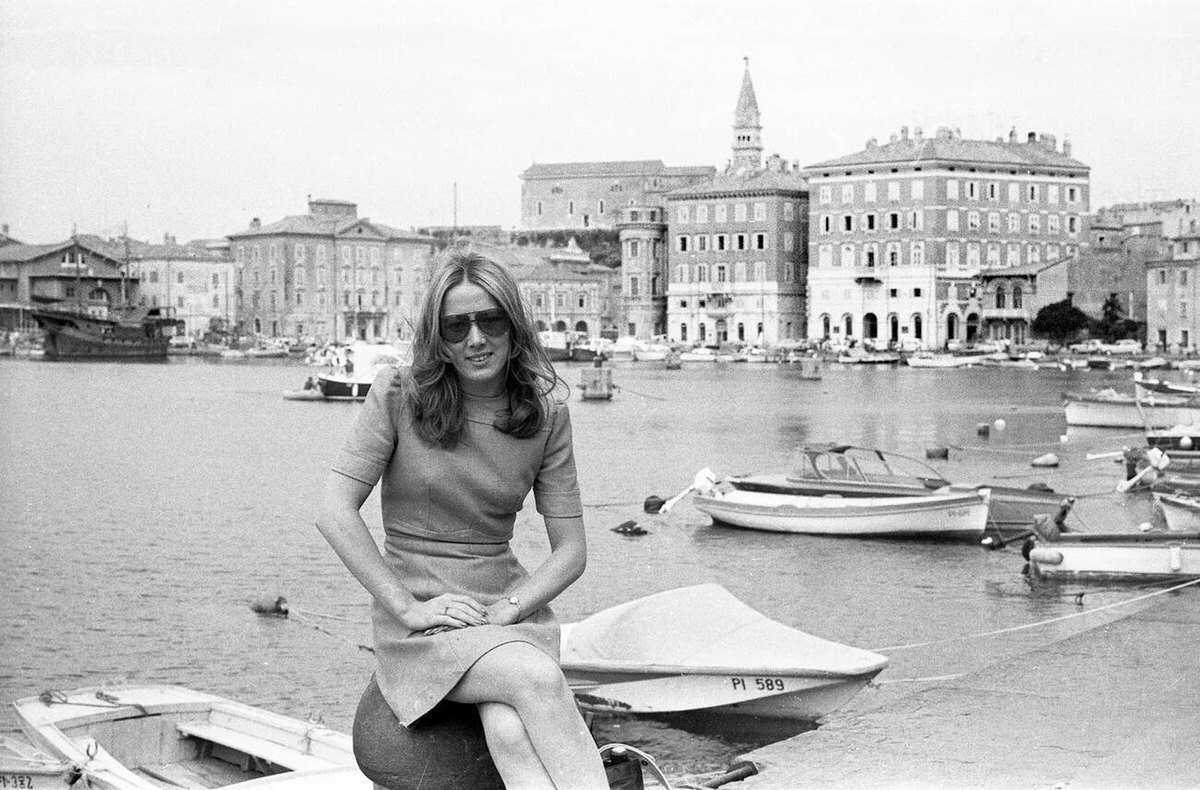
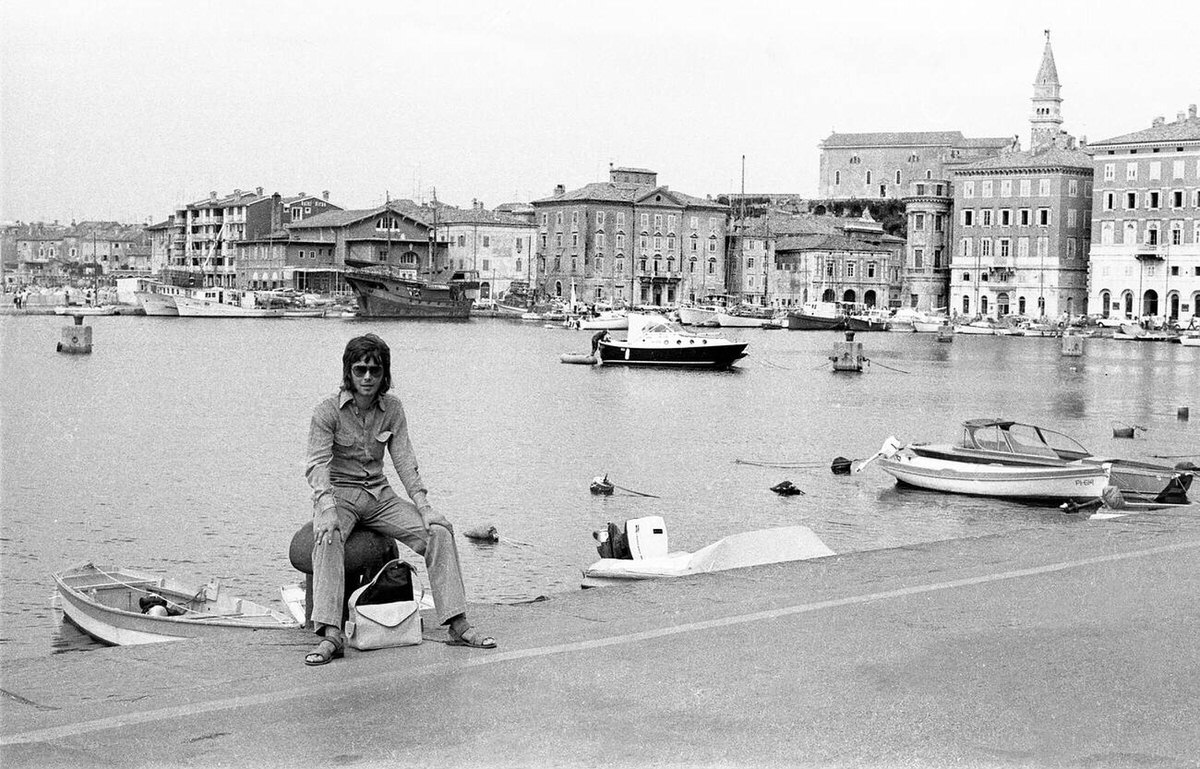
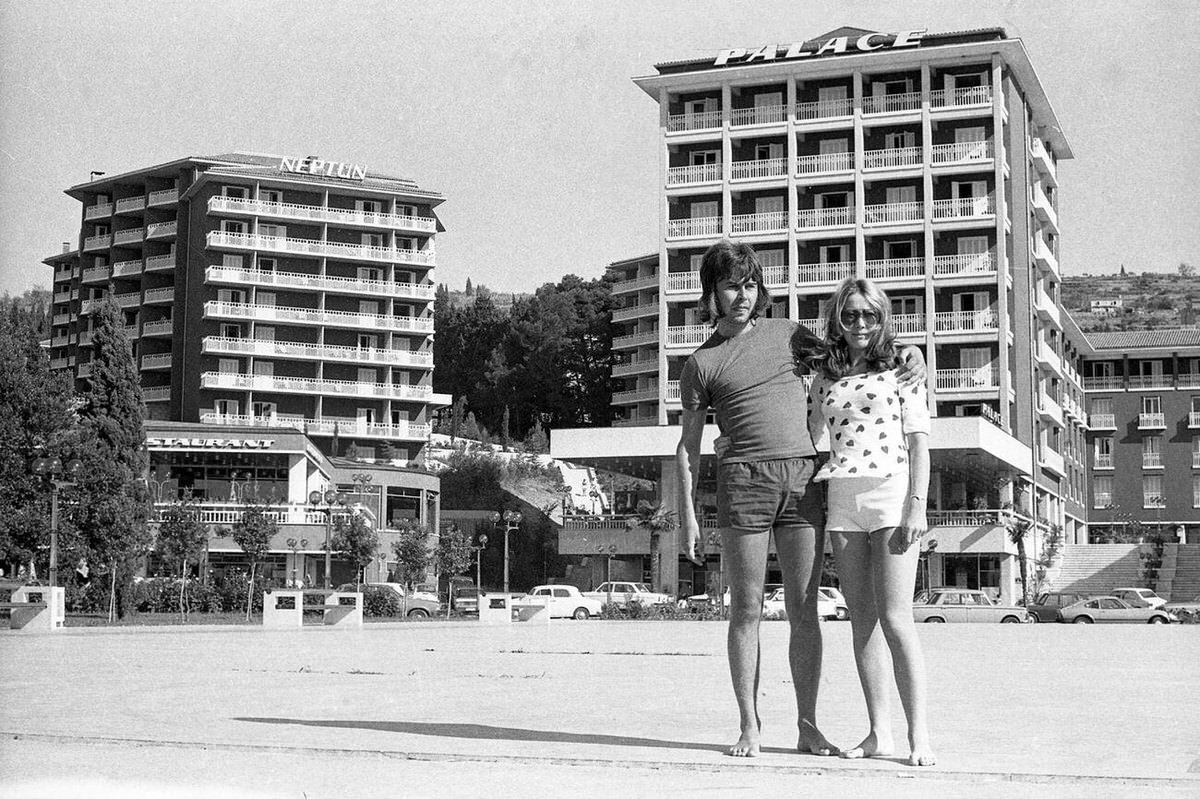
The Adriatic coast was the crown jewel of Yugoslav tourism. Cities like Split and Dubrovnik drew visitors from across Europe, while locals flooded the beaches every summer. The coastline was not just a destination for foreign tourists — it was where Yugoslavs themselves spent their holidays, often arriving in cars packed to the roof with camping gear, food, and luggage.
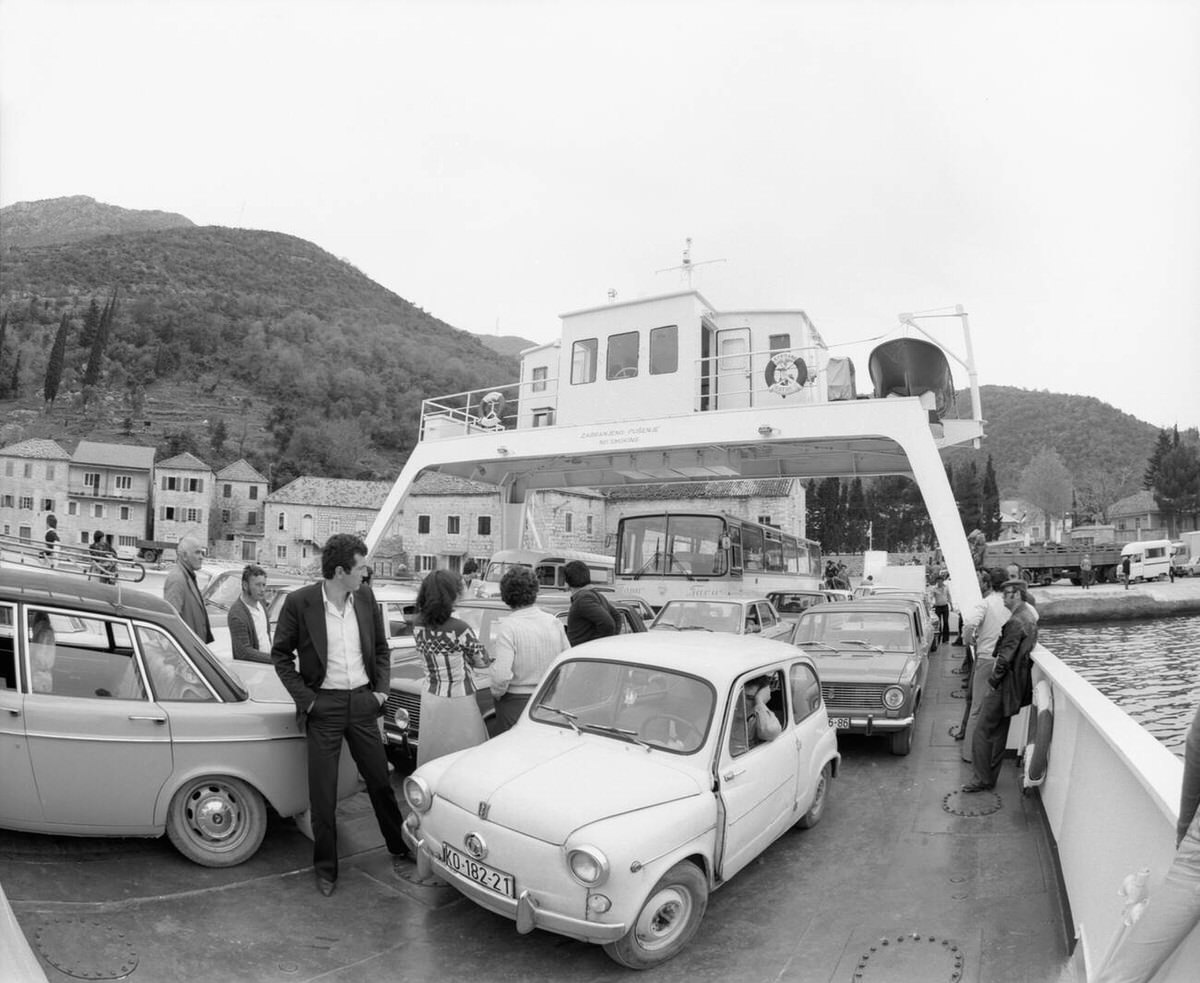
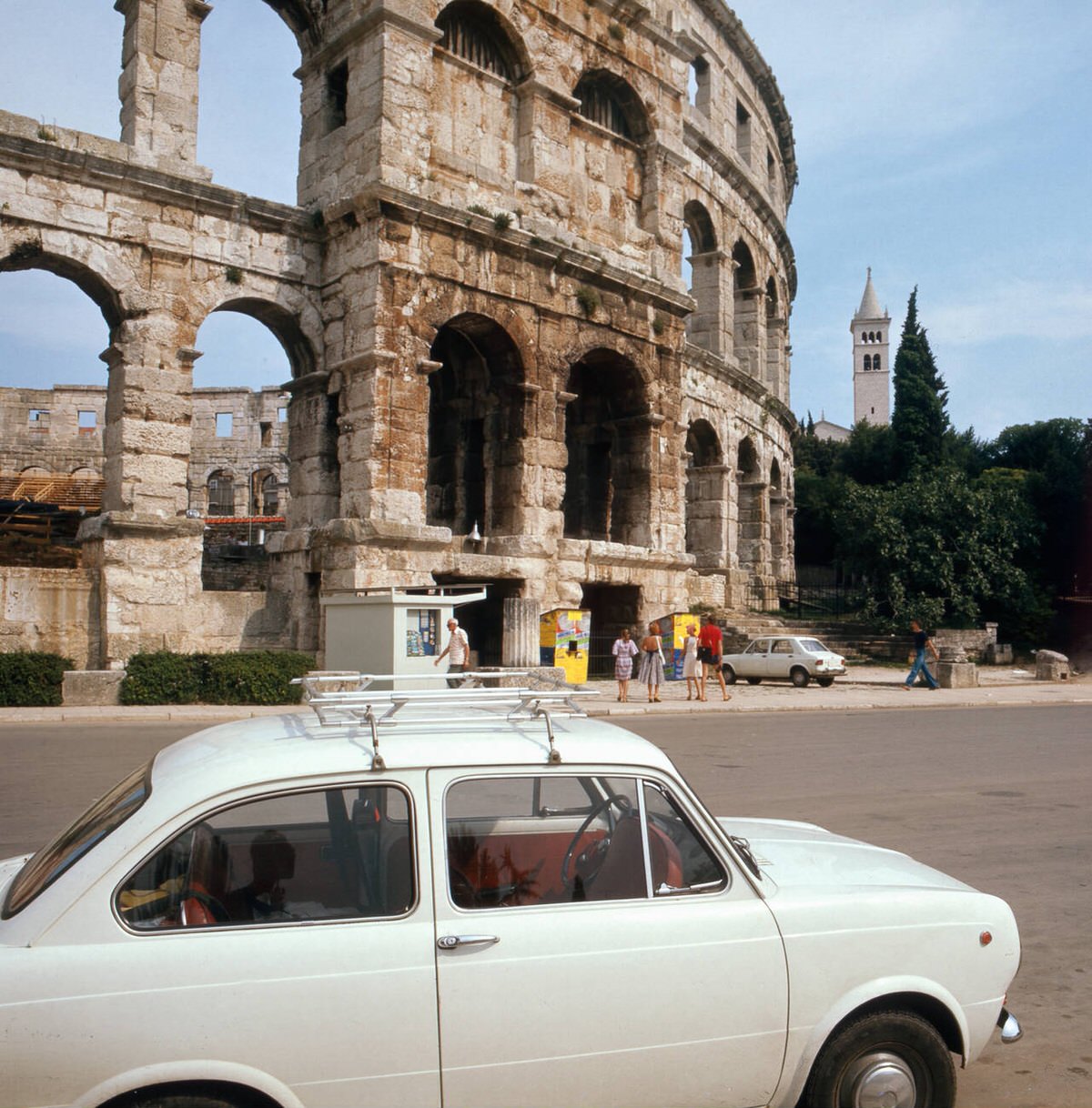
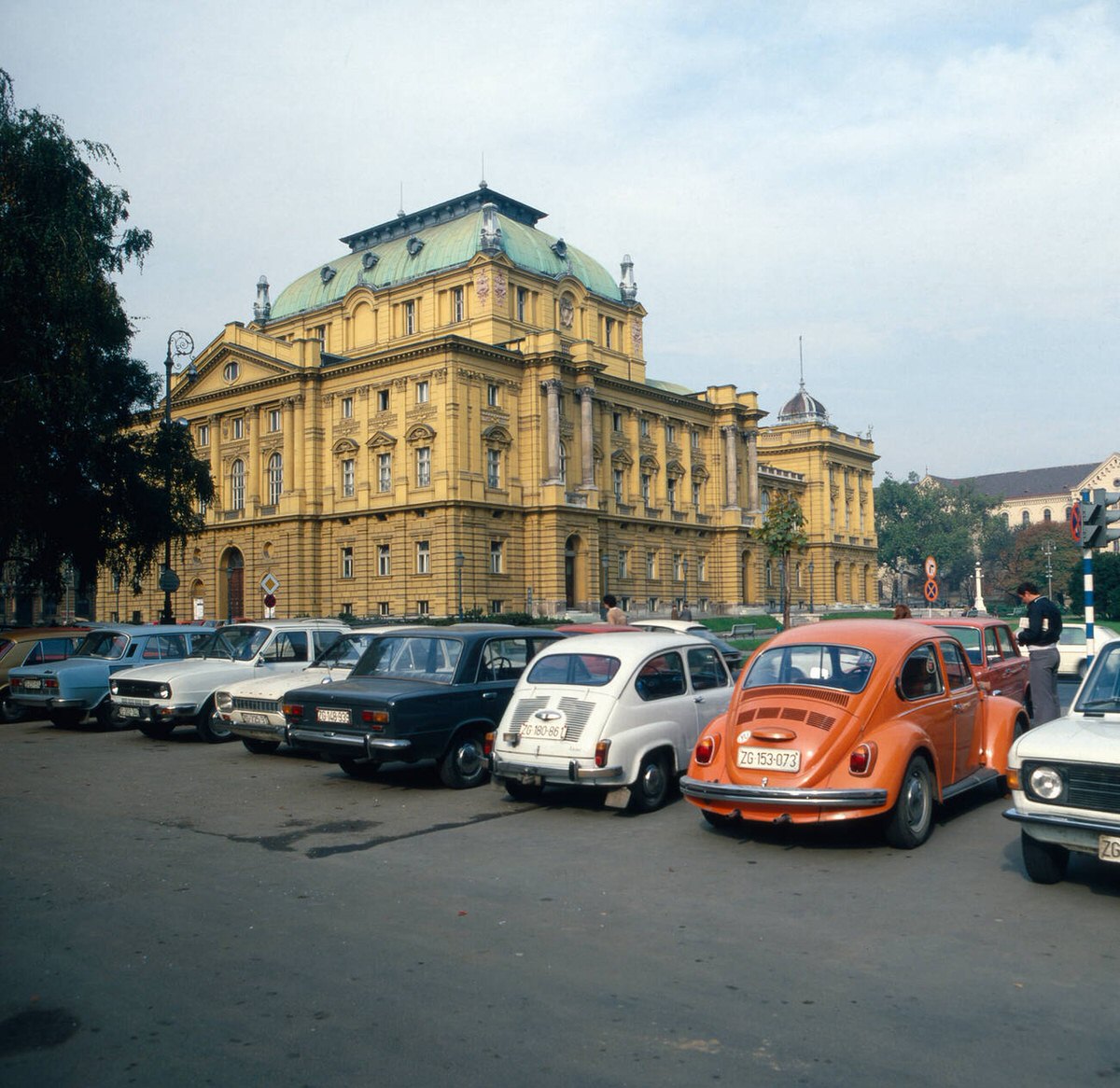
The car that made most of these road trips possible was the Zastava 750, known affectionately as the “Fića.” It was a licensed version of the Fiat 600, and for many Yugoslav families, it was their first car. Its engine was tiny and the interior was cramped, but that did not stop owners from stuffing it with everything needed for a week on the coast. Later in the decade, the Zastava 101 — nicknamed the “Stojadin” — arrived with a modern hatchback design that reflected just how much purchasing power had grown across the country.
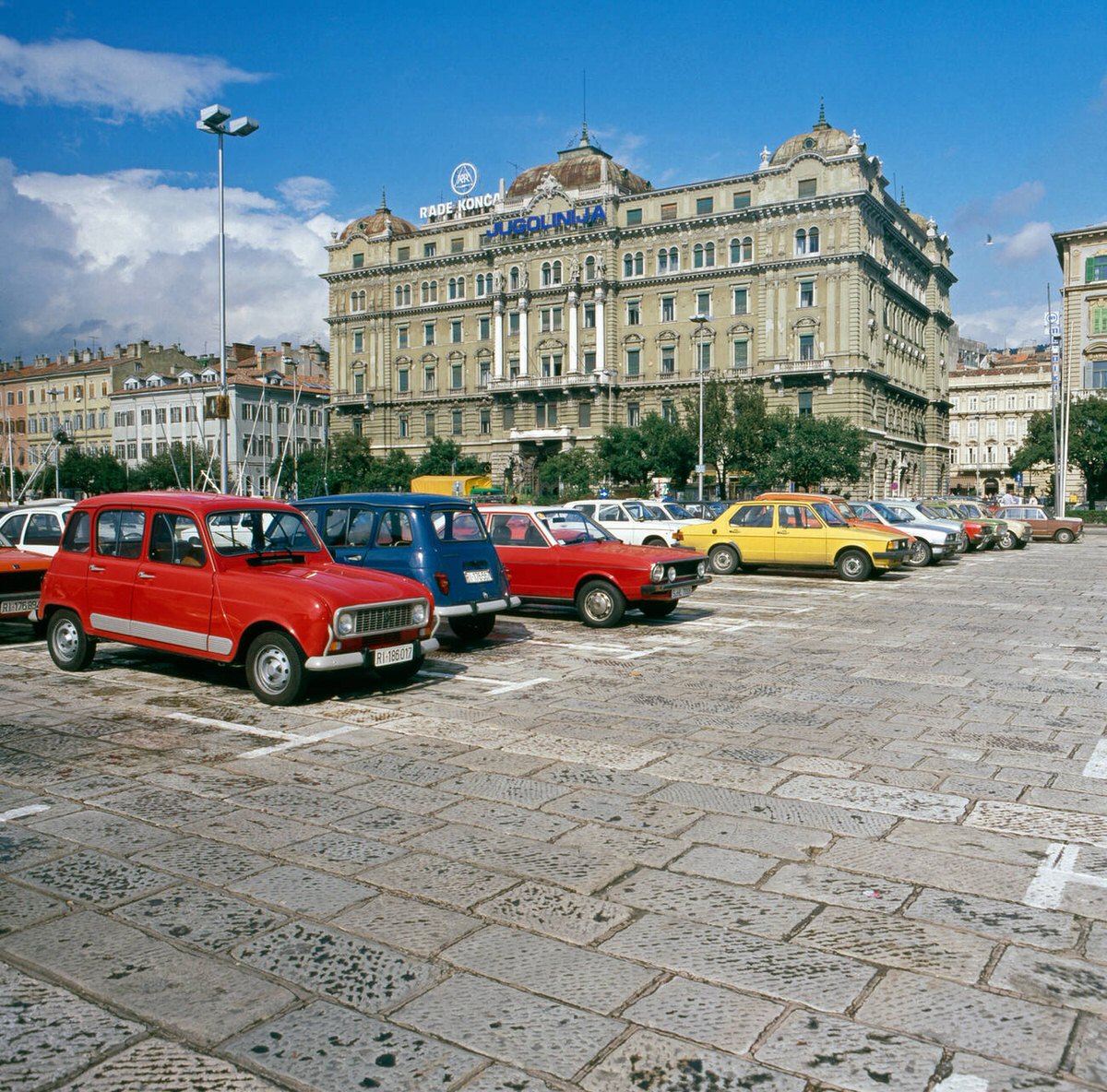
The economy behind all of this ran on easy credit. Banks issued checkbooks that citizens used to buy furniture, groceries, and appliances — often paying in installments spread over months. Inflation was present, but wages climbed fast enough to keep pace. This created a construction boom unlike anything seen elsewhere in the communist world. Middle-class families built vikendice, small weekend houses, in the countryside and along the coast. Factory workers and professionals alike owned them. A second home was not a luxury reserved for the wealthy; it was a standard feature of Yugoslav life.
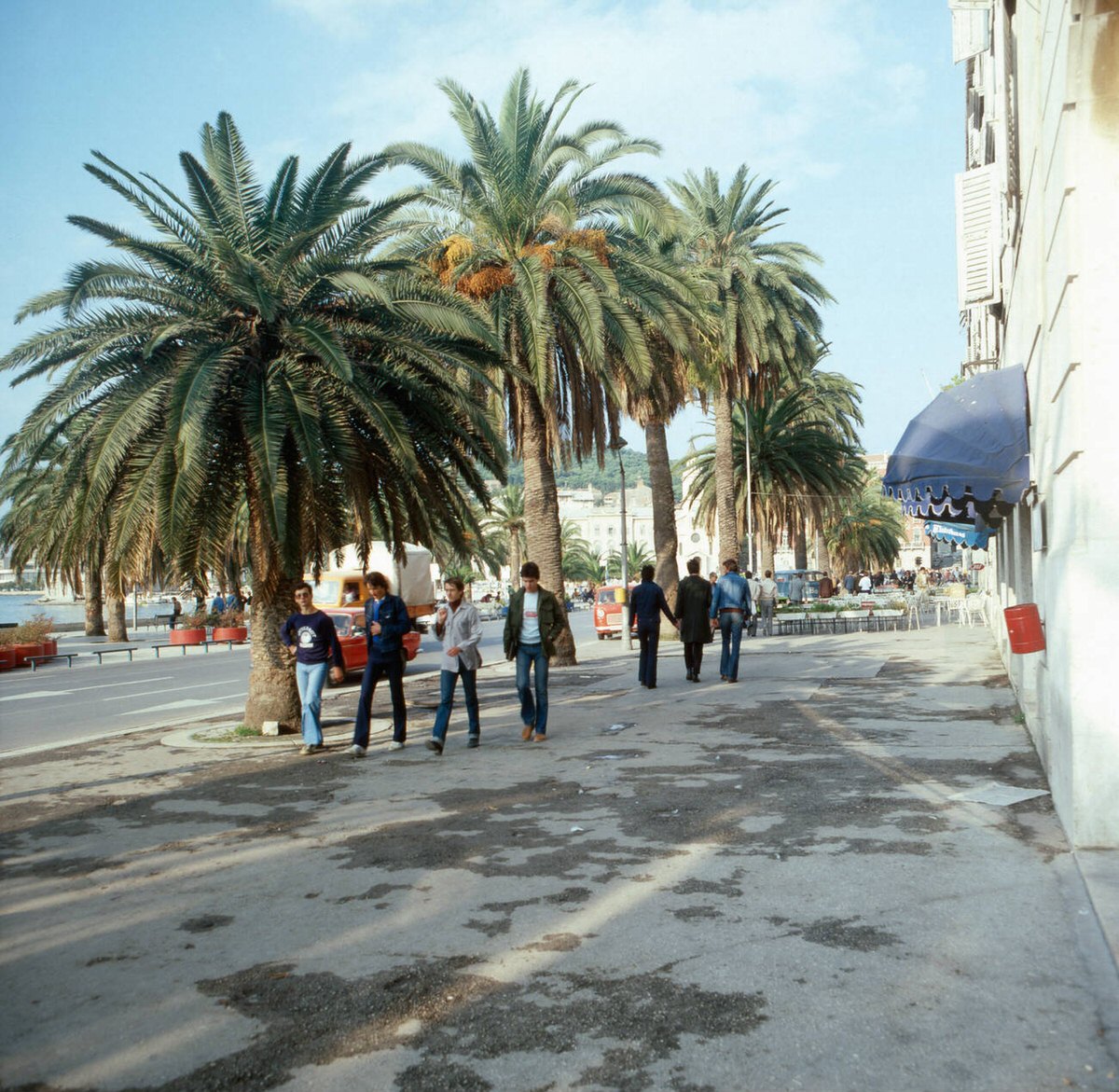
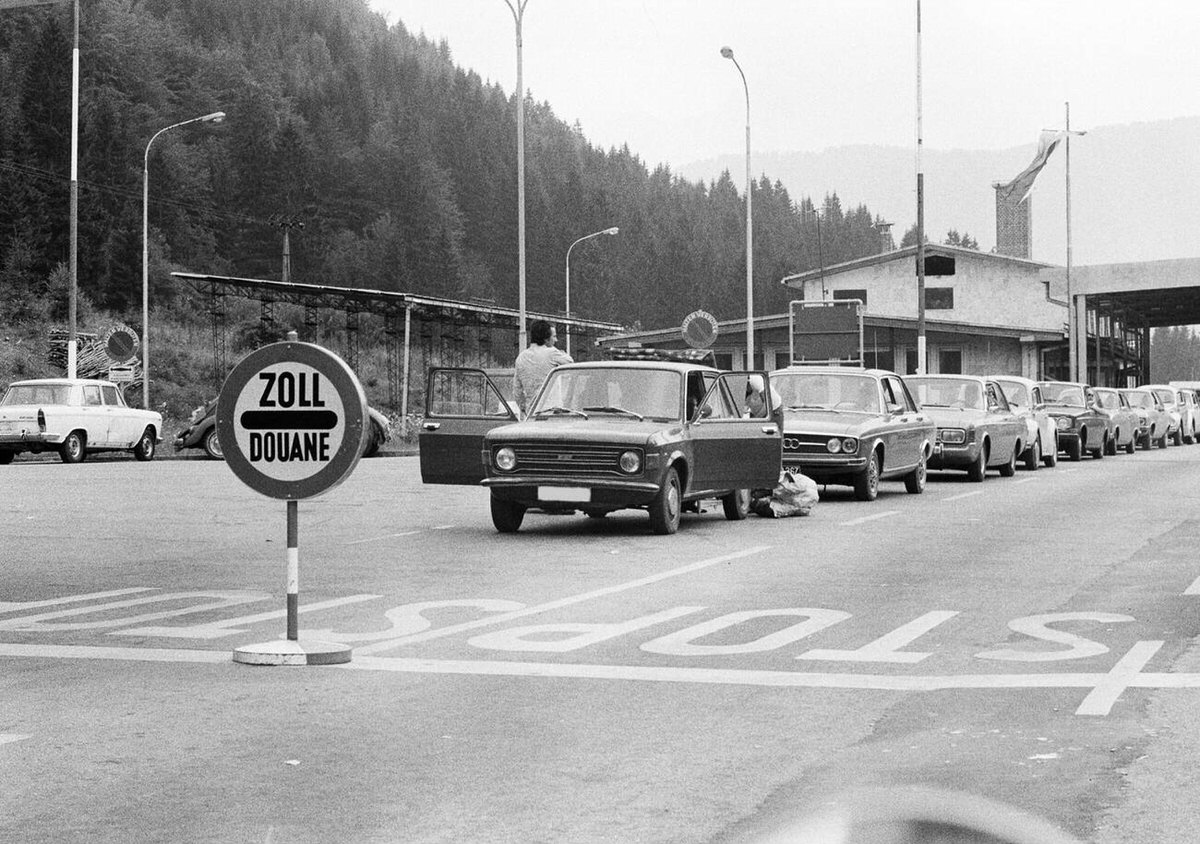
Shopping trips to Trieste, Italy, were practically a national ritual. On weekends, thousands of cars formed long lines at the border crossing. The destination was the Ponterosso market, where Yugoslavs bought blue jeans, coffee, and detergent. These were not just products — they were status symbols. Back home, stores carried a mix of domestic and imported goods. The local soda Cockta sat on the same shelves as Coca-Cola, which was produced inside Yugoslavia under license. The country’s socialist economy had room for both.
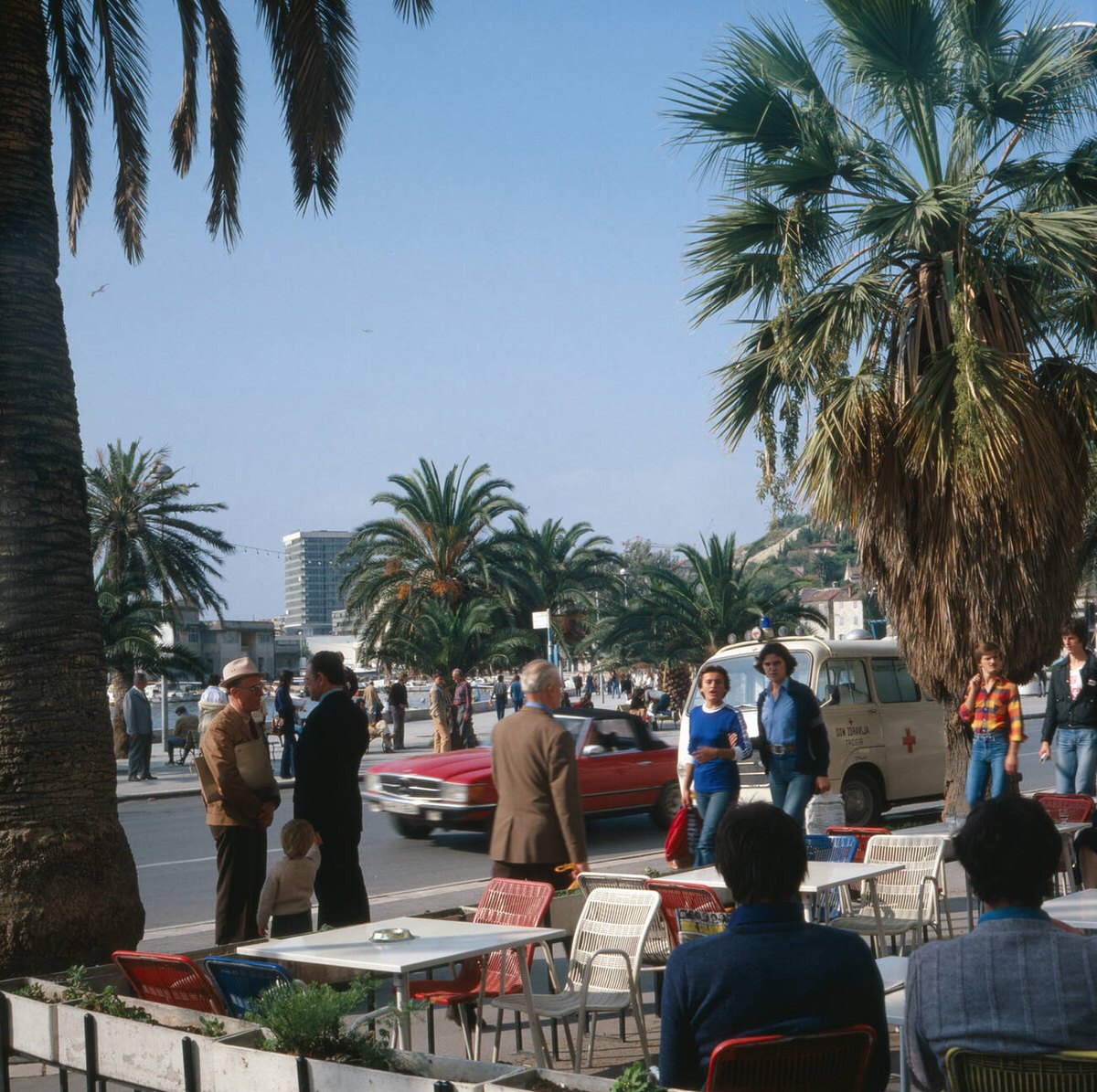
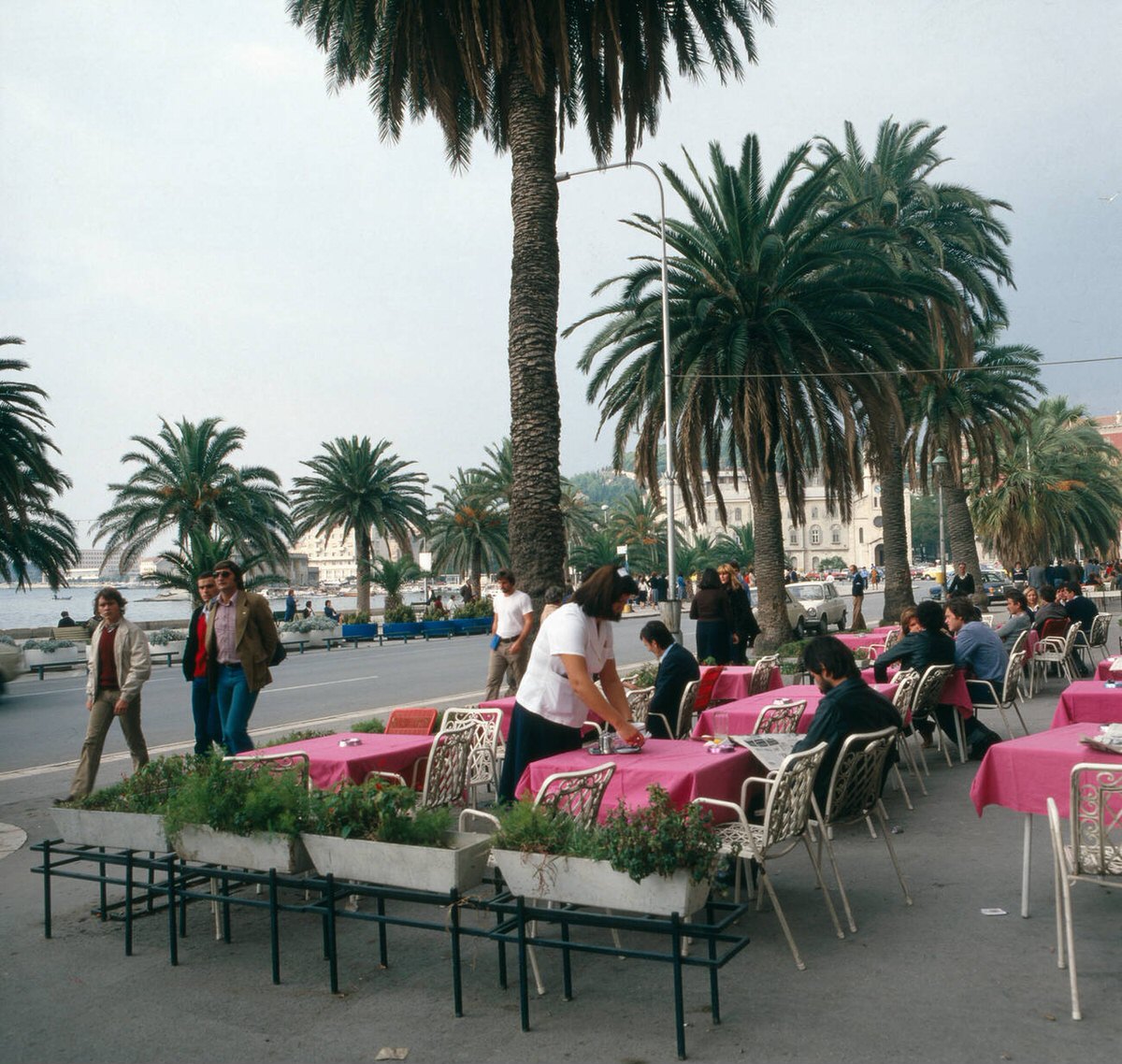
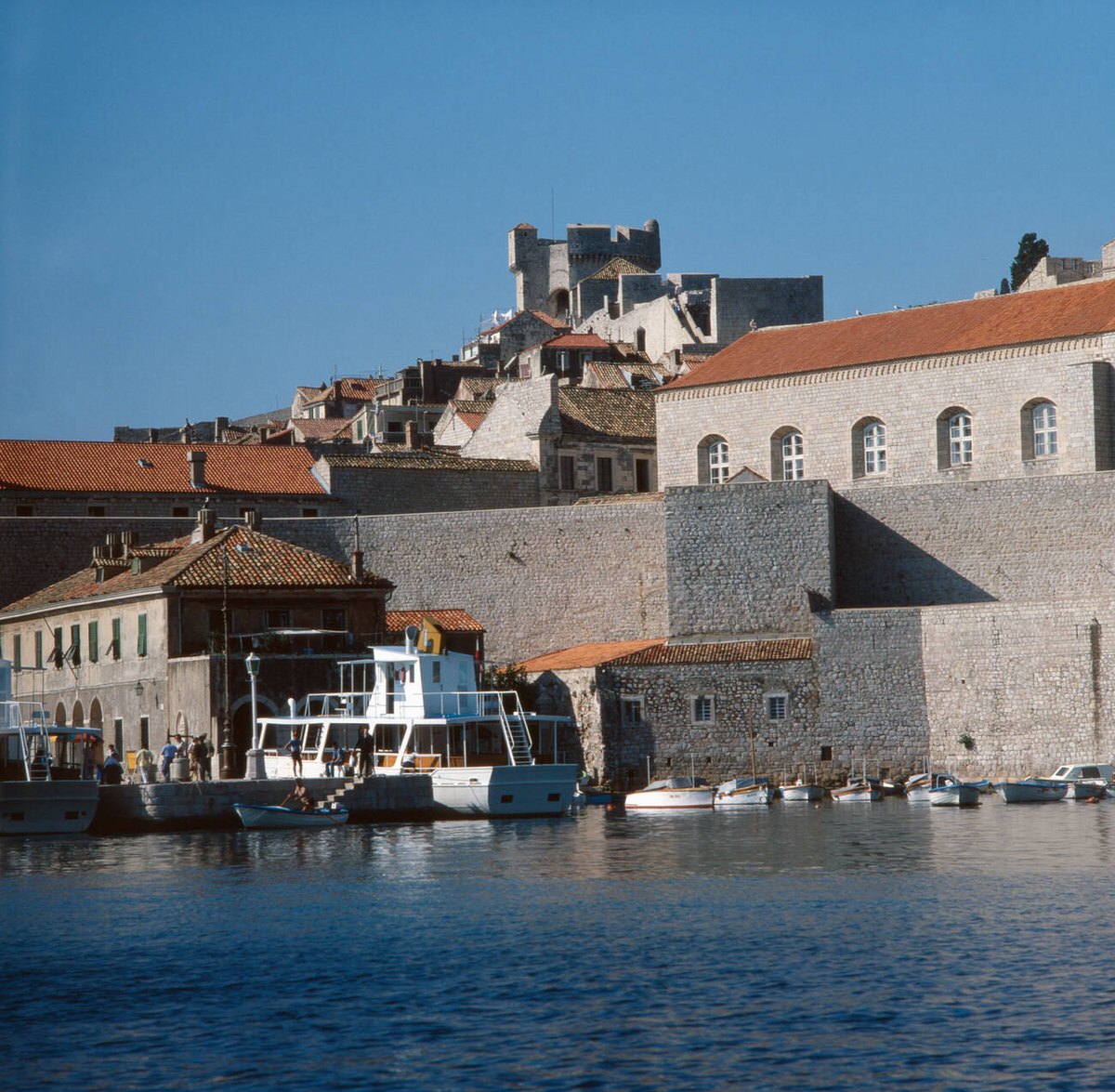
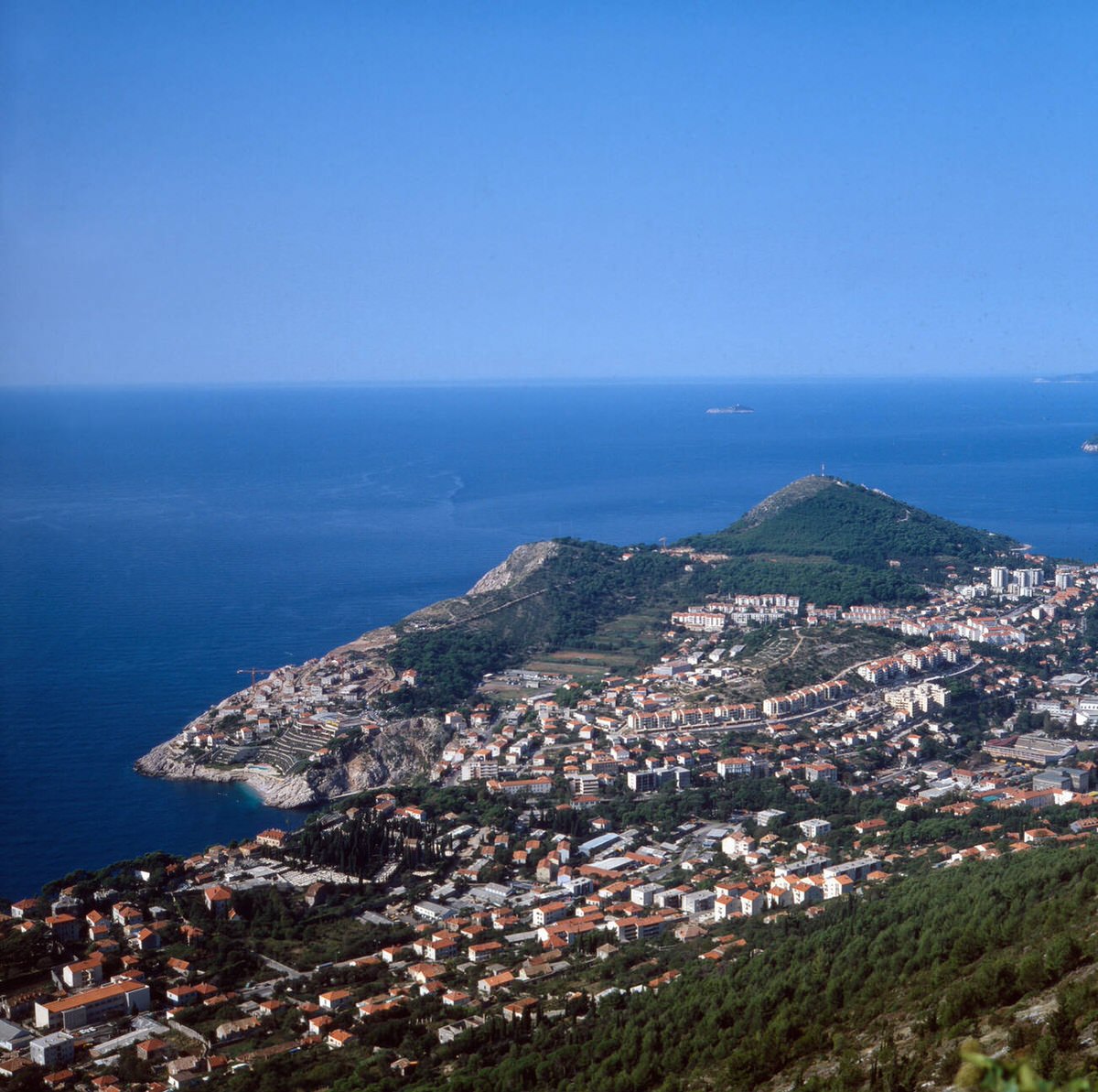
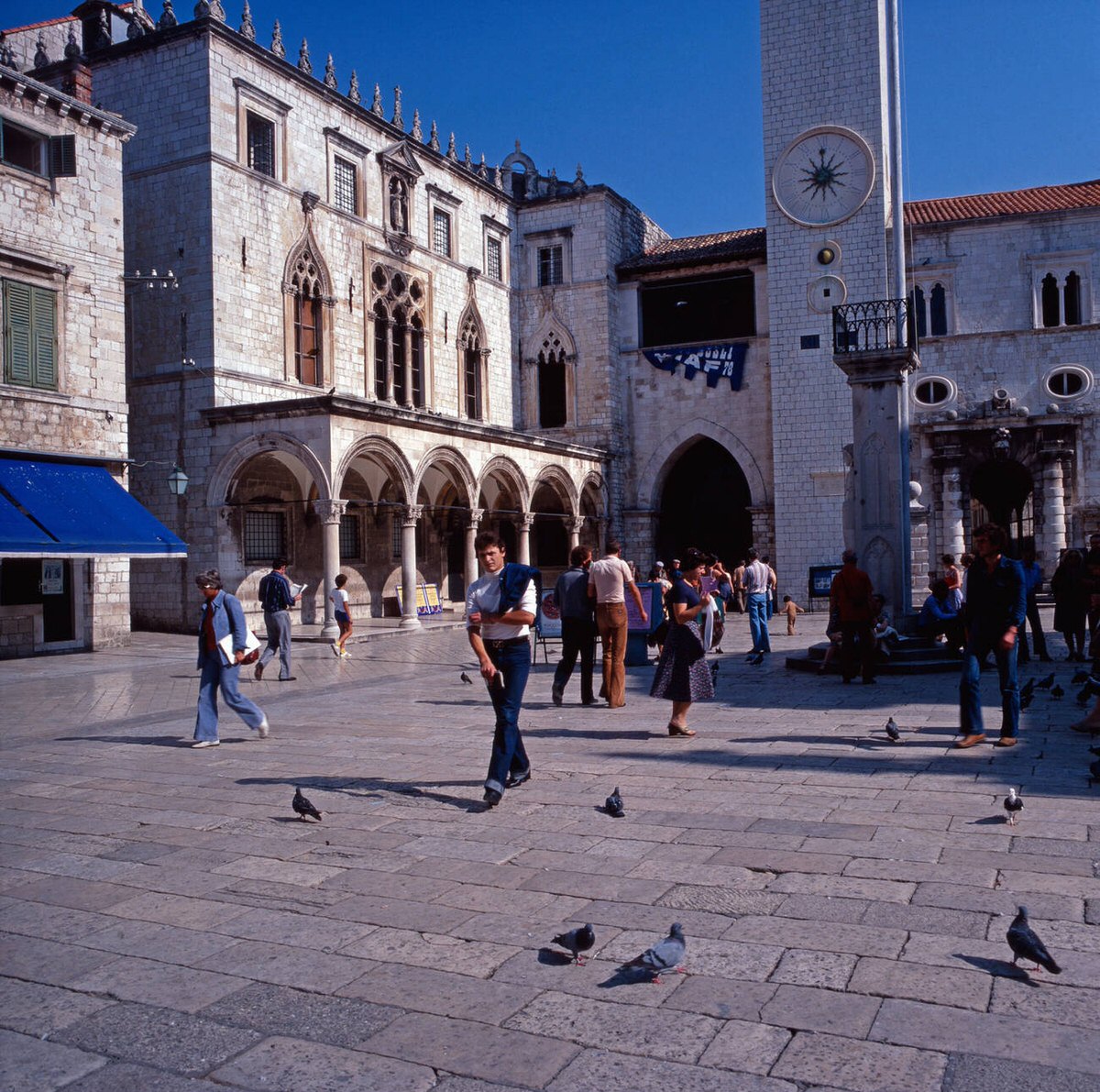
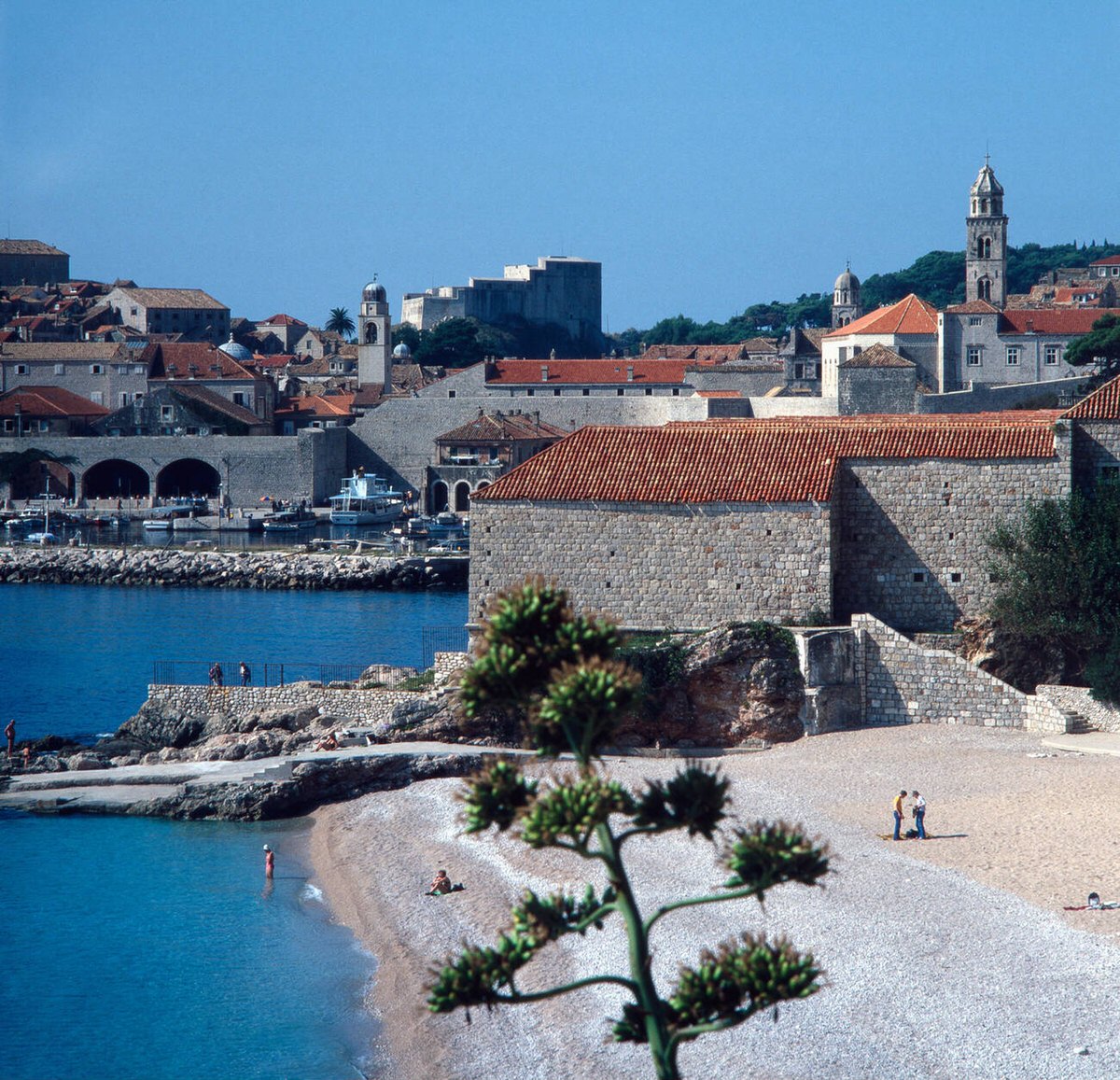
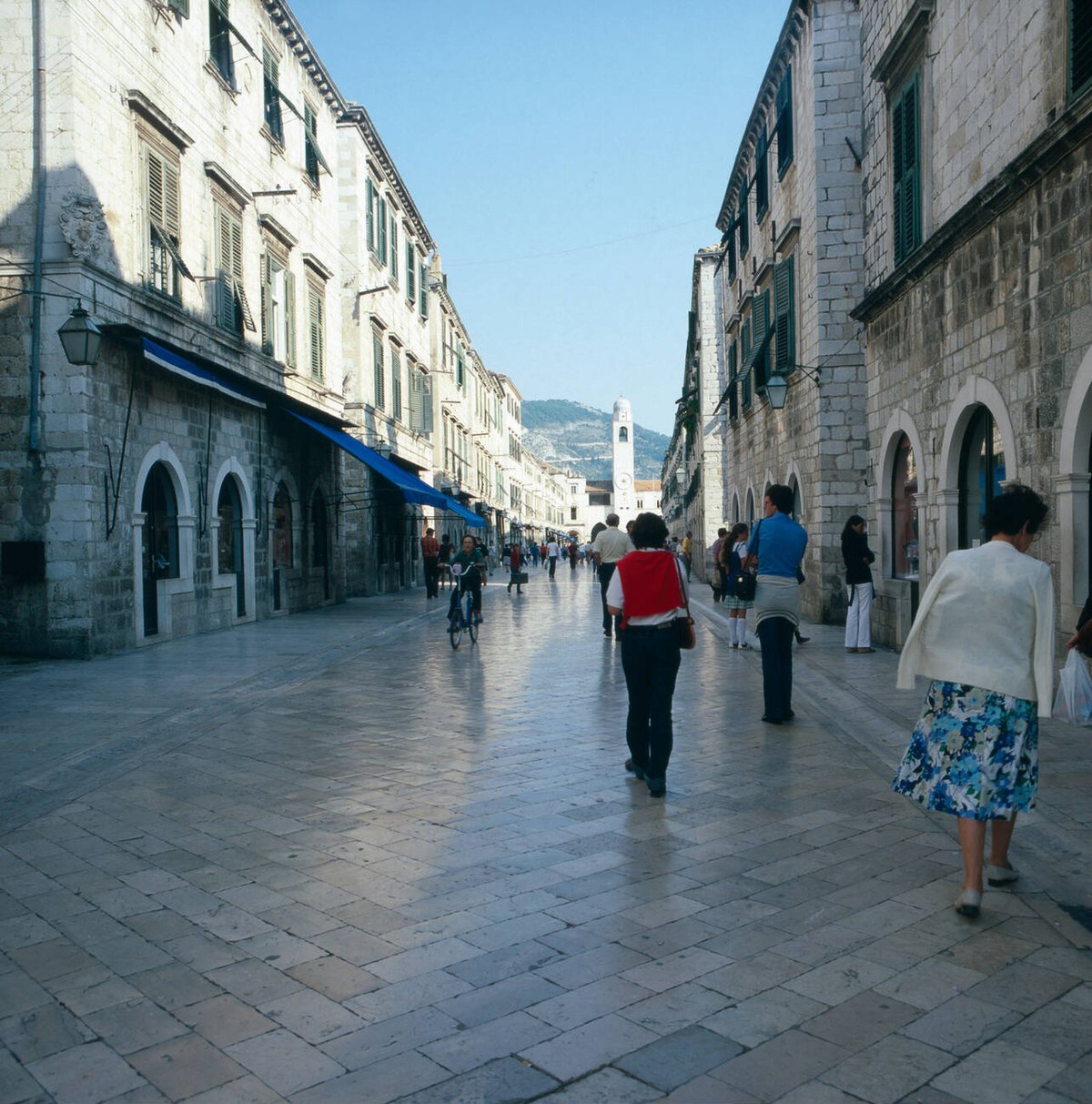
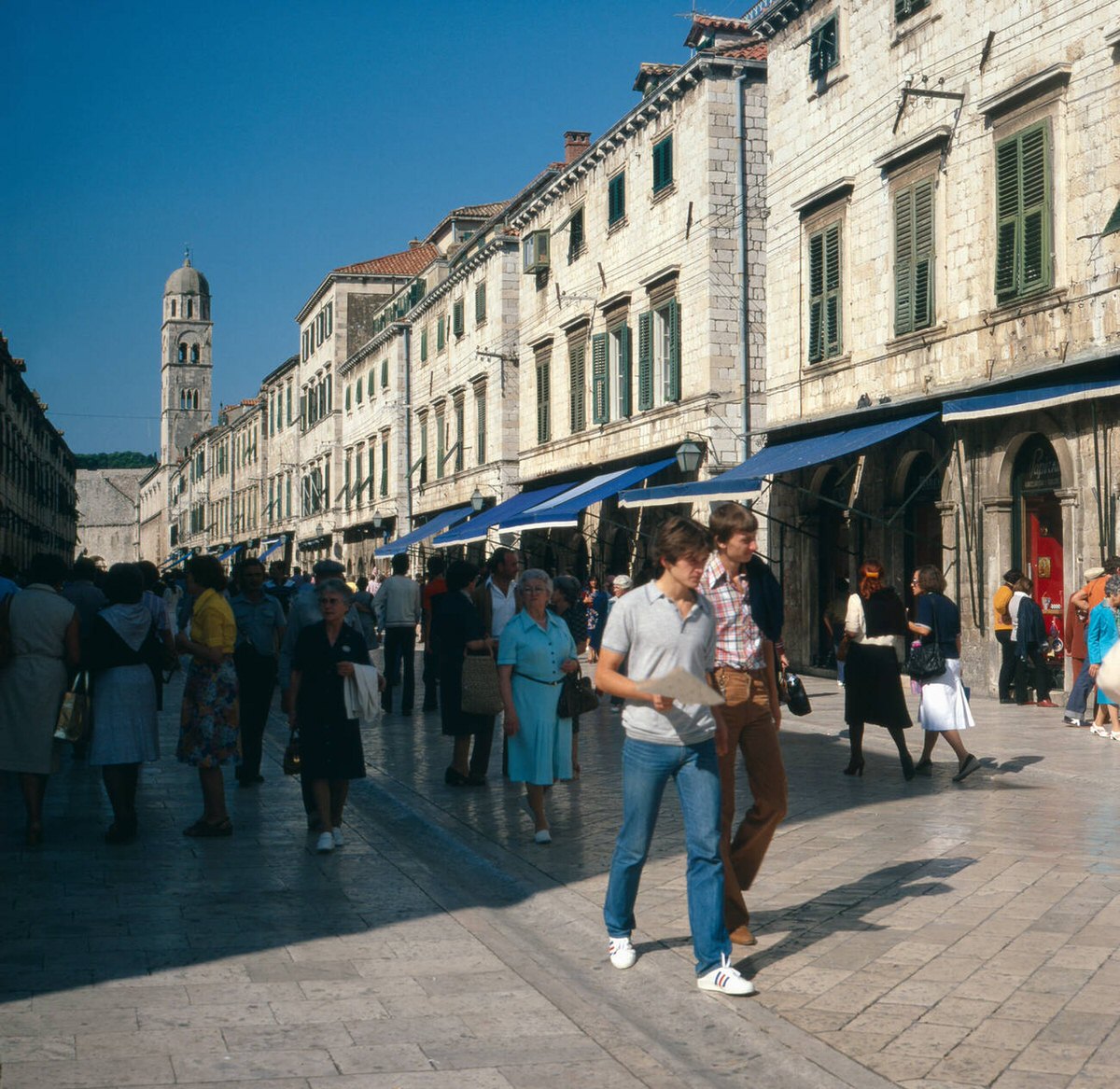
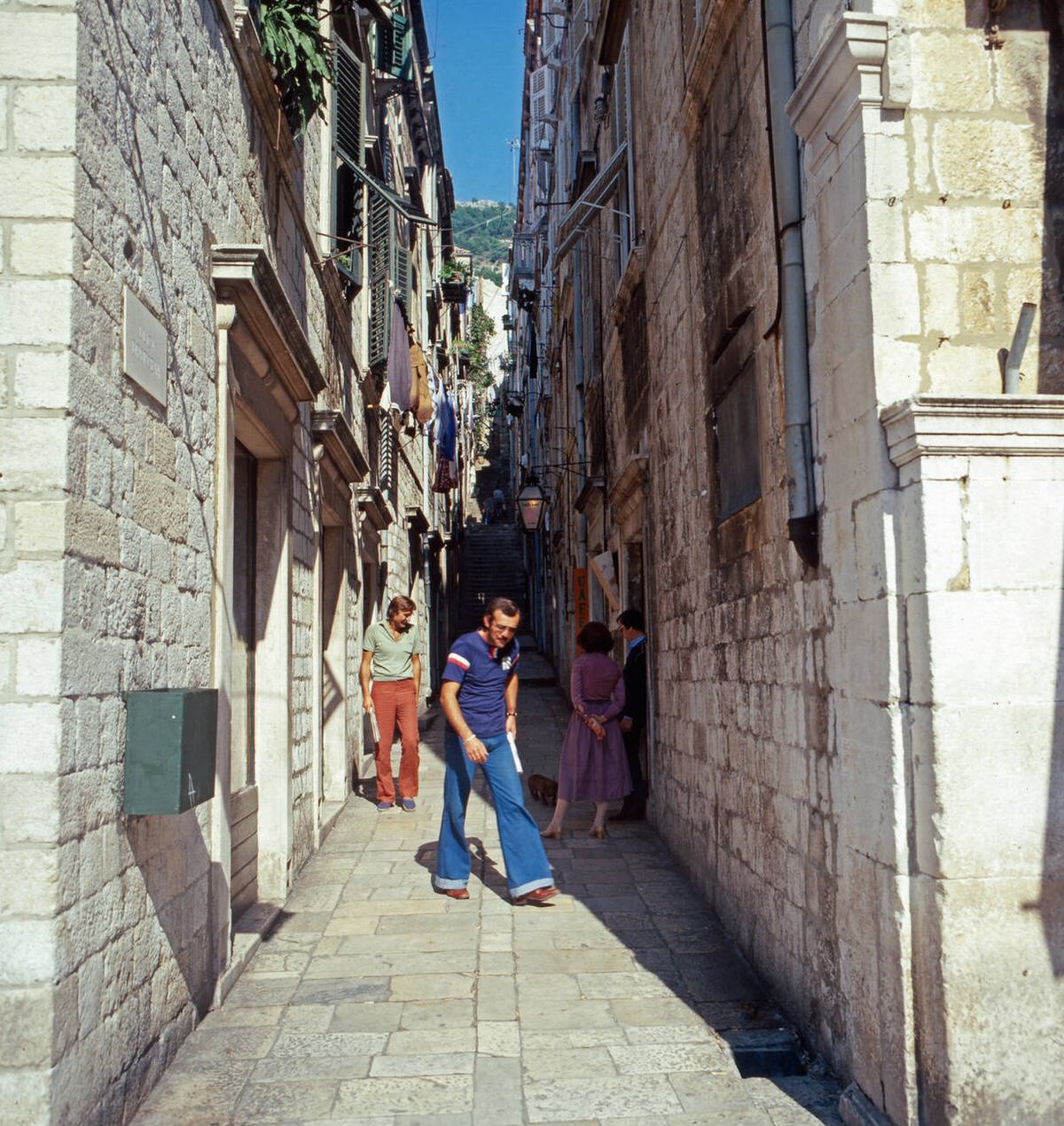
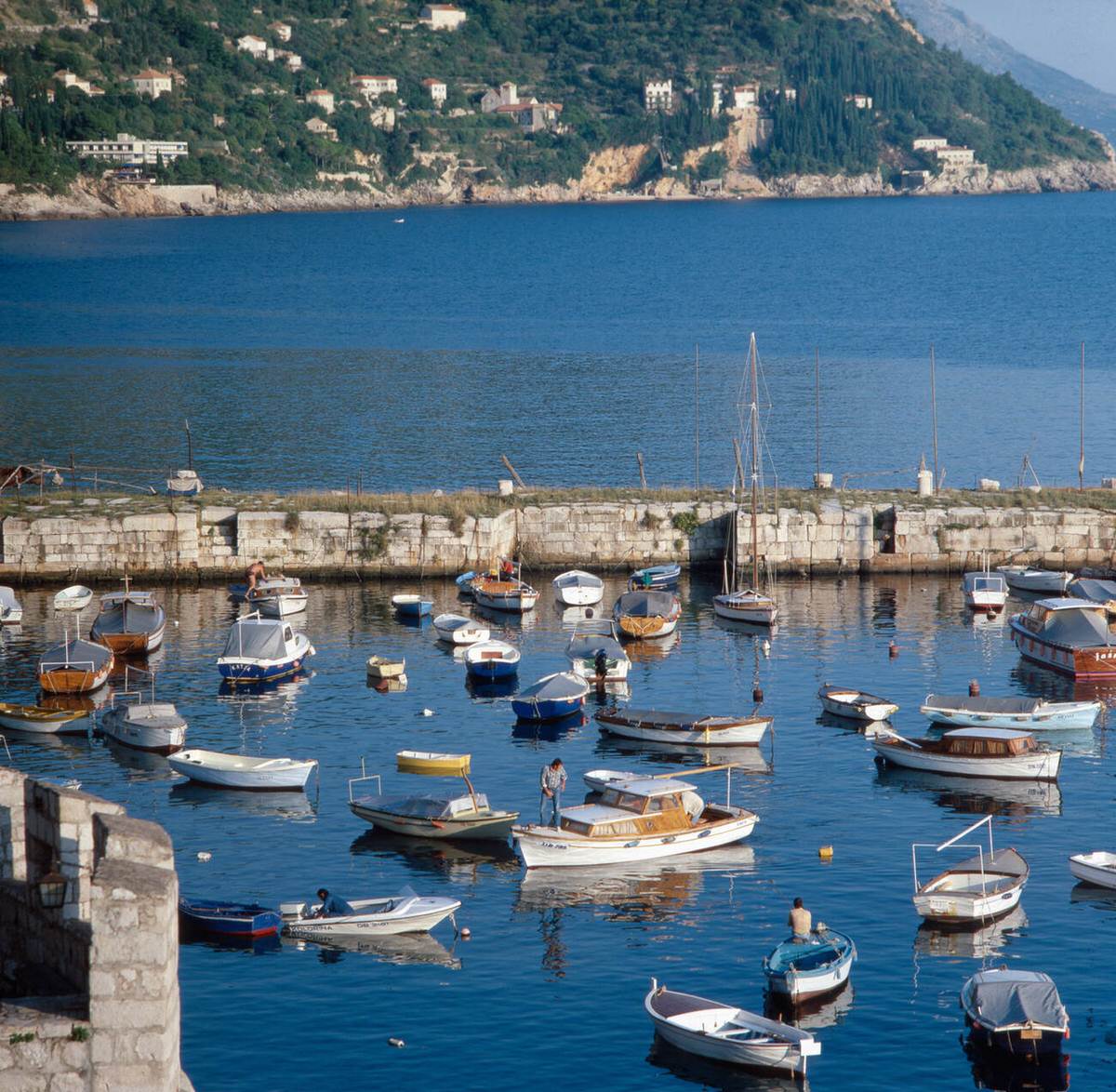
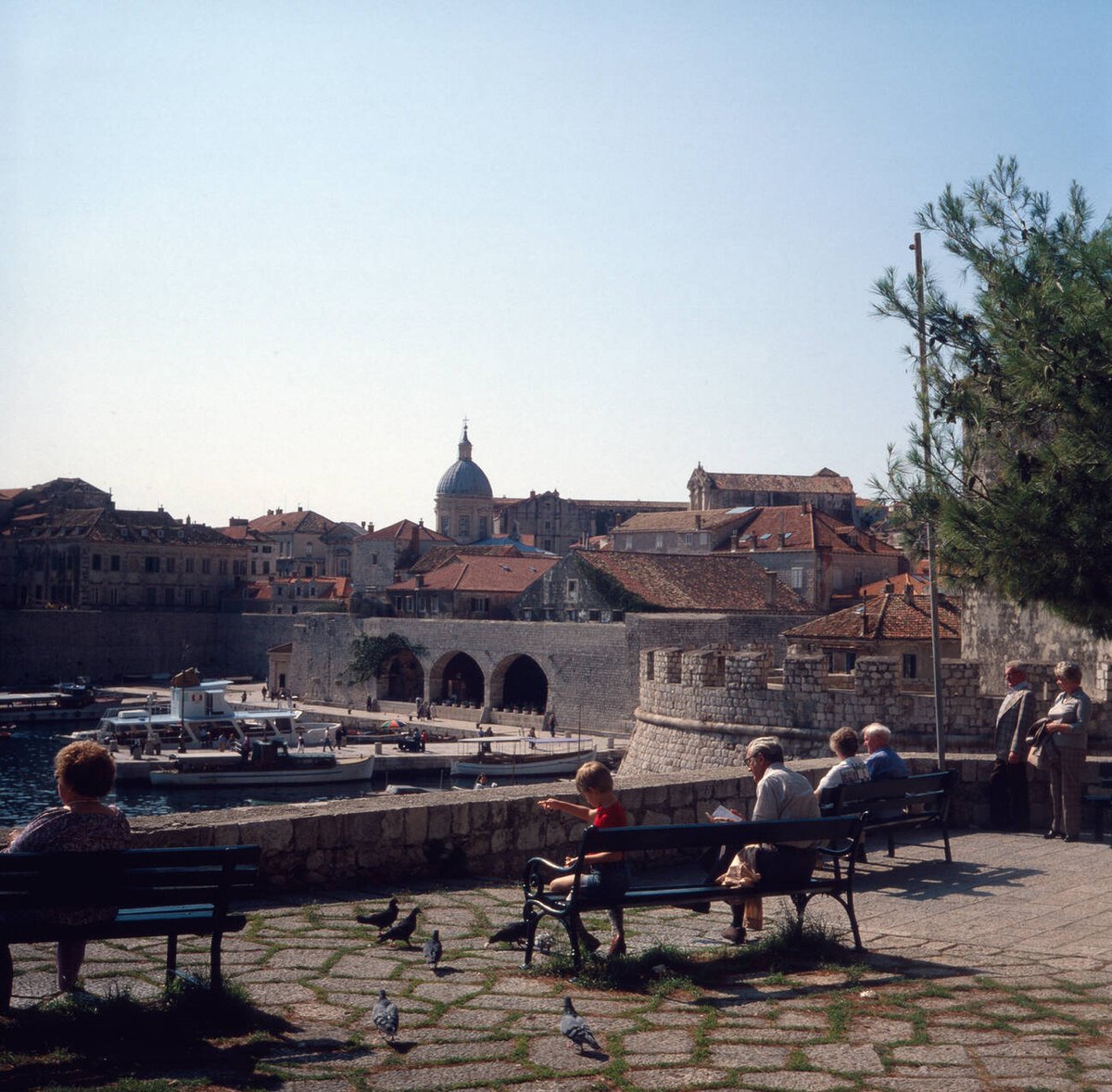
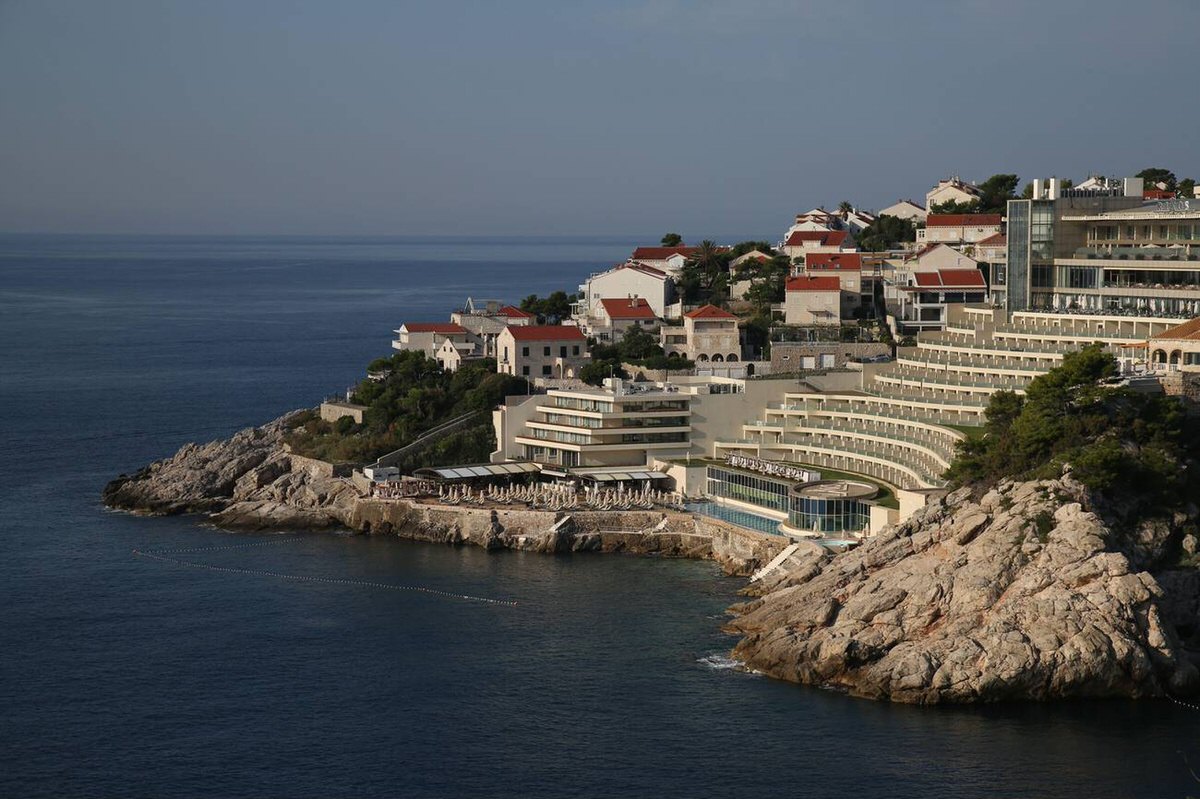
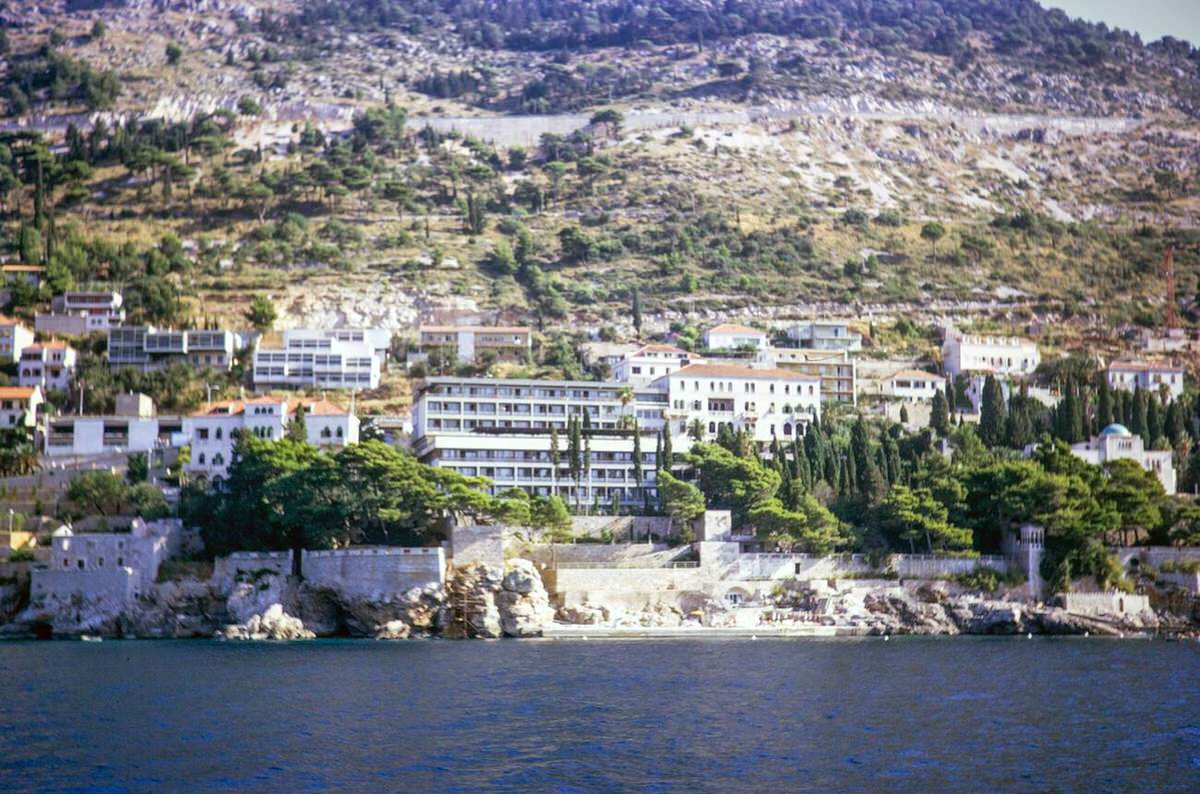
Dubrovnik, with its ancient stone walls and clear Adriatic water, was one of the most photographed cities in all of Europe by this decade. Foreign tourists arrived in growing numbers, drawn by the scenery and the relatively low cost of travel compared to Western Europe. Hotels along the Dalmatian coast filled up each summer, and the tourism industry became an important source of hard currency for the Yugoslav government.
Music was a serious force in Yugoslav youth culture. The government did not ban Western rock and roll. Instead, it encouraged a homegrown version. Bands like Bijelo Dugme played to packed football stadiums, performing a genre called “Shepherd Rock” — a blend of hard rock and traditional folk melodies. Record stores in Belgrade, Zagreb, and Sarajevo stocked vinyl LPs from the Rolling Stones and Deep Purple right alongside local acts. Young Yugoslavs had access to the same music as teenagers in London or Paris.
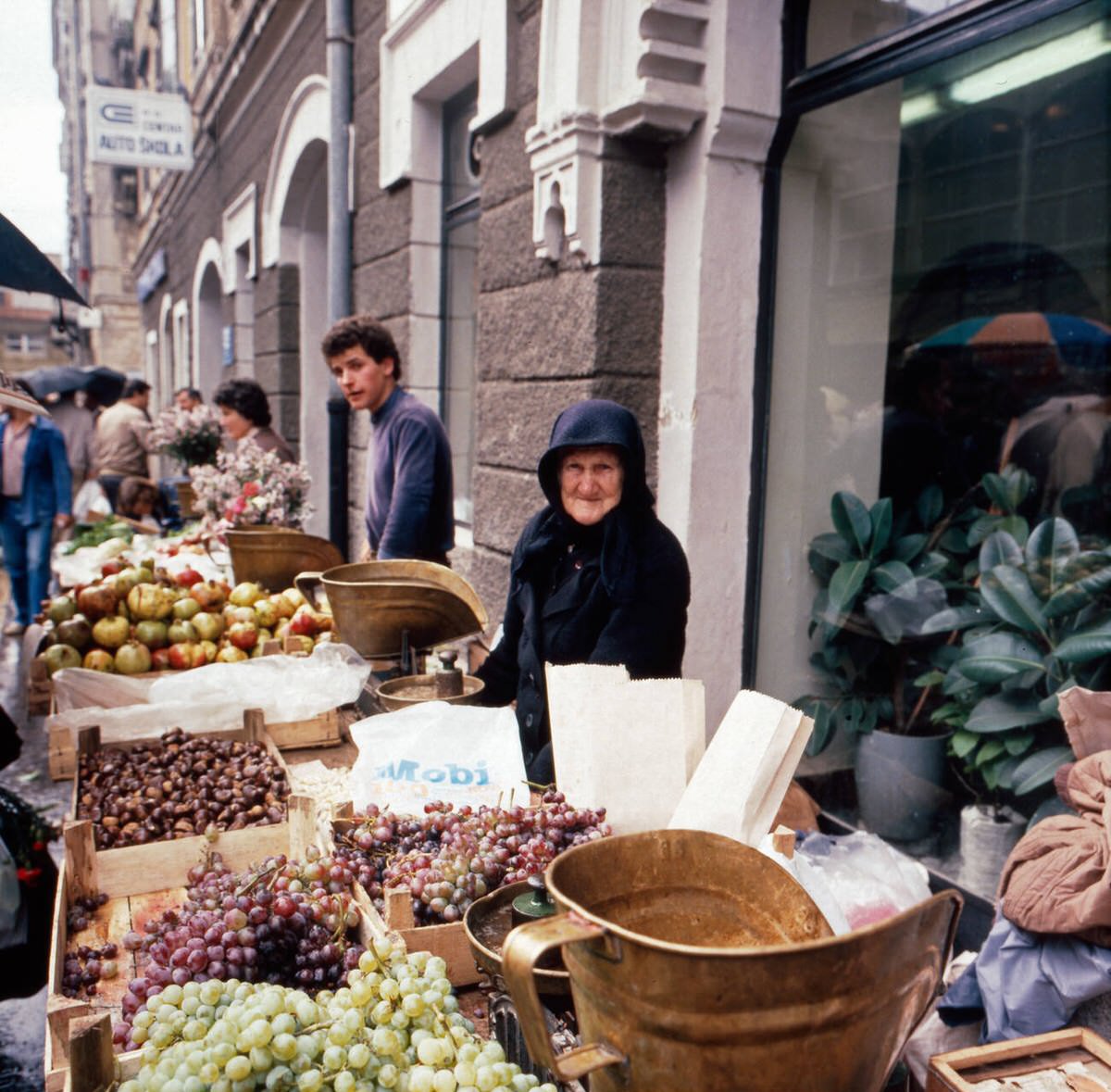
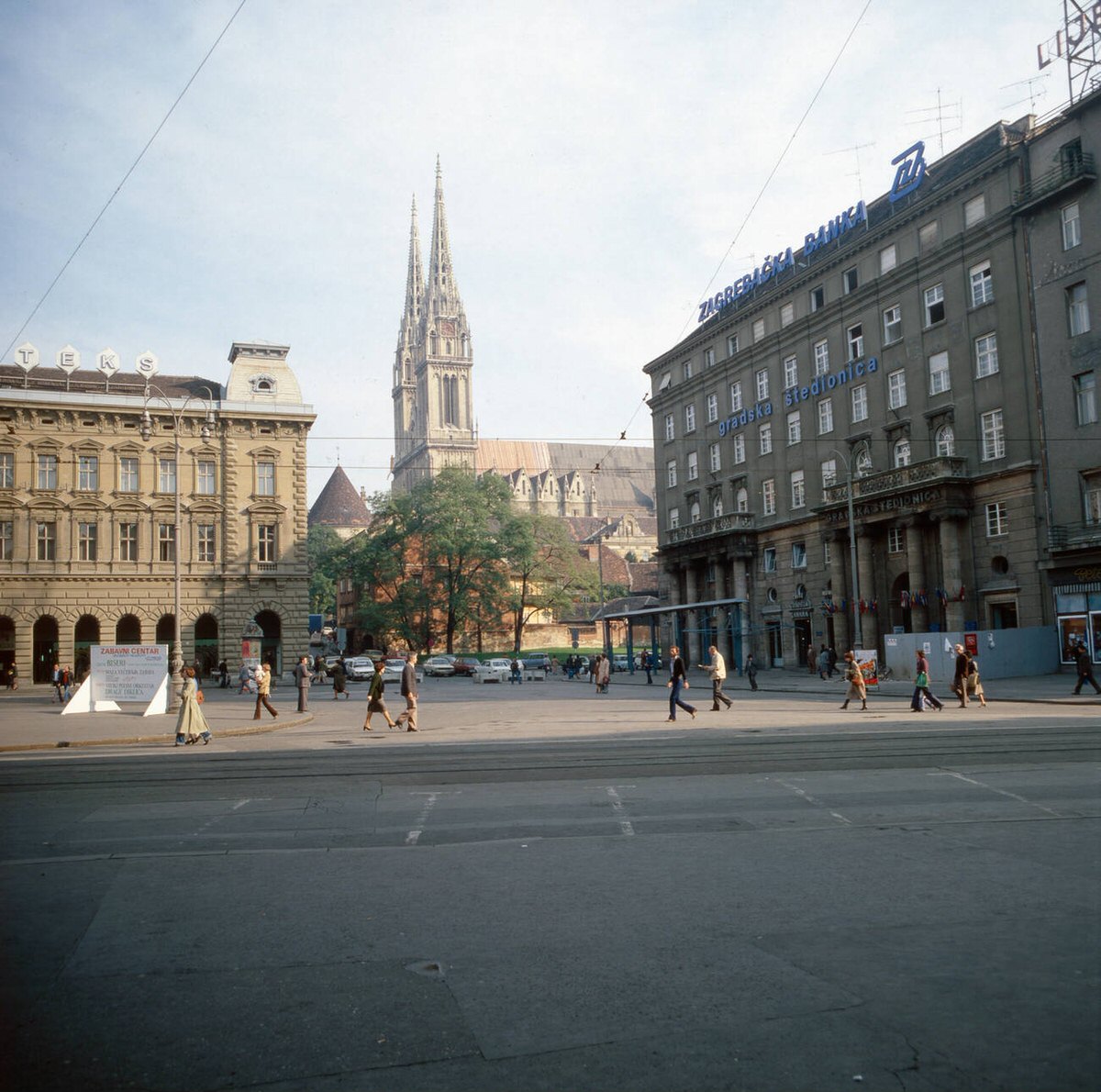
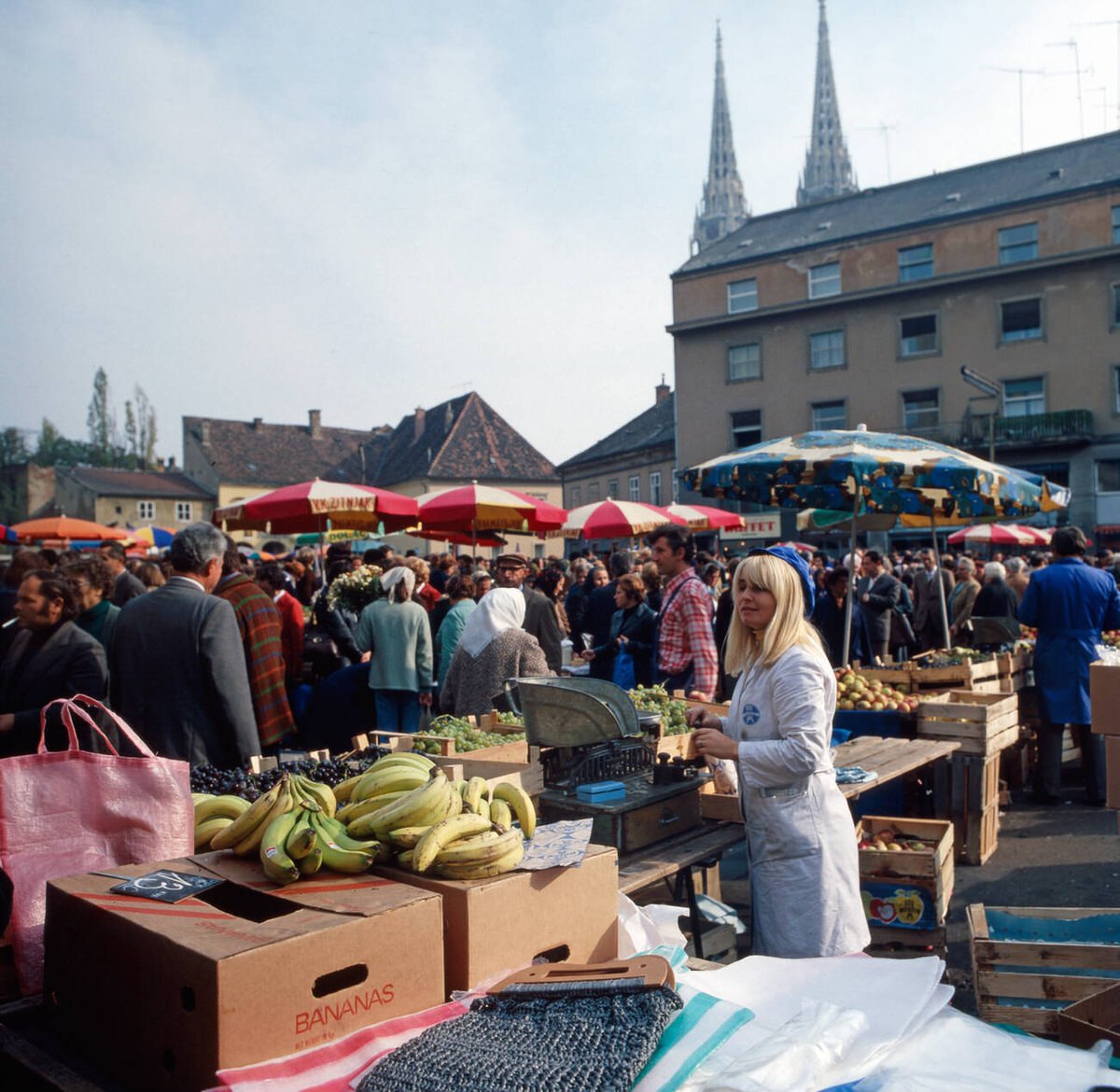
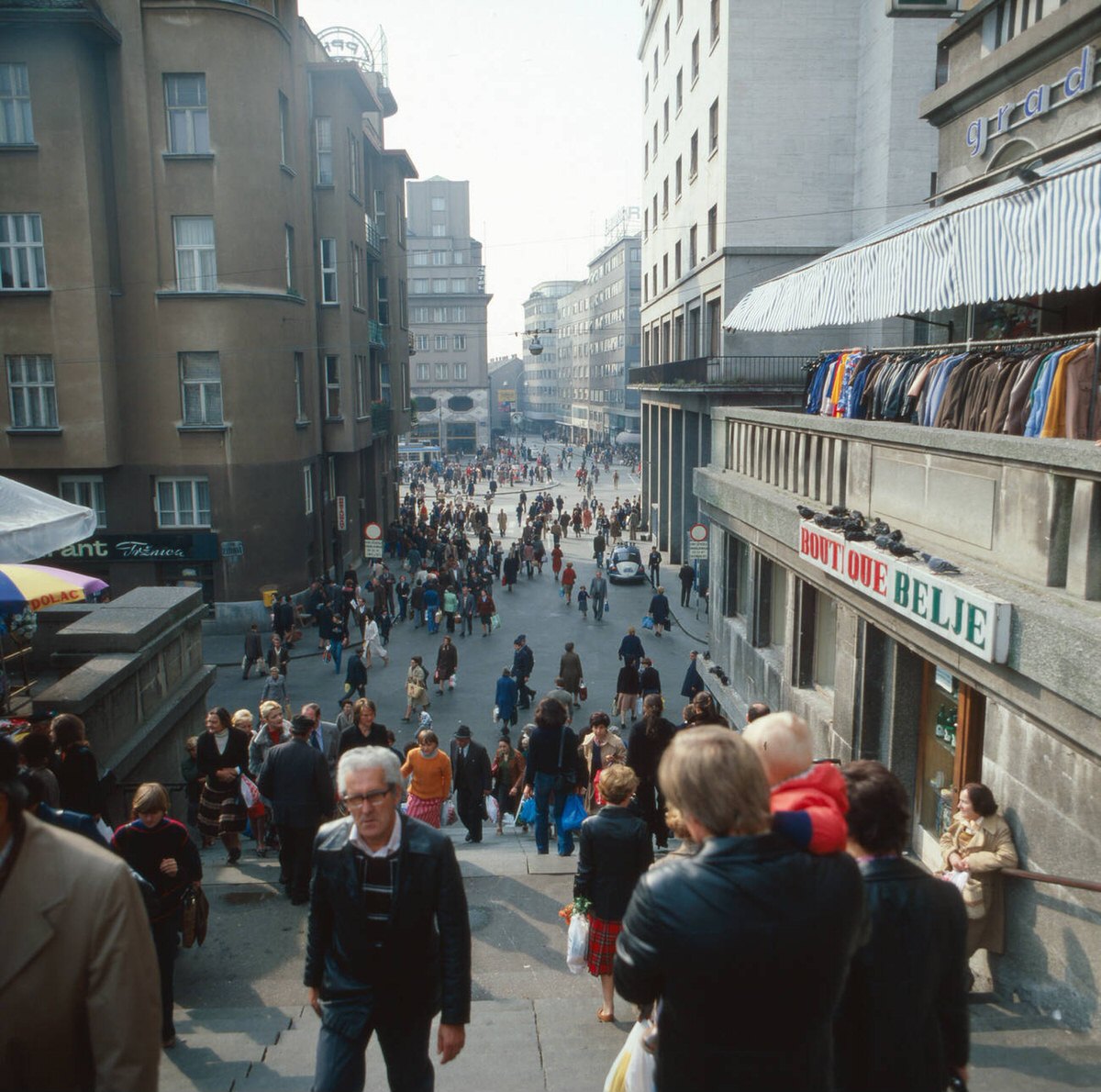
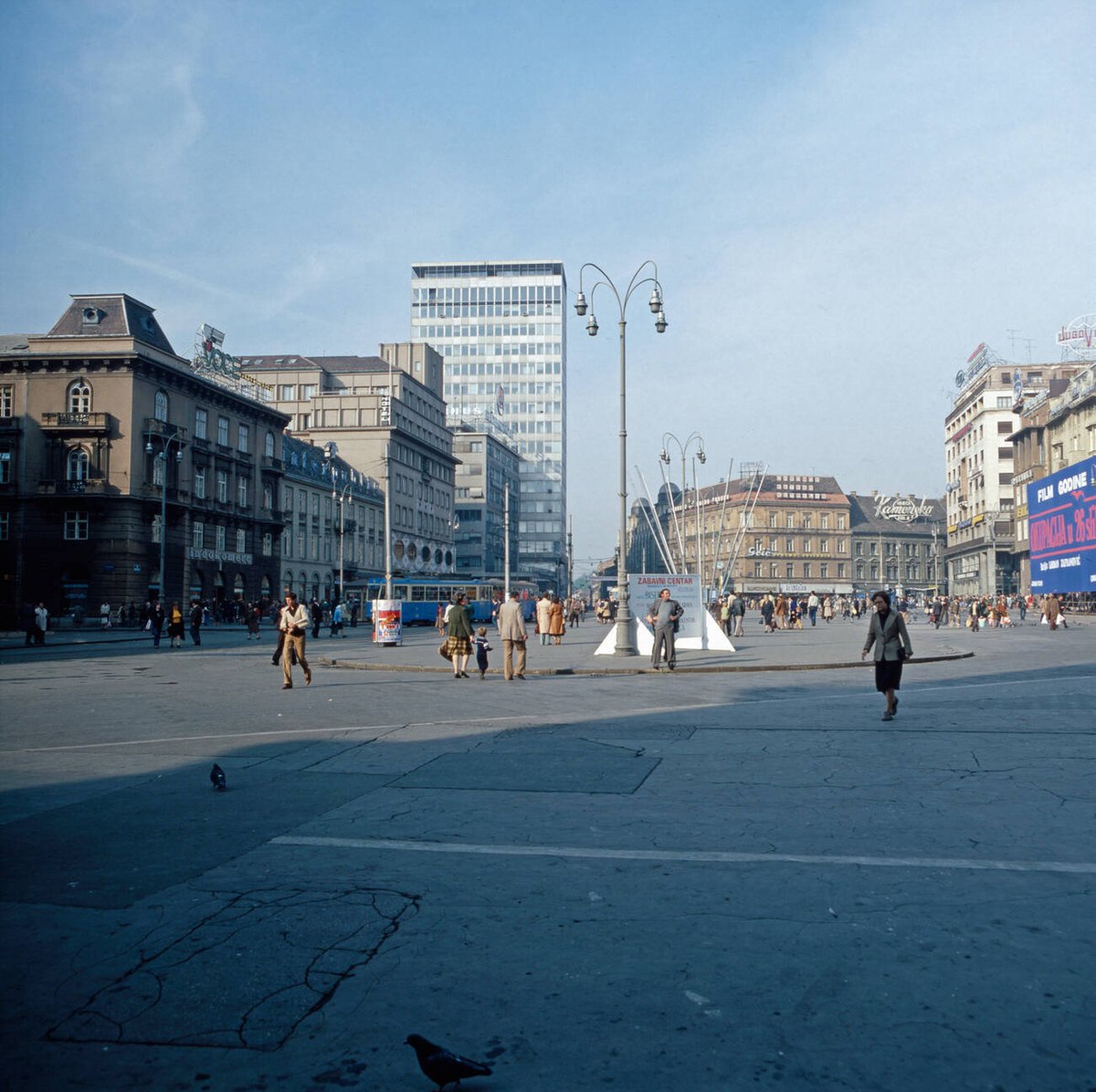
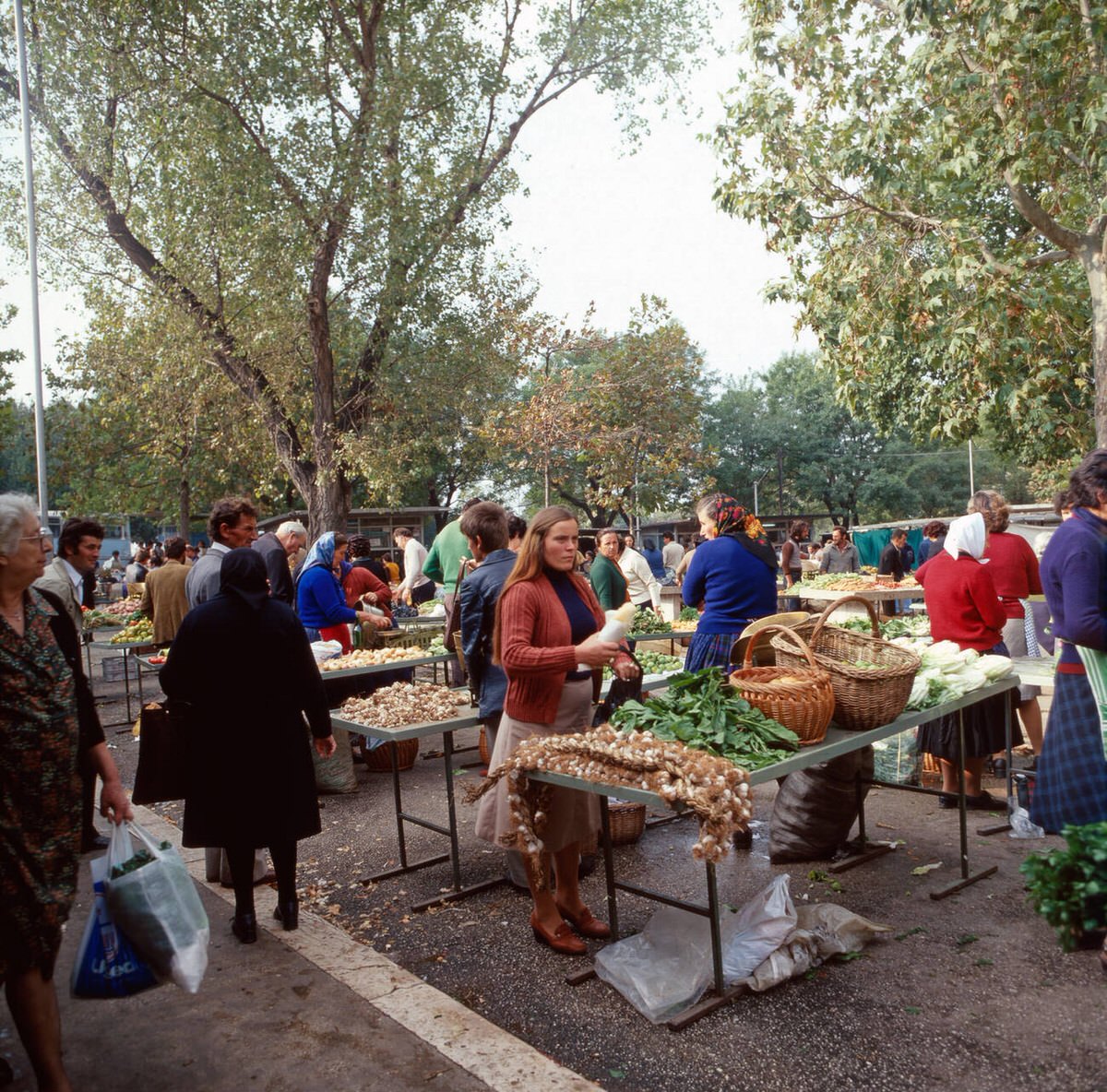
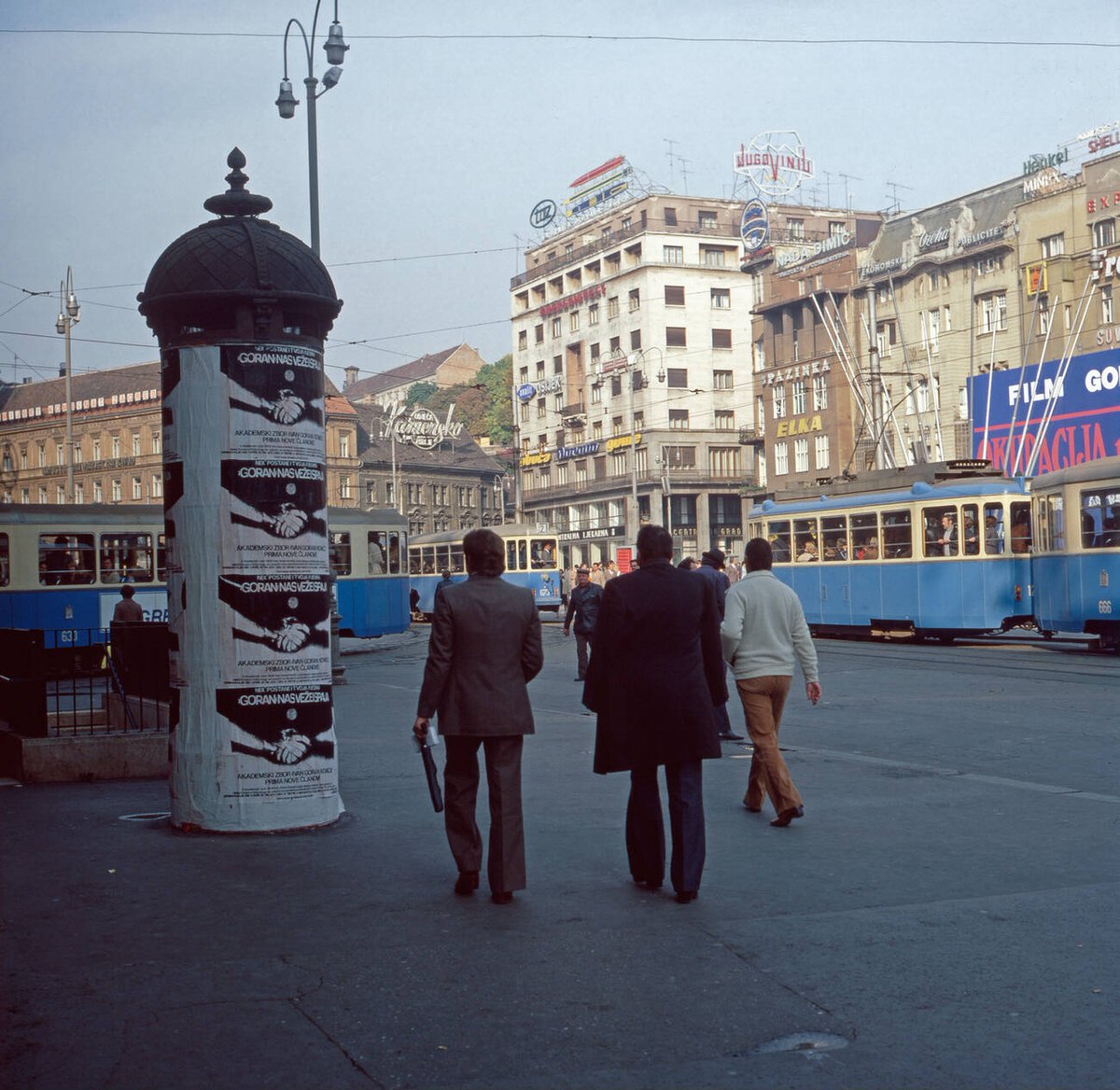
Zagreb, the capital of Croatia, showed a different face of Yugoslavia. Its markets were busy, its streets lined with shops, and its architecture a mix of Austro-Hungarian grandeur and modern socialist construction. The city functioned as a major economic and cultural hub, connecting Yugoslavia’s western republics with the rest of the country.
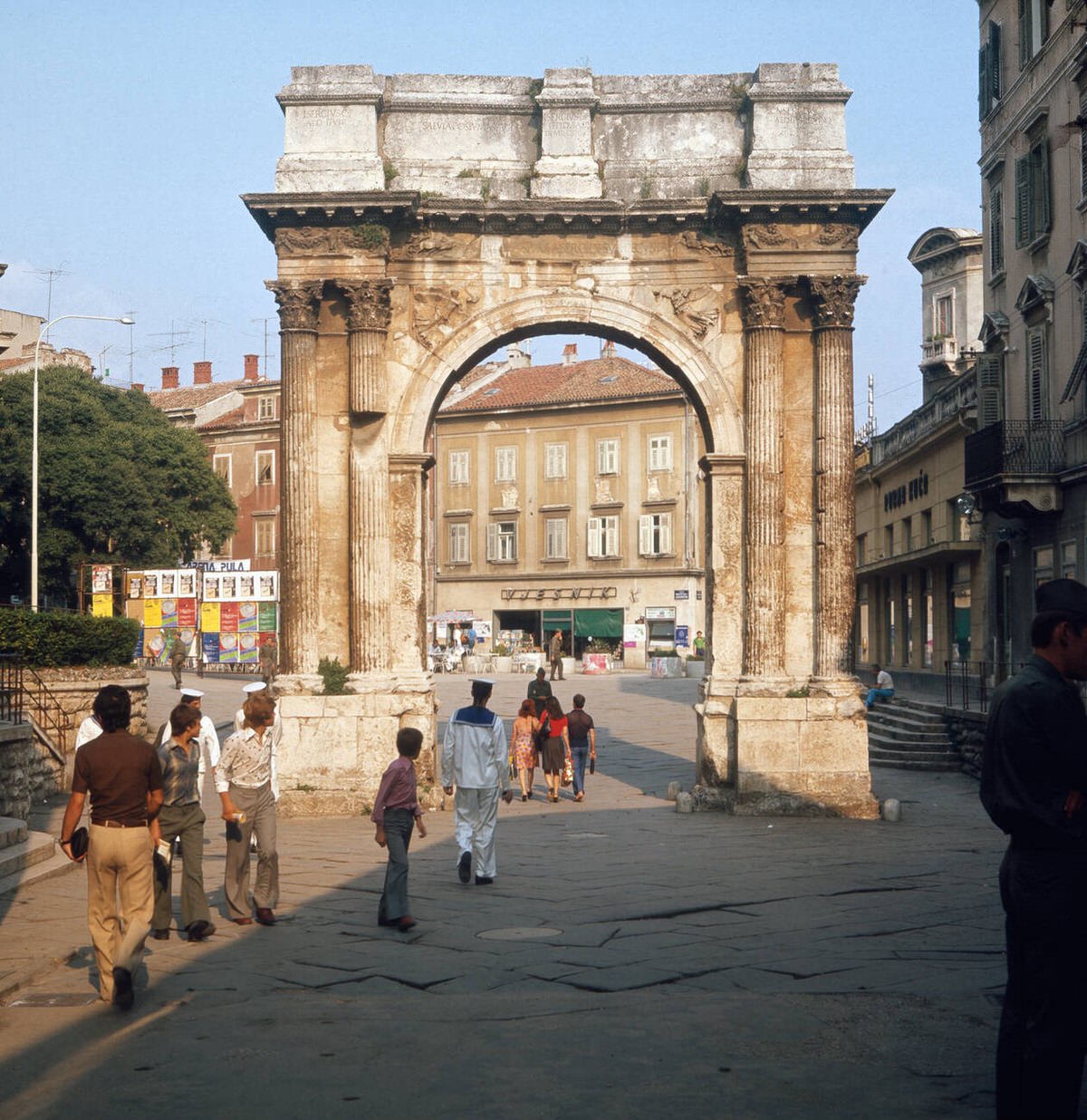
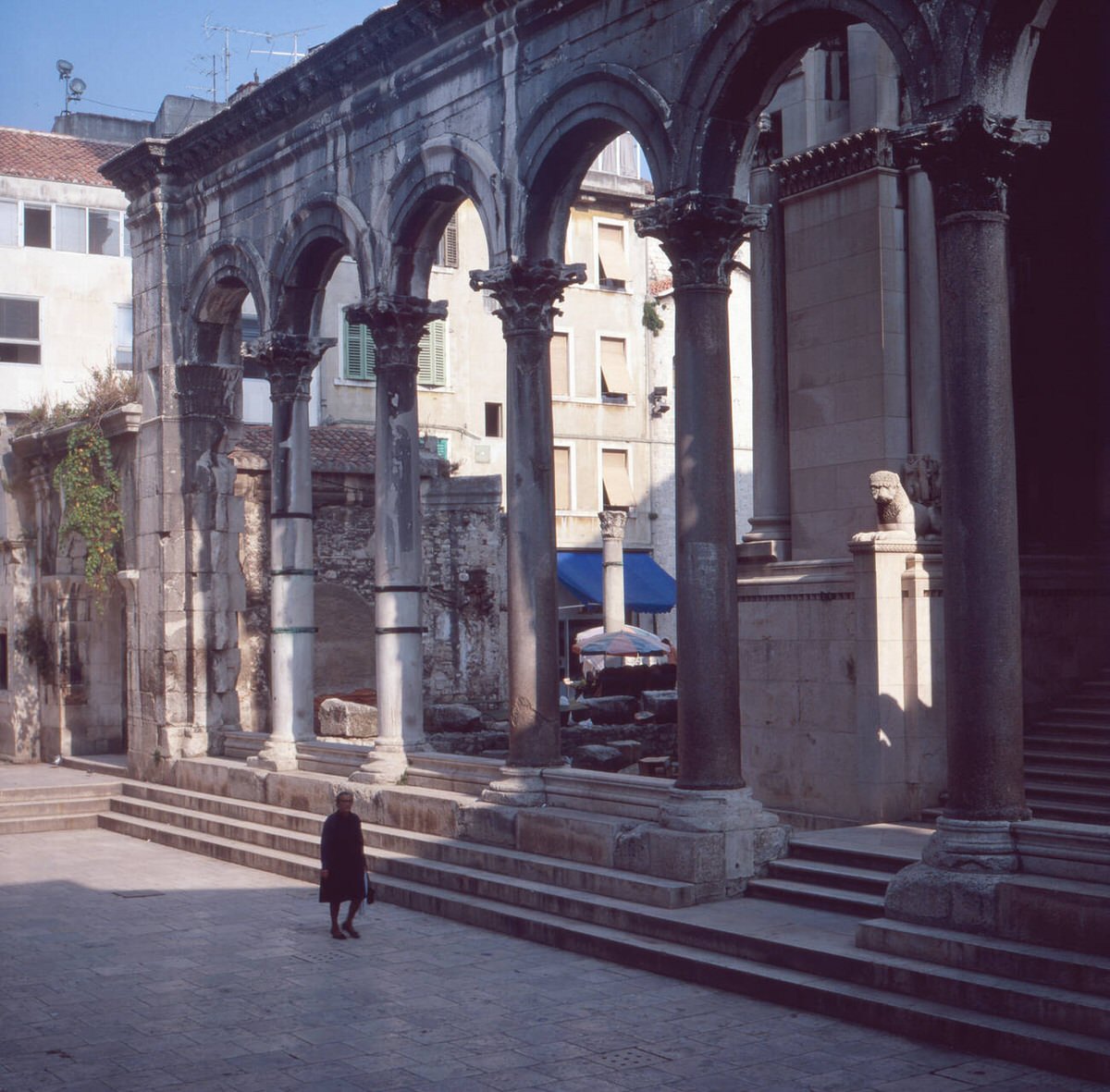
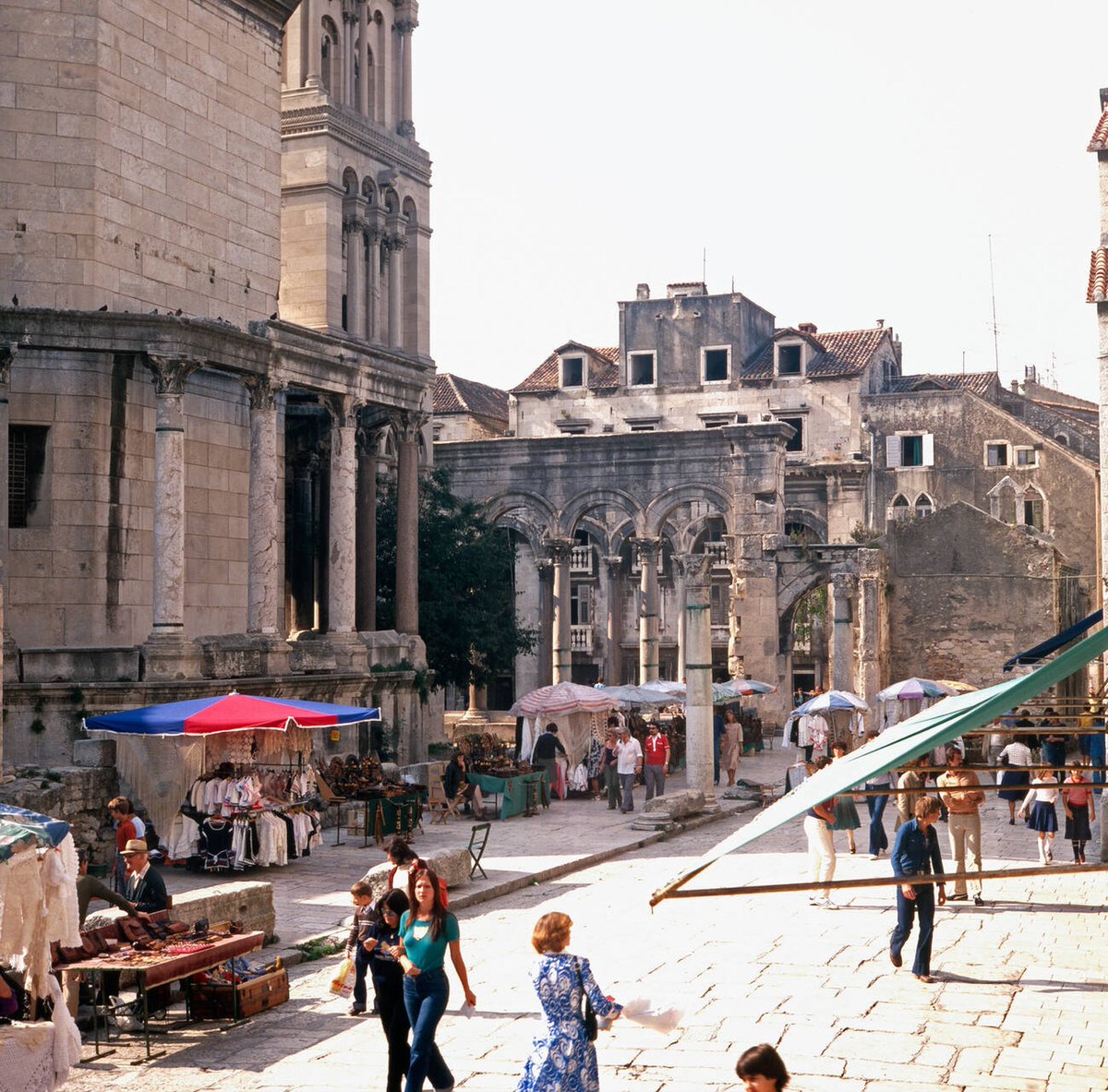
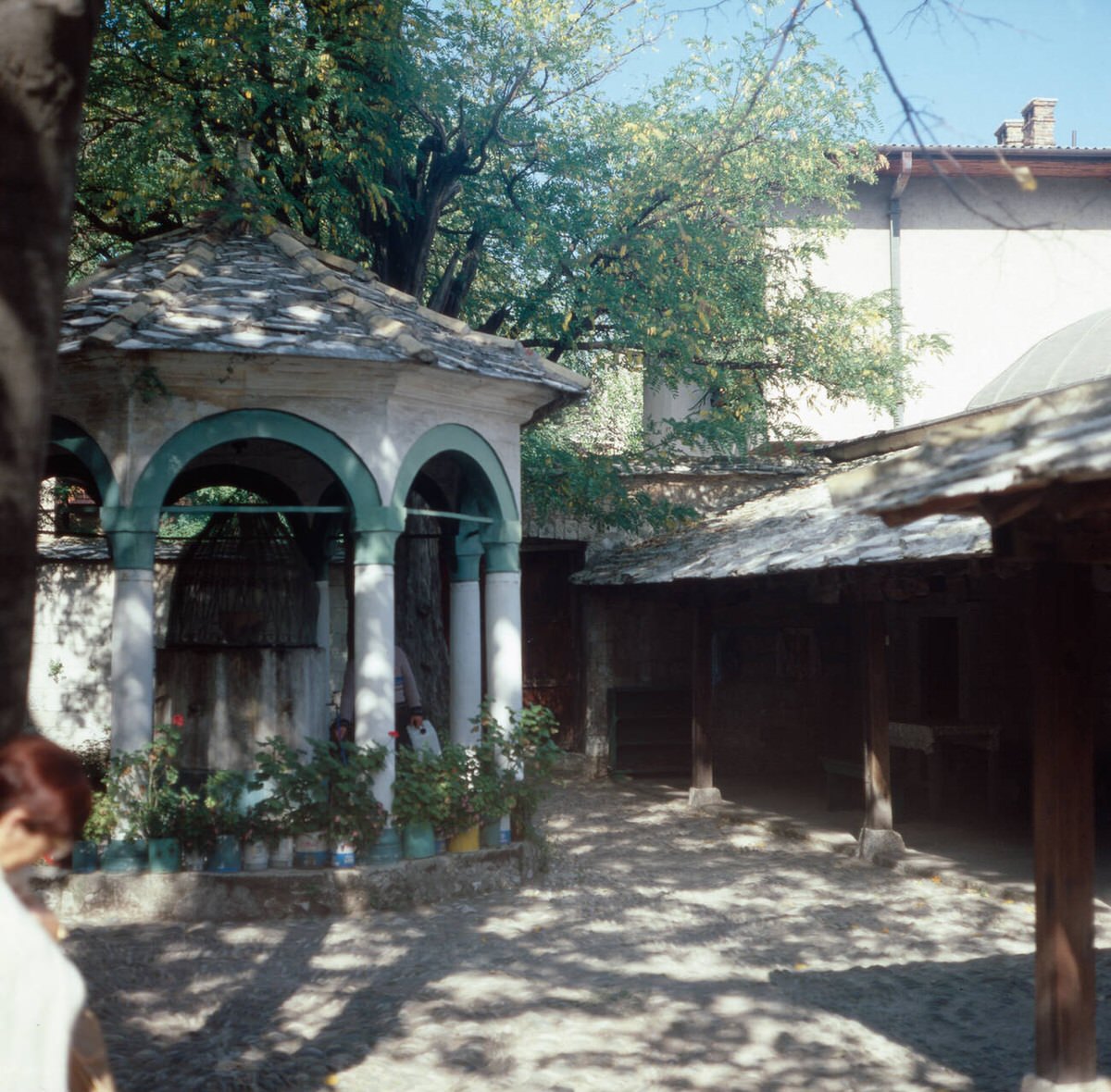
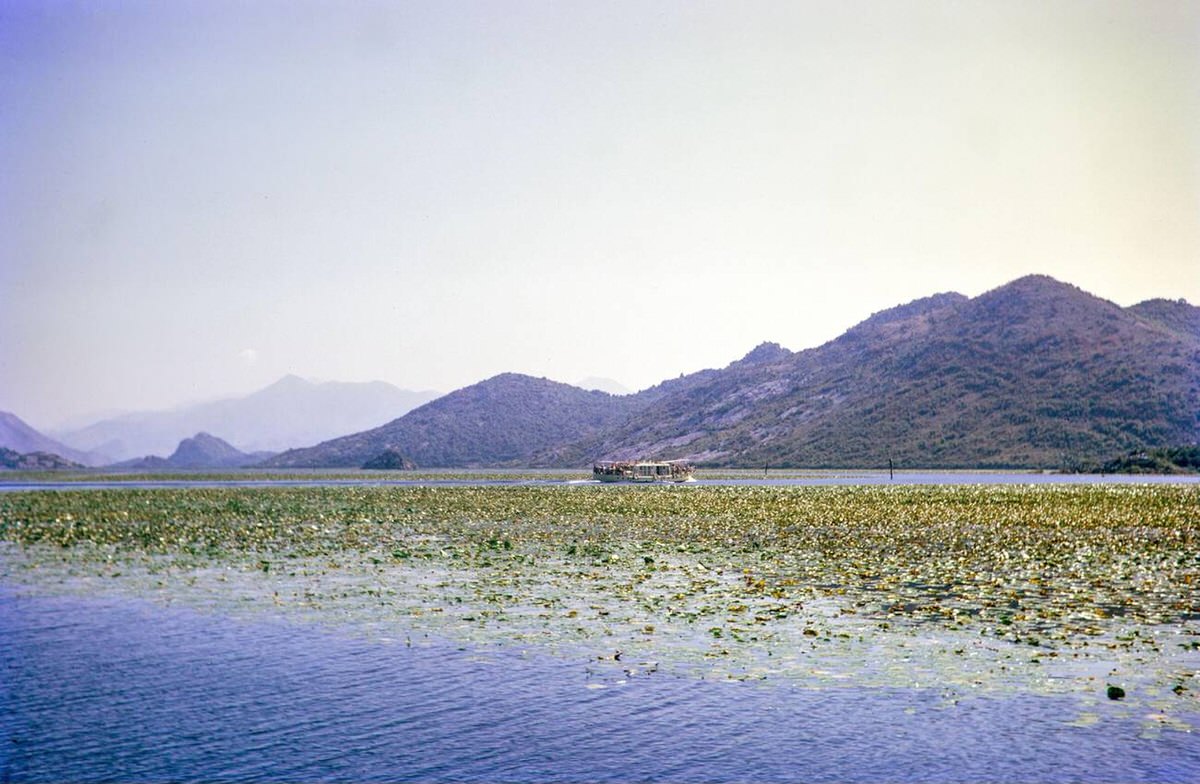
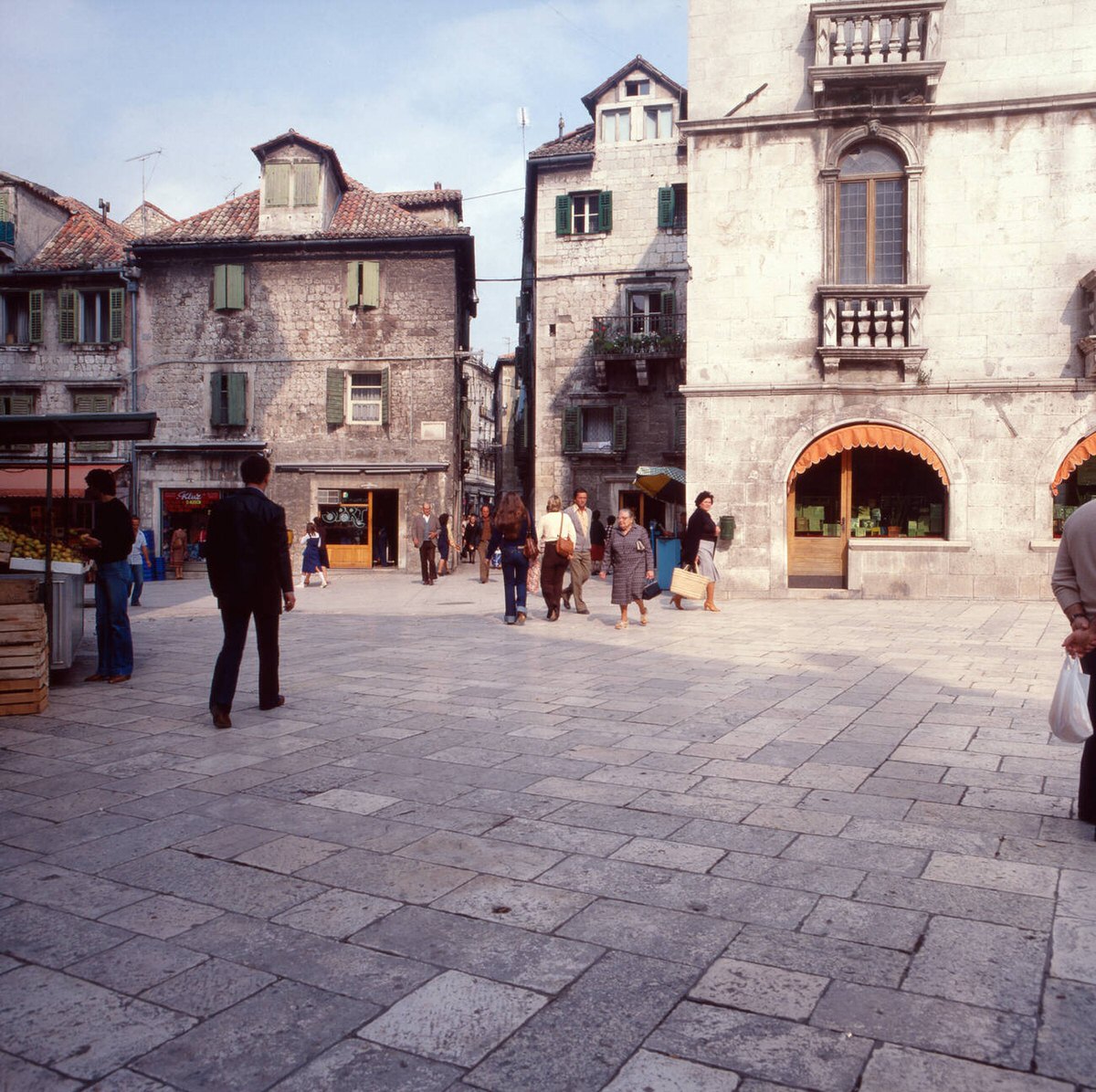
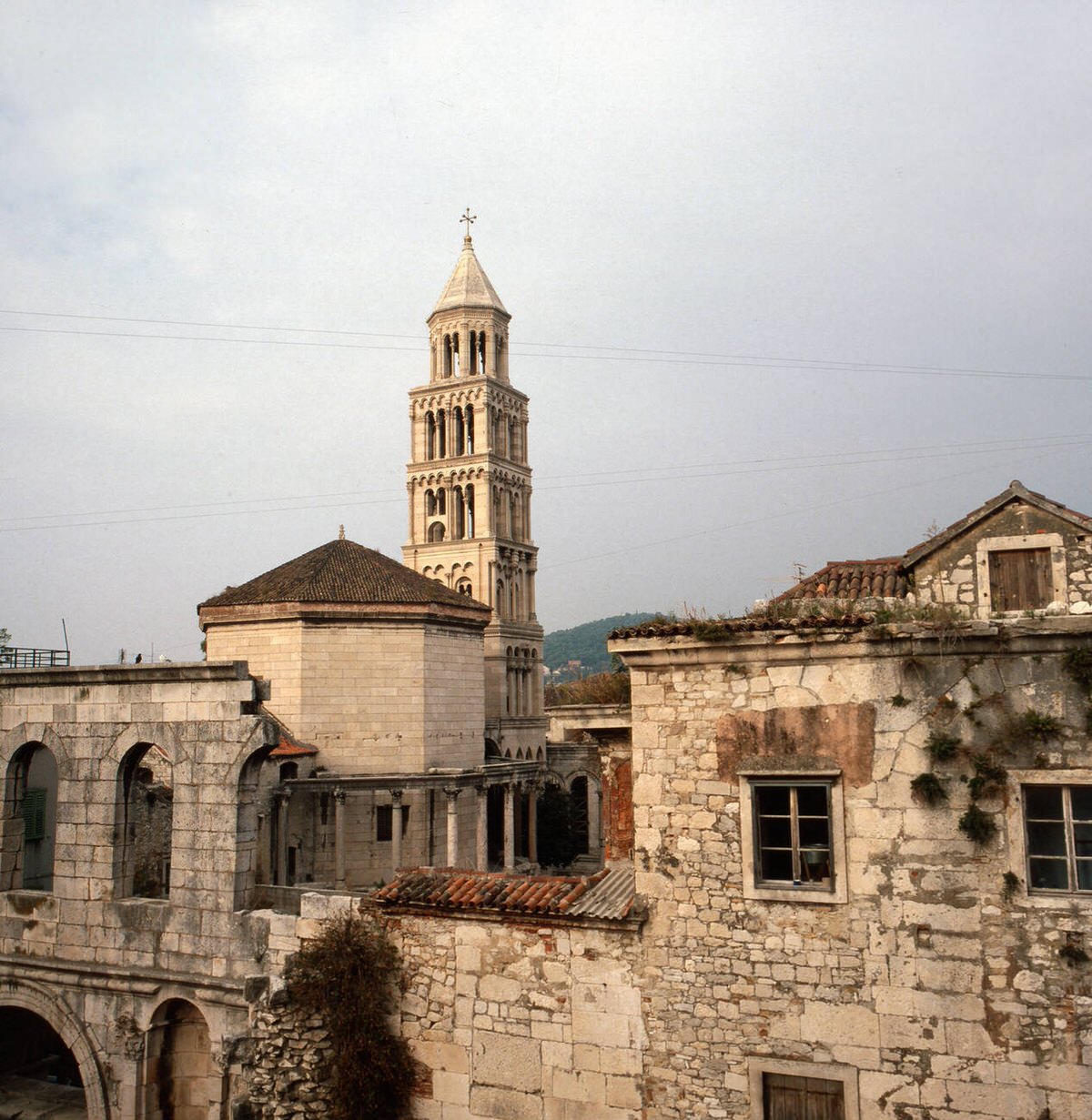
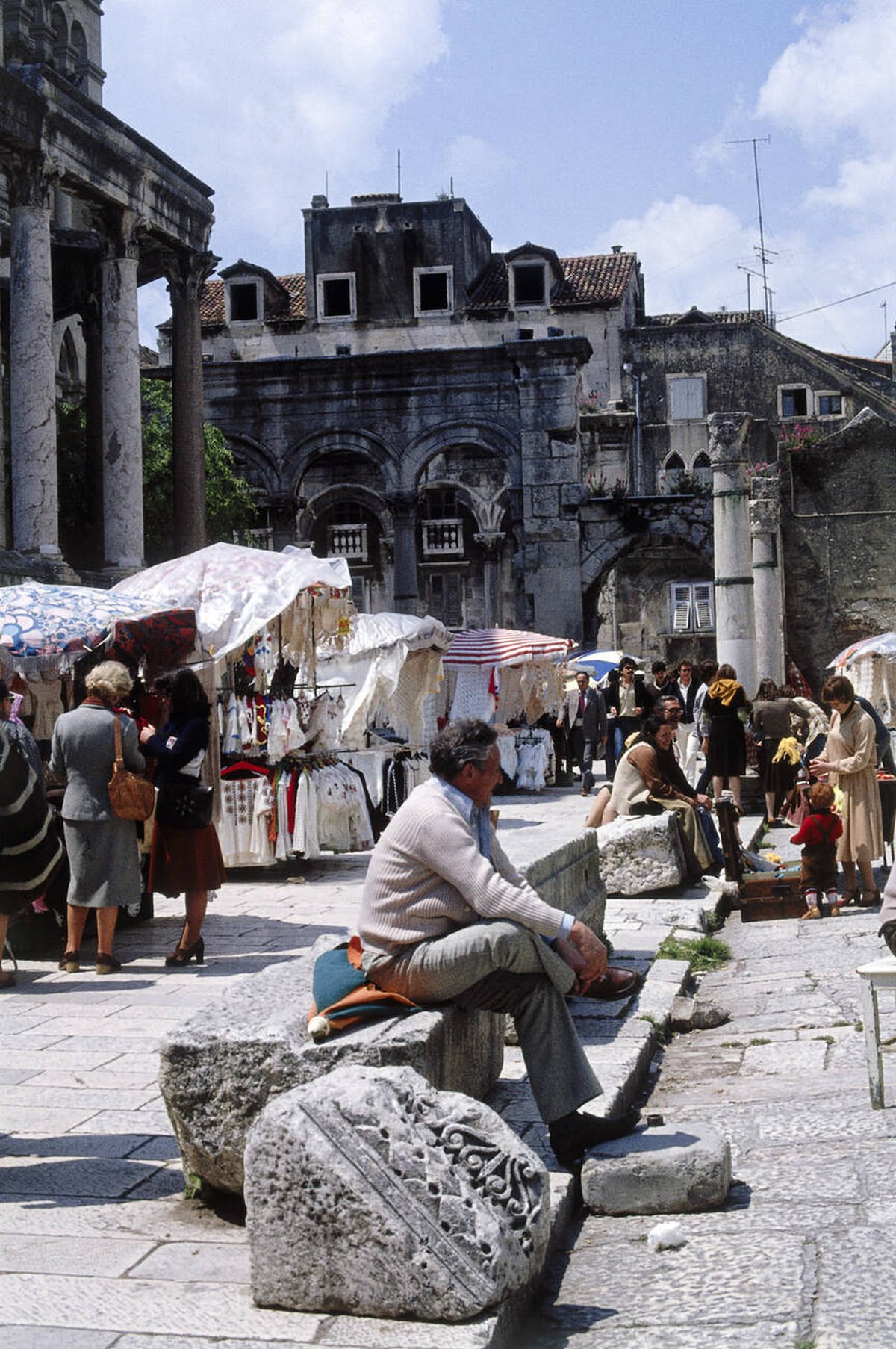
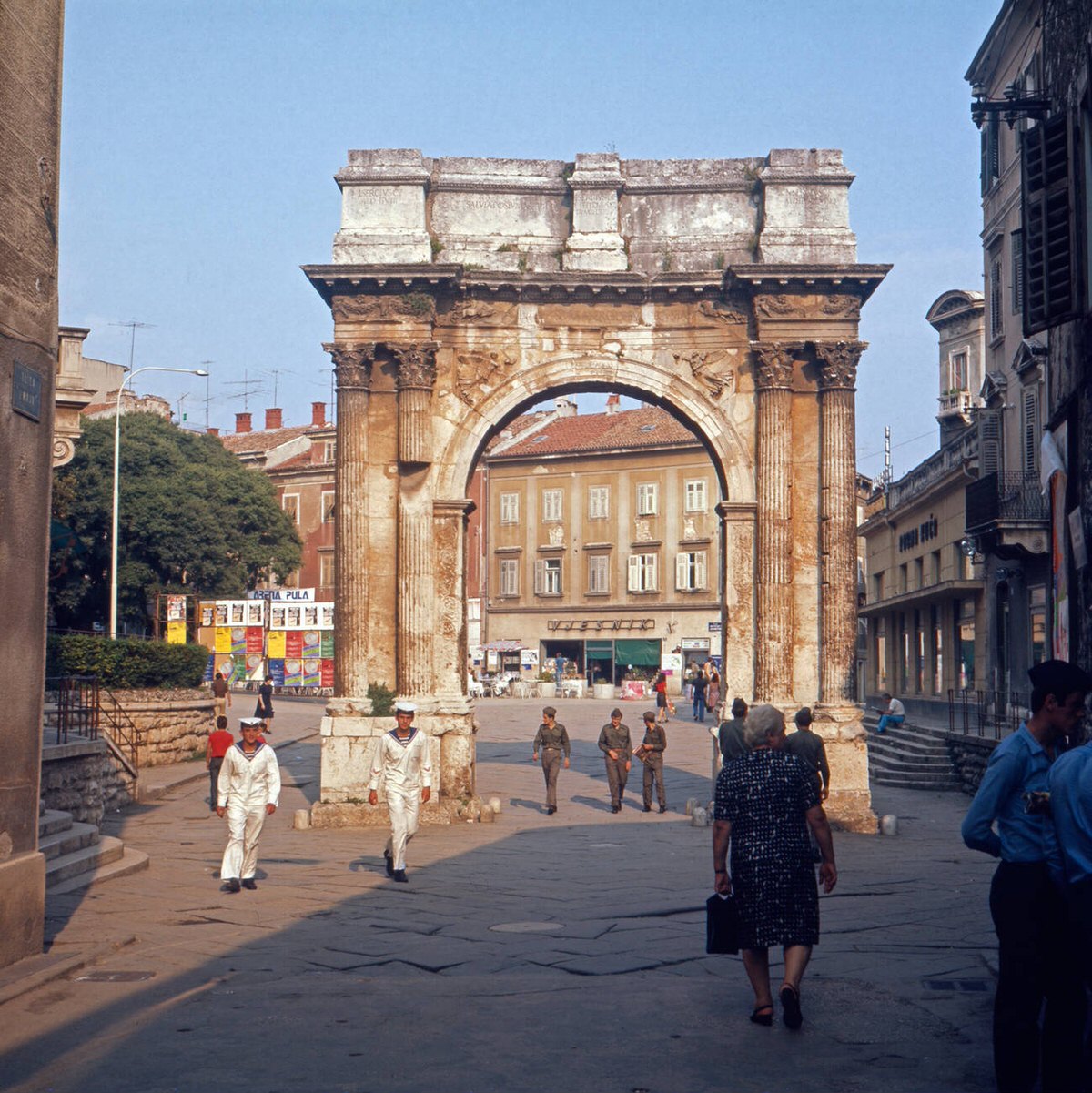
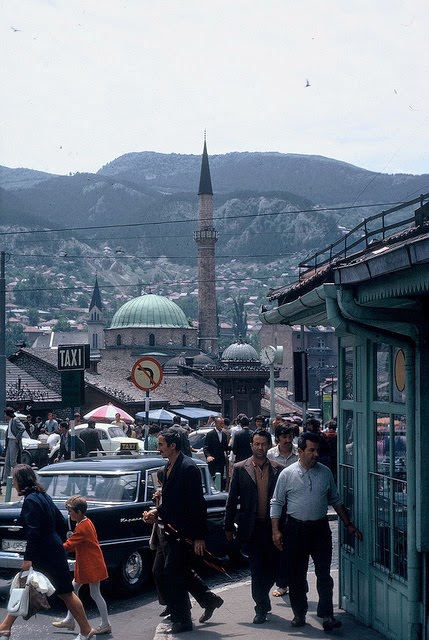
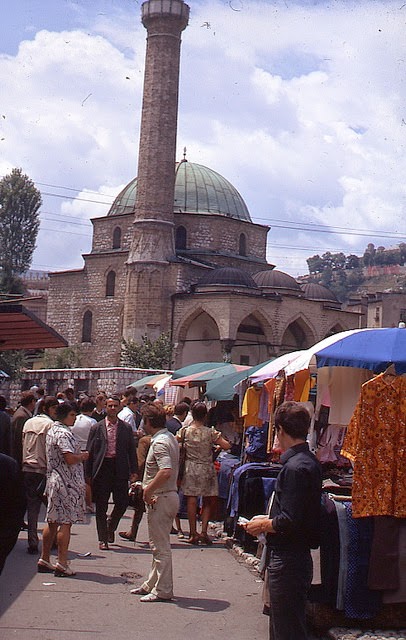
Yugoslavia’s geographic and cultural diversity was striking. Within the same country, you could walk through the Ottoman-era stone bridge of Mostar, visit a mosque in Sarajevo, or stand at the Roman ruins of Diocletian’s Palace in Split. This variety was not just a tourist attraction — it was the lived reality of millions of citizens who came from different republics, spoke related but distinct languages, and practiced different religions.
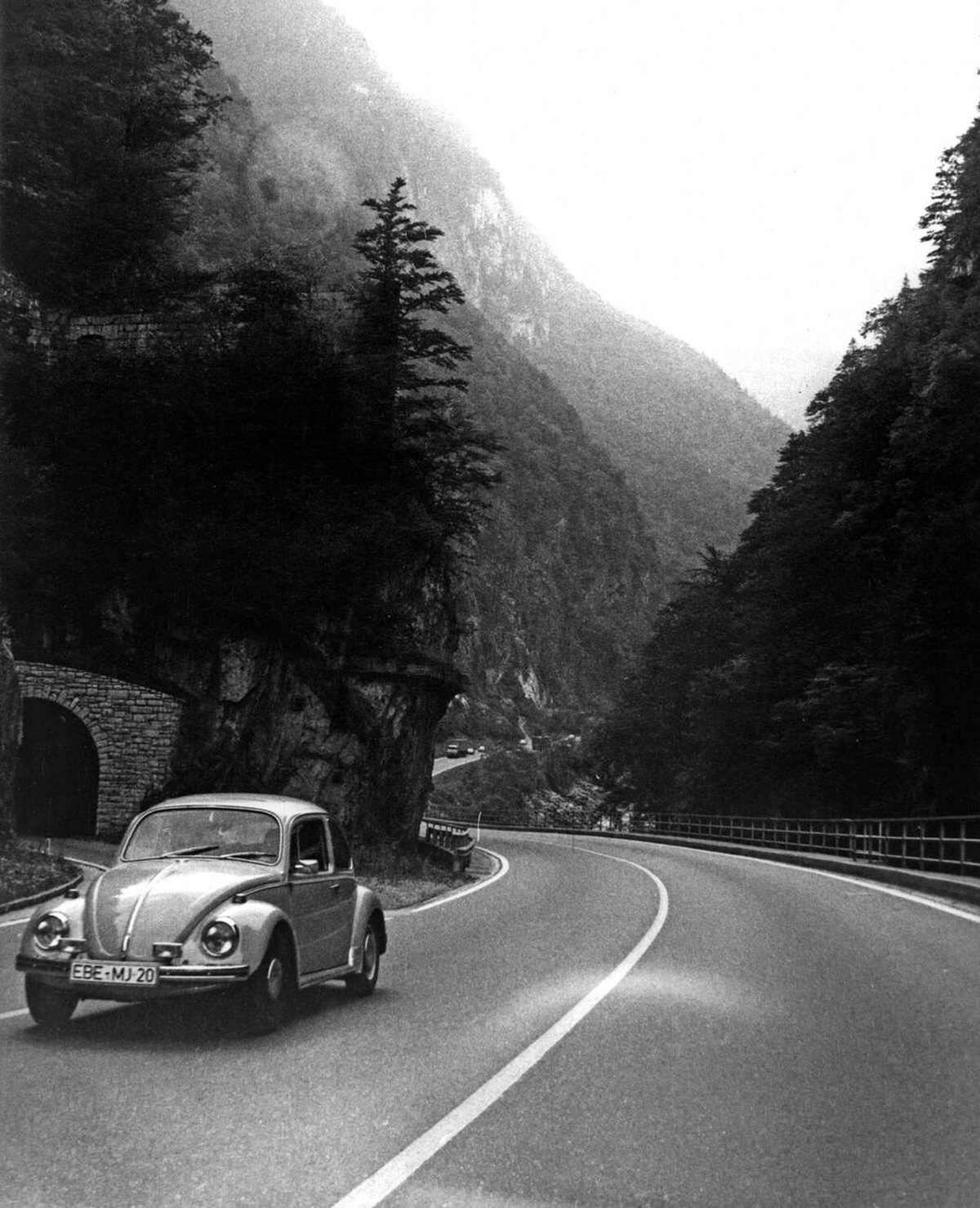
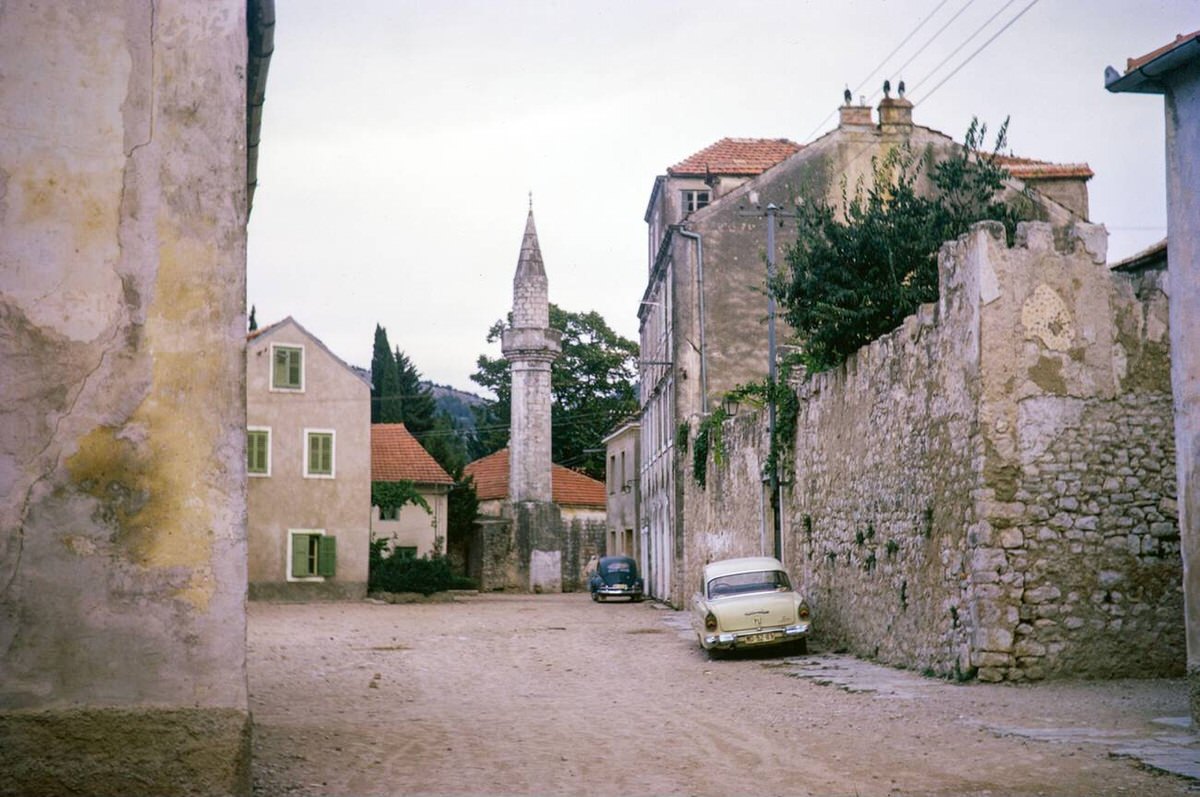
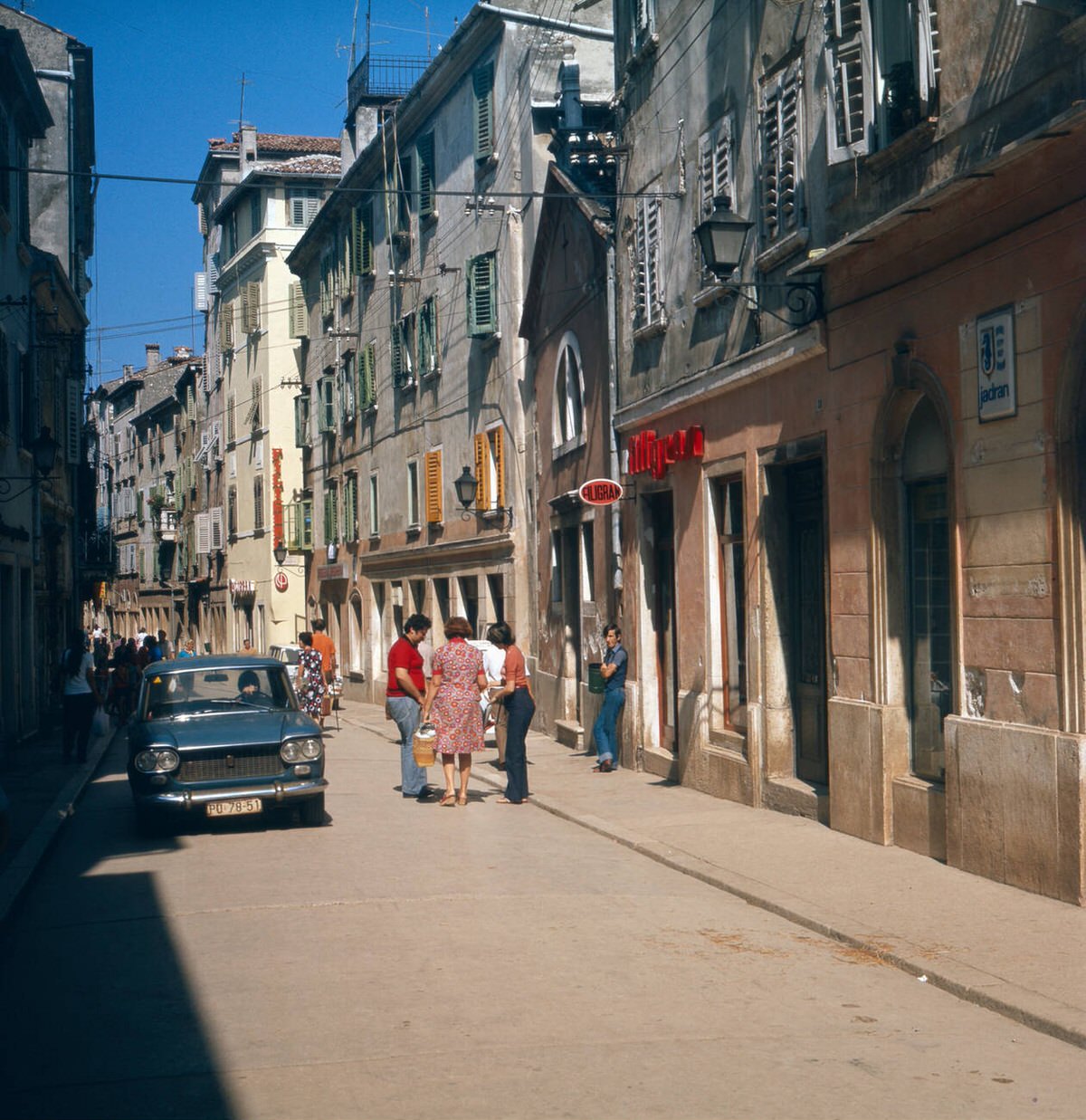
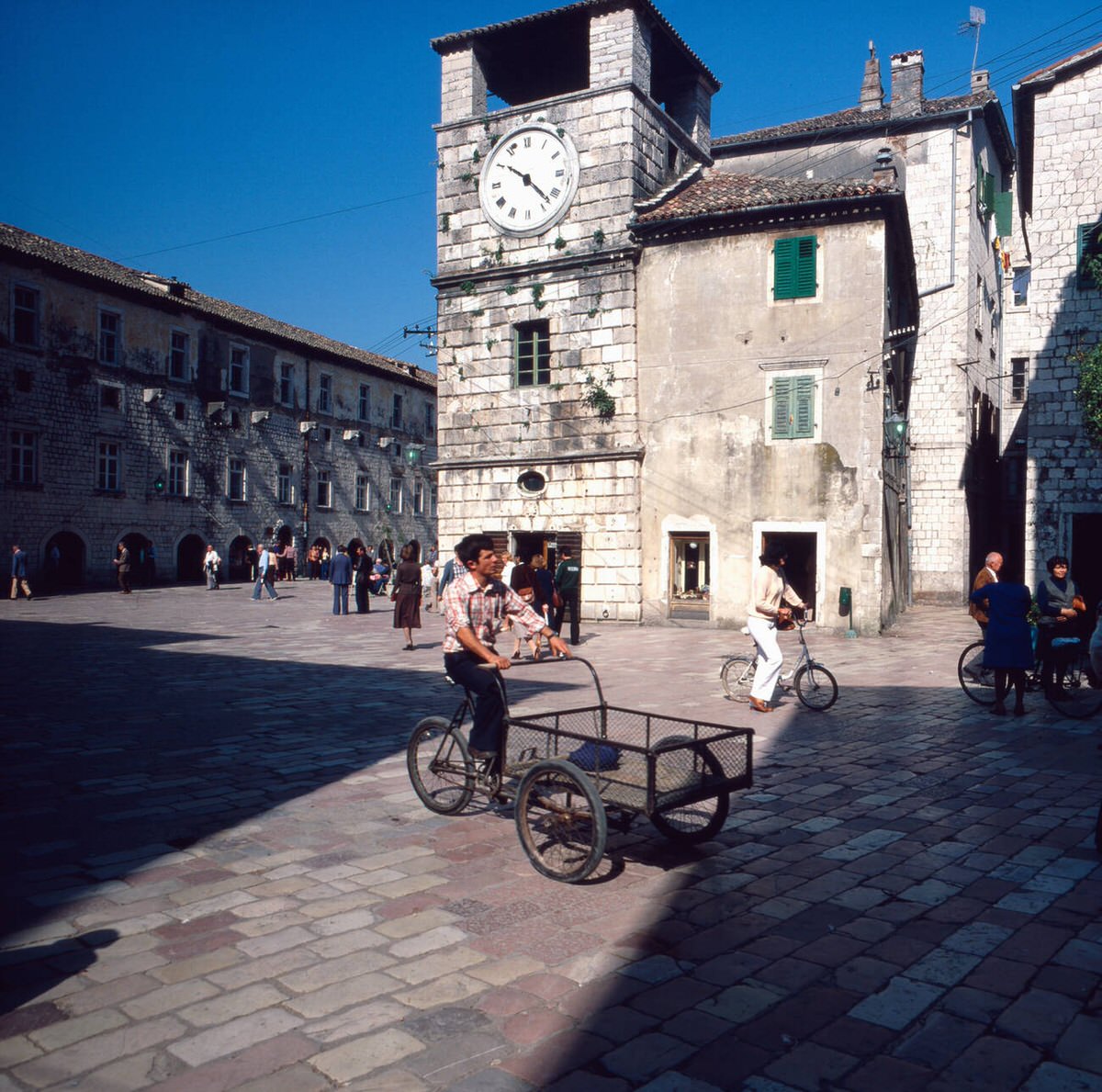
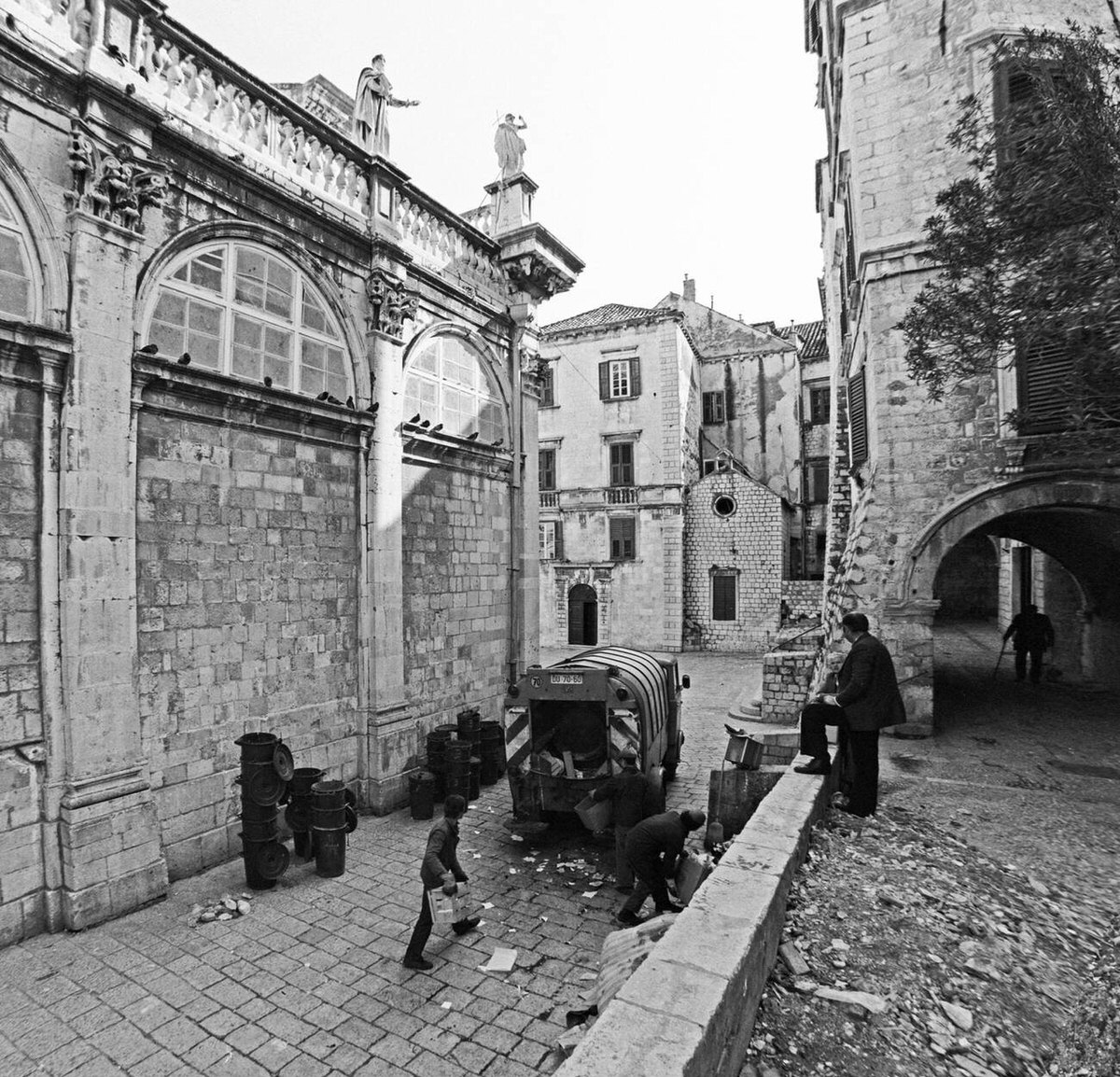
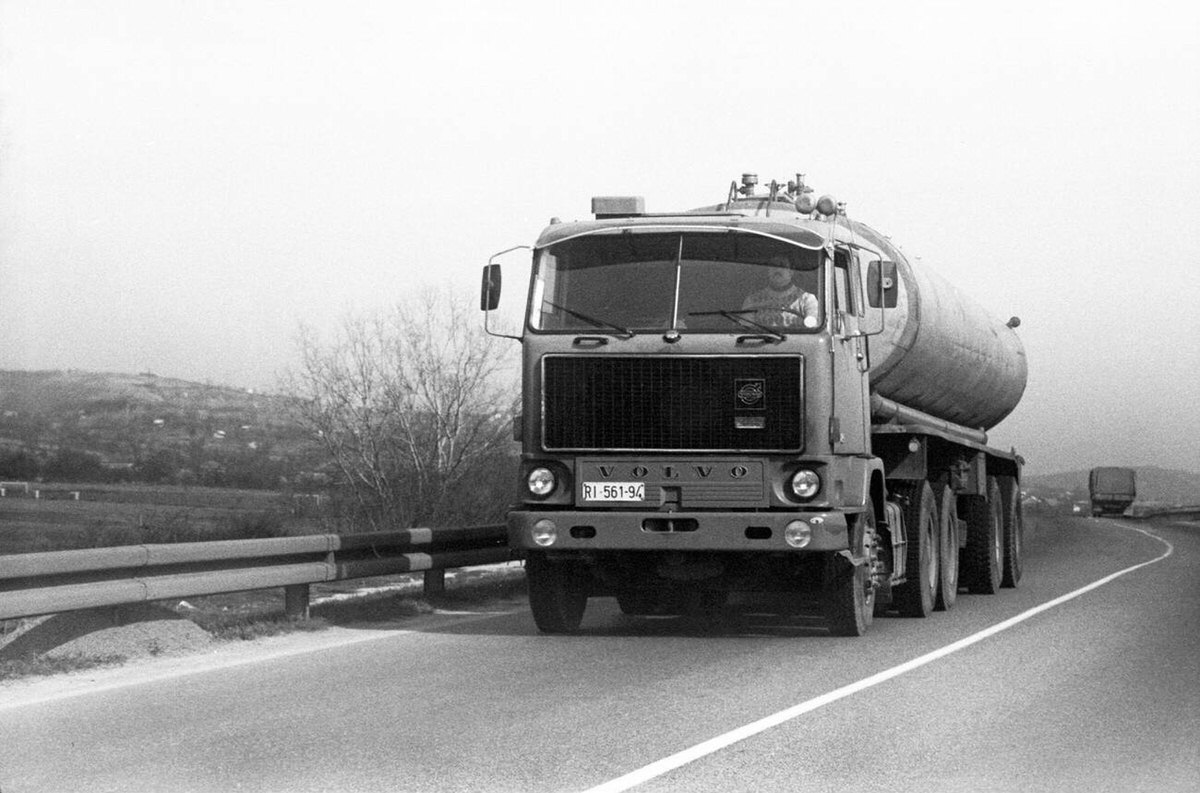
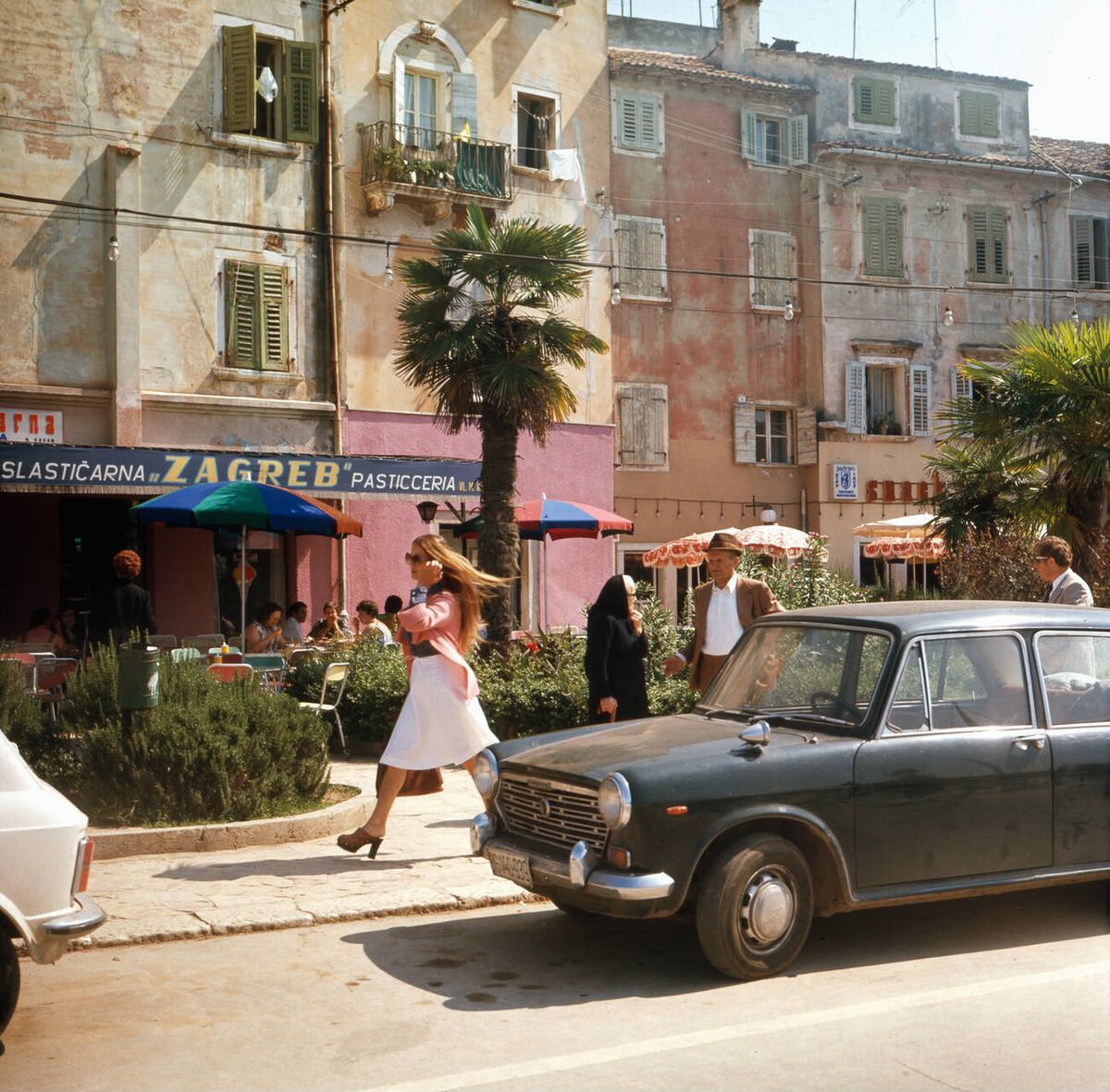
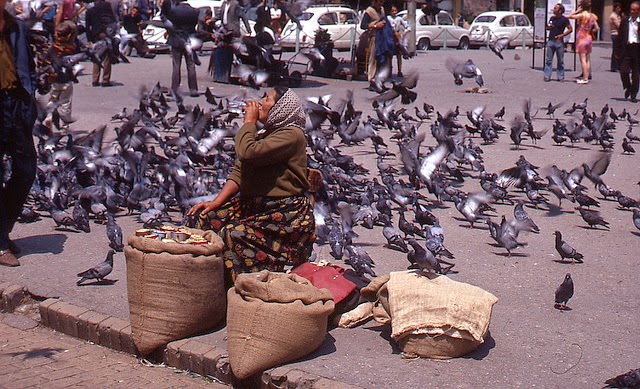
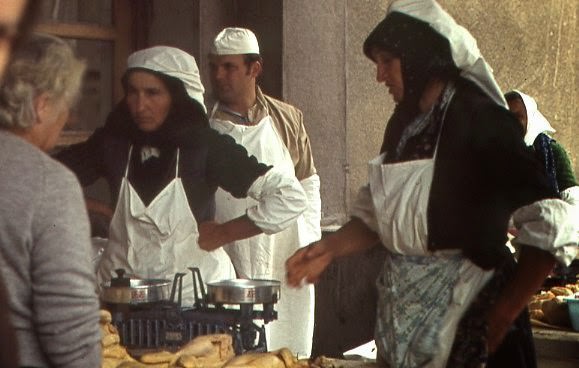
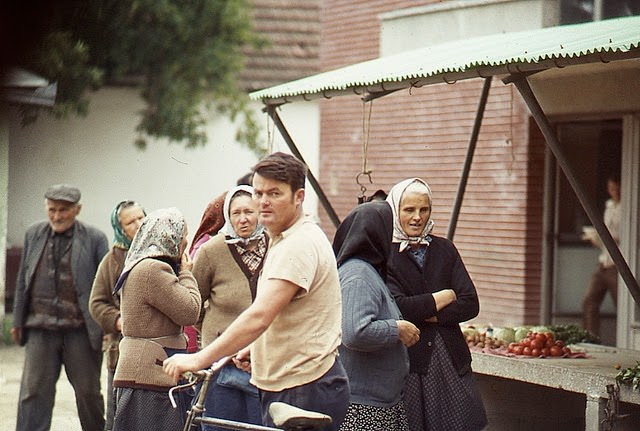
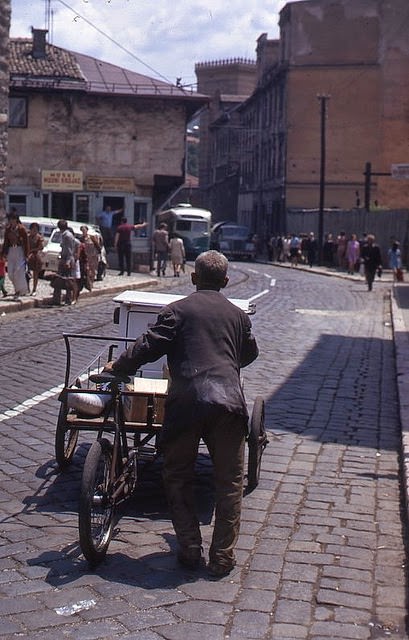
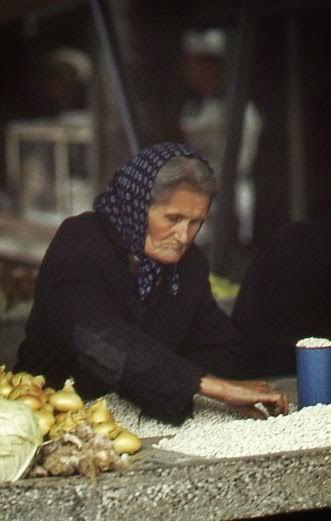
Everyday life in Yugoslav cities had a rhythm that mixed the modern with the traditional. Markets in Split saw hawkers selling fresh produce alongside manufactured goods. Streets in Belgrade were filled with pedestrians and the small Fića cars. Border crossings between Yugoslav republics and neighboring Austria showed the logistical reality of a country that straddled two political systems — queues of vehicles, passport checks, and the constant movement of people and goods.
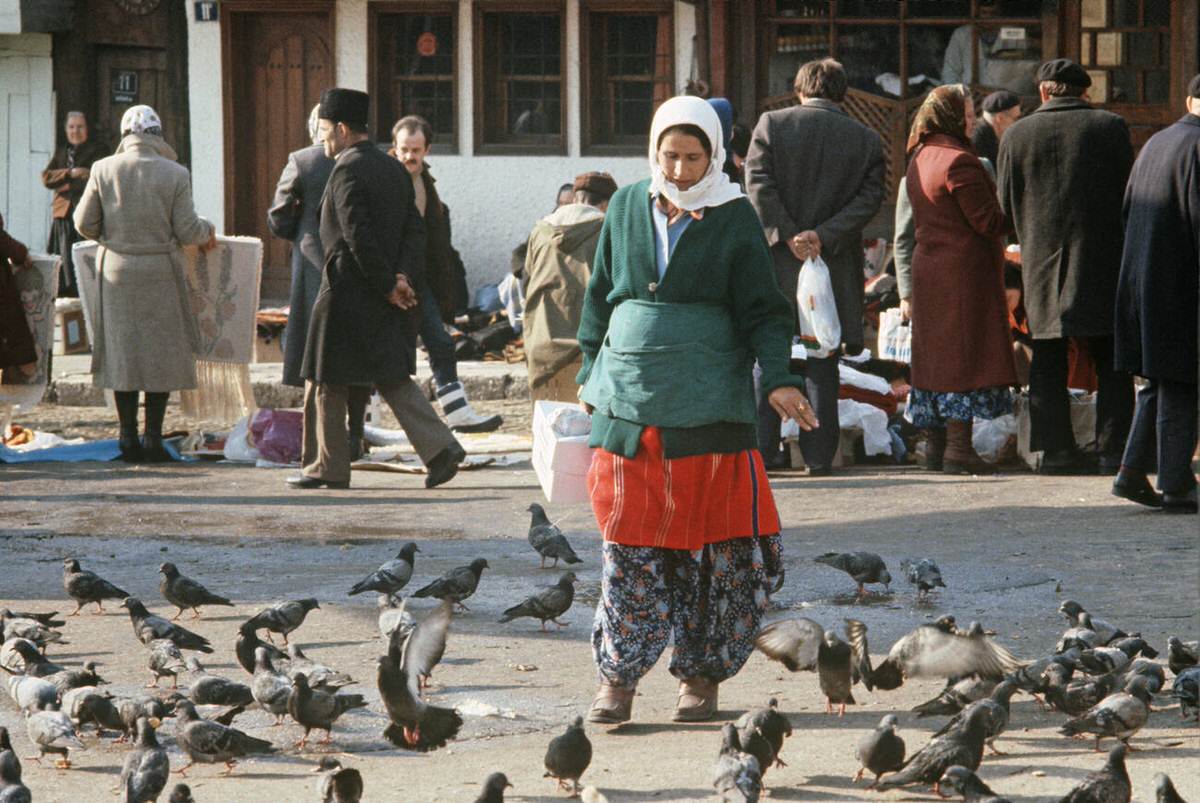
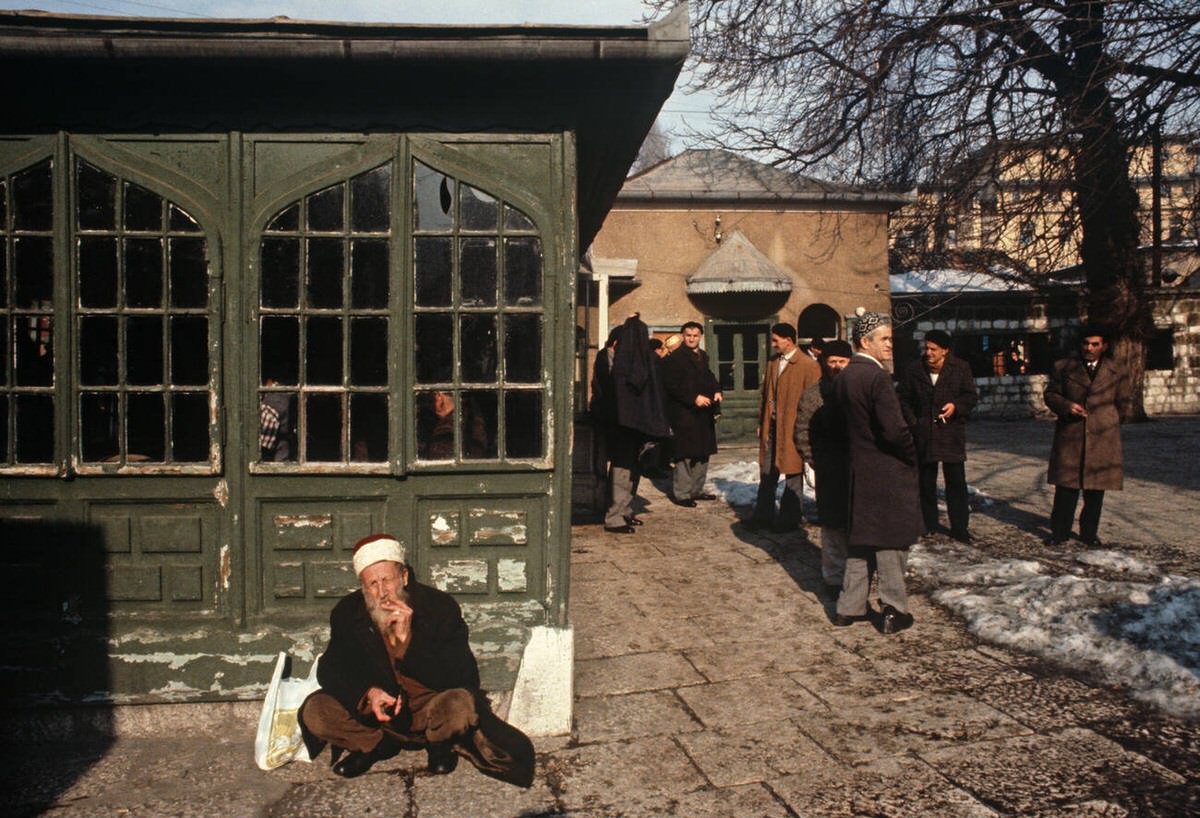
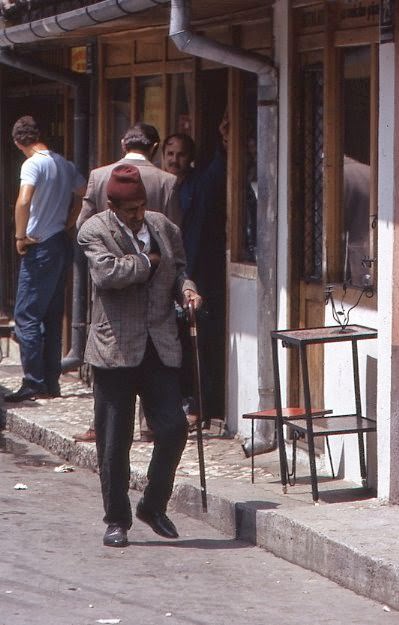
The country’s Muslim communities — concentrated in Bosnia and parts of Serbia — maintained their religious and cultural practices openly. Women in traditional dress moved through the bazaars of Sarajevo and Trebinje. Men gathered in mosques. This was a distinct feature of Yugoslav socialism: religious practice was not eliminated the way it was in the Soviet Union. It was tolerated and, to a degree, preserved as part of the national mosaic.
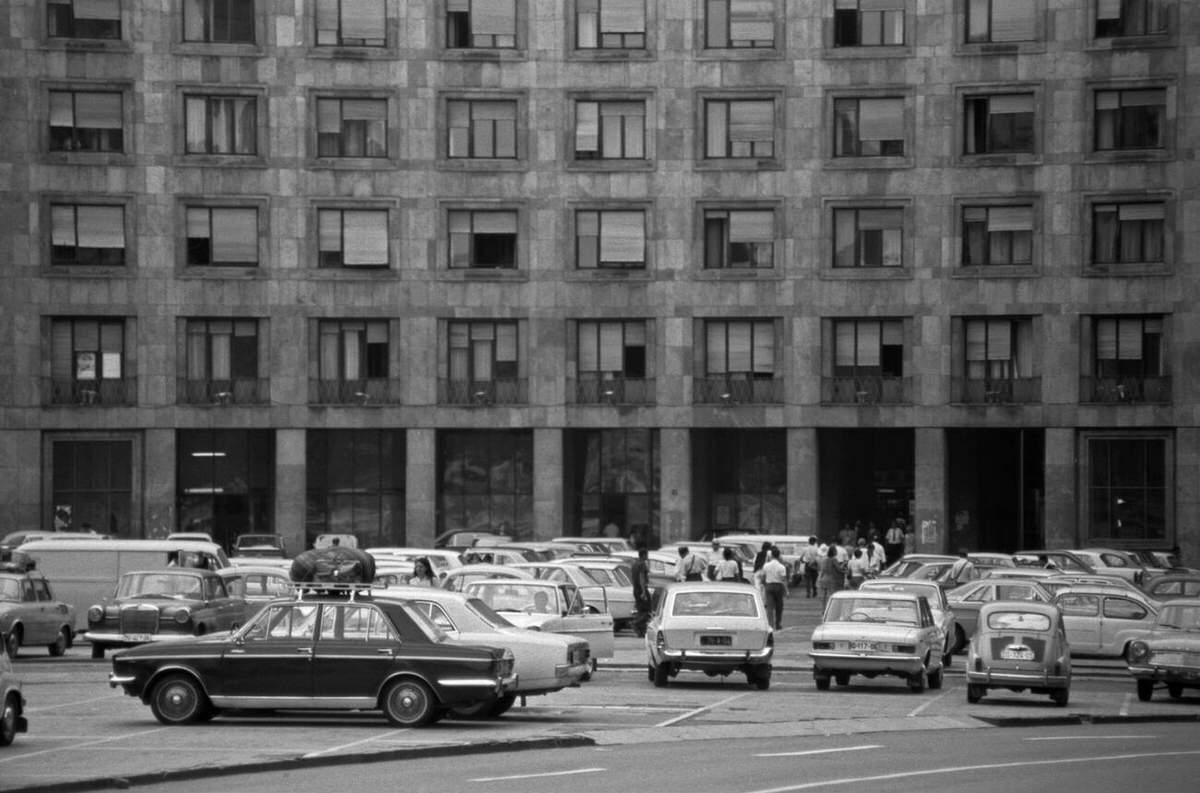
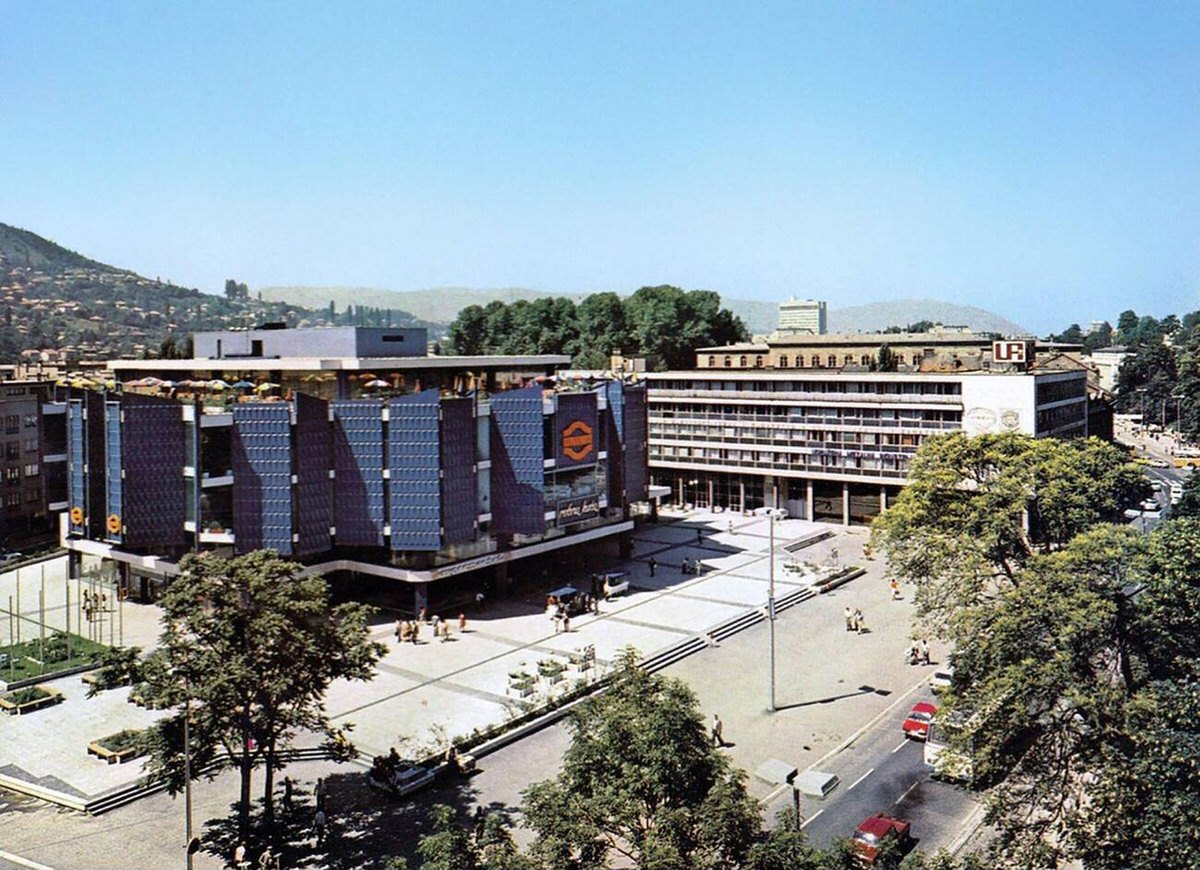
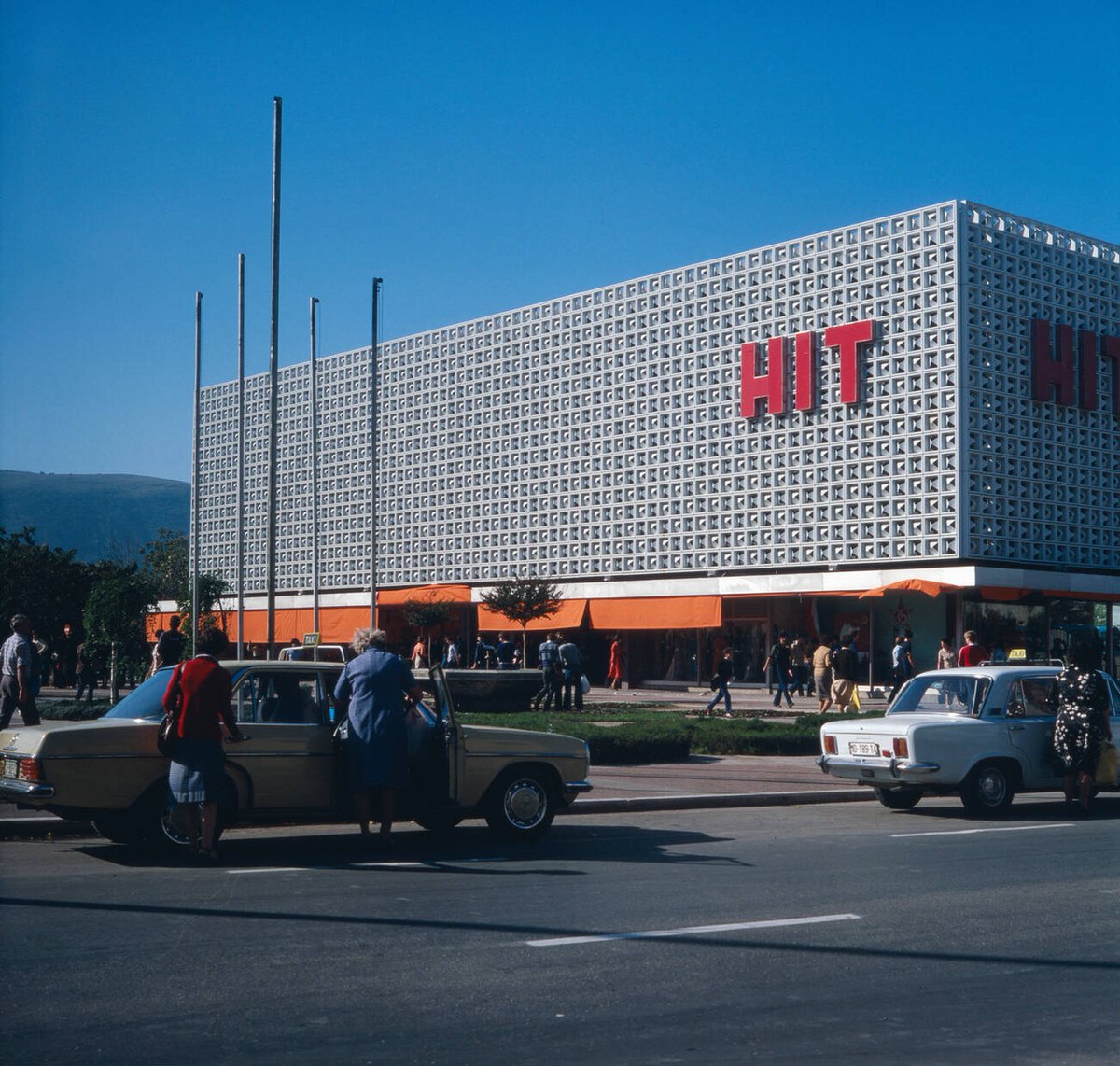
In the cities, modern shopping centers rose alongside older market squares. The “Sarajka” shopping center in Sarajevo represented this shift — a concrete, glass-fronted building that offered consumers a centralized place to shop, modeled on Western retail concepts. Belgrade’s streets in the early 1970s showed a city that was urbanizing fast, with women in fashionable clothes walking past parked rows of small Yugoslav-made cars.
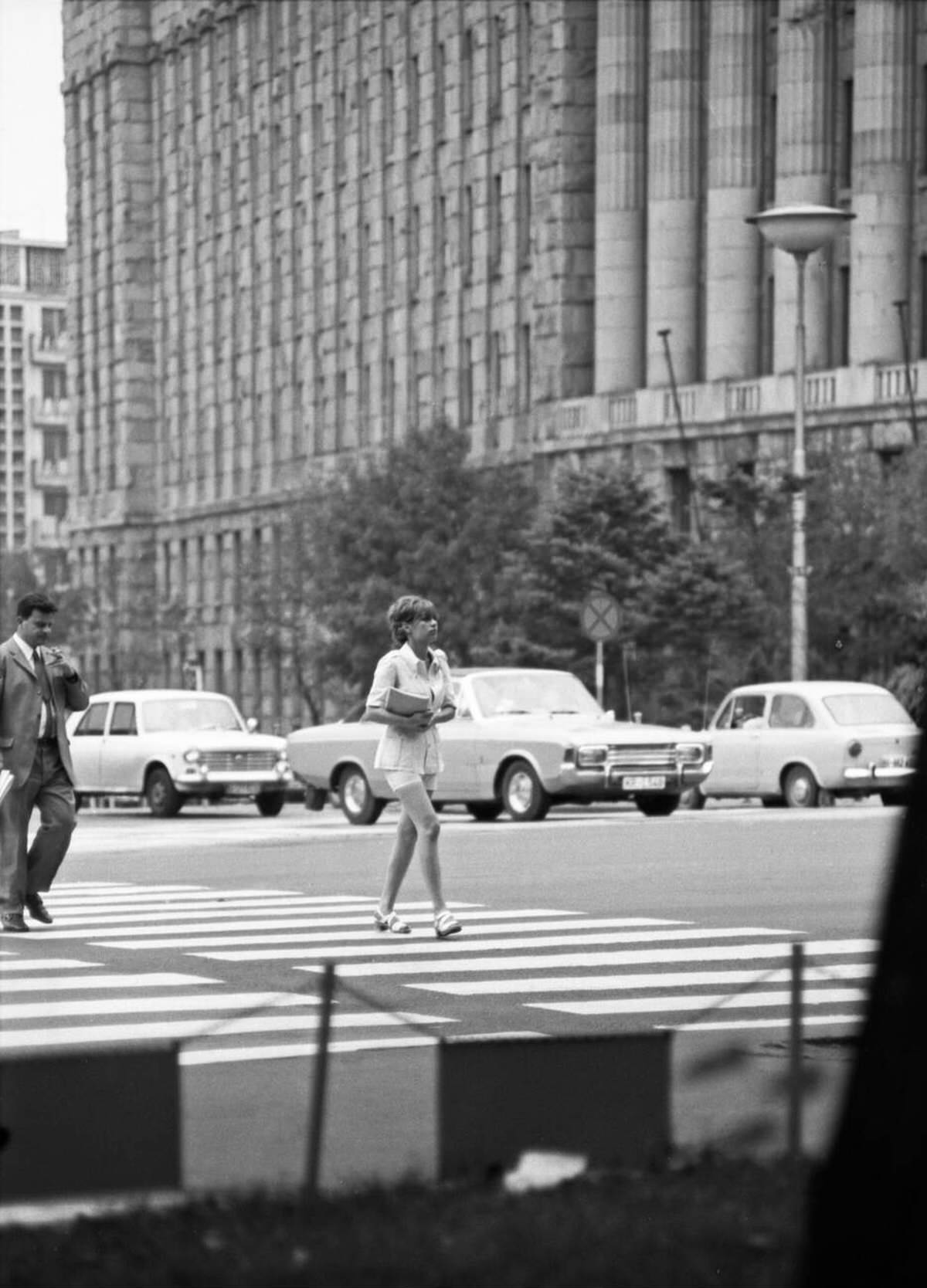
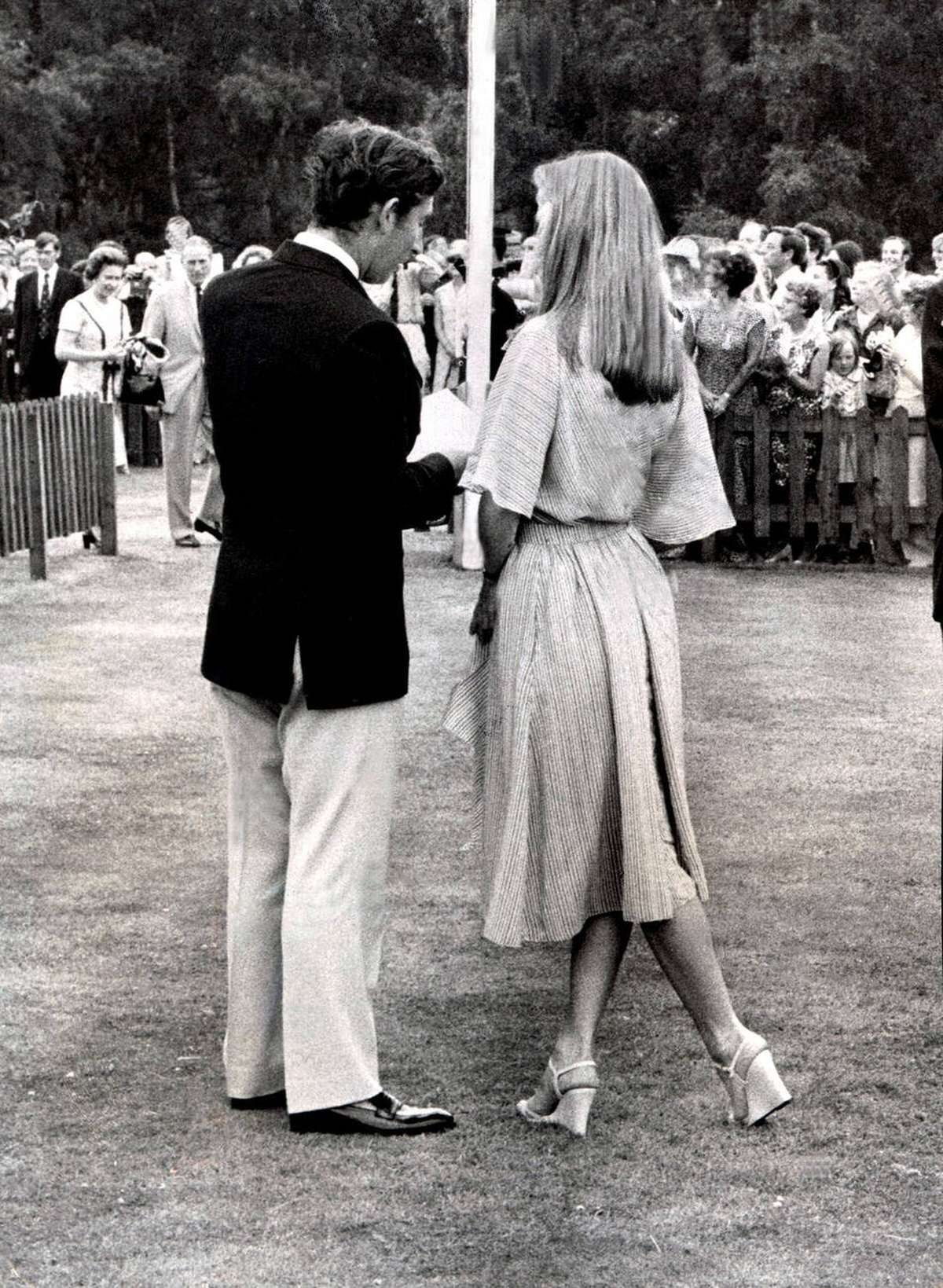
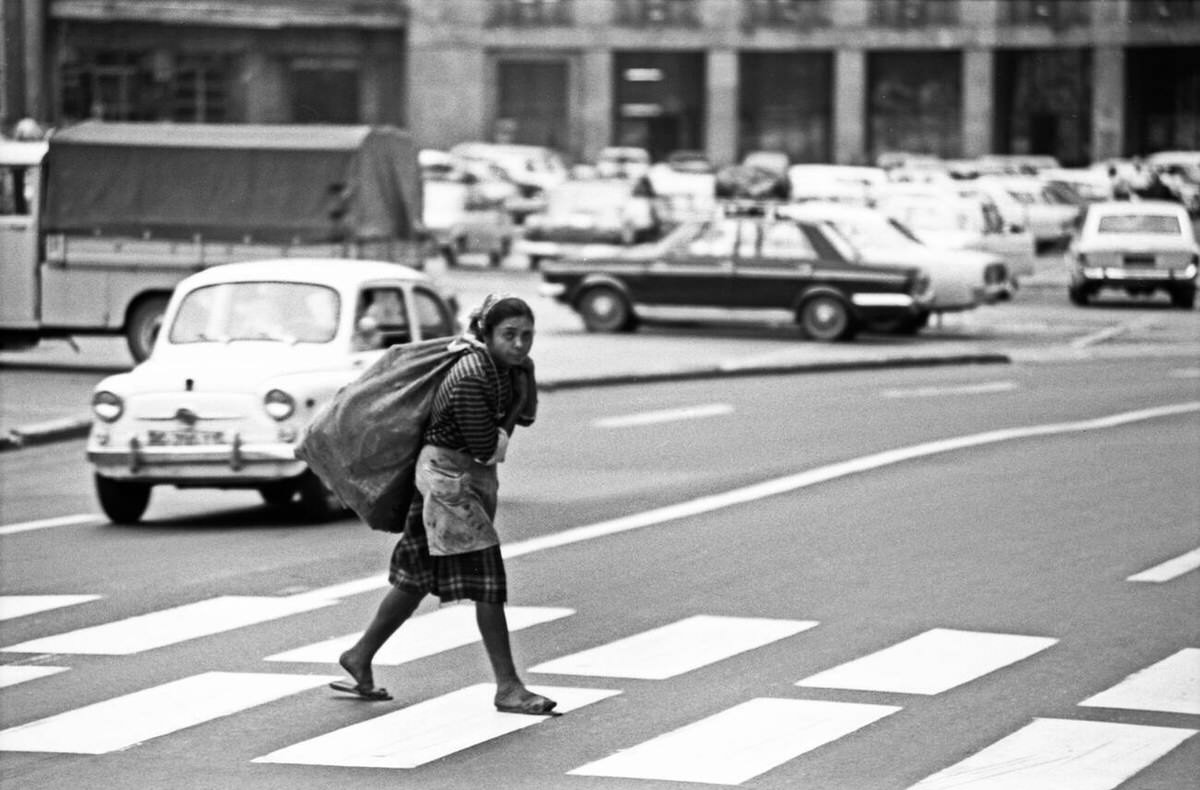
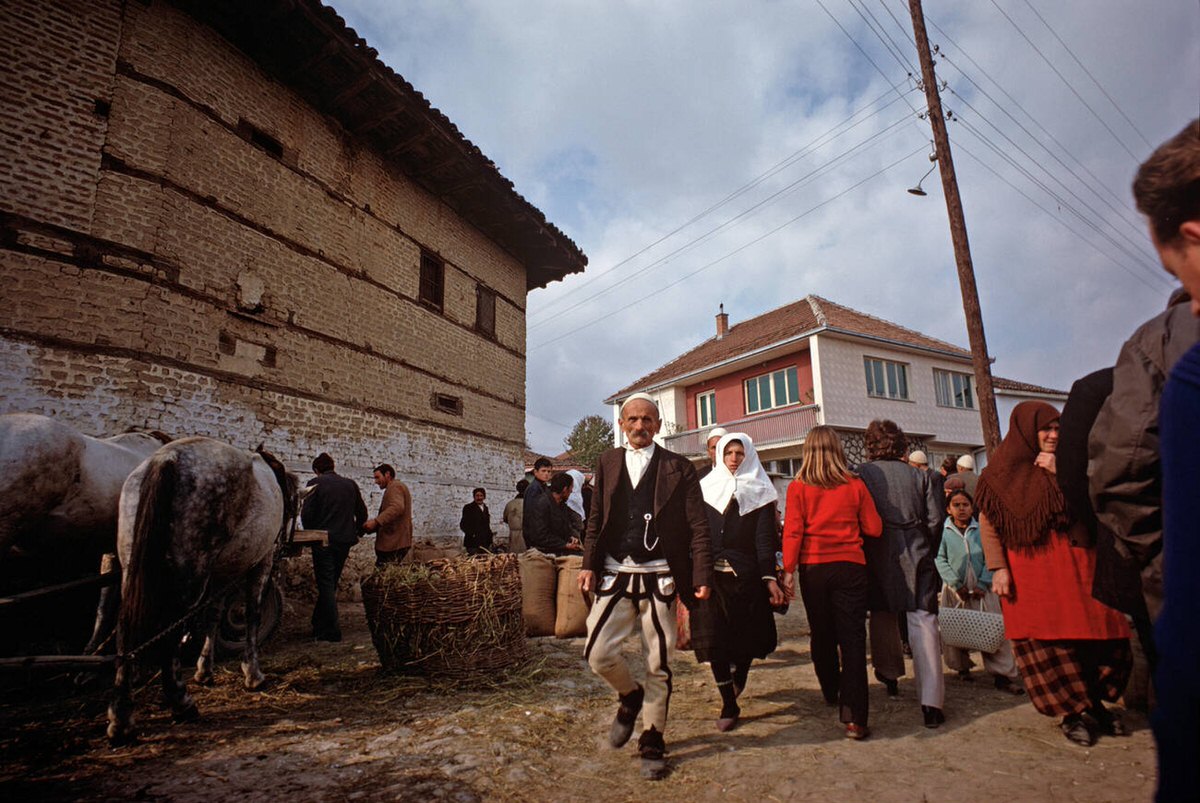
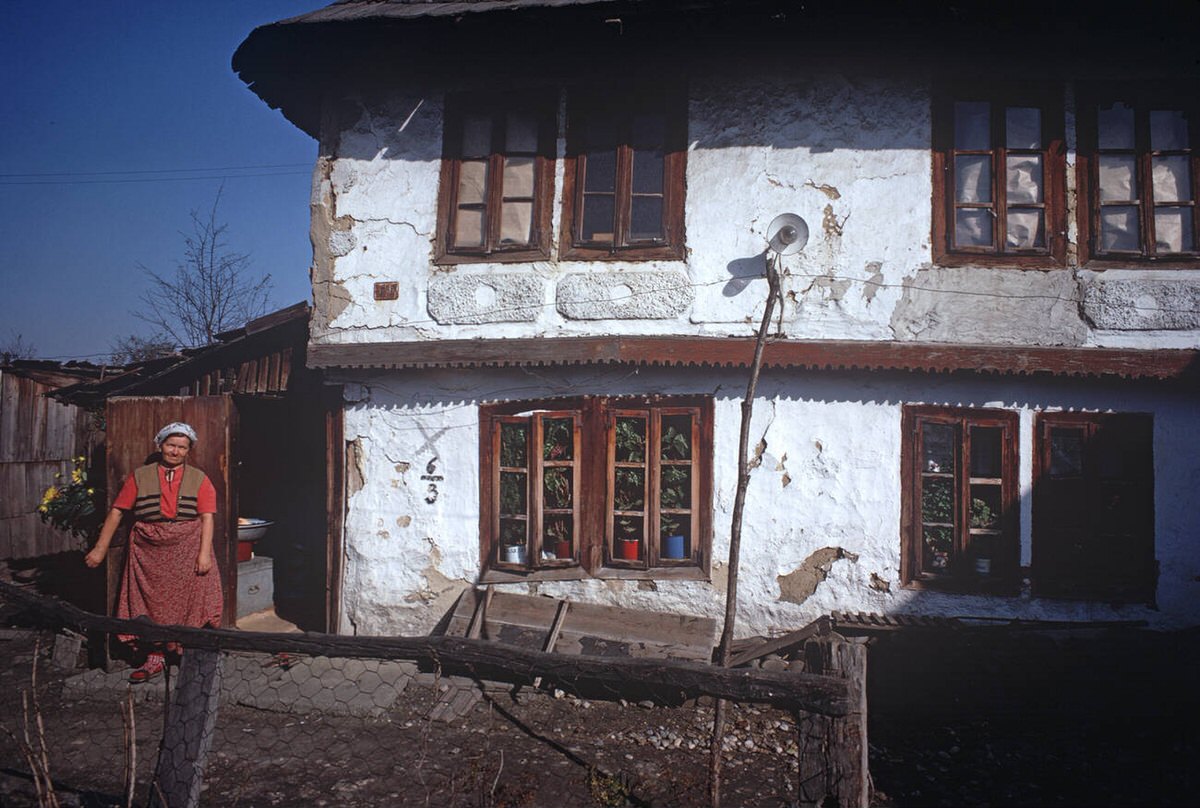
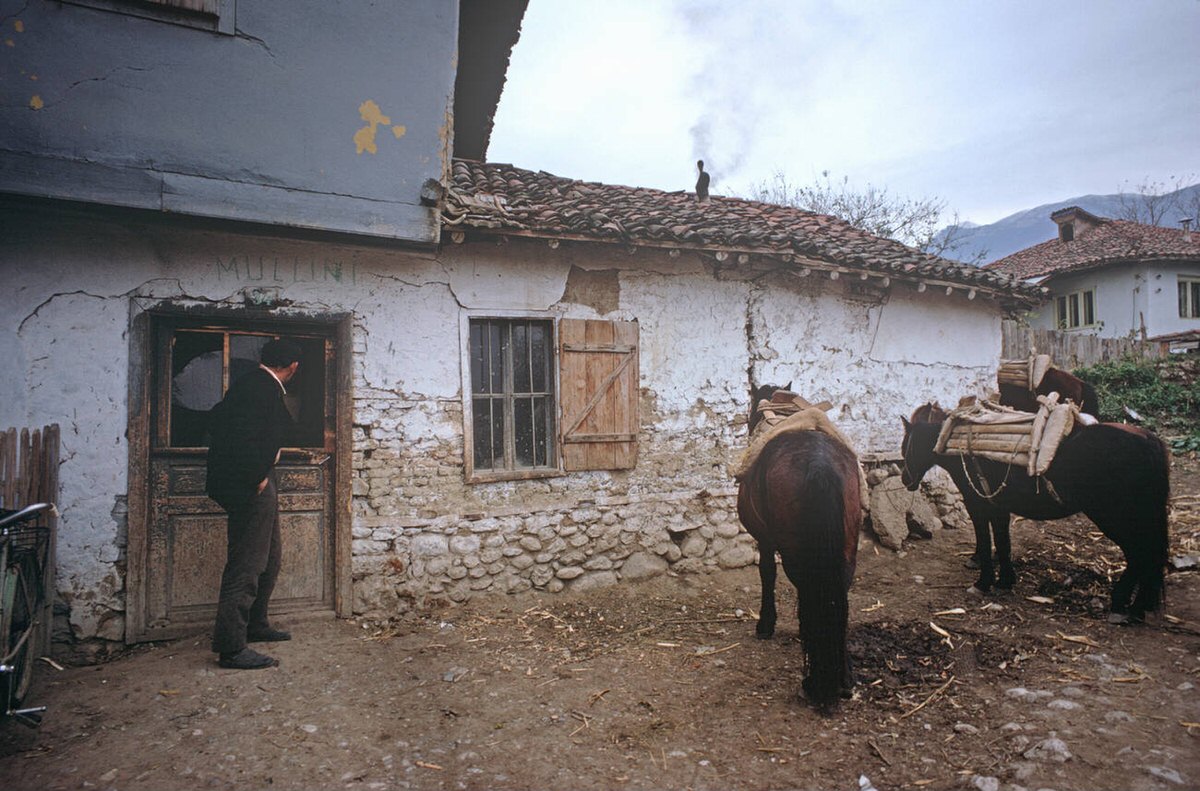
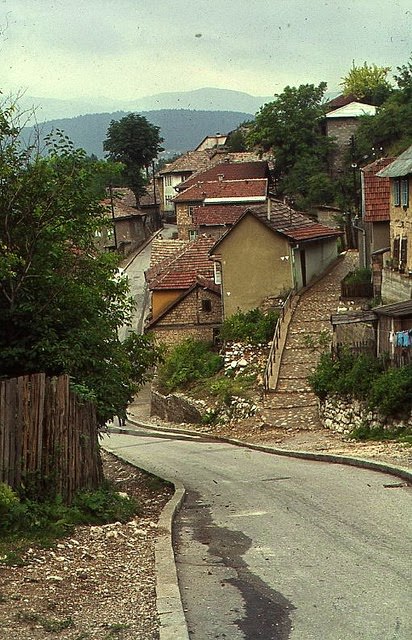
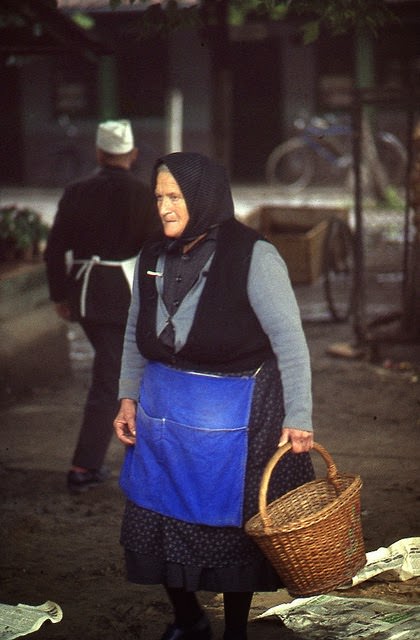
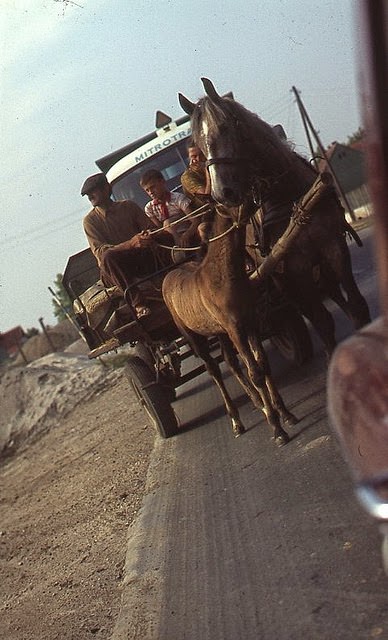
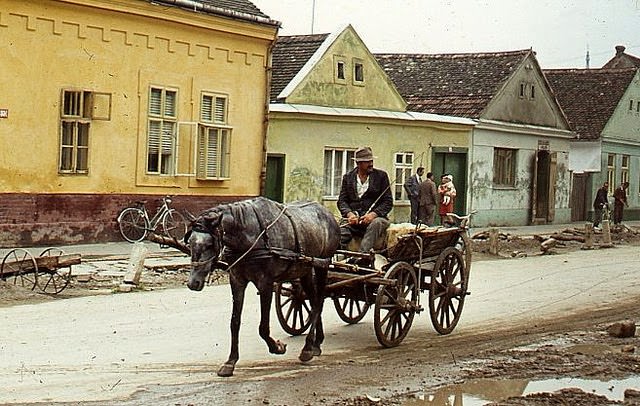
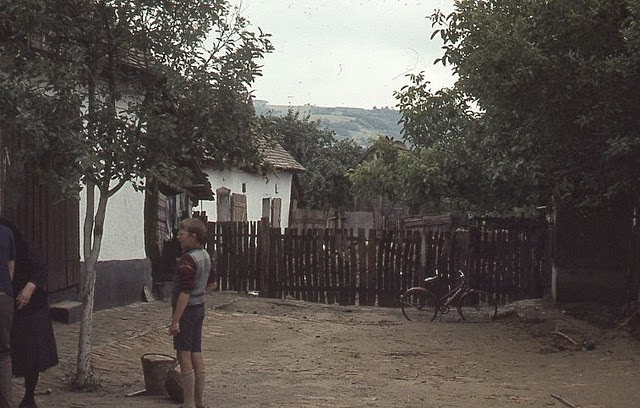
Rural Yugoslavia remained a different world from the coastal resorts and city centers. Villages retained traditional clothing, farming practices, and a pace of life that the economic boom in the cities had not yet reached. Families in the countryside lived in modest homes, and the gap between urban and rural standards of living was wide. This contrast — between the factory worker building a vikendica on the coast and the villager in traditional dress — defined Yugoslavia’s internal contradictions in the 1970s.
Marshal Tito was the undisputed center of political power. His photograph hung in every school classroom and government office across the country. In 1974, a new constitution was ratified that shifted more authority to the individual republics, decentralizing the federal structure. Large public holidays like Youth Day featured massive synchronized performances in stadiums, where thousands of participants danced and formed patterns as a tribute to the leader. These events were both genuine celebrations and carefully managed displays of loyalty.
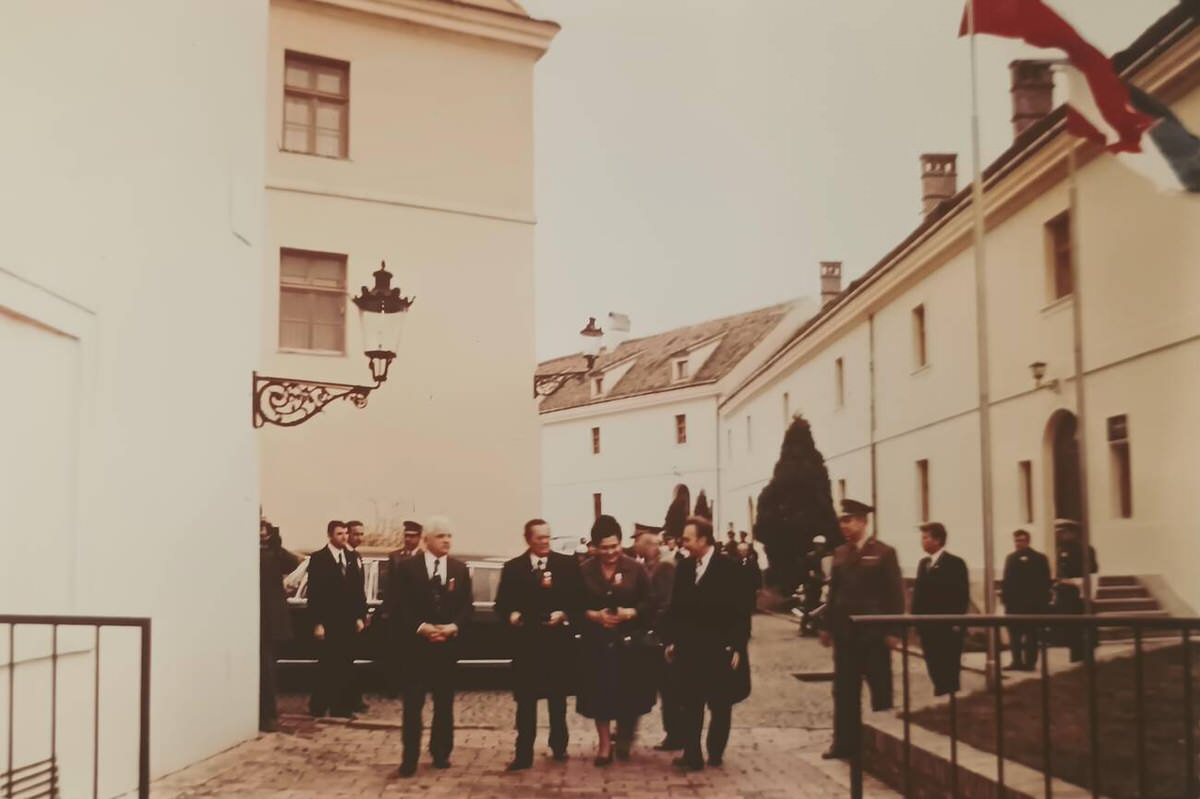
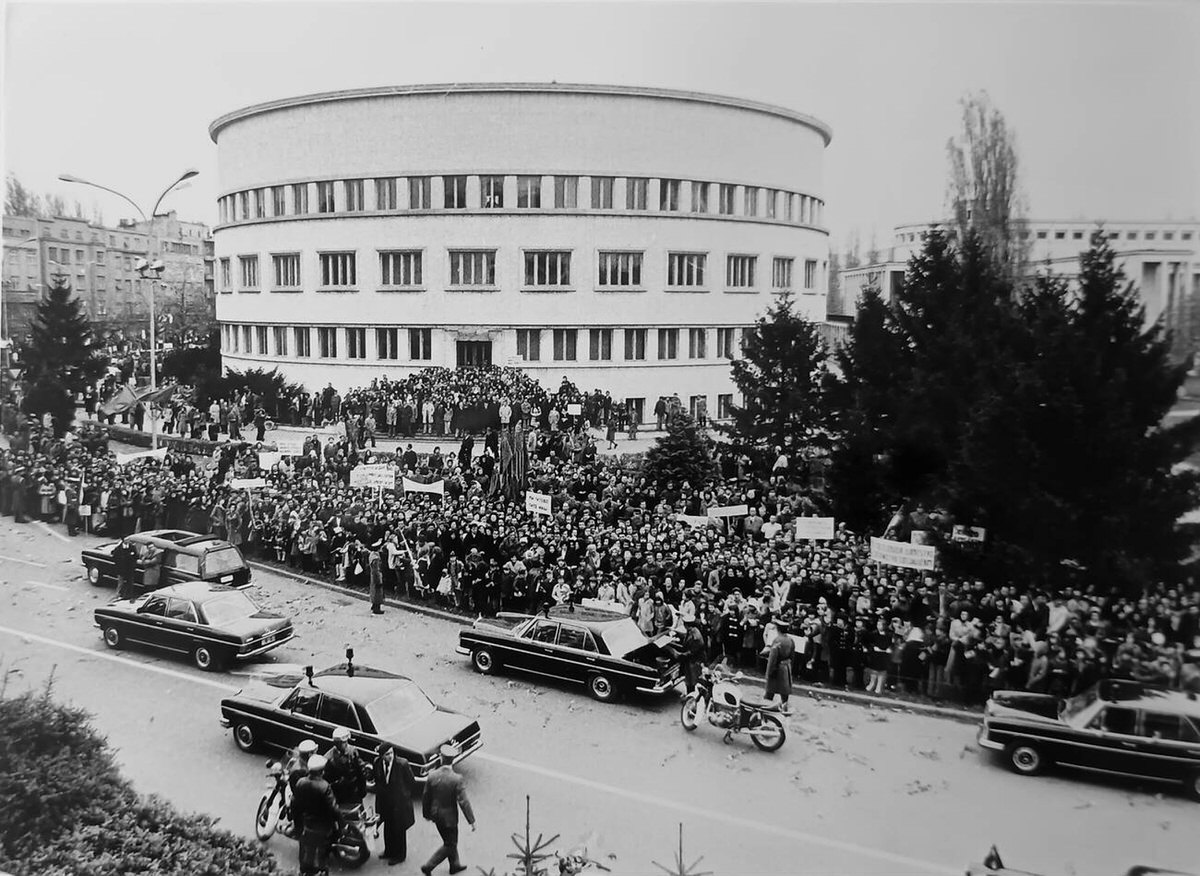
Tito’s public appearances were major events. When he visited cities like Novi Sad, crowds gathered along the route. He arrived with full ceremony, and photographs of those visits show a leader who understood the theater of power. His wife Jovanka accompanied him on official visits, and the two were photographed at historic sites like Petrovaradin Fortress — a deliberate blending of historical authority and modern political image-making.
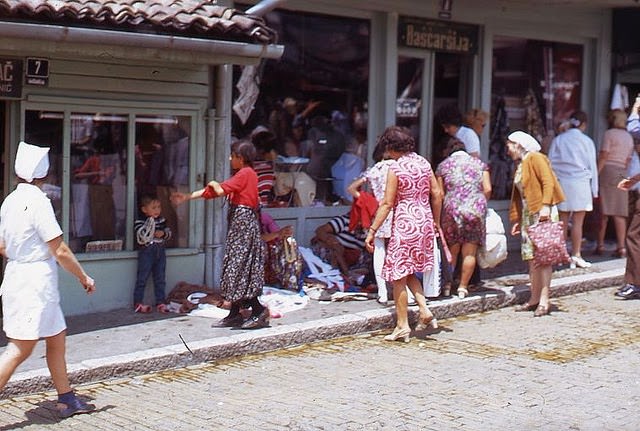
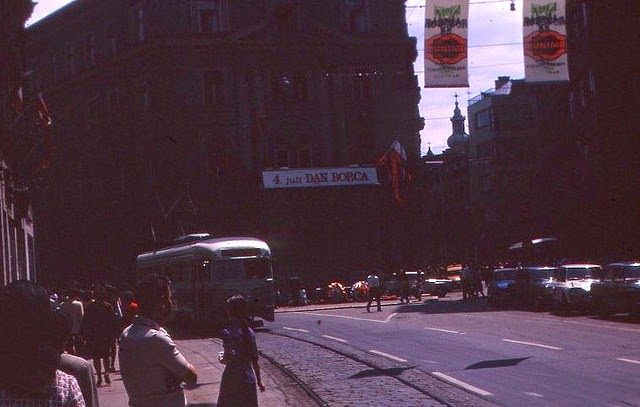
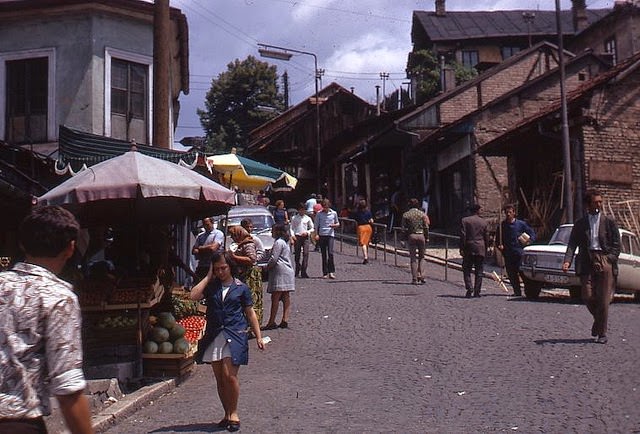
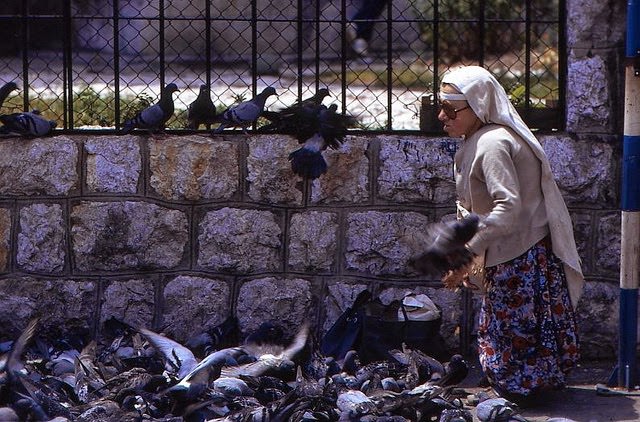





uhh, look all those sad faces of poor people, images of repression, terrible times… what a relieve they’ve been finally freed and happily married their phones /s
Beautiful. American here. Visited in ‘73 as a teen. Sadly took me 40 years to get back. My fav European country.
One of the greatest countries on this planet
Aw, all the Babas in black and dark garment. Still see them nowadays 🙂
It was a nice time to live in Yugoslavia in that period.
We first visited Dubrovnik together in 1986, and it wasn’t nearly as crowded as it is today. There were no cruise ships, etc.; it was much more relaxed.
Split had some unique vibes during that time
Yugoslavia looks like it was an amazing place to live or visit.