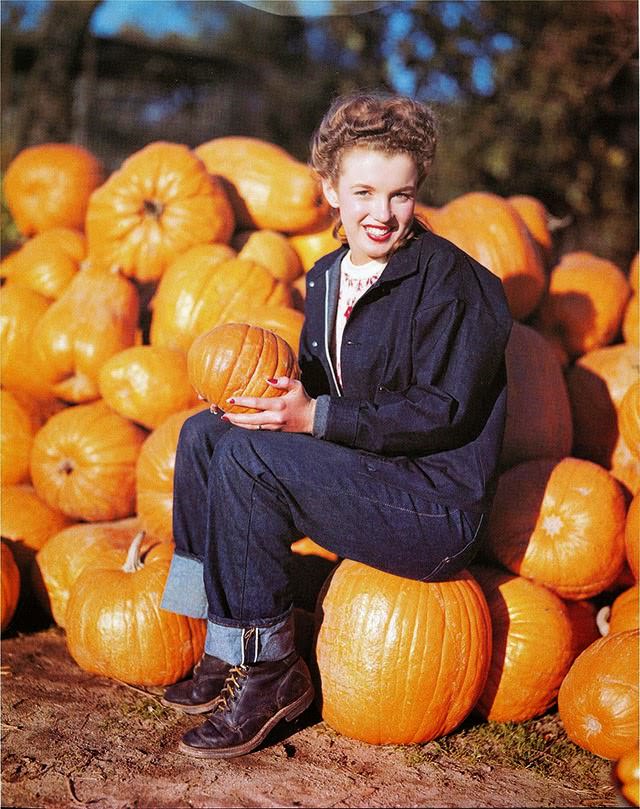
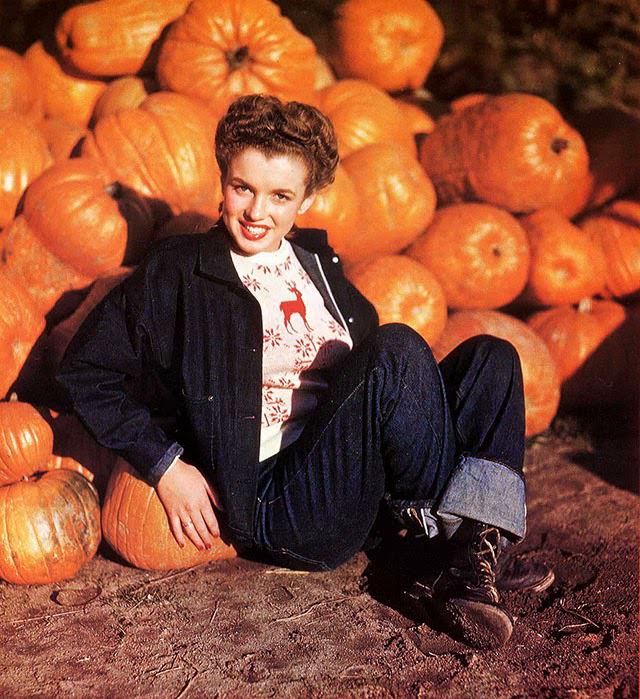
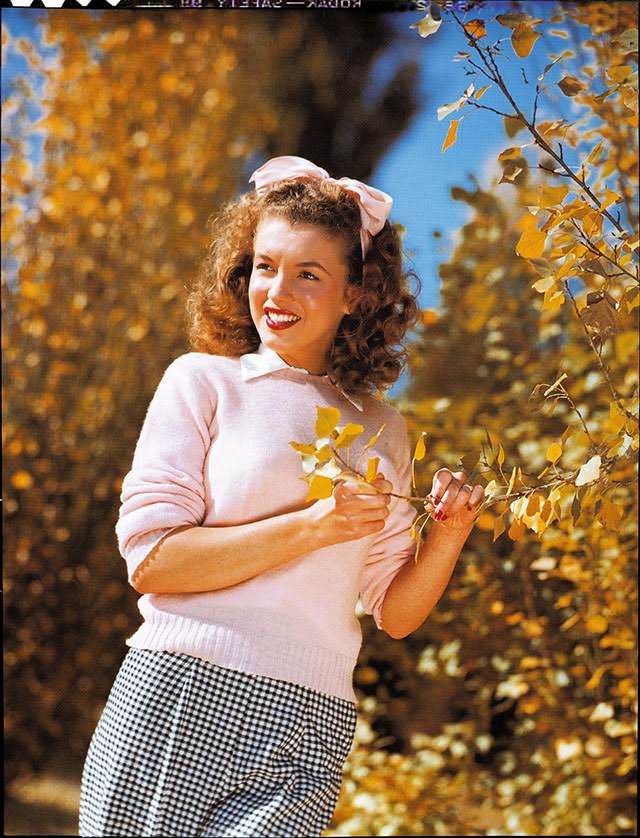
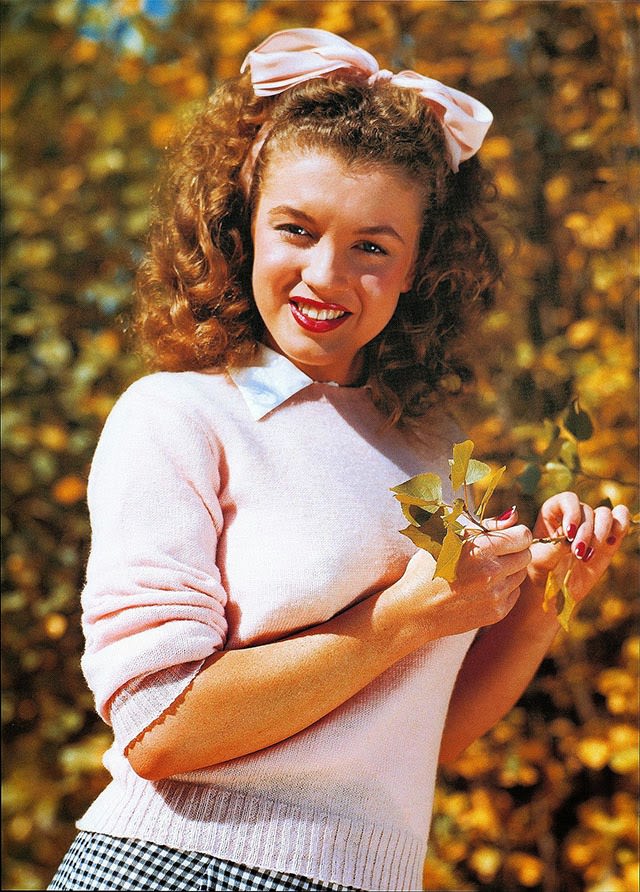
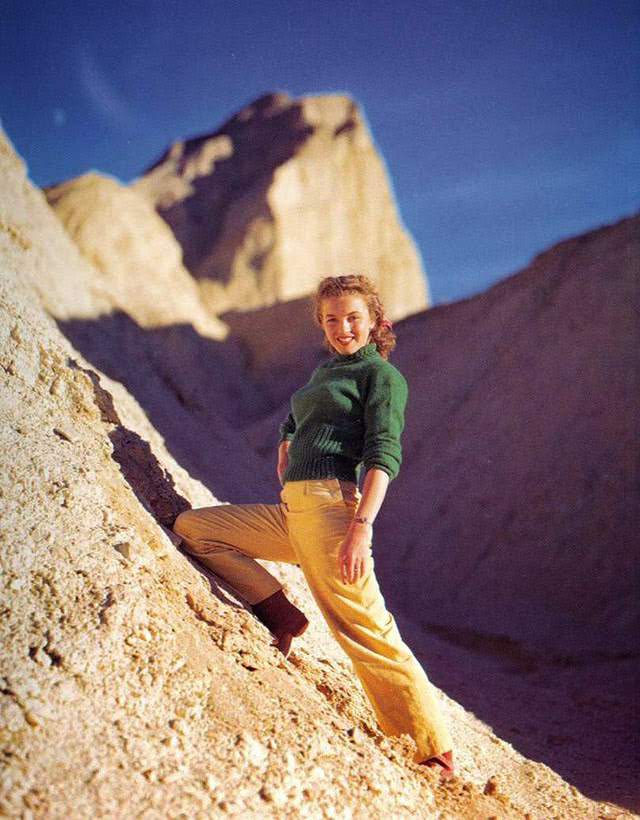
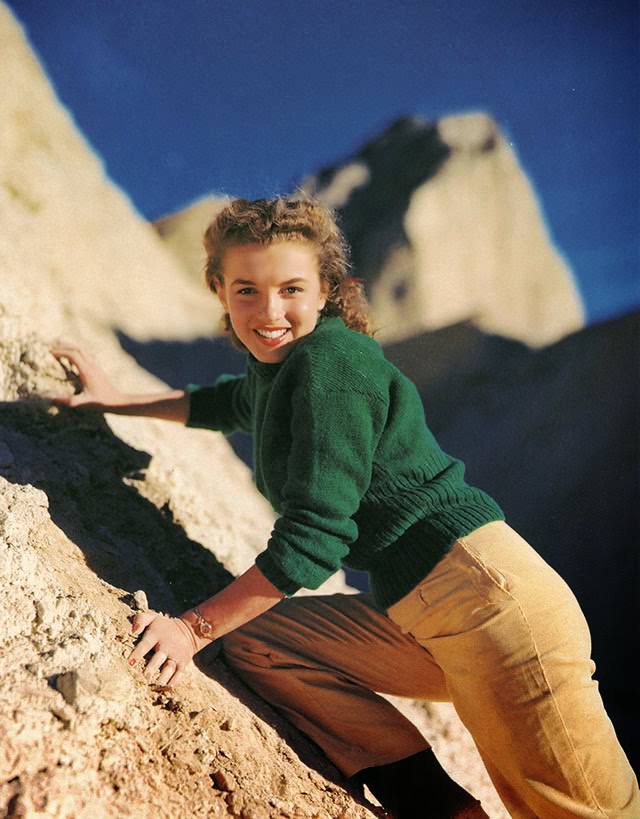
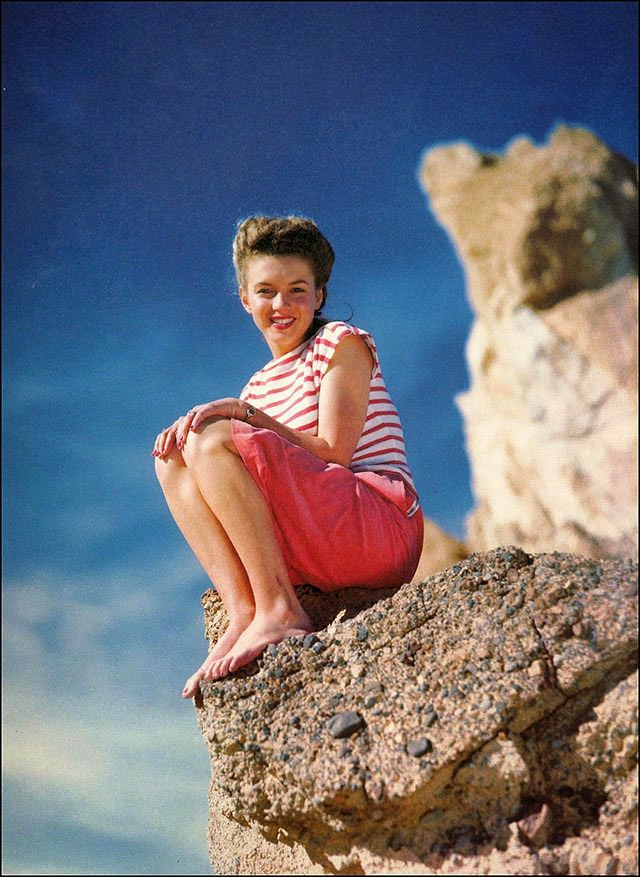
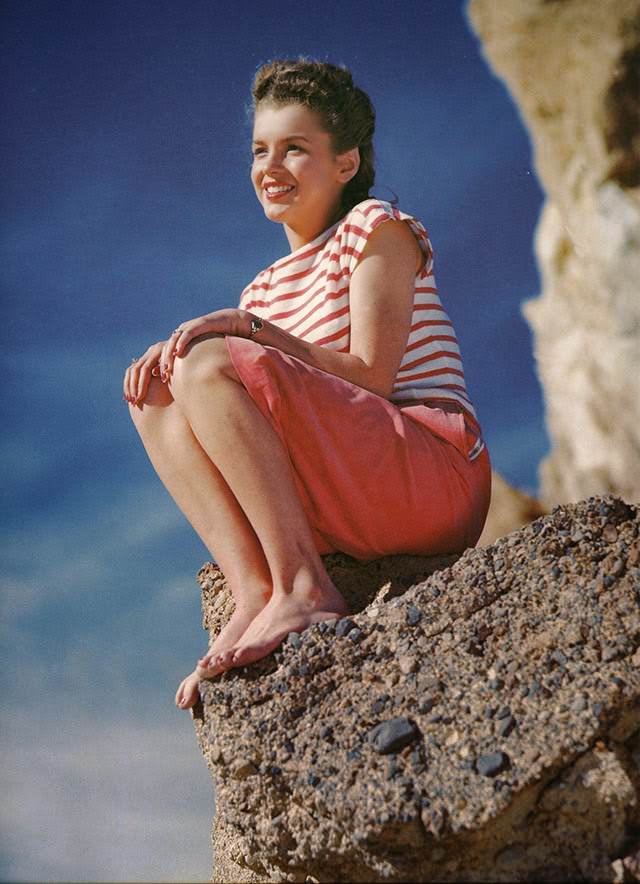
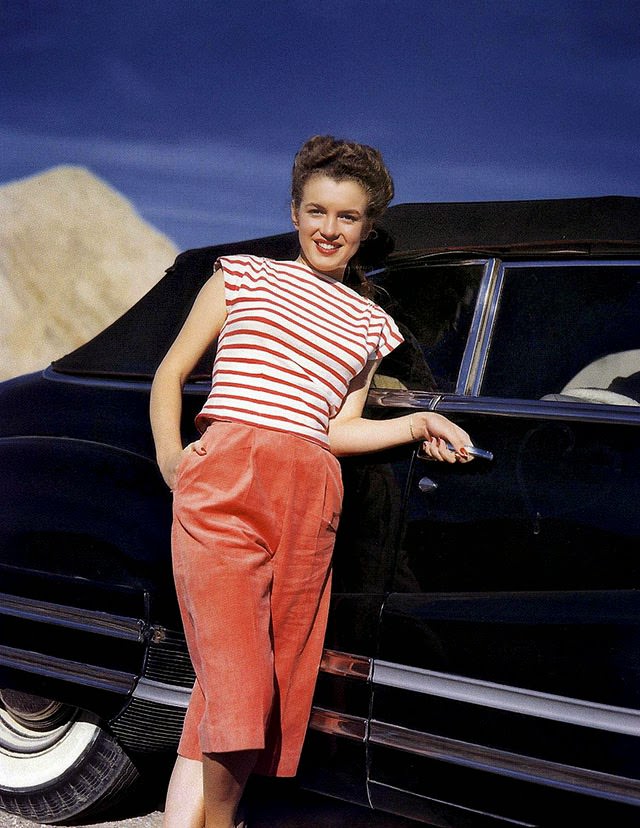
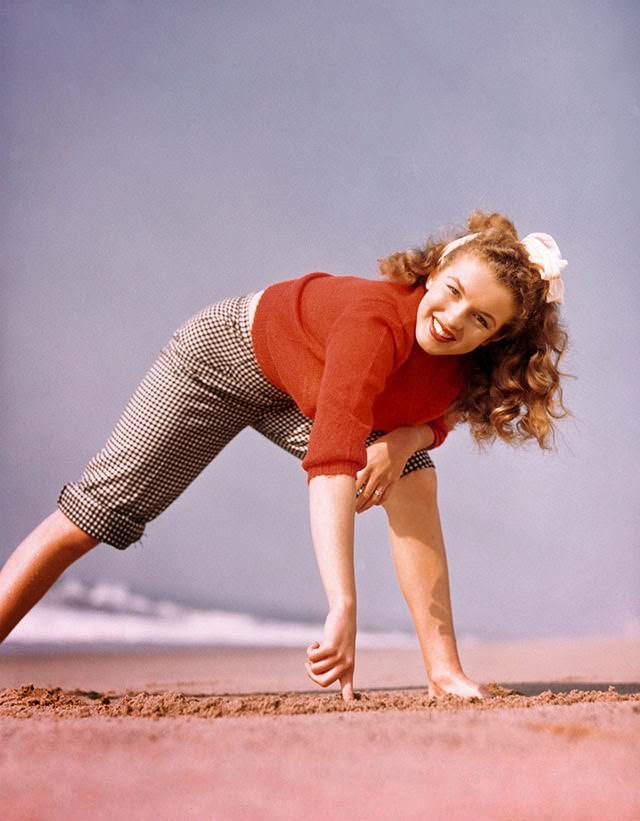
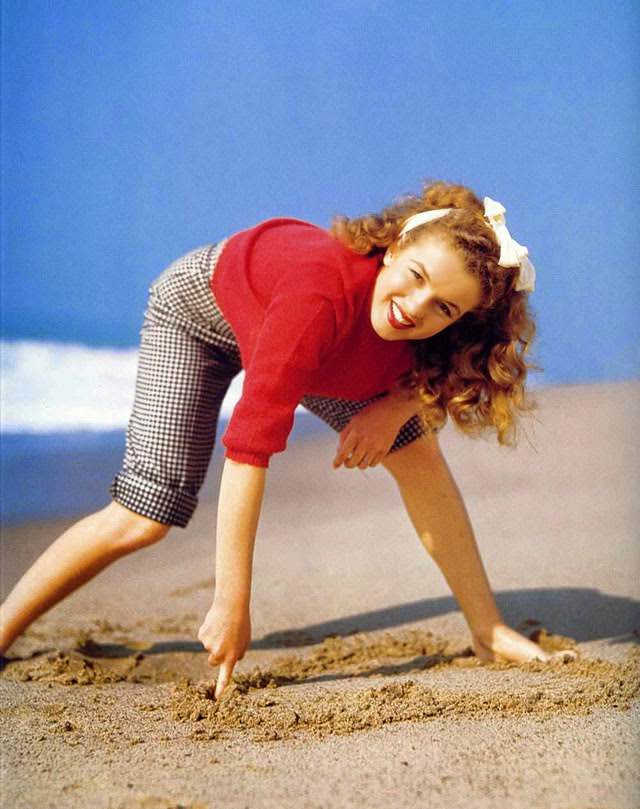
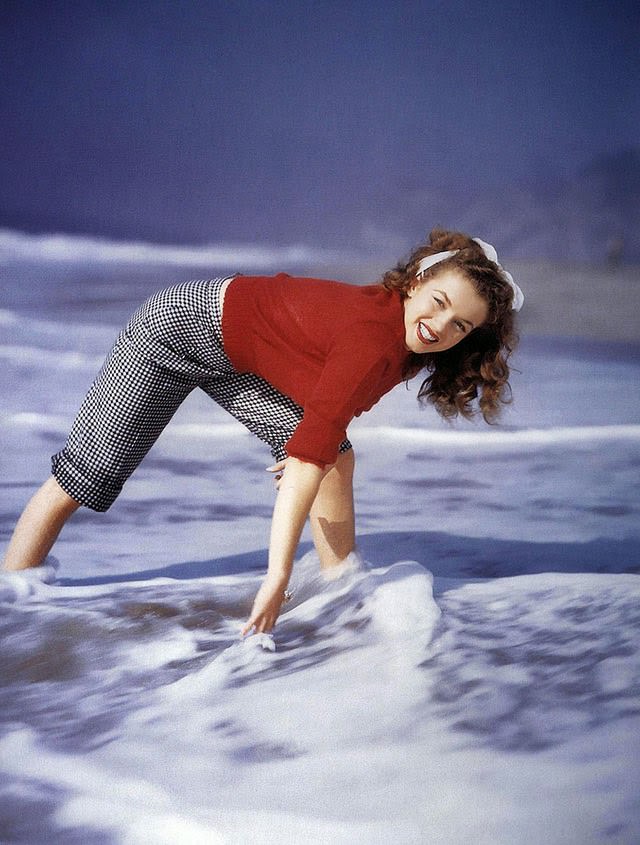
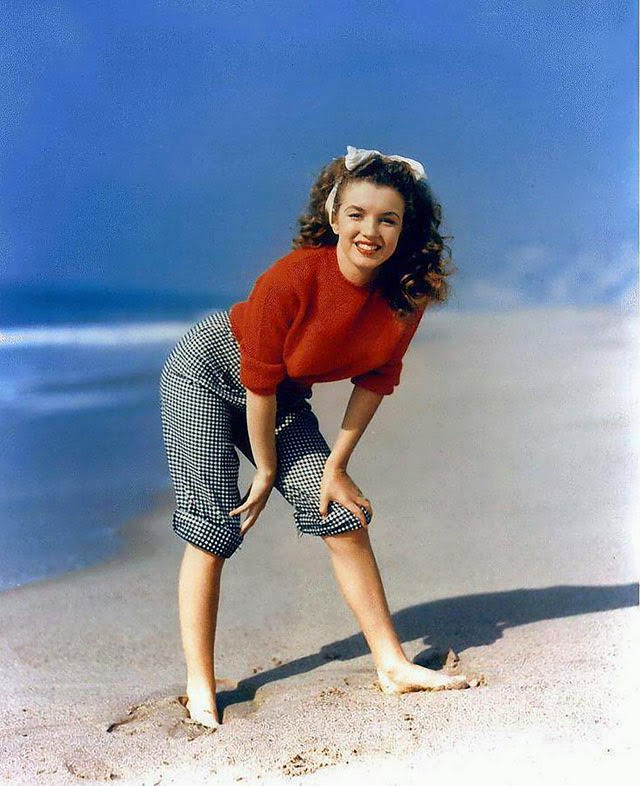
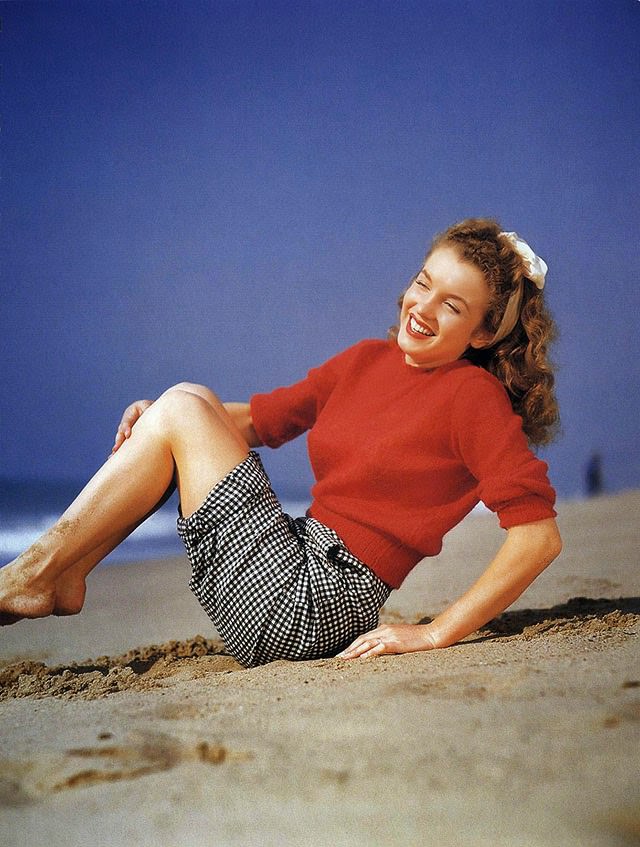
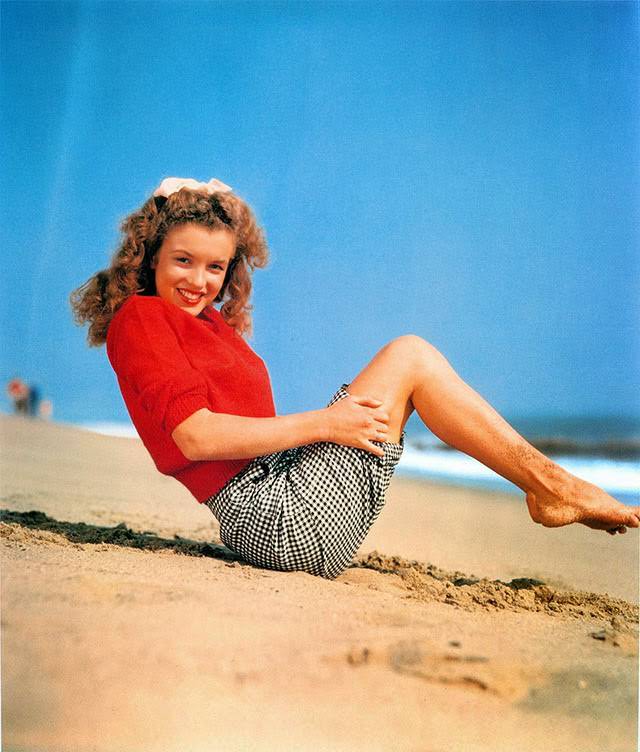
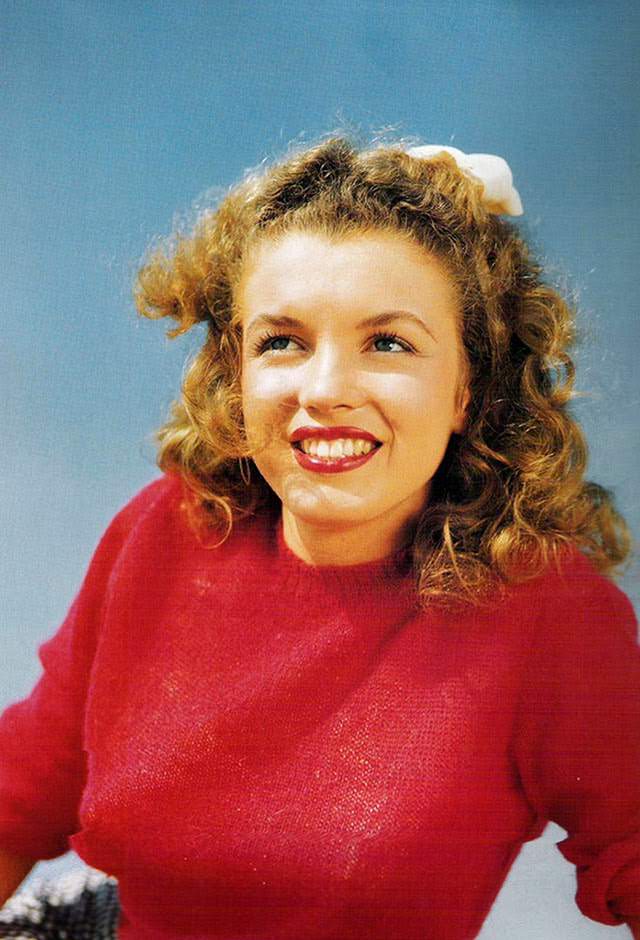
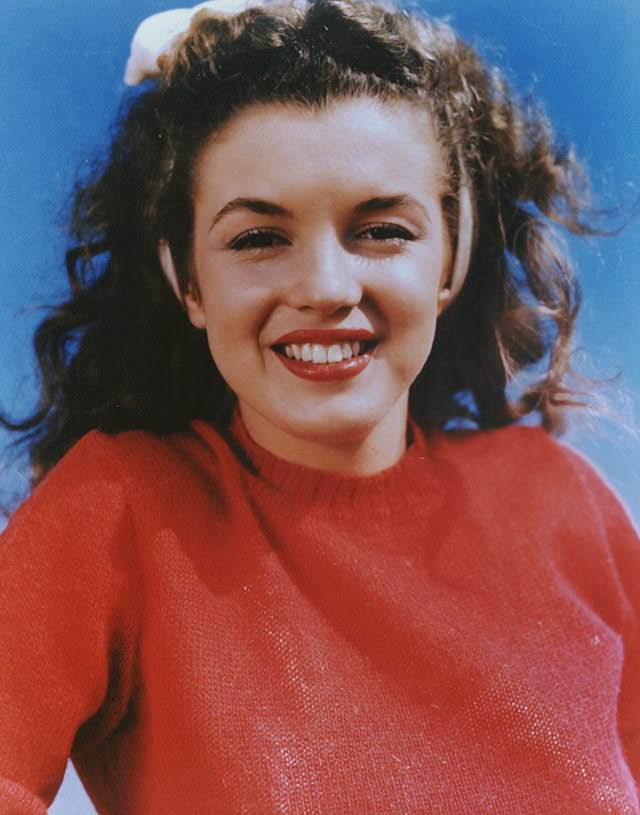
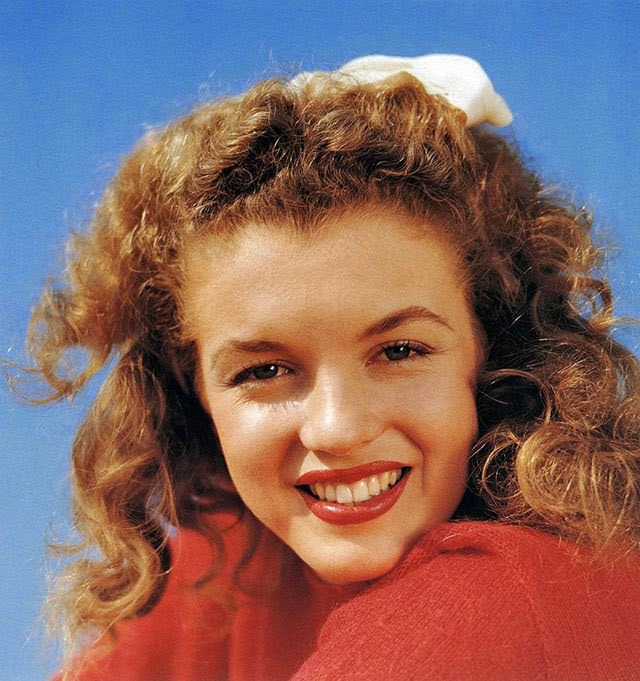
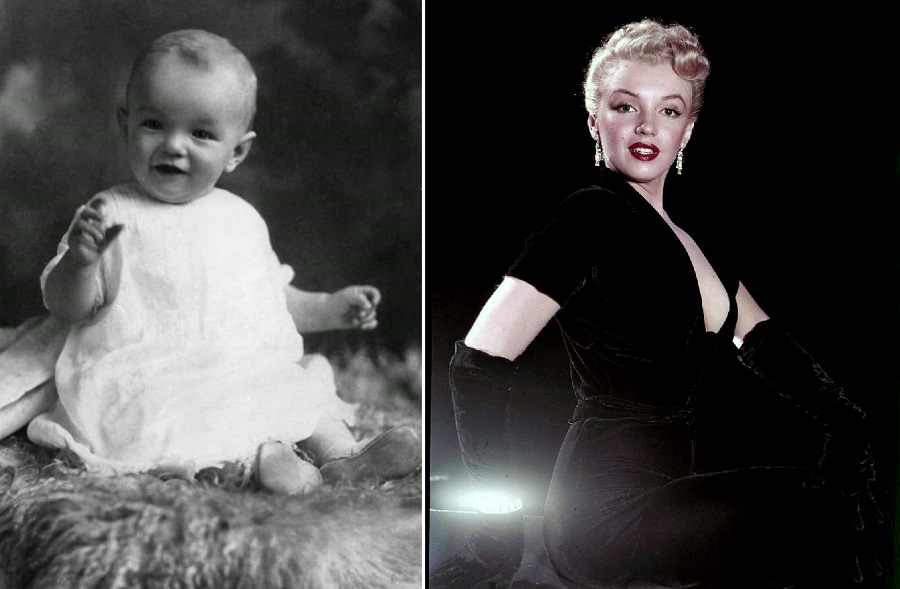
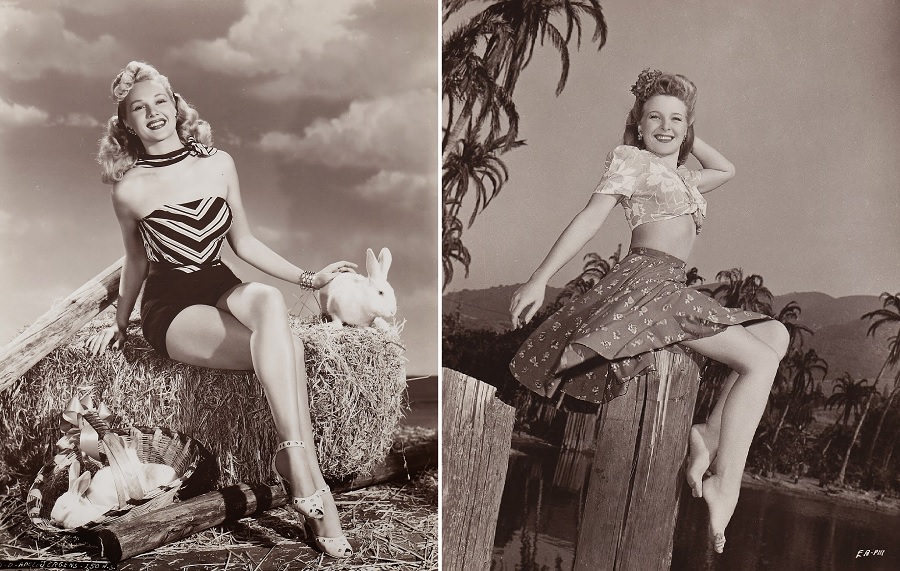
In October 1945, fashion photographer André de Dienes packed his camera and drove west with a nineteen-year-old model named Norma Jeane Dougherty. Marilyn Monroe did not exist yet. The woman in his car had curly, reddish-brown hair, no stage name, and no trace of the heavy Hollywood makeup that would later define her image.
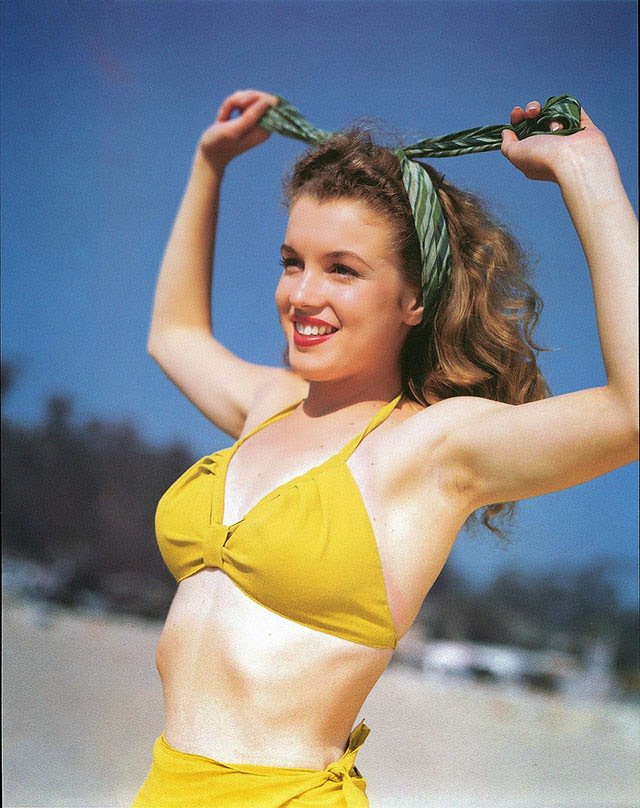
They traveled through California, Nevada, and Oregon, stopping whenever the light hit the landscape just right. There were no studio sets, no art directors, and no formal wardrobe. Norma Jeane wore oversized cable-knit sweaters, men’s flannel shirts, and rolled-up denim jeans.
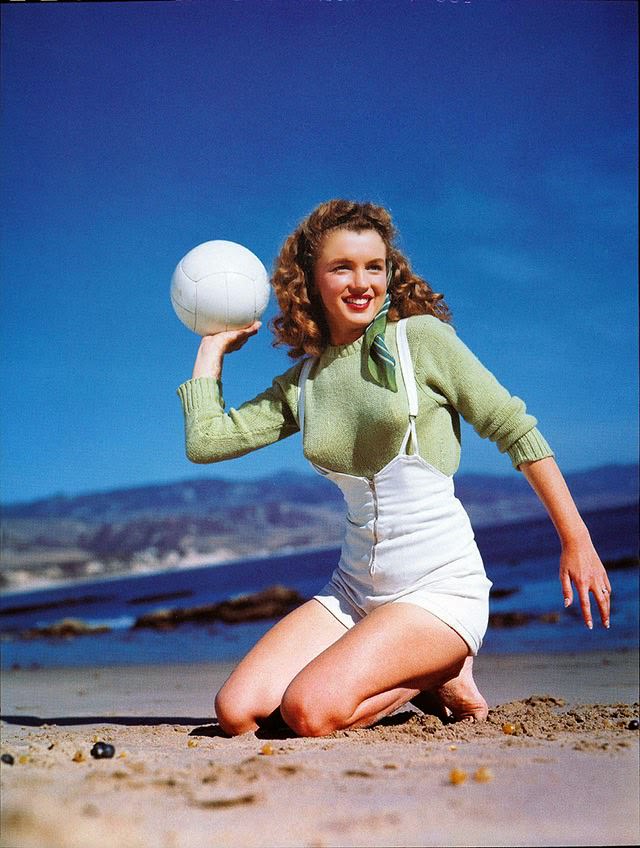
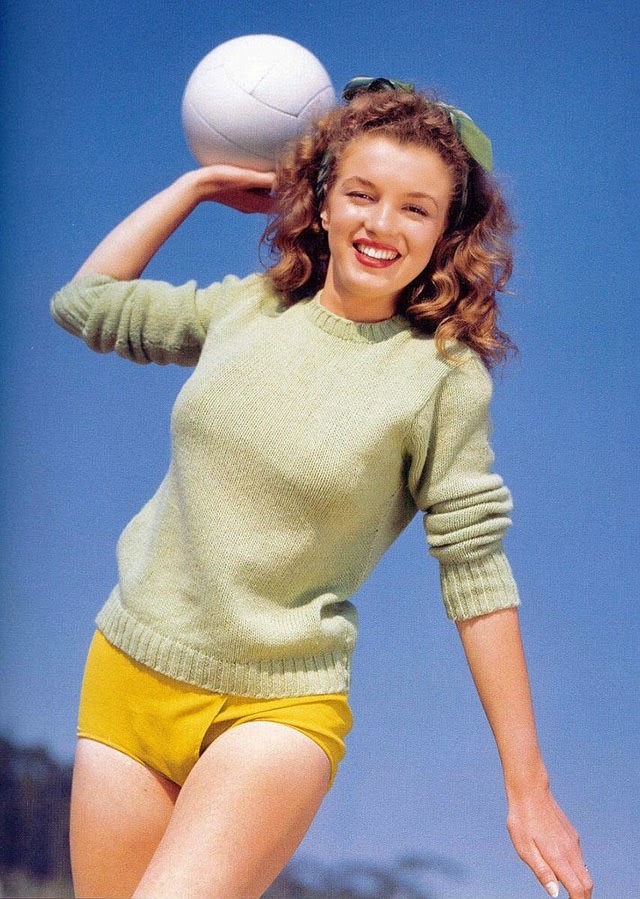
On the beaches of Malibu, she ran barefoot across the cold sand while the ocean breeze pushed her hair across her face. De Dienes deliberately avoided the stiff, frozen poses standard in 1940s fashion magazines. He wanted her moving — mid-laugh, climbing over desert rocks, caught off guard.
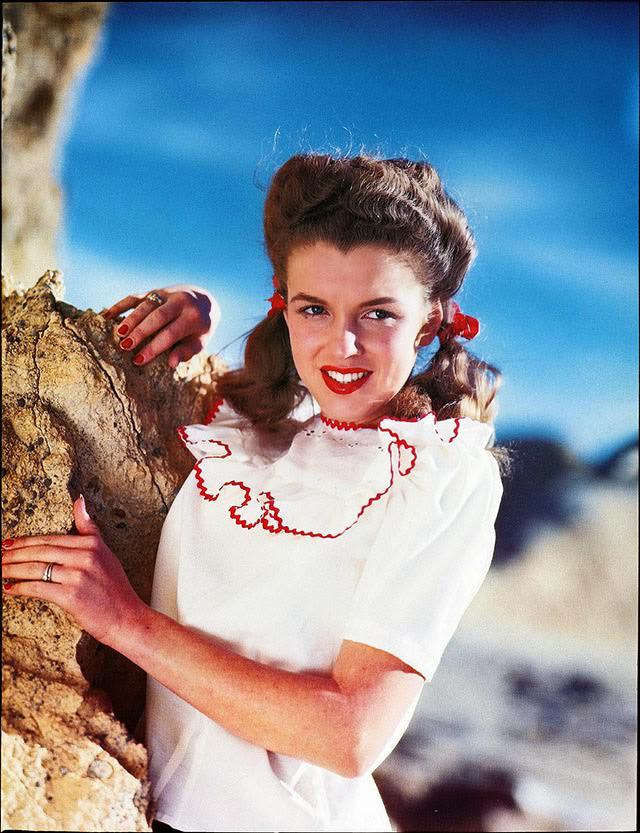
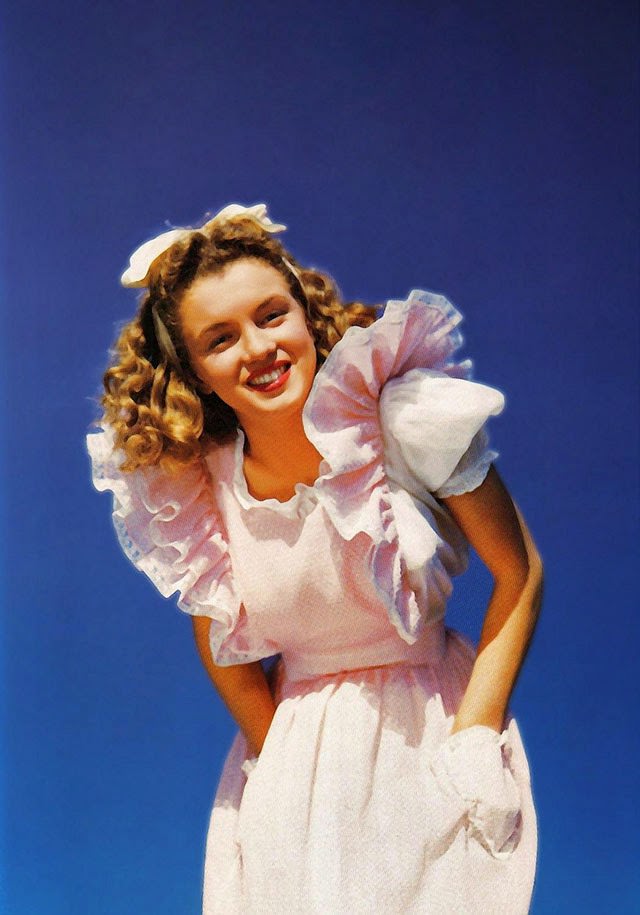
He treated the sessions as acting exercises. He gave her abstract emotional concepts instead of directions. He asked her to stare at the horizon and think about death, then instantly switch to thinking about the man she loved. She shifted from convincing sorrow to radiant joy in a single breath. His camera caught every transition up close.

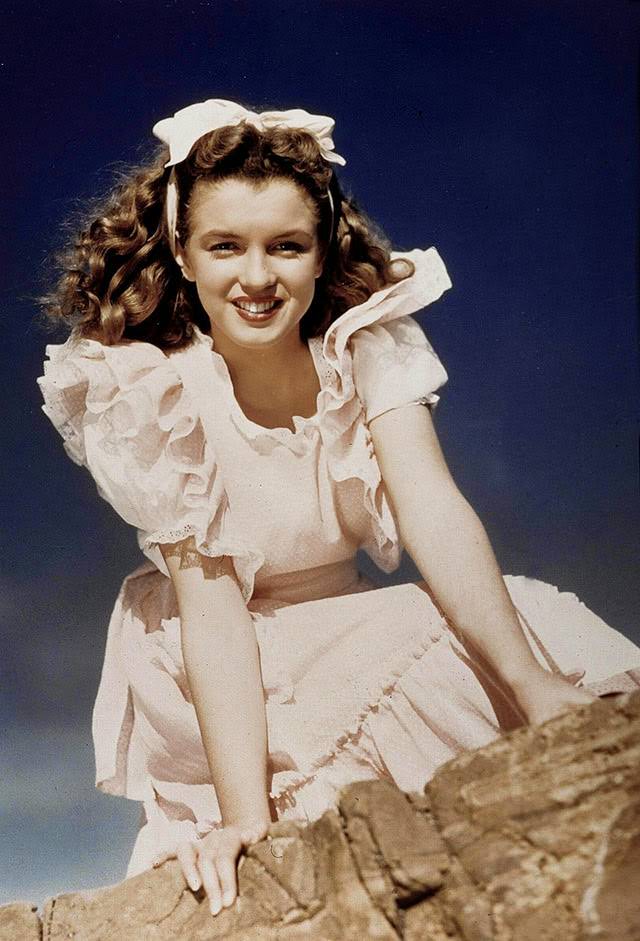
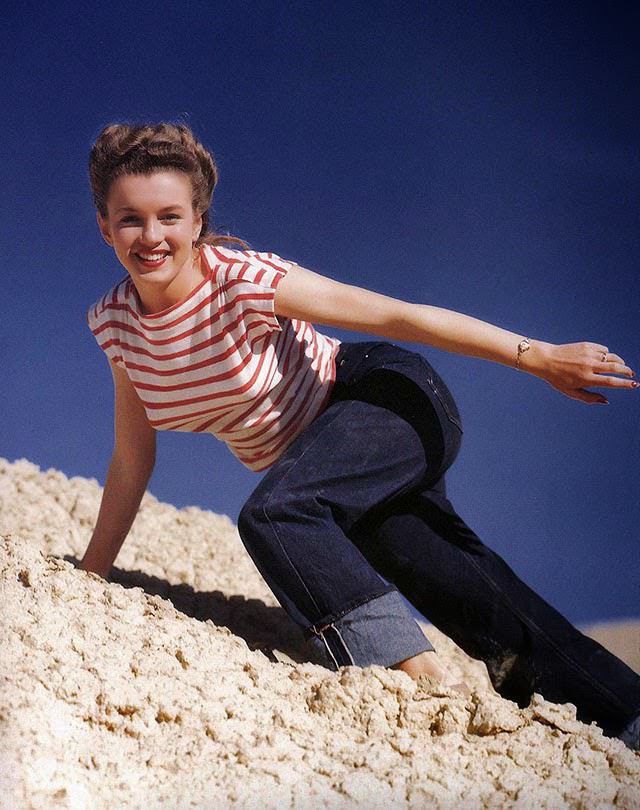
De Dienes shot exclusively in natural light, waiting for the golden hour at sunrise and sunset to warm her skin on film. No artificial lighting. No retouching. Just the raw geography of the American West and a young woman who knew exactly how to fill a frame.
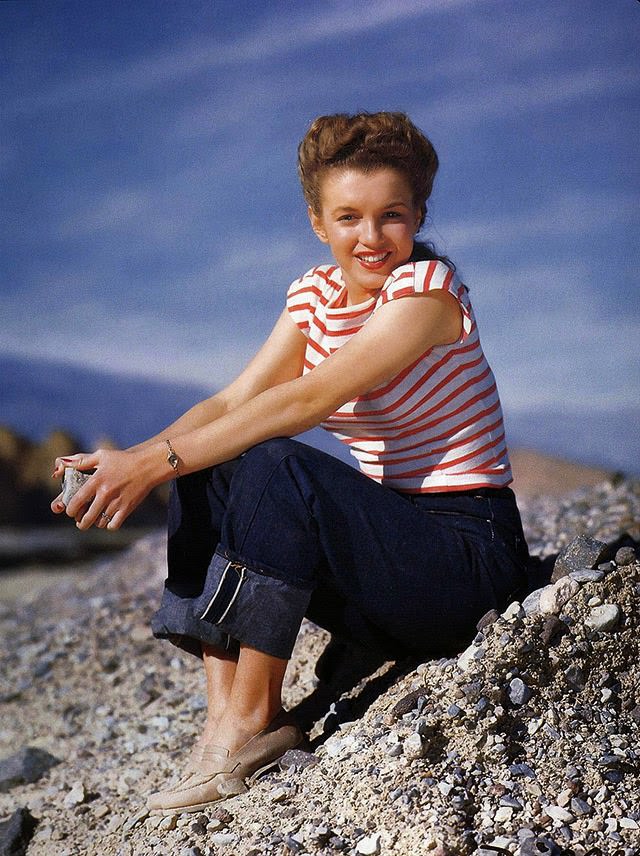
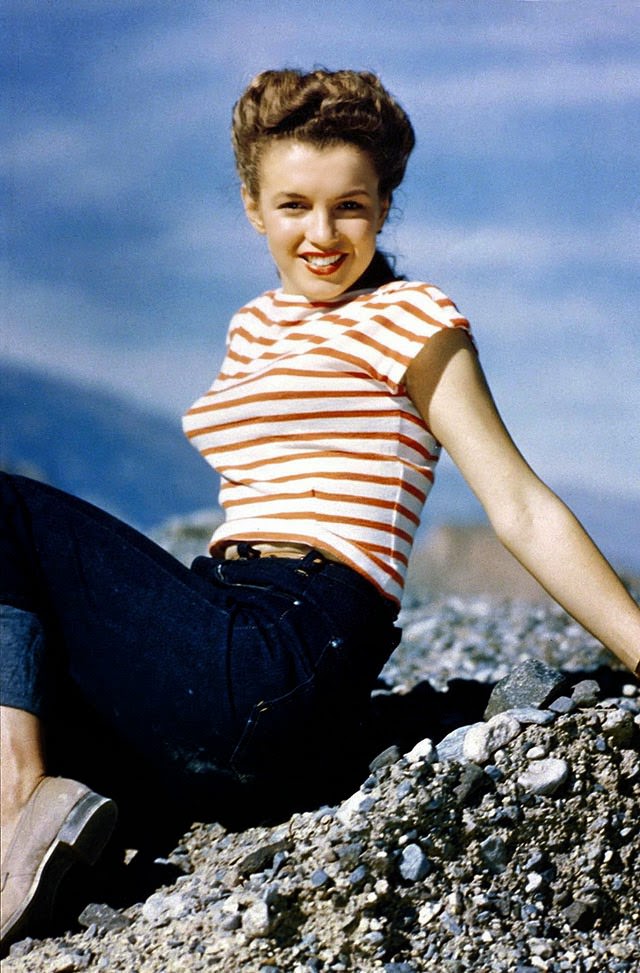
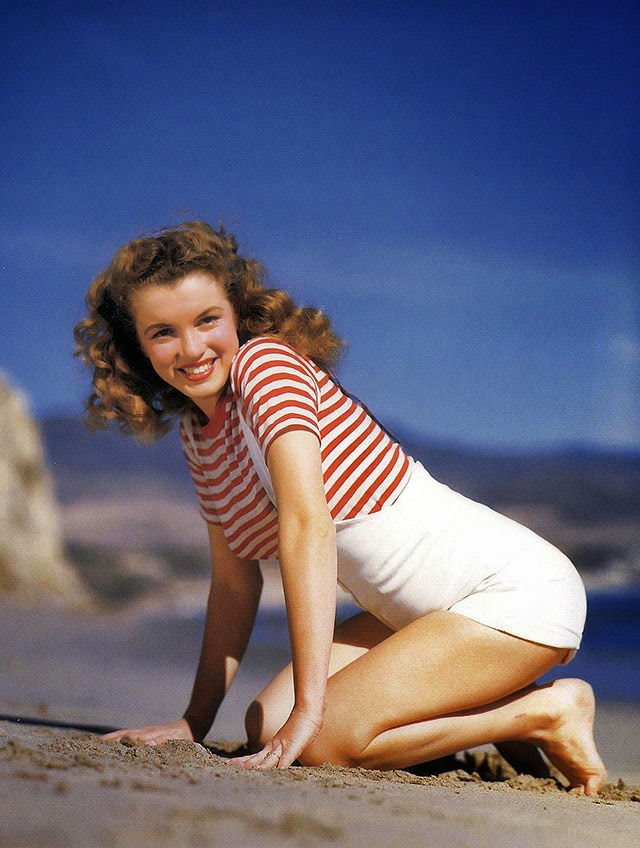
The two became briefly engaged during the trip. That personal bond showed in the photographs. Norma Jeane looked into his lens with complete ease, the kind that can’t be staged. De Dienes later recorded the details of their relationship in private memoirs kept secret for years.
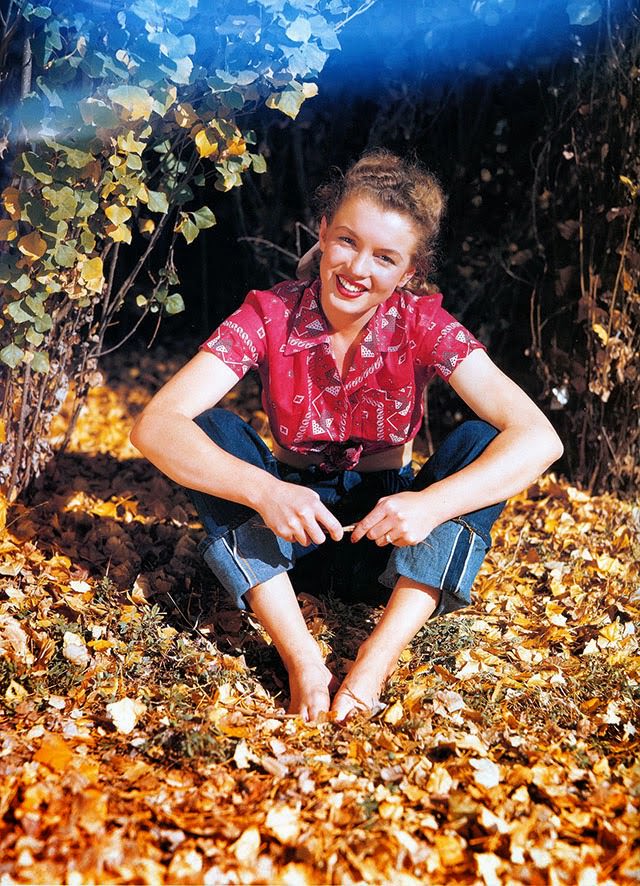
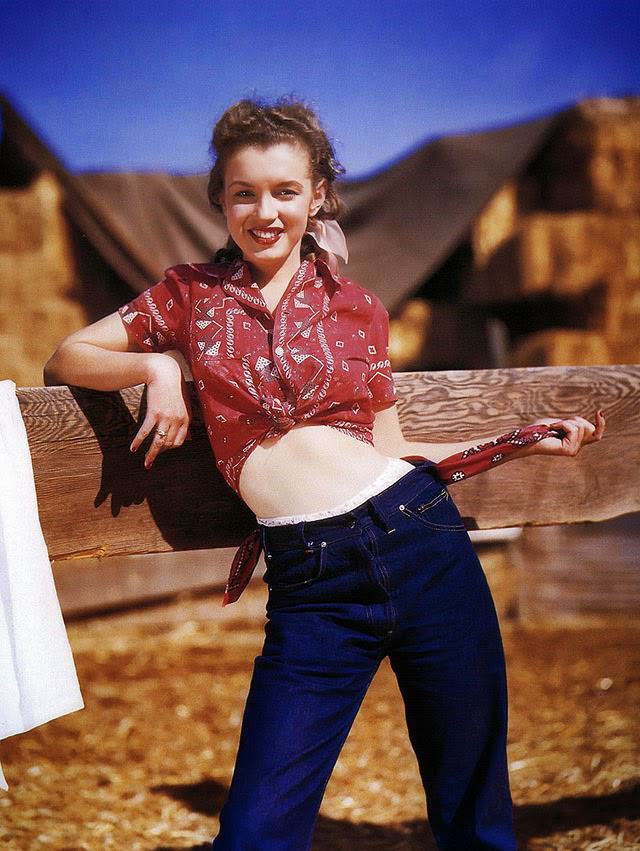
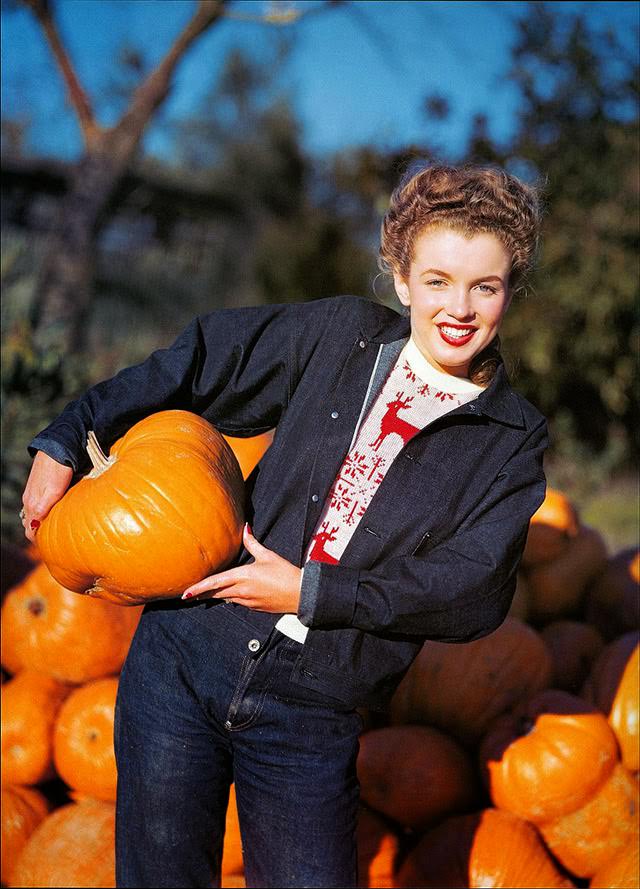
The road trip produced a massive portfolio. Every image proved one thing clearly: Norma Jeane could hold a camera’s full attention using only her expression and energy. No diamonds. No studio backdrops. No star power borrowed from a name she hadn’t been given yet.