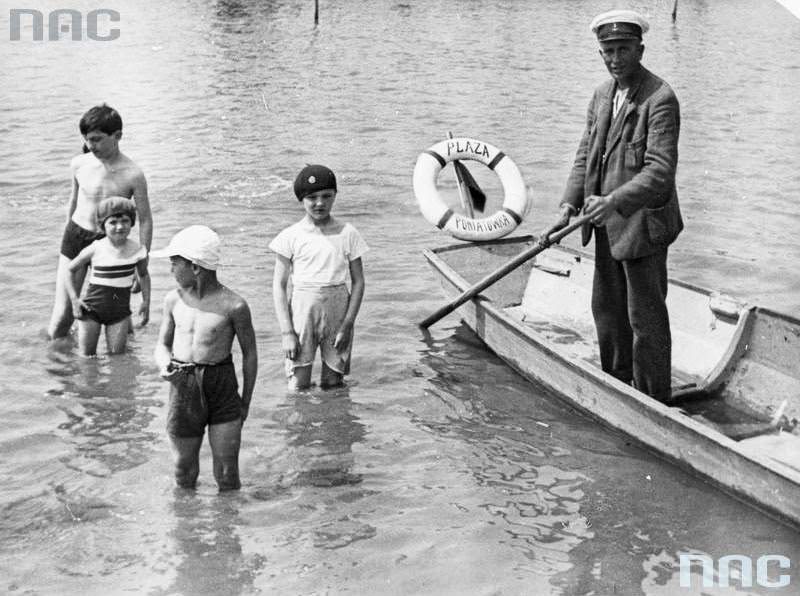
Before World War II, Poland’s beaches were destinations for Europe’s wealthy and well-connected. Two very different coastlines defined the summer season — the chilly Baltic in the north and the sun-baked riverbanks of the south.
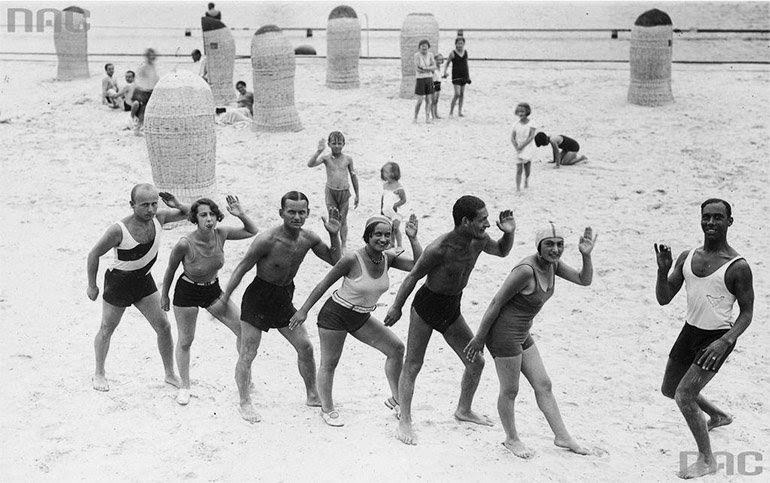
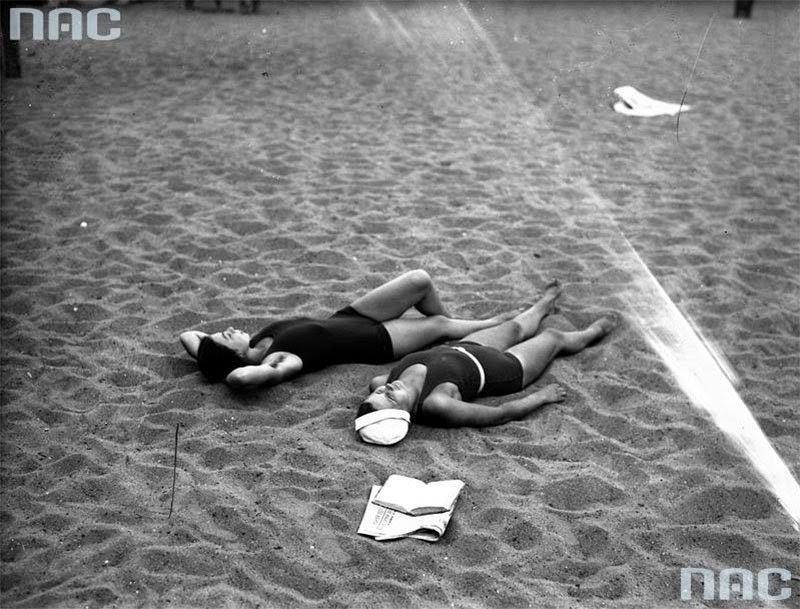
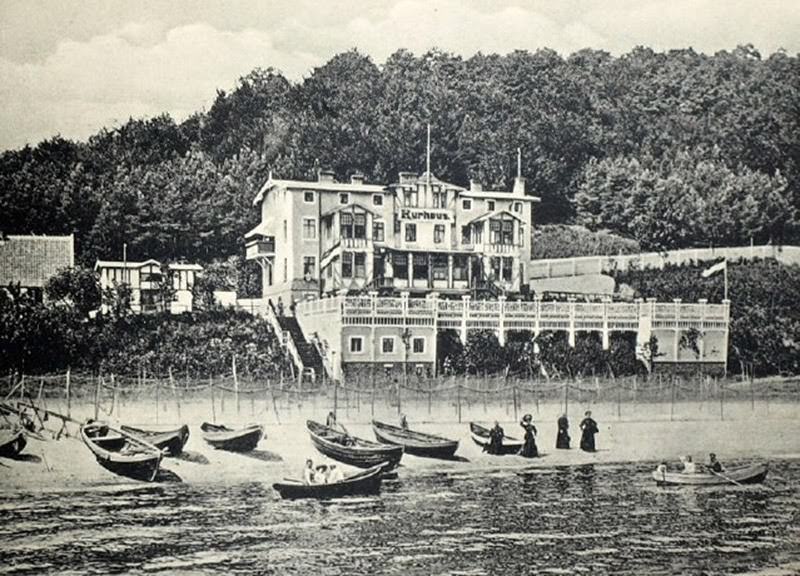
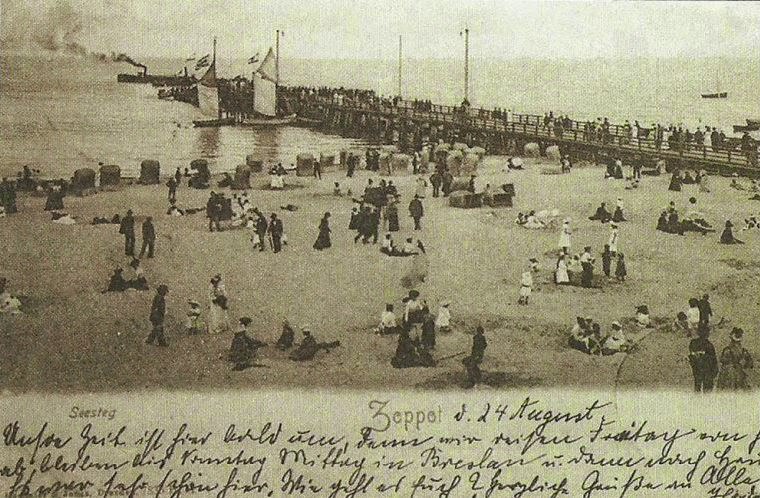
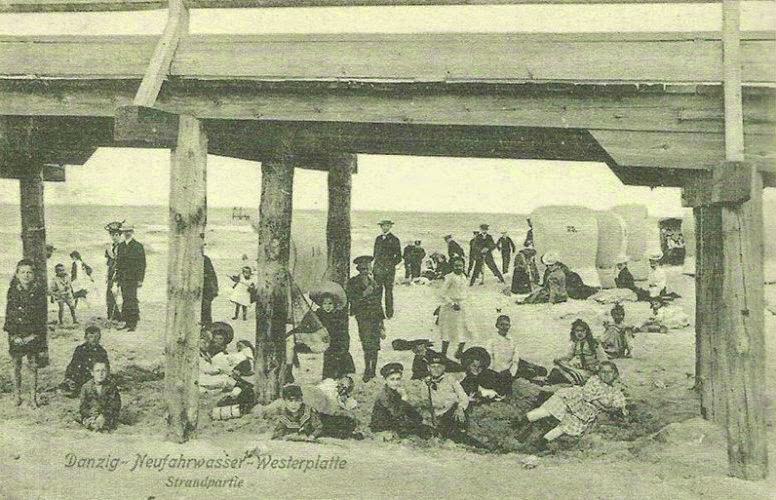
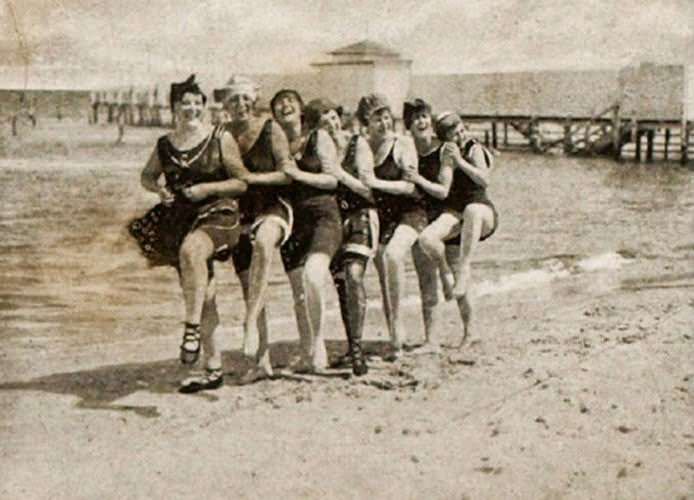
On the Baltic coast, the cold northern winds shaped how visitors spent their days. Wealthy vacationers sheltered inside large, hooded wicker chairs called kosze, which blocked the wind and blowing sand. Men wore heavy, striped, one-piece woolen swimsuits. Women paired rubber bathing caps with belted bathing costumes.
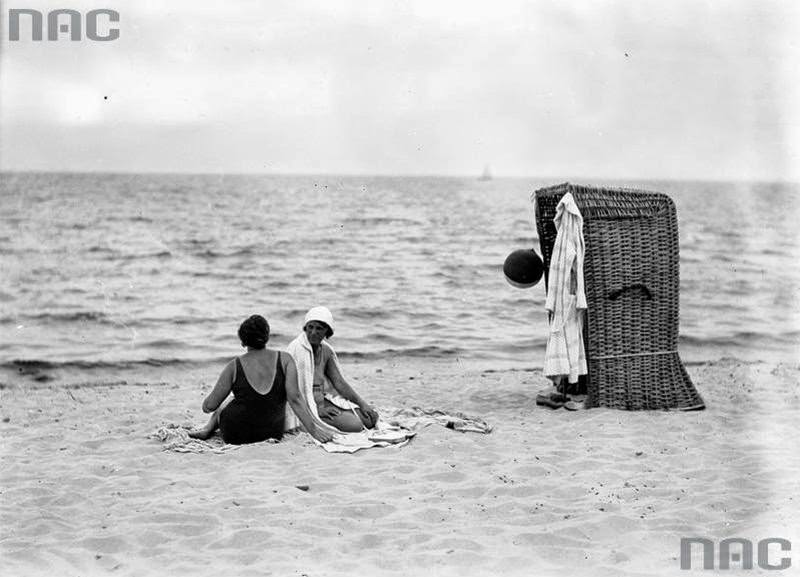
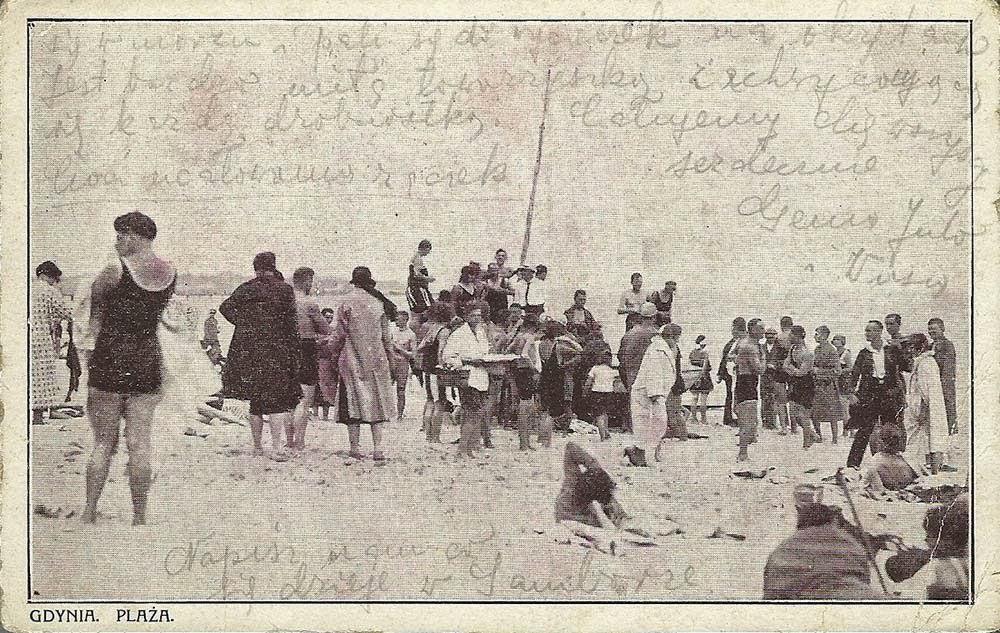
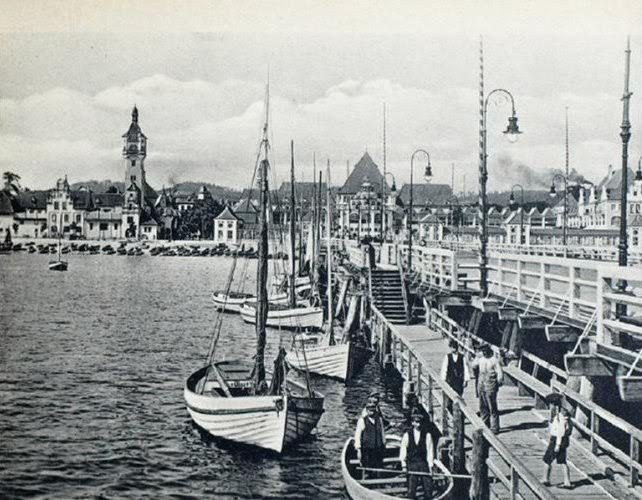
The resort town of Sopot anchored the Baltic social scene. Its long wooden pier jutted far out into the sea and served as a public runway for the elite. International figures like Marlene Dietrich and the spy Mata Hari walked its planks alongside Polish film stars and politicians escaping the cities for summer.
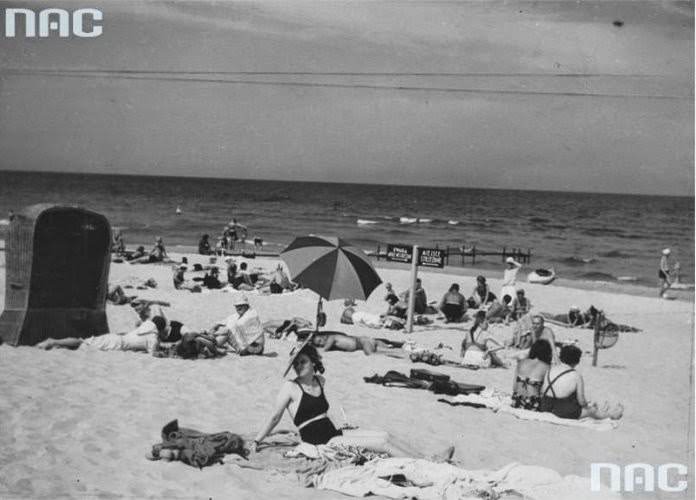
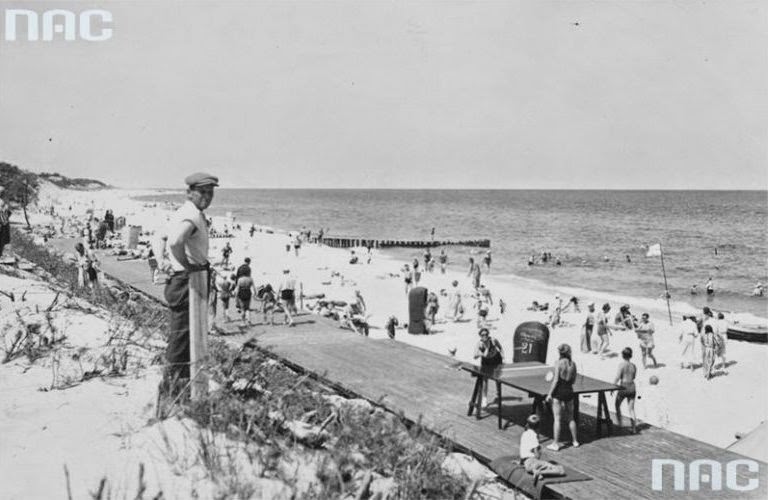
Poland’s political class made regular appearances at these resorts. President Ignacy Mościcki himself was photographed on the beach in July 1937, joined by family and military aides.
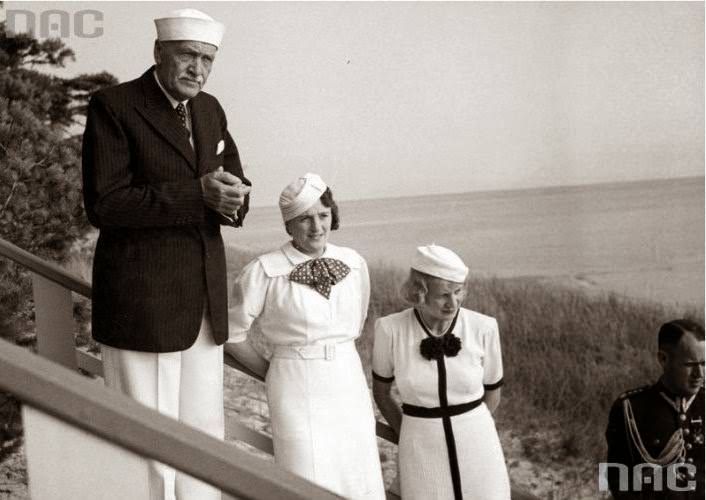
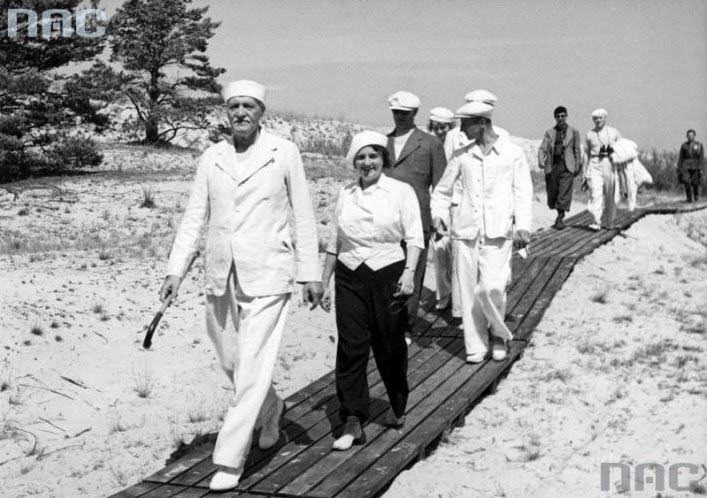
Senior officials mingled openly on the sand. Mayors, governors, and foreign ministers were photographed relaxing at outdoor cafes and strolling the shoreline — a casual display of power in a beach setting.
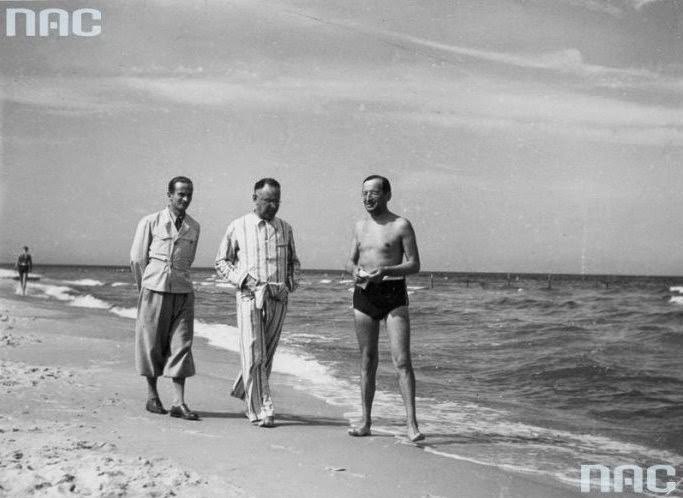
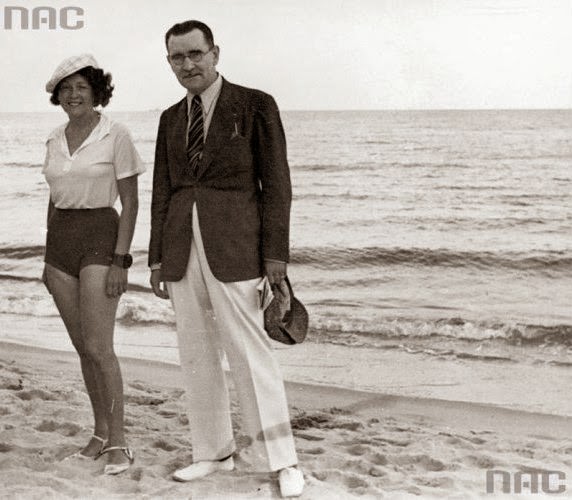
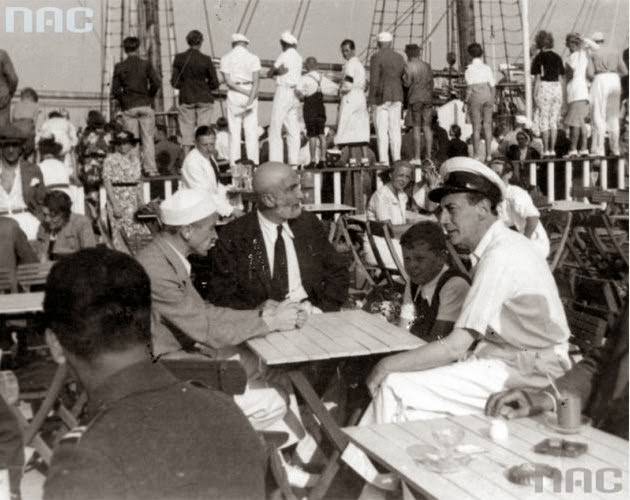
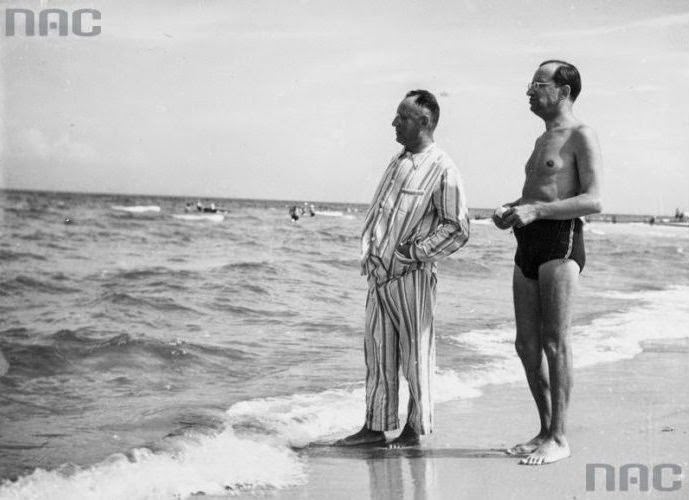
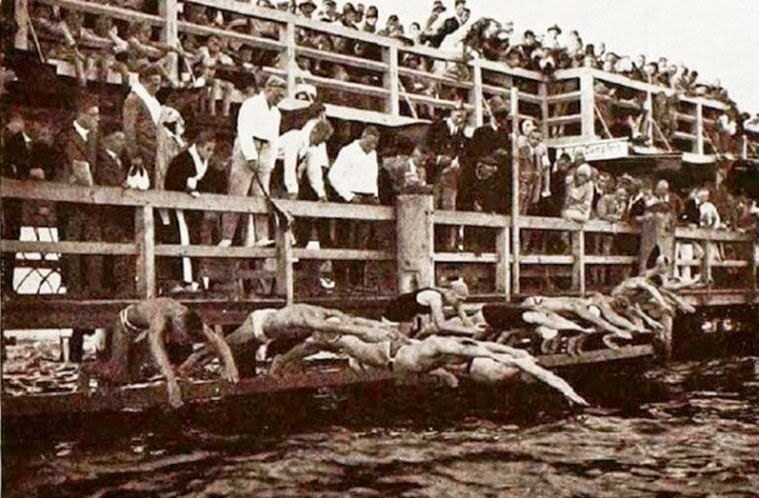
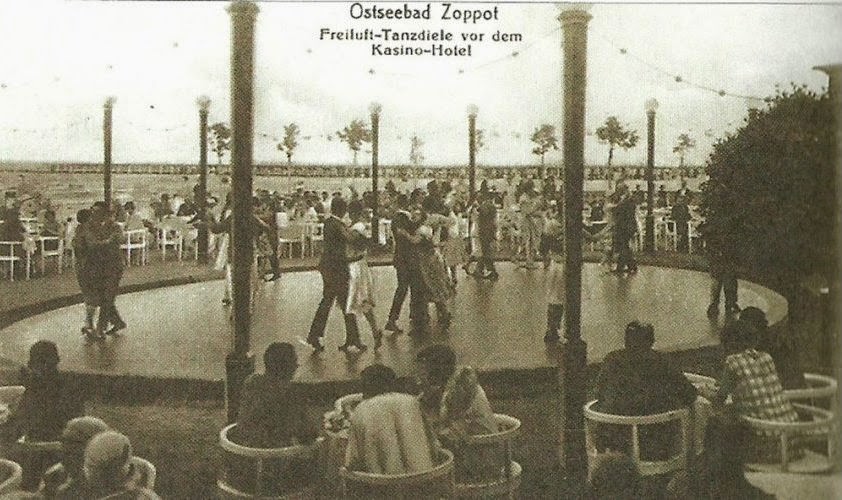
Evenings on the Baltic brought jazz orchestras whose music drifted from the casino gardens directly onto the beach. The Sopot pier also hosted competitive swimming events, drawing large crowds of spectators.
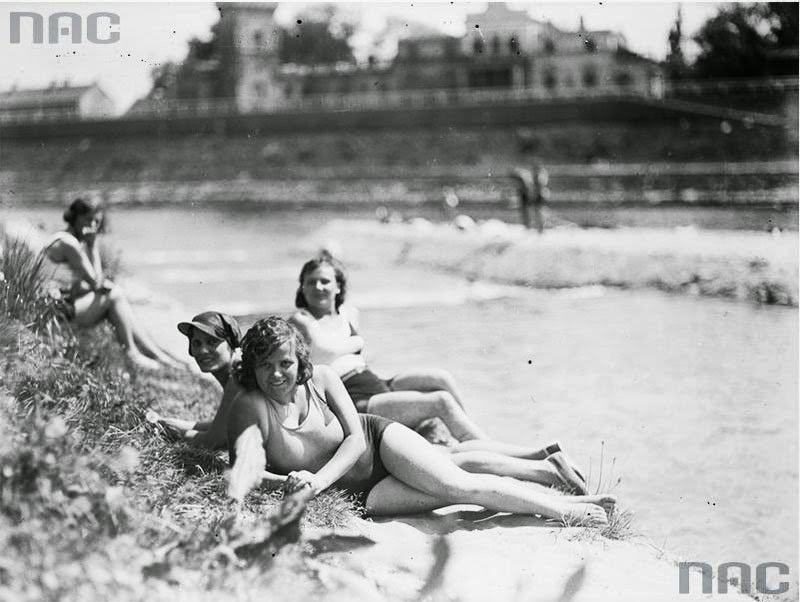
Far to the south, the mood shifted completely. The town of Zaleszczyki on the Dniester River was Poland’s answer to the Mediterranean. The river carved a deep gorge through towering limestone cliffs, trapping heat and blocking wind. Temperatures climbed high enough to grow grapes, apricots, and melons, which vendors sold directly to sunbathers on the sandy riverbanks.
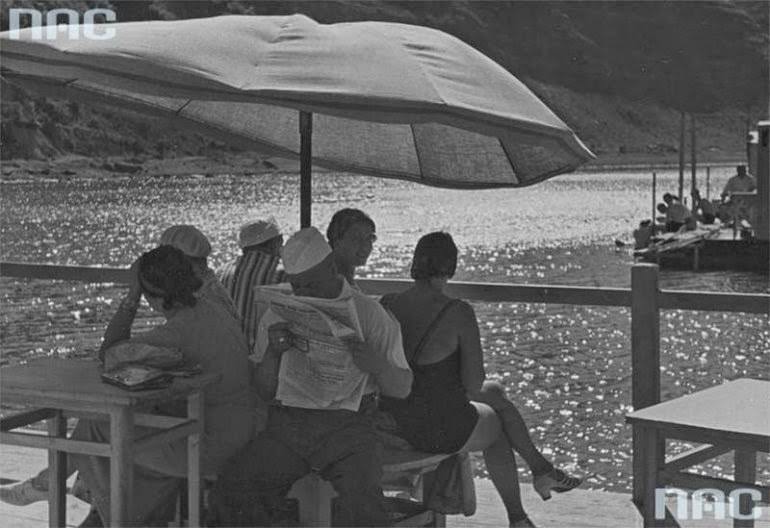
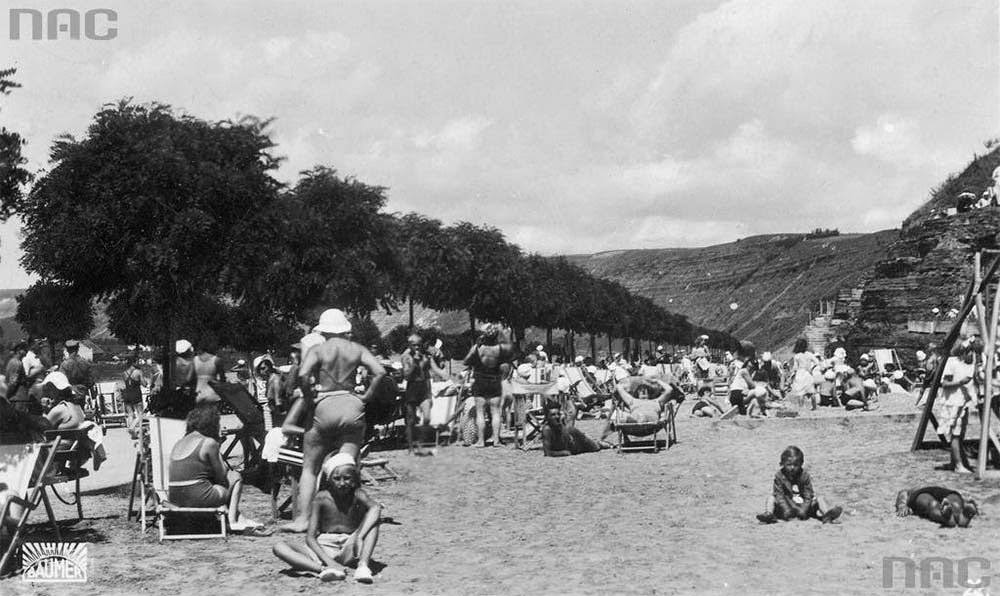
Life at Zaleszczyki was far less formal than on the Baltic. Tourists swam in the warm, slow Dniester current while looking up at steep rock walls. Kayakers paddled downstream along the bends that divided Poland from Romania. No wicker chairs here — visitors simply spread blankets across the wide sandy banks and soaked up the sun.