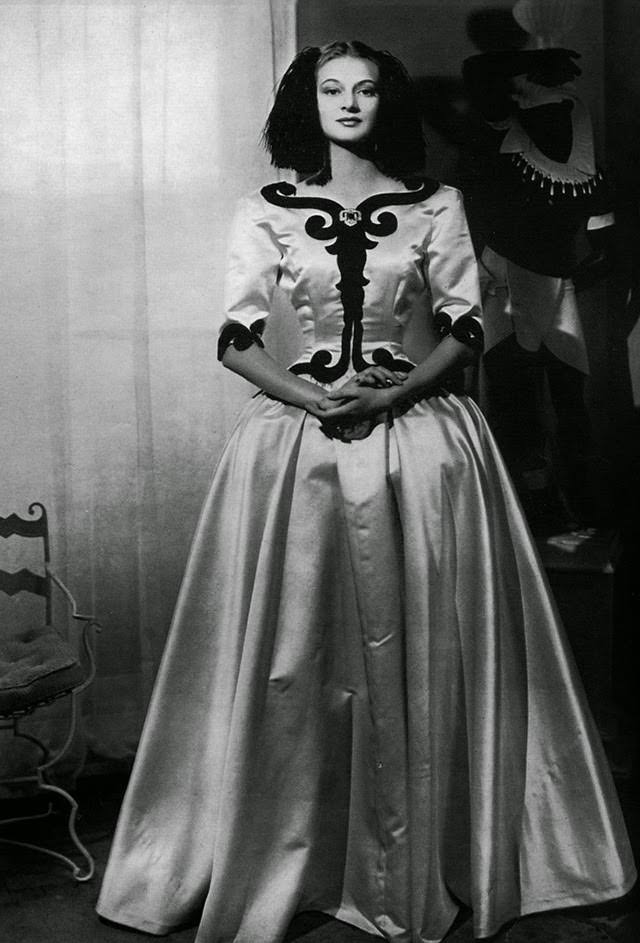
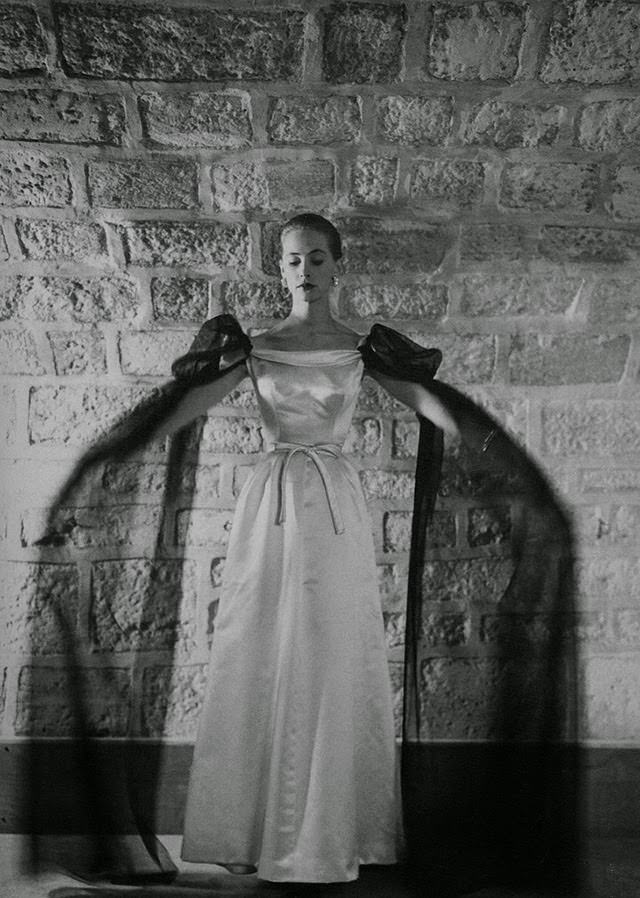
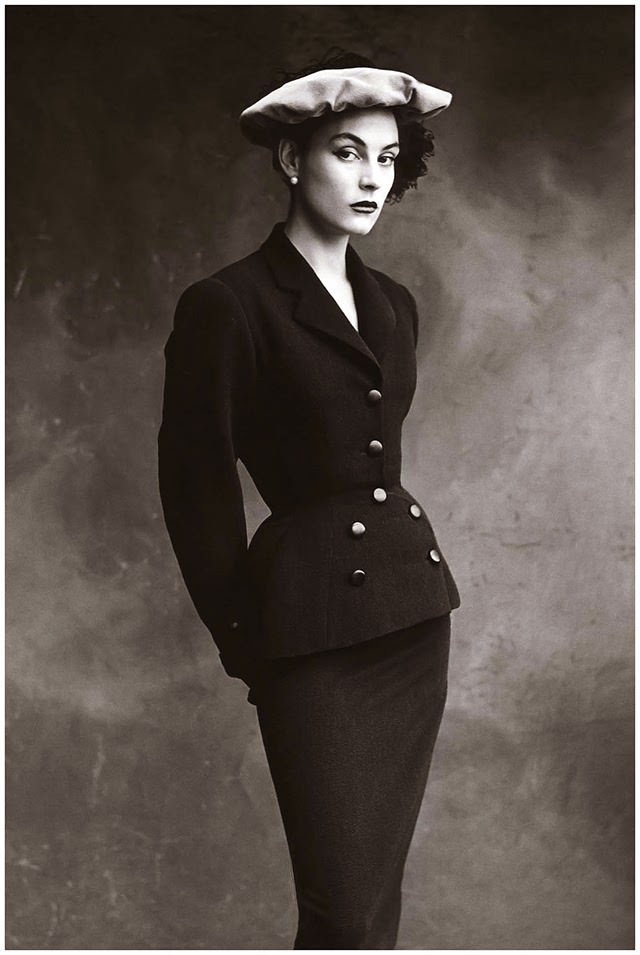
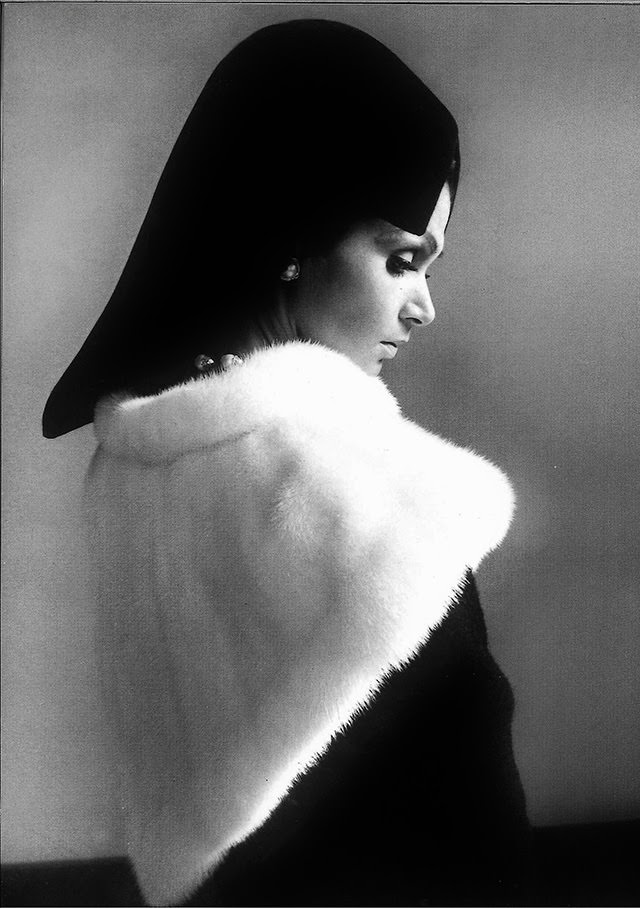
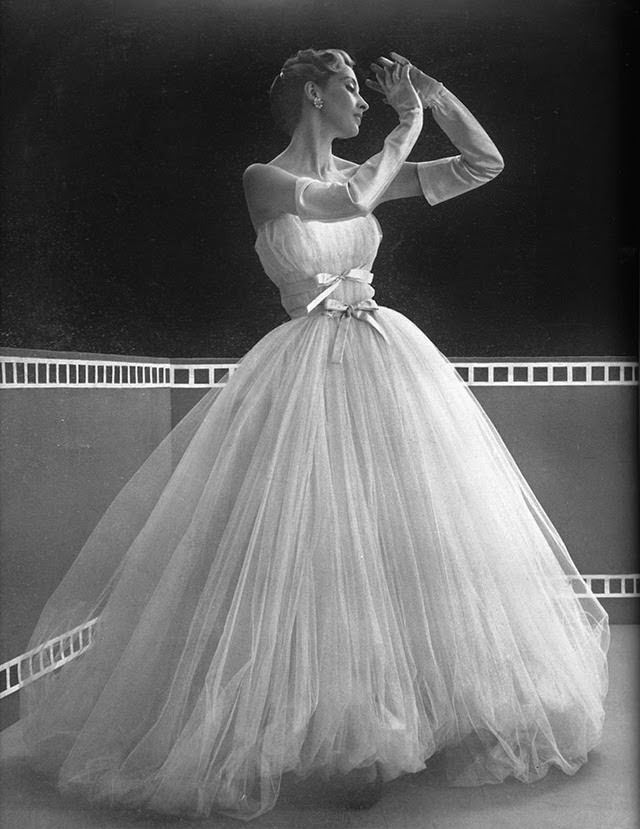
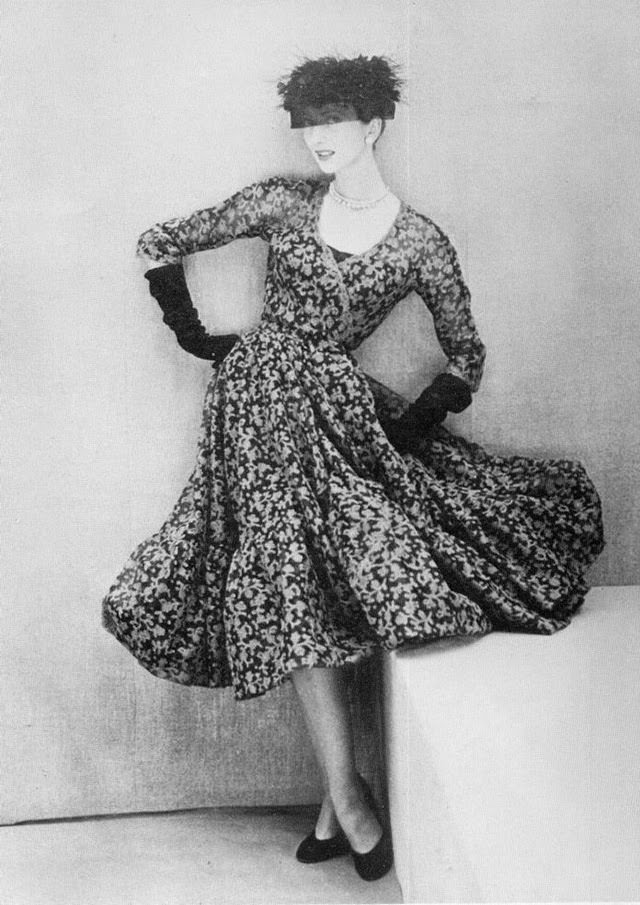
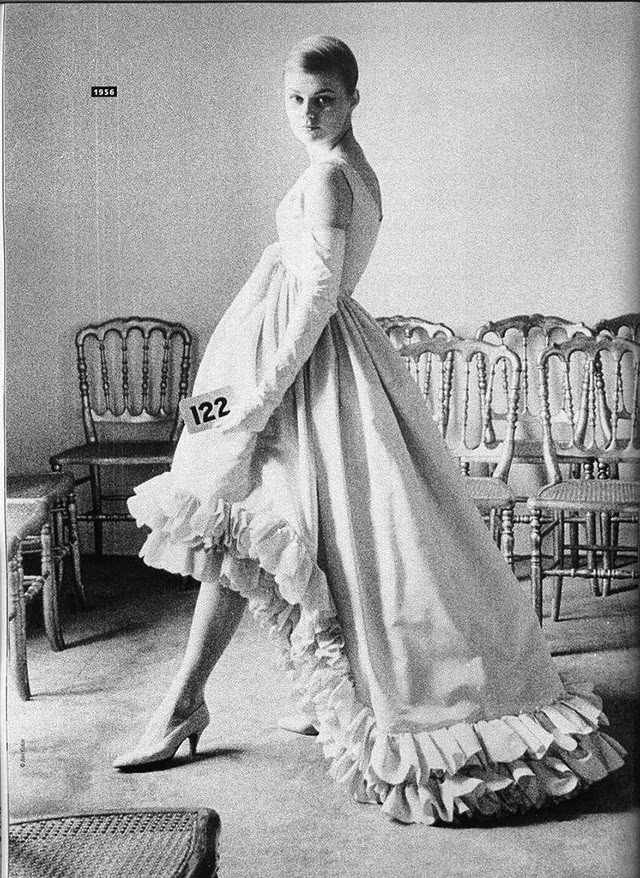
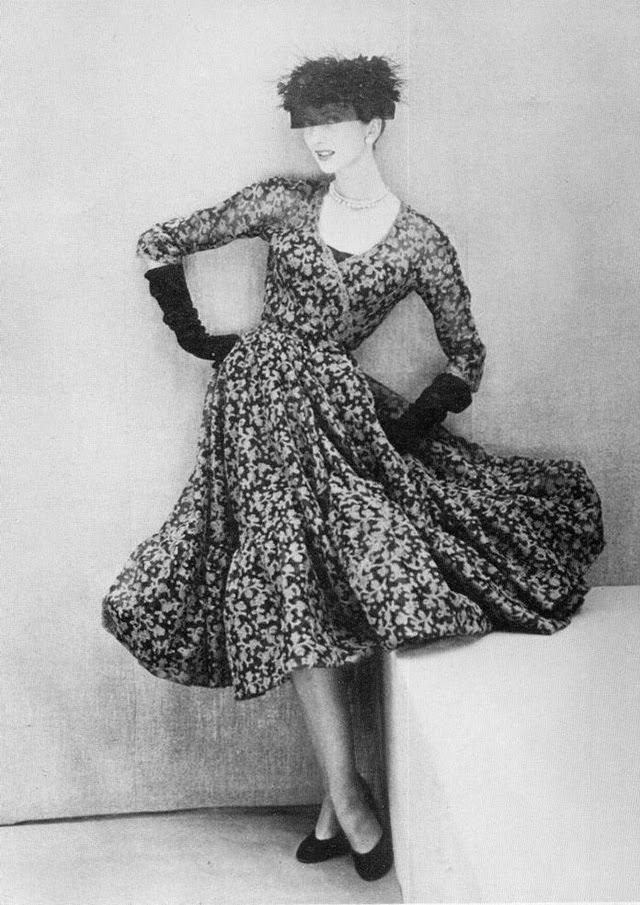
Cristóbal Balenciaga designed clothes the way an engineer builds a bridge. While other Paris houses in the late 1940s were cinching waists tighter than ever, Balenciaga moved in the opposite direction — loosening the fit and creating space between the fabric and the body.
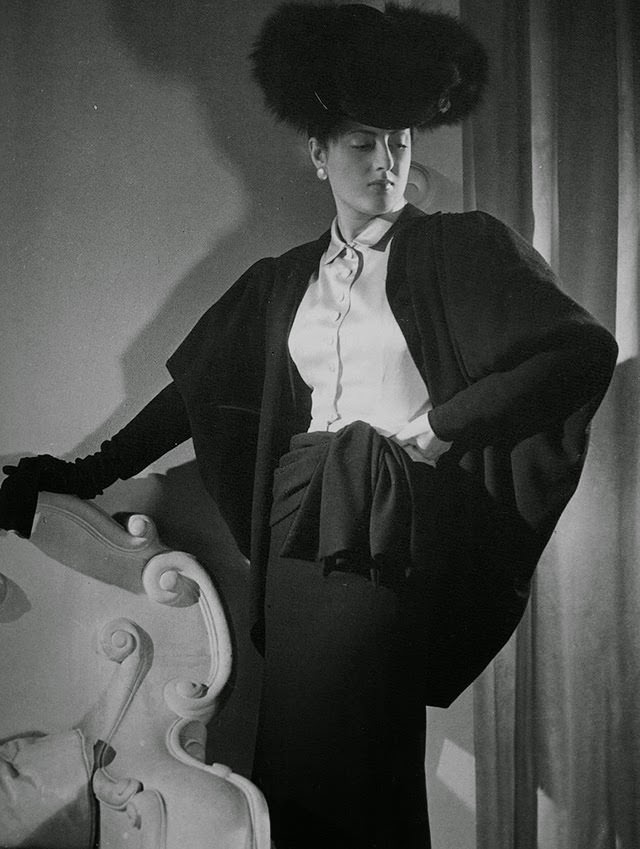
In 1947, he launched the “Barrel” line. The silhouette curved outward at the back and tapered at the hem, completely ignoring the natural waistline. The garment held its own shape; the woman’s body moved freely inside it.
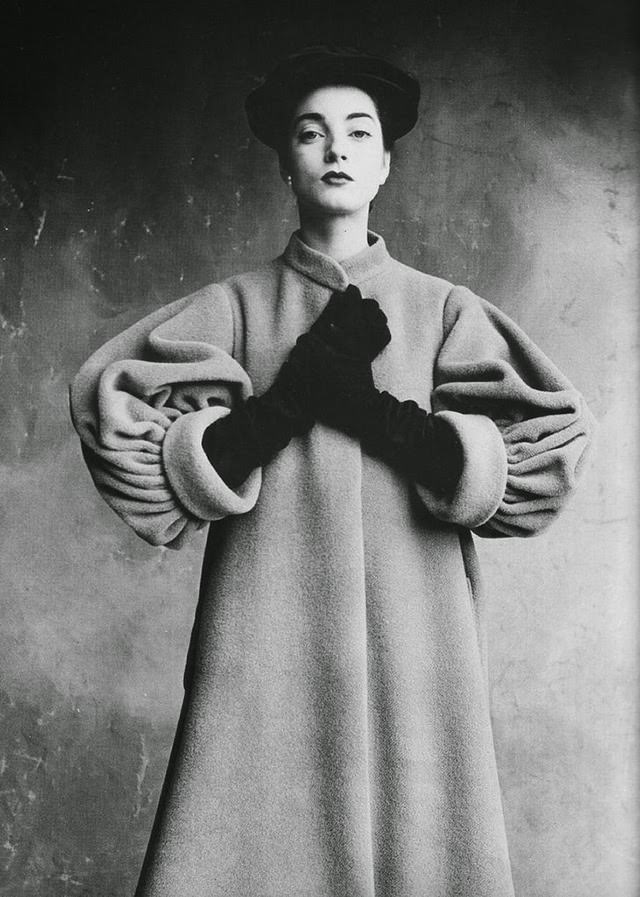
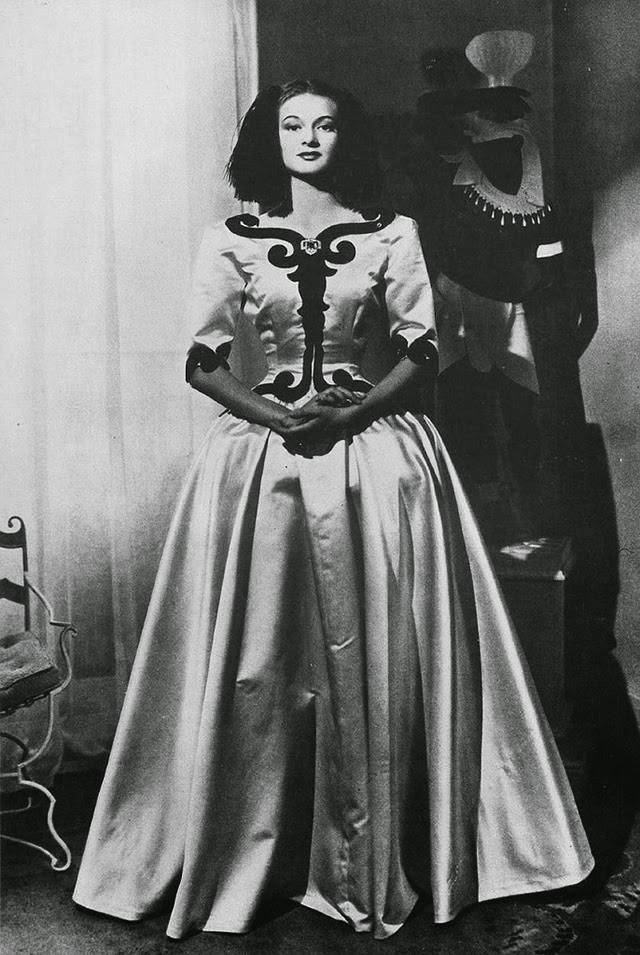
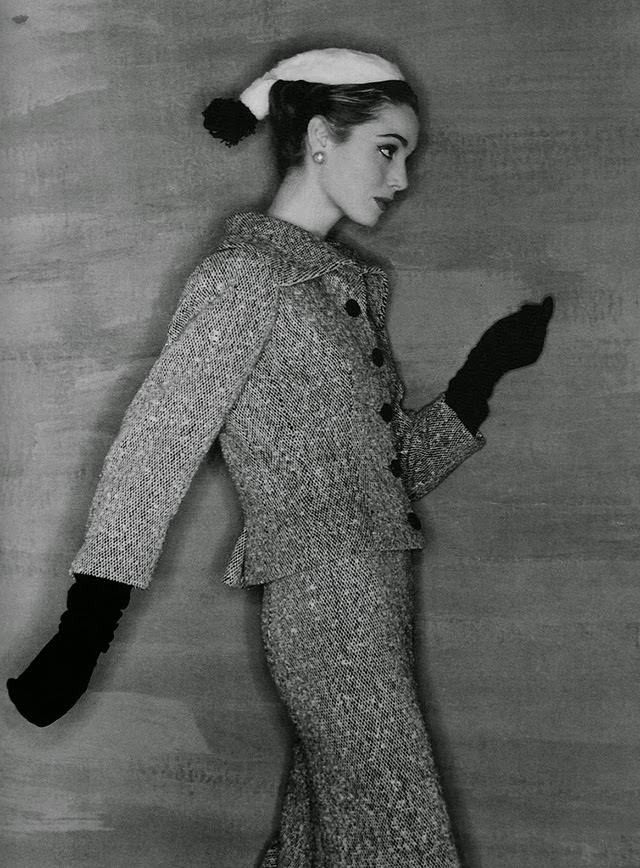
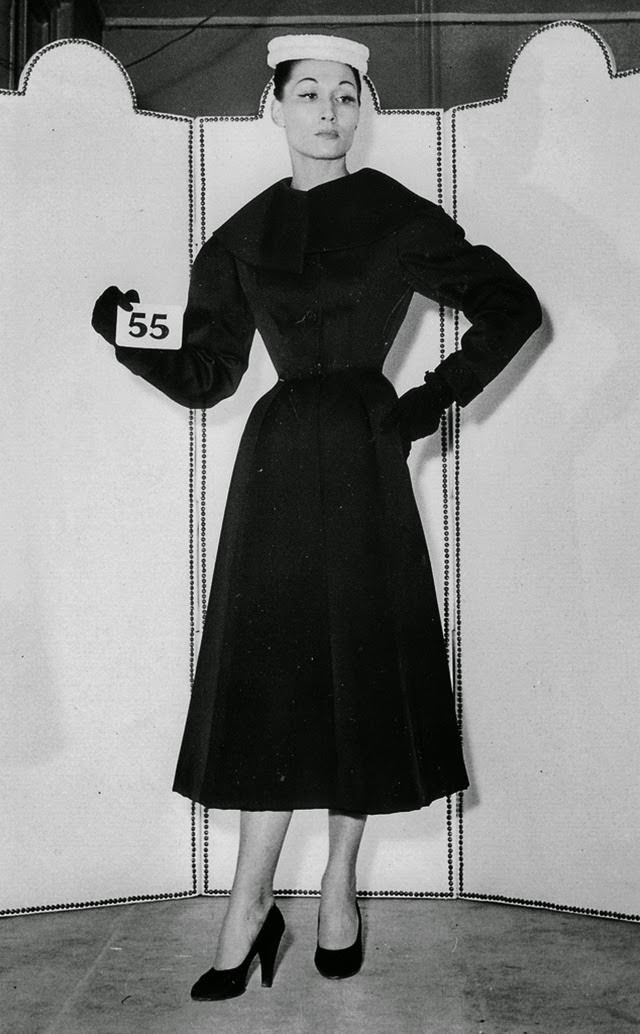
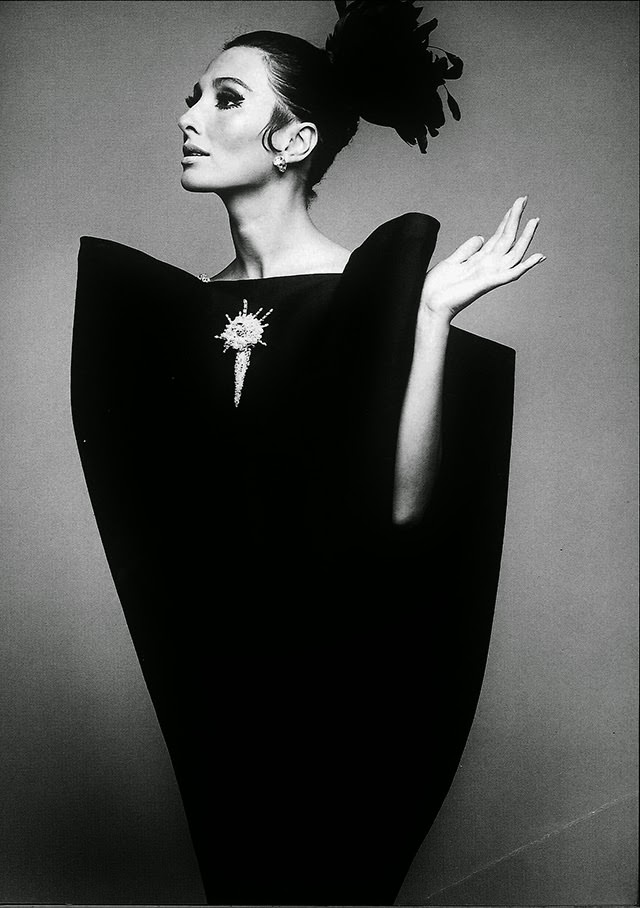
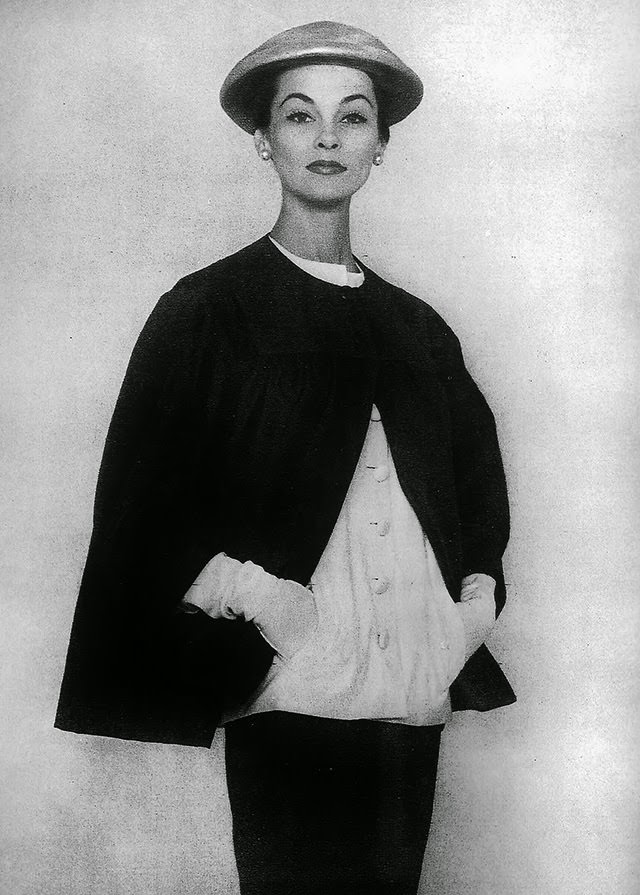
Balenciaga also changed how the eye read the body by adjusting two specific details: the neck and the wrists. He invented the “stand-away” collar, a neckline that rose up and pulled away from the throat, creating an optical illusion that made the neck look longer.
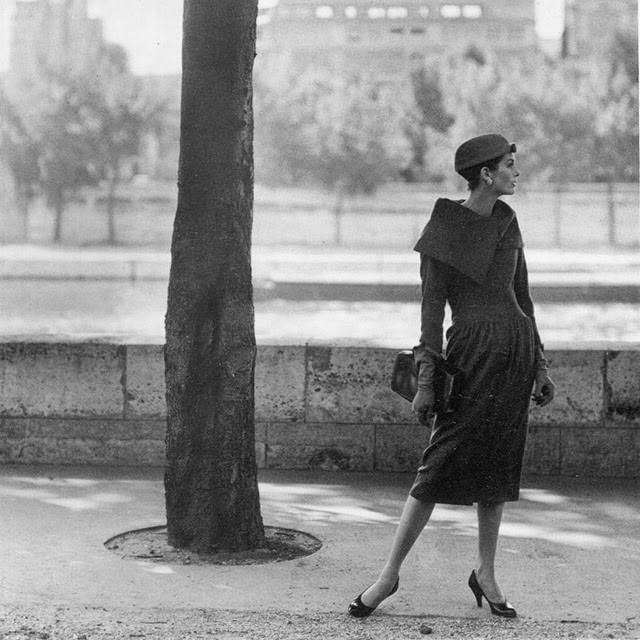
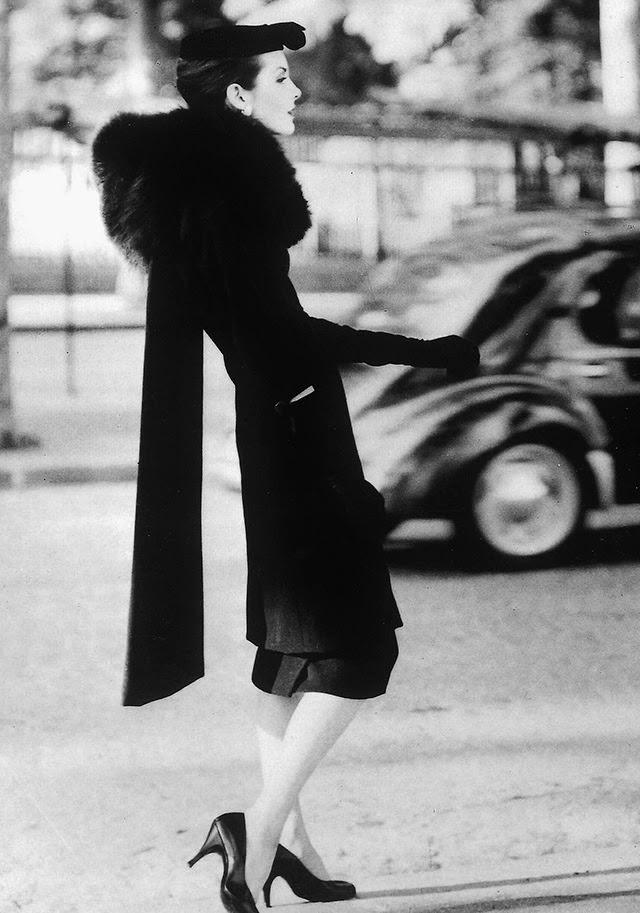
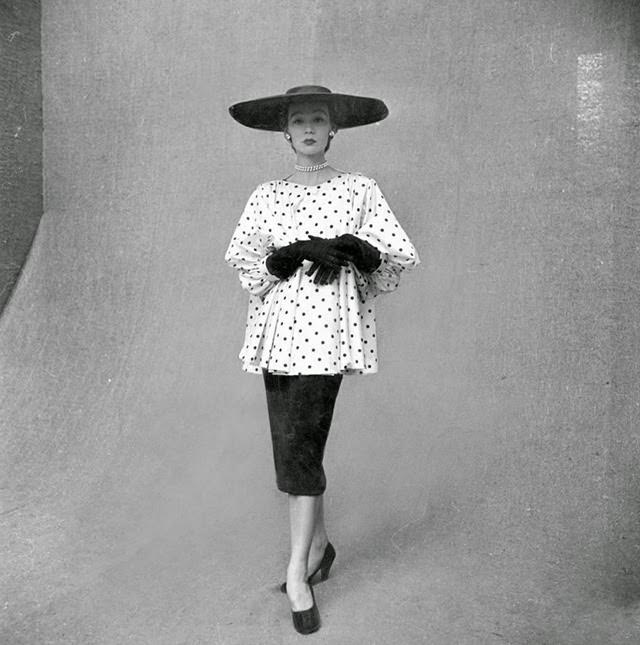
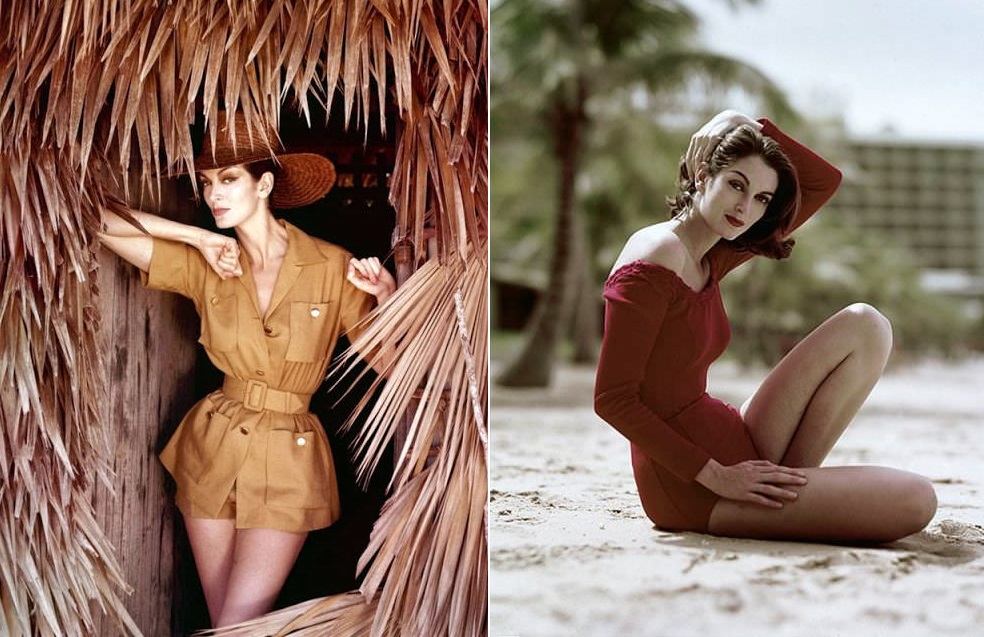
For sleeves, he cut them to end just below the wrist — a length that became known as “bracelet sleeves.” This drew the eye downward to the wearer’s hands, jewelry, or long gloves rather than her shoulders.
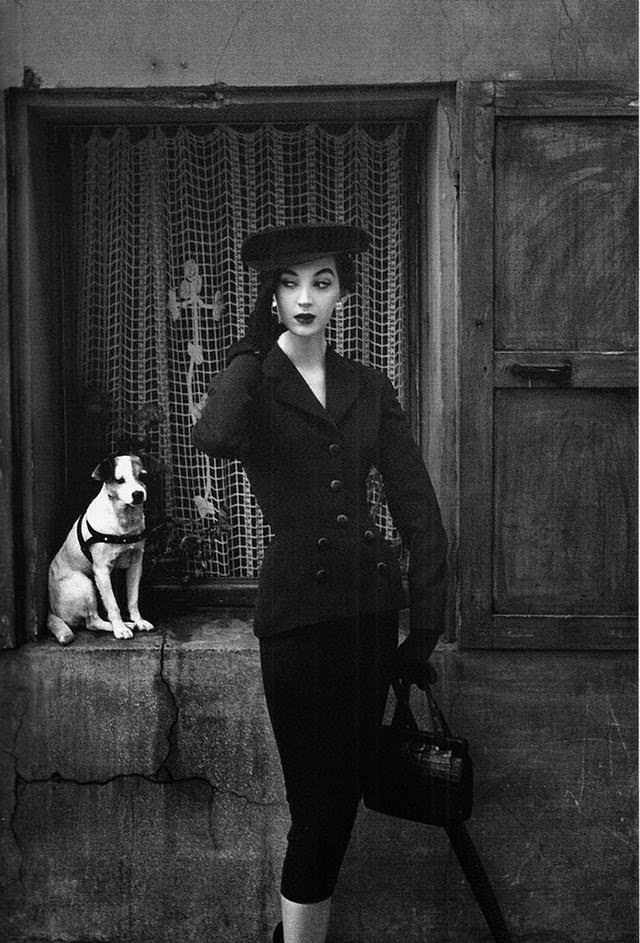
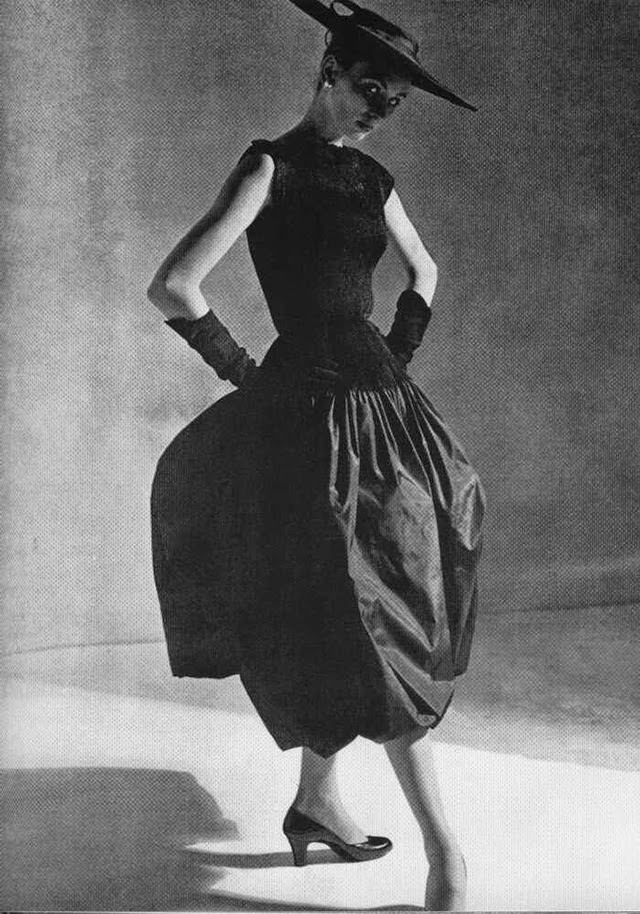
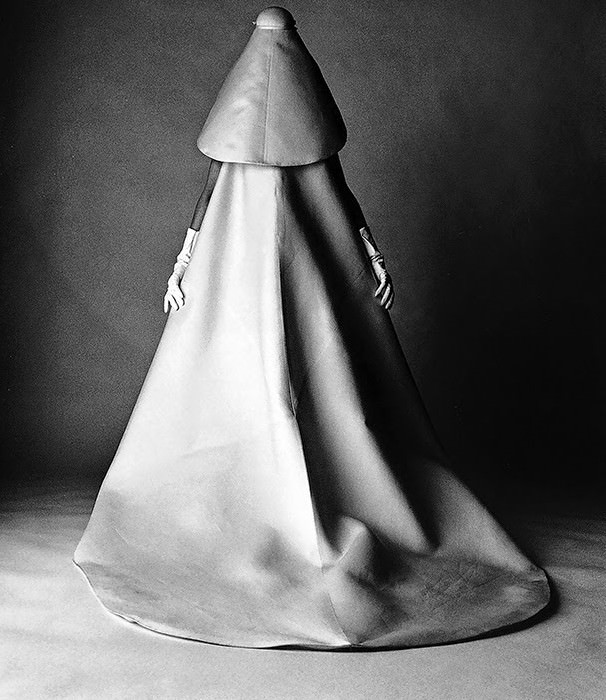
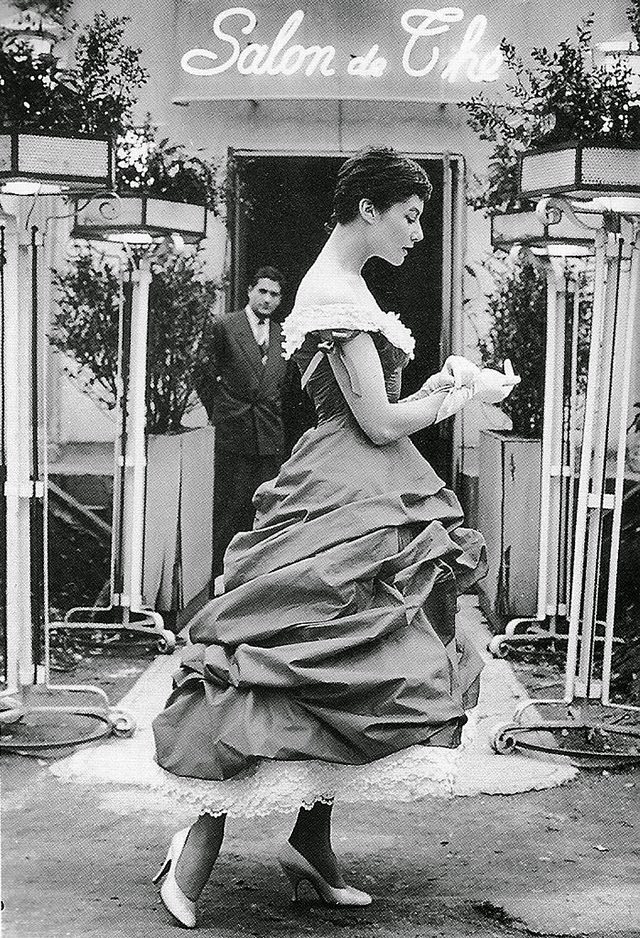
The fabrics he chose were just as deliberate. Balenciaga worked directly with manufacturers to develop stiff, heavy textiles that behaved almost like flexible cardboard. His favorite was silk gazar, a double-yarn fabric with real structural strength.
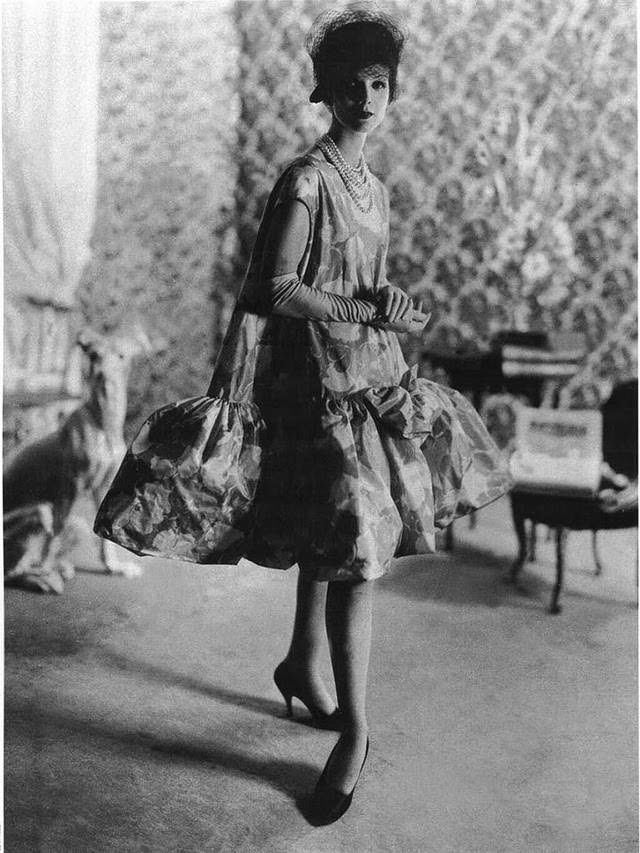
Using silk gazar, he built coats and dresses that held their volume even when the wearer stood perfectly still. He kept seams to a minimum so the surface stayed smooth and unbroken.
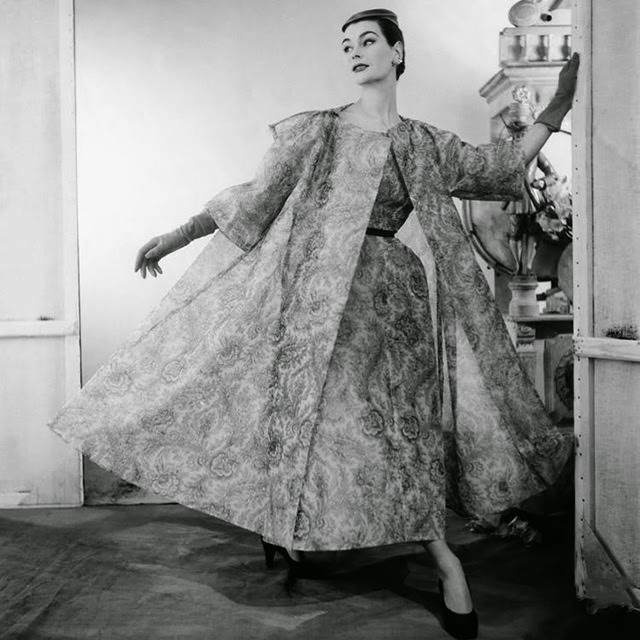
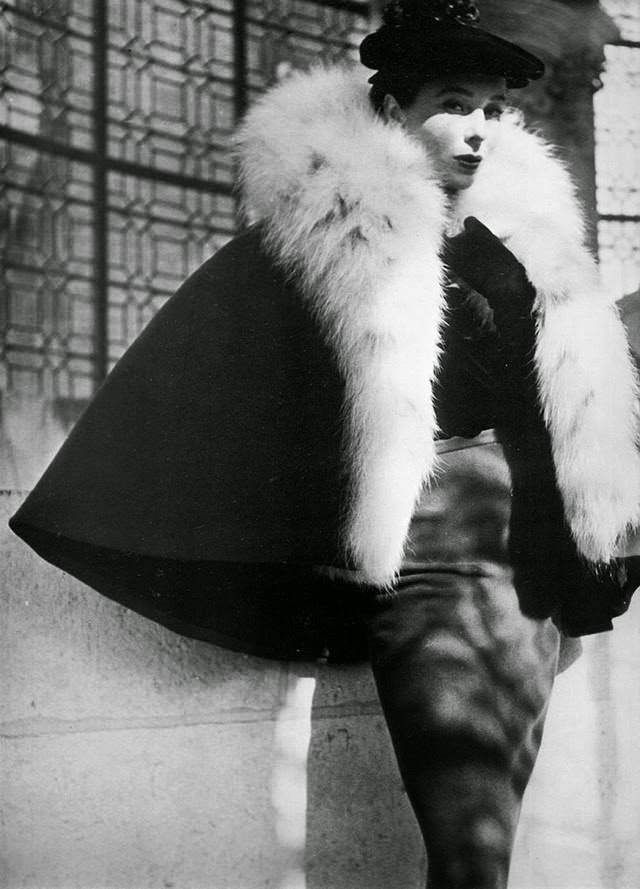
His color choices reflected his Spanish roots. He returned again and again to a deep, light-absorbing black — often called “Spanish Black” — which stripped away distraction and forced the viewer to focus entirely on the cut.
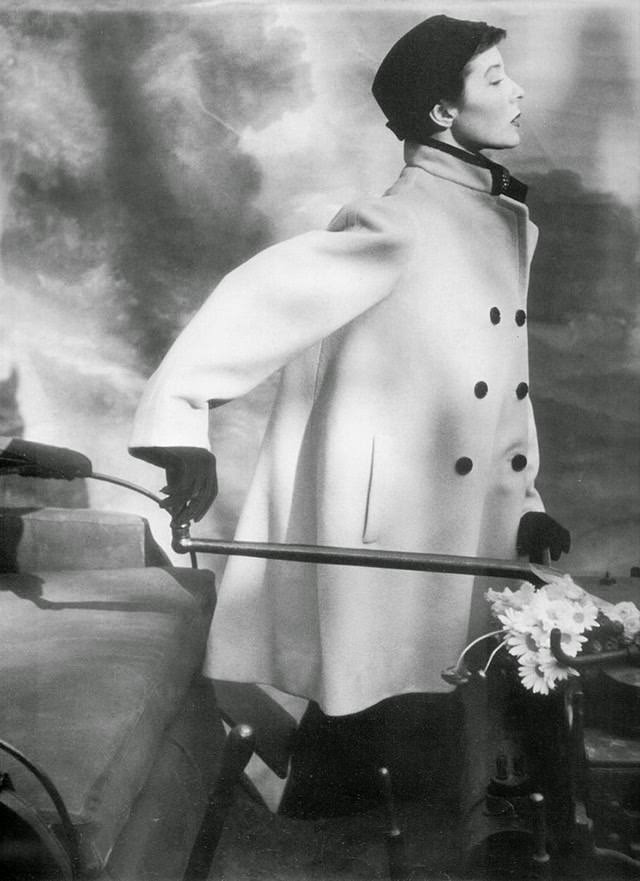
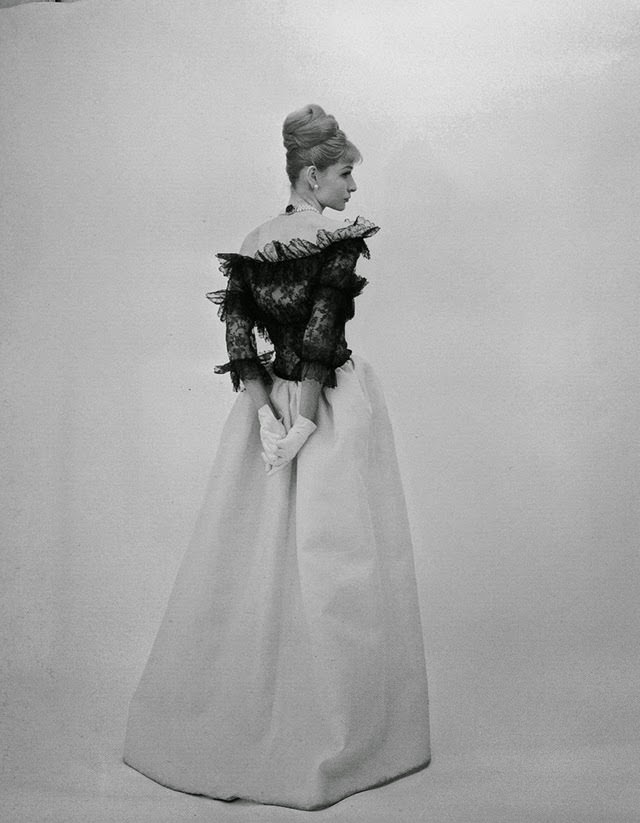
When he did introduce color, he chose saturated, aggressive hues: violet, hot pink, turquoise. These were often set against jet-black beading or lace, producing a contrast that read as both heavy and regal.
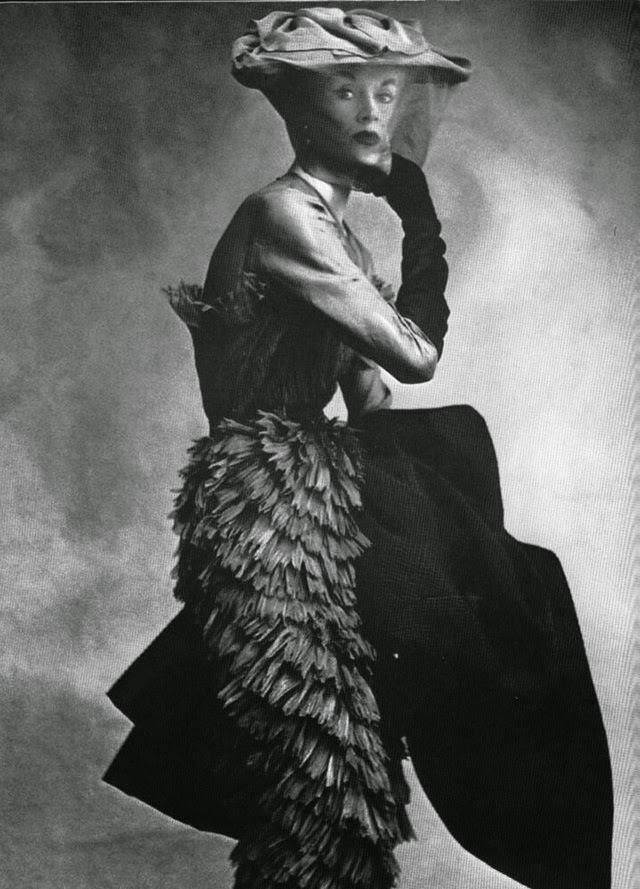
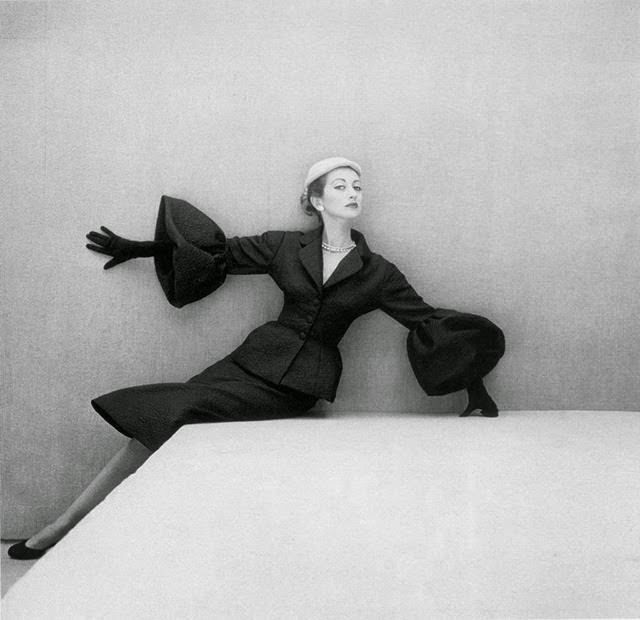
By the mid-1950s, his experiments produced two landmark designs: the “Sack” dress and the “Tunic” dress. Both hung straight from the shoulder to the knee, skipping the waist entirely. The public was shocked.
Every other major fashion house at the time centered its designs on the hips and bust. Balenciaga hid both. The sack dress looked simple, but beneath the surface it relied on stiff internal lining and precisely placed weights to hang exactly right.