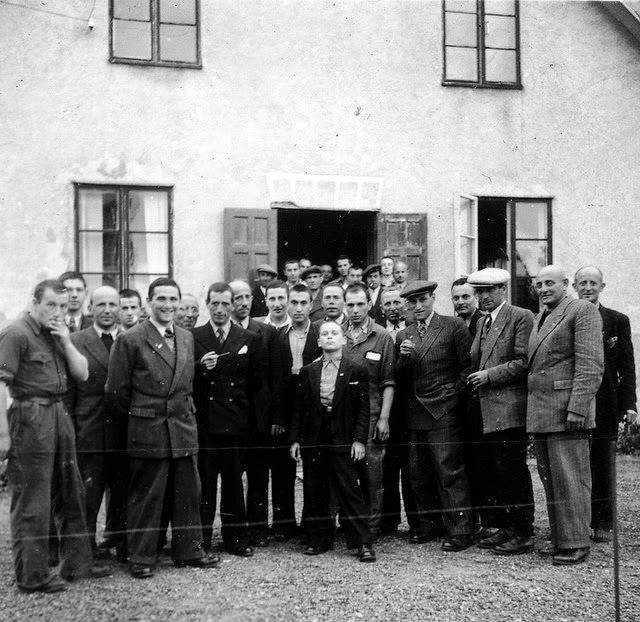
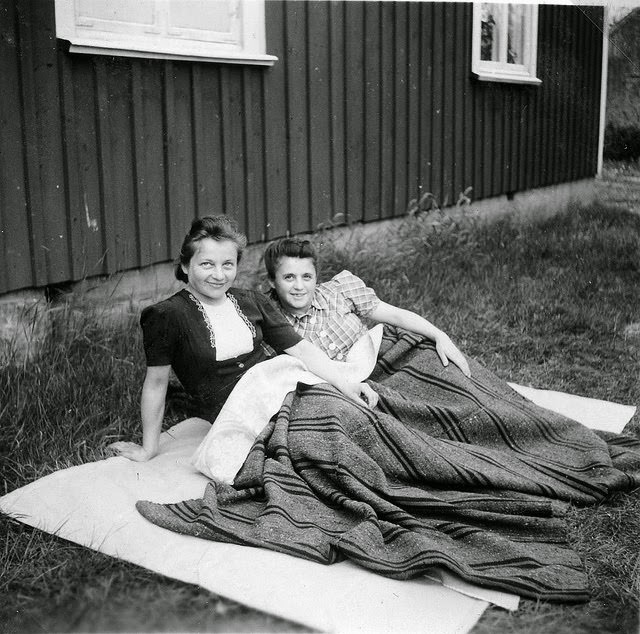
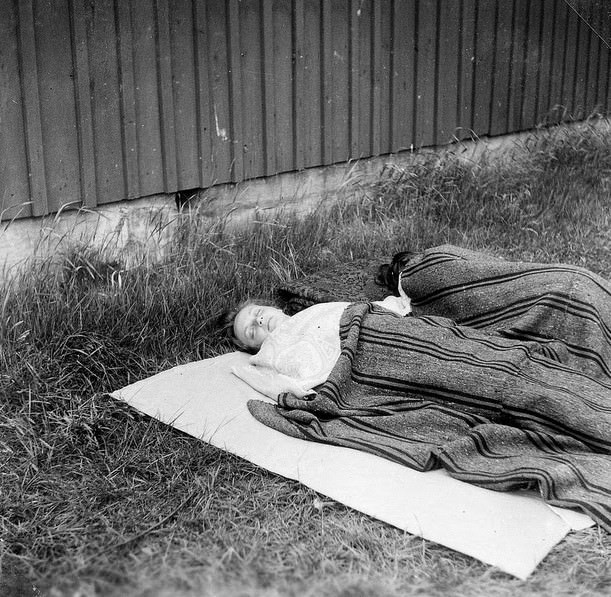
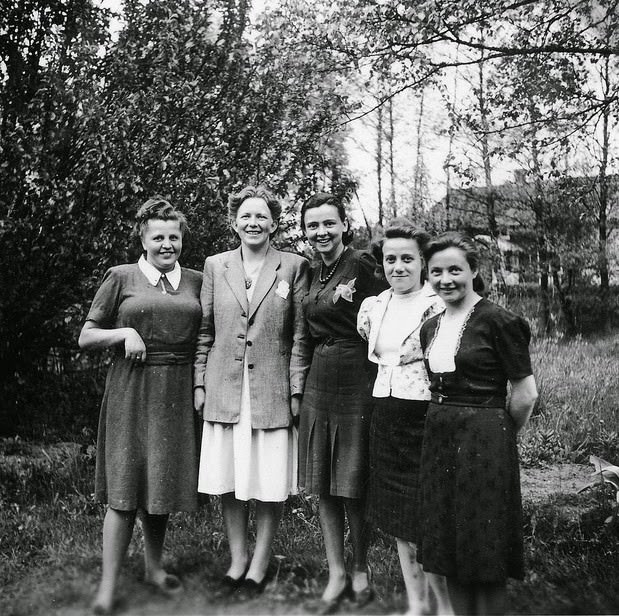
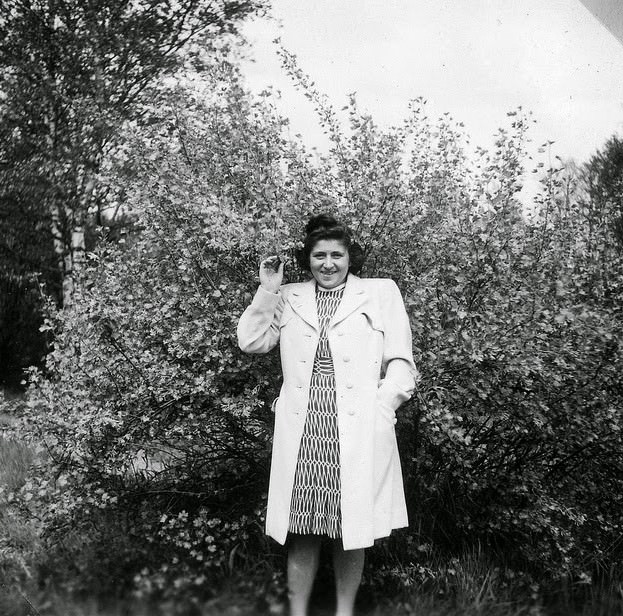
During World War II, Sweden took in thousands of refugees fleeing the fighting across Europe. The Swedish government converted summer resorts, old schools, and empty barracks into temporary camps. Many of these were tucked deep inside the pine forests of Småland, their clusters of red wooden buildings barely visible through the trees.
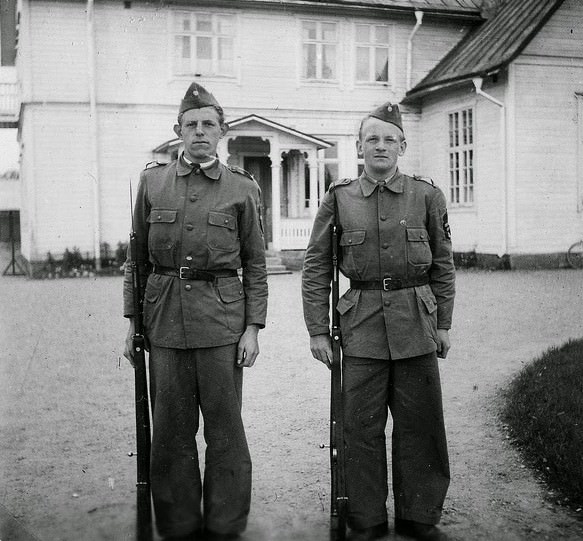
Snow blanketed the camp grounds for much of the year, cutting them off from nearby villages. Heat came almost entirely from burning birch wood, since coal was in short supply across the country.
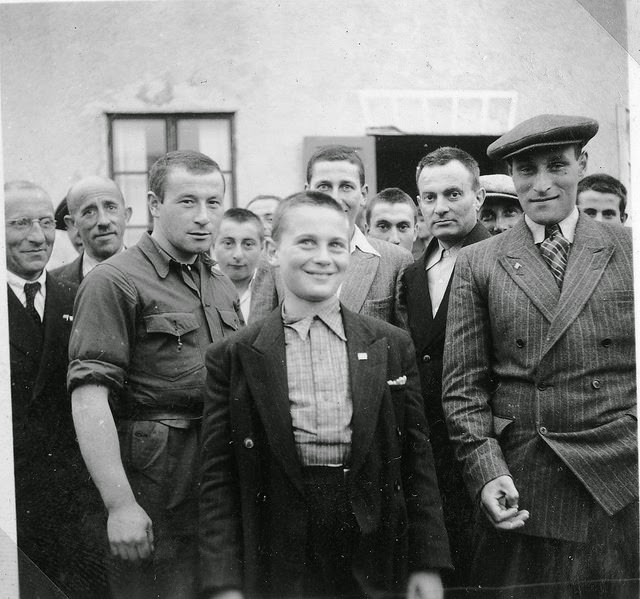
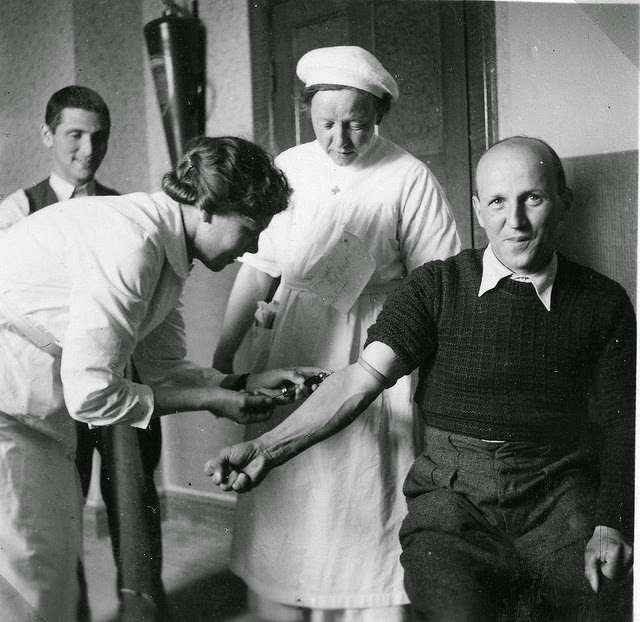
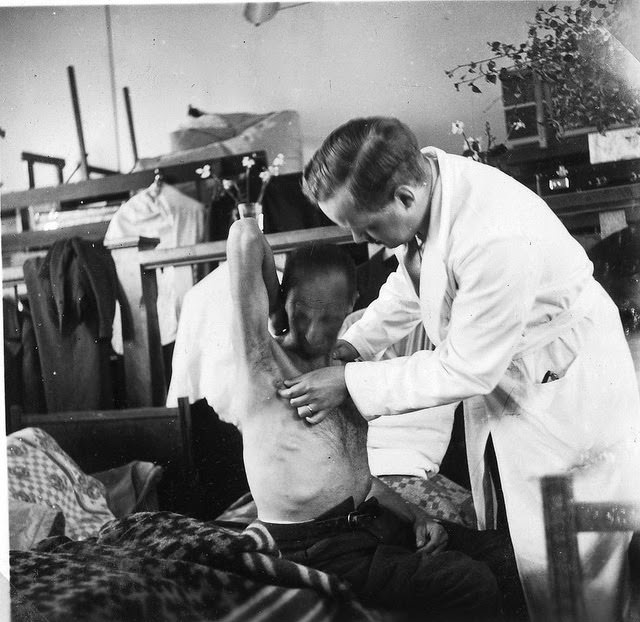
Every refugee arriving at the camps went through a strict medical examination. Nurses and doctors screened for diseases like tuberculosis and typhus, both common in war-torn Europe. New arrivals had their heads shaved and their clothes boiled to kill lice before receiving a set of clean, simple clothing.
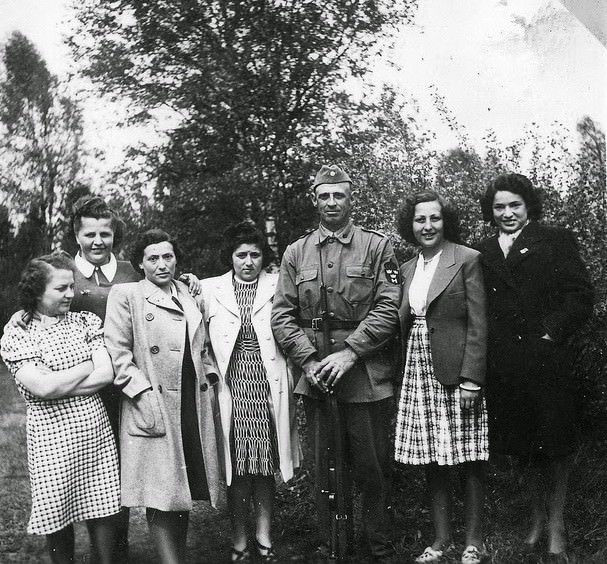
Dormitories held dozens of strangers sleeping in rows on straw-filled mattresses. There was no privacy. Men, women, and children shared large communal rooms with people they had never met.
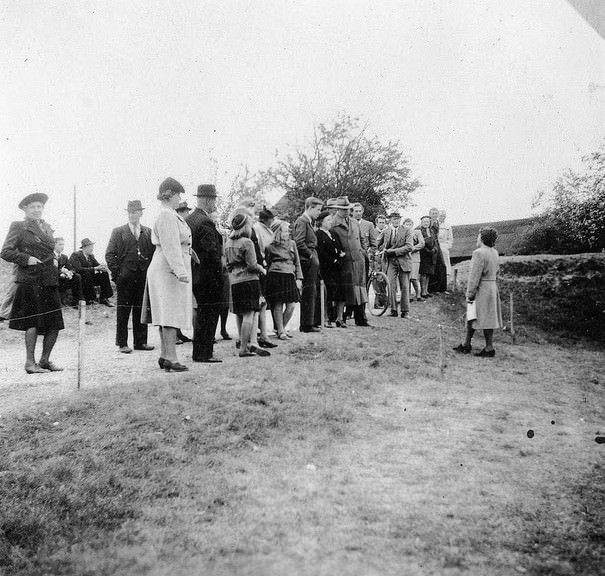
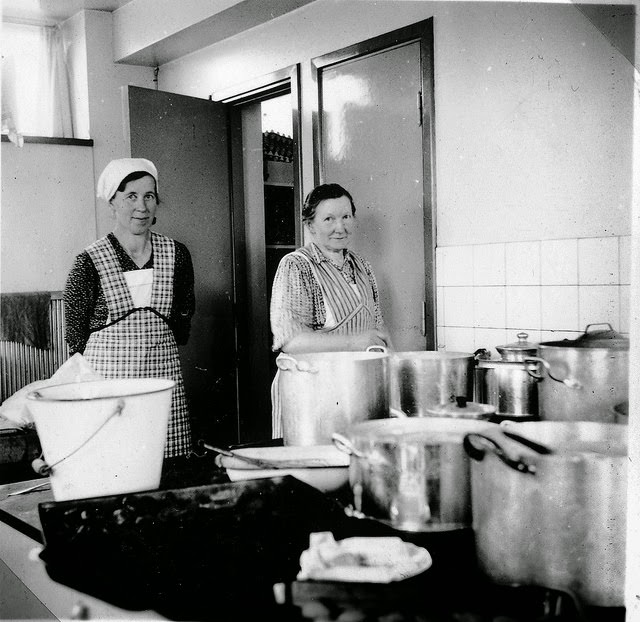
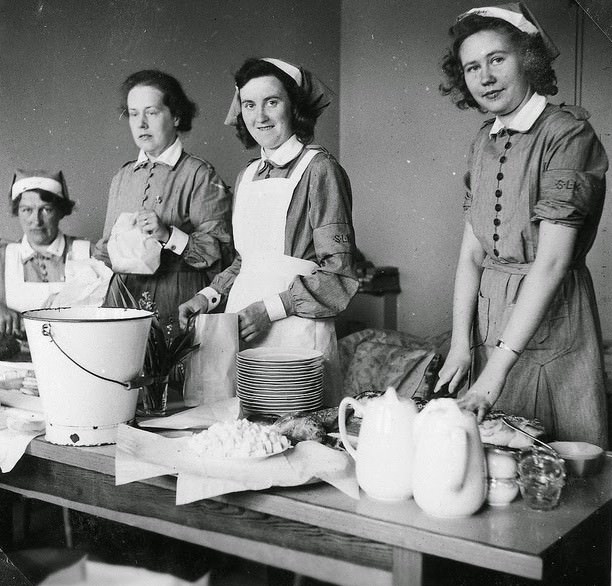
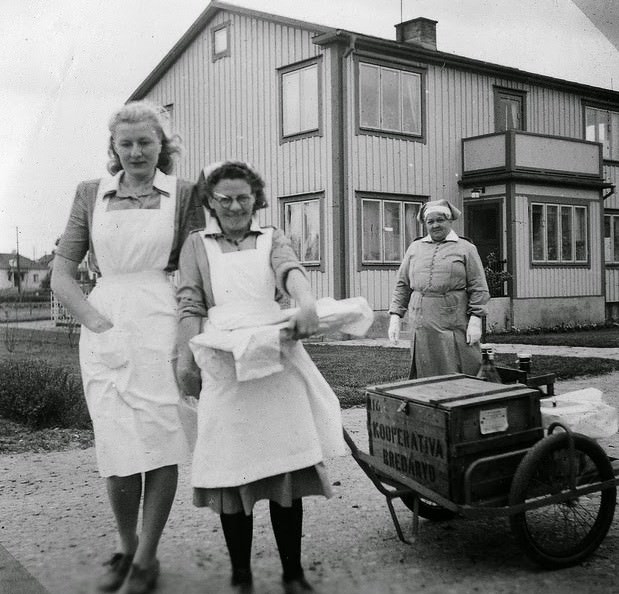
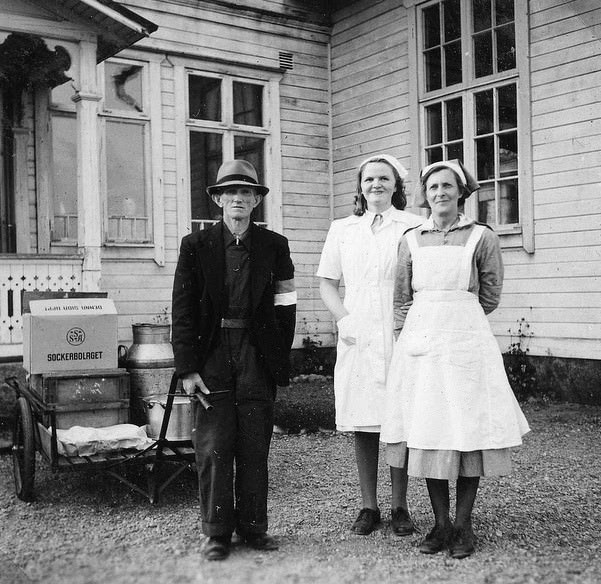
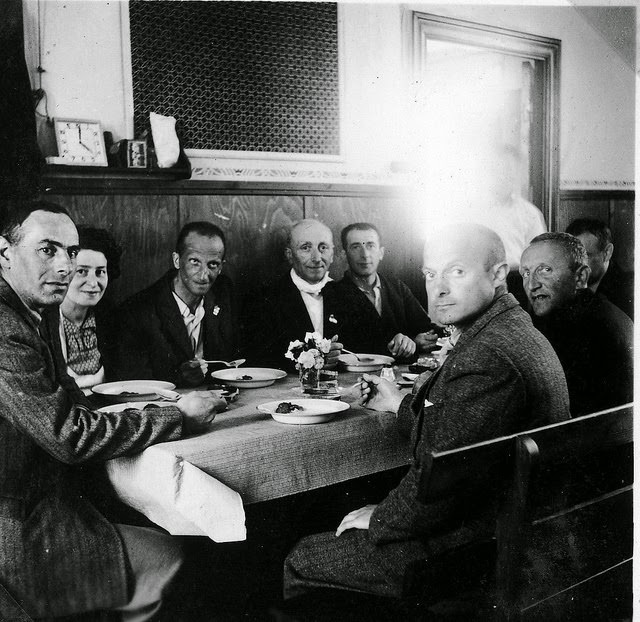
Food was strictly rationed. The camp kitchen served oatmeal porridge, potatoes, and herring — whatever was available locally. Coffee was replaced by a drink made from roasted grain or chicory root. In autumn, families gathered wild lingonberries and mushrooms from the surrounding woods to supplement their meals.
Able-bodied men worked in the forests felling trees with two-man saws, hauling logs through the snow for use as fuel and building material. Sweden needed the timber, and the camps provided the labor.
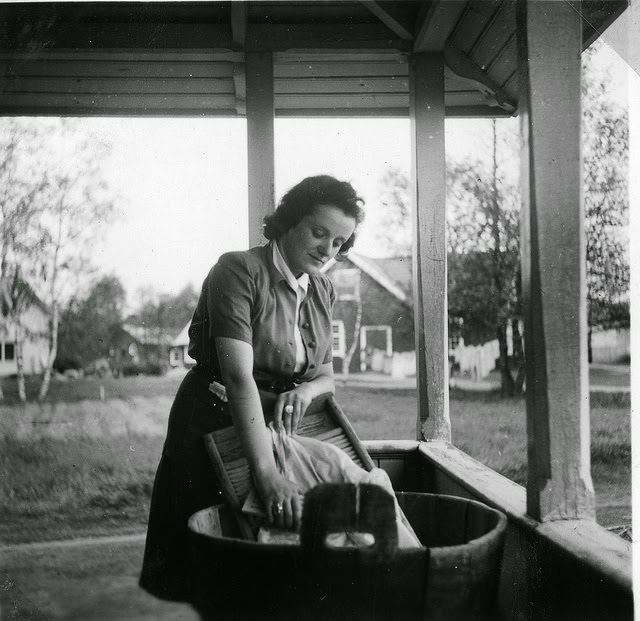
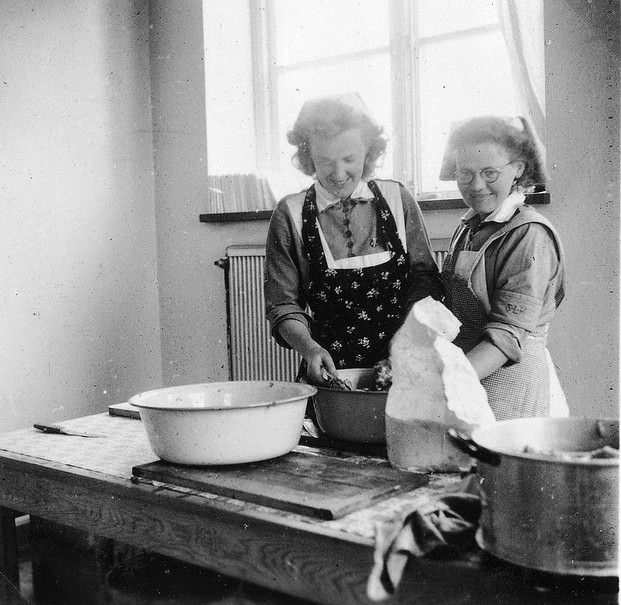
Women spent much of their time in common rooms, mending clothes, knitting socks, or peeling large quantities of potatoes for communal dinners. The work was constant and practical.
Children attended makeshift schools set up inside the camps. Using donated books, they learned Swedish alongside their basic subjects. Education kept a sense of routine alive for the youngest refugees.
Each evening, groups crowded around a single radio to catch news from the BBC or Swedish public radio. Translators called out updates in Polish, Danish, and Norwegian so that everyone in the room understood the latest from the front lines.
Walls in common areas served as bulletin boards. People pinned up handwritten notes with the names of missing relatives, hoping that another refugee or a camp visitor might recognize someone lost in the chaos of the war.