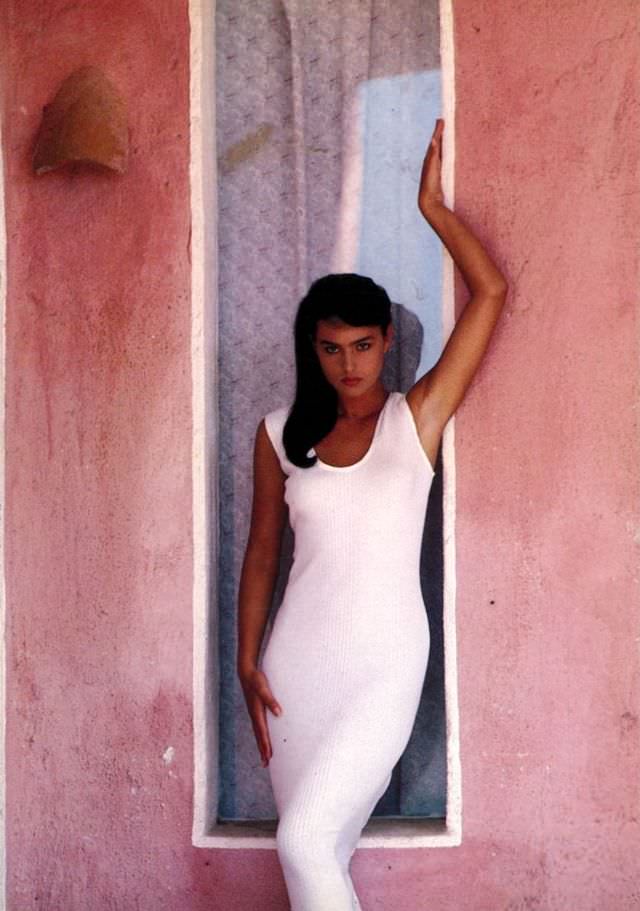
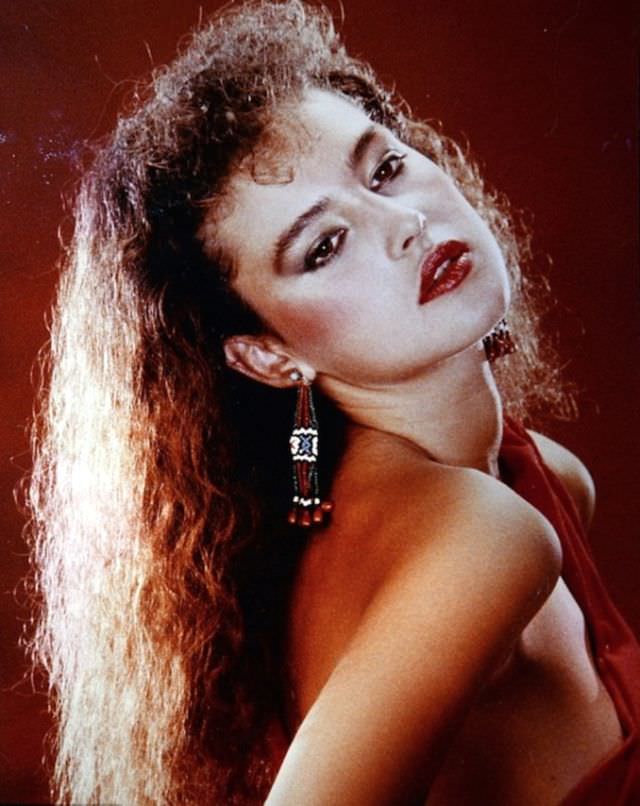
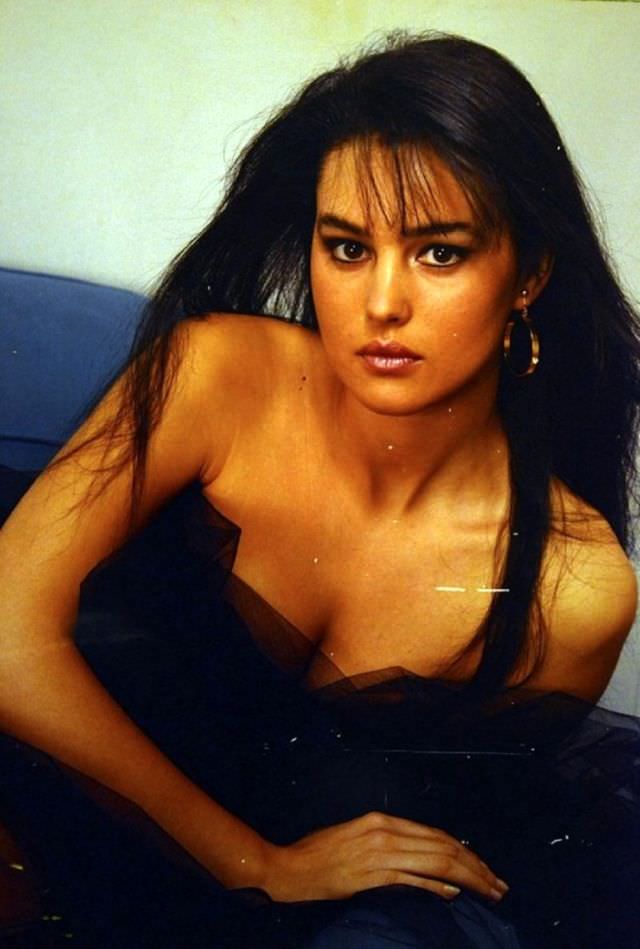
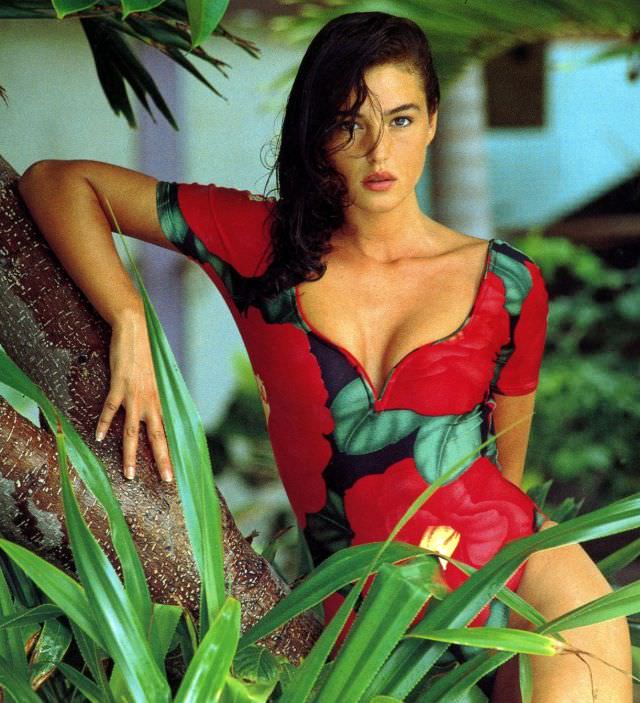
Monica Bellucci was born on September 30, 1964, in Città di Castello, a small town in the Umbria region of Italy. Growing up, she showed a clear pull toward the arts, though her first formal step after high school pointed in a different direction. She enrolled at the University of Perugia to study law. It was a practical choice, but modeling had other plans for her.
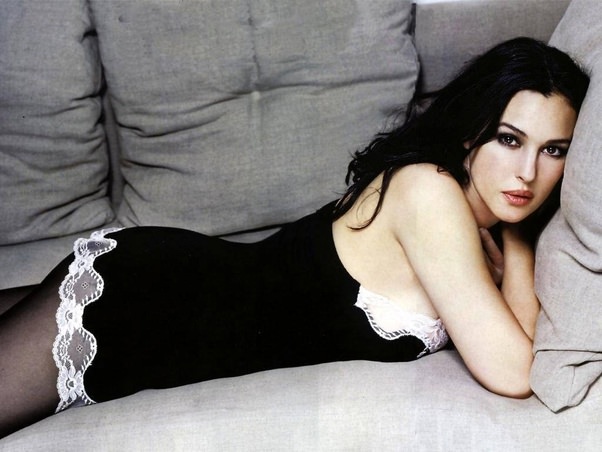
By the time she was 20, Bellucci had left her law studies behind and begun building a modeling career. She quickly moved through the fashion circuits of Milan, Paris, and New York, working with major agencies and appearing in campaigns for top European brands. Her dark hair, striking features, and natural presence made her stand out in an industry packed with competition.
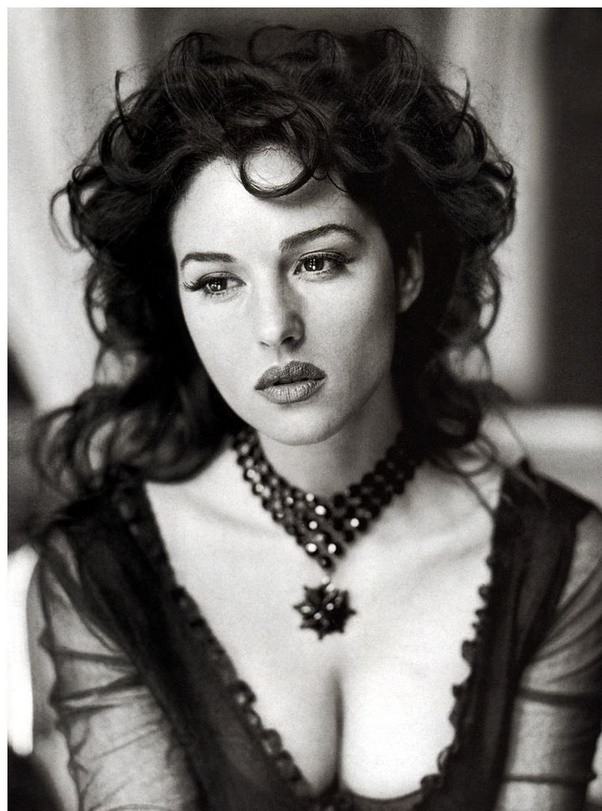
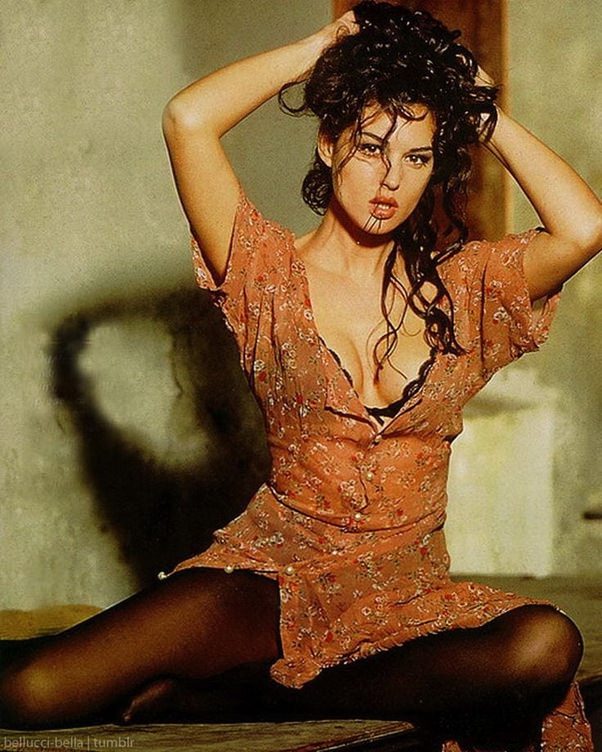
Even as modeling work kept her busy through the late 1980s, Bellucci kept her focus on acting. Her early screen appearances were small — television commercials and brief roles in Italian productions. These weren’t glamorous parts, but they gave her real on-set experience and sharpened her skills in front of a camera.
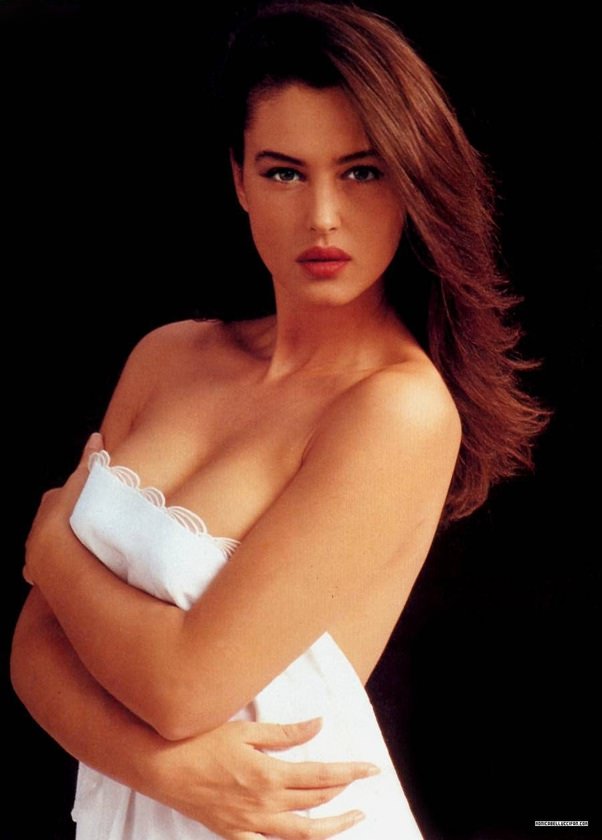
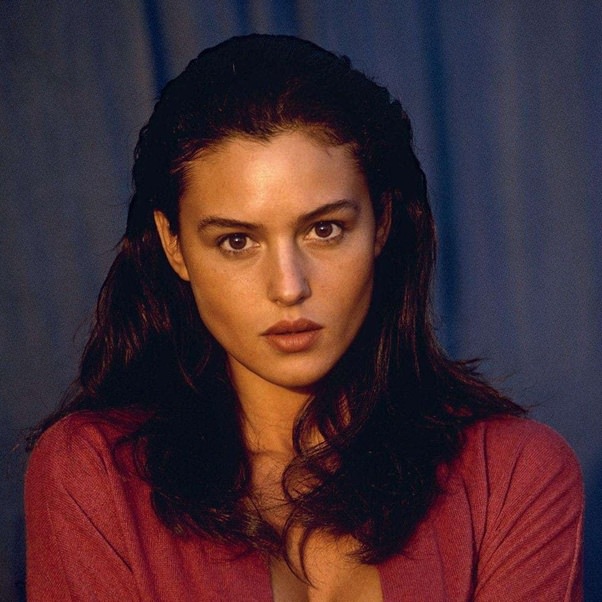
Her first significant film role came in 1990 with the Italian production “Briganti.” The role put her in front of a wider audience, and critics took notice. The performance signaled that Bellucci was serious about acting and that she had the range to carry a film.
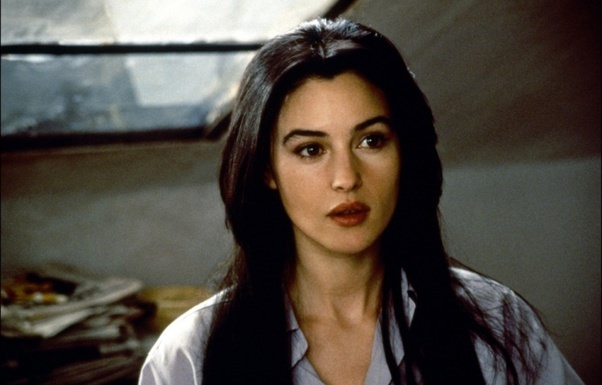
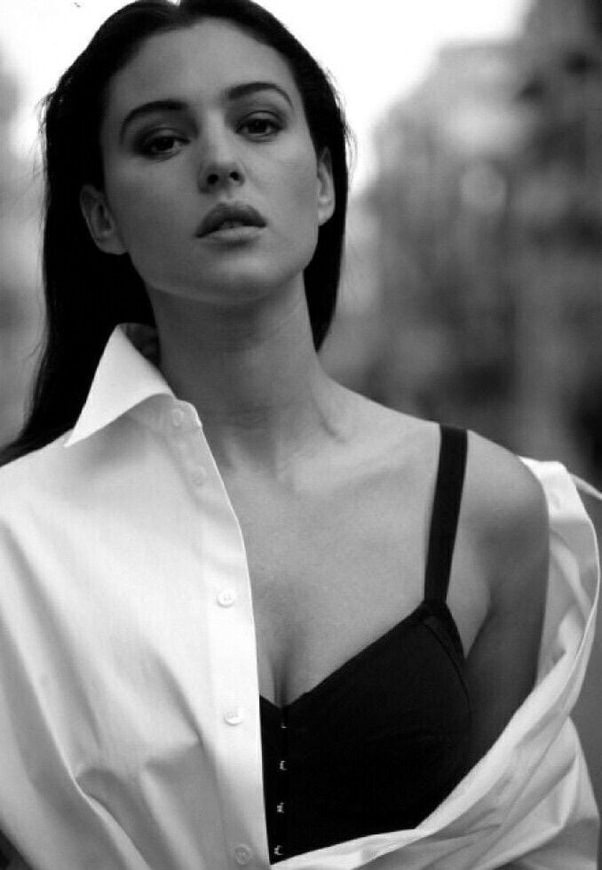
Following “Briganti,” more roles came steadily. She appeared in “Ostinato Destino” in 1992 and took on a part in Francis Ford Coppola’s “Dracula” that same year. These were formative credits that placed her name alongside major international productions early in her acting career.
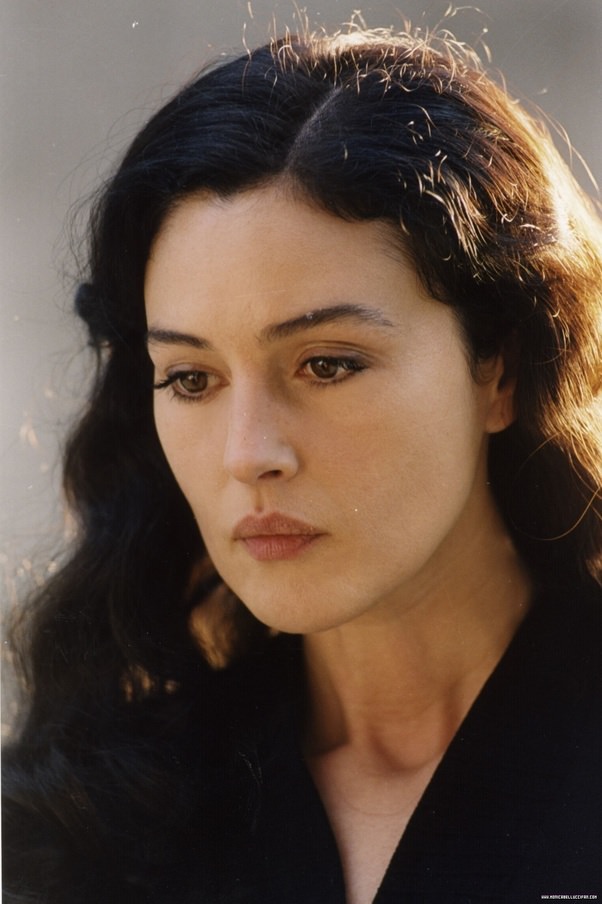
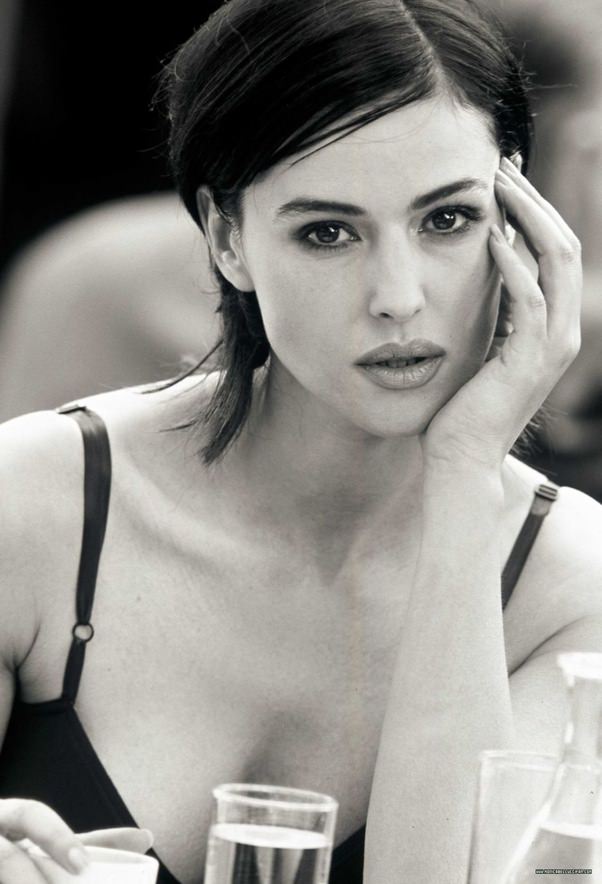
The mid-1990s marked a turning point. In 1996, she starred in the French thriller “L’Appartement,” a film that earned strong reviews and introduced her to French-speaking audiences in a serious, leading-lady role. It was a statement film — proof that she could hold her own in a different language and a different filmmaking tradition.

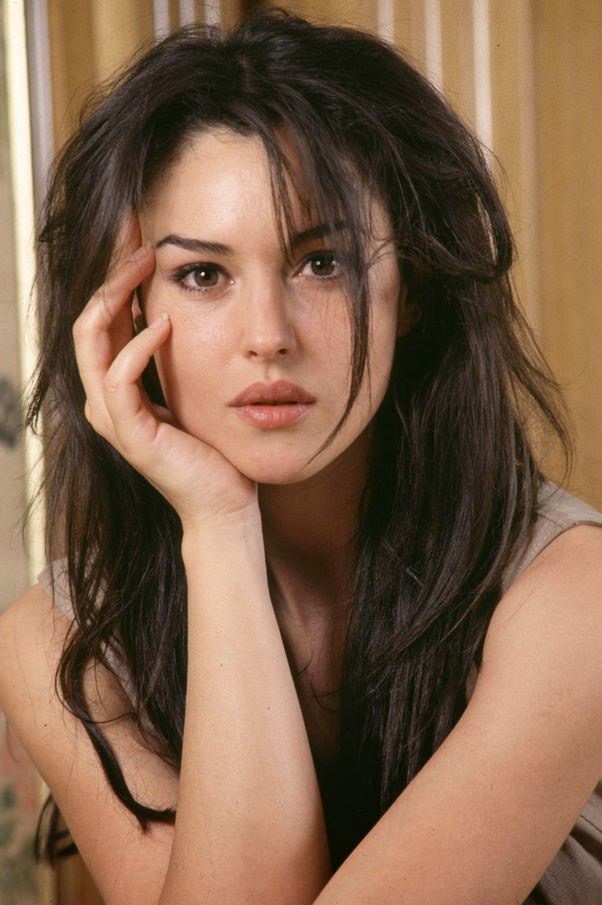
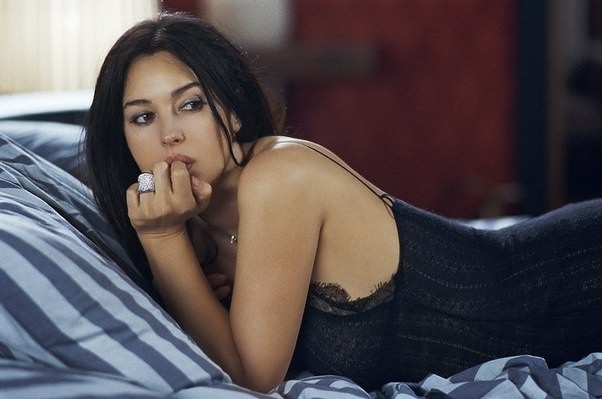
By the time the 1990s closed, Bellucci had built a reputation that crossed borders. Her ability to work in Italian, French, and English productions set her apart from most European actresses of her generation. Casting directors in multiple countries knew her name, and her range of work reflected genuine artistic ambition rather than a single-market career.
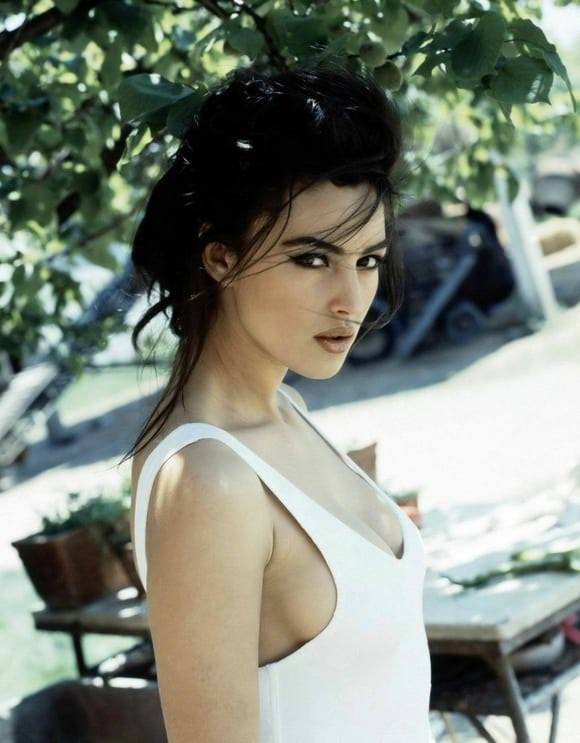
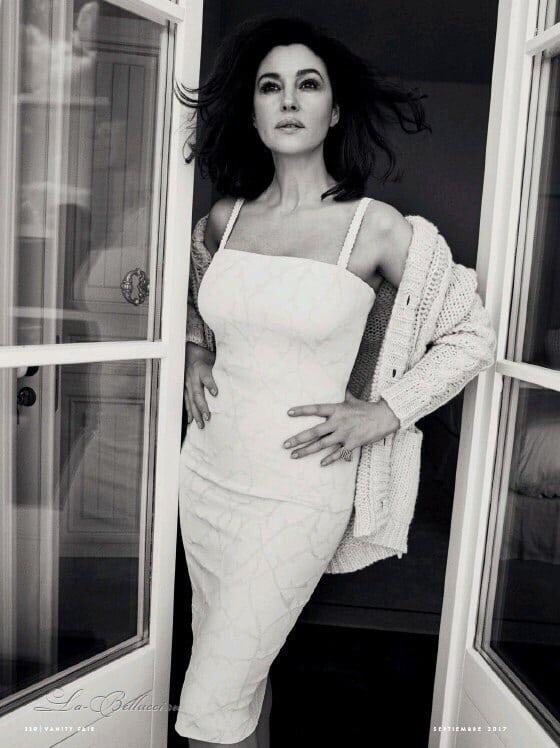
The year 2000 brought “Malena,” an Italian film directed by Giuseppe Tornatore. Bellucci played the title character — a beautiful woman in wartime Sicily whose presence affects an entire town. The role demanded emotional depth and physical vulnerability in equal measure. It became one of the defining performances of her career.
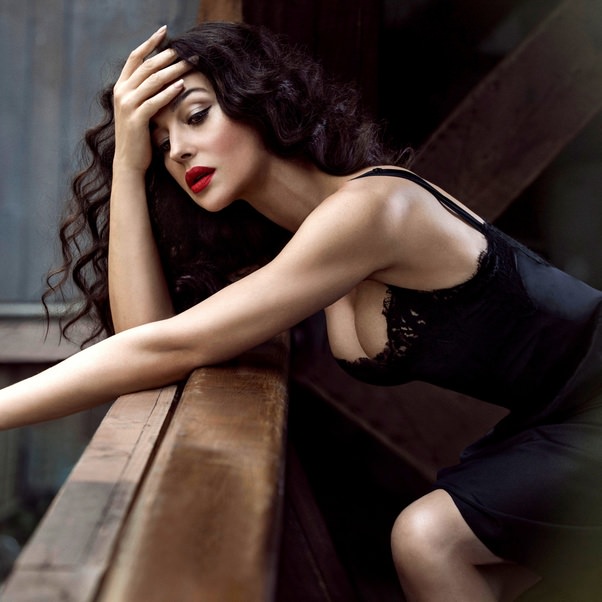
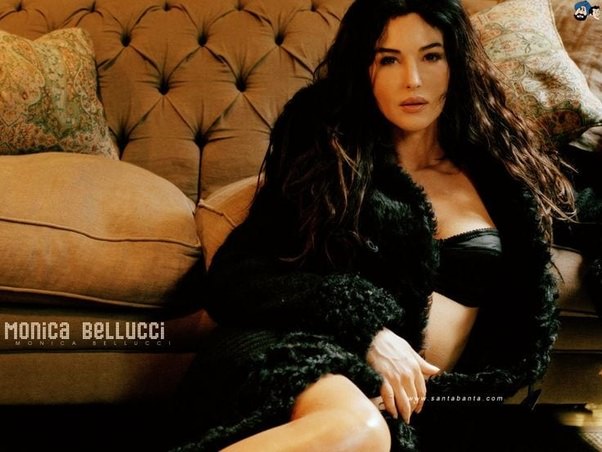
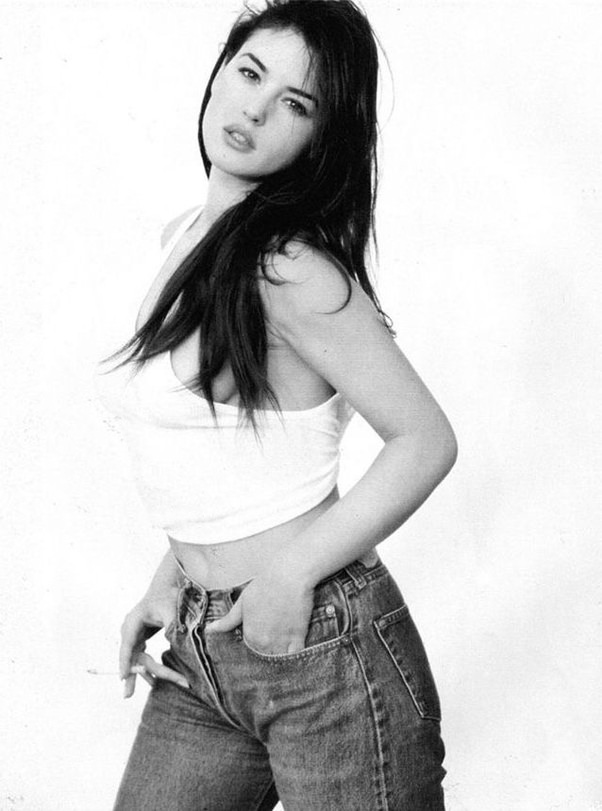
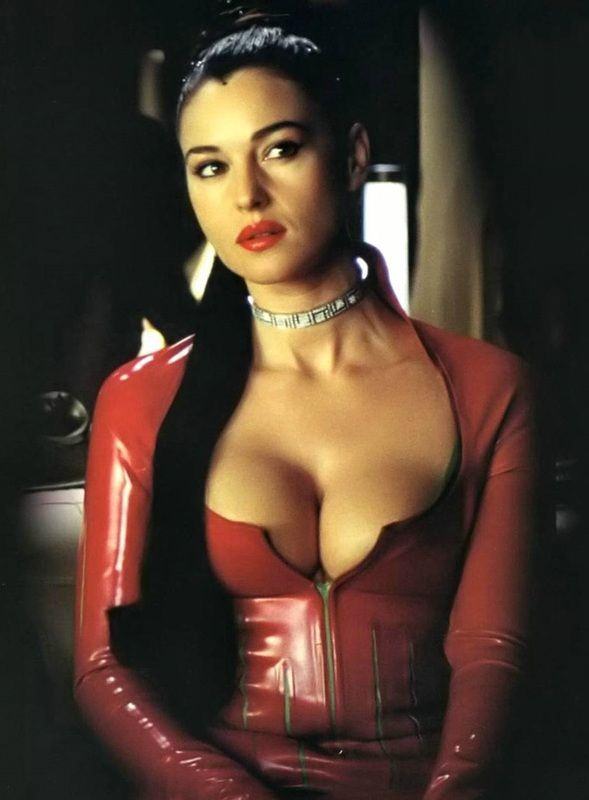
In 2001, she appeared in the French action film “Brotherhood of the Wolf,” a genre-blending period piece that found a large international audience. And then in 2003 came “The Matrix Reloaded,” a Hollywood blockbuster that put her in front of a truly global audience. These back-to-back projects confirmed her status as one of the most recognizable European actresses working in international film.
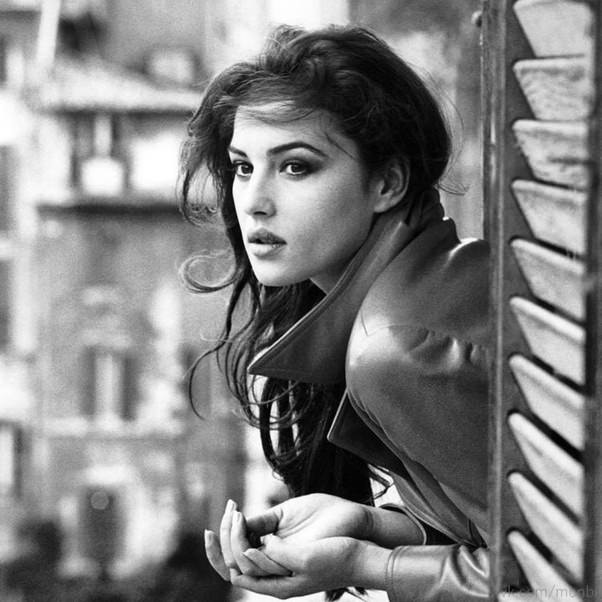
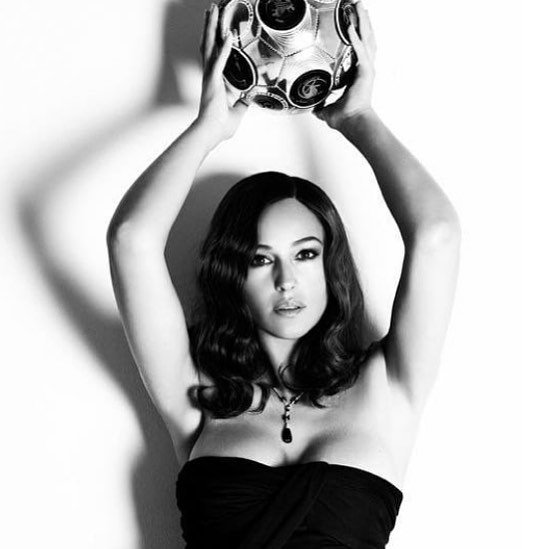
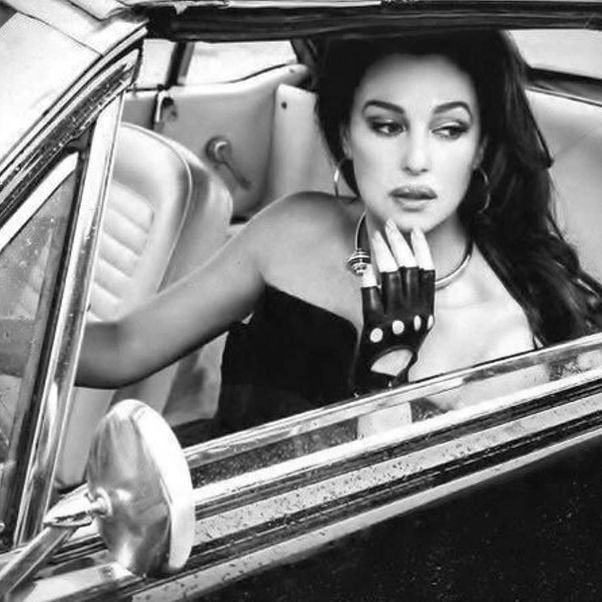
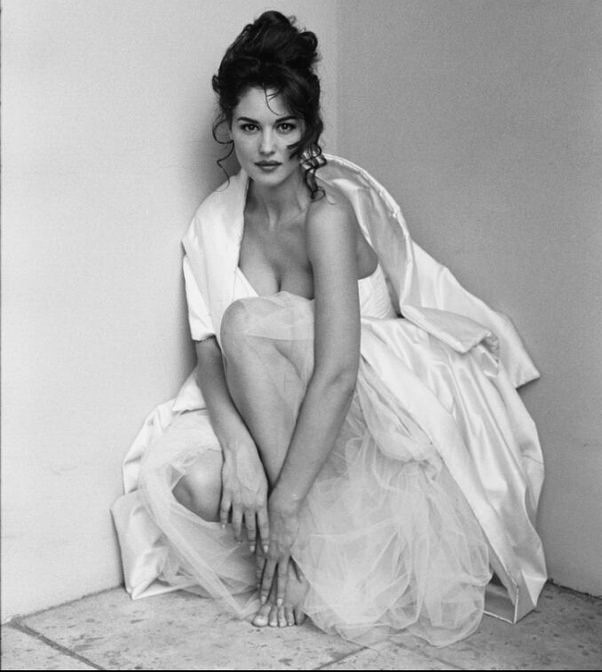
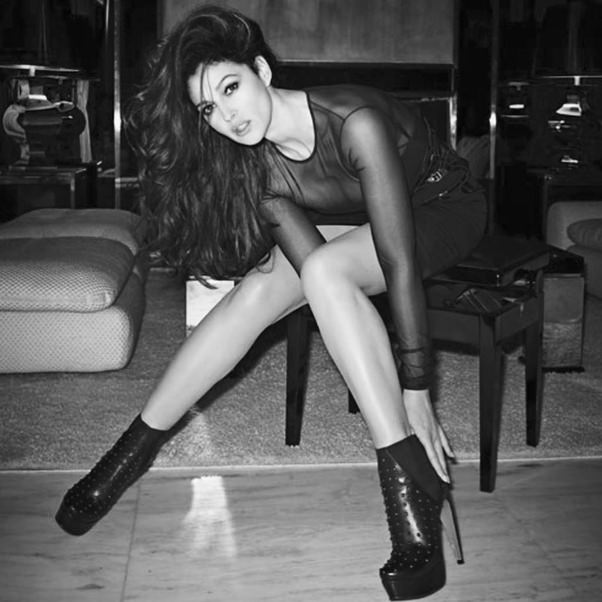
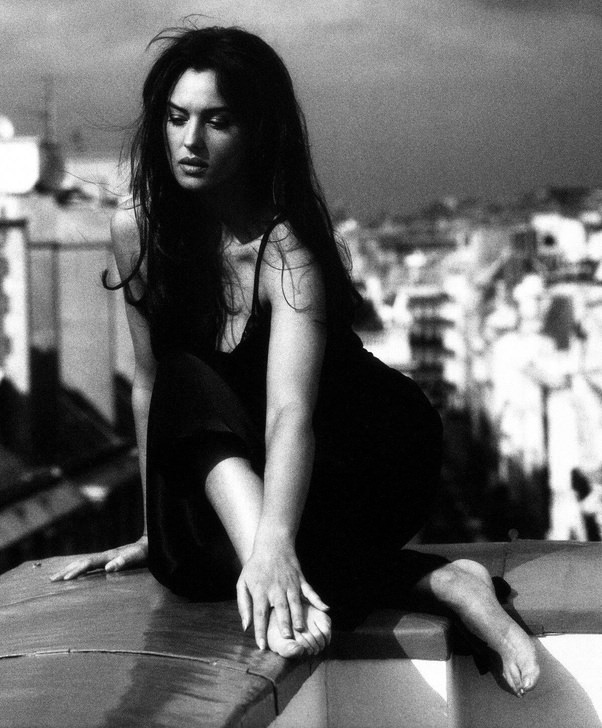
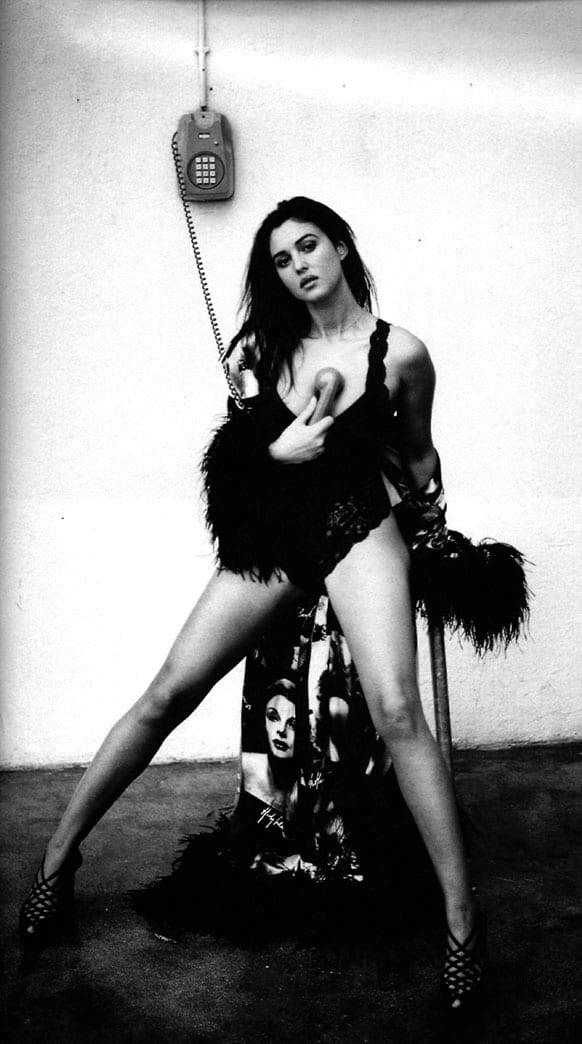
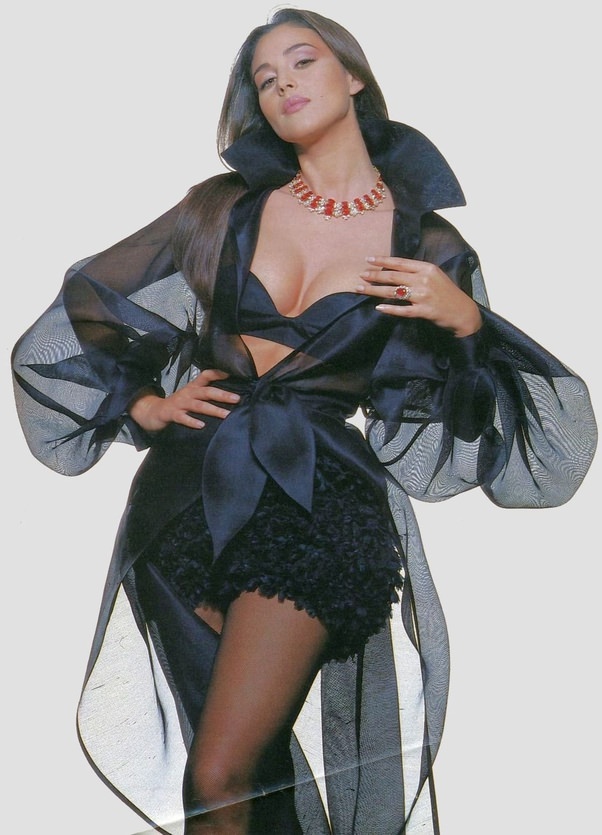
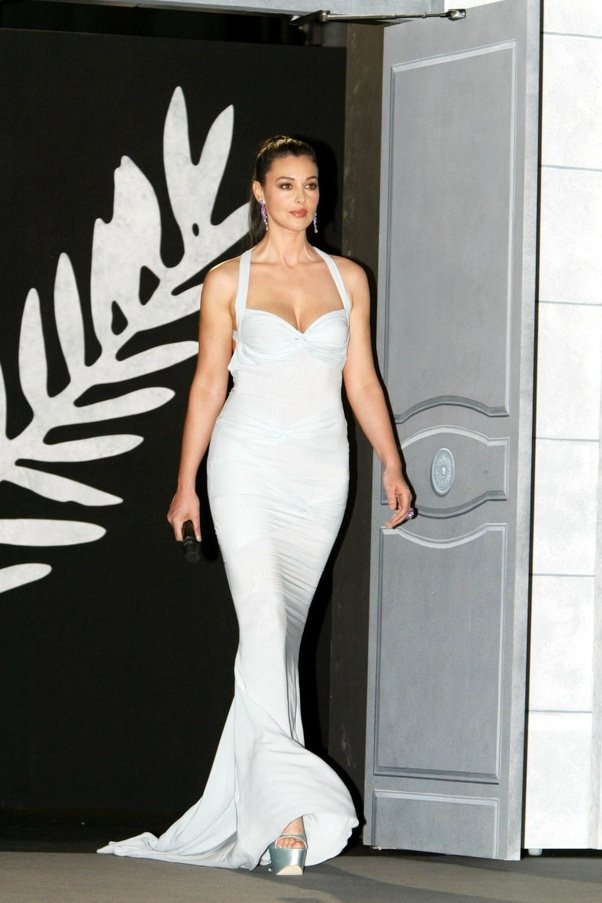
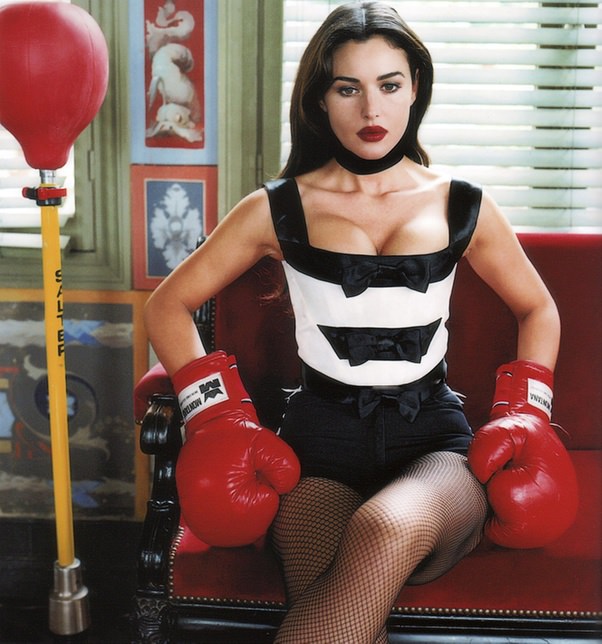
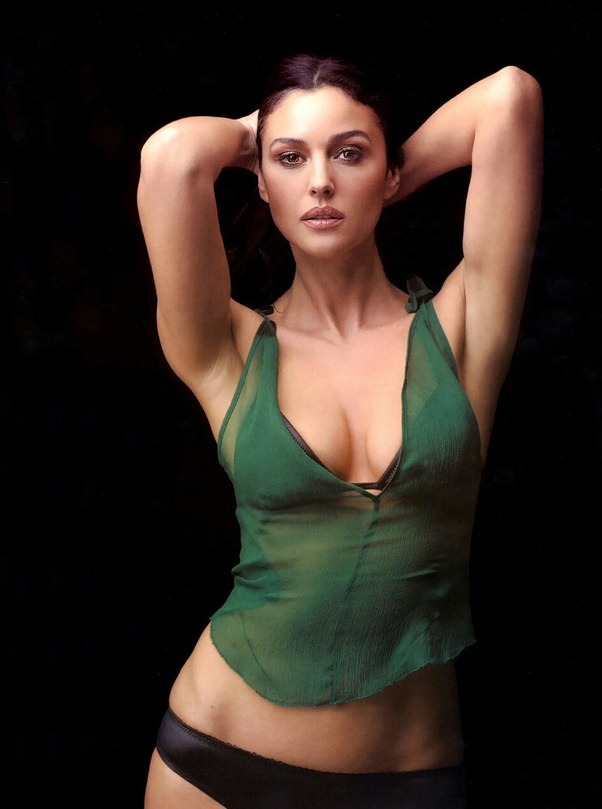
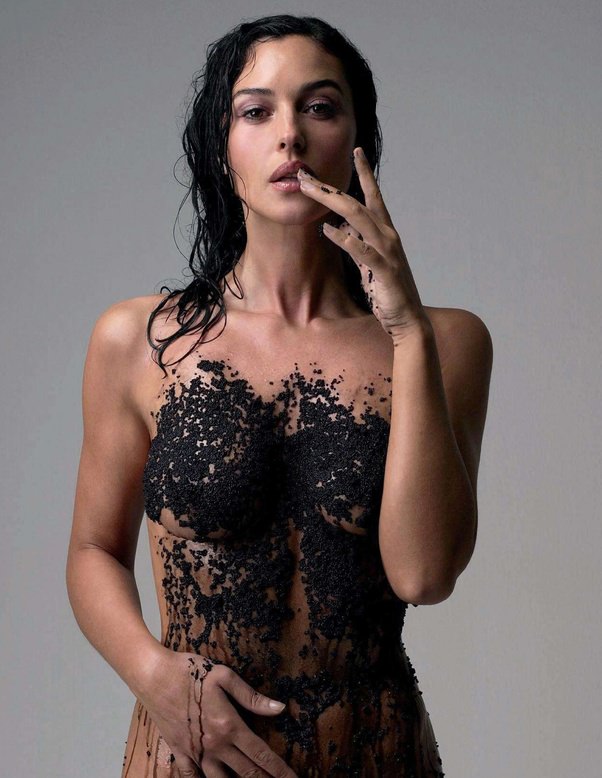
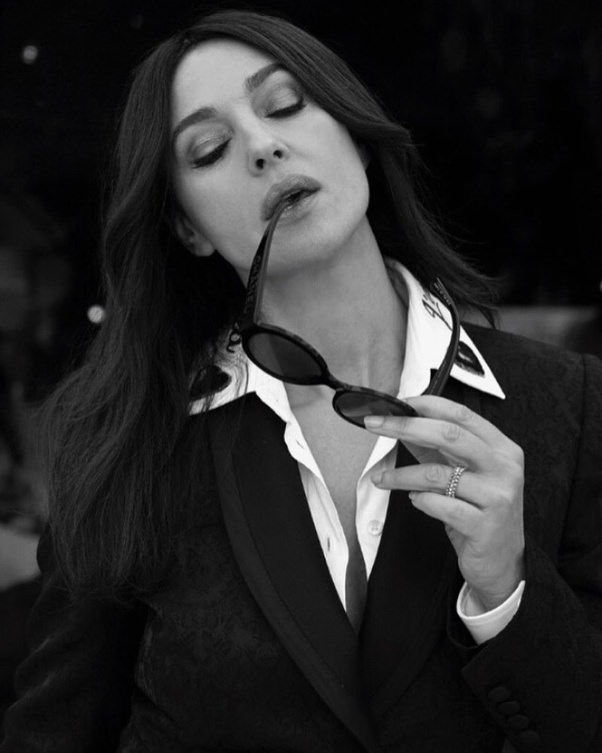
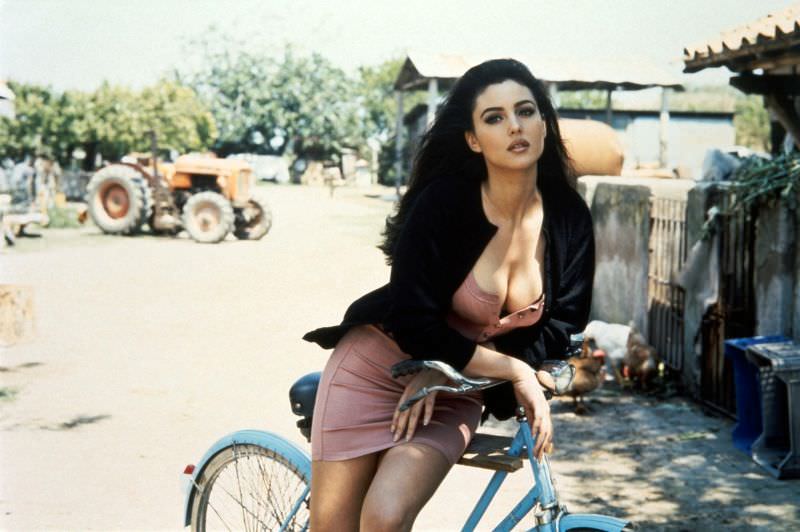
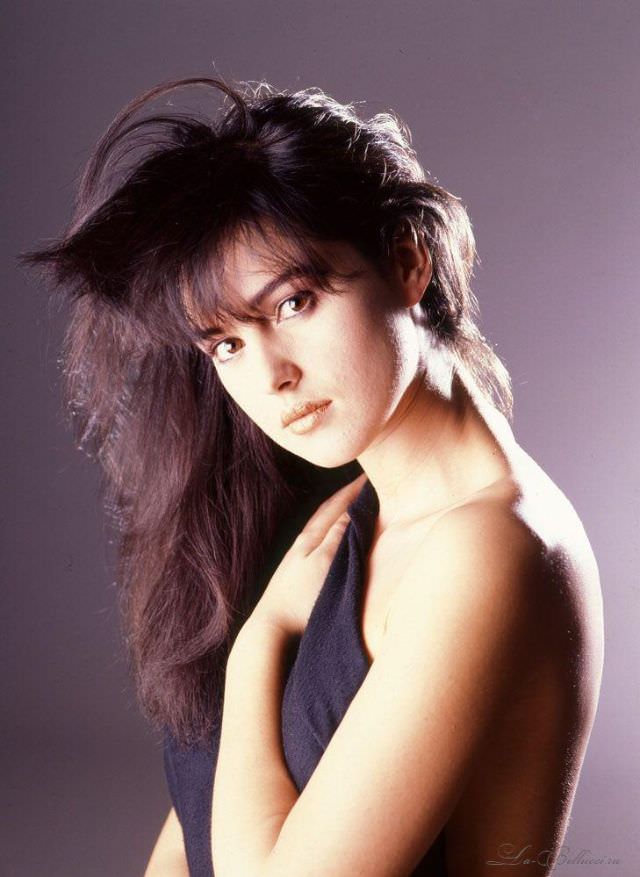
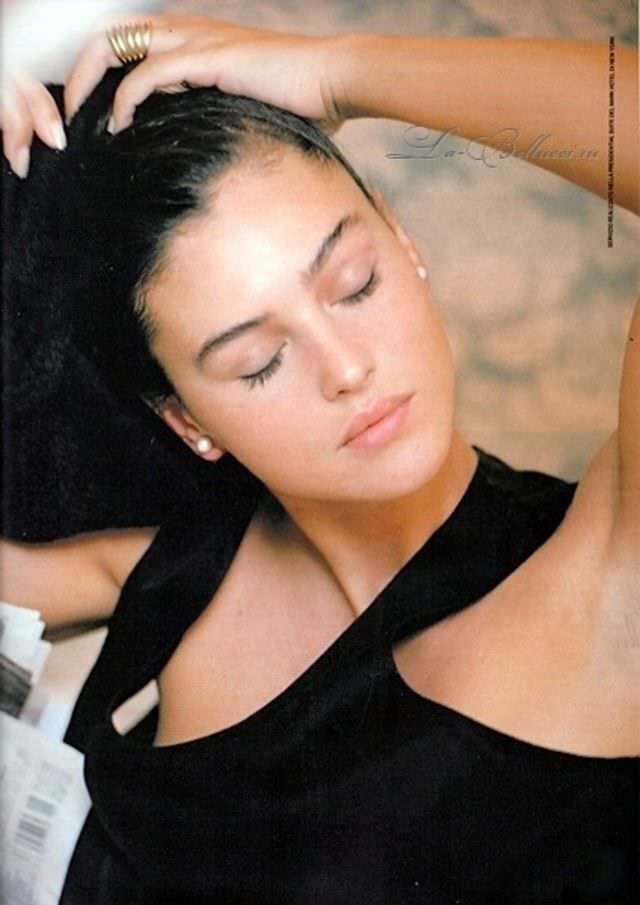
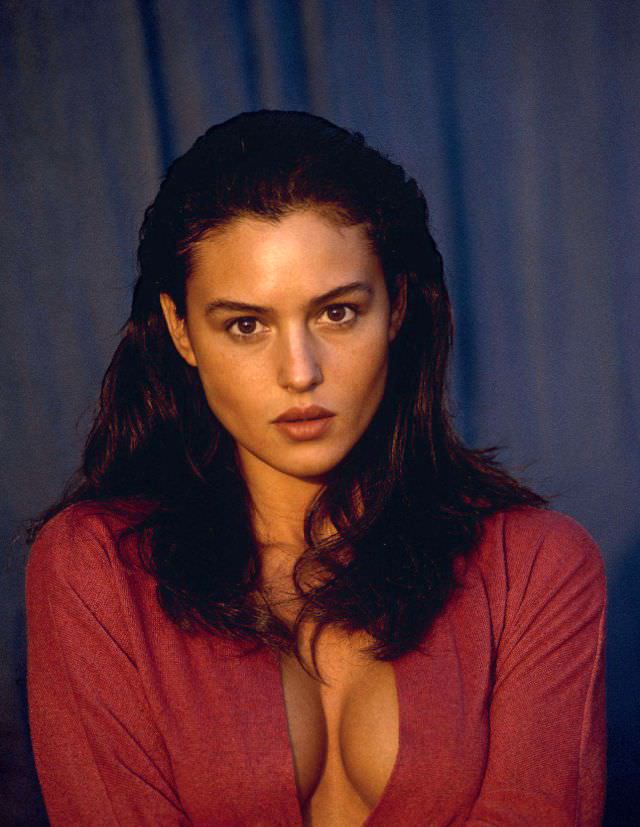
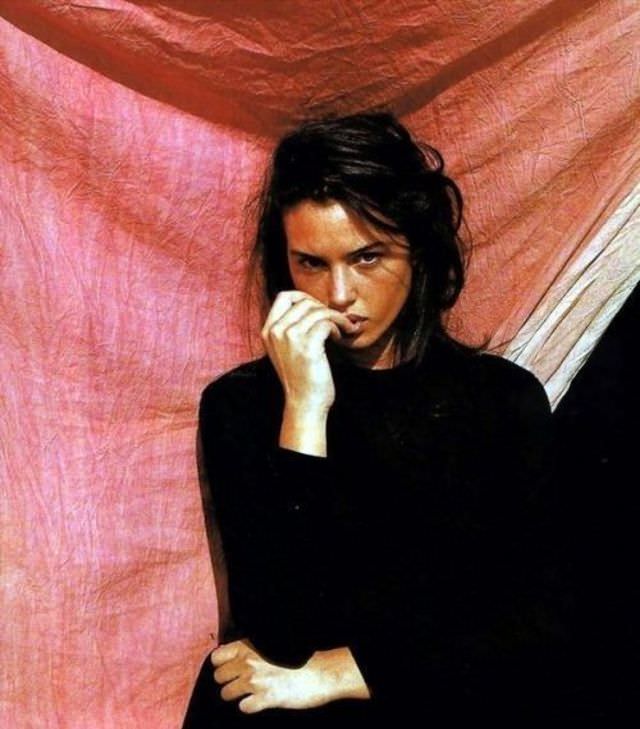
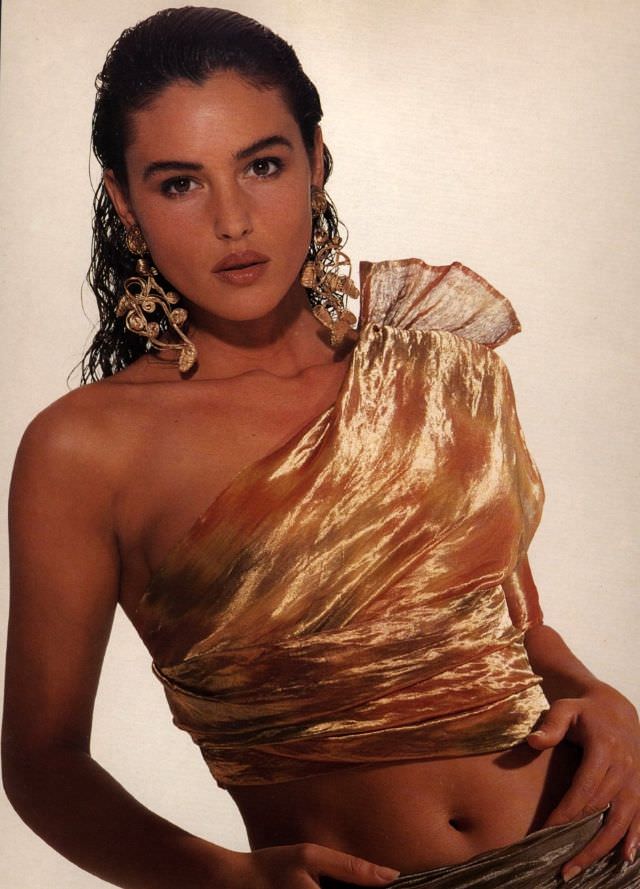
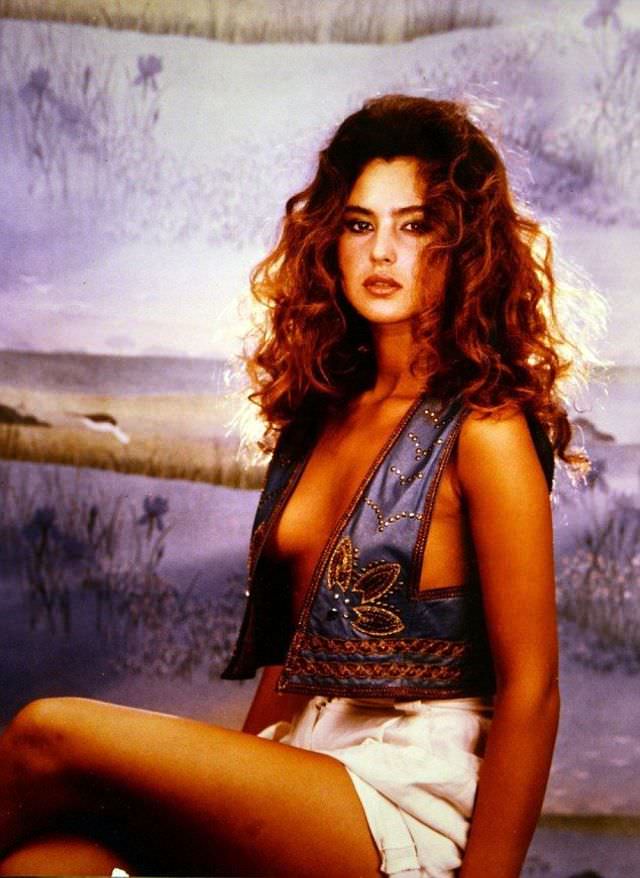
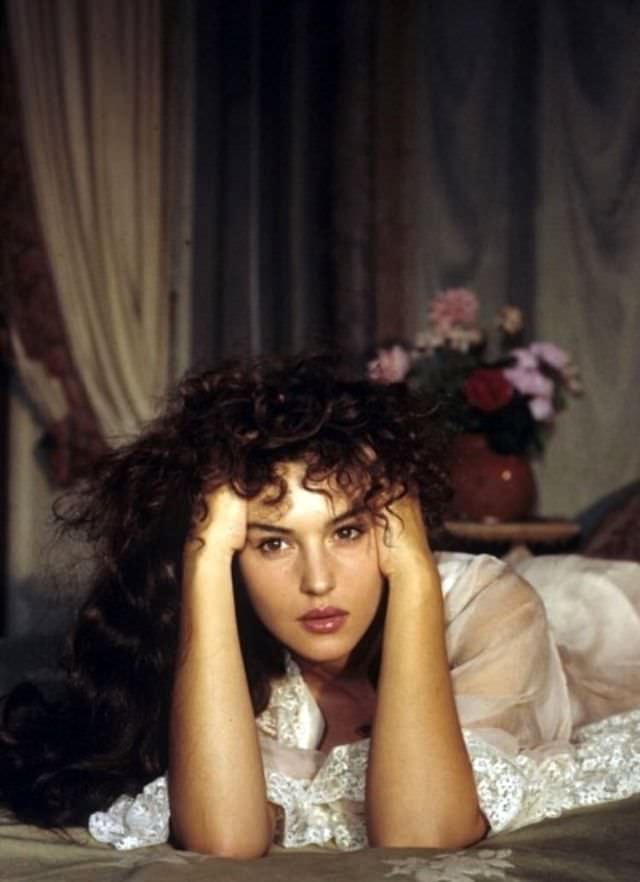
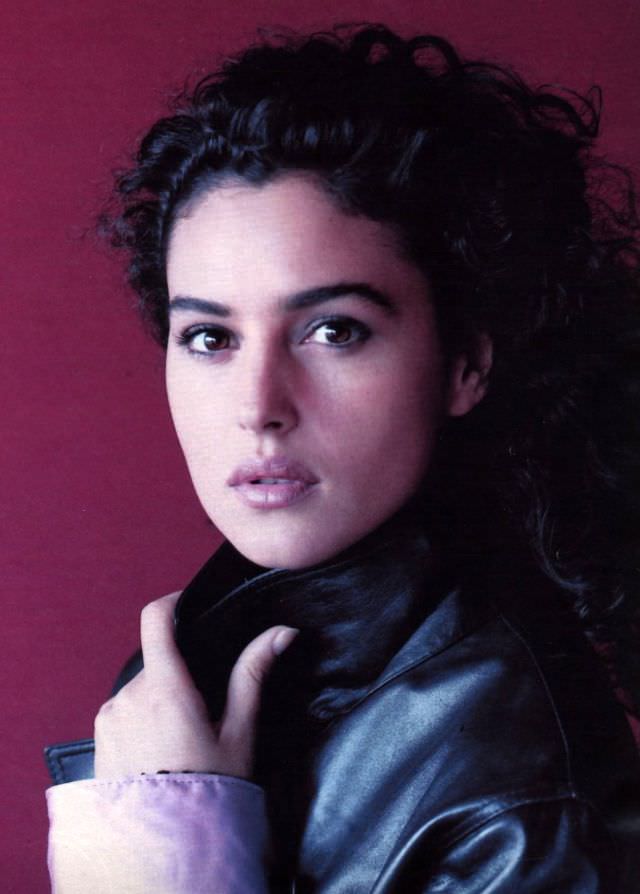
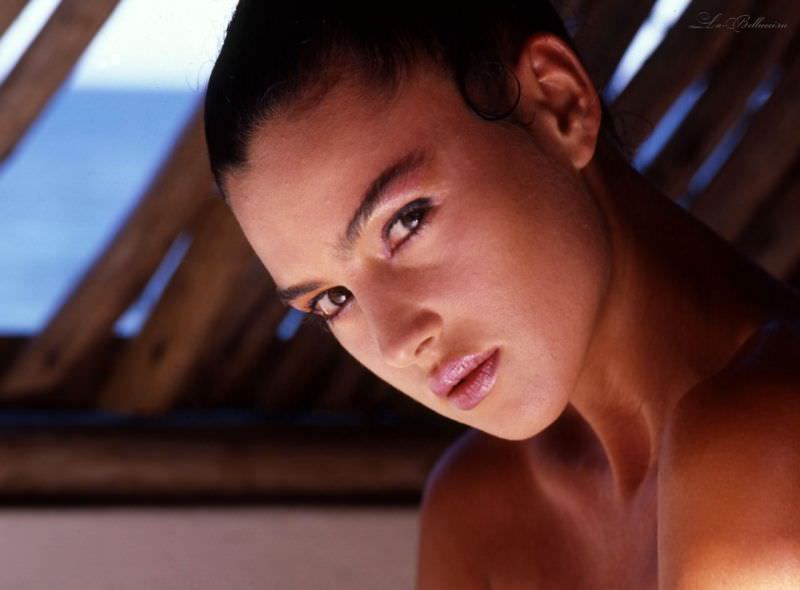
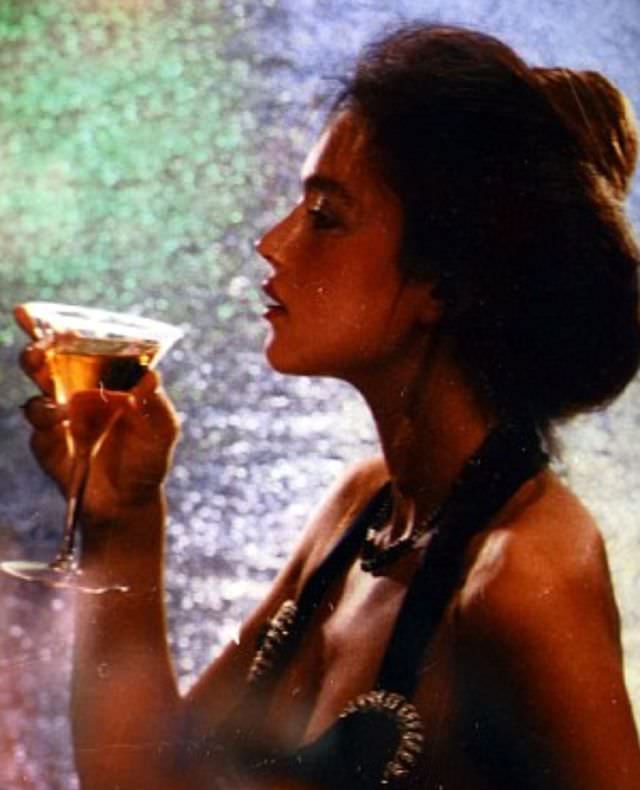
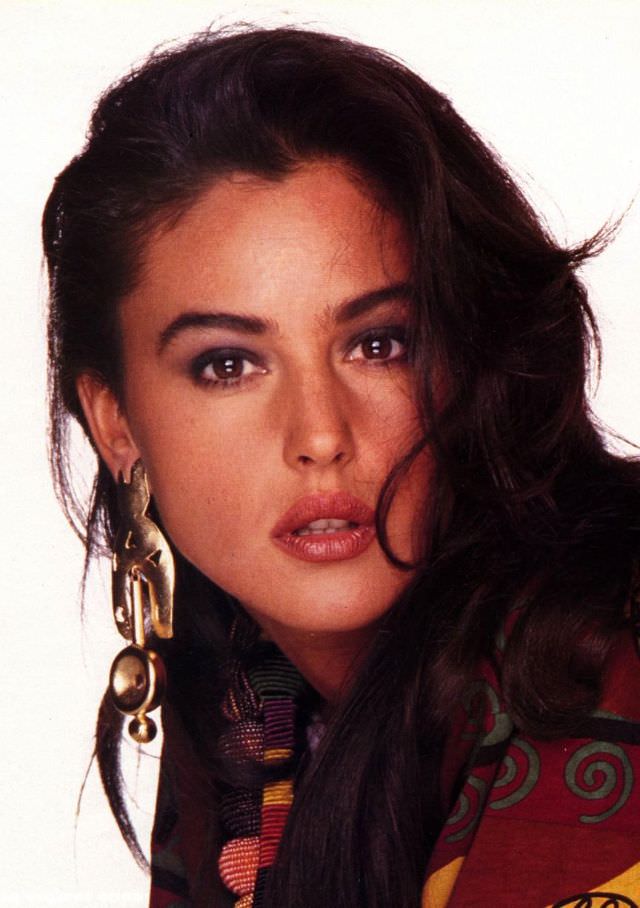
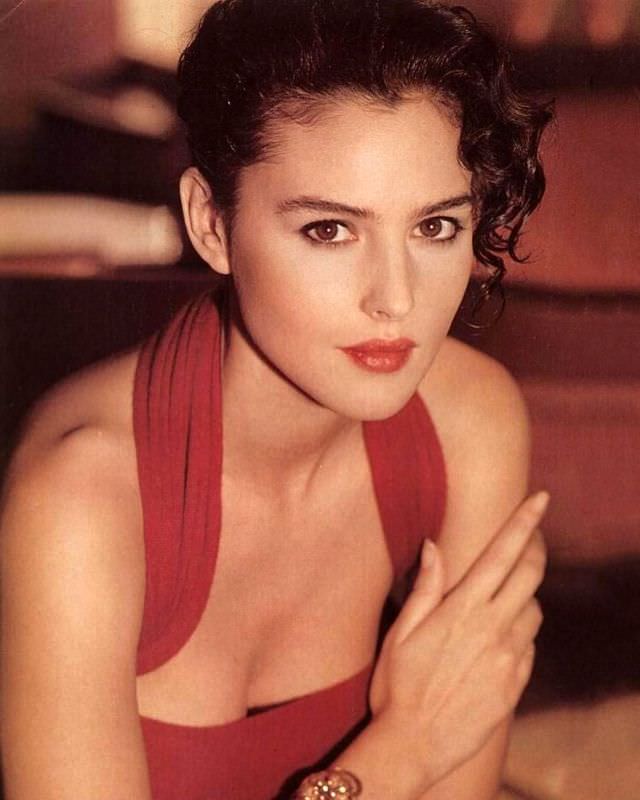
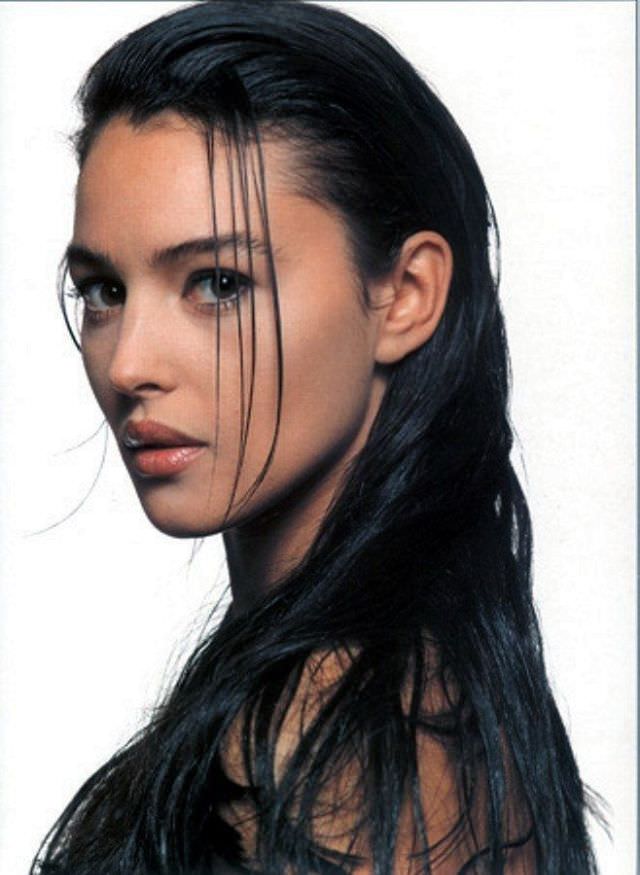
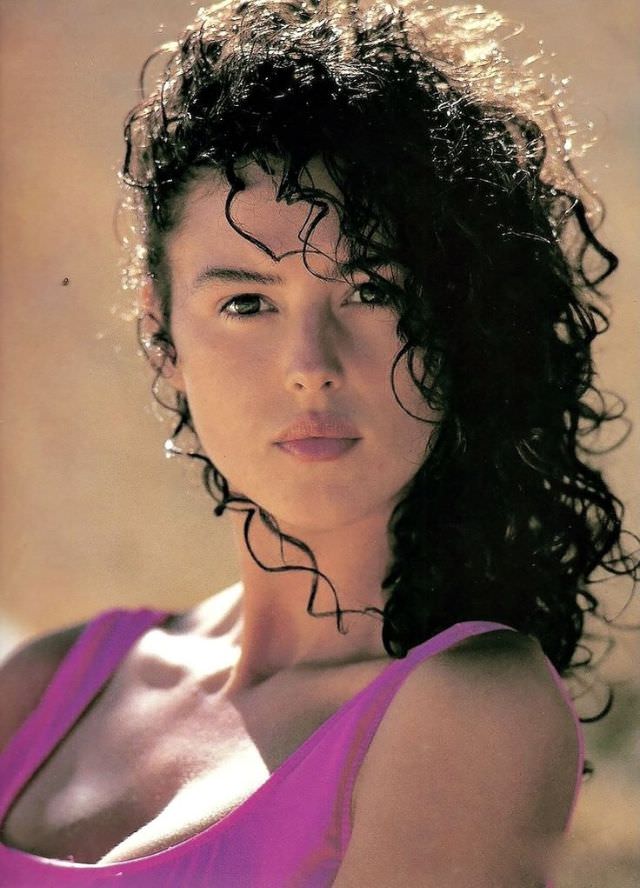
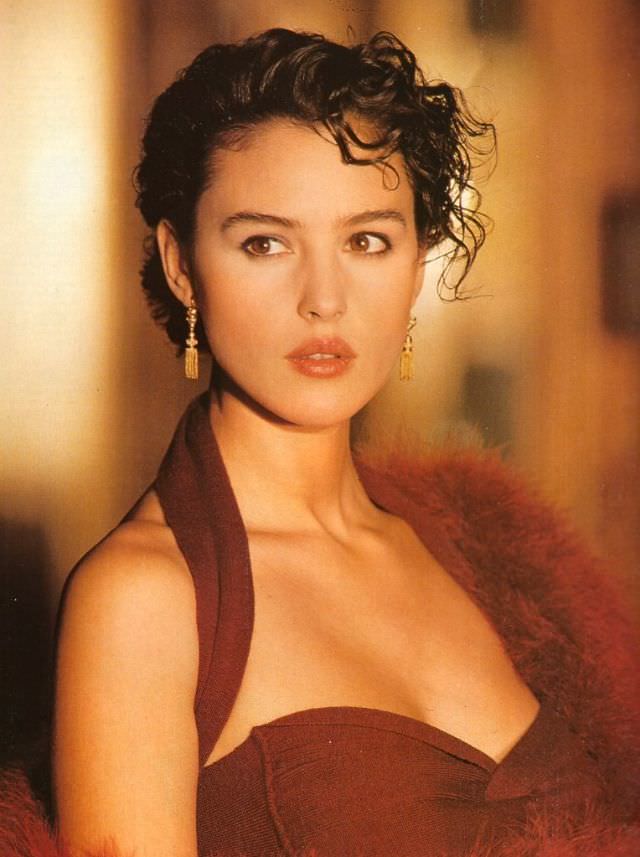
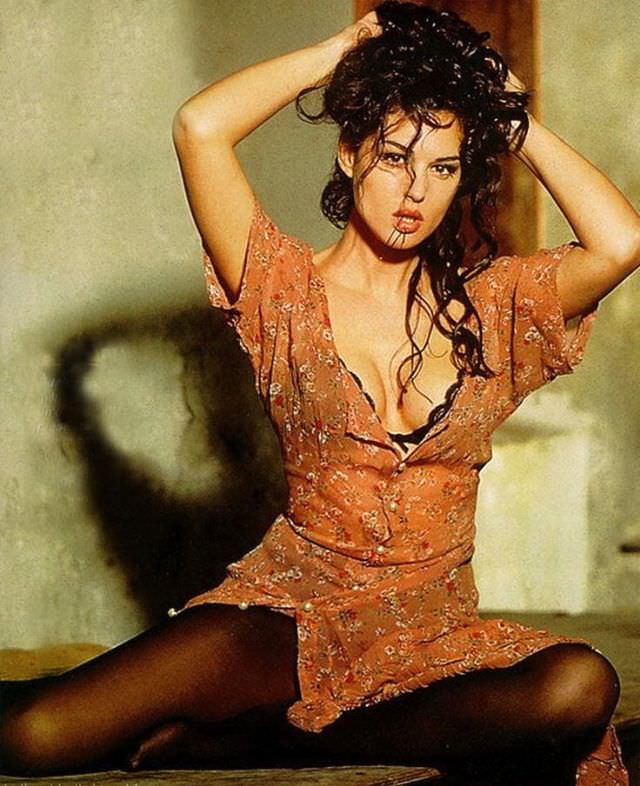
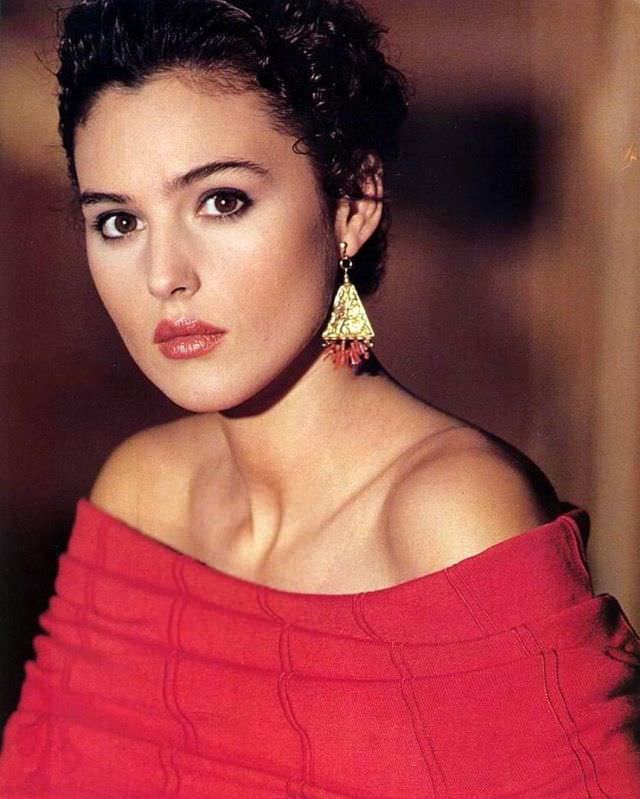
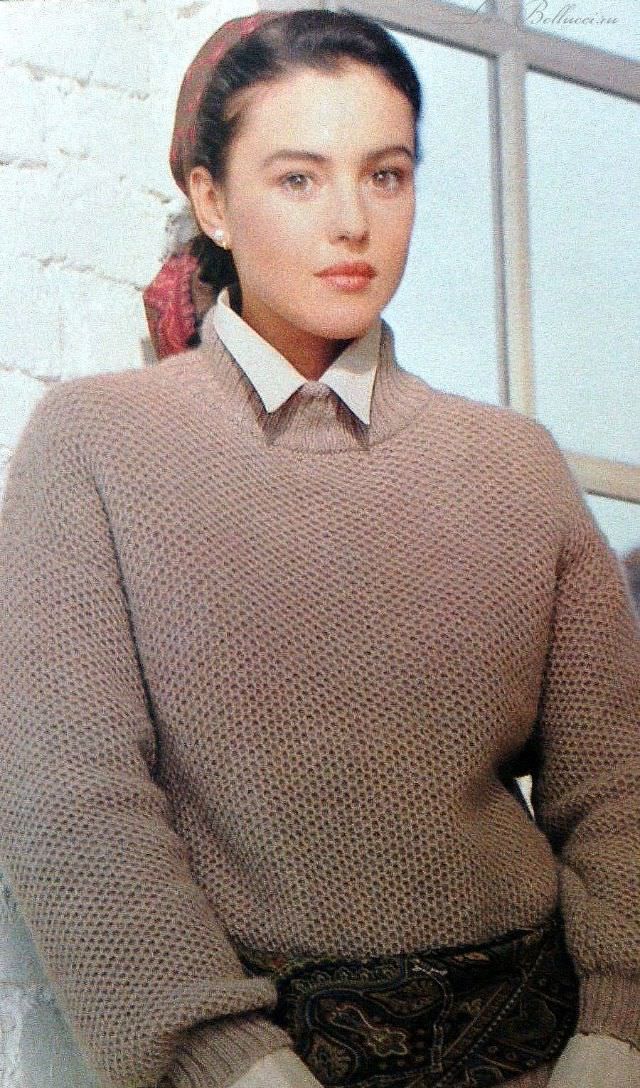
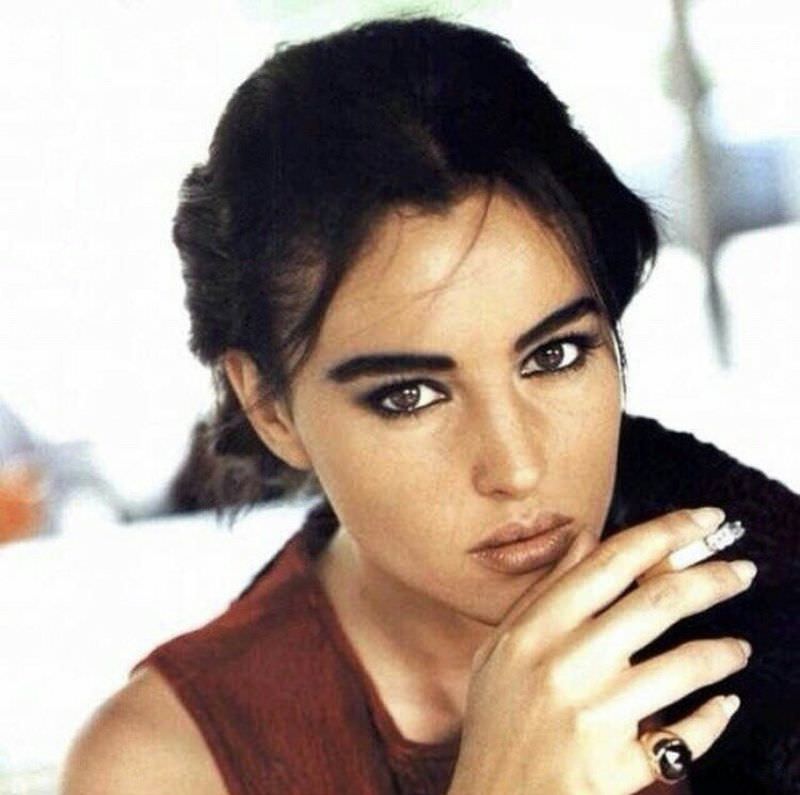
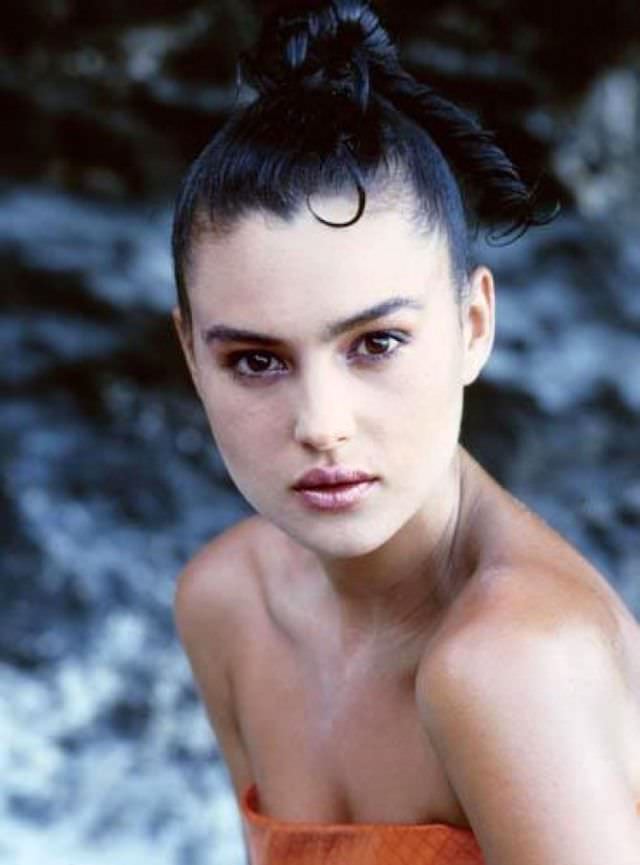
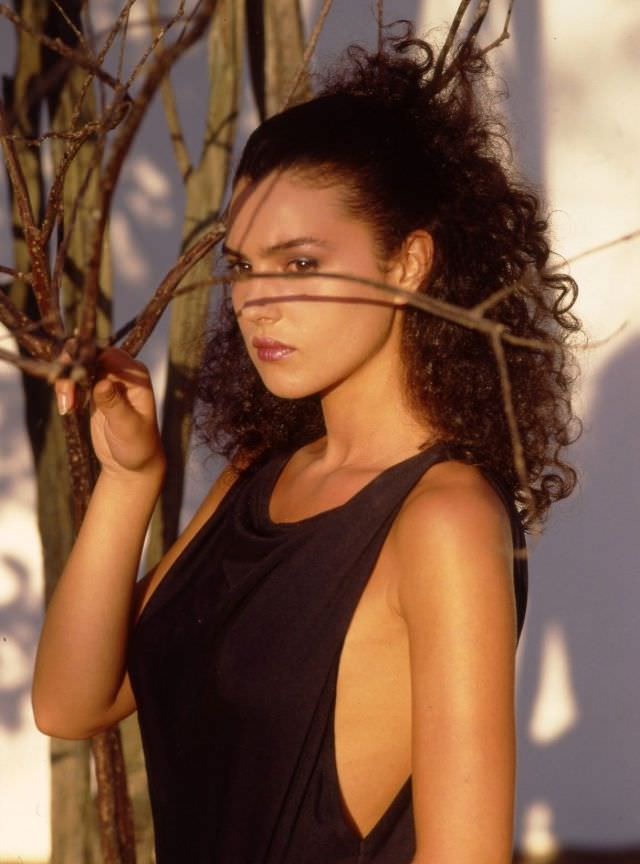
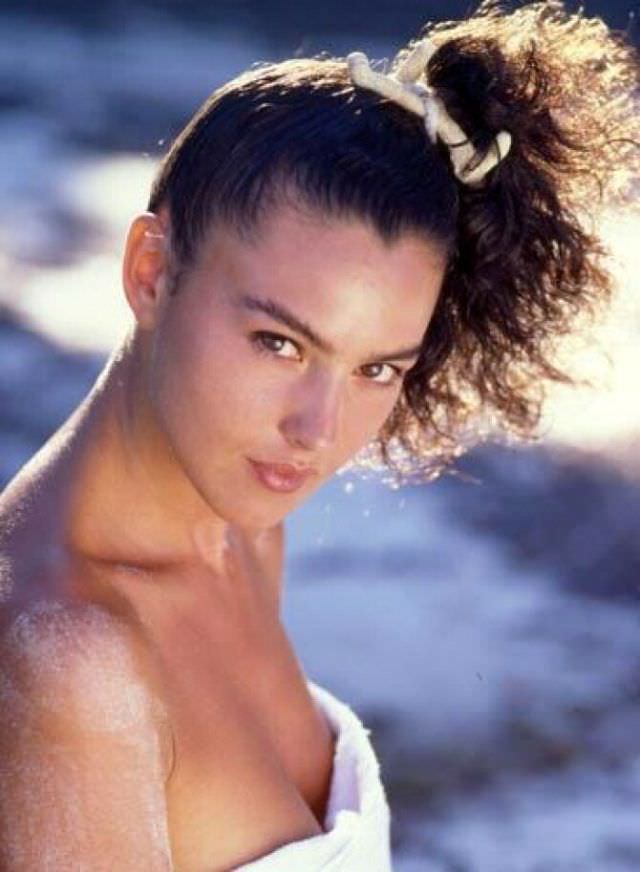
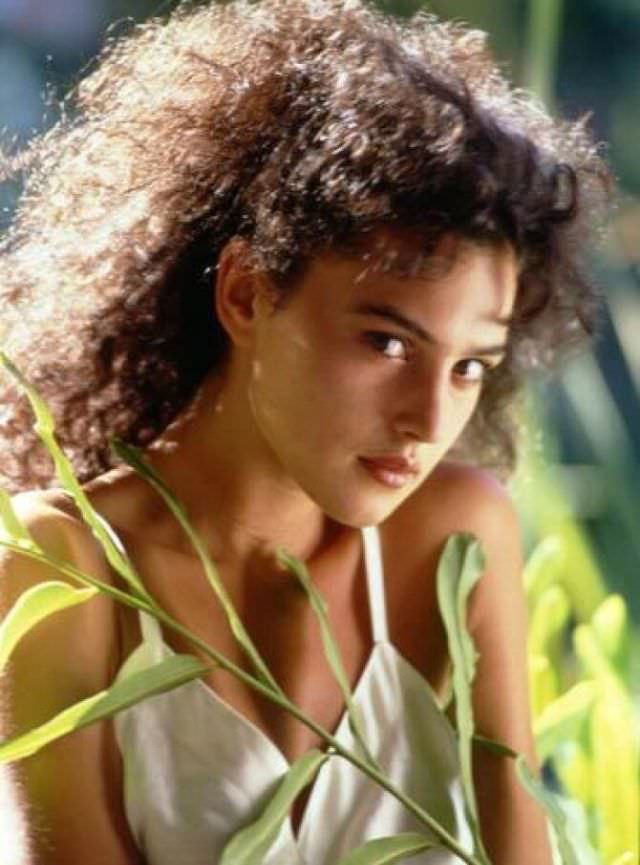
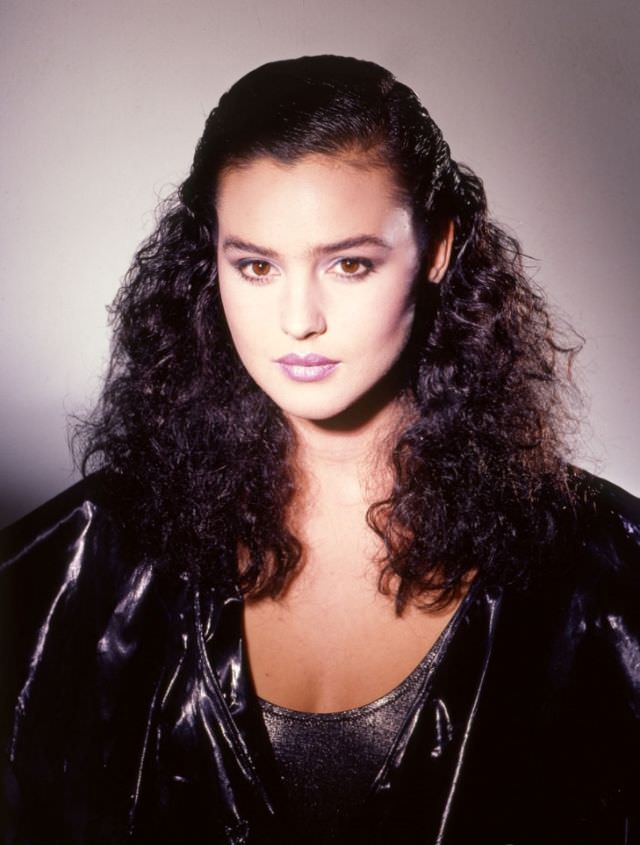
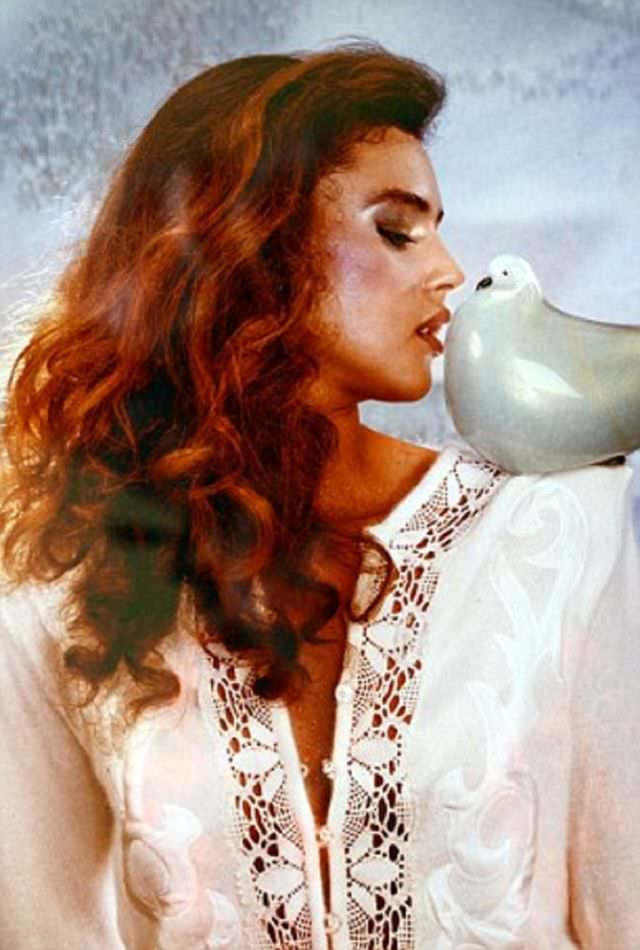
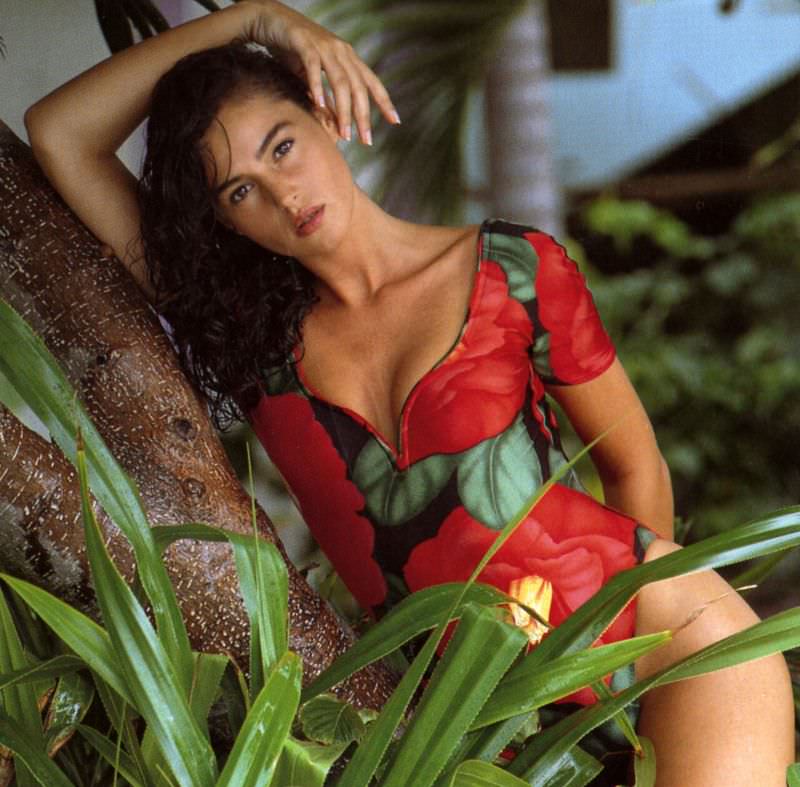
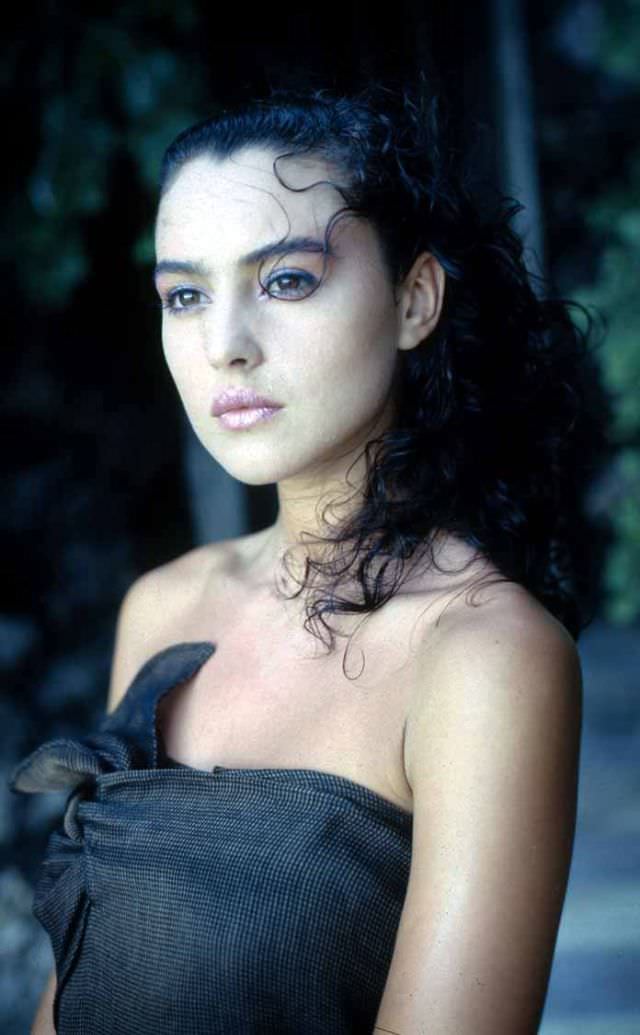
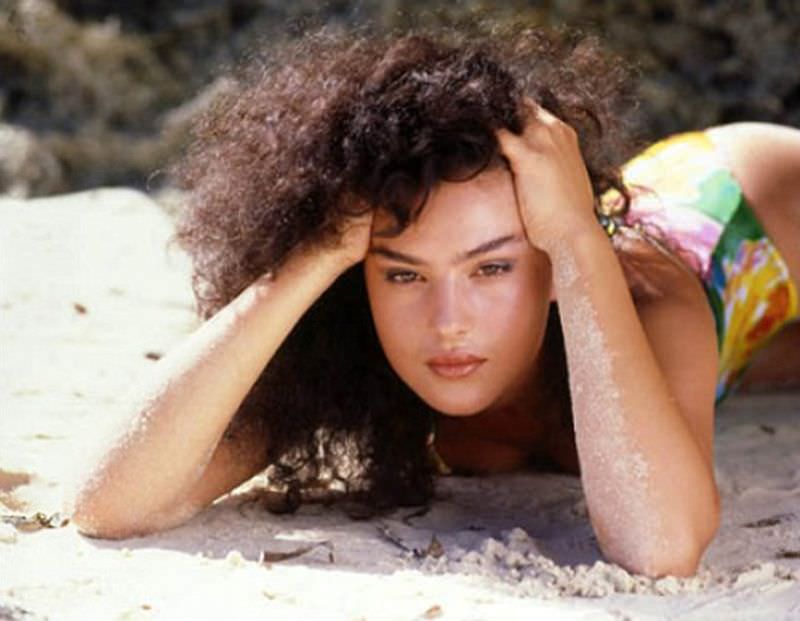
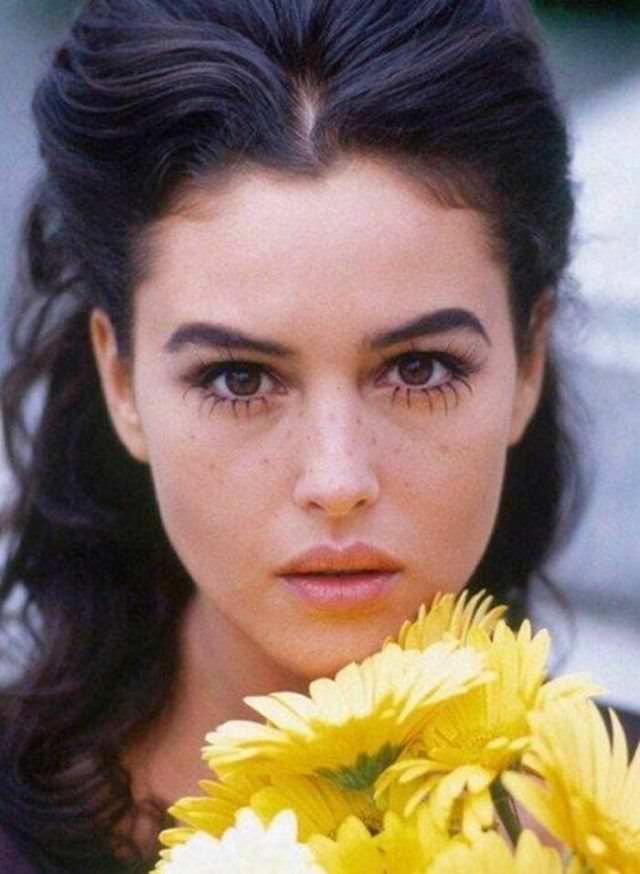
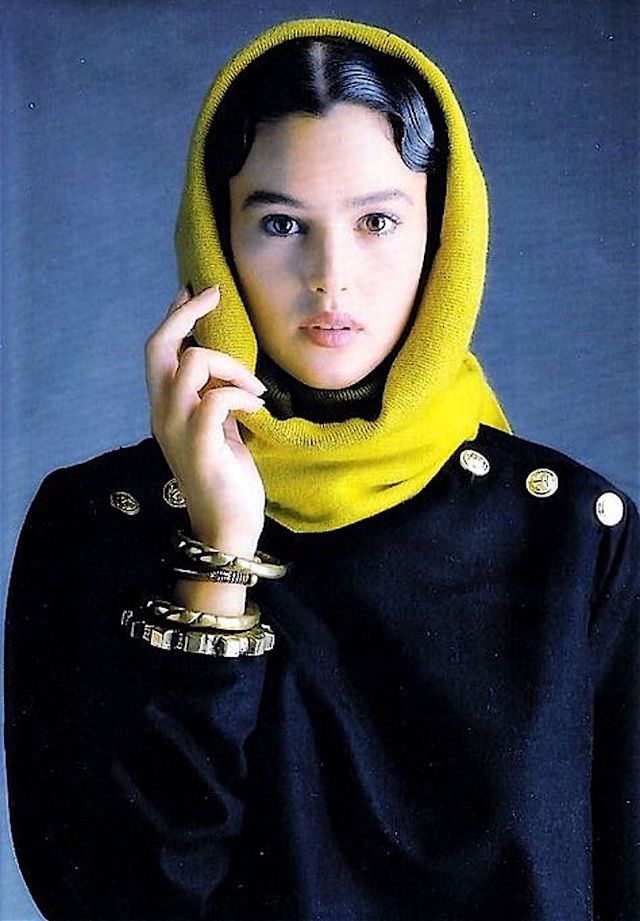
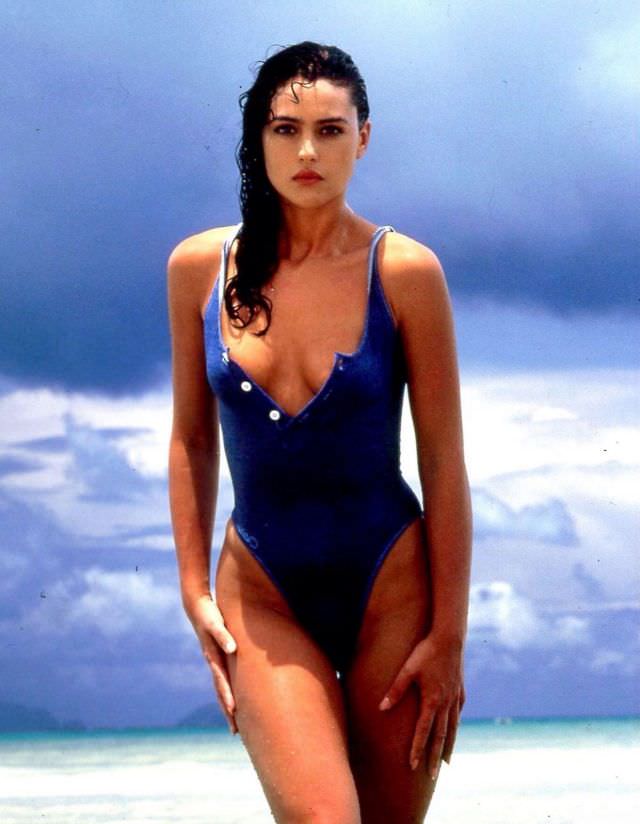
The photos collected here span her early years — the modeling sessions, the film premieres, the magazine shoots, and the candid moments that documented her rise. Together they form a visual record of one of Europe’s most compelling screen personalities during the years when her career was still taking shape.