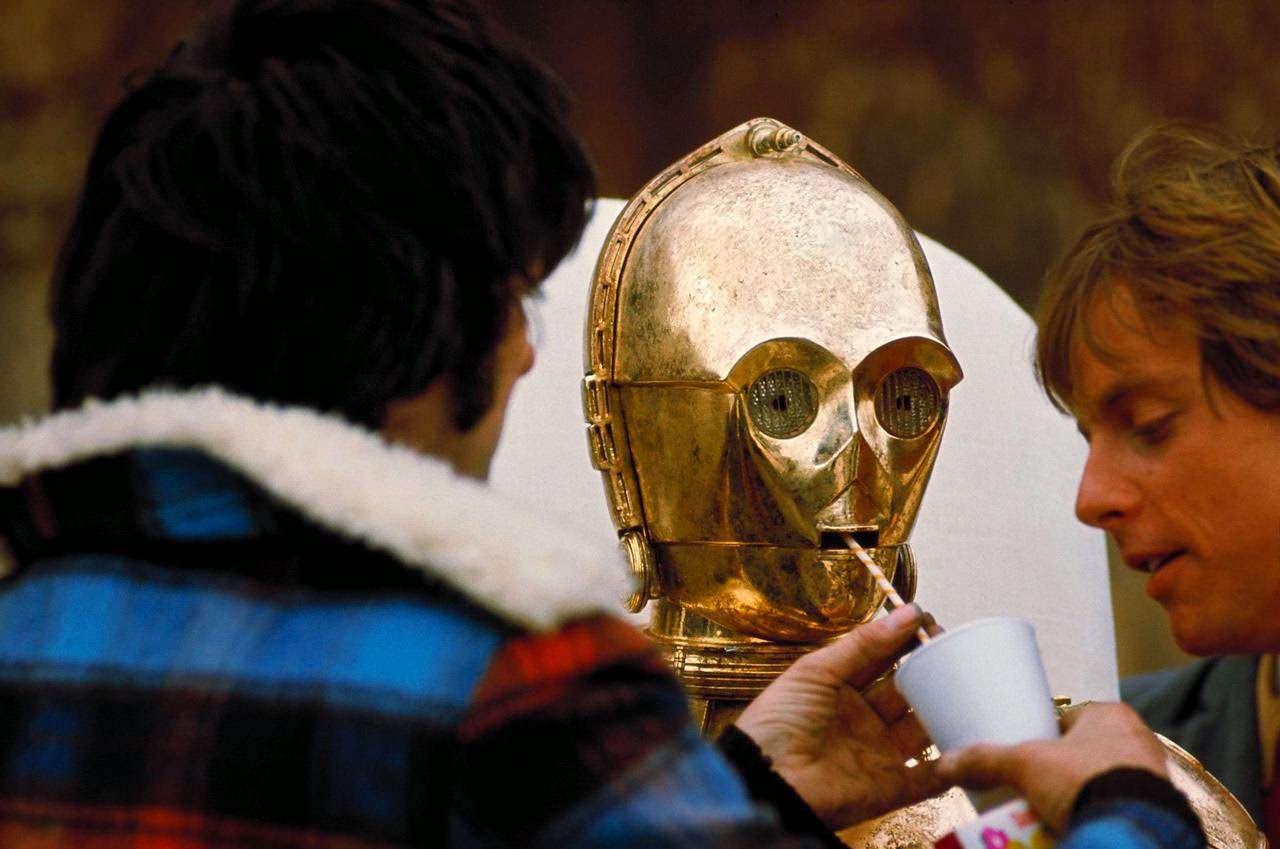
Horror movies are built to unsettle you. The shadowy corridors, the slow-building dread, the monsters that stay with you long after the credits roll — it all feels deeply serious on screen. But step behind the camera, and a completely different world opens up. On the sets of some of the most frightening films ever made, the mood was often relaxed, funny, and surprisingly warm.
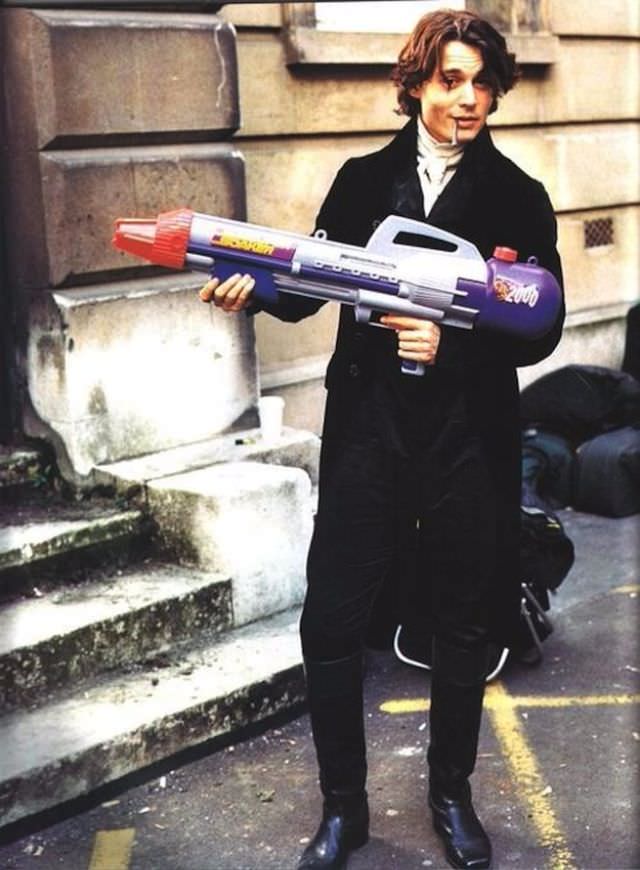
A lot of that comes down to how long shoots actually take. Horror productions are grueling. Days are long, scenes are physically demanding, and the pressure to deliver genuine scares is constant. Cast and crew find ways to stay loose. Sometimes that means goofing off between takes. Sometimes it means a star like Johnny Depp treating the set of a Tim Burton film like a backyard hangout.
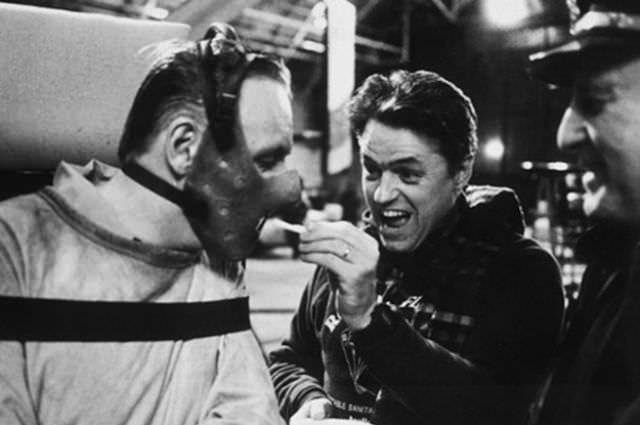
Even the most iconic horror villains have their off-duty moments. Anthony Hopkins spent weeks in full Hannibal Lecter costume between scenes on “The Silence of the Lambs.” The contrast between that character’s terrifying composure and the mundane reality of set life made for some genuinely absurd photo opportunities.
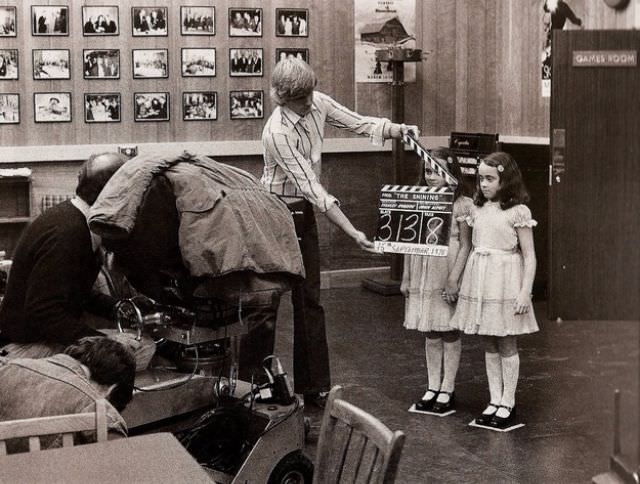
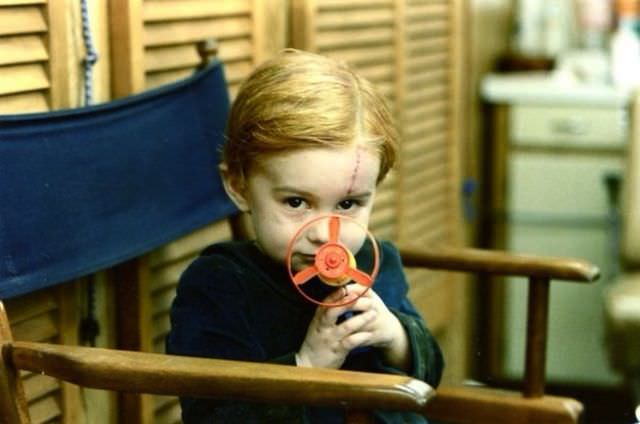
Stanley Kubrick’s “The Shining” is one of the most meticulously crafted horror films ever made. Kubrick was known for demanding dozens of takes, pushing his cast hard to get the exact emotion he wanted. Yet the child actors on set still had ordinary kid moments in between those intense scenes.
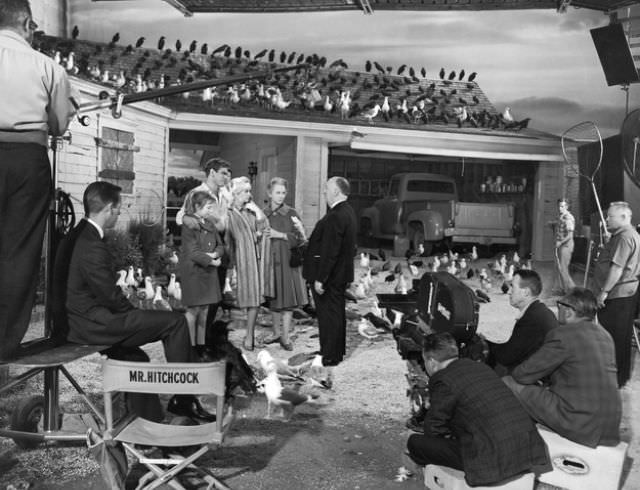
Alfred Hitchcock was a master of controlled chaos. His 1963 film “The Birds” required trainers, mechanical rigs, and real live birds on set every single day — a logistical nightmare that somehow produced one of cinema’s most enduring thrillers.
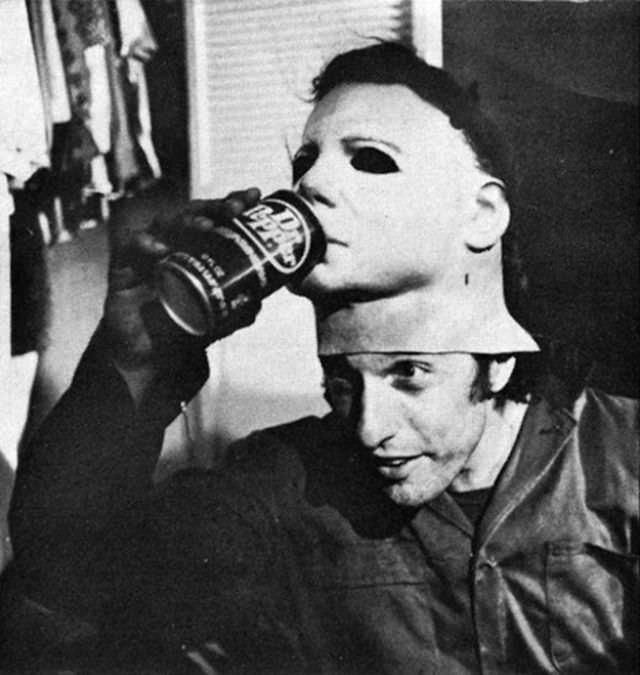
The original “Halloween” (1978) was shot on a shoestring budget in just 20 days. Nick Castle, who played Michael Myers, wasn’t even a trained actor — he was a friend of director John Carpenter who happened to move well in the mask. Off camera, he was perfectly ordinary.
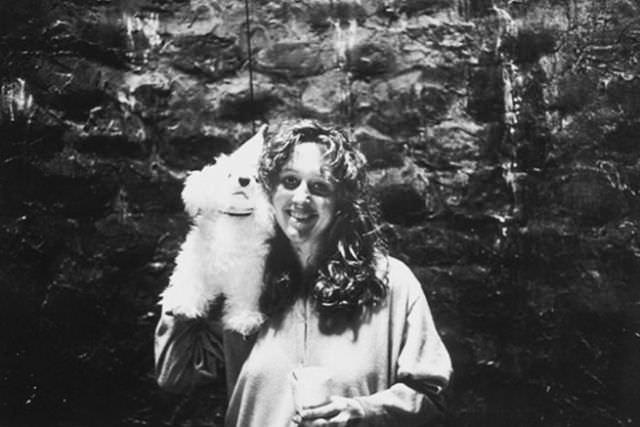
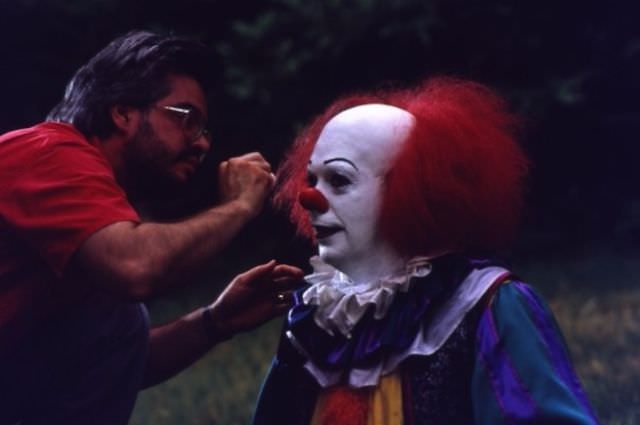
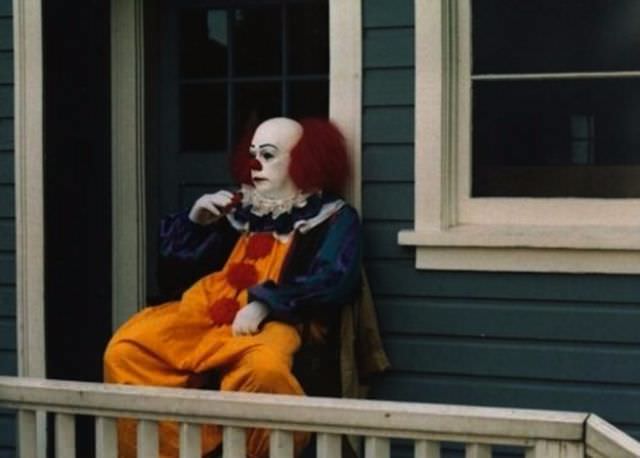
Makeup chairs are where horror movies truly come to life. Transforming an actor into a monster takes hours — sometimes four or five hours per session. For “It,” turning Tim Curry into Pennywise was a daily ritual that the crew and cast eventually made into a social event of its own.
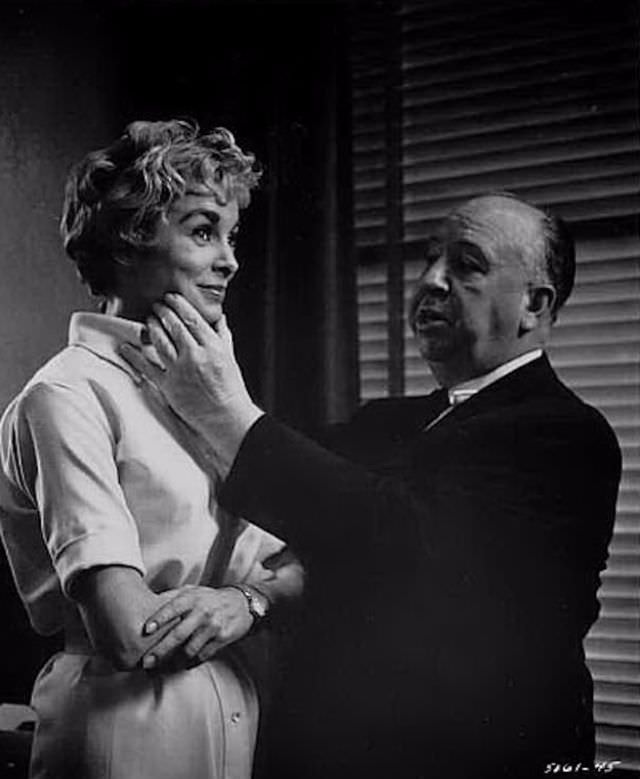
Hitchcock himself was never far from the action. On the set of “Psycho,” he was known for his hands-on directing style — and his very particular sense of humor.
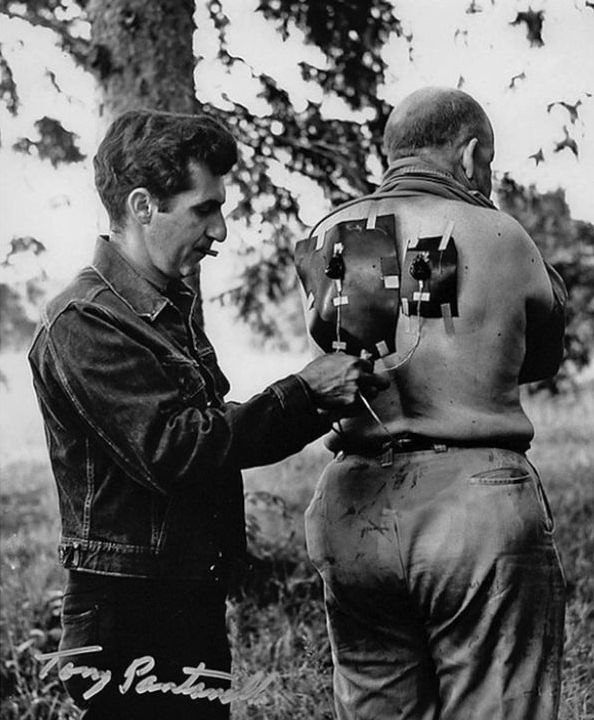
George A. Romero’s “Night of the Living Dead” (1968) was made for roughly $114,000 and filmed mostly on weekends with a volunteer crew. Special effects artist Tony Pantanella applied zombie makeup on a tight schedule, using simple household materials to create what became the blueprint for every zombie film that followed.
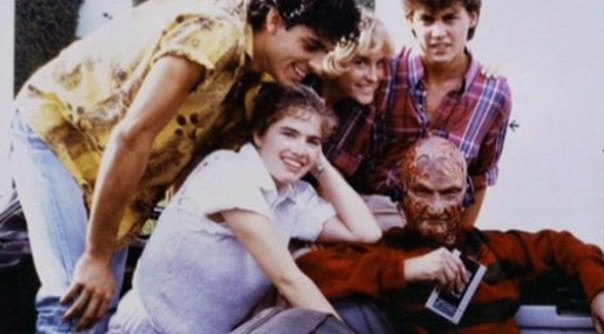
Robert Englund spent years playing Freddy Krueger across the “Nightmare on Elm Street” franchise. The Krueger makeup took over two hours to apply each morning. In between takes, Englund was known for keeping the energy on set light — a sharp contrast to the burned, blade-fingered monster he played on screen.
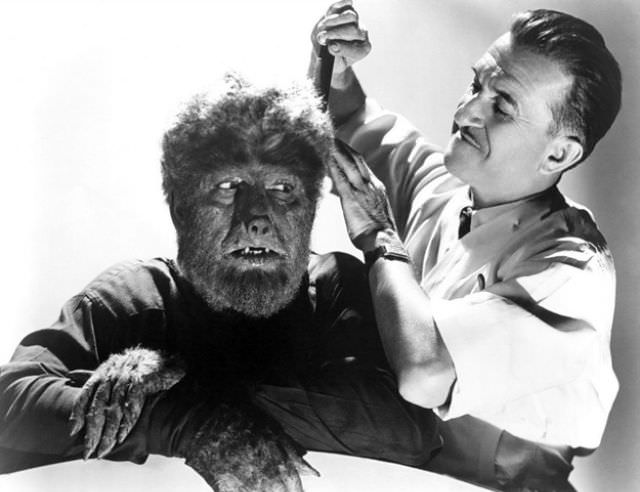
Monster makeup has been a craft since Hollywood’s earliest days. Universal’s 1941 “The Wolfman” starring Lon Chaney Jr. required Jack Pierce to spend hours applying yak hair piece by piece directly to Chaney’s face. The process was so uncomfortable that Chaney reportedly despised filming those scenes.
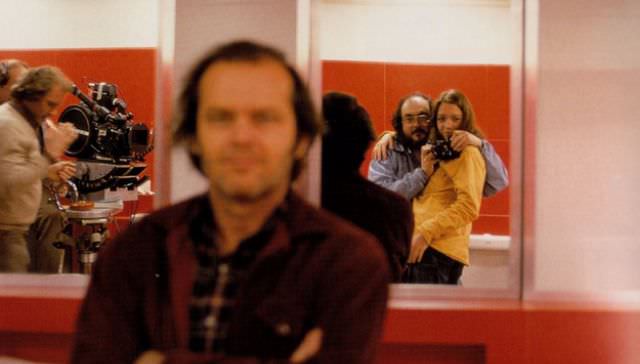
Jack Nicholson’s performance in “The Shining” remains one of the most studied in horror history. His energy off camera was just as electric as it was on screen — which made for a set that was always buzzing, even during downtime.
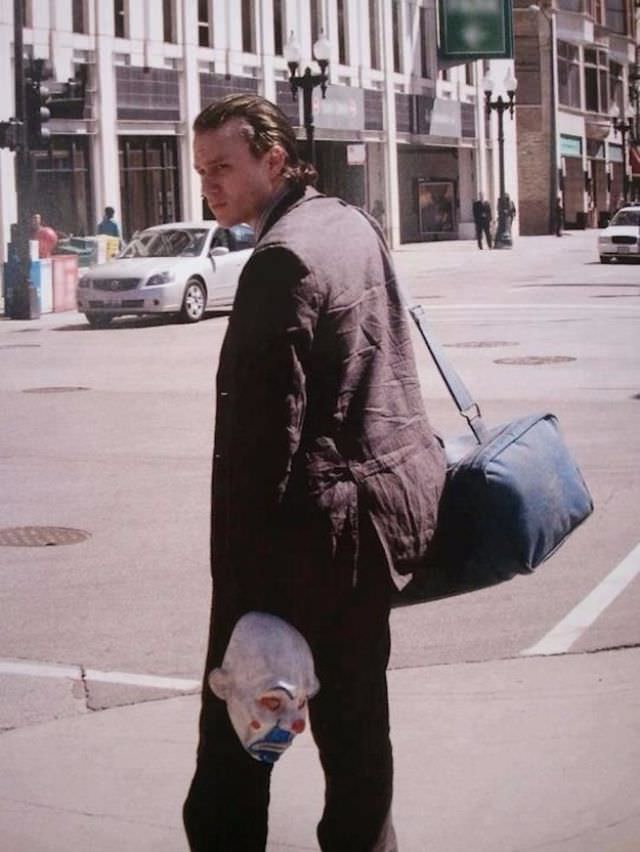
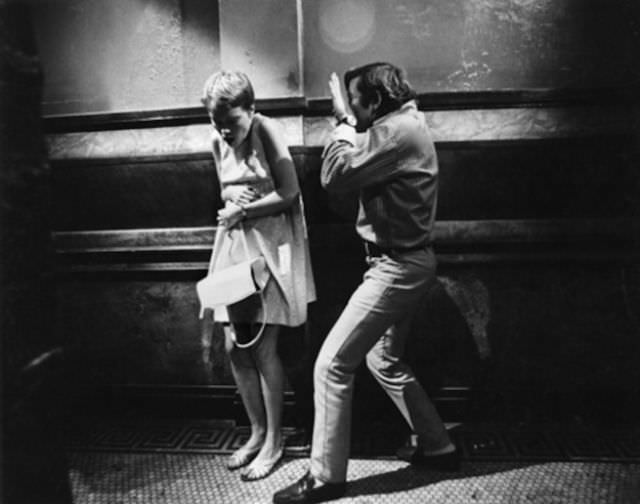
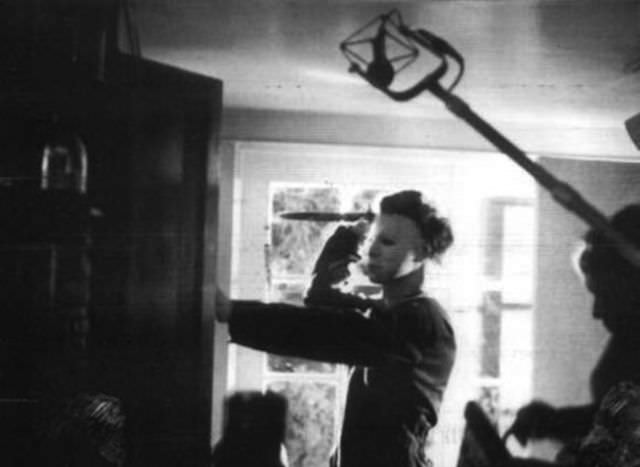
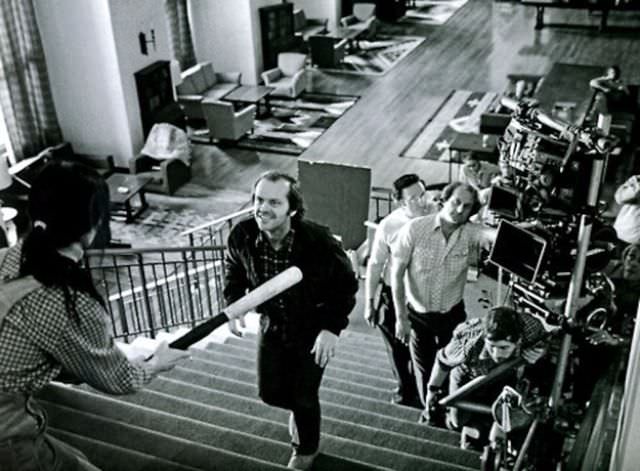
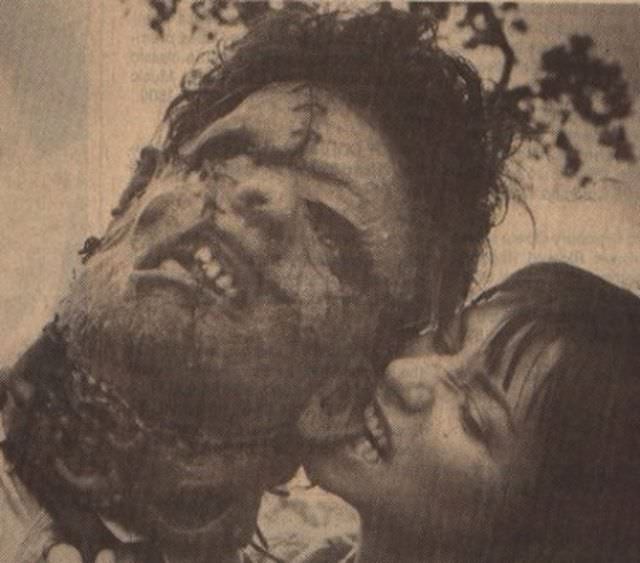
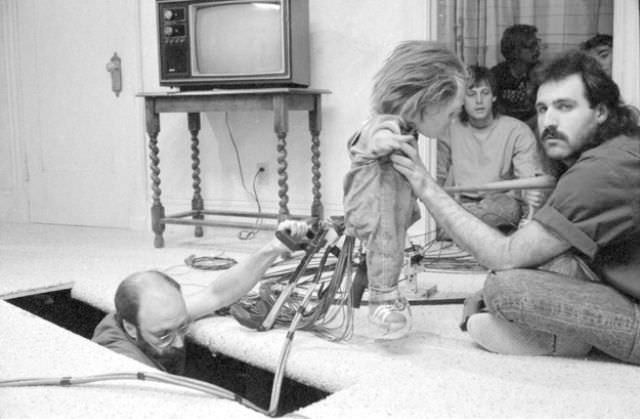
Puppeteers and creature performers were the unsung heroes of pre-digital horror. The Gremlins required a small army of operators to bring each creature to life. On any given day, the set looked less like a film production and more like a very strange puppet workshop.
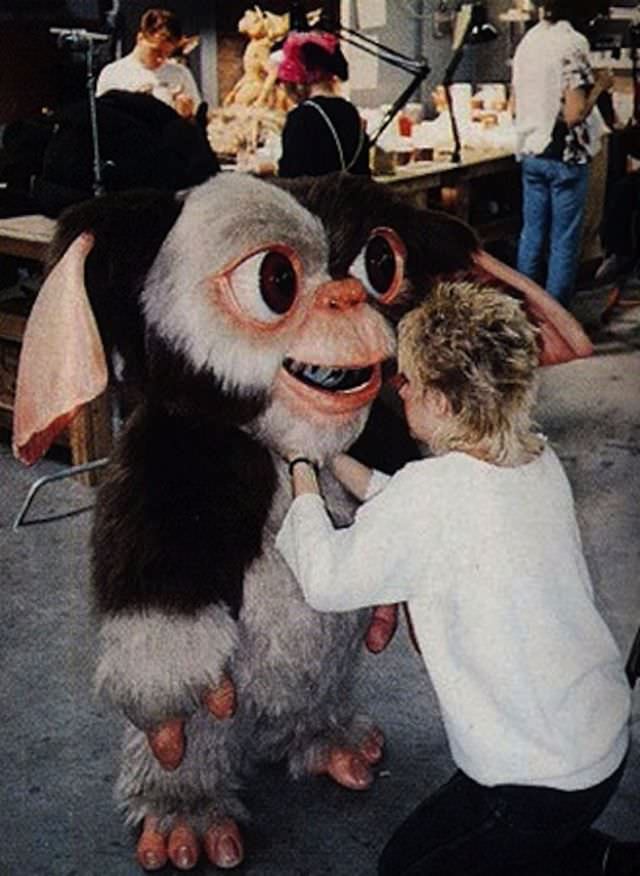
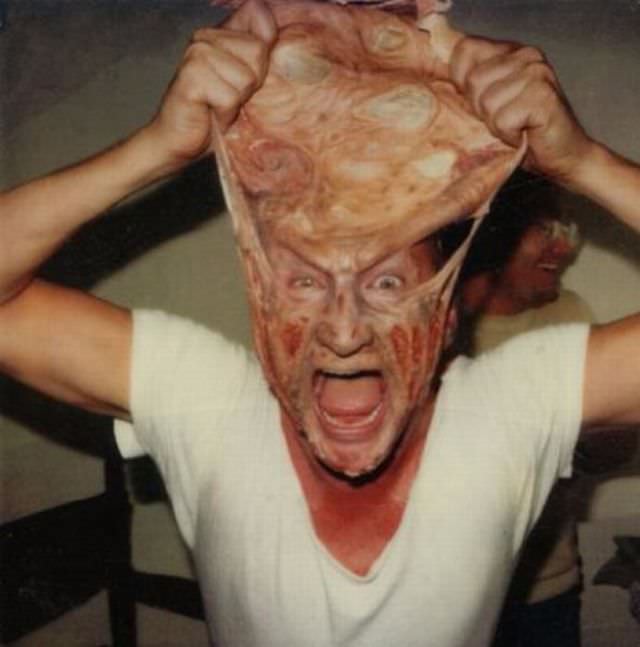
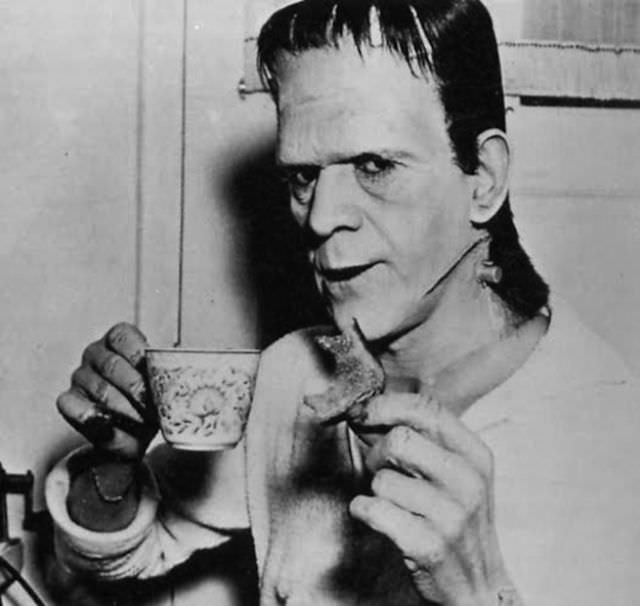
Boris Karloff’s transformation into Frankenstein’s monster for the 1931 Universal film took makeup artist Jack Pierce four hours every morning. The neck bolts were metal, the platform shoes added inches to Karloff’s height, and the whole costume weighed nearly 50 pounds. Between shots, Karloff ate lunch in full makeup.
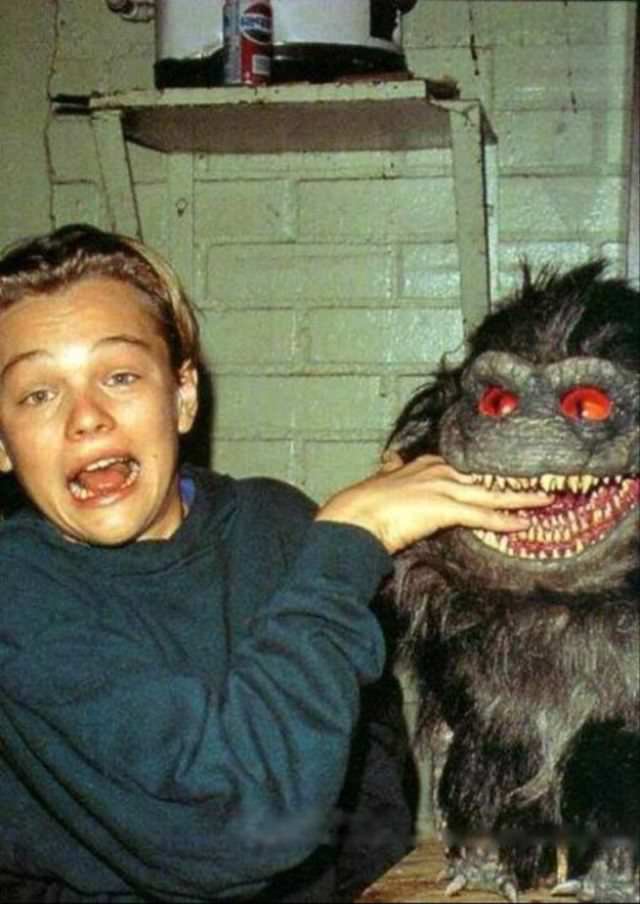
Not every horror set featured a seasoned cast. “Critters 3,” a 1991 direct-to-video creature feature, marked the film debut of a then-unknown teenager named Leonardo DiCaprio. It wasn’t a prestigious start, but every career has to begin somewhere.
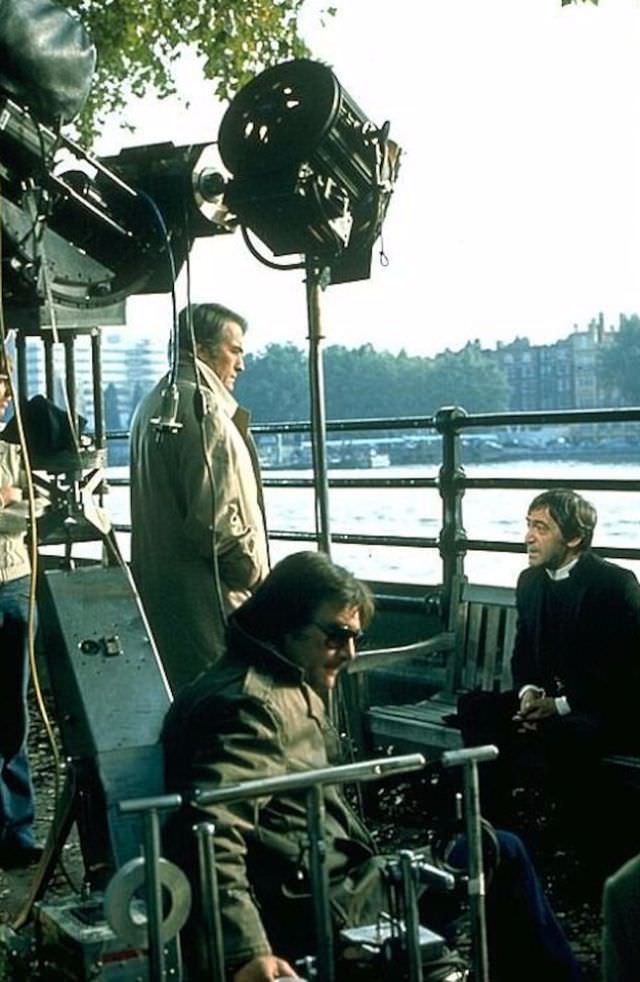
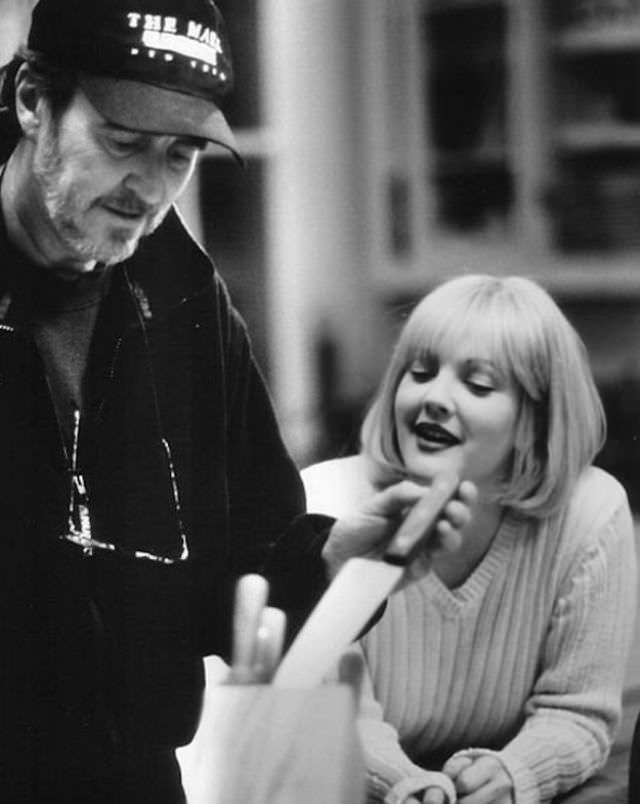
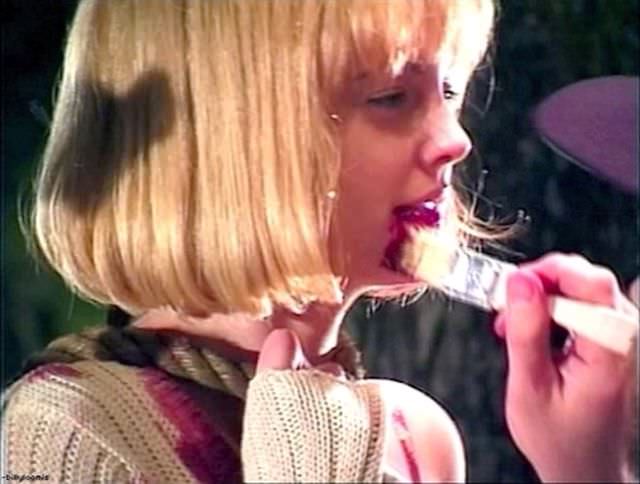
Director Wes Craven had a very deliberate hands-on approach with his actors. On the set of “Scream,” he personally walked Drew Barrymore through the film’s infamous opening sequence, prop knife in hand, making sure every beat of the scene was crystal clear before the cameras rolled.
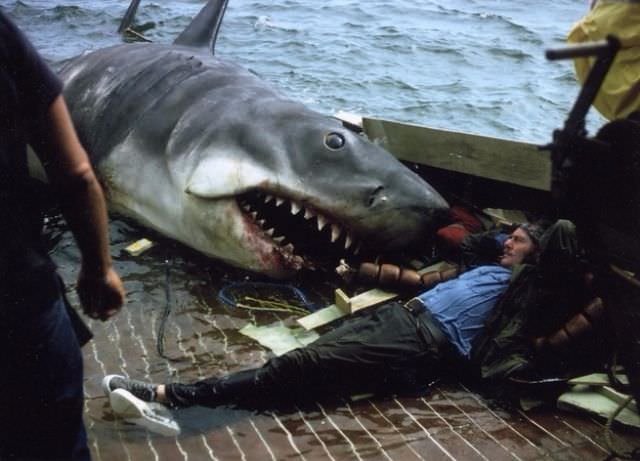
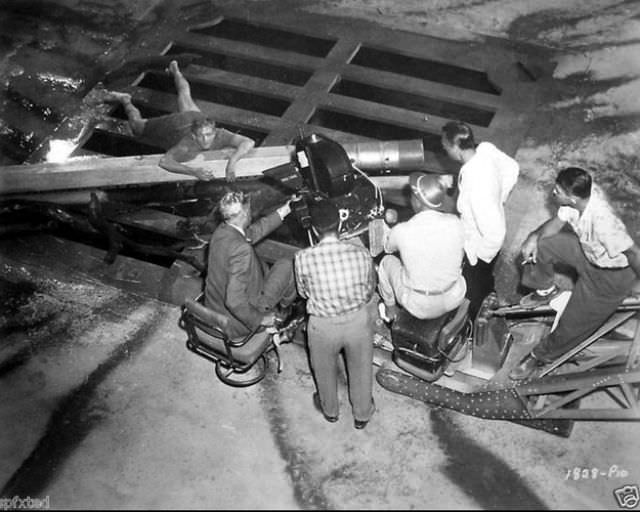
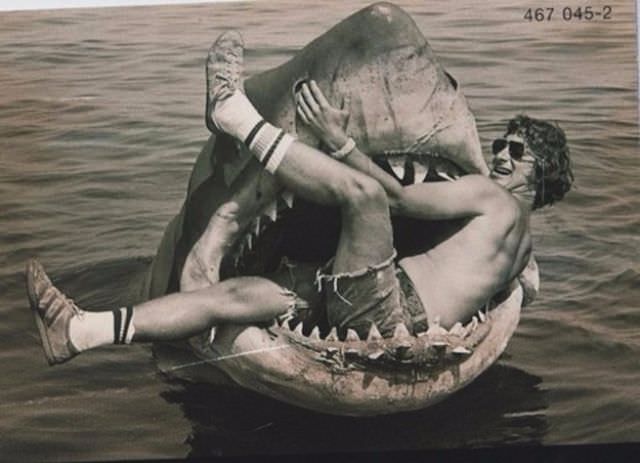
Steven Spielberg spent months battling a malfunctioning mechanical shark on the set of “Jaws.” The shark, nicknamed Bruce, broke down so frequently that Spielberg was forced to shoot around it — a decision that made the film far scarier. Still, when the moment came, Spielberg climbed right into the prop for a photo.