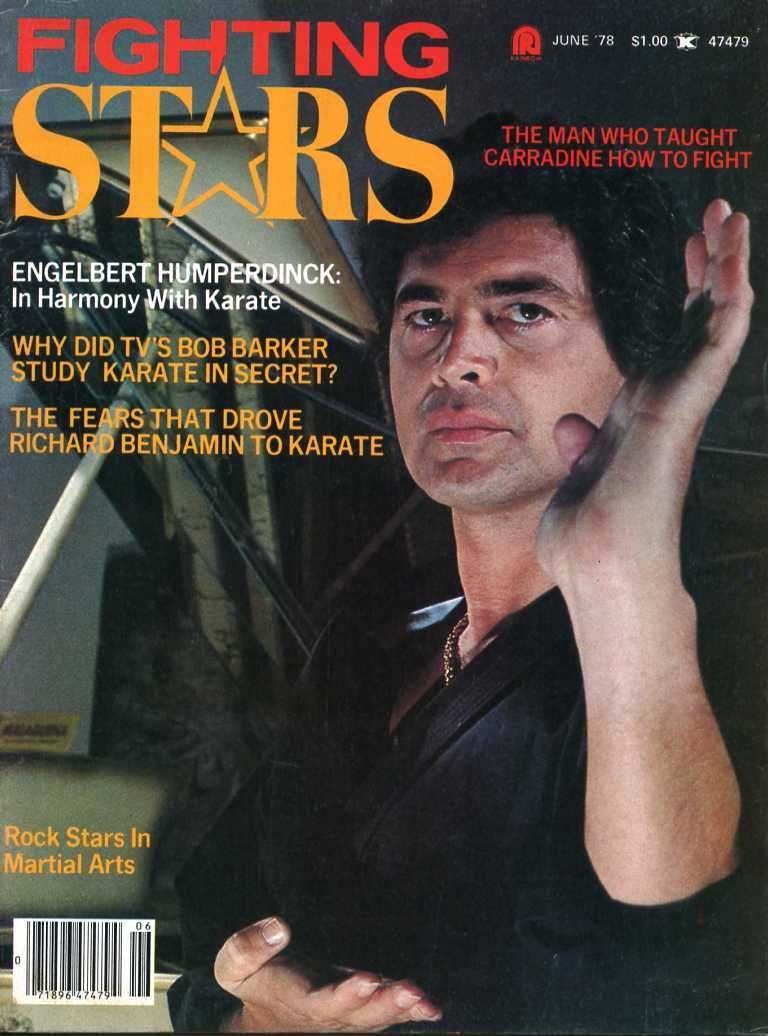
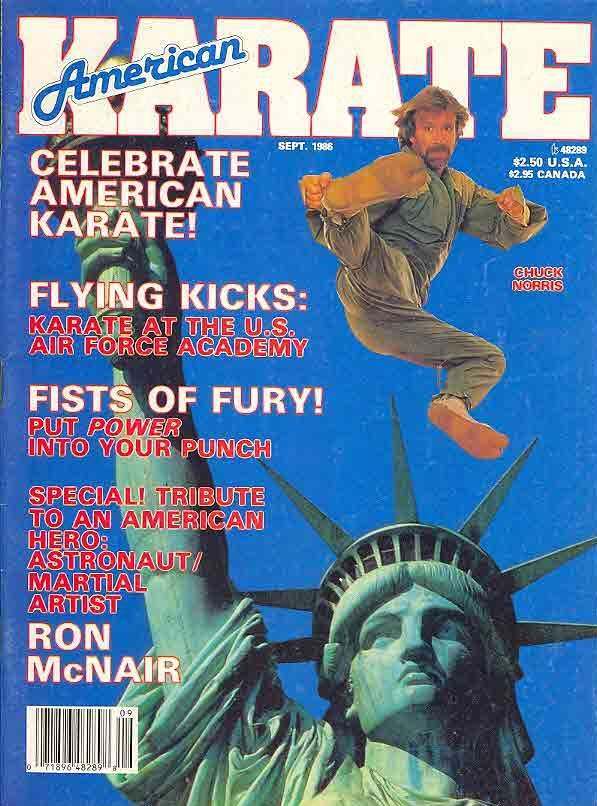
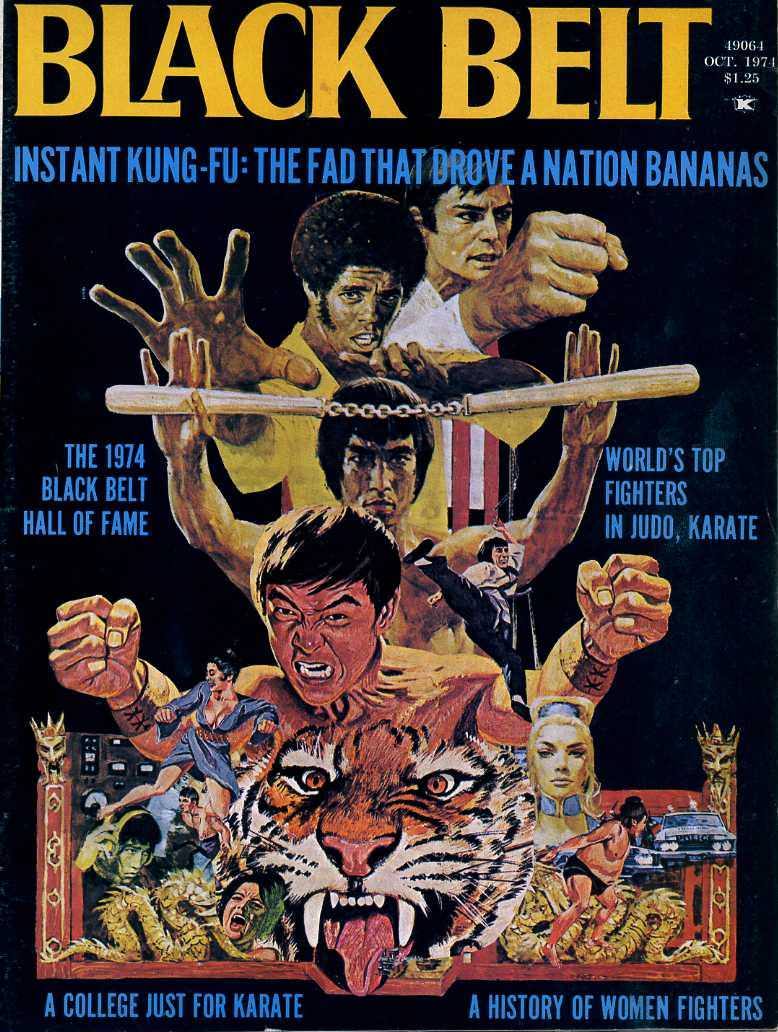
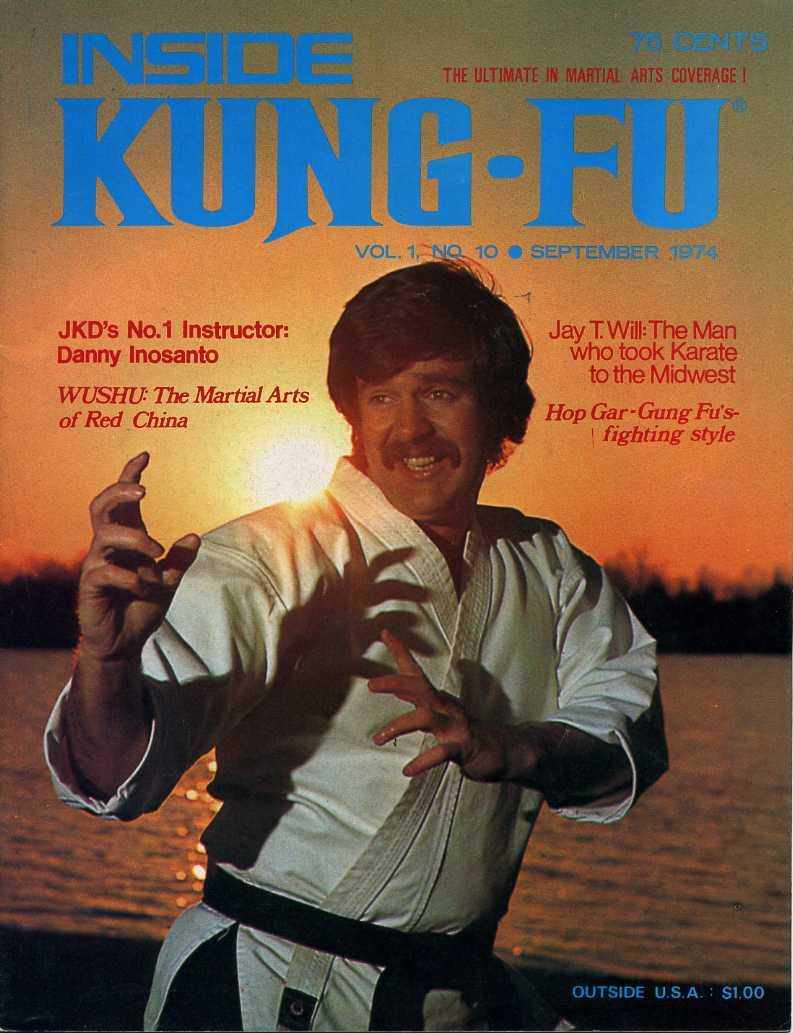
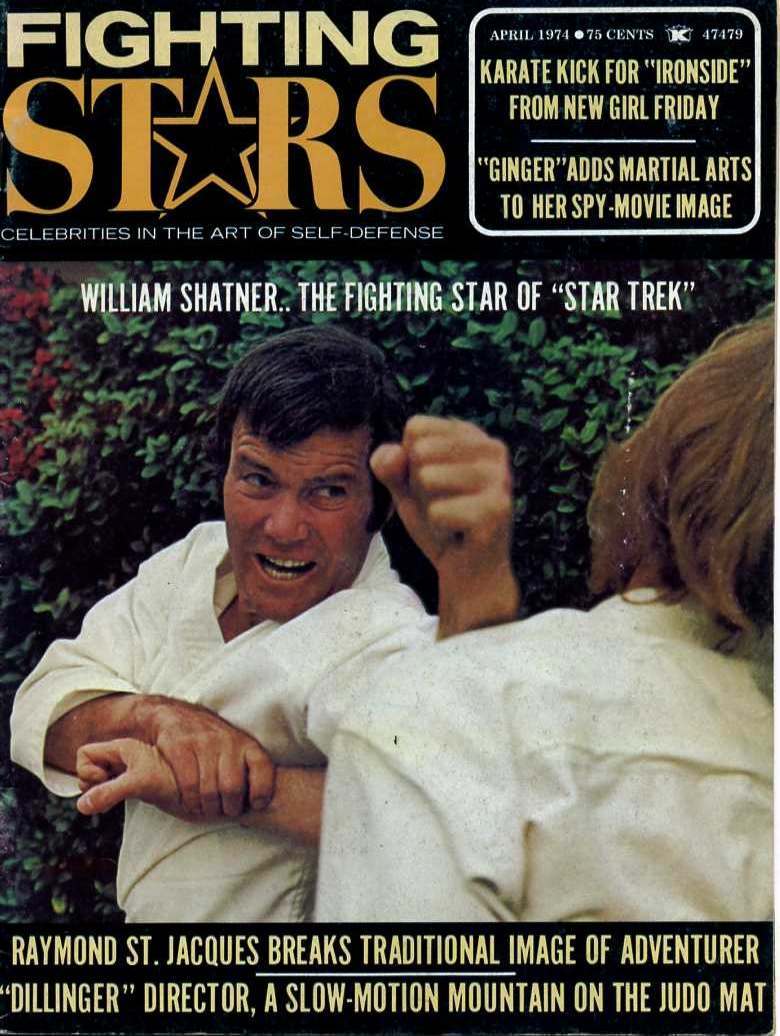
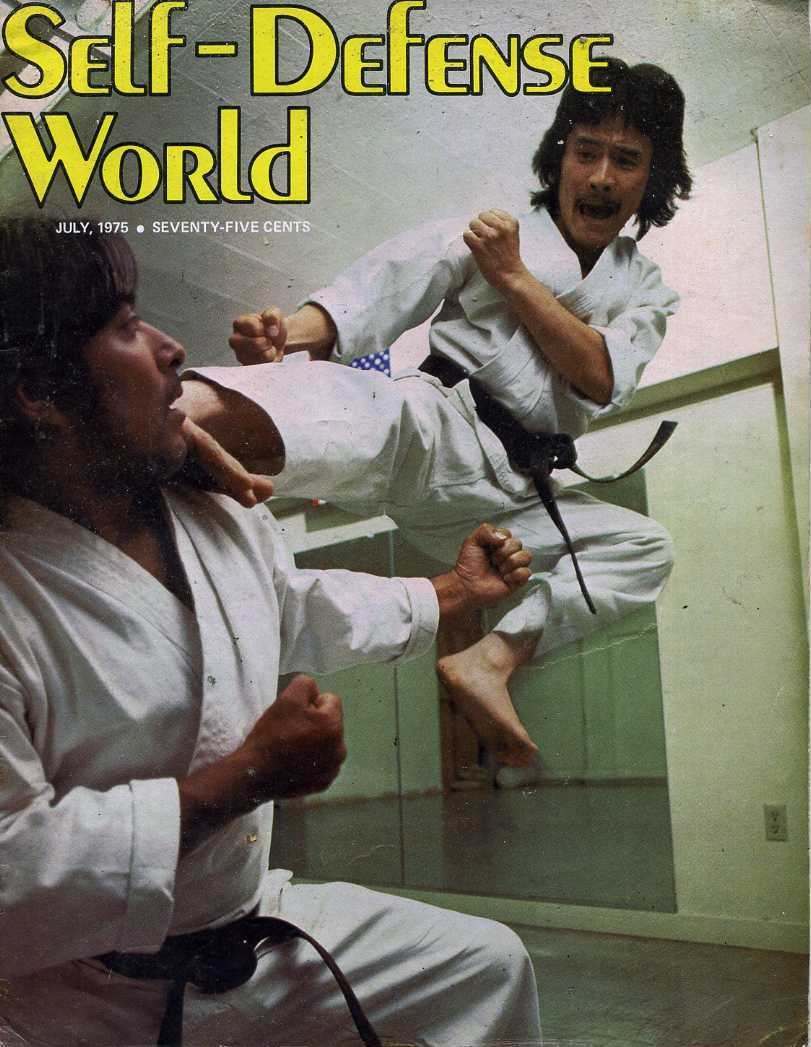
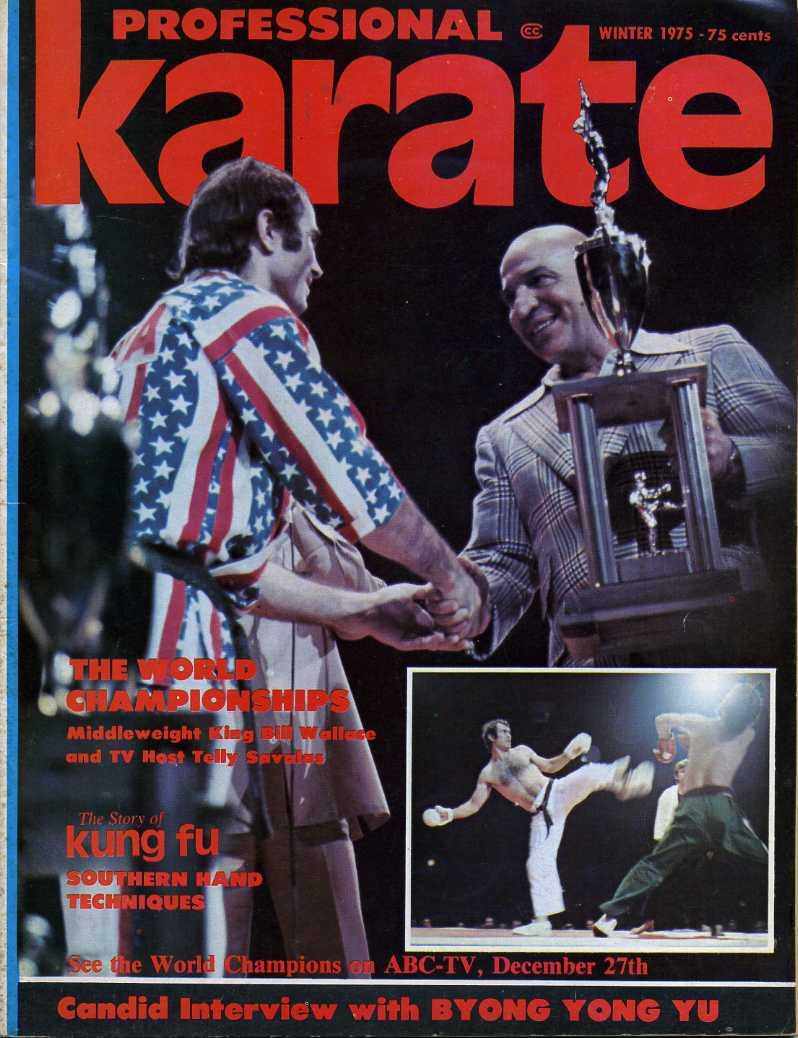
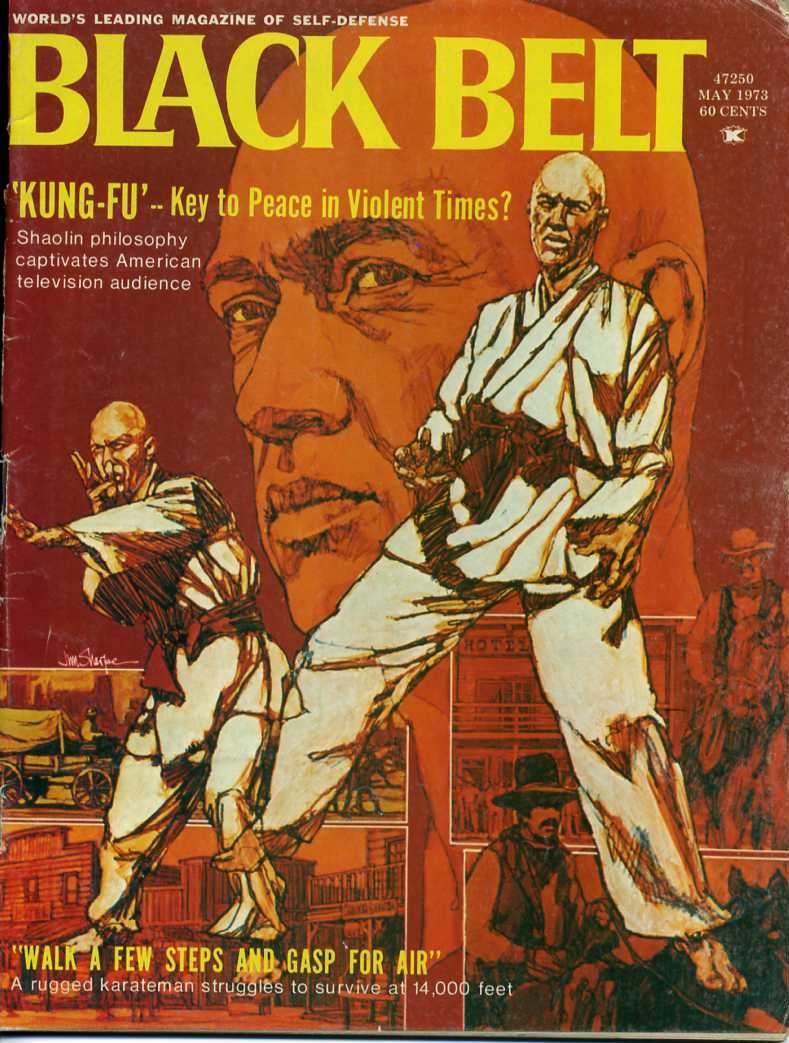
During the 1970s and extending into the 1980s, martial arts became hugely popular in movies, on television, and even in music. Films starring martial arts experts drew big crowds. TV shows featured characters who knew martial arts. A popular song talked about “Kung Fu Fighting.” This widespread presence in pop culture made many people curious about martial arts like Karate, Kung Fu, and Judo.
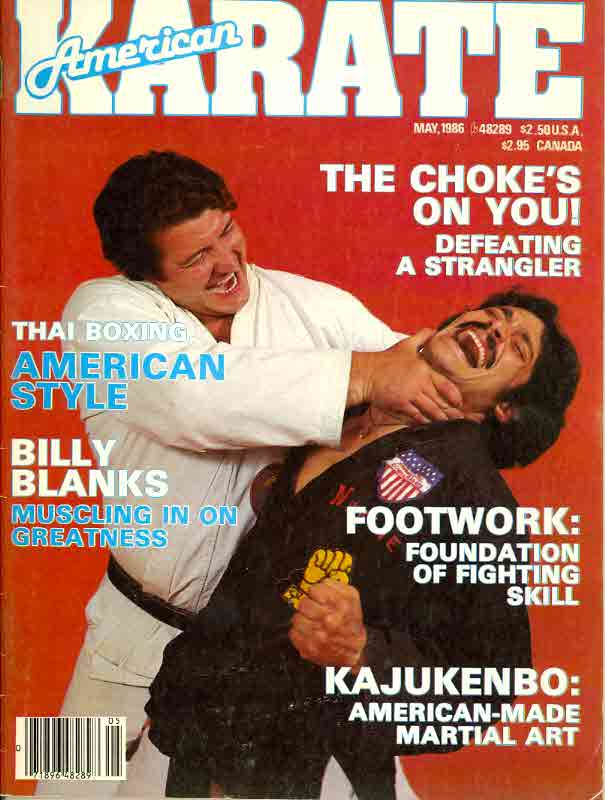
This growing interest created a demand for more information about these fighting styles. People wanted to learn about the history, the different techniques, and the famous figures in the martial arts world, both real and on screen. Martial arts magazines stepped in to fill this need, becoming a key source for fans during the 1970s and 1980s.
These magazines were packed with content aimed at everyone from serious students of martial arts to casual fans of the movies. Inside, you would find articles explaining the basics of different martial arts styles. They described stances, blocks, punches, and kicks, sometimes with step-by-step photos or illustrations to show readers how the moves were done.
Interviews were a common feature, especially with martial arts movie stars who were big names at the time. Readers could learn about the training routines and philosophies of their favorite actors. The magazines also featured interviews with real-life martial arts masters, offering insights into the discipline and history of various styles.
Read more
The magazines paid close attention to training. Articles covered different ways to exercise, build strength, and improve flexibility, all aimed at helping readers improve their martial arts skills or just get in shape. There were often features on different training equipment or methods used in martial arts schools.
Readers bought these magazines to learn, to be inspired, and to feel more connected to the martial arts world that was so visible in popular culture. They wanted to understand more about the skills they saw on screen and maybe even try to learn some moves themselves. The magazines provided a deeper look beyond the entertainment.