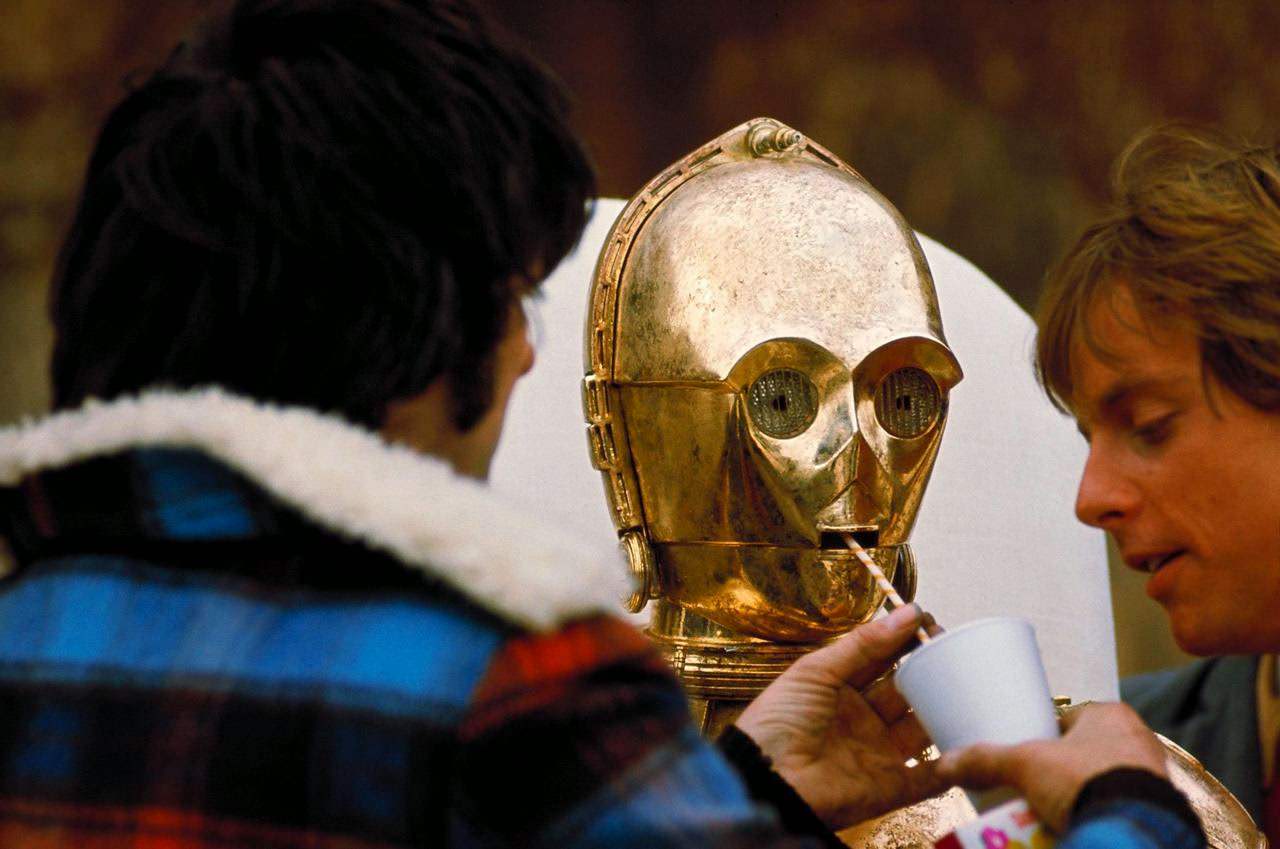
In 1953, the Walt Disney Studios in Burbank, California, functioned as a busy center for hand-drawn animation. The staff worked on several major projects at once, including the production of Lady and the Tramp. This era required a massive amount of manual labor, as every character movement had to be drawn by hand on paper before being transferred to film. The studio employed specialized teams for music, sound, and art. One of the first steps in the process involved recording the musical numbers and character voices.
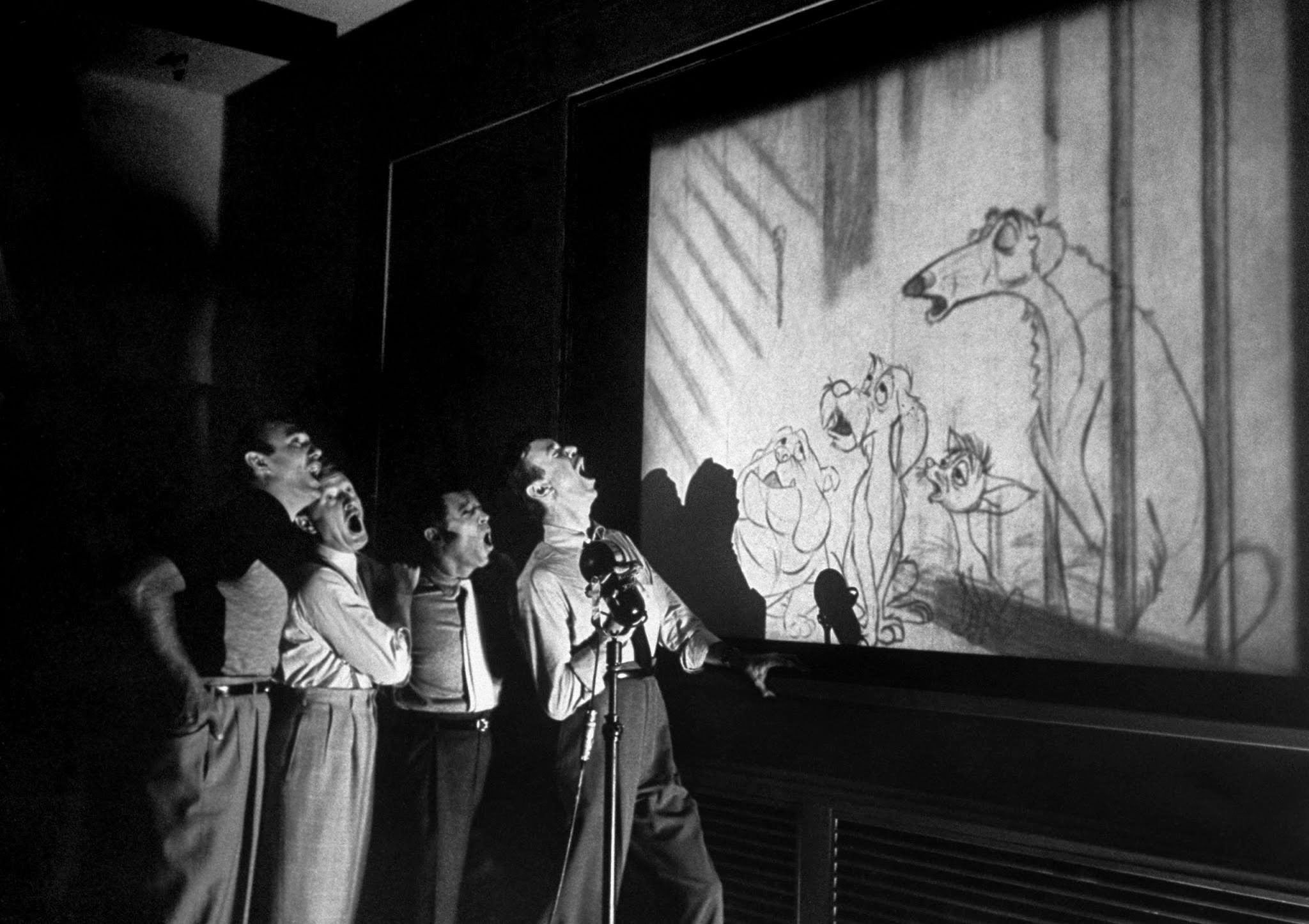
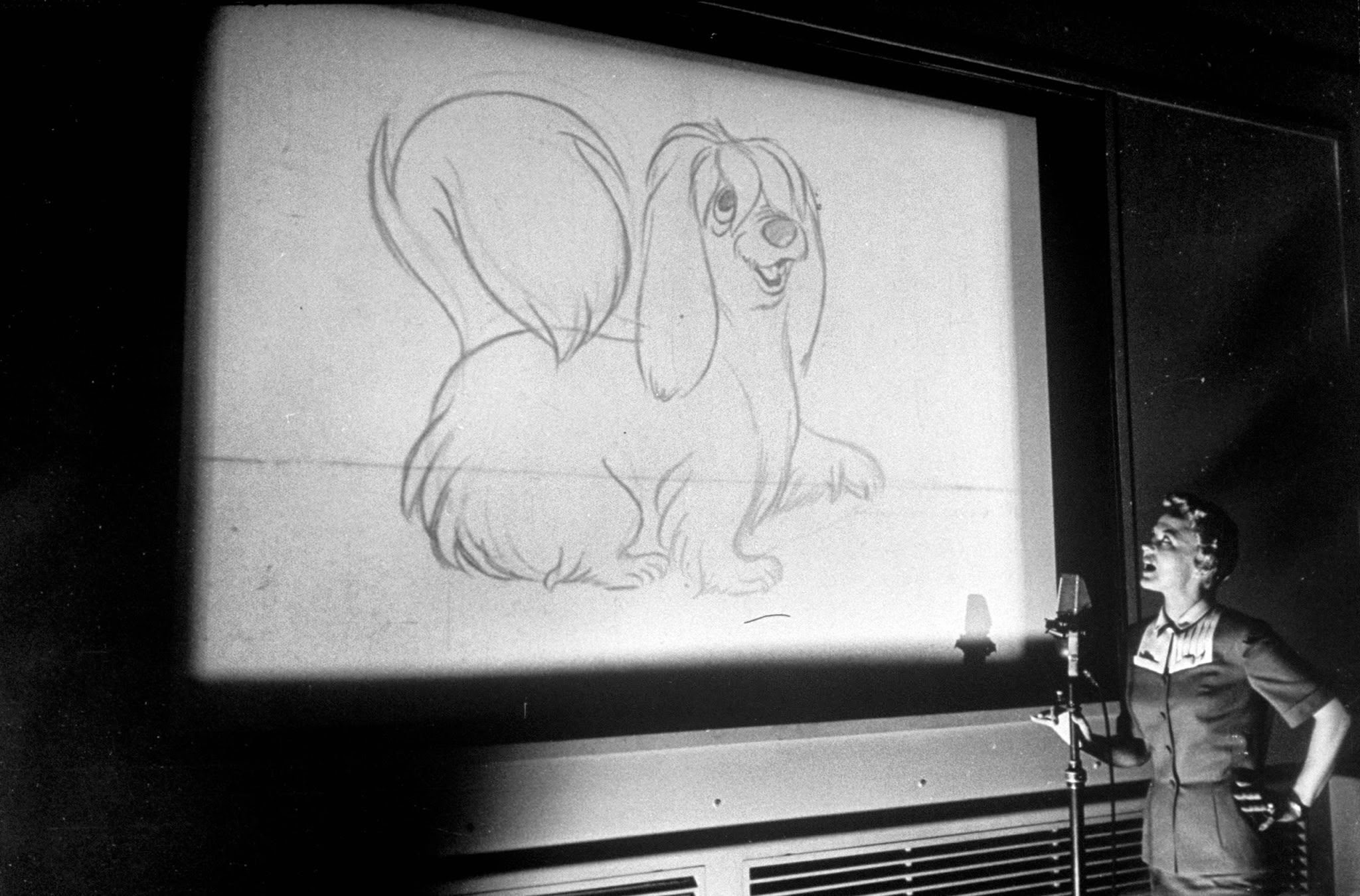
The Mello-Men were a singing quartet that provided the voices for the dogs in the pound scene of Lady and the Tramp. To ensure the vocal performances matched the visual style of the film, the singers performed in front of a screen showing the character designs. This allowed them to adjust their tone and harmony to fit the personalities of the animated dogs. Voice recording was a precise task that happened early in the production timeline. It provided the necessary audio track for the animators to follow when they began drawing the mouth movements.
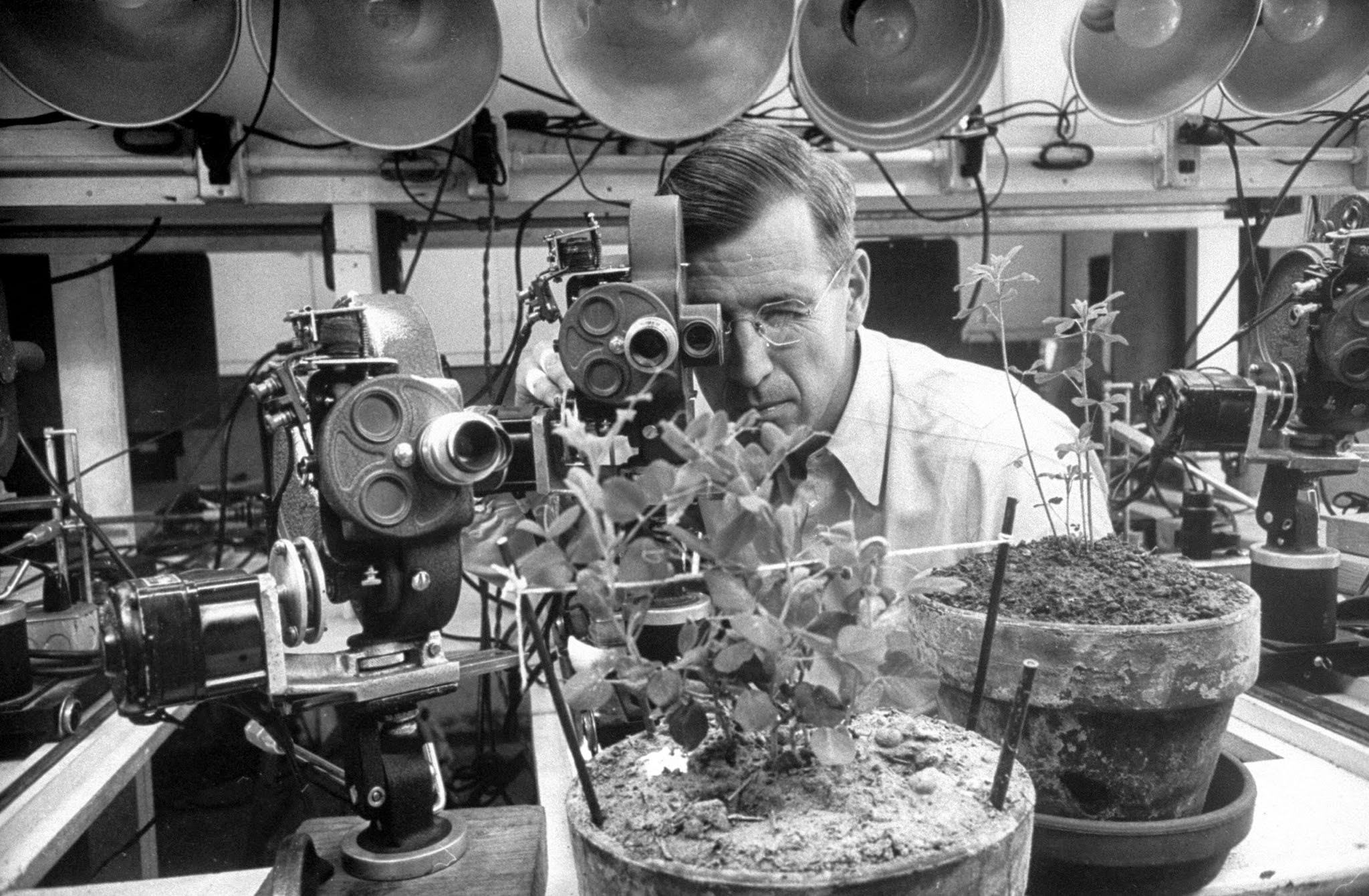
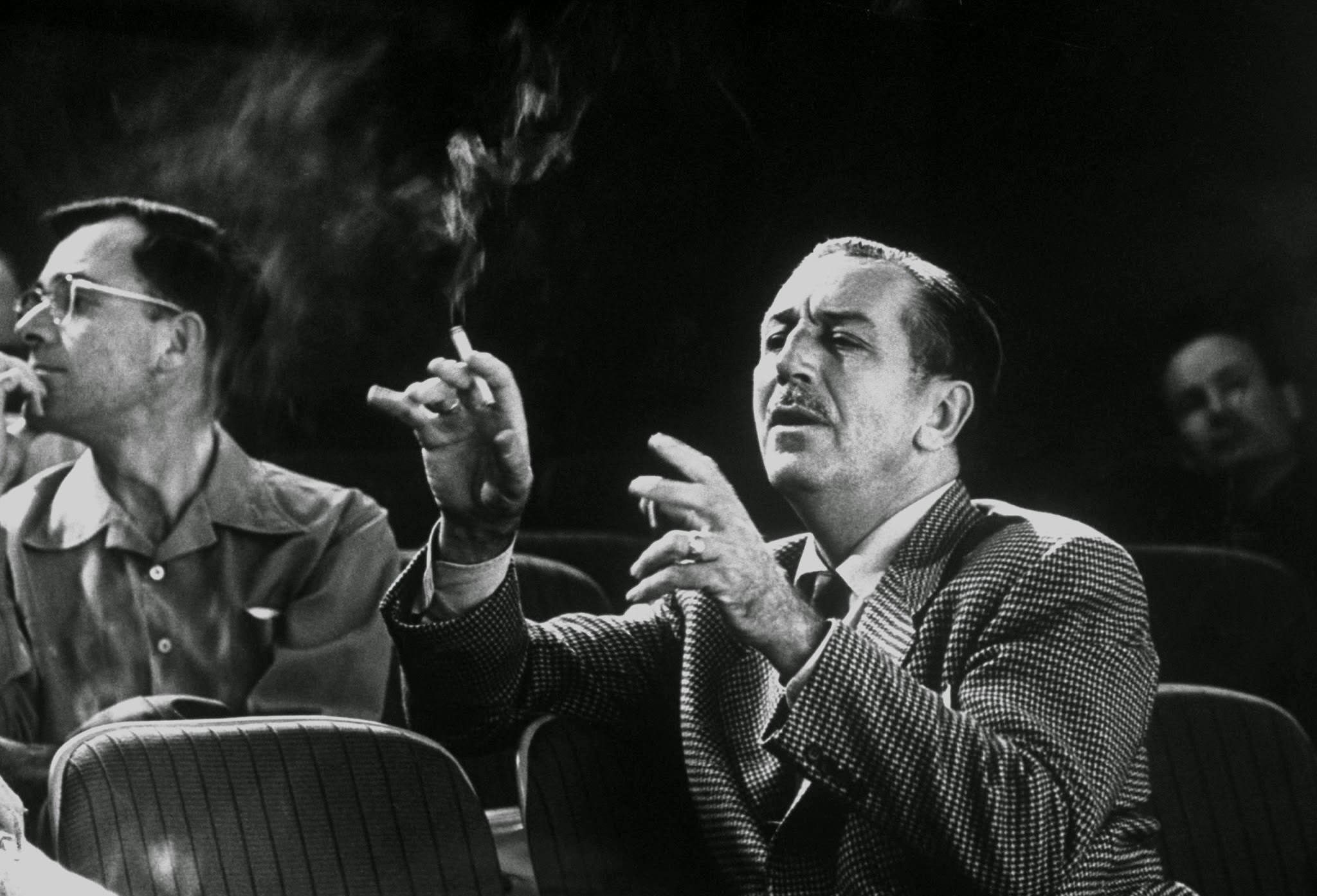
Walt Disney was deeply involved in the daily operations of the studio and often led story conferences himself. During these meetings, he would act out specific scenes to demonstrate how a character should move or express emotion. For the upcoming film Sleeping Beauty, Disney used his own physical actions to guide the story team. He believed that the animators needed to see the intended energy of a scene to capture it correctly on paper. These sessions were a key part of the creative process, ensuring that the final animation met Disney's specific standards for storytelling.
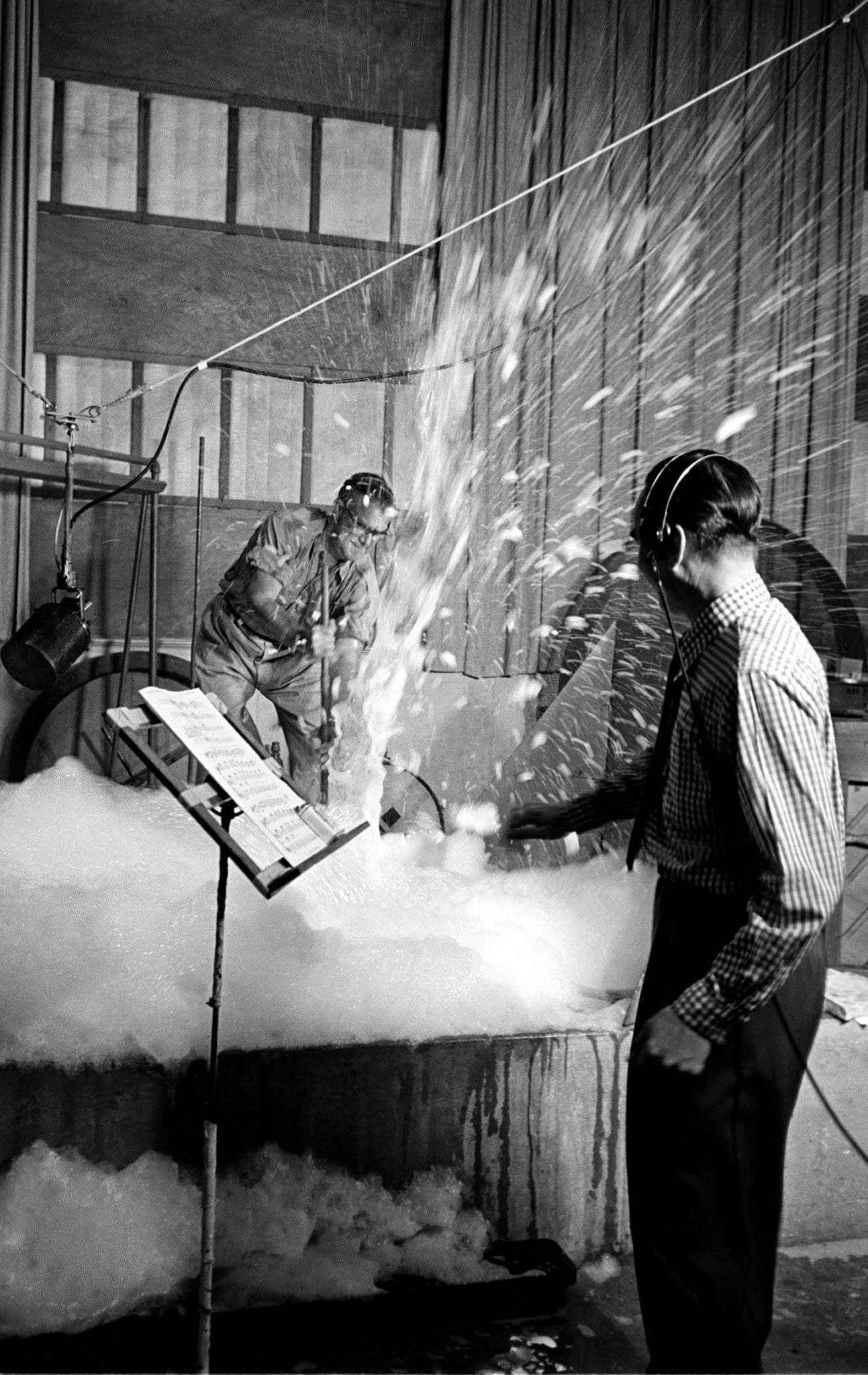
Sound effects were created using a variety of physical objects rather than digital recordings. Jim MacDonald, the head of the sound effects department, was a specialist in finding the right noise for every situation. He and his team used a collection of strange items to build their soundscapes. They might blow across the top of a glass jug or use a modified bazooka to create a specific musical tone. The goal was to produce sounds that felt as unique as the hand-drawn characters on the screen. This required a high level of creativity and mechanical skill from the sound team.
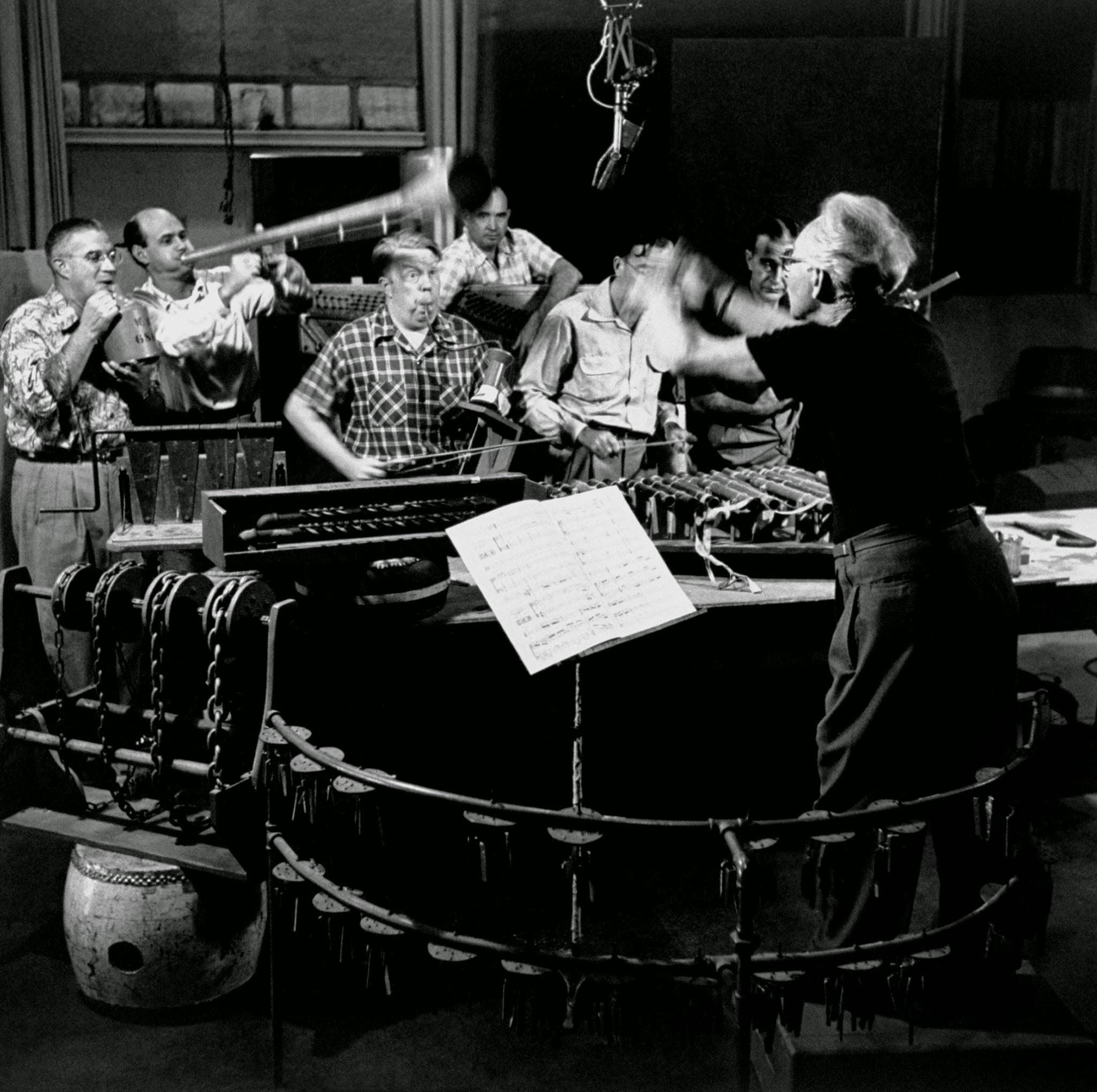
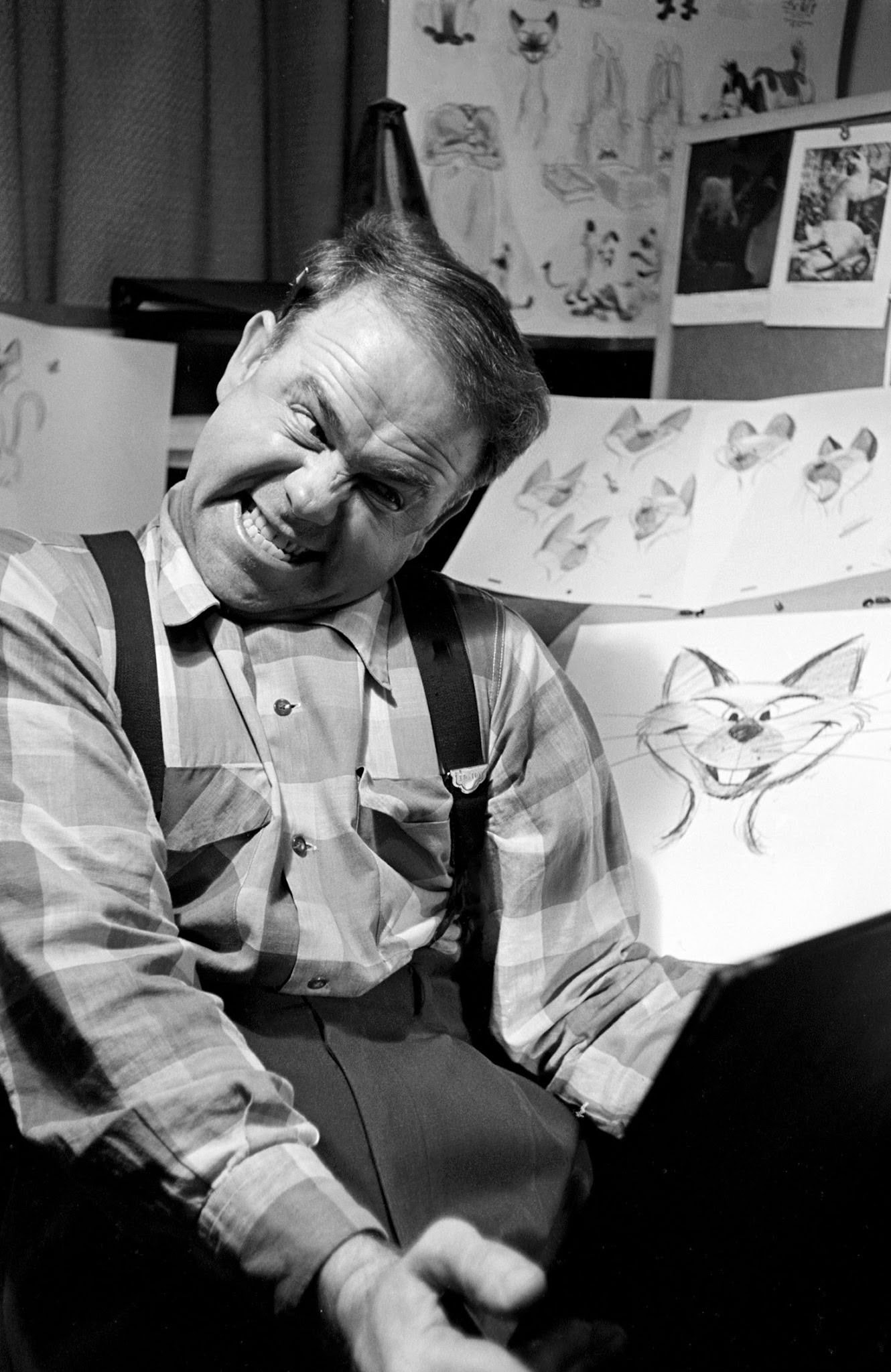
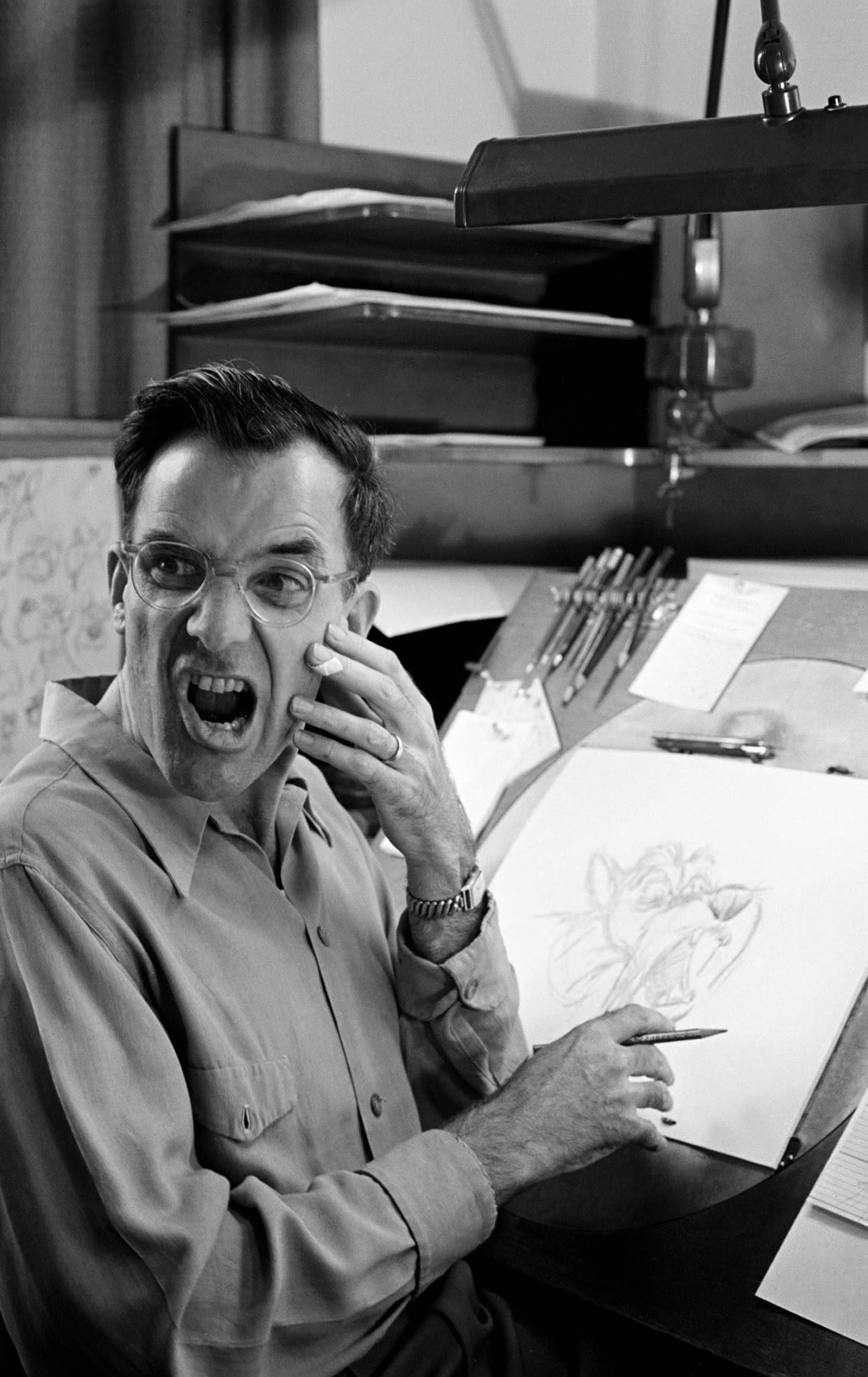
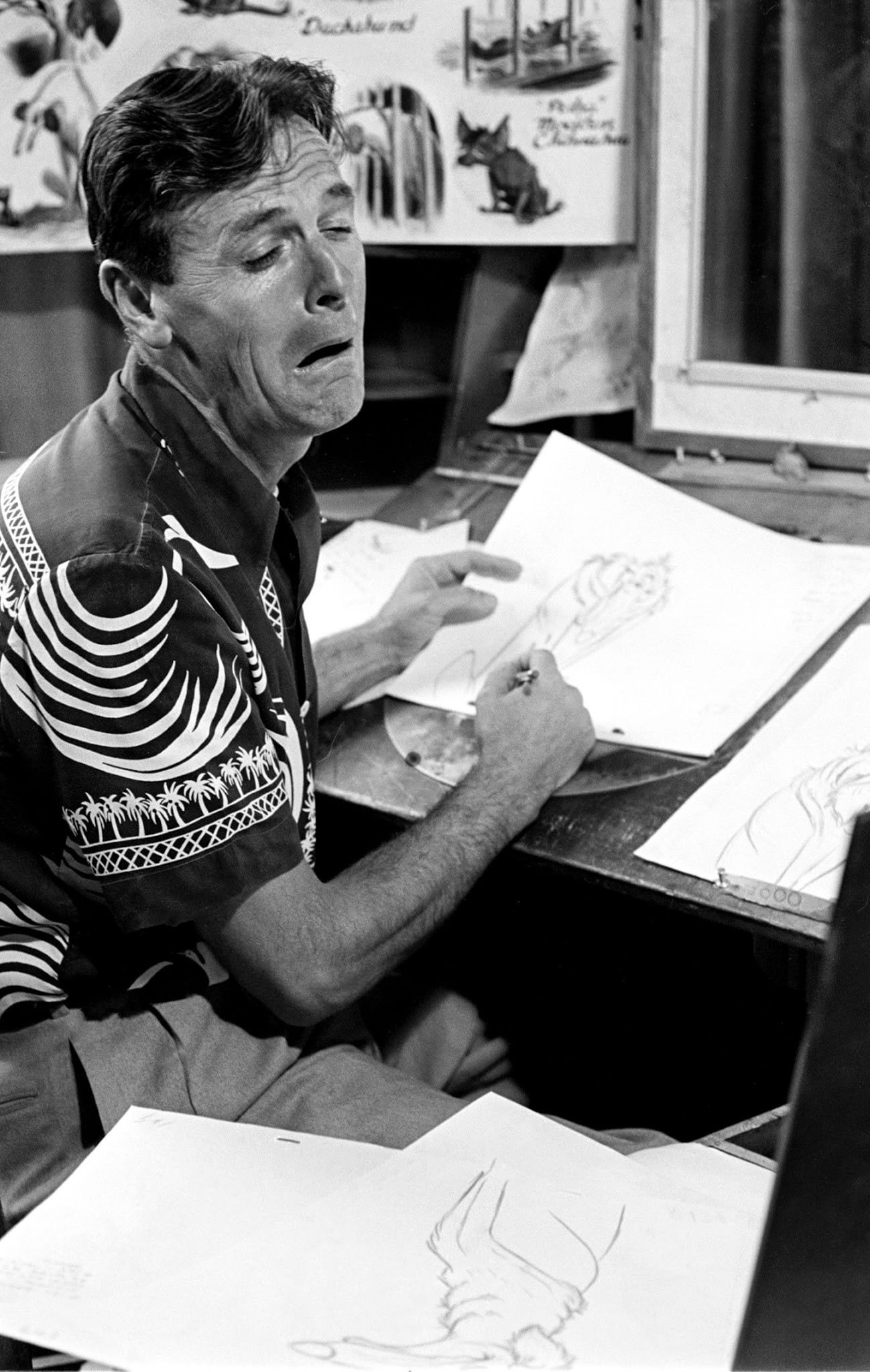
To make the characters feel more human, animators often used mirrors at their desks. By looking at their own reflections, they could study how their faces changed when they made different expressions. They looked at the way their eyes narrowed or how their mouths curved when they spoke. This allowed them to draw more accurate emotions for the characters. At the same time, the sound department continued to experiment with different tools. They used an assortment of strings, pipes, hinges, and chains to create the mechanical and environmental noises needed for the films.
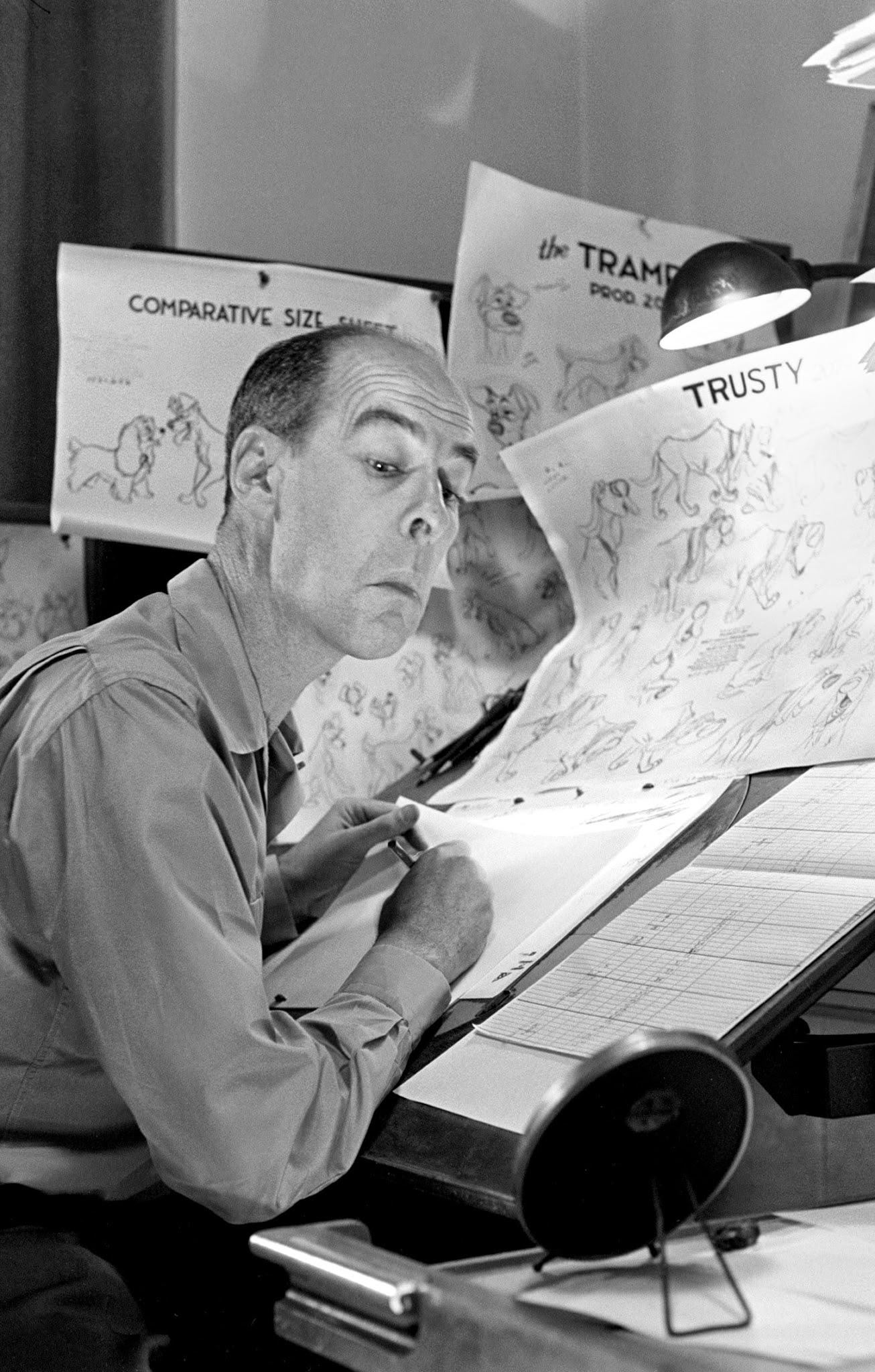
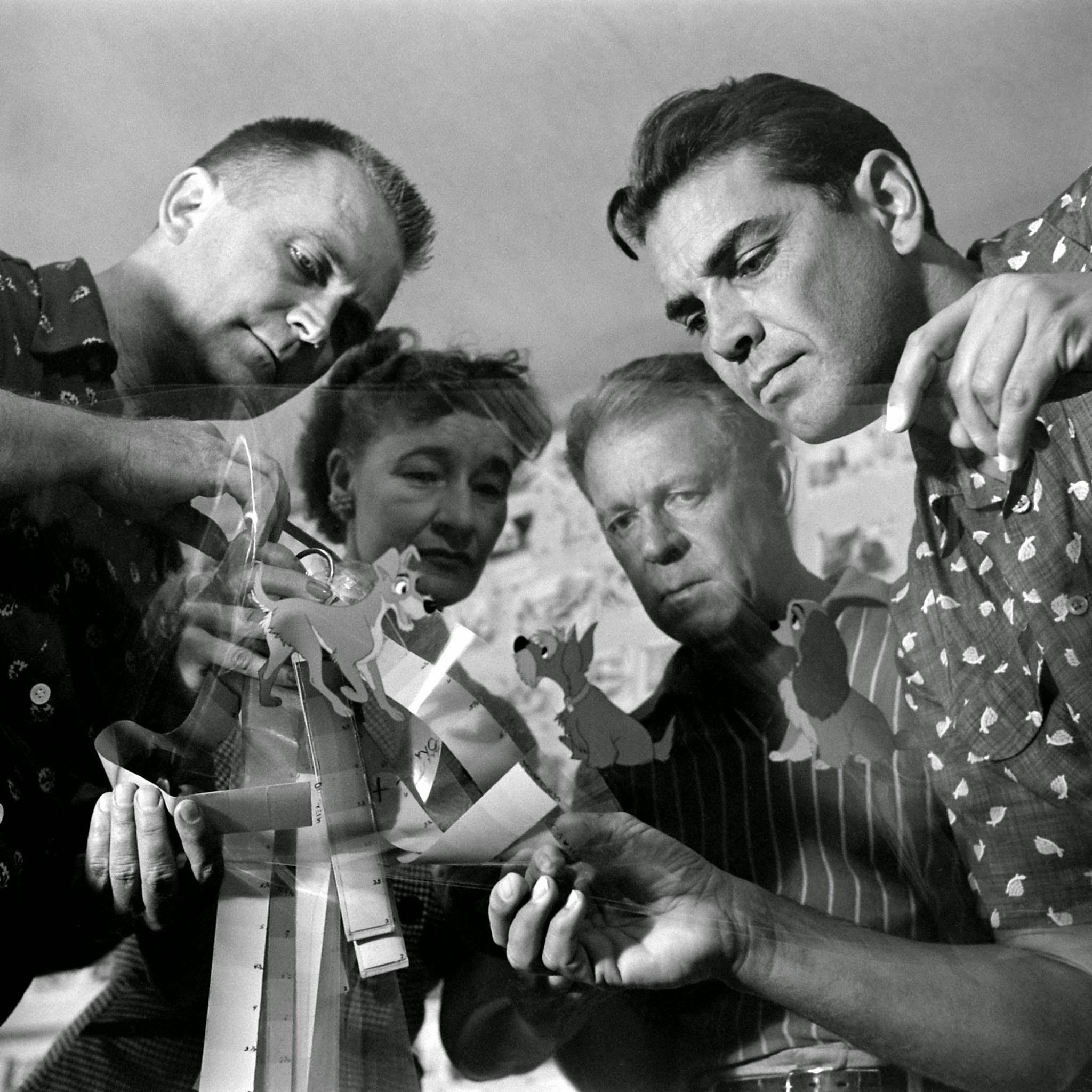
The final stage of the drawing process involved checking the animation cels. These were clear sheets where the final line art was inked and the colors were painted. Artists had to inspect each cel carefully to make sure there were no mistakes in the color or the lines. A single character might require thousands of these cels for a full movie. The animators developed a close connection to the characters they drew, often spending years focusing on just one or two figures. This specialization helped maintain a consistent look for the characters throughout the entire length of the film.
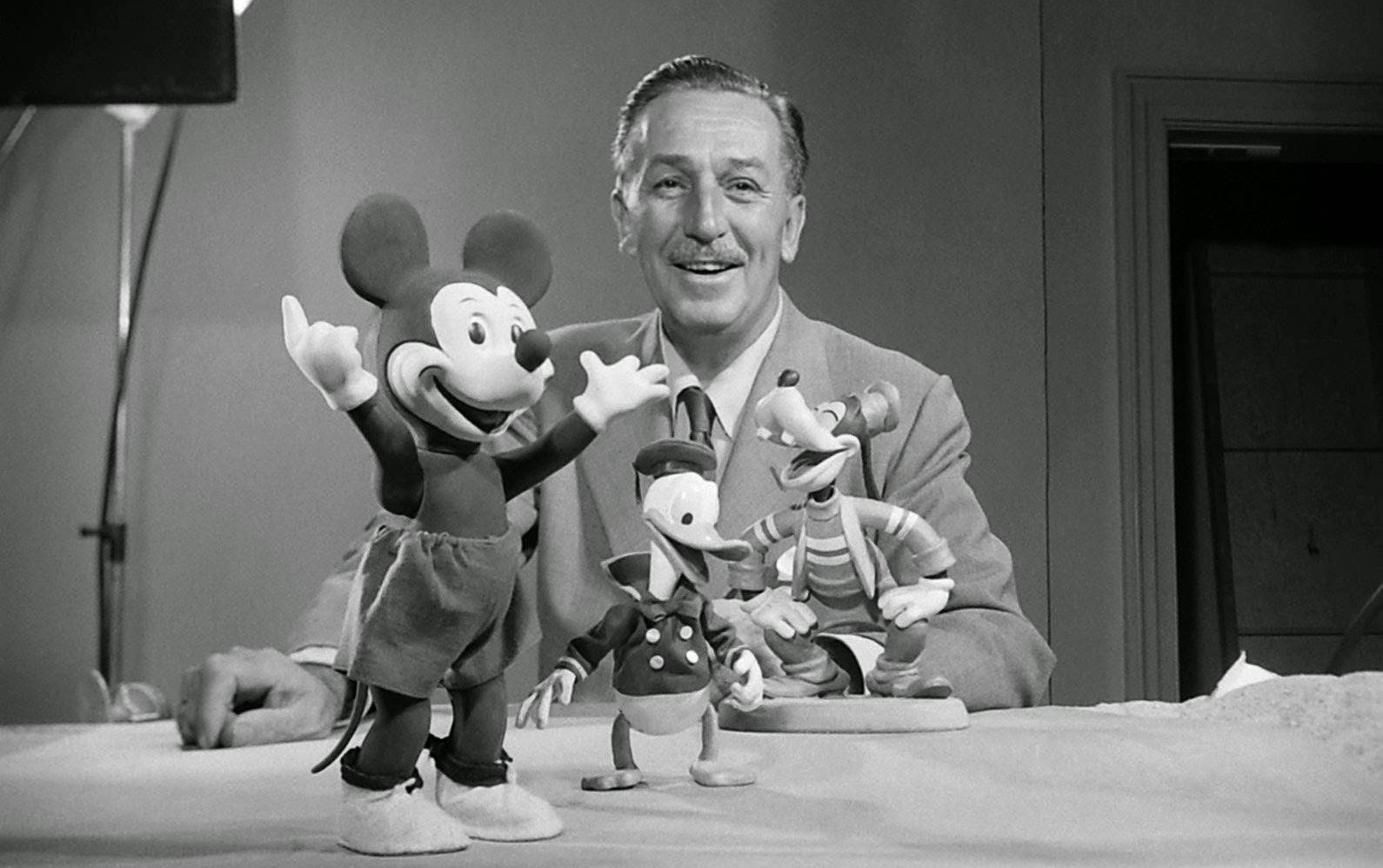
Walt Disney remained the primary leader and final decision-maker for all projects at the studio during the 1950s. He monitored the progress of the animation, the development of the music, and the creation of the sound effects. His presence ensured that the various departments worked together to create a unified final product. The studio in 1953 was a place where traditional art met technical innovation. Every person on the staff contributed to the complex process of bringing hand-drawn characters to life on the big screen through careful planning and manual execution.