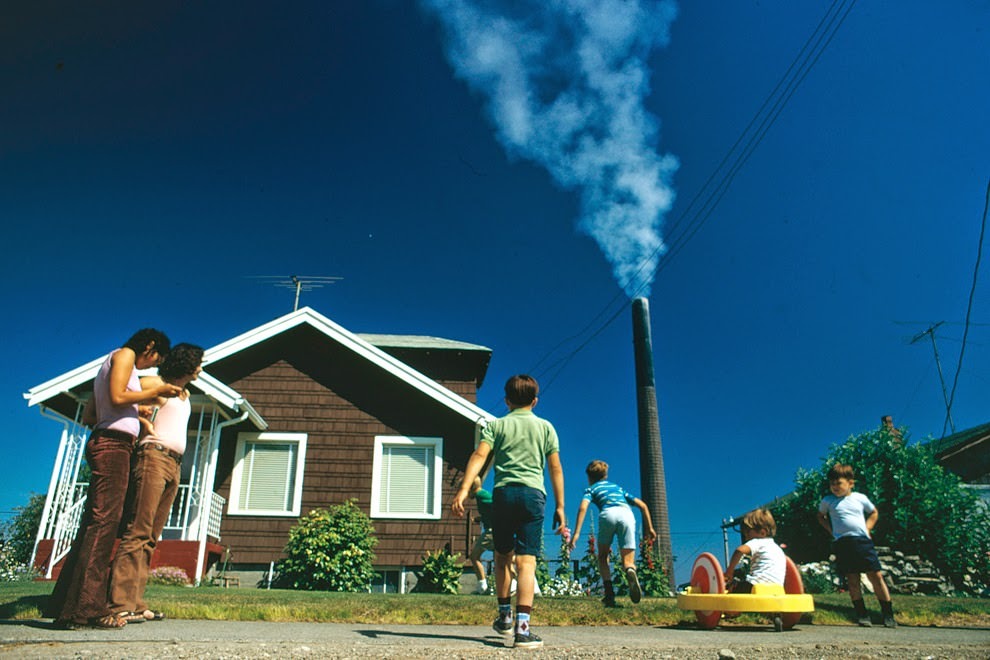
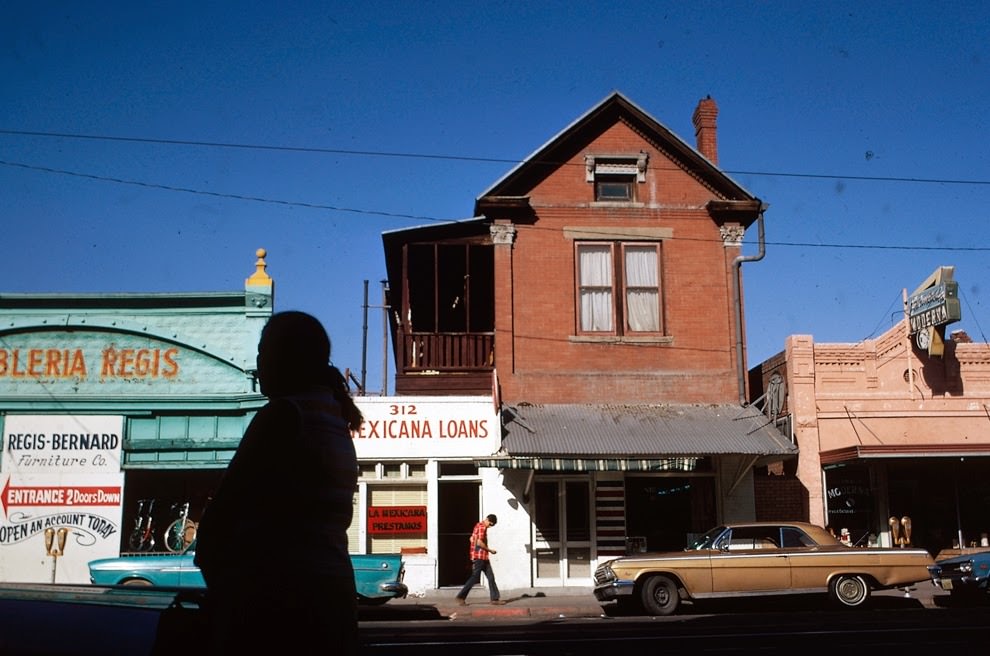
In the early 1970s, the Environmental Protection Agency hired photographers to document daily life and environmental conditions across the United States. In August 1972 in Ruston, Washington, photographer Gene Daniels captured children playing in a front yard as a smelter stack showered their neighborhood with lead and arsenic residue. In June 1972, Danny Lyon photographed Stanton Street in El Paso, Texas, documenting residents in the city's Spanish-speaking second ward.
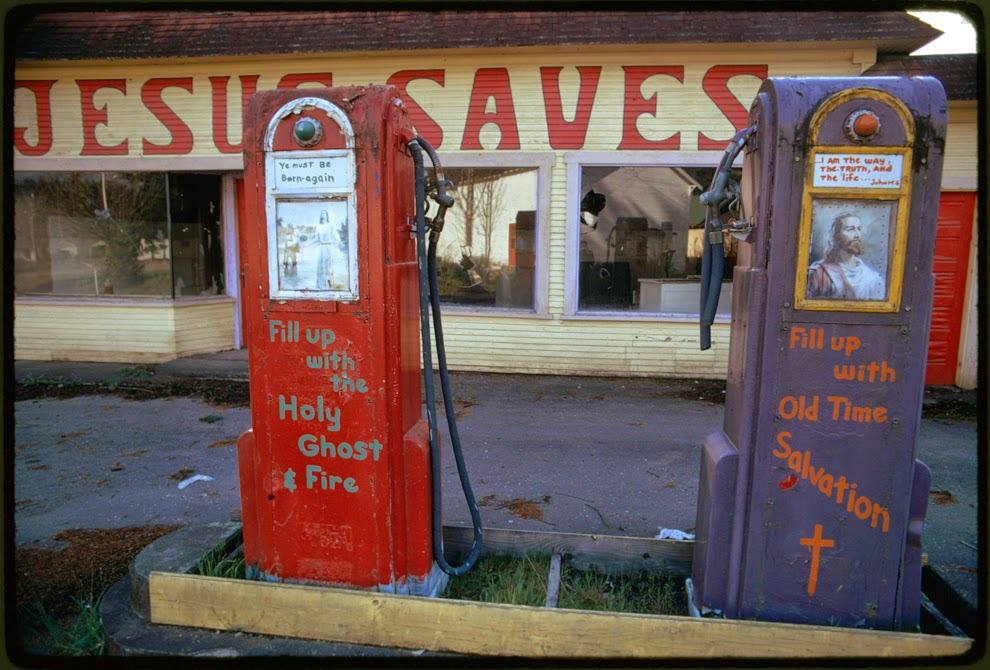
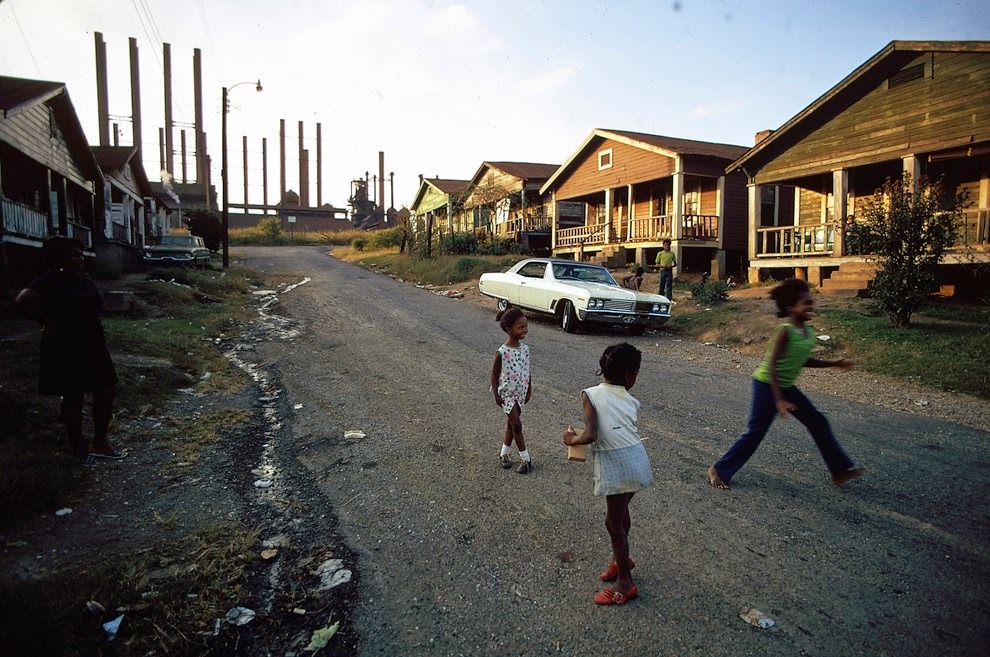
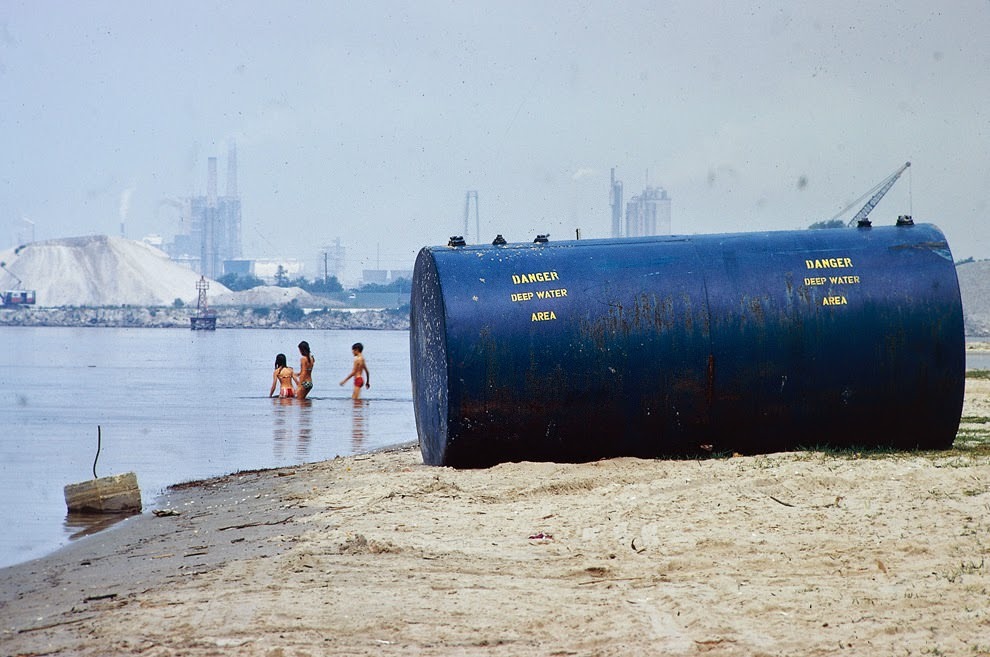
Energy problems and industrial production shaped daily conditions. During the winter of 1973 to 1974, a national fuel crisis forced gas stations to close and sit abandoned. In Birmingham, Alabama, homes stood directly beside a U.S. Steel plant in July 1972. In Lake Charles, Louisiana, shoreline chemical plants were a prime source of water pollution.
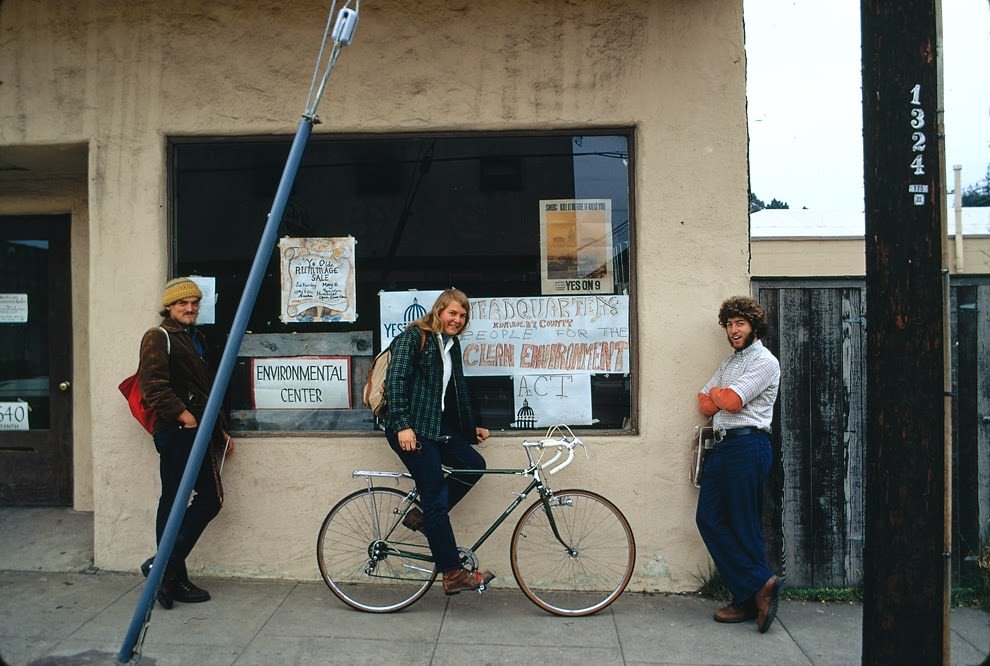
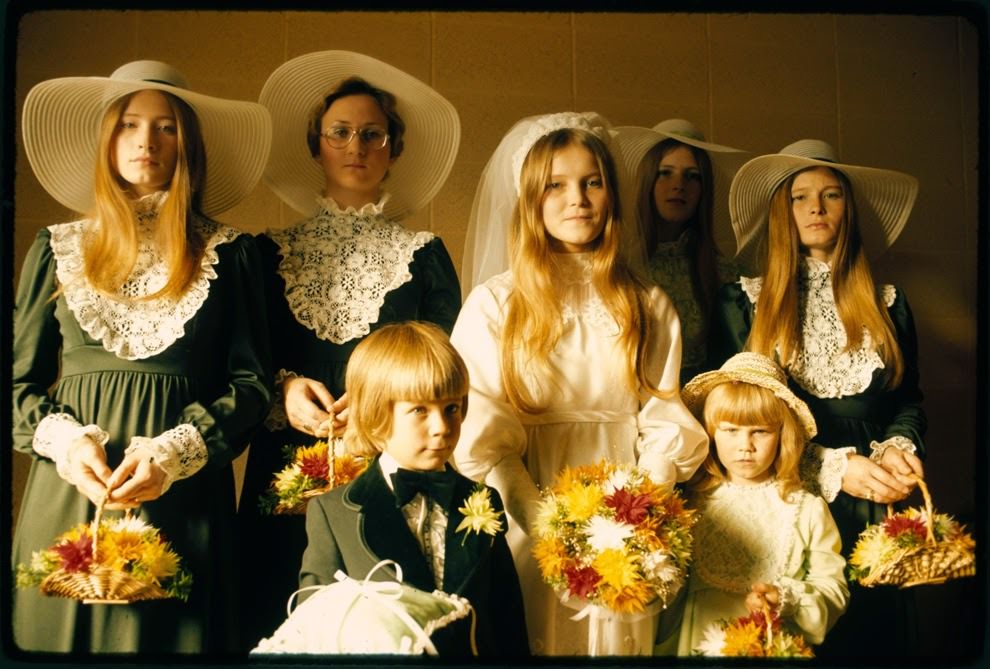
Photographers captured community life across varied regions. In May 1972, a cyclist stopped outside an environmental center in Humboldt County, California. Two years later, in June 1974, Danny Lyon photographed two Latin girls in front of a graffiti-covered wall at Lynch Park in Brooklyn, New York. In October 1974, Art Hanson photographed a bride and her attendants gathered for a wedding in New Ulm, Minnesota.

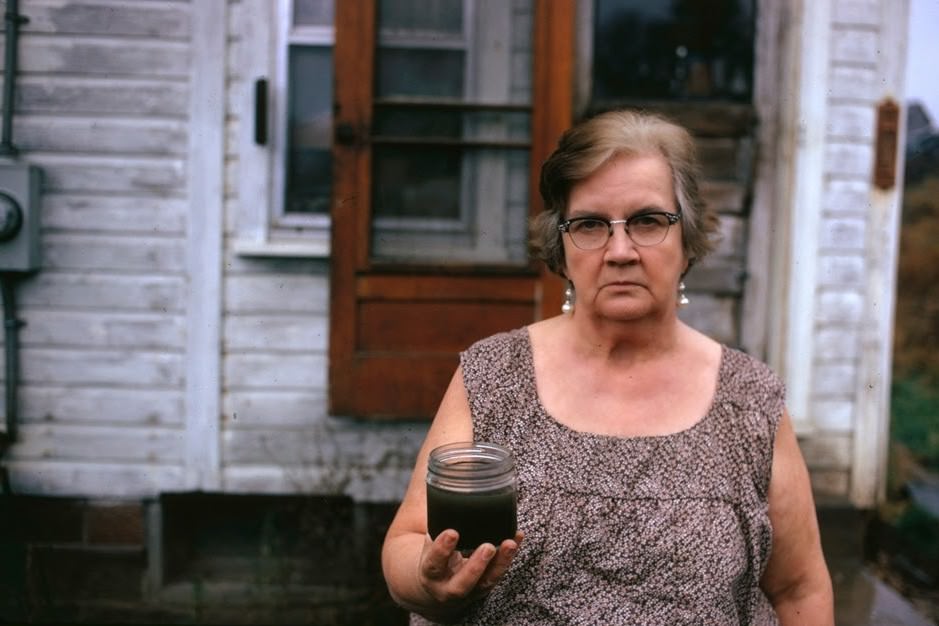
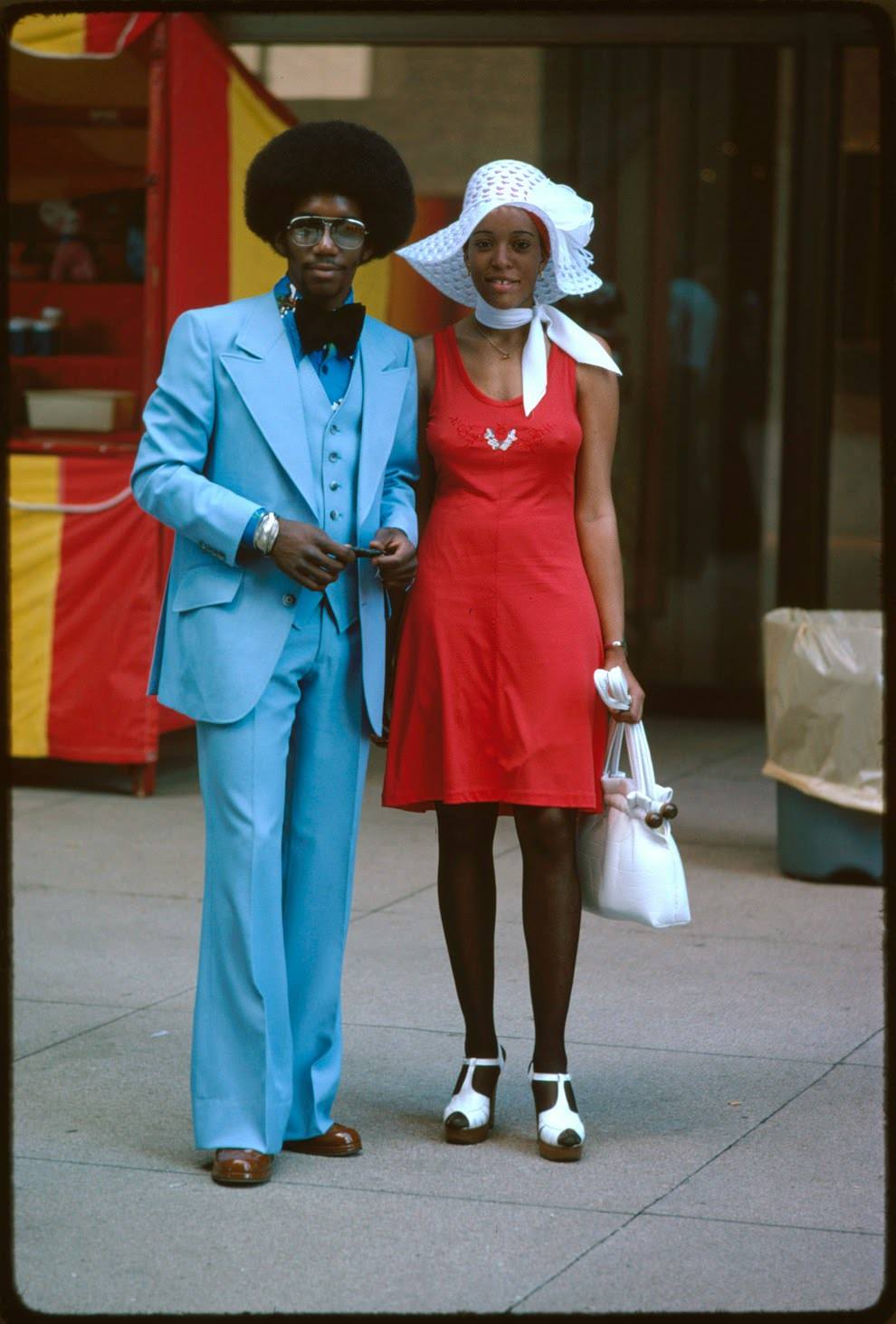
Near Steubenville, Ohio, in October 1973, Mary Workman held a jar of undrinkable water from her well. She filed a damage suit against the Hanna Coal Company and hauled water from miles away because nearby roads were closed and the company owned surrounding land. In Chicago, Illinois, Perry Riddle photographed a couple walking along Michigan Avenue in July 1975.
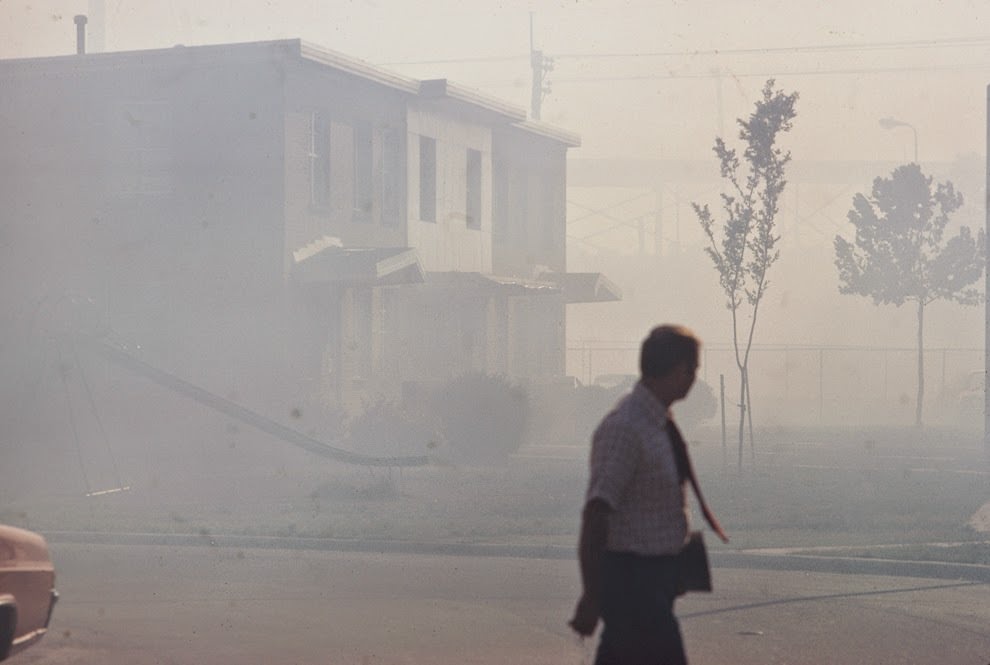
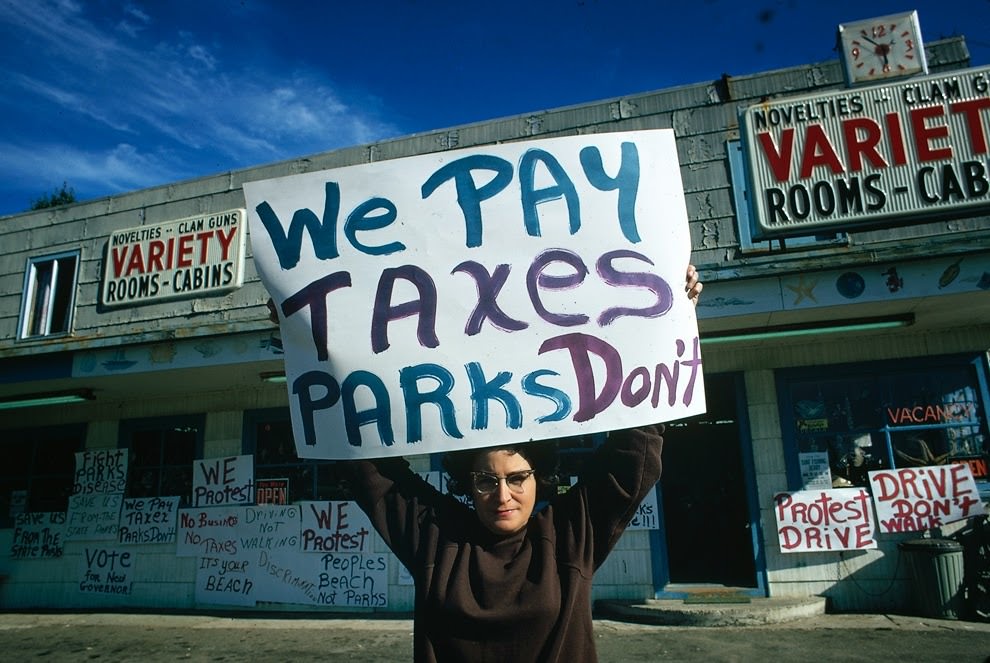
Industrial emissions and government land rules created local tensions. In July 1972, industrial smog blackened the sky over homes next to a pipe plant in North Birmingham, Alabama, marking the city's most polluted district. That August, Ocean Beach businesswoman Dorothy Thierolf organized opposition against a summer ban on cars that state officials enacted to protect coastal clam beds.
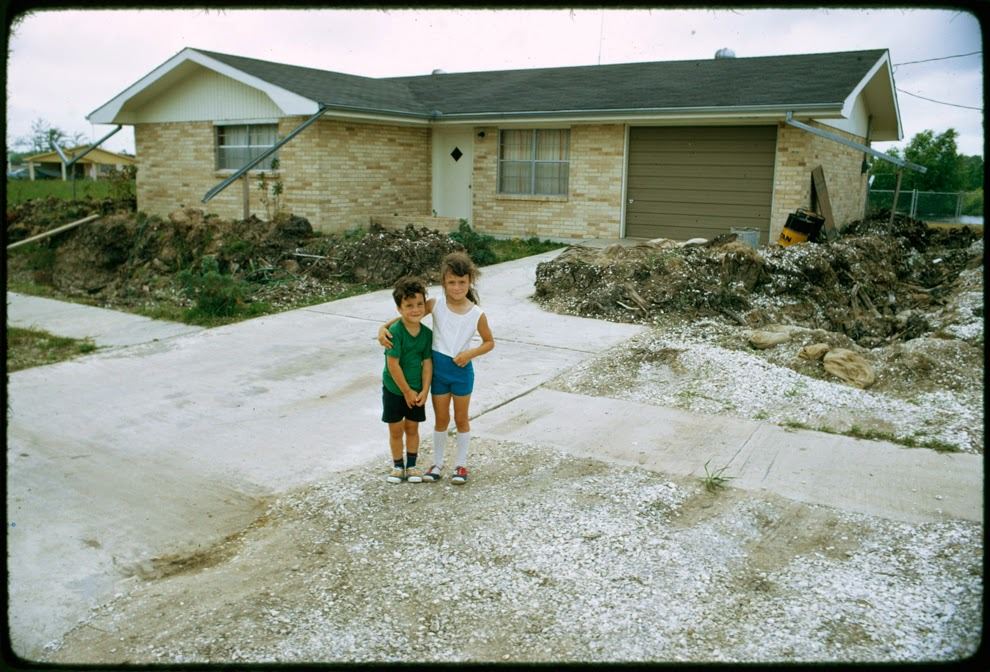
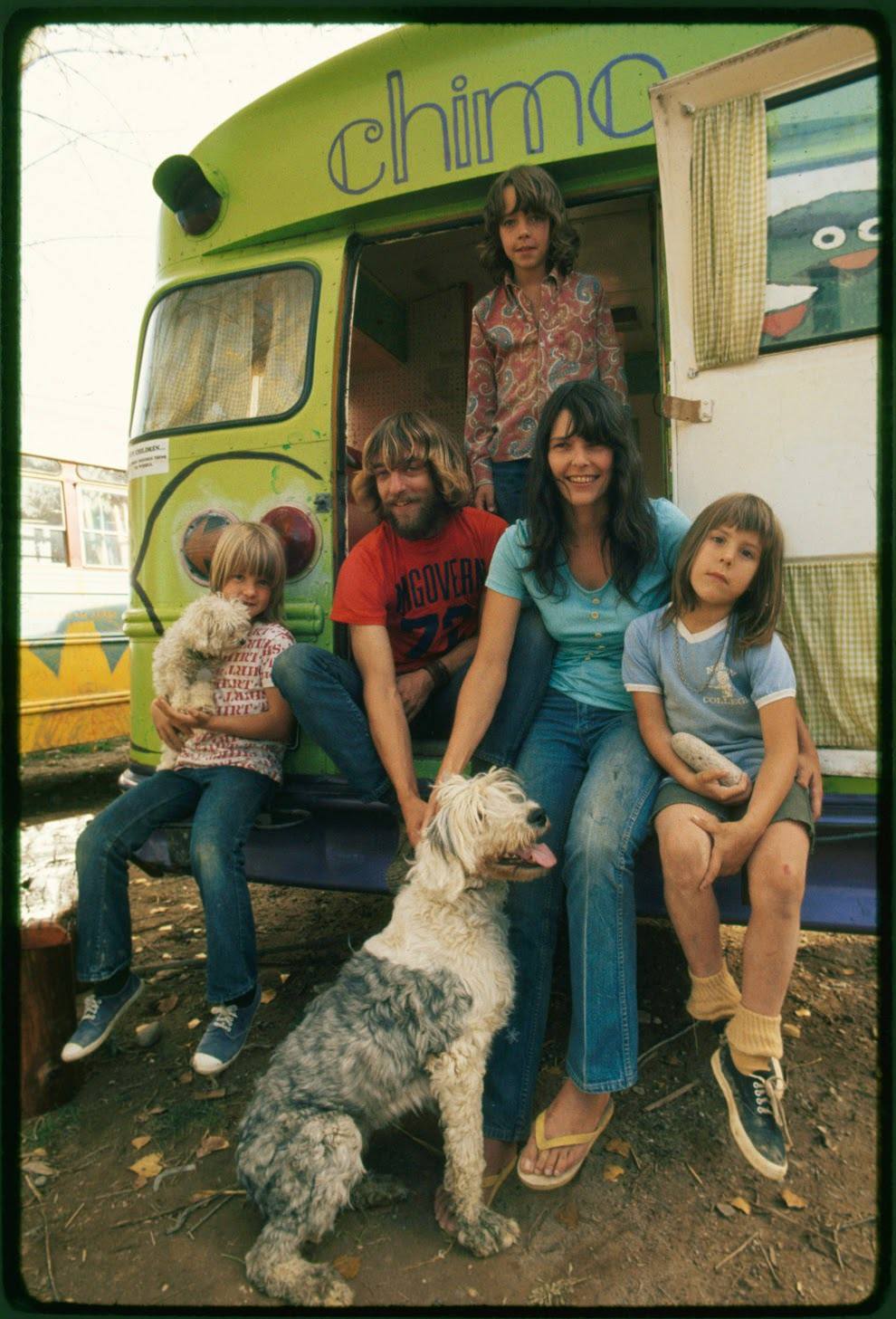
Recreation and environmental adaptations developed alongside unusual living arrangements. In September 1973, tourists in campers and trailers gathered near the sandstone cliffs carved by the Wisconsin River at Wisconsin Dells. In Stevensville, Louisiana, children stood outside a house where the owner dug a protective trench and built a levee against floodwaters in May 1973. In Rifle, Colorado, a resident lived inside a brightly painted bus in October 1972.
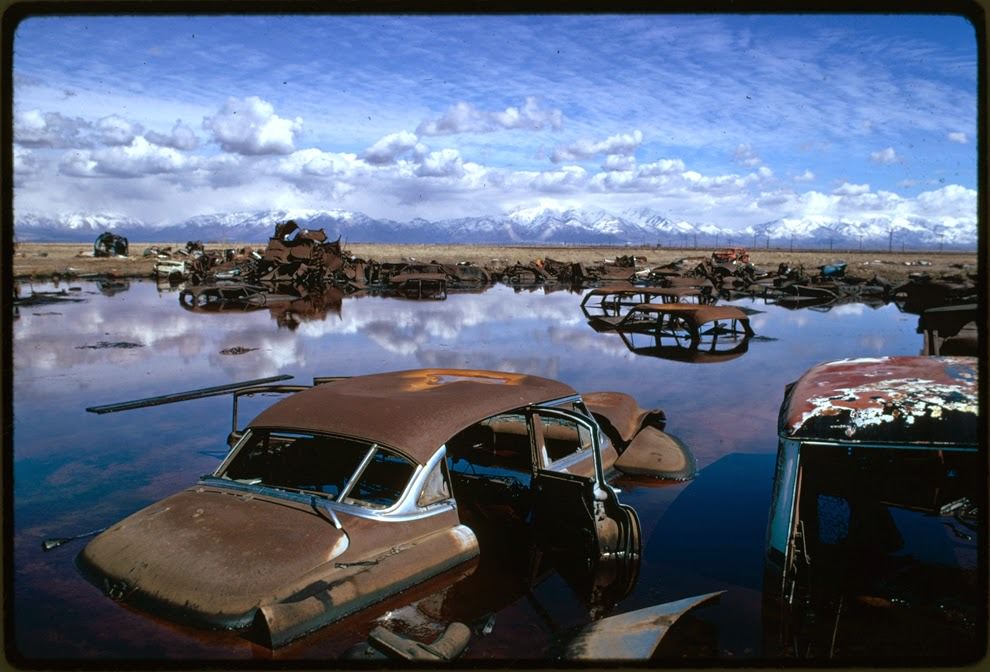
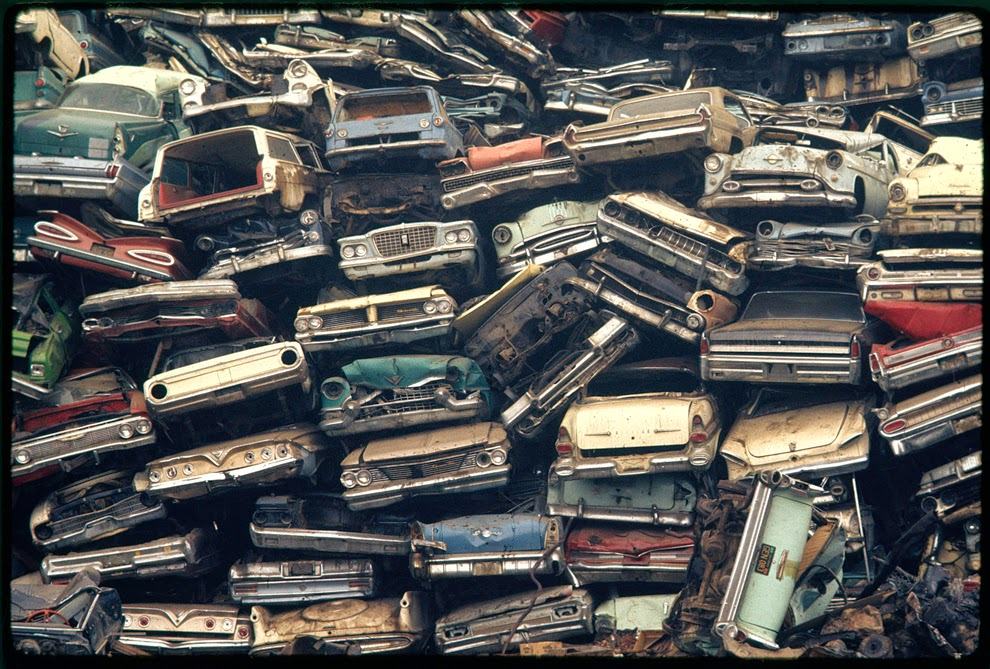
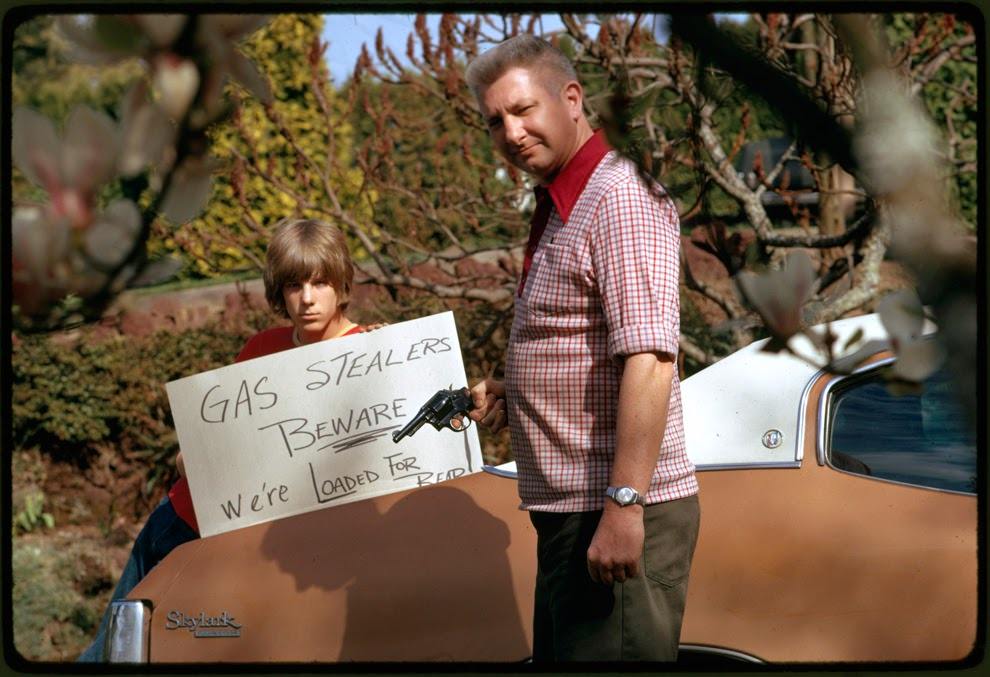
Near Ogden, Utah, in April 1974, an EPA cleanup cleared an oil and acid pond filled with abandoned cars to protect the Great Salt Lake and a wildlife refuge. In Escondido, California, wrecked cars piled high in an auto dump. In Portland, Oregon, fuel shortages led to gas theft, prompting a father and son to place a warning sign on their car in April 1974.
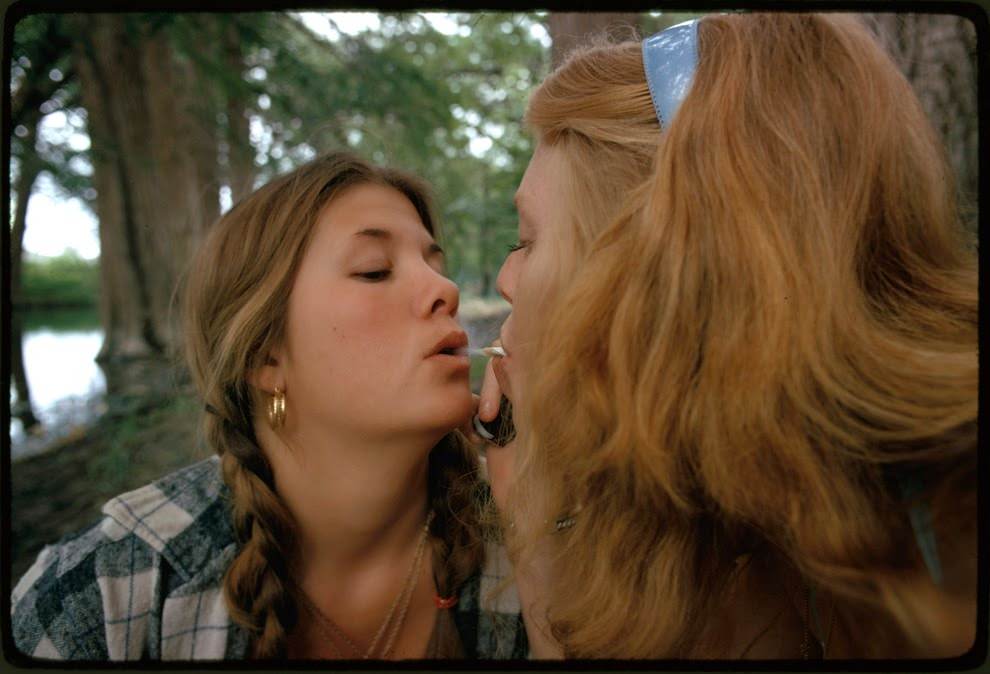
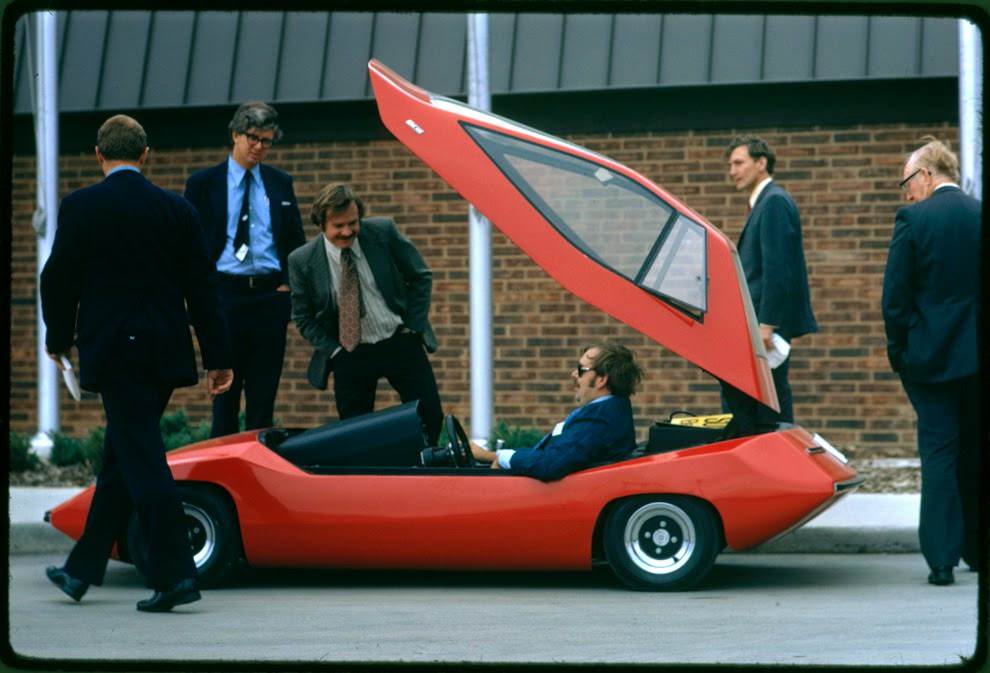
Photographers recorded shifting social habits alongside technological testing. In May 1973, two girls smoked marijuana during an outing in the Cedar Woods near Leakey, Texas. In October 1973, researchers and automakers met at the Marriott Motor Inn in Ann Arbor, Michigan, for the first symposium on low-pollution power systems, displaying experimental low-emission engines.
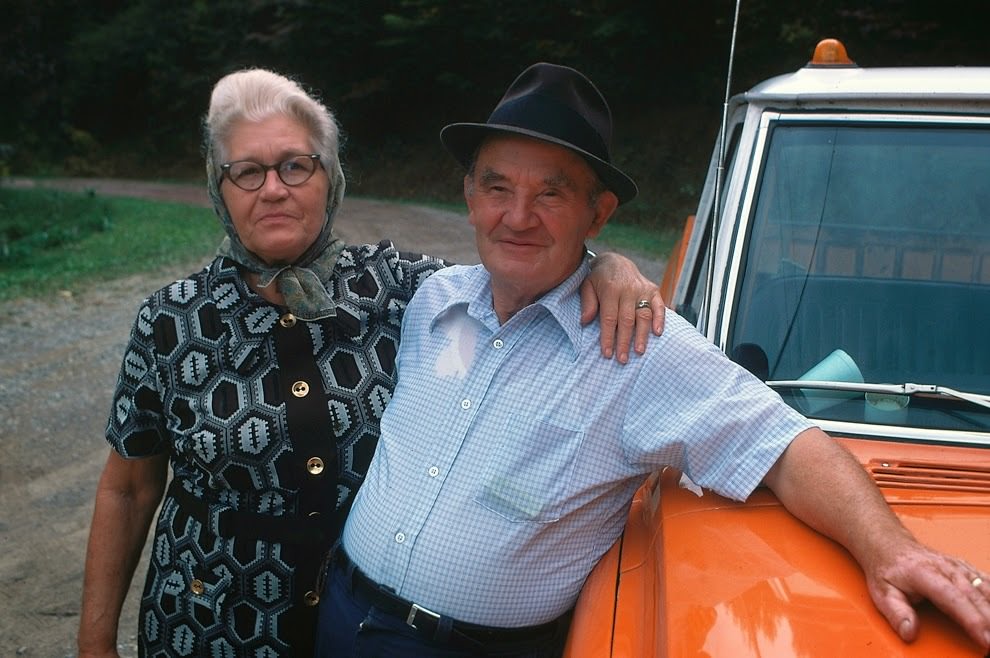
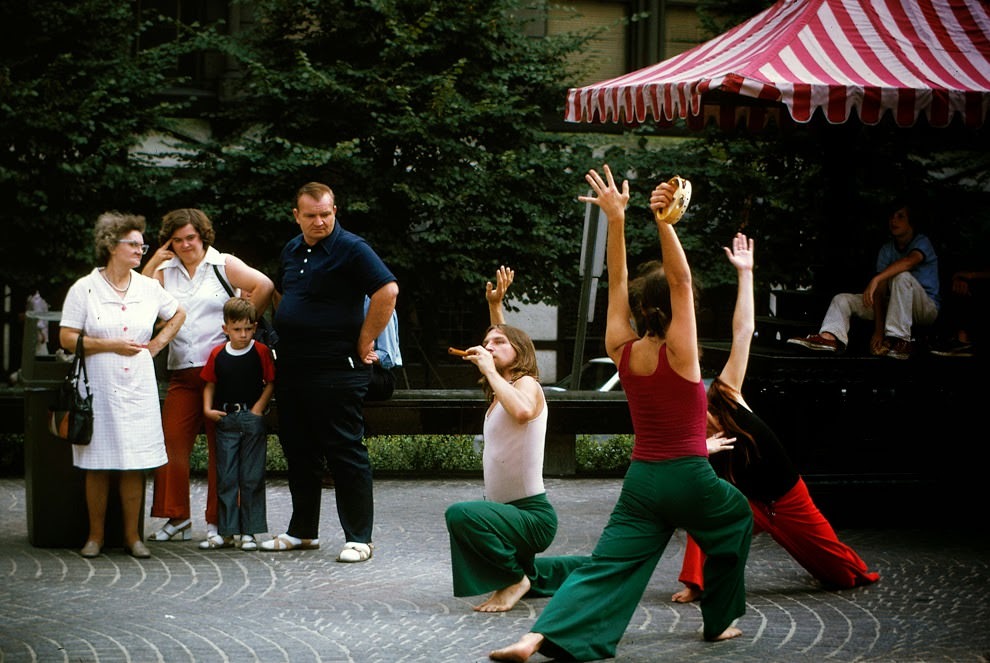
Government programs and local arts appeared throughout regional communities. In October 1974, coal miner Berry Howard and his wife posed in Cumberland, Kentucky, with a truck bought using his black lung payments. In Cincinnati, Ohio, dancers from the New Media Theater performed at Fountain Square in August 1973 during the month-long D'aug Days arts festival.
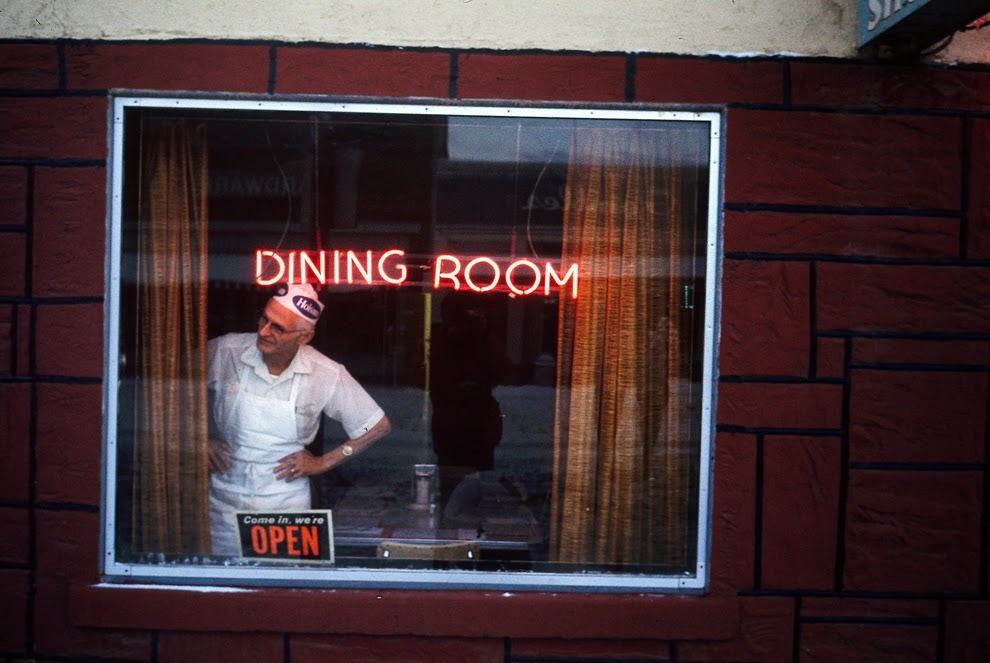
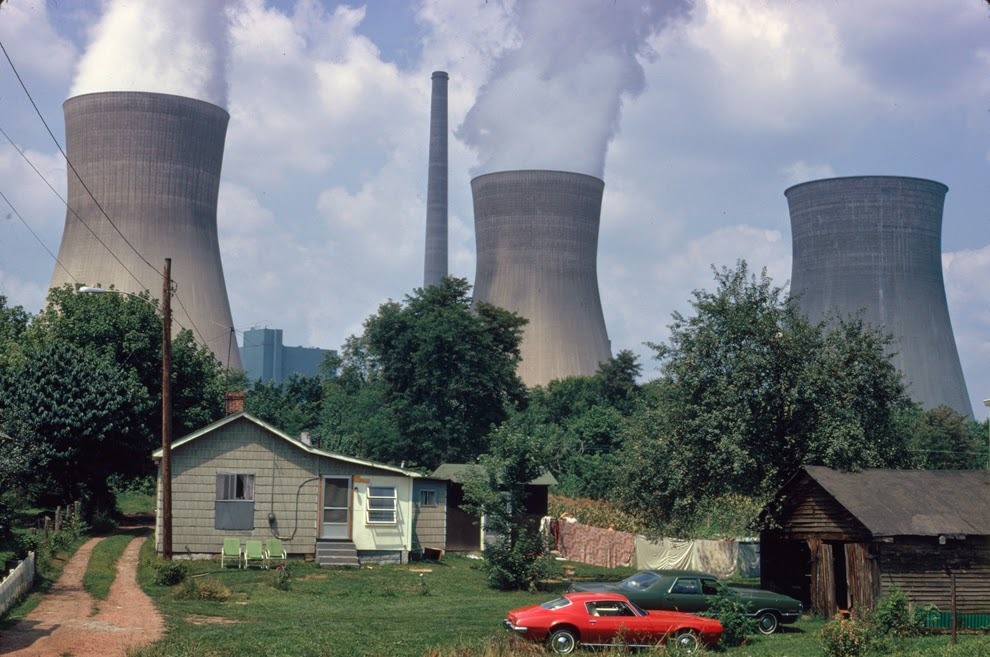
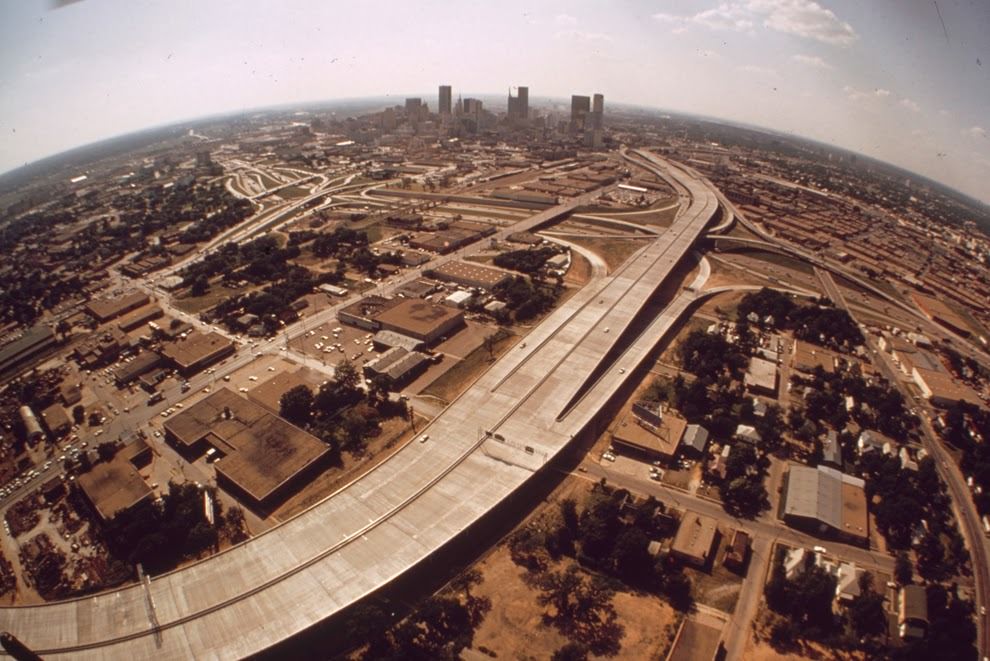
In Rifle, Colorado, a cook at the Texan Cafe watched a snow removal crew in January 1973. In Poca, West Virginia, cooling towers at the John Amos Power Plant emitted clouds of steam over a home across the Kanawha River in August 1973. In May 1972, traffic moved along the Central Expressway entering Dallas, Texas.
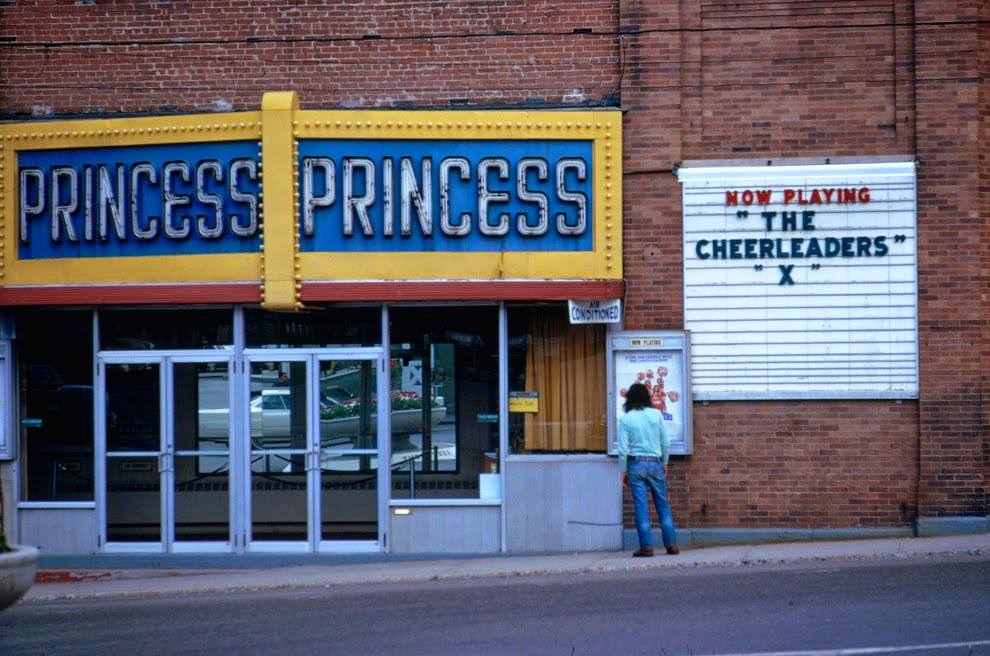
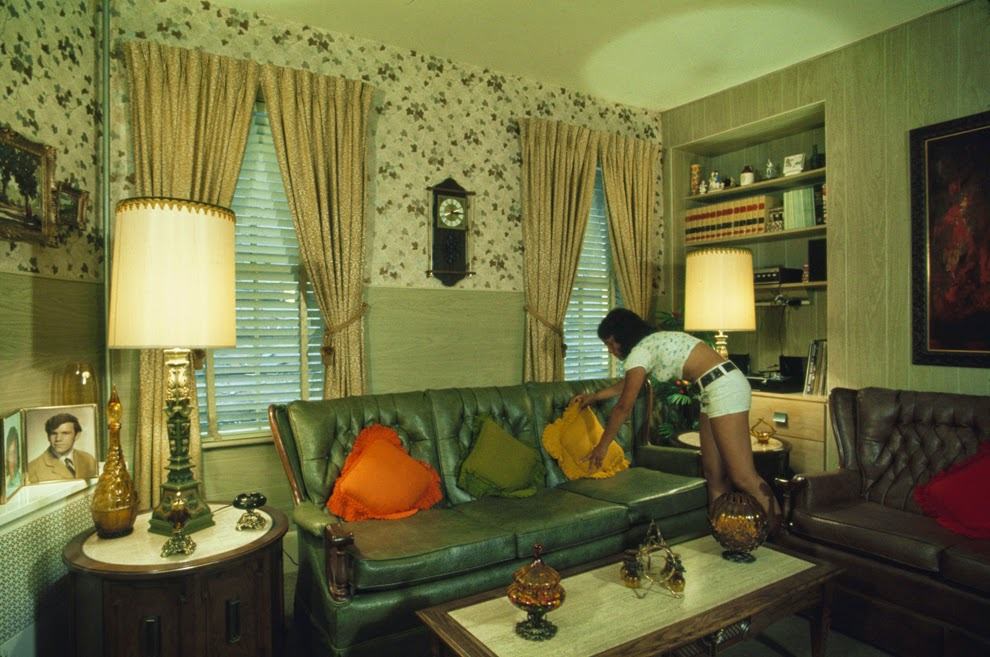
In June 1973, photographer Charles Steinhacker recorded a movie theatre in Berlin, New Hampshire. In Boston, Massachusetts, Sandra Bruno straightened a pillow inside her family's home at 39 Neptune Road in July 1973.
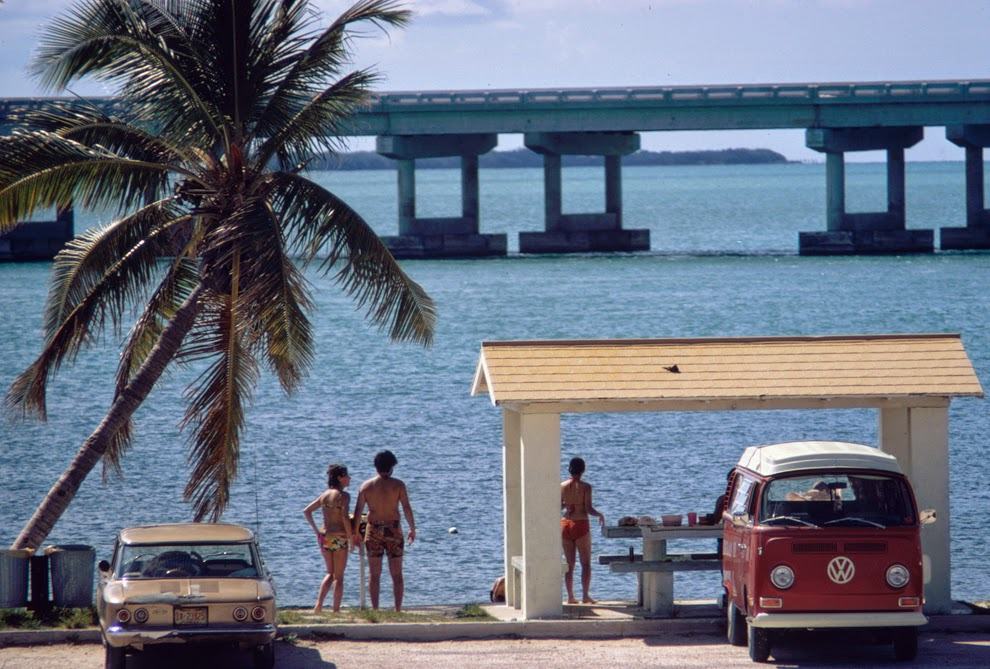
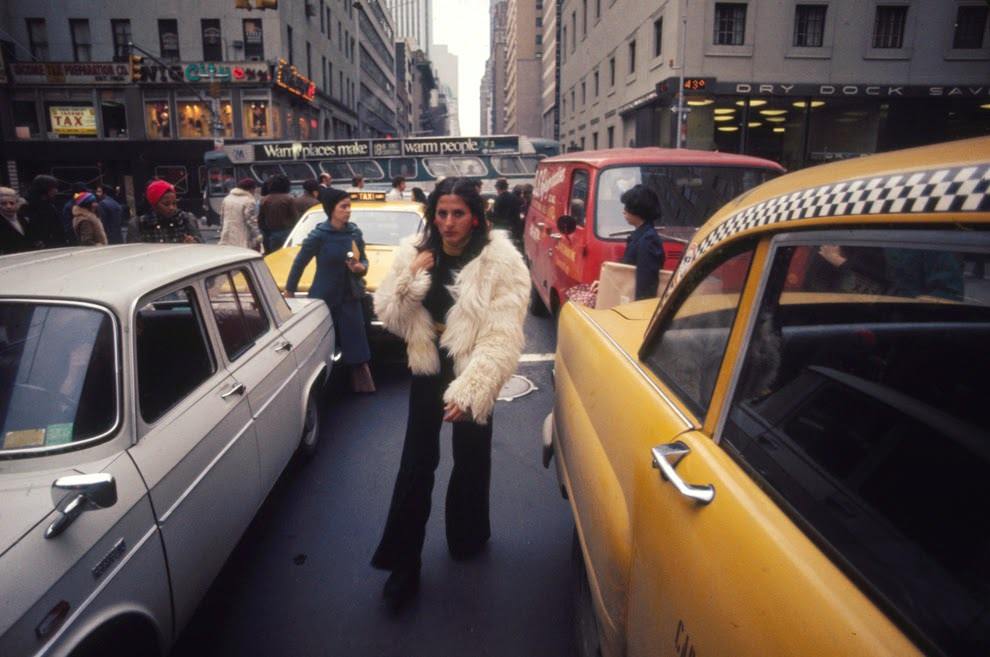
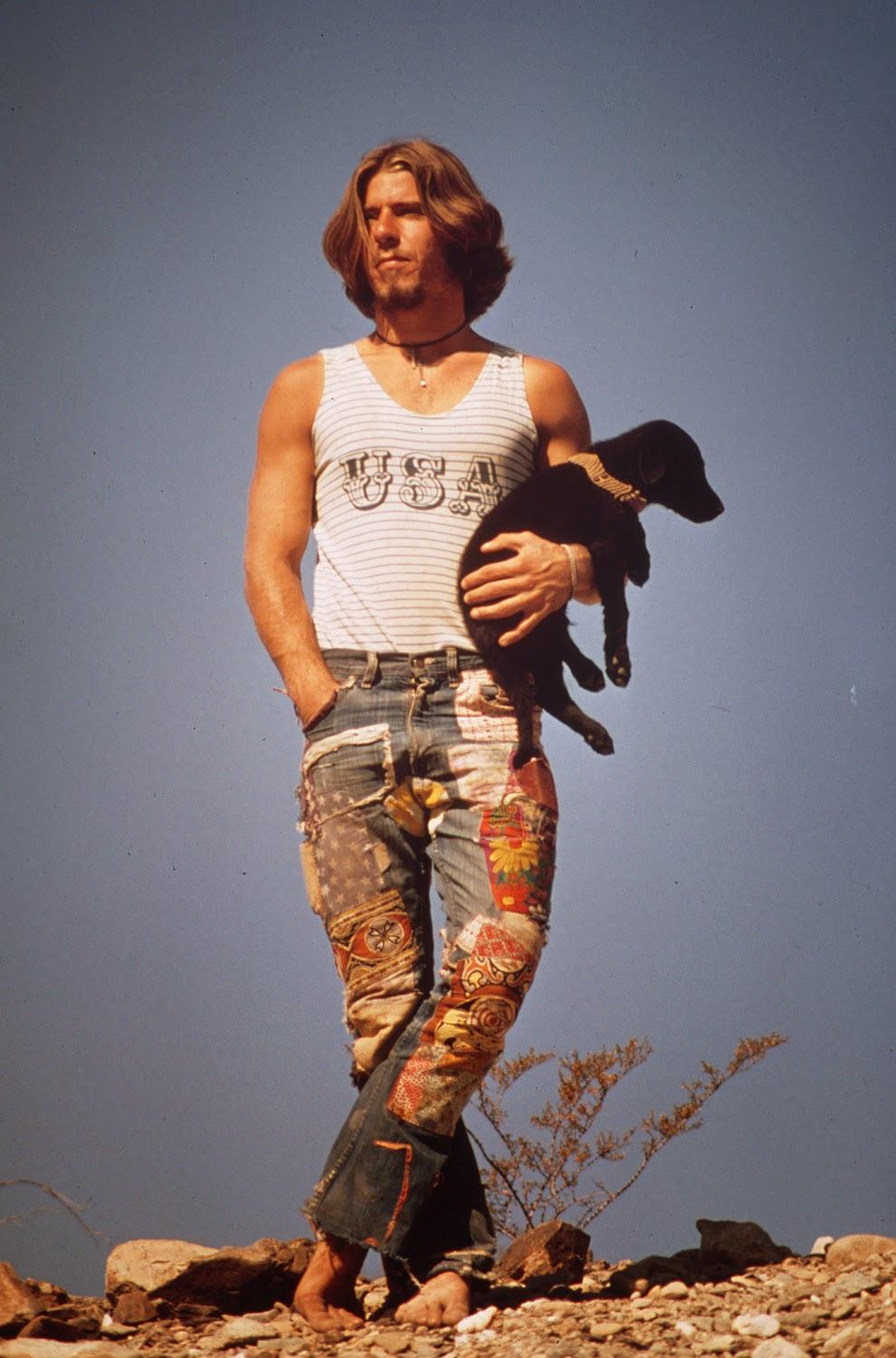
National scenes stretched from southern coastal parks to busy city streets and desert highways. Swimmers gathered at Bahia Honda State Park on Bahia Honda Key, Florida, in June 1973. Midtown Manhattan faced heavy traffic and jaywalking pedestrians in April 1973. Along U.S. Route 66 in May 1972, a hitchhiker waited with his dog, Tripper, near the Colorado River crossing at Topock, Arizona.