Hey There! Before You Go. 😧
Get the best vintage content straight into your inbox!

Don't worry, we don't spam

Beyond the Knee: How the Miniskirt Became the Ultimate Symbol of 1960s Fashion

No single garment defined the 1960s more sharply than the miniskirt. With hemlines sitting four to seven inches above the knee, it was a direct rejection of the structured, conservative clothing that had dominated the previous decade. It was a generational statement worn in fabric.
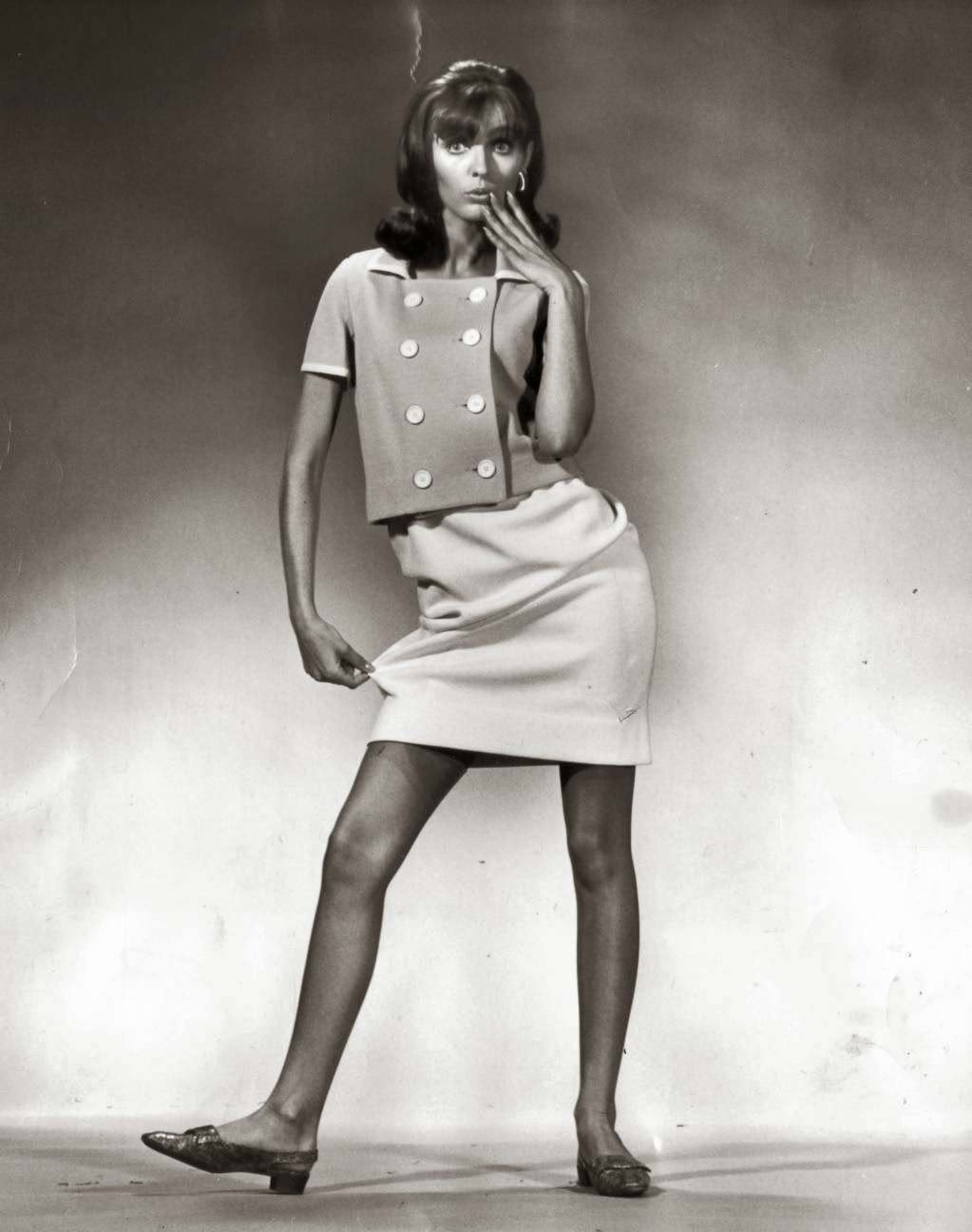
Eight inches above the knee? O, No, skirts couldn't be that short...or could they?" — Tribune archive photo, June 18, 1965
Eight inches above the knee? O, No, skirts couldn’t be that short…or could they?” — Tribune archive photo, June 18, 1965

British designer Mary Quant introduced the style at her London boutique, Bazaar, in the early 1960s. She targeted a youth market that had no interest in dressing like their parents. Quant even named the skirt after her favorite car — the Mini Cooper. In Paris, André Courrèges presented short skirts as part of his space-age collections, giving the trend a second major design voice.
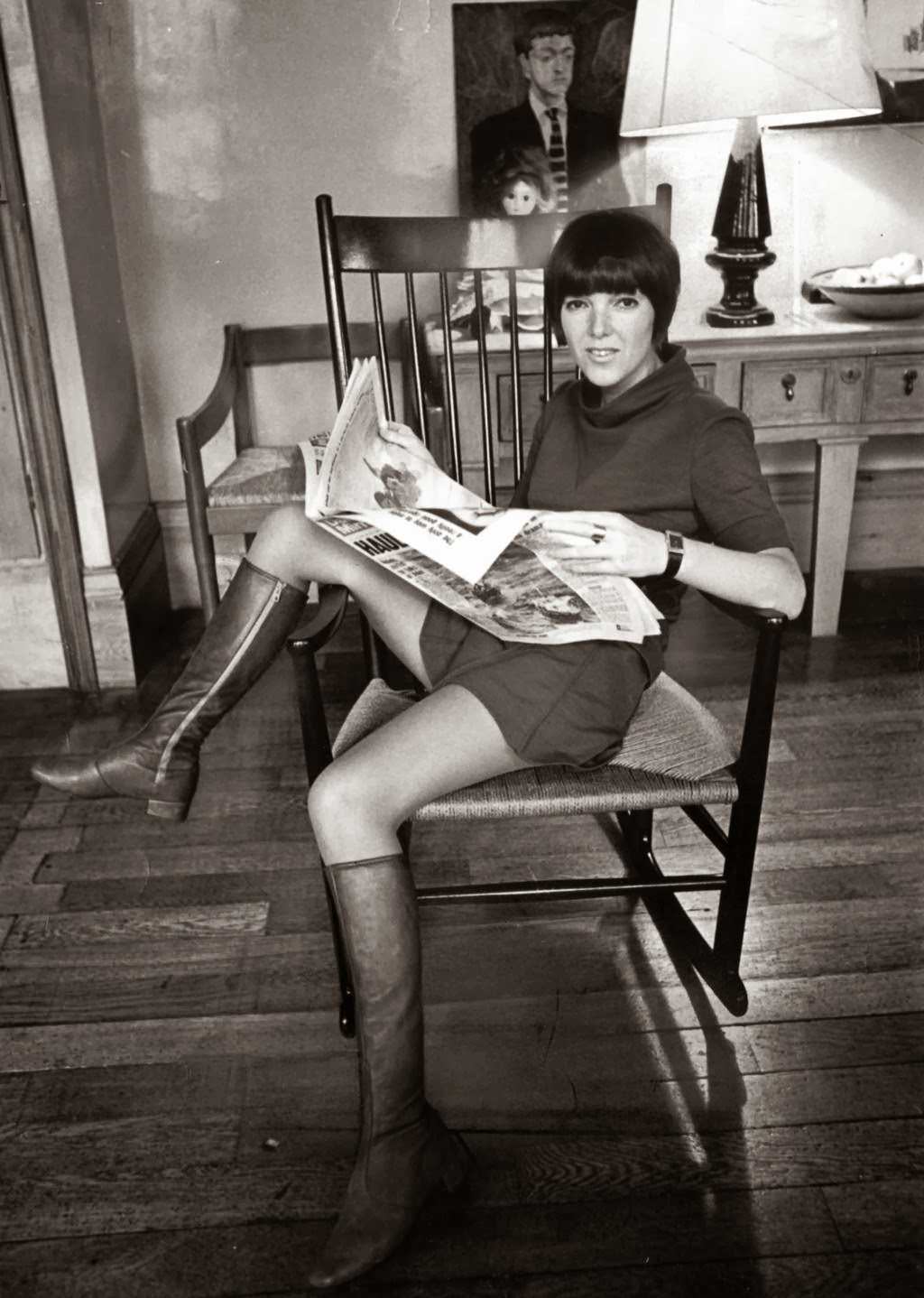
"Mary Quant, the leggy, sexy London fashion designer, was her own best model for the miniskirts that dressed the decade." Quant named the brief skirt mini after her favorite car, the Mini Cooper. — UPI, Oct. 21, 1967
“Mary Quant, the leggy, sexy London fashion designer, was her own best model for the miniskirts that dressed the decade.” Quant named the brief skirt mini after her favorite car, the Mini Cooper. — UPI, Oct. 21, 1967

The silhouette was clean and modern. Most miniskirts were cut in an A-line shape or a straight, simple style. Materials ranged from wool crepe and cotton to PVC, which gave a high-gloss finish. Bold solid colors — orange, yellow, red — were everywhere, alongside graphic prints like houndstooth and geometric patterns.
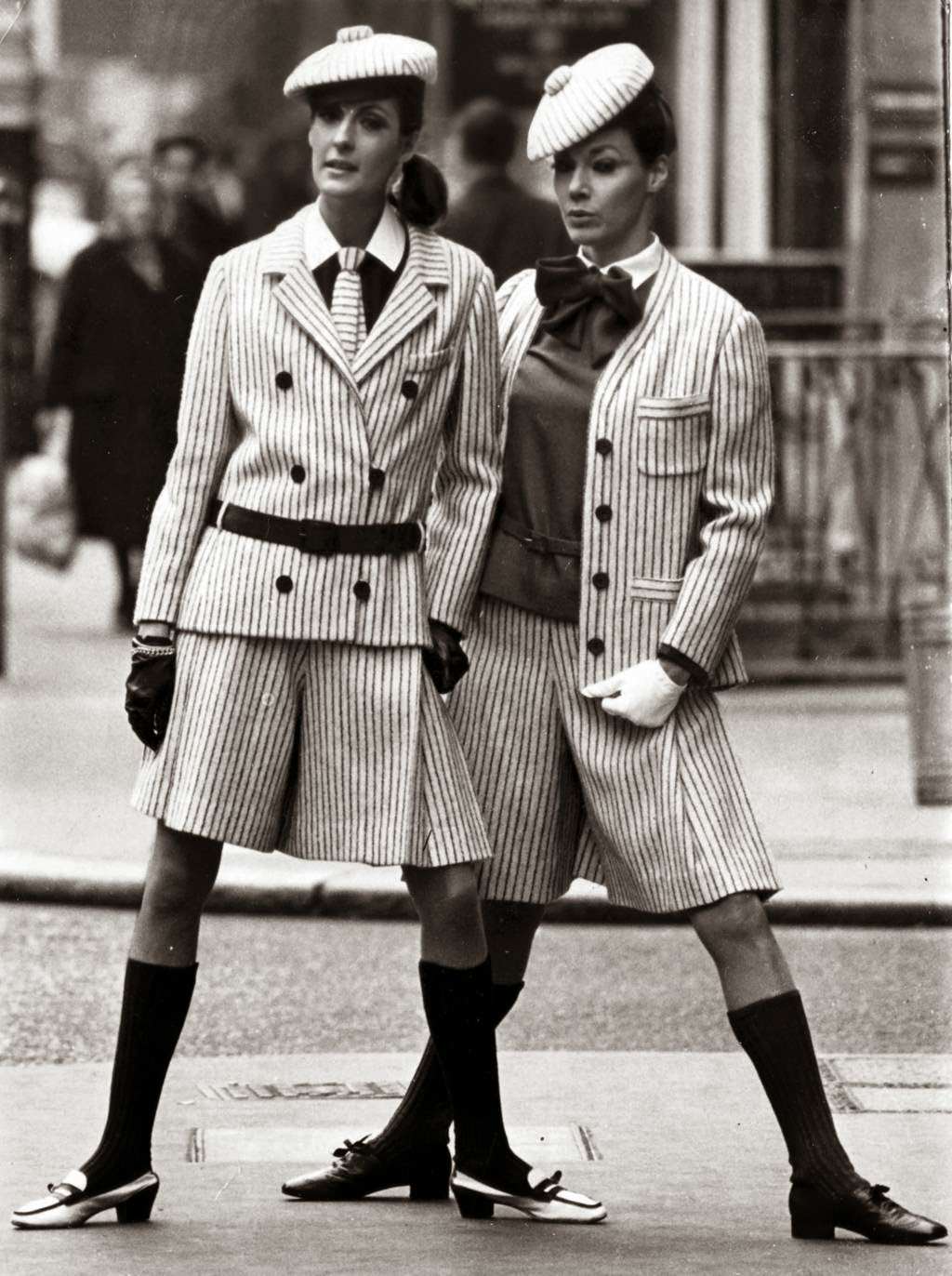
"Two London birds wear Christian Dior's striped suits, short and narrow, with emphasis on the hips. Suit at left is navy and white pin stripes, with navy blouse, pleated culottes, and horizontally striped tie. The cardigan version is in red and white stripes with scarlet socks and blouse." — UPI, May 12, 1966
“Two London birds wear Christian Dior’s striped suits, short and narrow, with emphasis on the hips. Suit at left is navy and white pin stripes, with navy blouse, pleated culottes, and horizontally striped tie. The cardigan version is in red and white stripes with scarlet socks and blouse.” — UPI, May 12, 1966
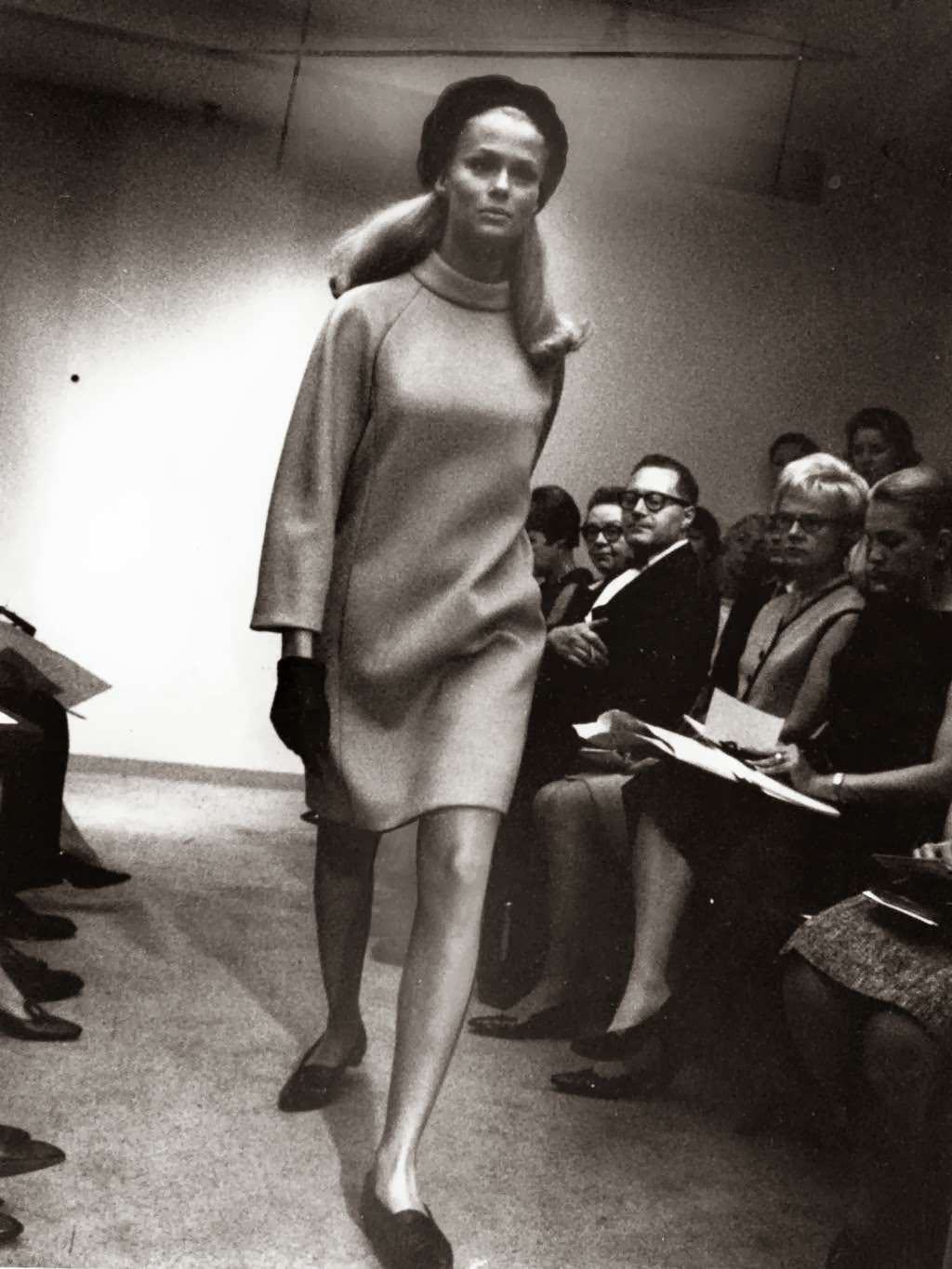
"Tiffeau's sweater dress." On the runway in New York. Recognize Lauren Hutton? — Tribune archive photo, July 7, 1966
“Tiffeau’s sweater dress.” On the runway in New York. Recognize Lauren Hutton? — Tribune archive photo, July 7, 1966

Yves Saint Laurent pushed the look further with bold color-blocking and graphic knitwear. His designs matched chunky-heeled shoes with patterned stockings, building a total look from head to toe.
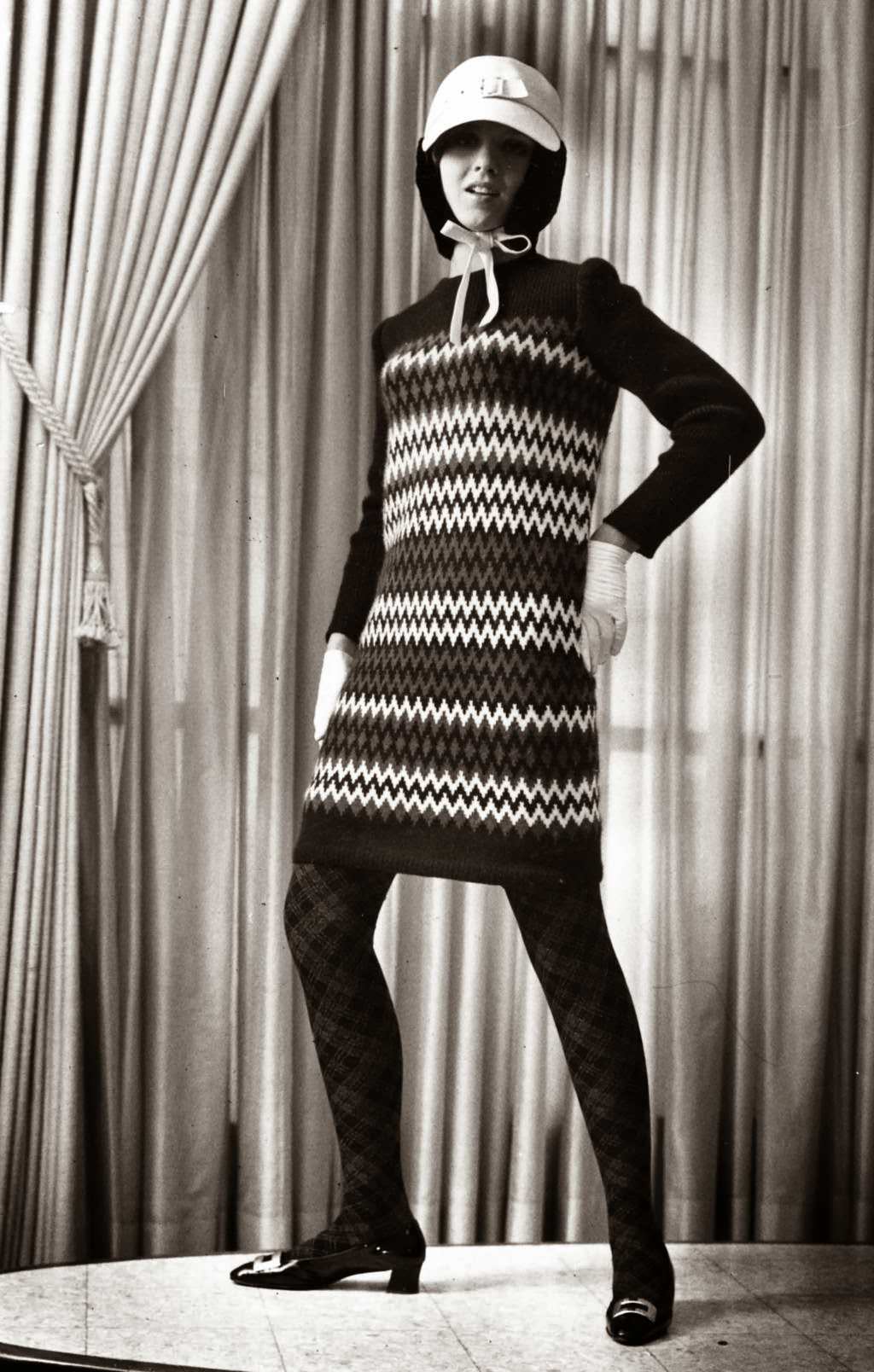
"Bolder than ever conception of a total look comes from Yves St. Laurent, youngest member of the Paris couture. He's extended the red, white and blue chromatic scheme in this sweater dress with zigzags of the three colors. Argyle wool stockings combine muted blue and red; white leather cap with attached snood of black beaver has brass buckle, as do patent leather, chunky-heeled shoes. Model is Carol Robins of Aquinas Dominican High school." — Tribune archive photo, Sept. 10, 1966
“Bolder than ever conception of a total look comes from Yves St. Laurent, youngest member of the Paris couture. He’s extended the red, white and blue chromatic scheme in this sweater dress with zigzags of the three colors. Argyle wool stockings combine muted blue and red; white leather cap with attached snood of black beaver has brass buckle, as do patent leather, chunky-heeled shoes. Model is Carol Robins of Aquinas Dominican High school.” — Tribune archive photo, Sept. 10, 1966

Color-blocked miniskirts in lavender and yellow, paired with matching suede boots, captured exactly the kind of playful, coordinated dressing that defined the era’s most adventurous looks.
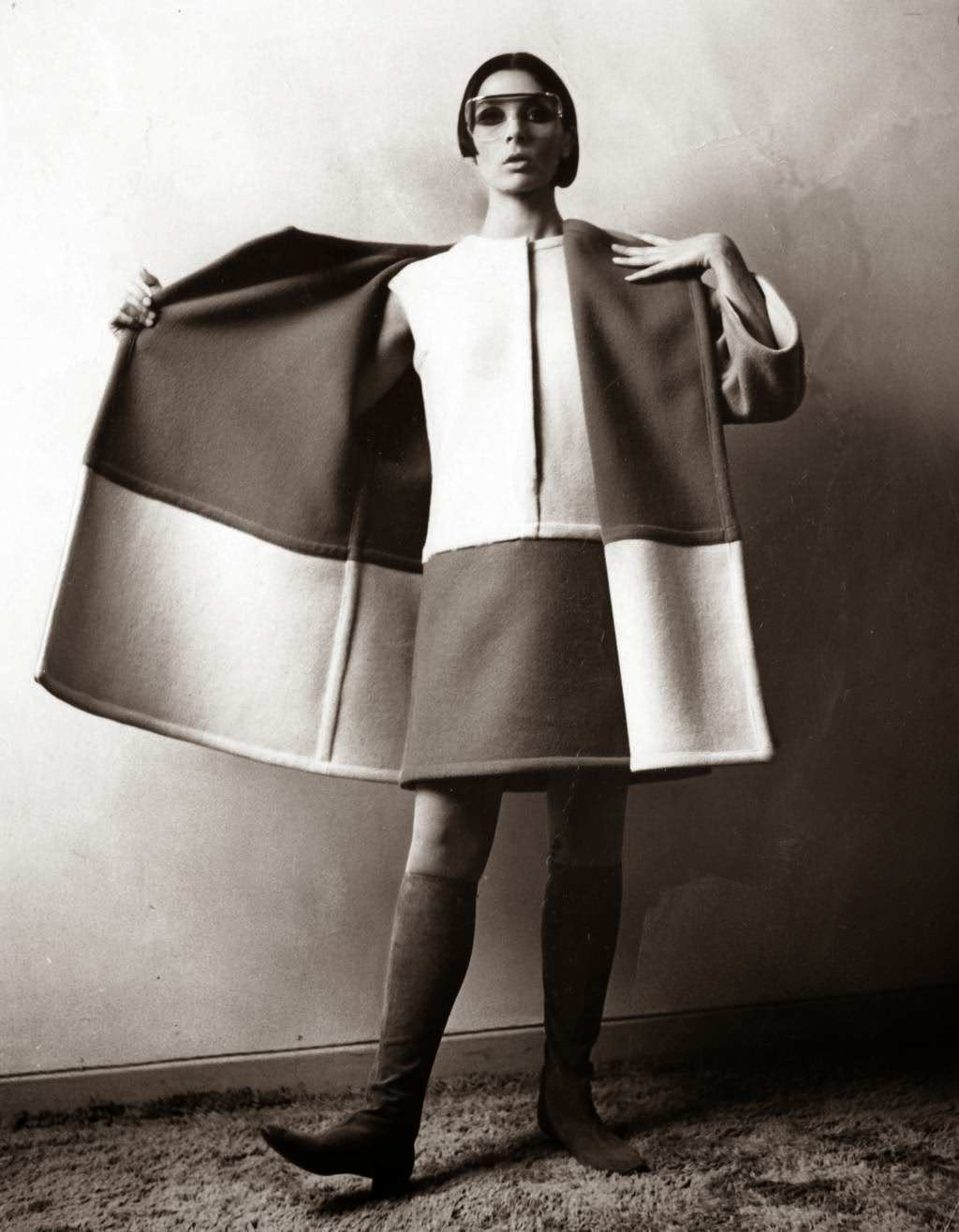
Big blocks of color and reversible. Lavender and yellow with matching suede lavender boots. — Tribune archive photo, Sept. 14, 1966

Designers like Don Simonelli incorporated leather trim and electric stripes into short shift dresses, as worn by actress Joey Heatherton. The miniskirt wasn’t confined to one aesthetic — it absorbed every bold idea the decade produced.
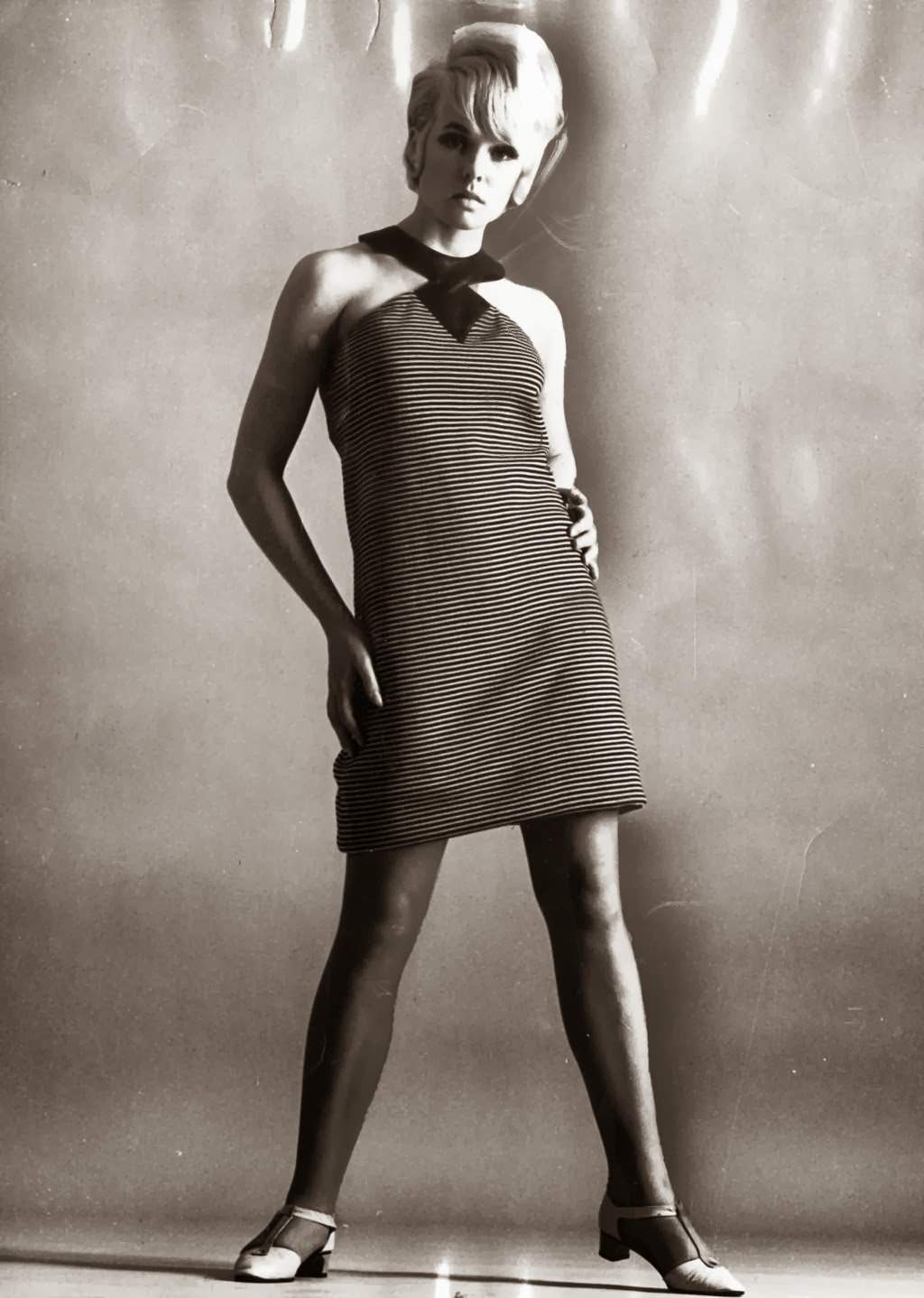
"SLEEK CHIC NEW YORK: Chic is the word for this zippy, young shift modeled by actress Joey Heatherton. The short dress with its surge of electric stripes and leather trim is one of the "Leather Girls" designed by Don Simonelli for Mia's fall collection." — UPI, Sept. 19, 1966
“SLEEK CHIC NEW YORK: Chic is the word for this zippy, young shift modeled by actress Joey Heatherton. The short dress with its surge of electric stripes and leather trim is one of the “Leather Girls” designed by Don Simonelli for Mia’s fall collection.” — UPI, Sept. 19, 1966

The shorter hemline made traditional stockings and garter belts impractical overnight. Pantyhose and tights took their place — and became major fashion statements in their own right. Women wore them in bright opaque colors like red, white, and blue, or in bold patterns: stripes, checks, and abstract prints. Stretch nylon made it possible to pair graphic tights with tunics and caps as a complete outfit.
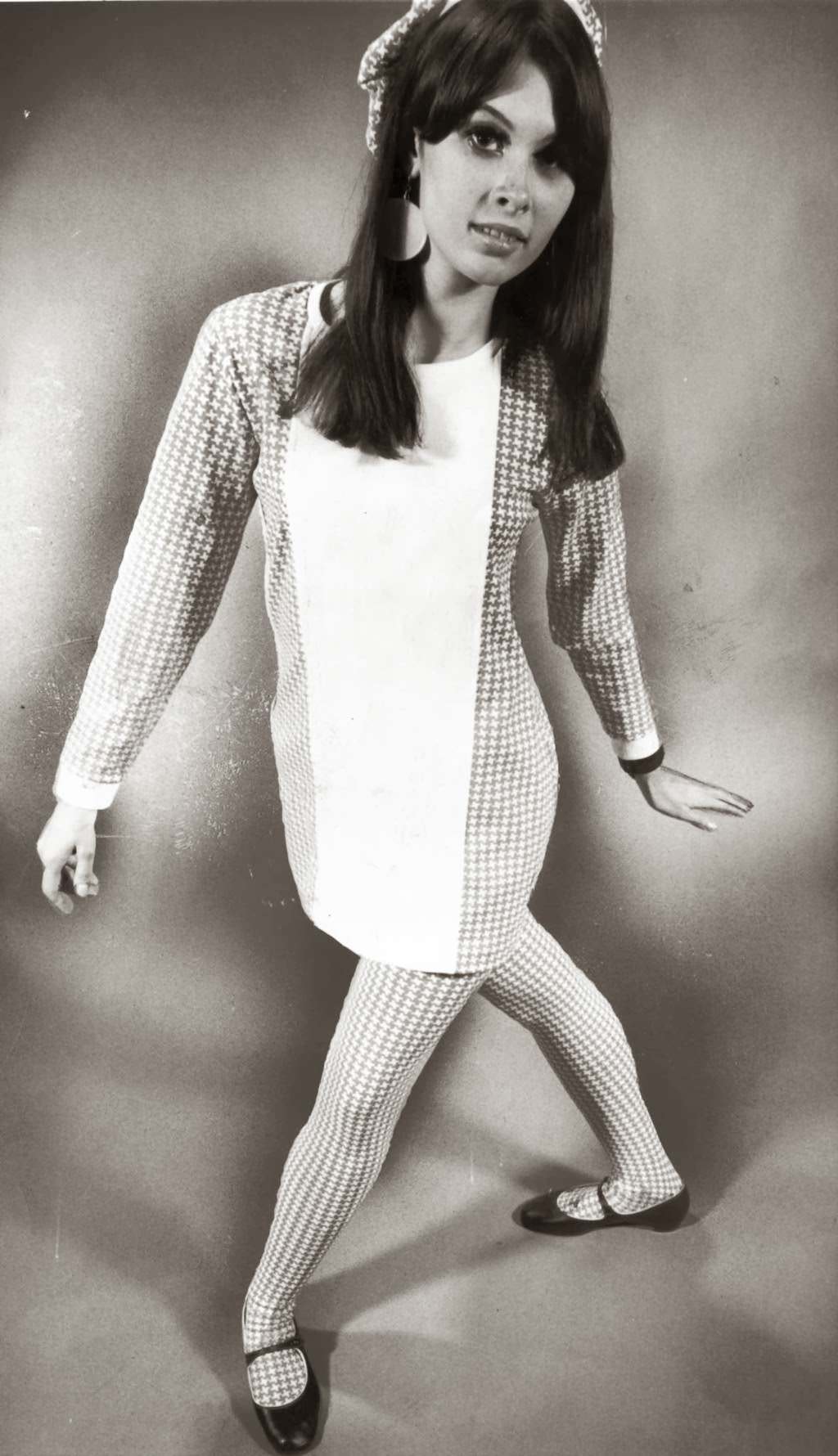
"Abstract houndstooth checks of stretch nylon are fashioned into tights with fencer-front tunic top plus cap ($20) at Cheetah boutique." — Ron Bailey, Chicago Tribune, Oct. 10, 1966
“Abstract houndstooth checks of stretch nylon are fashioned into tights with fencer-front tunic top plus cap ($20) at Cheetah boutique.” — Ron Bailey, Chicago Tribune, Oct. 10, 1966

Lace and lightweight cotton brought a softer edge to the mini. Short dresses trimmed with oversized bows or lace-banded hems were popular among younger wearers, keeping the look fresh without sacrificing the essential brevity.
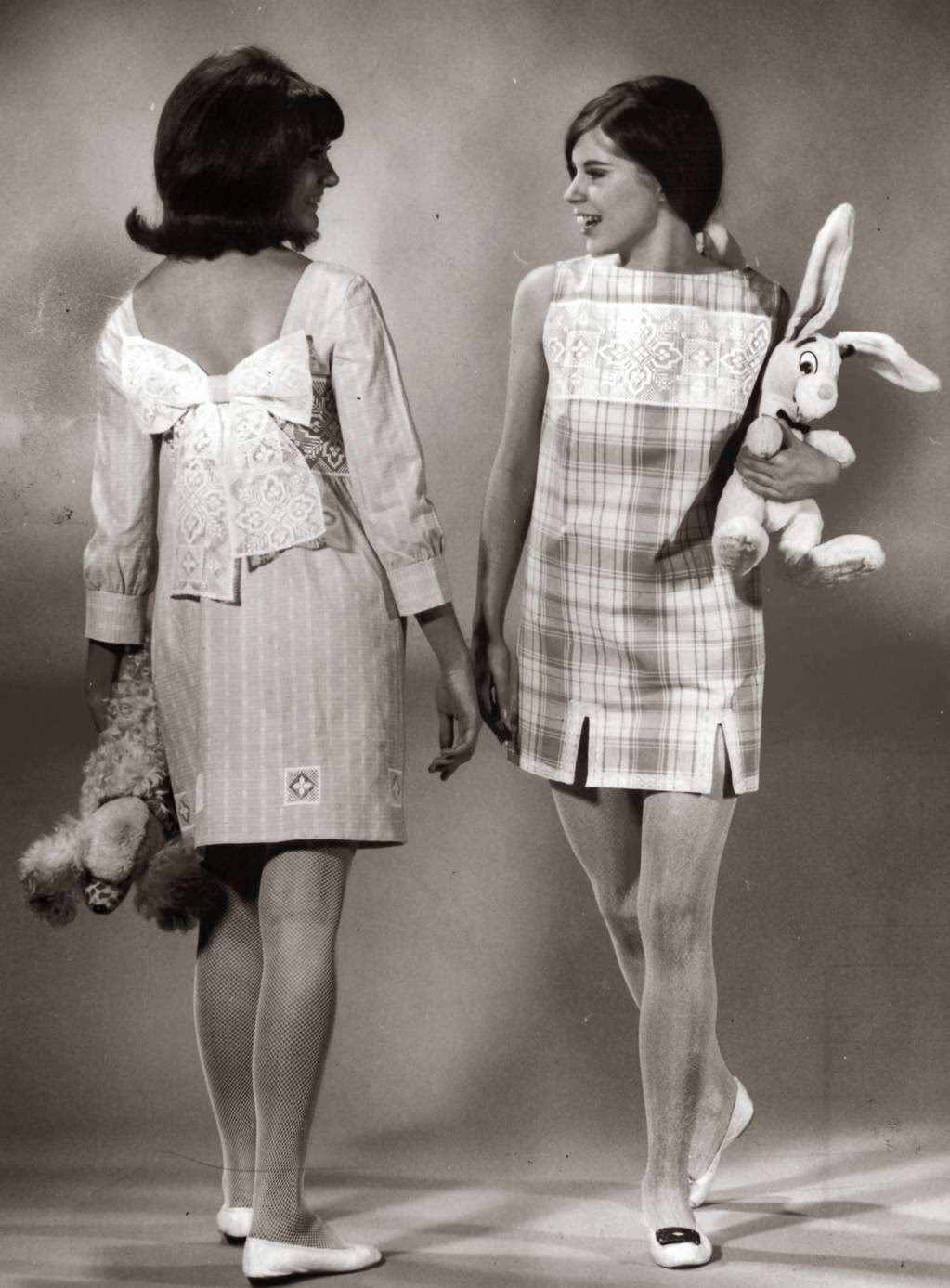
"Venetian lace is used for this pair. Pam Kimmell, left, Wheaton high school, wears a short dress of turquoise and white lawn ($35), trimmed with giant bow and cut-outs at hemline. Teri's blue on white plaid cotton skimmer ($22.95) features wide band of lace and narrower lace edging at hem." — Earl Gustie, Chicago Tribune, Nov. 3, 1966
“Venetian lace is used for this pair. Pam Kimmell, left, Wheaton high school, wears a short dress of turquoise and white lawn ($35), trimmed with giant bow and cut-outs at hemline. Teri’s blue on white plaid cotton skimmer ($22.95) features wide band of lace and narrower lace edging at hem.” — Earl Gustie, Chicago Tribune, Nov. 3, 1966

Even outerwear adapted to protect the look without hiding it. Flared hipster miniskirts paired with fitted jackets appeared in practical rainwear designs, proving the style had moved well beyond warm-weather dressing.
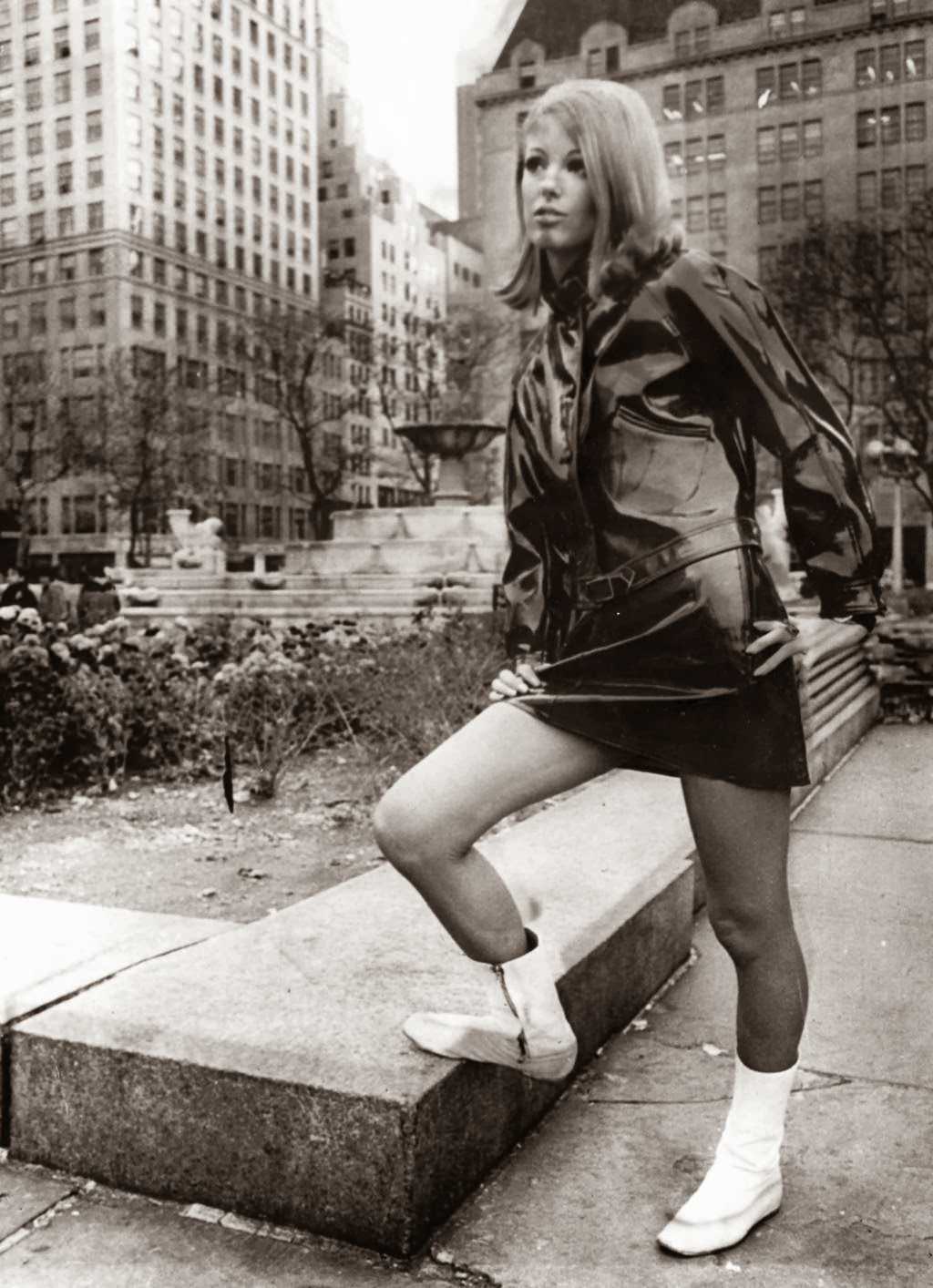
"Dressed in British designer Paul Blanche's "Raingear," a flared hipster miniskirt and Ike jacket, model Lorna McDonaugh brightens the scene at the plaza at 59th St. Such outfits could make rainy days popular." — UPI Telephoto, Nov. 9, 1966
“Dressed in British designer Paul Blanche’s “Raingear,” a flared hipster miniskirt and Ike jacket, model Lorna McDonaugh brightens the scene at the plaza at 59th St. Such outfits could make rainy days popular.” — UPI Telephoto, Nov. 9, 1966

At the more daring end of the spectrum, designers used tiger-stenciled calf leather and jeweled straps on slip-style discotheque dresses — pieces built specifically for nightlife and movement.
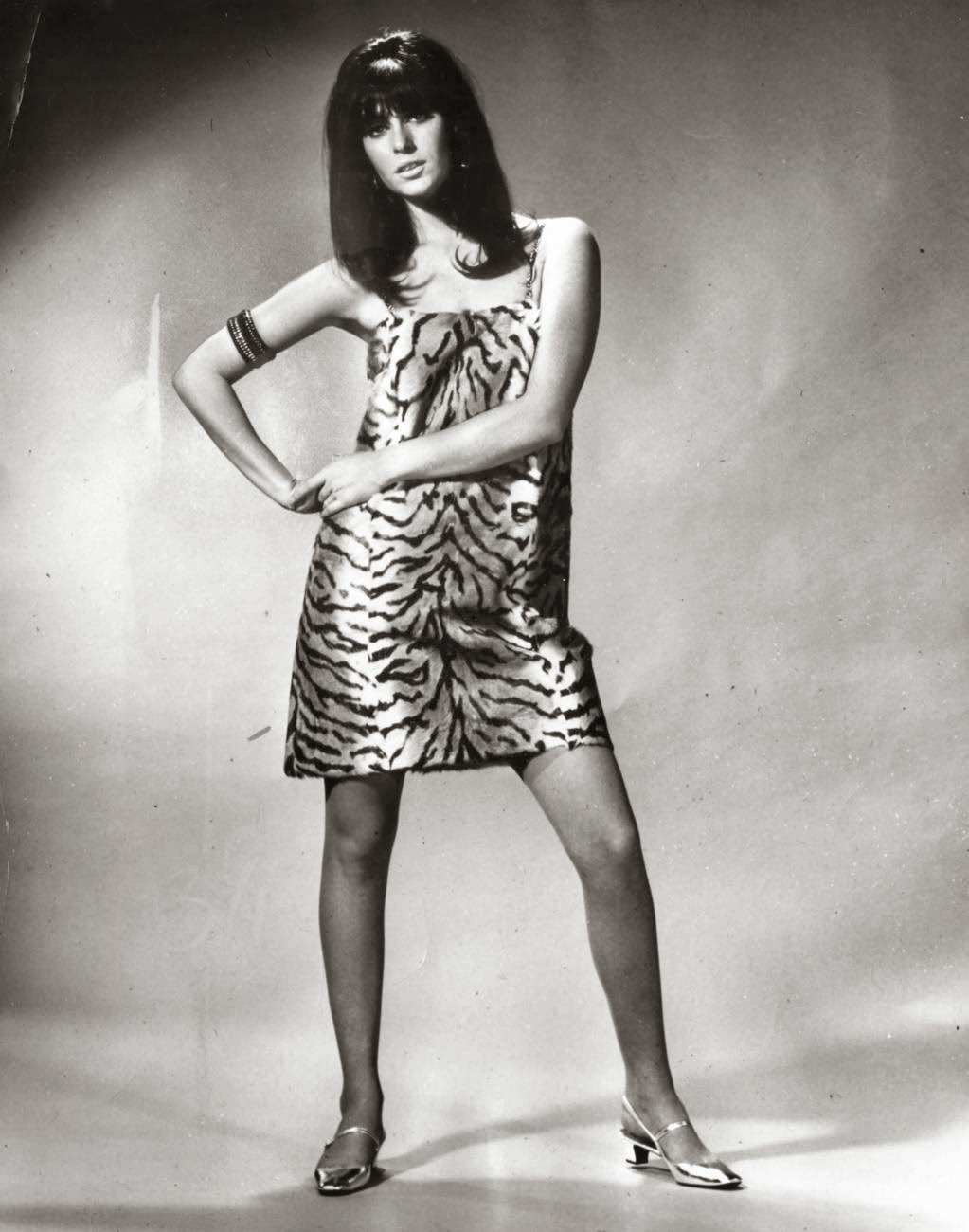
"Gayle Kirkpatrick of Atelier uses tiger-stenciled calf for a sliplike discotheque dress secured with jeweled straps. At the Horse of a Different Color shop." — Tribune archive photo,, Nov. 14, 1966
“Gayle Kirkpatrick of Atelier uses tiger-stenciled calf for a sliplike discotheque dress secured with jeweled straps. At the Horse of a Different Color shop.” — Tribune archive photo,, Nov. 14, 1966

Footwear completed the look. Go-go boots — white, mid-calf, with a low blocky heel — became the era’s signature shoe. Flat Mary Jane-style shoes were another common choice. The combination of short hemlines and low heels created a deliberately youthful silhouette that stood in sharp contrast to the high heels and pencil skirts of the 1950s. Mary Quant is also credited with popularizing the white go-go boot.
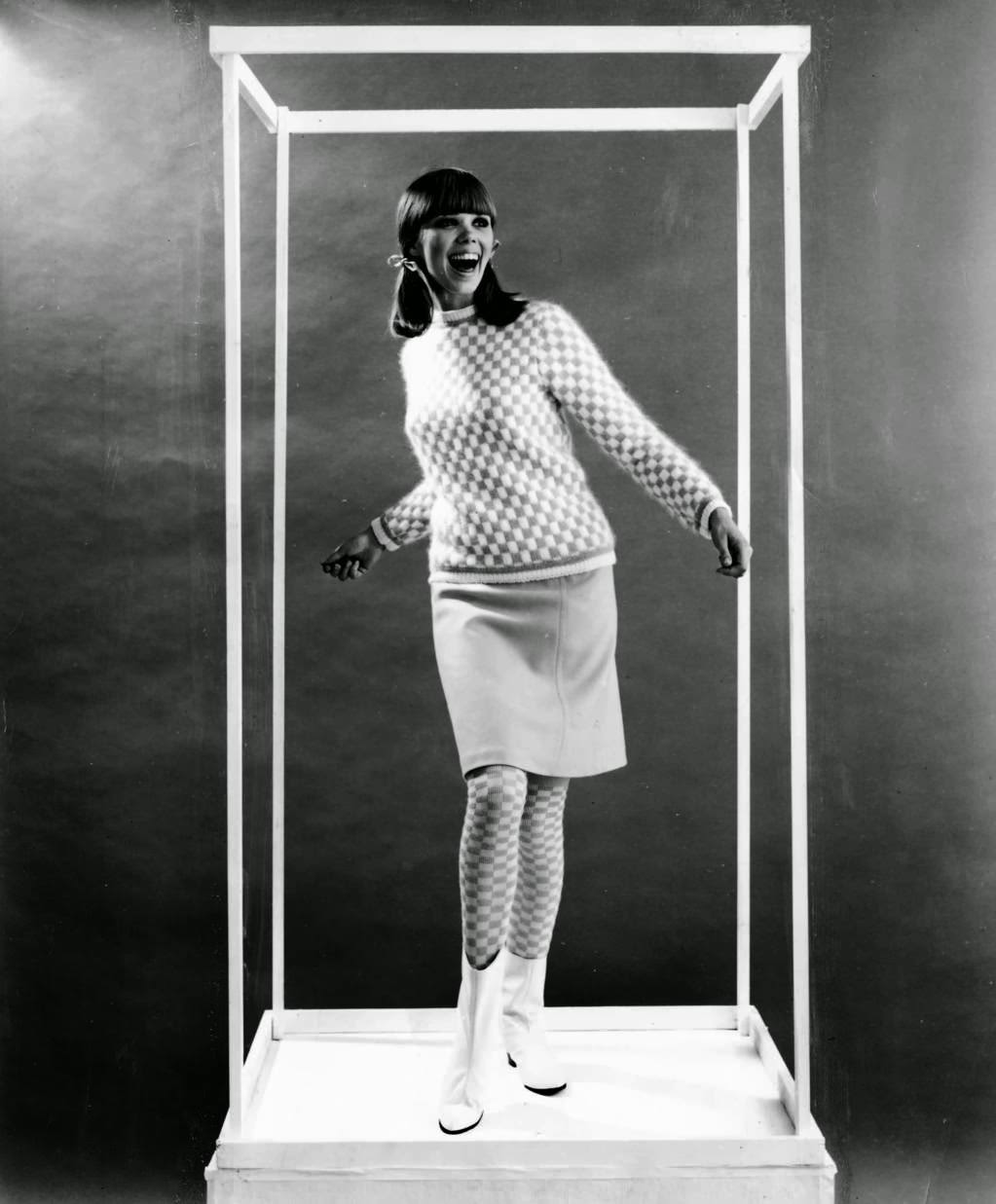
"Kicky checkerboard pattern of the crew necked pullover (about $16) banded with two-tone stripes at hips, cuffs and neck is echoed in the high socks. Welt seamed skirt (about $11) is an easy A line." And, of course, white go-go boots, another Mary Quant innovation. 1965. — handout
“Kicky checkerboard pattern of the crew necked pullover (about $16) banded with two-tone stripes at hips, cuffs and neck is echoed in the high socks. Welt seamed skirt (about $11) is an easy A line.” And, of course, white go-go boots, another Mary Quant innovation. 1965. — handout

Supermodel Twiggy became the face most associated with the miniskirt’s rise. Her slim, androgynous frame matched exactly what the new style demanded. Schools and workplaces responded by introducing dress codes that specifically banned skirts above a certain length. Conservative critics called it shocking and inappropriate. That resistance only strengthened the miniskirt’s status as a symbol of rebellion for the generation wearing it.
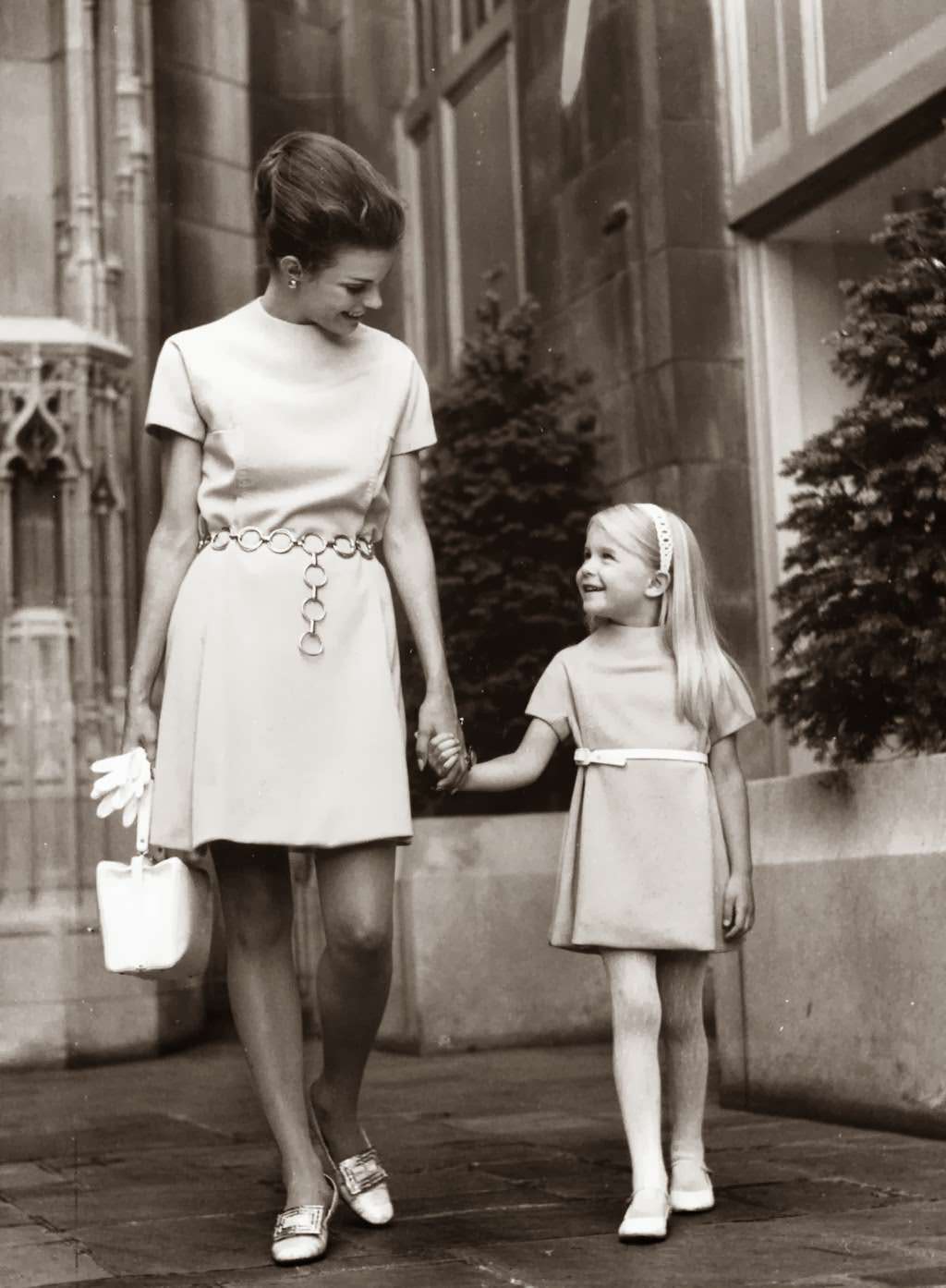
"Mother chose not to accent an empire waist in her dress No. 8383, instead used a smart chain belt at the normal waistline. Daughter's dress, identically styled, is made from pattern No. 8384." — Earl Gustie, Chicago Tribune, July 17, 1968
“Mother chose not to accent an empire waist in her dress No. 8383, instead used a smart chain belt at the normal waistline. Daughter’s dress, identically styled, is made from pattern No. 8384.” — Earl Gustie, Chicago Tribune, July 17, 1968
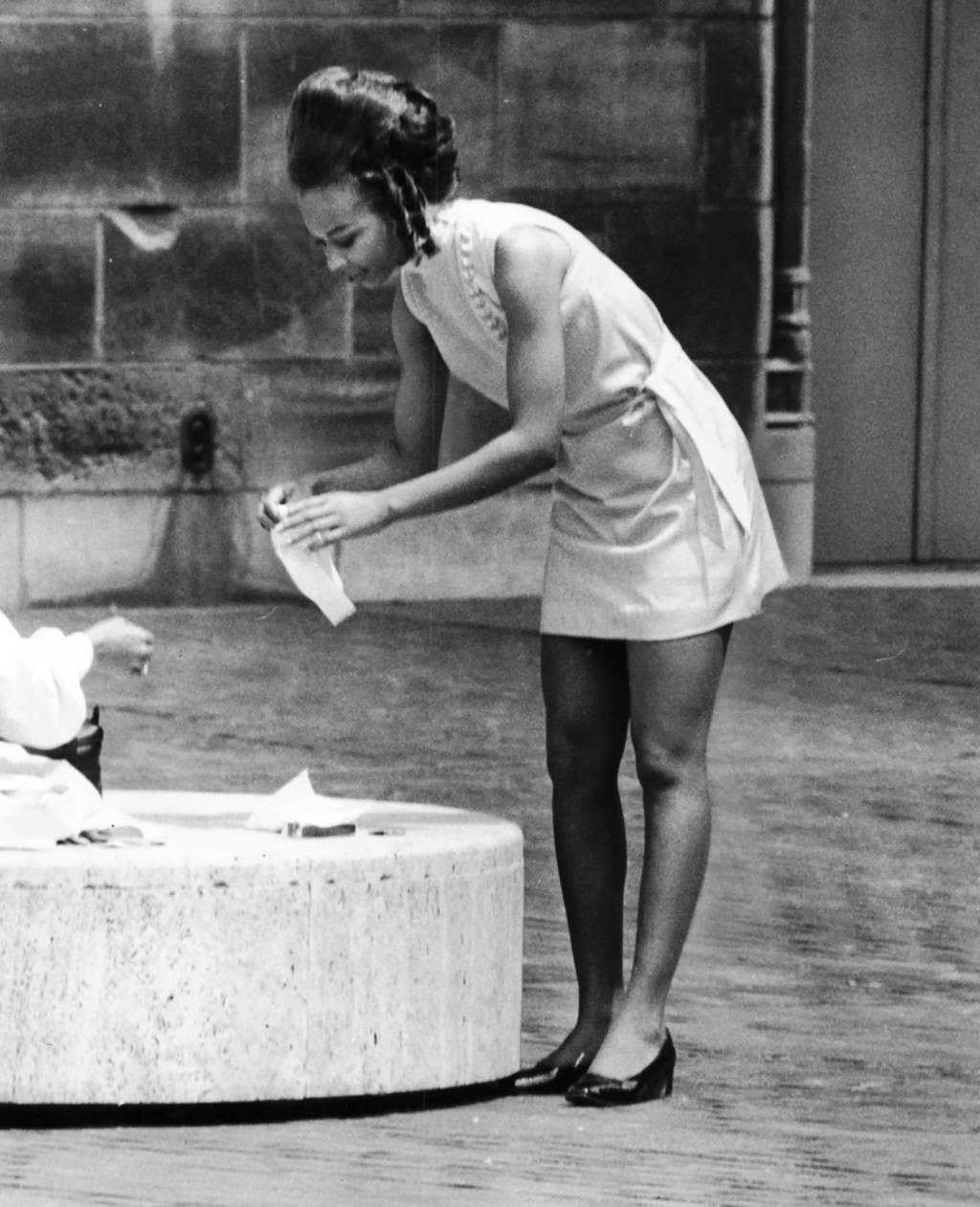
"Chic in a Mini, young lady unwraps her lunch to delight of the males." — Jack Mulcahy, Chicago Tribune, Jan. 30, 2014
“Chic in a Mini, young lady unwraps her lunch to delight of the males.” — Jack Mulcahy, Chicago Tribune, Jan. 30, 2014

By the end of the decade, the miniskirt had become so embedded in daily life that women wore it through wind and rain on city streets. The maxi-coat offered warmth, but as Chicago street photographs from 1969 show, the mini remained the dominant choice — weather be damned.
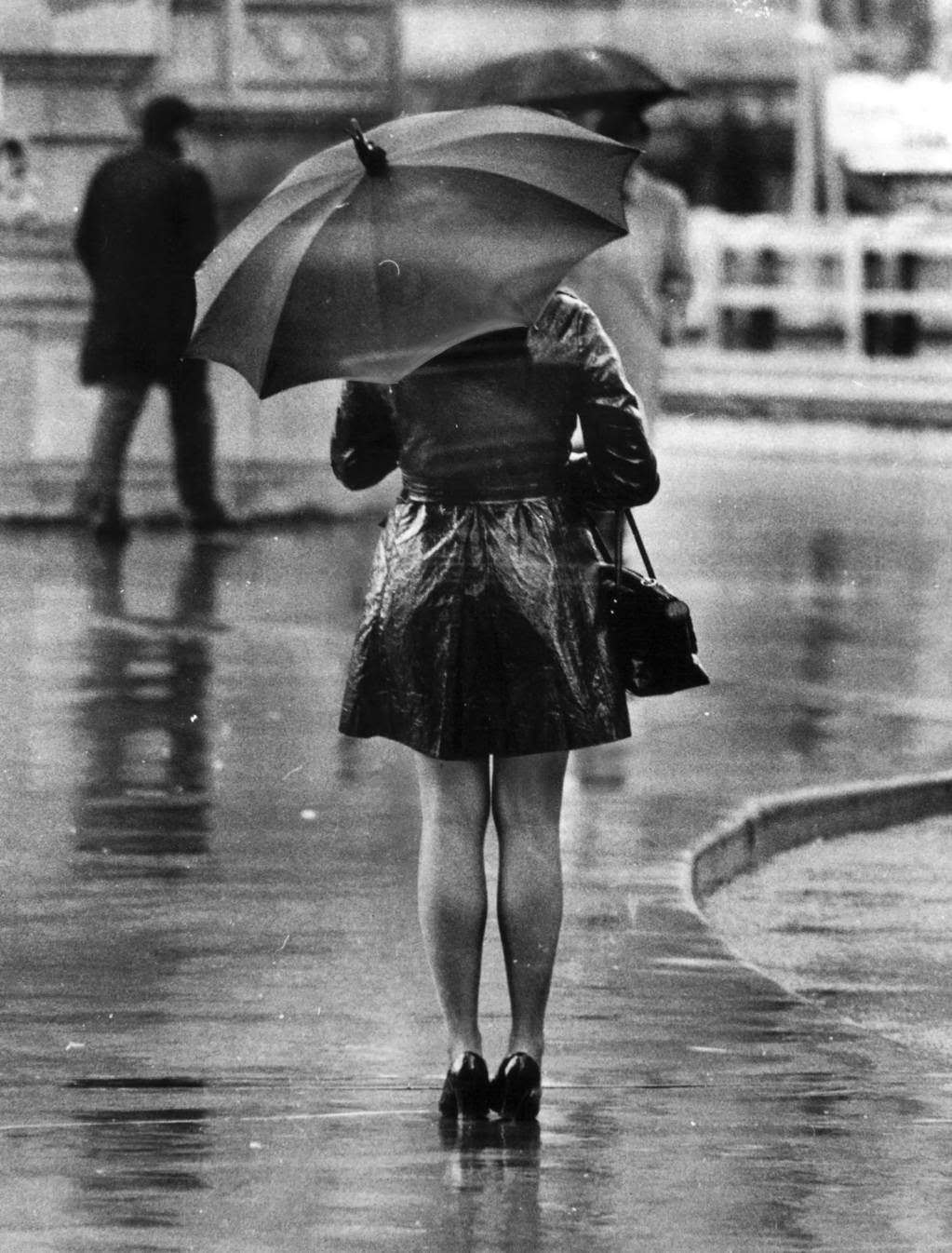

"A windswept rainy fall day in Chicago, but fashion prevails come wind or high water. Only the maxi-coat seems to offer protection from the elements, but the attention of girl-watchers makes the mini the choice of most young women." — Jack Mulcahy, Chicago Tribune, Nov. 3, 1969
“A windswept rainy fall day in Chicago, but fashion prevails come wind or high water. Only the maxi-coat seems to offer protection from the elements, but the attention of girl-watchers makes the mini the choice of most young women.” — Jack Mulcahy, Chicago Tribune, Nov. 3, 1969
Enjoyed this post? Get new ones in your inbox.

Leave a Comment

Your email address will not be published. Required fields are marked *

Share this Post 🥺

Please take a moment to share this content. Your support is greatly appreciated! 🙌🙏

Share this Post 🥺

Please take a moment to share this content. Your support is greatly appreciated! 🙌🙏
Scroll to Top
 
Hey Friend, Before You Go.. Please like & follow for more interesting content