Hey There! Before You Go. 😧
Get the best vintage content straight into your inbox!

Don't worry, we don't spam

The Man Who Owned Chicago: Life Story and Photos of Al Capone

Alphonse Gabriel Capone was born on January 17, 1899, in Brooklyn, New York, to Italian immigrant parents Gabriele and Teresina. He grew up in a crowded tenement with eight siblings. He showed early academic promise but dropped out in sixth grade after hitting a teacher. The streets replaced the classroom, and he quickly joined local gangs, including the Junior Forty Thieves and the Bowery Boys.
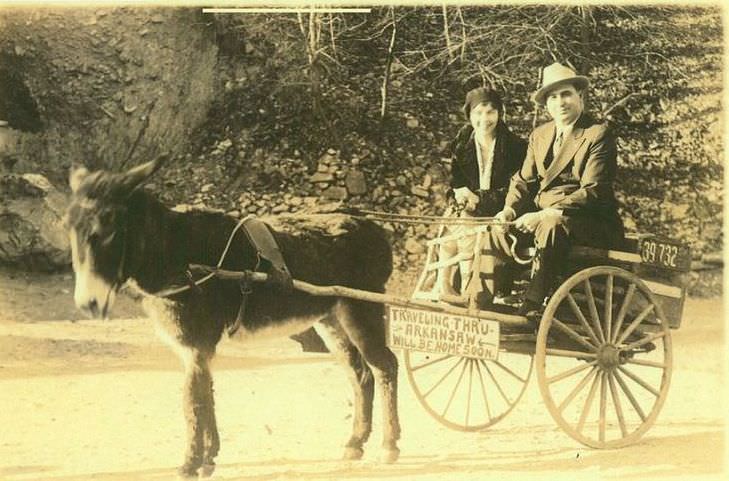
Al Capone and his wife, Mae.

His most important early connection was with the Five Points Gang, led by Frankie Yale. Capone worked at Yale’s Coney Island establishment, the Harvard Inn, as a bouncer and bartender. One night, he made an offensive remark to a woman, and her brother, Frank Galluccio, slashed his face with a knife. The attack left three permanent scars on Capone’s left cheek — the origin of his famous nickname, “Scarface.” He hated the name and often claimed the scars were war wounds.
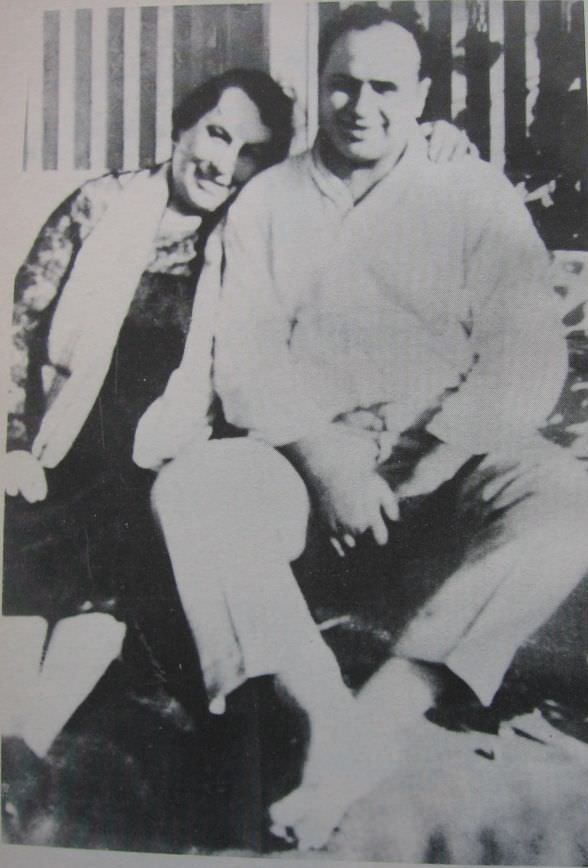
Al Capone with his mother, Teresa.

In New York, Capone came under the mentorship of Johnny Torrio, a powerful racketeer. When Torrio moved to Chicago to build a criminal empire, he called for Capone. In 1920, the same year Prohibition banned alcohol nationwide, Capone arrived in Chicago as Torrio’s key lieutenant.
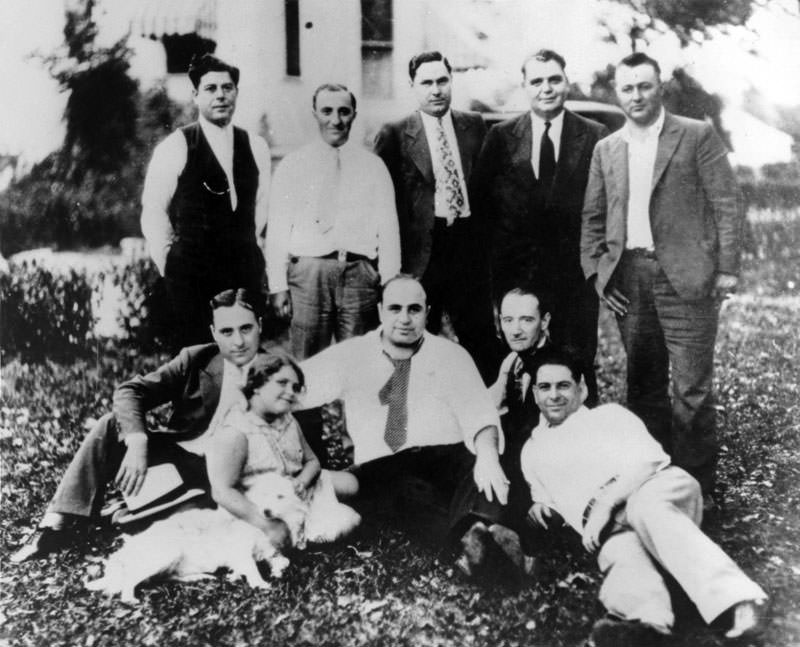
Al Capone with his family.

Prohibition created a massive black market, and Torrio intended to own it. Capone managed the bootlegging, gambling, and prostitution operations that fueled their profits. In 1925, after a near-fatal assassination attempt left Torrio shaken, he retired and handed full control of the Chicago Outfit to the 26-year-old Capone. At its peak, the empire generated an estimated $100 million a year from illegal breweries, speakeasies, distilleries, and gambling dens.
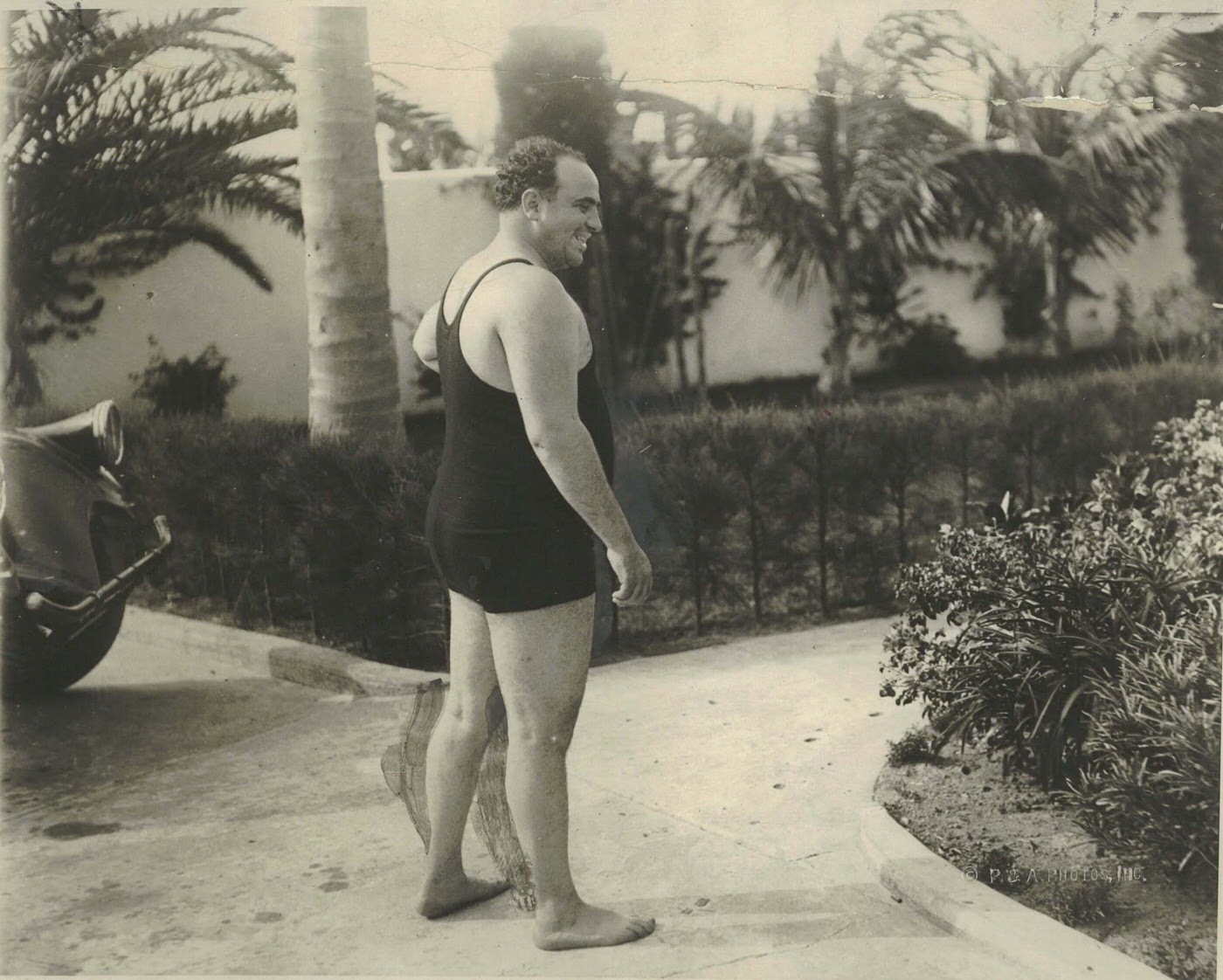
Al Capone in a bathing suit in Palm Island, Florida, 1929.

Capone ran his organization like a corporation. He used violence to eliminate rivals and bribery to neutralize the law. Police officers, judges, and city officials — including Mayor William Hale “Big Bill” Thompson — were on his payroll. Unlike most mob bosses, Capone lived loudly and publicly. He wore custom-tailored suits and diamond jewelry, attended sporting events and the opera, and set up his headquarters in a multi-room suite at the Lexington Hotel. He spoke openly with reporters, calling himself a businessman supplying what the public demanded.
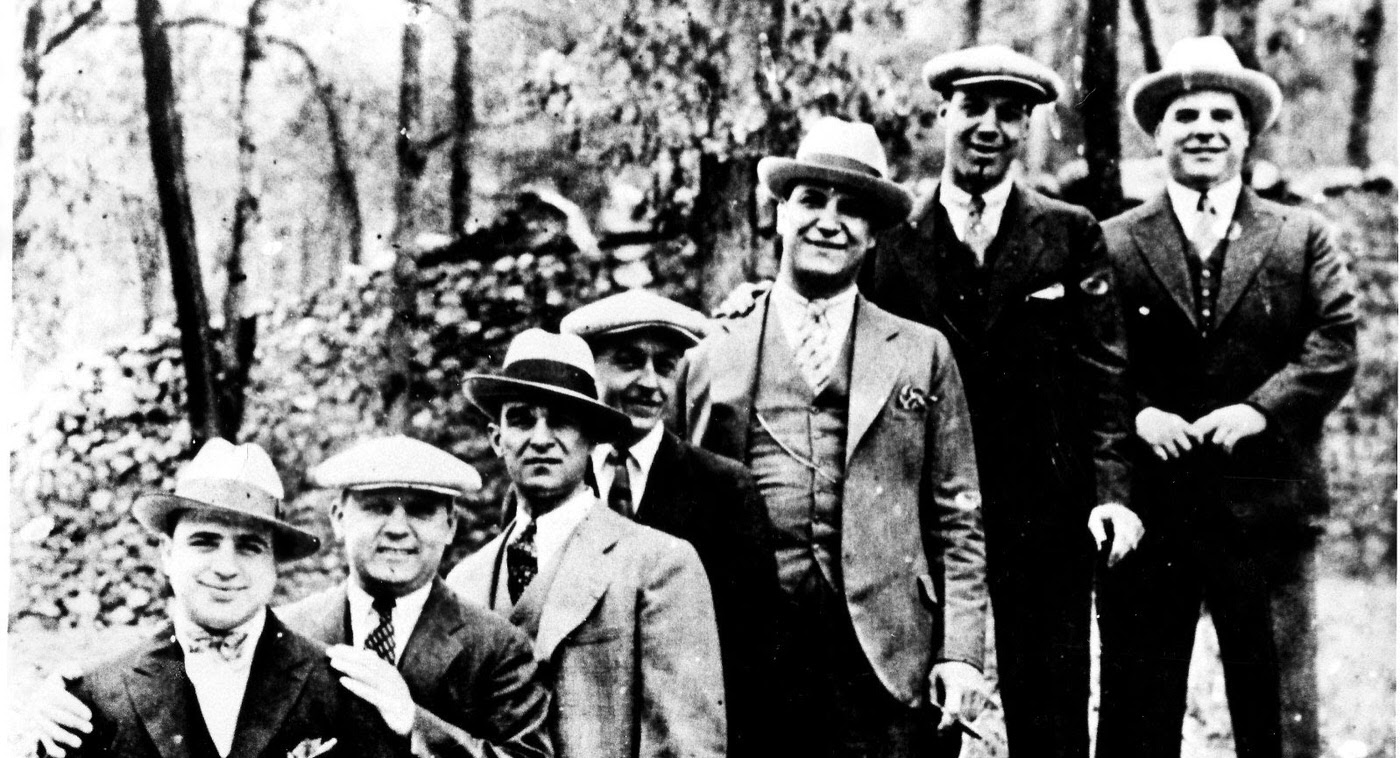
Al Capone, 1929.
Al Capone, 1929.

His most notorious act came on February 14, 1929. Seven members of the rival North Side Gang, led by George “Bugs” Moran, gathered in a garage on North Clark Street. Four assassins — two dressed as police officers — entered and lined the men against a wall. They fired more than 70 rounds from Thompson submachine guns and a shotgun, killing all seven. The St. Valentine’s Day Massacre shocked the nation and turned public opinion sharply against Capone.
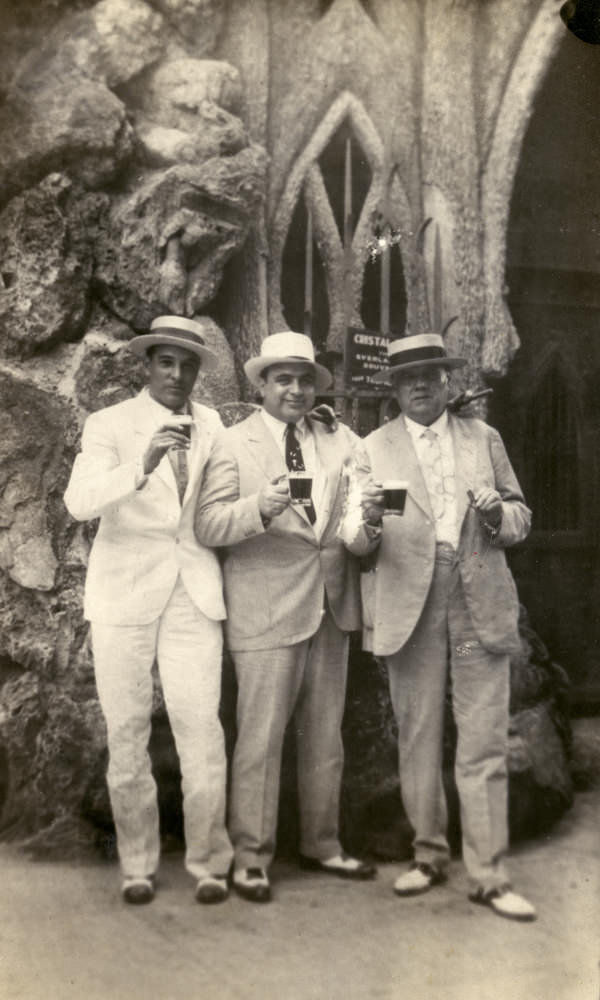
J. Fritz Gordon, Al Capone, and Julio Morales in Havana, Cuba, 1930.

Capone was in Florida at the time of the massacre and was never charged. But the federal government was now under intense pressure to act. While Eliot Ness and his “Untouchables” raided his breweries, it was U.S. Treasury Special Agent Frank J. Wilson who built the real case. Wilson discovered that Capone had never filed an income tax return despite living in extreme luxury for years.
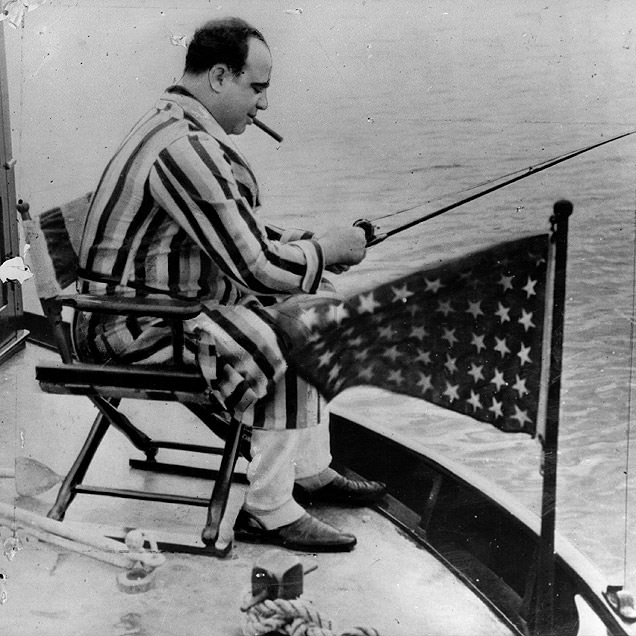
Al Capone fishing in Florida, 1930.

In 1931, Capone was indicted on 22 counts of federal income tax evasion. His lawyers negotiated a plea deal for a short sentence, but Judge James H. Wilkerson refused to honor it. When Capone’s team attempted jury tampering, Wilkerson swapped the entire jury pool at the last minute with one from another trial.
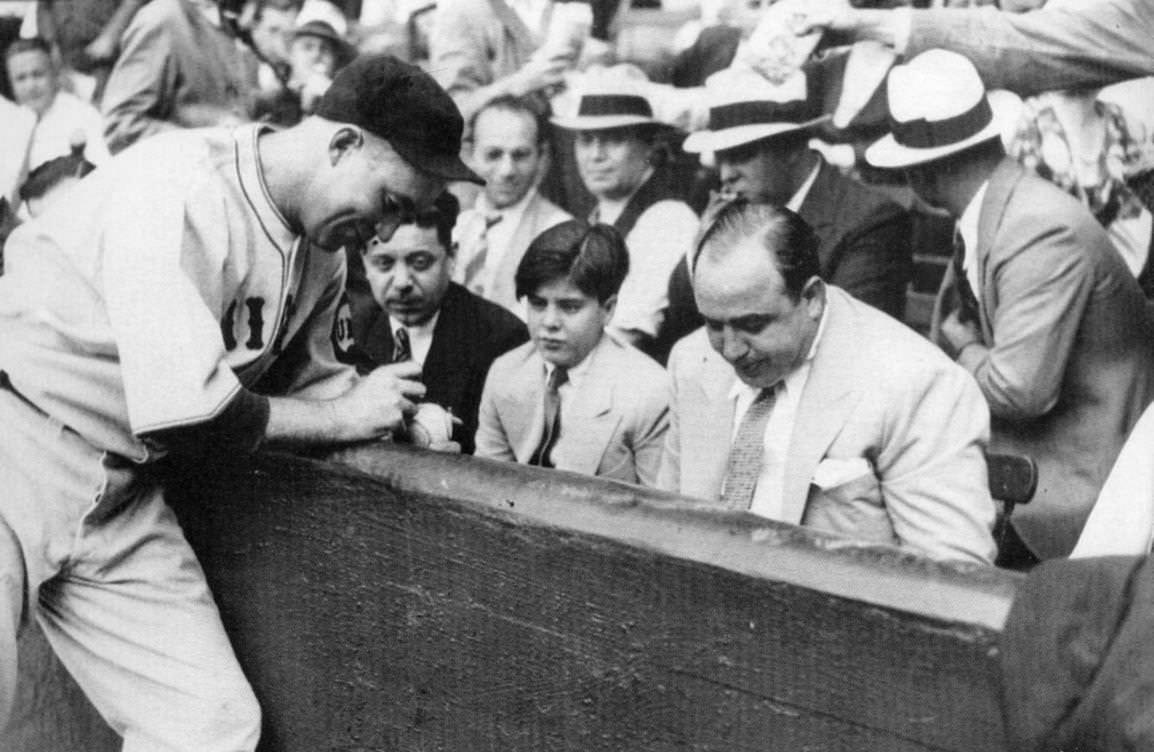
Al Capone and his son Albert Capone with a baseball signed by Chicago Cubs player Gabby Hartnett, 1931.

On October 17, 1931, Capone was found guilty on five counts of tax evasion. He received 11 years in federal prison, a $50,000 fine, and was ordered to pay court costs — the harshest sentence ever handed down for tax evasion at that time.
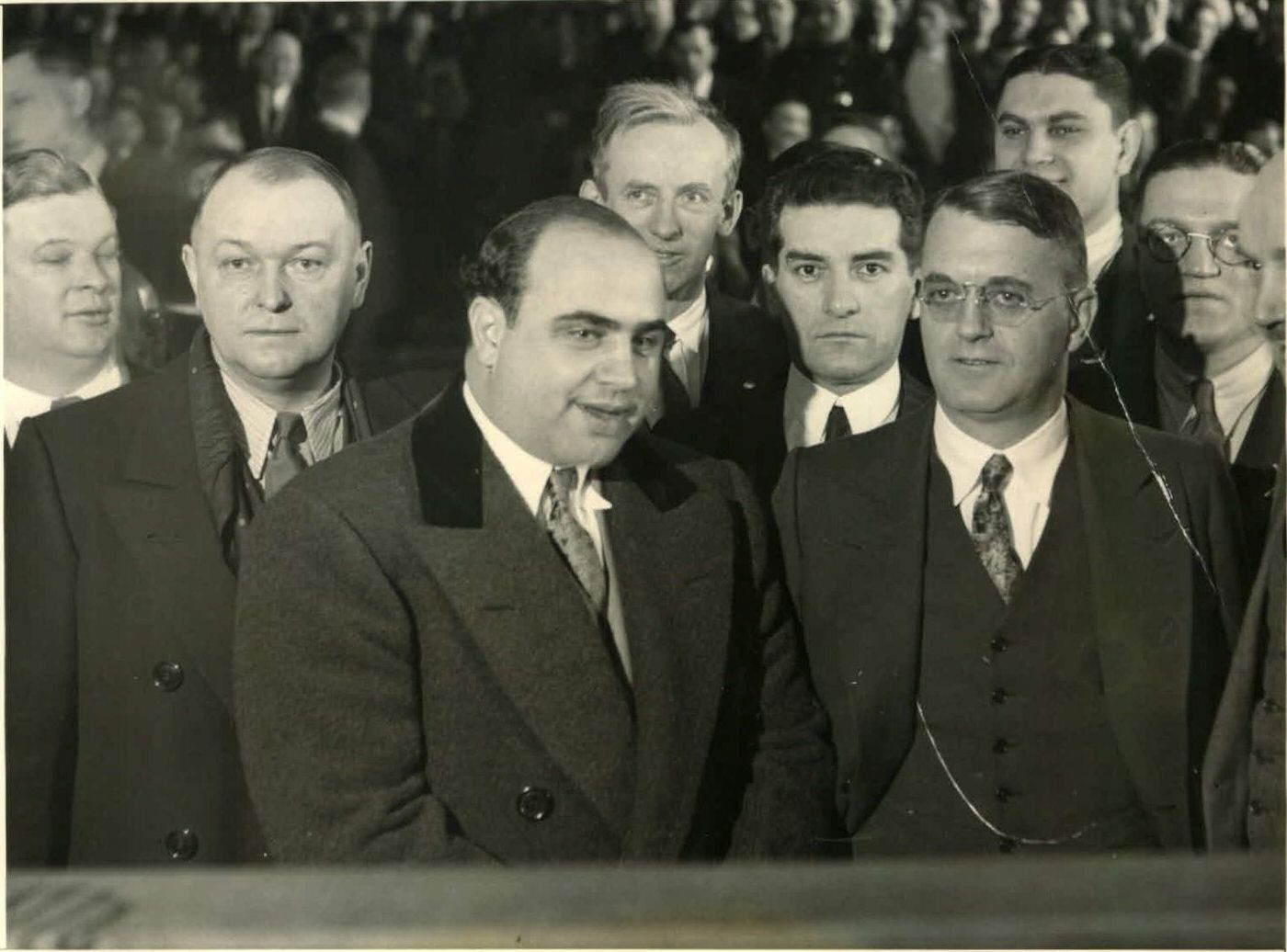
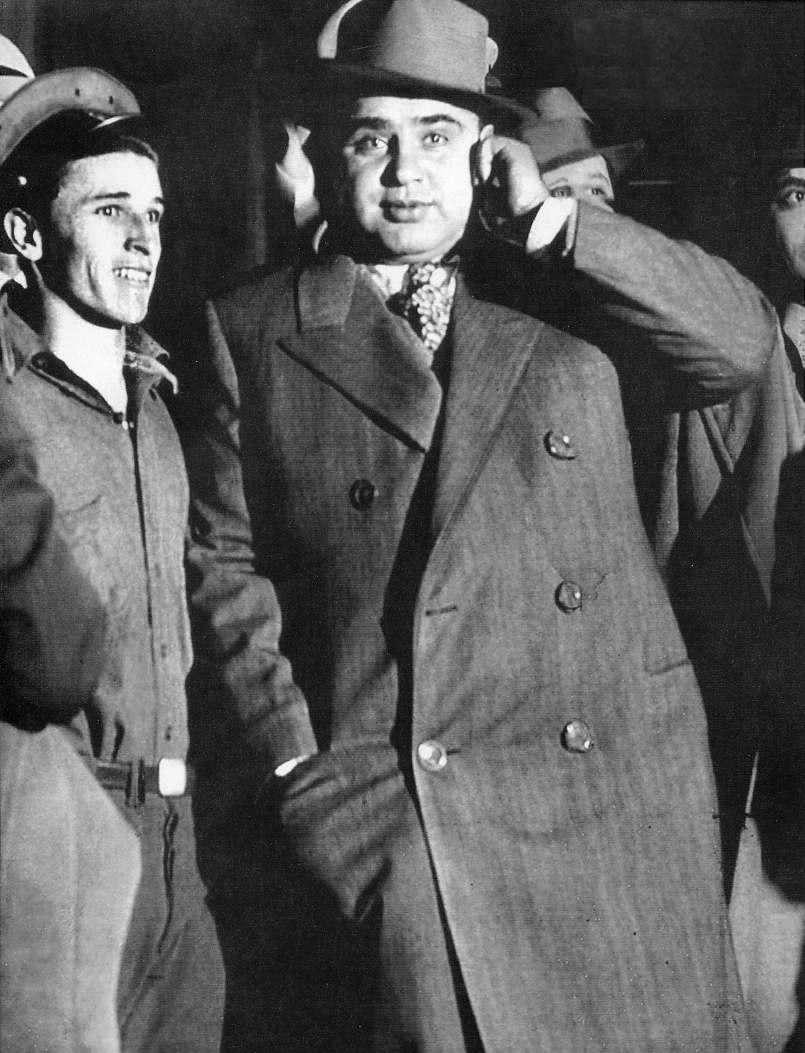
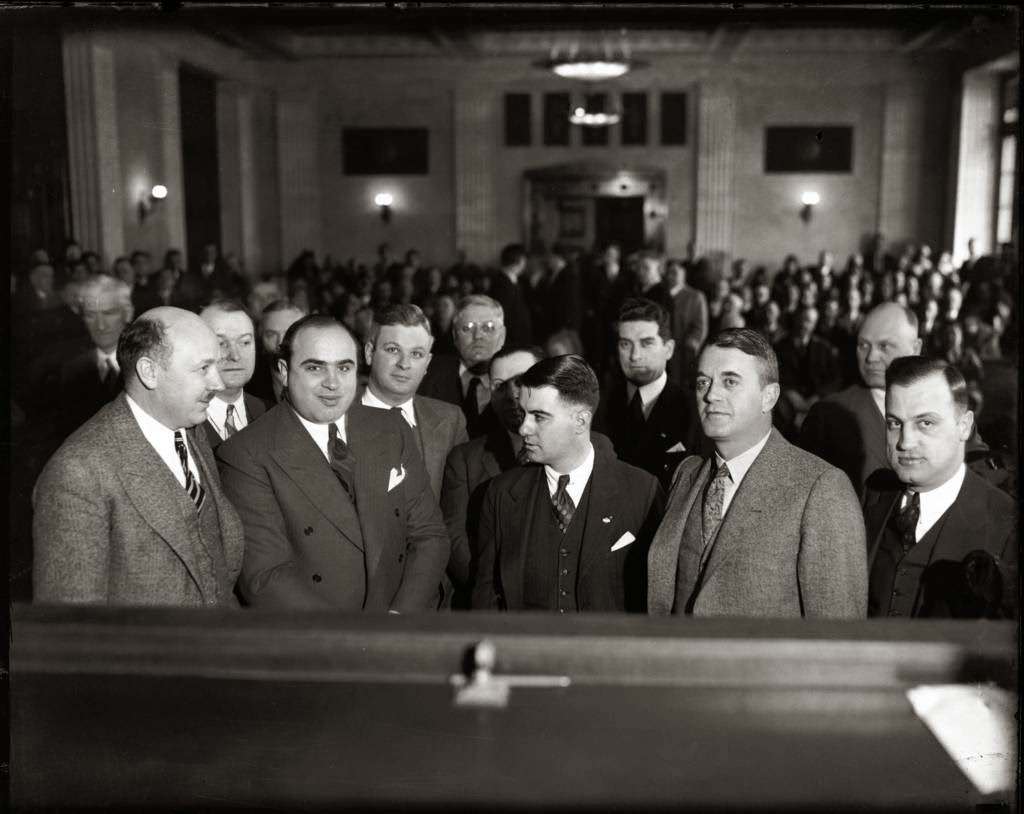
Al Capone on trial for income tax evasion and violating the Volstead Act, 1931.
Al Capone leaving the federal court, October 1931.
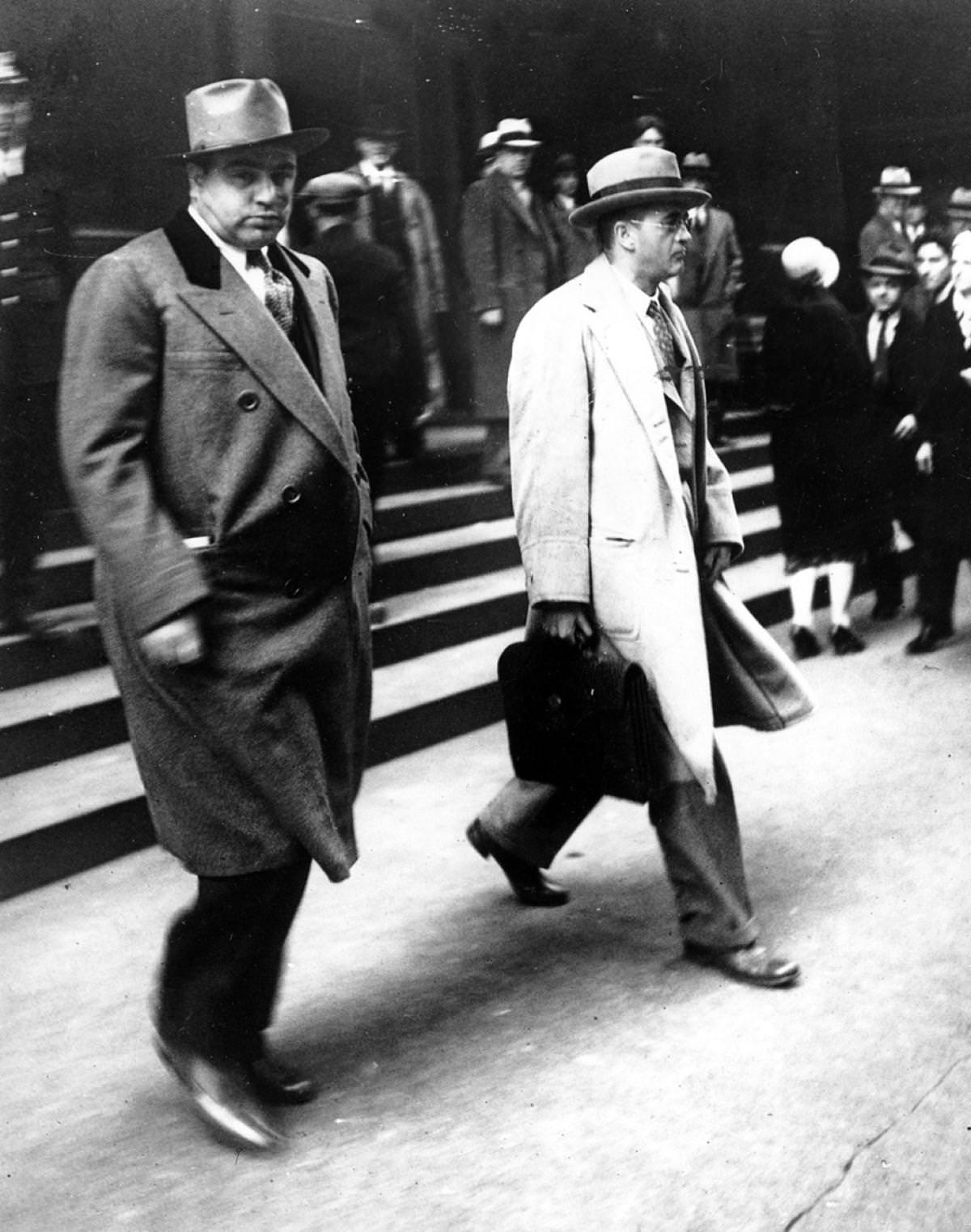
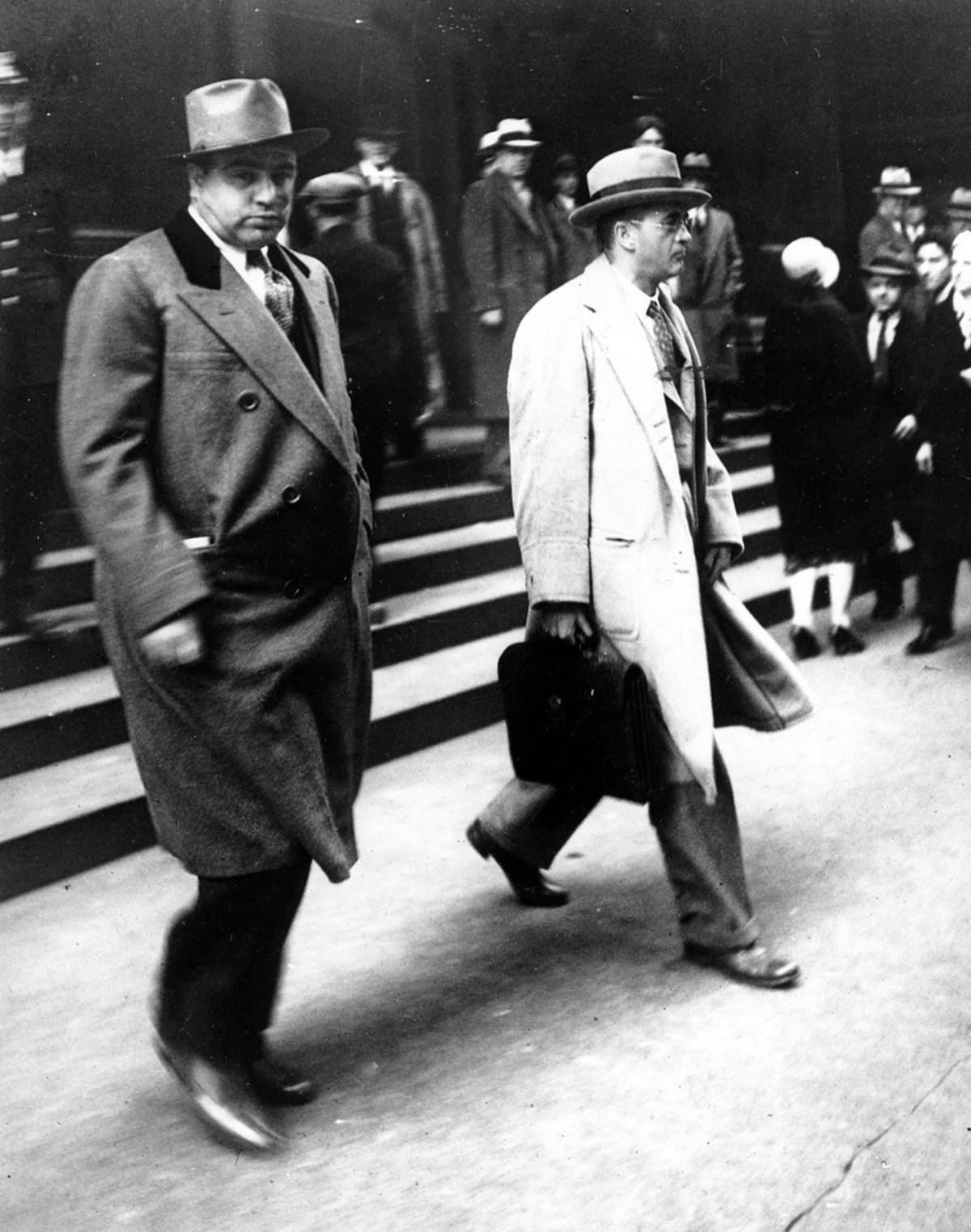
Al Capone leaving Federal Court in Chicago with his attorney Michael Ahern, October 11, 1931.

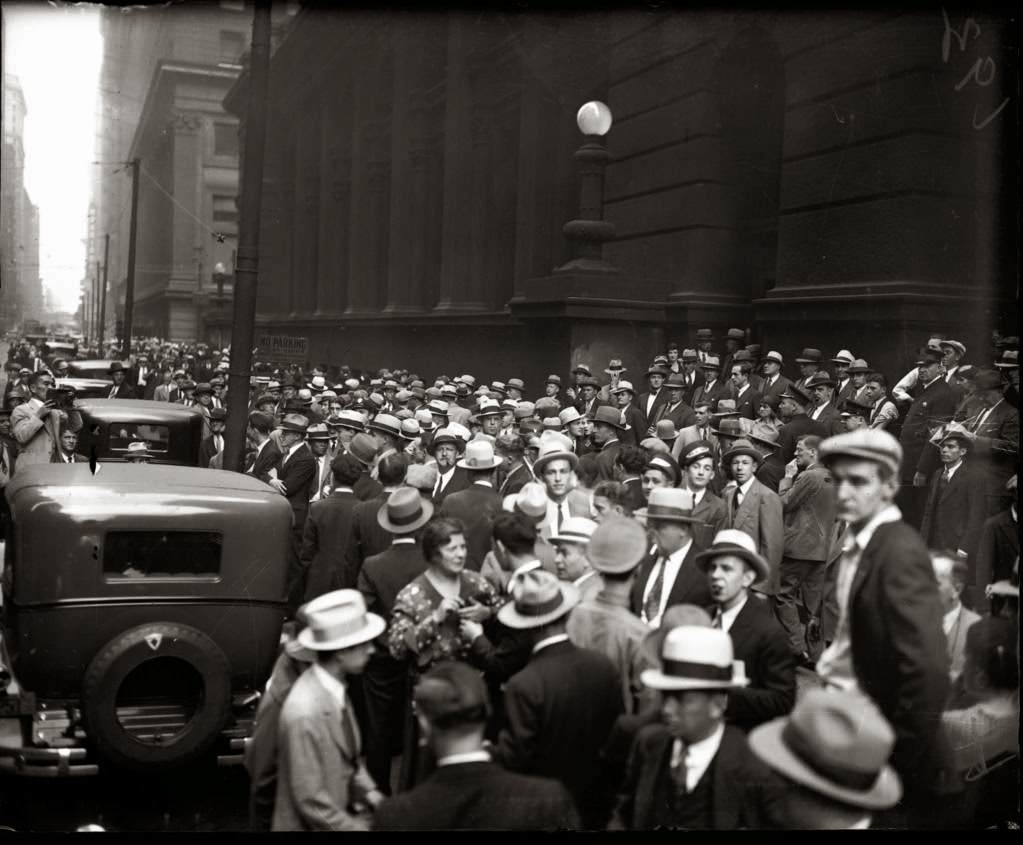
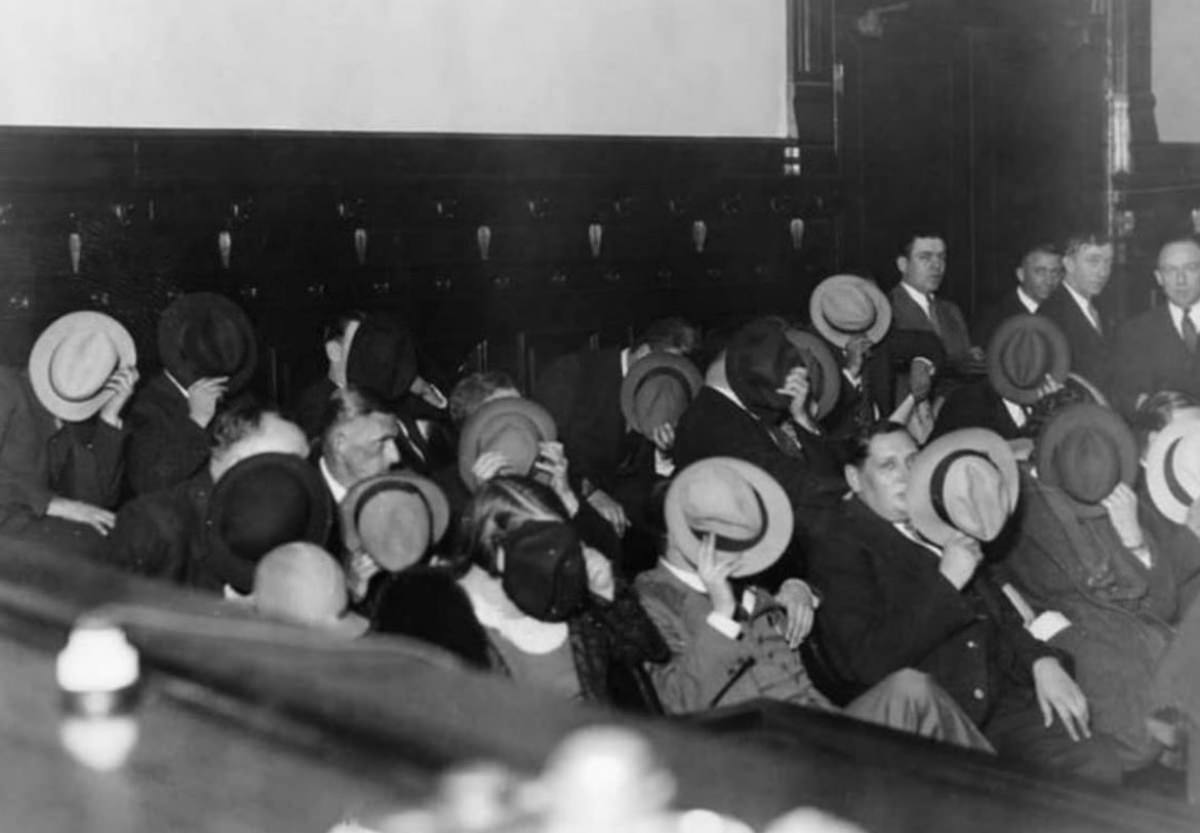
Crowds gathered outside Chicago’s federal courthouse throughout the trial, eager for a glimpse of the city’s most infamous figure. Inside the courtroom, Capone sat flanked by his legal team as the case against him unfolded — built entirely on financial records, not on any violent crime.
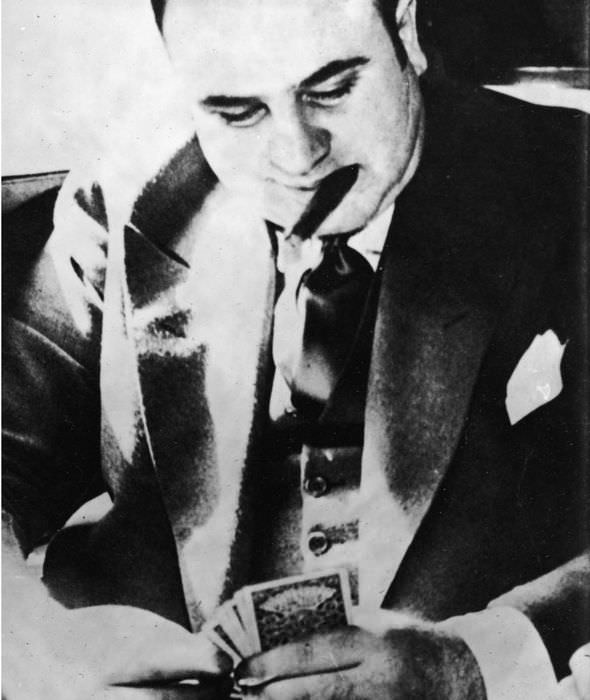
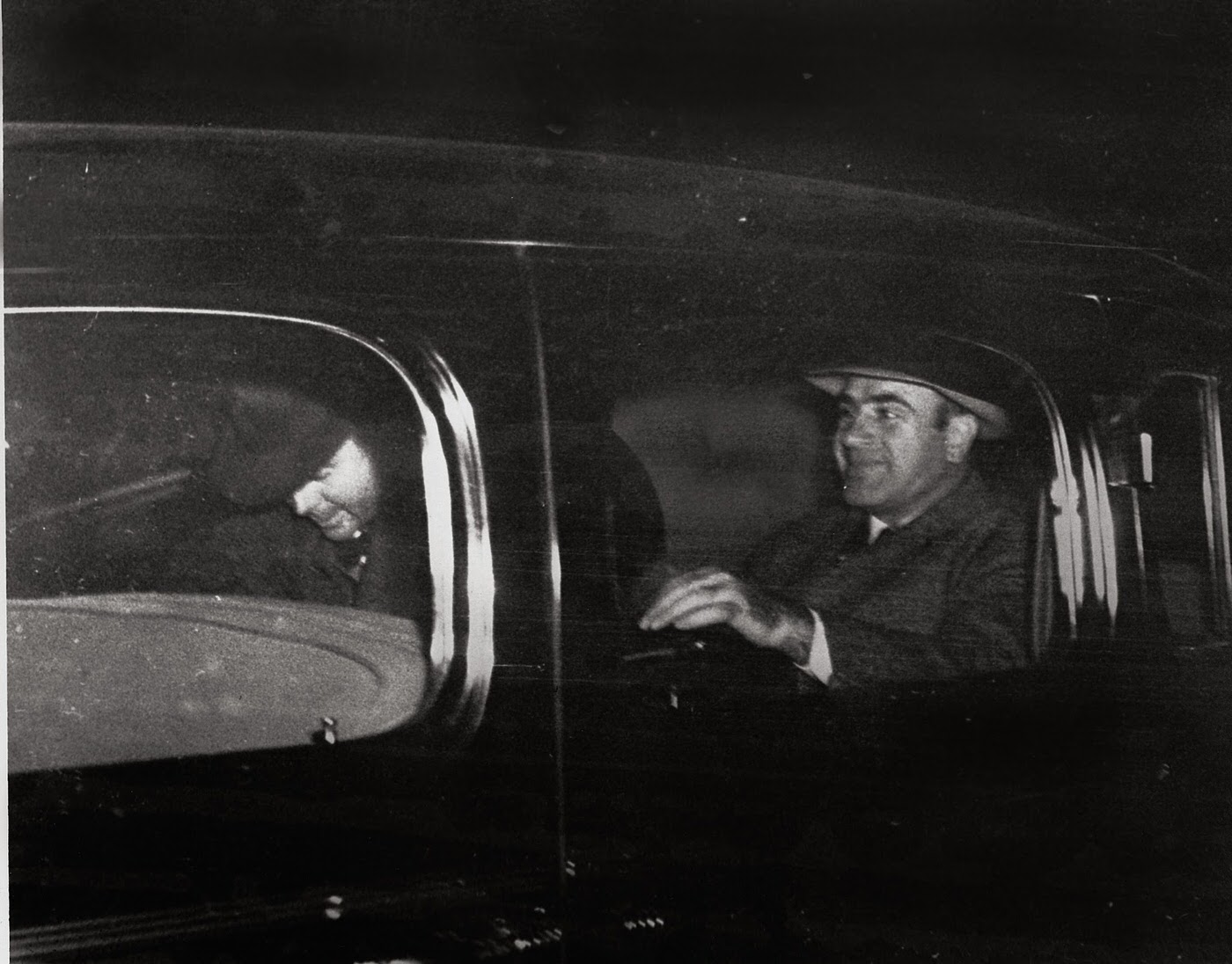
Capone plays cards during his transport to prison for tax evasion.
Al Capone leaving Harrisburg, Pa. with a federal officer for Lewisburg, Pa., after spending seven years in prison, November 16, 1939.
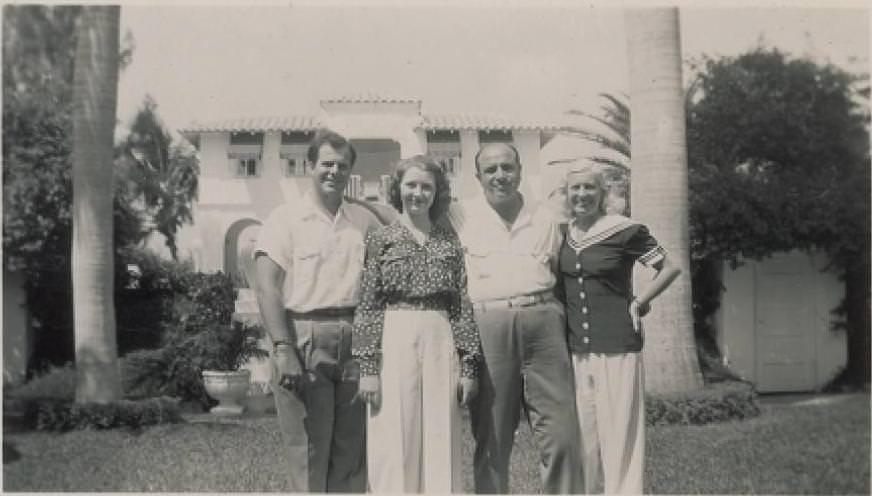
Al Capone with his family in Florida after his release from prison.

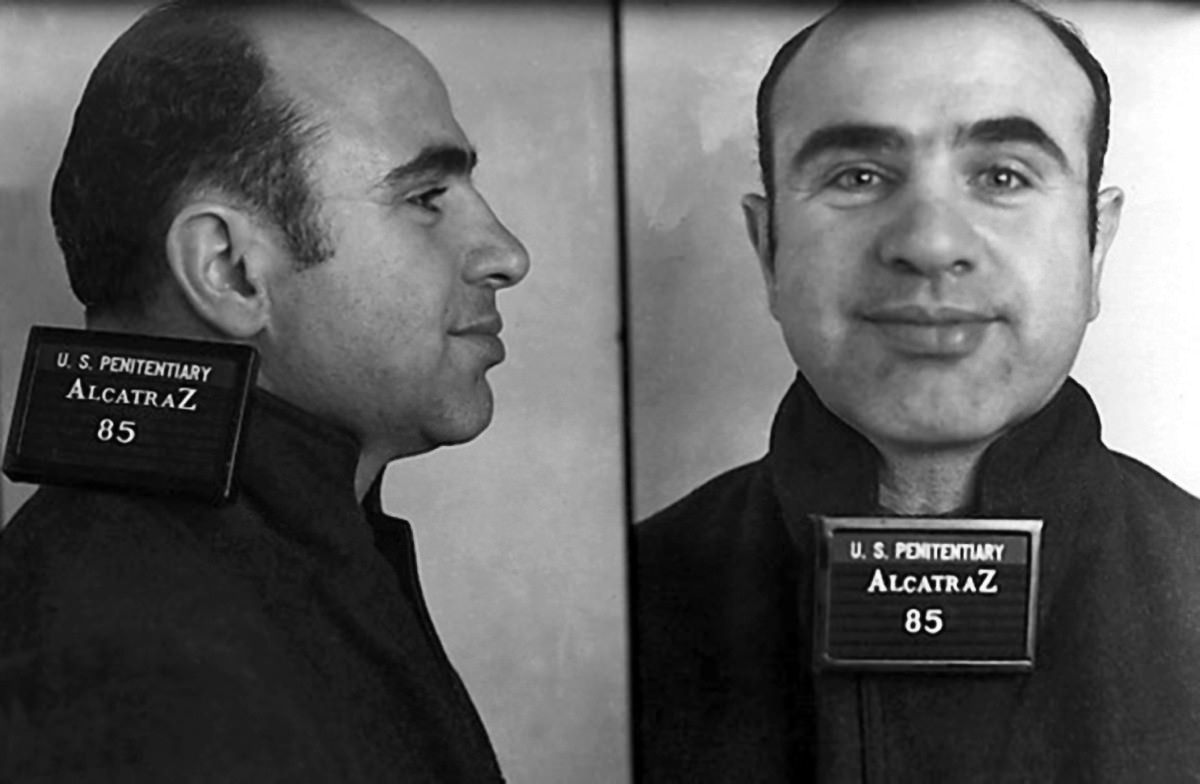
Capone began his sentence in 1932 at the U.S. Penitentiary in Atlanta. In 1934, he was transferred to the newly opened Alcatraz Island prison in San Francisco Bay, where he was registered simply as prisoner AZ-85. He had contracted syphilis as a young man and left it untreated. At Alcatraz, it progressed into neurosyphilis, severely damaging his mental functions. Released in 1939 due to his deteriorating health, he spent his final years at his Palm Island mansion in Florida. He died on January 25, 1947, of a stroke and pneumonia at age 48.
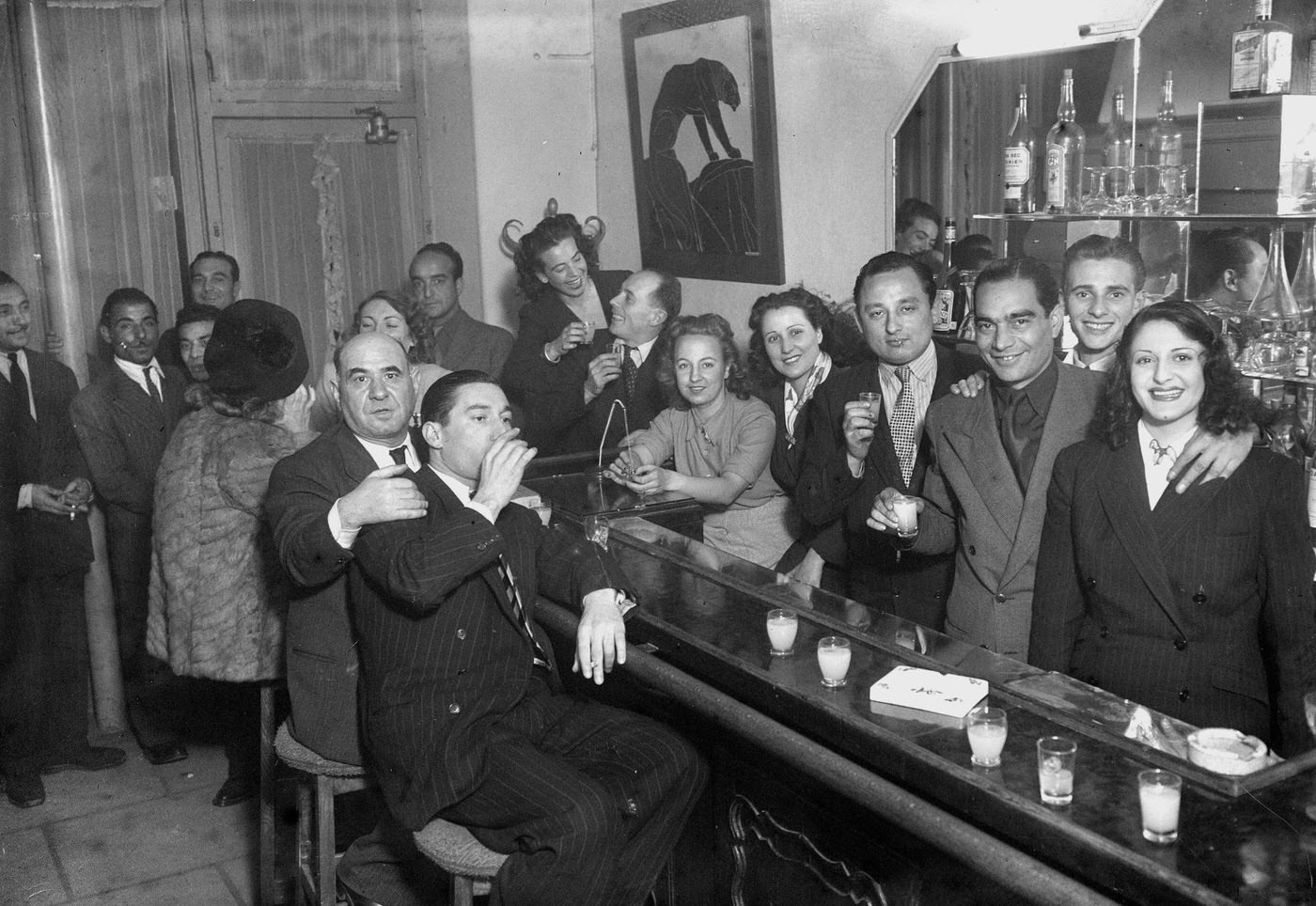
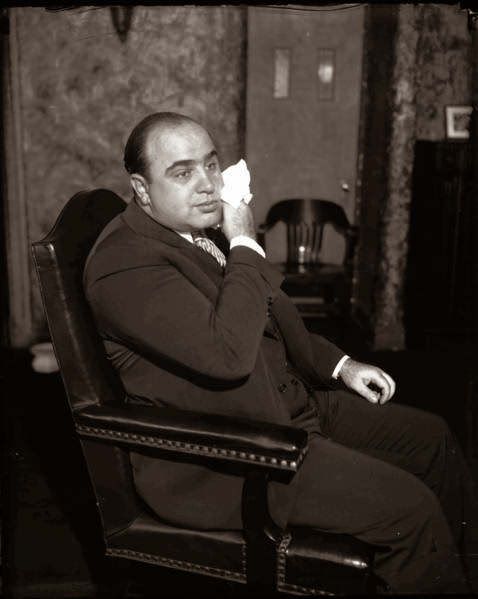
Al Capone with a gang at a bar, 1945.
Al Capone in court, October 1931.
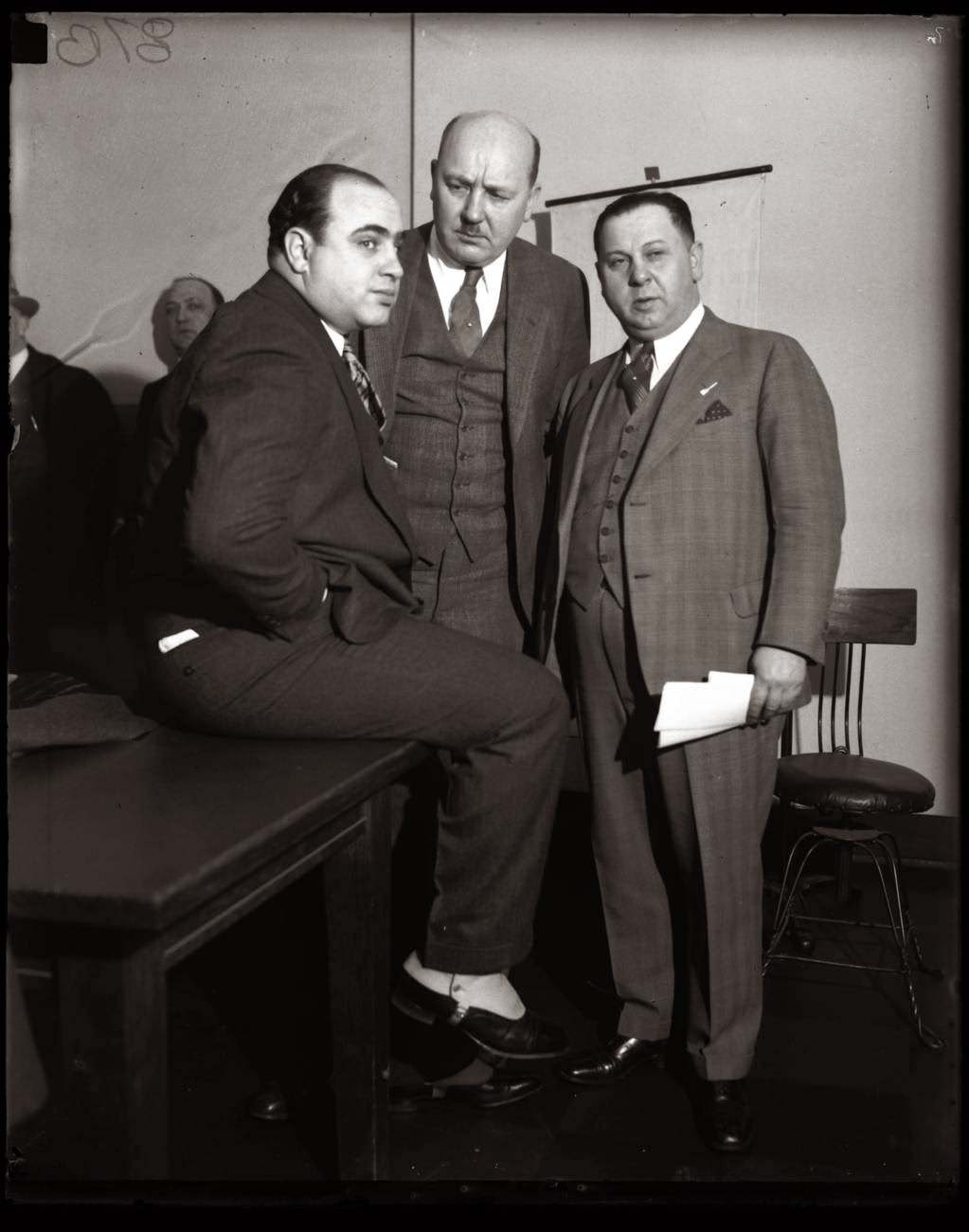
Al Capone, Asst. State Attorney Frank Mast, and Bailiff Joe Weinberg in a Chicago Federal Building courtroom, April 4, 1931.
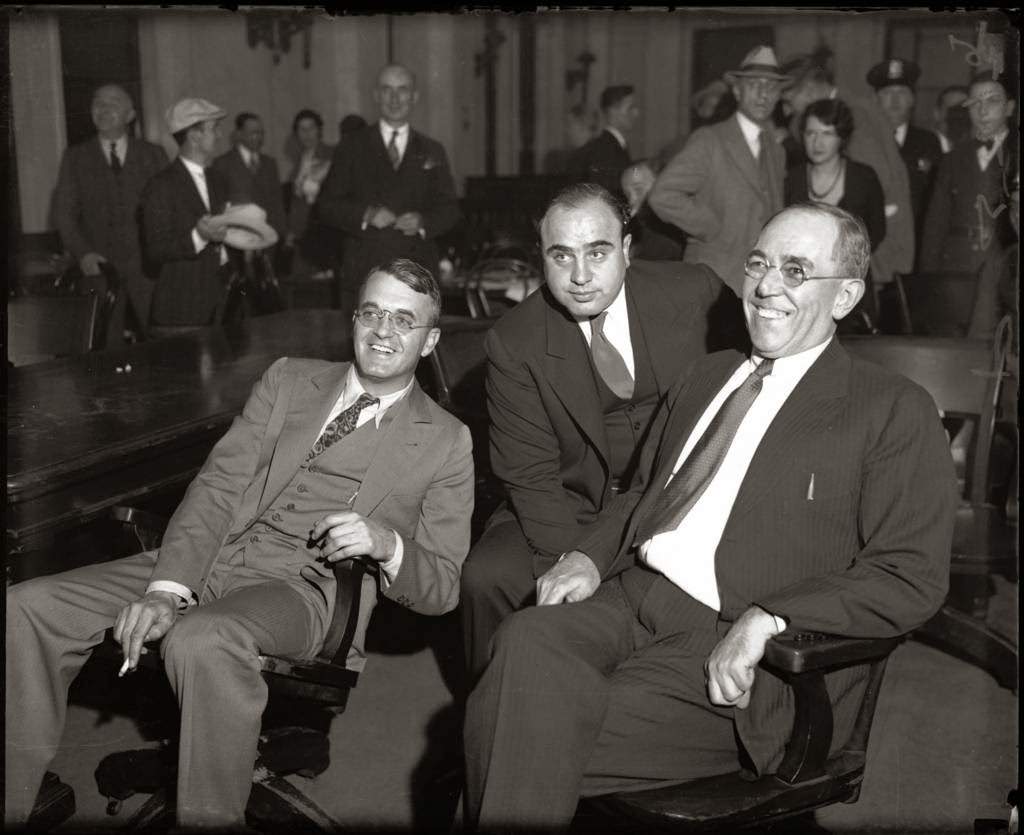
Al Capone in federal court in Chicago during his 1931 tax-evasion trial, with lawyers Michael Ahern and Albert Fink.
Al Capone trial jury members going to lunch, 1931.
Crowd waiting on Clark Street to see Al Capone during his trial, October 16, 1931.
Al Capone in the criminal courthouse, Chicago, February 25, 1931.
Al Capone and attorney Michael Ahern arriving at the federal building, October 13, 1931.
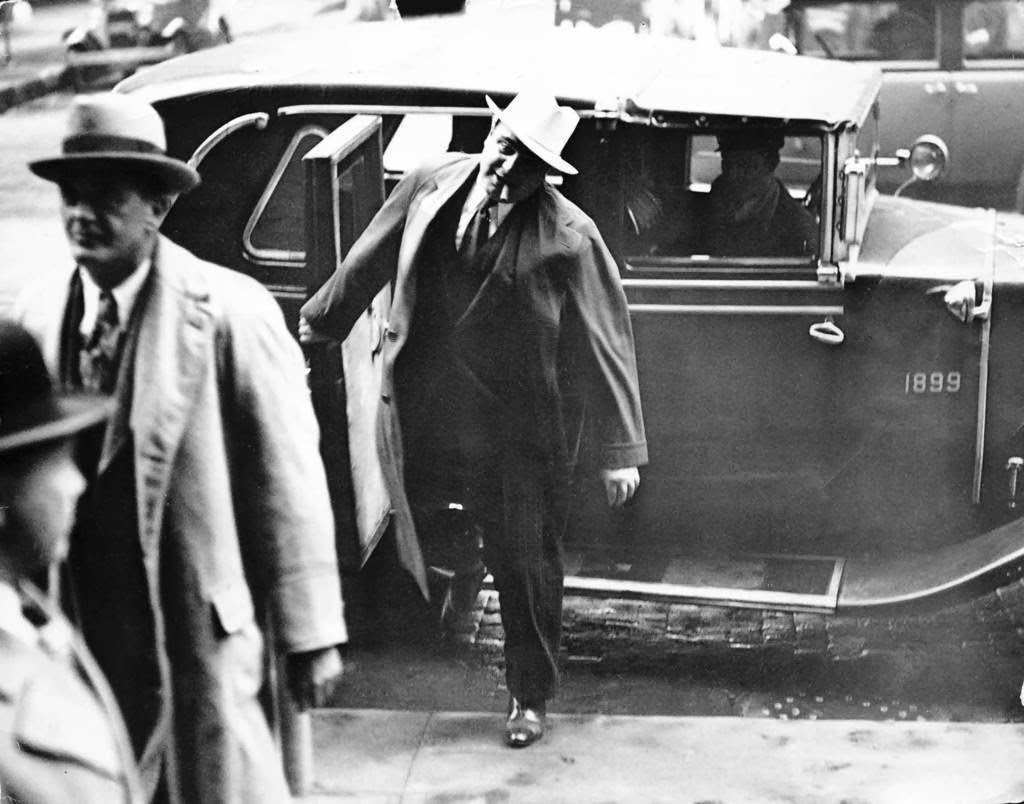
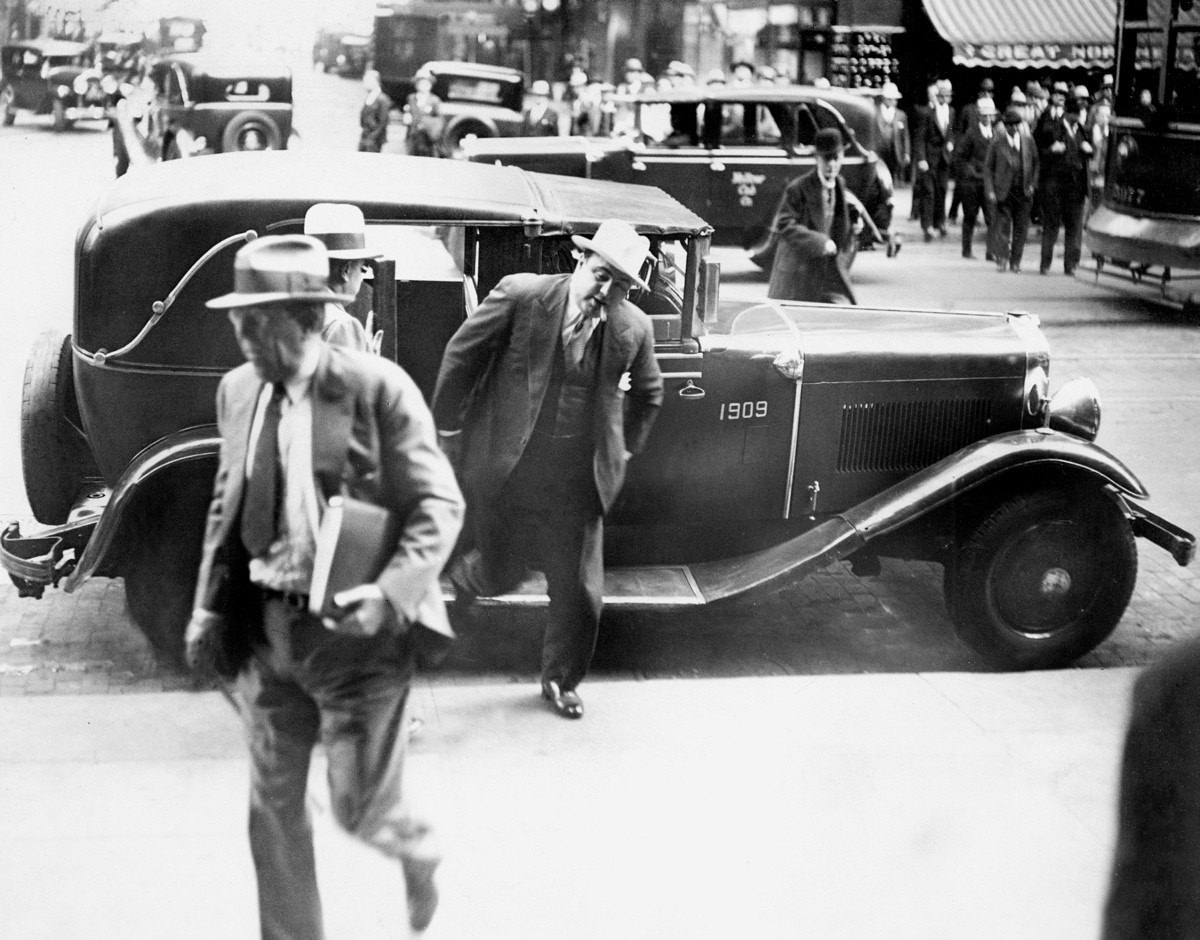
Al Capone leaving a taxi outside the Chicago Federal Courthouse to attend his trial, October 8, 1931.
Al Capone leaving Federal Court in Chicago with his attorney Michael Ahern, October 11, 1931.
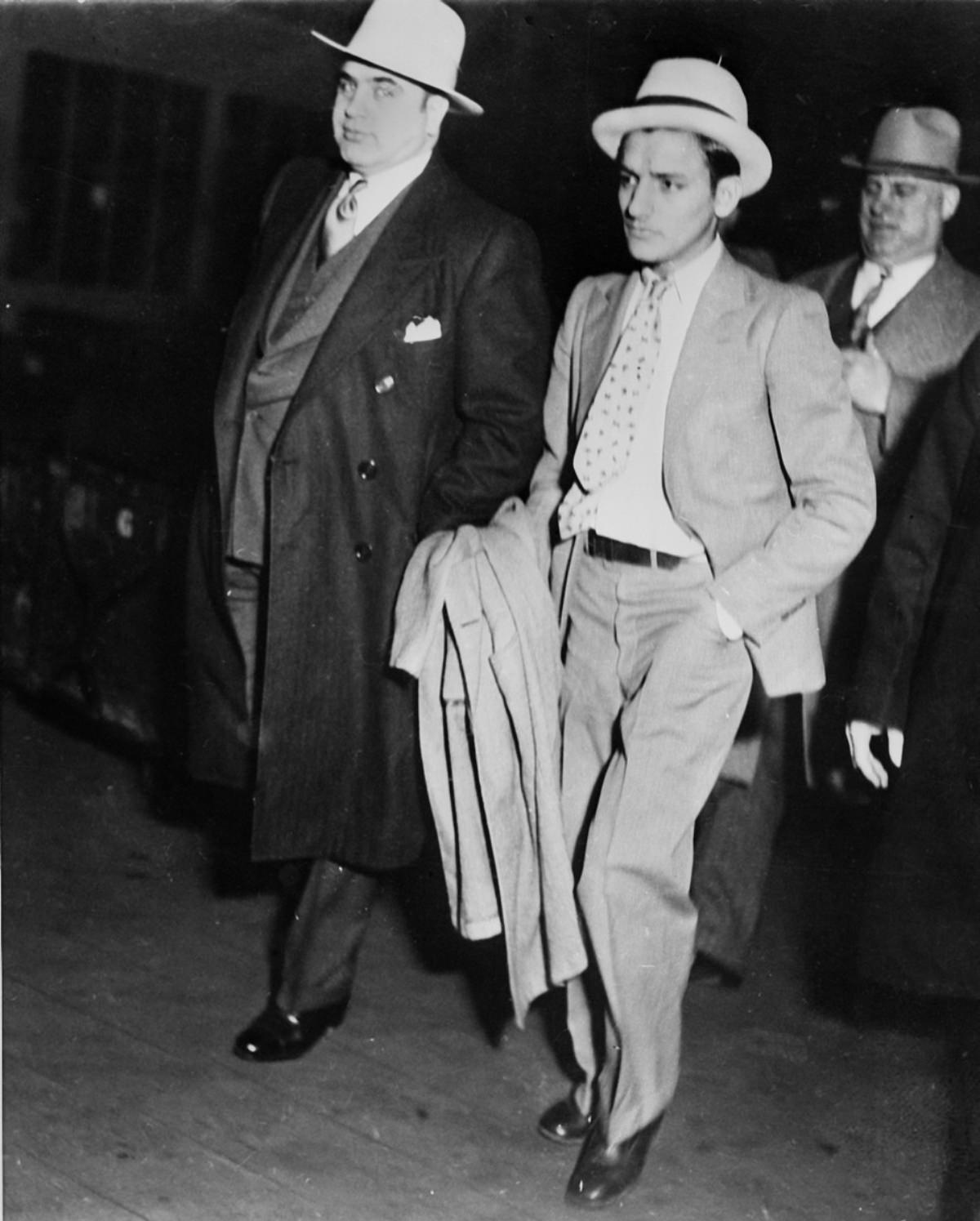
Capone handcuffed to a convicted automobile thief being marched through a train station in Chicago to board a special car to Atlanta Penitentiary, May 3, 1932.
Capone was transferred to maximum-security Alcatraz in San Francisco after serving time in U.S. Penitentiary in Atlanta.
The Man Who Owned Chicago: Life Story and Photos of Al Capone
Enjoyed this post? Get new ones in your inbox.

Leave a Comment

Your email address will not be published. Required fields are marked *

Share this Post 🥺

Please take a moment to share this content. Your support is greatly appreciated! 🙌🙏

Share this Post 🥺

Please take a moment to share this content. Your support is greatly appreciated! 🙌🙏
Scroll to Top
 
Hey Friend, Before You Go.. Please like & follow for more interesting content