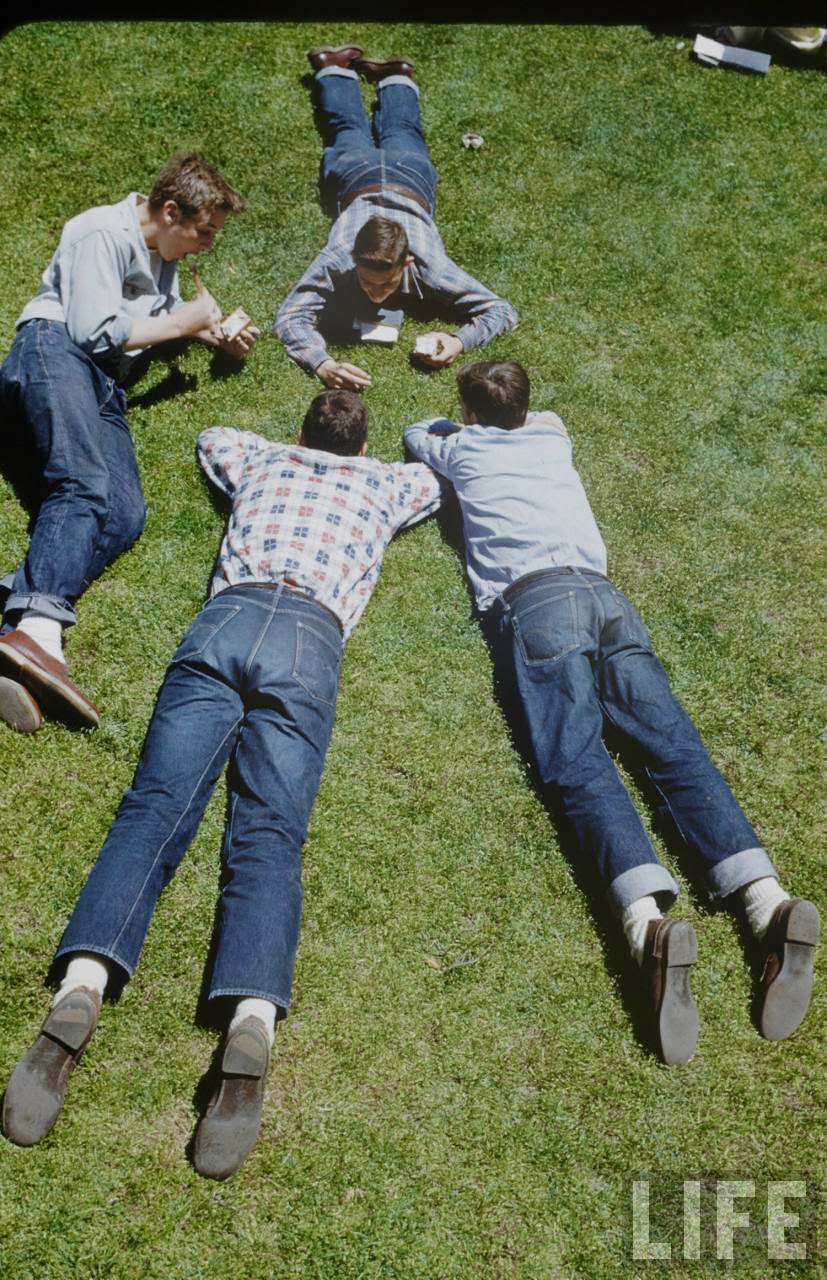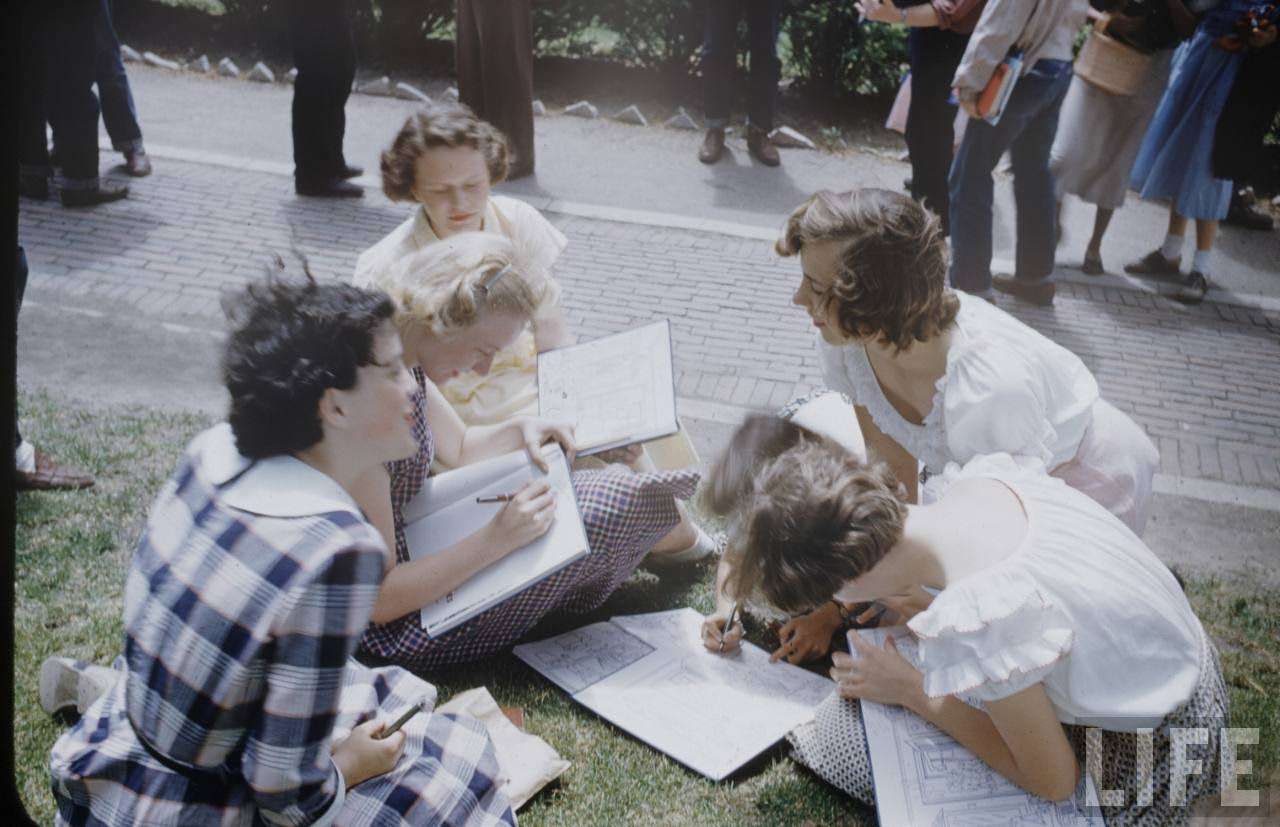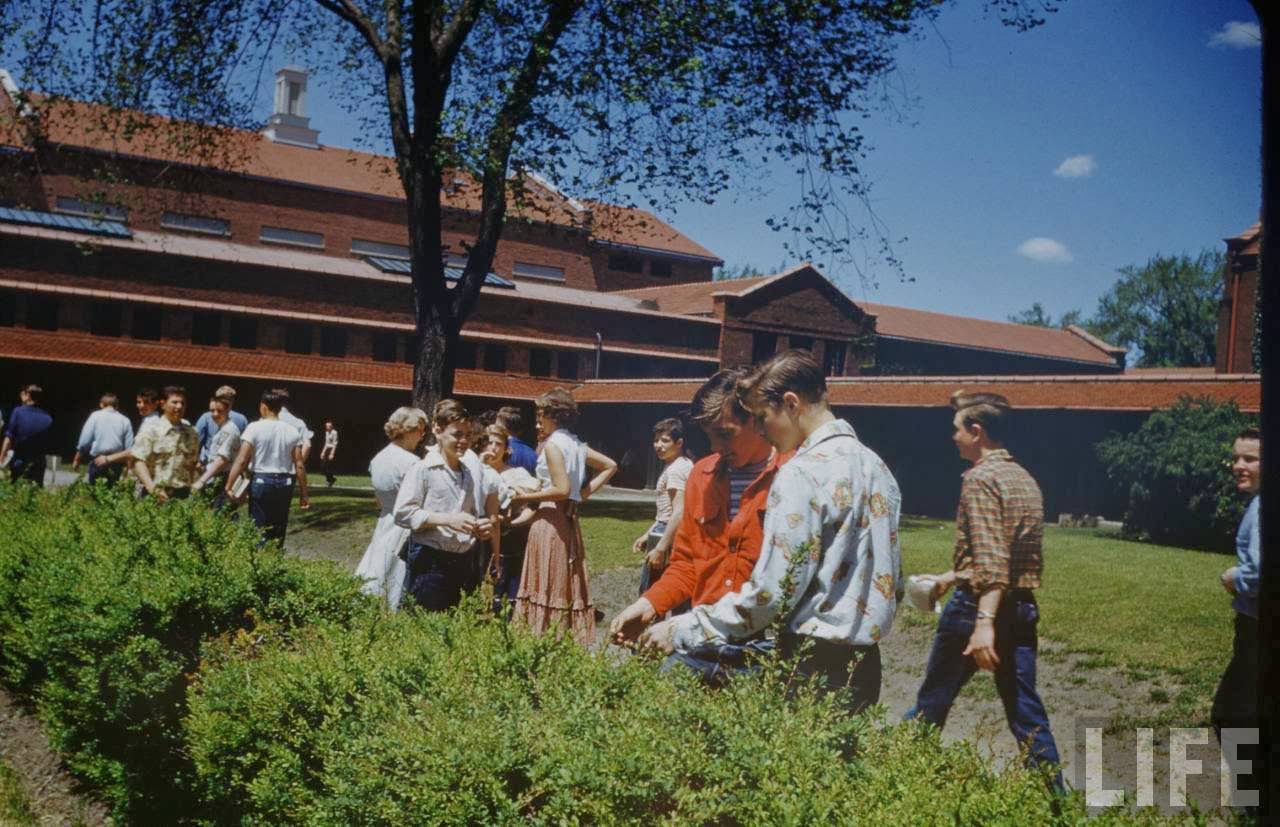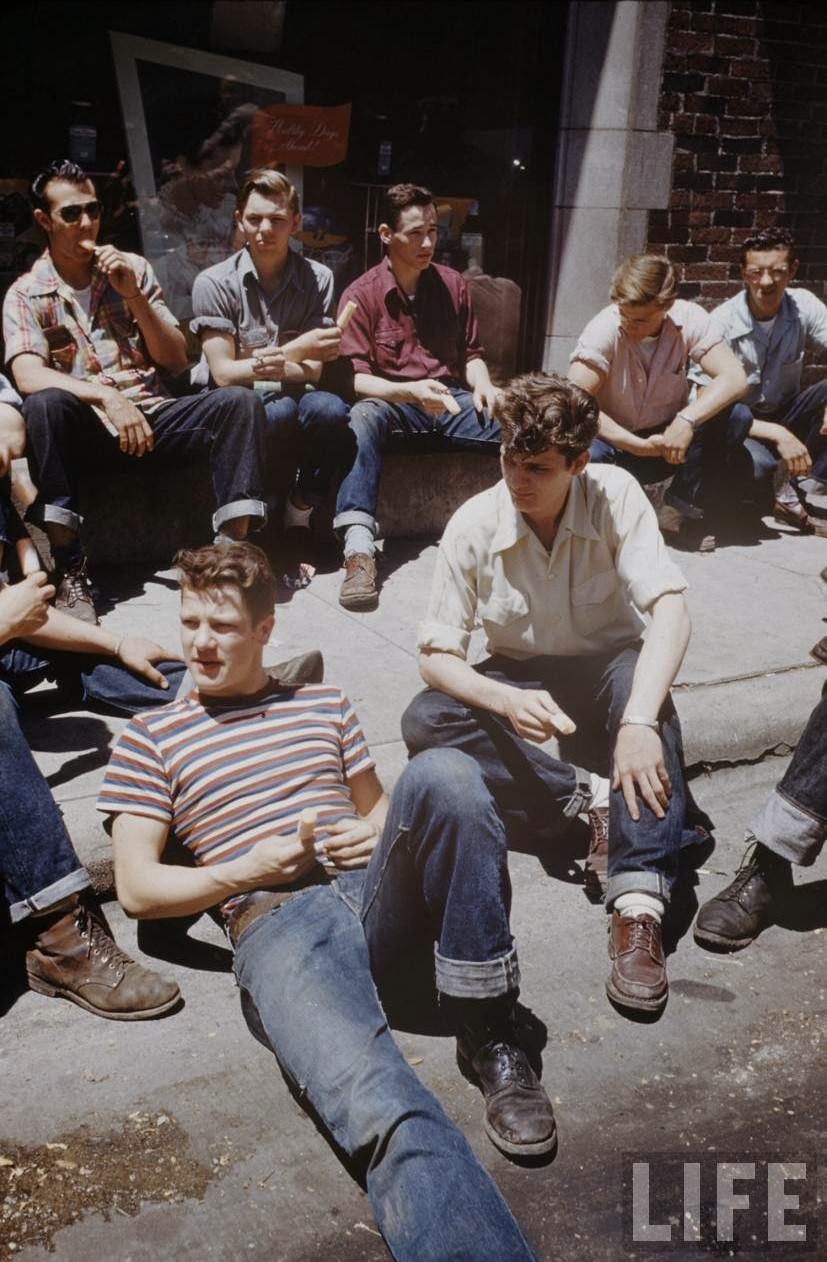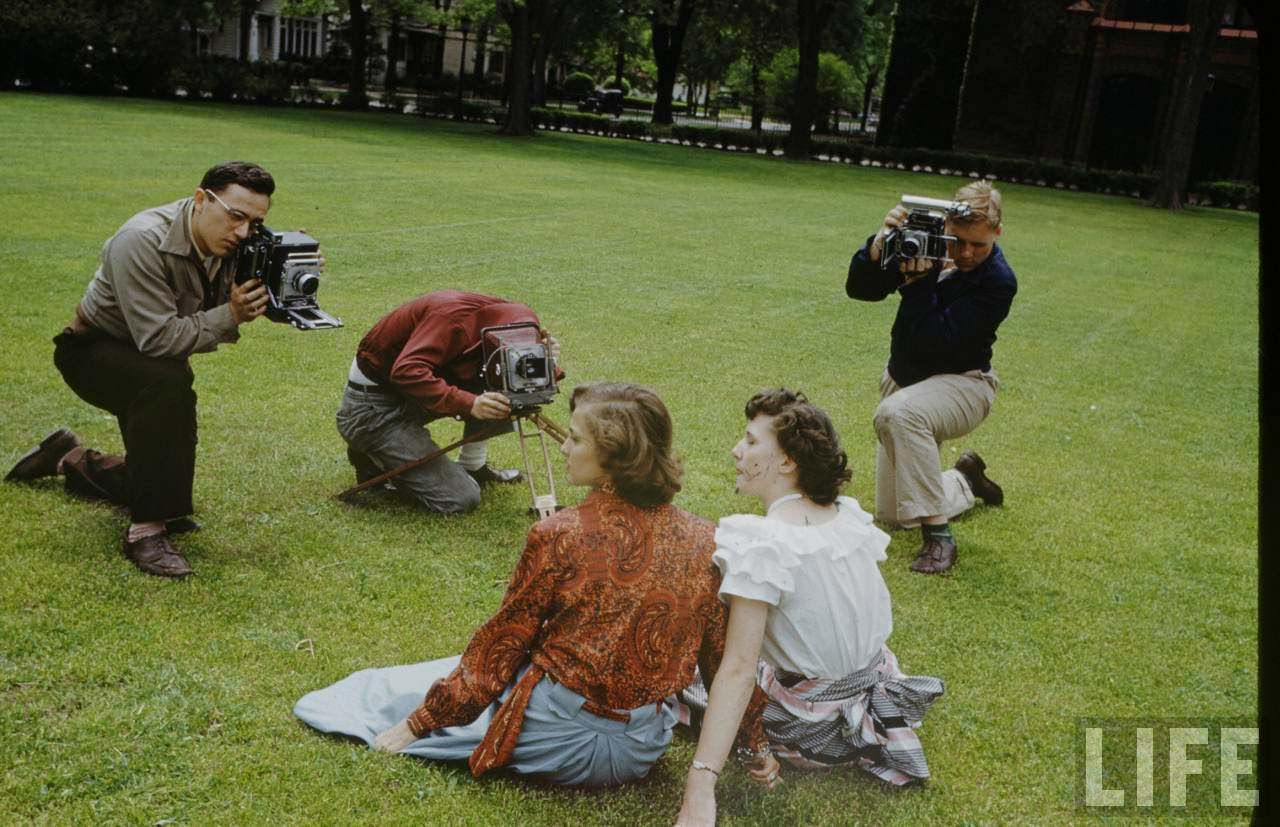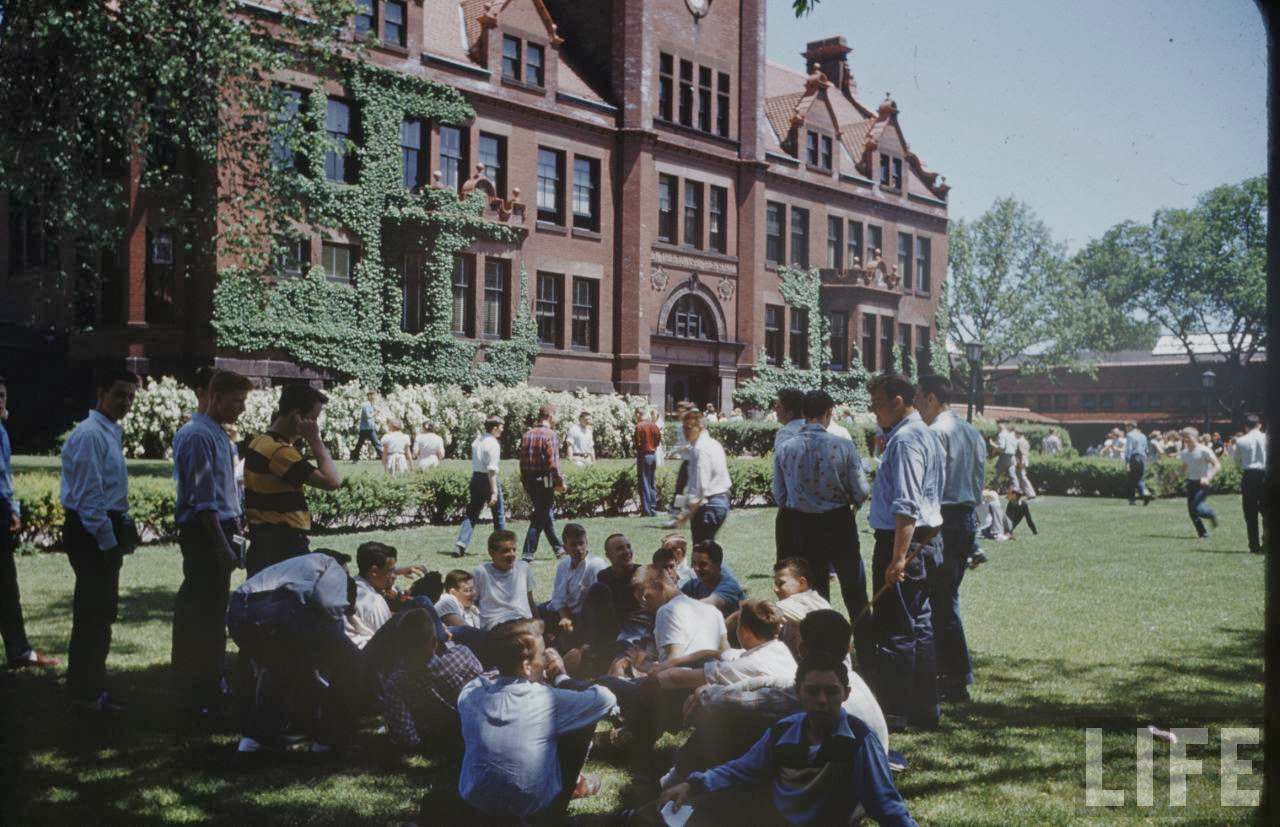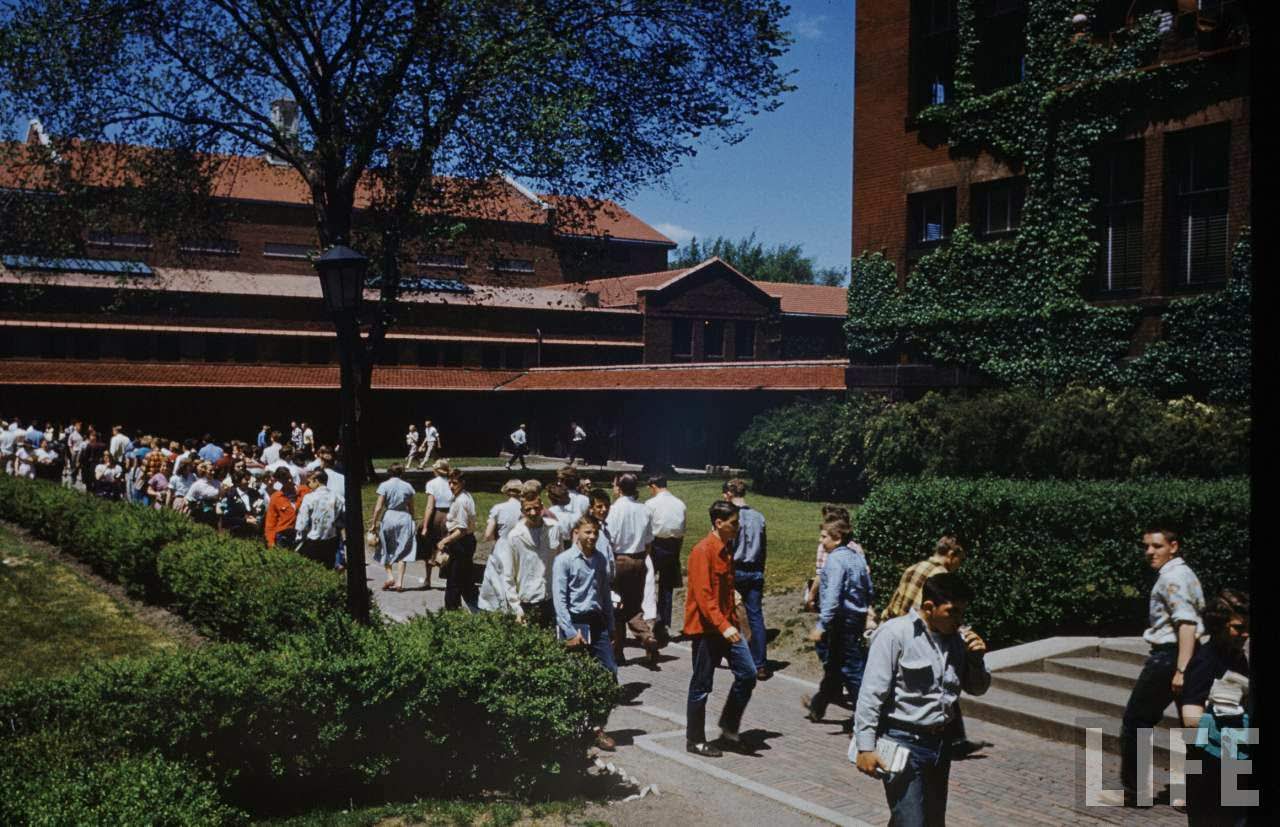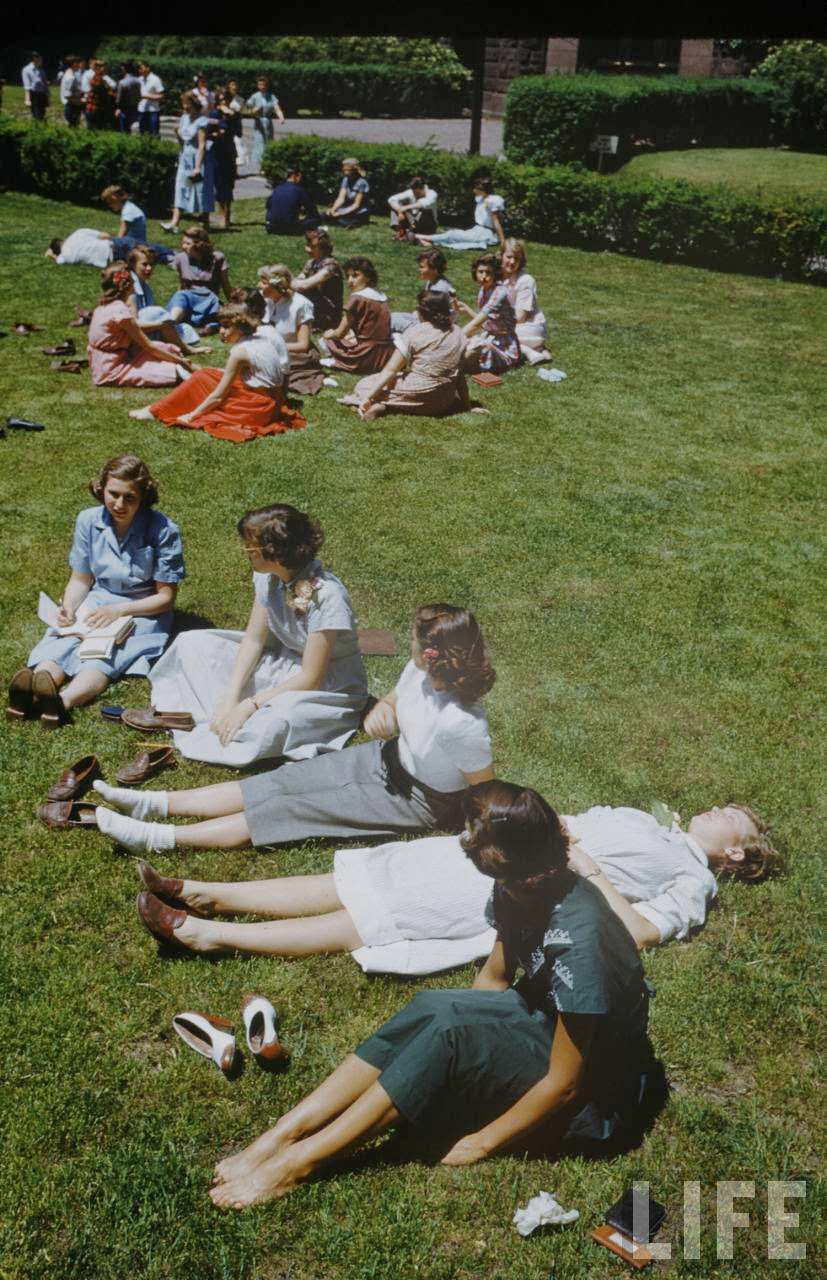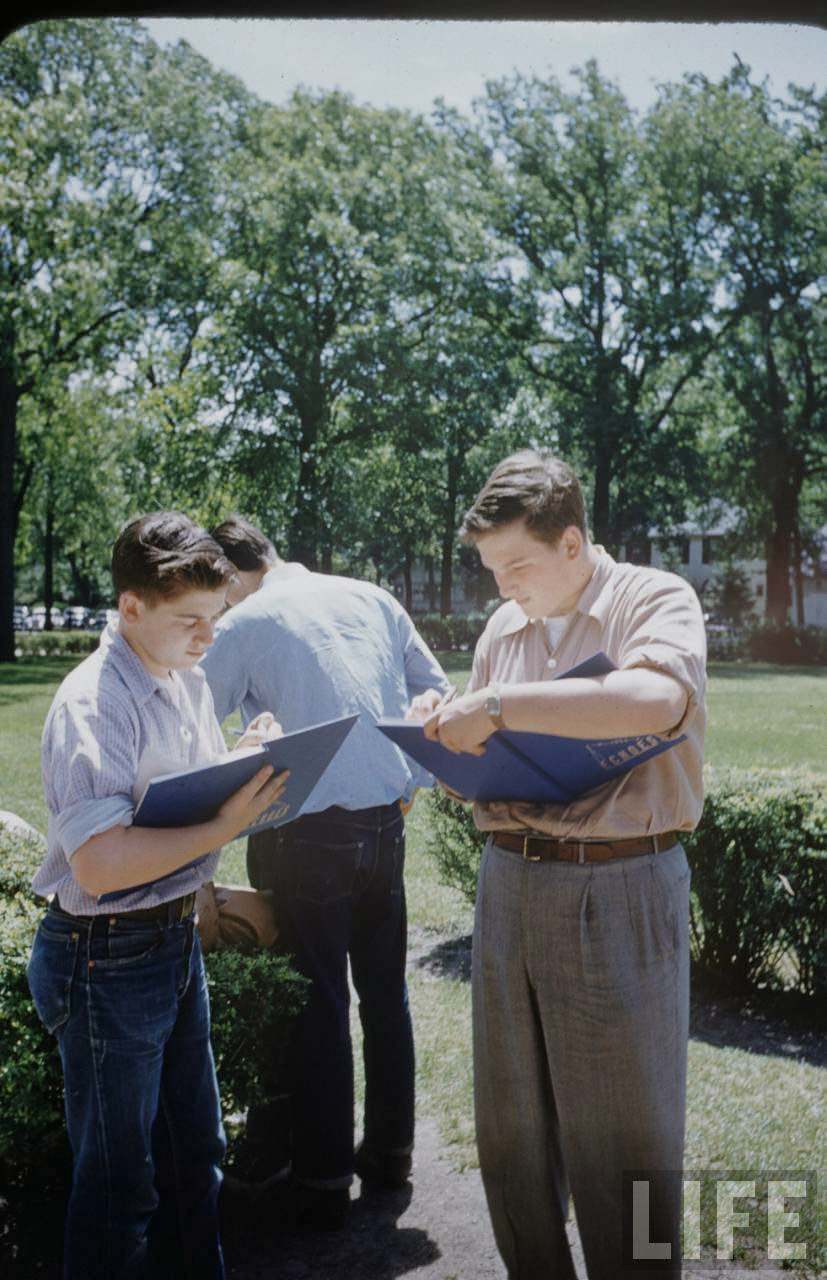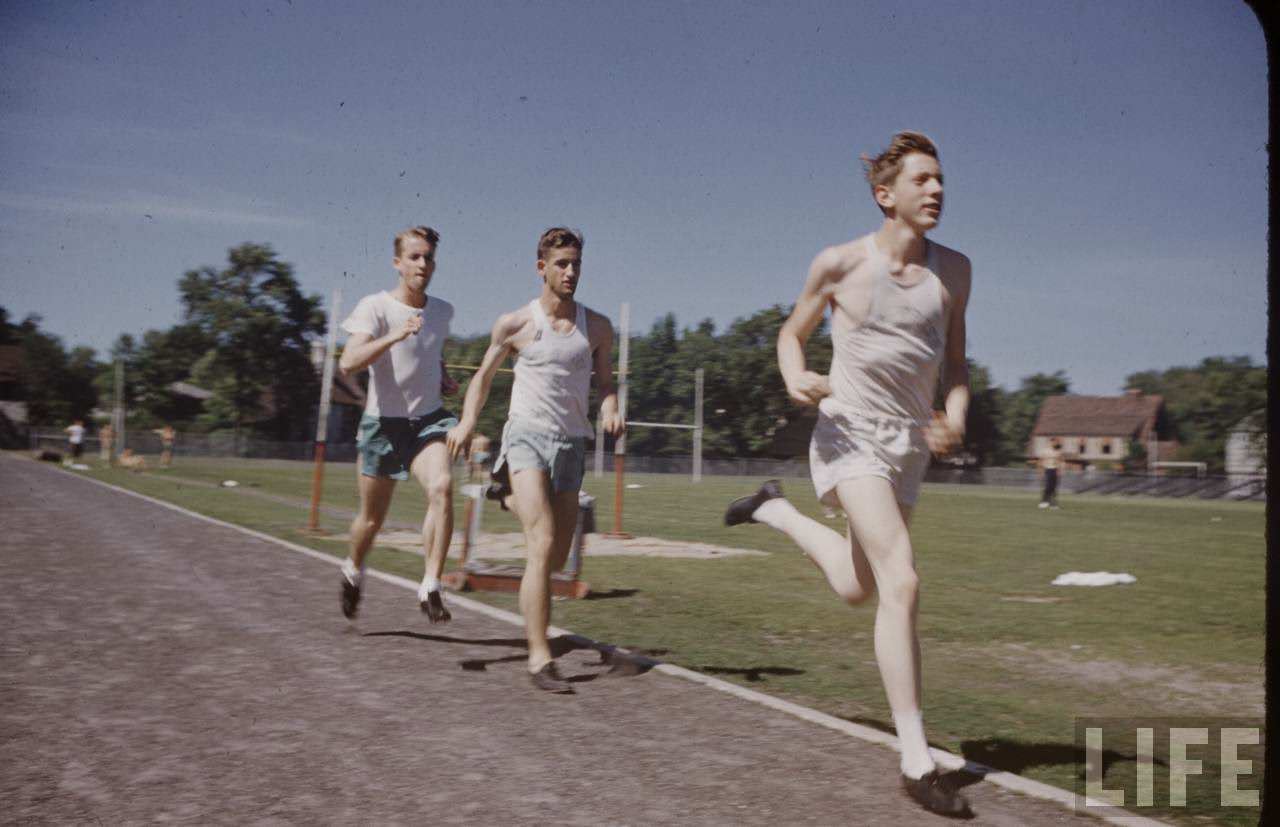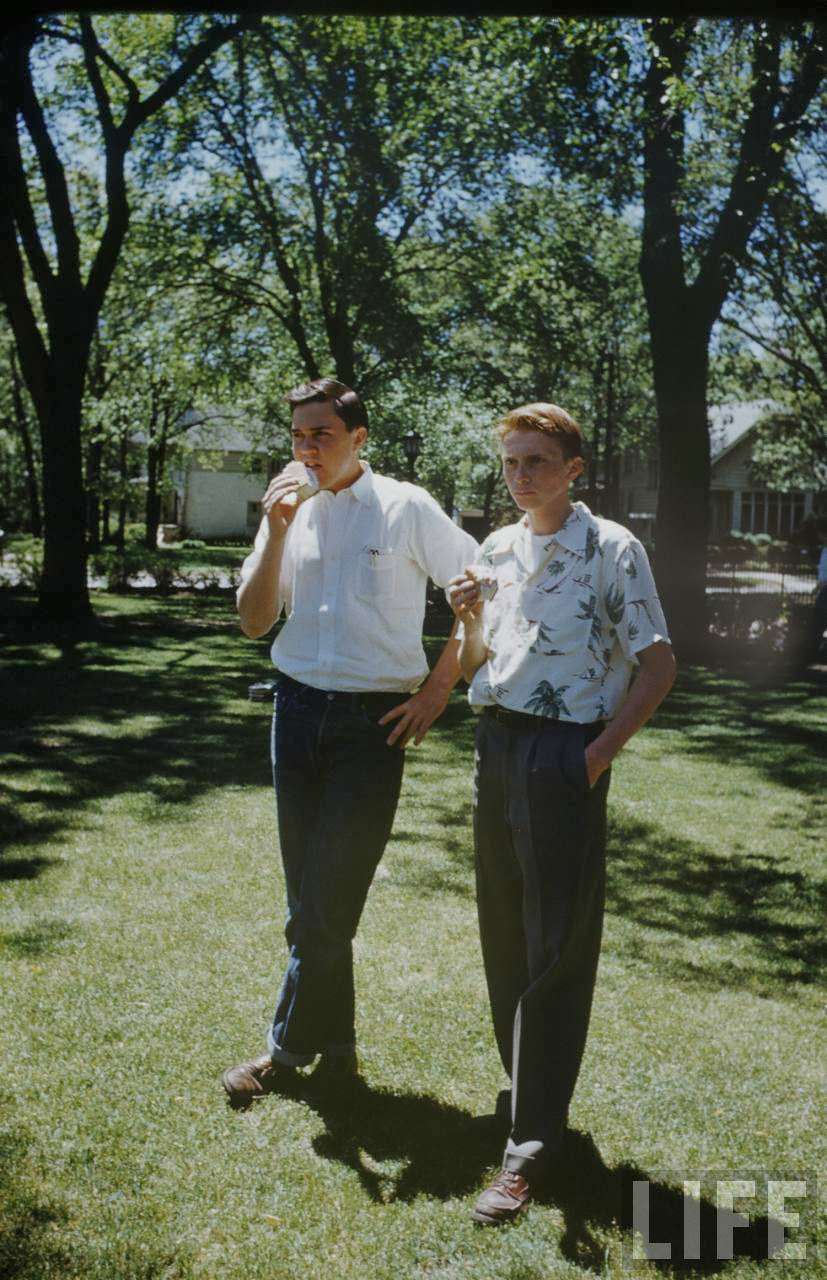
In 1950, New Trier High School in Winnetka, Illinois, was a window into post-war suburban America. LIFE magazine photographer Alfred Eisenstaedt visited the school to document everyday student life — from classrooms to dances to after-school hangouts.
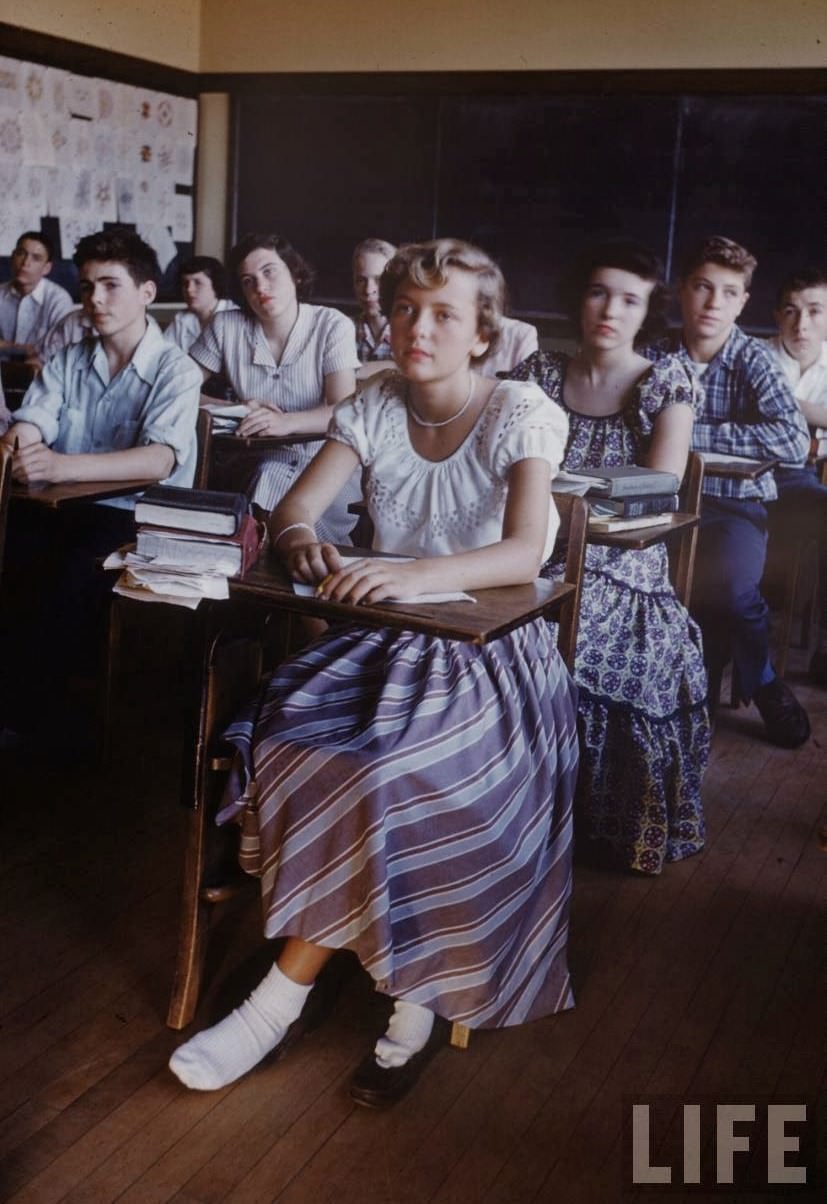
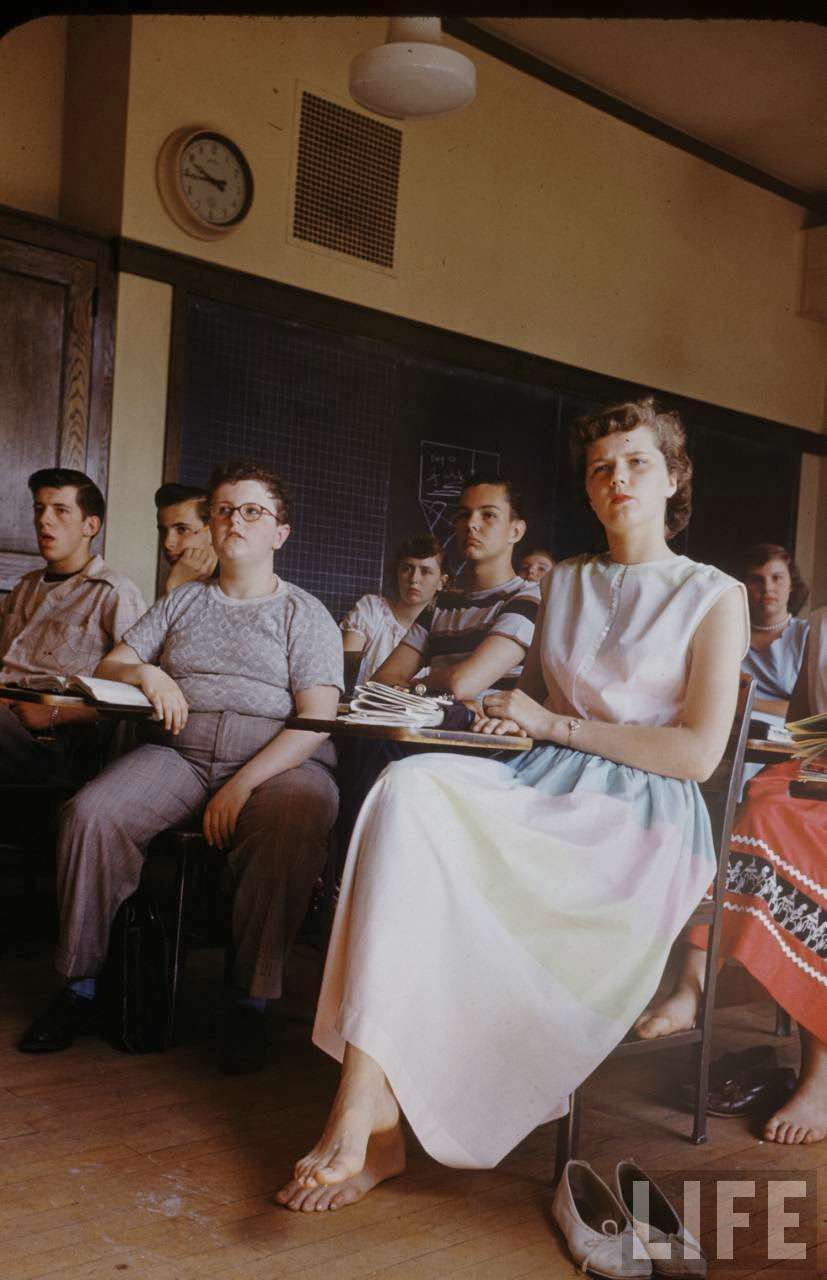
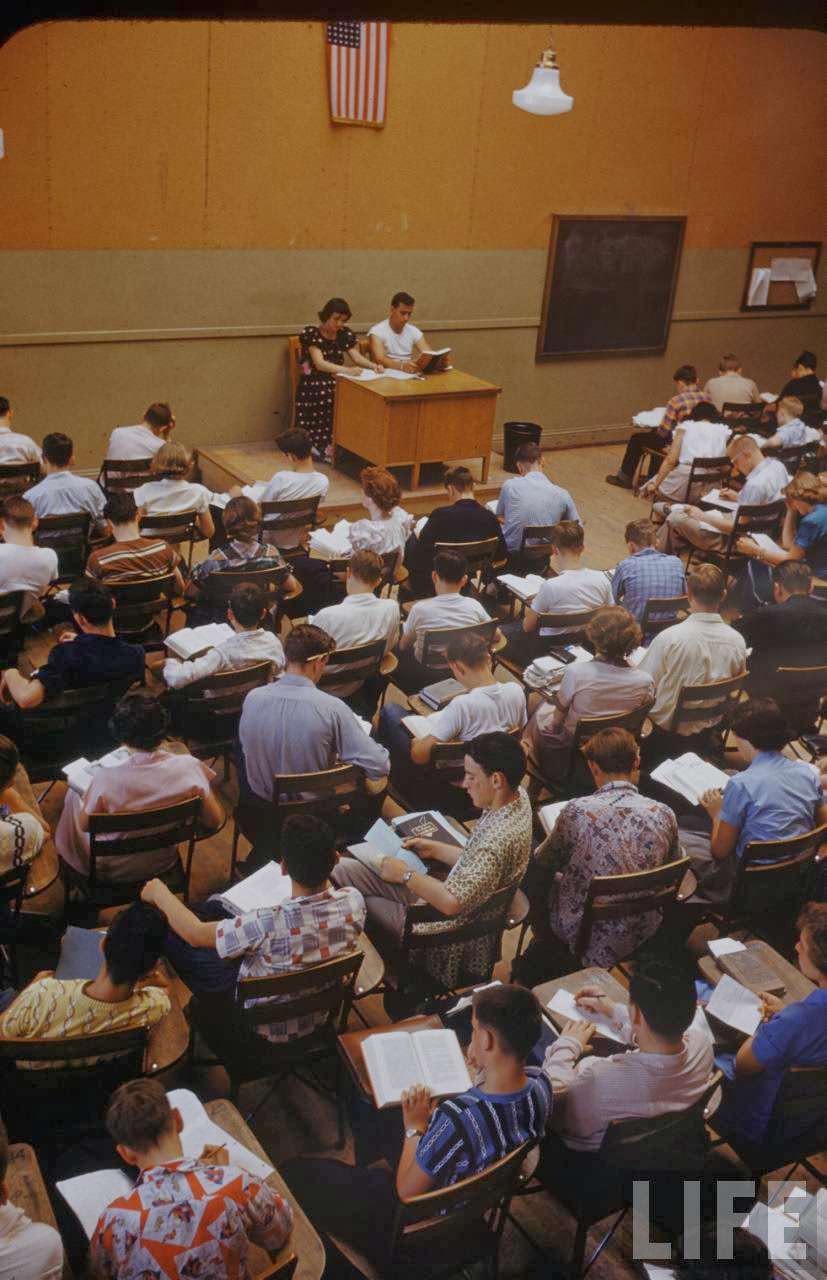
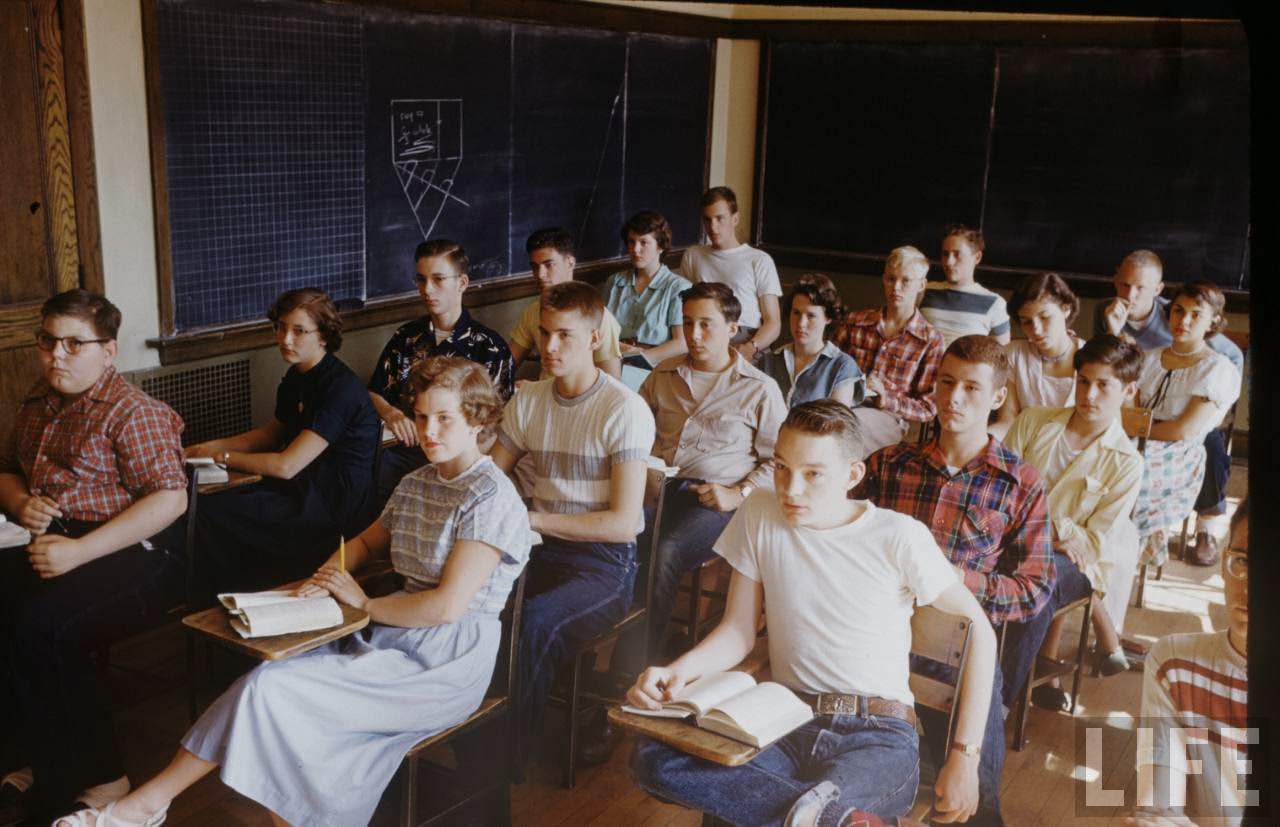
The school day ran on a structured routine. Students took core academic subjects — English, history, math, and science — in formal classrooms where desks were arranged in rows facing a teacher and chalkboard. The curriculum also split along gender lines.
Boys enrolled in industrial arts classes, learning woodworking and metalwork. Girls attended home economics, studying cooking and sewing in rooms designed to resemble home kitchens and living spaces.
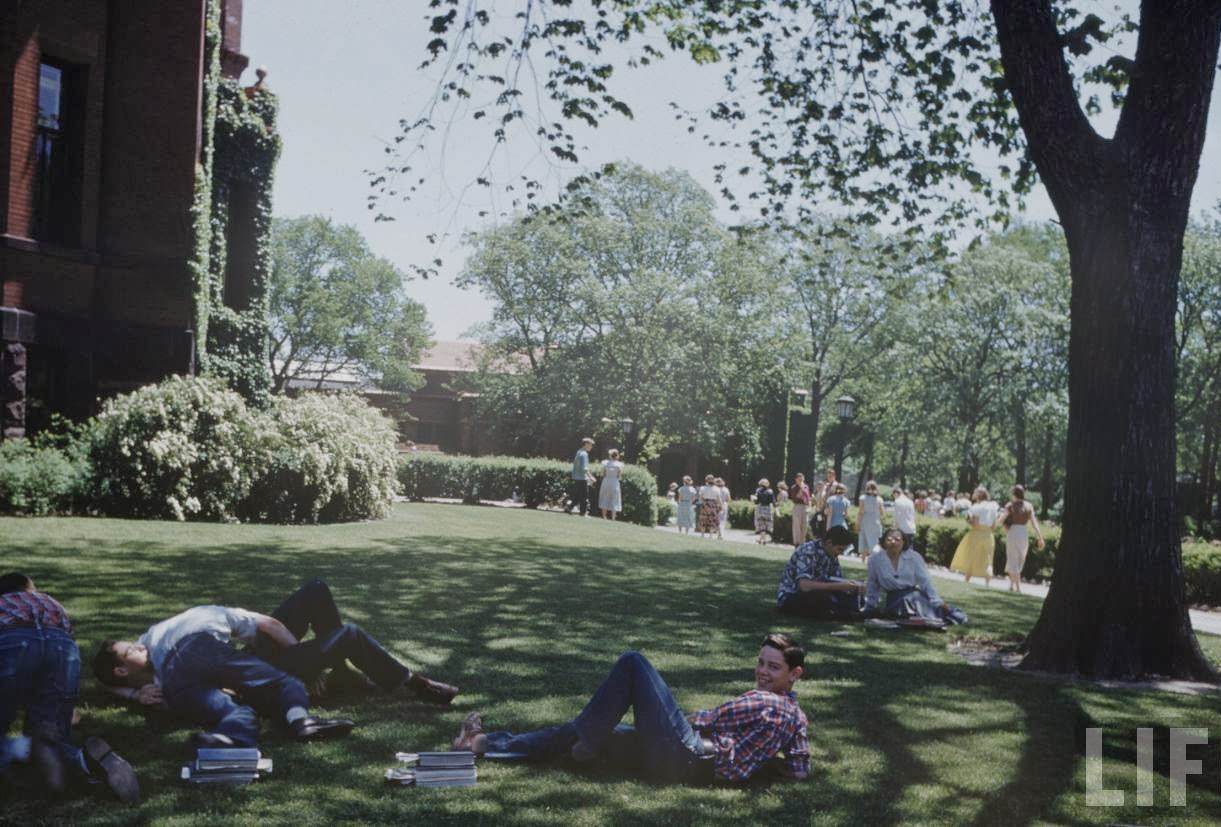
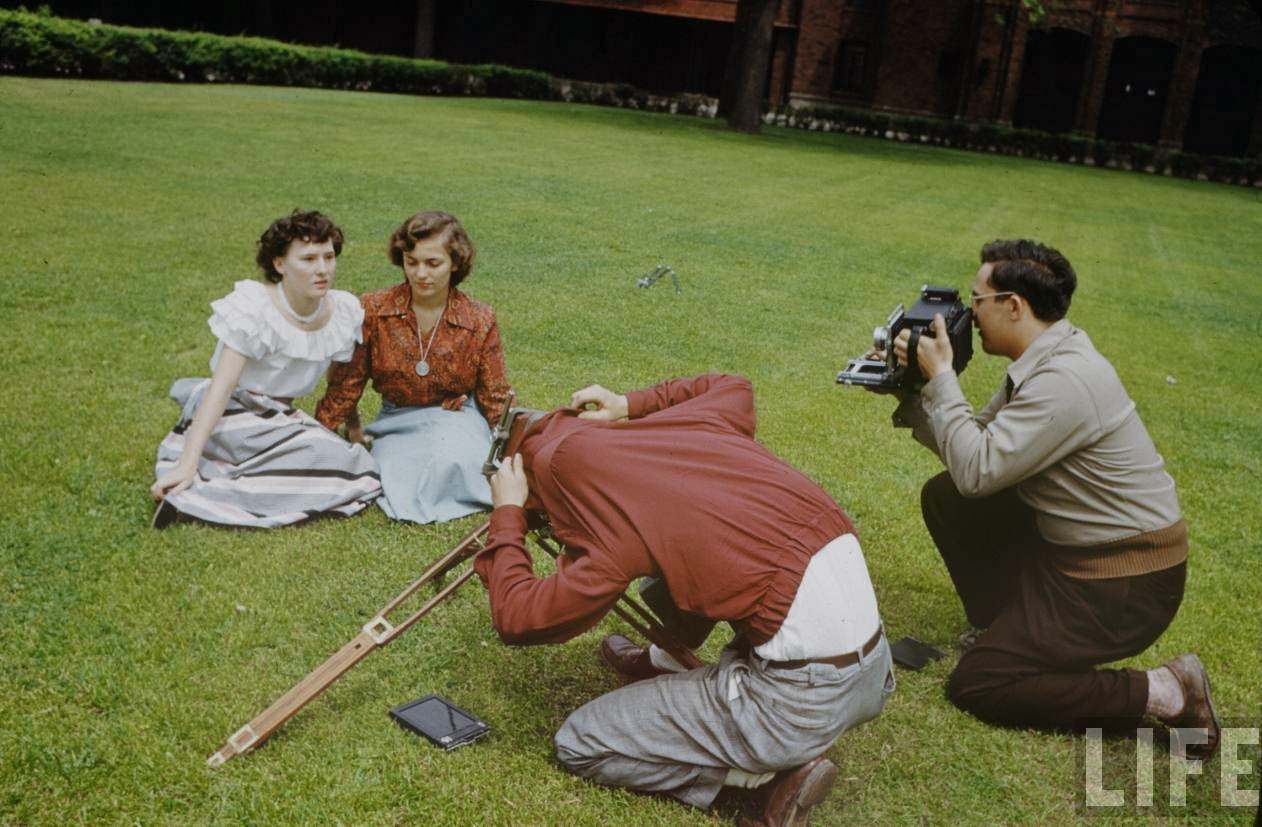
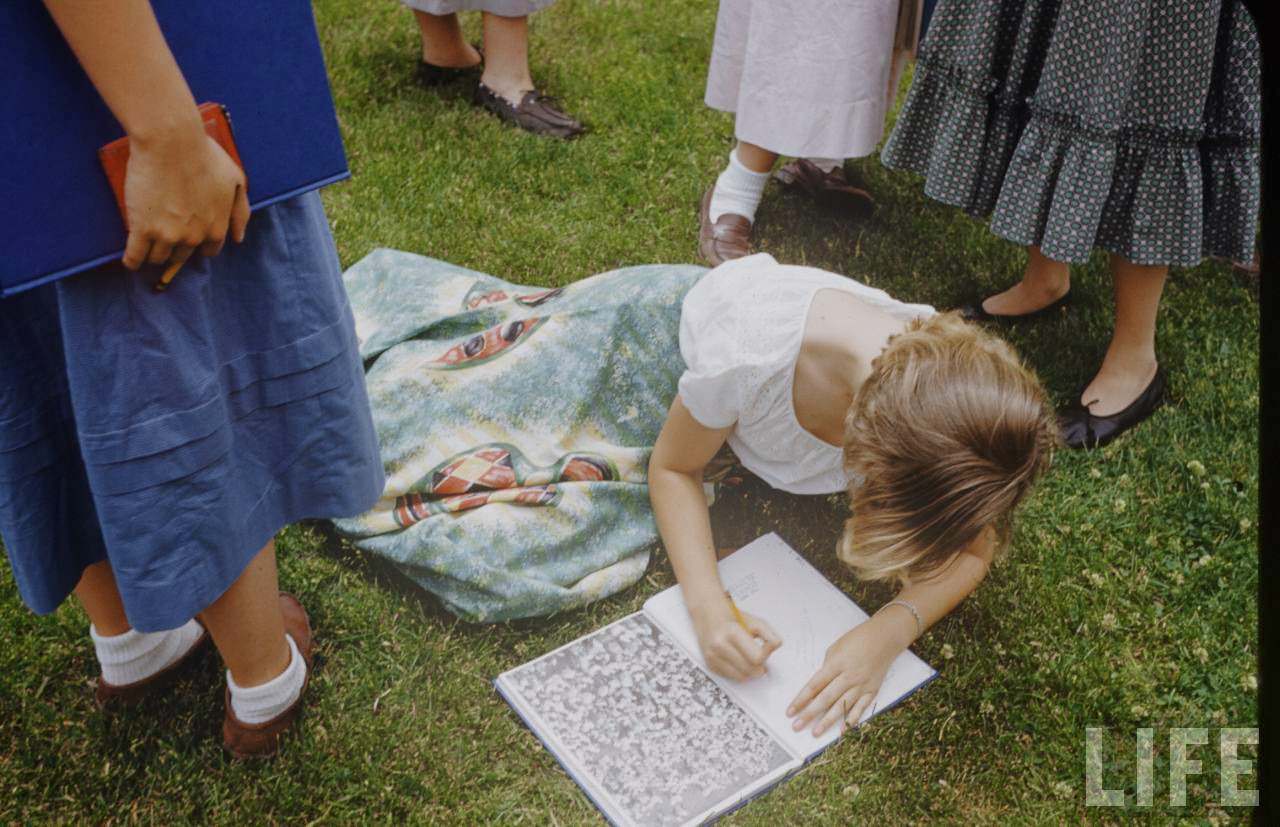
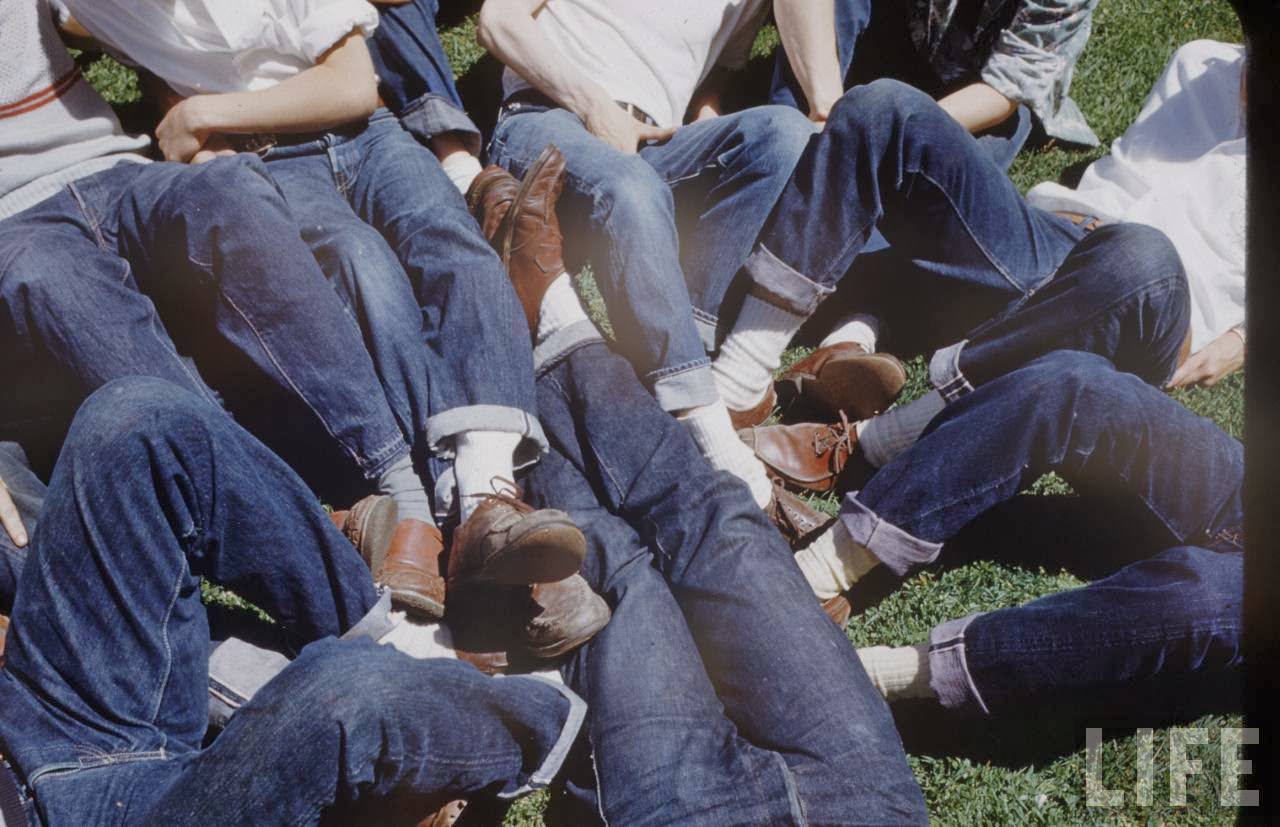
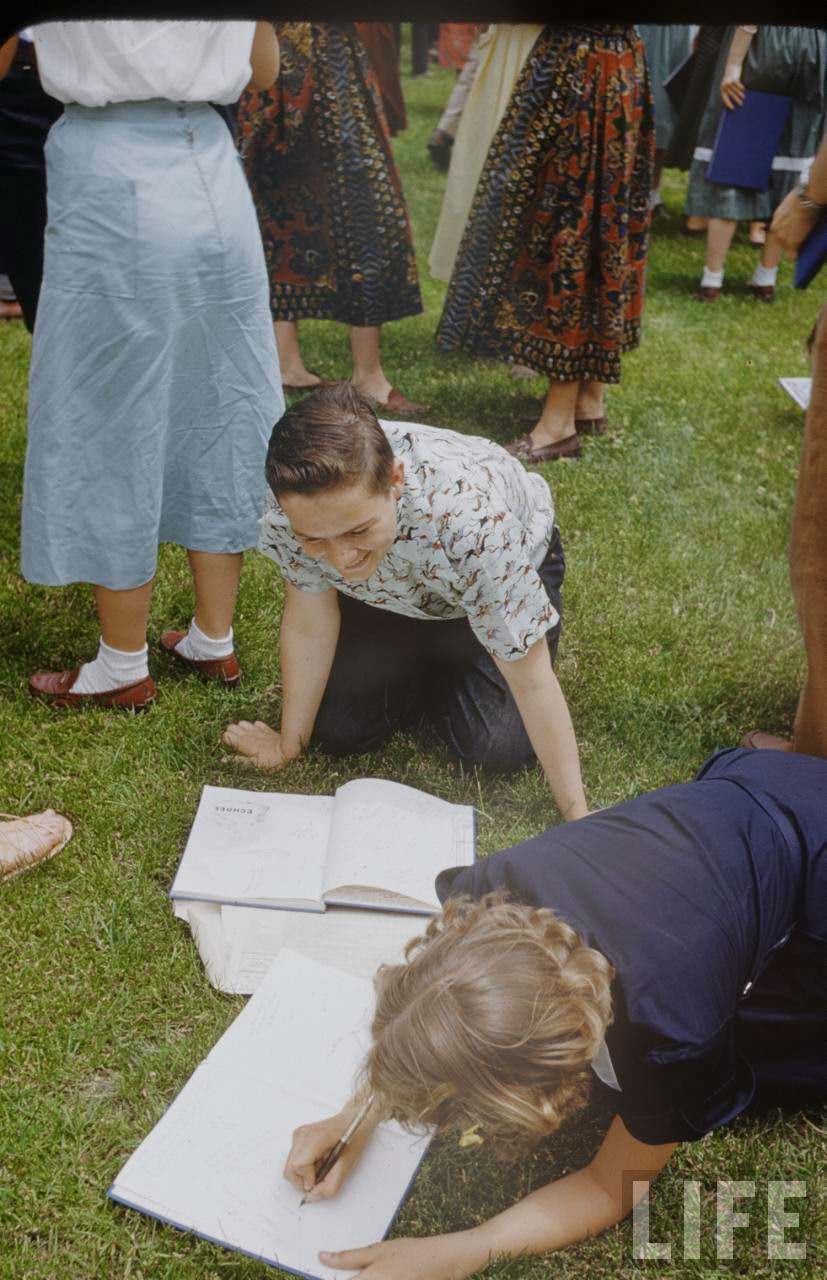
Fashion at New Trier in 1950 was neat and conservative. Boys wore slacks with button-down shirts or sweaters. Girls wore pleated or A-line skirts that fell below the knee, paired with blouses or twin-set sweaters. Saddle shoes were popular for both.
School dances were a centerpiece of social life. They were held in the gymnasium, with students dancing to popular music under the watch of teacher chaperones. Boys wore suits or sport coats with ties; girls wore dresses or skirts and blouses.
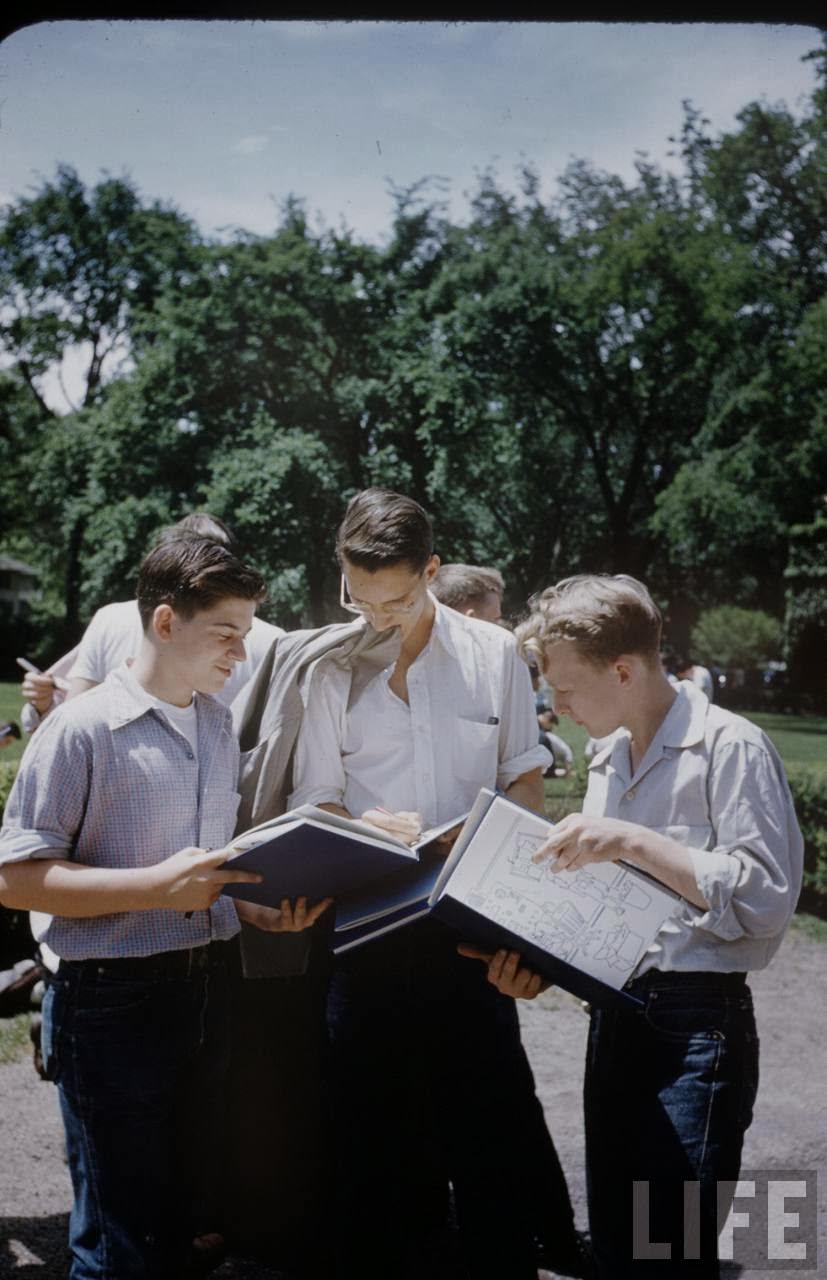
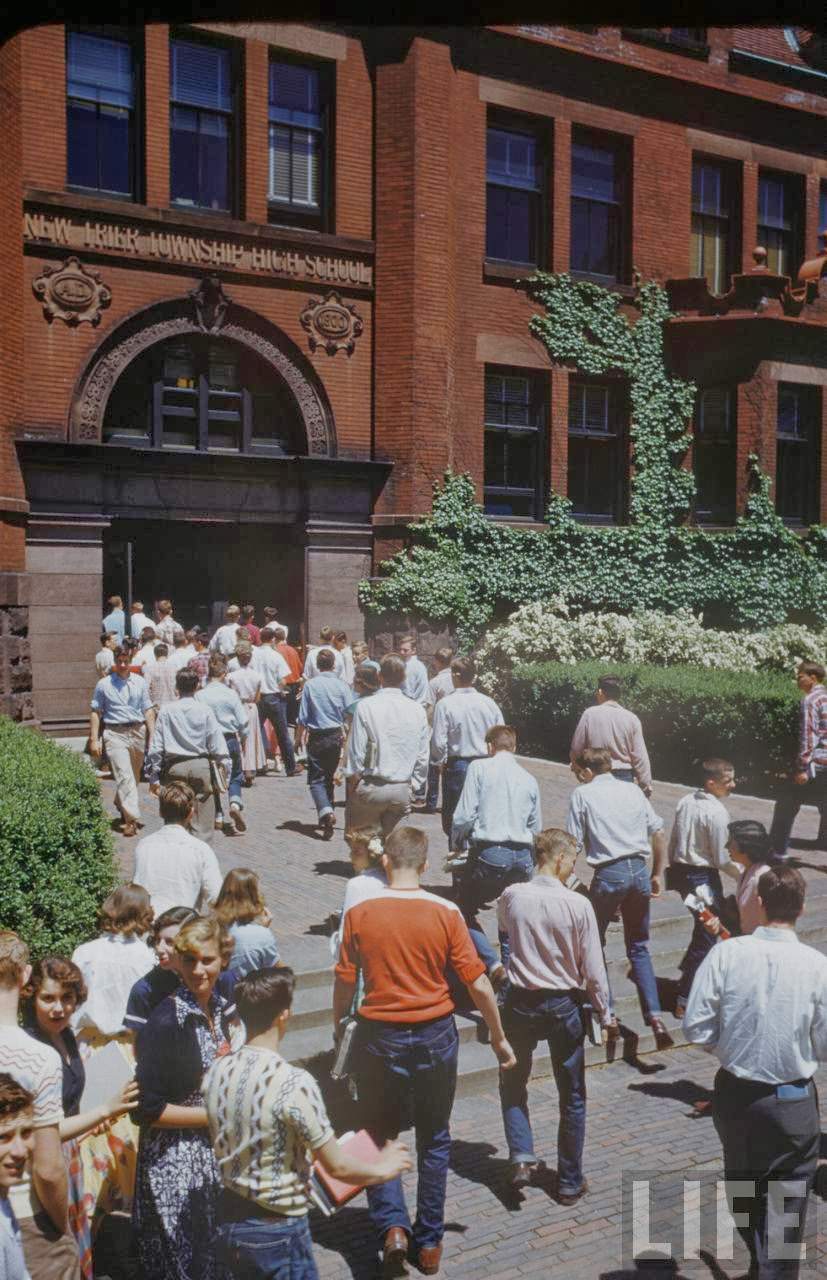
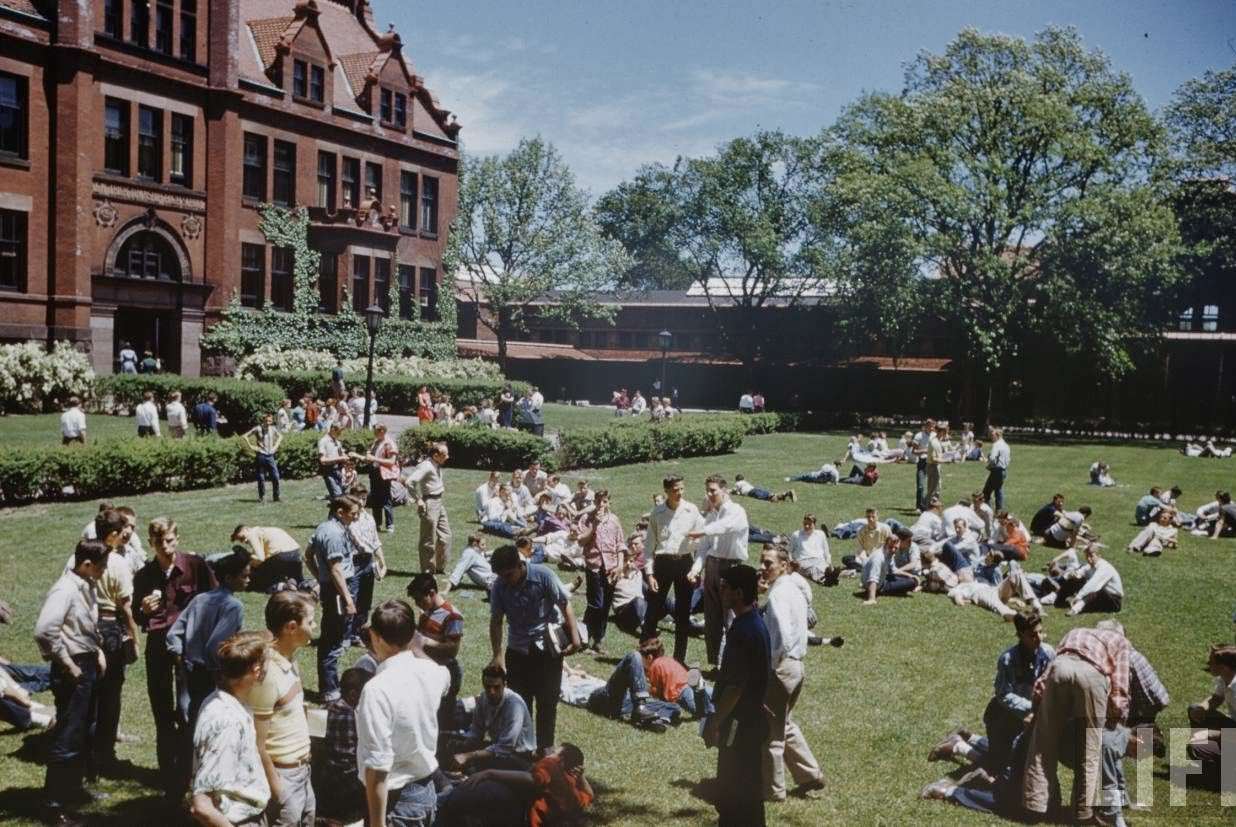
Social groups formed naturally in the hallways and cafeteria. Students stuck close to their own circles, and the school’s social order was a visible part of daily life.
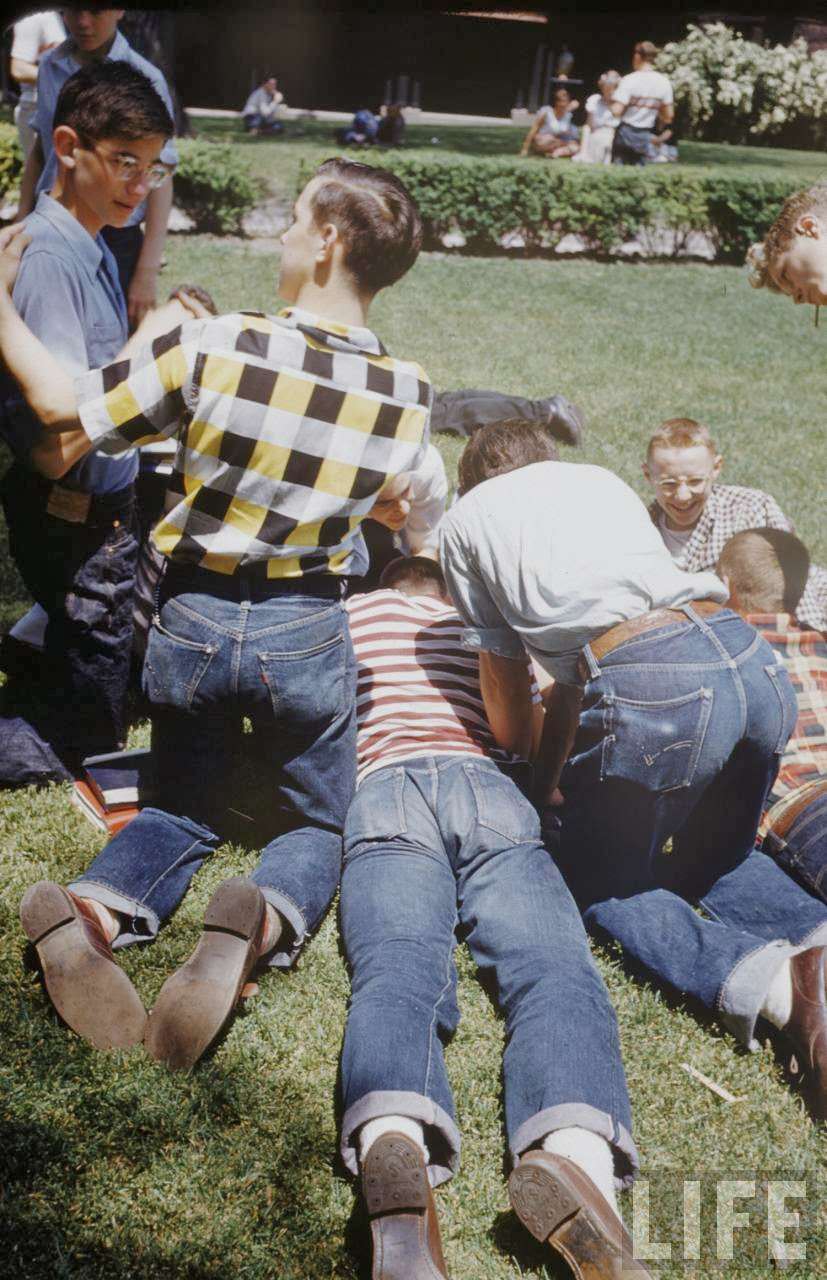
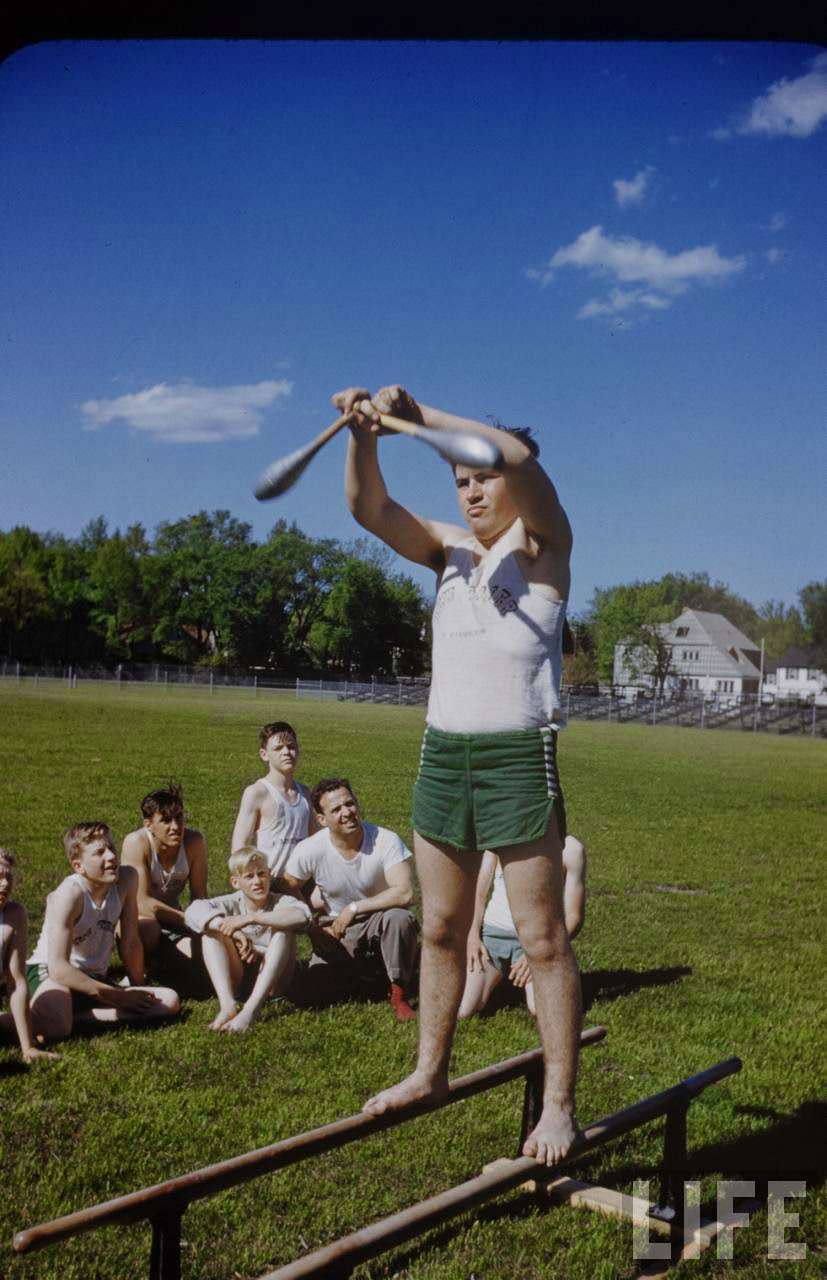
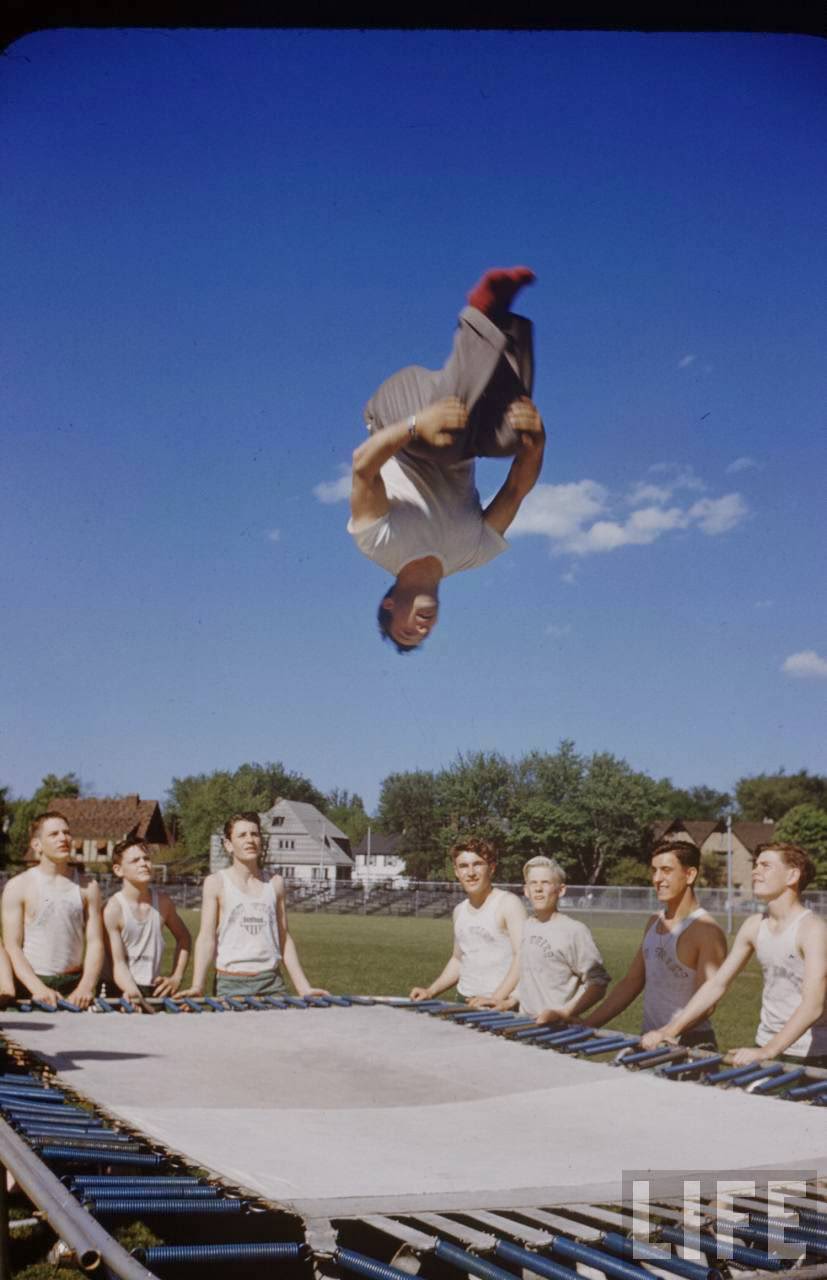
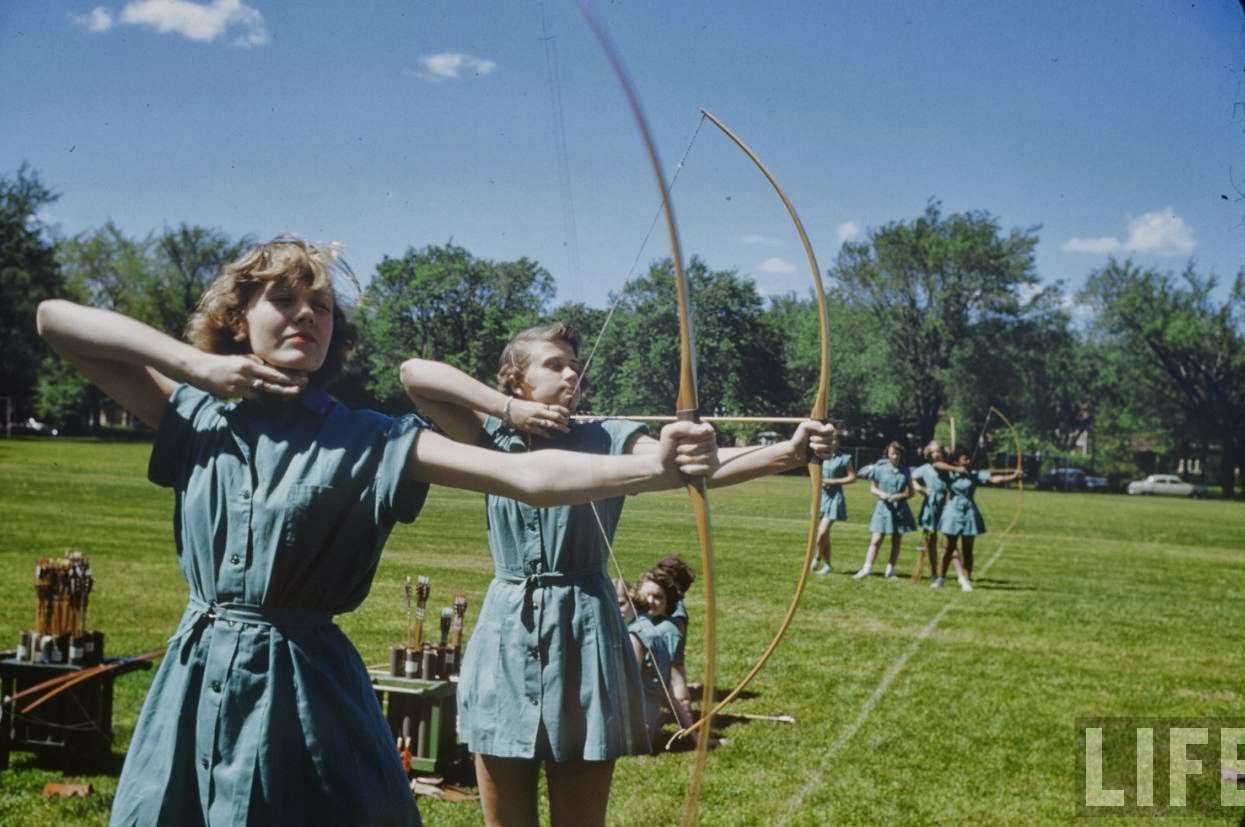
After school, extracurricular life was busy. Athletics held a central place in school culture, drawing strong student support. The cheerleading squad practiced routines in school uniforms and led crowds at football games.
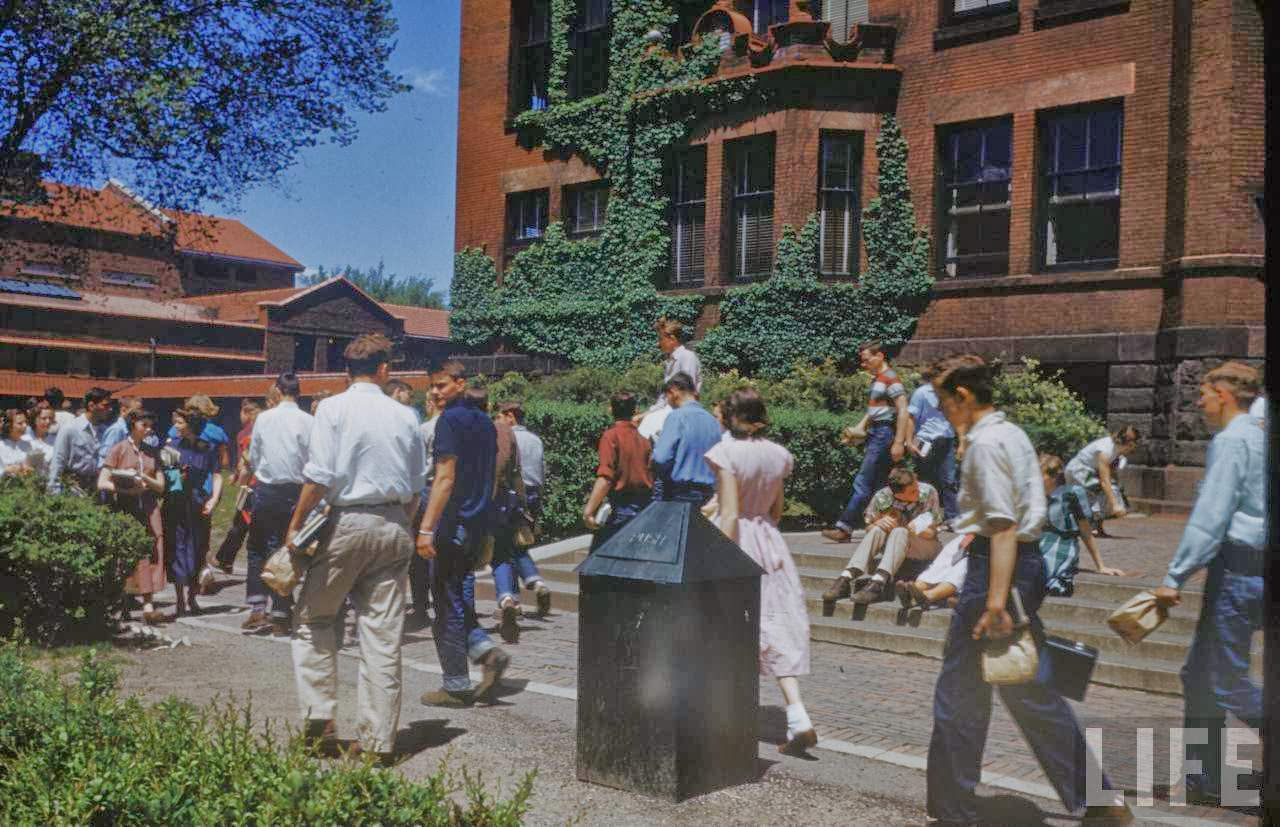
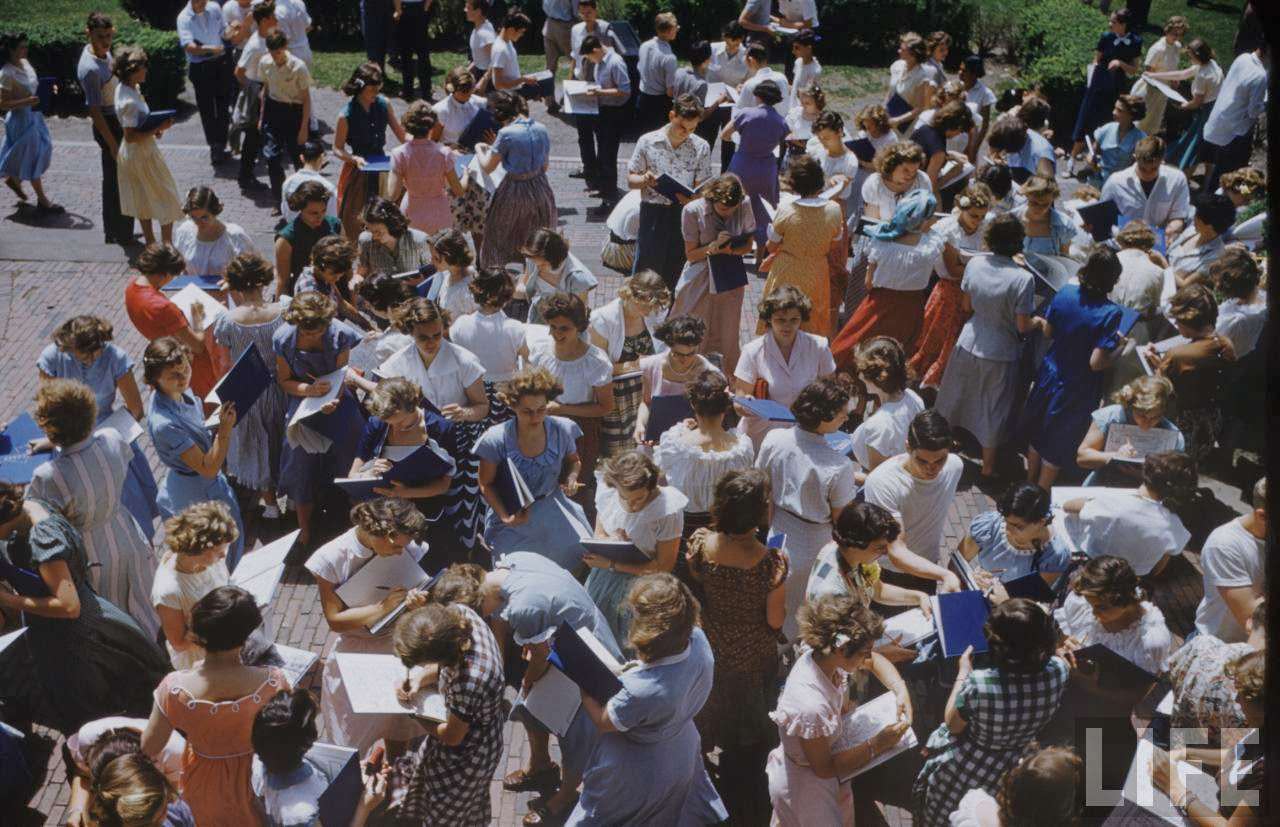
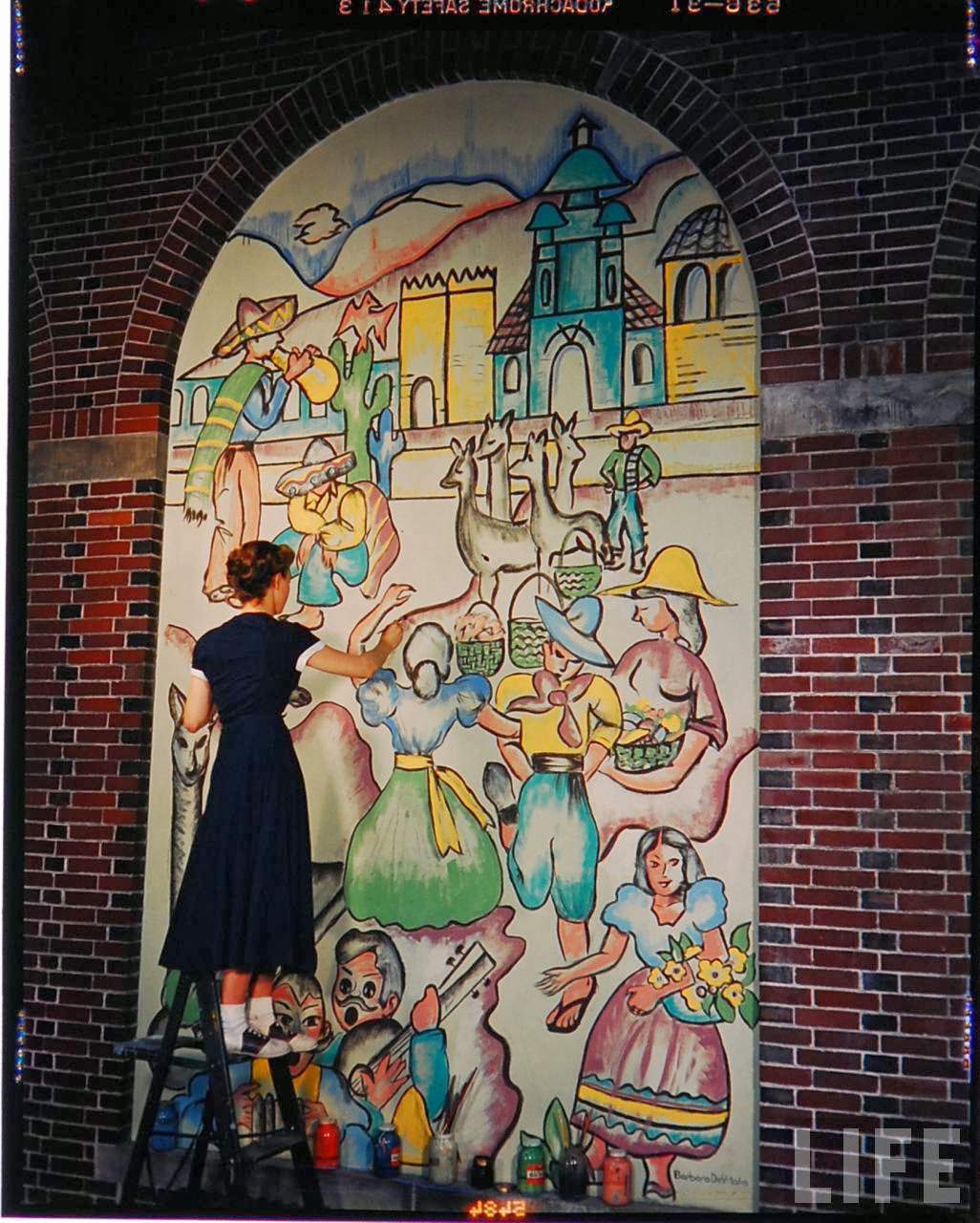
Beyond sports, clubs covered a wide range of interests. The drama club rehearsed and performed plays for the school. Student council gave students a role in school governance.
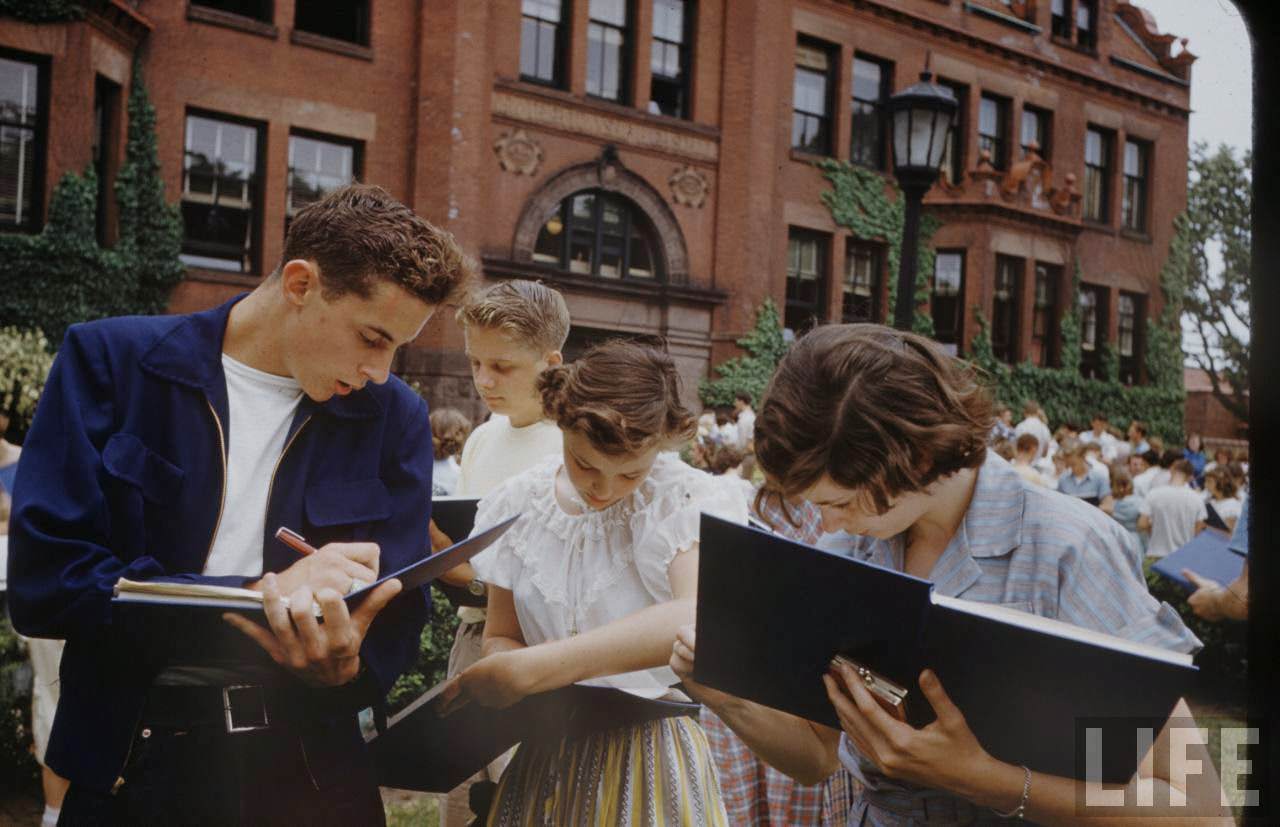
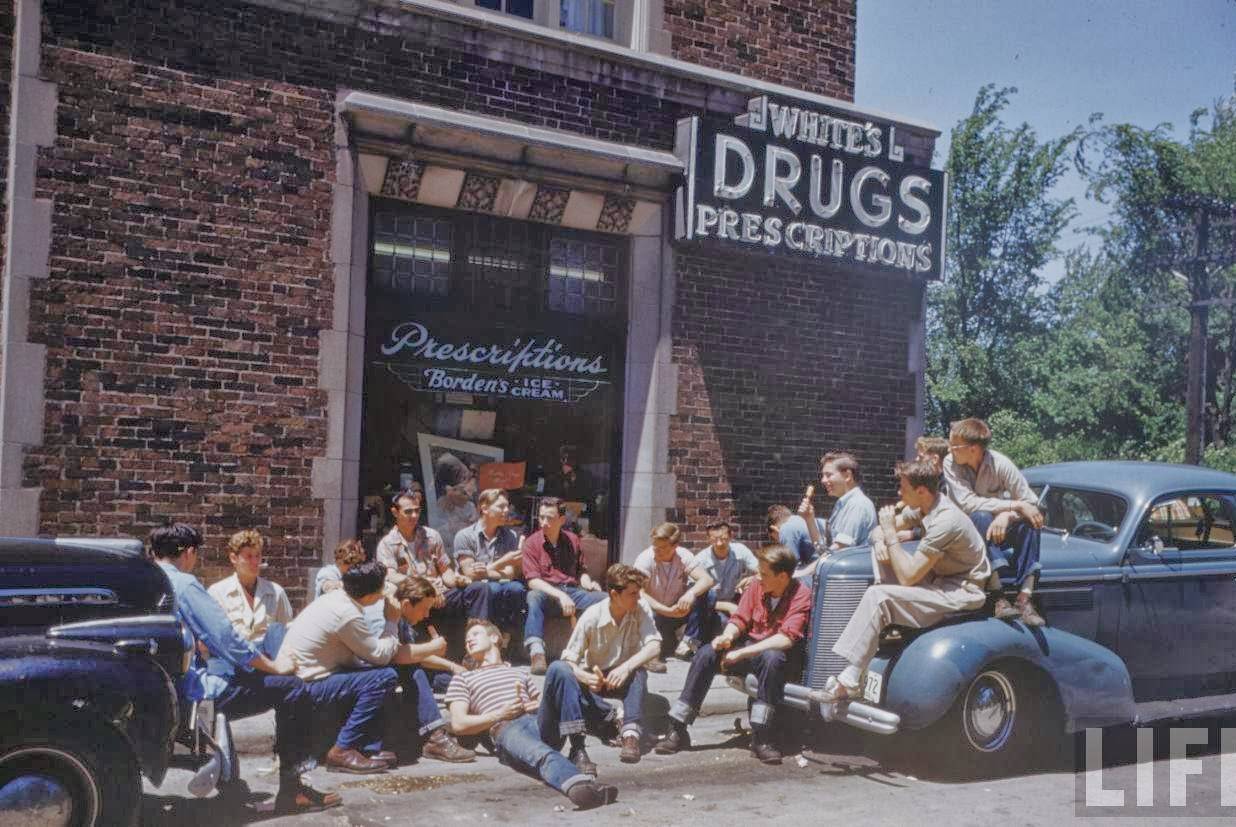
When the school day and activities wrapped up, students gathered at local diners and soda shops. These spots served as informal meeting places where teens could unwind away from the structure of school.