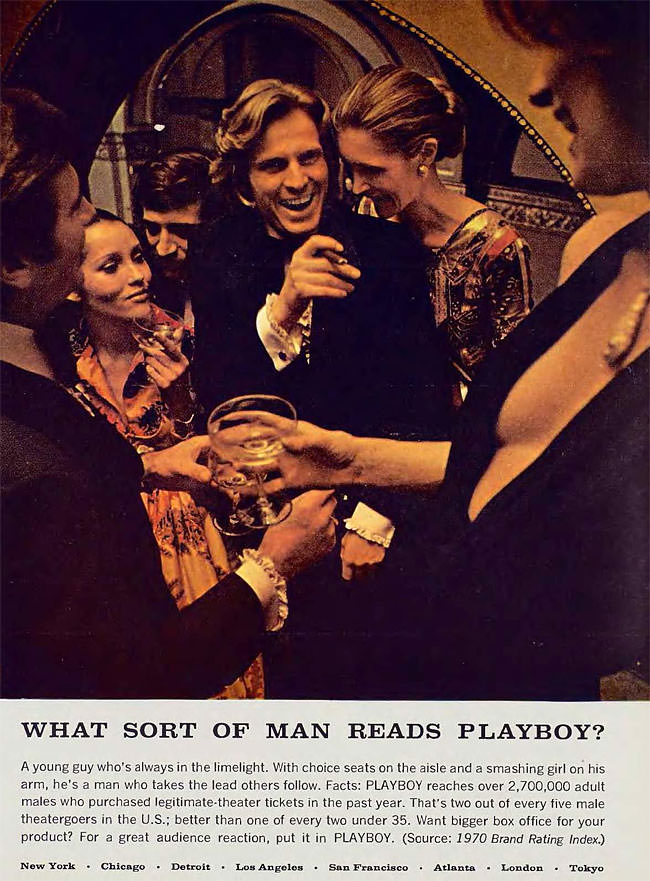
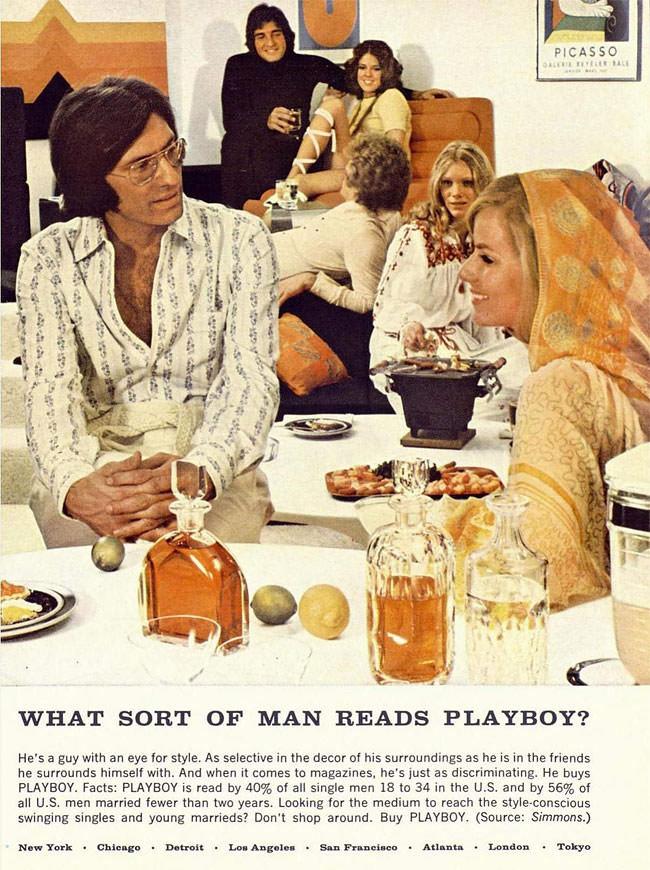
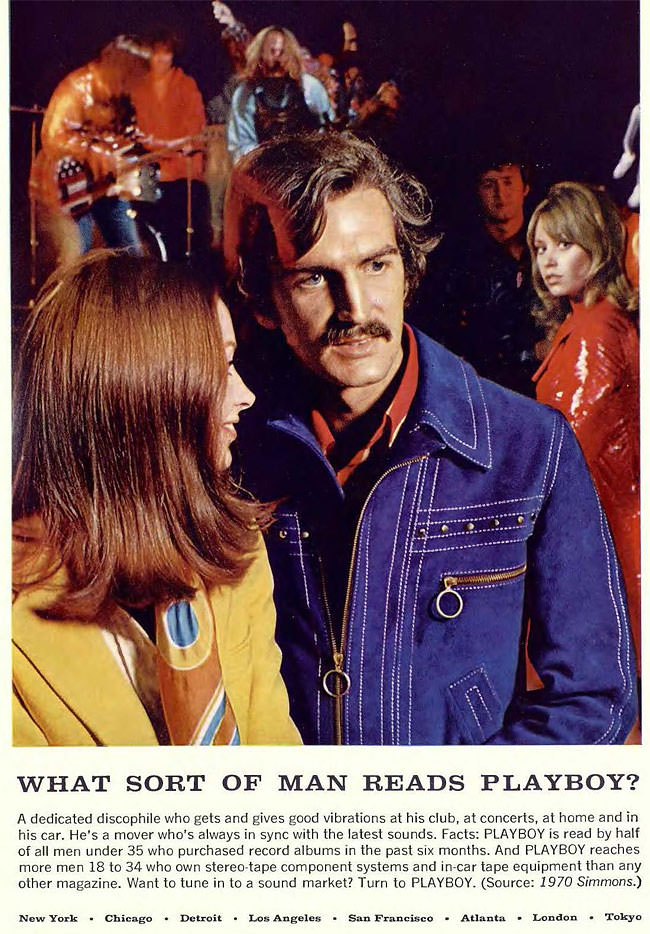
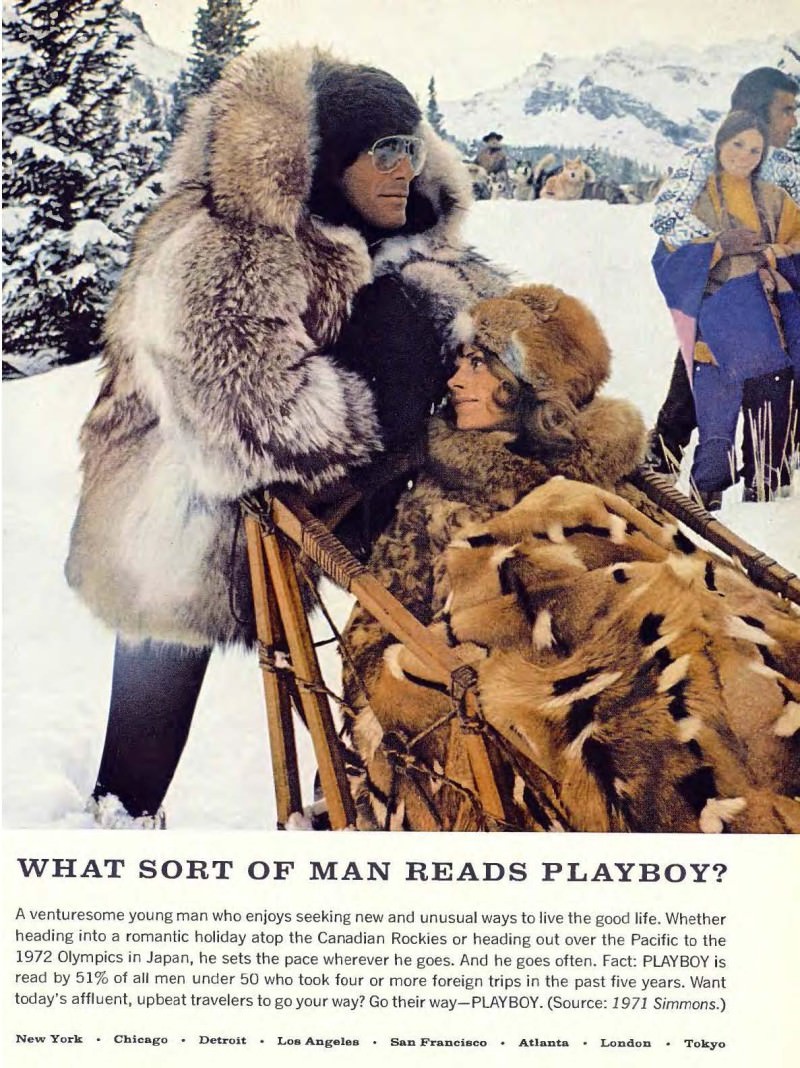
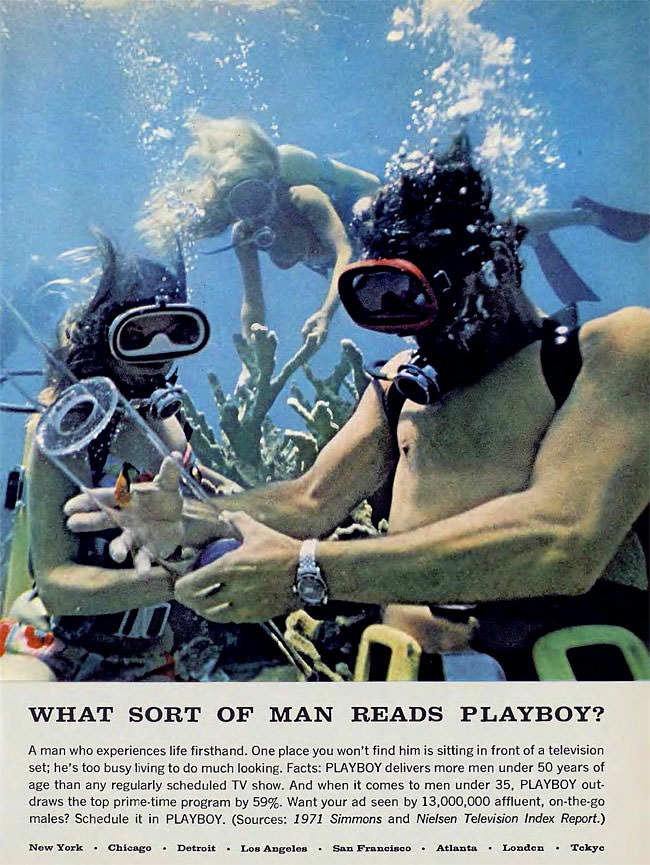
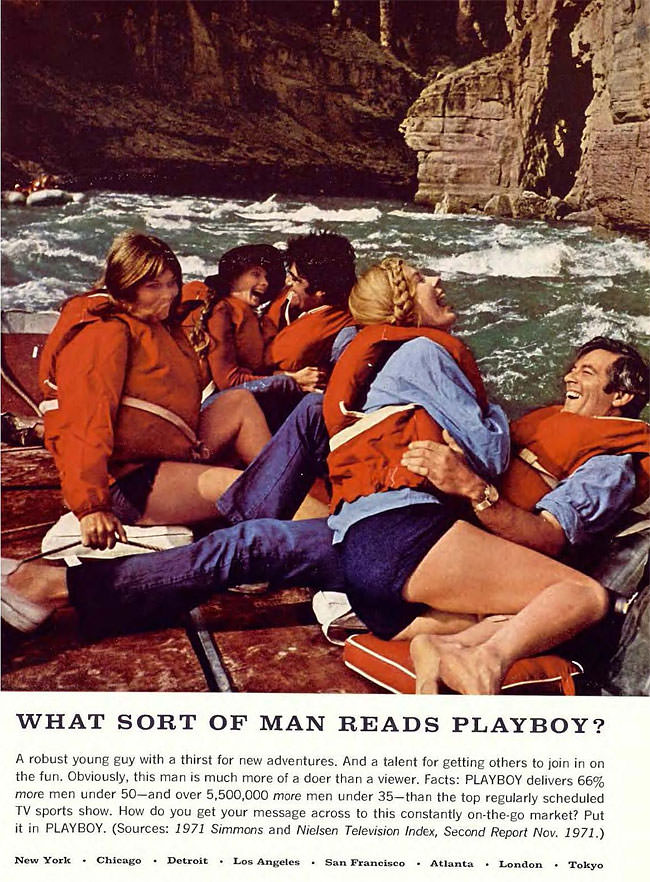
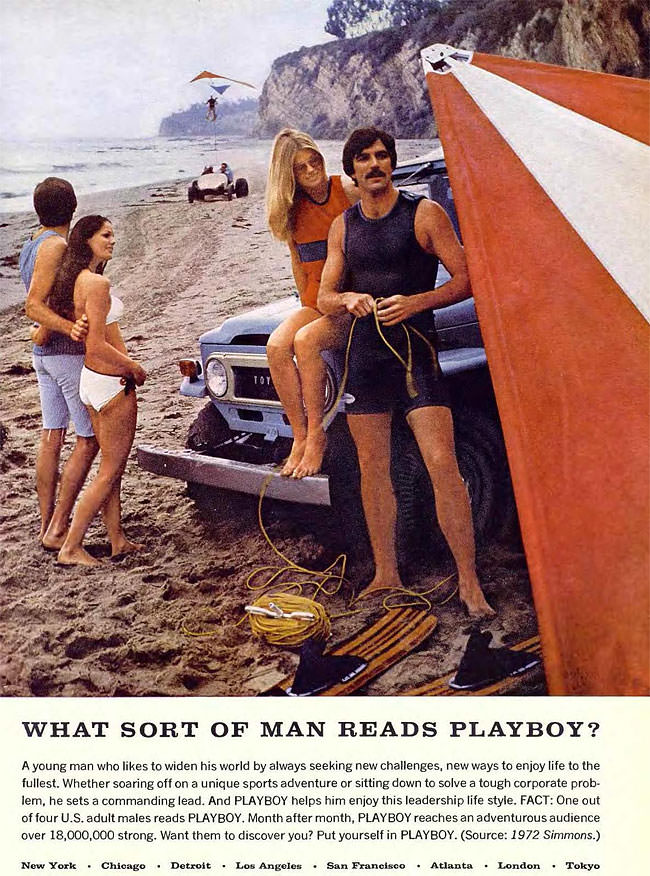
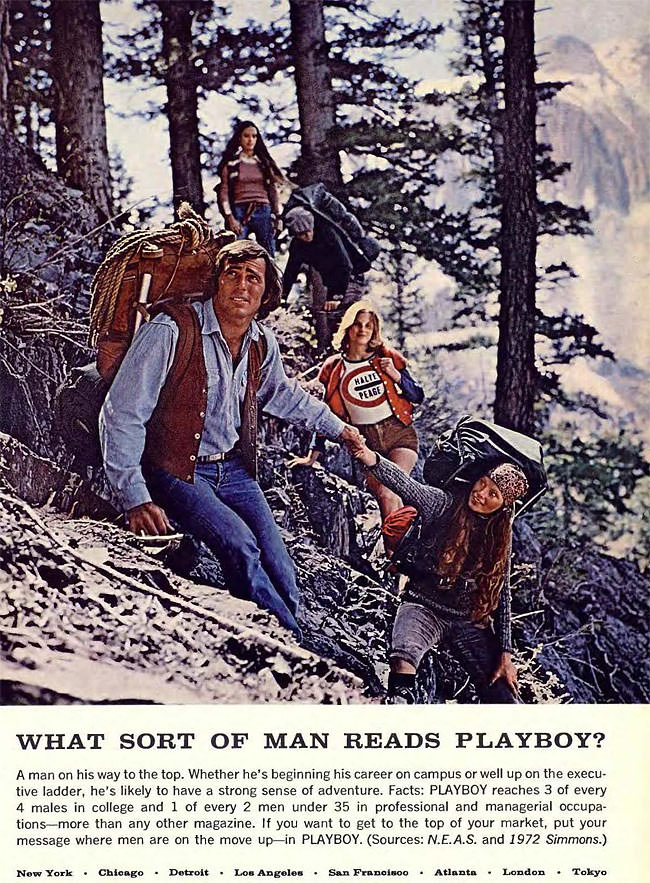
In 1958, Playboy magazine launched one of the most unusual advertising campaigns in American media history. The goal was not to sell the magazine to readers — it was to sell the readers themselves to advertisers, ad agencies, newspapers, and mainstream media outlets. Many of those outlets refused to let Playboy buy ad space, viewing the magazine as too controversial to be associated with. Playboy pushed back by reframing who its readers were.
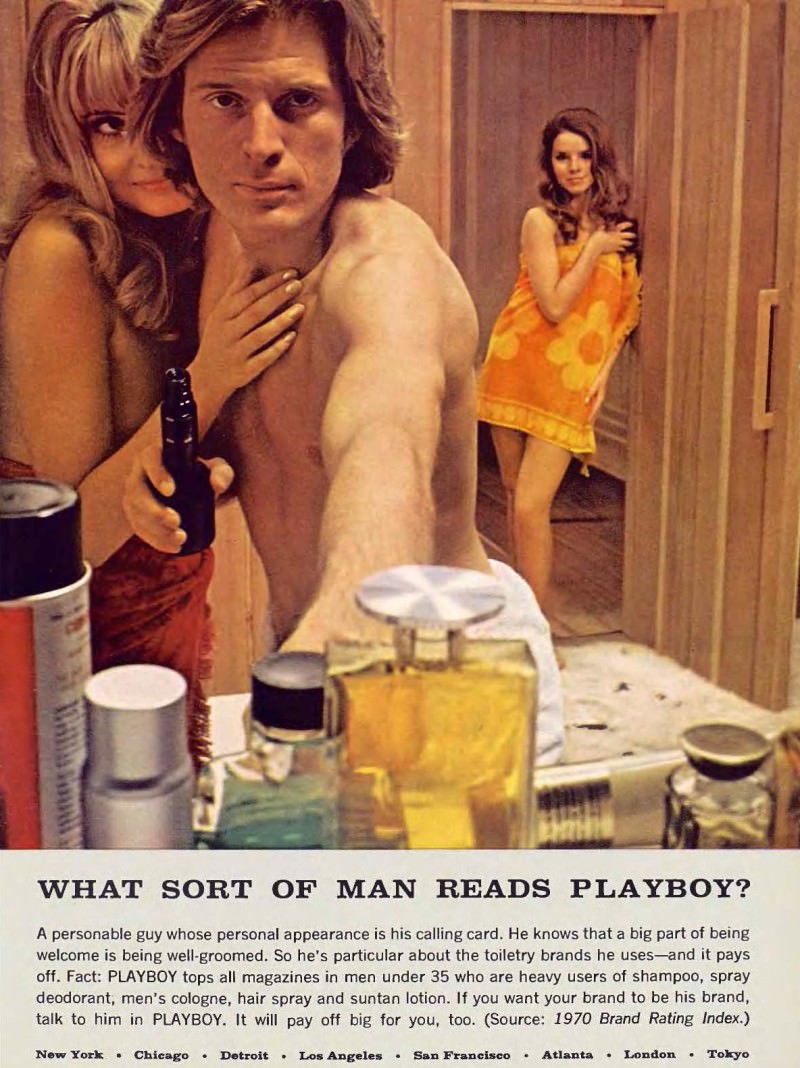
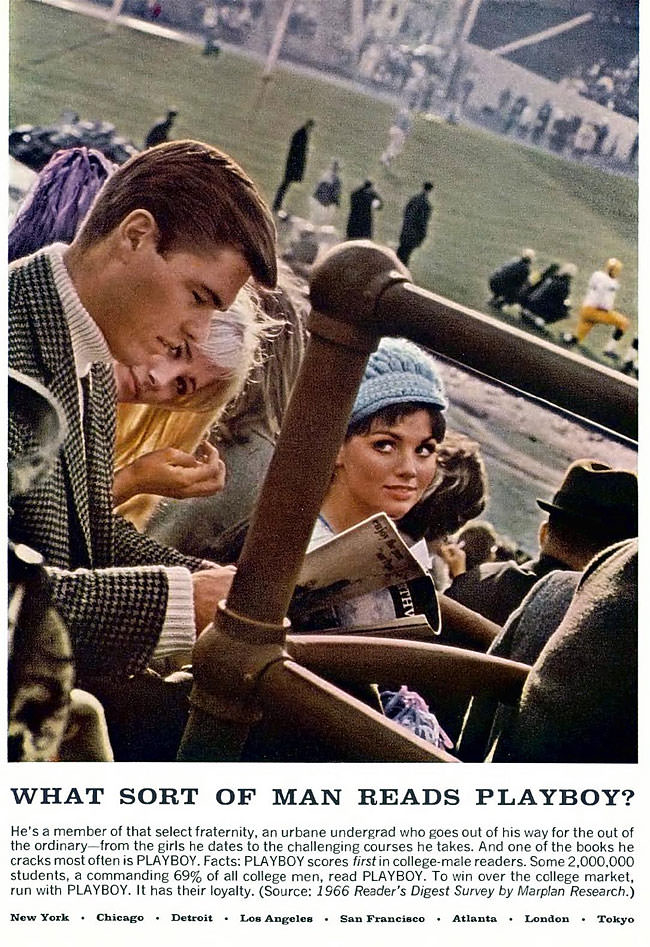
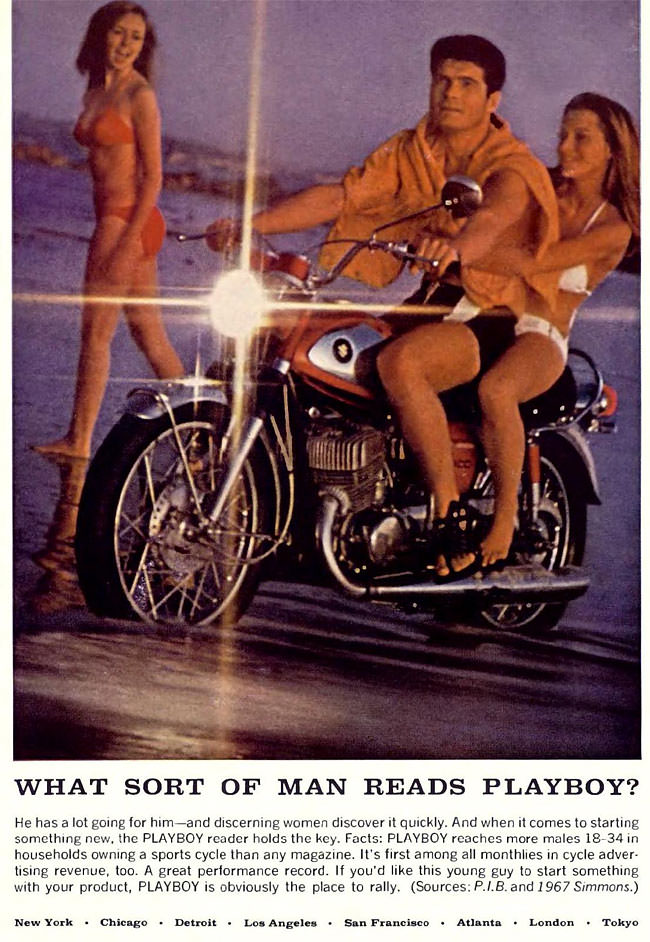
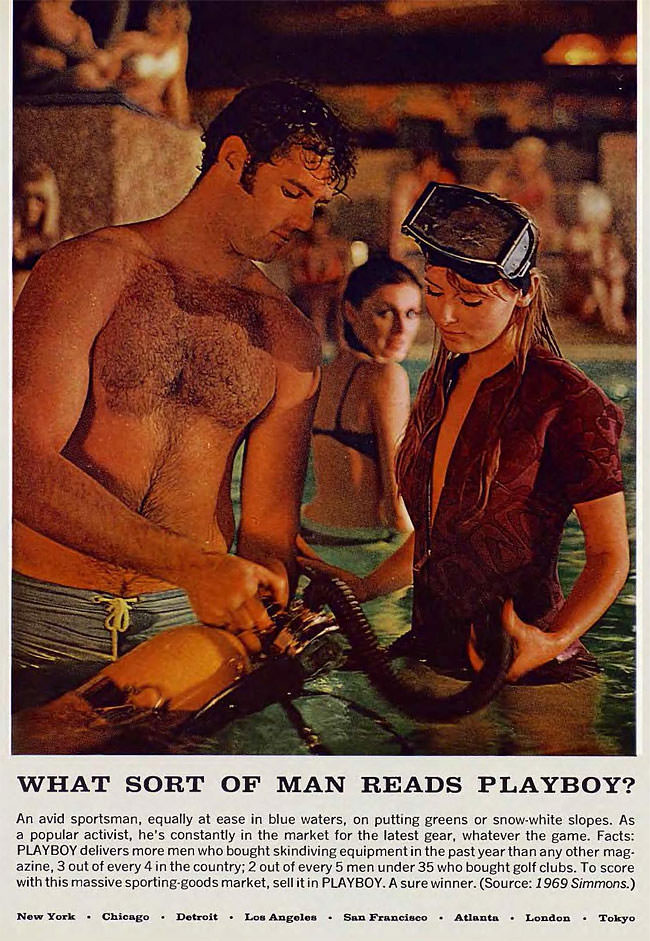
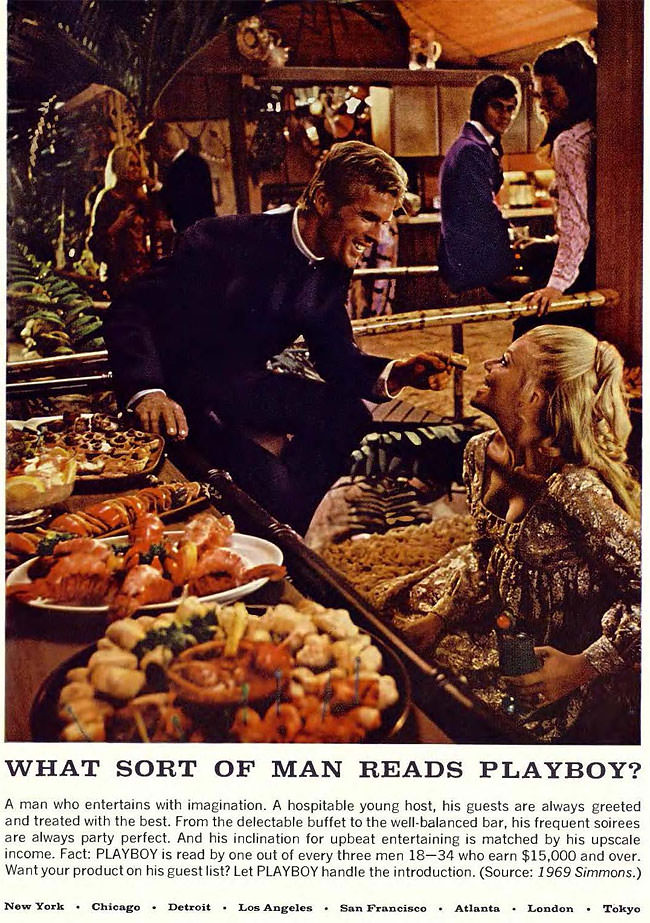
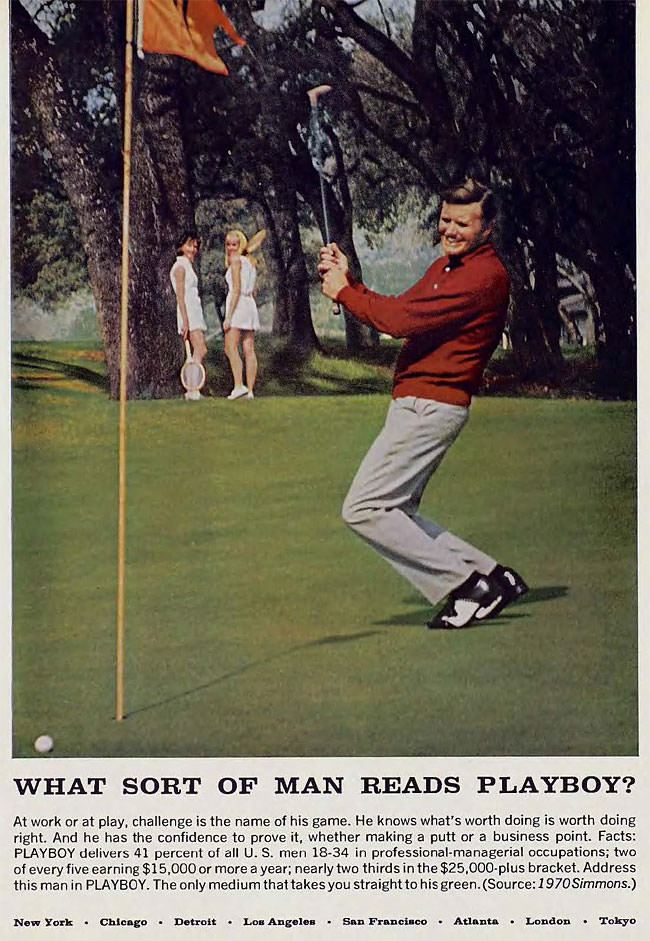
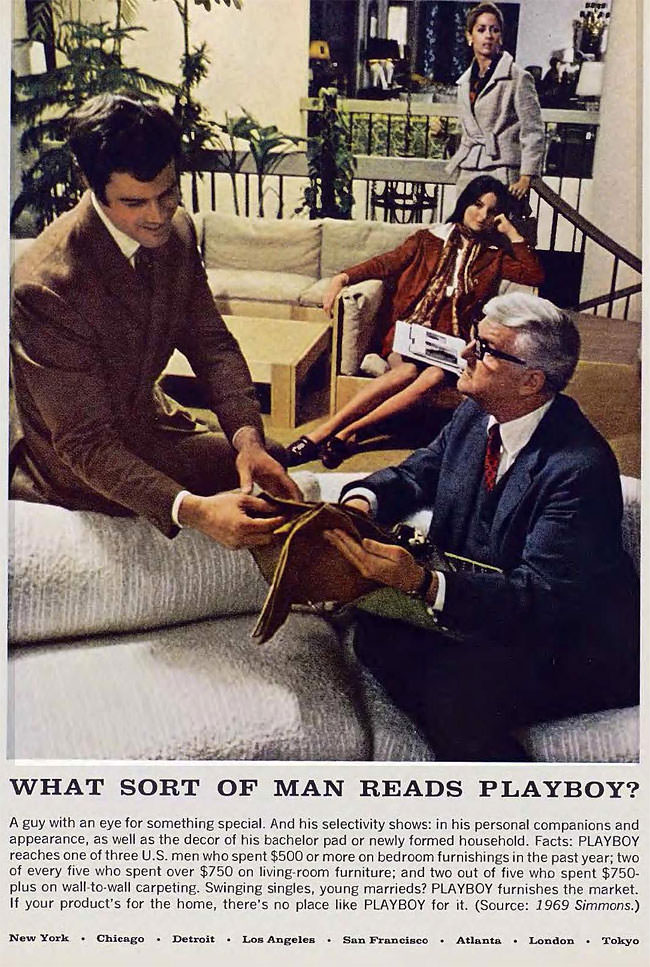
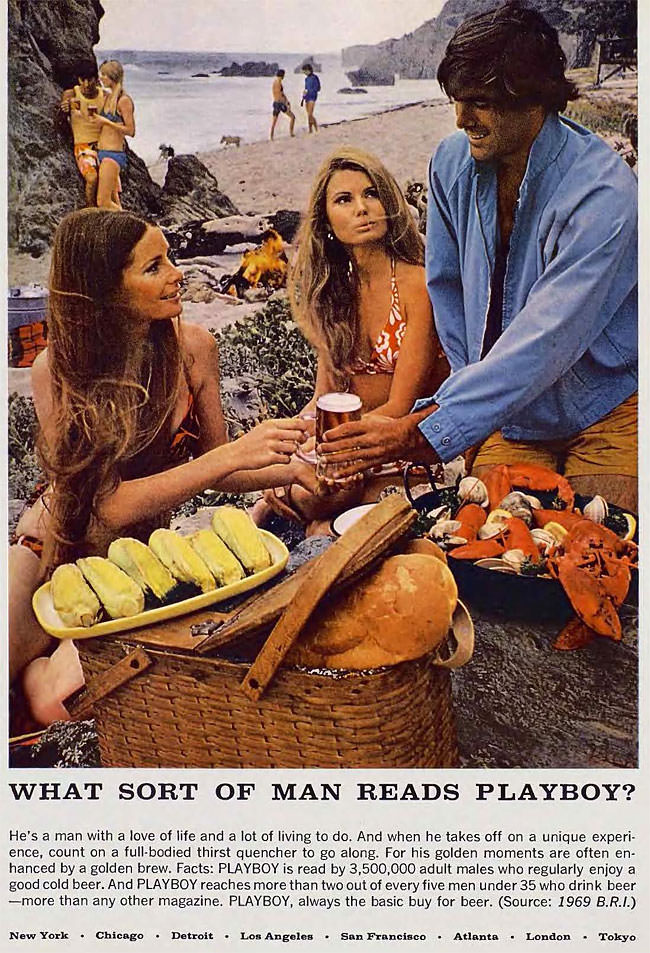
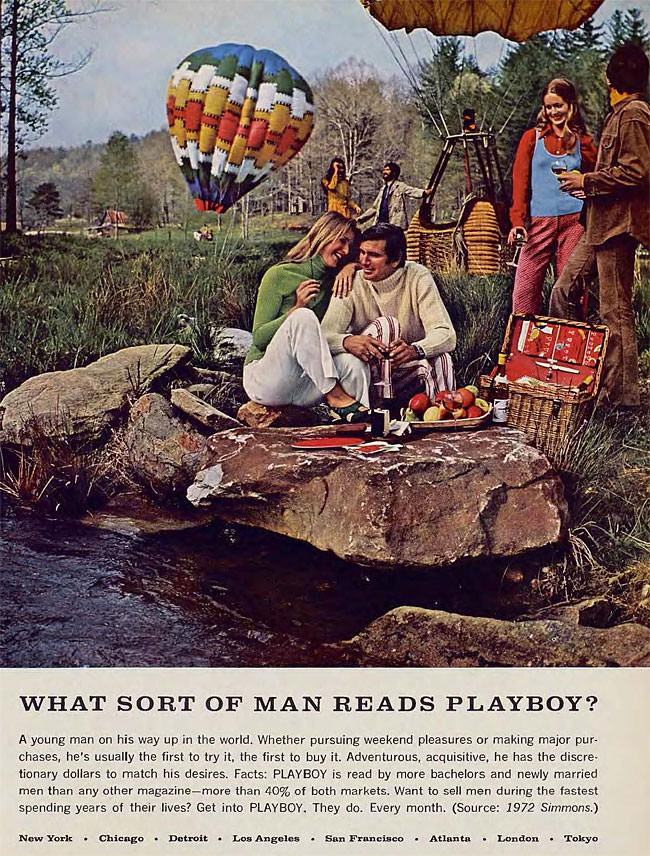
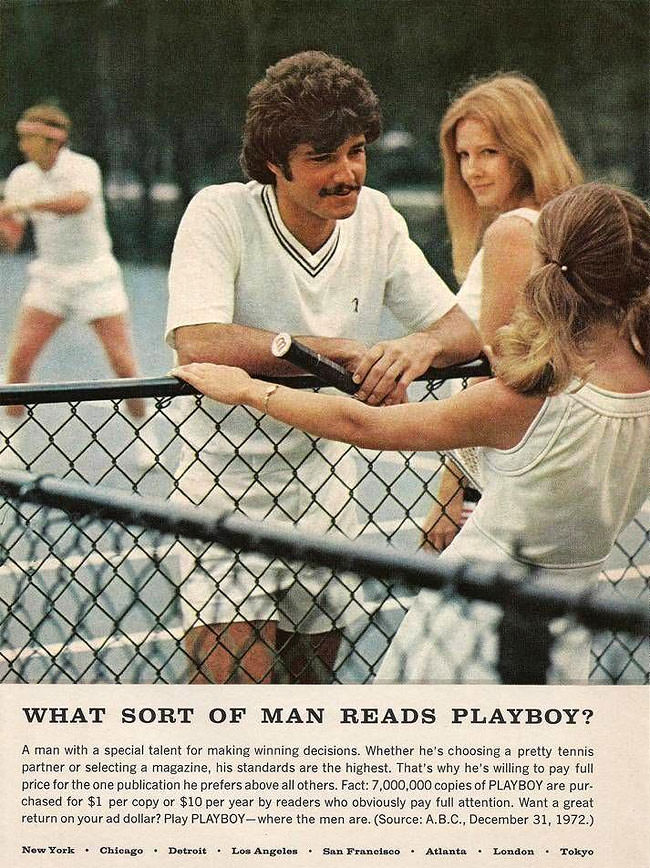
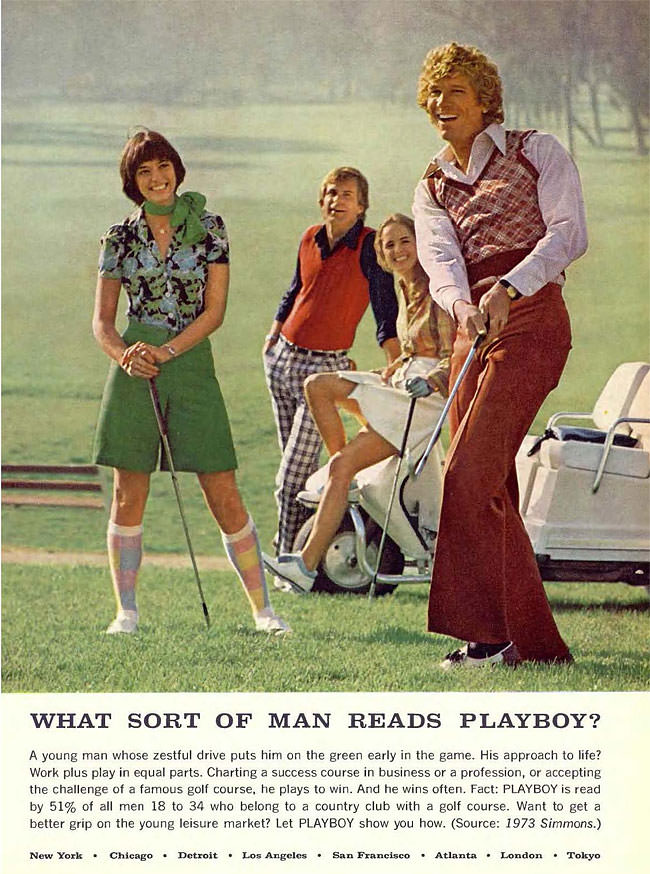
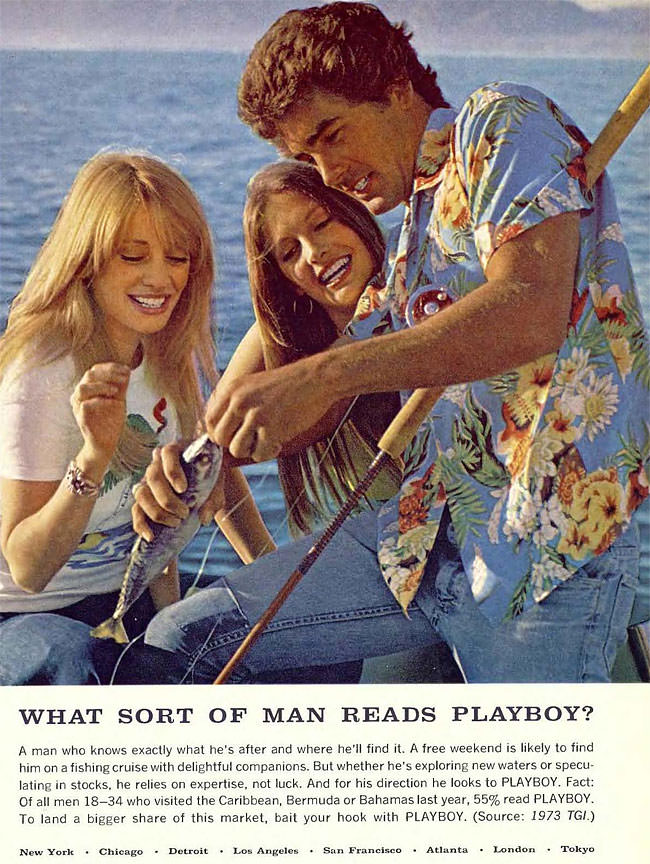
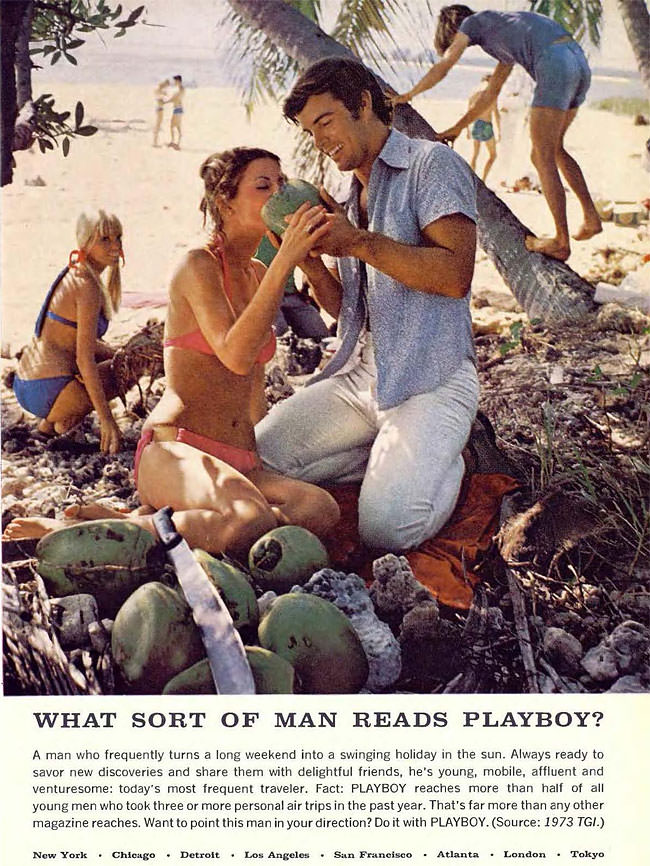
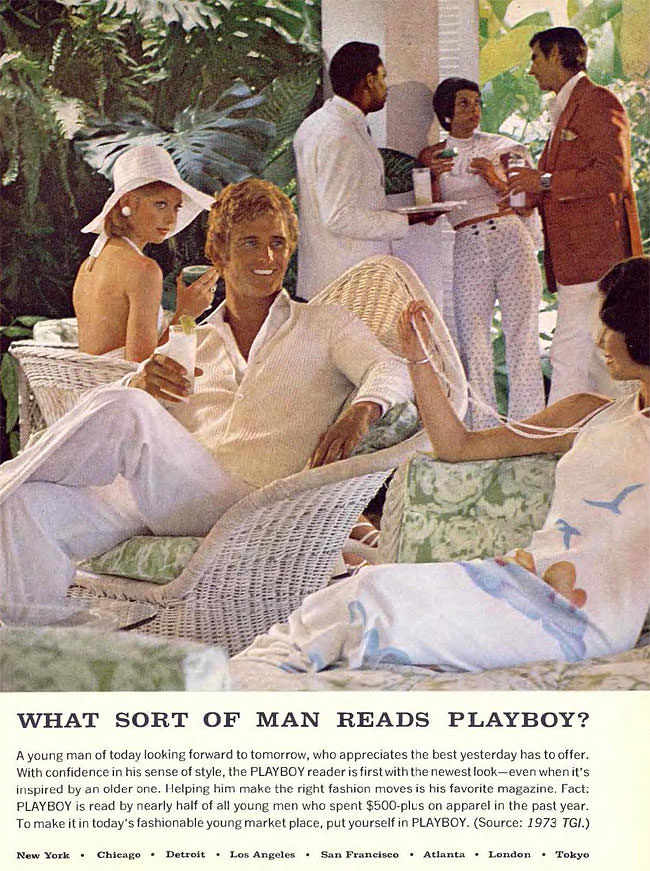
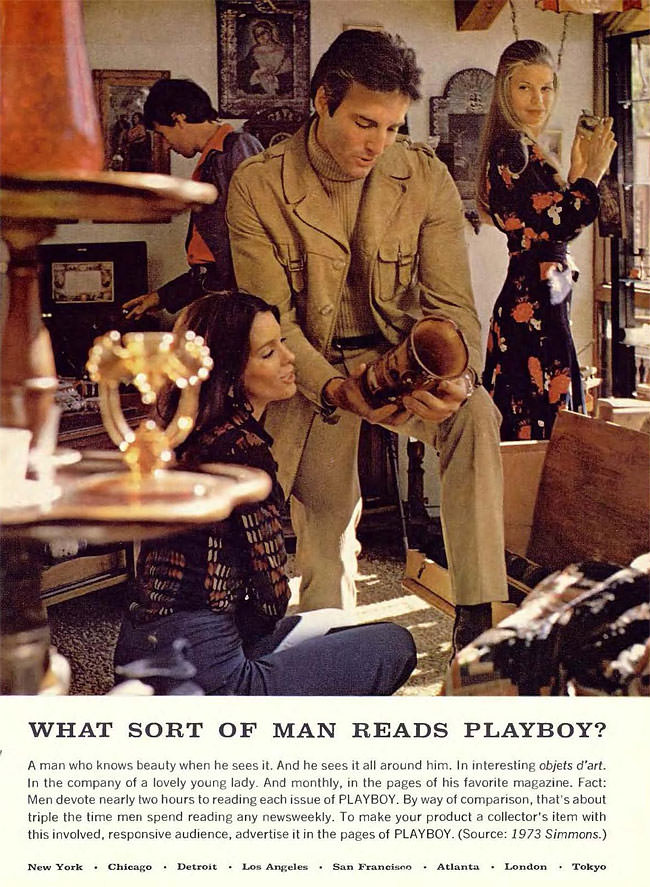
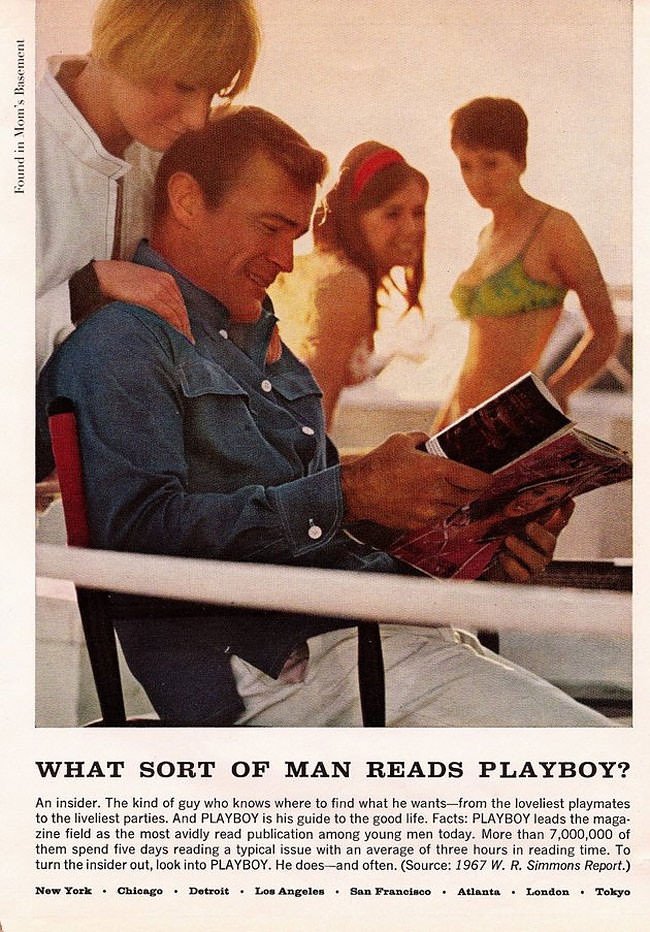
The campaign centered on a single, direct question: “What kind of man reads Playboy?” Some versions phrased it as “What sort of man reads Playboy?” Either way, the answer was always the same. The man in every ad was young, physically fit, well-dressed, and successful. He was surrounded by beautiful women who clearly admired him. He skied, sailed, drove sports cars, and moved through life with total confidence.
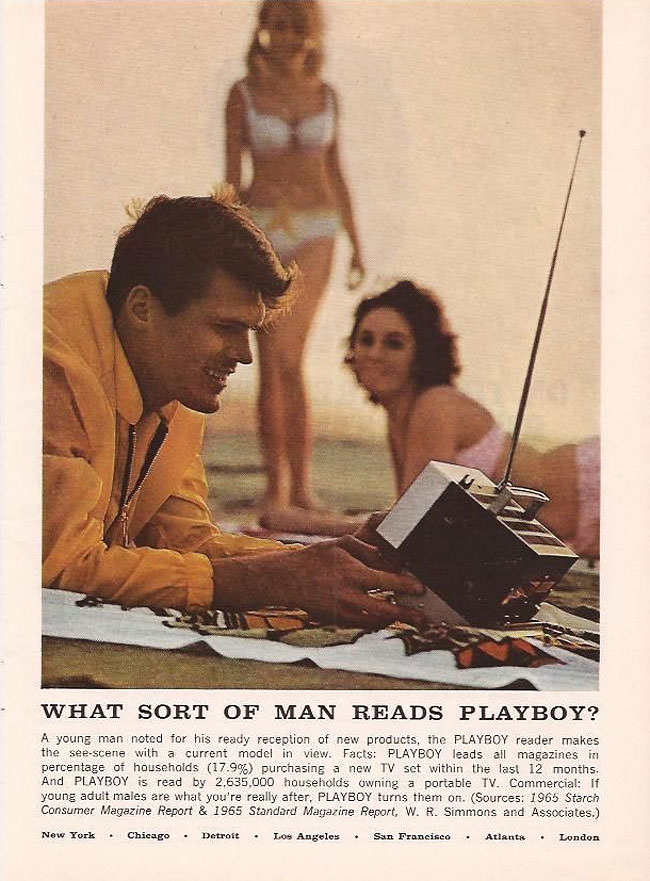
The campaign was a direct response to the stigma around reading Playboy. At the time, many men who enjoyed the magazine kept it quiet. Admitting you read it could invite judgment from employers, colleagues, and the general public. Playboy’s strategy was to flip that stigma on its head. Instead of defending the magazine’s content, they made the reader the hero of the story.
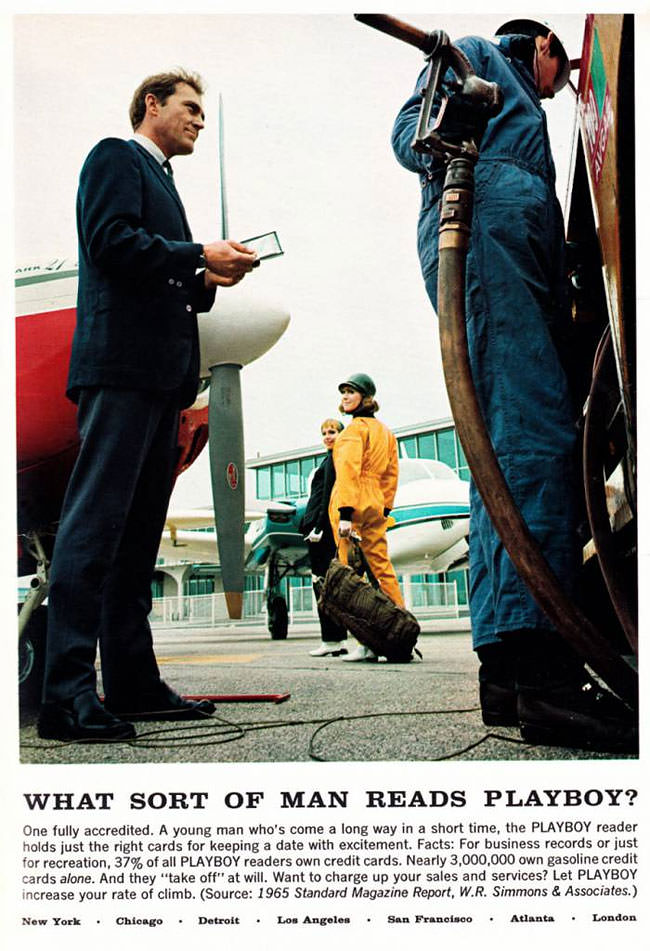
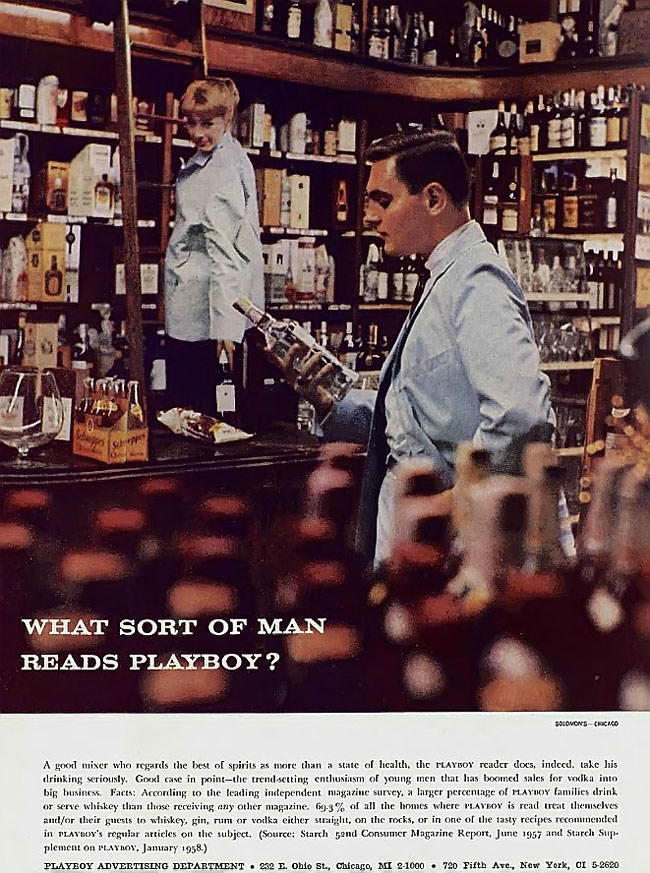
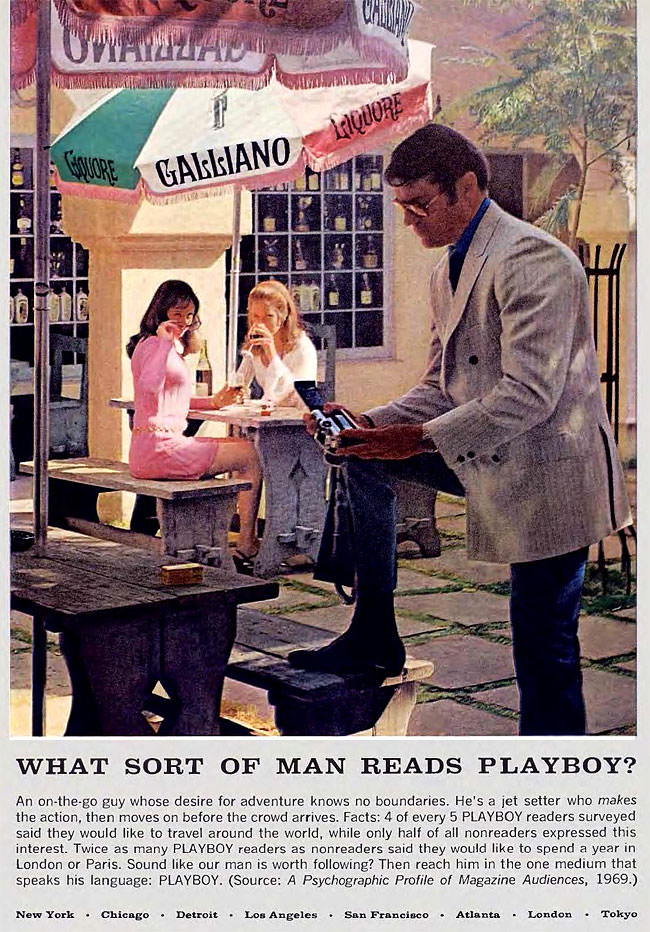
Each ad painted a vivid portrait of a specific type of man. He wasn’t just someone who happened to pick up a magazine. He was an athlete, an adventurer, an intellectual. The ads described him in flattering detail — his hobbies, his taste, his lifestyle. Playboy was telling its readers: this is who you are, and there’s nothing to be ashamed of.
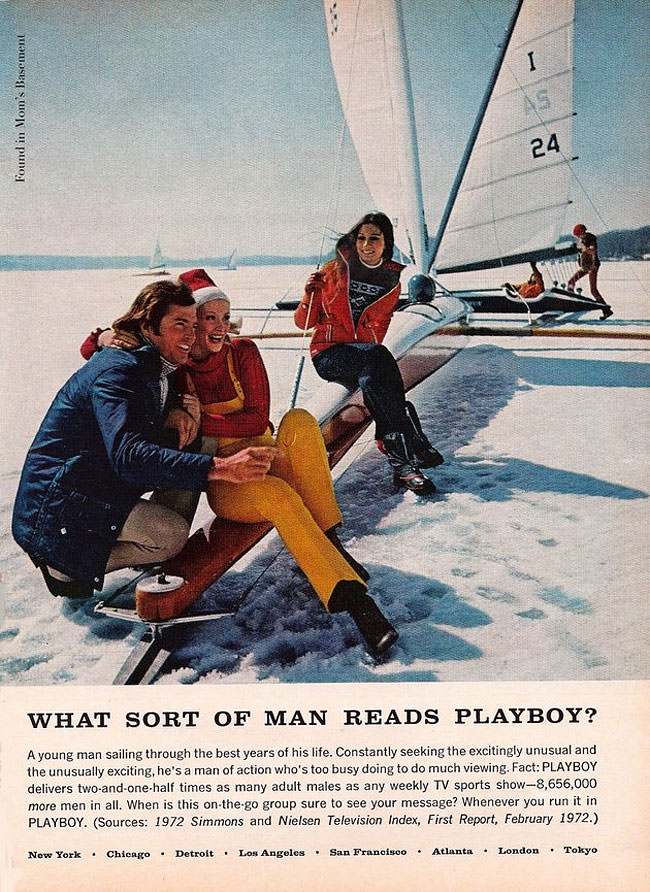
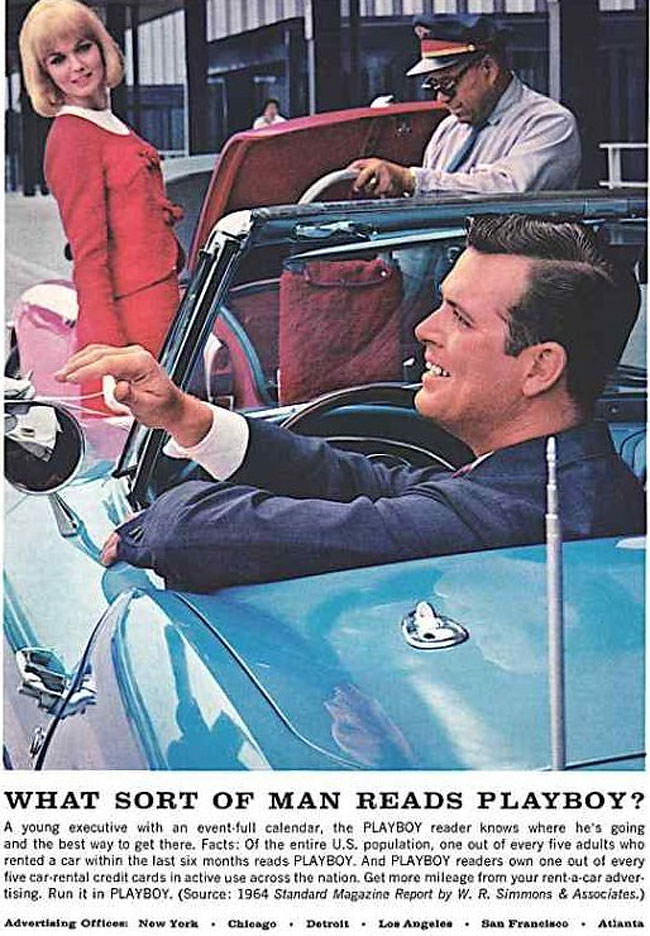
The ads also served a very practical business purpose. Playboy needed major brands to buy advertising space in the magazine. To do that, they had to prove their readership was wealthy, educated, and worth targeting. The “What kind of man reads Playboy?” campaign ran in trade publications and business journals — not just consumer media. It was as much a pitch to Madison Avenue as it was a message to readers.
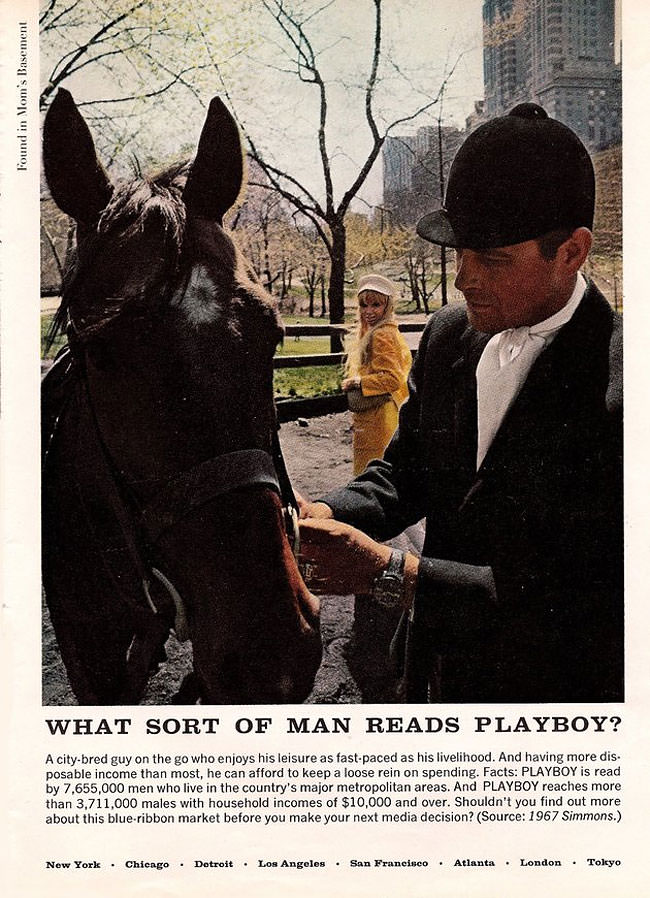
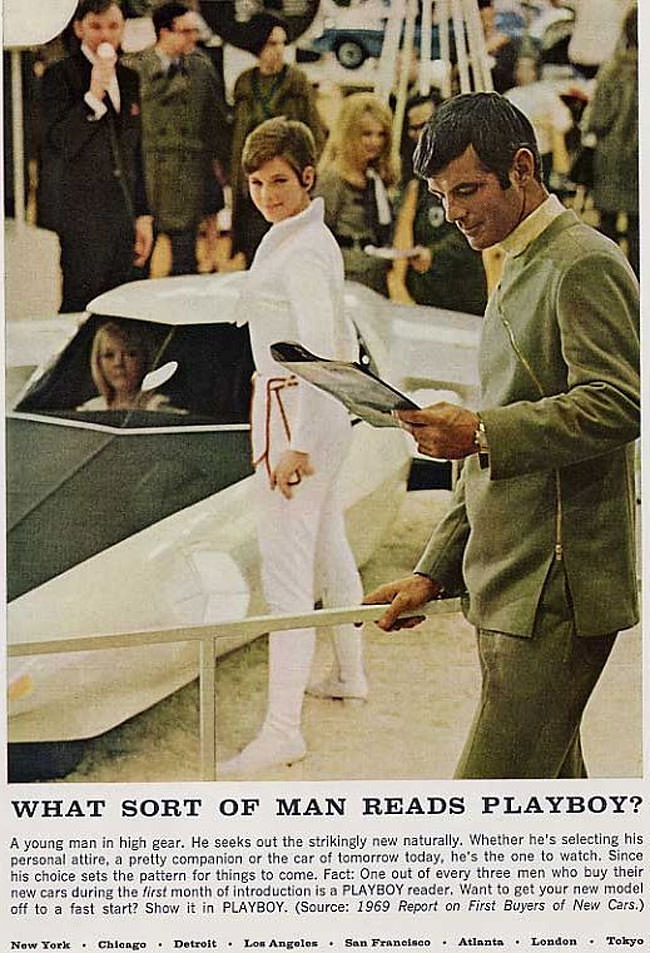
The campaign ran for over two decades, from 1958 all the way to 1979. That’s 21 years of consistent messaging built around the same core idea. Very few advertising campaigns in any industry have maintained that kind of focus for that long. The visuals changed with the times — clothing styles, photography techniques, and cultural references all evolved — but the central question and its answer stayed locked in place.
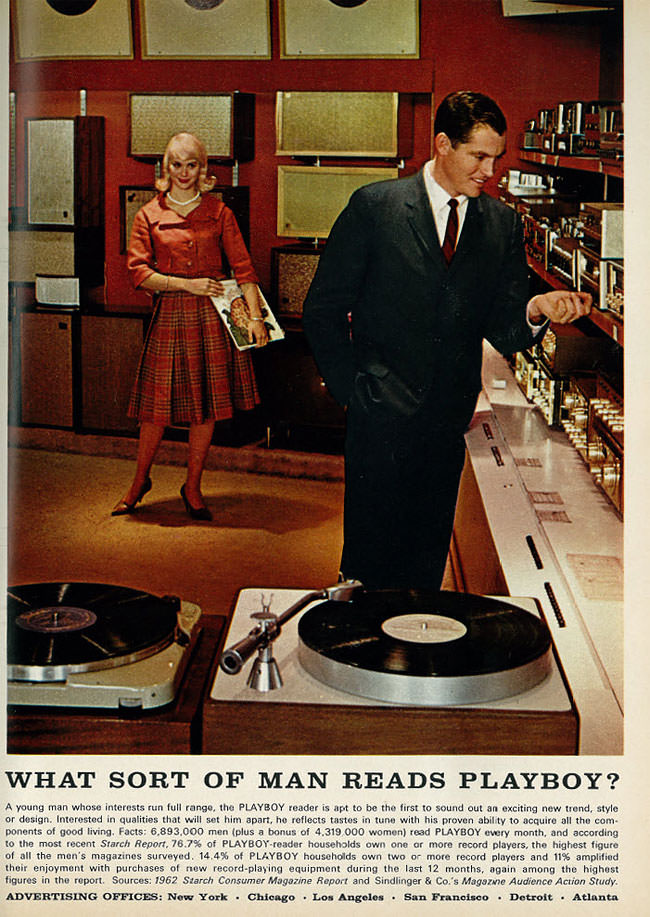
Looking at the early ads from the late 1950s and early 1960s, the men are dressed in sharp, tailored suits. The art direction is clean and formal. The copy is serious and almost corporate in tone. These ads were trying hard to be taken seriously by an establishment that wanted nothing to do with Playboy.
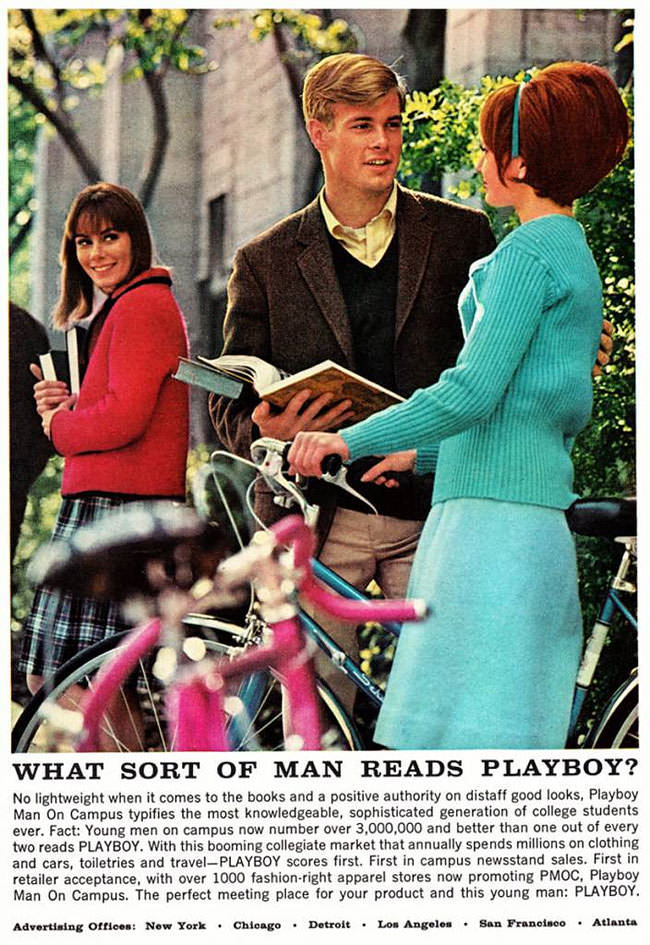
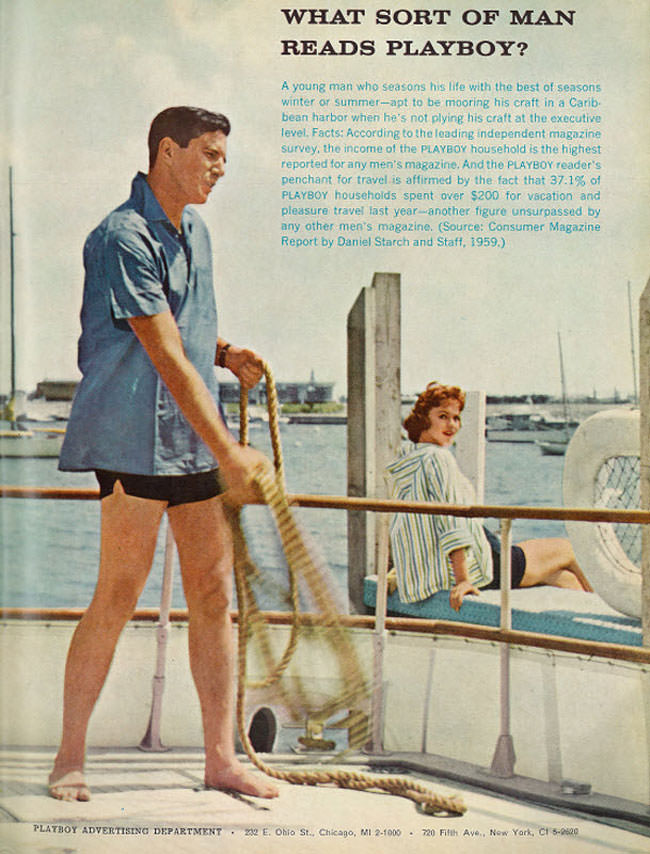
By the mid-1960s, the ads began to loosen up. The imagery became more adventurous. Men appeared on ski slopes, aboard sailboats, and at cocktail parties. The writing took on a breezier tone. The Playboy reader was now presented not just as a respectable professional, but as a man who truly enjoyed life.
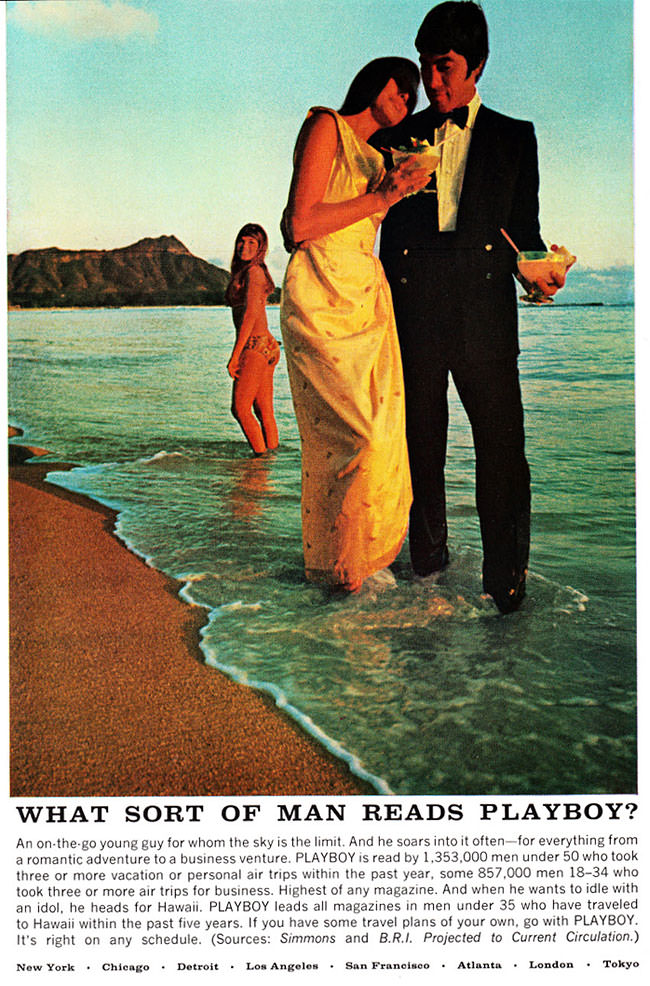
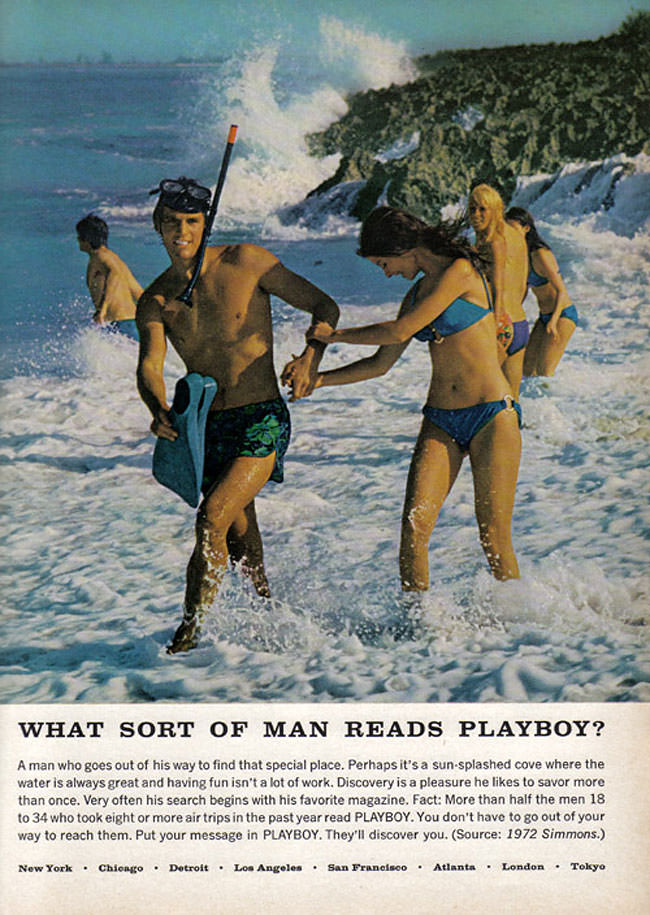
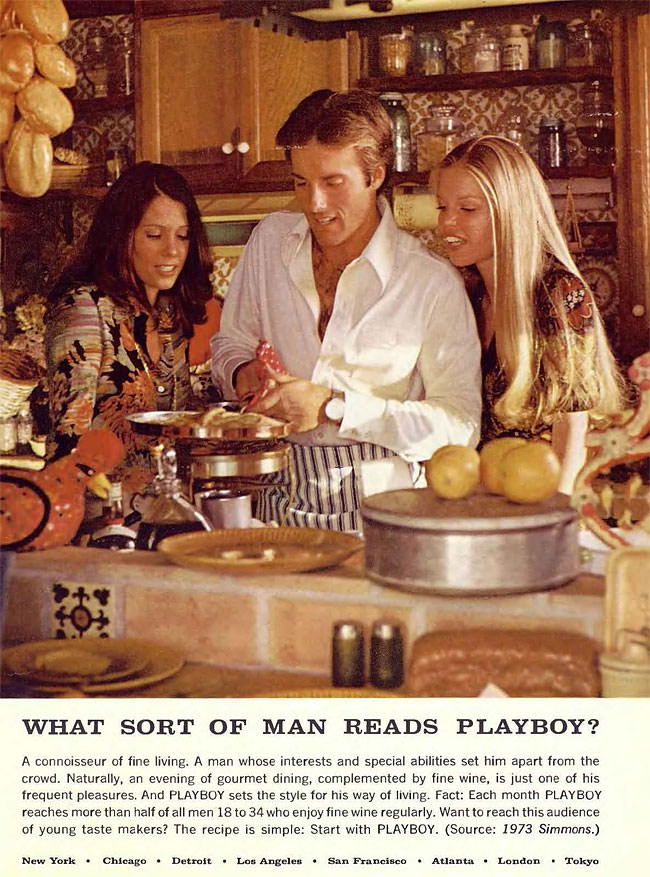
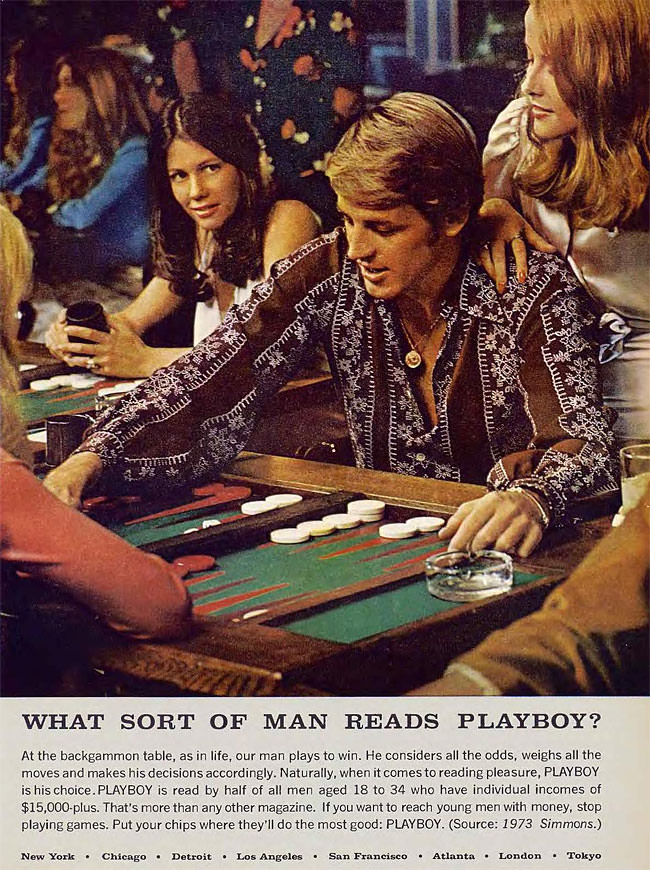
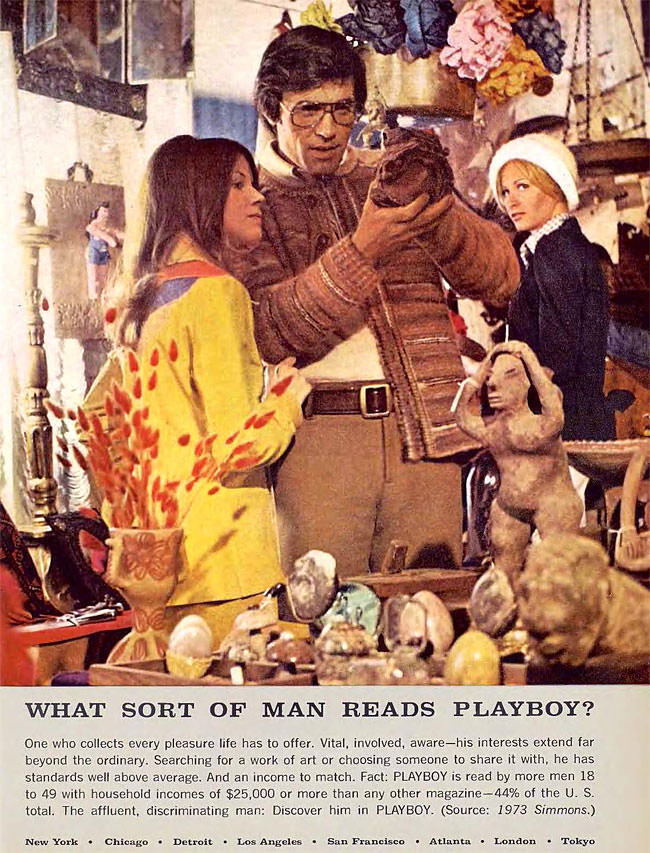
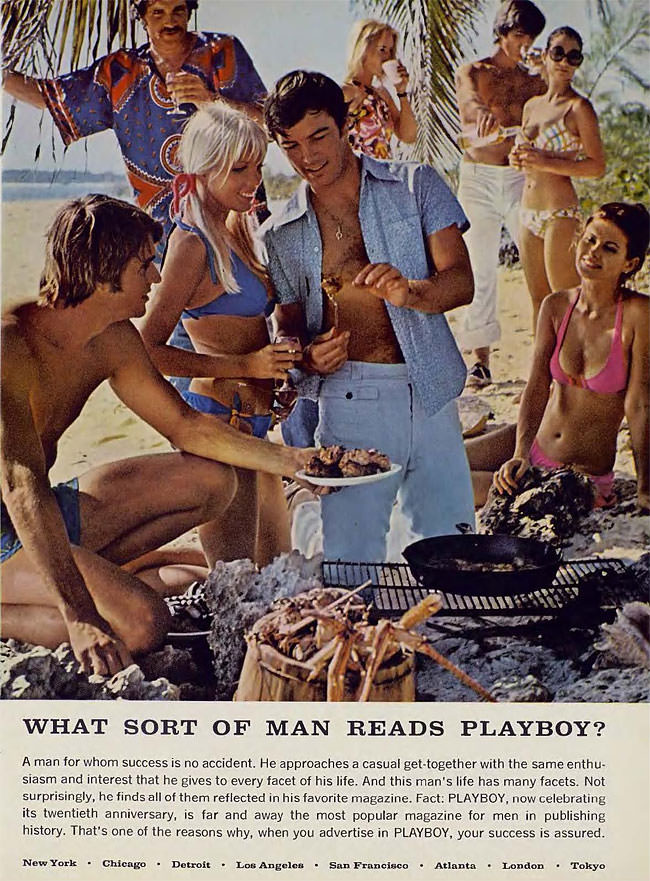
The ads from the late 1960s and into the 1970s reflected the cultural shifts happening across America. Fashion got bolder. Hair got longer. The men in the ads started to look less like boardroom executives and more like counterculture-adjacent, free-spirited individuals who still happened to have money and taste. Playboy walked a careful line between mainstream respectability and social rebellion.
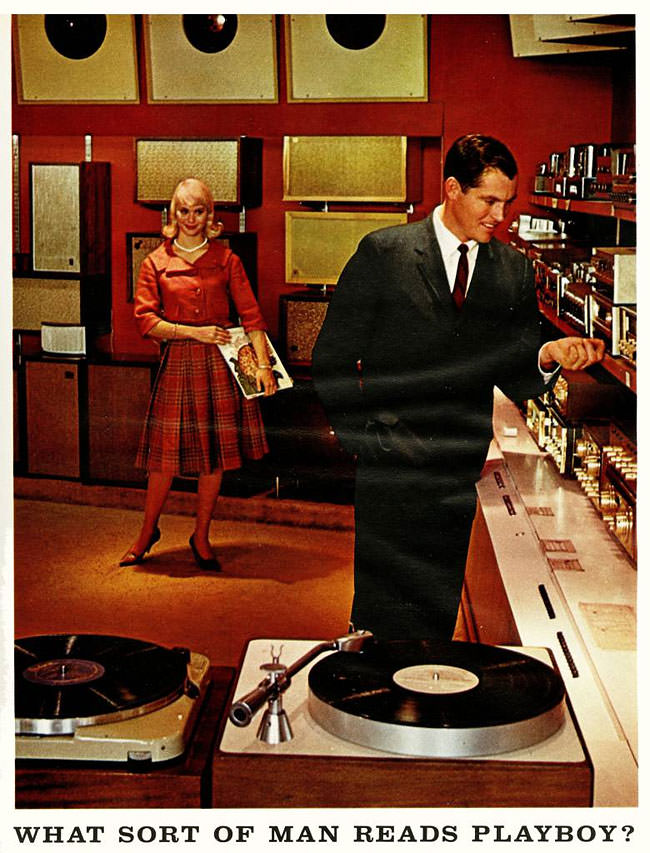
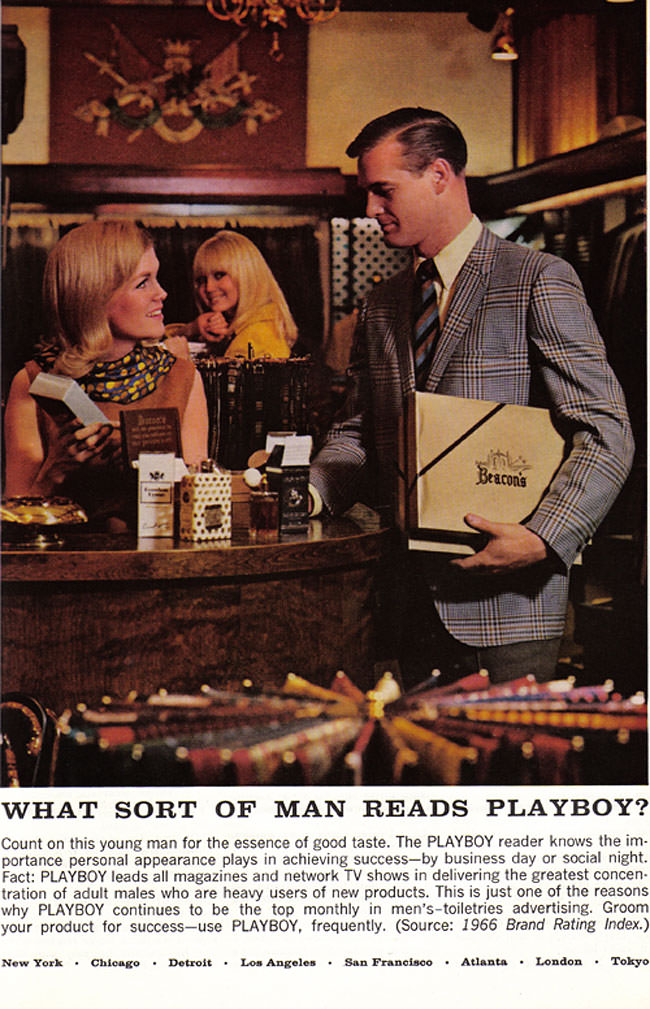
What makes these ads genuinely strange by today’s standards is the specificity of the aspirational portrait they painted. The Playboy reader, according to these campaigns, did not simply relax on weekends. He competed in regattas. He knew the difference between a good Bordeaux and a bad one. He traveled internationally. He had opinions about architecture and jazz.
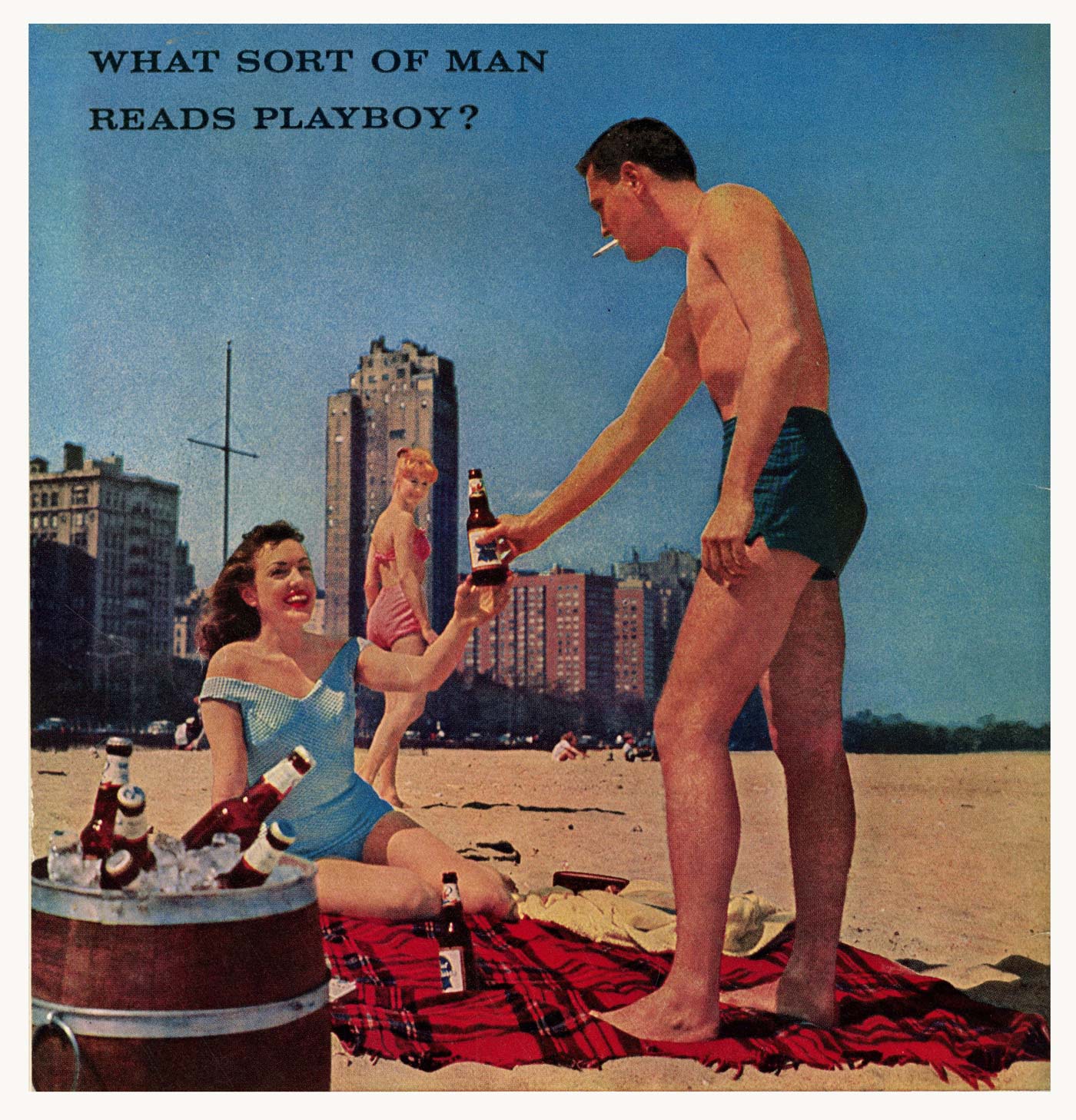
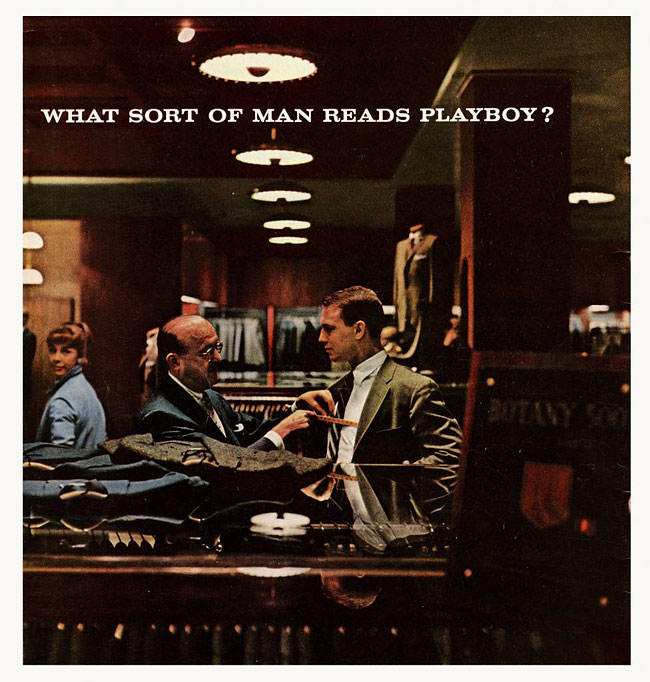
The women in these ads were always present, always admiring, and always positioned as a natural reward for being the kind of man who reads Playboy. They existed in the background of skiing trips, dinner parties, and sports cars — visual shorthand for the idea that this man’s lifestyle was desirable and complete.
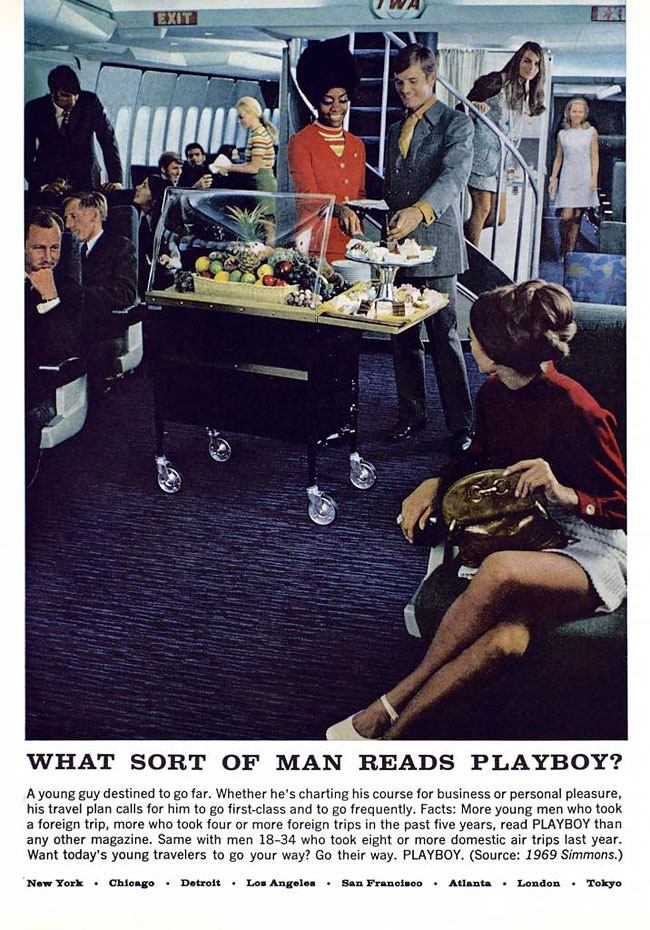
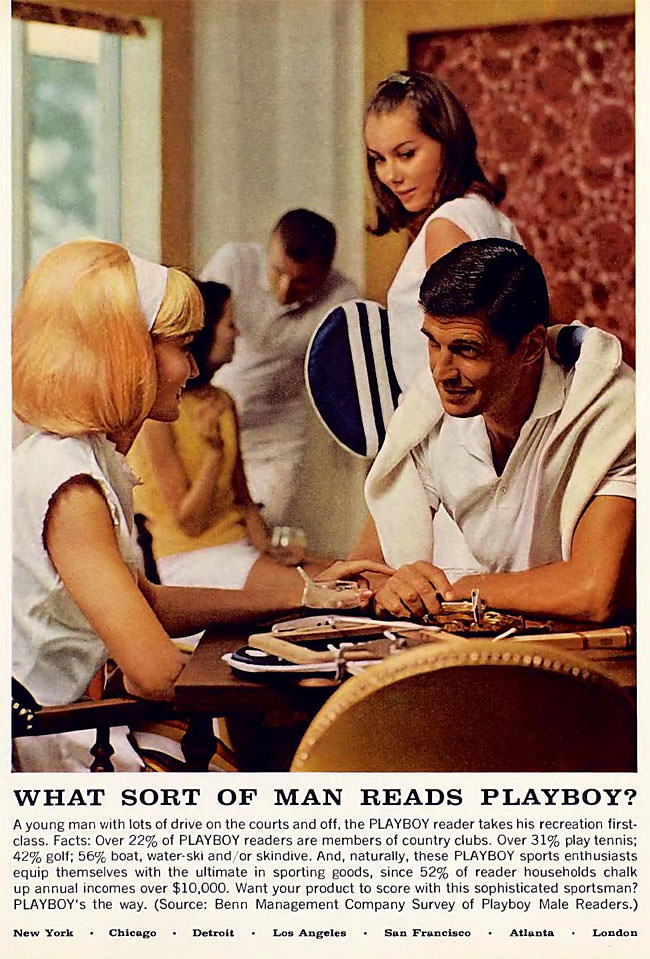
From an advertising history standpoint, the campaign is studied as an early and effective example of aspirational identity marketing. Rather than selling a product’s features, Playboy sold the identity of the person who used it. This technique is now standard across many industries, but Playboy’s campaign was ahead of its time in how deliberately and consistently it applied the strategy.
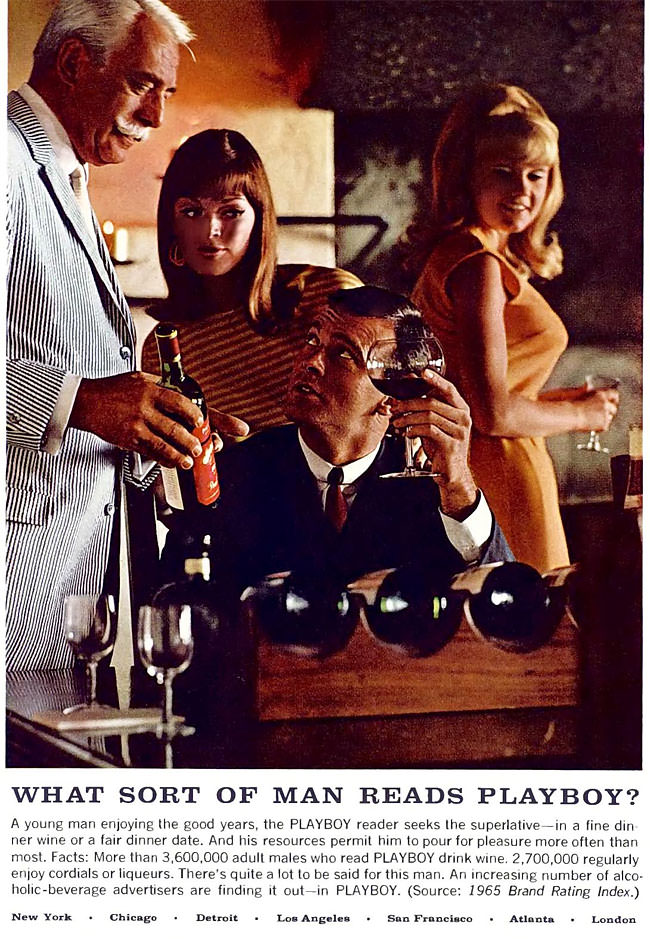
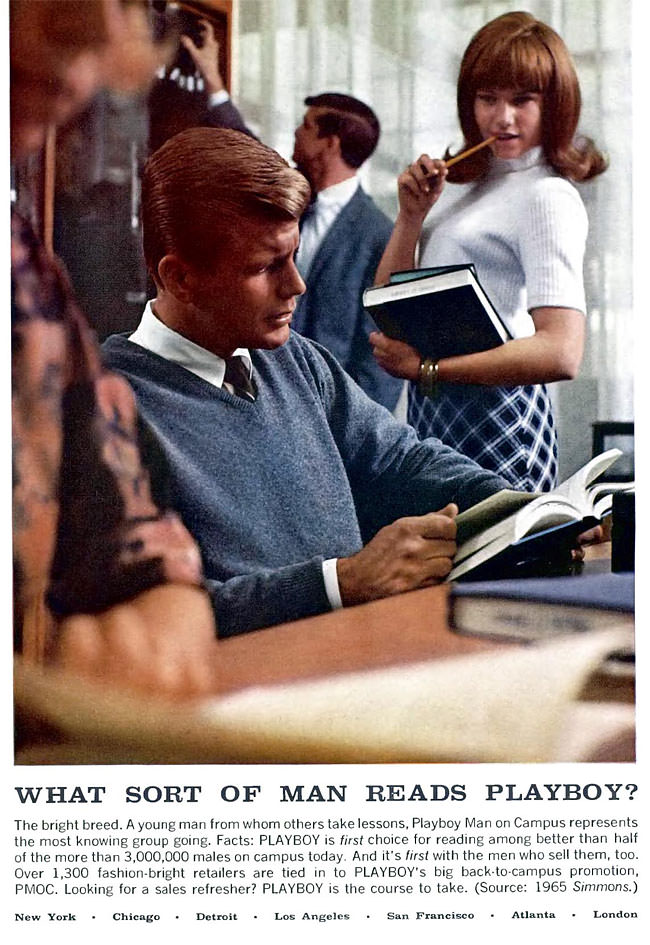
The full collection of these ads, spanning more than two decades, offers a fascinating snapshot of how American masculinity was packaged and sold from the late Eisenhower era through the end of the 1970s. Each ad is a small time capsule — the clothes, the cars, the leisure activities, and even the body language all reflect the decade they were made in.