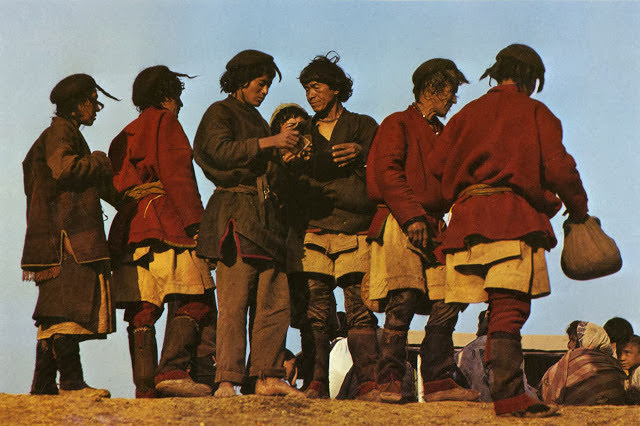
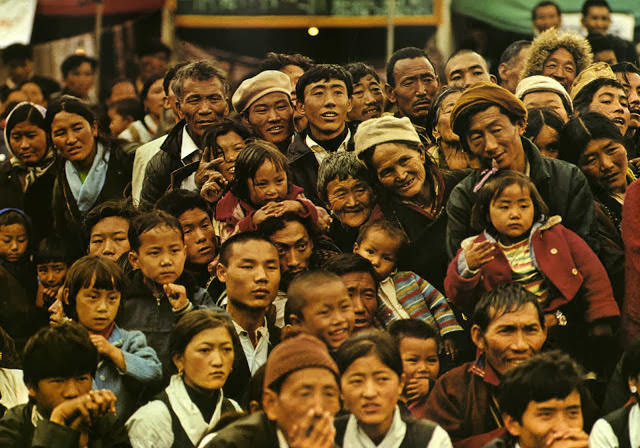
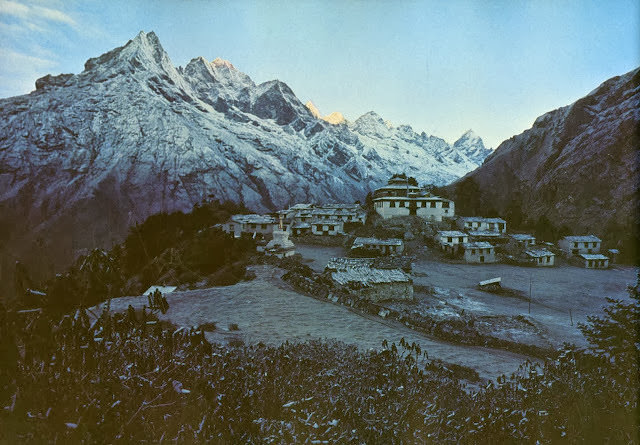
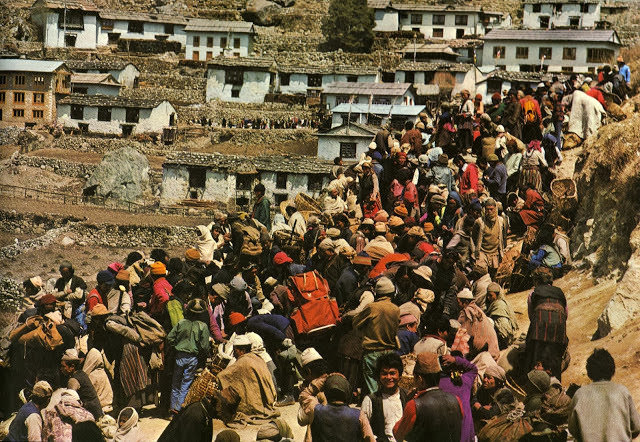
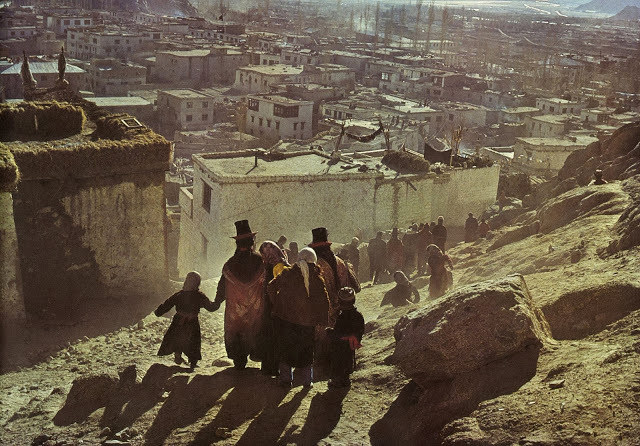
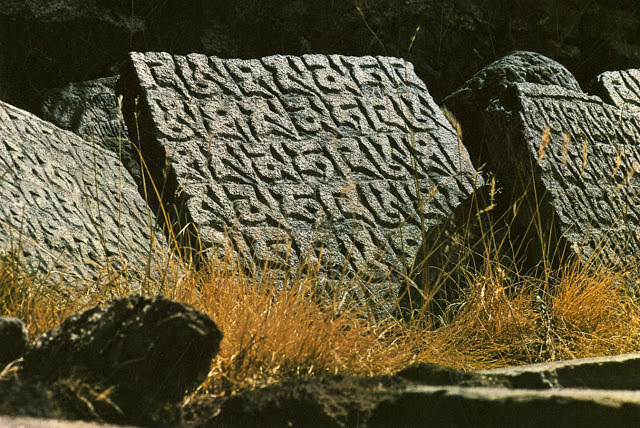
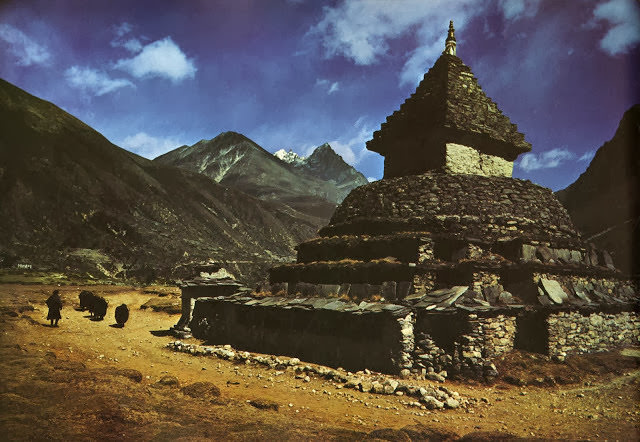
In the 1970s, Himalayan villages like those in Nepal’s Khumbu region operated on a rhythm set by altitude, season, and tradition. The Sherpa people who lived there were just beginning to see outside contact through mountaineering expeditions and trekking tours. But daily life remained deeply rooted in patterns that had existed for generations.
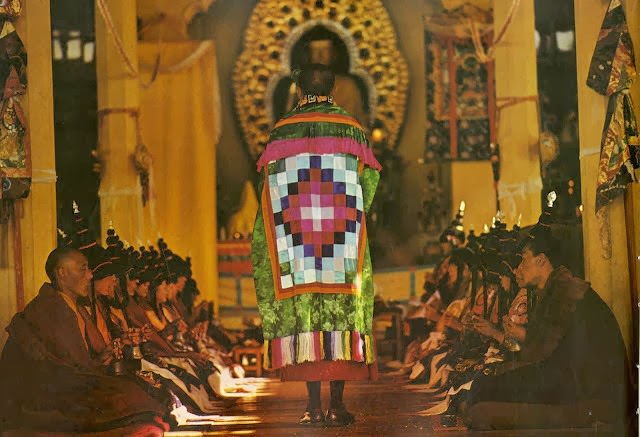
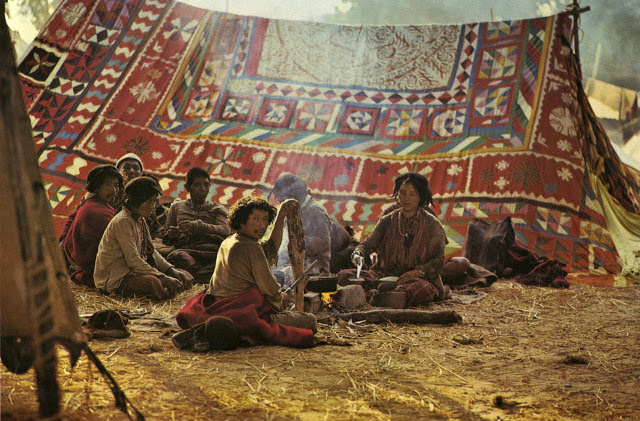
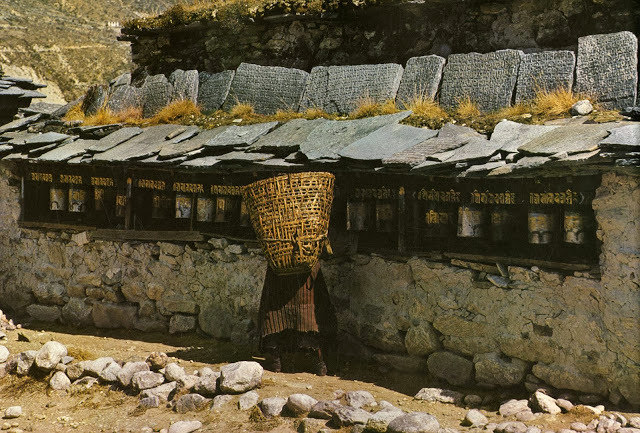
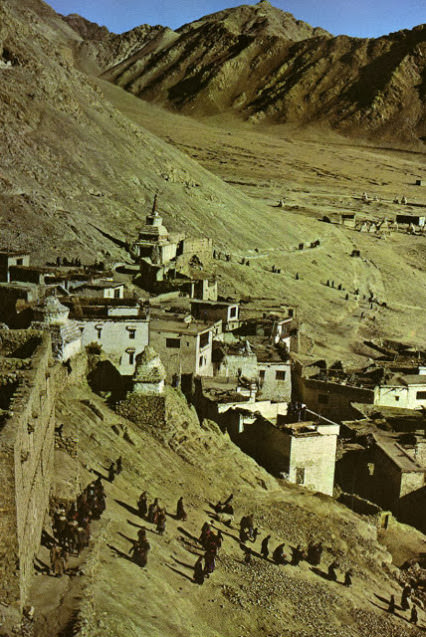
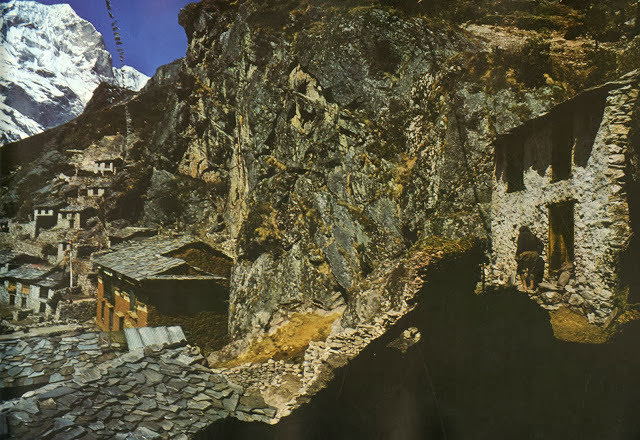
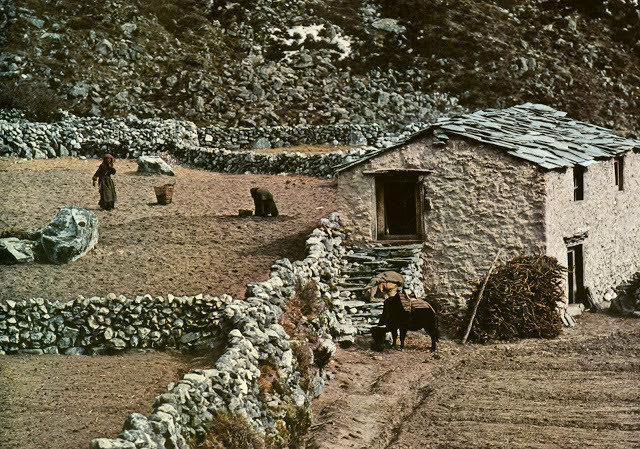
Families lived in two-story stone and wood houses built to handle brutal mountain weather. The ground floor sheltered yaks and goats, whose body heat helped warm the structure. The family lived above, gathered around a central hearth used for both cooking and heat.
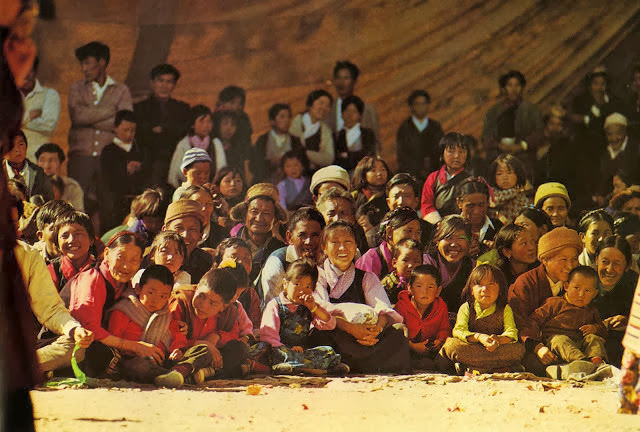
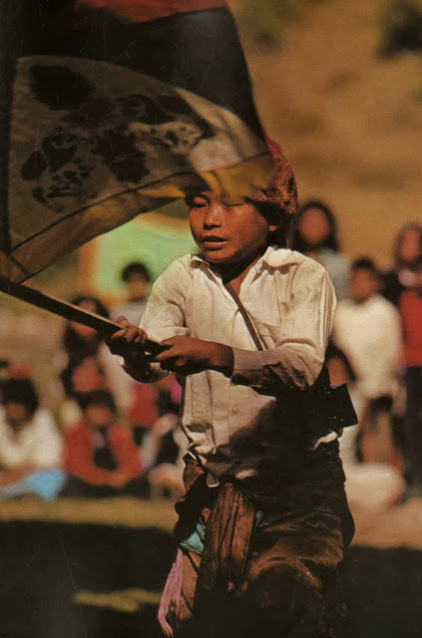
The Himalayan diet was built around what could actually grow at high altitude. Barley, buckwheat, and potatoes were the main crops. Tsampa — roasted barley flour — was a daily staple, along with flatbreads and potato stews. Butter tea, made by churning tea with yak butter and salt, was drunk throughout the day for calories and warmth.
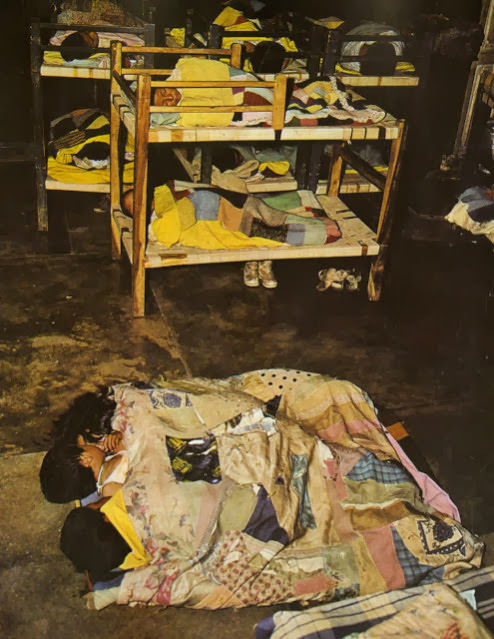

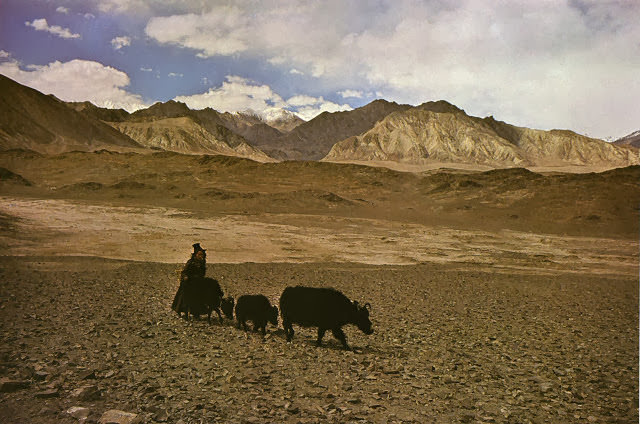
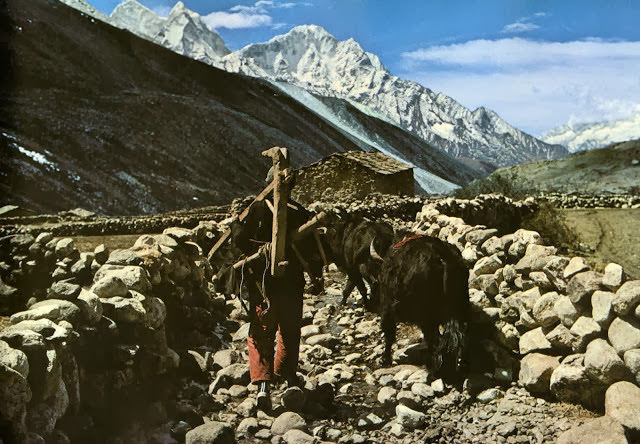
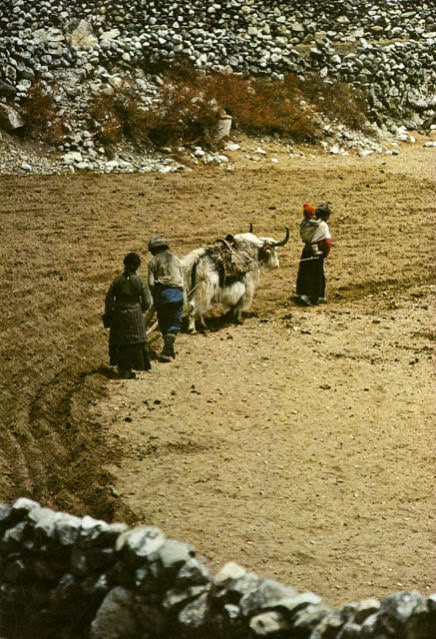
Yaks were the backbone of the Himalayan economy. They provided milk, butter, cheese, and wool. Their dried dung served as fuel for fires in a region where trees were scarce. Yaks also carried heavy loads along ancient trade routes that linked remote villages across the mountains.
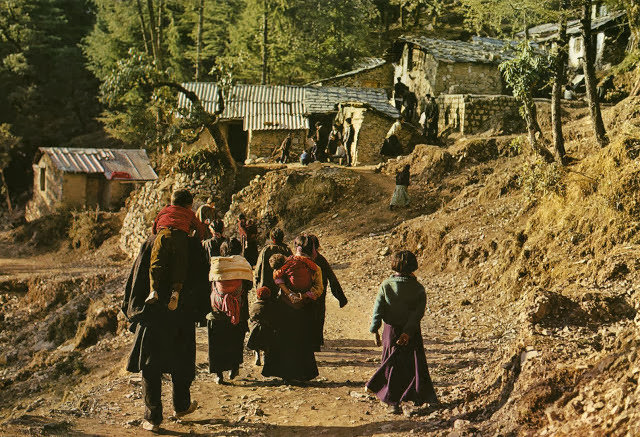
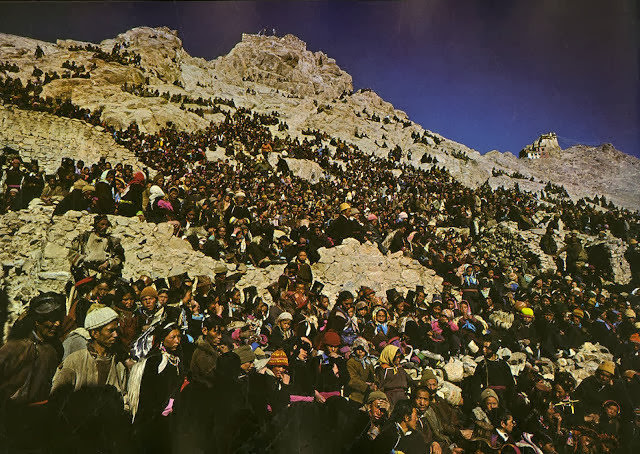
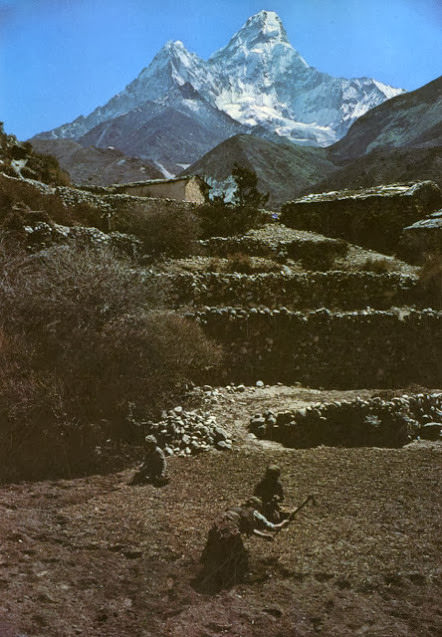
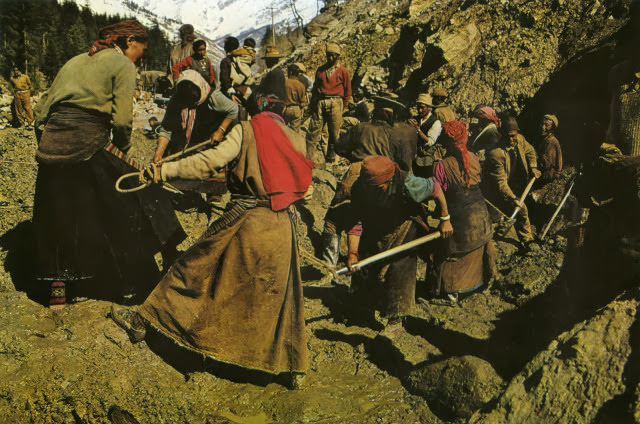
Work shifted with the seasons. In warmer months, families tended terraced fields carved into steep mountainsides, planting and harvesting crops entirely by hand. Herders guided their animals to higher pastures where grasses were available during the brief summer window.
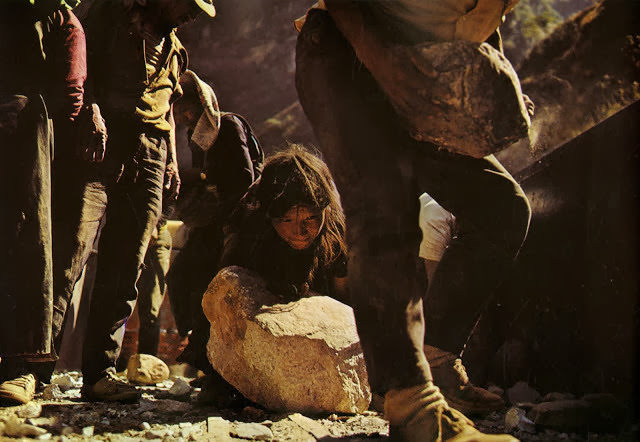
The 1970s brought a new economic layer. Trekking and mountaineering grew steadily, and many Sherpa men took work as porters and guides. Their physical adaptation to high altitude and their detailed knowledge of mountain routes made them essential to foreign climbing expeditions on peaks like Mount Everest.