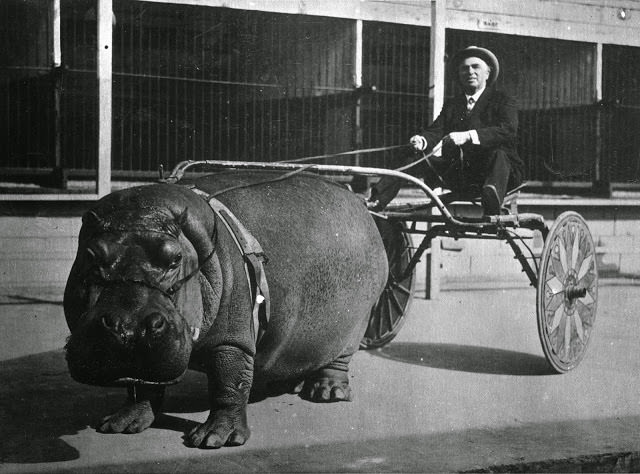
The 20th century produced no shortage of strange inventions, odd fads, and downright baffling moments — and photographers were there to capture all of it. The archive images below are a mix of the curious, the creative, and the flat-out bizarre. Some were serious attempts at solving real problems. Others were simply products of their time.
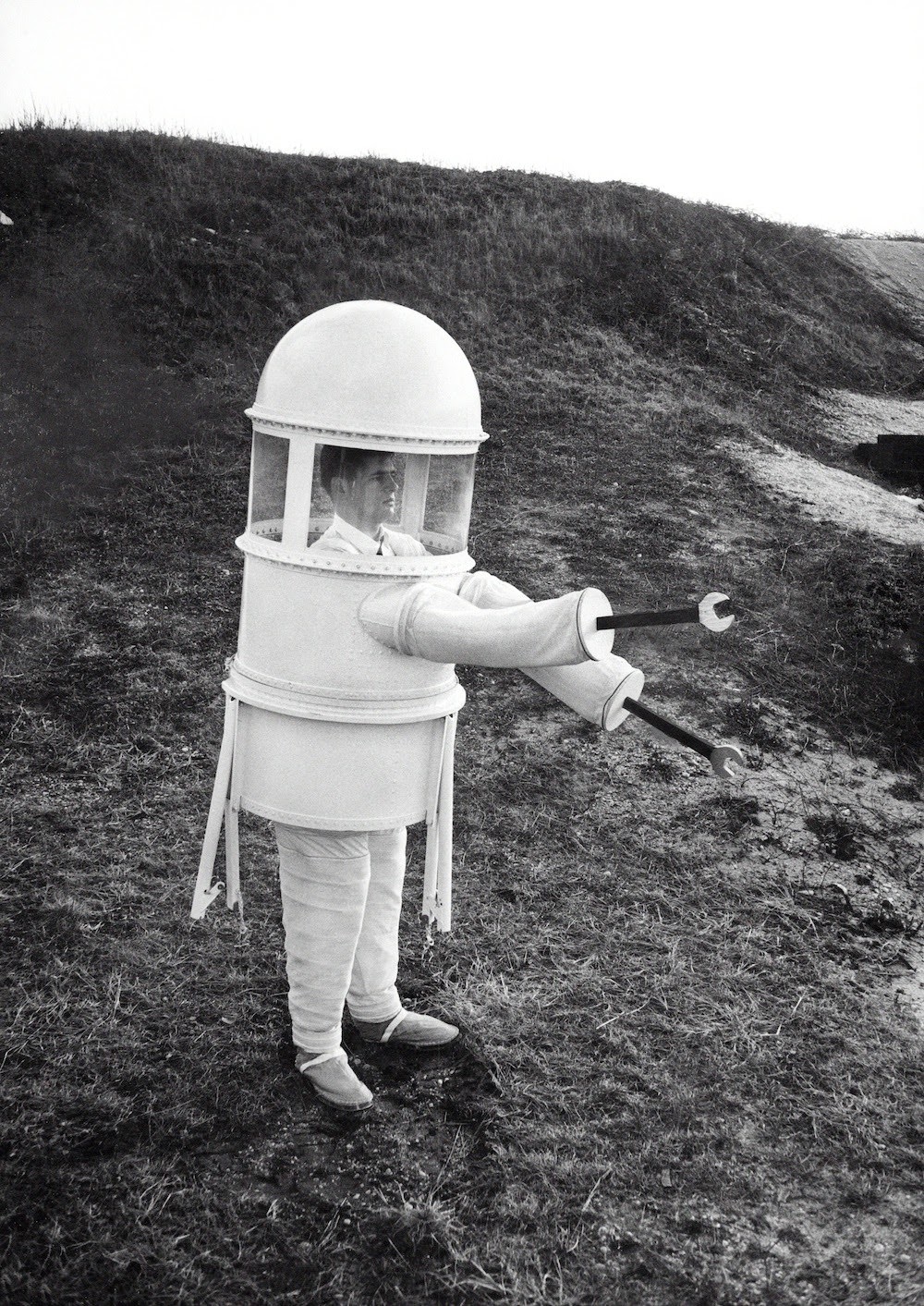
Few inventions were as ambitious — or as peculiar — as the spacesuit built by the Republic Aviation Corporation in 1960. Designed for lunar exploration, it came equipped with its own oxygen supply, tripod legs that let the wearer sit on an internal perch, and hands shaped like wrenches for tightening loose screws on the moon’s surface.
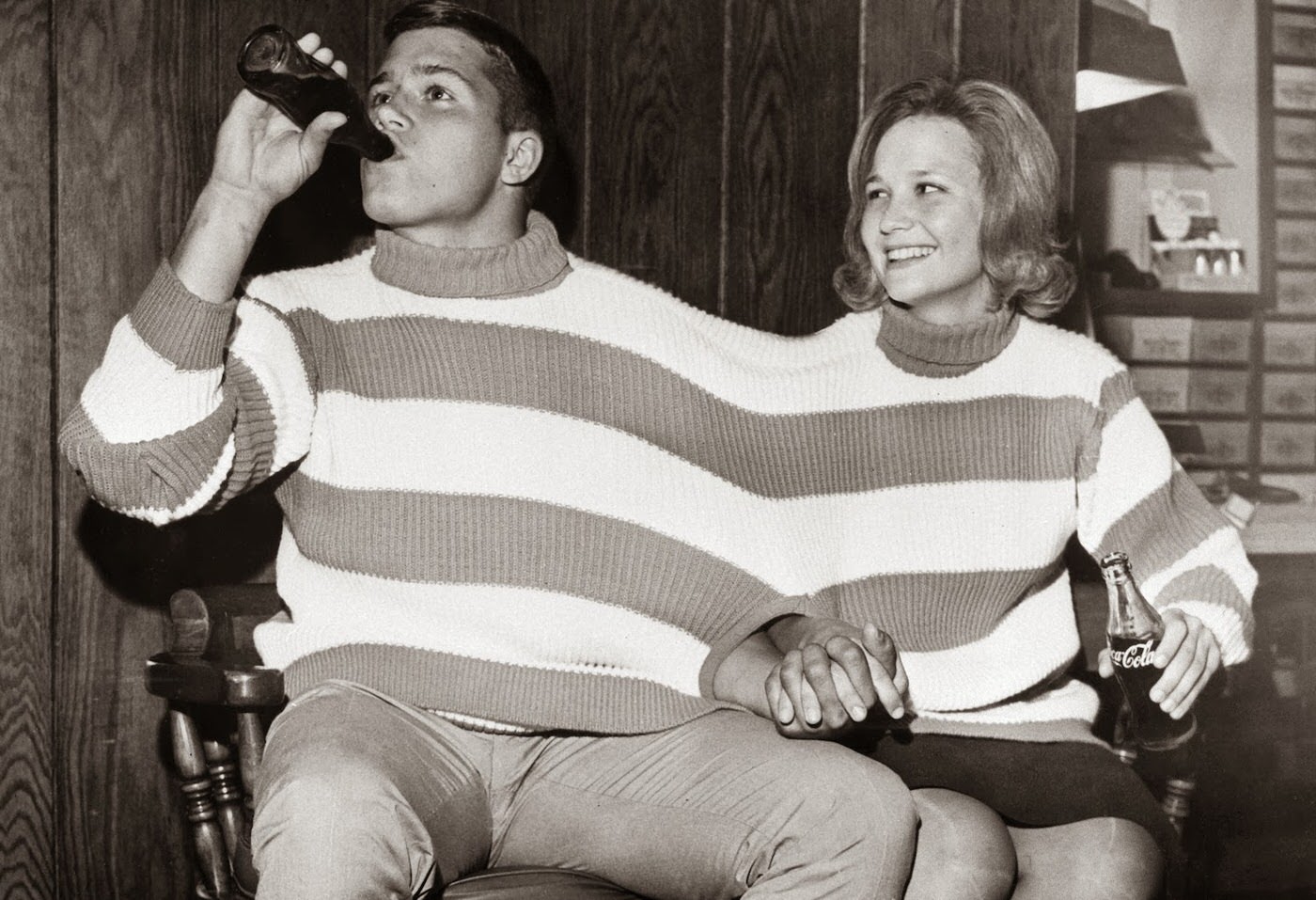
Back on Earth, togetherness took on a literal meaning in October 1963 when the “Tweter” became a nationwide fad. The garment featured two sleeves, two turtlenecks, and a single shared center armhole — meaning two people had to wear it at the same time.
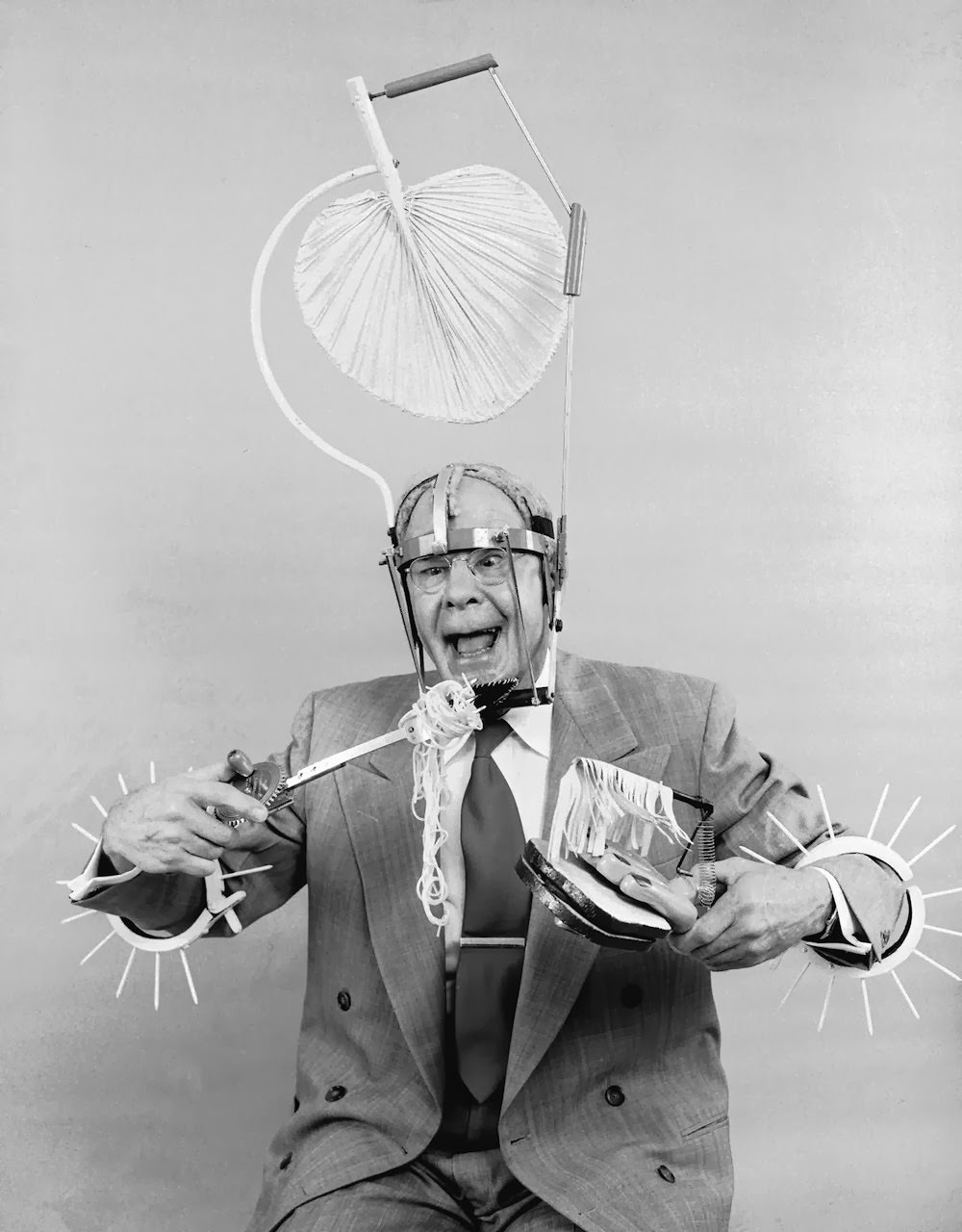
Amateur inventor Russell E. Oakes took problem-solving into his own hands — literally. Around 1955, he was photographed wearing arm spikes designed to help him push through crowded department stores, alongside a wind-up device that twirled spaghetti for him.
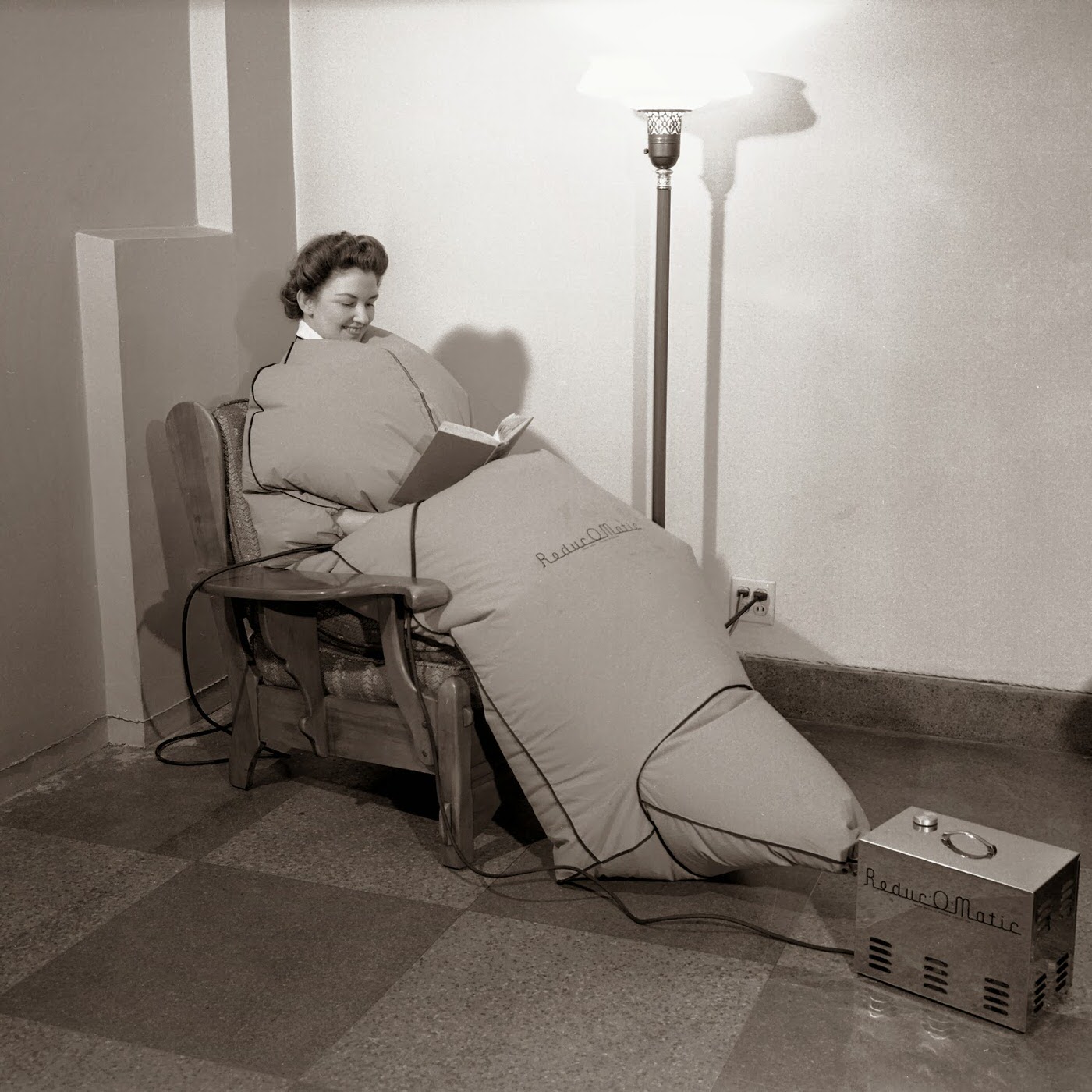
Wartime rubber shortages in 1942 cut girdle and corset production dramatically. As a result, alternative slimming gadgets gained popularity fast. One such device was a portable sweat box — a large cloth bag with a zipper front and a small air pump that forced heat and vapor inside, turning any room into a makeshift steam bath.
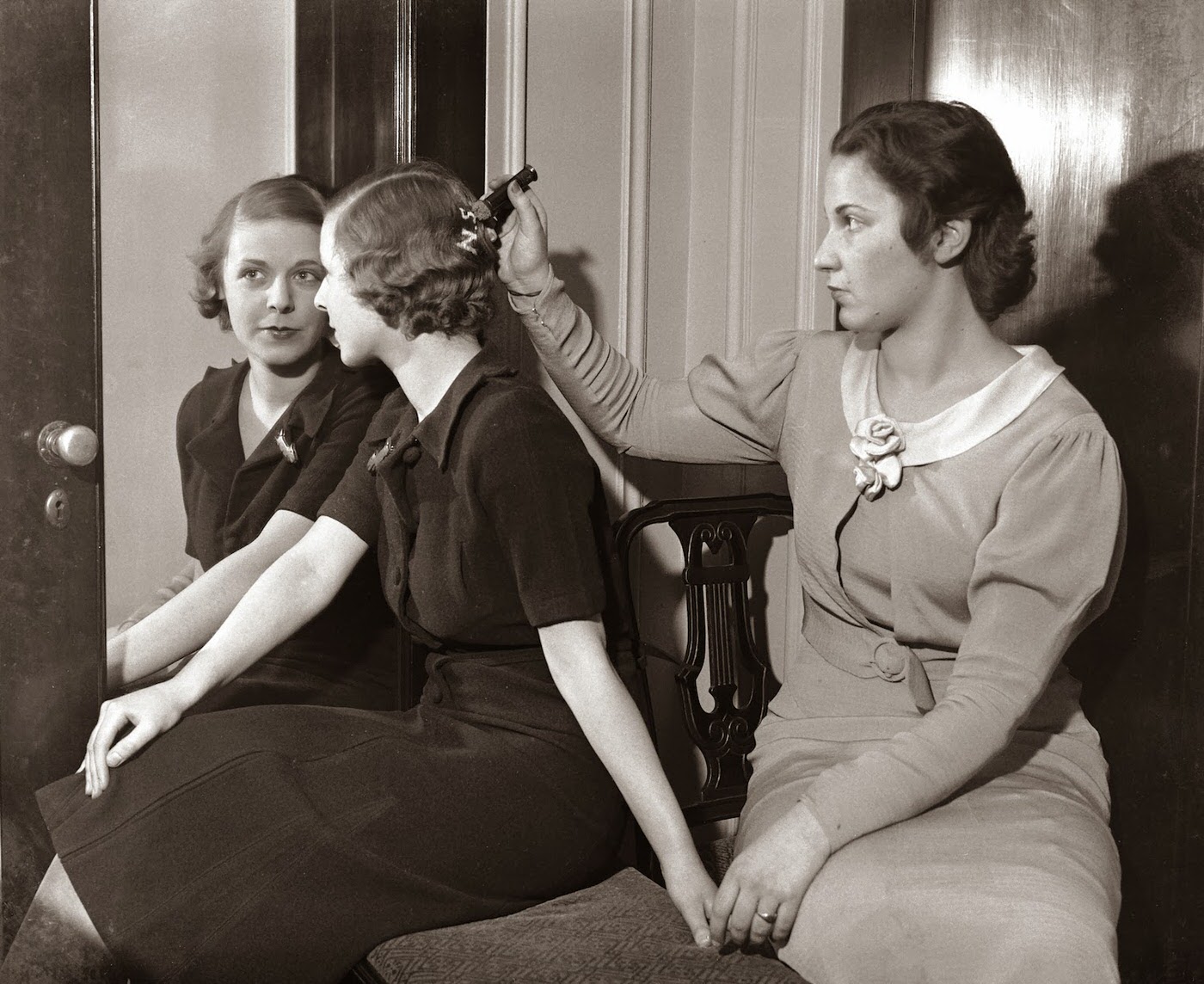
In 1933, a new hair gadget promised to replace fraternity pins and diamond rings as tokens of affection. The small fountain device was used to trace a boyfriend’s initials directly onto a woman’s hair using liquid — letting her wear her “heart on her hair” for all to see.
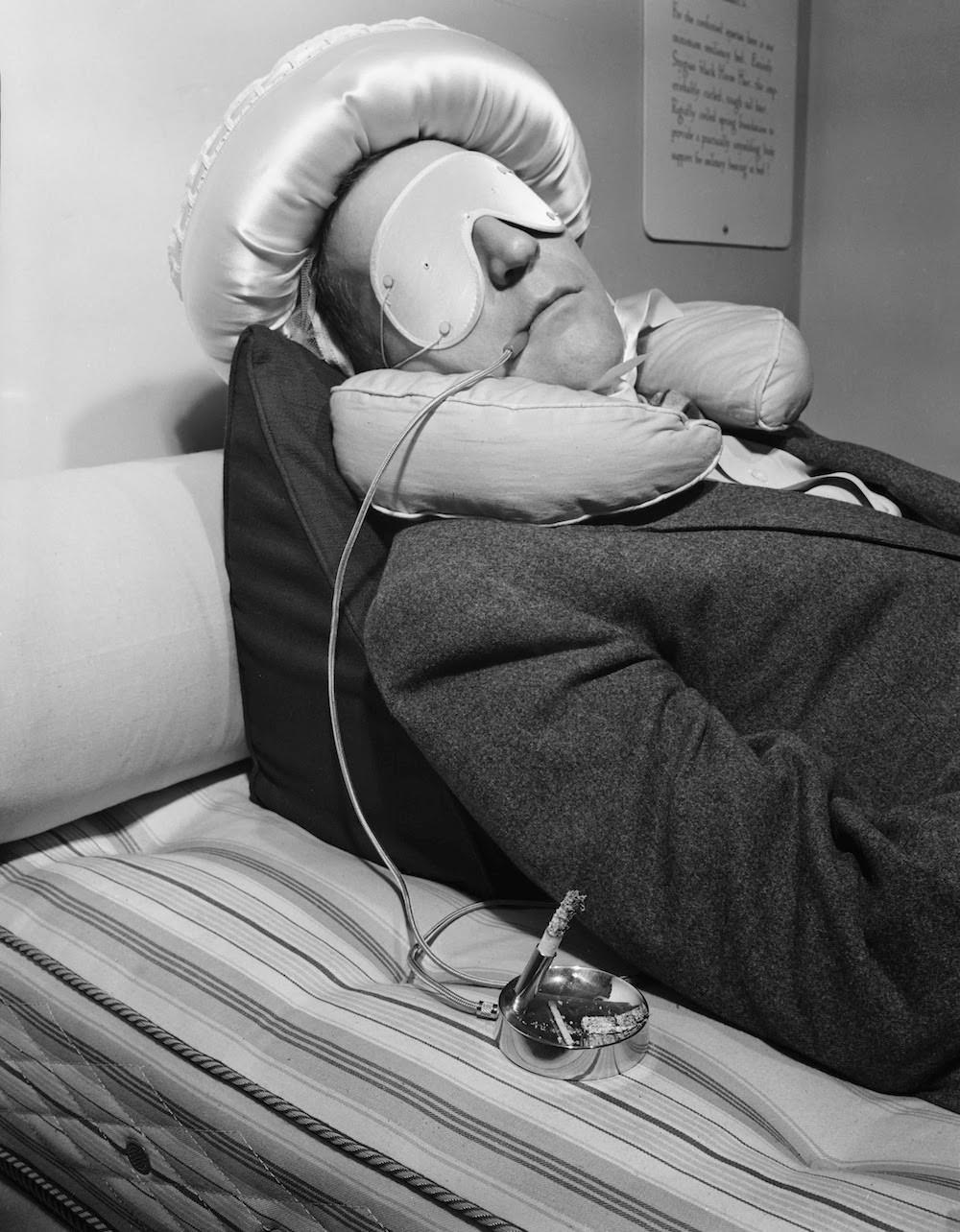
Around 1950, television host Garry Moore demonstrated a smoking device designed for use in bed. The apparatus held a lit cigarette in a way that would prevent bedclothes from catching fire if the smoker drifted off to sleep.
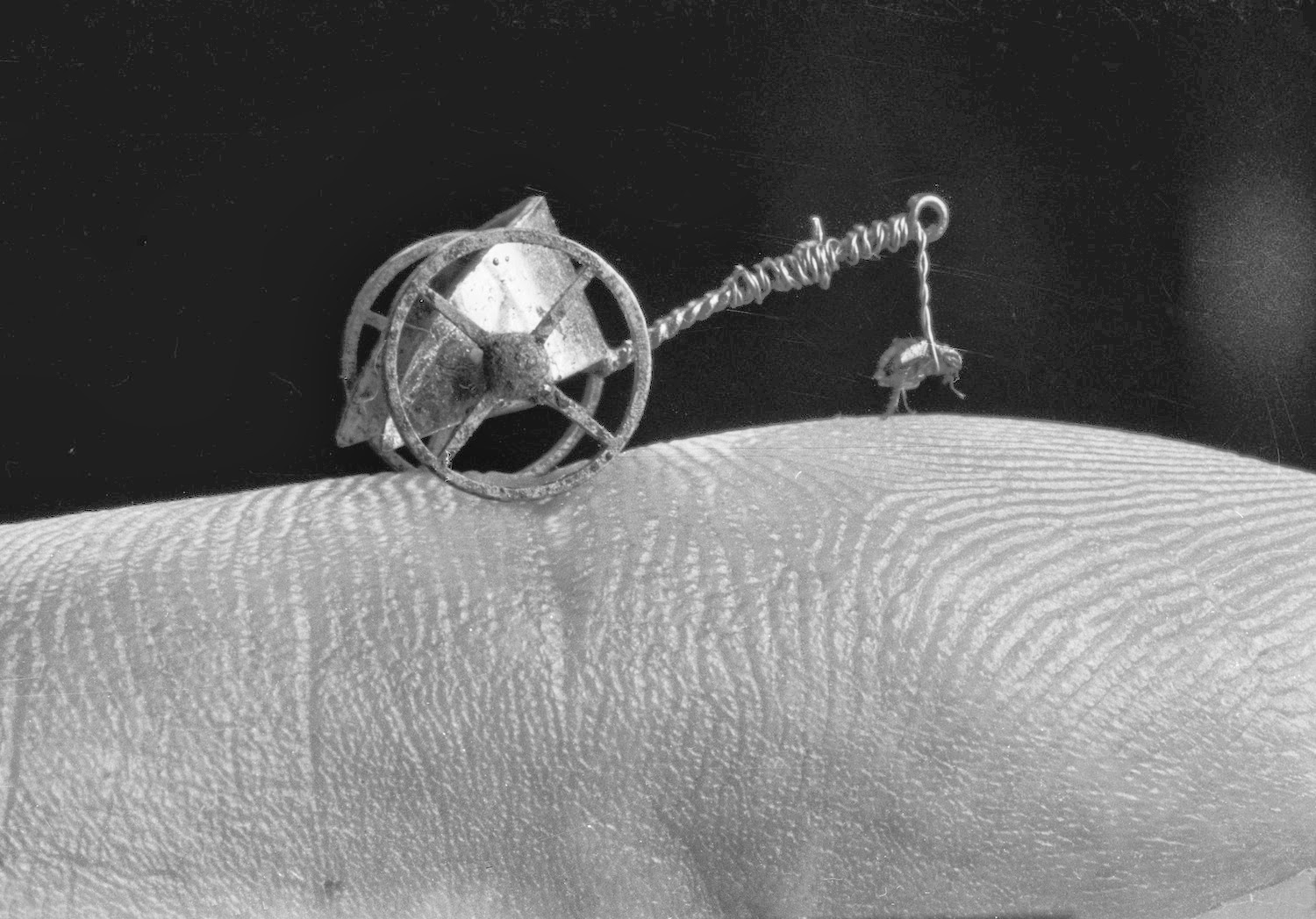
Not all archive oddities involve human inventions. In April 1951, a flea named Rudolph — a star of Roy Heckler’s Flea Circus — was photographed pulling a metal merry-go-round. Scaled to body weight, the feat was the equivalent of a man hauling two hundred tons.
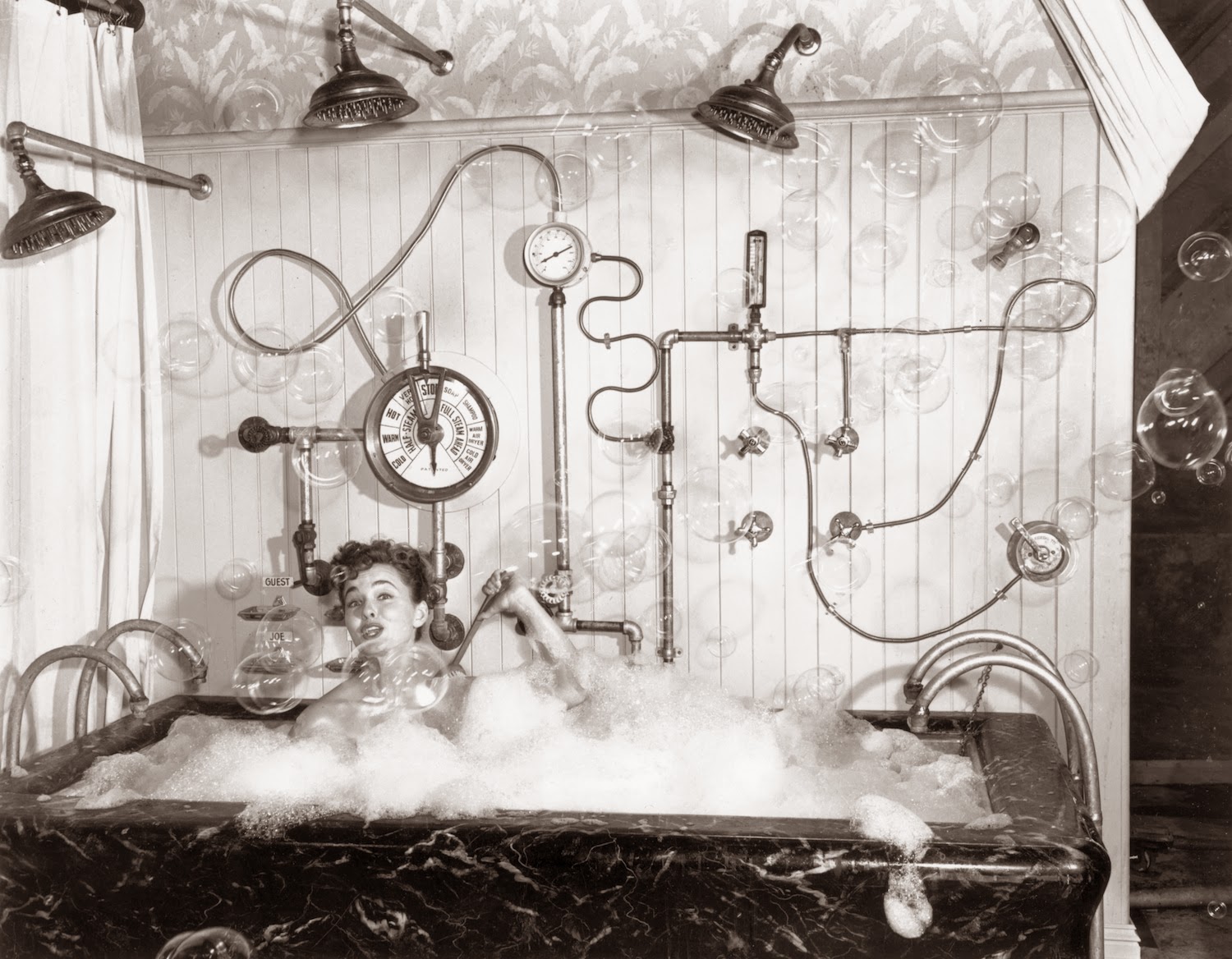
Film star Ann Blyth made headlines in August 1949 — not for a film role, but for a bubble bath surrounded by an array of gadgets. The photo became one of the more lighthearted celebrity images of the era.
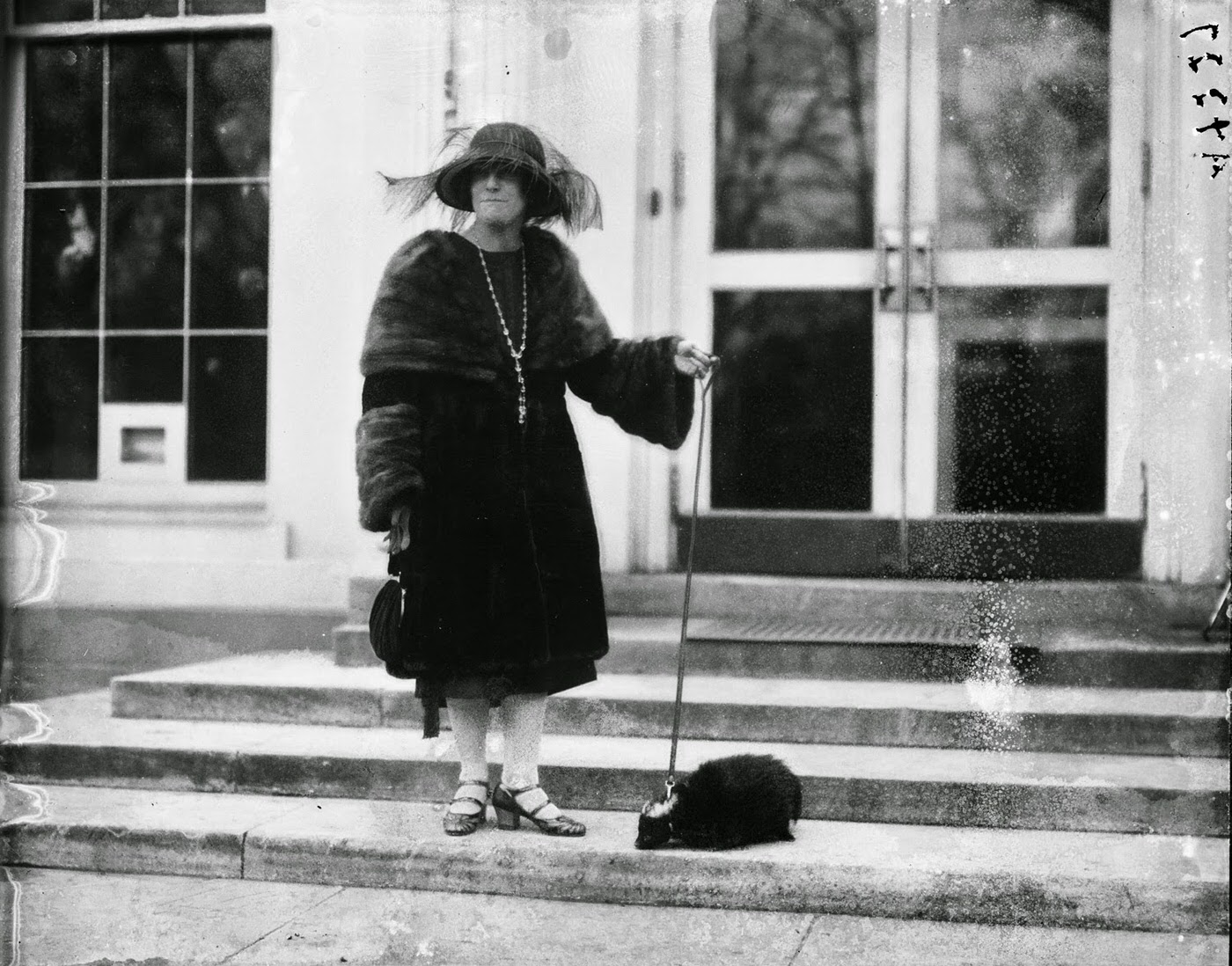
The 1920s gave us a memorable White House visit — from a woman and her pet skunk. The pair were photographed at the gates in March 1922, making it one of the more unusual guest appearances in presidential history.
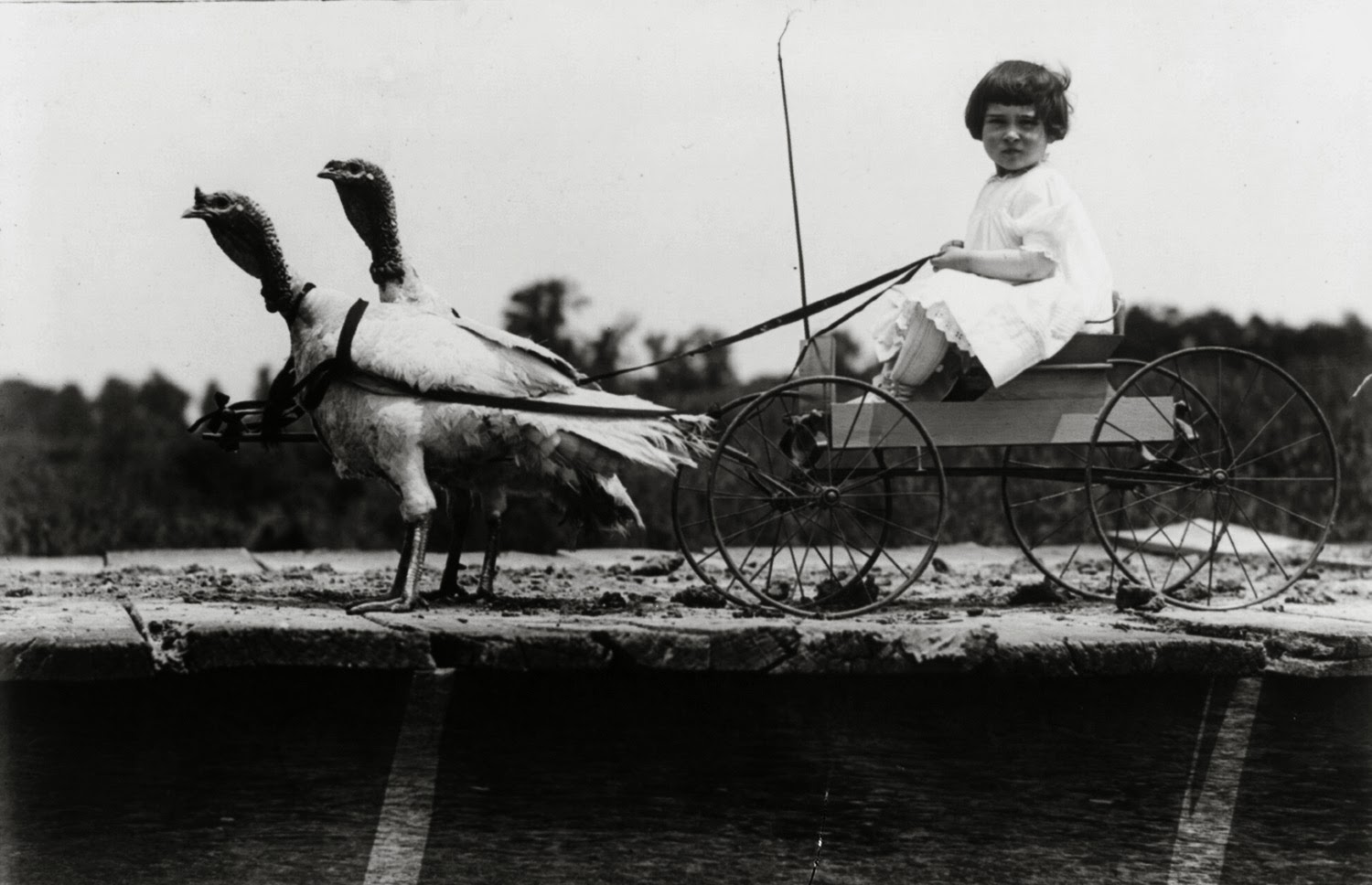
Animal-powered transport took a creative turn in 1909 when a young girl was photographed riding in a small cart pulled by two turkeys. The image is a reminder that the early 20th century had its own brand of eccentric ingenuity.
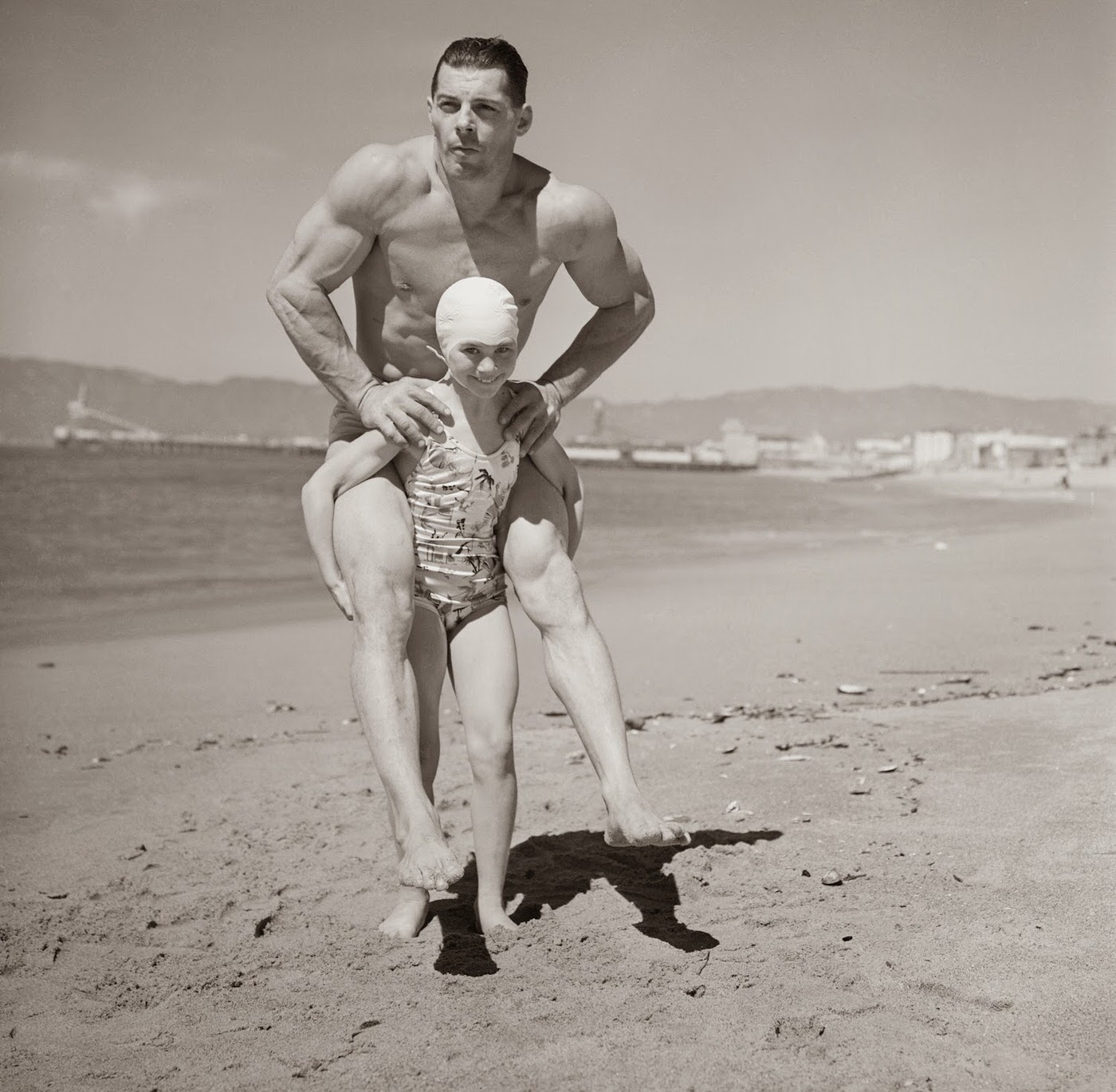
In March 1940, sixty-four-pound Patricia O’Keefe performed a remarkable public feat by holding two-hundred-pound Wayne Long on her back. The display drew crowds and left witnesses astonished at the sheer physical contrast.
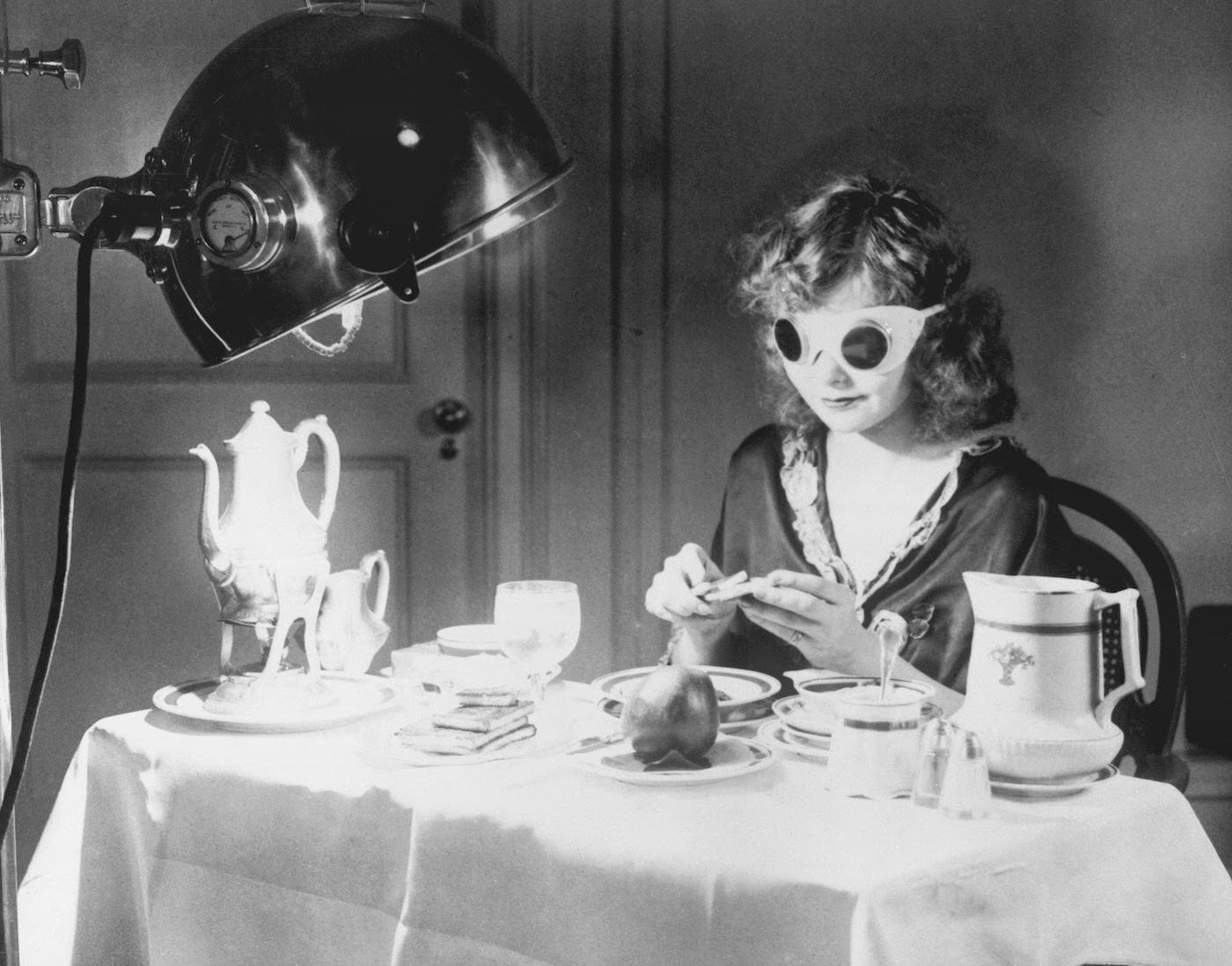
By 1925, quartz lamps were being marketed as a way for office workers and homeowners to receive Vitamin A without a trip to California’s sunny climate. The lamps were presented as a practical, modern health solution.
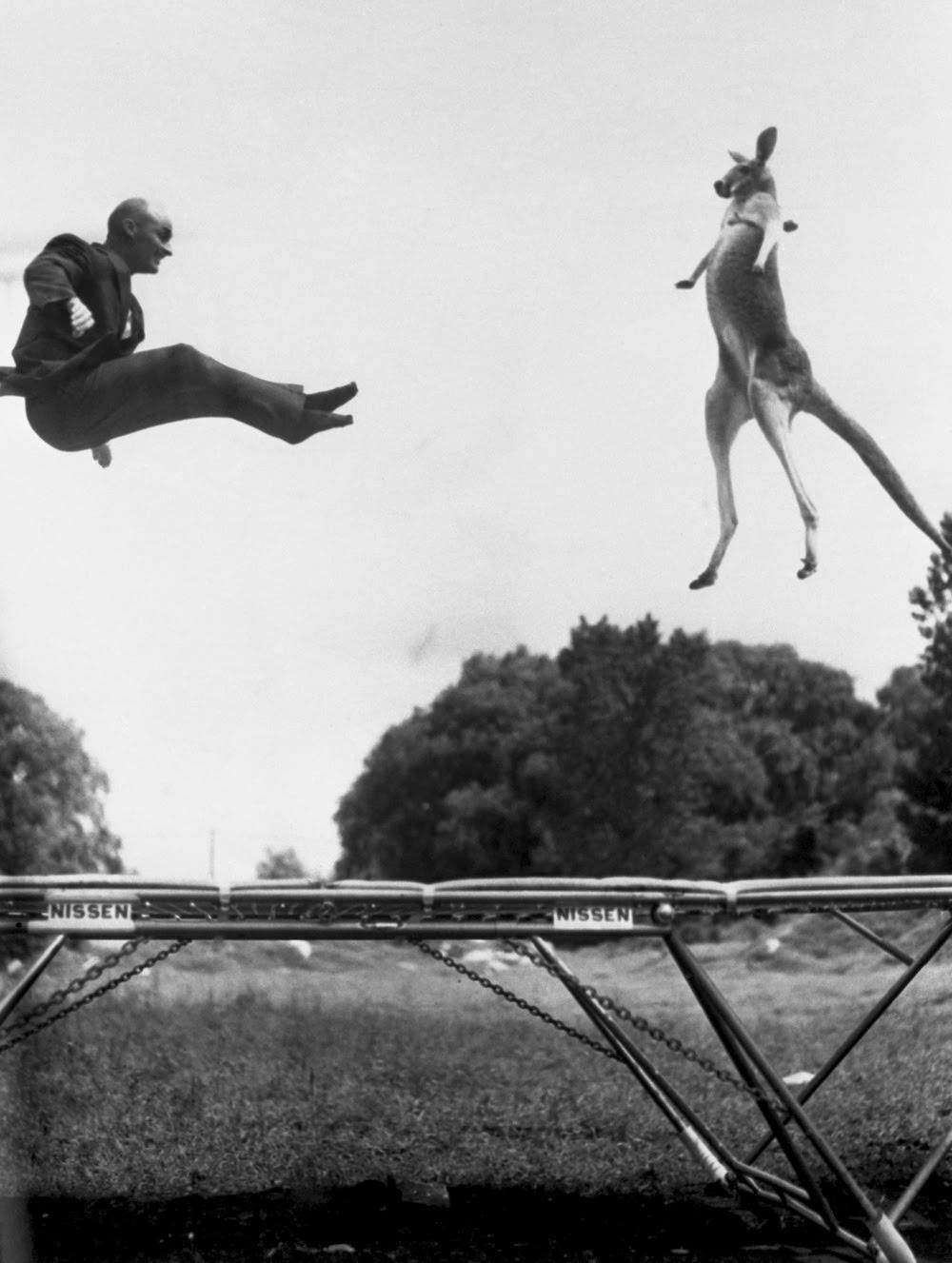
In June 1960, a giant red kangaroo named Victoria took to a trampoline alongside George Nissen, one of the equipment’s developers. The kangaroo held her own, bouncing with what the photographer described as “perfect form.”
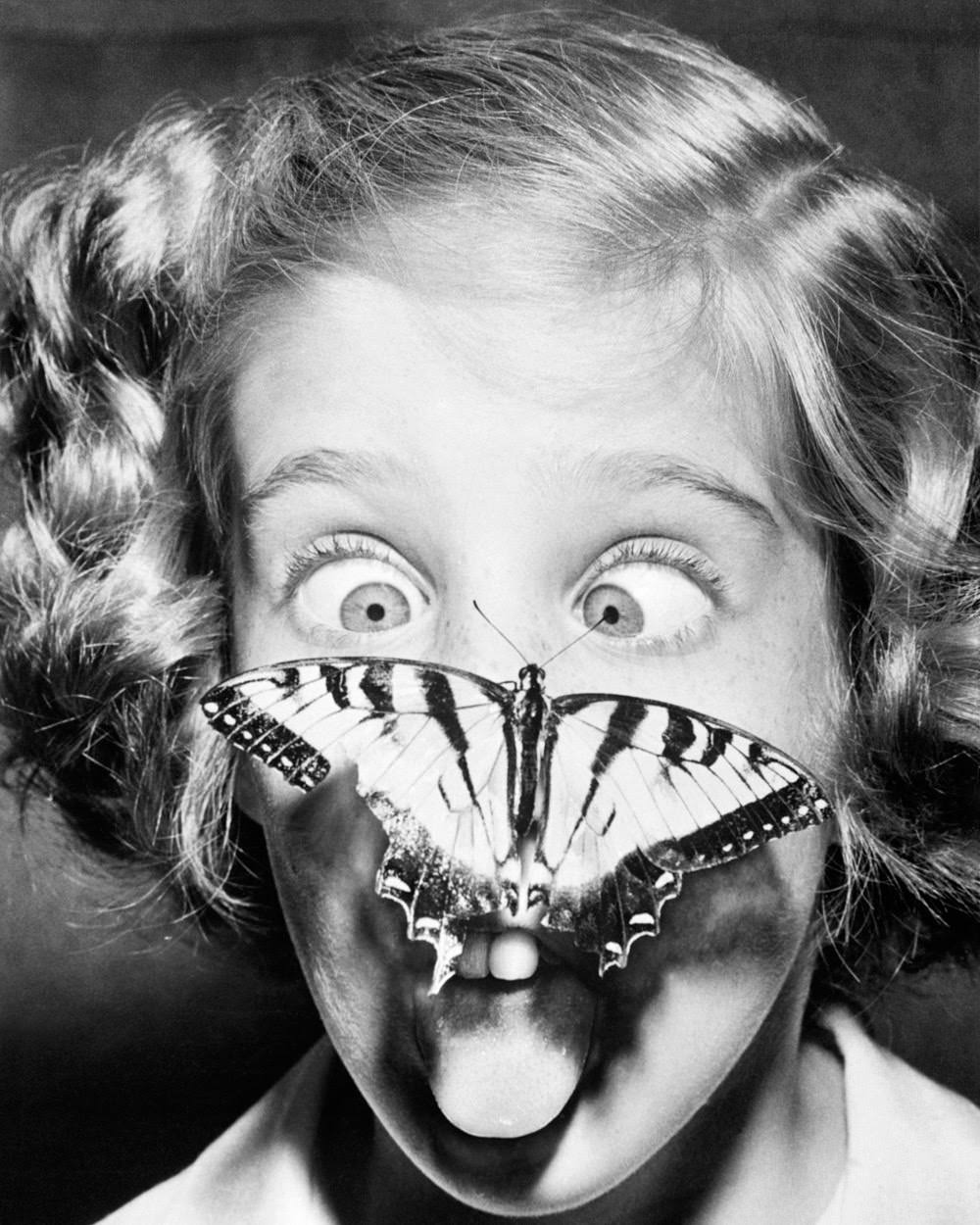
Finally, in August 1960, a butterfly landed squarely on young Susan Bermann’s nose. Susan’s cross-eyed reaction captured the exact moment perfectly — and became one of the archive’s most charming accidental photographs.