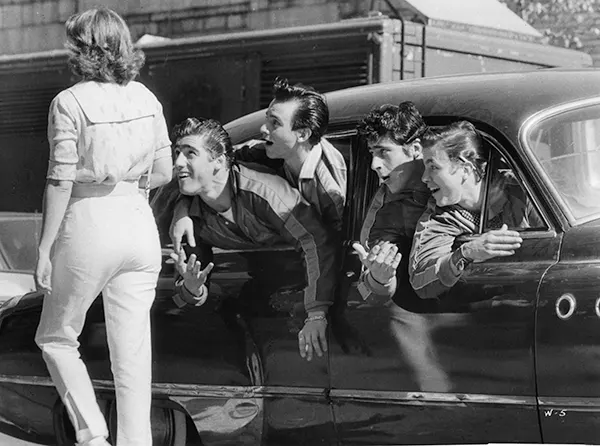
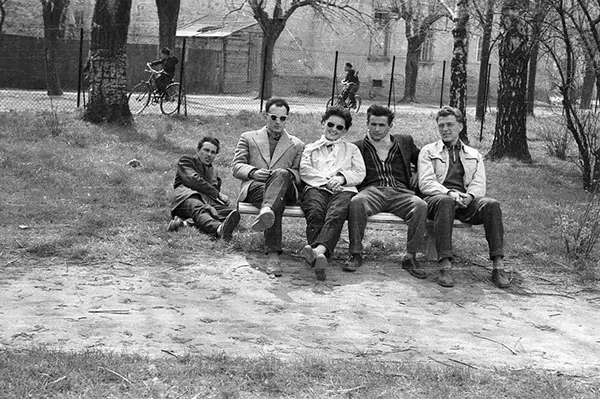
In the years following World War II, American cities became breeding grounds for a new kind of youth identity. Out of working-class neighborhoods came a subculture that was loud, sharp, and impossible to ignore — the greasers. The name came straight from their most defining trait: hair slicked back with pomade, Vaseline, or lard until it gleamed under the streetlights. These were teenagers and young adults who carved out their own space in a postwar America that was changing fast.
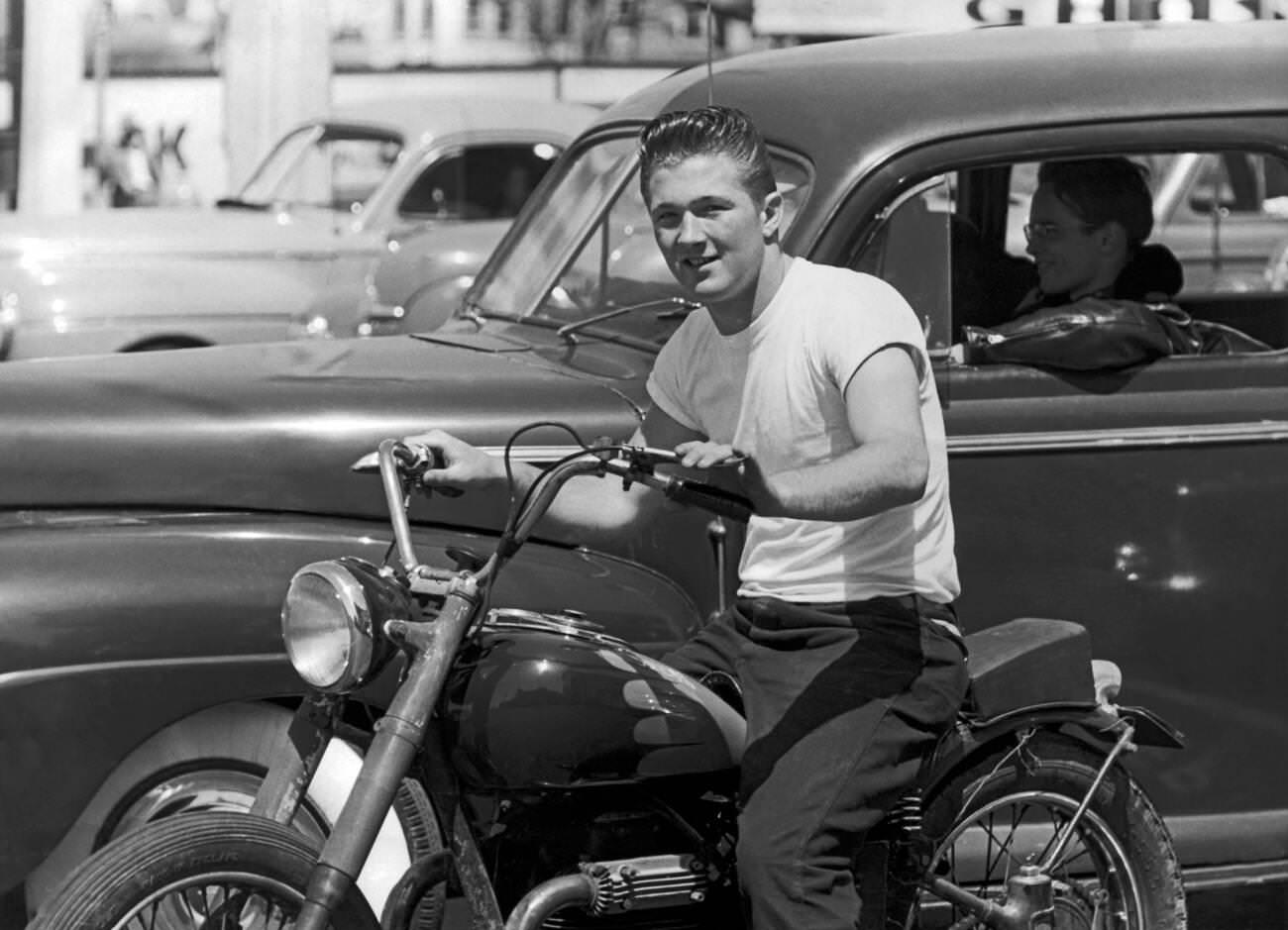
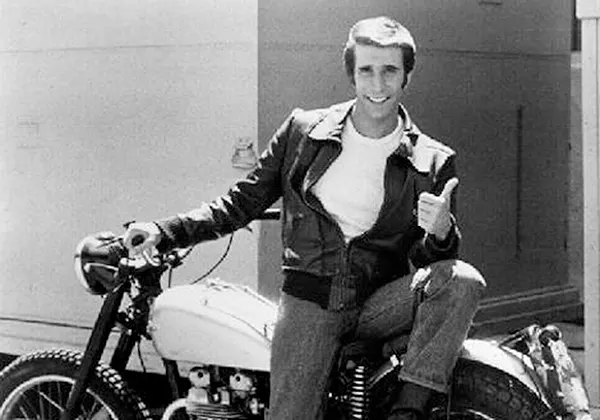
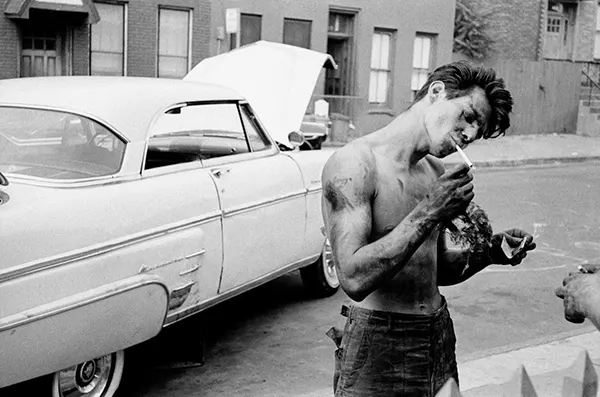
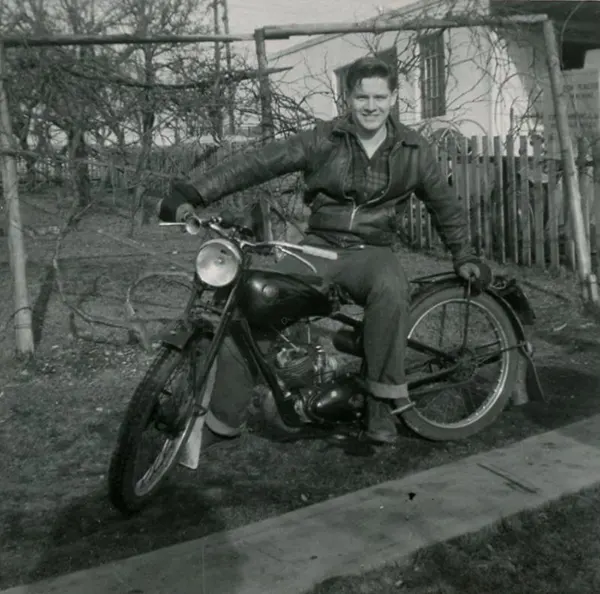
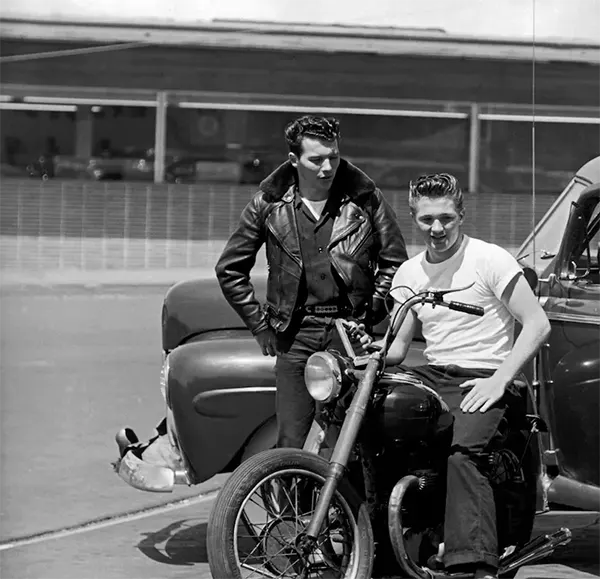
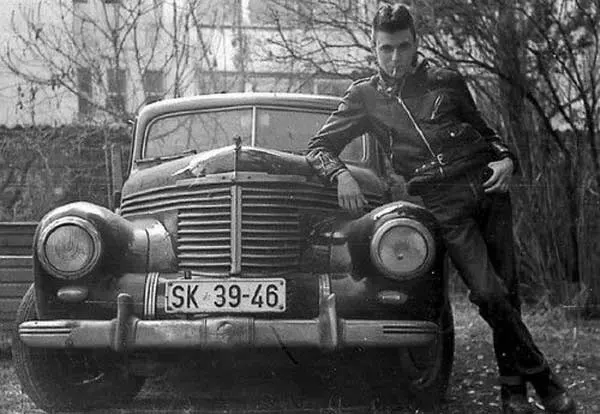
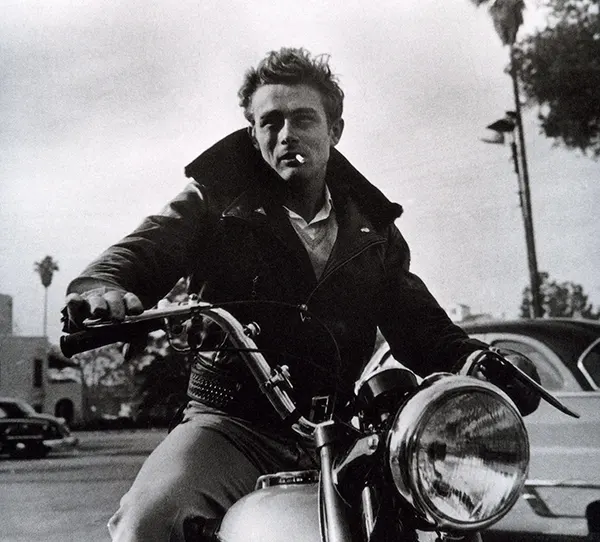
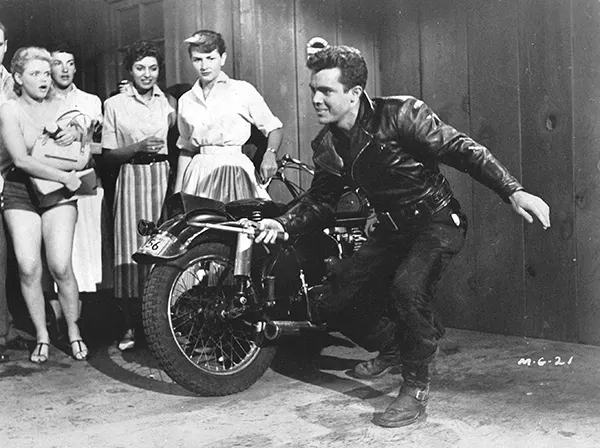
Motorcycles and cars weren’t just transportation for greasers — they were status symbols. A well-maintained bike or a street rod said something about who you were and where you stood. Urban streets in cities like San Francisco, New York, and Chicago were where the subculture thrived, and the machine you rode or drove was as much a part of your identity as the clothes on your back.
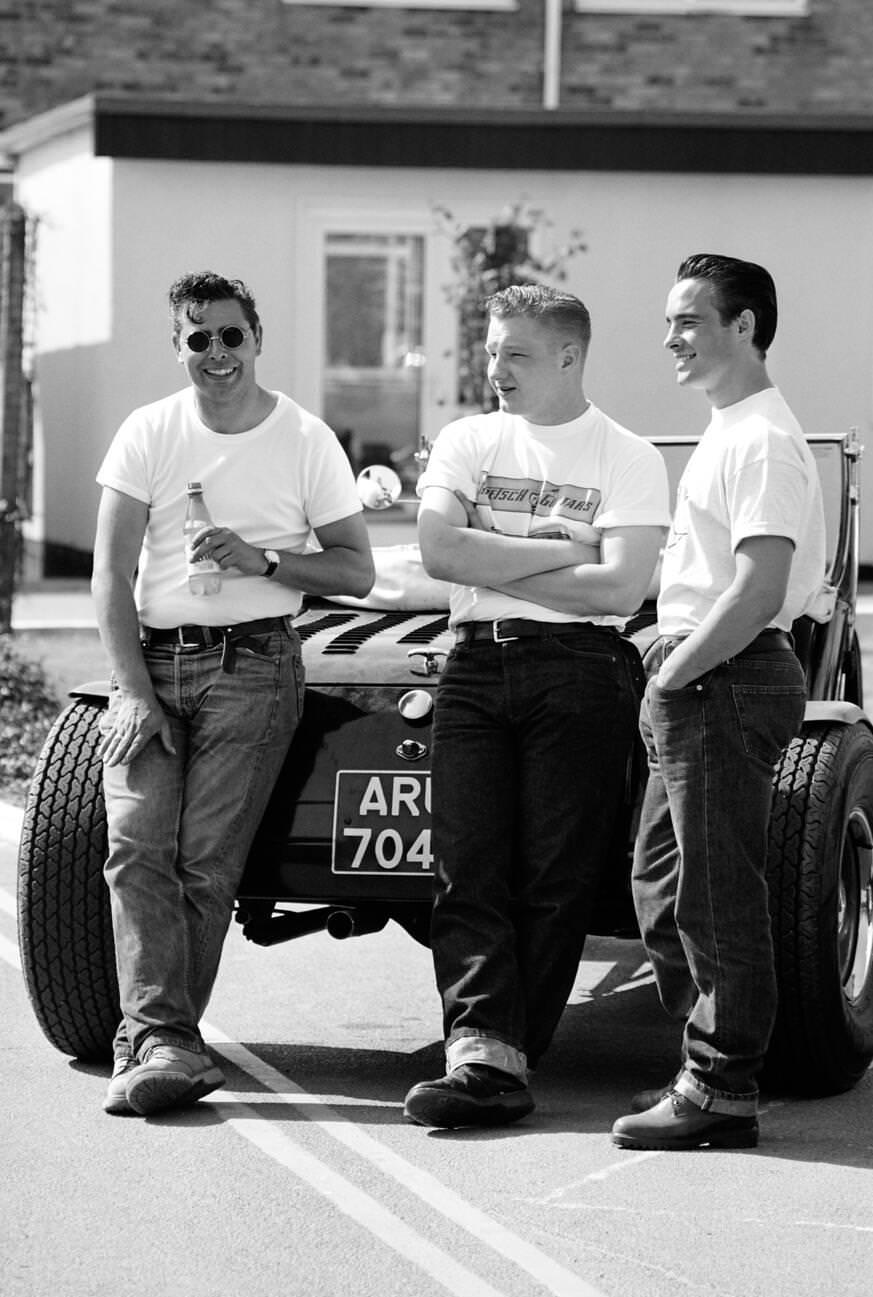
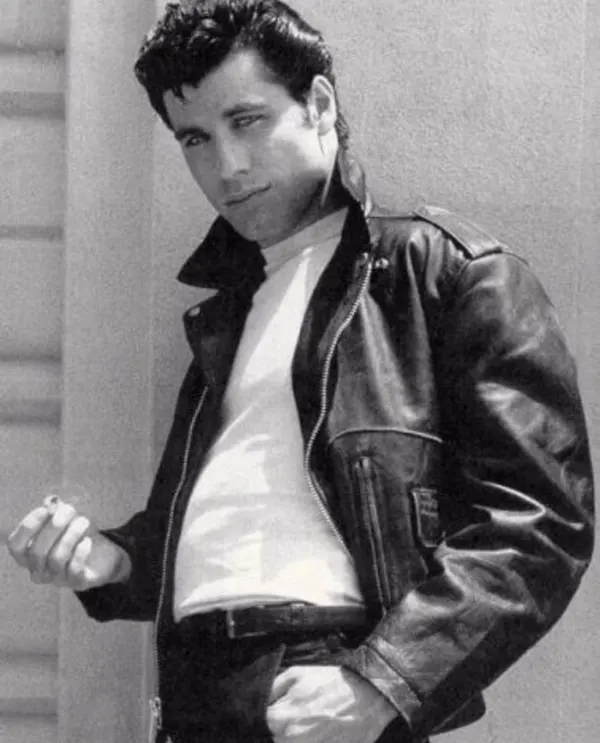
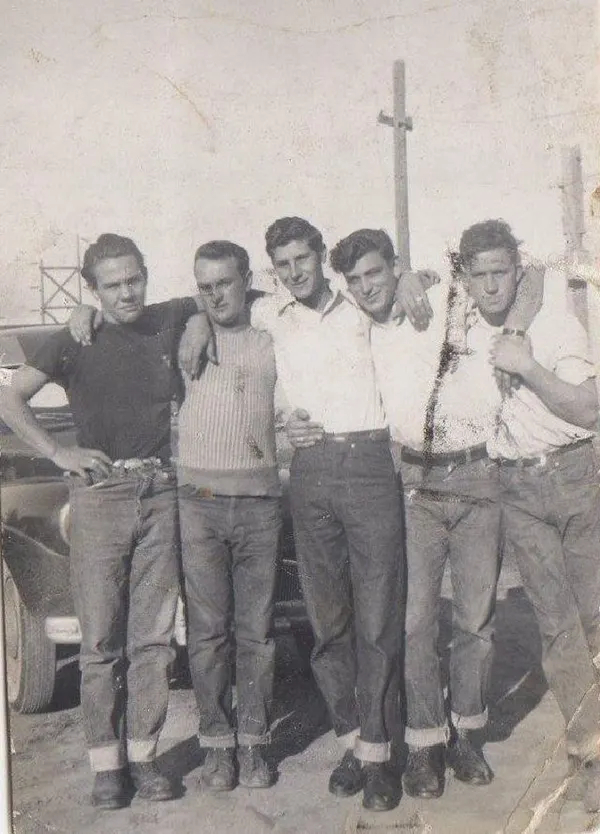
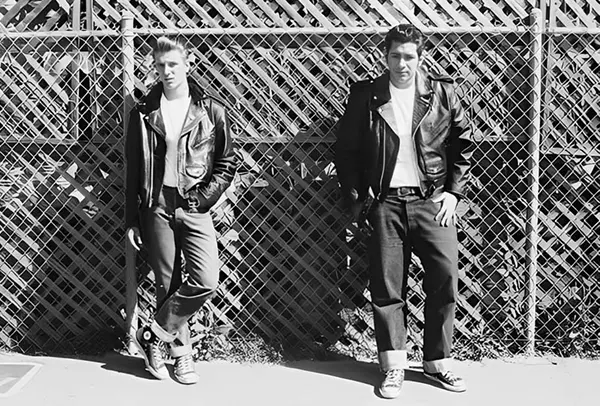
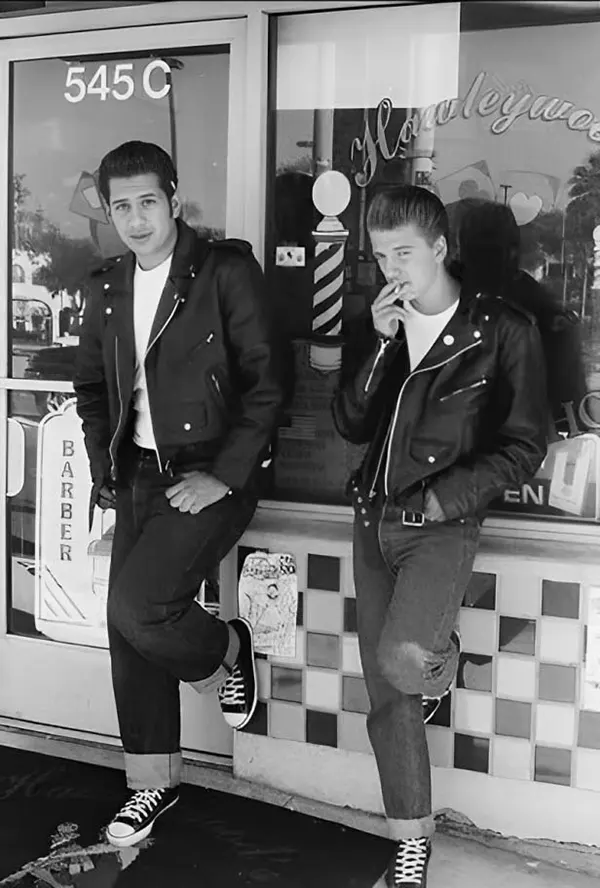
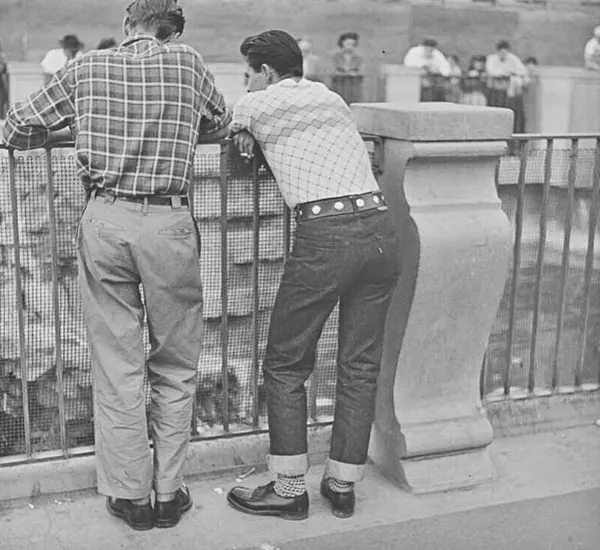
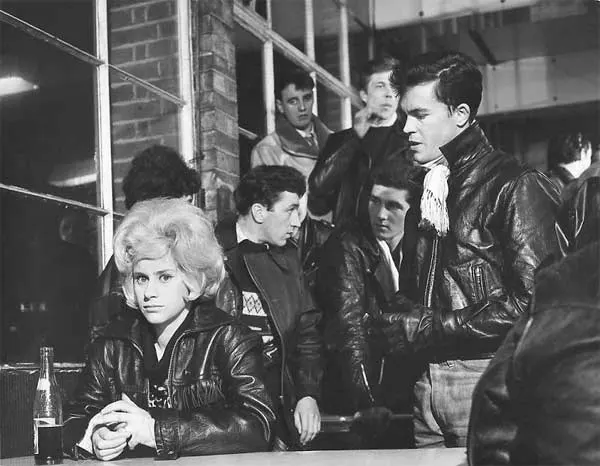
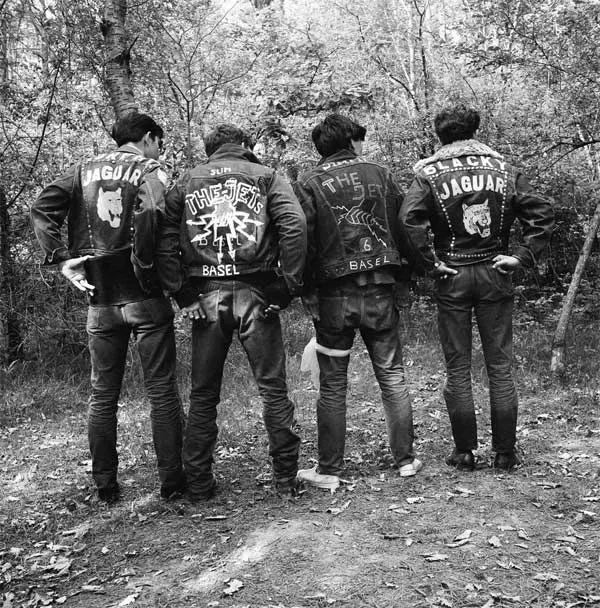
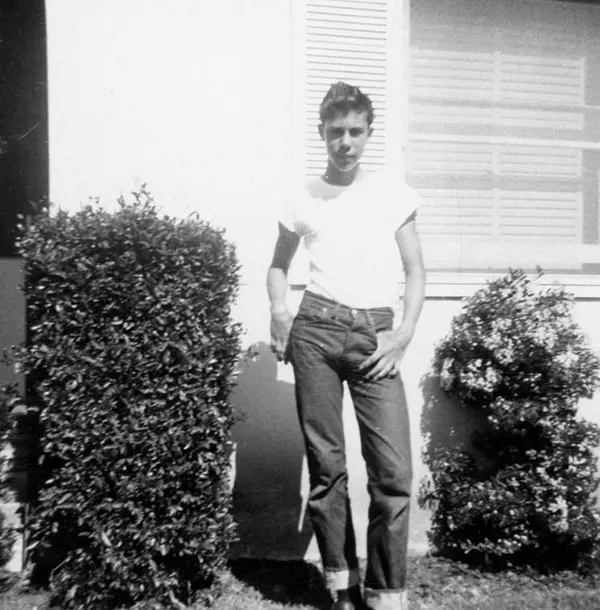
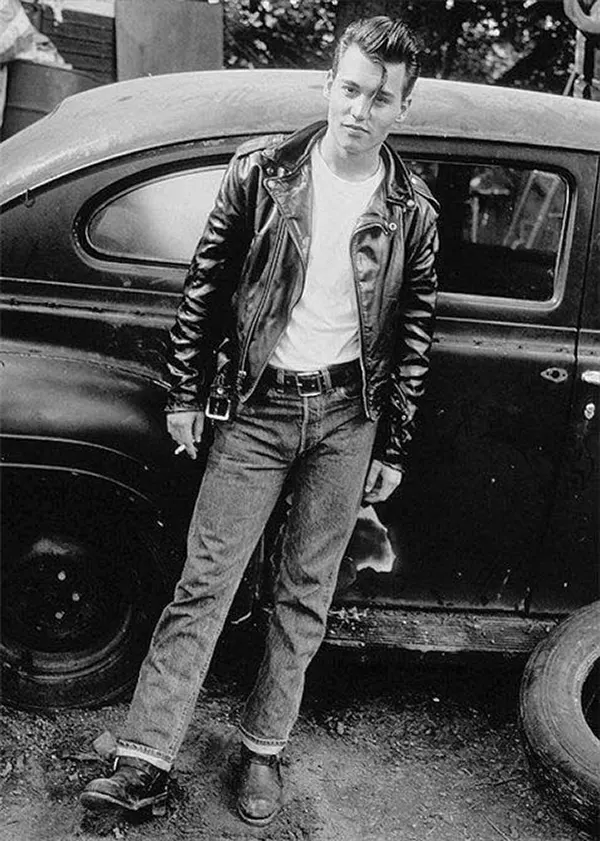
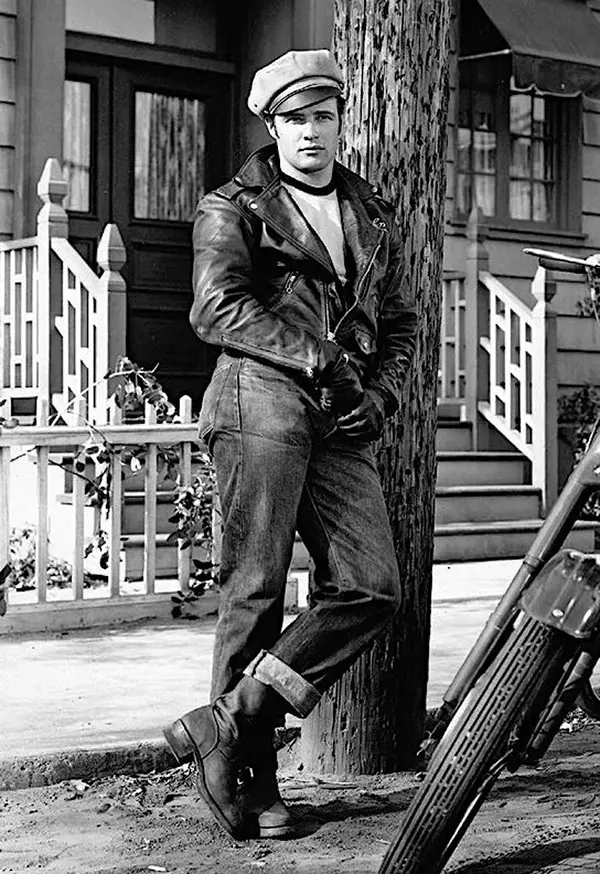
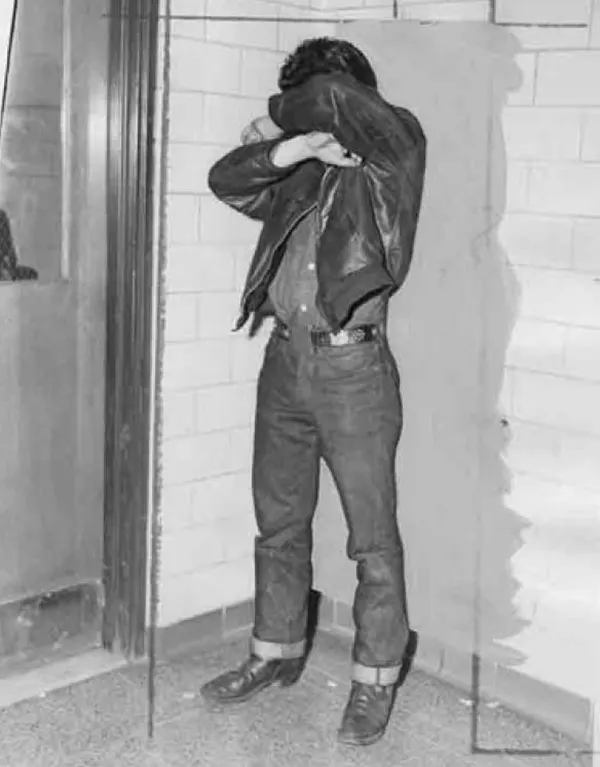
The greaser look was built around a small set of key pieces, each chosen with intention. Leather jackets — many from Schott NYC — were the centerpiece. Tight blue jeans, plain white T-shirts, and motorcycle boots completed the uniform. Bandanas were tucked into back pockets or tied around the neck. The overall effect was rugged and deliberate, projecting toughness without saying a word.
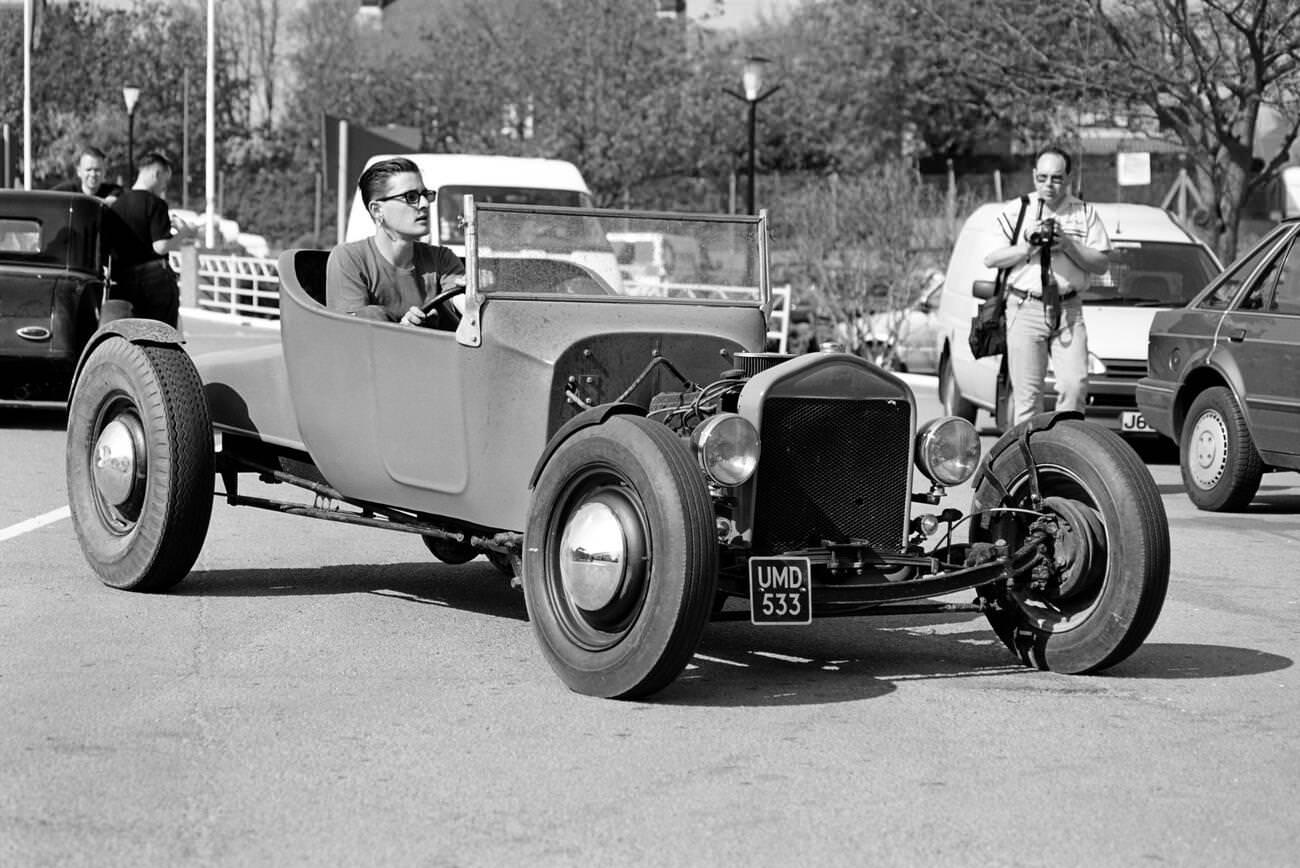
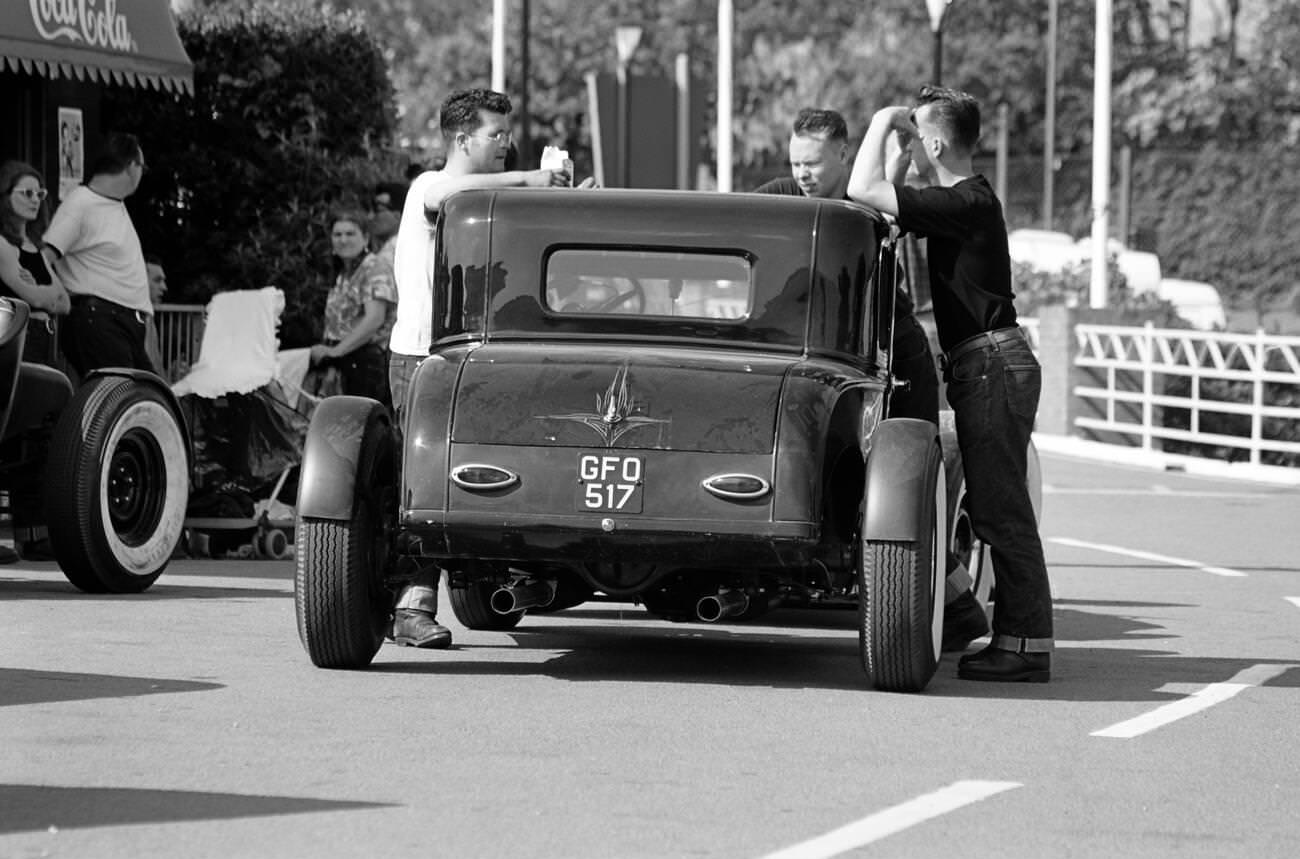
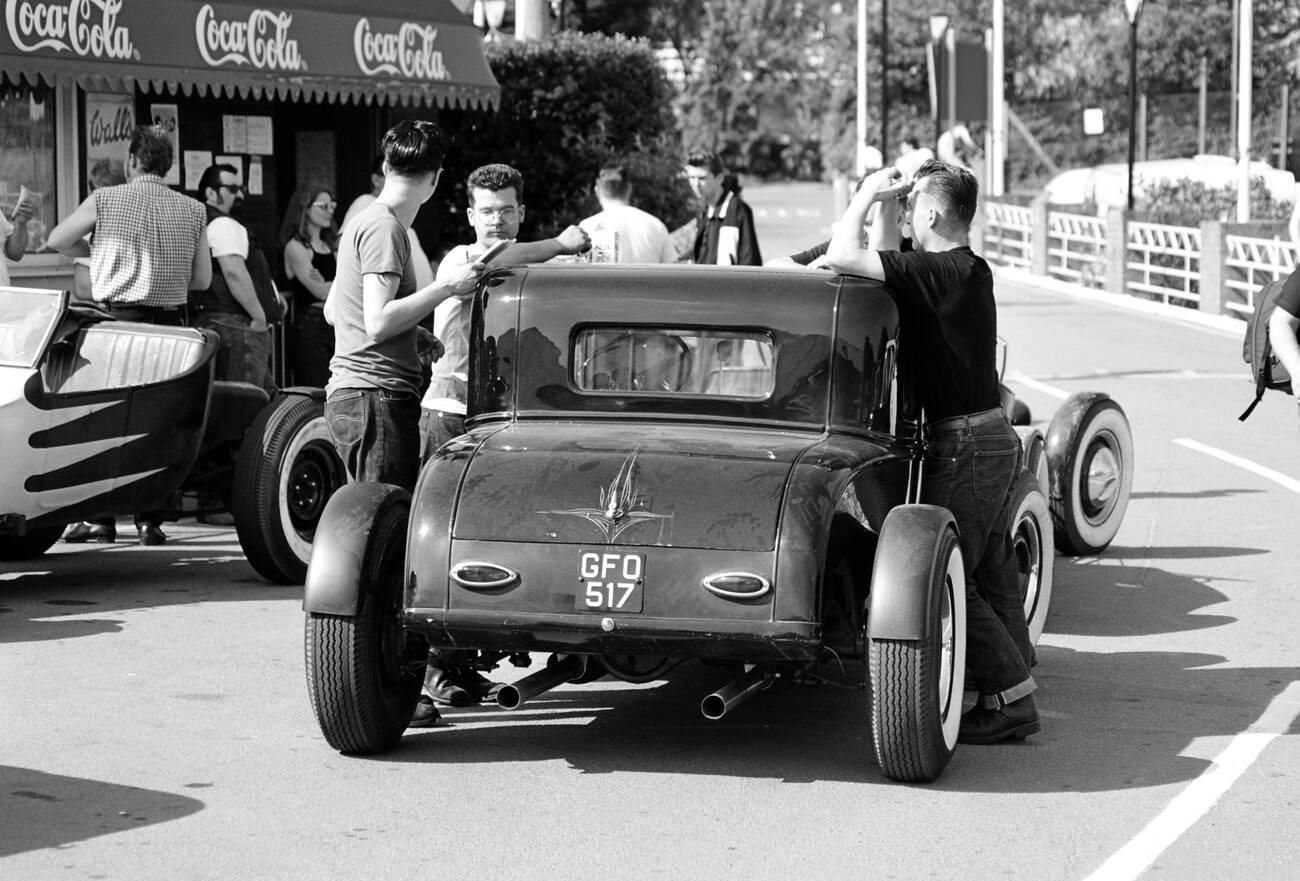
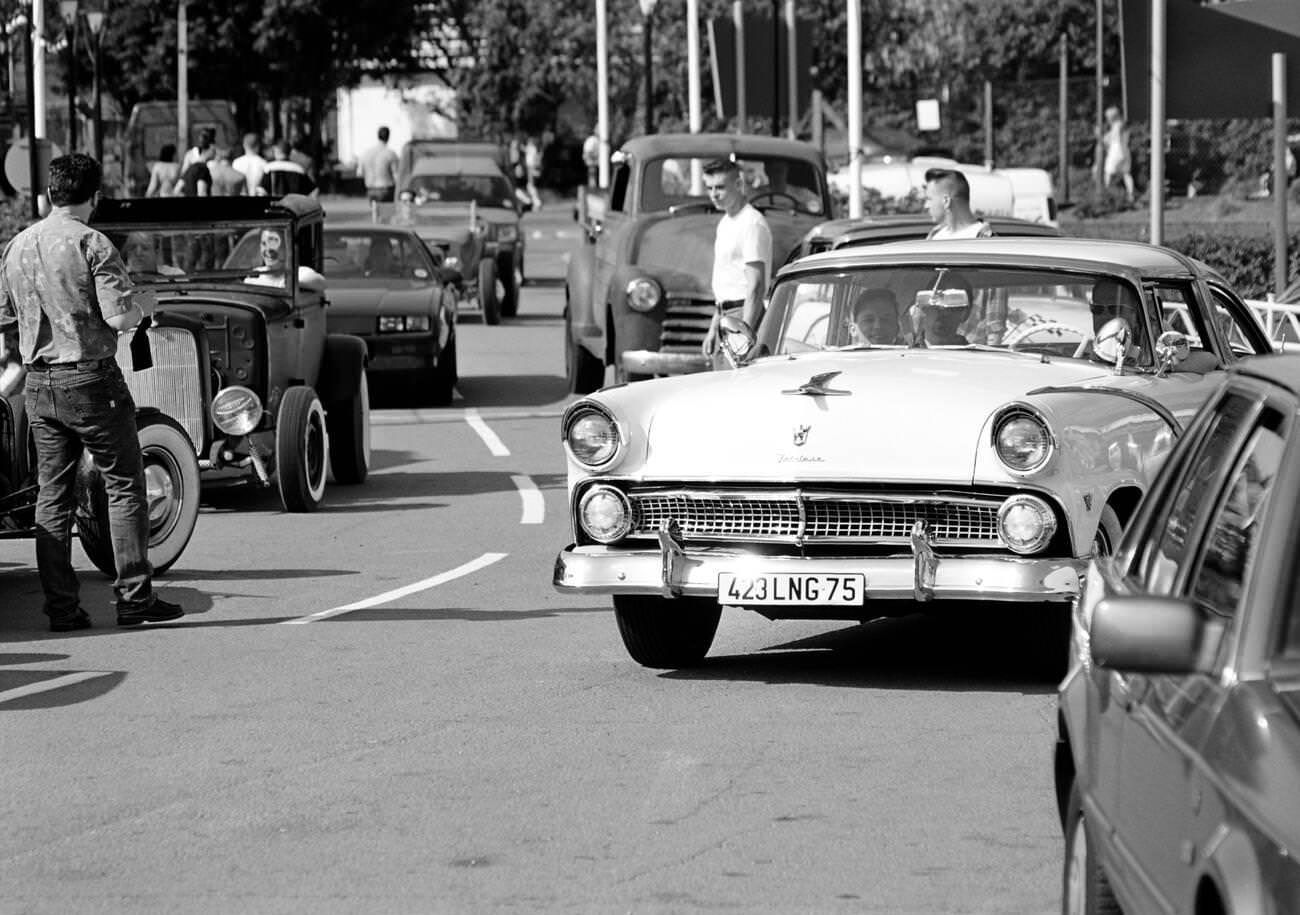
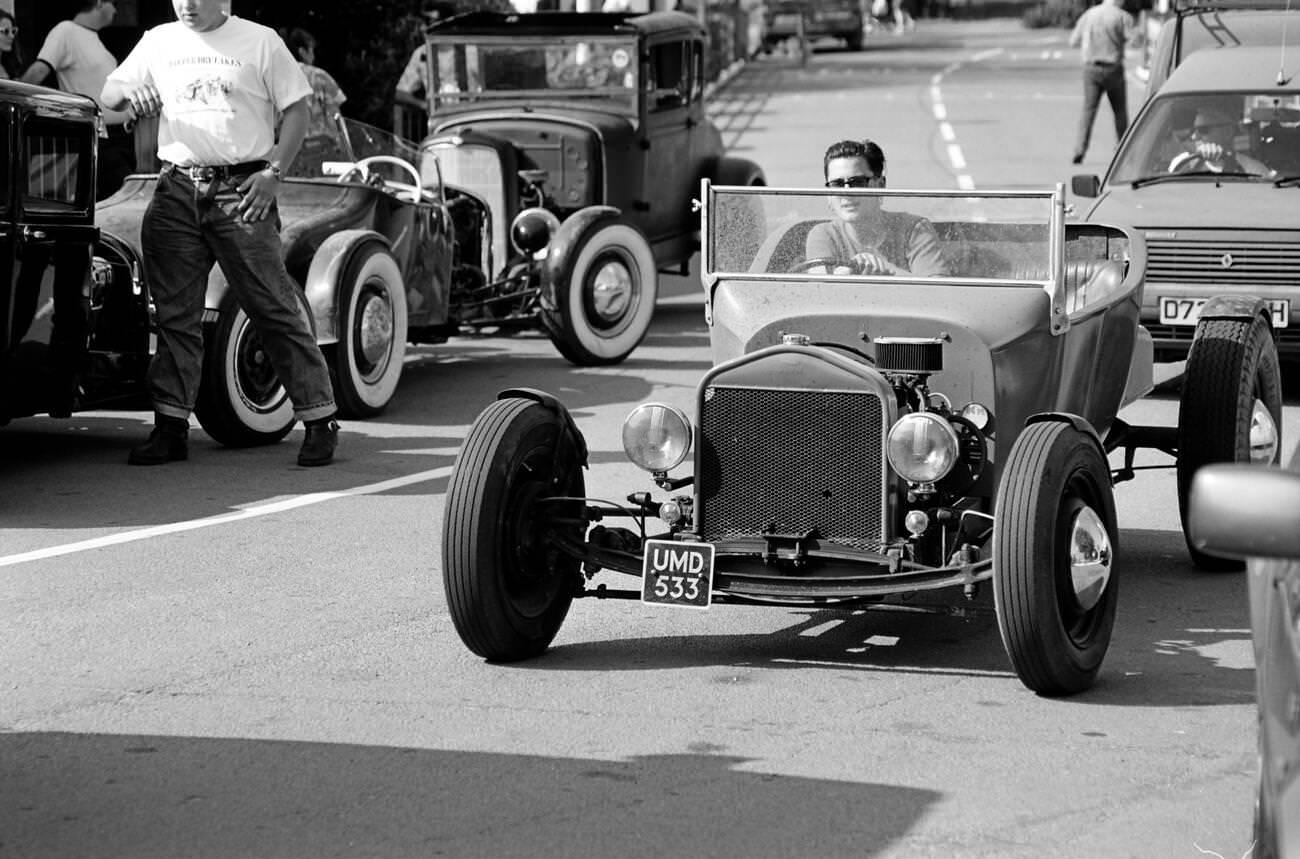
The greaser aesthetic proved durable enough to outlast the decade. Decades after the 1950s, enthusiasts gathered at events like the Hemsby Rock ‘n’ Roll Festival in England to celebrate exactly this era — arriving in period street rods and dressed head to toe in authentic vintage style. The culture had traveled across the Atlantic and taken root far beyond its American origins.
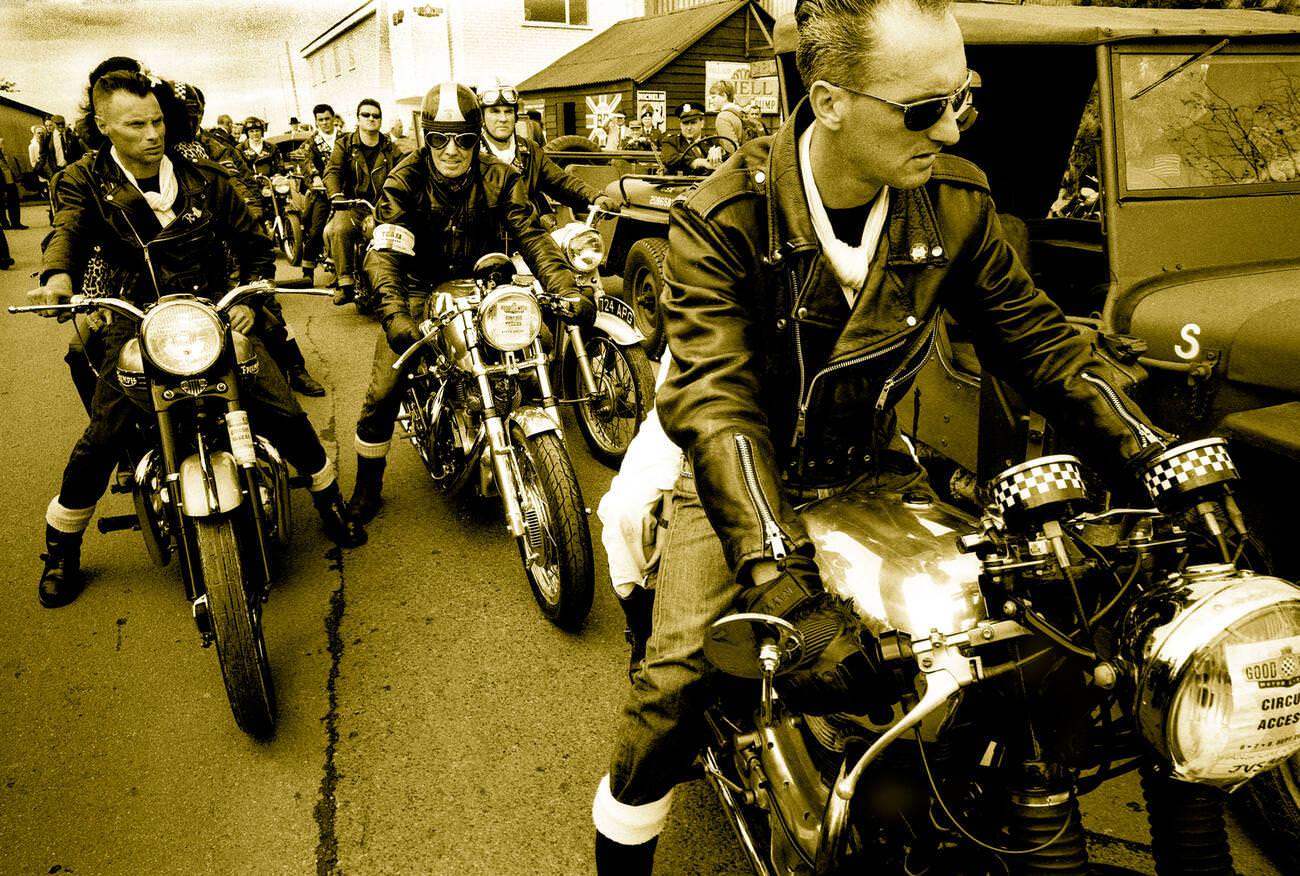
The greaser connection to motorcycles ran deep on both sides of the Atlantic. British riders on classic BSA and Norton bikes embodied the same spirit as their American counterparts — leather-clad, engine-driven, and proud of it. Events like the Goodwood Revival brought these riders together, showcasing how the greaser identity extended well beyond the United States.
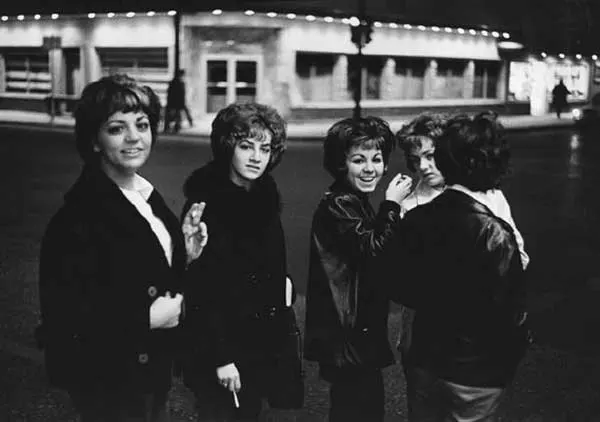
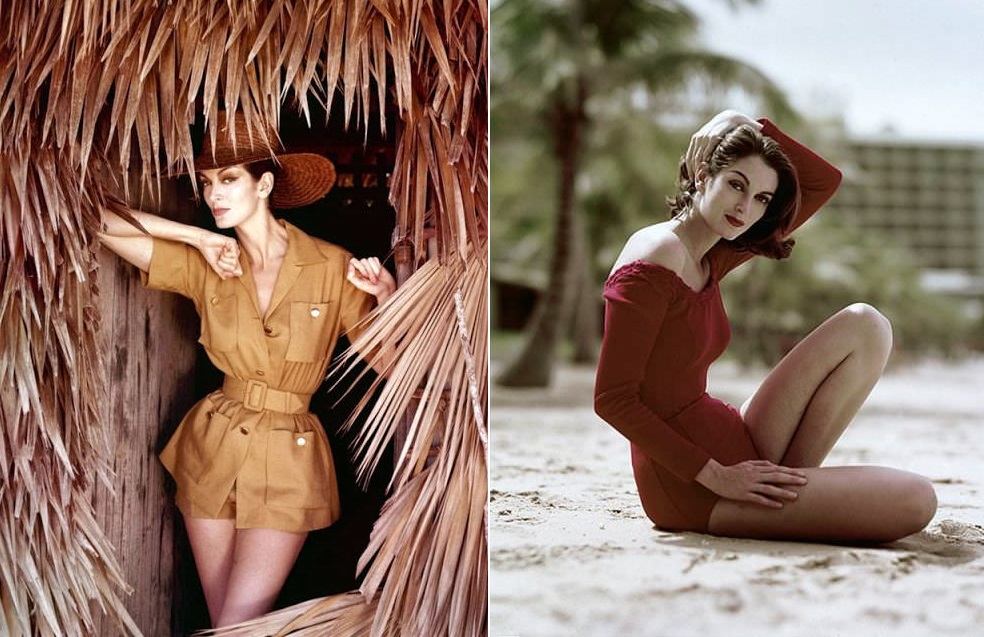
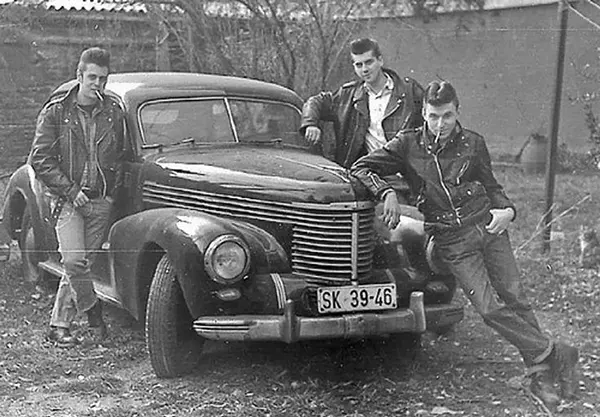
Hair was the most recognizable part of the greaser look. Men wore the ducktail cut — hair combed back along the sides, meeting at the center of the back in a shape that resembled a duck’s tail. Some also wore a pompadour, with the front section swept up and back. Women in the subculture styled long hair in waves and curls, drawing from the Hollywood glamour of the era. Getting the hair right was a daily ritual, and it mattered.
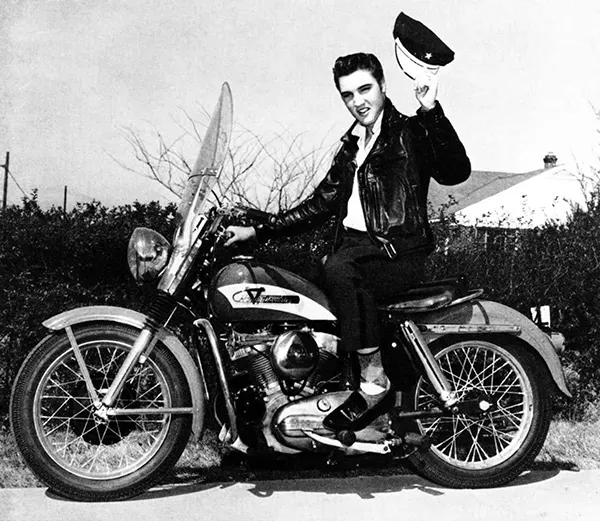
Rock and roll was the heartbeat of the greaser world. Elvis Presley, Chuck Berry, and Buddy Holly weren’t just musicians — they were figures that greasers looked to for attitude, energy, and style. Elvis in particular bridged the gap between the music and the look. His slicked hair, confident swagger, and love of motorcycles made him the ultimate greaser icon.
Hollywood played a massive role in shaping how greasers were seen — and how they saw themselves. Marlon Brando’s role in *The Wild One* (1953) gave the subculture one of its most enduring images: a leather-jacketed rebel astride a motorcycle, indifferent to authority. The film’s release caused controversy in several countries and was outright banned in the United Kingdom for 14 years.
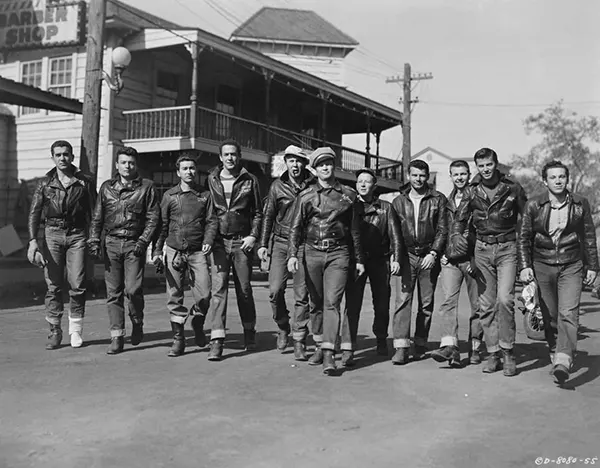
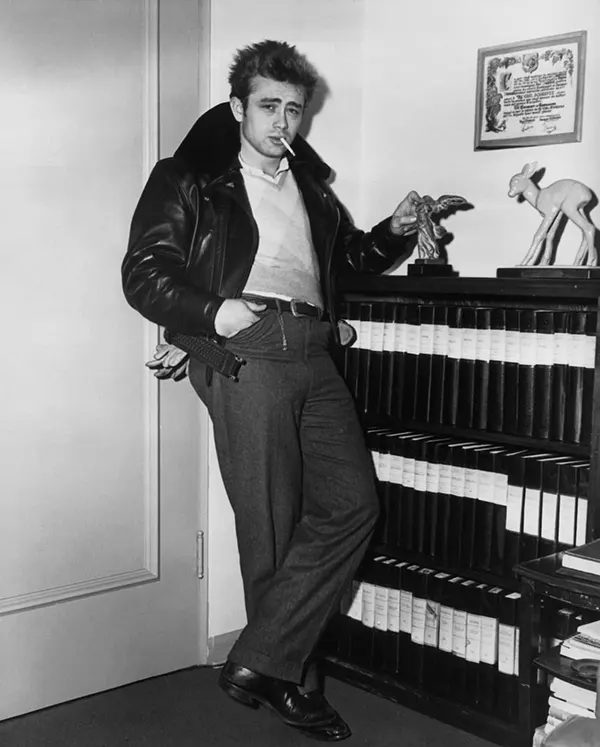
James Dean brought a different texture to the greaser image. His role in *Rebel Without a Cause* (1955) showed a teenager at odds with his parents, his school, and his town — not violent, but restless and searching. Dean’s look was simpler than Brando’s: a red jacket, white T-shirt, and jeans. It resonated deeply with young audiences who felt the same tension between conformity and self-expression.
The greaser subculture wasn’t confined to the United States. In Canada, particularly in Quebec, the style took hold among working-class youth who adopted the same slicked hair, leather jackets, and rock and roll tastes. The look translated across borders because the underlying attitude — a push against postwar conformity — resonated wherever young people felt boxed in.
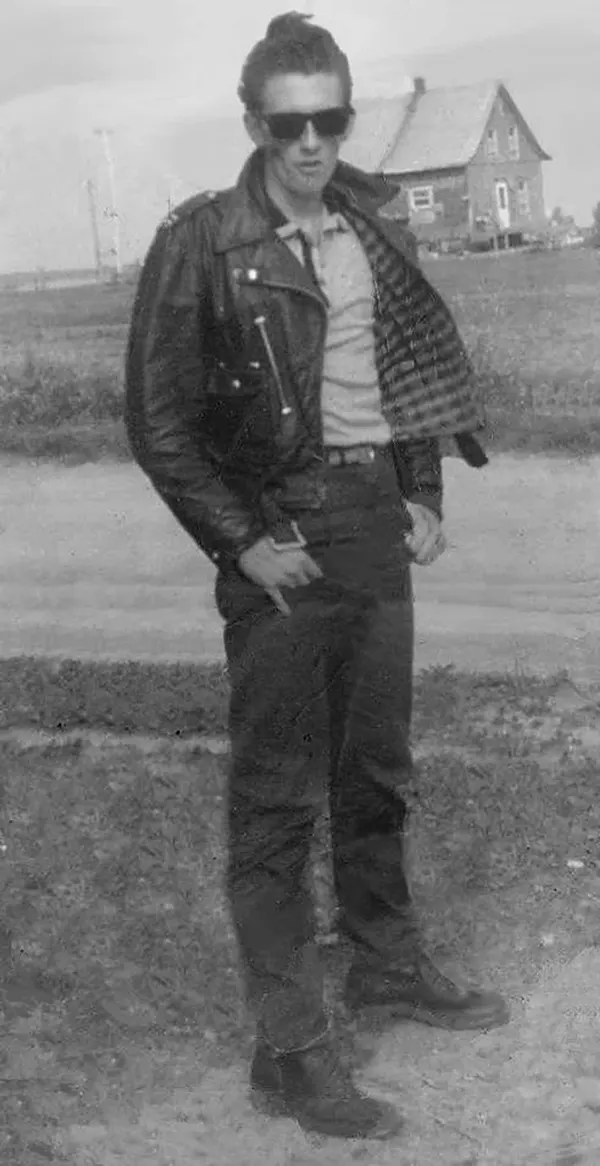
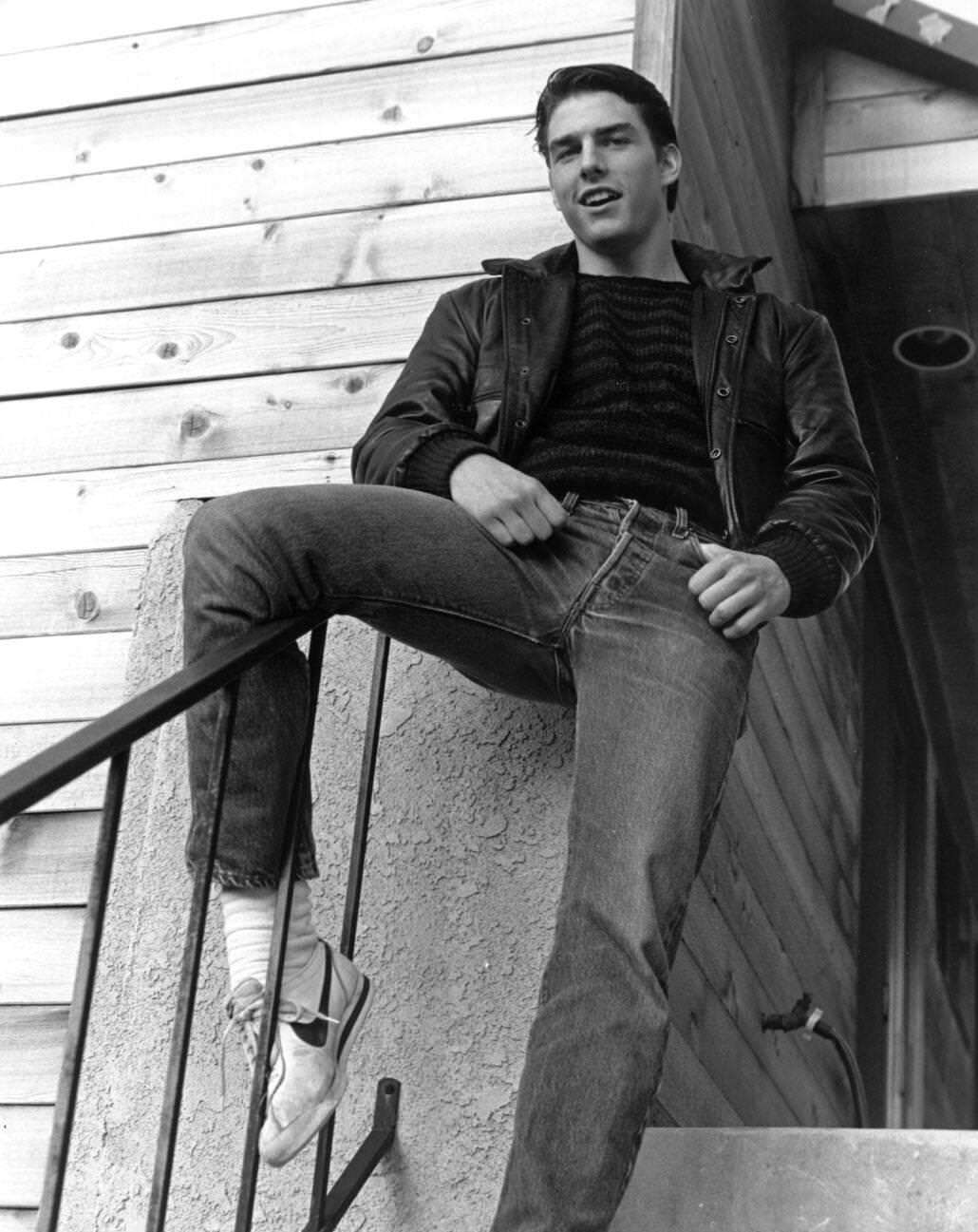
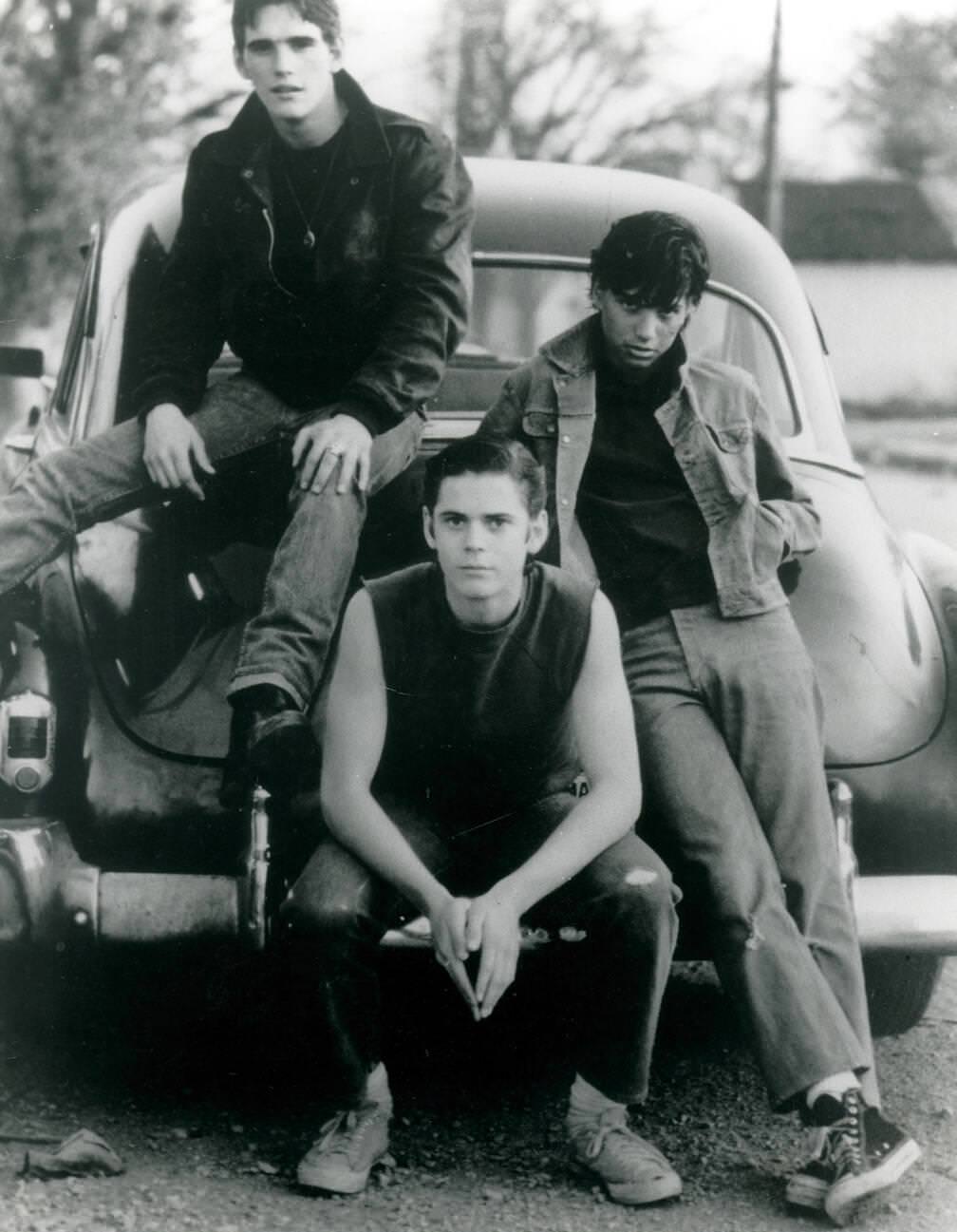
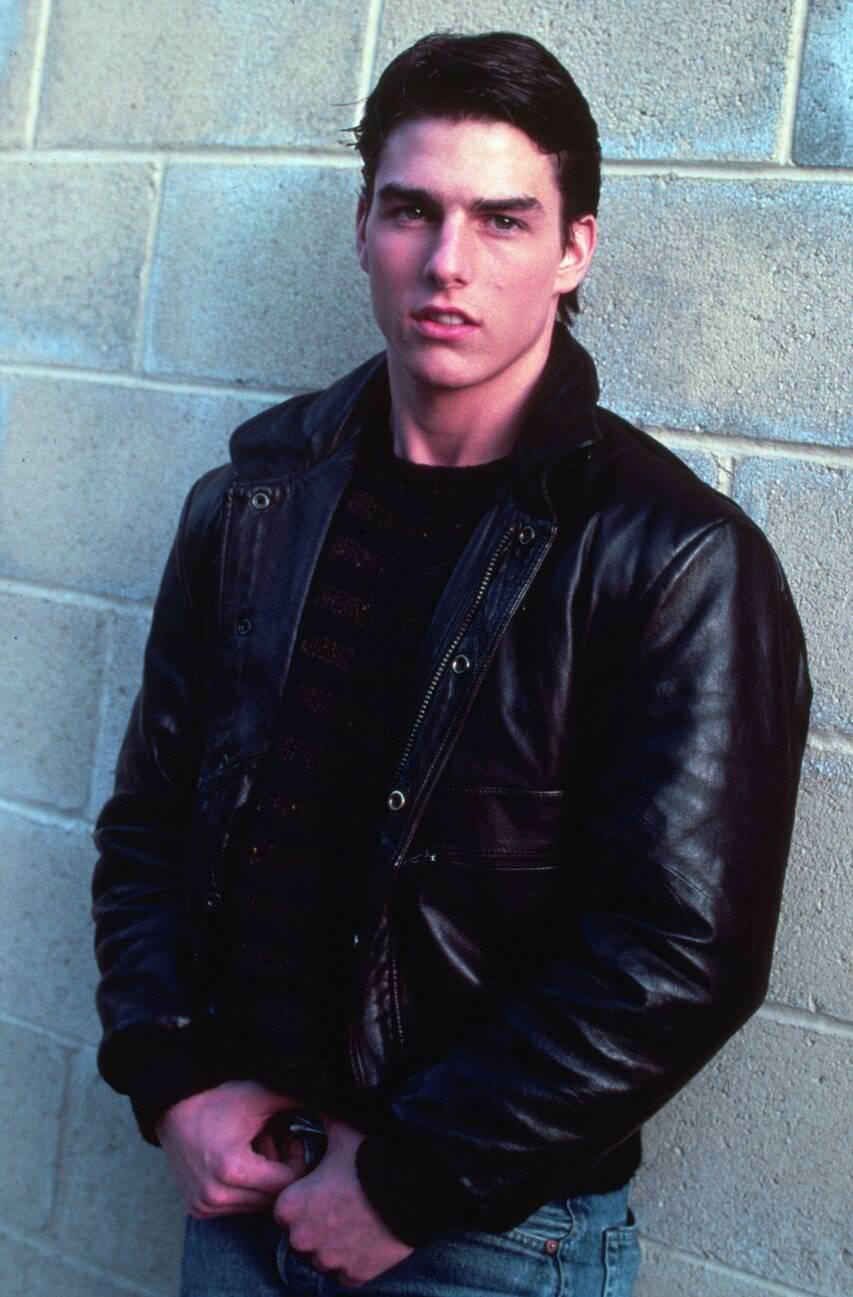
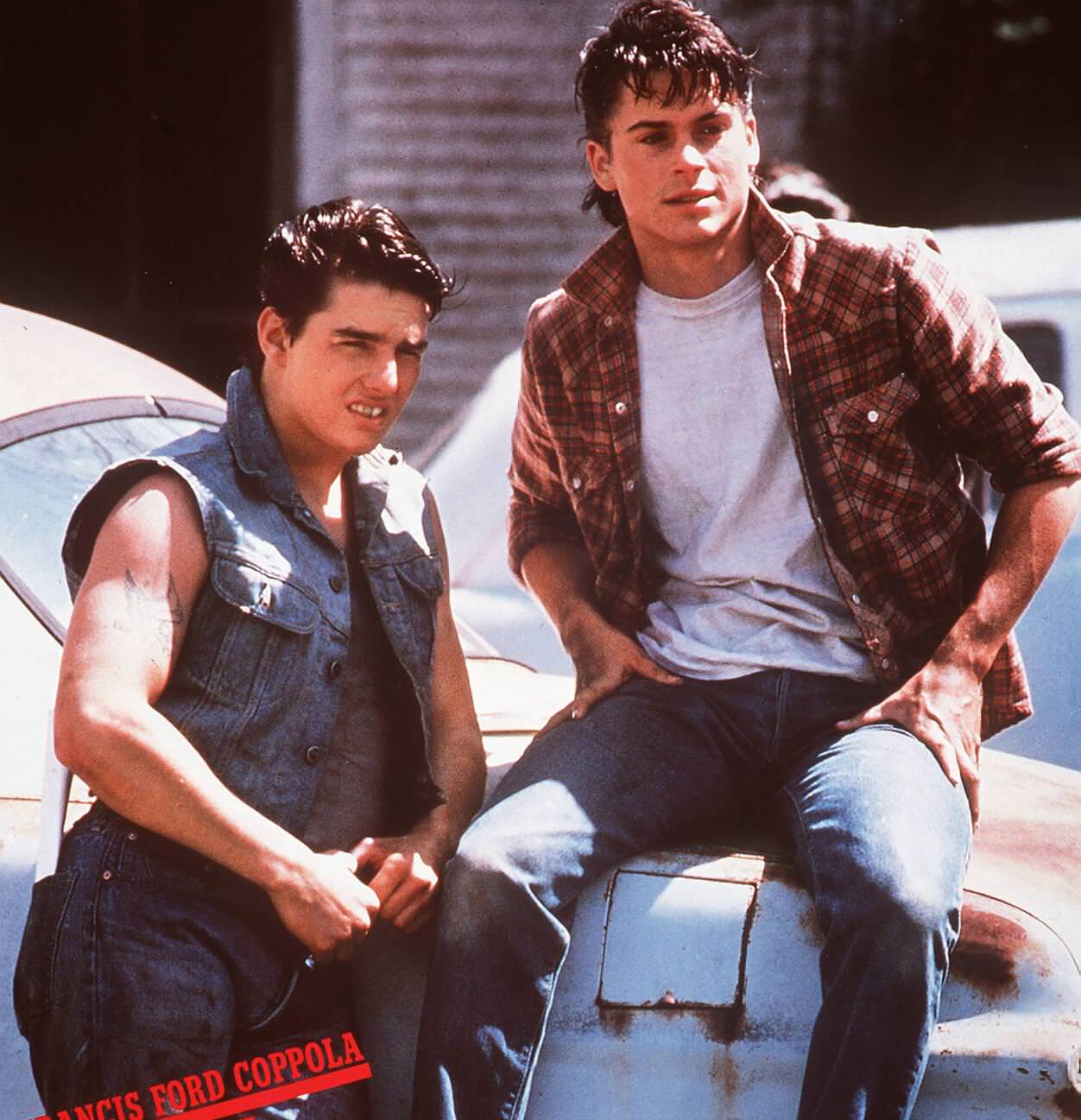
Later films brought the greaser look to entirely new generations. *The Outsiders* (1983), directed by Francis Ford Coppola and based on S.E. Hinton’s 1967 novel, featured a cast of young actors playing working-class greasers caught in a conflict with the wealthier “Socs.” The film featured early performances from Tom Cruise, Matt Dillon, and Ralph Macchio, and it reintroduced the greaser aesthetic to audiences who had no memory of the 1950s.
Television found its own version of the greaser in Arthur “Fonzie” Fonzarelli, the leather-jacketed mechanic on *Happy Days*, which aired from 1974 to 1984. The Fonz became one of the most recognizable characters on American television, packaging the greaser image into something nostalgic and broadly appealing. John Travolta’s Danny Zuko in *Grease* (1978) did the same on the big screen — slicked hair, swagger, and a leather jacket in a high school setting that made the whole era feel like a party.