The 1920s reshaped how women dressed from the ground up. Corsets and heavy, floor-length skirts gave way to something freer and lighter. This shift wasn’t just about style — it reflected a broader change in how women moved through the world. Few visual records capture that shift as vividly as the Autochromes of Clifton R. Adams.
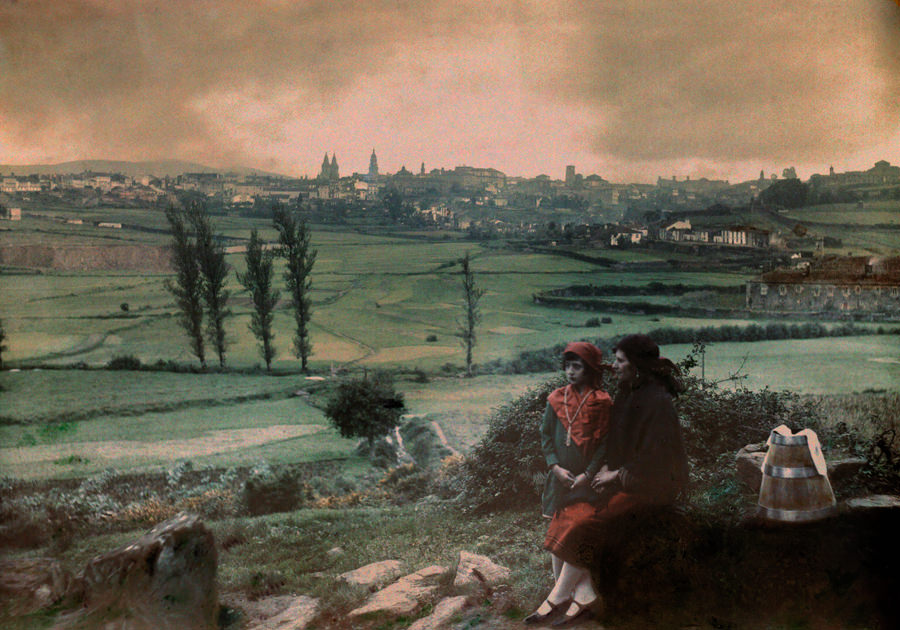
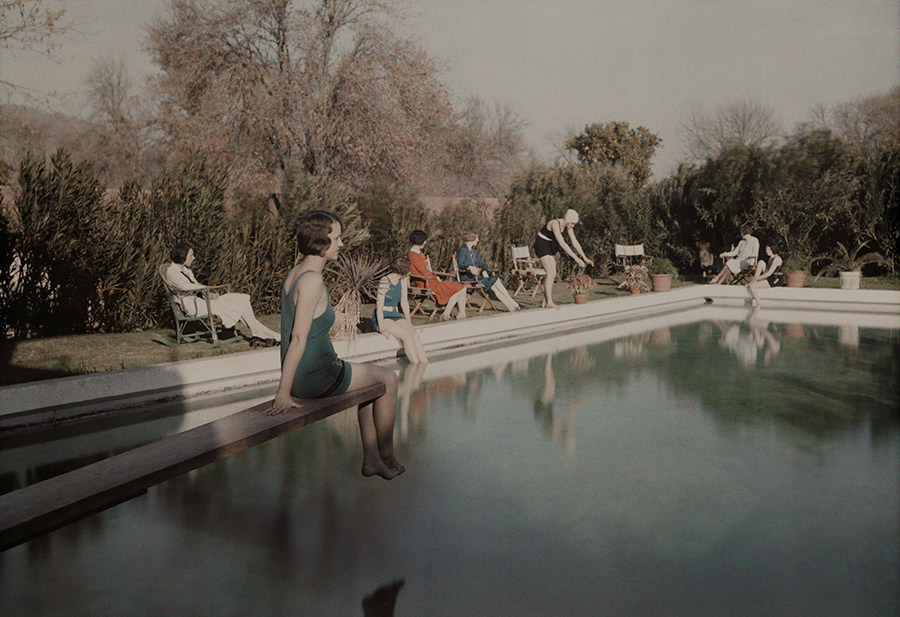
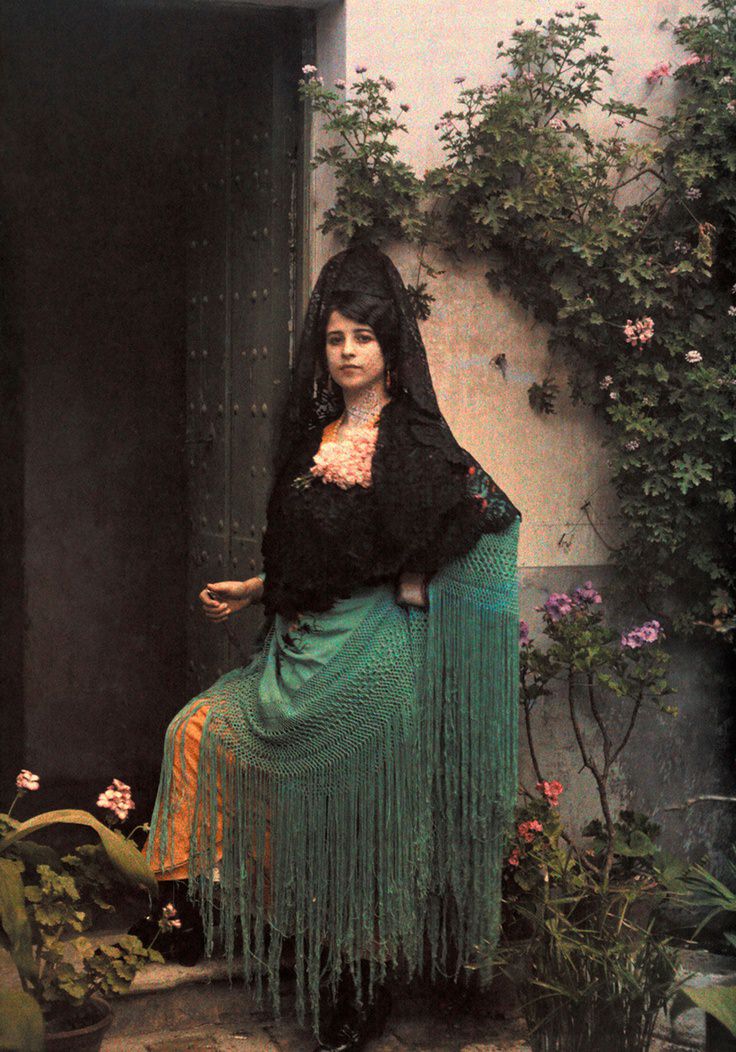
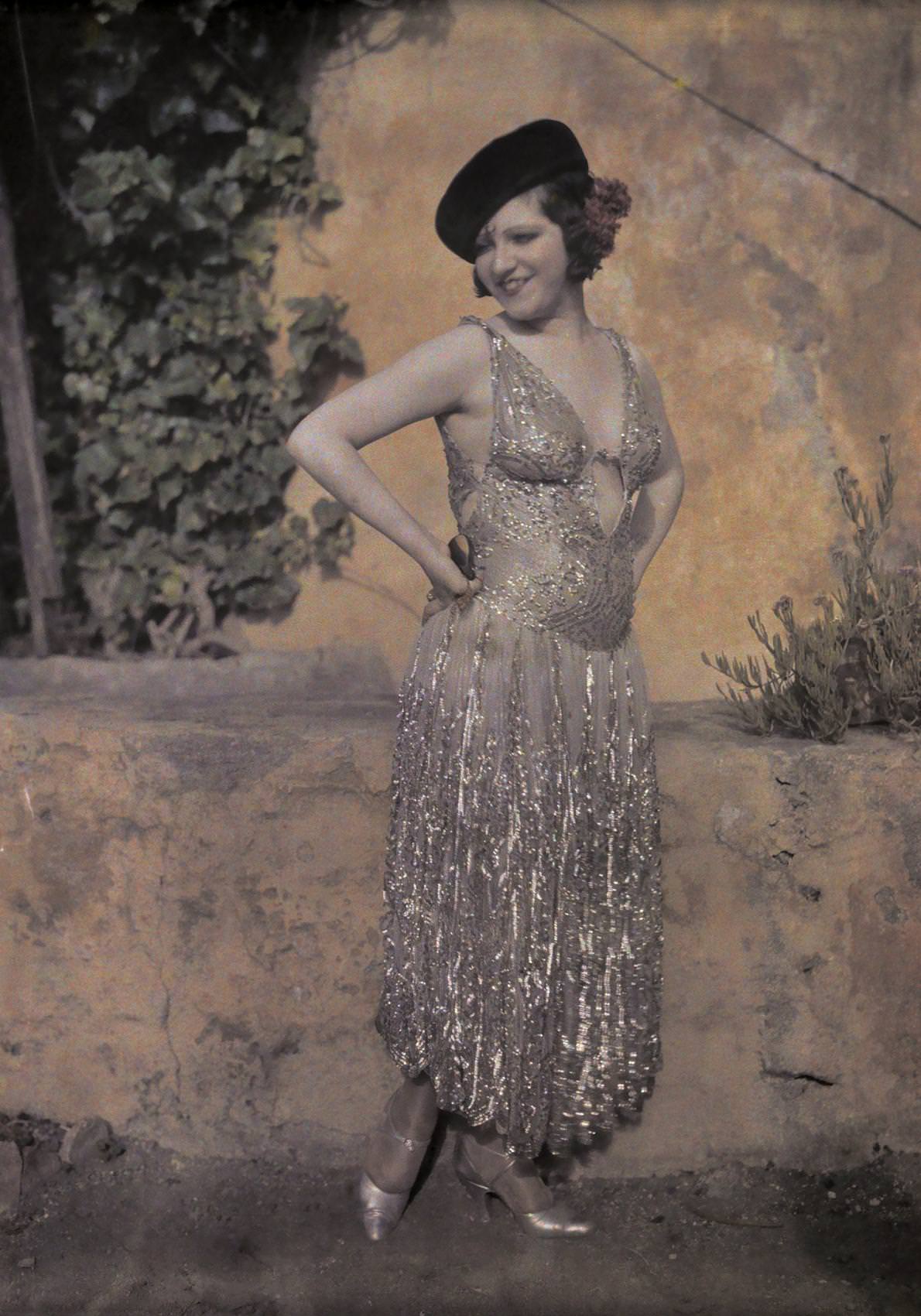
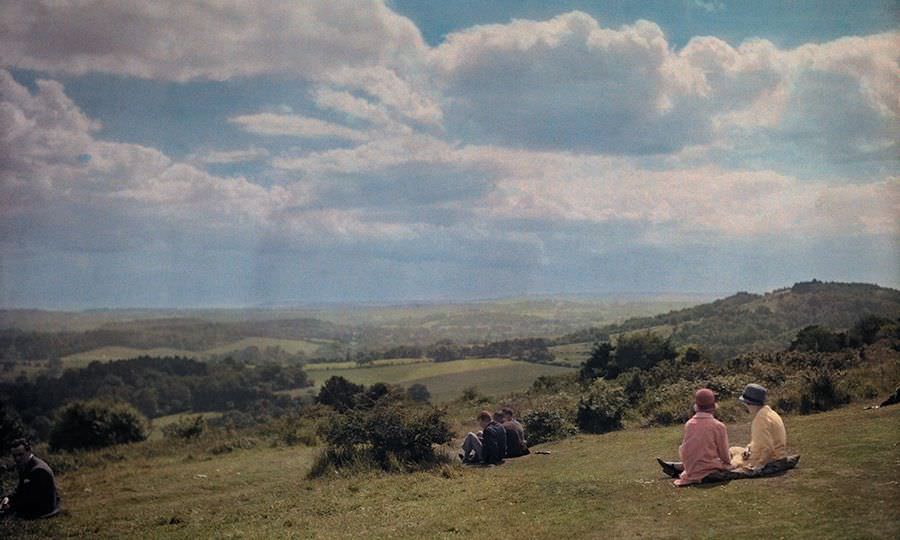
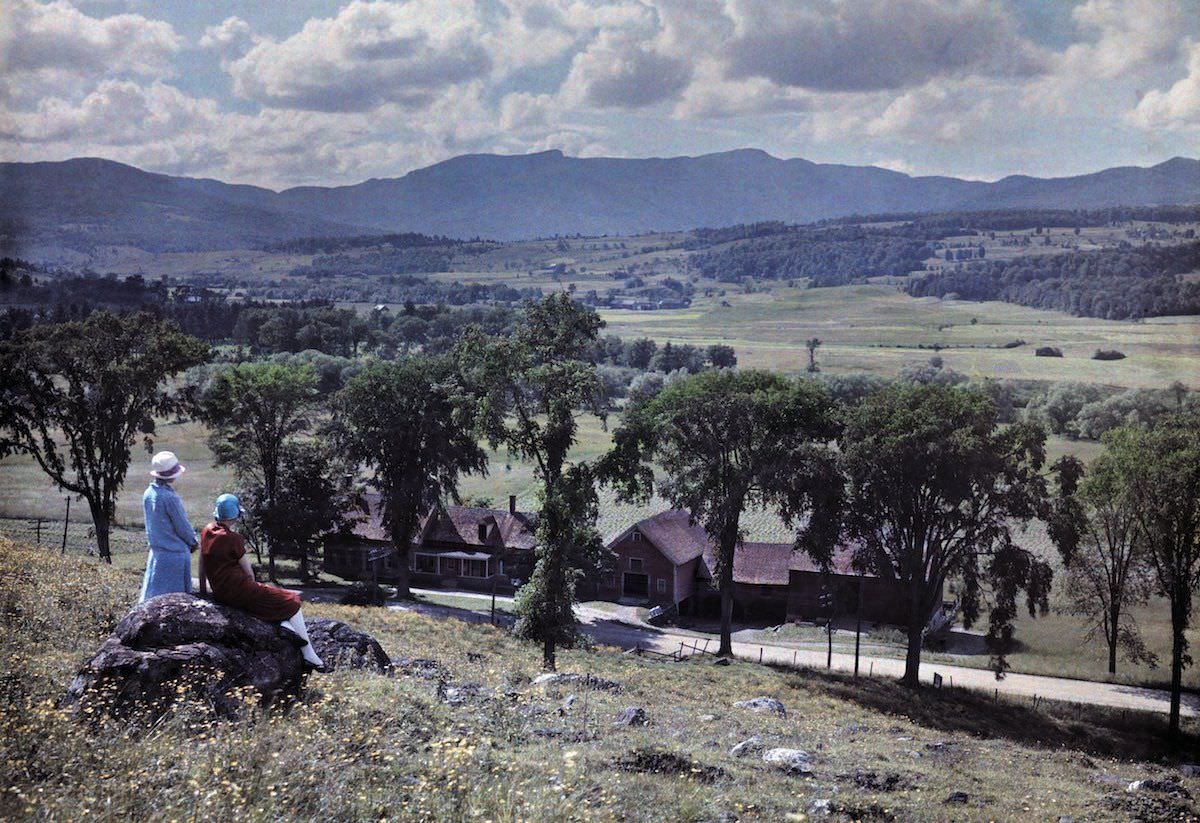
Adams worked for National Geographic from 1920 to 1934, photographing everyday life across the United States, Central America, and Europe. Alongside hundreds of black-and-white photos, he produced 30 albums of Autochromes — an early color photography process. These images show real women wearing real clothes, not posed studio portraits.
The defining silhouette of the decade was straight and column-like. Dresses hung loosely from the shoulders with no fitted waist. Instead, a dropped waist sat around the hips, giving the body far more room to move. This was a deliberate break from the tailored, restrictive cuts of earlier generations.
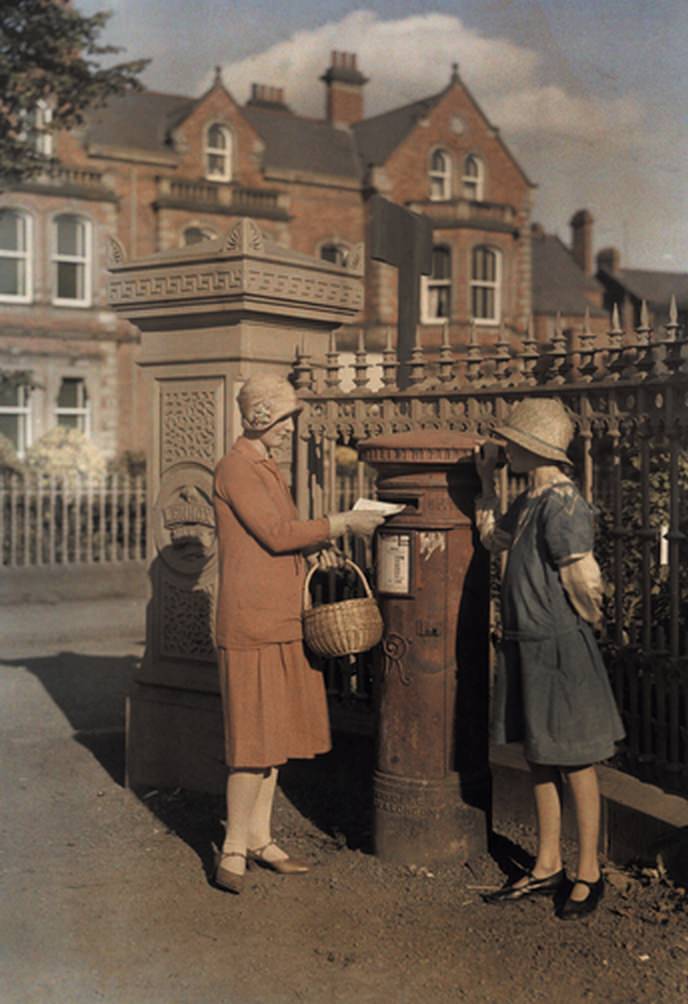
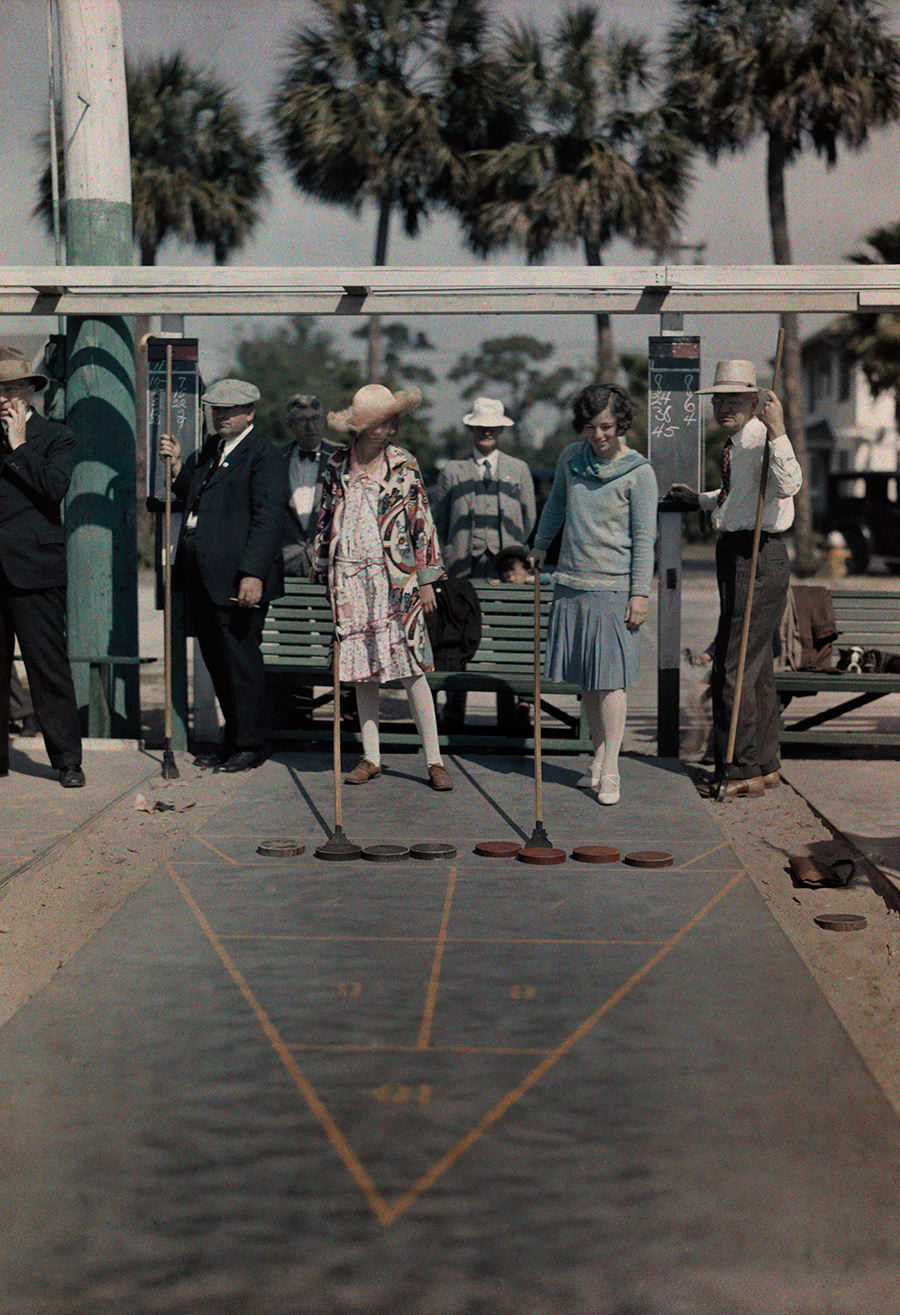
Hemlines crept upward as the decade progressed. By the mid-1920s, dresses commonly ended just below or at the knee. For women walking through European villages or American towns — settings Adams returned to again and again — the shorter hem made practical sense.
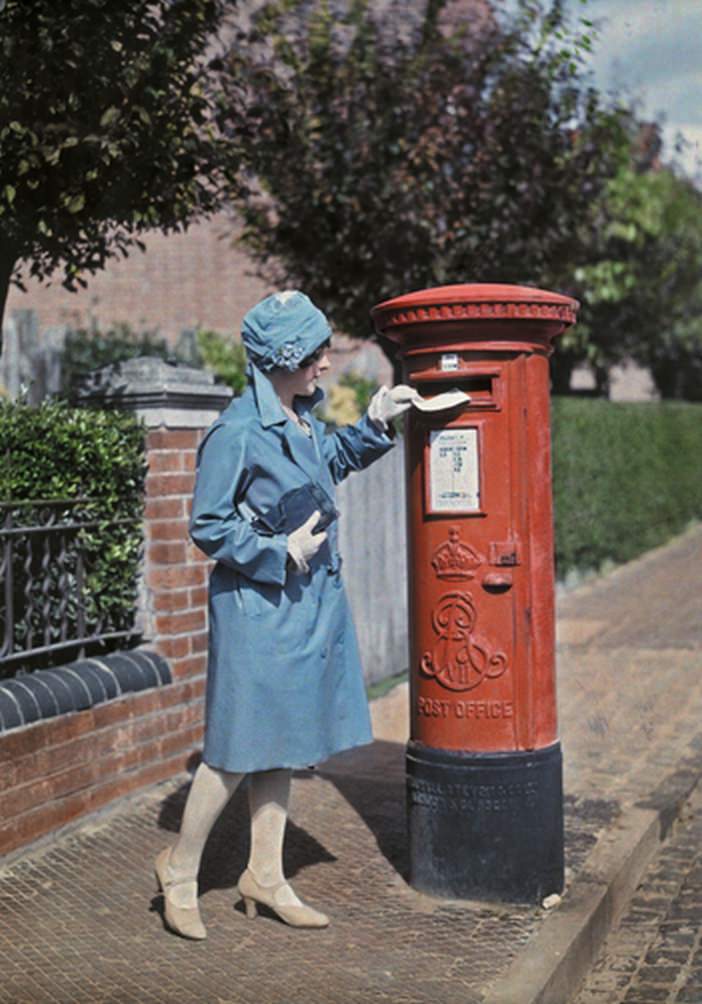
Fabric choices matched the era’s preference for ease. Silk, rayon, and chiffon appeared in dresses worn for daytime outings. In rural and village scenes, cotton and wool were more common. Rayon, a newly developed artificial silk, made lightweight fabrics accessible to more women.
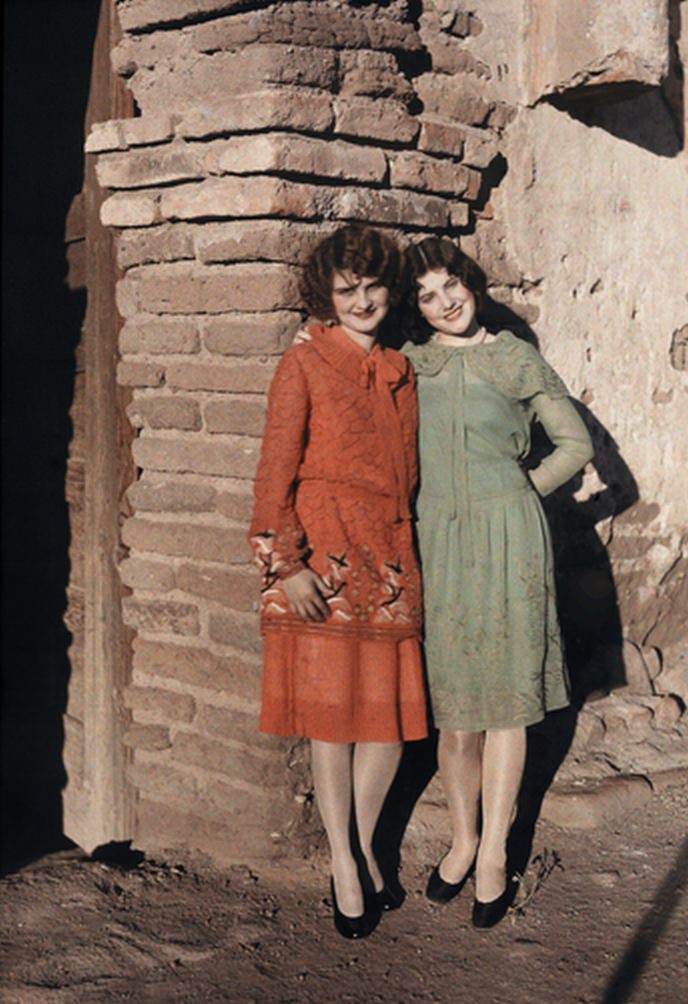
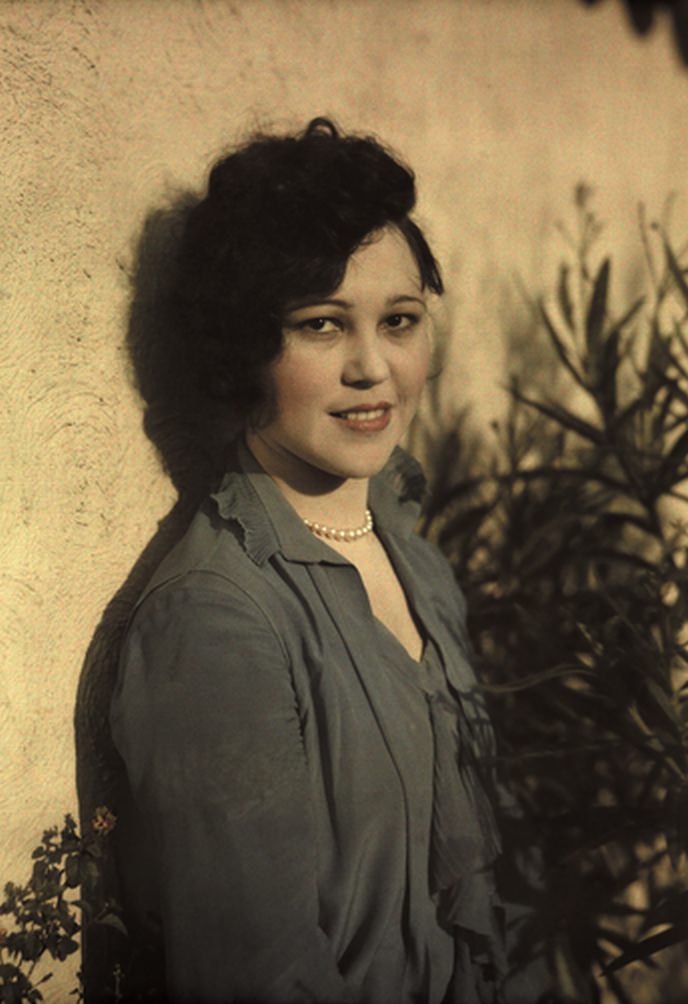
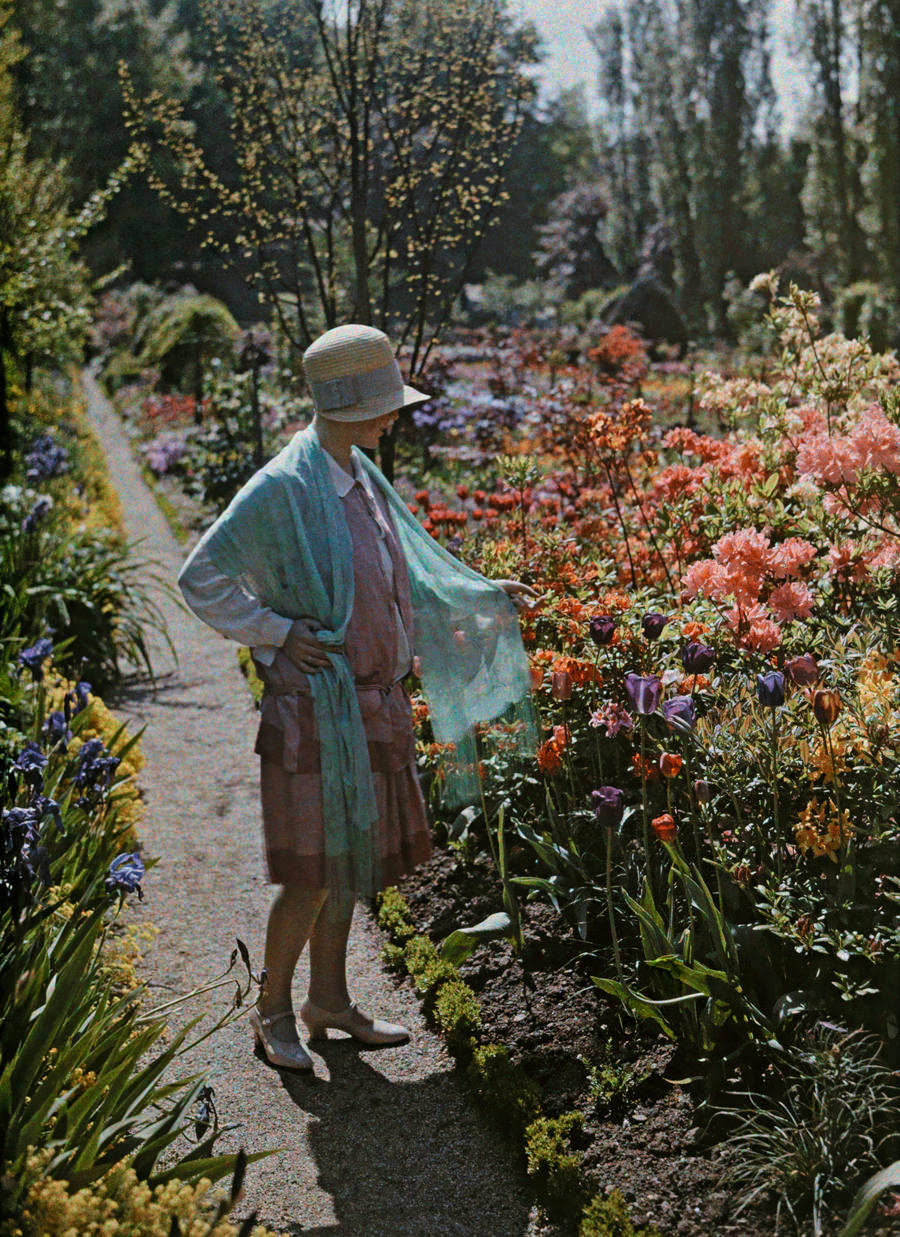
Adams’s Autochromes also reveal the color palette of the era. Dusty rose, light blue, and mint green appear frequently, alongside warmer, deeper tones. These weren’t bold or theatrical colors — they suited the understated, practical nature of everyday dress.
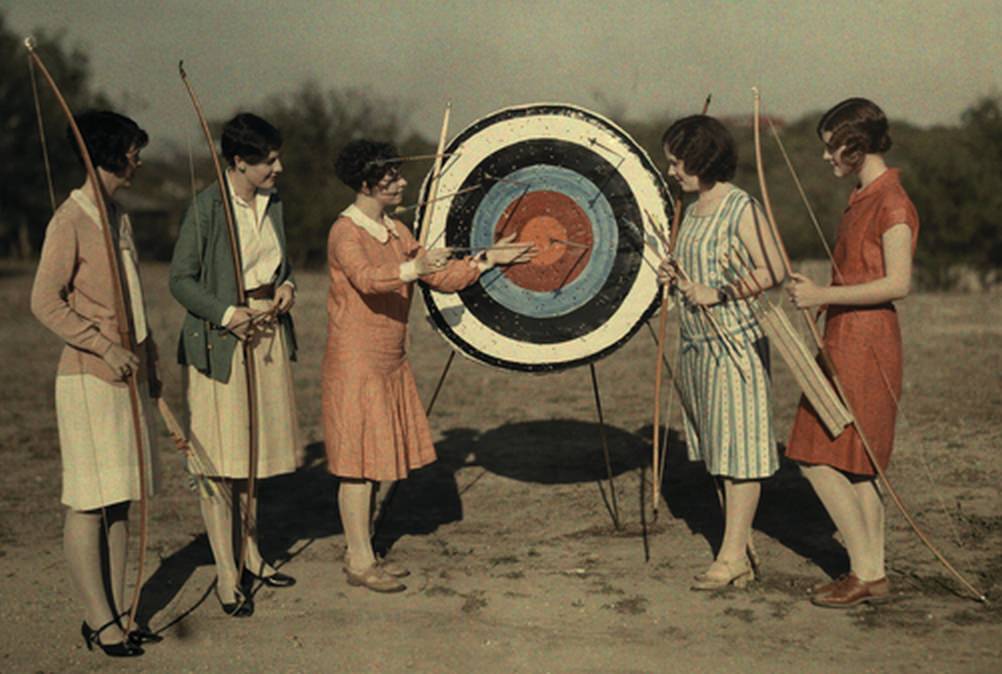
Day dresses kept decoration minimal. Necklines were modest — a simple round or scoop cut was standard. Sleeves ranged from sleeveless to short flutter styles or plain longer cuts. Belts worn low on the hip were common, either a fabric tie or a thin leather strap. Some dresses featured light pleating, subtle gathering, or small embroidered details.
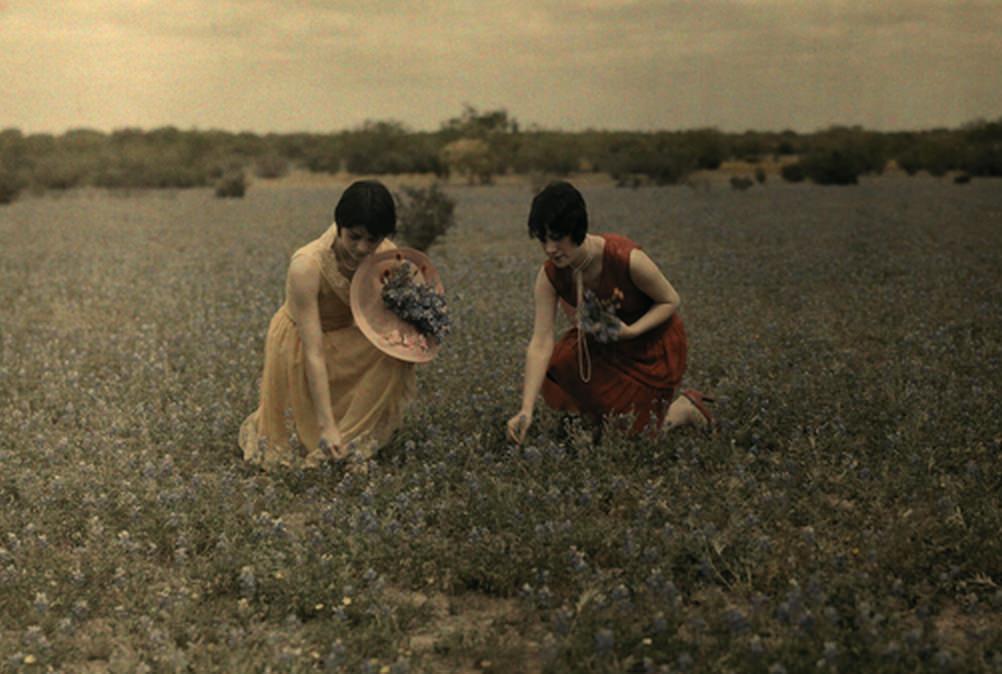
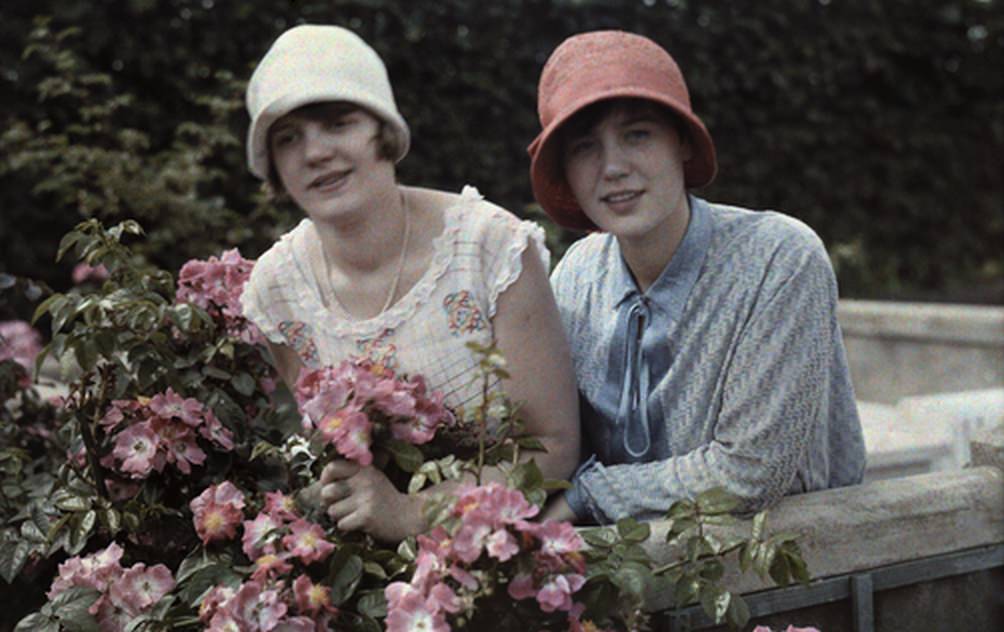
Hats were a non-negotiable part of a woman’s daily outfit. The cloche hat — close-fitting, bell-shaped, and pulled low over the forehead — dominated the decade. It was both fashionable and functional, shielding the face from sun and wind. Women in rural settings often wore wider-brimmed hats for greater coverage.
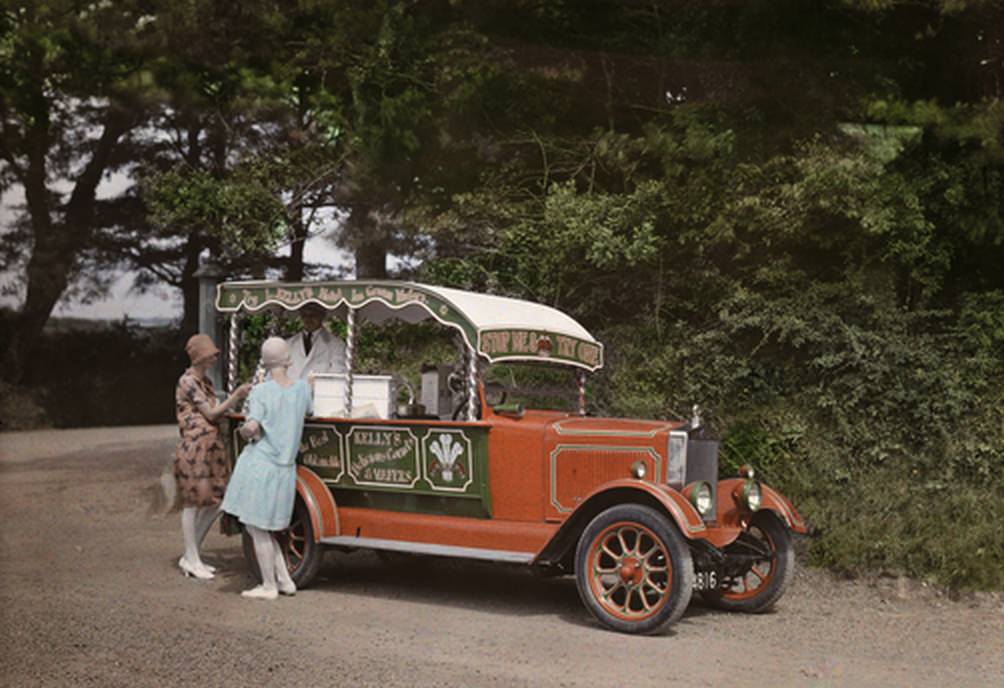
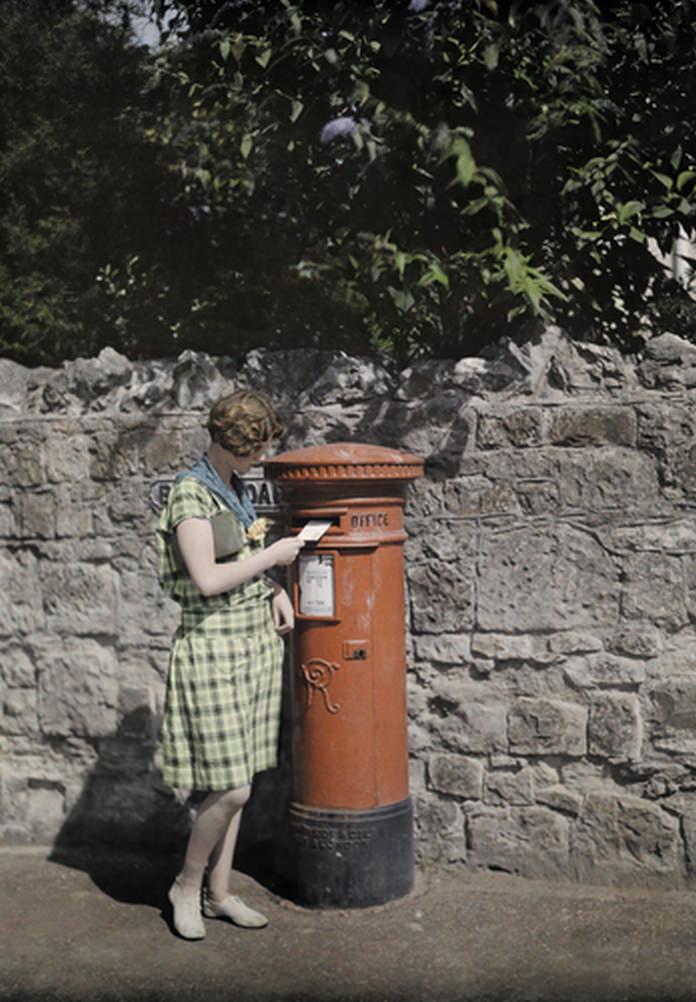
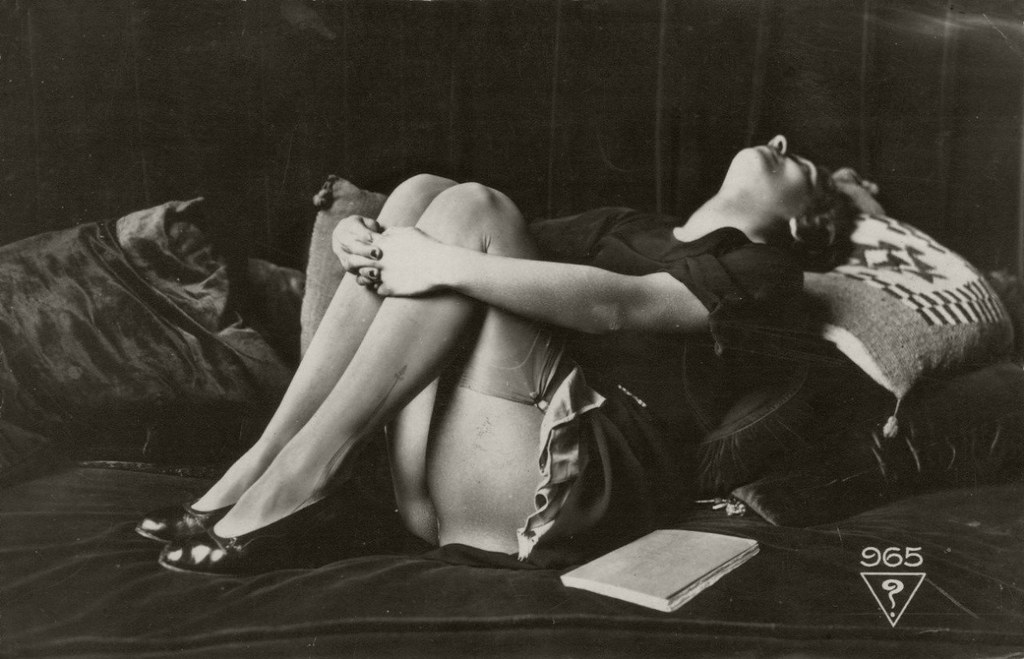
Footwear for daytime was built for practicality. Low-heeled shoes were the standard choice. Mary Janes, with their single strap across the instep, were a popular style, as were simple low pumps. Comfort mattered — these were shoes worn by women on the move.
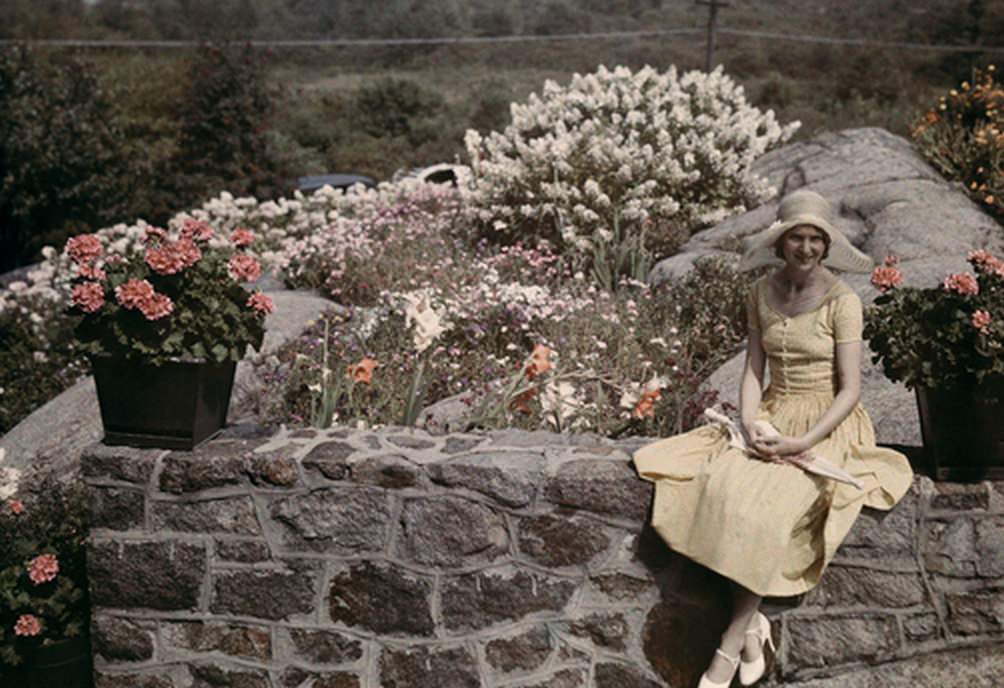
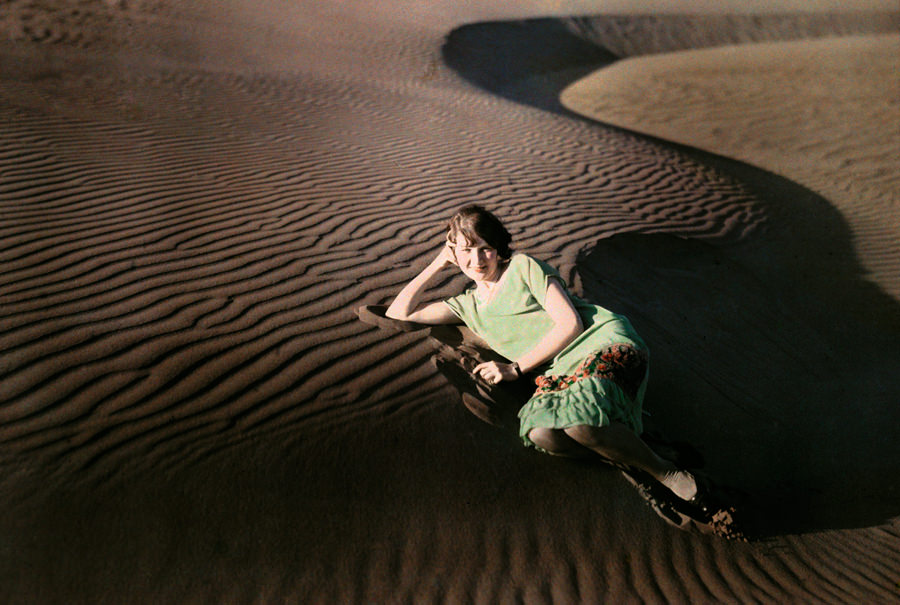
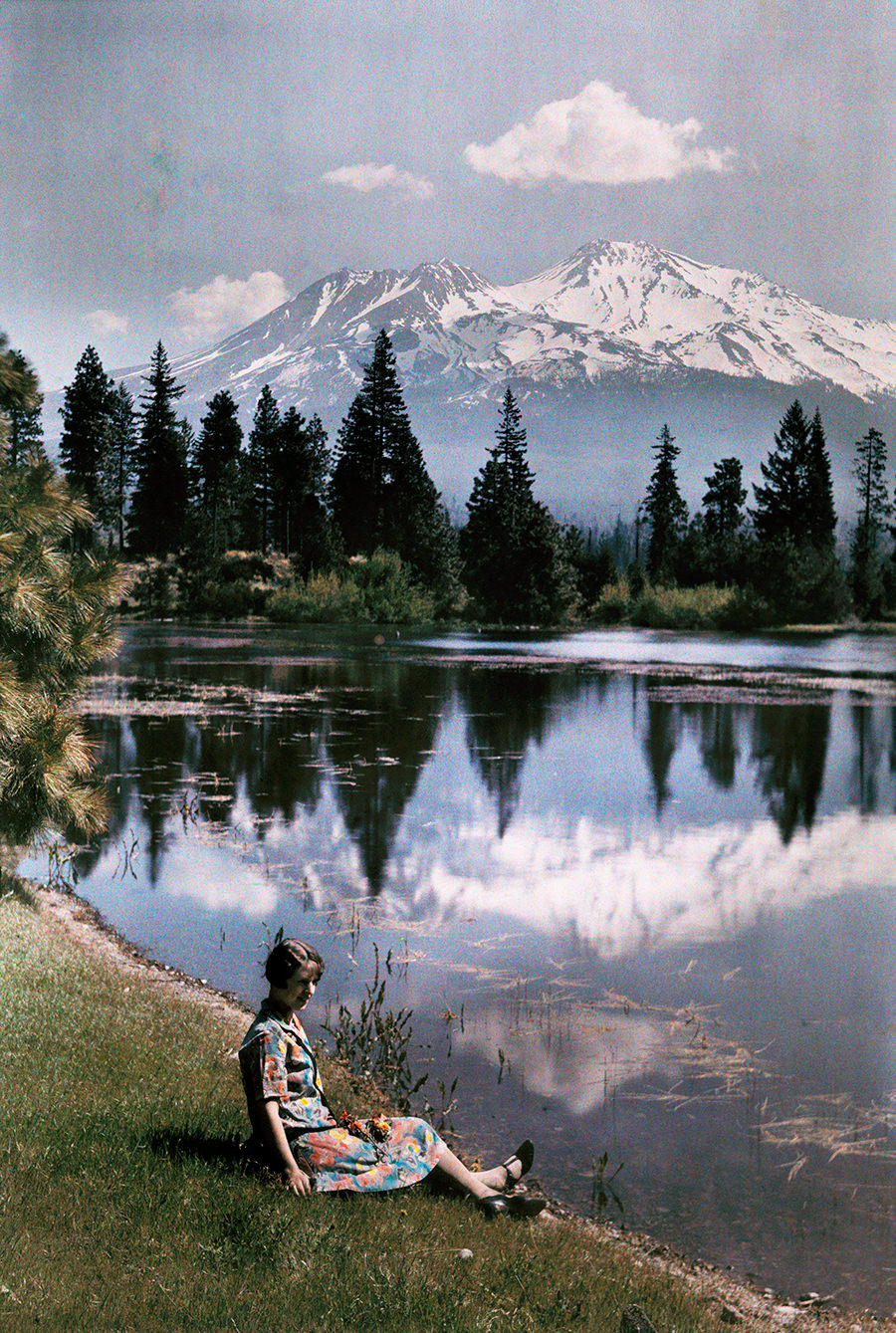
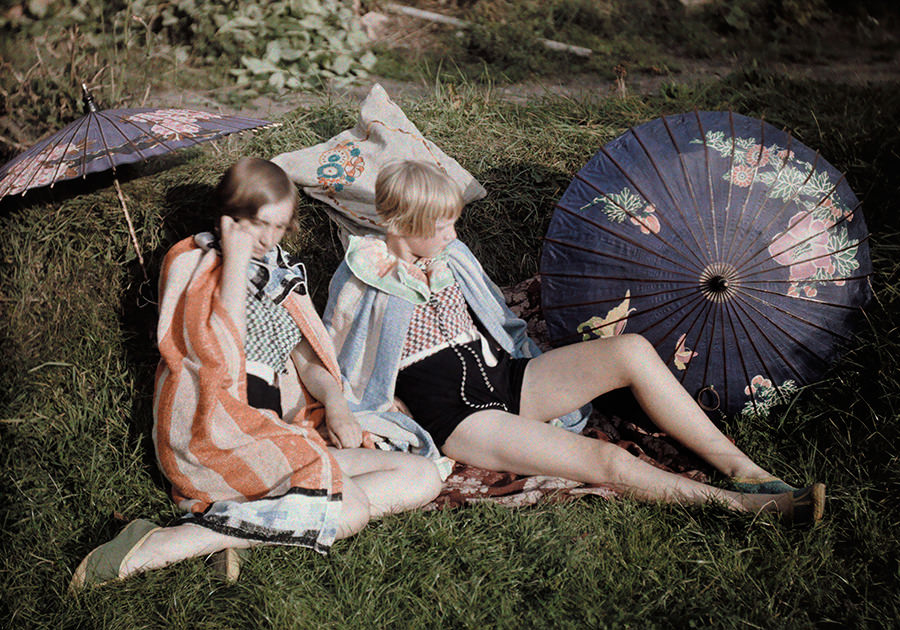
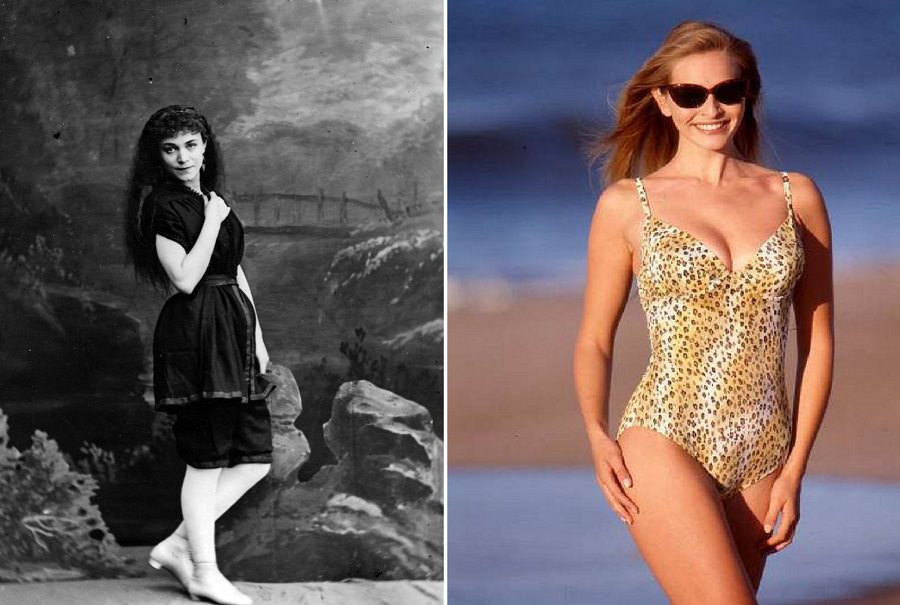
For leisure and recreation, dress codes relaxed further. Bathing suits, casual wraps, and lighter sportswear appeared in settings like pools, docks, and gardens — all scenes Adams documented across the United States and Europe.
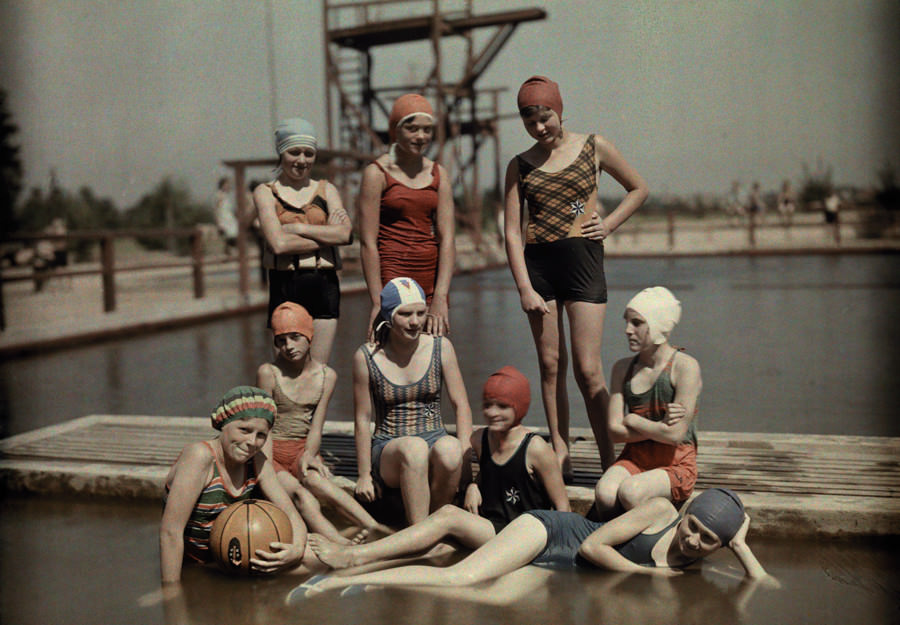
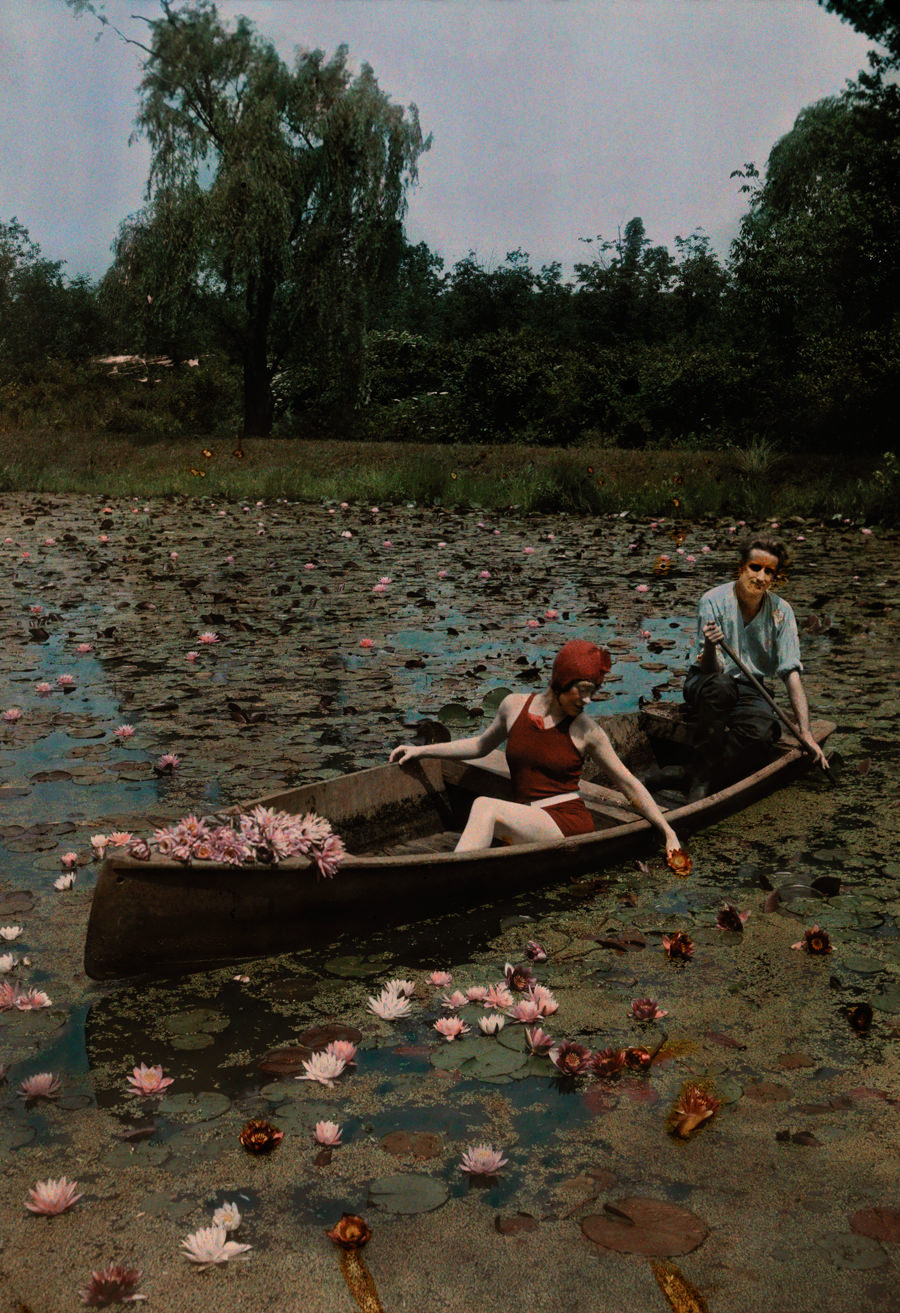
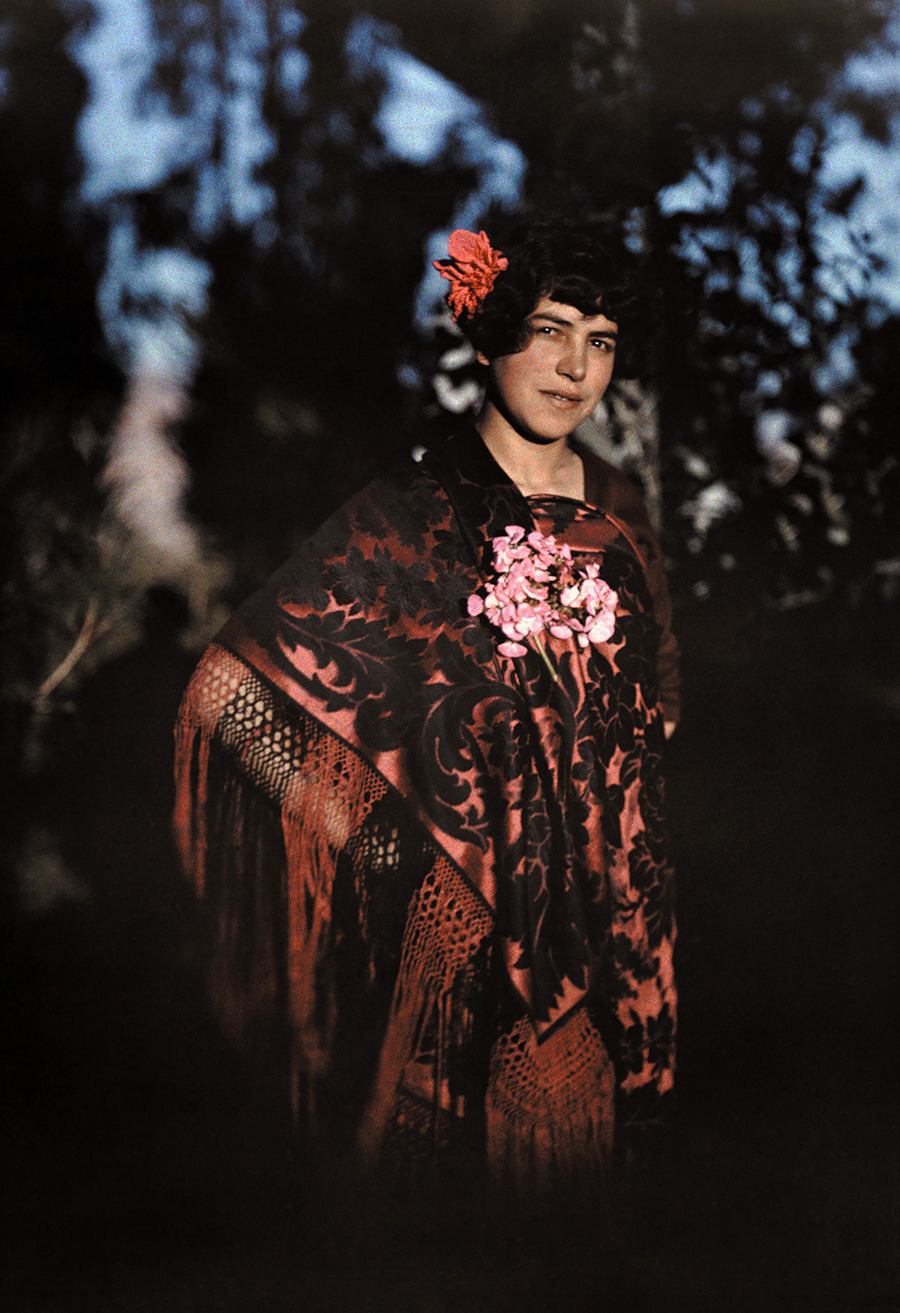
Adams’s travels through Spain, England, Germany, and Latin America also show how regional dress existed alongside the decade’s modern trends. Traditional garments and local styles appear in his photos, offering a more complete picture of how women actually dressed globally during the 1920s.