Linda Harper entered the modeling industry in her early twenties — older than most women who broke into the field during the 1950s. At a time when teenage models were the norm, her later start gave her something her younger peers rarely had: composure. That confidence showed in every photograph she appeared in, and it caught the eye of major designers almost immediately.
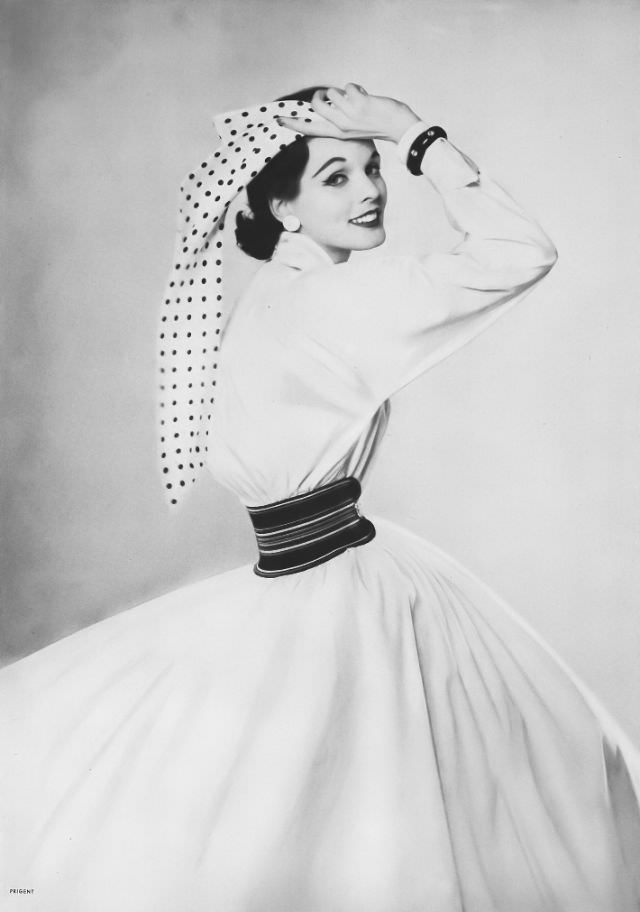
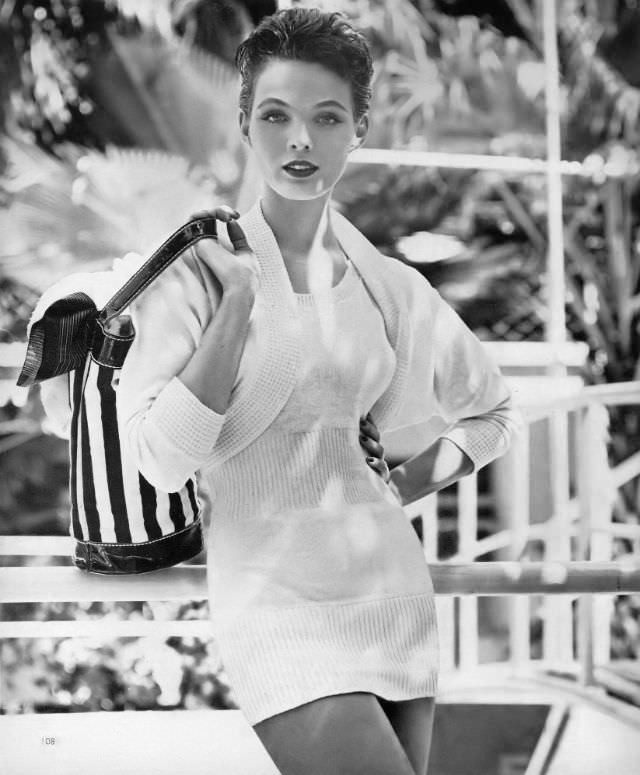
Linda Harper in a starch-white sheeting dress with a full-bloused yoke and bright waist garter by Craig, 1952.
By 1952, Harper was already working with well-known American designers. She moved effortlessly between structured daywear and polished evening looks, demonstrating a range that made her valuable to photographers, editors, and advertising clients alike.
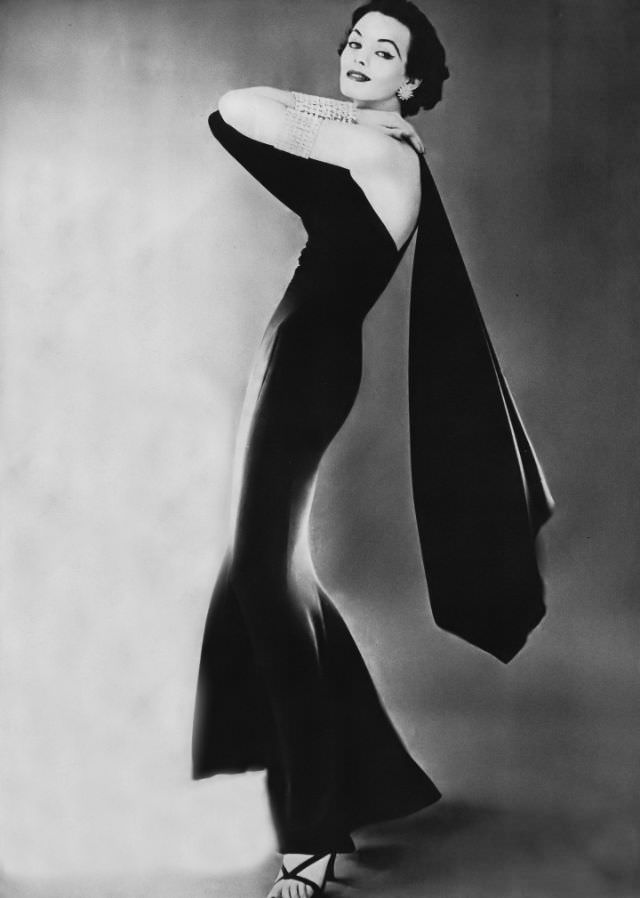
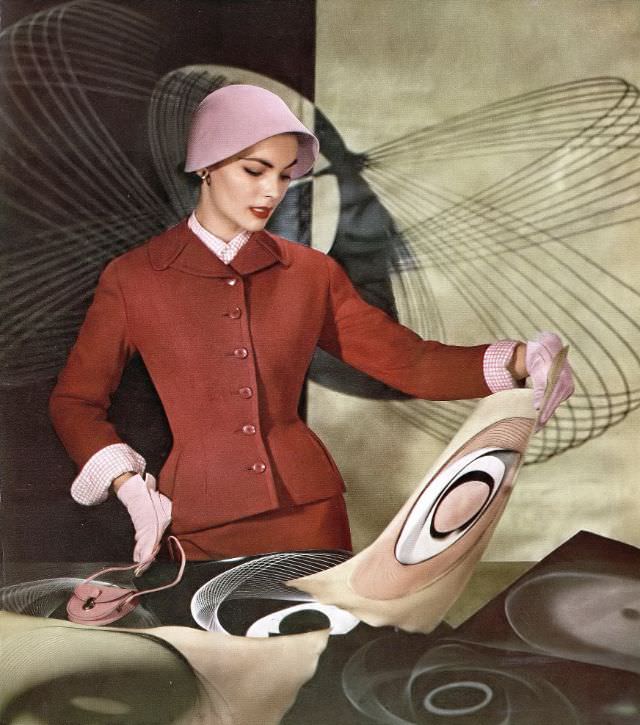
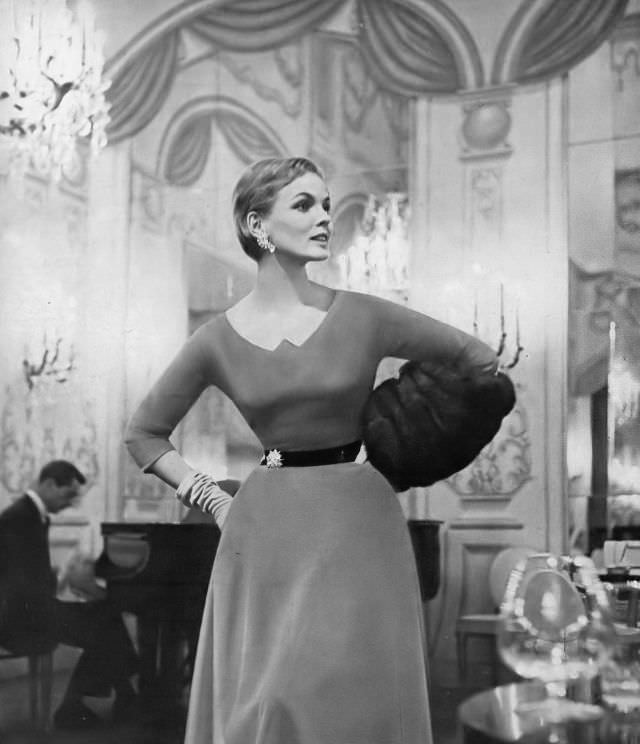
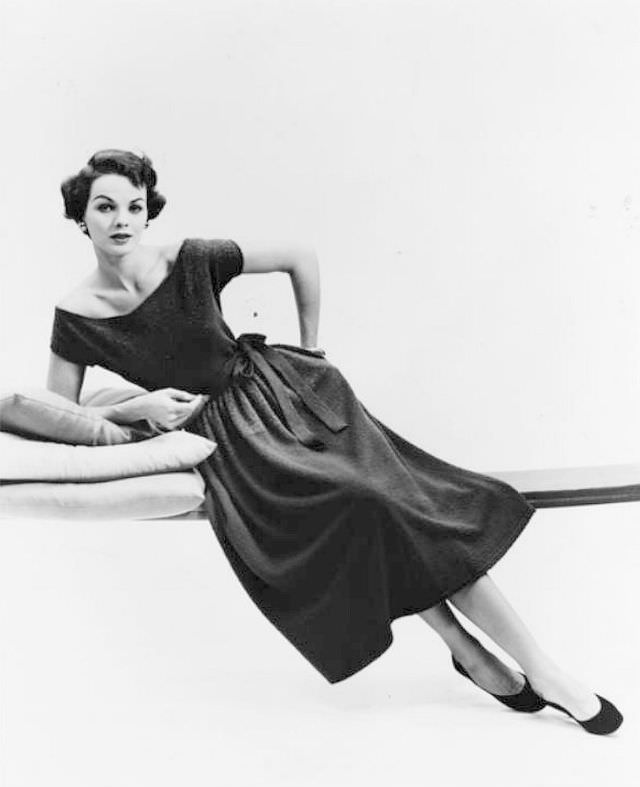
Linda Harper in a slinky black silk crêpe evening dress by Traina-Norell, 1952.Linda Harper in a strawberry tweed suit by Handmacher and checked shirt by Maskett Bros., 1952.
Her ability to wear both casual and formal styles with equal ease set her apart. From textured tweed suits to delicate lace gowns, Harper adapted her presence to suit whatever a designer required.
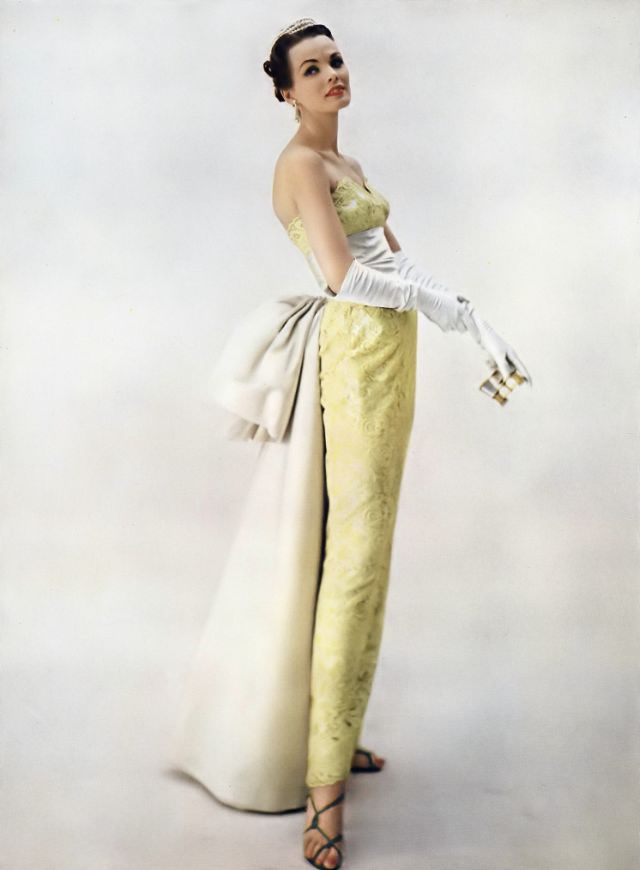
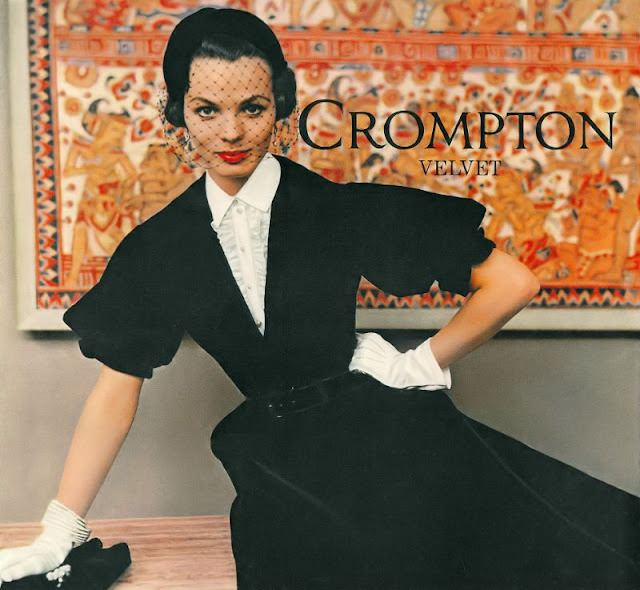
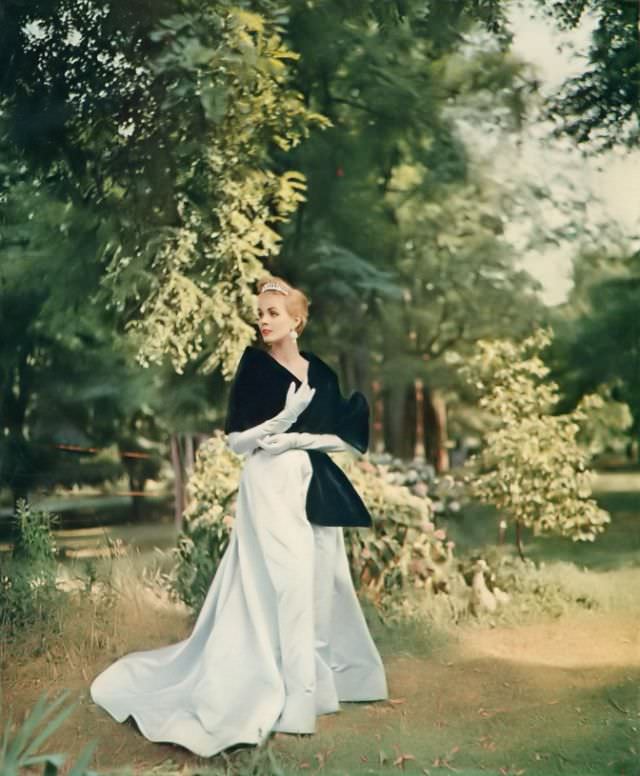
Linda Harper in a yellow lace and creamy satin gown by Harvey Berin and Karen Stark, 1952.Linda Harper in a black velvet dress with white ruffled English broadcloth by Myron Herbert, 1953.
In 1953, Harper’s portfolio expanded significantly. She wore pieces from internationally recognized designers, including Paris houses — a clear sign of how far her career had advanced in just one year.
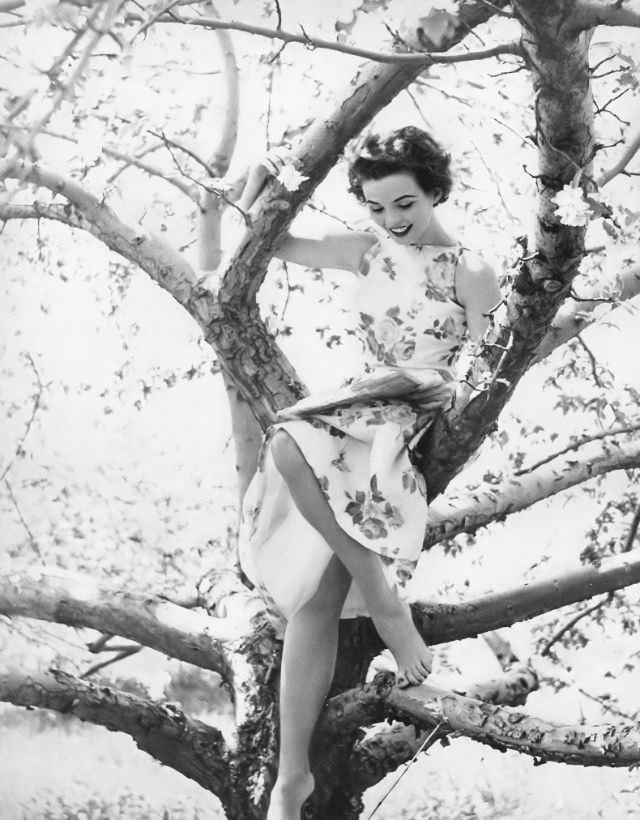
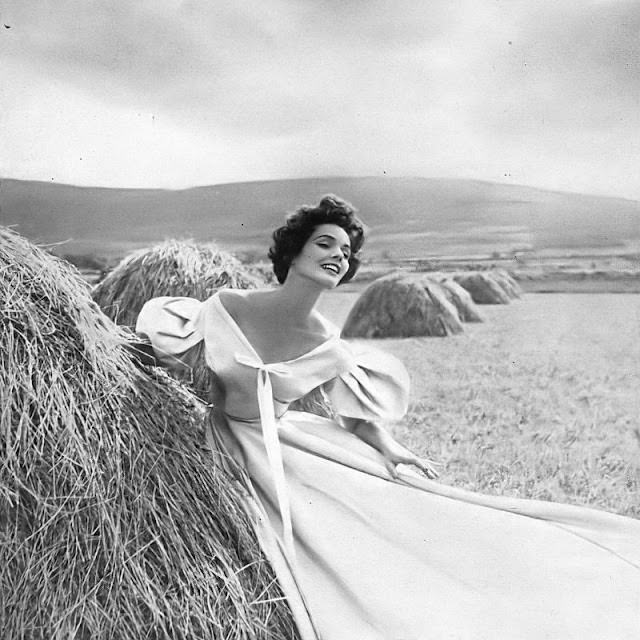
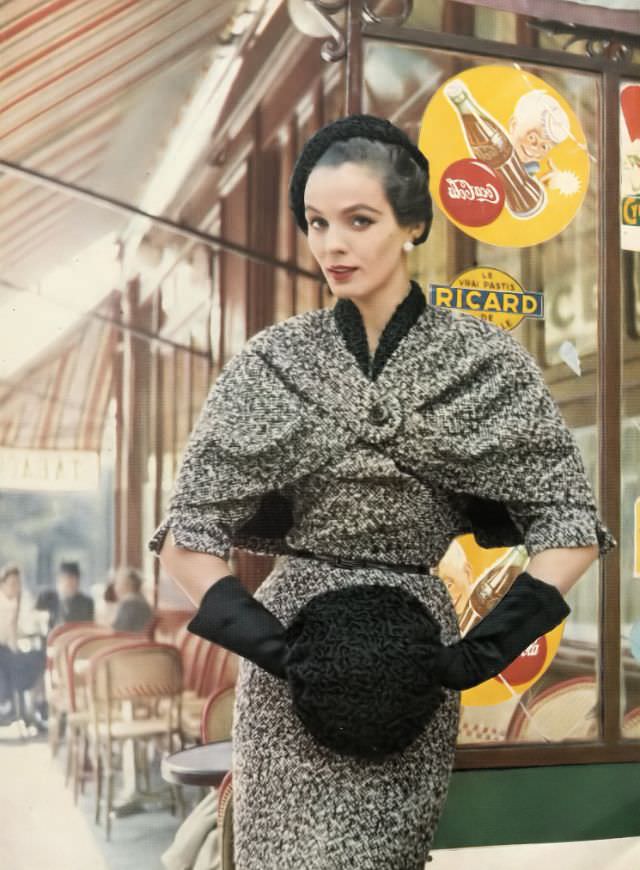
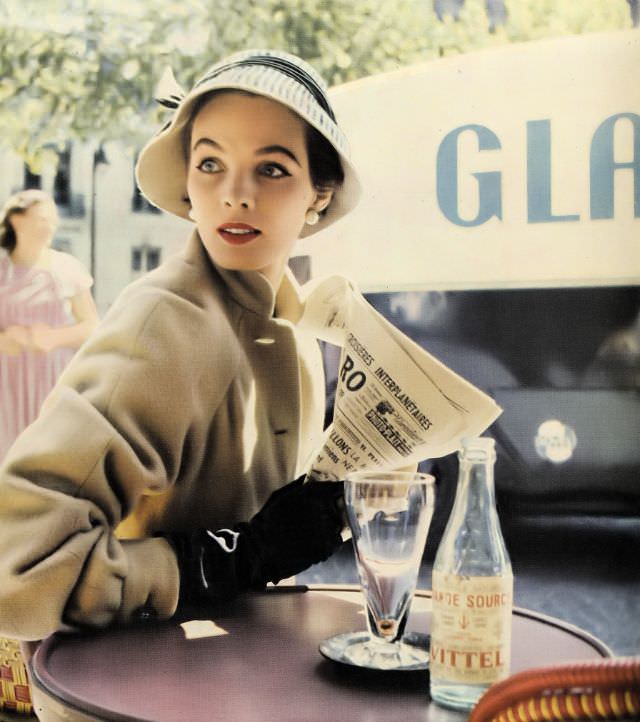
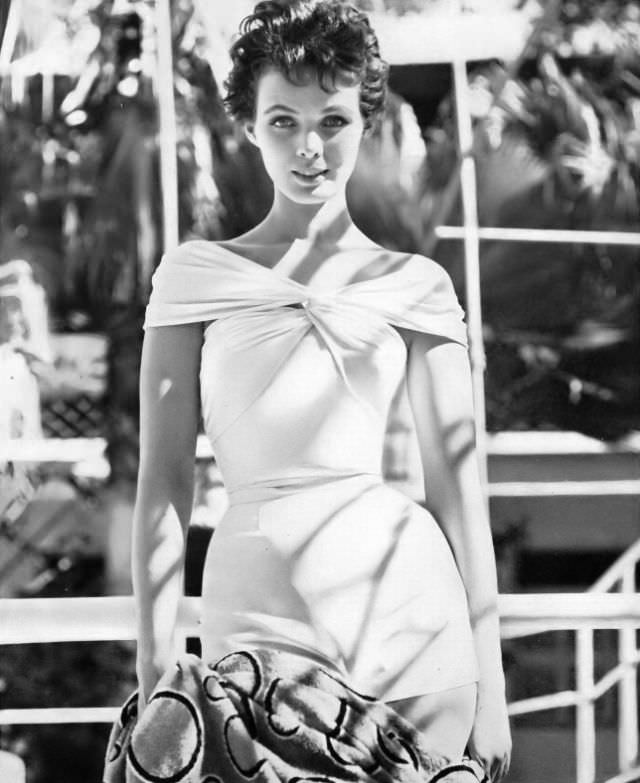
Linda Harper in a floral print summer dress, 1953.Linda Harper in a fog-gray faille dinner dress with pleated pillow sleeves by Sybil Connolly, Ireland, 1953.Linda Harper in a nubby black-and-white tweed dress and Persian lamb accessories by Jacques Fath, Paris, 1953.
Jacques Fath and Christian Dior were among the Paris designers whose garments she modeled. Luxury fur pieces also featured prominently in her work, reflecting the era’s appetite for opulent accessories.
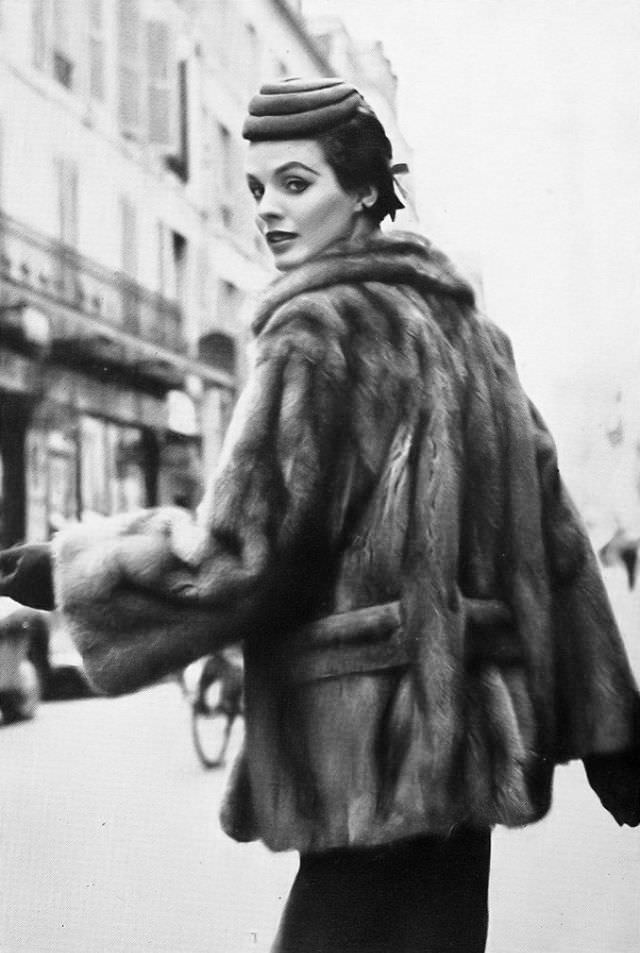
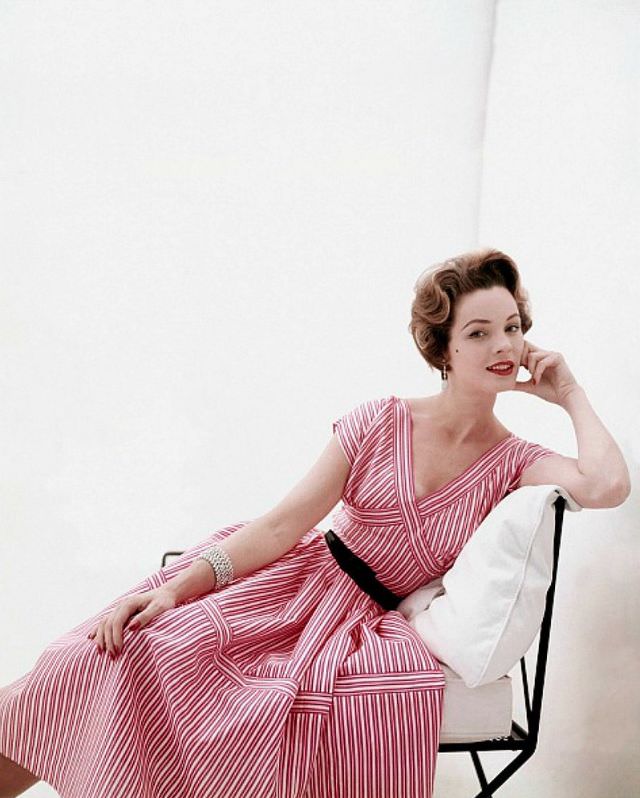
Linda Harper in a wild mink jacket with a low slotted belt by Christian Dior, Paris, 1953.Linda Harper wearing a zebra-striped felt cloche by Svend, 1953.Linda Harper in a pink striped, V-back dress with a black patent leather belt by Henry Rosenfeld, 1953.
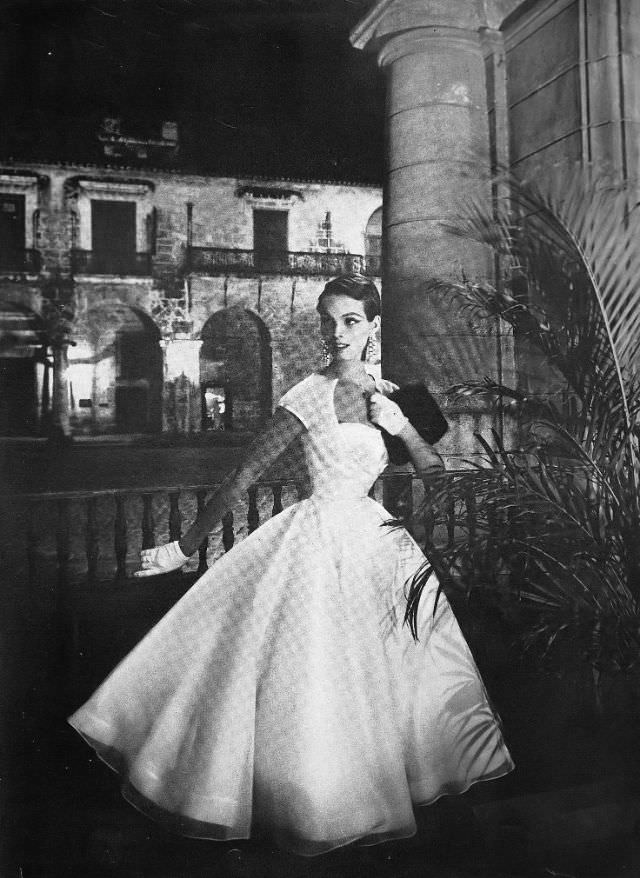
Harper’s work in 1954 took her to locations including Haiti and Havana, reflecting the growing use of exotic backdrops in American fashion photography during the mid-1950s.
Linda Harper in an amber velvet dress with a bronze belt by Eisenberg, 1954.
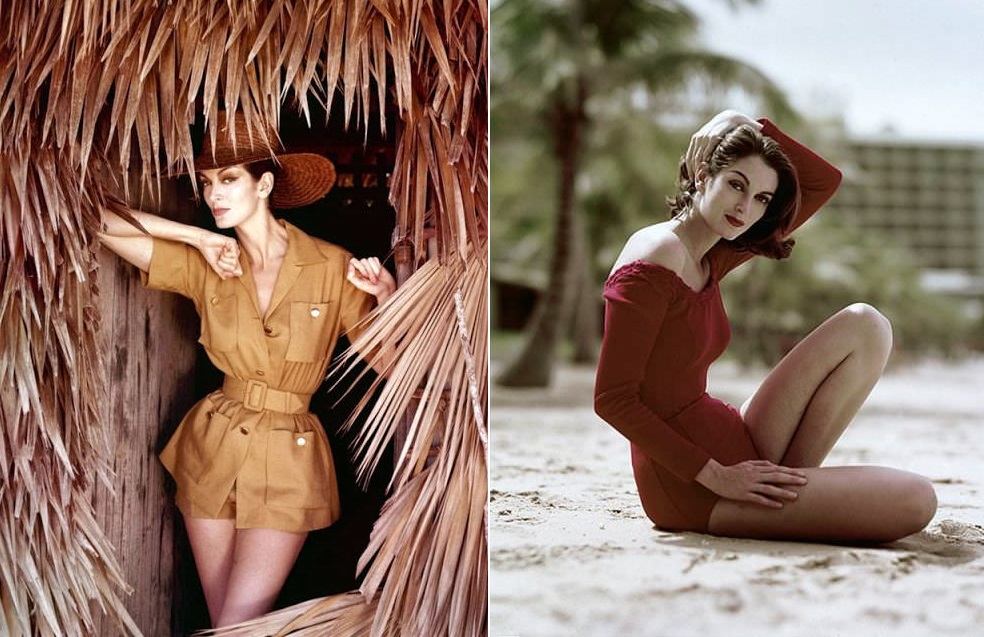
Linda Harper in a chalk-white sunsuit with a pink jersey-lined jacket by Mabs Barnes, 1954.
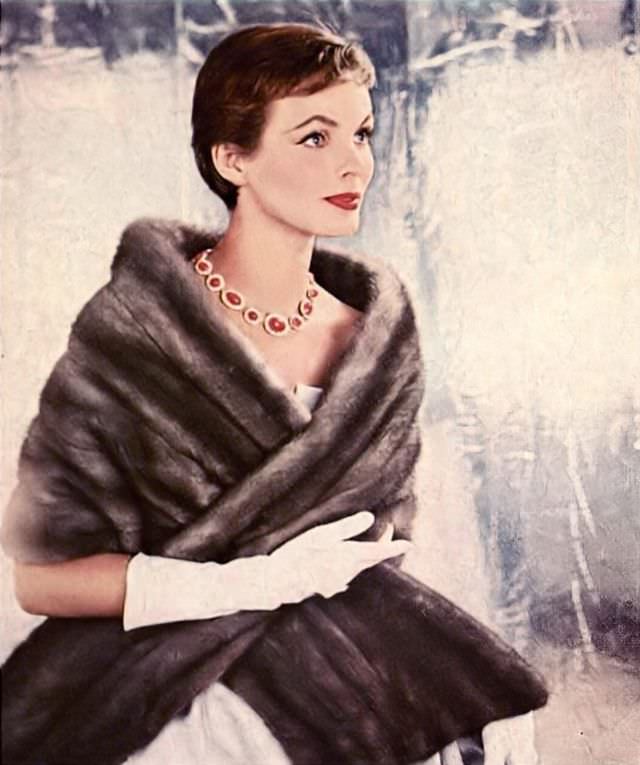
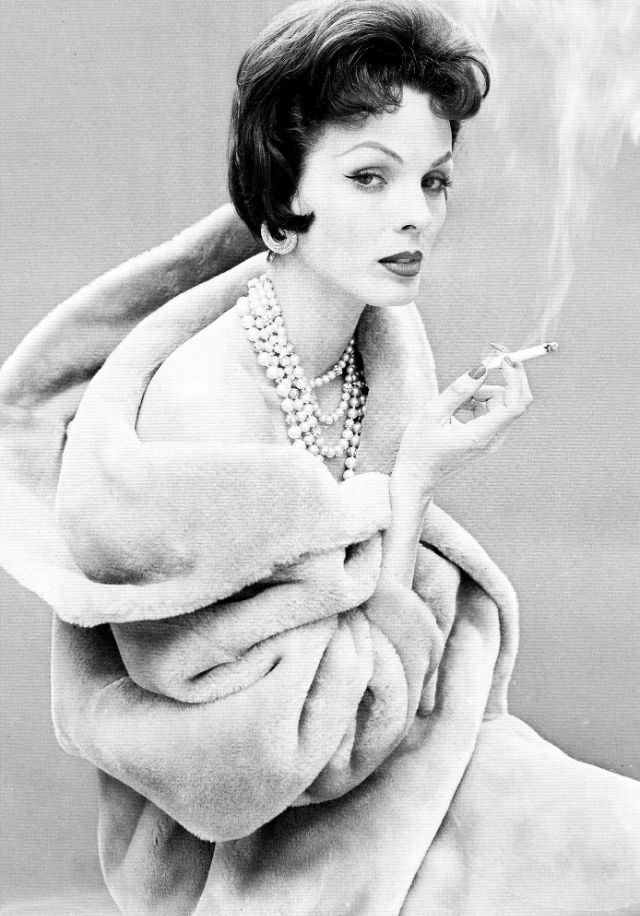
Linda Harper in a Fouke-Dyed Alaska Fur Seal stole by Revillon, 1954.
Linda Harper in a short-sleeved knit dress by Bonnie Cashin for Guttman Bros., 1954.
Linda Harper in a black and sepia tweed suit with a white collar by Ben Zuckerman, 1954.
Linda Harper in a white jersey draped bathing suit with sharkskin shorts by Carolyn Schnurer, Haiti, 1954.
Linda Harper in a white satin dress with a single red rose by Jo Copeland, Havana, 1954.
By 1955, luxury fur remained a central part of Harper’s portfolio, with pieces from Christian Dior-New York and Ben Kahn. These assignments placed her at the top end of the American fashion market.
Linda Harper in an EMBA Lutetia natural gunmetal mink stole by Christian Dior-New York, 1955.
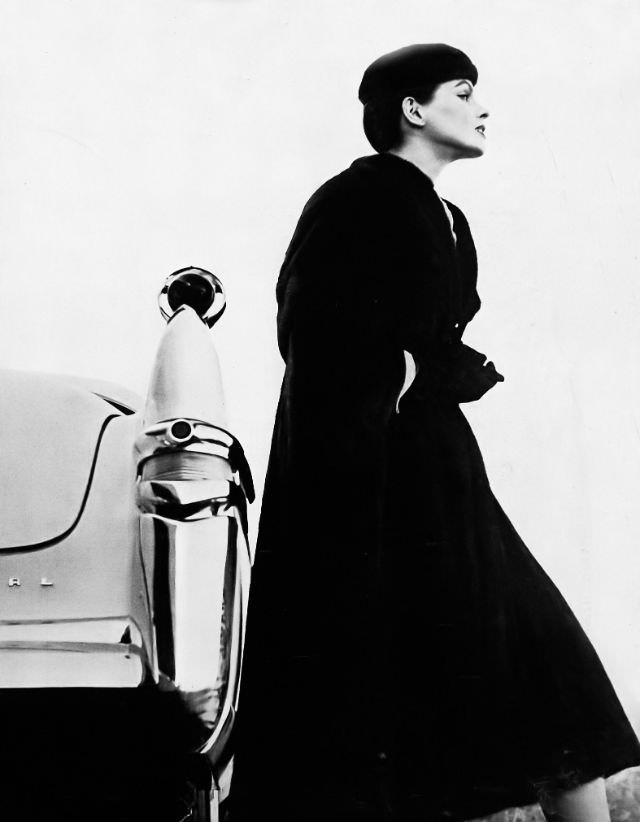
Linda Harper in a dark UMPA mink cape by Ben Kahn with a Christian Dior-New York beret, 1955.
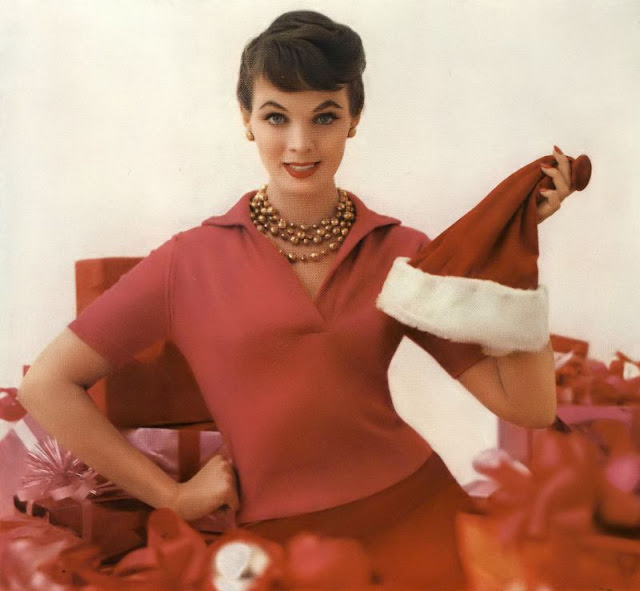
Linda Harper in a short-sleeved Acrilan sweater by Talbott, 1955.
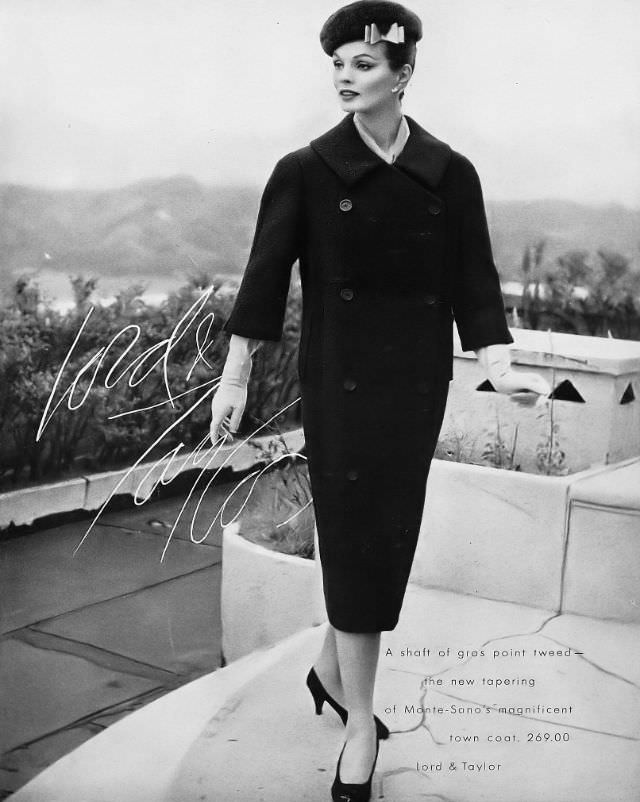
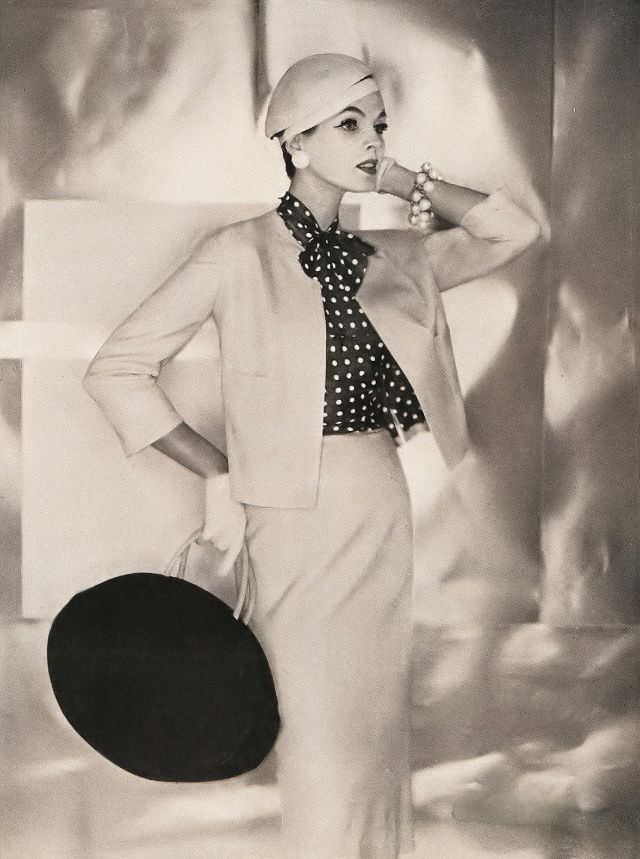
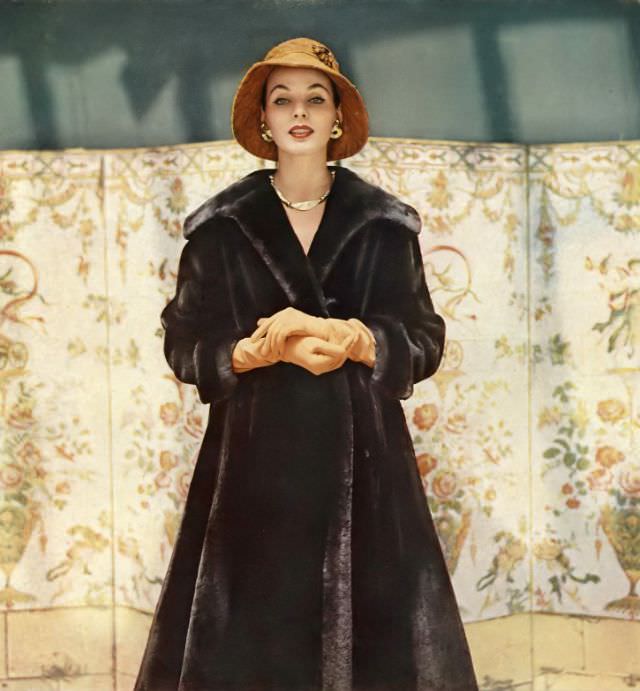
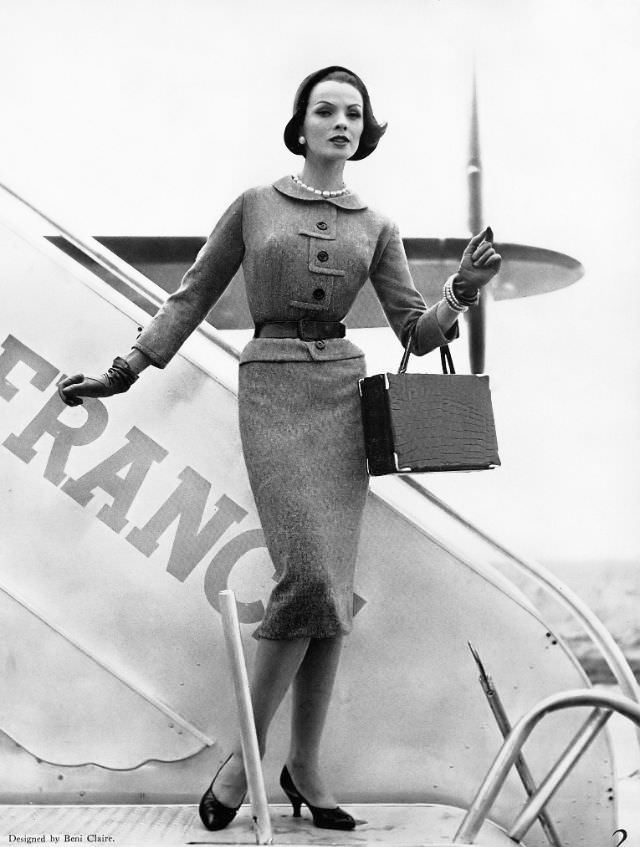
Through 1956 and 1957, Harper continued appearing in a wide variety of American and European designs — from department store coats to tailored silk separates.
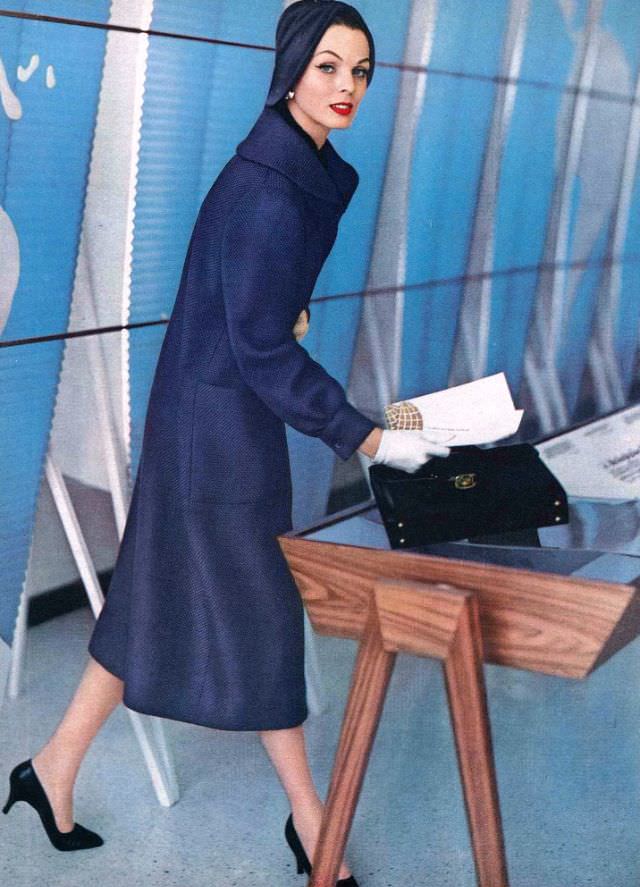
Linda Harper in a gros point tweed town coat by Monte-Sano at Lord & Taylor, 1956.
Linda Harper in a blond silk tussah jacket and skirt with a polka-dot blouse by Adele, 1956.
Linda Harper in a Fouke-dyed Alaska fur seal coat by Valerie, 1956.
Linda Harper in a belted wool tweed dress by Beni Clair for Paul Parnes, 1957.
Linda Harper, 1957.
Linda Harper, 1957.
In the final years of the decade, Harper’s work with designer Dan Millstein showed her continued relevance in a rapidly changing fashion landscape. Her range — from vibrant color to sharp, structured suiting — remained as broad as ever.
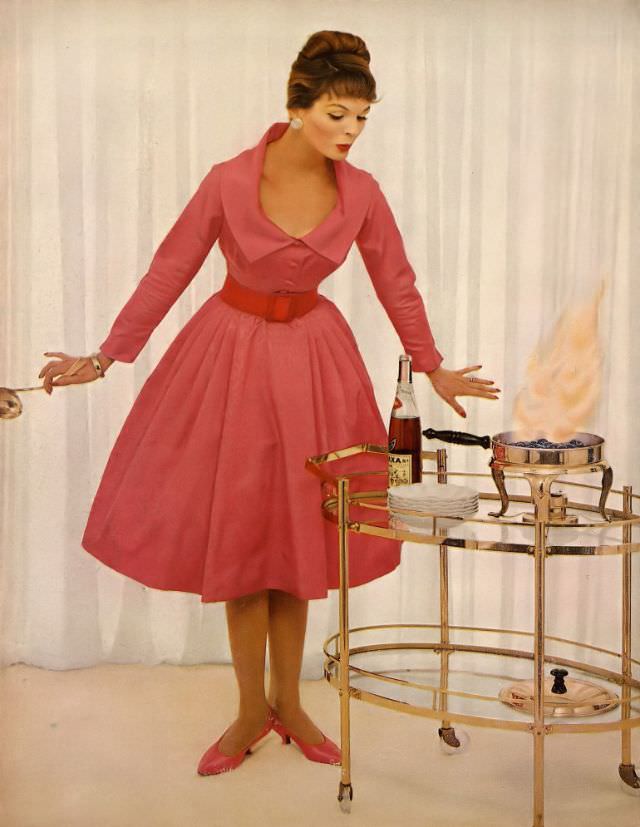
Linda Harper in a pink moiré bodice and orange velveteen belt by Toni Owen, 1958.
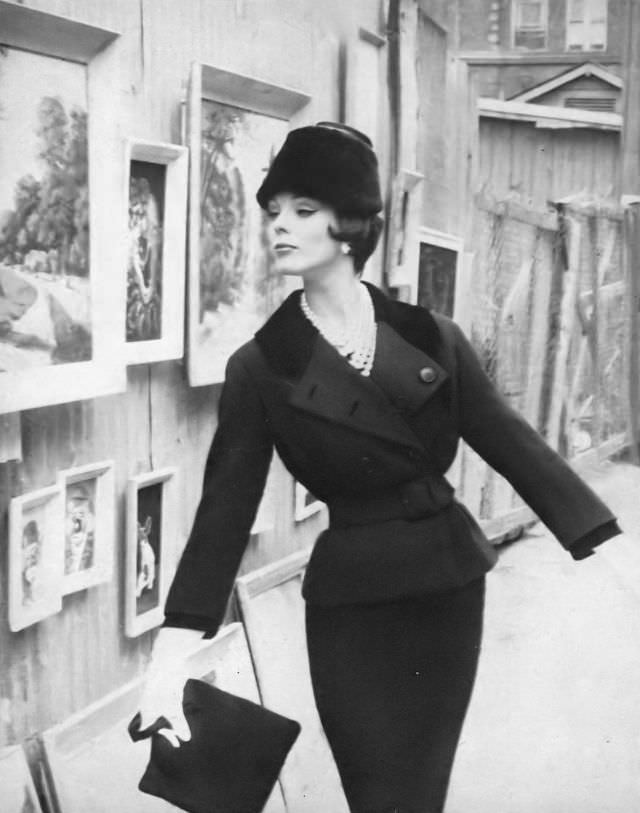
Linda Harper in a black wool suit with Jet velvet details by Dan Millstein, 1959.
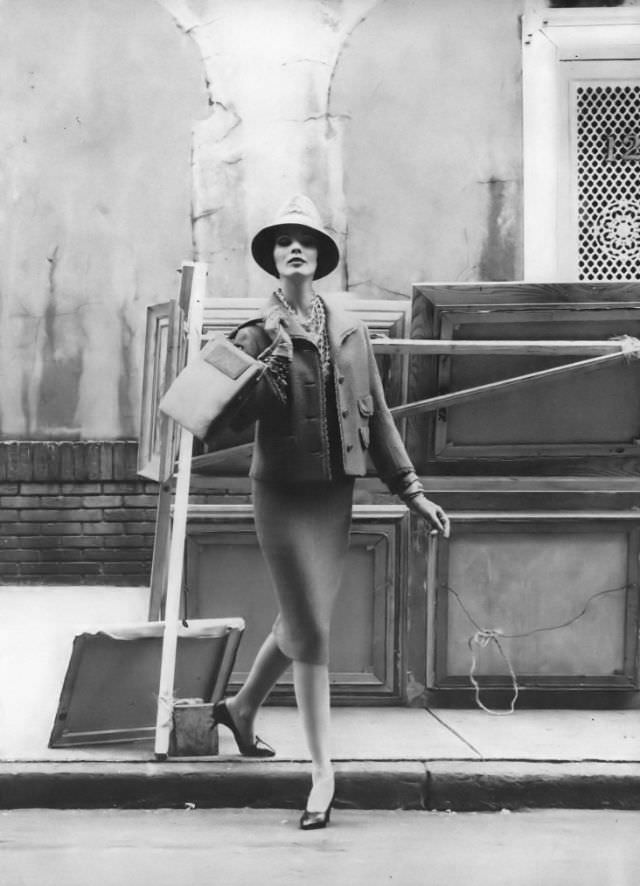
Linda Harper in a Chanel cut tweed suit with a printed silk blouse by Dan Millstein, 1959.
Kimberly Adams is passionate about classic movies, actors, and actresses. She offers a fresh perspective on timeless films and the stars who made them unforgettable. Her work is an ode to the glamour and artistry of a bygone era, and a tribute to the enduring appeal of classic cinema.