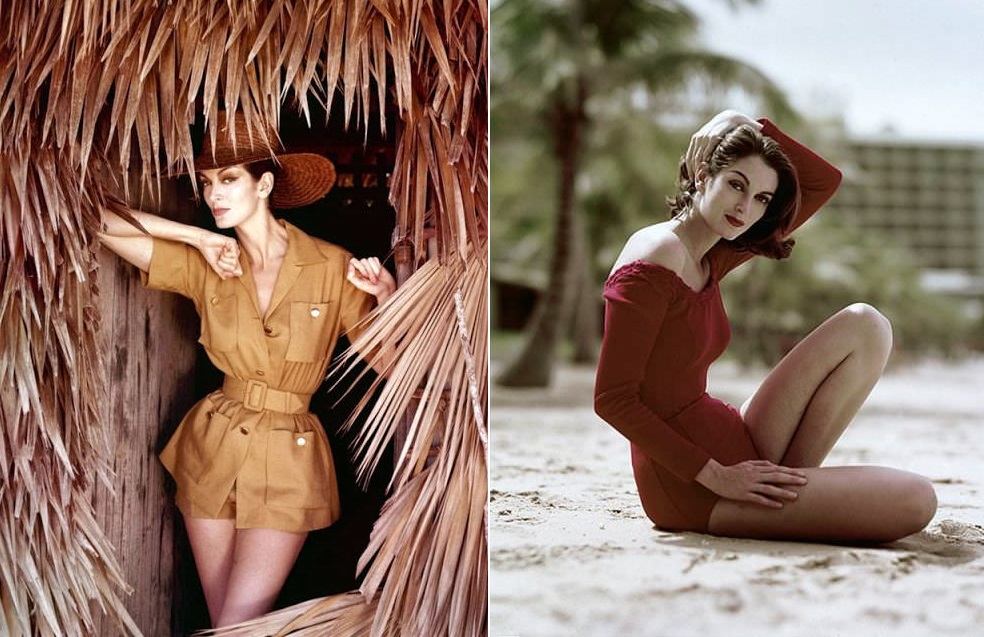
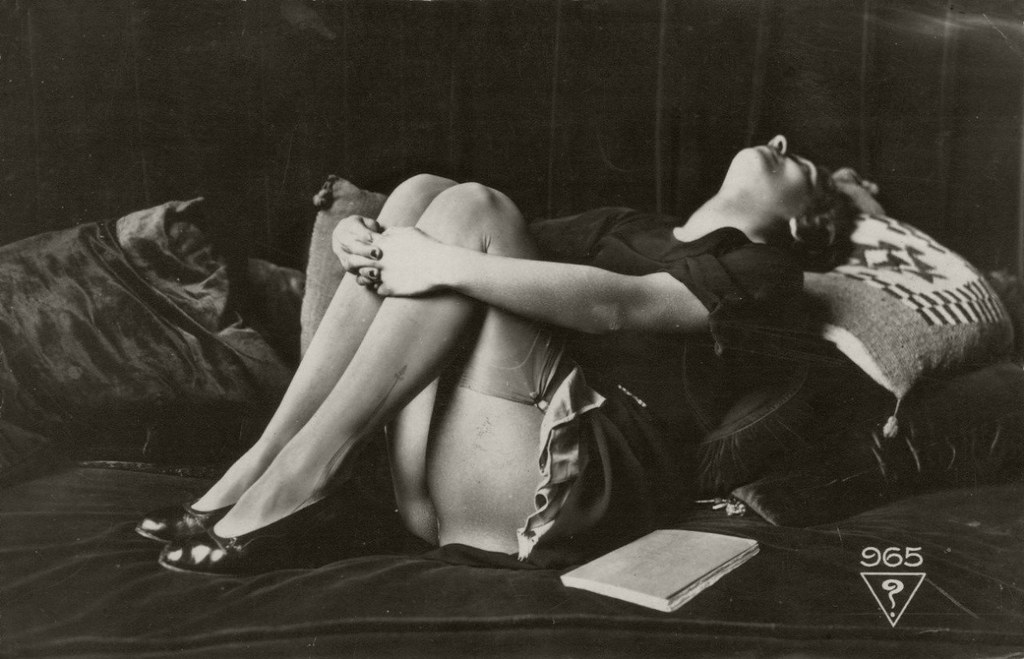
The 1930s brought a sharp shift in women’s fashion. Out went the short, boyish silhouettes of the 1920s. In came long, lean lines that followed the natural shape of the body. Defined waistlines, flowing skirts, and graceful curves became the standard. The decade’s style was built on elegance — and it showed in every detail, from the cut of a dress to the choice of accessories.
One technique drove much of this elegant look: the bias cut. Instead of cutting fabric straight along the grain, designers cut diagonally across it. This allowed materials like silk, lightweight crepe, and rayon to drape softly against the body without clinging. The result was a fluid, sculptural effect that felt luxurious. Rayon, a manufactured fiber introduced as a more affordable alternative to silk, made this look accessible to a wider range of women.
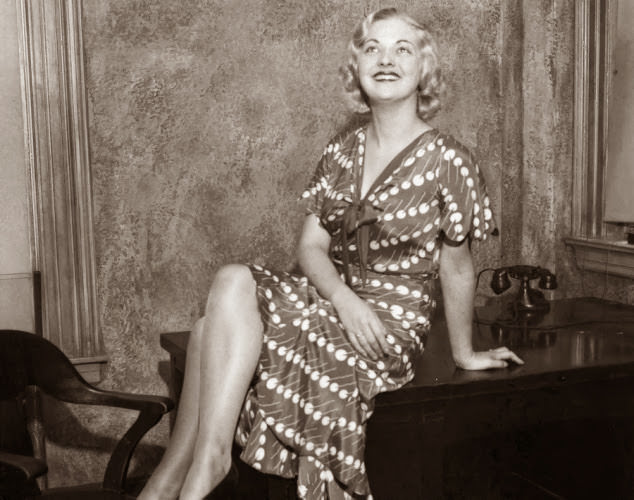
Daytime dresses typically fell to the calf or just below. Cowl necks, keyhole cutouts, and decorative buttons running the length of a dress were common design choices. As the decade progressed, sleeves grew more dramatic — puff sleeves and wider, padded shoulders appeared, shaping a stronger upper silhouette. Tailored suits rose in popularity too, offering women a sharp, professional look suited to city life and the growing workforce.
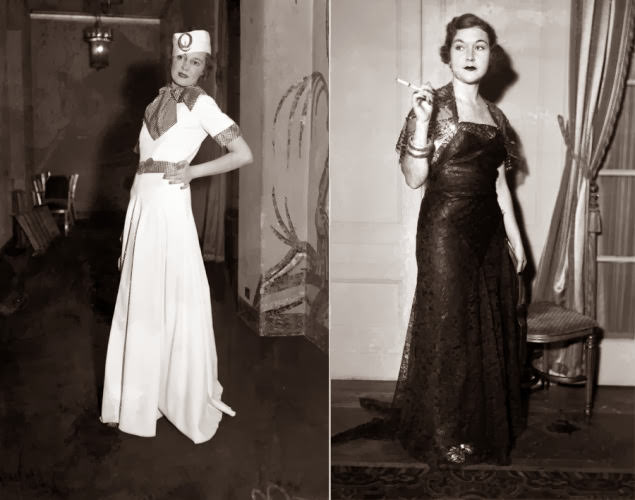
Evening wear leaned fully into glamour. Floor-length gowns in satin or velvet were standard for formal occasions. The bias cut made these fabrics flow dramatically around the body. Backless designs were fashionable, and details like ruching, sparkling embellishments, and bold sleeves reflected the heavy influence of Hollywood movies on everyday style.
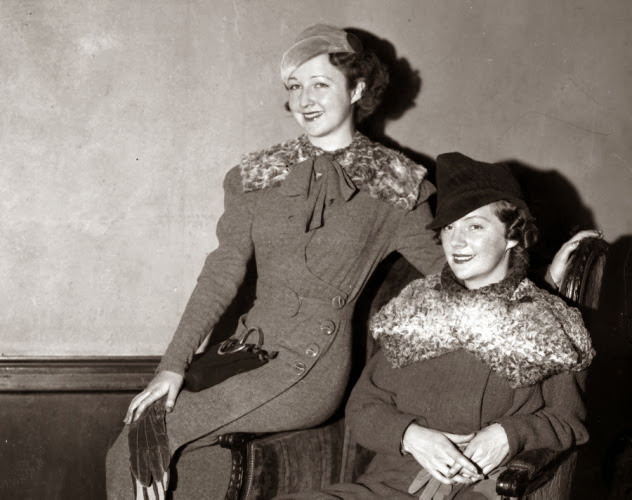
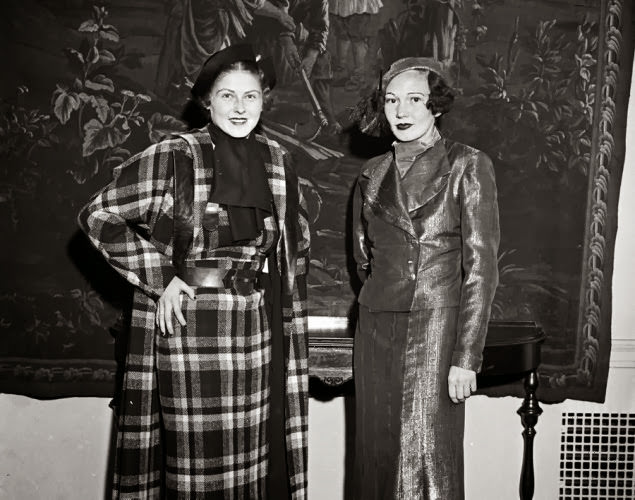
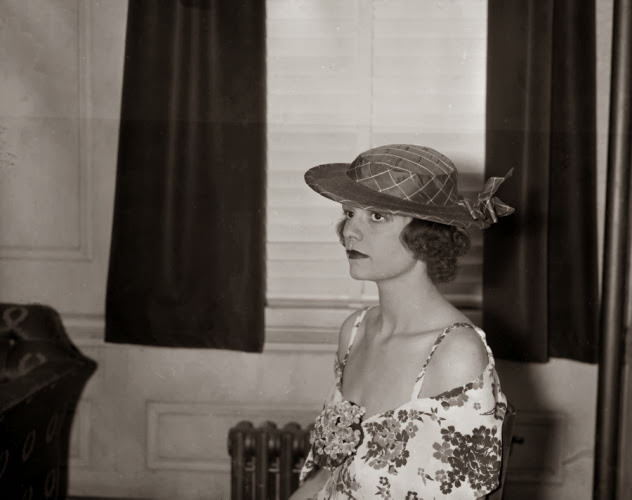
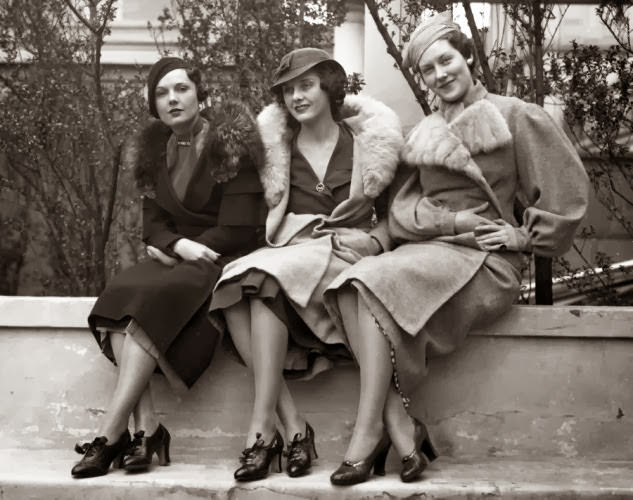
Hats were considered essential, not optional. Women wore everything from small, tilted sculpted styles to wider-brimmed designs. Gloves added formality, while belts cinched waistlines and created visual interest. Jewelry pulled back from the flashy 1920s and leaned toward understated, refined pieces. Every accessory served a clear purpose in completing the look.
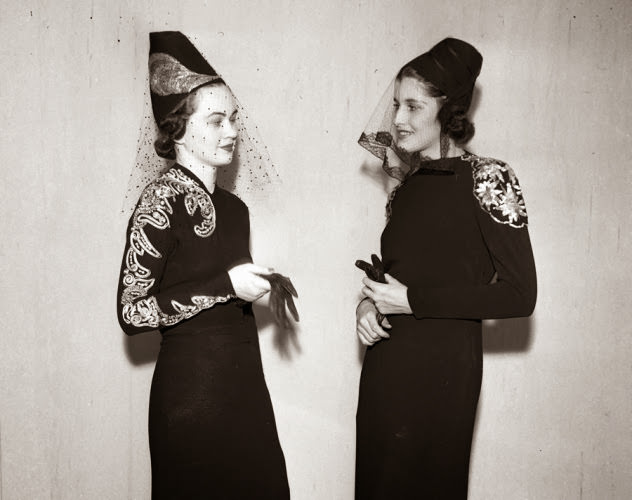
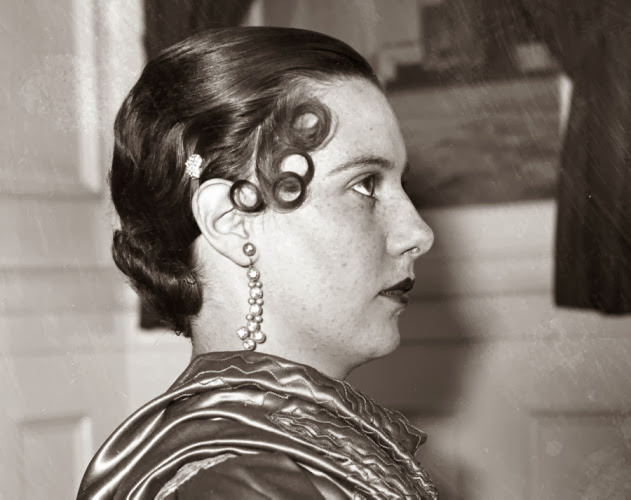
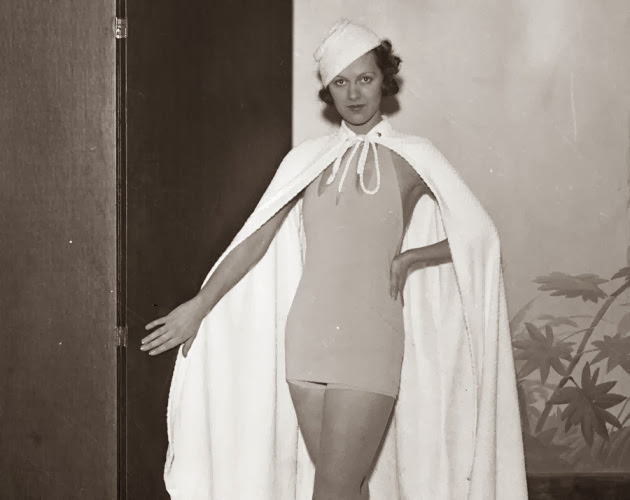
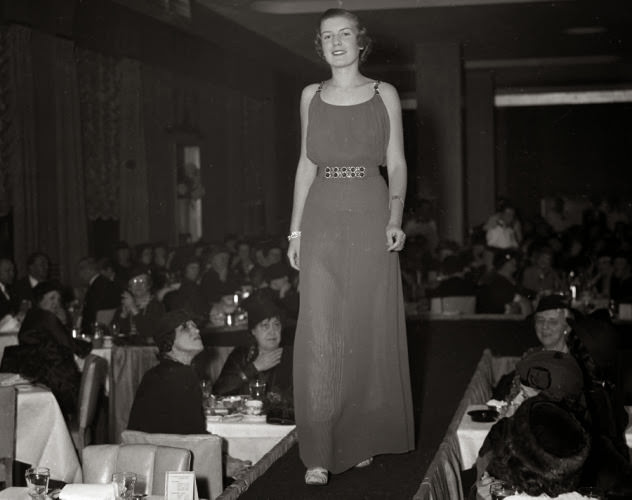
Fashion shows of the era displayed the full range of 1930s style — from tailored suits to fur capes to elegant evening gowns. Models at these events showcased not just clothing but also footwear, swimwear, and accessories, reflecting just how broad and deliberate the decade’s fashion culture had become.
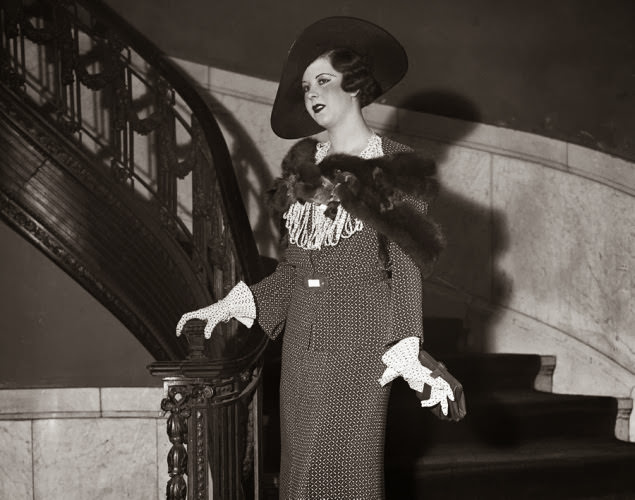
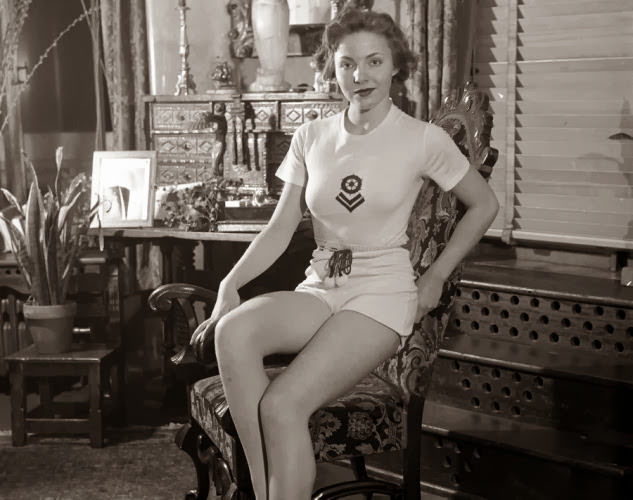
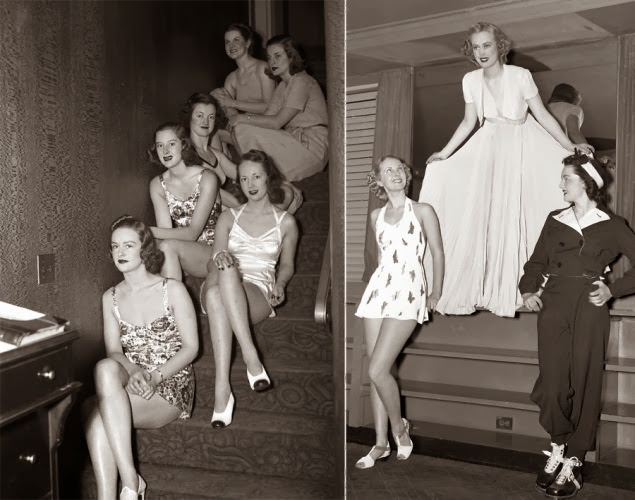
Sportswear emerged as a distinct category during the 1930s. Leisure activities like sailing, riding, and resort vacations created demand for clothing that was both comfortable and stylish. Trousers for women began appearing in these casual settings — a notable shift, though they remained far from mainstream daily wear.
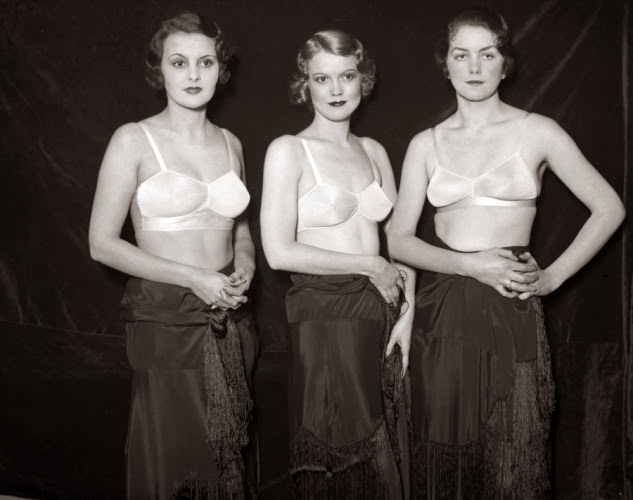
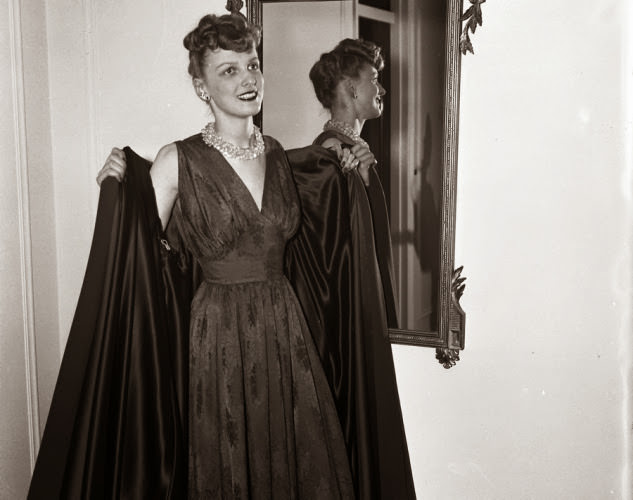
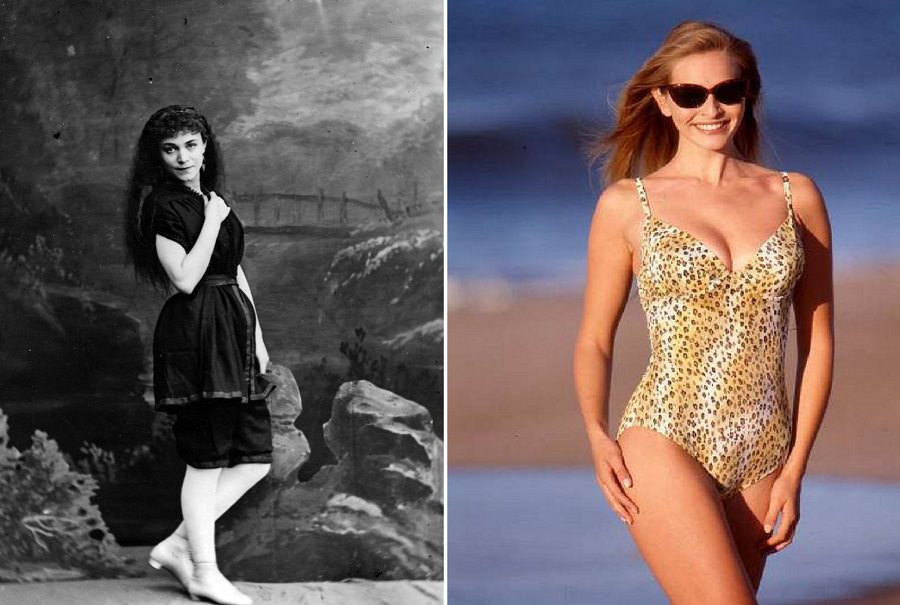
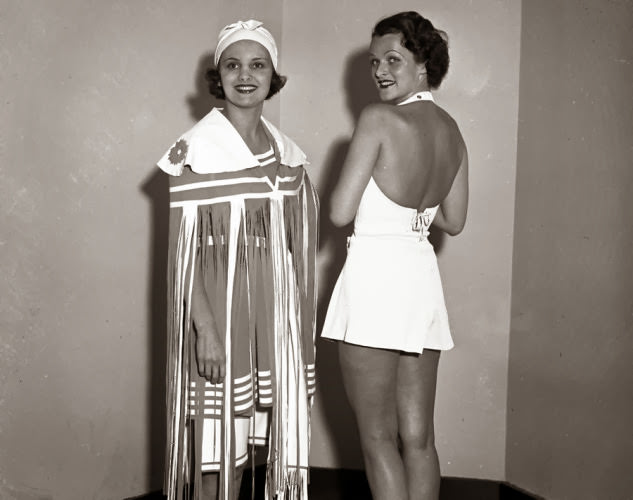
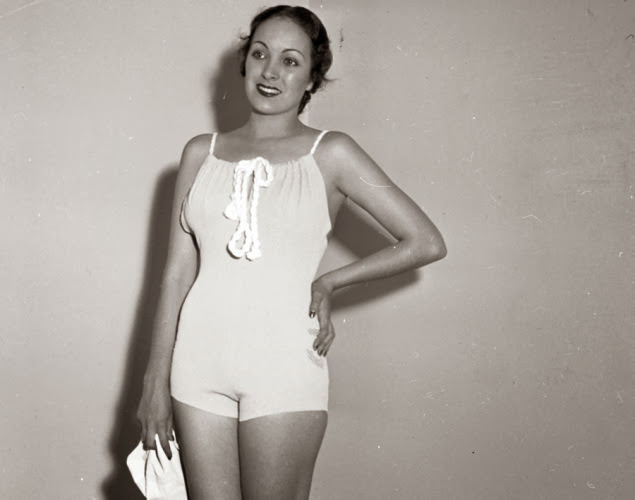
Swimwear from the decade reflected the same conservative full-coverage approach found in everyday clothing. One-piece suits dominated, often structured and modest by modern standards. Yet even within those constraints, designers found ways to introduce variety — detachable skirts, rubber materials, and bold colors all appeared on swimwear runways throughout the 1930s.
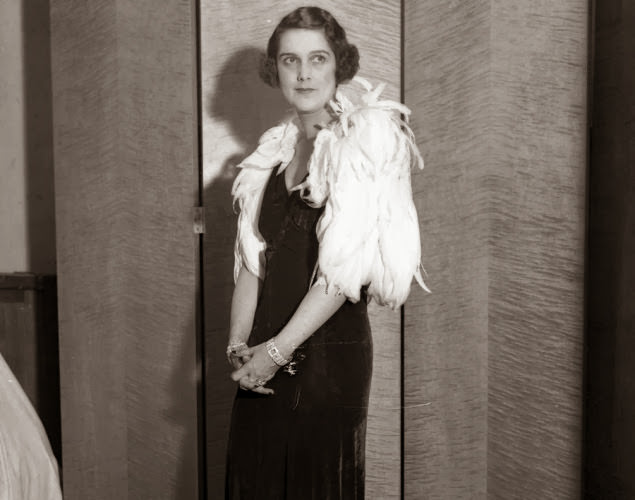
Fur was a widely accepted and common element of 1930s fashion. Fur capes, collars, and trim appeared at formal society shows and were considered markers of elegance. Ermine, sable, and krimmer all featured prominently in both day and evening wear across the decade.
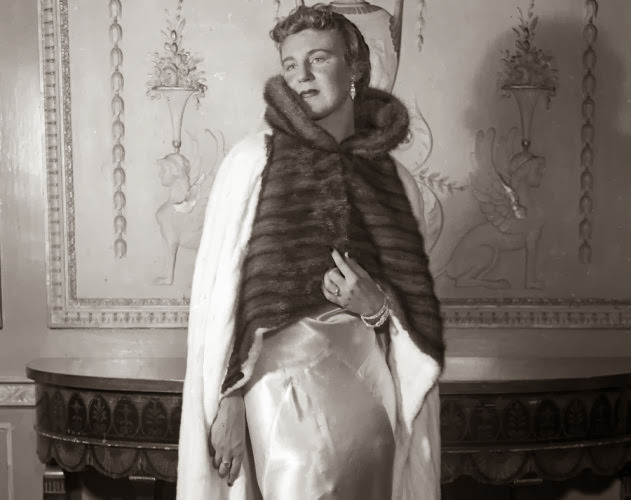
The venues for fashion shows were as grand as the clothing itself. Hotels like the Waldorf-Astoria, Hotel Pennsylvania, and Hotel Astor hosted major presentations. These events were social occasions, attracting society figures and press photographers. The runway walk, even then, looked much as it does today.
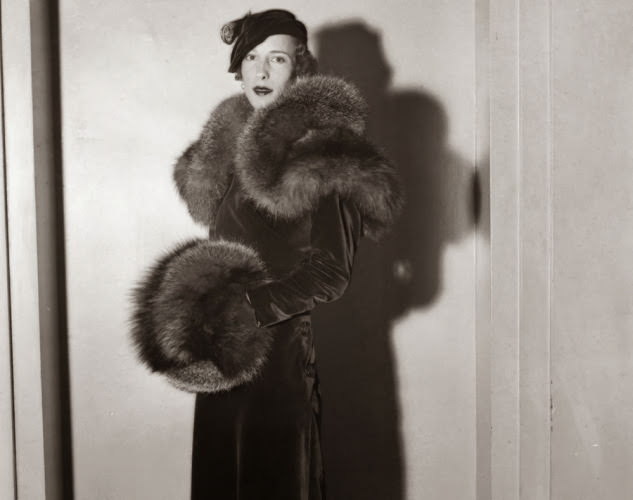
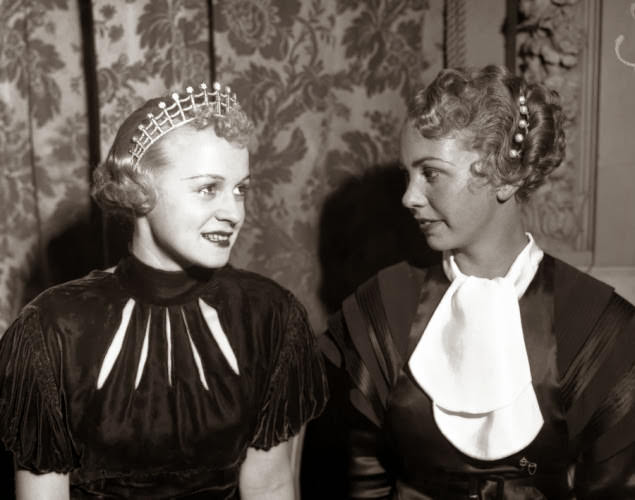
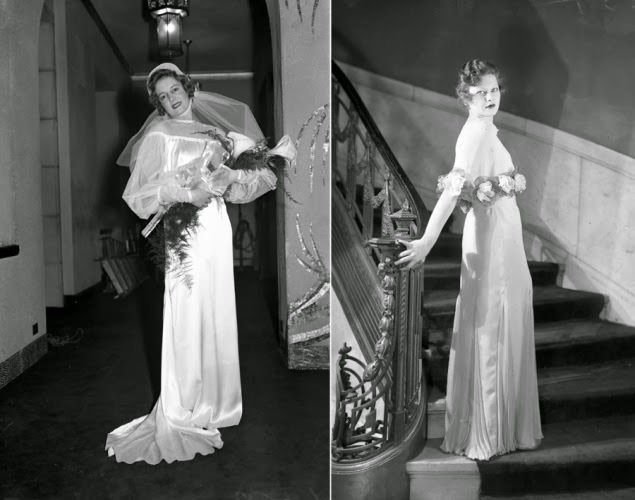
Velvet was a popular fabric choice for evening and formal wear throughout the decade. Rich colors, structured silhouettes, and dramatic accents like feather capes or deep necklines made formal looks unmistakably theatrical. Wedding gowns followed suit — white satin bias-cut designs were a staple of bridal fashion shows by the mid-1930s.
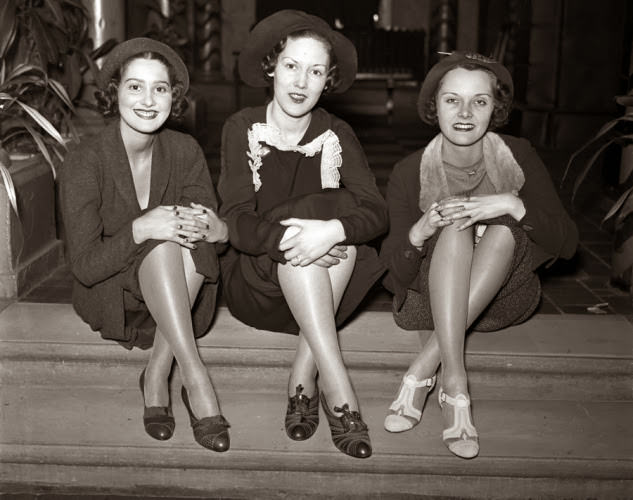
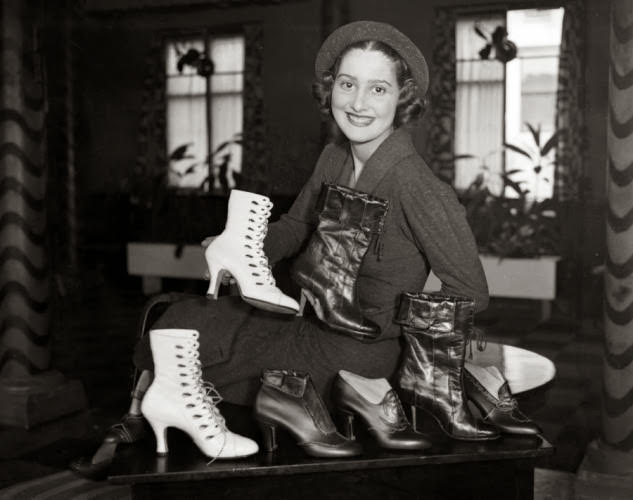
Footwear in the 1930s ranged from practical oxfords and pumps for daytime to decorative multi-colored sandals for evening events. Shoe fashion shows were held as standalone events, highlighting just how seriously accessories were taken. Boots also remained a functional staple, displayed in stylized arrangements at department store and fashion presentations.
The models themselves were a key part of how 1930s fashion was presented to the public. Their hairstyles — tight waves, curls above the brow, hair pulled severely back — matched the polished, controlled aesthetic of the clothing. Some, like Sandy Goodwin and Mardee Hoff, achieved recognition beyond the runway, becoming well-known figures in their own right.