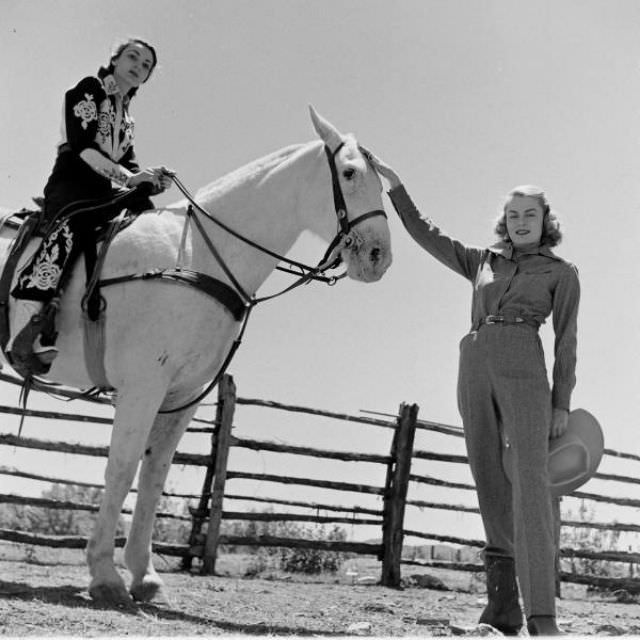
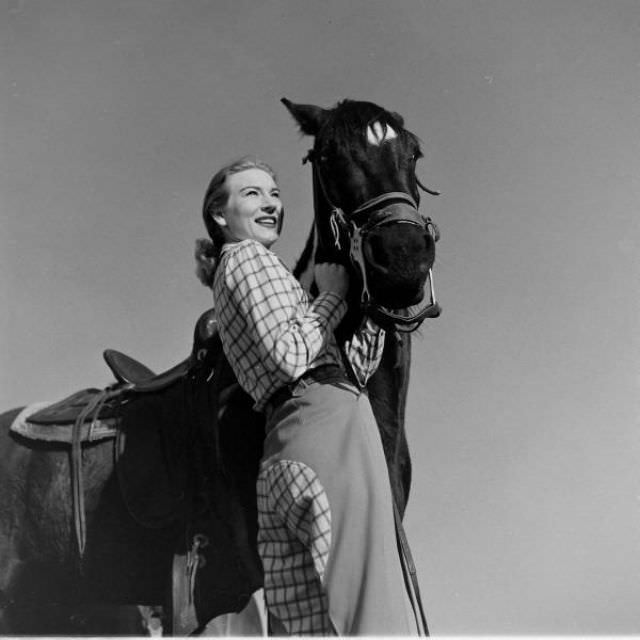
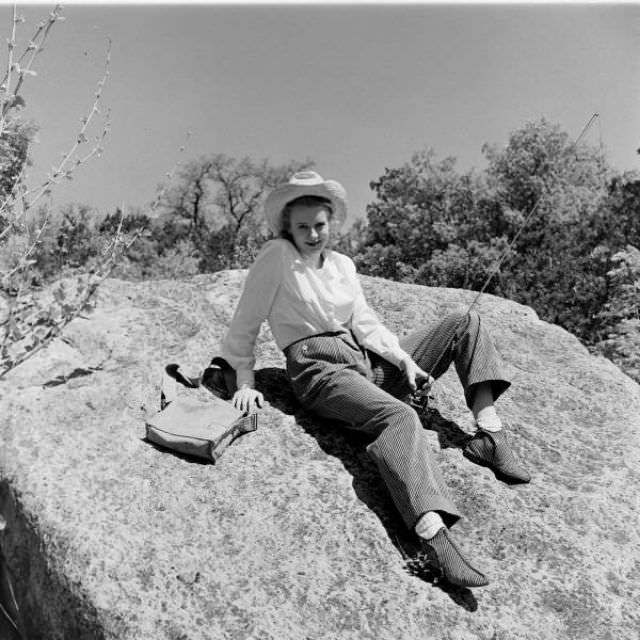
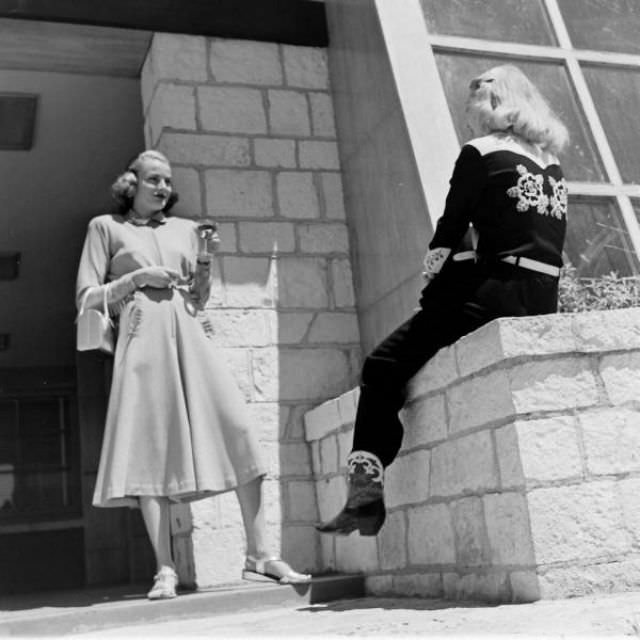
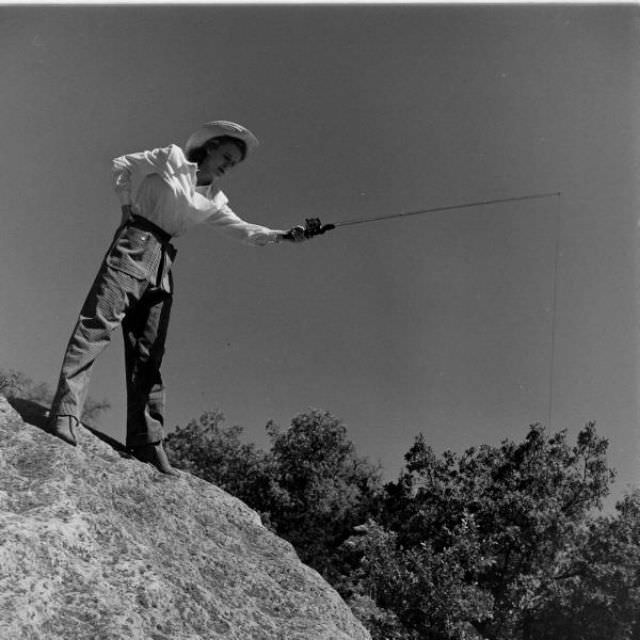
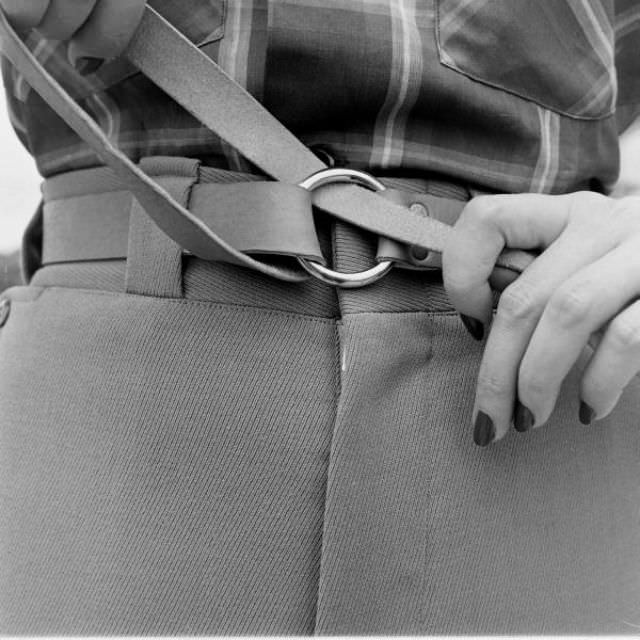
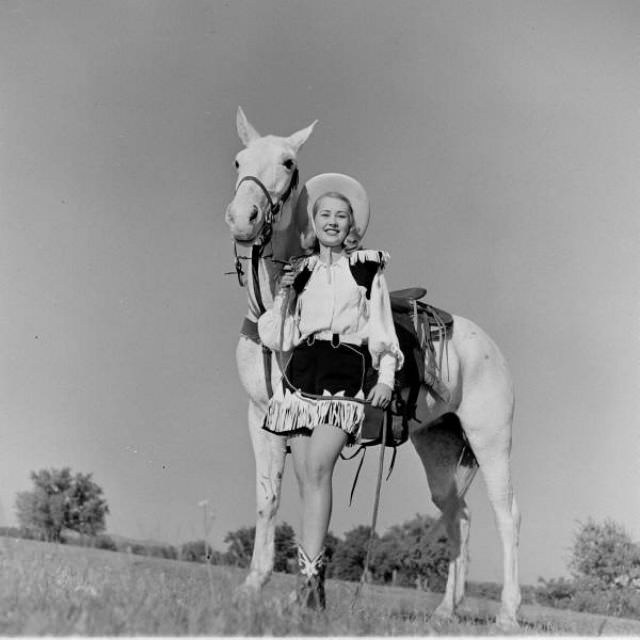
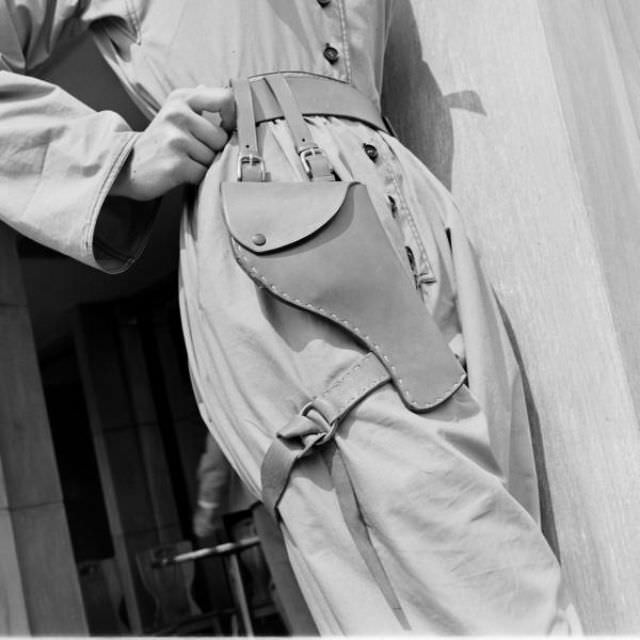
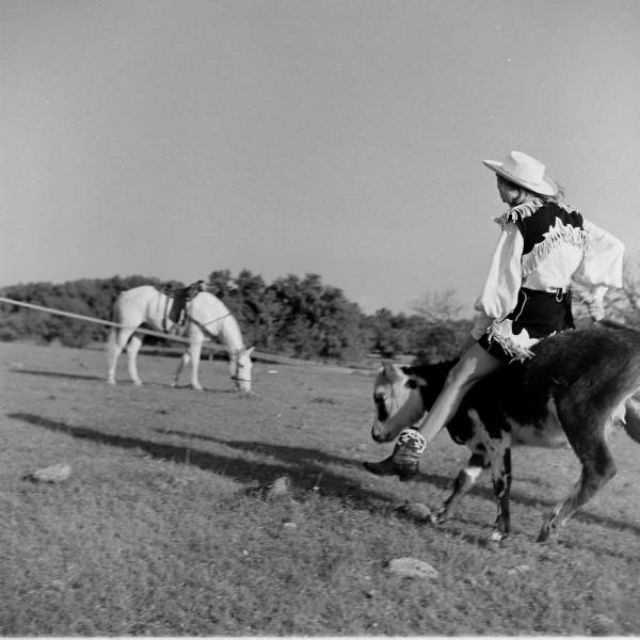
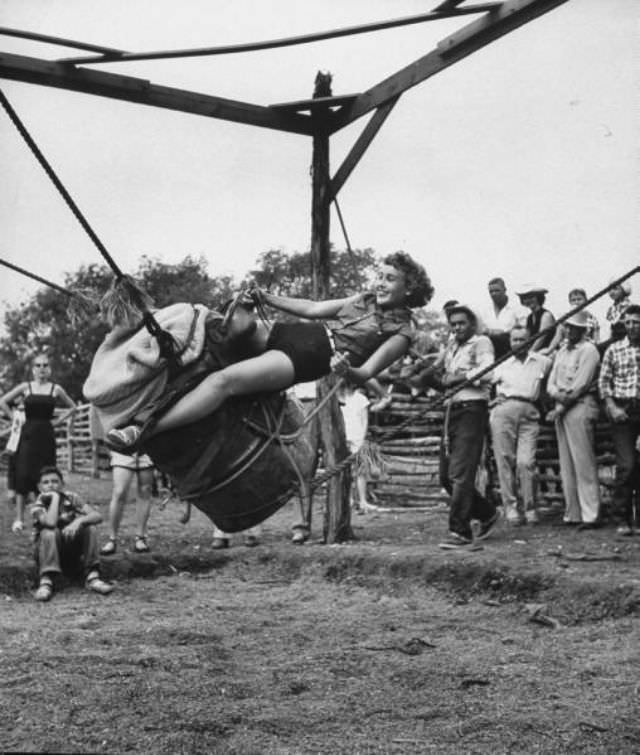
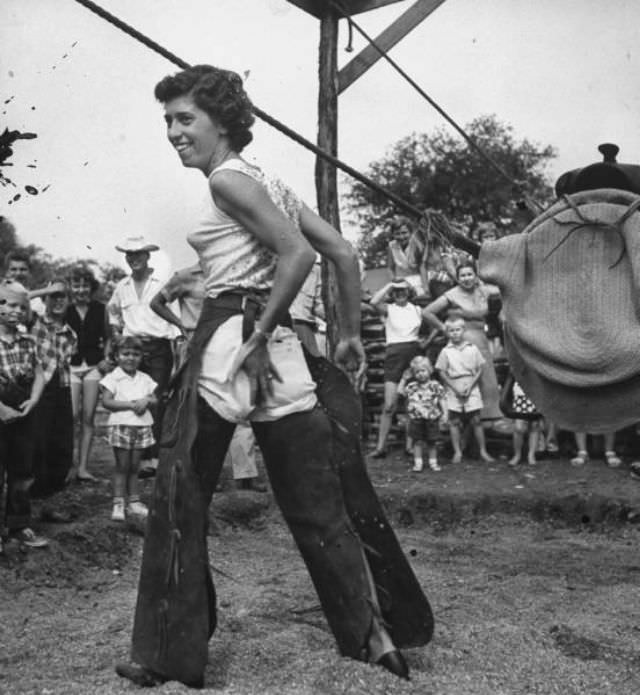
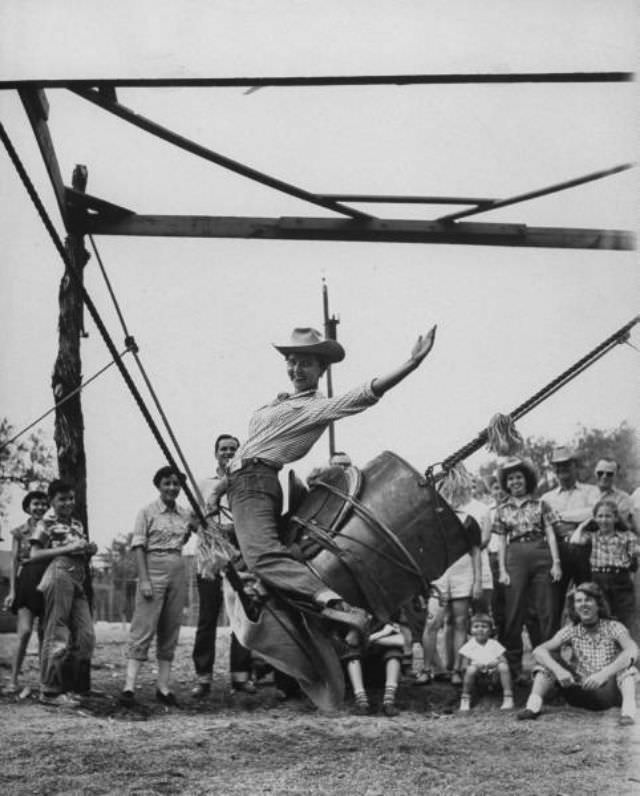
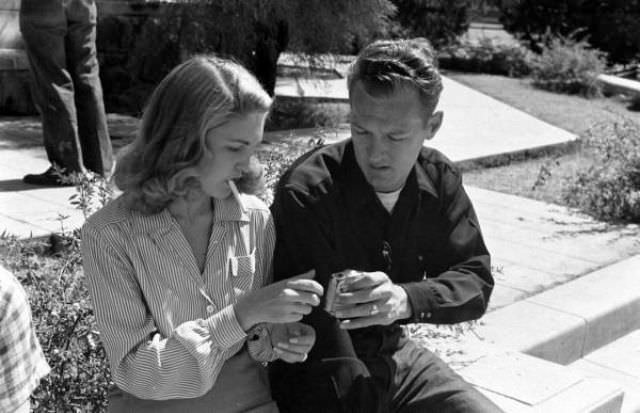
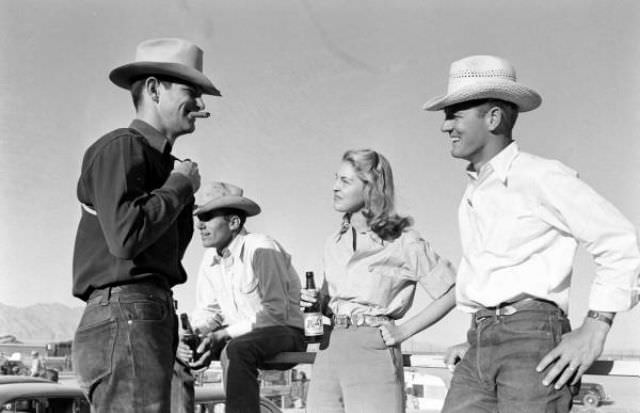
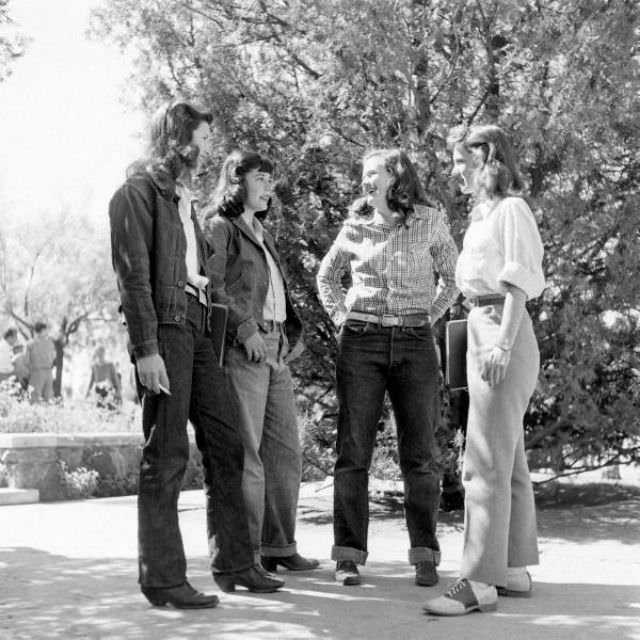
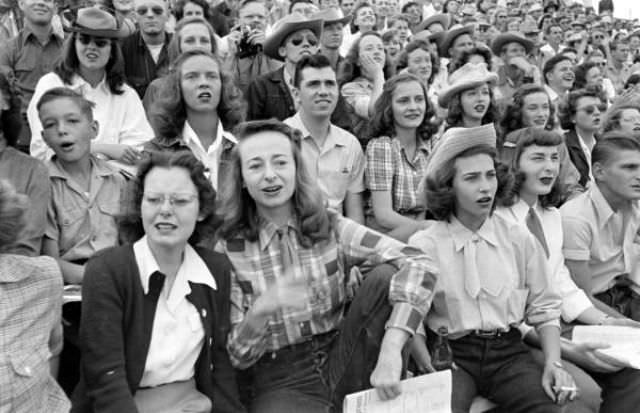
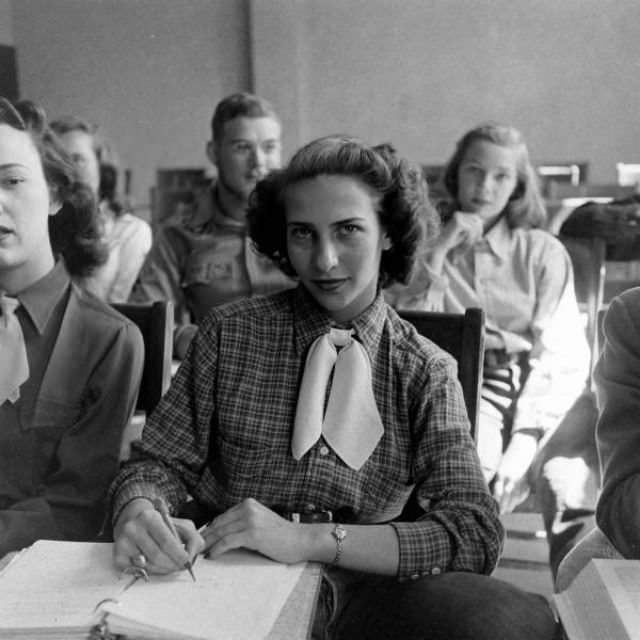
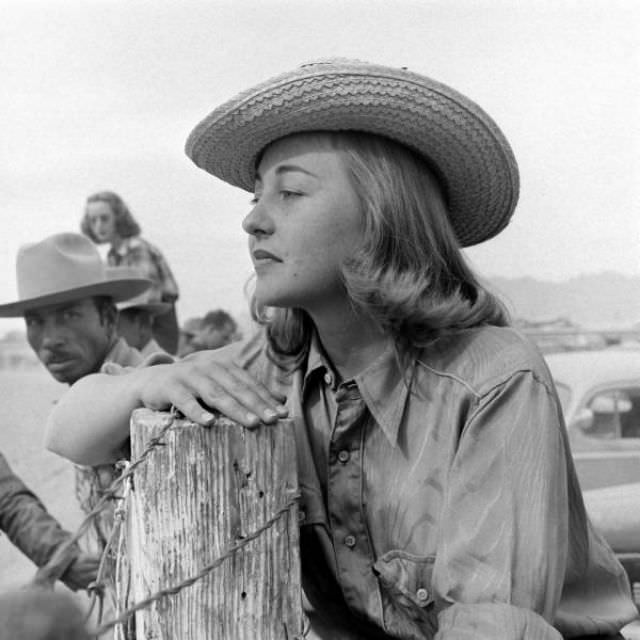
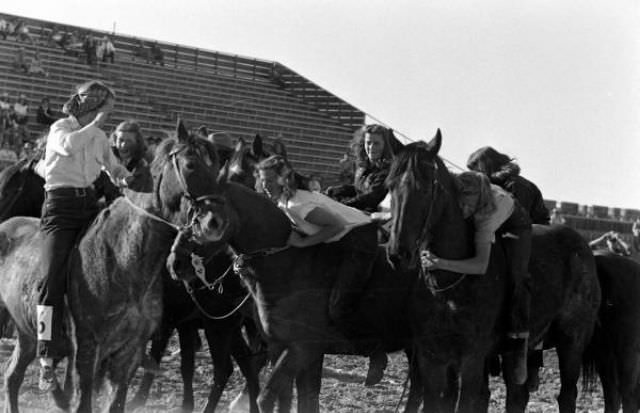
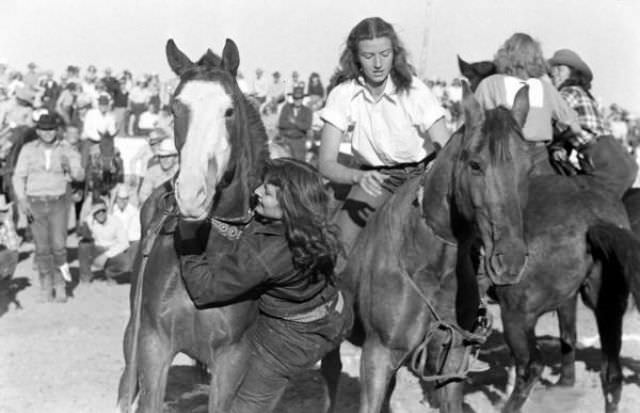
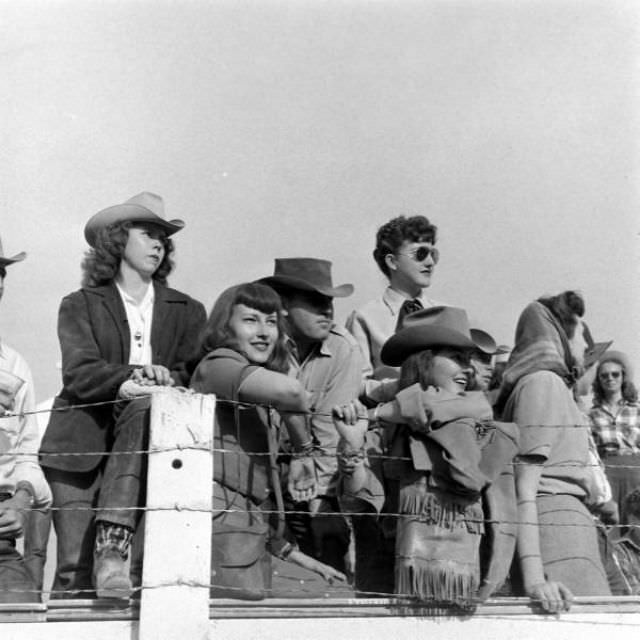
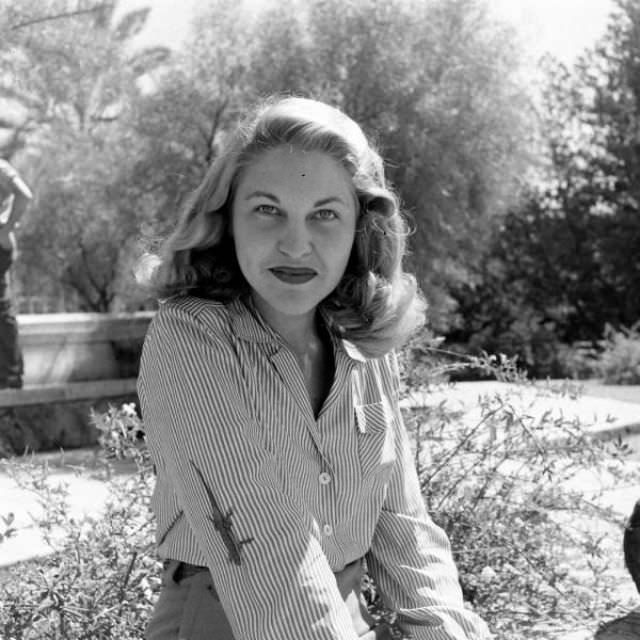
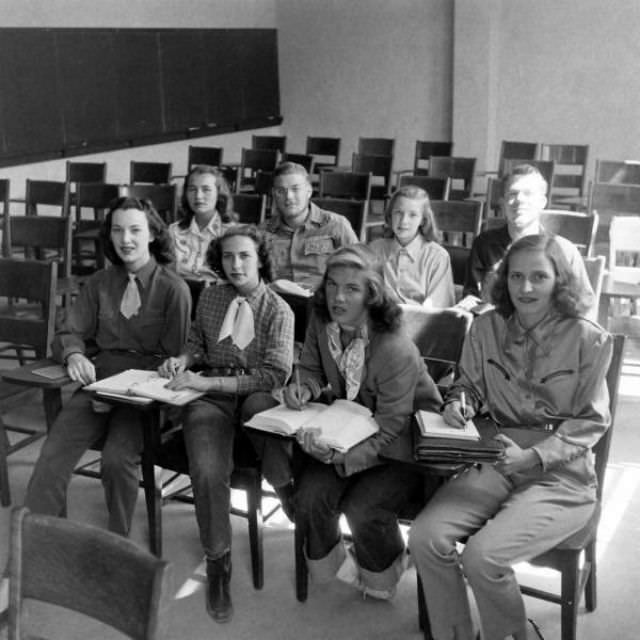
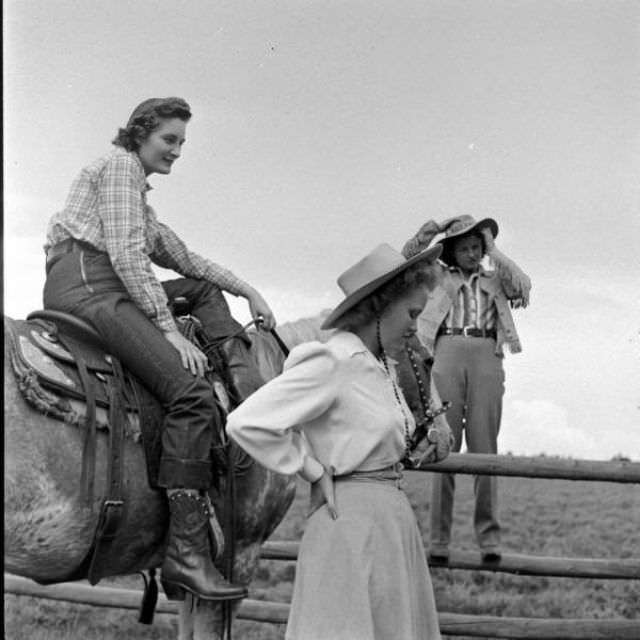
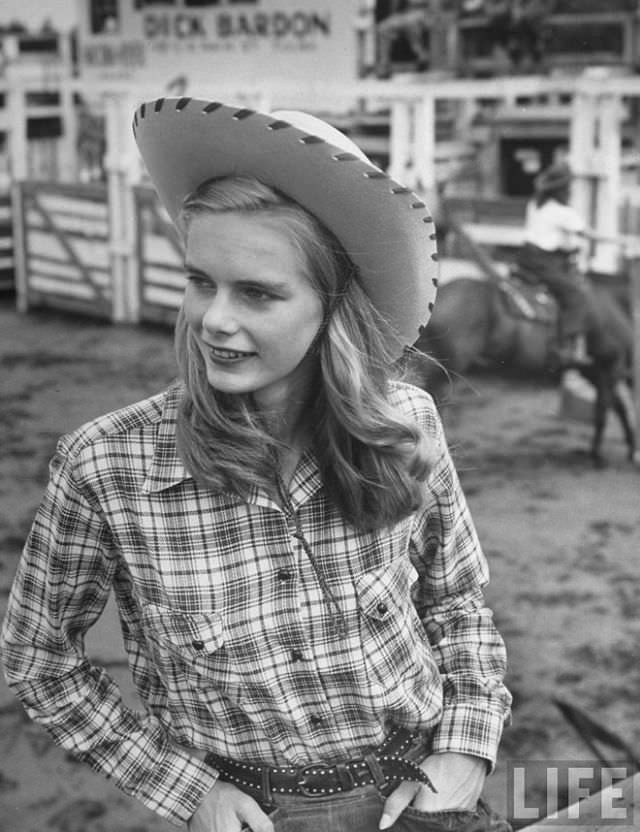
The 1940s American cowgirl was no background figure. She was a skilled rider, a working ranch hand, and a competitive athlete. LIFE magazine photographers, including Nina Leen and Cornell Capa, documented her world between 1947 and 1948 — at events like the University of Arizona Rodeo and the grand opening of the Flying L Ranch in Bandera, Texas.
Ranch life meant long days that started before sunrise. Cowgirls rode miles to check fences and water sources, herded cattle across vast pastures, and roped calves that needed doctoring. These were the same tasks their male counterparts handled. The work demanded toughness, especially when facing harsh weather and unpredictable animals.
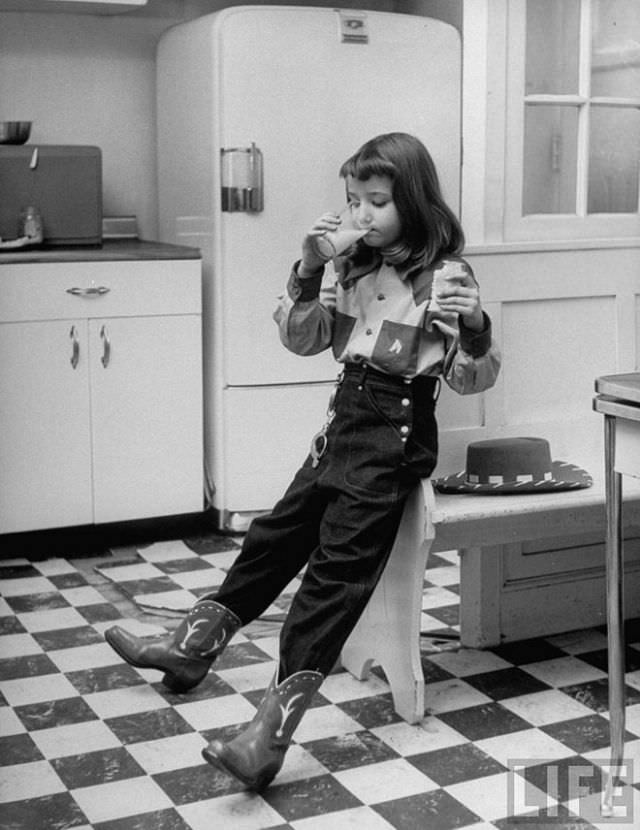
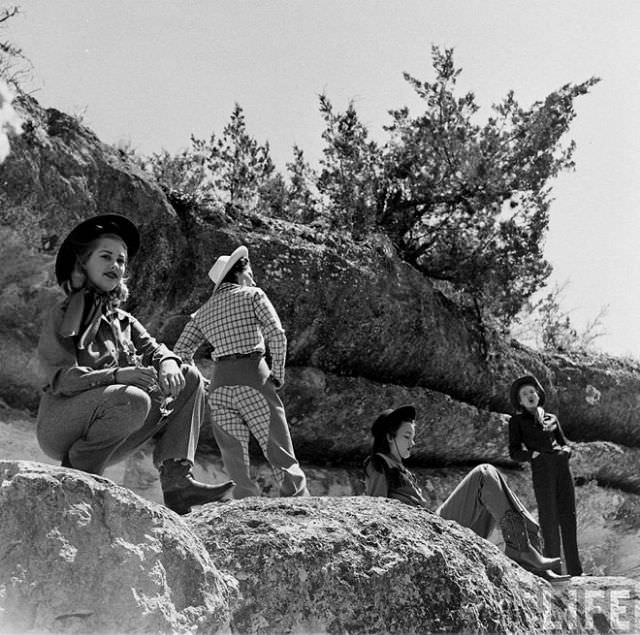
For everyday ranch work, function came first. Cowgirls wore durable denim or canvas pants, long-sleeved cotton shirts, and wide-brimmed felt Stetsons. High-heeled leather boots were standard — the heel kept a foot from slipping through the stirrup, a practical safety feature built into every pair.
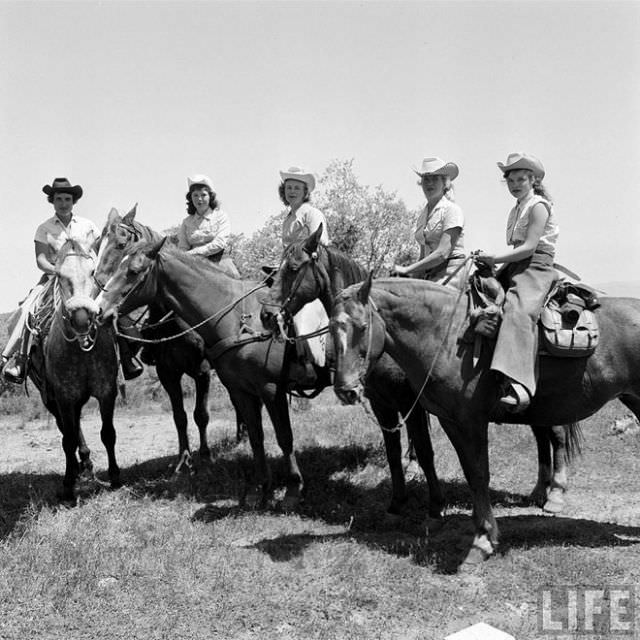
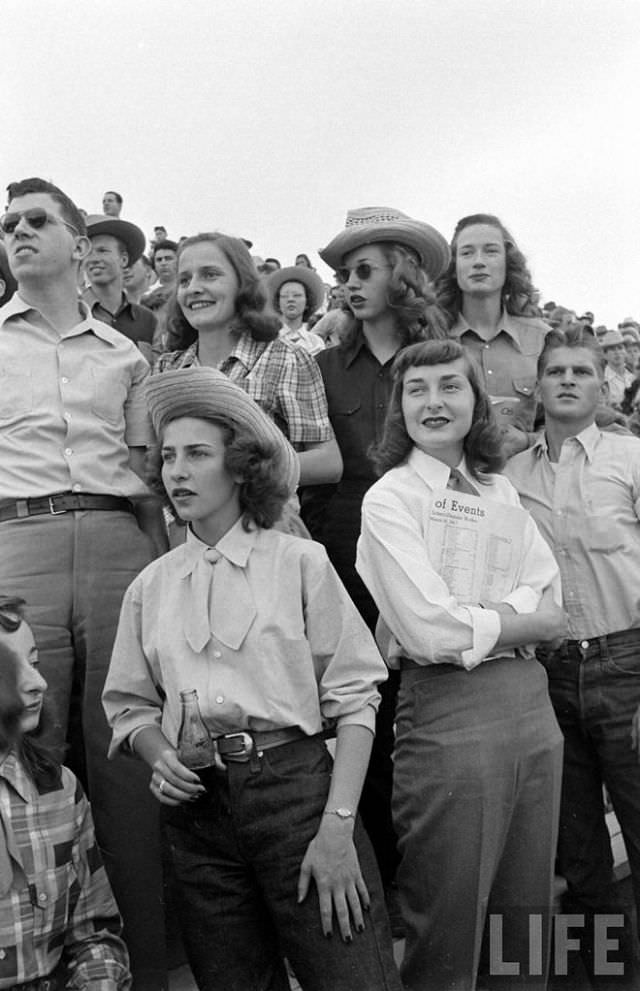
The rodeo arena was where cowgirls performed for crowds. By the late 1940s, women’s events were a regular part of the program. Barrel racing required a rider to guide her horse through a cloverleaf pattern around three barrels at full speed, testing both the horse’s agility and the rider’s precision.
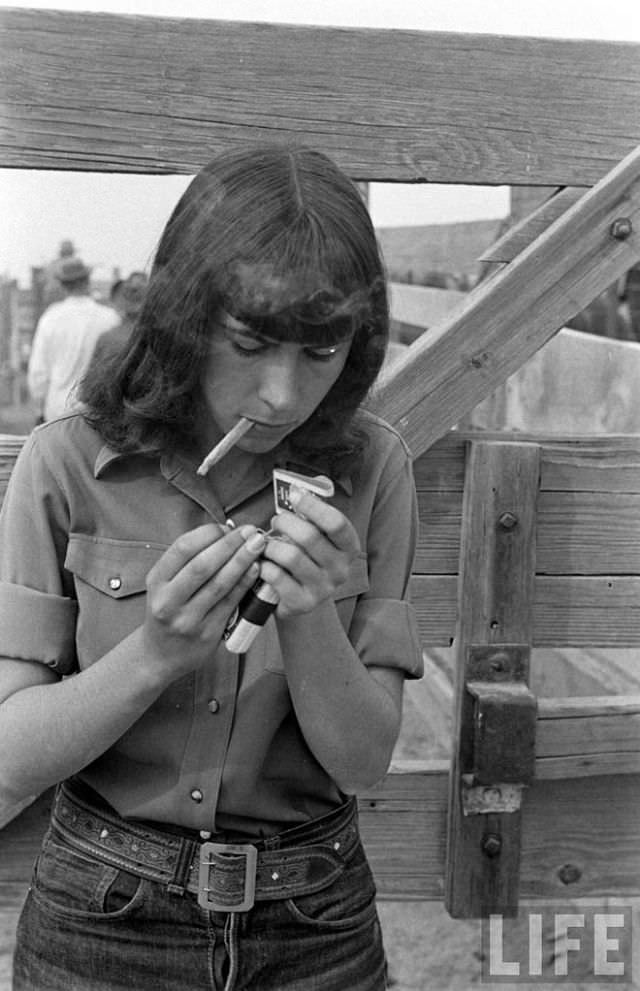
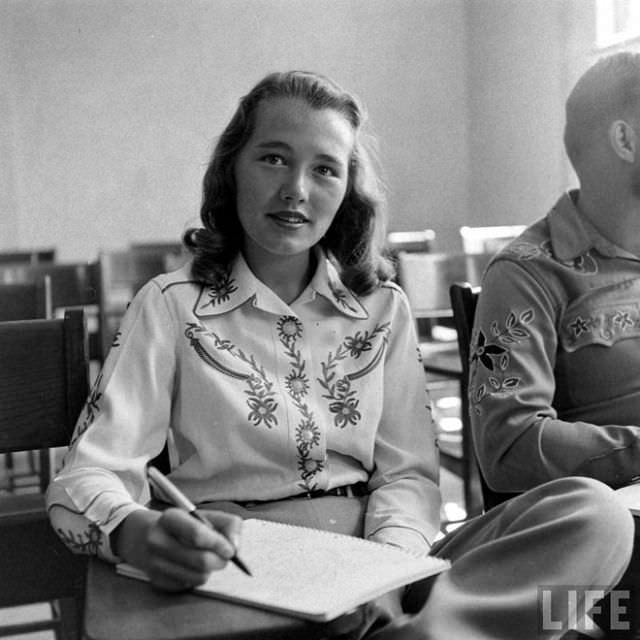
Women’s bronc riding drew serious attention. Cowgirls attempted to stay on a bucking horse for eight seconds and were scored on form and control. At the 1947 University of Arizona Rodeo, female students competed on the collegiate circuit — not as novelties, but as trained athletes.
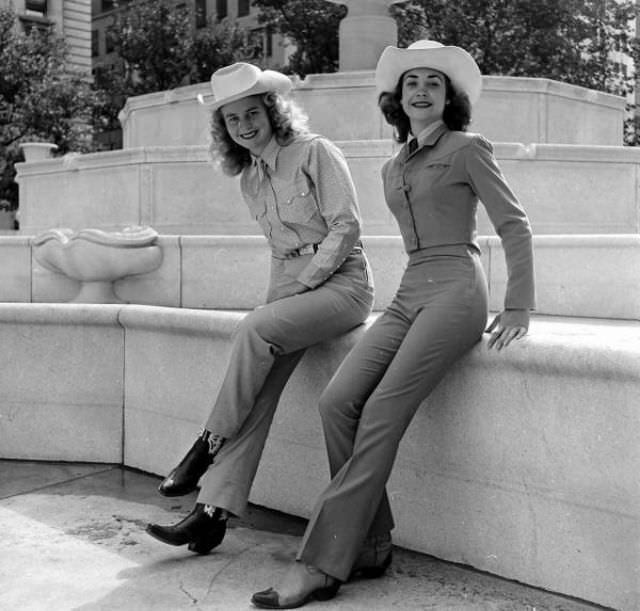
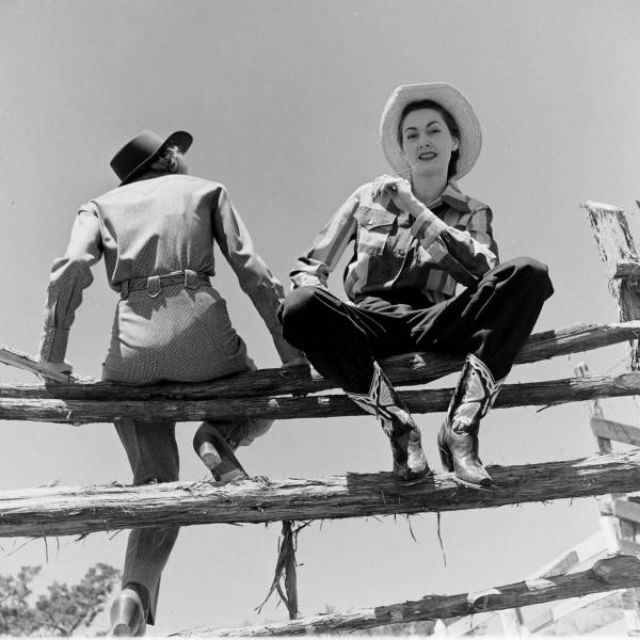
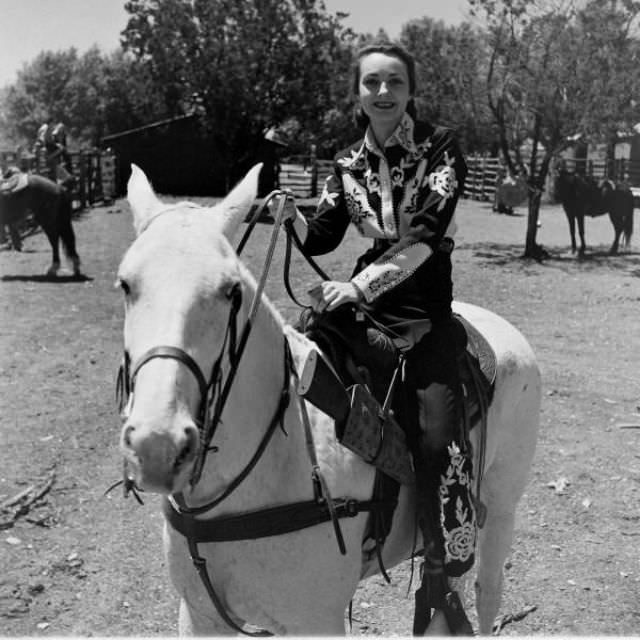
Rodeo and event attire brought a different side of cowgirl style into view. At the 1948 Flying L Ranch opening, Western shirts with elaborate embroidery, pearl snap buttons, and decorative piping were on full display. Silver-buckled belts and colorful bandanas completed the look — practical enough for riding, striking enough for an audience.