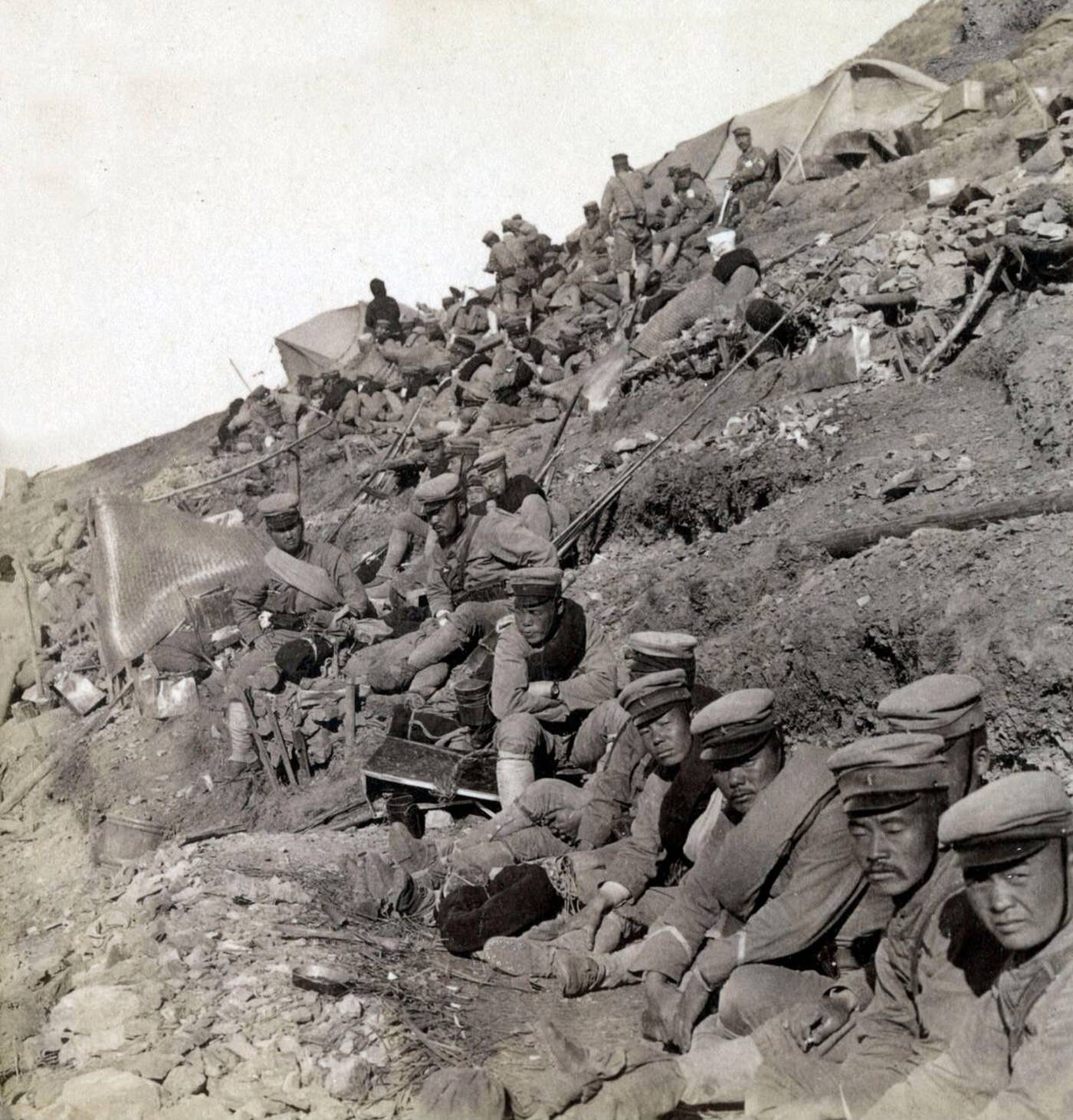
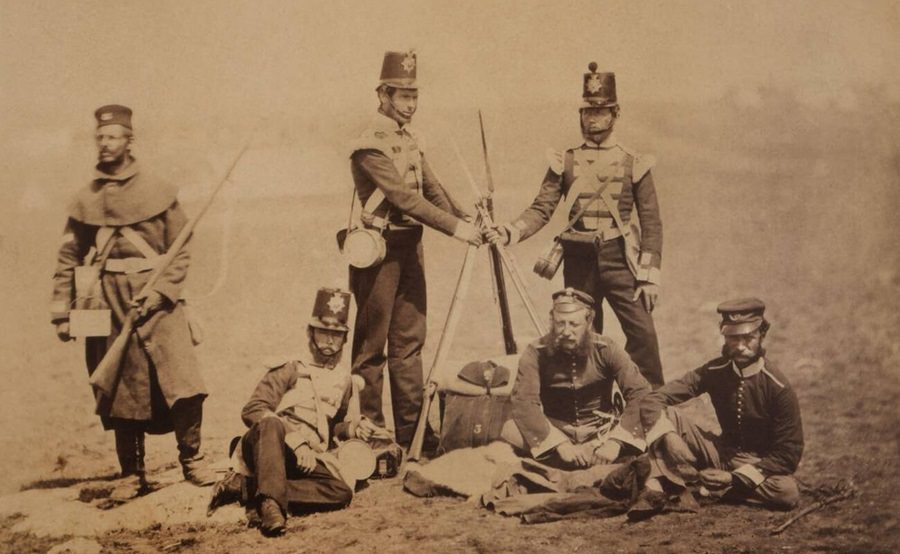
By the early 1900s, two empires were on a collision course in Northeast Asia. Russia, ruled by Tsar Nicholas II, wanted to extend its reach into the Pacific and secure a warm-water port that wouldn’t freeze in winter. Japan, transformed by the Meiji Restoration into a modern military power, had its own plans for the same region. Both empires wanted control over Manchuria and the Korean Peninsula. Neither was willing to back down. The result was a war that stunned the world — not because it happened, but because of who won.
Japan fired the first shots before any formal declaration of war. On the night of February 8, 1904, Japanese torpedo boats attacked the Russian Far East Fleet where it sat anchored at Port Arthur — a naval base Russia had leased from China on the Liaodong Peninsula. The attack came without warning. Several Russian battleships were badly damaged. Two days later, on February 10, Japan officially declared war on Russia. The Russian fleet was then bottled up inside the harbor by a Japanese naval blockade, effectively neutralized from the opening days of the conflict.
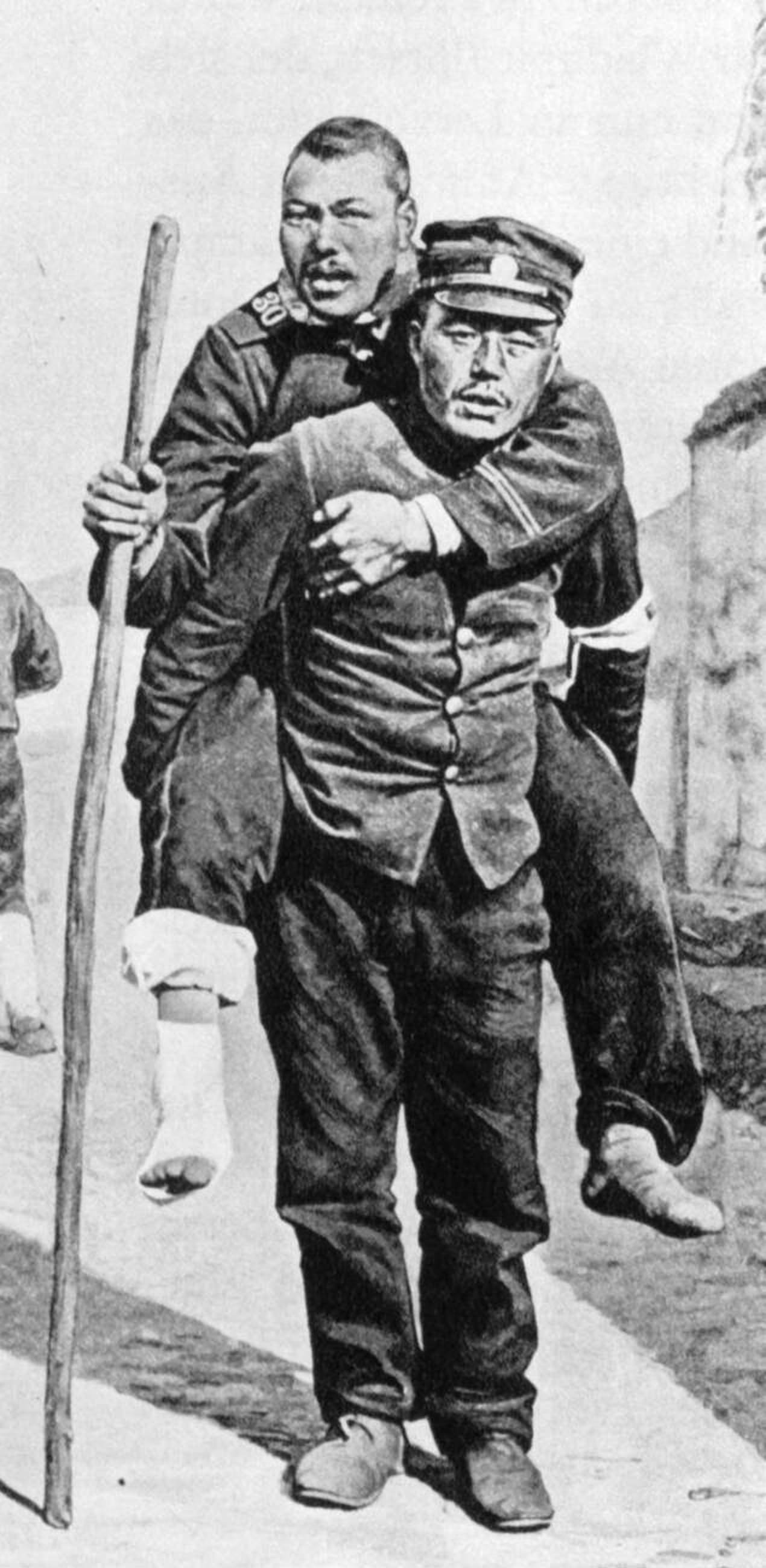
While the navy held the harbor, Japanese ground troops moved fast. They landed on the Korean Peninsula and pushed northward, securing the territory before advancing into Manchuria. The port city itself — Port Arthur — was their primary land objective. To take it, Japanese forces would have to fight through some of the most heavily fortified defensive lines in the world at that time.
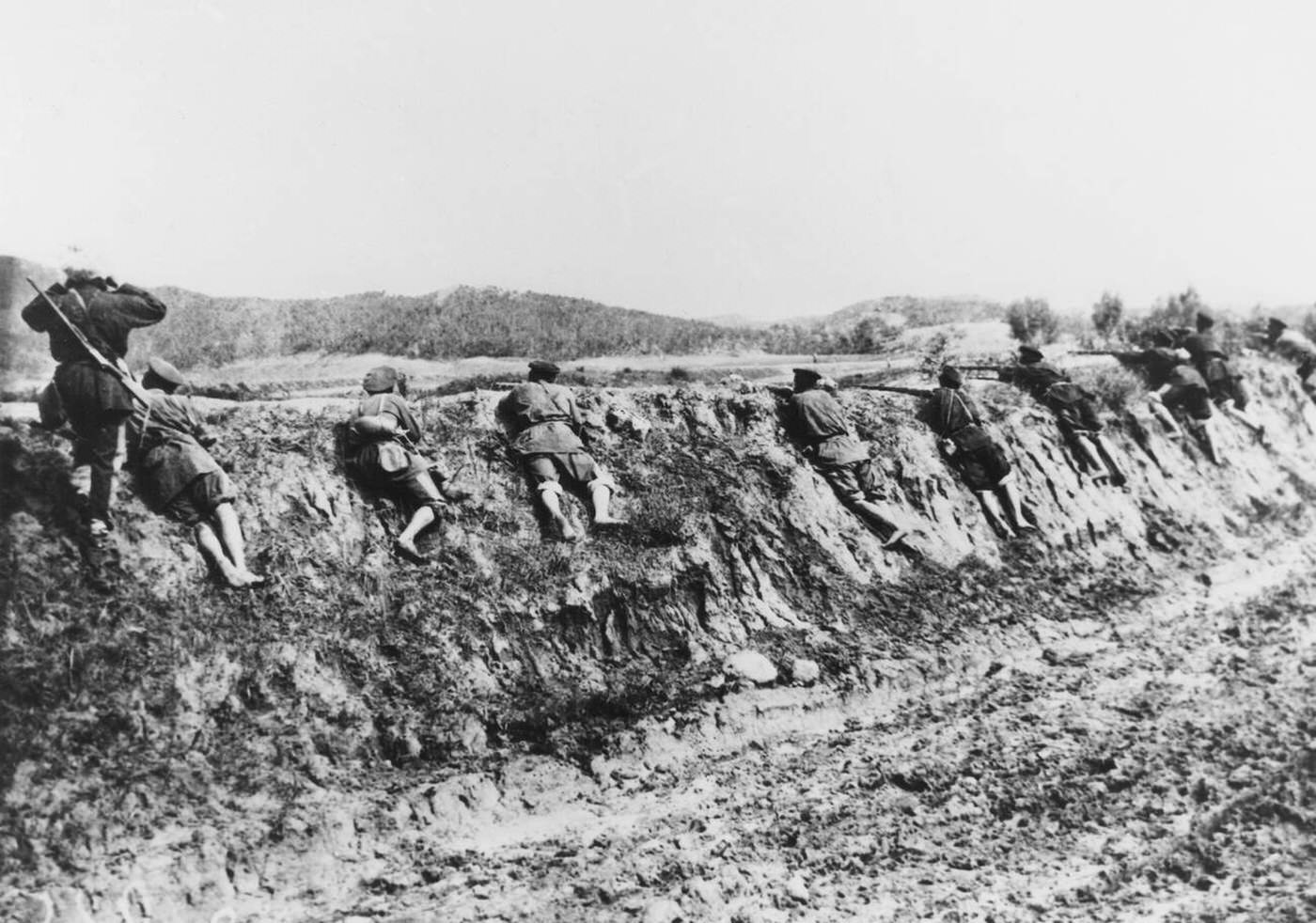
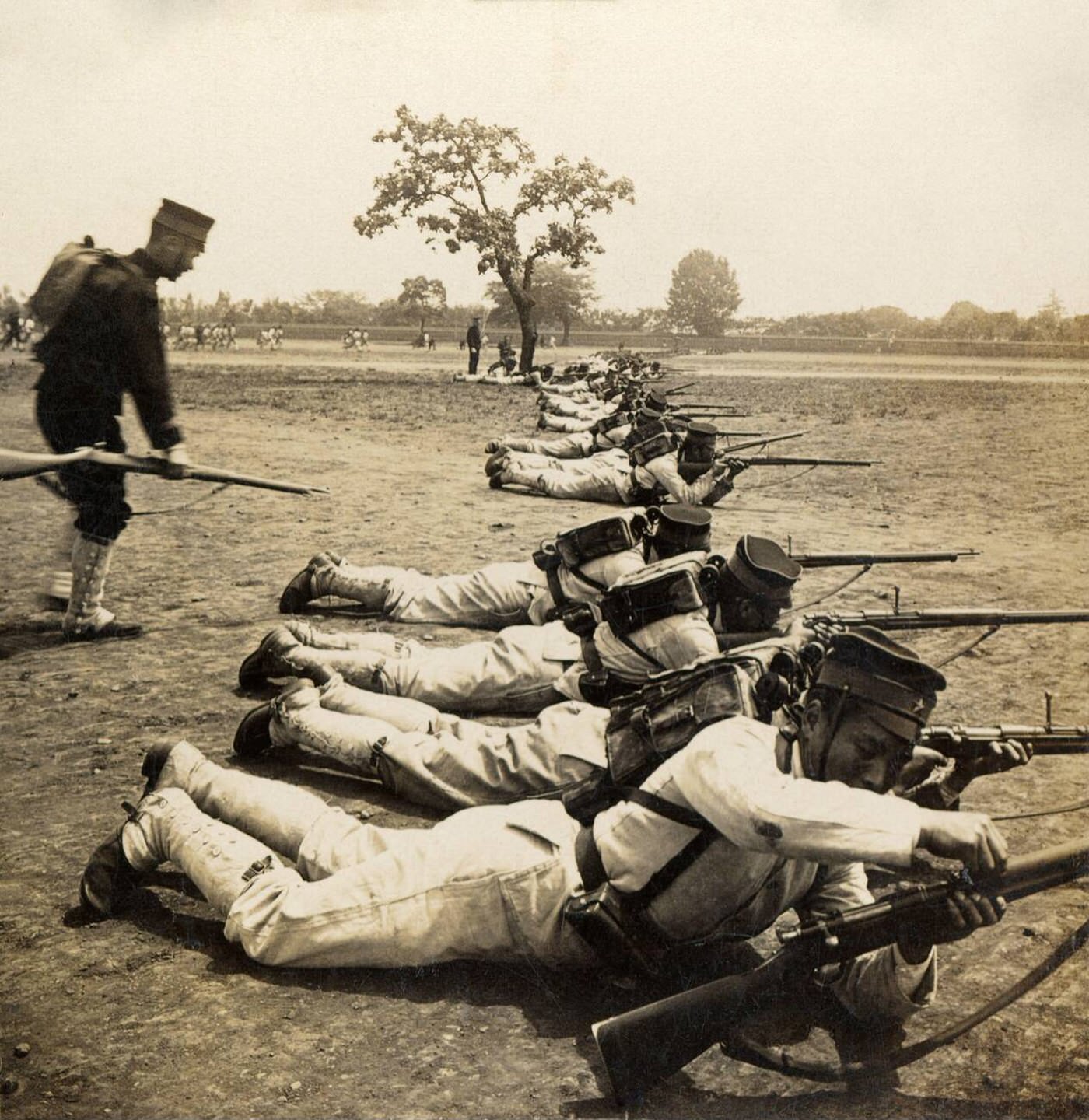
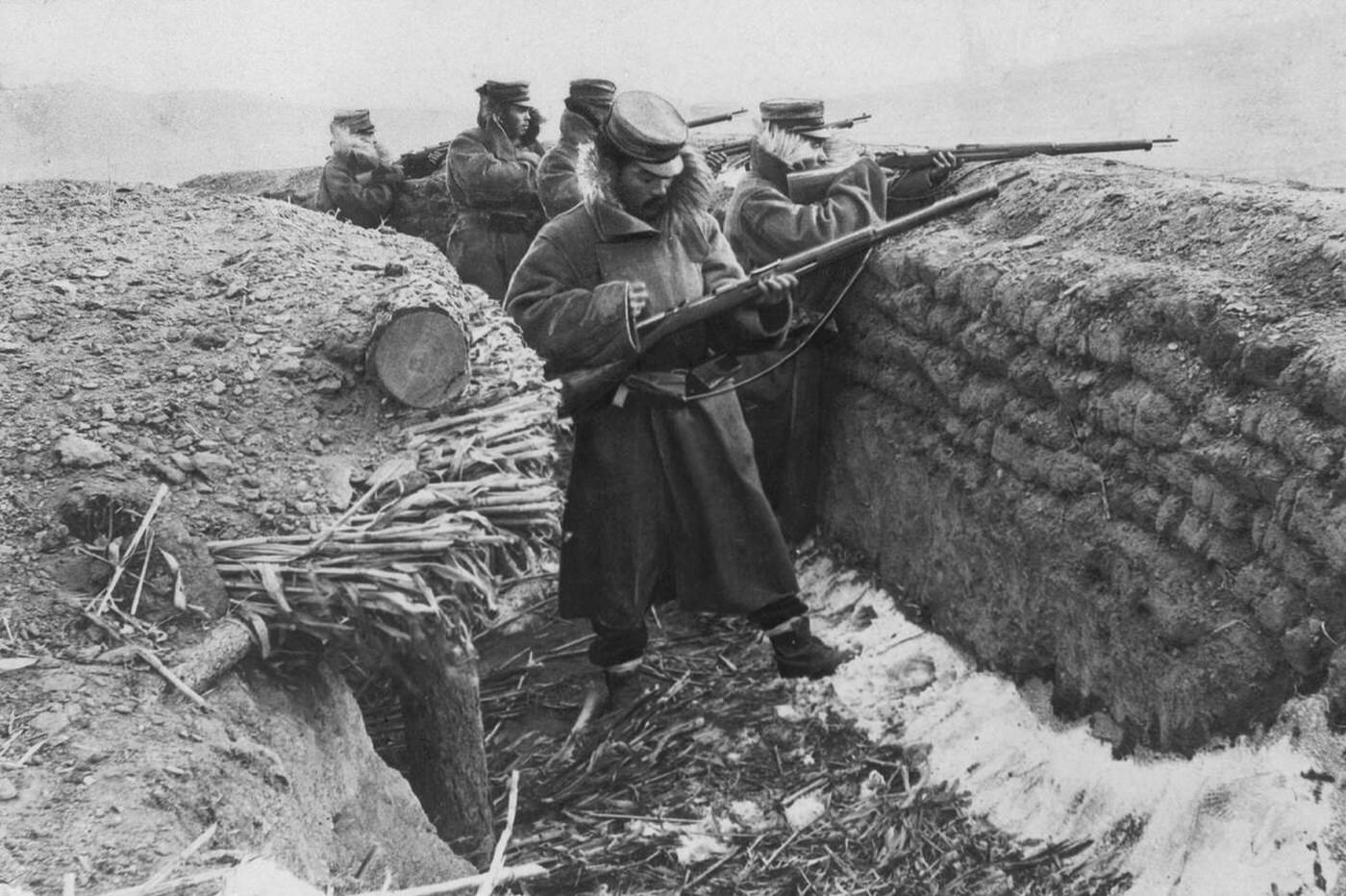
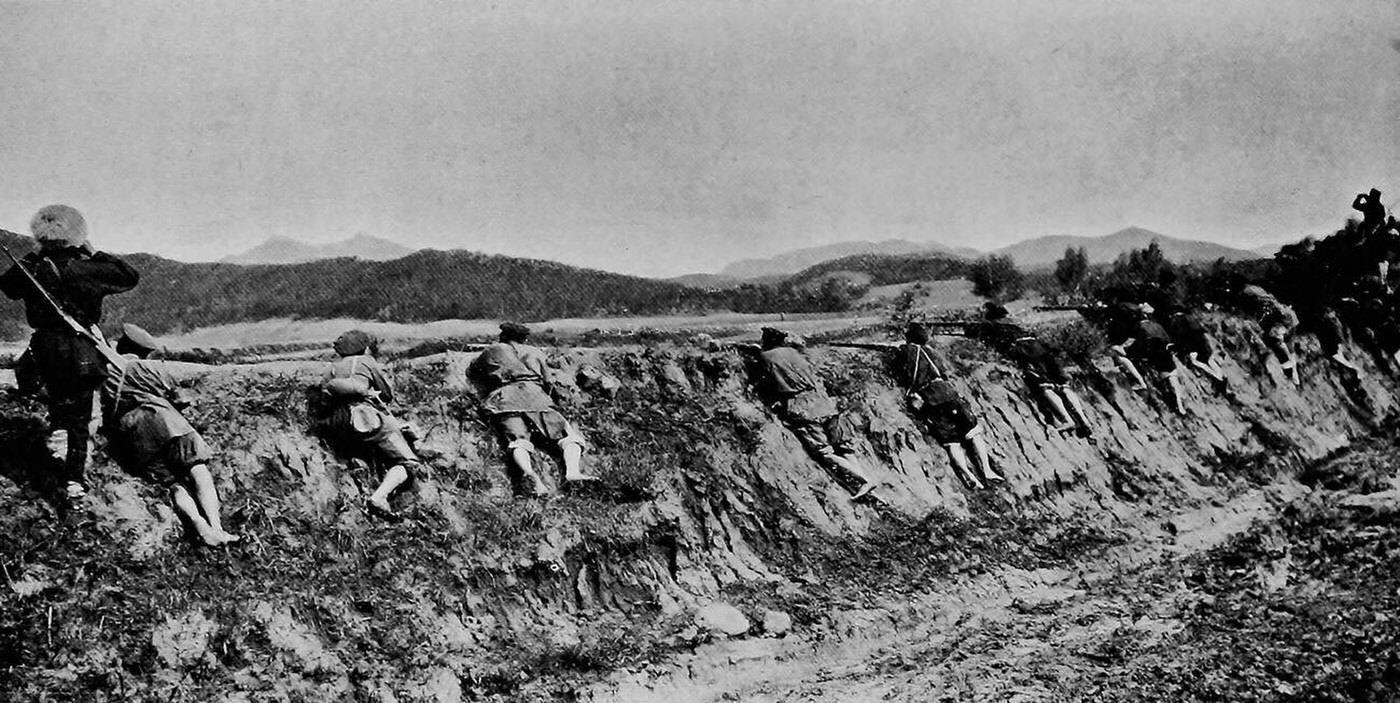
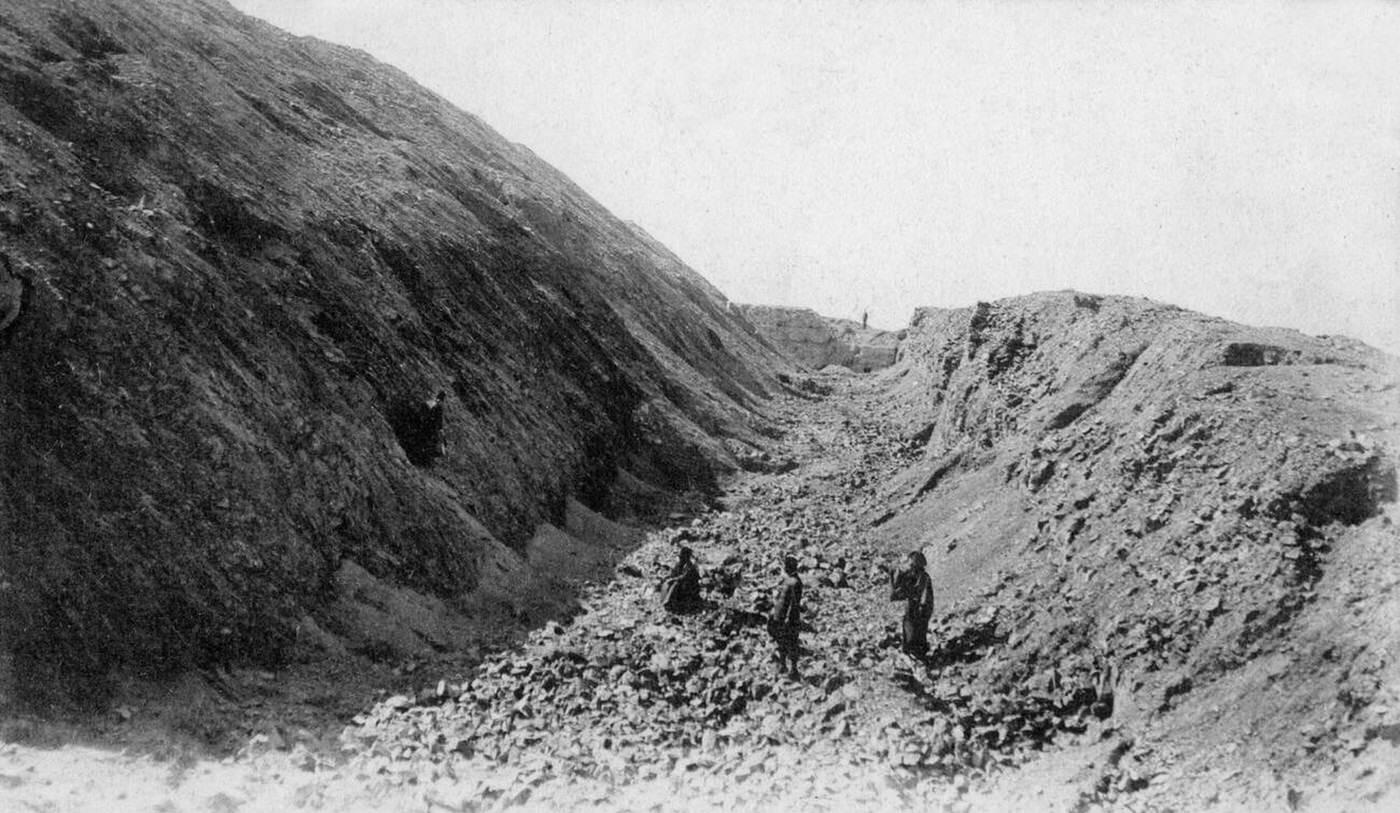
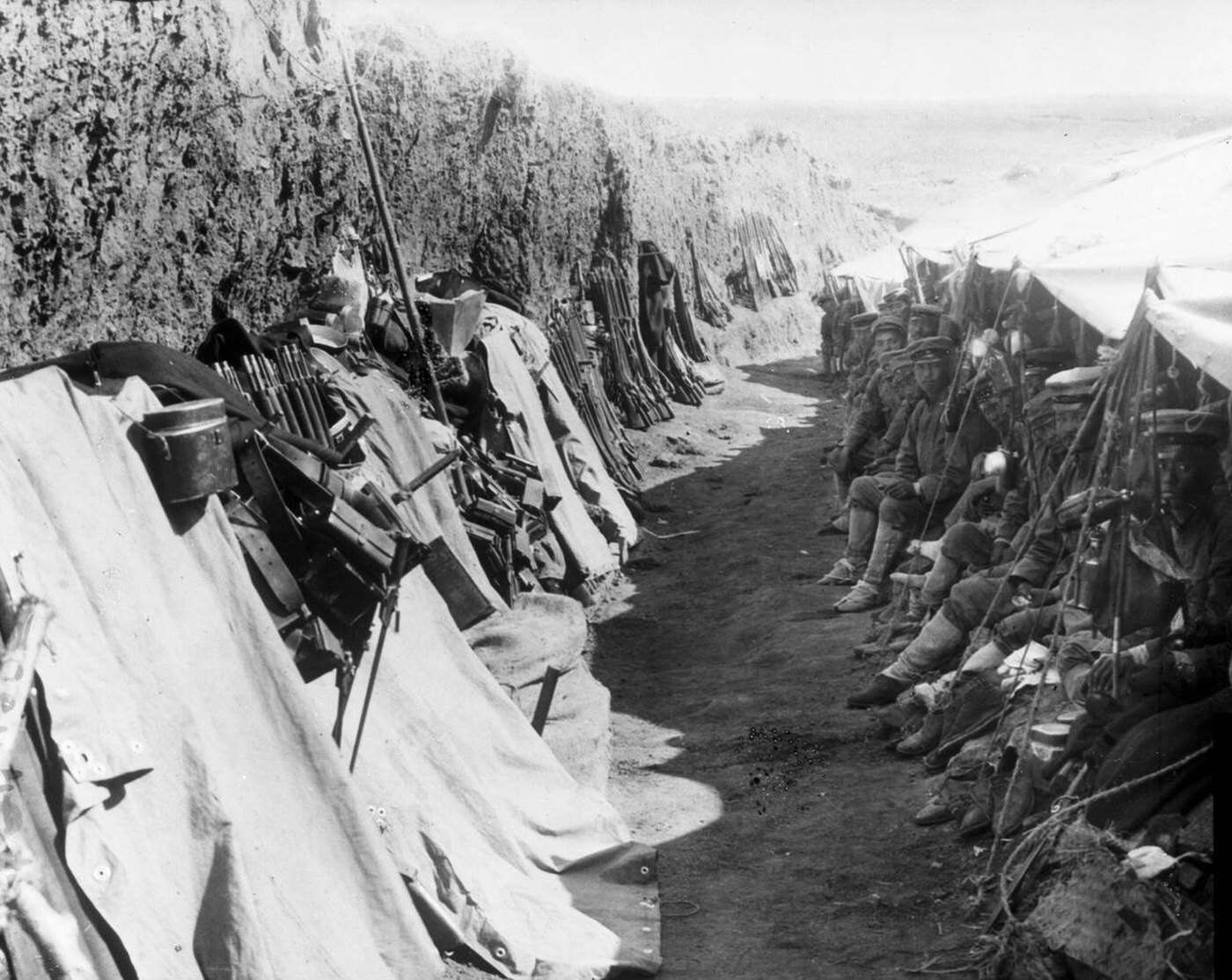
The Russians defending Port Arthur had built a formidable network of trenches, machine-gun nests, and artillery positions across the surrounding hills. This wasn’t a fortress from a previous era — it was a modern defensive system built to stop exactly the kind of assault Japan was planning. When the Siege of Port Arthur began in August 1904, Japanese General Nogi Maresuke launched wave after wave of infantry directly at these positions. The casualties were devastating.
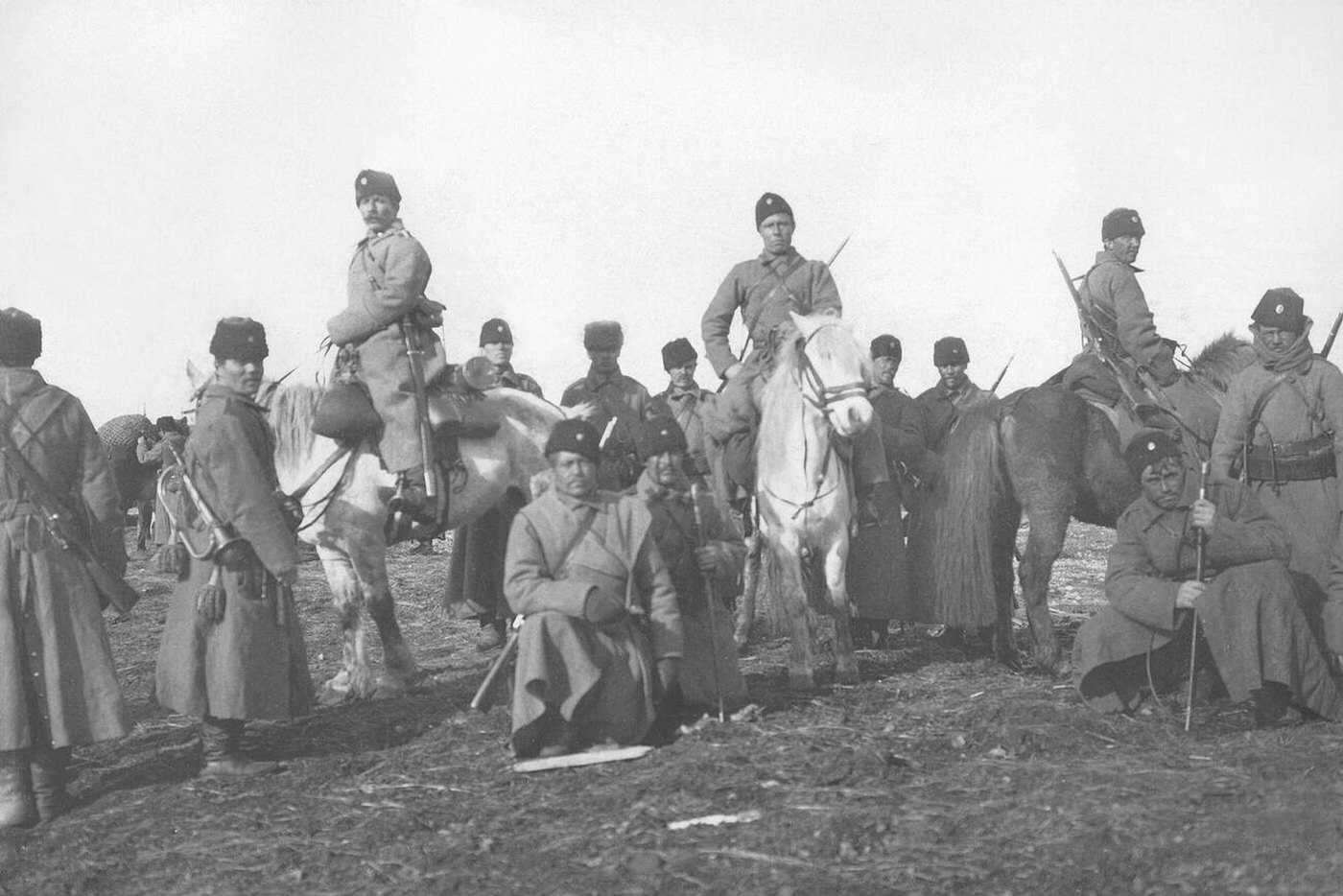
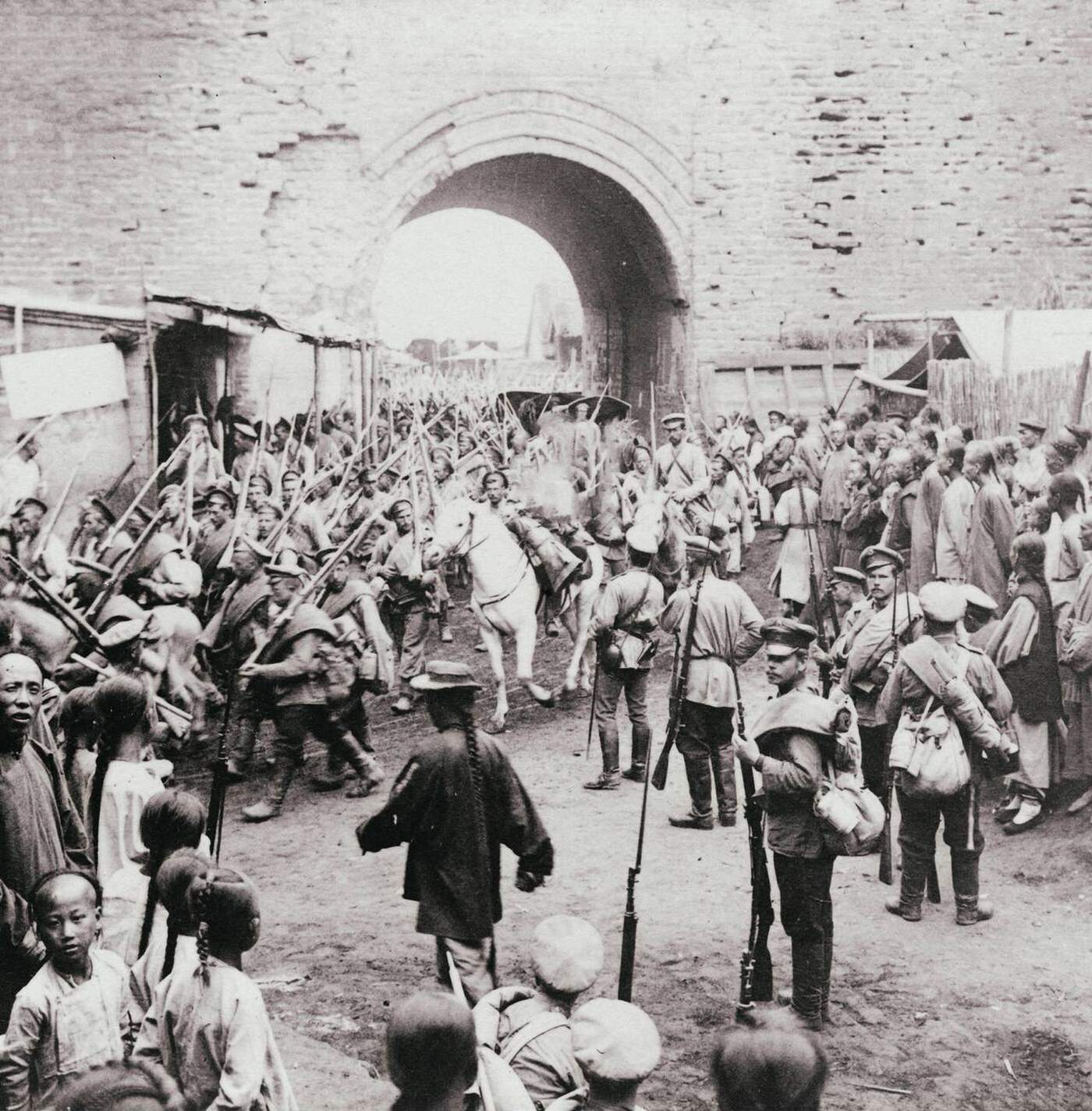
203 Meter Hill became the focal point of the siege. Japanese soldiers charged the hill repeatedly, dying in large numbers each time. Both sides used rapid-firing artillery and Maxim guns — weapons that turned infantry assaults into massacres. After months of brutal fighting, the Japanese captured 203 Meter Hill in December 1904. From that elevation, their artillery could look directly down into Port Arthur’s harbor. They used that position to systematically shell and sink the remaining Russian warships still anchored below.
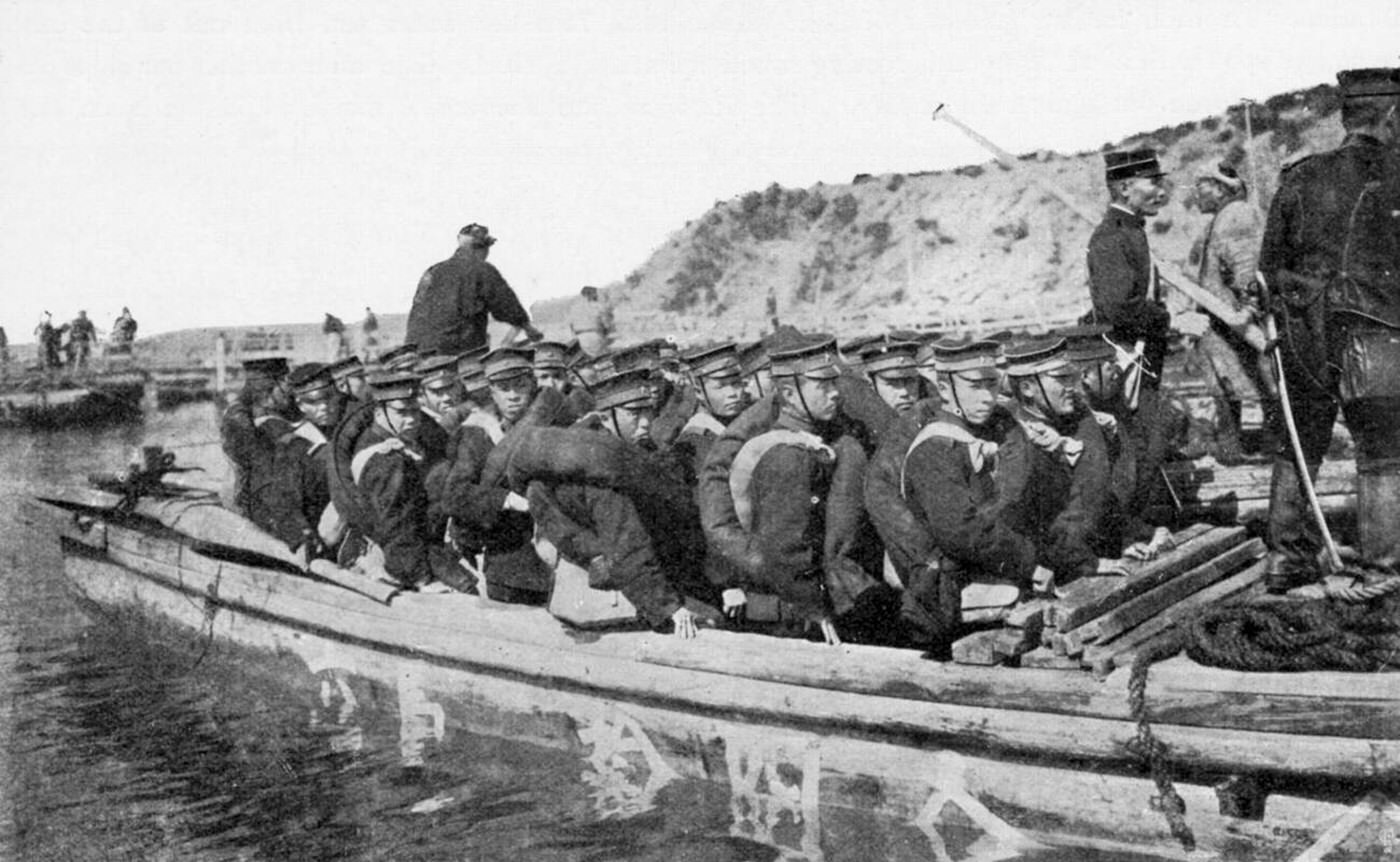
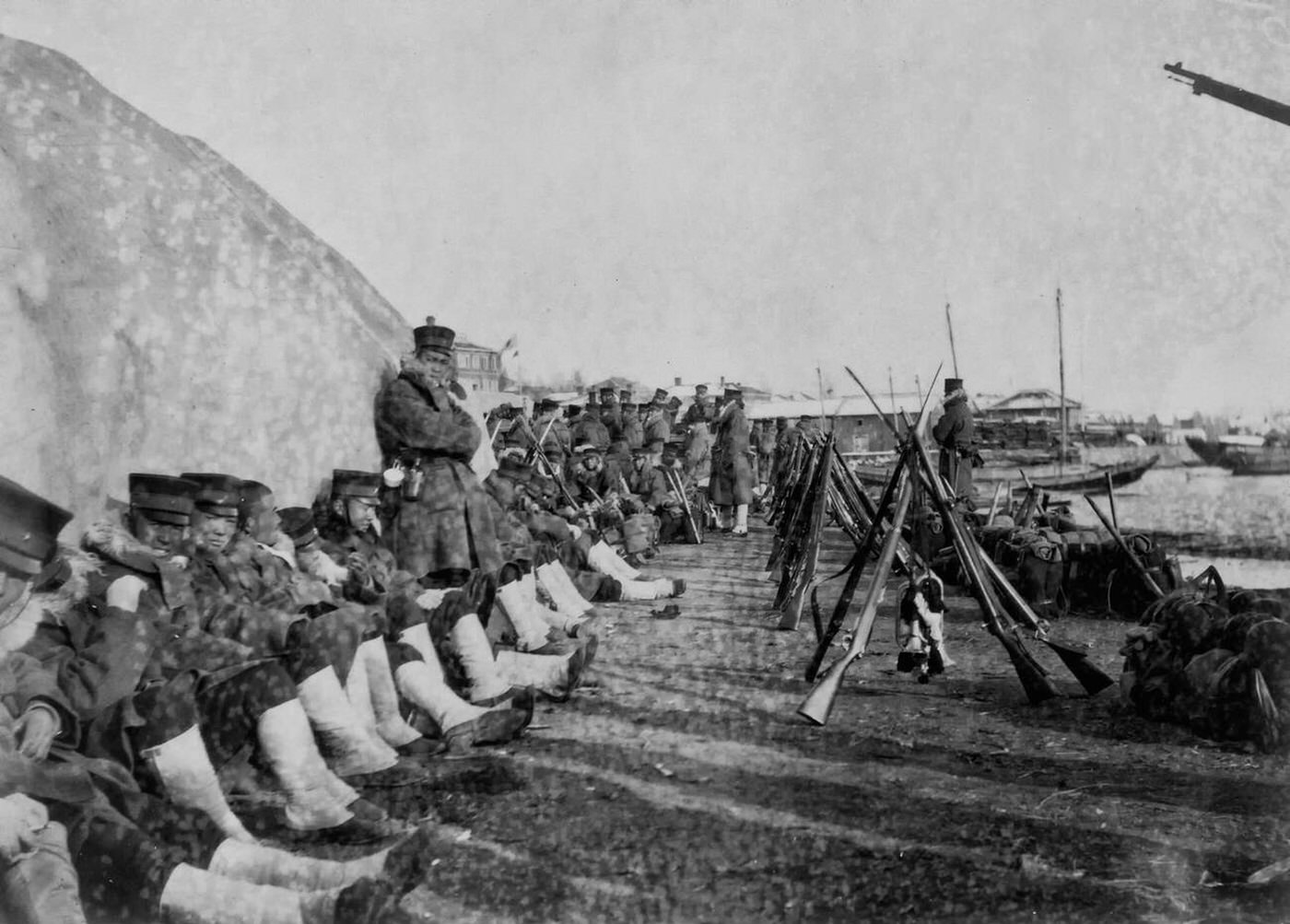
Japanese forces had arrived in Korea from the earliest weeks of the war. Troops came ashore at ports like Chemulpo and Chinnampo, and the logistical effort behind their advance was enormous. Supplies, artillery, horses, and thousands of men moved through Korean ports before pushing into Manchuria.
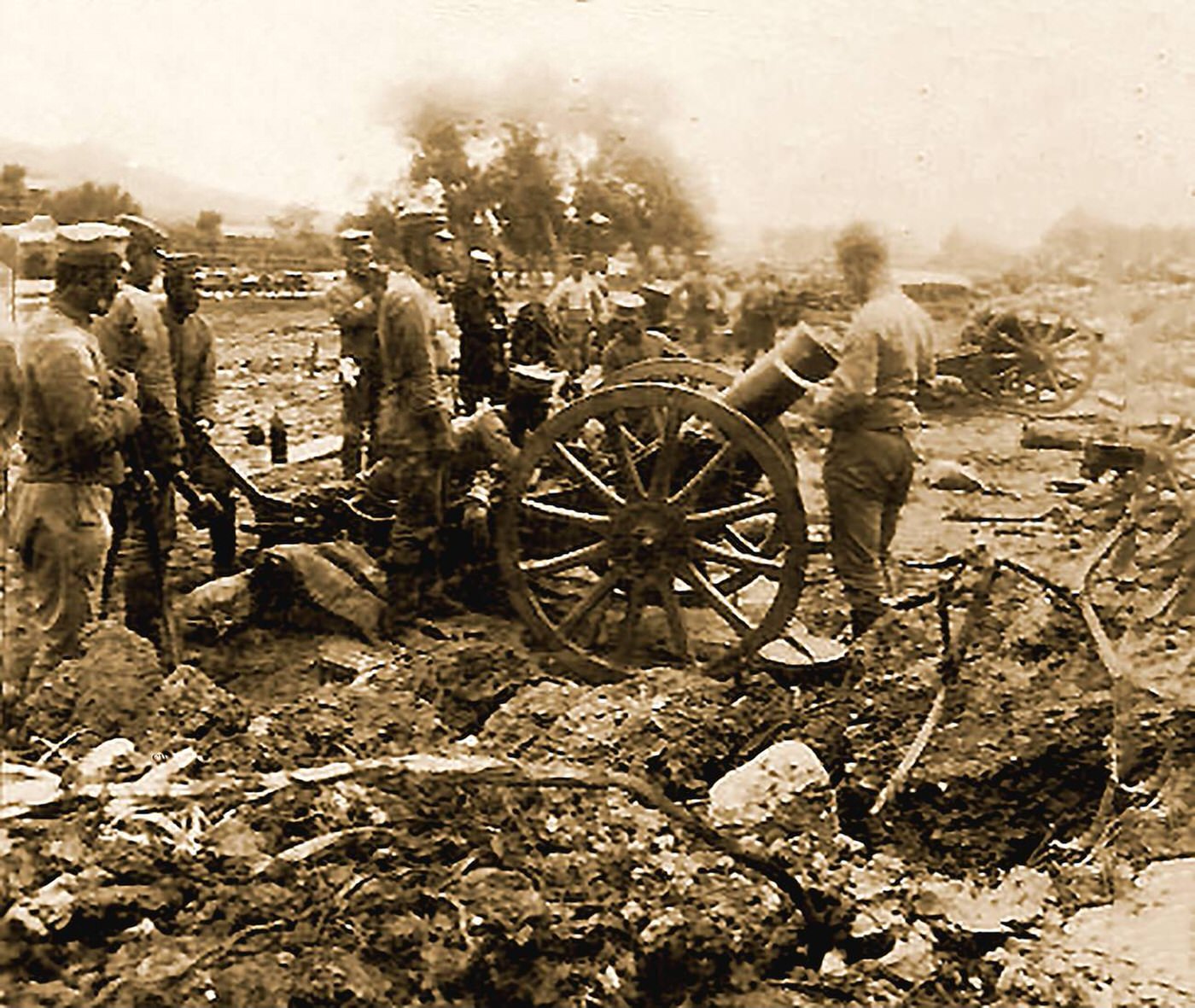
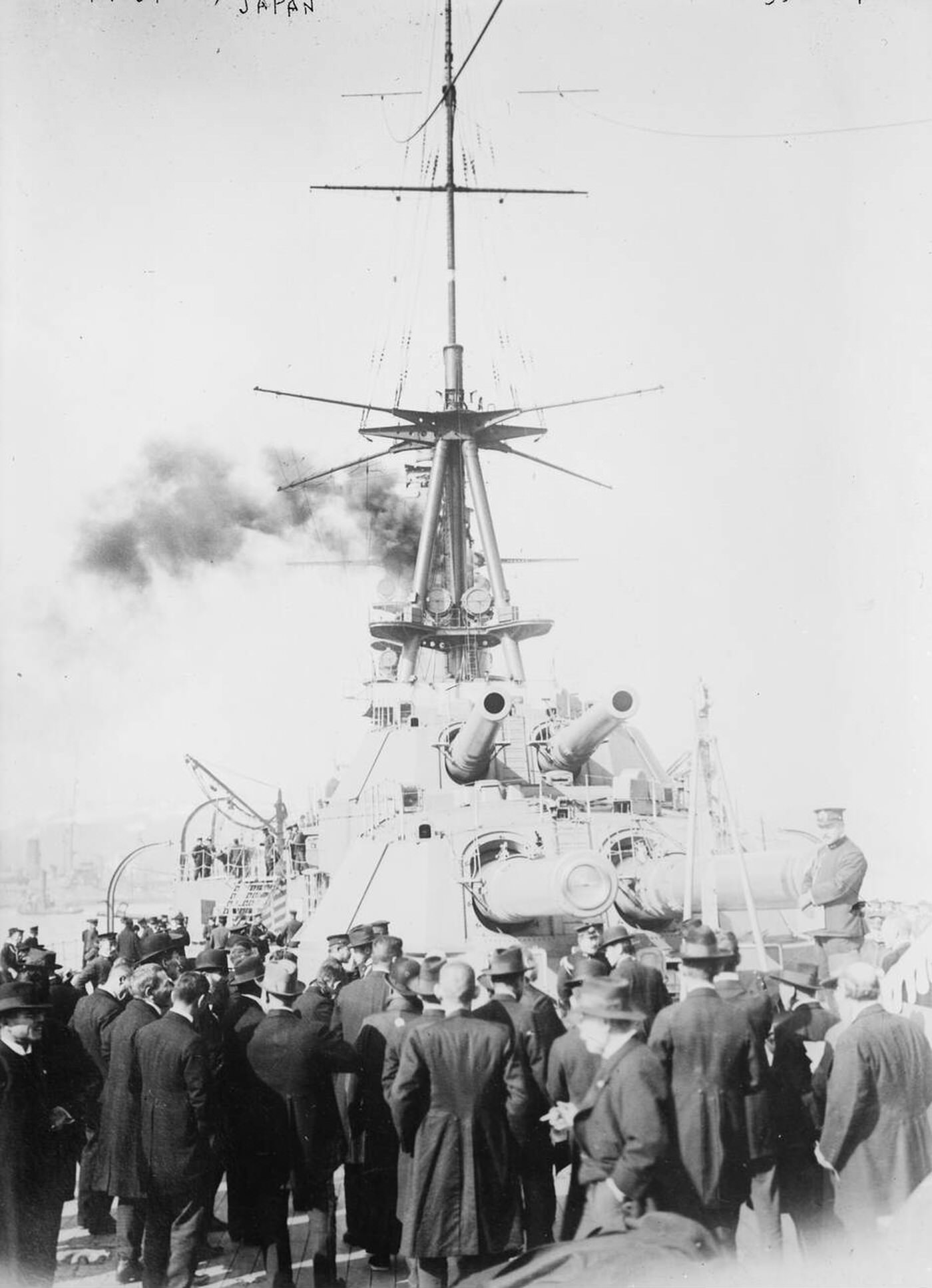
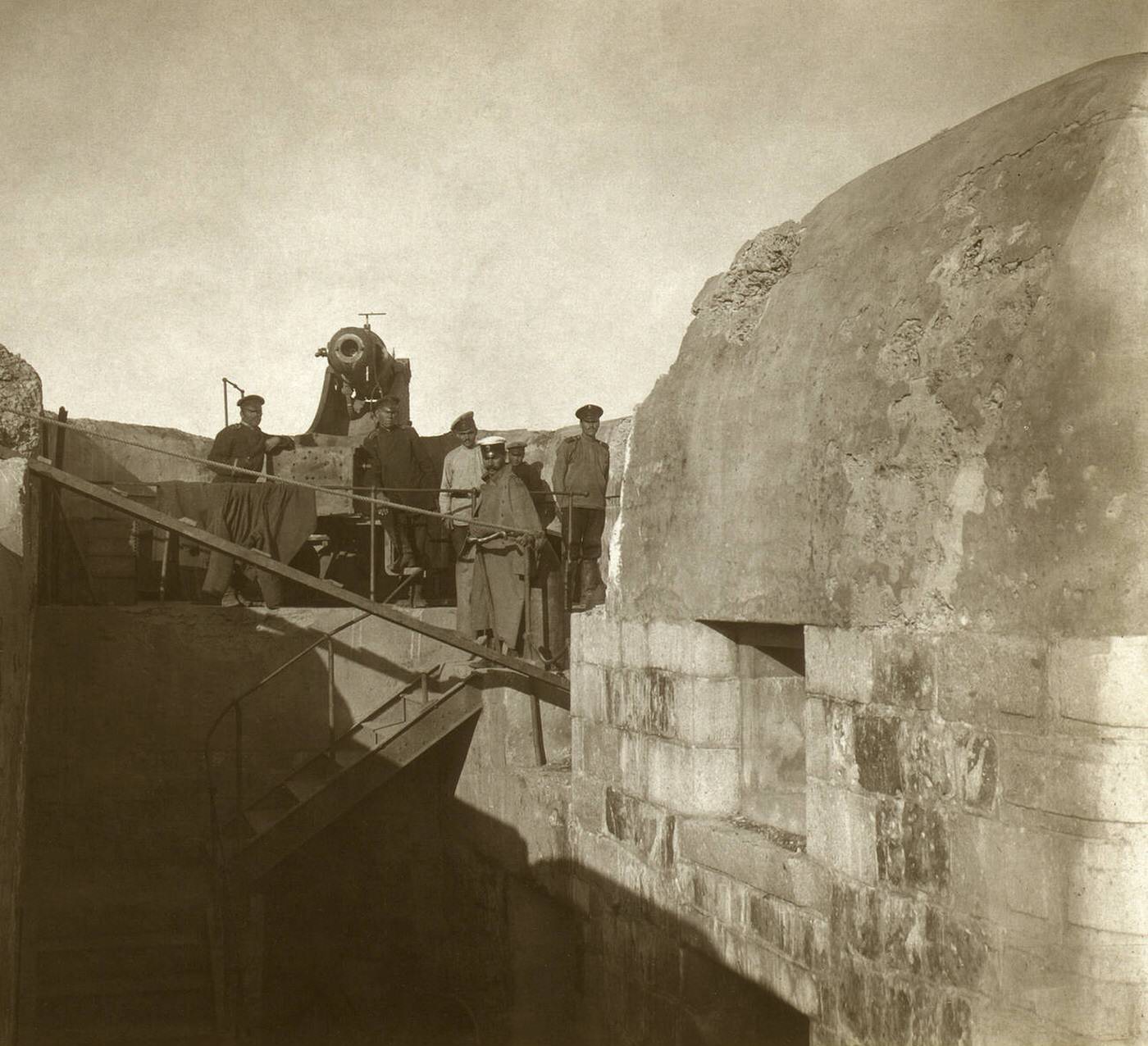
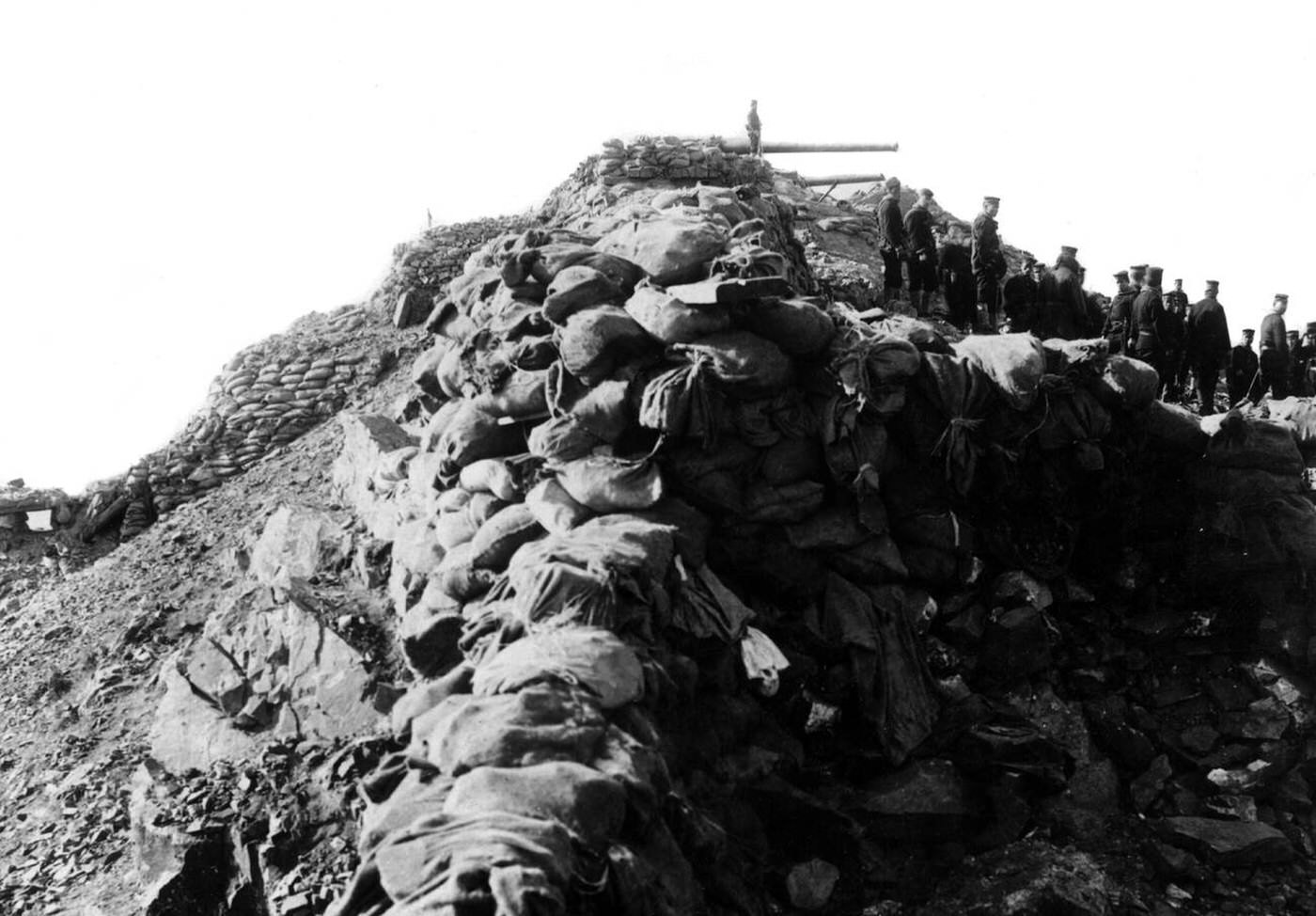
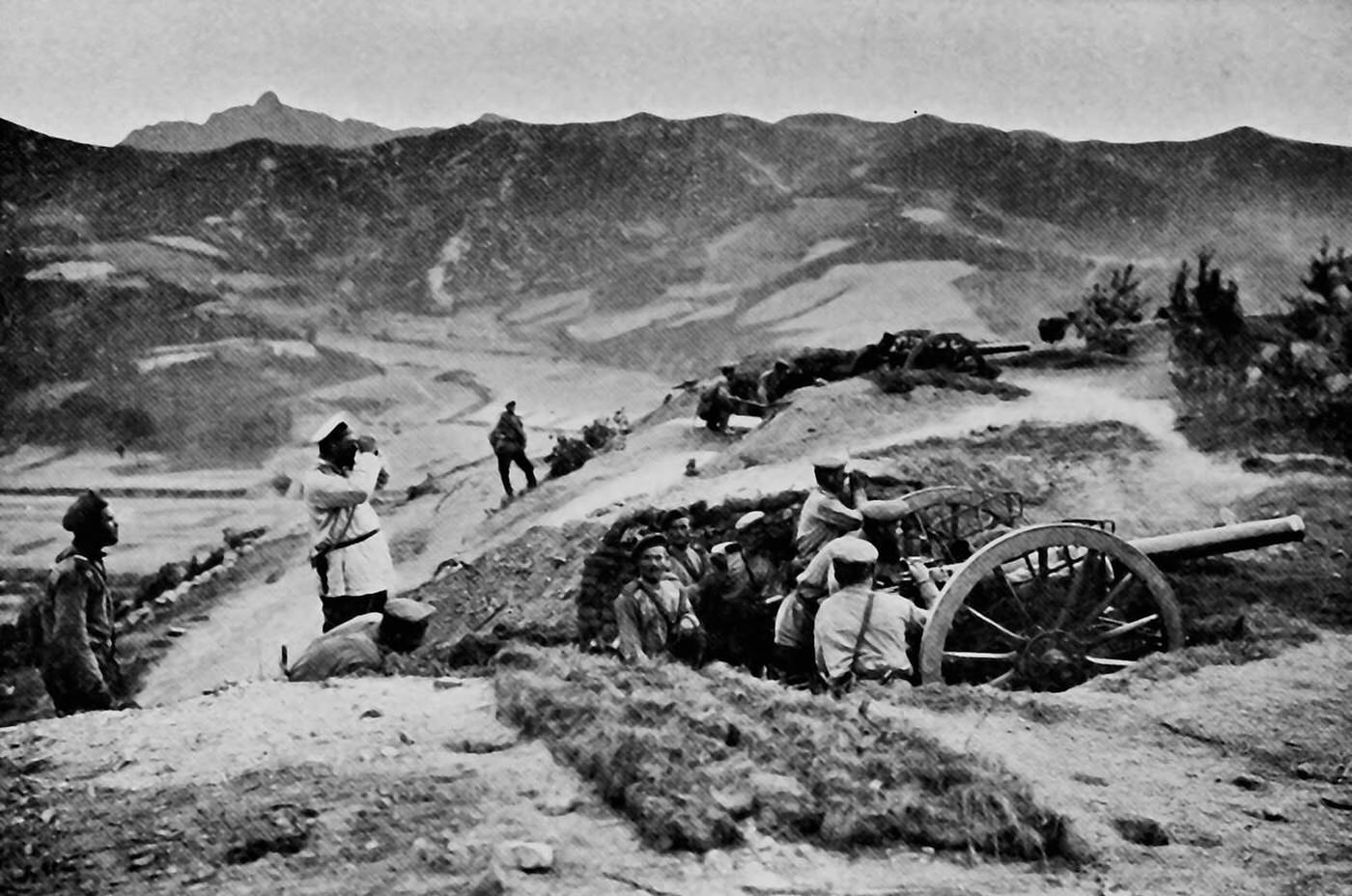
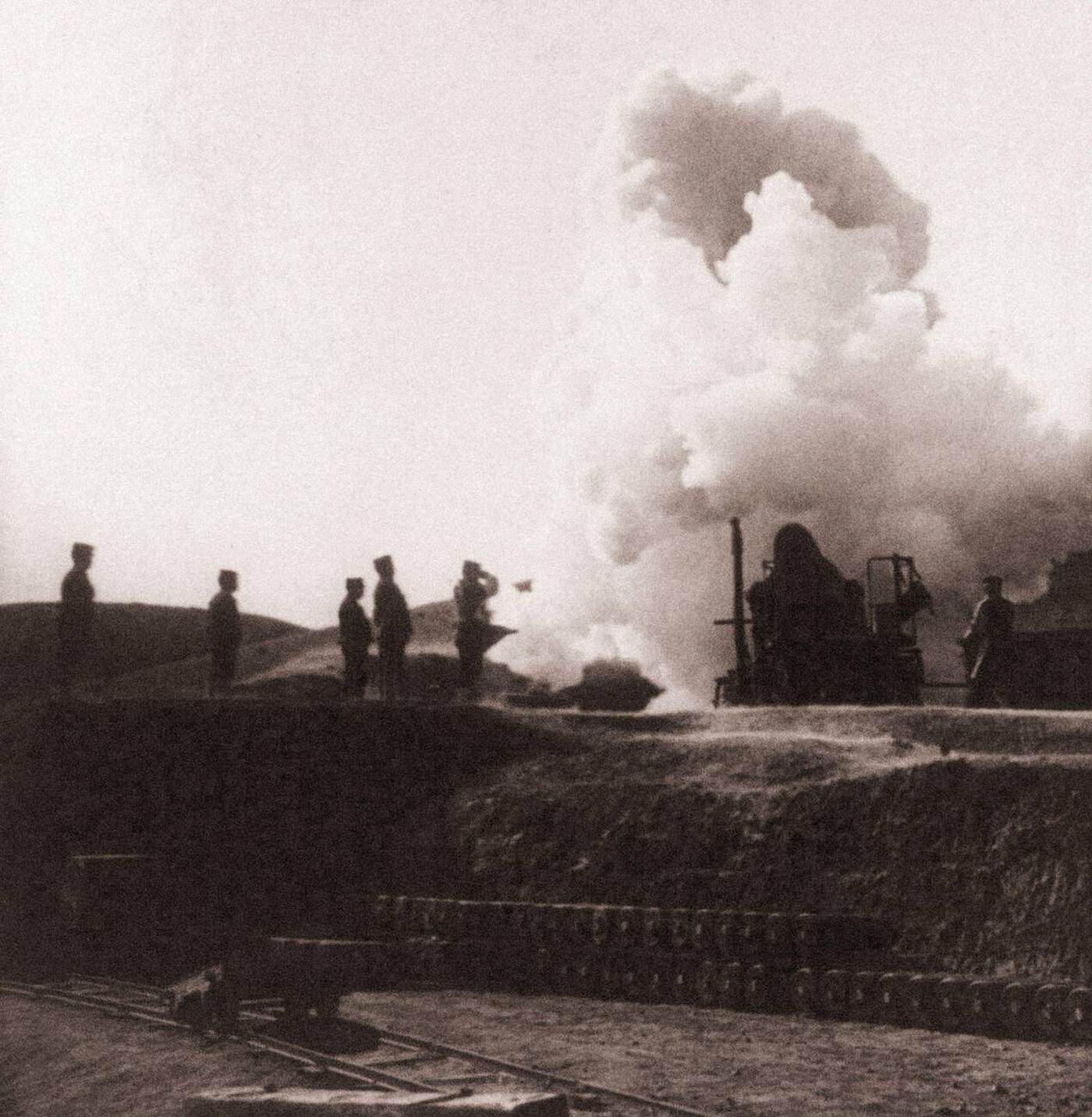
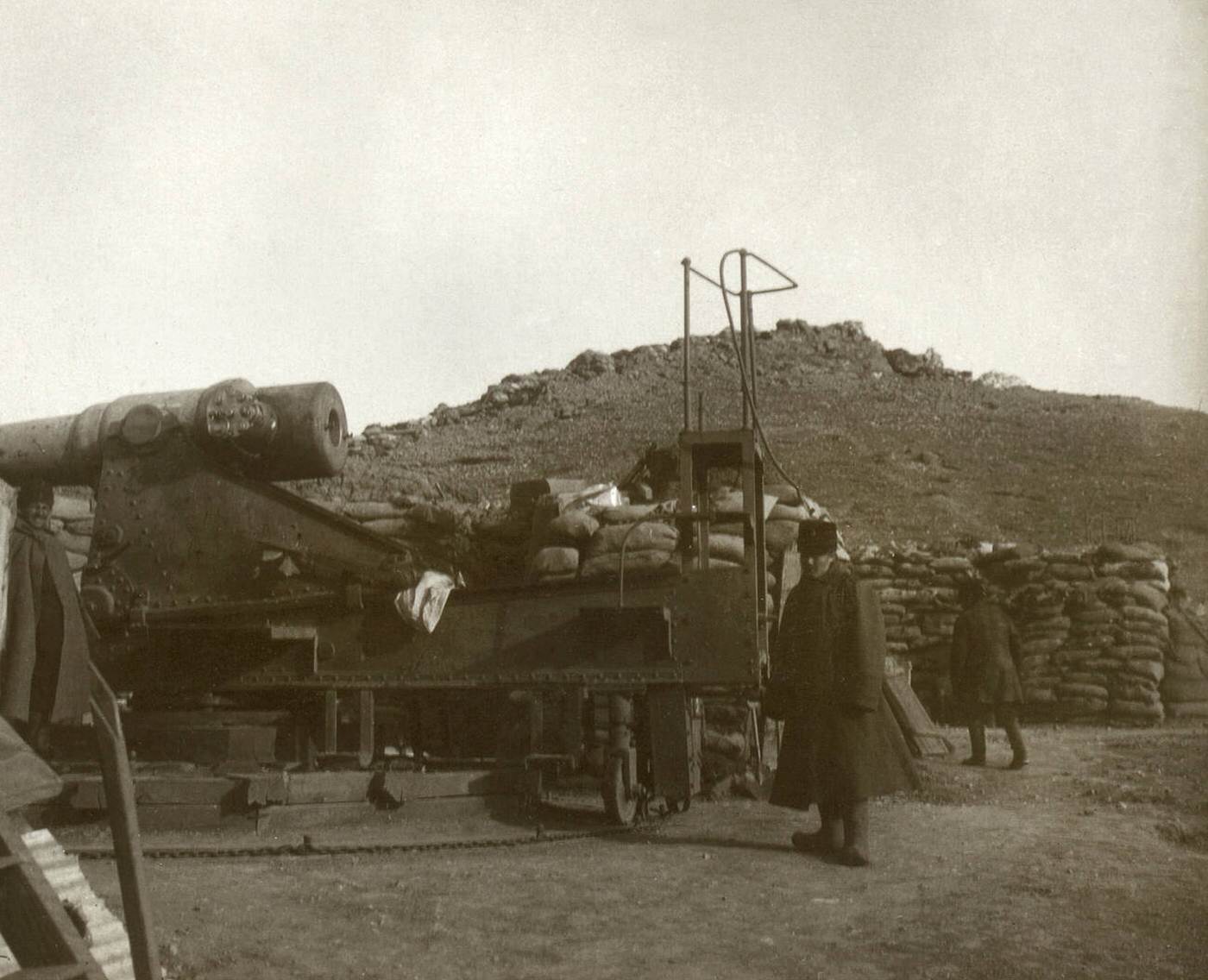
Artillery defined this war more than any previous conflict. Both armies fielded heavy guns that could strike targets miles away, and siege artillery played a decisive role at Port Arthur. The Japanese brought enormous 11-inch siege guns to bear on the fortress, firing shells that could shatter concrete fortifications. Russian artillery on the heights above the Liao Plain answered back, but as the siege dragged on and ammunition ran short, the defenders’ ability to hold weakened.
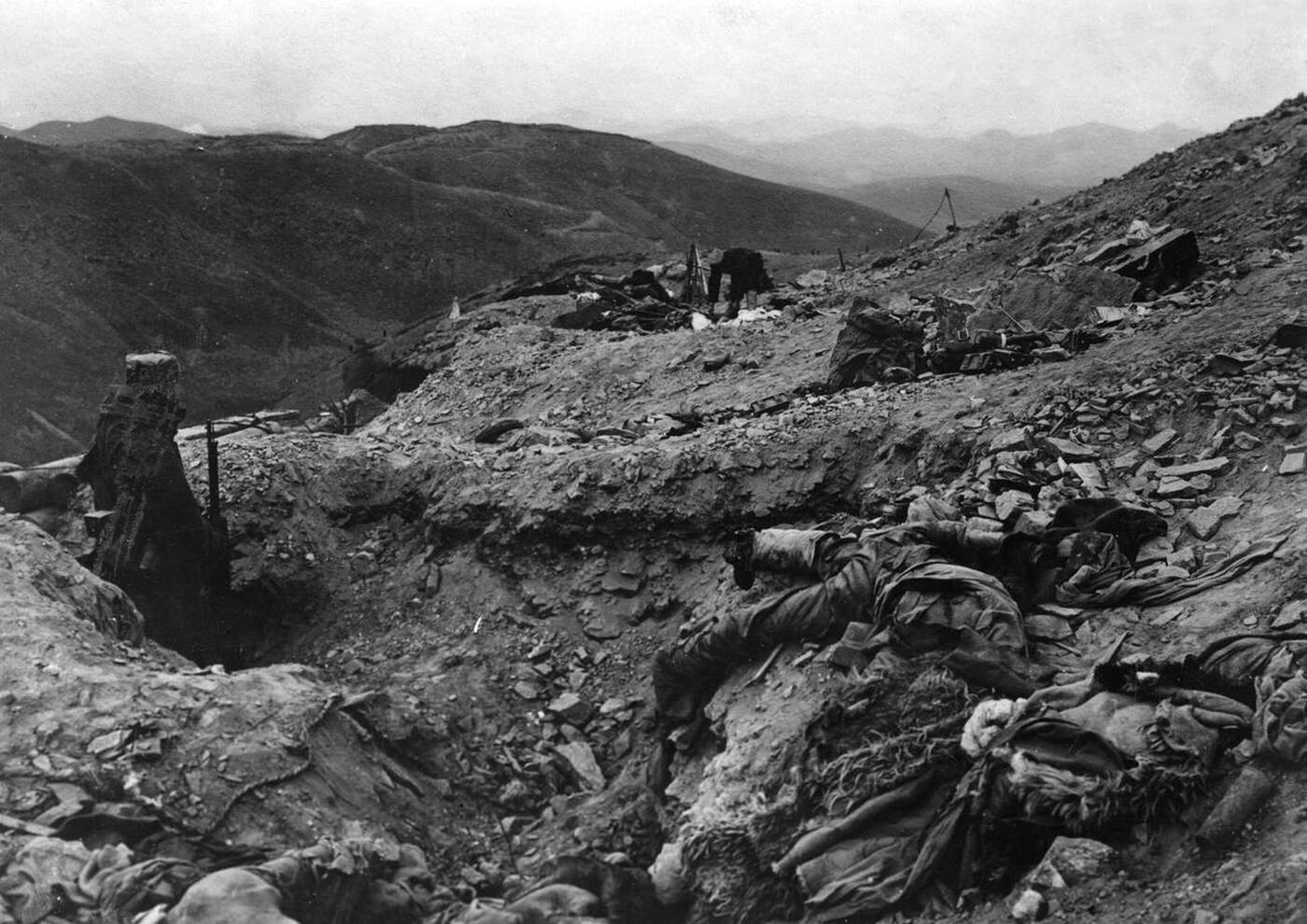
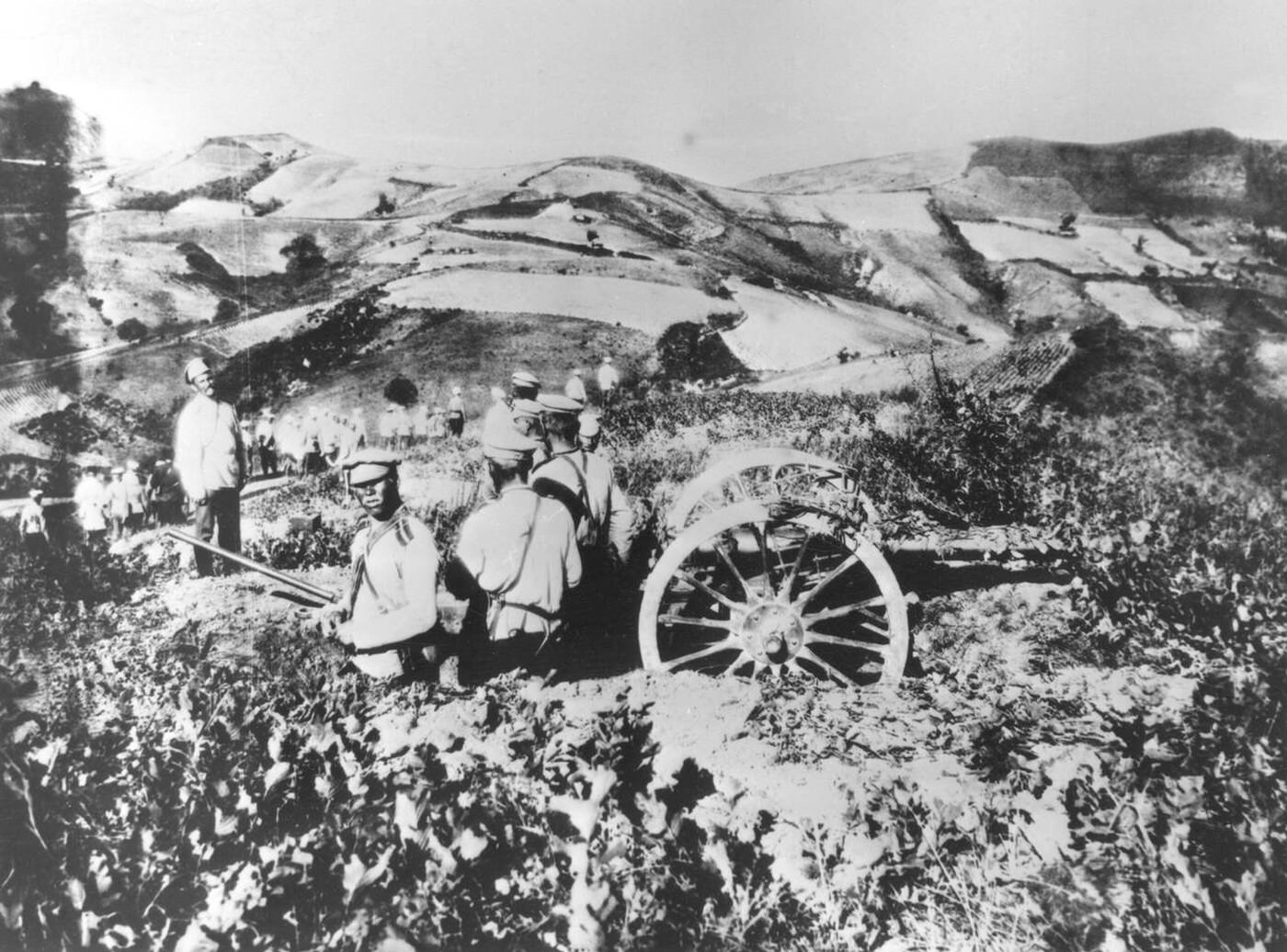
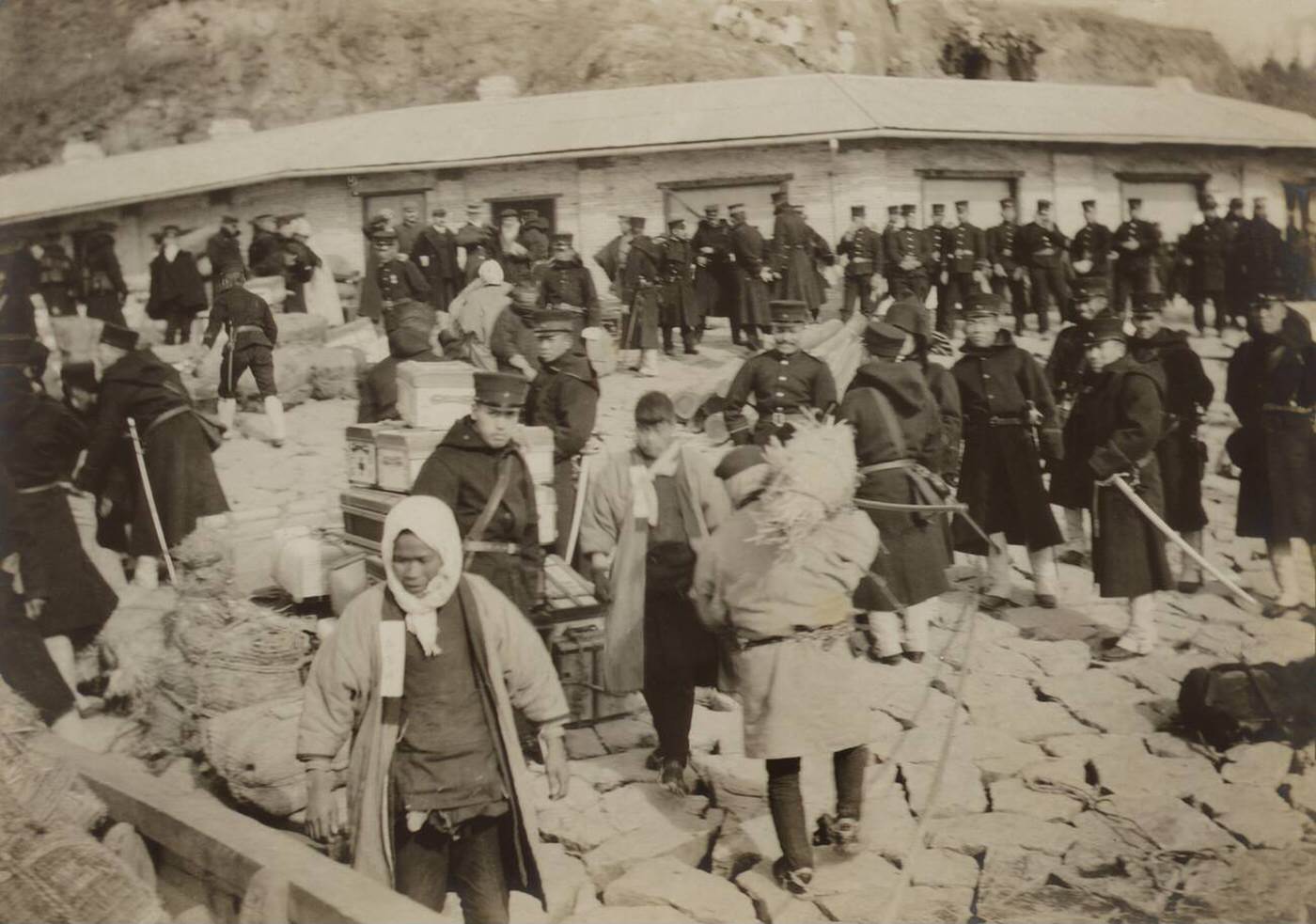
Japan’s foothold in Korea was established quickly and held firmly. Troops arriving at Chemulpo in early 1904 secured the peninsula’s major ports, which then served as supply depots for the mainland campaign. Korean and Japanese laborers worked the wharves, unloading war materials that would sustain months of fighting in Manchuria.
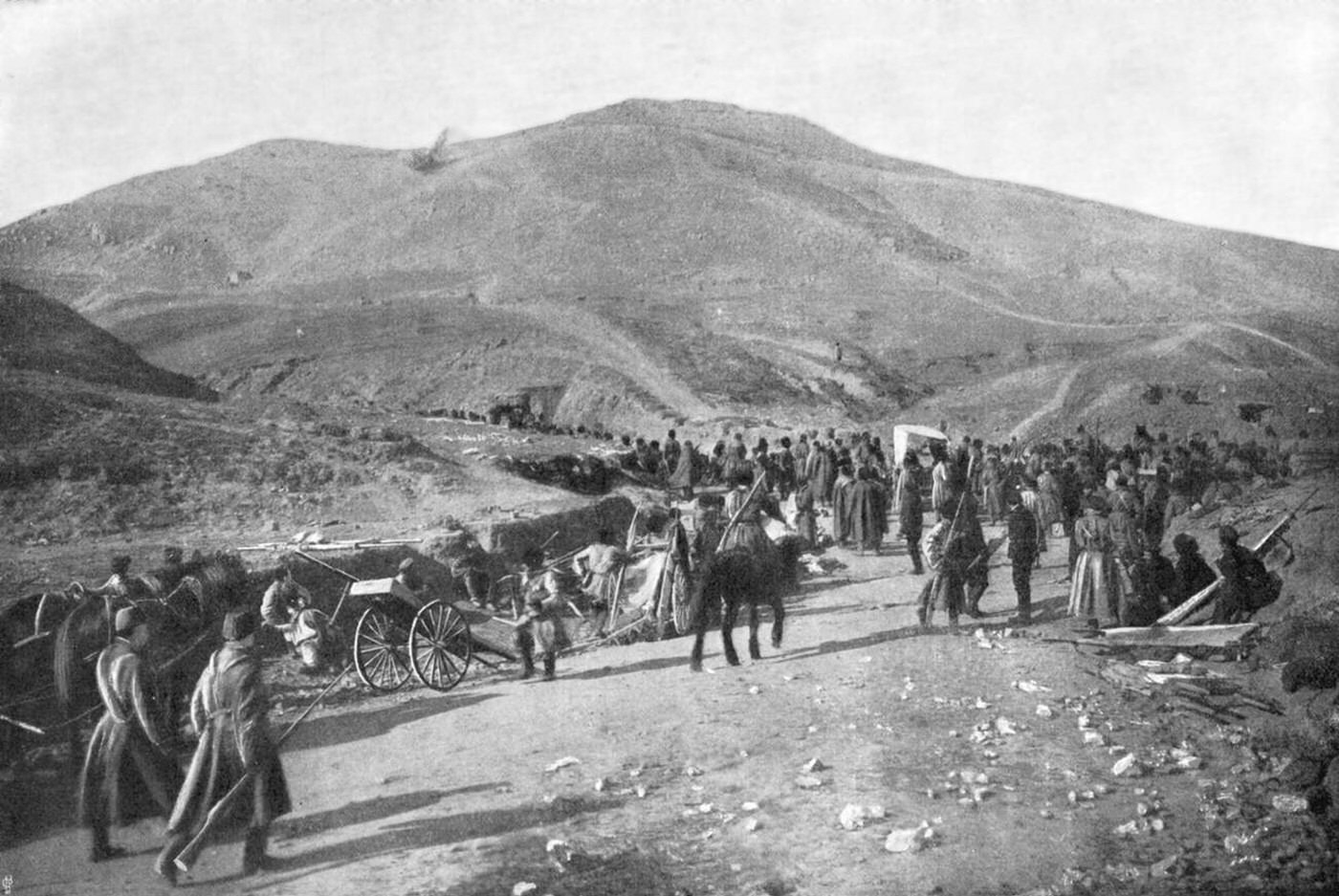
The Russian defenders of 203 Meter Hill rushed Siberian reserve troops into position with 6-inch guns in August 1904, trying to hold the hill that both sides knew was the key to Port Arthur’s fate. Despite determined resistance, those positions fell. The Russian garrison at Port Arthur officially surrendered on January 2, 1905.
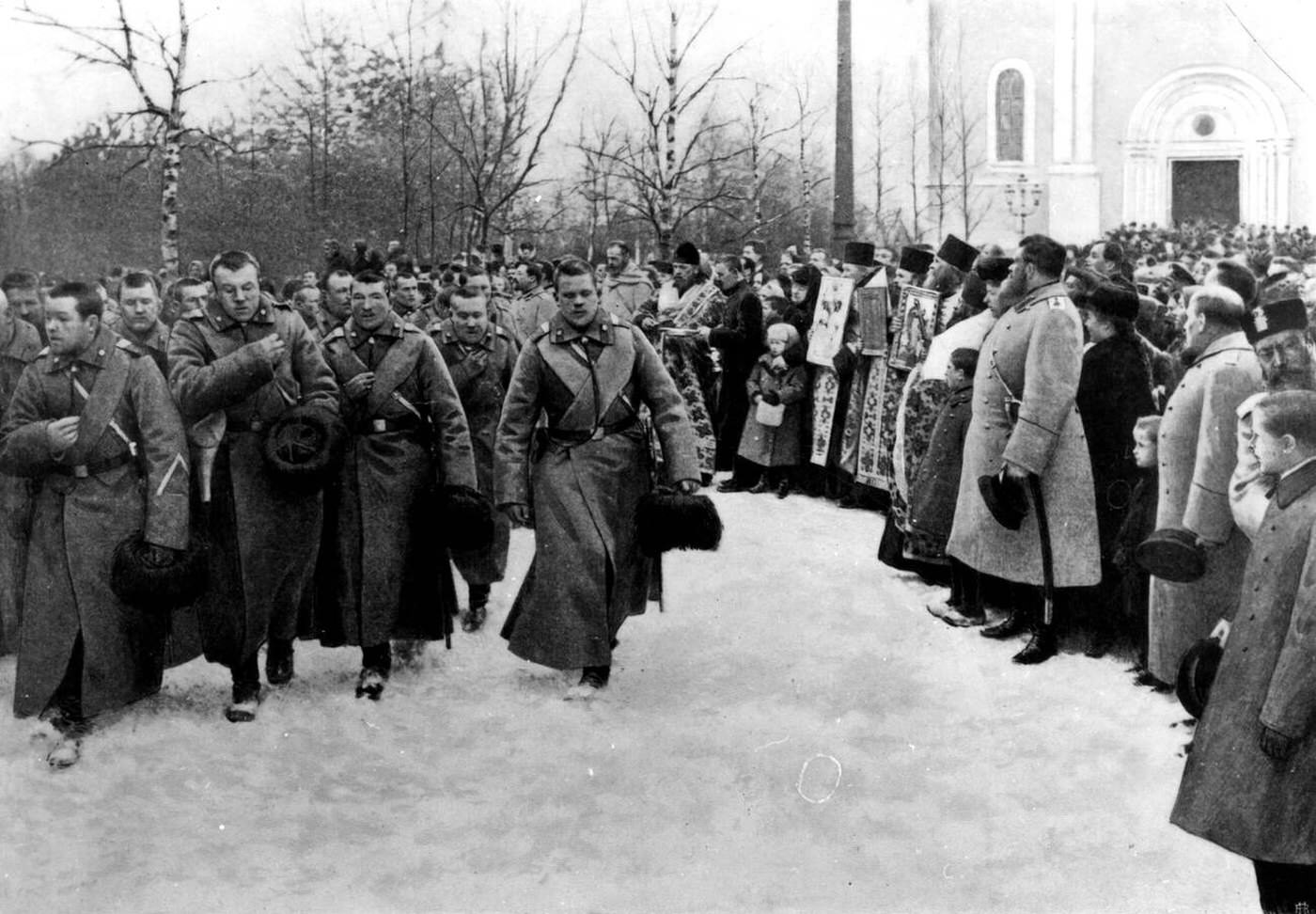
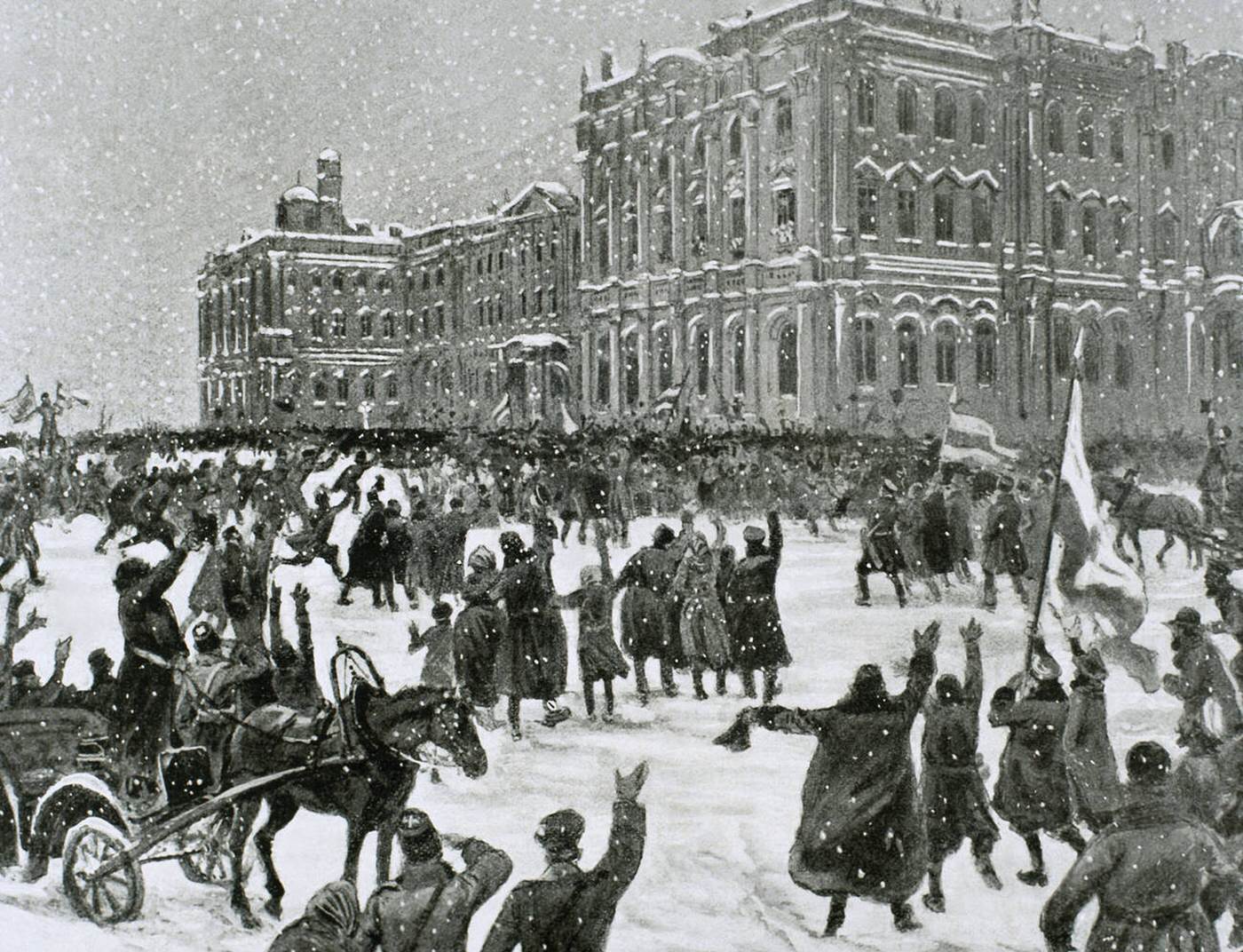
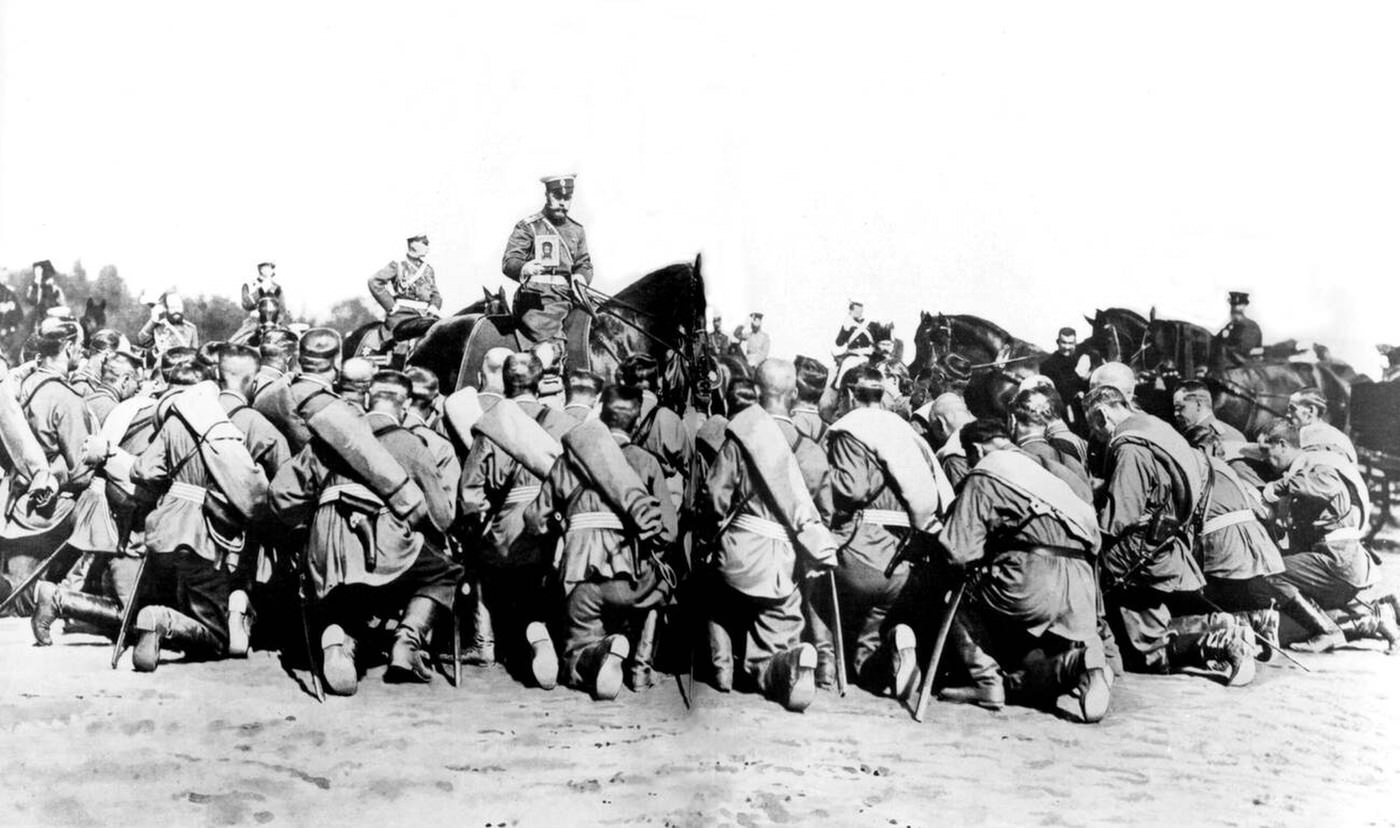
Back in Russia, regiments were blessed by priests before departing for a war thousands of miles away. Tsar Nicholas II reviewed troops personally. Patriotic demonstrations filled the streets of Saint Petersburg. The public mood was confident at the start. Few anticipated that Russia was sending men into a conflict it was structurally unprepared to win — with supply lines stretching across the single track of the Trans-Siberian Railway.
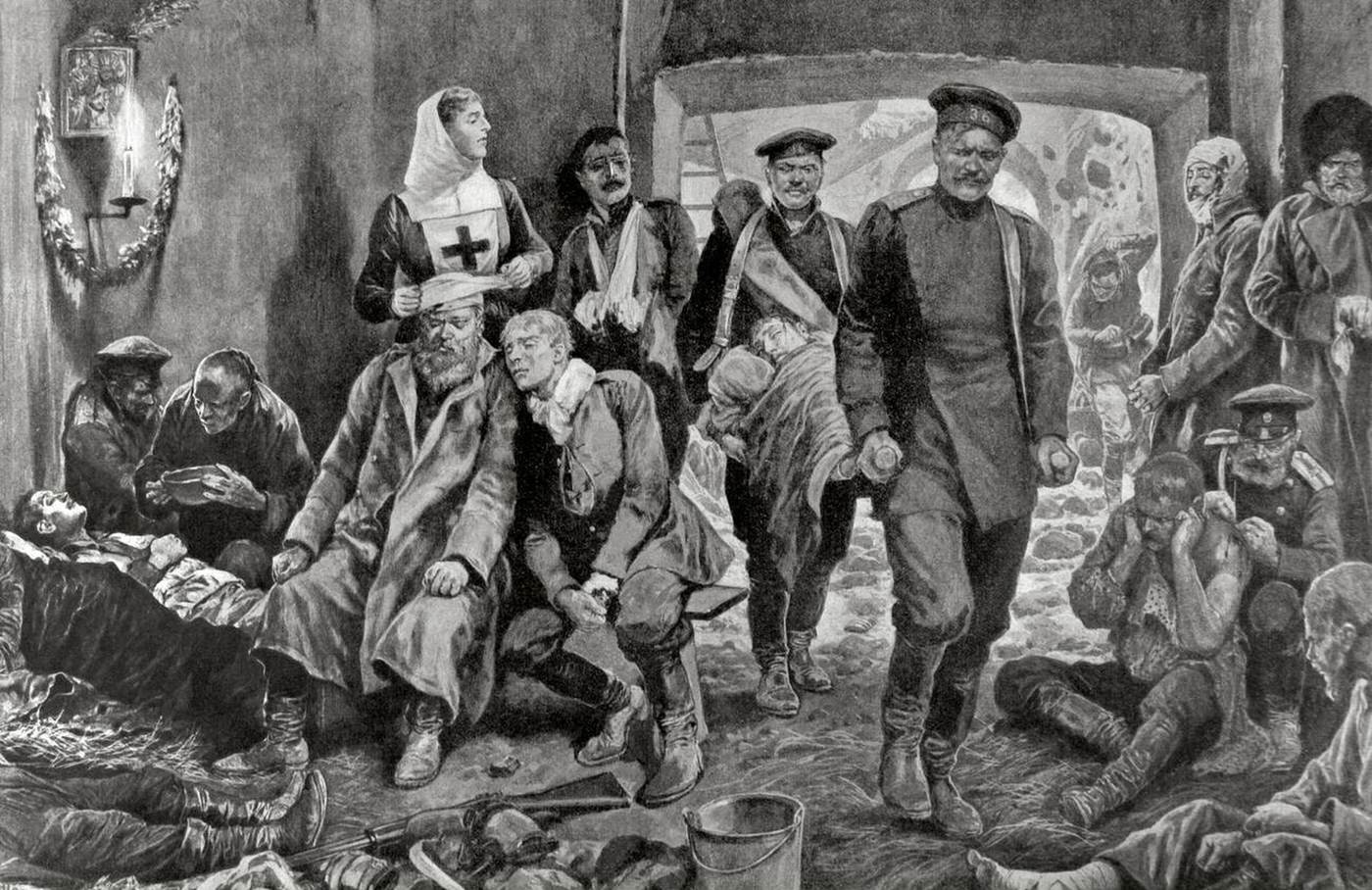
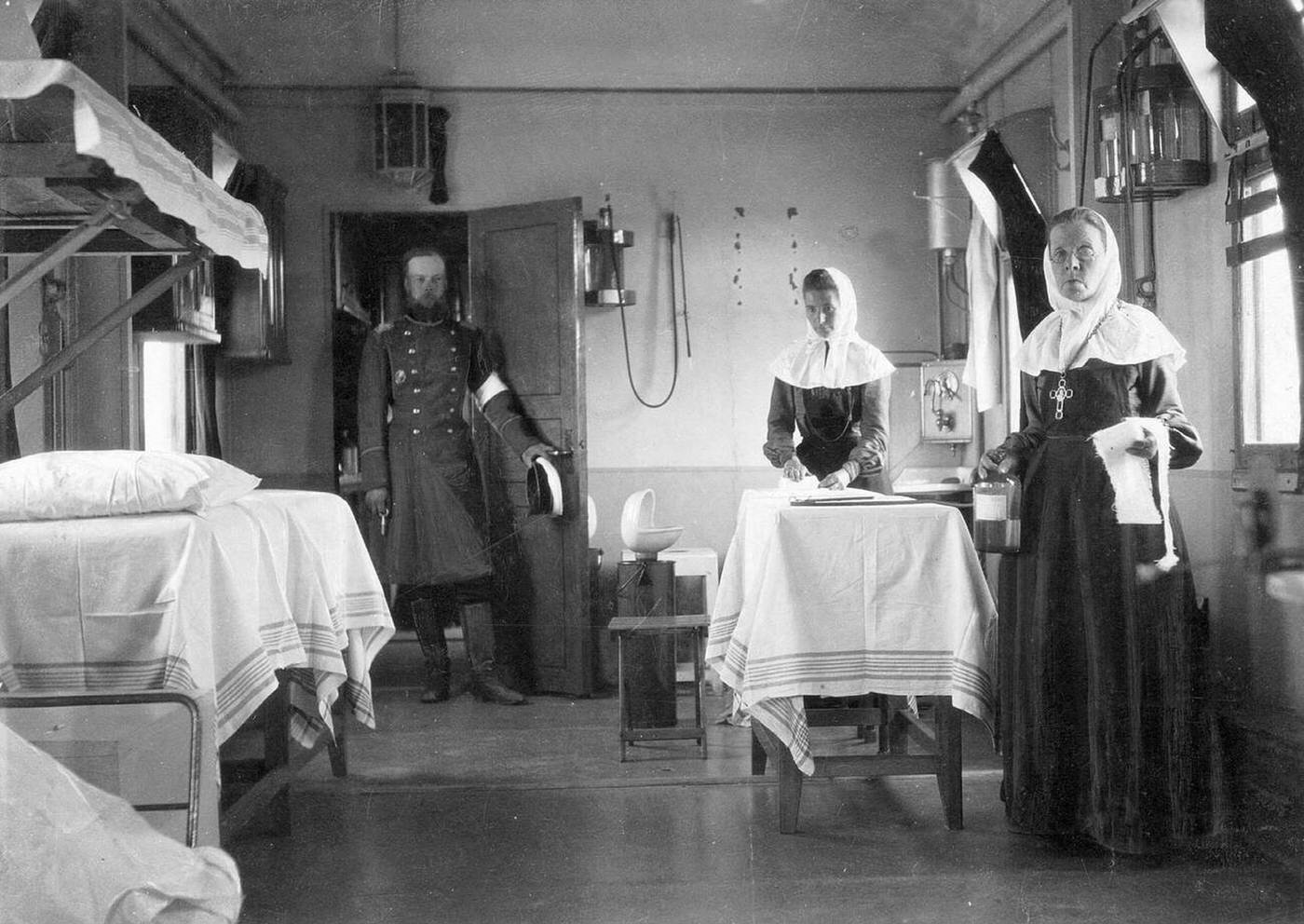
The human cost of the fighting was staggering. Field hospitals filled with the wounded from both sides. The Russian Red Cross operated hospital trains that moved men from the front back along the railway to medical facilities in the rear. A wounded man in Port Arthur might be transported by rickshaw from the fighting lines to a campaign hospital nearby. Medical reports from the war documented not only battle wounds but also the widespread toll of disease on troops living in trenches for months.
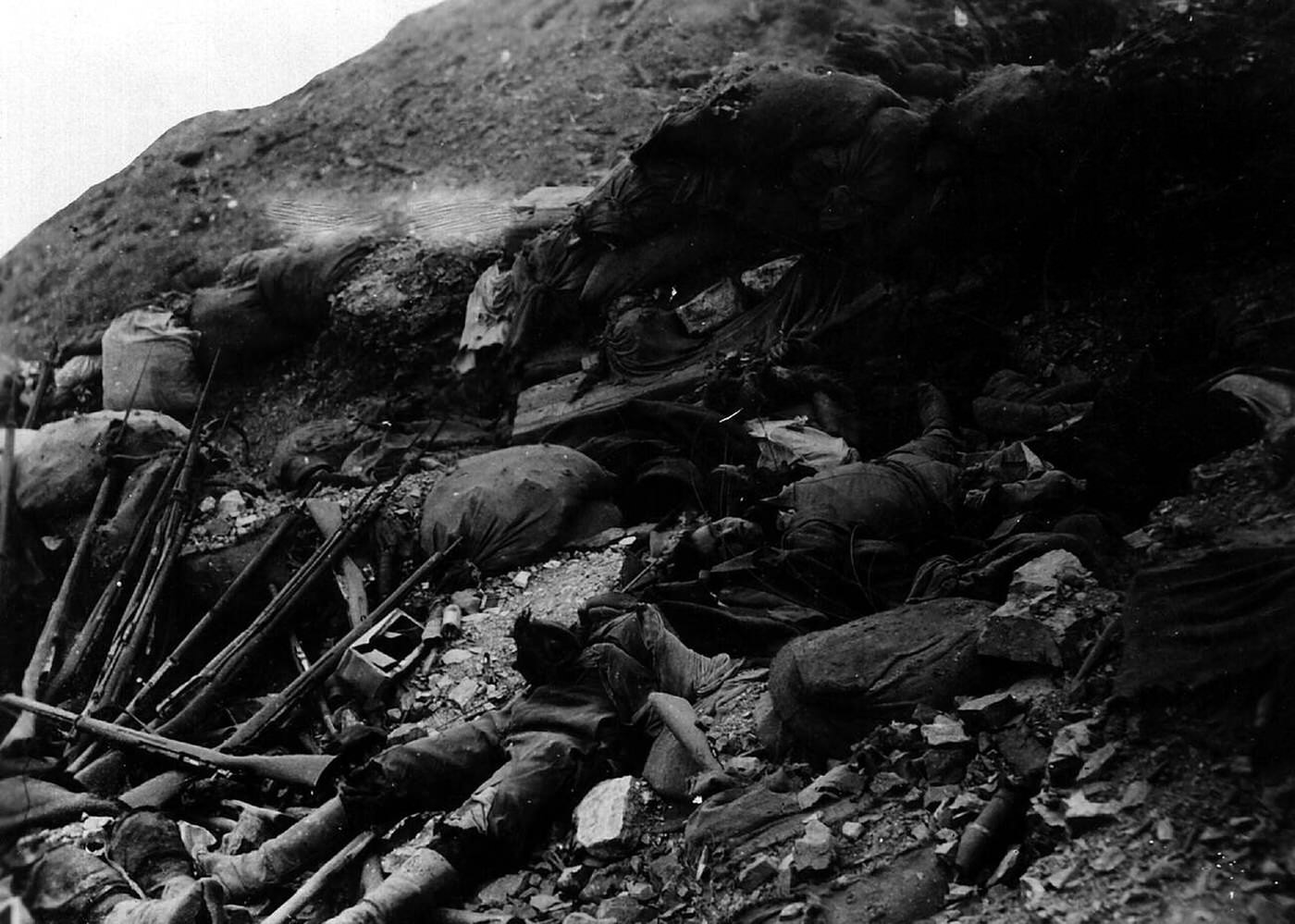
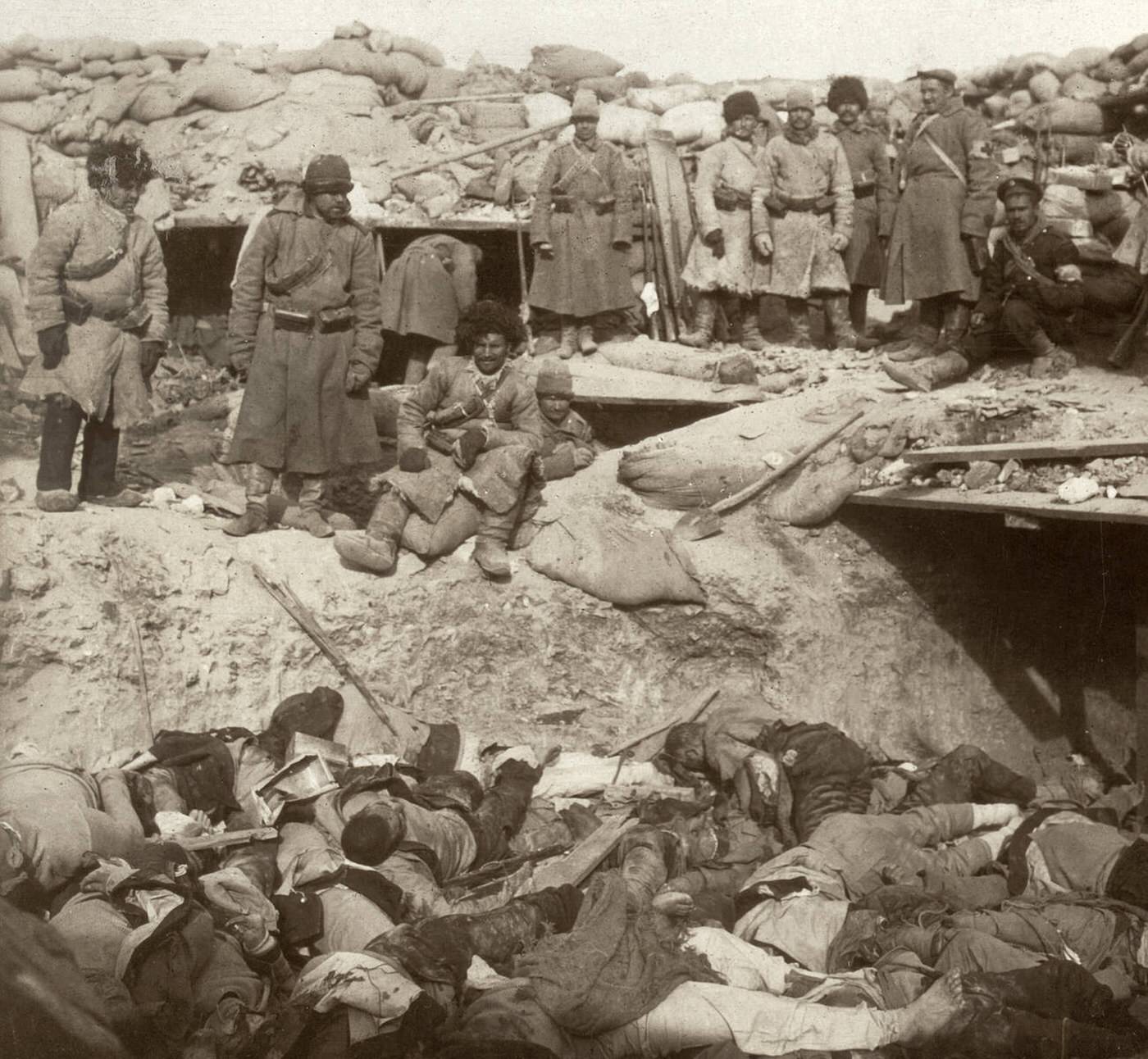
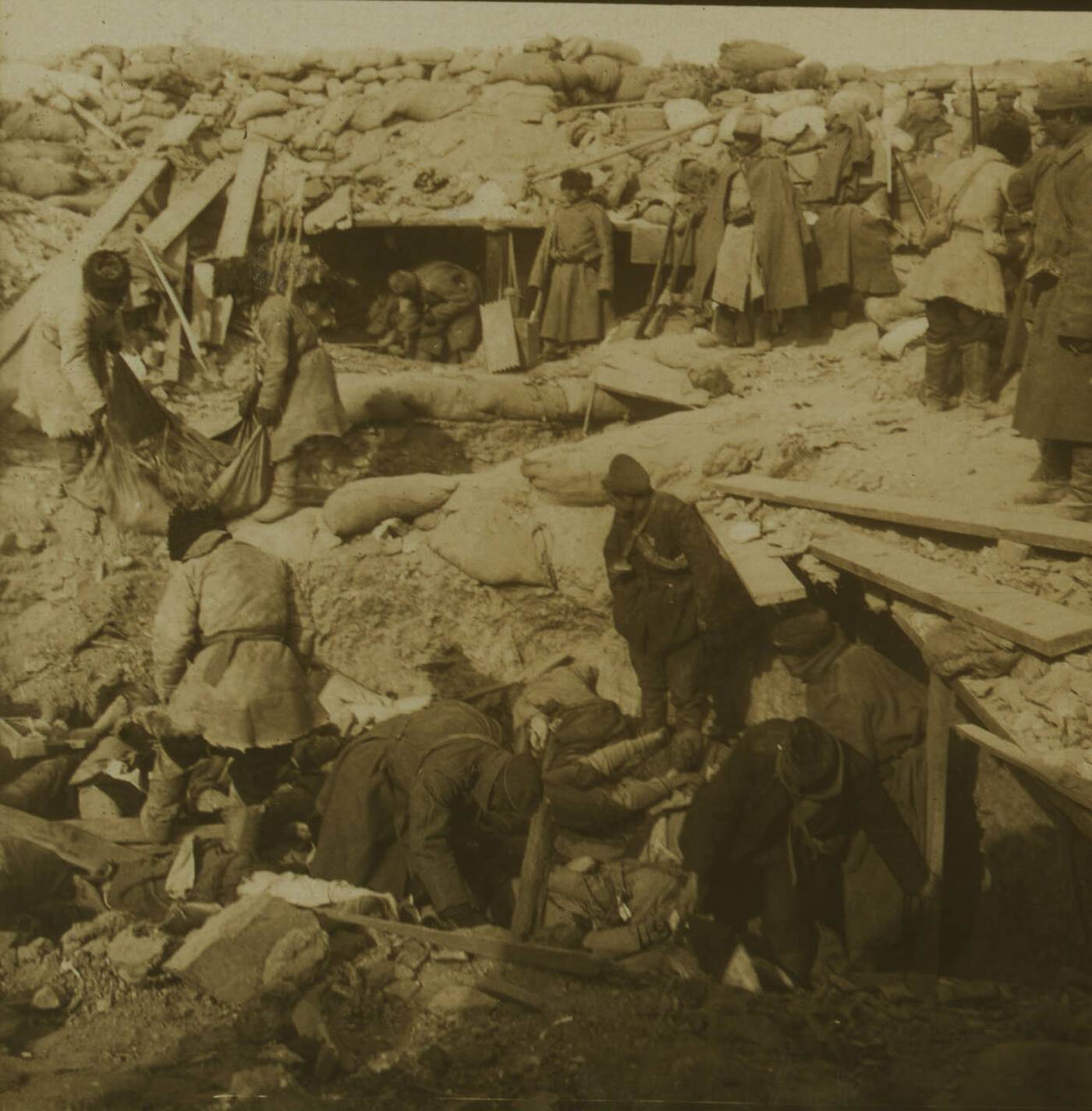
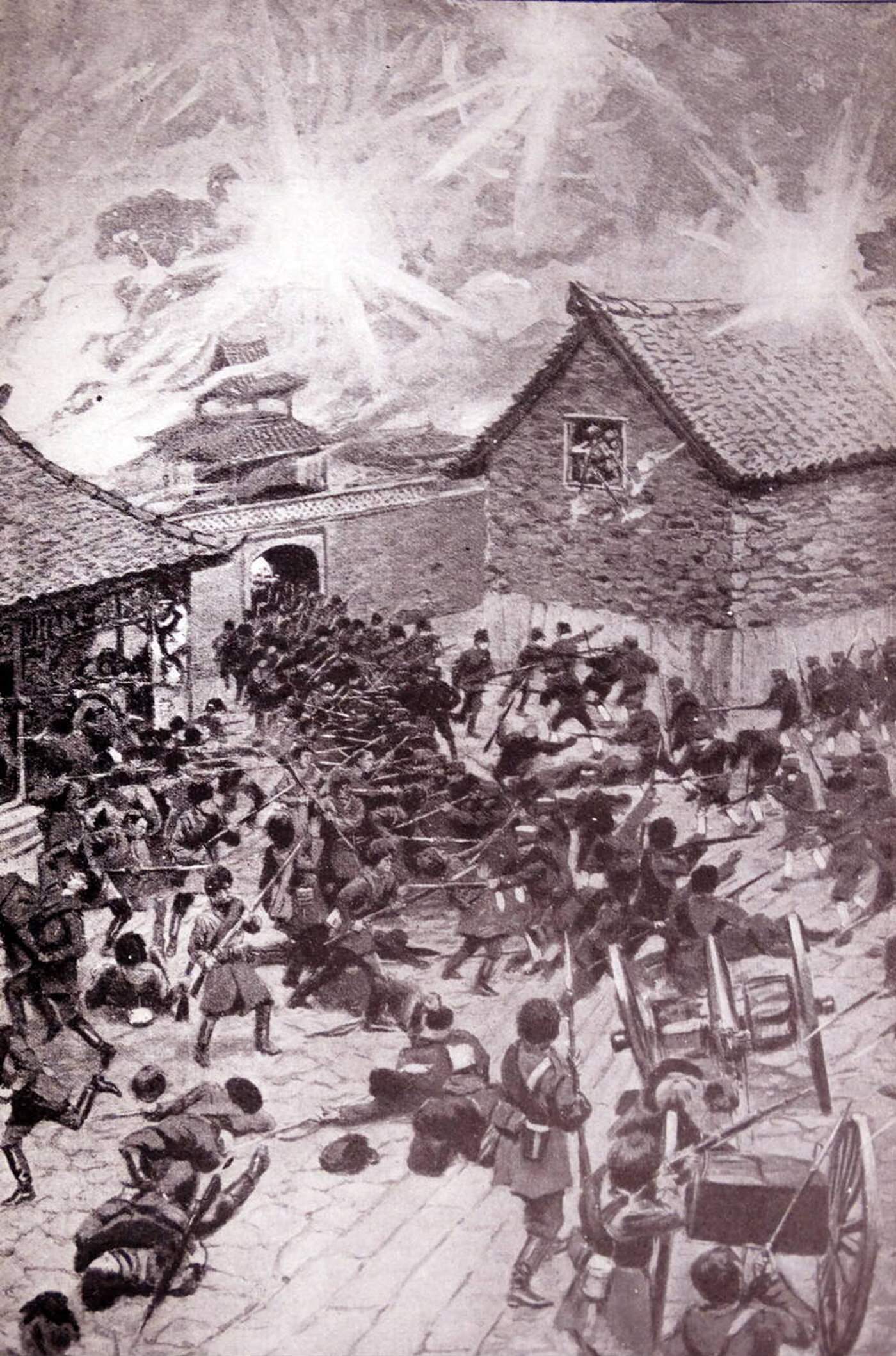
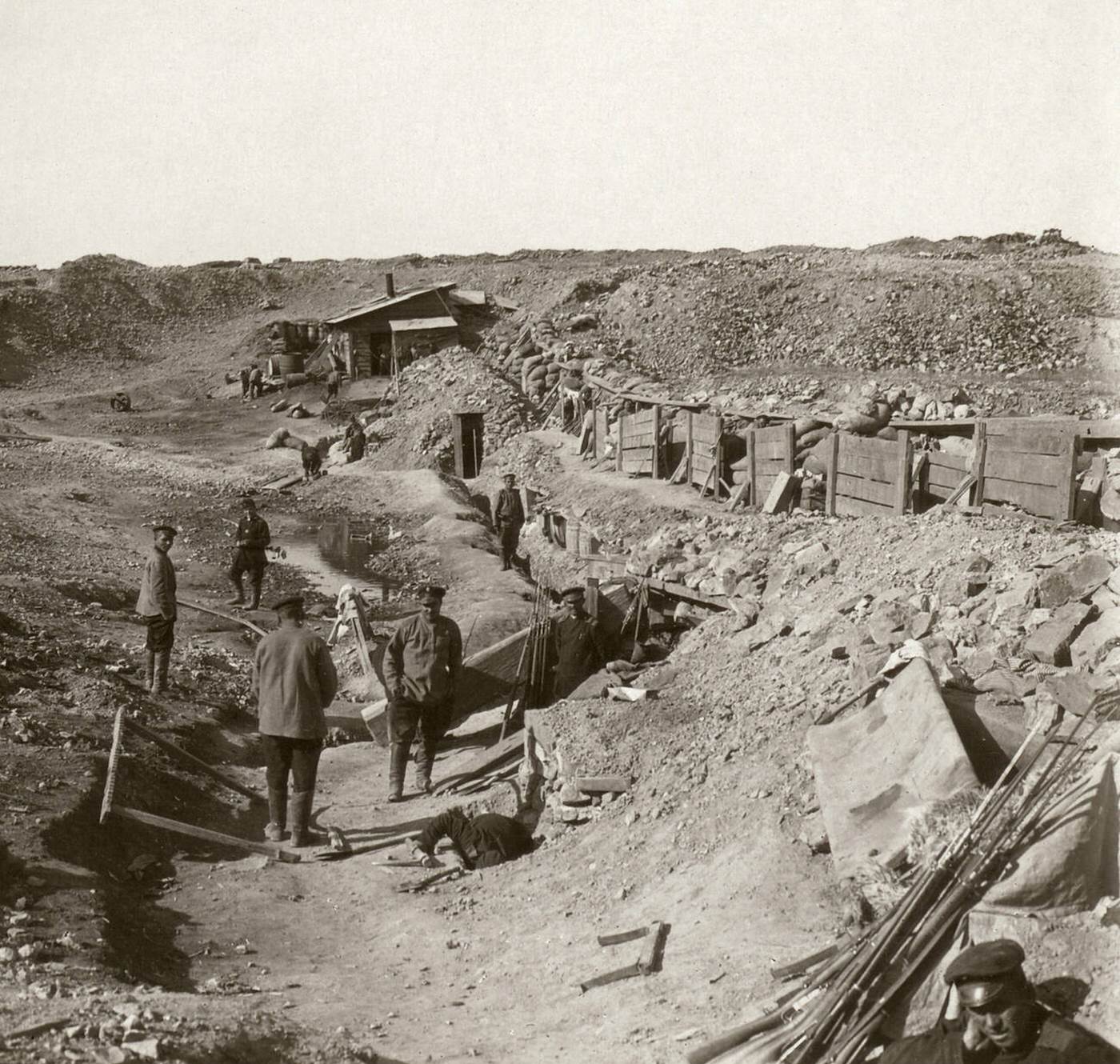
The trenches at Port Arthur held some of the war’s most brutal close-quarters fighting. When Japanese soldiers breached Russian fortifications, the defenders met them with bayonets. A photograph taken after the battle shows a trench inside one Russian fort filled with the bodies of Japanese soldiers — every one of them killed as they entered. The fort-by-fort fighting inside Port Arthur’s defensive perimeter was as savage as any combat in the war.
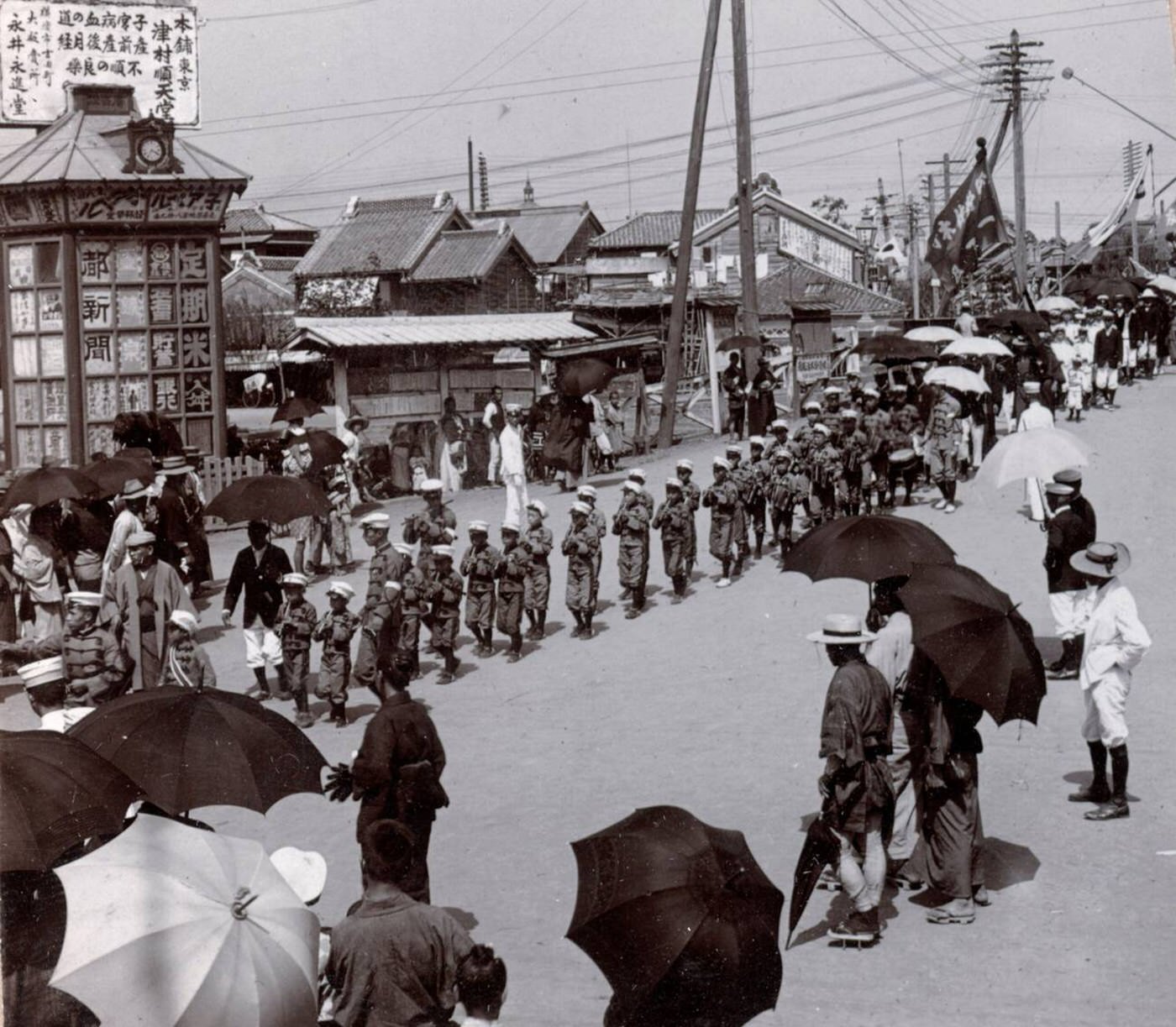
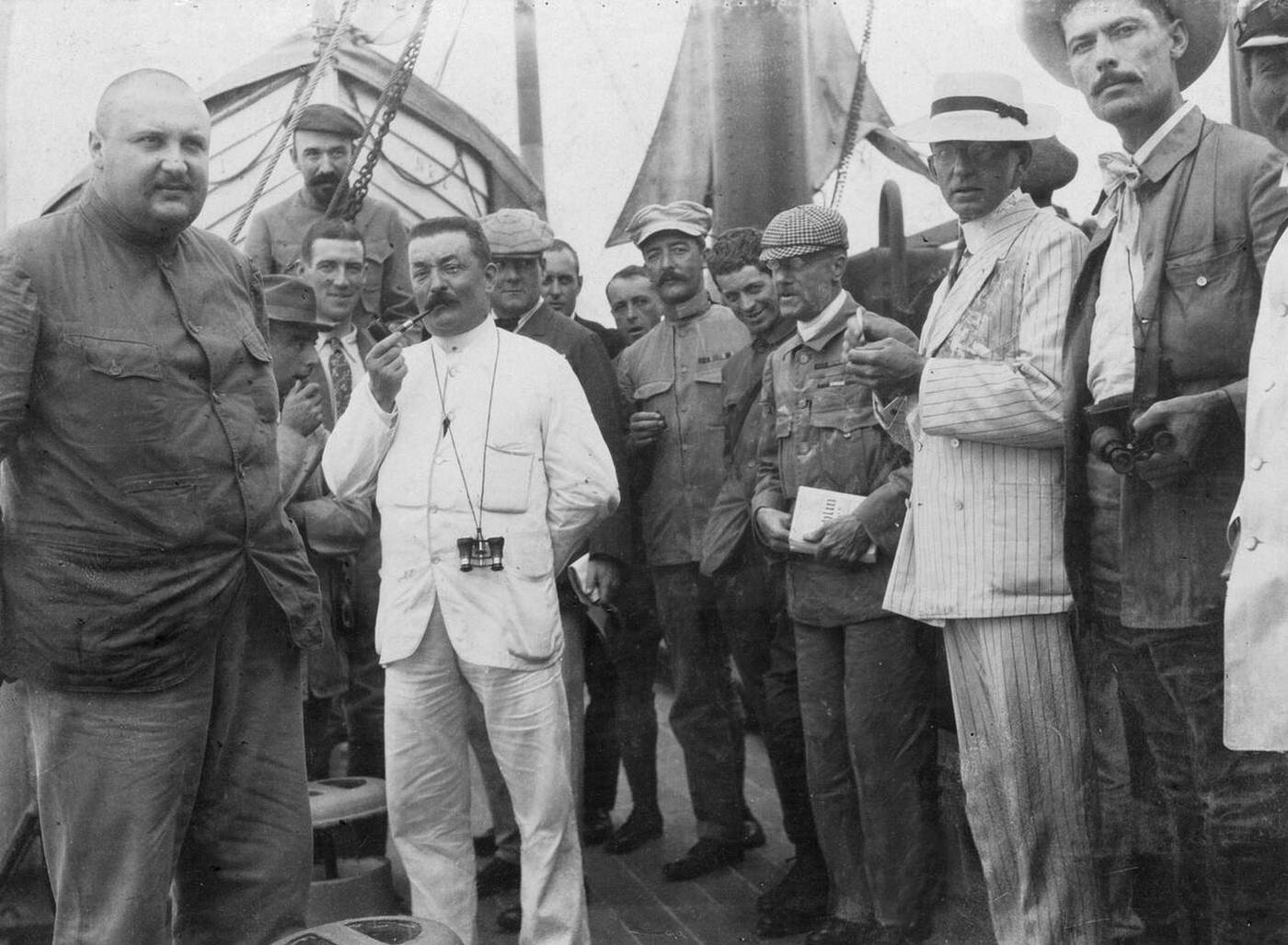
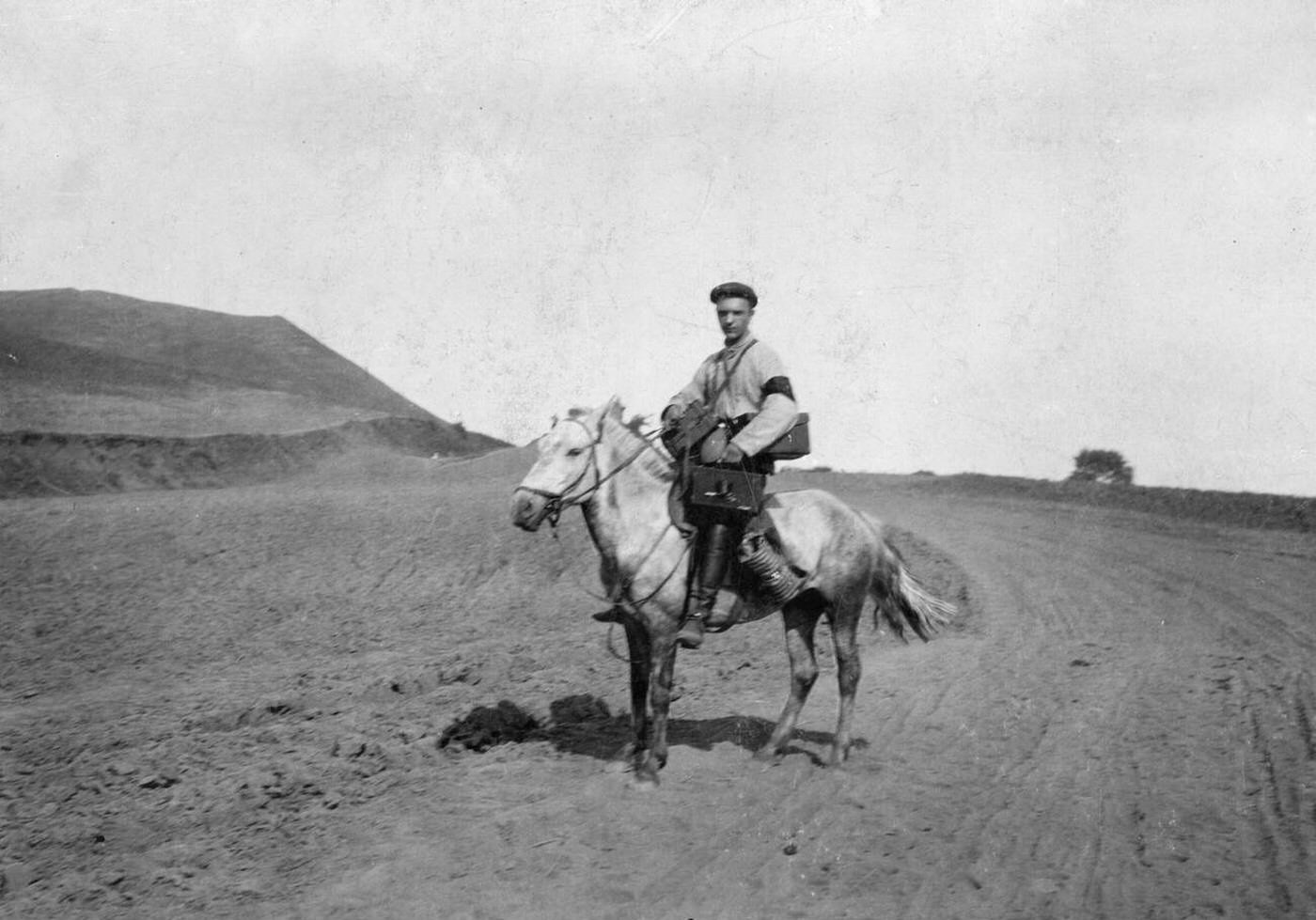
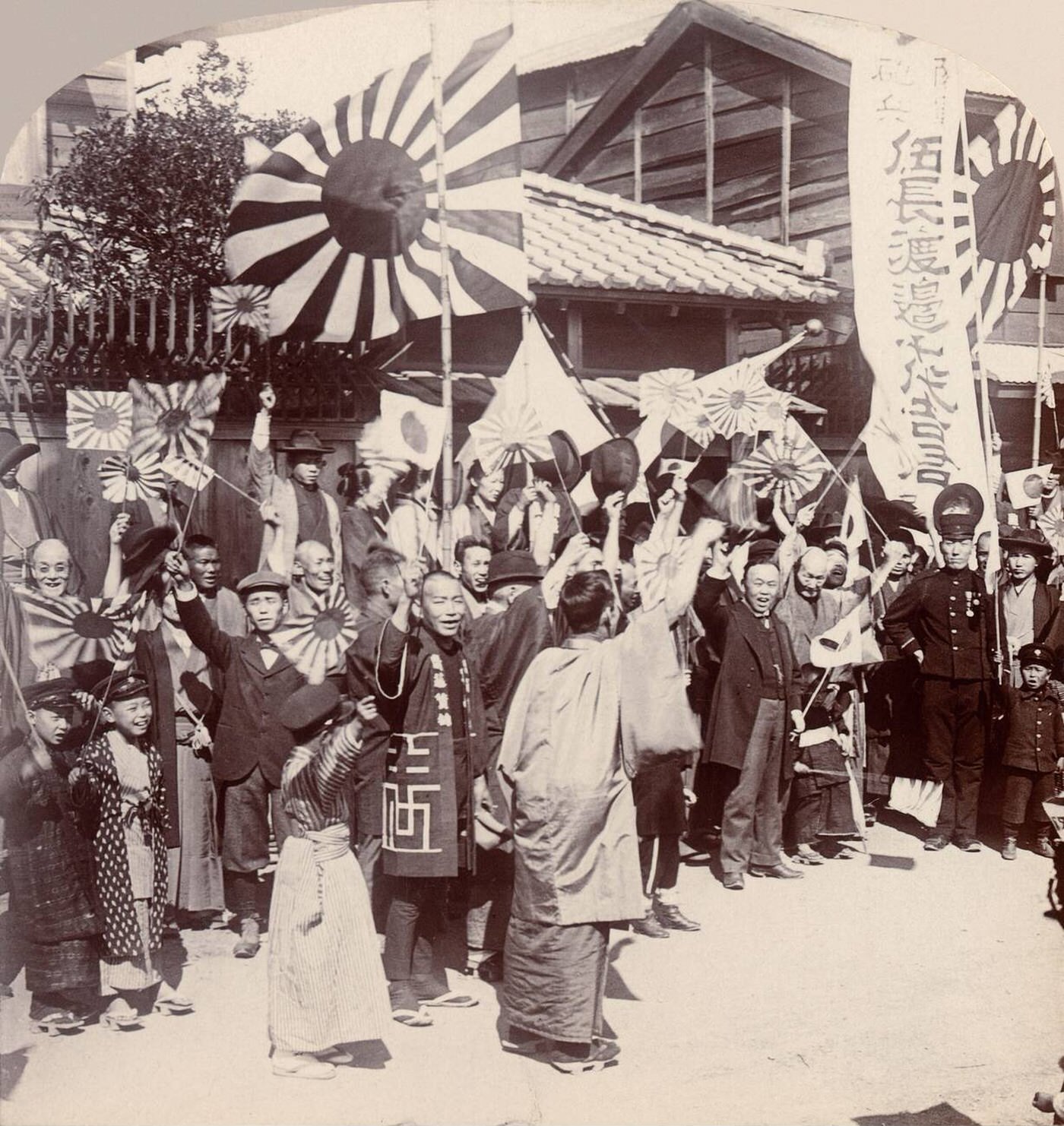
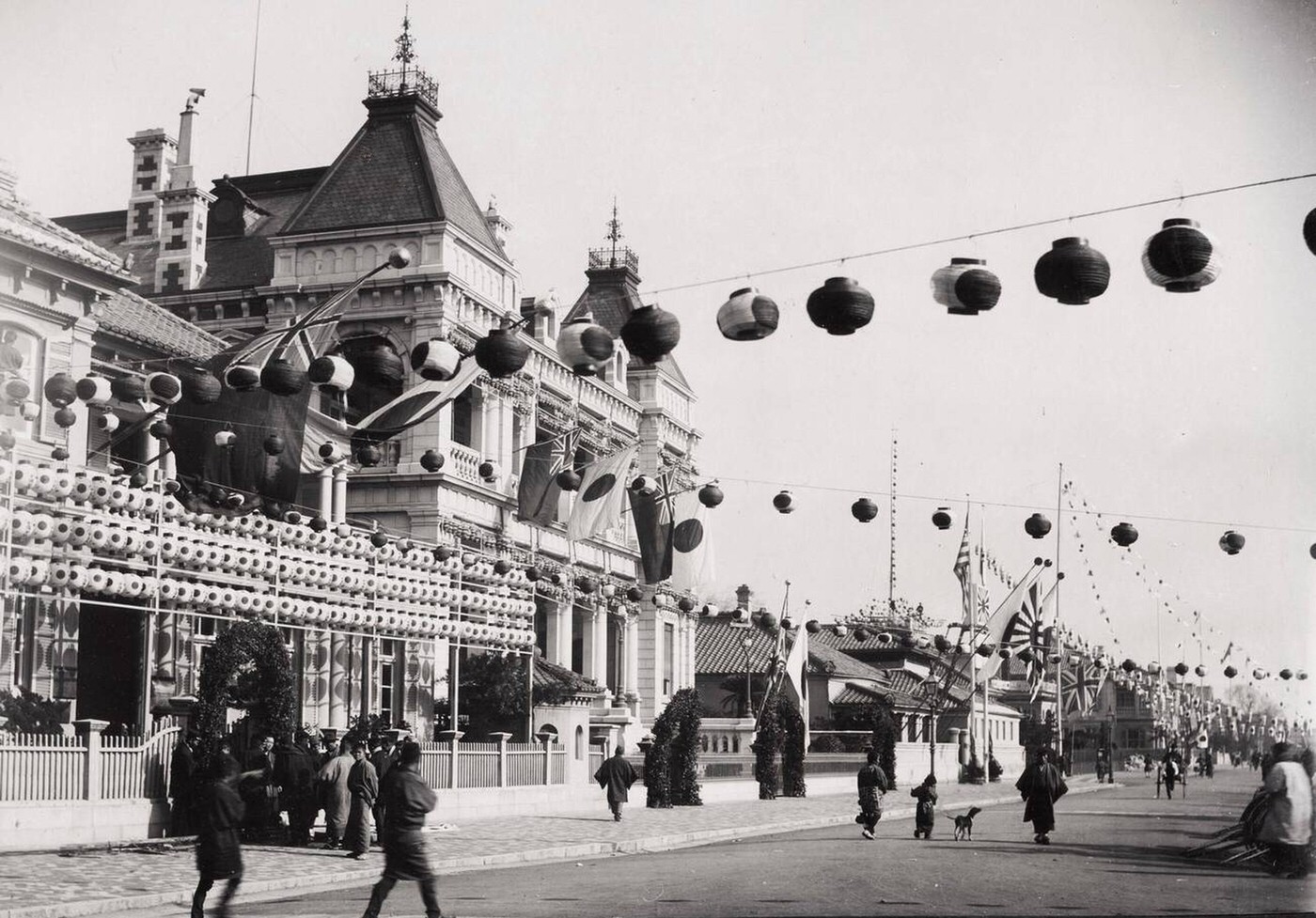
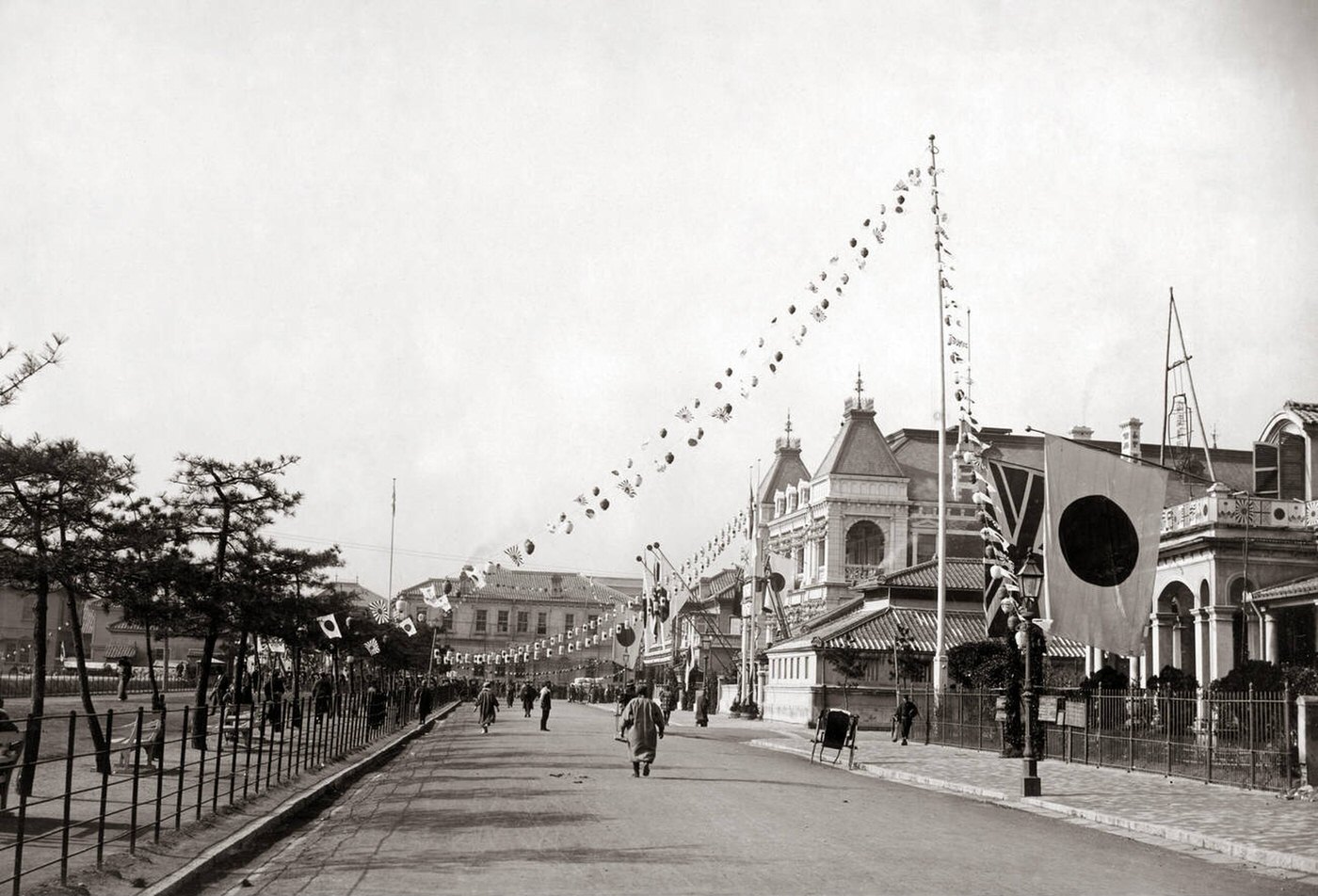
As Port Arthur fell and the land campaign in Manchuria ground forward, celebrations broke out in Japan. The fall of Port Arthur was treated as a moment of national triumph. City streets and harbors were decorated with flags. Crowds gathered in public squares. Reporters and press photographers embedded with the armies sent dispatches and images back to an international audience that was watching this war more closely than any before it — the first major conflict covered extensively by photojournalists.
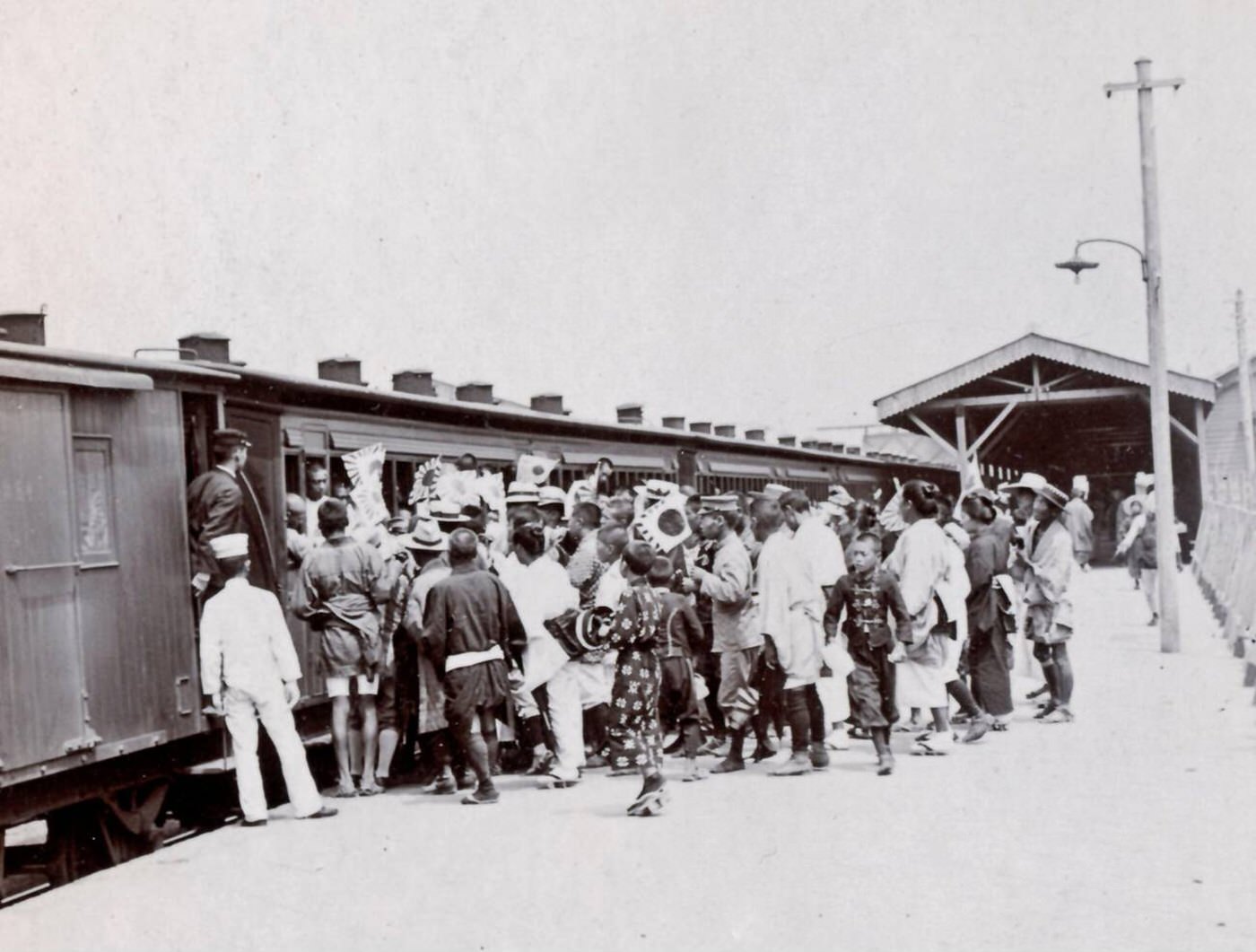
For the families left behind in both countries, the war was a long and uncertain wait. At train stations and docks, parents, wives, and children said goodbye to men heading to a front far from home. Some of those farewells were permanent.
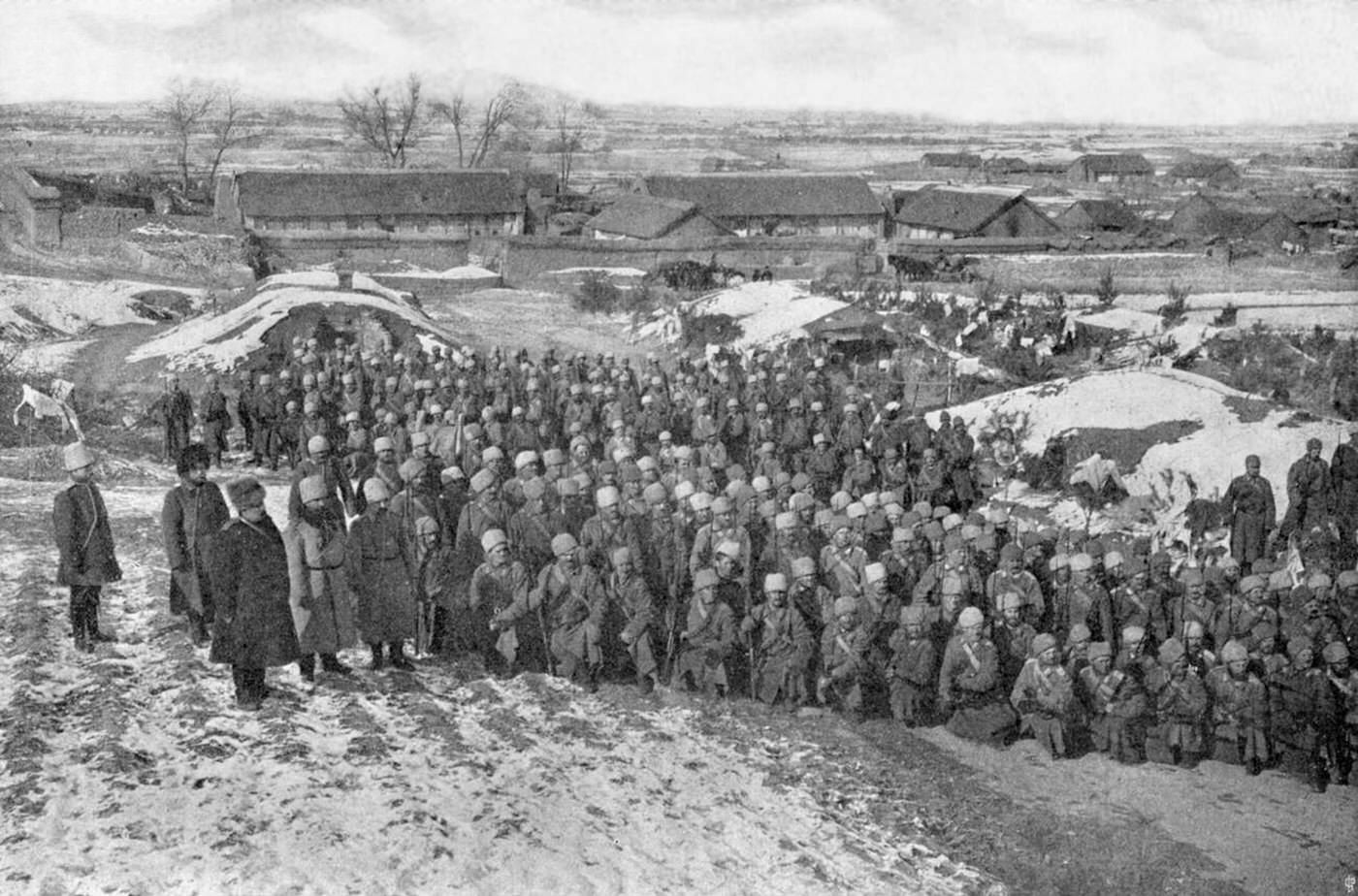
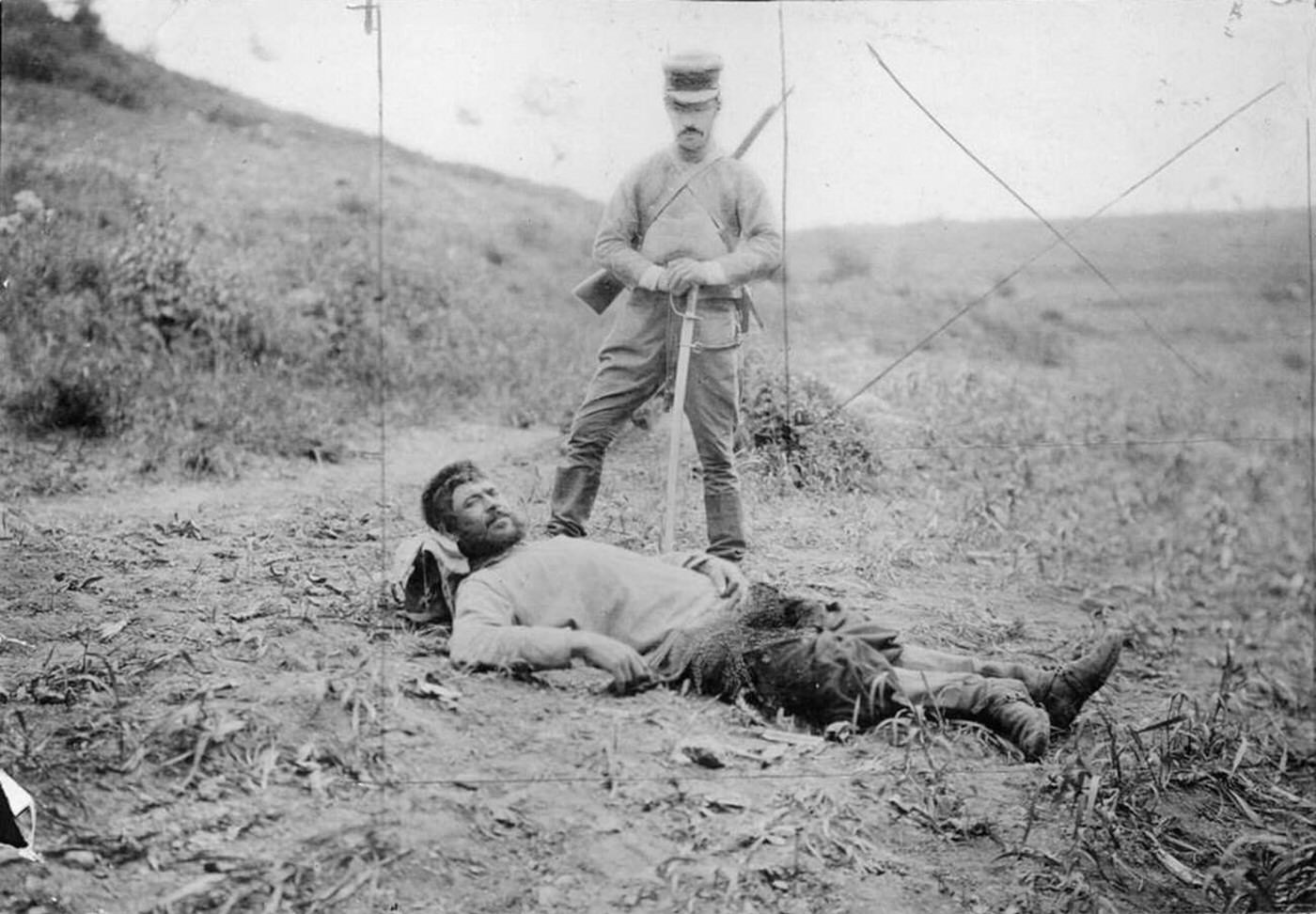
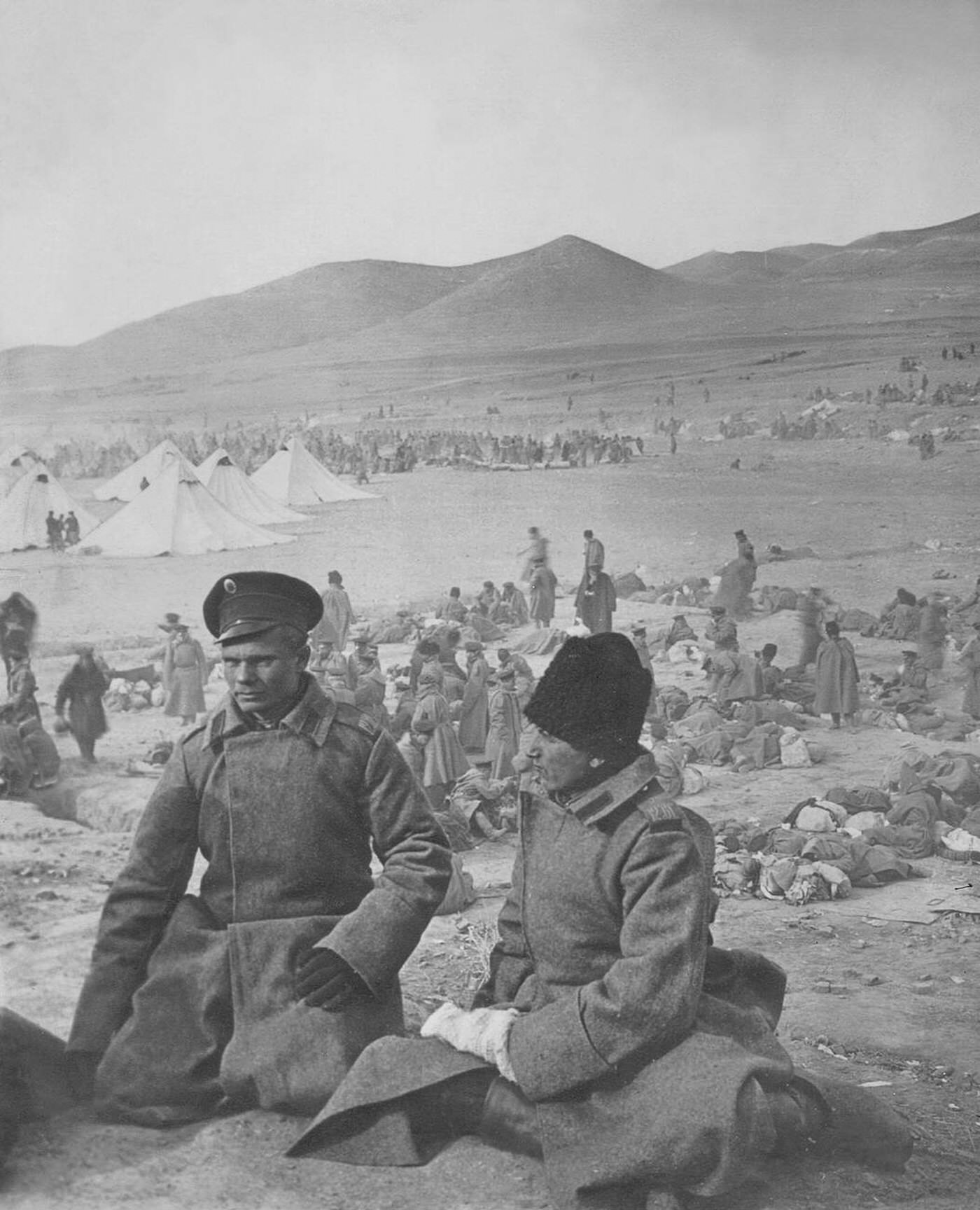
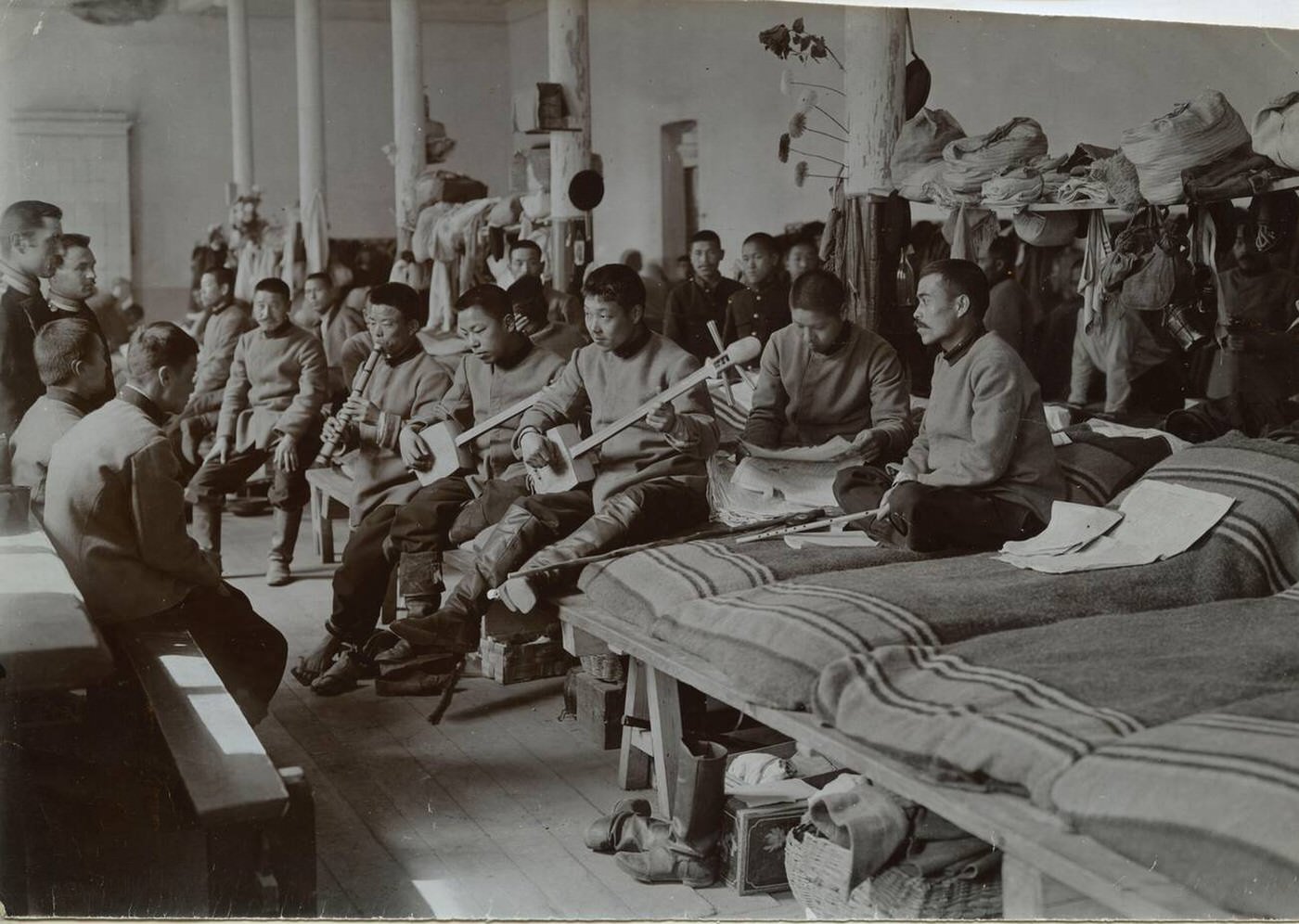
The land campaign saw fighting across multiple fronts in Manchuria. At the Battle of Motien Pass, Russian soldiers were captured and taken prisoner by Japanese forces. The scale of the Manchurian battles grew throughout 1904 and into 1905. The Battle of Mukden, fought from late February to early March 1905, was the largest land battle the world had seen to that point. Nearly 330,000 Japanese soldiers faced 275,000 Russian troops. Russian General Aleksey Kuropatkin’s army was outmaneuvered and driven into a disorganized retreat northward.
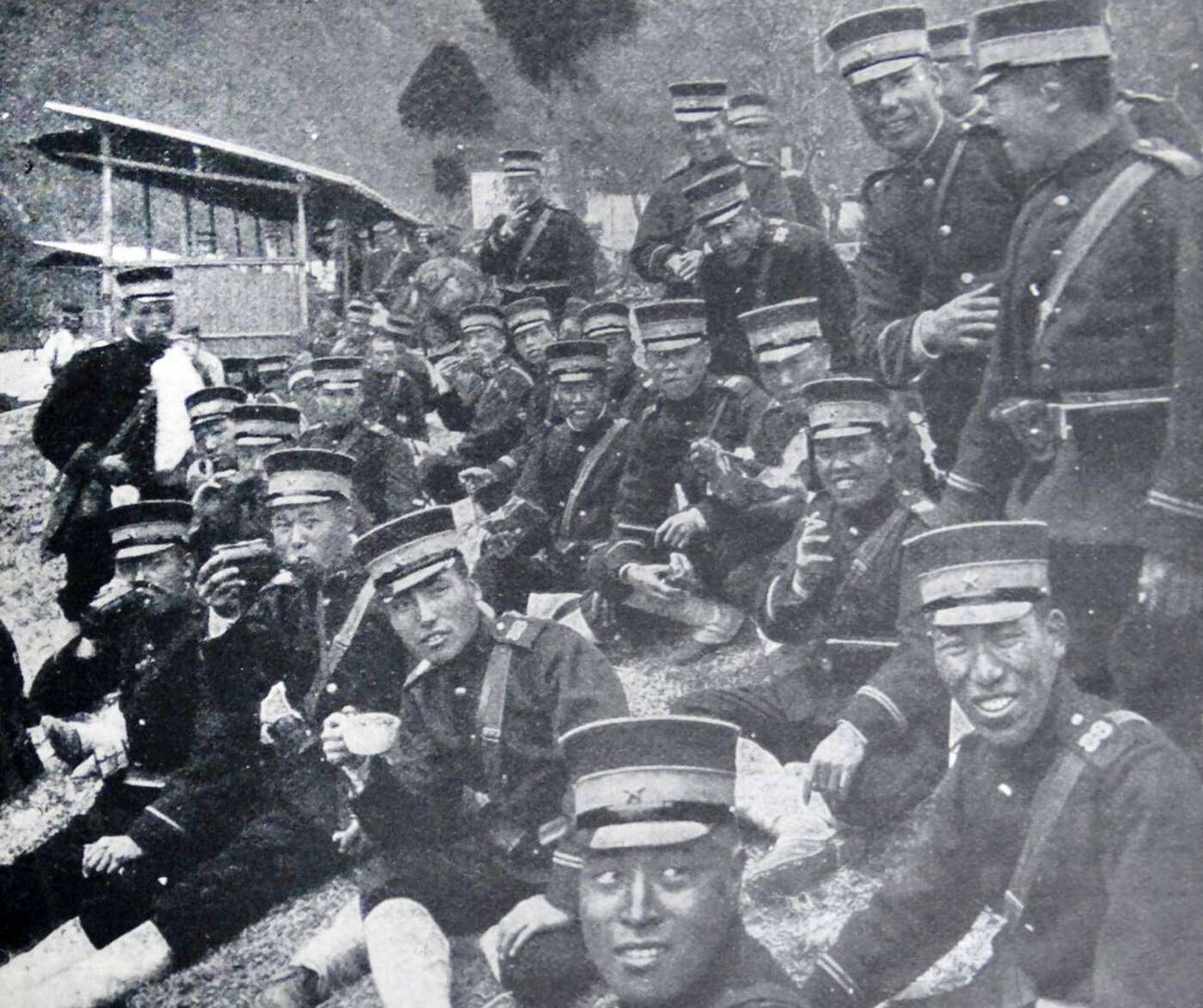
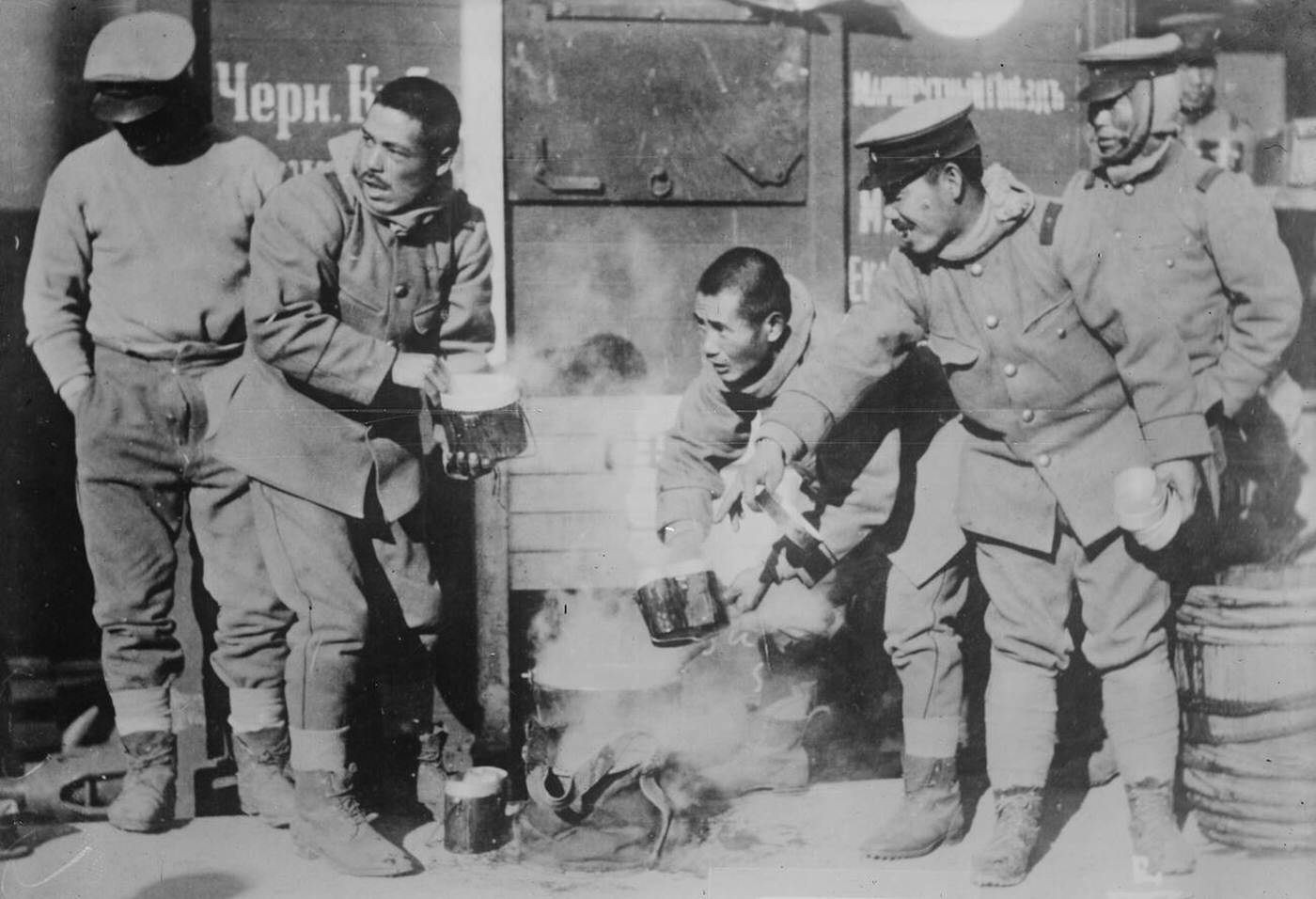
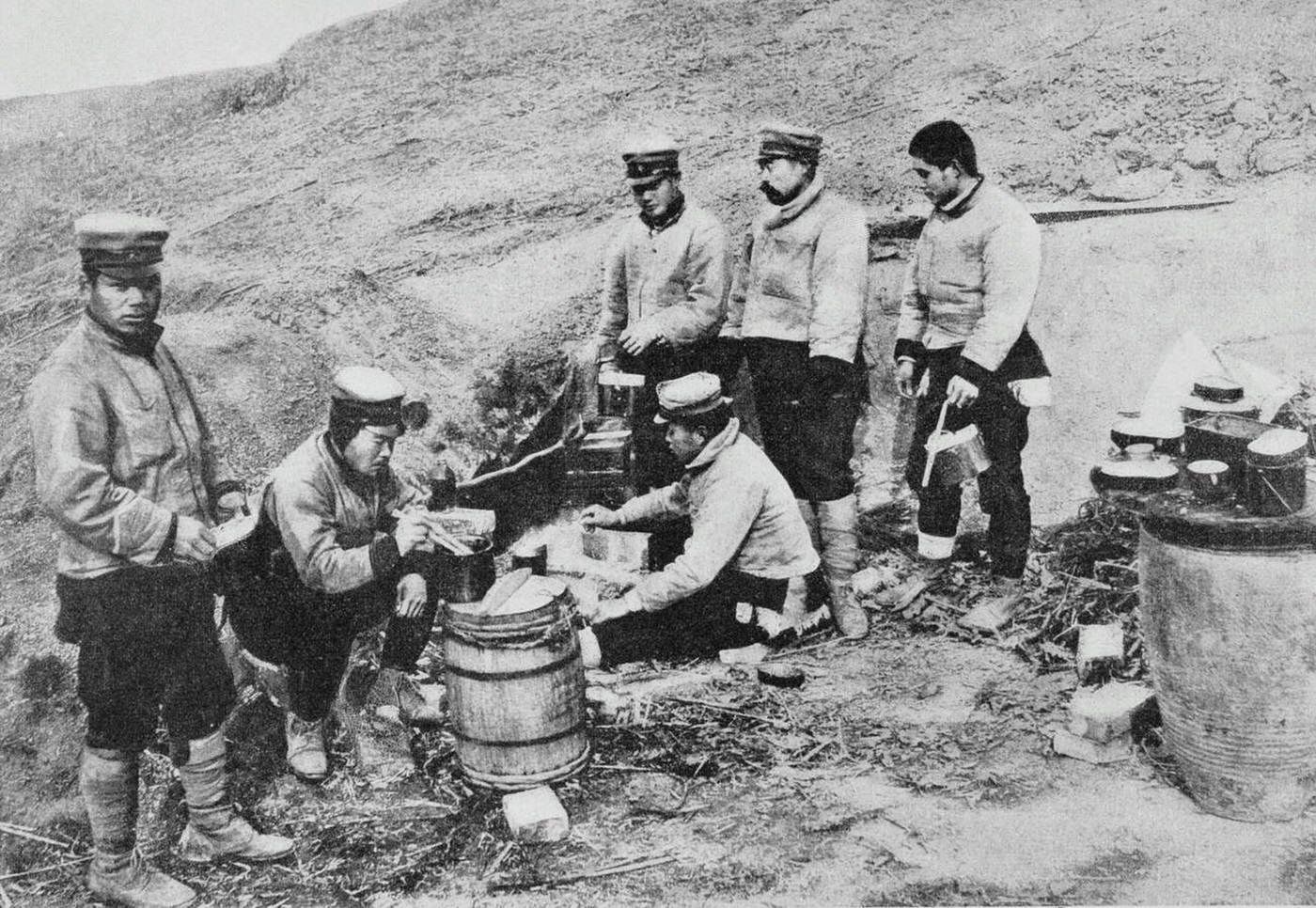
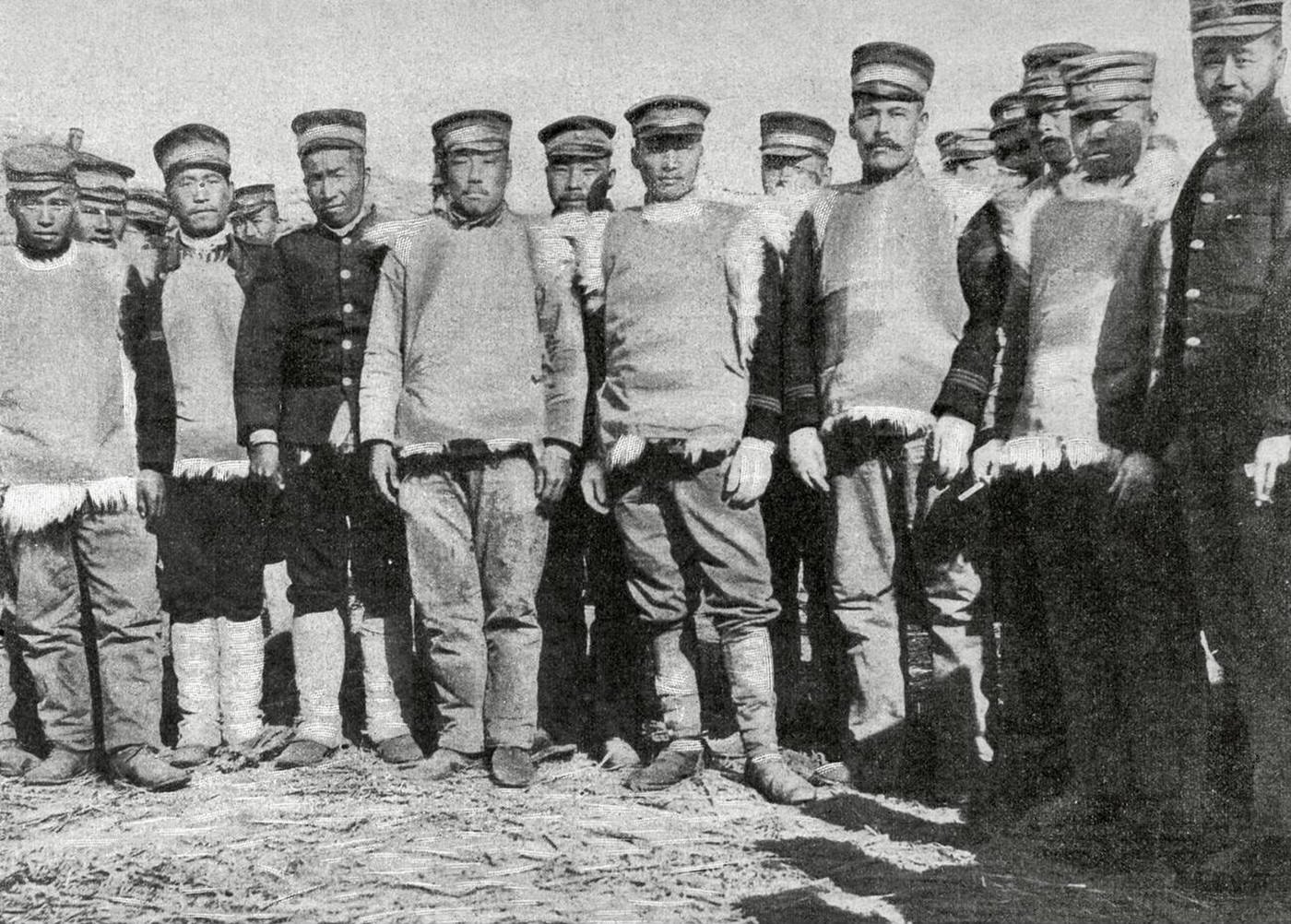
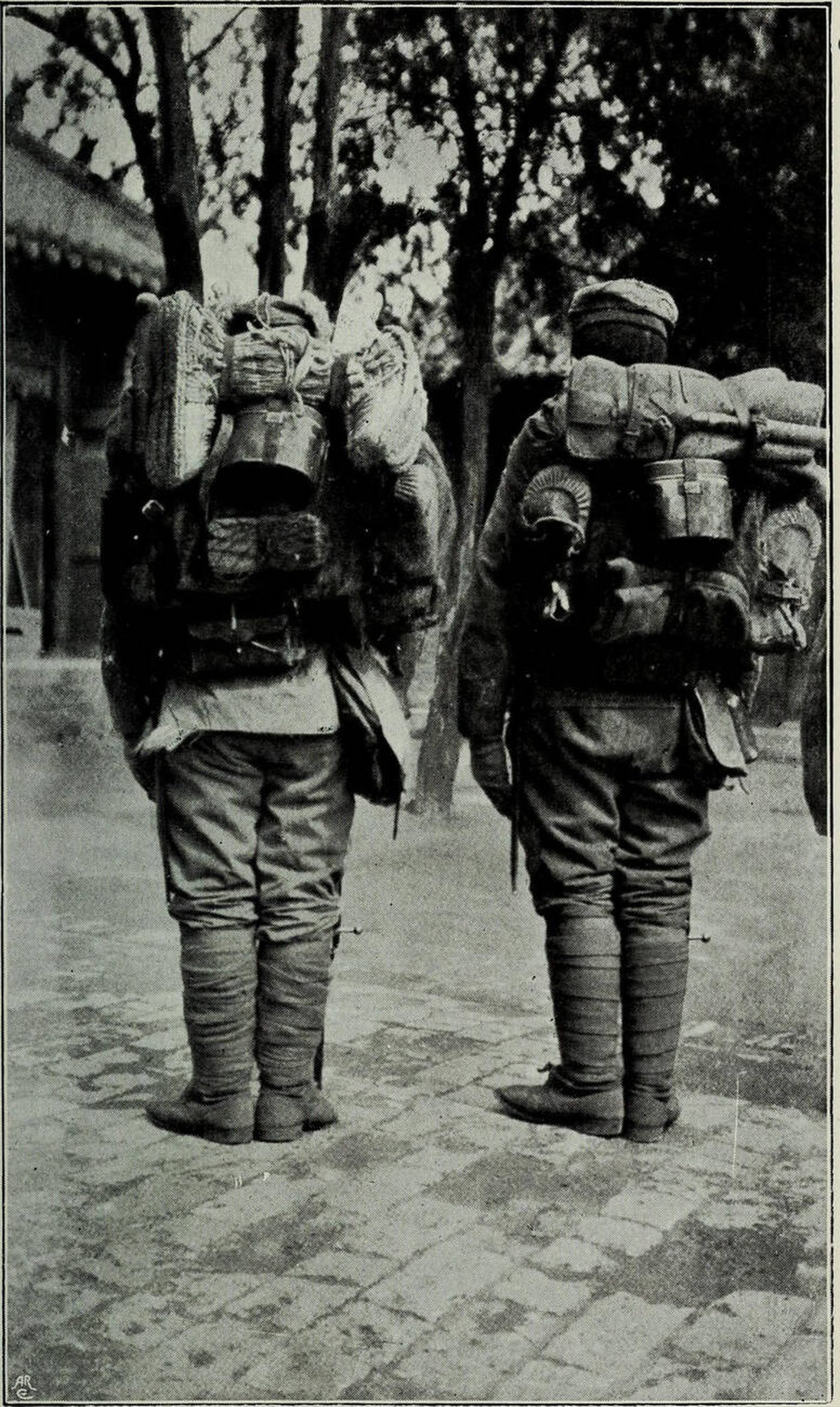
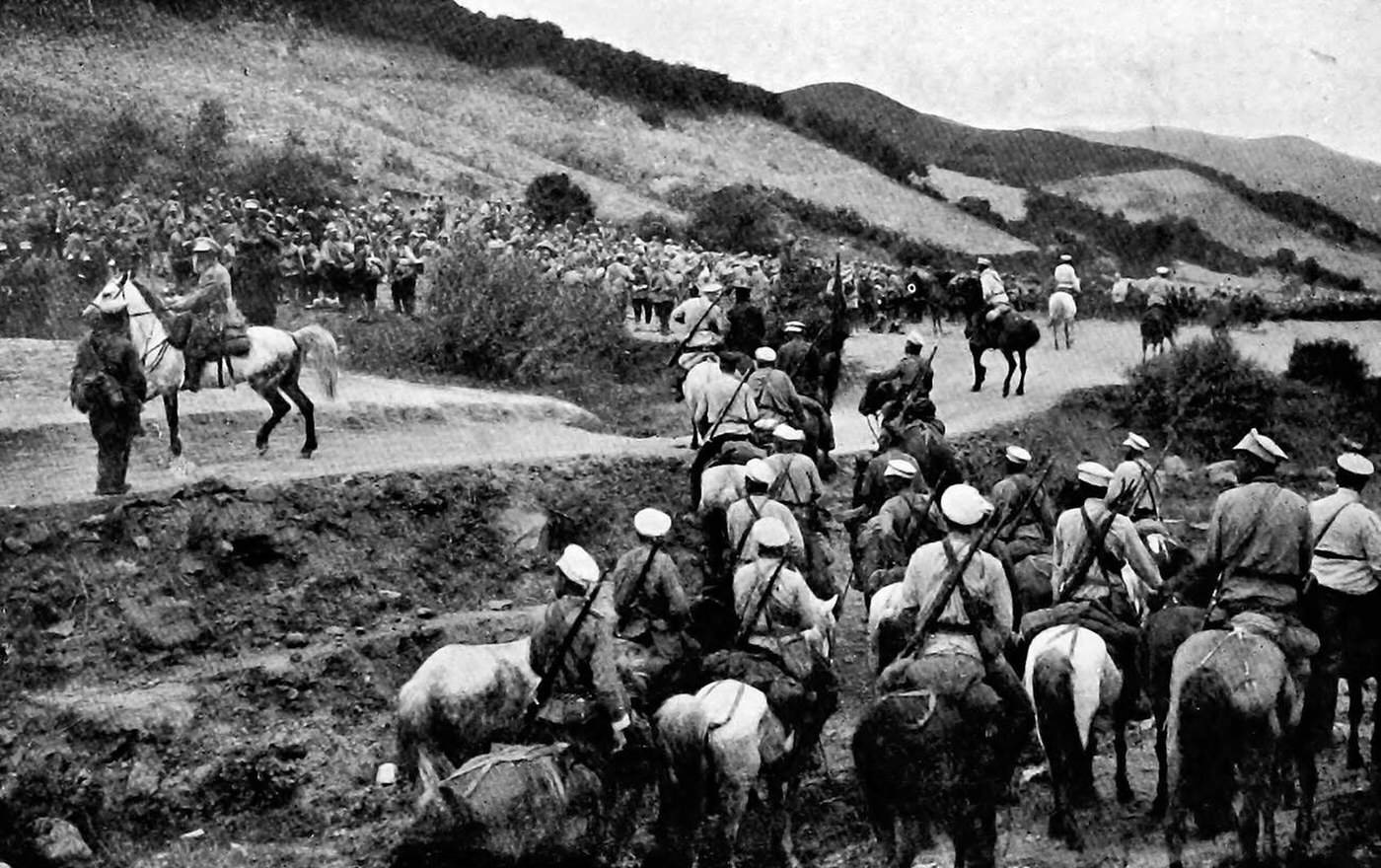
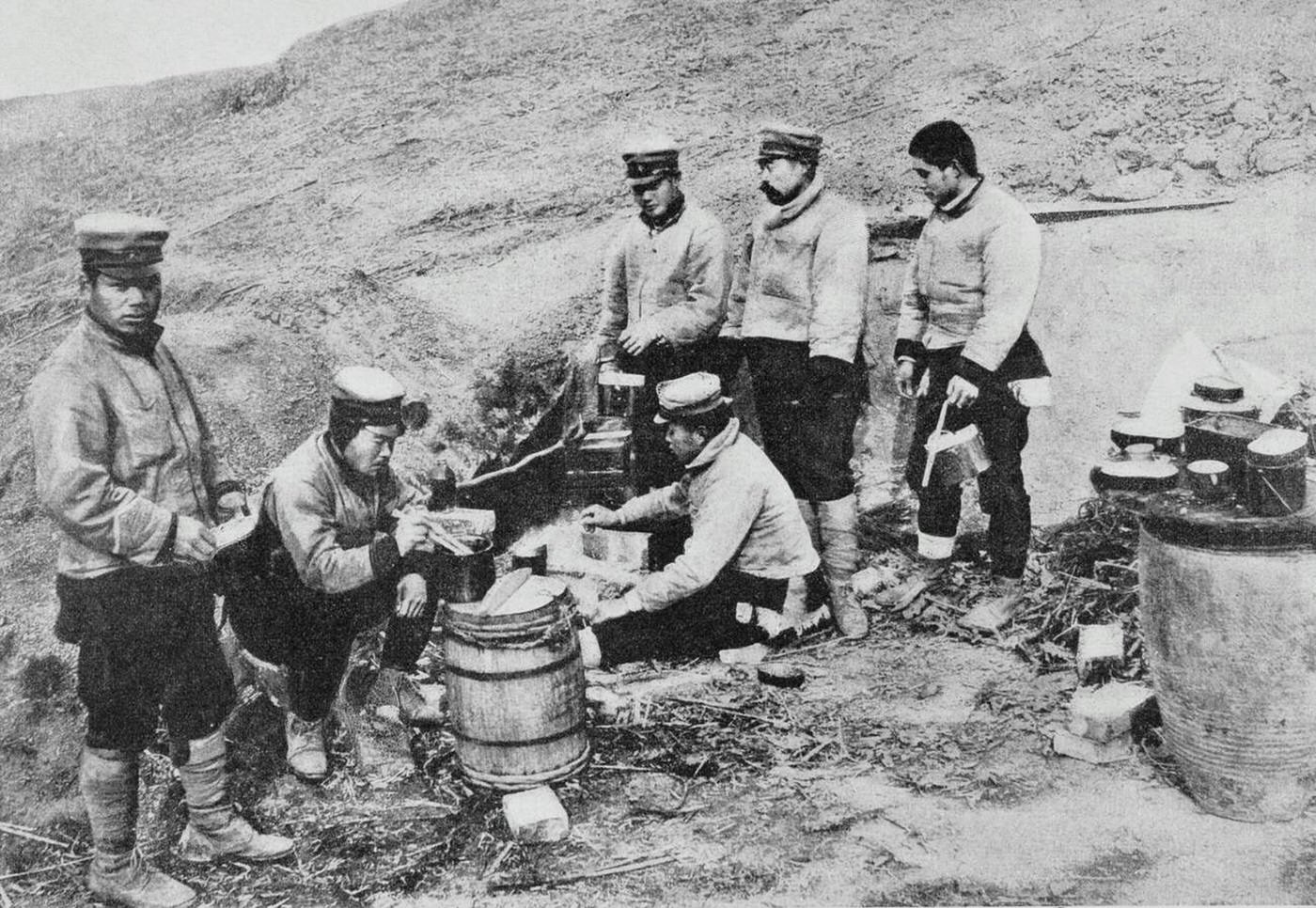
Japanese troops operating in the Manchurian winter required constant logistical support. Field kitchens and military canteens kept men fed across vast distances. Units in winter gear pushed through terrain that would have challenged any army, while cavalry units watched for Russian counterattacks on exposed flanks.
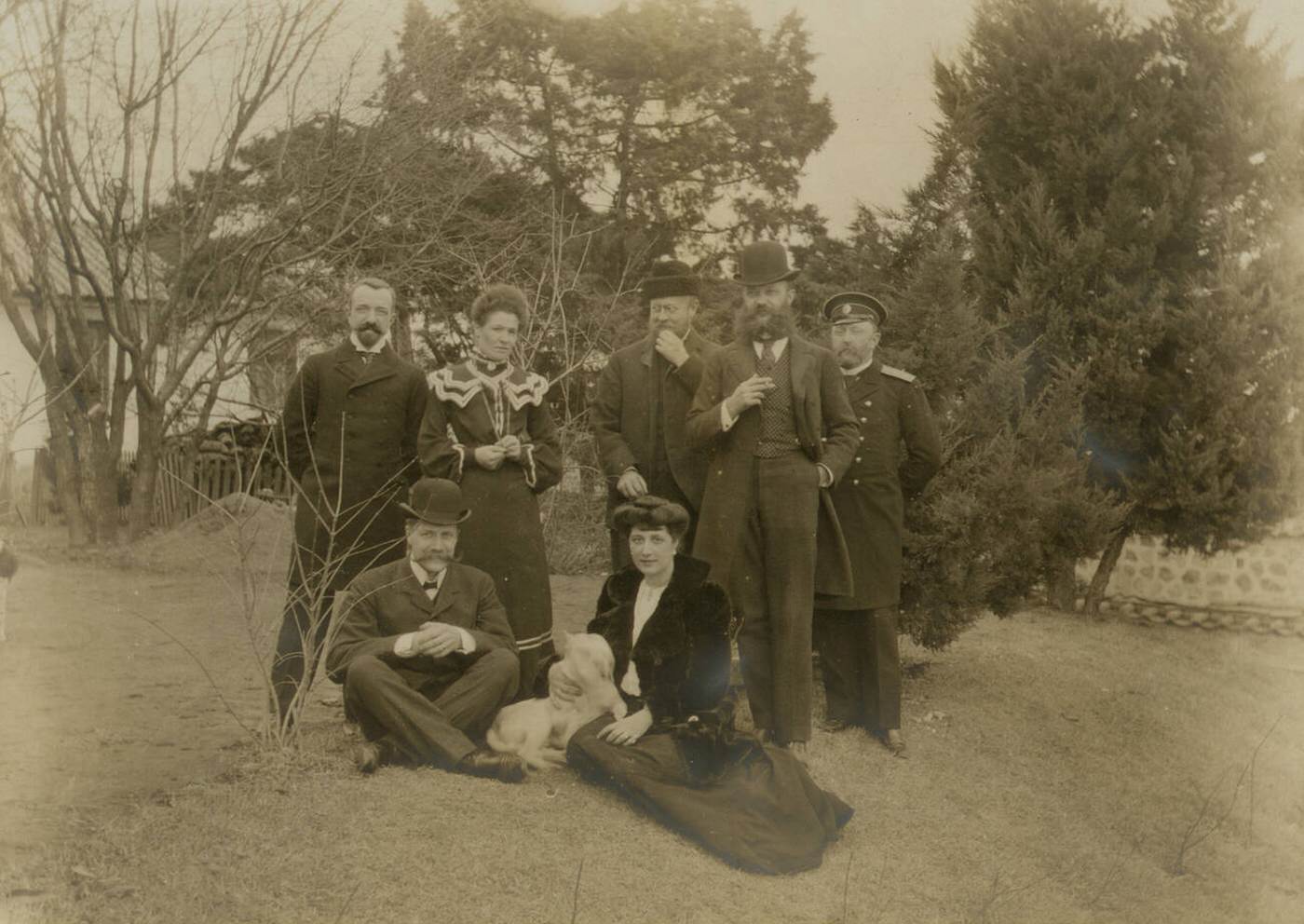
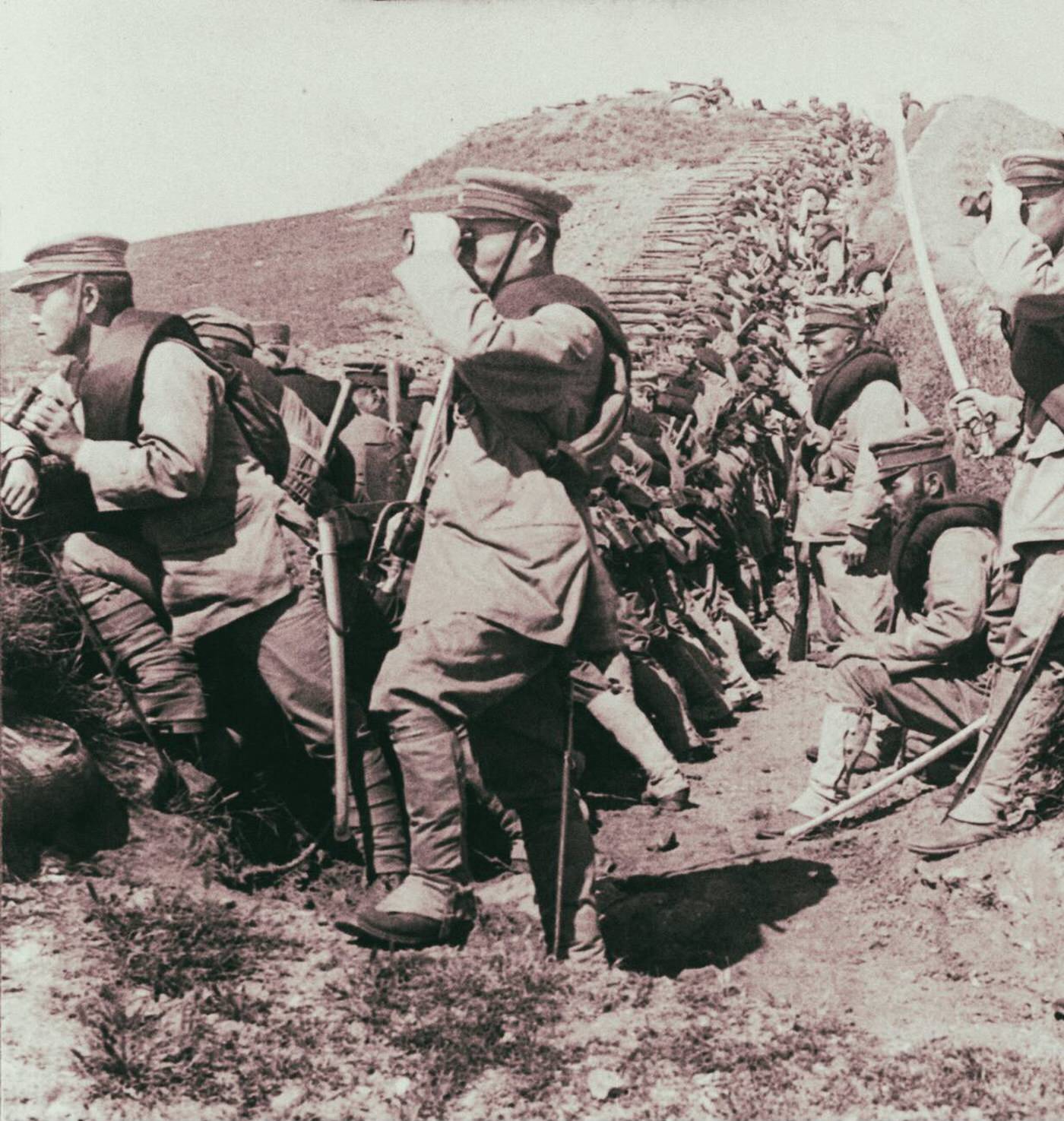
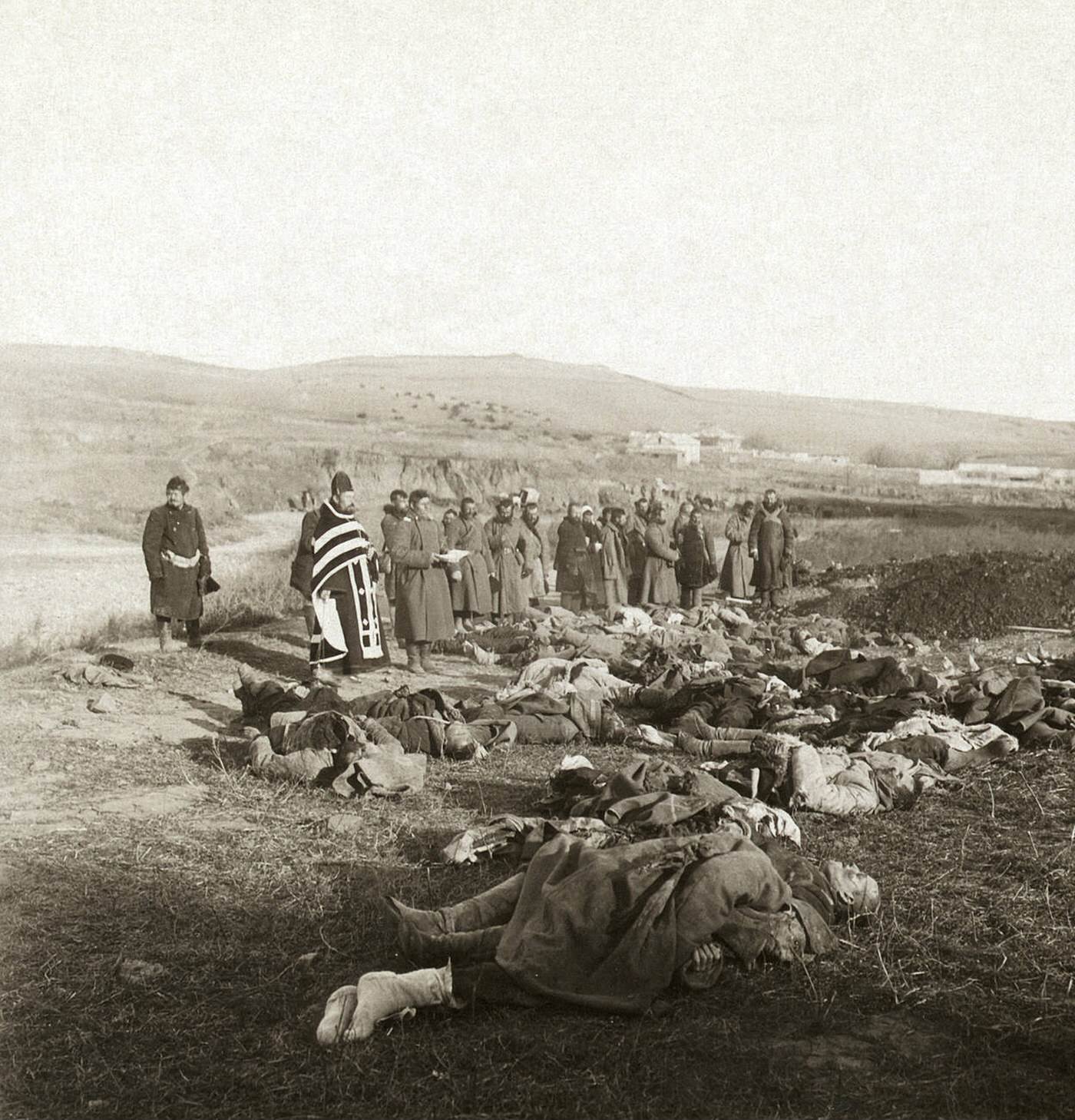
Inside Port Arthur’s forts, the fighting reached its most brutal close quarters. Japanese soldiers buried by Russian defenders inside the fort walls — killed by bayonet as they crossed the threshold — left images that documented the savage nature of the siege’s final stages. Russian soldiers prayed over their dead comrades brought back from the front lines. The surrender, when it came on January 2, 1905, ended five months of siege warfare.
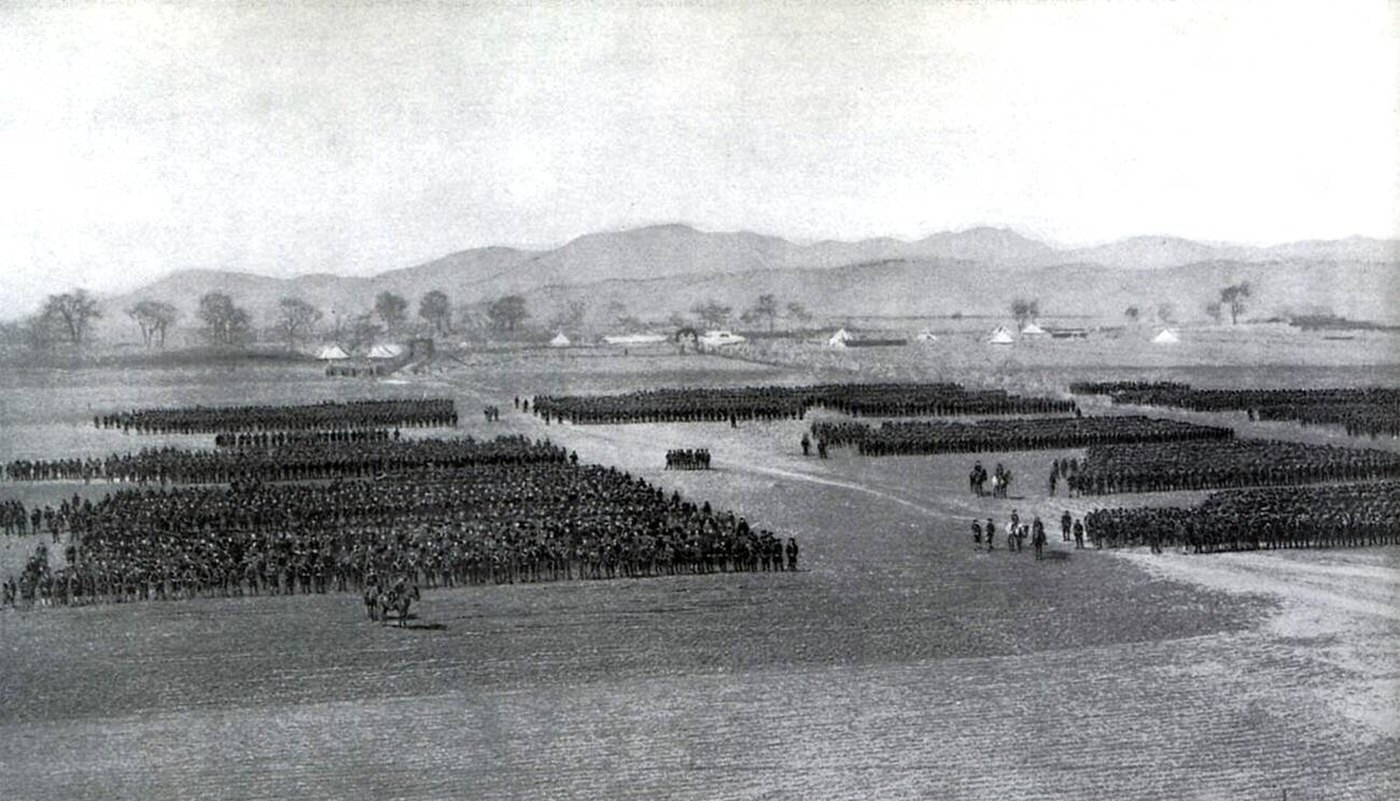
After Mukden, the Japanese Army reorganized and consolidated its gains. The Battle of Mukden had cost both sides enormously, but it was Russia that retreated. The Japanese 1st Army formed up after the battle, a visible demonstration of the organized force that had driven Russia out of Manchuria’s key city.
With its Far East Fleet destroyed and its army in retreat from Mukden, Russia made one final attempt to reverse the war at sea. It sent its Baltic Fleet — 38 ships — on an 18,000-nautical-mile journey from Europe around Africa and across the Indian Ocean to Asia. The voyage took seven months. The fleet, commanded by Admiral Zinovy Rozhestvensky, was a mix of modern warships and outdated vessels, its crews exhausted by the long journey before the battle even began.
Japan’s Admiral Togo Heihachiro was ready. The Japanese fleet was faster, its ships were more modern, and its crews had spent the war — not seven months at sea — in active combat training. On May 27, 1905, the two fleets met in the Tsushima Strait between Korea and Japan. Togo executed a maneuver called “crossing the T” — positioning his battleships to fire full broadsides at the lead Russian ships while the Russian fleet could only reply with its forward guns. The result was a complete destruction of the Russian fleet. Of 38 Russian ships, 21 were sunk and 7 were captured. Japan lost only three torpedo boats.
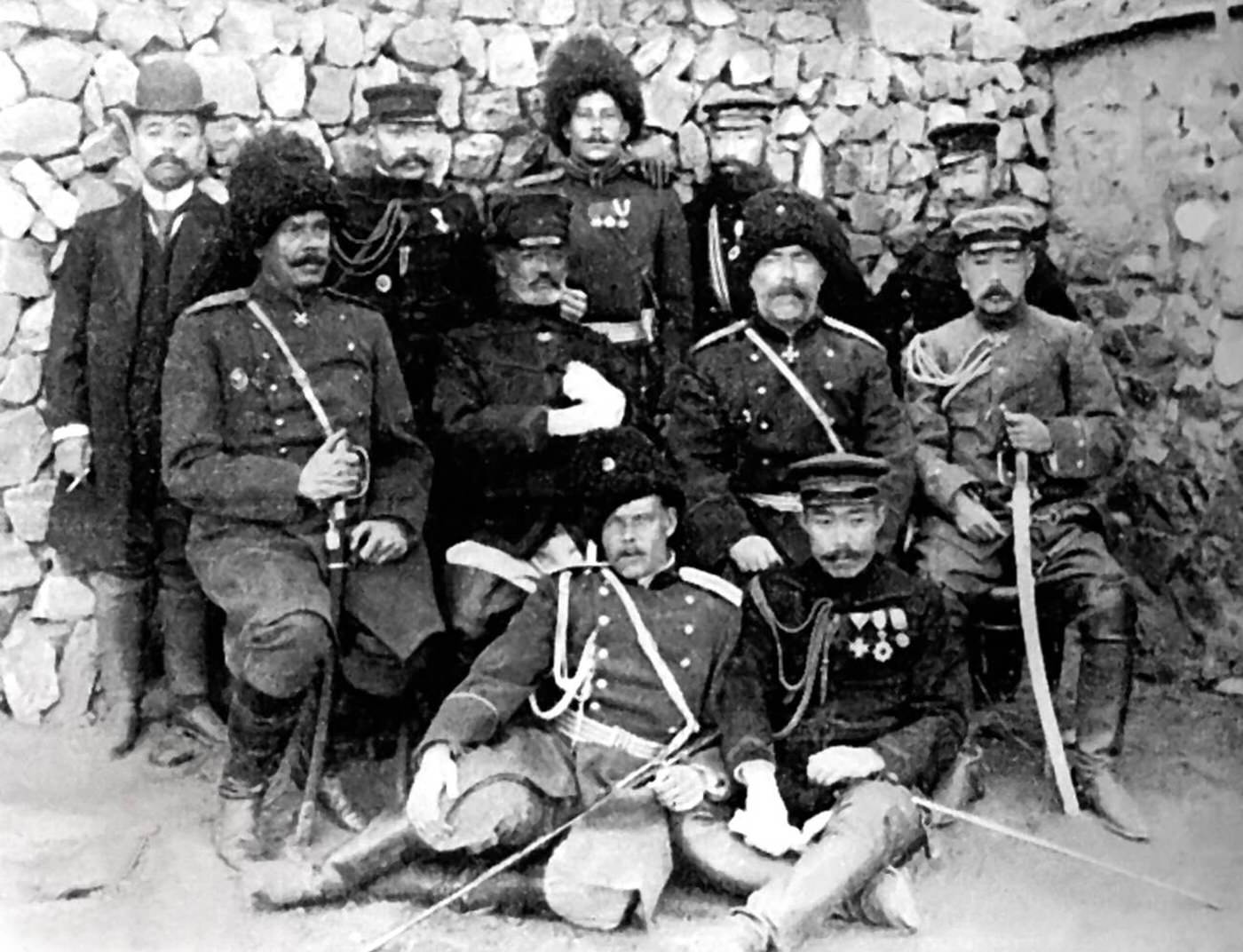
The image of Japanese General Nogi Maresuke and Russian General Anatoly Stoessel meeting after Port Arthur’s capitulation captured what the war had become — a formal handover from a defeated garrison to its besiegers. The photograph of the two generals together was widely published. Nogi, who had paid an enormous price in men to take the fortress, acknowledged Stoessel’s defense as honorable.
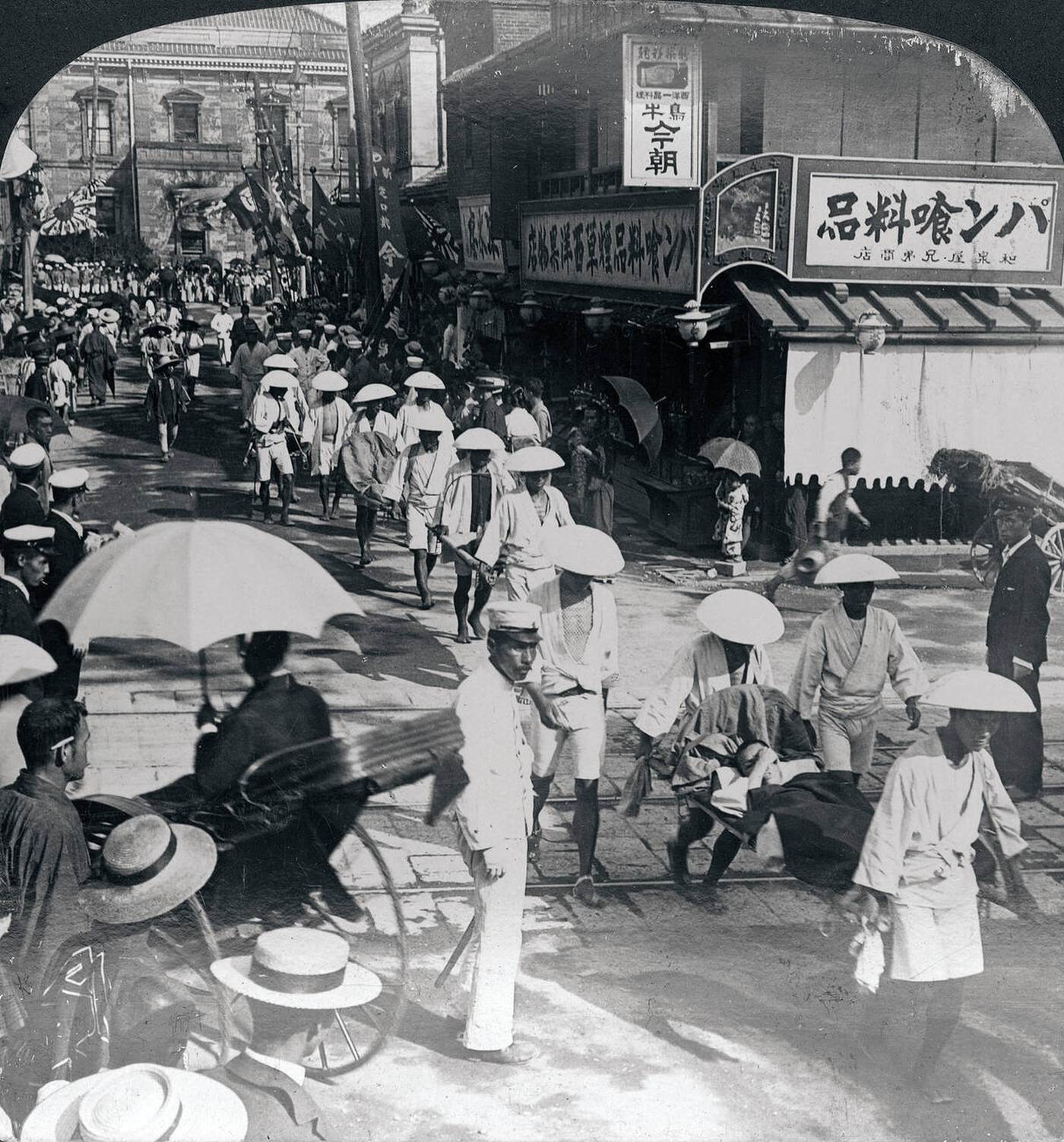
In Tokyo, wounded men returned from the front were carried on litters from Shinbashi Station. In Saint Petersburg, patriotic demonstrations in front of the Winter Palace had given way to shock and growing unrest as the scale of Russia’s losses became clear. The defeats at Port Arthur, Mukden, and Tsushima combined with domestic political instability to force Russia to seek peace.
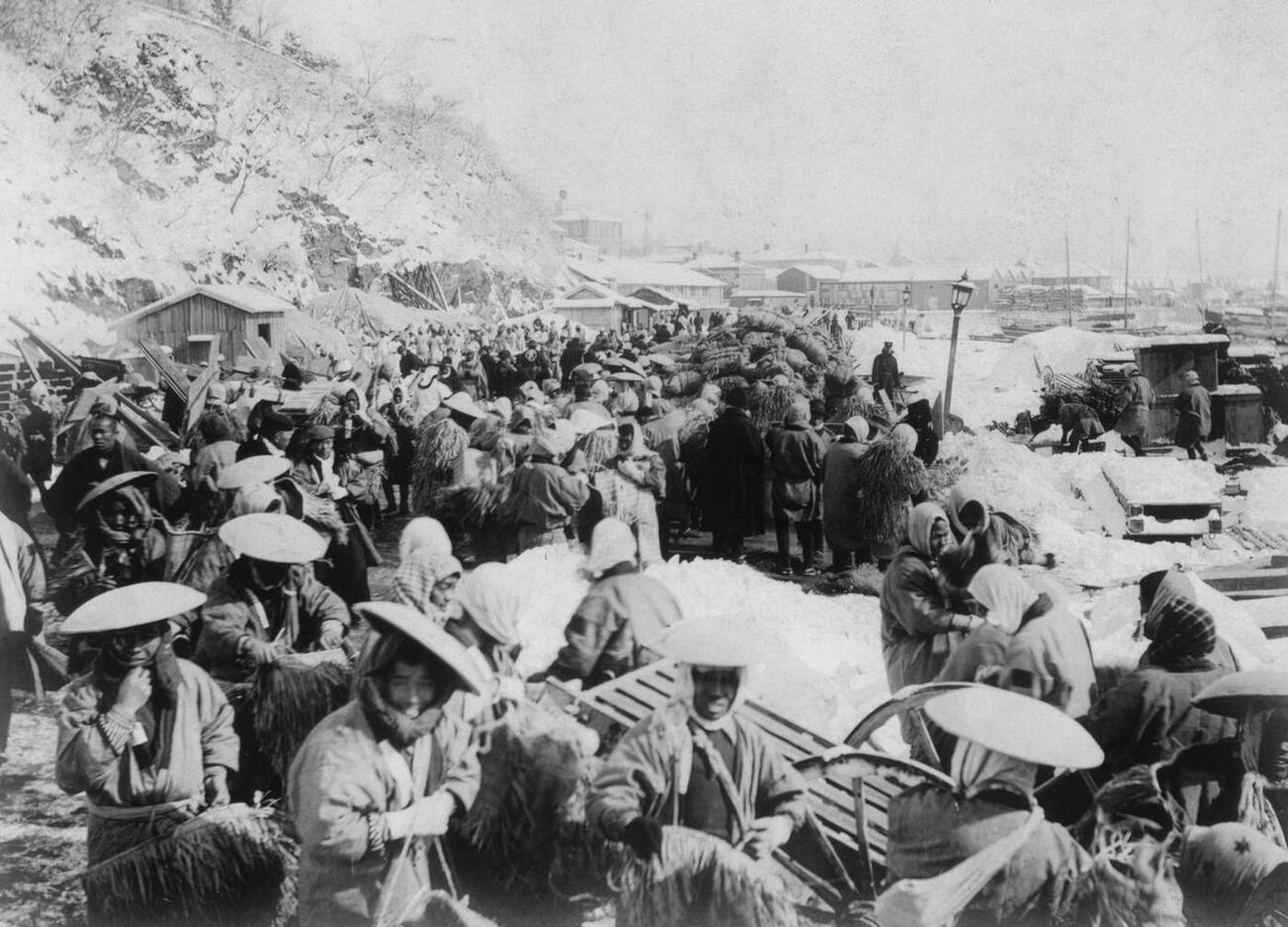
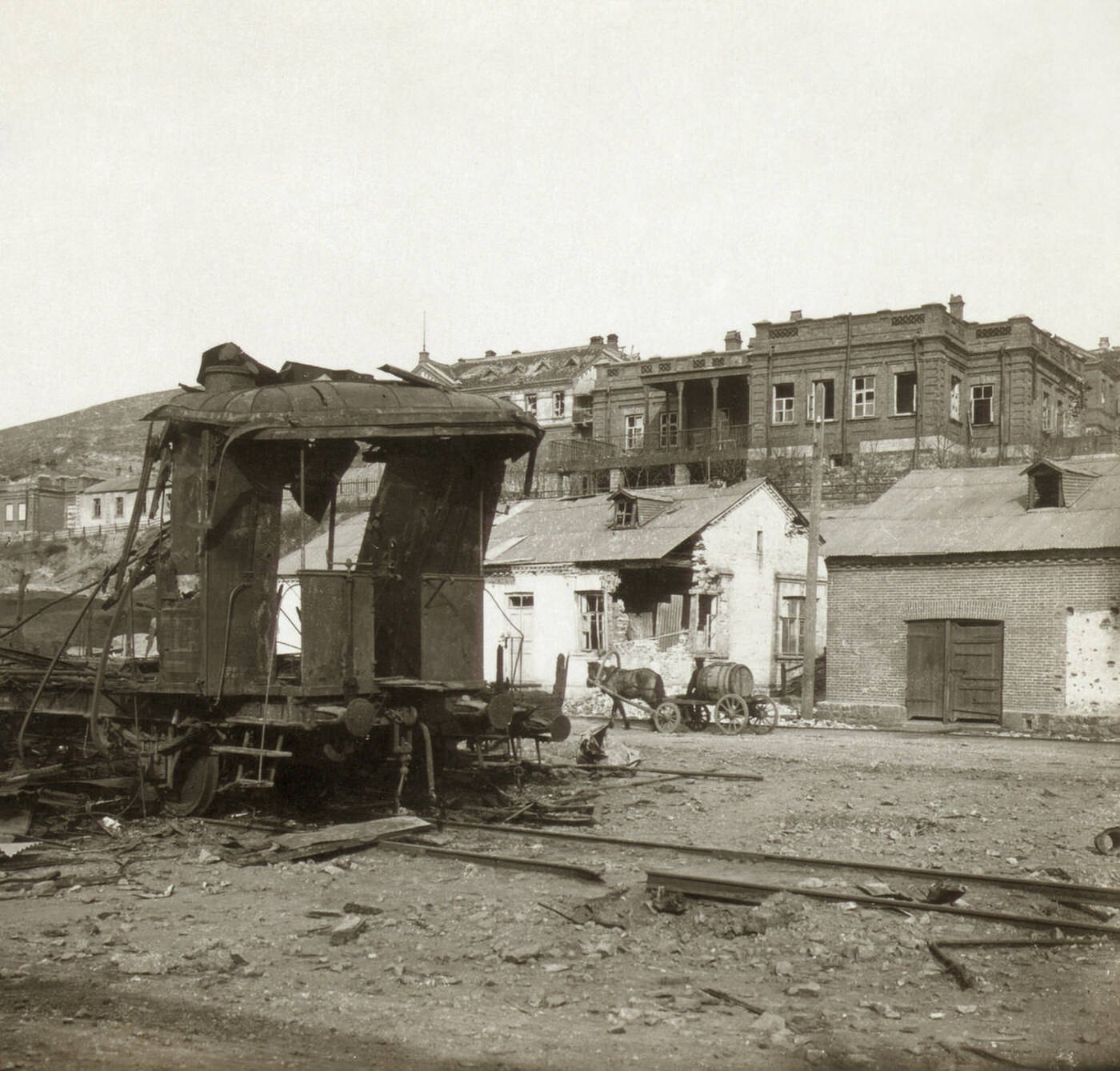
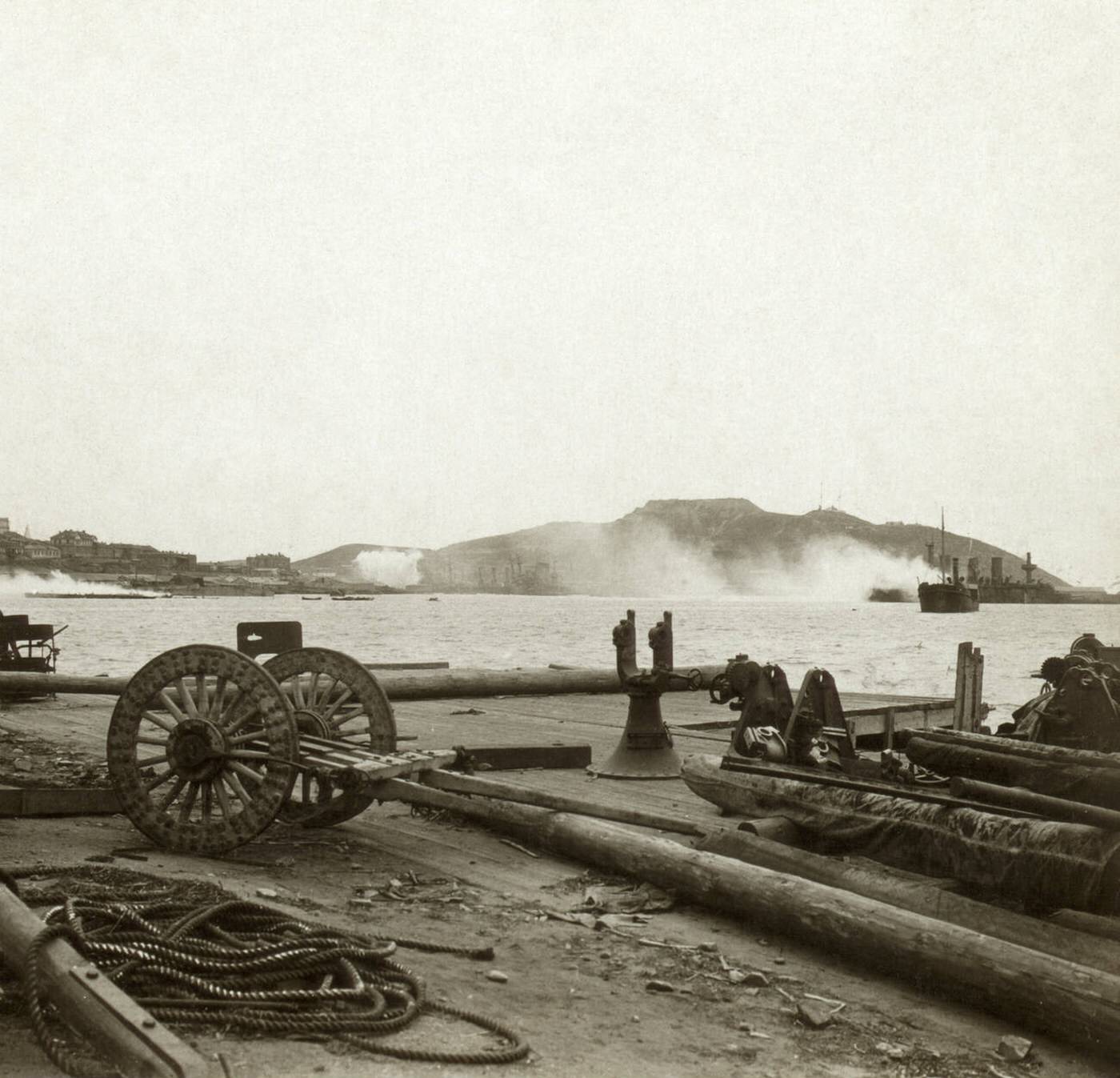
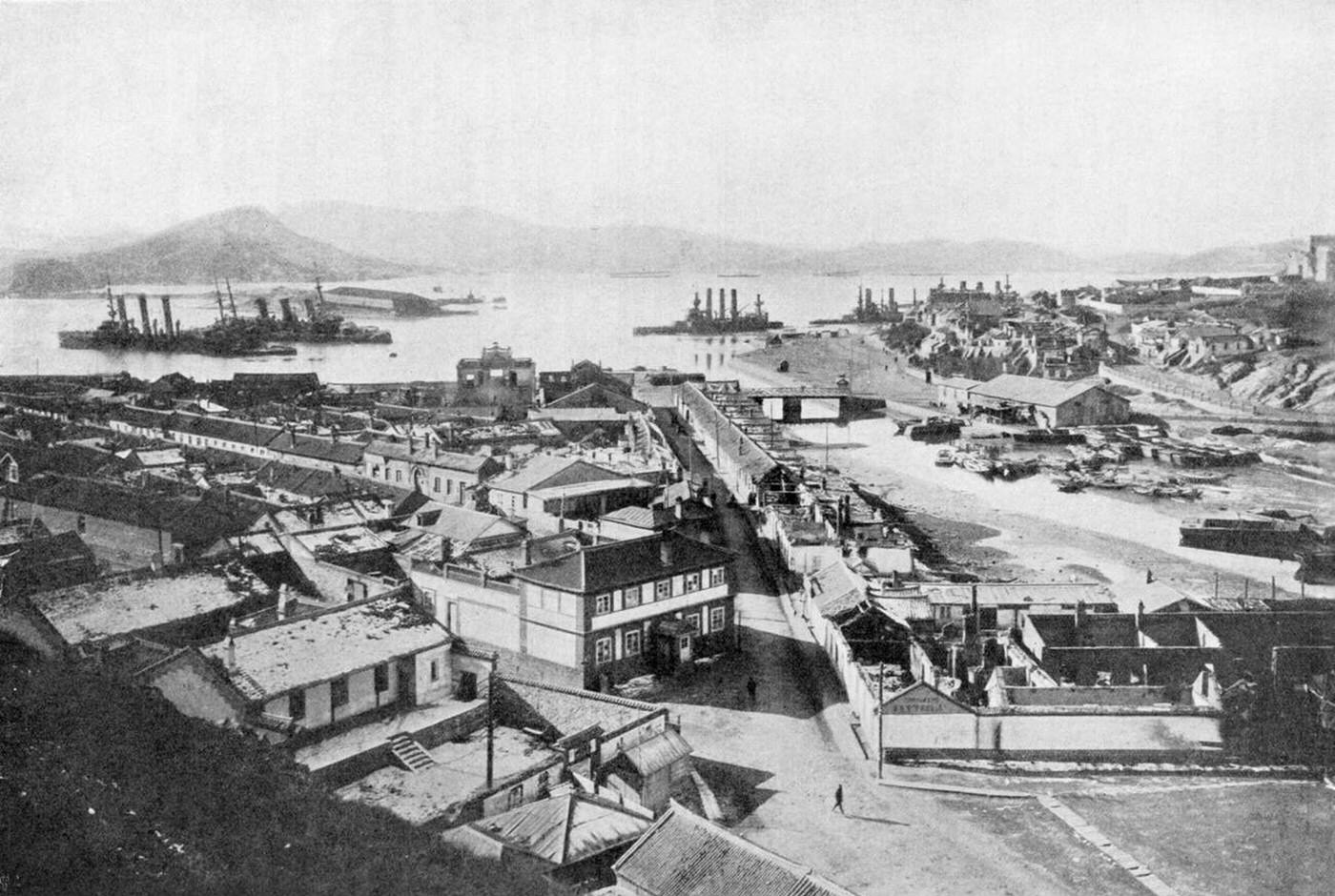
The bombardment of Port Arthur left visible destruction across the city. Japanese shells had struck buildings, roads, and harbor infrastructure throughout the months of the siege. By the time the fortress fell, much of the city bore the marks of sustained artillery fire.
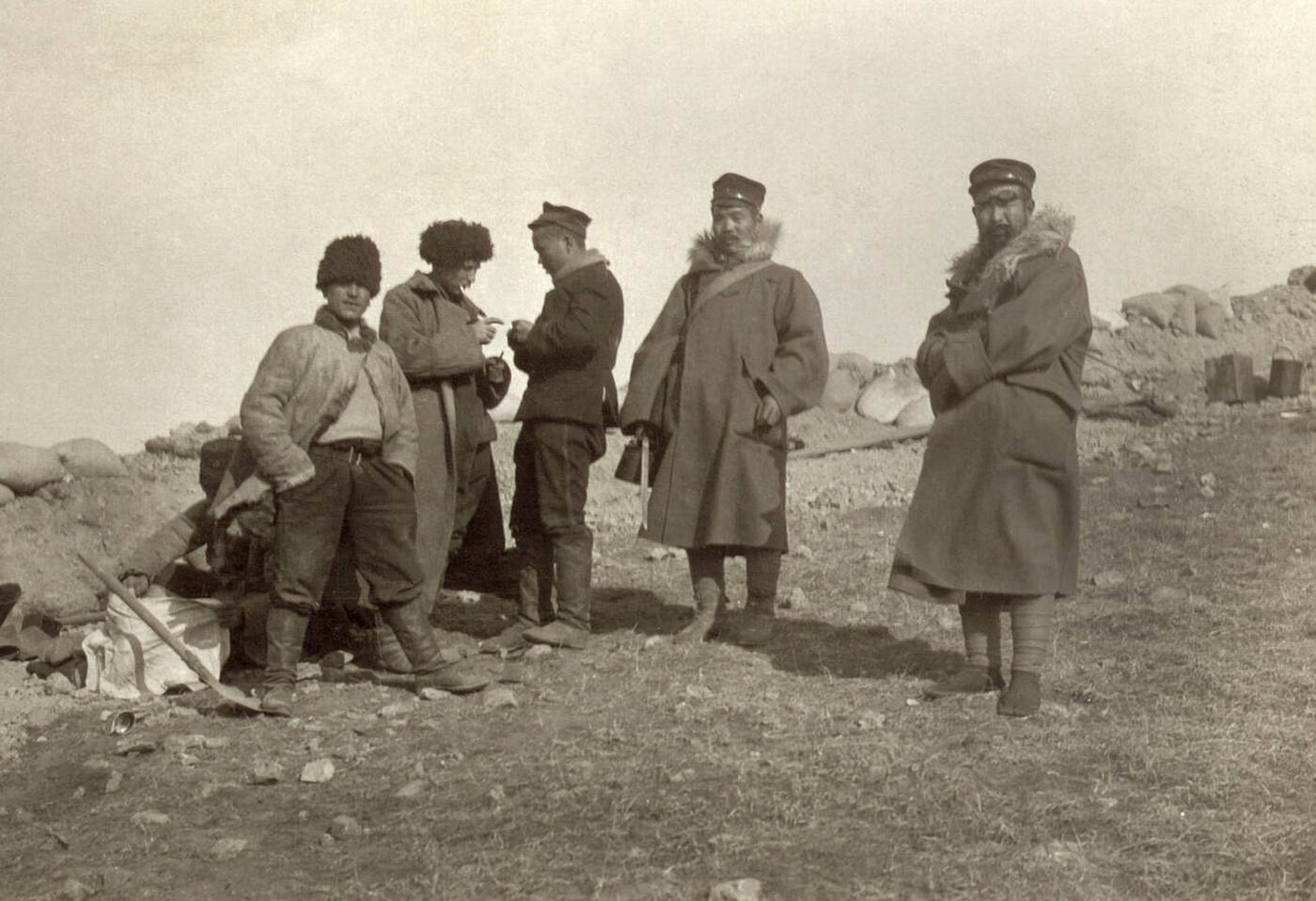
The supply chain that sustained the Japanese land campaign ran through the Korean ports from the first weeks of the war. At Chemulpo, Japanese cavalry troops guarded equipment on the beach while laborers moved provisions inland. The scale of the logistical operation matched the scale of the fighting it was feeding.
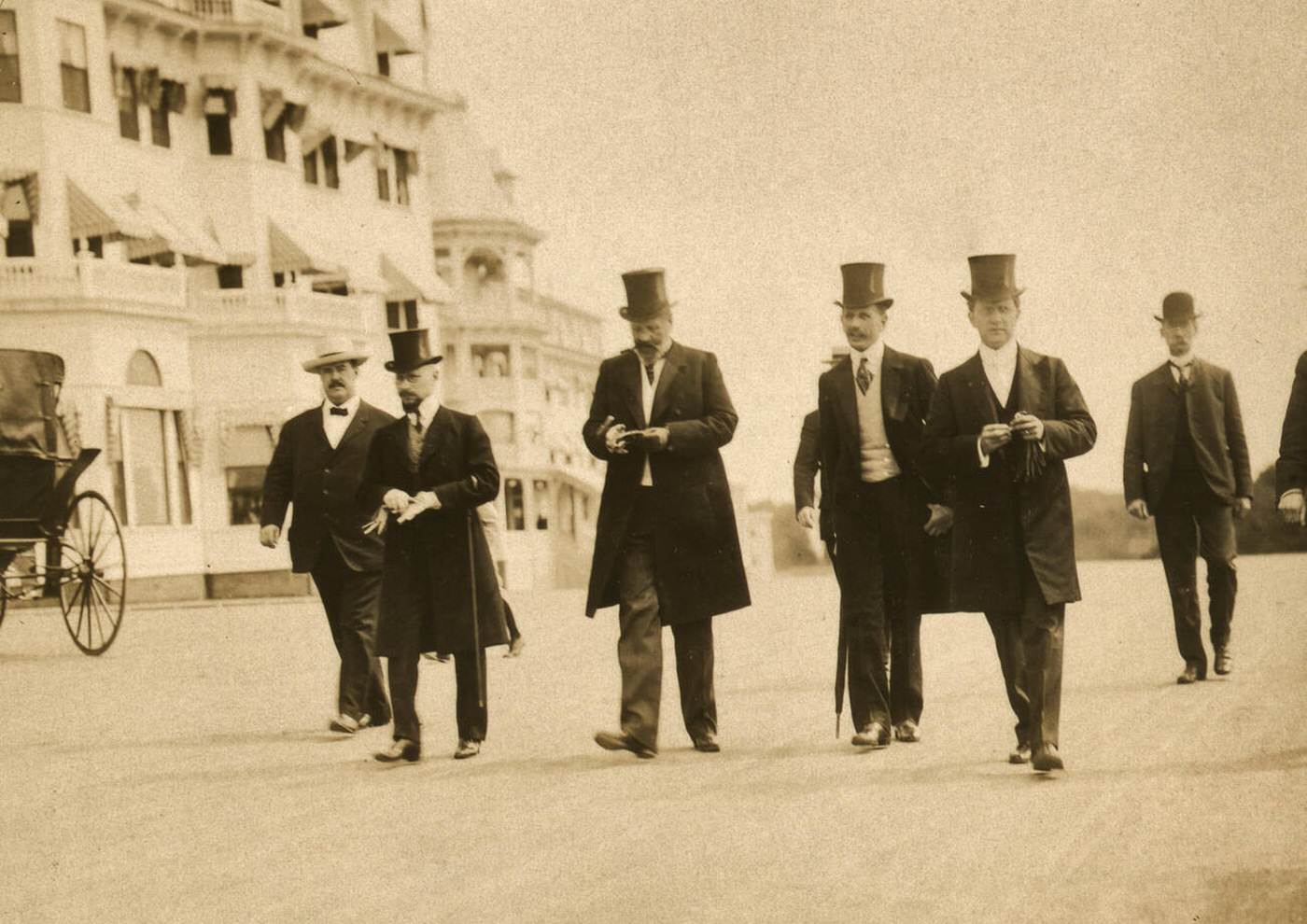
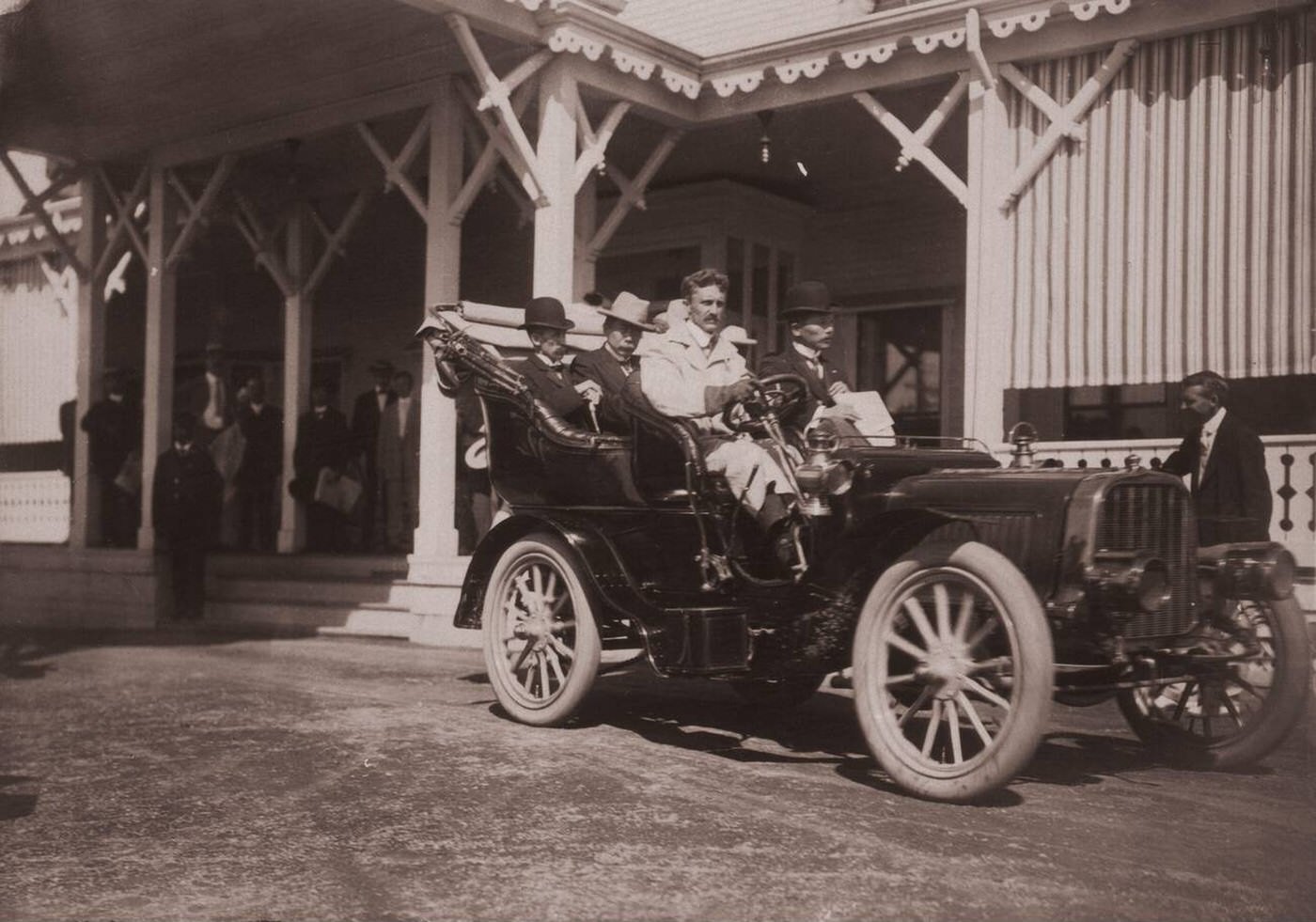
Peace negotiations took place in Portsmouth, New Hampshire, mediated by U.S. President Theodore Roosevelt. The Russian delegation, led by Sergei Witte, and the Japanese delegation met at the Wentworth Hotel. The Treaty of Portsmouth was signed on September 5, 1905. Under its terms, Russia recognized Japan’s paramount interests in Korea, ceded the southern half of Sakhalin Island to Japan, and transferred its lease on Port Arthur and the Liaodong Peninsula. Both nations agreed to pull their troops out of Manchuria, returning it to nominal Chinese control.
The naval battle that sealed Russia’s fate had played out with dramatic finality in the waters off the Korean and Japanese coasts. Japanese forces shelled Russian battleships in the Bay of Lushun earlier in the war, and by Tsushima, there was almost nothing left of Russia’s Pacific naval power. The harbor at Port Arthur, which Russia had fought so hard to hold, became a graveyard for the ships it was meant to protect.
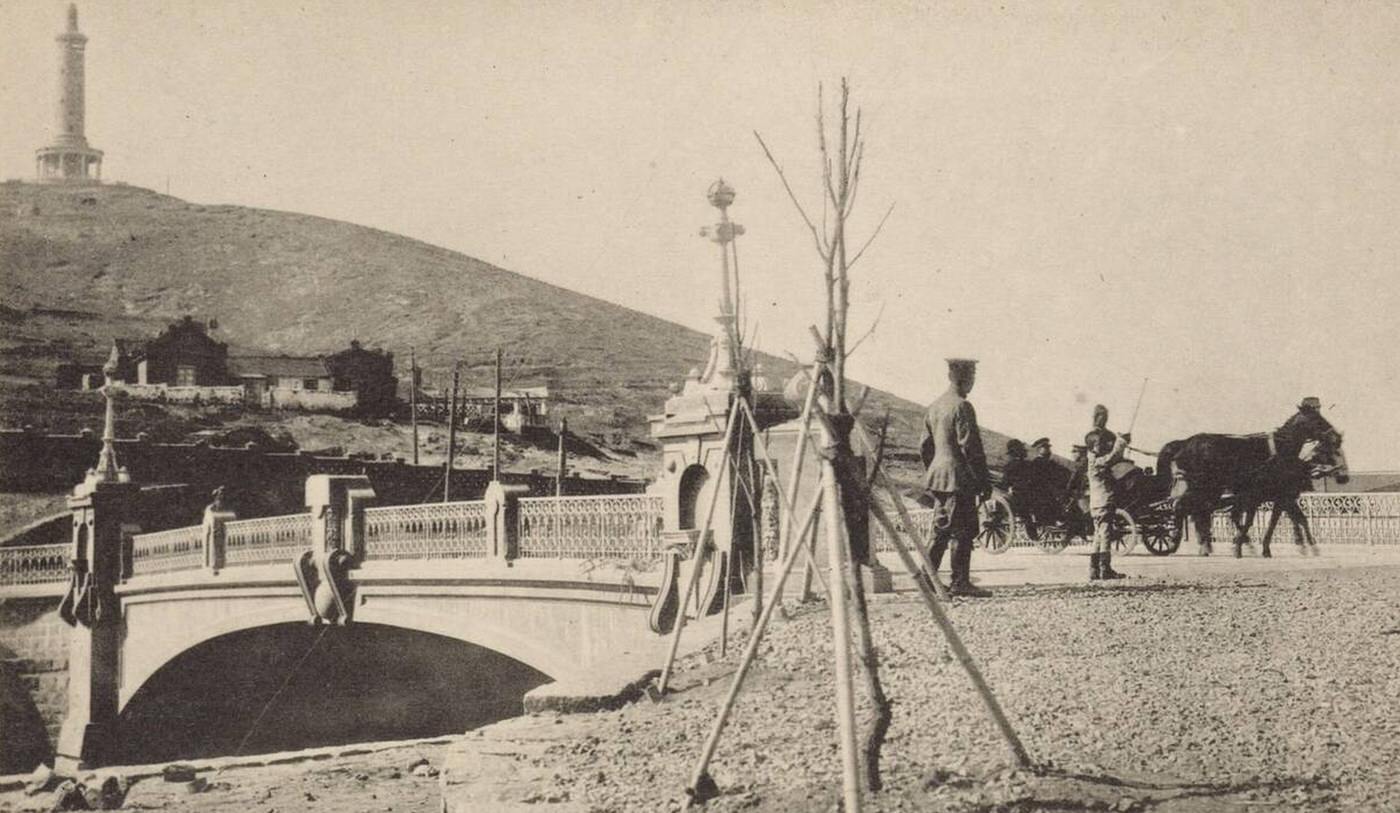
The Russian effort to hold 203 Meter Hill had been one of the most consequential defensive stands of the war. Siberian reserve troops were rushed into position in August 1904 as the Japanese pressed their assault. The hill changed hands after some of the bloodiest fighting of the siege, and its loss made the fall of Port Arthur inevitable.
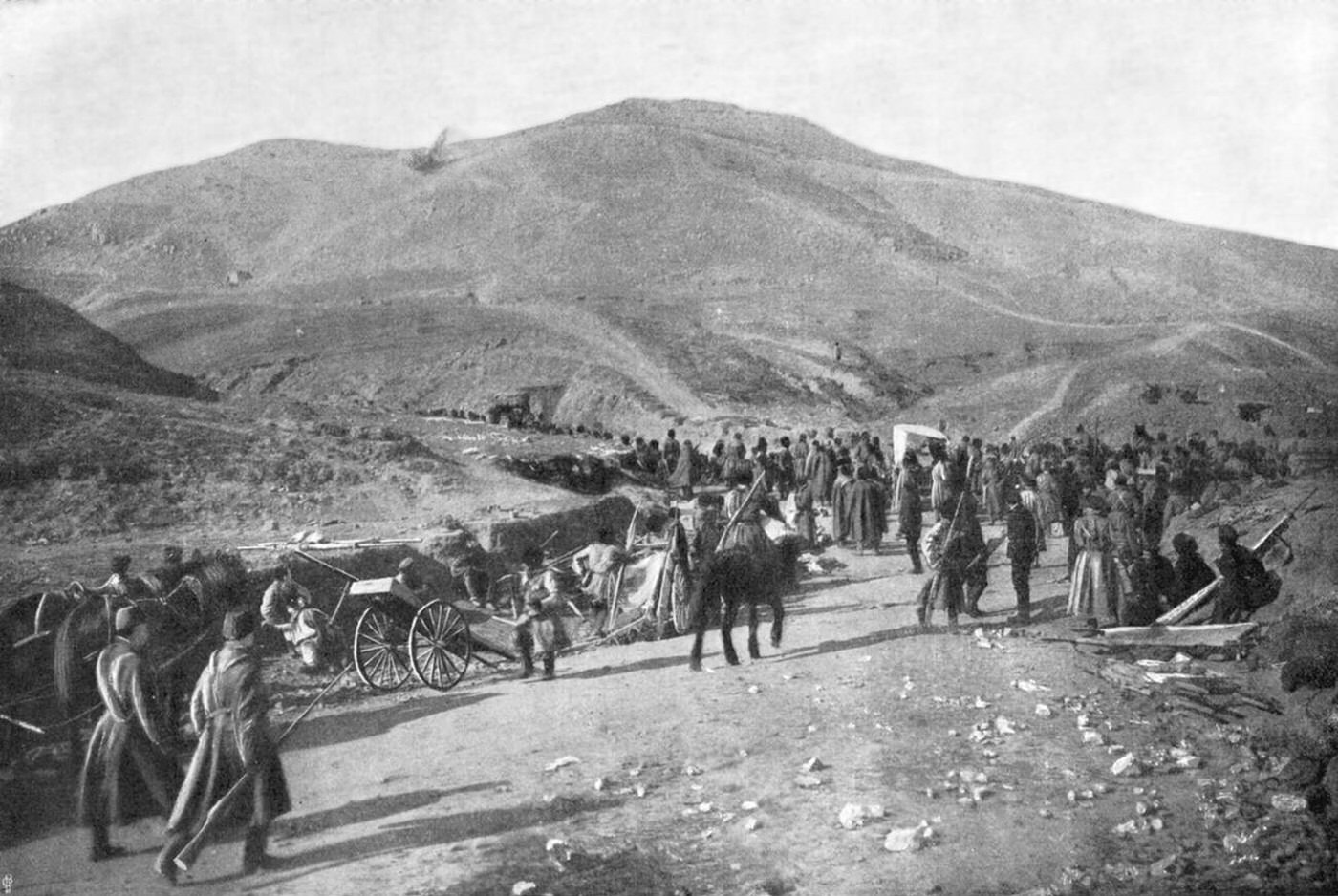
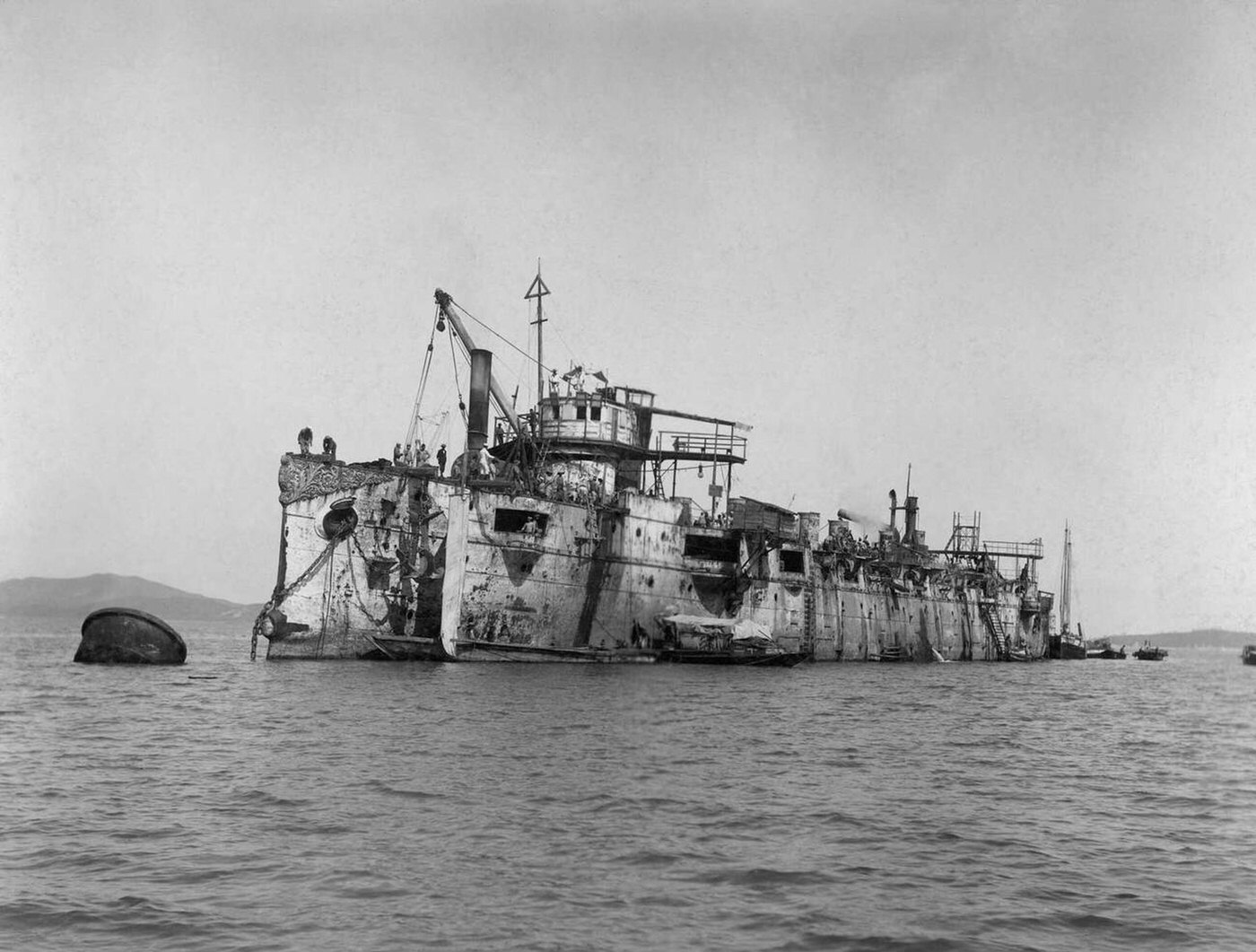
Before its fall, Port Arthur’s harbor held the stranded remnants of Russia’s Far East Fleet. Photographs taken in the summer of 1904 show Russian battleships sitting in the harbor, unable to break the blockade, their fate already being decided by events on the surrounding hills.
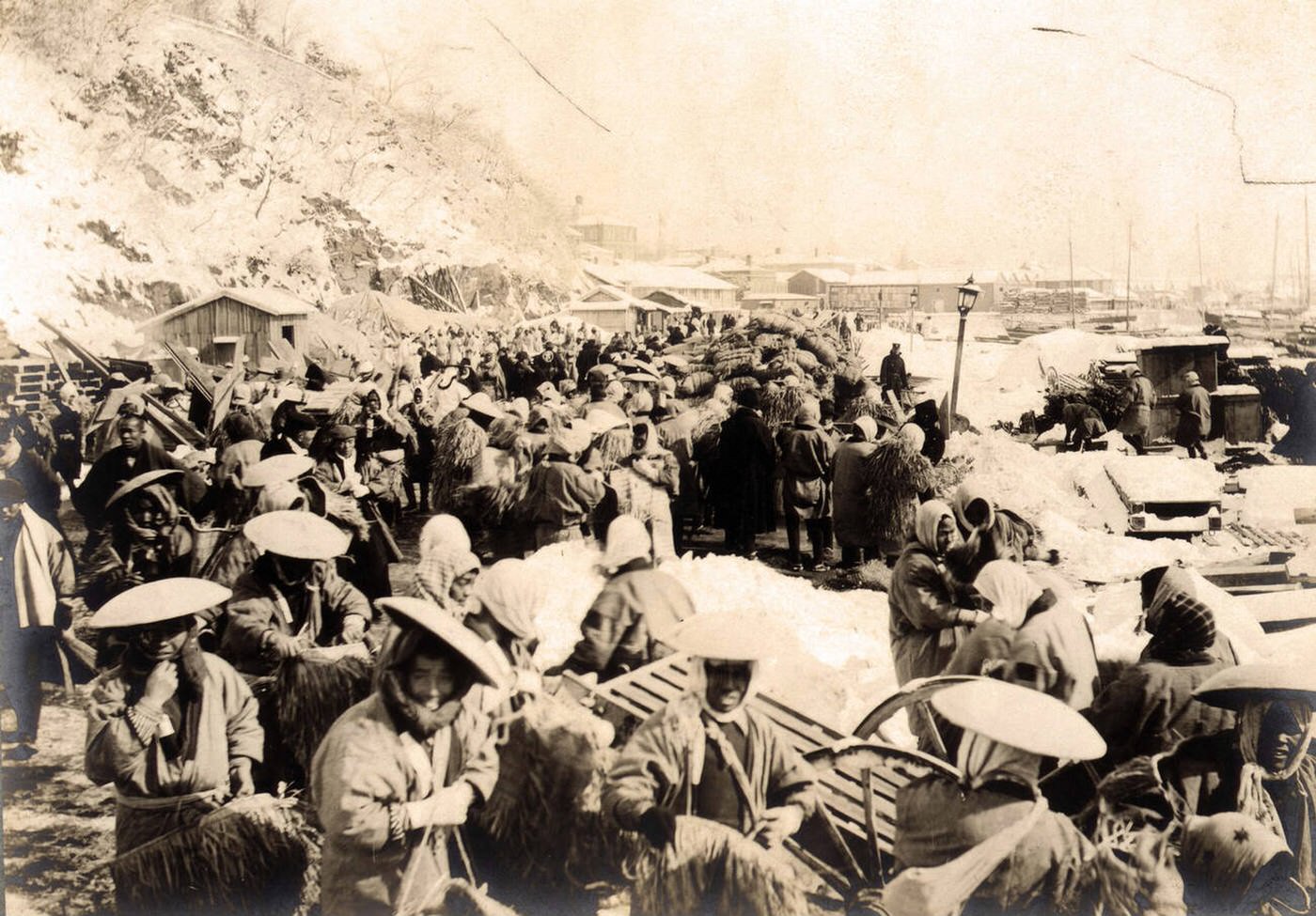
Celebrations of Japan’s victory spread across the country. In port cities, the bund — the commercial waterfront — was decorated with flags to mark the fall of Port Arthur. The war had confirmed Japan’s status as a major military power, validated by its victories against one of the world’s largest empires.
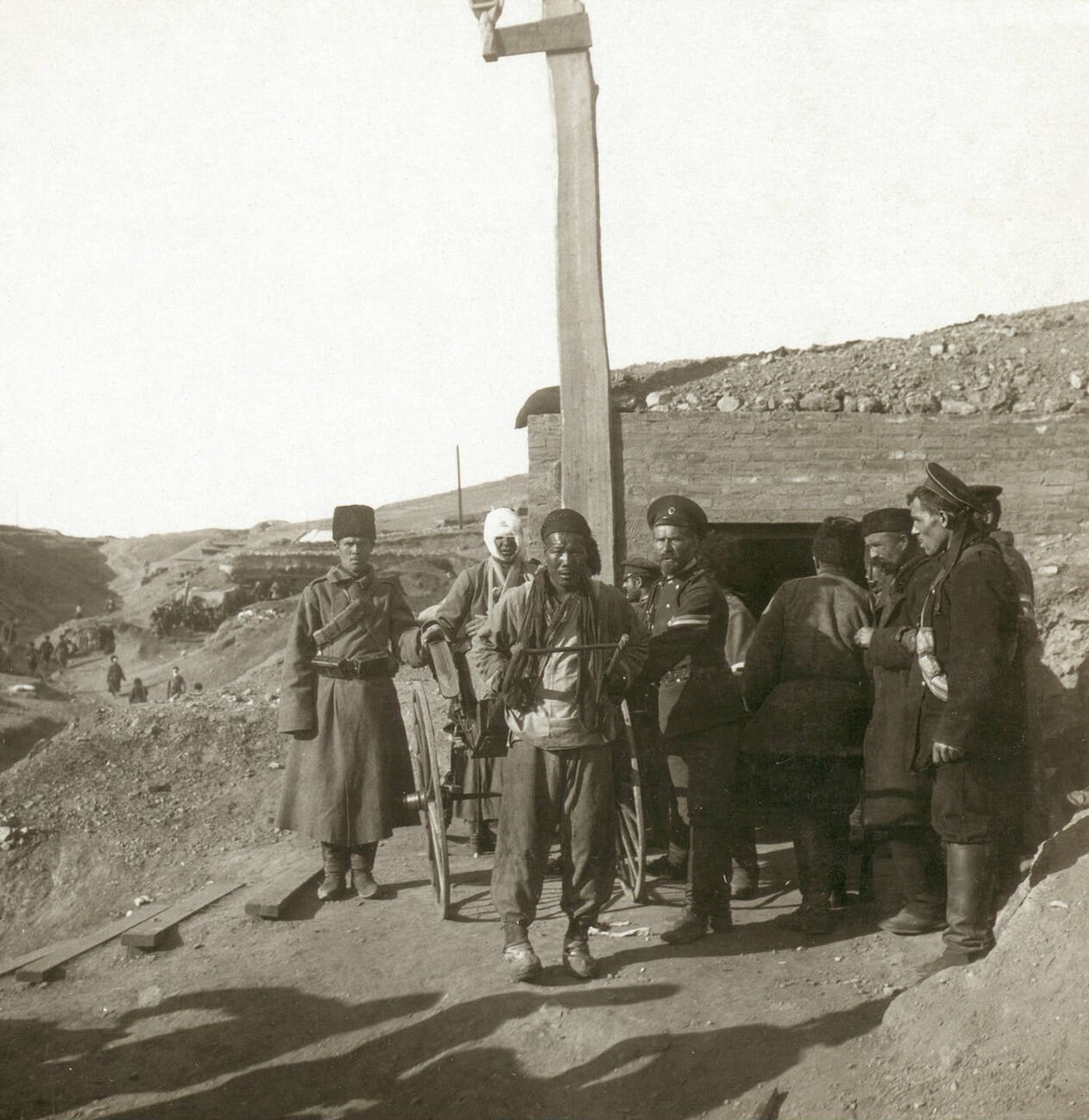
Tsar Nicholas II personally blessed regiments departing for the Far East, and early in the war, public support at home held firm. But as the months passed and the casualty lists grew, the confidence that had filled the streets of Saint Petersburg at the war’s start gave way to something harder to manage — discontent that would contribute to the unrest of 1905 and ultimately shape Russia’s political future.
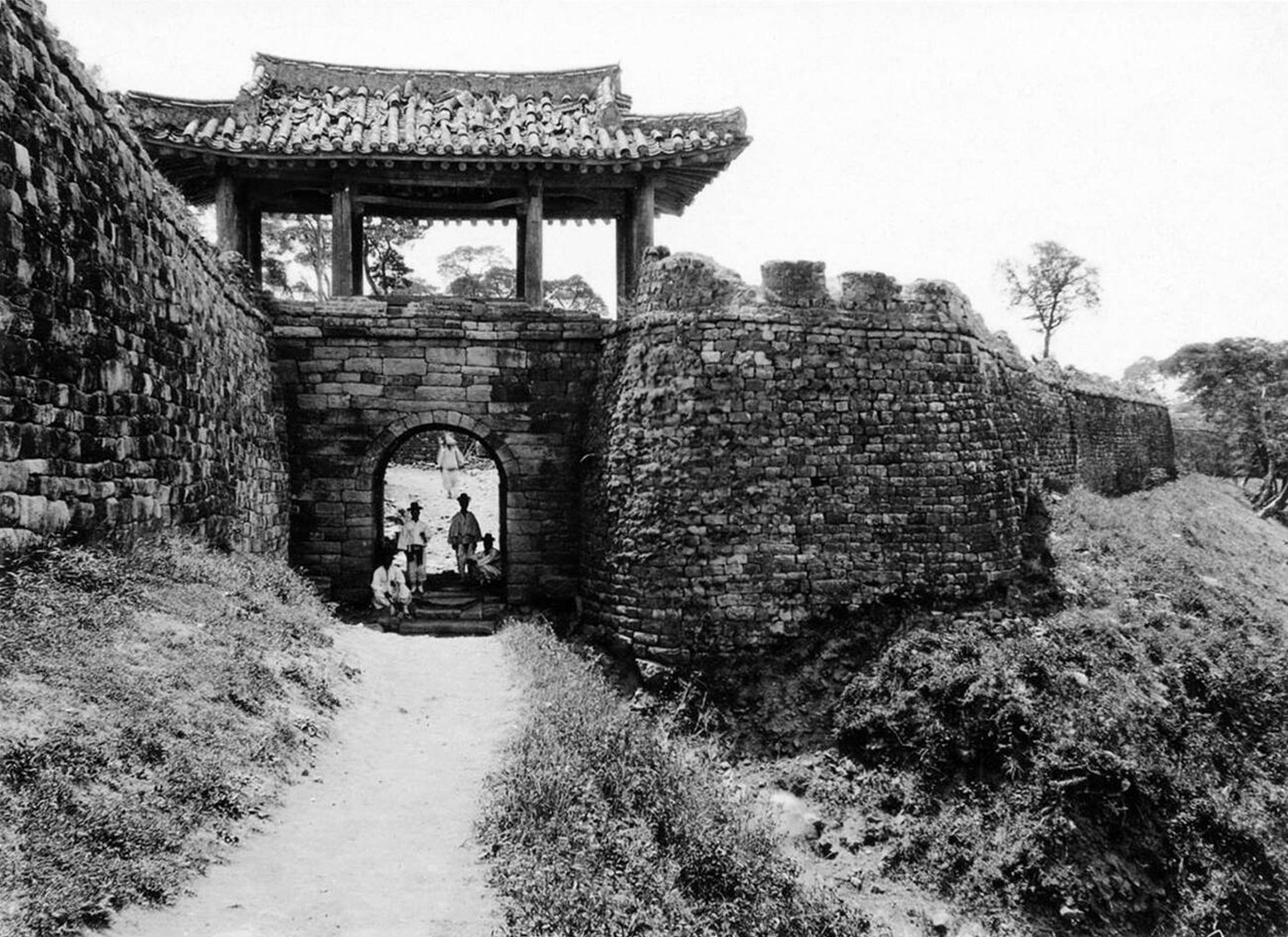
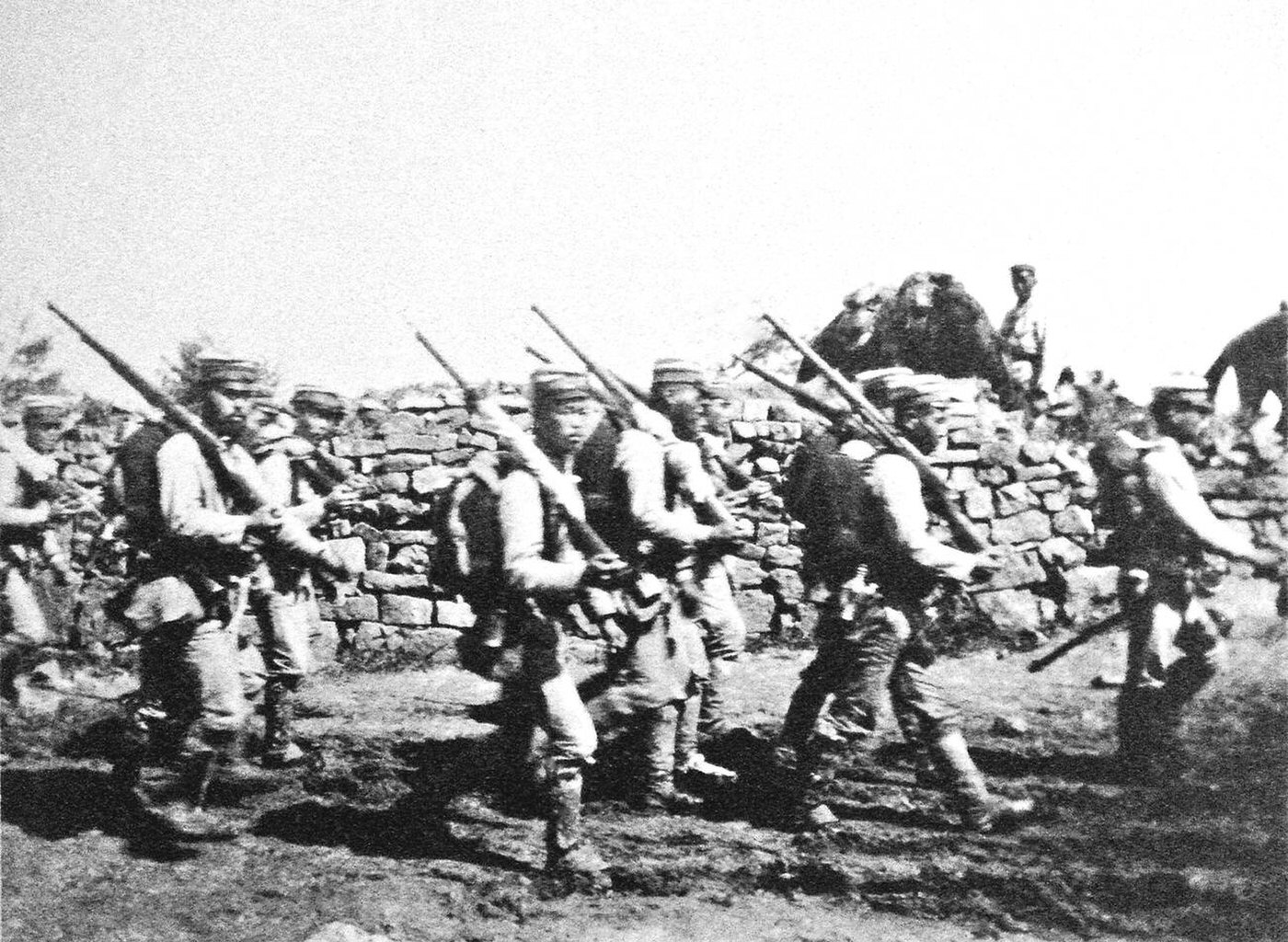
The first land shots of the war were fired at the Seven Star Gate in Pyongyang, Korea — a fitting marker for a conflict that began on the Korean Peninsula and ended with Japan holding firm control over it. At Port Arthur, Japanese First Division soldiers moved into fighting positions that would define the longest and most costly siege of the war. The trenches, the guns, the hills — all of it converged on a battle that neither side had fully anticipated when the first torpedo boats slipped out of harbor in February 1904.