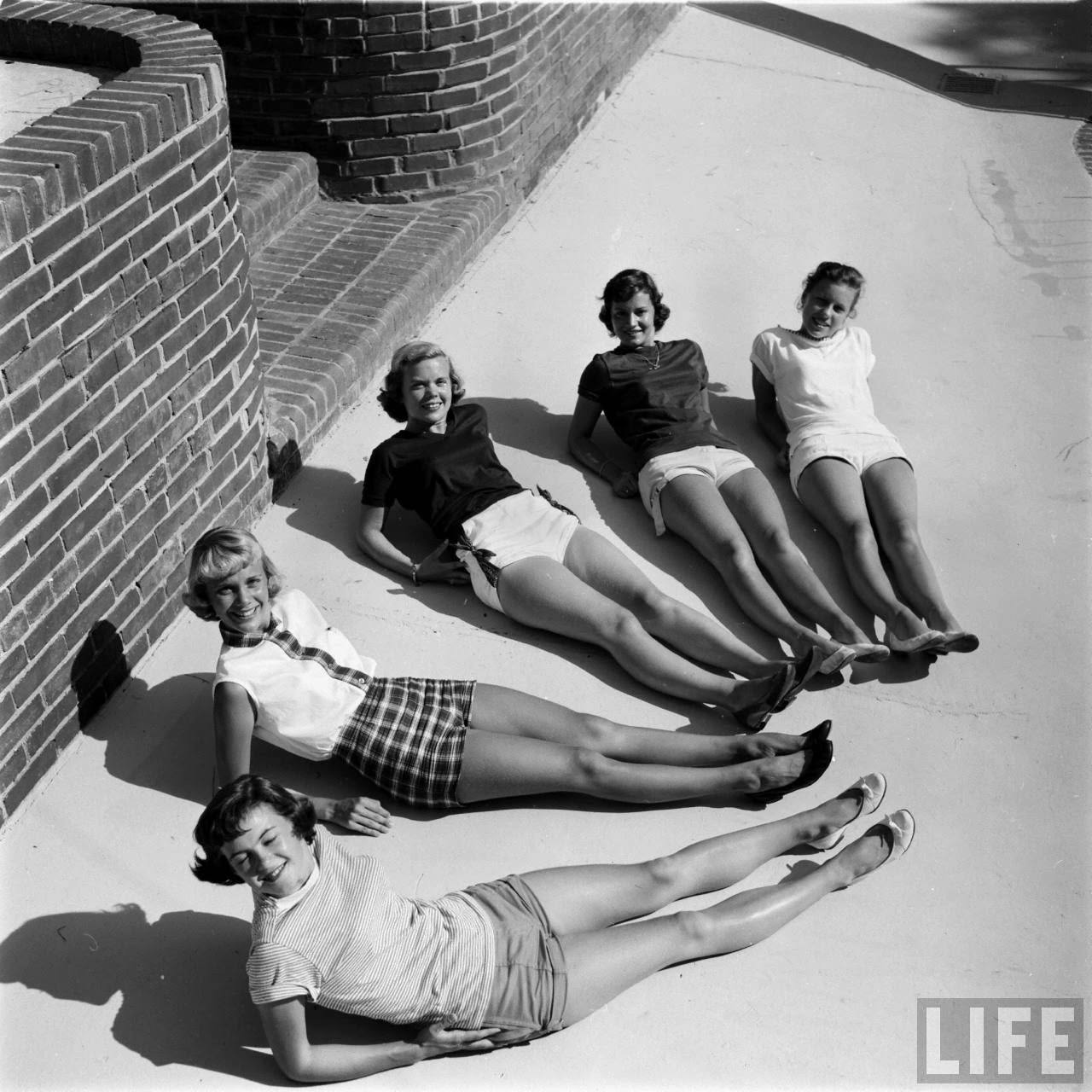
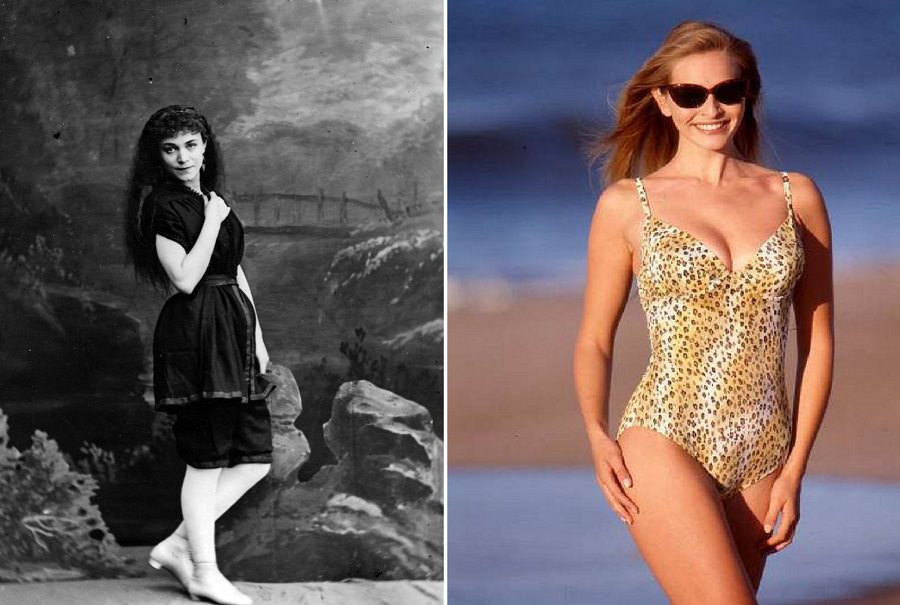
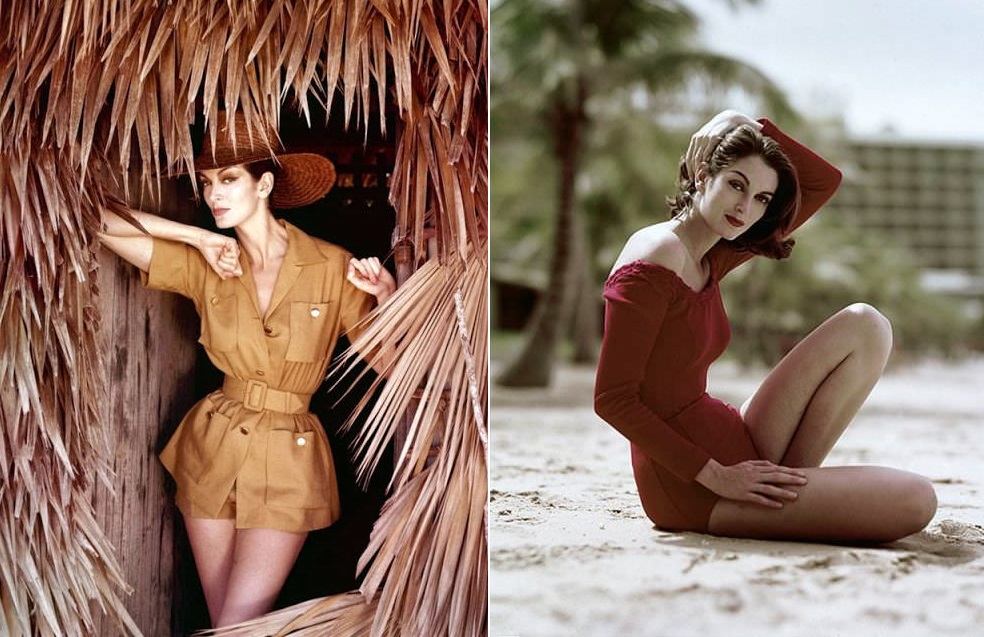
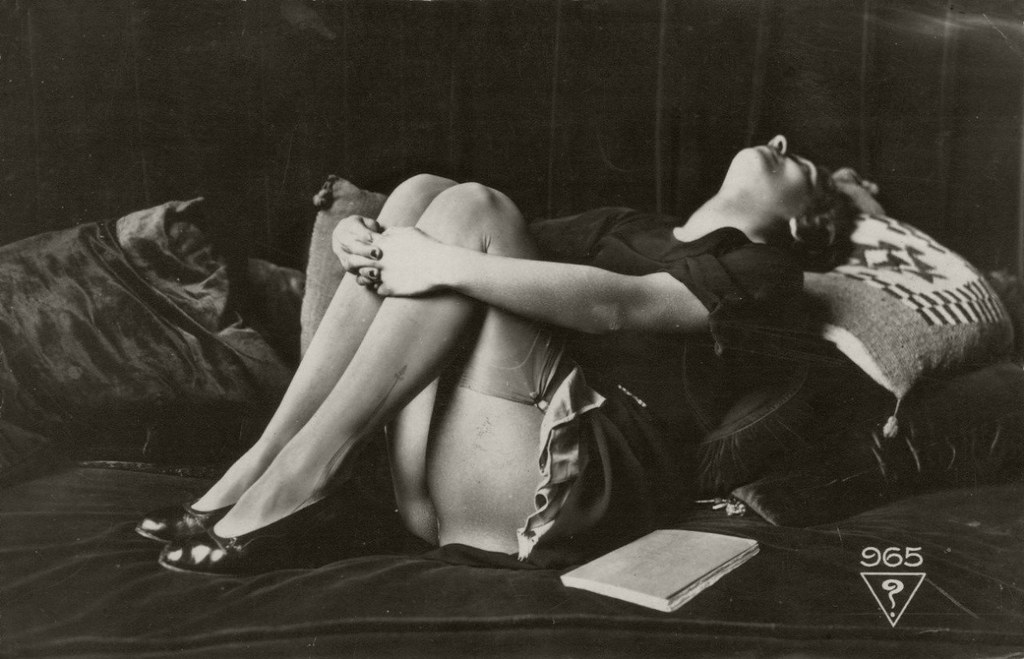
In the 1950s, shorts moved beyond the beach and into everyday leisure wear for American women. Within that shift, one style pushed the boundary further than any other — the short short.
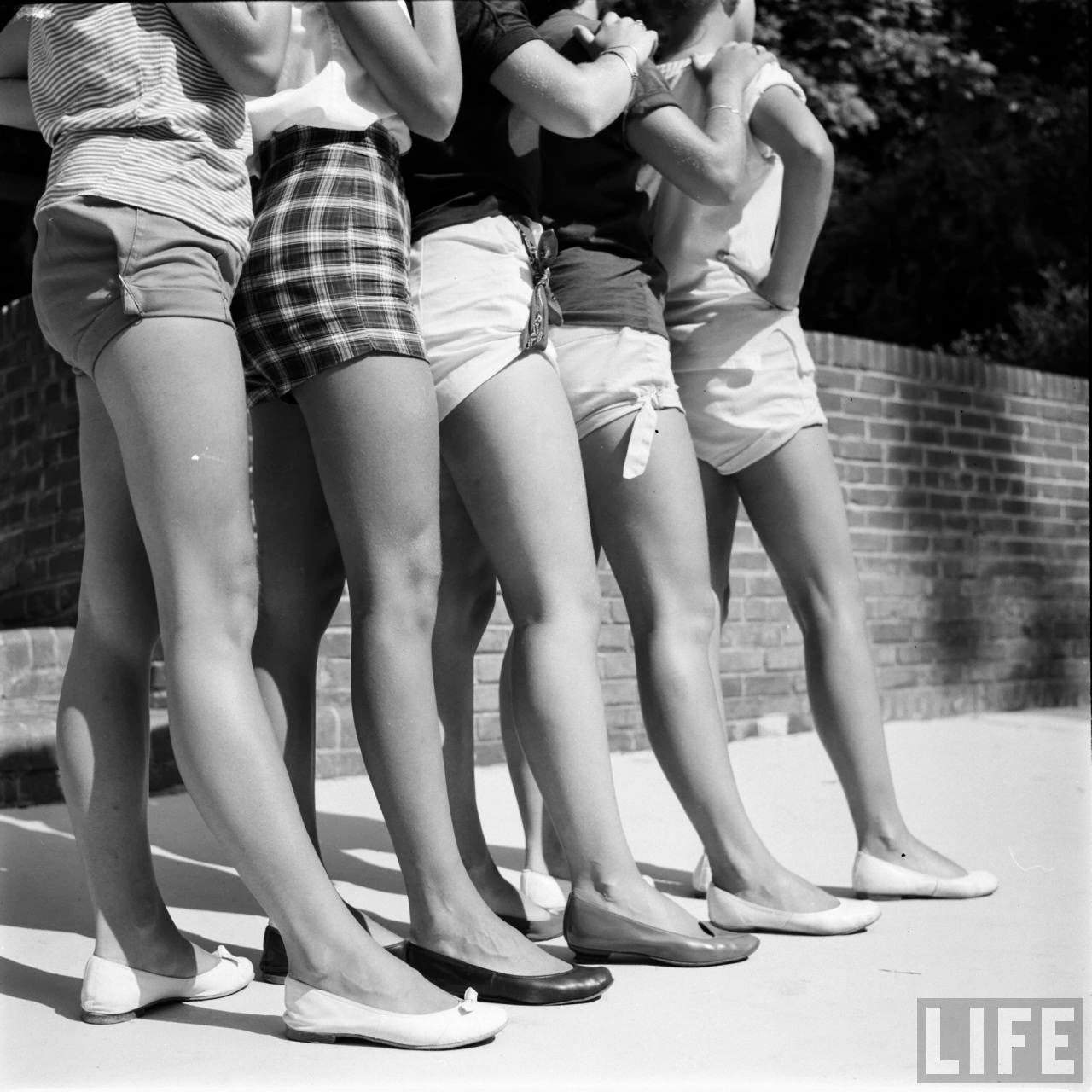
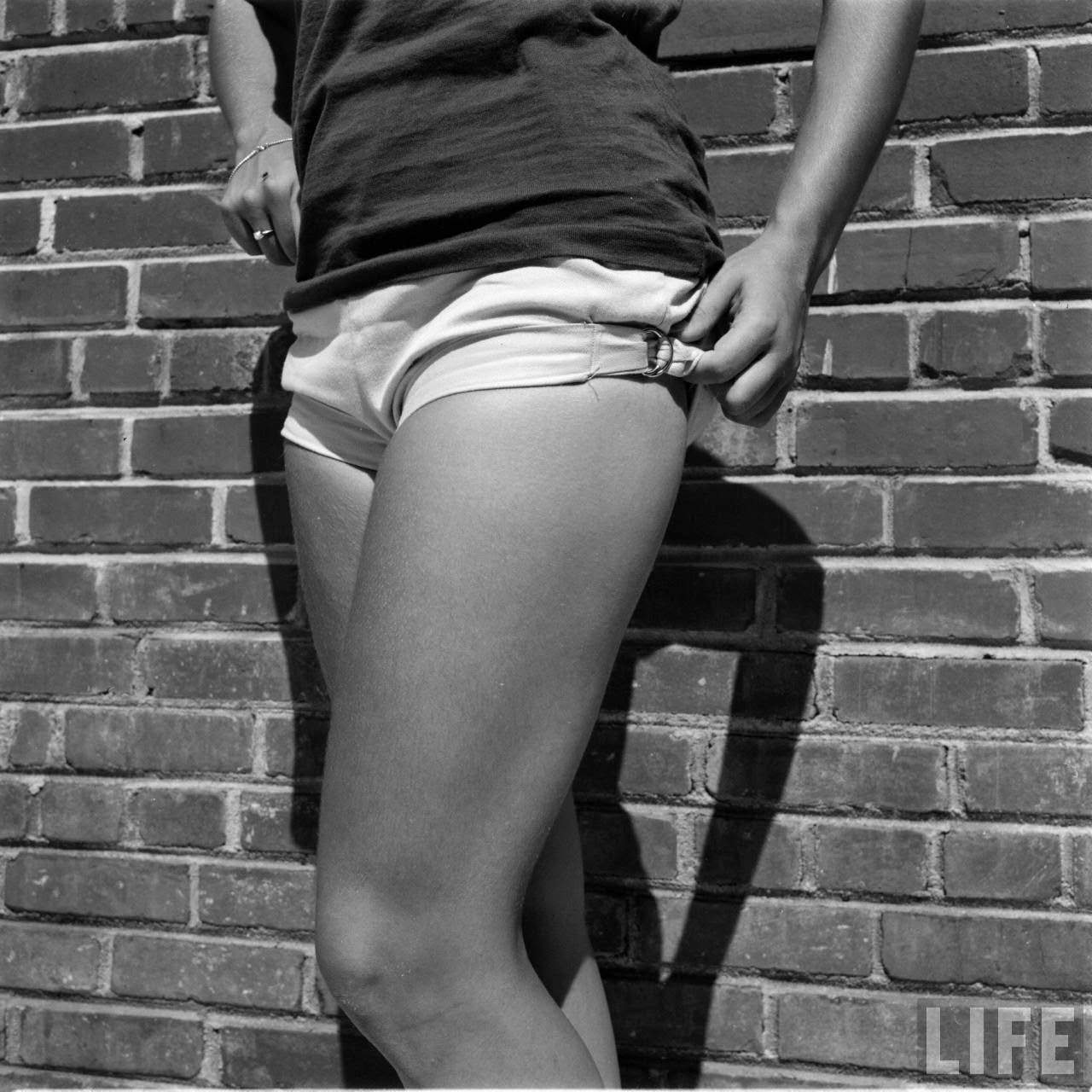
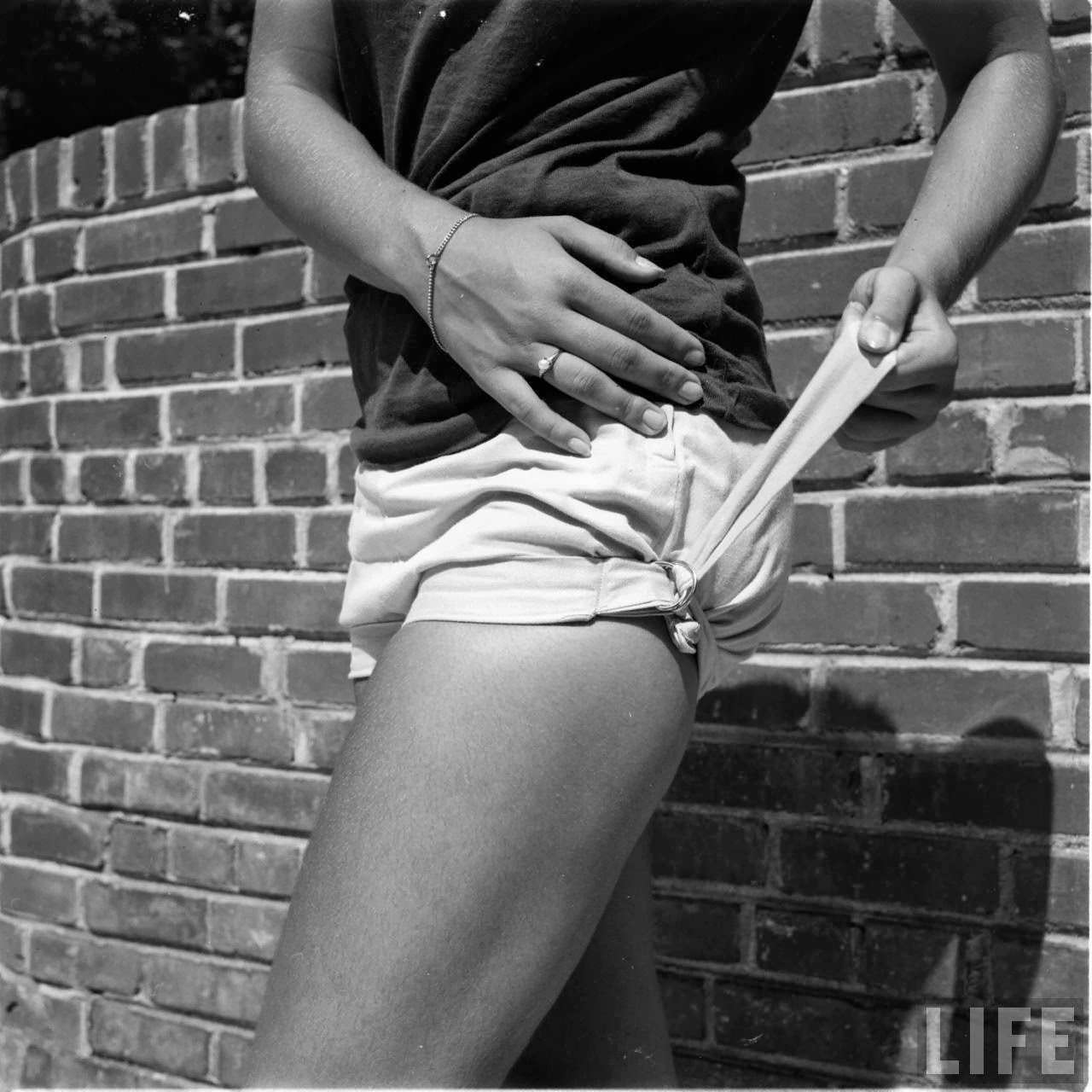
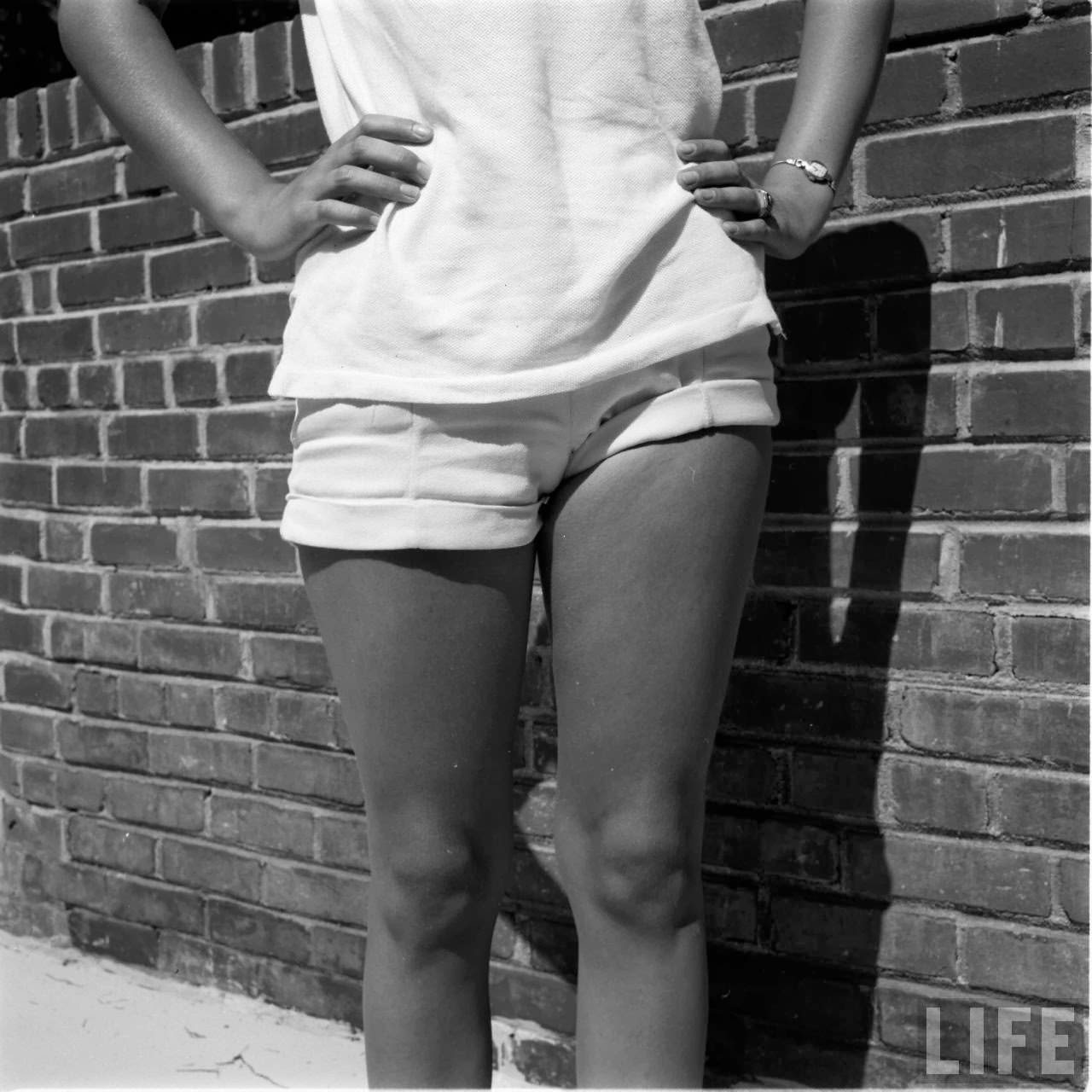
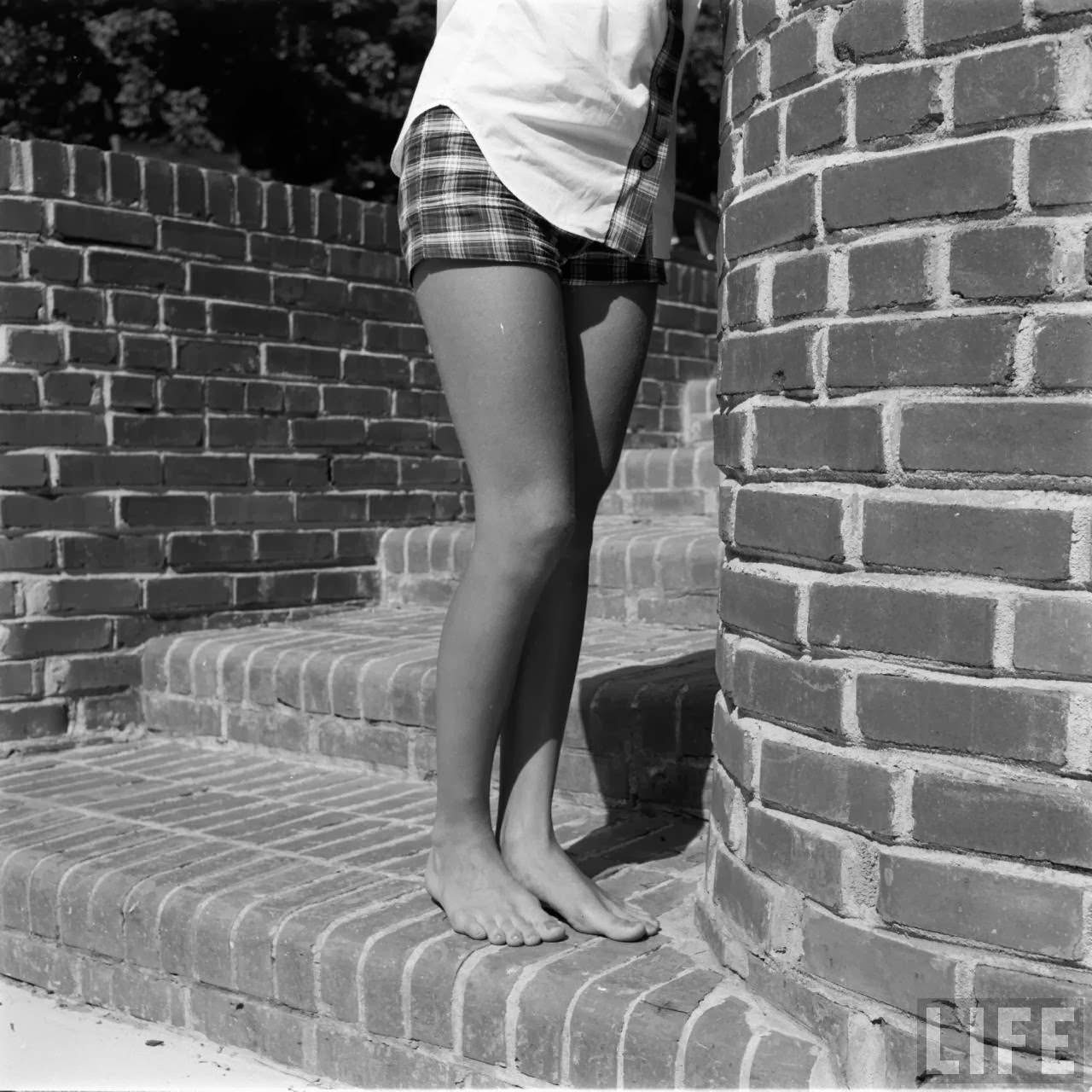
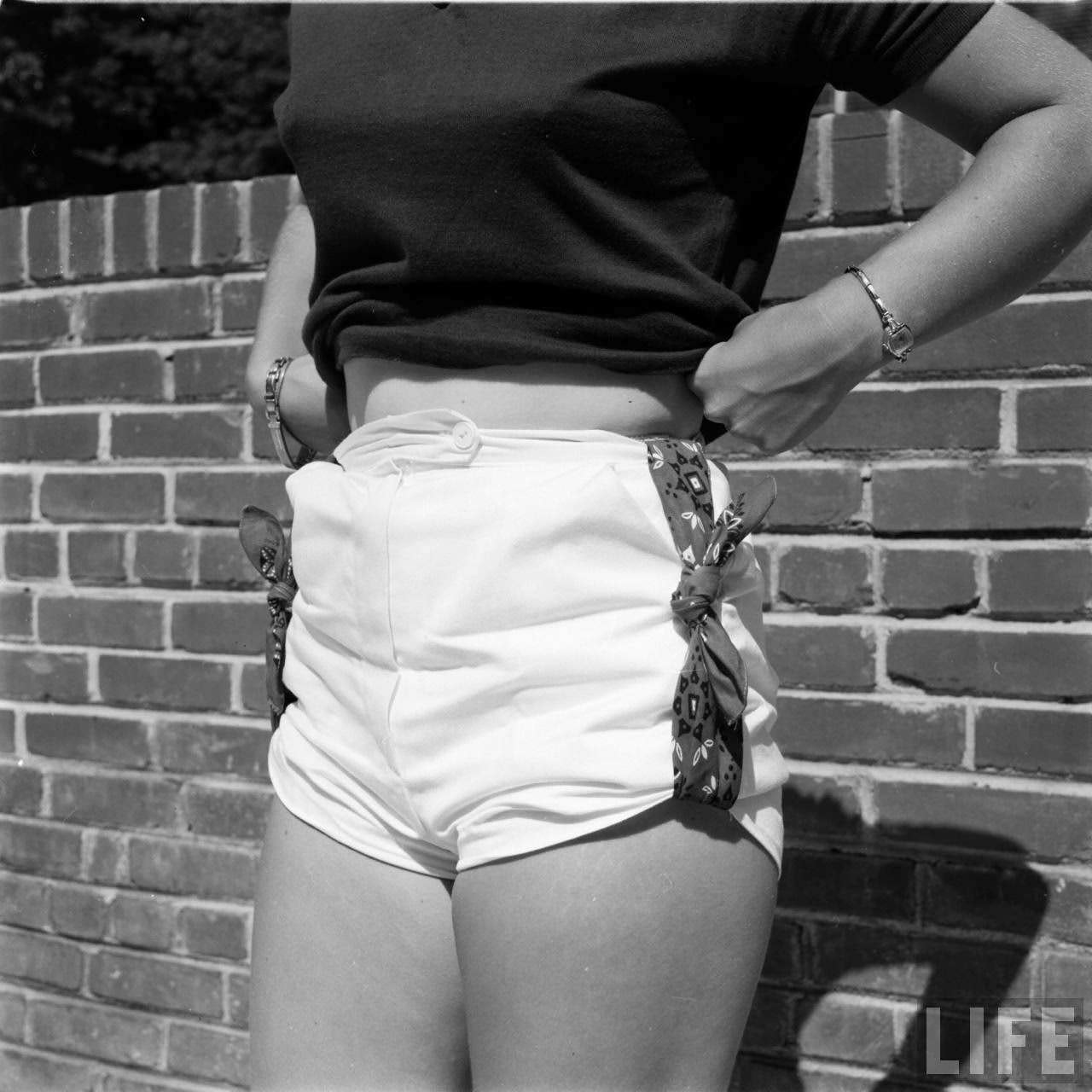
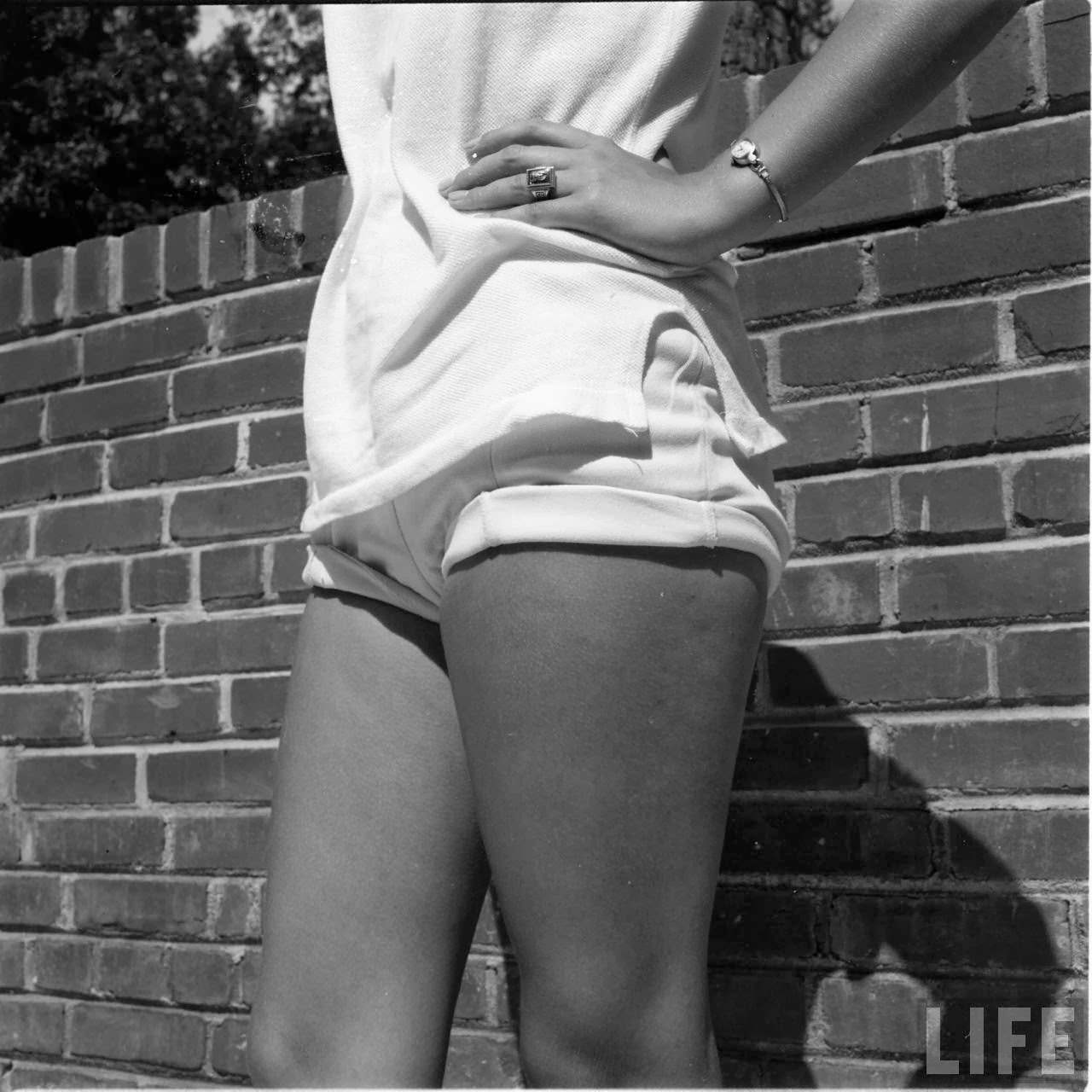
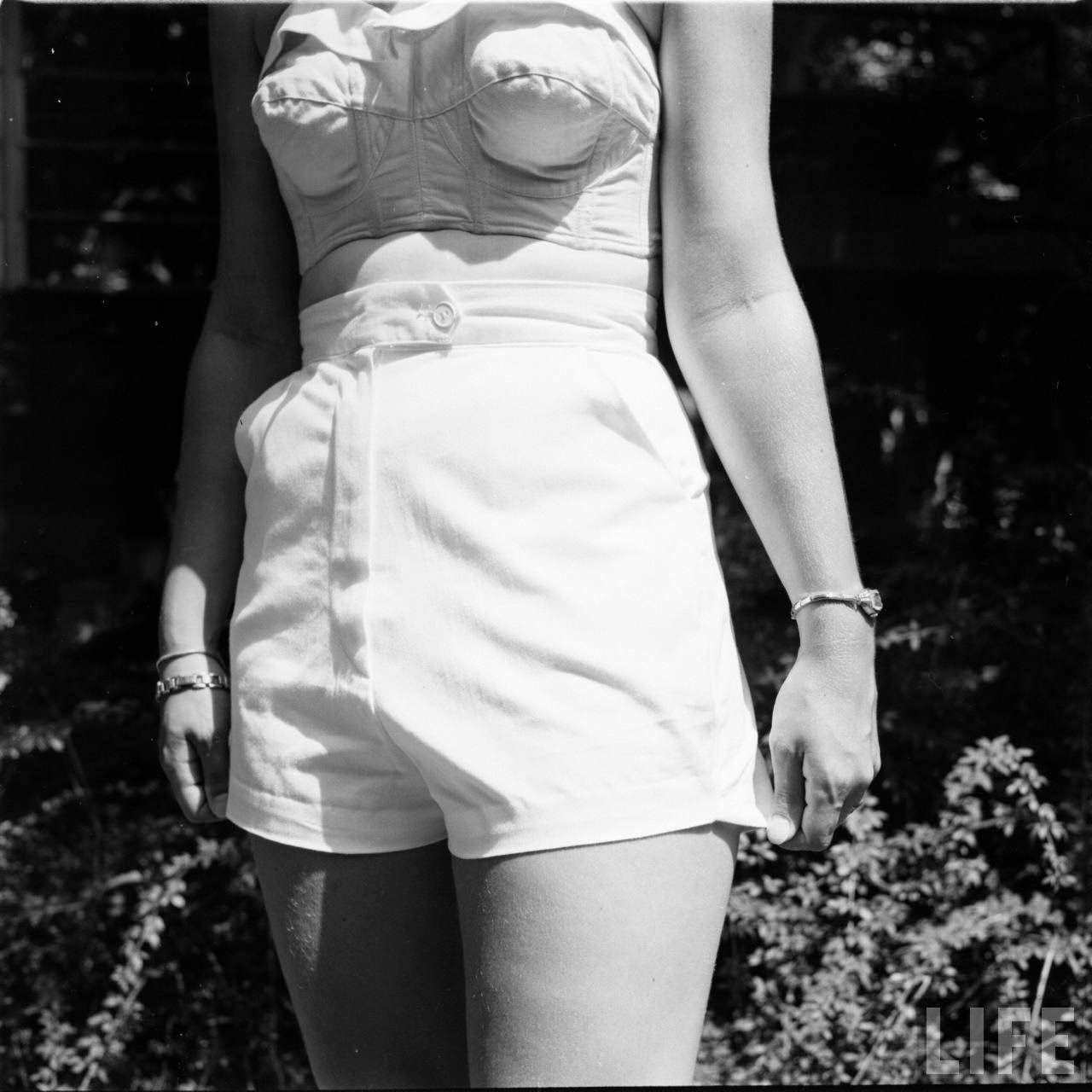
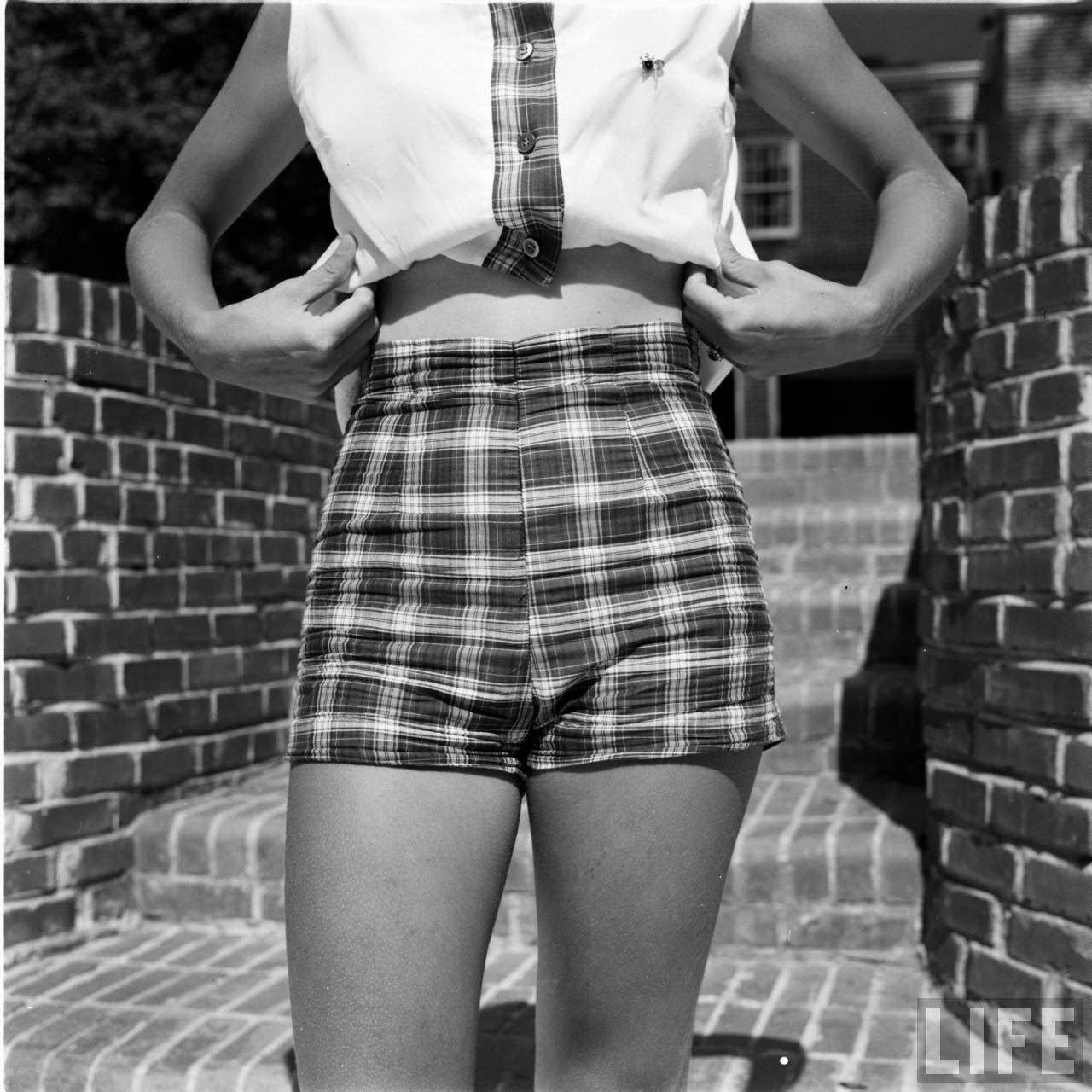
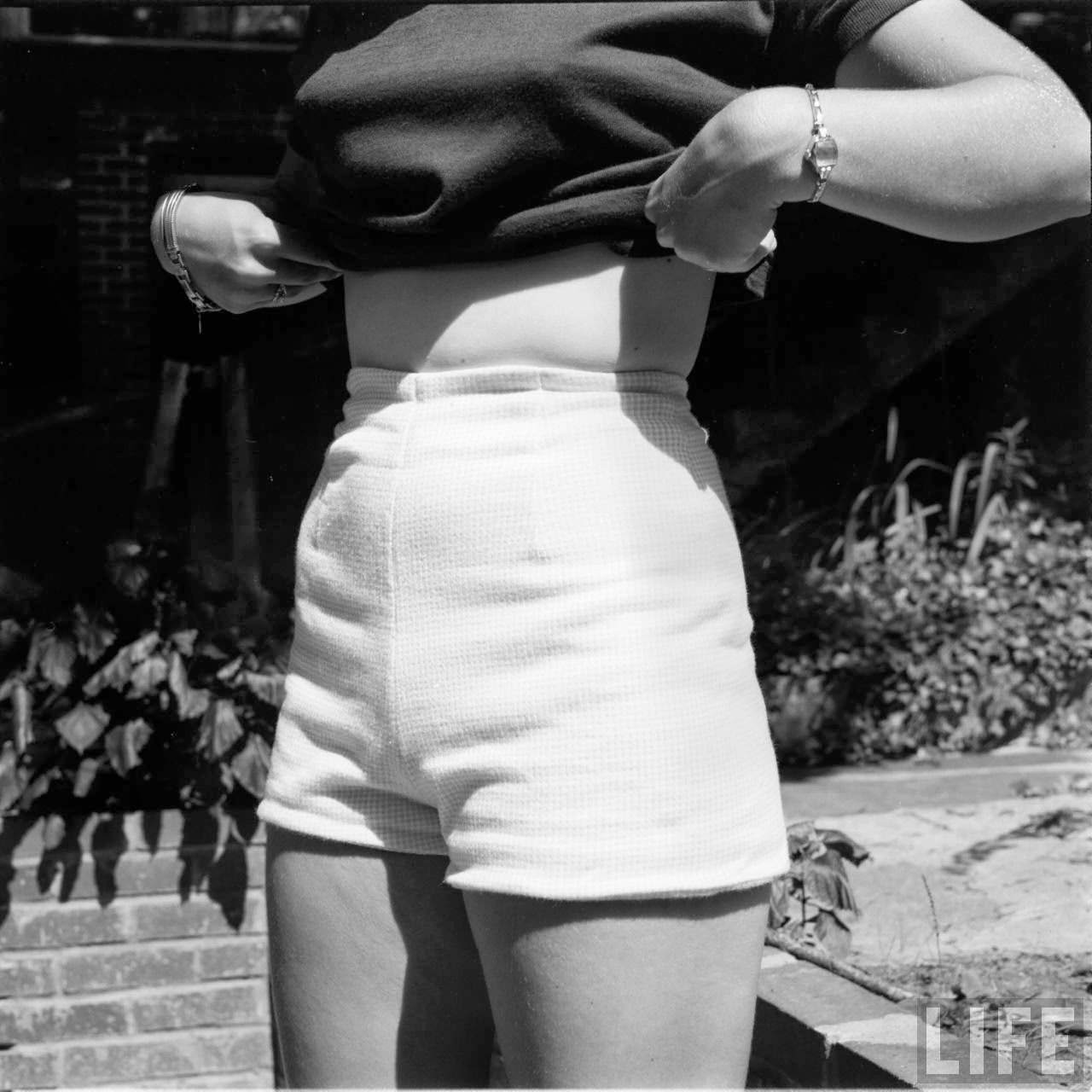
Photographer Robert Kelley documented the trend for LIFE magazine, capturing young women wearing the style across the country. His photographs became a key record of how quickly the look spread.
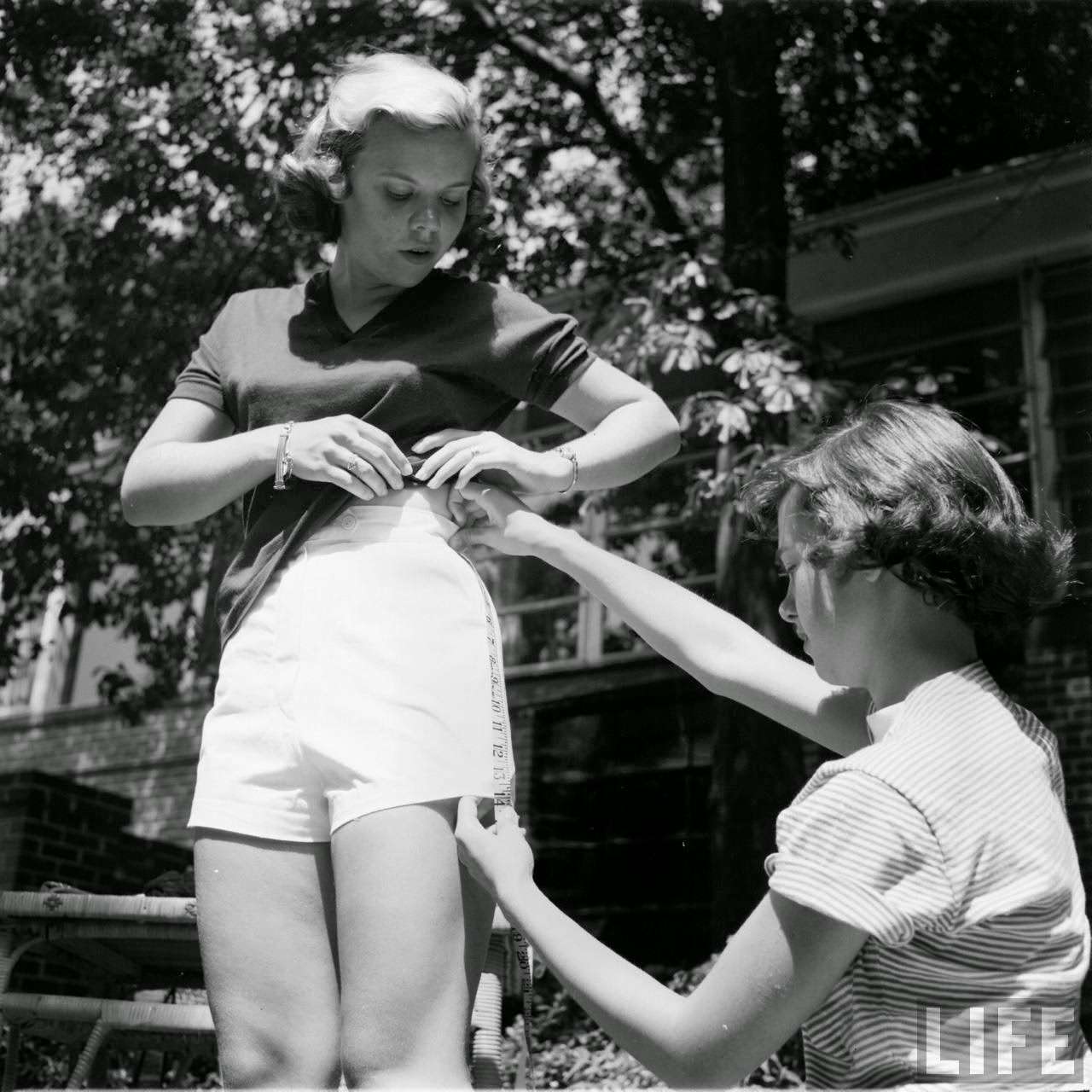
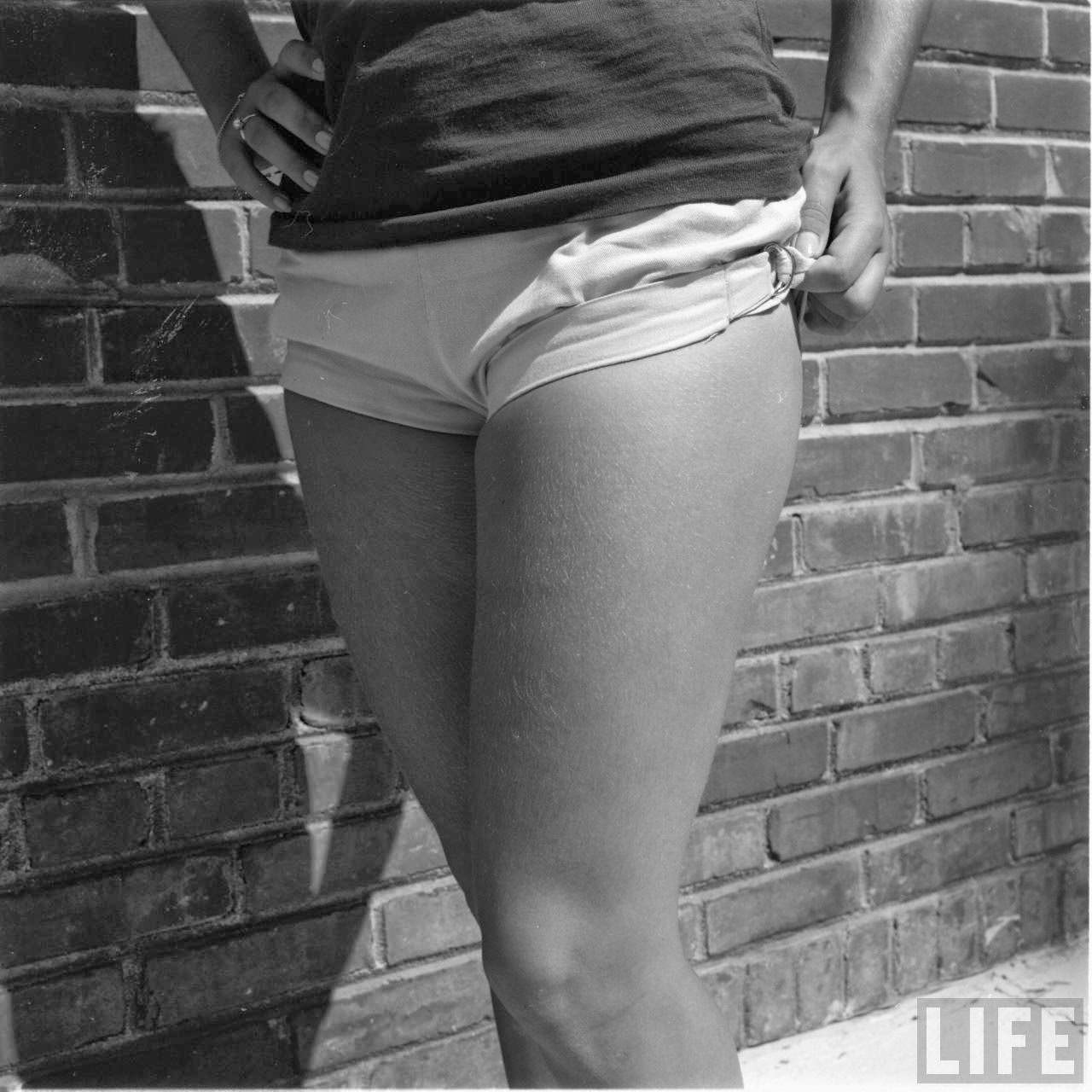
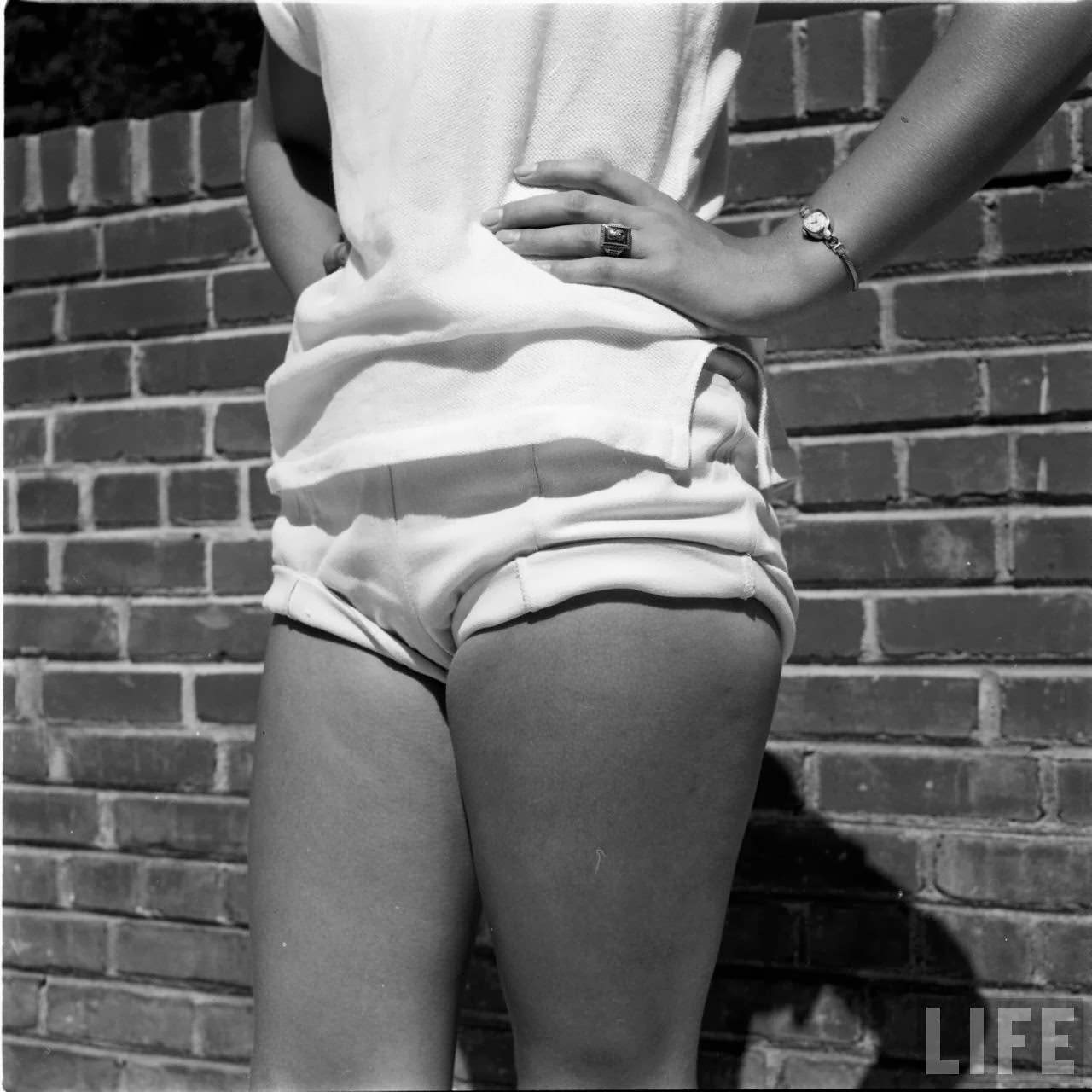
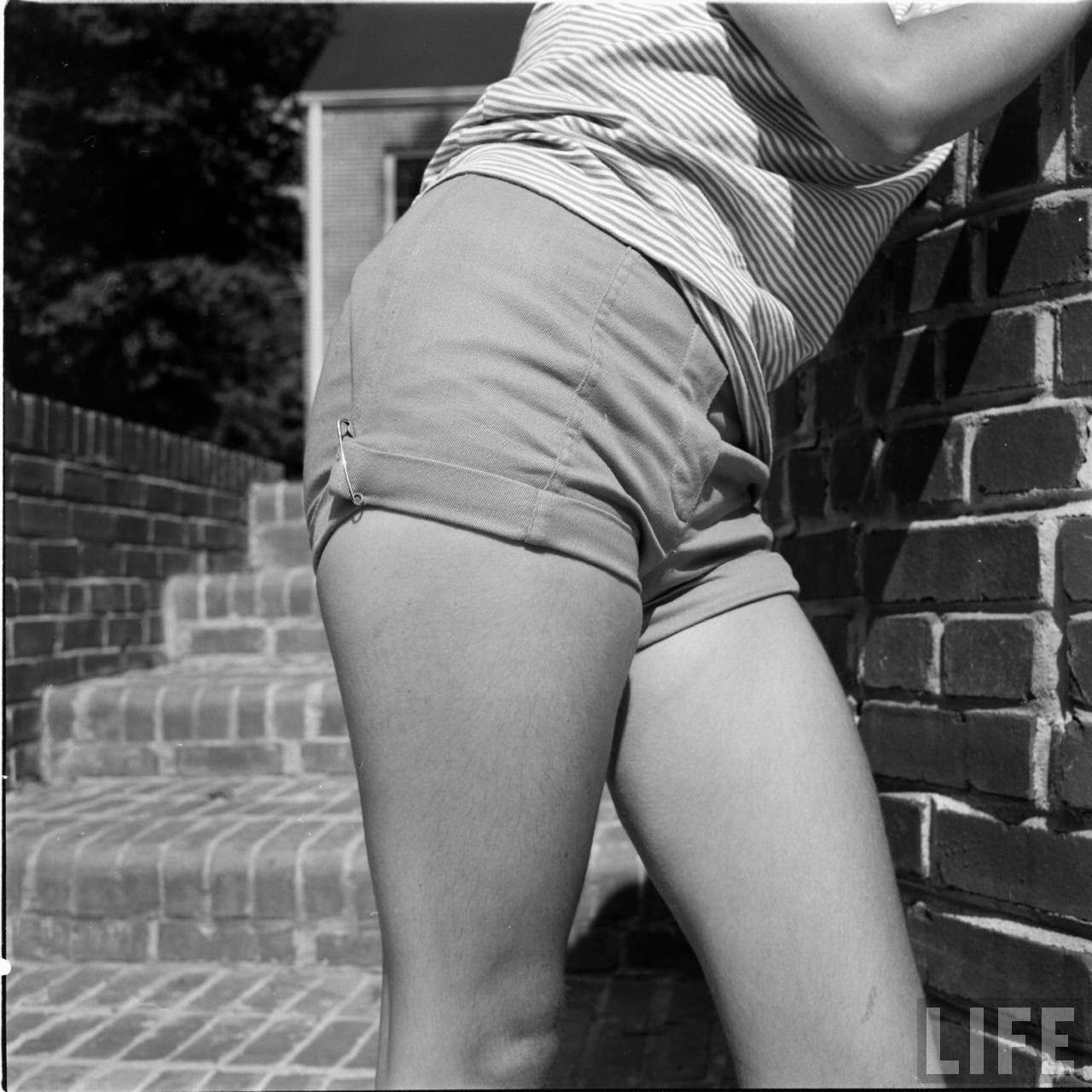
The short short had a very specific cut. It sat high on the natural waist, mirroring the fit of the era’s skirts and trousers. A flat front and a metal side zipper kept the silhouette clean and smooth, with no front-fly bulk to break the line.
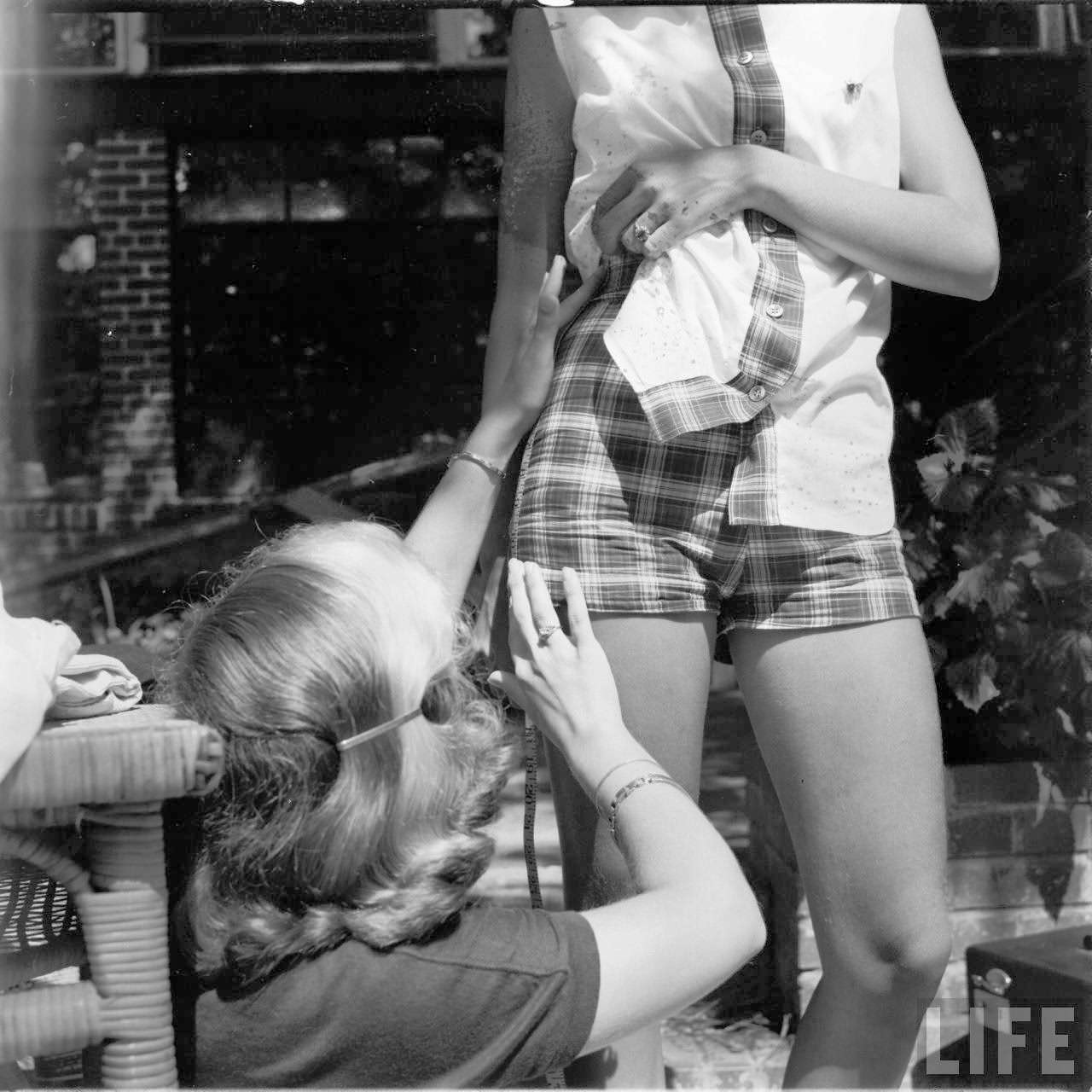
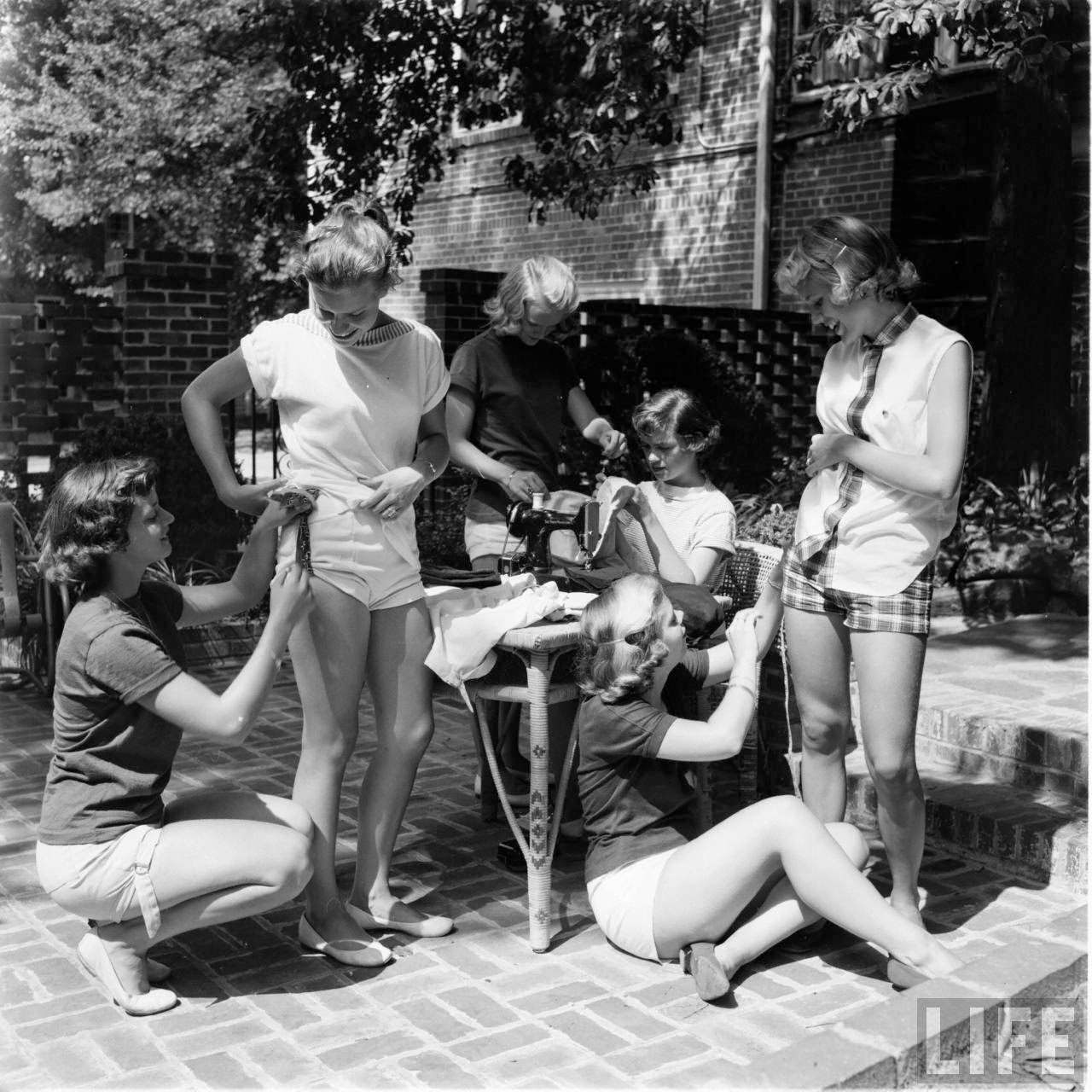
The defining feature was length. These shorts ended roughly six inches above the knee — more leg than any previous casual style had shown. They were snug through the hips and finished with a straight leg opening.
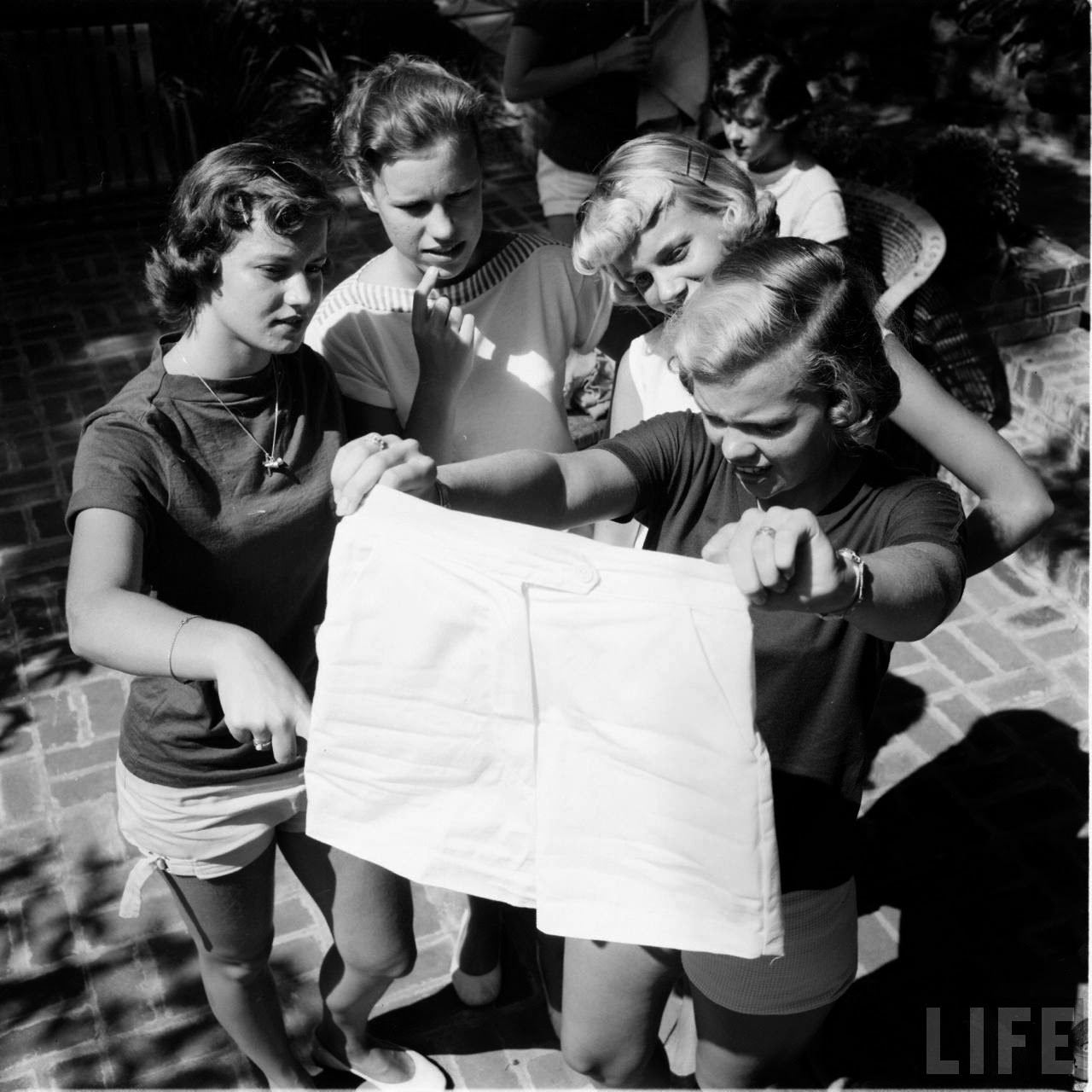
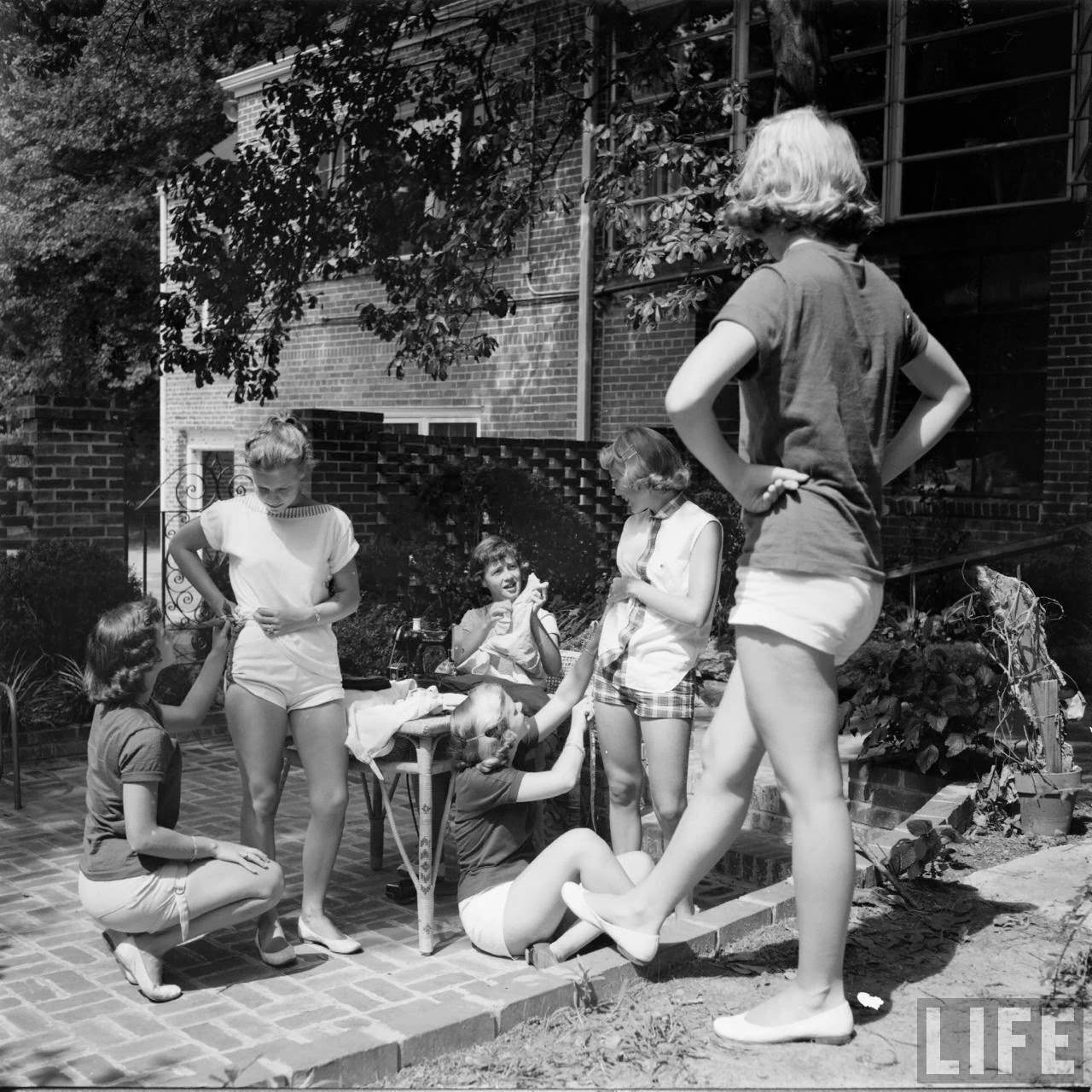
Common fabrics included cotton twill, denim, and gabardine. Solid colors and simple patterns like gingham were popular choices.

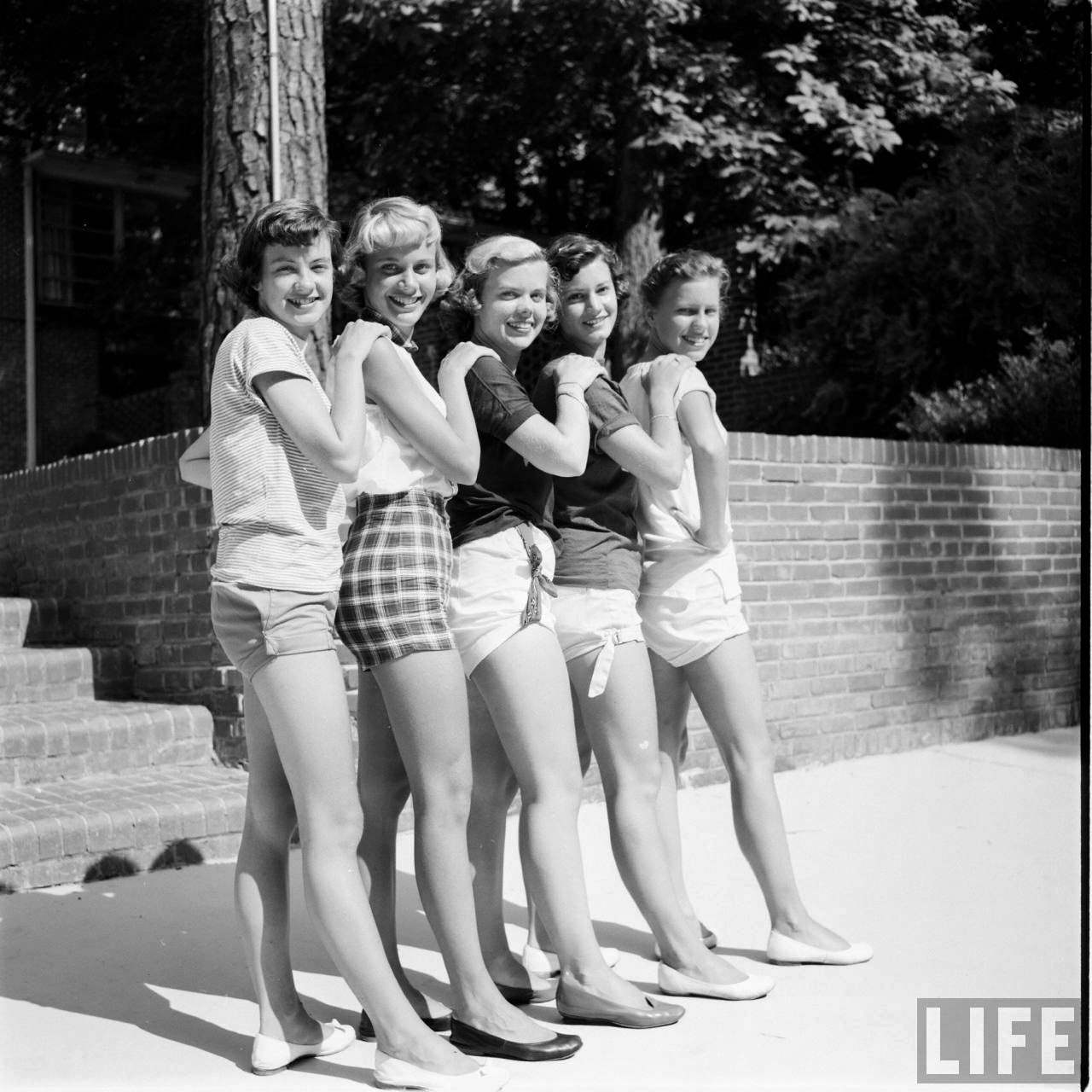
A close relative was the culotte. It shared the high waist and side zipper but featured wide, flared leg openings that mimicked the look of a skirt. Some culottes matched the short short’s length; others fell just above or below the knee.
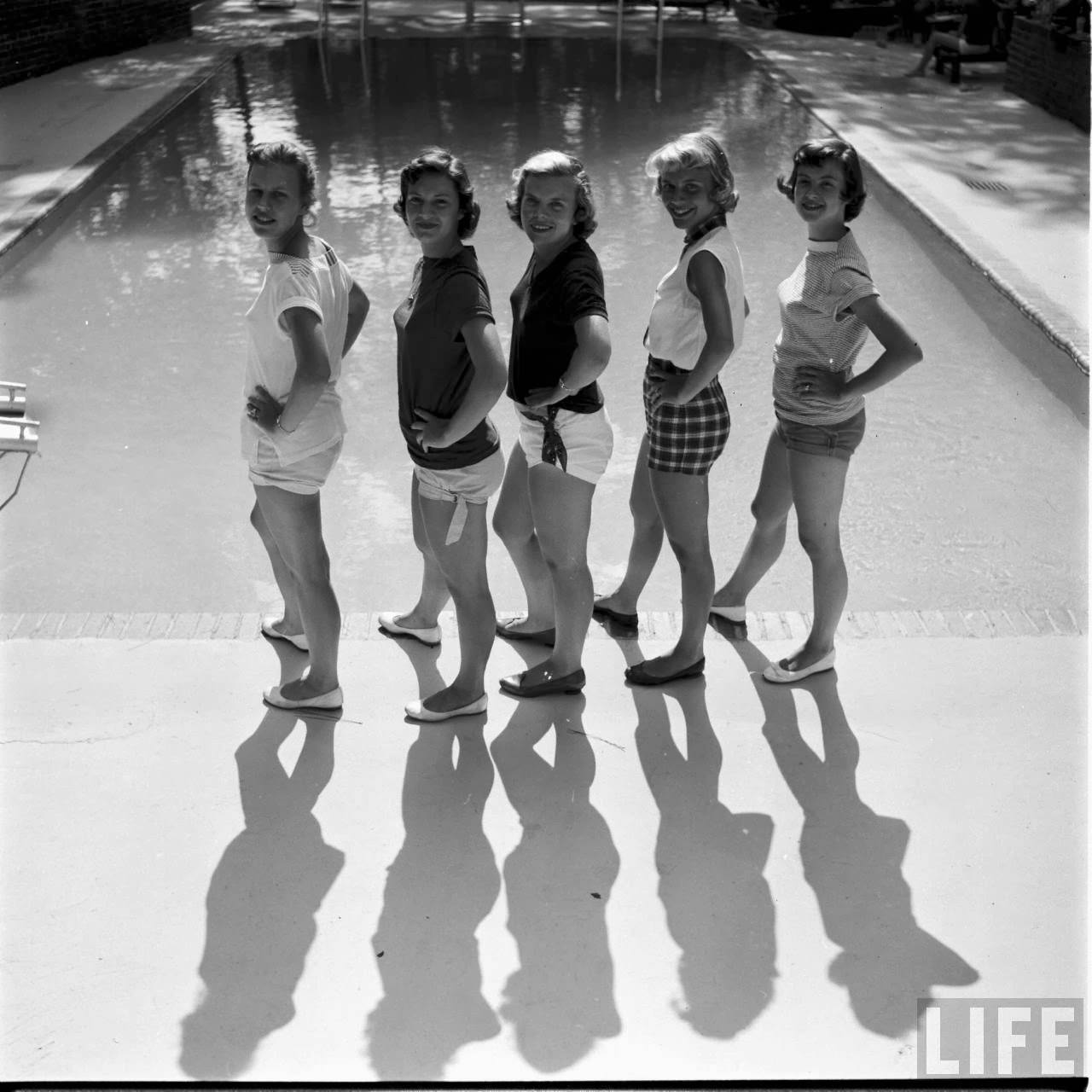
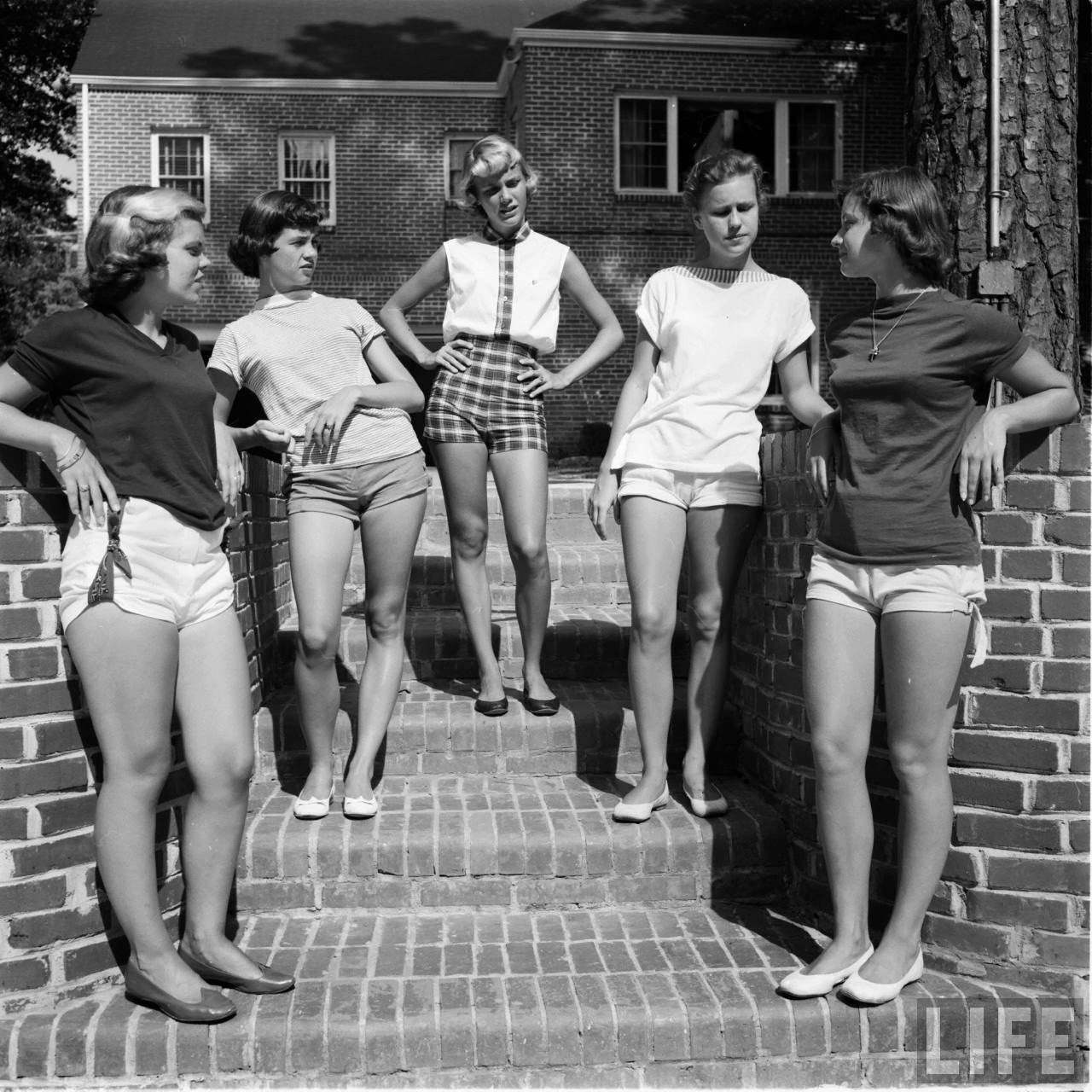
Despite growing popularity, strict social rules governed where women could actually wear them. Beaches, resort towns, backyard gardening, tennis courts, and bicycle paths were all acceptable settings.
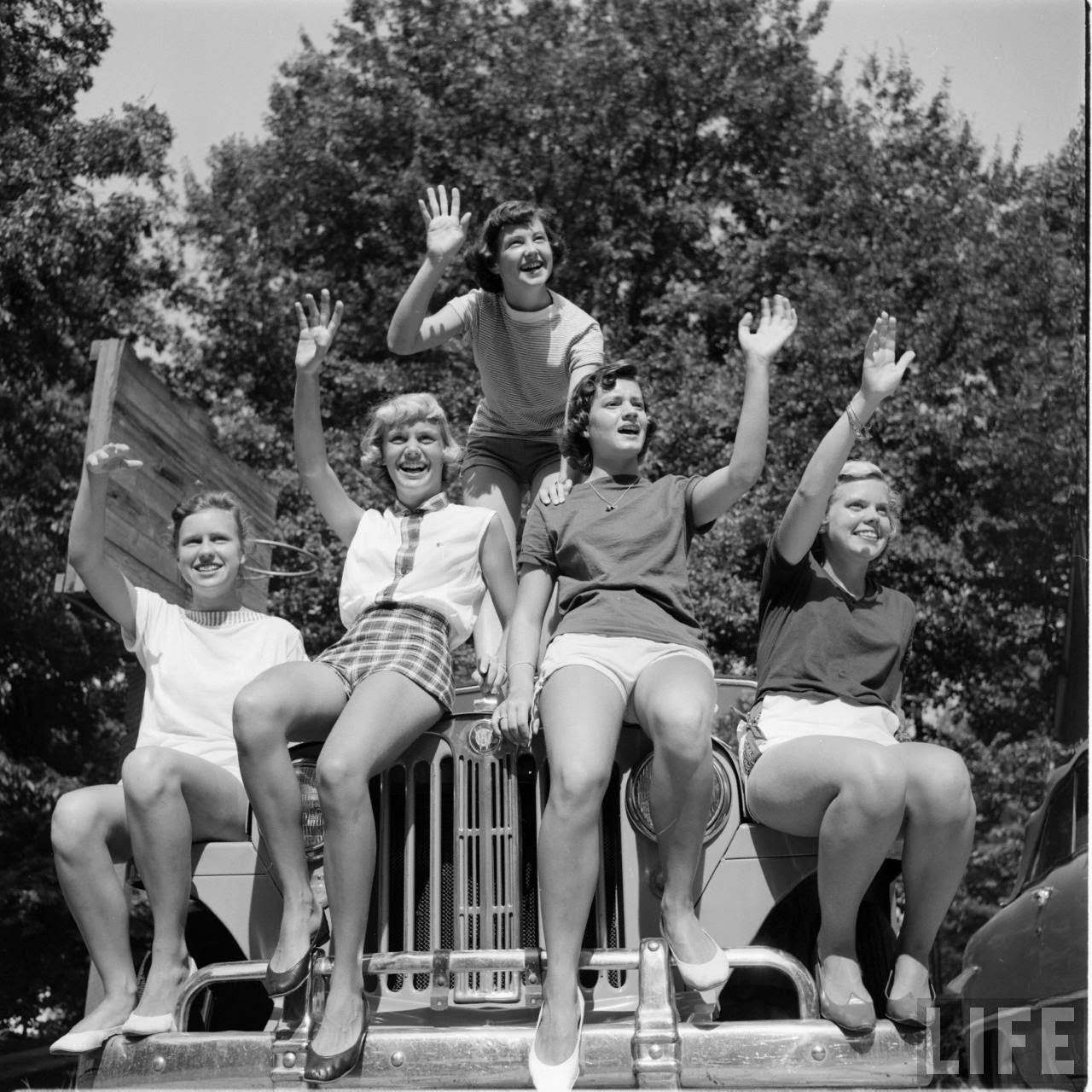
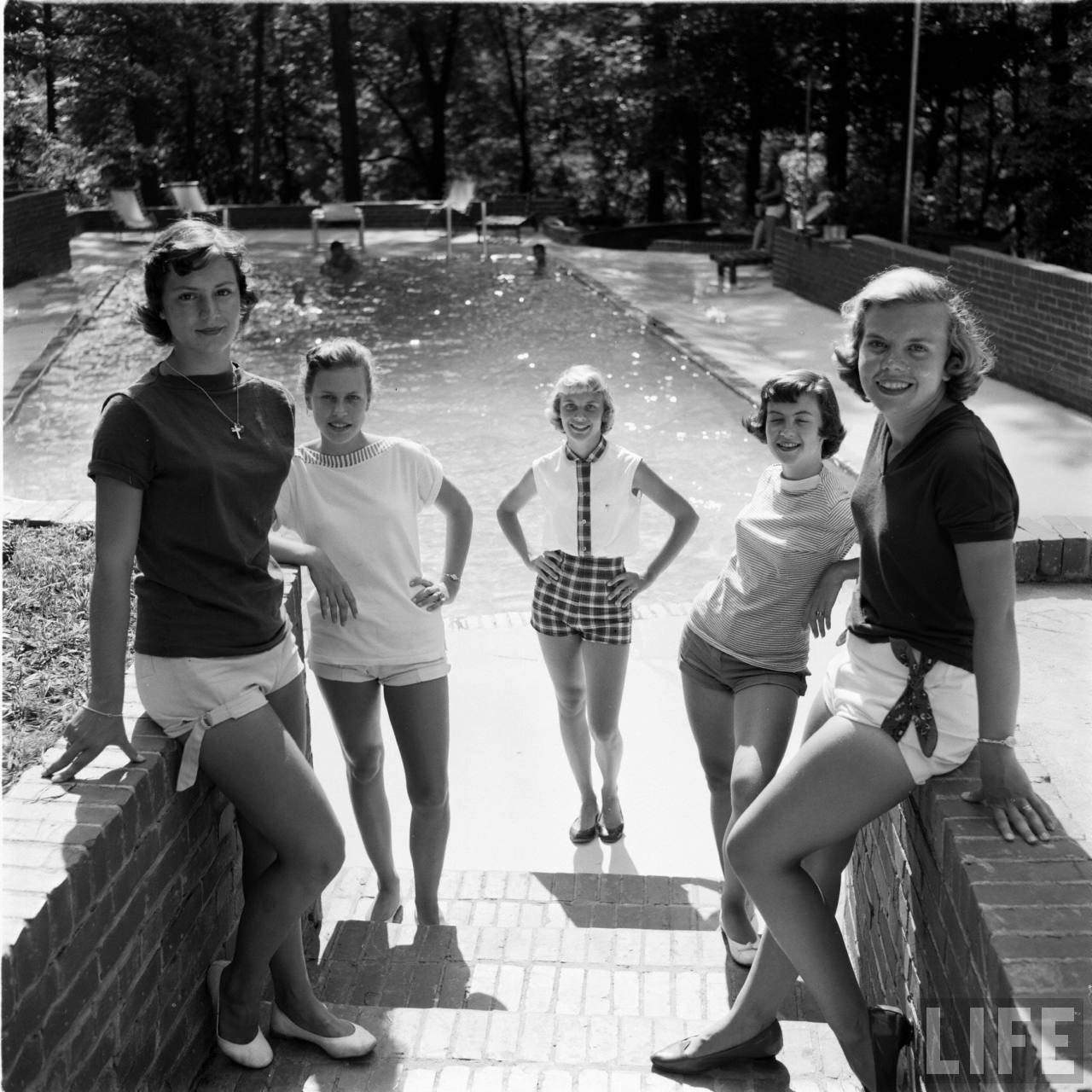
Hollywood starlets and pin-up models wore short shorts in widely circulated photographs, fueling demand for the style among everyday women.
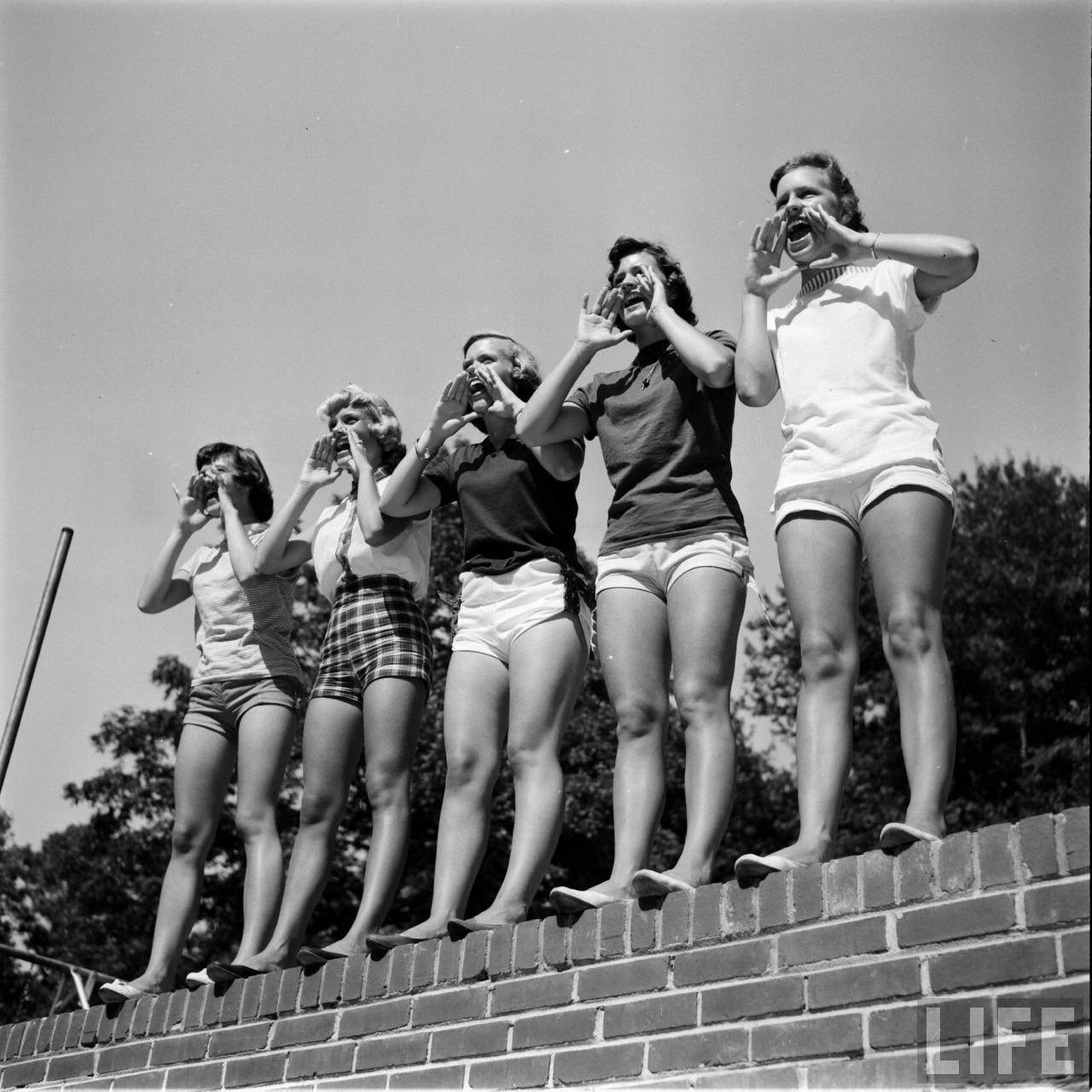
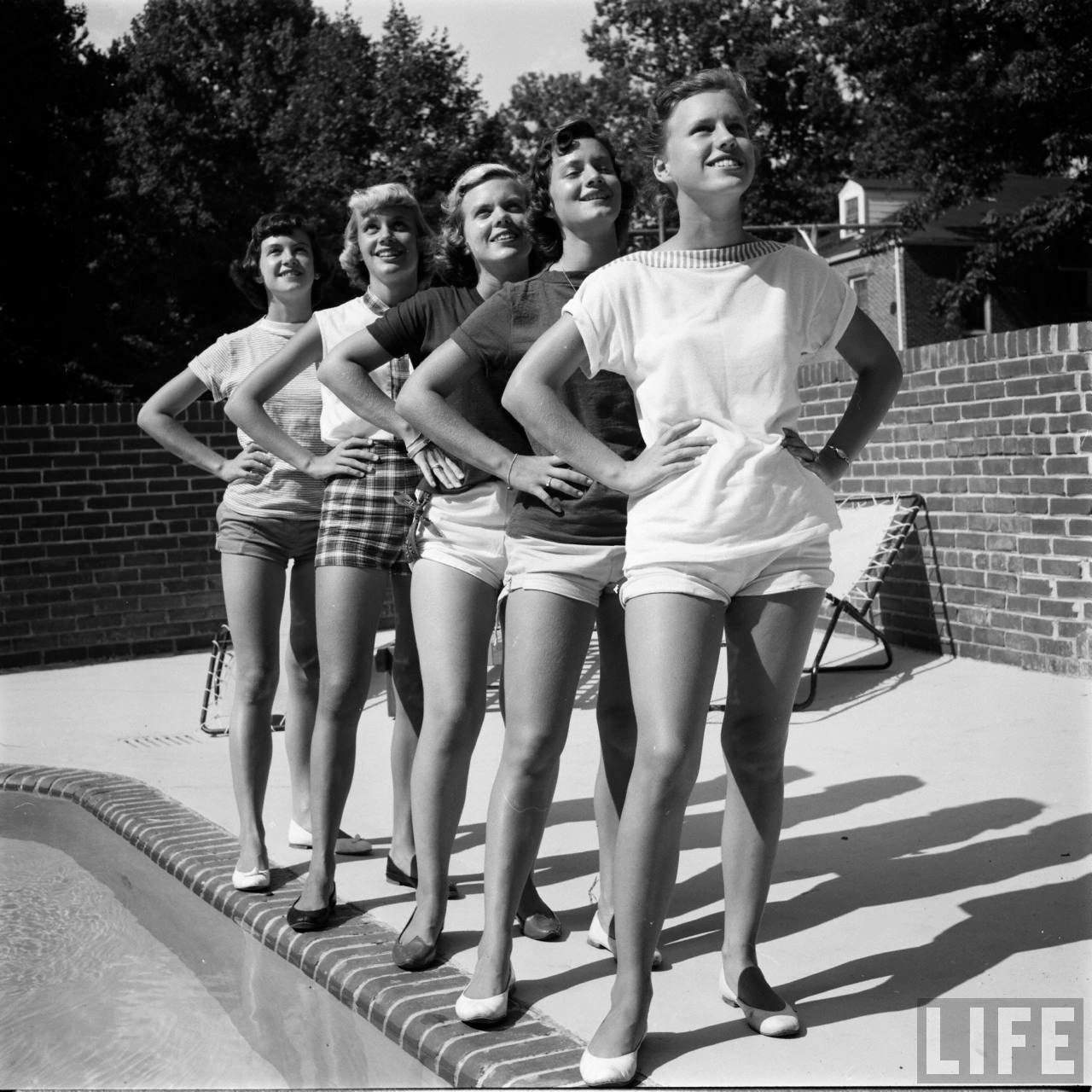
Wearing them in town, however, was a different matter. Shopping districts and restaurants were off-limits. Many towns enforced dress codes that outright banned shorts in downtown areas, keeping the garment firmly in the private and recreational sphere.